The Alverno Health Care Facility
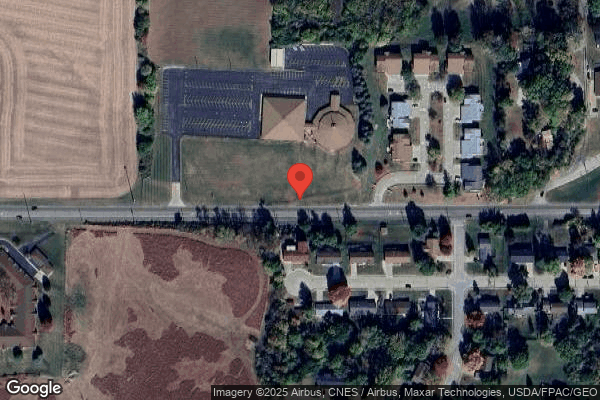
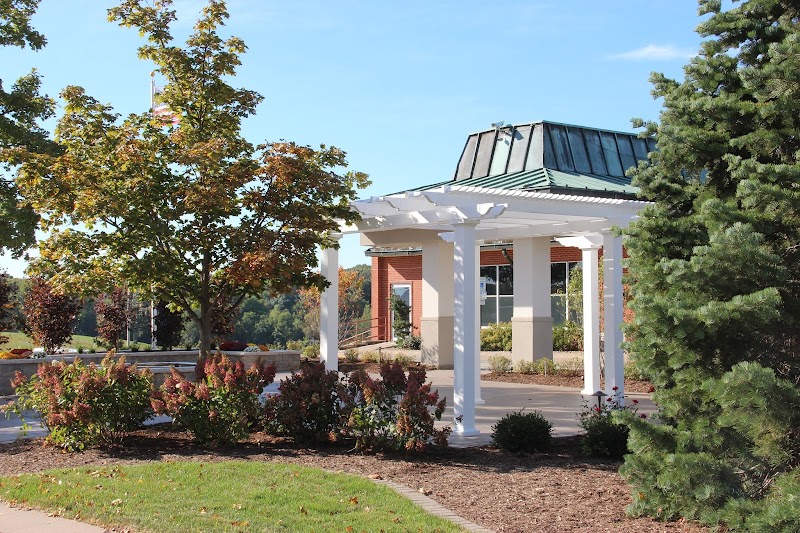
849 13th Avenue North, Clinton, IA 52732 (563) 242-1521
Non profit - Corporation 112 Beds TRINITY HEALTH Data: November 2025
Trust Grade
63/100
#233 of 392 in IA
Last Inspection: February 2025

Within standard 12-15 month inspection cycle. Federal law requires annual inspections.

Overview

The Alverno Health Care Facility has a Trust Grade of C+, indicating it is slightly above average, but still not ideal. It ranks #233 out of 392 nursing homes in Iowa, which places it in the bottom half of facilities in the state, and it is the lowest-ranked option in Clinton County. Unfortunately, the facility's performance is worsening, with the number of identified issues increasing from 7 in 2024 to 9 in 2025. Staffing is a strong point, receiving a 5 out of 5 rating with a turnover rate of 32%, which is well below the state average. However, the facility has faced some concerning incidents, such as failing to maintain a clean kitchen, which poses a risk for foodborne illness, and not properly labeling food, leading to potential expiration issues. Balancing these factors shows the facility has dedicated staff but faces significant challenges that families should consider.
Trust Score
C+
63/100
In Iowa
#233/392
Bottom 41%
Safety Record
Low Risk
No red flags
Inspections
Getting Worse
7 → 9 violations
Staff Stability
○ Average
32% turnover. Near Iowa's 48% average. Typical for the industry.
Penalties
○ Average
$9,750 in fines. Higher than 72% of Iowa facilities. Some compliance issues.
Skilled Nurses
✓ Good
Each resident gets 42 minutes of Registered Nurse (RN) attention daily — more than average for Iowa. RNs are trained to catch health problems early.
Violations
⚠ Watch
17 deficiencies on record. Higher than average. Multiple issues found across inspections.
★★★☆☆
3.0
Overall Rating
★★★★★
5.0
Staff Levels
★★☆☆☆
2.0
Care Quality
★★☆☆☆
2.0
Inspection Score
Stable
2024: 7 issues
2025: 9 issues

The Good

  • 5-Star Staffing Rating · Excellent nurse staffing levels
  • Full Sprinkler Coverage · Fire safety systems throughout facility
  • No fines on record
  • Staff turnover below average (32%)

    16 points below Iowa average of 48%

Facility shows strength in staffing levels, fire safety.

The Bad

3-Star Overall Rating

Near Iowa average (3.1)

Meets federal standards, typical of most facilities

Staff Turnover: 32%

14pts below Iowa avg (46%)

Typical for the industry

Federal Fines: $9,750

Below median ($33,413)

Minor penalties assessed

Chain: TRINITY HEALTH

Part of a multi-facility chain

Ask about local staffing decisions and management

The Ugly 17 deficiencies on record

Aug 2025 4 deficiencies
CONCERN (D) 📢 Someone Reported This

A family member, employee, or ombudsman was alarmed enough to file a formal complaint

Potential for Harm - no one hurt, but risky conditions existed

Quality of Care (Tag F0684)

Could have caused harm · This affected 1 resident

**NOTE- TERMS IN BRACKETS HAVE BEEN EDITED TO PROTECT CONFIDENTIALITY** Based on clinical record review, policy review, and staff and physician interviews, the facility failed to assess a resident's v...

Read full inspector narrative →
**NOTE- TERMS IN BRACKETS HAVE BEEN EDITED TO PROTECT CONFIDENTIALITY** Based on clinical record review, policy review, and staff and physician interviews, the facility failed to assess a resident's vital signs and neurological status at regular intervals after an unwitnessed fall for 1 of 3 resident records reviewed for post fall assessments (Resident #5). The resident was found unresponsive to painful stimulus 6 hours after the fall that required transfer and assessment at the hospital. The facility reported a census of 85 residents.Findings include:The Minimum Data Set (MDS) assessment dated [DATE] revealed Resident #5 had a fall in the month prior to last admission, entry, or reentry and also had a fall in the last 2-6 months prior to admission, entry, or reentry. The facility's Comprehensive Nursing assessment dated [DATE] revealed the resident scored 7 out of 15 points possible on the Brief Interview for Mental Status (BIMS) cognitive assessment, that indicated severe cognitive impairment. The resident was able to make herself understood and understood others, had vision impairment that required corrective lenses, had some hearing difficulty in certain environments without hearing aids used, and required one staff assist/limited assist for toileting, bed mobility, and transfer. The resident had fall history during the month before entry, in the last six months before entry, and had fracture from fall in the last six months before entry to the facilityThe current Care Plan included the following problem: Potential for injury associated with falls R/T (related to) history of falls, fall with subdural hematoma and generalized weakness. The goal with goal date of 7/25/25 revealed, Resident's risks for injury related to falls will be minimized through next review, and directed staff to complete fall risk assessment and modify care plan as needed, and to keep call light within reach.Another problem listed on the current Care Plan revealed, I am receiving anticoagulation therapy for diagnosis of DVT (deep vein thrombosis) prophylaxis and am at risk for bleeding and related complications. The goal with goal date of 7/25/25 revealed, Anticoagulation therapy will be administered in a safe and effective manner to achieve therapeutic levels determined by physician as evidenced by therapeutic effects of medication and rapid identification of bleeding or related complications through review date. Current interventions directed staff to monitor for any unusual bleeding: blood in stools or urine, bruising, excessive nose or gum bleeding, persistent oozing from superficial injuries, to track and monitor therapeutic levels and order changes as needed, and to notify physician of any abnormal assessment findings or lab values and obtain orders as needed.A third problem on the current Care Plan revealed, I have recently undergone significant health declines and appears to have limited strength and endurance, and cognitive functioning. The Care Plan Resident Summary document directed staff to transfer the resident with assist of one with gait belt and walker. The Hospital Discharge form dated 4/25/25 (date of Resident #5's admission) revealed resident #5 had diagnoses that included hypertension, atrial fibrillation, T11 (thoracic spine) compression fracture and right sided subdural hematoma from a fall on 4/21/25.The resident's 4/25/25 facility admission orders directed the resident to receive therapy services as indicated for strengthening.Physician orders directed staff to administer medications that included, in part, the following Heparin orders: The order dated 4/25/25 and discontinued 4/26/25 revealed Heparin (a strong anticoagulant medication that requires frequent monitoring by laboratory analysis due to potentially life-threatening complications from hemorrhage) 5000 units ordered via intramuscular injection (IM) every 12 hours. Then, Heparin 5000 units to be administered subcutaneously (injection into the fatty tissue under the skin) from 4/26/25 and discontinued 4/27/25. Heparin 5000 units then ordered from 4/27/25, discontinued on 4/30/25, to be administered via subcutaneous injection every 12 hours for 7 days. Also, Aspirin 81 milligrams (mg) (a medication used for blood thinning properties) administered oral daily starting on 4/26/25.Fall Incident Reports and Skin Assessments revealed:a. On 4/27/25 at 2:15 p.m. the resident found on the floor after self-transfer off the toilet that occurred as the resident backed up to the recliner chair in her room, the fall unwitnessed. The resident required 1 to 1 staff assist at the time with assistive device. No injuries were identified. The resident was last toileted at 12:30 p.m., the call light not activated, staff recommended and implemented signs posted in her room to remind the resident to use the call light for assistance. Staff initiated post fall ,vital sign and neurological assessments for 72 hours.b. On 4/30/25 at 12:35 a.m. resident found on the floor in front of the recliner in her room, unwitnessed, the resident denied hitting her head, had minor skin tears surrounded by bruising to her neck and bruising of the left hip. The resident reported falling forward into her walker, hit her neck against the walker, then landed on her left hip. The resident required 1 staff assist for transfer, had an unsteady gait with history of falls, was barefoot, reported she was looking for my men when she fell and last toileted at 11:45 p.m. The resident disoriented and got up without assistance or use of the call light. Staff recommended and implemented leaving the light on in the bathroom at night to help with orientation and updated her care plan. Skin assessments completed 4/30/25 after the fall at 12:30 a.m. revealed a 14 centimeter (cm) by 5 cm red/purple bruise located on the left hip that was tender to touch, skin tears on the right side of the neck, surrounded by bruising, 1 measured 1 cm by 1.5 cm, the other measured 0.2 cm by 1.2 cm, both required closure with steri-strips, and a red to purple bruise forming on the right side of the neck that measured 3 cm by 0.5 cm.Vital sign or neurological assessments were not observed to be completed after the initial assessment at the time of the fall, and the physician/provider lacked notification of the fall until 8:20 a.m. on 4/30/25.c. On 5/1/25 at 1:35 a.m. resident found on the floor in front of the recliner in her room, unwitnessed, denied hitting her head and no injuries identified. The resident required 1 to 1 staff assistance for transfer, was confused and disoriented, and had not activated the call light. Upon assessment the resident's blood pressure was 192/95, pulse 103, respirations 29 per minute. The resident was last toileted at 12:30 a.m., had gripper socks on, the resident stated she got up from the chair and fell over on my butt. Vital signs or neurological assessments were not observed to be completed after the initial post fall assessment, as well as physician notification of the fall at the time. Staff recommended completing visual checks of the resident every 30 minutes and updated the care plan.The Post Fall 72-Hour Monitoring Report directed staff to complete the assessment at the following intervals for follow up for all falls. A fall that is unwitnessed, or in which the head is struck requires neurological checks. Any change in resident condition requires a phone call to the primary care physician. The form directed after the initial fall assessment, assessments be completed every 15 minutes x 4, every 30 minutes x 2, every hour x 2 then every shift for 72 hours.The facility's self-reported incident described the resident had an unwitnessed fall on 5/1/25 at 1:25 a.m., resident was found on the floor in front of the recliner chair, denied hitting her head, and stated she was getting up from her chair and fell on her butt. No injuries were identified, range of motion and neurological checks were within normal limits, and the resident assisted from the floor to her bed. The resident remained awake until sometime around 4 a.m. When the staff checked on her at 5 a.m. she was asleep in her bed snoring. The resident remained asleep in her bed until 7:30 a.m. when staff could not wake the resident, resident unresponsive to painful stimulus, and a physician in the facility at the time directed the resident's transfer and assessment at the local hospital. The resident left the facility at 8:10 a.m. The resident returned to the facility later that morning with physician orders for comfort care. On 7/24/25 at 9:49 a.m., Staff A, Registered Nurse (RN) stated on the morning of 5/1/25, the night nurse Staff H, RN reported the resident had fallen but not hit her head, and denied hitting her head. She had not assessed the resident that morning until the Certified Nursing Assistants (CNA's) came to her around 7:30 a.m. and said they couldn't wake her (resident). She assessed her immediately, she (resident) was non-responsive to painful stimulus, and Staff A tried to contact the provider and couldn't reach her. At that time their Medical Director was in the facility and summoned to assess the resident. The physician ordered the resident's immediate transfer to the hospital for assessment. Prior to the fall on 5/1/25, the resident was very independent and wanted to transfer herself, and had 3 or 4 falls at the facility from her self-transfers without staff assist. There were signs in resident's room to remind her to use the call light for assistance, but she didn't use the call light. When a resident falls there were 2 different protocols post fall. If the resident didn't hit their head and no injuries, they were assessed twice a day for 72 hours. If the fall was unwitnessed or the resident hit their head, they were supposed to check vital signs and neuro assessments every 15 minutes 4 times, then every 30 minutes 2 times, then every hour 2 times, then every shift for 72 hours. The resident was on Heparin and she was concerned due to the number of falls she had, requested the order to discontinue it and that was approved by the provider.On 8/4/25 at 6:22 p.m., Staff I, CNA, stated she remembered on the night of 5/1/25, she heard a crash from the resident's room. Staff I went in and found the resident sitting on the floor in front of her recliner and the radiator. The nurse heard it and got there right after her, and Staff I was pretty sure the resident said yes when the nurse asked if she hit her head. They did have the light on by the doorway of her room, the door to the hall was open, and a light was on in her bathroom with the door partially closed. Staff I wasn't sure/couldn't recall what happened after that as the resident was not on her assignment.On 8/5/25 at 2:50 p.m., Staff B, RN, Nurse Manager stated if a resident fell, the nurse should complete a head to toe assessment, assess neuros if the fall was unwitnessed or if the resident hit their head, and start the post fall assessments of every 15 minutes times 4, every 30 minutes times 2, every hour times 2 then every shift for 72 hours. Per Staff B, the nurse should call the provider if the resident was injured, could fax the provider to notify of the fall if there was no injury, and would call the physician if there was any change in condition and request orders.On 8/5/25 at 10:09 a.m., the Director of Nursing (DON) stated if a resident had an unwitnessed fall and they were not alert/reliable to say whether or not they hit their head, the nurse should assess the resident for injuries, and complete vital signs and neuro checks per the protocol, even when injuries were not identified at the time. Staff should notify the physician timely by phone if there were injuries of concern with the fall or questions for follow up. If there were no injuries with the fall and no need for a change of orders the staff could notify the provider by facsimile (fax).On 8/4/25 at 6:17 p.m. Staff H, RN, stated she was the nurse on duty on 4/30/25 and 5/1/25 when the resident fell. The resident didn't want to be alone, she wanted to get up but didn't know where she wanted to go. On the 4/30/25 fall, the resident stated as she leaned forward to stand up she hit her neck on the walker that was positioned in front of her, but denied hitting her head. She assessed her and there was no change in her range of motion, or signs of injury beyond the skin tears on her neck with bruising and the bruising on her hip. She thought having more light in her room would help the resident's orientation, on 5/1/25 the light by her door was on, and her door was open to the hallway so there was a lot of light in her room. When she assessed her after the 5/1/25 fall, initially the resident denied hitting her head, she didn't identify any injuries on her assessment, her neuros were normal and no change in range of motion. Then later that night the resident said her head hurt and she must have bumped her head. Staff H stated she did not initiate the post fall neuro checks for an unwitnessed fall, the resident was awake for a while and visited with staff, did fall asleep after they got her to bed, the resident had very little sleep the first 3 days that she had been there and thought she was tired from that and the physical therapy program. The resident's room was located where staff could have frequent observations of her when they went past her room. Staff H stated she did not notify the provider of the falls on 4/30/25 or 5/1/25, but would call the provider during the night if the resident had significant injuries or if they needed to send the resident to the hospital. On 8/6/25 at 3:31 p.m., the facility's Medical Director was asked if staff should assess neuros (neurological assessments) after an unwitnessed fall and stated staff should assess neuros post fall when there was the potential for hitting their head. The Medical Director further explained this was how they could detect a change in condition from a head injury. On 8/7/25 at 11:40 a.m., the Administrator stated they did not have a post fall assessment policy. On 8/7/25 at 2:05 p.m., Staff E, Clinical Resource Manager stated the Post Fall 72 Hour Monitoring Report was not a facility form or policy of the facility.The facility's Falls Management policy, dated last revised August, 2021, revealed the following: Falls and fall risk would be managed through the process of assessment, planning, implementation and evaluation, fall assessments should be completed on admission, quarterly, and with any significant change in condition, and residents who are at risk for falls will have an individualized care plan developed which identifies interventions to reduce fall risk.
CONCERN (D) 📢 Someone Reported This

A family member, employee, or ombudsman was alarmed enough to file a formal complaint

Potential for Harm - no one hurt, but risky conditions existed

Accident Prevention (Tag F0689)

Could have caused harm · This affected 1 resident

**NOTE- TERMS IN BRACKETS HAVE BEEN EDITED TO PROTECT CONFIDENTIALITY** Based on clinical record review, policy review, and staff interviews, the facility failed to complete a root-cause analysis for ...

Read full inspector narrative →
**NOTE- TERMS IN BRACKETS HAVE BEEN EDITED TO PROTECT CONFIDENTIALITY** Based on clinical record review, policy review, and staff interviews, the facility failed to complete a root-cause analysis for three falls in a 4 day period, that started within 48 hours of a resident's admission to the facility, for 1 of 3 residents reviewed for resident safety/nursing supervision (Resident #5). The facility reported a census of 85 residents.Findings include:The facility's initial incomplete Comprehensive Nursing assessment dated [DATE] revealed the resident scored 7 out of 15 points possible on the Brief Interview for Mental Status (BIMS) cognitive assessment, that indicated severe cognitive impairment, able to make herself understood and understood others, had vision impairment that required corrective lenses, some hearing difficulty in certain environments without hearing aids used, and required 1 staff assist/limited assist for ambulation, toileting, dressing and moderate staff assist for bathing/hygiene. The current Care Plan included the following problem: Potential for injury associated with falls R/T (related to) history of falls, fall with subdural hematoma and generalized weakness. The goal with goal date of 7/25/25 revealed, Resident's risks for injury related to falls will be minimized through next review, and directed staff to complete fall risk assessment and modify care plan as needed, and to keep call light within reach.Fall Incident Reports revealed:a. On 4/27/25 at 2:15 p.m. the resident found on the floor after self-transfer off the toilet that occurred as the resident backed up to the recliner chair in her room, the fall unwitnessed. The resident required 1 to 1 staff assist at the time with assistive device. No injuries were identified. The resident was last toileted at 12:30 p.m., the call light not activated, staff recommended and implemented signs posted in her room to remind the resident to use the call light for assistance. b. On 4/30/25 at 12:35 a.m. resident found on the floor in front of the recliner in her room, unwitnessed, the resident denied hitting her head, had minor skin tears surrounded by bruising to her neck and bruising of the left hip. The resident reported falling forward into her walker, hit her neck against the walker, then landed on her left hip. The resident required 1 staff assist for transfer, had an unsteady gait with history of falls, was barefoot, reported she was looking for my men when she fell and last toileted at 11:45 p.m. The resident disoriented and got up without assistance or use of the call light. Staff recommended and implemented leaving the light on in the bathroom at night to help with orientation and updated her care plan. c. On 5/1/25 at 1:35 a.m. resident found on the floor in front of the recliner in her room, unwitnessed, denied hitting her head and no injuries identified. The resident required 1 to 1 staff assistance for transfer, was confused and disoriented, and had not activated the call light. Upon assessment the resident's blood pressure was 192/95, pulse 103, respirations 29 per minute. The resident was last toileted at 12:30 a.m., had gripper socks on, the resident stated she got up from the chair and fell over on my butt. Staff recommended completing visual checks of the resident every 30 minutes and updated the care plan. On 8/7/25 at 2:05 p.m., the Administrator stated they had not completed a Root-Cause Analysis of the resident's falls to determine if there was a common factor related to her falls.The facility's Falls Management policy, dated last revised August, 2021 revealed, Falls and fall risk would be managed through the process of assessment, planning, implementation and evaluation . Communities will evaluate resident falls and determine appropriate interventions to prevent future falls. The facility's Falls Management policy, dated last revised August, 2021 revealed, Falls and fall risk would be managed through the process of assessment, planning, implementation and evaluation . Communities will evaluate resident falls and determine appropriate interventions to prevent future falls.
CONCERN (D) 📢 Someone Reported This

A family member, employee, or ombudsman was alarmed enough to file a formal complaint

Potential for Harm - no one hurt, but risky conditions existed

Pharmacy Services (Tag F0755)

Could have caused harm · This affected 1 resident

Based on observation, clinical record review, pharmacy record review, pharmacy consultant interview, and staff interview, the facility failed to have safeguards and systems in place to control, accoun...

Read full inspector narrative →
Based on observation, clinical record review, pharmacy record review, pharmacy consultant interview, and staff interview, the facility failed to have safeguards and systems in place to control, account for, and periodically reconcile controlled medication in order to prevent potential loss and/or diversion for 1 of 4 residents (Resident #8) reviewed for controlled substance reconciliation. The facility reported a census of 85 residents.Findings include: Review of the Minimum Data Set (MDS) Assessment tool dated 2/4/25 revealed Resident #8 had medical diagnoses that included, in part, hypertension (high blood pressure), anxiety, non-Alzheimer's dementia and age-related debility. The MDS indicated in the 5 days that preceded the assessment the resident received analgesics (medication type used to treat pain) on both a scheduled and as needed basis, non-pharmacological pain management interventions, and the resident denied that he experienced pain symptoms.Review of the Care Plan Report, effective date 11/12/24 - Present revealed a Problem area to address At Risk for Pain generalized, left hip with a goal of ­_4_ R/T (related to) CHF exacerbation (chronic heart failure), hypoxia (low oxygen levels), hx (history) of left hip contusion. Interventions included, in part:a. Administer pain medication as ordered and evaluate for effectiveness and adverse effects. Notify the physician if ineffective or if adverse effects present. Status: Active (Current).b. Evaluate for pain at least daily by using a pain rating scale (numeric or descriptive). Notify physician of uncontrolled pain and obtain orders as needed. Modify Care Plan accordingly. Status: Active (Current). Review of Physician Order Sheet April 2025 revealed Resident #8 had the following orders for pain medications:a. Tramadol 50 mg (milligram) tablet (50 mg) TABLET oral three times daily, starting 11/13/2024b. Morphine concentrate 20 mg/ml (milliliter) oral syringe (FOR ORAL USE ONLY) (0.5 ml) Syringe (ML) oral As needed every four hours, starting 11/13/24c. Tylenol Arthritis Pain 650 mg tablet, extended release (650 mg) TABLET, EXTENDED RELEASE Oral Every Eight Hours, starting 11/13/24. Review of a facility reported incident, Submission Date: 4/25/25 revealed an Incident Summary: During a routine medication pass, a full cart of Tramadol 50 mg was found missing. Corrective Action Description: All other narcotics were accounted and accurate in the facility. Police were notified at 2pm on 4/25/25. Review of a Proof of Delivery - Shipment Detail sent by the consulting pharmacy, dated 4/3/25 revealed three lines with the following information repeated: Shipment Orders[Name redacted - Resident #8].Item description TRAMODOL 50 MG HCL TABLET QTY (quantity) 30 Date Filled: 4/3/2025 Review of the April 2025 Medication Administration Record (MAR) revealed staff initialed Tramadol 50 mg, three times daily administered as ordered April 1, 2025 through April 24, 2025. On April 25, 2025 the symbol = documented, which per the MAR legend indicated previously scheduled. Staff initialed Tramadol 50 mg, three times daily administered as ordered April 26, 2025 through April 30, 2025. Review of the April 2025 Treatment Administration Record (TAR) revealed an order for Pain assessment q (every) shift assessment. Starting 11/12/24. Review of the APRIL 2025 NON-PRN TREATMENT NOTES revealed on Resident #8 reported a Pain Level of 0 (zero) on April 23, 2025, April 24, 2025 and April 25, 2025 at each Day and Night assessment. Review of a document titled Clinical Notes Report revealed a Clinical Note entered on 4/25/25 at 12:34 PM by Staff J, Licensed Practical Nurse (LPN) which documented Resident has no Tramadol left, Call placed to [name of pharmacy redacted] and scrip is not available for fill until 4/27/25. [Pharmacy name redacted] stated 90 tabs were sent on 4/3, resident ran out of tabs 4/23, takes his med TID (three times a day). [Name redacted] CCC notified. [Name redacted - Staff E, Clinical Resources Director] has given this nurse request for [pharmacy name redacted] to fill, send and charge facility. During an observation on 8/5/25 at 7:36 am, Staff C, Registered Nurse (RN) and the Director of Nursing (DON) completed a shift to shift narcotic count in the 1st floor Medication Room. Resident #8 Tramadol medication stored in a double locked compartment, with individual narcotic inventory control records that demonstrated a declining drug inventory. The count accurately reconciled during this observation.During an interview on 8/5/25 at 7:20 am the Administrator stated on the morning of 4/25/25 the nurse mentioned there was a missing card of Tramadol [Resident #8] and she notified Staff E, RN immediately. The facility initiated their investigation at that time.During an interview on 7/22/25 at 10:51 am, Staff E, current Clinical Resource Manager and interim Director of Nursing (DON) at the time of the incident [April 2025] stated Tramadol medication that was ordered on a scheduled basis was stored in Medication Carts under single lock prior to the 4/25/25 discovery of missing Tramadol. Staff E explained the facility implemented the use of individual narcotic inventory control records for all Schedule III through V medications at that time. She stated the facility had always utilized the narcotic inventory control records for Schedule III through V controlled medications that were ordered on an as needed (PRN) basis. Staff E stated staff completed an exhaustive search of the facility on 4/25/25 and the missing card of 30 Tramadol could not be located. She stated the physician was notified immediately, and staff obtained appropriate orders for a new Tramadol prescription. Staff E stated the facility paid for the resident's new prescription delivered on 4/26/25. Staff E stated in the several years that she has worked there they had never had missing scheduled Tramadol from the Medication Carts, and their consultant Pharmacist had not directed the facility that Iowa Board of Pharmacy required periodic reconciliation of Schedule III through V controlled medications when declining inventory documentation methods or perpetual inventory documentation methods were not utilized that insured reconciliation. During an interview on 8/5/25 at 8:31 am, Staff D, Licensed Practical Nurse (LPN) stated when she worked on 4/24/25, she contacted the pharmacy to say they needed some Tramadol for the resident and the pharmacy said it was too soon to send more. She had administered the resident's Tramadol on other days when she worked. Staff D explained there were 3 cards each with 30 tablets of Tramadol stored in the Medication Cart. Staff D stated the Tramadol was not under double lock, and they were not counted with narcotics when they were ordered as scheduled. She stated when she worked on 4/25/25, they still didn't have the resident's scheduled Tramadol and she called the nursing supervisor right away that morning. She looked for the Tramadol the day before, continued to look on 4/25/25 and they could not locate the missing medication. Staff D explained, after that all Tramadol are now stored under double lock, with individual narcotic inventory control sheets for them and were counted in the shift to shift narcotic count by nurses.During an interview on 8/6/25 at 9:36 am Staff F, consultant Pharmacist stated the facility had not asked him for direction on appropriate procedures for periodic reconciliation of Schedule III through V controlled medications when an inventory control method was not utilized. He completed monthly medication storage audits at the facility, rotated what Medication Carts were reviewed for quality control purposes and had not identified concerns for medication storage.Review of the facility's Inventory of Controlled Medications policy, effective 6/30/2008, last revised 8/1/2018, directed staff, in part:a. The community should maintain separate individual controlled medication records on all Schedule II medications and any drug with a potential for abuse or diversion in the form of a declining inventory, using the Controlled Substances Declining Inventory Record.b. With respect to Schedule III - V controlled medications, the community may require staff count all such medications in accordance with community policy and applicable law.c. The community should ensure its staff immediately report suspected theft or loss of controlled medications to their executive director for appropriate documentation, investigation and timely follow-up in accordance with community policy and applicable law.d. The community should routinely reconcile:1) The current and discontinued inventory of controlled medications with log used in the community's-controlled drug inventory system.2) The current inventory with the controlled medication declining inventory record and the resident's MAR's.3) Any unused controlled medications held in storage awaiting destruction with the declining inventory record.
CONCERN (D) 📢 Someone Reported This

A family member, employee, or ombudsman was alarmed enough to file a formal complaint

Potential for Harm - no one hurt, but risky conditions existed

Deficiency F0761 (Tag F0761)

Could have caused harm · This affected 1 resident

Based on observation, clinical record review, pharmacy record review, facility policy review and staff interviews, the facility failed to prevent unauthorized access to the keys to Schedule II narcoti...

Read full inspector narrative →
Based on observation, clinical record review, pharmacy record review, facility policy review and staff interviews, the facility failed to prevent unauthorized access to the keys to Schedule II narcotic medications stored in a double locked compartment as required by law to prevent potential loss and/or diversion for 1 of 9 residents (Resident #4) reviewed for controlled medication storage and access. The facility reported a census of 85 residents.Findings include: The Minimum Data Set (MDS) Assessment tool dated 6/7/25 revealed Resident #4 had diagnoses that included arthritis, anxiety and an unstageable pressure ulcer of the sacral region (lower back/upper buttocks area). In the 5 days that preceded the assessment the resident received analgesics (pain medication) on both a scheduled and as needed basis, non-pharmacological pain management interventions, and the resident reported occasional moderate pain that rarely interfered with his ability to sleep, participate in day to day activities or Therapy activities.Review of the hospital discharge orders, dated 6/10/25 and the June 2025 Medication Administration Record (MAR) revealed and order for Oxycontin (a pain medication, classified as a Schedule II narcotic) 30 mg (milligrams) tablet, extended release (30 mg) TABLET, EXTENDED RELEASE 12 HR (hour) oral Every Twelve Hours Starting 6/10/25. The MAR scheduled times listed as 7:00 am and 7:00 pm. The June 2025 MAR included DISCONTINUED 6/11/25. The June 2025 MAR documented an order Oxycontin 30 mg tablet, extended release .EXTENDED RELEASE 12 HR Oral Every Eight Hours Starting 6/11/25. The MAR schedule times listed as 6:00 am, 2:00 pm, 10:00 pm. Review of [pharmacy name redacted] Proof of Delivery Shipment Summary revealed on 6/10/25 two lines with the following information repeated: Resident: [name redacted - Resident #4].Item Description: OXYCONTIN 20 MG ER (extended release) TABLET QUANTITY 30 Date Filled 6/10/25 x 2 shipped to facility. Received by: See paper signature [paper signature not included].Review of a Controlled Substance Proof of Use form revealed an order for Resident #4 for Oxycontin 30 mg ER Tablet. Amt. (amount) Rec. (received) 60; Date Rec 6/11; Nurse Signature [name redacted - Staff G, Licensed Practice Nurse (LPN)]. The form documented a total of 60 tablets administered with the first dose of administered on 6/11/25 at 0600 (6:00 am) and the last dose administered on 7/1/25 at 1310 (1:10 pm). Review of Proof of Delivery - Shipment Detail Shipment Summary, Date Shipped: 6/11/25, Date Received: 6/12/25 revealed three lines of the following information repeated: Shipment Orders[Name redacted - Resident #4].Item description OXYCONTIN 30 MG ER TABLET QTY (quantity) 30 Date Filled: 6/11/2025. The Proof of Delivery signed by Staff C, Registered Nurse (RN). The facility could not provide a Controlled Substance Proof of Use form for the 90 Oxycontin 30 mg ER tablets delivered on 6/12/25. Review of the June and July 2025 MAR for Resident #4 revealed:a. On 6/10/25, the 7:00 pm dose administered from the Resident #4 home supply as medication had yet to be delivered form the pharmacy per statement by Staff E, RN Clinical Resources Manager. b. From 6/11/25 at 6:00 am through 10:00 pm on 6/30/25, Resident #4 received all scheduled doses of Oxycontin as ordered. A total of 58 doses in June 2025 from pharmacy delivered supply.c. From 7/1/25 at 6:00 am through 6:00 am on 7/4/25, Resident #4 received all scheduled doses of Oxycontin 30 mg ER as ordered. A total of 10 doses in July 2025 form the pharmacy delivered supply. For June 2025 and July 2025, the MAR documented a total of 68 doses of oxycontin administered form the pharmacy delivered supply. Review of the clinical record revealed a Fax Transmittal Form to [physician name redacted} from the facility regarding Resident #4's a planned discharge (on 7/4/25) upon the 7/3/25 discontinuation of skilled services. The orders signed by the physician on 7/3/25. The orders included, in part to send facility supply of medications home with the resident, which included Oxycontin 30 mg ER tablets. Review of a facility reported incident, Submission Date: 7/05/25, Date/Time Occurred: 7/04/2025, Resident Name: [name redacted - Resident #4] revealed an Incident Summary: [name redacted - Staff A, RN0 reported to DON (Director of Nursing [name redacted] that they could not find 86 tabs of 30 mg Oxycontin for discharging skilled patient, [name redacted - Resident #4]. The Oxycontin was last administered at 0600 by [name redacted, Staff C, RN]. [Name redacted - Staff C, RN] was contacted to come to work. It was determined at 12:45 PM that the Oxycontin could be located, and a search commenced to determine if it had been misplaced. The Oxycontin was not found, and a call was placed to the [city name redacted] Police Department at 2:33 pm to report the incident. A call was then placed to DIA [State Agency] to self-report at 2:40 pm. [Name redacted] arrived to take a statement from [name redacted - DON] and gathered the facts as they are currently known. Corrective Action Description: Effective immediately a second set of keys must be the nurse or in the locked box in the medication room. The nurse on duty must keep their keys on them and locked unclaimed keys in the lock box, in the medication room. No unauthorized staff should be in the medication room. Supplies are to be retrieved form the stockroom, not the skilled med room. Additionally, all controlled counts are to be 2 nurses verified and signed off. We will be adding a extra check point for verification of controlled medications. During an interview on 8/5/25 at 10:09 am, the DON stated she was in the facility on 7/4/25 and on duty when Staff A, RN reported she could not locate the resident's [Resident #4] Oxycontin. The DON explained Staff A reported she counted narcotics with Staff C, RN, the off-going nurse that morning, in anticipation of the resident's planned discharge as the physician ordered the medications go home with the resident. The DON stated Staff A reported after the count she moved all his controlled narcotic medications and the associated narcotic inventory control sheets to the bottom shelf within the double locked narcotic storage compartment in the Medication Room. The DON stated Staff A reported the medications and the inventory control sheet were not in the storage compartment when she went to get them to give the resident at his discharge. The DON stated she contacted Staff C, RN who reported the medication was in the narcotic compartment during the morning narcotic count with Staff A, and had no other information. The DON stated in their search for the medication they found a 2nd set of keys to the double locked medication compartment in the top drawer of a desk in the nurse's office. The DON stated the drawer and the nurse's office were unlocked and that potentially anybody working on that floor or within the facility had access to the keys and the medication room and the double locked narcotic compartment. The DON explained there are two sets of keys so if there are two nurses on duty they each have a set. However, if there is only one nurse on duty the spare set of keys should be secured. The DON explained on 7/4/25, there was only one nurse assigned to that floor, the 2nd set of keys should have been secured, but were not. The DON stated since the incident they have reduced the number of keys and color-coded the keys and the nurse(s) are the only staff that have a key and access to the Medication Rooms.During an interview on 8/5/25 at 3:12 pm, Staff A, RN, stated on the morning of 7/4/25, she counted narcotics with Staff C, RN. She stated were no discrepancies with the count. Staff A explained she moved Resident #4 narcotics from the middle shelf within the compartment to the bottom shelf with the narcotic inventory control sheets and locked the storage compartment. Staff A stated after she completed a medication pass around 9:30 am she went to get Resident #4's medications to get ready for his discharge. She stated she could not find the Oxycontin. Staff A stated she had completed the count that morning and knew there were three cards of Oxycontin and a narcotic inventory control sheet. Staff A stated she panicked, contacted Staff B, RN, the nurse assigned to 2nd floor that morning. Staff A explained Staff B came and they both looked throughout the area and could not find the missing Oxycontin. She stated she then notified the DON who was on duty and came to assist. Staff A stated they discovered a 2nd set of keys in an unlocked desk drawer in the Nurses office, which had not been locked. Staff A stated the 2nd set of keys would have unlocked the medication Room and the narcotic storage compartment. Staff A stated this had never happened to her before and she was still upset about it.During an interview on 8/5/25 at 2:50 pm, Staff B, RN, identified as the 1st floor manager, stated when she got to work on 7/4/25 they had low census on 1st floor so she went to work on 2nd floor as assigned. Staff B explained Staff A, RN called her that morning very upset because she couldn't find Resident #4's Oxycontin and it was present when she counted narcotics that morning. Staff B stated she went to 1st floor to help look for the medication. Staff B stated the medication was not found, but they did find a 2nd set of keys in an unlocked drawer of the desk. Staff B stated the drawer the keys were found in was not the usual drawer where the keys were kept. Staff B explained the keys were not locked up as they should have been, and potentially anyone had access to them and could have went into the Medication Room and taken the Oxycontin from the narcotic compartment. Staff B stated they notified the DON right away who also helped look for the medication. During an interview on 8/5/25 at 6:43 am, Staff C, RN, stated on the morning of 7/4/25, she administered the resident's morning Oxycontin before she left, and had counted narcotics by herself before Staff A, RN got there and everything was in order. She stated she completed a count with Staff A when she arrived. Staff C stated she thought there were 83 or 84 Oxycontin tablets left at that time, and the medication was in the double locked narcotic compartment when she counted with Staff A. Staff C stated later she was called in and talked to the DON. Staff C stated the DON spoke to both her and Staff A, RN. Staff C recalled Staff A stated the count was right, and Resident #4 was supposed to discharge so she [Staff A] put the narcotic inventory control sheets around the associated narcotic card and placed them on the bottom shelf of the narcotic compartment, double locked. Staff C continued, retelling when Staff A was ready to discharge Resident #4 she went to get his medications and found the Oxycontin wasn't there. Staff C stated the Oxycontin was in the locked narcotic compartment when they counted that morning and she gave the keys to Staff A at that time.During an interview on 8/6/25 at 1:28 pm, Staff E, the Clinical Resource Manager stated they did not get the 6/10/25 dose of Oxycontin from their emergency medication supply, the resident used his own home medications until they got their delivery from the pharmacy later that night.Review of the facility's Inventory of Controlled Medications policy, effective 6/30/2008, last revised 8/1/2018, directed staff, in part:a. The community should maintain separate individual controlled medication records on all Schedule II medications and any drug with a potential for abuse or diversion in the form of a declining inventory, using the Controlled Substances Declining Inventory Record.b. The community should ensure the incoming and outgoing nurse or designee counts all Schedule II medications at least once daily or per community policy and document on the Controlled Drug Count Verification/Shift Count Sheet.c. The community should ensure its staff immediately report suspected theft or loss of controlled medications to their executive director for appropriate documentation, investigation and timely follow-up in accordance with community policy and applicable law.d. The community should routinely reconcile:1) The current and discontinued inventory of controlled medications with log used in the community's-controlled drug inventory system.2) The current inventory with the controlled medication declining inventory record and the resident's MAR's.3) Any unused controlled medications held in storage awaiting destruction with the declining inventory record.
Feb 2025 5 deficiencies
CONCERN (D) 📢 Someone Reported This

A family member, employee, or ombudsman was alarmed enough to file a formal complaint

Potential for Harm - no one hurt, but risky conditions existed

Accident Prevention (Tag F0689)

Could have caused harm · This affected 1 resident

Based on observation, interview, and record review the facility failed to ensure a resident's transfer from chair to bed was completed in a safe manner for 1 of 3 residents observed for transfers (Res...

Read full inspector narrative →
Based on observation, interview, and record review the facility failed to ensure a resident's transfer from chair to bed was completed in a safe manner for 1 of 3 residents observed for transfers (Resident #12). The facility reported a census of 91 residents. Findings include: Review of the Minimum Data Set (MDS) assessment for Resident #12 dated 1/28/25 revealed the resident scored 99 out of 15 on a Brief Interview for Mental Status (BIMS) exam, which indicated the resident was unable to complete the interview. Per this assessment, the resident was dependent for the following: to roll left to right, sit to lying, lying to sitting on the side of the bed, sit to stand, and chair/bed-to-chair transfer, and weighed 89 pounds. Review of the Care Plan dated 12/18/17 revealed, I have a self care deficit associated with need for assistance with ADLs (activities of daily living) R/T (related to) (advanced age and alzheimers dementia. The Care Plan did not specify the level of transfer assistance required for Resident #12. The Intervention Dated 12/18/17 revealed, Provide assistance as described on the resident summary to complete ADL tasks. Allow resident to complete as much as possible for self and then complete task to standard. Review of the Resident Summary modified 10/17/24 revealed, I am a two assist with transfers and ambulation. I use a Broda chair for mobility with staff assisting me. Please keep my foot pedals up when I am stationary. I may use a positioning bear as needed for repositioning to promote my independence. On 2/5/25 at 2:32 PM, Staff A, Licensed Practical Nurse (LPN) and Staff B, Certified Nursing Assistant (CNA) present in Resident #12's room. Resident #12 observed in a broda chair positioned next to the resident's bed, with broda chair next to the foot of the resident's bed and Resident #12 in the chair, which was facing the head of the bed. Staff removed a pillow, the resident's broda chair observed to not be locked, and the chair moved when Staff A and Staff B two person lifted the resident from the broda chair into bed. A gait belt not observed to be used for Resident #12's transfer. When providing cares, staff said usually had two people in as the resident was so contracted. On 2/6/25 at 10:56 AM, the Therapy Director explained the resident's transfer status would have been in the resident summary. When queried about two person assist, as seen in the resident's summary, the Therapy Director explained there would be two staff assisting, one on each side, especially for Resident #12 as not real active. Per the Therapy Director, they'd put a gait belt on [Resident #12], person on each side, and would give her a lift. When queried if staff should use a gait belt, the Therapy Director responded, absolutely. When queried if moving from broda chair to bed if the broda chair should be locked, the Therapy Director responded, absolutely. On 2/6/25 at 11:03 AM, Staff C, CNA queried about transfer status for the resident, and responded resident was 2 person pivot. When queried if the resident put their feet on the ground, Staff C responded, not really. When queried if during 2 person pivot if resident should have gait belt on, Staff C responded, yeah. When queried if going form broda chair to bed if the broda should be locked, Staff C responded, yeah. On 2/6/25 at 11:19 AM, Staff A, LPN, who was observed to assist with the resident's transfer on 2/5/25, queried if a gait belt used for the transfer. Staff A responded no. When queried if it should have been, Staff A responded the resident was 80 pounds and contracted, discussed positioning of a gait belt for the resident, and did not specify yes or no. When queried if the broda chair should have been locked for the transfer, Staff A acknowledged should have been, and could not remember if it had been. On 2/6/25 at 1:57 PM, the facility's Director of Nursing (DON) explained for two person transfer should have two staff members, gait belt, and then lock the chair, and have her stand pivot to the bed with walker if able to hold on to it. Review of the Facility Policy titled Accidents/Incidents or Unusual Occurence Reports (Skilled Nursing) dated May 2023 did not not address the area of concern.
CONCERN (D)

Potential for Harm - no one hurt, but risky conditions existed

Pharmacy Services (Tag F0755)

Could have caused harm · This affected 1 resident

**NOTE- TERMS IN BRACKETS HAVE BEEN EDITED TO PROTECT CONFIDENTIALITY** Based on observations, clinical record review, and staff interviews, the facility failed to ensure an insulin pens was primed an...

Read full inspector narrative →
**NOTE- TERMS IN BRACKETS HAVE BEEN EDITED TO PROTECT CONFIDENTIALITY** Based on observations, clinical record review, and staff interviews, the facility failed to ensure an insulin pens was primed and the medication administered prior to the expiration date for 1 of 2 residents reviewed for insulin administration (Resident #45). The facility reported a census of 91 residents. Findings include: The Minimum Data Set (MDS) assessment, dated [DATE], revealed Resident #45 had diagnosis of Diabetes Mellitus and received insulin injections on a daily basis. A review of the February 2025 MAR revealed an order, initiated [DATE], for Insulin Lispro 100 units per milliliter (mL) subcutaneous pen with instructions to administer sliding scale insulin three times a day as follows: For blood sugars between 70 and 150, give 0 units; 151-200, give 2 units; 201-250, give 4 units; 251-300, give 6 units; 301-350, give 8 units; 351-400, give 10 units; and 401-450, give 12 units. During an observation on [DATE] at 8:55 AM, Staff A, Licensed Practical Nurse (LPN), prepared Resident #45's Insulin Lispro pen at the medication cart. Staff A did not prime the insulin pen prior to the administration of 2 units for a blood sugar of 168. The Insulin Lispro pen observed to have a hand written open date of [DATE] on the storage bag and the pharmacy label. When queried, Staff A stated Resident #45's insulin Lispro pen did not need to be primed prior to administration. Staff A unable to identify how long the Lispro pen is good for after it is opened, and if or when the the insulin pen expired. During an interview on [DATE] at 2:47 PM, the Director of Nursing (DON), stated the insulin pen needed to be primed with 2 units prior to administration to prevent air from remaining in needle. The DON stated nursing staff needed to the check expiration date on insulin pens prior administration and if expired, they need to obtain a new insulin pen. During an interview on [DATE] at 3:27 PM, the DON confirmed Resident #45's Insulin Lispro pen had an opened date of [DATE] and stated that according to manufacturer's recommendations, the insulin pen expired 28 days after opened and should have been removed from medication cart on [DATE]. The DON reported Resident #45 Lispro insulin pen had been discarded. The facility provided a document titled Licensed Nurse Skill Competency Checklist, dated [DATE]. The checklist included a competency for licensed nursing staff to demonstrate how to prepare and give insulin injection and to demonstrate how to apply a needle to an insulin pen, dial and perform a two unit air shot, dial the insulin dose, and administer with an insulin pen. The checklist did not address the need to check the expiration date of an insulin pen.
CONCERN (D) 📢 Someone Reported This

A family member, employee, or ombudsman was alarmed enough to file a formal complaint

Potential for Harm - no one hurt, but risky conditions existed

Infection Control (Tag F0880)

Could have caused harm · This affected 1 resident

Based on observations, clinical record review, nurse competency checklist and staff interviews, the facility failed to perform the infection control practices of hand hygiene and cleaning the hub of a...

Read full inspector narrative →
Based on observations, clinical record review, nurse competency checklist and staff interviews, the facility failed to perform the infection control practices of hand hygiene and cleaning the hub of an insulin pen prior to the attachment of the needle for 2 of 2 residents reviewed for insulin administration (Resident #11 and Resident #45). The facility reported a census of 91 residents. Findings include: 1. The Minimum Data Set (MDS) assessment, dated 12/17/24, revealed Resident #11 had diagnosis of Type 2 Diabetes Mellitus and received insulin injections on a daily basis. A review of the February 2025 Medication Administration Record (MAR), revealed an order, initiated 7/18/24, for Insulin Lispro 100 units per milliliter (mL) subcutaneous pen with instructions to administer sliding scale insulin three times a day as follows:For blood sugars between 70 and 150, give 0 units; 151-200, give 2 units; 201-250, give 4 units; 251-300, give 6 units; 301-350, give 8 units; and 351-400, give 10 units. The MAR, dated February 2025, revealed an order, initiated 2/04/25, for Lantus Solostar Insulin 100 units/mL subcutaneous pen with instructions to inject 50 units every morning and 48 units every evening. During an observation on 2/06/25 at 8:20 AM, Staff H, Licensed Practical Nurse (LPN), prepared Resident #11's Insulin Lispro pen and Insulin Lantus pen at the medication cart. Staff H opened the insulin pen needles, packaged separately from the pen, and without cleaning the hub directly screwed the needle to the pens. Staff H then entered the residents room to administer the medication. Without donning gloves, Staff H cleaned the residents right upper inner thigh with an alcohol wipe and injected both Insulin Lispro and Insulin Lantus. Staff H applied hand sanitizer and exited resident room, insulin needles placed into sharps container kept on medication cart. During an interview on 2/06/25 at 08:30 AM, Staff H denied cleaning the hub of the insulin pens prior to needle attachment and stated she probably should have. Staff H denied wearing gloves to administer Resident #11's insulin and stated she would normally wear gloves when administering insulin injection. 2. The MDS assessment, dated 10/03/24, revealed Resident #45 had diagnosis of Diabetes Mellitus and received insulin injections on a daily basis. A review of the February 2025 MAR revealed an order, initiated 9/26/24, for Insulin Lispro 100 units per milliliter (mL) subcutaneous pen with instructions to administer sliding scale insulin three times a day as follows: For blood sugars between 70 and 150, give 0 units; 151-200, give 2 units; 201-250, give 4 units; 251-300, give 6 units; 301-350, give 8 units; 351-400, give 10 units; and 401-450, give 12 units. During an observation on 1/06/25 at 8:55 AM, Staff A, LPN, prepared Resident #45's Insulin Lispro pen at the medication cart. The insulin pen needles, packaged separately from pen, were opened and without cleaning the hub Staff A screwed the needle onto the insulin pen. During an interview on 2/06/25 at 1:35 PM, Staff I, Infection Preventionist stated the expectation is for the nurse to clean the hub of insulin pens prior to attaching needle. She added nursing staff are to wear gloves during administration of a resident's insulin injection in efforts to prevent infections. During an interview on 2/06/25 at 2:47 PM, the Director of Nursing stated she would expect the nursing staff to clean the hub of insulin pens with alcohol wipe prior to attaching the needle. She stated the staff should also perform hand hygiene and apply gloves before administering injections. A review of the document titled Licensed Nurse Skill Competency Checklist, dated 11/14/23, revealed competencies under the Glucometer section included, in part: Demonstrate how to prepare and give insulin injection and to demonstrate how to apply a needle to an insulin pen. A review of document titled Medication Pass Review, dated 10/01 under the Infection Control section revealed a competency related to Where universal precautions adhered to, including syringe disposal?
CONCERN (E)

Potential for Harm - no one hurt, but risky conditions existed

Medication Errors (Tag F0758)

Could have caused harm · This affected multiple residents

**NOTE- TERMS IN BRACKETS HAVE BEEN EDITED TO PROTECT CONFIDENTIALITY** 4. The MDS assessment dated [DATE] revealed Resident #60 scored 13 out of 15 on the BIMS, which indicated intact cognition. The ...

Read full inspector narrative →
**NOTE- TERMS IN BRACKETS HAVE BEEN EDITED TO PROTECT CONFIDENTIALITY** 4. The MDS assessment dated [DATE] revealed Resident #60 scored 13 out of 15 on the BIMS, which indicated intact cognition. The MDS list of diagnoses included depression. The Care Plan for Resident #60 dated 11/27/24, identified diagnoses of anxiety and depression, and the resident prescribed buspirone and venlafaxine (antidepressants). The Physician's Orders dated 2/6/25 listed medication orders that included: a. buspirone 5 milligrams (mg) two times daily started on 4/5/2024 (anxiety medication). b. venlafaxine extended release ER 150 mg (take with the 75 mg) started on 4/5/2024 (antidepressant medication). c. venlafaxine extended release ER 75 mg one time a day started on 4/5/2024. The Pharmacist Consultation Report dated 8/28/24, listed the names of 2 diuretic medication, furosemide 80 mg daily and Spironolactone 25 mg daily. He questioned to the Primary Care Provider (PCP) to complete a basic metabolic panel (BMP) blood draw on the next laboratory (lab) day and then every 6 months. The Pharmacist Consultation Report dated 10/24/24, reflected a question to the Primary Care Provider (PCP) to attempt a GDR of the buspirone 5 mg two times a day to 2.5 mg two times a day. The Pharmacist Consultation Report dated 12/20/24, identified Resident#60 took Spironolactone 25 mg daily, and potassium chloride 20 milliequivalent (mEq) daily. The Pharmacist explained the risks of the medication and requested laboratory monitoring. He asked the PCP to schedule a BMP on the next lab. The Pharmacist Consultation Report dated 1/20/25, questioned to the PCP to attempt a GDR of the buspirone 5 mg two times a day to 2.5 mg two times a day. The Clinical Notes for Resident #60 dated 8/28/24 through 2/6/25 failed to include documentation the Pharmacist recommendations were addressed. During an interview on 2/06/25 at 9:40 AM, the Director of Nursing (DON) reported she took the DON job in May 2024. She revealed as the DON she received the emails form the Pharmacist and put them in a folder. She stated she failed to review the information and send the request to the PCP. Review of the facility policy, titled Medication Regimen Review, last revised on 6/1/24 revealed Procedures which included, in part: #8. The consultant pharmacist will provide the resident ' s MRRs (Medication Regimen Review) to facility identified personnel who will ensure that the attending physician, medical director, director of nursing and other necessary facility staff receive the recommendations. #13. The attending physician/prescriber should address the consultant pharmacist ' s recommendation no later than their next scheduled visit to the facility to assess the resident per facility policy, or applicable state and federal regulations. Based on clinical record review, facility policy review and staff interview the facility failed to follow up on pharmacy recommendations for the monitoring of medications and gradual dose reduction for 4 out of 5 residents reviewed. (Residents #2, #20, #45, and #60) The facility identified a census of 91 residents. Findings include: 1. Review of the Minimum Data Set (MDS), dated [DATE] revealed Resident #20 scored 13 out of 15 on the Brief Interview for Mental Status, which indicated intact cognition. Per the assessment the resident took antidepressant, hypnotic, diuretic, opioid, and antiplatelet medications A review of Physician Orders revealed an order, dated 4/21/23 for duloxetine (an antidepressant) 30 mg (milligrams) 1 tab daily The Consultation report dated 11/25/24 revealed [Resident #20] has received duloxetine (Cymbalta) daily since 4/20/23. Recommendation: Please attempt a gradual dose reduction (GDR) of duloxetine to 20 mg daily. Review of Resident #20 Progress Notes revealed a lack of documentation about a GDR for duloxetine. A review of the February Medication Administration Record (MAR) revealed Resident #20 received the duloxetine 30 mg from 2/1/25 through 2/6/25. 2. A review of Physician Orders revealed an order for Resident #2 for lorazepam (antianxiety) 0.5 mg twice daily, state date 11/8/23. The Consultation Report dated 10/23/24 revealed [Resident #2] has received lorazepam 0.5 mg twice daily since 11/8/23. Recommendation: Please attempt a GDR of lorazepam 0.5 mg at bedtime. Review Resident #2 Progress Notes revealed a lack of documentation about a GDR for lorazepam. Review of the February 2025 MAR for Resident #2 revealed lorazepam 0.5 mg was administered 2/1/25 to 2/6/25. 3. Review of the MDS dated [DATE] revealed Resident #45 scored 2 out of 15 on a BIMS exam, which indicated severely impaired cognition. Per this assessment, the resident took antidepressant, antianxiety, antipsychotic, opioid, antiplatelet, hypoglycemic, and anticonvulsant medication. The Physician Order dated 9/26/24 revealed the resident ordered fluoxetine 40 mg one time daily. The Consultation Report dated 7/23/24 revealed, [Resident #45] has received fluoxetine (Prozac) 40 mg (milligrams) daily since 9/21/22. Recommendation: Please attempt a gradual dose reduction (GDR) of fluoxetine to 30 mg daily. An option per the Physician Response section was left blank, and the Consultation Report was unsigned. Review of Resident #45's Progress Notes from 7/23/24 to 2/4/24 lacked documentation about a gradual dose reduction (GDR) for fluoxetine. Review of the Medication Administration Record (MAR) dated February 2025 revealed the resident received fluoxetine 40 mg from 2/1/25 though 2/6/25.
CONCERN (E)

Potential for Harm - no one hurt, but risky conditions existed

Food Safety (Tag F0812)

Could have caused harm · This affected multiple residents

Based on observation, food storage guidelines, and staff interviews the facility failed to label food, indicate the opened/prepared date of an item, and dispose of food kept beyond the expiration date...

Read full inspector narrative →
Based on observation, food storage guidelines, and staff interviews the facility failed to label food, indicate the opened/prepared date of an item, and dispose of food kept beyond the expiration date in an effort to prevent prevent food borne illness. The facility reported a census of 91 residents. Findings include: During the initial kitchen tour on 2/03/25 at 9:45 AM, the following food items found in a refrigerator with either no label and or date opened, and kept beyond the expiration date: a. Large bag of lettuce in saran wrap, no open date indicated. b. Bag of french fries, no open date indicated. c. Melted butter, no prepared date indicated d. Corned beef, dated 1/15/25. e. Zip lock bag with unknown contents, no date indicated. f. Dish of oatmeal, no prepared date indicated. g. Bread crumbs, no open date indicated. h. [NAME] beans with bacon, no prepared date indicated i. Cranberry salsa, dated 1/17/25 j. Three - 1 pound blocks of butter, no open date indicated. k. Bag of fried chicken, no open or prepared date indicated. l. Thawed chicken, no open or thraw date indicated. m. Pork roast, no open or prepared date indicated. n. Scrambled eggs, dated 1/28/25. o. Chopped onions, dated 1/28/25. The walk in refrigerator had the following items with expired dates on them: a. Sliced ham, dated 1/22/25. b. Home made ranch dressing, dated 1/21/25. During an interview on 2/06/25 at 1:00 PM Staff F, Sous Chef stated the kitchen uses the waste not program to dispose of outdated food. He explained it is a tracking program of food in refrigerator. Staff F explained food has various shelf life and we use first in first out method. He stated he, and the cooks are responsible for disposing of outdated foods. Staff F stated everything should be labeled with name, date opened and what it is. He stated the discard date should also be on the item. Staff F stated they have paperwork in the kitchen that tells you how long the food is good for once it has been opened. During an interview on 2/06/25 at 1:27 PM the Dietary Manager stated the expectation of staff for labeling food items, and it is actually on the cleaning list to check the refrigerators it is usually on 3 times per week. The Dietary Manager stated it would have been done on Friday and Monday and then again it should have gotten done. The Dietary Manager stated they would have expected those things to be labeled and dated. We usually have someone do a walk through on Sunday night. All items should be labeled and dated. The facility provided a document titled Refrigerated Storage Life of Foods dated January 2024 which directed: Use manufacturer's expiration date for products before they are opened. If there is no expiration date on the package, add the time listed here to the date the food is received. Add the time in the opened column to the date when the food is prepared or opened. Label when product is opened. The time listed is added to today's date. The document listed all types of foods and the amount of days to be added, for example: butter/margarine + 3 days, homemade salad dressings +7 days, and deli meat +3 days.
May 2024 6 deficiencies
CONCERN (D)

Potential for Harm - no one hurt, but risky conditions existed

Investigate Abuse (Tag F0610)

Could have caused harm · This affected 1 resident

Based on clinical record review, staff interview, resident interview, and resident handbook review, the facility failed to implement their policy when the Administrator implemented a grievance resolut...

Read full inspector narrative →
Based on clinical record review, staff interview, resident interview, and resident handbook review, the facility failed to implement their policy when the Administrator implemented a grievance resolution of assisting the resident to organize his money and gift cards in a locked drawer in the resident's room in regards to missing property and possible theft for 1 of 1 resident reviewed (Resident #43). The facility reported a census of 88 residents. Findings include: The undated admission Minimum Data Set (MDS), documented an entrance date of 1/26/2024 for Resident #43 and identified a Brief Interview for Mental Status (BIMS) score of 15 which indicated cognition intact. The MDS reflected the resident was able to make themselves understood and understood others. The Care Plan dated 1/29/2024 with a focus area of Person Centered Care Status: Active (Current) with the goal: to promote my quality of Life. The Care Plan documented the following interventions: a. I know this plan of care had been written to promote my quality of life, however there may be times I choose to exert my individual rights by making my own independent choice i.e. refusal of care, treatment and diet. My resident summary is an extension of my care plan. b. I prefer to have my bed against the wall to allow for more moveable space in my room. The Progress Notes lacked documentation regarding the missing property, the outcome of an investigation and any information regarding reimbursement. During an interview on 4/29/2024 6:45 PM Resident #43 advised he and his wife had some money in their drawer and that came up missing. Resident #43 believed it was between $60 to $80 dollars but is unsure of the exact amount. The Resident advised at the same time they were also missing approximately $300 in gift cards for Taco Bell and Wal-Mart. Resident #43 indicated this was approximately 2 weeks ago. The Resident advised he talked to the facility Administrator and several other staff members and a police report was made. The police came out to the facility and interviewed him. The resident advised he did not know if it was a resident or staff that took their money and gift cards. He advised he and his wife searched his room to make sure they hadn't misplaced them. Facility staff also came in and searched the room with his permission. Resident #43 was unable to specifically name any particular staff member he talked to other than the Administrator. He then inquired on whether they are able to get a camera for their room. During an interview on 4/30/24 10:46 AM The Administrator reported she was aware of the missing property/theft concern with this resident. The Administrator shared that prior to the incident the resident asked her if he was able to purchase gift cards because he was afraid he was running out of money. The Administrator shared she told the resident he could purchase gift cards just to be careful/mindful of the spend down limits. The Administrator advised she completed the 5 day investigation and also wrote up the concern as a grievance. The Administrator advised the resident always said missing money and didn't say theft. She advised staff looked through the resident's room and didn't find the missing property. The Administrator further shared, In January, the resident asked about gift cards and I told him to be careful for the look back of 5 years. I did not know he had cash or gift cards. The top cabinet door on the stand between their chairs wasn't locking because they did not have the right key so we provided a key that would work. The Administrator advised she asked other residents if they had any missing property. When queried, the Administrator advised she did not interview staff about the incident and did not inquire whether staff were aware the resident had money and gift cards in his room. On 4/30/24 at approximately 3:30 PM the administrator was queried if the facility had a plan to replace the missing items. The Administrator advised, at this time, there is not a plan to replace or reimburse the missing property. The Administrator was then asked if she had talked with any family members who may have assisted the resident in acquiring the gift cards and she replied she had not. The Administrator then shared she felt very comfortable with the conversations she had with the Resident. When asked, the Administrator advised the facility does not have a policy for missing or stolen items. The Administrator was asked for and provided the abuse policy. The Administrator also provided a document pertaining to the facility's investigation. The undated, untitled and unsigned document reads as follows: 5 day follow up investigation. The Resident continued to allow staff to search in his room. We did have nurse management be the one to help search for the items. Other gift cards were found lying in different places but none of the gift cards that the Resident reported missing were found. Police were notified and we have an open investigation on it. We encouraged the Resident to keep all his money and gift cards in the top drawer of the bed side cabinet. This cabinet can be locked he had a key, but we could not get it to work. We provided resident with the correct key, and he said he will keep the key in safe keeping and not tell anyone. We will work with him as long as he allows to help get all his valuable items in his locked boxes he has. Staff will be educated on encouraging residents to keep valuables in a locked and safe place. The Administrator also provided the following hand written note; I talked to three residents and all 3 deny having any concerns or missing items. I randomly picked one person from each section on the unit.-Staff G. The following document was also provided; 4/23/24 I, Staff G, Staff F, and Staff H with resident permission searched the Resident's room for the reported missing money and gift cards. During the search we found several gift cards, money ($2 bills, coins), various legal documents, bank statements, and check books unsecured through out the room stored in various places. The gift cards and money found were not the ones reported missing. We also identified the resident had two locked safe boxes with the keys stored in the lock. Staff G provided the resident with education on the need to get these items organized and locked. Staff G also provided resident with a lanyard to store the keys for the safe boxes and locked nightstand drawer. The resident was very nonchalant about the situation and stated, what are you going to do? this statement was rhetorical. Signed by Staff G and Staff F. On 05/01/24 at 8:20 AM Resident # 43 and his wife were observed in the main dining room. This worker again talked with the resident about the missing money and gift cards and he indicated he could not name any staff member specifically that usually works with them because the staff members always vary and no one staff member worked them more than another. They have not had any other items go missing. On 05/01/24 at 1:15 PM Staff I, Licensed Practical Nurse (LPN), was queried about the missing property. She indicated she thought the incident happened about one week ago. She was made aware of the incident by staff J, Certified Nursing Assistant (CNA). Staff J and myself assisted in helping Resident #43 look for some missing property. Staff I did not remember exactly but thought they were looking for several gift cards and some cash. Staff I advised she made the DON aware of the incident and that the DON informed the Administrator. Staff I advised she made management aware of the missing items the same day she learned about it. Staff I also shared she was not aware of the gift cards or money prior to the incident. She was not aware of any other prior instances. On 05/01/24 at 1:20 PM Staff K, Certified Nursing Assistant (CNA), was queried about the incident. She advised Resident #43 told her about the money and gift cards after someone had stolen them. That same day the police came in and talked with the resident. She was not told how much money was missing or what denomination the gift cards were. The resident said a lot of money but I didn't know what that meant. Not aware of management interviewing any staff. Was not aware of the money or cards prior to the incident. Hasn't heard any staff talking about it or any rumors. On 05/01/24 at 1:31 PM The facility Director of Nursing (DON), was interviewed regarding Resident # 43's missing property. The DON advised it was reported the resident was missing money or gift cards. Staff J told her about it and Staff J and Staff L CNA, went in the resident's room and with his permission helped look for the missing property. The DON then notified the Administrator and then she and I went through some things with his permission. The resident provided varied amounts of money missing. The resident reported he was also missing at least one gift card and that may have been for Taco Bell. The DON shared they did locate some gift cards and those were found just sitting in a drawer not locked up or anything. The DON continued by saying staff asked other residents and no one reported anything missing. Incident was on Monday the 22nd. The DON shared, to her knowledge there have never been any issues with theft in the past. When queried, the DON advised she does not know if a facility investigation including staff was conducted. 4/22/24 Grievance/Complaint Report filed by the resident. Grievance/Complaint Staff member J CNA asked if she could organize a few things in the bathroom closet-and the resident responded yes. Then the resident disclosed he was missing some things out of his drawer between the chairs. Money and gift cards. Documentation of Facility Follow-Up: Individual designated to investigate/take action on this concern: Administrator and Nursing Staff 4/23 Reported to DIA-Resident thinks a total of $60 to $70 dollars cash and a $100.00 Taco Bell gift card and$ 50.00 Wal-mart gift card. Notified the Police, came in to review and the resident allowed staff to do a deep clean in room-other gift cards found laying around in various areas- Resolution of Grievance/Complaint: Help the Resident organize his money and gift cards and put them in the top draw-start using the key we provided for locking the cabinet. On 5/1/2024 at 5:55 PM a phone interview was conducted with Staff L CNA. She advised she really didn't know much about the situation other than her co-worker staff J ,came and got her and asked her to help her look for a few things in Resident #43's room as he was missing some money and gift cards. Staff L shared they did not find the items the resident reported missing. She was not aware that the resident had money or gift cards in his room and does not know if any other workers or residents were aware of the money or gift cards in the resident's room. On 5/02/24 at 08:06 AM Staff F RN/MDS Coordinator 1 was interviewed. Staff F advised a few CNA's had already went in and looked through the room with the resident's permission and did not find the missing items. Staff F, Staff G, and Staff H all three went in and again with the resident's permission went though the resident's possessions looking for the missing items. Staff F initially I found a tote with bank statements, legal documents, and other items. In the night stand a few gift cards were found but they were not the ones reported missing. Resident #43's wife's wallet and bank card were found. Also, in the resident's nightstand two small safes with the keys still in the locks were located. Staff F then shared she did not specifically write an all inclusive Progress Note about the missing property but did document the resident was issued a new debit card and he had asked her to shred the old one. Staff F advised she checked with other residents regarding missing items and no one identified any concerns. Staff F was not sure if staff on that floor were formally interviewed but she assumed the Administrator would have completed interviews. Staff F shared there were some inconsistencies with amount of money and gift cards the resident reported missing. To her knowledge, there had never been any concerns with staff/theft etc. The night stands in the resident rooms lock but we encourage them to keep there money in the resident trust fund. Staff F was not aware the key the resident had was the wrong key for that night stand. On 05/06/24 at 11:52 Staff J CNA/Certified Medication Aide (CMA), was interviewed. When queried about the incident Staff J advised she was organizing Resident #43's bathroom closet and the resident told her maybe she could organize this drawer next because he thought he was missing something. At first when the resident told her about it he started with approximately 50 to 60 dollars missing and the amount kept going up and he advised he was also missing some gift cards. Staff J advised she then went and got Staff L and they reported the concern to the DON. Then Staff L and myself looked all over the room and did not locate the missing property. After that the Administrator took over. Staff J advised prior to the incident she was aware the resident had coins in his room and she knew he had some gift cards. Staff J did not know if other staff had knowledge of the money or gift cards. The first few days the resident moved to 2nd floor from 1st floor there were a lot of people in and out helping them get settled. After the incident occurred Staff J learned the lock on the drawer did not work and reported this information to the Administrator. The resident was educated if he had anything of value he could be lock it up in the medication room or he should keep it up front. When queried,Staff J advised facility staff were provided education for staff last week while the State Surveyors were in the building. The Facility Resident Handbook dated 5/1/2019 page 26 of 42 Section Q. Money & Other Valuable Items documents the following: Our Community does not accept responsibility for the loss or theft of money or valuables. Thus, jewelry and other valuables should not be kept in your room. You may, however, create a Resident Trust account with us by contacting the Business Office during regular business hours.
CONCERN (D)

Potential for Harm - no one hurt, but risky conditions existed

Deficiency F0645 (Tag F0645)

Could have caused harm · This affected 1 resident

Based on record review and staff interviews the facility failed to ensure 1 of 1 residents newly admitted to the facility Preadmission Screening and Resident Review (PASRR) accurately reflected his ad...

Read full inspector narrative →
Based on record review and staff interviews the facility failed to ensure 1 of 1 residents newly admitted to the facility Preadmission Screening and Resident Review (PASRR) accurately reflected his admitting diagnosis (Resident #44). The facility reported a census of 88 residents. Findings include: Record review of Resident #44 current PASRR dated 1/22/24 informed he had no mental health diagnosis known or suspected, no mental health symptoms, and not on medications for his mental health. Record review of Resident #44 Diagnosis report dated 5/1/24 documented he was admitted to the facility with the following diagnoses on 1/24/24: a. Unspecified psychosis not due to a substance or know physiological condition b. Anxiety c. Depression Record review of Resident #44 current Care Plan dated 5/1/24 documented the following Problem: a. Behavior: Resident #44 has a diagnosis of anxiety and is taking medication. He has displayed mood/behavior changes related to dementia. He has delusions which can cause him to become agitated such as thinking there are people in his house or holding him against his will. He has become physically and verbally aggressive towards staff when they have attempted to calm and re-direct. During an interview on 5/2/24 at 11:31 AM with the facilities Social Worker revealed Resident #44 received the diagnosis of depression and anxiety on 1/29/24. She then informed if a diagnosis was new she would update the PASRR right away but obviously missed it for Resident #44.
CONCERN (D)

Potential for Harm - no one hurt, but risky conditions existed

Medication Errors (Tag F0758)

Could have caused harm · This affected 1 resident

Based on record review and staff interview the facility failed to ensure 1 of 1 residents as needed (PRN) anti-psychotic medication was reviewed by his Primary Care Provider (PCP) every 14 days or dis...

Read full inspector narrative →
Based on record review and staff interview the facility failed to ensure 1 of 1 residents as needed (PRN) anti-psychotic medication was reviewed by his Primary Care Provider (PCP) every 14 days or discontinued (Resident #45). The facility reported a census of 88 residents. Findings include: Record review of a Consultation Report dated 4/2/24 documented a rational to continue use of Seroquel 12.5 PRN - justified on 4/3/24 with rationale but nothing in the following 14 days to renew and still. The form also instructed the following: Rationale for Recommendation: Centers of Medicare and Medicaid Services (CMS) requires PRN orders for anti-psychotic drugs be limited to 14 days. A new order should not be written without the prescriber directly examining the resident and assessing the resident's conditions and progress to determine if the PRN anti-psychotic is still needed. Report of the residents condition from facility to the prescriber does not meet the criteria for an evaluation. Record review of Resident #45 April Medication Administration Record (MAR) documented he received his PRN anti-psychotic medication after it should of been discontinued on 4/17/24 (14 days) due to no documentation for continued use on: 4/18/24 at 10:06 AM 4/22/24 at 1:23 PM 4/24/24 at 1:05 PM - No effect 4/25/24 at 1:44 PM 4/29/24 at 12:11 PM During an interview on 5/2/24 at 11:31 AM with the facilities Social Worker revealed she was aware of 14 day PRN anti-psychotic and need for renewal, but his family is very adamant they want that available for him. During an interview on 5/2/24 at 11:00 AM - 11:38 AM with Staff G, Registered Nurse/MDS Coordinator 2 revealed she was aware of a requirement for PRN medications such as anti-depressant and anti-psychotics that need to be reviewed every 14 days.
CONCERN (E) 📢 Someone Reported This

A family member, employee, or ombudsman was alarmed enough to file a formal complaint

Potential for Harm - no one hurt, but risky conditions existed

Deficiency F0725 (Tag F0725)

Could have caused harm · This affected multiple residents

Based on observation, resident interviews, staff interviews, and policy review the facility failed to respond to resident's needs within the required fifteen minute time frame when residents activated...

Read full inspector narrative →
Based on observation, resident interviews, staff interviews, and policy review the facility failed to respond to resident's needs within the required fifteen minute time frame when residents activated their call lights. Call light observations revealed 5 of 11 call lights exceeded the fifteen minute response time (Resident #19, #4, #5, #15, and #61). The facility reported a census of 88 residents. Findings include: 1. The Minimum Data Set (MDS) assessment for Resident #19 signed 3/19/24 documented a Brief Interview for Mental Status (BIMS) score of 13 which indicated intact cognition. The resident had diagnoses including peripheral vascular disease, arthritis, and renal disease. The MDS revealed the resident required partial to moderate assistance for bathing, dressing, personal hygiene, and laying down as well as occasional bladder incontinence. On 5/1/24, observed Resident #19's call light was on from 6:53 AM to 8:15 AM. The call light system screen was in the hallway next to the medication cart. At 8:15 AM on 5/1/24 Staff D, Licensed Practical Nurse (LPN) stated the resident scratched her eye and wanted eye drops. He was not aware the resident's light was on since 6:53 AM. He confirmed his shift started at 7:00 AM. During an interview on 5/1/24 at 8:16 AM the resident stated she scratched her cornea while adjusting her hat and demonstrated. She said she put her call light on for help getting eye drops to relieve the discomfort. She stated someone answered the light earlier, told her what she wanted was a problem for the nurse, and then they left. The resident said she kept the call light on because this has happened between shifts before and she did not know if the message was passed along. Resident #19 then stated some staff turned the call lights off and back on again if they didn't help. 2. The MDS for Resident #4 signed 3/21/24 documented a BIMS score of 13 which indicated intact cognition. Diagnoses included atrial fibrillation, muscle weakness with pain in the right hip, and asthma. The MDS revealed the resident needed substantial/maximal assistance for lower body dressing, bathing, and toileting with occasional bladder incontinence. On 5/1/24 at 11:52 AM Resident #4 stated sometimes call lights took a long time. She said that there have been a few times she has been 'naughty' when she really had to go and it took too long, and confirmed that meant she went to the bathroom on her own to avoid incontinence. She said she knew staff were busy. 3. The MDS for Resident #5 signed 3/22/24 documented a BIMS score of 13 which indicated intact cognition. Diagnoses included chronic pain, heart failure, and anxiety. The MDS revealed the resident required substantial to maximal assistance for bathing, dressing, personal hygiene, and toileting as well as occasional incontinence of bowel and bladder. On 4/30/24, observed Resident #5's call light was on from 7:25 AM to 7:41 AM. The call light system screen was in the hallway near the medication cart. During an interview on 4/30/24 at 8:40 AM the resident stated call lights were answered very slowly. Sometimes very very slowly. She stated she tried to only use the call light when necessary, so she usually needed the bathroom when she pushed it. She had a clock on the wall that faced her bed, and indicated that on 4/28/24 she pushed her call light to use the bathroom for a bowel movement and no one answered for two hours before she fell asleep. Resident #5 stated she woke up at 4:00 AM and still needed to have a bowel movement, and at that time also needed pain medication. 4. The MDS for Resident #15 signed 2/20/24 documented a BIMS of 13 which indicated intact cognition. Diagnoses included neurogenic bladder, renal disease, and heart failure. The MDS revealed the resident required substantial/maximal assistance for lower body dressing and toileting, and partial to moderate assistance for bathing upper body dressing. The resident had an indwelling catheter. On 4/30/24, observed Resident #15's call light was on from 7:24 AM to 7:41 AM. The call light system screen was visible in the hallway. A document titled Grievance/Complaint Report dated 2/22/24 documented a complaint of long call light times. It included documentation of the resident's call lights from 2/12/24 through 2/19/24. Call lights over 15 minutes were documented once on 2/13, 3 times on 2/14, 3 times on 2/15, and once on 2/16 with 6 of them over 20 minutes. 5. The MDS for Resident #61 signed 3/19/24 documented a BIMS score of 9 which indicated moderately impaired cognition. The resident had diagnoses including heart failure, fibromyalgia, and arthritis. The MDS revealed the resident required substantial/maximal assistance lower body dressing and personal hygiene, and partial to moderate assistance for upper body dressing. Toileting required supervision or touching assistance and the resident was occasionally bowel and bladder incontinent. On 5/1/24, observed Resident #61's call light was on from 7:15 AM to 7:35 AM and 7:36 AM to 7:45 AM. The call light system screen was visible in the hallway. On 5/1/24 at 1:58 PM the Administrator stated she was not able to run a call light report from their computer system. An interview with Staff E, Licensed Practical Nurse (LPN), on 5/2/24 at 7:28 revealed staff answer call lights as quickly as possible. She stated they do the best they can. An interview with Staff D, LPN, on 5/2/24 at 7:43 AM determined he expected call lights to be answered in 2-5 minutes. He did not know if there was a call light policy and stated his job description indicated they should follow standard of practice. On 5/2/24 at 8:02 AM the Director of Nursing stated they have done call light audits because they heard in their neighborhood meetings this was an issue. She expected call lights to be answered within 10-15 minutes. A policy titled Answering Call Lights, reviewed/revised August 2021, advised staff to answer the call lights as soon as possible. The policy lacked documentation of the required 15 minute response time.
CONCERN (E)

Potential for Harm - no one hurt, but risky conditions existed

Pharmacy Services (Tag F0755)

Could have caused harm · This affected multiple residents

Based on observation, interviews, and policy review the facility failed to ensure medications were disposed of in a safe, secure manner. Facility staff missed the medication cup with two pills and dis...

Read full inspector narrative →
Based on observation, interviews, and policy review the facility failed to ensure medications were disposed of in a safe, secure manner. Facility staff missed the medication cup with two pills and disposed of them in the garbage can on the medication cart, giving 18 residents on the floor access to unsecured medication. The facility reported a census of 88 residents. Findings include: During a medication cart observation on 4/30/24 at 7:51 AM, on the first floor, Staff C, Certified Medication Aide (CMA) prepared medications for a resident. While pushing them through the back of the medication card, the resident's Pantoprazole 40 mg and Metoprolol 50 mg landed on the cart. Staff C disposed of the medications in the garbage can on the medication cart. She pushed replacement pills from the same cards into the cup and carried them to the resident's room. The medication cart was unattended. Staff C, during an interview on 4/30/24 at 8:03 AM, stated she usually disposed of medications in the Sharps container or garbage can when they were not given to the resident. During an interview with Staff E, Licensed Practical Nurse (LPN) for floor 2, on 5/2/24 at 7:25 AM stated she usually disposed of medications that could not be given to a resident in the Sharps container. She stated for some medications she used drug buster that was stored in the locked medication room. On 5/2/24 at 7:43 AM Staff D, LPN on floor 3, stated he disposed of medications that could not be given to a resident in the garbage or Sharps container. An interview with the Director of Nursing on 5/2/24 at 8:02 AM revealed she expected staff to dispose of medications using drug buster, available in all three secure medication rooms. She was not aware they were throwing them away or using the Sharps container. Facility policy, titled Medication Administration and dated May 2008, documented the Director of Nursing was responsible for the supervision and director of all personnel with medication administration duties and function. The policy lacked documentation of procedures for medication disposal.
CONCERN (E)

Potential for Harm - no one hurt, but risky conditions existed

Infection Control (Tag F0880)

Could have caused harm · This affected multiple residents

Based on record review, observations, and staff interviews the facility failed to ensure a hand-washing sink was present in 3 of 3 laundry rooms that contained washers and dryers that staff used to tr...

Read full inspector narrative →
Based on record review, observations, and staff interviews the facility failed to ensure a hand-washing sink was present in 3 of 3 laundry rooms that contained washers and dryers that staff used to transfer presorted clothes from laundry hampers into the washer. The facility reported a census of 88 residents. Findings include: Record review of a document titled, FAQs for Clinicians about C. diff (also known as Clostridioides difficile or C. difficile (a germ (bacterium) that causes diarrhea and colitis (an inflammation of the colon) dated 10/25/2022 on the Centers for Disease Control and Prevention (CDC) instructed the following when taking care of a patient with C. Diff: a. Wear gloves and a gown when treating patients with C. diff, even during short visits. Gloves are important because hand sanitizer doesn't kill C. diff and hand-washing might not be sufficient alone to eliminate all C. diff spores. During a continuous walk through of the facility completing observations of each floor (3) designated laundry areas on 5/1/24 at 10:01 AM to 10:32 at AM revealed the following: a. First Floor room that held the washing machines and dryer did not have a hand-washing sink. b. Second Floor room that held the washing machines and dryer did not have a hand-washing sink. c. Third Floor room that held the washing machines and dryer did not have a hand-washing sink. During an interview with Staff A, Environmental Services (EVS) on 5/1/24 at 10:10 AM revealed she has worked at the facility for approximately 12 years and they have never had a hand-washing sink in the three rooms the washing machines are in. When asked how she would wash her hands after placing soiled items such as isolation materials for C. diff reveled they use gloves and proper Personal Protective Equipment (PPE) (worn to minimize exposure to hazards that cause serious workplace injuries and illnesses) and then hand sanitizer that is on the wall in the room. She then informed if she had to wash her hands with soap and water she would have to touch the door to go out and then another door to go into the soiled utility room to wash her hands. During the survey no residents had C. diff.
Feb 2024 1 deficiency
CONCERN (F) 📢 Someone Reported This

A family member, employee, or ombudsman was alarmed enough to file a formal complaint

Potential for Harm - no one hurt, but risky conditions existed

Food Safety (Tag F0812)

Could have caused harm · This affected most or all residents

Based on observations, Kitchen Cleaning Schedule review, and staff interviews, the facility failed to properly maintain a clean kitchen for food preparation, storage and serving to prevent food borne ...

Read full inspector narrative →
Based on observations, Kitchen Cleaning Schedule review, and staff interviews, the facility failed to properly maintain a clean kitchen for food preparation, storage and serving to prevent food borne illness. The facility reported a census of 81 residents. Findings Include: On 1/29/24 at 10:54 AM during tour of the kitchen, the following areas were noted not to be clean: a. An ice machine on the right side of the entrance to the kitchen had large amounts of white build up on the drain tray. b. The floor horizontal to the pots and pans dish machine next to the stove and food prep area all had large amounts of debris and brown/black thick substance under and around the mats. c. The refrigerators labeled #5, #6, #7, #8 and #9 noted with a white substance running down the front of them. d. The milk cooler had a brown sticky substance on the top of it and inside on the bottom there was thick broken white pieces and brown liquid throughout it. During an interview on 1/31/24 at 2:50 PM, spoke with the Dietary Supervisor and showed her the ice machine and she stated Maintenance is responsible for cleaning it and they change the filters in it. Also showed the Dietary Supervisor the dirty floor mats on the floor next to the dish machine, the spills on front of the refrigerators and the milk cooler. Areas remain dirty and she agreed they could use some cleaning. The Dietary Supervisor explained she would expect the staff to be following the Cleaning Schedules and policy and procedures for cleaning. She also expected staff to wear their hair nets to cover all of the hair. Review of the Cleaning Schedules provided by the facility revealed the milk cooler and the ice machine only cleaned four times in the month of January. The Cleaning Schedule failed to indicate when the front of the refrigerators were last cleaned or the floor next to the pots and pans dish machine. On 2/1/24 at 11:10 AM per the Administrator, she stated the facility failed to have a cleaning policy for the kitchen we just use the Cleaning Schedule as a guideline.
Mar 2023 1 deficiency
CONCERN (D)

Potential for Harm - no one hurt, but risky conditions existed

Infection Control (Tag F0880)

Could have caused harm · This affected 1 resident

Based on observation, policy review and staff interviews the facility failed to complete hand hygiene during resident care and while completing Medication Administration for 3 of 7 residents in the sa...

Read full inspector narrative →
Based on observation, policy review and staff interviews the facility failed to complete hand hygiene during resident care and while completing Medication Administration for 3 of 7 residents in the sample (Resident #3, #5, and #27) . The facility reported a census of 71 residents. Findings Include: 1. The Minimum Data Set (MDS) Assessment Tool, dated 12/6/23, listed diagnosis for Resident #3 included: Chronic obstructive pulmonary disease, urinary retention, and muscle weakness. The MDS listed the Brief Interview for Mental Status (BIMS) score as 14 out of 15, indicating cognitively intact. The MDS revealed the Resident #3 with a urinary catheter on admission. The Care Plan directed staff to provide catheter care every shift and as needed. During an observation on 3/9/23 at 7:58 AM, Staff A, Certified Nursing Assistant (CNA) completed catheter care for the resident. Staff A washed her hands with soap and water, and donned gloves. At 7:59 AM, the staff left the residents side to get a water bottle and handed it to the resident. At 8:00 AM, Staff A left the resident's side to return the water bottle to the bedside table. Staff A did not remove gloves, complete hand hygiene, nor don new gloves. At 8:00 AM, while wearing the same gloves, Staff A prepared a basin with warm water and soap. At 8:01 AM, while wearing the same gloves. Staff A obtained a clean cloth, put it in the basin and proceeded to wipe the right groin of the resident, turned the cloth and then wiped the left side. At 8:02 AM, Staff A took off the right glove, and with her gloved left hand moved the bathroom door to get a supply. At 8:03 AM, with the right hand ungloved, and the left hand wearing the same glove, Staff A again wiped the residents right and left groin with the same cloth. At 8:03 AM, the staff used a new dry cloth to wipe the groin area dry. At 8:04 AM, without completing hand hygiene the staff put a new glove on her right hand. She then continued to clean the resident's catheter by pulling back the meatus. Staff A cleaned approximately one inch of the catheter tubing using a back and forth motion. Using a back and forth motion, the staff dried the residents and tubing with a new cloth. At 8:06 AM, Staff A removed the gloves, and without completing hand hygiene went to the residents closet and obtained a pair of pants and shoes. At 8:07 AM, without completing hand hygiene or donning gloves, Staff A moved the catheter bag, hooked it on the side of the catheter supply container and proceeded to assist the resident in getting dressed. At 8:10 AM, without completing hand hygiene, Staff A donned new gloves and retrieved the residents' dentures out of the denture container. Staff A proceeded to take the dentures out of the cup, brush and rinse the dentures before handing them to the resident to wear. At 8:12 AM, the resident proceeded to place the dentures in his mouth. At 8:13 AM, Staff A took off the gloves, and exited the resident's room. During an interview at 8:14 AM, Staff A stated she washed her hands prior to cleaning the resident's catheter but did not do hand hygiene again. Staff A stated hand hygiene, using soap and water and cleaning up past the wrist, should be done between residents, and when going from one task to another for a resident. Staff A stated she should have washed her hands every time she took off her gloves, and when she went from task to task. Upon request of a facility policy for catheter care, the Director of Nursing stated the facility does not have a policy and follows standards of practice. During an interview on 3/9/23 at 1:17 PM, the Director of Nursing (DON) stated staff should complete hand hygiene prior to starting a care task, anytime they take off their gloves, and between each care task. The DON stated it was a problem the staff did not wash their hands after they took off the gloves, and when they retrieved the resident's clothing, and completed dental care. 2. During a Medication Administration observation on 3/9/23 at 8:36 AM, Staff B, Certified Medication Assistant (CMA) prepared medications for Resident #27, without first performing hand hygiene. At 8:38 AM, an observation revealed Staff B took prepared medications into Resident #27's room, handed them to her, observed the resident taking the medications, and left the room. At 8:44 AM, without first performing hand hygiene, Staff B prepared the medications for Resident #5. At 8:47 AM, Staff B took Resident #5's medication to him in his room. Staff B handed the resident the prepared medication cup, observed the resident take the medications, and left the room. During an interview on 3/9/23 at 9:03 AM, Staff B stated she had not completed hand hygiene prior to or after giving medications to Resident #3. Also did not complete hand hygiene prior to preparing and giving medications to Resident #5. Staff B stated hand hygiene with alcohol based rub should have been completed prior and after each resident During an interview on 3/9/23 at 1:24 PM, the DON stated she would expect staff passing medications to complete hand hygiene prior to preparing the medications, and after they have been in a resident's room. The DON stated it is not acceptable for staff to not wash their hands between residents. An undated policy titled Medication Pass Evaluation at point #2 directed staff to wash hands prior to administering medications. A policy, dated 7/12/11, titled Med-Pass Checklist directed staff to wash their hands between direct resident contact.
Understanding Severity Codes (click to expand)
Life-Threatening (Immediate Jeopardy)
J - Isolated K - Pattern L - Widespread
Actual Harm
G - Isolated H - Pattern I - Widespread
Potential for Harm
D - Isolated E - Pattern F - Widespread
No Harm (Minor)
A - Isolated B - Pattern C - Widespread

Questions to Ask on Your Visit

  • "Can I speak with families of current residents?"
  • "What's your RN coverage like on weekends and overnight?"

Our Honest Assessment

Strengths
  • • No major safety red flags. No abuse findings, life-threatening violations, or SFF status.
  • • 32% turnover. Below Iowa's 48% average. Good staff retention means consistent care.
Concerns
  • • 17 deficiencies on record. Higher than average. Multiple issues found across inspections.
Bottom line: Mixed indicators with Trust Score of 63/100. Visit in person and ask pointed questions.

About This Facility

What is The Alverno Health Care Facility's CMS Rating?

CMS assigns The Alverno Health Care Facility an overall rating of 3 out of 5 stars, which is considered average nationally. Within Iowa, this rating places the facility higher than 0% of the state's 100 nursing homes. This mid-range rating indicates the facility meets federal standards but may have areas for improvement.
How is The Alverno Health Care Facility Staffed?
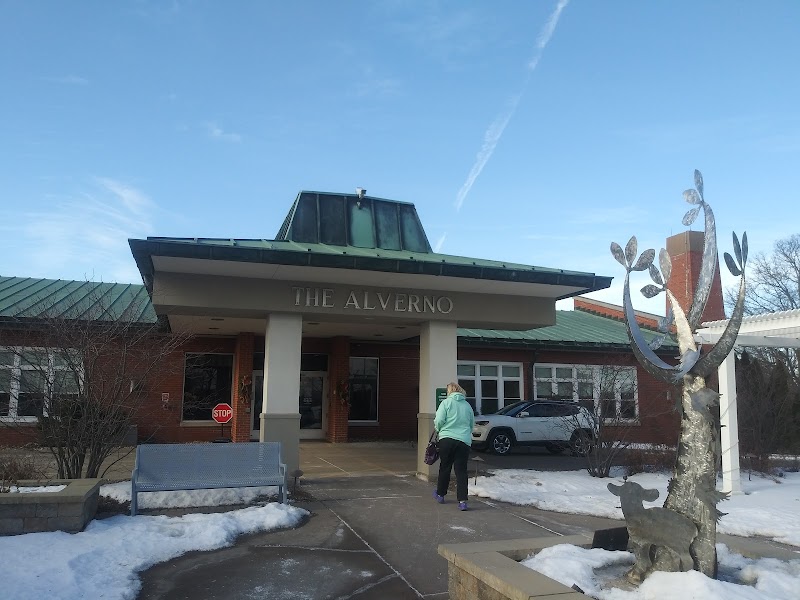
CMS rates The Alverno Health Care Facility's staffing level at 5 out of 5 stars, which is much above average compared to other nursing homes. Staff turnover is 32%, compared to the Iowa average of 46%. This relatively stable workforce can support continuity of care.

What Have Inspectors Found at The Alverno Health Care Facility?

State health inspectors documented 17 deficiencies at The Alverno Health Care Facility during 2023 to 2025. These included: 17 with potential for harm.

Who Owns and Operates The Alverno Health Care Facility?

The Alverno Health Care Facility is owned by a non-profit organization. Non-profit facilities reinvest revenue into operations rather than distributing to shareholders. The facility is operated by TRINITY HEALTH, a chain that manages multiple nursing homes. With 112 certified beds and approximately 85 residents (about 76% occupancy), it is a mid-sized facility located in Clinton, Iowa.

How Does The Alverno Health Care Facility Compare to Other Iowa Nursing Homes?

Compared to the 100 nursing homes in Iowa, The Alverno Health Care Facility's overall rating (3 stars) is below the state average of 3.1, staff turnover (32%) is significantly lower than the state average of 46%, and health inspection rating (2 stars) is below the national benchmark.

What Should Families Ask When Visiting The Alverno Health Care Facility?

Based on this facility's data, families visiting should ask: "Can I visit during a mealtime to observe dining assistance and food quality?" "How do you handle medical emergencies, and what is your hospital transfer rate?" "Can I speak with family members of current residents about their experience?"

Is The Alverno Health Care Facility Safe?

Based on CMS inspection data, The Alverno Health Care Facility has a clean safety record: no substantiated abuse findings (meaning no confirmed cases of resident harm), no Immediate Jeopardy citations (the most serious violation level indicating risk of serious injury or death), and is not on the Special Focus Facility watch list (a federal program monitoring the lowest-performing 1% of nursing homes). The facility has a 3-star overall rating and ranks #100 of 100 nursing homes in Iowa. While no facility is perfect, families should still ask about staff-to-resident ratios and recent inspection results during their visit.

Do Nurses at The Alverno Health Care Facility Stick Around?

The Alverno Health Care Facility has a staff turnover rate of 32%, which is about average for Iowa nursing homes (state average: 46%). Moderate turnover is common in nursing homes, but families should still ask about staff tenure and how the facility maintains care continuity when employees leave.

Was The Alverno Health Care Facility Ever Fined?

The Alverno Health Care Facility has been fined $9,750 across 1 penalty action. This is below the Iowa average of $33,176. While any fine indicates a compliance issue, fines under $50,000 are relatively common and typically reflect isolated problems that were subsequently corrected. Families should ask what specific issues led to these fines and confirm they've been resolved.

Is The Alverno Health Care Facility on Any Federal Watch List?

The Alverno Health Care Facility is not on any federal watch list. The most significant is the Special Focus Facility (SFF) program, which identifies the bottom 1% of nursing homes nationally based on persistent, serious quality problems. Not being on this list means the facility has avoided the pattern of deficiencies that triggers enhanced federal oversight. This is a positive indicator, though families should still review the facility's inspection history directly.