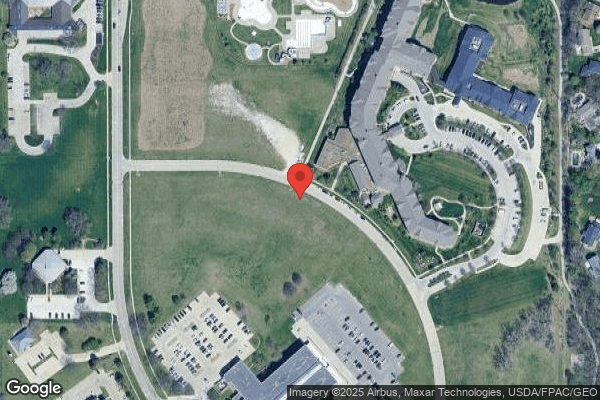
Walnut Ridge

1703 CAMPUS DRIVE, CLIVE, IA 50325 (515) 222-4000
For profit - Limited Liability company 60 Beds PRESBYTERIAN HOMES & SERVICES Data: November 2025
Trust Grade
80/100
#161 of 392 in IA
Last Inspection: August 2024

Within standard 12-15 month inspection cycle. Federal law requires annual inspections.

Overview

Walnut Ridge in Clive, Iowa, has a Trust Grade of B+, which means it is recommended and above average compared to other facilities. It ranks #161 out of 392 in Iowa, placing it in the top half of state facilities, and #6 out of 10 in Dallas County, indicating that only five local options are better. Unfortunately, the facility shows a worsening trend, with issues increasing from 1 in 2023 to 8 in 2024. Staffing is a strong point, rated 5 out of 5 stars, with a turnover rate of 38%, lower than the state average, and there is more RN coverage than 86% of Iowa facilities, which is beneficial for resident care. However, there are concerns, including failures to maintain proper food sanitation, inadequate infection prevention practices, and a medication error that affected a resident, highlighting areas that need improvement. Overall, while Walnut Ridge has strengths in staffing and overall quality, it faces significant challenges that families should consider.

Trust Score
B+
80/100
In Iowa
#161/392
Top 41%
Safety Record
Low Risk
No red flags
Inspections
Getting Worse
1 → 8 violations
Staff Stability
○ Average
38% turnover. Near Iowa's 48% average. Typical for the industry.
Penalties
✓ Good
No fines on record. Clean compliance history, better than most Iowa facilities.
Skilled Nurses
✓ Good
Each resident gets 76 minutes of Registered Nurse (RN) attention daily — more than 97% of Iowa nursing homes. RNs are the most trained staff who catch health problems before they become serious.
Violations
○ Average
10 deficiencies on record. Average for a facility this size. Mostly minor or procedural issues.
★★★★☆
4.0
Overall Rating
★★★★★
5.0
Staff Levels
★☆☆☆☆
1.0
Care Quality
★★★★☆
4.0
Inspection Score
Stable
2023: 1 issues
2024: 8 issues

The Good

  • 5-Star Staffing Rating · Excellent nurse staffing levels
  • Full Sprinkler Coverage · Fire safety systems throughout facility
  • No fines on record
  • Staff turnover below average (38%)

    10 points below Iowa average of 48%

Facility shows strength in staffing levels, fire safety.

The Bad

Staff Turnover: 38%

Near Iowa avg (46%)

Typical for the industry

Chain: PRESBYTERIAN HOMES & SERVICES

Part of a multi-facility chain

Ask about local staffing decisions and management

The Ugly 10 deficiencies on record

Aug 2024 3 deficiencies
CONCERN (D)

Potential for Harm - no one hurt, but risky conditions existed

Pharmacy Services (Tag F0755)

Could have caused harm · This affected 1 resident

**NOTE- TERMS IN BRACKETS HAVE BEEN EDITED TO PROTECT CONFIDENTIALITY** Based on observation, clinical record review, staff interview, and facility policy review, the facility failed to clarify the Do...

Read full inspector narrative →
**NOTE- TERMS IN BRACKETS HAVE BEEN EDITED TO PROTECT CONFIDENTIALITY** Based on observation, clinical record review, staff interview, and facility policy review, the facility failed to clarify the Doctor's order resulting in the medication error for 1 of 7 residents reviewed for medication administration (Resident #22). The facility reported a census of 35 residents. Findings include: On 8/7/24 at 8:30 AM Staff E, LPN reviewed the Electronic Medication Administration Record (EMAR) as she prepared the scheduled AM medication, including Senna S 50mg-8.6mg two tablets. The staff member placed the tablets in the medication cup looked over the tablets, reviewed the EMAR, then administered the tablets to the resident, including Senna S 50mg-8.6mg two tablets. The staff reviewed the EMAR and signed the administered medication, Senna S 50mg-8.6mg two tablets was administered. The EMAR dated 8/7/24 revealed Senna 8.6mg give two tablet by mouth two times a day for constipation, order date 1/25/23. On 8/7/24 at 2:40 PM Staff C, RN removed medication card from medication cart, verified the medication card, Senna S 50mg 8.6mg two tablets. Staff revealed the EMAR states Senna 8.6mg give two tablets by mouth two times a day for constipation, ordered on 1/25/23. The medication card delivered from pharmacy on 7/25/24. The staff spoke with the pharmacy, revealed the pharmacy stated order obtained 1/25/23 for increase. The Progress Noted 1/25/23 at 9:56 AM revealed telephone order received per the physician, increase resident's senna 8.6 to two tabs twice a day related to constipation. Medication administration record amended, pharmacy faxed, 24 hour sheet updated, resident and family aware, old cards pulled from cart. The admission orders to the facility, 10/22/22, revealed order for Senna-S 50mg 8.6mg one tablet by mouth twice a day for constipation. On 8/8/24 at 9:50 AM Clinical Administrator revealed written telephone order, increase senna 8.6 mg two tabs twice a day (BID). The staff stated the resident was not on Senna, upon admission [DATE], the resident was ordered Senna-S one tablet by mouth twice a day. The staff stated when the nurse took the order it should have been increase of Senna-S from one tablet to two tablet by mouth twice a day for constipation. The nurse should have reviewed the order that was discontinued, realize it was not the same medication, call the Doctor to clarify the order. The facility policy titled Medication Administration Policy modified 5/21 instructed staff to ensure safe, effective and timely drug therapy, to provide for an accurate and concise documentation system. The staff will administer medications as ordered by the attending Physician/Nurse Practitioner. The 8 rights of drug administration will be followed when administering all medication: right resident, right drug, right dose, right dosage form, right route, right time, right reason, and right documentation. Accurate transcription of medication orders is the responsibility of licensed nursing staff.
CONCERN (D)

Potential for Harm - no one hurt, but risky conditions existed

Infection Control (Tag F0880)

Could have caused harm · This affected 1 resident

Based on observations, staff interviews, record reviews, and policy review, the facility failed to implement the Infection Prevention and Control Program (IPCP) by staff not discarding Personal Protec...

Read full inspector narrative →
Based on observations, staff interviews, record reviews, and policy review, the facility failed to implement the Infection Prevention and Control Program (IPCP) by staff not discarding Personal Protective Equipment (PPE) immediately after use. The facility reported a census of 35 residents. Findings include: On 8/07/24 at 9:30 AM, two (2) Person Protective Equipment (PPE) gowns were observed hanging on a hook rack in a resident's room with Enhanced Barrier Precautions in place. At 9:31 AM, Staff A, Certified Nurse Aide (CNA) stated the PPE gowns were required due to the resident's sacral wound. She stated the gowns were hung on the hook rack so they would be closer to the door. She stated when staff were finished using the PPE gowns, they hung them back up or got new one. She stated there was no way to know who used which gown but identified the gown on the right hook was the one she used. At 9:41 AM, Staff B, Health Information Manager (Medical Records) provided the PPE gown product number which indicated the manufacturer identified the PPE gowns as single-use gowns. At 1:22 PM, Staff C, Registered Nurse (RN), was observed in the resident's room wearing a PPE gown. He stated he got it from the hook rack on the wall beside another hung PPE gown. He stated the gown he wore was already hanging on the right hook. At 4:10 PM, the Infection Preventionist stated the facility was reusing PPE gowns to conserve resources. She also stated staff should not use other staff's used PPE. A document titled Application of Gown Technique dated 2020 directed staff to use a fresh gown each time one is needed.
CONCERN (E)

Potential for Harm - no one hurt, but risky conditions existed

Food Safety (Tag F0812)

Could have caused harm · This affected multiple residents

Based on observations, staff interviews, the 2022 Food and Drug Administration (FDA) Food Code, and facility policy review, the facility failed to maintain sanitary practices by improperly storing foo...

Read full inspector narrative →
Based on observations, staff interviews, the 2022 Food and Drug Administration (FDA) Food Code, and facility policy review, the facility failed to maintain sanitary practices by improperly storing food and failed to follow guidelines for checking the sanitizer parts per million (ppm) for 2 of 2 meals observed. The facility reported a census of 35 residents. Findings include: 1. On 8/5/24 at 10:36 AM, Dietary Manager (DM), during initial walk through, the following was observed: In the Refrigerator #4, the following items did not have open date label: Prune juice, gallon of skim milk, gallon of 2% milk. A clear container with red lid had light red creamy liquid contents did not have a label for identification or date. The following items were not fully covered, cottage cheese and coleslaw. In the Refrigerator #3, the following item were not fully covered or dated, American cheese. In the Freezer, the following items were not covered, has brown and loaf of gluten bread. 2. On 8/07/24 12:25 PM DM revealed they have not been checking the sanitizer concentration for ppm. The staff member revealed that task should be completed however the dietary staff have not done it since she started (9/19/22). The staff unable to provide any documentation of when the sanitizer concentration was checked last. Chapter 3, Section 202.15, package integrity, of the 2022 FDA Food Code documents: Food packages shall be in good condition and protect the integrity of the contents so that the Food is not exposed to adulteration or potential contaminants. The facility policy titled Safe Food Storage Policy updated 5/19 instructed the staff to make sure all goods are dated with received dates, store all food in the original containers, and label, date and properly cover all food items upon opening of package. The facility policy titled Sanitizing Solution Policy dated 9/20 instructed the staff to proper sanitizer concentration (buckets, spray bottles, sinks, and/or disposable wipes) should be ensured by checking the solution periodically with an appropriate chemical test strip-at minimum of once daily. Sanitizer solution log will be completed daily and stored in each foodservice area used throughout building. 2. On 8/05/24 at 12:02 PM, Staff D, cook, scratched the left side of his head, picked up some meal tickets, placed them down on another part of the service table, then placed his left thumb inside the soup bowl as he picked it up. He placed soup inside the bowl and it was served to a resident. At 12:04 PM, Staff D put his left thumb inside small bowl used to serve pears for another resident. No hand hygiene or removal of the gloves occurred. The facility did not have a policy for food service sanitation.
Jan 2024 5 deficiencies
CONCERN (D)

Potential for Harm - no one hurt, but risky conditions existed

Report Alleged Abuse (Tag F0609)

Could have caused harm · This affected 1 resident

**NOTE- TERMS IN BRACKETS HAVE BEEN EDITED TO PROTECT CONFIDENTIALITY** Based on clinical record review, facility investigation file review, resident, family, and staff interviews, and policy review, ...

Read full inspector narrative →
**NOTE- TERMS IN BRACKETS HAVE BEEN EDITED TO PROTECT CONFIDENTIALITY** Based on clinical record review, facility investigation file review, resident, family, and staff interviews, and policy review, the facility failed to report an allegation of abuse to the Iowa Department of Inspections, Appeals and Licensing (DIAL) timely for 1 of 1 residents reviewed for abuse (Resident #26). The facility reported a census of 32 residents. Findings include: A facility self-report to DIAL on 10/9/23 at 9:38 AM revealed an allegation of abuse occurred 10/7/23 at approximately 2:30 PM. Resident #26 expressed anxiety and concerns about an interaction with a specific staff member. Staff member placed on administrative leave on 10/9/23 during the investigation. The Minimum Data Set (MDS) assessment form dated 9/5/23 revealed Resident #26 had diagnoses of vertebral fracture and osteoporosis. The resident admitted to the facility 8/30/23. The assessment revealed the resident required extensive assistance of one person for ambulation, transfers, dressing, and toileting. The MDS documented the resident had no behaviors. A BIMS (Brief Interview for Mental Status), delirium and communication assessment dated [DATE] revealed Resident #26 had a BIMS score of 11 out of 15, indicating cognition moderately impaired. The resident had impaired vision but able to see large print. The quarterly MDS assessment dated [DATE] revealed the resident had a BIMS score of 14, indicating cognition intact. The Care Plan initiated on 8/30/23 and revised 9/19/23 revealed the resident had altered mood or behavioral expression related to depression, impaired cognition, and anxiety. The Care Plan directed staff to cue, reorient, and supervise the resident as needed, approach the resident and speak in a calm manner, and allow her time to answer questions and verbalize feelings, perceptions, and fears. A Body Audit Assessment revealed the following: a. On 10/3/23 at 9:31 PM, resident's skin clear, dry, and intact. Light abrasion on lower back due to a recent fall. b. On 10/9/23 at 6:55 PM, the resident's right arm antecubital area had a light bruise that measured 4 centimeters (cm) by 2 cm. Skin clear, dry, and intact except for a light abrasion noted on the lower back due to a recent fall incident. Abrasion area healing well. The Progress Notes revealed the following: a. On 9/28/23 at 9:39 AM, resident displayed increased behaviors with anxiety, increased self-transfers, and trouble falling asleep. b. On 9/28/23 at 3:54 PM, the physician's assistant saw the resident due to increased anxiety and headaches. New orders received to discontinue trazadone and start remeron 15 mg by mouth at bedtime due to insomnia. c. On 10/2/23 at 4:50 AM, resident found sitting on the floor in the bathroom hallway without pants or undergarments on. Resident semi sitting on elbows with her legs outstretched. Intervention included to move call light closer to her direct vision and frequent reminders to use her call light. No immediate injuries noted. Physician and son notified. d. On 10/4/23 at 3:37 PM, resident returned from a doctor's appointment with her son. e. On 10/6/23 at 10:22 AM, resident sat outside her room beside her walker. Resident wanted to close her room door but didn't use her call light button for help. CNA (certified nursing assistant) assisted the resident to bed at 9:30 AM. f. On 10/9/23 at 6:40 PM, bruise noted to resident's right arm by antecubital area measuring 4 cm by 2 cm. The facility's investigative file provided to DIAL included the following: a. Video surveillance provided to the facility by the resident's family on 10/9/23. The dictation of the conversation and events heard on the video included the following: Staff F, CNA, placed a gait belt around Resident #26's waist when Staff E, CNA, entered the room at 2:32 PM. Staff F then assisted Resident #26 to stand up with the gait belt. As Resident #26 stood up, Staff E said Put two hands here (on the walker placed in front of her), stand up. As Resident #26 stood up and walked, Staff E said You know what to do. As Resident #26 and Staff E were in the bathroom, Staff E said You know how to do it, just go ahead. Yes you know. Just go backwards. Resident #26 heard yelling Don't do it! Don't fall! Staff E responded You aren't going to fall, you know how to do it. Then heard Staff E saying You cannot even get your pants down, please. You know how to pull your pants down. You know how to pull your underwear down. Then there is a section of garbled conversation. Resident #26 said I don't feel the toilet. Staff E then walked out of the bathroom (and in view of the camera), picked up the resident's shoes and walked back into the bathroom. During this time, Resident #26 said I don't feel the toilet. Staff E told the resident Put your shoes on now, your about to slip. The video then ended. b. The facility's investigation summary included: Resident #26 admitted to the facility on [DATE] and had diagnoses of TIA (transient ischemic attack), anxiety disorder, major depressive disorder, visual agnosia (inability to recognize an object), and cognitive communication deficit. The Administrator received a note on 10/9/23 from Staff F, CNA, about a difficult interaction between the resident and Staff E, CNA, on Saturday, 10/7/2023. The interaction began in the resident's room when Staff E walked the resident into the bathroom and while she assisted the resident in the bathroom. A skin audit completed on 10/9/2023 identified a bruise on Resident #26's right arm in the area near the elbow. An interview conducted with the resident and a family member identified Staff E had an interaction with Resident #26 that was concerning to the resident. The resident had frequent dreams. Unable to determine the validity of the resident's memory as an actual event or a dream. The resident made reference to being shook down by the river. She also referenced she was surprised she did not have a bruise on her right arm by the elbow. The family member offered camera surveillance from the room. The family member reviewed the video data and identified an event of concern, then provided video surveillance to the Administrator regarding the interaction that took place in the room and the audio heard from the bathroom. Staff E placed on administrative leave while the investigation took place. Staff training on abuse reporting requirements completed on 10/11/23 and 10/13/23. c. A written statement by Staff H, CNA, dated 10/7/23 revealed on 10/7/23 between 2:30-3:00 PM, Staff E, CNA, took care of Resident #26. Resident #26 was frustrated she had made a mess with chocolate in her bed. Staff H handed Resident #26 off to Staff E to walk her to the bathroom. The aide (Staff E) was being very verbally aggressive while she assisted Resident #26 to the bathroom. Resident #26 asked for directions and Staff E stated you know what to do, we do this every day. The comments were heard by Staff H as he picked up the resident's room. It sounded as if the aide forcibly pushed the resident onto the toilet. Staff H heard the resident scream. The resident had no issues all day transferring to and from the restroom. She was happy and cheerful. Her whole demeanor changed after her interaction with Staff E. The resident was very afraid to work with Staff E, and said she feared retaliation from the aide for staff reporting her behavior to the nurse. The resident was afraid to be cared for by the aide and was visibly shaken in fear. The resident was then assigned to a different aide (Staff H) and seemed comforted by that fact. The aide's behavior was inappropriate and abusive to the resident. d. In an undated typed document, Staff G, Registered Nurse (RN), wrote: On Saturday 10/7/23 during the beginning of my shift rounds, Resident #26 mentioned the caregiver assigned to her seemed to not like her. The resident said she was scared of her but does not like it reported because she does not want anyone to lose their job. Staff G encouraged the resident to open up any complaints she had and assured her of her safety. While Staff G talked with the resident, Staff E came in and went inside the resident's bathroom. Resident #26 said she's the one, it's her. The resident's face looked very anxious. Staff G called the other staff working on the floor and swapped their assignment with Staff E. Staff H and Staff F were then assigned to Resident #26's care. Staff F told Staff G he heard the resident shouted while Staff E provided care. Staff G told Staff F to make a written report of what he witnessed. Staff G told Staff E about the complaint and informed her to swap resident assignment with Staff H and Staff F as she was advised to do before. Staff G wrote: a similar situation happened before when a morning nurse told her the resident in room [ROOM NUMBER] complained about Staff E being rough with him. Staff G also told Staff E about this and swapped Staff E's assignment with another staff member. e. A documented phone conversation 10/10/23 with the Administrator, Human Resources, and Staff E revealed: The administrator stated an incident had been reported that required investigation and Staff E would be put on administrative leave while the investigation was on-going. Staff E asked what this was about. The administrator asked Staff E if she was aware of any concerns that may have happened during the evening shift on Saturday, 10/7/23. After some pause, Staff E stated she helped a little lady to the bathroom. When asked for more specifics, Staff E stated Resident #26 She's kind of confused. I took her to the bathroom and she asked What do I do now? Staff E asked You want to pee, right? Resident #26 said yes. Staff E told the resident to turn around and she helped her. Staff E told her the toilet is behind you. Resident #26 said I can't see. Staff E put Resident #26's hand on the toilet hand rail and told her to step back (in closer position to the toilet) and pulled on her shirt. Resident #26 had one hand on the hand rail and one hand on the walker. When she turned around, her legs were up against the toilet, so Staff E told her to sit down. Staff E stated I put my hand on her shoulder to direct her. The resident didn't have shoes on, so Staff E went to get her shoes. Staff E said after the resident peed, she put her shoes on because she knew the resident would be getting up and down during the night. Staff E then asked the resident what she wanted to do, whether to sit or lie down. Resident #26 said she wanted to lie down. Staff E stated, She was ok with me. Staff G, RN, was then present and asked Resident #26 if she wanted to keep her shoes on. Staff E told Staff G she should keep her shoes on since she got up and down during the night. Staff G said the resident was shaking but Staff E said she was helping the resident get her to the toilet and back. Staff E said I'm not a sweet talk person. When asked what that means, Staff E said, My voice is always loud. People tell me to talk loud. I don't talk like others who say oh honey. Staff E was asked for more information regarding the pushing on Resident #26's shoulder. Staff E stated, I put her hand on the toilet rail while she was still standing. Resident #26's back was turned toward the toilet and her leg touched the toilet. Staff E asked Resident #26 if she felt the toilet right there. Resident #26 asked me what do I do? I put 2 fingers on her shoulder (my right hand on her left shoulder) and pushed down. Staff E was in front of her at this time. Resident #26 had her left hand on her walker. When asked how Resident #26 responded, Staff E said She's hesitant, like she's scared. Staff E asserted that Resident #26 did not say anything, she just didn't know how to get on the toilet. Staff E was asked What did Resident #26 do when you pushed on her shoulder? Staff E stated Resident #26 didn't respond. Staff E then gave her some privacy and went to get the resident's shoes. Staff E stated I never mean to harm anyone. During an interview on 1/17/24 at 12:41 PM, Staff F, CNA, reported he only worked at the facility four weeks, but had worked as a CNA and worked with dementia residents for a long time. Staff F reported Resident #26 had dementia. Some people could get frustrated with her. Resident #26 was aware of what was going around her and if staff gave her good care. She would tell you if a person didn't treat her right. Sometimes she would say things but things happened some time ago. It was a random detail from her past she would slip in during their conversation. Staff F stated he sat down and talked to Resident #26 when an incident happened with another CNA. Resident #26 said something happened down at the river. During the incident that occurred on 10/7/23 at 2:30 PM, he was in the resident's room, and another CNA (Staff E) was in the bathroom with Resident #26. He could hear how Resident #26 responded, and thought it sounded abusive the way Staff E talked to the resident. He worked with Resident #26 just five minutes before that and she wasn't challenging. Someone came into her room and had a bad attitude. Resident #26 was in a great mood before that. Staff F stated he worked with Resident #26 during the 6 AM - 2 PM shift and she had a great 6 AM - 2 PM. When the other aide came in, she didn't treat her right. Staff F reported he talked to the nurse on duty that day about the incident. The nurse told him to write a statement, so he did, and then put it in on the Administrator's desk. Staff F confirmed he had only heard verbal statements from Staff E that sounded like a confrontation going on in the dining room with a resident. Staff F stated it didn't sound abusive, but thought that's not how you talk to someone. Staff E was not very compassionate. During an interview on 1/18/24 at 10:21 AM, Staff G, RN, reported she would separate and keep a resident safe if she witnessed aggression toward a resident or a resident being hurt by another resident or staff. She would then call the administrator right away if the resident was hurt. Staff G reported she worked the 6:00 AM to 2:30 PM shift on the day of the incident. Staff G stated she did not witness or hear anything directly, but Resident #26 appeared frightened and shakey when she assisted her. She asked the resident if she needed help, and if she wanted to go to the bathroom. Resident #26 said she was afraid and didn't want her to assist. Staff G asked her what the aide's name was but Resident #26 couldn't remember the aide's name. As she talked with Resident #26, Staff E, CNA, walked into the resident's room. Resident #26 said it's her. Staff F told Staff G he heard raised voices inside the room. Staff G reported she decided to separate the resident from Staff E, then spoke with Staff E after that. Staff E told her it's her normal voice, she's Asian, she always raised her voice, and had a high pitch. Staff G stated other residents had complained about Staff E. The previous week, the AM nurse told her in report, a similar complaint about Staff E. Staff E worked with a different resident. The resident told the nurse Staff E talked angrily and raised her voice. Staff G reported she witnessed Staff E talking to residents in a high pitched voice and giving orders, but not in a nice way. Staff G states that was Staff E's manner of getting across and how she would be understood. Not in an abusive way, but the tone of her voice just came out angry. On the day Resident #26 seemed upset and anxious, she swapped assignments with another CNA to take care of Resident #26. Staff E was sent to the opposite hall to take care of those residents. Staff G reported the resident's on the opposite hall had no complaints about Staff E. Staff G stated at the time she told Staff E to lower her pitch and how she talked. She did not observe any injuries or bruises on Resident #26 at that time. Staff G requested Staff F to write a statement. Staff G stated she also wrote a statement and put both statements on the administrator's desk. Staff G acknowledged the incident happened on a Saturday when the administrator was not at the facility during that time. Staff G confirmed her supervisor called her on Monday 10/9/23 to ask about the incident. During an interview on 1/17/24 at 3:37 PM, Staff H, CNA, reported Resident #26 required assistance of one and used a gait belt for transfers. The resident was very anxious and could get worked up quickly. The resident's family kept a camera in her room to monitor the cares provided. Staff H stated Resident #26 didn't like to wait. She got hesitant and anxious if not taken first from the dining room or if it took staff awhile to answer her call light. Staff H stated she had not witnessed any staff being unkind or rough with residents. Staff H reported she would report to the charge nurse immediately if she had a concern with how a resident was treated or talked to, or she witnessed someone being unkind or rough with a resident. Staff H reported the facility staff provided staff education about reporting of abuse and signs of abuse when the facility had a couple of abuse allegations. During an interview on 1/18/24 at 9:50 AM, Staff A, RN, reported she had not witnessed staff being unkind, rough or yell at a resident. If she did, she would make sure the resident was safe and remove them from the situation, and report it to her supervisor or Director of Nursing (DON) right away. During an interview on 1/18/24 at 10:10 AM, Resident #26 reported she was afraid of a staff person but the staff person no longer worked at the facility. The resident reported the staff person put her hands on her shoulders and shook her. She felt unsafe whenever the staff person worked. The aide grabbed her right arm and made a bruise. The facility took pictures of her arm and the bruising. She didn't know the staff person's name but she looked German. She could tell who the staff person was if she saw a picture of her. She couldn't recall the staff person's hair color or other specifics related to the staff member's appearance to identify her. The resident reported she thought the staff member worked on the evening or night shift. Resident #26 stated she wasn't sure of the date when the incident occurred but it was at least a few months ago. During an interview on 1/18/24 at 1:24 PM, a family member reported he visited Resident #26 daily. There were two similar concerns related to Resident #26's care at the facility. He shared both videos with the facility. The first incident entailed another worker witnessed an interaction between an aide and Resident #26. The aide reported it to the facility, and the facility called him about it. He reviewed the camera to see if he could see or hear anything, and then provided the camera footage to the facility. The family member stated Resident #26 kept telling him things and it prompted him to put a camera in her room to monitor how people treated her. Resident #26 told him someone grabbed her and she had marks on her arm at that time. During an interview on 1/18/24 at 2:30 PM, the Administrator, reported she became aware of an incident that occurred between Resident #26 and Staff E, CNA, on 10/9/23. She received a note about the issue and found out about the incident on Monday, 10/9/23. The incident occurred on 10/7/23. The Administrator reported she walked into Resident #26's room with Staff F on 10/9/23. Resident #26 and a family member were present in the room. Staff F had a good rapport with the resident and he asked the resident to tell them about what happened. Resident #26 had cognitive impairment, and kept referencing she was down by the river, and stated being shook down by the river. The Administrator stated they tried to get an idea of what happened. The family member had a camera in her room and offered to review the camera to see what was going on. In the video, it was difficult to hear and determine for sure what happened as they couldn't see everything going on when the resident and Staff E were in the bathroom. The Administrator stated she thought Resident #26 possibly could've been nervous while she talked with them. The Administrator stated due to Resident #26's anxiety and talk about being down by the river, she reached out to DIAL and submitted a self-report. They also provided staff education and went over timeframes for reporting abuse. During an interview on 1/23/24 at 1:00 PM, Staff E, CNA, reported her English is broken and sometimes people had trouble understanding her and hearing her. She always talked loud because residents had a hard time hearing her and they didn't always understand her words. Staff E said it's not her nature to be rough or mean, she was always told to talk loud and clear, but not scream. Resident #26 didn't like being at the facility. She had a crying tone. The resident was always saying she didn't know what to do, saying I'm scared, and didn't want to be alone. The resident told other staff that as well. She didn't have any concerns with caring for the resident. Resident #26 walked with a walker. When she took her to the bathroom, should would guide her and explain how to do things. She put her fingers on her shoulder to have her sit down. Resident #26 did not display any fear of or shy away from Staff E or other staff when assisted her during cares or when she spoke with her. The resident would say she was scared and didn't want to be alone, but she did that to everyone. Staff E thought it was part of the resident's normal dementia. She never saw any bruises when she cared for her. Staff E stated she had no conflicts with any of the residents at the facility that she knows. Staff E stated some people didn't like her. For example, when she would tell the resident they needed a shower, the resident didn't like her at that moment. The resident maybe didn't like her one hour and then would be ok with her the next hour. Sometimes she would get reassigned when a resident had a bad day. That is what happened to her on the day of the alleged incident. She was assigned to Resident #26 that day and had just took her to the bathroom, then she was reassigned to work a different hallway. Staff E reported she got along with her co-workers pretty good. Staff E stated some people liked her and some didn't like her. She just did her assignment and focused on the work she needed to complete. She had no relationship with staff outside of work. Staff E confirmed she worked on 10/7/23, verified by looking at the daily assignment sheet and her timecard punches. She was assigned as CNA #2 to rooms 130-139 but then was reassigned to another area when Staff H and Staff F (on orientation) took over those rooms. Staff E reported she started work at 2:00 PM. She got report then walked down the hall. Later, Resident #26 walked out of her room, and Staff E asked her what she needed. Resident #26 said she had to go to the bathroom. She guided her into the toilet, told her to turn around, and then removed her pants. She said I don't know what to do. Staff E said when her legs touched the toilet, she placed her hand on the resident's shoulder and told her to sit down. The resident had one hand on her walker. Staff F came and asked her if she needed help. Staff E told him no. She then asked Resident #26 what she wanted to do. Resident #26 said she needed to [NAME] down. She asked her if she wanted to keep her shoes on, and then she picked up her legs and put her back in bed. She left the resident's room and went and did other things. Later the nurse came in and talked to her. Staff E told the nurse she took Resident #26 to the bathroom [ROOM NUMBER] minutes ago. Resident #26 tried to get up by herself and that is why she left her shoes on. The Administrator called her and asked if she was working on Saturday (10/7) and asked if anything happened that day. She told the Administrator the same thing she just told the surveyor about how she helped the resident and what she did. She saw therapy and other staff work with Resident #26 and how the resident reacted / responded. The resident was always anxious, and saying she didn't know what to do. There was nothing unusual on how Resident #26 acted and responded on the day she helped her to the bathroom or other times she helped her. She knew the resident after she had worked with her for awhile, and that was just Resident #26. She thought maybe Staff F was new and didn't know the resident that well and how staff had to direct her. A facility's Vulnerable Adult Abuse Prevention Plan modified 1/2023 revealed each resident had the right to be free from abuse including but not limited to verbal, physical, and mental abuse, injuries of unknown origin, corporal punishment, mistreatment, neglect or involuntary seclusion. A microlearning: Abuse Part 2 Reporting document revealed the resident had the right to be free from abuse and neglect, including freedom from corporal punishment and physical restraint. The facility must report the allegation immediately, but no later than 2 hours after the allegation is made for alleged violation of abuse or if there is resulting serious bodily injury. The facility must report allegations of neglect or mistreatment that do not result in serious bodily injury no later than 24 hours. Failure to report within mandated timeframes are subject to a civil money penalty.
CONCERN (D)

Potential for Harm - no one hurt, but risky conditions existed

PASARR Coordination (Tag F0644)

Could have caused harm · This affected 1 resident

**NOTE- TERMS IN BRACKETS HAVE BEEN EDITED TO PROTECT CONFIDENTIALITY** Based on clinical record review, staff interview, and policy review, the facility failed to refer one of two residents who had a...

Read full inspector narrative →
**NOTE- TERMS IN BRACKETS HAVE BEEN EDITED TO PROTECT CONFIDENTIALITY** Based on clinical record review, staff interview, and policy review, the facility failed to refer one of two residents who had a change in mental health diagnoses and psychotropic medications to the appropriate state-designated authority for a Preadmission Screening and Resident Review (PASRR) re-evaluation and determination (Resident #5). The facility reported a census of 32 residents. Findings include: The annual Minimum Data Set (MDS) assessment dated [DATE] revealed Resident #5 had diagnoses of non-Alzheimer's dementia, anxiety disorder, depression, and psychotic disorder. The MDS revealed resident had no serious mental illness and had not met criteria for a Level II Preadmission Screening and Resident Review (PASRR). The resident had no physical or verbal behaviors. The MDS assessment recorded the resident took antipsychotic (AP), antianxiety (AA), and antidepressant (AD) medications, and had no psychological therapy during the look-back period. The Care Plan revised 6/13/23 revealed the resident had impaired cognition, an altered mood, and behavioral expression related to dementia, anxiety, and depression with psychotic symptoms. The Care Plan revealed the resident took AA, AD, and AP medications. Review of Resident #5's clinical record revealed a PASRR level I screening outcome notice dated 11/16/22 and no evidence of a Level II PASRR condition. Resident #5 had diagnoses of anxiety disorder and depression, but had no major mental illness such as psychotic disorder. The PASRR revealed no further screening required unless the resident had a suspected major mental illness or had changes in treatment needs. The electronic health record diagnoses list revealed the following: anxiety (added 6/4/21), delusional disorder (added 11/7/22), major depressive disorder (added 11/7/22), and dementia (added 8/10/23). During an interview 1/18/24 at 12:45 PM, the Administrator reported Resident #5's PASRR last completed on 11/16/22. The facility's PASRR policy modified 11/2022 revealed the social worker promptly referred all residents with a newly evident or possible serious mental illness (mental disorder) or a related condition, or had a significant change in mental status to the state-designated authority for review.
CONCERN (D)

Potential for Harm - no one hurt, but risky conditions existed

Menu Adequacy (Tag F0803)

Could have caused harm · This affected 1 resident

Based on observation, clinical record review, and staff interviews the facility failed to follow the menu and provide the residents with the correct diet of a soft and bite sized diet as ordered by th...

Read full inspector narrative →
Based on observation, clinical record review, and staff interviews the facility failed to follow the menu and provide the residents with the correct diet of a soft and bite sized diet as ordered by the physician for 2 of 32 residents reviewed (Resident # 13, and Resident #14) . The facility reported a census of 32 residents. Findings include: 1.The Minimum Data Set (MDS) assessment for Resident #13 dated 11/15/23, included diagnoses of Non-Alzheimer's Dementia and heart failure. The MDS documented the resident on a mechanically altered diet (require change in texture of food or liquids). The MDS indicated the resident had a Brief Interview for Mental Status (BIMS) score of 9, indicating moderate cognitive impairment. On 1/17/24 during lunch service starting at 11:45 AM, Staff C, [NAME] placed 2 deep-fried chicken tenders and ranch dressing in the food processor and processed to a ground meat texture, which was then served to Resident #13, along with pureed oranges, and soft small cut green beans. Resident #13's clinical Physician Order Summary report documented an order for a regular diet, soft & bit sized (SB6) texture dated 8/18/23. Review of facility's Wednesday week 3 lunch menu for soft and bite size textured diet documented the following items: baked salmon or baked chicken, soft cut small green beans, diced pears, and pureed bread. 2.The MDS assessment for Resident #14 dated 12/19/23, included diagnoses of Alzheimer's and dysphagia (difficulty swallowing). The MDS identified the resident required substantial/maximal assistance for eating and was on a mechanically altered diet. On 1/17/24 during lunch service starting at 11:45 AM, Staff C, [NAME] placed 2 deep-fried chicken tenders and ranch dressing in the food processor and processed to a ground meat texture, which was then served to Resident #14, along with pureed oranges, soft small cut green beans and pureed cookies. Resident #14 did not receive pureed bread. Resident #14's clinical Physician Order Summary report documented an order for a regular diet, 6 soft & bit sized (SB6) texture dated 3/22/23. Interview on 1/17/24 at 1:50 PM, the Dietary Manager, (DM) confirmed Resident #13 and Resident #14 were served the wrong food items for their diet and should have received baked chicken or baked salmon per scheduled menu and diet order and Resident #14 should have been provided pureed bread as scheduled. The DM stated expectation for all residents to receive the correct diet order and scheduled menu items.
CONCERN (D)

Potential for Harm - no one hurt, but risky conditions existed

Food Safety (Tag F0812)

Could have caused harm · This affected 1 resident

Based on observation, policy review, and staff interview, staff failed to serve food under sanitary conditions, in order to reduce the risk of contamination and foodborne illness. The facility reporte...

Read full inspector narrative →
Based on observation, policy review, and staff interview, staff failed to serve food under sanitary conditions, in order to reduce the risk of contamination and foodborne illness. The facility reported a census of 32 residents. Findings include: On 1/17/24, during a continuous observation in the dining room starting at 11:45 AM, the Dietary Manager (DM) served a resident's plate, applied a clothing protector to the resident touching the resident's clothing and hair, and cut up food for the resident. The DM did not complete hand hygiene and proceeded to pass another resident's plate, touch the resident's drinking glasses, applied the resident's clothing protector, touching the resident's clothing and hair, and cut up the resident's food using the resident's silverware. Without completing any hand hygiene between residents, the DM continued to serve 3 more residents, touching their plates, cups and glasses, applying each resident's clothing protector, touching each resident's clothing and hair and 1 resident's arm, and then cutting food for each resident using their silverware. The DM then proceeded to lift another resident's feet onto the wheelchair by touching the resident's pants and shoes, pushed the resident to the entrance of the dining room area, and without completing hand hygiene proceeded to serve another resident's plate, apply a clothing protector, and cut up the resident's food using the resident's silverware. Facility policy titled Handwashing Policy, updated 05/2019 documented always wash your hands after touching human body parts, i.e. body, face, hair and before handling clean equipment and serving utensils. Interview on 1/18/24 at 9:43 AM, the Administrator stated expectation for hand hygiene to be completed between resident contact.
CONCERN (E)

Potential for Harm - no one hurt, but risky conditions existed

Infection Control (Tag F0880)

Could have caused harm · This affected multiple residents

Based on observation, document review, and staff interviews, the facility failed to provide appropriate infection prevention practices for disinfecting the reusable medical equipment. The facility rep...

Read full inspector narrative →
Based on observation, document review, and staff interviews, the facility failed to provide appropriate infection prevention practices for disinfecting the reusable medical equipment. The facility reported a census of 32 residents. Findings include: During an interview with Staff C, Certified Nursing Assistant (CNA) on 1/17/24 at 9:00 AM, it was reported the facility sanitized transfer lifts that are used between residents with Clorox wipes at the end of each day, including if a resident was on Transmission-Based Precautions (TBP). During an interview with Staff A, Registered Nurse (RN) on 1/17/24 at 10:00 AM, showed where the disinfecting wipes are stored in the facility and pointed at the shelf with boxes of Clorox wipes. During an interview with the facility's Infection Preventionist on 1/17/24 at 10:00 AM, she acknowledged the facility did not use EPA-registered disinfectant for healthcare settings on reusable medical equipment. Facility provided policy titled Infection Control undated, documented equipment or items in the resident environment likely to have been contaminated with infectious fluids or other potentially infectious matter must be handled in a manner so as to prevent transmission of infectious agents, (e.g., wear gloves for handling soiled equipment, and properly clean and disinfect or sterilize reusable equipment before use on another resident).
Sept 2023 1 deficiency
CONCERN (D) 📢 Someone Reported This

A family member, employee, or ombudsman was alarmed enough to file a formal complaint

Potential for Harm - no one hurt, but risky conditions existed

Accident Prevention (Tag F0689)

Could have caused harm · This affected 1 resident

Based on clinical record review and staff interviews, the facility failed to provide adequate supervision for 1 of 4 residents reviewed who were at risk for falls. (Resident #2) The facility reported ...

Read full inspector narrative →
Based on clinical record review and staff interviews, the facility failed to provide adequate supervision for 1 of 4 residents reviewed who were at risk for falls. (Resident #2) The facility reported census was 28. Findings include: According to a Minimum Data Set (MDS) with an assessment reference date of 3/13/23, Resident #2 had a Brief Interview for Mental Status (BIMS) score of 8 indicating a moderately impaired cognitive status. Resident #2 required extensive assistance with transfers, mobility, dressing, toilet use, and personal hygiene needs. Resident #2's diagnoses included congestive heart failure. In an interview on 9/12/23 at 9:16 a.m. Staff A, certified nurse aide, stated on the morning of 5/20/23, she was getting Resident #2 up for a shower. Staff A stated she placed a gait belt on Resident #2 and ambulated to the bathroom using her wheel walker. Staff A stated Resident #2 was upright with her walker when she turned and grabbed the shower chair and placed it over the toilet. Staff A stated she then turned and grabbed the gait belt as she was positioned in front and to the left of Resident #2. Resident #2 took a step or two towards the toilet, wobbled and fell backwards striking the back of her head on the floor. Staff A stated she was unable to prevent Resident #2 from falling and lost grip of the gait belt as she fell. In an interview on 9/11/23 at 1:54 p.m. Staff B, certified medication aide, stated on the morning of 5/20/23, Staff A was in Resident #2's room complaining about work related issues. Staff B stated she entered the room to help calm her down, but Staff A remained agitated. Staff B stated she and Staff C, charge nurse, exited the room as Staff A stated okay Resident #2 we need to take a shower. Seconds later while standing near Resident #2's room, she heard a boom. It sounded like a door was slammed shut. She and Staff C entered the room to find Resident #2 lying on her back, halfway in the bathroom. Staff B stated Resident #2 was not wearing a gait belt or her oxygen, which is to be on continuous. Staff A was crying and saying I didn't mean too. Staff B told Staff A to step out of the room and wait for the ambulance, while she and Staff C attended to Resident #2. Staff B stated Staff C grabbed the gait belt which was on the bathroom rail and placed it on Resident #2. Staff B stated she believes Staff A brought Resident #2 into the bathroom and then left her standing as she turned to get the shower chair and put it over the toilet. Resident #2 probably got light headed without her oxygen and fell backwards. Staff stated Resident #2 stated Staff A was rushing her. Staff B stated she was asked to sign off on the incident report, but it was not accurate and she refused. In an interview on 9/11/23 at 1:00 p.m. Staff C, registered nurse, stated on the morning of 5/20/23 (7:45 a.m.) she was helping Staff A get Resident #2 up for the day. Resident #2 was scheduled for a shower. Staff C stated she was picking out some clothes as Staff A was ambulating Resident #2 into the bathroom. Staff C stated she left the room and was talking to Staff B when hey heard a loud thump, followed by Staff A yelling for help. Staff C stated she entered the room and found Resident #2 lying flat on her back with her head away from the toilet and wheel walker at her feet. The shower chair was positioned over the toilet . Resident #2 was wearing a blue floral nightgown, black shoes and a gait belt. Resident #2's back of head was bleeding and she had a laceration on her left elbow.
Jul 2022 1 deficiency
CONCERN (D)

Potential for Harm - no one hurt, but risky conditions existed

Food Safety (Tag F0812)

Could have caused harm · This affected 1 resident

Based on observation observations, staff interview, and facility policy review, the facility failed in the kitchen to prepare and serve food in accordance with professional standards for food service...

Read full inspector narrative →
Based on observation observations, staff interview, and facility policy review, the facility failed in the kitchen to prepare and serve food in accordance with professional standards for food service safety and to prevent forborne illnesses to residents and secure and date food items in dry storage, and freezer. The facility reported a census of 15 residents. Observations during initial kitchen tour on 7/25/22 at 9:35 AM revealed: A. Two trays of uncovered and undated meatballs in [NAME] walk-in freezer, and an opened and undated bag of Italian chicken. B. Dry storage revealed one bag of opened and undated Zip Lock bag of unidentified brown colored chips. Also, a opened and undated bag of marshmallows, and an opened and undated bag of soft-shell tortillas. Tour of kitchen on 7/27/22 at 10:30 AM revealed: A. Kenmore refrigerator revealed and opened and undated Monster energy drink, and a tied plastic bag of unknown items with Staff A's, Cook, name written on the outside of the bag. B. Dry storage revealed one bag of opened and undated Zip Lock bag of unidentified brown colored chips. Also, a opened and undated bag of marshmallows, and opened and undated bag of soft-shell tortillas. On 7/27/22 at 11:24 AM revealed Staff B, Cook touch multiple surfaces including scoopers, utensils, platters, bread bags, and refrigerator handles while making eight tuna salad sandwiches in the same pair of gloves. On 7/27/22 at 12:10 PM at Staff C, Culinary Director, touched a hamburger with a bare hand. The Self-Identification Form dated 7/25/22 provided by the Administrator (ADM) documented the nature of the problems as follows; Appropriate sanitation and infection control regulatory guidelines not being adhered to in the kitchen, including labeling and dating, proper glove usage, and temperature documentation. The date the problem had been identified was 6/14/22. On 7/25/22 at 10:00 AM the ADM reported that the facility sister Culinary Director had provided consultation with the culinary department several times per week. On 7/27/22 at 10:45 AM ADM reported that the Kenmore refrigerator in the main kitchen is for resident food only, and the kitchen staff had a break room with a refrigerator to store personal lunches and beverages in. On 7/27/22 at 12:15 PM the ADM report that she observed kitchen staff fail to change gloves when they prepared the noon meal. The Safe Food Storage Policy, dated 5/2019, revealed all food items upon opening are to be labeled, dated, and properly covered. The Glove Use Policy, with updated date of 5/2019, directed staff as follows; all employees handling read to eat foods must wash hands thoroughly and dry prior to putting on the gloves, and whenever gloves are changed. Gloves are to be changed when beginning each new task. Staff are to be observed daily to ensure they are following proper procedures.
Understanding Severity Codes (click to expand)
Life-Threatening (Immediate Jeopardy)
J - Isolated K - Pattern L - Widespread
Actual Harm
G - Isolated H - Pattern I - Widespread
Potential for Harm
D - Isolated E - Pattern F - Widespread
No Harm (Minor)
A - Isolated B - Pattern C - Widespread

Questions to Ask on Your Visit

  • "Can I speak with families of current residents?"
  • "What's your RN coverage like on weekends and overnight?"

Our Honest Assessment

Strengths
  • • Grade B+ (80/100). Above average facility, better than most options in Iowa.
  • • No major safety red flags. No abuse findings, life-threatening violations, or SFF status.
  • • No fines on record. Clean compliance history, better than most Iowa facilities.
  • • 38% turnover. Below Iowa's 48% average. Good staff retention means consistent care.
Concerns
  • • No significant concerns identified. This facility shows no red flags across CMS ratings, staff turnover, or federal penalties.
Bottom line: Generally positive indicators. Standard due diligence and a personal visit recommended.

About This Facility

What is Walnut Ridge's CMS Rating?

CMS assigns Walnut Ridge an overall rating of 4 out of 5 stars, which is considered above average nationally. Within Iowa, this rating places the facility higher than 99% of the state's 100 nursing homes. This rating reflects solid performance across the metrics CMS uses to evaluate nursing home quality.

How is Walnut Ridge Staffed?

CMS rates Walnut Ridge's staffing level at 5 out of 5 stars, which is much above average compared to other nursing homes. Staff turnover is 38%, compared to the Iowa average of 46%. This relatively stable workforce can support continuity of care.

What Have Inspectors Found at Walnut Ridge?

State health inspectors documented 10 deficiencies at Walnut Ridge during 2022 to 2024. These included: 10 with potential for harm.

Who Owns and Operates Walnut Ridge?

Walnut Ridge is owned by a for-profit company. For-profit facilities operate as businesses with obligations to shareholders or private owners. The facility is operated by PRESBYTERIAN HOMES & SERVICES, a chain that manages multiple nursing homes. With 60 certified beds and approximately 34 residents (about 57% occupancy), it is a smaller facility located in CLIVE, Iowa.

How Does Walnut Ridge Compare to Other Iowa Nursing Homes?

Compared to the 100 nursing homes in Iowa, Walnut Ridge's overall rating (4 stars) is above the state average of 3.1, staff turnover (38%) is near the state average of 46%, and health inspection rating (4 stars) is above the national benchmark.

What Should Families Ask When Visiting Walnut Ridge?

Based on this facility's data, families visiting should ask: "Can I visit during a mealtime to observe dining assistance and food quality?" "How do you handle medical emergencies, and what is your hospital transfer rate?" "Can I speak with family members of current residents about their experience?"

Is Walnut Ridge Safe?

Based on CMS inspection data, Walnut Ridge has a clean safety record: no substantiated abuse findings (meaning no confirmed cases of resident harm), no Immediate Jeopardy citations (the most serious violation level indicating risk of serious injury or death), and is not on the Special Focus Facility watch list (a federal program monitoring the lowest-performing 1% of nursing homes). The facility has a 4-star overall rating and ranks #1 of 100 nursing homes in Iowa. While no facility is perfect, families should still ask about staff-to-resident ratios and recent inspection results during their visit.

Do Nurses at Walnut Ridge Stick Around?

Walnut Ridge has a staff turnover rate of 38%, which is about average for Iowa nursing homes (state average: 46%). Moderate turnover is common in nursing homes, but families should still ask about staff tenure and how the facility maintains care continuity when employees leave.

Was Walnut Ridge Ever Fined?

Walnut Ridge has no federal fines on record. CMS issues fines when nursing homes fail to meet care standards or don't correct problems found during inspections. The absence of fines suggests the facility has either maintained compliance or corrected any issues before penalties were assessed. This is a positive indicator, though families should still review recent inspection reports for the full picture.

Is Walnut Ridge on Any Federal Watch List?

Walnut Ridge is not on any federal watch list. The most significant is the Special Focus Facility (SFF) program, which identifies the bottom 1% of nursing homes nationally based on persistent, serious quality problems. Not being on this list means the facility has avoided the pattern of deficiencies that triggers enhanced federal oversight. This is a positive indicator, though families should still review the facility's inspection history directly.