Arbor Springs of West Des Moines L L C
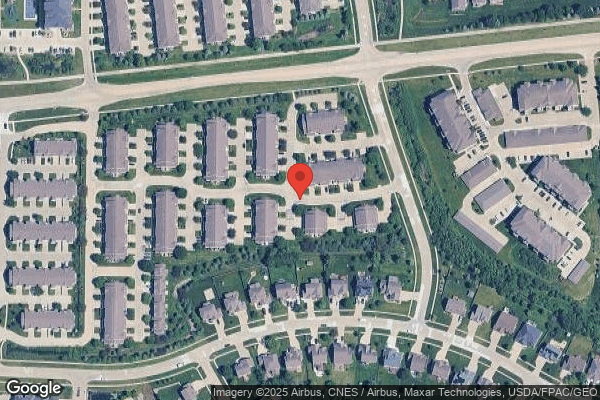
7951 E P True Parkway, West Des Moines, IA 50266 (515) 223-1135
For profit - Limited Liability company 56 Beds Independent Data: November 2025
Trust Grade
65/100
#96 of 392 in IA
Last Inspection: May 2025

Inspected within the last 6 months. Data reflects current conditions.

Overview

Arbor Springs of West Des Moines has a Trust Grade of C+, indicating that the facility is decent and slightly above average compared to others. It ranks #96 out of 392 nursing homes in Iowa, placing it in the top half, and #3 out of 10 in Dallas County, meaning only two local options are better. Unfortunately, the trend is worsening, with the number of reported issues increasing from 5 in 2024 to 7 in 2025. Staffing is a strong point here, with a 5/5 star rating and a turnover rate of 42%, which is lower than the state average. However, there are concerning elements, such as lower RN coverage than 97% of Iowa facilities, which may lead to oversight in care. Specific incidents raised by inspectors include a failure to adequately assess a resident who suffered a hip fracture after being lowered to the floor, and two residents who experienced significant weight loss due to inadequate nutritional care. While there are strengths in staffing, the facility has serious areas for improvement that families should consider.

Trust Score
C+
65/100
In Iowa
#96/392
Top 24%
Safety Record
Moderate
Needs review
Inspections
Getting Worse
5 → 7 violations
Staff Stability
○ Average
42% turnover. Near Iowa's 48% average. Typical for the industry.
Penalties
✓ Good
No fines on record. Clean compliance history, better than most Iowa facilities.
Skilled Nurses
○ Average
Each resident gets 32 minutes of Registered Nurse (RN) attention daily — about average for Iowa. RNs are the most trained staff who monitor for health changes.
Violations
⚠ Watch
15 deficiencies on record. Higher than average. Multiple issues found across inspections.
★★★★☆
4.0
Overall Rating
★★★★★
5.0
Staff Levels
★★★★☆
4.0
Care Quality
★★★☆☆
3.0
Inspection Score
Stable
2024: 5 issues
2025: 7 issues

The Good

  • 5-Star Staffing Rating · Excellent nurse staffing levels
  • 4-Star Quality Measures · Strong clinical quality outcomes
  • Full Sprinkler Coverage · Fire safety systems throughout facility
  • No fines on record
  • Staff turnover below average (42%)

    6 points below Iowa average of 48%

Facility shows strength in staffing levels, quality measures, fire safety.

The Bad

Staff Turnover: 42%

Near Iowa avg (46%)

Typical for the industry

The Ugly 15 deficiencies on record

2 actual harm
May 2025 6 deficiencies
CONCERN (D)

Potential for Harm - no one hurt, but risky conditions existed

Abuse Prevention Policies (Tag F0607)

Could have caused harm · This affected 1 resident

Based on employee file review, staff interview, and policy review, the facility failed to ensure completion of dependent adult abuse training within six months of hire for 1 of 5 employee files review...

Read full inspector narrative →
Based on employee file review, staff interview, and policy review, the facility failed to ensure completion of dependent adult abuse training within six months of hire for 1 of 5 employee files reviewed. The facility reported a census of 53 residents. Findings include: Employee record review of Staff P, Certified Medication Aide, showed a hire date of 9/7/23. The file lacked documentation of Staff P completing dependent adult abuse training within six months of their hire date or annually. During an interview on 5/29/25 at 2:00 PM, the Director of Nursing (DON) confirmed the lack of dependent adult abuse training documentation for Staff P. The policy Abuse Prevention, Identification, Investigation, and Reporting Policy, revised 4/1/17, outlined the following: 1. Employees are required to complete two hours of training related to identification and reporting of dependent adult abuse within six months of initial employment 2. All nurses' aides will receive initial and annual resident abuse prevention training.
CONCERN (D)

Potential for Harm - no one hurt, but risky conditions existed

Quality of Care (Tag F0684)

Could have caused harm · This affected 1 resident

**NOTE- TERMS IN BRACKETS HAVE BEEN EDITED TO PROTECT CONFIDENTIALITY** Based on record review, observation, resident and staff interview, and policy review the facility failed to document follow up s...

Read full inspector narrative →
**NOTE- TERMS IN BRACKETS HAVE BEEN EDITED TO PROTECT CONFIDENTIALITY** Based on record review, observation, resident and staff interview, and policy review the facility failed to document follow up skin assessments for 1 of 3 residents reviewed for skin concerns (Resident #2). The facility reported a census of 53 residents. Findings include: The admission Minimum Data Set assessment (MDS) dated [DATE] revealed Resident #2 admitted to the facility on [DATE] and had diagnoses of a left femur fracture and Alzheimer's Disease. The MDS indicated the resident had a risk for pressure ulcers but had no skin issues. The MDS recorded the resident had a Brief Interview for Mental Status score of 11, indicating moderately impaired cognition. The Care Plan initiated on 5/6/25 revealed the resident had a stasis ulcer on the right outer ankle related to peripheral vascular disease. The Care Plan also documented the resident took aspirin post-surgically. The Care Plan directed staff to utilize a pressure reduction mattress and document adverse reactions of antiplatelet therapy such as bruising. An admission Skin Observation Tool dated 4/29/25 revealed Resident #2 had a skin tear on the left elbow, a surgical incision to the left thigh, and a stasis ulcer to the right ankle. The Skin Observation Tool lacked measurements of the wounds. The Skin & Wound Evaluations revealed the following: a. A right ankle arterial stasis ulcer 4/30/25 1.8 centimeter (cm) x 1.4 cm 5/24/25 1.8 cm x 1.6 cm The Skin and Wound Evaluations dated 4/30/25 and 5/24/25 lacked further information such as drainage, odor, and appearance of the wound. The resident's record lacked further documentation of skin assessments of the right ankle between 5/1/25 to 5/23/25. b. A skin tear to the left lateral calf and a bruise to the right upper (inner) arm on 5/28/25 but no wound measurements or documentation related to the wound appearance. The Treatment Administration Record dated 5/1/25 to 5/31/25 revealed orders for the following: a. Complete Skin and Wound Total Body Skin Assessment and update pictures every Thursday on the evening shift had a start date 5/1/25. b. Apply honey ointment and Mepilex dressing to the right ankle every 3 days, had a start date 5/6/25. The Progress Notes revealed the following: a. On 4/29/25 at 1:49 PM, the resident admitted to the facility and had a stasis ulcer to the right ankle. b. On 5/8/25 at 2:18 PM, ulcer on right ankle. c. On 5/27/25 at 3:00 PM, skin warm and dry. Stasis ulcer on right outer ankle. The Progress Notes lacked documentation of skin concerns or bruises to the resident's arms. Observation on 05/28/25 at 12:00 PM, Resident #2 had a large dark purple bruise to her left forearm. The right posterior arm had three small scabs. Resident #2 reported she told the staff to go slow and easy with her when they were changing and moving her because she had parts of her body that really hurt. In an interview 05/28/25 at 02:09 PM, the Director of Nursing (DON) reported skin assessments completed by the nurses. Weekly skin assessments were documented on the Medication Administration Record (MAR). The nurse documented the skin assessment on a Skin and Wound Assessment whenever a skin issue is found. The DON reported she had worked as the DON for only 3 weeks, and during this time, she had identified skin assessments were not getting done. In an interview 05/28/25 at 04:00 PM, the DON reported Resident #2's family member voiced concern about bruises to the resident's arms on Thursday 5/22/25. The DON stated she spoke with Staff K, Licensed Practical Nurse (LPN), and requested him to do a skin assessment. The DON reported she did not find any skin assessment documentation on Resident #2. She spoke with Staff K and told him he needed to document in the electronic health record (EHR). The DON reported she thought the bruises had occurred when staff transferred her. The resident also took medication that increased the chance of bruising. In an interview 05/29/25 at 08:12 AM, Staff N, Certified Nursing Assistant (CNA), reported she would report to the nurse if a resident had a change in condition or a skin concern such as bruises. Staff N reported she had not noticed any bruises on Resident #2 recently. She normally checked and changed the resident as needed during the night. Staff N reported when Resident #2 said they were hurting her. Staff N stated she stopped what she was doing, let the resident know what she was doing and asked her to turn so they could change her. Staff N stated she let the nurse know the resident thought staff were hurting her. The nurse directed the staff to have two staff whenever they performed cares with Resident #2. This intervention started approximately two weeks ago. In an interview 05/29/25 at 08:40 AM, Staff M, LPN, reported a Stop and Watch done whenever a resident had a change in condition. She did an assessment, notified the physician, placed the resident on a 24-hour watch (hot chart), and monitored the skin issue weekly until the area had resolved. Staff M reported the nurse assessed any skin concerns, took pictures and measured the area. Staff M confirmed skin assessments documented under the assessment tab in the EHR. The skin assessments were completed by the day shift nurse. Staff M stated she followed the facility's skin protocol and entered a Progress Note, but did not fill out an incident report whenever a skin concern was found. Staff M stated she did not remember Resident #2 having any skin issues, and indicated nothing flagged or popped up on the computer about something that needed attention. The resident used a mechanical stand lift. Staff M reported she did not notice anything when she assisted Resident #2 out of bed the last time she worked with the resident. In an interview 05/29/25 at 08:58 AM, Staff L, CNA, stated she reported to the nurse if a resident had a change in condition or skin concern such as a bruise or a wound. The nurse checked the resident's skin normally when the resident was in the shower. Staff L stated she had not noticed any bruises on Resident #2, except for a bruise on her hip when she first admitted to the facility. In an interview 05/29/25 at 12:53 PM, Staff K, LPN, reported he mainly worked the evening shift. Staff K stated he reported a change in the resident's condition to the DON and also documented an assessment or Progress Note about a change in the resident's health status. Staff K reported if he noticed a bruise on the resident, he tried to determine how the resident got the bruise. Staff K confirmed he observed Resident #2's skin the prior week. He was unable to open the phone app and therefore did not obtain skin measurements or document the skin assessment at that time. Resident #2 got irritated waiting and said she was getting cold. At that time, Resident #2 had bruises on her arms and legs. He documented a Total Body Assessment in the computer. Resident #2 didn't tell him how she got the bruises. Staff K stated he reported the resident's bruises and the inability to take pictures of the areas to the overnight shift. In an interview 05/29/25 at 09:41 AM, the DON reported she expected skin assessments completed weekly and whenever a new skin concern identified. She also expected the nurse to document a skin assessment under the Assessments tab in the EHR and fill out an incident report. In an interview 05/29/25 at 10:38 AM, Staff J, Registered Nurse (RN), reported skin assessments documented in the EHR on the MAR weekly, and on the Skin and Wound Assessment whenever a resident had a wound or skin condition. In an interview 05/29/25 at 12:21 PM, the DON reported Staff K documented the skin assessment on Resident #2 under the Total Body Skin Assessment. Staff K told the DON Resident #2 bruises were not measured because the camera wasn't working. A Self-Identification and Correction Form dated 5/27/25 revealed the facility's nurse consultant and interim DON self-identified skin concerns not being updated weekly on 5/19/25. Head to toe assessments completed on all residents. The Facility's policy titled A Use of Stop and Watch Communication Form dated 7/19/18 revealed a Stop and Watch form filled out whenever a change in the resident's condition identified including any new skin issues. The charge nurse completed a thorough assessment and put an intervention in place to address the Stop and Watch form. The DON/ ADON (Assistant Director of Nursing) reviewed the Stop and Watch form for accurate assessment and intervention.
CONCERN (D)

Potential for Harm - no one hurt, but risky conditions existed

Accident Prevention (Tag F0689)

Could have caused harm · This affected 1 resident

Based on direct observation, staff interview, and clinical record review, the facility failed to protect residents from potential accidents and hazards for 1 of 16 residents reviewed (Resident #46). T...

Read full inspector narrative →
Based on direct observation, staff interview, and clinical record review, the facility failed to protect residents from potential accidents and hazards for 1 of 16 residents reviewed (Resident #46). The facility reported a census of 53 residents. Findings include: The quarterly Minimum Data Set (MDS) for Resident #46, dated 04/29/2025, documented the following relevant diagnoses: Alzheimer's disease and muscle weakness. It did not document the resident using a wheelchair. The Care Plan for Resident #46, last revised on 05/23/2025, documented the resident uses a wheelchair as his primary means of locomotion. It documented the resident is dependent on staff for locomotion with his wheelchair. A direct observation on 05/27/2025 at 11:03 AM revealed Staff E, Certified Nurse Aide (CNA), pushing Resident #46 in a wheelchair with his feet dragging on the floor in socks. The resident was pushed like this from the unit living room to the dining room. The resident was observed to kick his feet erratically, alternating from dragging under his wheel chair to kicking out in front of and to the side of his wheel chair. A direct observation on 05/27/2025 at 11:57 AM revealed a second improper transfer by Staff E, CNA. During the transfer, Staff E placed one of Resident #46's feet into a wheelchair foot pedal, but did not place the second foot in the pedal before pushing him from his place at the dining room table to another table. During the observation, Resident #46's foot was again visualized to be dragging under the wheel chair. A direct observation on 05/27/2025 at 12:15 PM showed Staff E, CNA, again moving Resident #46 in his wheel chair. This time with one foot still on the foot pedal and the other dragging under the wheel chair. During the observation, the resident's foot was nearly run over by the wheel chair wheels as it dragged. In an interview on 05/29/2025 at 09:03 AM with Staff I, CNA, she stated the proper procedure for pushing a resident in a wheel chair is to first ensure their feet are elevated on foot pedals. She stated she had mentioned the improper transfers to Staff E late in the day on 05/27/2025. She stated residents can fall and hurt themselves if their feet are not up during wheel chair locomotion. In an interview on 05/29/2025 at 09:12 AM with Staff H, Certified medication aide (CMA), she stated all residents undergoing wheel chair locomotion are supposed to have their feet up and in the foot pedals at all times. She stated they cannot push a resident without foot pedals. She stated she has seen residents injured in this way in the past. In an interview on 05/29/2025 at 10:03 AM with Staff G, CNA, she stated a resident has to have their feet up on pedals when being pushed or pulled in a wheel chair. She stated that if their feet drag on the ground it could cause abrasions, and residents have fallen in the past. In an interview on 05/29/2025 at 11:04 AM with the Director of Nursing (DON), she stated the proper technique for assisting a resident with wheel chair locomotion requires a resident's feet to be up on the foot pedals of the chair. She stated her expectation is that staff monitor residents to ensure their feet are on the foot pedals and not dragging. During the survey, a facility policy regarding wheel chair locomotion was requested but not provided.
CONCERN (D)

Potential for Harm - no one hurt, but risky conditions existed

Unnecessary Medications (Tag F0759)

Could have caused harm · This affected 1 resident

**NOTE- TERMS IN BRACKETS HAVE BEEN EDITED TO PROTECT CONFIDENTIALITY** 2. The Minimum Data Set (MDS) assessment dated [DATE] revealed Resident #1 had diagnosis of hypertension (high blood pressure). ...

Read full inspector narrative →
**NOTE- TERMS IN BRACKETS HAVE BEEN EDITED TO PROTECT CONFIDENTIALITY** 2. The Minimum Data Set (MDS) assessment dated [DATE] revealed Resident #1 had diagnosis of hypertension (high blood pressure). The Order Summary Report dated 5/28/25 revealed Metoprolol Succinate Extended Release (ER) 25 milligrams (mg) by mouth (PO) daily for hypertension. During observation on 05/28/25 at 07:59 AM, Staff O, CMA, prepared the following medications for Resident #1: Acetaminophen 650 mg PO Aspirin 81 mg PO Fluconazole 100 mg PO Furosemide 20 mg PO Metoprolol ER 25 mg PO Vitamin C 1000 mg PO Staff O crushed the pills, mixed the contents in applesauce, and administered the crushed medications to Resident #1. In an interview 05/28/25 03:18 PM, the Pharmacist reported an ER tablet or capsule should not be crushed. The Pharmacist reported the resident could receive too much of the medication at one time if an ER medication got crushed. Based on clinical record review, observations, staff interview, pharmacy interview, manufacturer recommendations, and policy review the facility failed to ensure a medication error rate of less than 5%. During observations of medication administration, the facility had 2 errors out of 30 opportunities for error resulting in an error rate of 6.67 % (Residents #1 and #21). The facility identified a census of 53 residents. Findings include: 1. The Order Review History Report dated 5/1/25-5/28/25 indicates Resident #21 has an order for Potassium Chloride Extended Release (ER) oral tablet 20 Milliequivalents (MEQ) one time a day with a start date of 10/26/24. It further indicates that medications may be crushed unless contraindicated by pharmacy with a start date of 2/15/23. During observation on 05/28/25 07:36 AM Staff F, Certified Medication Aide (CMA) prepared and crushed Resident #21's Potassium Chloride 20 MEQ ER with the rest of her medications. Staff F mixed the crushed medications with grape jelly and was preparing to give them to Resident #21. At that time, the surveyor intervened and instructed Staff F not to give the medications as the Potassium Chloride can not be crushed. At 07:40 AM Staff F discarded the medications, and attempted to dissolve the Potassium Chloride in water but it would not dissolve. During an interview on 05/28/25 07:40 AM Staff F, CMA stated that Potassium Chloride cannot be crushed. Staff F stated the rest of the medications would be given separately and Staff A would be notified that Resident #21 needs an alternate form of Potassium Chloride. During an interview on 05/28/25 09:30 Staff A, Licensed Practical Nurse (LPN) stated she contacted the doctor about an alternate form of Potassium Chloride. During a phone interview with the pharmacy on 5/28/25 at 3:18 PM the pharmacist reported crushing extended release medication depended upon the medication. Metoprolol ER capsule can be opened, sprinkled and given with pudding but the capsule or tablet are not able to be crushed. Can open capsules but don't crush the contents inside. Resident could receive too much of the medication at one time if ER/ Delayed Release (DR) medication is crushed. Also, there could be a delay in receiving medication if delayed release medication is crushed. Potassium chloride ER tablet should not be crushed. Potassium could be dissolved in water but some potassium is micro dispersible and will not dissolve. Facility's Administration of Medications policy dated 3/1/21 documents that if the medications are ordered to be crushed due to difficulty swallowing, use the pill crusher. Crush the pill and then mix with water, pudding, applesauce or other depending on resident's preference. In addition, the facility policy lacked information regarding what medications could be crushed such as extended release.
CONCERN (D) 📢 Someone Reported This

A family member, employee, or ombudsman was alarmed enough to file a formal complaint

Potential for Harm - no one hurt, but risky conditions existed

Deficiency F0805 (Tag F0805)

Could have caused harm · This affected 1 resident

Based on direct observation, clinical record review, staff interview, and policy review, the facility failed to provide residents with prescribed therapeutic diets for 1 of 3 residents reviewed (Resid...

Read full inspector narrative →
Based on direct observation, clinical record review, staff interview, and policy review, the facility failed to provide residents with prescribed therapeutic diets for 1 of 3 residents reviewed (Resident #30). The facility reported a census of 53 residents. Findings include: The significant change Minimum Data Set (MDS) for Resident #30, dated 02/14/2025, documented the following relevant diagnoses: gastroesophageal reflux disease (GERD), non-Alzheimer's dementia, seizure disorder, muscle weakness, and cognitive communication deficit. It documented the resident was rarely or never understood, and had severely impaired cognition skills. It further documented the resident was on a mechanically modified diet and required supervision and touch assistance while eating. The Care Plan for Resident #30, with a last revised date of 05/19/2025, noted the resident had a history of significant weight loss. It instructed staff to provide a therapeutic diet as ordered. It noted the resident's diet as being mechanically altered (mechanically soft diet), with soft or ground meat. A direct observation on 05/27/2025 at 12:26 PM, Staff C, dietary assistant, was observed bringing Resident #30 his lunch. He placed it in front of the resident, and Staff I, Certified Nurse Aide (CNA), began feeding Resident #30. While feeding the resident, it was observed Staff I looked confused before she began to feed the resident a bite of the soup. When approached, it was noted there were large chunks of what appeared to be beef and vegetables in the stew. Staff I was asked to take a piece of the meat out of the soup bowl and attempt to cut and mash it, to see if it was appropriate for a mechanically altered diet that requires soft and ground meats. Staff I attempted to cut the meat, and it did not cut easily. She attempted to crush the chunk of meat with the back of a spoon, and the meat resisted compression and slid out from under the spoon intact. A call was placed to the dietary manager. In an interview on 05/27/2025 at 12:33 PM the dietary manager confirmed the bowl of soup Resident #30 had been served was not approved for his diet. She confirmed it was regular diet, and provided the resident with the mechanically altered diet alternative. In an interview on 05/29/2025 at 09:03 AM with Staff I, CNA, she stated it is the kitchen's responsibility to plate the food, they include the appropriate diet and the CNAs pick up and serve the food to the residents. She stated the diet card for Resident #30 reflected he was to receive a mechanically altered diet, and that she was going to serve the soup to the resident. When asked why she looked confused she stated it was because she knows soup can be served to residents on mechanically altered diets, but the meat chunks looked far bigger than mechanically altered soups usually had. She confirmed the meat she cut for the resident was tough, not at all soft enough. In an interview on 05/29/2025 at 09:12 AM with Staff H, Certified Medication Aide (CMA), she stated the kitchen is responsible for plating the food and the CNAs are responsible for serving it to residents. She stated if a CNA notices the wrong diet has been served they are to report the issue to the kitchen and not serve the resident the incorrect meal. In an interview on 05/29/2025 at 11:04 AM with the Director of Nursing (DON), she stated CNAs are responsible for serving food to residents, dietary staff are responsible for plating food and matching it to the dietary card. Her expectation is that if a therapeutic diet is prescribed to a resident they received the correct therapeutic diet. In an interview on 05/29/2025 at 11:19 AM with the Registered Dietician, she stated Resident #30 had been on a mechanically altered diet for a significant period of time. She stated the resident does not have a diagnosis of dysphagia, but had been moved to a mechanically soft diet by hospice to promote intake and prevent weight loss. In an interview on 05/29/2025 at 11:32 with the Dietary Manager, she stated Resident #30 had been under the care of a different hospice provider at one point in time, and that the previous hospice provider had ordered a mechanically soft diet with pleasure feedings of normal textured foods. The resident had since switched hospice providers and the current order only recommended mechanically altered diet with ground meats. She stated she believed this is where the confusion had occurred. Review of a facility provided document titled Addendum to Simplified Diet Manual: Texture Altered Diets, with an effective date of 06/01/2024, stated the following: The Facility will offer the following diets for consistency alteration. The mechanical soft diet is designed to permit easy chewing. The general diet is modified in consistency and texture by cooking, grinding, chopping, mincing, or mashing. The diet includes foods soft in texture such as cooked fruit and vegetables, moist ground meats and soft bread and cereal products.
CONCERN (D)

Potential for Harm - no one hurt, but risky conditions existed

Infection Control (Tag F0880)

Could have caused harm · This affected 1 resident

Based on observation, staff interview, and policy review, the facility failed to follow Enhanced Barrier Precautions (EBP) practices for a resident with an open pressure injury for 1 of 3 resident rev...

Read full inspector narrative →
Based on observation, staff interview, and policy review, the facility failed to follow Enhanced Barrier Precautions (EBP) practices for a resident with an open pressure injury for 1 of 3 resident reviewed for pressure ulcer/injury (Residents #14). The facility reported a census of 53 residents. Findings include: The Minimum Data Set (MDS) for Resident #14, dated 3/21/25, indicated that Resident #14 had a Stage #3 pressure ulcer. The Care Plan revised on 3/24/25, revealed that Resident #14 had a pressure area to the right 4th finger. The Care Plan lacked staff directives for for EBP. During an observation 5/28/25 at 9:25 AM, Resident #14's room did not have signage outside or inside the door to indicate that EBP was in use. During an observation 5/28/25 at 9:30 AM, Staff A, Licensed Practical Nurse (LPN), performed wound care for Resident #14. Staff A did not wear a gown during the entire wound care process. During an Interview 5/28/25 at 10:00 AM, Staff A stated that the facility followed EBP in the facility. She indicated that EBP is utilized for residents with catheters and Multidrug-resistant Organisms (MDROs) She then stated that if EBP was for wounds, she was not aware. During an Interview on 5/29/25 at 11:29 AM, Staff J Registered Nurse (RN) stated wound assessments and pictures are on the phone and in PCC. States Resident #14 has a Stage 3 pressure to right 4th digit. Staff J stated they use EBP at this facility and that catheters, wounds, and MDROs are included. Gown and gloves are utilized for cares. Staff J stated that skin tears and bruises are not included in EBP. Staff J stated that DON decides who will be in EBP. When questioned if Resident #14 should be in EBP, Staff J stated, He probably should be. During an interview on 05/29/25 at 12:05 PM The Director of Nursing (DON) stated that she made the decision about who is placed in EBP. The DON stated that indwelling devices, chronic wounds that can't be covered, and MDROs are placed in EBP. Questioned why Resident #14 was not in EBP based on our conversation and the current policy. The DON stated, That's a good question. I have no answer for that. Questioned if Resident #14 should be in EBP and the DON stated, He should be and I will get him into EBP right away. Review of document titled Infection Control Program does not mention EBP utilization. Facility's undated Enhanced Barrier Precautions policy revealed EBP should be used when a resident has a wound such as a pressure ulcer and during high contact care activities such as wound care. Gown and gloves worn during high-contact care activities. The Center for Disease Control and Prevention (CDC) directs nursing facility staff to implement EBP for residents with wounds and/or indwelling medical devices, regardless of MDRO status, during high contact resident care activities to include wound cares and device care or use (https://www.cdc.gov/long-term-care-facilities/hcp/ prevent).
Mar 2025 1 deficiency 1 Harm
SERIOUS (G) 📢 Someone Reported This

A family member, employee, or ombudsman was alarmed enough to file a formal complaint

Actual Harm - a resident was hurt due to facility failures

Quality of Care (Tag F0684)

A resident was harmed · This affected 1 resident

**NOTE- TERMS IN BRACKETS HAVE BEEN EDITED TO PROTECT CONFIDENTIALITY** Based on observations, clinical record review, staff interviews, facility staff correspondence and policy review, the facility f...

Read full inspector narrative →
**NOTE- TERMS IN BRACKETS HAVE BEEN EDITED TO PROTECT CONFIDENTIALITY** Based on observations, clinical record review, staff interviews, facility staff correspondence and policy review, the facility failed to provide a thorough assessment and timely intervention for 1 of 4 residents reviewed. (Resident #1). On 2/23/25 Resident #1 was lowered to the floor. Staff E, Certified Nurse Assistant (CNA) notified Staff A, Licensed Practical Nurse (LPN) who failed to complete a thorough assessment. The Assistant Director of Nursing (ADON) was notified at 9:15 AM on 2/24/25 that Resident #1 was in pain, the ADON failed to do an assessment until 3:15 PM and the Director of Nursing (DON) obtained an order for pain medication yet failed to ensure that it was administered. An x-ray on 2/25/25 revealed a displaced hip fracture that required surgical intervention. The facility reported a census of 53 residents. Findings are as follows: The Minimum Data Set (MDS) dated [DATE] for Resident #1 revealed a diagnosis of a compression fracture of the thoracic spine at level T11 and T12 vertebrae due to repeated falls and a history of transient ischemic attacks (small blood clots) with cerebral (brain) bleed. Resident #1 required moderate assistance with care, toileting and dressing, and moderate assistance with sit/stand and ambulation. Resident #1 was frequently incontinent of bowel and bladder. Resident #1 had a Brief Interview for Mental Status (BIMS) score of 2 which suggested severe cognitive impairment. The MDS documented the resident had vocal complaints of pain observed for 1 to 2 days. The Care Plan dated 2/20/25 for Resident #1 informed staff that she was a wander risk and a fall risk with walking and during toileting. The Care Plan identified that Resident #1 was evaluated by physical therapy and occupational therapy. The Care Plan directed staff to anticipate and meet needs, assistance of 1 staff for toileting, report and document physical, nonverbal indicators of discomfort or distress, follow up as needed and to report a decline in cognitive status, mood, or decline in activities of daily living (ADL). Resident #1 used disposable briefs, check and change frequently when awake. The Physician Orders for Resident #1 revealed the following pain medication orders: 1. Acetaminophen 325 milligram (mg) 2 tablets three times a day, ordered 2/17/25. 2. Acetaminophen 325 mg, 2 tablets as needed (PRN), ordered 2/17/25 for pain/fever. 3. Diclofenac Sodium 75 mg, 1 tablet every 12 hours PRN, ordered 2/17/25 for pain. The Medication Administration Record (MAR) dated February 2025 for Resident #1 revealed: 1. Acetaminophen 325 milligram (mg) 2 tablets three times a day administered on: a. 2/23/25 at 8AM, 2PM, and 10PM. b. 2/24/25 at 8AM, 2PM, and 10PM. c. 2/25/25 at 8AM, 2PM, and 10PM. 2. Acetaminophen 325mg PRN administered on 2/25/25 at 3:07 AM. 3. Diclofenac Sodium 75 mg administered on 2/25/25 at 3:01 AM. 4. Oxycodone 5mg give 1 tablet every 6 hours for pain, initiated on 2/25/25 and discontinued on 2/28/25, that was not administered. The MAR for February 2025 revealed no PRN pain medications were administered on 2/23/25 or 2/24/25. The Progress Notes for Resident #1 revealed: -On 2/17/25 at 3:10 PM, Resident #1 was admitted for physical and occupational therapy (PT/OT) following a T12 fracture. She was alert, confused, was to wear the back brace at all times and was to be assisted by 1 staff with walker for ambulation. Resident did have complaints of pain, PRN Tylenol given. - On 2/19/25 at 1:36 PM, is on skilled level of care due to PT/OT related to fracture. Has no complaints or concerns. Is wearing back brace and states no pain. - On 2/20/25 at 9:23 PM Residents pain controlled with PRN pain meds. Resident eating supper at the neighborhood table this evening with no complaints. Brace in place. - On 2/21/25 at 10:55 AM, Staff B, Medical Doctor, examined Resident #1, conducted a medication review to include the discontinuation of Oxycodone due to hyper vivid dreams. The son was present. - On 2/22/25 at 1:40 PM Resident has pain and relief with PRN meds and repositioning. Back brace in place. - On 2/23/25 at 10:36 AM, Staff C, Registered Nurse (RN) documented a skilled assessment that included no impairment of Range of Motion (ROM) of lower extremity, and was able to reposition self. Verbal complaints of pain rated at 1. Non-medication interventions provided relief. - On 2/24/25 at 3:17 PM, the DON documented that resident was in bed this shift, refused to get up, bear weight, or allow for cares. The resident called out and expressed pain with turns, legs were equal in length and ROM within normal limits (WNL). The resident called out in pain when attempted to sit resident up, and was unable to localize the pain. The DON notified Staff B, MD and will monitor through the evening then reevaluate in the morning. - On 2/24/25 at 3:45 PM, a late entry by the DON, Staff B, MD ordered Oxycodone every 6 hours prn pain, the point click care (PCC) was updated and the son notified. - On 2/25/25 at 2:23 PM, Staff D, LPN documented the resident was noted with increased pain to the left hip and no weight bearing. Notified the physician and received an order for an x-ray. - On 2/25/25 at 4:43 PM, the DON documented the x-ray result revealed a fracture of the left hip, discussed with the physician and was ok for a transfer to the Emergency Department or remain at the facility with hospice care as per family choice. The son was notified. - On 2/25/25 at 7:17 PM, the DON documented received call from 2nd son and after an update was given, chose to have resident transferred to a tertiary hospital. - On 2/26/26 at 12:47 PM, Resident #1's son called and stated the surgery took a little longer, more issues then they saw and resident will return to the facility. The Progress Notes lacked any documentation of any incidents or assessments related to any incidents that occurred on 2/23/25. During an observation on 3/10/25 at 12:29 PM, Resident #1 was located in her room, in a bed that was low in the lower position, wearing a back brace and a foam wedge between her legs. Resident #1 was alert, confused and requested to have water. An untouched lunch tray was on her night stand. During an interview on 3/10/25 at 1:41 PM, Staff M, CNA revealed that she worked on 2/24/25 6AM-2PM with the resident. She stated when she got report the aide did not say anything about Resident #1. Staff M stated she had to call the nurse because even when you touched the resident she screamed in pain. She stated she stayed in bed that day and refused food. She stated the nurse assessed her and gave her pain meds but she does not remember the nurses name. She stated when the pain meds wore off she started screaming again. She stated the resident usually walked around but that day she did not get up. During an interview on 3/11/25 at 10:12 AM, Staff H, Physical Therapy Assistant (PTA) stated Resident #1 was very alert, energetic, engaging and followed directions. Staff H stated the last encounter on 2/21/25, Resident #1 ambulated by hand hold assistance, due to unsteadiness and used a wheeled walker. During an interview on 3/11/25 at 10:34 AM, Staff I, Director of Rehabilitation stated during an encounter on 2/21/25 had found Resident #1 wandering around and required redirection to sit as she had complained of back pain. Staff I stated the next encounter on 2/24/25, Resident #1 was unable to sit on the side of the bed. Staff I stated Staff J, Speech Therapist (ST), attempted to assist but Resident #1 was yelling out in pain and rubbing both hips. Staff I stated Resident was soaked in urine and notified the CNA's and advised that they change her in the bed. Staff I stated they notified the ADON of Resident #1's change of condition and complaint of pain. During an interview on 3/11/25 at 10:52 AM, Staff J, ST stated she had a session in the gym on 2/21/25 with Resident #1, worked on sit to stand and reaching back to the chair. Staff J stated Resident #1 was independent 100 percent by the end of the session. Staff J stated on the morning of 2/24/25, she had assisted Staff I with Resident #1 who was very agitated, very distressed and cried when they attempted to sit her up onto the side of the bed. Staff J stated she consulted with the ADON to express her concerns and suspected pain. Staff J stated Resident #1 had medication changes and would be monitored. Staff J stated in the afternoon, attempts were made to work with Resident #1 but was unable to continue due to the extreme level of pain. During an interview on 3/11/25 at 11:57 AM, Staff F, CNA revealed that she had worked on 2/23/25 6AM-10 PM and provided care for Resident #1. Staff F stated Resident #1 was running around and tried to put herself on the floor from a standing position and was going to fall. Staff F stated Staff G, CNA assisted her and they placed Resident #1 on the floor. Staff F stated she notified Staff A, LPN who failed to provide an assessment for Resident #1. Staff F stated at 9:15 PM, Staff G assisted to get Resident #1 off the floor, to the bathroom and to bed. Staff F stated Resident #1 always complained about pain. Staff F stated when she had returned to work on 2/24/25 at 2 PM, Resident #1 was in bed, therapy had recommended her to stay in bed, the DON conducted an assessment and ordered an x-ray. Staff F stated that Resident #1 was yelling out in pain and she was very wet with urine and did not want the day shift staff to touch her. Staff F stated Resident #1 had to be changed regardless and cried when she was turned during care. During an interview on 3/11/25 at 12:18 PM, Staff A, LPN stated she was the nurse on 2/23/24 evening shift and had been notified by Staff F, CNA that Resident #1 was sitting on the floor but did not follow through with an assessment or complete an incident report as she thought this was behavior that she had been doing on other shifts. Staff A stated she did not check the Care Plan to see if Resident #1 was allowed to be on the floor. Staff A stated she did not administer pain medication to Resident #1. During an interview on 3/11/25 at 12:48 PM, Staff K, LPN stated she had worked the over night shift on 2/23/25 to 2/24/25 and was not notified Resident #1 was on the floor during the previous shift and was not informed that Resident #1 had pain during the night shift. Staff K stated Resident #1 wandered but did not ever sit on the floor. Staff K stated the staffing on the night shift consisted of one CNA in each of the 4 neighborhoods and one nurse. Staff K stated the CNA would inform her if a resident experienced pain. During a follow up interview on 3/11/25 at 2:46 PM, Staff A, LPN stated if a resident received routine Tylenol and had increased pain, the expectation was to assess the pain and notify the physician. Staff A stated she remembered asking Resident #1 if she wanted to stay on the floor, she said yeah, but did not ask why she was on the floor. Staff A stated the CNA's did not inform her the resident was having pain when they got her off the floor. Staff A stated, I think there was a miscommunication. During an interview on 3/11/25 at 3:12 PM, the ADON stated if a resident was assisted to the floor it was to be considered as a fall and the expectation was that the staff would inform the nurse who would complete an assessment, including an assessment signs and symptoms of pain. The ADON stated she was unaware that Resident #1 was on the floor on 2/23/25 until she read an email from Staff L, Activities on 2/24/25 at 12:25 PM. Resident #1 was on the floor in the main living area on 2/23/25 at 3 PM, was unsure if the resident was care planned to be on the floor. Staff F, CNA was in a recliner with her feet up facing Resident #1 and Staff L did not inform the nurse at that time. The ADON stated she was informed by the Director of Therapy and Staff J, ST on the morning of 2/24/25 that Resident #1 was in pain when they attempted to get her out of bed. The ADON stated she went to Resident #1's room [ROOM NUMBER] hours later to assess her and found her to be in pain and was unable to lift her legs due to pain. The ADON stated the DON arrived and conducted an assessment. The ADON stated she asked the DON if they should get an x-ray and the DON told her no since she was unable to locate an origin of the pain. The ADON stated she was called away for a phone call and the next day, 2/25/25 after 8 AM, Staff D, LPN reported that Resident #1 continued to have pain and was unable to get out of bed. The ADON stated she had told Staff D to call the doctor and get an order for an x-ray. An email dated sent on 2/24/25 at 12:25 PM from Staff L sent to Department Heads documented the following: Hello, sorry that I am just getting this email sent now and looking back I should have alerted the nurse on this side rather than assuming the resident in question is care planned to be allowed to sit on the floor. I am concerned that something occurred yesterday afternoon during the 3PM hour. Several residents were in the common areas but the newest resident, Resident #1, was sitting on her behind on the floor in the middle of the sitting area just in front of the TV. I didn't see her walker or a chair near her. Staff F was sitting in a recliner with her feet up facing Resident #1. While I was in there, about half an hour, another aide (I don't remember who) joined the group in the main sitting area. Resident #1 did scoot around a bit on her bottom. I regret that I didn't inform the floor nurse yesterday. During an interview on 3/11/25 at 4:14 PM, Staff G, CNA stated she had worked on 2/23/25 at 2 PM till 6 AM. Staff G stated Resident #1 was running and was going to fall, then tried to get down to the floor. Staff G stated Staff F, CNA notified the nurse who did not do anything. Staff G stated she had assisted to get Resident #1 off the floor and she was screaming, but she always screamed. Staff G stated she had checked on Resident #1 during the night, Resident #1 did not get out of bed that night and was screaming a lot. During an interview on 3/11/25 at 4:45 PM, the DON stated she had received an e-mail from Staff L, Activities on 2/24/25 that Resident #1 was sitting on the floor and didn't know if she was care planned to be on the floor. The DON stated she had called Staff F, CNA whom stated Resident #1 was getting up without a walker, was fearful she would fall, and resident requested to be on the floor. The DON stated Staff A, LPN reported she did not know that Resident #1 was on the floor. The DON stated that Resident #1 complained of pain since admit and her son stated it was attention seeking behavior. The DON stated she assessed her at 3:15 PM, found Resident #1 to be in pain but was unable to replicate the pain. The DON stated she had called the physician who asked if she fell and was told no but she was on the floor. The DON stated the physician had ordered Oxycodone for pain and deferred if they transfer to the hospital to the family. The DON stated she did not give the Oxycodone but did call the son who wanted to confer with his brother. The DON stated the next day, on 2/25/25, Staff D, LPN had received an order for an x-ray and the 2nd shift nurse informed her that Resident #1 had a fractured hip. The DON stated the family was then informed and requested transfer to the hospital. During an interview on 3/12/25 at 1:47 PM, Staff B, Medical Doctor stated when he was informed on 2/24/25 that Resident #1 was on the floor the evening before, that she should be evaluated in the emergency department since it was too late for a mobile x-ray but felt the family delayed in decision. Staff B stated he ordered Oxycodone to be given and it was his expectation that it be given for pain. Staff B stated Resident #1 had osteoporosis and could have had a spontaneous fracture. Staff B stated on 2/25/25 the x-ray revealed a hip fracture and family agreed to a surgical intervention. Staff B stated that Resident #1 made it through surgery but she didn't bounce back and the result was death on 3/11/25 at 10:10 AM. A facility policy revised 3/1/21 and titled Fall Assessment revealed: Procedure: 1. Residents will be assessed for fall risk on admission and residents identified as a high risk for falls will have fall interventions implemented. 2. When a resident falls the Charge Nurse will complete the Fall Scene Investigation and create a Progress Note describing the event. Protocol: 1. When a resident is observed or discovered to have fallen, the staff present will immediately radio the charge nurse. 2. The charge nurse will assess the resident for injury. 3. If there is suspected major injury, the charge nurse will notify the physician and the power of attorney (POA) immediately. 4. Vital signs are taken every 8 hours for 72 hours with follow-up documentation charted on status of resident or as ordered by the physician.
Nov 2024 1 deficiency
CONCERN (D) 📢 Someone Reported This

A family member, employee, or ombudsman was alarmed enough to file a formal complaint

Potential for Harm - no one hurt, but risky conditions existed

Deficiency F0658 (Tag F0658)

Could have caused harm · This affected 1 resident

**NOTE- TERMS IN BRACKETS HAVE BEEN EDITED TO PROTECT CONFIDENTIALITY** Based on record review, staff interview, and policy review, the facility failed to provide post-fall assessments and interventio...

Read full inspector narrative →
**NOTE- TERMS IN BRACKETS HAVE BEEN EDITED TO PROTECT CONFIDENTIALITY** Based on record review, staff interview, and policy review, the facility failed to provide post-fall assessments and interventions for 3 of 3 residents reviewed (Residents #1, #2, and #3). The facility reported a census of 55 residents. Findings include: 1. On 11/25/24 at 9:30 am, a review of Resident #1's Electronic Health Record (EHR) included a Progress Note that revealed Resident #1 had an unwitnessed fall on 10/19/24. The Minimum Data Set (MDS) dated [DATE] indicated the resident had a Brief Interview for Mental Status (BIMS) score of 05 out of 15, which indicated severely impaired cognition. It included diagnoses of Alzheimer's Disease and depression. It revealed the resident required set-up assistance with eating, moderate assistance with bathing, and supervision with all other aspects of Activities of Daily Living (ADLs). The Care Plan dated 8/11/24 revealed the resident was at risk for falls related to confusion and directed staff to follow the facility's fall protocol. The resident's EHR included a Progress Note dated 10/19/24 which indicated the resident was assessed due to an unwitnessed fall in his room. No follow-up fall assessments were further documented in the Progress Notes. The EHR Assessments tab included 12 of the 14 required follow-up fall neurological assessments. 2. On 11/25/24 at 10:05 am, a review of Resident #2's EHR included a Progress Note that revealed Resident #2 had an unwitnessed fall on 9/27/24. The Minimum Data Set (MDS) dated [DATE] indicated the resident had a BIMS score of 03 out of 15, which indicated severely impaired cognition. It included diagnoses of Non-Alzheimer's Dementia, Diabetes Mellitus (DM), anxiety, and depression. It revealed the resident required supervision with eating and oral hygiene, moderate assistance with upper body dressing and personal hygiene, maximal assistance with toileting, showering, and lower body dressing, and was dependent on staff with putting on and removing footwear. The Care Plan dated 3/22/24 revealed the resident was at risk for falls related to confusion, gait and balance problems and directed staff to follow the facility's fall protocol. The resident's EHR included a Progress Note dated 9/27/24 at 1:37 pm which indicated the resident fell during the night shift with no neurological assessment changes. A Progress Note dated 9/27/24 at 9:01 pm indicated the resident refused an assessment. A Progress Note dated 9/28/24 at 12:00 pm included a neurological assessment without vital signs. No other follow-up fall neurological assessments were documented in the Progress Notes. The EHR Assessments tab included 3 of the 14 required follow-up fall neurological assessments. 3. On 11/25/24 at 10:40 am, a review of Resident #3's EHR included a Progress Note that revealed Resident #3 had an unwitnessed fall on 11/12/24. The Minimum Data Set (MDS) dated [DATE] indicated the resident had a BIMS score of 02 out of 15, which indicated severely impaired cognition. It included diagnoses of Non-Alzheimer's Dementia, insomnia, and depression. It revealed the resident required set-up assistance with eating, supervision with oral hygiene, moderate assistance with bathing, personal hygiene, and upper body dressing, and maximal assistance with all other aspects of ADLs. It also revealed the resident had a previous fall. The Care Plan dated 8/11/24 revealed the resident was at risk for falls related to confusion and directed staff to follow the facility's fall protocol. The resident's EHR included a Progress Note dated 11/12/24 at 1:46 pm which indicated the resident's neurological assessments were within normal limits. A Progress Note dated 11/13/24 at 5:49 am indicated the follow-up fall neurological assessments continued. No follow-up fall assessments were documented in the Progress Notes. The EHR Assessments tab included 7 of the 14 required follow-up fall neurological assessments. On 11/25/24 at 1:00 pm, Staff A, Licensed Practical Nurse (LPN) verified the three (3) aforementioned residents' falls were unwitnessed. She also stated unwitnessed falls and witnessed falls that involved potential head injury required neurological assessments. She stated the initial assessment did not count as the first 15-minute follow-up neurological assessment and all neurological assessments were documented in the resident's Assessments tab, or the Progress Notes if the resident refused an assessment. At 2:06 pm, the three (3) residents' hard charts revealed no neurological assessment documentation. On 11/25/24 at 2:41 pm, the Director of Nursing (DON) stated the protocol for staff to follow for a resident post-fall was to complete a resident neurological assessment and complete follow-up neurological assessments if the fall was unwitnessed. She also stated neurological assessments were documented only in the resident's EHR and not in the hard chart. An undated document titled Neuro Sheet indicated the neurological assessment times were 15 minutes x 2; 1-hour x 2; 2 hours x 2; 4 hours x 2; and once per shift on days two (2) and three (3). The DON clarified the undated document was for staff reference only and was not part of the EHR. At 3:05 pm, the DON stated she didn't locate any other completed neurological assessments. A document titled Fall Assessment revised 8/01/21 indicated if the resident has a known head injury, resident was observed hitting their head, or the fall was unwitnessed, neurological checks will be implemented and documented in the EHR as follows: a) Full vital signs, orientation, level of consciousness, pupil size and reaction, response to verbal commands, pain, and movement of extremities b) Neuro checks are charted in EHR under [facility name] Neurological Assessment c) Neuros are as follows: I. Initial II. Every 15 minutes x 2 III. Every 1-hour x 2 IV. Every 2 hours x 2 V. Every 4 hours x 2 VI. Every shift x 6 d) If at any time the nurse assesses a change in neuro status, the physician will be contacted.
Jun 2024 4 deficiencies
CONCERN (D)

Potential for Harm - no one hurt, but risky conditions existed

Transfer Notice (Tag F0623)

Could have caused harm · This affected 1 resident

**NOTE- TERMS IN BRACKETS HAVE BEEN EDITED TO PROTECT CONFIDENTIALITY** Based on clinical record review and staff interviews, the facility failed notify the long term care ombudsman for a resident tra...

Read full inspector narrative →
**NOTE- TERMS IN BRACKETS HAVE BEEN EDITED TO PROTECT CONFIDENTIALITY** Based on clinical record review and staff interviews, the facility failed notify the long term care ombudsman for a resident transfer to an acute care hospital for 1 of 2 residents reviewed for hospitalization (Resident #36). Findings include: The Minimum Data Set (MDS) dated [DATE] of Resident #36 documented the resident transferred to an acute care hospital on 2/4/24. The Census Line portion of the Electronic Health Record (EHR) reflected a transfer out of facility date of 2/4/24 and a transfer into facility date of 2/8/24. The facility document Notice of Transfer Form to Long Term Care Ombudsman failed to include Resident #36 in the report for transfers which occurred during the month of February 2024. On 6/5/24 at 1:34 pm, the Business Office Manger (BOM) stated her procedure is to run an admission and discharge report on Point Click Care (PCC, the software program for the electronic health records). She stated when she ran the report, Resident #36's name was not on the report. The BOM additionally ran a sample report during the interview for the dates in question and again, Resident #36's name was not included in the report. She checked his census line in his EHR and stated the transfer out and transfer in were correct and she did not know why his name did was not generating on the report. On 6/5/24 at 1:56 pm, the Administrator stated she had called Information Technology (IT, software support). She stated IT will be looking at the reports and the settings to see if there is an error in the report running. In an email dated 6/6/24 at 12:16 pm, the Administrator stated the facility does not have a policy regarding Ombudsman notification but the procedure is to send the spreadsheet every month.
CONCERN (D)

Potential for Harm - no one hurt, but risky conditions existed

Quality of Care (Tag F0684)

Could have caused harm · This affected 1 resident

**NOTE- TERMS IN BRACKETS HAVE BEEN EDITED TO PROTECT CONFIDENTIALITY** Based on clinical record review, observations, staff interviews, and policy review, the facility failed to document skin assessm...

Read full inspector narrative →
**NOTE- TERMS IN BRACKETS HAVE BEEN EDITED TO PROTECT CONFIDENTIALITY** Based on clinical record review, observations, staff interviews, and policy review, the facility failed to document skin assessments for one of two residents reviewed for skin conditions (Resident # 9). The facility reported a census of 51 residents. Findings include: The Minimum Data Set (MDS) assessment dated [DATE] revealed Resident # 9 had diagnosis of non-Alzheimer's dementia and diabetes. The MDS indicated the resident required partial to moderate assistance for bed mobility and dependent for transfers. The MDS documented the resident had a risk for pressure ulcer, and had a Stage 2 pressure ulcer that was present upon admission. The Care Plan initiated on 3/16/24 and revised on 4/8/24 revealed the resident had impaired skin integrity related to a Stage 2 pressure ulcer to the coccyx. The pressure ulcer was present upon admission. The care plan also indicated the resident had a self-care deficit and impaired mobility related to dementia. The Care Plan directed staff to perform a skin assessment weekly. The order summary report revealed a skin check with updated pictures and a Skin and Wound Total Body Skin Assessment completed every Friday on the evening shift started on 3/8/24. Review of the skin and wound assessments for Resident #9's Stage 3 pressure ulcer on the sacrum revealed a skin and wound assessment documented on 3/6/24, 3/25/24, 3/27/24, 4/4/24, 4/24/24, 5/3/24, 5/8/24, 5/24/24, and 6/2/24. Of these assessments, only three of the assessments had wound measurements documented: 3/6/24 (present on admission) =1.8 centimeters (cm) length (l) x 0.9 cm width (w) 3/27/24 5.5 cm x 2.0 cm 5/8/24 9.9 cm x 2.6 cm In addition, skin and wound assessments of a moisture associated skin disorder (MASD) on the rear left thigh were documented on 5/8/24, 5/24/24, 5/30/24, and 6/2/24. None of these assessments had wound measurements documented. Progress notes revealed the following: On 6/3/24 at 1:01 PM, culture obtained from the left gluteal fold wound. The wound had a palpable mass and the left buttock wound had redness. Resident continued on an antibiotic for this area. Review of the facility's electronic health record lacked other skin or wound assessments. Observations on 6/6/24 at 7:30 AM with Staff D, Licensed Practical Nurse (LPN), revealed an open wound on the left lower buttock and gluteal fold, and a nickel-sized wound and redness (MASD) to the coccyx area and buttock area, as well as an intact blister to his left heel. In an interview 6/4/24 at 2:12 PM, Staff E, Certified Medication Aide (CMA), reported the nurse completed the residents' skin assessments. Staff E reported she would let the nurse know if she found a skin related concern such as a bruise or open area. She would also fill out a stop and watch form about the concern. In an interview 6/4/24 at 2:15 PM, Staff F, Registered Nurse (RN), reported the nurse completed the residents' skin assessments at least weekly. Skin assessments are documented on the Medication Administration Record (MAR). If the resident had an open wound, a skin assessment documented in the EHR under the assessment tab. In an interview 6/4/24 at 2:42 PM, Staff G, RN, reported skin assessments documented at least weekly on each resident. They tried to perform a skin assessment whenever the resident had a shower but sometimes the CNA called the nurse during cares for the nurse to check the resident's skin. Staff G reported skin assessments documented in the EHR under the assessment tab, and also marked on the MAR. In an interview 6/4/24 at 3:00 PM, the Director of Nursing (DON) reported the nurses completed resident skin assessments and documented the assessment under the skin and wound assessment in the EHR. The nurses used an app on their phone to take pictures of the wound and it automatically provided wound measurements. The DON stated they had a Performance Improvement Plan (PIP) regarding wounds. In a follow-up interview 6/5/24 at 3:00 PM, the DON confirmed Resident #9's skin assessments don't include skin measurements on all of the skin assessments documented. She had done audits and educated staff about skin assessments and to use a sticker dot whenever they took a picture in order to get the wound measurements or staff needed to manually take wound measurement using a round transparent measurement device available at the facility. If staff used the dot placed by the wound, the app automatically calculated the measurements. The DON reported they hired a nurse to do skin assessments but she is no longer at the facility. In the interim, staff nurses were assigned to do the resident skin assessments weekly. A skin assessment policy revealed the facility's goal that each resident remained as free as possible of avoidable skin damage. To accomplish this, a skin assessment completed and documented weekly, and as needed, on each resident. A Quality Assurance Performance Improvement (QAPI) Action Plan dated 4/15/24 revealed the weekly skin assessments and wound assessments not completed in a timely manner by the nurses. A Root Cause Analysis identified the staff's knowledge deficit in the expectation of skin assessments and the usage of the EHR. Education on assessment charting completed on 4/19/24, and 5/23/24. An audit done 6/6/24 during the survey week, and individual nurses notified of any deficiencies.
CONCERN (D)

Potential for Harm - no one hurt, but risky conditions existed

Incontinence Care (Tag F0690)

Could have caused harm · This affected 1 resident

**NOTE- TERMS IN BRACKETS HAVE BEEN EDITED TO PROTECT CONFIDENTIALITY** Based on clinical record review, observation, staff interview, and policy review, the facility failed to ensure staff provided i...

Read full inspector narrative →
**NOTE- TERMS IN BRACKETS HAVE BEEN EDITED TO PROTECT CONFIDENTIALITY** Based on clinical record review, observation, staff interview, and policy review, the facility failed to ensure staff provided incontinence care to minimize the risk of cross-contamination and minimize the risk of urinary tract infections for one of four residents observed for incontinence care (Residents #26), and failed to utilize infection control techniques and changed gloves when contaminated while providing incontinence cares. The facility reported a census of 51 residents. Findings include: The Minimum Data Set (MDS) assessment dated [DATE] revealed Resident #26 had diagnoses of Alzheimer's Disease and dementia. The MDS documented the resident had severely impaired cognition, and require substantial to maximum assistance for toileting hygiene, bed mobility, and transfers. The MDS also indicated the resident had incontinence. The care plan revised on 5/29/24 revealed Resident #26 had a self-care deficit and incontinence due to dementia. The care plan directed staff to check and change the resident and observe for signs of a UTI (urinary tract infection) (increased confusion, changes in behavior, frequency, urgency, concentrated, foul smelling urine). During observation on 6/4/24 at 3:27 PM, Staff A, certified nursing assistant (CNA), and Staff B, CNA, donned a pair of gloves. Staff B placed wet washcloths inside a plastic bag and placed the plastic bag by the bed. At 3:30 PM, Staff A and Staff B used a mechanical lift and transferred Resident #26 from a Broda chair to the bed. Staff A and Staff B removed the resident's pants and brief. Staff A took a wet folded washcloth, sprayed peri-wash foam onto the washcloth, then took the washcloth and cleansed across the resident's lower abdomen and groin, then down the front, folding the washcloth between each swipe. Staff A cleansed the labia, she pushed the soiled washcloth down and left the washcloth between resident's inner thighs. Staff A and Staff B rolled the resident onto her right side. At 3:38 PM, Staff B removed the soiled brief that was rolled under the resident. A moderate amount of stool observed on the resident's buttocks and leg creases. Staff B told Staff A she was going to need more washcloths. Staff A told Staff B to pull the washcloth out between the resident's legs and use it. Staff B reached between the perineum and thighs and pulled the soiled washcloth from under the resident, then folded the washcloth over and wiped the lower buttocks. Staff B placed the soiled washcloth into the trashcan next to the bed. Staff B then took another wet washcloth and cleansed the buttocks and gluteal creases, wiping in a downward fashion between the buttocks toward the perineum. Staff B folded the washcloth over and wiped a couple of times from back to front. Staff B reported she needed to get more washcloths. At this time, Staff A told Staff B she needed to change her gloves. Staff B removed her gloves, then obtained additional wet washcloths and returned to the bedside. Staff B proceeded to cleanse between the buttocks and the buttocks area from the upper buttocks toward the perineum (back to front). Staff A placed a clean brief under the resident. Staff B applied barrier ointment to the buttocks wiping in a downward and circular motion toward the perineum, and attached the brief tabs, then removed her gloves. In an interview 6/4/24 at 3:00 PM, the Director of Nursing (DON) reported she expected staff cleansed from front to back whenever performed incontinence/ peri-care, and changed gloves whenever soiled or contaminated. An undated peri-care skills checklist revealed the following procedural steps: a. Assemble supplies (washcloth, peri-wash, and barrier cream) b. Wash hands and don gloves c. Removed soiled brief d. Remove gloves. Sanitize hands and don gloves e. Wipe across lower abdomen and down each groin while folded the washcloth after each wipe. f. Separate the labia and cleanse each side, folding the washcloth after each wipe, and always cleanse from front to back. g. Turn the resident onto the side. Wash buttocks and upper thigh and each hip, then wash the anal area front to back. Dry thoroughly. Replace pad and new brief. h. Remove gloves and wash hands. i. Apply moisture barrier j. Remove gloves and sanitize hands
CONCERN (F)

Potential for Harm - no one hurt, but risky conditions existed

Deficiency F0727 (Tag F0727)

Could have caused harm · This affected most or all residents

Based on Centers for Medicare and Medicaid (CMS) Payroll Based Journal (PBJ) data, facility document review, and staff interviews, the facility failed to maintain a Register Nurse (RN) for at least 8 ...

Read full inspector narrative →
Based on Centers for Medicare and Medicaid (CMS) Payroll Based Journal (PBJ) data, facility document review, and staff interviews, the facility failed to maintain a Register Nurse (RN) for at least 8 consecutive hours a day. The Facility reported a census of 51. Review of the CMS Payroll Based Journal data revealed the facility did not report an RN in the facility for a 48-hour period starting on 11/04/23 until the end of day on 11/05/23. Review of the staffing schedule provided by the Administrator on 06/05/24 at 08:19 AM confirmed the Payroll Based Journal data. There was not an RN in the facility for a 48-hour period starting on 11/04/23 and ending end of day 11/05/23. Review of the facility assessment last updated in 12/23 did not state the daily staffing requirements. In an interview on 06/06/24 at 11:37 AM, Staff C, Certified Nursing Aide (CNA), stated that the facility lets the staff know if there isn't an RN in the building. He stated the CNAs ask who the nurse in charge is when they come on shift. He stated he did not know of any time in the last six months where an RN was not in the facility for at least 8 consecutive hours a day, but believed it may have happened once at the end of 2023. In an interview on 06/06/24 at 09:50 AM The Director of Nursing (DON), acknowledged that an RN is required to be in the facility for 8 consecutive hours, seven days a week under current CMS rules. She stated herself and the Assistant Director of Nursing (ADON) have alternating on call schedules and her expectation is the nurse leader on call will be present in the facility in an event they are made aware an RN is not scheduled in a 24-hour period or in the event the only RN for the 24-hour period is not in the facility. She stated she did not recall the period of 11/04/23 to 11/05/23. In an email from the Administrator on 06/06/24 at 11:19 AM, she revealed the facility schedules at least one RN or Licensed Practical Nurse (LPN) per shift. If they lack an RN they will schedule two Medication Aides or one additional LPN. The facility schedules 13 Certified Nursing Aides (CNA) for the morning shift, 12 CNAs for the afternoon shift, and 7 CNAs for the overnight shift. The email stated they did not have a policy that stated an RN is required to be on the premise 8 consecutive hours a day, seven days a week. In an email from the Administrator on 06/05/24 at 12:08 PM the Administrator stated the facility did not have RN coverage on 11/04/23 or 11/05/23.
Mar 2023 3 deficiencies 1 Harm
SERIOUS (G)

Actual Harm - a resident was hurt due to facility failures

Deficiency F0692 (Tag F0692)

A resident was harmed · This affected 1 resident

**NOTE- TERMS IN BRACKETS HAVE BEEN EDITED TO PROTECT CONFIDENTIALITY** Based on observation, clinical record review, staff interviews and policy review, the facility failed to provide care and servic...

Read full inspector narrative →
**NOTE- TERMS IN BRACKETS HAVE BEEN EDITED TO PROTECT CONFIDENTIALITY** Based on observation, clinical record review, staff interviews and policy review, the facility failed to provide care and services to maintain acceptable parameters of nutritional status for 2 of 2 residents (Resident #26 and Resident #37) reviewed for nutrition. This failure resulted in harm due to Resident #26 experiencing a weight loss of over 17% in 6 months and Resident #37 experiencing a weight loss of over 10% in 6 months. The facility reported a census of 53 residents. Findings include: 1. The Minimum Data Set (MDS) assessment dated [DATE] for Resident #26 identified the presence of short and long-term memory impairment. The MDS revealed the resident required supervision with setup help from staff to eat. The MDS documented diagnoses that included: Non-Alzheimer's dementia, anxiety, depression and post-traumatic stress disorder. The MDS documented a height of 66 inches and weight of 129 pounds (lbs.). The MDS identified a weight loss of 5% or more in the last month or loss of 10% or more in the last 6 months. The Care Plan for Resident #26, revised 3/2/23, identified the resident at risk for altered nutrition. The Care Plan informed staff the resident had experienced significant weight loss at one, three, and six months. The Care Plan interventions documented by the Registered Dietitian directed the staff to provide and serve diet as ordered; utilize the nutritional intervention program (NIP started 11/5/21, revised 2/3/22), and that supplementation of 60 milliliters of house supplement twice a day between meals was recommended on 2/2/23 due to continued weight loss (2/2/23). The weights for Resident #26 were documented as follows: 1. 1/3/23 - 133.0 pounds 2. 1/29/23 - 128.2 pounds 3. 2/3/23 - 133.0 pounds 4. 2/16/23 - 127.0 pounds 5. 2/26/23 - 125.0 pounds 6. 3/1/23 - 122.2 pounds A Weight Change note authored by the Registered Dietitian (RD) dated 1/19/23 at 12:10 pm revealed Resident #26 had experienced a significant weight loss of 10.6% for 3 months and 9.3% for 6 months. Resident #26 received a NIP. The RD recommended adding to the weekly weight monitoring and for nursing to notify the provider of the loss. A Dietary Note authored by the RD dated 2/2/23 at 11:00 am revealed Resident #26 had experienced weight loss of 2.9% in 1 month, 10.5% in 3 months, and 13.1% in 6 months. The Registered Dietitian described Resident #26 as appearing thin and cachectic (loss of body weight and muscle mass) at the time of the note. The note continued to direct the NIP and weekly weight monitoring. The note further revealed the RD requested the nursing staff to notify the physician and the resident representative of the significant weight loss and to consider providing 60 milliliters of house supplement twice daily between meals to help reduce further weight loss. A Dietary Note authored by the Director of Nursing (DON) dated 2/2/23 at 3:19 pm revealed the DON notified the physician of Resident #26's weight loss. The note failed to lack documentation of the recommendation by the RD of the house supplement. A Dietary Note authored by the Director of Nursing (DON) dated 2/2/23 at 3:22 pm revealed the DON emailed Resident #26's sister/Power of Attorney requesting input regarding her favorite foods and handheld items that she could eat as she wanders. The note failed to include documentation of the Dietitian's recommendation of a house supplement. A Weight Change note authored by the RD dated 3/2/23 at 12:50 pm revealed Resident #26 continued to experience a significant weight loss. The note revealed a loss of 5.4% in one month, 11.6% in 3 months and 17.2% in 6 months. The note continued to inform that the RD recommended 60 milliliters of house supplement on 2/2/23 due to the noted weight loss at that time. The RD re-recommended this intervention. The RD requested the nursing staff to notify the physician and Resident #26's Representative of the continued weight loss. Observation on 3/6/23 at 12:25 pm, Resident #26 was served lunch at table with the other residents. She repeatedly walked away from the table. Staff took her food and her water glass (only drink offered) to the day room and was able to redirect and offer cues for her to eat approximately 75% of her meal. No drink other than water was offered and no ice cream was offered. On 3/7/23 at 3:37 pm, the DON also stated the facility has weekly meetings with the RD on Thursdays. The RD emails a summary of the meetings and then the nursing staff follows up on the concerns. She stated that she usually does those follow ups. The DON stated the supplement twice daily was not initiated because the Registered Dietitian only stated to consider it and did not officially recommend it. She further stated Resident #26 has a yellow dietary card, which indicates the NIP which means the staff are to provide fortified milk at meals and other additional snacks. On 3/8/23 at 8:00 am witnessed Resident #26 walking the unit rapidly. The staff attempted to direct her to the table but the resident resisted. On 3/8/23 at 8:10 am Staff L, Certified Nurse Aide (CNA), stated the staff prepares the food for Resident #26. She stated the CNAs cut the food up and sometimes the resident will grab some as she comes by. At times the staff is able to get her to sit down. She stated the resident drinks a lot of water. On 3/8/23 8:25 am observed Resident #26 came to the serving window and took 1 bite of egg, then walked away. On 3/8/23 at 8:29 am watched the staff move a plate of food with toast, an omelet, and a glass of water to the day room. Resident #26 sat with a staff member encouraging her to eat breakfast. No super cereal or milk was near her. Resident #26 sat for less than two minutes and walked away. The dietary aide did provide the super cereal for Resident #26. However, the nursing staff only took her plate and a glass of water to the day room to assist with providing meal supervision and cues. On 3/8/23 at 9:06 am the RD reported the super cereal is made in the kitchen and is brought to the kitchenettes ready to be served. She also stated when a resident is initially admitted to the facility, the staff will ask family members for lists of foods the resident likes or dislikes. She said in her weekly reports to the facility, she includes residents who would benefit from adding the house supplement for extra calories. She reported this has been discussed for Resident #26 a few times with nursing staff but it has never been addressed with the physician or the resident's family to her knowledge. The RD expected the nursing staff to bring this to the physician and the Resident's Representative. She reported that she has requested these follow ups be documented in the resident's progress notes and to record the response. She also stated if a resident does not like the fortified milk, other drinks like Breeze or Resource (juice like drinks) are available to offer as a replacement for the fortified milk. The Progress Notes lacked additional documentation of Resident #26's weight loss from the note completed on 3/2/23 at 12:50 pm until 3/8/23 at 10:12 am. A Weight Change note dated 3/8/23 at 10:12 am authored by the DON indicated the physician knew of Resident #26's weight loss. The note lacked documentation of the RD's recommendation of a supplement from the physician. The note stated that Resident #26's POA got contacted regarding the supplement. Resident #26's POA chose to decline and continue to attempt snacks. On 3/8/23 at 3:58 pm, the Administrator stated that the DON is to notify the medical director of recommendations from the RD. She stated the Dietary Manager is a part of the skin and weight meetings and is also aware of any recommendations made by the RD. The document titled Nutritional Intervention Program, updated 1/5/21 directs 6 oz of super cereal (oatmeal with added ingredients such as heavy cream to add additional calories), equaling 409 calories and 8 oz of fortified milk, equaling 230 calories are to be provided at breakfast. It further states that 8 oz of fortified milk (230 calories) and 4 oz of ice cream, equaling 125 calories are to be provided at lunch and dinner. Residents on the NIP program will have a yellow dietary card. The document continued to direct that the resident would be evaluated weekly during the weight meetings by the team and further intervention/removal from watch implemented as determined by the team. Should supplementation become necessary, the following guidelines apply to 60 ml of house supplement twice a day (2 calories per ml) and can increase per resident's needs. The Supplement will continue to be documented in the Medication Administration Record (MAR) Supplementation, weight concerns, and other nutritional issues are compiled in a report by the Dietitian weekly and findings shared with families and the resident's physician as appropriate. Resident #26's March 2023 MAR, Treatment Administration Record (TAR), Order Summary Report of all active orders lacked documentation of the house supplement. 2. Resident #37's MDS assessment dated [DATE] identified the presence of short and long-term memory impairment. The MDS revealed Resident #37 required supervision with setup help from staff to eat. The MDS documented diagnoses that included: Non-Alzheimer's dementia, depression, and coronary artery disease. The MDS listed a height of 62 inches and weight of 117 pounds. The MDS identified a weight loss of 5% or more in the last month or loss of 10% or more in the last 6 months. The Care Plan of Resident #37 revised February 2023 identified a risk for altered nutrition. The Care Plan informed the staff that Resident #37 experienced a significant weight change for one month in September 2022, and significant weight loss at six months in October 2022, December 2022, and February 2023. The Care Plan directed the staff to provide and serve diet as ordered; utilize the nutritional intervention program (11/5/21), and to provide supplementation as ordered by the physician. The weights for Resident #37 were documented as follows: 1. 8/5/22 - 128.1 pounds 2. 9/7/22 - 121.4 pounds 3. 10/5/22 - 120.4 pounds 4. 11/8/22 - 115.8 pounds 5. 12/5/22 - 117.0 pounds 6. 1/5/23 - 116.5 pounds 7. 2/8/23 - 114.6 pounds A Nutritional Note authored by the RD on 9/21/22 at 10:10 am documented Resident #37 had a weight of 121.4 pounds, indicating a 5.2% loss in 1 month, a 6.9% loss in 3 months, and a 9.7% loss since admission to the facility. The RD indicated the Nutritional Intervention Program initiated at that time. A Weight Change note authored by the RD on 10/13/22 at 12:35 pm noted Resident #37 had a weight of 120.4 pounds, indicating a significant weight loss of 10.5% in 6 months. The RD recommended nursing notify the physician of the weight loss. The note did not include additional recommendations at that time. A Weight Change note authored by the RD on 11/10/22 at 10:35 am identified that Resident #37 experienced a significant weight loss of 9.6% over 3 months and 11.6% over 6 months with an overall weight down by 14% since her admission to the facility. The note indicated no further supplementation provided at the time though the note suggested the resident could benefit from the addition of a house supplement to help promote weight stabilization. She stated to consider providing 60 ml of house supplement twice daily if the resident would accept it. The note continued to direct the nursing staff to notify the physician and the Resident's Representative of the weight loss. A Nutrition Note authored by the RD on 12/22/22 at 1:15 pm revealed Resident #37 experienced a 10.3% weight loss over the last 6 months and 13% since admission to the facility. Continuous observation on 3/7/23 beginning at 12:13 pm revealed eight residents of the neighborhood sitting at the dining table waiting for lunch, all having drinks. The table did not include Resident #37. At 12:24 pm the dietary staff arrived with the steam table. At 12:31 pm, the dietary aide made a lunch plate for Resident #37. Staff A, CNA, told the dietary aide Resident #37 was asleep. The dietary aide wrapped the meal in saran wrap to keep it warm. At 12:39 pm, the dietary staff left desserts for the residents at the serving window and left the unit. At 12:42 pm, Resident #37 observed awake and sitting up on the side of her bed. No staff were seen entering her room. At 12:45 pm, the staff began offering the desserts to the other residents. Overheard Staff A saying that she placed Resident #37's meal in the refrigerator. At 1:25 pm, all residents except Resident #37 had completed lunch, the tables were wiped off and the floors were swept. No staff was observed entering the room of Resident #37 to offer her a meal. On 3/7/23 at 1:26 pm, Staff M, CNA, stated that Resident #37 normally eats breakfast but often does not eat lunch or dinner. She stated they save her food for her. She said that she does not receive any food or snacks different from the rest of the residents. On 3/7/23 at 1:28 pm, Staff A, CNA, stated Resident #37 had no special dietary needs. She stated she is independent and comes out of her room when she wants to. She explained that when she wants to eat, she will come ask for it. On 3/8/23 at 7:57 am, Staff A reported a yellow meal card means the resident gets fortified milk at meals. On 3/8/23 at 8:25 am, Staff O reported a yellow meal card means the resident either eats finger food or pureed food. On 3/8/23 at 8:26 am, Staff N, CNA, reported a yellow meal card means thickened fluids, puree diet, or a mechanical soft diet. On 3/8/23 at 8:30 am, Staff P, CNA, stated a yellow card means a resident is on a mechanical soft diet. On 3/8/23 during an observation beginning at 12:23 pm, all of the residents sat in the dining area. Resident #37 sat at a separate table away from the rest of the residents. She had water as her only fluid at the table. At 12:35 pm, an observation of the freezer determined multiple cups of ice cream were available to serve the residents on the NIP after meals as per the NIP guidelines. At 12:49 pm Resident #37 finished eating, got up, and left the dining area. No ice cream was offered to her. At 12:52 pm, the other residents received the planned dessert. The observation revealed that no residents got offered ice cream. At 12:59 pm staff assisted the residents away from the dining room, to use the toilet or to rest in the common area. No observations of staff offering or serving ice cream to any resident. On 3/8/23 at 1:20 pm, Staff B, LPN, reported that he knew of the yellow diet cards and white diet cards but he did not know why the facility had different colors. He stated it had something to do with their diet order. On 3/8/23 at 1:24 pm Staff Q, CNA, stated a yellow card means the resident needs their food cut up or that the resident is on a modified diet. On 3/8/23 at 3:58 pm, the Administrator stated the DON is in charge of the majority of the education for the floor staff regarding the NIP program and the management team notifies the staff of any changes to the program.
CONCERN (D)

Potential for Harm - no one hurt, but risky conditions existed

Pressure Ulcer Prevention (Tag F0686)

Could have caused harm · This affected 1 resident

**NOTE- TERMS IN BRACKETS HAVE BEEN EDITED TO PROTECT CONFIDENTIALITY** Based on observations, clinical record review, and staff interview, the facility failed to implement intervention to prevent a r...

Read full inspector narrative →
**NOTE- TERMS IN BRACKETS HAVE BEEN EDITED TO PROTECT CONFIDENTIALITY** Based on observations, clinical record review, and staff interview, the facility failed to implement intervention to prevent a resident who did not have a pressure ulcers from developing one for 1 of 1 resident reviewed (Resident #6). The facility reported a census of 53. Findings include: Stage 1 Pressure Injury: Non-blanchable erythema of intact skin Intact skin with a localized area of non-blanchable erythema, which may appear differently in darkly pigmented skin. Presence of blanchable erythema or changes in sensation, temperature, or firmness may precede visual changes. Color changes do not include purple or maroon discoloration; these may indicate deep tissue pressure injury. Stage 2 Pressure Injury: Partial-thickness skin loss with exposed dermis Partial-thickness loss of skin with exposed dermis. The wound bed is viable, pink or red, moist, and may also present as an intact or ruptured serum-filled blister. Adipose (fat) is not visible and deeper tissues are not visible. Granulation tissue, slough and eschar are not present. These injuries commonly result from adverse microclimate and shear in the skin over the pelvis and shear in the heel. This stage should not be used to describe moisture associated skin damage (MASD) including incontinence associated dermatitis (IAD), intertriginous dermatitis (ITD), medical adhesive related skin injury (MARSI), or traumatic wounds (skin tears, burns, abrasions). Stage 3 Pressure Injury: Full-thickness skin loss Full-thickness loss of skin, in which adipose (fat) is visible in the ulcer and granulation tissue and epibole (rolled wound edges) are often present. Slough and/or eschar may be visible. The depth of tissue damage varies by anatomical location; areas of significant adiposity can develop deep wounds. Undermining and tunneling may occur. Fascia, muscle, tendon, ligament, cartilage and/or bone are not exposed. If slough or eschar obscures the extent of tissue loss this is an Unstageable Pressure Injury. Stage 4 Pressure Injury: Full-thickness skin and tissue loss Full-thickness skin and tissue loss with exposed or directly palpable fascia, muscle, tendon, ligament, cartilage or bone in the ulcer. Slough and/or eschar may be visible. Epibole (rolled edges), undermining and/or tunneling often occur. Depth varies by anatomical location. If slough or eschar obscures the extent of tissue loss this is an Unstageable Pressure Injury. Unstageable Pressure Injury: Obscured full-thickness skin and tissue loss Full-thickness skin and tissue loss in which the extent of tissue damage within the ulcer cannot be confirmed because it is obscured by slough or eschar. If slough or eschar is removed, a Stage 3 or Stage 4 pressure injury will be revealed. Stable eschar (i.e. dry, adherent, intact without erythema or fluctuance) on the heel or ischemic limb should not be softened or removed. Deep Tissue Pressure Injury (DTPI): Persistent non-blanchable deep red, maroon or purple discoloration Intact or non-intact skin with localized area of persistent non-blanchable deep red, maroon, purple discoloration or epidermal separation revealing a dark wound bed or blood filled blister. Pain and temperature change often precede skin color changes. Discoloration may appear differently in darkly pigmented skin. This injury results from intense and/or prolonged pressure and shear forces at the bone-muscle interface. The wound may evolve rapidly to reveal the actual extent of tissue injury, or may resolve without tissue loss. If necrotic tissue, subcutaneous tissue, granulation tissue, fascia, muscle or other underlying structures are visible, this indicates a full thickness pressure injury (Unstageable, Stage 3 or Stage 4). Do not use DTPI to describe vascular, traumatic, neuropathic, or dermatologic conditions. The admission Minimum Data Set (MDS) assessment dated [DATE] for Resident #6 revealed a severe impaired decision-making ability. The MDS identified Resident #6 as a high risk for developing a pressure ulcer but did not identify any pressure ulcers at the time of admission. The MDS revealed the resident required limited assistance of 2 staff members for bed mobility and extensive assistance of 2 staff members for personal hygiene and transfers. The MDS included diagnoses of arthritis, dementia, and non-traumatic brain injury. The Care Plan Focus reviewed on 3/9/23 at 9:05 AM indicated that Resident #6 suffered from a self-care deficit related to dementia. The Intervention related to bathing/showering directed to use an assist of two. The Intervention continued to instruct to avoid scrubbing and pat sensitive skin dry. The Care Plan reviewed on 3/9/23 at 9:05 AM included two Focus areas related to skin. a. Resident #26 has a potential for pressure ulcer development related to immobility (Resolved 2/27/23) - Follow facility policies/protocols for the prevention/treatment of skin breakdown. - Uses the standard pressure reduction mattress. b. Resident #26 has an actual skin impairment to his skin integrity of the right heel related to a suspected deep tissue injury (initiated 2/27/23). - Follow facility protocols for treatment of injury - Pressure reduction mattress and elevate heels when in bed/recliner - Use caution during transfers and bed mobility to prevent striking arms, legs, and hands against any sharp or hard surface. The Braden Scale for Predicting Pressure Sore Risk dated 1/3/23 included a score of 18, indicating at risk for the development of pressure ulcers. A score of 9 or less indicates a very high risk. A score of 10-12 indicates a high risk. A score of 13-14 indicates a moderate risk. A score of 15-18 indicates at risk. A score of 19 or higher indicates a resident is not considered at risk for pressure ulcer development. The Skin and Wound - Total Body Skin assessment dated [DATE] indicated that Resident #6 did not have any new wounds. The Skin and Wound - Total Body Skin assessment dated [DATE] indicated that Resident #6 had one new wound. The skin and wound evaluation sheet dated 2/24/23 revealed the resident had an in-house acquired, unstageable pressure ulcer to his right heel. The assessment documented the measurements were 1.7 cm x 1.6 cm x 1.5 cm. No other wound measurements were provided on subsequent skin and wound evaluation sheets. The Health Status Note dated 2/24/23 at 1:49 pm written by Staff B, Licensed Practical Nurse (LPN), documented a stage four pressure area to his right. The area appeared to not have signs or symptoms of an infection or discomfort. The nurse applied betadine and notified the physician. The Health Status Note dated 2/24/23 at 2:57 pm authored by Staff C, Registered Nurse (RN),indicated that Resident #6 had a pressure area covered in slough and eschar to his right heel. The provider sent orders to elevate his foot and consult the wound center. The Health Status Note dated 2/26/23 at 10:50 PM indicated that Resident #6 had a pressure wound to his right heel. The wound appeared to have eschar and was hard to palpate. Resident #6 did not show any signs of pain or discomfort when touching the area. Each time the nurse went into Resident #6's room he held his heels up while lying in bed. The Health Status Note dated 2/26/23 at 6:43 pm written by Staff D, LPN, documented that Resident #6 had his heels floating in a recliner. The Nutrition/Dietary Note dated 3/2/23 at 1:25 pm documented that the Director of Nursing (DON) reported that Resident #6 had a new onset stage two pressure area to his right heel.The Dietitian recommended adding 30 milliliters (ml) of prostat everyday to further support skin healing. The Health Status Note dated 3/6/23 at 1:51 pm indicated that Resident #6 continued to have his pressure area to his right heel. The area remained stable with no signs or symptoms of infection. The nurse notified the doctor and received a new order to cleanse the area with normal saline, pat dry, and apply betadine to the area twice a day for 14 days. The Health Status Note dated 3/6/23 at 1:52 pm listed that Resident #6's insurance denied wound care. The nurse notified the physician who directed to continue to treat with betadine. On 3/8/23 at 8:40 am, Staff B and Staff E, RN, reported that Resident #6's had his right heel wound present at admission but they did not know if it was documented upon admission. On 3/8/23 at 7:55 am observed Resident #6 in his wheelchair wearing socks with his right heel resting on top of his left foot. On 3/8/23 at 12:25 pm, the Director of Nursing (DON) reported that Resident #6 had his wound at the time of his admission but no one documented it. On 3/8/23 at 1:45 pm watched Staff F, RN, perform wound care to Resident #6's right heel. During the treatment, Resident #6 repeatedly rested his right heel on the top of his left foot. Staff F continued to reposition Resident #6's legs and feet to prevent pressure. Staff F used a pillow to prevent pressure. Staff F requested specialty boots to be ordered from the physical therapy department. On 3/9/23 at 8:49 am, the Director of Nursing (DON) stated that wound care and treatment was documented in the Treatment Administration Record (TAR) and there is no other location where wound care treatment was documented. An undated document titled Pressure Ulcer Policy instructed staff to document in the resident's chart and the TAR that wound care was administered as prescribed. Resident #6's TARs for February 2023 and March 2023 lacked documentation of wound care performed. A document revised 8/3/22 titled Skin Assessment stated each resident would have an initial head to toe skin assessment completed at admission and identified problems would be entered in the electronic health system.
MINOR (B)

Minor Issue - procedural, no safety impact

Deficiency F0582 (Tag F0582)

Minor procedural issue · This affected multiple residents

Based on clinical record review, beneficiary notices of noncoverage review, and staff interview, the facility failed to provide the required forms for Medicare Liability Notices and Beneficiary Appeal...

Read full inspector narrative →
Based on clinical record review, beneficiary notices of noncoverage review, and staff interview, the facility failed to provide the required forms for Medicare Liability Notices and Beneficiary Appeals within 48 hours of when skilled services ending for 2 of 3 residents reviewed (Residents # 17 and #100). In addition the facility failed to adequately inform residents of their right to appeal the decision for discontinuation of skilled services for 1 of 3 residents reviewed (Residents #100). The facility reported a census of 53 residents. Findings include: 1. Record review of Resident #17 revealed the last day of skilled coverage on 2/24/23. The facility issued a Notice of Medicare Non-Coverage (NOMNC) Centers for Medicare Services (CMS) Form #10123 and the Skilled Nursing Facility (SNF) Advance Beneficiary Notice (CMS form 10055) on 2/28/23 but not within the required 48 hours of when skilled services ending. The progress notes dated 1/6/23 to 2/24/23 for Resident #17 lacked documentation regarding a conversation with Resident #17 or Resident #17's Representative regarding skilled services ending or a notation of forms mailed to the family/representative within at least 48 hours of skilled services ending. The facility also failed to identify the selection of an option for continuation of services, the option for an appeal, or termination of services on the CMS form 10055 to inform the resident of the potential liability if skilled services continued. 2. Record review of Resident #100 revealed the last day of skilled coverage on 10/24/22. The facility staff documented the resident's representative contacted via phone on 11/2/22 and issued a Notice of Medicare Non-Coverage (NOMNC) Centers for Medicare Services (CMS) Form #10123 and the Skilled Nursing Facility (SNF) Advance Beneficiary Notice (CMS form 10055 but not within the required 48 hours of skilled services ending. The progress notes dated 9/10/22 - 10/24/22 for Resident #100 lacked documentation regarding a conversation with Resident #100 or Resident #100's Representative regarding skilled services ending or a notation of forms mailed to the family/representative within at least 48 hours of skilled services ending. In an interview 3/7/23 at 12:35 PM, the Social Worker (SW) reported she contacted the Resident's Representative a minimum of 48 hours and provided notice whenever skilled services ended as well as gave the option to appeal. The SW stated she sent the beneficiary notice form to the representative via DocuSign or left the forms at the front desk for the representative to sign the next time they came to the facility. The SW reported therapy services ending also discussed in the care plan meeting. The SW explained one resident's family didn't come to the facility for several weeks, so she called the representative and had two other staff witness their conversation (Resident #100). The SW stated she recalled talking with Resident #17's family about skilled services ending but did not enter a progress note or make a note on the Advanced Beneficiary Notice (ABN) forms. In an email 3/7/23 at 4:40 PM, the Administrator wrote the facility had no policy for ABN's, but the facility staff followed the CMS (Center for Medicare Services) guidelines for ABN's.
Understanding Severity Codes (click to expand)
Life-Threatening (Immediate Jeopardy)
J - Isolated K - Pattern L - Widespread
Actual Harm
G - Isolated H - Pattern I - Widespread
Potential for Harm
D - Isolated E - Pattern F - Widespread
No Harm (Minor)
A - Isolated B - Pattern C - Widespread

Questions to Ask on Your Visit

  • "Can I speak with families of current residents?"
  • "What's your RN coverage like on weekends and overnight?"

Our Honest Assessment

Strengths
  • • No fines on record. Clean compliance history, better than most Iowa facilities.
  • • 42% turnover. Below Iowa's 48% average. Good staff retention means consistent care.
Concerns
  • • Multiple safety concerns identified: 2 harm violation(s), Payment denial on record. Review inspection reports carefully.
  • • 15 deficiencies on record, including 2 serious (caused harm) violations. Ask about corrective actions taken.
Bottom line: Mixed indicators with Trust Score of 65/100. Visit in person and ask pointed questions.

About This Facility

What is Arbor Springs Of West Des Moines L L C's CMS Rating?

CMS assigns Arbor Springs of West Des Moines L L C an overall rating of 4 out of 5 stars, which is considered above average nationally. Within Iowa, this rating places the facility higher than 99% of the state's 100 nursing homes. This rating reflects solid performance across the metrics CMS uses to evaluate nursing home quality.

How is Arbor Springs Of West Des Moines L L C Staffed?

CMS rates Arbor Springs of West Des Moines L L C's staffing level at 5 out of 5 stars, which is much above average compared to other nursing homes. Staff turnover is 42%, compared to the Iowa average of 46%. This relatively stable workforce can support continuity of care.

What Have Inspectors Found at Arbor Springs Of West Des Moines L L C?

State health inspectors documented 15 deficiencies at Arbor Springs of West Des Moines L L C during 2023 to 2025. These included: 2 that caused actual resident harm, 12 with potential for harm, and 1 minor or isolated issues. Deficiencies causing actual harm indicate documented cases where residents experienced negative health consequences.

Who Owns and Operates Arbor Springs Of West Des Moines L L C?

Arbor Springs of West Des Moines L L C is owned by a for-profit company. For-profit facilities operate as businesses with obligations to shareholders or private owners. The facility operates independently rather than as part of a larger chain. With 56 certified beds and approximately 53 residents (about 95% occupancy), it is a smaller facility located in West Des Moines, Iowa.

How Does Arbor Springs Of West Des Moines L L C Compare to Other Iowa Nursing Homes?

Compared to the 100 nursing homes in Iowa, Arbor Springs of West Des Moines L L C's overall rating (4 stars) is above the state average of 3.1, staff turnover (42%) is near the state average of 46%, and health inspection rating (3 stars) is at the national benchmark.

What Should Families Ask When Visiting Arbor Springs Of West Des Moines L L C?

Based on this facility's data, families visiting should ask: "Can I visit during a mealtime to observe dining assistance and food quality?" "How do you handle medical emergencies, and what is your hospital transfer rate?" "Can I speak with family members of current residents about their experience?"

Is Arbor Springs Of West Des Moines L L C Safe?

Based on CMS inspection data, Arbor Springs of West Des Moines L L C has a clean safety record: no substantiated abuse findings (meaning no confirmed cases of resident harm), no Immediate Jeopardy citations (the most serious violation level indicating risk of serious injury or death), and is not on the Special Focus Facility watch list (a federal program monitoring the lowest-performing 1% of nursing homes). The facility has a 4-star overall rating and ranks #1 of 100 nursing homes in Iowa. While no facility is perfect, families should still ask about staff-to-resident ratios and recent inspection results during their visit.

Do Nurses at Arbor Springs Of West Des Moines L L C Stick Around?

Arbor Springs of West Des Moines L L C has a staff turnover rate of 42%, which is about average for Iowa nursing homes (state average: 46%). Moderate turnover is common in nursing homes, but families should still ask about staff tenure and how the facility maintains care continuity when employees leave.

Was Arbor Springs Of West Des Moines L L C Ever Fined?

Arbor Springs of West Des Moines L L C has no federal fines on record. CMS issues fines when nursing homes fail to meet care standards or don't correct problems found during inspections. The absence of fines suggests the facility has either maintained compliance or corrected any issues before penalties were assessed. This is a positive indicator, though families should still review recent inspection reports for the full picture.

Is Arbor Springs Of West Des Moines L L C on Any Federal Watch List?

Arbor Springs of West Des Moines L L C is not on any federal watch list. The most significant is the Special Focus Facility (SFF) program, which identifies the bottom 1% of nursing homes nationally based on persistent, serious quality problems. Not being on this list means the facility has avoided the pattern of deficiencies that triggers enhanced federal oversight. This is a positive indicator, though families should still review the facility's inspection history directly.