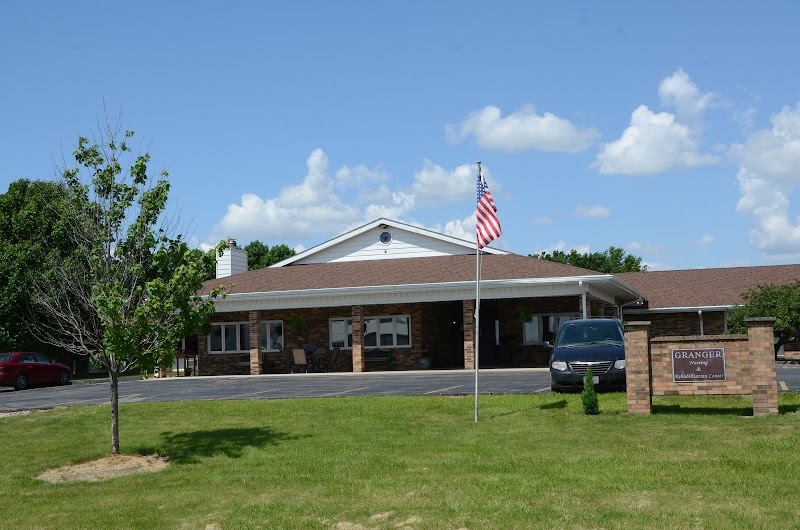
Granger Nursing & Rehabilitation Center
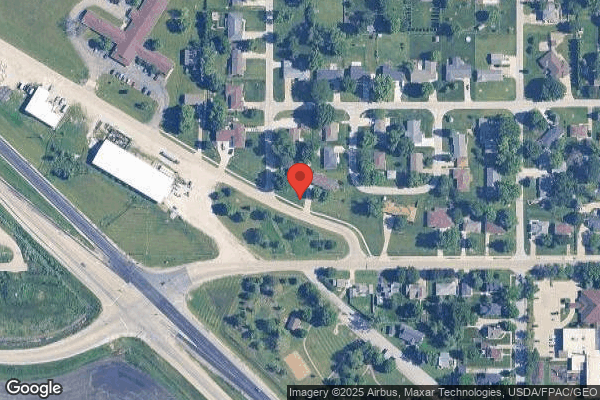
2001 Kennedy Street, Granger, IA 50109 (515) 999-2588
For profit - Individual 67 Beds CAMPBELL STREET SERVICES Data: November 2025 1 Immediate Jeopardy citation
Trust Grade
21/100
#348 of 392 in IA
Last Inspection: January 2025

Within standard 12-15 month inspection cycle. Federal law requires annual inspections.

Overview

Granger Nursing & Rehabilitation Center has received a Trust Grade of F, indicating poor performance with significant concerns about care quality. They rank #348 out of 392 facilities in Iowa, placing them in the bottom half, and #9 out of 10 in Dallas County, suggesting that there are better local options available. Although the facility is improving, with the number of issues decreasing from 13 in 2024 to 7 in 2025, the overall situation remains troubling. Staffing is below average with a rating of 2/5 stars and a high turnover rate of 57%, which is concerning as it exceeds the state average. Additionally, the center faces $23,253 in fines, which is average but still reflects compliance issues. While the facility does provide more RN coverage than most, there have been critical incidents such as a nurse conducting inadequate hand hygiene during tracheostomy care, which poses infection risks. Furthermore, there is a lack of qualified nutrition and activity professionals, which raises concerns about the overall quality of care and resident satisfaction. Families should weigh these strengths and weaknesses carefully when considering this nursing home.
Trust Score
F
21/100
In Iowa
#348/392
Bottom 12%
Safety Record
High Risk
Review needed
Inspections
Getting Better
13 → 7 violations
Staff Stability
⚠ Watch
57% turnover. Above average. Higher turnover means staff may not know residents' routines.
Penalties
✓ Good
$23,253 in fines. Lower than most Iowa facilities. Relatively clean record.
Skilled Nurses
○ Average
Each resident gets 33 minutes of Registered Nurse (RN) attention daily — about average for Iowa. RNs are the most trained staff who monitor for health changes.
Violations
⚠ Watch
38 deficiencies on record. Higher than average. Multiple issues found across inspections.
★☆☆☆☆
1.0
Overall Rating
★★☆☆☆
2.0
Staff Levels
★★☆☆☆
2.0
Care Quality
★☆☆☆☆
1.0
Inspection Score
Stable
2024: 13 issues
2025: 7 issues

The Good

  • Full Sprinkler Coverage · Fire safety systems throughout facility
  • No fines on record

Facility shows strength in fire safety.

The Bad

1-Star Overall Rating

Below Iowa average (3.0)

Significant quality concerns identified by CMS

Staff Turnover: 57%

11pts above Iowa avg (46%)

Frequent staff changes - ask about care continuity

Federal Fines: $23,253

Below median ($33,413)

Minor penalties assessed

Chain: CAMPBELL STREET SERVICES

Part of a multi-facility chain

Ask about local staffing decisions and management

Staff turnover is elevated (57%)

9 points above Iowa average of 48%

The Ugly 38 deficiencies on record

1 life-threatening
Jan 2025 7 deficiencies
CONCERN (D)

Potential for Harm - no one hurt, but risky conditions existed

Resident Rights (Tag F0550)

Could have caused harm · This affected 1 resident

**NOTE- TERMS IN BRACKETS HAVE BEEN EDITED TO PROTECT CONFIDENTIALITY** Based on resident interview, staff interview, and facility documentation, the facility failed to speak to residents with dignity...

Read full inspector narrative →
**NOTE- TERMS IN BRACKETS HAVE BEEN EDITED TO PROTECT CONFIDENTIALITY** Based on resident interview, staff interview, and facility documentation, the facility failed to speak to residents with dignity and respect for 3 of 3 residents reviewed (Resident #12, #13, and #14). The facility reported a census of 40 residents. Findings include: 1. The quarterly Minimum Data Set (MDS) for Resident #12, dated 12/12/2024, documented a brief interview for mental status (BIMS) score of 15, indicating intact cognition. A prior MDS dated [DATE] documented Resident #12 was dependent on staff members for toileting hygiene and required substantial assistance for bed mobility, transfers, and personal hygiene. It further documented her to be continent of bowel. In an interview on 1/9/2025 at 11:14 AM with Resident #12, she stated a staff member identified as Staff A, Certified Nurse's Aide (CNA), who worked night shift had a pattern of rude and unkind behavior. She stated Staff A often made her feel like she is a burden, asking her what she needs in an unkind tone and manner that makes her feel like he could care less about her. She stated he had asked her questions like What do you need now? and had sighed loudly when answering her call lights. She reported she had been made to wait so long for assistance using the restroom at night that she had soiled herself. She stated she had filed grievances with the facility in the past but felt that nothing had been done about the issue. 2. The quarterly MDS for Resident #13, dated 12/19/2024, documented the resident's BIMS score was 15, indicating intact cognition. It further documented she required moderate assistance for personal hygiene tasks. In an interview on 1/6/2025 at 1:07 PM with Resident #13, she stated she had a number of complaints about the facility, her biggest complaint is one of the night CNAs, identified as Staff A, is rude and treats her in a manner that leads her to believe he doesn't care. When she requests something at night he has entered her room asking her What does she need now?. She noted the call lights on the evening shift are also sometimes very slow when Staff A is working. She noted one call light the weekend before the surveyors entered where she waited close to an hour for assistance. She stated she accurately tells time and keeps track through use of a clock in her room. 3. The quarterly MDS for Resident #14, dated 11/1/2024, documented a BIMS score of 14, indicating intact cognition. It further documented her as requiring moderate assistance for toileting hygiene and dressing, as well as for most transfers. In an interview on 1/6/2025 at 10:14 AM with Resident #14, she stated that several staff are rude and treat her poorly. She mentioned that one gentleman in particular, identified as Staff A, makes her wait long periods of time when she requests help during the night shift. She stated he has made her feel like a piece of garbage. In an interview on 1/6/2025 at 1:24 PM, Resident #5 stated that some of the CNAs are rude to her when answering her call lights. She also stated they don't wear name tags like they're supposed to. In an interview on 1/6/2025 at 2:13 PM with Resident #1, she stated a gentleman who works the night shift is rough with cares and can be rude. In an interview on 1/9/2025 at 11:27 AM with Staff C, Registered Nurse (RN), she stated each resident prefers to be treated in their own way. She stated staff should always treat a resident with dignity and respect, which includes personalizing how you approach them to how they prefer to be addressed and treated. She stated you should assess how a resident is responding to your approach and change if the resident expresses distress or is unhappy. In an interview on 1/9/2025 at 11:35 AM with Staff B, Certified Medication Aide (CMA), stated she was trained to always greet residents in a warm and friendly manner and would never make a resident feel as if she didn't want to help them. She stated cares are expected to be as gentle as possible, and you should talk to the resident during cares to ensure they are comfortable. In an interview on 1/8/2025 at 8:24 AM with the Director of Social Services, she stated that she had received several formal grievances about rude staff and rough cares in the last several months. She stated the residents who reported these issues have a propensity to report many things. She was unsure of any actions taken regarding the grievances and stated the Administrator had the final say. Review of a facility provided document titled Resident Council Meeting, dated 12/30/2024, documented several residents had complained of the call light times on the night shift, as well as rude CNAs who had made statements such as What do you want now, why is your call light on again. Review of a Residential Grievance Form, dated 10/16/2024, documented four residents, including Resident #12 and #13, had complained that staff are rude and don't have common courtesy. It documented the follow up as the RN spoke with staff members and had them sign a customer service pledge. Review of a Residential Grievance Form, dated 12/30/2024, documented Resident #13 had complained to administration about Staff A making her wait an excessively long time for assistance, and when the call light was answered Staff A told her to take her socks off herself as it was good exercise. Resident #13's MDS documented that she required moderate assistance to remove footwear. Follow up on the grievance form failed to address how the issue was handled. Review of a Residential Grievance Form, dated 12/30/2024, documented Resident #12 had requested to be assisted to her recliner, and staff refused, stating they did not have time. The form documented staff were educated about the concern. Review of a Residential Grievance Form, dated 11/26/2024, documented Resident #12 had reported staff using inappropriate tones with her when she requested assistance. It documented a customer service pledge again as the follow up. Review of staffing files for Staff A documented the staff member had received a written warning for allowing a Resident to sit overnight in a brief that was soaked through with urine on 11/17/2024. It further documented Staff A failed to attend a mandatory nursing meeting and did not follow up with the nurse supervisor on 11/15/2024. Review of a facility provided document titled Quality of Life - Dignity, last revised in August of 2009, stated Each resident shall be cared for in a manner that promotes and enhances quality of life, dignity, respect, and individuality. Section 2 defined treated with respect as the resident will be assisted in maintaining or enhancing their self worth. Section 7 stated staff shall speak respectfully to residents at all times, including addressing the resident by his or her name of choice and not labeling or referring to the resident by his or her room number, diagnosis, or care needs. In section 11, subsection B it stated residents shall have prompt access to care for toileting assistance.
CONCERN (D)

Potential for Harm - no one hurt, but risky conditions existed

Deficiency F0582 (Tag F0582)

Could have caused harm · This affected 1 resident

Based on clinical record review, staff interview, and instructions of CMS form 10123-NOMNC, the facility failed to provide appropriate Notice of Medicare Non Coverage (NOMNC) to 2 of 3 (Resident #7 an...

Read full inspector narrative →
Based on clinical record review, staff interview, and instructions of CMS form 10123-NOMNC, the facility failed to provide appropriate Notice of Medicare Non Coverage (NOMNC) to 2 of 3 (Resident #7 and #142) residents reviewed for Beneficiary Notification. The facility reported a census of 40 residents. Findings include: 1. The census portion of the Electronic Health Record (EHR) of Resident #7 revealed the resident began receiving skilled care under Medicare A payer source on 8/5/24 and Medicare continued to pay for her stay through 8/23/24. The facility was unable to provide documentation of Resident #13 receiving a Notice of Medicare Non Coverage (NOMNC) form. The facility did provide a copy of the Skilled Nursing Facility Advance Beneficiary Notice of Non-coverage (SNF ABN). The SNF Beneficiary Protection Notification Review form documented the resident did not receive a NOMNC due to the resident telling therapy she was done and refused further therapy. 2. The census portion of the EHR of Resident #142 revealed the resident began receiving skilled care under Medicare A payer source on 9/13/24 and Medicare paid for her stay through 10/18/24. The facility was unable to provide documentation of Resident #13 receiving a NOMNC form. The facility did provide a copy of the SNF ABN form. The SNF Beneficiary Protection Notification Review form documented the resident did not receive a NOMNC due to the resident receiving the SNF ABN. On 1/8/25 at 12:17 pm, the Social Services Director stated she has been employed at the facility for eight months. She stated she was only trained to provide the SNF ABN form and was not trained regarding the NOMNC form. On 1/8/25 at 4:20 pm, the Administrator stated the Social Services Director had now received education on the correct forms to use when a resident's Medicare coverage is ending and future discharges will be completed following CMS guidelines. The document titled Form Instructions for the Notice of Medicare Non-Coverage (NOMNC) CMS-10123 directs: A Medicare provider or health plan (Medicare Advantage plans and cost plans, collectively referred to as plans) must deliver a completed copy of the Notice of Medicare Non-Coverage (NOMNC) to beneficiaries/enrollees receiving covered skilled nursing, home health (including psychiatric home health), comprehensive outpatient rehabilitation facility, and hospice services. The NOMNC must be delivered at least two calendar days before Medicare covered services end or the second to last day of service if care is not being provided daily.
CONCERN (D)

Potential for Harm - no one hurt, but risky conditions existed

Deficiency F0657 (Tag F0657)

Could have caused harm · This affected 1 resident

**NOTE- TERMS IN BRACKETS HAVE BEEN EDITED TO PROTECT CONFIDENTIALITY** Based on clinical record review, staff interviews and facility policy review, the facility failed to revise the comprehensive Ca...

Read full inspector narrative →
**NOTE- TERMS IN BRACKETS HAVE BEEN EDITED TO PROTECT CONFIDENTIALITY** Based on clinical record review, staff interviews and facility policy review, the facility failed to revise the comprehensive Care Plan to accurately reflect the status of 2 of 16 (Resident #24 and #32) residents reviewed. The facility reported a census of 40. 1. The Minimum Data Set (MDS), dated [DATE], of Resident #24 identified a Brief Interview of Mental Status (BIMS) score of 15 which indicated cognition intact. The MDS documented diagnoses that included depression, bipolar disorder, schizophrenia and nicotine dependence. The MDS documented a presence of an open foot lesion to her foot. The Wound Treatment Plan, dated 12/19/24, documented Resident #24 was to wear a walking boot on her right foot and a Controlled Ankle Motion (CAM) boot on her left foot (a medical device used to immobilize the foot and ankle). On 1/7/25 at 1:37 pm, Resident #24 was observed standing at the end of the hallway of the 200 hall, waiting to go outside to smoke. She was wearing a coat, a hat and gloves. She was wearing gripper socks on her feet with no shoes or boots. The State Surveyor questioned Resident #24 and she responded she was not fond of wearing her shoes. At 1:42 pm, Staff C, Registered Nurse (RN) came to join the residents to take them outside for smoking. She asked Resident #24 about her feet and the resident replied it was ok. Staff assisted Resident #24 and two other residents outside to smoke. The outside temperature was documented at 19 degrees at the time of observation. On 1/7/25 at 1:56 am, Resident #24 returned inside and the State Surveyor asked her if it was cold outside. Resident #24 replied it was not bad, and she had faced much worse when she had been homeless and had no protection from the elements except a sleeping bag. On 1/7/25 at 2:56 pm, the Director of Nursing (DON) stated smokers should wear shoes outside. He stated Resident #24 is to wear a boot for walking but has a history of being non compliant. He stated education has been given to her regarding this. The Care Plan of Resident #24 failed to reveal any documentation of Resident #24 wearing a walking boot or a CAM boot. The Care Plan additionally failed to reveal any documentation of Resident #24 being non compliant or receiving any education regarding care of her feet. 2. The MDS of Resident #32, dated 11/29/24, identified the presence of short and long-term memory impairment. The MDS coded the resident to be totally dependent for bed mobility. The MDS coded the presence of a Stage III pressure ulcer. On 1/6/25 at 10:28 am, Resident #32 was observed sleeping in bed. She had a body pillow tucked under her back, under her fitted sheet on her left side, with the resident being propped to lie on her right side. A fall mat was noted on the floor next to her. On 1/7/25 at 8:38 am, the resident was observed in bed, lying on her back. The fall mat was again observed on the floor, and the body pillow was again on the outside of the bed closest to the door, tucked under the fitted sheet. On 1/7/25 at 2:53 pm, the DON stated the body pillow is used for positioning for the resident. On 1/7/25 at 2:54 pm, the Assistant Director of Nursing (ADON) stated the resident had recently had a pressure ulcer which was now healed. She stated the body pillow was put in place as part of her repositioning schedule to assist in healing the pressure ulcer. On 1/7/25 at 3:17 pm, Staff D, Certified Nurse Aide, stated the resident had a history of rolling out of bed. She stated the pillow helped her to prevent falling but the resident still crossed her leg over it and climbed over it at times. On 1/7/25 at 3:19 pm, Staff E, RN, stated he was not really aware of why the pillow was there. He stated his assumption was to prevent falls but he said that he had seen her move the pillow in bed. He stated staff had told him the resident will still roll over the pillow at times. The Comprehensive Care Plan of Resident #32 identified a Problem Area of Fall Risk, initiated on 8/31/23. The Care Plan documented on 9/11/23 the fall mat next to the bed was removed and non skid strips were added to the floor. The Care Plan failed to document use of the body pillow for positioning. On 1/8/25 at 4:20 pm, the Administrator stated his expectation is for care plans to be kept up to date and to be comprehensive for the resident. The facility policy, Care Plans, Comprehensive Person-Centered identified the following: Point 9: Care plan interventions are chosen only after data gathering, proper sequencing of events, careful consideration of the relationship between the resident's problem areas and their causes, and relevant clinical decision making. Point 10: When possible, interventions address the underlying source(s) of the problem area(s), not just symptoms or triggers. Point 11: Assessments of residents are ongoing and care plans are revised as information about the residents and the resident's conditions change. Point 12: The interdisciplinary team reviews and updates the care plan: a. when there has been a significant change in the resident's condition; b. when the desired outcome is not met; c. when the resident has been readmitted to the facility from a hospital stay; and d. at least quarterly, in conjunction with the required quarterly MDS assessment.
CONCERN (D)

Potential for Harm - no one hurt, but risky conditions existed

Unnecessary Medications (Tag F0759)

Could have caused harm · This affected 1 resident

Based on observation, staff interview, pharmacy interview, drug manufacturer administration instructions, and policy review, the facility failed to assure a medication error rate of less than 5%. Medi...

Read full inspector narrative →
Based on observation, staff interview, pharmacy interview, drug manufacturer administration instructions, and policy review, the facility failed to assure a medication error rate of less than 5%. Medication errors were observed for Resident #21, Resident #22 and Resident #28. A total of 25 medications being prepared and administered were observed with 4 errors, an error rate of 16%. The facility reported a census of 40 residents. Findings include: Observation of Medication Pass began on 1/8/25 at 7:23 am. Staff B, Certified Medication Aide (CMA) was observed preparing morning medications for Resident #22. 1. Staff B prepared a total of four medications for Resident #22. Among the medications observed, Staff B prepared one tablet of Oxybutynin, (a medication to assist with overactive bladder), 5 milligrams (mg), Extended Release (medications which are modified to release at a delayed or slower rate in the digestive system). Staff B stated Resident #22 needed all of his medications crushed and she placed all of the tablet medications into a plastic sleeve and used a pill crusher to crush them into a fine powder. She mixed this with food and administered the medication to the resident at 7:34 am. 2. Staff B next prepared medications for Resident #21. She prepared eight medications for Resident #21. Among the medications observed were one capsule of Fenofibrate, 43 mg (a cholesterol medication) and one tablet of Senna, 8.6 mg (a laxative). She administered his medications at 7:54 am. When reconciling the observed medication pass against the orders for Resident #21, it was noted the Resident's order for Fenofibrate was 45 mg, rather than the 43 mg the resident received. Additionally, it was noted the resident was to have received Senna-S, a combination tablet of laxative and stool softener medication. He was given only Senna, not the combination medication prescribed. 3. On 1/8/25 at 8:00 am, the Assistant Director of Nursing (ADON) was observed administering insulin for Resident #28. The ADON performed hand hygiene and donned gloves. After verifying the correct medication for the resident, she placed an insulin pen needle on his Basaglar KwikPen insulin. She turned the dose knob of the pen to 2 units and held the pen with the needle pointing down and pushed the dose knob in. The ADON failed to follow the manufacturer instructions for the KwikPen of priming the pen with the needle facing up and noting the insulin to be at the tip of the needle. She then verified the scheduled dose and turned the dose knob to 22 units as ordered. She verified with Resident #28 where he wished for the insulin to be administered. She assisted with pulling his shirt up above his abdomen and cleansed the area with an alcohol swab. She guided the insulin needle and administered the insulin, holding the pen in place for approximately 1 second, failing to continue to hold the dose knob in and slowly counting to five before removing the needle per manufacturer instructions (this step is to ensure the full dose of insulin is delivered and doesn't leak out from the injection site immediately after insertion). A pharmacist representative from the facility's contracted pharmacy stated in an email on 1/8/25 at 9:57 am that Oxybutynin ER cannot be crushed. She also stated the incorrect dosage of Fenofibrate was entered into the computer and sent to the facility and the pharmacy would be contacting the prescriber to verify the dosage. On 1/9/25 at 10:33 am, the Director of Nursing (DON) stated it was incorrect for Resident #22's oxybutynin to be crushed. He additionally stated his expectation for staff administering medications is to triple check the medication label against the Medication Administration Record (MAR) prior to administering the medication. When asked about the expected procedure for administering insulin through an insulin pen, he stated the steps are to - Perform hand hygiene and place gloves on - Remove the cap from the pen and disinfect the top of the pen with an alcohol swab before placing a needle - Open a needle and place it on the pen - Prime the needle with 2 units of insulin - Dial the pen to the correct dosage - Disinfect the skin of the resident with an alcohol swab - Administer the insulin and hold the pen/needle in place for 10 seconds before removing. The facility policy, Administering Medications, revision date April 2019, documented the following in Point 10: The individual administering the medication checks the label THREE (3) times to verify the right resident, right medication, right dosage, right time and right method (route) of administering the medication before giving the medication.
CONCERN (E)

Potential for Harm - no one hurt, but risky conditions existed

Safe Environment (Tag F0584)

Could have caused harm · This affected multiple residents

**NOTE- TERMS IN BRACKETS HAVE BEEN EDITED TO PROTECT CONFIDENTIALITY** Based on observations, resident interviews, staff interviews, and facility document review, the facility failed to maintain a cl...

Read full inspector narrative →
**NOTE- TERMS IN BRACKETS HAVE BEEN EDITED TO PROTECT CONFIDENTIALITY** Based on observations, resident interviews, staff interviews, and facility document review, the facility failed to maintain a clean environment free of hazards. The facility reported a census of 40 residents. Findings include: 1. A direct observation on 1/6/2025 at 9:58 AM of the 300 hallway revealed a baseboard heater with a bent/broken safety grate. The grate was bent in such a way that it allowed the surveyor to access the interior of the grate easily with his hand. 2. A direct observation on 1/6/2025 at 10:14 AM revealed that Resident #14's room baseboard heater cover was bent and ineffective at preventing someone from accessing the interior of the heating unit. Resident #14 commented on how it looked trashy. 3. In an interview and direct observation on 1/6/2025 at 1:07 PM with Resident #13, she stated she was unhappy with her room. When asked what she was unhappy about, the resident pointed out the state of the baseboard heater, which had a bent safety grate and appeared to be improperly secured to the unit. The heating fins were fully exposed and could be easily touched. 4. During a direct observation on 1/7/2025 at 2:37 PM of Resident #27, the surveyor noted the baseboard heater safety grate had been completely removed from the baseboard heater just below Resident #27's bed. When asked about it, Resident #27 noted it had been like that since he moved in. Review of clinical records indicated the resident admitted to the facility on [DATE]. In an interview on 1/9/2025 at 11:35 AM with Staff B, Certified Medication Aide (CMA), she stated she had been employed by the facility since approximately 2022, and the baseboard heaters have been in the same condition since she started working at the facility. In an interview on 1/9/2025 at 11:27 AM with Staff C, Registered Nurse (RN), she stated some of the baseboard heaters are in terrible shape and have been for a long time. She noted she does not have a lot of opportunity to notice the baseboard heaters in the resident rooms as she is not often performing resident cares. In an interview on 1/8/2025 at 3:56 PM with the Assistant Director of Nursing (ADON), she stated she had been employed by the facility for several years now. She further stated the baseboard heaters should have been replaced a long time ago, as the condition has worsened significantly over the last year. In an interview on 1/8/2025 at 11:30 AM with the Director of Maintenance, he revealed he has been in that role for approximately a year. He was aware that many of the baseboard heaters had broken safety shields. He has attempted to fix them as he has been made aware of them being broken, but stated he has had issues with staff members reporting the grates when they break or have worn out. He stated the building is older and a number of its systems are in need of significant repair, including the baseboard heaters. He noted the baseboard heater shrouds have been a chronic issue in the facility, and they have been in a state of disrepair since he started in the role. Review of facility provided maintenance logs documented 8 rooms that had a maintenance request placed for the state of the baseboard shrouds on 8/20/2024, with a number of the shrouds only having been repaired in December of 2024. Review of a facility provided document titled Maintenance Service, last revised in December of 2009, stated the maintenance department is responsible for maintaining the buildings, grounds, and equipment in a safe and operable manner at all times, including heating systems.
CONCERN (E)

Potential for Harm - no one hurt, but risky conditions existed

Food Safety (Tag F0812)

Could have caused harm · This affected multiple residents

Based on observation, staff interview, and policy review the facility failed to store, prepare, distribute and serve food in accordance with professional standards for food service safety. The facilit...

Read full inspector narrative →
Based on observation, staff interview, and policy review the facility failed to store, prepare, distribute and serve food in accordance with professional standards for food service safety. The facility reported a census of 40 residents. Findings include: During a direct observation on 1/6/2025 at 12:16 PM the Dietary Manager opened a package of crackers with ungloved hands. She made direct contact with the crackers before giving them to the resident. During a direct observation on 1/6/2025 at 12:18 PM the Dietary Manager served a plate of food to a resident and held the plate by the top with her thumbs. She made direct contact with ungloved hands with what appeared to be French fried potatoes on the plate. Hand hygiene was not performed after having assisted the previous resident. In a direct observation on 1/8/2025 at 12:21 PM, Staff G, Certified Nurse Aide (CNA), was seen touching the interior of a divided plate with bare hands while serving food to a resident. In a direct observation on 1/8/2025 at 12:22 PM and lasting until 12:25 PM, Staff H, Certified Medication Aide (CMA), was seen touching the tops of plates while serving food to several residents. She also unwrapped silverware for several residents, gripping the bowl of a spoon and tongs of a fork, with ungloved hands. She did not perform hand sanitation at any time during the observation. In a direct observation on 1/8/2025 at 12:24 PM, Staff I, CMA, was observed serving food to residents with her thumbs on top of the plate. In an interview on 1/8/2025 with Staff F, Dietary Cook, she explained that when serving residents during dining service staff should avoid contact with the top of the plate or interior surfaces of things like cups and bowls, they should never touch the serving ends of dining utensils, and you should wash your hands frequently when serving multiple residents and after making any direct contact with a resident. In an interview on 1/8/2025 at 1:46 PM with the Dietary Manager, she admitted she was worried she had touched the tops of the plates during dining service. She acknowledged that her expectations are that staff should never touch the tops of plates or the interior of bowls, nor should they ever touch the serving surfaces of forks and spoons. She stated staff should never make direct contact with food, and if they do the food item should be replaced. In an interview on 1/8/2025 at 3:56 PM with the Assistant Director of Nursing (ADON), she stated her expectations for Certified Nurses Aides and Certified Medication Aides who are assisting in dining service include never making direct contact with a resident's food, not touching the tops of plates or interior of items like bowls, and frequent hand hygiene. She added that staff should not touch a surface where a resident's food or mouth would make contact. Review of a facility provided document titled Preventing Foodborne Illness - Employee Hygiene and Sanitary Practices, last revised in November of 2022, it stated in section 6 all employees will wash hands before coming into contact with any food surfaces, as often as necessary when changing tasks, and when engaging in other activities that contaminate the hands. In section 8 it stated contact between food and bare (ungloved) hands is prohibited. Review of a facility provided document titled Dish & Utensil Handling with an unknown last reviewed date stated Fingers will not be placed in or at the lip of contact surfaces of cups, glasses, and/or flatware.
CONCERN (F)

Potential for Harm - no one hurt, but risky conditions existed

Deficiency F0801 (Tag F0801)

Could have caused harm · This affected most or all residents

Based on facility records and staff interviews, the facility failed to have a clinically qualified nutrition professional who met the required qualifications of a Certified Dietary Manager or a full t...

Read full inspector narrative →
Based on facility records and staff interviews, the facility failed to have a clinically qualified nutrition professional who met the required qualifications of a Certified Dietary Manager or a full time Registered Dietician. Findings Include: On 1/8/2025 at 1:46 PM, the Dietary Manager stated she did not have certification as a dietary manager. She stated she had completed courses to obtain certification, but the classes would not officially finish until 1/15/2025. An email provided by the Registered Dietician on 1/8/2025 at 2:53 PM stated she was only physically in the building one day a week. In an interview on 1/8/2025 at 2:42 PM with The Administrator, he stated the Registered Dietician is in the building one day a week. A review of facility records indicated the Dietary Manager did not hold any certifications in food safety, had not yet taken the test to be a Certified Dietary Manager, and had not been in the role of a Dietary Manager for two years or more.
Feb 2024 13 deficiencies
CONCERN (D) 📢 Someone Reported This

A family member, employee, or ombudsman was alarmed enough to file a formal complaint

Potential for Harm - no one hurt, but risky conditions existed

Resident Rights (Tag F0550)

Could have caused harm · This affected 1 resident

Based on observations, staff interviews and facility policy review, the facility failed to treat each resident with dignity for 3 of 6 residents reviewed for dignity (Resident #1, #11, #38). The facil...

Read full inspector narrative →
Based on observations, staff interviews and facility policy review, the facility failed to treat each resident with dignity for 3 of 6 residents reviewed for dignity (Resident #1, #11, #38). The facility reported a census of 49 residents. 1. The Minimum Data Set (MDS) of Resident #1, dated 12/22/23, identified Resident #1 to have a Brief Interview for Mental Status (BIMS) score of 13 which indicated cognition intact. The MDS recorded the resident described their pain as a 10 out of 10 on a pain scale almost constantly during the 5-day look back period. The Care Plan of Resident #1 revealed a Focus Area of Chronic pain, revision date of 9/22/23. It directed staff to administer pain medications as ordered, and to monitor/document and report any signs or symptoms of non-verbal pain including moaning or calling out. On 2/12/24 at 9:41 am, Resident #1 was heard calling out in pain from the hallway. Staff C, Certified Medication Aide was standing at the medication cart near Resident #1's doorway. Staff C did not respond to Resident #1's calls. Several minutes later another staff member checked on Resident #1 and then informed Staff C that Resident #1 was asking for pain medication. On 2/12/24 at 9:50 am, Staff C informed Resident #1 she had to wait another hour to receive any medication because it was not scheduled at this time. In review of the resident's ordered, it was documented the resident had multiple options of as needed pain medications which could have been administered prior to her next scheduled medication dose. On 2/15/23 at 3:09 pm, the Director of Nursing (DON) stated Resident #1 had previously been on hospice and had a pain management program while on hospice. She has since graduated from hospice. He stated he will inform the provider of increased pain needs to evaluate if a medication change should be made. He stated his expectation is for staff to respond to her needs. 2. The MDS of Resident #11, dated 2/3/24, identified a BIMS score of 4 which indicated severe cognitive impairment. The Care Plan of Resident #11 revealed a Focus Area of Smoking, revision date of 12/28/23. It documented the resident's preference is to be able to smoke while at the facility. It directed staff to orient the resident to the designated smoking areas. On 2/12/24 at 9:53 am, Resident #11 was observed self propelling her wheelchair in the hallway. She stopped to speak to Staff C, CMA and informed him she desired to go outside to smoke. Staff C responded that she had missed smoking time and told her to go to her room and read the smoking times listed on the sign in her room. He told her smoking was 9:30 am and she needed to wait until the next posted time. Staff C was not observed asking if any staff member was available to assist Resident #11 to grant her request to go outdoors. On 2/15/23 at 3:09 pm, the Director of Nursing (DON) stated the Certified Nursing Aides (CNAs) are aware of which residents are smokers. He stated they gather the smokers and scheduled smoking times and gather them so they can choose to attend. He stated smoking sessions are normally between 5 and 15 minutes long. He stated Resident #11 is not a regular smoker and her family has requested she not be invited to smoking times as they desire her to stop smoking. He stated she can smoke when she requests to but is not reminded of scheduled smoking times. He stated if she had missed smoking time and requested a separate time to go out, his expectation is the charge nurse would be informed and they would try to find a staff member available to accommodate her request. 3. The MDS of Resident #38, dated 11/17/23, identified no presence of memory impairment. The MDS revealed the resident required substantial/maximal assistance for upper body dressing and being totally dependent for lower body dressing. The MDS documented diagnoses that included Alzheimer's disease, anxiety, and depression. The Care Plan revealed a Focus Area of self care deficit, initiated 6/15/23. It directed staff the resident required assistance of one staff member to get dressed. On 2/13/23 at 7:43 am, Staff A, Certified Medication Aide (CMA) had prepared the morning medications for Resident #38. She knocked on the resident's closed door and entered immediately without awaiting a reply. Staff B, Certified Nurse Aide (CNA) was in the room with the resident in the process of assisting with morning cares. The resident was sitting on the side of her bed, with no clothing on from the waist up. Her nude breasts were fully exposed from the doorway when Staff A opened the door. The privacy curtain separating the resident's area of the room from the hallway was not pulled to provide privacy. Staff A then shut the door and waited for a short time and knocked again and waited for Staff B to reply it was ok to come in after she had placed clothing on the resident. On 2/13/24 at 8:47 am, Staff B, CNA stated her routine for providing morning cares is to knock on the residents door, and upon entering explain what she is in the room to do. She stated for Resident #38, she had offered her a choice of what clothing to wear that day, and after gathering supplies she had shut the door. She stated Resident #38's roommate was still on the other side of the room, and she closed the privacy curtain separating the two resident areas. She stated she was in the process of providing clothing to the resident when Staff A entered the room. On 2/13/24 at 10:28 am, the Director of Nursing (DON) stated his expectation is for staff to knock on the resident door first and wait for a reply prior to entering a room. The facility policy titled Dignity, revision date February 2021 documented: 1. Residents are treated with dignity and respect at all times. 2. The facility culture supports dignity and respect for residents by honoring resident goals, choices, preferences, values and beliefs. 3. Individual needs and preferences of the resident are identified through the assessment process. 4. Staff are expected to knock and request permission before entering residents' rooms. 5. Staff promote, maintain and protect resident privacy, including bodily privacy during assistance with personal care and during treatment procedures.
CONCERN (D)

Potential for Harm - no one hurt, but risky conditions existed

Deficiency F0582 (Tag F0582)

Could have caused harm · This affected 1 resident

Based on clinical record review and staff interview, and instructions of CMS form 10123-NOMNC, the facility failed to provide appropriate notices of Medicare Non Coverage to 1 of 3 (Resident #16) resi...

Read full inspector narrative →
Based on clinical record review and staff interview, and instructions of CMS form 10123-NOMNC, the facility failed to provide appropriate notices of Medicare Non Coverage to 1 of 3 (Resident #16) residents reviewed and failed to provide notice within the required 2 calendar days for 1 of 3 residents reviewed (Resident #7). The facility reported a census of 49 residents. Findings include: The census portion of the Electronic Health Record (EHR) for Resident #16 revealed the Resident started skilled care under Medicare A payer source on 10/23/23 and Medicare continued to pay for his stay through 12/8/23. The facility was unable to produce evidence of Resident #13 receiving a Notice of Medicare Non Coverage (NOMNC) form. The facility did produce a copy of the Skilled Nursing Facility Advance Beneficiary Notice of Non-coverage (SNF ABN), however it was signed on 1/17/24 with a note that verbal consent was received on 12/5/23. In an email on 2/14/24 at 3:47 pm, the Administrator stated he was unable to locate a NOMNC for Resident #13. The census portion of the EHR for Resident #7 revealed the resident admitted under Medicare A payer source on 1/24/24 and Medicare paid for his stay through 2/10/24. The facility provided a copy of the NOMNC and the SNF-ABN, uploaded to his chart on 2/14/24, which had no signature or date on it to show when the resident or resident representative received this notice. It did include a note that notice was provided on 2/7/24 and was emailed to the resident representative for a signature. When the state surveyor asked for a copy of the email for verification, the Administrator replied In an email on 2/14/24 at 4:33 pm that no email was sent. The document titled Form Instructions for the Notice of Medicare Non-Coverage (NOMNC) CMS-10123 directs: A Medicare provider or health plan (Medicare Advantage plans and cost plans, collectively referred to as plans) must deliver a completed copy of the Notice of Medicare Non-Coverage (NOMNC) to beneficiaries/enrollees receiving covered skilled nursing, home health (including psychiatric home health), comprehensive outpatient rehabilitation facility facility, and hospice services. The NOMNC must be delivered at least two calendar days before Medicare covered services end or the second to last day of service if care is not being provided daily.
CONCERN (D) 📢 Someone Reported This

A family member, employee, or ombudsman was alarmed enough to file a formal complaint

Potential for Harm - no one hurt, but risky conditions existed

Safe Environment (Tag F0584)

Could have caused harm · This affected 1 resident

**NOTE- TERMS IN BRACKETS HAVE BEEN EDITED TO PROTECT CONFIDENTIALITY** Based on observations, resident and staff interviews, and policy review, the facility failed to provide a safe, clean, and homel...

Read full inspector narrative →
**NOTE- TERMS IN BRACKETS HAVE BEEN EDITED TO PROTECT CONFIDENTIALITY** Based on observations, resident and staff interviews, and policy review, the facility failed to provide a safe, clean, and homelike environment and keep equipment and furnishings in good repair for two of three hallways observed. The facility reported a census of 49 residents. Findings include: 1. Observations revealed the following: a. On 2/12/24 at 11:38 AM, a metal piece holding the left end of the mattress down at the foot of the bed in Resident #31's room had fallen off and was laying on the floor under the bed. b. On 2/14/24 at 10:00 AM, the front wooden piece to the top drawer of a three drawer cabinet on the left side of the sink in Resident #31's room was off, with metal staples present around the drawer edges. The metal piece for the end of the mattress was still not replaced. c. On 2/14/24 at 3:32 PM, and at 4:10 PM, the front wooden piece to the top drawer on the left side of the sink was off, with metal staples around the edges. A wooden slat under the drawer was loose and coming off, the middle and bottom drawer were not fully in their grooves and opening the drawers was difficult. d. On 2/15/24 at 8:00 AM, the drawer front is replaced, the rest of the drawers and wooden piece below the drawer is fixed, although the bottom drawer on the left side does not slide out well and is crooked. The metal bar at the foot of the bed for the mattress is replaced. The Minimum Data Set (MDS) for Resident #31, dated 1/7/24, gives a Brief Interview for Mental Status (BIMS) of 13, indicating the resident was cognitively intact. In an interview on 2/12/24 at 11:38 AM, Resident #31 stated the metal piece holding the left end of the mattress down at the foot of his bed in his bedroom came off a few days ago, the resident stated he informed maintenance of this a few days ago and it was still not fixed. In an interview on 2/14/24 at 3:32 PM, Resident #31 stated the metal piece for the end of the mattress was still not fixed. Resident #31 advised the front cover for the top drawer next to the sink came off recently when a staff member was cleaning the drawers. The resident stated he tried to fix the drawer on his own but it would not stay on the cabinet and maintenance was informed. In an interview on 2/14/24 at 4:09 PM, the Administrator advised he was not aware of any items needing fixed or replaced in Resident #31's room. In an interview on 2/14/24 at 4:10 PM, the Maintenance director advised he is fixing the front piece of the drawer right now. The Maintenance director stated he was informed today of the drawer being broken, and advised he was told a few days ago about the metal piece at the foot of Resident #31's mattress coming off; he is fixing this today as well, stating this is just a fix with placing new screws in for the metal piece to attach to the bed again, new parts did not have to be ordered to fix the metal piece. In an interview on 2/15/24 at 10:00 AM, Staff D, housekeeping, stated last week she was cleaning the drawers in Resident #31's room and the front piece to the top drawer came off; she does not remember what day exactly this was, but it was last week. Staff D advised she went to get the maintenance director and brought him down to the resident's room to show him the front of the drawer that had come off that she placed in the sink. In an interview on 2/15/24 at 10:25 AM, the Administrator stated the expectation is to fix or replace items that are broken in a resident's room as quickly as possible, the same day if they can, especially if it is a safety concern for the resident. Review of facility Maintenance Service policy, with a revision date of December of 2009, documents maintenance service shall be provided to all areas of the building, grounds and equipment. The maintenance department is responsible for maintaining the buildings, grounds and equipment in a safe and operable manner at all times. Review of the facility Homelike Environment policy, with a revision date of February of 2021, documents residents are provided with a safe, clean, comfortable and homelike environment. Observations on 2/14/24 at 1:45 PM revealed the following: room [ROOM NUMBER]: a. A garbage can propped up against the door to room [ROOM NUMBER]. The door to the resident's room closed automatically. At the time, the resident reported the door closed on its own all of the time, and doesn't stay open. The resident stated the door had been that way for a long time. b. The closet door moved on the track above the door but the track appeared to be loose at the top, and the left closet framework slanted downward. c. The divider curtain track hung down and had screws exposed from the ceiling. d. The left side window had no blind or curtain. A fleece blanket partially hung over the window in the room. In an interview 2/14/24 at 1:45 PM, the resident reported the door closed on its own all of the time, and doesn't stay open. The resident stated the door had been that way for a long time. During an interview 2/15/24 at 10:15 AM, the Administrator reported he expected things fixed as quickly as can be done but sometimes they had to order parts or equipment to repair things. During an interview 2/15/24 at 10:50 AM, the Maintenance Director reported TELS system for staff to report when something needed repaired, or staff/residents told him when something needed fixed. The Maintenance Director reported he was the only maintenance person at the facility. The facility had two maintenance staff when he started working at the facility 4 years ago. A former Administrator said they would hire another person but the Administrator left, and two additional Administrators came after that but they never hired another maintenance person to help. The Maintenance Director stated he performed various checks on a daily, weekly, or monthly basis, and he kept record of, in addition to doing the repairs people told him needed done. The Maintenance Director reported he had made repairs to the door to room [ROOM NUMBER] and fixed the toilet approximately two months ago. The Maintenance Director reported the door to room [ROOM NUMBER] closed on it's own and he had it fixed but it looks like it's not fixed as the door slowly shut while talking with the surveyor. Further inspection revealed the left upper doorframe slanted downward and visually unleveled. The closet doorframe also slanted downward on the left side and the left closet door was more difficult to slide back and forth. The curtain rail nearest the sink bent down and had a screw exposed from the ceiling. The left window blind was missing and a blanket hung in front of the window. The facility's Homelike Environment policy revised 2/2021 revealed residents provided a safe, clean, comfortable and homelike environment. A Maintenance Service policy revised 12/2009 revealed the maintenance department had responsibility in maintaining the building and equipment in a safe and operable manner.
CONCERN (D)

Potential for Harm - no one hurt, but risky conditions existed

Abuse Prevention Policies (Tag F0607)

Could have caused harm · This affected 1 resident

Based on personnel file review, facility policy review, and staff interview, the facility failed to assure all employees had an Iowa criminal background check and abuse registry checks completed prior...

Read full inspector narrative →
Based on personnel file review, facility policy review, and staff interview, the facility failed to assure all employees had an Iowa criminal background check and abuse registry checks completed prior to working in the facility for 1 of 7 employees sampled (Staff G). The facility identified a census of 49 residents. Findings include: The employee new hire report dated 2/1/23 to 2/12/24 provided to the surveyors by the facility during the survey week revealed Staff G, certified nursing assistant, had a hire date of 9/11/23. Staff G's personnel file documented a hire date of 9/11/23. The single contact license and abuse registry and criminal background checks (SING) were completed 8/22/23. The criminal history background check indicated further research required, and to await DCI's (Department of Criminal Investigation) final response. A Department of Human Services (DHS) Record Check Evaluation request form was filled out and signed by Staff G on 8/22/23. Staff G's employee file lacked record of the DCI's background check and/or DHS's approval to work. The facility's Abuse Prevention, Identification, Investigation, and Reporting Policy updated 2/6/23, revealed the facility screened all potential employees for abuse, and conducted an Iowa criminal record check and dependent adult/child abuse registry check on all prospective employees and other individuals engaged to provide services to residents prior to hire. In an interview 2/15/24 at 12:51 PM, the Dietary Manager (DM) serving as the interim human resource designee reported he checked with DHS and they have no records for Staff G. The DM stated he resubmitted the background check to DCI for Staff G. The DM reported Staff G planned to check with her former employer to see if they had a may work letter from DHS. In the interim, Staff G placed on suspension until the facility received the background check and DHS information. The DM reported he ran another SING background check on 2/15/24. The SING background check dated 2/15/24 revealed further research required and to await DCI's final response for criminal history.
CONCERN (D)

Potential for Harm - no one hurt, but risky conditions existed

Transfer Notice (Tag F0623)

Could have caused harm · This affected 1 resident

**NOTE- TERMS IN BRACKETS HAVE BEEN EDITED TO PROTECT CONFIDENTIALITY** 2. Review of the Minimum Date Set (MDS) assessment dated [DATE] and the facility's computer software program used for electronic...

Read full inspector narrative →
**NOTE- TERMS IN BRACKETS HAVE BEEN EDITED TO PROTECT CONFIDENTIALITY** 2. Review of the Minimum Date Set (MDS) assessment dated [DATE] and the facility's computer software program used for electronic medical record documentation, revealed Resident #7 had discharged from the facility on 1/7/24 and was hospitalized until he reentered the facility on 1/24/24. The clinical record lacked documentation of notification to the Long Term Care Ombudsman that Resident #7 had been discharged to the hospital as required by federal regulation. During an interview 2/14/24 at 8:03 AM, the Social Service department head stated the facility had not notified the Ombudsman when the resident was discharged to the hospital. On 2/15/24 at 1:38 PM the Administrator advised the facility does not have a policy for Notification to the Long-Term Care Ombudsman. 3. Review of the Minimum Date Set (MDS) assessment dated [DATE] and the facility's computer software program used for electronic medical record documentation, revealed Resident #34 had discharged from the facility on 12/11/23 and was hospitalized until he reentered the facility on 12/18/23. The clinical record lacked documentation of notification to the Long Term Care Ombudsman that Resident #34 had been discharged to the hospital as required by federal regulation. During an interview 2/14/24 at 8:03 AM, the Social Service department head stated the facility had not notified the Ombudsman when the resident was discharged to the hospital. On 2/15/24 at 1:38 PM the Administrator advised the facility does not have a policy for Notification to the Long-Term Care Ombudsman. Based on record review, staff interview, and policy review the facility failed to notify the Long Term Care Ombudsman of discharge/transfer of residents as required for 3 of 4 residents reviewed who were discharged /transferred from the facility (Residents #7, #31, #34). The facility reported a census of 49 residents. Findings include: 1. Review of the Minimum Date Set (MDS) assessment dated [DATE] and the facility's computer software program used for electronic medical record documentation, revealed Resident #31 had discharged from the facility on 12/26/23 and was hospitalized until he reentered the facility on 1/3/24. The clinical record lacked documentation of notification to the Long Term Care Ombudsman that Resident #31 had been discharged to the hospital as required by federal regulation. During an interview 2/14/24 at 8:03 AM, the Social Service department head stated the facility had not notified the Ombudsman when the resident was discharged to the hospital. On 2/15/24 at 1:38 PM the Administrator advised the facility does not have a policy for Notification to the Long-Term Care Ombudsman.
CONCERN (D)

Potential for Harm - no one hurt, but risky conditions existed

Deficiency F0637 (Tag F0637)

Could have caused harm · This affected 1 resident

**NOTE- TERMS IN BRACKETS HAVE BEEN EDITED TO PROTECT CONFIDENTIALITY** Based on document review, record review, staff interviews, facility policy, and Resident Assessment Instrument (RAI) Manual the ...

Read full inspector narrative →
**NOTE- TERMS IN BRACKETS HAVE BEEN EDITED TO PROTECT CONFIDENTIALITY** Based on document review, record review, staff interviews, facility policy, and Resident Assessment Instrument (RAI) Manual the facility failed to complete 1 of 1 resident's Minimum Data Set (MDS) within 14 days of being discharged from hospital with significant changes in health status (Resident #7). The facility reported a census of 49 Residents. Findings include: Document review of Resident #7's Discharge and Transfer orders dated 1/24/24 from the hospital to the facility following Resident's surgery for a right ankle fracture. Resident ordered to be non-weight bearing and to be a two person assist with a lift (Hoyer lift). This document also indicated resident had a urinary catheter related to benign prostatic hyperplasia and urine retention diagnosis, antibiotic treatment for 30 days to treat pneumonia acquired while hospitalized , orders for skilled level of care and rehab services including physical therapy and occupational therapy. Record review of Resident #7's ENTRY Minimum Data Set (MDS) dated [DATE] documented an assessment completion date of 2/1/24. 1. In Section I of the MDS, no fracture was indicated. 2. Section H of MDS, no urinary catheter was indicated. 3. Section GG of the MDS, resident noted as one person transfer, Resident is now Hoyer lift transfers with assist of 2. 4. Section N of the MDS, failed to indicate 30 days of antibiotic treatment for pneumonia. 5. Section A of the MDS, failed to indicate resident's skilled level of care. 6. Section O of the MDS, failed to indicate resident receiving therapy. Additionally, items not listed on the MDS 1. Resident was non weight bearing 2. Splint in place to right ankle and foot. During an interview with Staff J, RN caring for Resident #7, on 02/14/24 02:26 PM, Staff J, RN confirmed that resident #7 is to be transferred by Hoyer lift as the resident is non weight bearing because of ankle fracture. Staff J, RN confirms the resident does have a catheter since returning from the hospital. Staff J, RN was asked, when staff are caring for Resident #7 how are they made aware of resident's care needs? Staff J, RN reveals a document titled Pocket Care Plan, this document indicates resident is a Hoyer lift transfer with assist of two. This document is used for CNAs to know resident's care needs, all residents in the facility are listed with their care needs. During an interview with the Director of Nursing on 02/15/24 at 9:23 AM confirmed the changes in Resident #7 status and care are accurate and were not present prior to resident's hospital transfer. DON indicated these changes would be considered a significant change in health status. DON revealed he would expect a significant change MDS to be completed within 14 days from the date identified and confirmed the significant change MDS was not completed. During an interview with Facility's remote MDS coordinator on 2/14/24 12:21 PM, MDS coordinator states schedules are set up for Resident's MDS assessments. She checks MDS dashboards for admissions and discharges. MDS coordinator states the facility will notify her if a resident is put on hospice or has had a significant change, then enters those changes to the appropriate resident's MDS. MDS Coordinator states significant changes are done whenever a resident has two or more changes in their condition that are not expected to resolve in two weeks. When discussing Resident #7's status since hospital discharge on [DATE], MDS coordinator states she wouldn't set up a significant change MDS until she checked the progress of the resident to determine if the significant changes would last longer than the two week period of time. The MDS coordinator did not agree the changes to Resident #7's care since hospital discharge met criteria for a significant change MDS. Facility Policy titled MDS Completion and Submission Timeframes Revised date July 2017, documented: The assessment coordinator or designee is responsible for ensuring that resident assessments are submitted to CMS' QIES Assessment Submission and Processing (ASAP) system in accordance with current federal and state guidelines. The RAI Manual dated 10/1/23 instructs facilities to complete a Significant Change Assessments MDS within 14 days after determining criteria is met.
CONCERN (D)

Potential for Harm - no one hurt, but risky conditions existed

PASARR Coordination (Tag F0644)

Could have caused harm · This affected 1 resident

Based on clinical record review, staff interview, and policy review, the facility failed to refer one resident with a Level I Preadmission Screening and Resident Review (PASARR) with a previously unkn...

Read full inspector narrative →
Based on clinical record review, staff interview, and policy review, the facility failed to refer one resident with a Level I Preadmission Screening and Resident Review (PASARR) with a previously unknown serious mental disorder for evaluation of a Level II PASARR at the time the diagnosis was known to the facility for 1 of 2 residents reviewed for PASARR (Resident #22). The facility reported a census of 49. Findings Include: The Minimum Data Set (MDS) for Resident #22 dated 12/21/23 documented a Brief Interview for Mental Status (BIMS) of 15, indicating the resident was cognitively intact. The MDS further documented diagnoses for the resident to include medically complex conditions, anxiety disorder, depression, and post traumatic stress disorder (PTSD). The MDS reflected the resident was taking antianxiety and antidepressant medications. The Care Plan for Resident #22, with a revision date of 7/31/23, documents under the problem section the resident has the potential for and has episodes of alteration in mood as evidenced by negative statements, repetitive questions, repetitive verbalizations, persistent anger with staff or others, self-depreciation, expressions of unrealistic fears, recurrent statements, repetitive complaints and concerns, medications and bowel obsessions, sad and crying, repetitive movements, withdrawn and reduced social interactions related to diagnosis of major depression disorder. The Level I PASARR for Resident #22 was completed in October of 2019, this was the last PASARR screening completed for Resident #22. The Level I PASARR documented the resident did not have a Major Mental Illness (included in this list is Major Depression). The Level I PASARR documented the resident to have diagnoses of anxiety disorder, depression (mild or situational), and PTSD, and further documented the only psychotropic medication for the resident was Bupropion Hydrochloride for anxiety. In addition, this screening documented no further PASARR screening is required unless there is a significant change. Review of the electronic health records for Resident #22 under medical diagnoses reflects the resident had a diagnosis of Major Depressive Disorder, recurrent, with a date of 2/19/20. Review of electronic health records for Resident #22 under orders for medication administration documents the resident received psychotropic medication to include Buspirone HCI oral tablet, 15 milligrams two times as day, with a start date of 11/18/23 and Terrazzo HCI 12.5 milligrams two times a day, with a start date of 4/12/23. In an interview on 2/14/24 at 1:27 PM, the social service department head verified the last PASARR completed for Resident #22 was in October of 2019, a Level 1 screening. The social service department head acknowledged a Level II PASARR screening should have been submitted with the significant changes of the new diagnosis of major depressive disorder, psychotropic medications and behaviors. Review of the facility policy titled Behavioral Assessment, Intervention and Monitoring, with a revised date of March of 2019, documents new onset or changes in behavior that indicate newly evident or possible serious mental disorder, intellectual disability or a related disorder will be referred for a PASARR Level II evaluation. Residents will be referred for additional PASARR Level II evaluation upon a significant change in status assessment.
CONCERN (D)

Potential for Harm - no one hurt, but risky conditions existed

Deficiency F0657 (Tag F0657)

Could have caused harm · This affected 1 resident

Based on clinical record review, staff interview and facility policy review, the facility failed to revise the comprehensive care plan to accurately reflect status of 1 of 17 residents reviewed (Resid...

Read full inspector narrative →
Based on clinical record review, staff interview and facility policy review, the facility failed to revise the comprehensive care plan to accurately reflect status of 1 of 17 residents reviewed (Resident #7). The facility reported a census of 49. Findings include: The Minimum Data Set (MDS) for Resident #7, dated 1/28/24 identified a Brief Interview for Mental Status (BIMS) score of 5 which indicated severe cognitive impairment. The MDS documented diagnoses that included fracture, urinary catheter, anxiety disorder, depression, schizophrenia/schizoaffective disorder, and Benign Prostatic Hypertrophy (BPH) with risk of urinary retention. Document review of Resident #7's Discharge and Transfer orders dated 1/24/24 from the hospital to the facility following Resident's surgery for a right ankle fracture. Resident ordered to be non-weight bearing and to be a 2 person assist with a lift (Hoyer lift). This document also indicated resident having a urinary catheter related to benign prostatic hyperplasia and urine retention diagnosis, antibiotic treatment for 30 days to treat pneumonia acquired while hospitalized , orders for skilled level of care and rehab services including physical therapy and occupational therapy. The Care Plan dated for Resident #7, dated 1/24/24 identified resident being incontinent of bowel and bladder, indicating staff to encourage toilet use every 2-3 hours or as needed. Encouragement to wear incontinence products, and perform incontinence care as per facility protocol. Resident is at risk for falls, Resident has a self-care deficit requiring assistance with ADLs, requiring a 1 person assist. The Care Plan lacked documentation of Resident's right ankle fracture, non-weight bearing with 2 person assist, urinary catheter, current antibiotic treatment for pneumonia, skilled level of care with therapies, Resident wearing a splint or monitoring for skin breakdown related to splint. During an interview with Staff J, RN caring for Resident #7, on 02/14/24 02:26 PM, Staff J, RN confirms that resident #7 is to be transferred by Hoyer lift as the resident is non weight bearing because of ankle fracture. Staff J, RN confirms the resident does have a catheter since returning from the hospital. Staff J, RN was asked, when staff are caring for Resident #7 how are they made aware of resident's care needs? Staff J, RN revealed a document titled Pocket Care Plan, this document indicates resident is a Hoyer lift transfer with assist of two. This document is used for CNAs to know resident's care needs, all residents in the facility are listed with their care needs. During an interview with the Director of Nursing on 02/15/24 at 9:23 AM confirmed the changes in Resident #7 status and care are accurate and were not present prior to resident's hospital transfer. DON indicated these changes would be considered a significant change in health status. DON revealed Care Plans for the residents in the facility are updated by himself, DON confirms this should have been completed in a timely manner and acknowledged this had not been done. The facility policy Care Plans, Comprehensive Person-Centered, revised date March 2022 documented : 1)The comprehensive, person-centered care plan is developed within seven (7) days of the completion of the required MDS assessment (admission, Annual or Significant Change is Status), and no more than 21 days after admission. 2) Assessments of residents are ongoing and care plans are revised as information about the resident and the residents' conditions change.
CONCERN (D)

Potential for Harm - no one hurt, but risky conditions existed

Accident Prevention (Tag F0689)

Could have caused harm · This affected 1 resident

**NOTE- TERMS IN BRACKETS HAVE BEEN EDITED TO PROTECT CONFIDENTIALITY** Based on observation, staff interview, and facility policy review, the facility failed to maintain a safe environment by allowin...

Read full inspector narrative →
**NOTE- TERMS IN BRACKETS HAVE BEEN EDITED TO PROTECT CONFIDENTIALITY** Based on observation, staff interview, and facility policy review, the facility failed to maintain a safe environment by allowing a resident to keep smoking supplies in his room (Resident #18). The facility reported a census of 49 residents. Findings include: The Minimum Data Set (MDS) of Resident #18, dated 11/3/23 identified the resident had no short term or long term memory impairment. The MDS documented the resident to be independent in locomotion in an electric wheelchair. The Care Plan identified a Focus Area of Smoking, revision date 12/28/23. The Care Plan directed staff to provide education that the resident gives smoking supplies to a nurse after smoking and is not allowed to keep smoking material in his room. Additionally, the Care Plan directed staff to orient the resident to the designated smoking areas and observe the resident to make sure the smoking policy is being followed correctly. An additional Focus Area of the resident being a smoker, revision date of 10/14/21 directed staff to conduct a smoking safety evaluation on admission and as needed, and that smoking supplies are stored in the smoking box in the med room. On 2/12/24 at 10:19 am, the resident was observed sleeping in his bed. He had multiple bedside tables in his room. One of the bedside tables had a tray on it with supplies for making his own cigarettes including a cigarette rolling machine, empty tubes of cigarette papers, a small number of cigarettes which had all ready been rolled with tobacco, and some loose tobacco was seen on the tray. On 2/13/24 at 11:55 am, the State Surveyor entered the open room of Resident #18 who was sitting in his electric wheelchair next to his nightstand with the nightstand drawer open. The resident closed the drawer of the nightstand and when he exhaled, he blew smoke out of his mouth indicating he had been smoking. The resident stated he keeps supplies in his room to make his own cigarettes but stated he does not have access to a lighter. When asked about smoking in his room, the resident turned his head away and refused to acknowledge he was smoking in his room. On 2/13/24 at 12:02 pm, the DON was notified of the resident smoking in his room. He stated that the resident is stubborn and the facility fights that issue. He stated the resident is aware he is not to be smoking in is room and stated he would go talk to him immediately. On 2/14/24 at 1:12 pm, the resident was again observed sleeping in his room. During this observation, a pack of [NAME] cigarettes with one unsmoked cigarette was seen in his room. The additional smoking supplies of the tubes, the all ready made cigarettes, the cigarette rolling machine, and the loose tobacco remained on his bedside table as in prior observations. On 2/15/24 at 3:09 pm, the DON stated Resident #18 is not to have smoking supplies in his room. He stated those supplies have been removed multiple times. However, the resident is able to sign himself out of the facility on pass and when supplies are removed from his room, he goes out on pass and replenishes the supplies himself. He stated he has spoken to the Resident about this in the past and the resident has replied that he will just continue to buy more. The DON also stated he is attempting to get the resident to participate in a smoking cessation program. The facility policy titled Tobacco Policy, revision date of 9/21/23 documented: 1. Residents who wish to use tobacco/smoke will be evaluated for safe smoking upon admission and quarterly 2. Tobacco/smoking , including electronic cigarette/vape materials for all residents will be secured by the facility when not in use. Review of the assessments portion of the Electronic Health Record of Resident #18 revealed a Smoking Safety Evaluation had been completed on 4/30/2021. This was the only time a Smoking Evaluation was revealed to have been completed.
CONCERN (D)

Potential for Harm - no one hurt, but risky conditions existed

Incontinence Care (Tag F0690)

Could have caused harm · This affected 1 resident

**NOTE- TERMS IN BRACKETS HAVE BEEN EDITED TO PROTECT CONFIDENTIALITY** Based on clinical record review, observation, staff interview, and policy review, the facility failed to ensure staff utilized i...

Read full inspector narrative →
**NOTE- TERMS IN BRACKETS HAVE BEEN EDITED TO PROTECT CONFIDENTIALITY** Based on clinical record review, observation, staff interview, and policy review, the facility failed to ensure staff utilized infection control techniques, and changed gloves when contaminated while providing incontinence cares for 1 of 3 residents observed for incontinence cares (Resident #8). The facility reported a census of 49 residents. Findings include: 1. The Minimum Data Set (MDS) assessment dated [DATE] revealed Resident #8 had diagnoses of stroke, quadriplegia (paralysis to extremities), and neurogenic bladder (no bladder control). The MDS indicated the resident dependent for hygiene, dressing, and toileting. The MDS revealed the resident had an indwelling catheter and had bowel incontinence. The Care Plan revised on 8/8/23 revealed the resident required assistance with activities of daily living and had incontinence. The Care Plan directed staff to check and change the resident's brief and provide peri-care with every incontinent episode. During observation on 2/13/24 at 11:39 AM, Staff G, certified nursing assistant (CNA) removed Resident #8's brief, took disposable wipes, and cleansed the groin/ penis area wiping front to back. Staff F rolled the resident onto his left side. Staff F, CNA, removed the soiled brief under the resident, then took disposable wipes and cleansed from the upper buttocks toward the scrotal area. The disposable wipe had stool present. Staff F took additional wipes and cleansed from the coccyx area toward the scrotal area. Staff G told Staff F he needed to wipe the other direction. Staff F took disposable wipes and cleansed the area front to back, then wiped the buttocks in a downward direction. Staff F placed a clean brief under the resident, rolled the resident onto his back, and attached the brief tabs. Staff F then positioned the pillow under the resident's head, touched the resident's catheter bag, then assisted Staff G to lift the resident up in bed. Staff F failed to change gloves when moved from a dirty to a clean area or before touching other objects. In an interview 2/15/24 at 9:00 AM, the Director of Nursing (DON) reported he expected staff used one disposable wipe per swipe, and wiped front to back. The DON reported he expected staff changed gloves when they moved from a dirty to a clean area, and expected staff sanitized hands whenever they removed/changed gloves, as well as before, in-between, and after cares. A Perineal Care policy revised 2/2018 revealed the following procedural steps for pericare: For male resident a. Wash hands and don gloves. b. Wash perineal area from urethra working outward. c. If resident had an indwelling catheter, gently wash the tubing from the urethra down the catheter about 3 inches, then rinse and dry the area. d. Position resident on his side e. Wash and rinse the rectal area, including the area under the scrotum, anus, and buttocks, f. Remove gloves g. Wash hands. A Prevention and Control of seasonal influenza policy dated 9/21/21 revealed all staff adhered to standard precautions during the care of residents. Standard precautions are the foundation for prevention of transmission of infectious agents in healthcare settings. Hand hygiene performed before and after resident contact, contact with potentially infectious material, and donning and doffing personal protective equipment such as gloves. Gloves removed after contact followed by hand hygiene. A Handwashing and Hand Hygiene Policy revised 9/21/21 revealed hand hygiene considered the primary means to prevent the spread of infections. All personnel shall follow the hand hygiene procedures to help prevent the spread of infections to residents, staff and visitors. Hand hygiene performed before moved from a contaminated body site to a clean body site during resident care, after contact with bodily fluids, after gloves removed, and after contact with objects in the immediate vicinity of a resident. Glove use does not replace hand hygiene.
CONCERN (D)

Potential for Harm - no one hurt, but risky conditions existed

Unnecessary Medications (Tag F0759)

Could have caused harm · This affected 1 resident

Based on observation, staff interview, and policy review, the facility failed to assure a medication error rate of less than 5%. The facility reported a census of 49 residents. Findings include: Duri...

Read full inspector narrative →
Based on observation, staff interview, and policy review, the facility failed to assure a medication error rate of less than 5%. The facility reported a census of 49 residents. Findings include: During medication pass observation on 2/13/24 at 8:06 am, Staff A, Certified Medication Aide (CMA) prepared morning medications for Resident #11. Staff A prepared a total of 13 medications for Resident #11. Among the medications received, Staff A prepared one tablet of Vitamin D3 with a listed strength of 25 mcg, or 1000 international units. (25 mcg/1000 iu). Staff A also prepared an inhaler labeled Albuterol 90 mcg. The Albuterol inhaler was in a plastic bag which was labeled Spiriva with Resident #11's name on it. Staff A administered all oral medications to Resident #11 and assisted her to inhale 1 puff of the Albuterol Inhaler. When returning to the medication cart, the State Surveyor asked Staff A what inhalant medication was Administered to Resident #11. She stated she had administered Spiriva. The State Surveyor asked her to look at the medication and verify that and Staff A looked at the bag the medication had been stored in. The State Surveyor then specified to Staff A to look at the actual medication that was administered and not the bag. The State Surveyor notified Staff A that Spiriva is a capsule medication which needs to be administered through an inhaler device. Staff A looked through the medication cart and found a bag with Resident #11's name on it labeled Tiotropium Bromide Monohydrate. The State Surveyor informed Staff A that Tiotropium Bromide Monohydrate is also known as Spiriva and Albuterol is a separate medication. Staff A stated she would go speak to the Director of Nursing and return. On 2/13/24 at 10:28 am, the Director of Nursing (DON) stated he had given one to one education to Staff A regarding the medication error of the Spiriva. He stated he assessed the resident and informed the physician of the medication error. He additionally stated an in-service would be scheduled for medication pass. When reconciling the medication pass against the order on 2/13/24 in the afternoon, it was noted the Resident's order for Vitamin D3 was two tablets of 50 mcg, or 2000 IU for a total of 100 mcg, 4000 iu. The resident received 25 mcg/1000 iu, one-quarter of the prescribed dose. Resident #11's order for Albuterol was two puffs inhaled five times a day, which was scheduled to be given at 10:00 am. A Progress Note was placed in Resident #11's chart on 2/13/24 at 8:45 pm by the Director of Nursing which stated the CMA gave Albuterol inhaler to the resident instead of Spiriva. The resident does have an order for medications at different times. The provider and family were notified. Resident was monitored by this nurse throughout the shift with no adverse side effect noted and vital signs within normal limits. Education was provided to the CMA by this nurse. This nurse watched the CMA with med pass with no concerns. The facility policy, Administering Medications, revision date April 2019 directs in Item #10: The individual administering the medication checks the label THREE (3) times to verify the right resident, right medication, right dosage, right time and right method (route) of administering the medication before giving the medication.
CONCERN (D)

Potential for Harm - no one hurt, but risky conditions existed

Deficiency F0761 (Tag F0761)

Could have caused harm · This affected 1 resident

Based on observation, staff interview, and policy review, the facility failed to secure medications during 2 of 3 medication pass observations. Findings include: During medication pass observation on...

Read full inspector narrative →
Based on observation, staff interview, and policy review, the facility failed to secure medications during 2 of 3 medication pass observations. Findings include: During medication pass observation on 2/13/24 at 8:03 am, Staff A, Certified Medication Aide (CMA) gathered supplies from the medication cart to perform a blood sugar check on Resident #11, whose room was the first room on the hallway. The medication cart was several doors down from the resident's room. After gathering her supplies, she informed the State Surveyor she was going to check the resident's blood sugar. The medication cart was left unlocked and unattended during the time Staff A performed the blood sugar check. During medication pass observation on 2/13/24 at 2:51 pm, Staff C, Certified Medication Aide prepared 1 medication for Resident #14. After preparing the medication, he stated Resident #14 was in the Bistro. The medication cart was near the nurses station, around the corner from the Bistro. He took the medication cup and a glass of water to the resident and administered the medication, leaving the medication cart unlocked and unattended during the this time. When he returned to the medication cart to document the medication was taken, he realized he had left the cart unattended and locked it. On 2/13/24 at 10:28 am, the Director of Nursing (DON) stated his expectation is for the Medication Cart to always be locked. The facility policy, Administering Medications, revision date April 2019 directs in Item #19: During administration of medications, the medication cart is kept closed and locked when out of sight of the medication nurse or aide. It may be kept in the doorway of the resident's room, with open drawers facing inward and all other sides closed. No medications are kept on top of the cart. The cart must be clearly visible to the personnel administering medications. And all outward sides must be inaccessible to residents or others passing by.
CONCERN (E) 📢 Someone Reported This

A family member, employee, or ombudsman was alarmed enough to file a formal complaint

Potential for Harm - no one hurt, but risky conditions existed

Infection Control (Tag F0880)

Could have caused harm · This affected multiple residents

**NOTE- TERMS IN BRACKETS HAVE BEEN EDITED TO PROTECT CONFIDENTIALITY** 4. The MDS assessment dated [DATE] revealed Resident #43 had a BIMS score of 13, indicating cognition is intact. Resident had di...

Read full inspector narrative →
**NOTE- TERMS IN BRACKETS HAVE BEEN EDITED TO PROTECT CONFIDENTIALITY** 4. The MDS assessment dated [DATE] revealed Resident #43 had a BIMS score of 13, indicating cognition is intact. Resident had diagnosis of left ankle fracture, requiring assistance of 2 with a lift. Resident is dependent of care for toileting hygiene. The MDS revealed the resident is incontinent of bowel and bladder. The Care Plan dated 1/22/24, revealed the resident required assistance of two with activities of daily living and incontinence. The Care Plan directed staff to provide pericare with every incontinent episode. During observation on 2/14/24 at 1:59 PM, Staff I, CNA removed Resident #43's brief and discarded it in the trash, rolled the resident onto her right side, placed a bed pan and rolled the resident back, lying comfortably on the bed pan. Staff I, CNA, then adjusted the resident's pillow, pulled blankets up over the resident, moved call light within reach and moved bedside table in reach of the Resident. CNA did not remove soiled gloves before touching other objects. In interview on 2/15/24 at 9:00 AM, the DON reported he expected staff changed gloves when they moved from dirty to a clean area, and expected staff sanitized hands prior to putting on gloves, whenever gloves are changed, in-between and after cares. 3. Continuous observation of morning medication pass began on 2/13/24 at 7:36 am. Staff A, Certified Medication Aide prepared medications for the residents of the 200 hall of the facility. On 2/13/24 at 7:55 am, Staff A, CMA, stated she needed to check a blood sugar on Resident #11. She opened the bottom drawer of the med cart and removed a small plastic box labeled with the Resident's name. She left the medication cart and walked to the resident's room and used the glucometer from the box to check the resident's blood sugar. On 2/13/24 at 7:59 am, Staff A returned to the medication cart and disposed of the lancet and other supplies in the biohazard box attached to the medication cart. She placed the box with the glucometer and other supplies back in the medication cart. She stated each resident has an individual glucometer. Staff A failed to sanitize the glucometer after use prior to putting it away. On 2/13/24 at 10:28 am, the Director of Nursing (DON) stated each diabetic resident of the facility has his or her dedicated glucometer. He stated each medication cart has sanitizing wipes in the cart and his expectation is the glucometer is to be sanitized prior to being put away for the next use. Based on clinical record review, observation, staff interviews, and policy review the facility failed to ensure staff changed gloves and utilized infection control techniques in order to prevent cross contamination for one of two residents reviewed for catheter care (Resident #8) and two of three residents reviewed for incontinence cares (Resident #31 and #43). The facility staff also failed to sanitize resident's glucometer after use and prior to putting the glucometer away for one of three residents reviewed for blood sugar checks (Resident #11). The facility reported a census of 49 residents. Findings include: 1. The Minimum Data Set (MDS) assessment dated [DATE] revealed Resident #31 had diagnoses of septicemia, urinary tract infection (last 30 days), neurogenic bladder, diabetes, cerebral infarction (stroke), and hemiplegia (paralysis on one side). The MDS recorded the resident had an indwelling catheter. The Care Plan revised 11/13/23 revealed the resident required assistance with ADL's (activities of daily living) and had a urinary catheter due to diagnoses of urinary retention. The staff directives included to flush the catheter as per physician's order and administer medication as ordered. The order summary revealed acetic acid irrigation solution 0.25 % 60 milliliters irrigation two times a day to flush the catheter. During observation on 2/14/24 at 9:56 AM, Staff E, Licensed Practical Nurse (LPN) washed her hands, donned a pair of gloves, and placed supplies on a barrier on top of the resident's refrigerator. Resident #31 laid in bed with HOB elevated 45 degrees. Staff E placed a bedpan by the resident's groin. Staff E poured 0.25 % ascetic acid solution into a graduate container, and drew up 60 milliliters (ml) solution into a large syringe. Staff E removed the catheter from the catheter tubing, and laid the catheter tubing inside the bedpan. Staff E then connected the syringe with ascetic acid solution to the catheter and instilled the ascetic acid solution. Staff E removed the syringe, then took an alcohol swab and cleansed the end of the catheter and catheter tubing, and reconnected the catheter tubing to the end of the catheter. Staff E then removed the bedpan under the resident, and removed her gloves. Staff E rinsed the large syringe and graduate with water, and placed the bottle of ascetic acid on the counter by the sink. In an interview 2/15/24 at 9:00 AM, the Director of Nursing (DON) reported he expected staff changed gloves whenever they moved from a dirty to a clean area, and expected staff sanitized hands whenever they removed/changed gloves, as well as before, in-between, and after cares. A Urinary Catheter Care policy revised 9/2014 revealed use standard precautions whenever a catheter or catheter tubing handled or manipulated. The policy directed staff to prevent contact of the drainage spigot with a non-sterile container. A Handwashing and Hand Hygiene Policy revised 9/21/21 revealed hand hygiene considered the primary means to prevent the spread of infections. All personnel shall follow the hand hygiene procedures to help prevent the spread of infections to residents, staff and visitors. Hand hygiene performed before moved from a contaminated body site to a clean body site during resident care and after contact with bodily fluids. Glove use does not replace hand hygiene. 2. The Minimum Data Set (MDS) assessment dated [DATE] revealed Resident #8 had diagnoses of stroke, quadriplegia, and neurogenic bladder. The MDS indicated the resident dependent for hygiene, dressing, and toileting. The MDS revealed the resident had an indwelling catheter and had bowel incontinence. The Care Plan revised on 8/8/23 revealed the resident required assistance with activities of daily living and had incontinence. The Care Plan directed staff to check and change the resident's brief and provide peri-care with every incontinent episode. During observation on 2/13/24 at 11:39 AM, Staff G, certified nursing assistant (CNA) removed Resident #8's brief, took disposable wipes, and cleansed the groin/ penis area wiping front to back. Staff F rolled the resident onto his left side. Staff F, CNA, removed the soiled brief under the resident, then took disposable wipes and cleansed from the upper buttocks toward the scrotal area. The disposable wipe had stool present. Staff F took additional wipes and cleansed from the coccyx area toward the scrotal area. Staff G told Staff F he needed to wipe the other direction. Staff F took disposable wipes and cleansed the area front to back, then wiped the buttocks in a downward direction. Staff F placed a clean brief under the resident, rolled the resident onto his back, and attached the brief tabs. Staff F then positioned the pillow under the resident's head, touched the catheter bag, then assisted Staff G to lift the resident up in bed. Staff F failed to change gloves when moved from a dirty to a clean area or before touching other objects. In an interview 2/15/24 at 9:00 AM, the DON reported he expected staff changed gloves when they moved from a dirty to a clean area, and expected staff sanitized hands whenever they removed/changed gloves, as well as before, in-between, and after cares. A Prevention and Control of seasonal influenza policy dated 9/21/21 revealed all staff adhered to standard precautions during the care of residents. Standard precautions are the foundation for prevention of transmission of infectious agents in healthcare settings. Hand hygiene performed before and after resident contact, after contact with potentially infectious material, and donning and doffing personal protective equipment such as gloves. Hand hygiene performed after gloves removed. A Handwashing and Hand Hygiene Policy revised 9/21/21 revealed hand hygiene considered the primary means to prevent the spread of infections. All personnel shall follow the hand hygiene procedures to help prevent the spread of infections to residents, staff and visitors. Hand hygiene performed before moved from a contaminated body site to a clean body site during resident care, after contact with bodily fluids, after gloves removed, and after contact with objects in the immediate vicinity of a resident. Glove use does not replace hand hygiene.
Feb 2023 18 deficiencies 1 IJ (1 affecting multiple)
CRITICAL (K) 📢 Someone Reported This

A family member, employee, or ombudsman was alarmed enough to file a formal complaint

Immediate Jeopardy (IJ) - the most serious Medicare violation

Infection Control (Tag F0880)

Someone could have died · This affected multiple residents

4. During an observation of tracheostomy (an incision in the windpipe made to relieve an obstruction to breathing, held open by hard cannulas) and catheter care on 2/1/23 at 9:10 AM, Registered Nurse ...

Read full inspector narrative →
4. During an observation of tracheostomy (an incision in the windpipe made to relieve an obstruction to breathing, held open by hard cannulas) and catheter care on 2/1/23 at 9:10 AM, Registered Nurse (RN) 3 completed a hand wash at Resident (R) 2's room sink at 9:12 AM that included a 15 second hand scrub (the vigorous rubbing of soaped hands together), then turned the water off and pulled paper towels to dry her hands. After completing the trach care, at 9:24 AM RN3 performed a hand wash that had a 16 second hand scrub, turned the water off and then pulled the paper towels to dry her hands. After completion of draining the urinary catheter bag, at 9:40 AM RN3 performed a hand wash that included a six second hand scrub from the pushing of the soap dispenser to the water being turned off, then the paper towel was pulled to dry her hands. During an interview on 2/3/23 at 1:29 PM, the Director of Nursing (DON) stated she expected staff to do a 15 - 20 second hand wash when entering a room, if hands become soiled, with glove changes, and wash hands when leaving the room. When asked about when the water should be turned off in the sequence, the DON stated, The water should be turned off after you dry your hands with a paper towel. Based on observation, interview, record review, and policy review, the facility failed to: 1. Sanitize glucometers between uses for three (Resident (R) 43, R44, and R7) of five residents observed receiving fingerstick blood sugar (FSBS) tests and 2. perform hand hygiene for two (R45 and R39) of seven residents observed received medications, 3. during incontinent care for R38, and 4. during the tracheostomy care for R9. The failure to sanitize glucometers between residents resulted in an Immediate Jeopardy (IJ) at F880-K: Infection Control due to the increased likelihood to cause serious harm due to the potential of cross-contamination of blood-borne pathogens. On 2/2/23 at 3:53 PM, the Administrator and Director of Nursing (DON) were notified of the IJ at F880 Infection Control. The Immediate Jeopardy began on 2/1/23 when the survey team identified glucometers were not being sanitized between uses for R7, R43, and R44. The facility provided an acceptable removal plan on 2/3/23 at 10:04 AM. The removal plan included educating the DON on system management and education of staff, sanitizing all glucometers, retraining and ensuring competency of all Certified Medication Aides (CMA), Licensed Practical Nurses (LPN), and Registered Nurses (RN) on the use and sanitization of glucometers, securing hepatitis C screenings for all residents receiving FSBS tests, and updating the policy on blood sampling and glucometer sanitization to include using a manufacturer's approved sanitizing method. Through interviews with facility staff, observations of FSBS tests, review of staff in-services and facility policy, the survey team verified all elements of the facility's IJ Removal Plan and therefore removed the IJ, effective 2/3/23 at 12:49 PM; Findings include: Review of the facility's policy titled Blood Sampling - Capillary (Finger Sticks), revised September 2014, indicated, . Always ensure that blood glucose meters [glucometers] intended for reuse are cleaned and disinfected between resident uses . Review of the manual for the Assure Prism Blood Glucose Monitor System that was used by the facility revealed . The meter should be cleaned and disinfected after use on each patient. This Blood Glucose Monitoring System may only be used for testing multiple patients when Standard Precautions and the manufacturer's disinfection procedures are followed . We have validated . Super Sani-Cloth Germicidal Disposable Wipe for disinfecting the Assure Prism multi meter . Contact time 2 minutes . Review of the facility's policy titled Handwashing and Hand Hygiene, dated 9/21/21, indicated, . The facility considers hand hygiene the primary means to prevent the spread of infection . Use of an alcohol-based hand rub . for the following . Before and after direct contact with residents . Before preparing or handling medications . After contact with a resident's intact skin . After removing gloves . 1. a. R43's admission Record, included a diagnosis of diabetes mellitus type 2. R43's Physician Order, dated 11/16/22 revealed R43 was to receive a FSBS test before every meal and before bedtime. b. R44's admission Record, included a diagnosis of diabetes mellitus type 2. R44's Physician Order, dated 2/22/22, indicated R44 was to receive a FSBS test before every meal. c. R7's admission Record, included a diagnosis of diabetes mellitus type 2. R7's Physician Order, dated 2/5/22 revealed R7 was to receive a FSBS test every shift. On 2/1/23 at 6:39 AM, observed two glucometers in a basket on top of the medication cart for hall 100. CMA2 obtained a glucometer from the basket and completed a FSBS test for R43 without sanitizing the glucometer. CMA2 returned to the medication cart, and without sanitizing the meter, placed the glucometer back into the basket and continued with the medication pass. - At 7:11 AM, CMA2 obtained a glucometer from the basket and completed a FSBS test for R44 without sanitizing the glucometer. CMA2 placed the glucometer on top of the medication cart and continued with the medication pass. CMA2 did not sanitize the glucometer. - At 7:17 AM, CMA2 obtained the glucometer in the basket, and without sanitizing the glucometer, completed a FSBS test for R7, returned to the medication cart, and placed the glucometer on the medication cart. CMA2 did not sanitize the glucometer. During an interview on 2/1/23 at 7:26 AM, CMA2 stated the facility's policy for cleaning glucometers before and after use was to clean the glucometers with an alcohol wipe. CMA2 verified that he did not clean the glucometers. He stated sometimes the glucometers were cleaned with sanitizing wipes. CMA2 opened the medication cart and stated there were no sanitizing wipes on the medication cart. On 2/1/23 at 7:34 AM, witnessed the MDS Coordinator (MDSC) placing a container of Super Sani-Cloth sanitizing wipes on the medication cart. The MDSC stated the wipes should have been on the cart. During an interview on 2/2/23 at 10:25 AM, the Director of Nursing (DON) stated the facility's policy on sanitizing glucometers was to use a Super Sani-Cloth wipe, clean the glucometer, and wrap the glucometer in the sanitizing cloth for three minutes between residents if the same glucometer was used on multiple residents. She stated she had a system set up so that each resident had their own meter because of infection control concerns but sometimes the CMAs would take one glucometer and complete the FSBS tests for all their assigned residents. The DON stated the CMAs should sanitize the glucometers between residents if they did that. The DON stated she had not conducted any monitoring to ensure staff were following the process she had implemented. The DON verified the CMAs worked on all halls in the facility. On 2/2/23 at 12:39 PM, the Director of Clinical Services (DCS) provided the names of all residents who received FSBS tests. R23, had a diagnosis of chronic viral hepatitis C listed. d. R23's admission Record, included diagnoses of chronic viral hepatitis C and diabetes mellitus type 2. R23's Physician Order, dated 6/4/21 revealed R23 was to receive a fasting blood sugar test every Friday. During an interview on 2/2/23 at 1:50 PM, CMA4 stated she cleaned the glucometers with alcohol wipes between residents when she used the same glucometer. 2. On 2/1/23 at 5:32 AM, watched Registered Nurse (RN) 2 preparing an oral medication for R45. RN2 entered R45's room, administered the medication, picked up R45's water mug and assisted R45 with a drink. RN2 carried R45's water mug from the room, placed it on the medication cart, and without sanitizing her hands, began preparing an oral medication for R39. RN2 entered R39's room, administered the medication, and moved R39's water mug and soft drink container. R39 requested additional medication. RN2 left R39's room without sanitizing her hands, prepared the medication, reentered R39's room, and administered the medication. RN2 left R39's room, and without sanitizing her hands, went to the service entrance door on hall 200, opened the door, searched for a water pitcher, went to the kitchen service door, and obtained a new water pitcher. RN2 went back to the medication cart, opened the cart, and then sanitized her hands. During an interview on 2/1/23 at 6:00 AM, RN2 confirmed that she did not sanitize her hands before leaving the residents' rooms. RN2 stated it was facility policy to do so. During an interview on 2/2/23 at 10:25 AM, the DON stated staff should sanitize their hands before leaving a resident's room if a resident or their belongings had been touched during the medication pass. 3. R38's admission Record, included a diagnosis of dementia. R38 ' s Minimum Data Set (MDS) with an Assessment Reference Date (ARD) of 1/11/23 revealed the resident had a Brief Interview for Mental Status (BIMS) score of five out of 15, indicating severely impaired cognition. The MDS listed R38 as always incontinent of bladder. On 1/30/23 at 11:50 AM, observed CMA1 providing incontinent care for R38 in her room. CMA1 donned gloves without sanitizing her hands. CMA1 cleaned R38's perineal area, doffed her gloves, and rolled R38 to her right side. CMA1 removed gloves from her pocket, donned them, wiped R38's buttocks, doffed her gloves, and removed a clean incontinent brief from the bedside table. CMA1 donned new gloves, applied an ointment to R38's buttocks, doffed the glove on her right hand, and donned a new glove. CMA1 adjusted R38's briefs and clothing, removed R38's pants, doffed her gloves, and retrieved clean pants from R38's closet. CMA1 finished dressing R38, transferred her to the wheelchair, and propelled R38 to the dining room. CMA1 then propelled R24 to her room. CMA1 then sanitized her hands. During an interview on 2/3/23 at 10:00 AM, CMA1 confirmed that she did not perform hand hygiene when performing incontinent care for R38 and stated it was facility policy to perform hand hygiene before donning gloves, after doffing gloves, and before leaving a resident's room. During an interview on 2/2/23 at 10:25 AM, the DON stated per the facility's policy, staff should perform hand hygiene when entering a resident's room to perform incontinent care, if their gloves become visibly soiled during care, and when leaving the resident's room. She stated it was to help prevent cross-contamination.
CONCERN (D) 📢 Someone Reported This

A family member, employee, or ombudsman was alarmed enough to file a formal complaint

Potential for Harm - no one hurt, but risky conditions existed

Free from Abuse/Neglect (Tag F0600)

Could have caused harm · This affected 1 resident

**NOTE- TERMS IN BRACKETS HAVE BEEN EDITED TO PROTECT CONFIDENTIALITY** Based on interview, record review, and facility policy review, the facility failed to ensure residents were free from abuse for ...

Read full inspector narrative →
**NOTE- TERMS IN BRACKETS HAVE BEEN EDITED TO PROTECT CONFIDENTIALITY** Based on interview, record review, and facility policy review, the facility failed to ensure residents were free from abuse for two of two residents reviewed for resident-to-resident altercations (Resident (R) 4 and R19) out of a total sample of 19 residents. Findings include: Review of the facility policy titled, Nursing Facility Abuse Prevention, Identification, Investigation and Reporting Policy. updated 3/3/22, revealed: Purpose: To achieve compliance with state and federal requirements for preventing, identifying, investigating and reporting abuse in all CSS facilities. Scope: All employees of [NAME] Street Services managed facilities. Rational: All Residents have the right to be free from abuse, neglect, misappropriation of resident property, exploitation, corporal punishment, involuntary seclusion, and any physical or chemical restraint not required to treat the resident's medical symptoms . Residents must not be subjected to abuse by anyone, including, but not limited to, facility staff, other residents, consultants or volunteers, staff of other agencies serving the resident, family members or legal guardians, friends, or other individuals. 1. Abuse means the willful infliction of injury, unreasonable confinement, intimidation, or punishment with resulting physical harm, pain or mental anguish. This also includes the deprivation by an individual, including a caretaker, of goods or services that are necessary to attain or maintain physical, mental, and psychosocial well-being. Instances of abuse of all residents, irrespective of any mental or physical condition, cause physical harm, pain or mental anguish. It includes verbal abuse, sexual abuse, physical abuse, and mental abuse including abuse facilitated or enabled through the use of technology . 4. Physical abuse includes, but is not limited to, hitting, slapping, pinching, and kicking. It also includes corporal punishment when used to correct or control behavior, including but not limited to, pinching, spanking, slapping of hands, flicking, or hitting with an object . 12. Resident-to-resident physical contact that occurs, which includes but is not limited to where residents are hit, slapped, pinched or kicked and results in physical harm, pain or mental anguish is considered resident-to-resident abuse. Resident-to-resident sexual harassment, sexual coercion, or sexual assault is also considered abuse. The facility will presume that instances of abuse cause physical harm, or pain or mental anguish in residents with cognitive and/or physical impairments which may result in a resident unable to communicate physical harm, pain or mental anguish. in the absence of evidence to the contrary. An example would be a resident slapping another resident who is physically or cognitively impaired, even though the resident who was slapped showed no reaction (e.g., yelp or grimace), it is presumed the resident experienced pain . 1. Review of R4's admission Record from the electronic medical record (EMR) Profile tab showed an admission date of 7/12/22 with medical diagnoses that included anxiety disorder, schizoaffective disorder (a mental health disorder that is marked by a combination of symptoms, such as hallucinations or delusions, and mood disorder symptoms, such as depression or mania) mild intellectual disability, major depressive disorder, and borderline intellectual function. Review of R4's quarterly Minimum Data Set, with an Assessment Reference Date (ARD) of 1/13/23 showed a Brief Interview for Mental Status [BIMS score of 14 out of a possible 15, indicating intact cognition. During an interview on 1/30/23 at 3:50 PM, R4 stated there had not been any altercations with other residents. The General Progress Note 11/9/22 at 7:45 PM indicated that the Registered Nurse (RN) heard yelling in the hallway outside the office door. Upon investigation as they got to the hall, they observed a resident slapping R22 on his leg telling him, Shut up and leave me alone. R22 was sitting in the doorway to his room in his wheelchair and R4 was ambulating up the 200 hallway towards her room. R22 had told the resident that she would not be smoking, then she turned around and went back and slapped R22 on the left leg. The residents were immediately separated and had a skin assessment completed with no injuries, bruising or redness noted. R4 ' s Guardian, the nurse practitioner, and the Administrator got notified. The Care Plan Focus identified R4 has a history of altered mood and non-compliance with care, hygiene, and bathing related to her cognitive impairment and behavioral health diagnosis. On 11-9-22, R4 had a Resident to Resident altercation, the staff intervened and separated the residents. No injury noted. The Care Plan Focus listed that R4's has diagnoses including Schizoaffective Disorder - Bipolar Type and Bipolar Disorder. The attached Goal: indicated that R4 would not have symptoms of agitation or increased anxiety requiring hospitalization through the next review. Review of the facility reported incident investigation showed the resident-to-resident abuse was substantiated due to a witness present. During an interview on 2/3/23 at 1:34 PM, regarding this incident, the Director of Nursing (DON) stated, I was in my office, R22 was in the doorway of his room, with R4 walking down the hallway, coming in from the smoking area. R22 stated Well you're not going to smoke and it made her mad, so she went over and slapped R4 ' s leg. 2. Review of R19's EMR admission Record showed a facility admission date of 1/14/13, and a readmission date of 6/10/19, with medical diagnoses that included Asperger's syndrome, cognitive communication deficit, chronic pain, autistic disorder, pervasive developmental disorders, moderate intellectual disabilities, adjustment disorder with mixed anxiety and depressed mood, major depressive disorder, generalized anxiety disorder, lack of coordination, difficulty in walking, and obsessive-compulsive disorder (OCD). During an interview on 1/30/23 at 12:53 PM, R19 stated another resident attempted to hit him. Review of R19's EMR Progress notes showed R19 went down the 200 hall to ride the bike in the therapy room. Another resident (R17), who resides on the 200 hall, was near him in the hallway and claimed R19 sucker punched him in the neck. R17 was assessed without injury. Review of the FRI showed the facility investigated and notified the state about the incident. In an interview on 2/1/23 at 4:10 PM, the DON stated that R19 was down the hall and went into the other resident's room to see his roommate. This upset him and he wanted him out. The shower aide was there and separated the residents. The DON stated she thought there had been abuse prevention training afterwards stating, Yes, I thought we had something. No documentation of training was provided. The investigation revealed R19 recently had a dose reduction of his antidepressant (a selective serotonin uptake inhibitor, or SSRI) and had recently been removed from the psych service roster. The SSRI was increased, and the psychological services provider put him back on the active roster. In an interview on 2/2/23 at 3:15 PM, Certified Nurse Aide (CNA) 2 stated the incident started because she was trying to get R17 into the shower and he was taking forever because he was watching R19. R17 was in the entrance of the shower room and therapy tried to convince him to go to the shower. He told CNA2 that R19 went into the room to see R17's roommate. R17 told him to get out. R17 got into his wheelchair to chase him out the door and as he turned around, R17 said that R19 turned around and hit him in the back. CNA2 stated R19 and R17's roommate could have been friends and R17's roommate was on hospice. After the shower, R19 was outside the shower room, waiting on the left side of the hall to the right of R17 ' s room. R17 wouldn't go to his room, his wheelchair was right at CNA2 ' s leg. CNA2 explained that she tried to talk to R19 on her other side, but he got around her and was able to get to R17. R17 admitted two days later to CNA2 that he egged it on and should have gone to his room. R17 apologized to CNA2 because he knew if he had gone to his room it wouldn't have happened. During an interview on 2/3/23 at 1:34 PM, the DON expressed her expectation regarding resident safety, as she believed that the facility should keep all residents safe at all times.
CONCERN (D) 📢 Someone Reported This

A family member, employee, or ombudsman was alarmed enough to file a formal complaint

Potential for Harm - no one hurt, but risky conditions existed

Deficiency F0604 (Tag F0604)

Could have caused harm · This affected 1 resident

Based on observation, interview, record review, and policy review, the facility failed to assess a tilting wheelchair (a wheelchair that allows the whole chair to tilt up to 30 or 60 degrees while mai...

Read full inspector narrative →
Based on observation, interview, record review, and policy review, the facility failed to assess a tilting wheelchair (a wheelchair that allows the whole chair to tilt up to 30 or 60 degrees while maintaining hips and knees at 90 degrees) as a restraint, failed to obtain a physician's order for a restraint, and failed to provide a medical symptom for the use of the restraint for one of one resident (Resident (R) 38) reviewed for restraints out of 19 sampled residents. Findings include: Review of the facility's policy titled, Use of Restraints, revised April 2017, indicated, . Restraints shall only be used for the safety and well-being of the resident(s) and only after other alternatives have been tried unsuccessfully. Restraints shall only be used to treat the resident's medical symptom(s) and never . for the prevention of falls . 'Physical Restraints' are defined as . equipment attached or adjacent to the resident's body that the individual cannot remove easily, which restricts freedom of movement . Practices that inappropriately utilize equipment to prevent resident mobility are considered restraints and are not permitted, including . Placing a resident in a chair that prevents the resident from rising . R38's admission Record, indicated R38 diagnoses included dementia. The Minimum Data Set (MDS) with an Assessment Reference Date (ARD) of 10/11/22, revealed R38 had a Brief Interview for Mental Status (BIMS) score of six out of 15, indicating severely cognitively impaired. The MDS indicated R38 required extensive assistance with transfers, had two or more falls, and did not have a restraint. R38's General Progress Note, dated 10/4/22 at 10:14 AM indicated R38 had suffered a fall after being left alone in her room by a Certified Nurse Aide (CNA) following breakfast. R38's General Progress Note, dated 10/5/22 at 10:58 AM indicated the MDS Coordinator (MDSC) requested R38's hospice company to provide a tilting wheelchair. R38's Care Plan, revised 10/6/22 indicated hospice issued a tilting wheelchair for R38. Interventions included to transfer R38 to the tilting wheelchair when she was out of bed. R38's Progress Notes, dated 10/1/22 through 1/31/23 revealed no documentation that the tilting wheelchair had been assessed to determine if it was a restraint for R38. R38's Physician Orders, dated 10/1/22 through 1/31/23 revealed no physician's order for a restraint for R38. R38's Assessments, revealed no documentation of the tilting wheelchair had been assessed to determine if it was a restraint for R38. During an observation on 1/30/23 at 10:46 AM, R38 was in a tilted wheelchair in the main dining room, her feet were dangling, and R38 was slightly raising her upper body off the back of the wheelchair. During a second observation on 1/30/23 at 11:46 AM, R38 was in a tilted wheelchair in the main dining room, her left foot was dangling, and the chair was tilted at 22.5 degrees per angle measurements located on the wheelchair. During an observation and interview on 1/30/23 at 12:07 PM, Certified Medication Aide (CMA) 1 assisted R38 in transferring from her wheelchair to her bed. CMA1 stated R38's wheelchair was kept tilted because R38 was at risk for falls. During an observation on 1/31/23 at 9:36 AM, R38 was in her wheelchair in the main dining room, and the wheelchair was tilted at 25 degrees per angle measurements located on the wheelchair. During an observation on 2/1/23 at 8:02 AM, R38 was in her wheelchair in the main dining room, the wheelchair was tilted at 25 degrees per the measurements on the wheelchair, and R38 was slightly raising her upper body. R38 stated she could not get out of the wheelchair. During another observation on 2/1/23 at 8:49 AM, R38 was in her wheelchair in the main dining room, and the wheelchair was tilted at 22.5 degrees per angle measurements located on the wheelchair. During an interview on 2/1/23 at 8:50 AM, CNA1 confirmed R38's wheelchair was tilted. CNA1 stated for as long as she had been employed at the facility, R38 had used the tilting wheelchair, and she had been instructed by the Director of Nursing (DON) to always keep the chair tilted because R38 would try to stand up. CNA1 stated R38 could stand and pivot for transfers if the wheelchair was not tilted but could not rise from the wheelchair if it was tilted. CNA1 stated R38 could not lower the wheelchair from a tilted position. CNA1 stated she had often thought the wheelchair was a restraint for R38 if it was tilted. CNA1 stated there was no certain angle the wheelchair was supposed to be tilted to. During an interview on 2/1/23 at 10:31 AM, the DON stated the purpose of the tilting wheelchair was positioning because R38 tended to slide out of her wheelchair. The DON stated R38 could stand with assistance, and the wheelchair would prevent R38 from standing if it was tilted. The DON stated the tilting wheelchair had been provided by hospice at the request of the facility approximately three to four months ago and confirmed the facility had not assessed if the tilted wheelchair was a restraint for R38. The DON stated the medical symptom being treated by the tilting wheelchair was dementia. During an observation with the DON on 2/1/23 at 10:45 AM, R38 was in her wheelchair in the main dining room. The DON confirmed R38's wheelchair was tilted at 22.5 degrees and that R38 could not lower the wheelchair from a tilted position. The DON confirmed there was no physician's order for a restraint. During an interview on 2/1/23 at 11:07 AM, the MDSC stated he had requested the hospice company provide the tilting wheelchair as an intervention to prevent falls. He stated the chair could be considered a restraint for R38, dependent on the degree of tilt. He stated there was no specific degree set for R38 in order for the chair to not be a restraint. During an interview on 2/1/23 at 11:57 AM, Hospice Patient Care Managers (PCM) 1 and 2 and Hospice Registered Nurse (HRN) confirmed they had not assessed to determine if the tilting wheelchair was a restraint for R38. During an interview on 2/1/23 at 1:30 PM, the MDSC reviewed R38's Care Plan and confirmed the facility had not attempted any interventions to help keep R38 from sliding out of her wheelchair before implementing the tilting wheelchair. He stated the facility had not attempted to use a non slip pad in R38's wheelchair or physical or occupational therapies.
CONCERN (D) 📢 Someone Reported This

A family member, employee, or ombudsman was alarmed enough to file a formal complaint

Potential for Harm - no one hurt, but risky conditions existed

Transfer Notice (Tag F0623)

Could have caused harm · This affected 1 resident

Based on record review, interview, and policy review, the facility failed to ensure two of two residents and their representatives (Resident (R) 4 and R9) received a written transfer/discharge notice ...

Read full inspector narrative →
Based on record review, interview, and policy review, the facility failed to ensure two of two residents and their representatives (Resident (R) 4 and R9) received a written transfer/discharge notice that stated the reason for transfer, the place of transfer, and other information regarding the transfer for a facility initiated emergent hospital transfer. This failure had the potential to affect the resident and their Resident Representative (RR) by not having the knowledge of where and why a resident was transferred, and/or how to appeal the transfer, if desired. Findings include: Review of the facility policy titled Transfer or Discharge Notice, revised December 2016, revealed: . Policy Interpretation and Implementation 1. A resident, and/or his or her representative (sponsor), will be given a thirty (30)-day advance notice of an impending transfer or discharge from our facility. 2. Under the following circumstances, the notice will be given as soon as it is practicable but before the transfer or discharge: a. The transfer is necessary for the resident's welfare and the resident's needs cannot be met in the facility; . f. An immediate transfer or discharge is required by the resident's urgent medical needs; 3. The resident and/or representative (sponsor) will be notified in writing of the following information: a. The reason for the transfer or discharge; b. The effective date of the transfer or discharge; c. The location to which the resident is being transferred or discharged ; d. A statement of the resident's rights to appeal the transfer or discharge, including: (1) the name, address, email and telephone number of the entity which receives such requests; (2) information about how to obtain, complete and submit an appeal form; and (3) how to get assistance completing the appeal process; e. The facility bed-hold policy; f. The name, address, and telephone number of the Office of the State Long-term Care Ombudsman; g. The name, address, email and telephone number of the agency responsible for the protection and advocacy of residents with intellectual and developmental (or related) disabilities (as applies); h. The name, address, email and telephone number of the agency responsible for the protection and advocacy of residents with a mental disorder or related disabilities (as applies); and i. The name, address, and telephone number of the state health department agency that has been designated to handle appeals of transfers and discharge notices. Review of the facility policy titled Bed-Holds and Returns, revised March 2017, revealed: . Policy Interpretation and Implementation 3. Prior to a transfer, written information will be given to the residents and the resident representatives that explains in detail: . d. The details of the transfer (per the Notice of Transfer). 1. Review of R4's admission Record from the electronic medical record (EMR) Profile tab showed an admission date of 7/12/22 with included medical diagnoses of anxiety disorder, schizoaffective disorder (mental illness of delusions (firmly held false beliefs), hallucinations (hearing, seeing, smelling things not present) and depression), spina bifida (incomplete closing of the spine during fetal development), and acute kidney failure. During an interview on 1/30/23 at 1:28 PM, R4 stated she had gone to the emergency room in December 22. When asked if she had received a written notice regarding where and why she was being transferred, R4 responded, No. Review of R4's quarterly Minimum Data Set (MDS) with an Assessment Reference Date (ARD) of 1/13 23 showed a Brief Interview for Mental Status (BIMS]) score of 14 out of a possible 15, indicative of R4 being cognitively intact. R4's EMR Progress Notes dated 12/11/09 at 5:09 PM indicated that R4 had some lesions on her face and lips with very red eyes. The staff placed a call to the on-call doctor and received an order . to send R4 to the emergency room (ER). The staff called 911 for non-emergent transportation to the hospital. R4 left the facility at 1:30 PM. The staff notified R4 ' s emergency contact, who gave her approval . Further review of R4's EMR Progress Notes, Assessments, and Miscellaneous tab did not reveal any documentation of a written notice of transfer or discharge provided to R4 or RR. 2. R9's admission Record showed a facility admission date of 5/22/17 and a readmission date of 11/29/21, with medical diagnoses that included pneumonitis due to inhaled food and vomit, chronic respiratory failure, tracheostomy (surgical opening in the windpipe to assist with breathing), and gastrostomy (surgical opening in the abdomen through which fluids, nutrition, and medications are administered). During an interview on 1/31/23 at 10:04 AM, Resident Representative (RR9) stated R9 had gone to the hospital about a month ago for a trach [tracheostomy] change and was hospitalized last May. When asked about the receipt of a written notice of transfer for the May hospitalization, RR9 stated she had not been notified in writing or by phone. R9's EMR Progress Notes showed: 5/26/22 at 6:14 PM indicated that upon entering room to suction [removal of mucus from the trach], the staff noted R9 to have had emesis [vomit] all over his chest and mouth, with labored breathing, running a temperature of 103 (average 98.6), and high BP [blood pressure]. The staff notified the NP [Nurse Practitioner] who gave an ok to send out to the hospital. The facility notified the facility manager and R9 ' s daughter. R9] transported by ambulance to the hospital. 5/27/22 at 12:36 AM documented that the Hospital nurse called and said R8 was admitted to the ICU [intensive care unit] with a diagnosis of aspiration. R9's EMR Progress Notes, Assessments, and Miscellaneous tabs did not reveal documentation of the provision of a written notice of transfer or discharge. During an interview on 2/1/23 at 10:30 AM, the Director of Nursing (DON) stated there were no written transfer / discharge notices for R4 or R9.
CONCERN (D) 📢 Someone Reported This

A family member, employee, or ombudsman was alarmed enough to file a formal complaint

Potential for Harm - no one hurt, but risky conditions existed

Deficiency F0625 (Tag F0625)

Could have caused harm · This affected 1 resident

Based on record review, interview, and review of facility policy, the facility failed to ensure two of two residents (Resident (R) 4 and R9) reviewed for facility initiated emergent transfer to the ho...

Read full inspector narrative →
Based on record review, interview, and review of facility policy, the facility failed to ensure two of two residents (Resident (R) 4 and R9) reviewed for facility initiated emergent transfer to the hospital and/or their Resident Representative (RR) received a written bed hold notice that included all required information from a sample of 19 residents. This failure had the potential to contribute to possible denial of readmission and loss of the resident's home following a hospitalization for residents transferred to the hospital. Findings include: Review of the facility policy titled Bed-Holds and Returns, revised March 2017, revealed: Policy Statement Prior to transfers and therapeutic leaves, residents or resident representatives will be informed in writing of the bed-hold and return policy. Policy Interpretation and Implementation 1. Residents may return to and resume residence in the facility after hospitalization or therapeutic leave as outlined in this policy. 3. Prior to a transfer, written information will be given to the residents and the resident representatives that explains in detail: a. The rights and limitations of the resident regarding bed-holds; b. The reserve bed payment policy as indicated by the state plan (Medicaid residents); c. The facility per diem rate required to hold a bed (non-Medicaid residents), or to hold a bed beyond the state bed-hold period (Medicaid residents); and d. The details of the transfer (per the Notice of Transfer). Review of the facility policy titled Transfer or Discharge Notice, revised December 2016, revealed: . Policy Interpretation and Implementation . 2. Under the following circumstances, the notice will be given as soon as it is practicable but before the transfer or discharge: a. The transfer is necessary for the resident's welfare and the resident's needs cannot be met in the facility; . f. An immediate transfer or discharge is required by the resident's urgent medical needs; 3. The resident and/or representative (sponsor) will be notified in writing of the following information: . e. The facility bed-hold policy; . 1. Review of R4's admission Record from the electronic medical record (EMR) Profile tab showed an admission date of 7/12/22 with included medical diagnoses of anxiety disorder, schizoaffective disorder (mental illness of delusions (firmly held false beliefs), hallucinations (hearing, seeing, smelling things not present) and depression), spina bifida (incomplete closing of the spine during fetal development), and acute kidney failure. During an interview on 1/30/23 at 1:28 PM, R4 stated she went to the emergency room in December. When asked if she had received a written bed hold notice, R4 responded, No. R4's quarterly Minimum Data Set (MDS) with an Assessment Reference Date (ARD) of 1/13 23 showed a Brief Interview for Mental Status (BIMS) score of 14 out of a possible 15, indicating intact cognition. Review of R4's EMR Progress Notes showed: - 12/11/09 at 5:09 PM R4 had some lesions on her face and lips with very red eyes. The staff called the on-call doctor and received an order to send R4 to the emergency room (ER). The staff called 911 for non-emergent transportation to the hospital. R4 left the facility at 1:30 PM. R4's emergency contact notified and gave her approval. R4's EMR Progress Notes, Assessments, and Miscellaneous tab did not reveal documentation of a written bed hold notice provided to R4 or RR. 2. Review of R9's admission Record showed a facility admission date of 5/22/17 and a readmission date of 11/29/21. The admission Record included medical diagnoses of pneumonitis due to inhaled food and vomit, chronic respiratory failure, tracheostomy (surgical opening into the windpipe to assist breathing), and gastrostomy (surgical opening in the abdomen in which nutrition, hydration, and medications are provided). During an interview on 1/31/23 at 10:04 AM, Resident Representative (RR9) stated R9 went to the hospital about a month before for a tracheostomy (trach) change and R9 also got hospitalized last May. When asked about the receipt of a written bed hold notice for the May hospitalization, RR9 stated she did not get notified in writing or by phone. Review of R9's EMR Progress Notes showed: 5/26/22 at 6:14 PM indicated that upon entering room to suction [removal of mucus from the trach], the staff noted R9 to have had emesis [vomit] all over his chest and mouth, with labored breathing, running a temperature of 103 (average 98.6), and high BP [blood pressure]. The staff notified the NP [Nurse Practitioner] who gave an ok to send out to the hospital. The facility notified the facility manager and R9 ' s daughter. R9] transported by ambulance to the hospital. 5/27/22 at 12:36 AM documented that the Hospital nurse called and said R8 was admitted to the ICU [intensive care unit] with a diagnosis of aspiration. R9's EMR Progress Notes, Assessments, and Miscellaneous tabs did not reveal documentation of the provision of a written notice of transfer or discharge. During an interview on 2/1/23 at 10:30 AM, the Director of Nursing (DON) stated she could not find bed hold notices for R4 and R9.
CONCERN (D) 📢 Someone Reported This

A family member, employee, or ombudsman was alarmed enough to file a formal complaint

Potential for Harm - no one hurt, but risky conditions existed

Deficiency F0679 (Tag F0679)

Could have caused harm · This affected 1 resident

Based on interview and record review, the facility failed to provide individualized activities for one of seven residents (Resident (R) 3) reviewed for activities out of 19 sampled residents. Findings...

Read full inspector narrative →
Based on interview and record review, the facility failed to provide individualized activities for one of seven residents (Resident (R) 3) reviewed for activities out of 19 sampled residents. Findings include: R3's admission Record, included a diagnosis of legal blindness. R3's Minimum Data Set (MDS) with an Assessment Reference Date (ARD) of 11/29/22 revealed the resident had a Brief Interview for Mental Status (BIMS) score of 15 out of 15, indicating intact cognition. The MDS indicated R3 had a visual impairment. The MDS identified that R3 felt very important about being able to listen to the music she liked, keep up with the news, participate in religious services or practices, and somewhat important to go outside to get fresh air when the weather was good, and participate in activities that she liked. The MDS indicated it was not important at all to R3 to have books, magazines, and newspapers to read. R3's Care Plan, revised 8/30/22 indicated R3 had impaired socialization related to the potential to self-isolate. The Care Plan included an intervention to assist with planning leisure activities. R3's Activities Quarterly Personal Preferences Assessment, dated 1/27/23 indicated R3 enjoyed going to church on Sundays and Wednesdays, occasionally visiting with staff, and receiving one on one (1:1) activities. During an interview on 1/31/23 at 8:58 AM, R3 stated that she did not like playing Bingo. She explained that the facility's activities did not meet her interests, and the staff did not help with any individualized activities. R3 stated she kept her television on for noise, enjoyed going to church, and a good activity for her would be to go outside and walk. During an interview on 2/1/23 at 10:26 AM, the Activity Director (AD) stated 1:1 activities with R3 basically consisted of conversations about her books and church outings since R3 did not like to leave her room. The AD stated she had not reached out to any organization that might be able to help with activity items for the visually impaired.
CONCERN (D) 📢 Someone Reported This

A family member, employee, or ombudsman was alarmed enough to file a formal complaint

Potential for Harm - no one hurt, but risky conditions existed

Deficiency F0700 (Tag F0700)

Could have caused harm · This affected 1 resident

Based on observation, interview, and record review, the facility failed to ensure that two of two residents (Resident (R) 2 and R46), and/or Resident Representative (RR) reviewed for bed rail use rece...

Read full inspector narrative →
Based on observation, interview, and record review, the facility failed to ensure that two of two residents (Resident (R) 2 and R46), and/or Resident Representative (RR) reviewed for bed rail use received information of the risks and benefits, received a consent for the use of bed rails, documented alternatives to the use of bed rails attempted before rail use, and completed quarterly assessments. This failure had the potential for residents with bed rails to be uninformed of the risk of severe injury and/or death associated with bed rail use. Findings include: Review of the facility policy titled Bed Safety, revised December 2007, showed: Policy Statement Our facility shall strive to provide a safe sleeping environment for the resident. Policy Interpretation and Implementation . 5. If side rails are used, there shall be an interdisciplinary assessment of the resident, consultation with the Attending Physician, and input from the resident and/or legal representative. 6. The staff shall obtain consent for the use of side rails from the resident or the resident's legal representative prior to their use. 8. Side rails may be used if assessment and consultation with the Attending Physician has determined that they are needed to help manage a medical symptom or condition, or to help the resident reposition or move in bed and transfer, and no other reasonable alternatives can be identified. 9. Before using side rails for any reason, the staff shall inform the resident and family about the benefits and potential hazards associated with side rails . 1. R2's admission Record, showed a facility admission date of 7/1/20 which included medical diagnoses of history of falling, dementia, insomnia, and unspecified psychosis. R2's quarterly Minimum Data Set (MDS), with an Assessment Reference Date (ARD) of 11/23/22 showed a Brief Interview for Mental Status (BIMS) score of 11 out of a possible 15, indicating moderately impaired cognition. An observation on 1/30/23 at 12:46 PM showed bilateral assist bars (side rails) on R2's bed. During an interview on 1/30/23 at 1:08 PM, R2 stated she uses the rails to get up out of bed. When asked if anyone discussed the risks and/or benefits of the bed rails, R2 responded she does not remember anyone telling her about the risks. Review of R2's EMR Assessments and Miscellaneous tabs did not show any bed rail assessments with possible alternatives attempted or an informed consent with the risks and benefits of bed rails was discussed with the resident or representative prior to the use of bed rails. 2. Review of R46's admission Record, showed a facility admission date of 12/26/22 which included medical diagnoses of a rotator cuff (shoulder) injury, humerus (arm) and rib fractures, and history of falling. R46's admission MDS with an ARD of 12/26/22 showed R46 had a BIMS score of 15 out of a possible 15, indicating intact cognition. During an interview and observation on 1/30/23 at 12:35 PM, R46 had bilateral assist rails on her bed. When asked if there had been any alternatives tried or if she had been advised of the risks, R46 responded she had not been advised of the risks and nothing else had been tried. An Admission/readmission Narrative Bundle; section F: Side Rail, dated 12/26/22, showed a recommendation for a grab bar. No alternatives were documented as attempted or discussed prior to the use of the bed rail device. In an interview on 2/1/23 at 10:33 AM, the Director of Nursing (DON) stated there was no assessment for R2 or R46 and There are no informed consents signed for either of them for rails. During a follow-up interview on 2/3/23 at 1:42 PM, the DON stated she expected that alternatives would be looked at with an assessment for bed rails and an informed consent would be obtained that explained risks and benefits of bed rails.
CONCERN (D) 📢 Someone Reported This

A family member, employee, or ombudsman was alarmed enough to file a formal complaint

Potential for Harm - no one hurt, but risky conditions existed

Deficiency F0730 (Tag F0730)

Could have caused harm · This affected 1 resident

Based on record review and interview, the facility failed to ensure performance reviews were completed for two (Certified Medication Aide (CMA) 1 and CMA2) of three nursing staff reviewed. Findings in...

Read full inspector narrative →
Based on record review and interview, the facility failed to ensure performance reviews were completed for two (Certified Medication Aide (CMA) 1 and CMA2) of three nursing staff reviewed. Findings include: Review of the facility policy titled Performance Evaluations, revised June 2010, showed: Policy Statement The job performance of each employee shall be reviewed and evaluated at least annually. Policy Interpretation and Implementation 1. Performance evaluations will be completed by the employees' department directors and supervisors and reviewed by the HR [Human Resources] Director and Administrator. Each employee will be given the opportunity to review his/her evaluation with his/her department director and the HR Director. 2. The written performance evaluations will contain the directors' and/or supervisor's remarks and suggestions, any action that should be taken (e.g., further training, etc. [etcetera]), and goals. At the bottom of the page, the DON hand wrote: CNA [certified nurse aide] evaluations performed; areas of concern will be provided education and competency testing. During a review of the training documentation for the Staffing and Competent Nurse Staffing task, a review of Certified Medication Aide (CMA) 1 showed the list of training was a computer printout of training scheduled to be completed in 2023. No performance review was found. Review of the training documentation for CMA2, the documentation provided showed the training was 2019 and before. No performance review was found. In an interview on 2/3/23 at 1:30 PM regarding performance reviews, the Director of Nursing (DON) stated, When I started, they were playing catch up. Some of the reviews, human resources (HR) did some of the evaluations. It's just random. Their evaluations should be hers.
CONCERN (D) 📢 Someone Reported This

A family member, employee, or ombudsman was alarmed enough to file a formal complaint

Potential for Harm - no one hurt, but risky conditions existed

Medication Errors (Tag F0758)

Could have caused harm · This affected 1 resident

Based on observations, interview, and record review, the facility failed to discontinue an antidepressant medication for one resident (Resident (R) 22) of five residents reviewed for unnecessary medic...

Read full inspector narrative →
Based on observations, interview, and record review, the facility failed to discontinue an antidepressant medication for one resident (Resident (R) 22) of five residents reviewed for unnecessary medications out of a total sample of 19 residents. This failure had the potential to contribute to unnecessary antidepressant medication use and side effects for R22. Findings include: A copy of the facility's policy on Psychotropic Medication Use was requested from the Director of Nursing (DON) on 2/2/23 at 11:32 AM. On 2/3/23 at 2:50 PM the DON was asked again for the policy on Psychotropic Medication Use. She indicated that she was not sure about this policy and that maybe it was in the admission packet. The skilled nursing facility admission agreement was reviewed, a policy on Psychotropic Medication Use was not found. R22's undated admission Record, revealed an original admission date of 1/23/21 and included diagnoses of Major Depressive Disorder, Anxiety Disorder, morbid obesity, and Chronic Obstructive Pulmonary Disorder (COPD). R22's quarterly Minimum Data Set (MDS) with an Assessment Reference Date (ARD) of 12/24/22, revealed a Brief Interview for Mental Status (BIMS) score of 15 out of 15 indicating intact cognition. The MDS also revealed R22 exhibited mood symptoms of having trouble falling or staying asleep over half or more of the days of the last two weeks or sleeping too much and feeling tired or having little energy nearly every day. He did not exhibit any symptoms of rejecting care or wandering. He received antidepressant medication daily during the seven-day lookback period. Review of R22's Physician Orders, located in the EMR under the Orders tab, revealed the following orders: Trazodone (an antidepressant medication) 50 milligram (mg), one tablet by mouth at bedtime (HS) for Major Depressive Disorder, single episode, unspecified with an order date of 12/7/22 and a start date of 12/8/22, Sertraline HCL (antidepressant) 25 MG, 1 tablet by mouth in the morning (give with 50 mg tab) related to Major Depressive Disorder, single episode, unspecified with an order date of 10/7/22 and a start date of 10/8/22, Sertraline HCL 50 MG, 1 tablet by mouth in the morning (given with 25mg tab) related to Major Depressive Disorder, single episode, unspecified with an order date of 10/7/22 and a start date of 10/8/22. The Care Plan, dated 4/8/22, revealed R22 received daily antidepressant medications for depression. Goals included R22 would be free from discomfort or adverse reactions related to antidepressant therapy through the review date. Interventions included to attempt a gradual dose reduction as clinically appropriate, Observe him for adverse reactions to antidepressant therapy: change in behavior/mood/cognition; hallucinations/delusions; social isolation, suicidal thoughts, withdrawal .dizziness/vertigo; fatigue, insomnia; Notify the Charge Nurse, Physician, and Emergency Contact as necessary, and Referral to Psych Services -. The Progress Notes, dated 12/7/22 revealed that R22 saw psych services and got a new order to start Trazodone 50 mg by mouth at HS for MDD (Major Depressive Disorder). Review of the December 2022 Medication Administration Record (MAR) revealed that the nursing staff administered the trazodone daily as ordered starting on 12/7/22. The Progress Notes, dated 1/20/23 indicated R22 concerned about taking Trazadone, stated he cannot sleep when he takes it and would like for it to be discontinued. The staff faxed Nurse Practitioner (NP), who responded no new order (N.O.) at the time. On 1/31/23 at 11:33 AM observed R22 in his room sitting in his wheelchair. He stated that he's tired that morning, and most mornings because he has trouble sleeping. He stated that he used to take medication that caused him to sleep so deeply that he did not wake up in time to empty his bladder. He stated that his therapist was supposed to set him up with a sleep study program in order to find an alternative to the medication, but he hadn't heard anything about it for a few weeks. During an interview with Licensed Practical Nurse (LPN) 1 on 2/2/23 at 2:00 PM reported that R22 did mention something about trazodone. LPN1 explained that R22 told her that he was going to refuse the medication until he spoke to psych services. LPN1 could not recollect whether she faxed the request for the medication to be discontinued or not. She reviewed all of the fax confirmations in the facility but did not locate one from herself to the NP. During an interview with the offsite Registered Nurse (RN) 1 on 2/2/23 at 2:27 PM she stated it looks like we sent an order back by fax on 1/23/23 to discontinue the trazodone. The NP signed the order on 1/23, there were no other instructions, just to discontinue the trazodone. January 2023 MAR revealed that the nursing staff administered the trazodone daily as ordered. Further review of the January MAR revealed that R22 refused the trazodone on 1/20/23, 1/21/23, 1/22/23, and 1/23/23, 1/25/23, and 1/29/23, 1/30/23, and 1/31/23. R22 received it on 1/24/23, 1/26/23, 1/27/23 and 1/28/23 after the NP had discontinued the trazodone. During an interview on 2/2/23 at 2:48 PM the Director of Nursing (DON) she stated that she expected all faxed orders from the NP to be followed up on before the end of the shift. The DON stated if the NP discontinued a medication, she expected the medication to be discontinued. The DON denied knowing that R22 received Trazadone that had been discontinued by the NP.
CONCERN (E) 📢 Someone Reported This

A family member, employee, or ombudsman was alarmed enough to file a formal complaint

Potential for Harm - no one hurt, but risky conditions existed

Deficiency F0561 (Tag F0561)

Could have caused harm · This affected multiple residents

Based on interview and record review, the facility failed to protect residents' rights related to choices for three (Resident (R) 41, R26, and R22) of 19 sampled residents. Specifically, the facility ...

Read full inspector narrative →
Based on interview and record review, the facility failed to protect residents' rights related to choices for three (Resident (R) 41, R26, and R22) of 19 sampled residents. Specifically, the facility restricted the residents' right to obtain food and drink items of their choice from the vending machines. Findings include: 1. Review of R41's Minimum Data Set (MDS) with an Assessment Reference Date (ARD) of 12/8/22, revealed the resident had a Brief Interview for Mental Status (BIMS) score of 14 out of 15, indicating intact cognition. During an interview on 1/30/23 at 2:40 PM, R41 stated residents were no longer allowed to use the vending machines in the staff break room and were not allowed to ask staff to get them something because a resident had complained that a staff did not bring them correct change after obtaining something from the machines. R41 stated the change issue occurred approximately three months earlier and the administrator told the residents that he would get them their own vending machines but that had not happened. During the resident council meeting on 2/1/23 at 2:16 PM, R41 stated the new policy made the residents feel as though they were less important than the staff. 2. Review of R26's MDS with an ARD of 12/27/22, revealed a BIMS score of 15 out of 15, indicating intact cognition. During an interview on 1/30/23 at 3:26 PM, R26 stated residents were not allowed to use the vending machines in the staff break room or ask staff to get something for them. R26 stated, It isn't right because the residents might forget something when they make their shopping lists or run out of something before the next shopping trip. 3. Review of R22's MDS with an ARD of 12/27/22, revealed a BIMS score of 15 out of 15, indicating intact cognition. During the resident council meeting on 2/1/23 at 2:16 PM, R22 stated the residents used to be able to give the staff money to buy items from the vending machines in the staff break room but that was no longer allowed. During an interview on 2/3/23 at 2:42 PM with the Administrator and the Director of Infection Control and Staff Development (DICSD), the Administrator stated there had been different challenges with different residents regarding the vending machines. The Administrator stated they were having so much difficulty with residents wanting so many items from the vending machines that staff felt it could be detrimental to their health and they were trying to be protective of the residents. The Administrator stated they were just cautious about what the residents were consuming and additionally, the Activity Director shopped for the residents. The Administrator stated he had thought about getting the residents their own vending machines but had not told them that. The Administrator confirmed the residents could not get items from the vending machines and that the residents were alert, oriented, and able to make their own choices. The DICSD stated, It comes down to resident rights. They are free to make those choices.
CONCERN (E) 📢 Someone Reported This

A family member, employee, or ombudsman was alarmed enough to file a formal complaint

Potential for Harm - no one hurt, but risky conditions existed

Deficiency F0567 (Tag F0567)

Could have caused harm · This affected multiple residents

Based on interview, record review, and policy review, the facility failed to ensure residents had access to their money held in their residents' trust account on the weekends and after business hours ...

Read full inspector narrative →
Based on interview, record review, and policy review, the facility failed to ensure residents had access to their money held in their residents' trust account on the weekends and after business hours for three residents (Resident (R)41, R26, and R3) of 19 sampled residents. Findings include: Review of the facility's policy titled, Resident Trust Account Policy and Procedure, dated 9/1/20, indicated, . Requests for less than $50 should be honored within the same day . Review of the facility's Trust - Current Account Balance report, dated 1/31/23 and provided by the Business Office Manager (BOM), indicated R3, R26, and R41 had money held in the residents' trust account. 1. Review of R41's Minimum Data Set (MDS) with an Assessment Reference Date (ARD) of 12/8/22, revealed the resident had a Brief Interview for Mental Status (BIMS) score of 14 out of 15, indiciating R41 intact cognition. During an interview on 1/30/23 at 2:38 PM, R41 stated he only had access to his money held in the trust account Monday through Friday during business hours and there had been a few times he needed money after business hours. 2. Review of R26's MDS with an ARD of 12/27/22, revealed the resident had a BIMS score of 15 out of 15, indicating R26 intact cognition. During an interview on 1/30/23 at 3:19 PM, R26 stated she could not access her money held in the trust account on weekends or after business hours and sometimes staff would tell her they did not have any of her money. 3. Review of R3's MDS with an ARD of 11/29/22, revealed the resident had a BIMS score of 15 out of 15, indicating intact cognition. During an interview on 1/31/23 at 9:05 AM, R3 stated she did not have access to her money held in the trust account on weekends or after business hours. She reported there had been times when she wanted some of her money but could not get it. During an interview on 1/31/23 at 2:32 PM, the BOM stated residents could access their money held in the trust account any time during business hours which were 8:00 AM to 4:30 PM, Monday through Friday, through the Human Resources (HR) Manager. During an interview on 1/31/23 at 2:40 PM, the HR Manager stated residents could access their money held in the trust account any time during business hours, Monday through Friday. The HR Manager stated if residents wanted money on the weekend, the Administrator had a key to her office and if he was the manager on duty, he could gain access to the money. During an interview on 1/31/23 at 3:11 PM, the BOM stated there was a bank bag with $30 placed in the narcotic lock box on the medication cart on the weekends and if residents wanted money, they could ask the nurse to sign it out. The BOM stated this process had started during October 2022 and the residents were reminded of it before she left for the weekends but she did not put the money bag on the medication cart during the week. The BOM stated she had verbally informed the residents of the process but she did not have any written documentation of when they were informed. The BOM stated there had been times when residents had asked for money and could not get it because it was locked up in the HR Manager's office and no one had a key to the office or no one was at the facility to get it.
CONCERN (E) 📢 Someone Reported This

A family member, employee, or ombudsman was alarmed enough to file a formal complaint

Potential for Harm - no one hurt, but risky conditions existed

Deficiency F0801 (Tag F0801)

Could have caused harm · This affected multiple residents

Based on interviews and facility job description, the facility failed to ensure a qualified full-time staff with the required certification and skill sets was employed to serve as Dietary Manager (DM)...

Read full inspector narrative →
Based on interviews and facility job description, the facility failed to ensure a qualified full-time staff with the required certification and skill sets was employed to serve as Dietary Manager (DM)/Food Service Director (FSD) for 48 census residents. Findings include: Review of the facility's job description titled Dietary Manager/Food Service Director revealed that the Food Services Director position is responsible for providing nourishing food to Guests and employees under sanitary conditions and in accordance with established policies and procedures. The Food Services Director manages the day-to-day operations of the dietary department by ordering food supplies, providing supervision of staff and working with the interdisciplinary team to ensure quality nutritional meals are delivered on-time . Required Education and Experience 1. High school diploma or equivalent. 2. Food Sanitation Certification. 3. Certified Dietary Manager (CDM) Certification, Certified Food Protection Professional (CFPP). During an interview during the initial kitchen tour on 1/30/23 at 11:45 AM, the DM stated that a Registered Dietitian (RD) comes to the facility on Fridays, only when he needs her. The DM stated the RD was not a full-time facility staff. During a follow up interview on 2/3/23 at 10:42 AM, the DM stated that he started as the DM at the facility on 12/14/21. The DM stated that he has taken three courses all online as preparation for the CDM exam but has not scheduled the exam. During an interview with the Administrator on 2/3/23 at 11:32 AM, he stated that he knew the DM was going through the process to become a CDM but that he doesn't have the certification yet. The Administrator stated he was not aware that the DM had to have the license before he hit the floor.
CONCERN (F) 📢 Someone Reported This

A family member, employee, or ombudsman was alarmed enough to file a formal complaint

Potential for Harm - no one hurt, but risky conditions existed

Deficiency F0680 (Tag F0680)

Could have caused harm · This affected most or all residents

Based on interview, record review, and policy review, the facility failed to have a certified Activity Director (AD) to direct the provision of activities for 49 of 49 residents. Findings include: Re...

Read full inspector narrative →
Based on interview, record review, and policy review, the facility failed to have a certified Activity Director (AD) to direct the provision of activities for 49 of 49 residents. Findings include: Review of the facility's undated Position Description Activity Director indicated, . Reports to: Administrator . Activities Director Certification required . Review of the facility's Resident Council report, dated 1/6/23 and provided by the AD, indicated the residents had expressed concerns related to call lights, alternative meals, menus being posted, ice water, and cups being passed at night, and clothing being returned. There was no documentation showing the concerns had been forwarded to the proper department heads. During an interview on 1/31/23 at 3:39 PM, the AD stated the residents voiced concerns regarding ice water and cups at night, alternative meals, and call lights during the resident council meeting held on 1/6/23. The AD stated she wrote the concerns down and asked the Administrator about a few of them but did not know she was supposed to take the concerns to the proper department head and document their responses. During an interview on 1/31/23 at 5:16 PM, the AD stated she was not certified as an Activity Professional but had been in her position as AD since the middle of December 2022. The AD stated she started an Activity Professional Qualification Course class on 1/26/23. She explained that she received only minimal supervision and direction. The AD reported that she started her class one day late because her class had not been paid for, and felt that she did not have the proper training.
CONCERN (F) 📢 Someone Reported This

A family member, employee, or ombudsman was alarmed enough to file a formal complaint

Potential for Harm - no one hurt, but risky conditions existed

Food Safety (Tag F0812)

Could have caused harm · This affected most or all residents

**NOTE- TERMS IN BRACKETS HAVE BEEN EDITED TO PROTECT CONFIDENTIALITY** Based on observations, interview, record review, and policy review, the facility failed to ensure that food items in the kitchen...

Read full inspector narrative →
**NOTE- TERMS IN BRACKETS HAVE BEEN EDITED TO PROTECT CONFIDENTIALITY** Based on observations, interview, record review, and policy review, the facility failed to ensure that food items in the kitchen and bistro refrigerator and storage areas were labeled and/or unexpired, work areas were clean, and the ice machine was clean and in a safe operating condition for 48 residents in the facility. Findings include: Review of the paper Food Receiving and Storage policy, dated 2001 and revised July 2014, revealed Foods shall be received and stored in a manner that complies with safe food handling practices .Dry foods that are stored in bins will be removed from original packaging, labeled and dated (use by date). Such foods will be rotated using a 'first in - first out system .All foods stored in the refrigerator or freezer will be covered, labeled and dated (use by date) . Food items and snacks kept on the nursing units must be maintained as indicated below: a. All food items .must be placed in the refrigerator located at the nurses' station and labeled with a use by date. b. All foods belonging to residents must be labeled with the resident's name, the item and the use by date .Beverages must be dated when opened and discarded after twenty-four (24) hours. Other opened containers must be dated and sealed or covered during storage. Partially eaten food may not be kept in the refrigerator . Review of the paper Sanitization policy, dated 2001 and revised October 2008, revealed All utensils, counters, shelves and equipment shall be kept clean, maintained in good repair and shall be free from breaks, corrosions, open seams, cracks and chipped areas that may affect their use or proper cleaning .All equipment, food contact surfaces and utensils shall be washed to remove or completely loosen soils by using the manual or mechanical means necessary and sanitized using hot water and,/or chemical sanitizing solutions . Ice machines and ice storage containers will be drained, cleaned and sanitized per manufacturer's instructions and facility policy . 16. Kitchen and dining room surfaces not in contact with food shall be cleaned on a regular schedule and frequently enough to prevent accumulation of grime . 1. The initial kitchen inspection was conducted on 1/30/23 from 10:56 AM through 11:46 AM with the Dietary Manager (DM). The following concerns were noted: The tile wall at the entryway of the kitchen located behind the dishwasher area and to the top right of the garbage bin was noted with unidentifiable red splashes across the tile wall. Food debris was noted in the dishwashing sink. Inspection of the ice machine revealed a black and green mold on the lip of the area where the ice falls into the bin. The DM stated that maintenance is in charge of cleaning the ice machine once a month. A stainless rolling cart holding clean serving ware was caked with a whitish residue on each shelf of the rolling cart. The DM stated that the cart was cleaned once per week. The thermometer for the milk cooler was not in the milk cooler, it was on top of the milk cooler. The DM stated, they must have taken out, as the milk cooler gets filled on Wednesday. Broken eggshells were noted behind the dairy refrigerator. During an observation of the dry storage area, the DM stated that they discard opened dry goods 30 days after opening. An undated, unlabeled bag of [NAME] Krispies was noted. The DM stated it should have been discarded. Further observations of the dry storage area revealed an open package of spaghetti dated 12/20, an open 8-ounce bag of Cheetos (undated and unlabeled), an open package of bacon bits dated 12/23 was unsealed, an open and undated 16-ounce package of Classic Lays potato chips, an open bag of croutons dated 10/5/22, and a package of hot dog buns was noted to be hard on the bottom with a hole on the bottom of the package exposing the buns to air. A 40-pound box of blackened, overly ripe bananas were noted in the dry storage. In the 3-door refrigerator a package of opened salami was undated and unlabeled. A package of onions was dated 1/20/23. An opened undated 5-pound bag of mozzarella cheese and an opened bag of potatoes dated 1/20/23 were observed in the refrigerator. In the freezer a 5-pound bag of cheese tortellini was noted to have freezer burn, a package of cascade blend vegetables was opened and undated, and a package of imperial blend vegetables opened 1/4/23 was noted to have freezer burn. In the meat freezer, unidentified breaded food items were noted to be open to air, not dated or labeled. A pizza sauce in a plastic bag was noted and dated 12/23/22. A bag of chicken chunks was noted to be not dated or labeled. A plastic bag of omelets was noted to not be dated or labeled. In the prep area three 1.5-gallon containers of Cheerios and Fruit Loops were noted to be undated and unlabeled. The 22 quart container of sugar had a scoop in it, the DM stated the scoop should not be inside the container. In the Bistro refrigerator which was where the residents could store their food from outside the following observations were made: An undated, unlabeled bag of expired Activia yogurt containing two 8-packs (expiration date 8/1122 and two expired Activia probiotic 3.1 ounces containers (expiration date 8/8/22). A four-ounce Activia yogurt was also noted with an expiration date of 12/6/22. A bag with a staff or resident's name, dated 1/22/23 containing a burger and fries was noted. A 9.5 oz Frappuccino with an expiration date of 9/26/22 was noted. Tupperware containing black eyed peas was not dated or labeled. An opened 750 ml bottle of [NAME] wine was not dated or labeled. The DM stated he was not aware of the items in this refrigerator. 2. During a kitchen observation on 2/1/23 at 7:30 AM the following concerns were noted: An open package of bacon bits dated 12/23/22 was noted to be unsealed. An opened 28-ounce bag of chocolate pudding mix, dated 6/12 (no year noted). The stainless rolling cart holding clean serving ware was still caked with a whitish residue on each shelf of the rolling cart. The ice machine was still noted with black mold seen on upper areas of the dispenser, dripping dirt was observed dripping onto the ice that was used for the residents. The outside of the machine was still covered in a white film and the floor around the ice machine had a white filmy residue. During an interview on 2/1/23 at 9:04 AM with the Director of Maintenance, he stated he cleans the ice machine once a month. He states the moving parts are put through the dishwasher. He then takes the pump out and probes out, cleans the inside of it. He added that it is not possible to clean the outside of the machine and that sanitizer is not allowed to be used on the inside of the ice bin.
CONCERN (F) 📢 Someone Reported This

A family member, employee, or ombudsman was alarmed enough to file a formal complaint

Potential for Harm - no one hurt, but risky conditions existed

Administration (Tag F0835)

Could have caused harm · This affected most or all residents

Based on observation, interview, record review, and facility policy review, the facility failed to ensure the facility was administered in a manner that enabled it to use its resources effectively and...

Read full inspector narrative →
Based on observation, interview, record review, and facility policy review, the facility failed to ensure the facility was administered in a manner that enabled it to use its resources effectively and efficiently to maintain the highest practicable level of well-being for: 1. Three (Resident (R) 43, R44, and R7) of five residents observed receiving fingerstick blood sugar (FSBS) tests. Specifically, the facility failed to sanitize glucometers between resident uses. This failure resulted in an Immediate Jeopardy (IJ) at F880-K: Infection Control due to the increased likelihood of causing serious harm due to the potential of cross-contamination of blood-borne pathogens. On 2/2/23 at 3:53 PM, the Administrator and Director of Nursing (DON) were notified of the IJ at F880 Infection Control. The IJ began on 2/2/23 when the survey team identified glucometers were not being sanitized between uses for R43, R44, and R7. The facility provided an acceptable removal plan on 2/3/23 at 10:04 AM. The removal plan included educating the DON on system management and education of staff, sanitizing all glucometers, retraining, and ensuring competency of all Certified Medication Aides (CMA), Licensed Practical Nurses (LPN), and Registered Nurses (RN) on the use and sanitization of glucometers, securing hepatitis C screenings for all residents receiving FSBS tests, and updating the policy on blood sampling and glucometer sanitization to include using a manufacturer's approved sanitizing method. Through interviews with facility staff, observations of FSBS tests, review of staff in-services and facility policy, the survey team verified all elements of the facility's IJ Removal Plan and therefore removed the IJ, effective 2/3/23 at 12:49 PM; and 2. 49 of 49 residents when the facility failed to implement the infection control and prevention portion of their Quality Assurance and Performance Improvement (QAPI) program. Findings include: 1. Review of the facility's policy titled Blood Sampling - Capillary (Finger Sticks), revised September 2014, indicated, . Always ensure that blood glucose meters [glucometers] intended for reuse are cleaned and disinfected between resident uses . Review of the manual for the Assure Prism Blood Glucose Monitor System that was used by the facility revealed . The meter should be cleaned and disinfected after use on each patient. This Blood Glucose Monitoring System may only be used for testing multiple patients when Standard Precautions and the manufacturer's disinfection procedures are followed . We have validated . Super Sani-Cloth Germicidal Disposable Wipe for disinfecting the Assure Prism multi meter . Contact time 2 minutes . During observations on 2/1/23 at 6:39 AM, two glucometers were observed in a basket on top of the medication cart for hall 100. CMA2 took a glucometer from the basket, and without sanitizing the glucometer, completed a FSBS test for R43. CMA2 returned to the medication cart and placed the glucometer back in the basket without sanitizing it. Continuing with the observation at 7:11 AM, CMA2 took a glucometer from the basket, did not sanitize it, and completed a FSBS test for R44. CMA2 returned to the medication cart, did not sanitize the glucometer, placed the glucometer on top of the cart, and continued with the medication pass. Continuing with the observation, at 7:17 AM, CMA2 took the glucometer from the basket, and without sanitizing it, completed a FSBS test for R7. CMA2 returned to the medication cart and placed the glucometer on top of the cart without sanitizing it. During an interview on 2/1/23 at 7:26 AM, CMA2 stated the glucometer should be cleaned with an alcohol wipe or a sanitizing wipe could be used. CMA2 confirmed there were no sanitizing wipes on the medication cart. During an interview on 2/2/23 at 10:25 AM, the DON stated the facility's policy was to sanitize glucometers between resident uses with a Super Sani-Cloth disposable wipe if the same glucometer was used on multiple residents. She stated she had set up a system where each resident had their own glucometer, but some CMAs would use one meter on multiple residents. The DON stated she educated staff on the new system, but she had not monitored to ensure the staff was following the system she had implemented. 2. Review of the facility's policy titled Infection Preventionist, revised July 2016, indicated, . The infection preventionist shall report information related to compliance with our facility's established infection prevention and control policies and practices to the administrator and quality assurance and performance improvement committee . Review of the facility's Infection Control data for November 2022 and December 2022, located in the Infection Control notebook and provided by the DON, revealed no documentation the facility was tracking or trending infections or using any diagnostic or surveillance criteria. During an interview on 2/2/23 at 11:48 AM, the Director of Infection Control and Staff Development (DICSD) stated infections were supposed to be tracked on infection control logs, antibiotic usage monitored, and McGreer's Criteria (criteria used for retrospectively counting true infections) used for surveillance and the information should be presented at QAPI meetings on a monthly basis, but this was not being done. The DICSD stated she had not reviewed all the infection control data in the Infection Control notebook, but she knew components were missing. Cross Reference:F865-F: QAPI, F880-K: Infection Control, and F881-E: Antibiotic Stewardship.
CONCERN (F) 📢 Someone Reported This

A family member, employee, or ombudsman was alarmed enough to file a formal complaint

Potential for Harm - no one hurt, but risky conditions existed

Deficiency F0865 (Tag F0865)

Could have caused harm · This affected most or all residents

Based on observation, interview, record review, and policy review, the facility failed to implement the infection control and prevention portion of their Quality Assurance and Performance Improvement ...

Read full inspector narrative →
Based on observation, interview, record review, and policy review, the facility failed to implement the infection control and prevention portion of their Quality Assurance and Performance Improvement (QAPI) program. This had the potential to affect 49 of 49 residents. Findings include: Review of the facility's policy titled Infection Preventionist, revised July 2016, indicated, .The Infection Preventionist shall report information related to compliance with our facility's established infection prevention and control policies and practices to the administrator and quality assurance and performance improvement committee . 1. Observation on 2/1/23 at 6:39 AM, revealed two glucometers in a basket on top of the medication cart for hall 100. Certified Medication Aide (CMA) 2 obtained a glucometer from the basket, and without sanitizing the glucometer, completed a fingerstick blood sugar (FSBS) test for Resident (R) 43. CMA2 returned to the medication cart, and without sanitizing the meter, placed the glucometer back into the basket and continued with the medication pass. Continuing with the observation at 7:11 AM, CMA2 obtained a glucometer from the basket, and without sanitizing the glucometer, completed an FSBS test for R44, placed the glucometer on top of the medication cart and continued with the medication pass. CMA2 did not sanitize the glucometer. Continuing with the observation at 7:17 AM, CMA2 obtained the glucometer in the basket, and without sanitizing the glucometer, completed a FSBS test for R7, returned to the medication cart, and placed the glucometer on the medication cart. CMA2 did not sanitize the glucometer. During an interview on 2/1/23 at 7:26 AM, CMA2 stated the glucometer should be cleaned with an alcohol wipe or sanitizing wipe. CMA2 confirmed there were no sanitizing wipes on the medication cart. During an interview on 2/2/23 at 10:25 AM, the Director of Nursing (DON) stated the facility's policy on sanitizing glucometers when one meter was used on multiple residents was to clean the glucometer and wrap it in a sanitizing cloth for three minutes after each use. The DON stated she had identified staff was using one meter for multiple residents, so she implemented a system where each resident had their own meter because she knew it was an infection control concern. The DON stated she had educated staff when the new system was implemented but she had not observed or monitored for correction of the deficient practice. During an interview on 2/3/23 at 11:26 AM, the Administrator stated he did not believe the concerns related to sanitizing glucometers had been identified through the QAPI process but the concern had been identified by the Director of Nursing (DON) through observation and that was why they implemented the system of one glucometer per resident. 2. Review of the facility's Infection Control data for November 2022 and December 2022, located in the Infection Control notebook and provided by the DON, revealed reports titled, [Pharmacy Name] Details Rxs [prescriptions] and Supplies Categorized by Therapeutic Class and/or Products, that listed residents' names, prescribing physician, drug name, and dosages for each month. There was no documentation of the type or location of infection, any diagnostic criteria, outcomes, use of McGreer's Criteria (criteria used for retrospectively counting infections), or trending. There was no Infection Control Log'' for November 2022 or December 2022. During an interview on 2/3/23 at 11:45 AM, the DON stated Infection Control was discussed quite a bit during QAPI but the antibiotic stewardship program had not been identified as a concern. During an interview on 2/2/23 at 11:48 AM, the Director of Infection Control and Staff Development (DICSD) stated infections and antibiotic usage was supposed to be logged onto the Infection Control Log, antibiotic usage monitored, and McGreer's Criteria used for surveillance. The DISCD stated no one in the facility had been monitoring antibiotic usage and the facility's Infection Control Program information, including monitoring and observations, should be presented to QAPI on a monthly basis but this was not being done. During an interview on 2/3/23 at 2:25 PM, the DICSD stated she had first identified a concern related to the facility's Infection Control Program during the previous week. The DICSD stated she had not reviewed all the Infection Control Program documentation from August 2022 through December 2022 but knew there were components missing from the program. The DICSD stated the Director of Nursing (DON) was responsible for identifying any concerns with the Infection Control Program and bringing those concerns to the QAPI committee. The DICSD stated she had not found any documentation regarding concerns related to the Infection Control Program in the QAPI documentation. During an interview on 2/3/23 at 2:33 PM, the Administrator stated he was not aware of anything related to Infection Control going through the QAPI committee other than perhaps urinary tract infections and hand hygiene. He stated the facility's QAPI had been somewhat effective and the only thing that had been audited through QAPI was Human Resources.
CONCERN (F) 📢 Someone Reported This

A family member, employee, or ombudsman was alarmed enough to file a formal complaint

Potential for Harm - no one hurt, but risky conditions existed

Antibiotic Stewardship (Tag F0881)

Could have caused harm · This affected most or all residents

Based on interview, record review, and policy review, the facility failed to implement their system to monitor the use of antibiotics for 49 of 49 residents. Specifically, the facility failed to monit...

Read full inspector narrative →
Based on interview, record review, and policy review, the facility failed to implement their system to monitor the use of antibiotics for 49 of 49 residents. Specifically, the facility failed to monitor, evaluate, and track measures of antibiotic usage in the facility. Findings include: Review of the facility's policy titled Infection Prevention and Control Program, dated 9/21/21, indicated, . Culture reports, sensitivity data, and antibiotic usage reviews are included in surveillance activities . Antibiotic usage is evaluated . Review of the facility's policy titled Infection Preventionist, dated 9/21/21, indicated, . The infection preventionist will collect, analyze, and provide infection and antibiotic usage data and trends . Review of the facility's Infection Control data for August 2022, located in the Infection Control notebook and provided by the Director of Nursing (DON), revealed a report titled, Order Listing Report, dated 9/7/22, that listed residents' names, order summaries, and the status of each order for antibiotics received during August 2022. The log lacked R38's monitoring or evaluation of antibiotic usage. There was no Infection Control Log for August 2022. During an interview on 2/2/23 at 10:35 AM, the DON stated infections were to be tracked and trended monthly using the Infection Control Log, with information entered as to the type and location of the infection, the antibiotic used, any adverse side effects, and if the treatment had been effective. She stated the facility used McGreer's Criteria (a system for retrospectively counting true infections) for surveillance and the information was kept in the Infection Control Log. The DON confirmed this was not done. Review of the facility's Infection Control data for November 2022 and December 2022, located in the Infection Control notebook and provided by the DON, revealed a report titled, [Pharmacy Name] Details Rxs [prescriptions] and Supplies Categorized by Therapeutic Class and/or Products, that listed residents' names, prescribing physician, drug name, and dosages. There was no documentation of the type or location of infection, any diagnostic criteria, outcomes, use of McGreer's Criteria, or trending. There was no Infection Control Log'' for November 2022 or December 2022. During an interview on 2/2/23 at 11:48 AM, the Director of Infection Control and Staff Development (DICSD) stated infections and antibiotic usage was supposed to be logged onto the Infection Control Log, antibiotic usage monitored, and McGreer's Criteria used for surveillance. The DICSD stated no one in the facility had been monitoring antibiotic usage. The DICSD stated she had not reviewed all the information in the Infection Control Log but confirmed she knew there were missing components.
CONCERN (F) 📢 Someone Reported This

A family member, employee, or ombudsman was alarmed enough to file a formal complaint

Potential for Harm - no one hurt, but risky conditions existed

Deficiency F0940 (Tag F0940)

Could have caused harm · This affected most or all residents

Based on record review and interview, the facility failed to implement and maintain a training program for five of five nursing staff reviewed (Certified Medication Aide (CMA) 1, CMA2, CMA3, Registere...

Read full inspector narrative →
Based on record review and interview, the facility failed to implement and maintain a training program for five of five nursing staff reviewed (Certified Medication Aide (CMA) 1, CMA2, CMA3, Registered Nurse (RN) 3, and Licensed Practical Nurse (LPN) 1). This failure had the potential to affect the care and services provided to the 49 residents in the facility. Findings include: During a review of the training documentation for the Staffing and Competent Nurse Staffing task, a review of CMA1 showed the list of training was a computer printout of training scheduled to be completed in 2023. Review of the training documentation for CMA2, the documentation provided showed the last training completed was in 2019. Review of CMA3's training showed no documented training. Review of an agency RN3 documentation showed abuse training from 12/25/21 and the agency provided dementia training from July 2022. Review of LPN1 training documentation showed an orientation in 2014 and abuse training in October 2021. During an interview on 2/2/23 at 5:38 PM regarding the training for CMA1 being scheduled not completed, the Human Resources Director (HRD) responded, Yes, I gave you a list of what they will do. When clarified that the training in the past 12 months was needed, HRD stated, That was a different system before my time. I can see if I can find someone that could get into that system. When the query was made regarding the required abuse prevention training, dementia training, and mental health training, the HRD responded at 5:45 PM, It has not been done and records have not been kept. During the extended survey, documentation requested included: 1. List all CNAs currently employed, with hire date, and provide: a. Evidence all CNAs received the appropriate number of hours of in-service training 2. Abuse/Neglect/Exploitation training materials provided at orientation 3. List of all employees hired in the last six months and evidence of their Abuse/Neglect/Exploitation training at orientation Review of the training documentation provided showed the documented training was in 2019 or prior for the in-service training and the facility was unable to provide orientation documentation for the list of employees hired in the last six months. During an interview on 2/3/23 at 10:10 AM, the Administrator (with the Human Resources Director (HRD) present) stated, We are not in compliance. We changed training companies and are unable to access the old records and cannot prove any training hours. The previous human relations person was not doing a good job of keeping up with the training hours and getting it done. During an interview on 2/3/23 at 1:38 PM, the Director of Nursing (DON) stated, We've done in-services with nurses and CNAs [certified nurse aides] almost at least three times at 2:00 PM. Usually we do it at 2:00 PM at shift change. We've had in-services on abuse and components of abuse, the Administrator is the abuse coordinator. There just are no records anywhere. In a follow-up interview at 1:54 PM, the DON stated, There is no training policy. In an interview on 2/3/23 at 2:34 PM, LPN1 stated there had been one in-service since she had been there. LPN1 continued that she thought there was supposed to be monthly in-services, but it hadn't been done. LPN1 did say they had staff huddles before each shift, but no actual training. In an interview on 2/3/23 at 2:45 PM, the Director of Infection Control and Staff Development (DICSD) stated, We do not have a training policy, we follow the federal regulations requirements.
Understanding Severity Codes (click to expand)
Life-Threatening (Immediate Jeopardy)
J - Isolated K - Pattern L - Widespread
Actual Harm
G - Isolated H - Pattern I - Widespread
Potential for Harm
D - Isolated E - Pattern F - Widespread
No Harm (Minor)
A - Isolated B - Pattern C - Widespread

Questions to Ask on Your Visit

  • "What changes have you made since the serious inspection findings?"
  • "Why is there high staff turnover? How do you retain staff?"
  • "Can I speak with families of current residents?"
  • "What's your RN coverage like on weekends and overnight?"

Our Honest Assessment

Strengths
  • • Licensed and certified facility. Meets minimum state requirements.
Concerns
  • • Multiple safety concerns identified: 1 life-threatening violation(s), Payment denial on record. Review inspection reports carefully.
  • • 38 deficiencies on record, including 1 critical (life-threatening) violation. These warrant careful review before choosing this facility.
  • • $23,253 in fines. Higher than 94% of Iowa facilities, suggesting repeated compliance issues.
  • • Grade F (21/100). Below average facility with significant concerns.
Bottom line: Trust Score of 21/100 indicates significant concerns. Thoroughly evaluate alternatives.

About This Facility

What is Granger Nursing & Rehabilitation Center's CMS Rating?

CMS assigns Granger Nursing & Rehabilitation Center an overall rating of 1 out of 5 stars, which is considered much below average nationally. Within Iowa, this rating places the facility higher than 0% of the state's 100 nursing homes. A rating at this level reflects concerns identified through health inspections, staffing assessments, or quality measures that families should carefully consider.
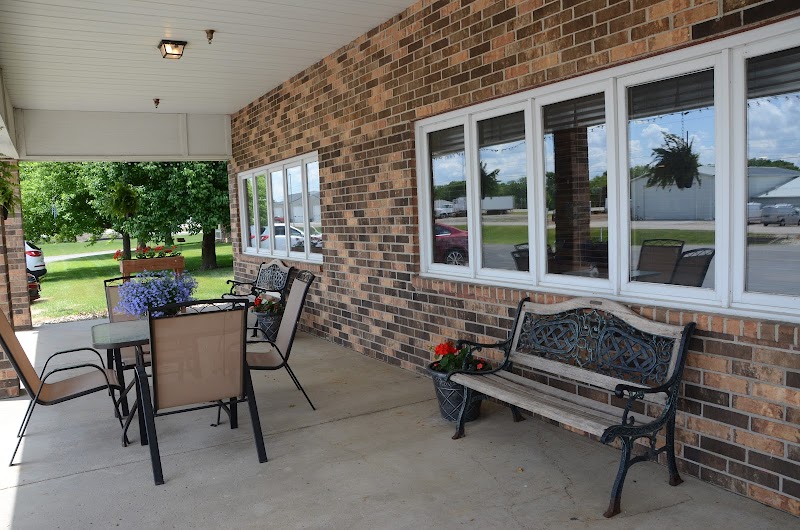
How is Granger Nursing & Rehabilitation Center Staffed?
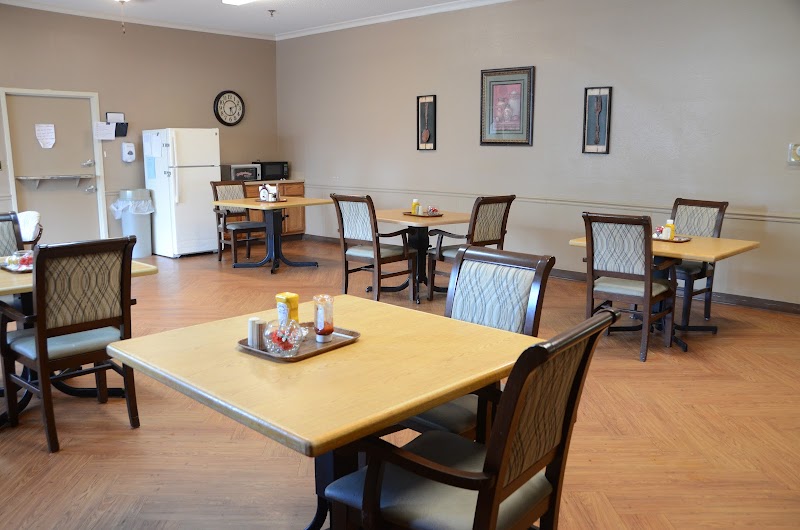
CMS rates Granger Nursing & Rehabilitation Center's staffing level at 2 out of 5 stars, which is below average compared to other nursing homes. Staff turnover is 57%, which is 11 percentage points above the Iowa average of 46%. High turnover can affect care consistency as new staff learn residents' individual needs. RN turnover specifically is 60%, which is notably high. RNs provide skilled clinical oversight, so turnover in this role can affect medical care quality.

What Have Inspectors Found at Granger Nursing & Rehabilitation Center?

State health inspectors documented 38 deficiencies at Granger Nursing & Rehabilitation Center during 2023 to 2025. These included: 1 Immediate Jeopardy (the most serious level, indicating potential for serious harm or death) and 37 with potential for harm. Immediate Jeopardy findings are rare and represent the most serious regulatory concerns. They require immediate corrective action.

Who Owns and Operates Granger Nursing & Rehabilitation Center?

Granger Nursing & Rehabilitation Center is owned by a for-profit company. For-profit facilities operate as businesses with obligations to shareholders or private owners. The facility is operated by CAMPBELL STREET SERVICES, a chain that manages multiple nursing homes. With 67 certified beds and approximately 46 residents (about 69% occupancy), it is a smaller facility located in Granger, Iowa.

How Does Granger Nursing & Rehabilitation Center Compare to Other Iowa Nursing Homes?

Compared to the 100 nursing homes in Iowa, Granger Nursing & Rehabilitation Center's overall rating (1 stars) is below the state average of 3.0, staff turnover (57%) is significantly higher than the state average of 46%, and health inspection rating (1 stars) is much below the national benchmark.

What Should Families Ask When Visiting Granger Nursing & Rehabilitation Center?

Based on this facility's data, families visiting should ask: "What changes have been made since the serious inspection findings, and how are you preventing similar issues?" "How do you ensure continuity of care given staff turnover, and what is your staff retention strategy?" "Can you walk me through typical staffing levels on day, evening, and night shifts?" "Can I visit during a mealtime to observe dining assistance and food quality?" These questions are particularly relevant given the facility's Immediate Jeopardy citations, the facility's high staff turnover rate, and the below-average staffing rating.

Is Granger Nursing & Rehabilitation Center Safe?

Based on CMS inspection data, Granger Nursing & Rehabilitation Center has documented safety concerns. Inspectors have issued 1 Immediate Jeopardy citation (the most serious violation level indicating risk of serious injury or death). The facility has a 1-star overall rating and ranks #100 of 100 nursing homes in Iowa. Families considering this facility should ask detailed questions about what corrective actions have been taken since these incidents.

Do Nurses at Granger Nursing & Rehabilitation Center Stick Around?

Staff turnover at Granger Nursing & Rehabilitation Center is high. At 57%, the facility is 11 percentage points above the Iowa average of 46%. Registered Nurse turnover is particularly concerning at 60%. RNs handle complex medical decisions and coordinate care — frequent RN changes can directly impact care quality. High turnover means new staff may not know residents' individual needs, medications, or preferences. It can also be disorienting for residents, especially those with dementia who rely on familiar faces. Families should ask: What is causing the turnover? What retention programs are in place? How do you ensure care continuity during staff transitions?

Was Granger Nursing & Rehabilitation Center Ever Fined?

Granger Nursing & Rehabilitation Center has been fined $23,253 across 1 penalty action. This is below the Iowa average of $33,311. While any fine indicates a compliance issue, fines under $50,000 are relatively common and typically reflect isolated problems that were subsequently corrected. Families should ask what specific issues led to these fines and confirm they've been resolved.

Is Granger Nursing & Rehabilitation Center on Any Federal Watch List?

Granger Nursing & Rehabilitation Center is not on any federal watch list. The most significant is the Special Focus Facility (SFF) program, which identifies the bottom 1% of nursing homes nationally based on persistent, serious quality problems. Not being on this list means the facility has avoided the pattern of deficiencies that triggers enhanced federal oversight. This is a positive indicator, though families should still review the facility's inspection history directly.