Community Memorial Health Center
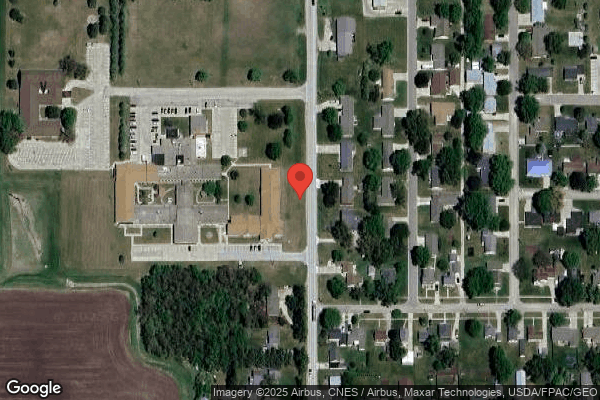
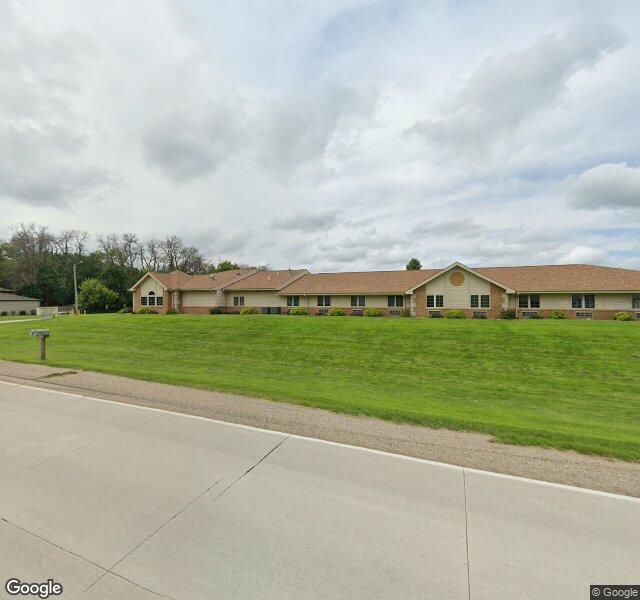
231 North Eighth Avenue West, Hartley, IA 51346 (712) 728-2428
Non profit - Corporation 68 Beds Independent Data: November 2025 1 Immediate Jeopardy citation
Trust Grade
28/100
#181 of 392 in IA
Last Inspection: November 2024

Within standard 12-15 month inspection cycle. Federal law requires annual inspections.

Overview

Community Memorial Health Center in Hartley, Iowa, has received a Trust Grade of F, indicating significant concerns regarding care quality. Ranking #181 out of 392 facilities in Iowa means they are in the top half, but that is still concerning given their low trust score. The facility is worsening, with the number of issues increasing from 5 to 6 over the past year. While staffing is a strength, receiving 5 out of 5 stars and showing a turnover rate of 45%, they have also faced serious fines totaling $44,528, which is higher than 84% of Iowa facilities. Specific incidents raised include a failure to properly investigate an allegation of abuse involving a staff member and inadequate care following a resident's fall that resulted in a hip fracture. Overall, while the staffing situation is strong, the facility has serious deficiencies that families should consider carefully.

Trust Score
F
28/100
In Iowa
#181/392
Top 46%
Safety Record
High Risk
Review needed
Inspections
Getting Worse
5 → 6 violations
Staff Stability
⚠ Watch
45% turnover. Above average. Higher turnover means staff may not know residents' routines.
Penalties
✓ Good
$44,528 in fines. Lower than most Iowa facilities. Relatively clean record.
Skilled Nurses
✓ Good
Each resident gets 63 minutes of Registered Nurse (RN) attention daily — more than 97% of Iowa nursing homes. RNs are the most trained staff who catch health problems before they become serious.
Violations
⚠ Watch
25 deficiencies on record. Higher than average. Multiple issues found across inspections.
★★★☆☆
3.0
Overall Rating
★★★★★
5.0
Staff Levels
★★☆☆☆
2.0
Care Quality
★★☆☆☆
2.0
Inspection Score
Stable
2023: 5 issues
2024: 6 issues

The Good

  • 5-Star Staffing Rating · Excellent nurse staffing levels
  • Full Sprinkler Coverage · Fire safety systems throughout facility
  • No fines on record

Facility shows strength in staffing levels, fire safety.

The Bad

3-Star Overall Rating

Near Iowa average (3.1)

Meets federal standards, typical of most facilities

Staff Turnover: 45%

Near Iowa avg (46%)

Higher turnover may affect care consistency

Federal Fines: $44,528

Above median ($33,413)

Moderate penalties - review what triggered them

The Ugly 25 deficiencies on record

1 life-threatening 3 actual harm
Nov 2024 1 deficiency
CONCERN (D)

Potential for Harm - no one hurt, but risky conditions existed

Deficiency F0625 (Tag F0625)

Could have caused harm · This affected 1 resident

**NOTE- TERMS IN BRACKETS HAVE BEEN EDITED TO PROTECT CONFIDENTIALITY** Based on clinical record review, interviews, and facility policy, the facility failed to ensure bed hold notice was signed by re...

Read full inspector narrative →
**NOTE- TERMS IN BRACKETS HAVE BEEN EDITED TO PROTECT CONFIDENTIALITY** Based on clinical record review, interviews, and facility policy, the facility failed to ensure bed hold notice was signed by residents and or the resident's responsible person when residents transferred out of the facility for 2 of 2 residents reviewed (Residents #8 and #9). The facility reported a census of 49 residents. Findings include: 1. The Minimum Data Set (MDS) assessment dated [DATE] for Resident #8 documented diagnoses of heart failure, diabetes mellitus and retention of urine. The MDS showed the Brief Interview for Mental Status (BIMS) score of 12, indicating moderate cognitive impairment. Review of Resident #8's Census tab revealed the following information: On 7/8/24- hospital unpaid leave. On 7/11/24- active. Review of Progress Notes revealed the following: On 7/8/24 at 11:38 a.m., facility receives a phone call from Registered Nurse (RN) at the local hospital emergency room stated Resident #8 admitted to the hospital. On 7/11/24 at 10:15 a.m., Resident returned to facility from local hospital. Review of bed hold dated 7/8/24 revealed permission via phone for bed hold authorization but lacked a resident or representative signature. 2. The MDS dated [DATE] for Resident #9 documented diagnoses of hypertension, bradycardia (low pulse rate) and anemia. The MDS showed the BIMS score of 7 indicating severe cognitive impairment. Review of Resident #9's Census tab revealed the following information: On 5/31/24- hospital unpaid leave. On 6/11/24- active. On 7/26/24- hospital paid leave. On 7/30/24- active. On 8/9/24- hospital paid leave. On 8/13/24- active. Review of the Progress Notes revealed: On 5/31/24 at 9:06 p.m., received call from local hospital Resident was admitted to the hospital. On 6/11/24 at 10:45 a.m., resident arrived back at the facility in his wheelchair in stable condition. On 7/26/24 at 4:48 p.m., resident will be admitted to hospital for intravenous antibiotics. On 7/30/24 at 4:39 p.m., resident returned to facility from local hospital at 11:00 a.m On 8/9/24 at 11:14 p.m., phone call to local hospital for update on Resident #9. Nurse stated resident had been admitted . On 8/13/24 at 11:55 a.m., resident readmitted to the facility following hospitalization. Review of the bed hold dated 6/3/24 revealed verbal confirmation but lacked a resident or representative signature. Review of the bed hold dated 7/26/24 revealed verbal confirmation but lacked a resident or representative signature. Review of the bed hold dated 8/9/24 revealed verbal confirmation but lacked a resident or representative signature. Review of facility provided policy titled Bed Hold Notice updated 6/18 included: You are receiving this letter because you recently have been admitted to the hospital. According to Community Memorial Health Center's bed hold policy, verification of room reservation must be made within a 24-hour period from the time the resident is admitted to the hospital, or the bed will be relinquished. Interview on 11/6/24 at 9:54 a.m., with the Director of Nursing revealed the facility does not send the bed hold to obtain signatures if they have received verbal confirmation of a bed hold.
Jul 2024 5 deficiencies 1 IJ (1 affecting multiple)
CRITICAL (K) 📢 Someone Reported This

A family member, employee, or ombudsman was alarmed enough to file a formal complaint

Immediate Jeopardy (IJ) - the most serious Medicare violation

Investigate Abuse (Tag F0610)

Someone could have died · This affected multiple residents

**NOTE- TERMS IN BRACKETS HAVE BEEN EDITED TO PROTECT CONFIDENTIALITY** Based on clinical record review, facility investigation review, staff interviews, and facility policy review the facility failed...

Read full inspector narrative →
**NOTE- TERMS IN BRACKETS HAVE BEEN EDITED TO PROTECT CONFIDENTIALITY** Based on clinical record review, facility investigation review, staff interviews, and facility policy review the facility failed to conduct a thorough investigation of an allegation of abuse. On 4/3/24, the nurse learned of a Certified Nurse Aide (CNA) slapping Resident #1 on the leg. After learning of this allegation of abuse, the facility allowed the CNA to finish working the scheduled night shift and to continue to work unattended behind closed doors with other residents. This failure resulted in residents living at the facility to be exposed to the potential of abuse therefore causing an Immediate Jeopardy to the health, safety, and security of the resident. The State Agency informed the facility of the Immediate Jeopardy (IJ) that began as of April 9, 2024 on June 30, 2024 at 3:32 p.m The facility staff removed the IJ on July 3, 2024 through the following actions: a. On 6/30/24 the facility suspended Staff F, CNA b. Provided education on 7/3/24 and ongoing until all staff currently working have been retrained to include the following: i. Separate the alleged abuser from the resident identified and send the individual home. ii. Immediately notify the charge nurse who will notify the Director of Nursing (DON) or Administrator. 1. You must speak directly with on of these 2 individuals. 2. Numbers for these 2 individuals are posted in the staffing book. iii. If it is a charge nurse responsible for the abuse, you must call the DON or Administrator immediately. iv. The DON or Administrator will begin the investigation and the employee will be contacted once a comprehensive investigation is completed. The scope lowered from a K to E at the time of the survey after ensuring the facility implemented education and their policy and procedures. The facility identified a census of 50 residents. Findings include: The Minimum Data Set (MDS) assessment dated [DATE]/24 for Resident #1 documented diagnoses of Alzheimer ' s Disease, anxiety disorder and non-traumatic brain dysfunction. The MDS showed the Brief Interview for Mental Status (BIMS) score of 02, indicating severe cognitive impairment. Review of facility Incident Report dated 4/3/34 at 1:15 a.m., revealed incident description according to staff statements 2 Certified Nursing Assistants (CNA's) Staff E, CNA and Staff F, CNA entered the residents room to provide incontinence care, when they attempted to remove the incontinent brief Resident #1 became agitated and started swinging and kicking. According to the initial statement, Staff F slapped the resident on the thigh. Immediate action taken revealed a description reported to the charge nurse who instructed Staff E to report to the Director of Nursing. Call was placed to DON with no answer. When DON arrived on 4/3/24 at 6:30 a.m.,the incident was reported at that time. DON did not hear the phone and staff did not try another call. Review of Resident #1's Progress Notes lacked documentation of the incident occurring on 4/3/24. Review of facility investigation of self-report of incident occurring on 4/3/24 at approximately 1:15 a.m.-1:30a.m. revealed the following: a. Interview conducted with Staff E. According to her interview and written statement she went to assist with checking and changing 2 residents that require assistance of 2. Staff E and Staff F entered Resident #1's room and began the process of changing him. He did become combative. Staff E indicated Resident #1 swung out at her with his hands and made contact. During the final steps Staff D stated Staff F slapped Resident #1 with her hand and said stop it. Staff E stated when they were done, both CNA's entered the hallway and Staff F said sorry didn't mean to hit him but damn. After Staff E left the unit she informed the charge nurse that the act had occurred and the charge nurse stated yes to call the DON. b. Interview conducted with Staff F. According to her interview and written statement Staff F and Staff E entered Resident #1's room, Resident #1 was informed the CNA's were there to check and change him. Resident #1 was agreeable. When the CNA's attempted to remove the incontinent brief Resident #1 became agitated and started kicking and hitting. Staff F indicated when he first became agitated she held both his hands so he would not hit, he then began kicking with his feet and kicked staff E with his feet in her ribs. According to Staff F, they finished the process and left the room. c. Based on the information the facility is unable to confirm or deny that the incident occurred. d. A mandatory staff meeting will be held on March 18, 2024 for all nursing department staff on adult abuse. Staff F will complete Iowa Department of Health and Human Services mandatory adult abuse before her next scheduled shift. She will also not be scheduled in the dementia unit for 90 days at the end of that period if she has not had any further violations, she can be scheduled in the dementia unit. Review of written statement by Staff E, signed and undated revealed on April 3 at 1:15 a.m., went into help Staff F with the 2 gentlemen. Resident #1 was being combative. After the last time of Resident #1 hitting and kicking me Staff F slapped Resident #1 and told him to stop it. After we were done changing him Staff F said sorry didn't mean to hit him but damn. Review of written statement by Staff F signed and dated 4/4/24 revealed Staff E and Staff F went to change Resident #1, on the first check he was ok when we told him what we were going to do. Was ok until we went to change him. We opened the depend and that is when he started to hit and I grabbed his hands and Staff E went to change him and that was when he kicked her in her ribs and lost balance, went to the hall. Then we got finished, I told him that was not nice to kick her and he laughed about it. Cleaned up the room and left. Second check went a lot better. An electronic message (e-mail) to Staff G, Nurse Practitioner dated 4/5/24 at 11:32 a.m., revealed the facility had a self report of an aide slapping Resident #1 while providing care. Interview on 7/2/24 at 4:22 p.m., with Staff E, CNA revealed on 4/3/24 at approximately 1:15 a.m., she went to assist Staff F, CNA with Resident #1 with care. During cares Resident #1 was hitting and kicking at staff assisting him. Staff F slapped Resident #1 on the upper left leg between the hip and knee area. Staff E reported it to Charge Nurse on duty. Charge Nurse stated she needed to call the DON right away. At 1:45 a.m., placed a call to the DON. Staff E revealed she did not answer so she left a message. At 1:48 a.m., sent the DON a text message. Staff E revealed Staff F continued to work the rest of her shift and the other staff working assisted her as Staff E was busy with her residents. Review of Staff F's time sheet revealed the following information: a. On 4/2/24 punched in at 10:00 p.m. and punched out 4/3/24 at 6:00 a.m. b. Staff F did not have any time clock punches from 4/4/24-4/8/24 c. Staff F returned to work as of 4/9/24 punched in at 9:45 p.m. and punched out 4/10/24 at 6:15 a.m. Review of the facility provided policy titled Abuse Prevention, Identification, Investigation and Reporting Policy dated July 2019 revealed under initial or immediate protection during facility investigation; a. Upon receiving a report of an allegation of resident abuse the facility shall immediately implement measures to prevent further potential abuse of residents from occuring while the facility investigation is in process. If this involves an allegation of abuse by an employee, this will be accomplished by separating them employee accused of abuse from all residents through the following or a combination of the following, if practicable: i. Suspending the employee ii. Segregating the employee by moving the employee to an area of the facility where there will be no contact with any residents of the facility iii. And in rare instances separating the employee accused of abuse from the resident alleged to have been abused, but allowing the employee to care for and have contact with other residents, only if there is a second employee who remains with and accompanies the employee accused of abuse at all times to supervise all contacts and interactions with the residents. b. Following the completion of the facility investigation, if the facility concludes that the allegations of resident abuse are unfounded, the employee may be allowed to return to job duties involving resident contact, but the employee must maintain a separation and have no contact with the resident alleged to have been abused, by reassigning the accused employee to an area of the facility where no contact will be made between the accused employee and the resident alleged to have been abused. This separation must be maintained until the Department concludes its investigation and issues the written results of its investigation. Note if the DIA determines there was abuse (even though the facility did not substantiate the abuse), there is risk that DIA could cite the facility with Immediate Jeopardy, for allowing an abuser to have access to other residents while the matter is being investigated. Interview on 7/3/24 at 10:32 a.m., with the DON revealed the staff member should have been separated immediately from the resident and should not have worked the rest of the night shift.
CONCERN (D) 📢 Someone Reported This

A family member, employee, or ombudsman was alarmed enough to file a formal complaint

Potential for Harm - no one hurt, but risky conditions existed

Free from Abuse/Neglect (Tag F0600)

Could have caused harm · This affected 1 resident

**NOTE- TERMS IN BRACKETS HAVE BEEN EDITED TO PROTECT CONFIDENTIALITY** Based on clinical record review, facility record review, staff interviews and facility policy the facility failed to appropriate...

Read full inspector narrative →
**NOTE- TERMS IN BRACKETS HAVE BEEN EDITED TO PROTECT CONFIDENTIALITY** Based on clinical record review, facility record review, staff interviews and facility policy the facility failed to appropriately implement interventions to protect 1 out of 3 residents (Resident #1) reviewed from physical abuse. The facility reported a census of 50 residents. Findings include: The Minimum Data Set (MDS) assessment dated [DATE]/24 for Resident #1 documented diagnoses of Alzheimer s Disease, anxiety disorder and non-traumatic brain dysfunction. The MDS showed the Brief Interview for Mental Status (BIMS) score of 02, indicating severe cognitive impairment. Review of facility Incident Report dated 4/3/34 at 1:15 a.m., revealed incident description according to staff statements 2 Certified Nursing Assistants (CNA's) Staff E, CNA and Staff F, CNA entered the residents room to provide incontinence care, when they attempted to remove the incontinent brief Resident #1 became agitated and started swinging and kicking. According to the initial statement, Staff F slapped the resident on the thigh. Review of facility investigation of self-report of incident occurring on 4/3/24 at approximately 1:15 a.m.-1:30a.m. revealed the following: a. Interview conducted with Staff E. According to her interview and written statement she went to assist with checking and changing 2 residents that require assistance of 2. Staff E and Staff F entered Resident #1's room and began the process of changing him. He did become combative. Staff E indicated Resident #1 swung out at her with his hands and made contact. During the final steps Staff D stated Staff F slapped Resident #1 with her hand and said stop it. Staff E stated when they were done, both CNA's entered the hallway and Staff F said sorry didn't mean to hit him but damn. After Staff E left the unit she informed the charge nurse that the act had occurred and the charge nurse stated yes to call the DON. b. Interview conducted with Staff F. According to her interview and written statement Staff F and Staff E entered Resident #1's room, Resident #1 was informed the CNA's were there to check and change him. Resident #1 was agreeable. When the CNA's attempted to remove the incontinent brief Resident #1 became agitated and started kicking and hitting. Staff F indicated when he first became agitated she held both his hands so he would not hit, he then began kicking with his feet and kicked Staff E with his feet in her ribs. According to Staff F, they finished the process and left the room. Review of written statement by Staff E, signed and undated revealed on April 3 at 1:15 a.m., went into help Staff F with the 2 gentlemen. Resident #1 was being combative. After the last time of Resident #1 hitting and kicking me Staff F slapped Resident #1 and told him to stop it. After we were done changing him Staff F said sorry didn't mean to hit him but damn. Review of written statement by Staff F signed and dated 4/4/24 revealed Staff E and Staff F went to change Resident #1, on the first check he was ok when we told him what we were going to do. Was ok until we went to change him. We opened the depend and that is when he started to hit and I grabbed his hands and Staff E went to change him and that was when he kicked her in her ribs and lost balance, went to the hall. Then we got finished, I told him that was not nice to kick her and he laughed about it. Cleaned up the room and left. Second check went a lot better. An electronic message (e-mail) to Staff G, Nurse Practitioner dated 4/5/24 at 11:32 a.m., revealed the facility had a self report of an aide slapping Resident #1 while providing care. Interview on 7/2/24 at 4:22 p.m., with Staff E, CNA revealed on 4/3/24 at approximately 1:15 a.m., she went to assist Staff F, CNA with Resident #1 with care. During cares Resident #1 was hitting and kicking at staff assisting him. Staff F slapped Resident #1 on the upper left leg between the hip and knee area. Staff E reported it to charge nurse on duty. Charge nurse stated she needed to call the DON right away. At 1:45 a.m., placed a call to the DON. Staff E revealed she did not answer so she left a message. At 1:48 a.m., sent the DON a text message. Staff E revealed Staff F continued to work the rest of her shift and the other staff working assisted her as Staff E was busy with her residents. Review of Resident #1's Progress Notes lacked documentation of the incident occurring on 4/3/24. Review of the facility provided policy titled Abuse Prevention, Identification, Investigation and Reporting Policy dated July 2019 revealed the following information: a. All residents have the right to be free from abuse. b. Physical abuse includes but is not limited to hitting, slapping, pinching and kicking. It also includes controlling behavior through corporal punishment, including but not limited to, pinching, spanking, slapping of hands, flicking or hitting with an object. The risk for abuse may increase when a resident exhibits a behavior that make provoke a reaction by staff, residents or others such as physically aggressive behavior, such as hitting, kicking, grabbing, scratching, pushing/shoving, biting, spitting, threatening gestures, throwing objects and resistive to care and services. Interview on 7/3/24 at 3:30 p.m., with the Administrator revealed he could not confirm or deny the incident occurred after their investigation.
CONCERN (D) 📢 Someone Reported This

A family member, employee, or ombudsman was alarmed enough to file a formal complaint

Potential for Harm - no one hurt, but risky conditions existed

Report Alleged Abuse (Tag F0609)

Could have caused harm · This affected 1 resident

**NOTE- TERMS IN BRACKETS HAVE BEEN EDITED TO PROTECT CONFIDENTIALITY** Based on clinical record review, facility record review, staff interviews and facility policy review the facility failed to repo...

Read full inspector narrative →
**NOTE- TERMS IN BRACKETS HAVE BEEN EDITED TO PROTECT CONFIDENTIALITY** Based on clinical record review, facility record review, staff interviews and facility policy review the facility failed to report an allegation of abuse to the Iowa Department of Inspections & Appeals and Licensing (DIAL) within 2 hours of an allegation of abuse for 1 of 1 residents reviewed for abuse (Resident #1). The facility reported a census of 50 residents. Findings include: The Minimum Data Set (MDS) assessment dated [DATE]/24 for Resident #1 documented diagnoses of Alzheimer's Disease, anxiety disorder and non-traumatic brain dysfunction. The MDS showed the Brief Interview for Mental Status (BIMS) score of 02, indicating severe cognitive impairment. Review of facility Incident Report dated 4/3/34 at 1:15 a.m., revealed incident description according to staff statements 2 Certified Nursing Assistants (CNA's) Staff E, CNA and Staff F, CNA entered the residents room to provide incontinence care, when they attempted to remove the incontinent brief Resident #1 became agitated and started swinging and kicking. According to the initial statement, Staff F slapped the resident on the thigh. Immediate action taken revealed a description reported to the charge nurse who instructed Staff E to report to the Director of Nursing. Call was placed to DON with no answer. When DON arrived on 4/3/24 at 6:30 a.m.,the incident was reported at that time. DON did not hear the phone and staff did not try another call. Review of facility provided documentation titled Investigation of Self-Report of incident occurring on 4/3/24 at approximately 1:15 a.m.-1:30 a.m Review of written statement by Staff E, undated revealed on April 3 at 1:15 a.m., I went into help Staff F with the 2 gentlemen. Resident #1 was being combative. After the last time of Resident #1 hitting and kicking me Staff F slapped Resident #1 and told him to stop it. After we were done changing him Staff F said sorry didn't mean to hit him but damn. Interview on 7/2/24 at 4:22 p.m., with Staff E, CNA revealed on 4/3/24 at approximately 1:15 a.m., she went to assist Staff F, CNA with Resident #1 with care. During cares Resident #1 was hitting and kicking at staff assisting him. Staff F slapped Resident #1 on the upper left leg between the hip and knee area. Staff E reported it to charge nurse on duty. Charge nurse stated she needed to call the DON right away. At 1:45 a.m., placed a call to the DON. Staff E revealed she did not answer so she left a message. At 1:48 a.m., sent the DON a text message. Staff E revealed Staff F continued to work the rest of her shift and the other staff working assisted her as Staff E was busy with her residents. Review of facility intake information the facility submitted a self report on 4/3/24 at 11:52 a.m Review of the facility provided policy titled Abuse Prevention, Identification, Investigation and Reporting Policy dated July 2019 revealed the following information: a. All allegations of Resident abuse, neglect, exploitation, mistreatment, injuries of unknown origin and misappropriation should be reported immediately to the charge nurse. The charge nurse is responsible for immediately reporting the allegations to the Administrator or designated representative. b. All allegations of Resident abuse shall be reported to the Iowa Department of Inspections and Appeal not later than two (2) hours after the allegation is made. Interview on 7/3/24 at 10:32 a.m., with the DON revealed the report should have been reported before it was to DIAL.
CONCERN (D) 📢 Someone Reported This

A family member, employee, or ombudsman was alarmed enough to file a formal complaint

Potential for Harm - no one hurt, but risky conditions existed

Medical Records (Tag F0842)

Could have caused harm · This affected 1 resident

**NOTE- TERMS IN BRACKETS HAVE BEEN EDITED TO PROTECT CONFIDENTIALITY** Based on clinical record review, facility record review, staff interviews and facility policy review the facility failed to prov...

Read full inspector narrative →
**NOTE- TERMS IN BRACKETS HAVE BEEN EDITED TO PROTECT CONFIDENTIALITY** Based on clinical record review, facility record review, staff interviews and facility policy review the facility failed to provide accurate resident records for 1 of 4 residents (Residents #1). The facility reported a census of 50 residents. Findings include: The Minimum Data Set (MDS) assessment dated [DATE]/24 for Resident #1 documented diagnoses of Alzheimer's Disease, anxiety disorder and non-traumatic brain dysfunction. The MDS showed the Brief Interview for Mental Status (BIMS) score of 02, indicating severe cognitive impairment. Review of facility Incident Report dated 4/3/34 at 1:15 a.m., revealed incident description according to staff statements 2 Certified Nursing Assistants (CNA's) Staff E, CNA and Staff F, CNA entered the residents room to provide incontinence care, when they attempted to remove the incontinent brief Resident #1 became agitated and started swinging and kicking. According to the initial statement, Staff F slapped the resident on the thigh. An electronic message (e-mail) to Staff G, Nurse Practitioner dated 4/5/24 at 11:32 a.m., revealed the facility had a self report of an aide slapping Resident #1 while providing care. Interview on 7/2/24 at 4:22 p.m., with Staff E, CNA revealed on 4/3/24 at approximately 1:15 a.m., she went to assist Staff F, CNA with Resident #1 with care. During cares Resident #1 was hitting and kicking at staff assisting him. Staff F slapped Resident #1 on the upper left leg between the hip and knee area. Staff E reported it to charge nurses on duty. Review of Resident #1's Progress Notes lacked documentation of the incident from the incident occurring on 4/3/24. Review of facility provided policy titled Charting and Documentation policy and procedure dated 6/1/24 revealed the following: a. All services provided to the resident, progress toward the care plan goals, or any changes in the resident's medical, physical, function or psychosocial condition, shall be documented in the resident's medical record. The medical record should facilitate communication between the interdisciplinary team regarding the resident's cognition and response to care. b. The following information is to be documented in the resident medical record i. Changes in the resident condition. ii. Events, incidents or accidents involving the resident. Interview on 7/3/24 at 10:32 a.m., with the Director of Nursing (DON) revealed the incident with Resident #1 should have been documented in his medical chart.
CONCERN (E) 📢 Someone Reported This

A family member, employee, or ombudsman was alarmed enough to file a formal complaint

Potential for Harm - no one hurt, but risky conditions existed

Deficiency F0868 (Tag F0868)

Could have caused harm · This affected multiple residents

Based on record review, interview, and facility policy the facility failed to have the Infection Preventionist at quarterly meetings for their quarterly Quality Assessment and Assurance (QAA) meetings...

Read full inspector narrative →
Based on record review, interview, and facility policy the facility failed to have the Infection Preventionist at quarterly meetings for their quarterly Quality Assessment and Assurance (QAA) meetings. The facility reported a census of 50. Findings include: Review of the facility document titled Quality Assurance Process Improvement (QAPI) sign in sheet 2024: a. Document dated January lacked the signature of the Infection Preventionist. b. Document dated February lacked the signature of the Infection Preventionist. c. Document dated March lacked the signature of the Infection Preventionist. d. Document dated April lacked the signature of the Infection Preventionist. e. Document dated May lacked the signature of the Infection Preventionist. Review of the facility provided policy titled Quality Assurance Process Improvement dated July 1, 2024 revealed the Administrator is responsible for assuring that this facilitiy's QAPI program complies with federal, state, and local regulatory agency requirements. Interview on 7/3/24 at 10:32 a.m., with the Director of Nursing (DON) revealed Staff D, Registered Nurse is the Infection Preventionist (IP) and is usually working the floor as a nurse during QAPI meetings so she has not attended them. The DON further revealed she has been working on getting her IP certification but does not currently have it.
Nov 2023 4 deficiencies
CONCERN (D)

Potential for Harm - no one hurt, but risky conditions existed

PASARR Coordination (Tag F0644)

Could have caused harm · This affected 1 resident

**NOTE- TERMS IN BRACKETS HAVE BEEN EDITED TO PROTECT CONFIDENTIALITY** Based on clinical record review, staff interview and policy review the facility failed to incorporate specialized services into ...

Read full inspector narrative →
**NOTE- TERMS IN BRACKETS HAVE BEEN EDITED TO PROTECT CONFIDENTIALITY** Based on clinical record review, staff interview and policy review the facility failed to incorporate specialized services into resident ' s care with a Level II Preadmission Screening and Resident Review (PASRR) for 1 out of 2 residents (Resident #16). The facility reported a census of 50 residents. Findings include: The Minimum Data Set (MDS) assessment dated [DATE] for Resident #16 documented diagnoses of major depressive disorder, anxiety disorder and post-traumatic stress disorder The MDS showed a Brief Interview for Mental Status (BIMS) score of 15 indicating no cognitive impairment. Review of the clinical record revealed a PASRR level II dated 4/7/23 approved with specialized services. The recommendations revealed the following specialized services and rehabilitative services for the resident to reside in a nursing facility. The Care Plan with a revision date of 10/23/23 lacked information regarding rehabilitative services from the PASRR level II and lacked a diagnosis of post-traumatic stress disorder. Interview on 11/02/23 at 8:43 a.m., with the Director of Nursing revealed all level II services should be listed on the resident ' s care plan and the facility does not have a policy for PASRR and they follow the federal regulations.
CONCERN (D)

Potential for Harm - no one hurt, but risky conditions existed

Accident Prevention (Tag F0689)

Could have caused harm · This affected 1 resident

**NOTE- TERMS IN BRACKETS HAVE BEEN EDITED TO PROTECT CONFIDENTIALITY** Based on clinical record review, policy and procedures, resident and staff interviews, the facility failed to implement measures...

Read full inspector narrative →
**NOTE- TERMS IN BRACKETS HAVE BEEN EDITED TO PROTECT CONFIDENTIALITY** Based on clinical record review, policy and procedures, resident and staff interviews, the facility failed to implement measures to ensure the personal alarm sounded when a resident arose from the chair for 1 out 1 residents reviewed (Resident #41). The facility reported a census of 50. Finding included: 1. The Minimum Data Set (MDS) dated [DATE] for Resident #41 identified the Brief Interview for Mental Status (BIMS) score of 0 which indicated severe cognitive impairment. The MDS indicated Resident #41 required an extensive assistance of 2 persons for transfers, bed mobility, and toileting. The MDS included a diagnosis of dementia and anxiety. The Care Plan last revised on 10/26/23 showed Resident #41 as a high fall risk related to impaired cognition due to Alzheimer's Dementia. The Care Plan also indicated a past fall resulted in a hip and pelvis fracture. The Care Plan instructed staff to use a chair alarm when the resident is in a wheelchair or recliner. The Incident Report dated 9/11/23 at 1:33 AM, created by Staff D, Licensed Practical Nurse (LPN), showed staff observed Resident #41 slide to the floor from the wheelchair. Staff D described the resident to be on the floor, in a seated position, with her back against the wall. Staff D indicated the wheelchair alarm did not sound at the time of fall. Upon further investigation Staff D noted the alarm was missing a battery. When Staff D questioned staff they reported not hearing the chair alarm when they assisted the resident from the bed to the chair approximately one hour prior to the incident. In an interview on 11/1/23 at 2:13 PM, Staff D reported the chair alarm needed three batteries to be operational. When Staff D checked the alarm, she found one battery to be removed from the alarm, which prevented the alarm from sounding at the time of the fall. Staff D explained the reset button needed to be pushed three times to stop the alarm but found that Resident #41 ' s reset button sometimes failed to function properly. When the reset button failed, staff removed the batteries to stop the alarm from sounding. Staff D reported issues with the reset button occurred since May 2023. In an interview on 11/2/23 at 9:13 AM, the Director of Nursing (DON) reported that she expected staff to make the facility aware of equipment that failed to function properly. The DON reported after this fall she educated staff to ensure alarms functioned properly and were engaged when in use. The DON reported the facility lacked a policy regarding personal alarms.
CONCERN (E)

Potential for Harm - no one hurt, but risky conditions existed

Deficiency F0657 (Tag F0657)

Could have caused harm · This affected multiple residents

**NOTE- TERMS IN BRACKETS HAVE BEEN EDITED TO PROTECT CONFIDENTIALITY** Based on observation, staff interview and record review, the facility failed to update the resident's care plan to accurately re...

Read full inspector narrative →
**NOTE- TERMS IN BRACKETS HAVE BEEN EDITED TO PROTECT CONFIDENTIALITY** Based on observation, staff interview and record review, the facility failed to update the resident's care plan to accurately reflect the resident for 4 of 13 reviewed (Residents #2, #16 #20, #41). The facility reported a census of 50 residents. Findings include: 1. The Minimum Data Set (MDS) assessment dated [DATE] for Resident #2 documented diagnoses of diabetes mellitus and edema. The MDS showed a Brief Interview for Mental Status (BIMS) score of 9, indicating moderate cognitive impairment. Review of the MDS dated [DATE] revealed diuretic medication was taken in the last 7 days in the look back period. Review of the October 2023 Medication Administration Record (MAR) revealed the following orders: a. Lasix tablet daily (diuretic medication) with an order date of 1/7/23. Review of the Order Summary Report signed by the physician on 11/2/23 revealed the following orders: a. Lasix tablet daily with an order date of 1/7/23 and a start date of 1/8/23. Review of the Care Plan with a revision date of 10/25/23 lacked information regarding the usage and side effects of diuretic medication. 2. The MDS assessment dated [DATE] for Resident #16 documented diagnoses of major depressive disorder, anxiety disorder and post-traumatic stress disorder. The MDS showed a BIMS score of 15, indicating no cognitive impairment. Review of Progress Notes revealed the following information: a. On 10/16/23 at 3:00 a.m., oxygen on at 2 liters per minute. b. On 10/18/23 at 9:26 a.m., request was also made for PRN oxygen. Resident did not require as needed oxygen yesterday or today during the day shift but the resident stated he wore oxygen overnight last night. c. On 10/24/23 at 2:59 p.m., resident was sent with oxygen at 2 liters via nasal cannula. d. On 10/27/23 at 12:35 p.m., nurse applied 2 liters of oxygen via nasal cannula. e. On 10/31/23 at 4:45 a.m., nurse applied 2 liters of oxygen via nasal cannula . Review of order dated 10/16/23 revealed an order for oxygen as needed to keep oxygen saturation above 90%. Review of the Care Plan with a revision date of 10/23/23 lacked any information regarding oxygen usage. 3. The MDS assessment dated [DATE] for Resident #20 documented diagnoses of heart failure, anxiety disorder and Alzheimer ' s Disease. The MDS showed a BIMS score of 3, indicating severe cognitive impairment. The MDS revealed diuretic medications were taken 7 out of the last 7 days in the look back period and opioid medication were taken 2 out of the last 7 days in the look back period. Review of the October 2023 MAR revealed the following orders: a. Lasix tablet daily (diuretic medication) with an order date of 2/15/22, b. Morphine Sulfate (opioid pain medication) with an order date of 5/12/23. Review of the Order Summary Report signed by the physician on 10/19/23 revealed the following orders: a. Lasix tablet daily with an order date of 2/15/22 with a start date of 2/16/23. b. Morphine Sulfate with an order date of 5/12/2 with a start date of 8/7/23. Review of the Care Plan with a revision date of 10/31/23 lacked information regarding the usage and side effects of diuretic and opioid pain medication. Interview on 11/02/23 at 8:41 a.m., with the Director of Nursing (DON) revealed the care plan should include all high risk medications and side effects and should be personalized to each resident's needs. 4. The MDS dated [DATE] for Resident #41 identified the BIMS score of 0 which indicated severe cognitive impairment. The MDS indicated Resident #41 required an extensive assistance of 2 persons for transfers, bed mobility, and toileting. The MDS included a diagnosis of dementia, heart failure and anxiety. The hospital records dated 7/5/23 for Resident #41 showed a diagnosis of myocardial infarction (MI), congestive heart failure (CHF), pulmonary embolism (PE) and syncopal episodes related to the PE. The Progress Notes dated 10/25/23 for Resident #41 showed a urinary analysis indicated the presence of a urinary tract infection (UTI). The provider prescribed Keflex 500 milligrams (mg) to be administered twice a day. The Physician Order dated 7/11/23 showed Resident #41 prescribed the anticoagulant Eliquis 5 mg every 12 hours for treatment of the PE. The Care Plan reviewed on 11/1/23 showed the facility failed to include the following items on the care plan: CHF, Recent MI, PE, UTI and Anticoagulant. In an interview on 11/2/23 at 9:13 AM, the Director of Nursing (DON), reported that she expected the care plan to be updated to reflect the resident's current condition and care needs.
CONCERN (E)

Potential for Harm - no one hurt, but risky conditions existed

Deficiency F0838 (Tag F0838)

Could have caused harm · This affected multiple residents

Based on record review and staff interview, the facility failed to have a facility assessment updated. The facility reported a census of 50 residents. Findings Include: Review of the facility assessme...

Read full inspector narrative →
Based on record review and staff interview, the facility failed to have a facility assessment updated. The facility reported a census of 50 residents. Findings Include: Review of the facility assessment revealed an updated date of 6/2/22. The facility does not hvae a policy on facility assessment or revision. Interview on 11/02/23 at 8:54 a.m., with the Administrator revealed the facility did not have the facility assessment updated for 2023 and everyone was working on their parts to get it updated. He further revealed it should be completed yearly.
Aug 2023 1 deficiency 1 Harm
SERIOUS (G) 📢 Someone Reported This

A family member, employee, or ombudsman was alarmed enough to file a formal complaint

Actual Harm - a resident was hurt due to facility failures

Quality of Care (Tag F0684)

A resident was harmed · This affected 1 resident

Based on record review, and staff interview, the facility failed to provide adequate assessment and timely intervention for 1 of 4 residents reviewed (Resident #1). On 4/15/23 at 2:50 a.m. Resident #1...

Read full inspector narrative →
Based on record review, and staff interview, the facility failed to provide adequate assessment and timely intervention for 1 of 4 residents reviewed (Resident #1). On 4/15/23 at 2:50 a.m. Resident #1's alarm sounded and as staff responded they heard a thud and found resident laying on the floor on his right side. Facility staff failed to complete a thorough assessment which included range of motion (ROM) and failed to initiate neurologic checks following the unwitnessed fall. Additionally, the staff failed to complete a follow up assessment following the fall when pain was noticed during transfer with weight bearing. At 6:38 a.m. resident was assessed for ongoing right leg pain. Resident noted to have external rotation of the right leg, resident was transferred to the local ER and was diagnosed with right femoral neck fracture (hip fracture) and admitted to the hospital for surgery to repair. The facility reported a census of 44. Findings include: The Minimum Data Set (MDS) assessment with a reference date of 3/6/23 for Resident #1 identified severely impaired cognitive skills for decision making. The MDS further revealed the resident required assistance of one for transfer, and walking. The resident had diagnosis that included Alzheimer's disease, and overactive bladder. An Un-witnessed Fall Report initiated on 4/15/23 at 2:50 a.m. by Staff A, Licensed Practical Nurse (LPN) documented that Resident #1 had been found lying on the floor near the entry door. Nurse assessed the resident, skin was intact. Bed was in lowest position. Certified Nursing Assistant (CNA) reported resident had been changed one hour prior. Resident confused, unable to report what was doing prior to the fall. No signs of discomfort, no signs of bone fracture noticed, all extremities working well. Resident helped with assist of two back to bed. Review of an Investigation Summary prepared by the Director of Nursing (DON) revealed Staff B, CNA responded to floor alarm sounding in Resident #1's room. Before entering the room, she heard a thud. Found resident lying on the floor approximately 15 feet from his bed on his right side. Resident had been checked at 2:00 a.m. In an interview with the DON, Staff B, CNA reported that the resident complained of right leg pain when assisted to bed. However, Staff A, LPN documented no pain with transfer with weight bearing. A Progress Note dated 4/15/23 at 3:33 a.m., Staff A, LPN documented CNA entered the resident room and found lying on the floor. No discomfort or pain reported, resident was transferred with two assist with gait belt to bed, able to bear weight. Recommendations included, resident to be checked every 30 minutes. The clinical record lacked documentation of ROM, further assessment or documentation, or neuro checks by Staff A, LPN. A Progress Note dated 4/15/23 at 6:38 a.m. initiated by Staff C, LPN documented she was summoned to Resident #1's room. CNA informed resident had yelled out in pain when she tried to touch right leg. LPN assessed right leg noted externally rotated. No bruising noted at that time. Resident would not allow staff to touch right leg. Family notified and requested transfer out to local hospital. 911 called for transfer to local emergency room for evaluation via ambulance. Staff C, LPN further documented at 6:54 a.m. that ambulance arrived and resident assisted to stretcher and left for local ER. During an interview on 8/17/23 at 9:51 a.m. Staff C, LPN stated she had arrived to work at 4:00 a.m. on 4/15/23 but Staff A, LPN was working Resident #1's unit until 6:00 a.m. so wasn't involved with the fall until she was summoned via the walkie at 6:38 a.m. Recalled the CNA reported she was going to lotion his legs, when she touched him he yelled in pain which prompted her to call for a nurse. When Staff C, arrived at the bedside she noticed that the right leg was externally rotated and initiated arrangements to transfer out. Staff C responded that she had not received a verbal report on the fall from Staff A, LPN prior to his shift ending and would have expected follow up and ongoing assessment for injuries and neuro checks to have been initiated with an unwitnessed fall. Confirmed this had not occurred. In an interview on 8/17/23 a.m. the DON stated that staff are expected to follow the protocols identified for fall response and neurologic checks. Additionally, would expect staff to monitor for changes as they provided care to the resident. The DON stated that that Staff A, LPN had failed to assess ROM to include observation of external and internal rotation, failed to complete neurologic checks as indicated in the fall policy, and failed to complete follow up assessments. Based on these identified issues associated with a fall with a negative outcome and resident not assessed in a timely manner Staff A was terminated immediately. Review of a hospital document titled History and Physical report dated 4/15/23 at 9:37 a.m. revealed the resident fell at the facility. Resident complained of severe pain at 6:00 a.m., was brought by ambulance where x-rays demonstrated a displaced femoral neck fracture. Orthopedic consultation has planned surgical repair this morning. Review of a facility Corrective Action Form signed on 4/26/23 documented Staff A was terminated for lack of assessment of fall and falsification of documentation. The issues identified in the document included: Lack of ROM assessment including external and internal rotation, failure to complete neuro checks as indicated by facility policy, and no follow up assessment was completed after the fall. The document noted Staff A, LPN refused to sign. Review of an undated facility policy titled Fall Prevention and Response Policy included, when a fall occurs: initiate neurologic checks if the fall was unwitnessed, post fall documentation includes intervention, response to interventions, effectiveness of interventions, and injuries noted, and documentation of post-fall status will occur in progress notes every shift for at least 72 hours and as needed. Review of an undated facility policy titled Neurological Assessment included: Neurological assessments are indicated following an unwitnessed fall. Perform neurological checks with the frequency as per the falls protocol.
Aug 2022 14 deficiencies 2 Harm
SERIOUS (G)

Actual Harm - a resident was hurt due to facility failures

Quality of Care (Tag F0684)

A resident was harmed · This affected 1 resident

**NOTE- TERMS IN BRACKETS HAVE BEEN EDITED TO PROTECT CONFIDENTIALITY** 2. The Minimum Data Set (MDS) dated [DATE] revealed Resident #3 had a Brief Interview of Mental Status (BIMS) score of 12 which ...

Read full inspector narrative →
**NOTE- TERMS IN BRACKETS HAVE BEEN EDITED TO PROTECT CONFIDENTIALITY** 2. The Minimum Data Set (MDS) dated [DATE] revealed Resident #3 had a Brief Interview of Mental Status (BIMS) score of 12 which indicated mildly impaired cognition. The same MDS revealed the resident had diagnoses of hypertension (high blood pressure), peripheral vascular disease (reduced blood flow to legs), peripheral venous insufficiency (circulation issue causing blood to pool in legs), edema, peripheral neuropathy (damaged nerves cause numbness in feet), and 1 venous and arterial ulcer (wound) was present. Observation on [DATE] at 1:59 PM revealed the resident had swollen feet and legs, she was wearing edema wear during observation. The Progress Note dated [DATE] at 3:30 PM revealed the resident had increasing pitting edema to bilateral lower extremities, 2+ to right lower extremity, 3-4+ to left lower extremity. Resident has had 7 lbs. weight gain in past month. Lungs with diminished bases. No dyspnea noted. Oxygen saturation 94% on room air. The Individual Care Plan, undated, revealed interventions directing staff the resident was to be weighed weekly or as specified by physician and to monitor weight as ordered and report 3-4 pound weight gain in 1 week. The Weight Summary dated [DATE] revealed the resident's weights from [DATE] to [DATE]. The resident's weight was documented 2 times in 5/22 and 7/22, the remaining weights were taken monthly. The Medication Review Report dated [DATE] signed by a physician lacked orders for frequency of weight measurements. In an interview on [DATE] at 9:21AM, the Director of Nursing (DON) reported she would expect a resident's weight be obtained as directed by their care plan. Based on record review and staff interview, the facility failed to provide adequate assessment and timely intervention for a change in condition for 2 of 2 resident's reviewed (Resident #104, and #3). Resident #104 fell and sustained a head injury and fracture of the C1 vertebrae (neck) on [DATE]. On [DATE] the resident had pain documented on the Treatment Administration Record (TAR) with no documentation interventions were implemented to relieve the pain. The resident also had a change of condition with his oxygen (O2) saturation (sat) dropping to 52% (normal above 90%) and respirations 30 (normal 16-20) and labored around 9:30 a.m. The facility failed to assess the resident's lung sounds related to the change. On [DATE] at 1:45 a.m. (approximately 16 hours after the drop in O2 sats) the resident left by ambulance to the emergency room with pain documented at a 6, respirations of 44, and crackles throughout his lungs. The resident went into respiratory arrest and died in the ambulance. Resident #3 had edema (swelling) in the lower extremities and a care plan intervention to weigh weekly. The facility failed to follow through with the intervention. The facility reported a census of 55 residents. Findings include: According to the Minimum Data Set (MDS) assessment dated [DATE] Resident #104 scored 2 on the Brief Interview for Mental Status (BIMS) indicating severe cognitive impairment. The resident required extensive assistance with bed mobility, transfers, walking in the room, dressing, toilet use and personal hygiene. The resident required limited assistance with walking in the hallway. The resident's diagnoses included non-traumatic brain dysfunction, dementia with lewy bodies, and a stroke. The Progress Notes dated [DATE] at 12:02 a.m. documented the resident had an unwitnessed fall at 10:55 p.m. in his room. The nurse aide heard a sound and found him on his right side next to his bed bleeding from his head. The nurse evaluated the resident, called the wife at 11 p.m. and asked for permission to send him to the emergency room (ER) to be evaluated and treated. The hospital called at 11:02 p.m. to get a telephone order to send the resident. At 11:08 p.m. 911 called and they had to try to find an ambulance since all those around were dispatched out with other calls. At 11:35 a.m. dispatch called back and said another ambulance would transfer the resident. At 11:55 p.m. the ambulance came and transported the resident onto the gurney, leaving the facility at 12 a.m. The resident was alert after the fall and only complained of his head hurting in the general area where his head bled from. They cleaned the resident up with sodium chloride (NaCl), and gauze placed on his head with pressure to help with the bleeding. His wife would be at the hospital waiting for his arrival. A hospital Emergency Department note dated [DATE] documented the resident had a laceration of the head and a C1 cervical fracture. The history of present illness (HPI) documented a resident with dementia in the memory care unit apparently sustained a fall earlier in the night and had a laceration on the right eyebrow. The resident had some neck pain, and also pain in the pelvis. He had a stellate (a tear in the skin caused by blunt trauma) laceration above the right eyebrow, and hematoma or swelling around that area, approximate 5 or 6 cm total length. Basically gouged into the center of the stellate laceration and it kind of stretched the tissue due to frailty and old age. It had continuous oozing without a pressure dressing. The laceration measured 5 cm to 2 cm. The resident had a very irregular wound. He had Computed Tamography (CT) of the cervical spine without contrast. The findings included fractures of both the anterior and posterior arches of C1. The anterior arch fracture was distracted (widened) by about 11 mm. The Progress Notes dated [DATE] at 9:48 a.m. documented the Resident returned via ambulance at 9:05 a.m. The ER Dr. consulted with a neuro-surgeon. The resident with C1 fracture and felt not a candidate for surgery. He received a soft collar to wear. Per the Dr. notes they were to do best they could to keep collar on but understood it may be difficult to do. The resident had multiple sutures on top of his forehead. They were to leave the pressure bandage on for 48 hours then apply an ointment. Sutures should be removed in 10-14 days at follow-up appointment. The resident also needed a neck x-ray to assess the break. Both orbital areas were very bruised and swollen. Told if became too anxious they were to call the ER for orders of a calming type medication. Also, if presented to be in excessive pain they could call. The Care Plan identified an actual post incident [DATE] when the resident sustained a C1 fracture. The interventions included monitoring the resident for a sudden increase of pain to the neck area or any other sudden unexplained pain, or sudden loss of sensation. Contact the Physician promptly with any concerns. If medication needed for pain call the ER. The Progress Notes dated [DATE] at 9:30 a.m. documented the on duty nurse reported the resident's oxygen (O2) saturation (sat) had dropped and she put him on oxygen. The nurse stated she tried calling the Physician's office but she was not in. The nurse went into the resident's room to assess him. The resident noted to be laying in bed with eyes closed, oxygen on per nasal cannula. The resident's spouse present. The nurse asked the spouse if she could do anything for the resident or her. The nurse brought the spouse a cup of coffee. As leaving the unit, the spouse came out of resident's room and stated the resident wanted a drink of water and he had to poop. The nurse suggested staff use the potty chair on wheels and transfer the resident from the bed and let him use the bathroom. Staff agreed and the nurse left the unit. At 9:50 a.m. the nurse paged to the unit. Upon entering room, nurse (Staff N Registered Nurse) noted to be taking vitals on the resident laying in bed. Staff P Licensed Practical Nurse (LPN), stated the resident became unresponsive on the toilet so they laid him back down in bed. The nurse asked if he had a bowel movement and the other nurse stated yes. This nurse stated that he may have had a vagal response. The nurse asked the resident's spouse if she would like the resident to be sent to the hospital and the wife stated no, she wanted him to be comfortable and to stay at the facility. The nurse told the on duty nurse the spouse's wishes and reminded the on duty nurse to contact the doctor regarding the episode and need for O2 and to document. The [DATE] Medication Administration Record (MAR) showed the resident had an order for Tylenol Tablet 325 mg 2 tablet by mouth every 4 hours as needed for mild pain. The resident last received Tylenol for pain on [DATE] at 7:17 a.m. with pain documented at 6 (0 no pain, 10 worst pain) and indicated it was effective. The Treatment Administration Record (TAR) documented the resident's pain on [DATE]: a. 4 at 4 a.m. b. 4 at 8 a.m. c. 3 at 12 p.m. d. 0 at 6 p.m. e. not assigned a number at 8 p.m. f. and a 6 on [DATE] at 12 a.m. The clinical record lacked documentation the facility implemented interventions to help relieve the pain. The Progress Notes dated [DATE] at 2:09 p.m. documented the resident was unresponsive while using the bathroom for 1-2 minutes. The resident had been weak and sleepy during the a.m. shift. The resident's 02 was down to 52% (90-100 normal) started O2 at 2 liters. Fax sent to the doctor and family notified. Vitals temp 97.7, pulse 46 (normal 60-100), B/P 110/46, respirations 30 (normal 12-20) with labored breathing. He refused his meals and noon shakes. A fax dated [DATE] notified the Physician of the resident's condition. The resident fell [DATE] with sutures at the forehead and soft neck collar. The resident's O2 sat dropped down to 52 %, and the nurse started O2, and the resident had labored breathing. The resident complained of abdominal pain, and request to use the restroom. In the process he became unresponsive for 1-2 minutes while sitting on the bathroom. His oxygen started going up to 74 %. Would keep monitoring him. Asked if the Physician would recommend continuing the O2, and how long. The Advanced Registered Nurse Practitioner responded to continue O2 at 2-3 liters to maintain O2 sats greater than 90% until progress report on [DATE] to the Physician. On [DATE] at 9:17 p.m. the resident refused to cooperate and became more combative when obtaining vital signs and assessment. He refused to put the oxygen back on but agreed to be changed and repositioned in bed. The resident refused his medications and meals. The resident slept peacefully in his room at that time. The Progress Notes dated [DATE] at 9:50 p.m. documented the fax came back to continue O2 per nasal cannula 2-3 liters to maintain O2 sats greater than 90%. Continue O2 continuously until progress report on Thursday, 1-6-22 to the physician. The Progress Notes dated [DATE] at 1:15 a.m. documented a call placed to the ER to get in touch with the on-call regarding the resident. The resident's vital signs were (VS) 97.4-108-44 O2 at 2 L NC. The resident's lung sounds had crackles throughout, and audible gurgling. The resident unable to verbalize the presence of pain, restless, moving his legs out of bed. A call placed to update the spouse. The on-call updated on the resident. Received an order to send resident to the ER for further evaluation. The spouse would follow the ambulance to the ER. The Progress Notes dated [DATE] at 1:55 a.m. documented the ambulance arrived 1:40 a.m. departed with the resident at 1:45 a.m. The ambulance personnel called at 1:52 a.m. and stated the resident quit breathing and asked if he had a do not resuscitate (DNR) and he did. The spouse followed behind the ambulance. The Progress Notes dated [DATE] at 2:49 a.m. documented the ER called and stated the resident passed away [DATE] at 2:15 a.m. with the spouse at the bedside. A hospital Discharge Plan dated [DATE] documented the resident dead on arrival to the hospital. The clinical impression: death due to respiratory arrest, C1 cervical fracture, and dementia. The history of present illness (HPI) documented the resident with a recent fall at the nursing home sustaining a laceration to his head and a C1 fracture. The Emergency Medical Service (EMS) was called today due to increasing respiratory difficulty. Upon arrival they said he had a pulse and breathing, however, shortly after coming out into the cold air he respiratory arrested. They did assist the the resident with bag mask ventilation although they did not find it to be that effective. He lost his pulse enroute. Because he had a DNR they did not do further intervention. On [DATE] at 1:20 p.m. the resident's spouse stated on [DATE] the resident was not doing well. She went and spent time with him and went home to eat. She came back and the SW told her he was resting and she didn't need to be there. She went home and that was her biggest regret. He died in the ambulance and she didn't get to be with him. On [DATE] at 11:15 a.m. the Physician's Assistant (PA) stated she would definitely expect the resident's lung sounds to be assessed with a low O2 sat, and closely monitored. On [DATE] at 12:30 p.m. Staff O Registered Nurse (RN) Director of Nursing (DON) at the time, stated she was called to the unit because the resident became unresponsive (the a.m. of [DATE]). They had oxygen on him but she did not know the O2 sat dropped down to 52. She would expect an assessment of the resident's lung sounds. That may have changed their response. She did talk to the resident's spouse (that morning) but maybe didn't know the full extent of his condition. On [DATE] at 4:50 p.m. Staff P Licensed Practical Nurse (LPN) stated she could not remember details. When looking at documentation she said she did neuro checks on the resident and his O2 sat was 52. He had labored breathing. She started oxygen. Then he became unresponsive on the commode. She called the other nurse (Staff N RN) to see what she thought of him. The other nurse called the DON. She said she did not check his lungs because others were assessing him. She didn't know who assessed what. On [DATE] at 11:44 a.m. Staff N RN remembered Staff P calling her back to the unit [DATE] to see what she thought. She was maybe in the unit 5 minutes and called the DON. She did not do any assessment of the resident. On [DATE] at 2:40 p.m. Staff M RN worked at the facility a few shifts for agency. She worked [DATE] overnight into [DATE]. She worked south hall. She didn't know why she went back to the unit but the resident clearly needed pain medication. When she asked the resident about pain he squeezed her hand. He had crackles throughout his lungs with labored breathing. He wasn't taking pills and he needed something in liquid form. She thought he needed Morphine. She said something should have been done before this. She had the other nurse come to the unit, (Staff L RN). She helped with phone calls. She did not feel the resident just suddenly got this way. On [DATE] at 3:19 p.m. Staff L stated she worked the night the resident died. When she went to the unit he was in bad shape. She thought he should have had something done sooner.
SERIOUS (G)

Actual Harm - a resident was hurt due to facility failures

Accident Prevention (Tag F0689)

A resident was harmed · This affected 1 resident

**NOTE- TERMS IN BRACKETS HAVE BEEN EDITED TO PROTECT CONFIDENTIALITY** Based on observation, record review and staff interview, the facility failed to assure a resident had the identified interventio...

Read full inspector narrative →
**NOTE- TERMS IN BRACKETS HAVE BEEN EDITED TO PROTECT CONFIDENTIALITY** Based on observation, record review and staff interview, the facility failed to assure a resident had the identified interventions in place to prevent a fall with a major injury for 1 of 6 residents reviewed (Resident #104). Resident #104 had an intervention for a bed alarm to alert staff to his getting up. On 12/31/21 the resident sustained a fall in his room with no alarm. The resident sustained a head injury requiring sutures and C1 (neck) fracture. The facility reported a census of 55 residents. Findings include: According to the Minimum Data Set (MDS) assessment dated [DATE] Resident #104 scored 2 on the Brief Interview for Mental Status (BIMS) indicating severe cognitive impairment. The resident required extensive assistance with bed mobility, transfers, walking in the room, dressing, toilet use and personal hygiene. The resident required limited assistance with walking in the hallway The resident's diagnoses included non-traumatic brain dysfunction, dementia with lewy bodies, and a stroke. The resident had 2 falls without injury, and 2 falls with non-major injury since the prior assessment. The Care Pan identified the resident a high risk for injury and potential falls due to impaired balance, weakness, and need for assistance with mobility. Interventions included: A bed alarm would be used to alert staff to his getting up, initiated 12/8/21. A Tracking Record for Improved Patient Safety (TRIPS) form documented the resident fell on [DATE] at 7 p.m. The resident self transferred and walked with his walker. The root cause identified the resident stated he lost his balance. The immediate intervention was close monitoring. A TRIPS form documented the resident fell on [DATE] at 9 p.m. The root cause of the fall identified as decreased mental, cognitive and neuromuscular systems. The immediate intervention was a bed alarm. A TRIPS form documented the resident fell on [DATE] at 2:34 p.m. The resident fell trying to sit back on a chair. The immediate interventions included reminding the resident to check before sitting, and monitoring the resident closely in and out of his room. A TRIPS form by Staff J Licensed Practical Nurse (LPN) documented the resident fell on [DATE] at 10:55 p.m. The resident was alone and unattended. The alarm was not attached to the bed. The root cause of the fall was the alarm was not plugged in, in order for the resident to get help. The Progress Notes dated 1/1/22 at 12:02 a.m. documented the resident had an unwitnessed fall at 10:55 p.m. in his room. The nurse aide heard a sound and found the resident on his right side next to his bed bleeding from his head. He evaluated the resident, and called the wife at 11 p.m. and asked for permission to send him to the emergency (ER) to be evaluated and treated. The hospital called at 11:02 p.m. to get a telephone order to send the resident. At 11:08 p.m. 911 called and they had to try to find an ambulance since all around us were dispatched out with other calls. At 11:35 a.m. dispatch called back and said another ambulance would transfer the resident. At 11:55 p.m. the ambulance came and transported him onto the gurney, leaving the facility at 12 a.m The resident was alert after the fall and only complained of his head hurting in the general area where his head bled from. They cleaned the resident up with sodium chloride (NaCl), and gauze placed on his head with pressure to help with the bleeding. His wife would be at the hospital waiting for his arrival. A hospital Emergency Department note dated 1/1/22 documented the resident had a laceration of the head and a C1 cervical fracture. The history of present illness documented a resident with dementia in the memory care unit apparently sustained a fall earlier in the night and had a laceration on the right eyebrow. The resident had some neck pain, and also pain in the pelvis. He had a stellate (tear in the skin caused by blunt trauma) laceration above the right eyebrow, and hematoma or swelling around that area, approximate 5 or 6 cm total length. Basically a gouged into the center of the stellate laceration and it kind of stretched the tissue due to frailty and old age. It had continuous oozing without a pressure dressing. The laceration measured 5 cm to 2 cm. The resident had a very irregular wound. The resident had Computed Tamography (CT) of the cervical spine without contrast. The findings included fractures of both the anterior and posterior arches of C1. The anterior arch fracture was distracted (widened) by about 11 mm. The Progress Notes dated 1/1/22 9:48 a.m. documented the Resident returned via ambulance at 9:05 a.m. the ER Dr. consulted with a neuro-surgeon. The resident with C1 fracture and felt not a candidate for surgery. He received a soft collar to wear. Per the Dr. notes they were to do the best they could to keep the collar on but understood it may be difficult to do. The resident had multiple sutures on top of his forehead. They were to leave the pressure bandage on for 48 hours then apply an ointment. Sutures should be removed in 10-14 days at follow-up appointment. The resident also needed a neck x-ray to assess the break. Both orbital areas were very bruised and swollen. The were told if he became too anxious they were to call the ER for orders of a calming type medication. Also, if presented to be in excessive pain they could call. On 7/26/22 at 1:20 p.m. the resident's spouse stated she kept a diary of events. She said the night he fell they called her and she went to the hospital, getting there before he did. She could not understand why they didn't answer the alarm before he fell, they never explained that to her. She said he had a broken neck and had stitches on top of his head. She could not understand how that happened. He went back to the facility at 9:30 a.m. the next morning. On 7/26/22 at 3:02 p.m. Staff K Certified Nursing Assistant (CNA) worked 2-10 p.m. the night he fell. She didn't remember putting him to bed. He was supposed to have a bed alarm on. She gave report at 10 p.m. and didn't remember checking the alarm. She assumed it was on. On 7/27/22 at 9:51 a.m. Staff R CNA worked the night the resident fell and went to the hospital. He didn't recall report that night. He said he was sitting when he heard a bang and then found the resident on the floor and bleeding from the head. On 7/27/22 at 12:30 p.m. Staff O Registered Nurse (RN) stated she was the former Director of Nursing (DON) and was in that position when the resident fell and sustained the injuries 12/31/21. She said apparently the resident did not have the alarm on at the time. Action was taken immediately to correct the problem. During an observation on 7/28/22 at 11:35 a.m. the current DON and Office Manager (OM) demonstrated the bed alarm. The office manager sat up and stood. The alarm sounded as soon as she stood up off of it. The DON stated if the alarm were on the night he fell, it should have sounded alerting staff to check on him. On 7/28/22 at 3:19 p.m. Staff L RN stated she worked the night the resident fell and had a fracture. She said he did not have the alarm on.
CONCERN (D)

Potential for Harm - no one hurt, but risky conditions existed

Deficiency F0578 (Tag F0578)

Could have caused harm · This affected 1 resident

**NOTE- TERMS IN BRACKETS HAVE BEEN EDITED TO PROTECT CONFIDENTIALITY** Based on record review and staff interview the facility failed to assure the resident/representative's advanced directive electi...

Read full inspector narrative →
**NOTE- TERMS IN BRACKETS HAVE BEEN EDITED TO PROTECT CONFIDENTIALITY** Based on record review and staff interview the facility failed to assure the resident/representative's advanced directive elections were accurately reflected in the resident's record for 1 resident reviewed (Resident #7). The facility reported a census of 55 residents. Findings include: According to the Minimum Data Set (MDS) assessment dated [DATE] Resident #7 scored 00 on the Brief Interview for Mental Status (BIMS) indicating severe cognitive impairment. The resident's diagnoses included anoxic brain damage. The resident's profile page listed a family member responsible for the resident. The Clinical Physician's Orders dated [DATE] at 10:03 a.m. indicated the resident's code status was do not resuscitate (DNR). The Care Plan dated [DATE] identified the resident had a DNR. The interventions included the families health care choices would be met: if found without vital signs the resident had a DNR. The Iowa Physician Orders for Scope and Treatment (IPOST) dated [DATE] showed if the resident had no pulse and not breathing to attempt CPR/resuscitation, signed by the family [DATE] and the physician [DATE]. The form indicated the preferences were reviewed [DATE]. On [DATE] at 10:31 Staff G Registered Nurse (RN) stated the resident had always been a DNR. Staff G did not know the family had signed an IPOST in February changing the cardiopulmonary resuscitation status. On [DATE] at 11 a.m. the Director of Nursing (DON) stated the resident's code status should have been updated to CPR in February when the IPOST was signed by the family member, and communicated to the staff. On [DATE] at 8:21 a.m. the Social Worker (SW) stated she missed the code status change on the IPOST.
CONCERN (D)

Potential for Harm - no one hurt, but risky conditions existed

Deficiency F0582 (Tag F0582)

Could have caused harm · This affected 1 resident

Based on record review and staff interview, the facility failed to follow the options chosen for skilled services when the facility determined the resident would not meet Medicare coverage requirement...

Read full inspector narrative →
Based on record review and staff interview, the facility failed to follow the options chosen for skilled services when the facility determined the resident would not meet Medicare coverage requirements for 2 of 3 residents reviewed (Resident #6 and #35). The facility reported a census of 55 residents. Findings include: 1) The SNF Beneficiary Protection Notification Review showed the facility identified Resident #6 received skilled services 1/24/22 and the last covered day 2/16/22. The form indicated the resident received the CMS-10055 form. The Skilled Nursing Facility Advance Beneficiary Notice of Non-Coverage (SNFABNN) notified the resident/representative beginning 2/17/22 the resident/representative may have to pay out of pocket for the care if they had no other insurance that may cover the cost. The notice included the resident's options. According to the form, the resident chose option #1 indicating the resident wanted the care listed, and wanted Medicare billed for an official decision on payment, which would be sent to the resident an a Medicare Summary Notice (MSN). The resident understood if Medicare didn't pay, she would be responsible for paying, but could appeal to Medicare by following the directions on the MSN. 2) 1) The SNF Beneficiary Protection Notification Review showed the facility identified Resident #35 received skilled services 5/11/22 and the last covered day 5/25/22. The form indicated the resident received the CMS-10055 form. The SNFABNN notified the resident beginning 5/26/22 the resident/representative may have to pay out of pocket for the care if they had no other insurance that may cover the cost. The notice included the resident's options. According to the form, the resident chose option #1 indicating the resident wanted the care listed, and wanted Medicare billed for an official decision on payment, which would be sent to the resident an MSN. The resident understood if Medicare didn't pay, she would be responsible for paying, but could appeal to Medicare by following the directions on the MSN. On 7/27/22 at 11:52 a.m. the Director of Nursing (DON) stated she was able to reach the Social Worker (SW) (on vacation) and she had them mark option 1 or told them to mark option 1 because she thought that was the 1 they didn't have to do anything for. The residents did not continue to receive skilled services, so Medicare was not billed. On 8/1/22 at 8:21 a.m. the SW stated she screwed up and had the resident or the representative mark option 1. She said they did not want the services, or to have them billed to Medicare.
CONCERN (D)

Potential for Harm - no one hurt, but risky conditions existed

Abuse Prevention Policies (Tag F0607)

Could have caused harm · This affected 1 resident

Based on personnel file reviews, staff interviews, and facility policy review, the facility failed to obtain an evaluation by the Department of Criminal Investigation ((DCI) prior to hire to determine...

Read full inspector narrative →
Based on personnel file reviews, staff interviews, and facility policy review, the facility failed to obtain an evaluation by the Department of Criminal Investigation ((DCI) prior to hire to determine if an employee with a potential criminal history could work in the facility for 1 of 5 current employees sampled (Staff A). The facility reported a census of 55 residents. Findings include: 1. The personnel file for Staff A, Registered Nurse (RN) documented a hire date of 11/15/2021. The Single Contact License and Background Check (SING) dated 11/4/21 indicated a possible criminal hit for Staff A which required the DCI to clarify if the prospective employee did or did not have a criminal history. The personnel record lacked the documentation that further research from DCI had been completed. Review of facility policy titled Abuse Prevention, Identification, Investigation and Reporting Policy dated July 2019 revealed the following information under employee screening, the facility shall screen all potential employees for a history of abuse, neglect, exploitation, misappropriation of property, or mistreatment of residents. This will be accomplished through the following (including maintaining documentation of such results): the facility will conduct an Iowa criminal record check and dependent adult abuse registry check on all prospective employees and other individual engaged to provide services to residents prior to hire in the manner prescribed under 481 Iowa administrative code 58.11(3). Interview on 7/27/22 at 1:21 p.m., with the Administrator revealed he expected to have clearance prior to staff working on the floor. Staff A will not be working until the clearance has been received.
CONCERN (D)

Potential for Harm - no one hurt, but risky conditions existed

PASARR Coordination (Tag F0644)

Could have caused harm · This affected 1 resident

**NOTE- TERMS IN BRACKETS HAVE BEEN EDITED TO PROTECT CONFIDENTIALITY** Based on clinical record review and staff interview, the facility failed to refer 1 resident with a negative Level I result for ...

Read full inspector narrative →
**NOTE- TERMS IN BRACKETS HAVE BEEN EDITED TO PROTECT CONFIDENTIALITY** Based on clinical record review and staff interview, the facility failed to refer 1 resident with a negative Level I result for the Preadmission Screening and Resident Review (PASRR), who was later identified with newly evident or possible serious mental disorder, intellectual disability, or other related condition, to the appropriate state-designated authority for Level II PASRR evaluation and determination for 1 out of 2 residents reviewed for PASRR requirements, ( Resident #37). The facility reported a census of 55 residents. Findings include: The Minimum Data Set (MDS) assessment dated [DATE] for Resident #37 documented diagnoses of major depressive disorder, post traumatic stress disorder and non-Alzheimer's dementia. The MDS showed a Brief Interview for Mental Status (BIMS) score of 3 indicating severe cognitive impairment. Review of the clinical record revealed a Notice of Negative Level I Screen Outcome dated 2/18/2014 revealed the PASRR Level 1 screen remains valid for your stay at the nursing facility and should be transferred with you if you relocate. No further Level 1 screening is required unless you are known to have or are suspected of having a major mental illness or an intellectual or developmental disability and exhibit a significant change in treatment needs. Further review revealed question #1- Does the individual have any of the following Major Mental Illnesses, which major depression. The box was marked no. Question #3- Does the individual have a diagnosis of a mental disorder that is not listed in #1 or #2? The box was marked no. The Medication Review Report dated 6/29/22 signed by the physician 7/5/22 revealed active diagnosis of major depressive disorder and posttraumatic stress disorder. Review of Resident #37 ' s chart lacked a follow-up and resubmission of a PASRR with the diagnosis of major depressive disorder and posttraumatic stress disorder. Interview on 7/28/22 at 8:36 a.m., with the Director of Nursing revealed the facility does not have a policy on PASRR. Interview on 7/26/22 at 3:04 p.m., with the Director of Nursing revealed the PASRR should have been redone with the diagnosis of major depressive disorder and posttraumatic stress disorder included.
CONCERN (D)

Potential for Harm - no one hurt, but risky conditions existed

Deficiency F0657 (Tag F0657)

Could have caused harm · This affected 1 resident

**NOTE- TERMS IN BRACKETS HAVE BEEN EDITED TO PROTECT CONFIDENTIALITY** Based on clinical record review, staff interview and policy review, the facility failed to revise and update care plans to inclu...

Read full inspector narrative →
**NOTE- TERMS IN BRACKETS HAVE BEEN EDITED TO PROTECT CONFIDENTIALITY** Based on clinical record review, staff interview and policy review, the facility failed to revise and update care plans to include and address opioid medication usage and side effects and oxygen usage in 1 out of 14 sampled residents reviewed for comprehensive care plans (Resident #45). The facility reported a census of 55 residents. Findings include: The Minimum Data Set (MDS) assessment dated [DATE] for Resident # 45 documented diagnoses of coronary artery disease, anxiety disorder and occlusion and stenosis of both carotid arteries. The MDS showed the Brief Interview for Mental Status (BIMS) score of 99, indicating the resident was not capable of completing the interview. Review of the Medication Review Report dated 6/29/22 signed by the physician lacking a date revealed the following orders: a. Monitor oxygen saturation. May use oxygen if sats below 90% as needed with an order date and start date of 5/10/22. b. Oxygen per nasal cannula. Tirate up to 4 liters per minute to keep saturation above 90% with an order date and start date of 10/5/21. c. Oxygen 2 liters per minute per nasal cannula at bedtime with an order date and start date of 4/21/22. d. Hydrocodone-Acetaminophen tablet 5/325 milligrams(mg) give a half a tablet by mouth every 6 hours as needed for pain with an order date and start date of 4/21/22. e. Hydrocodone- Acetaminophen tablet 5/325 mg give half a tablet by mouth one time a day for pain with an order date of 12/2/21 with a start date of 12/3/21. The revised Care Plan dated 6/8/22, lacked information regarding Resident #23 ' s oxygen usage and usage of opioid medication and side effects to watch for. Review of facility provided policy titled Policy of Care Plan dated 11/89 revealed document and date identifying specific problems, goals, and approaches for each resident in a measurable and realistic manner. The resident ' s plan of care is reviewed quarterly by the health care committee and necessary changes and additions are documented with assistance of all members of the committee. Interview on 7/27/22 at 12:48 p.m., with the Director of Nursing revealed she would expect the oxygen and opioid medication usage and side effects to be on the care plan.
CONCERN (D)

Potential for Harm - no one hurt, but risky conditions existed

Deficiency F0688 (Tag F0688)

Could have caused harm · This affected 1 resident

**NOTE- TERMS IN BRACKETS HAVE BEEN EDITED TO PROTECT CONFIDENTIALITY** Based on observation, record review, staff and resident interview, the facility failed to provide restorative therapy for 3 of 1...

Read full inspector narrative →
**NOTE- TERMS IN BRACKETS HAVE BEEN EDITED TO PROTECT CONFIDENTIALITY** Based on observation, record review, staff and resident interview, the facility failed to provide restorative therapy for 3 of 14 residents reviewed (Resident #3, #7, and #34). The facility reported a census of 55 residents. Findings include: 1. The Minimum Data Set (MDS) dated [DATE] revealed Resident #3 had a Brief Interview of Mental Status (BIMS) score of 12 which indicated mildly impaired cognition. The MDS revealed the resident needed the extensive assistance of 2 persons with bed mobility, transfers, and toileting. The Medication Review Report dated 6/29/22 signed by a physician revealed the resident's diagnoses of osteoarthritis of left shoulder, lumbago with bilateral sciatica, spinal stenosis, muscle weakness, difficulty in walking, acquired deformity of musculoskeletal system, bilateral osteoarthritis of hip, knee pain, and low back pain. In an interview on 7/25/22 at 1:58 PM, the resident reported her left hand was contracted and that she would like exercises at least 2 times per week but that she doesn't get exercises some weeks. The Physical Therapy/Occupational Therapy-Restorative Program Orders signed by an Occupational Therapist dated 4/1/20 reveal a restorative therapy program to be performed 3 days per week. The Exercise Documentation Record for the months of April 2022 to 7/25/22 revealed the resident received restorative therapy 9 times. The Progress Notes revealed the following: a. On 5/8/2022 at 8:53 AM, resident reporting new pain to left shoulder. Resident unable to perform ROM without assistance to left shoulder. Unknown cause/source of pain to left shoulder. POA requested resident be sent to emergency department for evaluation of area. b. On 5/8/22 at 3:09 PM, the resident returned to facility. c. On 6/27/2022 at 2:59 PM, communication received from therapy for resident transition to restorative for upper body stretching, left side without increase in pain. In an interview on 7/27/22 at 8:04 AM, Staff F, Certified Nurse Assistant (CNA), reported that every resident in restorative therapy should have sessions at a minimum of 2 times per week, but she is unable to provide restorative therapy to residents as recommended by physical or occupational therapy because she is needed to assist on the floor due to staffing problems. In the same interview, she reported she talked to the previous administrator about how residents were not getting the restorative therapy they were supposed to and a CNA was assigned to assist her, but the CNA was assigned to work the floor after 3 shifts as a restorative aide. In an interview on 7/28/22 at 9:21 AM, the Director of Nursing (DON) reported she would expect restorative therapy to be provided to residents at the frequency recommended by physical or occupational therapy. 2. The MDS dated [DATE] for Resident #34 revealed a BIMS score of 15 indicating intact cognition. The MDS revealed the resident's diagnoses of paraplegia, muscle spasms in the back, pain, depression, and ankylosing spondylitis of the spine. The MDS revealed the resident required the extensive assistance of 2 with transfers, bed mobility, and toileting. In an interview on 7/26/22 at 10:34 AM, the resident reported he was supposed to have restorative therapy 3 times per week but the restorative aide is too busy to provide session because she works on the floor and has over 40 residents to provide restorative therapy for. In the same interview, the resident reported he would like to have the 3 sessions per week he was supposed to have. The Care Detail Report revealed the following: a. Intervention with a start date of 8/15/19 if physical therapy and/or occupational therapy initiate a therapy program, restorative aide to follow plan as they instruct, see restorative aide flowsheet. b. Intervention dated 9/11/19 to give positive reinforcement and don't rush the resident, he may give multiple excuses why he can't do exercises, state let's give it a try. The Exercise Documentation Record for the months of April 2022 to 7/25/22 reveal the resident received restorative therapy 13 times and refused 2 sessions. 3) According to the MDS assessment dated [DATE] Resident #7 scored 00 on the BIMS indicating severe cognitive impairment. The resident depended on staff for activities of daily living, and had limitations of functional range of motion (ROM) in all extremities. The MDS indicated the resident had no ROM in the 7 day look back period. The resident's diagnoses included anoxic brain damage. During an observation on 7/26/22 at 2:40 p.m. the resident laid in bed sleeping, hands contractured, head laying toward the right side. During an observation on 7/27/22 at 8:50 a.m. the resident sat in the wheelchair (w/c) in the dining room, leaning to the right. The w/c had supports in place. The Exercise Documentation Record for April 2022 showed the resident to have passive range of motion (PROM) to her upper extremities slow stretch, and gentle neck stretch 3-5 days a week. The record showed the resident had the exercise only 3 times the entire month. The Exercise Documentation Record for May 2022 showed the resident to have PROM to her upper extremities slow stretch, and gentle neck stretch 3-5 days a week, low gentle stretch. The record showed the resident had only the exercises 3 times the entire month. The Exercise Documentation Record for June 2022 showed the resident to have PROM to her upper extremities slow stretch, and gentle neck stretch 3-5 days a week, and added 5/23/22 lower extremely slow stretch. The record showed the resident had had the exercises only 3 times the entire month. The Exercise Documentation Record for July 2022 showed the resident to have PROM to her upper extremities slow stretch, and gentle neck stretch 3-5 days a week, and added 5/23/22 lower extremity slow stretch. The record showed the resident had the exercises only 1 times so far in the month. On 7/28/22 at 8:57 a.m. the RA stated the reason the resident did not get restorative at least 3 times a week and had only 1 time in July stemmed from her getting called to the floor, and she could not do restorative.
CONCERN (D)

Potential for Harm - no one hurt, but risky conditions existed

Incontinence Care (Tag F0690)

Could have caused harm · This affected 1 resident

**NOTE- TERMS IN BRACKETS HAVE BEEN EDITED TO PROTECT CONFIDENTIALITY** Based on observation, record review, and staff interview the facility failed to provide incontinent care in a manner to prevent ...

Read full inspector narrative →
**NOTE- TERMS IN BRACKETS HAVE BEEN EDITED TO PROTECT CONFIDENTIALITY** Based on observation, record review, and staff interview the facility failed to provide incontinent care in a manner to prevent infection for 1 resident reviewed for urinary tract infection (UTI) (Resident #19). The facility reported a census of 55 residents. Findings include: According to the Minimum Data Set (MDS) assessment dated [DATE] Resident #19 scored 5 on the Brief Interview for Mental Status (BIMS) indicating severe cognitive impairment. The resident depended on staff for transfers, dressing, and toilet use. The resident demonstrated incontinence of bowel and bladder, and diagnoses included diabetes and dementia. The current Care Plan dated 3/4/22 identified the resident had incontinence of bowel and bladder due to immobility with a goal to remain free of UTI's. The interventions included assisting with brief changes every 2-3 hours and as needed to keep him as clean and dry as possible, providing good pericares with brief changes and applying moisture barrier, and monitoring him for signs and symptoms of UTI: dysuria (discomfort with urination), hematuria (blood in the urine), odorous/concentrated urine, fever, increased frequency, change in cognition, and report if present. The Progress Notes dated 5/30/22 at 2 p.m. documented the resident transferred to the emergency room for evaluation of a change in condition. At 6 p.m. the resident returned and found to have a UTI. On 7/25/22 at 1:40 p.m. Staff G Registered Nurse (RN) and Staff H Certified Nursing Assistant (CNA), did hand hygiene and gowned. Staff prepared to transfer the resident with a total mechanical lift. Staff lifted the resident from the recliner and transferred him to the bed. Staff pulled the residents pants down to reveal that he had feces that covered the front of his genital area and lower abdomen and also down on his thighs. Staff started to clean him up, Staff G doing the wiping and Staff H assisting. While rolling to remove his pants Staff H's gloves got contaminated with feces and she changed them with no hand hygiene. Staff G removed a roll from the residents lower abdomen that was covered in feces. She started using disposable wipes to wipe off the feces. She would wipe and then place the feces covered wipe down in between the residents legs underneath the genital area, leaving a build up of wipes with feces on them in that area. She wiped multiple times with some of the wipes to remove the feces. Staff G did not clean the penis underneath and did not clean the urinary meatus. During the cleansing she often had BM on the (right) glove and continued to wipe with that, and at one point changed one glove covered with feces, and then put a new glove on with the other hand that removed the contaminated glove, and did no hand hygiene. Staff G tried removing the pile of wipes with feces on them from between the resident's legs and some of them were caught in between his legs. They rolled the resident over and pulled the rest of the wipes through the back which smeared feces over the thighs. Staff G wiped the back area of the thighs, buttocks and anal area with the disposable wipes. When she thought it was clean in the back she changed gloves with no hand hygiene, and they turned him back to the front and she again used wipes down the groins. Staff G wiped over the penis and over the scrotum, but did not clean underneath the penis or clean the urinary meatus. When she stopped wiping, she assisted in securing the new incontinent pad without changing gloves. She then removed her gloves and did hand hygiene. On 7/28/22 at 3:11 p.m. the Director of Nursing (DON) stated she expected staff to clean areas thoroughly and perform hand hygiene between glove changes. The facility policy Incontinent Care reviewed 12/13/12 included incontinent care for male residents included: a. Washing hands. b Gloving. c. Removing soiled pads, clothing, linen. d. Remove gloves if feces present, e. Sanitize hands and apply gloves. f. If uncircumcised, gently pull the foreskin back, use a clean disposable wipe for each washing stroke. g. Wipe circular around meatus (opening of the urethra). h. Wipe circular around the shaft of the penis. i. Replace foreskin. j. Wipe around scrotum. k. Wipe any surface exposed. l. If indicated remove gloves, sanitize hands to apply protective barrier. m. Turn resident to clean rectal area front to back. n. Cleanse half buttock then other half, being sure to clean all surfaces exposed to urine/feces. o. Remove gloves and sanitize hands. p. Apply incontinent pad and clothing. The Center for Disease Control (CDC's) Hand Hygiene in Healthcare Settings included doing hand hygiene Immediately before touching a patient, after touching a patient or the patient's immediate environment, and immediately after glove removal. Change gloves and perform hand hygiene during patient care, if gloves become damaged, and if gloves become visibly soiled with blood or body fluids following a task.
CONCERN (D)

Potential for Harm - no one hurt, but risky conditions existed

Respiratory Care (Tag F0695)

Could have caused harm · This affected 1 resident

**NOTE- TERMS IN BRACKETS HAVE BEEN EDITED TO PROTECT CONFIDENTIALITY** Based on observations, record review, staff interviews and policy reviews, the facility failed to change and label oxygen tubing...

Read full inspector narrative →
**NOTE- TERMS IN BRACKETS HAVE BEEN EDITED TO PROTECT CONFIDENTIALITY** Based on observations, record review, staff interviews and policy reviews, the facility failed to change and label oxygen tubing for 1 of 1 residents reviewed (Resident # 45). The facility reported a census of 25. Findings include: The Minimum Data Set (MDS) assessment dated [DATE] for Resident # 45 documented diagnoses of coronary artery disease, anxiety disorder and occlusion and stenosis of both carotid arteries. The MDS showed the Brief Interview for Mental Status (BIMS) score of 99, indicating the resident was not capable of completing the interview. Observation on 7/25/22 at 8:31 a.m., revealed Resident #45's oxygen concentrator tubing was not labeled. Observation on 7/26/22 at 9:32 a.m., revealed Resident #45's oxygen concentrator tubing was not labeled. Observation on 7/27/22 at 11:09 a.m., revealed Resident #45's oxygen concentrator tubing was not labeled. Review of the Medication Administration Record (MAR) and Treatment Administration Record (TAR) on 7/27/22 at 2:37 p.m., revealed no order for oxygen or orders for changing oxygen tubing. Review of the Medication Review Report dated 6/29/22 signed by the physician lacking a date revealed the following orders: a. Monitor oxygen saturation. May use oxygen if sats below 90% as needed with an order date and start date of 5/10/22. b. Oxygen per nasal cannula. Tirate up to 4 liters per minute to keep saturation above 90% with an order date and start date of 10/5/21. b. Oxygen 2 liters per minute per nasal cannula at bedtime with an order date and start date of 4/21/22. The revised Care Plan dated 6/8/22, lacked information regarding Resident #23's oxygen usage. Review of the facility policy titled procedure on care of oxygen concentrator dated 10/14 revealed nasal cannula and tubing are to be replaced weekly and as needed. Interview on 7/27/22 at 12:48 p.m., with the Director of Nursing revealed she would expect the oxygen tubing to be changed and labeled when changed.
CONCERN (D)

Potential for Harm - no one hurt, but risky conditions existed

Medication Errors (Tag F0758)

Could have caused harm · This affected 1 resident

**NOTE- TERMS IN BRACKETS HAVE BEEN EDITED TO PROTECT CONFIDENTIALITY** Based on record review and staff interview, the facility failed to assure antipsychotic medication changes were implemented afte...

Read full inspector narrative →
**NOTE- TERMS IN BRACKETS HAVE BEEN EDITED TO PROTECT CONFIDENTIALITY** Based on record review and staff interview, the facility failed to assure antipsychotic medication changes were implemented after dose reduction order were given for 1 of 5 residents reviewed (Resident #37). The facility reported a census of 55 residents. Findings include: The Minimum Data Set (MDS) assessment dated [DATE] for Resident #37 documented diagnoses of major depressive disorder, post traumatic stress disorder and non-Alzheimer's dementia. The MDS showed a Brief Interview for Mental Status (BIMS) score of 3 indicating severe cognitive impairment. Review of Gradual Dose Reduction (GDR) orders dated 5/9/22 revealed a recommendation from the pharmacy to please consider a trial reduction in Risperdal (antipsychotic medication) that read Risperdal 0.5 milligrams (mg) twice a day for 6 days per week and 0.25 mg by mouth twice a day one day per week (Wednesday). The physician responded on 5/10/22 with a check mark in the agree box and okay with above. Review of the May 2022 Medication Administration Record (MAR), June 2022 MAR and July 2022 MAR lacked a decrease in Risperdal. Interview on 7/26/22 at 3:05 p.m., with the Director of Nursing (DON) revealed the order looks to do the trial reduction. The DON would look to see if the reduction had been completed. Interview on 7/26/22 at 4:17 p.m., with the DON revealed she talked to another nurse regarding the clarification of what the physician had meant by his reply. The DON revealed the physician was responding to the note the nurse had written on the paper. If he wanted to do the reduction he would have rewritten the orders below. The DON revealed the physician was coming to the facility on 7/27/22 and the DON would have him clarify the order. Review of the facility policy titled Drug Regimen Review undated revealed findings, recommendations and irregularities are reported to the director of nursing, the attending physician, the medical director and if appropriate the administrator. Recommendations are acted upon and documented by the facility staff and or the prescriber. The physician accepts and acts upon suggestion or rejects and provides an explanation for disagreeing. Review of the facility policy titled Physician Orders Policy dated 12/19 revealed under resident summary and physician orders and progress notes, the physician will write orders pertinent to that visit on the resident summary, physician order and progress form. Nurse shall note and transcribe orders from the same form. Interview on 7/27/22 at 11:22 a.m., with the DON revealed the physician clarified the order and the physician wanted to trial the reduction in Risperdal. The physician rewrote the trial reduction orders as follows Risperdal 0.5 milligrams (mg) twice a day for 6 days per week and 0.25 mg by mouth twice a day one day per week (Wednesday) on the GDR sheet dated 7/27/22. The DON revealed she would expect the nursing staff to have clarified this order with the physician after receiving it.
CONCERN (E)

Potential for Harm - no one hurt, but risky conditions existed

Food Safety (Tag F0812)

Could have caused harm · This affected multiple residents

Based on observation, facility policy, and staff interview, the facility failed to date food when opened and perform hand hygiene when assisting residents to eat meals. The facility reported a census ...

Read full inspector narrative →
Based on observation, facility policy, and staff interview, the facility failed to date food when opened and perform hand hygiene when assisting residents to eat meals. The facility reported a census of 55 residents. Findings include: 1. Observation on 7/25/22 at 10:49 AM revealed 2 open bags of candy, 1 bag of opened meat patties, 1 bag of opened onion rings, and 1 bag opened french fries in the walk in freezer undated. Observation on 7/27/22 at 9:23 AM of the undated opened bags of food in the walk in freezer to include: 2 bags candy, 1 bag meat patties, 1 bag onion rings, 1 bag french fries. The Dry/Cold Storage policy with a revision date of 08/21 revealed that all items that are opened and put back into the coolers are to be marked with the date opened. In an interview on 7/27/22 at 1:13 PM, the Certified Dietary Manager (CDM) reported that staff are usually good about writing dates foods are opened on the package, that sometimes the date rubs off when bags are repeatedly handled. 2. Observation on 7/25/22 at 12:46 PM revealed Staff E, Certified Nurse Assistant (CNA), assist Resident #54 with eating her noon meal. Staff E then assisted Resident #8 to eat her noon meal without performing hand hygiene first. Observation on 7/27/22 at 12:19 PM revealed Staff D, CNA, assist Resident #8 to eat her noon meal. Staff D then assisted Resident #7 to eat her noon meal without performing hand hygiene first. In an interview on 7/28/22 at 9:21 AM, the Director of Nursing (DON) reported that she would expect staff to perform hand hygiene in between assisting residents to eat meals.
CONCERN (E)

Potential for Harm - no one hurt, but risky conditions existed

Deficiency F0868 (Tag F0868)

Could have caused harm · This affected multiple residents

Based on review of quality assurance and performance improvement (QAPI) sign in sheets, and staff interview, the facility failed to have the required members present 2 of 4 quarterly meetings. The fac...

Read full inspector narrative →
Based on review of quality assurance and performance improvement (QAPI) sign in sheets, and staff interview, the facility failed to have the required members present 2 of 4 quarterly meetings. The facility reported a census of 55 residents. Findings include: The facility policy Quality Assurance and Performance Improvement (QAPI) Program - Governance and Leadership documented individuals serving on the committee included the medical director. The committee met at least quarterly (or more often as necessary). The sign in sheets for 1/6/22 and 4/12/22 lacked participation of the medical director. On 7/28/22 at 3:23 p.m. the Administrator stated they had no more information.
CONCERN (E)

Potential for Harm - no one hurt, but risky conditions existed

Infection Control (Tag F0880)

Could have caused harm · This affected multiple residents

**NOTE- TERMS IN BRACKETS HAVE BEEN EDITED TO PROTECT CONFIDENTIALITY** Based on observation, record review, and staff interview, the facility failed to provide care to prevent infection during perine...

Read full inspector narrative →
**NOTE- TERMS IN BRACKETS HAVE BEEN EDITED TO PROTECT CONFIDENTIALITY** Based on observation, record review, and staff interview, the facility failed to provide care to prevent infection during perineal care and wound care to 2 of 2 residents reviewed (Residents #3 and #19). The facility reported a census of 55 residents. Findings include: 1. The Minimum Data Set (MDS) dated [DATE] revealed Resident #3 had a Brief Interview of Mental Status (BIMS) score of 12 which indicated mildly impaired cognition. The MDS revealed the resident had diagnoses of peripheral vascular disease (reduced blood flow to legs), peripheral venous insufficiency (circulation issue causing blood to pool in legs), edema, peripheral neuropathy (damaged nerves cause numbness in feet), and 1 venous and arterial ulcer (wound) was present. Observation on 7/27/22 at 9:53 AM revealed Staff C, Licensed Practical Nurse (LPN), removed soiled dressing. Without removing gloves and performing hand hygiene, Staff A then cleansed the wound and applied a new dressing. The Medication Review Reports dated 6/29/22 signed by a physician revealed the resident had a blister to the top of her left foot that was draining with orders to apply a daily dressing change. The Dressing - Aseptic Technique policy with an updated date of 11/19 directed staff to remove soiled dressing with gloved hands and discard in appropriate plastic bag, perform hand hygiene, apply gloves, and cleanse area with physician prescribed cleanser. In an interview on 7/28/22 at 9:21 AM, the Director of Nursing (DON) reported that she would expect gloves to be changed and hand hygiene performed when moving from soiled steps of a procedure to a clean step. According to the MDS assessment dated [DATE], Resident #19 scored 5 on the BIMS indicating severe cognitive impairment. The resident depended on staff for transfers, dressing, and toilet use. The resident had incontinence of bowel and bladder, and diagnoses included diabetes and dementia. The current Care Plan dated 3/4/22 identified the resident had incontinence of bowel and bladder due to immobility with a goal to remain free of urinary tract infections (UTI's). The interventions included assisting with brief changes every 2-3 hours and as needed to keep him as clean and dry as possible, providing good pericares with brief changes and applying moisture barrier, and monitoring him for signs and symptoms of UTI: dysuria, hematuria, odorous/concentrated urine, fever, increased frequency, change in cognition, and report if present. On 7/25/22 at 1:40 p.m. Staff G Registered Nurse (RN) and Staff H Certified Nursing Assistant (CNA), did hand hygiene and gowned. Staff pulled the residents pants down to reveal that he had feces that covered the front of his genital area and lower abdomen and also down on his thighs. Staff started to clean him up, Staff G doing the wiping and Staff H assisting. While rolling to remove his pants Staff H gloves got contaminated with feces and she changed them with no hand hygiene. Staff G removed a roll from the residents lower abdomen that was covered in feces. She started using disposable wipes to wipe off the feces. She would wipe and then place the feces covered wipe down in between the residents legs underneath the genital area, leaving a build up of wipes with feces on them in that area. She wiped multiple times with some of the wipes to remove the feces. she did not clean the penis underneath and did not clean the urinary meatus. During the cleansing she often had BM on the (right) glove and continued to wipe with that, and at one point changed one glove covered with feces, and then put a new glove on with the other hand that removed the contaminated glove, and did no hand hygiene. Staff G tried removing the pile of wipes with feces on them from between the resident's legs and some of them were caught in between his legs. They rolled the resident over and pulled the rest of the wipes through the back which smeared feces over the thighs. Staff G wiped the back area of the thighs, buttocks and anal area with the disposable wipes. When she thought it was clean in the back she changed gloves with no hand hygiene, and they turned him back to the front and she again used wipes down the groins. Staff G wiped over the penis and over the scrotum, but did not clean underneath the penis or clean the urinary meatus. When she stopped wiping, she assisted in securing the new incontinent pad without changing gloves. She then removed her gloves and did hand hygiene. On 7/28/22 at 3:11 p.m. the Director of Nursing (DON) stated she expected staff to clean areas thoroughly and perform hand hygiene between glove changes. The Center for Disease Control (CDC's) Hand Hygiene in Healthcare Settings included doing hand hygiene Immediately before touching a patient, after touching a patient or the patient's immediate environment, and immediately after glove removal. Change gloves and perform hand hygiene during patient care, if gloves become damaged, and if gloves became visibly soiled with blood or body fluids following a task.
Understanding Severity Codes (click to expand)
Life-Threatening (Immediate Jeopardy)
J - Isolated K - Pattern L - Widespread
Actual Harm
G - Isolated H - Pattern I - Widespread
Potential for Harm
D - Isolated E - Pattern F - Widespread
No Harm (Minor)
A - Isolated B - Pattern C - Widespread

Questions to Ask on Your Visit

  • "What changes have you made since the serious inspection findings?"
  • "Can I speak with families of current residents?"
  • "What's your RN coverage like on weekends and overnight?"

Our Honest Assessment

Strengths
  • • Licensed and certified facility. Meets minimum state requirements.
Concerns
  • • Multiple safety concerns identified: 1 life-threatening violation(s), 3 harm violation(s), $44,528 in fines. Review inspection reports carefully.
  • • 25 deficiencies on record, including 1 critical (life-threatening) violation. These warrant careful review before choosing this facility.
  • • $44,528 in fines. Higher than 94% of Iowa facilities, suggesting repeated compliance issues.
  • • Grade F (28/100). Below average facility with significant concerns.
Bottom line: Trust Score of 28/100 indicates significant concerns. Thoroughly evaluate alternatives.

About This Facility

What is Community Memorial Health Center's CMS Rating?

CMS assigns Community Memorial Health Center an overall rating of 3 out of 5 stars, which is considered average nationally. Within Iowa, this rating places the facility higher than 0% of the state's 100 nursing homes. This mid-range rating indicates the facility meets federal standards but may have areas for improvement.

How is Community Memorial Health Center Staffed?

CMS rates Community Memorial Health Center's staffing level at 5 out of 5 stars, which is much above average compared to other nursing homes. Staff turnover is 45%, compared to the Iowa average of 46%. This relatively stable workforce can support continuity of care.

What Have Inspectors Found at Community Memorial Health Center?

State health inspectors documented 25 deficiencies at Community Memorial Health Center during 2022 to 2024. These included: 1 Immediate Jeopardy (the most serious level, indicating potential for serious harm or death), 3 that caused actual resident harm, and 21 with potential for harm. Immediate Jeopardy findings are rare and represent the most serious regulatory concerns. They require immediate corrective action.

Who Owns and Operates Community Memorial Health Center?

Community Memorial Health Center is owned by a non-profit organization. Non-profit facilities reinvest revenue into operations rather than distributing to shareholders. The facility operates independently rather than as part of a larger chain. With 68 certified beds and approximately 43 residents (about 63% occupancy), it is a smaller facility located in Hartley, Iowa.

How Does Community Memorial Health Center Compare to Other Iowa Nursing Homes?

Compared to the 100 nursing homes in Iowa, Community Memorial Health Center's overall rating (3 stars) is below the state average of 3.1, staff turnover (45%) is near the state average of 46%, and health inspection rating (2 stars) is below the national benchmark.

What Should Families Ask When Visiting Community Memorial Health Center?

Based on this facility's data, families visiting should ask: "What changes have been made since the serious inspection findings, and how are you preventing similar issues?" "Can I visit during a mealtime to observe dining assistance and food quality?" "How do you handle medical emergencies, and what is your hospital transfer rate?" "Can I speak with family members of current residents about their experience?" These questions are particularly relevant given the facility's Immediate Jeopardy citations.

Is Community Memorial Health Center Safe?

Based on CMS inspection data, Community Memorial Health Center has documented safety concerns. Inspectors have issued 1 Immediate Jeopardy citation (the most serious violation level indicating risk of serious injury or death). The facility has a 3-star overall rating and ranks #100 of 100 nursing homes in Iowa. Families considering this facility should ask detailed questions about what corrective actions have been taken since these incidents.

Do Nurses at Community Memorial Health Center Stick Around?

Community Memorial Health Center has a staff turnover rate of 45%, which is about average for Iowa nursing homes (state average: 46%). Moderate turnover is common in nursing homes, but families should still ask about staff tenure and how the facility maintains care continuity when employees leave.

Was Community Memorial Health Center Ever Fined?

Community Memorial Health Center has been fined $44,528 across 2 penalty actions. The Iowa average is $33,524. While any fine indicates a compliance issue, fines under $50,000 are relatively common and typically reflect isolated problems that were subsequently corrected. Families should ask what specific issues led to these fines and confirm they've been resolved.

Is Community Memorial Health Center on Any Federal Watch List?

Community Memorial Health Center is not on any federal watch list. The most significant is the Special Focus Facility (SFF) program, which identifies the bottom 1% of nursing homes nationally based on persistent, serious quality problems. Not being on this list means the facility has avoided the pattern of deficiencies that triggers enhanced federal oversight. This is a positive indicator, though families should still review the facility's inspection history directly.