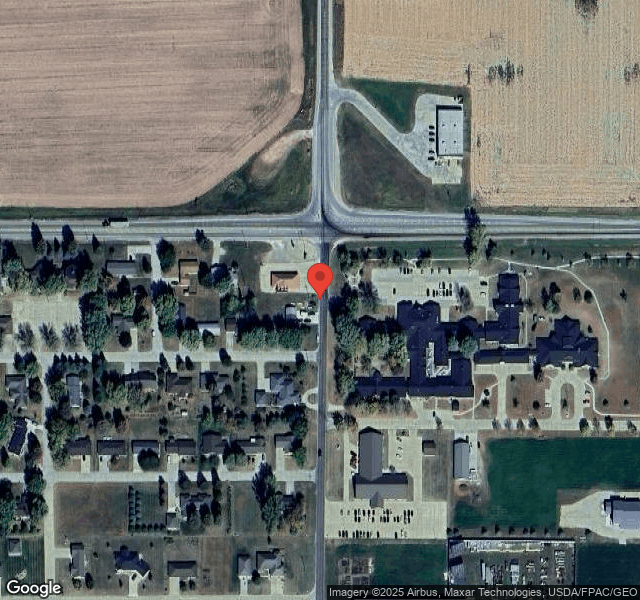

Prairie View Home

610 EASTERN STREET, SANBORN, IA 51248 (712) 930-3228
Non profit - Corporation 55 Beds Independent Data: November 2025
Trust Grade
95/100
#63 of 392 in IA
Last Inspection: July 2025

Inspected within the last 6 months. Data reflects current conditions.

Overview

Prairie View Home in Sanborn, Iowa, has received an impressive Trust Grade of A+, indicating it is an elite facility with exceptional care standards. It ranks #63 out of 392 nursing homes in Iowa, placing it in the top half of facilities in the state, and is the best option among the four homes in O'Brien County. While the facility has shown improvement, reducing reported issues from three in 2024 to none in 2025, there have been five concerns noted in recent inspections, including failures in establishing written policies for end-of-life care and not using proper transfer techniques, which led to a resident falling. Staffing is a strength, with a 4/5 star rating and only a 14% turnover, significantly lower than the state average, indicating a stable and knowledgeable team. Additionally, the facility has no fines on record, which is a positive sign for compliance with care regulations, and it boasts better RN coverage than 85% of other Iowa facilities, ensuring that critical health issues are more likely to be caught early.

Trust Score
A+
95/100
In Iowa
#63/392
Top 16%
Safety Record
Low Risk
No red flags
Inspections
Getting Better
3 → 0 violations
Staff Stability
✓ Good
14% annual turnover. Excellent stability, 34 points below Iowa's 48% average. Staff who stay learn residents' needs.
Penalties
✓ Good
No fines on record. Clean compliance history, better than most Iowa facilities.
Skilled Nurses
✓ Good
Each resident gets 49 minutes of Registered Nurse (RN) attention daily — more than average for Iowa. RNs are trained to catch health problems early.
Violations
✓ Good
Only 5 deficiencies on record. Cleaner than most facilities. Minor issues only.
★★★★★
5.0
Overall Rating
★★★★☆
4.0
Staff Levels
★★★★★
5.0
Care Quality
★★★★★
5.0
Inspection Score
Stable
2024: 3 issues
2025: 0 issues

The Good

  • 4-Star Staffing Rating · Above-average nurse staffing levels
  • 5-Star Quality Measures · Strong clinical quality outcomes
  • Low Staff Turnover (14%) · Staff stability means consistent care
  • Full Sprinkler Coverage · Fire safety systems throughout facility
  • No fines on record
  • Staff turnover is low (14%)

    34 points below Iowa average of 48%

Facility shows strength in staffing levels, quality measures, staff retention, fire safety.

The Bad

No Significant Concerns Identified

This facility shows no red flags. Among Iowa's 100 nursing homes, only 1% achieve this.

The Ugly 5 deficiencies on record

Aug 2024 3 deficiencies
CONCERN (D)

Potential for Harm - no one hurt, but risky conditions existed

Accident Prevention (Tag F0689)

Could have caused harm · This affected 1 resident

**NOTE- TERMS IN BRACKETS HAVE BEEN EDITED TO PROTECT CONFIDENTIALITY** Based on observation, interview and record review the facility failed to provide safe transfer techniques for 2 of 2 residents r...

Read full inspector narrative →
**NOTE- TERMS IN BRACKETS HAVE BEEN EDITED TO PROTECT CONFIDENTIALITY** Based on observation, interview and record review the facility failed to provide safe transfer techniques for 2 of 2 residents reviewed. Staff failed to use a gait belt when transferring Resident #6 from the whirlpool chair to the wheel chair. The resident became weak and fell to the floor. In an observation, Resident #21 was transferred from the wheel chair to the whirlpool chair without the use of a gait belt. The facility reported a census of 36 residents. Findings include: 1) According to the Minimum Data Set (MDS) dated [DATE], Resident #6 had a Brief Interview for Mental Status (BIMS) score of 12 (moderate cognitive deficits). The resident required substantial assistance with sit to stand, toilet transfers, and tub transfers. Her diagnoses included renal insufficiency and Alzheimer's Disease. The Care Plan updated on 6/17/24, showed Resident #6 had limitations in range of motion, and had the potential for injury related to osteoarthritis. Staff were to assist with transfers and walking, and to use the gait belt. A Nursing Note dated 6/7/24 at 9:00 AM, showed that Staff E, Registered Nurse (RN) was called to the whirlpool room after Resident #6 had fallen. The resident was on the floor and complained of right hip and thigh pain and she was unable to straighten her leg. She rated her pain an 8 out of 10. The resident had received scheduled pain medication at breakfast so the nurse was unable to give any additional pain medication. A Nursing Note dated 6/7/24 at 9:40 AM, showed that she left the facility by ambulance at 10:00 AM, and at 11:01 AM the hospital was sending her back to the facility. She had not sustained a fracture. Upon return the facility received orders for Physical Therapy and Occupational Therapy (PT/OT) and transfer with 2 staff. On 8/5/24 at 2:32 PM, Staff C, Certified Nurse Aid (CNA), said she was transferring Resident #6 from the shower to the wheel chair when the resident's legs gave out and she was lowered to the floor. Staff C said that she did not apply a gait belt around the resident before transferring. On 8/7/24 at 8:20 AM, Staff E, Registered Nurse (RN), said that the CNA called her into the shower room after the resident went down. She remembered the resident did not have a gait belt on. She called for an ambulance and the resident was in a lot of pain. On 8/7/24 at 12:40 PM the Administrator and the Director of Nursing (DON) acknowledged that Staff C knew better than to transfer the resident without the use of a gait belt, and the she had been disciplined. They said that the staff are educated on safe transferring on a regular basis. 2) According to the MDS dated [DATE], Resident #21 had a BIMS of 11 (moderate cognitive deficit). She required set up assistance with toileting hygiene and dressing and substantial assistance with bathing, and transferring in and out of tub/shower. Her diagnoses included heart failure, renal insufficiency, overactive bladder and shortness of breath. The Care Plan updated on 4/22/24, showed she had limited range of motion and had the potential for injury related to weakness, congestive heart failure, shortness of breath and osteoarthritis. The resident was to ambulate toward meals with the assist of one with wheel chair to follow. A Fall Risk Evaluation for Resident #21, dated 6/5/24 at 1:38 PM, showed a score of 13 (total score if greater than 10, indicated high fall risk). Nursing Notes included the following: On 7/31/24 at 8:20 AM, resident started on Mucinex for cough/congestion and reported feeling dizzy, lightheaded and was seeing things that were not there. The medication was discontinued. On 8/1/24 at 12:16 PM the resident experienced more fatigue. On 8/2/24 at 11:02 AM, she had Shortness of Breath (SOB), fatigued and did not want to do therapy. On 8/4/24 at 4:42 PM, she was improving, still experiencing SOB upon exertion. In an observation on 8/6/24 at 8:24 AM Resident #21 was wheeled into the whirlpool room by Staff B, CNA. The resident used her walker to lift herself up out of the wheel chair. She kept her head down and took small steps. Staff B did not apply a gait belt around the resident and grabbed onto the back of the resident's waistband to assist her into the whirlpool chair. On 8/8/24 at 8:08 AM, Resident #21 said that she was able to get herself to the bathroom and in and out of bed on her own. She said that there were times that she didn't feel safe on her feet and she will ask for help and that makes her feel safer, because she did not want to fall. She said that she does need help getting in and out of the whirlpool chair. On 8/7/24 at 12:40 PM, the DON said Resident #21 was independent and able to walk freely around in the facility so she did not feel that a gait belt was necessary. She said that the resident was able to ambulate down the hallways unassisted, and they did not have a policy on gait belt use, safe transferring techniques or on fall prevention. On 8/8/24 at 8:18 AM, Staff C and Staff F, CNA, said that they used a gait belt with every transfer. When asked about assisting residents that were considered independent, they were unsure and said it depends on their current status and if the resident had change in condition or was feeling weaker than normal. They were not aware of a policy on gait belt use. In a facility document titled: Quality Assurance Components indicated that fall protocols, policies and procedures would be in place.
CONCERN (D)

Potential for Harm - no one hurt, but risky conditions existed

Deficiency F0757 (Tag F0757)

Could have caused harm · This affected 1 resident

**NOTE- TERMS IN BRACKETS HAVE BEEN EDITED TO PROTECT CONFIDENTIALITY** Based on observation, interview and record review the facility failed to ensure that residents were free from unnecessary medica...

Read full inspector narrative →
**NOTE- TERMS IN BRACKETS HAVE BEEN EDITED TO PROTECT CONFIDENTIALITY** Based on observation, interview and record review the facility failed to ensure that residents were free from unnecessary medication for 1 of 6 reviewed. Resident #23 had an as needed (PRN) order for morphine dated October of 2022. The indications for use included; shortness of breath, comfort, end of life and restlessness. On 2/20/24, staff used the medication when Resident #23 had neck pain. The facility reported a census of 36 residents. Findings include: According to the Minimum Data Set (MDS) dated [DATE], Resident #23 had a Brief Interview for Mental Status (BIMS) of 10 (moderate cognitive ability). She was independent with sit to standing, toilet transfer and required set up assistance with toileting hygiene and upper body dressing. The resident received scheduled pain medication and had diagnoses that included anxiety disorder, depression, non-Alzheimer's Dementia and heart failure. The Care Plan updated 3/14/24, showed Resident #23 had the potential for alteration in sleep pattern related to pain, staff were instructed to use the scheduled medications and to update the physician if the medications were not working. The resident had numerous health concerns, pain, and negative complaints about neck pain. She had increased depression and was started on an antidepressant. The resident had alterations in comfort related to polyneuropathy, had a pain management program and was on comfort cares. According to a Comfort Cares document, dated 10/3/22 at 11:25 AM, Resident #23 and the family, requested comfort cares related to emphysema and Chronic Obstructive Pulmonary Disease (COPD). The request included no hospitalization, labs, or weights, and orders for as needed (PRN) comfort medications; Morphine sulfate concentrate 20 milligrams per milliliters (mg/ml) give 0.5 ml every hour PRN. The indications for the medication use included; shortness of breath, comfort, end of life and restlessness. The clinical chart lacked a reference to the ongoing PRN morphine in the Monthly Medication Review (MMR) pharmacist reports. On 8/6/24 at 6:18 AM, Staff D, Registered Nurse (RN) reviewed the facility narcotic logs. A Controlled Medication Utilization Record showed that Resident #23 had an active order for morphine sulfate 20mg/ml and the medication had been delivered to the facility on [DATE]. It was used on three separate dates: 3/25/23, 12/18/23 and 2/20/24. On 8/7/24 at 6:11 AM, Staff A, Licensed Practical Nurse (LPN) said that she worked on 2/20/24 when the resident was complaining of neck pain. She said Resident #23 was totally independent with her cares, and she had been working with Physical Therapy (PT) which caused her to have some increased pain. She had orders for bio freeze and scheduled Tylenol, but she also had an order for morphine that would use occasionally but she would have used a PRN Tylenol before giving the morphine. A review of the Medication Administration Record (MAR) showed that Resident #23 had an order for Tylenol 325 milligrams (mg) give 2 tablet every 6 hours as needed (PRN) for pain. The Tylenol was not used in the month of February. On 8/7/24 at 12:33 PM, the Director of Nursing (DON) said that they would keep morphine on hand as long as it didn't expire because of the cost to the resident, and the complications of getting new orders if a resident had a change in condition. She said that the residents were kept on the medications indefinitely as long as they were on the Comfort Cares program. She said that the resident had significant pain and the use of morphine at that time was appropriate. On 8/8/24 at 8:08 AM, Resident #23 was sitting the hallway reading a book. She said that she mostly had pain in her feet and she had medication for that, and it seemed to help. The resident did not know what the Comfort Cares program was and if it was a service that she was getting. According to the facility undated policy titled: Monthly Drug Regimen Review Policy, the pharmacist would report any irregularities to the attending physician and the report would be acted upon. Irregularities included but not limited to any drug that met the criteria for an unnecessary drug. An unnecessary drug was defined as any drug when used in excessive dose, for an excessive duration, without adequate monitoring, without adequate indications for its use, in the presence of adverse consequences which indicate the dose should be reduced or discontinued or combination of the above.
CONCERN (E)

Potential for Harm - no one hurt, but risky conditions existed

QAPI Program (Tag F0867)

Could have caused harm · This affected multiple residents

Based on observation, interview and review of the Quality Assurance Plan, the facility failed to establish written policies for resident care regarding the Comfort Care/End of Life program, or fall pr...

Read full inspector narrative →
Based on observation, interview and review of the Quality Assurance Plan, the facility failed to establish written policies for resident care regarding the Comfort Care/End of Life program, or fall prevention/safe transfer techniques. The facility reported a census of 36 residents. Findings include: 1) A review of the Resident Matrix found that the facility had 8 residents on the End of Life/Comfort Care/Palliative program. According to a Comfort Cares document, dated 10/3/22 at 11:25 AM, Resident #23 and the family, requested comfort cares related to emphysema and Chronic Obstructive Pulmonary Disease (COPD). The request included no hospitalization, labs, or weights, and orders for as needed (PRN) comfort medications; Morphine sulfate concentrate 20 milligrams per milliliters (mg/ml) give 0.5 ml every hour PRN. The indications for the medication use included; shortness of breath, comfort, end of life and restlessness. On 8/8/24 at 8:08 AM, Resident #23 was sitting the hallway reading a book. She did not remember the fall in the bathroom in February and she said that she mostly has pain in her feet and she has medication for that, it seems to help. She said that she can do most things for herself, very independent in her room and around the facility. The resident did not know what the Comfort Cares program was that she is on. A review of the Inter Disciplinary Team Meetings for Resident #23 revealed that the Comfort Care program was not addressed in the meetings. On 8/7/24 at 12:33 PM, the Director of Nursing (DON) said that they would keep morphine on hand as long as it didn't expire because of the cost to the resident, and the complications of getting new orders if a resident had a change in condition. She said that the residents were kept on the medications indefinitely as long as they were on the Comfort Cares program. She said that the resident had significant pain and the use of morphine at that time was appropriate. On 8/8/24 at 8:34 AM, the Administrator said the facility did not have a policy or guidelines for the Comfort Cares Program. 2) On 8/5/24 at 2:32 PM, Staff C, Certified Nurse Aid (CNA), said that she was transferring Resident #6 from the shower to the wheel chair when the resident's legs gave out and she was lowered to the floor. Staff C said that she did not apply a gait belt around the resident before transferring her. In an observation on 8/6/24 at 8:24 AM, Resident #21 was wheeled into the whirlpool room by Staff B, CNA. The resident used her walker to lift herself up out of the wheel chair. She kept her head down and took small steps. Staff B did not apply a gait belt around the resident and grabbed onto the back of the resident's waistband to assist her into the whirlpool chair. On 8/7/24 at 12:40 PM, The Director of Nursing (DON) and the Administrator said that they did not have a policy on gait belt use, fall prevention, or safe transferring techniques, but they educated the staff on these techniques in the annual staff meetings. According to the Quality Assessment and Assurance (QAA) Policy, the QAA committee would ensure that the best possible care and services were maintained for the residents. The team would evaluate the level of services by a systematic collection of data for the day to day care and would compare this evaluation with the results of previous evaluations. After this comparison would determine whether quality of care had been maintained or improved. In a facility document titled: Quality Assurance Components indicated that fall protocols, policies and procedures would be in place.
Nov 2023 2 deficiencies
CONCERN (D)

Potential for Harm - no one hurt, but risky conditions existed

Deficiency F0804 (Tag F0804)

Could have caused harm · This affected 1 resident

Based on review of the planned menu, observation, and staff interviews the facility failed to serve the proper amount of pureed foods to residents that required a pureed diet. The facility identified ...

Read full inspector narrative →
Based on review of the planned menu, observation, and staff interviews the facility failed to serve the proper amount of pureed foods to residents that required a pureed diet. The facility identified a census of 44 residents. Findings included: The facility's Week 1 menu identified the following items as part of the planned menu for the lunch meal on 11/15/23 for pureed diets: Roast beef Mashed potatoes Gravy Roasted Carrots Strawberry Shortcake Biscuit Bread and margarine Milk Observation on 11/15/23 at 10:36 PM, revealed Staff A, Cook, pureed 7 servings of roast beef, roasted carrots and biscuits. Staff A reported she planned to serve the roast beef and biscuits with a #8 size scoop. Observation on 11/15/23 from 11:15 AM to 12:09 PM, revealed Staff A filled the entire #8 scoop when serving roast beef and biscuits to the first 5 of 7 residents on the pureed diet. The last 2 residents on the pureed diet only received partial #8 scoops of roast beef and biscuits. Observation on 11/15/23 at 12:11 PM showed the pureed roast beef and biscuit pans empty of food. In an interview on 11/23/23 at 12:12 PM, Staff A reported the last two residents received partial portions of roast beef and biscuits because the pureed food ran out. Staff A stated, I should have made more. In an interview on 11/23/23 at 12:28 PM, the Dietary Manager (DM), reported if there isn ' t enough pureed food she expected staff to make additional servings. The DM stated, I prefer they make an extra serving to start with. In an interview on 11/23/23 at 12:48 PM, the Dietitian reported that she expected all residents on a pureed diet to receive a full portion of food. The Dietation added, especially a full serving of protein. On 11/123/23 at 1:08 PM, the Administrator reported the facility lacked a policy regarding portion sizes.
CONCERN (E)

Potential for Harm - no one hurt, but risky conditions existed

Food Safety (Tag F0812)

Could have caused harm · This affected multiple residents

Based on observations, staff interviews, and a professional dietician interview the facility failed to ensure food was prepared under sanitary conditions and failed to prevent cross contamination of f...

Read full inspector narrative →
Based on observations, staff interviews, and a professional dietician interview the facility failed to ensure food was prepared under sanitary conditions and failed to prevent cross contamination of food. The facility identified a census of 44 residents. Findings included: The facility's Week 1 menu identified the following items as part of the planned menu for the lunch meal on 11/15/23 for pureed diets: Roast beef Mashed potatoes Gravy Roasted Carrots Strawberry Shortcake Biscuit Bread and margarine Milk Observation on 11/15/23 from 11:15 AM to 12:09 PM, revealed Staff A, Cook, removed a tray of dish cups from the cupboard, placed the tray on the counter, then slid the tray to the back of the counter. Staff A used the same counter area to place and look through meal tickets. During meal service, Staff A used the same counter area to place scissors each time she cut food. Staff A also failed to prevent cross contamination of food by using the same pair of scissors to cut the shrimp tails from breaded shrimp, cut roast beef into bite size pieces and cut biscuits in half. After each action Staff A placed the scissors on the unsanitized counter area. In an interview on 11/23/23 at 12:12 PM, Staff A reported she realized during meal service the scissors were not placed on a sanitary surface. Staff A also reported that she should have used separate scissors for each food to prevent cross contamination. In an interview on 11/23/23 at 12:28 PM, the Dietary Manager (DM), reported she expected staff to use a sanitary area for food utensils during food service. The DM also reported she expected staff to use different scissors or cutting utensils on each food to prevent cross contamination of food. In an interview on 11/23/23 at 12:48 PM, the Dietitian reported she expected staff to use different scissors or cutting utensils on each food to prevent cross contamination of food. On 11/123/23 at 1:08 PM, the Administrator reported the facility lacked a policy regarding kitchen sanitation.
Understanding Severity Codes (click to expand)
Life-Threatening (Immediate Jeopardy)
J - Isolated K - Pattern L - Widespread
Actual Harm
G - Isolated H - Pattern I - Widespread
Potential for Harm
D - Isolated E - Pattern F - Widespread
No Harm (Minor)
A - Isolated B - Pattern C - Widespread

Questions to Ask on Your Visit

  • "Can I speak with families of current residents?"
  • "What's your RN coverage like on weekends and overnight?"

Our Honest Assessment

Strengths
  • • Grade A+ (95/100). Above average facility, better than most options in Iowa.
  • • No major safety red flags. No abuse findings, life-threatening violations, or SFF status.
  • • No fines on record. Clean compliance history, better than most Iowa facilities.
  • • Only 5 deficiencies on record. Cleaner than most facilities. Minor issues only.
Concerns
  • • No significant concerns identified. This facility shows no red flags across CMS ratings, staff turnover, or federal penalties.
Bottom line: Generally positive indicators. Standard due diligence and a personal visit recommended.

About This Facility

What is Prairie View Home's CMS Rating?

CMS assigns Prairie View Home an overall rating of 5 out of 5 stars, which is considered much above average nationally. Within Iowa, this rating places the facility higher than 99% of the state's 100 nursing homes. This rating reflects solid performance across the metrics CMS uses to evaluate nursing home quality.

How is Prairie View Home Staffed?

CMS rates Prairie View Home's staffing level at 4 out of 5 stars, which is above average compared to other nursing homes. Staff turnover is 14%, compared to the Iowa average of 46%. This relatively stable workforce can support continuity of care.

What Have Inspectors Found at Prairie View Home?

State health inspectors documented 5 deficiencies at Prairie View Home during 2023 to 2024. These included: 5 with potential for harm.

Who Owns and Operates Prairie View Home?

Prairie View Home is owned by a non-profit organization. Non-profit facilities reinvest revenue into operations rather than distributing to shareholders. The facility operates independently rather than as part of a larger chain. With 55 certified beds and approximately 43 residents (about 78% occupancy), it is a smaller facility located in SANBORN, Iowa.

How Does Prairie View Home Compare to Other Iowa Nursing Homes?

Compared to the 100 nursing homes in Iowa, Prairie View Home's overall rating (5 stars) is above the state average of 3.1, staff turnover (14%) is significantly lower than the state average of 46%, and health inspection rating (5 stars) is much above the national benchmark.

What Should Families Ask When Visiting Prairie View Home?

Based on this facility's data, families visiting should ask: "Can I visit during a mealtime to observe dining assistance and food quality?" "How do you handle medical emergencies, and what is your hospital transfer rate?" "Can I speak with family members of current residents about their experience?"

Is Prairie View Home Safe?

Based on CMS inspection data, Prairie View Home has a clean safety record: no substantiated abuse findings (meaning no confirmed cases of resident harm), no Immediate Jeopardy citations (the most serious violation level indicating risk of serious injury or death), and is not on the Special Focus Facility watch list (a federal program monitoring the lowest-performing 1% of nursing homes). The facility has a 5-star overall rating and ranks #1 of 100 nursing homes in Iowa. While no facility is perfect, families should still ask about staff-to-resident ratios and recent inspection results during their visit.

Do Nurses at Prairie View Home Stick Around?

Staff at Prairie View Home tend to stick around. With a turnover rate of 14%, the facility is 32 percentage points below the Iowa average of 46%. Low turnover is a positive sign. It means caregivers have time to learn each resident's needs, medications, and personal preferences. Consistent staff also notice subtle changes in a resident's condition more quickly. Registered Nurse turnover is also low at 11%, meaning experienced RNs are available to handle complex medical needs.

Was Prairie View Home Ever Fined?

Prairie View Home has no federal fines on record. CMS issues fines when nursing homes fail to meet care standards or don't correct problems found during inspections. The absence of fines suggests the facility has either maintained compliance or corrected any issues before penalties were assessed. This is a positive indicator, though families should still review recent inspection reports for the full picture.

Is Prairie View Home on Any Federal Watch List?

Prairie View Home is not on any federal watch list. The most significant is the Special Focus Facility (SFF) program, which identifies the bottom 1% of nursing homes nationally based on persistent, serious quality problems. Not being on this list means the facility has avoided the pattern of deficiencies that triggers enhanced federal oversight. This is a positive indicator, though families should still review the facility's inspection history directly.