Aspire of Sutherland
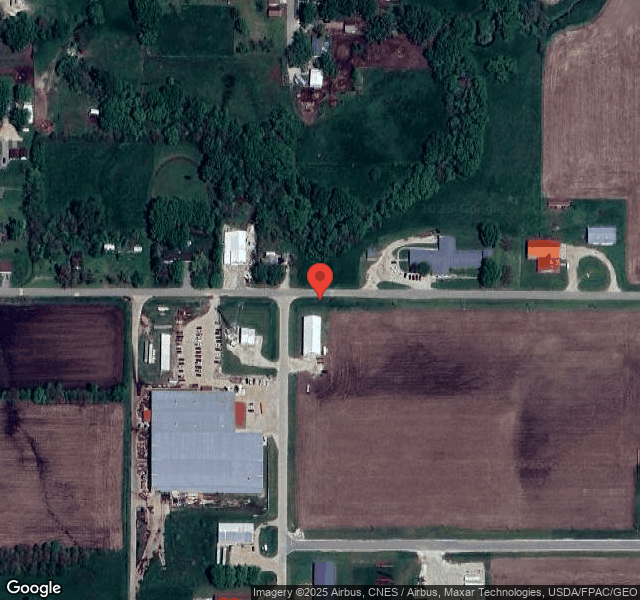
506 East Fourth Street, Sutherland, IA 51058 (712) 220-9241
For profit - Corporation 27 Beds BEACON HEALTH MANAGEMENT Data: November 2025 2 Immediate Jeopardy citations
Trust Grade
0/100
#326 of 392 in IA
Last Inspection: December 2024

Within standard 12-15 month inspection cycle. Federal law requires annual inspections.

Overview

Aspire of Sutherland has received a Trust Grade of F, indicating significant concerns about the quality of care provided. In Iowa, it ranks #326 out of 392 facilities, placing it in the bottom half overall, and is #3 out of 4 in O'Brien County, meaning only one local option is better. The facility is showing an improving trend, with issues decreasing from 24 in 2023 to 17 in 2024. Staffing is a relative strength with a rating of 4 out of 5 stars, but it has a concerning turnover rate of 72%, significantly higher than the Iowa average. However, the facility has faced serious issues, including incidents where a nurse did not ensure the protection of residents after an allegation of abuse, and a resident managed to leave the building unnoticed due to a deactivated door alarm. Additionally, there was a failure to address significant weight loss for a resident, highlighting both the strengths in staffing and serious weaknesses in care oversight. Overall, families should weigh these factors carefully when considering Aspire of Sutherland for their loved ones.

Trust Score
F
0/100
In Iowa
#326/392
Bottom 17%
Safety Record
High Risk
Review needed
Inspections
Getting Better
24 → 17 violations
Staff Stability
⚠ Watch
72% turnover. Very high, 24 points above average. Constant new faces learning your loved one's needs.
Penalties
○ Average
$40,736 in fines. Higher than 62% of Iowa facilities. Some compliance issues.
Skilled Nurses
✓ Good
Each resident gets 54 minutes of Registered Nurse (RN) attention daily — more than average for Iowa. RNs are trained to catch health problems early.
Violations
⚠ Watch
55 deficiencies on record. Higher than average. Multiple issues found across inspections.
★☆☆☆☆
1.0
Overall Rating
★★★★☆
4.0
Staff Levels
★☆☆☆☆
1.0
Care Quality
★☆☆☆☆
1.0
Inspection Score
Stable
2023: 24 issues
2024: 17 issues

The Good

  • 4-Star Staffing Rating · Above-average nurse staffing levels
  • Full Sprinkler Coverage · Fire safety systems throughout facility
  • No fines on record

Facility shows strength in staffing levels, fire safety.

The Bad

1-Star Overall Rating

Below Iowa average (3.0)

Significant quality concerns identified by CMS

Staff Turnover: 72%

26pts above Iowa avg (46%)

Frequent staff changes - ask about care continuity

Federal Fines: $40,736

Above median ($33,413)

Moderate penalties - review what triggered them

Chain: BEACON HEALTH MANAGEMENT

Part of a multi-facility chain

Ask about local staffing decisions and management

Staff turnover is very high (72%)

24 points above Iowa average of 48%

The Ugly 55 deficiencies on record

2 life-threatening 2 actual harm
Dec 2024 11 deficiencies
CONCERN (D)

Potential for Harm - no one hurt, but risky conditions existed

Comprehensive Care Plan (Tag F0656)

Could have caused harm · This affected 1 resident

**NOTE- TERMS IN BRACKETS HAVE BEEN EDITED TO PROTECT CONFIDENTIALITY** Based on clinical record review and staff interview the facility failed to revise and update care plans to include and address h...

Read full inspector narrative →
**NOTE- TERMS IN BRACKETS HAVE BEEN EDITED TO PROTECT CONFIDENTIALITY** Based on clinical record review and staff interview the facility failed to revise and update care plans to include and address high risk medications and side effects to watch for, failed to include dementia care, and update care plans with interventions after falls for 2 out of 12 sampled residents reviewed for comprehensive care plans (Resident #9 and #10). The facility reported a census of 21 residents. Findings include: 1. The Minimum Data Set (MDS) assessment dated [DATE] for Resident #9 documented diagnoses of amputation and Bipolar Disorder. The MDS showed the Brief Interview for Mental Status (BIMS) score of 15, indicating no cognitive impairment. Review of Order Summary Report dated 9/19/24 revealed an order for oxycodone-actaminophen (opioid medication) tablet with an order date of 8/2/24. Review of the undated current care plan lacked usage of opioid medication and side effects to watch for with opioid medication usage. 2. The MDS assessment dated [DATE] for Resident #10 documented the BIMS score of 9, indicating moderate cognitive impairment. Review of the MDS dated [DATE] revealed an active diagnosis of Non-Alzheimer's Dementia. Review of Resident #10's Incident Reports revealed Resident #10 had a fall on the following dates: 11/2/24 and 11/30/24. Review of the undated current care plan lacked information regarding dementia care and interventions put into place after falls on 11/2/24 and 11/30/24. Review of the facility provided policy titled Comprehensive Care Plans effective 08/24 revealed an individualized comprehensive person centered care plan that includes measurable objectives and time frames to meet the resident's medical, nursing, mental, cultural and psychological needs is developed for each resident. Interview on 12/3/24 at 2:26 p.m., with the Director of Nursing (DON) revealed side effects for high risk medication usage, dementia care and interventions after falls should all be on the care plans.
CONCERN (D)

Potential for Harm - no one hurt, but risky conditions existed

Deficiency F0744 (Tag F0744)

Could have caused harm · This affected 1 resident

**NOTE- TERMS IN BRACKETS HAVE BEEN EDITED TO PROTECT CONFIDENTIALITY** Based on clinical record review and staff interview the facility failed to address dementia care for 1 out of 1 residents review...

Read full inspector narrative →
**NOTE- TERMS IN BRACKETS HAVE BEEN EDITED TO PROTECT CONFIDENTIALITY** Based on clinical record review and staff interview the facility failed to address dementia care for 1 out of 1 residents reviewed (Resident #10). The facility reported a census of 21 residents. Findings include: The Minimum Data Set (MDS) assessment dated [DATE] for Resident #10 documented diagnoses of Non-Alzheimer's Dementia, anxiety disorder and Bipolar Disorder. The MDS showed the Brief Interview for Mental Status (BIMS) score of 9, indicating moderate cognitive impairment. Review of Resident #10's active diagnosis list revealed the following diagnoses of: a. Cognitive Communication Deficit with a created date of 5/29/24. b. Vascular Dementia, unspecified severity, with other behavioral disturbance with a created date of 11/2/22. Review of the MDS dated [DATE] revealed an active diagnosis of Non-Alzheimer's Dementia. Review of the current Care Plan undated lacked information regarding dementia care. Interview on 12/04/24 at 3:22 p.m., with the Director of Nursing revealed the facility should have addressed dementia on the care plan.
CONCERN (D)

Potential for Harm - no one hurt, but risky conditions existed

Medication Errors (Tag F0758)

Could have caused harm · This affected 1 resident

**NOTE- TERMS IN BRACKETS HAVE BEEN EDITED TO PROTECT CONFIDENTIALITY** Based on clinical record review, staff interviews, and policy review the facility failed to implement gradual dose reductions (G...

Read full inspector narrative →
**NOTE- TERMS IN BRACKETS HAVE BEEN EDITED TO PROTECT CONFIDENTIALITY** Based on clinical record review, staff interviews, and policy review the facility failed to implement gradual dose reductions (GDR) instead continued psychotropic medications without review and failed to ensure as needed (PRN) orders for psychotropic medications did not exceed 14 days without physician review to 3 of 5 residents reviewed (Residents #4, #10, and #14). The facility reported a census of 19 residents. Findings include: 1. Review of Resident #4's Minimum Data Set (MDS) dated [DATE] revealed a Brief Interview for Mental Status (BIMS) score of 15 indicating intact cognition. The MDS further revealed diagnoses of anxiety, depression, and schizophrenia. Review of Resident #4's Electronic Health Record (EHR) page titled, Physician's Orders revealed orders for Paxil (Antidepressant) oral tablet 10mg one time daily with a start date of 10/18/23, Oxcarbazepine oral tablet 300mg give one tablet three times daily related to paranoid schizophrenia with a start date of 4/3/23, Olanzapine (antipsychotic) 15mg oral tablet give ½ tablet twice daily with a start date of 4/3/23, and Buspirone (Antianxiety) 5mg tablet give 1 tablet twice daily with a start date of 4/3/23. 2. Review of Resident #14's MDS dated [DATE] revealed the BIMS should not be completed as the resident is rarely/never understood. The MDS further revealed diagnoses of renal insufficiency, Alzheimer's disease, and non-Alzheimer's dementia. Review of Resident #14's EHR page titled, Physician's Orders revealed an order for Lorazepam (antianxiety) oral concentrate 2mg/ml give 0.25ml by mouth every 4 hours as needed for anxiety/restlessness with a start date of 8/16/24 with no end date noted. Review of Resident #4 Medication Administration Records (MARs) for the months of August, September, October, and November of this year revealed that Resident #4 received Lorazepam as necessary 5 times in the month of September, 4 times in the month of October, and 1 time in the month of November. 3. The MDS assessment dated [DATE] for Resident #10 documented diagnoses of Non-Alzheimer's Dementia, anxiety disorder and Bipolar Disorder. The MDS showed the BIMS score of 9, indicating moderate cognitive impairment. Review of Order Summary Report dated 9/19/24 revealed an order for Nefazodone (antidepressant medication) tablet twice a day with a start date of 11/28/23. Review of facility provided document titled Consultation Report dated 8/16/24 revealed Resident #10 received the following psychotropic medication Nefazadone twice a day lacking documentation of acknowledgement of evaluation for the lowest possible dose. Review of facility provided policy titled Tapering Medications and Gradual Drug Dose Reduction effective 10/24 revealed the following information: a. Periodically, the staff, practitioner and/or the Consultant Pharmacist will review the continued relevance of each resident's medications. b. Residents who use antipsychotic drugs shall receive gradual dose reductions, unless clinically contraindicated, per established state and federal guidelines. Pertinent behavioral interventions will also be attempted. (Behavioral interventions refer to non-pharmacological attempts to influence an individual's behavior, including environmental alterations and staff approaches to care.) c. Pertinent state and federal guidelines are as follows: Within the first year after a resident is admitted on an antipsychotic medication or after the resident has been started on an antipsychotic medication, the staff and practitioner shall attempt a GDR in two separate quarters (with at least one month between the attempts), unless clinically contraindicated.After the first year, the facility shall attempt a GDR at least annually, unless clinically contraindicated. Interview on 12/03/24 at 1:16 p.m., with the Director of Nursing (DON) revealed she is aware the GDR's have not been completed and has not been able to address them as there are other issues that needed to be addressed first. The DON continued she is working with the pharmacy and they are working with them to get all resident's GDR's addressed.
CONCERN (D)

Potential for Harm - no one hurt, but risky conditions existed

Deficiency F0804 (Tag F0804)

Could have caused harm · This affected 1 resident

Based on observations, facility record review and resident and staff interviews the facility failed to ensure proper temperatures for foods served to residents. The facility reported a census of 21 re...

Read full inspector narrative →
Based on observations, facility record review and resident and staff interviews the facility failed to ensure proper temperatures for foods served to residents. The facility reported a census of 21 residents. Finding Include: During an ongoing observation on 12/04/24 starting at 11:23 a.m., revealed during the puree process the Dietary Manager (DM) pureed a serving of broccoli. The DM added cold milk to the broccoli to puree the broccoli. After the puree process was completed the DM placed the broccoli into a bowl and placed it into the microwave for 15 seconds. The DM stirred the broccoli and placed the bowl of pureed broccoli onto the tray to be served. The dining room staff picked up the tray to serve to the resident when the surveyor asked the DM to check the temperature. The DM checked the temperature of 123.6 degrees Fahrenheit (F). The DM revealed the puree broccoli was not hot enough to serve and reheated to safe temperature and then served to the resident. Review of the facility provided policy titled Food Preparation and Service effective 10/24 revealed mechanically altered hot foods prepared for a modified consistency diet must stay above 135°F during preparation or they must be reheated to 165°F for <1 second (instantaneous). Interview on 12/04/24 at 1:13 p.m., with the Administrator revealed she expected all foods from the kitchen to be served at safe and appropriate temperatures.
CONCERN (D) 📢 Someone Reported This

A family member, employee, or ombudsman was alarmed enough to file a formal complaint

Potential for Harm - no one hurt, but risky conditions existed

Deficiency F0943 (Tag F0943)

Could have caused harm · This affected 1 resident

Based on personnel file reviews, facility policy review and staff interview the facility failed to provide dependent adult abuse training within 6 months of hire for 1 of 5 employees reviewed (Staff A...

Read full inspector narrative →
Based on personnel file reviews, facility policy review and staff interview the facility failed to provide dependent adult abuse training within 6 months of hire for 1 of 5 employees reviewed (Staff A ). The facility identified a census of 19 residents. Findings include: The personnel file for Staff A, Certified Nursing Assistant (CNA) documented a hire date of 3/25/24. Review of Staff A's personnel file lacked dependent adult abuse training within 6 months of hire date. The Freedom of Abuse, Neglect and Exploration policy dated 9/20/24 failed to define that within six months of hire each employee shall be required to complete an initial 2-hour training course provided by the Iowa Department of Human Services relating to the identification and reporting of dependent adult abuse. In an interview on 12/04/24 at 2:24 PM, the Administrator reported the facility continued to refine policies as changes in the organization recently occurred. The Administrator revealed no documentation found in Staff A's employee file regarding dependent adult abuse training.
CONCERN (E) 📢 Someone Reported This

A family member, employee, or ombudsman was alarmed enough to file a formal complaint

Potential for Harm - no one hurt, but risky conditions existed

Safe Environment (Tag F0584)

Could have caused harm · This affected multiple residents

Based on observations, staff interviews and policy review the facility failed to provide a homelike environment for all the residents by not removing serving trays during meal service. The facility re...

Read full inspector narrative →
Based on observations, staff interviews and policy review the facility failed to provide a homelike environment for all the residents by not removing serving trays during meal service. The facility reported a census of 21. Findings include: During an ongoing observation on 12/04/24 starting at 11:23 a.m., revealed staff serving residents in the dining room. The Dietary Manager plated the meal and placed drinks and silverware on a plastic tray. Staff took the meal tray and placed the meal tray on the table in front of the resident and left the table. When residents were finished eating, the staff removed the tray with the dishes on and returned to the kitchen. Review of facility provided policy titled Safe, Clean, Comfortable Homelike Environment with effective date 10/2024 revealed the facility staff and management shall minimize, to the extent possible, the characteristics of the facility that reflect a depersonalized, institutional setting. Interview on 12/04/24 at 1:13 p.m., with the Administrator revealed she expected staff to take the plate off of the tray and set the plate on the table for the residents to eat their meals.
CONCERN (E)

Potential for Harm - no one hurt, but risky conditions existed

Deficiency F0625 (Tag F0625)

Could have caused harm · This affected multiple residents

**NOTE- TERMS IN BRACKETS HAVE BEEN EDITED TO PROTECT CONFIDENTIALITY** Based on clinical record review, staff interview, and policy review the facility failed to properly obtain a bed hold prior to h...

Read full inspector narrative →
**NOTE- TERMS IN BRACKETS HAVE BEEN EDITED TO PROTECT CONFIDENTIALITY** Based on clinical record review, staff interview, and policy review the facility failed to properly obtain a bed hold prior to hospitalization, and failed to fill in the daily rate for 4 of 4 residents (Resident #2, #5, #7, #10) reviewed. The facility reported a census of 19 residents. Findings include: 1. Review of Resident #2's Minimum Data Set (MDS) dated [DATE] revealed a Brief Interview for Mental Status (BIMS) score of 15 indicating intact cognition. The MDS further revealed an admission date from an acute hospital stay. Review of Resident #2's Electronic Health Record (EHR) page titled, Progress Notes revealed documentation that Resident #2 was in the hospital from [DATE] through 4/4/24. Review of a facility provided document titled, Bed-holding agreement dated 3/31/24 revealed a verbal order to sign for the Power of Attorney (POA). This document further revealed there was no daily rate for the bed hold on the document. 2. Review of Resident #5's MDS dated [DATE] revealed a BIMS score of 15 indicating intact cognition. The MDS further revealed a recent admission back into the facility on [DATE] from an acute hospital stay. Review of Resident #5's EHR page titled, Progress Notes revealed Resident #5 was in the hospital from [DATE] through 10/28/24 with a diagnosis of pneumonia. Review of Resident #5's bed hold document revealed that there was no bed hold to review. Interview 12/03/24 at 3:10 PM with the Administrator revealed that Resident #5's family does not want to hold the bed when the resident is sent out. The Administrator further revealed that there was no declination of bed hold signed by the family. 3. Review of Resident #7's MDS dated [DATE] revealed a BIMS score of 14 indicating intact cognition. The MDS further revealed that Resident #7 had a recent admission into the facility on 9/9/24 from an acute hospital stay. Review of Resident #7's EHR page title, Progress Notes revealed Resident #7 was in the hospital from [DATE] through 9/9/24 with a diagnosis of pneumonia. Review of Resident #7 s bed hold document revealed that there was no bed hold document to review from this hospitalization. 4. The MDS assessment dated [DATE] for Resident #10 documented diagnoses of hypertension, anxiety disorder and Bipolar Disorder. The MDS showed the Brief Interview for Mental Status (BIMS) score of 9, indicating moderate cognitive impairment. Review of Resident #10's Census tab revealed the following information: a. On 2/18/24- hospital unpaid leave b. On 2/21/24- active Review of Progress Notes revealed the following: a. On 2/18/24 at 5:34 a.m., Resident sent to the local hospital emergency room via ambulance. b. On 2/18/24 at 1:36 p.m., Resident admitted to the local hospital for pneumonia. c. On 2/21/24 at 2:47 p.m., Resident returned to the facility at approximately 12:30 p.m. via ambulance. The facility lacked a bed hold for 2/18/24 hospitalization. Review of facility provided policy titled Bed Hold Notice effective 6/2024 revealed when emergency transfers are necessary, the facility will provide the resident and the resident representative with information concerning our bed-hold policy per state law as applicable. Interview on 12/03/24 at 3:08 p.m., with the Administrator revealed she expects everyone to have a bed hold signed if they go to the hospital and filled out completely.
CONCERN (E)

Potential for Harm - no one hurt, but risky conditions existed

Quality of Care (Tag F0684)

Could have caused harm · This affected multiple residents

**NOTE- TERMS IN BRACKETS HAVE BEEN EDITED TO PROTECT CONFIDENTIALITY** 2. Review of Resident #4's MDS dated [DATE] revealed diagnosis of hyponatremia. The MDS further revealed a BIMS score of 15 indi...

Read full inspector narrative →
**NOTE- TERMS IN BRACKETS HAVE BEEN EDITED TO PROTECT CONFIDENTIALITY** 2. Review of Resident #4's MDS dated [DATE] revealed diagnosis of hyponatremia. The MDS further revealed a BIMS score of 15 indicating intact cognition. Review of Resident #4's Physician Order Summary with a signed date of 11/3/24 revealed an order for sodium chloride tablet 1 GM give 1 tablet three times a day related to hypo-osmality and hyponatremia. Review of the Medication Administration Records (MARs) for the months of November, and December 2024 revealed that the sodium chloride has been unavailable from 11/21/24 noon dosage through 12/4/24 noon dosage. Review of Resident #4's Progress Notes further revealed multiple documentation entries that sodium chloride was unavailable related to not being in stock and that the Director of Nursing (DON) is aware. The Progress Notes further showed no documentation that the physician was notified that the sodium chloride was unavailable. Interview 12/04/24 at 3:50 PM with the DON and Administrator revealed that medications should be ordered, and at the facility for them to be given to the residents as the doctor orders. 3. The MDS assessment dated [DATE] for Resident #10 documented diagnoses of Non-Alzheimer's Dementia, anxiety disorder and Bipolar Disorder. The MDS showed the BIMS score of 9, indicating moderate cognitive impairment. Review of the facility provided document titled Order Summary Report signed by the physician 11/12/24 revealed the following order: Allegra Allergy tablet Review of Resident #10's Progress Notes revealed the following: a. On 11/30/24 at 8:01 a.m., Allegra Allergy tablet give 1 tablet by mouth one time a day for itching- medication not available. b. On 12/1/24 at 7:06 a.m., Allegra Allergy tablet give 1 tablet by mouth one time a day for itching- medication not available, Director of Nursing (DON) aware. c. On 12/2/24 at 9:37 a.m., Allegra Allergy tablet give 1 tablet by mouth one time a day for itching- medication not available, DON aware. d. On 12/3/24 at 8:10 a.m., Allegra Allergy tablet give 1 tablet by mouth one time a day for itching-not in stock. e. On 12/4/24 at 7:11 a.m., Allegra Allergy tablet give 1 tablet by mouth one time a day for itching- medication not in stock. Review of Resident #10's Electronic Health Records (EHR) failed to indicate physician notification for omitted administrations of Allegra Allergy on 11/30/24-12/4/24. 4. The MDS assessment dated [DATE] for Resident #13's documented diagnoses of Non-Alzheimer's Dementia, anxiety disorder and Bipolar Disorder. The MDS showed the BIMS score of 9, indicating moderate cognitive impairment. Review of the facility provided document titled Order Summary Report signed by the physician undated revealed the following orders: a. Divalproex Sodium tablet b. Quetiaptine fumarate tablet c. Scopolamine transdermal patch d. Sertaline tablet Review of Resident #13's Progress Notes revealed the following: a. On 11/1/24 at 6:03 p.m., Divalporex sodium tablet- medication not available. b. On 11/4/24 at 7:11 a.m., Divalporex sodium tablet- medication not available. c. On 11/4/24 at 6:12 p.m., Divalporex sodium tablet- medication not available. d. On 11/7/24 at 5:49 p.m., Divalporex sodium tablet- medication not available. e. On 11/7/24 at 5:51 p.m., Sertraline tablet- not available. f. On 11/11/24 at 12:00 p.m., scopolamine transdermal patch- medication not available. g. On 11/26/24 at 12:31 p.m., scopolamine transdermal patch- not available. h. On 11/29/24 at 11:34 a.m., scopolamine transdermal patch- not in stock. i. On 12/3/24 at 4:38 p.m., quetiapine fumarate tablet- do not have. j. On 12/3/24 at 4:38 p.m., sertraline tablet- do not have. Review of Resident #13's EHR failed to indicate physician notification for omitted medications on 11/1/24, 11/4/24, 11/7/24, 11/11/24, 11/26/24, 11/29/24 and 12/3/24. Review of facility provided policy titled Medication Orders and Receipt Record effective 10/24 revealed the following: The Director of Nursing Services will designate individuals to be responsible for completing medication order/receipt forms. Medications should be ordered in advance, based on the dispensing pharmacy's required lead time. Interview on 12/4/24 with the Administrator and Director of Nursing revealed the medications should be ordered and at the facility for them to be given to the residents as the doctor orders. Based on observation, clinical record review, resident and staff interviews, the facility failed to appropriately provide prescribed medications as necessary care and services, to maintain the residents' highest practical physical well- being. Clinical record review revealed the nursing staff failed to administer medications as ordered and notify the physician of omitted doses for 4 of 4 residents reviewed (Resident #4, #10, #13 #21). The facility reported a census of 19 residents. Findings included: 1. The Minimum Data Set (MDS) assessment for Resident #21 dated 10/30/24 indicated diagnoses of paranoid schizophrenia and dementia. The MDS showed a Brief Interview for Mental Status (BIMS) score of 8 which indicated moderate cognitive impairment. The Clinical Physician's Orders dated 4/22/24 for Resident #21 showed: a. clozapine 50 milligram (mg) tablet 1.5 tabs tablets (75mg) by mouth in the morning for schizophrenia b. clozapine 100mg tablet give 100mg by mouth one time a day for schizophrenia. The Progress Note dated 10/25/24 at 10:57 PM for Resident #21 clozapine 100 mg for schizophrenia not available. The Progress Note dated 10/27/24 at 8:29 AM for Resident #21 clozapine 75 mg for schizophrenia not available. The October 2024 Medication Administration Record (MAR) for Resident #21 showed: a. clozapine 100 mg not administered on 10/25/24, b. clozapine 75 mg not administered on 10/26/24 and 10/27/24. Review of Resident #21's electronic health records failed to indicate physician notification for omitted administrations of clozapine on 10/25/24, 10/26/24 and 10/27/24. In an interview on 12/04/24 at 2:24 PM, the Administrator reported she expected staff to manage medications to avoid missed doses and physician notification should have occurred for the omitted doses of clozapine.
CONCERN (E) 📢 Someone Reported This

A family member, employee, or ombudsman was alarmed enough to file a formal complaint

Potential for Harm - no one hurt, but risky conditions existed

Deficiency F0725 (Tag F0725)

Could have caused harm · This affected multiple residents

**NOTE- TERMS IN BRACKETS HAVE BEEN EDITED TO PROTECT CONFIDENTIALITY** Based on document review, staff interview, and policy review the facility failed to have licensed nursing coverage 24 hours a da...

Read full inspector narrative →
**NOTE- TERMS IN BRACKETS HAVE BEEN EDITED TO PROTECT CONFIDENTIALITY** Based on document review, staff interview, and policy review the facility failed to have licensed nursing coverage 24 hours a day. The facility reported a census of 19 residents. Findings include: Review of a document titled, Payroll Based Journal Staffing Data Report with a run date of 11/26/24 revealed that during the fiscal year 3rd quarter (April 1st through June 30th) that there was no licensed nursing coverage April 7th, 18th, 23rd, May 7th, 8th, 9th, 12th, 13th, 14th,17th, June 1st, and 18th of 2024. Interview 12/04/24 at 1:39 PM with the Administrator revealed that she could not locate the schedules for April, May, and June of this year. The Administrator then revealed her expectation would be for nursing staff to be scheduled 24/7. Review of a facility provided document titled, Facility assessment dated [DATE] revealed there should be 1 Director of Nursing (DON) Registered Nurse (RN) full time on day shift and that the facility will have 1 RN or 1 Licensed Practical Nurse (LPN) for each shift. This document further revealed that the facility runs 12 hour shifts so there would be 2 nurses per day not counting the DON.
CONCERN (E)

Potential for Harm - no one hurt, but risky conditions existed

Menu Adequacy (Tag F0803)

Could have caused harm · This affected multiple residents

Based on review of the planned menu, observations, staff interviews and facility policy review the facility staff failed to follow the planned menu for residents. The facility identified a census of 2...

Read full inspector narrative →
Based on review of the planned menu, observations, staff interviews and facility policy review the facility staff failed to follow the planned menu for residents. The facility identified a census of 21 residents. Findings include: Review of the menu for Week 1 Day 4 identified the following items as part of the planned menu for the lunch meal on 12/04/24: Lasagna Seasoned Broccoli Wheat Roll Margarine Strawberries and Bananas Observation on 12/04/24 at 11:23 a.m., the lunch meal consisted of: Lasagna Broccoli Applesauce Interview with Dietary Manager after meal service was completed revealed she does not get prior approval from anyone for making substitutions to the menu. Review of facility provided policy titled Menus with effective date of 10/2024 revealed the community menus will meet the nutritional needs of the residents in accordance with established national guidelines, and will be: prepared in advance and be followed. Deviations from menus that have already been posted will be noted (including the reason for the substitution and/or deviation) in the kitchen and/or in the record book used solely for recording such changes. Interview on 12/04/24 at 1:13 p.m., with the Administrator revealed the menus should be followed and the Dietary Manager should be getting approval from the dietitian prior to making changes on the menu.
CONCERN (E)

Potential for Harm - no one hurt, but risky conditions existed

Food Safety (Tag F0812)

Could have caused harm · This affected multiple residents

Based on observations, staff interviews, and facility policy reviews the facility failed to ensure food was stored and prepared under sanitary conditions and staff entering the kitchen wear protective...

Read full inspector narrative →
Based on observations, staff interviews, and facility policy reviews the facility failed to ensure food was stored and prepared under sanitary conditions and staff entering the kitchen wear protective hair coverings. The facility identified a census of 21 residents. Findings include: During an ongoing observation on 12/04/24 starting at 11:23 a.m., revealed the Dietary Manager (DM) entered the kitchen. The DM did not perform hand hygiene after entering the kitchen or prior to applying a pair of gloves. The DM with gloves on opened the refrigerator door and closed the door, grabbed a water pitcher and exited the kitchen with gloves on and with uncovered water pitcher. The DM returned to the kitchen with soiled gloves on with the water pitcher uncovered full of ice. The DM with soiled gloves on poured the ice into glasses and picked up the ice cubes with the soiled gloves. The DM then exited the kitchen wearing the soiled gloves and water pitcher and returned to the kitchen with the water pitcher uncovered and full of ice. The DM finished filling the cups with ice and using soiled gloved hands to place ice into the glass. The DM then removed gloves and reapplied gloves without performing hand hygiene. The DM continued to meal service and changed gloves and did not perform hand hygiene during meal service. The DM finished meal service and exited the kitchen area. Review of facility provided policy titled Food Preparation and Service effective 10/24 revealed food service staff, including nursing services personnel, will wash their hands before serving food to residents. Employees also will wash their hands after collecting soiled plates and food waste prior to handling food trays. Food service employees shall prepare and serve food in a manner that complies with safe food handling practices. Interview on 12/04/24 at 1:13 p.m., with the Administrator revealed the DM should have washed her hands when she came into the kitchen and should have washed her hands while she was serving and changing gloves.
Aug 2024 4 deficiencies 1 IJ (1 affecting multiple)
CRITICAL (K) 📢 Someone Reported This

A family member, employee, or ombudsman was alarmed enough to file a formal complaint

Immediate Jeopardy (IJ) - the most serious Medicare violation

Investigate Abuse (Tag F0610)

Someone could have died · This affected multiple residents

**NOTE- TERMS IN BRACKETS HAVE BEEN EDITED TO PROTECT CONFIDENTIALITY** Based on clinical record review, facility investigation review, staff and resident interviews, and facility policy review the fa...

Read full inspector narrative →
**NOTE- TERMS IN BRACKETS HAVE BEEN EDITED TO PROTECT CONFIDENTIALITY** Based on clinical record review, facility investigation review, staff and resident interviews, and facility policy review the facility failed to ensure residents were protected from further potential abuse after receiving an allegation of abuse. On 7/11/24, the nurse learned of a Certified Nurse Aide (CNA) slapping Resident #2 on the hands. After learning of this allegation of abuse, the facility allowed the CNA to finish working the scheduled shift and to continue to work unattended behind closed doors with other residents. This failure resulted in residents living at the facility to be exposed to the potential of abuse therefore causing an Immediate Jeopardy to the health, safety, and security of the resident. The State Agency informed the facility of the Immediate Jeopardy (IJ) that began as of July 11, 2024 on August 4, 2024 at 2:32 p.m The facility staff removed the IJ on August 4, 2024 through the following actions: a. All staff were educated on reporting of allegations of abuse to the Administrator and Director of Nursing (DON) immediately on August 4th, 2024. b. All Staff were educated on types of abuse and the protection of residents on August 4, 2024. c. Education was provided to the CNA who knew about the potential allegations of abuse, who did not report the situation to the Administrator and/or DON. d. The CNA who is alleged to have slapped the resident on the hand has been suspended on August 4th, 2024 pending a comprehensive investigation. e. Administrator or Designee will audit weekly, three residents on if there are any concerns regarding allegations of abuse. This will continue for four weeks and be brought to the QAPI meeting. e. Ad hoc QAPI meeting will be held and reviewed on August 5th, 2024. f. The Medical Director was notified of the event on August 4th, 2024. The scope lowered from a K to E at the time of the survey after ensuring the facility implemented education and their policy and procedures. The facility identified a census of 21 residents. Findings include: The Minimum Data Set (MDS) assessment dated [DATE] for Resident #2 documented diagnoses of Bipolar disorder, hypertension and diabetes mellitus. The MDS showed the Brief Interview for Mental Status (BIMS) score of 15, indicating no cognitive impairment. Review of the facility Incident Report dated 7/12/24 at 12:06 p.m., revealed incident description Resident #2 stated that Staff C, CNA slapped her on the hands when she asked for a pop. Review of Resident #2 ' s Progress Notes revealed on 7/12/24 at 12:10 p.m., Resident stated Staff C, CNA slapped her on the hands when she asked her for a pop. Interview on 8/2/24 at 3:18 p.m., with Staff D, Licensed Practical Nurse (LPN) revealed she came in after the incident occurred on 7/11/24. Staff D had received report from the nurse leaving and heard about what Resident #2 had reported. Staff D asked Resident #2 what happened and Resident #2 revealed Staff C had slapped her hand. Staff D went down later in her shift and noted Staff C was in Resident 2 ' s room assisting her. Staff D told Staff C she was not supposed to be assisting Resident #2 and asked her to leave Resident #2 ' s room. Interview on 8/2/24 at 4:49 p.m., with the Administrator revealed when he came into work the morning of 7/12/24 the staff told him what Resident #2 had reported to Staff E, CNA that Staff C had slapped her on the hands when she asked for another pop. The Administrator continued after he found out, he went and talked to Resident #2. Resident #2 told him she thought Staff C was mad at her for asking for another pop and Staff C slapped Resident #2 on the hands. Interview on 8/2/24 at 5:07 p.m., with the Director of Nursing (DON) revealed she was told by another staff member on 7/12/24 Resident #2 told her Staff C slapped her hands. She proceeded to go and talk to Resident #2. Resident #2 revealed she had asked Staff C to get her another pop and Staff C said no and slapped Resident #2 on her hand. Interview on 8/4/24 at 9:32 a.m., with Staff E, CNA revealed she was assisting Resident #2 at approximately 6:30 a.m. on 7/12/24, with getting up and Resident #2 told her that Staff C had slapped her hand. Staff E reported to Staff F, LPN. Interview on 8/4/24 at 12:38 p.m., with Staff F revealed she was working on the morning of 7/12/24 when Staff E reported to her Resident #2 revealed Staff C had slapped her hands. Staff F went in and talked to Resident #2 and asked her about the situation. Staff F revealed Resident #2 stated it was during suppertime the night before when Staff C slapped her hands. Staff F couldn ' t remember what time she reported it to the DON but knows Staff E reported it to her and it was early. She did not call the DON right away but told her in person when she arrived at the facility. Review of Staff C ' s time sheet revealed the following information: 7/11/24 punched in at 3:35 p.m. and punched out at 10:15 p.m., for a shift total of 6.5 hours worked. Review of the facility provided policy titled Freedom of Abuse, Neglect and exploitation; Abuse Prevention: Fast Alerts dated August 2022 revealed the following: a. If a staff member is accused of abuse by a resident, family member or another staff person, that staff member is suspended pending investigation. If it is determined the allegation is unsubstantiated through investigation, then the staff member is brought back to work and educated as to prevention, identification, reporting of abuse and allowed to continue to work. b. Nursing staff Duties i. An incident of an abuse event must be reported to the charge nurse who will examine the resident, document findings and incident report in the clinical record and immediately initiate the investigation protocol. ii. The administrative or nursing supervisor assumes responsibility for immediate notification of the Administrator and the Director of Nursing by phone if necessary, and also notification of the appropriate department head, family, responsible party, and Regional Nurse Consultant. iii. Nursing is to document the resident ' s physical and emotional status every shift for 72 hours following the incident and ensure resident safety. Interview on 8/2/24 at 5:07 p.m., with the DON revealed she expected the first step in an allegation like this is to first separate and make sure the resident is safe. If the allegation is of alleged perpetrator being a staff member then to get that staff member off of the floor and then start the investigation. The staff member should not have been allowed to finish their shift.
CONCERN (D) 📢 Someone Reported This

A family member, employee, or ombudsman was alarmed enough to file a formal complaint

Potential for Harm - no one hurt, but risky conditions existed

Free from Abuse/Neglect (Tag F0600)

Could have caused harm · This affected 1 resident

**NOTE- TERMS IN BRACKETS HAVE BEEN EDITED TO PROTECT CONFIDENTIALITY** Based on clinical record review, facility record review, staff interviews and facility policy the facility failed to appropriate...

Read full inspector narrative →
**NOTE- TERMS IN BRACKETS HAVE BEEN EDITED TO PROTECT CONFIDENTIALITY** Based on clinical record review, facility record review, staff interviews and facility policy the facility failed to appropriately implement interventions to protect 1 out of 3 residents reviewed from physical abuse, (Resident #2). The facility reported a census of 21 residents. Findings include: The Minimum Data Set (MDS) assessment dated [DATE] for Resident #2 documented diagnoses of Bipolar disorder, hypertension and diabetes mellitus. The MDS showed the Brief Interview for Mental Status (BIMS) score of 15, indicating no cognitive impairment. Review of the facility Incident Report dated 7/12/24 at 12:06 p.m., revealed incident description Resident #2 stated that Staff C, Certified Nursing Assistant (CNA) slapped her on the hands when she asked for a pop. Review of Resident #2 ' s Progress Notes revealed on 7/12/24 at 12:10 p.m., Resident stated that Staff C, CNA slapped her on the hands when she asked her for a pop. Interview on 8/4/24 at 10:17 a.m., with Resident #2 revealed she had asked Staff C for another pop and Staff C said Resident #2 was yelling at her and not to yell at her. Staff C told Resident #2 she could not have another pop and started slapping her hands. Resident #2 revealed she told Staff C to stop and Staff C did not stop slapping her hands. Interview on 8/2/24 at 3:18 p.m., with Staff D, Licensed Practical Nurse (LPN) revealed she came in after the incident occurred on 7/11/24. Staff D had received report from the nurse leaving and heard about what Resident #2 had reported. Staff D asked Resident #2 what happened and Resident #2 revealed Staff C had slapped her hand. Staff D went down later in her shift and noted Staff C was in Resident 2 ' s room assisting her. Staff D told Staff C she was not supposed to be assisting Resident #2 and asked her to leave Resident #2 ' s room. Interview on 8/2/24 at 4:49 p.m., with the Administrator revealed when he came into work the morning of 7/12/24 the staff told him what Resident #2 had reported to Staff E, CNA that Staff C had slapped her on the hands when she asked for another pop. The Administrator continued after he found out, he went and talked to Resident #2. Resident #2 told him she thought Staff C was mad at her for asking for another pop and Staff C slapped Resident #2 on the hands. Interview on 8/2/24 at 5:07 p.m., with the Director of Nursing (DON) revealed she was told by another staff member on 7/12/24 Resident #2 told her Staff C slapped her hands. She proceeded to go and talk to Resident #2. Resident #2 revealed she had asked Staff C to get her another pop and Staff C said no and slapped Resident #2 on her hand. Interview on 8/4/24 at 9:32 a.m., with Staff E revealed she was assisting Resident #2 at approximately 6:30 a.m. on 7/12/24, with getting up and Resident #2 told her Staff C had slapped her hand. Staff E reported to Staff F, LPN. Interview on 8/4/24 at 12:38 p.m., with Staff F revealed she was working on the morning of 7/12/24 when Staff E reported to her Resident #2 revealed Staff C had slapped her hands. Staff F went in and talked to Resident #2 and asked her about the situation. Staff F revealed Resident #2 stated it was during suppertime the night before when Staff C slapped her hands. Staff F couldn ' t remember what time she reported it to the DON but knows Staff E reported it to her and it was early. She did not call the DON right away but told her in person when she arrived at the facility. Review of the facility provided policy titled Freedom of Abuse, Neglect and exploitation; Abuse Prevention: Fast Alerts dated August 2022 revealed the following: a. Purpose of this written Freedom of Abuse, Neglect, Exploitation; Abuse Prevention Standard is to outline the preventive and action steps taken to reduce the potential for abuse, mistreatment and neglect of residents and the misappropriation of resident property and to review practices and omissions which if allowed to go unchecked, could lead to abuse. This standard demonstrates a zero tolerance of abuse of any type or manner and will be addressed accordingly. b. Person Centered Care- to focus on the resident as the focus of control and support in making their own choices and having control over their daily lives. c. Staff to Resident Abuse- the facility is responsible for the actions of its employees, including intentional acts by employees who are aware they are doing something wrong and are in conflict with the facility's policies and procedures. d. Staff members are expected to be in control of their own behavior and understand how to work with the nursing home population. Interview on 8/2/24 at 5:07 p.m., with the DON revealed she explained to staff the residents have rights and the resident can pick and choose what they want. If they want something they can have it, she should not have refused the pop to Resident #2.
CONCERN (D) 📢 Someone Reported This

A family member, employee, or ombudsman was alarmed enough to file a formal complaint

Potential for Harm - no one hurt, but risky conditions existed

Report Alleged Abuse (Tag F0609)

Could have caused harm · This affected 1 resident

**NOTE- TERMS IN BRACKETS HAVE BEEN EDITED TO PROTECT CONFIDENTIALITY** Based on clinical record review, facility record review, staff interviews and facility policy review the facility failed to repo...

Read full inspector narrative →
**NOTE- TERMS IN BRACKETS HAVE BEEN EDITED TO PROTECT CONFIDENTIALITY** Based on clinical record review, facility record review, staff interviews and facility policy review the facility failed to report an allegation of abuse to the Iowa Department of Inspections & Appeals and Licensing (DIAL) within 2 hours of an allegation of abuse for 1 of 1 residents reviewed for abuse (Resident #2). The facility reported a census of 21 residents. Findings include: The Minimum Data Set (MDS) assessment dated [DATE] for Resident #2 documented diagnoses of Bipolar disorder, hypertension and diabetes mellitus. The MDS showed the Brief Interview for Mental Status (BIMS) score of 15, indicating no cognitive impairment. Review of the facility Incident Report dated 7/12/24 at 12:06 p.m., revealed incident description Resident #2 stated that Staff C, Certified Nursing Assistant (CNA) slapped her on the hands when she asked for a pop. Interview on 8/2/24 at 3:18 p.m., with Staff D, Licensed Practical Nurse (LPN) revealed she came in after the incident occurred on 7/11/24. Staff D had received report from the nurse leaving and heard about what Resident #2 had reported. Staff D asked Resident #2 what happened and Resident #2 revealed Staff C had slapped her hand. Staff D went down later in her shift and noted Staff C was in Resident 2 ' s room assisting her. Staff D told Staff C she was not supposed to be assisting Resident #2 and asked her to leave Resident #2 ' s room. Interview on 8/2/24 at 4:49 p.m., with the Administrator revealed when he came into work the morning of 7/12/24 the staff told him what Resident #2 had reported to Staff E, CNA that Staff C had slapped her on the hands when she asked for another pop. The Administrator continued after he found out, he went and talked to Resident #2. Resident #2 told him she thought Staff C was mad at her for asking for another pop and Staff C slapped Resident #2 on the hands. Interview on 8/2/24 at 5:07 p.m., with the Director of Nursing (DON) revealed she was told by another staff member on 7/12/24 Resident #2 told her Staff C slapped her hands. She proceeded to go and talk to Resident #2. Resident #2 revealed she had asked Staff C to get her another pop and Staff C said no and slapped Resident #2 on her hand. Interview on 8/4/24 at 9:32 a.m., with Staff E, CNA revealed she was assisting Resident #2 at approximately 6:30 a.m. on 7/12/24, with getting up and Resident #2 told her that Staff C had slapped her hand. Staff E reported to Staff F, LPN. Interview on 8/4/24 at 12:38 p.m., with Staff F revealed she was working on the morning of 7/12/24 when Staff E reported to her Resident #2 revealed Staff C had slapped her hands. Staff F went in and talked to Resident #2 and asked her about the situation. Staff F revealed Resident #2 stated it was during suppertime the night before when Staff C slapped her hands. Staff F couldn ' t remember what time she reported it to the DON but knows Staff E reported it to her and it was early. She did not call the DON right away but told her in person when she arrived at the facility. Review of facility intake information the facility submitted a self report on 7/12/24 at 11:17 a.m. Review of the facility provided policy titled Freedom of Abuse, Neglect and exploitation; Abuse Prevention: Fast Alerts dated August 2022 under Overview reporting revealed: a. Ensure that all alleged violations involving abuse, neglect, exploitation or mistreatment including injuries of unknown source and misappropriation of resident property are reported immediately, but no later than 2 horse after the allegation is made, if the events that cause the allegation involve abuse. b. The Administrator or designee will report such findings to the State Licensing agency with-in 2 hours of the event. Interview on 8/5/24 at 12:24 p.m., with the DON revealed she was unaware of the time frame for reporting an abuse allegation.
CONCERN (D) 📢 Someone Reported This

A family member, employee, or ombudsman was alarmed enough to file a formal complaint

Potential for Harm - no one hurt, but risky conditions existed

Incontinence Care (Tag F0690)

Could have caused harm · This affected 1 resident

**NOTE- TERMS IN BRACKETS HAVE BEEN EDITED TO PROTECT CONFIDENTIALITY** Based on observation, staff interview and facility policy, the facility failed to provide complete and appropriate incontinence ...

Read full inspector narrative →
**NOTE- TERMS IN BRACKETS HAVE BEEN EDITED TO PROTECT CONFIDENTIALITY** Based on observation, staff interview and facility policy, the facility failed to provide complete and appropriate incontinence care in a manner to prevent urinary tract infections for 1 of 3 residents observed (Resident #5). The facility reported a census of 21 residents. Finding include: The Minimum Data Set (MDS) assessment dated [DATE] for Resident #5 documented diagnoses of cerebral palsy, abnormal posture and muscle wasting and atrophy. The MDS showed the Brief Interview for Mental Status (BIMS) score of 15, indicating no cognitive impairment. Observation on 8/2/24 at 3:51 p.m., of Staff G, Certified Nursing Assistant (CNA) and Staff H, CNA assisted Resident #5 with perineal care. Resident #5 was incontinent of bowel and bladder. Staff H performed perineal care on the genitals and then moved to the buttocks of Resident #5. On 2 separate occasions Staff H wiped feces from the anus up to the buttocks area with the same part of the disposable wipe 3 times before moving to a clean part of the wipe. Staff H removed soiled gloves and did not perform hand hygiene prior to assisting with applying Resident #5 ' s clean incontinent brief. Interview on 8/5/24 at 12:24 p.m., with the Director of Nursing revealed she would expect staff to use a clean part of the wipe for each wipe during perineal care.
Feb 2024 2 deficiencies
CONCERN (D) 📢 Someone Reported This

A family member, employee, or ombudsman was alarmed enough to file a formal complaint

Potential for Harm - no one hurt, but risky conditions existed

Resident Rights (Tag F0550)

Could have caused harm · This affected 1 resident

**NOTE- TERMS IN BRACKETS HAVE BEEN EDITED TO PROTECT CONFIDENTIALITY** Based on clinical record review, facility documents, resident, family and staff interviews, the facility failed to treat residen...

Read full inspector narrative →
**NOTE- TERMS IN BRACKETS HAVE BEEN EDITED TO PROTECT CONFIDENTIALITY** Based on clinical record review, facility documents, resident, family and staff interviews, the facility failed to treat residents in a kind and respectful manner ensuring the resident ' s rights were met for 2 of 3 residents reviewed (Residents #2 and #3). The facility reported a census of 18 residents. Findings include: 1. The Minimum Data Set (MDS) dated [DATE] for Resident #3 revealed a Brief Interview of Mental Status (BIMS) score of 13 which indicated he was cognitively intact. The resident had diagnoses of dementia, spinal stenosis (narrowing of the spinal canal), pain, anxiety, and psychotic disorder. The resident was frequently incontinent of urine and occasionally incontinent of bowel. Observation on 2/15/24 at 1:09 PM of the resident sitting in his wheelchair naked from the waist down to his ankles, there was a soiled disposable brief on the floor to the right of his wheelchair. The resident had a new disposable brief and slacks that he trying to pull up independently. The resident was short of breath with this activity. In an interview on 2/15/24 at 1:09 PM, the resident reported that sometimes when he puts on his call light for assistance in changing his disposable brief, staff tell him that he can do it on his own, that they have 20 people to take care of and that's there's more people than him that need their help, that Certified Nurse Assistants (CNA) would rather argue with him about the care he requested when the amount of time they argue with him could be better spent taking care of his needs. The resident reported that it makes him feel terrible when this happens because he has no other place he can go. In an interview on 2/19/24 at 11:05 AM, the resident reported that he was aware that he needs assistance walking to meals, that when the staff do not assist him with his walk to dine program, he will self propel himself in his wheelchair to meals. The resident reported that he has talked with facility staff about his preferences in his daily routine for toileting and when he walks to meals, but that staff do not offer assistance to meet his preferences. The resident has a toileting routine in place that he likes to follow to prevent incontinence during meals. In an interview on 2/19/24 at 10:15 AM, Staff C, Licensed Practical Nurse (LPN) and Staff D, CNA reported the resident can be demanding when he requests assistance, but that there isn't enough staff to care for resident needs. Staff C and Staff D reported that if they aren't able to assist the resident quick enough he is occasionally incontinent. The Care Plan with an initiated date of 8/23/23 revealed, in pertinent part, the resident: a. Requires limited assistance by 1 staff for toileting. b. The resident can walk to and from meals with x1 staff with FWW (four wheeled walker). The Dignity Policy dated August 2021 directed in pertinent part: a. Each resident shall be cared for in a manner that promotes quality of life, dignity, respect and individuality. b. Residents shall be treated with dignity and respect at all times. c. Treated with dignity means the resident will be assisted in maintaining and enhancing his or her self-esteem and self-worth. d. Staff shall speak respectfully to the residents at all times. e. Demeaning practices and standards of care that compromise dignity are prohibited. Staff shall promote dignity and assist residents as needed. The Self Determination and Participation Policy dated August 2021 directed in pertinent part: a. Our facility respects and promotes the right of each resident to exercise his/her autonomy regarding what the resident considers to be important facets of his/her life. b. Each resident shall be allowed to choose activities, schedules and health care that are consistent with his/her interests, assessments and plans of care, including personal care needs. c. The staff shall inform the resident and family of the resident's right to self-determination and participation is preferred activities; gather information about the resident's personal preferences and document these preferences in the medical record; and include the preferences in the plan of care. In an interview on 2/15/24 at 3:20 PM, the Director of Nursing (DON) reported that the resident will often self propel in his wheelchair to dining room for a meal and then he'll walk to his room after the meal. There may be issues with charting that the CNAs need education about or that therapy might be assisting the resident with his walk to dine program and it's not getting charted. In an interview on 2/15/24 at 3:20 PM, the DON reported that nothing you do is going to make him happy. The DON didn't know anything about CNAs telling him that he can do brief changes on his own or that the resident was having difficulty with brief changes. 2. The MDS dated [DATE] for Resident #2 revealed a BIMS core of 15 which indicated intact cognition. The resident had diagnoses of cerebral palsy (affect a person's ability to move and maintain balance and posture), anxiety, scoliosis (sideways curve of the spine), chronic pain. The resident was occassionally incontinent of bowel. The resident had functional limitation with range of motion to both sides of her upper and lower extremities. In an interview on 2/15/24 at 1:50 PM, the resident reported not enough CNA's to help her, that she one time tracked call light response time at 1 hour. The resident reported that she hates that it takes that long for her call light to be answered, makes her feel down when she doesn't get help going to the bathroom before having an accident. The Care Plan with an initiated date of 5/17/23 revealed in pertinent part that the resident was non-ambulatory (could not walk) and was totally dependent on 1 staff for toileting.
CONCERN (D) 📢 Someone Reported This

A family member, employee, or ombudsman was alarmed enough to file a formal complaint

Potential for Harm - no one hurt, but risky conditions existed

Deficiency F0725 (Tag F0725)

Could have caused harm · This affected 1 resident

**NOTE- TERMS IN BRACKETS HAVE BEEN EDITED TO PROTECT CONFIDENTIALITY** Based on observation, facility records, resident and staff interview, the facility failed to provide sufficient staff to provid...

Read full inspector narrative →
**NOTE- TERMS IN BRACKETS HAVE BEEN EDITED TO PROTECT CONFIDENTIALITY** Based on observation, facility records, resident and staff interview, the facility failed to provide sufficient staff to provide assistance with toileting and restorative program for 2 of 6 residents reviewed (Resident #2 and #3). The facility reported a census of 18 residents. Findings include: The Minimum Data Set (MDS) dated [DATE] for Resident #3 revealed a Brief Interview of Mental Status (BIMS) score of 13 which indicated intact cognition. The resident had diagnoses of dementia, spinal stenosis (narrowing of the spinal canal), pain, anxiety, and psychotic disorder. The resident was frequently incontinent of urine and occasionally incontinent of bowel. In the last 7 calendar days prior to this MDS assessment, the resident received assistance in walking for 4 days as part of a restorative program. In an interview on 2/15/24 at 1:09 PM, the resident reported that sometimes when he puts his call light on for assistance changing his disposable brief, staff tell him that he can on it on his own, that they have 20 people to care of and that ' s there ' s more people than him that need their help, that Certified Nurse Assistants (CNA) would rather argue with him about the care he requested when the amount of time they argue with him could be better spent taking care of his needs. The resident reported that it makes him feel terrible when this happens because he has no other place he can go. In an interview on 2/19/24 at 11:05 AM, the resident reported that he is aware that he needs assistance walking to meals, that when staff do not assist him with his walk to dine program, he will self propel himself in his wheelchair to meals. The resident reported that he has talked with facility staff about his preferences in his daily routine for toileting and when he walks to meals, but that staff do not offer assistance to meet his preferences. The resident has a toileting routine in place that he likes to follow in order to prevent incontinence during meals. In an interview on 2/19/24 at 10:15 AM, Staff C, Licensed Practical Nurse (LPN) and Staff D, CNA reported that the resident can be demanding when he requests assistance, but that there isn ' t enough staff to care for resident needs. Staff C and Staff D reported that if they aren ' t able to assist the resident quick enough he is occasionally incontinent. In an interview on 2/15/24 at 12:!5 PM, Staff A, Physical Therapy ASsistant (PTA) reported that the only restorative program at the facility was that when a resident discharged from physical therapy, they are given a walk to dine program, of which the resident had. The Care Plan with an initiated date of 8/23/23 revealed, in pertinent part, the resident: Requires limited assistance by 1 staff for toileting. The resident can walk to and from meals with x1 staff with FWW (four wheeled walker). The POC (Point of Care) Response History for the task: nursing rehab: walking program, walk to and from all meals with staff x1 and FWW. Resident may sit in w/c (wheelchair) and wheel back after meals. From 1/17/24 to 2/15/24 no documentation existed that this activity occurred to breakfast every morning and 16 not applicable entries at noon meal times. The Health Status Note on 10/19/23 at 2:15 PM revealed in pertinent part, that the resident is a walk to dine for all meals with staff and FWW. The Long Term Evaluation on 1/30/24 at 7:28 PM written by Staff B revealed in pertinent part, the resident was walking to the dining room by himself when he bent down to pick up a cup to throw in the trash. Review of the Nursing Department Schedule from 2/1/24 to 2/12/24 revealed 1 CNA and 1 licensed floor nurse worked: On each day shift from 6:00 AM to 2:00 PM. On the evening shift from 2:00 PM to 10:00 PM on 2/6/24, 2/7/24, 2/8/24, 2/9/24, 2/11/24, and 2/12/24. The Call Light Standard, undated, directed in pertinent part, to answer the resident ' s call light as soon as practicable. In an interview on 2/15/24 at 3:20 PM, the Director of Nursing (DON) reported that the resident will often self-propel in his wheelchair to the dining room for a meal and then he ' ll walk to his room after the meal. There may be issues with charting that the CNAs need education about or that therapy might be assisting the resident with his walk to dine program and it ' s not getting charted. 2. The MDS dated [DATE] for Resident #2 revealed a BIMS score of 15 which indicated intact cognition. The resident had diagnoses of cerebral palsy (affects a person ' s ability to move and maintain balance and posture), anxiety, scoliosis (sideways curve of the spine), and chronic pain. The resident was occasionally incontinent of bowel. The resident had functional limitations with range of motion to both sides of her upper and lower extremities. In an interview on 2/15/24 at 1:50 PM, the resident reported there is not enough CNA's to help her and that 1 time she tracked call light response time at 1 hour. The resident reported she hates that it takes long time for her call light to be answered, it makes her feel down when she doesn ' t get help going to the bathroom before having an accident. The Care Plan with an initiated date of 5/17/23 revealed in pertinent part that the resident was non-ambulatory (cannot walk) and was totally dependent on 1 staff for toileting.
Oct 2023 18 deficiencies 1 Harm
SERIOUS (G)

Actual Harm - a resident was hurt due to facility failures

Deficiency F0692 (Tag F0692)

A resident was harmed · This affected 1 resident

**NOTE- TERMS IN BRACKETS HAVE BEEN EDITED TO PROTECT CONFIDENTIALITY** Based on observation, record review and staff interview, the facility failed to identify significant weight loss and implement i...

Read full inspector narrative →
**NOTE- TERMS IN BRACKETS HAVE BEEN EDITED TO PROTECT CONFIDENTIALITY** Based on observation, record review and staff interview, the facility failed to identify significant weight loss and implement interventions to maintain or gain weight for 1 resident reviewed (Resident #10). The facility reported a census of 22 residents. Findings include: According to the Minimum Data Set (MDS) assessment dated [DATE] Resident #10 scored 15 on the Brief Interview for Mental Status (BIMS) indicating no cognitive impairment. The resident fed herself with setup help only. The resident had diagnoses of cerebral palsey, scoliosis, and contractures of the right thigh, ankle and foot, and left thigh. The MDS documented the resident weighed 104# and had a significant weight loss. The current Care Plan identified the resident had an unplanned, unexpected weight loss. Interventions included giving the resident supplements as ordered and alerting the nurse or dietician if not consuming on a routine basis. If weight decline persisted to contact the physician and dietician immediately, monitor and evaluate any weight loss, determine percentage of weight lost and follow the facility protocol for weight lost. The Clinical Physician's Orders showed the resident had orders for: a. Mighty shakes 2 times a day (BID) initiated 5/17/23. b. Weekly vital signs and weight every Wednesday initiated 5/24/23. The Weight Summary showed the resident weighed: a. On 5/17/23 114.2# on admission. b. On 6/7/23 she weighed 108# checked twice, a 5.43% significant weight loss. c. On 6/21/23 104# (2 weeks after last weight), d. On 6/28/23 103#, e. On 7/5/23 102.6#, a 10.16% loss in 2 months (a 10% loss in 6 months is significant), f. On 7/12/23 102.2#, g. On 7/19/23 102#, h. On 7/26/23 102.6#, i. On 8/9/23 102.4# (2 weeks after the last weight), j. On 8/16/23 103.6#, k. On 8/30/23 103.6# (2 weeks after the last weight), l. On 9/20/23 104# (3 weeks after the last weight), m. On 10/4/23 95.5# checked twice, an 8.17% loss in 2 weeks, and a 16.37% loss in less than 5 months. A fax dated 7/6/23 notified the physician the resident lost 11# between 5/17/23 and 7/5/23, and the resident took Mighty Shakes 2 times a day. The physician responded to continue the same. The fax did not notify the physician of the resident's actual weights, the percentage of weight lost or the significance of the weight lost. The clinical record lacked documentation the facility notified the dietician of the weight loss. The Progress Notes dated 8/21/23 at 3:37 p.m. documented the Dietician quarterly assessment. The resident's weight 104#, up 2% in 30 days and down 8.7% since admit 5/23 which was a significant weight loss. She consumed a regular diet, mechanical soft ground meat consistency and fed self with supervision, intakes = 25-75% at meals. She did not like the ground meat. Noted some behaviors at times and then would not eat thus weight loss had occurred. Took snacks as she desired. Encouraged intakes >50% at most meals. Had mighty shake BID for weight management. Skin healed just red, ok to DC arginaid supplement BID as she usually refused it. Would monitor weight and intakes ongoing as she adjusted to the new facility. The Interdisciplinary Care Conference Record dated 8/31/23 documented the resident's weight at 103.6# but no documentation of any other discussion of weight loss status. On 10/9/23 at 11:55 a.m. the resident sat sideways at the dining room table, with 2 bowls of corn flakes on the table and feeding herself. She looked very thin, wearing a dress with thin straps. On 10/10/23 at 8:15 a.m. the resident sat drinking a Mighty shake out of the carton. On 10/11/23 at 9:30 a.m. the resident came out late and didn't want breakfast. Staff filled her mug with pop per request. At 2:30 p.m. the resident sat at the dining room table for the activity including soft pretzels and the resident was eating one. On 10/12/23 at 8:10 a.m. the resident out for breakfast. Dietary staff brought cereal and told her she put 2 sugars on it. On 10/12/23 at 8:34 a.m. the Dietician stated they should have called immediately when they noted the resident had additional weight loss, and that was another significant loss. They needed to identify interventions to maintain her weight and gain if possible. They were doing therapy to help with her contractures and thought she may feel better and eat more. The facility policy Nutrition and Weight Management revised October 2023 included weights were to be obtained as ordered by the physician. The physician and resident's responsible party would be notified of any weight change of = or > 5%.
CONCERN (D) 📢 Someone Reported This

A family member, employee, or ombudsman was alarmed enough to file a formal complaint

Potential for Harm - no one hurt, but risky conditions existed

Deficiency F0582 (Tag F0582)

Could have caused harm · This affected 1 resident

Based on clinical record review and staff interview, the facility failed to refund resident ' s personal finances within 30 days of discharge from the facility for 1 of 3 sampled residents, (Resident ...

Read full inspector narrative →
Based on clinical record review and staff interview, the facility failed to refund resident ' s personal finances within 30 days of discharge from the facility for 1 of 3 sampled residents, (Resident #124). The facility reported a census of 22 residents. Findings Include: Review of facility provided documentation titled transaction report by effective date dated December 1, 2022- April 30, 2023 revealed a refund with a hand written note on the side the check was cut on 10/2/23 and sent to Resident #124 ' s new residence. Review of Resident #124 ' s census tab revealed stop billing on 4/3/23. Review of Resident #124 ' s MDS listing revealed Discharge Return not anticipated dated 4/3/23. Review of Resident #124 ' s Progress Notes revealed on 4/3/23 at 9:30 a.m., resident was discharged to another facility. Review of the admission agreement signed by the resident representative on 12/20/22 and the facility on 12/21/22 revealed if the Resident is discharged from the Facility, the Facility will apply any prepayment towards amounts due and owing to the Facility, and will refund the difference within 30 days, or sooner, if required by law. In the event of the Resident's death, refunds shall be paid to the Resident's estate or appropriate family member within thirty (30) days, or sooner if required by law. Interview on 10/10/23 at 9:51 a.m., with the Regional [NAME] President revealed she believed the first refund check was issued on 10/2/23 and was sent to Resident #124 ' s new residence. Review of facility provided policy titled Refund of Credit Balances with a revision of 1/1/23 revealed the facility Business Office Manager is responsible for identifying overpayment on accounts that have had a final discharge and reflect a credit balance that results in a refund. Once the refund is identified, the maximum time to complete the process is 30 days from the day of discharge and/or all outstanding payers paid in full. Interview on 10/10/23 at 2:27 p.m., with Staff E, Corporate [NAME] Staff revealed the way the facilities corporation processes resident refunds is the billing department processes it and then sends it over to the accounts payable and usually then within 30-45 days after they receive it they issue a check. She further revealed she was not aware there are any regulations that required a refund to be issued within 30 days of discharge. Staff E revealed the original refund was sent on April 26 but was then pulled back due to some adjustments insurance had made. She revealed it was reprocessed and when an internal review was done in September it was identified the check had not been processed and mailed.
CONCERN (D)

Potential for Harm - no one hurt, but risky conditions existed

Transfer Notice (Tag F0623)

Could have caused harm · This affected 1 resident

**NOTE- TERMS IN BRACKETS HAVE BEEN EDITED TO PROTECT CONFIDENTIALITY** Based on clinical record review and staff interview the facility failed to notify the Long Term Care (LTC) Ombudsman for 1 of 1 ...

Read full inspector narrative →
**NOTE- TERMS IN BRACKETS HAVE BEEN EDITED TO PROTECT CONFIDENTIALITY** Based on clinical record review and staff interview the facility failed to notify the Long Term Care (LTC) Ombudsman for 1 of 1 residents reviewed who transferred to the hospital (Resident #123). The facility reported a census of 22 residents. Findings include: The Minimum Data Set (MDS) assessment dated [DATE] for Resident #123 documented diagnoses of tibia fracture, hypertension and anemia . The MDS showed the Brief Interview for Mental Status (BIMS) score of 15 indicating no cognitive impairment. Review of Resident #123 ' s Progress Notes revealed the following information: a. On 5/17/23 at 6:38 p.m., Resident was sent to the hospital at 10:40 a.m b. On 5/19/23 at 1:32 p.m., Resident arrives at facility per ambulance on stretcher. Review of Resident #123 ' s census tab revealed the following: a. 5/17/23 hospital unpaid leave The facility lacked documentation that the facility submitted information to the LTC Ombudsman for May 2023. Review of facility provided policy titled Discharge Plan revealed Facility must send a copy of the written transfer or discharge notification to the representative of the Office of the State Long-Term Care Ombudsman before a resident is transferred or discharged . Facility must send the notification of transfer or discharge at least 30 days prior to a resident being transferred or discharged . Interview on 10/11/23 at 12:40 p.m., with the Administrator revealed the Ombudsman should have been notified of the May transfers.
CONCERN (D)

Potential for Harm - no one hurt, but risky conditions existed

Deficiency F0625 (Tag F0625)

Could have caused harm · This affected 1 resident

**NOTE- TERMS IN BRACKETS HAVE BEEN EDITED TO PROTECT CONFIDENTIALITY** Based on clinical record review, interviews, and facility policy, the facility failed to ensure bed hold notice was signed by re...

Read full inspector narrative →
**NOTE- TERMS IN BRACKETS HAVE BEEN EDITED TO PROTECT CONFIDENTIALITY** Based on clinical record review, interviews, and facility policy, the facility failed to ensure bed hold notice was signed by residents and or the resident's responsible person, when residents transferred out of the facility for 1 of 1 residents reviewed (Residents #123). The facility reported a census of 22 residents. Findings include: The Minimum Data Set (MDS) assessment dated [DATE] for Resident #123 documented diagnoses of tibia fracture, hypertension and anemia . The MDS showed the Brief Interview for Mental Status (BIMS) score of 15 indicating no cognitive impairment. Review of Resident #123 ' s Progress Notes revealed the following information: a. On 6/16/23 at 6:04 p.m., physician advised to send the resident out to the hospital for further evaluation. b. On 6/19/23 at 9:20 p.m., Resident arrived back at the facility from the local hospital. c. On 7/23/23 at 11:50 p.m. physician advised to call 911 and send to hospital. d. On 8/2/23 at 9:54 p.m., son arrived at the facility and told the facility resident had passed away in the hospital. Review of Resident #123 ' s census tab revealed the following: a. 6/16/23 hospital unpaid leave b. 7/23/23 hospital unpaid leave Review showed the clinical record lacked a signed bed hold for the hospitalization for June and July hospitalization. Review of the facility provided policy titled Bed Hold with a revision date of 3/3/20 revealed all Residents are given the option of reserving their bed when leaving the facility with the intent to return. Interview on 10/11/23 at 12:16 p.m., with the Administrator and Social Services Director revealed the bed hold for June and July were not completed.
CONCERN (D)

Potential for Harm - no one hurt, but risky conditions existed

Assessment Accuracy (Tag F0641)

Could have caused harm · This affected 1 resident

**NOTE- TERMS IN BRACKETS HAVE BEEN EDITED TO PROTECT CONFIDENTIALITY** Based on record review and staff interview, the facility failed to ensure the Minimum Data Set (MDS) assessments were accurate f...

Read full inspector narrative →
**NOTE- TERMS IN BRACKETS HAVE BEEN EDITED TO PROTECT CONFIDENTIALITY** Based on record review and staff interview, the facility failed to ensure the Minimum Data Set (MDS) assessments were accurate for 2 of 12 residents reviewed (Resident #2 and #16). The facility reported a census of 22 residents. Findings include: 1) According to the admission Minimum Data Set (MDS) assessment dated [DATE], Resident #2 scored 15 on the Brief Interview for Mental Status (BIMS) indicating no cognitive impairment. The MDS documented the resident had no falls in the past month prior to admission, entry or reentry. The Progress Notes dated 6/1/23 at 4:24 p.m. documented the resident was being transferred to the facility from another facility in a facility van. The van turned a corner and the resident fell out of his wheelchair (w/c) onto the van floor. Facility staff assisted the resident up and assessed for injuries upon arrival to the building by the nurse. No injuries were noted but he did complain of buttock pain rated at 5/10. No other issues were noted at the time. On 10/11/23 at 1:40 p.m. the resident stated he did fall out of the w/c in the van. He said he was not strapped in. He said when they put him in the van they locked his w/c brakes. He said he did not get hurt. On 10/12/23 at 9:30 a.m. the previous Administrator stated he did transport residents from one facility to this facility using another sister facilities' van. He said he loaded the resident's belongings in the van and staff loaded the resident. He did not secure the resident in the van but thought he was secured. He was confused when he fell out. He called for staff to come and assist him up off the van floor. 2) According to the MDS assessment dated [DATE] Resident #16 scored 14 on the BIMS indicating no cognitive impairment. The resident's diagnoses included Huntington's disease. The MDS documented the resident received hospice care. The current Care Plan with a goal target date of 11/28/23 identified the resident received ongoing hospice services for palliative care (not hospice care). On 10/11/23 at 3:44 p.m. Staff A Registered Nurse (RN) stated the resident was on palliative care. He had not been on hospice care at the facility. The facility policy RAI/Care Planning Management revised August 2021 documented MDS Completion included the MDS Coordinator conducting the required interviews on the resident, observing the resident during daily care, interviewing the nursing service associates about the resident, reviewing the documentation in the medical record and entering appropriate information on the MDS.
CONCERN (D)

Potential for Harm - no one hurt, but risky conditions existed

PASARR Coordination (Tag F0644)

Could have caused harm · This affected 1 resident

**NOTE- TERMS IN BRACKETS HAVE BEEN EDITED TO PROTECT CONFIDENTIALITY** Based on record review and staff interview the facility failed to ensure all relevant diagnoses were included on the level 1 Pre...

Read full inspector narrative →
**NOTE- TERMS IN BRACKETS HAVE BEEN EDITED TO PROTECT CONFIDENTIALITY** Based on record review and staff interview the facility failed to ensure all relevant diagnoses were included on the level 1 Preadmission Screening and Record Review (PASRR) for 1 of 3 residents reviewed (Resident #7). The facility reported a census of 22 residents. Findings include: According to the Minimum Data Set (MDS) assessment dated [DATE] Resident #7 scored 15 on the Brief Interview for Mental Status (BIMS) indicating no cognitive impairment. The resident depended on staff for bed mobility, transfer, dressing and toilet use. The resident did not walk. The resident had diagnoses including cerebral palsey, mild intellectual disabilities, and schizophrenia. A Level 1 PASRR was submitted for a possible status change 3/23/20. The PASRR documented the resident had Major Depression and anxiety disorder. The Level 1 outcome was no status change. Although it was reported the individual had a diagnosis of major depression, there were no indicators that would signify the need for further evaluation at that time. Based on the information received, a No Status Change approval would be given and a Level ll evaluation would not be required. Should there be an exacerbation related to mental illness or a discrepency in the reported information, a status chage should be submitted for further evaluation. On 10/11/23 at 4:45 p.m. the Regional Nurse Consultant stated the resident had a PASRR that came from the previous facility as no level 2 needed. She looked and the diagnosis of schizoaffective disorder had been there since 2016. The PASRR did not include that diagnosis and needed to be resubmitted.
CONCERN (D)

Potential for Harm - no one hurt, but risky conditions existed

Deficiency F0645 (Tag F0645)

Could have caused harm · This affected 1 resident

**NOTE- TERMS IN BRACKETS HAVE BEEN EDITED TO PROTECT CONFIDENTIALITY** Based on clinical record review and staff interviews the facility failed to complete a follow-up and resubmit to ASCEND for reev...

Read full inspector narrative →
**NOTE- TERMS IN BRACKETS HAVE BEEN EDITED TO PROTECT CONFIDENTIALITY** Based on clinical record review and staff interviews the facility failed to complete a follow-up and resubmit to ASCEND for reevaluation according to the Preadmission Screening and Resident Review (PASRR) for 1 out of 3 residents reviewed, (Resident #3). The facility reported a census of 22 residents. Findings include: The Minimum Data Set (MDS) assessment dated [DATE] for Resident #3 documented diagnosis of anxiety disorder, depression, psychotic disorder. The MDS showed a Brief Interview for Mental Status (BIMS) score of 15, indicating no cognitive impairment. Review of the medical record revealed Resident #3 was admitted to the facility on [DATE]. Per clinical record review of the Medication Record Review the diagnosis of anxiety disorder, depression were signed by the physician on 4/14/23. Review of the PASRR dated 4/28/20 completed prior to admission had an outcome of no level ll Condition-Level I Negative - No Serious Mental Illness(SMI) or intellectual disability (ID). The PASRR rationale revealed the previous level [NAME] and current psych admission indicates no serious mental illness is present. A cognitive impairment diagnosis has been given and is the primary focus of care. Per this Level I submission and information provided, a No Level II Condition/Level I negative approval will be given and a Level II evaluation will not be required at this time. Should there be an exacerbation related to mental illness or a discrepancy in the reported information, a status change should be submitted to Ascend for further evaluation. If any symptoms of psychiatric instability develop the nursing facility should submit a status change to Ascend immediately for further evaluation. Review of Resident #3 ' s clinical record lacked a follow-up and resubmission of a PASRR with the diagnosis of anxiety disorder, depression, and psychotic disorder. The policy Pre-admission Screening and Resident Review (PASRR) dated August 2022. PASRR is a review required under the State Medicaid program that identifies the specialized services for an individual with mental illness and mental retardation (MI/MR) residing in a nursing facility and be offered the most appropriate setting for their needs. PASRR assures that psychological, psychiatric, and functional needs are considered in long term care. The Facility Social Services Director is accountable for this process. Social Worker's responsibility to see that all residents within the nursing facility with MI/MR are to have PASRR documentation of pre-admission screens with identified specialized services. All applicants to a Medicaid certified Nursing Facility are to receive a level I preliminary assessment to determine whether they might have a mental illness, intellectual disability, or related condition.If one of the above conditions is identified, the Social Worker will make a referral for a level II assessment. Interview on 10/11/23 at 11:30 pm with the Director of Nursing (DON) revealed she didn' t know much about PASARR ' s but she would look for a current one. Interview on 10/11/23 at 12:02 pm with the DON revealed a Level 1 was completed on 4/28/2020 and was not resubmitted with the correct diagnosis listed.
CONCERN (D)

Potential for Harm - no one hurt, but risky conditions existed

Deficiency F0655 (Tag F0655)

Could have caused harm · This affected 1 resident

**NOTE- TERMS IN BRACKETS HAVE BEEN EDITED TO PROTECT CONFIDENTIALITY** Based on record review and staff interview the facility failed to develop and implement a baseline care plan within 48 hours for...

Read full inspector narrative →
**NOTE- TERMS IN BRACKETS HAVE BEEN EDITED TO PROTECT CONFIDENTIALITY** Based on record review and staff interview the facility failed to develop and implement a baseline care plan within 48 hours for 1 of 12 residents reviewed (Resident #16). The facility reported a census of 22 residents. Findings include: According to the Minimum Data Set (MDS) assessment dated [DATE] Resident #16 admitted to the facility on [DATE]. The resident scored 14 on the Brief Interview for Mental Status (BIMS) indicating no cognitive impairment. The resident required extensive assistance with bed mobility, transfer, eating, and personal hygiene and depended on staff for dressing and toilet use. The resident did not walk. The resident had diagnoses including Huntington's Disease. The resident's clinical record lacked a baseline care plan. On 10/11/23 at 3:44 p.m. Staff A Registered Nurse (RN) stated they could not find a baseline care plan from the resident's admission. The facility policy RAI/Care Planning Management documented the interim baseline care plan was developed within 48 hours of admission to the facility and was based on resident needs identified in the admission nursing assessments, initial goals based on admission orders, physician orders, dietary orders, therapy services, social services, PASRR recommendation, if applicable and other pertinent information. The interim care plan was updated following completion of all assessments no later than 48 hours of admission. The procedure included: A. Nursing admission assessments were completed during the admission process. B. admission orders for the plan of care were verified with the attending physician by the licensed nurse conducting the admission. C. Based on the nursing admission assessment, the attending physician orders and other information, immediate resident needs were identified, effective interventions were implemented, and measurable goals were established. Clinical staff was updated as to interim care plan information and resident safety alerts/risks. Resident/Responsible party were furnished a copy of the baseline care plan. D. The interdisciplinary team (IDT) would review the interim care plan on the first business day after admission to assure care areas were addressed and family/RP/and/or resident involvement was occurring. E. The interim care plan was revised/updated as needed until the interdisciplinary Care Plan was developed.
CONCERN (D)

Potential for Harm - no one hurt, but risky conditions existed

Comprehensive Care Plan (Tag F0656)

Could have caused harm · This affected 1 resident

**NOTE- TERMS IN BRACKETS HAVE BEEN EDITED TO PROTECT CONFIDENTIALITY** Based on clinical record review and staff interview the facility failed to develop care plans to address specific food allergies...

Read full inspector narrative →
**NOTE- TERMS IN BRACKETS HAVE BEEN EDITED TO PROTECT CONFIDENTIALITY** Based on clinical record review and staff interview the facility failed to develop care plans to address specific food allergies and positioning device in 2 out of 12 sampled residents reviewed for comprehensive care plans (Resident #2 and #16). The facility reported a census of 22 residents. Findings include: 1. The Minimum Data Set (MDS) assessment dated [DATE] for Resident #2 documented diagnoses of multiple sclerosis, personal history of anaphylaxis and asthma. The MDS showed the Brief Interview for Mental Status (BIMS) score of 15, indicating no cognitive impairment. Interview on 10/10/23 at 8:28 a.m., with Resident #2 revealed he had an allergy to peanuts. Review of admission Record revealed Resident #2 has an allergy to peanuts. Review of Baseline Care Plan dated 5/31/23 revealed Resident #2 has an allergy to peanuts. Review of Progress Notes revealed the following: a. On 9/10/23 at 9:33 p.m., Resident noted to have taken a bite of a milk chocolate peanut butter gourmet cookie. Resident sent to the emergency room (ER) via ambulance. b. On 10/3/23 at 7:07 p.m., Resident yelled for the nurse stating that he ate a cookie in therapy and is having trouble swallowing. He was wondering if it had peanut butter in it. Resident Sent to ER via ambulance. Review of Resident #2 ' s Care Plan undated revealed Resident #2 has an allergy to peanuts with a creation date of 10/9/23. Resident care plan lacked information prior to 10/9/23 regarding allergy to peanuts and interventions to prevent ingestion. Review of facility provided policy titled Care Planning Management with a revision date of August 2021 revealed the Comprehensive Care Plan is completed within seven (7) days after the MDS is completed (at no time will this time frame exceed 21 days), and reviewed quarterly thereafter. If modifications, deletions, additions are necessary, changes should be made at the time of occurrence.The Interim Baseline care plan will be the guide for the comprehensive care plan. Interview on 10/12/23 at 11:17 a.m., with the Regional Nurse Consultant revealed her expectation would be that the allergy would have been on the care plan right away when he was admitted . 2) According to the Minimum Data Set (MDS) assessment dated [DATE] Resident #16 admitted to the facility on [DATE]. The resident scored 14 on the Brief Interview for Mental Status (BIMS) indicating no cognitive impairment. The resident required extensive assistance with bed mobility, transfer, eating, and personal hygiene and depended on staff for dressing and toilet use. The resident did not walk. The resident had diagnoses including Huntington's Disease. The current Care Plan with a goal target date of 11/28/23 identified the resident at risk for falls related to gait/balance problems. The interventions included making sure the call light was within reach and encouraging the resident to use it for assistance as needed, educating the resident/family/caregivers about safety reminders and what to do if a fall occured, and used chair/bed electronic alarm. On 10/09/23 at 4:46 p.m. the resident wore a velcroed vest while up in the chair. On 10/10/23 at 8:30 a.m. the resident sat at the dining room table wearing a velcro vest that went around the back of the chair. On 10/10/23 at 10:31 a.m. the resident's family member aware (of the velcro vest), and stated he could remove it himself, and it kept him from falling. On 10/11/23 at 9:26 a.m. the resident could take the velcro vest off himself as long as the straps were centralized so he could see them. He removed them several times. The care plan lacked identification of the velcro vest and how to wear it.
CONCERN (D)

Potential for Harm - no one hurt, but risky conditions existed

Deficiency F0657 (Tag F0657)

Could have caused harm · This affected 1 resident

**NOTE- TERMS IN BRACKETS HAVE BEEN EDITED TO PROTECT CONFIDENTIALITY** Based on clinical record review, staff interview and facility policy the facility failed to revise and update the care plan to a...

Read full inspector narrative →
**NOTE- TERMS IN BRACKETS HAVE BEEN EDITED TO PROTECT CONFIDENTIALITY** Based on clinical record review, staff interview and facility policy the facility failed to revise and update the care plan to address area to the right buttock skin condition for 1 out of 22 residents reviewed for comprehensive care plans (Resident #14). The facility reported a census of 22 residents. Findings include: The Minimum Data Set (MDS) assessment dated [DATE] for Resident #14 documented diagnosis of anxiety disorder, depression, bipolar disorder and diabetes mellitus. The MDS showed a Brief Interview for Mental Status (BIMS) score of 15 indicating no cognitive impairment. Review of the Braden Scale assessment dated [DATE] showed Resident #14 scored a 17 which indicated at risk for skin impairment. Review of the Skin Ulcer Non-Pressure Assessment for the following dates revealed a wound to Resident #14 ' s right buttock with no measurements on 9/19/23, 9/27/23, and 10/4/23. Review of the Progress Notes for Resident #14 lacked documentation of wound assessments for the following dates including no measurements, family and physician notification, 9/19/23, 9/27/23, and 10/4/23. Review of the Care Plan with a date of 9/7/23 lacked information or interventions regarding the area to the buttock. The RAI/Care planning Management Policy dated August 2021 It is the practice of this facility to conduct a comprehensive, accurate, standardized, reproducible assessment of each resident ' s functional capacity. The Comprehensive Care Plan is completed within seven (7) days after the MDS is completed (at no time will this time frame exceed 21 days), and reviewed quarterly thereafter. If modifications, deletions, additions are necessary, changes should be made at the time of occurrence. Modifications are made by deleting the item in the electronic medical record and adding the new information. The Interim Baseline care plan will be the guide for the comprehensive care plan. Interview on 10/10/23 at 1:00 p.m, with the Director of Nursing (DON), revealed she could not find skin assessment sheets for the right buttock area. The DON had just assessed the area and it is 0.1 cm wide x 0.1 cm length x 0.1cm deep with no tunneling, she verbalized the wound is improving and she is going to call the doctor and family to update them. During the interview she revealed the staff thought hospice would take care of notifying the physician and family. She revealed they put a ROHO cushion in her recliner. The DON revealed she will be doing staff education regarding skin areas with the staff.
CONCERN (D)

Potential for Harm - no one hurt, but risky conditions existed

ADL Care (Tag F0677)

Could have caused harm · This affected 1 resident

**NOTE- TERMS IN BRACKETS HAVE BEEN EDITED TO PROTECT CONFIDENTIALITY** Based on observation, record review and staff interview the facility failed to ensure a resident unable to trim his own toenails...

Read full inspector narrative →
**NOTE- TERMS IN BRACKETS HAVE BEEN EDITED TO PROTECT CONFIDENTIALITY** Based on observation, record review and staff interview the facility failed to ensure a resident unable to trim his own toenails received services to maintain them for 1 resident reviewed (Resident #8). The facility reported a census of 22 residents. Findings include: According to the Minimum Data Set (MDS) assessment dated [DATE] Resident #8 scored 13 on the Brief Interview for Mental Status (BIMS) indicating no cognitive impairment. The resident required extensive assistance of 1 person for personal hygiene. The resident had diagnoses including diabetes, non-Alzheimer's dementia, and cerebrovascular disease. The current Care Plan identified the resident required assistance with ADL's related to impaired balance with a target date of 11/26/23. The interventions included checking nail length and trimming and cleaning on bath day and as necessary, reporting any changes to the nurse. On 10/9/23 at 10:37 a.m. the resident had long toe nails. The 2 small toes on the left foot had long nails with sharp corners. The resident said he was diabetic. Staff I Registered Nurse (RN) stated a nurse would have to trim them. Staff H Certified Nursing Assistant (CNA) stated they were looking for a podiatrist to come to the facility to trim toenails. Both staff acknowledged the toenails were long. On 10/11/23 at 1:51 p.m. with the resident laying in bed, Staff H removed his socks. The resident's toenails remained untrimmed/filed. The Resident Hygiene policy dated October 2023 documented the purpose of Care of Fingernails/Toenails was to clean the nail bed, to keep nails trimmed and to prevent infections. Nail care included daily cleaning and regular trimming. Nail trimming diabetic residents were per MD order. Proper nail care could aid in the prevention of skin problems around the nail bed. Trimmed and smooth nails prevented the resident from accidentally scratching and injuring his/her skin (unless medically contraindicated). A Podiatrist may be utilized for residents with toenails that needed additional care and services.
CONCERN (D) 📢 Someone Reported This

A family member, employee, or ombudsman was alarmed enough to file a formal complaint

Potential for Harm - no one hurt, but risky conditions existed

Quality of Care (Tag F0684)

Could have caused harm · This affected 1 resident

**NOTE- TERMS IN BRACKETS HAVE BEEN EDITED TO PROTECT CONFIDENTIALITY** 2. The Minimum Data Set (MDS) assessment dated [DATE] for Resident #14 documented diagnosis of anxiety disorder, depression, bip...

Read full inspector narrative →
**NOTE- TERMS IN BRACKETS HAVE BEEN EDITED TO PROTECT CONFIDENTIALITY** 2. The Minimum Data Set (MDS) assessment dated [DATE] for Resident #14 documented diagnosis of anxiety disorder, depression, bipolar disorder and diabetes mellitus. The MDS showed a Brief Interview for Mental Status (BIMS) score of 15 indicating no cognitive impairment. Review of the Braden Scale assessment dated [DATE] showed Resident #14 scored a 17 which indicated at risk for skin impairment Review of the Skin Ulcer Non-Pressure Assessment revealed a wound to Resident #14 ' s right buttock with no measurements for the following dates: 9/19/23, 9/27/23, and 10/4/23. Review of the Progress Notes for Resident #14 lacked documentation of wound assessments for the following dates: 9/19/23, 9/27/23, and 10/4/23. Review of the Treatment Administration Record (TAR) for Resident #14 for September and October showed wound treatments being completed daily for the right buttock. The dated August 2021 Skin Management Standards policy identified that residents with a score of 8 - 12 or greater will be considered at high risk for skin breakdown and preventive interventions will be implemented. The nurse that evaluates the resident, based on the findings of the staff, will document the assessment in the electronic medical record and will notify the Wound Care Nurse, physician, and responsible party of the condition. The Wound Care Nurse/licensed nurse will evaluate the resident upon being notified of the presence of a wound or change in resident ' s skin condition. The Wound Care Nurse/licensed nurse will notify the resident ' s physician and responsible party of any wound +/- change in resident ' s skin condition and will obtain a new treatment order as needed. All interventions and outcomes should be documented in the resident ' s medical record. Interview on 10/10/23 at 1:00 p.m, with the Director of Nursing (DON), revealed she could not find skin assessment sheets for the right buttock area. The DON had just assessed the area and it is 0.1 cm wide x 0.1 cm length x 0.1cm deep with no tunneling, she verbalized the wound is improving and she is going to call the doctor and family to update them. During the interview she revealed the staff thought hospice would take care of notifying the physician and family. She revealed they put a ROHO cushion in her recliner. The DON revealed she will be doing staff education regarding skin areas with the staff. Based on record review, resident and staff interviews and facility policy review the facility failed to prevent residents from consuming food they are allergic to, (Resident #2) and properly assessing and treating skin conditions, (Resident #14) for 2 of 3 residents reviewed. The facility reported a census of 22 residents. Findings include: 1. The Minimum Data Set (MDS) assessment dated [DATE] for Resident #2 documented diagnoses of multiple sclerosis, personal history of anaphylaxis and asthma. The MDS showed the Brief Interview for Mental Status (BIMS) score of 15, indicating no cognitive impairment. Interview on 10/10/23 at 8:28 a.m., with Resident #2 revealed he had an allergy to peanuts. He further revealed he has gotten cookies twice since he has been here. One cookie came from the kitchen staff and the other came from the therapy lady. Review of admission Record revealed Resident #2 has an allergy to peanuts. Review of Baseline Care Plan dated 5/31/23 revealed Resident #2 has an allergy to peanuts. Review of diet order undated lacked information regarding allergy to peanuts. Review of facility document titled Resident Diet Orders and Allergies undated revealed Resident #2 allergic to peanuts- severe anaphylactic reaction! Review of Progress Notes revealed the following: a.On 9/10/23 at 9:33 p.m., Resident noted to have taken a bite of a milk chocolate peanut butter gourmet cookie. Resident sent to the emergency room (ER) via ambulance. b. On 9/11/23 at 5:54 a.m., epinephrine was given night of 9/10/23 resident was sent to local ER c. On 10/3/23 at 7:07 p.m., Resident yelled for the nurse stating that he ate a cookie in therapy and is having trouble swallowing. He was wondering if it had peanut butter in it. Resident Sent to ER via ambulance. d. On 10/3/23 at 10:52 p.m., Resident returns to the facility, was seen in the local emergency room for allergic reaction Review of Resident #2 ' s Care Plan undated revealed Resident #2 has an allergy to peanuts with a creation date of 10/9/23. Resident care plan lacked information prior to 10/9/23 regarding allergy to peanuts and interventions to prevent ingestion. Interview on 10/10/23 at 11:02 a.m., with the Dietary Manager (DM) revealed she remembered the night (9/10/23) Resident #2 received a cookie from the kitchen. The DM revealed she had given it to him. That night Resident #2 had decided at the last minute he wanted to have a pizza. The nursing staff made it for him on the Pizza Pizzaz and when it was finished they brought it to the kitchen for her to serve. She took the pizza right away and put it on a plate before it got cold and got out of her routine, grabbed a peanut butter cookie and sent it out to him. He took a bite of the cookie and knew right away that it was peanut butter. The DM revealed the nursing staff gave him his epinephrine pen and he was sent to the hospital. He returned the same night with no issues. The DM revealed she was aware of Resident #2 ' s allergy to peanuts. Review of local ER department notes dated 9/10/23 revealed the arrival complaint is peanut allergy. ER Provider Note revealed return to ER if short of breath. Avoid peanut continuing foods, processed foods, look at ingredients in the kitchen at the nursing home make sure nothing is on your tray containing peanuts or made in a peanut processed or tree nut processing. Interview on 10/10/23 at 11:18 a.m., with Staff G, Physical Therapy Assistant revealed she works with Resident #2 in therapy and remembered the incident when he ate a cookie from her (10/3/23) and was sent to the hospital. Staff G revealed she was working with Resident #2 and had some cookies out of the kitchen that were a chocolate chip cookie crunch and she had eaten a couple and did not taste any peanut butter or peanuts in them so she offered him a cookie. Resident #2 at the cookie and did not taste any peanut butter or peanuts in it either. Staff G revealed approximately a half an hour later Resident #2 started to complain about shortness of breath and staff attempted to confirm if the cookie he ate had peanuts in it. Staff G revealed the wrapper she had did not have an ingredient list on and the kitchen may have but the Resident was given an epinephrine shot and sent to the ER for ingestion of peanut butter or peanuts. He later returned that day to the facility. Review of local ER department notes dated 10/3/23 revealed the arrival complaint is peanut allergy. Interview on 10/11/23 at 2:37 p.m., with the Administrator revealed he would have expected the resident to not have gotten the cookies from the facility with the peanuts in them.
CONCERN (D) 📢 Someone Reported This

A family member, employee, or ombudsman was alarmed enough to file a formal complaint

Potential for Harm - no one hurt, but risky conditions existed

Accident Prevention (Tag F0689)

Could have caused harm · This affected 1 resident

**NOTE- TERMS IN BRACKETS HAVE BEEN EDITED TO PROTECT CONFIDENTIALITY** Based on record review and staff interview, the facility failed to ensure adequate supervision to prevent falls for 1 of 2 resid...

Read full inspector narrative →
**NOTE- TERMS IN BRACKETS HAVE BEEN EDITED TO PROTECT CONFIDENTIALITY** Based on record review and staff interview, the facility failed to ensure adequate supervision to prevent falls for 1 of 2 residents reviewed (Resident #2). The facility reported a census of 22 residents. Findings include: According to the MDS assessment dated [DATE] Resident #2 scored 15 on the Brief Interview for Mental Status (BIMS) indicating no cognitive impairment. The resident depended on staff for transfer and toilet use, and did not walk. The resident's diagnoses included multiple sclerosis. The Progress Notes dated 6/1/23 at 4:24 p.m. documented the resident was being transferred to the facility from another facility in a facility van. The van turned a corner and the resident fell out of his wheelchair (w/ch) onto the van floor. Facility staff assisted the resident up and assessed for injuries upon arrival to the building by the nurse. No injuries were noted but he did complain of buttock pain rated at 5/10. No other issues were noted at the time. An Incident Audit Report dated 6/1/23 at 1:30 p.m. documented the Administrator transported the resident in the facility van from one facility to this facility. The Administrator stated the resident fell out of the wheelchair in the van on his bottom when rounding a corner. Staff called to assist the resident from the floor of the van to the w/c. The resident stated they took the corner too quick and he wasn't strapped in. On 10/11/23 at 1:40 p.m. the resident stated he did fall out of the w/c in the van. He said he was not strapped in. He said when they put him in the van they locked his w/c brakes. He said he did not get hurt. On 10/12/23 at 9:30 a.m. the previous Administrator stated he did transport residents from one facility to this facility using another sister facilitie's van. He said he loaded the resident's belongings in the van and staff loaded the resident. He did not secure the resident in the van but thought he was secured. He was confused when the resident fell out of the chair. He called for staff to come and assist him up off the van floor.
CONCERN (D)

Potential for Harm - no one hurt, but risky conditions existed

Incontinence Care (Tag F0690)

Could have caused harm · This affected 1 resident

**NOTE- TERMS IN BRACKETS HAVE BEEN EDITED TO PROTECT CONFIDENTIALITY** Based on observation, record review, and staff interview, the facility failed to provide care of a catheter in a manner to preve...

Read full inspector narrative →
**NOTE- TERMS IN BRACKETS HAVE BEEN EDITED TO PROTECT CONFIDENTIALITY** Based on observation, record review, and staff interview, the facility failed to provide care of a catheter in a manner to prevent infection, and ensure appropriate treatment of infection in a timely manner for 1 resident with a catheter (Resident #19). The facility reported a census of 22 residents. Findings include: According to the Minimum Data Set (MDS) assessment dated [DATE] Resident #19 scored 13 on the Brief Interview for Mental Status (BIMS) indicating no cognitive impairment. The resident required extensive assistance for personal hygiene and depended on staff for bed mobility, transfer and toilet use. The resident had diagnoses including renal insufficiency, neurogenic bladder, and acute kidney failure. The current Care Plan identified the resident was on antibiotic therapy related to urinary tract infection (UTI) dated 10/3/23. The interventions included: a. 10/3/23 Cipro 500 mg by mouth 2 times a day for foul smelling urine for 10 days. b. 10/10/23 Cipro discontinued. c. 10/10/23 Macrobid 100 mg 2 times a day for 10 days d. Administer antibiotic medications as ordered by the physician. Monitor/document side effects and effectiveness every shift. e. Monitor/document/report as needed (PRN) adverse reactions to antibiotic therapy: diarrhea, nausea, vomiting, anorexia, and hypersensitivity/allergic reactions (rashes, welts, hives, swelling face/throat). f. Report pertinent lab results to physician. The Progress Notes documented: On 10/3/23 at 7:31 p.m. a new order was received for a urinalysis (UA) with culture and sensitivity due to several blood clots. The specimen was collected and taken to the lab. The lab faxed back results and the physician was notified. The physician gave a new order for Cipro 500 mg 2 times a day. On 10/4/23 at 3:00 p.m. the resident's catheter was changed, and a new UA sample obtained and taken into the lab. On 10/4/23 at 4:50 p.m. the UA lab results came back, and faxed results to the physician. Awaiting a response. On 10/5/23 at 3:34 p.m. the physician returned the fax and said to wait for the culture and sensitivity (C&S) to come back. The lab called and they were sending off the culture that day. The Microbiology-Routine Culture report faxed to the facility at 10:43 a.m. on 10/7/23 documented the resident's urine collected 10/4/23, and culture started 10/5/23. The final report was verified 10/7/23 at 7:29 a.m. The culture showed the resident had the bacteria Enterococcus faecalis and Proteus Mirabilis. The susceptibility results documented both bacteria were resistant to Cipro (the antibiotic the resident had been taking since 10/3/23). A hand written note on the report read: Faxed, nurses first initial and last name dated 10/7/23. The clinical record lacked documentation about time the report was faxed or who the report was faxed to. The Progress Notes lacked an entry. The Progress Notes documented: On 10/10/23 at 4:21 a.m. the resident had no adverse reactions to Cipro 500 mg. On 10/10/23 at 11:11 a.m. the writer received a phone call from the physician regarding receiving the resident's UA C&S results. The writer received the following new orders: DC Cipro, Start Macrobid 100 mg 2 times a day for 10 days for UTI. The Medication Administration Record (MAR) for October 2023 showed the resident received 7 days of Cipro 500 mg (that the bacteria was resistant to). On 10/10/23 at 1:55 p.m. the resident sat in the activity room for Bingo in her wheelchair (w/c). The catheter bag was in a dignity bag under the w/c and the catheter tubing rested on the floor under the w/c. During observation on 10/10/23 at 4:30 p.m. Staff F Registered Nurse (RN) wheeled the resident to her room with the catheter tubing dragging on the floor. Staff H Certified Nursing Assistant (CNA) accompanied her. Staff transferred the resident to her bariatric bed with air mattress. Staff F then systematically started checking all areas of skin with folds. While on her right side Staff H wiped the resident's anal area with a disposable wipe and did not change her gloves. When verified she had no open areas, staff rolled the resident to her back and Staff H used a new disposable wipe under her abdominal fold, down both groins, and over the urinary meatus and catheter tubing without changing the wipe (and wearing the same gloves she had on when she wiped the anal area). On 10/10/23 at 2:35 p.m. the Director of Nursing (DON) stated they faxed the physician 10/7/23, and 2 times today to get him to respond (regarding the antibiotic ). She stated they should have called the physician to get this taken care of sooner. The facility Incontinence Standard dated October 2023 documented the intent of the requirement was to ensure that a resident, with or without a catheter, received the appropriate care and services to prevent infections to the highest extent possible. Each resident with an indwelling catheter would receive catheter care daily and PRN soiling. Hand hygiene to be performed immediately before and after any manipulation of the catheter device or site.
CONCERN (E)

Potential for Harm - no one hurt, but risky conditions existed

Safe Environment (Tag F0584)

Could have caused harm · This affected multiple residents

Based on observation, and staff interview, the facility failed to ensure residents had a safe, clean, comfortable and homelike environment. The facility reported a census of 22 residents. Findings inc...

Read full inspector narrative →
Based on observation, and staff interview, the facility failed to ensure residents had a safe, clean, comfortable and homelike environment. The facility reported a census of 22 residents. Findings include: On 10/9/23 at 11:40 a.m. the floor of the dining room (DR) had an area of the strip between the DR flooring and the carpet where an approximate 9 inch area of the floor strip was covered with duct tape and it was elevated in the middle. When stepped on it went flat and then elevated again when not on it. The floor planks appeared ill fitting and coming loose. Some had wide clear tape bridging 2 or 3 planks. The tape was coming off in areas and and flapped over. Other planks were loose. On 10/10/23 at 11:00 a.m. a walk through of all resident rooms on the west hall revealed every room occupied by residents had dark stains on the carpet ranging in size. All rooms had multiple stains, making them appear unclean. On 10/10/23 at 4:45 p.m. Staff J Administrator stated he could see the issues with the dining room flooring. He did not think it was that old. He acknowledged the carpet in the rooms had stains. On 10/11/23 at 4:52 p.m. the Regional [NAME] President stated a contractor came to look at the DR floor and thought he could replace in a week to 10 days. They would have maintenance the next day to make the flooring safe prior to replacing.
CONCERN (E)

Potential for Harm - no one hurt, but risky conditions existed

Deficiency F0726 (Tag F0726)

Could have caused harm · This affected multiple residents

Based on document review and staff interview the facility failed to verify professional nursing licensure prior to hire for 1 of 1 staff members reviewed (Staff B). The facility reported a census of 2...

Read full inspector narrative →
Based on document review and staff interview the facility failed to verify professional nursing licensure prior to hire for 1 of 1 staff members reviewed (Staff B). The facility reported a census of 22 residents. Findings include: 1. Review of the untitled undated document revealed Staff B was hired on 5/28/23 and terminated on 6/2/23. The personnel file for Staff B revealed a nurse license verification report was completed on 6/19/23 at 11:11 a.m Review of Staff B personnel file lacked a license verification report dated prior to rehire date. Review of facility provided policy titled Freedom From Abuse, Neglect and Exploitation Policy with a revision date of 5/2017 revealed the purpose of the screening process is to identify and confirm the acceptability of potential candidates for employment based on information obtained through the application and interview process. Candidates may be denied employment or continued employment based on the results. Interview on 10/10/23 at 1:23 p.m., with the Administrator revealed the staff did not have a licensure check prior to hire.
CONCERN (E)

Potential for Harm - no one hurt, but risky conditions existed

Deficiency F0727 (Tag F0727)

Could have caused harm · This affected multiple residents

Based on facility schedule reviews and staff interview, the facility failed to assure a registered nurse (RN) on duty for 8 hours daily, 7 days per week. The facility reported a census of 22 residents...

Read full inspector narrative →
Based on facility schedule reviews and staff interview, the facility failed to assure a registered nurse (RN) on duty for 8 hours daily, 7 days per week. The facility reported a census of 22 residents. Findings include: Review of the facility's nursing staff schedule dated 4/1/23 through 10/5/23 revealed there was no RN on duty for 8 hours on 4/23/23. Interview on 10/11/23 at 9:56 a.m., with Staff A, RN revealed there was no RN coverage on 4/23/23. Interview on 10/11/23 at 1:35 p.m., with the Regional [NAME] President revealed there should have been RN coverage.
CONCERN (E)

Potential for Harm - no one hurt, but risky conditions existed

Food Safety (Tag F0812)

Could have caused harm · This affected multiple residents

Based on observations and staff interviews the facility failed to ensure food was labeled with dates after opening, maintain a clean sanitizable surface on cutting boards, and maintain a clean food st...

Read full inspector narrative →
Based on observations and staff interviews the facility failed to ensure food was labeled with dates after opening, maintain a clean sanitizable surface on cutting boards, and maintain a clean food storage area. The facility identified a census of residents. Findings include: 1. Initial Kitchen walkthrough on 10/9/23 at 8:56 a.m. revealed the following items in the kitchen refrigerator ready for service: Red bottle unlabeled and lacked an open date Bottle of french dressing unlabeled and lacked an open date Bottle of ranch dressing unlabeled and lacked an open date Bottle of mayonnaise unlabeled and lacked an open date Bottle of cesar dressing labeled with an opened date of 8/1/23 Outside of the refrigerator was noted to have white spots in the appearance of a splash of a product. 2. Six cutting boards stored in the rack had a fuzzy appearance on each side of the cutting board making the surface unable to be sanitized. 3. Black fridge in kitchen freezer revealed the following items ready for service: Open package of hot dogs unlabeled and lacked an open date Open bag of chicken breast unlabeled and lacked and open date Open bag of salmon unlabeled and lacked an open date Open bag of sausage links unlabeled and lacked an open date Open bag of hash browns unlabeled and lacked an open date Open bag of tator tots unlabeled and lacked an open date 4. Coffee grounds in filters uncovered sitting on shelf ready for service 5. Freezer in the basement labeled #1 was noted to have an inch to 1 and 1/2 inch of ice buildup on top of the freezer. Each part of the exposed shelves was noted to have ice build up on them. Dietary Manager (DM) revealed she had defrosted the freezer approximately 2 weeks prior to inspection. 6. Freezer in the basement labeled #2 that the DM revealed was the vegetable freezer was noted when the lid was opened that clear tape was on the underside of the lid holding the lid insulation in place. The freezer was noted to have approximately ¼ inch of ice built around the sides of the freezer. An opened package of biscuits was open and exposed. DM revealed the latch on the front of the freezer is the only way to keep the freezer closed. 7. Freezer in the basement labeled #3 was noted to have a latch on the front of the freezer that the DM revealed that is the only way to keep the freezer lid closed. Freezer was noted to have approximately ¼ inch of ice build up around the edges of the freezer and on the front and right side seal. 8. Dry food storage was noted to have cobwebs in the window of the storage area and was able to see outside along the seal of the window. Dried water marks were noted along the edges of the window down along the wall behind dry food storage. Review of the facility provided policy titled Food Storage undated revealed the following: a. Sufficient storage facilities are provided to keep foods safe, wholesome, and appetizing. Food is stored, prepared, and transported at an appropriate temperature and by methods designed to prevent contamination. b. The Dietary manager, under the supervision of the Administrator, is responsible for ordering all food supplies necessary to adequately maintain Dietary Services and to meet local, state, and federal requirements regarding supplies on hand at all times. Interview on 10/11/23 at 9:33 a.m., with the DM revealed all items have been cleaned up and items are now all labeled and ready for resident usage.
Aug 2023 6 deficiencies 1 IJ
CRITICAL (J) 📢 Someone Reported This

A family member, employee, or ombudsman was alarmed enough to file a formal complaint

Immediate Jeopardy (IJ) - the most serious Medicare violation

Accident Prevention (Tag F0689)

Someone could have died · This affected 1 resident

Based on observation, record review, staff interviews, and facility policy review the facility failed to provide adequate nursing supervision and assistive devices to ensure the environment was as fre...

Read full inspector narrative →
Based on observation, record review, staff interviews, and facility policy review the facility failed to provide adequate nursing supervision and assistive devices to ensure the environment was as free of hazards as possible for a resident at risk for elopement (when a resident leaves the building without staff knowledge or consent). On 5/28/23 the front door alarm had been deactivated by staff which allowed Resident #7 to exit the facility at approximately 7:00 p.m., unnoticed by staff. Investigation revealed a fellow resident reported to staff that he had seen Resident #7 leave through the door without the door alarming. Resident #7 was then located at 7:05 p.m. by staff outside on a sidewalk that was adjacent the front parking lot. Staff stated had a resident not alerted them that Resident #7 had left the facility they would not have noticed he was gone until much later in the shift. Investigation revealed facility staff failed to assure the front door alarm was on and functioning to prevent residents who are independently mobile from exiting the facility without staff knowledge. The facility identified 13 residents at risk. These circumstances posed Immediate Jeopardy to resident health and safety. The facility reported a census of 21 residents The facility was notified of the Immediate Jeopardy on 7/27/23 at 11:46 a.m. The immediate jeopardy is considered past noncompliance, the incident occurred on 5/28/23 and the facility took the appropriate steps to correct the incident on 5/28/23 prior to the surveyor entering the facility. The corrective measures that had been put into place were staff training that included: door alarms are to be on at all times, charge nurse will have a key to the door alarms and will be the only one able to disable, respond to any door alarm immediately and survey the premises as well as performing head count on all residents. Door checks and resident checks were put in place following the elopement until the clear box was installed over the door alarm system. Findings include: 1. Resident #7 had a Minimum Data Set (MDS) assessment with a reference date of 5/28/23 that documented Resident #7 scored a 1 on the Brief Interview for Mental Status (BIMS) assessment. A score of 1 identified severely impaired cognition. The MDS identified Resident #7 had wandered in the past 1-3 days and identified was independent for transfer and walking in room. The MDS documented the resident's diagnoses included Alzheimer's dementia. Observation on 7/19/23 at 12:05 p.m. revealed Resident #7 sat in a chair that faced the main entrance door. Resident was observed to self-transfer and ambulate to room following the meal without assistance from staff. A facility electronic Elopement Report Form completed on 5/28/23 at 7:05 p.m. description of the incident included: Staff A, Certified Nursing Assistant (CNA) informed nurse that she had just brought Resident #7 back in from the outside. Door alarm not sounding, and another resident had told her that Resident #7 had just walked out the door. CNA reported had opened that door and found resident walking up the sidewalk towards the building looking for his car. Resident had been reported to last been seen 5 minutes prior sitting at the dining table after supper. No injuries were found with assessment. Resident assessed with impaired memory, drowsy, and confused and able to ambulate without assistance and a wanderer as predisposing factors. Review of Resident #7's Care Plan revealed that no problem with wandering/elopement had been identified prior to the incident. Following the incident, a problem with a focus area of risk for wandering/elopement was identified with a goal that Resident would not have any elopement attempts by next review with a target date of 8/27/23. Interventions included: clearly identify resident's room and bathroom, eloped on 5/28/23, perform 15-minute checks until wander guard sensor is available. Wander guard to left ankle, change every 3 months. An electronic facility document titled Elopement Evaluation dated 2/24/23 revealed assessed with no risk for elopement. An electronic facility document titled Elopement Evaluation dated 5/28/23 identified the resident had wandered, and the wandering was goal directed, with a specific destination in mind and directives included: monitor location frequently, utilize exit alarms, review medication changes, and notify staff of wandering risk. In an interview on 7/19/23 at 2:54 p.m. Staff A, confirmed that she had worked the evening of 5/28/23. Recalled after supper at approximated 7:05 p.m. she had been transporting a resident to the shower room when Resident #10 alerted her that Resident #7 had gone outside. Staff A stated that she noticed right away that no alarms were going off which surprised her. Stated that she rushed outside and found Resident #7 on the sidewalk, towards the end of the parking lot looking for his car, confused. After she had returned Resident #7 to the facility she went to the alarm panel and found the switch was off for the main door which had disabled the alarm. Staff A stated that she turned the alarm back on and assured that the alarm was working properly. Staff A denied that she had ever turned off the alarm, but she had seen other staff turn it off to take residents outside to smoke and then turn it back on after all the residents had returned from smoking. Staff A responded that if Resident #10 hadn't alerted her that Resident # 7 had gone outside that staff wouldn't have known he was outside for quite some time. Explained staff would have been busy and Resident #7 usually stays in his room, so they wouldn't have been looking for him for some time. Further stated if the alarm had gone off she would have heard. Staff A further stated that a clear keyed box had been placed over the alarm panel after the incident so that staff could no longer turn off the alarm. Responded that the nurse has the only key to access the alarm panel. In an interview on 7/19/23 at 3:15 p.m. Resident #10 recalled the night that Resident #7, referred to by first name, had gone out the front door after supper. Stated no one else was around and the alarm hadn't gone off. When a staff person came out to the dining room area, estimated about 5 minutes later, had told her. Confirmed that the alarm hadn't sounded as it normally does. Confirmed that Resident #7 was alone when he went outside. In an interview on 7/19/23 at 1:39 p.m. Staff B, Registered Nurse (RN) stated that it had been observed to be common practice for staff to turn the alarm off when taking resident's out to smoke. Stated had observed staff turn off the alarm and then leave the alarm off while outside supervising the smokers. When staff would return from supervising the smoker's they would turn the alarm back on. The RN further stated that a keyed box had been installed that covers the alarm panel. Reported that the nurse has the only key. During observation on 7/19/23 at 4:00 p.m. the front main entrance door had an alarm that sounded when the door was opened unless a code was entered into the keypad. At the nurse's station an alarm panel was observed that contained individual switches for each door that activate and deactivate the alarm. The alarm panel is covered with a keyed clear plastic box that prohibits staff from accessing the switches. The nurse has the only key to the box. Outside the facility the cement sidewalk has cracks and was noted to be uneven, with an elevated area, and weeds growing up that pose a trip hazard. Bordering the parking lot is a city street, an abandoned van, a pasture with electric fence and a corn field. In an interview on 7/20/23 the Administrator stated had only been at the facility for a few weeks, and not familiar with the incident. Stated that he was aware of the corrective measures that had been put into place and provided the documentation of staff training that included: door alarms are to be on at all times, charge nurse will have a key to the door alarms and will be the only one able to disable, respond to any door alarm immediately and survey the premises as well as performing head count on all residents. The Administrator responded that he would not expect any resident to be able to leave the facility without staff knowledge. Confirmed that the doors alarms were expected to be on at all times. The Administrator confirmed that door checks and resident checks were put in place following the elopement until the clear box was installed. Review of a facility policy titled Elopement Management identified that wandering is a random or repetitive locomotion that can be goal oriented or non-goal directed. The definition of an actual elopement was defined as: when a resident leaves the facility or a safe area without authorization. If a resident is on facility property but not under supervision then and elopement has occurred. Review of facility policy titled Wanderguard Policy included the following: Purpose to prevent risk of resident exiting the facility without staff awareness, place a Wanderguard device (personal alarm) and when resident is identified as an elopement risk. In an interview on 7/20/23 at 1:01 p.m. Staff C, RN identified 13 residents that were capable of exiting the facility independently.
SERIOUS (G) 📢 Someone Reported This

A family member, employee, or ombudsman was alarmed enough to file a formal complaint

Actual Harm - a resident was hurt due to facility failures

Resident Rights (Tag F0550)

A resident was harmed · This affected 1 resident

Based on observation, clinical record review, and interviews, the facility failed to ensure that 1 of 9 residents reviewed were treated with dignity and respect. Specifically, the facility failed to e...

Read full inspector narrative →
Based on observation, clinical record review, and interviews, the facility failed to ensure that 1 of 9 residents reviewed were treated with dignity and respect. Specifically, the facility failed to ensure Resident #2 had access to a functioning call light when in her room to be able to call for toileting assistance which resulted in her being incontinent of urine in bed, additionally Resident #2 reported feeling afraid and having to cry for help. The facility reported a census of 21 residents. Findings include: 1. The Minimum Data Set (MDS) assessment with a reference date of 5/30/23 for Resident #2 identified no cognitive impairment. The MDS revealed the resident was totally dependent on two staff for bed mobility, transfers, dressing and toileting. The MDS identified the resident as always continent of bowel and bladder. The resident had diagnosis that included Cerebral Palsy, anxiety, and chronic pain. In an interview on 7/25/23 at 1:00 p.m. Resident #2 stated her call light doesn't work. Resident #2 demonstrated that when she pulled on the call light cord, the string failed to activate the call light switch because the black cap that the string was attached to had separated from the call light switch. Resident #2 reported that she had informed staff and maintenance had tried to fix last week, but it broke again right away. Added that the call light had not worked for the last few weeks. Resident #2 responded that she has been afraid because when she is in bed she can't get anyone to help her and she had an accident because she had to urinate and couldn't hold it. Had to cry out for help. Observation and interview on 7/25/23 at 1:10 p.m. the Administrator verified that the call light in Resident #2's room failed to work because the black cap had separated from the call light switch. The Administrator reported that he had been unaware the call light was not working. During further interview at 2:20 p.m. the Administrator voiced concern that the resident failed to have a reliable call light to summon staff, stated would expect every resident to have a functioning call light. Review of the Care Plan for Resident #2 revealed a focus area impaired activities of daily living with a target date of 9/7/23 that included the following interventions: a. Resident requires extensive assistance of 1 staff to turn and reposition in bed. b. Resident is totally dependent on 1 staff for toilet use. c. Resident is totally dependent on 2 staff for transferring. d. Encourage resident to use bell to call for assistance. In an interview on 7/25/23 at 2:33 p.m., Staff D, Certified Nursing Assistant (CNA) reported that Resident #2's call light had been broken for over a month. Attempts had been made to fix, but had broken again right away. Maintenance had informed that he was waiting on a part to come in. Staff D stated Resident #2 had to cry out for help when needs assistance. In an interview 7/25/23 at 3:32 p.m. Staff E, CNA reported that she had been aware the call light in Resident #2's room hadn't been working properly since June 18, 2023 (36 days). Resident #2 cried for help, described like a whimper, and would be hard to hear if you were in a room with another resident or working in another hall. In an interview on 7/26/23 at 10:15 the Corporate Maintenance Technician reported that he had repaired the broken call light in Resident #2's room. Confirmed that he had been aware was not working properly for a few weeks, had attempted to fix and would just break again. Reported difficult to get parts for the system.
CONCERN (D) 📢 Someone Reported This

A family member, employee, or ombudsman was alarmed enough to file a formal complaint

Potential for Harm - no one hurt, but risky conditions existed

Notification of Changes (Tag F0580)

Could have caused harm · This affected 1 resident

Based on record review, staff and family interview, the facility failed to promptly report a resident's fall to the family/resident representative for 1 of 3 residents reviewed, (Resident #5). The fac...

Read full inspector narrative →
Based on record review, staff and family interview, the facility failed to promptly report a resident's fall to the family/resident representative for 1 of 3 residents reviewed, (Resident #5). The facility identified a census of 21 residents. Findings include: 1. The Minimum Data Assessment (MDS) with an assessment reference dated 5/20/23, documented Resident #5 with diagnosis which include paraplegia, schizophrenia, hallucinations, and violent behaviors. The MDS assessment documented Resident #5 with a BIMS score of 15 for which indicated no cognitive impairment, required extensive assistance for bed mobility, dressing, toilet use and personal hygiene. An unwitnessed fall Incident Note dated 6/16/23 at 6:04 p.m. documented that Resident #5 had experienced an unwitnessed fall in his room. Resident yelled out, found laying on the floor in his closet, feet tangled in wheelchair. Provider notified of reported hallucinations, slurred speech, confusion. Resident sent to the hospital for further evaluation. The Incident Report and the Incident Note in electronic Progress Note failed to document family notification of the fall or transfer to hospital. A witnessed fall Incident Note dated 6/24/23 at 10:05 a.m. documented resident rolled out of bed on the floor during cares. Resident assessed with no injuries. The Incident Report and the Incident Note in the electronic Progress Note failed to document family notification of fall. An unwitnessed fall Incident Report on 6/27/23 at 8:55 p.m. documented resident yelling, found on the floor. Resident unable to provide statement, 911 called, provider notified and transported to local emergency room for treatment. The Incident Report and the Incident Note in the electronic Progress Note failed to document family notification of the fall and transfer. In an interview on 8/1/23 at 9:29 a.m. Resident #5's family member confirmed that he had not been contacted by the facility on 6/16/23, 6/24/23, and 6/27/23 to inform of falls and transfer to the local emergency room. In an interview on 7/26/23 at 2:20 p.m. the Director of Nursing, (DON) confirmed that the family had not been made aware of the 6/16/23, 6/24/23, and the 6/27/23 falls and transfers to the local emergency room for treatment. The DON stated that she would have expected the family to be notified and the notification documented.
CONCERN (D) 📢 Someone Reported This

A family member, employee, or ombudsman was alarmed enough to file a formal complaint

Potential for Harm - no one hurt, but risky conditions existed

Deficiency F0658 (Tag F0658)

Could have caused harm · This affected 1 resident

**NOTE- TERMS IN BRACKETS HAVE BEEN EDITED TO PROTECT CONFIDENTIALITY** Based on observation, clinical record review, resident, and staff interviews, the facility failed to provide care and services a...

Read full inspector narrative →
**NOTE- TERMS IN BRACKETS HAVE BEEN EDITED TO PROTECT CONFIDENTIALITY** Based on observation, clinical record review, resident, and staff interviews, the facility failed to provide care and services according to accepted standards of clinical practice for 1 of 3 residents reviewed (Resident #6). The facility failed to administer medications prior to leaving for an out of town appointment and failed to have staff attend the appointment that could provide medications and assist the resident who has blindness in both eyes. The facility reported a census of 21residents. Findings include: Resident #6 ' s Minimum Data Set (MDS) assessment dated [DATE] identified a Brief Interview for Mental Status (BIMs) score of 11, indicating moderately impaired cognition. The MDS identified Resident #6 was independent for transfer, walking, personal hygiene and toileting and documented severely impaired vision that was described as: no vision or sees only light, colors, or shapes. Eyes do not appear to follow objects. The MDS included diagnoses of diabetes mellitus, paranoid schizophrenia, obsessive-compulsive disorder, and blindness right and left eyes. The Progress Note dated 1/24/23 at 8:00 a.m. revealed Resident #6 left for an appointment without getting her a.m. medications. At 2:30 p.m. had been informed care could not be provided at appointment because POA was needed to sign papers. A Social Services Progress Note on the same date revealed the appointment was at a dental facility in Omaha Nebraska. Google maps identified the nursing home was 147 miles from Omaha Nebraska, and without stops the trip should take approximately 2 hours and 34 minutes each way, or over 5 hours total drive time. Resident #6 ' s January 2023 Medication Administration Records (MAR) revealed morning (AM) medications and 12 Noon medication on 1/24/23 were not administered. The MAR documented a 9 for the AM medication and Noon medications which indicated other/see progress notes. The January 2023 MAR included the following orders to be administered on 1/24/23 in the AM: a. Acetaminophen Tablet (2) 325 mg tablets for pain b. Cholecalciferol (1) 1000 unit tablet c. Haloperidol 0.5 mg for paranoid schizophrenia d. Loratadine (1) 10 mg tablet for allergies e. Omeprazole (1) 20 mg tablet timed release for acid indigestion f. Benztripine Mesylate (1) 2mg tablet for paranoid schizophrenia g. Lorazepam (1) 0.5mg tablet for obsessive-compulsive disorder h. Metformin HCL (1) 500 mg tablet at 8:00 a.m. for diabetes mellitus The January 2023 MAR included a second missed dose at 12:00 Noon dose of Metformin (1) 500 mg tablet for diabetes mellitus. During observation and interview on 7/26/23 at 1:30 p.m., Resident #6 recalled that she had been in Omaha last January to get a tooth procedure done, but when she got there they found out that they wouldn't be able to do it. Resident #6 recalled she had gone to the appointment by herself. Stated I can take care of myself, but my eyesight is really bad. Confirmed the facility had not sent anyone with her. Resident was observed to require staff assistance to guide her to and from the dining room, location of food on her plate, and to administer medications. During an interview on 7/26/23 at 4:30 p.m. the Social Worker informed that she makes sure that lunch and drinks are always provided. The Director of Nursing would be responsible to determine if a staff member was required to accompany resident on a trip to provide care, supervision, or medications. The Social Worker responded she was not here at the time of this appointment, but she would have questioned if a med person was required to accompany this resident due to the length of the appointment which was identified as a 2-4-hour procedure in addition to the 6-hour travel time and the need for medications. Stated that Resident #6 is considered blind and would need a staff person regardless of the length of the appointment. During an interview on 7/26/23 at 12:48 p.m. Staff A, Registered Nurse (RN) informed that Resident #6's family has been unable to accompany her on out of town appointments. Stated it would be the responsibility of the Director of Nursing or the charge nurse to determine if medications are to be administered, or can be held. Clarified that the physician would need to be notified and order received if medications not administered as ordered. Staff A, RN responded that she would personally make sure that someone was with Resident #6 because she was blind and required assistance in a familiar environment but would definitely require assistance in an unfamiliar environment. Further stated because she would need her metformin (diabetic medication) at noon they would need to send a Certified Medication Aide or a nurse. During an interview on 7/26/23 at 2:20 p.m., the Director of Nursing verified she would have expected staff members to have planned in advance to ensure medications were given as ordered unless the Dr. had changed the order. Would additionally expect Resident #6 to have either a family member or a staff member, capable of meeting care needs, while at an offsite appointment. Clarified a Certified Medication Aide would be sent if medications were scheduled to be administered.
CONCERN (D) 📢 Someone Reported This

A family member, employee, or ombudsman was alarmed enough to file a formal complaint

Potential for Harm - no one hurt, but risky conditions existed

Deficiency F0919 (Tag F0919)

Could have caused harm · This affected 1 resident

Based on observation, interview, and record review the facility failed to ensure a functioning call light was available at the bedside to allow the resident's to be able to request assistance for 2 of...

Read full inspector narrative →
Based on observation, interview, and record review the facility failed to ensure a functioning call light was available at the bedside to allow the resident's to be able to request assistance for 2 of 9 residents reviewed (Resident #2 and #8) who reside in the same room and share the same call light switch. The facility reported a census of 21 residents. Findings include: 1. The Minimum Data Set (MDS) assessment with a reference date of 5/30/23 for Resident #2 identified no cognitive impairment. The MDS further revealed the resident was totally dependent on two staff for bed mobility, transfers, dressing and toileting. The MDS further identified the resident as always continent of bowel and bladder. The resident had diagnosis that included Cerebral Palsy, anxiety, and chronic pain. In an interview and observation on 7/25/23 at p.m. 1:00 p.m. Resident #2 stated that her call light doesn't work. Resident #2 demonstrated that when she pulled on the call light cord, the string failed to activate the call light switch because the black cap that the string was attached to had separated from the call light switch. Resident #2 reported that she had informed staff and maintenance had tried to fix last week, but it broke again right away. Added that the call light had not worked for the last few weeks. Resident #2 responded that she has been afraid because when she is in bed she can't get anyone to help her and she had an accident because she had to urinate and couldn't hold it. Has to cry out for help. Observation and interview on 7/25/23 at 1:10 p.m. the Administrator verified that the call light in Resident #2's and #8's room failed to work because the black cap had separated from the call light switch. The Administrator reported that he had been unaware that the call light was not working. During further interview at 2:20 p.m. revealed that the Administrator voiced concern that the resident's failed to have a reliable call light to summon staff, stated would expect every resident to have a functioning call light. Review of the care plan for Resident #2 revealed a focus area impaired activities of daily living with a target date of 9/7/23 that included the following interventions: a. Resident requires extensive assistance of 1 staff to turn and reposition in bed. b. Resident is totally dependent on 1 staff for toilet use. c. Resident is totally dependent on 2 staff for transferring. d. Encourage resident to use bell to call for assistance. In an interview on 7/25/23 at 2:33 p.m., Staff D, Certified Nursing Assistant (CNA) reported that Resident #2 and # 8's call light had been broken for over a month. Attempts had been made to fix, but had broken again right away. Maintenance had informed that he was waiting on a part to come in. Responded that the Resident's had to cry or yell out for help when needs assistance. In an interview 7/25/23 at 3:32 p.m. Staff E, CNA reported that she had been aware the call light in Resident #2 and #8's room hadn't been working properly since June 18, 2023 (36 days). Resident #2 cries for help, described like a whimper, and would be hard to hear if you were in a room with another resident or working in another hall. In an interview on 7/26/23 at 10:15 the Corporate Maintenance Technician reported that he had repaired the broken call light in Resident #2 and #8's room. Confirmed that he had been aware was not working properly for a few weeks, had attempted to fix and would just break again. Reported difficult to get parts for the system. 2. The Minimum Data Set (MDS) assessment with a reference date of 6/22/23 for Resident #8 identified no cognitive impairment. The MDS revealed the resident required extensive assistance of one staff for bed mobility, transfers, dressing and toileting. The MDS identified the resident as frequently incontinent of bladder and continent of bowel. The resident had diagnosis that included right hip fracture repair, Type 2 Diabetes Mellitus, anxiety and pain in the right hip. Review of the Care Plan for Resident #8 revealed a focus area incontinent at times due to decreased mobility with a target date of 9/20/23 included the following interventions: Ask/encourage resident to utilize call light system to report the need to use the bathroom. In an interview and observation on 7/25/23 at 1:20 p.m. Resident #8 confirmed that the bedside call light for their room had not worked for about a week. Confirmed that call light failed to work as was a shared switch with Resident #2. Resident #8 stated that when she needs assistance when not in bed, activates the bathroom call light as it still worked. Bathroom call was noted to be activated during interview.
MINOR (C) 📢 Someone Reported This

A family member, employee, or ombudsman was alarmed enough to file a formal complaint

Minor Issue - procedural, no safety impact

Deficiency F0868 (Tag F0868)

Minor procedural issue · This affected most or all residents

Based on facility record review and staff interview, the facility failed to have Quality Assurance (QA) meetings at least quarterly. The facility reported a census of 21. Findings include: The Admini...

Read full inspector narrative →
Based on facility record review and staff interview, the facility failed to have Quality Assurance (QA) meetings at least quarterly. The facility reported a census of 21. Findings include: The Administrator provided sign-in attendance sheets for the following dates that documented the attendees to the QA meetings: 8/31/22 and 7/12/23. The sign-in sheets documented the 8/31/22 meeting failed to have the required members in attendance, additionally the facility failed to provide documentation of quarterly meetings after 8/31/22 until 7/12/23. During an interview on 7/27/23 at 1:36 p.m. the Administrator reported that he had started at the facility in July and held a QA meeting with the required attendees. The Administrator confirmed that he was unable to locate QA sign in sheets other than the 8/31/22 sheet provided that he identified had not met the meet the attendance requirements.
Nov 2022 2 deficiencies
CONCERN (D) 📢 Someone Reported This

A family member, employee, or ombudsman was alarmed enough to file a formal complaint

Potential for Harm - no one hurt, but risky conditions existed

Resident Rights (Tag F0550)

Could have caused harm · This affected 1 resident

**NOTE- TERMS IN BRACKETS HAVE BEEN EDITED TO PROTECT CONFIDENTIALITY** Based on record review, observation, staff interview and policy review the facility failed to maintain resident rights and treat...

Read full inspector narrative →
**NOTE- TERMS IN BRACKETS HAVE BEEN EDITED TO PROTECT CONFIDENTIALITY** Based on record review, observation, staff interview and policy review the facility failed to maintain resident rights and treat residents with dignity and respect for 1 of 5 residents reviewed. (Resident #1) The facility identified a census of 8 current residents. Findings include: According to the Minimum Data Set (MDS) dated [DATE] Resident #1 had diagnoses that included Huntington's disease, dysphasia, anxiety disorder and major depression. The MDS identified the resident had a Brief Interview of Mental Status score of 13 which indicated intact cognition. According to the MDS the resident required supervision with bed mobility, transfers and eating and limited assistance with dressing and toilet use. The Care Plan dated 9/13/22 directed staff to provide reminders or redirection from staff with any behavior. Observation on 11/1/22 at 9:30 AM revealed the resident verbally aggressive with staff and used profanity towards them. During an interview on 11/1/22 at 2:26 PM Staff D, [NAME] stated Staff C, [NAME] poured the resident's coffee out because he/she called her names. Staff C told the resident he/she won't get any coffee then. Another staff member got coffee for the resident. During an interview on 11/3/22 at 10:50 AM Staff C, [NAME] stated she had been cooking the morning meal for the residents. Resident #1 had already been served his/her meal and had 2 cups of coffee. The resident asked for another cup of coffee. Staff asked the resident to wait a minute until the other residents served the meal. The resident used profanity towards her. Staff C stated she then told the resident you won't get another cup of coffee and poured his/her coffee down the drain. She further stated bad behavior should not be rewarded. Review of the undated Policy and Procedure titled Residents' [NAME] of Rights directed staff the resident has a right to be treatment with consideration, respect and dignity recognizing the resident's individuality.
CONCERN (D) 📢 Someone Reported This

A family member, employee, or ombudsman was alarmed enough to file a formal complaint

Potential for Harm - no one hurt, but risky conditions existed

Report Alleged Abuse (Tag F0609)

Could have caused harm · This affected 1 resident

**NOTE- TERMS IN BRACKETS HAVE BEEN EDITED TO PROTECT CONFIDENTIALITY** Based on record review, staff interview and policy review the facility failed to report allegation of abuse in a timely manner f...

Read full inspector narrative →
**NOTE- TERMS IN BRACKETS HAVE BEEN EDITED TO PROTECT CONFIDENTIALITY** Based on record review, staff interview and policy review the facility failed to report allegation of abuse in a timely manner for 1 of 5 records reviewed, (Resident #5) The facility identified a census of 8 current residents. Findings include: According to the Minimum Data Set (MDS) dated [DATE] Resident #5 had diagnoses that included hip fracture, Parkinson's Disease, Dementia, Depression and Osteoarthritis. The MDS identified the resident had a Brief Interview for Mental Status score of 14 which indicated intact decision making skills. According to the MDS the resident had total dependence with bed mobility, transfers, dressing, eating, toilet use and bathing. Review of the Care Plan, dated 10/13/22, staff are to administer medications as ordered.When the resident becomes agitated, intervene before agitation escalates, guide away from source of distress. Engage calmly in conversation, if response is aggressive, staff to walk calmly away and approach later. Review of the Resident Grievance Report, dated 10/3/22, revealed Social Services notified of a report made by Staff A, Certified Nursing Assistant (CNA) witnessed Staff B, Registered (RN) put her hand over the resident's mouth and told him/her to shut up on 9/26/22. During an interview on 11/2/22 at 10:15 AM Social Services Designee stated on 10/3/22 it was reported that Staff B, RN put her hand over the residents mouth and told him/her to shut up. Staff B CNA, wrote out a statement. Grievance paperwork filled out and given to the Interim Administrator. During an interview on 11/3/22 at 11:22 AM the Interim Administrator stated he did consider this an allegation of abuse. Expectation of staff to rectify the abuse situation and immediately report to the chain of command. According to the facility policy titled Freedom of Abuse Standard, dated 10/24/22, staff are to report any allegation of abuse, neglect, exploitation, mistreatment, including injuries of unknown source and misappropriation of resident property to the facility administrator and to other officials in accordance with state law including the state agency and the adult protective services where state law provides. All alleged violations are to be reported immediately but not later than 2 hours if alleged violation includes abuse or results in serious injury.
Jun 2022 12 deficiencies
CONCERN (D)

Potential for Harm - no one hurt, but risky conditions existed

Deficiency F0578 (Tag F0578)

Could have caused harm · This affected 1 resident

Based on clinical record, staff interview, and Iowa Physician Orders for Scope of Treatment (IPOST), the facility failed to ensure advanced directives were signed for 1 of 12 residents reviewed (Resid...

Read full inspector narrative →
Based on clinical record, staff interview, and Iowa Physician Orders for Scope of Treatment (IPOST), the facility failed to ensure advanced directives were signed for 1 of 12 residents reviewed (Resident #5). The facility reported a census of 12 residents: Findings include: The IPOST with a physician signature dated 10/5/21 for Resident #5 was not signed by the resident or their legal surrogate. The Iowa Physician Orders for Scope of Treatment with a review date of 6/25/12 revealed the patient/resident or legal surrogate for health care signature was mandatory. In an interview on 6/15/22 at 11:59 AM, the Director of Nursing (DON) reported the resident or his representative should have signed the IPOST.
CONCERN (D)

Potential for Harm - no one hurt, but risky conditions existed

Deficiency F0582 (Tag F0582)

Could have caused harm · This affected 1 resident

Based on clinical record review and staff interview, the facility failed to properly fill out the required Notice of Medicare Non Coverage (NOMAC), Centers of Medicare & Medicaid (CMS) form #10123 for...

Read full inspector narrative →
Based on clinical record review and staff interview, the facility failed to properly fill out the required Notice of Medicare Non Coverage (NOMAC), Centers of Medicare & Medicaid (CMS) form #10123 for 1of 3 sampled residents. (Residents #8). The facility reported a census of 12 residents. Findings include: Record review for Resident #8 lacked a SNF NOMAC, CMS form #10123. Centers for Medicare and Medicaid website titled, Notice of Medicare Non-Coverage (NOMAC) Instructions visited on 6/15/22 at 12:35 p.m., and last modified on 12/1/21, revealed the following information: a. Medicare provider or health plan (Medicare Advantage plans and cost plans , collectively referred to as plans) must deliver a completed copy of the Notice of Medicare Non-Coverage (NOMNC) to beneficiaries/enrollees receiving covered skilled nursing, home health (including psychiatric home health), comprehensive outpatient rehabilitation facility, and hospice services. b. The NOMNC must be delivered at least two calendar days before Medicare covered services end or the second to last day of service if care is not being provided daily. c. The two day advance requirement is not a 48 hour requirement. Interview on 6/15/22 at 9:23 a.m., with the Director of Nursing (DON) revealed she was unaware that both of the forms had to be presented to the resident and should have been completed.
CONCERN (D)

Potential for Harm - no one hurt, but risky conditions existed

Transfer Requirements (Tag F0622)

Could have caused harm · This affected 1 resident

**NOTE- TERMS IN BRACKETS HAVE BEEN EDITED TO PROTECT CONFIDENTIALITY** Based on clinical record review and staff interview, the facility failed to provide discharge and medical information to the rec...

Read full inspector narrative →
**NOTE- TERMS IN BRACKETS HAVE BEEN EDITED TO PROTECT CONFIDENTIALITY** Based on clinical record review and staff interview, the facility failed to provide discharge and medical information to the receiving health care institution at the time of discharge for 1 of 2 residents reviewed who transferred to another facility (Resident #114). The facility reported a census of 12 residents. Findings include: The Minimum Data Set (MDS) assessment dated [DATE] for Resident # 114 documented diagnoses of acute kidney failure, gastrointestinal hemorrhage, and anemia. The MDS showed the Brief Interview for Mental Status (BIMS) score of 13, indicating moderate cognitive impairment. Review of Resident #114's Census tab revealed a stop billing date of 11/2/21. Review of Resident #114's MDS Listing Page revealed a MDS completed on 11/2/21 labeled discharge return not anticipated The clinical record lacked documentation of information sent with the resident when he transferred to another facility. Review of facility policy titled Resident Discharge and Transfer Rights dated 2020 revealed the purpose of this facility policy was to follow state and federal regulations regarding resident discharge rights. Interview on 6/14/22 at 1:48 p.m., with the Director of Nursing (DON) revealed she does not know what exactly was sent to the other facility as she was not the DON at that time.
CONCERN (D)

Potential for Harm - no one hurt, but risky conditions existed

Deficiency F0655 (Tag F0655)

Could have caused harm · This affected 1 resident

**NOTE- TERMS IN BRACKETS HAVE BEEN EDITED TO PROTECT CONFIDENTIALITY** 2. The Minimum Data Set (MDS) dated [DATE] revealed Resident #12 had a Brief Interview of Mental Status (BIMS) score of 15 which...

Read full inspector narrative →
**NOTE- TERMS IN BRACKETS HAVE BEEN EDITED TO PROTECT CONFIDENTIALITY** 2. The Minimum Data Set (MDS) dated [DATE] revealed Resident #12 had a Brief Interview of Mental Status (BIMS) score of 15 which indicated intact cognition. The Clinical census revealed the resident was admitted to the facility on [DATE]. The resident's clinical record lacked a baseline care plan. The RAI (Resident Assessment Instrument) /Care Planning Management Policy dated 08/21 directed the the interim baseline care plan is to be developed within 48 hours of admission to the facility. In an interview on 6/15/22 at 9:46 AM, the Director of Nursing (DON) reported she was unable to locate the resident's baseline care plan. 3. The Minimum Data Set (MDS) dated [DATE] revealed Resident #12 had a Brief Interview of Mental Status (BIMS) score of 12 which indicates moderately impaired cognition. The Clinical Census revealed the resident was admitted to the facility on [DATE]. The resident's clinical record lacked a baseline care plan. In an interview on 6/15/22 at 9:46 AM, the Director of Nursing (DON) reported she was unable to locate the resident's baseline care plan. Based on interviews and record reviews, the facility failed to provide a written summary of the baseline care plan for 3 of 8 residents reviewed (Resident #2, #4 and #12). The facility reported a census of 12 residents. Findings include: 1. The Minimum Data Set (MDS) assessment dated [DATE] for Resident #2 documented diagnoses of Huntington's Disease, anxiety disorder and depression . The MDS showed the Brief Interview for Mental Status (BIMS) score of 13, indicating moderate cognitive impairment. Review of Resident #2's Census tab revealed an admission date of 6/1/21. Review of Resident #2's chart lacked a baseline care plan. Interview on 6/15/22 at 9:51 a.m., with the Regional Director revealed the facility does not have a baseline care plan for Resident #2. The Regional Director revealed the facility has been doing them with the recent admissions.
CONCERN (D)

Potential for Harm - no one hurt, but risky conditions existed

Comprehensive Care Plan (Tag F0656)

Could have caused harm · This affected 1 resident

**NOTE- TERMS IN BRACKETS HAVE BEEN EDITED TO PROTECT CONFIDENTIALITY** Based on clinical record, staff interview, and facility policy, the facility failed to develop care plans to include oxygen ther...

Read full inspector narrative →
**NOTE- TERMS IN BRACKETS HAVE BEEN EDITED TO PROTECT CONFIDENTIALITY** Based on clinical record, staff interview, and facility policy, the facility failed to develop care plans to include oxygen therapy for 1 of 1 resident reviewed (Resident #3); to include impaired skin integrity with wound care for 1 of 1 resident reviewed (Resident #5); to include rehabilitative therapy for 1 of 1 resident reviewed (Resident #6). The facility reported a census of 12 residents. Findings include: 1. The Minimum Data Set (MDS) dated [DATE] for Resident #3 revealed a Brief Interview of Mental Status (BIMS) score of 7 which indicated severely impaired cognition. The MDS revealed the resident had a diagnosis of bronchopneumonia dated 5/8/22. Observation on 6/9/22 at 11:11 AM revealed an oxygen concentrator in the resident's room. The Clinical Care Plan Detail report generated on 6/16/22 lacked interventions of oxygen. The RAI (Resident Assessment Instrument) /Care Planning Management policy dated 08/21 revealed that the process for completing care plans was to identify resident's individual needs and care requirements. In an interview on 6/15/22 at 11:44 AM, the Director of Nursing (DON) reported she was unaware the resident was still using oxygen as she thought the oxygen order was discontinued. During the same interview, the DON reviewed the resident's clinical record and was unable to locate the order to discontinue oxygen. 2. The Minimum Data Set (MDS) dated [DATE] revealed Resident #5 had a Brief Interview of Mental Status (BIMS) score of 15 which indicated intact cognition. The MDS revealed the resident had skin and ulcer treatment to include the application of nonsurgical dressing (with or without topical medications) other than to feet. Observation on 6/13/22 at 12:37 PM revealed a dressing to the resident's right knee. The Clinical Care Plan Detail report generated on 6/16/22 lacked interventions for the impaired skin integrity to the resident's right knee with wound care. In an interview on 6/13/22 at 12:37 PM, the resident reported he had an injury to his right knee and was receiving treatment to an open area of skin. In an interview on 6/15/22 at 12:30 PM, the Director of Nursing (DON) agreed the resident's impaired skin integrity with wound care should be included on his care plan. 3. The Minimum Data Set (MDS) dated [DATE] for Resident #6 revealed a Brief Interview of Mental Status Score (BIMS) score of 11 which indicated moderately impaired cognition. The resident's diagnoses included dystonia (involuntary muscle contractions), cramp and spasm, irritability and anger, tremor, abnormal reflex, convulsion, extrapyramidal and movement disorders, major depressive disorder, stiffness of hand, psychotic disorder with delusions due to known physiological condition, and patient's noncompliance with other medical treatment and regimen. Observation on 6/9/22 at 1:21 PM revealed the resident's feet looked contracted. The Clinical Record lacked information regarding restorative therapy. In an interview on 6/15/22 at 11:32 AM, the Director of Nursing (DON) reported the resident, often times when touched, yells at staff to not touch her. In the same interview, the DON reported staff document the resident's behaviors but do not document exactly what the resident said; the DON agreed the care plan should reflect the resident's diagnoses and her noncompliance with attempts at restorative therapy.
CONCERN (D)

Potential for Harm - no one hurt, but risky conditions existed

Deficiency F0661 (Tag F0661)

Could have caused harm · This affected 1 resident

**NOTE- TERMS IN BRACKETS HAVE BEEN EDITED TO PROTECT CONFIDENTIALITY** Based on clinical record review and interview, the facility lacked a discharge summary including a recapitulation of a resident'...

Read full inspector narrative →
**NOTE- TERMS IN BRACKETS HAVE BEEN EDITED TO PROTECT CONFIDENTIALITY** Based on clinical record review and interview, the facility lacked a discharge summary including a recapitulation of a resident's stay for 1 of 3 residents reviewed in the closed record sample (Resident #114). The facility reported a census of 12 residents. Findings: The Minimum Data Set (MDS) assessment dated [DATE] for Resident # 114 documented diagnoses of acute kidney failure, gastrointestinal hemorrhage, and anemia. The MDS showed the Brief Interview for Mental Status (BIMS) score of 13, indicating moderate cognitive impairment. Review of Resident #114's Census tab revealed a stop billing date of 11/2/21. Review of Resident #114's MDS Listing Page revealed a MDS completed on 11/2/21 labeled discharge return not anticipated. Review of Resident #114's chart lacked a recapitulation of Resident #114's stay and discharge from the facility. Review of facility policy titled Resident Discharge and Transfer Rights dated 2020 revealed the purpose of this facility policy was to follow state and federal regulations regarding resident discharge rights. The policy further revealed the following items need to be documented in the medical record: a. Basis for Transfer b. Specific needs that cannot be met c. Physician of the resident d. Contact information of the provider e. Resident representative f. Advanced Directive Information g. All special instructions h. Care plan i. Other necessary information such as: special events Interview on 6/14/22 at 1:48 p.m., revealed the Director of Nursing (DON) stated that there should be a discharge summary in the chart. The DON revealed she was not sure who is in charge of the discharge summary.
CONCERN (D)

Potential for Harm - no one hurt, but risky conditions existed

ADL Care (Tag F0677)

Could have caused harm · This affected 1 resident

**NOTE- TERMS IN BRACKETS HAVE BEEN EDITED TO PROTECT CONFIDENTIALITY** Based on clinical record review, resident interview, staff interview and facility record review the facility failed to provide b...

Read full inspector narrative →
**NOTE- TERMS IN BRACKETS HAVE BEEN EDITED TO PROTECT CONFIDENTIALITY** Based on clinical record review, resident interview, staff interview and facility record review the facility failed to provide bathing assistance twice weekly and/or per resident preference for 3 of 3 residents reviewed for bathing (Resident #2, #3 and #6). The facility reported a census of 12 residents. Findings include: 1. The Minimum Data Set (MDS) assessment dated [DATE] for Resident #2 documented diagnoses of Huntington's Disease, anxiety disorder and depression . The MDS showed the Brief Interview for Mental Status (BIMS) score of 13, indicating moderate cognitive impairment. Resident #2 required physical help with 1 person physically assisting with bathing. Interview with the Director of Nursing (DON) revealed there is a schedule for baths that the staff follows. The DON revealed Resident #2's bath days are on Monday and Thursday. Review of Care Plan with a revision date of 5/3/22 revealed Resident #2 was an extensive assist of 1 with bathing. Review of the Bath Schedule Sheet revealed Resident #2 is scheduled to have a bath on Monday and Thursday. The Bath Sheets provided documentation for bathing on the following days 5/1/22 thru 6/1/22: 5/6, 5/16, 5/18, 5/20, 5/23, 5/26 and 6/1. The clinical record lacked documentation of attempts to encourage the resident to bathe or refusals to bathe, other than noted above on 5/2, 5/5, 5/9, 5/12, 5/19, 5/26, 5/30. 2. The MDS assessment dated [DATE] for Resident #3 documented diagnoses of Alzheimer's Disease, Pneumonia and need for assistance with personal care. The MDS showed a BIMS score of 7, indicating severe cognitive impairment. Resident #3 required physical help limited to transfer only with 1 person physically assisting with bathing. The Care Plan revised 5/3/22 revealed Resident #3 required 1 staff with bathing and as necessary. Review of the Bath Schedule Sheet revealed Resident #2 is scheduled to have a bath on Tuesday and Friday. The Bath Sheets provided documentation for bathing on the following days 5/1/22 thru 6/10/22: 5/4, 5/12- not applicable (NA),5/13. 5/16- NA, 5/18, 5/20- refused, 5/24, 5/27-NA, 6/3, 6/7, 6/10- refused. The clinical record lacked documentation of attempts to encourage the resident to bathe or refusals to bathe, other than noted above on 5/3, 5/6, 5/10, 5/17, 5/27, 5/31, 6/2. 3. The MDS assessment dated [DATE] for Resident #6 documented diagnoses of encephalopathy, psychotic disorder, and dystonia. The MDS showed a BIMS score of 11, indicating moderate cognitive impairment. Resident #6 was totally dependent on 1 person physically assisting with bathing. The Care Plan revised 5/3/22 revealed Resident #6 was totally dependent on 1 staff to provide showers and as necessary. Review of the Bath Schedule Sheet revealed Resident #6 is scheduled to have a bath on Monday and Thursday. The Bath Sheets provided documentation for bathing on the following days 5/1/22 thru 6/10/22: 5/9, 5/12- refused, 5/13- NA, 5/15-NA, 5/16, 5/20, 5/23, 5/25-NA, 5/27-NA, 6/2, 6/6. The clinical record lacked documentation of attempts to encourage the resident to bathe or refusals to bathe, other than noted above on 5/2, 5/5, 5/19/ 5/26, 5/30, and 6/9. Review of facility provided policy titled Resident Hygiene with a revision date of August 2021 revealed the standard of the facility is to bathe each resident daily, to include a sponge and/or bed bath five times weekly (or more often, if needed) including a tub bath, whirlpool bath or shower at least twice weekly. Tub and whirlpool baths or showers are scheduled for each resident and are given at various times of the day, modified according to the resident's condition, preferences and desires, whenever possible. Interview on 6/15/22 at 4:03 p.m., with the Director of Nursing revealed she expects staff to try again if a resident refuses bathing and the baths should be done as scheduled.
CONCERN (D)

Potential for Harm - no one hurt, but risky conditions existed

Medication Errors (Tag F0758)

Could have caused harm · This affected 1 resident

**NOTE- TERMS IN BRACKETS HAVE BEEN EDITED TO PROTECT CONFIDENTIALITY** Based on clinical record, staff interview, and facility policy, the facility failed to ensure a resident had a diagnosis for a m...

Read full inspector narrative →
**NOTE- TERMS IN BRACKETS HAVE BEEN EDITED TO PROTECT CONFIDENTIALITY** Based on clinical record, staff interview, and facility policy, the facility failed to ensure a resident had a diagnosis for a medication for 1 of 5 resident's reviewed (Resident #4). The facility reported a census of 12 residents. Findings include: The Minimum Data Set (MDS) dated [DATE] revealed a Brief Interview of Mental Status Score (BIMS) of 15 which indicated intact cognition. The resident had diagnoses of non-st elevation myocardial infarction (heart attack), major depressive disorder, and dementia. The Orders listed melatonin was prescribed for sleep aid. The Physician Orders report with a physician signature dated 3/30/22 revealed an order for melatonin. In an interview on 6/15/22 at 11:32 AM, the Director of Nursing (DON) agreed that medication ordered for a resident should have an appropriate diagnosis.
CONCERN (D)

Potential for Harm - no one hurt, but risky conditions existed

Infection Control (Tag F0880)

Could have caused harm · This affected 1 resident

**NOTE- TERMS IN BRACKETS HAVE BEEN EDITED TO PROTECT CONFIDENTIALITY** Based on observation, staff interview, and Centers for Disease Control (CDC) guidelines, the facility failed to perform hand hyg...

Read full inspector narrative →
**NOTE- TERMS IN BRACKETS HAVE BEEN EDITED TO PROTECT CONFIDENTIALITY** Based on observation, staff interview, and Centers for Disease Control (CDC) guidelines, the facility failed to perform hand hygiene before administering medication for 1 of 1 residents reviewed (Resident #1) and failed to change oxygen tubing for 1 of 1 residents reviewed (Resident #3). The facility reported a census of 12 residents. Findings include: 1. The Minimum Data Set (MDS) dated [DATE] revealed Resident #1 had a Brief Interview of Mental Status (BIMS) score of 15 which indicates intact cognition. The same MDS identified the resident had diagnoses of diabetes mellitus and hemiplegia. An observation on 6/15/22 at 7:16 AM revealed Staff A, Registered Nurse (RN) don gloves without performing hand hygiene. Staff A then gave the resident an insulin injection and administered eye drops. The Order signed by a physician dated 3/30/22 revealed orders for Novolog 12 units injected subcutaneously and artificial tear drops instilled 1 drop to each eye twice per day. The CDC Hand Hygiene Guidance with a review date of 1/30/20 revealed healthcare personnel should use an alcohol-based hand rub or wash with soap and water immediately before touching a patient. In an interview on 6/15/22 at 11:32 AM, the Director of Nursing (DON) responded okay when asked if she would expect a nurse to perform hand hygiene before donning gloves to administer insulin and eye drops to a resident. 2. The Minimum Data Set (MDS) dated [DATE] for Resident #3 revealed a Brief Interview of Mental Status (BIMS) score of 7 which indicated severely impaired cognition. The MDS revealed the resident had a diagnosis of bronchopneumonia dated 5/8/22. Observation on 6/9/22 at 11:11 AM revealed an oxygen concentrator in the resident's room with no date label on tubing to indicate when it was last changed. The resident's clinical record lacked documentation the oxygen tubing was changed. In an interview on 6/15/22 at 11:44 AM, the Director of Nursing (DON) reported she was unaware the resident was still using oxygen as she thought the oxygen order was discontinued. During the same interview, the DON reviewed the resident's clinical record and was unable to locate the order to discontinue oxygen.
CONCERN (D)

Potential for Harm - no one hurt, but risky conditions existed

Deficiency F0883 (Tag F0883)

Could have caused harm · This affected 1 resident

**NOTE- TERMS IN BRACKETS HAVE BEEN EDITED TO PROTECT CONFIDENTIALITY** Based on clinical record, staff interview, and facility policy, the facility failed to assess pneumococcal vaccination status or...

Read full inspector narrative →
**NOTE- TERMS IN BRACKETS HAVE BEEN EDITED TO PROTECT CONFIDENTIALITY** Based on clinical record, staff interview, and facility policy, the facility failed to assess pneumococcal vaccination status or provide pneumococcal vaccination for 2 of 5 residents reviewed (Residents #7 and #12). The facility reported a census of 12 residents. Findings include: 1. The Minimum Data Set (MDS) dated [DATE] revealed Resident #7 had a Brief Interview of Mental Status (BIMS) score of 11 which indicated moderately impaired cognition. The MDS identified the resident had diagnoses of coronary artery disease, hypertension, renal insufficiency, pneumonia, diabetes mellitus, thyroid disorder, and emphysema. The Clinical Record for the resident contained signed consent to receive a pneumococcal vaccination but did not contain documentation that the vaccination was provided. The Iowa Immunization Registry Information System (IRIS) reported dated 1/28/22 revealed the resident did not a pneumococcal vaccination. In an interview on 6/16/22 at 9:50AM, the Director of Nursing (DON) agreed the resident lacked documentation of receiving pneumococcal vaccination based on the IRIS report which is the only location this is documented as received. In the same interview, the DON agreed a resident should have pneumococcal vaccination if consent obtained. 2. The MDS dated [DATE] revealed Resident #12 had a BIMS score of 12 which indicated moderately impaired cognition. The MDS revealed the resident had diagnoses of chronic obstructive pulmonary disease (COPD which affects the ability to breath), osteomyelitis (infection of the bone) of right ankle and foot, cellulitis (skin infection) of right lower limb. The Clinical Record for the resident lacked documentation the resident consented or refused pneumococcal vaccination. The IRIS report dated 3/22/22 lacked documentation the resident received a pneumococcal vaccination. The Pneumococcal and Annual Influenza Vaccination Information and Request policy dated 06/16 directed staff to document resident request or refusal of these vaccines and to maintain this in the resident medical record.
CONCERN (E)

Potential for Harm - no one hurt, but risky conditions existed

Deficiency F0657 (Tag F0657)

Could have caused harm · This affected multiple residents

**NOTE- TERMS IN BRACKETS HAVE BEEN EDITED TO PROTECT CONFIDENTIALITY** Based on clinical record, staff interview, and facility policy, the facility failed to revise care plans to show side effects of...

Read full inspector narrative →
**NOTE- TERMS IN BRACKETS HAVE BEEN EDITED TO PROTECT CONFIDENTIALITY** Based on clinical record, staff interview, and facility policy, the facility failed to revise care plans to show side effects of high risk medications for 3 of 5 residents review (Residents #1, #5, and #7) and to reflect changed medication for out 2 of 5 residents reviewed (Resident #3 and #7). The facility reported a census of 12 residents. Findings include: 1. The Minimum Data Set (MDS) dated [DATE] revealed Resident #1 had a Brief Interview of Mental Status (BIMS) score of 15 which indicated intact cognition. The MDS identified that the resident had diagnoses of diabetes mellitus and hemiplegia. The resident had scheduled pain medication at any time in the past 5 days. The Physician Order report revealed a physician's signature dated for hydrocodone-acetaminophen 5-325 mg, Novolog, and Tresiba. The Clinical Care Plan Detail report generated on 6/16/22 lacked interventions to monitor for the side effects of narcotic pain medication or medications to treat diabetes mellitus. The RAI (Resident Assessment Instrument) /Care Planning Management policy dated 08/21 revealed that the process for completing care plans was to identify resident's individual needs and care requirements. In an interview on 6/15/22 at 11:32 AM, the Director of Nursing (DON) reported side effects of high risk medication should be listed on the care plan. 2. The MDS dated [DATE] for Resident #3 revealed a BIMS score of 7 which indicated severely impaired cognition. The MDS revealed the resident had diagnoses of mood disorder and dementia. The Clinical Care Plan Detail report generated on 6/16/22 listed a focus that included the resident was prescribed Celexa. The Physician Order report signed by a physician on 3/30/22 lacked an order for Celexa. In an interview on 6/15/22 at 11:32 AM, the Director of Nursing (DON) reported that care plans should be changed when a resident's medication orders change. 3. The MDS dated [DATE] revealed Resident #5 had a BIMS score of 15 which indicated intact cognition. The Physician Order report signed by a physician on 3/30/22 revealed orders for hydrocodone-acetaminophen 5-325 mg, Humalog, and basaglar. The Clinical Care Plan Detail report generated on 6/16/22 lacked interventions to monitor for the side effects of narcotic pain medication and medications to treat diabetes mellitus. 4. The MDS dated [DATE] revealed Resident #7 had a BIMS score of 11 which indicated moderately impaired cognition. The MDS identified the resident had diabetes mellitus and brief psychotic disorder. The Clinical Care Plan Detail report generated on 6/16/22 lacked interventions to monitor for the side effects of Novolog and contained a focus area to include the resident was prescribed Zyprexa. The Clinical Physician Order report generated 6/16/22 lacked an order for Zyprexa and contained orders for Novolog.
CONCERN (E)

Potential for Harm - no one hurt, but risky conditions existed

Food Safety (Tag F0812)

Could have caused harm · This affected multiple residents

Based on observation, and staff interview, the facility failed to assure sanitary conditions in the kitchen. The facility reported a census of 12 residents. Findings include: During initial tour of th...

Read full inspector narrative →
Based on observation, and staff interview, the facility failed to assure sanitary conditions in the kitchen. The facility reported a census of 12 residents. Findings include: During initial tour of the kitchen on 6/9/22 at 8:50 a.m. the air conditioner on the north wall of the kitchen blew over a stainless steel counter. The front panel had thick dust covering it that visibly flowed with the air conditioner running. The drawers on the north side of the center island and the upper and lower shelving showed areas of peeling paint and areas of warn off paint making areas unsanitizable. The counter top on the center island had areas very warn with small spaces through the vinyl making them unsanitizable. On 6/9/22 at 9:15 a.m. the Dietary Manager (DM) agreed there were some issues with the floor, the counter top, the drawers and the shelving. On 6/9/22 at 1:55 p.m. the Regional Consultant stated they did have work in the kitchen on the list of things they needed to do.
Understanding Severity Codes (click to expand)
Life-Threatening (Immediate Jeopardy)
J - Isolated K - Pattern L - Widespread
Actual Harm
G - Isolated H - Pattern I - Widespread
Potential for Harm
D - Isolated E - Pattern F - Widespread
No Harm (Minor)
A - Isolated B - Pattern C - Widespread

Questions to Ask on Your Visit

  • "What changes have you made since the serious inspection findings?"
  • "Why is there high staff turnover? How do you retain staff?"
  • "Can I speak with families of current residents?"
  • "What's your RN coverage like on weekends and overnight?"

Our Honest Assessment

Strengths
  • • Licensed and certified facility. Meets minimum state requirements.
Concerns
  • • Multiple safety concerns identified: 2 life-threatening violation(s), 2 harm violation(s), $40,736 in fines, Payment denial on record. Review inspection reports carefully.
  • • 55 deficiencies on record, including 2 critical (life-threatening) violations. These warrant careful review before choosing this facility.
  • • $40,736 in fines. Higher than 94% of Iowa facilities, suggesting repeated compliance issues.
  • • Grade F (0/100). Below average facility with significant concerns.
Bottom line: Trust Score of 0/100 indicates significant concerns. Thoroughly evaluate alternatives.

About This Facility

What is Aspire Of Sutherland's CMS Rating?

CMS assigns Aspire of Sutherland an overall rating of 1 out of 5 stars, which is considered much below average nationally. Within Iowa, this rating places the facility higher than 0% of the state's 100 nursing homes. A rating at this level reflects concerns identified through health inspections, staffing assessments, or quality measures that families should carefully consider.

How is Aspire Of Sutherland Staffed?

CMS rates Aspire of Sutherland's staffing level at 4 out of 5 stars, which is above average compared to other nursing homes. Staff turnover is 72%, which is 26 percentage points above the Iowa average of 46%. High turnover can affect care consistency as new staff learn residents' individual needs. RN turnover specifically is 80%, which is notably high. RNs provide skilled clinical oversight, so turnover in this role can affect medical care quality.

What Have Inspectors Found at Aspire Of Sutherland?

State health inspectors documented 55 deficiencies at Aspire of Sutherland during 2022 to 2024. These included: 2 Immediate Jeopardy (the most serious level, indicating potential for serious harm or death), 2 that caused actual resident harm, 50 with potential for harm, and 1 minor or isolated issues. Immediate Jeopardy findings are rare and represent the most serious regulatory concerns. They require immediate corrective action.

Who Owns and Operates Aspire Of Sutherland?

Aspire of Sutherland is owned by a for-profit company. For-profit facilities operate as businesses with obligations to shareholders or private owners. The facility is operated by BEACON HEALTH MANAGEMENT, a chain that manages multiple nursing homes. With 27 certified beds and approximately 19 residents (about 70% occupancy), it is a smaller facility located in Sutherland, Iowa.

How Does Aspire Of Sutherland Compare to Other Iowa Nursing Homes?

Compared to the 100 nursing homes in Iowa, Aspire of Sutherland's overall rating (1 stars) is below the state average of 3.0, staff turnover (72%) is significantly higher than the state average of 46%, and health inspection rating (1 stars) is much below the national benchmark.

What Should Families Ask When Visiting Aspire Of Sutherland?

Based on this facility's data, families visiting should ask: "What changes have been made since the serious inspection findings, and how are you preventing similar issues?" "How do you ensure continuity of care given staff turnover, and what is your staff retention strategy?" "Can I visit during a mealtime to observe dining assistance and food quality?" "How do you handle medical emergencies, and what is your hospital transfer rate?" These questions are particularly relevant given the facility's Immediate Jeopardy citations and the facility's high staff turnover rate.

Is Aspire Of Sutherland Safe?

Based on CMS inspection data, Aspire of Sutherland has documented safety concerns. Inspectors have issued 2 Immediate Jeopardy citations (the most serious violation level indicating risk of serious injury or death). The facility has a 1-star overall rating and ranks #100 of 100 nursing homes in Iowa. Families considering this facility should ask detailed questions about what corrective actions have been taken since these incidents.

Do Nurses at Aspire Of Sutherland Stick Around?

Staff turnover at Aspire of Sutherland is high. At 72%, the facility is 26 percentage points above the Iowa average of 46%. Registered Nurse turnover is particularly concerning at 80%. RNs handle complex medical decisions and coordinate care — frequent RN changes can directly impact care quality. High turnover means new staff may not know residents' individual needs, medications, or preferences. It can also be disorienting for residents, especially those with dementia who rely on familiar faces. Families should ask: What is causing the turnover? What retention programs are in place? How do you ensure care continuity during staff transitions?

Was Aspire Of Sutherland Ever Fined?

Aspire of Sutherland has been fined $40,736 across 3 penalty actions. The Iowa average is $33,486. While any fine indicates a compliance issue, fines under $50,000 are relatively common and typically reflect isolated problems that were subsequently corrected. Families should ask what specific issues led to these fines and confirm they've been resolved.

Is Aspire Of Sutherland on Any Federal Watch List?

Aspire of Sutherland is not on any federal watch list. The most significant is the Special Focus Facility (SFF) program, which identifies the bottom 1% of nursing homes nationally based on persistent, serious quality problems. Not being on this list means the facility has avoided the pattern of deficiencies that triggers enhanced federal oversight. This is a positive indicator, though families should still review the facility's inspection history directly.