Accura Healthcare of Knoxville, LLC
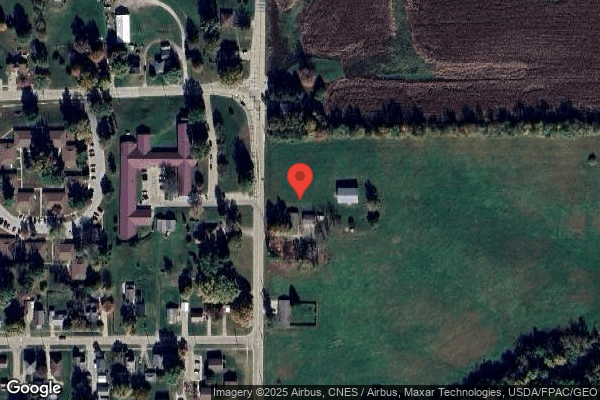
606 North Seventh Street, Knoxville, IA 50138 (641) 842-2187
For profit - Corporation 60 Beds ACCURA HEALTHCARE Data: November 2025
Trust Grade
70/100
#90 of 392 in IA
Last Inspection: February 2025

Within standard 12-15 month inspection cycle. Federal law requires annual inspections.

Overview

Accura Healthcare of Knoxville, LLC has received a Trust Grade of B, indicating it is a good facility and a solid choice for care. It ranks #90 out of 392 nursing homes in Iowa, placing it in the top half, and #1 out of 4 in Marion County, meaning there is only one local option that is better. However, the facility is showing a worsening trend, with issues increasing from 3 in 2024 to 6 in 2025. Staffing is a strong point, earning a perfect 5-star rating with a turnover rate of 36%, which is better than the state average of 44%. On the downside, the facility has been cited for several concerns, including failing to maintain a clean environment and denying residents their right to smoke breaks, which some residents reported led to feelings of belittlement. It's worth noting that the facility has no fines on record, suggesting a generally compliant operation, but they do have average RN coverage, which may mean less oversight in critical situations.

Trust Score
B
70/100
In Iowa
#90/392
Top 22%
Safety Record
Low Risk
No red flags
Inspections
Getting Worse
3 → 6 violations
Staff Stability
○ Average
36% turnover. Near Iowa's 48% average. Typical for the industry.
Penalties
✓ Good
No fines on record. Clean compliance history, better than most Iowa facilities.
Skilled Nurses
○ Average
Each resident gets 34 minutes of Registered Nurse (RN) attention daily — about average for Iowa. RNs are the most trained staff who monitor for health changes.
Violations
⚠ Watch
23 deficiencies on record. Higher than average. Multiple issues found across inspections.
★★★★☆
4.0
Overall Rating
★★★★★
5.0
Staff Levels
★★★★☆
4.0
Care Quality
★★★☆☆
3.0
Inspection Score
Stable
2024: 3 issues
2025: 6 issues

The Good

  • 5-Star Staffing Rating · Excellent nurse staffing levels
  • 4-Star Quality Measures · Strong clinical quality outcomes
  • Full Sprinkler Coverage · Fire safety systems throughout facility
  • No fines on record
  • Staff turnover below average (36%)

    12 points below Iowa average of 48%

Facility shows strength in staffing levels, quality measures, fire safety.

The Bad

Staff Turnover: 36%

Near Iowa avg (46%)

Typical for the industry

Chain: ACCURA HEALTHCARE

Part of a multi-facility chain

Ask about local staffing decisions and management

The Ugly 23 deficiencies on record

Aug 2025 1 deficiency
CONCERN (D) 📢 Someone Reported This

A family member, employee, or ombudsman was alarmed enough to file a formal complaint

Potential for Harm - no one hurt, but risky conditions existed

Resident Rights (Tag F0550)

Could have caused harm · This affected 1 resident

**NOTE- TERMS IN BRACKETS HAVE BEEN EDITED TO PROTECT CONFIDENTIALITY** Based on staff interview, resident interview, and clinical record review, the facility failed to treat residents with dignity an...

Read full inspector narrative →
**NOTE- TERMS IN BRACKETS HAVE BEEN EDITED TO PROTECT CONFIDENTIALITY** Based on staff interview, resident interview, and clinical record review, the facility failed to treat residents with dignity and respect throughout cares provided for 1 of 3 residents reviewed (Resident #1).The facility reported a census of 46 residents.Findings include:Record Review of Resident #1 Minimum Data Set (MDS) dated [DATE] documented a Brief Interview of Mental Status (BIMS) of 09 indicating moderate cognitive impairment The MDS reflected Resident #1 diagnosis of Paranoid Schizophrenia, Delusional Disorders, Anxiety Disorder, and Major Depressive Disorder. The MDS further documented Resident #1 dependence on staff for performing activities of daily living (ADLs). A facility reported incident review dated 6/15/25 documented Staff A, Licensed Practical Nurse (LPN), with almost 30 years of experience as an LPN, attempted to assist Resident #1 during ADLs along with two other staff, Staff B, Certified Nursing Assistant (CNA), and Staff C, CNA. Resident #1 was agitated and in distress, and was refusing assistance from staff to complete dressing her lower body. Staff A continued the task despite Resident #1 yelling, hitting and biting staff. Staff A called Resident #1 degrading names and used offensive language during the reported incident. In an interview with Staff B on 8/4/2025 at 1:37 pm, she stated the interaction between Staff A and Resident #1 made her feel uncomfortable and she wouldn't want her loved one treated that way. She also stated Resident #1 was agitated, hitting Staff A and Staff A attempted to stop it by pushing resident's hands back out of her face instead of backing off. Staff B further revealed Staff A used demeaning word describing Resident #1's behavior prior to leaving the room. Staff A reported the incident to the Director of Nursing (DON). In an interview with Staff A on 8/5/2025 at 10:18 am, she confirmed the incident with Resident #1 on 6/15/25. She further confirmed she used degrading words while still inside the resident's room but she did not believe it was heard by Resident #1. Staff A stated she should have backed out of the room and left. In an interview with Staff C on 8/6/2025 at 10:42 am, she revealed Staff A used demeaning language towards Resident #1 to gain her cooperation with the cares, stating You are acting like a baby and We are not going to do that! Staff B further revealed she Staff B reported the incident to the DON.During an interviewed on 8/6/25 at 11:15 am, the DON stated she was notified by Staff B and Staff C about the incident with Resident #1 the same day and she notified Staff A that she will not be able to return to work until the investigation is completed. She confirmed Staff A has not worked at the facility since the incident on 6/15/25. During an interview on 8/6/25 at 12:15 pm, the Administrator stated she expected staff to step away from a resident if they refused cares or treatment, and attempt to use a different staff member. Also to have staff step away for 5 minutes and take a break before any escalation takes place. The Administrator stated that the facility did not have a policy for Resident Rights/Dignity but followed the regulations and/or standards of care.
Apr 2025 1 deficiency
CONCERN (E) 📢 Someone Reported This

A family member, employee, or ombudsman was alarmed enough to file a formal complaint

Potential for Harm - no one hurt, but risky conditions existed

Safe Environment (Tag F0921)

Could have caused harm · This affected multiple residents

**NOTE- TERMS IN BRACKETS HAVE BEEN EDITED TO PROTECT CONFIDENTIALITY** Based on observations and staff interviews, the facility failed to maintain an environment in a clean, orderly condition, in goo...

Read full inspector narrative →
**NOTE- TERMS IN BRACKETS HAVE BEEN EDITED TO PROTECT CONFIDENTIALITY** Based on observations and staff interviews, the facility failed to maintain an environment in a clean, orderly condition, in good repair and with all odors kept under control through cleanliness and proper ventilation. The facility reported census was 49. Findings include: 1. During an observation on 4/16/25 at 11:00 a.m. several rooms with cosmetic and baseboard guards detached were detected: room [ROOM NUMBER] bathroom, baseboard guard split open exposing boiler pipe. room [ROOM NUMBER] bathroom had baseboard pulled away from the wall with peeling paint. The 500 hallway baseboard was removed from the wall leaving a jagged unfinished wall. In an interview on 4/16/25 at 2:05 p.m. Staff C, Maintenance, stated he relies on staff, aides and housekeeping to alert him to maintenance needs within the facility. When staff see an issue, they are to input the concern into the Tells app which then goes directly to his phone. From there he will make plans to repair the concern depending on the priority of the need. Staff C showed maintenance concerns in rooms 500, 508 and 509. Staff C indicated he would initiate repairs. 2. During an observation on 4/15/25 at 4:45 p.m. the facility noted urine odors, most noticeable on the 500 hall rooms. On 4/16/25 at 10:00 a.m. there was the same presence of odors on 500 hall. Rooms 505, 508, 509 and 510 were all swept and had their floors mopped that morning. room [ROOM NUMBER] had a urine soaked bed cover which added to the odor. The bed was later stripped. On 4/15/25 at 4:30 p.m. a wheelchair in room [ROOM NUMBER] was dirty with food debris on the sides and pedals and a bedside table in room [ROOM NUMBER] was dirty with food debris on the legs. On 4/21/25 at 11:15 a.m. urine odors were again noticed in rooms 508, 509 and 510. A wheelchair in room [ROOM NUMBER] remained filthy with food debris along the sides, seat and pedals. In an interview on 4/21/25 at 12:00 p.m. Staff G, Housekeeping supervisor, stated she has recently taken over as housekeeping supervisor and their department is fully staffed. Staff G was shown a bed stand in room [ROOM NUMBER] which is dirty and rusty. Staff G stated there are a lot of bed stands in that condition and they cannot be easily cleaned. Several of them should be thrown away. Staff G stated she plans on taking them outside and power washing them. Other furniture in room [ROOM NUMBER] was pointed out as in poor condition. Staff G stated the resident in 509 will urinate on his bed, furniture and floor and they are constantly in his room trying to control the odors. The resident in 508 can become combative if you try to take away his dishes or try to keep him dry from incontinence. Staff G stated they try their best to stay on top of the issues. In an interview on 4/16/25 at 1:50 p.m. Staff A, Certified Nurse Aide, acknowledged that controlling odors on 500 hall was challenging as the residents in rooms 505, 508 and 510 are incontinent and not always cooperative with allowing you into their rooms or allowing you to check and change them. Staff A stated the resident in room [ROOM NUMBER] was a heavy wetter and because of this, they will strip his linens and sanitize his bed every morning. Staff A was then shown and queried about who was responsible for cleaning wheelchairs and bed stands as the wheelchair in room [ROOM NUMBER] and bedstand in 510 had visible food debris on them. Staff A stated the overnight aides are responsible for cleaning wheelchairs and housekeeping should be cleaning the bed stands. 3. According to a Minimum Data Set (MDS) with a reference date of 3/16/25, Resident #1 had a Brief Interview for Mental Status (BIMS) score of 14 which indicated an intact cognitive status. Resident #1 required maximal assistance with transfers, mobility, dressing, toilet use and personal hygiene needs and was frequently incontinent of bladder and bowel. Resident #1's diagnoses included Alzheimer's disease, post traumatic stress disorder, hip fracture. Observations on 4/15/25 at 4:45 p.m. found Resident #1 was lying in bed with a sheet covering his face. The room was in disarray with what appears to be his lunch meal and dishes left on his bedside table. There were some paper items and clothing on the floor. and a stale odor of urine noted. The curtains were drawn creating a dark and dingy environment. On 4/16/25 at 9:30 a.m. Resident #1 was sitting up in bed. The room remained dark and dingy. Resident #1 was asked if there was anything he needed. Resident #1 responded he needed housekeeping to mop his floor. On 4/21/25 at 11:15 a.m. Resident #1 was lying in bed, asleep in a supine (on his back) position. There were dirty breakfast dishes sitting in a folding chair at his bedside and a light scent of urine odor. On 4/22/25 at 9:31 a.m. Resident #1 was lying in bed awake when the nurse aide, Staff G, entered his room to pass medications. Resident #1 was pleasant and cooperative, but when asked, refused to allow his breakfast plates to be removed. There was minimal urine odors detected. 4. According to a Minimum Data Set (MDS) with a reference date of 3/2/24, Resident #2 had a Brief Interview for Mental Status (BIMS) score of 15 which indicated an intact cognitive status. Resident #2 required dependent assistance with transfers, mobility, dressing, toilet use and personal hygiene needs and was always incontinent of bladder and bowel. Resident #2's diagnoses included Alzheimer's disease, Non-Alzheimer's dementia, cerebrovascular accident (stroke), hemiplegia, renal insufficiency, diabetes mellitus, chronic obstructive pulmonary disease. Observations on 4/15/25 at 5:45 p.m. Resident #2 was not in her room. This surveyor entered and noted a urine odor and pulled back the sheet and felt the pad. It was cool and damp and the sheet was wet with urine. When the pad was pulled back, there were several bits of what appeared was food debris. On 4/16/25 at 9:10 a.m. Resident #2 was propelled to her room by staff and transferred into bed using a full body mechanical lift and assistance of two staff members (Staff A CNA, Staff B CNA). The sling straps were attached to the lift carriage, green and green and then properly lifted into bed without incident. The bedside table was pulled over to the side of her bed and the phone placed alongside her. Resident #2 was checked for incontinence and noted as dry. Visible debris remained on the bed sheets as noted the day before. On 4/22/25 at 9:00 am. Resident #2 was lying flat, supine in bed asleep. There were no odors detected and some food debris on the floor from yesterday. 5. According to a Minimum Data Set (MDS) with a reference date of 2/9/25, Resident #3 had a Brief Interview for Mental Status (BIMS) score of 15 which indicated an intact cognitive status. Resident #3 required moderate to maximal assistance with transfers, mobility, dressing, toilet use and personal hygiene needs and was always incontinent of bladder and frequently incontinent of bowel. Resident #3's diagnoses included coronary artery disease, congestive heart failure, cerebrovascular accident (stroke), renal insufficiency, diabetes mellitus. 4/15/25 at 5:40 p.m. Resident #3 was observed from the hallway, lying in bed with a sheet pulled over her head and the bottom portion of her body exposed, wearing a brief. There was a medium odor of urine coming from the room. 6. According to a Minimum Data Set (MDS) with a reference date of 2/23/25, Resident #4 had a Brief Interview for Mental Status (BIMS) score of 13 which indicated an intact cognitive status. Resident #4 was independent with transfers, mobility, dressing, toilet use and personal hygiene needs and was always incontinent of bladder and frequently incontinent of bowel. Resident #4's diagnoses included coronary artery disease, cerebrovascular accident (stroke), hemiplegia, bipolar disorder, schizophrenia. 4/16/25 at 9:35 a.m. Resident #4 was propelling himself in the hallways. This surveyor stepped into his room noticing an odor of urine. A purple bed cover was visibly soaked in urine. Resident #4's bed sheets and cover were stripped by 10:00 a.m.
Feb 2025 4 deficiencies
CONCERN (D) 📢 Someone Reported This

A family member, employee, or ombudsman was alarmed enough to file a formal complaint

Potential for Harm - no one hurt, but risky conditions existed

Deficiency F0658 (Tag F0658)

Could have caused harm · This affected 1 resident

Based on observation, clinical record review and staff interview the facility failed to ensure staff followed physician pre-op orders as directed prior to a resident procedure for 1 of 1 residents rev...

Read full inspector narrative →
Based on observation, clinical record review and staff interview the facility failed to ensure staff followed physician pre-op orders as directed prior to a resident procedure for 1 of 1 residents reviewed (Resident #43). Resident #43 did not receive a bath/shower the day of the procedure. The facility reported a census of 50 residents. Findings include: The Minimum Data Set (MDS) assessment for Resident #43 dated 1/12/25 included diagnoses of ulcerative colitis, Alzheimer's disease, anxiety disorder, and depression. The MDS identified a Brief Interview for Mental Status (BIMS) score of 3 indicating severely impaired cognition. The MDS documented the resident required extensive assistance with bathing, personal hygiene, and transfers and was dependent on staff assistance for toileting. Review of pre-op orders dated 1/20/25 in preparation for a colonoscopy to be completed on 1/24/25, stated the day of surgery, Resident #43 was to receive a shower or bath the morning of the procedure. Resident #43 was noted to have powder in her groins that was wet and clumpy when she arrived for the procedure. Review of documentation in Point Click Care (PCC) (the facility's electronic healthcare records), Resident #43 received a shower on 1/20/25 on day shift. Review of the facility provided bath sheets, Resident #43 received a shower on 1/23/25 between 2 and 6 PM and was noted to have excoriated groins and abdominal fold at that time. It was noted the treatment was completed to the area. There was no documentation of a shower or bath being completed on 1/24/25, the day of the colonoscopy procedure. In an interview on 1/30/25 at 2:51 PM, the Administrator stated it was the expectation staff provide a bath/shower to the resident per the physician order prior to the procedure to ensure the resident was clean and ready to go for the day. On 1/30/25 at 2:08 PM, the Administrator reported per email the facility did not have policies for bathing or following physician's orders and that it was the expectation they follow the Standards of Care practices.
CONCERN (D)

Potential for Harm - no one hurt, but risky conditions existed

Deficiency F0943 (Tag F0943)

Could have caused harm · This affected 1 resident

Based on personnel file review, staff interview, and policy review, the facility failed to assure 1 of 5 staff reviewed met the requirements for Dependent Adult Abuse Mandatory Reporter Training (Staf...

Read full inspector narrative →
Based on personnel file review, staff interview, and policy review, the facility failed to assure 1 of 5 staff reviewed met the requirements for Dependent Adult Abuse Mandatory Reporter Training (Staff B). The facility reported a census of 50 residents. Findings include: Staff B, Housekeeper, had a start date of 5/29/24. Record review revealed Staff B had not completed the 2 hour Dependent Adult Abuse Mandatory Reporter Training that was due 11/29/24. In an interview on 1/29/25 at 1:00 PM, the Administrator acknowledged Staff B had not yet completed the Dependent Adult Abuse Mandatory Reporter Training. She stated the employee was currently in the facility completing the training. She was aware new employees were to complete the training within 6 months. In an interview on 1/30/25 at 2:48 PM the Administrator stated it was the expectation the Business Office Manager use a spread sheet with all staff and the dates they are due to complete or renew their Dependent Adult Abuse Mandatory Reporter Training and the Business Office Manager was to let the Administrator know when the staff were coming due and get them completed as required. The facility provided Nursing Facility Abuse Prevention, Identification, Investigation and Reporting Policy updated 10/19/22 stated within six months of hire each employee shall be required to complete an initial 2-hour training course provided by the Iowa Department of Human Services relating to the identification and reporting of dependent adult abuse. Each employee will take a 1-hour recertification training within 3 years of the initial training and every three years thereafter.
CONCERN (E) 📢 Someone Reported This

A family member, employee, or ombudsman was alarmed enough to file a formal complaint

Potential for Harm - no one hurt, but risky conditions existed

Deficiency F0561 (Tag F0561)

Could have caused harm · This affected multiple residents

**NOTE- TERMS IN BRACKETS HAVE BEEN EDITED TO PROTECT CONFIDENTIALITY** Based on clinical record review, policy review, and resident and staff interviews, the facility failed to ensure residents had t...

Read full inspector narrative →
**NOTE- TERMS IN BRACKETS HAVE BEEN EDITED TO PROTECT CONFIDENTIALITY** Based on clinical record review, policy review, and resident and staff interviews, the facility failed to ensure residents had the right to make choices about aspects of their lives which were significant to the resident by denying smoke breaks for 5 of 5 smokers reviewed (Residents #6, #7, #17, #27, and #30) and by not allowing a resident to lie down upon request for 1 of 6 residents reviewed for dignity (Resident #28). The facility reported a census of 50 residents. Findings include: 1. The Quarterly Minimum Data Set(MDS) assessment tool, dated 1/12/25, listed diagnoses for Resident #7 which included anxiety, depression, and unspecified intellectual disability. The MDS listed the resident's Brief Interview for Mental Status(BIMS) score as 15 out of 15, indicating intact cognition. A 4/7/22 Care Plan entry stated she loved to participate in smoking breaks. A 1/6/25 Smoking Evaluation stated the resident smoked mornings, evenings, and afternoons supervised. On 1/30/25 at 8:44 a.m., Resident #7 stated that whenever she had a disagreement with staff they took away her smoking break. She stated staff considered smoking a privilege and when this happened she felt belittled. 2. The Annual MDS assessment tool, dated 11/3/24, listed diagnoses for Resident #17 which included heart failure, hemiplegia(one-sided paralysis), and seizures. The MDS listed the resident's BIMS score as 15 out of 15, indicating intact cognition. The MDS documented that the resident that it was very important to do his favorite activities. A 3/14/24 8:37 a.m. Health Status Note stated the resident cursed at staff and called them names. The nurse decided the resident would not be able to smoke this morning. A 3/25/24 Care Plan entry stated the resident was a smoker and participated in routine smoke breaks supervised by staff. A 12/17/24 Heath Status Note stated the resident had an outburst this morning directed at a Certified Nursing Assistant(CNA) for moving his leg. The resident called the CNA a name and yelled and swore at staff. The note stated the resident lost his 10:00 a.m. smoking break due to behaviors. A 1/22/25 Smoking Evaluation stated the resident smoked mornings, afternoons, and evenings with supervision. On 1/30/25 at 8:40 a.m., Resident #17 stated when he yelled, he was not allowed to go smoke. He stated his smoking breaks depended on if he was bad. He stated this made him feel kind of bad. 3. The Quarterly MDS assessment tool, dated 11/10/24, listed diagnoses for Resident #27 which included heart failure, coronary artery disease, and hemiplegia. The MDS listed his BIMS score as 15 out of 15, indicating intact cognition. An 8/7/24 Care Plan entry stated the resident utilized his vape pen during routine smoke breaks with staff supervision. A 1/27/25 Smoking Evaluation stated the resident smoked with supervision. On 1/30/25 at 8:29 a.m., Resident #27 stated staff took away his smoking break several times. He said this made him angry as he liked to go outside. A 2/2/25 Health Status Note stated the resident's son took him out to smoke and (staff) told him he was not allowed. The resident stated he would go no matter what. The resident had behaviors all day, refused to use the urinal, and alerted his call light every 5 minutes. 4. The Quarterly MDS assessment tool, dated 11/3/24, listed diagnoses for Resident #30 which included hemiplegia, anxiety, and depression. The MDS listed her BIMS score as 15 out of 15, indicating intact cognition. A 7/30/24 Care Plan entry stated the resident utilized a vape pen during routine smoke breaks with staff supervision. A 12/6/24 Health Status Note stated a staff member reminded the resident that the smoke break was not mandatory or required and the resident would not be going out to attend the morning smoke break due to her behaviors. A 1/22/25 Smoking Evaluation stated Resident #30 smoked in the mornings, afternoons, and evenings with supervision. On 1/30/25 at 8:32 a.m., Resident #30 stated if she talks back to the nurses, staff tell her she cannot to out to smoke. She stated this felt like punishment and she was not a little kid. 5. The MDS assessment tool, dated 11/10/24, listed diagnoses for Resident #28 which included Alzheimer's, non-Alzheimer's dementia, and age related physical debility. The MDS stated the resident required substantial/maximal assistance for chair to bed transfers and listed his BIMS score as 5 out of 15. An 8/31/22 Care Plan entry stated the resident required the assistance of 1 staff for transfers. On 1/27/25 at 2:27 p.m., Resident #28 sat in the hallway and yelled that he wanted to go to bed. Staff G Registered Nurse(RN) told him that he had to wait until after supper. On 1/29/25 at 1:04 p.m., Staff C CNA stated Staff G RN took away resident smoking breaks if they did such things as yell at staff or call them names. On 1/29/25 at 1:29 p.m., Staff D CNA stated they had one resident(Resident #17) who was rude and punched doors and when he did this, staff took away his smoking break. On 1/29/25 at 1:42 p.m., Staff E CNA stated there were times when Resident #17 swore at people and called them names. She stated times like that when he yelled and was disrespectful, staff took away his smoking break On 1/29/25 at 1:50 p.m., Staff F CNA stated sometimes staff took away Resident #17's smoking break because of the way he treated staff. She stated when he and his girlfriend started yelling and screaming and were disruptive, this would be a reason staff took the smoking break away. On 1/30/25 at 10:20 a.m., Staff G RN stated if residents broke the rules, staff would take their smoking break away. She stated staff could not turn them over their knee and spank them and this was the only thing they had. She stated if residents yelled, were very loud, used derogatory language to staff, or vaped in their rooms, she did not let them go out and smoke. She stated the behaviors could get serious if one didn't try to stop them now. Staff G stated the residents had rights but staff did also. She stated with regard to Resident #28, if it was pretty close to supper, they didn't have them lie down. She stated if they were going to lie down it was usually at 1:30 p.m. She stated they usually started to get residents to supper at 4:30 p.m. On 2/3/25 at 11:41 a.m., Staff H Nurse Specialist stated at times staff took away smoke breaks if residents bullied other residents or staff. She stated smoking was a privilege, not a right. She stated there was no reason that residents would not be able to lie down in the afternoon. On 2/3/25 at 1:26 p.m., the Administrator stated if there were instances where residents screamed, yelled, and called people names, staff may take their smoke breaks away. She stated it was a privilege to smoke and the facility had this system since she started 3 years ago. The facility policy Residents' [NAME] of Rights, dated November 2016, stated residents had the right to make choices about their activities and schedules, including sleeping and waking times). 6. The Quarterly MDS dated [DATE] revealed Resident #6 had a BIMS of 14 indicating intact cognition. The MDS further documented the resident had diagnoses including anxiety disorder and depression. The Care Plan initiated 8/22/24 revealed Resident #6 was a smoker who smoked during routine smoke breaks with staff supervision. Review of Resident #6's smoking assessments dated 8/22/24, 11/13/24 and 1/30/25 revealed the resident smoked 2-5 times a day, liked to smoke in the morning, afternoon and evenings, and was safe to smoke with supervision. Review of facility form titled, Resident Smoking Assessment, updated 4/21/22 revealed Administrative/Nursing Leadership and/or charge nurse may also deny residents the privilege to smoke for any safety concerns such as inclement weather. Resident #6 signed the facility form upon admission 8/22/24. Review of Progress Notes for Resident #6 revealed effective 1/6/25 at 7:00 PM, Staff A, Licensed Practical Nurse (LPN) approached the resident and stated, this is unacceptable behavior after the resident yelled in the hallway. Staff A documented she explained to the resident that she needed to return to her room and she would not be attending a smoke break with increased behaviors. During an interview 1/29/25 at 2:53 PM, Resident #6 confirmed that on 1/6/25 she was told by Staff A that she would not be allowed to go out on a smoke break as a result of increased behaviors. During an interview 1/30/25 at 8:55 AM, Resident #6 revealed when she was told by Staff A that she could not go outside for a smoke break on 1/6/25 it made her feel angry, dehumanized and punished like, I'm telling mommy on you. Review of facility policy titled, Resident Smoking Process, updated 4/21/22 revealed Administrative/Nursing Leadership and/or charge nurse may also deny residents the privilege to smoke for any safety concerns such as inclement weather.
CONCERN (E) 📢 Someone Reported This

A family member, employee, or ombudsman was alarmed enough to file a formal complaint

Potential for Harm - no one hurt, but risky conditions existed

Free from Abuse/Neglect (Tag F0600)

Could have caused harm · This affected multiple residents

**NOTE- TERMS IN BRACKETS HAVE BEEN EDITED TO PROTECT CONFIDENTIALITY** Based on clinical record review, policy review, and resident and staff interviews, the facility failed to ensure residents were ...

Read full inspector narrative →
**NOTE- TERMS IN BRACKETS HAVE BEEN EDITED TO PROTECT CONFIDENTIALITY** Based on clinical record review, policy review, and resident and staff interviews, the facility failed to ensure residents were free from mental abuse by denying smoke breaks based on resident behaviors for 5 of 5 smokers reviewed(Residents #6, #7, #17, #27, and #30). The facility reported a census of 50 residents. Findings include: 1. The Minimum Data Set(MDS) assessment tool, dated 1/12/25, listed diagnoses for Resident #7 which included anxiety, depression, and unspecified intellectual disability. The MDS listed the resident's Brief Interview for Mental Status(BIMS) score as 15 out of 15, indicating intact cognition. A 4/7/22 Care Plan entry stated she loved to participate in smoking breaks. A 1/6/25 Smoking Evaluation stated the resident smoked mornings, evenings, and afternoons supervised. On 1/30/25 at 8:44 a.m., Resident #7 stated that whenever she had a disagreement with staff they took away her smoking break. She stated staff considered smoking a privilege and when this happened she felt belittled. 2. The MDS assessment tool, dated 11/3/24, listed diagnoses for Resident #17 which included heart failure, hemiplegia(one-sided paralysis), and seizures. The MDS listed the resident's BIMS score as 15 out of 15, indicating intact cognition. A 3/14/24 8:37 a.m. Health Status Note stated the resident cursed at staff and called them names. The nurse decided the resident would not be able to smoke this morning. A 3/25/24 Care Plan entry stated the resident was a smoker and participated in routine smoke breaks supervised by staff. A 12/17/24 Heath Status Note stated the resident had an outburst this morning directed at a Certified Nursing Assistant(CNA) for moving his leg. The resident called the CNA a name and yelled and swore at staff. The note stated the resident lost his 10:00 a.m. smoking break due to behaviors. A 1/22/25 Smoking Evaluation stated the resident smoked mornings, afternoons, and evenings with supervision. On 1/30/25 at 8:40 a.m., Resident #17 stated when he yelled, he was not allowed to go smoke. He stated his smoking breaks depended on if he was bad. He stated this made him feel kind of bad. 3. The MDS assessment tool, dated 11/10/24, listed diagnoses for Resident #27 which included heart failure, coronary artery disease, and hemiplegia. The MDS listed his BIMS score as 15 out of 15, indicating intact cognition. An 8/7/24 Care Plan entry stated the resident utilized his vape pen during routine smoke breaks with staff supervision. A 1/27/25 Smoking Evaluation stated the resident smoked with supervision. On 1/30/25 at 8:29 a.m., Resident #27 stated staff took away his smoking break several times. He said this made him angry as he liked to go outside. A 2/2/25 Health Status Note stated the resident's son took him out to smoke and (staff) told him he was not allowed. The resident stated he would go no matter what. The resident had behaviors all day, refused to use the urinal, and alerted his call light every 5 minutes. 4. The MDS assessment tool, dated 11/3/24, listed diagnoses for Resident #30 which included hemiplegia, anxiety, and depression. The MDS listed her BIMS score as 15 out of 15, indicating intact cognition. A 7/30/24 Care Plan entry stated the resident utilized a vape pen during routine smoke breaks with staff supervision. A 12/6/24 Health Status Note stated a staff member reminded the resident that the smoke break was not mandatory or required and the resident would not be going out to attend the morning smoke break due to her behaviors. A 1/22/25 Smoking Evaluation stated Resident #30 smoked in the mornings, afternoons, and evenings with supervision. On 1/30/25 at 8:32 a.m., Resident #30 stated if she talks back to the nurses, staff tell her she cannot to out to smoke. She stated this felt like punishment and she was not a little kid. On 1/29/25 at 1:04 p.m., Staff C CNA stated Staff G RN took away resident smoking breaks if they did such things as yell at staff or call them names. On 1/29/25 at 1:29 p.m., Staff D CNA stated they had one resident(Resident #17) who was rude and punched doors and when he did this, staff took away his smoking break. On 1/29/25 at 1:42 p.m., Staff E CNA stated there were times when Resident #17 swore at people and called them names. She stated times like that when he yelled and was disrespectful, staff took away his smoking break On 1/29/25 at 1:50 p.m., Staff F CNA stated sometimes staff took away Resident #17's smoking break because of the way he treated staff. She stated when he and his girlfriend started yelling and screaming and were disruptive, this would be a reason staff took the smoking break away. On 1/30/25 at 10:20 a.m., Staff G RN stated if residents broke the rules, staff would take their smoking break away. She stated staff could not turn them over their knee and spank them and this was the only thing they had. She stated if residents yelled, were very loud, used derogatory language to staff, or vaped in their rooms, she did not let them go out and smoke. She stated the behaviors could get serious if one didn't try to stop them now. Staff G stated the residents had rights but staff did also. She stated with regard to Resident #29, if it was pretty close to supper, they didn't have them lie down. She stated if they were going to lie down it was usually at 1:30 p.m. She stated they usually started to get residents to supper at 4:30 p.m. On 2/3/25 at 11:41 a.m., Staff H Nurse Specialist stated at times staff took away smoke breaks if residents bullied other residents or staff. She stated smoking was a privilege, not a right. She stated there was no reason that residents would not be able to lie down in the afternoon. On 2/3/25 at 1:26 p.m., the Administrator stated if there were instances where residents screamed, yelled, and called people names, staff may take their smoke breaks away. She stated it was a privilege to smoke and the facility had this system since she started 3 years ago. 5. The MDS dated [DATE] revealed Resident #6 had a BIMS of 14 indicating intact cognition. The MDS further documented the resident had diagnoses including anxiety disorder and depression. The Care Plan initiated 8/22/24 revealed Resident #6 was a smoker who smoked during routine smoke breaks with staff supervision. Review of Resident #6's smoking assessments dated 8/22/24, 11/13/24 and 1/30/25 revealed the resident smoked 2-5 times a day, liked to smoke in the morning, afternoon and evenings, and was safe to smoke with supervision. Review of facility form titled, Resident Smoking Assessment, updated 4/21/22 revealed Administrative/Nursing Leadership and/or charge nurse may also deny residents the privilege to smoke for any safety concerns such as inclement weather. Resident #6 signed the facility form upon admission 8/22/24. Review of Progress Notes for Resident #6 revealed effective 1/6/25 at 7:00 PM, Staff A, Licensed Practical Nurse (LPN) approached the resident and stated, this is unacceptable behavior after the resident yelled in the hallway. Staff A documented she explained to the resident that she needed to return to her room and she would not be attending a smoke break with increased behaviors. During an interview 1/29/25 at 2:53 PM, Resident #6 confirmed that on 1/6/25 she was told by Staff A that she would not be allowed to go out on a smoke break as a result of increased behaviors. During an interview 1/30/25 at 8:55 AM, Resident #6 revealed when she was told by Staff A that she could not go outside for a smoke break on 1/6/25 it made her feel angry, dehumanized and punished like, I'm telling mommy on you. Review of facility policy titled, Resident Smoking Process, updated 4/21/22 revealed Administrative/Nursing Leadership and/or charge nurse may also deny residents the privilege to smoke for any safety concerns such as inclement weather.
Mar 2024 2 deficiencies
CONCERN (D)

Potential for Harm - no one hurt, but risky conditions existed

Deficiency F0801 (Tag F0801)

Could have caused harm · This affected 1 resident

Based on document review and staff interview, the facility failed to employ sufficient staff with the appropriate competencies and skills sets to carry out the functions of the food and nutrition serv...

Read full inspector narrative →
Based on document review and staff interview, the facility failed to employ sufficient staff with the appropriate competencies and skills sets to carry out the functions of the food and nutrition service by not having a certified dietary manager. The facility reported a census of 51 residents. Findings include: On 3/25/24 at 10:33 AM, Staff A, Dining Manager stated she was not the Dietary Manager because she was not certified. On 3/26/24 at 11:07 AM, Staff A stated she had not had any formal course-work training in food safety and nutrition, but was an assistant dietary manager at another facility for 1½ years. On 3/26/24 at 11:09 AM, the Administrator stated she planned to enroll Staff A in a six-month course in April. She stated the facility had a contract dietitian who was at the facility on Tuesdays. The contract dietitian was not present. On 3/28/24 at 9:23 AM stated the Dietary Manager should be certified within six (6) months of hire. The facility did not have a policy that addressed Dietary Manager certification. The Facility Assessment with updated date of 3/6/24 documented that a Dietary Supervisor was to be involved in completing the Facility Assessment. The Facility Assessment revealed that the average daily resident census was 47.
CONCERN (E)

Potential for Harm - no one hurt, but risky conditions existed

Food Safety (Tag F0812)

Could have caused harm · This affected multiple residents

Based on observations, staff interviews, and facility policy review, the facility failed to maintain sanitary practices by improperly storing food. The facility reported a census of 51 residents. Find...

Read full inspector narrative →
Based on observations, staff interviews, and facility policy review, the facility failed to maintain sanitary practices by improperly storing food. The facility reported a census of 51 residents. Findings include: On 3/25/24 at 10:33 AM, a kitchen observation identified the following findings: Unit #1 freezer contained: 1) An unlabeled, undated, tied bag of folded, yellow items. 2) An unlabeled bag of meat links. Unit #2 freezer contained: 1) An unlabeled bag of chopped meat. 2) An unlabeled bag of 1/8 cut dough-like slices. 3) Two unlabeled blocks of sealed meat on shelves. Unit #3 refrigerator contained: 1) An unlabeled, undated metal pan with casserole-like contents and a used ladle stored on top. 2) An unlabeled, undated plastic bag of meat links. 3) An unlabeled bag of chopped, green contents. Unit #4 refrigerator contained: 1) An unlabeled, undated bag of diced, green contents. 2) An undated, plastic tub of sour cream. A cabinet contained two (2) unlabeled, undated plastic containers with cereal-like contents. An opened, undated bag of bread crumbs stored in the dry goods room. On 3/26/24 at 10:20 AM, a follow-up kitchen observation identified the following findings: Unit #1 freezer contained: 1) An unlabeled, undated, tied bag of bread-like contents that was also cut open. 2) An unlabeled, undated, tied bag of folded, yellow, egg-like items. 3) An unlabeled, undated, tied bag of white, disk-shaped items. Unit #2 freezer contained: 1) An unlabeled bag of chopped meat. 2) An unlabeled, undated plastic bag of meat links. Unit #4 refrigerator contained: 1) An undated, plastic tub of sour cream. A cabinet contained two (2) unlabeled, undated plastic containers with cereal-like contents. An opened, undated bag of bread crumbs stored in the dry goods room. On 3/28/24 at 9:23 AM, the Administrator stated all stored food should be dated and labeled. A policy titled Food Storage dated 2021 indicated all containers or storage bags must be legible, covered, and accurately labeled and dated.
Jan 2024 1 deficiency
CONCERN (E) 📢 Someone Reported This

A family member, employee, or ombudsman was alarmed enough to file a formal complaint

Potential for Harm - no one hurt, but risky conditions existed

Deficiency F0688 (Tag F0688)

Could have caused harm · This affected multiple residents

Based on observations, clinical record review and staff interviews, the facility failed to provide restorative services on 1/18/24 involving 29 residents. The facility reported census was 45. Findings...

Read full inspector narrative →
Based on observations, clinical record review and staff interviews, the facility failed to provide restorative services on 1/18/24 involving 29 residents. The facility reported census was 45. Findings include: In an interview on 1/18/24 at 10:23 a.m. Staff C, Rehabilitation Director, stated when residents complete a physical or occupational program, they will typically get a restorative plan. Staff C stated she reviews the plans and the restorative aides provide the services usually 3-5 times per week. Staff C stated the ADON oversees the restorative program. In an interview on 1/18/24 at 3:00 p.m. the Assistant Director of Nursing (ADON) stated she oversees the restorative program and indicated there were currently 35-40 residents with a program. The ADON stated Staff D was the facilities full time restorative aide and she provides the restorative services Monday through Friday. The ADON stated Staff D also has responsibilities ordering and putting supplies away and assisting with showers Mondays, Tuesdays and Wednesdays. The ADON stated she provided Staff D with a restorative program flow sheet and education on time management to help her better coordinate restorative services. In a follow up interview on 1/23/24 at 7:46 a.m. The ADON stated all passive range of motion (PROM), active range of motion (AROM) and transfer programs are to be completed the restorative aide or therapy. In an interview on 1/17/24 at 3:30 p.m. Staff D, Restorative Aide, stated she works Monday through Friday 8:00 a.m. to 4:00 p.m. doing restorative programs. Staff D stated there was currently about 40 residents with restorative programs. Staff D stated she assisted with showers in the morning and then goes to group activities and 1:1. Staff D stated she tracks services provided, in a folder for each resident. In a follow up interview on 1/23/24 at 9:57 a.m. Staff D was asked to clarify her direct involvement with residents receiving restorative care. Staff D stated she attempts to see at least 20 residents each day and noted it takes 15 minutes to complete each active range of motion (AROM) program and passive range of motion (PROM) program. Staff D stated in addition, those residents identified under the Dressing & Grooming category are assisted with toileting and Transfer category are assisted with transfers. Staff D stated she assists two residents under the Dining category at breakfast and one in his room at lunch. Staff D stated those residents identified under Ambulation are walked in the hall and most are walked in their room. Staff D stated she documents at the end of her shift and it takes 30 minutes or so. Staff D stated every resident in which she documented as Done was completed with her direct physical involvement. In an interview on 1/18/24 at 3:00 p.m. Staff E, Licensed Practical Nurse, stated Staff D was to provide restorative services Monday through Friday. Staff E stated Staff D does not manage her time well and does not complete restorative services consistently throughout the week. In an Employee Corrective Action Form dated 1/3/24, Staff D was given a written warning for failing to complete restorative services and ensure logs are completed daily. Expectations moving forward included ensuring logs are completed and turned into the restorative nurse (ADON) and check with the DON upon completion of her shift to ensure all tasks are completed for the day, including but not limited to restorative, showers, weights and vital signs if applicable. According to the Restorative Program sheet dated 1/18/24, Staff D documented she completed 20 resident AROM programs (x 15 minutes or 5 hours), 12 PROM programs (x 15 minutes or 3 hours), assisted with toileting of 11 residents (x 5 minutes or 1 hour), assisted with ambulating 8 residents (x 5 minutes or 40 minutes), assisted with transferring 4 residents (x 5 minutes or 20 minutes) and assisted with feeding 3 residents (x 20 minutes or 1 hour). Documenting restorative program 30 minutes. All totaling an estimated 11.5 hours of time to complete. According to Staff D's time sheet, she clocked in at 8:29 a.m. and clocked out at 4:37 p.m. on 1/18/24, totaling 8 hours and 8 minutes. Observations of Staff D throughout the day on 1/18/24 noted the following entries: 9:25 a.m. Staff D appears to be involved with weighing residents. 11:00 a.m. Staff D observed walking with Resident #8 with wheel walker and wheel chair pulled behind him. 11:32 a.m. Staff D was sitting in an office and appears to be documenting. 11:48 a.m. Staff D bringing in supplies from outside. 12:32 p.m. Staff D was observed leaving the break room and then pushing a supply cart in 100 hall. 12:48 p.m. Staff D was unpacking supplies. 1:27 p.m. Staff D observed leaving the break room. 2:01 p.m. Staff D observed propelling Resident #1 from the therapy room to the resident's room. 2:05 p.m. Staff D again observed removing supplies from boxes on 100 hall. 2:55 p.m. This surveyor walked the hallways on front and back halls several times without any sight of Staff D with a resident or in the therapy room.
Apr 2023 2 deficiencies
CONCERN (E)

Potential for Harm - no one hurt, but risky conditions existed

Free from Abuse/Neglect (Tag F0600)

Could have caused harm · This affected multiple residents

Based on record review and staff interviews the facility failed to ensure resident's controlled medications are not diverted for 4 of 4 residents reviewed. (Residents #1, #2, #3, #4) The facility repo...

Read full inspector narrative →
Based on record review and staff interviews the facility failed to ensure resident's controlled medications are not diverted for 4 of 4 residents reviewed. (Residents #1, #2, #3, #4) The facility reported census was 48. Findings include: RESIDENT #1 According to a Minimum Data Set (MDS) with a reference date of 2/14/23, Resident #1 had a Brief Interview for Mental Status (BIMS) score of 15 indicating an intact cognitive status. Resident #1 required extensive assistance with transfers, mobility, dressing, toilet use and personal hygiene needs. Resident #1's diagnoses included schizophrenia, bipolar disorder, traumatic brain injury, paraplegia and post traumatic stress disorder. In an interview on 4/3/23 at 5:14 p.m. Staff C, licensed practical nurse, stated on the evening of 2/25/23 she was working a 10:00 p.m. to 6:00 a.m. shift. Sometime after midnight on 2/26/23, Resident #1 requested a pain medication and Staff C discovered there were no scheduled or as needed (PRN) Hydrocodone available. Staff C contacted the pharmacy to get a code to receive a dose from the Cubex and was told 60 doses had been delivered on 2/23/23 at 7:00 p.m. Staff C contacted the DON and reported the issue. In an interview on 3/27/23 at 5:00 p.m. the Director of Nursing (DON) stated on 2/26/23 they first discovered Resident #1 was missing a (60) dose bubble pack of Hydrocodone/APAP 10-325 milligram. An investigation was initiated and pharmacy records indicated the bubble pack was sent by pharmacy on 2/23/23 at 7:00 p.m. and signed as received by Staff A. Staff A admitted to receiving the pharmacy delivery, but not verifying the controlled medication sent with the driver (not addressed in policy) and not securing the controlled medications in the locked compartment in the medication cart (not addressed in policy). The DON stated she began reviewing other controlled medication documentation and discovered on 2/23/23, the same evening (60) doses of Resident #1's Hydrocodone/APAP 10-325 milligram bubble pack was missing, (64) doses of Resident #2's Hydrocodone/APAP 10-325 milligram was recorded as allegedly destroyed by Staff A without a witness signature (per facility protocols). The DON stated they suspended Staff A and notified the Department of Inspections and Appeals. Review of Resident #1's pharmacy dispense records, controlled drug utilization records (CDUR) and medication administration records (MAR) found multiple incidents in which controlled medications were unaccounted for and not discovered by the facility. In a 3 month review of records and interviews, 160 doses of Hydrocodone 10-325 milligrams belonging to Resident #1 was found missing and unaccounted for. RESIDENT #2 According to a Minimum Data Set (MDS) with a reference date of 2/1/23, Resident #2 had a Brief Interview for Mental Status (BIMS) score of 15 indicating an intact cognitive status. Resident #2 is independent with transfers, mobility, dressing, toilet use, and personal hygiene needs. Resident #2's diagnoses included Sjogren syndrome and celiac disease. In an interview on 3/28/23 at 6:00 p.m. Staff G, licensed practical nurse, was questioned whether she ever recalls destroying Hydrocodone belonging to Resident #2 with Staff A. Staff G stated during the course of her job duties, she has at times witnessed the disposal of controlled medications. Staff G was shown two controlled drug use records (CDUR) dated 1/25/23 in which 26 doses and 6 doses of Hydrocodone/APAP 5-325 milligrams belonging to Resident #2 were allegedly destroyed by Staff A and with her as a witness. Staff G stated the signatures on the CDURs are not hers, noting she always combines her T with her B in a loop. Staff G stated her signature was forged on those documents. Review of Resident #2's pharmacy dispense records, controlled drug utilization records (CDUR) and medication administration records (MAR) found multiple incidents in which controlled medications were unaccounted for and not discovered by the facility. In a 3 month review of records and interviews, 387 doses of Hydrocodone at various strengths, belonging to Resident #2 was found either missing and unaccounted for or destroyed without a proper witness per facility protocols or with a forged witness signature. RESIDENT #3 According to a Minimum Data Set (MDS) with a reference date of 3/7/23, Resident #3 had a Brief Interview for Mental Status (BIMS) score of 14 indicating an intact cognitive status. Resident #3 is independent with transfers, mobility and toilet use and requires limited assistance with dressing and personal hygiene needs. Resident #3's diagnoses included schizophrenia, respiratory failure and diabetes mellitus. Review of Resident #3's pharmacy dispense records, controlled drug utilization records (CDUR) and medication administration records (MAR) found multiple incidents in which controlled medications were unaccounted for and not discovered by the facility. In a 3 month review of records, 84 doses of Hydrocodone/APAP 5-325 milligrams, belonging to Resident #3 was found missing and unaccounted for. 17.25 milliliters of liquid morphine and 11 doses of morphine sulfate 15 milligrams belonging to Resident #3 was allegedly destroyed under a suspicious witness signature. RESIDENT #4 According to a Minimum Data Set (MDS) with a reference date of 2/14/23, Resident #4 had a Brief Interview for Mental Status (BIMS) score of 15 indicating an intact cognitive status. Resident #4 required extensive assistance with transfers, mobility, dressing, toilet use and personal hygiene needs. Resident #4's diagnoses included Alzheimer's disease, respiratory failure, renal failure and diabetes mellitus. According to a controlled drug use record (CDUR), 60 doses of Morphine Sulfate 60 milligrams ER was dispensed on 11/22/22 with the first dose administered on 11/27/22 at 9:40 a.m. and the last dose administered by Staff A on 12/9/22 at 4:30 p.m. leaving 48 doses remaining. On 12/9/22 Staff A signed as a witness destroying the 48 doses with a hospice nurse, Staff I. In an interview on 3/29/23 at 4:10 p.m. Staff I, registered nurse with hospice was asked if she recalled destroying 48 doses of Morphine 60 milligrams ER belonging to Resident #4 with Staff A on 12/9/22. Staff I stated she did not recall signing anything and typically refrains from signing facility documents since she works for hospice. Staff I stated she saw the document in question (CDUR) earlier today and stated that it was not her signature. Staff I stated she always dots her I with a heart and uses BSN, RN, CM following her name. Staff I stated the signature is similar, but not hers. Staff I provided a photo of her signature for comparison. The signature on the document does not include all the elements in which Staff I stated she always uses.
CONCERN (E)

Potential for Harm - no one hurt, but risky conditions existed

Pharmacy Services (Tag F0755)

Could have caused harm · This affected multiple residents

Based on record review and staff interviews the facility failed to establish a system and policy to ensure accurate acquiring, receiving, dispensing, and destruction of all controlled medications in s...

Read full inspector narrative →
Based on record review and staff interviews the facility failed to establish a system and policy to ensure accurate acquiring, receiving, dispensing, and destruction of all controlled medications in sufficient detail to enable an accurate reconciliation and to mitigate the potential for diversion for 4 of 4 residents sampled. (Residents #1, #2, #3, #4) The facility reported census was 48. Findings include: RESIDENT #1 According to a Minimum Data Set (MDS) with a reference date of 2/14/23, Resident #1 had a Brief Interview for Mental Status (BIMS) score of 15 indicating an intact cognitive status. Resident #1 required extensive assistance with transfers, mobility, dressing, toilet use and personal hygiene needs. Resident #1's diagnoses included schizophrenia, bipolar disorder, traumatic brain injury, paraplegia and post traumatic stress disorder. In an interview on 4/3/23 at 5:14 p.m. Staff C, licensed practical nurse, stated on the evening of 2/25/23 she was working a 10:00 p.m. to 6:00 a.m. shift. Sometime after midnight on 2/26/23, Resident #1 requested a pain medication and Staff C discovered there were no scheduled or as needed (PRN) Hydrocodone available. Staff C contacted the pharmacy to get a code to receive a dose from the Cubex and was told 60 doses had been delivered on 2/23/23 at 7:00 p.m. Staff C contacted the DON and reported the issue. In an interview on 3/27/23 at 5:00 p.m. the Director of Nursing (DON) stated on 2/26/23 they first discovered Resident #1 was missing a (60) dose bubble pack of Hydrocodone/APAP 10-325 milligram. An investigation was initiated and pharmacy records indicated the bubble pack was sent by pharmacy on 2/23/23 at 7:00 p.m. and signed as received by Staff A. Staff A admitted to receiving the pharmacy delivery, but not verifying the controlled medication sent with the driver (not addressed in policy) and not securing the controlled medications in the locked compartment in the medication cart (not addressed in policy). The DON stated she began reviewing other controlled medication documentation and discovered on 2/23/23, the same evening (60) doses of Resident #1's Hydrocodone/APAP 10-325 milligram bubble pack was missing, (64) doses of Resident #2's Hydrocodone/APAP 10-325 milligram was recorded as allegedly destroyed by Staff A without a witness signature (per facility protocols). The DON stated they suspended Staff A and notified the Department of Inspections and Appeals. Review of Resident #1's pharmacy dispense records, controlled drug utilization records (CDUR) and medication administration records (MAR) found multiple incidents in which controlled medications were unaccounted for and not discovered by the facility. The following 3 month review found 160 doses of Hydrocodone 10-325 milligrams belonging to Resident #1 missing and unaccounted for. According to pharmacy dispense records, 90 doses of Hydrocodone/APAP 10-325 milligrams was delivered on 11/21/22 in two bubble packs. One had 30 doses and the other had 60 doses. The 60-dose bubble pack was used from 11/25/22 am through 12/7/22 8:00 p.m. The 30-dose bubble pack, along with the CDUR was missing and unaccounted for. According to pharmacy dispense records, 90 doses of Hydrocodone/APAP 10-325 milligrams was delivered on 12/5/22 in two bubble packs. One had 30 doses and the other had 60 doses. Both bubble packs and CDURs are missing. Based on the start date and time the last dose on the 11/21/22 bubble pack was used and the beginning dose on the 12/20/22 bubble pack, 78 doses were used with 2 additional doses used as PRN, leaving 10 doses unaccounted for. According to pharmacy dispense records, 90 doses of Hydrocodone/APAP 10-325 milligrams was delivered on 12/20/22 in two bubble packs. One had 30 doses and the other had 60 doses. The 60-dose bubble pack was used from 12/27/22 at 4:00 p.m. through 1/11/23 at 12:00 p.m. The 30-dose bubble pack and CDUR was missing and unaccounted for. According to pharmacy dispense records, 60 doses of Hydrocodone/APAP 10-325 milligrams was delivered on 1/10/23. The first dose used from the bubble pack was on 1/11/23 at 8:00 p.m. and the last dose used on 1/26/23 at 9:00 a.m. According to pharmacy dispense records, 90 doses of Hydrocodone/APAP 10-325 milligrams was delivered on 1/23/22 in two bubble packs. One had 30 doses and the other had 60 doses. The 60-dose bubble pack was used from 1/26/23 at 12:30 p.m. through 2/10/23 at 12:51 p.m. The 30-dose bubble pack and CDUR was missing and unaccounted for. According to pharmacy dispense records, 60 doses of Hydrocodone/APAP 10-325 milligrams was delivered on 2/8/23. The first dose used from the bubble pack was on 2/10/23 at 4:45 p.m. and the last dose used on 2/25/23 at 1:12 p.m. According to pharmacy dispense records, 60 doses of Hydrocodone/APAP 10-325 milligrams was delivered on 2/23/23. The 60-dose bubble pack and CDUR was missing and unaccounted for. RESIDENT #2 According to a Minimum Data Set (MDS) with a reference date of 2/1/23, Resident #2 had a Brief Interview for Mental Status (BIMS) score of 15 indicating an intact cognitive status. Resident #2 is independent with transfers, mobility, dressing, toilet use and personal hygiene needs. Resident #2's diagnoses included Sjogren syndrome and celiac disease. In an interview on 3/28/23 at 6:00 p.m. Staff G, licensed practical nurse, was questioned whether she ever recalls destroying Hydrocodone belonging to Resident #2 with Staff A. Staff G stated during the course of her job duties, she has at times witnessed the disposal of controlled medications. Staff G was shown two controlled drug use records (CDUR) dated 1/25/23 in which 26 doses and 6 doses of Hydrocodone/APAP 5-325 milligrams belonging to Resident #2 were allegedly destroyed by Staff A and with her as a witness. Staff G stated the signatures on the CDURs are not hers, noting she always combines her T with her B in a loop. Staff G stated her signature was forged on those documents. Review of Resident #2's pharmacy dispense records, controlled drug utilization records (CDUR) and medication administration records (MAR) found multiple incidents in which controlled medications were unaccounted for and not discovered by the facility. The following 3 month review found 387 doses of Hydrocodone at various strengths, belonging to Resident #2 either missing and unaccounted for or destroyed without a proper witness per facility protocols or with a forged witness signature. According to pharmacy dispense records, 60 doses of Hydrocodone/APAP 5-325 milligrams was delivered on 1/4/23. The CDUR connected with that bubble pack was missing, however according to the previous CDUR dispensed on 12/15/22, Staff A used the last dose on 1/6/23 at 9:30 a.m. and started the first dose at 4:30 p.m. on 1/11/23 on a new CDUR dispensed on 1/10/23. Resident #2 was receiving doses three times per day which would be 15 doses used during 1/6/23 to 1/11/23 from the bubble pack dispensed on 1/4/23, leaving 45 doses missing and unaccounted for. According to pharmacy dispense records, 60 doses of Hydrocodone/APAP 5-325 milligrams was delivered on 1/10/23. 54 doses were recorded as used through 1/25/23 at which time 6 doses were recorded as allegedly destroyed by Staff A and Staff G. In an interview, Staff G indicated her signature on that document was forged and not hers. According to pharmacy dispense records, 90 doses of Hydrocodone/APAP 5-325 milligrams was delivered on 1/19/23 in two bubble packs. One with 30 doses and the other with 60 doses. The CDUR connected with the 30 doses had 4 doses used and the remainder (26 doses) were allegedly destroyed by Staff A and Staff G. In an interview, Staff G indicated her signature on that document was forged and not hers. The 60-dose bubble pack and the CDUR connected with it was missing and unaccounted for. According to a progress note dated 1/25/23 at 4:13 p.m. Staff A writes Resident #2 continues to experience moderate pain most of the shift. Call placed to Metro Geriatrics to inquire about an increase Hydrocodone dose. The note is followed by another in which Staff A has obtained an order to increase the Hydrocodone dosage from 5-325 milligrams three times per day to 7.5-325 milligrams three times per day. (By initiating a new order, Staff A has created an opportunity to divert the old dosages. In this case 6 doses from CDUR dispensed 1/10/23 and 26 doses from CDUR dispensed 1/19/23 were allegedly destroyed by Staff A and Staff G as a witness. In an interview, Staff G had indicated her signature on that document was forged and not hers. According to pharmacy dispense records, 60 doses of Hydrocodone/APAP 7.5-325 milligrams was delivered on 1/25/23. According to the CDUR all 60 doses were used from 1/25/23 to 2/9/23. During that same time period, pharmacy dispense records indicate 60 doses of Hydrocodone/APAP 5-325 milligrams were delivered on 2/3/23 and 60 doses of Hydrocodone/APAP 7.5-325 milligrams were delivered on 2/8/23 and 2/15/23. The CDURs connected with each delivery was missing and all 180 doses missing and unaccounted for. According to a progress note dated 2/10/23 at 1:50 p.m. Staff A writes new orders to increase Resident #2's Hydrocodone. Discontinue all current Hydrocodone and begin Hydrocodone/APAP 10-325 milligrams four times per day. (Again, Staff A has initiated an order change under false pretenses and created an opportunity to divert the old dosages. The dosage was changed from 7.5-325 milligrams three times a day to 10-325 milligrams four times a day. Now making it necessary to destroy the 7.5-325 milligram doses). According to pharmacy dispense records, 60 doses of Hydrocodone/APAP 10-325 milligrams was delivered on 2/10/23. The CDUR indicates 55 doses were used from 2/10/23 to 2/23/23 leaving 5 doses allegedly destroyed on 2/23/23 by Staff A without a witness, which was required per facility protocol. According to pharmacy dispense records, 59 doses of Hydrocodone/APAP 10-325 milligrams was delivered on 2/22/23. Those doses were destroyed on 2/23/23 by Staff A without a witness, which was required per facility protocol. According to a progress note dated 2/23/23 at 8:00 p.m. Staff A writes upon administration of bedtime medications, Resident #2 was very difficult to arouse. After speaking with two other nurses, this has been an issue since most recent increase in Hydrocodone 10-325 milligrams 4 times a day. Call placed to on-call physician to notify of concerns that this dose is too much. (Staff A's attempt to change a dosage on Hydrocodone under false pretenses was a pattern of hers in order to create opportunity to divert the old dosages through either falsifying destruction records or removing the remaining dosages and the CDUR document.) RESIDENT #3 According to a Minimum Data Set (MDS) with a reference date of 3/7/23, Resident #3 had a Brief Interview for Mental Status (BIMS) score of 14 indicating an intact cognitive status. Resident #3 is independent with transfers, mobility, and toilet use and requires limited assistance with dressing and personal hygiene needs. Resident #3's diagnoses included schizophrenia, respiratory failure and diabetes mellitus. Review of Resident #3's pharmacy dispense records, controlled drug utilization records (CDUR) and medication administration records (MAR) found multiple incidents in which controlled medications were unaccounted for and not discovered by the facility. The following 3 month review found 84 doses of Hydrocodone/APAP 5-325 milligrams, belonging to Resident #3 missing and unaccounted for and 17.25 milliliters of liquid morphine and 11 doses of morphine sulfate 15 milligrams allegedly destroyed under suspicious witness signature. According to pharmacy dispense records, 60 doses of Hydrocodone/APAP 5-325 milligrams was delivered on 11/25/22. The first dose used was on 11/26/22 at 7:00 a.m. and last dose used on 12/10/22 at 11:25 a.m. According to pharmacy dispense records, 60 doses of Hydrocodone/APAP 5-325 milligrams was delivered on 12/9/22. There was no CDUR available. Based on the last dose given from the 11/25/22 bubble pack on 12/10/22 at 11:25 a.m. and the first dose given from the 12/21/22 bubble pack on 12/22/22 at 7:35 a.m. 46 routine doses were given. The December medication administration record (MAR) indicated an additional dose was given as needed (PRN) indicating 13 doses unaccounted for. According to pharmacy dispense records, 60 doses of Hydrocodone/APAP 5-325 milligrams was delivered on 12/21/22. The first dose used was on 12/22/22 at 7:35 a.m. and last dose used on 1/6/23 at 7:45 a.m. signed out by Staff A. According to pharmacy dispense records, 60 doses of Hydrocodone/APAP 5-325 milligrams was delivered on 1/4/23. The first dose used was on 1/6/23 at 8:00 a.m. also signed out by Staff A, indicating Staff A removed two doses of Hydrocodone/APAP 5-325 milligrams on the morning of 1/6/23, when the resident was only to receive one. The last dose was given on 1/20/23 at 8:00 p.m. According to pharmacy dispense records, 60 doses of Hydrocodone/APAP 5-325 milligrams was delivered on 1/18/23. There was no CDUR available. Based on the last dose given from the 1/4/23 bubble pack on 1/20/23 at 8:00 p.m. and the first dose given from the 1/28/22 bubble pack on 1/28/23 at 7:45 p.m. 31 routine doses were given. The January medication administration record (MAR) indicated no additional doses were given as PRN, leaving 29 doses unaccounted for. According to a progress note dated 1/27/23 at 5:45 p.m. Staff A indicated she received a new order to discontinue Hydrocodone/APAP 5-325 milligrams four times a day and start Hydrocodone/APAP 7.5 milligrams three times a day. Staff A does not identify who gave the order. Interviews with the hospice nurse and facility nurse practitioner indicated there was no discussion or authorization from them to change the Hydrocodone dosage for Resident #3. (Staff A's attempt to change a dosage on Hydrocodone under false pretenses is a pattern of hers in order to create opportunity to divert the old dosages through either falsifying destruction records or removing the remaining dosages and the CDUR document.) According to pharmacy dispense records, 12 doses of Hydrocodone/APAP 5-325 milligrams was delivered on 1/28/23. Five doses were used through 1/30/23 at 7:40 a.m. leaving 7 doses remaining at the time of an increase in dosage. The 7 doses were destroyed by Staff A with Staff H as a witness. Staff H stated her signature on the CDUR was not typical for her, but she could not say with certainty, that it was not. Staff H provided a signature which was not consistent with the signature on the 1/28/23 CDUR. According to pharmacy dispense records, 60 doses of Hydrocodone/APAP 7.5-325 milligrams was delivered on 1/31/23 and again on 2/8/23. There was no CDURs available for these bubble packs. Based on the last dose given from the 1/30/23 Hydrocodone/APAP 5-325 milligrams bubble pack on 1/30/23 at 7:30 p.m. and the first dose given from the 2/20/23 Hydrocodone/APAP 5-325 milligrams at 4:20 p.m. and according to the January and February 2023 medication administration records, there were 86 routine doses administered using the Hydrocodone/APAP 7.5-325 milligram cards leaving 34 doses missing and unaccounted for. According to pharmacy dispense records, 60 doses of Hydrocodone/APAP 5-325 milligrams was delivered on 2/20/23. The dosage is wrong, however staff continued to use the dosages. The first dose was used on 2/21/23 at 4:20 p.m. and the last dose used on 3/8/23 at 12:19 p.m. without any noted discrepancies. According to pharmacy dispense records, 30 milliliters of Morphine Sulfate was delivered on 11/28/22. The CDUR indicated the first dose was administered on 12/2/22 at 5:50 p.m. and the last dose administered on 1/25/23 at 1:00 a.m. leaving a remaining 2.25 milliliters left. The remaining 2.25 milliliters were allegedly destroyed by Staff A and Staff H as a witness. Staff H stated her signature on the CDUR was not typical for her, but she could not say with certainty, that it was not. Staff H provided a signature which was not consistent with the signature on the 11/28/23 CDUR. According to pharmacy dispense records, 15 milliliters of Morphine Sulfate was delivered on 1/17/23. The CDUR indicated no doses were removed. The 15 milliliters were allegedly destroyed by Staff A and Staff H as a witness. Staff H stated her signature on the CDUR was not typical for her, but she could not say with certainty, that it was not. Staff H provided a signature which was not consistent with the signature on the 1/17/23 CDUR. According to pharmacy dispense records, 30 doses of Morphine Sulfate 15 milligrams was delivered on 1/20/23. The CDUR indicated 19 doses were used from 1/21/23 at 7:45 a.m. to 1/30/23 at 7:40 a.m. The remaining 11 doses were allegedly destroyed by Staff A and Staff H as a witness. Staff H stated her signature on the CDUR was not typical for her, but she could not say with certainty, that it was not. Staff H provided a signature which was not consistent with the signature on the 1/20/23 CDUR. RESIDENT #4 According to a Minimum Data Set (MDS) with a reference date of 2/14/23, Resident #4 had a Brief Interview for Mental Status (BIMS) score of 15 indicating an intact cognitive status. Resident #4 required extensive assistance with transfers, mobility, dressing, toilet use, and personal hygiene needs. Resident #4's diagnoses included Alzheimer's disease, respiratory failure, renal failure and diabetes mellitus. According to a controlled drug use record (CDUR), 60 doses of Morphine Sulfate 60 milligrams ER was dispensed on 11/22/22 with the first dose administered on 11/27/22 at 9:40 a.m. and the last dose administered by Staff A on 12/9/22 at 4:30 p.m. leaving 48 doses remaining. On 12/9/22 Staff A signed as a witness destroying the 48 doses with a hospice nurse, Staff I. In an interview on 3/29/23 at 4:10 p.m. Staff I, registered nurse with hospice was asked if she recalled destroying 48 doses of Morphine 60 milligrams ER belonging to Resident #4 with Staff A on 12/9/22. Staff I stated she did not recall signing anything and typically refrains from signing facility documents since she works for hospice. Staff I stated she saw the document in question (CDUR) earlier today and stated that it was not her signature. Staff I stated she always dots her I with a heart and uses BSN, RN, CM following her name. Staff I stated the signature is similar, but not hers. Staff I provided a photo of her signature for comparison. The signature on the document does not include all the elements in which Staff I stated she always uses. According to the facility policy on Controlled Substances: 1. A controlled substance count is to occur by two authorized personnel (on-coming and off-going) at each shift change to ensure an accurate reconciliation of all narcotics on hand. If no discrepancies, the medication cart keys are passed to the on-coming nurse/designee. If the count is not accurate, the off going nurse is to remain on duty until the count is reconciled or the nursing supervisor approves leaving. Discrepancies found at any time are to be immediately reported to the Director of Nursing. The Director of Nursing will determine the cause of inaccuracy and consult with pharmacy for assistance. 2. When receiving controlled medications, the nurse will fill out the top portion of the CDUR with the initial count and staff signature recorded. Staff will then continue to utilize the CDUR to record dates, time, removal of doses, ending count, and signature. 3. Medications destroyed are to be placed in the drug disposal bottle located in the medication room. Patches are to be folded, sticky side to sticky side and placed in the drug disposal bottle. When disposing of controlled medications, two nurses must verify and document the count on the CDUR, dispose of the medication in the drug disposal bottle, and sign the CDUR.
Jan 2023 12 deficiencies
CONCERN (D) 📢 Someone Reported This

A family member, employee, or ombudsman was alarmed enough to file a formal complaint

Potential for Harm - no one hurt, but risky conditions existed

Report Alleged Abuse (Tag F0609)

Could have caused harm · This affected 1 resident

Based on clinical record reviews, staff interviews, resident interview, and facility policy review, the facility failed to report an allegation of abuse to the State Survey Agency for 1 of 1 residents...

Read full inspector narrative →
Based on clinical record reviews, staff interviews, resident interview, and facility policy review, the facility failed to report an allegation of abuse to the State Survey Agency for 1 of 1 residents reviewed for abuse and neglect (Resident #28). The facility reported a census of 50 residents. Findings: 1. Resident #28's Minimum Data Set (MDS) assessment tool, dated 9/28/22 included diagnoses of heart failure, muscle weakness, and lack of coordination. The MDS indicated that Resident #28 required limited assistance of one person for bed mobility, transfers, walking, dressing, toilet use, and personal hygiene. In addition, Resident #28 required extensive assistance from one person for bathing. The MDS identified a Brief Interview for Mental Status (BIMS) score of 6, indicating severely impaired cognition. The Care Plan Focus dated 9/22/22 indicated that Resident #28 had an activities of daily living (ADL) deficit due to weakness. The Care Plan included an intervention dated 11/1/22 that directed the staff that Resident #28 becomes anxious and overwhelmed when she feels rushed with care and often perceives her care as being rough. The facility policy titled Nursing Facility Abuse Prevention, Identification, Investigation, and Reporting Policy, updated 10/1/19, indicated that the facility would report all abuse allegations to the State Agency no later than 2 hours after the allegation was made. During an interview on 1/3/23 at 10:10 a.m. Resident #28 stated two girls were rough with her when they got her up in the morning. She stated it hurt her a little bit but she was not injured. During an interview on 1/5/23 at 1:05 p.m. Staff E, Housekeeper, stated several weeks ago Resident #28 reported to her that the girls in the morning were too rough with her. Staff E stated she did not know who the resident was talking about. Staff E stated she reported it to the Administrator. The Administrator thanked her and stated she would look into it. During an interview on 1/5/23 at 2:25 p.m. the Administrator stated if staff heard from residents that staff were rough she would want them to report this to her. She stated she would report it to the State Agency within 2 hours. She stated the Director of Nursing (DON) stated the resident thought that she (the DON) was a young girl and was rough with her a while back but that was the only thing that came to mind. She stated the staff had not reported anything further to her.
CONCERN (D) 📢 Someone Reported This

A family member, employee, or ombudsman was alarmed enough to file a formal complaint

Potential for Harm - no one hurt, but risky conditions existed

Investigate Abuse (Tag F0610)

Could have caused harm · This affected 1 resident

Based on clinical record reviews, staff interviews, resident interview, and facility policy review, the facility failed to investigate an allegation of abuse for 1 of 1 residents reviewed for abuse an...

Read full inspector narrative →
Based on clinical record reviews, staff interviews, resident interview, and facility policy review, the facility failed to investigate an allegation of abuse for 1 of 1 residents reviewed for abuse and neglect (Resident #28). The facility reported a census of 50 residents. Findings: 1. Resident #28's Minimum Data Set (MDS) assessment tool, dated 9/28/22 included diagnoses of heart failure, muscle weakness, and lack of coordination. The MDS indicated that Resident #28 required limited assistance of one person for bed mobility, transfers, walking, dressing, toilet use, and personal hygiene. In addition, Resident #28 required extensive assistance from one person for bathing. The MDS identified a Brief Interview for Mental Status (BIMS) score of 6, indicating severely impaired cognition. The Care Plan Focus dated 9/22/22 indicated that Resident #28 had an activities of daily living (ADL) deficit due to weakness. The Care Plan included an intervention dated 11/1/22 that directed the staff that Resident #28 becomes anxious and overwhelmed when she feels rushed with care and often perceives her care as being rough. The facility policy titled Nursing Facility Abuse Prevention, Identification, Investigation, and Reporting Policy, updated 10/1/19, indicated that if the facility received an allegation of abuse, a member of management would investigate the alleged incident. The facility lacked documentation of an investigation related to staff treatment of Resident #28. During an interview on 1/3/23 at 10:10 a.m. Resident #28 stated two girls were rough with her when they got her up in the morning. She stated it hurt her a little bit but she was not injured. During an interview on 1/5/23 at 1:05 p.m. Staff E, Housekeeper, stated several weeks ago Resident #28 reported to her that the girls in the morning were too rough with her. Staff E stated she did not know who the resident was talking about. Staff E stated she reported it to the Administrator. The Administrator thanked her and stated she would look into it. During an interview on 1/5/23 at 2:25 p.m. the Administrator stated if staff reported that a resident reported rough treatment, the facility would start an investigation.
CONCERN (D)

Potential for Harm - no one hurt, but risky conditions existed

PASARR Coordination (Tag F0644)

Could have caused harm · This affected 1 resident

**NOTE- TERMS IN BRACKETS HAVE BEEN EDITED TO PROTECT CONFIDENTIALITY** Based on clinical record reviews and staff interviews, the facility failed to refer one of one sampled residents (Resident #9) w...

Read full inspector narrative →
**NOTE- TERMS IN BRACKETS HAVE BEEN EDITED TO PROTECT CONFIDENTIALITY** Based on clinical record reviews and staff interviews, the facility failed to refer one of one sampled residents (Resident #9) with a negative Level I result for the Pre-admission Screening and Resident Review (PASRR), who had a possible serious Mental Disorder, Intellectual Disability, or other related condition, to the appropriate state-designated authority for Level II PASRR evaluation and determination. The facility reported a census of 50. Findings include: Resident #9's Minimum Data Set (MDS) dated [DATE] identified a Brief Interview for Mental Status (BIMS) score of 8, indicating moderate cognitive impairment. The MDS included diagnoses of traumatic brain injury, Parkinson's disease, depression, and schizophrenia. Resident #9's Care plan Focus dated 1/31/22 indicated that he used psychotropic drugs for agitation. The Focus lacked the diagnosis of schizophrenia. The PASRR dated 2/3/22 identified an outcome explanation of no status change - no PASRR level II required. The PASRR's documentation indicated that Resident #9 did not have a serious mental illness, intellectual, or developmental disability (IDD). No further Level I screening is required unless you are known to have or are suspected of having a serious mental illness or IDD and exhibit a significant change in treatment needs. The section labeled Mental Health Diagnoses listed a psychotic/delusion disorder and a depression/depressive disorder, defined as major depressive disorder, single episode, unspecified. The PASRR lacked documentation of a diagnosis of schizophrenia/schizoaffective disorder. On 3/3/22, the Assistant Director of Nursing (ADON) added the diagnosis of schizoaffective disorder, bipolar type to Resident #9's electronic health record. On 1/9/23 at 10:30 am, the Director of Nursing (DON) verified the PASRR dated 2/3/22 as Resident #9's most current PASRR. She stated she completes order audits and she is notified of any new psychotropic medications or psychiatric diagnoses and she then completes a new PASRR review based on that information. In an email dated 1/9/23 at 9:38 am, the Administrator stated the facility has no policy regarding PASRR review. She stated the facility follows state regulations.
CONCERN (D)

Potential for Harm - no one hurt, but risky conditions existed

Deficiency F0658 (Tag F0658)

Could have caused harm · This affected 1 resident

**NOTE- TERMS IN BRACKETS HAVE BEEN EDITED TO PROTECT CONFIDENTIALITY** Based on hospital record review, clinical record reviews, staff interviews, and facility policy review, the facility failed to e...

Read full inspector narrative →
**NOTE- TERMS IN BRACKETS HAVE BEEN EDITED TO PROTECT CONFIDENTIALITY** Based on hospital record review, clinical record reviews, staff interviews, and facility policy review, the facility failed to ensure accurate documentation of a mental health diagnosis for 1 of 6 residents reviewed (Resident #9) for psychotropic medications. In addition, the facility failed to follow physician orders for medication administration for 1 of 4 residents reviewed (Resident #24) for medication administration. The facility reported a census of 50. Findings include: 1. Resident #9's Minimum Data Set (MDS) assessment dated [DATE] identified an admission date of 1/12/22 to the facility from an acute hospital. The MDS listed a Brief Interview for Mental Status (BIMS) score of 8, indicating moderate cognitive impairment. The MDS included diagnoses of traumatic brain injury, Parkinson's disease, depression, and schizophrenia. The MDS indicated that Resident #9 took antipsychotic and antianxiety medications for seven out of seven days in the lookback period. Resident #9's History and Physical dated 1/7/22 lacked diagnoses of bipolar disorder or schizophrenia. Resident #9's admission MDS assessment dated [DATE] lacked diagnoses of bipolar disorder or schizophrenia. Resident #9's Care plan Focus dated 1/31/22 indicated that he used psychotropic drugs for agitation. The Care Plan last reviewed by the facility on 10/12/22 lacked the diagnoses of schizophrenia or bipolar disorder. Resident #9's Medical Diagnoses documented the following diagnoses a. Schizoaffective disorder, bipolar type: Created date 3/3/22 classified as admission b. Catatonic schizophrenia: Created date 7/15/22 On 3/3/22, the Assistant Director of Nursing (ADON) added the diagnosis of schizoaffective disorder, bipolar type to Resident #9's chart. On 1/9/23 at 9:28 am, the ADON stated that she believed she got the diagnosis from a telehealth physician visit. She stated she would look in the chart to provide this information. The facility failed to provide additional documentation of a physician providing this diagnosis prior to exit of the survey. 2. Resident #24's MDS assessment dated [DATE] identified a BIMS score of 10, indicating moderate cognitive impairment. The MDS included diagnoses of hypertension, peripheral vascular disease, and renal insufficiency. Resident #24's Care Plan Focus revised 9/1/22 indicated that he had hypertension and took scheduled medication. The Focus included an intervention dated 8/30/22 to monitor his vital signs and report any abnormal findings to his physician. Resident #9's Orders included an order for amlodipine besylate (a medication to lower blood pressure) tablet 10 milligrams (mg) daily. The order included parameters to hold the medication if he had a systolic blood pressure of under 100 millimeters (mm) of Mercury (Hg). Resident #24's January 2023 Medication Administration Record listed three days with a blood pressure less than 100 mmhg. Of those three days, Resident #24 received his medication for the two days listed below a. On 1/2/23, listed a blood pressure of 96/56. b. On 1/4/23, listed a blood pressure of 94/51. On 1/9/23 at 10:34 am, the Director of Nursing stated that she expected the employee performing the medication administration to check whatever parameters are on the order at the time, prior to administering the medication. If the parameters are not met, the medication should be held and properly documented. The facility provided policy titled Medication Administration dated 6/27/18 indicating that It is the policy of the facility to administer medications to residents in a safe manner but yet respect the residents' personal time schedule or desired daily routine.
CONCERN (D)

Potential for Harm - no one hurt, but risky conditions existed

ADL Care (Tag F0677)

Could have caused harm · This affected 1 resident

On 1/9/23 at 1:25 PM Staff J, CNA, explained that the facility scheduled baths twice a week. She stated the staff do their best to ensure that happened. Based on clinical record reviews, resident, an...

Read full inspector narrative →
On 1/9/23 at 1:25 PM Staff J, CNA, explained that the facility scheduled baths twice a week. She stated the staff do their best to ensure that happened. Based on clinical record reviews, resident, and staff interviews, the facility failed to ensure residents received an adequate frequency of baths or showers for 2 of 3 residents reviewed (Residents #13 and #20). The facility reported a census of 50 residents. Findings: 1. Resident #13's Minimum Data Set (MDS) assessment tool, dated 11/15/22, included diagnoses of anxiety, depression, and schizophrenia. The MDS stated the resident required limited assistance of two persons for personal hygiene, extensive assistance of one person for bathing, and extensive assistance of two staff for bed mobility, transfers, dressing, and toilet use. The MDS identified a Brief Interview for Mental Status (BIMS) score of 15, indicating intact cognition. During an interview on 1/3/23 at 8:45 a.m. Resident #13 stated she had not received a shower in three weeks. The Facility Shower Refusal Documentation forms indicated that Resident #13 refused on 12/7/22. Resident #13's Point of Care(POC) Response History for the period of 12/4/22-1/4/23 lacked documentation of bathing assistance provided or refused. The facility lacked further documentation of bathing assistance provided or refused during the period of 12/4/22-1/4/23. 2. Resident #20's MDS assessment tool, dated 11/15/22, included diagnoses of heart failure, muscle weakness, and obesity. The MDS stated the resident required limited assistance of one person for walking in the hall and dressing with extensive assistance of one person for bathing. The MDS listed the resident's BIMS score as 15, indicating intact cognition. During an interview on 1/3/23 at 9:33 a.m., Resident #20 reported that he did not have a shower in three weeks. The Facility Shower Refusal Documentation forms indicated that Resident #20 refused on 12/7/22 and 12/18/22. Resident #20's POC Response History for the period of 12/4/22-1/4/23 stated that he refused on 12/7/22. The facility lacked further documentation of bath/shower assistance given to the resident or refusals of baths/showers during the time frame of 12/4/22-1/4/23. During email correspondence on 1/9/23 at 12:12 p.m. the Administrator stated the facility did not have a policy for baths but followed the standard of care and resident preference. During an interview on 1/5/23 at 2:15 p.m. the Director of Nursing (DON) stated staff documentation should reflect resident refusals. She said that Certified Nursing Assistants (CNAs) should complete two showers on each day and evening shift.
CONCERN (D)

Potential for Harm - no one hurt, but risky conditions existed

Quality of Care (Tag F0684)

Could have caused harm · This affected 1 resident

**NOTE- TERMS IN BRACKETS HAVE BEEN EDITED TO PROTECT CONFIDENTIALITY** Based on observations, clinical record review, and staff interviews the facility failed to identify a change in condition after ...

Read full inspector narrative →
**NOTE- TERMS IN BRACKETS HAVE BEEN EDITED TO PROTECT CONFIDENTIALITY** Based on observations, clinical record review, and staff interviews the facility failed to identify a change in condition after an acute hospital stay related to an increased need for oxygen in a resident with heart failure resident for 1 of 1 residents sampled (Resident #51). The facility reported a census of 50 residents. Findings include: Resident #51's Minimum Data Set (MDS) assessment dated [DATE] identified a Brief Interview for Mental Status (BIMS) score of 15, indicating intact cognition. The MDS listed a readmission date of 12/28/22 from an acute hospital. The MDS included diagnoses of anemia, heart failure, and renal insufficiency. The MDS indicated that Resident #51 used oxygen while out of the facility and while in the facility in the previous 14 days. On 12/29/22 at 1:40 PM observed Resident #51 using Oxygen at 4 Liters via nasal cannula (L/NC). Resident #51's Physician's Orders listed an order to titrate Oxygen to keep saturation levels greater than 90% (excepted range 90-100%) four times daily. The Care Plan Focus dated 10/13/22 indicated that Resident #51 had a risk for fluid imbalance related to the routine use of diuretic medication. Resident #51 had a diagnosis of congestive heart failure (CHF). The connected intervention dated 10/13/22 directed the staff to observe for signs or symptoms of fluid overload and notify the nurse or physician as needed (PRN) of shortness of breath (SOB), adventitious lung sounds, loose cough, increased respirations, or decreased oxygen saturation. The Care Plan lacked that Resident #51 used oxygen related to CHF. Resident #51's Weight Summary documented a weight of 157.9 pounds (#) on 12/29/22 and a weight of 163# on 1/3/22. The Communication - with Physician Note on 12/19/22 at 12:50 AM documented that Resident #51 had an increased productive cough, described as thick, white, and clear phlegm. Resident #51 denied dyspnea (shortness of breath) at the time and used her Oxygen at 2.5 L/NC with a saturation of 95%. Resident #51 reported that she hurt all over utilizing PRN APAP. The nurse notified the physician due to how fast Resident #51 experienced CHF exacerbation. The Health Status Note dated 12/19/22 at 2:05 PM identified that the facility received the lab results for Resident #51 and sent them to her PCP. The PCP gave an order to send Resident #51 to the emergency room (ER) due to a critical lab value. The admission Summary note dated 12/28/22 at 4:19 PM documented that Resident #51 readmitted to the facility from the hospital. The Health Status Note dated 12/29/22 at 1:39 PM documented an oxygen saturation of 96% on 2 L/NC of oxygen. The Health Status Note dated 12/30/22 at 1:59 PM documented Resident #51 received Oxygen at 2 L/NC. The Antibiotic/Infection note dated 12/31/22 at 2:36 AM documented an oxygen saturation of 96% on 4 L/NC of Oxygen. The Antibiotic/Infection note dated 1/1/23 at 4:27 AM documented that Resident #51 had an Oxygen saturation of 97% with 4 liters of Oxygen. The Progress Notes lacked communication with a provider regarding the increased use of Oxygen. On 1/9/23 at 1:16 PM Staff I, Registered Nurse (RN), stated she would contact the doctor for an increased weight, an increased need of oxygen, or increased swelling after doing a complete assessment of a resident heart failure. She stated if a resident was typically at 2 liters and required 4 liters she would place a call to the provider. On 1/9/23 at 2:15 PM Staff J, Certified Nurse Aide (CNA), stated that if she obtained a weight greater than five pounds of the previous weight she would reweigh the resident right away. If the result was still high she would tell her nurse. She stated if a resident seemed short of breath she would tell her nurse right away. On 1/9/23 at 3:16 PM the Director of Nursing (DON) explained that she expected weights and Oxygen to be monitored on residents with heart failure patients. The DON reported that Resident #51 should be monitored closely. The Administrator reported that the facility lacked a policy on heart failure management, assessment and intervention, as they followed the standard of care.
CONCERN (D)

Potential for Harm - no one hurt, but risky conditions existed

Deficiency F0801 (Tag F0801)

Could have caused harm · This affected 1 resident

Based on employee record review and staff interviews the facility failed to employ a Certified Dietary Manager or a full time Dietitian. The facility reported a census of 50 residents. Findings includ...

Read full inspector narrative →
Based on employee record review and staff interviews the facility failed to employ a Certified Dietary Manager or a full time Dietitian. The facility reported a census of 50 residents. Findings include: On 1/5/23 at 2:48 PM the Dietary Manager stated he was not certified. He stated the facility hired him on 8/29/22 into the Dietary Supervisor position and he received approximately two days of training from an employee located at another facility. He stated he was enrolled in the Dietary Supervisor class and anticipated completion in four months. An email provided by the Administrator documented the enrollment into the Dietary Supervisor course dated 12/9/22. The email indicated the administrator expected completion within six months.
CONCERN (D)

Potential for Harm - no one hurt, but risky conditions existed

Deficiency F0919 (Tag F0919)

Could have caused harm · This affected 1 resident

**NOTE- TERMS IN BRACKETS HAVE BEEN EDITED TO PROTECT CONFIDENTIALITY** Based on observations, staff interviews, and facility policy review the facility failed to ensure call lights were within reach ...

Read full inspector narrative →
**NOTE- TERMS IN BRACKETS HAVE BEEN EDITED TO PROTECT CONFIDENTIALITY** Based on observations, staff interviews, and facility policy review the facility failed to ensure call lights were within reach for 2 of 2 residents sampled (Residents #48 and #51). The facility reported a census of 50 residents. Findings include: 1. Resident #48's Minimum Data Set (MDS) assessment dated [DATE] identified a Brief Interview for Mental Status (BIMS) score of 10, indicating moderate cognitive impairment. The MDS included diagnoses of dementia, incontinence, abnormalities of gait and mobility. The Care Plan Focus dated 8/12/22 indicated that Resident #48 had a risk for falls due to increased weakness. The Focus included an Intervention dated 9/17/22 that Resident #48 received reeducation to use his call light. The facility placed a sign in his room to serve as a reminder to use his call light. On 1/3/23 at 11:48 AM witnessed Resident #48 sitting in his recliner with no call light within reach. A red string from the wall laid on his bed behind him. On 1/5/23 at 9:05 AM observed Resident #48 sat in a recliner next to the wall, with the call light on the floor behind the recliner. Noted a red string with no clamp or weight on the end to assist with keeping the call light string within reach. 2. Resident #51's Minimum Data Set (MDS) dated [DATE] identified a Brief Interview for Mental Status (BIMS) of 15, indicating intact cognition. The MDS included diagnoses of anemia, heart failure, and renal insufficiency. The Care Plan Focus revised 10/4/22 listed Resident #51 as a fall risk due to incontinence and psychoactive drug use. The Focus included an Intervention revised 10/14/19 to be sure Resident #51 had their call light within reach and encourage them to use it for assistance as needed. Resident #51 required prompt response to all requests for assistance. On 1/3/23 at 11:54 AM witnessed no call light within reach for Resident 51. Noted the clip on the end of the call light lying on the floor next to the recliner out of Resident #51's reach. On 1/5/23 at 9:02 AM observed Resident #51 sitting in a recliner facing the tv. The observation showed the bed against the wall behind Resident #51 with the call light secured to the wall on the far side of the bed. Resident #51 pointed across the room to the call light with a red string and white clamp hanging on the wall. On 1/9/23 at 10:53 AM observed Resident 51 sit in her recliner with her call light behind her lying on the bed, out of her reach. The facility reported that they lacked a call light policy. On 1/9/23 at 1:44 PM Staff J, Certified Nurse Assistant (CNA), stated before she left a resident's room she would ensure the resident had a call light in reach. On 1/9/23 at 1:10 PM Staff I, Registered Nurse (RN), stated the facility expected call lights to be within reach at all times. On 1/9/23 at 2:47 PM the Director of Nursing (DON) reported that she expected a call light to be within reach for all residents prior to the staff leaving their room.
CONCERN (D) 📢 Someone Reported This

A family member, employee, or ombudsman was alarmed enough to file a formal complaint

Potential for Harm - no one hurt, but risky conditions existed

Deficiency F0943 (Tag F0943)

Could have caused harm · This affected 1 resident

Based on review of employee files, staff interview, and facility policy review, the facility failed to ensure 1 of 4 staff members (Staff E) completed the two hour Dependent Adult Abuse training withi...

Read full inspector narrative →
Based on review of employee files, staff interview, and facility policy review, the facility failed to ensure 1 of 4 staff members (Staff E) completed the two hour Dependent Adult Abuse training within 6 months of their hire date. Findings include: The review of the Employee Hire List provided by the facility, identified Staff E's, Housekeeping, hire date as 1/4/22. Staff E's employee file lacked documentation of completion of the Iowa Department of Health and Human Services (IDHHS) approved Dependent Adult Abuse Mandatory Reporter training. In an email on 1/9/23 at 10:02 am the Administrator verified that Staff E's employee file lacked proof of the two-hour Dependent Adult Abuse training within six months of their hire date. The Nursing Facility Abuse Prevention, Identification Investigations and Reporting Policy, updated on 10/1/19 directed that each employee shall be required to complete an initial 2-hour training course provided by the Iowa Department of Health and Human Services relating to the identification and reporting of dependent adult abuse within six months of hire.
CONCERN (E)

Potential for Harm - no one hurt, but risky conditions existed

Deficiency F0809 (Tag F0809)

Could have caused harm · This affected multiple residents

**NOTE- TERMS IN BRACKETS HAVE BEEN EDITED TO PROTECT CONFIDENTIALITY** Based on observations, resident interviews, and review of the facility identified meal times the facility failed to meet the res...

Read full inspector narrative →
**NOTE- TERMS IN BRACKETS HAVE BEEN EDITED TO PROTECT CONFIDENTIALITY** Based on observations, resident interviews, and review of the facility identified meal times the facility failed to meet the resident's preferences regarding meals times for four of four residents reviewed (Residents #40, #13, #20, and #44). The facility reported a census of 50 residents. Findings include: Observations On 12/29/22 at 1:58 PM witnessed Resident 48 receive his noon meal delivered to his room. On 1/3/23 at 12:12 PM observed residents sitting in the dining room with beverages served. A white board in the main dining room defined the meal times as breakfast 7:30 AM, lunch 12:00 PM, and dinner 5:30 PM. On 1/3/23 at 12:37 PM watched residents eat banana cake (dessert) while waiting for their main course to be served. On 1/4/23 at 12:35 PM watched the staff serve the meal in the dining area. At that time, no one had delivered the room trays. On 1/4/23 at 1:20 PM observed the Kitchen Manager deliver the meal to the residents in the 400 hallway. On 1/9/23 at 1:10 PM watched the room trays get delivered to the residents in the 400 hallway. An undated, unlabeled document provided by the facility listed the meal times as breakfast, 7:30 AM, 12:00 PM, and 5:30 PM. 1. Resident #40's Minimum Data Set (MDS) assessment dated [DATE] documented a Brief Interview for Mental Status (BIMS) score of 15, indicating intact cognition. On 12/29/22 02:19 PM Resident #40 reported that the meals get served late. Resident #40 explained that the evening meal usually gets served about 6:30 PM. An undated facility policy titled Dining Room Service stated meals will be served promptly. On 1/9/23 at 1:30 PM Staff J, Certified Nursing Assistant (CNA), stated it was not uncommon for room trays to be late and the noon meal arrived typically around 1:30 PM. 2. The Minimum Data Set (MDS) assessment tool, dated 11/15/22 identified Resident #13 had a Brief Interview for Mental Status (BIMS) score as 15, indicating intact cognition. On 1/3/23 at 8:45 a.m. Resident #13 stated they get their meals late and have been up to an hour late. 3. The MDS assessment tool, dated 11/15/22, listed Resident #20's BIMS score as 15, indicating intact cognition. During an interview on 1/3/23 at 9:33 a.m. Resident #20 stated breakfast was not on time. 4. On 1/3/23 at 9:26 a.m. observed the facility staff serve Resident #44's breakfast.
CONCERN (E)

Potential for Harm - no one hurt, but risky conditions existed

Deficiency F0886 (Tag F0886)

Could have caused harm · This affected multiple residents

Based on testing logs, facility policy, and staff interview, the facility failed to test facility staff during an outbreak for 4 of 4 staff reviewed (Staff A, B, C, and D). The facility reported a cen...

Read full inspector narrative →
Based on testing logs, facility policy, and staff interview, the facility failed to test facility staff during an outbreak for 4 of 4 staff reviewed (Staff A, B, C, and D). The facility reported a census of 50 residents. Findings include: The undated facility document Covid Positivity documented the follow staff tested positive of COVID-19 a. Staff F, Laundry, tested positive on 12/8/22 b. Staff G, Licensed Practical Nurse (LPN), tested positive on 12/11/22 c. Staff H, Certified Nursing Assistant (CNA), tested positive on 12/28/22. The Facility Staff Covid-19 Test Result Forms documented that Staff C, CNA, tested negative on 12/9/22 and Staff A, Dietary, tested negative on 12/13/22. The facility lacked documentation of further tests conducted for Staff C or Staff A during the period of 12/8/22-1/5/23. The facility lacked documentation of tests conducted for Staff B CNA or Staff D CNA during the period of 12/8/22-1/5/23. The CDC(Centers for Disease Control and Prevention) Interim Infection Prevention and Control Recommendations for Healthcare Personnel During the Coronavirus Disease 2019 (COVID-19) Pandemic, updated 9/23/22, directed the facility to perform testing for all residents and staff identified as close contacts or on the affected unit(s) if using a broad-based approach, regardless of vaccination status. The recommendations stated testing was recommended immediately (but not earlier than 24 hours after the exposure) and, if negative, again 48 hours after the first negative test and, if negative, again 48 hours after the second negative test and stated as part of the broad-based approach, testing should continue on affected unit(s) or facility-wide every 3-7 days until there are no new cases for 14 days. The facility policy Testing Guidance dated 10/5/22, stated that upon a newly identified positive staff or resident, test all staff and stated testing should be completed every 7 days until no new cases identified for at least 14 days. During an interview on 1/9/23 at 8:06 a.m. the Infection Preventionist provided the above tests for Staff C and Staff A. She stated she had no further documentation of tests for Staff A, B, C, or D but stated they should have tested 2 times per week. She stated the facility tested unvaccinated staff on Tuesdays and Fridays and other staff get tested during outbreaks. She stated staff were supposed to test but they did not complete this.
CONCERN (E)

Potential for Harm - no one hurt, but risky conditions existed

Room Equipment (Tag F0908)

Could have caused harm · This affected multiple residents

Based on observations and an interview with a non facility kitchen equipment representative the facility failed to keep equipment in safe working conditions. The kitchen observation revealed an oven d...

Read full inspector narrative →
Based on observations and an interview with a non facility kitchen equipment representative the facility failed to keep equipment in safe working conditions. The kitchen observation revealed an oven door falling off the frame due to a faulty hinge. The facility reported a census of 50. Findings include: On 1/5/23 at 12:30 PM observed the dietary manager placed pureed chicken and mechanical soft chicken into the oven. The observation determined the oven door did not have a hinge on the lower right corner, causing the door to fall off the frame when opened. The Dietary Manager used his foot to secure the door in place. The completion of temperature checks on the altered chicken diets required the oven door to be open and shut multiple times, each time the oven door fell off the frame only secured by the left lower door hinge. An interview with a non facility kitchen equipment representative (Representative) confirmed that the facility called to have the oven door repaired on 1/5/23. The Representative stated someone visited the facility on 1/6/23 and that a hinge repair kit is currently on order. A work order documented an onsite visit to the facility 1/6/23 to repair the oven door hinge. The facility lacked a maintenance or repair policy.
Understanding Severity Codes (click to expand)
Life-Threatening (Immediate Jeopardy)
J - Isolated K - Pattern L - Widespread
Actual Harm
G - Isolated H - Pattern I - Widespread
Potential for Harm
D - Isolated E - Pattern F - Widespread
No Harm (Minor)
A - Isolated B - Pattern C - Widespread

Questions to Ask on Your Visit

  • "Can I speak with families of current residents?"
  • "What's your RN coverage like on weekends and overnight?"

Our Honest Assessment

Strengths
  • • No major safety red flags. No abuse findings, life-threatening violations, or SFF status.
  • • No fines on record. Clean compliance history, better than most Iowa facilities.
  • • 36% turnover. Below Iowa's 48% average. Good staff retention means consistent care.
Concerns
  • • 23 deficiencies on record. Higher than average. Multiple issues found across inspections.
Bottom line: Mixed indicators with Trust Score of 70/100. Visit in person and ask pointed questions.

About This Facility

What is Accura Healthcare Of Knoxville, Llc's CMS Rating?

CMS assigns Accura Healthcare of Knoxville, LLC an overall rating of 4 out of 5 stars, which is considered above average nationally. Within Iowa, this rating places the facility higher than 99% of the state's 100 nursing homes. This rating reflects solid performance across the metrics CMS uses to evaluate nursing home quality.

How is Accura Healthcare Of Knoxville, Llc Staffed?

CMS rates Accura Healthcare of Knoxville, LLC's staffing level at 5 out of 5 stars, which is much above average compared to other nursing homes. Staff turnover is 36%, compared to the Iowa average of 46%. This relatively stable workforce can support continuity of care.

What Have Inspectors Found at Accura Healthcare Of Knoxville, Llc?

State health inspectors documented 23 deficiencies at Accura Healthcare of Knoxville, LLC during 2023 to 2025. These included: 23 with potential for harm.

Who Owns and Operates Accura Healthcare Of Knoxville, Llc?

Accura Healthcare of Knoxville, LLC is owned by a for-profit company. For-profit facilities operate as businesses with obligations to shareholders or private owners. The facility is operated by ACCURA HEALTHCARE, a chain that manages multiple nursing homes. With 60 certified beds and approximately 46 residents (about 77% occupancy), it is a smaller facility located in Knoxville, Iowa.

How Does Accura Healthcare Of Knoxville, Llc Compare to Other Iowa Nursing Homes?

Compared to the 100 nursing homes in Iowa, Accura Healthcare of Knoxville, LLC's overall rating (4 stars) is above the state average of 3.1, staff turnover (36%) is near the state average of 46%, and health inspection rating (3 stars) is at the national benchmark.

What Should Families Ask When Visiting Accura Healthcare Of Knoxville, Llc?

Based on this facility's data, families visiting should ask: "Can I visit during a mealtime to observe dining assistance and food quality?" "How do you handle medical emergencies, and what is your hospital transfer rate?" "Can I speak with family members of current residents about their experience?"

Is Accura Healthcare Of Knoxville, Llc Safe?

Based on CMS inspection data, Accura Healthcare of Knoxville, LLC has a clean safety record: no substantiated abuse findings (meaning no confirmed cases of resident harm), no Immediate Jeopardy citations (the most serious violation level indicating risk of serious injury or death), and is not on the Special Focus Facility watch list (a federal program monitoring the lowest-performing 1% of nursing homes). The facility has a 4-star overall rating and ranks #1 of 100 nursing homes in Iowa. While no facility is perfect, families should still ask about staff-to-resident ratios and recent inspection results during their visit.

Do Nurses at Accura Healthcare Of Knoxville, Llc Stick Around?

Accura Healthcare of Knoxville, LLC has a staff turnover rate of 36%, which is about average for Iowa nursing homes (state average: 46%). Moderate turnover is common in nursing homes, but families should still ask about staff tenure and how the facility maintains care continuity when employees leave.

Was Accura Healthcare Of Knoxville, Llc Ever Fined?

Accura Healthcare of Knoxville, LLC has no federal fines on record. CMS issues fines when nursing homes fail to meet care standards or don't correct problems found during inspections. The absence of fines suggests the facility has either maintained compliance or corrected any issues before penalties were assessed. This is a positive indicator, though families should still review recent inspection reports for the full picture.

Is Accura Healthcare Of Knoxville, Llc on Any Federal Watch List?

Accura Healthcare of Knoxville, LLC is not on any federal watch list. The most significant is the Special Focus Facility (SFF) program, which identifies the bottom 1% of nursing homes nationally based on persistent, serious quality problems. Not being on this list means the facility has avoided the pattern of deficiencies that triggers enhanced federal oversight. This is a positive indicator, though families should still review the facility's inspection history directly.