Newton Village Health Care Center
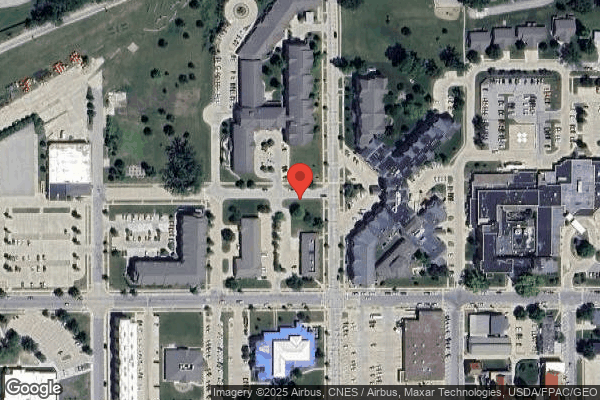
114 N 5th Avenue W, Newton, IA 50208 (641) 792-0115
Non profit - Corporation 24 Beds CASSIA Data: November 2025
Trust Grade
90/100
#54 of 392 in IA
Last Inspection: March 2025

Within standard 12-15 month inspection cycle. Federal law requires annual inspections.

Overview

Newton Village Health Care Center has an excellent Trust Grade of A, indicating it is highly recommended and considered to provide quality care. It ranks #54 out of 392 facilities in Iowa, placing it in the top half for the state, and is the best option among five facilities in Jasper County. However, the facility's trend is worsening, as the number of issues identified increased from one in 2024 to two in 2025. Staffing is a strong point, with a perfect 5/5 rating and RN coverage that surpasses 83% of Iowa facilities, though the turnover rate is average at 46%. While there have been no fines, there are concerning incidents such as delays in responding to call lights, with residents reporting waits of up to 30 minutes, and failures to notify the Long Term Care Ombudsman about resident discharges, which could impact communication and care continuity.

Trust Score
A
90/100
In Iowa
#54/392
Top 13%
Safety Record
Low Risk
No red flags
Inspections
Getting Worse
1 → 2 violations
Staff Stability
⚠ Watch
46% turnover. Above average. Higher turnover means staff may not know residents' routines.
Penalties
✓ Good
No fines on record. Clean compliance history, better than most Iowa facilities.
Skilled Nurses
✓ Good
Each resident gets 72 minutes of Registered Nurse (RN) attention daily — more than 97% of Iowa nursing homes. RNs are the most trained staff who catch health problems before they become serious.
Violations
○ Average
6 deficiencies on record. Average for a facility this size. Mostly minor or procedural issues.
★★★★★
5.0
Overall Rating
★★★★★
5.0
Staff Levels
★★★★★
5.0
Care Quality
★★★★☆
4.0
Inspection Score
Stable
2024: 1 issues
2025: 2 issues

The Good

  • 5-Star Staffing Rating · Excellent nurse staffing levels
  • 5-Star Quality Measures · Strong clinical quality outcomes
  • Full Sprinkler Coverage · Fire safety systems throughout facility
  • No fines on record

Facility shows strength in staffing levels, quality measures, fire safety.

The Bad

Staff Turnover: 46%

Near Iowa avg (46%)

Higher turnover may affect care consistency

Chain: CASSIA

Part of a multi-facility chain

Ask about local staffing decisions and management

The Ugly 6 deficiencies on record

Mar 2025 2 deficiencies
CONCERN (D)

Potential for Harm - no one hurt, but risky conditions existed

Transfer Notice (Tag F0623)

Could have caused harm · This affected 1 resident

**NOTE- TERMS IN BRACKETS HAVE BEEN EDITED TO PROTECT CONFIDENTIALITY** Based on clinical record review, staff interview, and policy review the facility failed to notify the Long Term Care Ombudsman o...

Read full inspector narrative →
**NOTE- TERMS IN BRACKETS HAVE BEEN EDITED TO PROTECT CONFIDENTIALITY** Based on clinical record review, staff interview, and policy review the facility failed to notify the Long Term Care Ombudsman of discharge/transfer of residents as required for 2 of 3 residents reviewed who were discharged or transferred from the facility (Residents #2, and #23). The facility reported a census of 23 residents. Findings include: 1. Review of the Minimum Data Set (MDS) assessment dated [DATE] revealed Resident #2 had an unplanned discharge to the hospital and reentered the facility on [DATE]. The Census List on the resident's electronic medical record revealed Resident #2 hospitalized [DATE]-[DATE]. Review of the Notice of Transfer Form to the Long Term Care (LTC) Ombudsman, dated [DATE], lacked documentation of Resident #2's discharge to the hospital on [DATE] as required by federal regulation. 2. Review of the MDS assessment dated [DATE] revealed Resident #23 had expired on [DATE]. The Census List on the resident's electronic medical record revealed Resident #23 was transferred to the hospital and later expired on [DATE]. Review of the Notice of Transfer Form to the Long Term Care (LTC) Ombudsman, dated February 2025, lacked documentation of Resident #23's transfer to the hospital and expiration on [DATE] as required by federal regulation. In an interview on [DATE] at 4:02 PM the Administrator acknowledged the Notice of Transfer Form to the Long Term Care (LTC) Ombudsman for [DATE] and February 2025 lacked documentation of Resident #2 and Resident #23's transfers and discharges and stated these residents should have been included. Review of Facility provided Discharge planning and Ombudsman Notification policy, reviewed [DATE], stated notification to Ombudsman related to discharge or transfer for emergency transfers to emergency room or hospital from the facility or from an appointment or other outside provider, facility will complete notice of transfer even in the Electronic Health Record (EHR), once per month Health Information Management will submit a list of emergency transfers to the Office of the Ombudsman.
CONCERN (D)

Potential for Harm - no one hurt, but risky conditions existed

Deficiency F0676 (Tag F0676)

Could have caused harm · This affected 1 resident

**NOTE- TERMS IN BRACKETS HAVE BEEN EDITED TO PROTECT CONFIDENTIALITY** Based on clinical record review, observation, family interview, staff interview and policy review the facility failed to provide...

Read full inspector narrative →
**NOTE- TERMS IN BRACKETS HAVE BEEN EDITED TO PROTECT CONFIDENTIALITY** Based on clinical record review, observation, family interview, staff interview and policy review the facility failed to provide appropriate services to maintain or improve resident abilities with ambulation for 1 of 1 residents reviewed for rehab/restorative. (Resident #29). Findings include: The Minimum Data Set (MDS) for Resident #29 admission to the nursing facility from assisted living dated 02/27/25 listed diagnoses included non-Alzheimer's dementia, peripheral vascular disease, osteoarthritis, muscle weakness, unsteadiness on feet and fibromyalgia. Functional abilities section of the MDS coded partial, moderate assistance for transferring and supervision or touching assist to walk 10-150 feet once standing. The Brief Interview for Mental Status (BIMS) exam scored 6 out of 15 indicated severe cognitive impairment. The Care Plan last revised 3/10/25 documented goal, functional maintenance plan established per occupational, physical therapy recommendations and directed encourage exercise group five times weekly. Resident has limited mobility in her right ankle and requires the use of an Ankle Foot Orthosis (AFO) for extra support with walking. Goal will safely transfer and walk with assistance of one and her walker using the AFO. A Physician Order 2/19/25 for Resident #29 move from assisted living memory care to the nursing facility included standby physical assist, to and from meals and activities, required direction with walker. The Base Line Care Plan dated 2/20/25 directed to maintain current functional status, activities of daily living included transfer assist of one person, walking assist of one person, used four wheeled walker. An Observation Detail List Report, admission Functional Abilities assessment dated [DATE] for Resident #29 documented supervision or touching assistance for ambulation 10-150 feet. A Functional Maintenance Plan (FMP) dated 2/21/25 directed group exercise (seated) five times weekly. A Progress Note dated 3/6/25 at 1:17 PM documented during care conference discussion included Resident #29 family reported resident was walking with supervision from her room to dining and activities nearly daily at the assisted living. A response documented Certified Nursing Assistants (CNA's) will attempt and if Resident #29 is too weak will request and order for therapy consult. The Point of Care History documented activity for Resident #29, look back 3/2/25 to 3/13/25. a. Section Titled: How did resident walk in room was unanswered or activity did not occur for the following dates: 3/2/25; 3/4/25; 3/6/25; 3/8/25; 3/10/25; 3/12/25; 3/13/25. b. Section Titled: How did resident walk in the corridor was unanswered or activity did not occur for the following dates: 3/2/25; 3/3/324; 3/4/25; 3/6/25; 3/8/25; 3/9/25; 3/10/25; 3/11/23; 3/12/25; 3/13/25 During an observation on 3/13/25 at 10:15 AM Resident # 29 sitting in the common area, Director of Nursing (DON) confirmed after inquiry that resident was not wearing the AFO had socks, no shoes. In an interview on 3/10/25 at 2:42 PM family relayed Resident #29 wears an AFO for right ankle support when up, reported therapy was mentioned at a care plan meeting and was not certain of any decisions regarding therapy. In an interview on 3/13/25 at 10:18 AM the Director of Nursing (DON) relayed Resident #29 is not wearing shoes so did not need the AFO on. The DON relayed the resident can stand and pivot to transfer, does not walk. Queried about Resident #29 restorative or exercise program, the DON referred to the FMP order in the therapy book that directed seated group exercises only, five days a week. The DON stated Resident #29 is new to the facility and would be evaluated for therapy if not transferring well. DON relayed understanding that Resident #29 admitted not walking. The DON said was aware family did say resident was walking but, is not sure of that. In an interview on 03/13/25 at 10:36 AM with the Director of Assisted Living Facility (ALF) Registered Nurse (RN) Staff A relayed Resident # 29 had increased urinary, fecal incontinence with advancing dementia, cognitive changes led to more care needs. Staff A relayed Resident #29 did walk while at the ALF, usually 50-75 feet daily to all meals and activities and wore an AFO daily for ankle support. In an interview on 03/13/25 at 11:49 AM Therapy Staff B relayed did evaluate Resident #29 at admit to the facility, recommended group exercises five days a week, further explained the group exercises are done while residents are seated, may use hand weights and balls, relayed walk to dine may be appropriate for residents that walk. Staff B relayed the nursing staff will come to therapy for a plan and consideration is taken for such things as resident willingness and abilities to do things in the past. Relayed the facility does not have restorative aides. Staff B did not believe Resident #29 was walking and did not see any doctor's orders stating otherwise. In an interview on 03/13/25 at 1:10 PM with the DON and the Administrator, both acknowledged understanding of benefits of residents maintaining abilities. The DON voiced the family was aware Resident #29 was not wanting to walk. The Administrator and DON relayed had impression that Resident #29 was not walking prior to admit. The DON stated there was obviously lack of communication, had thought family was aware resident was not walking at the nursing facility. The DON confirmed therapy was not recommended other than the seated exercises. Facility Policy Subject: Restorative Nursing/Functional Maintenance Program Review, date reviewed 3/8/24 documented, It is the policy to provide residents with appropriate programs to achieve skills enabling their highest level of function.
Mar 2024 1 deficiency
CONCERN (E) 📢 Someone Reported This

A family member, employee, or ombudsman was alarmed enough to file a formal complaint

Potential for Harm - no one hurt, but risky conditions existed

Deficiency F0725 (Tag F0725)

Could have caused harm · This affected multiple residents

**NOTE- TERMS IN BRACKETS HAVE BEEN EDITED TO PROTECT CONFIDENTIALITY** Based on observations, clinical record review, and resident interviews, the facility failed to answer call lights within a reaso...

Read full inspector narrative →
**NOTE- TERMS IN BRACKETS HAVE BEEN EDITED TO PROTECT CONFIDENTIALITY** Based on observations, clinical record review, and resident interviews, the facility failed to answer call lights within a reasonable amount of time. (Residents #5, #6) The facility census was 22. Findings include: 1. According to a Minimum Data Set (MDS) with a reference date of 12/14/23, Resident #6 had a Brief Mental Status (BIMS) score of 15 indicating an intact cognitive status. Resident #6 required maximal assistance with transfers, mobility, dressing, toilet use and personal hygiene needs. Resident #6's diagnosis included congestive heart failure, diabetes mellitus, and chronic obstructive pulmonary disease. During an interview on 3/6/24 at 1:00 p.m. Resident #6 stated call lights are usually answered within 10-15 minutes, but have been known to take up to 30 minutes plus, although no specific dates or times were provided. During an observation on 3/6/24 at 1:46 p.m. the call light monitor at the nurse's station indicated call lights had been activated for room [ROOM NUMBER], 21 minutes earlier and room [ROOM NUMBER] (Resident #6), 19 minutes earlier. Staff responded to room [ROOM NUMBER] to transfer the resident. The Administrator responded to room [ROOM NUMBER], who was wanting to be transferred into his recliner. Staff arrived to room [ROOM NUMBER] to transfer the resident into his recliner at 2:04 p.m., 39 minutes after his call light was first activated. 2. According to a MDS with a reference date of 12/14/23, Resident #5 had a BIMS score of 15 indicating an intact cognitive status. Resident #5 required extensive assistance with transfers, mobility, dressing, toilet use. Resident #5's diagnosis included congestive heart failure, renal insufficiency, and chronic obstructive pulmonary disease. During an observation on 3/7/24 at 8:30 a.m. the call light monitor at the nurse's station indicated Resident #5's call light had been activated 21 minutes earlier. Resident #5 was anxious, stating she needed a breathing treatment. The call light was answered 23 minutes from time of activation.
Sept 2023 3 deficiencies
CONCERN (D) 📢 Someone Reported This

A family member, employee, or ombudsman was alarmed enough to file a formal complaint

Potential for Harm - no one hurt, but risky conditions existed

Pressure Ulcer Prevention (Tag F0686)

Could have caused harm · This affected 1 resident

**NOTE- TERMS IN BRACKETS HAVE BEEN EDITED TO PROTECT CONFIDENTIALITY** Based on clinical record review, policy reviews, and staff interviews, the facility failed to carry out assessments in accordanc...

Read full inspector narrative →
**NOTE- TERMS IN BRACKETS HAVE BEEN EDITED TO PROTECT CONFIDENTIALITY** Based on clinical record review, policy reviews, and staff interviews, the facility failed to carry out assessments in accordance with professional standards for 1 of 3 residents reviewed for pressure ulcers (Resident #1). The facility reported a census of 24 residents. Findings: The MDS (Minimum Data Set) assessment identifies the definition of pressure ulcers: Stage I is an intact skin with non-blanchable redness of a localized area usually over a bony prominence. Darkly pigmented skin may not have a visible blanching; in dark skin tones only it may appear with persistent blue or purple hues. Stage II is partial thickness loss of dermis presenting as a shallow open ulcer with a red or pink wound bed, without slough (dead tissue, usually cream or yellow in color). May also present as an intact or open/ruptured blister. Stage III Full thickness tissue loss. Subcutaneous fat may be visible but bone, tendon or muscle is not exposed. Slough may be present but does not obscure the depth of tissue loss. May include undermining and tunneling. Stage IV is full thickness tissue loss with exposed bone, tendon or muscle. Slough or eschar (dry, black, hard necrotic tissue). may be present on some parts of the wound bed. Often includes undermining and tunneling or eschar. Unstageable Ulcer: inability to see the wound bed. Other staging considerations include: Deep Tissue Pressure Injury (DTPI): Persistent non-blanchable deep red, maroon or purple discoloration. Intact skin with localized area of persistent non-blanchable deep red, maroon, purple discoloration due to damage of underlying soft tissue. This area may be preceded by tissue that is painful, firm, mushy, boggy, warmer or cooler as compared to adjacent tissue. These changes often precede skin color changes and discoloration may appear differently in darkly pigmented skin. This injury results from intense and/or prolonged pressure and shear forces at the bone-muscle interface. The MDS assessment tool, dated 3/30/23, listed diagnoses for Resident #1 which included diabetes, hip fracture, and malnutrition. The MDS stated the resident had 1 unhealed Stage 2 pressure ulcer and listed the resident's Brief Interview for Mental Status (BIMS) score as 14 out of 15, indicating intact cognition. The facility policy Skin Integrity, revised 8/5/22, stated the facility utilized an interdisciplinary approach to promote best practice in areas of skin injury prevention and promotion of healing. The policy stated staff would complete skin assessments for new admissions weekly x 4 and stated wound assessments should include: location, length, width, depth, drainage, odor, and wound edges. The undated Baseline Care Plan stated the resident admitted to the facility on [DATE] and had a dressing to the sacrum (area above the tailbone). The Care Plan directed staff to turn and reposition every 2 hours and provide an air mattress. A 3/24/23 Progress Note stated the resident admitted from the hospital and had an open area on the sacrum measuring 1 inch x 1/4 (unit not specified). The note stated the area surrounding the open area was red to deep purple. The resident's Face Sheet stated she discharged from the facility on 4/6/23. The facility lacked further assessments of the wound from 3/24/23-4/6/23. On 9/21/23 at 11:30 a.m. the Director of Nursing (DON) stated she completed the resident's initial wound assessment. She stated she should have had more assessments but it was not triggered and stated she did not know how this happened.
CONCERN (D) 📢 Someone Reported This

A family member, employee, or ombudsman was alarmed enough to file a formal complaint

Potential for Harm - no one hurt, but risky conditions existed

Deficiency F0882 (Tag F0882)

Could have caused harm · This affected 1 resident

Based on personnel file review and staff interview, the facility failed to ensure the Infection Preventionist completed specialized training in infection prevention and control. The facility reported ...

Read full inspector narrative →
Based on personnel file review and staff interview, the facility failed to ensure the Infection Preventionist completed specialized training in infection prevention and control. The facility reported a census of 24 residents. Findings Include: In email correspondence on 9/21/23 at 8:38 a.m., the Administrator stated the Infection Preventionist started this role in April of 2023. She stated she did not have the certificate because the facility thought she had 6 months to complete this. In email correspondence on 9/21/23 at 2:33 p.m., the Administrator stated the facility utilized the regulatory requirements regarding Infection Preventionist training but stated she would check with the home office if other policies would be applicable.
CONCERN (D) 📢 Someone Reported This

A family member, employee, or ombudsman was alarmed enough to file a formal complaint

Potential for Harm - no one hurt, but risky conditions existed

Deficiency F0883 (Tag F0883)

Could have caused harm · This affected 1 resident

**NOTE- TERMS IN BRACKETS HAVE BEEN EDITED TO PROTECT CONFIDENTIALITY** Based on clinical record review, policy review, and staff interview, the facility failed to ensure 3 of 5 residents were offered...

Read full inspector narrative →
**NOTE- TERMS IN BRACKETS HAVE BEEN EDITED TO PROTECT CONFIDENTIALITY** Based on clinical record review, policy review, and staff interview, the facility failed to ensure 3 of 5 residents were offered up to date pneumococcal vaccinations (Residents #4, #5, #6). The facility reported a census of 24 residents. Findings Include: 1. Resident #4's Face Sheet listed her age as [AGE] years old. The Immunization Record for Resident #4 stated she received PCV13 (a type of pneumonia vaccination) on 3/15/16 and 11/16/17. The resident's clinical record lacked further documentation of additional pneumococcal vaccines offered or administered. 2. Resident #5's Face Sheet listed her age as [AGE] years old. A Preventive health Care document stated the resident received PPSV23 (a type of pneumonia vaccination) on 9/14/10. The resident's clinical record lacked further documentation of additional pneumococcal vaccines offered or administered. 3. Resident #6's Face Sheet listed her age as [AGE] years old. A Preventive Health Care Document, created 2/13/23, stated the resident received a pneumococcal vaccine on 9/11/2017. The form lacked documentation of which pneumococcal vaccine the resident received. The resident's clinical record lacked further documentation of additional pneumococcal vaccines offered or administered. The Centers for Disease Control and Prevention(CDC) guidance Pneumococcal Vaccination: Who and When to Vaccinate, reviewed 2/13/23, listed the following guidance: For adults who only received PCV13 give 1 dose of PCV20(a type of pneumonia vaccination) or PPSV23 at least 1 year after PCV13. For adults who only received PPSV23, give 1 dose of PCV15(a type of pneumonia vaccination) or PCV20 at least 1 year after the most recent PPSV23 vaccination.(Retrieved from https://www.cdc.gov/vaccines/vpd/pneumonia/hcp/who-when-to-vaccinate. html on 9/21/23). The facility policy Pneumococcal Vaccine, revised 6/22/23, stated the facility would offer resident immunization against pneumococcal disease in accordance with the current CDC or state guidelines and recommendations. On 9/21/23 at 11:34 a.m., the Infection Preventionist stated residents should be up to date on their vaccinations if they wished to receive them.
Understanding Severity Codes (click to expand)
Life-Threatening (Immediate Jeopardy)
J - Isolated K - Pattern L - Widespread
Actual Harm
G - Isolated H - Pattern I - Widespread
Potential for Harm
D - Isolated E - Pattern F - Widespread
No Harm (Minor)
A - Isolated B - Pattern C - Widespread

Questions to Ask on Your Visit

  • "Can I speak with families of current residents?"
  • "What's your RN coverage like on weekends and overnight?"

Our Honest Assessment

Strengths
  • • Grade A (90/100). Above average facility, better than most options in Iowa.
  • • No major safety red flags. No abuse findings, life-threatening violations, or SFF status.
  • • No fines on record. Clean compliance history, better than most Iowa facilities.
Concerns
  • • No significant concerns identified. This facility shows no red flags across CMS ratings, staff turnover, or federal penalties.
Bottom line: Generally positive indicators. Standard due diligence and a personal visit recommended.

About This Facility

What is Newton Village Health Care Center's CMS Rating?

CMS assigns Newton Village Health Care Center an overall rating of 5 out of 5 stars, which is considered much above average nationally. Within Iowa, this rating places the facility higher than 99% of the state's 100 nursing homes. This rating reflects solid performance across the metrics CMS uses to evaluate nursing home quality.

How is Newton Village Health Care Center Staffed?

CMS rates Newton Village Health Care Center's staffing level at 5 out of 5 stars, which is much above average compared to other nursing homes. Staff turnover is 46%, compared to the Iowa average of 46%.

What Have Inspectors Found at Newton Village Health Care Center?

State health inspectors documented 6 deficiencies at Newton Village Health Care Center during 2023 to 2025. These included: 6 with potential for harm.

Who Owns and Operates Newton Village Health Care Center?

Newton Village Health Care Center is owned by a non-profit organization. Non-profit facilities reinvest revenue into operations rather than distributing to shareholders. The facility is operated by CASSIA, a chain that manages multiple nursing homes. With 24 certified beds and approximately 22 residents (about 92% occupancy), it is a smaller facility located in Newton, Iowa.

How Does Newton Village Health Care Center Compare to Other Iowa Nursing Homes?

Compared to the 100 nursing homes in Iowa, Newton Village Health Care Center's overall rating (5 stars) is above the state average of 3.1, staff turnover (46%) is near the state average of 46%, and health inspection rating (4 stars) is above the national benchmark.

What Should Families Ask When Visiting Newton Village Health Care Center?

Based on this facility's data, families visiting should ask: "Can I visit during a mealtime to observe dining assistance and food quality?" "How do you handle medical emergencies, and what is your hospital transfer rate?" "Can I speak with family members of current residents about their experience?"

Is Newton Village Health Care Center Safe?

Based on CMS inspection data, Newton Village Health Care Center has a clean safety record: no substantiated abuse findings (meaning no confirmed cases of resident harm), no Immediate Jeopardy citations (the most serious violation level indicating risk of serious injury or death), and is not on the Special Focus Facility watch list (a federal program monitoring the lowest-performing 1% of nursing homes). The facility has a 5-star overall rating and ranks #1 of 100 nursing homes in Iowa. While no facility is perfect, families should still ask about staff-to-resident ratios and recent inspection results during their visit.

Do Nurses at Newton Village Health Care Center Stick Around?

Newton Village Health Care Center has a staff turnover rate of 46%, which is about average for Iowa nursing homes (state average: 46%). Moderate turnover is common in nursing homes, but families should still ask about staff tenure and how the facility maintains care continuity when employees leave.

Was Newton Village Health Care Center Ever Fined?

Newton Village Health Care Center has no federal fines on record. CMS issues fines when nursing homes fail to meet care standards or don't correct problems found during inspections. The absence of fines suggests the facility has either maintained compliance or corrected any issues before penalties were assessed. This is a positive indicator, though families should still review recent inspection reports for the full picture.

Is Newton Village Health Care Center on Any Federal Watch List?

Newton Village Health Care Center is not on any federal watch list. The most significant is the Special Focus Facility (SFF) program, which identifies the bottom 1% of nursing homes nationally based on persistent, serious quality problems. Not being on this list means the facility has avoided the pattern of deficiencies that triggers enhanced federal oversight. This is a positive indicator, though families should still review the facility's inspection history directly.