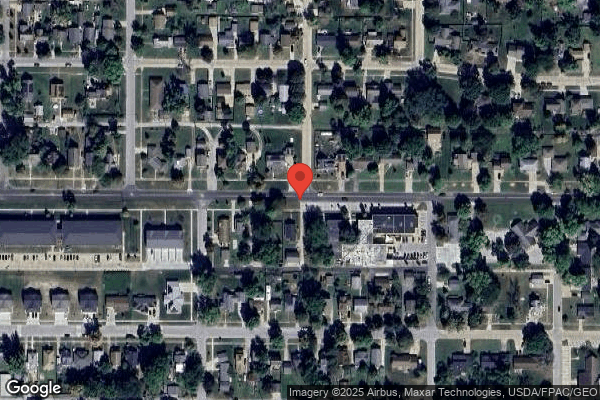
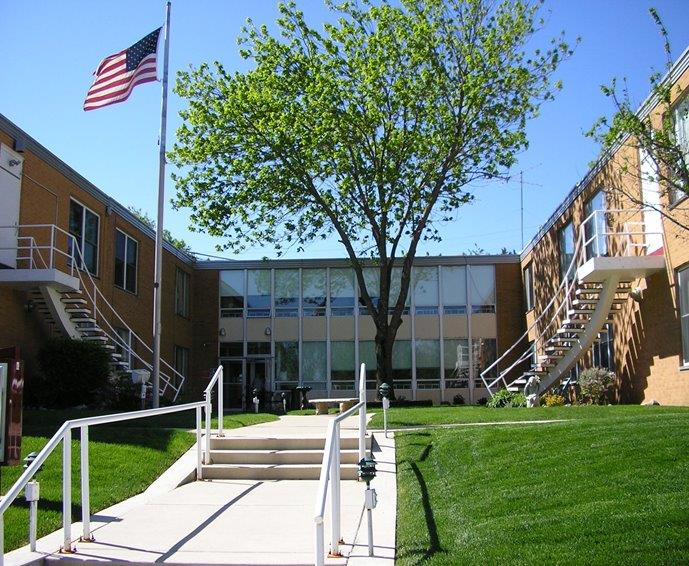
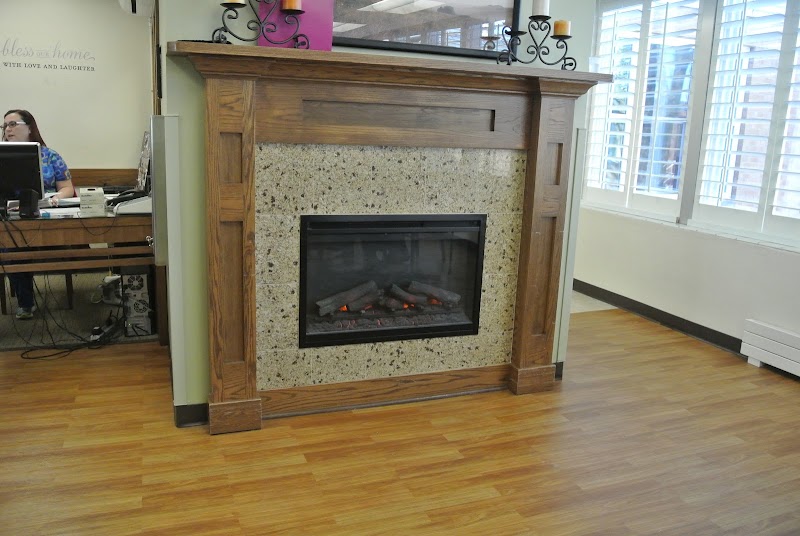
Perry Lutheran Home

2323 EAST WILLIS AVENUE, PERRY, IA 50220 (515) 465-5342
For profit - Corporation 79 Beds Independent Data: November 2025 4 Immediate Jeopardy citations
Trust Grade
0/100
#371 of 392 in IA
Last Inspection: March 2025

Within standard 12-15 month inspection cycle. Federal law requires annual inspections.

Overview

Perry Lutheran Home has received a Trust Grade of F, indicating significant concerns about the quality of care provided. Ranked #371 out of 392 facilities in Iowa, it is in the bottom half of all state nursing homes and the last of 10 in Dallas County. While the facility is trending towards improvement, having reduced issues from 8 in 2024 to 5 in 2025, it still faces serious challenges, including 18 total deficiencies, with 4 being critical. Staffing is average with a 3/5 rating, but the turnover rate is at 47%, which is concerning for continuity of care. The facility's RN coverage is below average, placing them in a position where they might miss important health issues. Specific incidents raised during inspections include failures to protect residents from sexual abuse and not properly investigating allegations, which is alarming and needs to be addressed to ensure resident safety. Overall, while there are some strengths, the serious deficiencies and low Trust Grade warrant caution for families considering this nursing home.

Trust Score
F
0/100
In Iowa
#371/392
Bottom 6%
Safety Record
High Risk
Review needed
Inspections
Getting Better
8 → 5 violations
Staff Stability
⚠ Watch
47% turnover. Above average. Higher turnover means staff may not know residents' routines.
Penalties
⚠ Watch
$16,351 in fines. Higher than 90% of Iowa facilities, suggesting repeated compliance issues.
Skilled Nurses
⚠ Watch
Each resident gets only 23 minutes of Registered Nurse (RN) attention daily — below average for Iowa. Fewer RN minutes means fewer trained eyes watching for problems.
Violations
⚠ Watch
18 deficiencies on record. Higher than average. Multiple issues found across inspections.
★☆☆☆☆
1.0
Overall Rating
★★★☆☆
3.0
Staff Levels
★★★☆☆
3.0
Care Quality
★☆☆☆☆
1.0
Inspection Score
Stable
2024: 8 issues
2025: 5 issues

The Good

  • Full Sprinkler Coverage · Fire safety systems throughout facility
  • No fines on record

Facility shows strength in fire safety.

The Bad

1-Star Overall Rating

Below Iowa average (3.0)

Significant quality concerns identified by CMS

Staff Turnover: 47%

Near Iowa avg (46%)

Higher turnover may affect care consistency

Federal Fines: $16,351

Below median ($33,413)

Minor penalties assessed

The Ugly 18 deficiencies on record

4 life-threatening 3 actual harm
Mar 2025 5 deficiencies
CONCERN (D)

Potential for Harm - no one hurt, but risky conditions existed

Deficiency F0625 (Tag F0625)

Could have caused harm · This affected 1 resident

**NOTE- TERMS IN BRACKETS HAVE BEEN EDITED TO PROTECT CONFIDENTIALITY** Based on clinical record review, staff interview and policy review the facility failed to provide/obtain bed hold notifications ...

Read full inspector narrative →
**NOTE- TERMS IN BRACKETS HAVE BEEN EDITED TO PROTECT CONFIDENTIALITY** Based on clinical record review, staff interview and policy review the facility failed to provide/obtain bed hold notifications for 1 of 1 residents reviewed (Resident #3). The facility reported a census of 60. Findings include: Review of Resident #3's Electronic Healthcare Record (EHR) revealed Resident #3 was in the hospital from [DATE] to 2/10/25. Further review of the EHR page titles, Clinical Census confirmed the Resident was in the hospital on these dates. Review for bed hold notification for Resident #3 revealed there was no bed hold form to review for the dates of hospitalization. During an interview on 3/13/25 at 10:14 AM the Administrator acknowledged and verified that there was not a bed hold completed for this hospital stay. The Administrator stated she would expect this to be completed. Review of the undated facility provided policy titled, Bed Hold revealed: Prior to and upon transfer of a resident to a hospital or if the resident goes on therapeutic leave, the facility will provide written notice to the resident and/or representative of the bed-hold policy. Bed Hold notices will be given upon admission, the resident and/or representative will receive education on the bed hold notice policy within the admission packet. They must sign form acknowledging they were informed of the policy and at the time of transfer, or in case of an emergency, within 24 hrs resident and/or representative will be notified of bed hold notice. Initial notification may be via phone and followed up with written form. The written bed hold notice will specify the duration of the bed-hold policy during which the resident is permitted to return and resume residence in the facility. The reserve bed payment policy. The rate for holding a bed will be determined by the resident ' s payer source. The facility policy regarding bed-hold periods regarding permitting residents to return to facility in the event an advance notice is possible, the resident/representative will be given the notice two times, once at the onset of the discussion of transfer and again when the transfer takes place. The facility agrees to hold the bed of any resident upon the return of a signed bed hold agreement or the verbal confirmation obtained by the facility. Each time a resident goes out of the building overnight; a new bed hold agreement must be obtained.
CONCERN (D)

Potential for Harm - no one hurt, but risky conditions existed

Accident Prevention (Tag F0689)

Could have caused harm · This affected 1 resident

**NOTE- TERMS IN BRACKETS HAVE BEEN EDITED TO PROTECT CONFIDENTIALITY** Based on clinical record review, staff interviews, facility record review, and facility policy review the facility failed to imp...

Read full inspector narrative →
**NOTE- TERMS IN BRACKETS HAVE BEEN EDITED TO PROTECT CONFIDENTIALITY** Based on clinical record review, staff interviews, facility record review, and facility policy review the facility failed to implement specific fall interventions in a timely manner after 3 falls for 1 of 1 residents reviewed (Residents #3). The facility reported a total census of 60 residents. Findings include: The Minimum Data Set (MDS) assessment dated [DATE] for Resident #3 documented diagnoses of non-Alzheimer's Dementia, anxiety, depression and hypertension. The MDS showed the Brief Interview for Mental Status (BIMS) score of 11, indicating moderate impairment cognition. Review of MDS dated [DATE] revealed Resident #3 was substantial/maximal assistance (helper does more than half the effort. Helper lifts or holds the trunk or lungs and provides more than half the effort) with transfers and upper and lower body dressing. Review of the facility reported incident dated 2/14/25 at 7:05 AM revealed Resident #3 was walking with a staff member with her walker to the bathroom when she became weak. Resident #3 was lowered to the floor. Resident #3 assessed for injuries, and none found. The root cause analysis was performed and showed increased weakness which caused Resident #3's knees to buckle, the intervention will be to perform follow up labs to check infection status. The Care Plan has been updated with changes. Review of Resident #3's Care Plan with an initiated date of 2/17/25 revealed the intervention was to perform follow up labs to check infection status. Review of facility Progress Notes revealed lab work was obtained by staff on 2/18/25. Interview on 3/13/25 at 2:05 PM with he ADON and she stated she followed up with the nurse that filled out the incident report for the fall on 2/14/25 at 7:05 AM to encourage staff to utilize extra help if Resident #3 felt weak. The ADON confirmed and verified that this education was not documented. The ADON also confirmed that the lab work completed on 2/18/25 was the intervention for this fall and that no other intervention was put into place. Review of the facility reported incident dated 2/14/25 at 11:50 PM revealed Resident #3 was found on the floor lying on her left side, her knees were pulled up partway to her abdomen, resting on left arm and right arm over torso. Resident #3 was lying on top of her grabber, and had regular athletic socks on. Resident #3 was last seen at 11:15 PM. Resident #3 returned four days ago from the hospital due to pneumonia and on an antibiotic. Resident #3 has increased confusion. Resident #3 had no injuries observed at the time of the incident. The root cause analysis was performed and showed increased confusion. The intervention will be to update the physician of Resident #3 not being back to baseline and to follow his recommendations. The facility educated staff to utilize gripper socks during night time care. The Care Plan has been updated with changes. Review of the resident Care Plan with initiated date of 2/17/25 intervention revealed to update the physician regarding Resident #3 not being back to baseline and to follow physician recommendations. The facility failed to add documentation of utilizing the gripper socks with night time cares to the Care Plan. Review of facility Progress Notes on 2/15/25 at 4:02 AM revealed the immediate intervention was to put gripper socks on. Interview on 3/13/25 at 2:05 PM with the ADON and she stated she requested the floor nurse to update the physician on the condition of Resident #3 regarding the increased confusion and falls. The ADON acknowledged that the floor nurse faxed the results of the lab work with a note stating follow up CBC and CMP post hospital with pneumonia. Do you wish any changes, last dose of antibiotic given 2/17/25. The physician responded back with no changes on 2/20/25. The ADON acknowledged that there was not an intervention put into place for this fall. Review of the facility reported incident dated 2/16/25 at 10:45 PM revealed Resident #3 was found on the floor lying almost prone on the floor alongside her bed. Resident #3's right hip was resting on the base of her side table, left leg was lying partly on her right leg and her head was resting on the base of the side table. Resident #3's body was partially wrapped up in the bedding. Resident #3 had on athletic socks. Resident #3 stated I was trying to get out The basement, I was going to fall into the basement. I was hollering for my sister. Resident #3 received two new bruises, no other injuries noted. The immediate interventions were to place gripper socks on and the roll up blankets on the edges of the bed to remind Resident #3 of the mattress borders. The root cause analysis was performed and showed increased confusion, increased weakness, facility will request physical therapy to evaluate and treat orders and also educated staff to put on gripper socks during night time care. Review of resident Care Plan with initiated date of 2/17/25 revealed the intervention was to request physical therapy orders to evaluate and treat. The facility failed to add documentation of utilizing the gripper socks with night time cares to the Care Plan. Review of the facility Progress Notes dated 2/17/25 at 9:57 AM the son requested the bolster mattress be put back on Resident #3's bed. Review of the facility Progress Notes dated 2/21/25 at 9:34 AM the facility requested physical therapy orders and at 12:51 PM received orders for physical therapy. Review of the facility policy dated January 2025 and titled Falls and Fall Risk, Managing revealed: Based on previous evaluations and current data, the staff will identify interventions related to the resident's specific risks and causes to try to prevent the resident from falling and to try to minimize complications from falling. The staff, with the input of the attending physician, will implement a resident-centered fall prevention plan to reduce the specific risk factor(s) of falls for each resident at risk or with a history of falls. If a systematic evaluation of a resident's fall risk identifies several possible interventions, the staff may choose to prioritize interventions (i.e., to try one or a few at a time, rather than many at once). Examples of initial approaches might include exercise and balance training, a rearrangement of room furniture, improving footwear, changing the lighting, etc. If falling recurs despite initial interventions, staff will implement additional or different interventions, or indicate why the current approach remains relevant. If underlying causes cannot be readily identified or corrected, staff will try various interventions, based on assessment of the nature or category of falling, until falling is reduced or stopped, or until the reason for the continuation of the falling is identified as unavoidable. In conjunction with the attending physician, staff will identify and implement relevant interventions (e.g., hip padding or treatment of osteoporosis, as applicable) to try to minimize serious consequences of falling. The staff will monitor and document each resident's response to interventions intended to reduce falling or the risks of falling. If the resident continues to fall, staff will re-evaluate the situation and whether it is appropriate to continue or change current interventions. As needed, the attending physician will help the staff reconsider possible causes that may not previously have been identified. The staff and/or physician will document the basis for conclusions that specific irreversible risk factors exist that continue to present a risk for falling or injury due to falls. An interview on 3/13/25 at 2:05 PM with the ADON revealed that these falls happened on the weekend and she thinks they have 3 days to review them and put interventions in place. The ADON stated her expectation would be to have nursing implement timely interventions when the ADON is not available and they could put any simple interventions in place.
CONCERN (D)

Potential for Harm - no one hurt, but risky conditions existed

Deficiency F0761 (Tag F0761)

Could have caused harm · This affected 1 resident

Based on observation, staff interview and policy review, the facility failed to store and maintain medications in a safe manner. The facility reported a census of 60 residents. Findings include: Duri...

Read full inspector narrative →
Based on observation, staff interview and policy review, the facility failed to store and maintain medications in a safe manner. The facility reported a census of 60 residents. Findings include: During an observation on 3/11/25 at 10:54 AM, the medication cart was located in the main hallway by the dining room on the CCDI (Chronic Confusion or Dementing Illness) unit, up against a wall, unlocked. On top of the medication cart was a bubble packet of prescription medication of Olanzapine (an Antipsychotic medication) with 2 pills left in the packet. The cart was left unattended. Approximately 3 minutes later Staff B, Licensed Practical Nurse (LPN), came out of the dining room to the cart. The cart was not observable from the dining room, there is a wall separating the cart from the dining room. Three residents were observed by the medication cart, two of the residents walking independently and one in a wheelchair. The cart was unattended upon arrival to the unit at 10:54 AM, with no nursing staff present, and was unattended for approximately 4 minutes of observation. During an interview on 3/11/25 at 11:05 AM, Staff B stated she does not normally leave the medication cart unlocked and unattended and stated she should never leave medications unattended on the cart. Staff B stated many of the residents on the CCDI unit, including one of them who walked past the medication cart several times, like to take items and carry them with them or into their rooms. Staff B stated one resident routinely takes the computer mouse off of the cart and takes it to her room (a resident who walked past the cart more than once). Staff B stated it is not safe to leave the medication cart unlocked and not safe to leave medications unattended on top of the cart. Staff B stated she was in the dining room attending to another resident. During an interview on 3/11/25 at 1:10 PM, the Administrator stated an expectation the medication cart is locked at all times when unattended and an expectation medications are stored and locked in the medication cart and not left unattended on the medication cart. Review of the facility policy, Medication Administration Procedures, dated January 2025, documented the medication cart is to be kept locked at all times unless in use and within nurse's sight.
CONCERN (D)

Potential for Harm - no one hurt, but risky conditions existed

Food Safety (Tag F0812)

Could have caused harm · This affected 1 resident

Based on observations, staff interviews, and facility policy reviews the facility failed to ensure food was prepared under sanitary conditions. The facility identified a census of 60 residents. Findin...

Read full inspector narrative →
Based on observations, staff interviews, and facility policy reviews the facility failed to ensure food was prepared under sanitary conditions. The facility identified a census of 60 residents. Findings include: Observation on 3/11/25 at 11:25 AM Staff A, Cook, applied gloves after performing hand hygiene. Staff A with gloved hands grabbed the bread sack and untwisted the bread tie, then opened the bread sack and took out 4 pieces of bread and laid them on a sheet of parchment paper. Staff A then grabbed the peanut butter jar with her gloved hands along with the knife, proceeded to spread peanut butter on the bread. Staff A grabbed the bread and put it together to make the sandwich and cut the sandwich with the knife. Staff A placed the 2 sandwiches on a plate with her soiled gloves. Staff A, then took off the gloves and washed her hands Observation on 3/11/25 at 11:30 AM Staff A, applied a glove to her right hand then proceeded to open a baggie that had a hotdog package inside. Staff A reached into the baggie to open the hotdog package, then reached into the hotdog package with her gloved hand and pulled out a hotdog and placed it on a plate. Staff A, then took off the glove and washed her hands. Per the undated facility Policy name Proper Use of Single Use Gloves revealed staff must change disposable gloves between tasks and not wear them continuously. A glove must be limited to one task only- thus the term Single Use. Once a person dons (puts on) the glove(s) and leaves the task to open a refrigerator, oven, box, bag, etc, the glove(s) are contaminated and are to be removed/replaced before returning to handling the ready to eat food item(s) and It is preferred to use a utensil (e.g. tong) instead of gloves when handling ready to eat foods if at all possible. Interview on 3/11/25 at 11:55 AM with the Dietary Manager revealed her expectation would be for all staff to get their supplies ready, wash their hands and use tongs to take out the bread from the bread sack and hotdog's from the package.
CONCERN (E)

Potential for Harm - no one hurt, but risky conditions existed

Infection Control (Tag F0880)

Could have caused harm · This affected multiple residents

**NOTE- TERMS IN BRACKETS HAVE BEEN EDITED TO PROTECT CONFIDENTIALITY** Based on observations, clinical record review, staff interview, and policy review, the facility failed to maintain infection con...

Read full inspector narrative →
**NOTE- TERMS IN BRACKETS HAVE BEEN EDITED TO PROTECT CONFIDENTIALITY** Based on observations, clinical record review, staff interview, and policy review, the facility failed to maintain infection control standards by staff not disinfecting a facility multi-resident use glucose machine (device to measure blood sugar) after use, failed to complete hand hygiene between administering medications for 4 of 5 residents, failed to change gloves and sanitize hands during cares and failed to apply personal protective equipment for catheter and incontinent care for 1 of 1 resident (Resident #23) reviewed. The facility reported a census of 60 residents. Findings include: 1. Observation showed on 3/11/25 from 11:10 AM - 12 PM, Staff C, Certified Medication Aide (CMA) administered medications to 4 different residents. Staff A did not wash or sanitize hands before or after administering medications to each of the 4 residents. Facility policy Medication Administration Procedures dated January 2025, revealed to cleanse hands before handling medication and before contact with resident. Interview on 3/12/25 at 4:31 PM, the Assistant Director of Nursing (ADON) stated expectation for staff to complete hand hygiene between residents when administering medication. 2. Observation and interview on 3/12/25 at 7:54 AM, Staff D, CMA completed a resident's blood sugar check with the glucose machine and then placed the glucose machine in the medication cart in an open box of lancets (device to puncture a person's skin for blood) without disinfecting the glucose machine. When asked about disinfecting the glucose machine, Staff D stated the glucose machine is a facility machine which is currently used for 2 other residents on the unit also. Staff D then wiped the glucose machine with an alcohol swab and placed the glucose machine back in the box and stated she always just wipes off the glucose machine with an alcohol swab. Facility policy Finger Stick Glucose Check Protocol, dated 6/2024 revealed if using a community wide glucose machine, disinfect after each use following the manufacturer's guidelines for drying time. Interview on 3/12/25 at 3:09 PM, the ADON stated expectation to disinfect the glucose machine after each use with a disinfecting wipe and the glucose machine must remain wet with the disinfectant for 3 minutes per instructions. 3. The Minimum Data Set (MDS) assessment dated [DATE] for Resident #23 documented diagnosis as peripheral vascular disease (a condition that affects the blood vessels outside the heart and brain), benign prostatic hyperplasia (a non-cancerous condition where the prostate gland grows larger than normal, potentially causing urinary difficulties), hip fracture and depression. The MDS included a Brief Interview for Mental Status (BIMS) score of 15 indicating no cognitive impairment. During an observation completed on 3/12/25 at 4:30 PM with Staff E, Certified Nursing Assistant (CNA), the aide failed to apply personal protective equipment per Enhanced Barrier Precautions (EBP) when providing catheter care on Resident #23. Observed the EBP's signage on the door of Resident #23. Interview on 3/12/25 at 4:50 PM with Staff E stated she had started back at the facility around three weeks ago and had been told that it depends when to wear it. Staff E stated she realized she should have worn a gown during the catheter care process. Interview on 3/13/25 at 2:05 PM with the Assistant Director of Nursing (ADON) stated that all staff need to utilize the Enhanced Barrier Precautions when needed. Review of the facility policy named Enhanced Barrier Precautions dated June 24, revealed EBP's are an infection control intervention designed to reduce transmission of multidrug-resistant organisms (MDROs) in nursing homes. EBP's are an approach of targeted gown and glove use during high contact resident care activities, designed to reduce transmission of CDC-targeted MDROs. EBP's should be applied (when Contact Precautions do not otherwise apply) to residents with any of the following: Chronic wounds (include, but are not limited to, pressure ulcers, diabetic foot ulcers, unhealed surgical wounds, and venous stasis ulcers) and indwelling medical devices, regardless of MDRO colonization status. (indwelling device examples include central/PICC lines, urinary catheters, feeding tubes and tracheotomies). 4. Observation completed on 3/12/25 at 4:30 PM with Staff E, CNA and Staff F, CNA. Staff E and Staff F performed hand hygiene prior to applying gloves then proceeded to perform pericare on Resident #23. Staff E and Staff F assisted pulling Resident #23's pants down, then proceeded to remove the dirty brief. Staff E with soiled gloves proceeded to utilize washcloths to perform perineal care. Staff E and Staff F rolled Resident #23 to his side then proceeded to utilize washcloths to perform perineal care. Staff E placed a clean brief, rolled Resident #23 to his back and fastened a new brief, then Staff E and Staff F proceeded to pull pants up. Staff F failed to change gloves and perform hand hygiene throughout the process of performing pericare. Interview on 3/12/25 at 4:50 PM with Staff F stated that she should have changed her gloves and performed hand hygiene more frequently than she did. Interview on 3/13/25 at 2:05 PM with the ADON stated that she expected staff to change gloves between cares and to sanitize/wash hands after cares are completed. Review of the facility provided Peri Care Audit revealed: 1. Assemble equipment: peri care items, bags, towel/blanket to cover for privacy. 2. Knock on door before entering. 3. Explain procedure to resident. 4. Provide privacy: i.e. room door/bathroom door, privacy & window curtains. 5. Wash hand & put on gloves. 6. Remove any badly soiled pads, clothing, linens & place in container/bag per protocol. If pad is not heavily soiled it can be turned on itself to expose dry surface area. 7. If removal of soiled linen occurs, then change gloves. 8. Clean the lower abdomen, anterior thighs and dry, as needed. 9. Place soiled wash cloths on a cloth towel or preferably in a plastic bag. 10. Remove gloves before turning resident to their side, unless using buddy system 11. Wash buttocks and both sides of upper thighs, be sure to dry the skin. 12. Wash anal area, front to back using facility choice of solution and cloths/wipes. 13. Remove gloves, wash hands and roll resident to side onto a clean, dry surface. 14. Wash the opposite hip and dry. Remove gloves. 15. Remove gloves, wash hands and re-apply gloves. a. Apply moisture barrier per facility protocol. Note: must use new gloves if additional barrier must be removed from container for further application. b. Remove gloves and cleanse hands when application is complete. 17. Pick up any soiled equipment used, place in plastic bag to remove to area to clean. 18. Wash hands.
Nov 2024 1 deficiency 1 Harm
SERIOUS (G) 📢 Someone Reported This

A family member, employee, or ombudsman was alarmed enough to file a formal complaint

Actual Harm - a resident was hurt due to facility failures

Quality of Care (Tag F0684)

A resident was harmed · This affected 1 resident

**NOTE- TERMS IN BRACKETS HAVE BEEN EDITED TO PROTECT CONFIDENTIALITY** Based on clinical record review, staff interview, and facility policy/procedure review at the time of the investigation, the fac...

Read full inspector narrative →
**NOTE- TERMS IN BRACKETS HAVE BEEN EDITED TO PROTECT CONFIDENTIALITY** Based on clinical record review, staff interview, and facility policy/procedure review at the time of the investigation, the facility failed to provide needed services in accordance with professional standards for one of three residents reviewed by not sending a resident to the nearest emergency room when their was a change in their assessment for which resulted in the resident being admitted to the hospital with hypoxemia, bronchopneumonia and dehydration. (Resident #2). The facility identified a census of 59 residents. Findings include: 1. A admission Minimum Data Set (MDS) completed for Resident #2 with an assessment reference date of 8/5/24, documented diagnosis for which included hypertension, non-Alzheimer dementia, anxiety, depression, asthma and chronic obstructive pulmonary disease (COPD). The MDS documented the resident had a Brief Interview for Mental Status (BIMS) score of 3 which indicated severe impaired cognitive decisions and no acute onset of mental changes. The resident required substantial assistance to maximal assistance for activity of daily living and was independent with ambulation with a walker. The Careplan with a focus area initiated 8/12/24, I have a diagnosis of Chronic Obstructive Pulmonary Disease and am at risk for shortness of breath and respiratory infections. Interventions include: *Allow for rest periods between tasks as needed. *Give bronchodilator as ordered. Document any side effects and effectiveness. Document adverse effects trembling, headaches, dry mouth, palpitations, muscle cramps, cough, nausea and vomiting, diarrhea. *Nebulizer Therapy: Change Tubing Weekly and PRN *Observe daily for signs of respiratory infections or distress, adventitious lung sounds, shortness of breath, elevated temperature and notify physician as indicated. *Observe for signs/symptoms of hypertension such as headache, visual changes, mental status changes, slurred speech, decreased alertness. report to physician as indicated. *10/11/24: resident was sent to emergency room and admitted for bronchitis related to COPD The Progress Notes documented on the following dates and times: *10/9/2024 at 1:02 p.m. Nurses Note Text: Resident is on follow up for being lowered to the floor. Resident short of breath this morning. Walked with staff and allowed this nurse to administer suppository for constipation. Effective. Resident walked without difficulty using walker and used inhaler. Appears more comfortable sitting upright. *10/9/2024 at 4:25 p.m., Nurses Note Text: Called to unit by staff, resident was sitting at a table in the dining area, stood up and moved with out his walker. Reached for the hand rail and lost his balance, falling to his left side. Hitting his head on the shower room door. Staff assist to standing, Sat resident in a straight chair. Neuro checks initiated. Neurological continue until resident became combative. Will reapproach . *10/9/2024 at 5:38 p.m., Nurses Note Text: Sitting at table with peers for supper, as needed Tylenol given to promote comfort as he stated his legs ache. Neurological continue as he will allow. *10/10/2024 at 11:36 p.m., Nurses Note Text: follow up on fall 10/09/24. No latent injuries noted. Ambulating with a fairly steady gait with front wheeled walker and assistance of one. *10/11/2024 at 3:21 p.m., Nurses Note Text: Staff called this nurse to assess resident with concern that resident was pale and slurring. Not at his regular baseline. Resident was very sleepy. Resident was slurring his words and wasn't cooperating with instructions. Resident woke up and ambulated using his walker to the dining room and had very little appetite. Resident remained alert the rest of this morning shift. Orthostatic Blood pressures are low. Completed twice this shift. 101/59 laying, Standing 99/68, Sitting 100/56. Resident denies pain. Slightly aggressive with cares. *10/11/2024 at 9:15 p.m., Nurses Note Text: Resident is on fall follow up. Observed resident in unit to be sitting at the table. Staff reports he did not eat this evening. Resident awake, mumbling, looking down at floor. Staff reported they attempted to get resident to stand and walk down the hallway to bed but he would not stand. Registered Nurse (RN) assisted staff to stand resident at this time and he continued to not want to put feet down and stand up. He eventually did and had one foot on top of the other while in upright position. Staff straightened his feet out and he began to walk but it was very staggered type of walking. Resident holding on to walker and would pull brakes up making it difficult to move forward. Resident needed numerous instructions to unlock brakes and keep walking. At point halfway down the hall, resident stopped and refused to go any further. He sank down to his knees, staff unable to hold him up. He was lowered to the floor on his knees without incident. Additional staff called to assist resident back to standing. He stood with maximum assist of 3 staff but would not walk. Resident put on seat of his walker and rolled to his room. Resident brought to side of his bed at which time he laid himself back with feet outstretched and became minimally unresponsive. Resident transferred to his bed. Residents eyes were open and staring. Pupils small and slowly reactive. He was not moving eyes or tracking to sound of staff voice. He would not grip hands and was not moving his extremities. He did not respond to verbal or tactile stimuli. Heart rate continued to erratic up into 130s. Blood Pressure initially unable to obtain, then finally able to get 68/48. Recheck 100/68. Oxygen placed at 2.5 liters and pulse ox came up to about 83-85%. Skin color to face grayish. Spoke with Dr. on call for who stated to send resident to ER. EMS called. Report called to ER. While other staff sat with resident while this nurse made phone calls etc, staff reported resident would intermittently yell out like he was in pain. Resident left facility. Resident was more alert at time of transfer but not at baseline. *10/12/2024 at 1:03 a.m., Nurses Note Text: Received call from nurse at hospital. Resident is being admitted at least through the weekend. Resident has bronchitis related to COPD exacerbation, hypoxemia, and dehydration. CT scan was negative for a brain bleed. He was given a half liter of fluid and perked up, and his color improved. He will be receiving antibiotics. *10/14/2024 at 8:39 a.m., Nurses Note Text: Received phone call from hospital that resident will be discharging today. Report given to this nurse and is as followed: Has been standing and pivoting, using nebs, antibiotic, and incentive spirometer for pneumonia, vitals have been stable, has had thick productive cough, had bowel movement yesterday (10-13). No combativeness in hospital. *10/14/2024 at 11:30 a.m., Nurses Note Text: Resident returned to facility via wheelchair this morning. He was discharged from the hospital. Resident was hospitalized secondary to mental status changes and profound weakness. Resident admitted to the hospital for acute COPD exacerbation and bronchopneumonia. He has poor dentition, pupils equal and reactive. He does have diminished breath sounds bilateral lower lobes. Heart rate regular, abdomen is soft and non-tender. Bowel Sounds are positive all 4 quadrants. He is slow to respond, not making much sense when speaking. He does answer easy yes/no questions appropriately. The Neurological Assessment Flow Sheet dated 10/9/24, documented: every 15 minutes times 4, every 30 minutes times 4, every 1 hour times 4 and every shift times 24 hours. 10/9/24 at 3:25 p.m., resident alert, with equal pupil response and hand grips, move all extremities and . appropriate response to pain 10/9/24 at 3:40 p.m., resident alert, with equal pupil response and hand grips, move all extremities and appropriate response to pain. 10/9/24 at 3:55 p.m., resident alert, with equal pupil response and hand grips, move all extremities and appropriate response to pain. 10/9/24 at 4:10 p.m., resident alert, with equal pupil response and hand grips, move all extremities and appropriate response to pain. 10/9/24 at 4:40 p.m., resident alert, with equal pupil response and hand grips, move all extremities and appropriate response to pain. 10/9/24 at 5:10 p.m., resident drowsy, sluggish pupil response, unable to follow commands for hand grasps and movement of extremities, and absent with pain response. 10/9/24 at 5:40 p.m., resident drowsy, sluggish pupil response, unable to follow commands for hand grasps and movement of extremities, and absent with pain response. 10/9/24 at 6:10 p.m., resident drowsy, sluggish pupil response, unable to follow commands for hand grasps and movement of extremities, and absent with pain response. 10/9/24 at 7:10 p.m., resident drowsy, equal pupil response, unable to follow commands for hand grasps and movement of extremities, and absent with pain response. 10/9/24 at 8:10 p.m., resident drowsy, equal pupil response, unable to follow commands for hand grasps and movement of extremities, and absent with pain response. 10/9/24 at 9:10 p.m., resident drowsy, equal pupil response, unable to follow commands for hand grasps and movement of extremities, and absent with pain response. 10/9/24 at 10:10 p.m., resident drowsy, equal pupil response, unable to follow commands for hand grasps and movement of extremities, and absent with pain response. 10/10/24, 6:00 a.m.,- 2:00 p.m., chart lacked documentation of neurological assessment being completed. 10/10/24, 2:00 p.m.,-10:00 p.m., resident drowsy, equal pupil response, unable to follow commands for hand grasps and movement of extremities, and absent with pain response. 10/10/24, 10:00 p.m.,-6:00 a.m., resident drowsy, equal pupil response, unable to follow commands for hand grasps and movement of extremities, and absent with pain response. The Nursing Facility to Hospital Transfer Form dated 10/11/24 with no time, documented that the reason for transfer is due to change in mental status, status post fall on 10/9/24. Mental status as confused and forgetful. The County Hospital History and Physical dated 10/11/24 at 11:50 p.m., documented the chief complaint for this resident is altered mental status, profound weakness. The [AGE] year old male that lives at a local memory unit in a skilled nursing facility. Fell 2 days ago with what appears to be a minor head injury but does take aspirin regularly. Today he was found to be weak, requiring assistance for ambulation where typically he does not. This evening he became increasingly more confused and less responsive, but because of his decreased responsiveness he was brought to the emergency room. Found to be with an oxygen saturation of 77% on room air. I later spoke to his wife and she says he has not been eating or drinking for several days now. He can ambulate with standby assistance but has not been able to do that for several days. There has been a cough. Physical Assessment: Oral membranes are dry. His lungs are with decreased breath sounds and rhonchorous breath sounds as well. He is easily agitated with attempts at movement or body position change. Plan: Patient is clinically dehydrated. Poor oral intake for several days of both food and water likely contributing to hypotension, increase in creatinine and hypernatremia. Will admit for COPD exacerbation secondary to acute bronchitis and possible bronchopneumonia, secondary hypoxemia as well as dehydration with hypernatremia. Interview on 11/7/24 at 8:10 a.m., the facility Director of Nursing (DON) confirmed and verified that the facility staff are expected to notify the physician of any changes in a residents neurological assessment and to follow the facility policy and procedure, the director of nursing also confirmed with the physician that the expectation of the staff are to notify the physician of any changes in a resident neurological assessment. The Neurological Assessment Policy and Procedure dated 2024, documented that the purpose of this procedure is to provide guidelines for a neurological assessment: 1) upon physician order; 2) when following an unwitnessed fall; 3) subsequent to a fall with a suspected head injury; or 4) when indicated by resident condition. Neurological assessments are indicated: 1) Upon physician order; 2) Following an unwitnessed fall; 3) Following a fall or other accident/injury involving head trauma; or 4) When indicated by resident's condition. 5) Any change in vital signs or /neurological status in a previously stable resident should be reported to the physician immediately. Reporting 1) Notify the physician of any change in a resident's neurological status. 2) Notify the supervisor if the resident refuses the procedure. 3) Report other information in accordance with facility policy and professional standards of practice.
May 2024 4 deficiencies
CONCERN (D) 📢 Someone Reported This

A family member, employee, or ombudsman was alarmed enough to file a formal complaint

Potential for Harm - no one hurt, but risky conditions existed

Free from Abuse/Neglect (Tag F0600)

Could have caused harm · This affected 1 resident

**NOTE- TERMS IN BRACKETS HAVE BEEN EDITED TO PROTECT CONFIDENTIALITY** Based on clinical record review, policy review and resident and staff interviews the facility failed to ensure that all resident...

Read full inspector narrative →
**NOTE- TERMS IN BRACKETS HAVE BEEN EDITED TO PROTECT CONFIDENTIALITY** Based on clinical record review, policy review and resident and staff interviews the facility failed to ensure that all residents are treated with dignity and respect, and free from abuse during resident care tasks for 1 of 4 residents reviewed (Resident #7). The facility reported a census of 62 residents. Findings include: The Minimum Data Set (MDS) assessment tool, dated 2/17/24, listed diagnoses for Resident #7 included cerebral palsy, hemiplegia (paralysis or weakness on one side of body), seizure disorder, anxiety disorder and intellectual disabilities The assessment indicated the resident required substantial assistance for upper and lower body dressing, personal hygiene, and dependent for transfers. The MDS listed the resident's Brief Interview for Mental Status (BIMS) score of 8 out of 15, indicating a moderate cognitive impairment. The Care Pan updated on 6/20/23 included a focus area regarding Resident #7 becoming frustrated with situations in the environment that he could not control. Interventions included: offering reassurance, and allowing opportunities to express his feelings and concerns. The Care Plan also included a focus area for assistance with Activities of Daily Living and impaired balance. Interventions included: two staff assisting with a mechanical lift for transfers. According to a document titled: Allegation of Abuse Investigation, dated 4/22/24, it was reported to the Director of Nursing (DON) by Staff A, Certified Nursing Assistant (CNA), that on 4/22/24, Staff B, CAN had been rough when caring for Resident #7. The resident was having difficulty using the mechanical sit to stand lift, and needed to rest. When the resident asked to try again, Staff B yelled at him f*** no and that she had things to do. Staff A reported that Staff B used more force than necessary when assisting him into bed. The investigation included interviews with staff and residents and is had been mentioned that Staff B sometimes would rush through cares and would be rough. On 5/14/24 at 9:40 AM, Staff A, CNA stated on 4/22/24, she assisted Staff B, CNA to put Resident #7 to bed for the night. When they transferred him with the mechanical lift, the resident said that he needed to sit down so they lowered him to sit on the bed. When the resident asked if they could try it again, Staff B got in his face and said f*** no The resident did not say anything but he had a nervous laugh. They unhooked him from the lift and with Staff A at the top half the body, and Staff B at the feet, they guided him to the laying position and Staff B held onto his legs and threw him into bed. The resident then said whoa! and nervously laughed again. Staff B then said I got shit to do On 5/13/24 at 11:10 AM, Staff B, CNA denied that she was rough with the resident or swore at him. She denied having any disciplinary reports in her personal file. On 5/14/24 at 10:01 AM, Staff C, Registered Nurse (RN) said that she was the nurse on duty on the evening of 4/22/24. She had been busy with passing the evening medications and was not aware of an incident between the CNA's and Resident #7. Staff C said that Staff B had been frustrated that day because she worked a 12-hour shift. She was tired and anxious to get home. On 5/15/24 at 8:45 AM, Resident #8 (MDS dated [DATE] showed BIMS score of 15) said that she knew Staff B and she was nice to her. The resident said that Staff B didn't yell at her or get upset with her but there were times that she heard her get upset with other residents. On 5/15/24 at 8:50 AM, Resident #3 (MDS dated [DATE] showed a BIMS score of 14) said that she remembered Staff B because she would kind of yell and get in a hurry. She said that if the staff member was in a bad mood, she would yank her shoes off forcefully and throw them across the room. It was too bad, because otherwise she could be a decent person. On 5/15/24 at 8:01 AM, the Director of Nursing (DON) said that Staff B was suspended while they investigated the allegations of abuse, and later they did terminate her. They terminated her because they felt that there were discrepancies in the recall of the events on 4/22/24, and they did have reports that she would get frustrated and displayed that frustration in front of residents. A facility policy titled: Abuse Prevention, Identification, Investigation and Reporting Policy, dated January 3, 2024 showed that personal degradation included willful acts or statements intended to shame, degrade, humiliate or otherwise harm the dependent audit's personal dignity.
CONCERN (D) 📢 Someone Reported This

A family member, employee, or ombudsman was alarmed enough to file a formal complaint

Potential for Harm - no one hurt, but risky conditions existed

Accident Prevention (Tag F0689)

Could have caused harm · This affected 1 resident

**NOTE- TERMS IN BRACKETS HAVE BEEN EDITED TO PROTECT CONFIDENTIALITY** Based on observations, interviews and record review the facility failed to ensure comfortable positioning, and securement of the...

Read full inspector narrative →
**NOTE- TERMS IN BRACKETS HAVE BEEN EDITED TO PROTECT CONFIDENTIALITY** Based on observations, interviews and record review the facility failed to ensure comfortable positioning, and securement of the safety straps when using a mechanical lift device for 2 of 3 residents reviewed (Resident #22, Resident #30). The facility reported a census of 62 residents. Findings include: 1. The Minimum Data Set (MDS) assessment, dated 4/6/24, listed diagnoses for Resident #22 included cerebrovascular accident (stroke), aphasia (impaired communication), and hemiplegia right side dominant (paralysis/impaired function of right side). The MDS assessed the resident required substantial assistance for mobility and all transfers. A Brief Interview for Mental Status (BIMS) could not be completed due to the resident being rarely/never understood. The Care Plan updated on 4/24/24 included a focus area Activities of Daily Living for Resident #22. Interventions included the use of an EZ Stand (type of mechanical lift) of two staff for transfers. In an observation on 5/13/24 at 12:05 PM, Resident #22 could be heard from the hallway making loud utterances. Staff F, Certified Nurse Aide (CNA), and Staff G, CNA entered the room to find the resident leaning to the right in his wheel chair. They prepared to transfer him with the use of the EZ Stand. Staff F assisted the resident to sit forward in the wheel chair and as she attempted to apply the sling behind his back, he hollered out in pain. The resident's right arm was stuck between the handle of the wheel chair and the padded cushion that extended up the side of the wheel chair. Staff F helped the resident free his arm. The staff proceeded to hook the sling up to the lift and placed his feet on the platform. The staff did not lock the wheels of the lift. The resident rocked back and forth with his feet, causing the lift to move as the staff raised the device. The resident was not holding onto the handles and grabbed the front of the machine as staff began to change his incontinence brief. While in a standing position, Staff G strapped the residents legs to the lift, and failed to tighten the buckle around his torso. 2) According to the MDS, dated [DATE], listed diagnosis for Resident #30 included diagnoses of displaced intertrochanteric fracture of left femur, pain in left shoulder, muscle weakness and Chronic Obstructive Pulmonary Disease (COPD). The MDS assessed the resident as dependent on staff for all transfers, and use of the toilet. The resident had a BIMS score of 4 out of 15, indicating severely impaired cognition. Resident #30's Care Plan, updated on 2/7/24, included a focus area to address the need for assistance with Activities of Daily Living (ADL's). Interventions included the assistance of two staff to use the toilet, and the assistance of 2 staff for transfers using the EZ Stand. In an observation on 5/13/24 at 12:23 PM, Staff G, CNA and Staff H , CAN transferred Resident #30 with the use of the EZ Stand. They situated the sling behind the resident's back while she was in the wheel chair and attached it to the lift. The resident held onto the padded handles of the lift, but her right arm was under the sling. When the resident was raised up to the standing position, staff failed to tighten the buckle around her torso. They moved her to the toilet and when she was finished, the sling on the right side was adjust to be under her arm. As they raised her off the toilet and she was in the standing position, they provided peri care, and failed to tighten the buckle. On 5/15/24 at 1:50 PM the Director of Nursing (DON) said that they have a skill fair where they teach the staff how to properly use the mechanical lift. She provided and audit checklist titled: Mechanical Lift Transfer Audit. The document lacked direction to tighten the waist belt once the resident was standing on the EZ Stand. According to the EZ Way Smart Stand Operators Instructions dated 7/30/18, staff were directed to position the patients arms on the outside of the harness and have them place their hands on the padded handles. As the patient was being raised, simultaneously tighten the safety strap buckled around their torso.
CONCERN (D)

Potential for Harm - no one hurt, but risky conditions existed

Pharmacy Services (Tag F0755)

Could have caused harm · This affected 1 resident

**NOTE- TERMS IN BRACKETS HAVE BEEN EDITED TO PROTECT CONFIDENTIALITY** Based on interviews, clinical record review, and policy review, the facility failed to accurately account for administered, and ...

Read full inspector narrative →
**NOTE- TERMS IN BRACKETS HAVE BEEN EDITED TO PROTECT CONFIDENTIALITY** Based on interviews, clinical record review, and policy review, the facility failed to accurately account for administered, and destroyed narcotic medication for 1 of 1 resident reviewed (Resident #164). The facility reported a census of 62 residents. Findings include: The Minimum Data Set (MDS) assessment, dated 4/12/24, listed diagnoses for Resident #164 included left femur fracture, fracture of right foot and muscle weakness. The MDS indicated the resident required substantial assistance with transferring, and reported frequent pain. The Brief Interview for Mental Status (BIMS) score of 15 out of 15 indicating the resident had intact cognition. According to the Care Plan initiated 4/12/24, Resident #164 had self-care deficit related to fracture of femur. The census tab showed that she was admitted on [DATE] and discharged on 4/12/24. A document titled, Controlled Medication Utilization Record showed a sticker from the pharmacy with an order for tramadol 50 mg 1 and ½ tabs every 6 hours as needed for pain. The document showed that the medication was given on 4/11/24 at 4:45 PM, 4/11/24 at 9:00 PM and 4/12/24 at 1:45 AM. The last dose was given on 4/12/24 with amount remaining; 9 doses. The documentation of the destruction of the remaining narcotics was dated 4/18/24 and staff failed to enter the total number of doses destroyed. The electronic Medication Administration Record (MAR) showed that just one, 50 mg tab of tramadol was given on the 12th at 1:45 PM for the entire stay. On 5/15/24 at 1:44 PM, the Director of Nursing (DON) agreed that the disposal of the remaining tabs should have indicated the total number of pills that were destroyed. She agreed that the MAR documentation should have matched the Controlled Medication Utilization Record. A facility policy titled: Medication Management-Discontinued/ Disposing of Meds 2024, showed that the disposing of unused narcotics were to be co-counted by 2 nurses, destroyed, documented on narcotic record and noted in the nurses notes.
MINOR (B) 📢 Someone Reported This

A family member, employee, or ombudsman was alarmed enough to file a formal complaint

Minor Issue - procedural, no safety impact

Deficiency F0625 (Tag F0625)

Minor procedural issue · This affected multiple residents

**NOTE- TERMS IN BRACKETS HAVE BEEN EDITED TO PROTECT CONFIDENTIALITY** Based on clinical record review, staff interviews and facility policy review the facility failed to provide a bed hold upon hosp...

Read full inspector narrative →
**NOTE- TERMS IN BRACKETS HAVE BEEN EDITED TO PROTECT CONFIDENTIALITY** Based on clinical record review, staff interviews and facility policy review the facility failed to provide a bed hold upon hospitalization for 2 of 2 residents reviewed (Resident #38, #114). The facility reported a census of 62 residents. Findings include: 1. The Minimum Data Set (MDS) assessemnt,dated 6/24/23, for Resident #38 identified a Brief Interview for Mental Status (BIMS) score of 3 out of 15, indicating severely impaired cognition. The diagnoses for Resident #38 included coronary artery disease, hypertension (high blood pressure), diabetes mellitus, and Alzheimer's disease. The Clinical Census revealed the resident discharged to the hospital on 9/13/23. A Nurses Note dated 9/13/23 at 9:43 PM revealed Resident #38 was admitted to the hospital for a fractured hip. The clinical record lacked documentation the facility provided a bed hold notice to Resident #38 and/or the residents respresentative upon discharge to the hospital. On 5/14/24 at 2:52 PM, the Director of Nursing (DON) reported she could not locate a bed hold form for Resident #38. She stated it was an expectation for the nurses to complete the bed hold when sending someone to the hospital. 2. The MDS assessment, dated 12/2/23, for Resident #114 identified a BIMS score of 15 out of 15, inicating intake cognition. The MDS included diagnoses of coronary artery disease, hypertension (high blood pressure), osteoporosis, seizure disorder, chronic obstructive pulmonary disease, and other fractures. The Clinical Census revealed Resident #114 was discharged to the hospital on [DATE]. A Nurses Note, dated 12/16/23 at 12:40 AM, revealed Resident #114 was admitted to the hospital for a fractured left ankle. The Clinical record lacked documentation the facility provided a bed hold notice to Resident #114 and/or Resident #114's representative upon discharge to the hospital. On 5/16/24 at 9:25 AM, the DON acknowledged and verified a bed hold notice was not completed for Resident #114. A facility policy, dated 2024, titled Bed Hold Policy Statement: Prior to and upon transfer of a resident to a hospital or the resident goes on therapeutic leave, the facility will provide written notice to the resident and/or representative of the bed-hold policy. The policy implementation documented at the time of the transfer, or in case of emergency, within 24 hours resident and/or representative will be notified of bed hold notice. Initial notification may be via phone and followed up with written form. The written bed hold notice will specify: *The duration of the bed-hold policy during which the resident is permitted to return and resume residence in the facility. *The reserved bed payment policy. The rate for holding a bed will be determined by the resident ' s payer source. *The facility policy regarding bed-hold periods regarding permitting residents to return to the facility. The policy further documented that the facility agreed to hold the bed of any resident upon the return of a signed bed hold agreement or the verbal confirmation obtained by the facility. Each time a resident goes out of the building; a new bed hold agreement must be obtained.
Jan 2024 3 deficiencies 2 Harm
SERIOUS (G) 📢 Someone Reported This

A family member, employee, or ombudsman was alarmed enough to file a formal complaint

Actual Harm - a resident was hurt due to facility failures

Quality of Care (Tag F0684)

A resident was harmed · This affected 1 resident

**NOTE- TERMS IN BRACKETS HAVE BEEN EDITED TO PROTECT CONFIDENTIALITY** Based on clinical record review, staff interviews, and hospital record review, the facility failed to prevent injuries for 2 of ...

Read full inspector narrative →
**NOTE- TERMS IN BRACKETS HAVE BEEN EDITED TO PROTECT CONFIDENTIALITY** Based on clinical record review, staff interviews, and hospital record review, the facility failed to prevent injuries for 2 of 3 residents reviewed (Residents #7 and #8). Resident #7's fall risk assessments and care plan identified her as a high risk for falls due to impaired balance and poor safety awareness. The staff observed Resident #7 on the floor of the living room after she sustained her ninth fall in a two-month period on 11/29/23. Of the 9 falls, the staff only observed 1 fall. Following the falls, the facility failed to provide consistent neurological (neuro) checks to rule out a brain injury. The fall required a transfer to the emergency room and resulted in a subdural hematoma (bleed on the brain) that led to death. Resident #8 sustained a fall on 1/1/24 and hit his head, the facility failed to complete a complete neuro assessment after the initial set completed right after the fall. The facility failed to do neurological assessments or complete assessments with any unwitnessed falls. Findings include: 1. Resident #7's Minimum Data Set (MDS) assessment dated [DATE] the Brief Interview for Mental Status (BIMS) score of 12, indicating moderate cognitive impairment. The MDS included diagnoses of non-traumatic brain dysfunction, Alzheimer's disease, chorea (involuntary movements of the limbs or facial muscles) and essential tremors. Resident #7's Care Plan included the following Focuses dated 8/15/23: a. She had a cognitive impairment reflected by short-term memory, impaired decision making, and Alzheimer's dementia. b. She had a potential for falls related to impaired balance, poor safety awareness, incontinence, neuromuscular/functional impairment (rhythmic shaking), and the use of medications that increase fall risk. The undated Neurological Assessment policy instructed to complete an assessment of the resident's neurological status with any suspected injury to the head. This includes unwitnessed falls. The first neuro check needs completed prior to moving the resident after a fall. Neuro checks need performed at least: a. Every 15 minutes times four b. Every 30 minutes times two c. Every hour times four d. Every shift for 24-hours If any abnormal neurological findings are apparent, take neurological checks more often than noted above. Notify the resident's physician immediately of the incident/accident and any abnormal findings. Utilize the Neurological Assessment Form to document the following information: date, time, temperature, pulse, respirations and blood pressure. The policy directed the staff to use the neurological form. The Incidents by Incidents Type Report printed on 12/1/23 indicated Resident #7 had the following 7 unwitnessed falls: a. 10/22/23 at 2:19 PM b. 10/23/23 at 2:00 AM c. 10/26/23 at 6:15 AM d. 10/29/23 at 3:54 AM e. 10/30/23 at 6:00 AM f. 11/26/23 at 1:20 AM Review of the Facility's Fall Risk Screening Tool completed from 7/26/23 to 11/29/23 revealed that Resident #7 was at high risk for falling. The clinical record review from 10/22/23 to 11/29/23 included only one completed Neurological Flow Sheet on 10/22/23 and one partially completed on 10/26/23. The clinical record lacked additional Neurological Flow Sheets following 10/26/23. The Nurses Notes dated 11/29/23 at 5:03 PM reflected the staff found Resident #7 sitting on the floor in the dining area leaning against the cabinet. Another resident reported as Resident #7 came out of the television room, she lost her balance. Resident #7's had her legs straight out in front of her. The staff assisted Resident #7 from sitting to standing and Resident #7 complained of pain to her right leg. When Resident #7 refused to put weight on her right leg, the facility sent her to the emergency room (ER). The emergency room Report dated 11/30/23 indicated Resident #7 presented to the ER due to a complaint of a hip/thigh problem. After Resident #7 fell at the facility, she refused to bear weight on her right leg. Resident #7 has dementia and choreiform movement (involuntary movements) disorder. The symptoms affect the right hip with a pain severity of moderate. Resident #7 has no ability to bear weight due to a fall that caused the injury. Resident #7 had no history of gout, a hip fracture, a hip dislocation, hip operation, or arthritis. The Physical Examination section described Resident #7 as alert, in mild distress, with mild hip tenderness, and repetitive choreiform movement. The CT scan (diagnostic imagining) of her head without contrast listed uncertainty of Resident #7 having a subdural hematoma low-attenuation (represented as shade of gray on a CT scan) or hygroma (a collection of cerebrospinal fluid without blood in the brain). The image reflected a mass effect (signs of increased pressure in the brain) without a midline shift (the pressure doesn't cause a shift in the brain passed the middle). The section labeled Discharge reflected the hospital discharged Resident #7 back to the nursing home in poor condition. The physician educated the family about her test results, treatment, and prognosis. The physician told her family about her subdural hematoma and that she couldn't have surgery due to her advanced dementia. The physician started Resident #7 on fentanyl for her pain. The Certificate of Death listed Resident #7's date of death as 12/7/23 at 2:15 AM. The medical cause of death information reflected the immediate cause of death as a subdural hematoma due to a fall. The manner of death listed an accident. The description of injury indicated Resident #7 fell from a standing position. Interview on 1/18/24 at 12:08 PM Staff G, Registered Nurse, (RN) reported that they completed the neuros after Resident #7 fell for the majority of the times, unless they found her sitting up next to the bed on the fall mat. Staff G provided examples of Resident #7 kneeling down on one knee beside her bed by her bedside table or when she said she did not hit her head. Staff G explained they can clearly determine that is the truth based on their assessment from Resident #7's position. Another example, Staff G observed Resident #7 sitting in the middle of a big fluffy comforter on her fall mat beside her bed where she got up and sat down. Then when she slid down the wall to sit down outside the bathroom door to wait for her turn, because the resident from the room next door was using it when she got up with her walker to go pee. Interview on 1/18/24 at 1:00 PM the Director of Nursing (DON) reported that if the resident could say if they hit their head then they didn't require a neurological assessment done. The DON explained they expected if the resident is in the dementia unit or has a low BIMS score, then the nurse must complete a neurological assessment.
SERIOUS (G) 📢 Someone Reported This

A family member, employee, or ombudsman was alarmed enough to file a formal complaint

Actual Harm - a resident was hurt due to facility failures

Accident Prevention (Tag F0689)

A resident was harmed · This affected 1 resident

**NOTE- TERMS IN BRACKETS HAVE BEEN EDITED TO PROTECT CONFIDENTIALITY** Based on clinical record review, staff interview, and policy review, the facility failed to report a fall with major injury (rig...

Read full inspector narrative →
**NOTE- TERMS IN BRACKETS HAVE BEEN EDITED TO PROTECT CONFIDENTIALITY** Based on clinical record review, staff interview, and policy review, the facility failed to report a fall with major injury (right femur fracture) that required hospitalization to Iowa Department of Inspections and Appeals for 1 of 3 resident reviewed for falls (Resident #9). See F689 for additional information. Findings include: Resident #9's Minimum Data Set (MDS) assessment dated [DATE] identified a Brief Interview for Mental Status (BIMS) score of 4, indicating severely impaired cognition. The MDS described Resident #9 as independent with bed mobility, transfers and walking 10 feet with a walker. The MDS included diagnoses of diabetes mellitus, Alzheimer's disease, Non-Alzheimer's disease, depression, polymyalgia rheumatica (an inflammatory condition that causes pain and stiffness in the neck, shoulders, and hips) and peripheral venous insufficiency (impaired veins in the legs). The Fall-Witness report dated 11/22/23 at 9:30 PM reflected Resident #9 fell, went to the emergency room (ER), received a diagnosis of a right hip fracture, and admitted to the hospital. The Care Plan revised on 6/12/23 indicated Resident #9 required assistance of one person with a walker during ambulation and transfers. Resident #9's November 2023 Documentation Survey Report listed an ambulation task. The documentation identified Resident #9 levels of assistance varied during the month from supervision and set up to limited assistance of one-person physical assistance. The facility provided Self-Report Notifications to the Iowa Department of Inspections, Appeals, and Licensing (DIAL) lacked a report of Resident #9's fall with injury on 11/22/23. On 1/22/24 at 4:00 PM, the Director of Nursing (DON) verified the facility did not report the fall with injury to DIAL. The DON said she did not report Resident #9's fall due to October 2023's completed MDS that reflected Resident #9 as independent with transfers and ambulation. The Resident Accidents and Incidents-Investigation and Reporting policy dated 2023 directed the staff to follow the guidance for self-reporting falls with injury that required treatment greater than first aid. 2. Resident #9's Minimum Data Set (MDS) assessment dated [DATE] identified a Brief Interview for Mental Status (BIMS) score of 4, indicating severely impaired cognition. The MDS described Resident #9 as independent with bed mobility, transfers and walking 10 feet with a walker. The MDS included diagnoses of diabetes mellitus, Alzheimer's disease, Non-Alzheimer's disease, depression, polymyalgia rheumatica (an inflammatory condition that causes pain and stiffness in the neck, shoulders, and hips) and peripheral venous insufficiency (impaired veins in the legs). The Facility Incident Reports (IR) documented from September 2023 - January 2024 listed Resident #9 fell on 9/2/23, 9/29/23, 11/10/23, and 11/22/23. The Fall Risk Screening Tools completed on 9/2/23, 9/29/23, 11/10/23 and 11/22/23 narrative summary of the assessment documented Resident #9 was at risk for falls. The screening tool did not provide fall risk scores. The narrative summary on 9/29/23 documented Resident #9 had poor safety awareness and balance. The narrative summary on 11/10/23 documented Resident #9 was weak and had memory loss. The narrative summary on 11/22/23 documented Resident #9 was very unsteady on her feet, used a walker and tripped often. The narrative further documented Resident #9's posture was poor, stooped and walked with her head down. The Care Plan with a target date of 3/9/24 indicated Resident #9 had a risk for self-care deficit and falls related to requiring assistance with activity of daily living, impaired balance with transitions/walking, poor safety awareness, incontinence, neuromuscular/functional impairment and the use of medications that may increase fall risk. The Interventions included the following: a. 3/1/23: Encourage the use of the walker at all times b. 5/3/23: Tennis balls to walker c. 5/18/23: Leave night light on in room/bathroom d. 5/25/23: Allow resident to sit on the floor as she wishes e. 6/12/23: Changing self-care status to assistance of one person f. 6/30/22: Anticipate needs and provide prompts assistance as indicated g. 6/30/22: Toileting- assistance of one person h. 6/8/23: Increase physician activities i. 9/2/23: Remind staff of assistance of one status j. 9/29/23: Restorative for ambulation and active range of motion - resolved 11/17/23 k. 11/10/23: Skid strips to the bathroom floor l. 11/22/23: Sent to emergency room, Bolster Mattress and Physical/Occupational Therapy m. 11/29/23: Anti-roll back device added to temporary wheelchair Resident 9's Care Plan History reflected the facility revised the Care Plan on 6/12/23, it directed staff to help with one person, a walker for transfers, and ambulation. The Care Plan history indicted on 11/23/23 the facility revised the Care Plan for Resident #9 to be independent with transfers and ambulation with a walker. The update to the care plan occurred the day after Resident #9 fell on [DATE], fracturing her right hip, and required hospitalization. The Care Plan lacked information or direction on when to apply the gait belt with transfers and ambulation and/or what to if Resident #9 refused to wear it. The Care Plan also lacked information on what to do if Resident #9 was resistant and did not let staff help her during transfers and ambulation. An IR dated 9/2/23 at 6:45 PM revealed Resident #9 was sitting in a chair by the front entrance of the unit, when she got up to ambulate with her walker, lost balance and fell backwards landing on her bottom and hitting her head on the leg to the chair. Resident #9 reported her legs just gave out. The assessment revealed a small raised area with a superficial abrasion noted to the back of the head. The staff applied an ice pack and started neurological (neuro) checks. The IR documented the Intervention as to remind staff of assistance of one status. There were no additional resident specific interventions implemented. The Fall Scene Investigation dated 9/2/23 at 6:50 PM described Resident #9 as a fall risk, with several falls that month. The Investigation described Resident #9 as having an unsteady gait, with a walker that seems to not fit her very well, and she needs reminded to use the walker at times. The facility form titled Root Cause Analysis (RCA) - 5 Why's dated 9/2/23 directed the staff to ask why the problem was happening and to complete the 5 Why's. The form listed the following answers to the 5 whys: 1.Why: poor safety awareness 2. Why: ambulating without assistance 3. Why: Lack of Supervision 4. Why: Lighting Poor 5. Why: Resistive with interventions 6. Conclusion: Fall occurred due to ambulating without assistance. An IR-witnessed dated 9/29/23 at 7:15 PM reflected Resident #9 lost her balance while ambulating with her walker, falling in her room and landing on her bottom. The IR failed to document what level of assistance Resident #9 received prior to the fall occurring. The intervention on the IR directed to initiate a restorative program. A facility form titled Fall Scene Investigation dated 9/29/23 at 7:15 PM reflected the following conclusion: Resident #9 had a risk for falls, with several falls that month. The Investigation described Resident #9 as having an unsteady gait, a walker that seemed to not fit her well, and she needs reminded to use the walker at times. The facility form titled Root Cause Analysis (RCA) - 5 Why's dated 9/29/23 directed the staff to ask why the problem was happening and to complete the 5 Why's. The form listed the following answers to the 5 whys: 1. Why: Lost balance 2. Why: Poor safety awareness 3. Why: Grumpy behaviors 4. Why: Blank - not filled out 5. Why: Blank - not filled out 6. Conclusion: Add restorative for ambulation and active range of motion (AROM) exercises An IR dated 11/10/23 at 4:30 AM indicated a Certified Nursing Assistant (CNA) found Resident #9 on the floor in her room with no injuries noted. The IR documented the fall occurred due to a slick floor with the intervention to add skid strips to the bathroom floor. The Clinical Record lacked a Fall Scene Investigation form for 11/10/23. The facility form titled Root Cause Analysis (RCA) - 5 Why's dated 11/10/23 directed the staff to ask why the problem was happening and to complete the 5 Why's. The form listed the following answers to the 5 whys: 1. Why: Slick floor 2. Why: Up without assistance 3. Why: Forgets to use call light 4. Why: Poor safety awareness 5. Why: cognitive impairment Conclusion: Fall occurred due to slick floor An IR-witnessed form dated 11/22/23 at 9:30 PM reflected Resident #9 walked in the hallway with her walker, when she turned around, got her feet tangled, fell, and landed on her right side. Resident reported she had tripped on her feet. The IR documented two staff assisted Resident #9 with a gait belt, she complained of pain to the right leg when putting full weight on it. The staff assisted Resident #9 to a wheelchair and took her to her room, where they assisted her to bed with two staff and a gait belt. Resident #9 complained of pain to the right mid-thigh. Resident #9 could pull, push with both feet, and lift both legs. The staff called the PCP and received an order to transport Resident #9 to the emergency room for x-rays. The IR predisposing situation factors indicated Resident #9 walked without assistance. The IR documented the fall occurred due to poor safety awareness. The IR listed the intervention as the facility sent Resident #9 to ER. The evaluation found a right hip fracture. The IR included the facility would follow-up on the physician recommendation for post right hip fracture, Physical Therapy (PT), Occupational Therapy (OT) and a bolster mattress (mattress with elevated edges). A facility form titled Fall Scene Investigation dated 11/22/23 at 9:30 PM recorded a conclusion of Resident #9 had a risk for falls due to unsteady gait, and poor posture when walking. The facility form titled Root Cause Analysis (RCA) - 5 Why's dated 11/10/23 directed the staff to ask why the problem was happening and to complete the 5 Why's. The form listed the following answers to the 5 whys: 1. Why: Poor safety awareness 2. Why: cognitive awareness 3. Why: up without assistance 4. Why: does not remember to use call light 5. Why: blank - not filled out 6. Conclusion: Fall occurred due to poor safety awareness. A Progress Note Titled Restorative on 11/17/23 at 11:20 AM documented due to Resident #9's refusal to participate, the facility discontinued her restorative walking and AROM program at this time. The emergency room Report dictated on 11/24/23 reflected Resident #9 presented to the ER due to a fall at the nursing home with pain to the right hip and thigh with limited weight-bearing. The CT image of the right hip dated 11/23/23 at 2:34 AM revealed a right subcapital fracture (fracture of the upper bone of the thigh that extends from the hip to the knee). The ER report documented they transferred Resident #9 to a higher acuity facility (orthopedic for hip fracture). The Hospital After Visit Summary dated 11/27/23 revealed Resident #9 returned to the facility after receiving surgical intervention with orders for toe touch weight bearing to the right leg and PT/OT evaluate and treat. On 1/23/24 at 8:00 AM, Staff H, Registered Nurse (RN) reported on 11/22/23, as Resident #9 walked down the hall with her walker, she went to turn around, lost her balance, and fell. She said Resident #9 had a staff member within a few feet of her. She added Resident #9 required assistance of one person with ambulation. She reported Resident #9 could get aggravated when staff tried to help her and the facility determined she could do it on her own. She stated generally staff uses a gait belt when someone needs assistance of one but she did not think Resident #9 had one on. She stated Resident #9's feet got tangled and with the staff not close enough to catch her. She explained she stood at the medication cart doing count with a CMA (Certified Medication Aide) when she witnessed the fall. She stated she wasn't far from her but could not get there in time. She said Resident #9 commonly ambulated alone. She reported she sent Resident #9 to the ER and received a call that she had a right hip fracture due to the fall. She explained she assessed Resident #9 on the floor before getting her up. She stated Resident #9 had pain to the right leg, with a little bit of external rotation to the right leg. She reported Resident #9 wanted to go to bed and lay down. She stated two other staff members and herself assisted Resident #9 off the floor with a gait belt. She explained they had a staff member on each side of Resident #9, while she stood behind her. She stated as they stood her up she brought a chair underneath her. She stated Resident #9 didn't put weight on her right leg. She stated they did the same transfer when they assisted her to bed. On 1/23/24 at 8:40 AM, the Director of Nursing reported that no one assessed or evaluated Resident #9 for independence with transfers or ambulation with a walker. She stated she did restorative for a short period of time for AROM exercise and ambulation, but Resident #9 refused to participate in therapy. On 1/23/23 at 11:57 AM, Staff G, RN stated she thought Resident #9 was up on her own in September. She described Resident #9 as a fall risk, with sundowning during the night, and would get combative/mean. She reported Resident #9 had times that she wouldn't let anyone touch her in the evenings. She stated you had to stand beside her and just be there. She added if you tried to get close to her, touch her, and/or put your hands on her, it would make it worse. On 1/23/24 at 12:17 PM, Staff I, CNA, explained she worked the evening of 11/22/23. Staff I reported Resident #9's roommate exited the room first and then Resident #9 followed. Staff I stated she attempted to redirect both residents back to their room. Staff I stated she walked the roommate back to the room first as she was more compliant. She stated Resident #9 walked in the opposite direction of her room at the end of the hallway. She stated Resident #9 didn't make it very far before she returned to assist her. She said she tried to put a gait belt on Resident #9, but she refused. She stated she walked beside Resident #9, but she got upset, so Staff I walked ahead of her. Staff I stated when she turned around she saw Resident #9 stumble over her feet and fall. Staff I described the Nurse and CMA as counting medications, leaving her as the only person on the floor providing care at that time. Staff I described Resident #9 as a pretty good walker before she fell. She stated Resident #9 needed standby supervision while walking. She stated she would have to look at the care plan to see if that was correct. Staff I stated if Resident #9 wasn't walking the best, she would try to put a gait belt on her but she would refuse most of the time. She stated Resident #9 would get upset and irritated if you bothered her so sometimes you would just have to let her go on her own but keep an eye on her. On 1/23/2024 at 3:42 PM, the Administrator reported the facility did not have any witness statements for Resident #9's falls on 9/2/23, 9/29/23, 11/10/23 and 11/22/23. On 1/24/24 at 11:04 AM, Staff J, CNA, stated Resident #9 needed assistance of one person with a gait belt and walker for transfer and ambulation. He stated she would refuse to wear the gait belt quite a bit. He stated when she would refuse the gait belt, he would stand behind her to make sure she would not fall.
CONCERN (D) 📢 Someone Reported This

A family member, employee, or ombudsman was alarmed enough to file a formal complaint

Potential for Harm - no one hurt, but risky conditions existed

Deficiency F0658 (Tag F0658)

Could have caused harm · This affected 1 resident

**NOTE- TERMS IN BRACKETS HAVE BEEN EDITED TO PROTECT CONFIDENTIALITY** Based on clinical record review, staff interview, pharmacy interview and policy review, the facility failed to provide care and ...

Read full inspector narrative →
**NOTE- TERMS IN BRACKETS HAVE BEEN EDITED TO PROTECT CONFIDENTIALITY** Based on clinical record review, staff interview, pharmacy interview and policy review, the facility failed to provide care and services according to accepted standards of clinical practice for 1 of 1 resident reviewed (Residents #3). The facility failed to implement a new physician order in a timely manner. Findings include: Resident #3's Minimum Data Set (MDS) dated [DATE] assessment identified she couldn't complete the Brief Interview for Mental Status (BIMS). The Staff Assessment for Mental Status revealed Resident #3 as severely impaired with decision making. The MDS described Resident #3 as independent with bed mobility, chair/bed to chair transfers, and ambulation. Resident #3's MDS included diagnoses of hypertension (high blood pressure), Alzheimer's disease, anxiety disorder, depression, and dysphagia (difficulty swallowing). The Nurses Note dated 12/20/23 at 3:09 PM documented notification to the provider of Resident #9's complaints of abdominal pain, having large black formed stools, and emesis (vomiting) consistency of coffee grounds (signs of bleeding). The Nurses Note dated 12/20/23 at 8:53 PM documented a new order for omeprazole (used to block acid production to promote healing) 40 mg (milligrams) by mouth every day and to obtain a CBC (laboratory test). A Physician order dated 12/20/23 directed staff to administer omeprazole 40 mg by mouth one time a day related to gastroesophageal reflux disease without esophagitis (a digestive disease in which stomach acid or bile irritates the food pipe lining). The Nurses Note dated 12/21/23 at 1:07 PM listed the facility hadn't received omeprazole from the pharmacy. The Nurses Note dated 12/21/23 at 6:28 PM reflected omeprazole hadn't arrived from the pharmacy. The Nurses Note dated 12/22/23 at 5:01 PM indicated the pharmacy hadn't delivered the omeprazole. The Nurses Note dated 12/26/23 at 12:59 PM documented a phone call to the Pharmacy to follow up on the omeprazole. The pharmacy reported they hadn't sent the medication, but they have it scheduled for delivery at 2 PM. On 1/23/24 at 1:20 PM, the Pharmacy Technician reported the pharmacy received the physician's order on 12/24/23 for the omeprazole from the facility. The pharmacy sent the omeprazole to the facility on the 12/26/23. The Clinical Record lacked notification to Resident #3's primary care provider (PCP) that she didn't start her omeprazole until 12/27/23. The Orders - Standards of Practice policy effective 9/22/17 directed that medication needs initiated on the date the physician gives the order. The policy directed staff to utilize the Ekit (locked supply kit used in an emergency if the resident hasn't received their medication) as needed and/or contact the pharmacy for delivery. If there is a delivery delay contact the Physician to start the medication when it arrives or ask to change the medication to a similar medication available in the Ekit. On 1/23/24 at 4:37 PM, the Director of Nursing (DON) reported they expected the nurse to fax the physician order to the pharmacy after receiving the order and follow up with the pharmacy if the facility hasn't received the medication in a timely manner. The DON added they expected the nurse to follow up with the doctor if they couldn't initiate or give the medication per the physician's order.
Nov 2023 4 deficiencies 4 IJ (3 affecting multiple)
CRITICAL (J) 📢 Someone Reported This

A family member, employee, or ombudsman was alarmed enough to file a formal complaint

Immediate Jeopardy (IJ) - the most serious Medicare violation

Accident Prevention (Tag F0689)

Someone could have died · This affected 1 resident

**NOTE- TERMS IN BRACKETS HAVE BEEN EDITED TO PROTECT CONFIDENTIALITY** Based on observation, clinical record review, staff interviews, and facility policy review, the facility failed to provide one-o...

Read full inspector narrative →
**NOTE- TERMS IN BRACKETS HAVE BEEN EDITED TO PROTECT CONFIDENTIALITY** Based on observation, clinical record review, staff interviews, and facility policy review, the facility failed to provide one-on-one (1:1) supervision on an ambulatory cognitively impaired resident for 1 of 17 residents in the secure memory unit. (Resident #2) Resident #2 had documentation from the physician that the resident needed to be in a locked unit to prevent elopement and had exhibited exit seeking behaviors for several days prior to exiting the facility unsupervised. On 9/24/23, Resident #2 while left unsupervised, exited the facility after going to church on the unlocked first floor of the facility. Around 9:00 a.m., a staff member observed Resident #2 on the south side of the facility in the alley. Resident #2 exited the building without authorization. This failure resulted in Immediate Jeopardy to the health, safety, and security of the resident. On November 16, 2023 at 11:10 a.m., the Iowa Department of Inspections, Appeals and Licensing (IDIAL) staff contacted the facility to notify them the Department staff determined an Immediate Jeopardy (IJ) situation at the facility. The facility removed the IJ prior to the survey on 9/24/23, resulting in past noncompliance. The facility removed the Immediate Jeopardy through the following actions: * The facility educated the staff on the definition of elopement. Elopement is the ability of a cognitively impaired resident, who is not capable of protecting themselves, to successfully leave the facility unsupervised and unnoticed, potentially coming to harm. * Memory [NAME] Units: Any resident who is exit seeking should not go out of the units without 1:1 supervision and a wanderguard (special bracelet that sets off a specific door alarm to alert staff of potential exit). * admission and re-admission checklist - Elopement Risk Screening Tool = If a high risk apply a wanderguard on the resident at admission. Findings include: Resident #2's Minimum Data Set (MDS) assessment dated [DATE] identified a score of 0 on the Brief Interview for Mental Status (BIMS) test, indicating severe cognitive impairment. Resident #2 required supervision of one person for bed mobility, transfers, ambulation in his room, in the corridor, on and off the unit. The MDS included diagnoses of diabetes mellitus, non-Alzheimer dementia, anxiety, and depression. The resident exhibited wandering behaviors for 4-6 days of the observation period. The Baseline Care Plan dated 9/6/23, identified Resident #2 as an elopement risk. The section regarding wanderguard indicated that Resident #2 lived in the locked unit. Resident #2 had no history of abusive behaviors. The ~SNF - Elopement Risk Screening Tool ~ - V 1 dated 9/6/23 at 12:24 p.m., listed a score of 10, indicating a high risk for elopement. The form described Resident #2 as independently mobile, wanders, and has a dementia diagnosis. The Care Plan Focus dated 9/24/23, identified that Resident #2 had a risk of injury due to wandering behavior and the use of a wanderguard bracelet. The connected goal indicated that Resident #2 could wander in a safe environment without the occurrence of injury, while maintaining his dignity. The Interventions dated 9/25/23 directed the following: * Wanderguard placed on resident, Rexulti (medication used to treat agitation in a person with dementia) every day, and added to hot charting to monitor behaviors. * Assist me to a high traffic area when up in wheelchair to insure frequent visualization * Observe my wanderguard bracelet for placement and function every shift-change as indicated * Offer to assist with needs, desires, offer redirection, or a diversional activity if staff note Resident #2 appeared to wander without a purpose. The Care Plan Focus dated 9/26/23 indicated that Resident #2 had a self-care deficit related to dementia as evidenced by requiring assistance with activity of daily living (ADL). The connected Goal listed to maintain current self-performance abilities without decline through the next review. The Interventions dated 9/26/23 reflected the following: * Ambulation - Independent no assistive device * Locomotion - Independent no assistive device * Transfer - Independent no assistive device On 11/9/23 at 12:00 p.m., observed Resident #2 ambulating up and down the hallway independently without an assistive device. On 11/13/23 at 1:00 p.m. observed Resident #2 ambulating up and down the hallway independently without an assistive device. Progress Notes related to exit seeking behaviors: *9/8/23 at 1:35 p.m., Late Entry: Resident #2 wandered throughout the day and conversed well with others. Resident #2 would stand by the exit door at times but can redirect easily. *9/9/23 at 1:31 p.m., Note Text: Wanders the unit throughout the day. *9/11/23 at 6:18 a.m., Note Text: Wanders the unit throughout the day and evening. Resident #2 had no complaints of pain while pacing or ambulating in the unit. *9/13/23 at 8:47 p.m., Note Text: Resident #2 wandered around the unit, including in and out of another residents' room. Resident #2 attempted to exit seek at times but easily redirected. *9/15/23 at 2:59 p.m., Note Text: Received doctor's progress notes from 9/10/23 that reflected that Resident #2 remained appropriate for intermediate care facility (ICF) level of care with the direction that he needed to remain on a locked unit to prevent elopement. *9/19/23 at 10:27 a.m., Note Text: The nurse monitored Resident #2 related to a resident to resident altercation. The staff observed Resident #2 wandering around the unit, exit seeking at times, and asking to go home. Resident #2 easily redirects. Went to bible study with staff. *9/21/23 at 6:58 p.m., Note Text: Resident #2 continued to pace the hall and check the doors all shift. *9/21/23 at 7:47 p.m., Note Text: Resident #2 continued to pace and exit seek, while trying to open the doors. He wandered around the building. *9/22/23 at 10:52 a.m., Note Text: Noted to be wandering around and exit seeking, but redirected easily. *9/24/23 at 9:25 a.m., Note Text: A housekeeping staff reported seeing Resident #2 wandering outside. An employee observed Resident #2 going down the street by the employee entrance. While at the end of St. [NAME]'s hallway, a Housekeeper spotted Resident #2. The nurse and a CNA (certified nursing assistant) went outside to redirect him back inside. They entered through the employee entrance. The assessment did not reveal injuries on Resident #2. Resident #2 denied pain at that time. He paced most of the day and needed reminded to rest periodically. He swore due to this. Resident has full ROM, only alert to self however unable to verbalize situation. Pulses within normal limits, lung sounds clear, skin cool to touch, color with in normal limits, pupil's reaction with in normal limits. No bruising noted, and he continued to ambulate per his usual. The staff checked the door alarms and they functioned as they should. The staff notified to watch for any further activity. The facility collected staff statements, placed a wanderguard on Resident #2, and ensured it functioned. *10/20/23 at 2:08 a.m., Note Text: At 11:00 p.m., observed Resident #2 up and walking in room, banging on dresser, walking over to roommate, and standing over him multiple times. The staff approached Resident #2 while in room to remove him from roommate's side of the room as he appeared agitated and unaware of what could happen. The staff had difficulty redirecting Resident #2 to his side of the room or to go out to the common lobby. When attempted to ask Resident #2 he yelled, said get out, has a stern look on his face, and clenched his fists. As the nurse calmly approached Resident #2 to attempt to give him Ativan (antianxiety medication), he threw water on the nurse from a water cup. The nurse directed staff to leave Resident #2 alone if he is not harming himself or roommate, due to his physical threats of harm to staff. The Incident Report labeled Elopement dated 9/24/23 at 9:00 a.m., reflected that a housekeeper called the nurse who reported they saw Resident #2 wandering outside. They observed Resident #2 going down the street by the employee entrance. At the time, the housekeepers worked at the end of St. [NAME] hallway when they spotted Resident #2. The nurse and a Certified Nurse Aide (CNA), went outside to redirect Resident #2 back inside the facility. They entered through the employee entrance. The nurse assessed him for injuries, took his vital signs, and placed a Wanderguard on Resident #2. The Notes section reflected the following Interventions: wanderguard placed on Resident #2 and staff to attend any activities for assistance with issues that may arise. On 11/15/23 at 3:00 p.m., Staff A, CNA, recalled that on 9/24/23, at about 8:30 a.m., the volunteers asked Resident #2 if he would like to go for church service. Staff A proceeded to take Resident #2 off the locked unit and ambulated him to the first-floor lobby area, where they sat Resident #2 by another resident. Staff A, then returned to the secure memory unit. Staff A, explained that they did not know that Resident #2 needed supervision when off the unit. On 11/14/23 at 9:00 a.m., Staff B, LPN (licensed practical nurse) recalled that on 9/24/23 at approximately 9:00 a.m., Staff B went outside and assisted Resident #2 in through the employee entrance of the facility after Staff C, Housekeeper, notified them of Resident #2 outside on the south side of the facility in the alley. Staff B confirmed that Resident #2 needed to have supervision when off the secure memory unit. On 11/15/23 at 1:30 p.m., Staff C recalled that on 9/24/23 at approximately 9:00 a.m., they noticed Resident #2 ambulating in the alley way on the south side of the facility without a staff member present. Staff C went to Staff B and notified them of observing Resident #2 outside without supervision. On 11/15/23 at 2:00 p.m., the Administrator, Director of Nursing (DON), and Quality Assurance Nurse verified that Resident #2 needed supervision when taken off the secure memory unit. The expected the staff is to stay with any resident when off the units. An investigation self-report dated 9/25/23 at 2:23 p.m., submitted to IDIAL by the facility included the following: on 9/24/23 after the end of church services, Resident #2 wandered into St Luke's unit then opened the north door in St Luke's and walked out into the side walk. The alarms sounded and a housekeeper nearby alerted nursing staff. The Nursing staff assisted Resident #2 into the facility at 9:15 a.m. The Corrective Action Notice dated 9/24/23 identified that Staff A, CNA, received verbal coaching for improvement related to leaving a resident unattended, causing that resident to leave the building. The In-Service Form dated 9/25/23 identified the topics covered as policies, procedures, drill, documentation, devices, and alarms. The summary of the training session defined elopement as the ability of a cognitively impaired resident, who is not capable of protecting themselves, to successfully leave the facility unsupervised and unnoticed, potentially coming to harm. The evaluation, comments, suggestions section reflected that any resident on the memory care unit who exit seeks should not go out of the unit without 1:1 supervision and a wanderguard. The staff signed the Elopement In-Service and Elopement Drill Sign-in Sheet on 9/27/23. The Standards and Processes for Elopement Risk/Elopement Process dated 9/22/17 defined wandering as movement about the area without a fixed goal. The document defined elopement as slipping away secretly, running away, or leaving without accompaniment or knowledge of the staff. The section labeled Implementation instructed the following: *Assessment and Identification of wandering residents = The facility will assess the following related to an elopement risk assessment upon admission, readmission, quarterly, annually and with a significant change MDS. *mobility status - is resident independently mobile with or without an assistive device *does the resident have a history of wandering *does the resident have Alzheimer or other diagnosis of dementia *talks about leaving the facility *if resident has 3 yes answers from questions 1-8, they are at risk for elopement. *Residents whose assessment identifies them as a risk for elopement, the facility will take the following steps: *Apply an alarm bracelet on the resident to audibly alert staff of their attempt to exit the facility. *Update the resident's Care Plan to address behaviors using resident specific goals and/or approaches based on the resident's assessment. *Maintain a current picture of the resident in the facility *The facility staff will immediately respond to all exit alarms *The staff will encourage activities that the resident enjoys to occupy/distract them
CRITICAL (K) 📢 Someone Reported This

A family member, employee, or ombudsman was alarmed enough to file a formal complaint

Immediate Jeopardy (IJ) - the most serious Medicare violation

Free from Abuse/Neglect (Tag F0600)

Someone could have died · This affected multiple residents

**NOTE- TERMS IN BRACKETS HAVE BEEN EDITED TO PROTECT CONFIDENTIALITY** Based on observation, clinical record review, staff interview, facility policy and procedures the facility failed to provide an ...

Read full inspector narrative →
**NOTE- TERMS IN BRACKETS HAVE BEEN EDITED TO PROTECT CONFIDENTIALITY** Based on observation, clinical record review, staff interview, facility policy and procedures the facility failed to provide an environment free from sexual abuse for residents that are not able to consent to sexually aggressive behavior such as inappropriate touching, grabbing, fondling, and/or kissing for 2 of 17 residents in the Memory Care Unit (Residents #2 and Resident #6). On two different occasions in the facility's dining room revealed Resident #6 and Resident #2 kissing, fondling, and touching each other over their clothes with other residents sitting at tables in the dining room observing, while a staff member assisted other residents, unaware of the situation. A serious adverse outcome is likely to occur as the facility additionally failed to report and thoroughly investigate all allegations of abuse. In addition, without a thorough investigation, the facility did not know of other residents identified as affected. The facility had an immediate need to take steps to ensure the protection of all residents from the risk of abuse. In addition, the facility failed to prevent assault from one resident to another resident, after a resident discovered another resident in their bed for 1 of 17 residents reviewed (Resident #3). When Resident #3 entered her room with a staff member, she found Resident #2 sleeping in her bed. Resident #3 started yelling at Resident #2 to get out of her bed. Resident #2 got upset and pushed Resident #3 then attempted to choke her. Resident #2 then attempted to choke the staff member who attempted to intervene. On November 11th, 2023 at 5:00 p.m., the Iowa Department of Inspections, Appeals, and Licensing (DIAL) staff contacted the facility staff to notify them the Department staff determined an Immediate Jeopardy (IJ) situation existed at the facility. The facility staff removed the immediacy on November 15th, 2023 after the facility completed the following: a. Implemented new CCDI Assessment of Awareness related to identifying upon admission residents who may be overly affectionate and potential tendencies for sexual behaviors. The facility completed the assessment on all current residents. The facility will complete the assessment again with any noted significant change. b. Re-educated staff on the expected care for residents who have tendency to show public displays of sexual behavior. (prior attachment competency) to include reporting such behavior. Also educated staff on being aware of the environment outside of what they are focusing on. Provided direct staff education on assisting the resident back to their room. c. Leadership staff understand the importance of completing an investigation re: any resident-on-resident behaviors to include those sexual in nature. d. Separation: In both instances that occurred on 11/4/23, the staff separated the residents when noted kissing / touching each other. In both instances, the staff intervened within 5 minutes. e. The facility implemented Inappropriate Behavior Protocol (to include sexual in nature behaviors) to aid staff in addressing any noted behaviors re: if resident is cognitively or not. f. The facility reviewed both Care Plans and updated in relation to sexual behaviors. The facility added one-to-one (1:1) intervention to aid in ensuring redirection of the residents, if they attempt to approach each other inappropriately. g. The facility ordered a mannequin with the planned delivery of that evening (November 11, 2023) to offer Resident #6 the opportunity to enjoy affection in privacy while in her room. h. The facility discussed the possibility of finding another placement for either resident, however, at that time that is not an option. i. A physician assessed the resident this past Sunday and determined it would be more detrimental to discharge resident than to continue her care at the facility. The family voiced the preference for her to continue receiving care at the facility. The facility lowered the scope from a K to an E prior to the end of the survey. Finding include: 1. Resident #2's Minimum Data Set (MDS) assessment dated [DATE] identified a score of 0 on the Brief Interview for Mental Status (BIMS) test, indicating severe cognitive impairment. Resident #2 required supervision of one person for bed mobility, transfers, ambulation in his room, in the corridor, on and off the unit. The MDS included diagnoses of diabetes mellitus, non-Alzheimer dementia, anxiety, and depression. The MDS indicated that Resident #2 did not display physical behavioral symptoms directed towards others (grabbing, abusing other sexually). The Care Plan Focus dated 9/18/23, indicated that Resident #2 had a potential for alteration in behavior related to a history of behaviors that make providing him care difficult for staff at times. As Evidenced By (AEB): potential for being aggressive due to his cognitive disease. The Interventions include: * (9/18/23) Redirect and provide a calm environment. Approach resident with a calm demeanor. * (9/18/23) Observe for early warning signs of behavior - approach in a calm manner, call by name, remove from unwanted stimuli * (11/15/23) 1:1 as needed for overly assertiveness behaviors observed. * (11/15/23) Sexual affection seeking behavior Intervention: redirect with activity * (11/15/23) Redirect from female peers. The Progress Notes documented on these dates and times the following behaviors: *9/14/2023 at 8:32 p.m., Note Text: Resident had no inappropriate sexual behavior. He is awake and walking the hall. No further aggressive behaviors. *10/9/2023 at 11:27 a.m., Social Service Note: Discussed with Resident #2's Power of Attorney (POA) about affection shown to him by another resident. *10/24/2023 at 11:59 a.m., Social Service Note: The facility notified Resident #6's POA about finding him and another peer found in the peer's room. *10/24/2023 at 3:04 p.m., Note Text: Housekeeping staff reported to the nurse the observation of the residents lying in bed together with their eyes closed resting. Both residents wore all their clothes and displayed no inappropriate physical contact noticed. The staff redirected the residents and brought them out to the lobby. *11/4/2023 7:46 a.m., Note Text: Resident #2 appeared to hover behind the upper back and neck of their peer. Resident #2 attempted to kiss, hug, and grope their peer's breast. His peer did not respond to this and stayed still with their eyes closed. The nurse redirected Resident #2 to another dining table and explained this was inappropriate and not acceptable. Later during breakfast Resident #2 returned to the same table next to the same peer, attempting to kiss her. The Certified Nurse Aide (CNA) redirected Resident #2 to another table before he could make contact. On 11/9/23 at 12:00 p.m., observed Resident #2 sitting at the dining room table with another male and female resident on his left side. When attempted to interview Resident #2 about the incidents that occurred on 11/4/23, he could not recall the incidents. On 11/13/23 at 2:00 p.m., when inquired about the the documentation in Resident #2's progress notes, the facility Administrator, Staff F, Assistant Director of Nursing (ADON), and the corporate quality assurance nurse confirmed that the facility lacked knowledge of the allegation of fondling, kissing, groping. They verified that they did not initiate an investigation. They expected the staff to notify the facility administration of the incident. On 11/14/23 at 9:00 a.m., Staff B, Licensed Practical Nurse (LPN) recalled working on the unit on 11/4/23. Around 7:20 a.m., Staff B, came into the dining room and observed Resident #2 standing/hovering over Resident #6's back. Resident #2 kissed Resident #6's face and neck, then fondled, and groped her breast. Staff B, reported that they redirected Resident #2 by taking his hands and then sat him at a different table from Resident #6. Staff B, verified that they failed to do an incident report or notify other staff members to keep extra supervision on Resident #2. In addition, they did not notify the administration of the incident between the two residents. 2. Resident #6's MDS assessment dated [DATE] identified a score of 6 on the BIMS, indicating severe cognitive impairment. The MDS reflected that Resident #6 had physical behavioral symptoms directed towards other (grabbing and abusing others sexually) during the assessment period. Resident #6 required partial/moderate assistance with toilet use and personal hygiene. The MDS listed Resident #6 as independent with transfers, ambulation in the room, on the corridor, on and off the unit. The MDS included diagnoses of hypertension (high blood pressure), Alzheimer's disease, non-Alzheimer's dementia, and chronic kidney failure. The Care Plan Focus revised 7/21/23, indicated that Resident #6 had a potential for an alteration in behavior related to a history of behaviors that make providing her care difficult for staff at times. AEB: combative, negative verbalizations, resists care, and affection seeking. The Interventions include: * (4/12/23) Calm environment, reproach later, give a meaningful activity. * (4/12/23) Observe for early warning signs of behavior - approach in a calm manner, call by name, and remove from unwanted stimuli * (7/21/23) Room moves to have resident by self currently. * (11/13/23) Behavior: Sexual Affection seeking Intervention redirect with activity * (11/14/23) Resident 1:1 supervision when out of room. The Progress notes documented on the dates and times the following behaviors: *11/9/2023 at 4:29 p.m., Social Service Text: Called POA and notified them of residents experiencing affectionate behaviors with other residents. *10/24/2023 at 11:56 a.m., Nurses Note Text: Housekeeping staff reported to this nurse that residents were lying in bed together with eyes closed resting. Both residents wore all their clothes and displayed no inappropriate physical contact noticed. The staff redirected the residents and brought them out to the lobby. On 11/9/23 at 12:15 p.m., during an interview, Resident #6 could not recall the incident with Resident #2. On 11/14/23 at 11:00 a.m., Staff E, CNA, recalled working in the unit on 11/4/23 around 7:40 a.m. She explained that she came into the dining room and observed Resident #2 and Resident #6 at the dining room table kissing each other on the lips. Staff E, stated that they removed Resident #2 by assisting him to standing and then proceeded to ambulate with him out of the dining room. Staff E, declined knowing of the prior incident between Resident #2 and Resident #6. On 11/14/23 at 1:00 p.m., Staff F reported that they did not know about the incident between Resident #2 and Resident #6. Staff F, confirmed that no one completed an incident report. Staff F identified their self as the staff on-call the weekend of the incident. Staff F denied that she knew about the incident. She expected the staff to call and notify her or the administrator of the alleged incident. In addition, she expected the staff to keep the two residents separated from each other. Staff F confirmed the facility did not complete or start an investigation of the 11/4/23 incident. An email provided by Staff F on 11/14/23 at 1:39 PM included two videos of Resident #2 and Resident #3 engaging in a public display of affection. In the video dated 11/4/23 at 7:16 AM starts with Resident #2 walking from his side of the table to Resident #6 as two other female residents sit at the table, two male residents sit two tables behind Resident #2, and another female resident sits at the table behind Resident #6 with no staff in the dining room. At 5 seconds, Resident #2 bends down and puts his left arm around Resident #6 with his right hand holding her neck. Resident #6 has her left hand resting on Resident #2's right arm. At 11 seconds, Resident #6 turns away from Resident #2 as he continues to kiss the right side of her face. At 25 seconds, Resident #6 remains turned away from Resident #2 as he wraps his left arm further around her massaging her upper arm. At 34 seconds, he takes Resident #6's face and walks a little closer to be more face to face with her. Then he bends down with his hand on her chin and starts to kiss her. At 39 seconds, Resident #6 attempts to turn away again. Resident #6 appears to talk to someone while waving her left hand away from Resident #2. At 46 seconds, Resident #2 brings his left hand up to Resident #6's face. He continues to kiss the right side of Resident #6, as she uses her right arm to rub his right arm and her left hand on her chin. At 1 minute 8 seconds, Resident #2 moves his to the back side of Resident #6 and slides his right arm down across her chest toward her left breast. He continues to kiss the back of Resident #6's neck and she holds his arms. At 1 minutes and 15 seconds, Resident #6 starts to look up and then Resident #2 starts to pull down the left sleeve of her sweater and then leans forward to start kissing her again. At 1 minute 19 seconds, Resident #6 and Resident #2 start to kiss together on the lips. Resident #2 continues to kiss Resident #6 as she has half of her face looking away. At 1 minute and 56 seconds, Resident #2 grabs Resident #6's head with both hands and bends down to kiss her on the lips. At 2 minutes and 2 seconds, Resident #6 puts her right hand on Resident #2's right arm. At 2 minutes and 8 seconds, Resident #6 moves her left hand up towards her face. At 2 minutes and 14 seconds, Resident #2 moves his face away from Resident #6's face and release his grip on her face. He continues to rub her left shoulder with his right hand with his left hand on her left chest. At 2 minutes and 24 seconds, Resident #2 bends down again to start kissing Resident #6. They stop kissing at 2 minutes and 29 seconds, then start again at 2 minutes and 33 seconds while fondling her chest. At 2 minutes and 50 seconds, Resident #2 starts to kiss Resident #6's neck just below her chin. Then at 3 minutes and 8 seconds he returns to her face. At 4 minutes and 36 seconds, a staff member slowly walks in. She walks over to Resident #2 starts to talk to him and adjusts Resident #6's sweater. At 4 minutes and 52 seconds, the staff member walks Resident #2 to a different table with a different female resident. The video then ends. In the video dated 11/4/23 at 7:33 AM, around 2.5 minutes into the video Resident #2 and Resident #6 start to hold hands. As one CNA sat behind them, helping another resident eat. Around 3 minutes and 20 seconds, Resident #6 starts to rub Resident #2's arm. At 4 minutes and 20 seconds, Resident #2 bends down and kisses Resident #6's hand. At five minutes Resident #2 moves his chair closer to Resident #6 and kisses her hand. Resident #6 placed her head down on the table. At 6 minutes and 54 seconds, Resident #2 bends down again and kisses Resident #6's hand, as the staff member gets up and walks around the room. At 7 minutes and 10 seconds, the staff member returned to the table to clean up the dishes. At 7 minutes and 24 seconds she goes back across the dining room. At 7 minutes 32 seconds another staff member enters the room pushes in a chair then leaves the room. At 7 minutes 36 seconds, Resident #2 leans over as Resident #6 leans into him then start to kiss. At 7 minutes and 39 seconds, the staff member returns running to intervene between Resident #6 and Resident #2 separating them. At 8 minutes and 9 seconds, the staff member pulls Resident #6 away from Resident #2. Then Resident #2 walks out of the video. Resident #6 continues to sit at the table until the end of the video. The undated Resident Rights pamphlet, described the purpose as to ensure that residents understand that they have certain right and protections under Federal law that ensures that they receive the care and services they need. The section labeled Respect and Dignity directed that residents have the right to respect and dignity. In addition, residents have the right to be free from mental abuse, physical abuse, corporal punishment, involuntary seclusion, physical and chemical restraints. The undated facility policy/procedure labeled Inappropriate Behaviors directed that staff must monitor for and respond to inappropriate behavior in a timely manner. Some residents may exhibit inappropriate behavior. (i.e. behavior that is not socially acceptable). Such behavior may take a variety of forms. The list is not all inclusive. Examples of inappropriate behavior(s) may include: *Inappropriate grabbing or touching of staff, other tenants, and/or visitors. *Engaging in sexual type behaviors (kissing, fondling, grabbing, etc.) PROTOCOL: When a resident engages in inappropriate behavior, address the behavior immediately. For residents who may not know that their behavior is inappropriate and/or unable to control the behavior: *Try to redirect the resident who is engaging in the behavior. Diverting the resident's attention to another activity may effectively stop the behavior. *Document the incident in the Progress Notes. *Note when and what occurred, including the resident's response to the redirection. *If appropriate, consult with family member(s) for input and suggestions on how to handle inappropriate behavior. *If a resident has demonstrated a tendency to engage inappropriate behavior, Document: *The behavior and the techniques shown to be effective in addressing the behavior in the care plan The Abuse Prevention, Identification, Investigation, and Reporting Policy dated 7/8/20, directed that all residents have the right to be free from abuse, neglect, misappropriation of resident property, exploitation, corporal punishment, involuntary seclusion, and, physical or chemical restraint not required to treat the resident's medical symptoms. No residents should experience abuse by anyone, including, but not limited to, facility staff, other residents, consultants, volunteers, other agencies serving the resident, family members, legal guardians, friends, or other individuals. Resident to resident sexual harassment, sexual coercion, or sexual assault could result in abuse. The facility will presume that instances of abuse cause physical harm, pain, or mental anguish in residents with cognitive and/or physical impairments which may result in a resident unable to communicate physical harm, pain, or mental anguish, in the absence of evident to the contrary. All staff should report any allegations of resident abuse, neglect, exploitation, mistreatment, and/or misappropriation immediately to the charge nurse. The charge nurse is responsible for immediately reporting the allegation of abuse to the Administrator or designated representative. 3. Resident #3's MDS assessment dated [DATE] identified that she had short- and long-term memory impairment with severely impaired daily decision-making abilities. The MDS reflected that Resident #3 displayed verbal behaviors (threatening, screaming, and cursing at others) during the assessment period. Resident #3 required extensive assistance from one person for dressing, toilet use and personal hygiene. The MDS included diagnoses of hypertension (high blood pressure), Alzheimer disease, anxiety, and depression. The Care Plan Focus revised 4/1/22, indicated that Resident #3 used psychotropic medications related to cognitive impairment, irritability, anger, anxiety, and depression. An intervention dated 9/14/23 directed to keep her separated from Resident #2 as much as able. The Progress Notes related to Behaviors: *9/14/23 at 6:15 p.m., Note Text: A staff member informed the nurse that a male resident (Resident #2) grabbed another resident (Resident #3) by the neck, shoved her back, and then thumped her on the forehead with his finger and thumb. When the staff intervened, the male resident grabbed the staff member by the neck leaving red marks and then threatened to bash her head in. The nurse checked on the female resident and saw no marks from the altercation. While in bed, the female resident reported being afraid to go to sleep. The nurse assured the resident that she would keep him out of her room and that she was safe. As the nurse attempted to calm down the female resident, the male resident attempted to grab the nurse by the neck and threatened to bash their head in. *9/15/23 at 10:07 a.m., Note Text: follow up for behaviors - no concerns noted this shift, resident had no altercations with the other resident. *9/16/23 at 12:05 p.m., Note Text: No resident to resident altercation this shift. *9/17/23 at 9:55 a.m., Note Text: follow up altercation - resident remained in his room that morning with no altercations with the other resident. The staff-maintained separation between the two residents. On 11/9/23 at 11:45 a.m., Resident #3 could not recall any incidents that have occurred with Resident #2. The Incident/Accident/Physical Report dated 9/14/23 at 6:17 p.m. indicated that a staff member informed the nurse that a male resident (Resident #2) grabbed another resident (Resident #3) by the neck, shoved her back, and then thumped her on the forehead with his finger and thumb. When the staff intervened, the male resident grabbed the staff member by the neck leaving red marks and then threatened to bash her head in. The nurse checked on the female resident and saw no marks from the altercation. While in bed, the female resident reported being afraid to go to sleep. The nurse assured the resident that she would keep him out of her room and that she was safe. As the nurse attempted to calm down the female resident, the male resident attempted to grab the nurse by the neck and threatened to bash their head in. The section labeled Resident's Description revealed that Resident #3 was afraid to go to sleep. The Intervention section directed to keep separated from Resident #2 as much as able. Resident #2's Incident/Accident/Physical Report dated 9/14/23 at 6:17 p.m. listed a Nursing Description: that Resident #2 became aggressive with his peer when she asked him to get out of her bed. He put his hand around Resident #3's neck, shoved her away, and then thumped her in the forehead with his finger and thumb. When staff attempted to remove him from the situation he grabbed the staff around the neck leaving claw marks and threatened to bash her head in. When the nurse attempted to calm Resident #2, he attempted to grab her by the neck and threatened to bash their head in. The section labeled Immediate Action Taken: Indicated that the staff separated the residents from each other. The nurse attempted to talk with Resident #2 to calm him when he attempted to grab their neck and when they backed away he threatened to bash their head in. The nurse removed myself from the situation and let him pace while monitoring him to keep his peers away. The Interventions section directed to keep separated from Resident #3 as much as able. The undated Facility Self-Investigation for the resident to resident investigation included the Summary of Incident on 9/14/23 at 6:04 p.m., as Resident #2 wandered into Resident #3's room and laid down on her bed. At 6:08 p.m., Resident #3 and Staff D, CMA (certified medication aide), entered Resident #3's room and noticed Resident #2 sleeping on her bed. Resident #3 began hollering at Resident #2 to get out of her bed. Resident #2 became angry and made physical contact with Resident #3's neck as he hollered at her to be quiet. Staff B, CMA, intervened immediately. Resident #3 remained in her room. The staff assisted Resident #2 out of Resident #3's room, but he remained angry at the staff. The section labeled Facility Actions reflected that the facility immediately separated the residents at the time of the incident. The nurse completed an assessment Resident #3 that revealed no injury, range of motion within normal limits, and provided reassurance to her. The Intervention section directed to keep separated from Resident #2 as much as able. Both residents have a BIMS score of 00 and have cognitive impairments. Both residents speak negatively about other residents, staff, and visitors. No prior history of physical contact with other residents.
CRITICAL (K) 📢 Someone Reported This

A family member, employee, or ombudsman was alarmed enough to file a formal complaint

Immediate Jeopardy (IJ) - the most serious Medicare violation

Report Alleged Abuse (Tag F0609)

Someone could have died · This affected multiple residents

**NOTE- TERMS IN BRACKETS HAVE BEEN EDITED TO PROTECT CONFIDENTIALITY** Based on clinical record review, staff interview, and facility policy/procedure the facility failed to notify the Administration...

Read full inspector narrative →
**NOTE- TERMS IN BRACKETS HAVE BEEN EDITED TO PROTECT CONFIDENTIALITY** Based on clinical record review, staff interview, and facility policy/procedure the facility failed to notify the Administration of an incident of sexual nature between two residents with the inability to consent. Despite the facility learning of the incident and watching the video, the facility reported they felt the incident did not need reported. As the facility did not notify the Iowa Department of Inspections, Appeals, and Licensing (IDIAL) this increased the likelihood of future incidents occurring. The facility reported a censure of 63 residents. On November 11th, 2023 at 5:00 p.m., the Iowa Department of Inspections, Appeals, and Licensing (DIAL) staff contacted the facility staff to notify them the Department staff determined an Immediate Jeopardy (IJ) situation existed at the facility. The facility staff removed the immediacy on November 15th, 2023 after the facility completed the following: a. Implemented new CCDI Assessment of Awareness related to identifying upon admission residents who may be overly affectionate and potential tendencies for sexual behaviors. The facility completed the assessment on all current residents. The facility will complete the assessment again with any noted significant change. b. Re-educated staff on the expected care for residents who have tendency to show public displays of sexual behavior. (prior attachment competency) to include reporting such behavior. Also educated staff on being aware of the environment outside of what they are focusing on. Provided direct staff education on assisting the resident back to their room. c. Leadership staff understand the importance of completing an investigation re: any resident-on-resident behaviors to include those sexual in nature. d. Separation: In both instances that occurred on 11/4/23, the staff separated the residents when noted kissing / touching each other. In both instances, the staff intervened within 5 minutes. e. The facility implemented Inappropriate Behavior Protocol (to include sexual in nature behaviors) to aid staff in addressing any noted behaviors re: if resident is cognitively or not. f. The facility reviewed both Care Plans and updated in relation to sexual behaviors. The facility added one-to-one (1:1) intervention to aid in ensuring redirection of the residents, if they attempt to approach each other inappropriately. g. The facility ordered a mannequin with the planned delivery of that evening (November 11, 2023) to offer Resident #6 the opportunity to enjoy affection in privacy while in her room. h. The facility discussed the possibility of finding another placement for either resident, however, at that time that is not an option. i. A physician assessed the resident this past Sunday and determined it would be more detrimental to discharge resident than to continue her care at the facility. The family voiced the preference for her to continue receiving care at the facility. The facility lowered the scope from a K to an E prior to the end of the survey. Finding include: 1. Resident #2's Minimum Data Set (MDS) assessment dated [DATE] identified a score of 0 on the Brief Interview for Mental Status (BIMS) test, indicating severe cognitive impairment. Resident #2 required supervision of one person for bed mobility, transfers, ambulation in his room, in the corridor, on and off the unit. The MDS included diagnoses of diabetes mellitus, non-Alzheimer dementia, anxiety, and depression. The MDS indicated that Resident #2 did not display physical behavioral symptoms directed towards others (grabbing, abusing other sexually). The Progress Notes documented on these dates and times the following behaviors: * 9/14/23 at 8:32 p.m., Note Text: Resident #2 did not display inappropriate sexual behaviors. He observed awake and walking the hall, with no further aggressive behaviors. *10/9/23 at 11:27 a.m., Social Service Note: Discussed with Resident #2's Power of Attorney (POA) about affection shown to him by another resident. *10/24/23 at 11:59 a.m., Social Service Note: The facility notified Resident #6's POA about finding him and another peer found in the peer's room. *10/24/23 at 3:04 p.m., Note Text: Housekeeping staff reported to the nurse the observation of the residents lying in bed together with their eyes closed resting. Both residents wore all their clothes and displayed no inappropriate physical contact noticed. The staff redirected the residents and brought them out to the lobby. *11/4/23 at 7:46 a.m., Note Text: Resident #2 appeared to hover behind the upper back and neck of their peer. Resident #2 attempted to kiss, hug, and grope their peer's breast. His peer did not respond to this and stayed still with their eyes closed. The nurse redirected Resident #6 to another dining table and explained this was inappropriate and not acceptable. Later during breakfast Resident #6 returned to the same table next to the same peer, attempting to kiss her. The Certified Nurse Aide (CNA) redirected Resident #6 to another table before he could make contact. On 11/13/23 at 2:00 p.m., when inquired about the documentation in Resident #2's progress notes, the facility Administrator, Staff F, Assistant Director of Nursing (ADON), and the corporate quality assurance nurse confirmed that the facility lacked knowledge of the allegation of fondling, kissing, groping. They verified that they did not initiate an investigation. They expected the staff to notify the facility administration of the incident. On 11/14/23 at 9:00 a.m., Staff B, Licensed Practical Nurse (LPN) recalled working on the unit on 11/4/23. Around 7:20 a.m., Staff B, came into the dining room and observed Resident #2 standing/hovering over Resident #6's back. Resident #2 kissed Resident #6's face and neck, then fondled, and groped her breast. Staff B, reported that they redirected Resident #2 by taking his hands and then sat him at a different table from Resident #6. Staff B, verified that they failed to do an incident report or notify other staff members to keep extra supervision on Resident #2. In addition, they did not notify the administration of the incident between the two residents. 2. Resident #6's MDS assessment dated [DATE] identified a score of 6 on the BIMS, indicating severe cognitive impairment. The MDS reflected that Resident #6 had physical behavioral symptoms directed towards other (grabbing and abusing others sexually) during the assessment period. Resident #6 required partial/moderate assistance with toilet use and personal hygiene. The MDS listed Resident #6 as independent with transfers, ambulation in the room, on the corridor, on and off the unit. The MDS included diagnoses of hypertension (high blood pressure), Alzheimer's disease, non-Alzheimer's dementia, and chronic kidney failure. The Progress notes documented on the dates and times the following behaviors: *11/9/23 at 4:29 p.m., Social Service Text: Called POA and notified them of residents experiencing affectionate behaviors with other residents. *10/24/23 at 11:56 a.m., Housekeeping staff reported to the nurse the observation of the residents lying in bed together with their eyes closed resting. Both residents wore all their clothes and displayed no inappropriate physical contact noticed. The staff redirected the residents and brought them out to the lobby. On 11/14/23 at 11:00 a.m., Staff E, CNA, recalled working in the unit on 11/4/23 around 7:40 a.m. She explained that she came into the dining room and observed Resident #2 and Resident #6 at the dining room table kissing each other on the lips. Staff E, stated that they removed Resident #2 by assisting him to standing and then proceeded to ambulate with him out of the dining room. Staff E, declined knowing of the prior incident between Resident #2 and Resident #6. On 11/14/23 at 11:15 AM the Administrator said that the residents have the right be affectionate with other residents. The facility contacted the families to notify them that some of the residents are getting mroe affectionate with other residents and that those resident have a right to be affectionatte in a loving manner. The facility did not feel that they needed to report the incidents. On 11/14/23 at 1:00 p.m., Staff F reported that they did not know about the incident between Resident #2 and Resident #6. Staff F, confirmed that no one completed an incident report. Staff F identified as the staff on-call the weekend of the incident. Staff F denied that she knew about the incident. She expected the staff to call and notify her or the administrator of the alleged incident. In addition, she expected the staff to keep the two residents separated from each other. Staff F confirmed the facility did not complete or start an investigation of the 11/4/23 incident. The Abuse Prevention, Identification, Investigation, and Reporting Policy dated 7/8/20, directed that staff should report all allegations of resident abuse, neglect, exploitation or mistreatment and misappropriation immediately to the charge nurse. The charge nurse is responsible for immediately reporting the allegation of abuse to the Administrator or designated representative. The facility should report all allegations of resident abuse to the Iowa Department of Inspections and Appeals not later than two (2) hours after a report of an allegation. Everyone having knowledge of the criminal act, has independent duty to report to DIA. Several covered individuals having knowledge may file a single report that includes information about the suspected crime from each covered person.
CRITICAL (K) 📢 Someone Reported This

A family member, employee, or ombudsman was alarmed enough to file a formal complaint

Immediate Jeopardy (IJ) - the most serious Medicare violation

Investigate Abuse (Tag F0610)

Someone could have died · This affected multiple residents

**NOTE- TERMS IN BRACKETS HAVE BEEN EDITED TO PROTECT CONFIDENTIALITY** Based on clinical record review, policy review, staff interview, the facility staff failed to thoroughly investigate all allegat...

Read full inspector narrative →
**NOTE- TERMS IN BRACKETS HAVE BEEN EDITED TO PROTECT CONFIDENTIALITY** Based on clinical record review, policy review, staff interview, the facility staff failed to thoroughly investigate all allegations of abuse, and separate a possible abuser from other residents. The facility lacked documentation of thorough investigations. The facility failed to conduct resident and staff interviews to determine the extent of the allegations, if other residents were involved. A serious outcome was likely to occur as the facility failed to report and thoroughly investigate all allegations of abuse. Additionally, without the thorough investigation, it was unknown if other residents were involved. Despite the facility learning of the incident and watching the video, the facility reported they felt the incident did not need reported. There is an immediate need for the facility to conduct a thorough investigation all allegations of abuse to protect all residents form the potential of sexual abuse. The facility reported a census of 63 residents. On November 11th, 2023 at 5:00 p.m., the Iowa Department of Inspections, Appeals, and Licensing (DIAL) staff contacted the facility staff to notify them the Department staff determined an Immediate Jeopardy (IJ) situation existed at the facility. The facility staff removed the immediacy on November 15th, 2023 after the facility completed the following: a. Implemented new CCDI Assessment of Awareness related to identifying upon admission residents who may be overly affectionate and potential tendencies for sexual behaviors. The facility completed the assessment on all current residents. The facility will complete the assessment again with any noted significant change. b. Re-educated staff on the expected care for residents who have tendency to show public displays of sexual behavior. (prior attachment competency) to include reporting such behavior. Also educated staff on being aware of the environment outside of what they are focusing on. Provided direct staff education on assisting the resident back to their room. c. Leadership staff understand the importance of completing an investigation re: any resident-on-resident behaviors to include those sexual in nature. d. Separation: In both instances that occurred on 11/4/23, the staff separated the residents when noted kissing / touching each other. In both instances, the staff intervened within 5 minutes. e. The facility implemented Inappropriate Behavior Protocol (to include sexual in nature behaviors) to aid staff in addressing any noted behaviors re: if resident is cognitively or not. f. The facility reviewed both Care Plans and updated in relation to sexual behaviors. The facility added one-to-one (1:1) intervention to aid in ensuring redirection of the residents, if they attempt to approach each other inappropriately. g. The facility ordered a mannequin with the planned delivery of that evening (November 11, 2023) to offer Resident #6 the opportunity to enjoy affection in privacy while in her room. h. The facility discussed the possibility of finding another placement for either resident, however, at that time that is not an option. i. A physician assessed the resident this past Sunday and determined it would be more detrimental to discharge resident than to continue her care at the facility. The family voiced the preference for her to continue receiving care at the facility. The facility lowered the scope from a K to an E prior to the end of the survey. Finding include: 1. Resident #2's Minimum Data Set (MDS) assessment dated [DATE] identified a score of 0 on the Brief Interview for Mental Status (BIMS) test, indicating severe cognitive impairment. Resident #2 required supervision of one person for bed mobility, transfers, ambulation in his room, in the corridor, on and off the unit. The MDS included diagnoses of diabetes mellitus, non-Alzheimer dementia, anxiety, and depression. The MDS indicated that Resident #2 did not display physical behavioral symptoms directed towards others (grabbing, abusing other sexually). The Care Plan Focus dated 9/18/23, indicated that Resident #2 had a potential for alteration in behavior related to a history of behaviors that make providing him care difficult for staff at times. As Evidenced By (AEB): potential for being aggressive due to his cognitive disease. The Interventions include: * (9/18/23) Redirect and provide a calm environment. Approach resident with a calm demeanor. * (9/18/23) Observe for early warning signs of behavior - approach in a calm manner, call by name, remove from unwanted stimuli * (11/15/23) 1:1 as needed for overly assertiveness behaviors observed. * (11/15/23) Sexual affection seeking behavior Intervention: redirect with activity * (11/15/23) Redirect from female peers. The Progress Notes documented on these dates and times the following behaviors: *9/14/2023 at 8:32 p.m., Note Text: Resident had no inappropriate sexual behavior. He is awake and walking the hall. No further aggressive behaviors. *10/9/2023 at 11:27 a.m., Social Service Note: Discussed with Resident #2's Power of Attorney (POA) about affection shown to him by another resident. *10/24/2023 at 11:59 a.m., Social Service Note: The facility notified Resident #6's POA about finding him and another peer found in the peer's room. *10/24/2023 at 3:04 p.m., Note Text: Housekeeping staff reported to the nurse the observation of the residents lying in bed together with their eyes closed resting. Both residents wore all their clothes and displayed no inappropriate physical contact. The staff redirected the residents and brought them out to the lobby. *11/4/2023 7:46 a.m., Note Text: Resident #2 appeared to hover behind the upper back and neck of their peer. Resident #2 attempted to kiss, hug, and grope their peer's breast. His peer did not respond to this and stayed still with their eyes closed. The nurse redirected Resident #6 to another dining table and explained this was inappropriate and not acceptable. Later during breakfast Resident #6 returned to the same table next to the same peer, attempting to kiss her. The Certified Nurse Aide (CNA) redirected Resident #6 to another table before he could make contact. On 11/9/23 at 12:00 p.m., observed Resident #2 sitting at the dining room table with another male and female resident on his left side. When attempted to interview Resident #2 about the incidents that occurred on 11/4/23, he could not recall the incidents. On 11/13/23 at 2:00 p.m., when inquired about the documentation in Resident #2's progress notes, the facility Administrator, Staff F, Assistant Director of Nursing (ADON), and the corporate quality assurance nurse confirmed that the facility lacked knowledge of the allegation of fondling, kissing, groping. They verified that they did not initiate an investigation. They expected the staff to notify the facility administration of the incident. 2. Resident #6's MDS assessment dated [DATE] identified a score of 6 on the BIMS, indicating severe cognitive impairment. The MDS reflected that Resident #6 had physical behavioral symptoms directed towards other (grabbing and abusing others sexually) during the assessment period. Resident #6 required partial/moderate assistance with toilet use and personal hygiene. The MDS listed Resident #6 as independent with transfers, ambulation in the room, on the corridor, on and off the unit. The MDS included diagnoses of hypertension (high blood pressure), Alzheimer's disease, non-Alzheimer's dementia, and chronic kidney failure. The Care Plan Focus revised 7/21/23, indicated that Resident #6 had a potential for an alteration in behavior related to a history of behaviors that make providing her care difficult for staff at times. AEB: combative, negative verbalizations, resists care, and affection seeking. The Interventions include: * (4/12/23) Calm environment, reproach later, give a meaningful activity. * (4/12/23) Observe for early warning signs of behavior - approach in a calm manner, call by name, and remove from unwanted stimuli * (7/21/23) Room moves to have resident by self currently. * (11/13/23) Behavior: Sexual Affection seeking Intervention redirect with activity * (11/14/23) Resident 1:1 supervision when out of room. The Progress notes documented on the dates and times the following behaviors: *11/9/2023 at 4:29 p.m., Social Service Text: Called POA and notified them of residents experiencing affectionate behaviors with other residents. *10/24/2023 at 11:56 a.m., Nurses Note Text: Housekeeping staff reported to this nurse that residents were lying in bed together with eyes closed resting. Both residents wore all their clothes and displayed no inappropriate physical contact noticed. The staff redirected the residents and brought them out to the lobby. On 11/9/23 at 12:15 p.m., Resident #6 could not recall the incident with Resident #2. On 11/14/23 at 9:00 a.m., Staff B, Licensed Practical Nurse (LPN) recalled working on the unit on 11/4/23. Around 7:20 a.m., Staff B, came into the dining room and observed Resident #2 standing/hovering over Resident #6's back. Resident #2 kissed Resident #6's face and neck, then fondled, and groped her breast. Staff B, reported that they redirected Resident #2 by taking his hands and then sat him at a different table from Resident #6. Staff B, verified that they failed to do an incident report or notify other staff members to keep extra supervision on Resident #2. In addition, they did not notify the administration of the incident between the two residents. On 11/14/23 at 1:00 p.m., Staff F reported that they did not know about the incident between Resident #2 and Resident #6. Staff F, confirmed that no one completed an incident report. Staff F identified their self as the staff on-call the weekend of the incident. Staff F denied that she knew about the incident. She expected the staff to call and notify her or the administrator of the alleged incident. In addition, she expected the staff to keep the two residents separated from each other. Staff F confirmed the facility did not complete or start an investigation of the 11/4/23 incident. The Abuse Prevention, Identification, Investigation, and Reporting Policy dated 7/8/20 instructed that if someone reports an incident or suspected incident of resident abuse, the Administrator or their designee would designate a member of management to investigate the alleged incident. The administrator or designee will complete documentation of the allegation of Resident abuse and collect any supporting documents relative to the alleged incident. a. Review documentation in resident record (including review of assessment if resident injury). b. Assess the resident for injury if the allegation involves physical or sexual abuse; c. Provide proper notifications to primary care provider, responsible party, etc. d. Attempt to obtain witness statements (oral and/or written) from all known witnesses. The facility will establish and enforce an environment that encourages individuals to report allegations of abuse without fear of recrimination or intimidation. Following investigation, the Administrator or designated agent will be responsible for forwarding the results of the investigation to the Department of Inspections and Appeals. The facility should forward their written report to the Department within five days of the initial report. Initial/Immediate Protection During Facility Investigation: Upon receiving a report of an allegation of resident abuse, neglect, exploitation or mistreatment, the facility shall immediately implement measures to prevent further potential abuse of residents from occurring while the facility investigation is in process.
Mar 2023 1 deficiency
CONCERN (E)

Potential for Harm - no one hurt, but risky conditions existed

Deficiency F0688 (Tag F0688)

Could have caused harm · This affected multiple residents

**NOTE- TERMS IN BRACKETS HAVE BEEN EDITED TO PROTECT CONFIDENTIALITY** Based on clinical record review, staff interview, and policy review, the facility failed to provide restorative services and pre...

Read full inspector narrative →
**NOTE- TERMS IN BRACKETS HAVE BEEN EDITED TO PROTECT CONFIDENTIALITY** Based on clinical record review, staff interview, and policy review, the facility failed to provide restorative services and prevent decline in range of motion (ROM) and mobility for 1 of 2 residents reviewed (Resident #52). The facility reported a census of 63. Findings include: Resident #52's Minimum Data Set (MDS) assessment dated [DATE] identified a Brief Interview for Mental Status (BIMS) score of 4, indicating severely impaired cognition. The MDS indicated that Resident #52 required limited assistance of two (2) staff members for bed mobility and walking. The MDS included diagnoses of a cerebrovascular accident (stroke) with left-sided weakness and a history of falling. The MDS listed a zero for the number of days the resident received the ten restorative programs listed in the previous seven days. Resident #52's MDS assessment dated [DATE] indicated that they required an extensive assistance of two (2) staff members for bed mobility and walking. The MDS listed a zero for the number of days the resident received the ten restorative programs listed in the previous seven days. The Care Plan Focus dated 11/21/22 indicated that Resident #52 had a self-care deficit related to the need for assistance with activities of daily living (ADLs), impaired balance during transitions and/or walking. The Care Plan Focus initiated 3/2/23 indicated that Resident #52 had limited physical mobility related to hemiparesis (weakness on one side of the body) and hemiplegia (complete loss of strength or paralysis, inability to move). The Care Plan interventions instructed the staff of the following: a. Ambulate Resident #52 between 20 and 100 feet with direct contact assistance while using a Front-Wheeled [NAME] (FWW). b. Active Range of Motion (AROM) of continuous cycling for lower body and upper body for 15 minutes. The Restorative Therapy Program dated 1/31/23 instructed staff on the following: a. Ambulate the resident 20 to 100 feet with direct contact assistance and FWW and gait belt, he needs help steering the FWW i. An added note instructed that depending on his day, depends on how far he could walk. b. AROM of continuous cycling for lower body and upper body for 15 minutes with resistance of 1-2. Record review of progress notes from 1/31/23 to 3/23/23 lacked documentation of Resident #52 completing the restorative program and a Registered Nurse's (RN) review of program efficacy. On 3/21/23 at 12:05 PM Staff A, Certified Nurse Aide (CNA), stated none of the residents got restorative care because she got reassigned due to staffing. On 3/22/23 at 2:15 PM the Assistant Director of Nursing (ADON) stated no restorative programs have been provided due to staffing and Electronic Health Record (EHR) technical difficulties. On 3/23/23 at 9:48 AM Staff B, Registered Nurse (RN), revealed the facility's EHR is not currently designed to accommodate the documentation of residents' restorative programs. She also stated the facility is currently working on a correction plan to provide restorative program services for all residents. On 3/23/23 at 10:30 AM Staff C, Licensed Practical Nurse (LPN), stated Resident #52 is no longer able to ambulate due to his inability to coordinate his left foot to facilitate mobility. On 3/23/23 at 10:55 AM Staff D, Physical Therapy Assistant (PTA), stated Resident #52 could perform all restorative program tasks at the time of the referral on 1/31/23. On 3/23/23 at 1:34 PM the Administrator and Director of Nursing reported that the facility did not have restorative program documentation available for any resident from 1/1/23 to 3/22/23. On 3/23/23 at 2:32 PM the Director of Nursing stated that Resident #52 could ambulate with two (2) person assistance and just observed the resident ambulating with two person assistance in the unit hall.
Understanding Severity Codes (click to expand)
Life-Threatening (Immediate Jeopardy)
J - Isolated K - Pattern L - Widespread
Actual Harm
G - Isolated H - Pattern I - Widespread
Potential for Harm
D - Isolated E - Pattern F - Widespread
No Harm (Minor)
A - Isolated B - Pattern C - Widespread

Questions to Ask on Your Visit

  • "What changes have you made since the serious inspection findings?"
  • "Can I speak with families of current residents?"
  • "What's your RN coverage like on weekends and overnight?"

Our Honest Assessment

Strengths
  • • Licensed and certified facility. Meets minimum state requirements.
Concerns
  • • Multiple safety concerns identified: 4 life-threatening violation(s), 3 harm violation(s), Payment denial on record. Review inspection reports carefully.
  • • 18 deficiencies on record, including 4 critical (life-threatening) violations. These warrant careful review before choosing this facility.
  • • $16,351 in fines. Above average for Iowa. Some compliance problems on record.
  • • Grade F (0/100). Below average facility with significant concerns.
Bottom line: This facility has 4 Immediate Jeopardy findings. Serious concerns require careful evaluation.

About This Facility

What is Perry Lutheran Home's CMS Rating?

CMS assigns Perry Lutheran Home an overall rating of 1 out of 5 stars, which is considered much below average nationally. Within Iowa, this rating places the facility higher than 0% of the state's 100 nursing homes. A rating at this level reflects concerns identified through health inspections, staffing assessments, or quality measures that families should carefully consider.

How is Perry Lutheran Home Staffed?

CMS rates Perry Lutheran Home's staffing level at 3 out of 5 stars, which is average compared to other nursing homes. Staff turnover is 47%, compared to the Iowa average of 46%. RN turnover specifically is 70%, which is notably high. RNs provide skilled clinical oversight, so turnover in this role can affect medical care quality.

What Have Inspectors Found at Perry Lutheran Home?

State health inspectors documented 18 deficiencies at Perry Lutheran Home during 2023 to 2025. These included: 4 Immediate Jeopardy (the most serious level, indicating potential for serious harm or death), 3 that caused actual resident harm, 10 with potential for harm, and 1 minor or isolated issues. Immediate Jeopardy findings are rare and represent the most serious regulatory concerns. They require immediate corrective action.

Who Owns and Operates Perry Lutheran Home?

Perry Lutheran Home is owned by a for-profit company. For-profit facilities operate as businesses with obligations to shareholders or private owners. The facility operates independently rather than as part of a larger chain. With 79 certified beds and approximately 58 residents (about 73% occupancy), it is a smaller facility located in PERRY, Iowa.

How Does Perry Lutheran Home Compare to Other Iowa Nursing Homes?

Compared to the 100 nursing homes in Iowa, Perry Lutheran Home's overall rating (1 stars) is below the state average of 3.0, staff turnover (47%) is near the state average of 46%, and health inspection rating (1 stars) is much below the national benchmark.

What Should Families Ask When Visiting Perry Lutheran Home?

Based on this facility's data, families visiting should ask: "What changes have been made since the serious inspection findings, and how are you preventing similar issues?" "Can I visit during a mealtime to observe dining assistance and food quality?" "How do you handle medical emergencies, and what is your hospital transfer rate?" "Can I speak with family members of current residents about their experience?" These questions are particularly relevant given the facility's Immediate Jeopardy citations.

Is Perry Lutheran Home Safe?

Based on CMS inspection data, Perry Lutheran Home has documented safety concerns. Inspectors have issued 4 Immediate Jeopardy citations (the most serious violation level indicating risk of serious injury or death). The facility has a 1-star overall rating and ranks #100 of 100 nursing homes in Iowa. Families considering this facility should ask detailed questions about what corrective actions have been taken since these incidents.

Do Nurses at Perry Lutheran Home Stick Around?

Perry Lutheran Home has a staff turnover rate of 47%, which is about average for Iowa nursing homes (state average: 46%). Moderate turnover is common in nursing homes, but families should still ask about staff tenure and how the facility maintains care continuity when employees leave.

Was Perry Lutheran Home Ever Fined?

Perry Lutheran Home has been fined $16,351 across 1 penalty action. This is below the Iowa average of $33,242. While any fine indicates a compliance issue, fines under $50,000 are relatively common and typically reflect isolated problems that were subsequently corrected. Families should ask what specific issues led to these fines and confirm they've been resolved.

Is Perry Lutheran Home on Any Federal Watch List?

Perry Lutheran Home is not on any federal watch list. The most significant is the Special Focus Facility (SFF) program, which identifies the bottom 1% of nursing homes nationally based on persistent, serious quality problems. Not being on this list means the facility has avoided the pattern of deficiencies that triggers enhanced federal oversight. This is a positive indicator, though families should still review the facility's inspection history directly.