Perry Lutheran Homes Eden Acres Campus
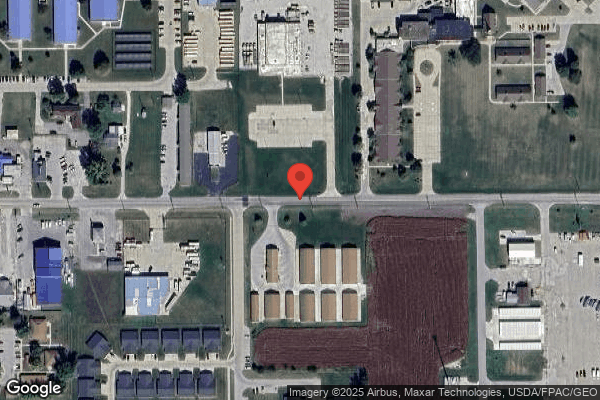
3000 EAST WILLIS AVENUE, PERRY, IA 50220 (515) 465-5316
For profit - Limited Liability company 57 Beds Independent Data: November 2025
Trust Grade
85/100
#139 of 392 in IA
Last Inspection: June 2025

Inspected within the last 6 months. Data reflects current conditions.

Overview

Perry Lutheran Homes Eden Acres Campus has a Trust Grade of B+, indicating it is above average and recommended for families considering care options. It ranks #139 out of 392 nursing homes in Iowa, placing it in the top half, and #5 out of 10 in Dallas County, meaning only four local facilities are rated higher. However, the trend has worsened recently, increasing from 1 issue in 2023 to 3 in 2025. Staffing is a mixed bag, with a rating of 3 out of 5 stars and a turnover rate of 21%, which is good compared to the state average of 44%. Notably, there have been no fines, but RN coverage is concerning as it is less than that of 79% of Iowa facilities, which could impact care quality. Specific incidents found during inspections include a failure to accurately report staffing levels, which affected compliance with required nursing coverage, and issues with food storage cleanliness that could pose infection risks. Additionally, a resident with cognitive impairment was not provided with appropriate adaptations in their care plan to address their vision and communication needs. Overall, while the facility has strengths in its staffing turnover and lack of fines, these deficiencies highlight areas that require attention for improving resident care.

Trust Score
B+
85/100
In Iowa
#139/392
Top 35%
Safety Record
Low Risk
No red flags
Inspections
Getting Worse
1 → 3 violations
Staff Stability
✓ Good
21% annual turnover. Excellent stability, 27 points below Iowa's 48% average. Staff who stay learn residents' needs.
Penalties
✓ Good
No fines on record. Clean compliance history, better than most Iowa facilities.
Skilled Nurses
⚠ Watch
Each resident gets only 28 minutes of Registered Nurse (RN) attention daily — below average for Iowa. Fewer RN minutes means fewer trained eyes watching for problems.
Violations
✓ Good
Only 4 deficiencies on record. Cleaner than most facilities. Minor issues only.
★★★★☆
4.0
Overall Rating
★★★☆☆
3.0
Staff Levels
★★☆☆☆
2.0
Care Quality
★★★★☆
4.0
Inspection Score
Stable
2023: 1 issues
2025: 3 issues

The Good

  • Low Staff Turnover (21%) · Staff stability means consistent care
  • Full Sprinkler Coverage · Fire safety systems throughout facility
  • No fines on record
  • Staff turnover is low (21%)

    27 points below Iowa average of 48%

Facility shows strength in staff retention, fire safety.

The Bad

No Significant Concerns Identified

This facility shows no red flags. Among Iowa's 100 nursing homes, only 1% achieve this.

The Ugly 4 deficiencies on record

Jun 2025 3 deficiencies
CONCERN (D)

Potential for Harm - no one hurt, but risky conditions existed

Comprehensive Care Plan (Tag F0656)

Could have caused harm · This affected 1 resident

**NOTE- TERMS IN BRACKETS HAVE BEEN EDITED TO PROTECT CONFIDENTIALITY** 2. The MDS of Resident #35 dated 4/1/25 indicated that the resident used corrective lenses and hearing aides. The MDS identified...

Read full inspector narrative →
**NOTE- TERMS IN BRACKETS HAVE BEEN EDITED TO PROTECT CONFIDENTIALITY** 2. The MDS of Resident #35 dated 4/1/25 indicated that the resident used corrective lenses and hearing aides. The MDS identified a BIMS score of 10 indicating moderate cognitive impairment. Diagnoses listed on the MDS included cataracts, glaucoma or macular degeneration. The assessment triggered Care Areas for both visual function and communication, with documentation dated 4/8/25 that these would be addressed in the resident's care plan. On 6/23/25 at 3:03 pm, Resident #35 was observed wearing glasses and bilateral hearing aides. She was overheard telling an activity staff member that she was unable to read the activity calendar and requested a larger-print version. A review of Resident #35's Care Plan on 6/23/25 showed that neither vision nor communication concerns were addressed in the Care Plan. On 6/26/25 at 9:34 am, the MDS Coordinator confirmed both vision and communication should have been included in the Care Plan and stated she normally addresses those areas under the Activities of Daily Living (ADLs) Focus Area. She acknowledged their absence and stated she would add both areas. On 6/26/25 at 10:56 am, Resident #35 was observed in her wheelchair approximately three feet from her closet door, where the activity calendar was posted. She stated she could not read it at all due to the small print. She noted in previous months, the calendars were printed in a larger format. The October 2024 RAI 3.0 User's Manual documented the following: For each triggered care area, Column B Care Planning Decision is checked to indicate that a new care plan, care plan revision, or continuation of the current care plan is necessary to address the issue(s) identified in the assessment of that care area. The Care Planning Decision column must be completed within 7 days of completing the RAI, as indicated by the date in V0200C2, which is the date that the care planning decision(s) were completed and that the resident's care plan was completed. For each triggered care area, indicate the date and location of the CAA documentation in the Location and Date of CAA Documentation column. Chapter 4 of this manual provides detailed instructions on the CAA process, care planning, and documentation. The facility policy Care Plans, Comprehensive Person-Centered dated 2024 documented the following: Point 2: The comprehensive, person-centered care plan is developed within seven (7) days of the completion of the required MDS assessment (Admission, Annual or Significant Change in Status), and no more than 21 days after admission. Based on observation, clinical record review, resident and staff interview, the October 2024 Long-Term Care Facility Resident Assessment Instrument (RAI) 3.0 User's Manual, and facility policy review, the facility failed to care plan a high risk medication for 1 of 5 residents reviewed (Res #19). The facility additionally failed to fully develop and personalize a care plan for vision and communication for Resident #35. The facility reported a census of 47 residents. Findings include: 1. Resident #19's Minimum Data Set (MDS) assessment dated [DATE] identified a Brief Interview for Mental Status (BIMS) score of 6, indicating severe cognitive impairment. The MDS identified Resident #19's MDS documented diagnoses of hypertension (high blood pressure), non-Alzheimer's dementia, Parkinson's disease, depression, insomnia and restlessness and agitation. Resident #19's Clinical Physician Orders revealed an order for Lorazepam (antianxiety) 1 mg tablet by mouth every 8 hours as needed for agitation related to restlessness and agitation. The facility received the order on 3/31/25 and the end date for 9/27/25. The Care Plan with an initiated date of 4/9/21 failed to mention the high risk medication, non pharmacological interventions or side effects. The Medication Administration Record for the month of April 2025 revealed Resident #19 received the Lorazepam 13 times. The month of May 2025, Resident #19 received it 2 times and for June 2025 Resident #19 received it 2 times. On 6/26/25 at 11:50 am the MDS Coordinator stated that she was working on the MDS and was going to update the care plan today. She stated that Resident #19 had only taken the medication a couple of times this month. The MDS Coordinator stated that she pulls a report weekly to see when there are new medications to add to the care plan, the MDS Coordinator acknowledged that she missed this medication. On 6/26/25 at 12:11 pm in an interview, the Director of Nursing stated the expectation is to have high risk medications addressed on the care plan when the medication is implemented.
CONCERN (E)

Potential for Harm - no one hurt, but risky conditions existed

Food Safety (Tag F0812)

Could have caused harm · This affected multiple residents

Based on observations, staff interviews, and facility policy review, the facility failed to store frozen food in a clean freezer. The facility reported a census of 47 residents. Findings include: On 6...

Read full inspector narrative →
Based on observations, staff interviews, and facility policy review, the facility failed to store frozen food in a clean freezer. The facility reported a census of 47 residents. Findings include: On 6/23/25 at 9:58 AM, a dual-door, upright freezer had condensation in the location where both doors met. A black substance was noted on the top of the bottom freezer door. The freezer contained a bag of frozen cookie dough. On 6/24/25 at 8:20 AM, the condensation and black substance were still noted in the same location on the upright freezer. At 8:24 AM, the Certified Dietary Manager (CDM) stated the freezer should not look like that and needed to be cleaned. A policy titled Infection Prevention & Control Protocol dated 6/2024 included a protocol to reduce the risk of spread of infection by managing food safety.
CONCERN (F)

Potential for Harm - no one hurt, but risky conditions existed

Staffing Data (Tag F0851)

Could have caused harm · This affected most or all residents

Based on the Centers for Medicare & Medicaid Services (CMS) Payroll Based Journal (PBJ) Staffing Data Report (January 1 - March 31, 2025) review and staff interviews, the facility failed to submit acc...

Read full inspector narrative →
Based on the Centers for Medicare & Medicaid Services (CMS) Payroll Based Journal (PBJ) Staffing Data Report (January 1 - March 31, 2025) review and staff interviews, the facility failed to submit accurate staff reports for the PBJ Staffing Data Report. The facility reported a census of 47 residents. Findings include: The PBJ Staffing Report for Fiscal Year 2025, Quarter 2, reflected the facility failed to have licensed nursing coverage 24 hours day on seven days of the quarter. The Administrator was notified of this on 6/25/25. She stated she was aware there had been an issue with the time clocks and some of the employee hours were not getting included in the time cards. She stated the facility used a consultant group to submit the PBJ hours to submit the required staffing information to CMS. She stated the consultant group sends an email when issues are noted and she believed the issue was fixed. On 6/25/25 at 1:42 pm, after reviewing the seven days in question, the Administrator stated the facility has a sister facility nearby and Staff A, Registered Nurse (RN) worked at both locations. Staff A had worked all seven of those days. Staff A was present and worked all seven days as scheduled at this facility. However, she accidentally clocked in under the incorrect facility code, which caused the error. Although she was scheduled for and physically worked at this facility, the time clock entry reflected the other facility, due to the code mistake.
Apr 2023 1 deficiency
CONCERN (D) 📢 Someone Reported This

A family member, employee, or ombudsman was alarmed enough to file a formal complaint

Potential for Harm - no one hurt, but risky conditions existed

Accident Prevention (Tag F0689)

Could have caused harm · This affected 1 resident

**NOTE- TERMS IN BRACKETS HAVE BEEN EDITED TO PROTECT CONFIDENTIALITY** Based on facility record review, staff interviews, and facility policy review the facility failed to perform and document findin...

Read full inspector narrative →
**NOTE- TERMS IN BRACKETS HAVE BEEN EDITED TO PROTECT CONFIDENTIALITY** Based on facility record review, staff interviews, and facility policy review the facility failed to perform and document findings of root cause analysis after a resident had a fall to help determine the reasons for a resident's fall and in order to prevent further falls for one of four residents reviewed for falls (Resident #1). The facility reported a census of 36 residents. Findings include: The Minimum Data Set (MDS) assessment dated [DATE] revealed Resident #1 had diagnoses of hip fracture, non-Alzheimer's dementia, orthostatic hypotension (a condition in which the blood pressure suddenly drops after a person stood up). The MDS documented the resident had a Brief Interview for Mental Status (BIMS) score of 6, indicating severely impaired cognition. The MDS indicated the resident required limited assistance of one staff for transfers, ambulation, and toileting. The MDS documented the resident had two falls without injury and one fall with injury since the prior MDS assessment. Resident #1's care plan revised 3/27/22 revealed the resident had a self-care deficit related to a left hip fracture and dementia, and required assistance with ADL's (activities of daily living). The resident required limited assistance of one staff and a walker for ambulation and transfers as the resident allowed. The resident also had a history of falls related to impaired balance, poor safety awareness, functional impairment, incontinence, and use of medication that increased her risk for falls. The care plan directives included the following interventions added: o On 3/26/21, anticipate needs and provide prompt assistance as indicated. o On 1/2/22, Use your Call light sign hung from Walker. o On 2/28/22, hospice provided a recliner for the resident. Black gripper strips placed between the bed and chair. o On 3/6/22, room rearranged to make it easier to maneuver around the room. o On 3/11/22, old gripper socks removed and replaced with new gripper socks. o On 3/22/22, check on the resident frequently and offer repositioning. o On 3/26/22, non-skid strips placed on the floor on the window side of the room. o On 3/27/22, resident to wear cotton pajamas versus satin pajamas due to satin is slick and could cause the resident to fall. The progress notes revealed the following: a. On 1/2/22 at 9:13 PM, resident found lying on the floor on her left side. No injury or bruising found. Resident indicated I was trying to go to the other side of the bed. Bedspread hung off the foot of the bed and onto the floor. Oxygen (O2) saturation 80% on room air. Nasal cannula (NC) placed back in the resident's nose and O2 saturation increased to 89% on O2 at 2 L (liters) per minute. Resident not aware of possible safety concerns. Resident educated to use the call light and staff would gladly assist her. Intervention included a sign placed on the resident's walker to remind resident to use the call light. b. On 2/28/22 at 4:55 AM, resident found sitting on the floor at the foot of the bed at 1:55 AM. Resident indicated she was trying to get a book. Resident pointed toward non-existent overhead bookshelf above the bed and chair. Resident had two bruises and a skin tear near her left wrist and a laceration on the back of her head on the left side. Laceration cleansed and bacitracin (antibiotic) and steri-strips applied. An intervention added for hospice to provide recliner for the resident, and black gripper strips placed between the bed and the chair. c. On 3/6/22 at 2:35 PM, resident found sitting on the floor with her back against the divider wall. ROM (range of motion) within normal limits (WNL). No hip rotation, foot drop, or injuries noted. Resident denied pain. Resident assisted off the floor and into the chair. Room rearranged so room would be easier to maneuver around. Resident had taken oxygen off. No respiratory difficulty noted. Blood pressure (B/P) 94/50, temperature (T) 97.7, pulse (P) 108, respirations (R) 20, pulse oximeter (PO) 85% on RA (room air). Physician and power of attorney updated. d. On 3/11/22 at 10:26 AM, resident lying on back next to the wall in her room. [NAME] tipped over and resident had oxygen on. Resident stated she hit her head. Neurological checks WNL. ROM WNL. No hip rotation or foot drop noted. Resident assisted off the floor and into the bathroom. Resident had non-skid slippers on and incontinent. Gait slightly unsteady using FWW (front wheeled walker). Resident complained of floor being too slick. e. On 3/22/22 at 4:33 PM, resident found sitting on the floor on her buttocks at the foot of her bed with legs stretched out toward the dresser. No injury noted. Resident assisted back to the recliner by two staff and use of a gait belt. Neuro checks initiated for an unwitnessed fall. f. On 3/26/22 at 7:00 PM, resident observed on the floor with her back toward the bed and legs stretched out in front of her. Resident stated she slipped out of bed fast. Resident had satin pajamas which contributed to sliding from the side of the bed. FWW in room away from the bed. Resident denied pain. Assisted back to bed by three staff. Resident complained of right great toe discomfort but moved toe without acute pain. Pajamas changed to cotton ones. g. On 3/31/22 at 8:03 PM, phone call received from the charge nurse the resident had a fall and concerned the resident had a fracture. Called 911 and the physician. Resident sent to the hospital. h. On 4/1/22 at 4:36 AM, Staff A, Registered Nurse (RN) documented a late entry. At 7:10 PM (on 3/31/22), called to the resident's room. Resident observed lying flat on the floor and complained of severe pain in her right leg. Unable to transfer resident to bed or use a hoyer lift due to resident's severe pain. Pillows placed under the resident's head and under her knees. Right thigh swollen. Resident unable to verbalize how she fell, but asked to be helped. Physician notified of the incident. Order obtained to send the resident to the hospital. Ambulance, DON (director of nursing), family, and hospice notified. Morphine dose administered at 7:35 PM. Ambulance arrived at 7:35 PM. Phone call to hospital and inquired about resident status. Informed the resident had a spiral fracture of the femur and surgery scheduled in the morning. i. On 4/5/22 at 11:19 AM, Staff B, RN, documented phone call placed to resident's sister to discuss room change to have resident moved closer to the nursing office for safety as she could be noncompliant in using a call light. Approval received for room change to be closer to location in the event the resident returned to the facility. Fall scene investigation reports revealed the following: a. On 1/2/22 at 7:10 PM, resident found at the foot of bed lying on her left side, bedspread at the foot of the bed and lying on the floor. The resident tried to walk around to the other side of the bed and fell. Last seen by staff on 1/2/22 at 6:10 PM when the resident used the bathroom and got into bed. Safety devices in place included gripper socks, black velcro strips on the floor next to her bed on the side toward the bathroom. Resident has history of dementia, anxiety, and depression. Resident occasionally forgets to use her call light. Resident likes to be independent and unaware of her own safety. Resident also has a history of COPD and forgot to place nasal cannula back in her nose. b. On 2/28/22 at 1:55 PM, resident found sitting on floor at the foot of the bed. The resident reported she was trying to get a book, then pointed to a non-existent overhead bookshelf above the bed and chair. Safety devices in place included gripper socks, call light, and a walker. [NAME] was not used at the time of the fall. Resident last seen resting in bed on 2/28/22 at 12:30 AM. Morphine administered to the resident four hours prior to the incident. Resident had a history of falls, a cognitive deficit, history of hip fracture and COPD. Resident on hospice care. Incident Reports revealed the following: a. On 1/2/22 at 7:10 PM, called to resident's room by CNA (certified nursing assistant) about the resident on the floor at the foot of the bed. Resident tried to walk to the other side of the bed. Assessed for injury but no injury found. Resident assisted to stand with two CNA's. Resident oriented to person and situation but confused. Resident had impaired memory and ambulated without assistance. Sign use your call light hung on the walker and added to the care plan b. On 2/28/22 at 1:55 AM, found resident sitting on the floor at the foot of the bed. Resident reported she was getting a book and pointed to a non-existent overhead shelf above the bed and chair. Injuries included two bruises and a skin tear to her left wrist, and a laceration to the back of her head on the left side. Predisposing factors included poor lighting, resident confusion, and the resident ambulated without assistance. Additional notes included plan for hospice to provide a recliner for the resident, and black gripper strips placed between the bed and chair. A facility investigation file revealed on 3/31/22 at 7:10 PM, Staff A called to the resident's room. Resident observed lying flat on the floor and complained of severe pain in her right leg. Resident unable to report why she fell. Vital signs obtained. Physician notified. Order received to send the resident to the emergency department. Resident diagnosed with a spiral fracture to the right femur. Scheduled for surgical repair on 4/1/22. During an interview 4/20/23 at 2:40 PM, Staff C, certified medication assistant (CMA) reported she had worked at the facility for 2 years but didn't know Resident #1 until after the resident fell and fractured her leg. She was not working during the time when the resident had a fall. During an interview 4/24/23 at 11:30 AM, Staff B, RN/former DON, reported she worked at the facility for 2 ½ years, then left in 2/2023. Staff B reported whenever a resident fell, staff called the on-call manager, awaited results from radiology, alerted the administrator, submitted an initial report on-line, and then did an investigation of the incident. Staff B reported she kept a file in her office with investigations she did, including interviews with staff. The investigation file included a detailed summary. Staff B reported she briefly remembered the incident on Resident #1. Staff B reported the resident was forgetful and would not use her call light for assistance. The resident was on hospice, and had started on anxiety medication just prior to her fall. Since injury was a major injury, she initiated a report to the State DIA on-line. During an interview 4/24/23 at 1:00 PM, Staff D, CNA, reported Resident #1 liked to lay in bed a lot. The resident was independent at times but had a decline and needed more help. The resident walked from the bed to the bathroom. She came out of her room very confused and agitated at times, and staff took her to the day room for her safety so she wouldn't fall. Staff D reported she worked on the day the resident had a fall. She found the resident on the floor in her room by her bed, and complained of hip pain. Resident #1 had gotten up on her own and fell. The resident had attempted to get up on her own before, and took the O2 off often, then her O2 saturations dropped fast. The resident sometimes used her call light, and sometimes she didn't. Staff D couldn't recall what interventions were in place for the resident. During an interview 4/24/23 at 2:30 PM, Staff A, agency RN, worked a month at the facility on the night shift. Staff A stated a CNA called her to the resident's room on the day the resident had a fall. She observed the resident lying on the floor and her leg was rotated outward. She called an ambulance and the physician, and sent her to the hospital. The resident tried to get up on her own. She wanted to move the resident next to the nurse's station to keep an eye on her. Strips placed next to her recliner and bed to keep her from sliding. Staff A stated they tried different things to keep her from falling. One time the resident wore satin pajama's and she requested to change to a different material so the resident couldn't slip so easily. The resident used her walker to walk around and stood up on her own. The resident was confused but didn't want to do things that would make her upset. Staff A reported whenever a resident had a fall, she assessed the resident, checked ROM, asked about pain level, if the resident hit their head, checked VS's, and then got assistance to move the resident. If no apparent injury, neuro checks done, and an assessment entered into computer. Staff A stated she also tried to determine an interventions for falls. During an interview 4/24/23 at 3:30 PM, Staff E, RN/Interim DON, reported she had worked at the facility for 2 years. Staff E reported Resident #1 became really confused, restless, and didn't understand. Her O2 levels dropped frequently even when she had O2 on. The resident had some falls toward the end of her stay, took morphine, and was on hospice. Staff E stated whenever a resident had a fall, neuro checks performed, an assessment performed, and risk management report completed. A UDA (user defined assessment) filled out in the electronic health record, then staff determined a reason for falls and interventions to put into place. Interventions put in place for Resident #1 included placement of a sign on the resident's walker, anticipation of needs, gripper strips placed between the bed and the chair, rearranged her room to be less of a fall risk, ensure gripper socks on, and use of cotton pajamas instead of silk pajamas. She tried to check in on the resident frequently. The resident was really confused and anxious toward the end, so they tried to keep an eye on her, but not able to do 1:1 with her. During an interview 4/25/23 at 12:00 PM, the Administrator reported falls reviewed during weekly QA (quality assurance) meetings. The administrator reported resident falls had been trending downward so not doing as much with this project other than trying to maintain level of less falls. After a resident had a fall, she looked at the staff who worked, what the situation was, and how the fall happened. She also looked at the care plan interventions, added an intervention if needed, or evaluated the need for other interventions. The administrator reported falls reviewed at weekly QA meeting, and had a list of residents discussed but nothing written down about the details of what was discussed for root cause analysis. It was more of a verbal discussion. A Fall Risk Assessment policy revised 3/2018 revealed the nursing staff, in conjunction with the attending physician, consultant pharmacist, therapy staff, and others, seek to identify and document resident risk factors for falls and establish a resident-centered falls prevention plan based on relevant assessment information. The policy included the following steps to determine a resident's risk for falls: 1. Upon admission, the nursing staff and the physician shall review a resident's record for a history of falls, and ask the resident and/or family about any history of the resident falling. 2. Medications reviewed that could relate to falls or fall risk, such as those that have side effects of dizziness, ataxia, or hypotension. 3. Staff looked for evidence of a possible link between the onset of falling (or an increase in falling episodes) and recent changes in the current medication regimen. 4. The attending physician and nursing staff evaluate the resident's vital signs, assessed the resident for medical conditions (such as those that cause dizziness or vertigo) or sensory impairments (such as decreased vision and peripheral neuropathy) that may predispose the resident to falls. 5. Assessment data shall be used to identify underlying medical conditions that may increase the risk of injury from falls. 6. The staff and the attending physician evaluated functional and psychological factors that may increase fall risk, including ambulation, mobility, gait, balance, excessive motor activity, activities of daily living (ADL) capabilities, activity tolerance, continence, and cognition. 7. The staff sought to identify environmental factors that may contribute to falling, such as lighting and room layout. 8. The staff and attending physician collaborated to identify and address modifiable fall risk factors and interventions to try to minimize the consequences of risk factors that are not modifiable.
Understanding Severity Codes (click to expand)
Life-Threatening (Immediate Jeopardy)
J - Isolated K - Pattern L - Widespread
Actual Harm
G - Isolated H - Pattern I - Widespread
Potential for Harm
D - Isolated E - Pattern F - Widespread
No Harm (Minor)
A - Isolated B - Pattern C - Widespread

Questions to Ask on Your Visit

  • "Can I speak with families of current residents?"
  • "What's your RN coverage like on weekends and overnight?"

Our Honest Assessment

Strengths
  • • Grade B+ (85/100). Above average facility, better than most options in Iowa.
  • • No major safety red flags. No abuse findings, life-threatening violations, or SFF status.
  • • No fines on record. Clean compliance history, better than most Iowa facilities.
  • • Only 4 deficiencies on record. Cleaner than most facilities. Minor issues only.
Concerns
  • • No significant concerns identified. This facility shows no red flags across CMS ratings, staff turnover, or federal penalties.
Bottom line: Generally positive indicators. Standard due diligence and a personal visit recommended.

About This Facility

What is Perry Lutheran Homes Eden Acres Campus's CMS Rating?

CMS assigns Perry Lutheran Homes Eden Acres Campus an overall rating of 4 out of 5 stars, which is considered above average nationally. Within Iowa, this rating places the facility higher than 99% of the state's 100 nursing homes. This rating reflects solid performance across the metrics CMS uses to evaluate nursing home quality.

How is Perry Lutheran Homes Eden Acres Campus Staffed?

CMS rates Perry Lutheran Homes Eden Acres Campus's staffing level at 3 out of 5 stars, which is average compared to other nursing homes. Staff turnover is 21%, compared to the Iowa average of 46%. This relatively stable workforce can support continuity of care.

What Have Inspectors Found at Perry Lutheran Homes Eden Acres Campus?

State health inspectors documented 4 deficiencies at Perry Lutheran Homes Eden Acres Campus during 2023 to 2025. These included: 4 with potential for harm.

Who Owns and Operates Perry Lutheran Homes Eden Acres Campus?

Perry Lutheran Homes Eden Acres Campus is owned by a for-profit company. For-profit facilities operate as businesses with obligations to shareholders or private owners. The facility operates independently rather than as part of a larger chain. With 57 certified beds and approximately 46 residents (about 81% occupancy), it is a smaller facility located in PERRY, Iowa.

How Does Perry Lutheran Homes Eden Acres Campus Compare to Other Iowa Nursing Homes?

Compared to the 100 nursing homes in Iowa, Perry Lutheran Homes Eden Acres Campus's overall rating (4 stars) is above the state average of 3.1, staff turnover (21%) is significantly lower than the state average of 46%, and health inspection rating (4 stars) is above the national benchmark.

What Should Families Ask When Visiting Perry Lutheran Homes Eden Acres Campus?

Based on this facility's data, families visiting should ask: "Can I visit during a mealtime to observe dining assistance and food quality?" "How do you handle medical emergencies, and what is your hospital transfer rate?" "Can I speak with family members of current residents about their experience?"

Is Perry Lutheran Homes Eden Acres Campus Safe?

Based on CMS inspection data, Perry Lutheran Homes Eden Acres Campus has a clean safety record: no substantiated abuse findings (meaning no confirmed cases of resident harm), no Immediate Jeopardy citations (the most serious violation level indicating risk of serious injury or death), and is not on the Special Focus Facility watch list (a federal program monitoring the lowest-performing 1% of nursing homes). The facility has a 4-star overall rating and ranks #1 of 100 nursing homes in Iowa. While no facility is perfect, families should still ask about staff-to-resident ratios and recent inspection results during their visit.

Do Nurses at Perry Lutheran Homes Eden Acres Campus Stick Around?

Staff at Perry Lutheran Homes Eden Acres Campus tend to stick around. With a turnover rate of 21%, the facility is 24 percentage points below the Iowa average of 46%. Low turnover is a positive sign. It means caregivers have time to learn each resident's needs, medications, and personal preferences. Consistent staff also notice subtle changes in a resident's condition more quickly.

Was Perry Lutheran Homes Eden Acres Campus Ever Fined?

Perry Lutheran Homes Eden Acres Campus has no federal fines on record. CMS issues fines when nursing homes fail to meet care standards or don't correct problems found during inspections. The absence of fines suggests the facility has either maintained compliance or corrected any issues before penalties were assessed. This is a positive indicator, though families should still review recent inspection reports for the full picture.

Is Perry Lutheran Homes Eden Acres Campus on Any Federal Watch List?

Perry Lutheran Homes Eden Acres Campus is not on any federal watch list. The most significant is the Special Focus Facility (SFF) program, which identifies the bottom 1% of nursing homes nationally based on persistent, serious quality problems. Not being on this list means the facility has avoided the pattern of deficiencies that triggers enhanced federal oversight. This is a positive indicator, though families should still review the facility's inspection history directly.