Independence Village of Waukee
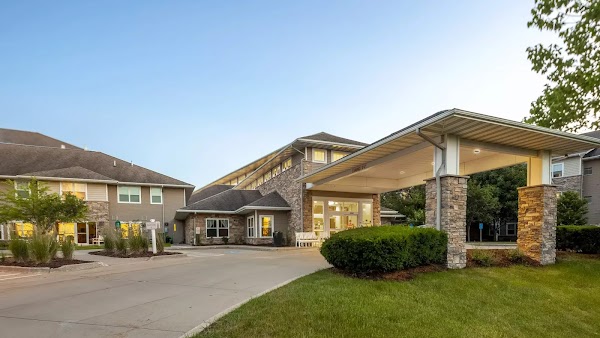
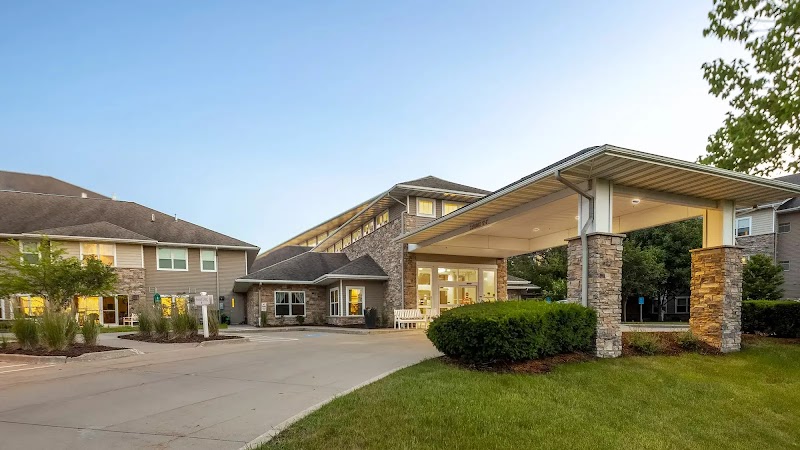
1645 SE Holiday Crest Circle, Waukee, IA 50263 (515) 987-3625
For profit - Limited Liability company 46 Beds WELLTOWER, INC. Data: November 2025
Trust Grade
70/100
#119 of 392 in IA
Last Inspection: November 2024

Within standard 12-15 month inspection cycle. Federal law requires annual inspections.

Overview

Independence Village of Waukee has a Trust Grade of B, which means it is a good choice, scoring solidly in the middle range of nursing homes. It ranks #119 out of 392 facilities in Iowa, placing it in the top half of the state, and #4 out of 10 in Dallas County, indicating that only a few local options are better. The facility is improving over time, as the number of issues decreased from three in 2024 to two in 2025. Staffing is a key strength, with a perfect score of 5/5 stars, although the turnover rate of 56% is concerning, as it is higher than the state average. While there have been no fines, which is a positive sign, there have been incidents such as a failure to maintain proper cleanliness in the kitchen, with food items left on the floor and garbage cans not being covered, which raises potential health concerns. Overall, while there are some strengths in staffing and no fines, families should be aware of cleanliness issues and the facility's need for better quality assurance practices.

Trust Score
B
70/100
In Iowa
#119/392
Top 30%
Safety Record
Low Risk
No red flags
Inspections
Getting Better
3 → 2 violations
Staff Stability
⚠ Watch
56% turnover. Above average. Higher turnover means staff may not know residents' routines.
Penalties
✓ Good
No fines on record. Clean compliance history, better than most Iowa facilities.
Skilled Nurses
✓ Good
Each resident gets 68 minutes of Registered Nurse (RN) attention daily — more than 97% of Iowa nursing homes. RNs are the most trained staff who catch health problems before they become serious.
Violations
⚠ Watch
18 deficiencies on record. Higher than average. Multiple issues found across inspections.
★★★★☆
4.0
Overall Rating
★★★★★
5.0
Staff Levels
★★★★☆
4.0
Care Quality
★★★☆☆
3.0
Inspection Score
Stable
2024: 3 issues
2025: 2 issues

The Good

  • 5-Star Staffing Rating · Excellent nurse staffing levels
  • 4-Star Quality Measures · Strong clinical quality outcomes
  • Full Sprinkler Coverage · Fire safety systems throughout facility
  • No fines on record

Facility shows strength in staffing levels, quality measures, fire safety.

The Bad

Staff Turnover: 56%

Near Iowa avg (46%)

Frequent staff changes - ask about care continuity

Chain: WELLTOWER, INC.

Part of a multi-facility chain

Ask about local staffing decisions and management

Staff turnover is elevated (56%)

8 points above Iowa average of 48%

The Ugly 18 deficiencies on record

Apr 2025 2 deficiencies
CONCERN (D) 📢 Someone Reported This

A family member, employee, or ombudsman was alarmed enough to file a formal complaint

Potential for Harm - no one hurt, but risky conditions existed

Deficiency F0657 (Tag F0657)

Could have caused harm · This affected 1 resident

Based on observation, clinical record review, and staff interview the facility failed to maintain a complete and accurate Care Plan based on the individual resident needs for 1 of 4 residents reviewed...

Read full inspector narrative →
Based on observation, clinical record review, and staff interview the facility failed to maintain a complete and accurate Care Plan based on the individual resident needs for 1 of 4 residents reviewed (Resident #1). The facility identified a census of 36 residents. Findings include: A Fall Risk assessment form dated 3.4.25 at 12 p.m. revealed Resident #1 with a score of 14. (10 or above indicated high risk) An Emergency Department Note dated 3.20.25 indicated the resident fell out of bed and hit the side of his head. Review of the resident's Care Plan (not dated) revealed the facility failed to address the resident's fall risk. During an interview 4.18.25 at 12:15 p.m. the Director of Nursing Services confirmed staff failed to address the resident's fall risk on his Care Plan as he would have expected.
CONCERN (E) 📢 Someone Reported This

A family member, employee, or ombudsman was alarmed enough to file a formal complaint

Potential for Harm - no one hurt, but risky conditions existed

Safe Environment (Tag F0584)

Could have caused harm · This affected multiple residents

**NOTE- TERMS IN BRACKETS HAVE BEEN EDITED TO PROTECT CONFIDENTIALITY** Based on observation, photographs, and staff interview the facility failed to provide a clean, sanitary, and homelike atmosphere...

Read full inspector narrative →
**NOTE- TERMS IN BRACKETS HAVE BEEN EDITED TO PROTECT CONFIDENTIALITY** Based on observation, photographs, and staff interview the facility failed to provide a clean, sanitary, and homelike atmosphere in resident shower rooms and the heating/cooling vents in some common areas for the residents who resided in the facility. The facility identified a census of 36 residents. Findings include: 1. A photograph taken 4.16.25 at 3:12 p.m. revealed a build up of dust, dirt, and debris on the 4 heating/cooling vents located on the dining room ceiling in the long term care unit of the facility. During an interview 4.18.25 at 11:50 a.m. the Maintenance Lead confirmed the ducts on the ceilings as heating and cooling vents. 2. A photograph taken 4.16.25 at 3:17 p.m. revealed a build up of a black substance with the appearance of mold on the wall and floor tiles in the resident shower room located in the long term care unit of the facility. An observation at the same time revealed the water continually flowed at a slow stream from the shower head. During an observation 4.17.25 at 4 p.m. revealed the black substance remained present along with the steady slow stream of water from the shower head as stated above An observation 4.18.25 at 9:30 a.m. revealed staff utilized the shower room in the long term care unit as staff had been heard from the hallway area as they showered an unknown resident. During an interview 4.16.25 at 3:21 p.m. Staff A, Certified Nursing Assistant (CNA) confirmed staff used the shower room for resident showers. 3. An observation 4.16.25 at 3:31 p.m. vent on ceiling in the hallway outside the clean laundry room with a build up of dust, dirt, and debris. The Shower room [ROOM NUMBER] on the rehab unit with a build up of a black substance with the appearance of mold along the floor and the wall in the shower area and a piece of trim had been missing from the right side of the inside of the shower room door. During an interview 4.16.25 at 3:44 p.m. Staff B, CNA confirmed staff used the above described shower room for resident showers. An observation 4.18.25 at 9:50 a.m. revealed the mold still present and the trim not replaced. 4. An observation 4.16.25 at 4 p.m. revealed the bottom section of trim had been missing from the right side of the outer portion of the door to the bathroom between rooms [ROOM NUMBERS]. (shared bathroom) An observation 4.18.25 at 9:50 a.m. revealed the trim as stated above had not been replaced.
Nov 2024 3 deficiencies
CONCERN (D)

Potential for Harm - no one hurt, but risky conditions existed

Deficiency F0698 (Tag F0698)

Could have caused harm · This affected 1 resident

**NOTE- TERMS IN BRACKETS HAVE BEEN EDITED TO PROTECT CONFIDENTIALITY** Based on clinical record review, staff and resident interview, and policy review, the facility failed to complete pre and post d...

Read full inspector narrative →
**NOTE- TERMS IN BRACKETS HAVE BEEN EDITED TO PROTECT CONFIDENTIALITY** Based on clinical record review, staff and resident interview, and policy review, the facility failed to complete pre and post dialysis assessments for 1 of 1 resident reviewed for dialysis treatment (#40). The facility reported a census of 31 residents. Findings include: On 11/12/24 at 3:54 PM, Resident #40 stated he receives hemodialysis every Monday, Wednesday, and Friday but was unable to confirm whether staff checked his vital signs routinely before and after dialysis. He stated he received hemodialysis for the last 4 years. The Minimum Data Set (MDS) assessment dated [DATE] indicated the resident had a Brief Interview of Mental Status (BIMS) score of 14 out of 15, which indicated intact cognition. It included diagnoses of Heart Failure, End-Stage Renal Disease (ESRD), Diabetes Mellitus (DM), and dependence on renal dialysis. It also indicated he received hemodialysis (HD) while a resident. The Electronic Health Record (EHR) lacked an order regarding pre-dialysis or post-dialysis resident assessments. It also lacked documentation of pre or post-dialysis assessments in the Treatment Administration Record (TAR) and consistent documentation in the Progress Notes. The Care Plan revised 11/05/24 included a dialysis focus and directed staff to monitor and document every shift and report as needed (PRN) if any signs or symptoms of access site infection are present, such as redness, swelling, warmth, coolness or drainage. It also directed staff to monitor/document/report PRN (as needed) any s/sx (signs or symptoms) of infection to access site: redness, swelling, warmth or drainage. On 11/13/24 at 11:27 AM, Staff A, Registered Nurse (RN) stated there's usually a progress note regarding the pre and post dialysis assessment. On 11/13/24 at 12:12 PM, Staff B, Licensed Practical Nurse (LPN) stated pre and post-dialysis assessments were documented in the resident's progress notes or the Vitals tab of the resident prior to going to HD and again upon return. On 11/13/24 at 12:18 PM, Staff C, Licensed Practical Nurse (LPN) stated the dialysis assessment documentation should be completed before and after dialysis and entered into the EHR. On 11/14/24 at 1:52 PM, the Director of Nursing (DON) stated when residents leave the facility for a procedure, an assessment should be performed before leaving and upon returning from the procedure. On 11/14/24 at 1:55 PM, the DON stated the facility did not have a policy specifically for pre and post-dialysis assessments.
CONCERN (E)

Potential for Harm - no one hurt, but risky conditions existed

Food Safety (Tag F0812)

Could have caused harm · This affected multiple residents

Based on observations, staff interviews, the 2022 Food and Drug Administration (FDA) Food Code, and facility policy review, the facility failed to maintain sanitary practices by improperly storing foo...

Read full inspector narrative →
Based on observations, staff interviews, the 2022 Food and Drug Administration (FDA) Food Code, and facility policy review, the facility failed to maintain sanitary practices by improperly storing food, not wearing beard hairnets, and loose food on the floor. The facility reported a census of 31 residents. Findings include: On 11/12/24 at 9:55 AM, during initial walk through, the following was observed: 1. a.) In the Dry Storage Room, the following items did not have open date label: powder sugar, dry gluten free egg noodles, gluten free spaghetti noodles, regular twirl noodles, penne noodles, granola cereal, teddy graham crackers, marshmallows, 8 individual containers of brown sugar, gelatin packages: 2 packs of lime green, 2 packs of cherry, 1 pack of orange, chocolate cake mix, baked cookies (chocolate chip and sugar) in a container, yellow cake mix, baking soda, and slivered almonds. The following items did not have a date and were not fully covered: [NAME] and chia seeds. The following items were not properly stored (opened and uncovered): box of plastic spoons and bag of plastic lids for cups. The following was observed 5 plastic lids on floor and 2 white towels sitting on shelf with food items. b.) In the Main Refrigerator, the following items did not have open date label: brussel sprouts, minced garlic, cut onion in container, basil, molded blackberries in a container, diced ham, bag of pepperoni, bag of sausage patties, bag of salami slices, and bag of mozzarella cheese. The following items were not fully covered: large container of pickles, opened bag of lettuce, opened bag of hamburger patties, and container of hard boiled eggs. The following items were observed on the floor of the Main Refrigerator: large empty box, large lettuce leaves, 3 onions, onion sheds, and crumbs by the door and through out under shelves of the vegetables and fruits. c.) In the Main Freezer, the following items did not have open date label: platter of individual sherbet cups, container of puree strawberries, bag of pancakes, bag of chicken strips, and bag of breadsticks. The Main Freezer had multiple boxes of product sitting on floor, stacked on top of each other, leveling with the second shelf of the freezer rack, and a cart full of boxes limited the space of walking. d.) The [NAME] Refrigerator, the following items did not have date and label: full tray of individual cup of salad dressings. e.) The kitchen Staff D, E, F, and G did not have beard hairnets on while in the kitchen. The kitchen Staff D, F, and G, prepared food. The kitchen Staff E walked through kitchen and washed dishes. On 11/12/24 at 11:05 AM the Kitchen Manager stated the Main Freezer is currently full because food delivery came Monday for their Thanksgiving meal. They are expecting 800 people next week. The goal was for Maintenance to place crates on the floor so the boxes of food would not be on the floor. On 11/14/24 at 12:40 PM the Kitchen Manager stated the beards need to be covered while in the kitchen. The boxes of meat are in the process of thawing so they are no longer in the Freezer. She has spoken with the staff about hairnets. Chapter 3, Section 202.15, package integrity, of the 2022 FDA Food Code documents revealed: Food packages shall be in good condition and protect the integrity of the contents so that the Food is not exposed to adulteration or potential contaminants. The facility policy titled Proper Food Storage reviewed 6/6/22 instructed the staff, The purpose of Proper Food Storage standard is to prevent possible cross contamination and keeping food fresher longer. a.) Dry Storage: Store food in airtight containers to keep moisture out and Label all open containers with open date and expiration date. b.) Cold Storage: Keep foods properly wrapped or covered and dated with date opened and date expires, All cooked or prepped foods need to be in containers that are covered, labeled, and dated with date made and date expires and Maintain proper cleaning and sanitation of all refrigerators & freezers. c.) Dating Marking of Foods: -When to date mark foods: Anytime the original packaging is opened, Anytime ingredients are combined to make something new, Pulling foods from the freezer to the Cooler to thaw. -How to date mark foods: Apply masking tape or label to the container, Write what is in the container, Write today's date, Draw an arrow, Write the date six days from today. -For Example: If today's date is 1/1/2022 you would write: Coleslaw 1/1??1/7 The facility policy titled Department Specific Procedures - Culinary Services implemented 2/17/22 instructed the kitchen staff: Clean uniforms must be worn daily. Food handlers must wear hairnets or caps to effectively keep hair from contacting exposed food, clean equipment, utensils and linens. 2. The following observations revealed the following: a. On 11/13/24 at 10:59 AM observed Staff D kitchen worker without a beard guard and was moving around the puree table while in use and also getting food items out of the freezer. b. On 11/13/24 at 11:02 AM the Maintenance Director came into the kitchen to meet with this survey. The Maintenance Director stood near this surveyor waiting for the puree process to be completed. The Maintenance Director had a red beard approximately four inches long and was not wearing a beard guard. c. On 11/13/24 at 3:35 PM queried the Maintenance Director regarding beard restraints in the kitchen. He stated all staff with beards should wear beard guards in the kitchen. He also stated he is supposed to wear one but he did not have his with him when he came in to talk to this morning. He stated he should have, all of the department heads are supposed to wear hair nets and beard restraints and lead by example. d. On 11/14/24 at 10:27 AM the Administrator stated it is her expectation that all staff members in the kitchen wear hair nets and beard guards. She stated if a staff member has a beard they should be wearing a beard guard. The Administrator also advised she has no oversight regarding the kitchen or kitchen staff. Oversight of the kitchen is the Executive Director of the Independent Living and Assisting Living part of the facility.
CONCERN (F)

Potential for Harm - no one hurt, but risky conditions existed

Deficiency F0865 (Tag F0865)

Could have caused harm · This affected most or all residents

Based on observations, record review, and policy review, the facility failed to have an effective quality assurance (QA) program in place to assist in the provision of quality care for residents and a...

Read full inspector narrative →
Based on observations, record review, and policy review, the facility failed to have an effective quality assurance (QA) program in place to assist in the provision of quality care for residents and attain substantial compliance with Federal regulations and State rules. The facility identified a census of 31 residents. Findings include: Review of the Department of Inspections, Appeals and Licensing (DIAL) website under the facility's visit history revealed repeated deficient practices identified during the facility's annual survey 7/15/21, 6/16/22 and 8/24/23, and the current facility recertification. The repeat deficiencies cited included: F812 cited 7/15/21, 6/16/22, 8/24/23, and during the current survey. A Quality Assurance and Performance Improvement Plan (QAPI)) Plan established revised April 2014 advised this facility shall develop, implement, and maintain an ongoing, facility-wide QAPI plan designed to monitor and evaluate the quality and safety of resident care, pursue methods to improve care quality, and resolve identified problems. On 11/14/24 at 10:27 AM the facility Administrator was interviewed regarding repeated sanitation concerns in the kitchen. She stated this concern will again be addressed with the Quality Assurance Program Improvement committee. The Administrator stated the Kitchen Director is part of the QAPI committee and attends the monthly meetings. The Administrator stated she does not have any authority or oversight of the kitchen or kitchen staff and the kitchen is managed by the Executive Director of the Independent Living and Assisting Living part of the facility. She has no authority to audit or manage the kitchen staff.
Aug 2023 7 deficiencies
CONCERN (D)

Potential for Harm - no one hurt, but risky conditions existed

Assessment Accuracy (Tag F0641)

Could have caused harm · This affected 1 resident

**NOTE- TERMS IN BRACKETS HAVE BEEN EDITED TO PROTECT CONFIDENTIALITY** Based on clinical record review, resident and staff interview, guidance of the Resident Assessment Instrument (RAI) manual v1.17...

Read full inspector narrative →
**NOTE- TERMS IN BRACKETS HAVE BEEN EDITED TO PROTECT CONFIDENTIALITY** Based on clinical record review, resident and staff interview, guidance of the Resident Assessment Instrument (RAI) manual v1.17.1_October 2019, and facility policy review, the facility failed to assure each resident received an accurate Minimum Data Set assessment (MDS), reflective of the resident's status at the time of the assessment for one of 16 residents reviewed (Resident #86). Findings include: Resident #86's MDS dated [DATE] identified a Brief Interview for Mental Status (BIMS) score of 12, indicating moderately impaired cognition. The MDS included diagnoses of atrial fibrillation (irregular heart rate that affects breathing), coronary artery disease (narrowing of the major blood vessels of the heart CAD), hypertension (high blood pressure), asthma (narrowing of the airways affecting breathing), chronic obstructive pulmonary disease (long term lung condition affecting breathing COPD). The MDS lacked Resident #86's use of oxygen therapy during the 14 day lookback period. The RAI manual dated 2019 listed the Coding Instructions for Section O of the MDS to check all treatments, procedures, and programs received or performed by the resident after admission/entry or reentry to the facility and within the 14-day lookback period. The specific instructions for Section O0100C, oxygen therapy, directed to code continuous or intermittent oxygen administered via mask, cannula, etc., delivered to a resident to relieve hypoxia (low oxygen levels in the blood) in this item. On 8/21/23 at 11:28 AM observed Resident #86 wearing oxygen via nasal cannula. On 8/23/23 at 3:18 PM observed Resident #86 wearing oxygen via nasal cannula. He reported that he always used oxygen recently. On 8/23/23 at 4:12 PM Staff B, Licensed Practical Nurse (LPN) Nursing Supervisor, explained that Resident #86 frequently took off his oxygen due to his dementia and that he primarily needed oxygen at night. Resident #86's August 2023 Medication Administration Record (MAR) included an order for supplemental oxygen. The MAR reflected that he used the oxygen on each shift every day from the 8/1/23 - 8/22/23. The Comprehensive Assessment and the Care Delivery Process policy, revised December 2016 instructed the following: a. Comprehensive assessments, Care Planning and the care delivery process involve collecting and analyzing information, choosing and initiating interventions, and monitoring results and adjusting interventions. b. Assessment and intervention collection includes (What? Where? and When?). The objective of the information collection (assessment) phase is to obtain, organize, and subsequently analyze information about a patient.
CONCERN (D)

Potential for Harm - no one hurt, but risky conditions existed

Comprehensive Care Plan (Tag F0656)

Could have caused harm · This affected 1 resident

**NOTE- TERMS IN BRACKETS HAVE BEEN EDITED TO PROTECT CONFIDENTIALITY** Based on clinical record review, staff interview, resident interview, and facility policy review, the facility failed to accurat...

Read full inspector narrative →
**NOTE- TERMS IN BRACKETS HAVE BEEN EDITED TO PROTECT CONFIDENTIALITY** Based on clinical record review, staff interview, resident interview, and facility policy review, the facility failed to accurately develop and implement a comprehensive care plan to accurately reflect the respiratory status of and the need for supplemental oxygen for Resident #86. Findings include: Resident #86's MDS dated [DATE] identified a Brief Interview for Mental Status (BIMS) score of 12, indicating moderately impaired cognition. The MDS included diagnoses of atrial fibrillation (irregular heart rate that affects breathing), coronary artery disease (narrowing of the major blood vessels of the heart CAD), hypertension (high blood pressure), asthma (narrowing of the airways affecting breathing), chronic obstructive pulmonary disease (long term lung condition affecting breathing COPD). The MDS lacked Resident #86's use of oxygen therapy during the 14 day lookback period. On 8/21/23 at 11:28 AM observed Resident #86 wearing oxygen via nasal cannula. On 8/23/23 at 3:18 PM observed Resident #86 wearing oxygen via nasal cannula. He reported that he always used oxygen recently. On 8/23/23 at 4:12 PM Staff B, Licensed Practical Nurse (LPN), Nursing Supervisor, stated Resident #86 frequently took the oxygen off due to his dementia and that he primarily needs the oxygen at night. On 8/23/23 at 4:12 PM Staff B, Licensed Practical Nurse (LPN) Nursing Supervisor, explained that Resident #86 frequently took his oxygen off due to his dementia and that he primarily needed oxygen at night. Resident #86's August 2023 Medication Administration Record (MAR) included an order for supplemental oxygen. The MAR reflected that he used the oxygen on each shift every day from the 8/1/23 - 8/22/23. Resident #86's Care Plan initiated on 8/1/23 lacked respiratory diagnoses or the need for oxygen therapy. The Care Plans, Comprehensive, Person Centered policy, revised December 2016 instructed that: a. The comprehensive, person-centered care plan will describe the services that are to be furnished to attain or maintain the resident's highest practicable physical, mental and psychosocial well-being. b. Incorporate identified problem areas c. Incorporate risk factors associated with identified problems.
CONCERN (D)

Potential for Harm - no one hurt, but risky conditions existed

Deficiency F0760 (Tag F0760)

Could have caused harm · This affected 1 resident

**NOTE- TERMS IN BRACKETS HAVE BEEN EDITED TO PROTECT CONFIDENTIALITY** Based on record review, observation, staff interview, and policy review, the facility failed to administer the correct dose of a...

Read full inspector narrative →
**NOTE- TERMS IN BRACKETS HAVE BEEN EDITED TO PROTECT CONFIDENTIALITY** Based on record review, observation, staff interview, and policy review, the facility failed to administer the correct dose of a significant medication (escitalopram oxalate, an antidepressant) for 1 of 10 residents (Resident #7) reviewed for medication administration. Findings include: Resident #7's Minimum Data Set (MDS) assessment dated [DATE] identified a Brief Interview for Mental Status (BIMS) score of 00, indicating severely impaired cognition. The MDS included diagnoses of depression and non-Alzheimer's dementia. Resident #7 received an antidepressant medication for seven out of seven days during the lookback period On 8/23/23 at 7:18 AM, observed Staff H, Registered Nurse (RN) give Resident #7 one full 20 milligrams (mg) tablet. The review of the medication package label directed to give one tablet of escitalopram oxalate 20 mg by mouth every day. The Clinical Physician Order listed an order dated 4/15/22 for escitalopram oxalate (Lexapro) 20 mg tablet. The order directed to give Resident #7 a half tablet by mouth one time per day for unspecified mood (affective or a disturbance in the person's mood) disorder. The Medication Regimen Review (MRR) dated 4/4/23 requested a gradual dose reduction for Resident #7's order of Lexapro 10 mg one time a day for depression. The provider responded to continue with the current dose as it is the lowest effective dose for Resident #7 at the time to maintain her mental health. An Order Summary Report dated 7/31/23 listed an order dated 4/15/22 for escitalopram oxalate (Lexapro) 20 mg tablet. The order directed to give Resident #7 a half tablet by mouth one time per day for unspecified mood (affective) disorder. Resident #7's August 2023 Medication Administration Record (MAR) included the physician's order to give a half tablet of escitalopram 20 mg by mouth one time per day. The record included the initials of Staff H indicating that she gave Resident #7 the medication. The Care Plan Focus revised 9/18/21 indicated that Resident #7 used an antidepressant medication related to depression. The Intervention dated 3/4/22 directed staff to administer antidepressant medications as order by the physician. On 8/23/23 at 2:45 PM, Staff H reported that the Pharmacist told her the medication had an incorrect package label. The Pharmacist explained that Resident #7 should only get half of the 20 mg pill. On 8/24/23 at 1:55 PM, Staff I, Licensed Practical Nurse (LPN), stated the date on the medication packet (5/1/23) is when the pharmacy delivered the medication to the facility. Review of the medication package included a label that directed to give Resident #7 one tablet by mouth every day of the 20 mg tablets enclosed. The Storage of Medications policy revised April 2019, directed staff to return medications with missing, incomplete, improper, or incorrect labels to the pharmacy for proper labeling prior to storing it.
CONCERN (D)

Potential for Harm - no one hurt, but risky conditions existed

Deficiency F0761 (Tag F0761)

Could have caused harm · This affected 1 resident

Based on observations, staff interviews and policy review, the facility failed to secure 2 medication carts out of 2 from the possibility of unauthorized entry. The facility report 19 residents with a...

Read full inspector narrative →
Based on observations, staff interviews and policy review, the facility failed to secure 2 medication carts out of 2 from the possibility of unauthorized entry. The facility report 19 residents with a Brief Interview of Mental Status (BIMS) score of less 13 that indicated moderate to severely impaired cognition. Some of those residents were mobile in the facility. The facility reported a census of 35 residents. Findings included: On 8/23/23 at 12:14 PM, Staff F, Registered Nurse (RN), walked to a resident's room and left the medication cart unlocked. The medication cart contained anticoagulants (blood thinners), cardiac (heart) medications, insulin, lidocaine, and a sharps container (container used to dispose of needles). On 8/23/23 at 3:09 PM, Staff G, Licensed Practical Nurse (LPN), walked to a resident near the window in the dining room to administer medications. The medication cart was left unlocked. Staff G stated the medication cart was always supposed to be locked . The medication cart contained anticoagulants (blood thinners), cardiac (heart) medications, and antibiotics. On 8/23/23 at 6:15 PM, the Director of Nursing (DON) stated the expectation was medication carts should always be locked . The Storage of Medications policy revised April 2019 instructed to not leave unlocked medication carts unattended. The policy continued to direct to lock the compartments containing drugs and biologicals when not in use.
CONCERN (D)

Potential for Harm - no one hurt, but risky conditions existed

Menu Adequacy (Tag F0803)

Could have caused harm · This affected 1 resident

Based on observation, menu review, and staff interview, the facility failed to serve the appropriate portions for 3 of 3 residents who received pureed diets (Residents #13, #20, and #25). Findings in...

Read full inspector narrative →
Based on observation, menu review, and staff interview, the facility failed to serve the appropriate portions for 3 of 3 residents who received pureed diets (Residents #13, #20, and #25). Findings include: The following residents had an order for a regular diet, puree level 4 texture: a. Resident #13 dated 6/1/22 b. Resident #20 dated 6/13/22 c. Resident #25 dated 12/6/22 The continuous observation of the lunch preparation and service on 8/23/23 starting at 10:48 AM revealed the following: a. Staff A, Cook, placed three 4 ounce servings of soup into the blender. She added three slices of bread and pureed the soup. She stated it was not the correct consistency and added three more slices of bread. When done with the puree process, Staff A used a 4 oz ladle and placed one ladle full of soup into one steam table pan and two ladles full of the soup into another steam table pan. The observation showed that Staff A failed to measure the volume of soup after the puree process. The blender still contained pureed soup that Staff A disposed of after putting the servings in to the steam pans. b. Staff A next used a #8 scoop (4 ounces) and placed three scoops full of pork into the blender. She added the ginger apricot sauce and pureed the pork. She then added a fourth scoop of pork and additional sauce. After she achieved the desired texture, she used the 4 ounce scoop and placed one serving into one steam table pan and two additional servings into a second steam table pan. Staff A failed to measure the pureed meat before scooping in to the steam pans. Once, Staff A finished putting the pureed pork into the steam table, she then discarded the remainder of the puree. c. Staff A explained that the residents who received puree diets could not have rice so they received mashed potatoes as a substitute. Staff A added that she prepared the mashed potatoes prior to the beginning of the surveyor's observation. Staff A explained that she completed the puree process. When asked if the residents who receive a pureed diet receive a dessert, Staff A asked the Executive Chef if she should prepare a dessert for the puree diet residents. The Chef instructed Staff A to puree the strudel dessert. Staff A received a box of frozen, individually wrapped, precooked desserts. She opened three servings and pureed them with milk. She divided the dessert into two steam pans without measuring the finished product to determine the correct serving. During a continuous observation on 8/23/23 starting at 12:10 PM after checking and recording the temperature of the foods, Staff C began to make plates for the residents. In the 200 hall dining room, observed Residents #20 and #25. Staff C served the following to Residents #20 and #25 a. A #12 scoop, two and two-thirds ounces, of unmeasured final product of the pureed pork. b. They also received mashed potatoes and puree green beans. The observation revealed that they did not receive soup, or the bread, due to it being in the soup. After the residents ate, they received their dessert, strudel without ice cream. The facility's menu for lunch for 8/23/23 identified the following items to be served as part of the planned pureed textured diet: a. 6 ounce ladle of puree soup b. 6 oounce of pork tenderloin with an apricot ginger sauce c. #10 scoop of pureed rice pilaf d. #12 scoop of pureed green beans e. #20 scoop 1 pureed buttered dinner roll f. #10 scoop pureed strudel g. #8 scoop hand dipped ice cream On 8/23/23 at 1:47 PM, the Administrator stated the Chef is new to long term care and she is still in the learning process of preparing meals for mechanically altered diets. On 8/23/23 at 3:43 PM, the Chef reported that they would take action immediately and the kitchen staff will continue to work on proper process for puree foods. She expected all the kitchen staff to attend training provided by the Registered Dietitian. In addition, she received a chart for measuring pureed foods by the volume method which would be hung in the kitchen and the staff would receive immediate training. The undated Puree Preparation policy directed to: a. Measure volume of the entire product and divide by the number of servings to obtain the appropriate serving size (i.e. 24 ounce total volume of product divided by 6 servings equals a 4 ounce serving or a #8 scoop). b. Follow the chart for the appropriate scoop size.
CONCERN (E)

Potential for Harm - no one hurt, but risky conditions existed

Deficiency F0804 (Tag F0804)

Could have caused harm · This affected multiple residents

**NOTE- TERMS IN BRACKETS HAVE BEEN EDITED TO PROTECT CONFIDENTIALITY** 2. During a continuous observation on 8/23/23 beginning at 12:30 PM, watched Staff E, Dietary Aide, prepare and serve lunch to t...

Read full inspector narrative →
**NOTE- TERMS IN BRACKETS HAVE BEEN EDITED TO PROTECT CONFIDENTIALITY** 2. During a continuous observation on 8/23/23 beginning at 12:30 PM, watched Staff E, Dietary Aide, prepare and serve lunch to the dining room residents. At the end of meal service on 8/23/23 at 1:18 PM, the remaining food temperatures measured the following: a. Brussel Sprouts - 121 degrees (°) b. Mashed Potatoes - 104° c. Shrimp - 119° d. soup - 122° e. Pureed shrimp -104° f. Mechanical Soft [NAME] Beans - 123° g. Mechanical Soft Pork - 119° h. cream for shrimp - 120° i. Pureed soup - 135° j. Mechanical Soft Shrimp - 148° k. [NAME] - 136° l. Pork Chop - 127° The staff left the serving pans completely uncovered throughout the meal service. On 8/23/23 at 1:18 PM, Staff E, confirmed the temperatures were below acceptable limits for serving meals. The Food Temperature Recording policy revised 3/13/19 listed the expected holding temperature for hot foods as 135 degrees. Based on observation, resident and staff interview, and facility policy, the facility failed to provide food served by a method to maintain a safe and appetizing temperature. The facility reported a census of 35 residents. Findings include: Resident #2's Minimum Data Set (MDS) assessment dated [DATE] identified a Brief Interview for Mental Status (BIMS) score of 13, indicating intact cognition. On 8/21/23 at 11:21 AM, Resident #2 stated she preferred to eat in her room rather than the dining room. She added that when her food arrives to her room it is frequently cold. During a continuous observation on 8/23/23 beginning at 10:48 AM, watched Staff A, Cook, began to prepare for meal service. As she prepared the foods, she placed them in a warmer to maintain their temperature. When Staff C, Dietary Aide (DA), entered the kitchen, she began transferring the steam pans from the warmer to the insulated cart to transport the food to the dining hall. On 8/23/23 at 11:50 AM Staff C took the insulated cart from the main kitchen to the 200 hall dining area's on and hot steam table. She placed as much food as she could in to the steam table. There were more steam pans than could fit in the steam table. Staff C placed some of the small pans only partially in the table at an angle while she placed other pans on top of a lid on the steam table. Staff C received the following temperatures for the food prior to the meal service: Soup: 172 degrees Regular pork: 156 degrees Shrimp: 156 degrees Rice: 161 degrees Brussel sprouts: 154 degrees Gravy: 144 degrees Ground pork: 135 degrees Puree Pork: 136 degrees Shrimp sauce: 135 degrees Potatoes: 142 degrees Green beans: 135 degrees On 8/23/23 at 12:47 PM, the temperatures at the end of lunch for the remaining food revealed the following: Soup: 158 degrees Shrimp: 159 degrees Brussel sprouts: 168 degrees [NAME] sauce (for the shrimp): 126 degrees Regular pork: 146 degrees Puree pork: 125 degrees Ground pork: 128 degrees On 8/23/23 at 3:43 PM, the Chef stated the facility is looking at purchasing larger steam tables which will hold all the needed steam pans to accommodate the menu. The Food Temperature Recording policy revised March 2019 directed that food temperatures are taken prior to service to the residents to ensure hot foods and cold foods are maintained at the following temperatures: a. Hot foods on the steam table are maintained at equal or greater than 135 degrees so the items arrive at approximately equal or greater than 120 degrees when the resident is served.
CONCERN (E)

Potential for Harm - no one hurt, but risky conditions existed

Food Safety (Tag F0812)

Could have caused harm · This affected multiple residents

Based on observation, staff interview, and policy review, the facility failed to maintain sanitary practices by improperly serving food and failing to properly cover their hair while serving food. The...

Read full inspector narrative →
Based on observation, staff interview, and policy review, the facility failed to maintain sanitary practices by improperly serving food and failing to properly cover their hair while serving food. The facility reported a census of 35 residents. Findings include: 1. On 8/23/23 at 12:26 PM, Staff J, Dietary Aide (DA), donned (applied) gloves to serve food. Staff J grabbed the menus off the top of the counter on the steam table, placed them back on the counter. After adjusting the menus, Staff J grabbed a plate with his fingers directly contacting the surface area where food was placed. Staff J then grabbed plastic bowls with his fingers touching the inside of the bowl. At 12:30 PM, Staff E took the plated food to a resident then went to the refrigerator, opened the freezer compartment, grabbed an ice cream cup and took it to the resident. Staff J did not remove his gloves nor perform hand hygiene before returning to the steam table to continue preparing and serving other residents' plates. At 12:33 PM, Staff E grabbed a pencil and left the dining area with the same donned gloves. At 12:35 PM, Staff E returned to the dining room, grabbed a clean plate and placed it on the top counter of the steam table. He removed his gloves, put on new gloves, and grabbed the plate. His fingers contacted the food area of the plate. At 12:37 PM, Staff E removed silverware from an empty spot at a resident's table, threw away the napkin and paper placemat, and put the silverware back in the clean silverware drawer. He then grabbed the plate of food and took it to a resident's room. The Preventing Foodborne Illness - Employee Hygiene and Sanitary Practices policy revised October 2017 directed staff to pick up dishes by the rim and to perform hand hygiene after contacting any surface with the potential for contamination. 2. During the continuous observation of the lunch preparation in the facility's main kitchen on 8/23/23 starting at 10:48 AM, saw Staff D, Cook, with long hair styled into dreadlocks. As he prepared several food items for the lunch meal, he wore a head covering on the top of his hair, leaving the back of his hair fully uncovered and exposed. Staff D did not wear a hair net or other hair restraint. Section 2-402 of the 2022 Food and Drug Administration (FDA) Food Code directed that except as provided in paragraph (B) of this section, food employees shall wear hair restraints such as hats, hair coverings or nets, beard restraints, and clothing that covers body hair, that are designed and worn to effectively keep their hair from contacting exposed food. On 8/23/23 at 3:43 pm, the Chef stated Staff D normally wore his hair covering to cover all his hair. She explained that the hair net could have fell off and she would speak to him.
Jun 2022 6 deficiencies
CONCERN (D)

Potential for Harm - no one hurt, but risky conditions existed

Deficiency F0578 (Tag F0578)

Could have caused harm · This affected 1 resident

**NOTE- TERMS IN BRACKETS HAVE BEEN EDITED TO PROTECT CONFIDENTIALITY** Based on clinical record reviews, staff interviews, and policy review the facility failed to ensure all areas where code status ...

Read full inspector narrative →
**NOTE- TERMS IN BRACKETS HAVE BEEN EDITED TO PROTECT CONFIDENTIALITY** Based on clinical record reviews, staff interviews, and policy review the facility failed to ensure all areas where code status (Do Not Resuscitate (DNR)/Cardiopulmonary Resuscitation (CPR) decision) are stored matched the resident's current decision or wishes in each location for 1 of 7 residents reviewed (Resident #9). The facility reported a census of 34 residents. Findings include: The Social Service Note dated [DATE] at 3:21 PM documented Resident #9's family completed an Iowa Physician Orders for Scope of Treatment (IPOST) thus making Resident #9 a DNR. Resident #9's IPOST signed on [DATE] by their Representative documented his wishes of DNR status. The IPOST signed by Resident #9's Representative lacked the physician's signature. Resident #9's Order Summary Report dated [DATE] documented an order date of [DATE] of DNR for Resident #9. Resident #9's Care Plan initiated on [DATE] indicated a full code status. The current Care Plan revised [DATE] documented Resident #9 as a DNR. On [DATE] at 10:12 AM the Director of Nursing (DON) revealed she would of expected Resident #9's IPOST to match his Care Plan. The Advance Directives policy, dated 12/16 documented: The Plan of Care for each resident will be consistent with his or her documented treatment preferences and/or Advance Directive.
CONCERN (D)

Potential for Harm - no one hurt, but risky conditions existed

Comprehensive Care Plan (Tag F0656)

Could have caused harm · This affected 1 resident

**NOTE- TERMS IN BRACKETS HAVE BEEN EDITED TO PROTECT CONFIDENTIALITY** Based on clinical record reviews, staff interviews, and policy review the facility failed to Care Plan a resident's diagnosis of...

Read full inspector narrative →
**NOTE- TERMS IN BRACKETS HAVE BEEN EDITED TO PROTECT CONFIDENTIALITY** Based on clinical record reviews, staff interviews, and policy review the facility failed to Care Plan a resident's diagnosis of Diabetes Mellitus and the required use of insulin for 1 of 1 residents reviewed (Resident #13). The Care Plan lacked direction regarding Resident #13's diagnosis of diabetes mellitus or what symptoms to monitor related to side effects when they admitted to the facility. The facility reported a census of 34 residents. Findings include The Minimum Data Set (MDS) assessment dated [DATE] for Resident #13 documented a Brief Interview for Mental Status (BIMS) score of 3 out of 15, suggesting severe cognitive impairment. The MDS documented Resident #13 had Type 2 Diabetes Mellitus. The MDS documented an admission date of 2/28/22. The MDS included Resident #13 received insulin on 5 of the 7 days in the lookback period. Resident #13's June 2022 Medication Administration Record (MAR) through 6/16/22 documented the following order that started on 2/28/22 *Insulin Lispro Solution 100 UNIT/ML Inject as per sliding scale: a. if 180 - 200 = 2 units; b. 201 - 250 = 4 units; c. 251 - 300 = 6 units; d. 301 - 350 = 8 units; e. 351 - 400 = 10 units; f. 401+ Notify physician, give subcutaneously before meals and at bedtime for Type II Diabetes Mellitus. Resident #13's current Care Plan lacked instructions for staff to monitor the signs and symptoms related to the use of insulin such as hypoglycemia (low blood sugar levels) and hyperglycemia (high blood sugar levels). The Care Plan also lacked overall direction for her needs related to her diagnosis of type two diabetes mellitus. On 6/16/22 at 10:14 AM the Director of Nursing (DON) reported that she would expect Resident #13's Care Plan to include diabetes as it is a major condition and it should be care planned if a resident has that diagnosis. In a follow-up interview on 6/16/22 at 10:49 AM the DON revealed the facility uses the Resident Assessment Instrument (RAI) manual as their guide to complete their Comprehensive Care Plans.
CONCERN (F)

Potential for Harm - no one hurt, but risky conditions existed

Food Safety (Tag F0812)

Could have caused harm · This affected most or all residents

Based on observations, staff interviews, review of the facilities cleaning schedule, and policy review the facility failed to ensure boxes of food were kept off of the floor in the walk-in freezer, la...

Read full inspector narrative →
Based on observations, staff interviews, review of the facilities cleaning schedule, and policy review the facility failed to ensure boxes of food were kept off of the floor in the walk-in freezer, large baking pans were not put away wet, the dry food storage room floor was clean, large spills were cleaned up promptly, and an oven was free of an excessive amount of residue/splatters. The facility reported and census of 34 residents. Findings include Observation of the kitchen on 6/13/22 between 11:25 AM - 11:40 AM revealed the following: a. The walk-in freezer floor had two boxes of food sitting directly on the floor, crates available but not in use. b. A cookie sheet lifted off of clean dish rack full of water throughout the inside of the dish. c. Directly below the tea machine noted a large puddle measuring 4 feet x 5 feet of water and/or tea on the floor. d. The convection oven observed with an excessive amount of black/brown residue and dried splatters throughout and up the inside of the doors to open the appliance. On 6/13/22 from 11:25 AM to 11:40 AM the Executive Chef revealed she would expect boxes in the freezer to not be stored directly on the floor, instead the boxes should be supported on crates. She also reported the facility didn't have the dry storage room floor on their cleaning schedule, but said it should be swept and moped at least once a day. The Executive Chef confirmed the cookie sheet full of water when lifted on the clean dishes rack. She then explained that sometimes the tea machine overflowed and employees got instructed to clean it up. She also explained that the cleaning schedule included the convection oven. The Food Receiving and Storage, dated 7/14, documented that refrigerated foods would be stored in such a way that promoted adequate air circulation around food storage containers. The facility's undated cleaning schedules lacked the following: a. Cleaning of the dry food storage room floor b. Cleaning specifically of the convection oven
CONCERN (F)

Potential for Harm - no one hurt, but risky conditions existed

Garbage Disposal (Tag F0814)

Could have caused harm · This affected most or all residents

Based on observation, staff interviews, and policy review the facility failed to cover garbage cans with tight-fitting lids or covers when not in use. The facility reported a census of 34 residents Fi...

Read full inspector narrative →
Based on observation, staff interviews, and policy review the facility failed to cover garbage cans with tight-fitting lids or covers when not in use. The facility reported a census of 34 residents Findings include On 6/13/22 observations from 11:30 AM - 11:33 AM of the facilities kitchen revealed three large garbage cans sitting in the kitchen uncovered with black garbage bags in them with garbage inside. During the observation no staff used any of the garbage cans. On 6/13/22 at 11:35 AM the facilities dry food storage room revealed another uncovered large garbage can with garbage but without a black garbage bag. At the time of observation, no staff used the garbage can. The Food-Related Garbage and Refuse Disposal policy, revised 10/17, instructed staff that all garbage and refuse containers were provided with tight-fitting lids or covers. The containers must be kept covered when stored or not in continuous use.
MINOR (B)

Minor Issue - procedural, no safety impact

Deficiency F0637 (Tag F0637)

Minor procedural issue · This affected multiple residents

**NOTE- TERMS IN BRACKETS HAVE BEEN EDITED TO PROTECT CONFIDENTIALITY** Based on clinical record review, Resident Assessment Instrument (RAI) 3.0 User's Manual review and staff interview the facility ...

Read full inspector narrative →
**NOTE- TERMS IN BRACKETS HAVE BEEN EDITED TO PROTECT CONFIDENTIALITY** Based on clinical record review, Resident Assessment Instrument (RAI) 3.0 User's Manual review and staff interview the facility failed to complete a significant change MDS (Minimum Data Set) assessment for 1 of 12 residents (Resident #25) that had a decline in multiple areas of ADL (Activities of Daily Living) ability. The facility reported a census of 34 residents. Findings include: Resident #25's MDS assessment dated [DATE] recorded a Brief Interview for Mental Status (BIMS) score of 14, indicating intact cogition. The MDS documented that she needed limited assistance of one person for bed mobility, transfers, dressing, toilet use and personal hygiene. The MDS documented Resident #25 needed supervision with locomotion on the unit, locomotion off the unit, and eating. Resident #25's MDS assessment dated [DATE] recorded a BIMS score of 9, indicating moderate cognitive impairment. Resident #25''s documented that she needed extensive assistance of two persons for bed mobility, transfers, dressing, and toilet use. Resident #25 needed extensive assistance of one person with locomotion on and off the unit. The MDS documented Resident #25 needed limited assistance of one person with personal hygiene and could eat independently. The Long Term Care Facility Resident Assessment Instrument (RAI) 3.0 User's Manual, version 1.17.1, dated October 2019, stated a Significant Change in Status Assessment is appropriate if there is a consistent pattern of changes with either 2 of more areas of decline or improvement. This may include 2 changes in a particular domain (e.g., ADL decline or improvement). During an interview on 6/15/22 at 11:20 AM the DON (Director on Nursing) stated the 5/12/22 Quarterly Review assessment should have been a Significant Change in Status Assessment.
MINOR (B)

Minor Issue - procedural, no safety impact

Staffing Information (Tag F0732)

Minor procedural issue · This affected multiple residents

Based on record review, observations, staff interviews, and policy review the facility failed to post the amount of nursing staff on duty (Nurse Staffing) at the beginning of each shift for 1 of 4 day...

Read full inspector narrative →
Based on record review, observations, staff interviews, and policy review the facility failed to post the amount of nursing staff on duty (Nurse Staffing) at the beginning of each shift for 1 of 4 days observed during the survey. The facility reported a census of 34 residents. Findings include The facility schedules revealed the routine staff shifts are scheduled from 6:00 AM - 2:00 PM, 2:00 PM - 10:00 PM, and 10:00 PM - 6:00 AM. On 6/14/22 at 10:40 AM revealed no facilities Nurse Staffing posted yet that day. On 6/14/22 at 10:40 AM Staff A, reported that she didn't post the Nurse Staffing for the day, but could provide once the document got put out. On 6/16/22 at 10:16 AM the Director of Nursing (DON) explained that she would expect the Nurse Staffing to be posted before 6:00 AM. She reported they had a night nurse that did that task, but she no longer worked at the facility. In a follow-up interview on 6/16/22 at 10:49 AM the DON revealed that the facility didn't have a policy for nurse staff posting.
Understanding Severity Codes (click to expand)
Life-Threatening (Immediate Jeopardy)
J - Isolated K - Pattern L - Widespread
Actual Harm
G - Isolated H - Pattern I - Widespread
Potential for Harm
D - Isolated E - Pattern F - Widespread
No Harm (Minor)
A - Isolated B - Pattern C - Widespread

Questions to Ask on Your Visit

  • "Why is there high staff turnover? How do you retain staff?"
  • "Can I speak with families of current residents?"
  • "What's your RN coverage like on weekends and overnight?"

Our Honest Assessment

Strengths
  • • No major safety red flags. No abuse findings, life-threatening violations, or SFF status.
  • • No fines on record. Clean compliance history, better than most Iowa facilities.
Concerns
  • • 18 deficiencies on record. Higher than average. Multiple issues found across inspections.
  • • 56% turnover. Above average. Higher turnover means staff may not know residents' routines.
Bottom line: Mixed indicators with Trust Score of 70/100. Visit in person and ask pointed questions.

About This Facility

What is Independence Village Of Waukee's CMS Rating?

CMS assigns Independence Village of Waukee an overall rating of 4 out of 5 stars, which is considered above average nationally. Within Iowa, this rating places the facility higher than 99% of the state's 100 nursing homes. This rating reflects solid performance across the metrics CMS uses to evaluate nursing home quality.

How is Independence Village Of Waukee Staffed?

CMS rates Independence Village of Waukee's staffing level at 5 out of 5 stars, which is much above average compared to other nursing homes. Staff turnover is 56%, which is 10 percentage points above the Iowa average of 46%. High turnover can affect care consistency as new staff learn residents' individual needs.

What Have Inspectors Found at Independence Village Of Waukee?

State health inspectors documented 18 deficiencies at Independence Village of Waukee during 2022 to 2025. These included: 16 with potential for harm and 2 minor or isolated issues.

Who Owns and Operates Independence Village Of Waukee?

Independence Village of Waukee is owned by a for-profit company. For-profit facilities operate as businesses with obligations to shareholders or private owners. The facility is operated by WELLTOWER, INC., a chain that manages multiple nursing homes. With 46 certified beds and approximately 35 residents (about 76% occupancy), it is a smaller facility located in Waukee, Iowa.

How Does Independence Village Of Waukee Compare to Other Iowa Nursing Homes?

Compared to the 100 nursing homes in Iowa, Independence Village of Waukee's overall rating (4 stars) is above the state average of 3.1, staff turnover (56%) is near the state average of 46%, and health inspection rating (3 stars) is at the national benchmark.

What Should Families Ask When Visiting Independence Village Of Waukee?

Based on this facility's data, families visiting should ask: "How do you ensure continuity of care given staff turnover, and what is your staff retention strategy?" "Can I visit during a mealtime to observe dining assistance and food quality?" "How do you handle medical emergencies, and what is your hospital transfer rate?" "Can I speak with family members of current residents about their experience?" These questions are particularly relevant given the facility's high staff turnover rate.

Is Independence Village Of Waukee Safe?

Based on CMS inspection data, Independence Village of Waukee has a clean safety record: no substantiated abuse findings (meaning no confirmed cases of resident harm), no Immediate Jeopardy citations (the most serious violation level indicating risk of serious injury or death), and is not on the Special Focus Facility watch list (a federal program monitoring the lowest-performing 1% of nursing homes). The facility has a 4-star overall rating and ranks #1 of 100 nursing homes in Iowa. While no facility is perfect, families should still ask about staff-to-resident ratios and recent inspection results during their visit.

Do Nurses at Independence Village Of Waukee Stick Around?

Staff turnover at Independence Village of Waukee is high. At 56%, the facility is 10 percentage points above the Iowa average of 46%. High turnover means new staff may not know residents' individual needs, medications, or preferences. It can also be disorienting for residents, especially those with dementia who rely on familiar faces. Families should ask: What is causing the turnover? What retention programs are in place? How do you ensure care continuity during staff transitions?

Was Independence Village Of Waukee Ever Fined?

Independence Village of Waukee has no federal fines on record. CMS issues fines when nursing homes fail to meet care standards or don't correct problems found during inspections. The absence of fines suggests the facility has either maintained compliance or corrected any issues before penalties were assessed. This is a positive indicator, though families should still review recent inspection reports for the full picture.

Is Independence Village Of Waukee on Any Federal Watch List?

Independence Village of Waukee is not on any federal watch list. The most significant is the Special Focus Facility (SFF) program, which identifies the bottom 1% of nursing homes nationally based on persistent, serious quality problems. Not being on this list means the facility has avoided the pattern of deficiencies that triggers enhanced federal oversight. This is a positive indicator, though families should still review the facility's inspection history directly.