Good Samaritan Society - West Union
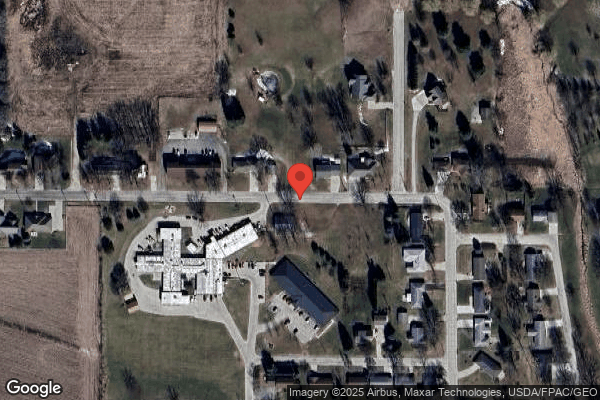

201 Hall Street, West Union, IA 52175 (563) 422-3814
Non profit - Church related 59 Beds GOOD SAMARITAN SOCIETY Data: November 2025
Trust Grade
75/100
#113 of 392 in IA
Last Inspection: March 2025

Within standard 12-15 month inspection cycle. Federal law requires annual inspections.

Overview

Good Samaritan Society - West Union has received a Trust Grade of B, indicating it is a good choice for families, though there is room for improvement. The facility ranks #113 out of 392 nursing homes in Iowa, placing it in the top half, and is the best option among four facilities in Fayette County. The trend is improving, with the number of issues reported decreasing from six in 2024 to just one in 2025. However, staffing is a concern, as it has a low rating of 2 out of 5 stars and a high turnover rate of 62%, significantly above the state average of 44%. While the facility has no fines on record and offers more RN coverage than 84% of Iowa facilities, there are specific incidents of concern. For example, residents reported delays in staff responses to call lights, leading to situations where they needed to wait for assistance to use the restroom. Additionally, the facility did not adequately educate several residents about necessary immunizations, and there were issues with how meals were served to residents needing assistance, not promoting their dignity. Overall, while there are strengths like good RN coverage and no fines, families should be aware of staffing challenges and specific care shortcomings.

Trust Score
B
75/100
In Iowa
#113/392
Top 28%
Safety Record
Low Risk
No red flags
Inspections
Getting Better
6 → 1 violations
Staff Stability
⚠ Watch
62% turnover. Above average. Higher turnover means staff may not know residents' routines.
Penalties
✓ Good
No fines on record. Clean compliance history, better than most Iowa facilities.
Skilled Nurses
✓ Good
Each resident gets 48 minutes of Registered Nurse (RN) attention daily — more than average for Iowa. RNs are trained to catch health problems early.
Violations
○ Average
9 deficiencies on record. Average for a facility this size. Mostly minor or procedural issues.
★★★★☆
4.0
Overall Rating
★★☆☆☆
2.0
Staff Levels
★★☆☆☆
2.0
Care Quality
★★★★☆
4.0
Inspection Score
Stable
2024: 6 issues
2025: 1 issues

The Good

  • Full Sprinkler Coverage · Fire safety systems throughout facility
  • No fines on record

Facility shows strength in fire safety.

The Bad

Staff Turnover: 62%

16pts above Iowa avg (46%)

Frequent staff changes - ask about care continuity

Chain: GOOD SAMARITAN SOCIETY

Part of a multi-facility chain

Ask about local staffing decisions and management

Staff turnover is elevated (62%)

14 points above Iowa average of 48%

The Ugly 9 deficiencies on record

Mar 2025 1 deficiency
MINOR (B)

Minor Issue - procedural, no safety impact

PASARR Coordination (Tag F0644)

Minor procedural issue · This affected multiple residents

**NOTE- TERMS IN BRACKETS HAVE BEEN EDITED TO PROTECT CONFIDENTIALITY** Based on an electronic health record (EHR) review, policy review, and staff interview, the facility failed to submit a new Pread...

Read full inspector narrative →
**NOTE- TERMS IN BRACKETS HAVE BEEN EDITED TO PROTECT CONFIDENTIALITY** Based on an electronic health record (EHR) review, policy review, and staff interview, the facility failed to submit a new Preadmission Screening and Resident Review (PASRR) assessment for 1 of 1 resident reviewed (Resident #14). The facility reported a census of 42 residents. Findings include: Resident #14 Minimum Data Set (MDS) assessment dated [DATE] identified a Brief Interview for Mental Status (BIMS) score of 3 indicating severe cognitive impairment. The MDS included diagnoses of Alzheimer's disease, Schizophrenia, and Depression. Resident #14 current PASRR Level 1 Screening Outcome dated 3/2/2022 reflected a PASRR Level 1 outcome referral for a Level II onsite visit. The Notice of PASRR Level II outcome dated 3/8/22 revealed a PASRR determination of Level II -Excluded from PASRR - No PASRR diagnosis. On 3/11/25 a review of the EHR medical diagnoses list documented on 11/8/24 an active diagnosis of paranoid schizophrenia. The Resident #14 Order Summary Report included a listing of all active diagnoses, including the diagnosis of paranoid schizophrenia. The primary physician reviewed and electronically signed the Order Summary Report on 12/13/2024 and 2/14/25. A review of the primary physician Progress Note visit summary dated 2/14/25 at 10:00 AM revealed the assessment included paranoid schizophrenia, recurrent major depression, severe stage Alzheimer's disease, developmental delay history, dilated cardiomyopathy, and aortic stenosis. The Progress Note had been electronically signed by the primary physician on 3/3/25 at 3:29 PM. During an interview on 3/12/24 at 9:13 AM, the Director of Nursing (DON) revealed she had been submitting the PASRR updates for review. The DON acknowledged she was aware of the new diagnosis of paranoid schizophrenia and failed to submit the required PASRR update for Resident #14. A review of the Pre-admission Screening and Resident Review (PASRR) - Rehab/Skilled facility policy dated 12/30/24 revealed the following: 1. If the resident is diagnosed with a mental disorder while in the location, social services, or the designated individual, will contact the designated state agency for a Level II screening. 2. PASRR recommendations will be incorporated into the care plan (i.e., a PASRR recommendation for counseling to address a resident's social withdrawal could be care planned under mood state). 3. The location will notify the state-designated mental health or intellectual disability authority promptly when a resident with MD or ID experiences a significant change in mental or physical status. Examples of such changes include, but are not limited to: * A resident who demonstrates increased behavioral, psychiatric, or mood-related symptoms. * A resident with behavioral, psychiatric, or mood-related symptoms that have not responded to ongoing treatment. * A resident who experiences an improved medical condition, such that the resident's plan of care or placement recommendations may require modifications. * A resident whose significant change is physical, but has behavioral, psychiatric, or mood-related symptoms, or cognitive abilities that may influence adjustment to an altered pattern of daily living. * A resident whose condition or treatment is or will be significantly different than described in the resident's most recent PASRR Level II evaluation and determination. The Maximus PASRR manual dated 2/8/23 directs PASRR evaluations are referred to as Level II evaluations to distinguish them from their counterpart Level I screens; the Level I screen is a brief screen used to identify persons applying to or residing in Medicaid certified nursing homes that are subject to the Level II process. Once a person with a suspected or known diagnosis is identified through that screen, a Level II evaluation must be performed to determine whether the individual has special treatment needs associated with the MI and/ or ID/RC.
Oct 2024 2 deficiencies
CONCERN (D) 📢 Someone Reported This

A family member, employee, or ombudsman was alarmed enough to file a formal complaint

Potential for Harm - no one hurt, but risky conditions existed

Infection Control (Tag F0880)

Could have caused harm · This affected 1 resident

Based on clinical record review, staff and resident interviews, and observations the facility failed to provide tuberculosis screening for 2 of 3 new employees reviewed (Staff H and Staff I). The faci...

Read full inspector narrative →
Based on clinical record review, staff and resident interviews, and observations the facility failed to provide tuberculosis screening for 2 of 3 new employees reviewed (Staff H and Staff I). The facility reported a census of 45 residents. Findings include: Review of employee file documents revealed Staff H-Certified Nurses Aide had a hire date of 6/25/24 and worked full time. During an interview with Staff H-CNA on 10/29/24 at 11:10 am, Staff H stated when she began her employment at the facility the former Director of Nurses only did 1 tuberculosis screening test and failed to give her the second step as required. Staff H began her Step 2 Tuberculosis screening on this day. Review of employee file documents revealed former Staff I-Certified Nurses Aide had a hire date of 12/19/23. The facility received her archived employee file from the Corporate office but failed to find the aide ever had any tuberculosis screening completed as per facility policy. Review of the Tuberculosis Control Plan and Screening for Employees policy dated 12/7/2023 indicated new employees will have a baseline TB screening and post-exposure screening according to current CDC recommendations and guidelines prior to employment. During an interview with Staff F-Interim Director of Nurses on 10/29/24 at 4:45 pm, Staff F stated she cannot find any TB testing for either Staff H or Staff I in their employee files and assumed it was not done. Staff H began her screening on this day. Staff F stated all staff are required to have 2 Step TB testing prior to working with the residents in the facility.
CONCERN (F) 📢 Someone Reported This

A family member, employee, or ombudsman was alarmed enough to file a formal complaint

Potential for Harm - no one hurt, but risky conditions existed

Deficiency F0725 (Tag F0725)

Could have caused harm · This affected most or all residents

**NOTE- TERMS IN BRACKETS HAVE BEEN EDITED TO PROTECT CONFIDENTIALITY** Based on clinical record review, staff and resident interviews, and observations the facility failed to provide a sufficient num...

Read full inspector narrative →
**NOTE- TERMS IN BRACKETS HAVE BEEN EDITED TO PROTECT CONFIDENTIALITY** Based on clinical record review, staff and resident interviews, and observations the facility failed to provide a sufficient number of staff to ensure each resident's call light is answered timely for 5 of 6 residents reviewed (Resident #2, #3, #4, #5, #6). The facility reported a census of 45 residents. Findings include: 1. According to the Minimum Data Set, dated [DATE], Resident #2 had diagnoses which included diabetes and dementia. The resident had a brief interview for mental status score (BIMS) of 9 which indicated moderate cognitive ability. The MDS revealed the resident required substantial assistance from staff for toileting and activities of daily living. The resident utilized a walker with one staff to ambulate to the rest room. During an interview with Resident #2 on 10/29/24 at 11:10 am, the resident indicated when he presses his call light it takes a while for the staff to assist him to the restroom. He admitted that he sometimes has to go to the bathroom and does not wait for the staff to assist him, he reported he has had several falls while waiting for staff. 2. According to the Minimum Data Set, dated [DATE], Resident #3 had diagnoses which included thoracic spinal bifida with paraplegia. The resident had a brief interview for mental status score of 15 which indicated he was alert and oriented. The MDS revealed the resident had total dependence on staff for all activities of daily living. Staff utilize a mechanical lift for all transfers. During an interview with Resident #3 on 10/28/24 at 11:40 am, the resident revealed the call light response times really depends on the day, he stated when the facility only has 3 aides working in the building, he has to wait 15-30 minutes for his call light to be answered. The resident has timed his call lights. 3. According to the Minimum Data Set (MDS) dated [DATE], Resident #4 had diagnoses which include post polio syndrome. The resident had a BIMS score of 15 which indicated he was alert and oriented. The MDS revealed the resident had total dependence on staff for all activities of daily living. The staff utilize a mechanical lift for all transfers. During an interview on 10/29/24 at 8:15 am with Resident #4, the resident stated the staff use a Hoyer lift to place him on the commode which he will sit on for an extended period of time per his choice. The resident stated when he needs to get off the commode he has to wait for extended periods of time for the staff to answer his call light to assist him off the commode. 4. According to the MDS dated [DATE], Resident #5 had a BIMS score of 11 which indicated moderate cognitive ability. The MDS revealed the resident had diagnoses which included morbid obesity. The resident utilized a wheelchair to move about the facility and required assistance of 1 staff for transfers. During an interview with Resident #5 on 10/29/24 at 11:13 am revealed she stated she will wait sometimes up to 1 hour for the staff to answer her call light but mostly it is answered within 20-30 minutes. The resident also reported if a staff will answer her light, they will often come into her room, turn off the call light and leave saying they will return but they do not return. She reported she sometimes has to put her call light on again. 5. According to the MDS dated [DATE], Resident #6 had a BIMS score of 15 which indicated they were alert and oriented. The resident had diagnoses which included chronic kidney disease, degenerative disc disease, and history of falls. The resident required extensive assistance of 1 staff for transfers using a non-mechanical lift. The resident moved about the facility in a motorized wheelchair. During an interview with Resident #6 on 10/29/24 at 9:20 am, the resident stated the call lights usually take a long time for the staff to answer, a lot of times over 15 minutes. The longest he has waited is up to 40 minutes. During an interview with Staff A-Certified Nurses Aide on 10/28/24 at 11:15 am, the C.N.A. stated she was working on the 100, 200 and 300 hall alone today, and reported having 18 residents she was responsible to get up for the day and dress, responsible for the baths that day on her wing, answer the call lights, and assist the residents during the day as they need help. The 3 wings have a total of 18 residents with 5 residents who required the use of a Hoyer lift with 2 staff for transfers. Staff A stated she got her last resident up at 10:00 am. this morning and provided the resident a room tray as the dining room was closed. Staff A stated the resident call lights ring longer than they should, and stated I do the best I can. Staff A stated the staffing in the facility for day and evening shift should be 4 certified nurses aides but reported they work short about 1-2 days a week. During an interview with Staff B-Certified Nurses Aide on 10/28/24 at 1:30 pm, Staff B stated the staffing levels are terrible, we work short a lot of the time. She described short as being only 3 aides for all the residents, the facility has 5 wings and is spread out. Staff B stated today they only have 3 aides working which is 1 aide short than it should be. They could not find an agency aide to work today so they are working without the 4th aide, this happened frequently. Staff B admitted the call lights are not always answered within 15 minutes but stated we try. During an interview with Staff C-LPN on 10/28/24 at 2:40 pm, Staff C stated she was now responsible for the schedule as of last week. She stated the day shift and evening shift should have 4 aides if the census is over 44. She stated they are short today, she attempted to reach out to a staffing agency but they did not respond back to her. Staff C admitted it was very hard for 1 aide to provide resident care for the 100, 200, and 300 hall that had a census of 18 residents. During an interview with Staff D-Register Nurse on 10/28/24 at 2:50 pm, Staff D reported they only have 3 aides working today and the staffing was frequently like this. She stated they cannot get the residents down to the dining room in the morning due to low staff. She indicated the dining room closes at 9:30 am so this required the residents to get a room tray instead of going to the dining room. Staff D stated she frequently gets resident complaints of delayed call light response times, and had witnessed call lights go off for 45 minutes. Staff D stated she was frequently the only RN working her shift and must decide which resident needs her most. She stated it is impossible for 3 aides to provide resident cares and answer call lights timely for the entire building. An interview with Staff E-Certified Nurses Aide on 10/29/24 at 10:33 am revealed the aides work with only 3 staff about 2-3 times a week. She stated when she works the 100-200 and 300 Hall she cannot get the residents down on time for breakfast so the residents receive a room tray. She stated a lot of her residents want to go the dining room but are not able to get to the dining room on time. In an interview with Staff G-Food Service Supervisor on 10/28/24 at 1:15 pm, Staff G stated almost daily she will use her walkie talkie and alert the CNA staff which residents have not shown up in the dining room for meals. She stated she will then fix those residents a room tray for the staff to pick up. Staff G stated the dining times are as follows; breakfast 7-9 am, lunch 11:30-12:30 and evening meal from 5-6 pm. In an interview with Staff F-RN/Interim Director of Nurses on 10/29/24 at 2:15 pm, Staff F stated she had only been in the facility a short time and didn't know about the staffing shortage, the aide and resident complaints due to low staff level and delayed call lights. Review of a meal time posting displayed in the resident dining room identified the dining hours; breakfast from 7-9 am, lunch 11:30-12:30 pm and evening meal from 5-6 pm.
May 2024 4 deficiencies
CONCERN (D)

Potential for Harm - no one hurt, but risky conditions existed

Transfer Requirements (Tag F0622)

Could have caused harm · This affected 1 resident

**NOTE- TERMS IN BRACKETS HAVE BEEN EDITED TO PROTECT CONFIDENTIALITY** Based on record review, staff interview, and policy review the facility failed to send appropriate records for a transfer to the...

Read full inspector narrative →
**NOTE- TERMS IN BRACKETS HAVE BEEN EDITED TO PROTECT CONFIDENTIALITY** Based on record review, staff interview, and policy review the facility failed to send appropriate records for a transfer to the local emergency room (ER) for 1 of 1 residents reviewed (Resident #42). The facility reported a census of 38 residents. Findings include: Record review of Resident #42 Minimum Data Set (MDS) dated [DATE] documented he was discharged on 4/5/24 to the local hospital. The MDS informed his cognitive skill for daily decision making was severely impaired. Record review of Resident #42 Assessments in his Electronic Health Record (EHR) lacked documentation a discharge Assessment was completed on 4/5/24. Record review of Resident #42 Progress Notes on 4/5/24 lacked documentation of what paperwork was sent with the resident to the local hospital. During an interview on 5/9/24 at 10:40 AM the facilities Administrator revealed when Resident #42 went to the hospital on 4/5/24 they did not update the hospital or send documents regarding ADL's, his Care Plan, or what personal belongings were being sent with him. The facilities Policy titled, Interact Transfer Form User Defined Assessment (UDA) and Acute Care Transfer checklist - Rehab/Skilled, last reviewed/revised on 4/1/2024 instructed the following: a. Complete a Transfer Form in the facilities EHR under the assessments tab b. Print the Transfer Form and place it in the Acute Care Transfer envelope. c. Send the envelope with the resident to the hospital.
CONCERN (D)

Potential for Harm - no one hurt, but risky conditions existed

Assessment Accuracy (Tag F0641)

Could have caused harm · This affected 1 resident

Based on record review, staff and pharmacist interview, the facility inaccurately coded 2 of 2 residents Minimum Data Set (MDS) by documenting the residents received insulin during the look back perio...

Read full inspector narrative →
Based on record review, staff and pharmacist interview, the facility inaccurately coded 2 of 2 residents Minimum Data Set (MDS) by documenting the residents received insulin during the look back period when they did not (Resident #4 and #10). The facility reported a census of 38 residents. Findings include: 1. The MDS for Resident #4 dated 2/15/24 documented she received one insulin injection between 2/9/24 to 2/15/24. Record review of Resident #4 Treatment Administration Record (TAR) for February 2024 revealed she did not receive insulin medications. 2. The MDS for Resident #10 dated 2/22/24 documented she received one insulin injection between 2/16/24 to 2/22/24. Record review of Resident #10 TAR for February 2024 revealed she did not receive insulin medications. During an interview on 5/8/24 at 11:16 AM with the facilities Nurse Consultant revealed Trulicity is an insulin and provided TAR for Resident #4 and #10 showing they received the Trulicity injection during their MDS look back period. During an interview on 5/8/24 at 11:18 AM with one of the facilities Pharmacists revealed the medication Trulicity is not an insulin it is in the drug class Incretin Mimetics and it is not considered an insulin. During an interview on 5/8/24 at 11:20 AM with Staff A, Registered Nurse who coded Resident #4 and #10 MDS revealed she coded the residents Trulicity orders as insulin. She stated her form instructs her that Trulicity is a hypoglycemic drug class and is an insulin. She also stated she does not use the Resident Assessment Instrument (RAI) medication websites, instead used a form provided from her corporation.
CONCERN (D)

Potential for Harm - no one hurt, but risky conditions existed

Medication Errors (Tag F0758)

Could have caused harm · This affected 1 resident

Based on record review, staff interview, and policy review the facility failed to provide documentation of what interventions were attempted prior to giving as needed (PRN) anti-anxiety medications fo...

Read full inspector narrative →
Based on record review, staff interview, and policy review the facility failed to provide documentation of what interventions were attempted prior to giving as needed (PRN) anti-anxiety medications for 1 of 3 residents reviewed for anti-anxiety medications (Resident #22). The facility reported a census of 38 residents. Findings include: Record review of Resident #22's March 2024 Medication Administration Record (MAR) documented he received his once a day PRN anti-anxiety medication on the following dates: a. 3/2/24 b. 3/3/24 c. 3/4/24 d. 3/5/24 e. 3/7/24 f. 3/8/24 g. 3/9/24 h. 3/10/24 i. 3/11/24 j. 3/12/24 k. 3/13/24 l. 3/16/24 m. 3/18/24 Record review of Resident #22's Progress Notes from 3/4/24 to 3/18/24 lacked documentation of non-pharmacological interventions attempted prior to giving his PRN anti-anxiety medication. Record review of Resident #22's Progress Notes by the Pharmacy Consultant from 2/4/24 to 5/3/24 lacked direction to staff that they needed to document interventions attempted prior to giving PRN anti-anxiety medications. During an interview on 5/9/24 at 10:42 AM the Director of Nursing revealed she would expect documentation of what they tried prior to giving PRN anti-anxiety medications. She then stated their Electronic Health Record system has a spot you can put a Progress Note right in and she would expect some type of behavior documentation prior to giving a PRN anti-anxiety medication. Record review of the facilities policy, Psychotropic Medications Rehab/Skilled last revised on 12/06/2023 instructed the following: Non-pharmacological interventions are recommended before medication interventions. Attempts should be documented in the resident care record.
CONCERN (E)

Potential for Harm - no one hurt, but risky conditions existed

Deficiency F0883 (Tag F0883)

Could have caused harm · This affected multiple residents

Based on record review, staff interview, and policy review the facility failed to ensure 4 of 5 residents were educated about immunizations and offered the Influenza and Pneumococcal vaccination annua...

Read full inspector narrative →
Based on record review, staff interview, and policy review the facility failed to ensure 4 of 5 residents were educated about immunizations and offered the Influenza and Pneumococcal vaccination annually (Resident #20, #39, #15, and #34). The facility reported a census of 38 residents. Findings include: 1. Record review of Resident #20 Electronic Health Record (EHR) Immunizations on 5/9/24 revealed she had not received the following: a. Pneumococcal Polysaccharide (PPSV23) b. Pneumococcal Conjugated (PCV20) Record review of Resident #20 Progress Notes 2/28/2020 to 5/9/24 lacked documentation that education was provided or that she was given or refused PPSV23 and PCV20 vaccinations (for Pneumonia). 2. Record review of Resident #39 EHR Immunizations on 5/9/24 revealed he was not up to date with Pneumococcal vaccinations. Record review of Resident #39 Progress Notes 11/30/2023 to 5/9/24 lacked documentation that education was provided or that he was given or refused Pneumococcal vaccines. 3. Record review of Resident #15 EHR Immunizations on 5/9/24 revealed he was not up to date with Influenza and Pneumococcal vaccinations. Record review of Resident #15 Progress Notes 10/26/2021 to 5/9/24 lacked documentation that education was provided or that he was given or refused Influenza and Pneumococcal vaccines. 4. Record review of Resident #34 EHR Immunizations on 5/9/24 revealed he was not up to date with Influenza and Pneumococcal vaccinations. Record review of Resident #34 Progress Notes 10/26/2021 to 5/9/24 lacked documentation that education was provided or that he was given or refused Influenza and Pneumococcal vaccines. During an interview on 5/8/24 at 3:15 PM with the facilities Infection Preventionist revealed she had been working at the facility for one (1) month but would expect to have documentation to the show the facility asked and educated residents annually regarding the Influenza or Pneumococcal vaccinations. Record review of the facilities policy titled Immunizations/Vaccinations for Residents Pneumococcal, Influenza dated 9/21/2023 revealed the following: Residents will be reviewed for vaccine eligibility on an ongoing basis as the immunization recommendations change.
Jan 2023 2 deficiencies
CONCERN (E) 📢 Someone Reported This

A family member, employee, or ombudsman was alarmed enough to file a formal complaint

Potential for Harm - no one hurt, but risky conditions existed

Resident Rights (Tag F0550)

Could have caused harm · This affected multiple residents

**NOTE- TERMS IN BRACKETS HAVE BEEN EDITED TO PROTECT CONFIDENTIALITY** Based on clinical record review, observation, staff interview and policy review the facility failed to promote dignity for Resid...

Read full inspector narrative →
**NOTE- TERMS IN BRACKETS HAVE BEEN EDITED TO PROTECT CONFIDENTIALITY** Based on clinical record review, observation, staff interview and policy review the facility failed to promote dignity for Residents requiring meal assistance (Resident #3, #7, #14, #20, #21 and #39) by leaving meals on a plastic serving tray. All resident not requiring meal assistance did not have meals left on plastic serving trays. The facility identified a census of 48 residents. Findings include: 1. The Minimum Data Set (MDS) dated [DATE] for Resident #3 documented a short/long term memory problem, severely impaired decision making and listed diagnoses of Alzheimer's Disease and Non-Alzheimer's Disease. The Resident required extensive assistance of one staff member for eating. The Care Plan revised 5/28/22 directed the staff to assist with meals as needed. 2. The MDS dated [DATE] for Resident #7 documented a Brief Interview for Mental Status (BIMS) score of 5 indicating severe cognitive loss with a diagnosis of Alzheimer's Disease and Non-Alzheimer's Disease. The Resident required extensive assistance of one staff member for eating. The Care Plan revised 5/29/22 identified Resident #7 as independent to supervision with eating. Requires an assist of one when she needs increased assistance. 3. The MDS dated [DATE] for Resident #14 documented a short/long term memory problem, severely impaired decision making and listed a diagnosis of Alzheimer's Disease with late onset. The Resident required extensive assistance of one staff member for eating. The Care Plan revised 5/25/22 directed Resident #14 needed staff assistance to eat. 4. The MDS dated [DATE] for Resident #20 showed a BIMS score of 3 indicating severe cognitive loss with a diagnosis of Alzheimer's Disease and Non-Alzheimer's Disease. The Resident required extensive assistance of one staff member for eating. The Care Plan revised 6/30/22 directed Resident #20 as dependent/requiring total assistance of staff member with eating meals. 5. The MDS dated [DATE] for Resident #21 showed a BIMS score of 4 indicating severe cognitive loss with a diagnosis of Non-Alzheimer's Disease. The Resident required supervision and set up help with eating meals. The Care Plan revised 11/02/22 directed the staff to provide supervision and assist with meals at times. 6. The MDS dated [DATE] for Resident #39 documented a short/long term memory problem, severely impaired decision making and listed a diagnosis of Alzheimer's Disease with late onset. The Resident required supervision and set up assistance with eating. The Care Plan 11/29/22 documented Resident #39 as independent with eating. Dining observations completed during the survey revealed the following: a. During an observation on 1/23/23 at 12:14 p.m. Staff A, Certified Nursing Assistant (C.N.A.), set up Resident #14's drinks along with a plate of food on a blue serving tray and placed the tray down on the table. She continued to assist Resident #14 with her meal from the plastic blue serving tray. b. During an observation on 1/23/23 at 12:24 p.m. Staff B, C.N.A., set up Resident #3's drinks on a blue serving tray with the resident's meal plate and placed the tray down on the table in front of Resident #3. Staff B sat down beside Resident #3 and assisted Resident #3 with the meal from the blue plastic serving tray. c. Observation on 1/23/23 at 12:35 p.m. revealed none of the residents independently dining were eating meals from blue plastic serving trays. d. During an observation on 1/24/23 at 9:46 a.m. Resident #3 sat in her wheelchair at the dining room table drinking a glass of chocolate milk from a blue plastic serving tray which contained her plate of half eaten food. Staff A sat at the table assisting another resident. e. During an observation on 1/24/23 at 12:18 p.m. Staff B walked from the kitchenette area to the table carrying Resident #14's lunch meal on a blue plastic serving tray. Staff B laid the blue serving tray of food down on the dining room table and walked back to the kitchenette area. Staff C, Senior Nursing Assistant (SNA) started to assist Resident #14 with her meal from the blue plastic serving tray. f. During an observation on 1/24/23 at 12:22 p.m. Staff B brought Resident #39's meal to the table on a blue plastic serving tray with a plate containing pureed chicken alfredo, broccoli, peach crisp, one glass of orange juice and one glass of chocolate milk. Staff B laid the blue plastic serving tray of food on the table without removing the plated meal or drink glasses from the tray. Resident #39 consumed her meal from the blue plastic serving tray. g. Observation on 1/24/23 at 12:35 p.m. revealed approximately 22 residents independently dining in the main dining room. None of the residents were eating meals from blue plastic serving trays. h. During an observation on 1/24/23 at 12:44 p.m. Staff D, C.N.A., brought Resident #20's meal to the table on a blue plastic serving tray with a plate containing pureed chicken alfredo, broccoli, peach crisp and two nosey cups of water. Staff D laid the blue plastic serving tray of food on the table without removing the plated food or drinks from the serving tray. She sat down by Resident #20 and Resident #14 to assist with the meals from the blue plastic serving trays. i. During an observation on 1/25/23 at 9:10 a.m. Staff E, Licensed Practical Nurse, Clinical Learning and Developmental Specialist, assisted Resident #14 and Resident #7 with their breakfast meals. Both Resident #7 and #14 had their plated breakfast food and drinks sitting on green plastic serving trays on the table. h. Further observation on 1/25/23 at 9:10 a.m. revealed seven other residents eating independently. None of the seven resident were eating from plastic food trays. During an interview on 1/25/23 at 9:11 a.m. Staff E reported she had also noticed residents not requiring meal assistance did not have the trays left on the table, but those resident requiring meals assistance had their meals left on serving trays. She stated she did not know why or what the difference was, but Staff F, Food Service Assistant, had served both residents trays this morning so she would know why. During an interview on 1/25/23 at 9:12 a.m. Staff F, Food Service Assistant, when asked what the difference is between serving residents requiring meal assistance and those residents that eat independently, Staff F stated they serve the residents that require meals assistance on serving trays. They leave their meal items on the tray as it is easier for the kitchen staff and the C.N.A.'s to pick up the dishes when the residents are finished with their meals. During an interview on 1/25/23 at 9:50 a.m. Staff G, Registered Nurse (RN), reported she did not know why resident requiring meal assistance would be served meals on a (food) tray. She inquired to the Surveyor, is there a regulation regarding that? She stated she didn't have an answer and to check with the Dietary Supervisor. During an interview on 1/25/23 at 9:52 a.m. the Supervisor of Nutrition and Food Services, stated staff should not be leaving resident meals on the plastic meal trays for the meal. He expected the staff to remove plated food and drink items off the meal trays after serving the resident's their meals. During an interview on 1/25/23 Staff E reported the facility did not have any policies regarding food trays, but the facility did have a policy for dignity in dining. The Dignity in Dining, Food and Nutritional Services Policy, revised 1/19/23, provided by the facility, documented a purpose to provide dining in a manner that enhances resident dignity. The Policy defined to promote services for residents in a manner and in an environment that maintains or enhances each resident's dignity and respect in full recognition of his or her individuality, cultural, ethnic and religious beliefs. The Procedure directed to treat each resident like an individual and focus on making the dining experience as individualized as possible. The Dining Service Standards, Food and Nutrition Services Policy, revised 8/11/22, provided by the facility defined residents have the right to receive assistance from employees in a dignified manner.
CONCERN (E) 📢 Someone Reported This

A family member, employee, or ombudsman was alarmed enough to file a formal complaint

Potential for Harm - no one hurt, but risky conditions existed

Food Safety (Tag F0812)

Could have caused harm · This affected multiple residents

Based on observation, policy review and staff interview the facility failed to distribute and serve food in accordance with professional standards for food service safety by touching the drinking surf...

Read full inspector narrative →
Based on observation, policy review and staff interview the facility failed to distribute and serve food in accordance with professional standards for food service safety by touching the drinking surface of beverage glasses for 12 residents observed during meal service. The facility reported a census of 48 residents. Findings include: During an observation of the meal on 1/23/23 at 11:41 AM Staff F, Food Service Assistant, was observed serving 10 residents their meal beverages by gripping the top of the cup, fingers on the drinking surface, palm over the top of the cup. Staff F was observed filling a spouted drinking cup at the beverage dispenser. The spouted lid held in her bare hand with the spout in direct contact with her palm. During an observation on 1/24/23 at 12:20 p.m. Staff H, Food Service Assistant, was observed serving 1 resident his meal beverages, touching the drinking surface of the cup. Facility Policy titled Dining Service Standards- Food and Nutrition Services, dated 8/11/22 directed staff to never touch the eating surface of utensils and dishware. During an interview on 1/25/23 at 10:20 AM, the Food Service Supervisor stated he would expect staff to hold beverage cups by the bottom and to never touch the drinking surface that would come in contact with the mouth.
Understanding Severity Codes (click to expand)
Life-Threatening (Immediate Jeopardy)
J - Isolated K - Pattern L - Widespread
Actual Harm
G - Isolated H - Pattern I - Widespread
Potential for Harm
D - Isolated E - Pattern F - Widespread
No Harm (Minor)
A - Isolated B - Pattern C - Widespread

Questions to Ask on Your Visit

  • "Why is there high staff turnover? How do you retain staff?"
  • "Can I speak with families of current residents?"
  • "What's your RN coverage like on weekends and overnight?"

Our Honest Assessment

Strengths
  • • No major safety red flags. No abuse findings, life-threatening violations, or SFF status.
  • • No fines on record. Clean compliance history, better than most Iowa facilities.
Concerns
  • • 62% turnover. Above average. Higher turnover means staff may not know residents' routines.
Bottom line: Generally positive indicators. Standard due diligence and a personal visit recommended.

About This Facility

What is Good Samaritan Society - West Union's CMS Rating?

CMS assigns Good Samaritan Society - West Union an overall rating of 4 out of 5 stars, which is considered above average nationally. Within Iowa, this rating places the facility higher than 99% of the state's 100 nursing homes. This rating reflects solid performance across the metrics CMS uses to evaluate nursing home quality.

How is Good Samaritan Society - West Union Staffed?

CMS rates Good Samaritan Society - West Union's staffing level at 2 out of 5 stars, which is below average compared to other nursing homes. Staff turnover is 62%, which is 16 percentage points above the Iowa average of 46%. High turnover can affect care consistency as new staff learn residents' individual needs. RN turnover specifically is 67%, which is notably high. RNs provide skilled clinical oversight, so turnover in this role can affect medical care quality.

What Have Inspectors Found at Good Samaritan Society - West Union?

State health inspectors documented 9 deficiencies at Good Samaritan Society - West Union during 2023 to 2025. These included: 8 with potential for harm and 1 minor or isolated issues.

Who Owns and Operates Good Samaritan Society - West Union?

Good Samaritan Society - West Union is owned by a non-profit organization. Non-profit facilities reinvest revenue into operations rather than distributing to shareholders. The facility is operated by GOOD SAMARITAN SOCIETY, a chain that manages multiple nursing homes. With 59 certified beds and approximately 39 residents (about 66% occupancy), it is a smaller facility located in West Union, Iowa.

How Does Good Samaritan Society - West Union Compare to Other Iowa Nursing Homes?

Compared to the 100 nursing homes in Iowa, Good Samaritan Society - West Union's overall rating (4 stars) is above the state average of 3.1, staff turnover (62%) is significantly higher than the state average of 46%, and health inspection rating (4 stars) is above the national benchmark.

What Should Families Ask When Visiting Good Samaritan Society - West Union?

Based on this facility's data, families visiting should ask: "How do you ensure continuity of care given staff turnover, and what is your staff retention strategy?" "Can you walk me through typical staffing levels on day, evening, and night shifts?" "Can I visit during a mealtime to observe dining assistance and food quality?" "How do you handle medical emergencies, and what is your hospital transfer rate?" These questions are particularly relevant given the facility's high staff turnover rate and the below-average staffing rating.

Is Good Samaritan Society - West Union Safe?

Based on CMS inspection data, Good Samaritan Society - West Union has a clean safety record: no substantiated abuse findings (meaning no confirmed cases of resident harm), no Immediate Jeopardy citations (the most serious violation level indicating risk of serious injury or death), and is not on the Special Focus Facility watch list (a federal program monitoring the lowest-performing 1% of nursing homes). The facility has a 4-star overall rating and ranks #1 of 100 nursing homes in Iowa. While no facility is perfect, families should still ask about staff-to-resident ratios and recent inspection results during their visit.

Do Nurses at Good Samaritan Society - West Union Stick Around?

Staff turnover at Good Samaritan Society - West Union is high. At 62%, the facility is 16 percentage points above the Iowa average of 46%. Registered Nurse turnover is particularly concerning at 67%. RNs handle complex medical decisions and coordinate care — frequent RN changes can directly impact care quality. High turnover means new staff may not know residents' individual needs, medications, or preferences. It can also be disorienting for residents, especially those with dementia who rely on familiar faces. Families should ask: What is causing the turnover? What retention programs are in place? How do you ensure care continuity during staff transitions?

Was Good Samaritan Society - West Union Ever Fined?

Good Samaritan Society - West Union has no federal fines on record. CMS issues fines when nursing homes fail to meet care standards or don't correct problems found during inspections. The absence of fines suggests the facility has either maintained compliance or corrected any issues before penalties were assessed. This is a positive indicator, though families should still review recent inspection reports for the full picture.

Is Good Samaritan Society - West Union on Any Federal Watch List?

Good Samaritan Society - West Union is not on any federal watch list. The most significant is the Special Focus Facility (SFF) program, which identifies the bottom 1% of nursing homes nationally based on persistent, serious quality problems. Not being on this list means the facility has avoided the pattern of deficiencies that triggers enhanced federal oversight. This is a positive indicator, though families should still review the facility's inspection history directly.