BONNER SPRINGS NURSING & REHAB CENTER
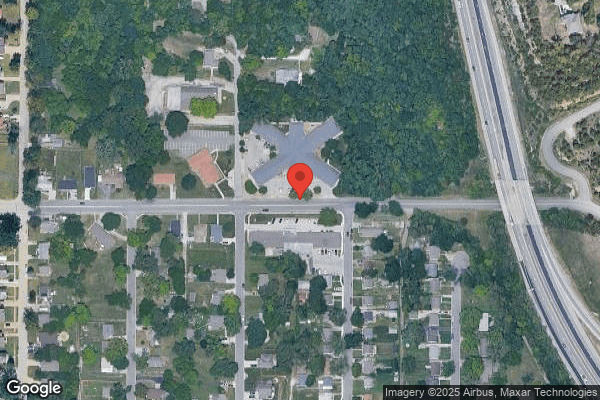

520 E MORSE STREET, BONNER SPRINGS, KS 66012 (913) 441-2515
For profit - Limited Liability company 45 Beds CORNERSTONE GROUP HOLDINGS Data: November 2025 1 Immediate Jeopardy citation
Trust Grade
0/100
#241 of 295 in KS
Last Inspection: April 2025

Within standard 12-15 month inspection cycle. Federal law requires annual inspections.

Overview

Bonner Springs Nursing & Rehab Center has received a Trust Grade of F, indicating significant concerns and poor performance. They rank #241 out of 295 facilities in Kansas, placing them in the bottom half of nursing homes in the state, and #7 out of 9 in Wyandotte County, meaning only two local options are worse. The facility is worsening, with issues increasing from 4 in 2024 to 12 in 2025, which is alarming. Staffing is a major concern, with a low rating of 1 out of 5 stars and a turnover rate of 86%, significantly higher than the state average of 48%. Additionally, $38,009 in fines is troubling, indicating repeated compliance problems, and there is less RN coverage than 75% of Kansas facilities, suggesting inadequate oversight for residents' needs. Specific incidents of concern include a resident escaping through an unsecured window, which could have led to serious hazards, and a failure to prevent pressure ulcers for a resident who developed a Stage 3 ulcer due to a lack of necessary interventions. There was also an incident of resident-to-resident abuse that resulted in injury, highlighting serious deficiencies in supervision and care. Overall, while there are some staff committed to resident care, the high turnover and critical incidents raise significant red flags for families considering this facility.

Trust Score
F
0/100
In Kansas
#241/295
Bottom 19%
Safety Record
High Risk
Review needed
Inspections
Getting Worse
4 → 12 violations
Staff Stability
⚠ Watch
86% turnover. Very high, 38 points above average. Constant new faces learning your loved one's needs.
Penalties
○ Average
$38,009 in fines. Higher than 51% of Kansas facilities. Some compliance issues.
Skilled Nurses
⚠ Watch
Each resident gets only 25 minutes of Registered Nurse (RN) attention daily — below average for Kansas. Fewer RN minutes means fewer trained eyes watching for problems.
Violations
⚠ Watch
60 deficiencies on record. Higher than average. Multiple issues found across inspections.
★☆☆☆☆
1.0
Overall Rating
★☆☆☆☆
1.0
Staff Levels
★☆☆☆☆
1.0
Care Quality
★★☆☆☆
2.0
Inspection Score
Stable
2024: 4 issues
2025: 12 issues

The Good

  • Full Sprinkler Coverage · Fire safety systems throughout facility
  • No fines on record

Facility shows strength in fire safety.

The Bad

1-Star Overall Rating

Below Kansas average (2.9)

Significant quality concerns identified by CMS

Staff Turnover: 86%

39pts above Kansas avg (46%)

Frequent staff changes - ask about care continuity

Federal Fines: $38,009

Above median ($33,413)

Moderate penalties - review what triggered them

Chain: CORNERSTONE GROUP HOLDINGS

Part of a multi-facility chain

Ask about local staffing decisions and management

Staff turnover is very high (86%)

38 points above Kansas average of 48%

The Ugly 60 deficiencies on record

1 life-threatening 3 actual harm
Apr 2025 12 deficiencies 1 Harm
SERIOUS (G)

Actual Harm - a resident was hurt due to facility failures

Pressure Ulcer Prevention (Tag F0686)

A resident was harmed · This affected 1 resident

**NOTE- TERMS IN BRACKETS HAVE BEEN EDITED TO PROTECT CONFIDENTIALITY** The facility had a census of 34 residents. The sample included 12 residents, with three reviewed for pressure ulcers (localized ...

Read full inspector narrative →
**NOTE- TERMS IN BRACKETS HAVE BEEN EDITED TO PROTECT CONFIDENTIALITY** The facility had a census of 34 residents. The sample included 12 residents, with three reviewed for pressure ulcers (localized injury to the skin and/or underlying tissue usually over a bony prominence, as a result of pressure, or pressure in combination with shear and/or friction). Based on observation, record review, and interview, the facility failed to act upon an identified risk for pressure ulcers and implement preventative interventions for Resident (R) 33, who had edema (swelling resulting from an excessive accumulation of fluid in the body tissues) in her leg and required staff assistance with activities of daily living (ADL). Subsequently, R33 developed a Stage 3 (full-thickness tissue loss) pressure ulcer on her right heel. The facility then failed to involve the Registered Dietitian (RD) for nutritional recommendations to promote wound healing, and also placed the resident at risk for delayed healing or worsened wounds. Findings included: - The Electronic Medical Record (EMR) documented R33 has diagnoses of schizophrenia (a mental disorder characterized by gross distortion of reality, disturbance of language and communication, and fragmentation of thought), dementia (a progressive mental disorder characterized by failing memory and confusion), bipolar disorder (a major mental illness that causes people to have episodes of severe high and low moods), hypertension (high blood pressure), acquired absence of toes (a condition where one or more toes are lost as a result of trauma, infection, vascular disease, tumors or diabetes), and peripheral vascular disease (PVD- slow and progressive circulation disorder causing narrowing, blockage, or spasms in a blood vessel). The admission Minimum Data Set (MDS), dated [DATE], documented R33 had severely impaired cognition. R33 required substantial assistance from staff for showers, lower body dressing, personal hygiene, transfers, and partial assistance for mobility. The MDS documented R33 was at risk for pressure ulcers and had no pressure-relieving device for her bed and chair. She had functional impairment on both sides of her upper and lower extremities. The MDS recorded she was not on a turning or repositioning program and had no skin breakdown. The Pressure Ulcer Care Area Assessment (CAA), dated 01/13/25, documented R33 was at risk for skin breakdown due to incontinence episodes and bed mobility, and directed staff to observe and report any skin changes. The Significant Change MDS, dated [DATE], documented R33 had severely impaired cognition. R33 was dependent upon staff for bed mobility, eating, oral hygiene, and lower body dressing. The MDS documented R33 was at risk for pressure ulcers and had no pressure-relieving device for her bed and chair. She had functional impairment on both sides of her upper and lower extremities. R33 had an unhealed Stage 3 pressure ulcer and received pressure ulcer care. The Pressure Ulcer CAA, dated 04/08/25, documented R33 had a pressure ulcer due to a history of pressure ulcers, cognitive loss, incontinence, and pain. R33's skin would be assessed each week, and the physician would be notified of any abnormal findings. The RD would monitor R33's food and fluid intake and implement dietary interventions as necessary. The caregivers would reposition R33 every two hours and as needed for comfort. The CAA further documented a care plan would be initiated to improve the actual pressure ulcer by decreasing size and condition, improving status, and functional ability, and decreasing further pressure ulcer risk. R33's Care Plan, dated 03/23/25, initiated on 01/09/25, documented R33 was assisted with all care and directed staff to assist her with activities, ensure her call light was within reach, and administer medication as ordered. The care plan lacked interventions to prevent skin breakdown. The Braden Scale Assessment (a formal assessment for predicting pressure ulcer risk) dated 01/12/25 documented R33 had a very high risk for developing pressure ulcers. The Braden Scale Assessments dated 01/22/25 and 04/10/25, documented R33 was at high risk for pressure ulcers. The Registered Dietitian Progress Note, dated 03/19/25, documented R33's weight had increased by four pounds and R33 often ate 100% at meals. R33 required meal assistance and had intact skin. The note documented staff were to refer to the RD as needed. The Skin Only Evaluation, dated 03/26/25, documented R33's skin was intact. The Nurse's Note, dated 03/27/25 at 02:31 PM, documented R33 had a fluid-filled blister on her right heel. The note documented that a low-air-loss mattress (a specialized medical mattress that maintains a constant airflow through tiny holes in the mattress surface to help with skin breakdown) was on order, and the wound clinic would evaluate and treat her heel. The note further documented that staff notified the physician and guardian, and R33 was to wear heel protectors while in bed. The Physician's Order, dated 03/27/25, directed staff to apply Skin-prep (liquid skin protectant) daily, and directed staff may place a foam dressing for extra protection to be done daily at bedtime. The order further directed staff to check R33's low-air-loss mattress every shift to ensure it was functioning properly. The order was discontinued on 03/28/28. The Wound Clinic Assessment, dated 03/28/25, documented R33 had a blood/fluid-filled blister on her right heel that was still intact. The assessment documented the blister measured the area at 11.6 centimeters (cm), with a perimeter of 12.9 cm, and was 4.6 cm long, 3.7 cm wide, with a wound volume of 1.70 cm. Staff were ordered to cleanse the wound with wound cleanser, apply Skin-prep to the stable eschar (dead skin), and apply Duoderm (wafer-type moisture-retentive wound dressing used for partial and full thickness wounds leaking fluids) at bedtime on Monday, Wednesday, Friday, and as needed. R33 had edema to her right and left legs, and staff received education on the importance of offloading (removing or keeping pressure off) the area as much as possible. The Physician's Order, dated 03/28/25, directed staff to place heel protectors on R33's feet while in bed every shift. The Skin Only Evaluation, dated 04/02/24, documented R33 had intact skin. The Wound Clinic Assessment, dated 04/04/25, documented R33 had an open wound on her right heel. The assessment documented an area measured 3 cm (length) by 3.6 cm (width) by 1.08 cm (depth). The staff were ordered to continue the current treatment. Staff were educated on the importance of offloading the area as much as possible. The Wound Clinic Assessment, dated 04/11/24, documented R33 had an open wound on her right heel. The assessment documented R33's wound measured 3.9 cm (length) by 3 cm (width) by 0.1 cm (depth), and to continue the current treatment. Staff were provided with education on how to continue to elevate R33's legs due to edema and to continue with the pressure-relieving boots. The Skin Only Evaluation, dated 04/11/24, documented R33 had a Stage 3 pressure ulcer on her right heel. The wound bed had epithelial tissue (new skin growing in a wound), no exudate (the fluid that leaks out of body vessels and tissue), and the undermining (the separation of skin and underlying tissues, creating a space or pocket around the wound edge) was mushy. The Skin Only Evaluation, dated 04/16/24, documented R33 had a Stage 3 pressure ulcer on her right heel. The evaluation noted the wound bed had epithelial tissue, had no exudate, and was mushy. The evaluation documented that protective boots were placed on R33. The EMR for R33's lacked documentation the RD was notified after R33 developed skin breakdown and R33's clinical record lacked evidence of a RD evaluation or recommendation from 03/20/25 through 04/15/25. On 04/14/25 at 02:05 PM, observation revealed R33 laid in her bed, which had a low-air-loss mattress. Licensed Nurse (LN) G and Certified Nurse Aide (CNA) N donned gowns, gloves, and masks. LN G placed a paper towel on the nightstand and laid the Duoderm and Skin-prep on it. LN G asked R33 if she could change the dressing on her heel, and R33 consented. Continued observation revealed R33 wore regular socks and her heels were pressed against the mattress. R33 was not wearing her protective boots. On 04/15/25 at 07:45 AM, observation revealed R33 in the living room area and she did not have her protective boots on. On 04/14/25 at 02:37 PM, Administrative Nurse E stated it was a team effort to ensure interventions were on the care plan, but said it was her responsibility to make sure the care plans were completed. Administrative Nurse E verified there was not a pressure ulcer care plan in place for R33. On 04/15/25 at 09:25 AM, CNA N stated she did not know what caused R33's pressure ulcer. CNA N was unable to say what interventions were put in place before and after R33 developed the pressure ulcer. On 04/15/25 at 9:30 AM, LN G stated R33 did not move her feet, always had her heels directly on the mattress, and she had developed a pressure ulcer. LN G further stated R33 had the pressure-relieving mattress and was supposed to wear the protective boots at all times. LN G verified R33 had not had the protective boots on while in bed. On 04/15/25 at 03:10 PM, Consultant GG stated she went to the facility monthly and had originally recommended Pro-Stat (to support the dietary management of a condition requiring increased protein intake in low volume), but since R33 did not have any skin issues, it was discontinued. Consultant GG stated she expected the facility to contact her for recommendations if a resident had a change in their skin condition. On 04/16/25 at 09:06 AM, Dietary Staff BB stated she was unaware R33 had skin breakdown and verified R33 was not receiving any additional protein in her diet or any type of supplement for wound healing. On 04/16/25 at 01:00 PM, Administrative Nurse D stated they should have interventions put into place to prevent R33's pressure ulcer. Administrative Nurse D stated she would work with the RD for recommendations for healing the pressure ulcer. The facility's Pressure Injuries undated policy, documented that any area caused by unrelieved pressure resulting in damage of underlying tissue was a pressure ulcer. Pressure ulcers are usually located over bony prominences and are classified by stage to describe the degree of tissue damage. Assessment and documentation must appear in the medical record if the resident's pressure ulcer is unavoidable. Routine preventative care means proper positioning and repositioning, application of pressure reduction or relief devices, providing good skin care, and maintaining adequate nutrition and hydration.
CONCERN (D)

Potential for Harm - no one hurt, but risky conditions existed

Comprehensive Care Plan (Tag F0656)

Could have caused harm · This affected 1 resident

**NOTE- TERMS IN BRACKETS HAVE BEEN EDITED TO PROTECT CONFIDENTIALITY** The facility had a census of 24 residents. The sample included 12 residents. Based on observation, record review, and interview,...

Read full inspector narrative →
**NOTE- TERMS IN BRACKETS HAVE BEEN EDITED TO PROTECT CONFIDENTIALITY** The facility had a census of 24 residents. The sample included 12 residents. Based on observation, record review, and interview, the facility failed to develop a comprehensive care plan with resident-centered interventions to prevent pressure ulcers for one resident, Resident (R) 33. This placed the resident at risk for unmet care needs and skin breakdown. Findings included: - The Electronic Medical Record (EMR) documented R33 has diagnoses of schizophrenia (a mental disorder characterized by gross distortion of reality, disturbance of language and communication, and fragmentation of thought), dementia (a progressive mental disorder characterized by failing memory and confusion), bipolar disorder (a major mental illness that causes people to have episodes of severe high and low moods), hypertension (high blood pressure), acquired absence of toes (a condition where one or more toes are lost as a result of trauma, infection, vascular disease, tumors or diabetes), and peripheral vascular disease (PVD - slow and progressive circulation disorder causing narrowing, blockage, or spasms in a blood vessel). The admission Minimum Data Set (MDS), dated [DATE], documented R33 had severely impaired cognition. R33 required substantial assistance from staff for showers, lower body dressing, personal hygiene, transfers, and partial assistance for mobility. The MDS documented R33 was at risk for pressure ulcers, had no pressure relieving device for bed and chair, upper and lower functional impairment on both sides, and no turning or repositioning program. R33 had no skin breakdown. The Pressure Ulcer Care Area Assessment (CAA), dated 01/13/25, documented R33 was at risk for skin breakdown due to incontinent episodes and bed mobility, and directed staff to observe and report any skin changes. The Significant Change MDS, dated 04/08/25, documented R33 had severely impaired cognition. R33 was dependent upon staff for bed mobility, eating, oral hygiene, and lower body dressing. R33 was at risk for pressure ulcers, had pressure relieving devices for her bed and chair, and had no turning or repositioning program. R33 had an unhealed Stage 3 pressure ulcer and received pressure ulcer care. The Pressure Ulcer CAA, dated 04/08/25, documented R33 had a pressure ulcer due to a history of pressure ulcers, cognitive loss, incontinence, and pain. R33's skin would be assessed each week and the physician would be notified of any abnormal findings, The RD would monitor R33's food and fluid intake and implement dietary interventions as necessary. The caregivers would reposition R33 every two hours and as needed for comfort. The CAA further documented a care plan would be initiated to improve the actual pressure ulcer by decreasing size and condition, improving current status, and functional ability, and decreasing further pressure ulcer risk. R33's Care Plan lacked a care area with interventions for skin breakdown. The Braden Scale Assessment, (formal assessment for predicting pressure ulcer risk) dated 01/12/25, documented R33 had a very high risk for developing pressure ulcers. The Braden Scale Assessments, dated 01/22/25 and 04/10/25, documented R33 was a high risk for pressure ulcers. The Skin Only Evaluation, dated 03/26/25, documented R33's skin was intact. The Nurse's Note, dated 03/27/25 at 02:31 PM, documented R33 had a fluid-filled blister on her right heel. A low air-loss mattress (a specialized mattress designed to prevent skin breakdown and pressure ulcers by continuously circulating air through the mattress surface, creating a cool and dry environment). As on order, the wound clinic would evaluate and treat her heel. The note further documented the physician and guardian had been notified and R33 was to wear heel protectors while in bed. The Physician's Order, dated 03/27/25, directed staff to apply Skin prep (liquid skin protectant) daily, and may use a foam dressing for extra protection to be done daily at bedtime. The order further directed staff to check her low air loss mattress every shift to ensure it was functioning properly. The order was discontinued on 03/28/28. The Physician's Order, dated 03/28/25, directed staff to place heel protectors on R33's feet while in bed every shift. The Wound Clinic Assessment, dated 03/28/25, documented R33 had a blood/fluid-filled blister on her right heel that was still intact. The assessment documented the blister measured the area at 11.6 centimeters (cm), perimeter 12.9 cm, 4.6 cm long, and 3.7 cm wide, with a wound volume of 1.70 cm. Staff were ordered to cleanse the wound with wound cleanser, skin prep to stable eschar (dead skin), apply duoderm (wafer-type moisture-retentive wound dressing used for partial and full thickness wounds leaking fluids) at bedtime on Monday, Wednesday, Friday, and as needed. R33 had edema to her right and left leg and educated staff on the importance of offloading (removing or keeping pressure off) the area as much as possible. The Skin Only Evaluation, dated 04/02/25 documented R33 had intact skin. The Wound Clinic Assessment, dated 04/04/25, documented R33 had an open wound on her right heel. The assessment documented area measured 3 cm x 3.6 cm x 1.08 cm. The staff were ordered to continue the current treatment. Staff were education on the importance of offloading the area as much as possible. The Wound Clinic Assessment, dated 04/11/24, documented R33 had an open wound on her right heel. The assessment documented R33's wound measured 3.9 cm x 3 cm x 0.1 cm and to continue current treatment. Staff were provided with education to continue to elevate R33's legs due to edema and to continue with the pressure-relieving boots. The Skin Only Evaluation, dated 04/11/25, documented R33 had a pressure ulcer on her right heel that was a stage 3. The wound bed had epithelial tissue (new skin growing in a wound), no exudate (the fluid that leaks out of body vessels and tissue), and the undermining (the separation of skin and underlying tissues, creating a space or pocket around the wound edge) was mushy. The Skin Only Evaluation, dated 04/16/25, documented R33 had a pressure ulcer on her right heel that was a stage 3. The wound bed had epithelial tissue and no exudate was mushy. The evaluation documented protective boots were in place. On 04/14/25 at 02:05 PM AM, observation revealed R33 in bed, she had a low air-loss mattress on her bed. Licensed Nurse (LN) G and Certified Nurse Aide (CNA) N gowned, gloved, and masked. LN G placed a paper towel on the nightstand and laid the duoderm and skin prep on it. She asked R33 if she could change the dressing on her heel. R33 responded, Ok. LN G told R33 that this Surveyor needed to look at her heel and pulled down R33's blanket. R33 had regular socks on, and her heels pressed against the mattress, she did not have her protective boots on. R33 began to scream, NO, NO, NO loudly. LN G stated, Can we please look at your heel? R33 stated, NO! LN G stated, Do you want to hold your baby doll while we look at your heel? R33 screamed loudly. LN G pulled R33's blanket back up and stated, Her dressing is usually changed in the evening at bedtime. On 04/14/25 at 02:37 PM, Administrative Nurse E stated it was a team effort to provide interventions on the care plan but it was her responsibility to make sure the care plans were completed. Administrative Nurse E verified that there was not a pressure ulcer care plan in place. On 04/15/25 at 07:45 AM, observation revealed R33, in in the living room area, with regular socks and shoes on. On 04/15/25 at 09:25 AM, CNA N stated she did not know what had caused R33's pressure ulcer and was unable to tell me what interventions were put into place prior to and after she developed the pressure ulcer. On 04/15/25 at 9:30 AM, LN G stated R33 did not move her feet and were always planted with her heels on the mattress, and she developed the pressure ulcer. LN G further stated she has the pressure relieving mattress and was supposed to wear the protective boots at all times and verified R33 had not had them on while in bed. On 04/15/25 at 03:10 PM, Consultant GG stated she went to the facility monthly and had originally recommended Pro-Stat (to support the dietary management of a condition requiring increased protein intake in low volume) but since R33 did not have any skin issues, it was discontinued. Consultant GG stated she expected the facility to contact her for recommendations if a resident had a change in their skin condition. On 04/16/25 at 09:06 AM, Dietary BB stated she was unaware R33 had skin breakdown and verified R33 was not receiving any additional protein in her diet or any type of supplement for wound healing. On 04/16/25 at 09:45 AM, LN G stated R33 refused to have the dressing changed. On 04/16/25 at 01:00 PM, Administrative Nurse D stated that they should have interventions put into place to prevent her pressure ulcer. Administrative Nurse D stated that she would work with the RD for recommendations for healing of the pressure ulcer. The facility's Care Planning-Interdisciplinary Team policy, dated 08/11/21, documented the team was responsible for the development of an individualized comprehensive care plan for each resident. The care plan was developed within seven days of completion of the resident assessment.
CONCERN (D)

Potential for Harm - no one hurt, but risky conditions existed

Drug Regimen Review (Tag F0756)

Could have caused harm · This affected 1 resident

The facility identified a census of 34 residents. The sample included 12 residents, with five sample residents reviewed for unnecessary medications. Based on observation, record review, and interview,...

Read full inspector narrative →
The facility identified a census of 34 residents. The sample included 12 residents, with five sample residents reviewed for unnecessary medications. Based on observation, record review, and interview, the facility failed to ensure that the physician responded to the recommendations made by the Consultant Pharmacist (CP) to ensure that Resident (R) 23's antipsychotic (a class of medications used to treat major mental conditions that cause a break from reality) medication Seroquel had an appropriate Centers for Medicare and Medicaid Services (CMS) indication for use. These deficient practices placed R23 at risk of unnecessary medication administration and related complications. Findings included: - R23's Electronic Medical Record (EMR) documented diagnoses of cerebral infarction (stroke - sudden death of brain cells due to lack of oxygen caused by impaired blood flow to the brain by blockage or rupture of an artery to the brain), hemiplegia (paralysis of one side of the body), anxiety (mental or emotional reaction characterized by apprehension, uncertainty, and irrational fear), and symptoms involving emotional state (the feelings and mood an individual experiences, such as happiness, sadness, anger, fear, or anxiety). R23's Significant Change Minimum Data Set (MDS) dated 07/25/24 documented he had a Brief Interview for Mental Status (BIMS) score of 15, which indicated intact cognition. R23 was independent with his functional abilities and used a walker to assist with ambulation. R23 received an antipsychotic on a routine basis. R23's Psychotropic Drug Use Care Area Assessment (CAA) dated 08/08/24 documented he received an antipsychotic and antianxiety (a class of medications that calm and relax people) medications to treat anxiety and mood impairment. A gradual dose reduction (GDR) had not been recommended by the physician since admission. R23's Care Plan revised on 07/25/24 directed staff to administer medications as ordered. Staff were to monitor and document side effects. Staff were directed to monitor his behaviors every shift. When R23 would become agitated, staff were directed to intervene before the agitation escalated. Staff were directed to guide the resident away from the source of distress. R23's Orders tab of the EMR documented an active order dated 09/13/24 for quetiapine (Seroquel an antipsychotic medication) 200 milligrams (mg) to be given by mouth at bedtime for mood management. A 04/24/24 Note to Attending Physician/Prescriber for R23 documented the CP's recommendation that R23 received the antipsychotic agent Seroquel but lacked an allowable diagnosis to support the use. If continued use of this medication for the indication currently listed in the chart was warranted, please provide a clinical rationale. The physician failed to respond to the CP recommendation. On 04/15/25 at 09:15 AM, R23 ambulated with his walker down the hall. On 04/16/25 at 12:50 PM, Administrative Nurse D stated administrative staff had noticed that in the past that the previous physician had not been addressing the CP recommendation as they should have been. Administrative Nurse D stated that she, along with other administrative staff were working with the physicians and pharmacy to ensure that the recommendations were being addressed promptly. The facility's Medication Regimen Reviews (MRR) policy, revised on October 2024 documented that the goal of the MRR was to promote positive outcomes while minimizing adverse consequences and potential risks associated with medication. The MRR involved a thorough review of the resident's medical record to prevent, identify, report, and resolve medication-related problems, medication errors, and other irregularities such as medications ordered in excessive doses or without clinical indication. Within 24 hours of the MRR, the Consultant Pharmacist provided a written report to the attending physicians for each resident identified as having a non-life-threatening medication irregularity. If the attending physician did not provide a timely or adequate response, or the CP identified that no action had been taken, he/she would contact the medical director or the administrator. The attending physician documented in the medical record that the irregularity had been reviewed and what action had been taken to address it. The CP provided the director of nursing services and the medical director with a written, signed, and dated copy of all medication regimen reports. Copies of MRR, including physician responses, were maintained as part of the permanent medical record.
CONCERN (D)

Potential for Harm - no one hurt, but risky conditions existed

Deficiency F0757 (Tag F0757)

Could have caused harm · This affected 1 resident

**NOTE- TERMS IN BRACKETS HAVE BEEN EDITED TO PROTECT CONFIDENTIALITY** The facility had a census of 34 residents. The sample included 12 residents, with five reviewed for unnecessary medications. Bas...

Read full inspector narrative →
**NOTE- TERMS IN BRACKETS HAVE BEEN EDITED TO PROTECT CONFIDENTIALITY** The facility had a census of 34 residents. The sample included 12 residents, with five reviewed for unnecessary medications. Based on observation, record review, and interview, the facility failed to hold blood pressure medications per the physician-ordered parameters for two residents, Resident (R) 8 and R21. This placed the resident at risk for physical decline and other related complications. Findings included: - The Electronic Medical Record (EMR) for R8 documented diagnoses of pain, traumatic brain injury (TBI - an injury to the brain caused by external forces), dementia (a progressive mental disorder characterized by failing memory and confusion), depression (a mood disorder that causes a persistent feeling of sadness and loss of interest), diabetes mellitus (DM - when the body cannot use glucose, not enough insulin is made, or the body cannot respond to the insulin) type two, and hypertension (high blood pressure). R8's Quarterly Minimum Data Set (MDS), dated [DATE], documented R8 had severely impaired cognition. R8 was dependent upon staff for all activities of daily living (ADL) and did not ambulate. R8 received diuretic (a medication to promote the formation and excretion of urine), antidepressant (a class of medication used to treat mood disorders), and insulin (a hormone produced by the pancreas that regulates blood glucose levels) medication daily. R8's Care Plan 04/11/25, initiated on 01/22/24, directed staff to administer his blood pressure medication as ordered and monitor for potential side effects. The care plan directed staff to monitor the blood pressure according to the physician's instructions, accurately record blood pressure readings, and promptly notify the physician if readings fall outside the target range or if a significant change occurs. The Physician's Order, dated 03/18/23, directed staff to administer losartan (high blood pressure medication), 100 milligrams (mg), one tablet, by mouth, daily, for hypertension. Hold the medication if the systolic blood pressure (SBP - the top number, the force your heart exerts on the walls of your arteries) was less than 110 millimeters of mercury (mmHg) or if the heart rate was less than 65 beats per minute (bpm). The Physician's Order, dated 08/22/24, directed staff to administer amlodipine (high blood pressure medication), 10 mg, one tablet, by mouth, daily for hypertension. Hold the medication if the SBP was less than 110 or his heart rate was less than 60 bmp. The Physician's Order, dated 03/04/25, directed staff to administer Coreg (high blood pressure medication), 3.125 mg, one tablet, by mouth, twice per day, for hypertension. Hold for SBP less than 110 or heart rate less than 60 bpm. R8's Medication Administration Record (MAR) for March and April 2025 documented the following days R8 received the losartan when his heart rate was under the ordered parameters: 03/14/25 - 58 bpm 03/21/25 - 56 bpm 03/22/25 - 57 bpm 04/10/25 - 58 bpm 04/15/25 - 55 bpm R8's MAR for March and April 2025 documented the following days R8 received the amlodipine when his heart rate was under the ordered parameters: 03/11/25 - 53 bpm 03/14/25 - 58 bpm 03/21/25 - 56 bpm 03/22/25 - 57 bpm 04/10/25 - 58 bpm 04/13/25 - 54 bpm 04/15/25 - 55 bpm R8's MAR for March and April 2025 documented the following days R8 received the Coreg when his heart rate was under the ordered parameters: 03/11/25 - 57 bpm 03/13/25 - 55 bpm 03/14/25 - 58 bpm 03/21/25 - 56 bpm 03/22/25 - 57 bpm 04/15/25 - 55 bpm On 04/15/25 at 09:20 AM, observation revealed Certified Medication Aide (CMA) R took R8's blood pressure and heart rate. CMA R administered all of R8's medication and stated he was to hold the blood pressure medications if the SBP was less than 110. R8's heart rate was 55 and CMA R had not realized he should have held the blood pressure medication due to R8's low heart rate. On 04/16/25 at 10:16 AM, Licensed Nurse (LN) G stated the CMAs were supposed to tell her when a resident's vital signs were out of the physician-ordered parameter because some orders directed that the physician was to be notified. LN G stated she would follow up with R8 and the physician regarding the low heart rate. On 04/16/25 at 01:00 PM, Administrative Nurse D stated she expected staff to follow the physician's orders and hold the medication when the vital signs were out of parameters. The facility's Medication Therapy policy, dated 10/24, documented each resident's medication regimen should include only those medications necessary to treat existing conditions and address significant risks. Medication use shall be consistent with an individual's condition, prognosis, values, wishes, and responses to such treatment. All medication orders would be supported by appropriate care processes and practices. - The Electronic Medical Record (EMR) for R21 documented diagnoses of heart failure (CHF - a condition with low heart output and the body becomes congested with fluid), anxiety (a mental or emotional reaction characterized by apprehension, uncertainty, and irrational fear), diabetes mellitus (DM - when the body cannot use glucose, not enough insulin is made, or the body cannot respond to the insulin) and pain. The Significant Change MDS, dated 02/26/25, documented R21 had intact cognition. R21 required substantial assistance from staff for showers, lower body dressing, mobility, and personal hygiene. R21 received antianxiety (a class of medications that calm and relax people), antidepressant (a class of medication used to treat mood disorders), diuretic (a medication to promote the formation and secretion of urine), pain, and anticoagulant (a class of medications used to prevent the blood from clotting) daily. R21's Care Plan dated 03/23/25, initiated on 09/23/23, directed staff to administer medications as ordered and to monitor for side effects and effectiveness. The Physician's Order, dated 12/04/24, directed staff to administer, metoprolol tartrate (a medication used for high blood pressure), 25 milligrams (mg), one tablet, by mouth twice a day, for hypertension. Hold the medication if the systolic blood pressure (SBP - the top number, the force your heart exerts on the walls of your arteries less than 110 millimeters of mercury (mmHg) or if the pulse is less than 65 beats per minute (bpm). R21's Medication administration Record (MAR) for March 2025 documented the following days R21 received the metoprolol when the SBP was under the ordered parameters: 03/16/25 - 102/63 mmHg 03/17/25 - 108/64 mmHg 03/21/25 - 105/61 mmHg 03/23/25 - 107/75 mmHg 03/26/25 - 98/56 mmHg R21's Medication Administration Record (MAR) for April 2025 documented the following days R21 received the metoprolol when the SBP was under the ordered parameters: 04/02/25 - 99/56 mmHg AM dose 04/02/25 - 95/60 mmHg PM dose 04/03/25 - 92/61 mmHg PM dose 04/04/25 - 106/78 mmHg AM dose 04/11/25 - 102/64 mmHg AM dose On 04/15/25 at 12:15 PM, observation revealed R21 in bed, 02 on, and waiting for lunch. On 04/16/25 at 10:16 AM, Licensed Nurse (LN) G stated the CMAs were supposed to tell her when a resident's vital signs were out of the physician-ordered parameter because some orders directed that the physician was to be notified. On 04/16/25 at 01:00 PM, Administrative Nurse D stated she expected staff to follow the physician's orders and hold the medication when the vital signs were out of parameters. The facility's Medication Therapy policy, dated 10/24, documented each resident's medication regimen should include only those medications necessary to treat existing conditions and address significant risks. Medication use shall be consistent with an individual's condition, prognosis, values, wishes, and responses to such treatment. All medication orders would be supported by appropriate care processes and practices.
CONCERN (D)

Potential for Harm - no one hurt, but risky conditions existed

Medication Errors (Tag F0758)

Could have caused harm · This affected 1 resident

The facility identified a census of 34 residents. The sample included 12 residents, with five sample residents reviewed for unnecessary medications. Based on observation, record review, and interview,...

Read full inspector narrative →
The facility identified a census of 34 residents. The sample included 12 residents, with five sample residents reviewed for unnecessary medications. Based on observation, record review, and interview, the facility failed to ensure an appropriate diagnosis or a physician's statement of the risk versus benefit for the continued use of Seroquel (antipsychotic medication-a class of medications used to treat major mental conditions that cause a break from reality). These deficient practices placed R23 at risk of unnecessary medication administration and related complications. Findings included: - R23's Electronic Medical Record (EMR) documented diagnoses of cerebral infarction (stroke - sudden death of brain cells due to lack of oxygen caused by impaired blood flow to the brain by blockage or rupture of an artery to the brain), hemiplegia (paralysis of one side of the body), anxiety (mental or emotional reaction characterized by apprehension, uncertainty, and irrational fear), encephalopathy (a broad term for any brain disease that alters brain function or structure), chronic obstruction pulmonary disease (COPD- a progressive and irreversible condition characterized by diminished lung capacity and difficulty or discomfort in breathing), systolic heart failure, hypertension (HTN - elevated blood pressure), dysphagia (swallowing difficulty), and symptoms involving emotional state (the feelings and mood an individual experiences, such as happiness, sadness, anger, fear, or anxiety). R23's Significant Change Minimum Data Set (MDS) dated 07/25/24 documented a Brief Interview for Mental Status (BIMS) score of 15, which indicated intact cognition. R23 was independent with his functional abilities and used a walker to assist with ambulation. R23 received an antipsychotic on a routine basis. R23's Psychotropic Drug Use Care Area Assessment (CAA) dated 08/08/24 documented he received an antipsychotic and antianxiety (a class of medications that calm and relax people) medications to treat anxiety and mood impairment. A gradual dose reduction (GDR) had not been recommended by the physician since admission. R23's Care Plan revised on 07/25/24 directed staff to administer medications as ordered. Staff were to monitor and document side effects. Staff were directed to monitor his behaviors every shift. When R23 became agitated, staff were directed to intervene before the agitation escalated. Staff were directed to guide the resident away from the source of distress. R23's Orders tab of the EMR documented an active order dated 09/13/24 for quetiapine (Seroquel) 200 milligrams (mg) to be given by mouth at bedtime for mood management. On 04/15/25 at 09:15 AM, R23 ambulated with his walker down the hall. On 04/16/25 at 12:50 PM, Administrative Nurse D stated administrative staff had noticed in the past that the previous facility physician had not been addressing concerns about the inappropriate diagnosis and continued use of R23 Seroquel. Administrative Nurse D stated that the interdisciplinary team had been working with the physicians and pharmacy to ensure that any antipsychotic medication had an approved diagnosis and the risk versus benefit for use. The Antipsychotic Medication Use policy dated October 2021, documented antipsychotic medications would be prescribed at the lowest possible dosage for the shortest period of time and were subject to gradual dose reduction and re-review. Residents would only receive antipsychotic medication when necessary to treat specific conditions for which was indicated and effective. Antipsychotic medications shall generally be used only for the approved conditions/diagnoses consistent with the definition(s) in the Diagnostic and Statistical Manual of Mental Disorders. Diagnoses alone do not warrant the use of antipsychotic medication. In addition, antipsychotic medications would generally only be considered if the following conditions were also met: the behavioral symptoms present a danger to the resident or others, and the symptoms were identified as being due to mania or psychosis, or behavioral interventions had been attempted and included in the plan of care, except in an emergency. The physician shall respond appropriately by changing or stopping problematic doses or medications, or clearly documenting why the benefits of the medication outweigh the risks or suspected or confirmed adverse consequences.
CONCERN (D)

Potential for Harm - no one hurt, but risky conditions existed

Deficiency F0760 (Tag F0760)

Could have caused harm · This affected 1 resident

**NOTE- TERMS IN BRACKETS HAVE BEEN EDITED TO PROTECT CONFIDENTIALITY** The facility had a census of 34 residents. The sample included 12 residents. Based on observation, record review, and interview,...

Read full inspector narrative →
**NOTE- TERMS IN BRACKETS HAVE BEEN EDITED TO PROTECT CONFIDENTIALITY** The facility had a census of 34 residents. The sample included 12 residents. Based on observation, record review, and interview, the facility to prevent medication administration errors for Resident (R) 8 whose heart rate was out of physician-ordered parameters and he received four blood pressure medications. This placed the resident at risk for physical decline and other related complications. Findings included: - The Electronic Medical Record (EMR) for R8 documented diagnoses of pain, traumatic brain injury (TBI - an injury to the brain caused by external forces), dementia (a progressive mental disorder characterized by failing memory and confusion), depression (a mood disorder that causes a persistent feeling of sadness and loss of interest), diabetes mellitus (DM - when the body cannot use glucose, not enough insulin is made, or the body cannot respond to the insulin) type two, and hypertension (high blood pressure). R8's Quarterly Minimum Data Set (MDS), dated [DATE], documented R8 had severely impaired cognition. R8 was dependent on staff for all activities of daily living (ADL) and did not ambulate. R8 received diuretic (a medication to promote the formation and excretion of urine), antidepressant (a class of medication used to treat mood disorders), and insulin (a hormone produced by the pancreas that regulates blood glucose levels) medication daily. R8's Care Plan dated 04/11/25, initiated on 01/22/24, directed staff to administer his blood pressure medication as ordered and monitor for potential side effects. The care plan directed staff to monitor the blood pressure according to the physician's instructions, accurately record blood pressure readings, and promptly notify the physician if readings fall outside the target range or if a significant change occurs. The Physician's Order, dated 03/18/23, directed staff to administer losartan (high blood pressure medication), 100 milligrams (mg), one tablet, by mouth, daily, for hypertension. Hold the medication if the systolic blood pressure (SBP - the top number, the force your heart exerts on the walls of your arteries) was less than 110 millimeters of mercury (mmHg) or if the heart rate was less than 65 beats per minute (bpm). The Physician's Order, dated 08/22/24, directed staff to administer amlodipine (high blood pressure medication), 10 mg, one tablet, by mouth, daily for hypertension. Hold the medication if the SBP was less than 110 or his heart rate was less than 60 bmp. The Physician's Order, dated 03/04/25, directed staff to administer Coreg (high blood pressure medication), 3.125 mg, one tablet, by mouth, twice per day, for hypertension. Hold for SBP less than 110 or heart rate less than 60 bpm. On 04/15/25 at 09:20 AM, observation revealed Certified Medication Aide (CMA) R took R8's blood pressure and heart rate. CMA R administered all of R8's medication and stated he was to hold the blood pressure medications if the SBP was less than 110. R8's heart rate was 55 and CMA R had not realized he should have held the blood pressure medication due to R8's low heart rate. On 04/16/25 at 10:16 AM, Licensed Nurse (LN) G stated the CMAs were supposed to tell her when a resident's vital signs were out of the physician-ordered parameter because some orders directed that the physician was to be notified. LN G stated she would follow up with R8 and the physician regarding the low heart rate. On 04/16/25 at 01:00 PM, Administrative Nurse D stated she expected staff to follow the physician's orders and hold the medication when the vital signs were out of parameters. Administrative Nurse D stated she would write up a medication error and the physician would be notified. A policy for medication errors was not provided by the facility.
CONCERN (D)

Potential for Harm - no one hurt, but risky conditions existed

Deficiency F0849 (Tag F0849)

Could have caused harm · This affected 1 resident

**NOTE- TERMS IN BRACKETS HAVE BEEN EDITED TO PROTECT CONFIDENTIALITY** The facility had a census of 34 residents. The sample included two residents, with two reviewed for Hospice (specialized care th...

Read full inspector narrative →
**NOTE- TERMS IN BRACKETS HAVE BEEN EDITED TO PROTECT CONFIDENTIALITY** The facility had a census of 34 residents. The sample included two residents, with two reviewed for Hospice (specialized care that mainly aims to provide comfort and dignity to the patients, by providing physical comfort and emotional, social, and spiritual support for people nearing the end of life) services. Based on observation, record review, and interview, the facility failed to ensure a communication process between the hospice provider and the facility for Resident (R)26 and R16, which included a plan of care and a description of the services provided which included visit frequency, medications, and medical equipment. This placed the residents at risk of not receiving needed care. Findings included: - The Electronic Medical Record (EMR) for R26 documented diagnoses of epilepsy (brain disorder characterized by repeated seizures), bipolar disorder (a major mental illness that causes people to have episodes of severe high and lows), depression (a mood disorder that causes a persistent feeling of sadness and loss of interest), hypertension (high blood pressure), atrial fibrillation (rapid heart rate), and morbid obesity (a disorder that involves having too much body fat which increases the risk of health problems). R26's Significant Change Minimum Data Set (MDS), dated [DATE], documentR26 had intact cognition. R26 was dependent upon staff for transfers, toileting, showers, dressing, and personal hygiene. The MDS documented R26 received hospice services. R26's Care Plan, dated 02/04/25, directed staff to document in social service notes the advanced directive review and maintain advanced directives in his file. The care plan directed staff to ensure R26's wishes were honored regarding any advanced directive or end-of-life care. The care plan documented R26 was enrolled in hospice. The care plan lacked a contact number for hospice, and what supplies, equipment, and medications hospice would provide. The care plan lacked when hospice staff would be in the building and what care they would provide. The Physician Order, dated 01/10/25, directed staff to admit R26 to hospice services. On 04/15/25 at 02:20 PM, observation revealed R26 in bed, eyes closed. On 04/16/25 at 12:6 PM, Administrative Nurse E stated she had been trying to catch up on all of the care plans and get them updated. Administrative Nurse E stated she was aware the care plan was not complete with the required information. On 04/16/25 at 01:00 PM, Administrative Nurse D stated the care plan would be updated with information related to his hospice services. The facility's Hospice Program policy, dated 10/21, documented coordinated care plans for residents receiving hospice services including the most recent hospice plan of care as well as the care and services provided by our facility to maintain the resident's highest practicable physical, mental, and psychosocial well-being.- R17's Electronic Medical Record (EMR) documented diagnoses of hypertension (HTN - elevated blood pressure), trigeminal neuralgia (a condition that causes intense pain like an electric shock on one side of the face), and major depressive disorder (a serious mental illness that involves persistent feelings of sadness and loss of interest in activities). R17's Significant Change Minimum Data Set (MDS) dated 02/24/25 documented she had a Brief Interview for Mental Status (BIMS) score of 13, which indicated an intact cognition. R17 required set-up assistance with eating and was dependent on staff for toileting, bathing, and dressing. R17 was on hospice services. R17's Functional Abilities Care Area Assessment (CAA) dated 03/21/24 documented she had a decline in her overall functioning. R17 required extensive to total assist with care, mobility, and transfers. R17 was alert and oriented at times and able to make her needs known. R17 required a wheelchair for mobility. R17 signed for hospice services due to breast cancer (tumor). R17's Care Plan revised on 03/30/25 directed staff that she was on hospice services. Staff was directed to honor R17's advance directives and end-of-life care. Staff were directed to provide life-sustaining treatment decisions per resident. R17's hospice care plan lacked staff direction for the services the hospice would provide (durable medical equipment, supplies, etc.). The care plan lacked staff directions on the services the facility would continue to provide. The care plan lacked a communication process, including how the communication would be documented between the facility and the hospice provider, to ensure that the needs of the resident are addressed and met. Provision that the LTC facility immediately notified the hospice about the following: a significant change in the resident's physical, mental, social, or emotional status; clinical complications that suggest a need to alter the plan of care; a need to transfer the resident from the facility for any condition; and the resident's death. The care plan lacked staff direction on when the hospice provider team members would visit the facility and the frequency of the visits. R17's Orders tab of the EMR documented a physician's order dated 02/17/25 to admit to hospice. On 04/15/25 at 11:47 AM, R17 was wheeled by staff to the dining room in her Broda chair (specialized wheelchair with the ability to tilt and recline). On 04/16/25 at 12:50 PM, Administrative Nurse D stated that R17's care plan should include how to contact the hospice provider and what supplies and equipment were provided by hospice. Administrative Nurse D stated the care plan should also direct staff on when to notify the hospice service and how often the hospice staff would visit the facility. The Hospice Program policy dated October 2021 documented it was the responsibility of the facility to meet the resident's personal care and nursing needs in coordination with the hospice representative and ensure that the level of care provided was appropriately based on the resident's needs including 24-hour room and board care, administering prescribed therapies, notifying the hospice about significant change in the resident's status, clinical complications that suggest a need to alter the plan of care, a need to transfer the resident from the facility for any condition, and the resident's death. Coordinated care plans for residents receiving hospice services would include the most recent hospice plan of care as well as the care and services provided by the facility (including the responsible provider and discipline assigned to specific tasks) to maintain the resident's highest practicable physical, mental, and psychosocial well-being.
CONCERN (E)

Potential for Harm - no one hurt, but risky conditions existed

Transfer Notice (Tag F0623)

Could have caused harm · This affected multiple residents

**NOTE- TERMS IN BRACKETS HAVE BEEN EDITED TO PROTECT CONFIDENTIALITY** - R36's Electronic Medical Record (EMR) documented diagnoses of type 2 diabetes mellitus (DM - when the body cannot use glucose,...

Read full inspector narrative →
**NOTE- TERMS IN BRACKETS HAVE BEEN EDITED TO PROTECT CONFIDENTIALITY** - R36's Electronic Medical Record (EMR) documented diagnoses of type 2 diabetes mellitus (DM - when the body cannot use glucose, not enough insulin is made, or the body cannot respond to the insulin), chronic obstructive pulmonary disease (COPD - a progressive and irreversible condition characterized by diminished lung capacity and difficulty or discomfort in breathing), and neoplasm (tumor) of the lung. R36's admission Minimum Data Set (MDS) dated 12/17/24 documented a Brief Interview for Mental Status (BIMS) score of 15, which indicated intact cognition. R36 needed set-up to partial assistance from staff for his functional abilities. R36 used a walker to assist with ambulation. R36's overall goal was to discharge to the community within three months or less. R36's Discharge MDS dated 01/21/25 documented an unplanned discharge to an inpatient psychiatric facility with a return anticipated. R36's Entry MDS dated 01/24/25 documented a re-entry to the facility from an unlisted facility. The facility could not provide a written notification of transfer and notification to the ombudsman for this facility-initiated discharge as requested. R36's Discharge MDS dated 02/01/25 documented an unplanned discharge to an inpatient psychiatric facility with a return anticipated. The facility was unable to provide a written notification of transfer and notification to the ombudsman for R36's facility-initiated discharge as requested. On 04/15/24 at 09:39 AM, Administrative Staff A and Social Services X stated that the facility had a Performance Improvement Project (PIP) in place to begin doing the bed holds, written notification, and notification to the ombudsman. Administrative Staff A stated it had been discovered that those had not been completed by previous administrative staff as required. The facility's Bed-Holds and Returns policy, dated 10/21, documented, prior to or at the time of transfer, written information would be given to the residents and the resident representative the details of the notified, per the Notice of Transfer to explain the rights and limitations of the resident. The facility had a census of 34 residents. The sample included 12 residents, with five reviewed for hospitalization. Based on observation, record review, and interview, the facility failed to provide a written notice for a facility-initiated transfer for Resident (R) 2, R6, R21, and R36 or their representatives when they were transferred to the hospital. The facility also failed to notify the Office of the Long-Term Care Ombudsman (LTCO - a public official who works to resolve resident issues in nursing facilities) of R2, R6, R21, and R36. This placed the residents at risk for uninformed care choices and impaired rights. Findings included: - The Electronic Medical Record (EMR) for R2 documented diagnoses of chronic obstructive pulmonary disease (COPD - a progressive and irreversible condition characterized by diminished lung capacity and difficulty or discomfort in breathing), hypertension, (high blood pressure), anxiety, (mental or emotional reaction characterized by apprehension, uncertainty, and irrational fear), and diabetes mellitus (DM - when the body cannot use glucose, not enough insulin is made, or the body cannot respond to the insulin) type two. The admission Minimum Data Set (MDS), dated [DATE], documented R2 had moderately impaired cognition. R2 required supervision with ambulation and showers. R2 was independent with mobility, personal hygiene, and dressing. The Quarterly MDS, dated 02/26/25, documented R2 had intact cognition. R2 required supervision with mobility and ambulation. R2 was independent with toileting, personal hygiene, and dressing. R2's Care Plan, dated 03/23/25, initiated on 11/23/24, directed staff to administer medications as ordered, encourage participation in self-calming behaviors such as breathing exercises, meditation, and evaluate verbal expression of fear. R2's Progress Notes, dated 03/19/25 at 10:30 AM, documented R2 called 911 independently and stated he needed to go to the hospital. The progress note documented when the ambulance arrived R2 was having difficulty breathing and he had not told the nurse. Oxygen was placed on R2 and he was transferred to the hospital. R2's clinical record lacked evidence the resident, the resident's representative was provided a written notice, or the LTCO was notified of the hospital transfer. On 04/15/25 at 09:10 AM, observation revealed R2 came out of his room with his water pitcher and asked for more water. On 04/15/5 at 10:00 AM, Social Service X stated she had not provided R2 or his representative written notice of his transfer to the hospital and had not notified the LTCO of the hospital transfer. On 04/16/25 at 01:00 PM, Administrative Nurse D stated she had educated her staff to provide written notice of transfer to the resident or representative at the time of transfer. Administrative Nurse D further stated that if there was an emergency, staff were to contact the representative by phone and document it in the medical record. The facility's Bed-Holds and Returns policy, dated 10/21, documented, prior to or at the time of transfer, written information would be given to the residents and the resident representative the details of the notified, per the Notice of Transfer to explain the rights and limitations of the resident. - The Electronic Medical Record (EMR) for R6 documented diagnoses of diastolic heart failure (occurs when the heart's left ventricle stiffens and can't fill properly), chronic kidney disorder (severe kidney damage), hypertension (high blood pressure), and diabetes mellitus (DM - when the body cannot use glucose, not enough insulin is made, or the body cannot respond to the insulin) type one. The Medicare 5-Day Minimum Data Set (MDS), dated [DATE], documented R6 had intact cognition. R6 required staff su[ervision for personal hygiene, lower body dressing, and transfers. R6 was independent with upper body dressing and mobility. R6 received insulin (a hormone produced by the pancreas that regulates blood glucose levels) daily. The Quarterly MDS, dated 03/07/25, documented R6 had intact cognition. R6 required supervision from staff with transfers, and personal hygiene, lower body dressing. R6 was independent with upper body dressing, and mobility. R6 received insulin daily. R6's Care Plan, dated 03/25/25, initiated on 11/14/19, directed staff to administer medications as ordered and monitor for any side effects and effectiveness. The update, dated 09/10/24, directed staff to impress upon R6 the importance of letting staff know when the chest pain had started and to monitor his vital signs (measurements of basic bodily functions that indicate how well a person's body is working). R6's Progress Notes, dated 02/23/25 at 09:55 PM, documented R6 was having difficulty speaking and was short of breath. Staff obtained R6's vital signs, his oxygen saturation (percentage of oxygen in the blood) was 85% (normal is 95% to 100%) and was placed on oxygen. R6 was transferred to the hospital. R6's clinical record lacked evidence the resident, the resident's representative was provided written notice, or the ombudsman was notified of the hospital transfer. R6's Progress Notes, dated 03/04/25 at 12:15 PM, documented R6 returned the hospital. R6's Progress Notes, dated 04/10/24 at 11:02 AM, documented R6 was transferred to the hospital due to low oxygen saturation and shortness of breath. R6's clinical record lacked evidence the resident, the resident's representative was provided written notice, or the ombudsman was notified of the hospital transfer. R6's Progress Notes, dated 04/13/25 at 12:29 PM, documented R6 returned from the hospital. On 04/15/25 at 08:20 AM, observation revealed R6 sat in his wheelchair and received his morning medication without difficulty. On 04/15/5 at 10:00 AM, Social Service X stated she had not provided R6 or his representative written notice of his transfer to the hospital and had not notified the LTCO of the hospital transfer. On 04/16/25 at 01:00 PM, Administrative Nurse D stated she had educated her staff to provide written notice of transfer to the resident or representative at the time of transfer. Administrative Nurse D further stated that if there was an emergency, staff were to contact the representative by phone and document it in the medical record. The facility's Bed-Holds and Returns policy, dated 10/21, documented, prior to or at the time of transfer, written information would be given to the residents and the resident representative the details of the notified, per the Notice of Transfer to explain the rights and limitations of the resident. - The Electronic Medical Record (EMR) for R21 documented diagnoses of heart failure (CHF - a condition with low heart output and the body becomes congested with fluid), anxiety (a mental or emotional reaction characterized by apprehension, uncertainty, and irrational fear), diabetes mellitus (DM - when the body cannot use glucose, not enough insulin is made, or the body cannot respond to the insulin), and pain. The Significant Change Minimum Data Set (MDS), dated [DATE], documented R21 had intact cognition. R21 was dependent upon staff for transfers and toileting and required substantial staff assistance for showers, dressing, and personal hygiene. R21 received pain medication and was on supplemental oxygen daily. The Significant Change MDS, dated 02/26/25, documented R21 had intact cognition. R21 required substantial assistance from staff for showers, lower body dressing, mobility, and personal hygiene. R21 received pain medication and was on supplemental oxygen daily. R21's Care Plan, dated 03/23/25, initiated on 09/22/22, documented R21 had chronic pain and directed staff to administer medication as ordered. Staff were directed to anticipate her need for pain relief and evaluate the effectiveness of the medication. The update, dated 02/25/25, directed staff to monitor her oxygen saturation every eight hours and maintain her oxygen saturation at or above 92%. R21's Progress Notes, dated 02/11/25 at 04:32 AM, documented R21 felt that she was filling up with fluid and requested to be transferred to the hospital. R21 was told that if she went to the hospital she would be discharged from hospice (specialized care that mainly aims to provide comfort and dignity to the patients, by providing physical comfort and emotional, social, and spiritual support for people nearing the end of life) services. R21 stated she no longer wanted to be on hospice and wanted to go to the hospital. The family and Hospice were notified and R21 was transferred to the hospital. R21's clinical record lacked evidence the resident or representative was provided written notice or LTCO was notified of the hospital transfer. R21's Physician's Order, dated 02/25/25, directed staff to monitor her oxygen saturation every eight hours and may use one liter of oxygen via nasal cannula (a medical device used to deliver supplemental oxygen to a patient) to maintain her oxygen saturation of above 92%. On 04/15/25 at 12:15 PM, observation revealed R21 laid in bed,waiting for lunch. She wore her nasal cannula. On 04/15/5 at 10:00 AM, Social Service X stated she had not provided R21 or her representative written notice of her transfer to the hospital and had not notified the LTCO of the hospital transfer. On 04/16/25 at 01:00 PM, Administrative Nurse D stated she had now educated her staff to provide written notice of transfer to the resident or representative at the time of transfer. Administrative Nurse D further stated, if it is an emergency, staff are to contact the representative by phone and documented in the medical record. The facility's Bed-Holds and Returns policy, dated 10/21, documented, prior to or at the time of transfer, written information would be given to the residents and the resident representative the details of the notified, per the Notice of Transfer to explain the rights and limitations of the resident.
CONCERN (E)

Potential for Harm - no one hurt, but risky conditions existed

Deficiency F0625 (Tag F0625)

Could have caused harm · This affected multiple residents

**NOTE- TERMS IN BRACKETS HAVE BEEN EDITED TO PROTECT CONFIDENTIALITY** The facility had a census of 34 residents. The sample included 12 residents with five reviewed for hospitalizations. Based on ob...

Read full inspector narrative →
**NOTE- TERMS IN BRACKETS HAVE BEEN EDITED TO PROTECT CONFIDENTIALITY** The facility had a census of 34 residents. The sample included 12 residents with five reviewed for hospitalizations. Based on observation, record review, and interview, the facility failed to provide four residents, Resident (R) 2, R6, R21, and R36 with written information regarding the facility bed hold policy when they were transferred to the hospital. This placed the resident at risk of not being permitted to return and resume residence in the nursing facility. Findings included: - The Electronic Medical Record (EMR) for R2 documented diagnoses of chronic obstructive pulmonary disease (COPD - a progressive and irreversible condition characterized by diminished lung capacity and difficulty or discomfort in breathing), hypertension (high blood pressure), anxiety (mental or emotional reaction characterized by apprehension, uncertainty, and irrational fear), and diabetes mellitus (DM - when the body cannot use glucose, not enough insulin is made, or the body cannot respond to the insulin) type two. The admission Minimum Data Set (MDS), dated [DATE], documented R2 had moderately impaired cognition. R2 required supervision with ambulation and showers. R2 was independent with mobility, personal hygiene, and dressing. The Quarterly MDS, dated 02/26/25, documented R2 had intact cognition. R2 required supervision with mobility and ambulation. R2 was independent with toileting, personal hygiene, and dressing. R2's Care Plan dated 03/23/25, initiated on 11/23/24, directed staff to administer medications as ordered, encourage participation in self-calming behaviors such as breathing exercises, meditation, and evaluate verbal expression of fear. R2's Progress Notes dated 03/19/25 at 10:30 AM documented R2 called 911 independently and stated he needed to go to the hospital. The progress note documented when the ambulance arrived R2 was having difficulty breathing and stated he had not told the nurse. Oxygen was placed on R2, and he was transferred to the hospital. R2's clinical record lacked evidence a copy of the bed hold policy was provided to the resident or representative when he was transferred to the hospital. On 04/15/25 at 09:10 AM, observation revealed R2 came out of his room with his water pitcher and asked for more water. On 04/15/5 at 10:00 AM, Social Service X stated she had not provided R2 or his representative the written bed hold notice when he went to the hospital. On 04/16/25 at 01:00 PM, Administrative Nurse D stated she had now educated her staff to provide written notice of transfer to the resident or representative at the time of transfer and the bed hold policy. Administrative Nurse D further stated, that if it is an emergency, staff were to contact the representative by phone and document in the medical record. The facility's Bed-Holds and Returns policy, dated 10/21, documented, prior to or at the time of transfers and therapeutic leaves, residents or residents' representative would be informed in writing of the bed-hold and return policy. Prior to or at the time of discharge, written information would be given to the resident and the resident representative that explained in detail the rights and limitations of the resident regarding bed-holds. The details of the transfer and a copy of the bed hold agreement. - The Electronic Medical Record (EMR) for R6 documented diagnoses of diastolic heart failure (occurs when the hearts left ventricle stiffens and can't fill properly), chronic kidney disorder (severe kidney damage), hypertension (high blood pressure), and diabetes mellitus (DM - when the body cannot use glucose, not enough insulin is made, or the body cannot respond to the insulin) type one. The Medicare 5-Day Minimum Data Set (MDS), dated [DATE], documented R6 had intact cognition. R6 required supervision of staff for personal hygiene, lower body dressing, and transfers. R6 was independent with upper body dressing, and mobility. R6 received insulin (a hormone produced by the pancreas that regulates blood glucose levels) medication daily. The Quarterly MDS, dated 03/07/25, documented R6 had intact cognition. R6 required supervision from staff with transfers, and personal hygiene, lower body dressing. R6 was independent with upper body dressing, and mobility. R6 received insulin medication daily. R6's Care Plan dated 03/25/25, initiated on 11/14/19, directed staff to administer medications as ordered, and monitor for any side effects, and effectiveness. The update, dated 09/10/24, directed staff to impress upon R6 the importance of letting staff know when the chest pain has started and to monitor his vital signs (measurements of basic bodily functions that indicate how well a person's body is working). R6's Progress Notes, dated 02/23/25 at 09:55 PM, documented R6 was having difficulty speaking and was short of breath. Staff obtained his vital signs, and his oxygen saturation (percentage of oxygen in the blood) was 85% (normal is 95% to 100%), and was placed on oxygen. R6 was transferred to the hospital. R6's clinical record lacked evidence a copy of the bed hold policy was provided to the resident or representative when he was transferred to the hospital. R6's Physician's Order, dated 02/25/25, directed staff to monitor her oxygen saturation every eight hours and may use 1 Liter of oxygen via nasal cannula (a medical device used to deliver supplemental oxygen to a patient) to maintain her oxygen saturation of above 92%. R6's Progress Notes, dated 03/04/25 at 12:15 PM, documented R6 return from the hospital. R6's Progress Notes, dated 04/10/24 at 11:02 AM, documented R6 was transferred to the hospital due to low oxygen saturation and shortness of breath. R6's clinical record lacked evidence the resident or representative was provided written notice, or the ombudsman was notified of the hospital transfer. R6's Progress Notes, dated 04/13/25 at 12:29 PM, documented R6 returned from the hospital. On 04/15/25 at 08:20 AM, observation revealed R6 sat in his wheelchair and received his morning medication without difficulty. On 04/15/5 at 10:00 AM, Social Service X stated she had not provided R6 or his representative the written bed hold notice when he went to the hospital. On 04/16/25 at 01:00 PM, Administrative Nurse D stated she had now educated her staff to provide written notice of transfer to the resident or representative at the time of transfer and the bed hold policy. Administrative Nurse D further stated, that if it is an emergency, staff are to contact the representative by phone and documented in the medical record. The facility's Bed-Holds and Returns policy, dated 10/21, documented, prior to or at the time of transfers and therapeutic leaves, residents or residents' representative would be informed in writing of the bed-hold and return policy. Prior to or at the time of discharge, written information would be given to the resident and the resident representative that explained in detail the rights and limitations of the resident regarding bed-holds. The details of the transfer and a copy of the bed hold agreement. - The Electronic Medical Record (EMR) for R21 documented diagnoses of heart failure (CHF - a condition with low heart output and the body becomes congested with fluid), anxiety (a mental or emotional reaction characterized by apprehension, uncertainty, and irrational fear), diabetes mellitus (DM - when the body cannot use glucose, not enough insulin is made, or the body cannot respond to the insulin), and pain. The Significant Change Minimum Data Set (MDS), dated [DATE], documented R21 had intact cognition. R21 was dependent upon staff for transfers and toileting; and required substantial staff assistance for showers, dressing, and personal hygiene. R21 received pain medication and was on supplemental oxygen daily. The Significant Change MDS, dated 02/26/25, documented R21 had intact cognition. R21 required substantial assistance from staff for showers, lower body dressing, mobility, and personal hygiene. R21 received pain medication and was on supplemental oxygen daily. R21's Care Plan dated 03/23/25, initiated on 09/22/22, documented R21 had chronic pain and directed staff to administer medication as ordered. Staff were directed to anticipate her need for pain relief and evaluate the effectiveness of the medication. The update, dated 02/25/25, directed staff to monitor her oxygen saturation every eight hours and to maintain her oxygen saturation at above 92%. R21's Progress Notes, dated 02/11/25 at 04:32 AM, documented R21 felt that she was filling up with fluid and requested to be transferred to the hospital. R21 was told that if she went to the hospital she would be discharged from Hospice (specialized care that mainly aims to provide comfort and dignity to the patients, by providing physical comfort and emotional, social, and spiritual support for people nearing the end of life) services. R21 stated she no longer wanted to be on Hospice and wanted to go to the hospital. The family and Hospice were notified and R21 was transferred to the hospital. R21's clinical record lacked evidence a copy of the bed hold policy was provided to the resident or representative when she was transferred to the hospital. On 04/15/25 at 12:15 PM, observation revealed R21 in bed, 02 as ordered, and waiting for lunch. On 04/15/5 at 10:00 AM, Social Service X stated she had not provided R21 or her representative the written bed hold notices when she went to the hospital. On 04/16/25 at 01:00 PM, Administrative Nurse D stated she had now educated her staff to provide written notice of transfer to the resident or representative at the time of transfer and the bed hold policy. Administrative Nurse D further stated, that if it is an emergency, staff are to contact the representative by phone and documented in the medical record. The facility's Bed-Holds and Returns policy, dated 10/21, documented, prior to or at the time of transfers and therapeutic leaves, residents or residents' representative would be informed in writing of the bed-hold and return policy. Prior to or at the time of discharge, written information would be given to the resident and the resident representative that explained in detail the rights and limitations of the resident regarding bed-holds. The details of the transfer and a copy of the bed hold agreement. - R36's Electronic Medical Record (EMR) documented diagnoses of Type 2 diabetes mellitus (DM - when the body cannot use glucose, not enough insulin is made, or the body cannot respond to the insulin), chronic obstructive pulmonary disease (COPD - a progressive and irreversible condition characterized by diminished lung capacity and difficulty or discomfort in breathing), and neoplasm (tumor) of the lung. R36's admission Minimum Data Set (MDS) dated 12/17/24 documented a Brief Interview for Mental Status (BIMS) score of 15, which indicated intact cognition. R36 needed set-up to partial assistance from staff for his functional abilities. R36 used a walker to assist with ambulation. R36's overall goal was to discharge to the community within three months or less. R36's Discharge MDS dated 01/21/25 documented an unplanned discharge to an inpatient psychiatric facility with a return anticipated. R36's Entry MDS dated 01/24/25 documented a re-entry to the facility from an unlisted facility. The facility failed to provide a bed hold for this facility-initiated discharge as requested. R36's Discharge MDS dated 02/01/25 documented an unplanned discharge to an inpatient psychiatric facility with a return anticipated. The facility failed to provide a bed hold for R36's facility-initiated discharge as requested. R36's Functional Abilities Care Area Assessment (CAA) dated 01/07/24 documented he required a varied level of assistance with care needs due to respiratory failure, malignant neoplasm of lung, and DM. Therapy was involved and the resident plans to return home. R36's Care Plan, initiated on 12/30/24, directed staff that his goal was to work with physical and occupational therapy to return to independent functioning at home. On 04/15/24 at 09:39 AM, Administrative Staff A and Social Services X stated that the facility had a Performance Improvement Project (PIP) in place to begin doing the bed holds, written notification, and notification to the ombudsman. Administrative Staff A stated it had been discovered that those had not been completed by previous administrative staff as required. On 04/16/25 at 01:00 PM, Administrative Nurse D stated she had now educated her staff to provide written notice of transfer to the resident or representative at the time of transfer and the bed hold policy. Administrative Nurse D further stated, that if it is an emergency, staff are to contact the representative by phone and documented in the medical record. The facility's Bed-Holds and Returns policy, dated 10/21, documented, prior to or at the time of transfers and therapeutic leaves, residents or residents' representative would be informed in writing of the bed-hold and return policy. Prior to or at the time of discharge, written information would be given to the resident and the resident representative that explained in detail the rights and limitations of the resident regarding bed-holds. The details of the transfer and a copy of the bed hold agreement.
CONCERN (F)

Potential for Harm - no one hurt, but risky conditions existed

Staffing Data (Tag F0851)

Could have caused harm · This affected most or all residents

The facility had a census of 34 residents. The sample included 12 residents. Based on record review and interview, the facility failed to submit complete and accurate staffing information through Payr...

Read full inspector narrative →
The facility had a census of 34 residents. The sample included 12 residents. Based on record review and interview, the facility failed to submit complete and accurate staffing information through Payroll-Based Journaling (PBJ) as required. This deficient practice placed the residents at risk for inadequate nurse staff. Findings included: - The PBJ report provided by the Centers for Medicare & Medicaid Services (CMS) for Medicare & Medicaid Services (CMS) for Fiscal Year (FY) 2024 Quarter (Q) 2 indicated no licensed nurse coverage on nine dates. The PBJ for FY 2024 Q4 recorded no licensed nurse coverage on six dates. The PBJ for FY 2025 Q1 recorded no licensed nurse coverage on eleven dates. Review of the facility licensed nurse payroll data for the dates listed above revealed a licensed nurse was on duty for 24 hours a day, seven days a week. On 04/15/24 at 10:00 AM, Administrative Staff B stated she did the scheduling for the nursing staff but did not submit the information for the PBJ report. Administrative Staff B stated she always scheduled a nurse from 6:00 AM- 06:00 PM and then a nurse from 06:00 PM- 06:00 AM. She had the availability of agency staff and there has always been a nurse scheduled for each of the 12-hour shifts. On 04/15/25 at 04:45 PM, Administrative Nurse A stated the corporate team submitted the PBJ. Administrative Staff A stated there was always a nurse in the building. The facility's Report Direct-Care Staffing Information (Payroll-Based Journal) policy, dated 10/21 documented staffing and census information would be reported electronically to CMS through the Payroll-Based Journal system in compliance with 6106 of the Affordable Care Act. Direct care staffing information included staff hired directly by the facility, those hired through an agency, and contract employees. The facility failed to submit complete and accurate staffing information through PBJ as required. This deficient practice placed the residents at risk for inadequate nurse staff.
CONCERN (F)

Potential for Harm - no one hurt, but risky conditions existed

Deficiency F0868 (Tag F0868)

Could have caused harm · This affected most or all residents

The facility had a census of 34 residents. The sample included 12 residents. Based on observation, record review, and interview, the facility failed to maintain a Quality Assessment and Assurance Comm...

Read full inspector narrative →
The facility had a census of 34 residents. The sample included 12 residents. Based on observation, record review, and interview, the facility failed to maintain a Quality Assessment and Assurance Committee (QA&A) that met quarterly and had the required membership in attendance. The facility failed to maintain a QA&A Committee that met quarterly and had the required membership in attendance. Findings included: - The facility provided QA&A committee attendance roster for 09/11/24 only. On 04/16/25 at 01:23 PM, Administrative Staff A provided the signature sheet for the meeting held on 09/11/24. Administrative Staff A stated that they had also had a QA&A meeting on 04/20/25 but did not have the attendance sheet available. Administrative Staff A stated they are meeting monthly, and the Medical Director would attend the meetings quarterly. Administrative Staff A stated they had started working through the areas that were lacking direction and were working hard to get the facility in good standing as they had gone through a lot of administrative staff. The facility's Quality Assurance and Performance Improvement (QAPI) Program policy, dated 10/21, documented the committee meets monthly to review reports, evaluate data, monitor QAPI-related activities, and make adjustments to the plan. The QAPI committee oversees the implementation of the QAPI Plan, which is the written component describing the specifics of the QAPI program, how the facility would conduct its QAPI functions, and the activities of the QAPI committee.
CONCERN (F)

Potential for Harm - no one hurt, but risky conditions existed

Antibiotic Stewardship (Tag F0881)

Could have caused harm · This affected most or all residents

The facility identified a census of 34 residents. The sample included 12 residents. Based on observation, record review, and interview, the facility failed to implement the core elements of antibiotic...

Read full inspector narrative →
The facility identified a census of 34 residents. The sample included 12 residents. Based on observation, record review, and interview, the facility failed to implement the core elements of antibiotic stewardship to ensure an effective infection prevention and control program, including antibiotic stewardship for the residents of the facility. Findings included: - Review of the facility Infection Control Surveillance Log for tracking and trending infections from January 2024 through March 2025, lacked evidence of organism identifications, duration of antibiotic prescribed, and the infections treated for February 2024, April 2024, May 2024, September 2024, November 2024, and December 2024. On 04/16/25 at 12:50 PM, Administrative Nurse D stated when she took over the infection control program, she was made aware that the previous infection preventionist had not been completing the monthly antibiotic stewardship surveillance logs. The interdisciplinary team has a Performance Improvement Project (PIP) in place for the infection control program. The Antibiotic Stewardship policy dated October 2021 documented that antibiotics would be prescribed and administered to residents and the guidance of the facility's antibiotic stewardship program. The purpose of the program was to monitor the use of antibiotics in the residents. The Surveillance for Infections policy dated October 2021 documented the purpose of the surveillance of infections was to identify both individual cases and trends of epidemiologically (in a manner relating to the branch of medical science concerned with the occurrence, transmission, and control of epidemic diseases) significant organisms and health-associated infections, to guide appropriate interventions, and to prevent future infections. Infections would be included in routine surveillance, including those with evidence of transmissibility (the ease with which a disease or other agent can be transmitted from one individual to another) in a healthcare environment; the available processes and procedures that prevent or reduce the spread of infection; clinically significant morbidity or mortality associated with infection; and pathogens (a living organism that can cause disease in another organism) associated with serious outbreaks.
Sept 2024 1 deficiency 1 Harm
SERIOUS (G) 📢 Someone Reported This

A family member, employee, or ombudsman was alarmed enough to file a formal complaint

Actual Harm - a resident was hurt due to facility failures

Free from Abuse/Neglect (Tag F0600)

A resident was harmed · This affected 1 resident

**NOTE- TERMS IN BRACKETS HAVE BEEN EDITED TO PROTECT CONFIDENTIALITY** The facility identified a census of 29 residents. The sample included three residents reviewed for abuse. The facility failed to...

Read full inspector narrative →
**NOTE- TERMS IN BRACKETS HAVE BEEN EDITED TO PROTECT CONFIDENTIALITY** The facility identified a census of 29 residents. The sample included three residents reviewed for abuse. The facility failed to provide adequate supervision to ensure residents remained free from resident-to-resident abuse when Resident (R)1 threw a ceramic mug at R2 during an unsupervised altercation in the dining room. This resulted in a broken nose for R2 and placed the resident at risk for pain, impaired psychosocial well-being, and ongoing abuse. Findings included: - R1's Electronic Medical Record (EMR), under the Diagnosis tab, recorded diagnoses of alcoholic cirrhosis of the liver, dysphagia (swallowing difficulty), dementia (a progressive mental disorder characterized by failing memory and confusion), mental disorder, mood affective disorder (category of mental health problems, feelings of sadness, helplessness, guilt, and wanting to die were more intense and persistent than what may normally be felt from time to time), schizoaffective (a mental disorder characterized by gross distortion of reality, disturbances of language and communication, and fragmentation of thought) disorder bipolar (a major mental illness that causes people to have episodes of severe high and low moods) type, adjustment disorder with mixed disturbance of emotions and conduct, restlessness and agitation (feeling of aggravation or restlessness brought on by a provocation or a medical condition), abnormalities of gait and mobility, a history of falling and hepatic encephalopathy (a broad term for any brain disease that alters brain function or structure). The admission Minimum Data Set (MDS) dated [DATE] documented per staff interview, R1 had short and long-term memory problems. The MDS documented R1 was short-tempered and easily annoyed for two to six days during the observation period, with no behaviors documented. R1 required partial to moderate assistance from the staff with transfers and set-up assistance with eating. The Cognitive Loss / Dementia Care Area Assessment (CAA) dated 04/04/24 documented R1 had impaired cognition related to his diagnoses of dementia, impaired cognition, and encephalopathy. The Activities of Daily Living [ADL] CAA dated 04/04/24 documented R1 had impaired self-care and mobility. The Behavioral Symptoms CAA dated 04/04/24 documented R1 wandering due to dementia. R1's Care Plan initiated on 04/21/22 documented staff would cue, reorient, and supervise R1 as needed. The plan recorded an intervention dated 08/18/23 that directed staff to analyze the times of date, places, circumstances, triggers, and what de-escalated his behavior and document it. R1 had a personal history of trauma and team members would be mindful of trauma-informed care when assisting R1. R1's Care Plan revised on 08/19/23 documented R1 placed on one-on-one checks as directed by the administration until not seen as a threat to others. R1's Care Plan initiated on 10/07/23 documented on 09/21/23 R1 became upset when an unidentified resident entered R1's room and sat in R1's recliner. R1 reported the unidentified resident made a menacing move towards R1 so R1 started hitting the unidentified resident. The plan recorded an intervention revised on 02/22/24 that documented R1 had an altercation with another resident. R1's Care Plan initiated on 07/08/24 directed staff to give R1 as many choices as possible about care and activities. Nursing staff would provide care in pairs until R1 was clear of physical aggression. The Incident Follow-Up Note dated 02/22/24 at 06:39 PM documented R1 had an altercation with an unidentified resident. R1 was physically aggressive towards another unidentified resident. R1 was placed on one-on-one monitoring after getting separated immediately from the unidentified resident. The Incident Follow-Up Note dated 09/04/24 at 05:20 PM documented staff heard a commotion in the dining room that sounded like someone hitting the tables. Licensed Nurse (LN) G looked around the corner into the dining room and saw objects being thrown across the dining room by both R1 and R2. R2 threw a vase at R1 and R1 threw his ceramic mug at R2. Both R1 and R2 were heard yelling back and forth at each other. LN G tried to separate R1 and R2. When R1 was asked about the event, R1 stated since R2 threw something first, he had to throw something back. R1 and R2 were separated and placed under one-on-one supervision. R2 was sent out to the emergency room, and R1 continued one-on-one supervision due to aggressive, angry behaviors that continued after the incident had concluded to protect the other residents in the dining room. A review of R2's emergency department paperwork dated 09/05/24 at 06:54 AM revealed that R2 had a comminuted fracture (break or splinter of the bone into more than two fragments) of the nasal bones and nasal bridge. Certified Medication Aide (CMA) R's Notarized Witness Statement dated 09/04/24 documented CMA R stood facing the dining room in the front living area, passing medication. CMA R documented the residents at the back of the dining room were pounding on the table. CMA R documented she continued her medication pass, but upon looking up she observed R1 and R2 throwing objects at each other. CMA R hollered for help and LN G helped CMA R calm the situation down. LN G's undated Notarized Witness Statement documented LN G had taken R2's finger stick blood sugar and returned to the nurse's station when LN G heard a commotion in the dining room. LN G looked around the corner and observed R2 standing at his table yelling at R1 and R1 was yelling back at R2. LN G watched R2 throw a vase at R1's face and immediately R1 threw his ceramic mug at R2. LN G observed blood dripping down R2's face. LN G documented she was attempting to separate R1 and R2. LN G placed R1 one-on-one with staff in the dining room to keep the other residents safe. The Facility Investigation dated 09/11/24 documented at approximately 05:36 PM on 09/04/24 R1 and R2 had an unwitnessed altercation in the dining room. The altercation escalated to R1 and R2 throwing a vase and a ceramic mug at each other. The object thrown by R1 struck R2 in the face causing injury to his nose. During an observation on 09/18/24 at 11:53 AM R1 sat in his wheelchair in the dining room. R1 appeared calm and well-groomed. R1 wore a hat and self-propelled around the dining room tables. During an observation on 09/18/24 at 12:01 PM, R2 sat at a table near the living room area, while R1 sat three tables away from R2 near the back of the dining room. R2 appeared well-groomed and somber while awaiting lunch. The tables of R1 and R2 were approximately 15 feet apart. During an observation on 09/18/24 at 03:10 PM, R2 lay in his bed with his blankets pulled up over his shoulders. R2 responded to his name and stated that he had no concerns with anyone in the facility. R2 asked if there was anything else because he wanted to take a nap. During an observation on 09/18/24 at 03:12 PM, R1 lay in his bed on his back watching television and appeared relaxed. R1 did not respond to his name. During an interview on 09/18/24 at 12:41 PM, LN G stated R1 and R2 sat at the same table on 09/04/24. R2 threw a vase that was on the table as decoration at R1. R1 reported to LN G that the vase bounced off R1's hat. LN G stated R1 instantly threw the ceramic mug at R1 and broke R2's nose. LN G reported it was at the beginning of the meal and she had not heard the banging on the tables but had witnessed R1 and R2 throwing things. LN G tried to recall the delay in the meal being served and stated she felt it was a kitchen problem and one of the CNAs on shift had to help in the kitchen. LN G stated nursing staff should not be going outside during meals. LN G revealed when the residents and staff are awaiting the meals to be served the CNAs will take out their trash because the shift change occurs when the residents are in the dining room at dinner time and a late dinner puts the CNAs late on finishing their shift tasks. During an interview on 09/18/24 at 01:50 PM, CNA M stated she and CNA N took all the trash out. CNA M said when she got back into the building R2 was bloody and getting cleaned up by LN G. CNA M said LN G and CMA R told her it was not the first time R1 and R2 had gotten into it. CNA M stated she was new to the building and had not witnessed any altercations with R1 or R2, but staff had mentioned it had happened before. CNA N stated CMA R was watching the dining room. During an interview on 09/18/24 at 02:06 PM, CMA R stated she stood in the living room facing the dining room passing medication. CMA R revealed that her husband had just called, and she was on the phone when it started to get rowdy in the back of the dining room. CMA R proceeded to get off the phone and the next thing CMA R knew; things were being thrown. CMA R stated at first when the residents were pounding on the table it was playful and the residents were laughing. CMA R revealed she did not know what happened between R1 and R2, but it intensified. CMA R revealed R1 had a history of behaviors and has had multiple altercations with other residents; R2 is a little rowdy and very mouthy. CMA R further revealed that R1 is very quiet but also very crazy and would react quickly. CMA R stated staff were to have at least one staff person in the dining room watching the residents. CMA R stated that when Dietary BB worked, dinner was served a little late. During an interview on 09/18/24 at 03:10 PM, CNA N was in the kitchen getting the resident drinks ready for dinner. CNA N stated when she came out of the kitchen, she was informed that R1 was on one-on-one and R2 was being sent out because R2 was bleeding. CNA N revealed that at times she goes into the kitchen to get the drinks for the residents because the residents are not fed until 05:30 PM to 06:000 PM. CNA N stated that in the past two years, R1 had behaviors and has been sent out to geriatric psych facilities related to his behaviors. CNA N stated she had seen behaviors previously with R1. CNA N revealed that she would have not let the banging continue with the residents and would have gone to ask the residents what was going on before it got to things being thrown. During an interview on 09/18/24 at 02:26 PM Administrative Nurse D stated that R1 historically has had behaviors. Administrative Nurse D stated that both CNAs should not have been taking out the trash and that the CMA should not have taken the call while monitoring the dining room. Administrative Nurse D further stated that staff should have been alert to the banging on the table when it involved R1. Administrative Nurse D stated that Dietary BB did come in late to his shift. Administrative Nurse D stated staff should be present in the dining room to be able to be observant and make sure behaviors did not occur. Administrative Nurse D stated that she had not had the staff do abuse and neglect training after the R1 and R2 had the altercation, but training has been going on monthly since she started. Administrative Nurse D stated she did training on resident abuse, respect for residents, and inappropriate conversations monthly since April of this year. During an interview on 09/18/24 at 03:30 PM Administrative Staff A stated it was the expectation for two nursing staff to be in the dining room with the residents when the residents were in the dining room to eat. Administrative Staff A stated if a staff member needed to take a phone call, she expected the staff member to alert her fellow staff and step off the floor to somewhere private. Administrative Staff A said she expected staff to attempt to redirect the residents before the behaviors escalated. Administrative Staff A stated she had recently received training on handling behaviors with residents in the building and it was sent out for the staff to complete. Administrative Staff A stated she had completed the training herself, so she knew what was included in the training the staff were taking. The facility's policy Resident-to-Resident Altercations revised August 2021 documented that facility staff would monitor residents for aggressive and or inappropriate behavior towards other residents, family members, visitors, or staff. The facility's policy Abuse Prevention Program revised on August 2024 documented the community had a zero-tolerance on abuse, neglect, exploitation, or misappropriation. The policy interpretation and implementation documented the facility would protect the residents from abuse by anyone including, but not necessarily limited to facility staff, other residents, consultants, volunteer staff from other agencies, family members, legal representatives, friends, visitors, or any other individuals. The policy required staff training and or orientation programs that include such topics as abuse prevention, identification and reporting of abuse, stress management, and handling verbally or physically aggressive resident behaviors. The facility failed to ensure the residents received the needed supervision to ensure resident safety and to prevent episodes of resident-to-resident abuse when R1 threw a ceramic mug at R2 and fractured R2's nose.
Jul 2024 2 deficiencies
CONCERN (F) 📢 Someone Reported This

A family member, employee, or ombudsman was alarmed enough to file a formal complaint

Potential for Harm - no one hurt, but risky conditions existed

Deficiency F0801 (Tag F0801)

Could have caused harm · This affected most or all residents

The facility identified a census of 31 residents. The facility had one main kitchen. Based on observation, record review and interview, the facility failed to ensure there was a director of food and n...

Read full inspector narrative →
The facility identified a census of 31 residents. The facility had one main kitchen. Based on observation, record review and interview, the facility failed to ensure there was a director of food and nutrition services employed at the facility with the required qualifications. This placed residents at risk for unmet dietary and nutritional needs. Findings included: - On 07/09/24 at 10:31 AM Social Services X worked in the kitchen. Social Services X stated the facility did not have a Certified Dietary Manager (CDM) to oversee the kitchen. Social Services X stated that she was filling in to cover the kitchen currently. She stated the facility had a full time cook, but the cook was out since 07/06/24 so she was covering for them until they returned. Social Services X stated she had a Dietary Aide to assist her in the kitchen. Social Services X stated she was unsure is the food temperature logs were done for breakfast that morning 07/09/24. Social Services X further stated Administrative Staff B helped with the kitchen as well and may have had the missing temperature logs. Social Services X stated she had a ServSafe certification for food safety through the United States Department of Agriculture (USDA); however, she stated the certification had expired. On 07/09/24 at 11:17 AM Administrative Staff B stated the facility did not currently have a CDM or manager to oversee the kitchen. She stated the administrator was also helping to run it and they were working on hiring someone and had interviews lined up for this week. Administrative Staff B stated the facility had gone about a couple of months without a dietary manager. She further stated the facility had two cooks, one full time and one part time and confirmed that the full time cook was currently out for personal issues so other staff were covering until the cook returned. She stated whoever was cooking for the day was responsible for filling out the temperature logs. Administrative Staff B further stated the facility had a registered dietitian that came to the facility once a month and was available as needed. On 07/09/24 at 11:46 AM Administrative Staff A stated she had been at the facility for about two and a half weeks and has been actively looking for a CDM and had some interviews for the position lined up. Administrative Staff A stated the facility's full-time cook has had to call off for the last few days and Administrative Staff A confirmed the facility had been without a dietary manager for around two months. Administrative Staff A stated Administrative Staff B noticed there were missing entries in the temperature logs and they began providing education for staff. Administrative Staff A stated she and Administrative Staff B were splitting the role of overseeing the kitchen at the moment and that Administrative Staff B was a previous manager. She further stated the facility had a dietitian that came to the facility once a month unless the facility needed them more frequently. The facility provided Food and Nutrition Services policy with a revised date of October 2021, documented the food Services manager will be CDM certified or enrolled in an accredited CDM program and on pace for completion. In the absence of a Food Services Manager, the duties will be assigned to other available staff members with input and direction from the dietician. The facility failed to ensure there was a director of food and nutrition services employed at the facility with the required qualifications. This placed residents at risk for unmet dietary and nutritional needs. (Refer to F802)
CONCERN (F) 📢 Someone Reported This

A family member, employee, or ombudsman was alarmed enough to file a formal complaint

Potential for Harm - no one hurt, but risky conditions existed

Deficiency F0802 (Tag F0802)

Could have caused harm · This affected most or all residents

The facility identified a census of 31 residents. The facility had one main kitchen. Based on observation, record review, and interview, the facility failed to ensure the facility had sufficient staff...

Read full inspector narrative →
The facility identified a census of 31 residents. The facility had one main kitchen. Based on observation, record review, and interview, the facility failed to ensure the facility had sufficient staff with the appropriate skill sets to carry out the functions of food and nutritional services. This deficient practice placed the resident at risk for impaired nutrition and decreased quality of life. Findings included: - Review of the facility's Resource: Refrigerator/Freezer Temperature Log for May revealed no temperatures were recorded for the morning shift for the following (21) days 05/11/24 - 05/31/24 and no recorded temperatures for evening shift for the following (6) days 05/16/24, 05/17/24, 05/23/24, 05/24/24, 05/30/24 and 05/31/24. Review of the facility's Resource: Refrigerator/Freezer Temperature Log for June revealed no temperatures were recorded for the morning shift for the following (28) days 06/03/24 - 06/30/24 and no recorded temperatures for evening shift on the following (12) days 06/06/24 - 06/11/24, 06/13/24, 06/14/24, 06/20/24, 06/21/24, 06/27/24 and 06/28/24. Review of the Food Temperatures Log for May revealed no food temperatures recorded for the following (9) days for the dinner period: 05/04/24, 05/05/24, 05/09/24, 05/10/24, 05/13/24, 05/14/24, 05/16/24, 05/17/24 and 05/18/24. Review of the Food Temperatures Log for July revealed no food temperatures recorded for one or more meals on the following (6) days: 07/01/24 - 07/04/24, 07/06/24, and 07/07/24. The Resident Council meeting minutes, dated 05/14/24, documented a grievance for the kitchen that the bread seemed stale and hard at times, and lettuce needed to be chopped up more for salads. The Resident Council meeting minutes, dated 06/11/24, documented the food committee stated the kitchen was running out of products such as sweet n low, sugar packets and saltshakers. A Resident Grievance/Complaint Investigation Report Form dated 04/29/24 documented a resident complaint that bacon was too hard, and a resident was unable to eat it. On 07/09/24 at 12:40 PM R1 stated he believed the facility was following the posted menus for the most part, but further stated sometimes he gets things that are different than what was posted on the menu and that it occurred a few times a week. R1 stated the facility will make accommodations if they have items available, he stated last week the facility made grilled cheese, but then had no bread to make other options. R1 stated sometimes the food is overcooked and it becomes too hard, and he cannot eat it. On 07/09/24 at 12:50 PM R2 stated everyone gets what is on the menu, but he can request a cheeseburger or sandwich if he doesn't want what is served; however, R2 stated sometimes the kitchen runs out of some items so he just eats what is given to him. R2 stated sometimes the food is over cooked and is hard to eat and sometimes the bread is stale. On 07/09/24 at 01:14 PM R3 stated they don't eat in the dining room often. R3 stated the kitchen has hamburgers, hotdogs and sandwiches, but for someone that doesn't have teeth those things are hard to eat. R3 stated sometimes the kitchen runs out of some food items. R3 stated she isn't able to eat many different foods, so if the kitchen runs out of something she can eat she feels frustrated. R3 stated sometimes the food is too hard or dry and that they have a hard time eating it. On 07/09/24 at 02:30 PM Administrative Staff B stated she mostly does the ordering for the facility with help from the representative from the food company they order from. Administrative Staff B stated ordering is based on census and the recipes for the week. She stated a list is printed that records what will be used based on that information, so they know how much to order. Administrative Staff B stated they rarely run out of food items but do at times. Administrative Staff B stated if they do run out of something they will pick it up from the store. Administrative Staff B stated she follows the recipe book and each recipe has the temperature and what is required and if she still has questions then she would contact the dietitian. Administrative Staff B stated if the kitchen was fully staffed then they should have one cook and one dietary aide for each shift. She stated right now she has had to stay late to help cover in the evening as there is no cook on evening shift. Administrative Staff B had also stated that the facility currently only had one full time cook and one part time cook that worked day shift. On 07/09/24 at X 2:39 PM Social Services X stated she helps cook if one of the cooks are not working. She stated a dietary aide works in the evening and they can serve dishes, and clean up in the kitchen. She stated the dietary aide can also help cook if needed. Social Services X stated she had a ServSafe certification for food safety through the United States Department of Agriculture (USDA); however, she stated the certification had expired. She stated that she follows the recipes when preparing the meals and the required temperatures are listed on the recipe and a scoop, serving size chart was on the wall to reference to ensure servings were correct. Social Services X stated if the kitchen was fully staffed there should be one cook and one dietary aide on day shift and then at night it's just a dietary aide. On 07/09/24 at 02:45 PM Administrative Staff A stated if the kitchen was fully staffed there should be one CDM and one dietary aide for day shift and a cook and dietary aide for evening shift. Administrative Staff A stated Administrative Staff B and Social services X were working and overseeing the kitchen before she started at the facility and wasn't sure of their training, or education related to working in the kitchen. Administrative Staff A stated they both stated they had worked in the kitchen before and offered to jump in and help. Administrative Staff A stated when the registered dietitian was at the facility recently, the dietitian provided some education to Administrative Staff A and Administrative Staff B about menus and scoop sizes. Administrative Staff A stated dietary aides do not cook and that they only do prep and bus tables. The facility provided Food and Nutrition Services policy with a revised date of October 2021, documented the food services manager will be CDM certified or enrolled in an accredited CDM program and on pace for completion. In the absence of a Food Services Manager, the duties will be assigned to other available staff members with input and direction from the dietician. Reasonable efforts will be made to accommodate resident choices and preferences. The food and nutrition staff will be available and adequately staffed to assist residents with eating as needed along with staff from all other departments in order to start within applicable budget. The facility failed to ensure the facility had sufficient staff with the appropriate skill sets to carry out the functions of food and nutritional services. This deficient practice placed the resident at risk for impaired nutrition and decreased quality of life. (Refer to F801)
Jan 2024 1 deficiency 1 IJ
CRITICAL (J) 📢 Someone Reported This

A family member, employee, or ombudsman was alarmed enough to file a formal complaint

Immediate Jeopardy (IJ) - the most serious Medicare violation

Accident Prevention (Tag F0689)

Someone could have died · This affected 1 resident

**NOTE- TERMS IN BRACKETS HAVE BEEN EDITED TO PROTECT CONFIDENTIALITY** The facility identified a census of 35 residents. The sample included three residents reviewed for elopement (when a cognitively...

Read full inspector narrative →
**NOTE- TERMS IN BRACKETS HAVE BEEN EDITED TO PROTECT CONFIDENTIALITY** The facility identified a census of 35 residents. The sample included three residents reviewed for elopement (when a cognitively impaired residents exits the facility without staff knowledge and supervision). Based on observation, record review, and interview, the facility failed to identify likely avenues of exit, including windows, and failed to ensure the windows were secured to prevent cognitively impaired Resident (R) 1, who was at high risk for elopement, from exiting the facility through the window. On 12/28/23 at 01:45 PM Certified Nurse Aid (CNA) M observed R1 pacing in his room. At 02:13 PM Dietary Staff BB returned to the facility after lunch and observed R1 walking down the street approximately 150 feet from the facility. The temperature outside was approximately 40 degrees Fahrenheit (F) at that time. Staff assessed R1, noted no injuries, returned R1 to his room and saw R1's window was open. R1 stated he jumped (out of the window) when asked how he exited. The facility failed to identify and secure likely avenues of exit for R1, who was at high risk for elopement and severely cognitively impaired. As a result of this failure, R1 eloped from the facility via his bedroom window. The deficient practice placed R1 in immediate jeopardy. Findings included: - R1's Electronic Medical Record (EMR), under the Diagnosis tab recorded diagnoses of drug induced subacute dyskinesia (inability to execute voluntary movements), other schizoaffective disorder (a mental disorder in which a person experiences a combination of symptoms of schizophrenia and mood disorder), and anxiety (mental or emotional reaction characterized by apprehension, uncertainty, and irrational fear) disorder. R1's admission Minimum Data Set (MDS) dated [DATE] documented a Brief Interview for Mental Status (BIMS) score of zero, which indicated severely impaired cognition. The MDS documented R1 was independent with mobility. R1 had no behaviors nor exhibited wandering behaviors. The Cognitive Loss/Dementia Care Area Assessment (CAA) dated 02/27/23 documented R1 had inattention and disorganized thinking. did not always give a verbal response or an appropriate response to the questions asked. The Falls CAA dated 02/27/23 documented R1 ambulated independently without a device. R1's Quarterly MDS dated 11/22/23 documented a BIMS score of one, which indicated severely impaired cognition. R1 was independent with no assistance from a staff member for mobility. R1 had no documented behaviors. R1's referral packet, under the Misc tab included R1's care plan sent from his previous facility. The plan documented R1 was an elopement risk. The referral packet documented R1 was one-on-one whenever R1 left his room and was on 15-minute checks when he was in his room. The referral packet documented R1's broke a glass door and exited his previous facility. R1's Wander Risk Assessment dated 02/20/23 documented he was at high risk to wander. A Physician Progress Note dated 02/24/23 at 09:17 PM documented R1 admitted to the facility from another long-term care facility. The note documented R1 had a history of elopement. R1's Elopement Risk/Wandering Care Plan initiated on 04/11/23 directed staff to check R1's Wander Guard (bracelet that sets off an alarm when residents wearing one attempt to exit the building without an escort) for function and check Wander Guard placement as directed. Staff were directed to assess R1 for fall risk and provide structured activities such as toileting, walking inside and outside, and reorientation strategies including signs, pictures and memory boxes. The Notes sections of R1's EMR documented the following: A Physician Progress Note dated 02/24/23 at 09:17 PM documented R1 admitted to the facility from another long-term care facility. The note documented R1 had a history of elopement. A Social Services Progress Note dated 04/06/23 at 11:29 AM documented R1 wandered the halls at night. A Physician Progress Note dated 11/02/23 at 03:22 PM documented R1 ambulated in the hallways as R1 frequently did. A Physician Progress Note dated 11/28/23 at 01:25 PM documented R1 was frequently seen ambulating in the hallway making uncontrollable gestures; R1 sometimes had difficulty with his mobility. The Physician Progress Note dated 12/06/23 at 11:26 AM documented R1 ambulated in the hallway as he frequently did. A late entry Nursing Progress Note dated 12/28/23 at 03:00 PM documented the notification of R1's elopement to R1's representative at 03:00 PM. R1's representative revealed R1 had a history of jumping out of windows. An Incident Follow Up Note dated 12/28/23 at 03:00 PM documented at 02:13 PM, CMA R received a call from Dietary Staff BB. Dietary Staff BB stated R1 was outside the building on the sidewalk. CMA R proceeded to go outside and redirect R1 back into the facility. When R1 arrived back to the facility staff walked R1 back to his room for a full body assessment. R1 stated he jumped out of the window when staff asked him how he got out . The facility investigation dated 01/05/24 documented staff observed R1 walking back and forth from R1's bathroom to his bed. R1 frequently paced throughout the facility and in R1's room. Staff witnessed R1 walking outside on the sidewalk. Nursing staff went to R1 who was outside on the sidewalk of the same street as the facility, on the facility side of the street. Staff redirected R1 back to the facility with no resistance or behaviors. R1 returned to the facility and was assessed with no noted injuries. R1 was placed on one-on-one monitoring. Staff checked the facility doors and noted the Wander Guard system functioned appropriately. Facility staff noted that R1's bedroom window was open, and the screen was removed from the window frame. All windows were secured in the facility and R1 was then removed from one-on-one monitoring. CNA M's undated Witness Statement documented CNA M last saw R1 a little after 01:45 PM. R1 walked back and forth from his bathroom to his bed. Dietary Staff BB's Witness Statement dated 12/28/23, documented on 12/28/23 at 02:13 PM Dietary Staff BB headed back to work from lunch. Dietary Staff BB approached the stop sign down the street, took a left turn, and saw R1 outside walking down the street with his jacket on, and a cup in his hand. Dietary Staff BB called CMA R and asked if CMA R knew that R1 was gone. CMA R stated no and went to get R1. CMA R's Witness Statement dated 12/28/23, R documented on 12/28/23 at 02:13 PM Dietary Staff BB called to see if any staff knew that R1 was out of the building walking down the street. CMA R hung up and went outside. CMA R saw R1 walking towards the building. CMA R ran and helped R1 back to the facility. CMA R recalled she last saw R1 during lunch. LN G's undated Witness Statement documented on 12/28/23 at 02:13 PM, CMA R received a call from Dietary Staff BB stating R1 was outside on the sidewalk. CMA R went outside and redirected R1 back into the facility. Once R1 returned into the facility, LN G walked with R1 back to R1's room and performed a full body assessment. R1 had no skin issues noted and reported he had no pain. On 01/23/24 at 10:53 AM R1 walked independently in the hallway with no balance issues. On 01/23/204 at 10:55 AM observations revealed the window in R1's room had a screw placed in the bottom of the window track roughly four inches away from the glass pain preventing the window from fully opening. There was a small wooden [NAME] at the top of the windowpane to prevent pulling out the glass pane. R1's window faced the front side of the building. The window was approximately two to two and one-half feet off the floor and/or ground on the inside and outside of the building. The area right under the window had loose rock landscaping. The road where R1 walked had a gradual downward slope. R1 had to cross a street that was perpendicular to the street R1 walked along which had a posted speed limit of 30 miles per hour. On 01/23/24 at 01:55 PM CMA S stated R1 had a history of trying to open doors in the past, but staff redirected him. CMA S stated that R1 was easily redirected. CMA S revealed that R1's representative had informed facility staff that R1 eloped from his previous facility and that R1 could potentially elope. CMA S stated the facility staff knew to keep eyes on R1 and watch out for him since they knew about his potential to elope. On 01/23/24 at 02:07 PM CMA R stated Dietary Staff BB called her and asked if staff knew that R1 was walking down the street. CMA R revealed R1 was walking down the side of the street that the facility was on but was one street over. CMA R she was unaware of R1's history of eloping or jumping out of windows. On 01/23/24 at 03:03 PM Administrative Nurse D stated he was unaware of R1's eloping history. Administrative Nurse D stated that R1 walked the halls and was known to pace in his room. On 01/23/24 at 03:08 PM Administrative Staff A stated R1 walked the hallways and was not very verbal. Administrative Staff A stated that upon arriving to the facility she reviewed this event to see what had been done or needed done for R1. Administrative Staff A revealed that she had read the referral for R1 and thought it might have said something about elopement. The facility's policy Wandering and Elopements revised [DATE] documented that if a resident was identified as a risk for wandering, elopement, or other safety issues, the resident's care plan would include strategies and interventions to maintain the resident's safety. The facility failed to identify and secure likely avenues of exit for R1, who was at high risk for elopement and severely cognitively impaired. As a result of this failure, R1 eloped from the facility via his bedroom window. The deficient practice placed R1 in immediate jeopardy. The facility completed the following corrective actions by 01/04/24: The windows in the facility were secured with a screw in the window to prevent the window from opening farther then three to four inches and a wooden [NAME] was placed on the top of the window pan to prevent the window pain from being lifted out of the window frame on 12/28/23. The facility staff have received training on elopements and procedures for handling elopements completed on 01/04/24. The corrective actions were completed prior to the onsite survey therefore the citation was issued as past noncompliance at the scope and severity of J.
Sept 2023 1 deficiency 1 Harm
SERIOUS (G) 📢 Someone Reported This

A family member, employee, or ombudsman was alarmed enough to file a formal complaint

Actual Harm - a resident was hurt due to facility failures

Free from Abuse/Neglect (Tag F0600)

A resident was harmed · This affected 1 resident

**NOTE- TERMS IN BRACKETS HAVE BEEN EDITED TO PROTECT CONFIDENTIALITY** The facility identified a census of 37 residents. The sample included four residents reviewed for abuse. Based on record review ...

Read full inspector narrative →
**NOTE- TERMS IN BRACKETS HAVE BEEN EDITED TO PROTECT CONFIDENTIALITY** The facility identified a census of 37 residents. The sample included four residents reviewed for abuse. Based on record review and interviews, the facility failed to prevent physical abuse when Certified Nurse Aide (CNA) M hit cognitively impaired Resident (R) 1, who had history of traumatic head injury, in the face on 09/08/23. This deficient practice resulted in impaired psychosocial well-being and placed R1 at risk for continued abuse. Findings included: - R1 admitted to the facility on [DATE] and discharged to the hospital on [DATE]. The Diagnoses tab of R1's Electronic Medical Record (EMR) documented diagnoses of dementia (progressive mental disorder characterized by failing memory, confusion) with other behavioral disturbance, personal history of traumatic head injury, and bipolar disorder (major mental illness that caused people to have episodes of severe high and low moods). The Significant Change Minimum Data Set (MDS) dated 08/14/23, documented R1 had a Brief Interview for Mental Status (BIMS) score of five, which indicated severe cognitive impairment. R1 had inattention and disorganized thinking that was present and fluctuated during the review period. The Delirium [sudden severe confusion, disorientation and restlessness] Care Area Assessment (CAA) dated 08/27/23, documented R1 had a potential for alteration in delirium due to R1 triggering for inattention, such as being easily distracted with disorganized thinking. R1 was able to verbalize his needs but had difficulty understanding sometimes, due to his own perspective or delusional thinking and beliefs. The Cognitive Loss/Dementia CAA dated 08/27/23, documented R1 had a BIMS of five during assessment interview and had indicators of inattention and disorganized thinking noted. The Care Plan last revised on 09/09/23, directed staff R1 was at risk for verbal and physical aggression towards others and non-compliant with care related to impaired memory, poor impulse control, traumatic brain injury, and bipolar disorder. The Care Plan documented an intervention, dated 04/17/23, that directed staff when R1 became agitated, staff intervened before agitation escalated, guided R1 away from the source of distress, and engaged calmly in conversation. If R1's response was aggressive, staff walked away calmly and approached later. The facility's Investigation, dated 09/12/23, documented CNA M and two other CNAs were assisting R1 with care at approximately 06:00 AM on 09/08/23 during shift change rounds. CNA M stated R1 had spit on her and called her a black [expletive]. CNA M asked R1 not to spit on her and he spit on her again. At that time, CNA M stated she put her hand on his face so he would not do it again and when she took her hand off his face, R1 spit on her again. At that time, she stated she walked out of the room. The witnessing CNAs ( CNA O and CNA P) reported CNA M hit the resident and verbalized she did not care if she lost her job. Another resident witnessed CNA M in the hallway and reported CNA M stated she punched R1 in the face. CNA N sat at the nurses desk and witnessed CNA M come out of R1's room and down the hallway. CNA N asked CMA M what had occurred and CNA M stated R1 was just in her face and tried to punch her again, so she punched him in the face. CNA M gathered her belongings at that time while CNA N observed her until she left the building immediately after the incident. CNA N reported to Licensed Nurse (LN) G about the incident and LN G contacted Administrative Nurse D around 07:15 AM, regarding the incident. Administrative Nurse D contacted Administrative Staff A and the police were contacted at approximately 08:30 AM regarding the incident. LN G completed a skin assessment on R1 with no injuries noted. LN G notified R1's representative and physician of the incident. Police arrived at 08:40 AM and interviewed R1, both witnesses, and CNA M when she arrived back to the building at 09:45 AM to provide her written statement of the incident. When police and Administrative Staff A met with R1, he was unable to recall any incident or altercation from that morning. There was no visible injury noted on R1 at that time. In a Witness Statement on 09/12/23, CNA M stated she went to get R1 out of bed with the help of two other aides. As they placed the sit-to-stand (mechanical lift) behind R1, he called CNA M a black [expletive] and spit in her face. She stated she wiped her face and asked R1 not to spit on her as they were trying to pull him up with the sling. CNA M stated R1 said [expletive] you and spit on her one more time in her face. She told R1 that she asked him not to spit on her and she put her hand on his face to turn his face so he would not do it again. CNA M stated when she took her hand off R1's face, he did it again and at that time she walked out of the room. She washed her face and glasses, sat down to cool off, then left. In a Witness Statement on 09/12/23, CNA O stated on 09/08/23, he arrived at the facility that morning and was approached by CNA M to assist R1 with activities of daily living (ADLs). He stated he went to R1's room to assist, and while they were trying to assist R1 to sit up, R1 spit on CNA M. CNA M hit R1 and verbalized she did not care if she lost her job. CNA P was also assisting R1. In a Witness Statement on 09/12/23, CNA P stated on 09/08/23 at about 06:05 AM, CNA M, CNA O, and herself went in R1's room to try and change him and get him up. R1 refused and CNA M was determined to get him up so R1 spit in CNA M's face. CNA P stated CNA M grabbed R1's face and pushed it down on the pillow and R1 swung at CNA M. She stated CNA M hit R1 in the jaw. CNA P stated that was enough and they walked out of the room. In a Witness Statement on 09/12/23, CNA N stated on 09/08/23 at 06:10 AM, she sat at the nurses station giving information to the new hire when she heard CNA M walking down the hall towards them, yelling that she was done. CNA N asked CNA M what happened, while she was in the dining room collecting her belongings. CNA M replied R1 spit in her face three to four times and tried to punch her again, so she punched him in the face. CNA N stated she watched CNA M leave the building. CNA N stated she immediately reported to the charge nurse what had happened. On 09/21/23 at 02:14 PM, CNA N stated on 09/08/23, there was a new CNA working so she was sitting down talking about the residents. CNA M came out of R1's room screaming she was done and cussing. As CNA M walked closer to the desk, she stated R1 spit in her face two more times so she hit him in the face. CNA N stated after CNA M left the facility, she reported it to the nurse. On 09/21/23 at 02:19 PM, LN G stated on 09/08/23, she was getting report when CNA N opened the door and said she needed to tell her something. CNA N waited until CNA M left and reported CNA M hit R1. LN G stated she notified Administrative Nurse D, who notified Administrative Staff A, who was on her way into the facility. LN G checked on R1. On 09/21/23 at 02:29 PM, Administrative Nurse D stated on 09/08/23, LN G notified her that the CNAs reported R1 had been in CNA M's face. and called her a name, then she hit him. She stated she immediately called Administrative Staff A to let her know. CNA M returned to fill out a witness statement. Administrative Nurse D stated CNA M was terminated, and staff received education on abuse, neglect, and exploitation (ANE). On 09/21/23 at 02:35 PM, Administrative Staff A stated on 09/08/23, Administrative Nurse D notified her of the incident while she was on her way to work. She stated when she arrived at the facility, she asked what happened, but CNA M was already gone. She gathered statements and the nurse checked on R1 who was fine. Administrative Staff A stated she talked to CNA O and CNA P and notified the police who arrived and talked to everyone again. She stated CNA M did come back to the facility for a statement and talked to the police as well. Administrative Staff A stated CNA M did not tell her or the police that she hit R1. Based on the situation being witnessed by two CNAs, CNA M was terminated at that time. She stated ANE education was completed that day with everyone working and everyone that came in to work filled out the ANE form before they worked. CNA M was unavailable for interview on 09/26/23 at 04:54 PM. On 09/27/23 at 08:36 AM, CNA P stated on 09/08/23 she arrived to work around 05:54 AM and R1 was soiled with urine. She stated CNA M, CNA O, and herself were in R1's room trying to get him up. R1 was lying in bed and after they could not get the sling under R1, he spit in CNA M's face. She stated CNA M put her hand on R1's jaw then pushed his head into his pillow. They tried to get the sling underneath R1, and he tried to spit in CNA M's face again. CNA P stated CNA M used her right hand and hit R1. She stated R1 seemed upset and had said to CNA M, [expletive] if he could get up, he would punch her. At that time, CNA P told CNA M they needed to leave the room to give him time to calm down. CNA P stated she reported the incident within 10 minutes. The facility's Recognizing Signs and Symptoms of Abuse/Neglect/Exploitation policy, last revised October 2021, directed abuse was defined as willful infliction of injury, unreasonable confinement, intimidation, or punishment with resulting physical harm, pain, or mental anguish. The facility failed to prevent physical abuse when CNA M hit R1 in the face on 09/08/23. The scope and severity were determined to be actual harm based on the reasonable person concept due to the circumstances of R1's mental illness and inability to self-identify and express his feelings. The facility put the following corrections into place by 09/12/23: CNA M was suspended then terminated on 09/08/23. All staff working on 09/08/23 were in-serviced on ANE and any additional staff, including agency staff were in-serviced prior to the start of their next shift. R1's care plan was updated on 09/09/23. R1 was seen by psychiatry on 09/12/23. All corrective actions were completed prior to the onsite survey therefore the citation was deemed past noncompliance.
Aug 2023 20 deficiencies
CONCERN (D)

Potential for Harm - no one hurt, but risky conditions existed

Deficiency F0582 (Tag F0582)

Could have caused harm · This affected 1 resident

The facility identified a census of 35 residents. The sample included 14 residents with three residents reviewed for beneficiary notices review. Based on record review and interviews, the facility fai...

Read full inspector narrative →
The facility identified a census of 35 residents. The sample included 14 residents with three residents reviewed for beneficiary notices review. Based on record review and interviews, the facility failed to provide Resident (R)23 and R27 with completed Advanced Beneficiary Notice of Non-coverage (ABN Form CMS-10055). This deficient practice placed the residents at risk for impaired decisions and treatment options due to lack of information. Findings Included: - A review of R23's Beneficiary Protection Notification Review completed on 08/01/23 indicated she started Medicare Part A skilled services on 05/06/23. The form designated her last covered day (LCD) was 05/30/23. The form indicated the facility initiated her discharge from skilled with benefit days remaining. The form indicated she remained in the facility and received an ABN form. A review of R23's ABN form indicated she maxed out her physical and occupational therapy potential for skilled service. The form noted beginning on 05/30/23, R23 may have to pay out of pocket for the cost of continued services. The form failed to list the estimated cost for continued services. The form was signed by R23 on 05/26/23. A review of R27's Beneficiary Protection Notification Review completed on 08/01/23 indicated he started Medicare Part A skilled services on 04/13/23. The form designated his LCD was 05/03/23. The form indicated the facility initiated his discharge from skilled with benefit days remaining. The form indicated he remained in the facility and received an ABN form. A review of R27's ABN form indicated he maxed out his therapy potential for skilled service. The form noted beginning on 04/13/23, R27 may have had to pay out of pocket for the cost of continued services. The form failed to list the estimated cost for continued services. The form was signed by R27 on 05/01/23. On 08/03/23 at 03:15PM Social Services X stated she would often offer to show the cost of the services if the residents requested it but did not put it on the form. A review of the facility's Resident Rights policy revised 10/2021 indicated all residents had the right to be informed and chose services provided by the facility. The policy noted each resident would have equal access to quality care regardless of source of payment. The facility failed to provide R23 and R27 with completed ABN form which included the estimated cost of services. This deficient practice placed the resident at risk for impaired decisions and treatment options due to lack of information.
CONCERN (D)

Potential for Harm - no one hurt, but risky conditions existed

Free from Abuse/Neglect (Tag F0600)

Could have caused harm · This affected 1 resident

**NOTE- TERMS IN BRACKETS HAVE BEEN EDITED TO PROTECT CONFIDENTIALITY** The facility identified a census of 35 residents. The sample included 14 residents. Based on observation, record review, and int...

Read full inspector narrative →
**NOTE- TERMS IN BRACKETS HAVE BEEN EDITED TO PROTECT CONFIDENTIALITY** The facility identified a census of 35 residents. The sample included 14 residents. Based on observation, record review, and interview the facility failed to ensure staff kept Resident (R) 36, a cognitively impaired resident, free from resident to resident abuse. This deficient practice placed R36 at risk of possible harm or injury and impaired quality of life. Finding included: - The electronic medical record (EMR) for R36 documented diagnoses of psychosis (any major mental disorder characterized by a gross impairment in reality testing), Alzheimer's disease (a progressive mental deterioration characterized by confusion and memory failure), and Parkinson's disease (a chronic and progressive movement disorder that initially causes tremor in one hand, stiffness or slowing of movement). The Significant Change Minimum Data Set (MDS) dated [DATE] documented R36 had a Brief Interview for Mental Status (BIMS) score of zero which indicated severely impaired cognition. R36 exhibited behaviors of hallucinations (perceptual experiences in the absence of real external sensory stimuli) and delusions (misconceptions or beliefs that are firmly held, contrary to reality). R36 required limited to extensive assistance of one to two staff for activities of daily living (ADLs). R36 required the use of a wheelchair for mobility. R36 required the administration of antianxiety (class of medications that calm and relax people with excessive anxiety, nervousness, or tension) and an antidepressant (class of medications used to treat mood disorders and relieve symptoms of depression). R36 received hospice services. The Quarterly MDS dated 05/26/23 documented R36 had a BIMS score of zero which indicated severely impaired cognition. R36 exhibited behaviors of hallucinations. R36 required limited to extensive assistance of one to two staff for ADLs. R36 required the use of a wheelchair for mobility. R36 received antianxiety medication during the lookback period. The Communication Care Area Assessment dated 02/28/23 documented R36 triggered for impaired ability to make self understood through verbal and non-verbal expression of ideas/wants and impaired ability to understand others through verbal content. The Safety Care Plan revised 06/03/23 for R36 directed that staff were educated on being aware of R36's whereabouts. Staff was directed to administer medications as directed and monitor/document for side effects and effectiveness. Staff was to distract R36 from wandering by offering pleasant diversions, structured activities, food, conversation, television or a book. Staff was to check placement and functionality of wander alert bracelet each shift for monitoring. Staff was to intervene before agitation escalated and to guide R36 away from sources of distress. Staff was to analyze times of day, places, circumstances, triggers and what de-escalated behavior and document. A Facility Investigation documented an incident between R36 and R18 (BIMS of 15 indicating intact cognition) occurred on 11/26/22. Staff was alerted that R36 was on the floor in R18's room. Upon entry to R18's room, staff observed R18 had a hold of R36's shirt. Staff asked R18 to let go of R36's shirt and the nurse immediately assessed R36. No injuries were noted but R36 did have red marks on her neck that appeared to be from where her shirt rubbed when it had been pulled by R18. R18 stated R36 was going through his stuff and he had been trying to get R36 out of his room. R18 then stated he grabbed R36's shirt to try to move R36 out of his room and then R36 fell to the floor. A Facility Investigation documented an incident which occurred on 01/02/23 between R36 and R19. The report documented Certified Nurse Aide (CNA) N observed the incident in the main common area at approximately 05:25 PM while serving in the dining room. R19's wheelchair was next to R36's wheelchair. R19 was seen holding R36's hand to his groin area rubbing his groin with his other hand and saying to R36 he wanted her to rub his private area. CNA N immediately separated the residents prior to notifying the charge nurse and the director of nursing (DON). R19 was immediately placed on one-on-one supervision. The representative for both residents were notified. R36 was assessed immediately after incident. A Facility Investigation documented an incident which occurred on 05/27/23 between R36 and R12, a resident with a BIMS of five which indicated severely impaired cognition, was reported to the Administrative Staff A by Maintenance Staff U. Maintenance Staff U witnessed R12 gently and slowly pat R36's shoulder to get her attention. R36 responded by pulling away from R12 and telling R12 to stop. Maintenance Staff U told R12 to stop and R12 said OK, but R12 reached out to R36's shoulder again. Maintenance Staff U stayed with the two residents until nursing staff intervened and separated the two residents. No prior incidents had been reported with the two residents. A Facility Investigation documented an incident which occurred on 06/22/23 between R20, a resident with a BIMS of six indicating severely impaired cognition, and R36 was reported to the state agency. According to the report R36 had been sitting at a table in the dining room in her Broda chair (a specialty chair that allowed for both tilting and reclining) and CNA O was passing out drinks to residents at another table across the dining room. R20 entered the dining room, walking with her walker, and walked by R36. R36 had her fingers in her mouth at the time and R20 grabbed R36's hand and pulled it away from R36's mouth and then R20 took her other hand and slapped R36 across the face and told R36 not to do that again. CNA O immediately intervened and removed R20 from the table area R36 was at and notified the nurse of the incident. The nurse assessed R36, and no injury was noted. Staff asked R20 why she hit R36, R20 stated she only touched her and R36 shouldn't have her fingers in her mouth like that. R20 acknowledged she should not hit others and would not like it if someone else hit her. R20 was removed from the dining area. R36's physician and guardian were notified of incident. R20 was place on one-on-one supervision and a referral was made to geri-psych inpatient stay. On 08/01/23 at 11:45 PM R36 sat in her Broda chair at the dining table with staff at table near resident. On 08/02/23 at 02:30 PM CNA M stated R36 had a history of wandering and behaviors in the past, but since her decline and being in the Broda chair she has not been the cause of any altercations with other residents. CNA M stated R36 had been involved with resident-to-resident altercations recently with two different residents in the dining area and were quickly separated. CNA M stated staff were to make sure those residents were kept away from R36 for her safety. On 08/02/23 at 02:54 PM Licensed Nurse (LN) G stated R36 used to have behaviors but since her recent decline a few months ago and her being in the Broda chair she did not have many behaviors. LN G stated there had been a few instances in the last few months where other residents had touched or had an altercation with R36 and were immediately separated. LN G stated that staff had to assist R36 in the dining room at times and were to keep her safely away from the other residents. R36 was to in sight of staff while she was out of her room. LN G stated R36 had not had any prior incidents with the other residents before. On 08/02/23 at 03:21 PM Administrative Nurse D stated she had only been here a short time but R36 had not been involved in any resident-to-resident altercations since she had been here. Administrative Nurse D stated that R36 did have interventions in place to keep her safe from other residents. R36 was in a Broda chair and should be in an area where staff could visualize her at all times while she was out of her room/bed. The facility policy Abuse Investigation and Reporting revised 10/21 documented: all allegations of abuse, neglect, exploitation, mistreatment and/or injuries of unknown source, and any reasonable suspicion of a crime shall be promptly reported to local, state, and federal agencies and thoroughly investigated by facility management. Finding of the above investigations would also be reported. The Administrator would keep the resident and his/her representative informed of the progress of the investigation. The Administrator would ensure that any further potential abuse, neglect, exploitation or mistreatment was prevented. The Administrator would inform the resident and his/her representative of the status of the investigation and measures taken to protect the safety and privacy of the resident. The facility failed to ensure staff appropriately monitored and ensured R36, a resident with severely impaired cognition, was kept safe from other residents. This placed R36 at risk of possible harm and or injuries.
CONCERN (D)

Potential for Harm - no one hurt, but risky conditions existed

Transfer Notice (Tag F0623)

Could have caused harm · This affected 1 resident

**NOTE- TERMS IN BRACKETS HAVE BEEN EDITED TO PROTECT CONFIDENTIALITY** The facility identified a census of 35 residents. The sample included 14 residents with four residents reviewed for hospitalizat...

Read full inspector narrative →
**NOTE- TERMS IN BRACKETS HAVE BEEN EDITED TO PROTECT CONFIDENTIALITY** The facility identified a census of 35 residents. The sample included 14 residents with four residents reviewed for hospitalization. Based on observation, record review, and interviews, the facility failed to provide written notification of the reason and location for the facility-initiated transfer for Resident (R) 32. This deficient practice placed the resident at risk of delayed care or uncommunicated care needs. Findings included: - R32's Electronic Medical Record (EMR) from the Diagnoses tab documented diagnoses of dementia (progressive mental disorder characterized by failing memory, confusion), hypertension (elevated blood pressure), anxiety (mental or emotional reaction characterized by apprehension, uncertainty and irrational fear), depression (abnormal emotional state characterized by exaggerated feelings of sadness, worthlessness and emptiness), and psychosis (any major mental disorder characterized by a gross impairment in reality testing). The Annual Minimum Data Set (MDS) dated [DATE] documented a Brief Interview of Mental Status (BIMS) score of zero which indicated severely impaired cognition. The MDS documented that R32 required extensive assistance of two staff members for activities of daily living (ADLs). R32's Cognitive Loss Care Area Assessment (CAA) dated 06/20/23 documented R32 was unable to understand reality most of the time and staff would help redirect him. R32's Care Plan dated 08/01/22 documented staff would present one thought, idea, question, or command at a time. Review of the EMR under Progress Notes tab documented a Health Status Note on 01/19/23 at 08:46 PM R32 was sent to the hospital for an evaluation related to change of condition and was admitted . On 06/20/23 at 01:27 PM an Alert Note documented R32 was sent to the hospital for a mental health evaluation and was admitted . On 08/01/23 at 03:00 PM R32 was asleep on the couch in the common area. On 08/02/23 at 09:30 AM Administrative Staff A stated the facility did not provide written notification to the resident's responsible party of the transfer to the hospital. Administrative Staff A stated the facility notified the resident's responsible party by phone. The facility's Discharge Summary and Plan policy last revised 10/21 lacked documentation of a written notification would be provided to the resident or responsible party. The facility failed to provide written notification of the reason and location for the facility-intiated transfer to the hospital to R32 or h representative. This deficient practice placed R32 at risk of delayed care.
CONCERN (D)

Potential for Harm - no one hurt, but risky conditions existed

Deficiency F0657 (Tag F0657)

Could have caused harm · This affected 1 resident

**NOTE- TERMS IN BRACKETS HAVE BEEN EDITED TO PROTECT CONFIDENTIALITY** The facility identified a census of 35 residents. The sample included 14 residents. Based on observation, record review and inte...

Read full inspector narrative →
**NOTE- TERMS IN BRACKETS HAVE BEEN EDITED TO PROTECT CONFIDENTIALITY** The facility identified a census of 35 residents. The sample included 14 residents. Based on observation, record review and interview, the facility failed to ensure a care plan was revised to address Resident (R) 14's skin care needs. This deficient practice placed R14 at risk for skin breakdown and possible skin infections. Findings included: - The electric medical record (EMR) for R14 documented diagnoses of hypertension (HTN- an elevated blood pressure), carcinoma of skin (a cancer that forms in tissues that line most organs and skin), nephropathy (deterioration of kidney function), and diabetes mellitus (DM-when the body cannot use glucose, not enough insulin made, or the body cannot respond to the insulin). The Annual Minimum Data Set (MDS) dated [DATE] for R14 documented a Brief Interview for Mental Status (BIMS) score of 15 which indicated intact cognition. R14 required limited assistance of one staff member for activities of daily living (ADLs) and utilized the use of a wheelchair for mobility. R14 was at risk of developing pressure ulcers (localized injury to the skin and/or underlying tissue usually over a bony prominence, as a result of pressure, or pressure in combination with shear and/or friction). R10 had a pressure reducing device for his chair and bed. R14 received application of ointments to the skin as a treatment. The Quarterly MDS dated 06/11/23 documented a BIMS score of 14 which indicated intact cognition R14 required limited assistance to extensive assistance of one staff member for ADLs and utilized the use of a wheelchair for mobility. R14 was at risk of developing pressure ulcers. R10 had a pressure reducing device for his chair and bed. R14 received application of ointments to the skin as a treatment. The Pressure Ulcer Care Area Assessment (CAA) dated 11/01/22 for R14 documented a potential for breakdown due to fragile skin, impaired physical mobility, incontinent episodes with some control, and diagnosis of DM. No pressure ulcers were noted. Moisturizer lotion was applied to skin as prescribed. The Care Plan for R14 initiated 12/22/19 and revised 03/20/20 lack a care area for skin care. A Braden Scale for Predicting Pressure Sore Risk dated 06/11/23 documented a score of 19 which indicated a low risk of pressure sore. Under the Orders tab was an order dated 07/22/22 for R14 to moisturize skin with lotion once per day every day shift. Under the Orders tab was an order dated 07/27/23 to apply barrier cream to area on left side of buttock due to moisture associated skin damage (MASD) two times a day for redness. Review of the Assessments tab lacked evidence of Weekly Licensed Nurse [LN] Skin Assessment or routine skin assessment since R14's return to the facility on [DATE] from a hospital stay. A Health Status Note dated 07/27/23 at 04:00 PM for R14 documented R14's coccyx was red with an area measuring 0.5 centimeters (cm) x 0.5cm on his buttock caused by MASD. An order for barrier cream placed on the Treatment Administration Record (TAR). Director of Nursing (DON) was notified. On 07/31/23 at 10:14 AM R14 stated he had red area to his bottom that the aide noticed a few days ago. R14 stated there was no pain to the area and staff had been putting cream on him when toileted. On 08/01/23 at 02:53 PM R14 sat at the dining table in his wheelchair, cushion present to seat of wheelchair, playing bingo with other residents. On 08/02/23 at 03:21 PM Administrative Nurse D stated each resident should be getting a weekly skin assessment done by a nurse. Administrative Nurse D stated the skin assessment for R14 might have been inadvertently omitted upon his readmission and verified the care plan should ahve been updated. The facility policy Comprehensive Assessments and the Care Delivery Process revised October 2021 documented comprehensive assessments will be conducted to assist in developing person-centered care plans. Comprehensive assessments (baseline, comprehensive MDS, etc.) were maintained in the resident's active record for a minimum of 15 months. These assessments are used to develop, review and revise the resident's comprehensive care plan. The facility failed to ensure a skin care area was initiated and revised to address skin issues and possible breakdown or infection R14. This deficient practice placed R14 at risk for skin breakdown and possible skin infection.
CONCERN (D)

Potential for Harm - no one hurt, but risky conditions existed

Deficiency F0661 (Tag F0661)

Could have caused harm · This affected 1 resident

**NOTE- TERMS IN BRACKETS HAVE BEEN EDITED TO PROTECT CONFIDENTIALITY** The facility identified a census of 35 residents. The sample included 14 residents with one resident reviewed for discharge. Bas...

Read full inspector narrative →
**NOTE- TERMS IN BRACKETS HAVE BEEN EDITED TO PROTECT CONFIDENTIALITY** The facility identified a census of 35 residents. The sample included 14 residents with one resident reviewed for discharge. Based on observation, record review, and interviews, the facility failed to document a discharge summary and recapitulation of the facility stay upon discharge from the facility for Resident (R) 40, which placed R40 at risk for an interruption in the continuity of care. Findings included: - R40 was admitted on [DATE] and discharged on 05/21/23. R40's Electronic Medical Record (EMR) from the Diagnoses tab documented diagnoses of reduced mobility, generalized muscle weakness, and major depressive disorder (major mood disorder). The admission Minimum Data Set (MDS) was not completed. R40's Care Area Assessment (CAA) was not completed. R40's Baseline Care Plan dated 05/19/23 documented R40's goal was to return to the community. Review of the EMR under Progress Notes tab revealed a Discharge Summary note dated 05/22/23 at 11:44 AM documented R40 discharged home on [DATE] per her request with spouse. The facility was unable to provide the recapitulation of R40's stay. On 08/02/23 at 11:10 AM Administrative Staff A stated the nurse on duty on the 05/21/23 had completed the incorrect form for R40's discharge that did not included the correct information for a discharge summary or recapitulation of her stay and disposition of her medication. The facility's Discharge Summary and Plan policy last revised 10/21 documented a resident's discharge was anticipated, a discharge summary and post-discharge plan would be developed to assist the resident to adjust to his/her new living environment. The discharge summary would include a recapitulation of the resident's stay at this facility and a final summary of the resident's status at the time of the discharge in accordance with established regulations governing release of resident information and as permitted by the resident. The discharge summary would include a description of the resident's: a. current diagnosis; b. medical history; c. course of illness, treatment and/or therapy since entering the facility; d. current laboratory, radiology, consultation, and diagnostic test results; e. physical and mental functional status; f. ability to perform activities of daily living. As part of the discharge summary, the nurse would reconcile all pre-discharge medication with the resident's post-discharge medications. The medication reconciliation will be documented. The facility failed to document a recapitulation for R40's stay at the facility after her discharge to another facility. This placed her at risk for an interruption in the continuity of care.
CONCERN (D)

Potential for Harm - no one hurt, but risky conditions existed

ADL Care (Tag F0677)

Could have caused harm · This affected 1 resident

**NOTE- TERMS IN BRACKETS HAVE BEEN EDITED TO PROTECT CONFIDENTIALITY** - The Medical Diagnosis section within R16's Electronic Medical Records (EMR) included diagnoses of insomnia (difficulty sleepin...

Read full inspector narrative →
**NOTE- TERMS IN BRACKETS HAVE BEEN EDITED TO PROTECT CONFIDENTIALITY** - The Medical Diagnosis section within R16's Electronic Medical Records (EMR) included diagnoses of insomnia (difficulty sleeping), anxiety disorder (mental or emotional reaction characterized by apprehension, uncertainty, and irrational fear), senile degeneration of the brain, local infection of the skin, atherosclerosis (hardening of the blood vessels), major depressive disorder (major mood disorder), and kidney disorder. R16's Quarterly Minimum Data Set (MDS) completed 05/03/23 noted a Brief Interview for Mental Status (BIMS) score was not completed due to severe cognitive impairment. The MDS indicated she required total dependence from two staff for transfers, bed mobility, grooming. personal hygiene, bathing, and dressing. The MDS indicated she was always incontinent of bowel and bladder. The MDS noted preventative skin treatments of pressure reducing devices, nutrition/hydration interventions, and application of ointments. R16's Activities of Daily Living Care Area Assessment (CAA) completed 10/05/22 indicated she required extensive assistance from staff with her ADL. The CAA indicated she was alert of self but could not make her needs known. The CAA indicated staff were to anticipate her needs. R16's Urinary Incontinence CAA completed 10/05/22 indicated she was incontinent of bowel and bladder. The CAA indicated staff were to anticipate her needs. The CAA indicated staff were to provide peri-care and incontinence briefs. R16's Care Plan created 12/12/19 indicated she had a self-care deficit related to her limited mobility and medical diagnoses. The plan noted she propelled herself around facility as desired but needed foot pedals when assisted. The plan noted she required extensive to total assistance with bathing but had no assigned preference of day or times (12/12/19). The plan instructed staff to provide education related to skin breakdown (08/19/22) The plan indicated she was at risk for skin breakdown and staff were to administer treatments as ordered (11/08/22). The plan instructed staff to complete weekly skin assessment and document treatments (08/19/22). The plan noted she had a history of fungal infections. R16's Weekly Skin Assessment completed 07/18/23 indicated she developed a rash on her chest and arms. The report indicated she had a yeast infection under both armpits and her breast. R16's EMR under Physician's Orders indicated she started Nystatin cream (antifungal medication) on 07/18/23 for skin irritation two times daily until healed. R16's Weekly Skin Assessment completed 08/01/23 indicated her the rash under her arms remained but her chest rash healed. R16's EMR revealed her last documented bathing occurrence occurred on 06/27/23, over one month ago. R16's paper chart lacked bathing documentation. On 08/01/23 at 07:10 AM at R16 rested in her bed. R16 had bilateral (both arms) redness in her armpits. Her hair was greasy and unwashed. Her nails were trimmed. Her room smelled of urine. On 08/02/23 at 11:20AM R16 was transferred back to her bed after receiving a shower by staff. R16 still had bilateral redness under her arm pits. On 08/03/23 at 02:30PM, Certified Nurse Aide (CNA) M stated each time a resident received a bath the staff should have documented it in the EMR under bathing. She stated some agency staff may not know to put the bathing episodes in the EMR. She stated each resident should get two baths weekly unless they were on hospice. She stated R16 would never refuse her baths, but she did have incontinence and may have had bed baths that were not marked. On 08/03/23 at 02:55PM, Licensed Nurse (LN) G stated R16 currently had redness on her arms and chest. She stated R16 gets rashes from time to time. She stated each resident had assigned bathing days and staff were expected to report to the nurse if a refusal occurred. She stated R16 was currently taking an antifungal to treat her rash. On 08/01/23 at 02:30PM Administrative Nurse D stated the facility's bathing documentation for the month of June and July of 2023 would be in the resident's physical charts due to issues with the EMR system. She stated staff were expected to complete bath forms and turn them into the nurse for review. She stated the forms were filed with the resident's physical (paper) charts. She stated staff were expected to ensure each resident was bathed per their assigned day and the documentation be completed and reviewed by the nurse. A review of the facility's Activities of Daily Living policy revised 03/2018 indicated the facility will ensure appropriate service care and services will be provided for residents who are unable to carry out hygiene, mobility, toileting, dining, and communication. The facility failed to provide consistent bathing for R16. This deficient practice placed R16 at risk for complication related to hygiene and decreased psychosocial well-being. - The electronic medical record (EMR) for R11 documented diagnoses of hypertension (HTN - an elevated blood pressure), muscle wasting and atrophy (significant shortening of the muscle fibers and a loss of overall muscle mass), and cerebral vascular accident (CVA-a disruption in the blood flow to the brain), hemiplegia (paralysis of one side of the body). The Annual Minimum Data Set (MDS) dated [DATE] for R11 documented a Brief Interview for Mental Status (BIMS) score of nine which indicated a moderately impaired cognition. R11 required the assistance of one staff member for ADL. R11 required assistance of one staff with bathing. The Quarterly MDS dated 07/06/23 for R11 documented a BIMS score of five which indicated a severely impaired cognition. R11 required supervision for eating and limited to extensive assistance of one with ADL. R11 required assistance of one staff with bathing. The ADL Care Area Assessment (CAA) dated 06/02/23 documented R11 had the potential for alteration in ADL activities due to requiring supervision to physical assistance with care needs due history of right-sided hemiplegia post CVA. R11 could feed herself with setup help as needed. R11 was non-ambulatory and used a wheelchair with assistance for locomotion, toileting, hygiene, positioning, and shower needs to extent needed. R11 would attempt to transfer self but was unable to do so safely without help. R11 can hold onto grab bar in the bathroom with help. The ADL Care Plan for R11 revised 09/08/21 directed staff that R11 required extensive assist with bathing. R11's Documentation Survey Report for April 2023 documented R11 received a bath on 04/01/23, 04/12/23, and 04/27/23. R11's Documentation Survey Report for May 2023 documented R11 received a bath on 05/06/23, 05/10/23, 05/17/23, and 05/24/23. R11's Documentation Survey Report for June 2023 documented R11 received a bath on 06/03/23. R11's Documentation Survey Report for July lacked a bathing task for the month. On 07/31/23 at 07:45 AM R11's room had a distinct urine odor in the room. On 08/03/23 at 02:30PM, Certified Nurse Aide (CNA) M stated each time a resident received a bath the staff should have documented it in the EMR under bathing. CNA M stated some agency staff may not know to put the bathing episodes in the EMR. CNA M stated each resident should get two baths weekly unless they were on hospice. CNA M stated staff would bath R11, and she enjoyed getting her baths. On 08/03/23 at 02:55PM, Licensed Nurse (LN) G stated she did not believe R11 received baths/showers from the nursing staff at the facility and at times R11 would refuse showers. LN G stated each resident had assigned bathing days and staff were expected to report to the nurse if a refusal occurred. LN G stated the nurse would approach the resident to find the cause of the refusal. On 08/02/23 at 03:21 PM Administrative Nurse D stated everyone including agency staff had access to review the [NAME] (a medical information system used by nursing staff to communicate important information on their patients. It is a quick summary of individual patient needs that is updated at every shift change) for each resident. Administrative Nurse D stated she was not sure if everyone had access to document in PCC. Administrative Nurse D stated shower sheets had been implemented prior to her arrival on 07/09/23. Administrative Nurse D stated the shower sheets were part of the resident's clinical record and filed in the resident's paper chart was kept in her office. Administrative Nurse D stated if a resident refused their shower/bath the nurse was to follow up with that resident to find out the reason for the refusal, along with education of why the resident should not refuse their shower/bath. Administrative Nurse D stated alternatives should be offered to the resident. Administrative Nurse D stated the facility should be bathing/ showering the residents who were receiving hospice services unless the resident had chosen to only receive their showers/baths for the hospice provider. Administrative Nurse D stated that would be care planned. She stated staff were expected to complete bath forms and turn them into the nurse for review. Administrative Nurse D stated staff were expected to ensure each resident was bathed per their assigned day and the documentation be completed and reviewed by the nurse. The facility's Activities of Daily Living policy revised 03/2018 indicated the facility would ensure appropriate service care and services would be provided for residents who are unable to carry out hygiene, mobility, toileting, dining, and communication. The facility failed to provide consistent bathing for R11 who was dependent on staff for all ADL. This deficient practice placed R11 at risk to cause skin breakdown and/or skin complications due to poor personal hygiene and impaired psychosocial wellbeing. The facility identified a census of 35 residents. The sample included 14 residents with four resident reviewed activities of daily living (ADL). Based on observation, record review, and interviews, the facility failed to ensure a shower/bath was provided for Resident (R) 24, R16, and R11 who required extensive assistance with ADLs. This deficient practice placed these residents at risk for the potential to cause skin breakdown and/or skin complications due to poor personal hygiene and impaired psychosocial wellbeing. Findings included: - R24's Electronic Medical Record (EMR) from the Diagnoses tab documented diagnoses of need for assistance with personal care, Huntington's disease (rare abnormal hereditary condition characterized by progressive mental deterioration; a disabling central nervous system movement disorder), and psychosis (any major mental disorder characterized by a gross impairment testing). The Significant Change Minimum Data Set (MDS) dated [DATE] documented a Brief Interview of Mental Status (BIMS) score of four which indicated severely impaired cognition. The MDS documented that R24 was dependent on staff member assistance for ADL. The MDS documented R24 required physical assistance of one staff member for bathing during the look back period. The Quarterly MDS dated 07/07/23 documented a BIMS score of zero which indicated severely impaired cognition. The MDS documented that R24 was dependent on one staff member assistance of for ADL. The MDS documented R24 was dependent on one staff members assistance for bathing during the look back period. R24's Cognitive Loss Care Area Assessment (CAA) dated 04/21/23 documented R24 preferred certain nursing staff to assist him. R24's Care Plan dated 10/16/20 documented staff would check, trim and clean fingernails on bath days as needed, along provide R24 with a sponge bath when a full bath/ shower could not be tolerated. The Care Plan dated 11/01/22 documented R24 required extensive assistance with his bathing activity, and he preferred evenings, but had no preference on the day of the week. Review of the EMR under Reports tab for bathing reviewed from 05/01/23 to 07/31/23 (92 days) revealed R24 received seven baths/showers on following dates: 05/16/23, 05/17/23, 06/02/23, 06/05/23, 06/13/23, and 06/27/23. The clinical record lacked documentation of a refusals. On 08/02/23 at 09:00 AM R24 sat in a recliner next to the bed in his room, the room and bed smelled of urine. On 08/03/23 at 02:30PM, Certified Nurse Aide (CNA) M stated each time a resident received a bath the staff should have documented it in the EMR under bathing. CNA M stated some agency staff may not know to put the bathing episodes in the EMR. CNA M stated each resident should get two baths weekly unless they were on hospice. CNA M stated staff would bath R24 if hospice was unable to bathe him. CNA M stated residents who were receiving hospice services should get their baths/showers provided by the facility along with hospice if the baths did not coincide on the same days. On 08/03/23 at 02:55PM, Licensed Nurse (LN) G stated she did not believe R24 received baths/showers from the nursing staff at the facility; he only received his showers from hospice. LN G stated each resident had assigned bathing days and staff were expected to report to the nurse if a refusal occurred. LN G stated the nurse would approach the resident to find the cause of the refusal. On 08/02/23 at 03:21 PM Administrative Nurse D stated everyone including agency staff had access to review the [NAME] (a medical information system used by nursing staff to communicate important information on their patients. It is a quick summary of individual patient needs that is updated at every shift change) for each resident. Administrative Nurse D stated she was not sure if everyone had access to documents in PCC. Administrative Nurse D stated shower sheets had been implemented prior to her arrival on 07/09/23. Administrative Nurse D stated the shower sheets were part of the resident's clinical record and filed in the resident's paper chart which was kept in her office. Administrative Nurse D stated if a resident refused their shower/bath the nurse was to follow up with that resident to find out the reason for the refusal, along with education of why the resident should not refuse their shower/bath. Administrative Nurse D stated alternatives should be offered to the resident. Administrative Nurse D stated the facility should be bathing/ showering the residents who were receiving hospice services unless the resident had chosen to only receive their showers/baths for the hospice provider. Administrative Nurse D stated that would be care planned. She stated staff were expected to complete bath forms and turn them into the nurse for review. Administrative Nurse D stated staff were expected to ensure each resident was bathed per their assigned day and the documentation be completed and reviewed by the nurse. The facility's Activities of Daily Living policy revised 03/2018 indicated the facility would ensure appropriate service care and services would be provided for residents who are unable to carry out hygiene, mobility, toileting, dining, and communication. The facility failed to provide consistent bathing for R24 who was dependent on staff for all ADL. This deficient practice placed R24 at risk to cause skin breakdown and/or skin complications due to poor personal hygiene and impaired psychosocial wellbeing.
CONCERN (D)

Potential for Harm - no one hurt, but risky conditions existed

Quality of Care (Tag F0684)

Could have caused harm · This affected 1 resident

**NOTE- TERMS IN BRACKETS HAVE BEEN EDITED TO PROTECT CONFIDENTIALITY** - The electric medical record (EMR) for R14 documented diagnoses of hypertension (HTN- an elevated blood pressure), carcinoma of...

Read full inspector narrative →
**NOTE- TERMS IN BRACKETS HAVE BEEN EDITED TO PROTECT CONFIDENTIALITY** - The electric medical record (EMR) for R14 documented diagnoses of hypertension (HTN- an elevated blood pressure), carcinoma of skin (a cancer that forms in tissues that line most organs and skin), nephropathy (deterioration of kidney function), and diabetes mellitus (DM-when the body cannot use glucose, not enough insulin made, or the body cannot respond to the insulin). The Annual Minimum Data Set (MDS) dated [DATE] for R14 documented a Brief Interview for Mental Status (BIMS) score of 15 which indicated intact cognition. R14 required limited assistance of one staff member for activities of daily living (ADL) and utilized the use of a wheelchair for mobility. R14 was at risk of developing pressure ulcers (localized injury to the skin and/or underlying tissue usually over a bony prominence, as a result of pressure, or pressure in combination with shear and/or friction). R10 had a pressure reducing device for his chair and bed. R14 received application of ointments to the skin as a treatment. The Quarterly MDS dated 06/11/23 documented a BIMS score of 14 which indicated intact cognition R14 required limited assistance to extensive assistance of one staff member for ADLs and utilized the use of a wheelchair for mobility. R14 was at risk of developing pressure ulcers. R10 had a pressure reducing device for his chair and bed. R14 received application of ointments to the skin as a treatment. The Pressure Ulcer Care Area Assessment (CAA) dated 11/01/22 for R14 documented a potential for breakdown due to fragile skin, impaired physical mobility, incontinent episodes with some control, and diagnosis of DM. No pressure ulcers were noted. Moisturizer lotion was applied to skin as prescribed. A Braden Scale for Predicting Pressure Sore Risk dated 06/11/23 documented a score of 19 which indicated a low risk of pressure sore. Under the Orders tab was an order dated 07/22/22 for R14 to moisturize skin with lotion once per day every day shift. Under the Orders tab was an order dated 07/27/23 to apply barrier cream to area on left side of buttock due to MASD two times a day for redness. Review of the Assessments tab lacked evidence of Weekly Licensed Nurse [LN] Skin Assessment or routine skin assessment since R14's return to the facility on [DATE] from a hospital stay. A Health Status Note dated 07/27/23 at 04:00 PM for R14 documented R14's coccyx ( small triangular area at the base of the spine) was red with an area measuring 0.5 centimeters (cm) x 0.5cm on his buttock caused by MASD. An order for barrier cream was placed on the Treatment Administration Record (TAR). Director of Nursing (DON) was notified. On 07/31/23 at 10:14 AM R14 stated he had a red area to his bottom that the aide noticed a few days ago. R14 stated there was no pain to the area and staff had been putting cream on him when he was toileted. On 08/01/23 at 02:53 PM R14 sat at the dining table in his wheelchair, cushion present to seat of wheelchair, playing bingo with other residents. On 08/02/23 at 02:30 PM Certified Nurse Aide (CNA) M stated R14 the aides looked at the skin when giving residents a bath and would let the nurse know if any new skin issues had been noted. CNA M stated R14 did get a barrier cream applied to his bottom due to an area of redness he had. CNA M stated the nurse should be doing a weekly skin check on all residents. On 08/02/23 at 02:45PM LN G stated the aides checked the skin over during bathing and notified the nurses if any skin issue was noted. LN G stated all residents should be getting a weekly skin check by a nurse and then the assessment would be charted under Assessments in the EMR. LN G stated she was not aware that R14 had not been getting a weekly nurse skin assessment but would make sure that the skin assessment was added to R14's EMR. On 08/02/23 at 03:21 PM Administrative Nurse D stated each resident should be getting a weekly skin assessment done by a nurse. Administrative Nurse D stated the skin assessment for R14 might have been inadvertently omitted upon his readmission. Administrative Nurse D stated she would make sure the skin assessment was added to R14's EMR. The facility failed to provide a policy for preventing skin damage/breakdown. The facility failed to ensure weekly nurse skin assessments were completed for R14 who developed MASD to his coccyx. This deficient practice placed R14 at risk for skin breakdown and possible skin infections. The facility identified a census of 35 residents. The sample included 14 residents. Based on observation, record review, and interviews, the facility failed to follow a physician order for daily weights to monitor for fluid overload for Resident (R) 33. The facility also failed to ensure weekly nurse skin assessments were completed for R14, who developed moisture associated skin damage (MASD). These deficient practices placed these residents at risk for delay in treatment related to fluid overload, skin related complications and untreated illness. Findings included: - R33's Electronic Medical Record (EMR) from the Diagnoses tab documented diagnoses of congestive heart failure (CHF - a condition with low heart output and the body becomes congested with fluid, heart failure (severe failure of the heart to function properly), kidney failure, and fluid overload. The Annual Minimum Data Set (MDS) dated [DATE] documented a Brief Interview of Mental Status (BIMS) score of 15 which indicated intact cognition. The MDS documented that R33 required extensive assistance of one staff member for activities of daily living (ADL). R33's ADL Functional/Rehabilitation Potential Care Area Assessment (CAA) dated 07/17/23 documented R33 required extensive assistance from staff. R33's Care Plan dated 02/01/23 documented staff would monitor R33's weight as ordered by the physician. Review of the EMR under Orders tab revealed physician orders: Fluid restriction 1500 cubic centimeters (cc) per day: Kitchen: 250cc per meal = 1,000 cc Nursing: 125cc breakfast, 125cc lunch and 125cc for dinner every shift dated 08/25/22. Weigh daily. Notify physician/cardiologist of weight gain of two pounds (lbs.) or more in one day or five lbs. or more in one week for monitoring dated 11/07/22. Review of the Treatment Administration Record (TAR) from 05/01/23 to 07/31/23 (92 days) revealed no weights were obtained(seven days) on following dates 05/06/23, 05/10/23, 06/02/23, 06/04/23, 06/09/23, 07/11/23, and 07/12/23. Documented weight gains greater than (>) two lbs. (12 days) on following dates 05/26/23, 05/29/23, 05/30/23, 06/10/23, 06/13/23, 06/21/23, 06/24/23, 07/27/23, 07/13/23, 07/18/23, 07/27/23, and 07/28/23. The clinical record lacked documentation of physician notification. On 08/01/23 at 01:42 PM R33 sat in a wheelchair next to her bed and watched TV. On 08/02/23 at 02:30 PM Certified Nurses Aide (CNA) M stated the charge will let the staff know who needs daily weights. CNA M stated the staff report the weight to the nurse. On 08/02/23 at 02:54 PM Licensed Nurse (LN) G stated R33 was a daily weight and on a fluid restriction related to heart failure. LN G stated she was not always compliant. LN G was to be notified of a weight gain and that notification would be documented in the clinical record under the progress note. On 08/02/23 at 03:21 PM Administrative Nurse D stated the physician should be notified of weight gain as ordered by the physician and it should be documented in the clinical record. The facility's Change in a Resident's Condition or Status last revised 10/21 documented the facility would promptly notify the resident, his or her Attending Physician, and representative (sponsor) of changes in the resident's medical/mental condition and/or status. The nurse would record in the resident's medical record information relative to changes in the resident's medical/mental condition or status. The facility failed to follow a physician order for daily weights to monitor weight gain for fluid overload for R33. This deficient practice placed R33 at risk of adverse side effects for unnecessary medication or complications related to fluid overload.
CONCERN (D)

Potential for Harm - no one hurt, but risky conditions existed

Incontinence Care (Tag F0690)

Could have caused harm · This affected 1 resident

**NOTE- TERMS IN BRACKETS HAVE BEEN EDITED TO PROTECT CONFIDENTIALITY** The facility identified a census of 35 residents. The sample included 14 residents with two residents reviewed for bowel and bla...

Read full inspector narrative →
**NOTE- TERMS IN BRACKETS HAVE BEEN EDITED TO PROTECT CONFIDENTIALITY** The facility identified a census of 35 residents. The sample included 14 residents with two residents reviewed for bowel and bladder incontinence. Based on observation, record review, and interviews, the facility failed to ensure Resident (R) 32 received treatment and services to maintain or improve his urinary continence to the highest extent possible. This deficient practice placed R32 at risk of urinary related complications, for the potential skin breakdown and/or skin complications due to poor personal hygiene, and impaired psychosocial wellbeing. Findings included: - R32's Electronic Medical Record (EMR) from the Diagnoses tab documented diagnoses of dementia (progressive mental disorder characterized by failing memory, confusion), hypertension (elevated blood pressure), anxiety (mental or emotional reaction characterized by apprehension, uncertainty and irrational fear), depression (abnormal emotional state characterized by exaggerated feelings of sadness, worthlessness and emptiness), and psychosis (any major mental disorder characterized by a gross impairment in reality testing). The Annual Minimum Data Set (MDS) dated [DATE] documented a Brief Interview of Mental Status (BIMS) score of zero which indicated severely impaired cognition. The MDS documented that R32 required extensive assistance of two staff members for activities of daily living (ADLs). The MDS documented R32 was frequently incontinent (seven or more episodes of urinary incontinence, but at least one episode of continent voiding). R32's Urinary Incontinence and Indwelling Catheter Care Area Assessment (CAA) dated 06/20/23 documented R32 was at risk for alteration in elimination related to incontinent episodes of bowel and bladder pattern. R32 was provided incontinent care and toileting with staff assistance. R32's Care Plan dated 08/01/22 documented staff would present one thought, idea, question, or command at a time. The Care Plan dated 01/24/23 documented staff would provide peri-care after each incontinent episode and nursing staff would encourage fluids during the day to promote prompted voiding responses. Review of the EMR under Assessment tab revealed a Bowel and Bladder assessment dated [DATE] that documented R32 was a good candidate for retraining. R32's clinical record lacked evidence the facility responded to the assessment and implemented retraining. The Bladder/Bowel section under the Admission/Readmission screen assessment dated [DATE] and 06/30/23 lacked direction or indication of possible retraining for bladder incontinence. On 08/01/23 at 03:00 PM R32 was asleep on the couch in the common area. On 08/02/23 at 02:30 PM Certified Nurse Aide (CNA) M stated everyone that was able to utilize the toilet was toileted every two hours. CNA M stated R32 was incontinent of bladder and toileted himself at other times. CNA M stated she was not aware of any resident that individualized toileting plans or any assessment/monitoring that was done to identify a resident's pattern for voiding. On 08/02/23 at 03:21 PM Administrative Nurse D stated the incontinence evaluation was completed at the time of admission and readmission. Administrative Nurse D stated the evaluation would include a post void bladder scan, monitoring voiding, reviewing diagnosis, history of incontinence, and family interview. Administrative Nurse D stated the evaluations have not started yet. The facility's Activities of Daily Living policy revised 03/2018 documented residents' would be provided with care, treatment, and services as appropriate to maintain or improve their ability to carry out ADLs. The facility would ensure appropriate service care and services would be provided for residents who are unable to carry out hygiene, mobility, toileting, dining, and communication. The facility failed to ensure R32 received treatment and services to maintain or improve his urinary continence to the highest extent possible. This deficient practice placed R32 at risk of urinary related complications, for the potential skin breakdown and/or skin complications due to poor personal hygiene, and impaired psychosocial wellbeing.
CONCERN (D)

Potential for Harm - no one hurt, but risky conditions existed

Deficiency F0698 (Tag F0698)

Could have caused harm · This affected 1 resident

The facility identified a census of 35 residents. The sample included 14 residents with one resident, Resident (R) 10, sampled for dialysis (a type of treatment that helps your body remove extra fluid...

Read full inspector narrative →
The facility identified a census of 35 residents. The sample included 14 residents with one resident, Resident (R) 10, sampled for dialysis (a type of treatment that helps your body remove extra fluid and waste products from your blood when the kidneys are not able to). Based on observation, record review and interview, the facility failed to ensure dialysis communication with the dialysis center regarding R10's health status with each procedure. This deficient practice placed R10 at risk for complications related to dialysis. Findings included: - The electronic medical record (EMR) for R10 documented diagnosis of dependence on renal dialysis, end-stage renal disease (ESRD-a medical condition in which a person's kidneys cease functioning on a permanent basis leading to the need for a regular course of long-term dialysis or a kidney transplant to maintain life), hypertension (HTN-elevated blood pressure), and neuropathy (weakness, numbness and pain from damage to the nerves usually in the hands or feet). The Annual Minimum Data Set (MDS) for R10 documented a Brief Interview for Mental Status (BIMS) score of 15 which indicated intact cognition. R10 was independent with his activities of daily living (ADL). R10 was on dialysis services. The ADL Care Area Assessment (CAA) for R10 documented resident was independent with ADL activities with supervision/setup help as needed. R10 ambulated for short distances and used a wheelchair for locomotion for longer distances. R10 had neuropathy and received dialysis three times a week due to ESRD. R10 was highly involved with activities daily. The Dialysis Care Plan revised 10/21/21 for R10 directed staff to encourage resident to go for scheduled dialysis appointments. The care plan directed staff to communicate with the dialysis center. The Order Summary Report for R10 documented an order dated 10/25/22 for dialysis on Monday, Wednesday, and Friday. Review of Dialysis Communication Sheets for R10 revealed numerous missing dialysis communication upon return to the facility from the dialysis center including: 04/19/23, 04/28/23, 05/08/23, 05/12/23,05/26/23, 06/07/23, 06/23/23, 06/26/23, 06/28/23, 06/30/23, 07/7/23, 07/09/23, 07/21/23, 07/24/23, and 07/27/23. On 08/01/23 at 02:58 PM R10 sat in his wheelchair in the dining room calling bingo. On 08/02/23 at 10:15 PM R10 stated to that he did not feel well that morning so he missed his dialysis appointment but said he called the dialysis center to tell them he would go the next day. On 08/02/23 at 02:54 PM Licensed Nurse (LN) G stated R10 was not always good at bringing the communication sheets back after his dialysis appointment. LN G stated that the dialysis center was not always willing to fax over the communication sheets so at times the facility had to request them many times. LN G stated some of the communication sheets had been scanned into the EMR but not all of them. On 08/02/23 at 03:21 PM Administrative Nurse D stated R10 was not always good about bringing the communication sheets back or he would leave them in the transportation van. Administrative Nurse D stated the facility did call the dialysis clinic to have them fax the sheet over but at times had thrown them away so the facility would have to wait to receive the summary report from the clinic. The facility did not provide a policy for dialysis. The facility failed to ensure dialysis communication from the dialysis center regarding R10's health status with each procedure. This deficient practice placed R10 at risk for complications related to dialysis.
CONCERN (D)

Potential for Harm - no one hurt, but risky conditions existed

Deficiency F0699 (Tag F0699)

Could have caused harm · This affected 1 resident

The facility identified a census of 35 residents. The sample included 14 residents with one reviewed for trauma informed care. Based on observation, record review, and interviews, the facility failed ...

Read full inspector narrative →
The facility identified a census of 35 residents. The sample included 14 residents with one reviewed for trauma informed care. Based on observation, record review, and interviews, the facility failed to complete screening on Resident (R)25 to provide trauma informed care. This deficient practice placed R25 at risk for decreased psycho-social wellbeing and increased behaviors. Findings Included: - The Medical Diagnosis section within R25's Electronic Medical Records (EMR) included diagnoses of vascular dementia (progressive mental disorder characterized by failing memory, confusion), adjustment disorder (difficulty in managing the stressful life changes), major depressive disorder (major mood disorder), and psychosis (any major mental disorder characterized by a gross impairment in reality). R25's Quarterly Minimum Data Set (MDS) completed 07/06/23 noted a Brief Interview for Mental Status (BIMS) score of 13 indicating no cognitive impairment. The MDS indicated no recent behaviors noted. The MDS indicated he required supervision from one staff for bed mobility, transfers, locomotion off the unit, dressing, toileting, and bathing. The MDS indicated he had antipsychotic medication (class of medications used to treat psychosis and other mental emotional conditions) on a routine basis. The MDS indicted he had no falls since his last assessment. R25's Activities of Daily Living (ADL) Care Area Assessment (CAA) completed 04/02/23 indicated he had a history of rejection of cares. The CAA indicated staff were to encourage to complete his ADLs. The CAA indicated R25 would self-transfer without assistance but should be encouraged by staff for assistance. R25's Falls CAA completed 04/02/23 indicated he was at risk for falls related to his fall history, unsteady balance, and medical diagnoses. The CAA instructed staff to monitor R25 for non-compliance with ADL assistance. R25's Care Plan initiated 04/21/22 indicated he was independent with supervision and setup help for his ADLs. The care plan noted he had an alteration in cognition related to his thought processes and had numerous encounters with other residents. The care plan noted for staff to encourage him to use his call light for assistance (04/21/22). R25's plan instructed staff to cue, orient, and supervise him as needed (04/21/22). The plan noted on 10/12/22 for staff to provide clusters in care overnight to avoid waking him. The care plan noted on 07/11/22, R25 was re-educated to call staff for assistance instead of getting physical with other residents it they wandered into his room. The plan noted R25 complained he would call 911 if he needed to. The care plan noted he was placed on one-to-one supervision temporarily on 05/27/23 and 06/12/23 related to physical encounters with other residents. The plan indicated he was sent out to an acute care facility on 06/13/23 for behavioral treatment. The plan lacked documentation related to him blocking off cares for his roommate. R25's EMR revealed no screening to assess for and/or identify post-traumatic stress disorder (PTSD-psychiatric disorder characterized by an acute emotional response to a traumatic event or situation involving severe environmental stress, such as natural disaster, military combat, serious automobile accident, airplane crash or physical torture) and identify trauma informed cares. A review of the R25's admission Social Service Assessment completed 07/21/22 revealed no questions or sections covering PTSD or trauma screening. On 08/02/23 at 02:00PM Administrator D stated documentation could not be found showing R25 was screened for trauma informed care and existing PTSD triggers. She stated the facility used a social service assessment for screening upon admission that may have had trauma information. On 08/02/23 at 03:16PM Social Service X stated the facility uses the admission assessment under social services along with psychiatric assessment to make care plan interventions. She stated assessment does not specifically cover PTSD. The facility failed to complete screening on R25 to provide trauma informed care related to his history of behaviors. This deficient practice placed R25 at risk for decreased psycho-social wellbeing and increased behaviors.
CONCERN (D)

Potential for Harm - no one hurt, but risky conditions existed

Deficiency F0740 (Tag F0740)

Could have caused harm · This affected 1 resident

The facility identified a census of 35 residents. The sample included 14 residents with one reviewed for behavior management. Based on observation, record review, and interviews, the facility failed t...

Read full inspector narrative →
The facility identified a census of 35 residents. The sample included 14 residents with one reviewed for behavior management. Based on observation, record review, and interviews, the facility failed to implement behavioral care interventions to prevent identified triggers for Resident (R)25. This deficient practice placed R25 at risk for behavioral outburst and injuries. Findings Included: - The Medical Diagnosis section within R25's Electronic Medical Records (EMR) included diagnoses of vascular dementia (progressive mental disorder characterized by failing memory, confusion), adjustment disorder (difficulty in managing the stressful life changes), major depressive disorder (major mood disorder), and psychosis (any major mental disorder characterized by a gross impairment in reality). R25's Quarterly Minimum Data Set (MDS) completed 07/06/23 noted a Brief Interview for Mental Status (BIMS) score of 13 indicating no cognitive impairment. The MDS indicated no recent behaviors noted. The MDS indicated he required supervision from one staff for bed mobility, transfers, locomotion off the unit, dressing, toileting, and bathing. The MDS indicated he had antipsychotic medication (class of medications used to treat psychosis and other mental emotional conditions) on a routine basis. The MDS indicted he had no falls since his last assessment. R25's Activities of Daily Living (ADL) Care Area Assessment (CAA) completed 04/02/23 indicated he had a history of rejection of cares. The CAA indicated staff were to encourage to complete his ADLs. The CAA indicated R25 would self-transfer without assistance but should be encouraged by staff for assistance. R25's Falls CAA completed 04/02/23 indicated he was at risk for falls related to his fall history, unsteady balance, and medical diagnoses. The CAA instructed staff to monitor R25 for non-compliance with ADL assistance. R25's Care Plan initiated 04/21/22 indicated he was independent with supervision and setup help for his ADLs. The care plan noted he had an alteration in cognition related to his thought processes and had numerous encounters with other residents. The care plan noted for staff to encourage him to use his call light for assistance (04/21/22). R25's plan instructed staff to cue, orient, and supervise him as needed (04/21/22). The plan noted on 10/12/22 for staff provide clusters in care overnight to avoid waking him. The care plan noted on 07/11/22, R25 was re-educated to call staff for assistance instead of getting physical with other residents it they wandered into his room. The plan noted R25 complained he would call 911 if he needed to. The care plan noted he was placed on one-to-one supervision temporarily on 05/27/23 and 06/12/23 related to physical encounters with other residents. The plan indicated he was sent out to an acute care facility on 06/13/23 for behavioral treatment. The plan lacked documentation related to him blocking off cares for his roommate. R25's EMR revealed no screening to assess for and/or identify post-traumatic stress disorder (PTSD-psychiatric disorder characterized by an acute emotional response to a traumatic event or situation involving severe environmental stress, such as natural disaster, military combat, serious automobile accident, airplane crash or physical torture) or trauma informed care concerns. R25 EMR on 07/09/22 indicated another resident entered R25's room. R25 would not let the unidentified resident exit the room and stated, he needs to learn to stay out of my room. Staff informed R25 that his behavior was inappropriate. The Facility Investigation dated 07/27/22 indicated R25 was resting in his room. The report noted R32 (severely cognitively impaired resident) entered his room. The report indicated R25 yelled to R32 to get out of his room and a physical altercation occurred between the residents in R25's room. The report indicated R25 received scratches on his arm from the altercation. R25's EMR on 08/14/22 revealed a Progress Note indicating R25 blocked his door to prevent staff from answering his roommate's call light. The note indicated R25 stated his roommate would need to let him know before staff could answer the call light. R25's EMR on 10/14/22 revealed a Progress Note indicating R25 blocked his door off preventing staff assisting his roommate with cares. R25's EMR on 11/29/22 revealed a Progress Note indicating R25 placed his wheelchair in front of the door to block entry. The note indicated R25 pushed the direct care staff upon trying to enter the room. The note indicated staff re-educated R25 not to block his door. A A Fall Investigation dated 03/02/23 indicated R25 was in his room resting when R32 came into the room and sat on R25's bed. The note indicated R25 yelled for him to leave his room but blocked R32 from leaving the room. The report noted R32 walked over to him and grabbed R25's arm. The report indicated R25 jerked his arm away causing his wheelchair to tip over and both residents fell to the ground. The report noted staff re-educated R25 to use his call light when other residents enter his room. On 07/31/23 at 08:13AM R25 sat his room. R25 reported he had concerns with people coming into and out of his room. He stated he had issues with certain resident entering his room and touching his stuff. He stated R32 would frequently wander into his room and not leave. He stated it has not happened in a while. He stated nothing has gone missing or stolen by another resident and didn't feel unsafe, but he was annoyed by it. He stated he threatened to call the police if he felt unsafe. On 08/02/23 at 02:30 PM, Certified Nurse's Aide (CNA) M stated R25 had been known to have aggressive behaviors towards other peers. She stated R25 did have behaviors when other residents entered his personal spaces or approached him in his room. She stated staff should close his door and monitor wandering residents to prevent them from entering his room. She stated she should encourage him to call for help instead of moving residents out of his room and re-orient him if he was confused. On 08/02/23 at 02:54PM Licensed Nurse (LN) G stated R25 has been known to have behaviors but has improved since returning from his behavioral care facility stay. She stated he had new medication to help with his behaviors. She stated staff should prevent him from being around other resident's that trigger him and prevent residents from wandering into his room. On 08/02/23 at 02:54PM Administrative Nurse D stated that R25 had recently returned from an acute care facility for behaviors. She stated R25 has not had behaviors since his return. A review of the facility's Behavioral Assessment, Intervention, and Monitoring policy revised 08/2021 indicated the facility will provide ongoing evaluation and monitoring for residents with unidentified behaviors. The policy noted behavioral interventions will be individualized to relieve and prevent the resident's stress distress. The policy indicated behavioral symptoms will be closely monitored and interventions will be adjusted based on the resident's care needs. The facility failed to implement behavioral care interventions to prevent identified triggers for R25. This deficient practice placed R25 at risk for behavioral outburst and injuries.
CONCERN (D)

Potential for Harm - no one hurt, but risky conditions existed

Drug Regimen Review (Tag F0756)

Could have caused harm · This affected 1 resident

**NOTE- TERMS IN BRACKETS HAVE BEEN EDITED TO PROTECT CONFIDENTIALITY** The facility identified a census of 35 residents. The sample included 14 residents with five residents sampled for medication re...

Read full inspector narrative →
**NOTE- TERMS IN BRACKETS HAVE BEEN EDITED TO PROTECT CONFIDENTIALITY** The facility identified a census of 35 residents. The sample included 14 residents with five residents sampled for medication review. Based on observation, record review and interview, the facility failed to ensure the physician responded to the Consultant Pharmacist (CP) recommendation that Resident (R)10 required an appropriate indication for use, or the required physician documentation, for the antipsychotic (a class of medications used to treat psychosis and other mental emotional conditions) medication Seroquel (quetiapine). This deficient practice placed this resident at risk of unnecessary medication administration and possible adverse side effects. Findings included: - The electronic medical record (EMR) for R10 documented diagnosis of adjustment disorder with mixed anxiety and depressed mood (unwanted emotional and behavioral changes that can affect your mood, anxiety level, and ability to relate to others), dependence on renal dialysis (a type of treatment that helps your body remove extra fluid and waste products from your blood when the kidneys are not able to), end-stage renal disease (ESRD-a medical condition in which a person's kidneys cease functioning on a permanent basis leading to the need for a regular course of long-term dialysis or a kidney transplant to maintain life), hypertension (HTN-elevated blood pressure), and neuropathy (weakness, numbness and pain from damage to the nerves usually in the hands or feet). The Annual Minimum Data Set (MDS) dated [DATE] for R10 documented a Brief Interview for Mental Status (BIMS) score of 15 which indicated intact cognition. R10 was independent with his activities of daily living (ADL). R10 received an antipsychotic mediation and antidepressant (class of medications used to treat mood disorders and relieve symptoms of depression) medication. The Psychotropic Care Area Assessment (CAA) dated 06/18/23 for R10 documented a risk for adverse reaction and received psychotropic (aripiprazole and quetiapine) medications daily related to personality disorder. The Black Box Warning Care Plan revised 06/11/21 directed staff to review pharmacy consultant recommendations and follow up as indicated. Staff was to monitor R10 for possible signs and symptoms of adverse drug reactions. The Orders tab of the EMR documented an order dated 11/25/21 for quetiapine (Seroquel) 50milligrams (mg) by mouth two times a day for unspecified psychosis give with 100mg for a total of 150mg. The Orders tab of R10's EMR documented an order dated 05/22/22 for quetiapine 100 mg by mouth two times a day related to personality disorder and adjustment disorder with mixed anxiety and depressed mood. The CP's 03/27/23 Medication Regimen Review (MRR) to the physician made the recommendation for an evaluation for gradual dose reduction of R10's Seroquel with a supporting rationale if contraindicated. The CP had also made a recommendation, that R10 lacked an allowable diagnosis/condition for the use of Seroquel. The CP did not receive a response from the physician regarding the 03/27/23 recommendation. R10's EMR lacked evidence of the physician rationale which included unsuccessful attempts for nonpharmacological symptom management and risk versus benefit for the medication use of Seroquel. On 08/01/23 at 02:58 PM R10 sat in his wheelchair in the dining room calling bingo. On 08/02/23 at 03:54 PM Licensed Nurse (LN) G stated R10 took an antipsychotic medication daily. LN G could not state for certain what an appropriate diagnosis was for Seroquel use but did know that dementia was not one. On 08/02/23 at 03:21 PM Administrative Nurse D stated that herself and some other nursing staff had begun to go through all the medication orders and try to get them cleaned up by trying to get the physician to get rid of or do a dose reduction of the antipsychotic medications unless the medication was deemed necessary by the physician or psychiatrist. Administrative Nurse D stated she had noted that several of the residents including R10 did not have a diagnosis that warranted the used of an antipsychotic medication. The facility policy Medication Regimen Review revised October 2021 documented the CP provided a written report to the attending physicians for each resident identified as a having a non-life-threatening medication irregularity. An irregularity refers to the use of medication that was inconsistent with accepted pharmaceutical services standard of practice; was not supported by medical evidence; and/or impedes or interferes with achieving the intended outcomes of pharmaceutical services. It may also include the use of medication without indication, without adequate monitoring, in excessive doses, and in the presence of adverse consequences. The facility failed to ensure the physician made timely response to the CP's recommendation that R10 required an appropriate indication for use, or the required physician documentation, for the antipsychotic medication Seroquel. This deficient practice placed this resident at risk of unnecessary medication administration and possible adverse side effects.
CONCERN (D)

Potential for Harm - no one hurt, but risky conditions existed

Deficiency F0757 (Tag F0757)

Could have caused harm · This affected 1 resident

**NOTE- TERMS IN BRACKETS HAVE BEEN EDITED TO PROTECT CONFIDENTIALITY** The facility identified a census of 35 residents. The sample included 14 residents with five residents reviewed for unnecessary ...

Read full inspector narrative →
**NOTE- TERMS IN BRACKETS HAVE BEEN EDITED TO PROTECT CONFIDENTIALITY** The facility identified a census of 35 residents. The sample included 14 residents with five residents reviewed for unnecessary medications. Based on observation, record review, and interviews, the facility failed to identify and notify physician of antihypertensive (treat high blood pressure) medication not administered as ordered and given for inappropriate indication for Resident (R) 32. This deficient practice placed R32 at risk for unnecessary medication administration thus leading to possible harmful side effects. Findings included: - R32's Electronic Medical Record (EMR) from the Diagnoses tab documented diagnoses of dementia (progressive mental disorder characterized by failing memory, confusion), hypertension (elevated blood pressure), anxiety (mental or emotional reaction characterized by apprehension, uncertainty and irrational fear), depression (abnormal emotional state characterized by exaggerated feelings of sadness, worthlessness and emptiness), and psychosis (any major mental disorder characterized by a gross impairment in reality testing). The Annual Minimum Data Set (MDS) dated [DATE] documented a Brief Interview of Mental Status (BIMS) score of zero which indicated severely impaired cognition. The MDS documented that R32 required extensive assistance of two staff members for activities of daily living (ADL). The MDS documented R32 had received antianxiety (class of medications that calm and relax people with excessive anxiety, nervousness, or tension) medication for seven days during the look back period. R32's Cognitive Loss Care Area Assessment (CAA) dated 06/20/23 documented R32 was unable to understand reality most of the time and staff would help redirect him. R32's Care Plan dated 11/02/22 documented staff would administer medication as ordered and monitor for side effects and document effectiveness. Review of the EMR under Orders tab revealed physician orders: Hydralazine (antihypertensive) oral tablet 25 milligram (mg) give one tablet by mouth every six hours related to hypertension. Hold for systolic (SBP-relating to the phase of the heartbeat when the heart muscle contracts and pumps blood from the chambers into the arteries) less than (<) 110 millimeters of mercury (mmHg) dated 11/30/22 and discontinued 06/30/23. Hydralazine oral tablet 25mg give one tablet by mouth three times a day; hold if SBP <110 mmHg dated 07/05/23. The order satted the medication was being given for mood. Review of the Medication Administration Record (MAR) from 05/01/23 to 05/30/23 (124 opportunities) revealed hydralazine was not administered 46 times: Sleeping 23 times, Vitals Outside of Parameters for Administration six times, Refused eight times, Held Blood Pressure was outside parameters eight times and one opportunity of no documentation. Review from 06/01/23 to 06/20/23 (80 opportunities) revealed hydralazine was not administered 30 times: Sleeping 15 times, Refused seven times, Vitals Outside of Parameters for Administration two times, Held Blood Pressure was outside parameters four times, and no documentation for two opportunities. Review from 07/01/23 to 07/31/23 (92 opportunities), hydralazine was not administered 24 times: Sleeping four times, Held Blood Pressure was outside parameters 19 times and refused one time. The clinical record lacked documentation the physician was notified of medication not administered as ordered or the repeated episodes of blood pressure outside of parameters. On 08/01/23 at 03:00 PM R32 was asleep on the couch in the common area. On 08/02/23 at 02:54 PM Licensed Nurse (LN) G stated the physician should be notified of R32's medication not administered as ordered. LN G stated the notification would be documented in the clinical record under the progress note tab. LN G stated every medication should have an indication for administration of that medication. On 08/02/23 at 03:21 PM Administrative Nurse D stated she was not aware of R32's antihypertensive medication was held for sleep and the physician should be notified when an antihypertensive medication was held frequently. Administrative Nurse D stated the nurse would document that notification under the progress notes in the resident's clinical record. Administrative Nurse D stated every medication should have an appropriate indication for administration. Administrative Nurse D stated mood was not an appropriate indication for an antihypertensive medication. The facility's Charting and Documentation policy last revised 10/21 documented all services provided to the resident, progress toward the care plan goals, or any changes in the resident's medical, physical, functional, or psychosocial condition, shall be documented in the resident's medical record. The medical record would facilitate communication between the interdisciplinary team regarding the resident's condition and response to care. The date and time the procedure/treatment was provided. The name and title of the individual(s) who provided the care. The assessment data and/or any unusual findings obtained during the procedure/treatment. How the resident tolerated the procedure/treatment. Whether the resident refused the procedure/treatment. Notification of family, physician, or other staff, if indicated, and the signature and title of the individual documenting. The facility failed to ensure R32 antihypertensive medication was administered as physician ordered and had an appropriate indication for use. This deficient practice placed R32 at risk for unnecessary medication administration thus leading to possible harmful side effects.
CONCERN (D)

Potential for Harm - no one hurt, but risky conditions existed

Medication Errors (Tag F0758)

Could have caused harm · This affected 1 resident

**NOTE- TERMS IN BRACKETS HAVE BEEN EDITED TO PROTECT CONFIDENTIALITY** The facility identified a census of 35 residents. The sample included 14 residents with five residents sampled for medication re...

Read full inspector narrative →
**NOTE- TERMS IN BRACKETS HAVE BEEN EDITED TO PROTECT CONFIDENTIALITY** The facility identified a census of 35 residents. The sample included 14 residents with five residents sampled for medication review. Based on observation, record review and interview, the facility failed to ensure Resident (R)10 and R32 had an appropriate indication for use, or the required physician documentation, for the antipsychotic (a class of medications used to treat psychosis and other mental emotional conditions) medication Seroquel (quetiapine). This deficient practice placed this resident at risk of unnecessary medication administration and possible adverse side effects. Findings included: - The electronic medical record (EMR) for R10 documented diagnosis of adjustment disorder with mixed anxiety and depressed mood (unwanted emotional and behavioral changes that can affect your mood, anxiety level, and ability to relate to others), dependence on renal dialysis (a type of treatment that helps your body remove extra fluid and waste products from your blood when the kidneys are not able to), end-stage renal disease (ESRD-a medical condition in which a person's kidneys cease functioning on a permanent basis leading to the need for a regular course of long-term dialysis or a kidney transplant to maintain life), hypertension (HTN-elevated blood pressure), and neuropathy (weakness, numbness and pain from damage to the nerves usually in the hands or feet). The Annual Minimum Data Set (MDS) dated [DATE] for R10 documented a Brief Interview for Mental Status (BIMS) score of 15 which indicated intact cognition. R10 was independent with his activities of daily living (ADL). R10 received an antipsychotic medication and antidepressant (class of medications used to treat mood disorders and relieve symptoms of depression) medication. The Psychotropic Care Area Assessment (CAA) dated 06/18/23 for R10 documented a risk for adverse reaction and received psychotropic (aripiprazole and quetiapine) medications daily related to personality disorder. The Black Box Warning Care Plan revised 06/11/21 directed staff to review pharmacy consultant recommendations and follow up as indicated. Staff was to monitor R10 for possible signs and symptoms of adverse drug reactions. The Orders tab of the EMR documented an order dated 11/25/21 for quetiapine (Seroquel) 50milligrams (mg) by mouth two times a day for unspecified psychosis give with 100mg for a total of 150mg. The Orders tab of R10's EMR documented an order dated 05/22/22 for quetiapine 100 mg by mouth two times a day related to personality disorder and adjustment disorder with mixed anxiety and depressed mood. R10's EMR lacked evidence of the physician rationale which included unsuccessful attempts for nonpharmacological symptom management and risk versus benefit for the medication use of Seroquel. On 08/01/23 at 02:58 PM R10 sat in his wheelchair in the dining room calling bingo. On 08/02/23 at 03:54 PM Licensed Nurse (LN) G stated R10 took an antipsychotic medication daily. LN G could not state for certain what an appropriate diagnosis was for Seroquel use but did know that dementia was not one. On 08/02/23 at 03:21 PM Administrative Nurse D stated that herself and some other nursing staff had begun to go through all the medication orders and try to get them cleaned up by trying to get the physician to get rid of or do a dose reduction of the antipsychotic medications unless the medication was deemed necessary by the physician or psychiatrist. Administrative Nurse D stated she had noted that several of the residents including R10 did not have a diagnosis that warranted the used of an antipsychotic medication. The facility policy Antipsychotic Medciation Use revised October 2021 documented:antipsychotic medications shall generally be used only for conditions/diagnoses as documented in the record, consistent with the definitions in the Diagnostic and Statistical Manual of Mental Disorders. Diagnoses aloe did not warrant the use of antipsychotic medication. The Physician shall respond appropriately by changing or stopping problematic doses or medications, or clearly documenting (based on assessing the situation) why the benefits of the medication outweigh the risks or suspected or confirmed adverse consequences. The facility failed to ensure R10 had an appropriate indication for use, or the required physician documentation, for the antipsychotic medication Seroquel. This deficient practice placed this resident at risk of unnecessary medication administration and possible adverse side effects. - R32's Electronic Medical Record (EMR) from the Diagnoses tab documented diagnoses of dementia (progressive mental disorder characterized by failing memory, confusion), hypertension (elevated blood pressure), anxiety (mental or emotional reaction characterized by apprehension, uncertainty and irrational fear), depression (abnormal emotional state characterized by exaggerated feelings of sadness, worthlessness and emptiness), and psychosis (any major mental disorder characterized by a gross impairment in reality testing). The Annual Minimum Data Set (MDS) dated [DATE] documented a Brief Interview of Mental Status (BIMS) score of zero which indicated severely impaired cognition. The MDS documented that R32 required extensive assistance of two staff members for activities of daily living (ADL). The MDS documented R32 had received antianxiety (class of medications that calm and relax people with excessive anxiety, nervousness, or tension) medication for seven days during the look back period. R32's Psychotropic Drug Use Care Area Assessment (CAA) dated 06/20/23 documented R32 was at risk for adverse side effects from medications he received. R32's Care Plan dated 11/02/22 documented staff would administer medication as ordered and monitor for side effects and document effectiveness. Review of the EMR under Orders tab revealed physician orders: Mirtazapine (antidepressant medication) oral tablet 15 milligrams (mg) give one tablet by mouth at bedtime for sleep dated 06/30/2023. Quetiapine fumarate (antipsychotic medication) oral tablet 100mg give one tablet by mouth at bedtime for mood dated 06/30/23. Quetiapine fumarate oral tablet 50mg give 50mg by mouth at bedtime for mood dated 06/30/23. Seroquel (quetiapine fumarate) oral tablet 50mg, give 50mg by mouth two times a day for mood dated 07/19/23. R32's clinical record lacked evidence the prescribing physician documented thoroughly the indication for the medication including the benefits versus risks, and the multiple attempts to implement care-planned, non-pharmacological approaches. On 08/01/23 at 03:00 PM R32 was asleep on the couch in the common area. On 08/02/23 at 02:54 PM Licensed Nurse (LN) G stated every medication should have an indication for administration of that medication LN G stated she was not for sure what the appropriate indication for antipsychotic medication was. On 08/02/23 at 03:21 PM Administrative Nurse D stated every medication should have an appropriate indication for administration. Administrative Nurse D stated mood was not an appropriate indication for an antipsychotic medication. Administrative Nurse D stated she was working with the prescribing physician to document the risk verse benefit and an appropriate indication for use for each resident who was receiving any antipsychotic medications. The facility's Antipsychotic Medication Use policy last revised 10/21 documented antipsychotic medications may be considered for residents with dementia but only after medical, physical, functional, psychological, emotional psychiatric, social, and environmental causes of behavioral symptoms have been identified and addressed. Diagnosis of a specific condition for which antipsychotic medications are necessary to treat would be based on a comprehensive assessment of the resident. The facility failed to ensure an appropriate indication for use for the antipsychotic medications for R32. This failure had to potential of unnecessary antipsychotic medication use and related side effects for R32.
CONCERN (D)

Potential for Harm - no one hurt, but risky conditions existed

Deficiency F0761 (Tag F0761)

Could have caused harm · This affected 1 resident

The facility had a census of 35 residents. The sample included 14 residents. Based on observation, interview, and record review, the facility failed to discard expired insulin (hormone which regulates...

Read full inspector narrative →
The facility had a census of 35 residents. The sample included 14 residents. Based on observation, interview, and record review, the facility failed to discard expired insulin (hormone which regulates blood sugar) vial for Resident (R)13, albuterol sulfate (used to prevent and treat breathing difficulties) for R23, tuberculin vial (injection used in testing for tuberculosis - an illness that mainly affects the lungs) and failed to secure medications on a treatment cart. This placed the affected residents at risk for injury and ineffective medications. Findings included: - On 08/01/23 at 07:09AM an inspection of the facility's west hallway revealed an unsecured emergency treatment cart. The cart contained a full sealed bottle of Tylenol 325 milligram (mg) tablets (medication used for pain relief) and Geri-Dryl 25mg tablets (geriatric brand Benadryl- allergy medication) in the top drawer. On 08/02/23 at 12:42 PM, an observation of the east hall medication cart revealed R23's albuterol sulfate had expired on 4/23/23. On 08/02/23 at 12:55 PM, an observation of the insulin/wound care cart revealed R13's Levemir (long-acting insulin) vial opened on 06/13/23 and expired on 07/25/23. On 08/02/23 at 02:39 PM, an observation of the medication room refrigerator revealed one tuberculin vial opened on 06/01/23 and lacked date of expiration. On 08/02/23 at 01:00 PM Licensed Nurse G stated that she believed the Levemir could only be kept for 30-45 days after it was opened. She acknowledged that R13's vial of Levemir and R23's albuterol had passed the expiration dates and removed them from the cart. On 08/02/23 at 02:39 PM LN G stated the tuberculin vial found in the medication room refrigerator was good for 30 days once opened and that the vial should have been removed from the refrigerator and discarded. LN G removed the vial from the refrigerator. On 08/02/23 at 02:54 PM LN G stated it was both nurses and Certified Medication Aides (CMA) responsibility to check for expired medications. On 08/02/23 at 03:20 PM Administrative Nurse D stated that she expected every nurse to know that they need to look for dated medications and if they were expired, to remove them from the cart. She further stated that the pharmacist checks the medication carts and medication storage room once a month as well. Administrative Nurse D further stated that insulin should be destroyed if opened longer than 28 days and that tuberculin vials should be discarded after 30 days. Administrative Nurse D stated the emergency treatment cart could not be secured and the hazardous materials and medication found in it should not have been stored there. She removed the items from the cart. The facility did not provide a policy on medication storage. The facility failed to discard expired insulin vial for R13, albuterol sulfate for R23, tuberculin vial and failed to secure medications on a treatment cart. This placed the affected residents at risk for injury and ineffective medications.
CONCERN (E)

Potential for Harm - no one hurt, but risky conditions existed

Accident Prevention (Tag F0689)

Could have caused harm · This affected multiple residents

**NOTE- TERMS IN BRACKETS HAVE BEEN EDITED TO PROTECT CONFIDENTIALITY** The facility had a census of 35 residents. The sample included 14 residents with seven residents reviewed for accidents and/or h...

Read full inspector narrative →
**NOTE- TERMS IN BRACKETS HAVE BEEN EDITED TO PROTECT CONFIDENTIALITY** The facility had a census of 35 residents. The sample included 14 residents with seven residents reviewed for accidents and/or hazards. Based on observation, record review, and interview, the facility failed to secure hazardous materials in a safe, locked area, and out of reach of the seven cognitively impaired, independently mobile residents. The facility additionally failed to safely transfer Resident (R)7 utilizing the appropriate mechanical lift and staff. This deficient practice placed the residents at risk for preventable accidents and injuries. Findings Included: - On 08/01/23 at 07:09AM an inspection of the facility's west hallway revealed an unsecured emergency treatment cart. The cart contained a full sealed bottle of Tylenol 325 milligram (mg) tablets (medication used for pain relief) and Geri-Dryl 25mg tablets (geriatric brand Benadryl- allergy medication) in the top drawer. The second drawer contained packaged (unused) insulin (hormone which regulates blood sugar) syringes and a small portable Sharps container (bin to place used needles and lancets) with four used syringes. Administrative Nurse D stated the cart could not be secured and the hazardous materials and medication should have not been stored there. She removed items from the cart. On 08/01/23 at 03:02PM a facility walkthrough revealed the West Hall shower door had been left propped open. An inspection of the room revealed a unsecured cabinet with a padlock left on the counter. The cabinet contained mildew remover spray bottle and heavy-duty room deodorizer. Both products contained the warning, Keep out of reach of children, hazardous to humans can cause eye irritation, harmful if swallowed. An over-filled Sharps bin was mounted on the wall next to the cabinet. An inspection of two large electrical switch boxes in the shower room revealed no lock securing the boxes marked Electrical Warning on the inside compartment. The room was immediately secured by staff after being alerted by survey team. On 08/02/23 at 02:30 PM, Certified Nurse Aide (CNA) M stated the shower room should always be locked to prevent residents from going in and slipping on the floors or getting into things that may be stored in there. She stated the residents should never have access to cleaning chemicals or items that may harm them. On 08/02/23 at 03:42 PM, Administrative Nurse D stated staff were expected to ensure the shower room and cleaning products were locked up when not in use. She was not aware that the electrical panels in the shower room did not secure. A review of the facility's Accident Prevention policy revised 10/2021 indicated the facility will identify and prevent accidents related to environmental hazards, medications, and provide preventative interventions to reduce the risk of injuries and falls. The facility failed to secure hazardous materials in a safe, locked area, and out of reach of the seven cognitively impaired, independently mobile residents. This placed the affected residents at risk for preventable accidents - The Medical Diagnosis section within R7's Electronic Medical Records (EMR) included diagnoses of chronic kidney disease, restlessness, agitation, dysphagia (swallowing difficulty), anxiety disorder (mental or emotional reaction characterized by apprehension, uncertainty, and irrational fear), cognitive communication deficit, and atherosclerotic heart disease (hardening of the blood vessels in the heart). R7's Quarterly Minimum Data Set (MDS) completed 04/24/23 noted a Brief Interview for Mental Status (BIMS) score of one indicating severe cognitive impairment. The MDS indicated he required total dependence from two staff for transfers, locomotion, toileting, and bathing. The MDS indicated he had a history of falls but none since the last assessment. A review of R7's Activities of Daily Living (ADL) Care Area Assessment (CAA) completed 07/23/23 indicated he required extensive to total assistance from staff for ADL related to his medical diagnoses, impaired cognition, and limited mobility. The CAA indicated he required a Hoyer lift (mechanical full body lift) and two staff for all transfers. A review of R7's Falls CAA completed indicated he was a fall risk related to his non-ambulatory status, confusion, and fall history. The CAA indicated he had a history of falls related to self-transferring attempts. A review of R7's Care Plan initiated 08/28/21 indicated he had an alteration in self-cares and required extensive to total assistance from staff related to his impaired physical mobility. The plan noted he required a Hoyer lift and two staff for all transfers (08/28/21). The plan noted he had a non-injury fall on 06/16/22 and reminded staff to ensure two staff were present when using the Hoyer lift. A review of a Fall Investigation completed on 06/16/22 indicated R7 fell while being transferred from the shower chair back to his wheelchair. The report indicated a Sit-to-stand lift (medical device that assists individuals with limited mobility in standing up from a seated position) was used to transfer R7 with only one staff present. The report noted R7's leg strength gave out during the transfer, and he slid out of the straps to the floor. The reported indicated staff were educated that two staff must be present during the lift transfer but failed to acknowledge the wrong type of lift was being used for the transfer. On 08/01/23 at 07:06 AM R7 sat in his bed. Certified Nurse Aide (CNA) N and CNA O cleaned the Hoyer lift and moved the lift to R7's bedside. Both staff completed hand hygiene and positioned R7's sling underneath him. CNA O attached the sling to the lift. CNA N lifted R7 while CNA O guided R7 away from the bed and into his wheelchair. Both staff removed the sling. The lift was cleaned and moved back into its storage position. R7 was then assisted during personal hygiene and prepared for breakfast. On 08/02/23 at 02:30 PM,CNA M stated she had been with the facility since R7's admission and he had always required a Hoyer Lift for transfers. She stated two staff were required for all mechanical lift transfers. She stated staff were required to review each resident's care needs in the [NAME] (condensed care instructions pulled from the care plans) before completing cares or transfers. She stated some new agency staff may not have access to the EMR until the facility could give them a log-on. On 08/02/23 at 02:54 PM, Licensed Nurse (LN) G stated R7 required a Hoyer lift due to his weakness and fall history. She stated two staff were always required for Hoyer lift transfers. She stated he had never required a Sit-to-stand lift due to his medical diagnoses and total care needs. On 08/02/23 at 03:42 PM Administrative Nurse D stated staff were expected to review and follow each resident's care plan. She stated were expected to verify what type of lift and transfer each resident required before attempting to move them. She stated all agency staff had access to the [NAME] care cards to review each resident's care requirements. A review of the facility's Fall / Accident Prevention for Lifts policy revised 07/2017 indicated staff will follow the facility's requirements related to safe transferring and fall prevention. The policy indicated staff will identify and use the appropriate level of supervision and equipment to ensure each residents safety during transfers. The facility failed to safely transfer R7 utilizing the appropriate mechanical lift and staff. This deficient practice placed R7 at risk for preventable accidents and injuries.
CONCERN (E) 📢 Someone Reported This

A family member, employee, or ombudsman was alarmed enough to file a formal complaint

Potential for Harm - no one hurt, but risky conditions existed

Pharmacy Services (Tag F0755)

Could have caused harm · This affected multiple residents

The facility identified a census of 35 residents. Based on record review, observation, and interview, the facility failed to ensure narcotic reconciliation which included regular narcotic counts of al...

Read full inspector narrative →
The facility identified a census of 35 residents. Based on record review, observation, and interview, the facility failed to ensure narcotic reconciliation which included regular narcotic counts of all narcotics, including the narcotics scheduled for destruction or a system which required two qualified staff for access to a fixed and locked medication bin. This deficient practice placed the residents at risk for misappropriation and drug diversion. Findings included: - Review of the Controlled Medication Count Verification Forms dated 07/01/23 - 08/02/23, in a binder on the west hall medication cart revealed medication counts that were not signed off by a second staff member on the following days (6): 07/06/23, 07/12/23, 07/21/23, 07/25/23, 07/26/23, and 07/31/23. The following days (4) lacked a recorded entry that counts were completed by any staff member on at least one shift: 07/09/23, 07/14/23, 07/19/23, and 07/24/23. The following day (1) lacked a recorded entry that counts were completed by any staff member on both day and evening shift 07/08/23. Review of the Controlled Medication Count Verification Forms dated 07/01/23 - 08/02/23, in a binder on the east hall medication cart revealed medication counts that were not signed off by a second staff member on the following days (6): 07/06/23, 07/12/23, 07/23/23, 07/24/23, 07/25/23, and 07/30/23. The following days (7) lacked a recorded entry that counts were completed by any staff member on at least one shift: 07/07/23, 07/08/23, 07/09/23, 07/14/23, 07/19/23, 07/21/23, and 07/22/23. On 08/02/23 at 02:42 PM an observation in the facility's medication room revealed a large, black metal box on a countertop. The box was attached to the countertop and was locked with a single padlock that required a key. There were no noted slots or openings on the box. The box had a label which indicated it was used as the storage box for narcotics that were to be destroyed. On 08/02/23 at 02:54 PM Licensed Nurse (LN) G stated that medication counts were to be done every shift at the beginning and end of the shift. LN G stated a staff from each shift were required to complete counts and both staff were expected to sign the count sheet once the count was completed. LN G further stated that the Director of Nursing (DON) had the only key to the black locked box, that was found in the medication room, used to store narcotic medications until they could be destroyed. She stated that the DON puts the medications in the locked box and that no one else had access to get inside of the box. She stated that medications stored in the box were no longer counted as only the DON could access the medications inside once they were placed in the box. On 08/02/23 at 03:20 PM Administrative Nurse D stated that the facility had a sheet with a list of how many narcotics should be in the drawers on the medication carts and the refrigerator in the medication room. She stated staff were expected to first count the medications locked in the refrigerator, and the medications in the narcotic drawers on the carts. She further stated the number on the narcotic sheets must match what was counted and that staff were expected to count and sign off each shift. Administrative Nurse D stated that if staff found a discrepancy, that she was to be notified/called and that staff had to remain at the facility until she arrived and was able to find out what happened to the medication. She stated that narcotic medications that were meant to be destroyed were placed in a locked box in the medication room. She stated that the box had a slot in it that allowed the nurses to place the medications inside. She stated that a nurse and the pharmacist each had a key and that it required them both to access it. She stated that she did not have a key to the box. On 08/02/23 at 04:29 PM LN G and Administrative Nurse D entered the medication room to clarify the process of storing narcotic medications that were to be destroyed. Administrative Nurse D stated that she believed the box had a slot for medications to be placed in by the nurses and believed it had more than one lock on it. She stated that she was not aware that it was locked with only a single padlock and had no access slots. LN G stated that DONs in the past kept the key and were the only staff that could access the box and that medications would be placed in there and destroyed when the pharmacist came in. Administrative Nurse D stated that she was not notified of that process by the previous DON before she left. She stated that nothing was in the box as she had not used it since arriving at the facility. She stated that she would have to ask about the key and was not able to access it at that time. Administrative Nurse D stated that she thought the pharmacist may have taken the discontinued narcotics out of the medication carts and destroyed them and stated that the pharmacist came once a month to look through the medication carts and the medication room. LN G stated that the pharmacist had not taken any narcotic medications out of the medication carts and that staff were currently still counting the discontinued narcotic medications in the medication carts. On 08/03/23 at 01:30 PM Consultant GG stated that when she arrived at the facility, any narcotic medications that needed to be destroyed were locked in a narcotic storage box in the medication room. She stated that any medications that needed to be destroyed would be written up on a tag and the medication would be in the box. She stated that she did not have access to the box herself and that the DON had the key, and she would watch the DON open the box and then they would begin destroying the medications. She further stated that she checked the medication carts and medication room for expired medications; however, she stated that she did not take medications that had been discontinued out of the medication carts as she had no way of knowing what had been discontinued and what needed to be removed. The facility policy Controlled Substances revised April 2019 recorded controlled substances were reconciled upon receipt, administration, disposition, and at the end of each shift. The facility failed to ensure narcotic reconciliation which included regular narcotic counts of all narcotics, including the narcotics scheduled for destruction or a system which required two qualified staff for access to a fixed and locked medication bin. This deficient practice placed the residents at risk for misappropriation and drug diversion.
CONCERN (E)

Potential for Harm - no one hurt, but risky conditions existed

Infection Control (Tag F0880)

Could have caused harm · This affected multiple residents

The facility identified a census of 35 residents. The sample included 14 residents with three residents identified by the facility on enhanced barrier precautions. Based on record review, observations...

Read full inspector narrative →
The facility identified a census of 35 residents. The sample included 14 residents with three residents identified by the facility on enhanced barrier precautions. Based on record review, observations, and interviews, the facility failed to maintain sanitary infection control practices related to laundry delivery and trash removal. This deficient practice placed the residents at risk for complications related to infectious diseases. Findings Included: - On 07/31/23 at 07:04AM a walkthrough of the facility revealed three small-sized trash bags on the floor of the east hallway and two small trash bags sat on the west hallway floor filled with trash with no bin or protective barrier. On 07/31/23 at 02:12PM Housekeeping Staff V pushed a laundry cart filled with multiple resident's personal clean clothing down the west hall with no cover. On 08/01/23 at 07:21AM Maintenance Staff U stated he was not aware the laundry basket needed to be covered in transport in the facility. He stated staff should take the trash bag directly to the large trash receptacle and not place the bags directly on the ground. On 08/03/23 at 02:30PM Certified Nurse's Aide (CNA) M stated trash bags should never be left directly on the floor due to germs and contamination. She stated the bags should either be placed in the receptacles in the room or in the large bin to be taken outside. On 08/03/23 at 03:21PM Administrative Nurse D stated staff should not place trash bags on the ground due to the risk of transmitting infectious waste. She stated the facility held frequent in-services to educate staff on the importance of preventing the spread of contaminants. A review of the facility's Infection Control policy revised 10/2021 indicated laundry should always be transported with a protective cover to prevent environmental contamination between different areas. The policy noted protective barriers should also be used for transporting trash and medical waste. The policy noted trash bags should always be placed in a receptable or bin and not exposed directly to the environment. The facility failed to maintain sanitary infection control practices related to laundry delivery and trash removal. This deficient practice placed the residents at risk for complications related to infectious diseases.
CONCERN (F)

Potential for Harm - no one hurt, but risky conditions existed

Grievances (Tag F0585)

Could have caused harm · This affected most or all residents

The facility identified a census of 35 residents. The sample include 14 residents. Based on observation, record review, and interviews, the facility failed to implement a system to allow residents and...

Read full inspector narrative →
The facility identified a census of 35 residents. The sample include 14 residents. Based on observation, record review, and interviews, the facility failed to implement a system to allow residents and/or their representative to file grievances anonymously. This deficient practice placed the residents at risk for decreased psychosocial wellbeing. Finding Included: -On 07/31/23 at 07:05AM an inspection of the facility revealed no designated grievance box or forms available in the areas accessible to the 35 residents of the facility or their representatives. On 08/01/23 at 10:50AM, the Resident Council members reported they were not aware if the facility provided a way to complete an anonymous grievance. The council reported they were unaware if the facility had an official grievance process. The council reported Social Services X was responsible for complaints. The council stated if they had any concerns, they told staff and staff would relay the concerns to the administrator. On 08/02/23 at 02:30 PM Certified Nurse's Aide (CNA) M stated she was not sure if the facility had a specific grievance system, but the residents could ask staff for the forms and staff would slide them under the business office door for Social Service X. On 08/02/23 at 03:16 PM Social Services X stated that facility had grievance forms at the front nurse's station that staff could give to the residents. She stated her office moved a few months ago and she was not sure where the grievance box went. She stated she was in the process of getting a new box placed. A review of the facility's Grievance policy revised 10/2021 indicated the facility must enable each resident the right to file grievances verbally, orally, and anonymously to the designated officer, administrator, or staff member for review. The facility failed to implement a system to allow anonymous grievances. This deficient practice placed 35 residents at risk for decreased psychosocial wellbeing.
MINOR (C)

Minor Issue - procedural, no safety impact

Staffing Data (Tag F0851)

Minor procedural issue · This affected most or all residents

The facility identified a census of 35 residents. Based on interview, and record review the facility failed to submit complete and accurate staffing information to the federal regulatory agency throug...

Read full inspector narrative →
The facility identified a census of 35 residents. Based on interview, and record review the facility failed to submit complete and accurate staffing information to the federal regulatory agency through Payroll Based Journaling (PBJ), when the facility failed to submit staffing hour data for all nursing personnel by the required deadline. Findings included: - The PBJ report provided by the Centers for Medicare & Medicaid Services (CMS) for Fiscal Year (FY) 2022 Quarter three documented the facility failed to have staff Registered Nurse (RN) hours on 04/15/22, 05/10/22, 05/11/22, 05/12/22, 05/13/22, 05/27/22. The facility failed to have Licensed Nursing Coverage 24 hours/day on 04/02/22, 04/03/22; 04/05/22, 04/07/22, 04/08/22, 04/10/22, 04/12/22 - 04/18/22, 04/21/22, 04/22/22, 04/26/22 - 04/30/22, 05/01/22, 05/04/22 - 05/15/22, 05/21/22 - 05/29/22, 06/03/22 - 06/11/22, 06/18/22, 06/19/22, 06/21/22 -06/26/23, 06/28/22 - 06/30/22. The PBJ report provided by the CMS for FY 2022 Quarter four documented the facility had a one-star staffing rating and excessively low weekend staffing. The facility failed to have Licensed Nursing Coverage 24 hours/day on the following days: 07/01/22 -07/05/22, 07/09/22, 07/12/22 - 07/14/22, 07/16/22, 07/17/22, 07/18/22 - 07/31/22, 08/01/22 - 08/07/22, 08/09/22, 08/13/22, 08/14/22, 08/16/22, 08/20/22 08/30/22, 09/02/22, 09/03/22, 09/05/22, 09/10/22, 09/11/22, 09/13/22, 09/14/22, 09/15/22, 09/17/22, 09/18/22, 09/21/22, 09/242, 09/25/22, 09/27/22, 09/30/22. The PBJ report provided by the CMS for FY 2023 Quarter one documented the facility had a one-star staffing rating and excessively low weekend staffing. The facility failed to have RN coverage on during the months of October, November, and December. The facility failed to have Licensed Nursing Coverage 24 Hours/Day for all days the month of October, November, and December. The PBJ report provided by the CMS for FY 2023 Quarter three documented the facility had a one-star staffing rating and excessively low weekend staffing. There were no RN hours on the following dates: 01/15/23, 01/21/23, 01/24/23, 01/25/23, 01/28/23, 01/29/23 - 02/02/23, 02/07/23, 02/08/23, 02/14/23, 02/15/23, 02/18/23 - 02/28/23, 03/01/23 - 03/05/23, 03/07/23; 03/11/23 - 03/31/23. The facility to have Licensed Nursing Coverage 24 Hours/Day 01/01/23, 01/05/23, 01/06/23, 01/08/23, 01/09/23, 01/12/23, 01/14/23, 01/15/23, 01/21/23, 01/23/23, 01/24/23, 01/27/22, 01/28/23, 01/29/23, 02/04/23, 02/07/23, 02/11/23- 02/19/23, 02/22/23 - 02/28/23, 03/01/23 - 03/05/23, 03/07/23 - 03/09/23, 03/11/23 - 03/15/23, 03/20/23 - 03/31/23. Upon review of printed staffing punch times of facility staff and agency staff provided by the facility for the dates above it was revealed that the facility had proof of RN hours and LN hours for all dates. On 08/01/23 at 10:10 AM Administrative Staff A stated that Human Resources sent all hours worked to the corporate office and that was who submits all the nursing hour data to CMS for the PBJ report. On 08/02/23 at 04:45 PM Administrative Staff B stated corporate had realized that they had not been submitting the nursing hours correctly and that the error should be fixed now. The facility policy Reporting Direct-Care Staffing Information (Payroll-Based Journal) revised October 2021 documented: direct-care staffing and census information would be reported electronically to CMS through the PBJ system. Direct-care staffing information included staff hired directly by the facility, those hired through an agency and contract employees. Staffing information was collected daily and reported for each fiscal quarter no later than 45 days after the end of the reporting quarter. Staffing data included the number of hours worked each day by each staff member. The facility failed to submit complete and accurate staffing information to the federal regulatory agency through PBJ, when the facility failed to submit/provide RN staffing hour data for all nursing personnel by the required deadline.
Jun 2023 1 deficiency
CONCERN (D) 📢 Someone Reported This

A family member, employee, or ombudsman was alarmed enough to file a formal complaint

Potential for Harm - no one hurt, but risky conditions existed

Deficiency F0744 (Tag F0744)

Could have caused harm · This affected 1 resident

**NOTE- TERMS IN BRACKETS HAVE BEEN EDITED TO PROTECT CONFIDENTIALITY** The facility identified a census of 39 residents. The sample included three residents reviewed for diagnoses of dementia (a cogn...

Read full inspector narrative →
**NOTE- TERMS IN BRACKETS HAVE BEEN EDITED TO PROTECT CONFIDENTIALITY** The facility identified a census of 39 residents. The sample included three residents reviewed for diagnoses of dementia (a cognitive decline that affects ones' ability with everyday activities, coupled with changes in mood, perception, sleep). Based on record review, observation, and interview the facility failed to ensure Resident (R)1 received appropriate treatment and services to attain or maintain their highest level of practicable physical, mental, and psychosocial wellbeing when the facility failed to implement interventions for R1's dementia related behaviors toward female residents and monitor for effectiveness of the interventions. This placed R1 at risk for impaired physical and psychosocial wellbeing. Findings included: - R1's Electronic Medical Record (EMR), under the Diagnoses tab recorded additional diagnoses of bipolar disorder (a mental health condition that causes extreme mood swings that include emotional highs and lows), and major depressive disorder (a mood disorder that causes a persistent feeling of sadness and loss of interest). The admission Minimum Data Set (MDS) dated [DATE] documented R1 had a Brief Interview for Mental Status (BIMS) score of five which indicated severely impaired cognition. The MDS recorded R1 had difficulty concentrating, feelings of depression, and felt tired or having low energy. The MDS lacked documentation R1 had any behaviors during the seven day review period. The Cognitive Care Area Assessment (CAA) dated 03/24/23 documented R1 had an altered level of consciousness and difficulty focusing attention. R1 slept hard during the day and would stay up at night. R1 mentioned a need to catch a flight out of Kansas City and would change the subject or lose focus when being asked something. The CAA recorded a care plan would be developed to address these areas. The Care Plan initiated on 04/15/23 recorded the resident had a potential to be sexually inappropriate related to impaired memory, and poor impulse control. The Care Plan documented on 04/15/23, R1 entered a female resident room and (per allegation) touched her breast. The Care Plan revised on 05/27/23, recorded R1 placed his hands on a female resident's neck and shoulder area and was whispering in her ear The new intervention recorded R1 was immediately re-directed across the room to another table awaiting lunch and R1 complied without difficulty. R1 received his ordered medication for sexual behaviors and was placed on one-on-one until further directions from administration. R1's EMR documented a physician order dated 04/17/23 (and reordered on 05/27/23) for medroxyprogesterone acetate (Depo-Provera: a hormone that lowers testosterone and sexual drive-in men) 150 milligrams (mg) per 1 milliliter (ml). The order directed staff to administer an Intramuscular (into the muscle) shot of 150 mg at bedtime every 14 day(s) for inappropriate hypersexuality. Review of the Medication Administration Record (MAR) for April 2023 recorded R1 first received the physician ordered Depo Provera injection on 04/18/23. The MAR for MAY 2023 recorded a code on 05/01/23 and 05/15/23 noting the resident did not receive the scheduled Depo Provera and directed the reviewer to see progress notes. Record review of the Nurse Progress Notes lacked documentation explaining why the shot was not administered on 05/01/23 and/or 05/15/23. A Nurses Note, dated 05/27/23 at 02:08 P.M. documented a Depo injection was given to R1. The Advanced Registered Nurse Practitioner (ARNP) was informed the medication was received and given by the nurse. The Facility Investigation recorded R1 had a history of inappropriately touching female residents. On 05/27/23 at 11:42 A.M. residents were in the dining room just before lunch time; another resident witnessed R1 walk up to R2, rub R2's back and the back of R2's neck and whisper in R2's ear. Staff immediately separated the two and nothing further occurred. The investigation documented: R1 was given a Depo shot that day and was on 1:1 and being monitored for any further sexual behavior. R1's EMR reflected he received the physician ordered behavioral modifying medication (Depo-Provera) on 4/18/23, and again on 05/27/23, having missed doses on 05/01/23 and 05/15/23. Observation on 06/01/23 at 11:08 A.M. revealed R1 ambulated to the dining room and sat at a table. He did not approach any female residents. At 11:11 A.M. a female resident sat beside R1 at lunch however there was no discussion between them. On 06/01/23 at 11:08 A.M. R1 gave short yes or no answers, and said what? what? Interviewed on 06/01/23 at 11:40 A.M. Certified Nursing Assistant (CNA) M stated an awareness of R1's behaviors and witnessed R1's sexual inappropriateness on two occasions. CNA M stated R1 mostly would touch himself inappropriately during cares. CNA M stated staff would advise R1 the behavior was inappropriate and when asked to stop R1 would say, I didn't do anything. CNA M said she did not think R1 was aware R1 was doing it. CNA M said she had not witnessed R1 be inappropriate with other residents and R1 never grabbed at CNA M or other female staff. On 6/1/23 Administrative Nurse D, stated she was unaware R1's behavioral medication was not given as scheduled and stated she expected staff to follow the residents care plan for his dementia related behaviors including administration of medications and monitoring for effectiveness of interventions. On 6/1/23 at 12:57 p.m. Administrative Staff A stated staff responded appropriately regarding the encounter and staff would receive education on continued monitoring of dementia behaviors and/or triggering issues. The facility's Behavioral Assessment, Interventions and Monitoring policy revised August 2021 documented: Behavioral symptoms would l be identified through behavioral screening tools and the comprehensive assessment; The facility would comply with regulatory requirements related to the use of medications to manage behavioral changes; New onset or changes in behavior would be documented regardless of degree of risk to the resident or others; The interdisciplinary team (IDT )would thoroughly evaluate new or changing behavior symptoms in order to identify underlying causes .; Care Planned interventions would be individualized and part of an overall care environment .: and The IDT team would monitor improvement or worsening in the individuals behaviors , mood, and function, The facility failed implement interventions for R1's dementia related behaviors toward female residents and monitor for effectiveness of the interventions. This placed R1 at risk for impaired physical and psychosocial wellbeing.
Nov 2021 22 deficiencies
CONCERN (D)

Potential for Harm - no one hurt, but risky conditions existed

Resident Rights (Tag F0550)

Could have caused harm · This affected 1 resident

**NOTE- TERMS IN BRACKETS HAVE BEEN EDITED TO PROTECT CONFIDENTIALITY** The facility reported a census of 30 residents with 14 selected for review, which included one resident reviewed for dignity. Ba...

Read full inspector narrative →
**NOTE- TERMS IN BRACKETS HAVE BEEN EDITED TO PROTECT CONFIDENTIALITY** The facility reported a census of 30 residents with 14 selected for review, which included one resident reviewed for dignity. Based on observation, interview and record review, the facility failed to ensure one resident (R)17 was dressed in a dignified manner on two occasions. Finding included: - Review of resident (R) 17's Physician Order Sheet, dated 10/2021, revealed diagnoses of dementia (progressive mental disorder characterized by failing memory, confusion), polyosteoarthritis (degenerative changes to one or many joints characterized by swelling and pain in multiple joints) and major depressive disorder (major mood disorder). The admission Minimum Data Set (MDS), dated [DATE], assessed the resident had severely impaired cognitive status, required extensive assistance of one staff for dressing. The Activities Care Area Assessment (CAA), dated 09/21/21, assessed the resident required extensive assistance with activities of daily living. The Care Plan, initiated 09/10/21, instructed staff the resident needed extensive assistance for personal hygiene and dressing. Observation, on 10/27/21 at 09:00 AM, revealed Certified Nurse Aide M, propelled the resident dressed in her pajamas, in her wheelchair to the common dining room for breakfast. Observation, on 10/27/21 at 12:18 PM, revealed the resident seated in her wheelchair in the common dining room for lunch, still dressed in pajamas. Interview, on 10/27/21 at 01:01 PM, with a family member, revealed the resident preferred to dress in clothing and the resident had appropriate clothing in her closet. Interview, on 10/27/21 at 01:15 PM, with Certified Nurse Aide (CNA) M, revealed she did not know why the resident was dressed in pajamas as she usually did not work this side of the hall, and helped get residents to breakfast and lunch. Observation, on 10/28/21 at 10:55 AM, revealed the resident seated in her wheelchair, propelling herself down the hall. The plastic top of a blue incontinence product protruded from the waistband of the resident's pants. Observation, on 11/02/21 at 09:10 AM, revealed the resident seated in the common living area, with a clothing protector in place with food spillage from breakfast on the front. Multiple staff walked by the resident. Observation at 09:30 AM revealed the resident remained in the same position wearing the soiled clothing protector. Interview, on 11/02/21 at 11:30 AM, with Administrative Nurse D revealed she would expect staff to dress the resident appropriately each day as her preference and staff should remove the clothing protector after completing a meal. The facility policy Quality of Life: Dignity, revised February 2020, instructed staff to care for the resident in a manner that promotes and enhances his or her sense of wellbeing. Staff are expected to promote dignity and assist residents. The facility failed to ensure this dependent resident received adequate assistance to dress and groom in a dignified manner.
CONCERN (D)

Potential for Harm - no one hurt, but risky conditions existed

Deficiency F0625 (Tag F0625)

Could have caused harm · This affected 1 resident

**NOTE- TERMS IN BRACKETS HAVE BEEN EDITED TO PROTECT CONFIDENTIALITY** The facility reported a census of 30 residents with 14 residents sampled, including one resident reviewed for hospitalization. B...

Read full inspector narrative →
**NOTE- TERMS IN BRACKETS HAVE BEEN EDITED TO PROTECT CONFIDENTIALITY** The facility reported a census of 30 residents with 14 residents sampled, including one resident reviewed for hospitalization. Based on interview and record review, the facility failed to provide the one Resident (R)10 and/or their representative, with a written notice specifying the duration and cost of the bed hold policy, at the time of the resident's transfer to the hospital. Findings included: - The Physician Order Sheet (POS), dated 10/04/21, documented the resident had a diagnosis of Parkinson's disease (slowly progressive neurologic disorder characterized by resting tremor, rolling of the fingers, masklike faces, shuffling gait, muscle rigidity and weakness). The admission Minimum Data Set (MDS), dated [DATE], documented the resident had a Brief Interview for Mental Status (BIMS) score of 13, indicating intact cognition. Review of the resident's electronic medical record (EMR), under the Progress Note tab, revealed the resident admitted to the hospital on [DATE], for a diagnosis of altered mental status (change in mental status). On 11/02/21 at 11:30 AM, Administrative Staff B stated a bed hold was not sent with the resident when he admitted to the hospital. The facility policy for Bed-Holds and Returns, revised October 2021, included: Prior to or at the time of a transfer, written information will be given to the residents and the resident representative that explains the rights and limitations of the resident regarding bed-holds and a copy of the bed-hold agreement. The facility failed to send a bed hold for this dependent resident who was admitted to the hospital.
CONCERN (D)

Potential for Harm - no one hurt, but risky conditions existed

Deficiency F0655 (Tag F0655)

Could have caused harm · This affected 1 resident

**NOTE- TERMS IN BRACKETS HAVE BEEN EDITED TO PROTECT CONFIDENTIALITY** The facility reported a census of 30 residents with 14 selected for review. Based on observation, interview and record review, t...

Read full inspector narrative →
**NOTE- TERMS IN BRACKETS HAVE BEEN EDITED TO PROTECT CONFIDENTIALITY** The facility reported a census of 30 residents with 14 selected for review. Based on observation, interview and record review, the facility failed to complete a baseline care plan for one resident (R)17 as required. Findings included: - Review of resident (R) 17's Physician Order Sheet, dated 10/2021, revealed diagnoses of dementia (progressive mental disorder characterized by failing memory, confusion), polyosteoarthritis (degenerative changes to one or many joints characterized by swelling and pain in multiple joints) and major depressive disorder (major mood disorder.) The resident admitted to the facility on [DATE]. The resident's medical record lacked a Base Line Care Plan. The admission Minimum Data Set (MDS), dated [DATE], assessed the resident had severely impaired cognitive status, and required extensive assistance of one staff for transfers, bed mobility, and toileting. The resident had a fall prior to admission, and a noninjury fall since admission. The Activities Care Area Assessment (CAA), dated 09/21/21, assessed the resident required extensive assistance with activities of daily living and had a history of falls. The Care Plan, initiated 09/10/21, instructed staff the resident was at risk for falls due to gait and balance problems. The resident needed a safe environment with even floors free from spills and/or clutter; adequate, glare-free light; a working reachable call light, and the bed in a low position at night. An intervention created on 10/28/21, instructed staff the resident had a fall 08/29/21 within the first 72 hours of admission into a new environment. An additional intervention was to assist the resident with acclimating to her new home and for staff to continue to learn her routines. The Fall Risk Assessment, dated 08/27/21, assessed the resident as high risk for falls. The IDT (inter departmental team) post Fall Assessment, dated 08/29/21, assessed the resident fell on [DATE] at 02:30 PM. The resident did not have appropriate foot ware. The resident was alert but disoriented. The resident sustained a hematoma to her forehead. Staff found the resident sitting on the floor beside her bed. The resident told staff she was trying to get out of bed and fell. This assessment lacked evaluation of the root cause of the fall in order to implement an appropriate intervention to prevent further falls. Observation, on 10/28/21 at 10:55 AM, revealed the resident seated in her wheelchair, propelling herself down the hall. The plastic top of a blue incontinence product protruded from the waistband of the resident's pants. Interview, on 11/02/21 at 09:30 AM, with Administrative Nurse E, confirmed the lack of a baseline care plan for this resident. The facility policy for Care Plans-Baseline revised October 2021, instructed staff to develop a baseline plan of care to meet the resident's immediate needs within 48 hours. The facility failed to complete a Baseline Care Plan for this dependent resident at risk for falls, to ensure she received adequate needed cares.
CONCERN (D)

Potential for Harm - no one hurt, but risky conditions existed

Deficiency F0661 (Tag F0661)

Could have caused harm · This affected 1 resident

**NOTE- TERMS IN BRACKETS HAVE BEEN EDITED TO PROTECT CONFIDENTIALITY** The facility reported a census of 30 residents with 14 selected for review which included 1 resident reviewed for discharge. Bas...

Read full inspector narrative →
**NOTE- TERMS IN BRACKETS HAVE BEEN EDITED TO PROTECT CONFIDENTIALITY** The facility reported a census of 30 residents with 14 selected for review which included 1 resident reviewed for discharge. Based on interview and record review, the facility failed to complete a discharge summary for one resident (R)34, who discharged to home. Findings included: - Review of resident (R)34's Physician Order Sheet, dated 06/28/21, revealed diagnoses included chronic kidney disease, hypertension (elevated blood pressure), diabetes (when the body cannot use glucose, not enough insulin made, or the body cannot respond to the insulin), and post-surgical aftercare. The electronic medical record Census tab revealed the resident admitted initially to the facility on [DATE] and discharged from the facility 08/14/21. A Nursing Progress Note, dated 08/14/21, documented the resident discharged to home with home health care on 08/14/21, with all medications, narcotics and instructions given to the resident. Interview, on 11/02/21 at 10:30 AM, with Social Service Staff X, confirmed the discharge summary was not completed for this resident. Staff X stated usually she or the nursing staff completed the summary. Staff X stated the resident discharged home with home health care. Interview, on 11/02/21 at 11:30 AM, with Administrative Nurse D, confirmed the lack of a discharge summary for this resident as required. The facility policy Discharge Summary and Plan, revised October 2021, instructed staff to develop a discharge summary that includes a recapitulation of the resident's stay at the facility and final summary of the resident's status at the time of discharge. The facility failed to develop a discharge summary for this resident who discharged to home as required.
CONCERN (D)

Potential for Harm - no one hurt, but risky conditions existed

Deficiency F0679 (Tag F0679)

Could have caused harm · This affected 1 resident

**NOTE- TERMS IN BRACKETS HAVE BEEN EDITED TO PROTECT CONFIDENTIALITY** The facility reported a census of 40 residents with 14 selected for review, which included one resident reviewed for activities....

Read full inspector narrative →
**NOTE- TERMS IN BRACKETS HAVE BEEN EDITED TO PROTECT CONFIDENTIALITY** The facility reported a census of 40 residents with 14 selected for review, which included one resident reviewed for activities. Based on observation, interview and record review, the facility failed to provide person centered activities for one resident (R)17. Findings included: - Review of resident (R) 17's Physician Order Sheet, dated 10/2021, revealed diagnosis of dementia (progressive mental disorder characterized by failing memory, confusion), polyosteoarthritis (degenerative changes to one or many joints characterized by swelling and pain in multiple joints) and major depressive disorder (major mood disorder.) The admission Minimum Data Set (MDS), dated [DATE], assessed the resident had severely impaired cognitive status, required extensive assistance of one staff for transfers and bed mobility. The resident had a fall prior to admission, and a noninjury fall since admission. Facility staff completed the resident preferences as interest in reading books, newspapers, magazines, listening to music, being around animals, doing things with groups, participating in favorite activities, participating in religious activities, and spending time outdoors. The Activities Care Area Assessment (CAA), dated 09/21/21, assessed the resident required extensive assistance with activities of daily living, was able to make some needs known, and did not participate in activities. The Care Plan, initiated 09/21/21, instructed staff the resident enjoyed visiting with family, listening to relaxing music, hymnals, sorting and or folding items, window watching, and visiting with the facility cat. The resident was person appropriate for baby dolls and stuffed animals. Observation, on 10/27/21 at 09:30 AM, revealed the resident asleep in her wheelchair in the common living areas. Interview, on 10/27/21 at 01:30 AM, with a family member, revealed the resident sewed, and embroidered, and had a day care. The family member stated the resident needed more stimulation and may want to participate in craft making. The family member stated she did not remember attending a care plan meeting to explore activities for the resident. Observation, on 10/28/21 at 10:00 AM, revealed the resident propelling herself in her wheelchair down the hallway away from a group activity. Interview, on 11/28/21 at 10:55 AM, with Certified Nurse Aide (CNA) M, revealed she did not know what the resident liked to do, activity wise, but noticed the baby doll on the resident bed. Observation, on 11/01/21 at 10:39 AM, revealed the resident asleep during a balloon toss activity, however the resident did wake up and returned the balloon when Activity staff X called her name and tossed her the balloon. The resident fell asleep after two tosses. Interview, on 11/01/21 at 11:44 AM, with Activity Staff X revealed the resident had a day care and often staff give her a baby doll to hold. The facility policy Quality of Life: Dignity, revised February 2020, instructed staff to care for the resident in a manner that promotes and enhances his/her sense of wellbeing and level of satisfaction with life. The facility failed to provide resident centered activities for this confused resident to promote her sense of well being and enjoyment.
CONCERN (D)

Potential for Harm - no one hurt, but risky conditions existed

Quality of Care (Tag F0684)

Could have caused harm · This affected 1 resident

**NOTE- TERMS IN BRACKETS HAVE BEEN EDITED TO PROTECT CONFIDENTIALITY** - The Physician Order Sheet (POS), dated 10/04/21, documented Resident (R)10 had a diagnosis of Parkinson's disease (slowly prog...

Read full inspector narrative →
**NOTE- TERMS IN BRACKETS HAVE BEEN EDITED TO PROTECT CONFIDENTIALITY** - The Physician Order Sheet (POS), dated 10/04/21, documented Resident (R)10 had a diagnosis of Parkinson's disease (slowly progressive neurologic disorder characterized by resting tremor, rolling of the fingers, masklike faces, shuffling gait, muscle rigidity and weakness). The admission Minimum Data Set (MDS), dated [DATE], documented the resident had a Brief Interview for Mental Status (BIMS) score of 13, indicating intact cognition. He required extensive assistance of one staff for transfers and locomotion on the unit in his wheelchair. He had no impairment in functional range of motion (ROM). The Activities of Daily Living (ADL) Functional/Rehabilitation Potential Care Area Assessment (CAA), dated 08/12/21, documented the resident required extensive assistance with his wheelchair and would propel himself at times. The care plan for ADLs, dated 08/26/21, instructed staff the resident would propel himself at times in his wheelchair. Review of the resident's electronic medical record (EMR), lacked documentation or instructions for care or treatment of any skin issues. On 10/27/21 at 08:04 AM, Administrative Nurse E propelled the resident to the dining room table in his wheelchair. The resident had multiple abrasions (scraping or rubbing away of a surface, such as skin, by friction) to his bilateral lower extremities (legs) which were open to air. On 10/28/21 at 08:36 AM, the resident remained with the multiple abrasions to his bilateral lower extremities, open to air. On 11/01/21 at 03:51 PM, Administrative Nurse E stated, the abrasions to the resident's lower extremities did not have a physician order for any treatment. On 11/02/21 at 11:30 AM, Administrative Nurse D stated, the abrasions to the resident's lower extremities had not been measured and staff had not obtained a physician order for treatment. The facility policy for Skin Tears-Abrasions and Minor Breaks, revised September 2013, included: When an abrasion is discovered, staff are to complete a Report of Incident/Accident, complete an in-house investigation of causation, document physician and family notification, and obtain a physician's order, as needed. The facility failed to care and treat this dependent resident's multiple abrasions to his bilateral lower extremities. The facility reported a census of 30 residents with 14 selected for review, which included four residents reviewed for skin issues. Based on observation, interview and record review, the facility failed to provide wound care in a sanitary manner for two residents (R)4 and R28 to promote healing and failed to monitor and treat multiple abrasions on R10's lower extremities to promote healing. Findings included: - Review of R4's Physician Order Sheet, dated 10/2021, revealed diagnoses included lymphedema (swelling caused by accumulation of lymph), chronic venous hypertension (elevated pressure of the flow of blood) with inflammation of the bilateral lower extremities and Schizoaffective disorder, bipolar type, (psychotic disorder characterized by gross distortion of reality, disturbances of language and communication and fragmentation of thought), and diabetes (when the body cannot use glucose, not enough insulin made or the body cannot respond to the insulin.) The Quarterly Minimum Data Set (MDS), dated [DATE], assessed the resident with normal cognitive status, required limited assistance for activities of daily living and had other open lesions on the feet and lesions other than ulcers with dressing changes. The Pressure Ulcer Care Area Assessment (CAA), dated 02/03/21, assessed the resident had arterial wounds to the bilateral lower extremities. The Care Plan, reviewed 10/22/21, instructed staff the resident tended to take off her dressing to her lower legs and staff were to reapply the dressings as soon as possible. The resident had lymphedema and open areas on her lower extremities and followed with a wound care agency. A Physician's Order, dated 09/26/21, instructed staff to cleanse the wounds with wound cleanser, and apply Aquacel AG (a type of material that absorbs drainage and protects the wound from bacteria) to the wounds, cover heavily draining areas with ABD (a thick type of dressing) and wrap with Kerlex (a type of gauze wrap that is elastic) and change daily and as needed. Observation, on 10/28/21 at 09:01 AM, revealed the resident propelling herself in her wheelchair in the hallway. The resident's legs contained the wrapping with an elastic type of dressing. The resident did not have on shoes or socks and she placed her feet directly on the floor for propulsion. The resident had an open area approximately one centimeter in diameter on her left foot. Observation, on 10/28/21 at 12: 20 PM, revealed the resident seated in the dining room eating lunch. The resident did not have dressings on her lower extremities with three open lesions visible. The resident did have nonskid socks on both feet. Observation, on 11/01/21 at 09:55 AM, revealed the resident seated in her wheelchair in her room. Both feet were purple in color and touched directly on floor. The resident stated she knows placing feet on the floor was not sanitary but she was waiting for a shower. Observation, on 11/01/21 at 03:30 PM, revealed the resident received a shower. Observation, on 11/01/21 at 04:38 PM, revealed Licensed Nurse (LN) G provided wound care to the open areas on the resident's lower extremities. LN G did not secure a barrier for the supplies, taking the dressings from the resident's drawer from her chest of drawers beside her bed. LN G placed the bottle of wound cleanser on top of the dresser without a barrier. LN G donned gloves and sprayed a piece of gauze with the wound cleanser and cleansed the three open areas on the resident's left anterior shin, posterior shin and left great toe bunion with the same piece of gauze. LN G removed her gloves and without sanitizing her hands, donned another pair of gloves, obtained another piece of gauze, sprayed wound cleanser on the gauze and cleansed the posterior open wound on the resident's right shin. LN G removed her gloves, did not sanitize her hands, donned another pair of gloves, and with unsanitized scissors, cut the Aquacel AG material in various sizes and applied the pieces to each wound on her left leg, then wrapped the leg with Kerlex. LN G removed her gloves, did not sanitize her hands, donned another pair of gloves, then using the unsanitized scissors, cut the Aquacel to fit the right posterior shin wound, and wrapped the extremity with Kerlex. LN G then cut the tubi grip (a type of elastic sleeve like material use to provide compression/support) and placed them on the resident's legs. LS G removed her gloves and placed the wound cleanser in the treatment cart and then sanitized her hands. Interview with LN G at that time revealed she did have alcohol-based hand sanitizer in the cart and should have used it between donning and removing gloves. LN G stated the resident sometimes removed her own dressings and should have foot coverings on her feet when propelling herself in her room or to/from the dining room. Interview on 11/02/21 at 11:30 AM, with Administrative Nurse D, revealed staff should follow the facilities' policy for dressing changes and hand hygiene. The facility policy Skin Tears- Abrasions and Minor Breaks, Care of, revised September 2013, instructed staff to establish a clean field, place the clean equipment on clean field and arrange supplies so they can be easily reached. This policy instructed staff to wash and dry hands, put on clean gloves, remove the dressing, discard gloves, wash hands and apply clean gloves, open dressings, using clean technique open other products, wash hands put on clean gloves and cleanse the wound, use a dry gauze to pat wound dry, then apply the ordered dressing and secure with tape. The facility failed to ensure this resident's dressing change in a sanitary manner to prevent the spread of infection and promote healing and failed to encourage the resident to with an open wound on her foot and lower extremities wear foot coverings to prevent infection. - Review of R 28's Physician Order Sheet, dated 10/2021, revealed diagnosis included spinal stenosis (degenerative condition of the spine that could cause weakness and loss of use of extremities) and quadriplegia (paralysis of the arms, legs and trunk of the body below the level of an associated injury to the spinal cord). The Quarterly Minimum Data Set (MDS), dated [DATE], assessed the resident had normal cognitive function and required extensive assistance for personal hygiene. The ADL (activities of daily living) Functional /Rehabilitation Potential Care Area Assessment (CAA,) dated 07/09/21, assessed the resident required extensive assistance with ADLs. The care plan, reviewed 10/07/21, instructed staff the resident required extensive assistance for ADLs. Staff advised the resident had open areas on the scrotum and inner thighs and to provide good nutrition and hydration to promote healthier skin. Staff advised to keep the skin clean and dry and use lotion on dry skin but not to the groin wound areas. The resident received services from a wound care agency weekly. The Physician's Order, dated 10/27/21, instructed staff to cleanse the wound, protect the peri-wound (intact skin surrounding the wound) with skin protectant, apply Mesalt (a type of dressing that stimulates the cleansing of heavily discharging wounds in the inflammatory phase by absorbing drainage and, bacteria). Staff instructed to change the dressing daily and as needed. Staff instructed to provide Intradry (a material that [NAME] moisture, used in skin folds) or a pillowcase to prevent the dressing from contacting exposed areas. Interview, on 10/27/21 at 01:30 PM, with the resident, revealed he has had the wound to his groin for several years and it comes and goes. Observation, on 10/28/21 at 10:00 AM, revealed the resident positioned in bed. Certified Nurse Aide (CNA) P and M, provided incontinence care to the resident. The resident's scrotum exhibited a large hernia, causing the scrotum to enlarge. The resident's groin dressing was saturated with serous fluid and moisture noted in the right and left groin areas. CNA P cleansed the areas with peri wipes which revealed an unknown substance wiped from the left groin. The CNA P noted the resident's bed contained a large amount of food crumbs, and several strips of an unidentified material. Observation, on 10/28/21 at 10:45 AM, revealed Licensed Nurse (LN) H, placed a bottle of wound cleanser on the resident's cluttered bedside table without a barrier, and then requested a paper towel from the staff and placed it on the resident's bed, then placed the wound cleanser on this. LN H washed her hands, donned gloves, and removed the soiled dressing from the resident's right groin. The right groin contained an area of pink red skin, approximately three centimeters by two centimeters. LN H removed her gloves, washed her hands, donned gloves, then sprayed the wound with wound cleanser, wiped the area with gauze, then applied the Mesalt. LN H stated the wound was not a pressure ulcer, but a chronic open area. LN H stated staff should probably place something in the skin folds in the resident's groin to prevent moisture, but not interfere with the Mesalt dressing. Interview, on 10.28/21 at 12:15 PM, with Administrative Nurse E, at that time stated the resident used to have an order for Intradry for absorption of moisture but did not know if it was available. Administrative Nurse E stated staff could use a pillowcase in the resident's groin skin folds for moisture. Observation, on 11/01/21 at 03:19 PM, revealed LN G, placed a bottle of wound cleanser directly on the resident's cluttered bedside stand. LN G wiped the overbed table with a peri wipe, then placed a plastic bag for trash on the table. LN donned gloves and sprayed wound cleanser on a piece of gauze, wiped the right groin wound, then wiped the wound with another piece of gauze and wearing the same gloves, placed the Mesalt on the wound. LN G stated the treatment order instructed day shift to place a pillowcase or Intradry for moisture and confirmed neither materials were in place at this time. The facility policy Skin Tears- Abrasions and Minor Breaks, Care of, revised September 2013, instructed staff to establish a clean field, place the clean equipment on clean field and arrange supplies so they can be easily reached. This policy instructed staff to wash and dry hands, put on clean gloves, remove the dressing, discard gloves wash hands and apply clean gloves, open dressings, using clean technique open other products, wash hands put on clean gloves and cleanse the wound, use a dry gauze to pat wound dry, then apply the ordered dressing and secure with tape. The facility failed to ensure sanitary dressing change for this resident with and open wound in his groin and failed to apply moisture wicking material to the skin folds of his groin to prevent further skin damage.
CONCERN (D)

Potential for Harm - no one hurt, but risky conditions existed

Deficiency F0698 (Tag F0698)

Could have caused harm · This affected 1 resident

**NOTE- TERMS IN BRACKETS HAVE BEEN EDITED TO PROTECT CONFIDENTIALITY** The facility reported a census of 30 residents with 14 residents sampled, including one resident reviewed for dialysis. Based on...

Read full inspector narrative →
**NOTE- TERMS IN BRACKETS HAVE BEEN EDITED TO PROTECT CONFIDENTIALITY** The facility reported a census of 30 residents with 14 residents sampled, including one resident reviewed for dialysis. Based on observation, interview, and record review, the facility failed to ensure appropriate adequate communication between the dialysis center and the facility, for the one Resident (R)7, regarding a lack of regular dialysis communication sheets, with the facility. Findings included: - The Physician Order Sheet (POS), dated 10/04/21, for Resident (R)7, documented diagnoses which included: type I diabetes mellitus (DM-when the body cannot use glucose, not enough insulin made or the body cannot respond to the insulin) and end stage renal disease (a terminal disease because of irreversible damage to vital tissues or organs). The annual Minimum Data Set (MDS), dated [DATE], documented the resident had a Brief Interview for Mental Status (BIMS) score of 15, indicating intact cognition. He received dialysis while a resident in the facility. The Activities of Daily Living (ADL) Functional/Rehabilitation Potential Care Area Assessment (CAA), dated 07/23/21, documented the resident was at risk for alteration in self-care. The care plan for dialysis (the clinical purification of blood by dialysis, as a substitute for the normal function of the kidney), dated 08/28/21, instructed staff the resident was to receive dialysis three times per week at the dialysis center. Review of the resident's dialysis communication sheets, provided by the resident, revealed the only communication sheets available, were dated 08/13/21 and 07/23/21. No further communication sheets were available. On 11/01/21 at 03:51 PM, Administrative Nurse E stated, there should be a communication sheet that goes with the resident to dialysis and then comes back to the facility. The nurse on duty would be responsible for getting the communication sheet from the resident upon return to the facility. On 11/02/21 at 08:47 AM, Administrative Nurse D stated, the facility did not have communication sheets for this resident. Staff should be ensuring the communication sheets are filled out each time he goes to dialysis. The facility did not provide a policy for dialysis. The facility failed to ensure adequate appropriate communication between the dialysis center and the facility for this resident, receiving dialysis.
CONCERN (D)

Potential for Harm - no one hurt, but risky conditions existed

Drug Regimen Review (Tag F0756)

Could have caused harm · This affected 1 resident

**NOTE- TERMS IN BRACKETS HAVE BEEN EDITED TO PROTECT CONFIDENTIALITY** - The Physician Order Sheet (POS), dated 10/04/21, for Resident (R)7, documented a diagnosis of hypertension (HTN-elevated blood...

Read full inspector narrative →
**NOTE- TERMS IN BRACKETS HAVE BEEN EDITED TO PROTECT CONFIDENTIALITY** - The Physician Order Sheet (POS), dated 10/04/21, for Resident (R)7, documented a diagnosis of hypertension (HTN-elevated blood pressure). The annual Minimum Data Set (MDS), dated [DATE], documented the resident had a Brief Interview for Mental Status (BIMS) score of 15, indicating intact cognition. The care plan for HTN, dated 08/28/21, instructed staff to give the resident his medications, as ordered and to monitor for side effects of the medication. Review of the resident's electronic medical record (EMR), under the Orders tab, revealed a physician order for Clonidine (a hypertensive medication) 0.1 milligrams (mg), by mouth (po), every 4 hours, as needed (PRN) for systolic blood pressure (SBP-top number) greater than 180 or diastolic blood pressure (DBP-bottom number) greater than 100, ordered 04/02/21. Review of the resident's EMR under the Vital Signs tab, from 10/01/21 through 10/31/21, revealed the following BP's which were out of the ordered parameter: On 10/01/21, the resident's blood pressure was 188/92. On 10/04/21, the resident's blood pressure was 207/92. On 10/07/21, the resident's blood pressure was 183/93. On 10/11/21, the resident's blood pressure was 197/86. On 10/14/21, the resident's blood pressure was 199/107. On 10/15/21, the resident's blood pressure was 205/105. On 10/17/21, the resident's blood pressure was 208/108. On 10/20/212, the resident's blood pressure was 216/98. On 10/21/21, the resident's blood pressure was 187/88. On 10/30/21, the resident's blood pressure was 184/76. Review of the resident's Medication Administration Record (MAR), for October 2021, revealed Clonidine was not given on any of the dates listed where the resident's BP was outside of parameters. Review of the resident's EMR, revealed a pharmacy consultant recommendation, dated 08/24/21, which instructed staff to ensure the administration of PRN Clonidine when the SBP was greater than 180. On 11/02/21 at 08:47 AM, Administrative Nurse D stated, the facility failed to act upon and follow-up with the pharmacy recommendation on 08/24/21 for this resident. On 11/02/21 at 02:55 PM, Consultant staff GG stated, the recommendations were not always acted upon in a timely manner. The facility policy for Medication and Treatment Orders, revised October 2021, included: Drug and biological orders must be recorded on the Physician's Order Sheet in the resident's chart. Such orders are reviewed by the consultant pharmacist on a monthly basis. The facility failed to act upon the pharmacist recommendations to administer the hypertensive medication as ordered by the physician, when the blood pressure was high and out of the ordered parameters, for this resident. The facility reported a census of 30 residents with 14 selected for review which included five residents selected for review for unnecessary medications . Based on observation, interview and record review, the facility failed to act upon the pharmacist recommendations for two of the five residents reviewed, including Resident (R)4 for topical Diclofenac (an anti-inflammatory medication) gel dose and R7 for as needed Clonidine (an antihypertensive) administration. Findings included: - Review of resident (R)4's Physician Order Sheet, dated 10/2021, revealed diagnoses included lymphedema (swelling caused by accumulation of lymph), chronic venous hypertension (elevated pressure of the flow of blood) with inflammation of the bilateral lower extremities and schizoaffective disorder, (psychotic disorder characterized by gross distortion of reality, disturbances of language and communication and fragmentation of thought). diabetes (when the body cannot use glucose, not enough insulin made or the body cannot respond to the insulin) and pain. The Quarterly Minimum Data Set (MDS), dated [DATE], assessed the resident with normal cognitive status. The resident received scheduled and as needed pain medication for frequent pain rated a six on a scale of one to ten with ten the most acute. The Physician's Order, dated 08/20/21, instructed staff to apply Voltaren gel 1% (a nonsteroidal anti-inflammatory medication for pain) apply to the resident's hands and feet topically (on the skin) twice a day for pain. Review of the October 2021 medication administration record revealed the order lacked the amount of the gel to use. Interview, on 11/02/21 at 11:30 AM, with Administrative Nurse E, revealed the order should indicate the amount of gel to apply to the resident's hands and feet. Interview, on 11/02/21 at 02:55 PM, with Pharmacy Consultant HH, revealed she notified the facility in August 2021, of the order's lack of amount of topical Voltaren gel for application. Consultant HH stated she would expect the facility to clarify the order, but the facility had not followed-up on this. The facility policy Medication and Treatment Orders, revised October 2021, instructed staff to obtain dosage for medication administration. The facility policy Medication and Treatment Orders, revised October 2021, instructed staff to ensure orders reviewed by the pharmacist monthly. The facility failed to act upon the pharmacist recommendation dated August 2021, for obtaining a dose clarification for topical Voltaren gel to ensure the resident did not develop adverse drug reaction from medication.
CONCERN (D)

Potential for Harm - no one hurt, but risky conditions existed

Deficiency F0757 (Tag F0757)

Could have caused harm · This affected 1 resident

**NOTE- TERMS IN BRACKETS HAVE BEEN EDITED TO PROTECT CONFIDENTIALITY** - The Physician Order Sheet (POS), dated 10/04/21, for Resident (R)7, documented a diagnosis of hypertension (HTN-elevated blood...

Read full inspector narrative →
**NOTE- TERMS IN BRACKETS HAVE BEEN EDITED TO PROTECT CONFIDENTIALITY** - The Physician Order Sheet (POS), dated 10/04/21, for Resident (R)7, documented a diagnosis of hypertension (HTN-elevated blood pressure). The annual Minimum Data Set (MDS), dated [DATE], documented the resident had a Brief Interview for Mental Status (BIMS) score of 15, indicating intact cognition. The care plan for HTN, dated 08/28/21, instructed staff to give the resident his medications, as ordered and to monitor for side effects of the medication. Review of the resident's electronic medical record (EMR), under the Orders tab, revealed a physician order for Clonidine (a hypertensive medication) 0.1 milligrams (mg), by mouth (po), every 4 hours, as needed (PRN) for systolic blood pressure (SBP-top number) greater than 180 or diastolic blood pressure (DBP-bottom number) greater than 100, ordered 04/02/21. Review of the resident's EMR under the Vital Signs tab, from 10/01/21 through 10/31/21, revealed the following BP's which were out of parameter: On 10/01/21, the resident's blood pressure (BP) was 188/92. On 10/04/21, the resident's blood pressure was 207/92. On 10/07/21, the resident's blood pressure was 183/93. On 10/11/21, the resident's blood pressure was 197/86. On 10/14/21, the resident's blood pressure was 199/107. On 10/15/21, the resident's blood pressure was 205/105. On 10/17/21, the resident's blood pressure was 208/108. On 10/20/212, the resident's blood pressure was 216/98. On 10/21/21, the resident's blood pressure was 187/88. On 10/30/21, the resident's blood pressure was 184/76. Review of the resident's Medication Administration Record (MAR), for October 2021, revealed Clonidine was not given on any of the dates listed where the resident's BP was outside of parameters. On 11/01/21 at 02:44 PM, Certified Medication Aide (CMA), stated he was unaware of the PRN Clonidine order for the resident. On 11/01/21 at 02:49 PM, Licensed Nurse (LN) G stated, the resident was to receive a PRN Clonidine when his BP was greater than 180. On 11/02/21 at 08:47 AM, Administrative Nurse D stated, the staff in charge of passing medications was responsible for monitoring BP's to see if the resident needs the PRN Clonidine. Administrative Nurse D stated, it was the expectation that the Clonidine be given, as ordered. A policy for following physician orders was not made available by the facility. The facility failed to provide hypertensive medications, as ordered, for this resident when the blood pressure was above the ordered parameters, to ensure no unnecessary medication usage. The facility reported a census of 30 residents with 14 selected for review, which included five residents selected for unnecessary medications review. Based on observation, interview and record review, the facility failed to ensure one resident's (R) 4's medication for topical pain indicated the dosage amount, and one resident R 7 received as needed blood pressure medication appropriately to prevent potential adverse effects, and to ensure no unnecessary medication usage. Findings included: - Review of resident (R)4's Physician Order Sheet, dated 10/2021, revealed diagnoses included lymphedema (swelling caused by accumulation of lymph), chronic venous hypertension (elevated pressure of the flow of blood) with inflammation of the bilateral lower extremities and schizoaffective disorder, bipolar type, (psychotic disorder characterized by gross distortion of reality, disturbances of language and communication and fragmentation of thought). diabetes (when the body cannot use glucose, not enough insulin made or the body cannot respond to the insulin) and pain. The Quarterly Minimum Data Set (MDS), dated [DATE], assessed the resident with normal cognitive status. The resident received scheduled and as needed pain medication for frequent pain rated a six on a scale of one to ten with ten the most acute. The Physician's Order, dated 08/20/21, instructed staff to apply Voltaren gel 1% (a nonsteroidal anti-inflammatory medication for pain) apply to the resident's hands and feet topically (on the skin) twice a day for pain. Review of the October 2021 medication administration record revealed the order lacked the amount of the gel to use. Interview, on 11/02/21 at 11:30 AM, with Administrative Nurse E, revealed the order should indicate the amount of gel to apply to the resident's hands and feet. The facility failed to clarify the physician's order for this anti-inflammatory topical medication for pain to ensure the resident did not experience adverse effects. Interview, on 11/02/21 at 02:55 PM, with Pharmacy Consultant HH, revealed she notified the facility in August 2021, of the order's lack of amount of topical Voltaren gel for application. Consultant HH stated she would expect the facility to clarify the order, but the facility had not followed-up on this. The facility policy Medication and Treatment Orders, revised October 2021, instructed staff to obtain dosage for medication administration. The facility failed to ensure this resident's medication included a dosage amount, to ensure no unnecessary medication usage.
CONCERN (E)

Potential for Harm - no one hurt, but risky conditions existed

Deficiency F0582 (Tag F0582)

Could have caused harm · This affected multiple residents

The facility reported a census of 30 residents with 14 residents sampled, of whom three were reviewed for Medicare Services. Based on interview and record review, the facility failed to provide approp...

Read full inspector narrative →
The facility reported a census of 30 residents with 14 residents sampled, of whom three were reviewed for Medicare Services. Based on interview and record review, the facility failed to provide appropriate Beneficiary Protection Notification CMS (Center for Medicare/Medicaid Services) to ensure the residents' right to appeal Medicare part A services upon discontinuation for two of the three Residents (R)10 and R 11, reviewed. Findings included: - Review of Resident (R)10's medical record, provided by the facility, revealed the resident's Medicare services were to end on 05/19/21. However, the facility failed to have paperwork showing notification to the resident of the services ending. Review of R 11's medical record, provided by the facility, revealed Medicare services were to end on 09/08/21. However, the facility failed to have paperwork showing notification to the resident of the services ending. On 11/02/21 at 07:52 AM, Administrative Staff B stated, the paperwork for the liability forms were not completed by the facility for residents that received Medicare Services. The facility lacked a policy for completion of the Beneficiary Protection Notifications forms. The facility failed to provide appropriate Beneficiary Protection Notification forms for these two residents and anyone else that might receive Medicare Services, to ensure the residents' right to appeal upon discontinuation of services.
CONCERN (E)

Potential for Harm - no one hurt, but risky conditions existed

Safe Environment (Tag F0584)

Could have caused harm · This affected multiple residents

The facility reported a census of 30 residents. Based on observation, record review and interview, the facility failed to provide housekeeping and maintenance services to maintain a sanitary, orderly,...

Read full inspector narrative →
The facility reported a census of 30 residents. Based on observation, record review and interview, the facility failed to provide housekeeping and maintenance services to maintain a sanitary, orderly, and comfortable interior for residents in the facility for 10 of the 20 resident rooms and one of the two shower rooms, six resident wheelchairs, and several areas in the therapy room. Findings included: - During an environmental tour on 11/02/21 at 10:19 AM, with Housekeeping/Maintenance staff U, observation revealed the following areas of concern: 1. Nine of the resident rooms had a wall heater/air conditioner unit with a build-up of dust and debris visible inside of the grates of the units. 2. One shared resident room had a trash can which was overflowing onto the floor. 3. Three resident rooms, had cabinet doors beneath the hand washing sink, with areas of chipped and missing paint. 4. Two resident rooms had loose or missing cove base. 5. Seven resident rooms had a build-up of dirt and grime around the floor's parameter of their rooms and bathrooms. 6. One resident room had an over-the-bed table with a noted dried on food substance. 7. Three resident rooms and bathrooms had gouged areas into the walls with chipped and missing paint in multiple areas. 8. The wheelchair scale contained a covering with a sticky, dusty substance. The base of the scale was missing several areas of the black, rubber protective covering. 9. The shower room on the east hall had a shower curtain which was visibly heavily discolored and soiled. The wall next to the toilet had areas of chipped and missing paint. On 11/02/21 at 10:19 AM, Housekeeping/Maintenance Staff U stated, there were several areas in the facility that needed to be worked on. The facility policy, Quality of Life-Homelike Environment, revised October 2021, included: Residents will be provided with a safe, clean, comfortable and homelike environment. The facility failed to provide housekeeping and maintenance services to maintain a sanitary, orderly, and comfortable interior for these residents's areas in the facility. - Observation on 11/02/21 at 02:30 PM, revealed the following resident's (R) wheelchairs in need of cleaning/repair: R3's wheelchair had grime accumulation on the frame and foot pedals. R 25's wheelchair had grime accumulation on the frame and food particles in the cushion. R22's wheelchair had an approximate five-inch tear in the vinyl of the arm rest. R 5's wheelchair had grime accumulation on the frame. R27's wheelchair had grime accumulation on the frame. R 7's wheelchair had duct tape on the left back seam due to a tear, the vinyl of the right arm rest was torn, and the wheelchair had grime accumulation on the frame. Interview, on 11/27/21 at 3:30 PM, with R7 revealed his wheelchair did not get cleaned regularly, and he improvised his own repairs of the torn areas with duct tape. Interview, on 11/01/21 at 09:30 AM, with housekeeping staff V, explained she processed laundry and provided housekeeping services to resident rooms all within the six-hour workday. Housekeeping staff V further explained that Administrative Staff B also assisted with laundry and housekeeping as needed and she rotated weekends with her. Observation, on 11/02/21 at 09:00 AM, of the therapy room revealed the trash can overflowing with paper towels and gloves. One wall contained multiple black splatters along the lower edge of the wall. There was an accumulation of grime along the baseboard perimeter of the room. Interview, on 11/02/21 at 09:00 AM, with Consulting Therapy Staff GG revealed she thought housekeeping cleaned the therapy room but did not know when this was done last. Interview, on 11/01/21 at 11:30 AM, with Administrative Staff A, revealed the housekeeper hours were approximately for six hours a day, with the responsibility to process laundry also. Administrative Staff A stated Administrative Staff B rotated weekends with the housekeeper and also helped in the laundry. The facility policy Quality of Life-Homelike Environment, revised October 2021, instructed staff to provide a safe, clean, comfortable and homelike environment. The facility failed to maintain the residents' wheelchairs in a sanitary manner and failed to provide adequate housekeeping services to the therapy room to provide a safe, clean, comfortable, and homelike environment.
CONCERN (E)

Potential for Harm - no one hurt, but risky conditions existed

Deficiency F0657 (Tag F0657)

Could have caused harm · This affected multiple residents

**NOTE- TERMS IN BRACKETS HAVE BEEN EDITED TO PROTECT CONFIDENTIALITY** The facility reported a census of 30 residents with 14 residents included in the sample. Based on observation, record review and...

Read full inspector narrative →
**NOTE- TERMS IN BRACKETS HAVE BEEN EDITED TO PROTECT CONFIDENTIALITY** The facility reported a census of 30 residents with 14 residents included in the sample. Based on observation, record review and interview, the facility failed to review and revise the care plans for seven of the 14 residents sampled; including two Residents (R) 8 and R17, regarding falls; three residents R 10, R 19 and R 3, regarding lack of wheelchair foot pedals; one resident R 7, regarding communication with dialysis and the lack of hypertensive (HTN) medications; one resident R 28, regarding interventions to keep his groin wounds dry, and one resident R17 for safety with transfers. Findings included: - Review of Resident (R)8's electronic medical record (EMR), under the Med Diagnosis tab, revealed a diagnosis of Huntington's disease (rare abnormal hereditary condition characterized by progressive mental deterioration; a disabling central nervous system movement disorder). The admission Minimum Data Set (MDS), dated [DATE], documented the resident had a Brief Interview for Mental Status (BIMS) score of seven, indicating severely impaired cognition. The resident required limited assistance of one staff for transfers and bed mobility and extensive assistance of one staff for walking in his room. His balance was unsteady and he was only able to stabilize with staff assistance. He used a wheelchair for locomotion and had one non-injury fall since admission. The Falls Care Area Assessment (CAA), dated 10/22/20, documented the resident required extensive assistance with activities of daily living (ADL) and had an unsteady gait. The quarterly MDS, dated 07/23/21, documented the resident had a BIMS score of three, indicating severely impaired cognition. He required limited assistance of one staff for transfers and walking in his room. He required total assistance of one staff for locomotion on the unit with the use of his wheelchair and extensive assistance of one staff for toilet use. His balance was unsteady and he was only able to stabilize with staff assistance. He'd had two or more non-injury falls since the prior assessment. The care plan for falls, updated 10/17/21, instructed staff the resident was at high risk for falls due to Huntington's disease and gait and balance problems. Staff were to ensure the resident wore appropriate footwear. The care plan lacked new interventions following multiple falls. Review of the resident's electronic medical record EMR, revealed fall assessments completed on 04/26, 06/23, 07/22, 08/31 and 09/27/21, which all placed the resident at a high fall risk. Review of the Interdisciplinary (IDT) Post Fall Assessment, provided by the facility, dated 06/05/21, revealed the resident ambulated to the doorway of his room to call for a nurse. The resident turned and fell to the floor. The resident had no injuries related to the fall. The facility failed to implement an intervention for this fall to prevent further falls. Review of the IDT Post Fall Assessment, dated 08/20/21, revealed staff observed the resident on the floor in front of his recliner. The resident had no injuries related to the fall. The facility failed to implement an intervention for this fall to prevent further falls. Review of the IDT Post Fall Assessment, dated 08/31/21, revealed the resident slid out of his bed and landed on the floor. The resident had no injuries related to the fall. The facility failed to implement an intervention for this fall to prevent further falls. Review of the IDT Post Fall Assessment, dated 09/20/21, revealed the resident fell to the floor in the hallway. The resident had no injuries related to the fall. The facility failed to implement an intervention for this fall to prevent further falls. Review of the IDT Post Fall Assessment, dated 10/17/21, revealed staff discovered the resident laying on the floor beside the recliner in his room. The resident had no injuries related to the fall. The facility failed to implement an intervention for this fall to prevent further falls. Review of the IDT Post Fall Assessment, dated 10/30/21, revealed staff responded to the resident's room and found him sitting on the floor in front of his recliner. The resident had no injuries related to the fall. The facility failed to implement an intervention for this fall to prevent further falls. On 11/01/21 at 09:37 AM, the resident sat in the recliner in his room. The call light was not within reach of the resident. On 11/01/21 at 03:51 PM, Administrative Nurse E stated, staff should initiate a new intervention after each fall. On 11/02/21 at 08:47 AM, Administrative Nurse D stated, the nurses were to immediately initiate an intervention based on the root cause, following each fall and add it to the care plan. Administrative Nurse D confirmed new interventions were not initiated and added to the care plan following the resident's identified falls. The facility policy for Care Plans, revised October 2021, included: Assessments of residents are ongoing and care plans are revised as information about the residents and the residents' conditions change. The facility failed to review and revise this resident's care plan following multiple falls, in attempt to prevent further falls. - The Physician Order Sheet (POS), dated 10/04/21, for Resident (R)10, documented he had a diagnosis of Parkinson's disease (slowly progressive neurologic disorder characterized by resting tremor, rolling of the fingers, masklike faces, shuffling gait, muscle rigidity and weakness). The admission Minimum Data Set (MDS), dated [DATE], documented the resident had a Brief Interview for Mental Status (BIMS) score of 13, indicating intact cognition. He required extensive assistance of one staff for locomotion on the unit with the use of his wheelchair. He had no impairment in range of motion (ROM). The Activities of Daily Living (ADL) Functional/Rehabilitation Potential Care Area Assessment (CAA), dated 08/12/21, documented the resident required extensive assistance with locomotion in his wheelchair but was able to propel himself at times. The care plan lacked staff instruction on the use of foot pedals while proplled in the wheelchair by staff. The ADLs care plan, dated 08/26/21, instructed staff the resident could propel himself at times in the wheelchair. The care plan lacked instruction for staff to use foot pedals while propelling the resident in his wheelchair. Review of the resident's electronic medical record (EMR), under the Tasks tab, revealed the resident required independent to extensive assistance of one staff for locomotion in his wheelchair from 09/28/21 through 10/28/21. On 10/27/21 at 08:04 AM, Administrative Nurse E propelled the resident in his wheelchair to the dining room for breakfast. The wheelchair had foot pedals in place, however, the resident's feet were not on the foot pedals. The resident's shoed feet skimmed along on the floor during the transport. On 10/27/21 at 10:04 AM, Certified Nurse Aide (CNA) P propelled the resident in his wheelchair from the dining room to his room. The resident's right shoed foot bounced on the floor during the transport. The left foot rested on the foot pedal of the wheelchair. On 10/27/21 at 10:04 AM, CNA P stated, the resident does have foot pedals on his wheelchair, but he does not keep his feet on them. CNA P stated she was not aware of the resident's right foot not being on the foot pedal during the transport. On 11/01/21 at 10:00 AM, Certified Medication Aide (CMA) S stated, the resident had foot pedals for his wheelchair but staff did not always use them due to the resident being able to propel himself at times. On 11/01/21 at 03:51 PM, Administrative Nurse E stated, the resident did not have foot pedals on his wheelchair due to him being able to move himself around in his wheelchair at times. Currently, the resident was unable to propel himself forward in the wheelchair. On 11/02/21 at 11:30 AM, Administrative Nurse D stated, staff should use foot pedals when propelling a resident in their wheelchair. Administrative Nurse D stated all nurses had the ability to add interventions to the care plan. Foot pedals should be included for this resident if staff are using them. The facility policy for Care Plans, revised October 2021, included: Assessments of residents are ongoing and care plans are revised as information about the residents and the residents' conditions change. The facility failed to review and revise this resident's care plan to include the use of foot pedals while being propelled by staff to prevent accidents. - The Physician Order Sheet (POS), dated 10/04/21, for Resident (R)19, documented the resident had a diagnosis of dementia (progressive mental disorder characterized by failing memory, confusion). The admission Minimum Data Set (MDS), dated [DATE], documented the staff assessment for cognition revealed moderately impaired cognition. The resident required extensive assistance of one staff for locomotion on the unit with the use of a wheelchair. He had no impairment in range of motion (ROM). The Activities of Daily Living (ADL) Functional/Rehabilitation Potential Care Area Assessment (CAA), dated 08/06/21, documented the resident had an alteration in self-care. The quarterly MDS, dated 09/13/21, documented the staff assessment for cognition revealed the resident had moderately impaired cognition. He required setup assistance with supervision for locomotion on the unit. He had no impairment in ROM. The care plan for ADLs, dated 08/28/21, instructed staff the resident was able to propel himself in the wheelchair for short distances. The care plan lacked instruction for staff to use foot pedals while propelling the resident in his wheelchair. Review of the resident's electronic medical record (EMR), under the Tasks tab, from 09/28/21 through 10/28/21, revealed the resident required independent to extensive assistance of one staff with locomotion in his wheelchair. On 10/28/21 at 10:50 AM, Administrative Nurse E propelled the resident in his wheelchair to his room. The wheelchair lacked foot pedals and the resident's shoed feet skimmed along on the floor during the transport. On 10/28/21 at 12:53 PM, Administrative Nurse D propelled the resident to the commons area in his wheelchair. The wheelchair lacked foot pedals and the resident's shoed feet skimmed the floor during the transport. On 11/01/21 at 10:33 AM, Certified Medication Aide (CMA) T propelled the resident in his wheelchair to the commons area. The wheelchair lacked foot pedals and the resident's shoed feet skimmed the floor during the transport. On 11/01/21 at 12:06 PM, Certified Nurse Aide (CNA) Q propelled the resident in his wheelchair to his room. The wheelchair lacked foot pedals and the resident's shoed feet skimmed the floor during the transport. On 11/01/21 at 10:33 AM, CMA T stated, the resident did not have foot pedals on his wheelchair because he would propel himself at times. On 11/01/21 at 12:06 PM, CNA Q stated, the resident did not have foot pedals on his wheelchair because he would propel himself at times. On 11/01/21 at 03:47 PM, CNA O stated, the resident should have foot pedals on his wheelchair when staff transport him. On 11/02/21 at 10:32 AM, CNA MM stated, the resident did not have foot pedals on his wheelchair. On 11/01/21 at 03:51 PM, Administrative Nurse E stated, the resident did not have foot pedals on his wheelchair because he would propel himself at times. On 11/02/21 at 11:30 AM, Administrative Nurse D stated, the resident's feet should not skim the floor while being propelled by staff. Administrative Nurse D stated all nurses had the ability to add interventions to the care plan. Foot pedals should be included for this resident if staff are using them. The facility policy for Care Plans, revised October 2021, included: Assessments of residents are ongoing and care plans are revised as information about the residents and the residents' conditions change. The facility failed to review and revise this resident's care plan to include the use of foot pedals while being propelled by staff. - The Physician Order Sheet (POS), dated 10/04/21, for Resident (R)7, documented diagnoses which included: type I diabetes mellitus (DM-when the body cannot use glucose, not enough insulin made or the body cannot respond to the insulin), end stage renal disease (a terminal disease because of irreversible damage to vital tissues or organs), and hypertension (elevated blood pressure). The annual Minimum Data Set (MDS), dated [DATE], documented the resident had a Brief Interview for Mental Status (BIMS) score of 15, indicating intact cognition. He received dialysis while a resident in the facility. The Activities of Daily Living (ADL) Functional/Rehabilitation Potential Care Area Assessment (CAA), dated 07/23/21, documented the resident was at risk for alteration in self-care. The care plan for dialysis (the clinical purification of blood by dialysis, as a substitute for the normal function of the kidney), dated 08/28/21, instructed staff the resident was to receive dialysis three times per week at the dialysis center. The care plan lacked staff instruction for completing a Dialysis Communication sheet with each resident's visit to dialysis. Review of the resident's dialysis communication sheets, provided by the resident, revealed the only communication sheets available, were dated 08/13/21 and 07/23/21. No further communication sheets were available. On 11/01/21 at 03:51 PM, Administrative Nurse E stated, there should be a communication sheet that goes with the resident to dialysis and then comes back to the facility. The nurse on duty would be responsible for getting the communication sheet from the resident upon return to the facility. On 11/02/21 at 08:47 AM, Administrative Nurse D stated, the facility did not have communication sheets for this resident. Staff should be ensuring the communication sheets are filled out each time he goes to dialysis. Administrative Nurse D stated all nurses had the ability to add interventions to the care plan. The dialysis communication form should be a part of the resident's dialysis care plan. Furthermore, the care plan for HTN, dated 08/28/21, instructed staff to give the resident his medications, as ordered and to monitor for side effects of the medication. The care plan lacked staff instruction on the administration of the as needed (PRN), Clonidine (a hypertensive medication) 0.1 milligrams (mg), by mouth (po), every 4 hours for systolic blood pressure (SBP-top number) greater than 180 or diastolic blood pressure (DBP-bottom number) greater than 100. Review of the resident's electronic medical record (EMR), under the Orders tab, revealed a physician order for Clonidine 0.1 mg, po, every 4 hours, PRN for SBP greater than 180 or DBP greater than 100, ordered 04/02/21. Review of the resident's EMR under the Vital Signs tab, from 10/01/21 through 10/31/21, revealed the following BP's which were out of parameter: On 10/01/21, the resident's blood pressure (BP) was 188/92. On 10/04/21, the resident's blood pressure was 207/92. On 10/07/21, the resident's blood pressure was 183/93. On 10/11/21, the resident's blood pressure was 197/86. On 10/14/21, the resident's blood pressure was 199/107. On 10/15/21, the resident's blood pressure was 205/105. On 10/17/21, the resident's blood pressure was 208/108. On 10/20/212, the resident's blood pressure was 216/98. On 10/21/21, the resident's blood pressure was 187/88. On 10/30/21, the resident's blood pressure was 184/76. Review of the resident's Medication Administration Record (MAR), for October 2021, revealed Clonidine was not given on any of the dates listed where the resident's BP was outside of parameters. On 11/01/21 at 02:44 PM, Certified Medication Aide (CMA), stated he was unaware of the PRN Clonidine order for the resident. On 11/01/21 at 02:49 PM, Licensed Nurse (LN) G stated, the resident was to receive a PRN Clonidine when his BP was greater than 180. On 11/02/21 at 08:47 AM, Administrative Nurse D stated, the staff in charge of passing medications was responsible for monitoring BP's to see if the resident needs the PRN Clonidine. Administrative Nurse D stated, it was the expectation that the Clonidine be given, as ordered and should be added to the care plan. The facility policy for Care Plans, revised October 2021, included: Assessments of residents are ongoing and care plans are revised as information about the residents and the residents' conditions change. The facility failed to review and revise this resident, who receives dialysis, care plan for staff instruction of completion of the dialysis communication form. The facility also failed to review and revise this resident's care plan to include the use of PRN Clonidine. - Review of resident (R)3's Physician Order Sheet, dated 10/2021, revealed diagnoses included senile dementia (progressive mental disorder characterized by failing memory, confusion) and history of a hip fracture. The Quarterly Minimum Data Set (MDS), dated [DATE], assessed the resident had moderate cognitive impairment with inattention, disorganized thinking and fluctuating altered level of consciousness. The resident required extensive staff assistance of two persons for transfers and required staff assistance for mobility. The Falls Care Area Assessment, (CAA) dated 11/21/20, assessed the resident required extensive assistance with activities of daily living and staff were to propel the resident in her wheelchair. The Care Plan, reviewed 08/28/21, instructed staff the resident was unable to make needs known but could answer yes or no questions. The staff transferred the resident with a mechanical lift and she had limited mobility due to a history of a hip fracture. The care plan lacked any interventions to keep the resident safe during staff propelling her during wheelchair transports. Observation, on 10/28/21 at 10:44 AM, revealed the resident seated in her wheelchair in the common living area. The wheelchair lacked foot pedals. Licensed Nurse (LN) H propelled the resident in her wheelchair and instructed the resident to raise her feet off the floor. The resident wore nonskid socks on both feet. The resident intermittently raised her feet off the ground but could not maintain them off the ground and her feet touched directly on the floor causing the motion to intermittently pull on her sock. LN H stated many residents did not have pedals for their wheelchairs, and it was not safe to propel a resident in their wheelchairs without them. LN H found foot pedals for the resident's wheelchair, but the resident still could not maintain her feet on both pedals. Observation on 11/01/21 at 01:59 PM, revealed Administrative Nurse F, attempt to place the resident's feet on the foot pedals of her wheelchair, but the resident did not bend her left knee to place her foot on the pedal. Administrative Nurse F, propelled the resident to her room, instructing the resident to keep her feet up, but the resident could not keep her feet consistently off the floor. Observation, on 11/02/21 at 09:04 PM, revealed Consulting Therapy Staff GG, attempted to assist the resident to place her feet on the wheelchair foot pedals. The resident could/would not bend her knees to position her feet on the wheelchair foot pedals. Interview, on 11/02/21 at 09:04 AM, with therapy consulting staff GG, revealed therapy treated the resident for wheelchair positioning and strengthening in June/July of 2021, and at that time the resident could propel herself minimally in the wheelchair. Staff GG stated the resident would benefit with alternatives/adjustments for keeping her feet off the floor to prevent accidents during transport. Interview, on 11/02/21 at 11:30 PM, with Administrative Nurse D, revealed foot pedals should be applied to wheelchairs if staff propelled the resident. The facility policy Care Plans, Comprehensive Person-Centered, revised October 2021, instructed staff to provide ongoing assessments on an ongoing basis and revise the care plans as the resident changes. The facility failed to review and revise the plan of care to include the use of foot pedals/alternatives to keep the resident's feet from touching directly on the floor during transport in a wheelchair to prevent possible accidents. - Review of resident (R) 17's Physician Order Sheet, dated 10/2021, revealed diagnoses of dementia (progressive mental disorder characterized by failing memory, confusion), polyosteoarthritis (degenerative changes to one or many joints characterized by swelling and pain in multiple joints) and major depressive disorder (major mood disorder). The admission Minimum Data Set (MDS), dated [DATE], assessed the resident had severely impaired cognitive status, and required extensive assistance of one staff for transfers and bed mobility. The resident had a fall prior to admission, and a noninjury fall since admission. The Care Plan, initiated 09/10/21, instructed staff the resident was at risk for falls due to gait and balance problems. The resident needed a safe environment with even floors free from spills and/or clutter; adequate, glare-free light; a working reachable call light, and the bed in a low position at night. An intervention created on 10/28/21, instructed staff the resident had a fall 08/29/21 within the first 72 hours of admission into a new environment. An additional intervention was to assist the resident with acclimating to her new home and for staff to continue to learn her routines. The care plan lacked instructions to the staff related to interventions for safe transfers and what or how many staff to use for the dependent resident. The Fall Risk Assessment, dated 08/27/21, assessed the resident as high risk for falls. The IDT (Inter Departmental Team) post Fall Assessment, dated 08/29/21, assessed the resident fell on [DATE] at 02:30 PM. The resident did not have appropriate foot ware. The resident was alert but disoriented. The resident sustained a hematoma to her forehead. Staff found the resident sitting on the floor beside her bed. The resident told staff she was trying to get out of bed and fell. This assessment lacked evaluation of the root cause of the fall in order to implement an appropriate intervention to prevent further falls. Observation, on 10/28/21 at 11:03 AM, revealed the resident propelling herself in her wheelchair down the hallway. Certified Nurse Aide (CNA) M, and CNA P propelled the resident to her bathroom, placed a gait belt around the resident and instructed the resident to place her hands on the grab bar in the bathroom. The resident stated the grab bar was too cold to hold, so CNA M placed a towel on the grab bar, which the resident attempted to grip. CNA P instructed the resident to stand, and the resident stood with knees bent and her hands and the towel began to slip, and CNA P and M quickly provided incontinence care and returned the resident to a seated position. Interview on 10/28/21 at 11:10 AM, with CNA M, stated she did not know how the resident transferred for toileting as she worked on the other side of the hall. She stated she did not know measures in place on the care plan to prevent falls for the resident. Interview, on 11/02/21 at 09:20 AM, with Therapy Consultant GG, revealed therapy evaluated the resident when she was admitted , and felt she needed extensive assistance with all activities of daily living including transfers. Interview, on 11/02/21 at 11:30 AM, with Administrative Nurse D, revealed fall interventions should be placed on the chart by the charge nurse then reviewed by the nursing team. The facility policy Care Plans, Comprehensive Person-Centered, revised October 2021, instructed staff to provide ongoing assessments on an ongoing basis and revise the care plans as the resident changes. The facility failed to review and revise the care plan to include interventions for safe transfer for this resident with unstable standing ability and failed to include resident specific fall interventions after a fall on 08/29/21. - Review of R 28's Physician Order Sheet, dated 10/2021, revealed diagnosis included spinal stenosis (degenerative condition of the spine that could cause weakness and loss of use of extremities) and quadriplegia (paralysis of the arms, legs and trunk of the body below the level of an associated injury to the spinal cord). The Quarterly Minimum Data Set (MDS), dated [DATE], assessed the resident had normal cognitive function and required extensive assistance for personal hygiene. The ADL (activities of daily living) Functional /Rehabilitation Potential Care Area Assessment (CAA,) dated 07/09/21, assessed the resident required extensive assistance with ADLs. The care plan, reviewed 10/07/21, instructed staff the resident required extensive assistance for ADLs. Staff advised the resident had open areas on the scrotum and inner thighs and to provide good nutrition and hydration to promote healthier skin. Staff advised to keep the skin clean and dry and use lotion on dry skin but not to the groin wound areas. The resident received services from a wound care agency weekly. However, the care plan lacked specific interventions with instructions of how to keep the resident's groin/scrotal area clean and dry. The Physician's Order, dated 10/27/21, instructed staff to cleanse the wound, protect the peri-wound (intact skin surrounding the wound) with skin protectant, apply Mesalt (a type of dressing that stimulates the cleansing of heavily discharging wounds in the inflammatory phase by absorbing drainage and, bacteria). Staff instructed to change the dressing daily and as needed. Staff instructed to provide Intradry (a material that [NAME] moisture, used in skin folds) or a pillowcase to prevent the dressing from contacting exposed areas. Interview, on 10/27/21 at 01:30 PM, with the resident, revealed he has had the wound to his groin for several years and it comes and goes. Observation, on 10/28/21 at 10:00 AM, revealed the resident positioned in bed. Certified Nurse Aide (CNA) P and M, provided incontinence care to the resident. The resident's scrotum exhibited a large hernia, causing the scrotum to enlarge. The resident's groin dressing was saturated with serous fluid and moisture noted in the right and left groin areas. CNA P cleansed the areas with peri wipes which revealed an unknown substance wiped from the left groin. Observation, on 10/28/21 at 10:45 AM, revealed Licensed Nurse (LN) H, placed a bottle of wound cleanser on the resident's cluttered bedside table without a barrier, and then requested a paper towel from the staff and placed it on the resident's bed, then placed the wound cleanser on this. LN H washed her hands, donned gloves, and removed the soiled dressing from the resident's right groin. The right groin contained an area of pink red skin, approximately three centimeters by two centimeters. LN H stated the wound was not a pressure ulcer, but a chronic open area. LN H stated staff should probably place something in the skin folds in the resident's groin to prevent moisture, but not interfere with the Mesalt dressing. Interview, on 10.28/21 at 12:15 PM, with Administrative Nurse E, at that time stated the resident used to have an order for Intradry for absorption of moisture but did not know if it was available. Administrative Nurse E stated staff could use a pillowcase in the resident's groin skin folds for moisture. The facility policy Care Plans, Comprehensive Person-Centered, revised October 2021, instructed staff to provide ongoing assessments on an ongoing basis and revise the care plans as the resident changes. The facility failed to review and revise the plan of care to include specific interventions for moisture prevention and friction for this resident's scrotal hernia to prevent gualding (a skin irritation caused by friction and moisture) and skin breakdown.
CONCERN (E)

Potential for Harm - no one hurt, but risky conditions existed

ADL Care (Tag F0677)

Could have caused harm · This affected multiple residents

**NOTE- TERMS IN BRACKETS HAVE BEEN EDITED TO PROTECT CONFIDENTIALITY** - Review of Resident (R)8's electronic medical record (EMR), under the Med Diagnosis tab, included a diagnosis of Huntington's d...

Read full inspector narrative →
**NOTE- TERMS IN BRACKETS HAVE BEEN EDITED TO PROTECT CONFIDENTIALITY** - Review of Resident (R)8's electronic medical record (EMR), under the Med Diagnosis tab, included a diagnosis of Huntington's disease (rare abnormal hereditary condition characterized by progressive mental deterioration; a disabling central nervous system movement disorder). The admission Minimum Data Set (MDS), dated [DATE], documented the resident had a Brief Interview for Mental Status (BIMS) score of seven, indicating severe cognitive impairment. He required extensive assistance of one staff for personal hygiene. The resident had no rejection of care. The Activities of Daily Living (ADL) Functional/Rehabilitation Potential Care Area Assessment (CAA), dated 10/22/20, documented the resident had an alteration in ADLs. The quarterly MDS, dated 07/23/21, documented the resident had a BIMS score of three. He required extensive assistance of one staff for personal hygiene. The resident had no rejection of care. The care plan for ADLs, updated 08/11/21, instructed staff to check the resident's nail length and to trim/clean them on his bath days and as needed (PRN). Review of the resident's EMR, under the Tasks tab from 09/28/21 through 10/28/21, revealed the resident received eight showers. On 10/28/21 at 07:45 AM, the resident sat at the dining room table. His fingernails were long, jagged and dirty. On 10/28/21 at 08:44 AM, Certified Nurse Aide (CNA) N propelled the resident to his room in his wheelchair and washed his face with a clean, wash cloth. The resident continued to have long, dirty fingernails. On 11/01/21 at 09:37 AM, the resident continued to have long, dirty fingernails. On 10/28/21 at 08:44 AM, CNA N stated, the resident's fingernails were long and dirty. CNA N stated she would cut and clean the resident's fingernails that day. On 11/01/21 at 10:00 AM, Certified Medication Aide (CMA) S stated, the resident did not refuse cares. CMA S confirmed the resident's fingernails continued to be long and dirty and in need of care. On 11/01/21 at 03:51 PM, Administrative Nurse E stated, the resident's fingernails would need to be cut when they became long. On 11/02/21 at 09:49 AM, Administrative Nurse D stated, it was the expectation for staff to cut and clean resident's fingernails on their shower days. The facility policy for Activities of Daily Living, revised March 2018, included: Residents who are unable to carry out activities of daily living independently will receive the services necessary to maintain good nutrition, grooming and personal and oral hygiene. The facility failed to provide necessary assistance to maintain cleanliness and fingernail hygiene needs for this dependent resident. - The Physician Order Sheet (POS), dated 10/04/21, documented Resident (R)10 had a diagnosis of Parkinson's disease (slowly progressive neurologic disorder characterized by resting tremor, rolling of the fingers, masklike faces, shuffling gait, muscle rigidity and weakness). The admission Minimum Data Set (MDS), dated [DATE], documented the resident had a Brief Interview for Mental Status (BIMS) score of 13, indicating intact cognition. He required extensive assistance of one staff for dressing. The Activities of Daily Living (ADL) Functional/Rehabilitation Potential Care Area Assessment (CAA), dated 08/12/21, documented the resident was alert and able to make some of his needs known. The care plan for ADLs, dated 08/26/21, instructed staff that the resident required extensive assistance with dressing. Review of the resident's electronic medical record (EMR), under the Tasks tab, from 09/01/21 through 11/01/21, revealed the resident required limited to extensive assistance of one to two staff for dressing. On 10/27/21 at 08:04 AM, Administrative Nurse E, propelled the resident to the dining room table for breakfast. The resident had on a green jacket which contained a dried food substance on the right arm. The resident wore a t-shirt with a dried food substance on the front. On 10/27/21 at 10:04 AM, Certified Nurse Aide (CNA) P transferred the resident from his wheelchair to his bed. The resident continued to wear the dirty green jacket and dirty t-shirt. On 10/27/21 at 03:11 PM, the resident continued to wear the dirty green jacket and dirty t-shirt. On 10/27/21 at 10:04 AM, CNA P confirmed the resident's clothing was dirty. CNA P stated his clothing would be changed that evening before he went to bed. On 11/01/21 at 03:51 PM, Administrative Nurse E stated, the staff should change the resident's clothing when it was dirty. On 11/02/21 at 11:30 AM, Administrative Nurse D stated, residents should not remain in dirty clothes all day. The facility policy for Activities of Daily Living, revised March 2018, included: Residents who are unable to carry out activities of daily living independently will receive the services necessary to maintain good nutrition, grooming and personal and oral hygiene. The facility failed to provide necessary assistance to maintain cleanliness and personal hygiene needs for this dependent resident, by allowing him to remain in dirty clothing. The facility reported a census of 30 residents with 14 selected for review which included five residents reviewed for activities of daily living. Based on observation, interview and record review, the facility failed to ensure adequate personal grooming opportunities for four of the five residents including, (R)8, R25, R28, and R10. Findings included: - Review of R25's Physician Order Sheet, dated 10/2021, revealed diagnoses included glaucoma (abnormal condition of elevated pressure within an eye caused by obstruction to the outflow), schizophrenia (psychotic disorder characterized by gross distortion of reality, disturbances of language and communication and fragmentation of thought), osteoarthritis (degenerative changes to one or many joints characterized by swelling and pain), and chronic ischemic heart disease (long term effects of decreased oxygen to the heart). The Quarterly Minimum Data Set (MDS), dated [DATE], assessed the resident with normal cognitive ability and required extensive assistance for personal hygiene. The ADL (activities of daily living) Functional /Rehabilitation Potential Care Area Assessment (CAA,) dated 06/28/21, assessed the resident required extensive assistance with ADLs. The Care Plan, reviewed 07/28/21, instructed staff the resident had alterations in self-care, required minimal to extensive assistance with personal hygiene, and had an alteration in vision related to glaucoma with severe ptosis (drooping of the eyelid which may obstruct vision) of the left eye. Observation, on 10/27/21 at 10:21 AM, revealed the resident seated in his wheelchair in his room, with several days facial hair growth noted. Interview with the resident, on 10/27/21 at 01:30 PM, revealed staff assisted him to shave, and he confirmed he needed shaving as he did not plan to grow a beard. Observation, on 10/28/21 and 11/01/21, revealed the resident continued unshaven. Interview, on 11/01/21 at 10:00 AM, with Certified Nurse Aide (CNA) S, revealed the residents are assigned by shift for bathing, but often they are short of staff so bathing/shaving does not get done. CNA S stated the resident was generally cooperative with cares. Interview, on 11/01/21 at 12:01 PM, with Licensed Nurse (LN) G, revealed the resident was generally cooperative with cares. LN G stated when the evening staff do not show up for the shift, they work together to get the resident tasks done. Interview, on 11/01/21 at 04:01 PM, with CNA O, revealed the resident was cooperative with cares, and residents are usually shaved on Sundays by a specific CNA when she worked. Interview, on 11/01/21 at 04:05 PM, with Certified Medication Aide (CMA) R, revealed the afternoon shift often has staff calling in sick or not showing up at all, and it caused issues with getting the resident tasks done. Interview, on 11/02/21 at 11:45 AM, with Administrative Nurse D, revealed the resident would be shaved today. When a resident's bathing opportunity got missed, or the staff did not complete a task, the next shift should complete the task. Residents can be shaved at any time by any staff member. Interview, on 11/02/21 at 02:19 PM, with LN H, revealed often staff are unable to give showers/shaving because of being short staffed. The facility policy Activities of Daily Living (ADLs) Supporting revised March 2018, instructed staff to provide services necessary to maintain good nutrition, grooming and personal and oral hygiene. The facility failed to provide adequate shaving opportunity for this resident who required extensive assistance with personal hygiene. - Review of R 28's Physician Order Sheet, dated 10/2021, revealed diagnosis included spinal stenosis (degenerative condition of the spine that could cause weakness and loss of use of extremities) and quadriplegia (paralysis of the arms, legs and trunk of the body below the level of an associated injury to the spinal cord). The Quarterly Minimum Data Set (MDS), dated [DATE], assessed the resident had normal cognitive status and required extensive assistance for personal hygiene. The ADL (activities of daily living) Functional /Rehabilitation Potential Care Area Assessment (CAA,) dated 07/09/21, assessed the resident required extensive assistance with ADLs. The care plan, reviewed 10/07/21, instructed staff the resident required extensive assistance for ADLs. Observation, on 10/27/21, 10/28/21, 11/01/21 and 11/02/21, revealed the resident with several days facial hair growth. Interview with the resident, on 10/27/21 at 11:53 AM, revealed he did have several days of facial hair growth and would like to be shaved but staff did not have the time to shave him. The resident stated his facial hair did cause itching and he was not trying to grow a beard. Interview, on 11/01/21 at 10:00 AM, with Certified Nurse Aide (CNA) S, revealed the residents are assigned by shift for bathing, but often they are short of staff so bathing/shaving does not get done. CNA S stated if the resident did not want to get up, staff offered a bed bath. Interview, on 11/01/21 at 12:01 PM, with Licensed Nurse (LN) G, revealed the resident was cooperative with cares but sometimes the resident did not want to get out of bed. LN G stated when the evening staff did not show up for the shift, they worked together to get the residents tasks done. Interview, on 11/01/21 at 04:01 PM, with CNA O, revealed the resident was cooperative with cares, and residents are usually shaved on Sundays by a specific CNA when she worked. Interview, on 11/02/21 at 11:45 AM, with Administrative Nurse D, revealed when a resident's bathing opportunity got missed, or the staff did not complete a task, the next shift should complete the task. Residents can be shaved at any time by any staff member. Interview, on 11/02/21 at 02:19 PM, with LN H, revealed often the staff are unable to give showers/shaving because of being short staffed. The facility policy Activities of Daily Living (ADLs) Supporting revised March 2018, instructed staff to provide services necessary to maintain good nutrition, grooming and personal and oral hygiene. The facility failed to provide adequate shaving opportunity for this resident who required extensive assistance with personal hygiene.
CONCERN (E)

Potential for Harm - no one hurt, but risky conditions existed

Accident Prevention (Tag F0689)

Could have caused harm · This affected multiple residents

**NOTE- TERMS IN BRACKETS HAVE BEEN EDITED TO PROTECT CONFIDENTIALITY** The facility reported a census of 30 residents with 14 residents sampled, including five residents reviewed for accidents. Based...

Read full inspector narrative →
**NOTE- TERMS IN BRACKETS HAVE BEEN EDITED TO PROTECT CONFIDENTIALITY** The facility reported a census of 30 residents with 14 residents sampled, including five residents reviewed for accidents. Based on observation, interview, and record review, the facility failed to provide safety for the five sampled residents including; failure to provide safe transfers for two Resident R10 and R17; failed to provide safe wheelchair transports for three residents R10, R19, and R3; and failed to initiate appropriate interventions following falls for two residents R8 and R17. Findings included: - Review of Resident (R)8's electronic medical record (EMR), under the Med Diagnosis tab, revealed a diagnosis of Huntington's disease (rare abnormal hereditary condition characterized by progressive mental deterioration; a disabling central nervous system movement disorder). The admission Minimum Data Set (MDS), dated [DATE], documented the resident had a Brief Interview for Mental Status (BIMS) score of seven, indicating severely impaired cognition. The resident required limited assistance of one staff for transfers and bed mobility and extensive assistance of one staff for walking in his room and toileting use. His balance was unsteady and he was only able to stabilize with staff assistance. He used a wheelchair for locomotion and had one non-injury fall since admission. The Falls Care Area Assessment (CAA), dated 10/22/20, documented the resident required extensive assistance with activities of daily living (ADL) and had an unsteady gait. The quarterly MDS, dated 07/23/21, documented the resident had a BIMS score of three, indicating severely impaired cognition. He required limited assistance of one staff for transfers and walking in his room. He required total assistance of one staff for locomotion on the unit with the use of his wheelchair and extensive assistance of one staff for toilet use. His balance was unsteady and he was only able to stabilize with staff assistance. He'd had two or more non-injury falls since the prior assessment. The care plan for falls, updated 10/17/21, instructed staff the resident was at high risk for falls due to Huntington's disease and gait and balance problems. Staff were to ensure the resident wore appropriate footwear. Review of the resident's electronic medical record EMR, revealed fall assessments completed on 04/26, 06/23, 07/22, 08/31 and 09/27/21, which all placed the resident at a high fall risk. Review of the Interdisciplinary (IDT) Post Fall Assessment, provided by the facility, dated 06/05/21, revealed the resident ambulated to the doorway of his room to call for a nurse. The resident turned and fell to the floor. The resident had no injuries related to the fall. The facility failed to implement an intervention for this fall to prevent further falls. Review of the IDT Post Fall Assessment, dated 08/20/21, revealed staff observed the resident on the floor in front of his recliner. The resident had no injuries related to the fall. The facility failed to implement an intervention for this fall to prevent further falls. Review of the IDT Post Fall Assessment, dated 08/31/21, revealed the resident slid out of his bed and landed on the floor. The resident had no injuries related to the fall. The facility failed to implement an intervention for this fall to prevent further falls. Review of the IDT Post Fall Assessment, dated 09/20/21, revealed the resident fell to the floor in the hallway. The resident had no injuries related to the fall. The facility failed to implement an intervention for this fall to prevent further falls. Review of the IDT Post Fall Assessment, dated 10/17/21, revealed staff discovered the resident laying on the floor beside the recliner in his room. The resident had no injuries related to the fall. The facility failed to implement an intervention for this fall to prevent further falls. Review of the IDT Post Fall Assessment, dated 10/30/21, revealed staff responded to the resident's room and found him sitting on the floor in front of his recliner. The resident had no injuries related to the fall. The facility failed to implement an intervention for this fall to prevent further falls. On 11/01/21 at 09:37 AM, the resident sat in the recliner in his room. The call light was not within reach of the resident. On 11/01/21 at 03:51 PM, Administrative Nurse E stated, staff should initiate a new intervention after each fall. On 11/02/21 at 08:47 AM, Administrative Nurse D stated, the nurses were to immediately initiate an intervention based on the root cause, following each fall. Administrative Nurse D confirmed new interventions were not initiated following the resident's identified falls. The facility policy for Falls and Fall Risk Managing, revised October 2021, included: Staff will implement a resident-centered fall prevention plan to reduce the specific risk factors of falls for each resident at risk or with a history of falls. Staff will monitor and document each resident's response to interventions intended to reduce falling or the risks of falling. The facility failed to initiate interventions following these six falls, to prevent further falls for this dependent resident. - The Physician Order Sheet (POS), dated 10/04/21, for Resident (R)10, documented he had a diagnosis of Parkinson's disease (slowly progressive neurologic disorder characterized by resting tremor, rolling of the fingers, masklike faces, shuffling gait, muscle rigidity and weakness). The admission Minimum Data Set (MDS), dated [DATE], documented the resident had a Brief Interview for Mental Status (BIMS) score of 13, indicating intact cognition. He required extensive assistance of one staff for locomotion on the unit with the use of his wheelchair. He had no impairment in range of motion (ROM). The Activities of Daily Living (ADL) Functional/Rehabilitation Potential Care Area Assessment (CAA), dated 08/12/21, documented the resident required extensive assistance with locomotion in his wheelchair but was able to propel himself at times. The ADLs care plan, dated 08/26/21, instructed staff the resident could propel himself at times in the wheelchair. Review of the resident's electronic medical record (EMR), under the Tasks tab, revealed the resident required independent to extensive assistance of one staff for locomotion in his wheelchair from 09/28/21 through 10/28/21. On 10/27/21 at 08:04 AM, Administrative Nurse E propelled the resident in his wheelchair to the dining room for breakfast. The wheelchair had foot pedals in place, however, the resident's feet were not on the foot pedals. The resident's shoed feet skimmed along on the floor during the transport. On 10/27/21 at 10:04 AM, Certified Nurse Aide (CNA) P propelled the resident in his wheelchair from the dining room to his room. The resident's right shoed foot bounced on the floor during the transport. The left foot rested on the foot pedal of the wheelchair. On 10/27/21 at 10:04 AM, CNA P stated, the resident does have foot pedals on his wheelchair, but he does not keep his feet on them. CNA P stated she was not aware of the resident's right foot not being on the foot pedal during the transport. On 11/01/21 at 10:00 AM, Certified Medication Aide (CMA) S stated, the resident had foot pedals for his wheelchair but staff did not always use them due to the resident being able to propel himself at times. On 11/01/21 at 03:51 PM, Administrative Nurse E stated, the resident did not have foot pedals on his wheelchair due to him being able to move himself around in his wheelchair at times. Currently, the resident was unable to propel himself forward in the wheelchair. On 11/02/21 at 11:30 AM, Administrative Nurse D stated, staff should use foot pedals when propelling a resident in their wheelchair. The facility policy for Quality of Life-Dignity, revised February 2020, included: Assist residents with using foot pedals if they use a wheelchair. The facility failed to ensure the resident's feet stayed on the wheelchair's foot pedals for this dependent resident, to prevent accidents with safe transporting while in the wheelchair. - The Physician Order Sheet (POS), dated 10/04/21, for Resident (R)19, documented the resident had a diagnosis of dementia (progressive mental disorder characterized by failing memory, confusion). The admission Minimum Data Set (MDS), dated [DATE], documented the staff assessment for cognition revealed moderately impaired cognition. The resident required extensive assistance of one staff for locomotion on the unit with the use of a wheelchair. He had no impairment in range of motion (ROM). The Activities of Daily Living (ADL) Functional/Rehabilitation Potential Care Area Assessment (CAA), dated 08/06/21, documented the resident had an alteration in self-care. The quarterly MDS, dated 09/13/21, documented the staff assessment for cognition revealed the resident had moderately impaired cognition. He required setup assistance with supervision for locomotion on the unit. He had no impairment in ROM. The care plan for ADLs, dated 08/28/21, instructed staff the resident was able to propel himself in the wheelchair for short distances. Review of the resident's electronic medical record (EMR), under the Tasks tab, from 09/28/21 through 10/28/21, revealed the resident required independent to extensive assistance of one staff with locomotion in his wheelchair. On 10/28/21 at 10:50 AM, Administrative Nurse E propelled the resident in his wheelchair to his room. The wheelchair lacked foot pedals and the resident's shoed feet skimmed along on the floor during the transport. On 10/28/21 at 12:53 PM, Administrative Nurse D propelled the resident to the commons area in his wheelchair. The wheelchair lacked foot pedals and the resident's shoed feet skimmed the floor during the transport. On 11/01/21 at 10:33 AM, Certified Medication Aide (CMA) T propelled the resident in his wheelchair to the commons area. The wheelchair lacked foot pedals and the resident's shoed feet skimmed the floor during the transport. On 11/01/21 at 12:06 PM, Certified Nurse Aide (CNA) Q propelled the resident in his wheelchair to his room. The wheelchair lacked foot pedals and the resident's shoed feet skimmed the floor during the transport. On 11/01/21 at 10:33 AM, CMA T stated, the resident did not have foot pedals on his wheelchair because he would propel himself at times. On 11/01/21 at 12:06 PM, CNA Q stated, the resident did not have foot pedals on his wheelchair because he would propel himself at times. On 11/01/21 at 03:47 PM, CNA O stated, the resident should have foot pedals on his wheelchair when staff transport him. On 11/02/21 at 10:32 AM, CNA MM stated, the resident did not have foot pedals on his wheelchair. On 11/01/21 at 03:51 PM, Administrative Nurse E stated, the resident did not have foot pedals on his wheelchair because he would propel himself at times. On 11/02/21 at 11:30 AM, Administrative Nurse D stated, the resident's feet should not skim the floor while being propelled by staff. The facility policy for Quality of Life-Dignity, revised February 2020, included: Assist residents with using foot pedals if they use a wheelchair. The facility failed to ensure the use of foot pedals for this dependent resident, while being transported in the wheelchair to prevent accidents. - The Physician Order Sheet (POS), dated 10/04/21, documented Resident (R)10 had a diagnosis of Parkinson's disease (slowly progressive neurologic disorder characterized by resting tremor, rolling of the fingers, masklike faces, shuffling gait, muscle rigidity and weakness). The admission Minimum Data Set (MDS), dated [DATE], documented the resident had a Brief Interview for Mental Status (BIMS) score of 13, indicating intact cognition. He required extensive assistance of one staff for transfers and had no impairment in range of motion (ROM). The Activities of Daily Living (ADL) Functional/Rehabilitation Potential Care Area Assessment (CAA), dated 08/12/21, documented the resident required extensive assistance with ADLs. The care plan for ADLs, dated 08/26/21, instructed staff to use extensive assistance for transfers. Review of the resident's electronic medical record (EMR) under the Tasks tab, from 09/28/21 through 10/28/21, revealed the staff required limited to extensive assistance of one to two staff for transfers. On 10/27/21 at 10:04 AM, Certified Nurse Aide (CNA) P transferred the resident from his wheelchair to his bed. CNA places the gait belt onto the resident and lifts the resident from the wheelchair. The resident was unable to bear weight on his legs or assist with pivoting during the transfer. CNA P almost dropped the resident at one point during the transfer. On 10/27/21 at 10:04 AM, CNA P stated, she had never worked with the resident before but had been told the resident only needed one staff for transfers. CNA P confirmed the resident had been unable to bear weight and she had almost dropped him during the transfer. On 11/01/21 at 03:51 PM, Administrative Nurse E stated, she was unsure of the resident's transfers needs. On 11/02/21 at 11:30 AM, Administrative Nurse D stated, it was not safe for staff to transfer a resident who was unable to bear weight on their legs or assist with pivoting. The facility policy for Safe Lifting and Movement of Residents, revised July 2017, included: Resident safety, dignity, comfort and medical condition will be incorporated into goals and decisions regarding the safe lifting and moving of residents. The facility failed to transfer this dependent resident in a safe manner to prevent accidents. - Review of resident (R)3's Physician Order Sheet, dated 10/2021, revealed diagnoses included senile dementia (progressive mental disorder characterized by failing memory, confusion) and history of a hip fracture. The Quarterly Minimum Data Set (MDS), dated [DATE], assessed the resident had moderate cognitive impairment with inattention, disorganized thinking and fluctuating altered level of consciousness. The resident required extensive staff assistance of two persons for transfers and required staff assistance for mobility. The Falls Care Area Assessment, (CAA) dated 11/21/20, assessed the resident required extensive assistance with activities of daily living and staff were to propel the resident in her wheelchair. The Care Plan, reviewed 08/28/21, instructed staff the resident was unable to make needs known but could answer yes or no questions. The resident transferred with a mechanical lift and had limited mobility due to history of a hip fracture. Observation, on 10/28/21 at 10:44 AM, revealed the resident seated in her wheelchair in the common living area. The wheelchair lacked foot pedals. Licensed Nurse (LN)H propelled the resident in her wheelchair and instructed the resident to raise her feet off the floor. The resident wore nonskid socks on both feet. The resident intermittently raised her feet off the ground but could not maintain them off the ground and her feet touched the floor causing the motion to intermittently pull on her sock. LN H stated many residents did not have pedals for their wheelchairs, and it was not safe to propel a resident in their wheelchairs without them. LN H found foot pedals for the resident's wheelchair, but the resident still could not maintain her feet on both pedals. Observation on 11/01/21 at 01:59 PM, revealed Administrative Nurse F, attempt to place the resident's feet on the foot pedals of her wheelchair, but the resident did not bend her left knee to place her foot on the pedal. Administrative Nurse F, propelled the resident to her room, instructing the resident to keep her feet up, but the resident could not keep her feet consistently off the floor. Observation, on 11/02/21 at 09:04 PM, revealed Consulting Therapy Staff GG, attempted to assist the resident to place her feet on the wheelchair foot pedals. The resident could/would not bend her knees to position her feet on the wheelchair foot pedals. Interview, on 11/02/21 at 09:04 AM, with therapy consulting staff GG, revealed therapy treated the resident for wheelchair positioning and strengthening in June/July of 2021, and at that time the resident could propel herself minimally in the wheelchair. Staff GG stated the resident would benefit with alternatives/adjustments for keeping her feet off the floor to prevent accidents during transport. Interview, on 11/02/21 at 11:30 PM, with Administrative Nurse D, revealed foot pedals should be applied to wheelchairs if staff propelled the resident. The facility policy Quality of Life, Dignity, revised February 2020, instructed staff to assist the resident with using foot pedals if they use a wheelchair if appropriate and as the resident allows. The facility failed to review and revise the plan of care for the staff to safely propell this resident in her wheelchair with the use of foot pedals and/or alternative devices to keep her feet off the floor during transports to prevent accidents/injury. - Review of resident (R) 17's Physician Order Sheet, dated 10/2021, revealed diagnoses of dementia (progressive mental disorder characterized by failing memory, confusion), polyosteoarthritis (degenerative changes to one or many joints characterized by swelling and pain in multiple joints) and major depressive disorder (major mood disorder). The admission Minimum Data Set (MDS), dated [DATE], assessed the resident had severely impaired cognitive status, and required extensive assistance of one staff for transfers, bed mobility, and toileting. The resident had a fall prior to admission, and a noninjury fall since admission. The Activities Care Area Assessment (CAA), dated 09/21/21, assessed the resident required extensive assistance with activities of daily living and had a history of falls. The Care Plan, initiated 09/10/21, instructed staff the resident was at risk for falls due to gait and balance problems. The resident needed a safe environment with even floors free from spills and/or clutter; adequate, glare-free light; a working reachable call light, and the bed in a low position at night. An intervention created on 10/28/21, instructed staff the resident had a fall 08/29/21 within the first 72 hours of admission into a new environment. An additional intervention was to assist the resident with acclimating to her new home and for staff to continue to learn her routines. The Fall Risk Assessment, dated 08/27/21, assessed the resident as high risk for falls. The IDT (inter departmental team) post Fall Assessment, dated 08/29/21, assessed the resident fell on [DATE] at 02:30 PM. The resident did not have appropriate foot ware. The resident was alert but disoriented. The resident sustained a hematoma to her forehead. Staff found the resident sitting on the floor beside her bed. The resident told staff she was trying to get out of bed and fell. This assessment lacked evaluation of the root cause of the fall in order to implement an appropriate intervention to prevent further falls. Observation, on 10/28/21 at 11:03 AM, revealed the resident propelling herself in her wheelchair down the hallway. Certified Nurse Aide (CNA) M, and CNA P propelled the resident to her bathroom, placed a gait belt around the resident and instructed the resident to place her hands on the grab bar in the bathroom. The resident stated the grab bar was too cold to hold, so CNA M placed a towel on the grab bar, which the resident attempted to grip. CNA P instructed the resident to stand, and the resident stood with knees bent and her hands and the towel began to slip, and CNA P and M quickly provided incontinence care and returned the resident to a seated position. Interview on 10/28/21 at 11:10 AM, with CNA M, stated she did not know how the resident transferred for toileting as she worked on the other side of the hall. She stated she did not know measures in place on the care plan to prevent falls for the resident. Interview, on 11/02/21 at 09:20 AM, with Therapy Consultant GG, revealed therapy evaluated the resident when she was admitted , and felt she needed extensive assistance with all activities of daily living including transfers. Therapy Consultant GG stated if the resident had a decline in ability, a reevaluation would be needed. Interview, on 11/02/21 at 11:30 AM, with Administrative Nurse D, revealed fall interventions should be placed on the chart by the charge nurse then reviewed by the nursing team. The facility policy Fall and Fall Risk: Managing, revised 10/2021, instructed staff to identify interventions related to the resident's specific risks and causes to prevent the resident from falling and to implement a resident centered fall prevention plan. The facility failed to review and revise the resident's plan of care to ensure staff transferred this dependent resident in a safe manner to prevent falls and failed to implement interventions in a timely manner for this resident with history of falls who sustained a fall two days after admission to the facility.
CONCERN (E)

Potential for Harm - no one hurt, but risky conditions existed

Deficiency F0761 (Tag F0761)

Could have caused harm · This affected multiple residents

**NOTE- TERMS IN BRACKETS HAVE BEEN EDITED TO PROTECT CONFIDENTIALITY** The facility reported a census of 30 residents. Based on observation, interview, and record review, the facility lacked a system...

Read full inspector narrative →
**NOTE- TERMS IN BRACKETS HAVE BEEN EDITED TO PROTECT CONFIDENTIALITY** The facility reported a census of 30 residents. Based on observation, interview, and record review, the facility lacked a system to minimize potential loss or diversion of the resident's discontinued medications. Findings included: - On [DATE] at 03:28 PM, observation of the medication room noted the following concerns: There were three boxes of various discontinued medications for multiple residents, with no type of a tracking system. The medications included, but were not limited to the following: 1. Sixty-eight Seroquel (an antipsychotic) tabs, 25 milligrams (mg) each. 2. Thirty-four Seroquel tabs, 50 mg each. 3. Twenty-two Altace (anti-hypertensive) tabs, 10 mg each. 4. Thirty-three Zoloft (antidepressant) tabs, 50 mg each. 5. Thirty Zyprexa (antipsychotic) tabs, 5 mg each. 6. Six unopened bottles of Lantus (insulin). 7. Three unopened tubes of Lidocaine Cream. 8. One unopened Combivent inhaler (respiratory medication). 9. Two unopened Albuterol inhaler (respiratory medication). 10. One unopened Spiriva inhaler (respiratory medication). 11. Thirteen Coumadin (anticoagulant) tabs, 3 mg each. 12. One hundred sixty-six Metformin (antidiabetic) tabs, 500 mg each. 13. One unused Levemir (insulin) flexpen. 14. Two unopened Ventalin inhalers (respiratory medication). 15. Twenty-three Trazodone (antidepressant) tabs, 100 mg each. 16. Twenty-five Amiodarone (for irregular heartbeat) tabs, 200 mg each. 17. Twenty-three Lipitor (anticholesterol) tabs, 10 mg each. 18. Twenty-eight Robaxin (muscle relaxer) tabs, 500 mg each. 19. Forty-five Namenda (used for dementia) tabs, 10 mg each. On [DATE] at 03:28 PM, Administrative Nurse D stated, the medications had not been destroyed for awhile, but was unsure exactly how long it had been. The charge nurses were responsible for destroying medications with the pharmacist. Administrative Nurse D stated, there should be a disposition record for each medication when a resident discharged , died, or had a medication discontinued and that had not been done for these three boxes of residents' discontinued medications. The facility policy for Discarding and Destroying Medications, revised [DATE], included: Completed medication disposition records shall be kept on file in the facility for at least two years, or as mandated by state law governing the retention and storage of such records. The facility failed to follow a system to minimize any potential loss or diversion of the residents' discontinued medications.
CONCERN (E)

Potential for Harm - no one hurt, but risky conditions existed

Safe Environment (Tag F0921)

Could have caused harm · This affected multiple residents

The facility reported a census of 30 residents. Based on observation, interview, and record review, the facility failed to provide adequate housekeeping services to maintain a sanitary clean floor in ...

Read full inspector narrative →
The facility reported a census of 30 residents. Based on observation, interview, and record review, the facility failed to provide adequate housekeeping services to maintain a sanitary clean floor in the facility kitchen. Findings included: - During an environmental tour of the kitchen on 10/28/21 at 11:30 AM, observation revealed the floor of the kitchen had a build-up of dirt and grime around the perimeter of the entire room, including underneath the shelves and storage racks. On 10/28/21 at 11:30 AM, Dietary staff DD stated, the kitchen floor needed to be cleaned. The facility policy for Cleaning Rotation, dated 2016, included: The kitchen floor will be cleaned daily. The facility failed to provide adequate housekeeping services to maintain a clean floor in the facility kitchen.
CONCERN (F)

Potential for Harm - no one hurt, but risky conditions existed

Deficiency F0725 (Tag F0725)

Could have caused harm · This affected most or all residents

The facility reported a census of 30 residents. Based on interview and record review, the facility failed to provide sufficient nursing staff to ensure nursing and related services to attain or mainta...

Read full inspector narrative →
The facility reported a census of 30 residents. Based on interview and record review, the facility failed to provide sufficient nursing staff to ensure nursing and related services to attain or maintain the highest physical, mental, and psychosocial well-being of the residents residing in the facility. Findings included: - Review of the Daily Staff Postings revealed a lack of indication of staff call-ins, no shows, or hours actually worked by the nursing staff. Interview, on 10/27/21 at 11:53 AM, with an alert and orientated resident, revealed the staff worked hard, but it seemed like they were always short of staff. The resident further explained that the resident did not want to ask staff to assist with some personal hygiene tasks as they were so busy. Interview, on 10/27/21 at 01:58 PM, with another alert and oriented resident, revealed every shift seemed to be short of staff, and often the agency staff (staff from an outside company) did not know the needs of the residents. Interview, on 10/27/21 at 02:07 PM, with another alert and oriented resident revealed staff worked short often and the residents did not get their showers. Interview, on 10/27/21 at 03:30 PM, with the resident council group, revealed two of the five residents in attendance felt the facility staff worked hard to meet their needs, but they often worked shorthanded. Which resulted in lack of bathing opportunities, routine wheelchair cleaning, and timely meal service. Interview, on 11/01/21 at 10:00 AM, with a (certified nurse aide) CNA revealed often staff called in or did not show up for their shift and they worked short. This CNA stated staff did not always have time to give the resident's their bathing opportunities, or provide care to meet their personal grooming preferences, shaving and nail care. Interview, on 11/02/21 at 02:19 PM, with a Licensed Nursing staff, revealed he/she often worked with one Certified Nurse Aide (CNA) during her shift and felt this did not enable the staff to meet the showering/grooming needs of the residents or assist with meals in a timely manner. Interview, on 11/02/21 at 11:30 AM, with Administrative Nursing Staff D, revealed she thought the facility had adequate staff scheduled for all shifts, but problems did arise when staff did not show up for work or called in sick and other staff were unavailable to fill in. Administrative Nursing Staff D stated she encountered difficulty in scheduling agency staff to work also. Refer to the multiple resident care citations, cited with this resurvey, which reveals along with the multiple staff and resident complaints verified the facility lacked adequate staffing to ensure the residents recieved the necessary cares and services they required. The facility assessment, dated June 4,2020 through June 2021, instructed staff to develop the staffing schedule based on resident acuity scores from the Minimum Data Set (MDS), resident care needs, and care that required services outside of the normal. The facility failed to ensure adequate staff to meet the physical and psychosocial needs of the 30 residents of this facility to enhance their feeling of wellbeing.
CONCERN (F)

Potential for Harm - no one hurt, but risky conditions existed

Deficiency F0730 (Tag F0730)

Could have caused harm · This affected most or all residents

The facility reported a census of 30 residents. Based on observation, interview and record review, the facility failed to provide annual evaluations to nursing staff of the facility to assess strength...

Read full inspector narrative →
The facility reported a census of 30 residents. Based on observation, interview and record review, the facility failed to provide annual evaluations to nursing staff of the facility to assess strengths and weakness for providing resident care as required. Findings included: - Interview with Administrative Staff A, revealed the facility lacked/could not locate the nursing staff annual evaluations for the five selected Certified Nurse Aide/ Certified Medication Aide staff due for annual evaluations, as requested. The facility lacked a specific policy for annual evaluations of nursing staff. The facility failed to provide annual evaluations for the five requested nursing staff, to determine the need for education in providing resident care as required.
CONCERN (F)

Potential for Harm - no one hurt, but risky conditions existed

Food Safety (Tag F0812)

Could have caused harm · This affected most or all residents

The facility reported a census of 30 residents. Based on observation, record review, and interview, the facility failed to prepare and serve food under sanitary conditions to prevent the spread of foo...

Read full inspector narrative →
The facility reported a census of 30 residents. Based on observation, record review, and interview, the facility failed to prepare and serve food under sanitary conditions to prevent the spread of food borne illnesses to the residents of the facility. Findings included: - During an initial tour, on 10/27/21 at 07:40 AM, and an environmental tour of the kitchen, on 10/28/21 at 11:30 AM, with dietary staff CC, the following areas of concerns were noted: 1. Two reach in refrigerators had food debris across on the bottom ledge. 2. One sauce pan had a ripped rubber handle. 3. A skilled had deep grooves into the cooking surface. 4. The ice machine had a build-up of a lyme appearance on the outside. 5. Four food turners had ripped, gouged handles. 6. Twenty spice bottles had sticky, dusty tops. 7. A six-slotted silverware holder had areas of missing protective coating. On 10/28/21 at 11:30 AM, Dietary staff CC stated, the areas of concerns needed to be corrected. Review of the Cleaning Rotation for the kitchen, dated 2016, included: Refrigerators, ice machines and food containers will be cleaned monthly. Pots and pans will be cleaned following each use. The facility failed to prepare and serve food under sanitary conditions to prevent the spread of food borne illnesses to the residents of the facility.
CONCERN (F)

Potential for Harm - no one hurt, but risky conditions existed

Deficiency F0865 (Tag F0865)

Could have caused harm · This affected most or all residents

The facility reported a census of 30 residents. Based on observation, interview, and record review, the facility failed to maintain a quality assurance committee that developed and implemented appropr...

Read full inspector narrative →
The facility reported a census of 30 residents. Based on observation, interview, and record review, the facility failed to maintain a quality assurance committee that developed and implemented appropriate plans of action to correct identified infractions of resident rights, quality of care, and quality of life concerns for all residents of the facility. Findings included: - On 11/02/21 at 02:48 PM, review of the facility's Quality Assurance (QA) committee notes revealed they met at least quarterly on 02/15/21, 03/29/21, 06/24/21, 07/26/21, 08/23/21, 09/27/21, and 10/25/21, with the medical director in attendance. On 11/02/21 at 02:48 PM, Administrative Staff A stated, the facility determines which areas need to have a Performance Improvement Plan (PIP) by looking at trends in the facility, such as wounds and infections. They would also get some of the PIP ideas from concerns voiced in resident council meetings. Falls, wounds, bathing, and cleanliness were all areas which were previously discussed during QA meetings. The facility QA committee failed to maintain an adequate and effective ongoing QA program to prevent poor quality for the residents that resided in the facility as evidenced by the following: The facility failed to ensure one resident (R)17 was dressed in a dignified manner on two occasions. (Refer to F550) The facility failed to provide housekeeping and maintenance services to maintain a sanitary, orderly, and comfortable interior for residents in the facility for 10 of the 20 resident rooms and one of the two shower rooms, six resident wheelchairs, and several areas in the therapy room. (Refer to F584) The facility failed to ensure adequate personal grooming opportunities for four of the five residents including, (R)8, R25, R28, and R10. (Refer to F677) The facility failed to provide person centered activities for one resident (R)17. (Refer to F679) The facility failed to provide wound care in a sanitary manner for two residents (R)4 and R28 to promote healing and failed to monitor and treat multiple abrasions on R10's lower extremities to promote healing. (Refer to F684) The facility failed to provide safety for the five sampled residents including; failure to provide safe transfers for two Resident R10 and R17; failed to provide safe wheelchair transports for three residents R10, R19, and R3; and failed to initiate appropriate interventions following falls for two residents R8 and R17. (Refer to F689) The facility failed to provide sufficient nursing staff to ensure nursing and related services to attain or maintain the highest physical, mental, and psychosocial well-being of the residents residing in the facility. (Refer to F725) The facility failed to ensure nursing staff followed the principles of antibiotic stewardship by nursing staff to ensure antibiotics used in a safe and effective manner to prevent unnecessary side effects of antibiotics and antibiotic resistance in an ongoing, proactive manner. (Refer to F881) The facility failed to maintain a quality assurance committee that developed and implemented appropriate plans of action to correct identified infractions of resident rights, quality of care, and quality of life concerns for all residents of the facility.
CONCERN (F)

Potential for Harm - no one hurt, but risky conditions existed

Antibiotic Stewardship (Tag F0881)

Could have caused harm · This affected most or all residents

The facility reported a census of 30 residents. Based on interview and record review, the facility failed to ensure nursing staff followed the principles of antibiotic stewardship by nursing staff to ...

Read full inspector narrative →
The facility reported a census of 30 residents. Based on interview and record review, the facility failed to ensure nursing staff followed the principles of antibiotic stewardship by nursing staff to ensure antibiotics used in a safe and effective manner to prevent unnecessary side effects of antibiotics and antibiotic resistance in an ongoing, proactive manner. Findings included: - Review of the facility, Antibiotic Utilization by Resident logs revealed a compilation of antibiotics prescribed with conditions treated on a retroactive basis. Review of the Antibiotic Utilization by Resident logs dated 01/2720/21 through 02/23/2021, revealed nine residents received antibiotic therapy, whereas the color-coded facility map used to track and trend infections within the facility indicated four resident rooms with infections. Furthermore, an unsampled resident received Doxycycline (an antibiotic), 100 mg (milligram) twice a day, for 14 days, from 01/14/21 through 02/01/21 for pneumonia, and then received another round of Doxycycline, 100 mg, twice a day, for seven days for infection not further specified on this form. Another unsampled resident received Amoxil (an antibiotic), 500 mg, three times a day, from 02/06/21 through 02/12/21 (six days) for a urinary tract infection and then received Nitrofurantoin (another antibiotic) 100 mg, twice a day, from 02/22/21 through 03/01/21 (seven days) for a urinary tract infection. The onset date on an electronic report, indicated the infection started 02/01/21 with an organism identified as Escherichia Coli. The Antibiotic Utilization by Resident logs for 2021, continued in this manner, with no indication of proactive monitoring of antibiotic stewardship by the facility nursing staff (infection preventionist). Interview, on 11/02/21 at 11:30 AM, revealed Administrative Nursing Staff E acted as the facility Infection Preventionist, as she completed the class, but stated the director of nursing ensured the antibiotic stewardship logs were correct. Administrative Nursing Staff E stated the facility experienced changes in leadership and was not sure what monitoring (a systematic guide for antibiotic use based on criteria for specific infections) tool that the facility utilized for antibiotic stewardship. Administrative Nurse F stated if the charge nurse suspected the resident had an infection, he/she would notify the physician and obtain antibiotic orders, and/or any diagnostic testing as ordered by the physician. The facility policy for antibiotic stewardship, revised October 2021, instructed nursing staff that antibiotics administered to residents under the guidance of the Antibiotic Stewardship Program. The policy instructed staff to document in addition to drug, dose duration and route of therapy, to include the indications for the use of the antibiotic. The facility failed to proactively apply the principles of antibiotic stewardship, for the residents of the facility, as reflected in the Antibiotic Utilization by Resident logs for 2021, to ensure antibiotics were used in a safe and effective manner to prevent unnecessary side effects of antibiotics and antibiotic resistance.
MINOR (C)

Minor Issue - procedural, no safety impact

Staffing Information (Tag F0732)

Minor procedural issue · This affected most or all residents

The facility reported a census of 30 residents. Based on record review and interview, the facility failed to ensure the Daily Staff Postings included the number of actual hours worked by nursing staff...

Read full inspector narrative →
The facility reported a census of 30 residents. Based on record review and interview, the facility failed to ensure the Daily Staff Postings included the number of actual hours worked by nursing staff for each of the three shifts as required. Findings included: - Review of the Daily Staff Postings, for August 2021, September 2021 and October 2021, revealed a graph by shift, 6 AM-2 PM, 2 PM-10 PM, and 10 PM-6 AM with columns for the number of Registered Nurses, Licensed Practical Nurses and Certified Nurse Assistants. This form lacked the actual hours worked calculations. The postings did not indicate staff whom did not show up for work, called in sick or left their shift before completion of the shift. Interview, on 11/01/21 at 02:33 PM, with Administrative Staff A, confirmed the lack of indication of actual hours worked by the nursing staff, by shift, per staff member. The facility policy Posting Direct Care Daily Staffing Numbers, revised October 2021, instructed staff to post the number of nursing personnel responsible for providing direct care to residents. Staff to record on this form the actual time worked during each shift for each category and type of nursing staff. The facility failed to provide the actual hours worked by direct care nursing staff by shift, daily as required.
Understanding Severity Codes (click to expand)
Life-Threatening (Immediate Jeopardy)
J - Isolated K - Pattern L - Widespread
Actual Harm
G - Isolated H - Pattern I - Widespread
Potential for Harm
D - Isolated E - Pattern F - Widespread
No Harm (Minor)
A - Isolated B - Pattern C - Widespread

Questions to Ask on Your Visit

  • "What changes have you made since the serious inspection findings?"
  • "Why is there high staff turnover? How do you retain staff?"
  • "Can I speak with families of current residents?"
  • "What's your RN coverage like on weekends and overnight?"

Our Honest Assessment

Strengths
  • • Licensed and certified facility. Meets minimum state requirements.
Concerns
  • • Multiple safety concerns identified: 1 life-threatening violation(s), 3 harm violation(s), $38,009 in fines. Review inspection reports carefully.
  • • 60 deficiencies on record, including 1 critical (life-threatening) violation. These warrant careful review before choosing this facility.
  • • $38,009 in fines. Higher than 94% of Kansas facilities, suggesting repeated compliance issues.
  • • Grade F (0/100). Below average facility with significant concerns.
Bottom line: Trust Score of 0/100 indicates significant concerns. Thoroughly evaluate alternatives.

About This Facility

What is Bonner Springs Nursing & Rehab Center's CMS Rating?

CMS assigns BONNER SPRINGS NURSING & REHAB CENTER an overall rating of 1 out of 5 stars, which is considered much below average nationally. Within Kansas, this rating places the facility higher than 0% of the state's 100 nursing homes. A rating at this level reflects concerns identified through health inspections, staffing assessments, or quality measures that families should carefully consider.

How is Bonner Springs Nursing & Rehab Center Staffed?

CMS rates BONNER SPRINGS NURSING & REHAB CENTER's staffing level at 1 out of 5 stars, which is much below average compared to other nursing homes. Staff turnover is 86%, which is 39 percentage points above the Kansas average of 46%. High turnover can affect care consistency as new staff learn residents' individual needs. RN turnover specifically is 83%, which is notably high. RNs provide skilled clinical oversight, so turnover in this role can affect medical care quality.

What Have Inspectors Found at Bonner Springs Nursing & Rehab Center?

State health inspectors documented 60 deficiencies at BONNER SPRINGS NURSING & REHAB CENTER during 2021 to 2025. These included: 1 Immediate Jeopardy (the most serious level, indicating potential for serious harm or death), 3 that caused actual resident harm, 54 with potential for harm, and 2 minor or isolated issues. Immediate Jeopardy findings are rare and represent the most serious regulatory concerns. They require immediate corrective action.

Who Owns and Operates Bonner Springs Nursing & Rehab Center?

BONNER SPRINGS NURSING & REHAB CENTER is owned by a for-profit company. For-profit facilities operate as businesses with obligations to shareholders or private owners. The facility is operated by CORNERSTONE GROUP HOLDINGS, a chain that manages multiple nursing homes. With 45 certified beds and approximately 36 residents (about 80% occupancy), it is a smaller facility located in BONNER SPRINGS, Kansas.

How Does Bonner Springs Nursing & Rehab Center Compare to Other Kansas Nursing Homes?

Compared to the 100 nursing homes in Kansas, BONNER SPRINGS NURSING & REHAB CENTER's overall rating (1 stars) is below the state average of 2.9, staff turnover (86%) is significantly higher than the state average of 46%, and health inspection rating (2 stars) is below the national benchmark.

What Should Families Ask When Visiting Bonner Springs Nursing & Rehab Center?

Based on this facility's data, families visiting should ask: "What changes have been made since the serious inspection findings, and how are you preventing similar issues?" "How do you ensure continuity of care given staff turnover, and what is your staff retention strategy?" "Can you walk me through typical staffing levels on day, evening, and night shifts?" "Can I visit during a mealtime to observe dining assistance and food quality?" These questions are particularly relevant given the facility's Immediate Jeopardy citations, the facility's high staff turnover rate, and the below-average staffing rating.

Is Bonner Springs Nursing & Rehab Center Safe?

Based on CMS inspection data, BONNER SPRINGS NURSING & REHAB CENTER has documented safety concerns. Inspectors have issued 1 Immediate Jeopardy citation (the most serious violation level indicating risk of serious injury or death). The facility has a 1-star overall rating and ranks #100 of 100 nursing homes in Kansas. Families considering this facility should ask detailed questions about what corrective actions have been taken since these incidents.

Do Nurses at Bonner Springs Nursing & Rehab Center Stick Around?

Staff turnover at BONNER SPRINGS NURSING & REHAB CENTER is high. At 86%, the facility is 39 percentage points above the Kansas average of 46%. Registered Nurse turnover is particularly concerning at 83%. RNs handle complex medical decisions and coordinate care — frequent RN changes can directly impact care quality. High turnover means new staff may not know residents' individual needs, medications, or preferences. It can also be disorienting for residents, especially those with dementia who rely on familiar faces. Families should ask: What is causing the turnover? What retention programs are in place? How do you ensure care continuity during staff transitions?

Was Bonner Springs Nursing & Rehab Center Ever Fined?

BONNER SPRINGS NURSING & REHAB CENTER has been fined $38,009 across 2 penalty actions. The Kansas average is $33,459. While any fine indicates a compliance issue, fines under $50,000 are relatively common and typically reflect isolated problems that were subsequently corrected. Families should ask what specific issues led to these fines and confirm they've been resolved.

Is Bonner Springs Nursing & Rehab Center on Any Federal Watch List?

BONNER SPRINGS NURSING & REHAB CENTER is not on any federal watch list. The most significant is the Special Focus Facility (SFF) program, which identifies the bottom 1% of nursing homes nationally based on persistent, serious quality problems. Not being on this list means the facility has avoided the pattern of deficiencies that triggers enhanced federal oversight. This is a positive indicator, though families should still review the facility's inspection history directly.