KAW RIVER CARE AND REHAB
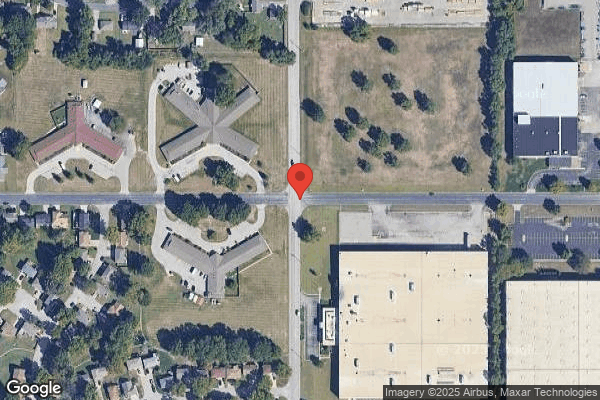

750 BLAKE STREET, EDWARDSVILLE, KS 66111 (913) 422-5832
For profit - Limited Liability company 45 Beds MISSION HEALTH COMMUNITIES Data: November 2025
Trust Grade
20/100
#195 of 295 in KS
Last Inspection: May 2025

Inspected within the last 6 months. Data reflects current conditions.

Overview

Kaw River Care and Rehab has received a Trust Grade of F, indicating significant concerns about its quality of care. It ranks #195 out of 295 nursing homes in Kansas, placing it in the bottom half, and #5 out of 9 in Wyandotte County, meaning only four local facilities are worse. The facility is worsening, with reported issues increasing dramatically from 1 in 2024 to 14 in 2025. Staffing is average with a turnover rate of 58%, but there are no fines on record, which is a positive sign. However, there have been serious incidents, including a resident suffering a second-degree burn of unknown origin and another resident being transferred improperly, resulting in a fracture. Additionally, the facility failed to ensure adequate registered nurse coverage for at least eight hours daily, which could impact the quality of care for residents.

Trust Score
F
20/100
In Kansas
#195/295
Bottom 34%
Safety Record
High Risk
Review needed
Inspections
Getting Worse
1 → 14 violations
Staff Stability
⚠ Watch
58% turnover. Above average. Higher turnover means staff may not know residents' routines.
Penalties
✓ Good
No fines on record. Clean compliance history, better than most Kansas facilities.
Skilled Nurses
○ Average
Each resident gets 34 minutes of Registered Nurse (RN) attention daily — about average for Kansas. RNs are the most trained staff who monitor for health changes.
Violations
⚠ Watch
48 deficiencies on record. Higher than average. Multiple issues found across inspections.
★★☆☆☆
2.0
Overall Rating
★★☆☆☆
2.0
Staff Levels
★★☆☆☆
2.0
Care Quality
★★☆☆☆
2.0
Inspection Score
Stable
2024: 1 issues
2025: 14 issues

The Good

  • Full Sprinkler Coverage · Fire safety systems throughout facility
  • No fines on record

Facility shows strength in fire safety.

The Bad

2-Star Overall Rating

Below Kansas average (2.9)

Below average - review inspection findings carefully

Staff Turnover: 58%

12pts above Kansas avg (46%)

Frequent staff changes - ask about care continuity

Chain: MISSION HEALTH COMMUNITIES

Part of a multi-facility chain

Ask about local staffing decisions and management

Staff turnover is elevated (58%)

10 points above Kansas average of 48%

The Ugly 48 deficiencies on record

2 actual harm
Jun 2025 1 deficiency 1 Harm
SERIOUS (G) 📢 Someone Reported This

A family member, employee, or ombudsman was alarmed enough to file a formal complaint

Actual Harm - a resident was hurt due to facility failures

Free from Abuse/Neglect (Tag F0600)

A resident was harmed · This affected 1 resident

**NOTE- TERMS IN BRACKETS HAVE BEEN EDITED TO PROTECT CONFIDENTIALITY** The facility had a census of 36 residents. The sample included three residents reviewed for abuse. Based on observation, record ...

Read full inspector narrative →
**NOTE- TERMS IN BRACKETS HAVE BEEN EDITED TO PROTECT CONFIDENTIALITY** The facility had a census of 36 residents. The sample included three residents reviewed for abuse. Based on observation, record review, and interview, the facility failed to ensure that cognitively impaired Resident (R) 1 remained free from injuries of unknown origin. On 06/07/25, R1 sustained a second-degree burn (potentially painful burn which affects the first and second layer of the skin) of unknown origin to his left arm and shoulder. This deficient practice also placed R1 at risk for further injuries, pain, abuse, neglect, and/or mistreatment. Findings included: - The Electronic Medical Record (EMR) for R1 documented diagnoses of vascular dementia (a progressive mental disorder characterized by failing memory and confusion caused by a decreased blood flow to the brain), cerebrovascular disease (a group of conditions that affect the circulation of blood to the brain, causing limited or no blood flow to affected areas of the brain), generalized muscle weakness, flaccid hemiplegia affecting left non-dominant side (paralysis of one side of the body), unsteadiness on feet, cognitive communication deficit (an impairment in organization, sequencing, attention, memory, planning, problem-solving, and safety awareness), and other reduced mobility. The 03/31/25 Quarterly Minimum Data Set (MDS) documented R1 had a Brief Interview for Mental Status (BIMS) score of seven, which indicated severe cognitive impairment. The MDS documented R1 required substantial to maximal assistance for toileting hygiene, bathing, lower body dressing, and personal hygiene. R1 required partial to moderate assistance with moving from a seated to a standing position, chair-to-bed transfers, toilet transfers, tub or shower transfers, and walking 10 feet. The MDS documented that R1 used a wheelchair and was independent in his ability to self-propel. The 07/08/24 Cognitive Loss / Dementia Care Area Assessment (CAA) documented R1 had a cognitive deficit and some difficulty making decisions regarding tasks of daily life. The CAA documented R1 was modified independent (the ability to perform daily tasks independently, but with some level of support or needing extra time or cues) with decision making. The 07/08/24 ADL Functional/Rehabilitation Potential CAA documented R1 had functional limitations related to medical conditions as well as physical deconditioning. R1 required some assistance with most activities of daily living (ADL). R1's Care Plan with an initiated date of 01/02/17, documented R1 had impaired cognitive function or impaired thought processes due to dementia, impaired decision making, neurological symptoms, and past cerebrovascular accident (CVA-stroke- sudden death of brain cells due to lack of oxygen caused by impaired blood flow to the brain by blockage or rupture of an artery to the brain). R1's Care Plan with an initiated date of 01/06/17, documented R1 sometimes had behaviors that included yelling, screaming, shouting, anxiety, withdrawal, obsessing over things, insomnia (inability to sleep), paranoia (a thought process believed to be heavily influenced by anxiety or fear to the point of irrational thinking), delusions (untrue persistent belief or perception held by a person although evidence shows it was untrue), verbal and physical aggression, refusing medications, history of wandering, and rejecting care. R1's Care Plan with an initiated date of 03/05/25, documented R1 was at high risk for falls related to gait and balance problems, being unaware of safety needs, left-sided neglect, decreased cognition, non-compliance, and hemiparesis/hemiplegia (weakness and paralysis on one side of the body). R1's June 2025 Medication Administration Record/Treatment Administration Record (MAR/TAR) documented a 9 for the dayshift behavior monitoring, on 06/06/25, which indicated to refer to the nurse's notes. R1's EMR recorded a Nursing note dated 06/06/25 at 04:13 PM that documented R1 continued on behavior monitoring. R1 was resistant to care, and cussed at the nurse while they attempted to help R1 get ready for the day. The note documented R1 did not want to get ready for the day. The note further documented R1 was resistant to the Certified Nurse Aide (CNA) giving him care, and R1 complained of pain. The note further documented the nurse assessed R1, and his area of pain kept changing. R1 refused any intervention offered. The note lacked mention of what interventions were offered or the location(s) of R1's pain. R1's June 2025 MAR/TAR documented an order for Ativan (an antianxiety medication) 0.5 mg PRN for anxiety for 14 days. The order lacked a specified frequency. The MAR/TAR lacked evidence the Ativan was offered or administered on 06/06/25. The Pain Level Summary in R1's EMR for 06/06/25 at 04:29 PM documented R1's pain as four out of 10. R1's June 2025 MAR/TAR documented an order for acetaminophen 325 mg two tablets PRN for mild pain every six hours. The MAR/TAR lacked evidence the acetaminophen was offered or administered on 06/06/25. R1's June 2025 MAR/TAR documented an order to place a splint on the resident's left arm each morning at 09:00 AM and an order to remove the splint each evening at 08:00 PM. The MAR/TAR noted a 1 indicating the resident refused the 09:00 AM splint application on 06/06/25, though 08:00 PM splint removal was noted as completed. A Nursing note dated 06/07/25 at 02:07 PM documented R1 continued on behavior monitoring. The note documented R1 was resistant to the CNAs giving him care, and R1 complained of pain. The note further documented the nurse assessed R1, and his area of pain kept changing. R1 accepted Tylenol (acetaminophen) and Ativan (an antianxiety medication) and said it was effective. R1's Pain Level Summary on 6/07/25 at 01:33 PM documented R1's pain was eight out of 10. R1's clinical record lacked documentation related to the area(s) of R1's pain. R1's MAR/TAR on 06/07/25 at 01:33 PM documented R1 received both acetaminophen and Ativan, and both were noted as effective. A Nursing: Medication Note dated 06/07/25 at 02:08 PM documented R1 started on Ativan 06/04/25/ R1 has not had any adverse or allergic reactions. R1's behavior had improved. R1 was stable. R1's June 2025 MAR/TAR documented a 0 for behavior monitoring both shifts on 06/07/25, which indicated the resident had no behaviors. R1's June 2025 MAR/TAR documented a 1 indicating the resident refused the 09:00 AM splint application on 06/07/25, and the 08:00 PM splint removal recorded a 6 which indicated the resident was hospitalized . A Nursing Transfer Note dated 06/07/25 at 05:10 PM documented R1 had been resistant to care since 06/06/25. R1 was combative and cursed at the staff when they tried to give him care. R1 also complained of pain but did not want any interventions at the time. The note recorded on that day documented the resident was still resistant to care and complaining of pain, but the resident did not want the nurse to bother him. In the afternoon, he complained of pain to the aide, who notified the nurse, and Tylenol and Ativan were administered after having to explain for five minutes the benefit of the resident taking the medication. The note recorded that upon reassessment, R1 stated he was not feeling pain. When the CNAs provided care for R1, they found R1 had an alteration on his left arm from his shoulder to his elbow. The skin was sloughed off, and there were multiple blisters. The note documented the skin alteration was not present the previous day (06/06/25) when the nurse tried to apply R1's brace. The nurse notified the on-call provider and received instructions to send R1 to the hospital. Staff notified administrative staff, and R1 was transported to the hospital. A Nursing note dated 06/07/25 at 08:00 PM documented R1 returned to the facility via stretcher transport and was transferred into bed with the assistance of four staff members. R1 was alert and confused, which was his baseline. R1 reported a burning pain in his left upper arm rated six out of 10. R1 had a dressing in place on his left upper arm. R1 stated he did not remember how he sustained the burn to his left upper arm. R1's hospital ED [Emergency Department] Provider Notes dated 06/07/25 documented R1 was brought by Emergency Medical Services (EMS) from the nursing home for a burn on his left upper arm. The note documented nursing home staff reported that R1 had spilled coffee on his arm. They did not notice any blistering or wounds until today. The hospital record further documented, under the final diagnosis section, R1 had a second-degree burn to multiple sites on his shoulder and arm. The facility's investigation, dated 06/10/25, documented on 06/07/25 at approximately 04:54 PM, Administrative Staff A was notified of an injury involving R1. R1 sustained an injury of unknown origin to his left shoulder. The area appeared bright red, with clear evidence of skin sloughing (dead tissue, usually cream or yellow in color) and a partial skin tear. R1 was a known fall risk due to cognitive impairment. In the days leading up to the incident and on the day it occurred, R1 had become increasingly combative toward staff and refused care on multiple occasions. When questioned, R1 was unable to explain how the injury occurred or what may have caused it. R1 was sent to the hospital for evaluation. Medical staff confirmed the injury was consistent with a burn and noted visible evidence of skin sloughing at the affected site. The facility investigation further documented that witness statements were obtained from clinical staff on duty on the day of the incident. The maintenance department conducted a full inspection of the resident's room and found no environmental hazards or equipment that could have caused a burn. A review of the resident's meals and linens showed no evidence of food or beverage spills. The resident was checked on consistently throughout the day and had not received a shower within the 48 hours prior to the incident. The investigation lacked a conclusion of how R1 sustained the burn. An unnotarized Witness Statement from Certified Nurse Aide (CNA) M, dated 06/07/25, documented CNA M was doing a routine check and change for R1 with CNA N, CNA O, and CNA P at 04:30 PM. CNA M documented R1 was combative, uncooperative, and refusing care. CNA M documented they went to change R1's sheets and shirt due to them being wet and noticed the skin peeling off of R1's left arm. CNA M documented they called the nurse into R1's room to assess the situation and then called EMS. CNA M documented the CNAs left the room as EMS arrived. An unnotarized and undated Witness Statement from Licensed Nurse (LN) H documented she saw R1 lying in bed from 06/07/25 to 06/08/25, for the 12-hour shift, on R1's left side. LN H documented there were no complaints from R1, and his eyes were closed. LN H documented they did not notice anything out of the ordinary about R1. An unnotarized and undated Witness Statement from CNA N documented while attempting to complete rounds, at roughly 04:30 PM, CNA N recorded R1's skin was peeling as staff attempted to turn R1 as they cleaned him up for dinner. CNA N documented R1 had been combative and refused care earlier in the day. CNA N documented she went to get the nurse on duty and informed her that R1 had a wound. The nurse came to examine R1, and the nurse felt it best to call EMS as the nurse believed R1's wound may possibly be a burn. An unnotarized Witness Statement from CNA O, dated 06/07/25, documented CNA O and three other aides went to check and change R1 at 04:30 PM due to him being combative and uncooperative. CNA O documented as staff went to change R1's sheets and shirt, because they were wet, they noticed the skin of R1's left arm was peeling off. The nurse was called into R1's room to assess the situation and then called EMS. An unnotarized and undated Witness Statement for Certified Medication Aide (CMA) R documented the last time she saw R1, before R1 went to the hospital on [DATE], was the day before at about 08:30 PM, during evening medication pass. CMA R documented at that time, CMA R gave R1 his night medication and did not notice any changes in his condition at that time. An unnotarized and undated Witness Statement for CNA P documented staff were doing a routine check and change on R1 at about 04:30 PM when they noticed R1 was not acting like himself. CNA P documented she and three other aides were caring for R1; they noticed R1 had what looked like burns on his left upper arm. CNA P documented one of the CNAs got the nurse, and the nurse took it from there. An unnotarized and undated Witness Statement for LN G documented the witness statement was attached. (The attachment was the printed Nursing Transfer Note dated 06/07/25, as listed above). The facility provided investigation did not include a witness statement for CNA Q. On 06/24/25 at 01:55 PM, observation of a photo of R1's burn on Administrative Nurse D's work phone revealed R1 in the photo. The picture was taken from the left side of R1's body. A large red area was observed on the outer portion of R1's left arm. The red area started just below R1's left shoulder and continued to about the level of his elbow. There was a thin layer of skin that had separated from the reddened site and appeared to have sloughed off, exposing the red tissue beneath. On 06/25/25 at 09:17 AM, R1 slept in bed, on his back. With his left side towards the wall. He had the blanket pulled up to his neck. On 06/24/25 through 06/26/25, LN H and CMA R were unavailable for interviews. On 06/24/25 at 06:31 PM, CNA M stated she went in with the other CNAs during breakfast to check and change R1. CNA M stated that R1's brief was wet, and he lay on his left side. CNA M stated R1 was super combative, and he was punching and kicking at the CNAs. CNA M stated staff were able to change R1's brief despite the punching and kicking, but were unable to change his other clothing due to him being combative. She stated they backed off due to him being combative and came back later. CNA M stated they tried to check on R1 throughout the day, but he was still combative. She stated staff went in just after lunch, and R1's shirt was wet, and they decided they could not leave him in his wet shirt. CNA M stated they tried to turn R1, then they saw his arm and notified the nurse. CNA M stated that each time they went into R1's room, the CNAs went in as a group. She stated they went in several times between breakfast and lunch, and his brief was dry until they checked him just after lunch. CNA M stated she believed staff checked on R1 at least four times between breakfast and lunch. She stated R1 was not acting like himself as he was not moving while he was in bed and would not move off his left side. CNA M stated she believed R1 was acting strange, so they checked on him more often. On 06/25/25 at 08:05 AM, CNA O stated she had gone in to check and change R1 with CNA M, CNA N, and CNA P on 06/07/25. CNA O stated R1 was lying on his left side and using his right arm and leg to kick and punch at staff. CNA O stated R1 would not move his left arm and kept saying it hurt. She stated they were going to change R1's clothing and brief. She stated they were going to change R1's sheets as they were soiled. CNA O stated they were only able to change R1's brief due to him being combative, and that he stayed on his left side the whole time. She stated they asked R1 if they could hold his hands so they could change his brief, and he eventually let them. She stated they told the nurse R1 complained of pain, and LN G went in to check R1. CNA O stated the CNAs went in a few times between breakfast and lunch to check on R1. CNA O stated that after lunch, they went in to check him again, and R1 had tears in his eyes and kept saying his left leg hurt. She stated R1 told her to please call somebody, but he would still not come off of his left side. CNA O stated it was unlike R1 to lay in bed all day, as he was normally up and out of bed. CNA O stated R1 does have a history of refusing care, but she had never seen him punch or kick someone prior to this. CNA O stated he would normally refuse and tell staff to get out of his room, but his being combative and the pain he was reporting, she had not witnessed from R1 before. CNA O stated the last time they checked on R1, he had three draw sheets and three chucks under him, and they were all soiled and wet. She stated it looked like someone had placed a clean one over a wet one; however, they were all wet, and his brief was saturated. She stated it looked like the previous CNAs just stuffed more under him. CNA O stated R1 had blisters that had not popped yet on his left arm. She stated she initially thought something hot may have been spilled on him when she saw the burn; however, she did not see anything that looked like a coffee spill on his clothing or in his bed. CNA O stated R1 was not his normal self that day and kept saying he did not want staff to touch him because he hurt. She stated R1 was not acting this way the day before and was out of his room, in his wheelchair, moving around on 06/06/25. CNA O stated she believed the nurse went in to see R1 at least twice on 06/07/25. On 06/25/25 at 08:39 AM, CNA P stated she went in with the other CNAs to help provide care for R1. CNA P stated R1 was on his left side and kept saying his arm hurt. CNA P stated that at breakfast, when they tried to change him, R1 was being combative, so they changed his brief and backed off. She stated they had checked on him a few times between breakfast and lunch on 06/07/25, and it looked like something was not right with him because he was in bed all day. CNA P stated R1 was usually up during the day and gets up to use the bathroom. CNA P stated it was not normal for him to lay in bed on one side all day. CNA P stated she thought R1 was in too much pain to get up, and he would yell for them to stop when they attempted to move him to provide care. CNA P stated that when they went in after lunch to change R1, they noticed his shirt was wet and he had food all over his bed. CNA P stated that when they went to turn him, they noticed the burn, and they went to get the nurse. CNA P stated none of the CNAs grabbed R1's arms or legs to hold him down or to pull on him when they went to provide care. On 06/25/25 at 09:24 AM, CNA N stated she went in with CNA P, CNA O, and CNA M to change R1. CNA N stated she was on orientation at the time, so she did not physically touch R1. CNA N stated that she saw R1 lying on his left side on 06/07/25 when they checked on R1. She stated R1 did not want anyone to touch him because he was in pain. CNA N stated she did not see any of the CNAs grab R1's arms or legs to hold him while they provided care. CNA N stated R1 was being combative, but they were able to get him to calm down enough, and he let them change his brief in the morning and roll him to clean him up around lunch. CNA N stated they saw the burn during the lunch brief change, and everyone gasped when they saw it. On 06/26/25 at 01:06 PM in an interview with CNA Q via phone, CNA Q stated she worked the night of 06/06/25 and stated she had helped R1 off the toilet three times that evening. CNA Q stated R1 often got out of bed to use the bathroom by himself, and could usually get up alone, but that night he was not himself. She stated R1 usually wanders a lot, but was not wandering as much that night. CNA Q stated R1 appeared weaker and was having a hard time standing up from the toilet. She stated she helped him pull his brief up and got him back into bed, but he was struggling. CNA Q stated R1 kept leaning on the sink and sitting back down on the toilet when she was helping him. CNA Q stated she reported what she saw to the other CNAs and nurse and was told the nurse was aware of it. CNA Q stated both LN H and the following morning, LN G stated they knew about R1's pain and situation, and R1 was fine. CNA Q stated R1 was normally very fidgety, even when he was asleep, he would not sleep for long. CNA Q stated that when she went in to help R1 that night, he complained of leg pain, and she noticed he was having a harder time using his leg when she helped him back to bed from the bathroom. CNA Q stated R1 was typically up and down, in and out of the bathroom on his own, but that night R1 was a lot more still, was not moving much, and was quieter. CNA Q stated she thought it may have been related to his pain. CNA Q stated she did not see any burns to R1's left arm at any point during her shift. CNA Q stated R1 has never been combative with her and would check on him by herself at times; however, if she needed to change the resident or reposition him, she would ask other CNAs to assist her. CNA Q stated she did receive an all-employee in-service after the incident, on 06/09/25. On 06/24/25 at 03:53 PM, LN G stated she worked on day shift 06/06/25 and 06/07/25 and stated she did not see a burn on R1's arm 06/06/25. LN G stated the CNAs came to get her and told her it appeared R1 had an area that looked like it had been burned on his arm. LN G stated she got wound cleaner to clean the site, but was careful not to displace tissue. She stated she sent a picture to leadership and the on-call provider and sent R1 to the hospital. LN G stated R1 was very combative while trying to dress his burn. LN G stated R1 had been lying in urine when they found the burn, and he had multiple wet sheets under him. LN G stated the facility had a big in-service related to job duties for nurses and CNAs. LN G stated they increased rounds for R1 after the burn was found, and nurses were supposed to do rounds and make sure CNAs were doing their rounds. LN G stated R1 never should have had that burn. LN G stated R1 was not lying directly on his mattress and was lying on sheets. She stated R1 moves around a lot, is usually restless, has a lot of falls, and moves in bed a lot. On 06/25/25 at 08:44 AM, LN G stated that R1 refused to allow her to place a splint on his left arm on 06/06/25. R1 refused the splint on 06/07/25 and refused to let her touch the resident. LN G said R1 lay on his left side and was resistant to care. LN G stated that R1 could have gotten the injury overnight because R1 refused the splint, and she had not seen his left side until the CNAs got her when the CNAs found the burn. On 06/24/25 at 01:50 PM, Administrative Staff A stated the facility had maintenance inspect R1's room for any leaks, drips from the ceiling, and chemicals, and also inspected his bed. Administrative Staff A stated the facility changed to a hypoallergenic sheet and detergent; the resident was placed on more frequent checks. Administrative Staff A stated housekeeping checked linens and found no evidence of coffee or food spilled on R1's clothing. Administrative Staff A stated they thought it possible could have been a friction burn as staff saw R1 lying on his left side for most of the day. Administrative Staff A stated R1 did not stay still, and it could have been friction from the mattress. Administrative Staff A stated he was told by one of the CNAs that the blanket had slid down the mattress when they found him, and as much as R1 moved around, it was hard to keep blankets on him. Administrative Staff A stated R1's family typically gave R1 a shower, but his family had not been to the facility recently, and there was no evidence R1 had a shower 48 hours leading up to discovering the burn. Administrative Staff A stated he reviewed camera footage for the day and did not see R1 leave his room that day, but went on to say that he did not keep track of who entered R1's room and when. On 06/24/25 at 01:55 PM, Administrative Nurse D stated he was out of town when the burn was discovered but R1 was sent out immediately when the burn was discovered. Administrative Nurse D stated he was not sure what happened, but saw the photos of the burn. Administrative Nurse D stated he had worked with burns in an Intensive Care Unit (ICU) in the past and had never seen a friction burn that resembled the burn R1 had on his arm. Administrative Nurse D stated there was blistering, and his thought was it may have been from hot fluid; however, he stated the facility did not serve fluids that hot to residents. Administrative Nurse D stated R1 was combative with staff, and it usually took multiple staff to assist him. Administrative Nurse D stated that if R1 was in bed, he usually tried to crawl out. On 06/25/25 at 10:19 AM, Administrative Nurse D R1 was usually in his wheelchair, going back and forth in the halls. Administrative Nurse D stated that if a nurse performed an assessment, then ideally, he would want to know what area was assessed. Administrative Nurse D stated the facility had provided education related to documentation. Administrative Nurse D stated if the CNAs saw R1 lying on his left side for a long period of time, and the resident reported he was in pain, it should trigger the CNAs to report to the nurse. Administrative Nurse D stated he expected the CNAs to alert the nurse so the nurse could assess the resident. Administrative Nurse D stated that if it was uncommon for a resident to favor one side, he would want to know what was going on with that side and why the resident did not want to get off of it. He stated a general assessment should be done, and then a more in-depth assessment if the resident complained of pain. Administrative Nurse D stated he expected the nurses to physically move the resident onto their back to take a look at the resident's side if they complained of pain, were favoring it, and did not want to get off of it. Administrative Nurse D stated he believed care in pairs would prevent abuse, neglect, or exploitation, as it would have meant two people had decided to participate in that, and he did not see that happening, but stated the care in pairs was more for staff protection due to behaviors. On 06/25/25 at 11:30 AM, Administrative Staff A stated R1's baseline was for him to be out of bed and moving around a lot. Administrative Staff A stated that one of the reasons R1 was a high fall risk was because he was always moving. He stated that R1 never stays still; he was always moving. Administrative Staff A described R1 as being squirmy. Administrative Staff A stated that if a nurse was notified of R1's pain and did not want to move from his left side, he expected the nurses to document it and attempt to reposition him. Administrative Staff A stated the nurse tried to give R1 pain medication, but he continued to refuse. Administrative Staff A stated that if R1 was doing something outside of his normal behavior, he expected the nurse to document and contact the provider on call of the situation; however, he did not believe R1 was doing anything out of the ordinary on 06/07/25, as it was normal for R1 to favor one side. Administrative Staff A stated he did not know if R1 had moved back and forth between staff checking on him and would have no way of knowing if R1 had just returned to his left side before staff checked on him each time. Administrative Staff A stated he expected the nurses to assess for pain and have done a physical assessment. Administrative Staff A stated that the things the nurse assessed should have been documented if the nurse was able to complete the assessment without R1 refusing or being combative. Administrative Staff A stated that providing care in pairs did not mean there was no possibility that abuse could take place, as anything is possible. Administrative Staff A stated it would be impossible to know what any person was going to do or not do, but with R1's history, they did not want staff going into his room alone. Administrative Staff A stated steps the facility took to protect the residents during the investigation were to switch detergents, contact the maintenance director, and have him inspect the resident rooms to ensure they were safe. Administrative Staff A stated nurses performed wound checks on other residents to ensure there were no other wounds beyond what was already documented. Administrative Staff A stated they had an all-staff in-service related to resident care. Administrative Staff A stated education provided to staff included the need for two-hour checks and changes for CNAs, and having nurses perform random rounding checks to make sure CNAs were completing their rounds. Administrative Staff A stated they were not documenting the rounds by the CNAs or nurses, and were going on what the expectation was from the education provided. Administrative Staff A stated they randomly followed up with residents to make sure staff were completing their rounding. Administrative Staff A stated LN H worked the night shift. The facility's Abuse Prevention Program, Recognizing Signs and Symptoms of Abuse/Neglect (Identification) policy, with an effective date of 10/2024, documented Abuse is defined as willful infliction of injury, unreasonable confinement, intimidation, or punishment with resulting physical harm, pain, or mental anguish. Neglect is defined as failure to provide goods and services as necessary to avoid physical harm, mental anguish, or mental illness. Injury of unknown origin is defined as suspicious related to the source of the injury is not observed or the extent or location is unusual, or related to the number of injuries, either at a single point or over time. On 06/09/25, the facility completed corrective actions, which included an all-staff in-service with a topic titled Resident Care Checklist. The Inservice topics included the following: resident rounding every two hours, checking for incontinence, repositioning, monitoring for signs of distress, documentation, accurately documenting all care provided during rounds, noting any changes in resident condition, completing incident reports for any accidents or altercations, nurse oversight, nurse verifies CNA rounds completed and documented, the nurse conducts random resident checks during shift, communication and reporting, report any issues or concerns regarding resident care to the supervisor, notify nurse of any resident altercations and accidents, report any CNA, CMA or nurse not fulfilling their duties, general care standards, maintain residents' dignity and privacy at all times, ensure residents have access to water, call light and personal items, and preventing and identifying abuse, neglect, or unusual behavior. The corrective actions were completed prior to the onsite survey therefore, the deficient practice was cited as past noncompliance at a scope and severity of G (isolated, actual harm).
May 2025 13 deficiencies 1 Harm
SERIOUS (G) 📢 Someone Reported This

A family member, employee, or ombudsman was alarmed enough to file a formal complaint

Actual Harm - a resident was hurt due to facility failures

Accident Prevention (Tag F0689)

A resident was harmed · This affected 1 resident

The facility identified a census of 37 residents. The sample included 12 residents, with five residents reviewed for accidents. Based on observation, record review, and interview, the facility failed ...

Read full inspector narrative →
The facility identified a census of 37 residents. The sample included 12 residents, with five residents reviewed for accidents. Based on observation, record review, and interview, the facility failed to ensure a safe environment free from accident hazards for Resident (R) 32 when staff transferred R32 with the assistance of one staff instead of two, and failed to use a gait belt (belt used to help transfer or stabilize during activity). This deficient practice resulted in a fall that caused a fracture (broken bone). The facility also failed to implement new fall interventions for R11. This placed R32 and R11 at risk for preventable falls and related injuries. Findings included: - R32's Electronic Medical Record (EMR) documented diagnoses of hemiplegia and hemiparesis (weakness and paralysis on one side of the body) following a cerebral vascular incident (CVA - stroke - sudden death of brain cells due to lack of oxygen caused by impaired blood flow to the brain by blockage or rupture of an artery to the brain), insomnia (inability to sleep), delusions (untrue persistent belief or perception held by a person although evidence shows it was untrue), major depressive disorder (major mood disorder that causes persistent feelings of sadness), displaced closed fracture (traumatic bone break where two ends of the bone separate out of their normal positions without a break in the skin), and a history of falling. R32's Annual Minimum Data Set (MDS) dated 12/31/24 documented she had a Brief Interview for Mental Status (BIMS) score of 15, which indicated intact cognition. R32 had impairment of both the upper and lower extremities on one side. The MDS recorded R32 required substantial assistance to total dependence on staff for her functional abilities and activities of daily living (ADL). The MDS recorded R32 had no history of falls since the previous assessment. R32 had a recent surgery that required skilled nursing care. R32's Falls Care Area Assessment (CAA) dated 01/03/25 documented R32 had a fall with a major injury (hip fracture) because she attempted to transfer without waiting for adequate staff assistance. R32 had hemiparesis following a CVA. R32's Care Plan revised on 10/23/24 directed staff that she had a fall on 10/19/24 and staff were to use a gait belt with two-person assistance for transfers. The plan of care directed staff to provide care in pairs (two staff present). The plan of care directed staff to check R32's range of motion after a fall. and continue interventions on the at-risk plan. The plan of care directed staff if the resident had a fall with no apparent acute injuries, staff were to determine and address causative factors of the fall. R32's plan of care lacked any new intervention related to the fall on 12/20/24. R32's Progress Notes tab of the EMR documented an Event Note: Fall Related by Licensed Nurse (LN) J, dated 12/20/24. The note stated the Certified Nurse Aide (CNA) came to the nurse stating R32 fell onto the floor. On entering R32's room, LN J observed R32 on the floor; the resident's legs were towards the bed. The note documented R32 hit her head as she fell to the floor while transferring from her bed to her wheelchair. The note documented R32 grabbed the armrest of the wheelchair and stood up; R32 then lost her balance attempting to pivot around into the wheelchair. The note documented that after the fall, R32 complained of a headache. Staff notified the provider, director of nursing (DON), and family representative. An Event Note: Fall Related in R32's EMR dated 12/20/24 at 07:44 PM documented a late entry addendum to the previous note on 12/20/24. The note reported the CNA told the nurse the CNA was transferring R32 from the bed to her wheelchair when R32 lost her balance and fell. The note documented the CNA lowered R32 to the floor. The note documented R32's head was facing the bed, and her legs were under the end side of her bed. R32 told staff her foot hurt, though assessment revealed there was no shortening of either leg or rotation of either foot. The note documented two CNAs transferred R32 back into bed using the Hoyer (total body mechanical lift) lift. An Event Note: Fall Related in R32's EMR dated 12/21/24 at 02:35 AM documented R32 was on fall follow-up with neurological checks. The note recorded R32 said she had not hit her head when she fell but her left leg really hurt. Later that day R32 complained her whole body hurt. The note recorded R32 said she had hit her head, and she wanted a pain pill but not Tylenol (a pain medication). An Alert Note in R32's EMR dated 12/21/24 at 09:16 AM documented R32 complained of leg pain and called Emergency Medical Services (EMS) on her own. Staff notified the provider, DON, and family representative. The note documented R32 stated her pain stemmed from the fall she had the previous day; she said she was in pain all night, and she needed something stronger than Tylenol. The note documented R32 told the emergency services technicians (EMT) that she wanted something stronger than Tylenol. EMS transported R32 to the hospital. An Alert Note in R32's EMR dated 12/21/24 at 12:15 PM documented LN G spoke with the hospital Emergency Department (ED) who reported R32 admitted for a hip fracture. The note documented the ED reported R32's hip fracture surprised the ED staff because R32 yelled about being in pain, but then fell asleep. Staff notified R32's on-call provider, DON, and family representative. A SPN: admission Note dated 12/24/24 at 03:33 PM in R32's EMR documented R32 arrived at the facility at 02:45 PM via facility transportation. The note documented R32 came back to the facility in a bad mood and refused to go to her room to be assessed; R32 refused three times and stated she wanted to stay up in her wheelchair for dinner. The note recorded R32 stated the hospital staff was mean and rude to her which was why she was in a bad mood. The note documented the staff told R32 if she laid down, facility staff would get her back up for dinner, but the resident refused to lay down for the admission assessment. An After Visit Summary in the Misc. tab of R32's EMR dated 12/24/24 documented a hospital stay from 12/21/24 to 12/24/24 for a hip fracture. The summary noted a left hip percutaneous pinning (a surgical procedure where pins or screws are inserted through small incisions in the skin to hold the broken bone fragments together) surgery was performed on 12/22/24. The discharge instructions included directions for activity as tolerated, instructed by physical therapy. The discharge instructions directed R32 to follow up with the orthopedic surgeon (surgeon specializing in bones) in two weeks. An Event Note: Fall Related dated 12/26/24 at 01:18 PM in R32's EMR documented the Interdisciplinary Team (IDT) met to discuss R32's fall on 12/20/24. The note documented CNA N, who was new, had transferred R32 with just one staff because R32 had insisted. The note documented CNA N lowered R32 to the floor. CNA N stated R32 did not hit her head but R32 stated she had. The note recorded staff determined that R32 needed two-person assistance with transfers using a gait belt as the root cause for the fall. The IDT reviewed R32's Care Plan and noted staff were directed to provide care in pairs. The note documented R32 had been sent to the hospital for a hip fracture. A typed Fall Incident Statement given on 05/07/25 by CNA N documented that on 12/20/24, the shift was very busy. CNA N noticed R32 had her call light on, so she knocked and entered R32's room to ask what she needed. R32 told CNA N she wanted to get up and get dressed. CNA N helped her get dressed, and when it was time to transfer R32 from the bed to the wheelchair, CNA N expressed to R32 that she was not confident transferring R32 alone. R32 urgently and strongly insisted that she be assisted immediately. CNA N stated she felt pressured by R32 because she was not confident in transferring R32 alone but R32 insisted, so CNA N proceeded to try to help R32. During the transfer R32 became unsteady. CNA N attempted to prevent the fall by guiding R32 safely to the floor to minimize the impact and ensure R32 did not hit her head or any nearby objects. CNA N immediately looked for the nurse and called for help. The nurse assessed R32, and all the appropriate protocols were followed. Later, two other CNAs along with CNA N assisted R32 into her wheelchair. CNA N then took R32 to the dining room. CNA N stated it was her fault for not thinking the situation through and failing to assert herself when she should have told R32, not yet or waited and called for another CNA. CNA N said it was a very busy time and she could not find anyone else to help, so CNA N simply followed what R32 instructed her to do because CNA N felt pressured. CNA N stated she had learned her lesson and would make it a priority to follow all transfer protocols in the future to ensure the safety of the residents. On 05/07/25 at 08:48 AM, R32 lay in her bed. She stated on the day of the accident only one staff member assisted her while she was transferred. R32 stated CNA N did not use a gait belt while she assisted R32 with the transfer from the bed to the wheelchair. On 05/07/25 at 08:50 AM, Administrative Staff A stated R32's fall on 12/20/24 was not called into the State Agency as the resident was able to tell staff exactly what happened, and the situation which caused the fall. Administrative Staff A stated when the incident happened there was no concern over any injuries because R32's only reported mild pain. Administrative Staff A stated it was not until the day after the incident that R32 notified staff of her severe pain and was sent to the hospital for evaluation. The facility's Accident and Incidents-Investigating and Reporting policy dated 10/24 documented that all accidents or incidents involving residents, employees, and vendors, occurring on the facility's premises shall be investigated and reported to the Administrator. The Nurse Supervisor shall promptly initiate and document an investigation of the accident or incident. The facility would strive in compliance with current rules and regulations governing accidents and incidents involving a medical device. - R11's Electronic Medical Record (EMR) from the Diagnosis tab documented diagnoses of Overactive bladder, Psychotic disorder (a severe mental illness characterized by a significant impairment in an individual's ability to distinguish between reality and fantasy), substance dependence, delusional disorders (a mental illness where individuals experience one or more non-bizarre delusions for at least a month, without other signs of psychosis like hallucinations or disorganized thinking), major depressive disorder (major mood disorder that causes persistent feelings of sadness), epilepsy (brain disorder characterized by repeated seizures), mood effective disorder (characterized by significant disturbances in mood, encompassing a range of conditions from depression to mania), anxiety (mental or emotional reaction characterized by apprehension, uncertainty, and irrational fear), hypertension (high blood pressure), lack of coordination, muscle weakness, repeated falls, cognitive communication deficit (an impairment in organization, sequencing, attention, memory, planning, problem-solving, and safety awareness), reduced mobility need for assistance with personal care, flaccid (weak and flabby) hemiplegia (paralysis of one side of the body) effecting left nondominant side, pain, and vascular dementia (a progressive mental disorder characterized by failing memory and confusion caused by a decreased blood flow to the brain). The Quarterly Minimum Data Set (MDS) for R11 dated 03/31/25 recorded a Brief Interview for Mental Status (BIMS) score of seven, which indicated severely impaired cognition. The MDS documented R11 required staff to set up and clean up when eating and needed substantial to maximum assistance from staff with dressing and toileting. The MDS documented R11 was frequently incontinent and had one fall with injury. R11's Falls Care Area Assessment (CAA) dated 07/08/24 documented R11 had a fall with a skin tear to his left calf of his leg. R11's Care Plan, revised on 08/05/24, documented staff would offer bathroom assistance to R11 when doing rounds when he was awake. R11's plan of care, revised on 08/12/24, documented that staff were to help with transfers before and after meals and at bedtime. R11's plan of care, dated 09/01/23, documented signs would be added to R11's room and bathroom to remind him to call for assistance.R11's plan of care documented a fall on 03/05/25; the intervention was to place nonskid strips on the threshold of the bathroom entrance. On 05/05/25 at 07:05 AM, R11 laid on his back in bed, with his right leg hanging off the bed. R11's bathroom did not have nonskid strips placed. On 05/06/25 at 08:51 AM, R11 was sitting on the side of his bed. R11's bathroom did not have nonskid strips placed. On 05/07/25 at 10:24 AM, Licensed Nurse (LN) I stated that interventions that were put in place should be followed through. LN I stated she was unsure how the communication was related to staff on what interventions for falls had been put in place. On 05/07/25 at 10:42 AM, Certified Nurse's Aide (CNA)M stated that if a new intervention had been put in place for a fall, she would know this information by asking her nurse. She stated the nurse on duty would inform her of any falls that had happened and the interventions put in place. She stated she does not have access to the care plan. On 05/07/25 at 11:02 AM, Administrative Nurse D stated all staff have access to the communication board, and that was where interventions that had recently been put in place would be found. He stated that staff are asked to read the communications from the last day the staff member had worked to the current day. The facility's Accidents and Incidents policy, dated 10/24, documented all accidents or incidents involving residents, employees, visitors, vendors, occurring in the facility, the nurse supervisor would promptly initiate and document an investigation of the accident or incident. Premises shall be investigated and reported to the Administrator.
CONCERN (D) 📢 Someone Reported This

A family member, employee, or ombudsman was alarmed enough to file a formal complaint

Potential for Harm - no one hurt, but risky conditions existed

Resident Rights (Tag F0550)

Could have caused harm · This affected 1 resident

The facility identified a census of 37 residents. The sample included 12 residents. Based on observation and interview, the facility failed to ensure that residents ' rights and dignity were respected...

Read full inspector narrative →
The facility identified a census of 37 residents. The sample included 12 residents. Based on observation and interview, the facility failed to ensure that residents ' rights and dignity were respected by staff when staff failed to provide a dignity bag for Resident (R) 12's indwelling catheter (tube placed in the bladder to drain urine into a collection bag) bag. This placed R12 at risk for decreased self-esteem and decreased self-worth. Findings: - R12 ' s Electronic Medical Record (EMR) documented diagnoses of multiple sclerosis (MS - progressive disease of the nerve fibers of the brain and spinal cord), seizures (violent involuntary series of contractions of a group of muscles), respiratory failure (a condition in which your blood does not have enough oxygen), and pneumonia (a lung infection that causes inflammation and fluid buildup in the air sacs, making it difficult to breathe). R12 ' s admission Minimum Data Set (MDS) dated 10/01/24 documented a Brief Interview for Mental Status (BIMS) score of one, which indicated severely impaired cognition. The MDS documented R12 functional limitation in range of motion with impairment on both sides of the upper and lower extremities. The MDS documented R12 was dependent on staff for all activities of daily living and functional abilities. The MDS documented R12 had an indwelling catheter (tube placed in the bladder to drain urine into a collection bag). The MDS documented R12 had pressure ulcers (localized injury to the skin and/or underlying tissue usually over a bony prominence, because of pressure, or pressure in combination with shear and/or friction). The MDS documented R12 required a gastrostomy tube (G-tube: tube surgically placed through an artificial opening into the stomach) for his nutritional needs. The MDS documented R12 required supplemental oxygen therapy. R12 ' s Urinary Continence Care Area Assessment (CAA) dated 10/25/24 documented he had a suprapubic catheter (urinary bladder catheter inserted through the abdomen into the bladder) due to neurogenic bladder (dysfunction of the urinary bladder caused by a lesion of the nervous system). R12 ' s Care Plan, revised 12/06/24, directed staff to keep the catheter bag below the level of the bladder. The plan of care documented staff were directed to provide routine catheter care. The plan of care documented staff were to observe the catheter tubing for kinks. The plan of care lacked staff direction to provide a dignity bag to cover the catheter collection bag. On 05/05/25 at 08:10 AM, R12 laid in bed with the head of the bed elevated. R12 ' s catheter collection bag was hung on the right side of his bed and was visible from the hallway. The collection bag lacked a dignity bag. On 05/06/25 at 07:09 AM, R12 laid in bed with the head of the bed elevated. R12 ' s catheter collection bag was hung on the right side of his bed and was visible from the hallway. The collection bag lacked a dignity bag. On 05/07/25 at 10:24 AM, Licensed Nurse (LN) I stated she would expect a dignity bag to cover R12 ' s catheter bag, or the bag should be placed on the opposite side of his bed, where it would not be visible from the hallway. On 05/07/25 at 10:53 AM, Certified Nurse Aide (CNA) M stated that the catheter bags should be covered with a dignity bag when the resident was out of their rooms. CNA M stated the bag should be hung on the side of the bed opposite the doorway or be covered with a dignity bag. On 05/07/25 at 11:02 AM, Administrative Nurse D stated that a dignity bag should cover catheter bags when the resident was out of his room. Administrative Nurse D stated the catheter bag should have a dignity bag to cover it while in the room or placed on the opposite side of the bed away from the doorway. The facility's Exercise of Rights/Residents' Rights policy dated 11/24 documented that Residents have the right to a dignified existence, self-determination, and communication with access to persons and services inside and outside the facility. Residents have the right to be treated with respect and dignity and care that promotes maintenance or enhancement of the resident's quality of life, recognizing each resident ' s individuality. Residents have equal access to quality care, regardless of diagnosis, severity of condition, or payment source.
CONCERN (D) 📢 Someone Reported This

A family member, employee, or ombudsman was alarmed enough to file a formal complaint

Potential for Harm - no one hurt, but risky conditions existed

Deficiency F0605 (Tag F0605)

Could have caused harm · This affected 1 resident

**NOTE- TERMS IN BRACKETS HAVE BEEN EDITED TO PROTECT CONFIDENTIALITY** The facility identified a census of 37 residents. The sample included 12 residents, with five residents reviewed for unnecessary...

Read full inspector narrative →
**NOTE- TERMS IN BRACKETS HAVE BEEN EDITED TO PROTECT CONFIDENTIALITY** The facility identified a census of 37 residents. The sample included 12 residents, with five residents reviewed for unnecessary medications. Based on observation, record review, and interviews, the facility failed to ensure Resident (R) 11, had a time limit of 14-days for his as-needed (PRN) antianxiety (a class of medications that calm and relax people) medication order for Ativan (lorazepam: benzodiazepine medication used to treat anxiety, insomnia (trouble sleeping), severe agitation, and active seizures (violent involuntary series of contractions of a group of muscles)including status eplielticus), and further failed to ensure R32 had a time limit of 14-days for PRN anti-anxiety Ativan with a physician indication of use. This defiant practice placed R11 and R32 for potentially unnecessary psychotropic (alters mood or thought) medication administration. Findings Included: - R11's Electronic Medical Record (EMR) from the Diagnosis tab documented diagnoses of overactive bladder, psychotic disorder (a severe mental illness characterized by a significant impairment in an individual's ability to distinguish between reality and fantasy), substance dependence, delusional disorders (a mental illness where individuals experience one or more non-bizarre delusions for at least a month, without other signs of psychosis like hallucinations or disorganized thinking), major depressive disorder (major mood disorder that causes persistent feelings of sadness), epilepsy (brain disorder characterized by repeated seizures), mood effective disorder (characterized by significant disturbances in mood, encompassing a range of conditions from depression to mania), anxiety (mental or emotional reaction characterized by apprehension, uncertainty, and irrational fear), hypertension (high blood pressure), lack of coordination, muscle weakness, repeated falls, cognitive communication deficit (an impairment in organization, sequencing, attention, memory, planning, problem-solving, and safety awareness), reduced mobility need for assistance with personal care, flaccid (weak and flabby) hemiplegia (paralysis of one side of the body) effecting left nondominant side, pain, and vascular dementia (a progressive mental disorder characterized by failing memory and confusion caused by a decreased blood flow to the brain). The Quarterly Minimum Data Set (MDS) dated [DATE] documented a Brief Interview of Mental Status (BIMS) score of seven, which indicated severely impaired cognition. The MDS documented R11 had impairment on one side of his body. The MDS documented R11 required set up and clean up by staff for eating, and substantial to maximum assistance for dressing and toileting. The MDS documented R11 received an antipsychotic (a class of medications used to treat major mental conditions that cause a break from reality) and an antidepressant (a class of medications used to treat mood disorders) during the observation period. R11 Psychotropic Drug Use Care Area Assessment (CAA) dated 07/08/24 documented R11 used high-risk medications, which could contribute to decreased functionality and less motivation to progress with goals. R11 ' s Care Plan dated 10/27/23 documented R11 was at risk for adverse reactions related to taking medications with Black Box Warning (BBW - the highest safety-related warning that medications can have assigned by the Food and Drug Administration) drugs for patients for whom alternative treatment options were inadequate. Staff were to limit dosages and durations to the minimum required. Staff were to follow patients for signs and symptoms of respiratory depression and sedation. R11 ' s EMR under Orders revealed the following physicians ' orders: Ativan oral tablet 0.5mg (Lorazepam), give one tablet by mouth every eight hours as needed for anxiety, dated 05/01/25. R11 ' s Ativan PRN order lacked a 14-day discontinuation date. On 05/05/25 at 07:05 AM, R11 laid on his back in bed, with his right leg hanging off the bed. On 05/06/25 at 08:51 AM, R11 was sitting on the side of his bed. On 05/07/25 at 10:24 AM, Licensed Nurse (LN) I stated that physicians were not putting in their orders. LN I stated that the nurse taking off the order should be checking the order for accuracy. She stated that, as needed (PRN), psychotropic medications should have a 14-day stop date. On 05/07/25 at 11:02 AM, Administrative Nurse D stated the nurse on duty was responsible for ensuring all orders were entered correctly. He stated R11 ' s PRN Ativan should have had 14 14-day stop date. The facility ' s Free from Chemical Restraints, Unnecessary Psychotropic Medication policy, dated 04/2025, documented chemical restraints shall only be used for the safety and well-being of the residents and only after other alternatives have been tried unsuccessfully. Chemical restraints shall only be used to treat the residents ' medical symptoms and never for discipline or staff convenience. - R32 ' s Electronic Medical Record (EMR) documented diagnoses of hemiplegia and hemiparesis (weakness and paralysis on one side of the body) following a cerebral vascular incident (CVA - stroke - sudden death of brain cells due to lack of oxygen caused by impaired blood flow to the brain by blockage or rupture of an artery to the brain), insomnia (inability to sleep), delusions (untrue persistent belief or perception held by a person although evidence shows it was untrue), major depressive disorder (major mood disorder that causes persistent feelings of sadness), displaced closed fracture (traumatic bone break where two ends of the bone separate out of their normal positions without a break in the skin), and history of falling. R32 ' s Annual Minimum Data Set (MDS) dated 12/31/24 documented she had a Brief Interview for Mental Status (BIMS) score of 15, which indicated intact cognition. The MDS documented R32 had impairment on one side of her upper and lower extremities. The MDS documented R32 required substantial assistance to being totally dependent on staff for her functional abilities and activities of daily living (ADL). The MDS documented R32 had no history of falls since the previous assessment. The MDS documented R32 had a recent surgery that required skilled nursing care. The MDS documented R32 had received an antidepressant (a class of medications used to treat mood disorders), a hypnotic (medications that depress the central nervous system, leading to relaxation, sedation, and sleep induction), and an opioid (a class of controlled drugs used to treat pain) during the lookback period. R32 ' s Psychotropic Drug Use Care Area Assessment (CAA) dated 01/03/25 documented she used psychotropic medications for depression and to aid in sleep. R32 ' s Behavioral CAA dated 01/03/25 documented she had frequent behavior issues, such as hostile and abusive language towards staff and refusal of care. R32 ' s Care Plan, revised 01/07/25, directed staff to administer medications as ordered. The plan of care documented staff were to monitor and document any side effects and the effectiveness of the medications. R32 ' s Orders tab of the EMR documented a physician ' s order dated 05/01/25 for Ativan (an antianxiety agent) to give 0.5 milligrams (mg) for anxiety at bedtime as needed. This order lacked a 14-day stop date. On 05/07/25 at 08:48 AM, R32 laid in her bed with her curtains drawn and the light off. On 05/07/25 at 10:24 AM, Licensed Nurse (LN) I stated that physicians were not putting in their orders. LN I stated that the nurse taking off the order should have checked the order for accuracy. She stated that, as needed (PRN), psychotropic medications should have a 14-day stop date. On 05/07/25 at 11:02 AM, Administrative Nurse D stated the nurse on duty was responsible for ensuring all orders are entered correctly. He stated R11 ' s PRN Ativan should have had 14 14-day stop date. The facility ' s Free from Chemical Restraints, Unnecessary Psychotropic Medication policy, dated 04/2025, documented chemical restraints shall only be used for the safety and well-being of the residents and only after other alternatives have been tried unsuccessfully. Chemical restraints shall only be used to treat the residents ' medical symptoms and never for discipline or staff convenience.
CONCERN (D) 📢 Someone Reported This

A family member, employee, or ombudsman was alarmed enough to file a formal complaint

Potential for Harm - no one hurt, but risky conditions existed

Report Alleged Abuse (Tag F0609)

Could have caused harm · This affected 1 resident

The facility identified a census of 37 residents. The sample included 12 residents. Based on observation, record review and interview, the facility failed to report to the State Agency (SA) as require...

Read full inspector narrative →
The facility identified a census of 37 residents. The sample included 12 residents. Based on observation, record review and interview, the facility failed to report to the State Agency (SA) as required when a Resident (R) 32 had a fall that resulted in a major injury. This placed R32 at risk for ongoing neglect and abuse. Findings included: - R32 ' s Electronic Medical Record (EMR) documented diagnoses of hemiplegia and hemiparesis (weakness and paralysis on one side of the body) following a cerebral vascular incident (CVA -stroke - sudden death of brain cells due to lack of oxygen caused by impaired blood flow to the brain by blockage or rupture of an artery to the brain), insomnia (inability to sleep), delusions (untrue persistent belief or perception held by a person although evidence shows it was untrue), major depressive disorder (major mood disorder that causes persistent feelings of sadness), displaced closed fracture (traumatic bone break where two ends of the bone separate out of their normal positions without a break in the skin), and history of falling. R32 ' s Annual Minimum Data Set (MDS) dated 12/31/24 documented she had a Brief Interview for Mental Status (BIMS) score of 15, which indicated intact cognition. R32 had impairment on one side of her upper and lower extremities. R32 required substantial assistance to being totally dependent on staff for her functional abilities and activities of daily living (ADL). R32 had no history of falls since the previous assessment. R32 had a recent surgery that required skilled nursing care. R32 ' s Falls Care Area Assessment (CAA) dated 01/03/25 documented R32 had an actual fall with a major injury (hip fracture) because she attempted to transfer without waiting for adequate staff assistance. R32 had hemiparesis following a CVA. R32 ' s Care Plan, revised 1/07/25, directed staff that she had an actual fall on 10/19/24, and staff were to use a gait belt with two-person assistance for transfers. R32's plan of care directed staff to provide cares in pairs. R32 ' s care plan lacked a new intervention that was initiated post-fall on 12/20/24. R32 ' s Progress Notes tab of the EMR documented an Event Note: Fall Related by Licensed Nurse (LN) J, dated 12/20/24. The note stated the Certified Nurse Aide (CNA) came to the nurse stating R32 fell onto the floor. On entering R32 ' s room, she was on the floor with her legs facing the bed. R32 hit her head as she fell to the floor. R32 was being transferred from the bed to her wheelchair, R32 grabbed the armrest of a wheelchair, and when R32 stood up, she lost her balance attempting to pivot around into the wheelchair. R32 complained of a headache. The provider, director of nursing (DON), and family representative were called and notified of incident. An Event Note: Fall Related in R32 ' s EMR dated 12/20/24 at 07:44 PM documented a late entry addendum to the Fall note on 12/20/24 at 06:00 PM. The CNA stated to the nurse, as the nurse walked into R32 ' s room, that she was transferring R32 from the bed to her wheelchair. R32 fell when she lost her balance. The CNA lowered R32 to the floor. R32 ' s head was facing the bed, with her legs under the lower side of her bed. R32 stated her foot hurt. Upon assessment, there was no shortening of either leg and no turning in or out of either foot. The two CNAs transferred R32 back into bed using the Hoyer (total body mechanical lift) lift. An Event Note: Fall Related in R32 ' s EMR dated 12/21/24 at 02:35 AM documented R32 on fall follow-up with neurological checks. R32 stated she did not hit her head when she fell, but that her left leg really hurts. Later, R32 complained her whole body was hurting and that she did hit her head and stated she wanted a pain pill and not Tylenol (a nonsteroidal pain medication). An Alert Note in R32 ' s EMR dated 12/21/24 at 09:16 AM documented R32 complained of leg pain and called emergency medical services (EMS) on her own. The provider, DON, and family representative were notified. R32 stated that this pain stemmed from the fall she had yesterday, and it had been hurting her all night, and she needed something stronger than Tylenol. R32 told the emergency services technicians (EMT) that she wanted something stronger than Tylenol and that was all she had been given for her pain management. R32 was transported to the hospital by EMS. An Alert Note in the EMR dated 12/21/24 at 12:15 PM documented Licensed Nurse (LN) G spoke with the hospital emergency department (ER). The ER stated that R32 was going to be admitted for a hip fracture. The ER stated it was a surprise about the hip fracture because R32 yelled about being in pain, then she would fall asleep. R32 ' s on-call provider, DON, and family representative were notified. A SPN: admission Note dated 12/24/24 at 03:33 PM in R32 ' s EMR documented R32 arrived at the facility at 02:45 PM by facility transportation. R32 came back to the facility in a bad mood and refused to go to her room to be assessed. R32 refused three times and stated she wanted to stay in her wheelchair for dinner. R32 stated that the hospital nurses and CNAs had been mean to her and rude to her, which was why she was in a bad mood. R32 remained in her wheelchair in the dining room, sleeping in her wheelchair. R32 was told that if she lay down, the staff would get her back up for dinner, and R32 refused to lie down for admission assessment. This nurse would pass the information on to the night shift to do the skin assessment on the resident. R32 remained in her wheelchair in the dining room, sleeping in her wheelchair. A After Visit Summary in the Misc. tab of the EMR dated 12/24/24 documented a hospital stay from 12/21/24 to 12/24/24 for a hip fracture. A left hip percutaneous pinning (a surgical procedure where pins or screws are inserted through small incisions in the skin to hold the broken bone fragments together) surgery was performed on 12/22/24. Discharge instructions included activity as tolerated and were instructed by physical therapy. R32 to follow up with the orthopedic surgeon in two weeks. An Event Note: Fall Related dated 12/26/24 at 01:18 PM in R32 ' s EMR documented the Interdisciplinary Team (IDT) met to discuss R32 ' s fall on 12/20/24. R32 had threatened the new CNA N to transfer her by herself. CNA N lowered R32 to the floor. CNA N stated R32 did not hit her head, but R32 stated she had. The root cause was determined that R32 needed a two-person assist with transfers using a gait belt. R32 ' s care plan was reviewed, and it was to provide care in pairs. R32 had been sent to the hospital for a hip fracture. A typed Fall Incident Statement received on 05/07/25 by CNA N documented: On 12/20/24, it was a very busy shift. CNA N noticed that R32 had her call light on, so she knocked and entered R32 ' s room to ask how she could be assisted. R32 told CNA N she wanted to get up and get dressed. CNA N helped her get dressed, and when it was time to transfer R32 from the bed to the wheelchair, CNA N expressed to R32 that she was not confident transferring her alone. R32 expressed the urgency and strongly insisted that she be assisted immediately. CNA N stated she felt pressured by R32 because she was not confident in transferring R32 alone, but R32 insisted CNA N did it anyway, so then CNA N proceeded to try to help her. During the transfer, the R32 became unsteady. CNA N attempted to prevent the fall by guiding R32 safely to the floor, to minimize the impact, and ensuring R32 did not hit her head or any nearby objects. CNA N immediately looked for the nurse and called for help. The nurse assessed the R32, and all the appropriate protocols were followed. Later, two other CNAs, along with CNA N, assisted the R32 into her wheelchair. CNA N continued helping R32 while doing this, R32 and I talked about the situation that had just occurred. CNA N then took R3 to the dining room. CNA N said it was her fault for not thinking the situation through and failing to assert herself when CNA N should have told R32, not yet, or waited and called for another CNA. CNA N said it was a very busy time, and she could not find anyone else to help, so she simply followed what R32 instructed her to do because she felt pressured. CNA N stated she had learned her lesson and would make it a priority to follow all transfer protocols in the future to ensure the safety of the residents. A witness statement was requested by Licensed Nurse (LN) J regarding this incident, but was not received as requested. The facility failed to report R32 ' s fall, which resulted in a major injury to the SA. On 05/07/25 at 08:48 AM, R32, laid in her bed, stated that on the day of the accident, only one staff member assisted her while she was transferred. R32 stated the CNA did not use a gait belt while she assisted with the transfer from her bed to the wheelchair. On 05/07/25 at 08:50 AM, Administrative Staff A stated this fall was not called into the state, as the resident was able to tell us exactly what happened, and the situation that occurred that caused the fall. Administrative Staff A stated that, also, when the incident happened, there was no concern over any injuries, due to R32 ' s reporting of mild pain. Administrative Staff A stated it was not until the day after the incident that R32 notified us of the severe pain and was sent to the hospital for evaluation. The facility's Accident and Incidents-Investigating and Reporting policy, dated 10/24, documented all accidents or incidents involving residents, employees, or vendors occurring on the facility's premises shall be investigated and reported to the Administrator. The Nurse Supervisor shall promptly initiate and document an investigation of the accident or incident. The facility would strive to be in compliance with current rules and regulations governing accidents and incidents involving a medical device.
CONCERN (D) 📢 Someone Reported This

A family member, employee, or ombudsman was alarmed enough to file a formal complaint

Potential for Harm - no one hurt, but risky conditions existed

Deficiency F0628 (Tag F0628)

Could have caused harm · This affected 1 resident

**NOTE- TERMS IN BRACKETS HAVE BEEN EDITED TO PROTECT CONFIDENTIALITY** The facility had a census of 37 residents, with 12 sampled, including two residents reviewed for hospitalization. Based on inter...

Read full inspector narrative →
**NOTE- TERMS IN BRACKETS HAVE BEEN EDITED TO PROTECT CONFIDENTIALITY** The facility had a census of 37 residents, with 12 sampled, including two residents reviewed for hospitalization. Based on interview and record review, the facility failed to provide a Bed Hold Notice to Resident (R) 18 or her representative, upon transfer and admission to a hospital. This deficient practice placed R18 at risk for not being permitted to return and resume residence in the nursing facility. The facility further failed to provide a written notification of transfer to R12 or the resident's representative as soon as practicable, which included the required information. Findings included: - R18's Electronic Medical Record documented diagnoses of chronic obstructive pulmonary disease (COPD - progressive and irreversible condition characterized by diminished lung capacity and difficulty or discomfort in breathing), acute and chronic respiratory failure with hypoxia (inadequate supply of oxygen), diabetes mellitus (DM - when the body cannot use glucose, not enough insulin made or the body cannot respond to the insulin), anxiety disorder (mental or emotional disorder characterized by apprehension, uncertainty and irrational fear), and congestive heart failure (CHF - a condition with low heart output and the body becomes congested with fluid). R18's Annual Minimum Data Set (MDS), dated [DATE], documented a Brief Interview for Mental Status (BIMS) score of 12, indicating moderate impairment of cognition. The MDS documented R18 was dependent on or required staff assistance with most activities of daily living. The MDS documented R18 received numerous medications. R18's Care Plan, dated 04/14/25, directed staff to administer medications as ordered, monitor for side effects, and assess effectiveness. R18's medical record documented R18 was hospitalized on [DATE] and again on 04/30/25. The facility lacked documentation R18 or her representative were provided the bed hold policy or notice at those times. On 05/06/25 at 04:05 PM, R18 was in her room in a wheelchair. R18 stated she had two mice (one white, one gray) that visited her, and she had named them. She talked about other residents and staff, and after talking, she decided to take her concerns to the facility administrator. On 05/06/25 at 09:30 AM, Administrative Staff A reported that the facility should have provided R18 a Bed Hold Notice when she was hospitalized on [DATE] and 04/30/25. The facility's Bed Hold policy, dated 04/2025, stated the facility would inform residents prior to a transfer for hospitalization of the bed hold policy. When emergency transfers were necessary, the facility would provide the resident and their representative with information concerning the bed hold policy per state law. - R12 ' s Electronic Medical Record (EMR) documented diagnoses of multiple sclerosis (MS - progressive disease of the nerve fibers of the brain and spinal cord), seizures (violent involuntary series of contractions of a group of muscles), respiratory failure (a condition in which your blood does not have enough oxygen), and pneumonia (a lung infection that causes inflammation and fluid buildup in the air sacs, making it difficult to breathe). R12 ' s admission Minimum Data Set (MDS) dated 10/01/24 documented a Brief Interview for Mental Status (BIMS) score of one, which indicated severely impaired cognition. The MDS documented R12 functional limitation in range of motion with impairment on both sides of the upper and lower extremities. The MDS documented R12 was dependent on staff for all activities of daily living and functional abilities. The MDS documented R12 had an indwelling catheter (tube placed in the bladder to drain urine into a collection bag). The MDS documented R12 had pressure ulcers (localized injury to the skin and/or underlying tissue usually over a bony prominence, because of pressure, or pressure in combination with shear and/or friction). The MDS documented R12 required a gastrostomy tube (G-tube: tube surgically placed through an artificial opening into the stomach) for his nutritional needs. The MDS documented R12 required supplemental oxygen therapy. R12 ' s Discharge MDS dated 11/6/24 documented an unplanned discharge to an acute hospital with a return anticipated. R12 ' s Entry MDS dated 11/16/24 documented a re-entry to the facility from an acute hospital. The facility failed to provide the required written notification of transfer to R12 and or his representative for this facility-initiated discharge. R12 ' s Discharge MDS dated 12/12/24 documented an unplanned discharge to an acute hospital with a return anticipated. R12 ' s Entry MDS dated 12/19/24 documented a re-entry to the facility from an acute hospital. The facility failed to provide the required written notification of transfer to R12 and or his representative for this facility-initiated discharge. R12 ' s Discharge MDS dated 12/23/24 documented an unplanned discharge to an acute hospital with a return anticipated. R12 ' s Entry MDS dated 12/27/24 documented a re-entry to the facility from an acute hospital. The facility failed to provide the required written notification of transfer to R12 and or his representative for this facility-initiated discharge. R12 ' s Discharge MDS dated 01/08/25 documented an unplanned discharge to an acute hospital with a return anticipated. R12 ' s Entry MDS dated 01/21/25 documented a re-entry to the facility from an acute hospital. The facility failed to provide the required written notification of transfer to R12 and or his representative for this facility-initiated discharge. R12 ' s Discharge MDS dated 03/03/25 documented an unplanned discharge to an acute hospital with a return anticipated. R12 ' s Entry MDS dated 03/12/25 documented a re-entry to the facility from an acute hospital. The facility failed to provide the required written notification of transfer to R12 and or his representative for this facility-initiated discharge. R12 ' s Discharge MDS dated 03/18/25 documented an unplanned discharge to an acute hospital with a return anticipated. R12 ' s Entry MDS dated 03/21/25 documented a re-entry to the facility from an acute hospital. The facility failed to provide the required written notification of transfer to R12 and or his representative for this facility-initiated discharge. R12 ' s Discharge MDS dated 04/10/25 documented an unplanned discharge to an acute hospital with a return anticipated. R12 ' s Entry MDS dated 04/14/25 documented a re-entry to the facility from an acute hospital. The facility failed to provide the required written notification of transfer to R12 and or his representative for this facility-initiated discharge. R12 ' s Nutrition Care Area Assessment (CAA) dated 10/25/24 documented he required a G-tube for all nutritional and hydration needs. R12 ' s Care Plan, revised on 04/06/25, directed staff to give all medications as directed. The plan of care directed staff to position R32 with the head of the bed elevated to 30 to 40 degrees as needed to facilitate breathing. The plan of care directed staff to provide breathing treatments as ordered and ensure prompt treatment of any respiratory infections. On 05/06/25 at 08:13 AM, R12 laid on his bed, the head of the bed was elevated, with his enteral feeding infusing through his G-tube. R12 had his supplemental oxygen on via nasal cannula (NC - a hollow tube to assist with providing supplemental oxygen). On 05/07/25 at 08:15 AM, Administrative Staff A stated that the prior social services person had not been doing all the bed holds and providing the written notification of transfer as required. Administrative Staff A stated that going forward, he would ensure that both the bed holds and the required written notification were provided upon any discharge. The facility's Transfer and or Discharge, Including Against Medical Advice, Discharge Notification policy, dated 04/25, documented the facility had established transfer and discharge criteria based upon applicable federal requirements. The facility would provide a resident and or the resident's representative with a thirty-day written notice of an impending transfer or discharge when specific criteria had not been reached.
CONCERN (D) 📢 Someone Reported This

A family member, employee, or ombudsman was alarmed enough to file a formal complaint

Potential for Harm - no one hurt, but risky conditions existed

Comprehensive Care Plan (Tag F0656)

Could have caused harm · This affected 1 resident

The facility identified a census of 37 residents. The sample included 12 residents. Based on observation, record review, and interview, the facility failed to ensure staff developed and implemented a ...

Read full inspector narrative →
The facility identified a census of 37 residents. The sample included 12 residents. Based on observation, record review, and interview, the facility failed to ensure staff developed and implemented a comprehensive care plan for Resident (R) 29 that included staff direction for activities of daily living (ADL) care. This placed R29 at risk of impaired care due to uncommunicated care needs. Findings included: - R29 ' s Electronic Medical Record (EMR) documented diagnoses of hypertension (HTN - elevated blood pressure), cerebral infarction (stroke), tracheostomy status (opening through the neck into the trachea through which an indwelling tube may be inserted), and gastrostomy status (G-tube: tube surgically placed through an artificial opening into the stomach). R29 ' s admission Minimum Data Set (MDS) dated 02/06/25 documented a Brief Interview for Mental Status (BIMS) score of 15, which indicated intact cognition. The MDS documented R29 used a walker or a wheelchair to assist with mobility. The MDS documented R29 required partial to moderated assistance from staff for toileting, bathing, and personal hygiene. The MDS documented R29 had a tracheostomy. R29 ' s Functional Abilities Care Area Assessment (CAA) dated 03/09/25 documented she had decreased functional abilities due to impaired strength and mobility. R29 ' s Care Plan, revised on 05/04/25, directed staff to administer medications as ordered. R29's plan of care directed staff to converse with R29 while providing care. R29 ' s care plan lacked staff direction for her activities of daily living (ADL) care and functional ability assistance. On 05/06/25 at 11:45 AM, R29 wheeled herself out of her room in her wheelchair. On 05/07/25 at 10:24 AM, Licensed Nurse (LN) I stated all nurses were to put interventions in the care plan for each fall. She stated the intervention was communicated to all staff during staff huddles. On 05/07/25 at 10:53 AM, Certified Nurse's Aide (CNA) M stated she did not have access to the care plan. She stated she would ask her nurse, or her nurse would let her know if there were special instructions for each resident she was to care for. On 05/07/25 at 11:02 AM, Administrative Nurse D stated that the administrative staff meet each week, and if there had been a fall, the team discussed interventions. He stated the intervention for the fall was put into the care plan during the meeting. The facility's Comprehensive Care Plan policy, dated 03/25, documented an individualized comprehensive person-centered care plan that included measurable objectives and time frames to meet the resident's medical, nursing, mental, cultural, and psychological needs was developed for each resident. The care plan should describe the resident's nursing, medical physician and mental and psychosocial preferences, they should have specific, measurable objectives and time frames with a goal.
CONCERN (D) 📢 Someone Reported This

A family member, employee, or ombudsman was alarmed enough to file a formal complaint

Potential for Harm - no one hurt, but risky conditions existed

Deficiency F0657 (Tag F0657)

Could have caused harm · This affected 1 resident

The facility identified a census of 37 residents. The sample included 12 residents, with one resident reviewed for respiratory care. Based on observation, record review, and interviews, the facility f...

Read full inspector narrative →
The facility identified a census of 37 residents. The sample included 12 residents, with one resident reviewed for respiratory care. Based on observation, record review, and interviews, the facility failed to revise the comprehensive care plan to include interventions for falls for Resident (R) 11. This defiant practice placed R11 at increased risk for future falls. Findings included: - R11 ' s Electronic Medical Record (EMR) from the Diagnosis tab documented diagnoses of Overactive bladder, Psychotic disorder (a severe mental illness characterized by a significant impairment in an individual's ability to distinguish between reality and fantasy), substance dependence, delusional disorders (a mental illness where individuals experience one or more non-bizarre delusions for at least a month, without other signs of psychosis like hallucinations or disorganized thinking), major depressive disorder (major mood disorder that causes persistent feelings of sadness), epilepsy (brain disorder characterized by repeated seizures), mood effective disorder (characterized by significant disturbances in mood, encompassing a range of conditions from depression to mania), anxiety (mental or emotional reaction characterized by apprehension, uncertainty, and irrational fear), hypertension (high blood pressure), lack of coordination, muscle weakness, repeated falls, cognitive communication deficit (an impairment in organization, sequencing, attention, memory, planning, problem-solving, and safety awareness), reduced mobility need for assistance with personal care, flaccid (weak and flabby) hemiplegia (paralysis of one side of the body) effecting left nondominant side, pain, and vascular dementia (a progressive mental disorder characterized by failing memory and confusion caused by a decreased blood flow to the brain). The Quarterly Minimum Data Set (MDS) for R11, dated 03/31/25, recorded a Brief Interview for Mental Status (BIMS) score of seven, which indicated severely impaired cognition. The MDS documented R11 required setup and clean up when eating. The MDS documented R11 needed substantial to maximum assistance from staff for dressing and toileting. The MDS documented R11 was frequently incontinent and had one fall with injury. R11's Falls Care Area Assessment dated 07/08/24 documented R11 had a fall with a skin tear to his left calf of his leg. R11's Care Plan revised on 08/05/24, documented staff would offer bathroom assistance to R11 when doing rounds when he was awake. R11's plan of care, revised on 08/12/24, documented that staff were to help with transfers before and after meals and at bedtime. R11 ' s plan of care dated 09/01/23 documented, signs would be added to R11's room and bathroom to remind him to call for assistance. R11 ' s plan of care documented a fall on 03/05/25, the intervention was to place nonskid strips on the threshold of the bathroom entrance. R11 ' s EMR under Event Note Fall dated 01/29/25 documented the nurse was informed by staff that R11 was on the floor in his room. The nurse arrived at R11's room and observed R11 on the floor sitting upright, with his back against the right side of his bed, and his wheelchair was facing him towards his left side. R11 was alert, and R11 was wearing shoes; no new injuries were noted. R11 was assisted back into his wheelchair. R11 stated he lost his balance and fell. R11 ' s plan of care lacked an intervention for his fall. R11 ' s EMR under Event Note Fall dated 02/02/25 documented the nurse was notified by a CNA that R11 had fallen. Upon entering R11 ' s room, R11 was observed sitting at the end of his bed on his floor with his legs stretched out in front of him. The CNAs applied a gait belt and performed range of motion to all extremities without difficulty. R11 was unable to explain how he ended up on the floor. R11 had his shoes on, his guardian was notified. R11 was helped to a resting position in his bed, with his call light placed at his side. R11 ' s plan of care lacked an intervention for his fall. R11 ' s EMR under Event Note Fall dated 03/02/25 documented nurse was called to R11 ' s room by a Certified Medication Aide (CMA). Upon entering the room, R11 was observed on the floor near the end of his bed with his back to the door. CNAs were getting him fitted with a gait belt to assist him to a standing position. Range of Motion performed. R11 denied hitting his head; his guardian, director of nursing, and physician were notified. The intervention was to place nonskid strips in the entrance threshold of the bathroom. R11 ' s EMR under Event Note Fall dated 05/02/25 documented nurse was notified R11 had fallen and was found on the floor. The director of nursing and the administrator were in R11 ' s room, and a Certified Nurse ' s Aide (CNA). R11 ' s head was resting on the wall, resident admitted to hitting his head on the wall. R11 was helped into his bed without complication. R11 stated he was sitting in his chair. R11 denies passing out. R11 did not remember how he had hit his head. When the nurse asked how he ended up on the floor, he just repeated he was in his chair and then hit his head. This nurse called the resident's guardian and notified her that the resident fell, and the facility was planning to send him to the Emergency Department (ED) for evaluation, due to him admitting to hitting his head. The resident spoke with his guardian, and she agreed to send R11 to the hospital. The resident was then transported to the hospital. R11 ' s care plan lacked an intervention for the fall. On 05/05/25 at 07:05 AM, R11 laid on his back in bed, with his right leg hanging off the bed. On 05/06/25 at 08:51 AM, R11 was sitting on the side of his bed. On 05/07/25 at 10:24 AM, Licensed Nurse (LN) I stated all nurses were to put interventions in the care plan for each fall. She stated the intervention was communicated to all staff during staff huddles. On 05/07/25 at 10:53 AM, Certified Nurse ' s Aide (CNA) M stated she did not have access to the care plan. She stated she would ask her nurse, or her nurse would let her know if there were special instructions for each resident she was to care for. On 05/07/25 at 11:02 AM, Administrative Nurse D stated administrative staff meet each week, and if there has been a fall, the team discusses interventions. He stated the intervention for the fall was put into the care plan during the meeting. The facility ' s Comprehensive Care Plan policy, dated 03/25, documented an individualized, comprehensive person-centered care plan that included measurable objectives and time frames to meet the resident's medical, nursing, mental, cultural, and psychological needs was developed for each resident. The care plan should describe the resident's nursing, medical physician and mental and psychosocial preferences, the care plan should have specific measurable objectives and time frames with a goal.
CONCERN (D) 📢 Someone Reported This

A family member, employee, or ombudsman was alarmed enough to file a formal complaint

Potential for Harm - no one hurt, but risky conditions existed

Deficiency F0688 (Tag F0688)

Could have caused harm · This affected 1 resident

**NOTE- TERMS IN BRACKETS HAVE BEEN EDITED TO PROTECT CONFIDENTIALITY** The facility identified a census of 37 residents. The sample included 12 residents, with two residents reviewed for positioning ...

Read full inspector narrative →
**NOTE- TERMS IN BRACKETS HAVE BEEN EDITED TO PROTECT CONFIDENTIALITY** The facility identified a census of 37 residents. The sample included 12 residents, with two residents reviewed for positioning and mobility. Based on observation, record review, and interviews, the facility failed to assess or provide a restorative range of motion for Resident (R) 16. This deficient practice placed the resident at risk for discomfort, stiffness, and the possibility of forming contracture (abnormal permanent fixation of a joint or muscle). Findings included: - R16's Electronic Medical Record (EMR) from the Diagnosis tab documented diagnoses of seizure (violent involuntary series of contractions of a group of muscles), hemiparesis/hemiplegia (weakness and paralysis on one side of the body) following cerebral infarction (stroke - the sudden death of brain cells due to lack of oxygen caused by impaired blood flow to the brain by blockage or rupture of an artery to the brain) effecting left nondominant side, attention and concentration deficit, hypertension (high blood pressure), metabolic encephalopathy (a condition in which brain function is disturbed either temporarily or permanently due to different diseases or toxins in the body), hyperlipidemia (condition of elevated blood lipid levels), and major depressive disorder (major mood disorder that causes persistent feelings of sadness). The Quarterly Minimum Data Set (MDS) dated [DATE] documented R16 had a Brief Interview of Mental Status (BIMS) score of 12, which indicated moderately impaired cognition. The MDS documented R16 had impairment on one side of her body, both upper and lower limbs. The MDS documented R16 required set up and clean up for eating, was dependent on staff for toileting, and needed partial to maximum assistance from staff for dressing and bathing. The MDS documented R16 did not receive any therapies during the observation period. R16's The Functional Abilities (Self-Care Mobility) Care Area Assessment (CAA) dated 11/03/24 documented R16 had functional limitations related to medical conditions as well as physical deconditioning. R16 had a stroke, resulting in hemiparesis. R16's Care Plan dated 11/13/24 documented R16 had limited physical mobility related to hemiplegia following a stroke. R16's plan of care documented R16 would maintain or improve her current level of mobility through the review date. R16's plan of care documented she would remain free of complications related to immobility, including contractures, thrombus (blood clot) formation, skin breakdown, and fall-related injuries. The plan of care for R16 stated physical therapy and occupational therapy as ordered, and as needed (PRN). On 05/05/25 at 08:35 AM, R16 laid on her bed, R16's flaccid left hand laid on her lap. On 05/06/25 at 08:30 AM, R16 laid on her bed watching TV. R16's left arm laid on her abdomen. On 05/06/25 at 08:30 AM, R16 stated she had never had range of motion for her hand; she stated she had never had any therapy since coming to the facility. R16 stated she would like to have some kind of therapy. She stated that right now her hand had no contractures, and she would like to have exercises on her hand to ensure she doesn't get contractures. On 05/07/25 at 10:24 AM, Licensed Nurse (LN) I stated the Certified Nurse's Aides (CNAs) were doing exercises with the residents. LN I stated that the orders or education to the CNAs came from the therapy department. She stated that right now, the facility did not have anyone specific for restorative therapy. On 05/07/25 at 10:53 AM, CNA M stated she does not do any range of motion or exercises with the residents. She stated exercises would come from the therapy department. On 05/07/25 at 11:02 AM, Administrative Nurse D stated that at this time the facility did not have a restorative aide and did not have a restorative therapy program. On 05/07/25 at 11:05 AM, Consultant Nurse GG stated that at this time the facility did not have a restorative aide, and the facility was looking into the restorative program. The facility's Range of Motion Exercises policy dated 10/24 documented residents with limited range of motion would receive appropriate treatment and services to increase range of motion and or prevent further decrease in range of motion. Residents with a limited ability of mobility would receive appropriate services, equipment, and assistance to maintain and improve mobility with the maximum practicable independence unless a reduction in mobility was demonstrably unavoidable.
CONCERN (D) 📢 Someone Reported This

A family member, employee, or ombudsman was alarmed enough to file a formal complaint

Potential for Harm - no one hurt, but risky conditions existed

Staffing Information (Tag F0732)

Could have caused harm · This affected 1 resident

The facility identified a census of 37 residents. The sample included 12 residents. Based on record review and interview, the facility failed to ensure that the daily posted nurse staffing data includ...

Read full inspector narrative →
The facility identified a census of 37 residents. The sample included 12 residents. Based on record review and interview, the facility failed to ensure that the daily posted nurse staffing data included the facility census. Findings included: - On 05/06/25 at 01:20 PM, the daily posted staffing sheets were requested for the past 18 months. The daily posted staffing sheets reviewed from 01/01/24 to 03/31/25 lacked the daily facility census number. On 05/07/25 at 11:00 AM, Administrative Nurse D stated the staffing coordinator was responsible for ensuring that the daily posted staffing sheet was posted. Administrative Nurse D stated that he had been made aware recently that the daily posted staffing sheets had not included the census number and has since corrected the issue. The facility's Posting Direct Care Daily Staffing Numbers dated 10/24 documented the facility would post on a daily basis for each shift, the number of personnel responsible for providing direct care to residents.
CONCERN (D) 📢 Someone Reported This

A family member, employee, or ombudsman was alarmed enough to file a formal complaint

Potential for Harm - no one hurt, but risky conditions existed

Deficiency F0849 (Tag F0849)

Could have caused harm · This affected 1 resident

The facility identified a census of 37 residents. The sample included 12 residents, who were reviewed for hospice services. Based on observation, record review, and interviews, the facility failed to ...

Read full inspector narrative →
The facility identified a census of 37 residents. The sample included 12 residents, who were reviewed for hospice services. Based on observation, record review, and interviews, the facility failed to ensure a communication process was implemented, which included how the communication would be documented between the facility and the hospice provider. This deficient practice created a risk for missed or delayed services and impaired care for Resident (R) 30 and R25. Findings Included: - R30's Electronic Medical Record (EMR) from the Diagnosis tab documented diagnoses of cerebrovascular accident (CVA - stroke - sudden death of brain cells due to lack of oxygen caused by impaired blood flow to the brain by blockage or rupture of an artery to the brain), respiratory failure with hypoxia (occurs when the lungs cannot adequately transfer oxygen into the blood, leading to a low level of oxygen in the blood and tissues), congestive heart failure (CHF - a condition with low heart output and the body becomes congested with fluid), pain, unsteadiness on feet, lack of coordination, weakness, diabetes mellitus (DM - when the body cannot use glucose, not enough insulin is made, or the body cannot respond to the insulin), hypertension (high blood pressure), muscle weakness, and major depressive disorder (major mood disorder that causes persistent feelings of sadness). The Quarterly Minimum Data Set (MDS) for R30 dated 03/21/25 recorded a Brief Interview for Mental Status (BIMS) score of seven, which indicated severely impaired cognition. The MDS documented R30 was independent with eating, required partial to moderate assistance from staff for toileting, and was dependent on staff with bathing. The MDS documented R30 received hospice services during the observation period. The Urinary Incontinence and Indwelling Catheter Care Area Assessment (CAA) dated 11/25/24 documented R30 had occasional incontinence and required some assistance with toilet transfers. R30's Care Plan dated 02/05/2025 documented R30 was admitted to hospice and requires palliative care due to end-of-life processes. The plan of care documented the relative amounts and types of curative, restorative, and palliative care appropriate for R30 would be dependent on the individual goals of care and informed choices. R30's plan of care documented activity as tolerated, and staff would administer medications for comfort before activity and or care (Pain medications/respiratory treatments) as ordered. The plan of care for R30 documented staff would assist with supporting activities of daily living (ADL) function of ambulation and mobility to the extent needed. R30's plan of care lacked collaboration of care with the facility and the hospice provider. A review of the hospice-provided communication binder revealed R30 was admitted to hospice services on 02/04/25. On 05/05/25 at 09:42 AM, R30 laid in her bed with her head covered with a blanket. On 05/07/25 at 10:24 AM, Licensed Nurse (LN) I stated she knew each resident who required hospice services had a binder, and she was sure the information was in the binder. LN I stated that the hospice aides communicated with staff, and the staff left the facility knowing what equipment was provided and if bathing was done. LN I stated she was not sure about supplies, as normally the aide would just leave supplies in the resident's rooms. On 05/07/25 at 10:53 AM, Certified Nursing Aide (CNA) M stated she did know where the resident's hospice binders were kept but was unsure what was in the binder. CNA M stated that if she did not know where to find something for a resident, she would go to her nurse. CNA M stated she did not have access to the resident's care plans but could see the care plan if she asked a nurse. On 05/07/25 at 11:02 AM, Administrated Nurse D stated that the care plan for hospice and the care plan for the facility should match. Administrative Nurse D stated hospice and the facility should collaborate on care, and the information should be accessible to staff. The facility's Hospice Program policy, reviewed on 10/24, documented the community may contract for hospice services for residents who wish to participate in such programs, including services that will be provided and the coordination of services. The community may limit the hospice providers in relation to the coordination and communication of care within the community. - R25 ' s Electronic Medical Record (EMR) documented diagnoses of congestive heart failure (CHF - a condition with low heart output and the body becomes congested with fluid), chronic obstructive pulmonary disease (COPD - a progressive and irreversible condition characterized by diminished lung capacity and difficulty or discomfort in breathing), depression (a mood disorder that causes a persistent feeling of sadness and loss of interest), and hypertension (HTN - elevated blood pressure). R25 ' s Significant Change Minimum Data Set (MDS) dated 04/22/25 documented he had a Brief Interview for Mental Status (BIMS) score of nine, which indicated moderately impaired cognition. R25 had impairment on his lower extremity on one side. R25 was independent to needing partial to moderate staff assistance for his functional abilities. The MDS lacked an indication that R25 was on hospice services. R25 ' s Functional Abilities Care Area Assessment (CAA) dated 05/01/25 documented he required the assistance of one staff for many activities of daily living (ADL). R25 ' s Hospice Care Plan dated 04/21/25 directed staff to adjust the provision of ADLs to compensate for R25 ' s changing abilities. The plan of care directed staff to encourage his participation to the extent the resident wishes to participate, assess his coping strategies, and respect his wishes. The plan of care directed to consult with the physician and Social Services to have hospice care for the resident in the facility. The plan of care directed staff to encourage him to express his feelings and listen with non-judgmental acceptance and compassion. The plan of care directed staff to encourage a support system of family and friends, keep the environment quiet and calm, and keep linens clean, dry, and wrinkle-free. Keep lighting low and familiar objects within reach. The plan of care directed staff to observe R25 closely for signs of pain and administer pain medications as ordered, and notify the physician immediately if there was breakthrough pain. The plan of care directed staff to review R25 ' s living will and ensure it was followed, and involve the family in discussions. The hospice care plan was available for review in the media/copy room closet. The plan of care directed staff to work cooperatively with the hospice team to ensure the R25's spiritual, emotional, intellectual, physical, and social needs are met and work with the nursing staff to provide maximum comfort for the resident. R25 ' s care plan lacked the hospice contact information, how often hospice staff would visit R25, the supplies provided by hospice, the list of medications provided by hospice, and any durable medical equipment (DME) items provided. R25's Orders tab of the EMR documented a physician ' s order dated 04/21/25 for hospice services. R25 ' s Misc. tab of the EMR contained his hospice order and plan of care. On 05/06/25 at 11:15 AM, R25 wheeled himself in his wheelchair about the facility. On 05/07/25 at 10:24 AM, Licensed Nurse (LN) I stated she knew each resident who required hospice services had a binder, and she was sure the information was in the binder. LN I stated that hospice aides communicated with staff, the staff let the facility know what equipment was provided, and if bathing was done. LN I stated she was not sure about supplies, as normally the aide would just leave supplies in the resident ' s rooms. On 05/07/25 at 10:53 AM, Certified Nursing Aide (CNA) M stated she did know where the resident ' s hospice binders were kept but was unsure what was in the binder. CNA M stated that if she did not know where to find something for a resident, she would go to her nurse. CNA M stated she did not have access to the resident ' s care plans but could see the care plan if she asked a nurse. On 05/07/25 at 11:02 AM, Administrated Nurse D stated that the care plan for hospice and the care plan for the facility should match. Administrative Nurse D stated that hospice and the facility should have a collaboration of care, and the information should be accessible to staff. The facility ' s Hospice Program policy, reviewed 10/24, documented the community may contract for hospice services for residents who wish to participate in such programs, including services that would be provided and the coordination of services. The community may limit the hospice providers in relation to the coordination and communication of care within the community.
CONCERN (E) 📢 Someone Reported This

A family member, employee, or ombudsman was alarmed enough to file a formal complaint

Potential for Harm - no one hurt, but risky conditions existed

Deficiency F0679 (Tag F0679)

Could have caused harm · This affected multiple residents

**NOTE- TERMS IN BRACKETS HAVE BEEN EDITED TO PROTECT CONFIDENTIALITY** The facility identified a census of 37 residents. The sample includes 12 residents. Based on observation, record review, and int...

Read full inspector narrative →
**NOTE- TERMS IN BRACKETS HAVE BEEN EDITED TO PROTECT CONFIDENTIALITY** The facility identified a census of 37 residents. The sample includes 12 residents. Based on observation, record review, and interviews, the facility failed to provide consistent weekend activities. This deficient practice placed the affected residents at risk for decreased psychosocial well-being. Findings included: - A review of the facility's Activity Calendar for March, April, and May 2025 was completed. The review revealed in March 2025 the following weekend activities were scheduled: Activities in March revealed on Saturday's hydration cart, daily chronicles, activity cart, and movie matinee. On Saturday, 05/08/25, Karaoke with [NAME], and Bingo with Sannie. On Sundays in March, TV worship hour, an activity cart, and a Tubi movie. On 03/16/25, Victory Hill Church Singers. The review revealed in April 2025, the following weekend activities were scheduled: Activities for April Saturdays: hydration cart, daily chronicles activity cart on 04/05/25, bingo with [NAME], and 04/12/25 rise and shine roaming East, bingo, [NAME] store, jewelry making, and making and eating pinwheels. On 04/19, bingo. On Sundays in April, TV worship, activity cart, and Tubi movie, on 04/13/25, an Easter egg hunt, and on 04/27/25, Victory Hill Church singers. The review revealed in May 2025, the following weekend activities were scheduled: Activities for May on Saturdays: a hydration cart, daily chronicles, an activity cart, and a movie matinee. On 05/10/25, activities with [NAME], on 05/17/25, a garden meet, and on 05/24/25, activities with [NAME]. On Sunday's TV worship, activity cart, and a Tubi movie, on 05/25/25, Victory Hill Church singers. On 05/06/25 at 10:05 AM, Resident Council members reported that activities rarely occurred on weekends, and never a variety of activities on weekdays. The council reported that they watched TV or read. The council reported they would like activities on the weekends, such as interactive groups, and they stated they would like to have staff lead the activities. On 05/07/25 at 10:44 AM, Activities Staff Z stated she lets residents do their own thing on the weekends. Activities Staff Z stated she does leave the activities cart on for the residents on the weekends. She stated that staff could put a movie in for the residents, and residents do very well leading their own activities. On 05/07/25 at 10:53 AM, Certified Nurse's Aide (CNA) M stated she did not do activities on the weekends she had worked. The facility's Activities and Social Events policy, dated 10/24, documented the residents have the right to choose the types of activities and social events in which they wish to participate. The facility would provide activities on lost days, including weekends and holidays, as well as scheduled religious and social activities. Residents are free to decide whether to attend any activity or other scheduled events.
CONCERN (E) 📢 Someone Reported This

A family member, employee, or ombudsman was alarmed enough to file a formal complaint

Potential for Harm - no one hurt, but risky conditions existed

Deficiency F0730 (Tag F0730)

Could have caused harm · This affected multiple residents

The facility identified a census of 37 residents. The sample included 12 residents, four Certified Nurse Aides (CNAs), and one Certified Medication Aide (CMA) who were sampled for performance reviews....

Read full inspector narrative →
The facility identified a census of 37 residents. The sample included 12 residents, four Certified Nurse Aides (CNAs), and one Certified Medication Aide (CMA) who were sampled for performance reviews. Based on record review and interview, the facility failed to complete the required nurse aide performance review at least once every 12 months. This placed the residents at risk for inadequate care. Findings included: - A review of the facility's staffing list revealed the following CNAs and a CMA were employed with the facility for more than 12 months, lacked evidence that a performance review had been completed: CMA R with a hire date of 01/18/17. The facility lacked evidence that a performance review was completed in the last 12 calendar months upon request. CNA Q with a hire date of 04/01/21. The facility lacked evidence that a performance review was completed in the last 12 calendar months upon request. CNA O with a hire date of 03/07/22. The facility lacked evidence that a performance review was completed in the last 12 calendar months upon request. CNA P with a hired date of 03/22/22. The facility lacked evidence that a performance review was completed in the last 12 calendar months upon request. CNA MM with a hire date of 09/01/22. The facility lacked evidence that a performance review was completed in the last 12 calendar months upon request. On 05/07/25 at 11:08 AM, Administrative Nurse D stated he had not been able to find where prior management staff completed nurse aide performance reviews as required. Administrative Nurse D stated that he would be completing performance reviews on the nurse aide staff and would have them scheduled annually going forward. The facility lacked a policy for nurse aide performance evaluations.
CONCERN (E) 📢 Someone Reported This

A family member, employee, or ombudsman was alarmed enough to file a formal complaint

Potential for Harm - no one hurt, but risky conditions existed

Deficiency F0761 (Tag F0761)

Could have caused harm · This affected multiple residents

The facility had a census of 37 residents. Based on observation, interview, and record review, the facility failed to date three insulin pens when opened, ensure medications were secure when unattende...

Read full inspector narrative →
The facility had a census of 37 residents. Based on observation, interview, and record review, the facility failed to date three insulin pens when opened, ensure medications were secure when unattended, and failed to remove expired medication from use. This deficient practice placed residents who may have received those medications at risk for ineffective medication. Findings included: - On 05/05/25 at 07:08 AM, the facility's east hall nurse medication and treatment cart held three opened, undated insulin pens for three different residents. Licensed Nurse (LN) H verified the lack of dates. On 05/05/25 at 02:10 PM, the west hall nurse treatment cart was unlocked and unattended by licensed staff. At that time, Administrative Nurse D and Administrative Staff A verified that it should not be unlocked when out of sight of the licensed staff and started looking for the staff responsible for the cart. LN G came out of a closed resident's room near the cart. On 05/06/25 at 07:16 AM, the facility's medication room refrigerator held two vials of Prevnar 23 (pneumococcal vaccine that protects against 23 types of pneumococcal bacteria), single syringes that expired in October 2024, and three vials of Moderna COVID-19 vaccine that expired on 03/10/25. The medication refrigerator temperature logs lacked documentation for May 2025. On 05/07/2025 at 1100 AM, Administrative Nurse D verified that staff were to date insulin pens when opened and dispose of them 28 days after opening. He verified that licensed staff should remove expired medications from potential use. The facility's Storage Recommendations for Injectable Diabetes Medications guidelines, dated 2024, stated that if insulin pens were opened, they were approved for use for 28 days. The facility's Storage of Medications policy, dated 03/2025, stated the facility would store all drugs and biologicals in a safe, secure, and orderly manner. The facility should not use discontinued, outdated, or deteriorated drugs or biologicals. Compartments containing drugs and biologicals should be locked when not in use, and carts used to transport such items should not be left unattended if open or otherwise potentially available to others.
Nov 2024 1 deficiency
CONCERN (D) 📢 Someone Reported This

A family member, employee, or ombudsman was alarmed enough to file a formal complaint

Potential for Harm - no one hurt, but risky conditions existed

Resident Rights (Tag F0550)

Could have caused harm · This affected 1 resident

**NOTE- TERMS IN BRACKETS HAVE BEEN EDITED TO PROTECT CONFIDENTIALITY** The facility identified a census of 32 residents. The sample included six residents. Based on record review, observations, and i...

Read full inspector narrative →
**NOTE- TERMS IN BRACKETS HAVE BEEN EDITED TO PROTECT CONFIDENTIALITY** The facility identified a census of 32 residents. The sample included six residents. Based on record review, observations, and interviews the facility failed to provide care and services that promoted resident dignity for Resident (R) 1. This placed R1 and other residents in the vicinity at risk for impaired dignity and decreased quality of life. Findings included: - The Electronic Medical Record (EMR) documented R1 admitted to the facility on [DATE] with a diagnosis of encephalopathy (diseases of the brain that cause altered mental state and confusion). The EMR recorded R1 had diagnoses of cognitive communication deficit, (problems with communication that have an underlying cause in cognitive deficit rather than a primary language or speech deficit), amnesia, (a partial or total loss of memory), and acute kidney failure (a loss of kidney function caused by illness, infections, or injury). The Quarterly Minimum Data Set (MDS), dated 09/20/24, documented R1 had a Brief Interview for Mental Status score of 11 indicating moderate cognitive impairment. The MDS documented R1 exhibited behaviors of yelling at staff and rejection of care one to three days of the assessment period. The Activities of Daily Living (ADL) Care Area Assessment (CAA) dated 06/20/24 recorded R1 had functional limitations related to medical conditions as well as physical deconditioning. R1 required some assistance with most ADLs including bathing, transfers, and mobility. R1 used a wheelchair for mobility. The Psychosocial CAA dated 06/20/2/4, documented a care plan would be developed due to R1 sometimes yelling at staff members as well as at other residents. R1 sometimes just wanted to be left alone. R1 ' s Care Plan revised 06/28/24 recorded R1 had a history of verbal aggression, refusing care, and physical aggression when agitated. The care plan directed staff to assist R1 in developing appropriate methods of coping and interacting such as: approaching R1 and speaking calmly, diverting R1 ' s attention, and providing opportunities for positive interaction. A Nurse Progress Note, dated 11/14//24 at 01:20 PM documented: that a Certified Nurse Aide (CNA) asked R1 if she wanted a shower, and R1 said no. R1 proceeded to the dining room, where another resident told R1 to put on a smile and R1 stated, I don't like that little black [expletive]. A facility incident report documented on 11/14/24 at 01:10 P.M., CNA O and CNA N asked R1 if she wanted her shower. R1 said, No, get the [expletive] out of here before I call the police. The aides left R1 ' s room. Shortly afterward, R1 wheeled into the dining room where another resident told R1 to put a smile on her face. R1 then looked towards CNA O and said, I don ' t like that little [expletive]. CNA O told R1 You cannot call me that, I wasn ' t named that. R1 then said, Shut up black [expletive]. At that point, CNA O raised her voice and told R1 that it was unacceptable and that she could not speak to her like that. Both were bickering back and forth until one of the medication aides and the social services director stepped in. CNA O was asked to provide a statement along with other staff present and was placed on immediate suspension pending the investigation of verbal abuse towards a resident. Observation on 11/14/24 A 1:10 P.M. revealed CNA O in the facility dining room. CNA O stated to R1 You cannot call me a black [expletive], I will not allow you to disrespect me like that, That is not my name. My name is [CNA O]. If you call me that again I am going to take you to your room. CNA O then continued talking to staff and other residents in a loud voice saying that R1 called her a black [expletive] and repeated this four times. The loud exchange drew the attention of staff and other residents until the Social Services X intervened. On 11/14/24 at 01:47 P.M. R1 sat in a wheelchair in the dining room, dressed appropriately and eating a hamburger, Jello, and lemonade. R1 had a stern, angry, countenance, and was resistant to talk, stating I don ' t like people. R1 became more conversational over time and did not recall or did not want to discuss, the earlier altercation with CNA O. CNA N ' s Witness Statement from 11/14/24 recorded that CNA N took R1 ' s lunch to the room. R1 refused, and when CNA N returned the tray was outside the room and R1 asked another resident, What the hell was she looking at? CNA N documented that R1 then called an aide black [expletive]. CNA M ' s Witness Statement from 11/14/24 documented that at approximately 01:15 P.M., R1 was heard arguing with another resident, but nothing escalated. A few moments later CNA M heard R1 and CNA O arguing. CNA M noted that she then went to Social Services X. CNA O ' s Witness Statement from 11/14/24 documented that R1 looked at CNA O and said she didn ' t like that little [expletive]. CNA O noted she told R1 that she could not call CNA O a [expletive] since CNA O was not named that. CNA O noted that R1 then told CNA O to shut up and called her black [expletive]. CNA O said she told R1 that was unacceptable and told R1 that she could remove herself from the dining room. CNA O noted that Social Services X then entered the area. Social Services X ' s Witness Statement from 11/14/24 documented that after receiving the story of what happened, she asked CNA O to move from the dining room and explained to CNA O that, as professionals, staff should remove themselves from the situation. CNA O refused and said, My mama gave me a name and it isn ' t black [expletive]. Social Services X documented she asked R1 to return to her room and R1 stated she wanted to leave the facility and move somewhere else. CNA O continued saying she was tired of people making excuses and saying people like R1 behavior. Social Services X wrote that she reminded CNA O it is the staff ' s job to act professionally in all situations. Social Services X spoke to Administration A about the incident immediately. Interviewed on 11/14/24 at 02:20 P.M. CNA M stated the R1 often yelled at staff when they came in her room, and just wanted to be left alone, but then other times was cooperative. CNA N said if she had been in that situation she would have just ignored it and told the charge nurse. Interviewed on 11/14/24 at 02:20 PM Licensed Nurse (LN) H said she did not witness the incident but heard the commotion and then saw Social Services X intervene. On 11/14/24 at approximately 2:00 P.M. Administrative Staff A acknowledged receiving a report from Social Services X. Administrative Staff A collected written witness statements and placed CNA O on suspension pending a full investigation. The facility's Exercise of Rights/ Resident Rights policy revised 11/2024, recorded: Our residents have the right to be treated with respect and dignity and care that promotes maintenance or enhancement of his or her quality of life recognizing each resident individuality, Specifically, Staff shall treat cognitively impaired residents with dignity and respect and sensitivity, for example, a) addressing the underlying motives or root causes for behavior and b) not challenging or contradicting the residents' beliefs or statements. The policy further recorded the facility will not hamper, compel by force, treat differently, or retaliate against a resident for exercising his or her rights. The facility failed to provide care and services that promoted resident dignity for R1. This placed R1 and other residents in the vicinity at risk for impaired dignity and decreased quality of life.
Aug 2023 20 deficiencies
CONCERN (D)

Potential for Harm - no one hurt, but risky conditions existed

Resident Rights (Tag F0550)

Could have caused harm · This affected 1 resident

The facility identified a census of 33 residents. The sample included 12 residents. Based on observation, record review, and interviews the facility failed to provide care in a respectful, dignified m...

Read full inspector narrative →
The facility identified a census of 33 residents. The sample included 12 residents. Based on observation, record review, and interviews the facility failed to provide care in a respectful, dignified manner for Resident (R) 6 when staff failed to close the door to his room, to ensure privacy, while staff assisted him in changing his clothes and for R25, when staff performed personal cares without ensuring total privacy. This placed the residents at risk for impaired dignity and quality of life. Findings included: - On 08/22/23 at 07:10 AM Certified Nurse Aide (CNA) O was witnessed from the hallway as he assisted R6 with a clothing change. R6's bedroom door was open, and the privacy curtain was not pulled. CNA O was also heard from the hallway as he told R6 to take off his shirt and pants and then instructed R6 to put on clean ones. On 08/24/23 at 01:56 PM CNA M stated when staff were assisting residents with a clothing change in their rooms, the door should be closed and if the resident had a roommate, the privacy curtain should be pulled. On 08/24/23 at 03:18 PM Administrative Nurse D stated when staff were assisting residents with a clothing change the privacy curtains should be pulled if residents were not the only one in the room; the door should be closed. The facility policy Respect and Dignity; Right to Personal Property, Including Searches and Illegal Substances revised 10/2022, documented residents have the right to be treated with respect and dignity. The facility failed to provide care in a respectful, dignified manner for R6 when staff failed to close the door to his room, to ensure privacy, while staff assisted him in changing his clothes. This placed the residents at risk for impaired dignity and quality of life.- R25's Electronic Medical Record (EMR) from the Diagnoses tab documented diagnoses of acute kidney failure, benign prostatic hyperplasia (BPH- non-cancerous enlargement of the prostate which can lead to interference with urine flow, urinary frequency, and urinary tract infections), dysphagia (swallowing difficulty), and atherosclerotic heart disease (hardening of the blood vessel within the heart). R25's Quarterly Minimum Data Set completed 07/01/23 noted a Brief Interview for Mental Status (BIMS) score of five indicating severe cognitive impairment. The MDS indicated he required extensive assistance from two staff for bed mobility and total assistance from two staff for toileting, personal hygiene, dressing, locomotion, and bathing. The MDS indicated he had an indwelling catheter (tube inserted into the bladder to drain urine) and frequently was incontinent of bowel. The MDS indicated he had he had a stage three (full thickness) pressure ulcer. The MDS noted he had pressure ulcer treatments of repositioning, wound care, feet dressings, and pressure reducing devices in place. R25's Pressure Ulcer Care Area Assessment (CAA) completed 04/07/23 indicated he was at risk for developing skin breakdown and pressure ulcers related to his medical diagnoses, bowel incontinence, indwelling catheter, and a need for extensive to total assistance with his activities of daily living (ADLs). R25's Care Plan initiated 04/06/23 indicated he was totally dependent on one to two staff for bed mobility, transfers, personal hygiene, dressing, and toileting. The plan noted he required a Hoyer lift (total body mechanical lift used to transfer residents) for all transfers. The plan noted he was risk for pressure injuries related to fragile skin, incontinence, and limited mobility. The plan indicated he required a pressure reducing wheelchair cushion, low air-loss mattress, nutritional monitoring, and evaluation/treatment from wound care. The plan instructed staff to be cautious during transfers and bed mobility to prevent his body from hitting or striking hard or sharp surfaces. On 08/23/23 at 01:53PM Administrative Nurse D attempted to close the curtains during wound care for privacy but a gap in the center of the window remained visible from the main parking lot outside the window. Administrative Nurse D removed the covered and unfastened his incontinence brief. Administrative Nurse D completed catheter care but required a second staff member to assist with repositioning. R25 remained stripped down on is bed next to the open gap of the widow for several minutes before Licensed Nurse (LN) I entered to assist. Administrative Nurse D started cleaning R25 but ran out of peri-wipes for the cares. R25 was laid back down on his back and LN I left to find peri-wipes. Administrative Nurse D placed a pad over his groin area. Certified Nurse's Aide (CNA) N entered the room to assist with cares at 02:05PM. LN I returned to the room and staff completed peri-care. On 08/24/23 at 01:33PM CNA N stated staff were t treat the resident like they were at home. She stated the curtain show be pulled and privacy should be ensured when performing catheter and peri-care. On 08/24/23 at 01:30PM LN H reported staff were to ensure the doors were closed and the curtains pulled fully during cares for the residents. On 08/24/23 at 03:30PM Administrative Nurse D stated staff were expected to ensure the residents were given privacy and respect during personal cares. She stated staff were to close the doors, knock, and ensure the curtains were closed. The facility policy Respect and Dignity; Right to Personal Property, Including Searches and Illegal Substances revised 10/2022, documented residents have the right to be treated with respect and dignity. The facility failed to ensure privacy during catheter and peri-care for R25. This deficient practice placed him at risk for decreased psycho-social wellbeing.
CONCERN (D)

Potential for Harm - no one hurt, but risky conditions existed

Transfer Notice (Tag F0623)

Could have caused harm · This affected 1 resident

**NOTE- TERMS IN BRACKETS HAVE BEEN EDITED TO PROTECT CONFIDENTIALITY** The facility identified a census of 33 residents. The sample included 12 residents with one resident reviewed for hospitalizatio...

Read full inspector narrative →
**NOTE- TERMS IN BRACKETS HAVE BEEN EDITED TO PROTECT CONFIDENTIALITY** The facility identified a census of 33 residents. The sample included 12 residents with one resident reviewed for hospitalization. Based on observation, record review, and interviews, the facility failed to provide written notification of the reason and location for the facility-initiated transfer for Resident (R)180. This deficient practice placed the resident at risk of delayed care or uncommunicated care needs. Findings included: - R180's Electronic Medical Record (EMR) from the Diagnoses tab documented diagnoses of major depressive disorder (major mood disorder), anxiety disorder (mental or emotional reaction characterized by apprehension, uncertainty, and irrational fear), hypertension (high blood pressure), left-sided hemiplegia (paralysis of one side of the body), and vascular dementia (progressive mental disorder characterized by failing memory, confusion). R180's EMR recorded a Discharge Assessment-Return Anticipated Minimum Data Set (MDS) which recorded R180 discharged to the acute hospital on [DATE]. R180's Entry Tracking Record MDS documented he returned to the facility on [DATE]. R180's Quarterly MDS completed 05/02/23 noted Brief Interview for Mental Status (BIMS) score of seven indicating moderate cognitive impairment. The MDS indicated he required limited assistance from one staff for most activities of daily living (ADL). R180's Care Plan revised 02/28/23 indicated he had altered cardiovascular status related to his hypertension. The plan instructed staff to monitor his blood pressure and vital signs. The plan instructed staff to report signs/symptoms related to dizziness, fatigue, and abnormal readings of his vital signs. R180's EMR revealed a Nursing note completed 12/12/2022 which recorded R180 was sent out to an acute care facility for emergency treatment due to low blood pressure, dizziness, and altered mental status. The EMR revealed he returned to the facility on [DATE]. R180's clinical record lacked evidence written notification of the facility-initiated transfer which included location and reason for transfer was provided to R180 or his representatives. The facility was unable to provide the written transfer notification for R180 as requested on 08/28/23. On 08/24/23 at 03:05PM Social Services X stated when residents admit to an acute care facility, the charge nurse will often notify the representative of the transfer, but no written notification was completed and sent to the family. She stated the nurse would complete a progress note in the EMR showing the transfer. The facility policy Transfer or Discharge Notice dated 08/2023 noted the facility would provide a resident and/or the resident's representative with notice of an impending transfer or discharge. Under the following circumstances, the notice would be given as soon as practicable but before the transfer or discharge: The transfer is necessary for the resident's welfare and the resident's needs cannot be met in the facility. The facility failed to provide written notification of the reason and location for the facility-initiated transfer to the hospital to R180 or his representative. This deficient practice placed him at risk of uncommunicated care needs.
CONCERN (D)

Potential for Harm - no one hurt, but risky conditions existed

Deficiency F0625 (Tag F0625)

Could have caused harm · This affected 1 resident

**NOTE- TERMS IN BRACKETS HAVE BEEN EDITED TO PROTECT CONFIDENTIALITY** The facility identified a census of 33 residents. The sample included 12 residents with one resident reviewed for hospitalizatio...

Read full inspector narrative →
**NOTE- TERMS IN BRACKETS HAVE BEEN EDITED TO PROTECT CONFIDENTIALITY** The facility identified a census of 33 residents. The sample included 12 residents with one resident reviewed for hospitalization. Based on observation, interview and record review, the facility failed to provide a copy of the facility bed hold policy to Resident (R)180 and/or their representative, with a written notice specifying the duration and cost of the bed hold policy, at the time of the resident's transfer to the hospital. This placed the resident at risk for impaired rights Findings included: - R180's Electronic Medical Record (EMR) from the Diagnoses tab documented diagnoses of major depressive disorder (major mood disorder), anxiety disorder (mental or emotional reaction characterized by apprehension, uncertainty, and irrational fear), hypertension (high blood pressure), left-sided hemiplegia (paralysis of one side of the body), and vascular dementia (progressive mental disorder characterized by failing memory, confusion). R180's EMR recorded a Discharge Assessment-Return Anticipated Minimum Data Set (MDS) which recorded R180 discharged to the acute hospital on [DATE]. R180's Entry Tracking Record MDS documented he returned to the facility on [DATE]. A review of R180's Quarterly MDS completed 05/02/23 noted Brief Interview for Mental Status (BIMS) score of seven indicating moderate cognitive impairment. The MDS indicated he required limited assistance from one staff for most activities of daily living (ADL). A review of R180's Care Plan revised 02/28/23 indicated he had altered cardiovascular status related to his hypertension. The plan instructed staff to monitor his blood pressure and vital signs. The plan instructed staff to report signs/symptoms related to dizziness, fatigue, and abnormal readings of his vital signs. A review of R180's EMR revealed a Nursing note completed 12/12/2022 which recorded R180 was sent out to an acute care facility for emergency treatment due to low blood pressure, dizziness, and altered mental status. The EMR revealed he returned to the facility on [DATE] R180's clinical record lacked evidence a bed-hold was provided to him or his representatives at the time of transfer. The facility was unable to provide R180's bed-hold notification as requested on 08/24/23. On 08/24/23 at 03:05PM Social Services X stated the bed hold was apart of the admission packet and provided to the family. She stated the facility provided the forms to the family but did not maintain them as part of the EMR. She stated the forms were sent out with R180 during his hospitalization. The facility policy Bed-Hold and IN House Transfer 05/2022 indicted a bed hold will be completed upon hospitalization or therapeutic leave depending on the state's policy. The policy indicated a copy will be provided to the legal representative and a copy maintained with the resident's medical records. The facility failed to provide a copy of the facility bed hold policy to R180 and/or their representative, with a written notice specifying the duration and cost of the bed hold policy, at the time of the resident's transfer to the hospital. This placed R180 at risk for impaired rights.
CONCERN (D)

Potential for Harm - no one hurt, but risky conditions existed

Comprehensive Care Plan (Tag F0656)

Could have caused harm · This affected 1 resident

**NOTE- TERMS IN BRACKETS HAVE BEEN EDITED TO PROTECT CONFIDENTIALITY** The facility identified a census of 33 residents. The sample included 12 residents with one resident reviewed for range of motio...

Read full inspector narrative →
**NOTE- TERMS IN BRACKETS HAVE BEEN EDITED TO PROTECT CONFIDENTIALITY** The facility identified a census of 33 residents. The sample included 12 residents with one resident reviewed for range of motion (ROM- the full movement potential of a joint, usually its range of flexion and extension)/mobility). Based on observation, record review, and interviews, the facility failed to create a comprehensive care plan to address restorative services for Resident (R) 9, which placed him at risk of loss of ability to perform activities of daily living (ADLs) and development of contractures (abnormal fixation of a joint or muscle) due to uncommunicated care needs. Findings included: - R9's Electronic Medical Record (EMR) from the Diagnoses tab documented diagnoses of hemiplegia (paralysis of one side of the body), hemiparesis (muscular weakness of one half of the body), diabetes mellitus (when the body cannot use glucose, not enough insulin made or the body cannot respond to the insulin), and cerebrovascular accident (CVA-stroke- sudden death of brain cells due to lack of oxygen caused by impaired blood flow to the brain by blockage or rupture of an artery to the brain). The Annual Minimum Data Set (MDS) dated [DATE] documented a Brief Interview of Mental Status (BIMS) score of 14 which indicated intact cognition. The MDS documented that R9 required extensive assistance of one staff member for ADL. The MDS documented R9 had received insulin (medication to regulate blood sugar), diuretic (medication to promote the formation and excretion of urine), and antidepressant (class of medications used to treat mood disorders and relieve symptoms of depression) for seven days during look back period. The MDS documented R9 had received restorative services of passive ROM (PROM), bed mobility, transfer training for five days, active ROM (AROM) for six days, walking for one day, and no splint application during the look back period. The Quarterly MDS dated 06/07/23 documented a BIMS score of 13 which indicated intact cognition. The MDS documented that R9 required extensive assistance of two staff members assistance for ADLs. The MDS documented R9 had received insulin, antidepressant medication, and diuretic medication for seven days during look back period. The MDS documented R9 had restorative services of AROM, PROM, bed mobility, transfer training, walking for one day, and splint application during look back period. R9's ADL Functional/Rehabilitation Potential Care Area Assessment (CAA) dated 02/03/23 documented R9 was at risk for potential decline in his ADL function. R9's Care Plan lacked documentation or direction to staff for ROM to prevent a decline or prevention of contractures. Review of R9's clinical record lacked documentation of evaluation or documentation of a current restorative program. On 08/23/23 at 08:08 AM R9 sat in his wheelchair at the dining room table. R9 ate breakfast without assistance, using his left hand. R9 had scrambled eggs on his shirt and along the sides of his wheelchair. R9's right hand rested on the right of his lab with his fingers curled downward toward the palm of his right hand. On 08/24/23 at 10:30 AM R9 stated he refused to wear a splint on his right hand but would participate in AROM and PROM programs to help prevent his hand contracture becoming worse. On 08/24/23 at 01:57 PM Certified Nurse Aide (CNA) M stated R9 had a splint for his right hand but would refuse frequently to wear it. CNA M stated the facility did not have anyone at this time to provide restorative programs and the CNAs on the floor did not provide ROM to the residents. On 08/24/23 at 02:19 PM Licensed Nurse (LN) H stated there was no staff at this time at the facility that provided ROM to the residents. On 08/24/23 at 03:19 PM Administrative Nurse D stated the restorative programs should be on the plan of care and on the [NAME] (a medical information system used by nursing staff as a way to communicate important information on their patients. It is a quick summary of individual patient needs that is updated at every shift change). The facility did not provide a comprehensive care plan policy. The facility failed to create a comprehensive care plan to address restorative services for R9, which placed him at risk of loss of ability to perform ADL and development of contractures due to uncommunicated care needs.
CONCERN (D)

Potential for Harm - no one hurt, but risky conditions existed

Pressure Ulcer Prevention (Tag F0686)

Could have caused harm · This affected 1 resident

- The Diagnoses tab of R27's Electronic Medical Record (EMR) documented diagnoses of cerebral infarction (stroke - sudden death of brain cells due to lack of oxygen caused by impaired blood flow to th...

Read full inspector narrative →
- The Diagnoses tab of R27's Electronic Medical Record (EMR) documented diagnoses of cerebral infarction (stroke - sudden death of brain cells due to lack of oxygen caused by impaired blood flow to the brain by blockage or rupture of an artery to the brain), hemiplegia affecting left side (paralysis of one side of the body). The admission Minimum Data Set (MDS) dated 05/17/23, documented R27 had a Brief Interview for Mental Status (BIMS) score of 14 which indicated intact cognition. The MDS documented R27 required extensive assistance with one staff physical assistance for eating and personal hygiene and two staff physical assistance for dressing, and bed mobility. R27 was totally dependent with assistance of one staff member for locomotion on and off the unit, and he required two staff assistance with transfers, and toileting. The Functional / Rehabilitation Potential Care Area Assessment (CAA) dated 05/17/23, documented R27 was extensive to total assist with activities of daily living and required a Hoyer lift (total body mechanical lift used to transfer residents) for transfers. The Care Plan dated 06/18/23, documented R27 had potential/actual impairment to skin integrity related to lack of independent bed mobility. The Care Plan with an intervention dated 07/19/23 directed staff to keep R27's heel protector boots on at all times when he was in bed. An Order dated 07/19/23, documented heel protector boot was to be on left heel at all times, every shift, for wound on left heel. R27's EMR from 8/22/23 to 08/24/23 lacked documentation of refusal to wear the heel protector boot. On 08/23/23 at 10:37 AM R27 laid in his bed in his room, no heel protector boot noted to either foot. R27 was wearing nonskid socks at the time and his heels rested on his mattress. He stated that he hadn't had the boot on all night. R27 stated if he wore the boot, then staff had to put it on him as he was unable to do it himself. He stated that he doesn't refuse to wear the protector boot as he needed to wear it because of the sore on his heel. He stated that he doesn't tell staff not to put It on him. On 08/24/23 at 07:26 AM R27 laid in his bed and slept. No heel protector boot was on either foot, and his heels rested on his mattress. On 08/24/23 at 11:30 AM observation revealed a small, scabbed area to R27's left heel. On 08/24/23 at 01:56 PM Certified Nurse Aide (CNA) M stated she believed R27 was supposed to wear his heel protector boot during the day and that he could have it off at night. She further stated that she believed he had two boots and was supposed to wear both of them. On 08/24/23 at 02:18 PM Licensed Nurse (LN) H stated R27 was supposed to have a heel protector boot on his left heel at all times. She stated R27 does refuse to wear it occasionally, but that the refusal would have been charted in a progress note. She further stated that it didn't happen very often, but sometimes he would not wear them. On 08/24/23 at 03:18 PM Administrative Nurse D stated R27 had a splint on his left foot and ended up with a wound to his heel. She stated that staff were monitoring his wound and tried to keep his pressure reducing boots on. She further stated if R27 didn't refuse to wear the boot then staff should have it on him at all times. The facility policy Repositioning revised on 10/2010, documented positioning the resident on an existing pressure ulcer should be avoided since it puts additional pressure on the tissue that is already compromised and may impede healing. The facility failed to implement/ensure pressure reducing measures were in place for R27, who was at risk for pressure injuries. This placed R27 at increased risk for pressure/skin injuries. The facility identified a census of 33 residents. The sample included 12 residents with two reviewed for pressure ulcer (localized injury to the skin and/or underlying tissue usually over a bony prominence, as a result of pressure, or pressure in combination with shear and/or friction) care. Based on observations, record reviews, and interviews, the facility failed to ensure appropriate application of Resident (R)25 pressure relieving boots, failed to ensure repositioning which included ensuring feet were not pressed into the footboard, and failed to provide wound care per standards of practice. This deficient practice placed R25 at risk for complication related to skin breakdown and pressure ulcers. Findings included: - R25's Electronic Medical Record (EMR) from the Diagnoses tab documented diagnoses of acute kidney failure, benign prostatic hyperplasia (BPH- non-cancerous enlargement of the prostate which can lead to interference with urine flow, urinary frequency, and urinary tract infections), dysphagia (swallowing difficulty), and atherosclerotic heart disease (hardening of the blood vessel within the heart). R25's Quarterly Minimum Data Set completed 07/01/23 noted a Brief Interview for Mental Status (BIMS) score of five indicating severe cognitive impairment. The MDS indicated he required extensive assistance from two staff for bed mobility and total assistance from two staff for toileting, personal hygiene, dressing, locomotion, and bathing. The MDS indicated he had an indwelling catheter (tube inserted into the bladder to drain urine) and frequently was incontinent of bowel. The MDS indicated he had he had a stage three (full thickness) pressure ulcer. The MDS noted he had pressure ulcer treatments of repositioning, wound care, feet dressings, and pressure reducing devices in place. R25's Pressure Ulcer Care Area Assessment (CAA) completed 04/07/23 indicated he was at risk for developing skin breakdown and pressure ulcers related to his medical diagnoses, bowel incontinence, indwelling catheter, and a need for extensive to total assistance with his activities of daily living (ADLs). R25's Care Plan initiated 04/06/23 indicated he was totally dependent on one to two staff for bed mobility, transfers, personal hygiene, dressing, and toileting. The plan noted he required a Hoyer lift (total body mechanical lift used to transfer residents) for all transfers. The plan noted he was risk for pressure injuries related to fragile skin, incontinence, and limited mobility. The plan indicated he required a pressure reducing wheelchair cushion, low air-loss mattress, nutritional monitoring, and evaluation/treatment from wound care. The plan instructed staff to be cautious during transfers and bed mobility to prevent his body from hitting or striking hard or sharp surfaces. R25's EMR under Physician's Orders revealed an order dated 04/18/23 for him to wear heal protector boots while in bed every shift for skin protection. On 08/22/23 at 08:14AM R25 slept in his bed. R25's bed was a low air-loss mattress and air pump was set at 180 to 220 pounds (lbs.) per his weight requirement. R25 had protective boots on both feet. though R25's right boot was loose with his right foot was partially sideways in the boot. On 08/23/23 at 07:10AM R25 sat upward in his bed with his bedside table over his lap and prepared to eat his breakfast. R25's body was positioned lower towards the foot of the bed. R25 had his protective boots on but feet were pressed up against the foot board of the bed. On 08/23/23 at 10:30AM R25 was asleep but remained in the same upright position in his bed. R25's feet remained against the footboard of his bed. On 08/23/23 at 01:53PM Administrative Nurse D collected supplies to complete catheter and wound care for R25. Upon entry of the room R25 was awake in the same upright position as earlier documented. His legs and feet were low in the bed and his footboard and air pump were knocked off the bed frame with the right side of the footrest dangling against the floor. Administrative Nurse D commented What's wrong with your bed? and she reattached the footboard to the bedframe. Administrative Nurse D placed a clean towel barrier down of the bedside table. At 02:10PM Licensed Nurse (LN) I and Certified nurse aide (CNA)N had to pull R25 upward in bed to complete wound care on his feet due to his positioning being too low in the bed. All staff completed hand hygiene and re-donned gloves. Administrative Nurse D removed R25's protective boots and the gauze wraps on both his feet. She removed the calcium alginate (wound barrier that promotes healing) from inside the right heal wound. No protective barrier was placed between R25's heel wounds and his soiled mattress. R25's left heel and wound rested on the mattress as CNA N held onto his right leg up above his left leg. Administrative Nurse D had to get supplies prepped for the wound care and left the area. CNA N then rested R25's exposed right heal on top of his left leg. R25's right leg touched the soiled mattress several times during the observation. Administrative Nurse D returned and completed wound care on both heels. On 08/24/23 at 01:30PM CNA M stated staff should be checking and repositioning R25 twice each shift. She stated R25 was very stiff and could not reposition himself. She stated he was tall and to ensure he was pulled upward in bed to prevent his feet from contacting the footboards. On 08/24/23 at 02:44PM Administrative Nurse E indicated clean barriers should be placed to reduce the risk of wound infections. She stated staff should check each resident every two hours and reposition them during each interaction. She stated R25 required two staff to reposition due to his difficulty assisting staff during bed mobility. On 08/24/23 at 02:18PM Administrative Nurse D stated staff were expected to check R25's positioning during each interaction. She stated R25 had a history of refusing cares and staff assistance. She stated staff were expected to ensure R25's were boots were placed each shift, empty his catheter, and provide cares as needed. A review of the facility's Repositioning policy revised 08/2023 indicated the facility will ensure each resident was properly assessed and provided interventions to prevent skin breakdown and pressure relief. The policy noted that residents that had difficulty repositioning would closely be monitored and reposition within every two hours. The facility failed to ensure appropriate application of R25's pressure relieving boots, failed to ensure repositioning which included ensuring feet were not pressed into the footboard, and failed to provide wound care per standards of practice. This deficient practice placed R25 at risk for complication related to skin breakdown and pressure ulcers.
CONCERN (D)

Potential for Harm - no one hurt, but risky conditions existed

Deficiency F0688 (Tag F0688)

Could have caused harm · This affected 1 resident

**NOTE- TERMS IN BRACKETS HAVE BEEN EDITED TO PROTECT CONFIDENTIALITY** The facility identified a census of 33 residents. The sample included 12 residents with one resident reviewed for range of motio...

Read full inspector narrative →
**NOTE- TERMS IN BRACKETS HAVE BEEN EDITED TO PROTECT CONFIDENTIALITY** The facility identified a census of 33 residents. The sample included 12 residents with one resident reviewed for range of motion (ROM- the full movement potential of a joint, usually its range of flexion and extension)/mobility. Based on observation, record review, and interviews, the facility failed to provide services to prevent a potential decrease in ROM/mobility and/or worsening of contractures (abnormal fixation of a joint or muscle) for Resident (R) 9, which placed him at risk of loss of ability to perform activities of daily living (ADLs) and development of contractures. Findings included: - R9's Electronic Medical Record (EMR) from the Diagnoses tab documented diagnoses of hemiplegia (paralysis of one side of the body), hemiparesis (muscular weakness of one half of the body), diabetes mellitus (when the body cannot use glucose, not enough insulin made or the body cannot respond to the insulin), and cerebrovascular accident (CVA-stroke- sudden death of brain cells due to lack of oxygen caused by impaired blood flow to the brain by blockage or rupture of an artery to the brain). The Annual Minimum Data Set (MDS) dated [DATE] documented a Brief Interview of Mental Status (BIMS) score of 14 which indicated intact cognition. The MDS documented that R9 required extensive assistance of one staff member for ADL. The MDS documented R9 had received insulin (medication to regulate blood sugar), diuretic (medication to promote the formation and excretion of urine), and antidepressant (class of medications used to treat mood disorders and relieve symptoms of depression) for seven days during look back period. The MDS documented R9 had received restorative services of passive ROM (PROM), bed mobility, transfer training for five days, active ROM (AROM) for six days, walking for one day, and no splint application during the look back period. The Quarterly MDS dated 06/07/23 documented a BIMS score of 13 which indicated intact cognition. The MDS documented that R9 required extensive assistance of two staff members assistance for ADLs. The MDS documented R9 had received insulin, antidepressant medication, and diuretic medication for seven days during look back period. The MDS documented R9 had restorative services of AROM, PROM, bed mobility, transfer training, walking for one day, and splint application during look back period. R9's ADL Functional/Rehabilitation Potential Care Area Assessment (CAA) dated 02/03/23 documented R9 was at risk for potential decline in his ADL function. R9's Care Plan lacked documentation or direction to staff for ROM to prevent a decline or prevention of contractures. Review of R9's clinical record lacked documentation of evaluation or documentation of a current restorative program. On 08/23/23 at 08:08 AM R9 sat in his wheelchair at the dining room table. R9 ate breakfast without assistance, using his left hand. R9 had scrambled eggs on his shirt and along the sides of his wheelchair. R9's right hand rested on the right of his lab with his fingers curled downward toward the palm of his right hand. On 08/24/23 at 10:30 AM R9 stated he refused to wear a splint on his right hand but would participate in AROM and PROM programs to help prevent his hand contracture becoming worse. On 08/24/23 at 01:57 PM Certified Nurse Aide (CNA) M stated R9 had a splint for his right hand but would refuse frequently to wear it. CNA M stated the facility did not have anyone at this time to provide restorative programs and the CNAs on the floor did not provide ROM to the residents. On 08/24/23 at 02:19 PM Licensed Nurse (LN) H stated there was no staff at this time at the facility that provided ROM to the residents. On 08/24/23 at 03:19 PM Administrative Nurse D stated R9 had thrown his right-hand splint into the trash two times. Administrative Nurse D stated ROM was provided during dressing and other ADLs. Administrative Nurse D stated the restorative programs should be on the plan of care and on the [NAME] (a medical information system used by nursing staff as a way to communicate important information on their patients. It is a quick summary of individual patient needs that is updated at every shift change). The facility's Goals and Objectives, Restorative Services policy last revised 12/2007 documented specialized rehabilitative service goals and objectives shall be developed for problems identified through resident assessments. Rehabilitative goals and objectives are developed for each resident and are outlined in his/her plan of care relative to therapy services. Goals may include but are not limited to assisting the resident in adjusting to his/her abilities; assisting the resident in developing and strengthening his/her physiological and psychological resources; encouraging the resident to maintain his/her independence and self-esteem; encouraging the resident to participate in the development and implement at ion of his/ her plan of care; and other information as may become necessary or appropriate. The facility failed to access R9 to prevent a loss or decrease in ROM /mobility, which placed him at risk of worsening ROM, development of contractures, ability to participate with his ADLs and maintain his independence.
CONCERN (D)

Potential for Harm - no one hurt, but risky conditions existed

Incontinence Care (Tag F0690)

Could have caused harm · This affected 1 resident

The facility identified a census of 33 residents. The sample included 12 residents with three reviewed for incontinence care. Based on observations, record reviews, and interviews, the facility failed...

Read full inspector narrative →
The facility identified a census of 33 residents. The sample included 12 residents with three reviewed for incontinence care. Based on observations, record reviews, and interviews, the facility failed to provide appropriate indwelling urinary catheter (tube inserted into the bladder to drain urine into a collection bag) care and placement per standards of practice for Resident (R)25. This deficient practice placed R25 at risk for complication related complications. Findings included: - R25's Electronic Medical Record (EMR) from the Diagnoses tab documented diagnoses of acute kidney failure, benign prostatic hyperplasia (BPH- non-cancerous enlargement of the prostate which can lead to interference with urine flow, urinary frequency, and urinary tract infections), dysphagia (swallowing difficulty), and atherosclerotic heart disease (hardening of the blood vessel within the heart). R25's Quarterly Minimum Data Set (MDS) completed 07/01/23 noted a Brief Interview for Mental Status (BIMS) score of five indicating severe cognitive impairment. The MDS indicated he required extensive assistance from two staff for bed mobility and total assistance from two staff for toileting, personal hygiene, dressing, locomotion, and bathing. The MDS indicated he had an indwelling catheter and frequently was incontinent of bowel. R25's Pressure Ulcer Care Area Assessment (CAA) completed 04/07/23 indicated he was at risk for developing skin breakdown and pressure ulcers related to his medical diagnoses, bowel incontinence, indwelling catheter, and a need for extensive to total assistance with his activities of daily living (ADLs). R25's Urinary Incontinence CAA completed 04/07/23 indicated he was at risk for skin breakdown related to his bowel incontinence. The CAA indicated he had an indwelling urinary catheter and required extensive to total assistance from staff for his ADLs. R25's Care Plan initiated 07/13/23 indicated he was totally dependent on one to two staff for bed mobility, transfers, personal hygiene, dressing, and toileting. The plan noted he required a Hoyer lift (total body mechanical lift used to transfer residents) for all transfers. The plan noted he had a Foley catheter and was incontinent of bowel. The plan instructed staff to inspect the catheter tubing two times each shift for kinks. The plan noted the catheter tubing and urine collection bag were to be positioned below the resident's bladder. On 08/22/23 at 07:22AM R25 slept in his bed. His catheter bag hung from the frame of the bed below him. An inspection of the catheter tubing revealed pooled urine in tubing next to his groin and in the tubing hanging off the bed due to long length of the tubing that ran sidewaysand up to his headrest frame instead of downward to gravity. The catheter collection bag had no privacy bag, and a small amount of dark yellow urine was visible. On 08/22/23 at 09:34AM R25 slept in the same position with urine pooled in his catheter next to his groin. On 08/23/23 at 02:05PM, Administrative Nurse D and Licensed Nurse (LN) I completed catheter care on R25 and prepped his for peri-care by turning him onto his left side. The urinary collection bag was removed from the right-side bed frame and held over him to be placed on the left side on him. This resulted in pooled urine in the catheter tubing getting flushed back into body. On 08/24/23 at 01:30PM, Certified Nurse's Aide (CNA) M stated R25's urinary collection bag and tubing were to be positioned below his bladder. She stated staff were to check and empty the collection bag twice a shift. She stated urine should flow downward into the bag and not remain in the tubing. On 08/24/23 at 01:44PM, LN H reported staff were to ensure the catheter bag was stored below the bladder, with a privacy bag, and away from the door to the room. She stated urine should not be pooled in the tubing due to the risk of back-flow and infections. She stated if pooled urine was in the tubing staff could flush the catheter to ensure contaminants were pushed down in the bag. On 08/24/23 at 02:44PM Administrative Nurse E reported the facility holds frequent in-service training on proper catheter care, hand hygiene, and infection prevention. She stated the urinary collection bag should be maintained below the bladder to prevent urine from reentering the body and being an infection risk. On 08/24/23 at 03:19PM Administrator Nurse D reported staff were to inspect R25's indwelling catheter and collection bag every two hours. She stated the collection bag should he a privacy cover and be stored below the bladder of the resident. A review of the facility's Indwelling Urinary Catheter policy revised 08/2023 instructed that catheter care must be provided every shift and as needed every day. The policy indicated that the administration of a catheter may be applied by the facility to assist with wound healing for residents that may have sacral or perineal wounds. The facility failed to provide appropriate urinary catheter care and placement to prevent black flow and to promote dignity for R25. This deficient practice placed R25 at risk for catheter related complications.
CONCERN (D)

Potential for Harm - no one hurt, but risky conditions existed

Deficiency F0698 (Tag F0698)

Could have caused harm · This affected 1 resident

The facility identified a census of 33 residents. The sample included 12 residents with one resident reviewed for dialysis (blood purifying treatment given when kidney function is not optimum). Based ...

Read full inspector narrative →
The facility identified a census of 33 residents. The sample included 12 residents with one resident reviewed for dialysis (blood purifying treatment given when kidney function is not optimum). Based on observation, interview, and record review, the facility failed to assess and document arteriovenous (AV-a surgically created connection between artery and a vein used for hemodialysis) fistula for infection or bleeding every day and failed to obtain communication from the dialysis center and assess post dialysis for Resident (R) 81. This deficient practice placed R81 at risk for complications related to dialysis. Findings included: - R81's Electronic Medical Record (EMR) from the Diagnoses tab documented diagnoses of chronic kidney disease (CKD - damaged kidneys and unable to filter blood the way they should), diabetes mellitus (when the body cannot use glucose, not enough insulin made or the body cannot respond to the insulin), and major depressive disorder (major mood disorder). The admission Minimum Data Set (MDS) was in progress for R81. R81's Care Area Assessment (CAA) was not completed. R81's Baseline Care Plan dated 08/07/23 documented and directed staff to monitor/document shunt (fistula) site for abnormal bleeding or signs/symptoms of infection. Review of the EMR under Orders tab revealed a physician order: Resident was to go to hemodialysis Monday, Wednesday, and Friday dated 08/15/23. Review of the EMR for R81's dialysis communication sheets from 08/05/23 to 08/23/23 revealed one dialysis communication sheet scanned under Misc tab dated 08/18/23. The facility provided dialysis communication sheets dated 08/16/23, 08/21/23, and 08/23/23 which lacked a signature from the dialysis center. The facility was unable to provide dialysis communication sheets for the four following dates: 08/07/23, 08/09/23, 08/11/23, and 08/14/23. The clinical record lacked documentation of verbal or writing communication was obtained from the dialysis center. R81's clinical record lacked evidence staff routinely assessed R81's fistula site. On 08/23/23 at 08:06 AM R81 sat dressed in her wheelchair next to her bed. On 08/24/23 at 01:57 PM Certified Nurse Aide (CNA) M stated the nurse usually obtained R81's vital signs and completed her assessment prior to dialysis. On 08/24/23 at 02:19 PM Licensed Nurse (LN) H stated nursing would fill out R81's dialysis communication sheet and send it with her to the dialysis center. LN H stated the nurse would review the dialysis communication upon return to the facility. LN H stated the nurse should call if R81 returned without the communication sheet or if the communication sheet was blank for a verbal report from the dialysis center and document that report in the clinical record. LN H stated the assessment of the fistula site should be documented in the progress notes daily. On 08/24/23 at 03:19 PM Administrative Nurse D stated a communication sheet should be sent with R81 when she was sent to the dialysis center and reviewed upon her return from dialysis. Administrative Nurse D stated she would except the nurse to call the dialysis center if the communication was returned unfilled out or not returned to get a verbal report from the dialysis center and document that conversation in the clinical record. The facility's Care for a Resident with dialysis policy last revised 05/2021 documented Residents with end-stage renal disease (ESRD) will be cared for according to currently recognized standards of care. The type of assessment data that is to be gathered about the resident's condition on a daily or per shift basis, the care of grafts and fistulas. Communication between the community and the dialysis facility shall contain: Information of medication was administered not according to orders or plan of care; new orders and results of labs; current vital signs and weights; nutritional and fluid management, including residents compliance with diet, during and /or after dialysis; response to dialysis and any behaviors which may impede the treatment; changes or declines in condition unrelated to dialysis and recommendations for monitoring; concerns for vascular access site; and concerns and risks regarding transport to dialysis. The facility's End-Stage Renal Disease, Documentation Pre and Post Dialysis policy last revised 07/2017 documented documentation of residents with end-stage renal disease (ESRD), receiving dialysis would be standard. The facility failed to obtain communication from the dialysis center regarding health status with each procedure and further failed to document daily assessment of R81's dialysis access site. This deficient practice placed R81 at risk for complication related to dialysis.
CONCERN (D)

Potential for Harm - no one hurt, but risky conditions existed

Drug Regimen Review (Tag F0756)

Could have caused harm · This affected 1 resident

**NOTE- TERMS IN BRACKETS HAVE BEEN EDITED TO PROTECT CONFIDENTIALITY** The facility identified a census of 33 residents. The sample included 12 residents with five residents reviewed for unnecessary ...

Read full inspector narrative →
**NOTE- TERMS IN BRACKETS HAVE BEEN EDITED TO PROTECT CONFIDENTIALITY** The facility identified a census of 33 residents. The sample included 12 residents with five residents reviewed for unnecessary medications. Based on observation, record review, and interviews, the facility failed to ensure the Consultant Pharmacist (CP) identified and reported irregularities regarding lack of dosing instructions for Voltaren (topical pain reliever medication) gel for Resident (R) 80, no duration for as-needed psychotropic (alters mood or thought) medication for R80 and R81. The CP also did not identify medication administered outside the physician ordered parameters for antihypertensive (class of medication used to treat hypertension (high blood pressure) medications for R9. This deficient practice had the risk for unnecessary medication use and physical complications for the affected residents. Findings included: - R80's Electronic Medical Record (EMR) from the Diagnoses tab documented diagnoses of anxiety (mental or emotional reaction characterized by apprehension, uncertainty, and irrational fear) disorder, bipolar disorder (major mental illness that caused people to have episodes of severe high and low moods), and major depressive disorder (major mood disorder). The admission Minimum Data Set (MDS) was in progress for R80. R80's Care Area Assessment (CAA) was not completed. R80's Baseline Care Plan dated 07/26/23 documented staff would administer medications as ordered and directed to monitor/document for side effects and effectiveness. Review of the EMR under Orders tab revealed the following physician orders: Benadryl (antihistamine with sedative effects) allergy oral tablet 25 milligrams (mg) give 25 mg by mouth every eight hours as needed for itching dated 07/25/23. The order lacked a stop date. Lorazepam (antianxiety medication) oral tablet 0.5mg give 0.5 mg by mouth every eight hours as needed for increased anxiety related to anxiety disorder dated 07/31/23. The order lacked a stop date. Diclofenac sodium external gel (Voltaren) one percent (%) (topical) apply to back topically two times a day for pain dated 07/31/23. The order lacked a dose. Review of the Monthly Medication Review (MMR) for August 2023 that were scanned into the EMR lacked evidence of notification of as needed psychotropic medication duration and for a lack of dosing instructions for Voltaren. On 08/23/23at 02:15 PM R80 laid on the bed with her eyes closed. The blankets were pulled up to chest height and the TV was on in the room. On 08/24/23 at 02:19 PM Licensed Nurse (LN) H stated every medication should have dosage for administration. LN H stated Voltaren had a paper dosing sheet that came with the medication to administer the medication. LN H stated she did not work with the MMRs from the pharmacy; the director of nursing took care of that monthly. LN H stated every as needed medication was discontinued every 60 or 90 days if not used, so any as needed psychotropic medications would be discontinued at that time. On 08/24/23 at 03:19 PM Administrative Nurse D stated as needed psychotropic medication should have a 14-day duration unless ordered by the physician. Administrative Nurse D stated some of the physicians would order no stop date, but not a specific duration for any residents who are receiving hospice per her request. Administrative Nurse D stated the physician had not documented the rationale for the no stop date and that did not meet the regulation for the use of as needed psychotropic medication. Administrative Nurse D stated the pharmacy would email her the MMR every month and she printed the reports and had the physician review them and she made any changes to the orders. Administrative Nurse D stated all medication should have dosage for administration. Administrative Nurse D stated Voltren should have the amount of gel that was to be applied. The facility's Medication Regimen Reviews policy last revised November/2016 documented the CP would review the medication regimen per state and federal guidelines. Reporting of irregularities to the attending physician, the facility medical director and the director of nursing. Rationale for no change based upon the reported irregularities. 4. A review of the resident 's with as needed (PRN) psychotropic medications for a documented diagnoses specific condition, and that they are limited to 14 days and if greater than 14 days the rationale for such listed in the medical record. A review of the residents with PRN (as needed) psychotropic medications for a documented diagnoses specific condition, and that they are limited to 14 days and if greater than 14 days the rationale for such listed in the medical record. Unnecessary drugs, as defined by CMS, are medications given: 1. In excessive dose (including duplicate therapy); or 2. In excessive duration; or 3. Without adequate monitoring; or 4. Without adequate indications for use; or 5. In the presence of adverse consequences which indicate the dose should be reduced or discontinued; or 6. Any combination of the above. The facility failed to ensure the CP identified and reposted irregularities for a lack of dosing instructions for Voltaren gel and no duration for as needed psychotropic medication for R80. This deficient practice placed R80 at risk for unnecessary medication use, side effects and physical complications. - R81's Electronic Medical Record (EMR) from the Diagnoses tab documented diagnoses of chronic kidney disease (CKD - damaged kidneys and unable to filter blood the way they should), diabetes mellitus (when the body cannot use glucose, not enough insulin made or the body cannot respond to the insulin), and major depressive disorder (major mood disorder). The admission Minimum Data Set (MDS) was in progress for R81. R81's Care Area Assessment (CAA) was not completed. R81's Baseline Care Plan dated 08/07/23 documented staff would administer medications as ordered and directed to monitor/document for side effects and effectiveness. Review of the EMR under Orders tab revealed physician orders: Trazodone hci oral tablet 50 milligrams (mg) give 50mg by mouth every 24 hours as needed for insomnia, may give at bedtime dated 08/04/23. The order lacked a stop date. Review of the Monthly Medication Review (MMR) for August 2023 that were scanned into the EMR lacked evidence of notification of as needed psychotropic medication with no stop date for R81. On 08/23/23 at 08:06 AM R81 sat dressed in her wheelchair next to her bed. On 08/24/23 at 02:19 PM Licensed Nurse (LN) H stated she did not work with the MMRs from the pharmacy; the director of nursing took care of that monthly. LN H stated every as needed medication was discontinued every 60 or 90 days if not used, so any as needed psychotropic medications would be discontinued at that time. On 08/24/23 at 03:19 PM Administrative Nurse D stated as needed psychotropic medication should have a 14-day duration unless ordered by the physician. Administrative Nurse D stated some of the physicians would order no stop date, but not a specific duration for any residents who are receiving hospice per her request. Administrative Nurse D stated the physician had not documented the rationale for the no stop date and that did not meet the regulation for the use of as needed psychotropic medication. Administrative Nurse D stated the pharmacy would email her the MMR every month and she printed the reports and had the physician review them and she made any changes to the orders. The facility's Medication Regimen Reviews policy last revised November/2016 documented the CP would review the medication regimen per state and federal guidelines. Reporting of irregularities to the attending physician, the facility medical director and the director of nursing. Rationale for no change based upon the reported irregularities. 4. A review of the resident 's with as needed (PRN) psychotropic medications for a documented diagnoses specific condition, and that they are limited to 14 days and if greater than 14 days the rationale for such listed in the medical record. A review of the residents with PRN (as needed) psychotropic medications for a documented diagnoses specific condition, and that they are limited to 14 days and if greater than 14 days the rationale for such listed in the medical record. Unnecessary drugs, as defined by CMS, are medications given: 1. In excessive dose (including duplicate therapy); or 2. In excessive duration; or 3. Without adequate monitoring; or 4. Without adequate indications for use; or 5. In the presence of adverse consequences which indicate the dose should be reduced or discontinued; or 6. Any combination of the above. The facility failed to ensure the CP identified and reposted irregularities for no duration/stop date for as needed psychotropic medication for R81. This deficient practice placed R80 at risk for unnecessary medication use, side effects and physical complications. - R9's Electronic Medical Record (EMR) from the Diagnoses tab documented diagnoses of hemiplegia (paralysis of one side of the body), hemiparesis (muscular weakness of one half of the body), diabetes mellitus (when the body cannot use glucose, not enough insulin made or the body cannot respond to the insulin), hypertension (elevated blood pressure) and cerebrovascular accident (CVA-stroke- sudden death of brain cells due to lack of oxygen caused by impaired blood flow to the brain by blockage or rupture of an artery to the brain). The Annual Minimum Data Set (MDS) dated [DATE] documented a Brief Interview of Mental Status (BIMS) score of 14 which indicated intact cognition. The MDS documented that R9 required extensive assistance of one staff member for activities of daily living (ADL). The MDS documented R9 received insulin (medication to regulate blood sugar), diuretic (medication to promote the formation and excretion of urine), and antidepressant (class of medications used to treat mood disorders and relieve symptoms of depression) for seven days during look back period. The Quarterly MDS dated 06/07/23 documented a BIMS score of 13 which indicated intact cognition. The MDS documented that R9 required extensive assistance of two staff members assistance for ADL. The MDS documented R9 received insulin, antidepressant medication, and diuretic medication for seven days during look back period. R9's Psychotropic Drug Use Care Area Assessment (CAA) dated 02/03/23 documented R9 was at risk for potential injuries/complications related to the use of his psychoactive medications. R9's Care Plan dated 03/22/18 documented staff would educate R9 to adhere with current treatment regimen/medications and therapy. Review of the EMR under Orders tab revealed the following physician orders: Hemoglobin A1c (HbA1c-blood test used to evaluate the level of glucose control over the past 90 days) in March and September every year dated 07/13/20. Hydralazine hci tablet (antihypertensive) 50 milligrams (mg) give one tablet by mouth three times a day for uncontrolled hypertension. Hold if systolic blood pressure (SBP-relating to the phase of the heartbeat when the heart muscle contracts and pumps blood from the chambers into the arteries) was less than (<) 110mmHg. Notify physician if SBP greater than (>) 160mmHg or pulse < 60 heart beats dated 06/19/23. Review of the EMR under the Reports tab Medication Administration Record (MAR) from 05/01/23 thru 06/30/23 (61 days). Hydralazine was given outside physician ordered parameters 11 times on the following dates: 05/06/23, 05/12/23, 05/17/23, 05/27/23, 05/31/23, 06/03/23, 06/07/23, 06/14/23, 06/22/23, 06/26/23, and 06/28/23. The clinical record lacked documentation the physician was notified of SBP > 160mmHg. Review of the Monthly Medication Review (MMR) for August 2022 to August 2023 that were scanned into the EMR lacked evidence of notification of Hydralazine given outside the physician ordered parameters. MRR for May 2023 noted irregularity of HbA1c was not updated in R9's clinical record. The facility disregarded the recommendation and reported HbA1c would be obtained in September. Review of the clinical revealed last HbA1c scanned into EMR under Misc tab was dated September/2022. On 08/23/23 at 08:08 AM R9 sat in his wheelchair at the dining room table. R9 ate breakfast without assistance, using his left hand. R9 had scrambled eggs on his shirt and along the sides of his wheelchair. R9's right hand rested on the right of his lab with his fingers curled downward toward the palm of his right hand. On 08/24/23 at 02:18 PM Licensed Nurse (LN) H stated some antihypertensive medication had physician ordered specific parameters. LN H stated she would notify the physician as ordered. LN H stated that notification would be documented in the clinical record. LN H stated she did not work with the MMRs from the pharmacy; the director of nursing took care of that monthly. On 08/24/23 at 03:19 PM Administrative Nurse D stated the pharmacy would email her the MMR every month and she printed the reports and had the physician review them and she made any changes to the orders. Administrative Nurse D stated she expected the nurses to follow the physician ordered parameters. Administrative Nurse D stated that would be documented in the clinical record. The facility's Medication Regimen Reviews policy last revised November/2016 documented the CP would review the medication regimen per state and federal guidelines. Reporting of irregularities to the attending physician, the facility medical director and the director of nursing. Rationale for no change based upon the reported irregularities. 4. A review of the resident 's with as needed (PRN) psychotropic medications for a documented diagnoses specific condition, and that they are limited to 14 days and if greater than 14 days the rationale for such listed in the medical record. A review of the residents with PRN (as needed) psychotropic medications for a documented diagnoses specific condition, and that they are limited to 14 days and if greater than 14 days the rationale for such listed in the medical record. Unnecessary drugs, as defined by CMS, are medications given: 1. In excessive dose (including duplicate therapy); or 2. In excessive duration; or 3. Without adequate monitoring; or 4. Without adequate indications for use; or 5. In the presence of adverse consequences which indicate the dose should be reduced or discontinued; or 6. Any combination of the above. The facility failed to ensure the CP identified and reposted irregularities for medications given outside the physician ordered parameter. The facility also failed to follow the CP recommendation related to physician ordered laboratory test for R9. This deficient practice placed R9 at risk for unnecessary medication use, side effects and physical complications.
CONCERN (D)

Potential for Harm - no one hurt, but risky conditions existed

Deficiency F0757 (Tag F0757)

Could have caused harm · This affected 1 resident

**NOTE- TERMS IN BRACKETS HAVE BEEN EDITED TO PROTECT CONFIDENTIALITY** - The Diagnoses tab of R2's Electronic Medical Record (EMR) documented diagnoses of congestive heart failure (CHF - a condition ...

Read full inspector narrative →
**NOTE- TERMS IN BRACKETS HAVE BEEN EDITED TO PROTECT CONFIDENTIALITY** - The Diagnoses tab of R2's Electronic Medical Record (EMR) documented diagnoses of congestive heart failure (CHF - a condition with low heart output and the body becomes congested with fluid), and essential hypertension (elevated blood pressure). The admission Minimum Data Set (MDS) dated 03/01/23, documented R2 had a Brief Interview for Mental Status (BIMS) score of two which indicated severe cognitive impairment. The MDS further documented R2 required limited assistance of one staff member for bed mobility, transfers, locomotion on and off the unit, and dressing. He required extensive assistance of one staff member for eating, toileting, and personal hygiene. The Cognitive Loss / Dementia Care Area Assessment (CAA) dated 03/01/23, documented R2 had a diagnosis of mild intellectual disability. The Care Plan with an intervention dated 03/06/23, directed staff to give anti-hypertensive medications as ordered, monitor for side effects such as orthostatic hypotension (blood pressure dropping with change of position), increased heart rate and effectiveness. The Orders tab of R2's EMR documented an order with a start date of 06/27/23 for metoprolol succinate (antihypertensive medication) 25 milligrams (mg) one time a day for hypertension. The order directed staff to hold the medication for a systolic blood pressure (SBP- top number, the force your heart exerts on the walls of your arteries each time it beats) less than 110 millimeters of mercury (mmHg), or a pulse less than 60 beats per minute (BPM) and to notify the doctor if the dose was held. Review of R2's Medication Administration Record (MAR) for 06/27/23 to 08/23/23 lacked documentation that a blood pressure or pulse were taken prior to administration of metoprolol. Review of R2's EMR under the Vitals tab for 06/27/23 to 08/23/23 lacked evidence that a blood pressure and pulse was monitored prior to the administration of metoprolol on the following days (35): 06/27/23, 06/28/23, 06/30/23, 07/01/23, 07/02/23, 07/03/23, 07/05/23, 07/07/23, 07/09/23, 07/10/23, 07/12/23, 07/14/23, 07/16/23, 07/17/23, 07/19/23, 07/21/23, 07/27/23, 07/30/23, 07/31/23, 08/02/23, 08/03/23, 08/04/23, 08/05/23, 08/06/23, 08/07/23, 08/09/23, 08/10/23, 08/11/23, 08/12/23, 08/13/23, 08/14/23, 08/16/23, 08/17/23, 08/18/23, and 08/21/23. On 08/23/23 at 10:36 AM R2 sat in his wheelchair in front of the nurse's station. On 08/24/23 at 02:18 PM Licensed Nurse (LN) H stated before administering a medication like metoprolol, staff would be directed to enter the resident's vitals and that documentation could be found on the MAR/Treatment Administration Record (TAR) and it would automatically be pulled into the vital sign section. She stated that staff must enter the blood pressure and pulse for that medication. On 08/24/23 at 03:18 PM Administrative Nurse D stated pulse and blood pressure documentation could be found on the MAR/TAR during administration and that blood pressure and pulse would show up along with the staff members initials. The facility's Psychotropic Drug Use F757 F758 policy last revised October/2022 documented an unnecessary drug was any drug used in an excessive dose, including duplicative therapy or for excessive duration, or without adequate monitoring or without adequate indications for its use or in the presence of adverse consequences which indicated the dose should be reduced or discontinued or any combination of the reasons above. Physician orders would include diagnosis; condition or symptoms for what is being ordered; and dose. The facility failed to ensure ordered parameters were followed for R2's antihypertensive medication. This deficient practice had the risk for physical complications and unnecessary medication usage. The facility identified a census of 33 residents. The sample included 12 residents with five residents reviewed for unnecessary medications. Based on observation, record review, and interviews, the facility failed to ensure dosing instructions for Voltaren (topical pain reliever medication) gel for Resident (R) 80. The facility also failed to identify medication administered outside the physician ordered parameters for antihypertensive (class of medication used to treat hypertension (high blood pressure) medications for R9 and the lack of monitoring antihypertensive medication as physician ordered for R2. This deficient practice had the risk for unnecessary medication use and physical complications for the affected residents. Findings included: - R80's Electronic Medical Record (EMR) from the Diagnoses tab documented diagnoses of anxiety (mental or emotional reaction characterized by apprehension, uncertainty, and irrational fear) disorder, bipolar disorder (major mental illness that caused people to have episodes of severe high and low moods), and major depressive disorder (major mood disorder). The admission Minimum Data Set (MDS) was in progress for R80. R80's Care Area Assessment (CAA) was not completed. R80's Baseline Care Plan dated 07/26/23 documented staff would administer medications as ordered and directed to monitor/document for side effects and effectiveness. Review of the EMR under Orders tab revealed the following physician orders: Diclofenac sodium external gel (Voltaren) one percent (%) (topical) apply to back topically two times a day for pain dated 07/31/23. The order lacked a dose. On 08/23/23at 02:15 PM R80 laid on the bed with her eyes closed. The blankets were pulled up to chest height and the TV was on in the room. On 08/24/23 at 02:19 PM Licensed Nurse (LN) H stated every medication should have dosage for administration. LN H stated Voltaren had a paper dosing sheet that came with the medication to administer the medication. On 08/24/23 at 03:19 PM Administrative Nurse D stated all medication should have dosage for administration. Administrative Nurse D stated Voltren should have the amount of gel that was to be applied. The facility's Psychotropic Drug Use F757 F758 policy last revised October/2022 documented an unnecessary drug was any drug used in an excessive dose, including duplicative therapy or for excessive duration, or without adequate monitoring or without adequate indications for its use or in the presence of adverse consequences which indicated the dose should be reduced or discontinued or any combination of the reasons above. Physician orders would include diagnosis; condition or symptoms for what is being ordered; and dose. The facility failed to ensure dosing instructions for Voltaren gel for R80. This deficient practice placed R80 at risk for unnecessary medication use, side effects and physical complications. - R9's Electronic Medical Record (EMR) from the Diagnoses tab documented diagnoses of hemiplegia (paralysis of one side of the body), hemiparesis (muscular weakness of one half of the body), diabetes mellitus (when the body cannot use glucose, not enough insulin made or the body cannot respond to the insulin), hypertension (elevated blood pressure) and cerebrovascular accident (CVA-stroke- sudden death of brain cells due to lack of oxygen caused by impaired blood flow to the brain by blockage or rupture of an artery to the brain). The Annual Minimum Data Set (MDS) dated [DATE] documented a Brief Interview of Mental Status (BIMS) score of 14 which indicated intact cognition. The MDS documented that R9 required extensive assistance of one staff member for activities of daily living (ADL). The MDS documented R9 received insulin (medication to regulate blood sugar), diuretic (medication to promote the formation and excretion of urine), and antidepressant (class of medications used to treat mood disorders and relieve symptoms of depression) for seven days during look back period. The Quarterly MDS dated 06/07/23 documented a BIMS score of 13 which indicated intact cognition. The MDS documented that R9 required extensive assistance of two staff members assistance for ADL. The MDS documented R9 received insulin, antidepressant medication, and diuretic medication for seven days during look back period. R9's Psychotropic Drug Use Care Area Assessment (CAA) dated 02/03/23 documented R9 was at risk for potential injuries/complications related to the use of his psychoactive medications. R9's Care Plan dated 03/22/18 documented staff would educate R9 to adhere with current treatment regimen/medications and therapy. Review of the EMR under Orders tab revealed the following physician orders: Hemoglobin A1c (HbA1c-blood test used to evaluate the level of glucose control over the past 90 days) in March and September every year dated 07/13/20. Hydralazine hci tablet (antihypertensive) 50 milligrams (mg) give one tablet by mouth three times a day for uncontrolled hypertension. Hold if systolic blood pressure (SBP-relating to the phase of the heartbeat when the heart muscle contracts and pumps blood from the chambers into the arteries) was less than (<) 110mmHg. Notify physician if SBP greater than (>) 160mmHg or pulse < 60 heart beats dated 06/19/23. Review of the EMR under the Reports tab Medication Administration Record (MAR) from 05/01/23 thru 06/30/23 (61 days). Hydralazine was given outside physician ordered parameters 11 times on the following dates: 05/06/23, 05/12/23, 05/17/23, 05/27/23, 05/31/23, 06/03/23, 06/07/23, 06/14/23, 06/22/23, 06/26/23, and 06/28/23. The clinical record lacked documentation the physician was notified of SBP > 160mmHg. The facility failed obtain HbA1c as ordered in March. Review of the clinical revealed last HbA1c scanned into EMR under Misc tab was dated September/2022. On 08/23/23 at 08:08 AM R9 sat in his wheelchair at the dining room table. R9 ate breakfast without assistance, using his left hand. R9 had scrambled eggs on his shirt and along the sides of his wheelchair. R9's right hand rested on the right of his lab with his fingers curled downward toward the palm of his right hand. On 08/24/23 at 02:18 PM Licensed Nurse (LN) H stated some antihypertensive medication had physician ordered specific parameters. LN H stated she would notify the physician as ordered. LN H stated that notification would be documented in the clinical record. LN H stated she did not work with the MMRs from the pharmacy; the director of nursing took care of that monthly. On 08/24/23 at 03:19 PM Administrative Nurse D stated the pharmacy would email her the MMR every month and she printed the reports and had the physician review them and she made any changes to the orders. Administrative Nurse D stated she expected the nurses to follow the physician ordered parameters. Administrative Nurse D stated that would be documented in the clinical record. The facility's Psychotropic Drug Use F757 F758 policy last revised October/2022 documented residents would only receive antipsychotic and psychotropic medications when necessary to treat specific conditions for which they are indicated and effective and would not be used for discipline or convenience of the staff. An unnecessary drug was any drug used in an excessive dose, including duplicative therapy or for excessive duration, or without adequate monitoring or without adequate indications for its use or in the presence of adverse consequences which indicated the dose should be reduced or discontinued or any combination of the reasons above. Physician orders would include diagnosis; condition or symptoms for what is being ordered; and dose. Review of the medication regime for all types of medications and apply appropriate clinical indications, monitoring and documentation, if being used as a substitution for another psychotropic medication rather than for the original approved indication. The facility failed to ensure the physician was notified of out parameter SBP as ordered by the physician. The facility also failed to follow the physician ordered laboratory test for R9. This deficient practice placed R9 at risk for unnecessary medication use, side effects and physical complications.
CONCERN (D)

Potential for Harm - no one hurt, but risky conditions existed

Medication Errors (Tag F0758)

Could have caused harm · This affected 1 resident

The facility identified a census of 33 residents. The sample included 12 residents with five residents reviewed unnecessary medications. Based on observation, record review, and interviews, the facili...

Read full inspector narrative →
The facility identified a census of 33 residents. The sample included 12 residents with five residents reviewed unnecessary medications. Based on observation, record review, and interviews, the facility failed to provide a 14-day stop date, intended duration of therapy, and rationale for extended use related to Resident (R)24 and R80's PRN (given as needed) lorazepam (antianxiety medication that calms and relaxes people with excessive anxiety, nervousness, or tension) medication and R81's PRN trazodone (antidepressant medications used to treat mood disorders and relieve symptoms of depression) medication. This deficient practice placed the residents at risk for ineffective treatment and unnecessary side effects. Findings included: - R24's Electronic Medical Record (EMR) from the Diagnoses tab documented diagnoses of respiratory failure, heart failure, type two diabetes mellitus (when the body cannot use glucose, not enough insulin made or the body cannot respond to the insulin), chronic obstructive pulmonary disorder (progressive and irreversible condition characterized by diminished lung capacity and difficulty or discomfort in breathing), muscle weakness, major depressive disorder (major mood disorder), anxiety disorder (progressive and irreversible condition characterized by diminished lung capacity and difficulty or discomfort in breathing), and diabetic neuropathy (pain due to nerve damage caused by diabetes). R24's Quarterly Minimum Data Set completed 05/10/23 noted a Brief Interview for Mental Status (BIMS) score of 15 indicating intact cognition. The MDS indicated she was independent with all her activities of daily living (ADLs) except bathing and required limited assistance from one staff. The MDS indicated she was on hospice services. The MDS noted she was taking an antianxiety medication. R24's Psychotropic Medication Care Area Assessment (CAA) completed 02/06/23 indicated she was at risk for potential complication related to her medications. The CAA noted she received hospice services and was at risk for depression and anxiety. The CAA noted she was at risk for potential side effects and encouraged staff to monitor for physical and behavioral changes. The CAA instructed staff to cooperate with hospice service to ensure continuity of care. R24's Care Plan initiated 08/03/23 indicated she was at risk for adverse reactions related to black box warnings associated with her medications. The plan noted she was taking lorazepam and at risk for physical dependance, withdraw, sedation with other medications, coma, and death. R24's EMR under Physician's Orders revealed an active order dated 05/03/23 for staff to administer one milligram (mg) of lorazepam oral concentrated every four hours as needed for restlessness and anxiety. The order lacked a 14-day stop date or duration of use. R24's EMR revealed another active order dated 07/27/23 for staff to administer 0.5mg of lorazepam (one tablet) every for hours as needed for restlessness and anxiety. The order lacked a 14-day stop date or duration of use. A Consultation Report completed 05/12/23 indicated the Consulting Pharmacist (CP) noted R24's lorazepam PRN medication required a stop or intended duration of therapy, condition being treated, and rationale for the extended time of the medication. The medical provider responded to the recommendation on 05/30/34 and stated R24 was on hospice services and required the medication for end-of-life care but failed to document a specified duration as required. The facility could not provide documentation for R24's PRN lorazepam medication indicating the intended duration of therapy, or a 14-day stop date as requested on 08/24/23. On 08/24/23 at 02:18PM Administrative Nurse E stated PRN psychotropic medications usually required a 14-day period to stop but she was not sure if R24 being on hospice would be different from normal orders. She stated hospice worked with the facility to ensure the medication and orders were provided for her care. She stated hospice would often send the orders to the pharmacy before the facility had a chance to review them. On 08/24/23 at 08/24/23 Administrative Nurse D stated she reviewed the pharmacy reports and worked with the medical provider to make the changes as necessary. She reported R24 was on hospice and her lorazepam order should be covered by her hospice therapy but not sure about the duration requirements. A review of the facility's Psychotropic Drug Use policy dated revised 10/2022 indicated PRN antianxiety medications should be limited to 14 days. The policy indicated the medications would not be continued unless the medical provider evaluates the appropriateness of the medication. The facility failed to provide a 14-day stop date, intended duration of therapy, and rationale for extended use for R24's PRN lorazepam medication. This deficient practice placed the residents at risk for unnecessary side effects. - R80's Electronic Medical Record (EMR) from the Diagnoses tab documented diagnoses of anxiety (mental or emotional reaction characterized by apprehension, uncertainty, and irrational fear) disorder, bipolar disorder (major mental illness that caused people to have episodes of severe high and low moods), and major depressive disorder (major mood disorder). The admission Minimum Data Set (MDS) was in progress for R80. R80's Care Area Assessment (CAA) was not completed. R80's Baseline Care Plan dated 07/26/23 documented staff would administer medications as ordered and directed to monitor/document for side effects and effectiveness. Review of the EMR under Orders tab revealed the following physician orders: Benadryl (antihistamine with sedative effects) allergy oral tablet 25 milligrams (mg) give 25 mg by mouth every eight hours as needed for itching dated 07/25/23. The order lacked a stop date. Lorazepam (antianxiety medication) oral tablet 0.5mg give 0.5 mg by mouth every eight hours as needed for increased anxiety related to anxiety disorder dated 07/31/23. The order lacked a stop date. On 08/23/23at 02:15 PM R80 laid on the bed with her eyes closed. The blankets were pulled up to chest height and the TV was on in the room. On 08/24/23 at 02:19 PM Licensed Nurse (LN) H stated every as needed medication was discontinued every 60 or 90 days if not used, so any as needed psychotropic medications would be discontinued at that time. On 08/24/23 at 03:19 PM Administrative Nurse D stated as needed psychotropic medication should have a 14-day duration unless ordered by the physician. Administrative Nurse D stated some of the physicians would order no stop date, but not a specific duration for any residents who are receiving hospice per her request. Administrative Nurse D stated the physician had not documented the rationale for the no stop date and that did not meet the regulation for the use of as needed psychotropic medication. The facility's Psychotropic Drug Use F757 F758 policy last revised October/2022 documented residents would only receive antipsychotic and psychotropic medications when necessary to treat specific conditions for which they are indicated and effective and would not be used for discipline or convenience of the staff. An unnecessary drug was any drug used in an excessive dose, including duplicative therapy or for excessive duration, or without adequate monitoring or without adequate indications for its use or in the presence of adverse consequences which indicated the dose should be reduced or discontinued or any combination of the reasons above. Physician orders would include diagnosis; condition or symptoms for what is being ordered; and dose. Review of the medication regime for all types of medications and apply appropriate clinical indications, monitoring and documentation, if being used as a substitution for another psychotropic medication rather than for the original approved indication. The facility failed to ensure as needed psychotropic medication for R80 had an indicated duration of use/stop date. This deficient practice placed R80 at risk for unnecessary medication use, side effects and physical complications. - R81's Electronic Medical Record (EMR) from the Diagnoses tab documented diagnoses of chronic kidney disease (CKD - damaged kidneys and unable to filter blood the way they should), diabetes mellitus (when the body cannot use glucose, not enough insulin made or the body cannot respond to the insulin), and major depressive disorder (major mood disorder). The admission Minimum Data Set (MDS) was in progress for R81. R81's Care Area Assessment (CAA) was not completed. R81's Baseline Care Plan dated 08/07/23 documented staff would administer medications as ordered and directed to monitor/document for side effects and effectiveness. Review of the EMR under Orders tab revealed physician orders: Trazodone hci oral tablet 50 milligrams (mg) give 50mg by mouth every 24 hours as needed for insomnia, may give at bedtime dated 08/04/23. The order lacked a stop date. On 08/23/23 at 08:06 AM R81 sat dressed in her wheelchair next to her bed. On 08/24/23 at 02:19 PM Licensed Nurse (LN) H stated every as needed medication was discontinued every 60 or 90 days if not used, so any as needed psychotropic medications would be discontinued at that time. On 08/24/23 at 03:19 PM Administrative Nurse D stated as needed psychotropic medication should have a 14-day duration unless ordered by the physician. Administrative Nurse D stated some of the physicians would order no stop date, but not a specific duration for any residents who are receiving hospice per her request. Administrative Nurse D stated the physician had not documented the rationale for the no stop date and that did not meet the regulation for the use of as needed psychotropic medication. The facility's Psychotropic Drug Use F757 F758 policy last revised October/2022 documented residents would only receive antipsychotic and psychotropic medications when necessary to treat specific conditions for which they are indicated and effective and would not be used for discipline or convenience of the staff. An unnecessary drug was any drug used in an excessive dose, including duplicative therapy or for excessive duration, or without adequate monitoring or without adequate indications for its use or in the presence of adverse consequences which indicated the dose should be reduced or discontinued or any combination of the reasons above. Physician orders would include diagnosis; condition or symptoms for what is being ordered; and dose. Review of the medication regime for all types of medications and apply appropriate clinical indications, monitoring and documentation, if being used as a substitution for another psychotropic medication rather than for the original approved indication. The facility failed to ensure as needed psychotropic medication for R81 had an indicated duration of use/stop date. This deficient practice placed R81 at risk for unnecessary medication use, side effects and physical complications.
CONCERN (D)

Potential for Harm - no one hurt, but risky conditions existed

Deficiency F0849 (Tag F0849)

Could have caused harm · This affected 1 resident

The facility identified a census of 33 residents. The sample included 12 residents with two residents reviewed for hospice services. Based on observation, record review, and interviews, the facility f...

Read full inspector narrative →
The facility identified a census of 33 residents. The sample included 12 residents with two residents reviewed for hospice services. Based on observation, record review, and interviews, the facility failed to ensure necessary information regarding Resident (R)24's care between the nursing home and hospice was availabale and known to all staff 24-hours a day, seven days a week including documentation of a description of the services, medication, and equipment provided to R24 by hospice. This deficient practice created a risk for missed opportunities for services and delayed physical, mental, and psychosocial needs for R24. Findings Included: - R24's Electronic Medical Record (EMR) from the Diagnoses tab documented diagnoses of respiratory failure, heart failure, type two diabetes mellitus (when the body cannot use glucose, not enough insulin made or the body cannot respond to the insulin), chronic obstructive pulmonary disorder (progressive and irreversible condition characterized by diminished lung capacity and difficulty or discomfort in breathing), muscle weakness, major depressive disorder (major mood disorder), anxiety disorder (progressive and irreversible condition characterized by diminished lung capacity and difficulty or discomfort in breathing), and diabetic neuropathy (pain due to nerve damage caused by diabetes). R24's Quarterly Minimum Data Set completed 05/10/23 noted a Brief Interview for Mental Status (BIMS) score of 15 indicating intact cognition. The MDS indicated she was independent with all her activities of daily living (ADLs) except bathing and required limited assistance from one staff. The MDS indicated she was on hospice services. The MDS noted she was taking an antianxiety medication (class of medications that calm and relax people with excessive anxiety, nervousness, or tension). R24's Psychotropic Medication Care Area Assessment (CAA) completed 02/06/23 indicated she was at risk for potential complication related to her medications. The CAA noted she received hospice services and was at risk for depression and anxiety. The CAA noted she was at risk for potential side effects and encouraged staff to monitor for physical and behavioral changes. The CAA instructed staff to cooperate with hospice service to ensure continuity of care. R24's Care Plan initiated 01/23/23 indicated she required hospice care due to end of processes. The plan instructed staff to provide activity as tolerated, expect weight changes related to her terminal diagnoses, aid related her to fatigue/weakness, and keep her comfortable to the extent possible. R24's Care Plan lacked documentation related to the services, medication covered by hospice and any medical equipment provided by hospice. R24's EMR under Physician's Orders revealed she admitted on hospice 01/20/23 for terminal diagnosis of congestive heart failure (a condition with low heart output and the body becomes congested with fluid). On 08/23/23 at 08:23AM R24 reported she chose to start hospice due to increased health issues related to her heart. She stated hospice comes to provide comfort care. R24's hair was washed and combed. She reported hospice provided bathing on top of her baths with the facility. She reported no concerns with her hospice cares. On 08/24/23 at 01:56PM Certified Nurse's Aide (CNA) M stated the services hospice provided should be listed in R24's care plan. She was not sure if it was the care plan listed what equipment was provided but thought her low air-loss mattress may have been provided by them. She stated hospice would have stickers on the equipment they own. On 08/24/23 at 02:18PM Licensed Nurse (LN) H reported hospice usually will let the nurses and staff know what they are doing for the week. She stated hospice will fax over orders and instructions for treatments, but she was not sure if the care plans listed the services or equipment managed by hospice. On 08/24/23 at 03:19PM Administrative Nurse D stated staff will often look at the hospice binder for instructions related to treatments and services for the residents. She stated the care plans stated what hospice provider the resident chose and how to contact them if they need anything. A review of the facility's Hospice policy revised 06/2021 indicated the facility will coordinate with hospice services to ensure treatments and services provided to care for the needs of the resident. The policy indicated the person-centered care plan will identify the services hospice will provide. The facility and hospice will collaborate to provide a coordinate care plan with measurable goals, resident choices, and identification of services/treatments the facility and hospice services have been agreed upon. The facility failed to ensure necessary information regarding R24's care between the nursing home and hospice was availabale and known to all staff 24-hours a day, seven days a week including documentation of a description of the services, medication, and equipment provided to R24 by hospice. which had the potential for negative outcomes for R24.
CONCERN (E)

Potential for Harm - no one hurt, but risky conditions existed

Deficiency F0679 (Tag F0679)

Could have caused harm · This affected multiple residents

The facility identified a census of 33 residents. The sample included 12 residents. Based on observation, record review, and interviews, the facility failed to consistently provide facility directed w...

Read full inspector narrative →
The facility identified a census of 33 residents. The sample included 12 residents. Based on observation, record review, and interviews, the facility failed to consistently provide facility directed weekend activities to the cognitively impaired residents unable to self direct. This deficient practice had the risk for a decline in psychosocial well-being. Findings included: - The facility had nine residents that had a Brief Interview for Mental Status (BIMS) score of eight or less (indicating severely impaired cognition). Review of the monthly activity calendar for June 2023 revealed weekend activity on Saturday and Sunday of: Resident Choice Movie and Music. On Sunday 06/04/23 and 06/18/23 included the 06:00 PM Church service. Review of the monthly activity calendar for July 2023 revealed weekend activity on Saturday and Sunday of: Resident Choice Movie and Music. On Sunday 07/02/23 and 07/16/23 activities included the 06:30 PM Church service. Review of the monthly activity calendar for August 2023 revealed weekend activity on Saturday and Sunday of: Resident Choice Movie and Music. The weekend activities included self-directed activities but lacked evidence of structured activity offerings for residents with impaired cognition unable to self-direct. On 08/24/23 at 01:57 PM Certified Nurse Aide (CNA) M stated usually on the weekends residents would watch movies or listen to music. CNA M stated the residents usually would start the movie themselves. CNA M stated the facility did have a few activity boards or blankets for the residents with cognitive impairment. On 08/24/23 at 02:18 PM Licensed Nurse (LN) H stated the facility currently did not have an activity director, so weekend activities were basically whatever the residents wanted to do like watch tv, play cards, or games. LN H stated the facility had a blanket or something like that with little activity things on it to let the cognitively impaired residents use. LN H stated there was no staff-initiated activities on the weekend. On 08/24/23 at 03:17 PM Administrative Nurse D stated that weekend activities were resident's choice which was generally movies or games that the residents would initiate themselves. Administrative Nurse D stated the facility's activity director left at the beginning of the month but when she was here, she would come in on some weekends to do activities with the residents. Administrative Nurse D stated she was not certain what activities staff provided on weekends for the residents that were cognitively impaired. The facility policy Activities and Social Events last approved May 2022 documented: Residents had the right to choose the types of activities and social events in which they wish to participate. When developing the resident's activity and social care plan, the resident should be given an opportunity to choose when, where, and how he or she would participate in activities and social events. Activities, social events, and schedules were developed in conjunction with the resident's interests, assessment, and plan of care. Staff would evaluate a resident's physical and mental capacity to participate in various levels of activities. Staff would note any significant physical and cognitive limitations or behavior issues that would influence the level of a resident's participation or type of activity that were relevant to that individual. The facility would provide activities on most days, including weekends and holidays, as well as scheduled religious and social activities. However, residents were free to decide whether to attend any activity or other scheduled event. The facility failed to consistently provide structured weekend activities for cognitively impaired residents. This deficient practice had the risk for a decline in physical, mental, and psychosocial well-being.
CONCERN (E)

Potential for Harm - no one hurt, but risky conditions existed

Accident Prevention (Tag F0689)

Could have caused harm · This affected multiple residents

The facility had a census of 33 residents. The sample included 12 residents with five residents reviewed for accidents and/or hazards. Based on observation, record review, and interview the facility f...

Read full inspector narrative →
The facility had a census of 33 residents. The sample included 12 residents with five residents reviewed for accidents and/or hazards. Based on observation, record review, and interview the facility failed to secure rooms containing hazardous materials to keep out of reach of 12 cognitively impaired /independently mobile residents. This deficient practice placed the 12 residents at risk for preventable injuries and accidents. Findings Included: - On 08/22/23 at 07:04AM an initial walkthrough of the facility was completed. An inspection of the supplemental oxygen storage room revealed no lock or mechanism to secure the room's contents from opening the door. The room contained 20 full cylindrical oxygen cannisters stored in the rack with the room. Licensed Nurse (LN) G stated the door should be locked but she was not sure if it could be. LN G stated she would notify Administrative Nurse D. The lockable doorknob was placed at 09:00AM. An inspection the East Hall revealed an unsecured utility closet with an open and unlocked electrical switch panel. The panel contained the label warning High Voltage, Keep Locked. An inspection the West Hall revealed an unsecured utility closet with an open and unlocked electrical switch panel. The panel contained the label warning High Voltage, Keep Locked. On 08/24/23 at 01:30PM, Certified Nurse Aide (CNA) M stated rooms that contained potential hazards should be always locked to prevent accidental injuries for the residents. She stated the janitor's closet were usually kept locked but not sure why the oxygen storage room did not have a lock on the door. On 08/24/23 at 01:45PM, Administrative Nurse D stated the oxygen room recently was moved and a lock had been installed to prevent the residents from opening it. She stated all staff were expected to make sure the cleaning closet and shower rooms remained locked after being used. A review of the facility's Environment policy revised 08/2023 indicated the facility will provide a safe, functional, sanitary, and comfortable environment for the residents. A review of the facility's Oxygen policy revised 08/2023 indicated oxygen cylinders will be stored in a locked well-ventilated room separated from electrical appliances. The facility failed to secure rooms containing hazardous materials to keep out of reach of 12 cognitively impaired independently mobile residents. This deficient practice placed 12 residents at risk for preventable injuries and accidents.
CONCERN (E)

Potential for Harm - no one hurt, but risky conditions existed

Deficiency F0725 (Tag F0725)

Could have caused harm · This affected multiple residents

The facility identified a census of 33 residents. The sample included 12 residents. Based on observations, record reviews, and interviews, the facility failed to ensure there was a sufficient number o...

Read full inspector narrative →
The facility identified a census of 33 residents. The sample included 12 residents. Based on observations, record reviews, and interviews, the facility failed to ensure there was a sufficient number of nursing staff to provide care and to respond to each resident's basic needs and individual needs. This deficient practice had the potential for physical or psychosocial harm. Findings included: - The Payroll Based Journal (PBJ) report provided by the Centers for Medicare and Medicaid Services (CMS) for FY 2023 Quarter one documented the facility had one star staffing. The facility had posted scheduled smoking times for residents at 09:30 AM, 01:30 PM, 05:30 PM, and 07:30 PM. On 08/22/23 at 10:11 AM R 24 stated that staff were slow when offering smoke breaks and she always had to wait on a staff member to be available to take residents out to smoke. On 08/23/23 at 01:04 PM R24 voiced during an interview with Resident Council members that the facility a lot of times did not have an aide assigned for the scheduled smoking times so the residents would often have to wait for a staff member or sometimes would not get their scheduled smoke break. An observation on 08/23/23 at 11:41 AM of R5's call light revealed her call light was on for 24 minutes before staff entered her room to assist the resident to get out of bed to be taken to the bathroom. An observation on 08/23/23 at 01:04 PM R5's call light had been on for 16 minutes when Certified Medication Aide (CMA) R entered R5's room to give medications and exited room and told resident an aide would be there soon to assist her. At 01:25 PM an unidentified staff member entered R5's room to assist the resident after her call light had been on for over 35 minutes. On 08/23/23 at 01:04 PM in a private interview with Resident Council members, a member reported the facility did not always provide mail services for the residents on Saturdays. The council member reported that there was not a staff member on Saturdays that passed out mail unless the activity person worked that day. On 08/24/23 at 01:57 PM Certified Nurse Aide (CNA) M stated she did work weekends occasionally. CNA M stated mail did get delivered to the facility on Saturdays, but the mail was not always delivered to the residents unless one of the staff members had time to pass the mail out. On 08/24/23 at 01:57 PM Certified Nurse Aide (CNA) M stated the aides would take turns during the day to take the residents that smoked outside for the scheduled smoke breaks. CNA M stated that at times yes the residents might have to wait a while for an available person to take them outside. CNA M stated call lights should be answered within five minutes but should never take more than 15 minutes to be answered. CNA M stated usually on the weekends residents would watch movies or listen to music. CNA M stated the residents usually would start the movie themselves. CNA M stated the facility did have a few activity boards or blankets for the residents with cognitive impairment. On 08/24/23 at 02:18 PM Licensed Nurse (LN) H stated there was scheduled times for the smoke breaks and usually an aide would take the residents outside for those times. LN H stated it should take no more than 10 to 15 minutes to answer a residents call light. LN H stated she would expect staff to answer a call light promptly. LN H stated the facility currently did not have an activity director, so weekend activities were basically whatever the residents wanted to do like watch tv, play cards, or games. LN H stated the facility had a blanket or something like that with little activity things on it to let the cognitively impaired residents use. LN H stated there was no staff-initiated activities on the weekend. On 08/24/23 at 03:19 PM Administrative Nurse D stated either an aide or a nurse could take the residents outside for their scheduled smoke breaks. Administrative Nurse D stated at times the residents would have to wait until a staff member was available to be taken outside. Administrative Nurse D stated she would not expect a resident to have to wait more than 15 minutes for a residents call light to be answered. Administrative Nurse D stated that weekend activities were resident's choice which was generally movies or games that the residents would initiate themselves. Administrative Nurse D stated the facility's activity director left at the beginning of the month but when she was here, she would come in on some weekends to do activities with the residents. Administrative Nurse D stated she was not certain what activities staff provided on weekends for the residents that were cognitively impaired. The facility policy Nursing Services last revised October 2022 documented: The community provided adequate staffing with the appropriate competencies and skills sets to provide nursing and related services to assure resident safety and attain or maintain the highest practicable physical, mental, and psychosocial well-being of each resident. The facility failed to ensure there was a sufficient number of nursing staff to provide care and to respond to each resident's individual needs. This deficient practice had the potential for physical or psychosocial harm.
CONCERN (E)

Potential for Harm - no one hurt, but risky conditions existed

Infection Control (Tag F0880)

Could have caused harm · This affected multiple residents

The facility identified a census of 33 residents. The sample included 12 residents. Based on record review, observations, and interviews, the facility failed to maintain sanitary infection control pra...

Read full inspector narrative →
The facility identified a census of 33 residents. The sample included 12 residents. Based on record review, observations, and interviews, the facility failed to maintain sanitary infection control practices related to indwelling catheters (tube inserted into the bladder to drain urine into a collection bag), wound care, laundry services, and medication administration. This deficient practice placed the residents at risk for complications related to infectious diseases. Findings Included: - On 08/22/23 at 07:05AM an inspection of the Main Hall revealed the soiled utility room was unsecured. On 08/22/23 at 07:10AM an inspection of the unsecured West Hall shower room revealed an overfilled trashcan next to the toilet with soiled incontinence products. On 08/22/23 at 07:59AM observation revealed soiled linen on the floor of Resident (R)6's room. On 08/22/23 at 09:18AM staff transported a clean linen cart down the East Hall without a cover or protective barrier. The cart contained clean bed linen. Housekeeping Staff U stated the soiled linen room usually was locked and laundry should always be covered when transported. On 08/23/23 at 02:05PM, Administrative Nurse D and Licensed Nurse (LN) I completed indwelling catheter care on R25 and prepped his for peri-care by turning him onto his left side. The urinary collection bag was removed from the right-side bed frame and held over him to be placed on the left side on him. This resulted in pooled urine in the catheter tubing getting flushed back into body. On 08/23/23 at 02:10PM, wound care was completed for R25. Administrative Nurse D removed R25's protective boots and the gauze wraps on both his feet. She removed the calcium alginate (wound barrier that promotes healing) from inside the right heal wound. No protective barrier was placed between R25's two heel wounds and his soiled mattress. R25's left heel and wound rested on the mattress as Certified Nurse's Aide (CNA) N held his right leg above his left leg. Administrative Nurse D had to get supplies prepped for the wound care and left the area. CNA N then rested R25's exposed right heal on top of his left leg. R25's right leg touched the soiled mattress several times during the observation. Administrative Nurse D returned and completed wound care on both heels. On 08/23/23 at 03:01AM, LN I failed to complete hand hygiene while administering R27's medications through his gastrostomy tube (G-tube- surgical creation of an artificial opening into the stomach thru the abdominal wall). On 08/24/23 at 01:30PM, CNA M stated R25's urinary collection bag and tubing were to be positioned below his bladder. She stated urine should flow downward into the bag and not remain in the tubing. She stated soiled linen should be transported directly to the soiled linen closet with a sealed bag or container. She stated laundry should be transported using the covered cart. On 08/024/23 at 02:02PM LN H reported staff were expected to place soiled linen in a bag or container and not the floor. She stated catheter collection bags should never be held above to bladder due to the risk of old urine re-entering the body. She stated wounds should never be placed directly on contaminated surfaces and a clean barrier should be placed below the wound to prevent infections. On 08/24/23 at 02:44PM Administrative Nurse E reported the facility holds frequent in-service training on proper catheter care, hand hygiene, and infection prevention. She stated the urinary collection bag should be maintained below the bladder to prevent urine from reentering the body and being an infection risk. The facility's Medication Administration policy revised 05/2022 indicated hand hygiene must be completed before and after medication pass to the residents. The facility's Laundry Policy revised 05/2022 indicated contaminated laundry must be transported in a sealed bag or container to the soiled linen room. The policy indicated clean and soiled laundry should never be placed on contaminated surfaces or the floor. A review of the facility's Indwelling Urinary Catheter policy revised 03/2023 instructed that catheter care must be provided every shift and as needed every day. The policy indicated staff will ensure the urinary catheter, tubing, and collection bag are stored in a manner complaint with infection control standards. A review of the facility's Wound Care policy revised 04/2023 instructed staff to place a clean disposable cloth under the wound to act as a barrier to prevent wounds from contacting bed linens and other body parts. The facility failed to maintain sanitary infection control practices related to indwelling catheters, wound care, laundry services, and medication administration. This deficient practice placed the residents at risk for complications related to infectious diseases.
CONCERN (F)

Potential for Harm - no one hurt, but risky conditions existed

Deficiency F0727 (Tag F0727)

Could have caused harm · This affected most or all residents

The facility identified a census of 33 residents. The sample included 12 residents. Based on observation, record review and interview, the facility failed to ensure that there was a registered nurse (...

Read full inspector narrative →
The facility identified a census of 33 residents. The sample included 12 residents. Based on observation, record review and interview, the facility failed to ensure that there was a registered nurse (RN) on staff for at least eight consecutive hours, seven days a week. This deficiency had the potential for poor quality of care and negative outcomes for the residents. Findings included: - Review of the facility daily staffing sheets and actual working schedule from 04/01/22 to 12/31/22 and 04/01/23 to 08/24/23 revealed the facility did not provide proof of having eight consecutive hours of RN coverage on 48 days during that period. The facility failed to provide proof of eight consecutive RN hours on the following weekend dates from 04/01/22 to 06/30/22: (04/24/22, 05/01/22, 05/07/23, 05/21/22, 05/22/22, 06/05/22, 06/25, and 06/26/22). The facility failed to provide proof of eight consecutive RN hours on the following weekend dates from 07/01/22 to 09/30/22: (07/09/22, 07/10/22, 07/16/22/22, 07/30/22, 08/13/22, 08/14/22, 08/27/22, 09/05/22, 09/24/22, and 09/25/22). The facility failed to provide proof of eight consecutive RN hours on the following weekend dates from 10/01/22 to 12/31/22: (10/15/22, 11/13/22, 11/24/22, 12/03/22, 12/04/22, 12/24/22, and 12/25/22). The facility failed to provide proof of eight consecutive RN hours on the following dates from 04/01/23 to 08/23/23: (4/9/23, 5/6/23, 5/7/23, 5/20/23, 6/21/23, 6/3/23, 6/4/23, and 6/17/23). On 08/23/23 at 11:30 AM, Administrative Staff A stated that on most days listed above the facility did not have any RN coverage until Administrative Nurse D started about a year ago. Administrative Staff A stated after Administrative Nurse D started, she would cover the RN hours on the weekend or one of the as needed RN staff nurse would work. Administrative Staff A stated she had no proof Administrative Nurse D hours that she had worked due to the fact that she was a salaried employee and had no clock times logged anywhere. Administrative Staff A stated she would have to speak with the corporate office to figure out a way that Administrative Nurse D's hours could be logged. On 08/24/23 at 03:11PM Administrative Nurse D stated when she first started about a year ago there had been some days where there was no RN coverage. Administrative Nurse D stated on some of the weekends she has had to cover but had not clock in/clock out times for those days because she was a salary employee. Administrative Nurse D stated during the week an as needed RN staff member would work to cover RN hours. The facility policy Registered Nurse, Director of Nursing Services last revised 09/22 documented: Except when waived, the community will staff an RN, for at least eight consecutive hours, seven days a week, unless during the establishment and review of the Facility Assessment, it is deemed that the community requires additional hours based upon acuity. The director of nursing may serve as the charge nurse only when the facility had an average daily occupancy of 60 or fewer residents. The facility failed to ensure there was an RN on staff for at least eight consecutive hours, seven days a week. This deficient practice had the potential for poor quality of care and negative outcomes for the residents.
CONCERN (F)

Potential for Harm - no one hurt, but risky conditions existed

Food Safety (Tag F0812)

Could have caused harm · This affected most or all residents

The facility identified a census of 32 residents with one kitchen. Based on observation, record review, and interviews, the facility failed to maintain sanitary dietary standards related to storage of...

Read full inspector narrative →
The facility identified a census of 32 residents with one kitchen. Based on observation, record review, and interviews, the facility failed to maintain sanitary dietary standards related to storage of food and kitchenware. This deficient practice placed the residents at risk related to food borne illnesses and food safety concerns. Findings included: - On 08/22/23 at 07:21 AM an observation in the kitchen's dry food storage area revealed one opened bag of wheat bread. The bag was undated. On 08/22/23 at 07:22 AM an observation in the kitchen's dry food storage area revealed one opened bag of hamburger buns. The bag had a large hole torn in it exposing the hamburger buns to air and the bag was undated. On 08/22/23 at 07:23 AM an observation in the kitchen's dry food storage area revealed one opened bag of hotdog buns. The bag had a large hole torn in it exposing the hotdog buns to air and the bag was undated. On 08/22/23 at 07:24 AM an observation in the kitchen's dry food storage area revealed one opened bag of tortilla chips. The bag was undated. On 08/22/23 at 07:33 AM an observation in the kitchen's dry food storage area revealed four plastic storage containers of noodles. The containers were not labeled or dated. On 08/22/23 at 07:36 AM an observation in the kitchen's refrigerator revealed one resealable bag with ham inside. The bag was not labeled or dated. On 08/22/23 at 07:37 AM an observation in the kitchen's refrigerator revealed one opened bag of sausage patties. The bag was not labeled or dated. On 08/22/23 at 07:37 AM an observation in the kitchen's refrigerator revealed one opened bag of country fried steaks. The bag was not labeled or dated. On 08/22/23 at 07:39 AM an observation in the kitchen's freezer revealed one resealable bag of French/Texas toast. The bag was not labeled or dated. On 08/22/23 at 07:40 AM an observation in the kitchen's freezer revealed one cup, with a plastic lid, of what Dietary BB stated was frozen puree strawberries. The cup was not labeled or dated. On 08/22/23 at 07:42 AM an observation in the kitchen's freezer revealed one box of frozen hamburger patties. The box was open to air and the meat was exposed. On 08/22/23 at 07:43 AM an observation in the kitchen's freezer revealed one opened bag of frozen breakfast sandwiches. The bag was not labeled or dated. On 08/22/23 at 07:47 AM an observation in the kitchen's main area revealed two pans stored under a table not covered or inverted. On 08/22/23 at 07:48 AM an observation in the kitchen's main area revealed a stack of metal bowls and a stack of metal pots stored under a table. The pots and bowls were not covered or inverted. On 08/23/23 at 11:26 AM Dietary BB stated all opened food items, including those stored in plastic storage bins, should be labeled, and dated. She stated that she checks each day for items that have not been labeled or dated. She further stated she checks the menu for leftovers that were served and if they are older than three days, she throws them in the trash. Dietary BB stated all pots, pans, and dishes should be stored inverted. The facility's Food Safety Requirements policy revised on 10/2022, documented dry foods that are stored in bins will be removed from original packaging, labeled, and dated. The policy further documented all foods stored in the refrigerator or freezer will be covered, labeled, and dated. The facility failed to maintain sanitary dietary standards related to storage of food and kitchenware. This deficient practice placed the residents at risk related to food borne illnesses and food safety concerns.
MINOR (C)

Minor Issue - procedural, no safety impact

Deficiency F0576 (Tag F0576)

Minor procedural issue · This affected most or all residents

The facility identified a census of 33 residents. The sample included 12 residents. Based on record review and interviews, the facility failed to provide mail services on Saturdays. Findings included...

Read full inspector narrative →
The facility identified a census of 33 residents. The sample included 12 residents. Based on record review and interviews, the facility failed to provide mail services on Saturdays. Findings included: - On 08/23/23 at 01:04 PM in a private interview with Resident Council members, a member reported the facility did not always provide mail services for the residents on Saturdays. The council member reported that there was not a staff member on Saturdays that passed out mail unless the activity person worked that day. On 08/24/23 at 01:57 PM Certified Nurse Aide (CNA) M stated she did work weekends occasionally. CNA M stated mail did get delivered to the facility on Saturdays, but the mail was not always delivered to the residents unless one of the staff members had time to pass the mail out. On 08/24/23 at 02:18 PM Licensed Nurse (LN) H stated that she did work weekends and would make sure that the mail got passed out on Saturdays. LN H could not say if mail was passed out on Saturdays on the weekend that she did not work but stated that mail should be passed out to residents even on Saturdays. On 08/24/23 at 02:48 PM Administrative Nurse E stated she did work on weekends sometimes and mail should be passed out on Saturdays. On 08/24/23 at 03:19 PM Administrative Nurse D stated that staff should be making sure that mail was delivered to the residents on Saturday. Administrative Nurse D had told staff that the mail needed to be delivered on Saturdays even when there was not management staff at the facility on the weekends. The facility policy Mail F576 last approved May 2022 documented: Residents are allowed to communicate privately with individuals of their choice and may send and receive their personal mail unopened unless otherwise indicated by the Attending Physician and documented in the resident's medical record. The facility will not give mail to members of the resident's family unless the resident authorizes the facility to do so. Mail will be delivered to the resident withing 24-hours of delivery on premises or to the facility's post office box (including Saturday deliveries). The facility failed to provide mail services on Saturdays.
MINOR (C)

Minor Issue - procedural, no safety impact

Staffing Data (Tag F0851)

Minor procedural issue · This affected most or all residents

The facility identified a census of 33 residents. Based on interview and record review, the facility failed to submit complete and accurate staffing information to the federal regulatory agency throug...

Read full inspector narrative →
The facility identified a census of 33 residents. Based on interview and record review, the facility failed to submit complete and accurate staffing information to the federal regulatory agency through Payroll Based Journaling (PBJ), when the facility failed to submit accurate staffing hour data for all licensed nursing personnel. Findings included: - The PBJ report provided by the Centers for Medicare and Medicaid Services (CMS) for FY 2023 Quarter one documented the facility failed to have Licensed Nursing Coverage 24 hours/day on four instances (11/12/22, 11/13/22, 11/24/22, and 12/25/22). The facility was able to provide clock in/clock out times for Licensed Nursing staff for those dates. On 08/23/23 at 11:30 AM Administrative Staff A stated that she submitted all the nursing staff hours to the corporate office and then they were who submitted the information to CMS. The facility policy Payroll Based Journal approved 05/2022 documented: Our community would submit payroll data in a uniform format to CMS, including staffing information for community, agency, and contract staff. Submit data electronically based upon specifications determine by CMS, which include the following: the category of work for each person on direct care staff (including, but not limited to, whether the individual was a RN, Licensed Practical Nurse [LPN], licensed vocational nurse, certified nursing assistant, therapist, or other type of medical personnel as specified by CMS); resident census data; and information on direct care staff turnover and tenure, and on the hours of care provided by each category of staff per resident per day (including but not limited to, start date, end date, and hours worked for each individual). The facility failed to submit complete and accurate staffing information to the federal regulatory agency through PBJ when the facility failed to submit/provide accurate data for all nursing personnel.
Jan 2022 13 deficiencies
CONCERN (D)

Potential for Harm - no one hurt, but risky conditions existed

Deficiency F0582 (Tag F0582)

Could have caused harm · This affected 1 resident

The facility had a census of 40 residents with three reviewed for Beneficiary Notices. Based on record review and interview, the facility failed to provide a completed Centers for Medicare Services (C...

Read full inspector narrative →
The facility had a census of 40 residents with three reviewed for Beneficiary Notices. Based on record review and interview, the facility failed to provide a completed Centers for Medicare Services (CMS) Skilled Nursing Facility Advanced Beneficiary Notice of Non-Coverage (SNF ABN) 10055 form to include estimated daily skilled service cost for three of three samples residents (or their representatives), Resident (R) 2, R8, and R17. This placed the residents (or representatives) at risk to make uninformed decisions for their Medicare skilled services. Findings included: - The Medicare Advanced Beneficiary Notice (ABN) informed the beneficiary that Medicare may not pay future skilled therapy services and provided a cost estimate of continued services. The form included option for the beneficiary to (1) receive specified therapy listed, and bill Medicare for an official decision on payment. I understand if Medicare does not pay, I am responsible for payment, but can appeal Medicare. (2) receive therapy listed, but do not bill Medicare, I am responsible for payment for services. (3) I do not want the listed therapy services. The facility lacked documentation R2 had been provided with CMS-10055 form when the resident skilled services ended 07/22/21, which informed the resident (or representative) the estimated cost of skilled services if an appeal to Medicare was denied, leaving the resident responsible for payment of skilled services. The facility lacked documentation R8 had been provided with CMS-10055 form when the resident skilled services ended 11/02/21, which informed the resident (or representative) the estimated cost of skilled services if an appeal to Medicare was denied, leaving the resident responsible for payment of skilled services. The facility lacked documentation R17 had been provided with CMS-10055 form when the resident skilled services ended 12/20/21, which informed the resident (or representative) the estimated cost of skilled services if an appeal to Medicare was denied, leaving the resident responsible for payment of skilled services. On 01/19/22 at 12:04 PM, Administrative Nurse E verified she provided R2, R8, and R17 and/or their representatives the CMS-10055 form, which lacked estimated daily skilled services amount. On 01/19/22 at 01:15 PM, Administrative Nurse D verified the CMS-10055 form should include the estimated cost of daily Medicare Skilled Services. The facility failed to provide a Beneficiary Notice Requirement policy upon request. The facility failed to provide R2, R8, and R17 CMS-10055 form which lacked estimated daily Medicare Skilled services cost upon discharge, placing the residents (or representatives) at risk to make uninformed decisions for their Medicare skilled services.
CONCERN (D)

Potential for Harm - no one hurt, but risky conditions existed

Deficiency F0655 (Tag F0655)

Could have caused harm · This affected 1 resident

**NOTE- TERMS IN BRACKETS HAVE BEEN EDITED TO PROTECT CONFIDENTIALITY** The facility had a census of 40 residents. The sample included 40 residents, with one reviewed for baseline care plan. Based on ...

Read full inspector narrative →
**NOTE- TERMS IN BRACKETS HAVE BEEN EDITED TO PROTECT CONFIDENTIALITY** The facility had a census of 40 residents. The sample included 40 residents, with one reviewed for baseline care plan. Based on observation, record review, and interview, the facility failed to develop a baseline care plan for one sampled resident, Resident (R) 89, who was a new admission. This placed R89 at risk for inappropriate care. Findings included: - The Electronic Medical Record (EMR) for R89 recorded diagnoses of hypertension (high blood pressure) and hypothyroidism (condition characterized by hyperactivity of the thyroid gland). R89's EMR recorded the resident was admitted to the facility on [DATE]. R89's EMR lacked documentation a baseline care plan was developed upon admission to the facility. On 01/13/22 at 03:30 PM, observation revealed R89 lying in bed watching television. On 01/18/22 at 10:00 AM, Administrative Nurse D verified a baseline care plan had not been developed for R89 at time of admission and stated the admitting charge nurse was responsible to complete the baseline care plan. On 01/19/22 at 08:45 AM, Licensed Nurse (LN) M stated when the facility received a new admission the Minimum Data Set Coordinator was responsible for developing the baseline care plan. On 01/19/22 at 10:32 AM, Certified Nurse Aide (CNA) N stated she asked the nurse how to care for the resident when there was a new admission and had not looked at a care plan. The facility's Care Plan Baseline policy, dated April 2021 documented a baseline plan of care to meet the resident's immediate needs shall be developed for each resident within forty-eight hours of admission. The baseline care plan would be used until the staff can conduct the comprehensive assessment and develop an interdisciplinary care plan. The facility failed to develop a baseline care plan for R89, placing her at risk for inappropriate care.
CONCERN (D)

Potential for Harm - no one hurt, but risky conditions existed

Deficiency F0661 (Tag F0661)

Could have caused harm · This affected 1 resident

**NOTE- TERMS IN BRACKETS HAVE BEEN EDITED TO PROTECT CONFIDENTIALITY** The facility had a census of 40 residents. The sample included 12 residents, with one resident reviewed for discharge. Based on ...

Read full inspector narrative →
**NOTE- TERMS IN BRACKETS HAVE BEEN EDITED TO PROTECT CONFIDENTIALITY** The facility had a census of 40 residents. The sample included 12 residents, with one resident reviewed for discharge. Based on observation, record review, and interview, the facility failed to complete a discharge summary for Resident (R) 36 that included a recapitulation (a concise summary of the resident's stay and course of treatment in the facility) summary of the resident's stay in the facility. This placed R36 at risk for miscommunication or interruption in the continuum of care. Findings included: - R36's medical record revealed the resident admitted to the facility on [DATE]. The admission Minimum Data Set (MDS), dated [DATE], documented R36 had intact cognition and required limited assistance of one staff for bed mobility, transfers, toileting and extensive assistance of one staff for personal hygiene. The MDS documented ambulation did not occur during the lookback period and R36 expected to be discharged to the community. The Discharge Care Plan, dated 10/04/21, directed staff to make arrangements with required community resources to support independence, establish a pre-discharge plan with R36 and her family, evaluate progress and revise the plan when changes occurred. The admission Nurse's Note, dated 09/29/21 at 11:41 AM, documented R36 was admitted due to a recent incident with her lumbar spine (part of the spine from the chest to the sacrum), had therapy orders, and was alert and oriented. The Nurse's Note, dated 11/06/21 at 02:21 PM, documented R36 was discharged from the facility. The Nursing Discharge Instructions, dated 11/06/21, lacked a summary of R36's overall wellness, to include significant changes identified throughout the assessment process, and current condition at the time of discharge. On 01/18/22 at 03:28 PM, Administrative Staff A verified a recapitulation summary was not completed for R36. The facility's Discharge Summary and Plan policy, dated May 2021, documented a discharge summary and post discharge plan would be developed to assist the resident to adjust to his/her new living environment. The policy further stated the discharge summary would include a recapitulation of the resident's stay at the facility. The facility failed to develop a discharge summary for R36 that included a recapitulation summary of the resident's stay in the facility.
CONCERN (D)

Potential for Harm - no one hurt, but risky conditions existed

Deficiency F0726 (Tag F0726)

Could have caused harm · This affected 1 resident

**NOTE- TERMS IN BRACKETS HAVE BEEN EDITED TO PROTECT CONFIDENTIALITY** The facility had a census of 40 residents. The sample included 12 residents. Based on observation, record review, and interview,...

Read full inspector narrative →
**NOTE- TERMS IN BRACKETS HAVE BEEN EDITED TO PROTECT CONFIDENTIALITY** The facility had a census of 40 residents. The sample included 12 residents. Based on observation, record review, and interview, the facility failed to ensure staff possessed the necessary skills and competencies necessary to assure the highest level of resident care when staff failed to assess or test Resident (R) 18 who had a change of condition and exhibited signs and symptoms of Covid (highly contagious and potentially fatal respiratory virus). This placed R18 at risk for unmet needs. Findings Included: - R18's Physician Order Sheet (POS), dated 11/26/21, included diagnoses of chronic respiratory failure with hypoxia (inadequate supply of oxygen), congested heart failure (a condition with low heart output and the body becomes congested with fluid), cardiac arrhythmia (rapid irregular heart beat), hemiplegia (paralysis of one side of the body) and hemiparesis (muscular weakness of one half of the body) following cerebral infarction ((CVA) (stroke) - sudden death of brain cells due to lack of oxygen caused by impaired blood flow to the brain by blockage or rupture of an artery to the brain) affecting right dominate hand, anxiety (mental or emotional reaction characterized by apprehension, uncertainty and irrational fear) disorder, and major depressive disorder (abnormal emotional state characterized by exaggerated feelings of sadness, worthlessness, emptiness and hopelessness). The Quarterly Minimum Data Set (MDS), dated [DATE], documented the resident had intact cognition, had physical behavioral symptoms directed toward other, had functional range of motion impairment of upper and lower extremities of one side, loss of liquids/solids from mouth when eating, and coughing and choking during meal time. The MDS further documented R18 received an antipsychotic (class of medications used to treat psychosis (any major mental disorder characterized by a gross impairment in reality testing ) and other mental emotional conditions), antianxiety (- class of medications that calm and relax people with excessive anxiety, nervousness, or tension), antidepressant (class of medications used to treat mood disorders and relieve symptoms of depression ), and diuretic (medication to promote the formation and excretion of urine ) daily. The Care Area Assessment (CAA), dated 03/29/21, recorded R18 was alert and orient, able to make his needs known, and required extensive to total care assistance of one to two staff. The Care Plan, dated 11/26/21, documented R18 had altered cardiovascular status related to arrhythmia. The Care Plan directed staff to monitor, document, and report changes in lung sounds, chest pain, shortness of breath, and abnormal readings. The Physician Order, dated 11/26/21, directed staff to monitor R18's temperature and oxygen saturation every day, and to evaluated for shortness of breath, cough, and sore throat every shift. The order further instructed staff to isolate R18 immediately and notify his physician if his temperature was greater than 100.4. The Progress Note, dated 01/06/22 at 03:58 PM, recorded R18's responsible party was informed that one staff and one resident tested positive for Covid on 01/05/22. On 01/12/22 at 11:31 AM, observation revealed R18 in the commons area, in a wheelchair. His eyes were closed, and he had a procedure mask half covering his lower lip and chin. R18 had moist secretions that rattled in the back of his throat while breathing, audible without a stethoscope. His skin color was pale. On 01/12/22 at 11:49 AM, Certified Nurse Aide (CNA) N, sat next to R18 in the dining room. CNA N attempted to wake R18 several times to eat his meal. R18 continued with moist secretions in his throat. CNA N reported R18 was very sleepy and had moist secretions in the back of his mouth which was new for the resident. CNA N then reported the change to the Licensed Nurse (LN) J. On 01/12/22 at 12:38 PM, observation reveal LN J came to the dining room with a stethoscope and listened to R18's anterior lung sounds. LN J stated R18 lungs sounded clear, and she would call the physician. On 01/13/22 at 10:22 AM, R18 sat in the dining room with his eyes closed, and a facial mask below his chin. He leaned over the left side of the arm rest. On 01/13/22 at 10:50 AM, observation revealed staff removed R18 from the dining room and wheeled him to his room. On 01/13/22 at 12:38 PM, R18 sat in his wheelchair, in his room. He had his eyes closed and a facial mask half covering his mouth. Staff reported R18 had tested positive for Covid. On 01/18/22 at 03:05 PM, observation revealed R18 on the Covid unit. He sat in his wheelchair, slumped over the side the left side of the chair. He coughed loudly. Review of R18's clinical record revealed the medical record lacked documentation LN J notified the physician of R18 condition on 01/12/22. The medical record further lacked a respiratory or Covid focused assessment note for 01/14/22 and 01/16/22. On 01/18/22 at 08:53 AM, Administrative Staff A stated the residents should be tested if experiencing Covid symptoms which consisted of increased temperature, sore throat, decreased oxygen levels, any flu like symptoms, headache, cough or lethargy. She reported the staff were trained on the symptoms of Covid. On 01/19/22 at 11:30 AM, Administrative Nurse D verified LN J should have tested R18 when reported a change in the resident's condition as reported to her by CNA N on 01/12/22. The facility's Staff Competency, policy dated May 2021, documents nursing staff will demonstrate competency in skills and techniques necessary to care for the resident's need as identified through residents' assessments, and resulting plans of care. Staff competency in change of condition will be provided for RN (Registered Nurse), LPN (Licensed Practical Nurse), and Nurse Aides, which includes an understanding of how to identify, report and intervene based upon licensure category. The facility failed to ensure staff possessed the necessary skills and competencies necessary to assure the highest level of resident care when staff failed to assess or test R18 who had a change of condition and exhibited signs and symptoms of Covid.
CONCERN (D)

Potential for Harm - no one hurt, but risky conditions existed

Deficiency F0744 (Tag F0744)

Could have caused harm · This affected 1 resident

**NOTE- TERMS IN BRACKETS HAVE BEEN EDITED TO PROTECT CONFIDENTIALITY** The facility had a census of 40 residents. The sample included 12 residents with one reviewed for behaviors. Based on observatio...

Read full inspector narrative →
**NOTE- TERMS IN BRACKETS HAVE BEEN EDITED TO PROTECT CONFIDENTIALITY** The facility had a census of 40 residents. The sample included 12 residents with one reviewed for behaviors. Based on observation, record review, and interview, the facility failed to provide resident specific care for behaviors related to dementia and documenting of behaviors for Resident (R) 33, placing the resident at risk for impaired psychosocial and physical wellbeing. Finding included: - R33's Physician Order Sheet (POS), dated 11/29/21, documented diagnoses of bipolar polar disorder (major mental illness that caused people to have episodes of severe high and low moods), dementia (progressive mental disorder characterized by failing memory, confusion) with behavioral disturbance, major depressive disorder (major mood disorder), and anxiety (mental or emotional reaction characterized by apprehension, uncertainty and irrational fear) disorder. The Quarterly Minimum Data Set (MDS), dated [DATE], documented the resident had moderately impaired cognition, required supervision of one staff for activities of daily living (ADLs), exhibited no behaviors, and received an antianxiety (class of medications that calm and relax people with excessive anxiety, nervousness, or tension ) and antidepressant (class of medications used to treat mood disorders and relieve symptoms of depression) daily. The Behavioral Symptoms Care Area Assessment (CAA), dated 06/23/21, documented R33 had been displaying behaviors of yelling/screaming and hitting the wall to get attention of staff and had interventions in place to assist with behaviors. The Behavior Care Plan, dated 12/01/21, documented R33 had behaviors which included becoming angry with staff and other residents, displayed verbal aggression toward residents, had a history of physical aggression towards family/staff/peers, and pounded on the shower room door while other residents were in the shower room. The Care Plan directed staff to help R33 avoid situations or people who upset him, let the physician know if behaviors interfered with his ADLs, and redirect R33 away from other residents to prevent resident to resident altercations. The Care Plan lacked specific interventions for the staff to use with R33's behaviors. The POS, dated 11/03/21, stated there must be an Interdisciplinary Progress Note (IPN) for all behaviors with documentation for non-pharmacological interventions every day and night shift for behavior monitoring. The Behavior electronic record located on the Medication Administration Record (E-MAR) lacked documentation on the day shift (06:00 AM to 06:00 PM) for January 8 and 9, 2022, and night shift (06:00 PM to 06:00 AM) on 01/04/22. On 01/19/22 R33's E-MAR were reviewed for behavior monitoring and non-pharmacologic interventions for behaviors exhibited on 01/18/22. The E-MAR lacked documentation of behaviors or non-pharmacologic interventions for behaviors observed on 01/18/22. On 01/18/22 at 03:32 PM, observation revealed R33 standing in the doorway of his room yelling Is there a nurse or nurse aide here? Is it time for dinner? and knocked loudly on the door with his hand. Observation further revealed two nurse aides walked past R33's room and did not address his questions. On 01/18/22 at 03:37 PM, observation revealed staff enter R33's room and informed him it was not time for supper. On 01/18/22 at 03:45 PM, observation revealed R33 yelling Is it time for supper? and banging the wall in his room with his hands. Further observation revealed staff did not respond to the resident. On 01/18/22 at 04:25 PM, observation revealed the resident standing in the doorway to his room without a shirt on yelling Can anyone get me a shirt? and banging on the wall in his room with his hands. Further observation revealed staff did not respond to the resident. On 01/19/22 at 08:56 AM, Licensed Nurse (LN) G stated it was the nurse's responsibility for monitoring and documenting behaviors. The Certified Nurse Aide (CNA) are to notify the nurse of the behaviors so the nurse can lay eyes on and assess the resident to see what the particular issue was with the behavior. LN G stated the behaviors should be documented in the electronic record. On 01/19/22 at 12:40 PM, Administrative Nurse D stated she expected the nursing staff to monitor behaviors and the behaviors and interventions provided should be documented in the electronic record. The facility's Behavior Assessment and Monitoring policy, dated August 2021, documented if a resident is being treated for problematic behaviors or mood will be identified and managed appropriately. The staff will document either in a progress notes, behavior assessment form or other comparable approaches about specific problem behaviors and interventions attempted and out comes associated with interventions The facility failed to provide R33 specific care for behaviors related to dementia and document the behaviors, placing the resident at risk for impaired psychosocial and physical wellbeing.
CONCERN (D)

Potential for Harm - no one hurt, but risky conditions existed

Deficiency F0849 (Tag F0849)

Could have caused harm · This affected 1 resident

**NOTE- TERMS IN BRACKETS HAVE BEEN EDITED TO PROTECT CONFIDENTIALITY** The facility had a census of 40 residents. The sample included 12 residents with one reviewed for hospice (care provided for the...

Read full inspector narrative →
**NOTE- TERMS IN BRACKETS HAVE BEEN EDITED TO PROTECT CONFIDENTIALITY** The facility had a census of 40 residents. The sample included 12 residents with one reviewed for hospice (care provided for the terminally ill). Based on observation, record review, and interview, the facility failed to collaborate care with the hospice provider for Resident (R) 27. This placed R27 at risk for unmet palliative (therapy designed to relieve or reduce intensity of uncomfortable symptoms) care needs. Findings included: - R27's Physician Order Sheet (POS), dated 11/29/21, documented diagnoses of anxiety (mental or emotional reaction characterized by apprehension, uncertainty and irrational fear) disorder, atrial fibrillation (rapid, irregular heart beat), dementia (progressive mental disorder characterized by failing memory, confusion) with behavior disturbance, personal history of transient ischemic attack (TIA episode of cerebrovascular insufficiency), and major depressive disorder (abnormal emotional state characterized by exaggerated feelings of sadness, worthlessness, emptiness and hopelessness). The Significant Change Minimum Data Set (MDS), dated [DATE], documented the resident had severe cognitive impairment, rejected evaluation or care, wandered which intruded on the privacy of others, and required limited assistance with activities of daily living (ADLs). The MDS further documented R27 had a condition or chronic disease that may result in a life expectance of less than six months and received hospice services. The Cognitive Loss/Dementia Care Area Assessment (CAA), dated 10/20/21, documented a diagnosis of dementia and anxiety. The CAA further documented R27 was able to express her needs and wants and staff were to anticipate her needs and wants. The Care Plan, dated 12/12/21, documented R27 required palliative care due to the end of life processes, to monitor symptoms, and communicate to practitioners on an as needed basis. The Physician Order, dated 11/30/21, recorded an order for hospice to evaluate and treat R27. The Progress Note, dated 11/30/21 at 04:48 PM, recorded a care plan meeting which included R27's responsible party. The note recorded staff suggested hospice care due to R27's cognitive decline, swollen legs and restlessness. The Progress Note, dated 12/08/21 at 06:04 PM, recorded R27 received a physician's order for hospice. The facility failed to provide any documentation of communication between the hospice agency and the facility, which included a hospice care plan, a description of services, medications, and equipment provided to the resident. On 01/18/22 at 03:38 PM, observation revealed R27 sat in a chair, in the hallway. R27 asked an unidentified staff to take her to the bathroom and staff complied with the request . On 01/18/22 at 04:09 PM, License Nurse (LN) stated it was her first day working at the facility and she was contracted/agency staff. She stated she checked through the electronic medication and treatment and asked the nurse aides to find the type of care needed to care for the residents. She was not aware R27 was on hospice services. On 01/19/22 at 12:10 PM, Administrative Nurse E reported residents who received hospice services had binders/book that contained hospice documentation related to care and services. Administrative Nurse E verified the lack of a binder/book with hospice service information regarding care and services for R27. The facility's Hospice Program policy, dated June 2021, recorded the facility provided coordination of services with hospice to promote continuity of care, collaboration with hospice with the nursing home and resident/representative. A coordinated care plan notes in the medical record. The document further recorded the community retains the ultimate responsibility for the plan of care with hospice provider, community staff, and resident/family. The facility failed to ensure collaboration of care with the hospice provider for R27, placing the resident at risk for unmet palliative care needs.
CONCERN (E)

Potential for Harm - no one hurt, but risky conditions existed

ADL Care (Tag F0677)

Could have caused harm · This affected multiple residents

**NOTE- TERMS IN BRACKETS HAVE BEEN EDITED TO PROTECT CONFIDENTIALITY** - R137's Physician Order Sheet (POS), dated 01/03/22, documented diagnoses of fracture of part of neck of right femur, mild cogn...

Read full inspector narrative →
**NOTE- TERMS IN BRACKETS HAVE BEEN EDITED TO PROTECT CONFIDENTIALITY** - R137's Physician Order Sheet (POS), dated 01/03/22, documented diagnoses of fracture of part of neck of right femur, mild cognitive impairment, muscle weakness and generalized anxiety disorder. The Minimum Data Set (MDS), dated [DATE], was in progress and had not been completed due to the recent admission date of 01/03/22. The Baseline Care Plan, dated 01/04/22, documented the resident would have their bath at their preferred time and type. The care plan documented R137 preferred an evening shower. The Progress Note, dated 01/05/22, documented R137 preferred to be bathed before bed so had been added to the shower schedule on Tuesday and Friday evening shift. Review of the Bathing Record from 01/03/22 to 01/18/22 revealed R137 received a shower on 01/17/22, 15 days after admission to the facility. On 01/18/22 at 02:36 PM, observation revealed R137 sat in his wheelchair and he stopped several staff and requested something to drink. On 01/19/22 at 08:56 AM, Licensed Nurse (LN) G stated the nurse was to notify the charge nurse if a resident refused bathing. LN G stated the charge nurse would assess why the resident had refused bathing and try to find ways to make the bathing more comfortable for the resident. If the resident continued to refuse to bathe, the Director of Nursing (DON) was to be notified of the refusal. On 01/19/22 at 01:29 PM, Administrative Nurse D verified the nurse aides gave the baths. She stated if a resident refused to bathe, the nurse aides were to approach the resident again about bathing and notify the charge nurse if the resident continued to refuse. Administrative Nurse D stated the charge nurse would assess why the resident refused bathing and tried to find a solution for bathing the resident. The facility's Activities of Daily Living policy, dated May 2021, documented residents whom are unable to carry out activities of daily living receive necessary care and services to maintain good nutrition, grooming and personal and oral hygiene. The resident or representative refuse care are informed and/or educated of the benefits and risks of not accepting such interventions. The policy further directs staff to document substitute intervention that were tried with consent or refused. The facility failed to provide R137 with his preferred two evening showers a week, placing the resident at risk for poor hygiene. - R33's Physician Order Sheet (POS), dated 11/29/21, documented diagnoses of bipolar polar disorder (major mental illness that caused people to have episodes of severe high and low moods), dementia (progressive mental disorder characterized by failing memory, confusion) with behavioral disturbance, major depressive disorder (major mood disorder), and anxiety (mental or emotional reaction characterized by apprehension, uncertainty and irrational fear ) disorder. The Quarterly Minimum Data Set (MDS), dated [DATE], documented R33 had moderately impaired cognition, and required physical help by one staff with part of bathing. The Activity of Daily Living (ADL) Care Area Assessment (CAA), dated 06/23/21, documented R33 required supervision to limited assistance with ADLs. The Care Plan, dated 12/01/21, documented R33 was at risk for ADL self-care performance deficit related to dementia (progressive mental disorder characterized by failing memory, confusion). The Care Plan directed staff to provide R33 with access to a bathroom and he could bathe independently. The Care Plan further directed staff to monitor ADL's for assistance and provide care as needed. Review of the Bathing Record from 11/20/21 to 01/18/22 revealed R33 bathed on the following dates: 11/20/21 12/04/21 (12 days between showers) 12/08/21 01/07/22 (29 days between showers) On 01/19/22 at 08:56 AM, Licensed Nurse (LN) G stated the nurse was to notify the charge nurse if a resident refused bathing. LN G stated the charge nurse would assess why the resident had refused bathing and try to find ways to make the bathing more comfortable for the resident. If the resident continued to refuse to bathe, the Director of Nursing (DON) was to be notified of the refusal. On 01/19/22 at 01:29 PM, Administrative Nurse D verified the nurse aides gave the baths. She stated if a resident refused to bathe, the nurse aides were to approach the resident again about bathing and notify the charge nurse if the resident continued to refuse. Administrative Nurse D stated the charge nurse would assess why the resident refused bathing and tried to find a solution for bathing the resident. The facility's Activities of Daily Living policy, dated May 2021, documented residents whom are unable to carry out activities of daily living receive necessary care and services to maintain good nutrition, grooming and personal and oral hygiene. The resident or representative refuse care are informed and/or educated of the benefits and risks of not accepting such interventions. The policy further directs staff to document substitute intervention that were tried with consent or refused. The facility failed to bathe R33, placing the resident at risk for poor hygiene. - R17's Physician Order Sheet (POS), dated 01/05/22, documented diagnosis of pain, kidney failure, obesity, general weakness, mild cognitive impairment and need for assistance with personal care. The Quarterly Minimum Data Set (MDS), dated [DATE], documented the resident had moderately impaired cognition, required extensive to total dependency of one to two staff for activities of daily living (ADL). The ADL Care Area Assessment (CAA), dated 09/29/21, documented R17 required extensive to total assistance with personal hygiene and was at risk for ADL decline due to requiring extensive to total assistance with ADLs. The ADL Care Plan, dated 12/16/21, documented R17 had an ADL self-care performance deficit related to activity intolerance and above the left knee amputation, dementia and fatigue. The care plan further documented the resident required extensive assistance of one to two staff for bathing and to provide a sponge bath when a full bath or shower was not wanted or could not be tolerated. Review of the Bathing Record from 11/06/21 through 01/18/22 revealed R17 received a bath on the following dates: 11/06/21 11/16/21 (9 days between bath/shower) 11/27/21 (10 days between bath/shower) 12/04/21 (6 days between bath/shower) 12/14/21 (9 days between bath/shower) 12/25/21 01/01/22 (6 days between bath/shower) 01/18/22 (16 days between bath/shower) On 01/19/22 at 08:56 AM, Licensed Nurse (LN) G stated the nurse was to notify the charge nurse if a resident refused bathing. LN G stated the charge nurse would assess why the resident had refused bathing and try to find ways to make the bathing more comfortable for the resident. If the resident continued to refuse to bathe, the Director of Nursing (DON) was to be notified of the refusal. On 01/19/22 at 01:29 PM, Administrative Nurse D verified the nurse aides gave the baths. She stated if a resident refused to bathe, the nurse aides were to approach the resident again about bathing and notify the charge nurse if the resident continued to refuse. Administrative Nurse D stated the charge nurse would assess why the resident refused bathing and tried to find a solution for bathing the resident. The facility's Activities of Daily Living policy, dated May 2021, documented residents whom are unable to carry out activities of daily living receive necessary care and services to maintain good nutrition, grooming and personal and oral hygiene. The resident or representative refuse care are informed and/or educated of the benefits and risks of not accepting such interventions. The policy further directs staff to document substitute intervention that were tried with consent or refused. The facility failed to bathe R17, placing the resident at risk for poor hygiene. The facility had a census of 40 residents. The sample included 12 residents, with six reviewed for activities of daily living (ADLs). Based on observation, record review, and interview, the facility failed to provide bathing services for six sampled residents, Resident (R)9, R21, R30, R137, R33, and R17. This placed the residents at risk for poor hygiene. Findings included: - The Electronic Medical Record (EMR) for R9 recorded diagnoses of anxiety (mental or emotional reaction characterized by apprehension, uncertainty and irrational fear), psychosis (any major mental disorder characterized by a gross impairment in reality testing), and depression (abnormal emotional state characterized by exaggerated feelings of sadness, worthlessness and emptiness). R9's Five Day Minimum Data Set (MDS), dated [DATE], documented R9 had intact cognition and required limited assistance of one staff for transfers, personal hygiene, and toileting. The MDS further documented R9 required extensive assistance of one staff for bathing. The ADL Care Area Assessment (CAA), dated 07/30/21, documented the resident required supervision to extensive assistance of one staff for ADLs and was able to make his needs known. The ADL Care Plan, dated 10/29/21, directed staff to provide the resident with a sponge bath when a full bath or shower could not be tolerated, provide the resident with short, simple instructions, and required one staff assistance for bathing and prefers that his daughter bathes him. The November 2021 Bathing Record documented R9 requested showers twice a week and documented the resident without a bath or shower during the following days: 11/17/21 -11/27/21 (11 days) The December 2021 Bathing Record documented R9 requested showers twice a week and documented the resident without a bath or shower during the following days: 12/1/21-12/31/21 (31 days) The January 2022 Bathing Record documented R9 requested showers twice a week and documented the resident without a bath or shower during the following days: 01/03/22-01/16/22 (14 days) On 01/13/22 at 12:51 PM, observation revealed R9 had on a jacket and red pants that had dried food stains on them. On 01/13/22 at 02:00 PM, R9 stated he had not received his showers as requested and would like for this surveyor to investigate this problem. On 01/18/22 at 09:00 AM, Certified Nurse Aide (CNA) M stated if the resident refused three times, the charge nurse talked to the resident and the resident signed a refusal sheet. CNA M further stated sometimes there were not enough staff to assist with showers. On 01/19/22 at 08:34 AM, Licensed Nurse (LN) M stated if the resident refused, she would talk with the resident to see if there was anything that could be done to change the resident's mind and if the resident refused three times, the sheet was given to the Director of Nursing for documentation in the resident's chart. On 01/19/22 at 01:00 PM, Administrative Nurse D verified the facility did not have a bath aide but if a resident had not received a shower on their assigned day, the resident would be placed on a list and given to the restorative aide to complete. Administrative Nurse D further stated the resident received showers and felt there was a lack of documentation. The facility's Quality of Life, Activities of Daily Living policy, dated November 2017, documented the staff assisted the residents in maintaining and or achieving independent functioning, dignity, and well-being. The policy further documented a resident who was unable to carry out adls received the necessary care and services to maintain good nutrition, grooming, and personal hygiene. The facility failed to provide bathing for R9, placing the resident at risk for poor hygiene. - R21's Physician Order Sheet (POS), dated 11/29/21, documented the resident had diagnoses of mood disorder (a category of mental health problems, feeling sadness, helplessness, and guilt), vascular dementia (a decline in thinking skills caused by conditions that block or reduce blood flow to various regions of the brain), delusional disorder (a belief or altered reality that is persistently held despite evidence or agreement to the contrary), and hemiplegia (paralysis of one side of the body). R21's Quarterly Minimum Data Set (MDS), dated [DATE], documented the resident had moderately impaired cognition and required limited assistance of one staff for transfers, dressing and ambulation. The MDS further documented bathing did not occur during the look back period. The Activities of Daily Living (ADL) Care Plan, dated 11/09/21, directed staff to trim the resident's nails on bath day, provide short simple instructions, required extensive assistance of one to two staff for bathing, and preferred his family to assist with shaving. The November 2021 Bathing Record documented R21 without a bath or shower during the following days: 11/11/21-11/21/21 (11 days) The December 2021 Bathing Record documented R21 without a bath or shower during the following days: 12/07/21-12/31/21 (25 days) The January 2022 Bathing Record documented R21 without a bath or shower during the following days: 01/01/22-01/17/22 (17) On 01/13/22 at 10:30 AM, observation revealed the resident in bed with his eyes closed. On 01/18/22 at 09:00 AM, Certified Nurse Aide (CNA) M stated if the resident refused three times, the charge nurse talked to the resident and the resident signed a refusal sheet. CNA M further stated sometimes there were not enough staff to assist with showers. On 01/19/22 at 08:34 AM, Licensed Nurse (LN) M stated if the resident refused, she would talk with the resident to see if there was anything that could be done to change the resident's mind and if the resident refused three times, the sheet was given to the Director of Nursing for documentation in the resident's chart. On 01/19/22 at 01:00 PM, Administrative Nurse D verified the facility did not have a bath aide but if a resident had not received a shower on their assigned day, the resident would be placed on a list and given to the restorative aide to complete. Administrative Nurse D further stated the resident received showers and felt there was a lack of documentation. The facility's Quality of Life, Activities of Daily Living policy, dated November 2017, documented the staff assisted the residents in maintaining and or achieving independent functioning, dignity, and well-being. The policy further documented a resident who was unable to carry out adls received the necessary care and services to maintain good nutrition, grooming, and personal hygiene. The facility failed to provide bathing for R21, placing the resident at risk for poor hygiene. - R30's Physician Order Sheet (POS), dated 11/29/21, documented the resident had diagnoses of schizophrenia (a psychotic disorder characterized by gross distortion of reality, disturbances of language and communication and fragmentation of thought), anxiety (mental or emotional reaction characterized by apprehension, uncertainty, and irrational fear), and depression (abnormal emotional state characterized by exaggerated feelings of sadness, worthlessness, emptiness and hopelessness). The Annual Minimum Data Set (MDS), dated [DATE], documented the resident had moderately impaired cognition and required supervision of one staff for dressing and personal hygiene. The MDS further documented bathing did not during the look back period. The Activities of Daily Living (ADL) Care Area Assessment (CAA), dated 12/16/21, documented the resident was alert and oriented, could make his needs known, and required supervision to limited assistance with ADLs. The ADL Care Plan, dated 12/16/21, directed staff to encourage the resident to take showers or baths and use positive reinforcement by offering snacks, treats, and soda. The November 2021 Bathing Record documented R30 without a bath or shower during the following days: 11/07/21-11/30/21 (24 days) The December 2021 Bathing Record documented R30 without a bath or shower during the following days: 12/09/21-12/31/21 (23 days) The January 2022 Bathing Record documented R30 without a bath or shower during the following days: 01/01/22-01/17/22 (17 days) On 01/13/22 at 10:15 AM, observation revealed R30 had on jeans and a jacket with stains on it. On 01/18/22 at 09:00 AM, Certified Nurse Aide (CNA) M stated if the resident refused three times, the charge nurse talked to the resident and the resident signed a refusal sheet. CNA M further stated sometimes there was not enough staff to assist with showers. On 01/19/22 at 08:34 AM, Licensed Nurse (LN) M stated if the resident refused, she would talk with the resident to see if there was anything that could be done to change the resident's mind and if the resident refused three times, the sheet was given to the Director of Nursing for documentation in the resident's chart. On 01/19/22 at 01:00 PM, Administrative Nurse D verified the facility did not have a bath aide but if a resident had not received a shower on their assigned day, the resident would be placed on a list and given to the restorative aide to complete. Administrative Nurse D further stated the resident received showers and felt there was a lack of documentation. The facility's Quality of Life, Activities of Daily Living policy, dated November 2017, documented the staff assisted the residents in maintaining and or achieving independent functioning, dignity, and well-being. The policy further documented a resident who was unable to carry out adls received the necessary care and services to maintain good nutrition, grooming, and personal hygiene. The facility failed to provide bathing for R30, placing the resident at risk for poor hygiene.
CONCERN (E)

Potential for Harm - no one hurt, but risky conditions existed

Drug Regimen Review (Tag F0756)

Could have caused harm · This affected multiple residents

**NOTE- TERMS IN BRACKETS HAVE BEEN EDITED TO PROTECT CONFIDENTIALITY** The facility had a census of 40 residents. The sample included 22 residents, with 5 reviewed for unnecessary medications. Based ...

Read full inspector narrative →
**NOTE- TERMS IN BRACKETS HAVE BEEN EDITED TO PROTECT CONFIDENTIALITY** The facility had a census of 40 residents. The sample included 22 residents, with 5 reviewed for unnecessary medications. Based on observation, record review and interview, the facility failed to follow the facility's Consultant Pharmacist's recommendation regarding charting of behaviors and side effects of psychotropic medication for four sampled residents, Resident (R) 9, R21, R25, and R27. Findings included: - The Electronic Medical Record (EMR) for R9 recorded diagnoses of anxiety (mental or emotional reaction characterized by apprehension, uncertainty and irrational fear), psychosis (any major mental disorder characterized by a gross impairment in reality testing), and depression (abnormal emotional state characterized by exaggerated feelings of sadness, worthlessness and emptiness). R9's Five Day Minimum Data Set (MDS), dated [DATE], documented R9 had intact cognition and required limited assistance of one staff for transfers, ambulation, dressing, and toileting. The MDS further documented R9 had delusions (untrue persistent belief or perception held by a person although evidence show it was untrue), verbal behaviors one to three days during the look back period, and received antipsychotic (medication used to treat mental emotional conditions) and antianxiety medications (medications that calm and relax people with excessive anxiety, nervousness, or tension). The Behavior Care Plan, dated 10/29/21, directed staff to assess R9 for side effects from medications and notify the physician as indicated, document behaviors in the chart, and notify the social worker and physician if incidents escalated. The Physicians Order, dated 11/14/19, directed staff to observe R9 closely for significant side effects for Buspar (an antidepressant medication), 5 milligrams (mg), by mouth, twice a day, for the diagnosis of anxiety. The Medication Administration Record (MAR), dated November, December 2021, and January 2022, lacked documentation staff monitored the resident for side effects of the Buspar medication for the following days: 11/23/21- 06:00 AM-06:00 PM 11/30/21- 06:00 AM-06:00 PM 12/10/21- 06:00 AM-06:00 PM 12/24/21- 06:00 AM-06:00 PM 12/27/21- 06:00 AM-06:00 PM 12/28/21- 06:00 AM-06:00 PM 01/04/22- 06:00 AM-06:00 PM 01/08/22- 06:00 AM-06:00 PM 01/11/22- 06:00 AM-06:00 PM 01/13/22- 06:00 AM-06:00 PM The Physicians Order, dated 01/24/20, directed staff to monitor R9's verbal aggression and anxiety and directed staff to document in the progress notes the behaviors and nonpharmacological interventions. The Medication Administration Record (MAR), dated November, December 2021, and January 2022, lacked documentation staff monitored R9's behaviors for the following days: 11/23/21- 06:00 AM - 06:00 PM 11/30/21- 06:00 AM - 06:00 PM 12/10/21- 06:00 AM - 06:00 PM 12/24/21- 06:00 AM - 06:00 PM 12/27/21- 06:00 AM - 06:00 PM 12/28/21- 06:00 AM - 06:00 PM 01/04/22- 06:00 AM - 06:00 PM 01/08/22- 06:00 AM - 06:00 PM 01/11/22- 06:00 AM - 06:00 PM 01/13/22- 06:00 AM - 06:00 PM The Physicians Order, dated 04/10/20, directed staff to monitor R9 for side effects of Seroquel (an antipsychotic medication) 50 mg, by mouth, at bedtime for the diagnosis of psychosis. The Medication Administration Record (MAR), dated November, December 2021, and January 2022, lacked documentation staff monitored R9's side effects for the following days: 11/23/21- 06:00 AM - 06:00 PM 11/30/21- 06:00 AM - 06:00 PM 12/10/21- 06:00 AM - 06:00 PM 12/24/21- 06:00 AM - 06:00 PM 12/27/21- 06:00 AM - 06:00 PM 12/28/21- 06:00 AM - 06:00 PM 01/04/22- 06:00 AM - 06:00 PM 01/08/22- 06:00 AM - 06:00 PM 01/11/22- 06:00 AM - 06:00 PM 01/13/22- 06:00 AM - 06:00 PM The Physicians Order, dated 04/10/20, directed staff to monitor R9 for impulse control (a condition in which a person has trouble controlling emotions or behaviors), agitation (feeling of aggravation or restlessness brought on by a provocation or a medical condition), and anxiety. The Medication Administration Record (MAR), dated November, December 2021, and January 2022, lacked documentation staff monitored R9's behaviors for the following days: 11/23/21- 06:00 AM - 06:00 PM 11/30/21- 06:00 AM - 06:00 PM 12/10/21- 06:00 AM - 06:00 PM 12/24/21- 06:00 AM - 06:00 PM 12/27/21- 06:00 AM - 06:00 PM 12/28/21- 06:00 AM - 06:00 PM 01/04/22- 06:00 AM - 06:00 PM 01/08/22- 06:00 AM - 06:00 PM 01/11/22- 06:00 AM - 06:00 PM 01/13/22- 06:00 AM - 06:00 PM The Medication Regimen Review, dated 11/03/21, 12/03/21, and 01/05/22 documented the MAR showed significant blanks in side effect and behavior monitoring. On 01/19/22 at 08:45 AM, observation revealed R9 self propelled himself down the hall and he pleasantly asked the surveyor how she was doing. On 01/19/22 at 08:34 AM, Licensed Nurse (LN) G stated if the resident exhibited behaviors or side effects from medications, she documented those in the resident's chart. On 01/19/22 at 01:00 PM, Administrative Nurse D stated staff documented resident's behaviors in the MAR and progress notes and documented if the resident exhibited any side effects from the medication. Administrative Nurse D stated she would provide education to the staff regarding documentation in the MAR and verified the staff had not followed the pharmacist recommendations. On 01/20/22 at 03:30 PM, the surveyor was unable to contact the Consultant Pharmacist. The Pharmacy Services Committee policy, dated March 2012, documented the pharmacy services committee consists of the administrator, Medical Director, Consultant Pharmacist, and the Director of Nursing. The duties of the committee review the reports of the Consultant Pharmacist and review a summary of the monthly review of each resident's drug regimen review, including irregularities, and update on previously noted irregularities, reviews changes in the drug laws and recommendations for methods of compliance, The facility failed to follow the Consultant Pharmacist's recommendations for documentation of R9 behaviors and side effects of medications, placing him at risk for increased behaviors and adverse effects from psychotropic medications. - The Electronic Medical Record (EMR) for R21 documented the resident had diagnoses of mood disorder (a category of mental health problems, feeling sadness, helplessness, and guilt), vascular dementia (a decline in thinking skills caused by conditions that block or reduce blood flow to various regions of the brain), delusional disorder (a belief or altered reality that is persistently held despite evidence or agreement to the contrary), and hemiplegia (paralysis of one side of the body). R21's Quarterly Minimum Data Set (MDS), dated [DATE], documented R21 had moderately impaired cognition and required limited assistance of one staff for transfers, dressing and ambulation. The MDS further documented R21 had no behaviors and received antidepressant medications (medications used to treat mood disorders and relieve symptoms of depression). The Adverse Reactions Care Plan, dated 10/21/21, documented R21 was at risk for adverse reactions related to medication with black box warnings (BBW) and directed staff to monitor closely for worsening or unusual behaviors and side effects. The Physicians Order, dated 11/17/16, directed staff to monitor R21's behaviors of tearfulness, compulsiveness, (a behavior in which someone does something too much and is unable to stop doing it), and if the resident becomes withdrawn. The Medication Administration Record (MAR), dated November, December 2021, and January 2022, lacked documentation staff monitored R21's behaviors for the following days: 11/23/21- 06:00 AM - 06:00 PM 11/30/21- 06:00 AM - 06:00 PM 12/10/21- 06:00 AM - 06:00 PM 12/24/21- 06:00 AM - 06:00 PM 12/27/21- 06:00 AM - 06:00 PM 12/28/21- 06:00 AM - 06:00 PM 01/04/22- 06:00 PM - 06:00 AM 01/08/22- 06:00 AM - 06:00 PM 01/11/22- 06:00 PM - 06:00 AM 01/13/22- 06:00 AM - 06:00 PM 01/14/22- 06:00 AM - 06:00 PM The Physicians Order, dated 04/12/18, directed staff to monitor R21's behaviors of physical aggression (hostile or violent). The Medication Administration Record (MAR), dated November, December 2021, and January 2022, lacked documentation staff monitored R21's behaviors for the following days: 11/23/21- 06:00 AM - 06:00 PM 11/30/21- 06:00 AM - 06:00 PM 12/10/21- 06:00 AM - 06:00 PM 12/24/21- 06:00 AM - 06:00 PM 12/27/21- 06:00 AM - 06:00 PM 12/28/21- 06:00 AM - 06:00 PM 01/04/22- 06:00 PM - 06:00 AM 01/08/22- 06:00 AM - 06:00 PM 01/11/22- 06:00 PM - 06:00 AM 01/13/22- 06:00 AM - 06:00 PM 01/14/22- 06:00 AM - 06:00 PM The Physicians Order, dated 11/13/19, directed staff to monitor for the side effects for Seroquel (a medication used to treat mental emotional conditions), 25 milligrams (mg), give 12.5 mg by mouth, at bedtime for the diagnosis of delusional disorder. The Medication Administration Record (MAR), dated November, December 2021, and January 2022, lacked documentation staff monitored R21 for side effects for the following days: 11/23/21- 06:00 AM - 06:00 PM 11/30/21- 06:00 AM - 06:00 PM 12/10/21- 06:00 AM - 06:00 PM 12/24/21- 06:00 AM - 06:00 PM 12/27/21- 06:00 AM - 06:00 PM 12/28/21- 06:00 AM - 06:00 PM 01/04/22- 06:00 PM - 06:00 AM 01/08/22- 06:00 AM - 06:00 PM 01/11/22- 06:00 PM - 06:00 AM 01/13/22- 06:00 AM - 06:00 PM 01/14/22- 06:00 AM - 06:00 PM The Physicians Order, dated 11/15/19, directed staff to monitor for the side effects for trazadone, (an antidepressant medication used for depression [abnormal emotional state characterized by exaggerated feelings of sadness, worthlessness, and emptiness]),60 mg, give 75 mg, by mouth, at bedtime for the diagnosis of depression. The Medication Administration Record (MAR), dated November, December 2021, and January 2022, lacked documentation staff monitored R21 for side effects for the following days: 11/23/21- 06:00 AM - 06:00 PM 11/30/21- 06:00 AM - 06:00 PM 12/10/21- 06:00 AM - 06:00 PM 12/24/21- 06:00 AM - 06:00 PM 12/27/21- 06:00 AM - 06:00 PM 12/28/21- 06:00 AM - 06:00 PM 01/04/22- 06:00 PM - 06:00 AM 01/08/22- 06:00 AM - 06:00 PM 01/11/22- 06:00 PM - 06:00 AM 01/13/22- 06:00 AM - 06:00 PM 01/14/22- 06:00 AM - 06:00 PM The Medication Regimen Review, dated 11/03/21, 12/03/21, and 01/07/22 documented the MAR showed significant blanks for behaviors and side effects of medication monitoring. On 01/13/22 at 10:30 AM, observation revealed R21 lying in bed with his eyes closed. On 01/19/22 at 08:34 AM, Licensed Nurse (LN) G stated if the resident exhibited behaviors or side effects from medications, she documented those in the resident's chart. On 01/19/22 at 01:00 PM, Administrative Nurse D stated staff documented resident's behaviors in the MAR and progress notes and documented if the resident exhibited any side effects from the medication. Administrative Nurse D stated she would provide education to the staff regarding documentation in the MAR and verified the staff had not followed the pharmacist recommendations. On 01/20/22 at 03:30 PM, the surveyor was unable to contact the Consultant Pharmacist. The Pharmacy Services Committee policy, dated March 2012, documented the pharmacy services committee consists of the administrator, Medical Director, Consultant Pharmacist, and the Director of Nursing. The duties of the committee review the reports of the Consultant Pharmacist and review a summary of the monthly review of each resident's drug regimen review, including irregularities, and update on previously noted irregularities, reviews changes in the drug laws and recommendations for methods of compliance, The facility failed to follow the Consultant Pharmacist's recommendations for documentation of R21's behaviors and side effects of medications, placing him at risk for increased behaviors and adverse effects from psychotropic medications. - The Electronic Medical Record (EMR) for R25 recorded diagnoses of depression (abnormal emotional state characterized by exaggerated feelings of sadness, worthlessness, and emptiness) and delusional disorder (a belief or altered reality that is persistently held despite evidence or agreement to the contrary). R25's Quarterly Minimum Data Set (MDS), dated [DATE], documented the resident had intact cognition and required limited assistance for dressing and personal hygiene. The MDS further documented the resident did not have behaviors and received antipsychotic (medication used to treat psychosis and other mental emotional conditions), antidepressant (antidepressant medications (medications used to treat mood disorders and relieve symptoms of depression), and antianxiety medications (medication that calm and relax people). The Adverse Reactions Care Plan, dated 12/13/21, documented R25 was at risk for adverse reactions related to medication with black box warnings (BBW) and directed staff to monitor closely for worsening or unusual behaviors and side effects. The Physicians Order, dated 11/13/19 directed staff to monitor R25 for side effects for Seroquel (a medication used to treat mental emotional conditions), 25 milligrams (mg), give 12.5 mg, by mouth, in the morning, for the diagnosis of delusional disorder. The Medication Administration Record (MAR), dated January 2022, lacked documentation staff monitored R25 for side effects for the following days: 01/04/22- 06:00 PM- 06:00 AM 01/08/22- 06:00 AM- 06:00 PM 01/09/22- 06:00 AM- 06:00 PM 01/11/22- 06:00 PM- 06:00 PM 01/13/22- 06:00 AM- 06:00 PM 01/17/22- 06:00 AM- 06:00 PM, 06:00 PM - 06:00 AM The Physicians Order, dated 12/05/19, directed staff to monitor R25's behavior of physical aggression (hostile or violent). The Medication Administration Record (MAR), dated January 2022, lacked documentation staff monitored R25's behavior for the following days. 01/04/22- 06:00 PM - 06:00 AM 01/08/22- 06:00 AM - 06:00 PM 01/09/22- 06:00 AM - 06:00 PM 01/11/22- 06:00 PM - 06:00 PM 01/13/22- 06:00 AM - 06:00 PM 01/17/22- 06:00 AM - 06:00 PM, 06:00 PM - 06:00 AM The Physicians Order, dated 11/15/19, directed staff to monitor R25 for side effects for Zoloft (a medication used to treat depression), 50 milligrams (mg), by mouth, daily, for the diagnosis of depression. The Medication Administration Record (MAR), dated January 2022, lacked documentation staff monitored R25 for side effects for the following days: 01/04/22- 06:00 PM - 06:00 AM 01/08/22- 06:00 AM - 06:00 PM 01/09/22- 06:00 AM - 06:00 PM 01/11/22- 06:00 PM - 06:00 PM 01/13/22- 06:00 AM - 06:00 PM 01/17/22- 06:00 AM - 06:00 PM, 06:00 PM - 06:00 AM The Medication Regimen Review, dated 01/07/22 documented the MAR showed significant blanks for behaviors and side effects of medication monitoring. On 01/13/22 at 03:18 PM, observation revealed R25 in the commons area watching a movie with other residents. On 01/19/22 at 08:34 AM, Licensed Nurse (LN) G stated if the resident exhibited behaviors or side effects from medications, she documented those in the resident's chart. On 01/19/22 at 01:00 PM, Administrative Nurse D stated staff documented resident's behaviors in the MAR and progress notes and documented if the resident exhibited any side effects from the medication. Administrative Nurse D stated she would provide education to the staff regarding documentation in the MAR and verified the staff had not followed the pharmacist recommendations. On 01/20/22 at 03:30 PM, the surveyor was unable to contact the Consultant Pharmacist. The Pharmacy Services Committee policy, dated March 2012, documented the pharmacy services committee consists of the administrator, Medical Director, Consultant Pharmacist, and the Director of Nursing. The duties of the committee review the reports of the Consultant Pharmacist and review a summary of the monthly review of each resident's drug regimen review, including irregularities, and update on previously noted irregularities, reviews changes in the drug laws and recommendations for methods of compliance, The facility failed to follow the Consultant Pharmacist recommendations for documentation of R25 behaviors and side effects of medications, placing him at risk for increased behaviors and adverse effects from psychotropic medications. - R27's Physician Order Sheet (POS), dated 11/29/21, documented diagnoses of anxiety (mental or emotional reaction characterized by apprehension, uncertainty and irrational fear) disorder, dementia (progressive mental disorder characterized by failing memory, confusion)with behavioral disturbance, psychosis (any major mental disorder characterized by a gross impairment in reality testing) not due to a substance or physiological condition, and major depressive disorder (abnormal emotional state characterized by exaggerated feelings of sadness, worthlessness, emptiness and hopelessness). The Significant Change Minimum Data Set (MDS), dated [DATE], documented the resident had severe cognitive impairment, rejected care and wandered one to three days intruding on the privacy of others one to three days during the look back period. The MDS further documented R27 had a condition or chronic disease that may result in a life expectancy of less than six months, received an antipsychotic (class of medications used to treat psychosis and other mental emotional conditions ) and antidepressant (class of medications used to treat mood disorders and relieve symptoms of depression) on a routine basis daily, and had not attempted a gradual dose reduction or documentation to support as clinically contraindicated. The Psychotropic Drug Use Care Area Assessment (CAA), dated 12/20/21, documented the resident could express her needs and wants, directed staff to anticipate her needs, she wandered frequently, and asked repetitive questions often. The Psychotropic Medication Care Plan, dated 12/12/21, documented R27 took psychotropic medication related to behavior management, to consult with pharmacy, and the physician to consider dosage reductions when clinically appropriate. The Physician Order, dated 11/29/21, directed staff to administer the following psychotropic medications: Trazodone (antidepressant) 50 milligrams (mg) daily at bedtime for major depressive disorder Alprazolam (anxiety medication) 0.25 mg two times a day for anxiety disorder Buspirone (anxiety medication) 5 mg three times a day for anxiousness Trazodone (antidepressant) 12.5 mg three times a day for anxiety disorder The Physician Order also directed staff to monitor for side effects of psychotropic medications. The Pharmacy Review, dated 09/02/21, documented charting for side effects and behaviors on the Medication Administration Record (MAR) had blanks and directed the facility to remind staff to document appropriately. The Medication Administration Record (MAR), dated December 2021, lacked documentation staff monitored R27 for side effects for the following days: 12/10/21 06:00 AM - 06:00 PM 12/19/21 06:00 PM - 06:00 AM 12/24/21 06:00 AM - 06:00 PM 12/27/21 06:00 AM - 06:00 PM 12/28/21 06:00 AM - 06:00 PM 12/30/21 06:00 AM - 06:00 PM 01/08/22 06:00 AM - 06:00 PM 01/04/22 06:00 PM - 06:00 AM 01/14/22 06:00 AM - 06:00 PM On 01/18/22 at 02:58 PM, observation revealed the resident walked out of her room independently and sat in a chair by her door. On 01/19/22 at 08:56 AM, Licensed Nurse (LN) G stated it was the nurse's responsibility to monitor residents for side effects and document in the medical record. On 01/19/22 at 01:00 PM, Administrative Nurse D stated staff documented resident's behaviors in the MAR and progress notes and documented if the resident exhibited any side effects from the medication. Administrative Nurse D stated she would provide education to the staff regarding documentation in the MAR and verified the staff had not followed the pharmacist recommendations. The Pharmacy Services Committee policy, dated March 2012, documented the pharmacy services committee consists of the administrator, Medical Director, Consultant Pharmacist, and the Director of Nursing. The duties of the committee review the reports of the Consultant Pharmacist and review a summary of the monthly review of each resident's drug regimen review, including irregularities, and update on previously noted irregularities, reviews changes in the drug laws and recommendations for methods of compliance, The facility failed to follow the Consultant Pharmacist's recommendations for documentation of R27 behaviors and side effects of medications, placing her at risk for increased behaviors and adverse effects from psychotropic medications.
CONCERN (E)

Potential for Harm - no one hurt, but risky conditions existed

Medication Errors (Tag F0758)

Could have caused harm · This affected multiple residents

**NOTE- TERMS IN BRACKETS HAVE BEEN EDITED TO PROTECT CONFIDENTIALITY** - R27's Physician Order Sheet (POS), dated 11/29/21, documented diagnoses of anxiety (mental or emotional reaction characterized...

Read full inspector narrative →
**NOTE- TERMS IN BRACKETS HAVE BEEN EDITED TO PROTECT CONFIDENTIALITY** - R27's Physician Order Sheet (POS), dated 11/29/21, documented diagnoses of anxiety (mental or emotional reaction characterized by apprehension, uncertainty and irrational fear) disorder, dementia (progressive mental disorder characterized by failing memory, confusion)with behavioral disturbance, psychosis (any major mental disorder characterized by a gross impairment in reality testing) not due to a substance or physiological condition, and major depressive disorder (abnormal emotional state characterized by exaggerated feelings of sadness, worthlessness, emptiness and hopelessness). The Significant Change Minimum Data Set (MDS), dated [DATE], documented the resident had severe cognitive impairment, rejected care and wandered one to three days intruding on the privacy of others one to three days during the look back period. The MDS further documented R27 had a condition or chronic disease that may result in a life expectancy of less than six months, received an antipsychotic (class of medications used to treat psychosis and other mental emotional conditions ) and antidepressant (class of medications used to treat mood disorders and relieve symptoms of depression)on a routine basis daily, had not attempted a gradual dose reduction or documentation to support as clinically contraindicated. The Psychotropic Drug Use Care Area Assessment (CAA), dated 12/20/21, documented the resident could express her needs and wants, directed staff to anticipate her needs, she wandered frequently, and asked repetitive questions often. The Psychotropic Medication Care Plan, dated 12/12/21, documented R27 took psychotropic medication related to behavior management, to consult with pharmacy, and the physician to consider dosage reductions when clinically appropriate. The Physician Order, dated 11/29/21, directed staff to administer the following psychotropic medications: Trazodone (antidepressant) 50 milligrams (mg) daily at bedtime for major depressive disorder Alprazolam (anxiety medication) 0.25 mg two times a day for anxiety disorder Buspirone (anxiety medication) 5 mg three times a day for anxiousness Trazodone (antidepressant) 12.5 mg three times a day for anxiety disorder The Physician Order also directed staff to monitor for side effects of psychotropic medications. The Pharmacy Review, dated 09/02/21, documented charting for side effects and behaviors on the Medication Administration Record (MAR) had blanks and directed the facility to remind staff to document appropriately. Review of MAR for December 2021 revealed lack of documentation of side effect monitoring for the use of psychotropic medication for the following days: 12/10/21 06:00 AM - 06:00 PM 12/19/21 06:00 PM - 06:00 AM 12/24/21 06:00 AM - 06:00 PM 12/27/21 06:00 AM - 06:00 PM 12/28/21 06:00 AM - 06:00 PM 12/30/21 06:00 AM - 06:00 PM 01/08/22 06:00 AM - 06:00 PM 01/04/22 06:00 PM - 06:00 AM 01/14/22 06:00 AM - 06:00 PM On 01/18/22 at 02:58 PM, observation revealed the resident walked out of her room independently and sat in a chair by her door. On 01/19/22 at 08:56 AM, Licensed Nurse (LN) G stated it was the nurse's responsibility to monitor residents for side effects and document in the medical record. On 01/19/22 at 01:22 PM, Administrative Nurse D verified she expected the nurses to document behaviors and side effects for R17's use of psychotropic medication. The facility's Behavior Assessment and Monitoring policy, dated August 2021, documented residents will have minimal complications associated with the management of problematic behavior. The Inter Disciplinary Team (IDT) will monitor for side effects and complications related to psychoactive medications. The facility failed to monitor R27 for side effects of medication, placing the resident at risk for adverse effects from psychotropic medications. The facility had a census of 40 residents. The sample included 12 residents, with five reviewed for unnecessary medications. Based on observation, record review, and interview, the facility failed to monitor behaviors and side effects for four sampled residents who received psychotropic medications (medications that affect mental function and behaviors), Resident (R) 9, R21, R25, and R27. This placed the residents at risk for adverse effects and increased behaviors. Findings included: - The Electronic Medical Record (EMR) for R9 recorded diagnoses of anxiety (mental or emotional reaction characterized by apprehension, uncertainty and irrational fear), psychosis (any major mental disorder characterized by a gross impairment in reality testing), and depression (abnormal emotional state characterized by exaggerated feelings of sadness, worthlessness and emptiness). R9's Five Day Minimum Data Set (MDS), dated [DATE], documented R9 had intact cognition and required limited assistance of one staff for transfers, ambulation, dressing, and toileting. The MDS further documented R9 had delusions (untrue persistent belief or perception held by a person although evidence show it was untrue), verbal behaviors one to three days during the look back period, and received antipsychotic (medication used to treat mental emotional conditions) and antianxiety medications (medications that calm and relax people with excessive anxiety, nervousness, or tension). The Behavior Care Plan, dated 10/29/21, directed staff to assess R9 for side effects from medications and notify the physician as indicated, document behaviors in the chart, and notify the social worker and physician if incidents escalated. The Physicians Order, dated 11/14/19, directed staff to observe R9 closely for significant side effects for Buspar (an antidepressant medication), 5 milligrams (mg), by mouth, twice a day, for the diagnosis of anxiety. The Medication Administration Record (MAR), dated November, December 2021, and January 2022, lacked documentation staff monitored the resident for side effects of the Buspar medication for the following days: 11/23/21- 06:00 AM-06:00 PM 11/30/21- 06:00 AM-06:00 PM 12/10/21- 06:00 AM-06:00 PM 12/24/21- 06:00 AM-06:00 PM 12/27/21- 06:00 AM-06:00 PM 12/28/21- 06:00 AM-06:00 PM 01/04/22- 06:00 AM-06:00 PM 01/08/22- 06:00 AM-06:00 PM 01/11/22- 06:00 AM-06:00 PM 01/13/22- 06:00 AM-06:00 PM The Physicians Order, dated 01/24/20, directed staff to monitor R9's verbal aggression and anxiety and directed staff to document in the progress notes the behaviors and nonpharmacological interventions. The Medication Administration Record (MAR), dated November, December 2021, and January 2022, lacked documentation staff monitored R9's behaviors for the following days: 11/23/21- 06:00 AM-06:00 PM 11/30/21- 06:00 AM-06:00 PM 12/10/21- 06:00 AM-06:00 PM 12/24/21- 06:00 AM-06:00 PM 12/27/21- 06:00 AM-06:00 PM 12/28/21- 06:00 AM-06:00 PM 01/04/22- 06:00 AM-06:00 PM 01/08/22- 06:00 AM-06:00 PM 01/11/22- 06:00 AM-06:00 PM 01/13/22- 06:00 AM-06:00 PM The Physicians Order, dated 04/10/20, directed staff to monitor R9 for side effects of the Seroquel (an antipsychotic medication) 50 mg, by mouth, at bedtime for the diagnosis of psychosis. The Medication Administration Record (MAR), dated November, December 2021, and January 2022, lacked documentation staff monitored R9's side effects for the following days: 11/23/21- 06:00 AM-06:00 PM 11/30/21- 06:00 AM-06:00 PM 12/10/21- 06:00 AM-06:00 PM 12/24/21- 06:00 AM-06:00 PM 12/27/21- 06:00 AM-06:00 PM 12/28/21- 06:00 AM-06:00 PM 01/04/22- 06:00 AM-06:00 PM 01/08/22- 06:00 AM-06:00 PM 01/11/22- 06:00 AM-06:00 PM 01/13/22- 06:00 AM-06:00 PM The Physicians Order, dated 04/10/20, directed staff to monitor R9 for impulse control (a condition in which a person has trouble controlling emotions or behaviors), agitation (feeling of aggravation or restlessness brought on by a provocation or a medical condition), and anxiety. The Medication Administration Record (MAR), dated November, December 2021, and January 2022, lacked documentation staff monitored R9's behaviors for the following days: 11/23/21- 06:00 AM-06:00 PM 11/30/21- 06:00 AM-06:00 PM 12/10/21- 06:00 AM-06:00 PM 12/24/21- 06:00 AM-06:00 PM 12/27/21- 06:00 AM-06:00 PM 12/28/21- 06:00 AM-06:00 PM 01/04/22- 06:00 AM-06:00 PM 01/08/22- 06:00 AM-06:00 PM 01/11/22- 06:00 AM-06:00 PM 01/13/22- 06:00 AM-06:00 PM On 01/19/22 at 08:45 AM, observation revealed R9 self propelled himself down the hall and he pleasantly asked the surveyor how she was doing. On 01/19/22 at 08:34 AM, Licensed Nurse (LN) G stated if the resident exhibited behaviors or side effects from medications, she documented those in the resident's chart. On 01/19/22 at 01:00 PM, Administrative Nurse D stated staff documented resident's behaviors in the MAR and progress notes and documented if the resident exhibited any side effects from the medication. The facility's Behavior Assessment and Monitoring policy, dated August 2021, documented problematic behavior would be identified and managed appropriately and residents would have minimal complications associated with the management of problematic behavior. The staff would identify, document and inform the physician of the behavior and cognition. If the resident was being treated for problematic behavior or mood, the staff would obtain and document ongoing reassessments of changes positive or negative in the individuals' behavior, mood, and function. The staff would document either in the progress notes or behavior assessment forms or other comparable approaches the following information about specific behaviors, and interventions attempted. The facility failed to monitor R9 for behaviors and side effects of medications, placing him at risk for increased behaviors and adverse effects from psychotropic medications. - The Electronic Medical Record (EMR) for R21 documented the resident had diagnoses of mood disorder (a category of mental health problems, feeling sadness, helplessness, and guilt), vascular dementia (a decline in thinking skills caused by conditions that block or reduce blood flow to various regions of the brain), delusional disorder (a belief or altered reality that is persistently held despite evidence or agreement to the contrary), and hemiplegia (paralysis of one side of the body). R21's Quarterly Minimum Data Set (MDS), dated [DATE], documented R21 had moderately impaired cognition and required limited assistance of one staff for transfers, dressing and ambulation. The MDS further documented R21 had no behaviors and received antidepressant medications (medications used to treat mood disorders and relieve symptoms of depression). The Adverse Reactions Care Plan, dated 10/21/21, documented R21 was at risk for adverse reactions related to medication with black box warnings (BBW) and directed staff to monitor closely for worsening or unusual behaviors and side effects. The Physicians Order, dated 11/17/16, directed staff to monitor R21's behaviors of tearfulness, compulsiveness, (a behavior in which someone does something too much and is unable to stop doing it), and if becomes withdrawn. The Medication Administration Record (MAR), dated November, December 2021, and January 2022, lacked documentation staff monitored the resident's behavior for the following days: 11/23/21- 06:00 AM - 06:00 PM 11/30/21- 06:00 AM - 06:00 PM 12/10/21- 06:00 AM - 06:00 PM 12/24/21- 06:00 AM - 06:00 PM 12/27/21- 06:00 AM - 06:00 PM 12/28/21- 06:00 AM - 06:00 PM 01/04/22- 06:00 PM - 06:00 AM 01/08/22- 06:00 AM - 06:00 PM 01/11/22- 06:00 PM - 06:00 AM 01/13/22- 06:00 AM - 06:00 PM 01/14/22- 06:00 AM - 06:00 PM The Physicians Order, dated 04/12/2018, directed staff to monitor R21's behaviors of physical aggression (hostile or violent). The Medication Administration Record (MAR), dated November, December 2021, and January 2022, lacked documentation staff monitored the resident's behavior for the following days: 11/23/21- 06:00 AM - 06:00 PM 11/30/21- 06:00 AM - 06:00 PM 12/10/21- 06:00 AM - 06:00 PM 12/24/21- 06:00 AM - 06:00 PM 12/27/21- 06:00 AM - 06:00 PM 12/28/21- 06:00 AM - 06:00 PM 01/04/22- 06:00 PM - 06:00 AM 01/08/22- 06:00 AM - 06:00 PM 01/11/22- 06:00 PM - 06:00 AM 01/13/22- 06:00 AM - 06:00 PM 01/14/22- 06:00 AM - 06:00 PM The Physicians Order, dated 11/13/19, directed staff to monitor for the side effects for Seroquel (a medication used to treat mental emotional conditions), 25 milligrams (mg), give 12.5 mg by mouth, at bedtime for the diagnosis of delusional disorder. The Medication Administration Record (MAR), dated November, December 2021, and January 2022, lacked documentation staff monitored the resident for side effects for the following days: 11/23/21- 06:00 AM - 06:00 PM 11/30/21- 06:00 AM - 06:00 PM 12/10/21- 06:00 AM - 06:00 PM 12/24/21- 06:00 AM - 06:00 PM 12/27/21- 06:00 AM - 06:00 PM 12/28/21- 06:00 AM - 06:00 PM 01/04/22- 06:00 PM - 06:00 AM 01/08/22- 06:00 AM - 06:00 PM 01/11/22- 06:00 PM - 06:00 AM 01/13/22- 06:00 AM - 06:00 PM 01/14/22- 06:00 AM - 06:00 PM The Physicians Order, dated 11/15/19, directed staff to monitor for the side effects for trazadone, (an antidepressant medication used for depression [abnormal emotional state characterized by exaggerated feelings of sadness, worthlessness, and emptiness]),60 mg, give 75 mg, by mouth, at bedtime for the diagnosis of depression. The Medication Administration Record (MAR), dated November, December 2021, and January 2022, lacked documentation staff monitored the resident for side effects for the following days: 11/23/21- 06:00 AM - 06:00 PM 11/30/21- 06:00 AM - 06:00 PM 12/10/21- 06:00 AM - 06:00 PM 12/24/21- 06:00 AM - 06:00 PM 12/27/21- 06:00 AM - 06:00 PM 12/28/21- 06:00 AM - 06:00 PM 01/04/22- 06:00 PM - 06:00 AM 01/08/22- 06:00 AM - 06:00 PM 01/11/22- 06:00 PM - 06:00 AM 01/13/22- 06:00 AM - 06:00 PM 01/14/22- 06:00 AM - 06:00 PM On 01/13/22 at 10:30 AM, observation revealed the resident in bed, eyes closed. On 01/19/22 at 08:34 AM, Licensed Nurse (LN) G stated if the resident exhibited behaviors or side effects from medications, she documented those in the resident's chart. On 01/19/22 at 01:00 PM, Administrative Nurse D stated staff documented resident's behaviors in the MAR and progress notes and documented if the resident exhibited any side effects from the medication. The facility's Behavior Assessment and Monitoring policy, dated August 2021, documented problematic behavior would be identified and managed appropriately and residents would have minimal complications associated with the management of problematic behavior. The staff would identify, document and inform the physician of the behavior and cognition. If the resident was being treated for problematic behavior or mood, the staff would obtain and document ongoing reassessments of changes positive or negative in the individuals' behavior, mood, and function. The staff would document either in the progress notes or behavior assessment forms or other comparable approaches the following information about specific behaviors, and interventions attempted. The facility failed to monitor R21 for behaviors and side effects of medications, placing him at risk for increased behaviors and adverse effects from psychotropic medications. - The Electronic Medical Record (EMR) for R25 recorded diagnoses of depression (abnormal emotional state characterized by exaggerated feelings of sadness, worthlessness, and emptiness) and delusional disorder (a belief or altered reality that is persistently held despite evidence or agreement to the contrary). R25's Quarterly Minimum Data Set (MDS), dated [DATE], documented the resident had intact cognition and required limited assistance for dressing and personal hygiene. The MDS further documented the resident did not have behaviors and received antipsychotic (medication used to treat psychosis and other mental emotional conditions), antidepressant (antidepressant medications (medications used to treat mood disorders and relieve symptoms of depression), and antianxiety medications (medication that calm and relax people). The Adverse Reactions Care Plan, dated 12/13/21, documented R25 was at risk for adverse reactions related to medication with black box warnings (BBW) and directed staff to monitor closely for worsening or unusual behaviors and side effects. The Physicians Order, dated 11/13/19 directed staff to monitor R25 for side effects for Seroquel (a medication used to treat mental emotional conditions), 25 milligrams (mg), give 12.5 mg, by mouth, in the morning, for the diagnosis of delusional disorder. The Medication Administration Record (MAR), dated January 2022, lacked documentation staff monitored the resident for side effects for the following days: 01/04/22- 06:00 PM - 06:00 AM 01/08/22- 06:00 AM - 06:00 PM 01/09/22- 06:00 AM - 06:00 PM 01/11/22- 06:00 PM - 06:00 PM 01/13/22- 06:00 AM - 06:00 PM 01/17/22- 06:00 AM - 06:00 PM, 06:00 PM - 06:00 AM The Physicians Order, dated 12/05/19, directed staff to monitor R25's behavior of physical aggression (hostile or violent). The Medication Administration Record (MAR), dated January 2022, lacked documentation staff monitored the resident's behavior for the following days. 01/04/22- 06:00 PM - 06:00 AM 01/08/22- 06:00 AM - 06:00 PM 01/09/22- 06:00 AM - 06:00 PM 01/11/22- 06:00 PM - 06:00 PM 01/13/22- 06:00 AM - 06:00 PM 01/17/22- 06:00 AM - 06:00 PM, 06:00 PM- 06:00 AM The Physicians Order, dated 11/15/19, directed staff to monitor R25 for side effects for zoloft (a medication used to treat depression), 50 milligrams (mg), by mouth, daily, for the diagnosis of depression. The Medication Administration Record (MAR), dated January 2022, lacked documentation staff monitored the resident for side effects for the following days: 01/04/22- 06:00 AM - 06:00 PM 01/08/22- 06:00 AM - 06:00 PM 01/09/22- 06:00 AM - 06:00 PM 01/11/22- 06:00 PM - 06:00 PM 01/13/22- 06:00 AM - 06:00 PM 01/17/22- 06:00 AM - 06:00 PM, 06:00 PM - 06:00 AM On 01/13/22 at 03:18 PM, observation revealed the resident in the commons area watching a movie with other residents. On 01/19/22 at 08:34 AM, Licensed Nurse (LN) G stated if the resident exhibited behaviors or side effects from medications, she documented those in the resident's chart. On 01/19/22 at 01:00 PM, Administrative Nurse D stated staff documented resident's behaviors in the MAR and progress notes and documented if the resident exhibited any side effects from the medication. The facility's Behavior Assessment and Monitoring policy, dated August 2021, documented problematic behavior would be identified and managed appropriately and residents would have minimal complications associated with the management of problematic behavior. The staff would identify, document and inform the physician of the behavior and cognition. If the resident was being treated for problematic behavior or mood, the staff would obtain and document ongoing reassessments of changes positive or negative in the individuals' behavior, mood, and function. The staff would document either in the progress notes or behavior assessment forms or other comparable approaches the following information about specific behaviors, and interventions attempted. The facility failed to monitor R25 for behaviors and side effects of medications, placing him at risk for increased behaviors and adverse effects from psychotropic medications.
CONCERN (E)

Potential for Harm - no one hurt, but risky conditions existed

Deficiency F0883 (Tag F0883)

Could have caused harm · This affected multiple residents

The facility had a census of 40 residents. The sample included 12 residents. Based on record review and interview, the facility failed to administer a pneumococcal immunization for four of six residen...

Read full inspector narrative →
The facility had a census of 40 residents. The sample included 12 residents. Based on record review and interview, the facility failed to administer a pneumococcal immunization for four of six residents, Resident (R) 18, R27, R14, and R33, and failed to review and document immunization status for one of six residents, R137, reviewed for immunization status placing the residents at increased risk for infections. Findings included: - R18 received the influenza vaccine on 10/12/21. R18 completed the COVID-19 vaccine series 11/30/21. On 09/17/21 R18 signed an authorization consenting to the pneumococcal vaccine. On 01/18/22 R18 had not yet received a pneumococcal immunization. R27 received the influenza vaccine on 10/12/21. R27 completed the COVID-19 vaccine series on 11/30/21. On 09/20/21 R27 signed an authorization consenting to the pneumococcal vaccine. On 01/18/22 R27 had not yet received a pneumococcal immunization. R14 received the influenza vaccine on 10/12/21. R14 received the second COVID-19 vaccine on 11/12/21. On 09/16/21 R14 signed an authorization consenting to the pneumococcal vaccine. On 01/18/22 R14 had not yet received a pneumococcal immunization. R33 received the influenza vaccine on 10/12 21. R33 completed the COVID-19 vaccine on 11/20/21. R33 signed an an authorization (undated) consenting to a pneumococcal immunization. On 01/18/22 R33 had not yet received a pneumococcal immunization. R137's medical record lacked documentation of immunization status of influenza and pneumococcal vaccinations. R137 had received a second COVID-19 vaccine on 01/03/22. On 01/20/22 at 11:00 AM, Administrative Nurse E verified she was responsible for the residents' immunizations. Administrative Nurse E stated the facility had ordered the pneumococcal vaccines but was not able to obtain the vaccine through the facility pharmacy. Administrative Nurse E verified she had not checked other sources to obtain the pneumococcal vaccine. The facility's Pneumococcal Vaccine policy, dated November 2016, documented the residents will be offered the pneumococcal vaccine to aid in preventing pneumococcal infections. Assessments of pneumococcal vaccination status will be conducted within five working days of the resident's admission if not conducted prior to admission. The facility failed to obtain immunization status for R137, and provide pneumococcal immunization for R18, R27, R14, R33, placing the residents at increased risk for infections.
CONCERN (F)

Potential for Harm - no one hurt, but risky conditions existed

Food Safety (Tag F0812)

Could have caused harm · This affected most or all residents

The facility had a census of 40 residents. The sample included 12 residents. Based on observation, record review, and interview, the facility failed to obtain food temperatures at meal times, placing ...

Read full inspector narrative →
The facility had a census of 40 residents. The sample included 12 residents. Based on observation, record review, and interview, the facility failed to obtain food temperatures at meal times, placing the residents at risk for food borne illness. Findings included: - On 01/18/22 at 10:35 AM, during meal services, record review revealed the January temperature logs lacked documentation staff were obtaining food temperatures at meal times for the following days: 01/01/22-temperature log not provided 01/02/22-no temperatures taken of all three meals 01/03/22-no temperatures taken of all three meals 01/04/22-the supper meal temperature was not taken 01/05/22-no temperatures taken of all three meals 01/07/22-the supper meal temperature was not taken 01/08/22-the supper meal temperature was not taken 01/09/22-the supper meal temperature was not taken 01/10/22-no temperatures taken of all three meals 01/11/22-no temperatures taken of all three meals 01/12/22-the supper meal temperature was not taken 01/14/22-the supper meal temperature was not taken 01/15/22-the supper meal temperature was not taken 01/16/22-the supper meal temperature was not taken 01/17/22-no temperatures taken of all three meals On 01/18/22 at 11:00 AM, observation revealed Dietary Staff BB obtaining food temperatures of the noon meal and documenting on the temperature log. On 01/18/22 at 11:15 AM, Dietary Staff BB stated she documented food temperatures when she worked. On 01/19/22 at 11:15 AM, Dietary Consultant GG stated staff should document temperatures prior to serving the meal and verified the lack of food temperatures on the January 2022 temperature logs. The facility's Food Preparation and Service policy, dated December 2021, documented residents are provided with meals that are prepared by methods that conserve value, flavor, and appearance. Residents are provided with foods that are palatable, attractive and at a safe and appetizing temperature and the temperature of foods held in steam tables would be monitored by food service staff. The facility failed to obtain meal temperatures prior to meal service, placing the residents at risk for food borne illness.
CONCERN (F)

Potential for Harm - no one hurt, but risky conditions existed

Infection Control (Tag F0880)

Could have caused harm · This affected most or all residents

The facility had a census of 40 residents with seven Covid (highly contagious and potentially fatal respiratory disease) positive residents. The sample included 12 residents. Based on observation, rec...

Read full inspector narrative →
The facility had a census of 40 residents with seven Covid (highly contagious and potentially fatal respiratory disease) positive residents. The sample included 12 residents. Based on observation, record review, and interview, the facility failed to implement core principles of infection control practices concerning Covid when the facility failed to ensure staff were screened for signs and symptoms of Covid prior to reporting to duty in resident care areas. The facility further failed to ensure multi-use equipment was cleaned between use and failed to ensure availability of hand hygiene at screening station used by staff and visitors. The facility failed to ensure staff practiced acceptable hand hygiene measure when passing ice and delivering linens to residents' rooms. This placed the residents who resided at the facility at risk for infections. Finding included: - On 01/12/22 at 07:45 AM, upon entering the facility for health services resurvey, Social Services X greeted surveyor team at the front door. Social Services X guided survey team to the Covid screening area at the nurses' station. Certified Medication Aide (CMA) R pointed at the Covid screening forms and thermometer on the table. CMA R stated, with a whispered voice, she could not talk due a throat problem. CMA R had a rapid Covid test in her hand. Social Services X denied CMA R was ill and stated CMA R had a throat issue. CMA R indicated she felt ill and was self-testing for Covid at that time, at the nurses' station. During this time, an unidentified resident sat in a wheelchair at the nurses' station. Review of the Employee Screening log revealed CMA R did not complete the self-screen or report signs and symptoms of Covid upon reporting for duty at 06:00 AM on 01/12/22. The log further lacked evidence CMA self-screened prior to her shift on 01/04/22, 01/07/22 and 01/08/22. Further review of Employee Screening log revealed the following: Administrative Nurse E did not complete the self-screen or report signs and symptoms of Covid upon reporting for duty on 01/04/22. Administrative Nurse E tested positive for Covid on 01/05/22. CMA S did not complete the self-screen or report signs and symptoms of Covid upon reporting for duty on 01/07/22. CMS S tested positive for Covid on 01/08/22. CMA T did not complete the self-screen or report signs and symptoms of Covid upon reporting for duty on 01/06/22. CMA T tested positive for Covid on 01/10/22. Certified Nurse Aid (CNA) O did not complete the self-screen or report signs and symptoms of Covid upon reporting for duty on 01/05/22 and 01/06/22. CNA O tested positive for Covid on 01/10/22. Licensed Nurse (LN) I did not complete the self-screen or report signs and symptoms of Covid upon reporting for duty on 01/06/22. LN I tested positive for Covid on 01/10/22. CNA P did not complete the self-screen or report signs and symptoms of Covid upon reporting for duty on 01/05/22 and 01/06/22. CNA P tested positive for Covid on 01/10/22. On 01/12/22 at 08:05 AM, in an interview with Administrative Staff A and Administrative Nurse E, Administrative Nurse E reported she sent CMA R home because CMA R did not feel well. Administrative Nurse E stated CMA R had not tested herself for COVID-19 at the beginning of her shift which began at 06:00 AM. Administrative Nurse E confirmed CMA R worked two hours before reporting her signs and symptoms and testing for Covid. On 01/12/22 at 02:32 PM Administrative Nurse E verified she forgot to screen on 01/04/22 due to having a headache. She confirmed she tested positive for Covid the next day, 01/05/22. On 01/18/22 at 08:53 AM, Administrative Staff A stated staff were tested twice a week and should not come to work if ill. On 01/19/22 at 08:30 AM, Administrative Staff A stated staff and visitors are to screen when they enter the facility, and staff could do screening anytime during their shift. She stated staff were to screen each time they work. The facility's Emergency Procedure: COVID-19 Pandemic Testing of Staff and Residents policy, dated December 2021, documented staff, vaccinated and unvaccinated, who exhibit signs or symptoms must be tested. The facility will actively screen all staff each shift and each resident daily. Staff with signs or symptoms of COVID 19 will be tested and are expected to be restricted from the facility pending the results of COVID-19 testing. The facility will actively screen all staff each shift, each resident daily and all persons entering the facility. The facility failed to ensure staff completed the required Covid screen prior to the start of duty which placed the residents at increased risk for contracting Covid. - On 01/12/22 at 07:30 AM, observation revealed the Covid screening station for staff and visitors lacked sanitizing wipes or hand gel/alcohol to sanitize hands and the multi-use thermometer and writing tools. On 01/13/22 at 07:30 AM observation revealed the Covid screening station for staff and visitors lacked sanitizing wipes or hand gel/alcohol to sanitize hands and the multi-use thermometer and writing tools. On 01/19/22 at 08:30 AM observation revealed the Covid screening station for staff and visitors lacked sanitizing wipes or hand gel/alcohol to sanitize hands and the multi-use thermometer and writing tools. On 01/19/22 at 02:54 PM Administrative Nurse D verified hand sanitizer and/or disinfectant wipes should be available at the screening table/station The facility's Infection Prevention and Control Program F880 policy, revised March 2020 recorded hand hygiene was a component of the program but the provided policy did not list specifics regarding hand hygiene. The facility did not provide a policy regarding cleaning of multi-use equipment. The facility failed to sanitize multi use thermometer, writing tools, and provide hand hygiene solutions at the staff and visitor screening station which placed the residents at increased risk of Covid. - On 01/12/22 at 09:28 AM observation revealed Certified Nurse Aide (CNA) N delivered linens and ice to water pitches in three resident rooms. CNA N wore the same pair of gloves from room to room. CNA N did not change gloves and/or perform hand hygiene after handing residents' water pitchers, using the ice scoop, or pushing the cart handle from room to room. On 01/19/22 at 11:00 AM, Administrative Nurse D verified CNA N should have changed her gloves from room to room or used alcohol-based hand sanitizer. The facility's Infection Prevention and Control Program F880 policy, revised March 2020 recorded hand hygiene was a component of the program but the provided policy did not list specifics regarding hand hygiene. The facility failed to provide infection control standards during the task of passing water and linens from room to room, potentially exposing residents to cross contamination of illness processes.
MINOR (C)

Minor Issue - procedural, no safety impact

Staffing Information (Tag F0732)

Minor procedural issue · This affected most or all residents

The facility had a census of 40 residents. The sample included 12 residents. Based on observation, record review, and interview, the facility failed to post the actual scheduled hours worked for nursi...

Read full inspector narrative →
The facility had a census of 40 residents. The sample included 12 residents. Based on observation, record review, and interview, the facility failed to post the actual scheduled hours worked for nursing staff directly responsible for resident care per shift. Findings included: - On 01/12/22 at 07:30 AM, during initial tour, the nursing schedule for the day was not posted and available for visitors and residents. On 01/13/22 at 07:30 AM, observation revealed the nursing schedule for the day was not posted and available for visitors and residents. On 01/18/22 at 09:00 AM, observation revealed the nursing schedule for the day was not posted and available for visitors and residents. On 01/19/22 at 07:30 AM, observation revealed the nursing schedule for the day was not posted and available for visitors and residents. On 01/19/22 at 08:45 AM, Licensed Nurse (LN) M stated the staffing for the day is kept in the schedule book and if a resident or family member wanted to know who was working that day, they can ask the staff. On 01/19/22 at 01:00 PM, Administrative Nurse D stated the nursing schedule should be posted daily for visitors and residents. The facility's Posting Direct Care Daily Staffing Numbers policy, dated May 2021, documented the facility would post on a daily basis for each shift the number of nursing personnel responsible for providing direct care to residents. The policy further documented the posting would show the number of licensed nurses, and the number of unlicensed nursing personnel within two hours of the beginning of the shift. The staffing would be posted in a prominent location accessible to residents and visitors and in a clear and readable format. The facility failed to post the daily staffing schedule with the nursing personnel directly responsible for residents' care per shift.
Understanding Severity Codes (click to expand)
Life-Threatening (Immediate Jeopardy)
J - Isolated K - Pattern L - Widespread
Actual Harm
G - Isolated H - Pattern I - Widespread
Potential for Harm
D - Isolated E - Pattern F - Widespread
No Harm (Minor)
A - Isolated B - Pattern C - Widespread

Questions to Ask on Your Visit

  • "What safeguards are in place to prevent abuse and neglect?"
  • "Why is there high staff turnover? How do you retain staff?"
  • "Can I speak with families of current residents?"
  • "What's your RN coverage like on weekends and overnight?"

Our Honest Assessment

Strengths
  • • No fines on record. Clean compliance history, better than most Kansas facilities.
Concerns
  • • Multiple safety concerns identified: Federal abuse finding, 2 harm violation(s). Review inspection reports carefully.
  • • 48 deficiencies on record, including 2 serious (caused harm) violations. Ask about corrective actions taken.
  • • Grade F (20/100). Below average facility with significant concerns.
  • • 58% turnover. Above average. Higher turnover means staff may not know residents' routines.
Bottom line: This facility has a substantiated abuse finding. Extreme caution advised. Explore alternatives.

About This Facility

What is Kaw River Care And Rehab's CMS Rating?

CMS assigns KAW RIVER CARE AND REHAB an overall rating of 2 out of 5 stars, which is considered below average nationally. Within Kansas, this rating places the facility higher than 0% of the state's 100 nursing homes. A rating at this level reflects concerns identified through health inspections, staffing assessments, or quality measures that families should carefully consider.
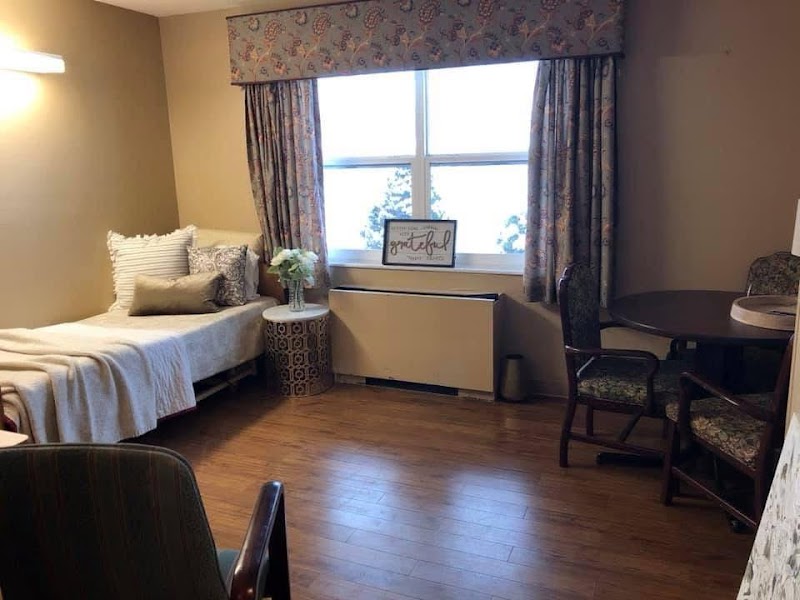
How is Kaw River Care And Rehab Staffed?

CMS rates KAW RIVER CARE AND REHAB's staffing level at 2 out of 5 stars, which is below average compared to other nursing homes. Staff turnover is 58%, which is 12 percentage points above the Kansas average of 46%. High turnover can affect care consistency as new staff learn residents' individual needs. RN turnover specifically is 71%, which is notably high. RNs provide skilled clinical oversight, so turnover in this role can affect medical care quality.

What Have Inspectors Found at Kaw River Care And Rehab?

State health inspectors documented 48 deficiencies at KAW RIVER CARE AND REHAB during 2022 to 2025. These included: 2 that caused actual resident harm, 43 with potential for harm, and 3 minor or isolated issues. Deficiencies causing actual harm indicate documented cases where residents experienced negative health consequences.
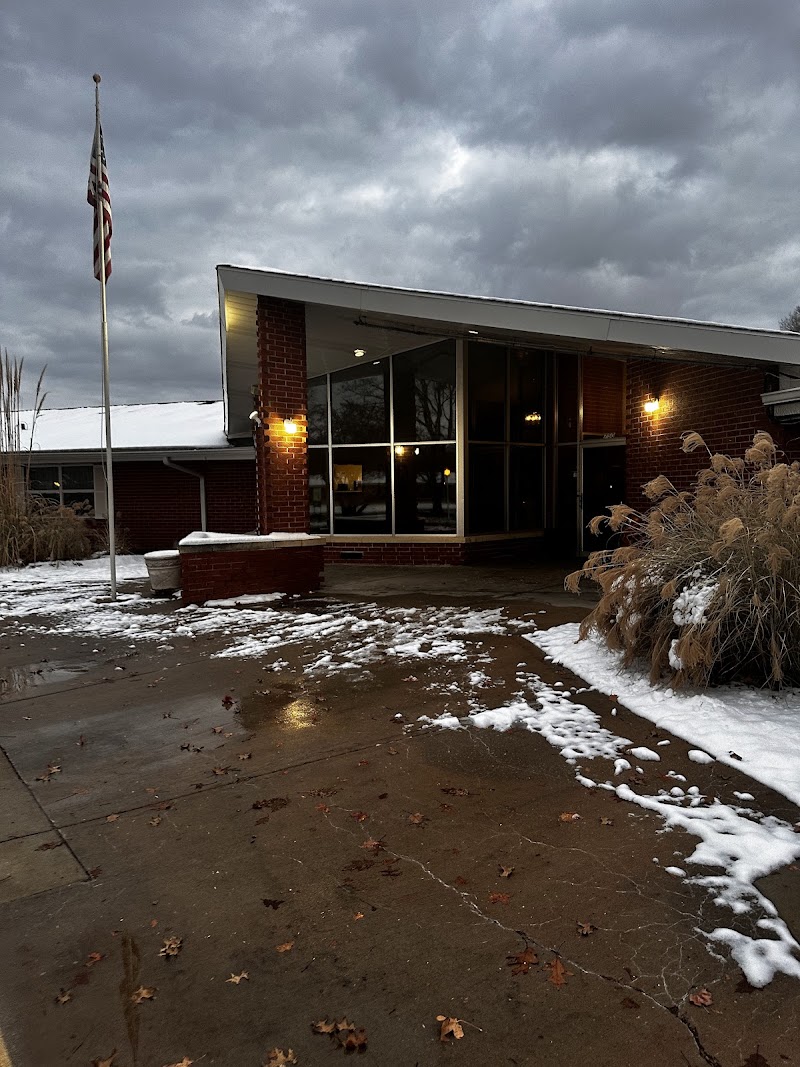
Who Owns and Operates Kaw River Care And Rehab?

KAW RIVER CARE AND REHAB is owned by a for-profit company. For-profit facilities operate as businesses with obligations to shareholders or private owners. The facility is operated by MISSION HEALTH COMMUNITIES, a chain that manages multiple nursing homes. With 45 certified beds and approximately 38 residents (about 84% occupancy), it is a smaller facility located in EDWARDSVILLE, Kansas.
How Does Kaw River Care And Rehab Compare to Other Kansas Nursing Homes?

Compared to the 100 nursing homes in Kansas, KAW RIVER CARE AND REHAB's overall rating (2 stars) is below the state average of 2.9, staff turnover (58%) is significantly higher than the state average of 46%, and health inspection rating (2 stars) is below the national benchmark.

What Should Families Ask When Visiting Kaw River Care And Rehab?

Based on this facility's data, families visiting should ask: "What safeguards and monitoring systems are in place to protect residents from abuse or neglect?" "How do you ensure continuity of care given staff turnover, and what is your staff retention strategy?" "Can you walk me through typical staffing levels on day, evening, and night shifts?" "Can I visit during a mealtime to observe dining assistance and food quality?" These questions are particularly relevant given the substantiated abuse finding on record, the facility's high staff turnover rate, and the below-average staffing rating.

Is Kaw River Care And Rehab Safe?

Based on CMS inspection data, KAW RIVER CARE AND REHAB has documented safety concerns. The facility has 1 substantiated abuse finding (meaning confirmed case of resident harm by staff or other residents). The facility has a 2-star overall rating and ranks #100 of 100 nursing homes in Kansas. Families considering this facility should ask detailed questions about what corrective actions have been taken since these incidents.

Do Nurses at Kaw River Care And Rehab Stick Around?

Staff turnover at KAW RIVER CARE AND REHAB is high. At 58%, the facility is 12 percentage points above the Kansas average of 46%. Registered Nurse turnover is particularly concerning at 71%. RNs handle complex medical decisions and coordinate care — frequent RN changes can directly impact care quality. High turnover means new staff may not know residents' individual needs, medications, or preferences. It can also be disorienting for residents, especially those with dementia who rely on familiar faces. Families should ask: What is causing the turnover? What retention programs are in place? How do you ensure care continuity during staff transitions?

Was Kaw River Care And Rehab Ever Fined?

KAW RIVER CARE AND REHAB has no federal fines on record. CMS issues fines when nursing homes fail to meet care standards or don't correct problems found during inspections. The absence of fines suggests the facility has either maintained compliance or corrected any issues before penalties were assessed. This is a positive indicator, though families should still review recent inspection reports for the full picture.

Is Kaw River Care And Rehab on Any Federal Watch List?

KAW RIVER CARE AND REHAB is not on any federal watch list. The most significant is the Special Focus Facility (SFF) program, which identifies the bottom 1% of nursing homes nationally based on persistent, serious quality problems. Not being on this list means the facility has avoided the pattern of deficiencies that triggers enhanced federal oversight. This is a positive indicator, though families should still review the facility's inspection history directly.