IGNITE MEDICAL RESORT RAINBOW BOULEVARD, LLC
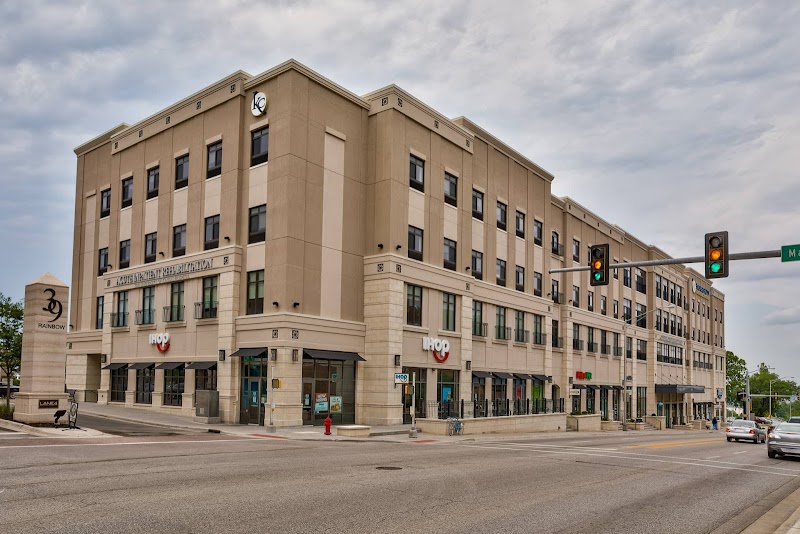
3910 RAINBOW BLVD, SUITE 400, KANSAS CITY, KS 66103 (913) 901-8462
For profit - Limited Liability company 96 Beds IGNITE MEDICAL RESORTS Data: November 2025
Trust Grade
28/100
#253 of 295 in KS
Last Inspection: August 2024

Within standard 12-15 month inspection cycle. Federal law requires annual inspections.

Overview

Ignite Medical Resort Rainbow Boulevard has received a Trust Grade of F, indicating significant concerns about the quality of care provided, which is considered poor. In Kansas, it ranks #253 out of 295 facilities, placing it in the bottom half, and #8 out of 9 in Wyandotte County, meaning there is only one local option that is better. While the facility has shown improvement over the years, reducing issues from 20 in 2024 to just 1 in 2025, the overall situation remains concerning due to a high staff turnover rate of 70%, which is much higher than the Kansas average of 48%. Additionally, the facility has faced a fine of $15,000, which is average for the state, but it suffers from less RN coverage than 81% of Kansas facilities, which raises concerns about the quality of nursing assessments and care. Specific incidents include a resident developing a pressure ulcer that went unnoticed for four days after admission and failures in infection control practices, such as not wearing proper protective equipment, both of which could pose risks to resident safety.

Trust Score
F
28/100
In Kansas
#253/295
Bottom 15%
Safety Record
Moderate
Needs review
Inspections
Getting Better
20 → 1 violations
Staff Stability
⚠ Watch
70% turnover. Above average. Higher turnover means staff may not know residents' routines.
Penalties
⚠ Watch
$15,000 in fines. Higher than 82% of Kansas facilities, suggesting repeated compliance issues.
Skilled Nurses
⚠ Watch
Each resident gets only 23 minutes of Registered Nurse (RN) attention daily — below average for Kansas. Fewer RN minutes means fewer trained eyes watching for problems.
Violations
⚠ Watch
42 deficiencies on record. Higher than average. Multiple issues found across inspections.
★☆☆☆☆
1.0
Overall Rating
★☆☆☆☆
1.0
Staff Levels
★★★★☆
4.0
Care Quality
★★☆☆☆
2.0
Inspection Score
Stable
2024: 20 issues
2025: 1 issues

The Good

  • 4-Star Quality Measures · Strong clinical quality outcomes
  • Full Sprinkler Coverage · Fire safety systems throughout facility
  • No fines on record

Facility shows strength in quality measures, fire safety.

The Bad

1-Star Overall Rating

Below Kansas average (2.9)

Significant quality concerns identified by CMS

Staff Turnover: 70%

24pts above Kansas avg (46%)

Frequent staff changes - ask about care continuity

Federal Fines: $15,000

Below median ($33,413)

Minor penalties assessed

Chain: IGNITE MEDICAL RESORTS

Part of a multi-facility chain

Ask about local staffing decisions and management

Staff turnover is elevated (70%)

22 points above Kansas average of 48%

The Ugly 42 deficiencies on record

1 actual harm
Mar 2025 1 deficiency 1 Harm
SERIOUS (G) 📢 Someone Reported This

A family member, employee, or ombudsman was alarmed enough to file a formal complaint

Actual Harm - a resident was hurt due to facility failures

Pressure Ulcer Prevention (Tag F0686)

A resident was harmed · This affected 1 resident

**NOTE- TERMS IN BRACKETS HAVE BEEN EDITED TO PROTECT CONFIDENTIALITY** The facility reported a census of 94 residents. The sample included five residents reviewed for skin alterations and pressure ul...

Read full inspector narrative →
**NOTE- TERMS IN BRACKETS HAVE BEEN EDITED TO PROTECT CONFIDENTIALITY** The facility reported a census of 94 residents. The sample included five residents reviewed for skin alterations and pressure ulcers (localized injury to the skin and/or underlying tissue usually over a bony prominence, as a result of pressure, or pressure in combination with shear and/or friction). Based on record review, observation, and interview, the facility failed to identify timely and prevent a pressure ulcer for dependent resident, Resident (R) 2, who developed a sacral (large triangular bone/area between the two hip bones) wound which was not identified until four days after admission. This deficient practice placed R2 at risk for harm, including pain, potential infection, and worsening of their overall condition. Findings included: - The Electronic Medical Record (EMR) documented R2 admitted to the facility on [DATE] and had diagnoses of hemiplegia and hemiparesis following cerebral infarction (stroke - sudden death of brain cells due to lack of oxygen caused by impaired blood flow to the brain by blockage or rupture of an artery to the brain) affecting the right dominant side, Parkinson's disease (a movement disorder of the nervous system that worsens over time), seizures (a sudden, uncontrolled burst of electrical activity in the brain. It can cause changes in behavior, movements, feelings and levels of consciousness), muscle weakness (lack of strength in the muscles), and dementia (progressive mental disorder characterized by failing memory, confusion). The admission Minimum Data Set (MDS) assessment dated [DATE] documented R2 had a Brief Interview for Mental Status (BIMS) score of five, which indicated severe cognitive impairment. The MDS documented R2 was incontinent of bowel and bladder, dependent on staff for all activities of daily living (ADL) such as eating, bed mobility, toileting, and personal hygiene. The MDS documented R2 had one stage 3 (full-thickness pressure injury extending through the skin into the tissue below) pressure ulcer. The Pressure Ulcer Care Area Assessment (CAA) dated 02/20/25 recorded staff would provide skin inspections and a care plan would be developed to reduce, or manage the cause, contributing factors, or risk factors. R2's Care Plan initiated on 02/14/25 documented the resident was at risk for alteration in skin integrity. The Care Plan's revised goal on 02/18/24 included R2 would remain free of any new skin impairment through the review date 06/04/25. R2's Care Plan directed staff to apply barrier cream per facility protocol to help protect skin from excess moisture, dietary consult as needed, ensure heals are elevated while the resident is lying in bed, monitor skin when providing care, notify the nurse of any changes in skin appearance, provide nutritional supplements as ordered, and a pressure reducing mattress. The Care Plan lacked documentation of any specific information and or treatment for R2's documented stage 3 sacral wound or other skin disruptions (i.e. maintaining good hydration, managing the resident's pain or discomfort, measures to offload pressure, preventing infection through proper hygiene, etc.). A review of the nurse's Initial/admission Data Assessment dated 02/14/25 recorded R2 had an excoriation (skin damage caused by scratching, rubbing, or other forms of abrasion) to the groin and abdominal fold. R2 had a left chest (wall) surgical incision, and sheering (when the skin and underlying tissue are pulled in opposite directions, often due to friction and pressure) to the inner buttock. The 02/14/25 admission Assessment lacked any detailed information (characteristics) regarding the groin excoriation, chest surgical incision, and/or inner buttock sheering. The evaluation did not record a stage 3 sacral wound. The EMR documented Physician Orders dated 02/14/25 for a wound care consult as needed (PRN) and to apply Zinc barrier cream to R2's buttocks and peri area every shift and PRN. On 02/18/24 this order was revised/reordered after the wound care team's evaluation on 02/18/24 to include cleansing R2's sacral wound with wound cleanser, patting it dry, and applying zinc barrier cream every day and night shift. The Daily Skilled Nurses' Notes from admission on [DATE] through 02/18/25 lacked documentation of an assessment and/or care provided for R2's stage 3 sacral pressure ulcer. A nurse Skin Observation dated 02/18/25 (four days after admission) recorded R2 had a sacral pressure ulcer and directed staff to see the wound care notes for staging. The report indicated the resident's family was notified on 02/18/25 (four days after admission and the initial admission assessment of 02/14/25). A Physician/Physician Assistant/Advanced Registered Nurse Practitioner Note (Physician, PA, ARNP) Wound Care Assessment dated 02/18/25 at 12:10 PM documented R2 presented to the hospital on [DATE] for right-sided weakness and altered mental status. Earlier in the month R2 was admitted to the hospital following a right frontal cerebral vascular accident (stroke). The resident required maximum assistance of two persons and discharge to a skilled nursing facility was recommended. A subsequent Hospital Admission dated 01/23/25, recorded R2 had a left parietal cerebral vascular accident and required the assistance of two to three people. The resident was stabilized, discharged from the hospital, and admitted to the facility for further medical care and rehabilitation under medical supervision. The 02/18/25 Physician, PA, ARNP Note recorded an examination of the sacrococcygeal (refers to anything of, relating to, or affecting the sacrum and coccyx (tailbone)) area revealed a stage three pressure injury with scant drainage, no odor, induration, fluctuance, or overt infection. There was evidence of 100% granulation tissue (reddish connective tissue, evidence of healing). The surrounding wound was clean and dry and revealed a surrounding intact deep-tissue injury examination, Normothermic (normal temperature) upon palpation and mildly tender. The 02/18/25 Physician, PA, ARNP Note examination revealed an intact deep-tissue injury circumferentially (around) the stage three pressure injury. This area had persistent, non-blanchable (where skin does not lose its redness when pressure is applied) maroon discoloration and revealed a dark wound bed. This same 02/18/25 Physician, PA, ARNP narrative note recommended zinc oxide barrier paste to be applied to the sacrococcygeal, and bilateral buttocks twice daily and as needed for skin integrity and leave open to air; a low air loss mattress (LAL) surface set to patient's weight and comfort, if available, and if the patient is not a fall risk. If a fall risk, then LAL surface is not applicable for this patient, float heels with pillows or pillow boots as able, turn every two hours, and offload pressure as able. The Wound Care directed staff to avoid using briefs or fastening briefs while in bed to reduce the risk of skin breakdown due to moisture, friction, and heat. The Wound Summary Report located under the Wound tab in the EMR, dated 02/18/25 documented an active Stage 3 bright pink/red color wound with 100% new tissue grown, light serosanguinous (yellowish with small amount of blood) drainage, no signs or symptoms of infection, and measured 4.43 centimeters (cm) long by 0.5 cm wide and 0.10 cm deep. The Skin Observation dated 02/25/25 documented a one-word description, Buttocks, and directed staff to see the wound care notes for staging. The Skin Observation dated 02/28/25 documented (erroneously) that the resident had no skin issues. The Skin Observation dated 03/07/25 documented R2 had a sacral wound and recorded the Wound Team took pictures weekly and the family was notified on 03/07/25. No Braden scores (a tool used to determine a patient's risk of developing pressure sores) were recorded before 03/07/25. A Braden score of 13 was recorded on 03/07/25 which placed R2 at high risk for developing pressure sores. R2 was discharged to the hospital on 3/17/25 at 04:56 AM for a potential Hypertensive Crisis (elevated blood pressure). On 03/18/25 at 03:43 PM, Licensed Nurse (LN) G stated the nurses conducted a resident's skin assessment on admission by examining their skin during perineal care. LN G said, on admission to the facility, R2 had an excoriated bottom and a small opening between the buttocks that was dark in color and there was some evidence of shearing. On 03/18/25 at 03:34 PM, Administrative Nurse E stated she was on vacation from 02/12/25 through 02/17/25. Administrative Nurse E acknowledged the initial skin assessment should be done within the first 24 hours of admission, and when residents were admitted to the facility their skin assessments were generally done within an hour of their arrival. Administrative Nurse E stated the floor nurses did the day-to-day dressing changes or treatments, and the Wound Care team rounded weekly. On 03/18/25 at 03:34 PM, Administrative Nurse D stated an unawareness of the delayed assessment for resident R2) Administrative Nurse D stated on admission the nurses should do a head to toe, review of the resident, and the guidance is to describe all areas of the resident's skin/wounds but not to give an etiology or cause. The nurses on the floor do not perform the staging of wounds. The Advanced Registered Nurse Practioner rounds with the nurses to ensure they don't miss anything. Administrative Nurse D stated nurses conducting the initial assessments of residents' skin needed re-education. Administrative Nurse D provided photographs, of R2's wounds dated 02/18/24 (taken four days after admission to the facility). On 03/18/25 at 03:34 PM, Administrative Staff A acknowledged the facility policy was not followed. Administrative Staff A stated they had a nurse covering while the wound care nurse was on vacation. Unfortunately, that nurse had already put in their termination notice as they were moving on. Administrative Staff A said the Director of Nursing resigned on 02/19/25 so several systems were not followed, but stated once identified the facility put corrective action into place immediately and had not had any issues since. A review of the facility's Wound Policy and Procedure revised May 2023 recorded the facility is committed to providing a comprehensive wound management program to promote the residents' highest level of functioning and well-being and to minimize the development of in-house acquired pressure ulcers unless the individuals clinical condition demonstrates they are unavoidable. The policy documents any wounds assessed will be captured in the PCC (electronic medical record) evaluation, to progress notes, or by completing wound rounds via (by way of) Quick Shot (within two to six hours of admission). The policy notes, that the admission wound assessment should include at a minimum an interview with the resident or family about a history of skin alterations and a physical evaluation to include skin alterations present on admission, skin discolorations, and any evidence of scarring or pressure points. A head-to-toe skin assessment is to be completed, and a Braden or Norton risk scale is to be completed. A comprehensive assessment would include: the location of the wound, length width, depth measurement in centimeters, and any tunneling and/or undermining. Appearance of the wound base type and percentage of tissue in the wound, drainage amount, and characteristics including color, consistency and odor, and appearance of wound edges. The policy further recorded the assessment should include a description of peri-wound condition and evaluation of the skin adjacent to the wound, presence or absence of new epithelium at wound skin, and an interim baseline care plan is developed. The facility failed to timely identify and prevent a pressure ulcer for R2, who was admitted to the facility on [DATE] with cognitive and mobility deficits. A subsequent wound assessment on 02/18/25 revealed R2 had a stage 3 sacral pressure ulcer and surrounding deep tissue injury. This deficient practice placed R2 at risk for pain, infection, and complications related to skin breakdown.
Dec 2024 1 deficiency
CONCERN (D) 📢 Someone Reported This

A family member, employee, or ombudsman was alarmed enough to file a formal complaint

Potential for Harm - no one hurt, but risky conditions existed

Accident Prevention (Tag F0689)

Could have caused harm · This affected 1 resident

The facility reported a census of 89 residents. The sample included four residents. Based on record review, observation, and interviews, the facility failed to ensure a safe environment, free from pre...

Read full inspector narrative →
The facility reported a census of 89 residents. The sample included four residents. Based on record review, observation, and interviews, the facility failed to ensure a safe environment, free from preventable accidents for one of four residents, Resident (R) 1, sampled for falls. This placed R1 at risk for accidents and related injuries and complications. Findings included: - R1's Electronic Medical Record (EMR), under the Diagnosis tab, listed diagnoses of cerebral infarction (stroke - sudden death of brain cells due to lack of oxygen caused by impaired blood flow to the brain by blockage or rupture of an artery to the brain), hemiplegia and hemiparesis of the right side (weakness or paralysis of the body's right side following a stroke), and stage 3 chronic kidney disease, (mild to moderate kidney damage affecting the body's ability to filter out impurities). R1's Quarterly Minimum Data Set (MDS) dated 09/25/24 recorded that R1 was nonverbal and had severe cognitive impairment. The MDS recorded R1 was dependent and required one to two staff assistance with all activities of daily living (ADLs). R1 was unable to stabilize without assistance and used a Hoyer lift (full-body mechanical lift) to transfer to a high-back wheelchair with leg lifts. R1's Fall Risk Assessment dated 10/30/24 documented a numerical score of nine which indicated R1 was at high risk for falls. R1's Care Plan for ADLs revised on 10/03/24 documented R1 had self-care performance deficits and was dependent on staff with rolling left and right while in bed. An intervention dated 06/28/24 directed staff to provide two-person assistance for checks and changing during cares. R1's Care Plan for falls, dated 10/03/24 documented R1 had two previous non-injury falls on 07/19/24 and 07/30/24. The plan directed staff to anticipate the resident's needs; maintain R1's bed in the low position; follow facility fall protocol; review information on past falls and attempt to determine the cause of falls; record possible root causes; alter and remove any potential causes if possible and educate resident, family, caregivers, and the interdisciplinary team (IDT) as to causes. R1's Care Plan for falls, revised on 11/14/24 recorded R1 had a non-injury fall on 11/11/24 and recorded bilateral fall mats to be placed at the bedside when R1 was in bed. The plan also directed staff to provide two-person assistance with checks and changes. A Nurse Practitioner Note dated 11/12/24 at 11:03 A.M. documented wound care follow-up due to an abrasion to R1's right forehead, post fall. The note recorded staff reported that the resident was being cleaned in bed when he fell onto the floor and hit his head. The facility Incident Audit Report revised 12/02/24 at 11:42 A.M. recorded Certified Nurse Aide (CNA) O was in the room with R1 performing incontinence care on a regular mattress. The report documented that per CNA O, R1 turned over and slid off the bed. CNA O turned on the emergency light and the nurse responded. A Nurses Progress Note dated 11/11/24 at 3:41 P.M. recorded the nurse responded to an emergency call light and found R1 on the floor bleeding from his head. The nurse applied a clean towel and pressure to the wound. Staff called Emergency Medical Services (EMS) and R1 was taken to the emergency room. Staff called report to the receiving nurse, R1's provider, and R1's emergency contact. R1's hospital After Visit Summary dated 11/11/24 recorded R1 was seen in the emergency room following a fall. The imaging of R1's head, chest, and abdomen were normal. CNA O's Witness Statement from 11/11/24 recorded she was changing R1, and R1 started rolling too far off the bed. CNA noted she tried to grab ahold of R1, but he was too heavy to keep him up by herself and R1 fell off on the left side of the bed. Observation on 12/02/24 at 11:20 A.M. revealed R1 sat upright in bed, alert though nonverbal. R1 had a dime sized scabbed area to the middle, slightly right, of his forehead. R1 had bilateral bed canes on his bed. Interviewed on 12/02/24 at 10:50 A.M. Administrative Staff A stated R1's fall was not reported to the State Agency (SA) as it was a witnessed fall, without significant injury. R1's fall investigation was in risk management. Administrative Staff A explained one CNA was changing R1, went to roll the resident and the resident kept rolling and fell from bed. Administrative Staff A said R1 sustained a minor injury. Interviewed on 12/2/24 at 11;29 A.M. Therapy Consultant HH stated R1 was not currently on caseload. Consultant HH stated that R1 was totally dependent on staff for all ADL. Consultant HH said R1 did not move much on own, and he was nonverbal as well. Consultant HH stated we are lucky if can get [R1] to wiggle fingers. Interviewed on 12/02/24 at 11:36 A.M. CNA M stated R1 cannot move his legs; R1 sometimes held on to the side rail when staff turned him to be changed. CNA M said R1 was a two-person assist and said she always has someone to help her because she did not want R1 to fall. CNA M said sometimes R1 would not hold onto the rail and occasionally his legs slid off the bed when he was turned. CNA M said that R1 had a scab on his forehead from a previous fall. The facility did not provide a policy for prevention of accident hazards. The facility failed to ensure R1 remained free from preventable accidents when a staff attempted to provide incontinence cares with personal without the required two person per R1's Care Plan which resulted in R1 fell out of bed and hit his head. This deficient practice placed R1 at risk for accidents and related injuries and complications.
Aug 2024 15 deficiencies
CONCERN (D) 📢 Someone Reported This

A family member, employee, or ombudsman was alarmed enough to file a formal complaint

Potential for Harm - no one hurt, but risky conditions existed

Resident Rights (Tag F0550)

Could have caused harm · This affected 1 resident

The facility identified a census of 93 residents. The sample included 19 residents with one resident reviewed for dignity. Based on observation, record review, and interviews, the facility failed to p...

Read full inspector narrative →
The facility identified a census of 93 residents. The sample included 19 residents with one resident reviewed for dignity. Based on observation, record review, and interviews, the facility failed to promote a dignified care environment for Resident (R)51 during his mealtime. This deficient practice placed R51 at risk for impaired dignity and decreased psychosocial well-being. Findings included: - R51's Electronic Medical Record (EMR) from the Diagnoses tab documented diagnoses of respiratory failure with hypoxia (a condition that occurs when the body doesn't have enough oxygen in the blood, hypertension (HTN-elevated blood pressure), non-pressure ulcer of the lower right leg, oxygen dependence, diabetes mellitus (DM-when the body cannot use glucose, not enough insulin made or the body cannot respond to the insulin), myocardial infarction (heart attack), congestive heart failure (CHF-a condition with low heart output and the body becomes congested with fluid), and blindness. The Quarterly Minimum Data Set (MDS) dated 07/15/24 documented a Brief Interview of Mental Status (BIMS) score of 15 which indicated intact cognition. The MDS documented R51 needed supervision or touching assistance with upper body dressing. R51's Functional Abilities (Self-Care and Mobility) Care Area Assessment (CAA) dated 03/07/24 documented R51 required assistance with mobility and self-care with activities of daily living (ADLs) due to weakness, unsteady gait, and his medical diagnoses. The CAA noted R51 worked with nursing to improve control of medical conditions, unsteady gait, and weakness. R51's Care Plan dated 03/03/22 documented R51 had an ADL self-care performance deficit and limited physical mobility related to respiratory failure, pain, and blindness. The plan indicated R51 needed extensive physical assistance with dressing and was independent for eating and wheeling his wheelchair. On 08/20/24 at 07:43 AM, R51 sat at the head of the table in the dining area. R51's gown was open in the back exposing his backside, excluding buttocks, to peers and visitors. On 08/21/24 at 02:19 PM, R51 sat in the dining room area playing bingo. R51 wore a gown with the back open. R51's backside was visible to peers and visitors. On 08/20/24 at 08:17 AM, R51 stated he did not realize his backside was visible, he stated that he always wears a hospital gown. R51 stated he could not tie his gown, and he relied on staff to tie his gown or put a second gown around his backside. On 08/22/24 at 12:38 PM, Certified Nurse's Aide (CNA) T stated the backside of residents should always be covered. She stated if R51 wanted to wear a gown, the gown should be closed or a second gown should be draped around his back. On 08/22/24 at 12:49 PM, Licensed Nurse (LN) H stated R51 should be always covered by his clothing. On 08/22/24 at 01:24 PM Administrative Nurse D stated all residents should have their backsides covered while in the dining room or anywhere there are other residents or guests. The facility's Dignity policy dated 07/24 documented the facility would promote care for residents of the facility in a manner and in an environment that maintains and enhances each resident's dignity and respect in full recognition of the resident individuality. Each resident will be encouraged and assisted to dress in his or her own clothing appropriate to the time of day and the individual's preferences Unless specifically requested by the resident and or responsible party, no hospital gowns will be provided to any elder, and if the practice was requested by the resent, the practice will be included in the resident's individualized comprehensive plan of care. The facility failed to promote a dignified care environment for R51 during his mealtime. This deficient practice placed R51 at risk for impaired dignity and decreased psychosocial well-being.
CONCERN (D) 📢 Someone Reported This

A family member, employee, or ombudsman was alarmed enough to file a formal complaint

Potential for Harm - no one hurt, but risky conditions existed

Transfer Notice (Tag F0623)

Could have caused harm · This affected 1 resident

The facility identified a census of 93 residents. The sample included 19 residents with one resident sampled for hospitalization. Based on record review and interview the facility failed to provide a ...

Read full inspector narrative →
The facility identified a census of 93 residents. The sample included 19 residents with one resident sampled for hospitalization. Based on record review and interview the facility failed to provide a written notice of transfer as soon as practicable to Resident (R) 238 or their representative for their facility-initiated transfers. This deficient practice had the risk of miscommunication between the facility and resident/family and possible missed opportunity for healthcare service for R238. Findings included: - The Electronic Medical Record (EMR) for R238 documented diagnoses of neuromuscular dysfunction of the bladder ( a urinary tract dysfunction that occurs when the nerves and muscles of the urinary system don't work together properly due to damage to the nervous system), congestive heart failure (CHF-a condition with low heart output and the body becomes congested with fluid), and paraplegia (paralysis characterized by motor or sensory loss in the lower limbs and trunk). R238 ' s Discharge Minimum Data Set (MDS) dated 06/11/23 documented he had an unplanned discharge to a short-term acute hospital with a return anticipated. R238 ' s Discharge MDS dated 07/17/23 documented he had an unplanned discharge to a short-term acute hospital with a return anticipated. R238 ' s Discharge MDS dated 09//18/23 documented he had an unplanned discharge to a short-term acute hospital with a return anticipated. R238 ' s Discharge MDS dated 12/09/23 documented he had an unplanned discharge to a short-term acute hospital with a return anticipated. R238 ' s Quarterly MDS dated 06/20/24 documented a Brief Interview for Mental Status (BIMS) score of 14 which indicated intact cognition. R238 was dependent on staff for his functional abilities of bathing, toileting, and dressing. R238 utilized a wheelchair for mobility assistance. R238 ' s Activities of Daily Living (ADL) Care Area Assessment (CAA) dated 12/27/23 documented he needed extensive assistance with ADLS and mobility. R238 used a motorized wheelchair for mobility. Related factors affecting ADL status included the potential for uncontrolled pain, medication side effects, and balance deficits during transfers and gait. R238 ' s Care Plan dated 01/28/19 directed staff he wished to remain in long-term care (LTC) and stay in the facility. Staff was to encourage the resident to discuss feelings and concerns with LTC placement. Staff was to encourage the resident to voice any changes in LTC placement or discharge goals. R238 ' s clinical record lacked evidence a written notification of transfer was provided to R238 for the 06/11/23, 07/17/23, 09/18/23, and 12/09/23 transfers as requested. The facility was unable to provide the evidence upon request. On 08/21/24 at 10:41 AM R238 lay in his bed with his call light in reach. On 08/22/24 at 01:24 PM Administrative Nurse D stated that the nurses were responsible for making sure that the written notification of transfer and the bed hold were completed before a resident transferred out of the facility. Administrative Nurse D stated the notification would be mailed to the resident ' s representative. Administrative Nurse D stated she did not know what the protocol was for written notification of transfer prior to her being the director of nursing and said she was not able to find any record of the written notifications for R238 prior to the 01/01/24 discharge. The Bed Hold revised April 2023 documented written notification would be provided to the resident and or resident representative before the resident transfers, or in case of emergency within 24 hours. The information would include The duration of the state bed-hold; reserve bed payment in accordance with the state plan; and permitted returns; Notification of the transfer or discharge; the reason for the move; in writing in a language, and a manner in which it could be understood; readmission standards; and admission standards. The facility would retain and secure documentation within the medical record. The facility failed to provide written notice of transfer as soon as practicable to R238 or their representative for their facility-initiated transfers. This deficient practice had the risk of miscommunication between the facility and resident/family and possible missed opportunity for healthcare service for R238.
CONCERN (D) 📢 Someone Reported This

A family member, employee, or ombudsman was alarmed enough to file a formal complaint

Potential for Harm - no one hurt, but risky conditions existed

Deficiency F0657 (Tag F0657)

Could have caused harm · This affected 1 resident

The facility identified a census of 93 residents. The sample included 19 residents. Based on observation, record review, and interview, the facility failed to ensure Resident (R) 62's Care Plan was re...

Read full inspector narrative →
The facility identified a census of 93 residents. The sample included 19 residents. Based on observation, record review, and interview, the facility failed to ensure Resident (R) 62's Care Plan was revised with interventions to direct staff on her dialysis (a procedure where impurities or wastes were removed from the blood) access port location, care, and monitoring. This deficient practice placed R62 at risk for impaired care due to uncommunicated care needs. Findings included: - R62's Electronic Medical Record (EMR) documented diagnoses of end-stage renal disease (ESRD-a terminal disease of the kidneys) and dependence on renal dialysis. The Annual Minimum Data Set (MDS) dated 03/13/24 for R62 documented a Brief Interview for Mental Status (BIMS) score of 15 which indicated intact cognition. R62 required partial to moderate staff assistance for dressing, and substantial assistance for personal hygiene, and was dependent on staff for toileting and bathing. R62 utilized a wheelchair for assistance with mobility. R62 required dialysis services. R62's Quarterly MDS dated 06/13/24 documented a BIMS score of 15 which indicated intact cognition. R62 required partial to moderate staff assistance for dressing, and substantial assistance for personal hygiene, and was dependent on staff for toileting and bathing. R62 utilized a wheelchair for assistance with mobility. R62 required dialysis services. R62's Activities of Daily Living (ADL) Care Area Assessment (CAA) dated 03/19/24 documented she required assistance with mobility and self-care due to weakness, an unsteady gait, and medically complex conditions that placed R62 at significant risk for injury during ADLS. R62's Dialysis Care Plan dated 03/07/24 directed staff to encourage R62 to go to scheduled dialysis appointments every Tuesday, Thursday, and Saturday. Staff was to monitor, document, and report as needed any signs and symptoms of infection to the access site. Staff was directed to check and change the dressing daily at the access site, the left chest permacath catheter (a flexible, soft plastic tube that is used for short-term dialysis treatment). Staff was directed to monitor, document, and report any signs or symptoms of hemorrhage (loss of a large amount of blood in a short period of time), bacteremia (presence of bacteria in the blood), or septic shock (a life-threatening condition caused by a severe localized or system-wide infection). The plan lacked direction or interventions related to the dialysis fistula (a passage between the basilic vein and the brachial artery in the upper arm) and assessing for a thrill (a fine vibration felt which reflects the blood flow by a dialysis resident ' s shunt) or bruit (blowing or swishing sound heard when blood flows through a shunt) and restrictions for that extremity regarding blood pressure and lab. R62's Order Summary Report documented a physician order dated 07/16/24 to monitor the dialysis site for bleeding when returning from dialysis in the afternoon on Tuesday, Thursday, and Saturday. R62's Order Summary Report documented a physician ' s order dated 12/11/23 for a permacath catheter to the left side of the chest. A 12/09/23 hospital Discharge Summary dated 12/11/23 documented R62 received dialysis and presented to the emergency room with low hemoglobin (Hgb-measure of blood that carried oxygen to the cells from the lungs and carbon dioxide away from the cells to the lungs). R62 had a left arteriovenous (AV) fistula placement procedure performed on 12/04/23. R62's Treatment Administration Record (TAR) reviewed from December 2023 to August 2024 lacked documentation of monitoring of the left AV fistula shunt access site for a thrill or bruit. On 08/21/24 at 09:02 AM R62 sat in her wheelchair in her room. R62 stated back in December they did surgery to create the AV fistula in her left arm. R62 stated the nursing staff did send a dialysis communication sheet with her on her dialysis days, but the dialysis center did not always send the sheets back with her. On 08/22/24 at 12:49 PM Licensed Nurse (LN) I stated R62 or any resident that was on dialysis should have interventions in place to direct staff on the care for the dialysis access such as not obtaining a blood pressure on that extremity, monitoring and documentation for the thrill and bruit, and checking the site for any bleeding daily. On 08/22/24 at 01:24 PM Administrative Nurse D stated she had not realized that R62's orders and care plan had not been updated to reflect her having the AV fistula in her left arm. Administrative Nurse D stated R62 ' s Care Plan and orders will be updated to reflect staff direction and the correct location and type of dialysis access. The Care Plan policy last revised in April 2023 documented the care plans were updated at least every 90 days or with a significant change of the resident by the team member initiating the care plan. The care plan consisted of problems identified by reviewing the medical record and discussion with the resident and or significant others. Evaluation of the care plan goals should occur at least every 90 days or with a significant change in the resident. If the goal was continued, a new date of completion should be identified. The policy lacked direction for revision of the care plan. The Dialysis Protocol last revised in April 2023 documented the resident ' s care plan would reflect their dialysis needs. The facility failed to ensure R62's Care Plan was revised to direct staff on her dialysis AV fistula access site type, the location, and monitoring. This placed R62 at risk for impaired care due to uncommunicated care needs.
CONCERN (D) 📢 Someone Reported This

A family member, employee, or ombudsman was alarmed enough to file a formal complaint

Potential for Harm - no one hurt, but risky conditions existed

Incontinence Care (Tag F0690)

Could have caused harm · This affected 1 resident

**NOTE- TERMS IN BRACKETS HAVE BEEN EDITED TO PROTECT CONFIDENTIALITY** The facility identified a census of 93 residents. The sample included 19 residents with four residents reviewed for catheter (a ...

Read full inspector narrative →
**NOTE- TERMS IN BRACKETS HAVE BEEN EDITED TO PROTECT CONFIDENTIALITY** The facility identified a census of 93 residents. The sample included 19 residents with four residents reviewed for catheter (a flexible tube inserted through a narrow opening into a body cavity, particularly the bladder, for removing fluid). Based on observation, record review, and interviews, the facility failed to ensure Resident (R) 12's suprapubic catheter (urinary bladder catheter inserted through the abdomen into the bladder) was anchored on the abdomen to prevent pulling and injury. This deficient practice placed R12 at risk for catheter-related complications. Findings included: - R12's Electronic Medical Record (EMR) from the Diagnoses tab documented diagnoses of chronic kidney disease (damaged kidneys and unable to filter blood the way they should), malignant neoplasm of the prostate (the tendency of a medical condition, especially tumors, to become progressively worse, most familiar as a characteristic of cancer), and dysfunction of the bladder. The admission Minimum Data Set (MDS) dated [DATE] documented a Brief Interview of Mental Status (BIMS) score of 10 which indicated moderately impaired cognition. The MDS documented R12 had an indwelling catheter. The Quarterly MDS dated 06/20/24 documented a BIMS score of 13 which indicated intact cognition. The MDS documented that R12 had an indwelling catheter. R12's Urinary Incontinence and Indwelling Catheter Care Area Assessment (CAA) dated 02/06/24 documented he had an indwelling catheter and was treated for a urinary tract infection (UTI). R12's Care Plan dated 01/24/24 documented that staff would check the placement of his catheter tubing every shift. The plan of care documented that staff would monitor for signs or symptoms of UTI or pain related to his catheter and notify the physician. The plan of care lacked direction for the placement of an anchor to prevent pulling or injury. R12 's EMR under the Orders tab revealed the following physician order: Foley catheter change using a 16 French with a 10 cubic centimeter (cc) balloon as needed for leakage or blockage dated 05/24/24. On 08/21/24 at 02:49 PM, R12 lay on his bed. Certified Nurse Aide (CNA) M assisted R12 in removing his pajama pants for catheter care. R12 had a catheter tubing anchor on his left thigh. R12 told CNA M to remember to be careful not to pull his pants too fast on the left side so the catheter tubing would not be pulled. R12's catheter tubing attached to his anchor had white mucous tinged with bright red blood. R12 stated that before he was admitted to the facility, his catheter was always anchored on his abdomen. R12 stated he had to be very careful to prevent the tubing from being pulled with the anchor on his thigh instead of his abdomen. On 08/22/24 at 12:38 PM, CNA N stated she was not sure where the catheter anchor should be placed for a resident with a suprapubic catheter. CNA N stated she would ask the nurse. On 08/22/24 at 12:50 PM, Licensed Nurse (LN) I stated she was not sure where an anchor for a suprapubic catheter should be placed. LN I stated the anchor should be placed where the resident wanted it to be placed. LN I stated that choice should be listed on the resident's plan of care. On 08/22/24 at 01:25 PM, Administrative Nurse D stated the facility followed the manufacturer's instructions for the placement of an anchor for suprapubic catheter tubing. Administrative Nurse D stated an anchor could be placed on the abdomen or upper thigh for a resident with a suprapubic catheter. Administrative Nurse D stated she did not think that the placement of an anchor should necessarily be included in a resident's plan of care. The facility's Catheter Care Infection Control policy last reviewed or revised in May 2023 documented it was the policy of the facility to ensure that the residents received care and services to prevent urinary tract infections (UTls) in those residents with an indwelling catheter, in accordance with standards of practice. Staff would check the resident's comprehensive person-centered care plan related to instructions for catheter care. The facility failed to ensure the standard of practice was followed for anchoring R12's suprapubic catheter tubing to prevent pulling or injury. This deficient practice placed R12 at risk for catheter-related complications.
CONCERN (D) 📢 Someone Reported This

A family member, employee, or ombudsman was alarmed enough to file a formal complaint

Potential for Harm - no one hurt, but risky conditions existed

Deficiency F0698 (Tag F0698)

Could have caused harm · This affected 1 resident

The facility identified a census of 93 residents. The sample included 19 residents with two residents reviewed for dialysis (a procedure where impurities or wastes were removed from the blood). Based ...

Read full inspector narrative →
The facility identified a census of 93 residents. The sample included 19 residents with two residents reviewed for dialysis (a procedure where impurities or wastes were removed from the blood). Based on observation, record review, and interview, the facility failed to ensure ongoing communication and collaboration with the dialysis facility regarding dialysis care and services regarding Resident (R) 62 ' s health status with each procedure. The facility failed to ensure staff identified and assessed R62 ' s access type and location. This deficient practice placed R62 at risk for complications related to dialysis. Findings included: - R62's Electronic Medical Record (EMR) documented diagnoses of end-stage renal disease (ESRD-a terminal disease of the kidneys) and dependence on renal dialysis. The Annual Minimum Data Set (MDS) dated 03/13/24 for R62 documented a Brief Interview for Mental Status (BIMS) score of 15 which indicated intact cognition. R62 required partial to moderate staff assistance for dressing, and substantial assistance for personal hygiene, and was dependent on staff for toileting and bathing. R62 utilized a wheelchair for assistance with mobility. R62 required dialysis services. R62's Quarterly MDS dated 06/13/24 documented a BIMS score of 15 which indicated intact cognition. R62 required partial to moderate staff assistance for dressing, and substantial assistance for personal hygiene, and was dependent on staff for toileting and bathing. R62 utilized a wheelchair for assistance with mobility. R62 required dialysis services. R62's Activities of Daily Living (ADL) Care Area Assessment (CAA) dated 03/19/24 documented she required assistance with mobility and self-care due to weakness, an unsteady gait, and medically complex conditions that placed R62 at significant risk for injury during ADLS. R62's Dialysis Care Plan dated 03/07/24 directed staff to encourage R62 to go to scheduled dialysis appointments every Tuesday, Thursday, and Saturday. Staff was to monitor, document, and report as needed any signs and symptoms of infection to the access site. Staff was directed to check and change the dressing daily at the access site, the left chest permacath catheter (a flexible, soft plastic tube that is used for short-term dialysis treatment). Staff was directed to monitor, document, and report any signs or symptoms of hemorrhage (loss of a large amount of blood in a short period of time), bacteremia (presence of bacteria in the blood), or septic shock (a life-threatening condition caused by a severe localized or system-wide infection). The plan lacked direction or interventions related to the dialysis fistula (a passage between the basilic vein and the brachial artery in the upper arm) and assessing for a thrill (a fine vibration felt which reflects the blood flow by a dialysis resident's shunt) or bruit (blowing or swishing sound heard when blood flows through a shunt) and restrictions for that extremity regarding blood pressure and lab. R62's Order Summary Report documented a physician order dated 07/16/24 to monitor the dialysis site for bleeding when returning from dialysis in the afternoon on Tuesday, Thursday, and Saturday. R62's Order Summary Report documented a physician's order dated 12/11/23 for a permacath catheter to the left side of the chest. A 12/09/23 hospital Discharge Summary dated 12/11/23 documented R62 received dialysis and presented to the emergency room with low hemoglobin (Hgb-measure of blood that carried oxygen to the cells from the lungs and carbon dioxide away from the cells to the lungs). R62 had a left arteriovenous (AV) fistula placement procedure performed on 12/04/23. R62's Treatment Administration Record (TAR) reviewed from December 2023 to August 2024 lacked documentation of monitoring of the left AV fistula shunt access site for a thrill or bruit. The facility was unable to provide the Dialysis Communication Forms from December 2023 to June 2024. On 08/21/24 at 09:02 AM R62 sat in her wheelchair in her room. R62 stated back in December they did surgery to create the AV fistula in her left arm. R62 stated the nursing staff did send a dialysis communication sheet with her on her dialysis days, but the dialysis center did not always send the sheets back with her. On 08/22/24 at 08:00 AM Administrative Nurse D stated she was unable to find dialysis communication sheets for R62 prior to her employment at the facility. Administrative Nurse D stated that R62 went to dialysis outside of the facility and did not always return with the communication sheets. Administrative Nurse D stated she had not realized that R62 ' s orders had not been updated to reflect her having the AV fistula in her left arm so the fistula had not been monitored as it should have been. Administrative Nurse D stated R62 ' s care plan will be updated as well to reflect staff direction for the AV fistula. The Dialysis Protocol policy last revised in April 2023 documented that the dialysis site (permacath) would be checked daily for signs and symptoms of infection or bleeding. The dialysis site (fistula/graft) would be monitored daily for thrill and bruit. For residents with fistulas or grafts, documentation in the medical record would reflect arm precautions if applicable. Communication with the dialysis center would be done by nursing, dietary, and or social services monthly. The resident ' s care plan would reflect their dialysis needs. The facility failed to ensure ongoing communication and collaboration with the dialysis facility regarding dialysis care and services regarding R62 ' s health status with each procedure. The facility failed to ensure staff identified and assessed R62 ' s access type and location. This deficient practice placed R62 at risk for complications related to dialysis.
CONCERN (D) 📢 Someone Reported This

A family member, employee, or ombudsman was alarmed enough to file a formal complaint

Potential for Harm - no one hurt, but risky conditions existed

Deficiency F0700 (Tag F0700)

Could have caused harm · This affected 1 resident

The facility identified a census of 93 residents. The sample included 19 residents with two residents reviewed for accidents. Based on observation, record review, and interviews, the facility failed t...

Read full inspector narrative →
The facility identified a census of 93 residents. The sample included 19 residents with two residents reviewed for accidents. Based on observation, record review, and interviews, the facility failed to assess the risks of bedrail use related to Resident (R) 73's low air-loss mattress. This placed R73 at risk for impaired safety related to unidentified risks associated with the use of bedrails. Findings Included: -The Medical Diagnosis section within R73's Electronic Medical Records (EMR) included diagnoses hemiplegia and hemiparesis (weakness and paralysis on one side of the body), cerebral infarction (stroke - sudden death of brain cells due to lack of oxygen caused by impaired blood flow to the brain by blockage or rupture of an artery to the brain), chronic kidney disease, neuromuscular dysfunction of the bladder, and seizures (violent involuntary series of contractions of a group of muscles). R73's Significant Change Minimum Data Set (MDS) completed 07/10/24 noted a Brief Interview for Mental Status (BIMS) score of six indicating severe cognitive impairment. The MDS indicated he had impairment to one side of his upper extremity and both his lower extremities. The MDS indicated he was dependent on staff assistance for bed mobility, changing lying positions, sitting up, standing, and transfers. The MDS noted he didn't have bed rails or restraints in place. R73's Functional Abilities Care Area Assessment (CAA) completed 07/10/24 indicated he required limited to extensive assistance with his activities of daily living (ADLs). The CAA indicated the care plan would provide interventions to minimize the risk related to his ADL deficit. R73's Care Plan initiated 03/27/24 indicated he had a self-care deficit related to his medical diagnoses and limited physical mobility. The plan noted he was dependent on staff for assistance with his toileting, dressing, bed mobility, transfers, personal hygiene, and bathing. The plan noted he used a wheelchair for mobility. The plan indicated he had a low air-loss mattress on his bed. The plan lacked documentation related to his bed rails and/or assistive positioning devices. A review of the low air-loss mattress manufacturer's operation (ProActive Protekt Aire) manual indicated the usage of bed rails should be appropriately assessed, monitored, and maintained to reduce the risk of entrapment. R73's EMR under Evaluations revealed a Quarterly Nursing Evaluation completed 03/27/24 indicating he had a right-sided assist bar installed on his bed. The evaluation indicated he was able to follow commands and demonstrated fine motor skills. The evaluation indicated he was safe to use the assist bar. The evaluation did not address or acknowledge his low air-loss mattress system or the associated risks of use with the assist bar. R73's EMR under Evaluations revealed a Device Evaluation completed on 06/25/24 indicating he had a right-sided assist bar installed on his bed. The evaluation noted the assist bars provided increased independence and bed mobility. The evaluation noted R73 was able to follow commands and demonstrated the motor skills to utilize the assist bars. The evaluation noted he was safe to have one bar installed on his bed. The evaluation did not acknowledge or address his low air-loss mattress system or the associated risks of use with the assist bar. R73's EMR under Evaluations revealed a Bed Rail Informed Consent for Use form completed on 06/25/24 indicating he would have assistive rails used to promote independence and improve bed mobility. The consent form identified the risk of entrapment but failed to acknowledge his low air-loss mattress system and the associated risks of use. On 08/21/24 at 07:03 AM R73 slept in his bed. R73 had a bedrail installed on the upper right side of his bed. R73's bed was in a low position with the head of the bed elevated above 30 degrees. R73 had a low air-loss mattress system on his bed. The mattress was set to 350 pounds (lbs.). On 08/22/24 at 12:23 PM Licensed Nurse (LN) I stated the bed rails should be monitored each time staff enters the resident's room to ensure safety. She stated the assist rails were assessed upon installation but she was not sure how often staff rechecked them or if the low air-loss mattresses were included as part of the assessments. She stated staff should be ensuring there is no gap between the bedrail and the mattress. On 08/22/24 at 01:24 PM Administrative Nurse D stated the device assessments for the assistive railing should also include the use of low air-loss mattresses. She stated the assessments were completed upon admission, quarterly, and whenever rails were installed on the beds. She stated R73 should have documentation showing his low air-loss mattress was included in his bedrail evaluation. The facility's Bed Rails policy revised 07/2024 indicated the facility will ensure all residents in need of bed rails were appropriately assessed for the risk of entrapment, appropriate bed dimensions, and the indication of use. The policy indicated the facility will ensure assistive devices remain restraint-free and used per the manufacturer's recommendations. The facility failed to assess the risks of bed rail use related to his low air-loss mattress system for R73. This placed R73 at risk for impaired safety related to unidentified risks associated with the use of bedrails.
CONCERN (D) 📢 Someone Reported This

A family member, employee, or ombudsman was alarmed enough to file a formal complaint

Potential for Harm - no one hurt, but risky conditions existed

Medication Errors (Tag F0758)

Could have caused harm · This affected 1 resident

The facility reported a census of 93 residents. The sample included 19 residents with five reviewed for unnecessary medications. Based on record review, observations, and interviews, the facility fail...

Read full inspector narrative →
The facility reported a census of 93 residents. The sample included 19 residents with five reviewed for unnecessary medications. Based on record review, observations, and interviews, the facility failed to ensure Resident (R)79's as-needed (PRN) hydroxyzine (antihistamine also used to treat feelings of uncertainty, apprehension, or irrational fears) had a 14-day stop date or documentation of a physician rationale and rationale and specific duration of use. This deficient practice placed R79 at increased risk for unnecessary psychotropic (affects mood or thoughts) medication and related side effects. Findings Included: -The Medical Diagnosis section within R79's Electronic Medical Records (EMR) included diagnoses of hypertension (high blood pressure), congestive heart failure (CHF-a condition with low heart output and the body becomes congested with fluid), type two diabetes mellitus (DM-when the body cannot use glucose, not enough insulin made or the body cannot respond to the insulin), and morbid obesity (extremely overweight). R79's admission Minimum Data Set (MDS) completed 07/16/24 noted a Brief Interview for Mental Status (BIMS) score of 15 indicating intact cognition. The MDS indicated he had lower extremity impairment and used a wheelchair and crutches for mobility. The MDS indicated he had no behavioral symptoms upon admission. The MDS noted he took an antianxiety medication. R79's Psychotropic Drug Use Care Area Assessment (CAA) completed 07/17/24 indicated he took an antianxiety medication. The CAA instructed staff to monitor him for symptoms and side effects each shift and to notify his medical provider. The CAA noted a care plan would be completed to identify and minimize the risks related to his psychotropic medication use. R79's Care Plan initiated 07/11/24 indicated he received medications that had a black box warning. The plan instructed staff to monitor his medication for symptoms of anxiety, depression, dizziness, nausea, vomiting and altered mental status. R79's EMR under Physician's Orders revealed an active order (dated 08/01/24) for staff to administer 50 milligrams (mg) of hydroxyzine pamoate before dressing changes and every six hours as needed for anxiety. The order lacked a stop date. R79's EMR lacked physician documentation for the continuation of the medication past the 14-day stop date required. The facility was unable to provide the documentation as requested on 08/22/24. On 08/21/24 at 09:01 AM R79 set in bed. His bed was positioned in the lowest position. His feet were propped up on a pillow. R79 stated he felt better that he was off his antibiotic medication and looking forward to finishing his therapy. He denied pain or discomfort. He reported no concerns with his medication. On 08/22/24 at 12:42 PM Licensed Nurse (LN) G stated PRN psychotropic medication should have a 14-day stop date or the medical provider should provide guidance for the extended use of the medication. On 08/22/24 at 01:24 PM Administrative Nurse D stated antianxiety medication should have the required 14-day stop date or documentation showing the medical provider's intent for continuation of the medication. The facility's Physician Orders policy revised 11/2020 indicated all medication will be administered as ordered by the medical provider. The policy indicated medication orders will be reviewed by the nursing staff, pharmacist, and physician to ensure appropriate indication. The policy indicated PRN psychotropic medications will include the appropriate indication, monitoring, and stop date as ordered by the prescriber. The facility failed to ensure R79's PRN hydroxyzine had a 14-day stop date or a documented physician rationale and specified duration. This deficient practice placed R79 at increased risk for unnecessary psychotropic medication and side effects.
CONCERN (E) 📢 Someone Reported This

A family member, employee, or ombudsman was alarmed enough to file a formal complaint

Potential for Harm - no one hurt, but risky conditions existed

Accident Prevention (Tag F0689)

Could have caused harm · This affected multiple residents

The facility identified a census of 93 residents. The sample included 19 residents with two reviewed for accidents. Based on record review, interviews, and observations, the facility failed to secure ...

Read full inspector narrative →
The facility identified a census of 93 residents. The sample included 19 residents with two reviewed for accidents. Based on record review, interviews, and observations, the facility failed to secure hazardous materials and rooms from nine cognitively impaired ambulatory mobile residents. This placed the residents at risk for preventable accidents and injuries. Findings Included: - On 08/20/24 at 07:14 AM a walk-through of the facility's fourth floor revealed the floor's two electrical rooms were both unsecured. The electrical room across from Resident (R)83's room contained two large unlocked high-voltage switch panels. The panels contained the warning Danger- Hazardous voltage will cause death or serious injury. The door locked upon exiting. The electrical room across from R54's room revealed six smaller unlocked electrical switch panels. The panels contained the warning Danger- Hazardous voltage will cause death or serious injury. Licensed Nurse (LN) H secured the door upon exiting. On 08/20/24 at 07:40 AM an unsecured cleaning closet across from R54's room contained several assorted containers of bathroom and floor cleaners. All products identified contained the warning, Keep out of reach of children, hazardous to humans can cause eye irritation, harmful if swallowed. On 08/21/24 at 11:00 AM, a walk-through of the third floor revealed the facility's beauty salon was left unlocked. An inspection of an unlocked cabinet revealed several bottles of sanitizing spray and a bottle of barbircide (a chemical used to sanitize hair-cutting equipment). The products identified contained the warning, Keep out of reach of children, hazardous to humans can cause eye irritation, harmful if swallowed. On 08/20/24 at 07:40 AM LN H stated the cleaning closet and electrical panel rooms should be locked at all times. She stated the residents should not have access to potentially hazardous chemicals or areas in the building. On 08/22/24 at 01:25 PM Administrative Nurse D stated the cleaning and electrical closets should remain locked. She stated staff should ensure the doors were pulled fully closed when entering and exiting. She stated the beauty shop should be locked when not being used or monitored. The facility's Control of Hazardous Chemicals policy revised 06/2024 indicated the facility will ensure the safe storage of potentially hazardous materials. The policy indicated items labeled with the keep out of reach of children will remain locked away from the residents and handled in a safe manner. The policy indicated areas within the facility deemed unsafe will remain locked and closely monitored to prevent accidents and injuries. The facility failed to secure hazardous materials and rooms from nine cognitively impaired ambulatory mobile residents. This placed the residents at risk for preventable accidents and injuries.
CONCERN (E) 📢 Someone Reported This

A family member, employee, or ombudsman was alarmed enough to file a formal complaint

Potential for Harm - no one hurt, but risky conditions existed

Deficiency F0761 (Tag F0761)

Could have caused harm · This affected multiple residents

The facility reported a census of 93 residents. The facility identified one medication room and six medication carts. Based on observations, record reviews, and interviews, the facility failed to stor...

Read full inspector narrative →
The facility reported a census of 93 residents. The facility identified one medication room and six medication carts. Based on observations, record reviews, and interviews, the facility failed to store medications securely to limit access when staff failed to lock three medication carts. This deficient practice placed the residents at risk for unsafe medication practices and misappropriation. Findings Included- - On 08/20/24 at 07:09 AM an inspection of the treatment cart stationed across from the fourth-floor elevators revealed an unsupervised and unsecured treatment cart. The cart contained 12 labeled but unsecured insulin (hormone used to lower blood glucose levels) pens stored in the top drawer of the cart. On 08/20/24 at 07:15 AM an inspection of the treatment cart stationed next to the fourth-floor rehab gym entry revealed the cart was left unattended and unlocked. An inspection of the cart revealed 10 labeled but unsecured insulin pens inside the cart. The cart also contained assorted medicated creams and ointments. Licensed Nurse (LN) H secured the cart. Another unsecured medication cart was stationed on the fourth floor across the hall from Resident (R)50's room that revealed six labeled but unsecured insulin pens inside the cart. The cart also contained assorted medicated creams and ointments. LN H secured the cart. On 08/20/24 at 07:23 AM LN H stated that sometimes the night shift moves items between the carts to match their assigned residents and forgets to lock the carts. She stated the carts should be locked when not in use or supervised. On 08/22/24 at 01:25 PM Administrative Nurse D stated the medication carts should be locked when staff were not directly using or monitoring them. The facility's Medication Access and Storage policy reviewed 01/2023 indicated all medications and biologicals were to be stored in a safe manner following the manufacturer's storage recommendations. The policy indicated medications should be properly labeled with the recommended expiration dates and stored in a manner appropriate for the specific medication. The facility failed to store medications securely to limit access when staff failed to lock three medication carts. This deficient practice placed the residents at risk for unsafe medication practices and misappropriation.
CONCERN (E) 📢 Someone Reported This

A family member, employee, or ombudsman was alarmed enough to file a formal complaint

Potential for Harm - no one hurt, but risky conditions existed

Food Safety (Tag F0812)

Could have caused harm · This affected multiple residents

The facility identified a census of 93 residents. The facility identified one main kitchen and two kitchenette areas. Based on observation, record review, and interview, the facility failed to ensure ...

Read full inspector narrative →
The facility identified a census of 93 residents. The facility identified one main kitchen and two kitchenette areas. Based on observation, record review, and interview, the facility failed to ensure food items were appropriately labeled and stored after the original package had been opened. This placed residents at risk of food-borne illnesses and food safety concerns. Findings Included: - The initial tour of the main kitchen on 08/20/24 at 07:17 AM revealed the following items in the walk-in refrigerator area that were unlabeled or updated: Two containers of shredded cheese with no date or label. One piece of cake wrapped in plastic wrap, with no label or date. Three containers with numerous slices of cheese with no label or date. Half of an onion in a plastic Ziplock bag with no label or date. A bag of thinly sliced ham, turkey, and roast beef not sealed with no label or date. Five more slices of cake on plates wrapped in plastic without a label. On 08/20/24 at 07:35 AM, the 400-floor kitchenette area had sugar granules on the main counter as well as on the counter near the serving area. The water and ice machine had water deposit stains around the dispenser spout. On 08/20/24 at 07:24 AM Dietary Staff BB stated all the food items that had been opened should be placed in a sealed bag or container and a label placed on the items with the name of the food, the date, as well as the expiration date. Dietary Staff BB stated she had just gone over all of this with the kitchen staff. On 08/21/21/24 at 11:05 AM Dietary CC stated he expected all staff to date and label all items upon them being opened. Dietary CC stated items should also be placed in a sealed bag or container and a sticker placed on the bag or container with the food item, the date, and the expiration date. The Policy & Procedure Manual for food storage documented that stored food was handled to prevent contamination and growth of pathogenic (viruses, bacteria, and other types of germs that cause disease) organisms. Perishable ingredients should be refrigerated when they are not being used. All time and temperature control for safety (TCS) foods should be labeled, covered, and dated when stored. When a food package is opened, the food item should be marked to indicate the open date. This date was used to determine when to discard the food. Leftovers should be used within 72 hours (or discarded). The facility failed to ensure food items were appropriately labeled and stored after the original package had been opened. This placed residents at risk of food-borne illnesses and food safety concerns.
CONCERN (E) 📢 Someone Reported This

A family member, employee, or ombudsman was alarmed enough to file a formal complaint

Potential for Harm - no one hurt, but risky conditions existed

Deficiency F0942 (Tag F0942)

Could have caused harm · This affected multiple residents

The facility identified a census of 93 residents. Based on record review and interviews, the facility failed to ensure agency staff received the required resident rights training. This placed the resi...

Read full inspector narrative →
The facility identified a census of 93 residents. Based on record review and interviews, the facility failed to ensure agency staff received the required resident rights training. This placed the residents at risk for impaired care and decreased quality of life. Findings included: - On 08/22/24 at 08:15 AM the facility was unable to provide the training records for agency Licensed Nurse (LN) K. On 08/22/24 at 10:30 AM, Administrative Staff A stated the facility relied on the agency company to ensure required education was provided and records maintained. Administrative Staff A stated the agency company was a sister company to the facility. Administrative Staff A stated she was waiting for the agency to send the facility the requested staff information. The facility was unable to provide a policy related to required education for direct care staff. The facility failed to ensure agency staff received the required resident rights training. This placed the residents at risk for impaired care and decreased quality of life.
CONCERN (E) 📢 Someone Reported This

A family member, employee, or ombudsman was alarmed enough to file a formal complaint

Potential for Harm - no one hurt, but risky conditions existed

Deficiency F0943 (Tag F0943)

Could have caused harm · This affected multiple residents

The facility identified a census of 93 residents. Based on record review and interviews, the facility failed to ensure agency staff received the required abuse, neglect, and exploitation (ANE) trainin...

Read full inspector narrative →
The facility identified a census of 93 residents. Based on record review and interviews, the facility failed to ensure agency staff received the required abuse, neglect, and exploitation (ANE) training. This placed the residents at risk for ANE. Findings included: - On 08/22/24 at 08:15 AM the facility was unable to provide the training records for agency Licensed Nurse (LN) K. On 08/22/24 at 10:30 AM, Administrative Staff A stated the facility relied on the agency company to ensure required education was provided and records maintained. Administrative Staff A stated the agency company was a sister company to the facility. Administrative Staff A stated she was waiting for the agency to send the facility the requested staff information. The facility was unable to provide a policy related to required education for direct care staff. The facility failed to ensure agency staff received the required ANE training. This placed the residents at risk for ANE.
CONCERN (E) 📢 Someone Reported This

A family member, employee, or ombudsman was alarmed enough to file a formal complaint

Potential for Harm - no one hurt, but risky conditions existed

Deficiency F0945 (Tag F0945)

Could have caused harm · This affected multiple residents

The facility identified a census of 93 residents. Based on record review and interviews, the facility failed to ensure agency staff received the required infection control training. This placed the re...

Read full inspector narrative →
The facility identified a census of 93 residents. Based on record review and interviews, the facility failed to ensure agency staff received the required infection control training. This placed the residents at increased risk for infections. Findings included: - On 08/22/24 at 08:15 AM the facility was unable to provide the training records for agency Licensed Nurse (LN) K. On 08/22/24 at 10:30 AM, Administrative Staff A stated the facility relied on the agency company to ensure required education was provided and records maintained. Administrative Staff A stated the agency company was a sister company to the facility. Administrative Staff A stated she was waiting for the agency to send the facility the requested staff information. The facility was unable to provide a policy related to required education for direct care staff. The facility failed to ensure the completion of the required infection control training for staff who provided care in the facility. This placed the residents at increased risk for infections.
CONCERN (F) 📢 Someone Reported This

A family member, employee, or ombudsman was alarmed enough to file a formal complaint

Potential for Harm - no one hurt, but risky conditions existed

Deficiency F0727 (Tag F0727)

Could have caused harm · This affected most or all residents

The facility identified a census of 93 residents. Based on observation, record review, and interview, the facility failed to provide Registered Nurse (RN) coverage eight consecutive hours a day, seven...

Read full inspector narrative →
The facility identified a census of 93 residents. Based on observation, record review, and interview, the facility failed to provide Registered Nurse (RN) coverage eight consecutive hours a day, seven days a week. This placed all residents who resided in the facility at risk of lack of assessment and inappropriate care. Findings included: - A review of daily posted nursing hour sheets from 03/01/23 to 08/15/24 revealed multiple dates that did not list hours for an RN. Upon request, the facility provided a spreadsheet Rainbow Labor report. RN.Date Specific submitted 08.26.24 for the requested dates. The report lacked evidence of eight consecutive hours of RN coverage for the following dates: 03/14/24, 03/18/24, 05/18/24, 06/06/24, and 06/15/24. On 08/21/24 at 03:10 PM, Administrative Staff A stated she was checking the schedule and reviewing timecards and payroll to check for RN coverage for the requested days. On 08/22/24 at 01:50 PM, Administrative Nurse D stated she was responsible for assisting human resources to ensure RN coverage. The facility did not provide a policy related to Registered Nurse coverage. The facility failed to provide RN coverage eight consecutive hours a day, seven days a week, as required. This placed the residents who resided in the facility at risk of lack of assessment and inappropriate care.
CONCERN (F) 📢 Someone Reported This

A family member, employee, or ombudsman was alarmed enough to file a formal complaint

Potential for Harm - no one hurt, but risky conditions existed

Infection Control (Tag F0880)

Could have caused harm · This affected most or all residents

The facility identified a census of 93 residents. The facility identified 27 residents on Enhanced Barrier Precautions (EBP-infection control interventions designed to reduce transmission of resistant...

Read full inspector narrative →
The facility identified a census of 93 residents. The facility identified 27 residents on Enhanced Barrier Precautions (EBP-infection control interventions designed to reduce transmission of resistant organisms which employs targeted gown and glove use during high contact care). Based on record review, observations, and interviews, the facility failed to follow sanitary infection control standards related to the use of personal protective equipment (PPE) for EBP. The facility further failed to implement a water management program to address and mitigate the risk of Legionella disease (Legionella is a bacterium that can cause pneumonia in vulnerable populations) and other waterborne pathogens. These deficient practices placed the residents at increased risk for infectious diseases. Findings Included: - On 08/21/24 at 10:41 AM R237 ' s room had signage posted that indicated EBP should be implemented. Licensed Nurse (LN) L entered R237 ' s room and without wearing a gown, as directed by the EBP, LN L proceeded to change R237 ' s wound dressing. On 08/22/24, upon request, the facility was unable to provide a risk assessment and water management program for Legionella and other water-borne pathogens. On 08/22/24 at 11:02 AM Administrative Staff A stated the facility did not have a water management program for Legionella. She stated the facility did not own the building, and that the owners of the building would have that information. On 08/22/24 at 12:17 PM Administrative Staff C stated all staff have been trained on the use of EBP. Administrative Staff C stated the signs were posted to inform staff what PPE to use for EBP. 08/22/24 at 01:49 Administrative Nurse D stated all nurses had been trained on the use of PPE and EBP. She stated that nurses should wear a gown to perform wound care. The facility's Infection Control policy revised 05/2024 documented the facility will facilitate safe care of all residents and staff with known or suspected communicable diseases by stabilizing and maintaining an infection prevention and control program designed to provide a safe, sanitary, and comfortable environment and to help prevent the development and transmission of communicable diseases and infections. The Infection Prevention and Control Program will follow accepted Federal standards including but not limited to the Centers for Disease Control (CDC), and is based on facility assessment and includes prevention, identification reporting, investigation, and controlling infections and communicable diseases for all residents. The infection control program includes surveillance, investigation, control, and prevention of infection in the facility. The facility failed to follow sanitary infection control standards related to the use of PPE for EBP. The facility further failed to implement a water management program to address and mitigate the risk of Legionella and other waterborne pathogens. These deficient practices placed the residents at increased risk for infectious diseases.
Mar 2024 3 deficiencies
CONCERN (D) 📢 Someone Reported This

A family member, employee, or ombudsman was alarmed enough to file a formal complaint

Potential for Harm - no one hurt, but risky conditions existed

Deficiency F0740 (Tag F0740)

Could have caused harm · This affected 1 resident

The facility reported a census of 91 residents. The sample included eight with three reviewed for behavioral health services. Based on record review, observations, and interviews, the facility failed ...

Read full inspector narrative →
The facility reported a census of 91 residents. The sample included eight with three reviewed for behavioral health services. Based on record review, observations, and interviews, the facility failed to adequately meet Resident (R)1's behavioral health needs related to non-pharmacological care approaches resulting in repeated behavioral episodes. This deficient practice placed R1 at risk for behavioral outbursts and injuries. Findings Included: - The Medical Diagnosis section within R1's Electronic Medical Records (EMR) included diagnoses of major depressive disorder (major mood disorder), Alzheimer's disease (progressive mental deterioration characterized by confusion and memory failure), and bipolar disorder (major mental illness that caused people to have episodes of severe high and low moods). R1's Quarterly Minimum Data Set (MDS) completed 03/08/24 noted a Brief Interview for Metal Status score of 14 indicating intact cognition. The MDS indicated he had no displayed behaviors during the reviewed period. The MDS indicated he had no extremity impairments and could independently wheel himself around the facility in his wheelchair. R1's Cognitive Loss and Behavioral Care Area Assessments (CAA's) completed 09/08/23 noted his medical diagnoses and refusal for medication placed him at risk for problems related to his decision-making abilities and unsafe behaviors. R1's Care Plan initiated on 01/03/23 noted he had a history of verbal aggression towards other residents. The plan noted for staff to offer choices, administer his medications, and anticipate his needs as behavioral interventions (01/03/23). An intervention initiated on 01/03/23 indicated staff were to guide R1 away from the source of his distress, engage him in conversation, and walk away with a later approach if he remained agitated. The plan noted physical aggression (behavioral event) on 07/31/23. The plan indicated a psychology visit, medication review, and consult with a geriatric-psychiatric specialist was completed for this event. The plan noted another physical aggression (behavioral event) occurred on 02/11/24. The plan indicated non-pharmacological interventions were implemented for behavioral de-escalation on 02/11/24. The plan lacked detail as to what interventions were implemented for this event. A review of a Facility Investigation completed on 07/29/23 revealed the facility received a report R1 had verbal aggression towards R2 (resident with a BIMS of 15 indicating intact cognition) on 07/29/24. The note indicated R1 denied verbally aggressive threats towards R2. A review of an Incident Report completed on 07/31/23 revealed R1 displayed verbal aggression towards R2 while exiting the third-floor dining area on 07/31/23. The report indicated R2 reported to staff R1 made contact with her arm. R2 was assessed and had a faint scratch and dry skin on her right arm. The report indicated both residents were separated and assessed. The note indicated R1 was moved to the fourth floor and placed on temporary 15-minute checks for 48 hours to ensure safety. A review of R1's EMR noted he was admitted to an acute psychiatric care facility on 08/13/23 related to his ongoing behaviors. R1's Physician's Orders indicated medication-based behavioral monitoring was implemented on 11/20/23 noting interventions of redirection, moving from the environment, preventing self-harm from objects, providing one-to-one staff support, and notifying the medical provider. A review of an Incident Report completed 02/11/24 revealed R3 reported R1 exhibited verbal aggression towards her while in the dining room. The report indicated as staff attempted to separate the two residents, R1 aggressively kicked R3 in her left leg. The report indicated that law enforcement was notified and arrived at the facility. The report indicated R1 calmed down and remained in the facility. The note indicated R1 was placed on temporary 15-minute checks for 48 hours to ensure safety. R1's EMR revealed a Progress Note dated 02/12/24 noted R1 aggressively chased a female nurse and cornered her at the nursing station. The note indicated R1 attempted to slap and hit his female nurse until she exited the floor. The note failed to document if any non-pharmacological behavior de-escalation interventions were attempted during this behavioral episode or if the medical provider was notified. R1's EMR revealed a Progress Note dated 02/17/24 noted R1 had increased behaviors towards staff and other residents. The note indicated a call was placed to his representative and medical provider but did not note if any non-pharmacological behavior de-escalation interventions were attempted during this behavioral episode or if the medical provider was notified. A review of R1's EMR noted his room was changed on 03/04/24 at his request. R1's EMR noted he was sent out to an acute care facility related to medical concerns on 03/19/24. On 03/21/24 at 02:10 PM, Certified Nurses Aid (CNA) M stated R1 had behaviors towards certain other residents. She stated R1 and R2 would often encounter each other in the hallways. She stated R1's room was at the end of the hallway and R2 would pass him going to the dining area. She stated staff should provide behavioral interventions such as moving them to separate hallways or ensuring they don't cross paths for appointments or activities. On 03/21/24 at 02:40 PM, Licensed Nurse (LN) G stated R1 and R2 fed off each other's behaviors. She stated R1 was moved to R2 hallways due to the passing of his roommate. She stated staff should use distraction techniques such as music, activities, games, conversation, or conversation to prevent R1's behaviors from occurring. She stated these behavioral interventions should be listed on the care plan. On 03/21/23 at 03:20 PM Administrative Nurse D stated R1's behaviors had improved recently. She stated that R2 often triggered R1's behaviors were manageable and redirectable. She stated staff should attempt to keep them separated and always to around to intervene if they became aggressive. She stated that non-pharmacological behavioral interventions could include change of environment, distraction techniques, being aware of their proximity to each other, activities, food, and spending time with him. A review of the facility's Behavioral Management policy revised 04/2023 indicated the facility will promote an environment with respect, dignity, cleanliness, and free from abuse. The policy indicated the facility would promote a person-centered approach to ensure each resident's behavioral needs were fully addressed and continually re-evaluated with individualized interventions implemented. The facility failed to adequately meet R1's behavioral health needs related to non-pharmacological approaches resulting in repeated behavioral episodes. This deficient practice placed R1 and the other affected residents at risk for behavioral outbursts and injuries.
CONCERN (E) 📢 Someone Reported This

A family member, employee, or ombudsman was alarmed enough to file a formal complaint

Potential for Harm - no one hurt, but risky conditions existed

Accident Prevention (Tag F0689)

Could have caused harm · This affected multiple residents

The facility had a census of 91 residents. The sample included eight residents. Based on observation, record review, and interview, the facility failed to secure hazardous materials when the facility ...

Read full inspector narrative →
The facility had a census of 91 residents. The sample included eight residents. Based on observation, record review, and interview, the facility failed to secure hazardous materials when the facility failed to ensure a Sharps container (bin to place used needles and lancets) was maintained within acceptable standard of practice regarding capacity and access to used needles and lancets. This deficient practice placed four cognitively impaired, independently mobile residents at risk for preventable injuries and accidents. Findings Included: - On 03/21/24 at 09:12 AM a walkthrough of the fourth-floor hallway revealed a medication cart stationed next to the conference room. An inspection of the medication cart revealed the Sharps bin was overfilled past the fill line indicated on the container and had lancets resting on top of the bin that remained accessible. On 03/21/23 at 12:13 PM contents from the Sharps bin overflowed onto the floor and were picked up by an unidentified staff member. The staff member shoved the contents back into the box with their bare hands and left the area. The medication cart was removed from the area at 02:05 PM. On 03/21/24 at 02:20 PM Licensed Nurse (LN) G stated nursing staff should replace the Sharps bins before the contents reach the full mark. She stated staff should never attempt to push or reach inside the bins due to the risk of being stuck by the hazardous materials. On 03/21/23 at 03:20 PM Administrator A stated staff were expected to replace the Sharps bins or notify maintenance instead of allowing the bins to overflow. A review of the facility's Injection Safety and Sharps Injury Protection Plan revised 01/2024 indicated the facility was to ensure the safe usage and disposal of hazardous materials. The plan noted the bins were to be changed out frequently and never allowed to be filled past the full mark. The plan indicated staff should never attempt to push down materials into the bins. The facility failed to secure hazardous materials when the facility failed to ensure a Sharps container was safely maintained. This deficient practice placed four residents at risk for preventable injuries and accidents.
CONCERN (E) 📢 Someone Reported This

A family member, employee, or ombudsman was alarmed enough to file a formal complaint

Potential for Harm - no one hurt, but risky conditions existed

Food Safety (Tag F0812)

Could have caused harm · This affected multiple residents

The facility identified a census of 91 residents with two kitchenettes. Based on observation, record review, and interviews, the facility failed to follow sanitary dietary standards for food storage a...

Read full inspector narrative →
The facility identified a census of 91 residents with two kitchenettes. Based on observation, record review, and interviews, the facility failed to follow sanitary dietary standards for food storage and maintaining a sanitary food service environment. These deficient practices placed the residents at risk related to food-borne illnesses and food safety concerns. Findings Included: - On 03/21/24 at 09:11 AM an inspection of the facility's fourth-floor kitchenette was completed with the following findings: An inspection of the microwave revealed old food particles and debris covering the inside of the microwave. The kitchenette's condiment food chiller had food debris and stains covering the outer and inner surfaces. The kitchenette's dual coffee pot and pod machine had old coffee room-temperature coffee inside the coffee pot. The coffee outside of the coffee pot was covered in old coffee grounds and brown stains. The coffee flow reservoir had a dried calcium-stained ring flowing into the inlet of the coffee pot. An ice chest stored in the dining area was half full of warm stale-smelling water. An inspection of the kitchenette's refrigerator revealed dried food stains inside and outside of the refrigerator. There was no evidence refrigerator temperatures were assessed. An inspection of the storage cabinets of the kitchenette revealed towels with brown stains next to a glass water pitcher. The cabinet contained an uncovered food thermometer directly touching the dirty cabinet surfaces. The kitchenette's ice machine had calcium-encrusted stains on the ice outlets of the machine. On 03/21/24 at 09:30 AM an inspection of the facility's third-floor kitchenette was completed. An inspection of the refrigerator temperature log revealed it was last checked on 09/2022. The refrigerator contained expired thickened orange juice (11/14/23), expired thickened cranberry juice (10/21/23), and three expired thickened lemonade juices (11/2022, 03/2023, and 04/2023). The refrigerator also contained an opened but undated/unlabeled sandwich and pie. The freezer unit contained opened and undated packages of cookie dough. The kitchenette's condiment food chiller contained an opened but undated small carton of 2% milk. An inspection of the cabinets revealed a hospital blanket with brown stains stored underneath the sink. A portable griddle was underneath the sink placed face down towards the dirty bottom of the cabinet. The upper cabinets contained cups labeled with residents' names stored face down in the visibly soiled and stained cabinets. The kitchenette's ice machine had calcium-encrusted stains on the ice outlets of the machine. On 03/21/24 at 02:30 PM Dietary Staff BB stated the kitchenettes should be managed by the contracted dining services. He stated dining staff were responsible for maintaining the kitchenettes and cleaning. He stated facility staff was expected to clean up minor spills. He stated the food should be inspected daily and restocked. He stated that open food should be labeled and dated. He stated that expired food should never be left in the kitchenettes. On 03/21/24 at 02:30 PM Administrative Staff A stated staff were expected to up after themselves when using the kitchenettes, but the contracted dietary services should have been monitoring the food, equipment, and cleaning of the kitchenettes. A review of the facility's Dining Services policy revised 03/2022 indicated the facility would promote a system that identified proper service, cleaning, and food storage. The policy noted all surfaces within the dining room and kitchen were to be cleaned and sanitized per professional standards. The policy indicated food would be labeled dated and stored in a manner that is safe and maintains nutritional value. The facility failed to follow sanitary dietary standards food storage and maintaining a sanitary food service environment. These deficient practices placed the residents at risk related to food-borne illnesses and food safety concerns.
Jan 2024 1 deficiency
CONCERN (D) 📢 Someone Reported This

A family member, employee, or ombudsman was alarmed enough to file a formal complaint

Potential for Harm - no one hurt, but risky conditions existed

Quality of Care (Tag F0684)

Could have caused harm · This affected 1 resident

The facility identified a census of 82 residents. The sample included seven residents with two residents reviewed for change in condition. Based on record review and interviews, the facility failed to...

Read full inspector narrative →
The facility identified a census of 82 residents. The sample included seven residents with two residents reviewed for change in condition. Based on record review and interviews, the facility failed to follow-up with Resident (R) 1's physician when he experienced a change in condition. This deficient practice had the risk for delayed treatment and unwarranted physical complications. Findings included: - The Diagnoses tab of R1's Electronic Medical Record (EMR) documented R1 had diagnoses of multiple sclerosis (MS- progressive disease of the nerve fibers of the brain and spinal cord) and malignant neoplasm (cancer) of bladder. The Significant Change MDS dated 03/06/23, documented R1 had a Brief Interview for Mental Status (BIMS) score of six which indicated severe cognitive impairment. R1 required extensive assistance with two staff for bed mobility, transfers, walking, locomotion, toileting, and personal hygiene and extensive assistance with one staff for eating. The Quarterly MDS dated 11/23/23, documented R1 had a BIMS score of 11 which indicated moderate cognitive impairment. R1 required substantial/maximal assistance with most activities of daily living (ADLs). The Cognitive Loss/Dementia (progressive mental disorder characterized by failing memory, confusion) Care Area Assessment (CAA) dated 03/10/23, documented R1 was alert with confusion and severely impaired decision-making abilities. The ADL Functional/Rehabilitation Potential CAA dated 03/13/23, documented R1 had an ADL deficiency and required extensive assistance with mobility and self-care. R1's Care Plan dated 03/26/23, documented R1 had impaired cognitive function or impaired thought processes related to severely impaired decision-making abilities. The care plan documented an intervention, dated 02/11/23, that directed staff monitored, documented, and reported any changes in cognitive function, specifically changes in: decision making ability, memory, recall and general awareness, difficulty expressing self, difficulty understanding others, level of consciousness, and mental status. The Notes tab of R1's EMR revealed the following: An Encounter note on 12/29/23 at 12:00 AM, documented R1 had a poor quality of life and a hospice (end of life care) screen was appropriate. A Health Status Note on 12/30/23 at 02:38 AM, documented the Certified Nurse Aide (CNA) reported to Licensed Nurse (LN) G that R1 had difficulty forming his words and was pale in color. LN G asked R1 if he felt okay, and he only turned his head to her voice. R1 made a mouth movement but no words were verbalized. R1's blood pressure was 97/61 millimeters per mercury (mmHg), respirations were 20 and shallow, heart rate was 111 beats per minute (bpm), and oxygen saturation was 95% on room air. LN G called the on-call service and was on hold waiting for a provider for 10 minutes. There was an automated voice that indicated all providers were busy at that time and to leave a call back number. LN G left a message and awaited a call back. The CNA was advised to check on R1 every hour until the provider was reached. R1's medical record lacked evidence the physician was followed-up with after this change in condition on 12/30/23. On 01/10/23 at 01:41 PM, LN I stated if a resident had a change in condition he called the physician and if the physician did not respond, he called 911. On 01/10/23 at 02:44 PM, Administrative Nurse D stated when R1 had the change in condition on 12/30/23, she wished LN G called the clinical on-call person who had the direct number to the physician. She stated if a resident had a change in condition, she expected the nurse to contact the provider and the clinical on-call person. Administrative Nurse D stated LN G left at 03:00 AM on 12/30/23 and gave report to LN H. She stated LN H should have tried to contact the on-call provider after the change in condition and every nurse that worked should have tried to reach the provider. Administrative Nurse D stated she expected a notification to the physician to be followed-up with until the nurse got an answer. On 01/11/23 at 10:46 AM, LN G stated on 12/30/23, the CNA told her R1 had emesis (vomiting) and was not looking well. She went into his room, obtained vital signs, and spoke to R1. LN G stated R1 was able to look at her and she asked him if he needed to go to the hospital. R1 was unable to say no but shook his head no. LN G stated she called the on-call provider service to give her assessment and see what the recommendations were, but she was on hold for 10 minutes then a automated prompt said to leave a voicemail. She left a voicemail with her assessment and a call back number. LN G stated she worked until 03:00 AM and gave report to LN H that she called the on-call physician and waited for a call back. She stated if she had worked the whole shift, she would have called the on-call provider back if she did not receive a call within 30 minutes to an hour. LN G stated if she had worked with R1 the next day, she would have tried to follow-up with the provider. On 01/11/23 at 10:53 AM, LN H was unavailable for interview. The facility's Change in Resident Condition policy, last revised April 2023, directed if there was a change in condition a resident's physical, mental, or emotional status, the attending physician was notified. The policy directed if the attending physician did not respond within 30 minutes, the facility contacted the medical director. If the medical director did not call within 30 minutes then the facility contacted Administrative Nurse D or designee. The policy directed if at any time during this process the resident's condition deteriorates or it was determined a medical emergency existed, then the facility sent the resident to the hospital via 911. The facility failed to follow-up with R1's physician when he experienced a change in condition. This deficient practice had the risk for delayed treatment and unwarranted physical complications.
Sept 2023 3 deficiencies
CONCERN (D) 📢 Someone Reported This

A family member, employee, or ombudsman was alarmed enough to file a formal complaint

Potential for Harm - no one hurt, but risky conditions existed

Quality of Care (Tag F0684)

Could have caused harm · This affected 1 resident

**NOTE- TERMS IN BRACKETS HAVE BEEN EDITED TO PROTECT CONFIDENTIALITY** The facility identified a census of 93 residents. The sample included four residents. Based on record review, interview, and obs...

Read full inspector narrative →
**NOTE- TERMS IN BRACKETS HAVE BEEN EDITED TO PROTECT CONFIDENTIALITY** The facility identified a census of 93 residents. The sample included four residents. Based on record review, interview, and observation, the facility failed to ensure staff provided nursing services consistent with standards of care when staff failed to follow a physician order to monitor Resident (R)1's prothrombin time and international normalized ratio (PT/INR - blood tests used to evaluate coagulation or the clotting of blood) to ensure a therapeutic level related to R1's Coumadin (blood thinner) and Lovenox (blood thinner) use. This deficient practice placed R1 at increased risk for bleeding or complications related to his mechanical heart valve. Findings included: - R1's Electronic Medical Record (EMR) under the Diagnoses tab listed diagnoses of metabolic encephalopathy (condition in which brain function is disturbed either temporarily or permanently due to different diseases or toxins in the body), hypertension (elevated blood pressure), atrial fibrillation (a-fib: rapid, irregular heart beat), and aortic stenosis (a type of heart valve disease where the valve between the lower left heart chamber and the body's main artery (aorta) is narrowed and does not open fully). The Entry Minimum Data Set (MDS) dated [DATE] documented R1 admitted to the facility from the acute hospital. R1's Care Plan lacked direction for monitoring and use of blood thinner medication. The Orders tab documented an order dated 09/05/23 for Coumadin oral tablet three mg give one tablet by mouth in the evening for a-fib/mechanical valve international normalized ratio goal of 2.5-3.5 The Orders tab documented an order dated 09/05/23 to obtain a basic metabolic panel (BMP-a test that measures eight different substances in the blood), and an INR related to R1's afib. The Orders tab documented an order dated 09/08/23 for a BMP, and INR labs STAT (urgent or rush) to be done on 09/08/23. The Orders tab documented an order dated 09/11/23 which ordered an INR to be drawn on Monday and Thursday related to the mechanical valve with a goal INR 2.5-3.5 ordered 09/05/23. The Orders tab documented an order dated 09/08/23 which ordered Coumadin oral tablet six mg give six mg by mouth one time a day for prevent blood clots until 09/11/23. The Orders tab documented order dated 09/08/23 which ordered Lovenox injections solution prefilled syringe 30 mg/0.3 milliliter (mL) inject 30 mg subcutaneously (under the skin) one time a day until INR is above 2.5. Review of R1's September 2023 Medication Administration Record (MAR)/Treatment Administration Record (TAR) documented R1 received six mgs of Coumadin on 09/08/23, 09/09/23, 09/10/23, and 09/10/23. R1 received Lovenox injection of 30mg/0.3mL on 09/10/23 and 09/11/23. The September 2023 TAR documented a BMP and INR was signed off as completed on 09/08/23 at 02:17 AM. R1's EMR lacked the lab reports for the BMP and INR from 09/08/23. The Follow up Note dated 09/11/23 at 07:15 AM documented no recent labs were available for review, although BMP and INR were ordered for last Friday. Labs ordered for Friday not obtained, ordered again for that day. R1's EMR lacked the lab reports for the BMP and INR from 09/08/23 or 09/11/23. R1's clinical record lacked documentation of refused blood draws or failed attempts at blood draws for R1 on 09/08/11 and 09/11/23. The EMR further lacked physician notification of missed or refused blood draws for R1 related to PT/INR. On 09/12/23 at 2:30 PM Administrative Nurse E stated that R1 refused the blood draws on 09/08/23 and 09/11/23. Administrative Nurse E revealed that she thought it should have been documented in the chart somewhere. She further stated that the PT/INR labs were used to make sure that the right amount of Coumadin was given, and the labs were needed to give the Coumadin. Administrative Nurse E further revealed that physician should be notified. On 09/12/23 at 03:35 PM R1 sat in the chair near the window in his room. R1 appeared unkempt and wore a hospital gown and no regular clothing. R1's hair was unkempt, and he was unable to answer questions or hold any type of conversation. On 09/12/23 at 03:38 PM R1's representative stated he had not been told of an error with R1's Coumadin, but he suspected something was not accurate. R1's representative revealed that R1 had no history of being combative or refusing cares and would have allowed the lab staff to draw R1's blood. He further stated he had not been informed R1 had refused to have his lab work drawn. On 09/12/23 at 04:30PM Licensed Nurse (LN) G stated when a resident was on coumadin it was monitored to make sure the dose was correct for the resident. LN G revealed that if a resident lacked an order for PT/INR she would contact the physician for order clarification. On 09/12/23 at 04:54 PM Administrative Staff A stated that the admission had been checked and the Coumadin was missed , which should not have happened. Administrative Staff A stated that there was potential for R1's lab work to be critically elevated related to administrating blood thinners without the essential lab work monitoring being completed. The facility did not provide a quality-of-care policy. The facility failed to ensure staff implemented nursing services consistent with standards of care when staff failed to follow a physician order to monitor R1's PT/INR to ensure a therapeutic level related to R1's Coumadin and Lovenox use. This deficient practice placed R1 at increased risk for bleeding or complications related to his mechanical heart valve.
CONCERN (D) 📢 Someone Reported This

A family member, employee, or ombudsman was alarmed enough to file a formal complaint

Potential for Harm - no one hurt, but risky conditions existed

Deficiency F0726 (Tag F0726)

Could have caused harm · This affected 1 resident

**NOTE- TERMS IN BRACKETS HAVE BEEN EDITED TO PROTECT CONFIDENTIALITY** The facility identified a census of 93 residents. The sample included four residents with one reviewed for peripherally inserted...

Read full inspector narrative →
**NOTE- TERMS IN BRACKETS HAVE BEEN EDITED TO PROTECT CONFIDENTIALITY** The facility identified a census of 93 residents. The sample included four residents with one reviewed for peripherally inserted central catheter (PICC- a form of intravenous access that can be used for a prolonged period of time) line. Based on interview, record review, and observation, the facility failed to ensure Licensed Nurse (LN) staff possessed the skills necessary to provide competent nursing services for Resident (R)2 when staff failed to change the PICC Line dressing as ordered by the physician. The facility further failed to assure the nursing staff followed standards of practice when staff signed the Treatment Administration Record (TAR) indicating the dressing change was completed without actually changing dressing. This deficient practice placed the resident at risk for incompetent nursing care and unnecessary risks for infections. Findings included: - R2's Electronic Medical Record (EMR) documented under the Diagnoses tab the following diagnoses: metabolic encephalopathy (condition in which brain function is disturbed either temporarily or permanently due to different diseases or toxins in the body), sepsis (a systemic reaction that develops when the chemicals in the immune system release into the blood stream to fight an infection which cause inflammation throughout the entire body instead. Severe cases of sepsis can lead to the medical emergency, septic shock), malignant neoplasm of the brain (tumor that has spread to the brain), and seizures (violent involuntary series of contractions of a group of muscles). The Entry Minimum Data Set (MDS) dated [DATE] documented R2 admitted to the facility on [DATE]. The Antibiotic Therapy Care Plan initiated 09/01/23 directed staff to monitor, document, and report adverse reactions to antibiotic therapy. R2's Care Plan lacked interventions or guidance related to the PICC Line and dressing changes. The Orders tab recorded the following physician order dated 09/01/23: change PICC dressing every seven days and measure the line from the hub to insertion site and document in nurses note in the morning. Review of the TAR for September 2023 documented the PICC dressing was changed on 09/02/23 by LN H. On 09/12/23 at 04:02 PM R2 laid in bed on his back, with his blankets pulled to his abdomen. Observation revealed R2's PICC dressing was dated 08/31 [08/31/23]. The dressing edges were crinkled and the seal to the skin did not appear intact. On 09/12/23 at 04:15 PM Administrative Nurse E stated that PICC dressings were changed every seven days. Administrative Nurse E stated that the dressing had not been changed appropriately upon learning the dressing was dated 08/31. On 09/12/23 at 04:30 PM LN G verified that R2's PICC dressing was dated 08/31. LN G stated to R2's spouse that the dressings were changed as little as possible. R2's spouse stated that the hospital said the dressing should be changed frequently. The facility's Central Line Care revised April 2023 directed PICC Line care dressing change, maintenance, and removal would be completed according to standard of practice by Licenses Nurses only. The policy further directed following the initial 24 hours dressing change a Licensed Nurse would change the injection cap and dressing at a minimum of weekly or any time the dressing becomes moist, loosened or soiled. The facility failed to ensure LN staff possessed the skill necessary to provide competent nursing services for R2 when staff failed to change the PICC dressing as ordered and failed to ensure the nursing staff followed standards of practice when staff signed the TAR verifying dressing change without actually changing the dressing. This deficient practice placed the resident at risk for incompetent nursing care and unnecessary risk to infection.
CONCERN (D) 📢 Someone Reported This

A family member, employee, or ombudsman was alarmed enough to file a formal complaint

Potential for Harm - no one hurt, but risky conditions existed

Deficiency F0760 (Tag F0760)

Could have caused harm · This affected 1 resident

**NOTE- TERMS IN BRACKETS HAVE BEEN EDITED TO PROTECT CONFIDENTIALITY** The facility identified a census of 93 residents. The sample included four residents. Based on observation, interview, and recor...

Read full inspector narrative →
**NOTE- TERMS IN BRACKETS HAVE BEEN EDITED TO PROTECT CONFIDENTIALITY** The facility identified a census of 93 residents. The sample included four residents. Based on observation, interview, and record review, the facility failed to prevent a significant medication error when the facility failed to administer Coumadin (blood thinner) to Resident (R)1 as a result of a transcription error. This placed the resident at risk for health complications and ineffective medication regimen. Findings included: - R1's Electronic Medical Record (EMR) under the Diagnoses tab listed diagnoses of metabolic encephalopathy (condition in which brain function is disturbed either temporarily or permanently due to different diseases or toxins in the body), hypertension (elevated blood pressure), atrial fibrillation (a-fib: rapid, irregular heart beat), and aortic stenosis (a type of heart valve disease where the valve between the lower left heart chamber and the body's main artery (aorta) is narrowed and does not open fully). The Entry Minimum Data Set (MDS) dated [DATE] documented R1 admitted to the facility from the acute hospital. R1's Care Plan lacked direction for monitoring and use of blood thinner medication. Review of R1's Hospital Discharge Orders dated 09/01/23 documented an order for Coumadin three milligram (mg) take one tablet by mouth daily or as instructed. Review of R1's Hospital Packet dated 09/01/23 documented R1 last received Coumadin on 08/31/23 at 09:57 PM. The Orders tab documented an order dated 09/05/23 for Coumadin oral tablet three mg give one tablet by mouth in the evening for a-fib/mechanical valve with an international normalized ratio (INR-blood test which measures how long it takes for the blood to clot) goal of 2.5-3.5. The Orders tab lacked a Coumadin order prior to 09/05/23. The Initial Cardiac Note dated 09/05/23 at 11:44 AM documented the primary was contacted to verify if there was a reason R1 was not taking Coumadin. The note further documented that if not, the Coumadin would be added back at three mg with INR checked twice weekly with an INR goal of 2.5-3.5 and the facility's primary physician to manage. The Encounter Note dated 09/05/23 at 12:00 AM documented R1 had not received his Coumadin, and it was restarted by the cardiology nurse practitioner. Coumadin three mg was started with follow up INR as documented. Review of the September 2023 Medication Administration Record (MAR) documented R1 received his first dose of Coumadin at the facility on 09/06/23. The Follow Up Note dated 09/07/23 at 11:24 AM documented R1 was chronically anticoagulated on Coumadin for mechanical aortic valve replacement with a goal INR 2.5-3.5. R2 was partially stabilized and transferred to the facility for further nursing care and therapies. The note documented a discussion with the primary physician as it appeared Coumadin was not on the facility medication list inadvertently. The Coumadin was resumed at three mg every day with INR on Friday and then INR on Monday and Thursday. INR goal of 2.5-3.5. The Health Status Note dated 09/09/23 at 06:16 PM documented R1's representative asked staff why R1 had not received the Coumadin last week. The Licensed Nurse (LN) attempted to tell R1's representative that R1 received Coumadin as ordered. The note documented R1's representative accused the nurse of lying and stated Consultant GG said R1 had not received the Coumadin;R1's representative insisted on going over R1's discharged medication list and orders leading up to this point. On 09/12/23 at 03:35 PM R1 sat in the chair near the window in his room. R1 appeared unkempt and wore a hospital gown and no regular clothing. R1's hair was unkempt, and he was unable to answer questions or hold any type of conversation. On 09/12/23 at 03:38 PM R1's representative stated he had not been told of an error with R1's Coumadin, but said he suspected something was not accurate. On 09/12/23 at 04:30PM Licensed Nurse (LN) G stated when a resident was on Coumadin it was monitored to make sure the dose was correct for the resident. On 09/12/23 at 04:54 PM Administrative Staff A stated that the admission had been double checked and the Coumadin omossion was not identified by either staff. Administrative Staff A revealed that she was unaware of the missed Coumadin order and confirmed it was a medication error. Administrative Staff A stated the physician had not alerted staff to the error except for the progress note. The facility's Medication Errors policy revised May 2023 documented an occurrence report was completed for all medication errors. Upon discovery of an error, a resident assessment was completed by the nurse. The policy further documented systems would be reviewed or put into place after a medication error to help prevent further errors. The facility failed to prevent a significant medication error when the facility failed to administer Coumadin (blood thinner) to R1 as a result of a transcription error. This placed the resident at risk for health complications and ineffective medication regimen.
Jan 2023 8 deficiencies
CONCERN (D) 📢 Someone Reported This

A family member, employee, or ombudsman was alarmed enough to file a formal complaint

Potential for Harm - no one hurt, but risky conditions existed

Quality of Care (Tag F0684)

Could have caused harm · This affected 1 resident

**NOTE- TERMS IN BRACKETS HAVE BEEN EDITED TO PROTECT CONFIDENTIALITY** The facility identified a census of 89 residents. The sample included 20 residents with 20 reviewed for edema. Based on observat...

Read full inspector narrative →
**NOTE- TERMS IN BRACKETS HAVE BEEN EDITED TO PROTECT CONFIDENTIALITY** The facility identified a census of 89 residents. The sample included 20 residents with 20 reviewed for edema. Based on observations, record review, and interviews, the facility failed to follow physician orders to weigh Resident (R)46 weekly. The facility further failed to ensure physician ordered support stockings were applied to R51. This placed R46 and R51 at risk for adverse effects related to swelling and fluid accumulation. Findings Included: - The Medical Diagnosis section within R46's Electronic Medical Records (EMR) included diagnoses of dementia (progressive mental disorder characterized by failing memory, confusion), major depressive disorder (major mood disorder), chronic kidney disease, congestive heart failure (CHF - a condition with low heart output and the body becomes congested with fluid), and insomnia (inability to sleep). A review of R46's Quarterly Minimum Data Set (MDS) dated 10/15/22 noted a Brief Interview for Mental Status (BIMS) score of three indicating severe cognitive impairment. The MDS indicated that he was taking a diuretic (medication to promote the formation and excretion of urine) medication and had heart failure. The MDS noted that R46 required extensive assistance from two staff for bed mobility, transfers, dressing, toileting, personal hygiene, and bathing. R46's Dementia Care Area Assessment (CAA) indicated that he had dementia with behavioral disturbances related to his severe cognitive impairment. The CAA noted that a behavioral care plan would be developed. A review of R46's Care Plan created 12/07/21 indicated that he was on diuretic therapy related to his edema and CHF. The plan instructed staff to monitor R46 for adverse effects of his diuretic medication including fatigue, dizziness, low blood pressure from posture changes, and falls. A review of the EMR under Physician's Orders revealed an order dated 04/19/22 instructing staff to give R46 40 milligrams (mg) of Lasix (furosemide - diuretic medication) by mouth every morning related to heart failure. The review of R46's Physician Orders revealed an order dated 11/15/22 for staff to complete weekly weights and notify the provider if R46 gains more than (>) five pounds in one week related to his CHF. A review of R46's Weight History and Medication Administration Record (MAR) revealed that he was weighed on four occasions after the weigh order began (11/22/22, 11/29/22, 12/27/22, and 01/03/22). A review of R46's EMR revealed no documented refusals or notifications related to his missed weights for 12/6, 12/13, and 12/20. On 01/05/23 at 02:20 PM Certified Nurses Aid (CNA) N stated that while R46 sometimes refused cares, he often would complete the tasks if a female staff asked him. She stated that he worked better with female and often wiould not refuse. She stated that his refusal was more centered at male staff ordering him around or attempting to make him complete task. CNA N stated that once staff completed the ordered weights, staff would document them in the EMR. She stated that if a resident refused to be weighed the nurse would be notified and documented as a refusal. On 01/05/23 at 02:25PM Licensed Nurse (LN) H stated that R46 usually would not refuse tasks but could become agitated during the tasks and need reassurance. LN H stated that the nursing staff put out a daily weight list for the direct care staff to utilize. He stated that the residents were weighed based on their physician's orders. A review of the facility's Weight policy revised 11/2018 indicated that weekly weight will be completed on residents at risk for significant changes or with a physician's order. The policy indicated that residents will be weighed using the same scale within the same timeframe every week. The policy noted that residents with CHF may be weighed twice weekly in indicated or ordered by a physician. The facility failed to follow physician ordered instructions to weigh R46 weekly. This deficient practice placed R46 at risk for complications related to edema. - R51's electronic medical record (EMR) from the Diagnoses tab documented diagnoses of hypertension (HTN-an elevated blood pressure), depression (abnormal emotional state characterized by exaggerated feelings of sadness, worthlessness and emptiness), and congestive heart failure (CHF - a condition with low heart output and the body becomes congested with fluid). The admission Minimum Data Set (MDS) dated [DATE] documented a Brief Interview of Mental Status (BIMS) score of 15 which indicated intact cognition. The MDS documented that R51 required supervision of one staff members assistance for activities of daily living (ADLs). The MDS documented R51 received diuretic medication (medication to promote the formation and excretion of urine) for six days during the look back period. R51's ADL Functional/Rehabilitation Potential Care Area Assessment (CAA) dated 11/22/22 documented nursing staff provided ADL assistance for mobility and transfer assistances as needed. R51 was referred to rehabilitations services to reach his highest level of function. R51's Care Plan dated 11/10/22 documented R51 required supervision to physical assistance with dressing. Review of the EMR under Orders tab revealed physician orders: Thrombo-Embolic-Deterrent (T.E.D. - specialized compression stockings designed to help manage swelling of the feet/legs) hose on in the morning (AM) and off in the evening (PM) for fluid retention dated 12/28/22. On 01/04/23 at 07:27 AM R51 sat in the dining room, ate breakfast without assistance. R51 walked with a walker from the dining room without assistance. R51 did not have T.E.D. hose on his lower extremities. On 01/04/23 at 02:57 PM R51 laid on the bed, R51 was not wearing his T.E.D. hose. R51 stated the staff had just brought him a package of T.E.D. hose and told him they would assist him with putting them on after his shower that evening. R51 stated he had not had any T.E.D. hose prior to staff bringing them in that afternoon. On 01/05/23 at 08:10 AM R51 ate breakfast in the dining room. R51 was not wearing his T.E.D. hose. R51 asked when he should he ask for the T.E.D. hose to be put on his lower extremities and when the hose should be removed. On 01/05/23 at 02:10 PM Certified Nurse's Aide (CNA) O stated R51 required assistance with putting on the T.E.D. hose for the past two days. CNA O stated he was not sure prior to the past two days On 01/05/23 at 02:28 PM Licensed Nurse (LN) H stated R51 required assistance of the nursing staff to apply his T.E.D. hose every morning and R51 wore the support stockings most of the time. LN H stated the CNA staff assisted R51 with putting the support stockings on in the morning and the charge nurse should make sure he was wearing the stockings. On 01/05/23 at 04:28 PM Administrative Nurse D stated the facility had support stockings available at the facility for residents. Administrative Nurse D stated he expected if a resident had an order for support stockings, the staff would follow the physician order. The facility's Physician's Orders policy dated November 2020 documented all medication and treatments would be administered as ordered by a health care professional. The facility failed to ensure physician ordered support stockings were applied to R51. This deficient practice placed R51 at risk for adverse effects related to swelling and fluid accumulation.
CONCERN (D) 📢 Someone Reported This

A family member, employee, or ombudsman was alarmed enough to file a formal complaint

Potential for Harm - no one hurt, but risky conditions existed

Deficiency F0744 (Tag F0744)

Could have caused harm · This affected 1 resident

The facility identified a census of 89 residents. The sample included 20 residents with two residents reviewed for dementia (progressive mental disorder characterized by failing memory, confusion) car...

Read full inspector narrative →
The facility identified a census of 89 residents. The sample included 20 residents with two residents reviewed for dementia (progressive mental disorder characterized by failing memory, confusion) care services. Based on observation, record review, and interviews, the facility failed to ensure Resident (R)11 received dementia care and services as required. This deficient practice placed R11 at risk for and impaired ability to reach and/or maintain her highest practicable level of physical and emotional well-being. Findings Included: - The Medical Diagnosis section within R11's Electronic Medical Records (EMR) included diagnoses of Alzheimer's disease (progressive mental deterioration characterized by confusion and memory failure), major depressive disorder, dysphagia (swallowing difficulty), glaucoma (abnormal condition of elevated pressure within an eye caused by obstruction to the outflow), and rheumatoid arthritis (chronic inflammatory disease that affected joints and other organ systems). A review of R11's Quarterly Minimum Data Set (MDS) dated 11/16/22 noted a Brief Interview for Mental Status (BIMS) score of three indicating severe cognitive impairment. The MDS noted that R11 required limited assistance from one staff for locomotion throughout the unit with one-person physical assistance. The MDS indicated R11 required extensive assistance from one staff for personal hygiene, toileting, and transfers. The MDS noted that she required supervision while eating with setup help only. R11's Falls Care Area Assessment (CAA) dated 08/30/22 noted that R11 was at risk for falls related to her balance deficits and assistance needed to complete her activities of daily livening (ADL's). R11's Dementia CAA dated 08/30/22 indicated she had severe cognitive impaired related to her medical diagnoses. The CAA instructed staff to follow routine with frequent reminders due to her Alzheimer's disease and impaired communication. The CAA instructed staff to encourage R11 to express her feelings and thoughts. R11's ADL's CAA dated 08/30/22 indicated that she required extensive assistance from staff. The CAA noted that she required a wheelchair for mobility and was able to self-propel. A review of R11's Care Plan related to ADL's initiated 08/22/18 indicated she was dependent on two staff for toileting, transfers, and bathing (08/22/18). The plan noted that she required set-up assistance for meals (08/22/18) but required monitoring for complications related to dysphagia as needed (09/07/22). The plan noted that R11 was an elopement/wander risk related to her impaired cognition (11/11/2020) and that staff were aware of her wandering. The plan instructed staff to intervene as necessary to protect the rights and safety of R11 and other residents. The plan noted to speak calmly to RR11 and move her to an alternate location as needed. The plan instructed staff to personalized R11's rooms and provide structured activities to familiarize her with her room. On 01/03/23 at 07:35AM R11 sat in her wheelchair next to her bed in her room. R11's breakfast tray was on her bedside table two feet away from her. R11 attempted to turn her bedside table to face her seated position in front of her television. She struggled to move the table in front of her, knocking her silverware to the floor before finally getting the table in front of her. R11 then struggled to remove the dome from her plate cover from her food tray causing it to fall off the table and onto her bed. R11 consumed her waffles, eggs and sausage with no silverware. R11 had several coughing episodes during her meal that required multiple drinks to clear. Staff were not present to monitor during her meal. R11's call light on the other side of her bed and not within reach. On 01/05/23 at 07:35AM R11 sat outside her room. R11 verbalized an active delusion that the floor was filled with mud and someone needed to clean it up. At 07:46AM R11 ate her breakfast alone in her room. R11's call light was on the other side of the bed and not within reach. On 01/05/23 at 11:51AM R11 wandered the third floor hallway circling several rooms on enhanced contact isolation precautions (utilizing the room as a barrier to prevent the spread of germs). At 12:01PM R11 was found inside a room shared by R25 and R33's. Both R25 and R33 were on enhanced contact precautions for Carbapenem-resistant Acinetobacter baumannii (CRAB - highly contagious, drug resistant bacterial infection) infections. R11 sat next to R33's bed discussing current jobs. At 12:10PM R11 returned to her room for lunch. R11 ate her lunch alone in her room. On 01/05/23 at 10:57AM an interview with Certified Nurses Aid (CNA) M, she stated that R11 does sometimes attend social events provided by the facility, most of the time she just wandered around the hallways. CNA M stated that staff try to set with her to keep her entertained but often do not have a lot of time to visit her and often she will just be in her room or hallway alone. CNA M stated that staff do keep an eye on her to prevent her from wandering into other resident's room. She stated that R11 often eats in her room alone due to the recent positive COVID-19 (highly contagious, potentially life-threatening respiratory virus) cases. On 01/05/23 at 02:28PM Licensed Nurse (LN) H stated that staff should be monitoring R11 while she is going around the unit and providing activities for her. He stated that she often likes to attend group such as coloring or drawing, Bingo games, and eating events. He stated that she does wander, and staff should be ensuring that she is safe at all times. On 01/05/23 at 03:40PM an interview with Administrative Nurse D, he stated that staff should be monitoring residents that wander and ensuring their safety. He stated that adequate supervision from staff should prevent cognitively impaired resident from wandering into isolation rooms. He stated that dementia care training was provided to all staff upon being hired and provided annually as in-service training. A review of the facility's Dementia Care policy revised 11/2020 indicated that the facility will provide a quality of life with respect, dignity, and care to all resident with dementia care. The policy noted staff were to engage with residents during mealtimes, assist with activities of daily living, and ensure the safety of the resident's environment. The facility failed to ensure R11 received the necessary dementia care and services she required. This deficient practice placed R11 at risk for and impaired ability to reach and/or maintain her highest practicable level of physical and emotional well-being
CONCERN (D) 📢 Someone Reported This

A family member, employee, or ombudsman was alarmed enough to file a formal complaint

Potential for Harm - no one hurt, but risky conditions existed

Drug Regimen Review (Tag F0756)

Could have caused harm · This affected 1 resident

**NOTE- TERMS IN BRACKETS HAVE BEEN EDITED TO PROTECT CONFIDENTIALITY** The facility identified a census of 89 residents. The sample included 20 residents with five residents reviewed for unnecessary ...

Read full inspector narrative →
**NOTE- TERMS IN BRACKETS HAVE BEEN EDITED TO PROTECT CONFIDENTIALITY** The facility identified a census of 89 residents. The sample included 20 residents with five residents reviewed for unnecessary medications. Based on observation, record review, and interviews, the facility failed to ensure the Consultant Pharmacist (CP) identified and reported irregularities for physician ordered as needed antihypertensive (class of medication used to treat high blood pressure) medication was administered as ordered for Resident (R) 51. This deficient practice placed the resident at risk for high blood pressure and other related complications. Findings included: - R51's electronic medical record (EMR) from the Diagnoses tab documented diagnoses of hypertension (HTN-an elevated blood pressure), depression (abnormal emotional state characterized by exaggerated feelings of sadness, worthlessness and emptiness), and congestive heart failure (CHF - a condition with low heart output and the body becomes congested with fluid). The admission Minimum Data Set (MDS) dated [DATE] documented a Brief Interview of Mental Status (BIMS) score of 15 which indicated intact cognition. The MDS documented that R51 required supervision of one staff members assistance for activities of daily living (ADLs). The MDS documented R51 received antipsychotic medication (class of medications used to treat psychosis {any major mental disorder characterized by a gross impairment in reality testing} and other mental emotional conditions), antidepressant medication (class of medications used to treat mood disorders and relieve symptoms of depression) for seven days, insulin (medication to regulate blood sugar), diuretic medication (medication to promote the formation and excretion of urine) for six days and opiod (a class of medication used to treat pain) for four days during the look back period. R51's Psychotropic Drug Use Care Area Assessment (CAA) dated 11/22/22 documented she was monitored for possible side effects related to medication. The CP would conduct on-going review of R51's medications and make recommendations, including requesting physician review for consideration of dosage reduction when appropriate. R51's Care Plan dated 11/10/22 directed staff to administer medication as ordered by the physician. Staff would monitor/document any side effects and effectiveness of medication administered for R51. Review of the EMR under Orders tab revealed physician orders: Clonidine (antihypertensive) tablet 0.1 milligram (mg) give one tablet by mouth every eight hours as needed for systolic blood pressure (SBP-relating to the phase of the heartbeat when the heart muscle contracts and pumps blood from the chambers into the arteries) greater (>) 170 millimeters of mercury (mmHg) or diastolic blood pressure (DBP-minimum level of blood pressure measured between contractions of the heart; the bottom number of a blood pressure reading) > 105 mmHg dated 11/12/22 and was discontinued 12/12/22. Catapres (antihypertensive) tablet 0.1mg (clonidine) give one tablet by mouth every eight hours as needed for hypertension as needed for SBP > 170 mmHg or DBP > 105 mmHg dated 12/14/22. Review of Medication Administration Record (MAR) for December 2022 revealed SBP > 170 mmHg on following dates: 12/9/22, 12/10/22, 12/16/22, 12/18/22, and 12/21/22. The clinical lacked documentation of as needed clonidine was administered as ordered. Review of the Monthly Medication Review (MMR), performed by the CP, reviewed November 2022 through December 2022 failed to address the as needed antihypertensive medications were not administered as ordered by the physician for SBP > 170 mmHg for R51. On 01/04/23 at 07:27 AM R51 sat in the dining room, ate breakfast without assistance. R51 walked with walker from the dining room with out assistance. R51 stated he did not have Thrombo-Embolic-Deterrent (T.E.D. - specialized compression stockings designed to help manage swelling of the feet/legs) on his lower extremities. On 01/05/23 at 02:28 PM Licensed Nurse (LN) H stated the unit manager would review MMR; the MRR was also reviewed by the physician for any new orders and make the changes in the resident's clinical record. LN H stated if a residents SBP was outside the physician ordered parameters the Certified Medication Aide (CMA) would notify the charge nurse. LN H stated the charge nurse would make an assessment and make the determination if an as needed antihypertensive medication would be given. On 01/05/23 at 04:28 PM Administrative Nurse D stated the MMR were emailed to him monthly by the CP and emailed to the provider for review. Administrative Nurse D stated the clinical team would review the MMR once returned from the providers for any changes made. Administrative Nurse D stated once reviewed for any new orders, the MMR were sent to medical records to be scanned into the resident's clinical record. Administrative Nurse D stated the CMA would report any out of physician ordered vital sign parameters to the charge nurse, who would assess the resident and make the decision of any as needed medication to be administered. On 01/09/23 at 10:00 AM CP GG stated she reviewed the resident's medical record monthly for any irregularities and emailed the reports to the director of nursing monthly. CP GG stated she reviewed each resident's clinical record for vital signs outside physician ordered parameters. CP GG stated R51 had just readmitted from the hospital in December. CP GG stated she would make recommendation to the physician for any resident who had multiple antihypertensive medication ordered to ensure as needed antihypertensive medication are not administered as ordered. The facility's Pharmacy Services policy dated April 2022 documented following specific monitoring related to medications, when ordered or indicated, including specific item(s) to monitor (e.g., blood pressure, pulse, blood sugar, weight), frequency (e.g., weekly, daily), timing (e.g., before or after administering the medication), and parameters for notification of the prescriber. The facility failed to ensure the CP identified and reported the irregularities of as needed antihypertensive medication not administered as physician ordered for R51. This deficient practice placed R51 at risk of high blood pressure and adverse side effects.
CONCERN (D) 📢 Someone Reported This

A family member, employee, or ombudsman was alarmed enough to file a formal complaint

Potential for Harm - no one hurt, but risky conditions existed

Deficiency F0757 (Tag F0757)

Could have caused harm · This affected 1 resident

**NOTE- TERMS IN BRACKETS HAVE BEEN EDITED TO PROTECT CONFIDENTIALITY** The facility identified a census of 89 residents. The sample included 20 residents with five residents reviewed for unnecessary ...

Read full inspector narrative →
**NOTE- TERMS IN BRACKETS HAVE BEEN EDITED TO PROTECT CONFIDENTIALITY** The facility identified a census of 89 residents. The sample included 20 residents with five residents reviewed for unnecessary medications. Based on observation, record review, and interviews, the facility failed ensure the physician ordered as needed antihypertensive medication (class of medication used to treat high blood pressure) for Resident (R) 51's was administered as ordered. This deficient practice placed the resident at risk for high blood pressure and other related complications. Finding included: - R51's electronic medical record (EMR) from the Diagnoses tab documented diagnoses of hypertension (HTN-an elevated blood pressure), depression (abnormal emotional state characterized by exaggerated feelings of sadness, worthlessness and emptiness), and congestive heart failure (CHF - a condition with low heart output and the body becomes congested with fluid). The admission Minimum Data Set (MDS) dated [DATE] documented a Brief Interview of Mental Status (BIMS) score of 15 which indicated intact cognition. The MDS documented that R51 required supervision of one staff members assistance for activities of daily living (ADLs). The MDS documented R51 received antipsychotic medication (class of medications used to treat psychosis {any major mental disorder characterized by a gross impairment in reality testing} and other mental emotional conditions), antidepressant medication (class of medications used to treat mood disorders and relieve symptoms of depression) for seven days, insulin (medication to regulate blood sugar), diuretic medication (medication to promote the formation and excretion of urine) for six days and opioid (a class of medication used to treat pain) for four days during the look back period. R51's Psychotropic Drug Use Care Area Assessment (CAA) dated 11/22/22 documented she was monitored for possible side effects related to medication. The CP would conduct on-going review of R51's medications and make recommendations, including requesting physician review for consideration of dosage reduction when appropriate. R51's Care Plan dated 11/10/22 directed staff to administer medication as ordered by the physician. Staff would monitor/document any side effects and effectiveness of medication administered for R51. Review of the EMR under Orders tab revealed physician orders: Clonidine (antihypertensive) tablet 0.1 milligram (mg) give one tablet by mouth every eight hours as needed for systolic blood pressure (SBP-relating to the phase of the heartbeat when the heart muscle contracts and pumps blood from the chambers into the arteries) greater (>) 170 millimeters of mercury (mmHg) or diastolic blood pressure (DBP-minimum level of blood pressure measured between contractions of the heart; the bottom number of a blood pressure reading) > 105 mmHg dated 11/12/22 and was discontinued 12/12/22. Catapres (antihypertensive) tablet 0.1mg (clonidine) give one tablet by mouth every eight hours as needed for hypertension as needed for SBP > 170 mmHg or DBP > 105 mmHg dated 12/14/22. Review of Medication Administration Record (MAR) for December 2022 revealed SBP > 170 mmHg on following dates: 12/9/22, 12/10/22, 12/16/22, 12/18/22, and 12/21/22. The clinical lacked documentation of as needed clonidine was administered as ordered. On 01/04/23 at 07:27 AM R51 sat in the dining room, ate breakfast without assistance. R51 walked with walker from the dining room without assistance. R51 stated he did not have Thrombo-Embolic-Deterrent (T.E.D.-specialized compression stockings designed to help manage swelling of the feet/legs) on his lower extremities. On 01/05/23 at 02:28 PM Licensed Nurse (LN) H stated if a residents SBP was outside the physician ordered parameters the Certified Medication Aide (CMA) would notify the charge nurse. LN H stated the charge nurse would make an assessment and make the determination if an as needed antihypertensive medication would be given. On 01/05/23 at 04:28 PM Administrative Nurse D stated the CMA would report any out of physician ordered vital sign parameters to the charge nurse, who would assess the resident and make the decision of any as needed medication to be administered. The facility's Physician's Orders policy dated November 2020 documented all medication would be administered as ordered by a health care professional. The facility failed to ensure the as needed antihypertensive medication was administered as physician ordered for R51. This deficient practice placed the resident at risk for high blood pressure and other related complications.
CONCERN (D) 📢 Someone Reported This

A family member, employee, or ombudsman was alarmed enough to file a formal complaint

Potential for Harm - no one hurt, but risky conditions existed

Deficiency F0760 (Tag F0760)

Could have caused harm · This affected 1 resident

**NOTE- TERMS IN BRACKETS HAVE BEEN EDITED TO PROTECT CONFIDENTIALITY** The facility identified a census of 89. The sample included 20 residents with six reviewed for medication. Based on observation,...

Read full inspector narrative →
**NOTE- TERMS IN BRACKETS HAVE BEEN EDITED TO PROTECT CONFIDENTIALITY** The facility identified a census of 89. The sample included 20 residents with six reviewed for medication. Based on observation, interview and record review, the facility failed to ensure Resident (R) 289 remained free from significant medication errors when staff administered the incorrect dose of antidepressant (medication used to treat major mood disorders). This deficient practice placed the resident at risk for adverse medication effects and decreased therapeutic effect. Findings Included: - R289's Electronic Medical Record (EMR) under the Diagnoses tab recorded diagnoses of depression (abnormal emotional state characterized by exaggerated feelings of sadness, worthlessness, and emptiness), anxiety (mental or emotional reaction characterized by apprehension, uncertainty, and irrational fear), and bipolar disorder (major mental illness that caused people to have episodes of severe high and low moods). R289's admission Minimum Data Set (MDS) dated [DATE] documented R289 had a Brief Interview for Mental Status (BIMS) score of 15 which indicated intact cognition. Section D-Mood documented the resident was moderately depressed. The MDS recorded R289 received an antidepressant for six of the seven look back days. The Psychotropic [alters mood or thought] Care Area Assessment (CAA) on the 12/26/22 MDS documented the CAA triggered due to R289's use of the antidepressant medication used to treat her diagnoses of bipolar disorder, depression, and anxiety. R289's Care Plan dated 12/21/22 documented the resident used antidepressant medication due to depression and bipolar disorder. The care plan directed staff to administer the antidepressant medications as ordered by the physician. Review of the Discharge Orders dated 12/21/22 which served as the facility's admission orders, in R289's EMR under the Misc tab revealed a physician's order for trazadone (antidepressant) 150 milligrams which directed to administer one-half tab (75 mg) in the afternoon and one tablet (150 mg) at bedtime. Review of R289's Medication Administration record (MAR) for December 2022 revealed R289 received 75 mg of trazodone at bedtime daily from 12/21/22 through 12/28/22. R289's December 2022 MAR lacked evidence the resident received the physician-ordered afternoon dose of 75 mg daily from 12/22/22 through 12/29/22. The MAR lacked evidence R289 received 150 mg of trazodone at bedtime as ordered from 12/21/22 through 12/28/22 and indicated R289 only received 75 mg at bedtime daily on those dates. On 01/03/23 R289 sat in a chair in her room and awaited staff to answer her call light. R289 said she often wondered if staff were purposely not answering her call light. She stated she had some difficulties when she first admitted to the facility getting her medications back on track and her food choices honored but said staff were working with her and things had improved. On 01/05/23 at 04:25 PM Administrative Nurse D stated when residents admitted , the charge nurses entered the admission orders and then the orders were audited by the administrative nurses usually within 24 hours. He said the consulting pharmacist also reviews the medication orders. Administrative Nurse D stated he was uncertain if R289 had any medication errors and stated he would review that information. He said if a medication error occurred, the facility would call the physician, obtain orders to correct the situation, and that information would be passed to staff. The facility's Physician's Orders policy dated November 2020 documented all medication would be administered as ordered by a health care professional. The facility failed to ensure R289 remained free from significant medication errors when staff administered the incorrect dose of trazodone. This deficient practice placed the resident at risk for adverse medication effects and decreased therapeutic effect.
CONCERN (D) 📢 Someone Reported This

A family member, employee, or ombudsman was alarmed enough to file a formal complaint

Potential for Harm - no one hurt, but risky conditions existed

Deficiency F0849 (Tag F0849)

Could have caused harm · This affected 1 resident

**NOTE- TERMS IN BRACKETS HAVE BEEN EDITED TO PROTECT CONFIDENTIALITY** The facility identified a census of 89 residents. The sample included 20 residents. Based on observation, record review, and int...

Read full inspector narrative →
**NOTE- TERMS IN BRACKETS HAVE BEEN EDITED TO PROTECT CONFIDENTIALITY** The facility identified a census of 89 residents. The sample included 20 residents. Based on observation, record review, and interview, the facility failed to ensure coordinated care and services between the facility and the hospice provider for Resident (R) 12. This placed R12 at risk for missed opportunities for services and treatment related to hospice. Findings included: - The electronic medical record for R12 documented diagnoses of respiratory failure with hypoxia (an acute or chronic impairment of gas exchange between the lungs and the blood causing an inadequate supply of oxygen), heart failure (when the heart doesn't pump as well as it should), malnutrition (lack of proper nutrition caused by not having enough to eat, not eating enough of the right foods, or not being able to use the food that one does eat), and hypertension (HTN-an elevated blood pressure). The Significant Change Minimum Data Set (MDS) dated [DATE] documented R12 had a Brief Interview for Mental Status (BIMS) score of 11 which indicated moderately impaired cognition. R12 required extensive assistance of one to two staff for her activities of daily living (ADLs). R12 was on hospice services. The ADL Care Area Assessment (CAA) dated 12/29/22 documented R12 required extensive assistance with her ADLs and mobility. R12 was recently admitted to hospice services for end of life care related to malnutrition. R12's Care Plan last revised on 11/15/22 lacked a care area for hospice services and lacked information regarding frequency of visits by nurse, social services, and religious support staff if applicable. The plan lacked information regarding the medications which were covered by hospice, the equipment provided by hospice, and the contact number for R12's hospice provider. A Hospice Physician Order dated 12/09/22 documented for R12 to admit to hospice with a diagnosis of severe protein calorie malnutrition. Review of R12's hospice book on 01/05/23 revealed there was no plan of care in the book. On 01/04/23 at 07:23 AM R12 rested in her bed, oxygen (O2) on, enteral nutrition (provision of nutrients through the gastrointestinal tract when the resident cannot ingest, chew or swallow food) infusing via pump at 55 milliliters (ml) per hour, no signs of distress or discomfort. On 01/05/23 at 02:09 PM Licensed Nurse (LN) I stated R12's care plan should have been updated to include that she was on hospice when her significant change occurred. LN I stated that each resident on hospice had their own hospice book that should have the plan of care in it. On 01/05/23 at 02:15 PM Consultant HH stated R12's hospice book should have a copy of the hospice plan of care in it. Consultant HH reviewed R12's hospice book and noted that the book lacked the plan of care for this resident. Consultant HH then printed off the plan of care off her phone for R12 so the nursing staff could place the plan of care in R12's hospice book. The Hospice Contract signed 12/08/22 for R12 documented a hospice plan of care means a written care plan would be established, maintained, reviewed and modified, if necessary, at intervals established by the Interdisciplinary Team (IDT). The facility agreed to design and maintain a Nursing Facility Plan of Care in accordance with applicable federal and state regulations. The hospice plan of care shall include an assessment of the hospice patient's needs. An identification of the hospice services, including management of discomfort and symptom relief, needed to meet such needs and the related needs of the patient's family. Details concerning the scope and frequency of hospice services. Delineation between hospice and facility clinical duties and task. The facility policy Hospice Services dated November 2018 documented each resident would receive, and this facility would provide the necessary care and services to attain or maintain the highest practicable physical, mental and psychosocial well-being in accordance with the comprehensive assessment and pan of care. Contracted hospice services was responsible for assessing the resident's physical, psychosocial, emotional, cultural and spiritual needs related to the terminal illness and related conditions related to the resident's well-being, comfort, and dignity throughout the dying process which would include goals for care and treatment. The facility would coordinate care planning with the hospice provider including all services and supplies provided by the hospice provider. The facility failed to ensure coordinated care and services between the facility and the hospice provider for R12. This placed R12 at risk for missed cares, services, and treatment related to hospice.
CONCERN (E) 📢 Someone Reported This

A family member, employee, or ombudsman was alarmed enough to file a formal complaint

Potential for Harm - no one hurt, but risky conditions existed

Safe Environment (Tag F0584)

Could have caused harm · This affected multiple residents

The facility identified a census of 89 residents. The sample included 20 residents. Based on observation, record review and interview, the facility failed to maintain a sanitary, clean, and homelike e...

Read full inspector narrative →
The facility identified a census of 89 residents. The sample included 20 residents. Based on observation, record review and interview, the facility failed to maintain a sanitary, clean, and homelike environment for residents. This deficient practice placed the residents as risk for an unsatisfactory homelike environment and a negative psychosocial outcome. Findings included: - On 01/03/22 at 07:10AM an initial walk-thru of the facility's third and fourth floor kitchenette was completed. Upon inspection of the facility's ice machines on both floor, calcium buildup was present on the outlet nozzle on the ice dispensers on both floors. The collection vent had sticky residue buildup in the spill collection trays on both machines. The trash can in the third-floor dining area was overfilled with trash spilling onto the floor. On 01/03/22 at 10:05AM an strong ammonia/urine smell came from Resident (R)11's room. Upon entry of the room R11's urine soaked clothing hung eye level in a mesh laundry bag on the closet door close to the rooms entry. On 01/03/23 at 10:12 AM upon entry to RR188's room, there was a strong smell of urine, the floor was sticky near R188's bed. On 01/03/23 11:07AM in R189's room, gnats were observed flying around the room and landing on R189's cushion in his wheelchair. R189's representative stated R189 was cushion was soaked/soiled with urine and/or feces from the previous day and the cushion was not cleaned properly afterwards. On 01/03/23 at 04:23 PM in R188's room, a distinct smell of urine was noted. On 01/04/23 at 07:34 AM R188 laid in the bed on the other side of her room.,Upon inspection of R188's bed it was noted that her sheet was discolored with yellow/brown stains and smelled of urine. The floor beside the bed was sticky. On 01/05/23 at 07:41 AM R188 laid on her bed on top of the sheets. The top sheet was discolored with stains and smelled of urine, and the floor beside the bed remained sticky. On 01/05/23 at 08:40 AM Certified Nurse Aide (CNA) Q stated she normally worked on third floor and had not noticed a urine smell in R188's room but did notice that her sheet was soiled, and the floor was sticky beside the bed. CNA Q stated she would change R188's sheet that morning due to it being R188's bath day. CNA Q stated that housekeeping should be cleaning rooms (the floors, empty trash, clean the bathrooms) daily and bed linens were changed by the aides on bath days (usually twice a week) or as needed. On 01/05/23 at 02:09 PM Licensed Nurse (LN) I stated that housekeeping should be cleaning the resident's rooms at least daily. LN I stated resident's linens were changed by the CNA's on shower days and as needed if soiled/dirty. LN I stated wheelchairs and/or the cushions should be cleaned weekly. On 01/05/23 at 02:30 PM Dietary Staff BB stated kitchen staff should be cleaning the equipment in the kitchenets daily and deep cleaning them once a week. On 01/05/23 at 04:09 PM Administrative Nurse D stated that resident's rooms should be getting cleaned daily. Administrative Nurse D stated bed linens should be changed on shower days and anytime they were soiled/dirty. Administrative Nurse D stated wheelchair cleaning was done weekly by staff. Administrative Nurse D stated that urine soiled clothing or linens should be immediately taken to dirty laundry and not left in a resident's room. The facility did not provide a policy related to homelike environment. The facility failed to maintain a sanitary, clean, and homelike environment. This deficient practice placed the affected residents as risk for an unsatisfactory homelike environment and a negative psychosocial outcome.
CONCERN (E) 📢 Someone Reported This

A family member, employee, or ombudsman was alarmed enough to file a formal complaint

Potential for Harm - no one hurt, but risky conditions existed

Infection Control (Tag F0880)

Could have caused harm · This affected multiple residents

The facility identified a census of 89 residents. The facility identified three COVID-19 (( highly contagious, potentially life-threatening respiratory virus) positive residents and four residents wit...

Read full inspector narrative →
The facility identified a census of 89 residents. The facility identified three COVID-19 (( highly contagious, potentially life-threatening respiratory virus) positive residents and four residents with Carbapenem-resistant Acinetobacter baumannii (CRAB - highly contagious, drug resistant bacterial infection) on isolation precautions. Based on observations, record review, and interviews, the facility failed to follow transmission-based precautions while weighing isolation Resident (R)25 and allowed R11 (a severely cognitively impaired resident) to wander into an isolation room exposing her to CRAB. The facility additionally failed to store clean linen and disposable briefs in a sanitary manner. This deficient practice placed the residents at risk for exposure to potentially dangerous pathogens (organism that cause diseases). Findings Included: - A review of the facility's Infection Control Log revealed three residents currently on isolation precautions for COVID-19 (R14, R47, and R70). A review of the facility's Infection Control Log revealed four residents currently on isolation precautions for CRAB within the same hallway of R11 (R8, R20, R25, and R33). On 01/03/22 at 07:14AM an initial walkthrough of the facility's third and fourth floor revealed three uncovered supply/linen carts containing bed linen, gowns, and disposable briefs outside of the packaging stored without a protective barrier/cover. On 01/05/22 at 09:02AM Certified Nurses Aid (CNA) M and CNA P attempted to complete R25's weekly weights. R25 was on enhanced contact precautions for CRAB infection. Both staff members completed hand hygiene and donned the listed personal protective equipment (PPE) provided at the rooms entrance (protective gloves, gown, and face shield). Staff wheeled the Hoyer lift (total body mechanical lift used to transfer residents) into the isolation room but did not clean the machine before using it on R25. CNA M positioned the Hoyer lift on the left side of R25 while CNA P prepped him for the sling on the right side of the bed. CNA P pulled the covers off of R25 and checked inside R25's brief for bowel movement. She then placed the sling under to R25. CNA P joked with R25 about taking one of his energy drinks from his bedside table by picking up the drink and moving it next to her. She then again touched the bed and adjusted the sling under R25 and moved the blanket over his legs. Consultant HH then moved the energy drink back to its original position on his bedside table. CNA M hoisted R25 up to weigh him using the lift's scale and lowered him. Both staff unhooked R25 from the lift and sling. CNA M moved the Hoyer lift back to the entrance of the room and removed her PPE. CNA M parked to Hoyer lift in the hallway adjacent to R25's room without cleaning the equipment after use. On 01/05/22 at 11:51AM R11 wandered the third-floor hallway circling the several rooms on enhanced contact isolation precautions. At 12:01PM R11 was found inside a room shared by R25 and R33's (both residents on enhanced contact precautions for CRAB infections). R11 sat next to R33's bed discussing current jobs. R11 was not wearing the designated PPE and repeatedly touched the divider curtain in the room with her hands. At 12:10PM R11 returned to her room for lunch. On 01/05/23 at 10:45AM Certified Nurse Aid (CNA) M stated that R11 wandered around the isolation rooms but she has never seen R11 go into the rooms. She stated that staff were required to complete hand hygiene and put on PPE (gloves, gown, and face shield) before entry. She stated that the lifts should be cleaned in between use. CNA M stated that she was new to the facility and received some training on isolation and infection control practices when she started. On 01/05/23 at 03:45AM an interview with Administrative Nurse D, he stated that all residents in isolation will have signs posted outside the rooms identifying the required PPE to utilize. He stated that isolation rooms also had signs instructing visitors to See Nurse Before Entering to prevent anyone from walking into the rooms accidently. He stated that staff should be monitoring cognitively impaired residents closely to prevent accidental exposure in isolation rooms. He stated that all equipment (including lifts) should be cleaned before and after being used on each resident. He stated the facility had increased education on hand hygiene, isolation precaution, and infection control practices. He stated that the facility completed annual in-services for infection control provided for employees and new hires. A review of the facility's Isolation Precautions policy revised 11/2018 indicated that hand hygiene will be practiced by all staff to prevent the spread of infections. The policy noted all resident care devices will be cleaned adequately to prevent the spread of pathogens from objects and in between persons. The policy indicated that staff will clean the equipment and lifts in between each use. The policy noted that transmission-based precautions will be observed by staff for residents in isolation. A review of the facility's Linen Management Infection Control policy revised 09/2022 indicated that clean linens were to remain covered and protected dust and contaminants. The facility failed to follow transmission-based precautions while weighing R25 (who was on isolation) and allowed R11 to wander into an isolation room exposing her to CRAB. The facility additionally failed to store clean linen and disposable briefs using a cover/protective barrier. This deficient practice placed the residents at risk for exposure to potentially dangerous pathogens.
Jul 2021 10 deficiencies
CONCERN (D)

Potential for Harm - no one hurt, but risky conditions existed

Deficiency F0558 (Tag F0558)

Could have caused harm · This affected 1 resident

**NOTE- TERMS IN BRACKETS HAVE BEEN EDITED TO PROTECT CONFIDENTIALITY** The facility had a census of 75 residents. The sample included 21 residents. Based on observation, record review, and interview ...

Read full inspector narrative →
**NOTE- TERMS IN BRACKETS HAVE BEEN EDITED TO PROTECT CONFIDENTIALITY** The facility had a census of 75 residents. The sample included 21 residents. Based on observation, record review, and interview the facility failed to provide the appropriate size bed for one sampled resident, Resident (R) 45. Findings included: - R45's medical record documented the resident admitted to the facility 06/10/21. The 06/10/21 hospital Discharge Orders documented the resident had diagnoses of unilateral (affecting only one side ) osteoarthritis (chronic arthritis without inflammation) and right hip pain. The admission Minimal Data Assessment (MDS), dated [DATE], documented the resident had a Brief Interview for Mental Status score of 14, which indicated intact cognition. The MDS documented the resident required extensive staff assistance with dressing, toilet use, and personal hygiene; and required supervision with bed mobility, transfers, walking in room, and eating. The Activity of Daily Living (ADL) Care Area Assessment, dated 06/17/21 documented the resident required staff assistance with ADLs and had a diagnosis of morbid obesity (a serious health condition that results from an abnormally high body mass index. A person with morbid obesity may have difficulty performing daily functions, such as walking and breathing with increased risk for many serious health problems.). The ADL Care Plan, dated 06/22/21, documented the resident required staff assist with bed mobility, dressing, toileting, and transfers. The care plan instructed staff to anticipate the resident's need for pain relief and respond immediately to any complaint of pain. Review of the Nurse's Notes revealed no documentation regarding the resident requesting a bariatric (specialized bed intended to support the weight and provide comfort for heavy and obese individuals) bed. The facility Order Sheet revealed documentation the facility ordered a hospital bed extension kit, but the order lacked a date regarding when it was ordered. On 07/07/21 at 08:00 AM, observation revealed the resident sat in bed, with the head of bed up, and his feet hung below the edge at the bottom of the mattress. On 07/06/21 at 11:20 AM, R45 stated he told staff he needed a bariatric bed since admission and was told the facility did not have one in stock. On 07/07/21 at 01:57 PM, Maintenance Staff (MS) U stated the resident requested a larger bed, but the facility did not have one in stock The facility's central supply ordered one for the resident, but had not received it, and he was unaware how long it took for the company to send one. MS U stated the bed the resident was in now was a smaller bariatric bed which was not long enough for the resident. On 07/07/21 at 2:40 PM, Consultant Staff (CS) JJ stated the resident could benefit from having a longer bed. On 07/07//21 at 2:50 PM CS LL stated she was unaware the resident needed a bariatric bed until today, she placed the order a few minutes ago, and the supplier should deliver the bed to the facility in two to four hours. The facility failed to provide a bariatric bed for R45 after the resident requested a bariatric bed in order to accommodate his needs.
CONCERN (D)

Potential for Harm - no one hurt, but risky conditions existed

Deficiency F0657 (Tag F0657)

Could have caused harm · This affected 1 resident

The facility reported a census of 75 residents with 21 sampled and included two residents selected for review for non-pressure skin issues. Based on observation, interview, and record review the facil...

Read full inspector narrative →
The facility reported a census of 75 residents with 21 sampled and included two residents selected for review for non-pressure skin issues. Based on observation, interview, and record review the facility failed to ensure the application of compression stockings for edema as ordered and failed to sanitize a mattress after wound drainage for one Resident (R) 24. The facility further failed to provide wound care in a sanitary manner to two residents, R24 with a full thickness skin tear and R46 with a post-operative drain site and two wounds to his face. Findings included: - Review of R24's Physician Order Sheet, dated 06/20/21 revealed the following diagnoses: metabolic encephalopathy (chemical changes in the brain,) urine retention(inadequate emptying of urine from the bladder,) urinary tract infection, and hypertension (elevated blood pressure.) The admission Minimum Data Set (MDS) dated 05/19/21 assessed the resident with moderate cognitive impairment. The resident required extensive assistance of one for transfers, toilet use, and ambulation. The resident had no limitations in range of motion in her lower or upper extremities. The Activity of Daily Living [ADL] Functional/Rehabilitation Potential Care Area Assessment (CAA) revealed the resident required assistance with ADLs and mobility. The Care Plan dated 05/19/21 instructed staff the resident required physical assistance of staff for personal hygiene and bathing. Staff would know the resident had limited physical mobility and required staff assistance of one with the use of a gait belt and rolling walker. Staff would monitor skin when providing cares and notify the nurse of any changes in skin appearance. Staff were instructed to use caution during transfers and bed mobility to prevent striking arms, legs, and hands against any sharp or hard surface. A Physician's Order dated 05/24/21 instructed staff to apply compression stockings in the morning and remove at bedtime for swelling. Review of the facility document Skin Tear dated 06/11/21 revealed the resident sustained a skin tear to her lower left shin area as nursing staff removed her compression stocking. Review of the Wound Summary revealed an entry dated 06/12/21, which stated the resident sustained a partial thickness, pink or red wound, with scant serosanguineous(drainage that contains blood and fluid) drainage, which measured 3.1 by 1.1 by 0.2 centimeters (cm). A Physician's Order, dated 06/11/21, instructed staff to cleanse the skin tear with wound cleanser, pat dry, apply triple antibiotic ointment, and calcium alginate (a type of dressing that absorbs drainage and helps inhibit bacterial growth). A Physician's Order, dated 07/05/21, instructed staff to apply Santyl (a type of ointment used to remove dead tissue from a wound) every day. On 07/06/21 the Wound Summary revealed the area was a full thickness wound with 50 percent (%) slough and 50% bright pink tissue. Observation on 07/07/21 at 10:32 AM revealed the resident lacked compression stockings and the dressing to her left lower shin area had a yellow-brown drainage noted on the exterior dressing. During an observation on 07/07/21 at 10:32 AM, Licensed Administrative Nurse F placed wound cleanser, a cup containing gauze sponges, and a box containing Santyl directly on the resident's overbed table without cleaning the table or placing a barrier. Administrative Nurse E removed the old dressing and measured the wound as 3.5 by 1 by 0.1 cm. Observation on 07/08/21 at 08:10 AM revealed CNA P assisted the resident to toilet. The resident lacked compression hose. Interview with CNA P at that time revealed the resident did not want to wear them. Interview on 07/08/21 at 11:45 AM with CNA M revealed the resident should have compression stockings applied when the resident was dressed in the morning and did not know if the resident had them on at this time. CNA M confirmed the resident did not have compression stockings on and applied them at that time with resident cooperation. Interview on 07/07/21 at 11:20 AM with Administrative Nurse F revealed the resident received the skin tear when a CNA removed her compression stockings. Administrative Nurse F stated the wound consultant recommended the Santyl for this wound due to dead tissue formation in the worsening wound. Administrative Nurse F stated the resident had swelling in her lower extremities and staff were to apply the compression hose every morning and remove in the evening. Interview on 07/08/21 at 10:22 AM with Administrative nurse F, revealed if the resident refused to wear her compression stockings, staff should notify the charge nurse who would educate the resident on the benefits verses risk. Interview on 07/09/21 at 09:46 AM with Consulting Nurse GGG revealed the resident's wound developed slough (dead tissue which has separated from living tissue) and so the physician added Santyl. Consulting Nurse GGG stated the resident's edema and fragile tissue contributed to poor wound healing and the resident should wear the compression stockings and elevate her legs as much as possible to aid healing process. Interview, on 07/09/21 at 01:30 PM, with Administrative Nurse F revealed that any nurse may update the care plan, and confirmed the wound on the resident's leg required interventions for enhanced healing related to the edema, possible infection prevention and preventive measures to prevent further skin tears with donning and doffing the compression stockings. The facility Wound Policy and Procedure, dated March 2020, instructed staff to update the care plan and determine goals for wound management which include the resident's risk factors and interventions. The facility failed to review and revise this resident's care plan when this partial thickness skin tear evolved into full thickness wound.
CONCERN (D)

Potential for Harm - no one hurt, but risky conditions existed

Quality of Care (Tag F0684)

Could have caused harm · This affected 1 resident

The facility reported a census of 75 residents with 21 sampled, and included two residents selected for review for non-pressure skin issues. Based on observation, interview, and record review the faci...

Read full inspector narrative →
The facility reported a census of 75 residents with 21 sampled, and included two residents selected for review for non-pressure skin issues. Based on observation, interview, and record review the facility failed to ensure the application of compression stockings for edema as ordered and failed to sanitize a mattress after wound drainage for one Resident (R) 24. The facility further failed to provide wound care in a sanitary manner to two residents, R24 with a full thickness skin tear and R46 with a post-operative drain site and two wounds to his face. Findings included: - Review of R24's Physician Order Sheet, dated 06/20/21revealed the following diagnoses: metabolic encephalopathy (chemical changes in the brain,) urine retention(inadequate emptying of urine from the bladder,) urinary tract infection, and hypertension (elevated blood pressure.) The admission Minimum Data Set (MDS) dated 05/19/21 assessed the resident with moderate cognitive impairment. The resident required extensive assistance of one for transfers, toilet use, and ambulation. The resident had no limitations in range of motion in her lower or upper extremities. The Activity of Daily Living [ADL]Functional/Rehabilitation Potential Care Area Assessment (CAA) revealed the resident required assistance with ADLs and mobility. The Care Plan dated 05/19/21 instructed staff the resident required physical assistance of staff for personal hygiene and bathing. Staff would know the resident had limited physical mobility and required staff assistance of one with the use of a gait belt and rolling walker. Staff would monitor skin when providing cares and notify the nurse of any changes in skin appearance. Staff were instructed to use caution during transfers and bed mobility to prevent striking arms, legs, and hands against any sharp or hard surface. A Physician's Order dated 05/24/21 instructed staff to apply compression stockings in the morning and remove at bedtime for swelling. Review of the facility document Skin Tear dated 06/11/21 revealed the resident sustained a skin tear to her lower left shin area as nursing staff removed her compression stocking. Review of the Wound Summary revealed an entry dated 06/12/21, which stated the resident sustained a partial thickness, pink or red wound, with scant serosanguineous(drainage that contains blood and fluid) drainage, which measured 3.1 by 1.1 by 0.2 centimeters (cm). A Physician's Order, dated 06/11/21, instructed staff to cleanse the skin tear with wound cleanser, pat dry, apply triple antibiotic ointment, and calcium alginate (a type of dressing that absorbs drainage and helps inhibit bacterial growth). A Physician's Order, dated 07/05/21, instructed staff to apply Santyl (a type of ointment used to remove dead tissue from a wound) every day. On 07/06/21 the Wound Summary revealed the area was a full thickness wound with 50 percent (%) slough and 50% bright pink tissue. Observation on 07/07/21 at 10:32 AM revealed the resident lacked compression stockings and the dressing to her left lower shin area had a yellow-brown drainage noted on the exterior dressing. The resident's bed linens also had yellow brown drainage noted on the bed sheet, which measured approximately six centimeters. During an observation on 07/07/21 at 10:32 AM,L icensed Administrative Nurse F placed wound cleanser, a cup containing gauze sponges, and a box containing Santyl directly on the resident's overbed table without cleaning the table or placing a barrier. Administrative Nurse E removed the old dressing and measured the wound as 3.5 by 1 by 0.1 cm. Observation on 07/07/21 at 11:30 AM revealed CNA M removed the resident's bed linen and applied clean linen, but did not sanitize the mattress area beneath the drainage. Observation on 07/08/21 at 08:10 AM revealed CNA P assisted the resident to toilet. The resident lacked compression hose. Interview with CNA P at that time revealed the resident did not want to wear them. Interview on 07/08/21 at 11:45 AM with CNA M revealed the resident should have compression stockings applied when the resident was dressed in the morning and did not know if the resident had them on at this time. CNA M confirmed the resident did not have compression stockings on and applied them at that time with resident cooperation. Interview on 07/07/21 at 11:12 AM with Administrative Nurse E confirmed staff should sanitize the surface of the overbed table and apply a barrier to place the supplies when performing wound treatments. Administrative Nurse E confirmed the drainage on the bed linen as drainage from her left lower leg and requested Certified Nurse Aide (CNA) M change the bed linen. Administrative Nurse E stated staff cultured the wound to see if it was infected. Interview on 07/07/21 at 11:20 AM with Administrative Nurse F revealed the resident received the skin tear when a CNA removed her compression stockings. Administrative Nurse F stated the wound consultant recommended the Santyl for this wound due to dead tissue formation in the worsening wound. Administrative Nurse F stated the resident had swelling in her lower extremities and staff were to apply the compression hose every morning and remove in the evening. Interview on 07/08/21 at 10:22 AM with Administrative nurse F, revealed if the resident refused to wear her compression stockings, staff should notify the charge nurse who would educate the resident on the benefits verses risk. Interview on 07/09/21 at 09:46 AM with Consulting Nurse GGG revealed the resident's wound developed slough (dead tissue which has separated from living tissue) and so the physician added Santyl. Consulting Nurse GGG stated the resident's edema and fragile tissue contributed to poor wound healing and the resident should wear the compression stockings and elevate her legs as much as possible to aid healing process. The facility Wound Policy and Procedure dated March 2020, instructed for wound care and dressings staff were to maintain general infection control practices. The facility failed to provide wound care in a sanitary manner to prevent the spread of infection, failed to provide sanitation of the resident's mattress from wound drainage, and the facility failed to apply compression stockings as ordered for this resident with lower extremity edema to promote wound healing. - Review of R46's Physician Order Sheet dated 06/18/21 revealed the following diagnoses: hemiplegia (paralysis on one side of the body), post cholecystectomy syndrome (persistence of abdominal pain following removal of gall bladder), and stroke. The admission Minimum Data Set (MDS), dated 06/17/21 assessed the resident with normal cognitive function and independent with activities of daily living. The Activity of daily Living [ADL] Functional/Rehabilitation Potential Care Area Assessment (CAA) assessed the resident needed assistance with activities of daily living and mobility. Contributing factors included oral lesions, facial laceration, and status post cholecystectomy. The Care Plan dated 06/16/21 instructed staff the resident had impairment to skin integrity related to a drain and facial wounds. Staff were to assess and monitor wound healing with dressing changes. A Physician's Order dated 06/15/21 instructed staff to apply Bacitracin (antibiotic) ointment to the resident's left lip and left cheek day and night shift. A Physician's Order dated 06/15/21 instructed staff to cleanse the resident's drain site with normal saline in the morning and apply a split sponge to the site. Observation on 07/07/21 at 03:18 PM revealed Licensed Nurse (LN) J prepared to provide wound care to the resident. LN J without sanitizing the resident's bedside table, placed the wound cleanser and package of gauze sponges directly on the resident's bedside table. LN J donned gloves and removed the dressing from the resident's left lip area and applied wound cleanser to the gauze sponges, proceeded to cleanse the tissue beneath the resident's left eye, and with the same gloved hands saturated gauze with wound cleanser and cleansed the resident's left upper lip wound. LN J changed gloves, but did not sanitize her hands. LN J then applied the Bacitracin ointment to the wounds. LN J changed gloves, did not sanitize her hands, then applied a gauze dressing and cut the dressing with scissors obtained from her pocket without sanitizing prior to use. LN J then removed her gloves and without sanitizing her hands, applied new gloves, and cleansed the drain site LN J removed her gloves, and without sanitizing her hands applied the drain sponge to the drain site. Interview with LN J at that time revealed hand hygiene should take place between glove changes. Interview on 07/07/21 at 11:12 AM with Administrative Nurse E confirmed staff should sanitize the surface of the overbed table, apply a barrier to place the supplies, and staff should perform hand hygiene before and after gloving. The facility Wound Policy and Procedure dated March 2020, instructed staff to maintain general infection control practices for wound care and dressings. The facility failed to provide dressing changes in a sanitary manner for this resident with wounds on his face and drain site to prevent the spread of infection.
CONCERN (D)

Potential for Harm - no one hurt, but risky conditions existed

Pressure Ulcer Prevention (Tag F0686)

Could have caused harm · This affected 1 resident

**NOTE- TERMS IN BRACKETS HAVE BEEN EDITED TO PROTECT CONFIDENTIALITY** The facility reported a census of 75 residents with 21 residents sampled, including four residents reviewed for pressure ulcers ...

Read full inspector narrative →
**NOTE- TERMS IN BRACKETS HAVE BEEN EDITED TO PROTECT CONFIDENTIALITY** The facility reported a census of 75 residents with 21 residents sampled, including four residents reviewed for pressure ulcers (PU). Based on observation, interview, and record review the facility failed to ensure appropriate treatment and services for two of the four Residents (R) 52, for failure to clean a wound using sanitary techniques and R60 for the failure to prevent the development of one stage II PU. Findings included: - The Physician Order Sheet (POS) dated 07/01/21 for R52 documented diagnoses which included: type II diabetes mellitus (when the body cannot use glucose, not enough insulin made or the body cannot respond to the insulin) and morbid obesity (a serious health condition that can interfere with basic physical functions such as breathing or walking). The admission Minimum Data Set (MDS) dated [DATE] documented the resident had a Brief Interview for Mental Status (BIMS) score of 14, indicating intact cognition. She required extensive assistance of two staff for bed mobility and had limited range of motion (ROM) to her bilateral lower extremities. She used a wheelchair for locomotion on and off of the unit. The resident was at risk for the development of pressure ulcers (PU) and had one stage II PU (partial-thickness skin loss into but no deeper than the dermis). The facility utilized a pressure reducing device for the resident's bed and chair and provided PU care to the resident. The Pressure Ulcer Care Area Assessment (CAA), dated 06/24/21, documented the resident required assistance with repositioning, as needed (PRN). Staff were to cleanse the resident's skin after each incontinent episode. The Care Plan for actual skin impairment dated 06/19/21 instructed staff the resident had actual skin impairment to her bilateral buttocks. Staff were instructed to cleanse the buttock with soap and water and apply house barrier cream every shift for wound care. On 07/07/21 at 04:15 PM, Licensed Nurse (LN) L and Certified Nurse Aide (CNA) OO entered resident's room to provide treatment to her PU. The staff removed the resident's brief and provided peri-care (cleansing of the genitals and anus), as the resident had been incontinent of a small amount of bowel movement (BM). The resident had two small open areas to her buttocks. LN L failed to change her gloves or wash her hands between giving the peri-care and cleaning the open areas to the resident's buttocks. LN L saturated a four by four gauze square and cleansed the first open area. While cleansing the first open area, a small amount of BM transferred over to the gauze pad. LN L used the same gauze pad, dirty with BM, to cleanse the second open area. Staff applied barrier cream to the resident's buttocks following cares. On 07/07/21 at 04:15 PM LN L stated she should have used different gauze pads for the cleansing of each open area on the resident's buttocks to prevent contamination and did not. On 07/09/21 at 11:24 AM Administrative Nurse D stated it was his expectation that nurses used clean and sanitary methods while cleaning resident wounds. The facility policy titled Wound Policy and Procedures, dated March, 2020, included: General infection control practices would be maintained during wound care. The facility failed to use clean, sanitary techniques while cleansing the open wounds of this dependent resident. - The Physician Order Sheet (POS) dated 07/01/21 documented R60 had a diagnosis of paraplegia (paralysis characterized by motor or sensory loss in the lower limbs and trunk). The Significant Change Minimum Data Set (MDS) dated [DATE] documented the resident had a Brief Interview for Mental Status (BIMS) score of 15, indicating intact cognition. Documentation revealed he had no rejection of cares. The resident required extensive assistance of one staff for bed mobility and had functional limitation in range of motion (ROM) of his bilateral lower extremities. He was at risk for pressure ulcers (PU) and admitted to the facility with three stage III PUs ( full-thickness skin loss potentially extending into the subcutaneous tissue layer) and four stage IV PUs (exposes underlying muscle, tendon, cartilage or bone). The resident had a pressure reducing device for the bed and chair and the facility provided PU care. The Pressure Ulcer Care Area Assessment (CAA) dated 11/20/20 documented the resident had multiple areas of pressure at the time of admission to the facility. Staff were to reposition the resident every two hours and as needed (PRN). The Quarterly MDS dated 06/25/21 documented the resident had a BIMS score of 15, indicating intact cognition. Documentation revealed the resident had no rejections of care. He required extensive assistance of two staff for bed mobility and had limitation in functional ROM of his lower extremities. He was at risk for PUs and had one stage III PU and one stage IV PU, both present on admission. The facility provided a pressure reducing devices for his chair and bed and provided PU care. Review of the resident's Electronic Medical Record (EMR) revealed the resident developed an in-house acquired stage II PU to the back of his right thigh which measured, 3.0 X 2.5 centimeters (cm) on 06/20/21. Review of the resident's EMR, revealed the facility failed to turn on the Task tab for turning and repositioning until 07/07/21. Documentation on 07/08/21 revealed the resident refused to be turned and repositioned. No other documentation was available for turning and repositioning. On 07/08/21 at 01:00 PM the resident rested in bed on his back with eyes closed. He remained in this position at 01:15 PM, 01:30 PM, and 01:45 PM. At 01:52 PM Certified Nurse Aide (CNA) MM entered the resident's room to turn and reposition him. The resident had his eyes closed, so staff left the room. On 07/06/21 at 02:24 PM the resident stated the staff have not offered to turn and reposition him while he was in bed. He was unable to fully turn to his side as he had no use of his legs. On 07/07/21 at 03:17 PM CNA Q stated, the staff did not turn and reposition the resident as he was able to move his upper body on his own. CNA Q stated the resident did not refuse cares. On 07/08/21 at 07:59 AM Certified Medication Aide (CMA) R stated the resident did not need staff to turn and reposition him, but staff would need to assist him to roll from side to side. The resident did not refuse cares. On 07/08/21 at 01:52 PM CNA MM stated the resident was unable to move his legs at all. He did not refuse cares. On 07/08/21 at 10:19 AM Licensed Nurse F stated staff were to turn and reposition the resident every two hours and PRN. On 07/08/21 at 01:22 PM LN G stated the staff do not turn and reposition the resident. The resident was a paraplegic and was unable to move his lower half, but could pull himself up in bed using his arms. LN G was unaware the resident had developed a new stage II PU to his right lower thigh. On 07/08/21 at 10:19 AM Administrative Nurse F stated it was the expectation for staff to turn and reposition the resident every two hours and PRN. The facility policy titled Wound Policy & Procedure, dated March, 2020, included: The facility was committed to minimizing the development of in-house acquired pressure ulcers. The facility failed to provide appropriate services to prevent this dependent resident from developing a stage II PU to his right, back thigh.
CONCERN (D)

Potential for Harm - no one hurt, but risky conditions existed

Deficiency F0687 (Tag F0687)

Could have caused harm · This affected 1 resident

**NOTE- TERMS IN BRACKETS HAVE BEEN EDITED TO PROTECT CONFIDENTIALITY** - The Physician Order Sheet (POS) dated 07/01/21 documented Resident (R) 60 had a diagnosis of paraplegia (paralysis characteriz...

Read full inspector narrative →
**NOTE- TERMS IN BRACKETS HAVE BEEN EDITED TO PROTECT CONFIDENTIALITY** - The Physician Order Sheet (POS) dated 07/01/21 documented Resident (R) 60 had a diagnosis of paraplegia (paralysis characterized by motor or sensory loss in the lower limbs and trunk). The Significant Change Minimum Data Set (MDS) dated [DATE] documented the resident had a Brief Interview for Mental Status (BIMS) score of 15, indicating intact cognition. He required extensive assistance of two staff for personal hygiene. The Activity of Daily Living (ADL) Functional/Rehabilitation Potential Care Area Assessment (CAA) dated 11/12/20 documented the resident required assistance with ADLs due to paraplegia (paralysis characterized by motor or sensory loss in the lower limbs and trunk). The Quarterly MDS dated 06/25/21 documented the resident had a BIMS score of 15, indicating intact cognition. He required supervision of one for personal hygiene (inaccurate MDS). The ADL Care Plan dated 06/28/21 instructed staff the resident required with ADLs due to paraplegia. On 07/08/21 at 10:19 AM Administrative Nurses E and F entered the resident's room to give cares. The resident's toenails were long, jagged, and curving downwards. The great toenail on the left foot was partially torn on the side. On 07/06/21 at 02:24 PM the resident stated staff had not cut his toenails in months. They are so long they are catching on the sheet and are very uncomfortable to him. On 07/08/21 at 10:19 AM Administrative Nurse F stated the resident's toenails were very long and staff should keep the resident's toenails cut. On 07/08/21 at 10:44 AM Administrative Nurse E stated nurses were able to cut resident toenails. The resident's toenails were too long. On 07/09/21 at 11:08 AM Administrative Nurse D stated staff should be able to keep residents toenails trimmed and filed. The facility policy for Cleaning and Trimming of Nails, dated November 2020 included: Toenails will be kept clean, neatly trimmed and smooth to prevent injury to skin. The facility failed to trim this dependent resident's toenails as needed. The facility had a census of 75 residents. The sample included 21 residents. Based on observation, record review, and interview the facility failed to provide proper foot care for two sampled residents, Resident (R) 3 and R60. Findings included: - The Physician Order Sheet dated 06/22/21 documented the resident had diagnoses of paraplegia (paralysis characterized by motor or sensory loss in the lower limbs and trunk) and type two diabetes mellitus (when the body cannot use glucose, not enough insulin made or the body cannot respond to the insulin). The Quarterly Minimum Data Set MDS dated [DATE] documented the resident had a Brief Interview for Mental Status score of 15, which indicated intact cognition. The MDS documented the resident required total staff assistance with toilet use, extensive staff assistance with bed mobility, dressing, and personal hygiene, and the resident was independent with eating. The MDS documented the resident had lower extremity impairment on both sides. The Skin Integrity Care Plan revised 06/23/21documented the resident had potential for impairment to skin integrity related to diabetes, paraplegia, and history of pressure ulcers. The care plan instructed staff to change the resident's bedding/clothing if moist, not to allow lines to be creased/folded under the resident, keep bedding as smooth as possible, and monitor the resident's skin when providing cares. On 07/08/21 at 08:55 AM an observation revealed the resident's toe nails on both feet extended past his toes with the middle digit toenail curved around back and headed towards the toe top, lacking approximately one centimeter (cm) from touching his toe, on both feet. The left foot had an abrasion on the bottom towards the heel, approximately 1 cm long by 1/4 cm wide. On 07/08/21 at 08:55 AM Administrative Nurse S verified the above finding. When Administrative Nurse S asked the resident how he received the abrasion to the left foot, the resident stated when he turned his feet flopped over, and his toenail scraped the left foot. Administrative Nurse S stated the podiatrist (medical professional devoted to the treatment of disorders of the foot, ankle, and related structures of the leg) had not been back to the facility since the COVID 19 (an infectious disease causing mild to moderate respiratory illness) pandemic (worldwide spread of a new disease), but would be coming back soon and could cut the resident's toenails. On 07/08/21 at 10:37 AM Licensed Nurse (LN) I stated the podiatrists trimmed the resident's nails, but the nurse should trim them in between the podiatrist visits, if needed. 07/08/21 at 11:05 AM Administrative Nurse D verified the resident's toenails needed trimmed. Administrative Nurse D went into the resident's room a few minutes ago and tried trimming his nails and could not, so he added the resident to the podiatrist's list of residents he needed to see. The facility policy for Cleaning and Trimming of Nails dated November 2020 included: Toenails would be kept clean, neatly trimmed, and smooth to prevent injury to skin. The facility failed to provide foot care for R3, who had long untrimmed toenails extending beyond his toes, on both feet, placing the resident at risk for skin injuries.
CONCERN (D)

Potential for Harm - no one hurt, but risky conditions existed

Pharmacy Services (Tag F0755)

Could have caused harm · This affected 1 resident

The facility reported a census of 75 residents with 21 selected for review, which included six residents reviewed for unnecessary medications. Based on observation, interview, and record review the fa...

Read full inspector narrative →
The facility reported a census of 75 residents with 21 selected for review, which included six residents reviewed for unnecessary medications. Based on observation, interview, and record review the facility failed to ensure one Resident (R) 24 accurately received medications as ordered by the physician. Findings included: - Review of R24's Physician Order Sheet dated 06/20/21 revealed diagnoses, which included metabolic encephalopathy(chemical changes in the brain,) urine retention(inadequate emptying of urine from the bladder,) urinary tract infection, and hypertension (elevated blood pressure.) The admission Minimum Data Set (MDS) dated 05/19/21 assessed the resident with moderate cognitive impairment and the resident received two days of antibiotic therapy during the seven-day lookback period. The Falls Care Area Assessment (CAA) dated 05/19/21 revealed the resident received medications with black box warnings, but did not display adverse effects from the medications. The Care Plan dated 05/19/21 advised staff the resident received polypharmacy (many medications) and had altered cardiovascular (heart) status related to coronary (heart) artery disease, hypertension, and hypothyroidism (low functioning thyroid which is a gland that secretes hormones.) Review of the resident's Physician Order Sheet, for July 2020, revealed the following medication orders (not a complete list): 05/28/21- Carvedilol, 6.25 milligrams (mg), twice a day, for hypertension, hold and notify the physician for systolic blood pressure less than 100 or heart rate less the 60 beats per minute with the administration time indicated on the Medication Administration Record (MAR) as 08:00 AM. 05/30/21 - Avapro Tablet, 150 mg, give 300 mg, in the morning, for hypertension with the administration time indicated on the MAR as 08:00 AM. 05/18/21 - Methenamine Mandelate (a medication used to help prevent urinary tract infections) 1 gram, every morning, with breakfast, for infection with the administration time indicated on the MAR as 08:00 AM. 06/06/21 - Synthroid (a thyroid hormone) 88 Micrograms, once a day, for hypothyroidism with the administration time indicated as L AM (liberalized morning). 06/22/21 - Flomax 0.4 mg daily for urinary retention with the administration time indicated as L AM (liberalized morning) Observation and interview on 07/07/21 at 08:30 AM revealed Certified Medication Aide (CMA) S, administered medications to residents in rooms 415 through 422. CMA S stated she was responsible for administering medications in a timely manner. Observation on 07/07/21 at 10:27 AM revealed Certified Medication Aide (CMA) S administered the resident's morning medications. Observation on 07/08/21 at 10:55 AM revealed Licensed Nurse HHH about to administer the resident her morning medications, which included Carvedilol, Avapro, Flomax, and Methenamine Mandate. LN HHH stated the resident's Synthroid was not available and she would order it from the pharmacy. LN HHH confirmed these medications were out of the time frame for administration, but she was working as fast as she could to get the medications passed and while she functioned as a charge nurse. Interview on 07/09/21 at 1:06 PM with Administrative Nurse D revealed the liberalized medication pass allowed for a window of opportunity to pass medications as the residents were often in therapy or not available, but staff were expected to administer the medications within the time frame. Interview on 07/09/21 at 12:00PM with Consultant GG revealed she would expect staff to administer the medications as ordered by the physician, within the time frame. The facility policy Medication Administration Times/Person Centered Care, dated November 2020, instructed staff to administer medications as ordered by the provider and unless otherwise indicated by the provider, to administer the medications within the window of as follows: AM Pass (7am-10 am). Afternoon Pass (1pm- 4 pm). HS (hour of sleep) Pass (7pm-10pm). The facility failed to administer this resident's morning medications within the time frame specified to ensure optimal response to the medications and prevent possible adverse effects.
CONCERN (E)

Potential for Harm - no one hurt, but risky conditions existed

Deficiency F0676 (Tag F0676)

Could have caused harm · This affected multiple residents

**NOTE- TERMS IN BRACKETS HAVE BEEN EDITED TO PROTECT CONFIDENTIALITY** The facility had a census of 75 residents. The sample included 21 residents. Based on observation, record review, and interview ...

Read full inspector narrative →
**NOTE- TERMS IN BRACKETS HAVE BEEN EDITED TO PROTECT CONFIDENTIALITY** The facility had a census of 75 residents. The sample included 21 residents. Based on observation, record review, and interview the facility failed to provide bathing services in order to maintain the residents' current level of Activities of Daily Living (ADLs) for four of 11 residents reviewed for Activities of Daily Living (ADLs). Residents (R) 45, R5, R42, and R 24. Findings included: - R5's Quarterly Minimum Data Set (MDS), dated [DATE], documented the resident had a Brief Interview for Mental Status (BIMS) score of 15, which indicated intact cognition. The MDS documented the resident required extensive staff assistance with ADLs except supervision with locomotion on and off unit, and the resident ate independently. The MDS documented the resident required one staff assist with part of bathing. The ADL Care Plan, revised on 04/21/21, documented the resident had self care performance deficit pertaining to morbid obesity and weakness of lower extremities. The care plan documented the resident required staff assistance with bathing. The current Bath List revealed the resident had a bath schedule for Wednesday and Saturday evenings. Review of the Bathing Record, in the Electronic Medical Record (EMR) from 06/10/21 to 07/08/21, documented the resident preferred showers on Wednesday and Saturday evenings. The bathing tab documented how much staff assistance the resident required during bathing, but lacked documentation regarding when the resident received a bath. On 07/07/21 at 2:55 PM, observation revealed the resident sat in a wheelchair in his room, unshaven, and wore the same cloths he wore the previous day. On 07/06/21 11:32 AM, R5 stated he had not been receiving his baths. On 07/07/21 at 02:45 PM, Certified Nurse Aide (CNA)J stated the facility had been out of wash cloths and towels, which prevented staff from providing the resident his bath. On 07/07/21 at 02:30 PM, Licensed Nurse (LN) LL stated the facility had been short on linens, wash cloths, and towels for awhile and which prevented staff from providing baths to residents. On 07/09/21 at 11:11 AM, Administrative Nurse D stated residents typically should receive a bath according to their preference and staff should document when the resident received a bath in his electronic medical record. The facility policy for Bathing, revised November 2018, included: All residents will be given a bath or shower at least twice per week. If a resident required a bed bath, a complete bed bath would be given twice per week. The facility failed to provide bathing services for R5, placing him at risk for skin issues. - R42's Quarterly MDS, dated 06/17/21, documented the resident had a BIMS of 15, which indicated intact cognition. The MDS documented the resident required extensive staff assistance with bed mobility, transfers, walking in room and corridor, locomotion on and off the unit, dressing, and toilet use, limited staff assistance with personal hygiene, and supervision with eating. The MDS documented the resident had upper and lower extremity impairment on one side. The MDS documented bathing did not occur during the five day look back period. The ADL Care Plan, revised on 06/09/21, documented the resident required staff assistance with bathing and preferred female staff to assist her with bathing. Review of the current Bath List revealed the resident had a bath schedule for a shower on Monday and Thursday (day or night). Review of the Bathing Record, in the Electronic Medical Record (EMR) from 06/10/21 to 07/08/21, revealed documentation regarding how much staff support the resident required during bathing, but lacked documentation regarding if the resident received a bath. On 07/07/21 at 08:16 AM, observation revealed the resident resting quietly in bed with eyes closed and had greasy hair. On 07/08/21 at 10:30 AM, observation revealed the resident sat in a wheelchair at the dining room table with greasy hair. On 07/06/21 at 11:39 AM, R 42 stated she had not received her baths, because the facility had been short staffed. She stated she had not had a bath for two weeks. On 07/07/21 at 02:45 PM, Certified Nurse Aide (CNA)J stated the facility had been out of wash cloths and towels, which prevented staff from providing the resident his bath. On 07/07/21 at 02:30 PM, Licensed Nurse (LN) LL stated the facility had been short on linens, wash cloths, and towels for awhile which prevented staff from providing baths to residents. On 07/09/21 at 11:11 AM, Administrative Nurse D stated residents typically should receive a bath according to their preference and staff should document when the resident received a bath in her electronic medical record. The facility policy for Bathing, revised November 2018, included: All residents will be given a bath or shower at least twice per week. If a resident required a bed bath, a complete bed bath would be given twice per week. The facility failed to provide bathing services for R42, placing her at risk for skin issues. - R45's admission MDS, dated 06/17/21, documented the resident had a BIMS of 14, which indicated intact cognition. The MDS documented the resident required limited staff assistance with dressing, toilet use and personal hygiene, supervision with bed mobility, transfers, walk in room and eating. The MDS documented it was very important to the resident to choose between a tub bath, shower, bed bath or sponge bath and bathing did not occur during the look back period. The Care Area Assessment (CAA), dated 06/17/21 documented the resident had balance deficits durng transfers and gait. The ADL Care Plan, revised on 06/22/21, documented the resident required staff assistance with bathing. The current Bath List revealed the resident had a bath schedule for a bath on Wednesday and Saturday during the day. Review of the Bathing Record in the Electronic Medical Record, (EMR) from 06/23/21-07/06/21, revealed documentation regarding how much staff support the resident needed during bathing, but lacked documentation regarding when the resident received a bath. On 07/07/21 at 8:00 AM, observation revealed the resident sat in a bed, unshaven. On 07/08/21 at 01:39 PM, Certified Medication Aide (CMA) R stated the facility did not have a designated shower aide. Whoever had the resident's hall was responsible for providing the resident a bath. CMA R stated she workedin the facility for a month and there were several days resident baths were not completed. On 07/08/21 at 10:07 AM, LN G stated the resident had a bath schedule and the facility had been short staffed, so baths are not always completed. On 07/09/21 at 11:11 AM, Administrative Nurse D stated residents typically should receive a bath according to their preference and staff should document when the resident received a bath in her electronic medical record. The facility policy for Bathing, revised November 2018, included: All residents will be given a bath or shower at least twice per week. If a resident required a bed bath, a complete bed bath would be given twice per week. The facility failed to provide bathing services for R45, placing him at risk for skin issues. - Review of R 24's Physician Order Sheet dated 06/20/21 revealed diagnoses which included metabolic encephalopathy(chemical changes in the brain,) urine retention(inadequate emptying of urine from the bladder,) urinary tract infection, and hypertension (elevated blood pressure.) The admission Minimum Data Set (MDS) dated [DATE] assessed the resident had moderate cognitive impairment and required extensive assistance of one person for dressing and transfers. Bathing did not occur during the seven-day lookback period. The Activity of Daily Living [ADL] Functional/Rehabilitation Potential Care Area Assessment (CAA) dated 05/19/21 assessed the resident required assistance with ADL mobility, transfers, and had balance deficits during transfers and gait. The Care Plan dated 05/19/21 assessed the resident required assistance for bathing, dressing, and personal hygiene. Review of the electronic medical record Task tab for Bathing, revealed the resident was dependent of staff for bathing. The task did not indicate the type (bed bath, tub or shower) of bath provided . Observation on 07/06/21 at 10:30 AM revealed the resident dressed appropriately and sitting in her wheelchair. Observation on 07/07/21 at 10:04 AM revealed the resident in the same clothing as observed on 07/06/21. Consulting Therapy Staff II, confirmed lack of clothing in the resident's closet or drawers. Therapy Staff II obtained a shirt for the resident from the Unclaimed Laundry section of the laundry room. There was a bag of soiled clothing on the resident's chair that had not been taken to the laundry. Observation, on 07/08/21 at 08:10 AM, revealed the resident dressed in clean clothing, but lacked her compression stockings. Interview on 07/07/21 at 10:58 AM with Certified Nurse Aide (CNA) M revealed she got the resident up this morning and the resident had a hospital gown on. CNA M stated she dressed the resident in the clothing that was in the room. The resident's closet was empty as well as drawers. Interview on 07/07/21 with Maintenance Staff (MS) U revealed the laundry department was behind on processing personal laundry. MS U stated the facility ordered more towels as the staff was found inadvertently throwing laundry away by placing it in the wrong receptacle in the soiled laundry room. Interview on 07/07/21 at 03:17 PM with CNA M revealed she obtained some towels so the resident could have a shower. Interview on 07/08/21 at 10:22 AM with Maintenance Staff U revealed the resident now had five pair of pants, seven tee-shirts, three pair of socks, and one dress. The resident did not have nightgowns. The resident lacked an inventory in the electronic medical record. On 07/09/21 at 10:15 AM CNA N stated, there are not always enough towels available for residents to have a shower. On 07/08/21 at 06:14 PM CNA O stated the residents did not always get the showers due to not having any clean towels available. On 07/08/21 at 02:22 PM Licensed Nurse (LN) K stated residents did not always get their showers because there were not any towels. On 07/09/21 at 10:15 AM CNA N stated there were not always enough towels available for residents to have a shower. On 07/08/21 at 06:14 PM CNA O stated the residents did not always get showers due to not having any clean towels available. On 07/08/21 at 02:22 PM LN K stated residents did not always get their showers because there were not any towels. On 07/09/21 at 11:11 AM Administrative Nurse D stated the facility had some issues providing clean towels for showers. Administrative Nurse D confirmed the documentation in the electronic medical record under Tasks indicated the amount of assistance needed by the resident for bathing, but did not verify the type of bathing opportunity provided to the resident such as a tub bath, shower or bed bath. The facility policy for Bathing, revised November, 2018, included: All residents would be given a bath or shower at least twice per week. If a resident required a bed bath, a complete bed bath would be given twice per week. The facility policy Resident Dignity, revised November 2018, instructed staff to encourage the resident to dress in their own clothing. Use of hospital gowns must be requested by the resident/family and care planned for use The facility failed to provide bathing opportunities and clean clothing for this dependent resident.
CONCERN (E)

Potential for Harm - no one hurt, but risky conditions existed

ADL Care (Tag F0677)

Could have caused harm · This affected multiple residents

**NOTE- TERMS IN BRACKETS HAVE BEEN EDITED TO PROTECT CONFIDENTIALITY** The facility reported a census of 75 residents with 21 residents sampled, including 11 residents reviewed for Activities of Dail...

Read full inspector narrative →
**NOTE- TERMS IN BRACKETS HAVE BEEN EDITED TO PROTECT CONFIDENTIALITY** The facility reported a census of 75 residents with 21 residents sampled, including 11 residents reviewed for Activities of Daily Living (ADL). Based on interview, record review, and observation the facility failed to give appropriate bathing opportunities to seven of the 11 sampled residents, including Resident (R)14, R57, R60, R219, R22, R30, and R24. Findings included: - Review of Resident (R)14's Electronic Medical Record (EMR) under the Med Diag tab, revealed she had diagnoses which included: fracture of left tibia (left shinbone) and chronic obstructive pulmonary disease (COPD-a common, preventable and treatable disease that is characterized by persistent respiratory symptoms like progressive breathlessness and cough). The admission Minimum Data Set (MDS) dated [DATE] documented the resident had a Brief Interview for Mental Status (BIMS) score of 15, indicating intact cognition. It was somewhat important for her to choose between a tub bath, shower, bed bath, or a sponge bath. Documentation revealed that bathing activity did not occur during the observation period. The Activity of Daily Living [ADL] Functional/Rehabilitation Potential Care Area Assessment (CAA) dated 05/11/21 documented the resident required extensive assistance with ADLs. The ADL Care Plan dated 05/07/21 instructed staff the resident required assistance with bathing. Verification of actual bath completion provided was not provided by the facility as requested on, 07/09/21. On 07/06/21 at 03:46 PM the resident had greasy, messy hair. On 07/07/21 at 02:27 PM the resident continued to have dirty, greasy hair. On 07/06/21 at 03:46 PM the resident stated she did not receive showers as she should. The staff told her she could not have a shower as there were no towels. On 07/09/21 at 10:15 AM Certified Nurse Aide (CNA) N stated there were not always enough towels available for residents to have a shower. On 07/08/21 at 06:14 PM CNA O stated the residents did not always get their showers due to not having any clean towels available. On 07/08/21 at 02:22 PM Licensed Nurse (LN) K stated residents did not always get their showers because there were not any towels available. On 07/09/21 at 11:11 AM Administrative Nurse D stated the facility had some issues with not having clean towels for showers. They were working on obtaining more towels. Staff documentation of showers was also something which needed to be improved. The facility policy for Bathing, revised November, 2018, included: All residents would be given a bath or shower at least twice per week. If a resident required a bed bath, a complete bed bath would be given twice per week. The facility failed to provide adequate bathing opportunities for this dependent resident. - Review of Resident (R)57's Electronic Medical Record (EMR) revealed the Med Diag tab documented a diagnosis of left humerus (left upper arm) fracture. The admission Minimum Data Set (MDS) dated [DATE] documented the resident had a Brief Interview for Mental Status (BIMS) score of 8, indicating moderately impaired cognition. It was somewhat important for him to choose between a tub bath, shower, bed bath, or a sponge bath. Bathing required physical assistance of one staff. The Activity of Daily Living [ADL] Functional/Rehabilitation Potential Care Area Assessment (CAA) dated 06/22/21 documented the resident required extensive assistance with ADLs. The ADL Care Plan dated 06/17/21 instructed staff the resident required physical assistance with bathing. Verification of actual bath completion provided was not provided by the facility as requested on, 07/09/21. Review of the resident's EMR revealed he discharged from the facility on 07/06/21. No observations of the resident were obtained. On 07/09/21 at 10:15 AM Certified Nurse Aide (CNA) N stated there were not always enough towels available for residents to have a shower. On 07/08/21 at 06:14 PM CNA O stated the residents did not always get their showers due to not having any clean towels available. On 07/08/21 at 02:22 PM Licensed Nurse (LN) K stated residents did not always get their showers because there were not any towels. On 07/09/21 at 11:11 AM Administrative Nurse D stated the facility had some issues with not having clean towels for showers. They were working on obtaining more towels. Staff documentation of showers was also something which needed to be improved. The facility policy for Bathing, revised November, 2018, included: All residents would be given a bath or shower at least twice per week. If a resident required a bed bath, a complete bed bath would be given twice per week. The facility failed to provide adequate bathing opportunities for this dependent resident. - Review of Resident (R) 30's Electronic Medical Record (EMR) under the Med Diag tab, revealed he had a diagnosis of paraplegia (paralysis characterized by motor or sensory loss in the lower limbs and trunk). The Significant Change Minimum Data Set (MDS) dated [DATE] documented the resident had a Brief Interview for Mental Status (BIMS) score of 14, indicating intact cognition. It was somewhat important for him to choose between a tub bath, shower, bed bath, or a sponge bath. Documentation revealed the bathing activity did not occur during the observation period. The Activity of Daily Living [ADL] Functional/Rehabilitation Potential Care Area Assessment (CAA) dated 12/28/20 documented the resident required assistance with ADLs related to paraplegia. The Quarterly MDS, dated 06/06/21 documented the resident had a BIMS score of 15, indicating intact cognition. Documentation revealed the bathing activity did not occur during the look back period. The ADL Care Plan dated 06/05/21 instructed staff the resident required extensive assistance of one staff for showering/bathing. Verification of actual bath completion provided was not provided by the facility as requested on 07/09/21. On 07/06/21 at 01:37 PM the resident's hair was dirty and contained debris. On 07/07/21 at 10:00 AM the resident's hair continued to be dirty and continued to have debris. On 07/06/21 at 01:37 PM the resident stated he was not getting his showers. He stated he could smell himself and it was not pleasant. On 07/07/21 at 03:17 PM Certified Nurse Aide (CNA) Q stated the resident did not always receive his showers due to not having enough towels available. On 07/08/21 at 07:59 AM CNA R stated there had been several times when residents did not receive their showers due to not having any clean towels. On 07/08/21 at 01:22 PM Licensed Nurse (LN) G stated there were not enough towels for the residents to get all of their showers when they were scheduled. On 07/09/21 at 11:11 AM Administrative Nurse D stated the facility had some issues with not having clean towels for showers. They were working on obtaining more towels. Staff documentation of showers was also something which needed to be improved. The facility policy for Bathing, revised November, 2018, included: All residents would be given a bath or shower at least twice per week. If a resident required a bed bath, a complete bed bath would be given twice per week. The facility failed to provide adequate bathing opportunities for this dependent resident. - The Physician Order Sheet (POS) dated 07/01/21 documented Resident (R) 60 had a diagnosis of paraplegia (paralysis characterized by motor or sensory loss in the lower limbs and trunk). The Significant Change Minimum Data Set (MDS) dated [DATE] documented the resident had a Brief Interview for Mental Status (BIMS) score of 15, indicating intact cognition. It was very important for him to choose between a tub bath, shower, bed bath, or a sponge bath. Documentation revealed that bathing activity did not occur during the observation period. The Activities of Daily Living [ADL] Functional/Rehabilitation Potential Care Area Assessment (CAA) dated 11/12/20 documented the resident required assistance with ADLs due to paraplegia. The Quarterly MDS dated 06/25/21 documented the resident had a BIMS score of 15, indicating intact cognition. Documentation revealed that bathing activity did not occur during the observation period. The Care Plan for ADLs dated 06/28/21 instructed staff the resident required assistance of two staff for bathing. Verification of actual bath completion provided was not provided by the facility as requested on, 07/09/21. On 07/06/21 at 02:24 PM the resident rested in bed sitting up. The resident had greasy hair and had an odor about him. On 07/08/21 at 10:19 AM the resident continued to have greasy hair and an odor. On 07/06/21 at 02:24 PM the resident stated he was not getting his showers. He was able to smell himself. On 07/07/21 at 03:17 PM Certified Nurse Aide (CNA) Q stated the resident did not always receive his showers due to not having enough towels available. On 07/08/21 at 07:59 AM CNA R stated there had been several times when residents did not receive their showers due to not having any clean towels. On 07/08/21 at 01:22 PM Licensed Nurse (LN) G stated there were not enough towels for the residents to get all of their showers when they were scheduled. On 07/09/21 at 11:11 AM Administrative Nurse D stated the facility had some issues with not having clean towels for showers. They were working on obtaining more towels. Staff documentation of showers was also something which needed to be improved. The facility policy for Bathing, revised November, 2018, included: All residents would be given a bath or shower at least twice per week. If a resident required a bed bath, a complete bed bath would be given twice per week. The facility failed to provide adequate bathing opportunities for this dependent resident. - Review of Resident (R) 219's Electronic Medical Record (EMR) under the Med Diag tab revealed the resident had a diagnosis of neoplasm of the brain (brain cancer). The Annual Minimum Data Set (MDS) dated [DATE] documented the resident had a Brief Interview for Mental Status (BIMS) score of 15, indicating intact cognition. It was somewhat important for him to choose between a tub bath, shower, bed bath, or sponge bath and required total dependence of one staff for bathing. The Activity of Daily Living [ADL] Functional/Rehabilitation Potential Care Area Assessment (CAA) dated 03/19/21 documented the resident required assistance with ADLs due to lung and brain cancer. The Quarterly MDS dated 06/19/21 documented the resident had a BIMS score of 14, indicating intact cognition. Documentation revealed the bathing activity did not occur during the look back period. The ADL Care Plan dated 06/21/21 instructed staff the resident was totally dependent on staff for providing bathing/showering. Verification of actual bath completion provided was not provided by the facilit y as requested on 07/09/21. On 07/06/21 at 01:47 PM the resident had an odor and appeared dirty. On 07/07/21 at 08:57 AM the resident continued to have an odor. On 07/06/21 at 01:47 PM the resident stated he did not get his showers. The resident stated he would go weeks with only receiving a partial bed bath and he did not feel clean unless he had a shower. On 07/07/21 at 03:17 PM Certified Nurse Aide (CNA) Q stated the resident did not always receive his showers due to not having enough towels available. On 07/08/21 at 07:59 AM CNA R stated there had been several times when residents did not receive their showers due to not having any clean towels. On 07/08/21 at 01:22 PM Licensed Nurse (LN) G stated there were not enough towels for the residents to get all of their showers when they were scheduled. On 07/09/21 at 11:11 AM Administrative Nurse D stated the facility had some issues with not having clean towels for showers. They were working on obtaining more towels. Staff documentation of showers was also something which needed to be improved. The facility policy for Bathing, revised November, 2018, included: All residents would be given a bath or shower at least twice per week. If a resident required a bed bath, a complete bed bath would be given twice per week. The facility failed to provide adequate bathing opportunities for this dependent resident. - Review of Resident (R) 22's Electronic Medical Record (EMR) under the Med Diag tab, revealed the resident had diagnoses which included: fracture of left ischium (left hip), fracture of the left fibula (outer, lower bone of the leg), fracture of the left rib, and fracture of the right tibia (inner, lower bone of the leg). The admission Minimum Data Set (MDS) dated [DATE] documented the resident had a Brief Interview for Mental Status (BIMS) score of 15, indicating intact cognition. It was somewhat important for her to choose between a tub bath, shower, bed bath, or a sponge bath. Documentation revealed that bathing activity did not occur during the observation period. The Activity of Daily Living [ADL] Functional/Rehabilitation Potential Care Area Assessment (CAA) dated 05/17/21 documented the resident required assistance with all ADLs due to multiple fractures. The ADL care plan dated 05/22/21 instructed staff the resident required physical assistance with bathing. Verification of actual bath completion provided was not provided by the facility as requested on, 07/09/21. On 07/06/21 at 12:13 PM the resident had long, stringy, dirty hair. The resident had an odor. On 07/07/21 at 02:27 PM the resident continued to have dirty hair and an odor. On 07/06/21 at 12:13 PM the resident stated she did not get her showers. The staff told her there were no clean towels. On 07/09/21 at 10:15 AM Certified Nurse Aide (CNA) N stated there were not always enough towels available for residents to have a shower. On 07/08/21 at 06:14 PM CNA O stated the residents did not always get the showers due to not having any clean towels available. On 07/08/21 at 02:22 PM Licensed Nurse (LN) K stated residents did not always get their showers because there were not any towels. On 07/09/21 at 11:11 AM Administrative Nurse D stated the facility had some issues with not having clean towels for showers. They were working on obtaining more towels. Staff documentation of showers was also something which needed to be improved. The facility policy for Bathing, revised November, 2018, included: All residents would be given a bath or shower at least twice per week. If a resident required a bed bath, a complete bed bath would be given twice per week. The facility failed to provide adequate bathing opportunities for this dependent resident. - Review of Resident (R) 24's Physician Order Sheet dated 06/30/21 revealed diagnoses, which included spinal stenosis (abnormal narrowing of the spine) and neurogenic (inadequate urinary bladder function) bladder. The admission Minimum Data Set (MDS) dated 05/26/21 assessed the resident with normal cognitive function. The resident did not receive a bath during the seven day look back period. The Activity of Daily Living [ADL] Functional/Rehabilitation Potential Care Area Assessment (CAA) dated 05/26/21 assessed the resident required some assistance for ADLs and mobility. The Care Plan revised 06/09/21 instructed staff the resident required assistance with ADLs due to weakness. Review of electronic medical record Task tab for Bathing 30 day look back, revealed the resident received assistance for bathing but did not indicate the type of bath provided shower, tub bath or bed bath. Interview on 07/06/21 at 10:30 AM with the resident revealed he did not receive a bath for two weeks upon admission and he preferred to bathe more frequently than what was offered by the facility (twice a week). On 07/09/21 at 10:15 AM Certified Nurse Aide (CNA) N stated there are not always enough towels available for residents to have a shower. On 07/08/21 at 06:14 PM CNA O stated the residents did not always get the showers due to not having any clean towels available. On 07/08/21 at 02:22 PM Licensed Nurse (LN) K stated residents did not always get their showers because there were not any towels. On 07/09/21 at 10:15 AM, Certified Nurse Aide (CNA) N stated there were not always enough towels available for residents to have a shower. On 07/08/21 at 06:14 PM CNA O stated the residents did not always get the showers due to not having any clean towels available. On 07/08/21 at 02:22 PM Licensed Nurse (LN) K stated residents did not always get their showers because there were not any towels. On 07/09/21 at 11:11 AM Administrative Nurse D stated the facility had some issues with not having clean towels for showers. They were working on obtaining more towels. Staff documentation of showers was also something which needed to be improved. Administrative Nurse D confirmed the documentation in the Electronic Medical Record under Tasks, indicated the amount of assistance needed by the resident for bathing, but did not verify the type of bathing opportunity provided to the resident such as a tub bath, shower, or bed bath. The facility policy for Bathing, revised November, 2018, included: All residents will be given a bath or shower at least twice per week. If a resident requires a bed bath, a complete bed bath will be given twice per week. The facility failed to provide bathing opportunities to this resident as his preference.
CONCERN (F)

Potential for Harm - no one hurt, but risky conditions existed

Food Safety (Tag F0812)

Could have caused harm · This affected most or all residents

The facility had a census of 75 residents. Based on observation, record review, and interview the facility failed to distribute and serve food in accordance with professional standards for food servic...

Read full inspector narrative →
The facility had a census of 75 residents. Based on observation, record review, and interview the facility failed to distribute and serve food in accordance with professional standards for food service safety in one of one kitchens, when staff walked into the prep area during meal service without a hairnet and touched food items with contaminated gloves. Findings included: - On 07/07/21 at 10:54 AM, observation revealed during meal service, Dietary Staff (DS) CC, applied gloves, touched his clothing, his phone, the refrigerator door, then with the same contaminated gloved touched the side of a slice of a resident's quiche, while placing it on a plate, then grabbed a roll, and hamburger bun from a plastic bag on the steam table and placed them on a resident's plate. Observation revealed DS CC, with the same contaminated gloves, went to the refrigerator opened the door, touching the handle and picked up a slice of cheese, placed it on a resident's hamburger, touched the French fries in a bowl, placed his hands on his hips, then grabbed another hamburger bun and slice of cheese and placed them on a plate. Further observation revealed DS CC placed his thumb on the inside of the plates, when dishing up the food items. On 07/07/21 at 11:22 AM, observation revealed a non-kitchen employee walked into the kitchen by the prep area in front of the steam table during the noon meal service, without a hair net. On 07/07/21 at 11:45 AM, Certified Dietary Manager (CDM) BB verified the above findings and stated staff should not pick up food items with contaminated gloves, they should use tongues. CDM BB stated staff should not touch the inside of a resident's plate with contaminated gloves. The facility's Food Safety policy, revised 07/05/19, documented everyone must wear hair restraints to keep their hair out of food. The facility's undated Plate, Glassware and Silverware Handling policy documented when handling plates or food, never let your hand touch the eating surface or the food. lways keep your fingers and thumb off the plates. The facility failed to provide safe food handling practices when staff touched food items and plates with contaminated gloved hands and walked into the kitchen by the prep area without a hair net, placing the 75 residents at risk for foodborne illness.
CONCERN (F)

Potential for Harm - no one hurt, but risky conditions existed

Infection Control (Tag F0880)

Could have caused harm · This affected most or all residents

The facility reported a census of 75 residents. Based on observation, interview, and record review the facility failed to ensure staff processed laundry in a sanitary manner to prevent the spread of i...

Read full inspector narrative →
The facility reported a census of 75 residents. Based on observation, interview, and record review the facility failed to ensure staff processed laundry in a sanitary manner to prevent the spread of infection to the residents of the facility. Findings included: - Observation on 07/08/21 at 08:32 AM, revealed the soiled laundry area contained a large amount of brown spillage on the floor covering and area of four by two foot. The soiled laundry processing area by the washing machines contained several bags of soiled laundry directly on the floor. The perimeter of the clean laundry room contained an accumulation of debris and dirt. Observation on 07/09/21 at 09:21 AM, of the soiled laundry processing area revealed four large torn plastic bags containing soiled laundry directly on the floor. Interview on 07/08/21 at 08:32 AM, with Maintenance Staff (MS) U confirmed laundry staff should keep the bags of soiled laundry off the floor to prevent spillage, keep the soiled laundry barrels clean, and the soiled room as clean as possible. MS U could not identify what the spillage was on the floor. The facility policy Laundry Services revised 11/2019 instructed staff to securely tie or close to prevent leakage. Clean textiles could be stored uncovered dry and free from soil and body substances in the clean laundry closet for limited periods of time. The facility failed to maintain the soiled and clean laundry processing areas in a manner to prevent the spread of infection to the residents of the facility.
Understanding Severity Codes (click to expand)
Life-Threatening (Immediate Jeopardy)
J - Isolated K - Pattern L - Widespread
Actual Harm
G - Isolated H - Pattern I - Widespread
Potential for Harm
D - Isolated E - Pattern F - Widespread
No Harm (Minor)
A - Isolated B - Pattern C - Widespread

Questions to Ask on Your Visit

  • "Why is there high staff turnover? How do you retain staff?"
  • "Can I speak with families of current residents?"
  • "What's your RN coverage like on weekends and overnight?"

Our Honest Assessment

Strengths
  • • Licensed and certified facility. Meets minimum state requirements.
Concerns
  • • 42 deficiencies on record, including 1 serious (caused harm) violation. Ask about corrective actions taken.
  • • $15,000 in fines. Above average for Kansas. Some compliance problems on record.
  • • Grade F (28/100). Below average facility with significant concerns.
  • • 70% turnover. Above average. Higher turnover means staff may not know residents' routines.
Bottom line: Trust Score of 28/100 indicates significant concerns. Thoroughly evaluate alternatives.

About This Facility

What is Ignite Medical Resort Rainbow Boulevard, Llc's CMS Rating?

CMS assigns IGNITE MEDICAL RESORT RAINBOW BOULEVARD, LLC an overall rating of 1 out of 5 stars, which is considered much below average nationally. Within Kansas, this rating places the facility higher than 0% of the state's 100 nursing homes. A rating at this level reflects concerns identified through health inspections, staffing assessments, or quality measures that families should carefully consider.

How is Ignite Medical Resort Rainbow Boulevard, Llc Staffed?

CMS rates IGNITE MEDICAL RESORT RAINBOW BOULEVARD, LLC's staffing level at 1 out of 5 stars, which is much below average compared to other nursing homes. Staff turnover is 70%, which is 24 percentage points above the Kansas average of 46%. High turnover can affect care consistency as new staff learn residents' individual needs. RN turnover specifically is 70%, which is notably high. RNs provide skilled clinical oversight, so turnover in this role can affect medical care quality.

What Have Inspectors Found at Ignite Medical Resort Rainbow Boulevard, Llc?

State health inspectors documented 42 deficiencies at IGNITE MEDICAL RESORT RAINBOW BOULEVARD, LLC during 2021 to 2025. These included: 1 that caused actual resident harm and 41 with potential for harm. Deficiencies causing actual harm indicate documented cases where residents experienced negative health consequences.
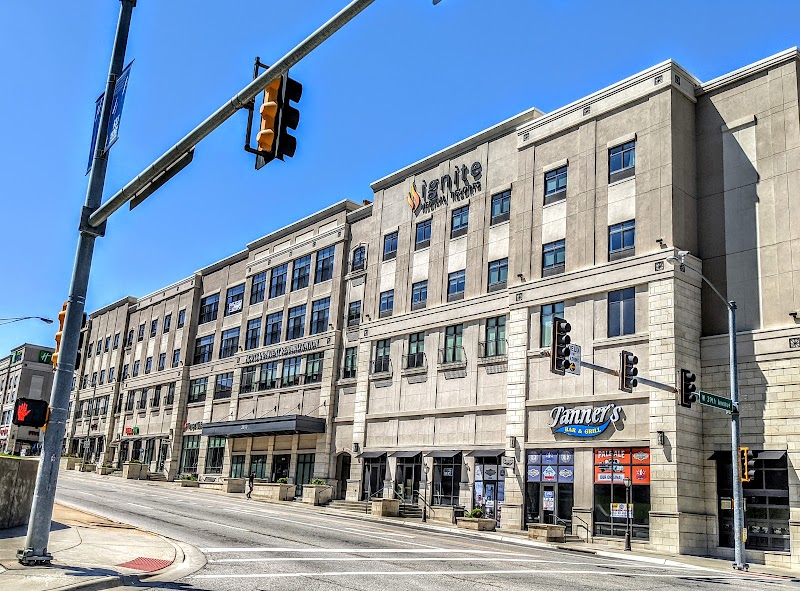
Who Owns and Operates Ignite Medical Resort Rainbow Boulevard, Llc?

IGNITE MEDICAL RESORT RAINBOW BOULEVARD, LLC is owned by a for-profit company. For-profit facilities operate as businesses with obligations to shareholders or private owners. The facility is operated by IGNITE MEDICAL RESORTS, a chain that manages multiple nursing homes. With 96 certified beds and approximately 90 residents (about 94% occupancy), it is a smaller facility located in KANSAS CITY, Kansas.
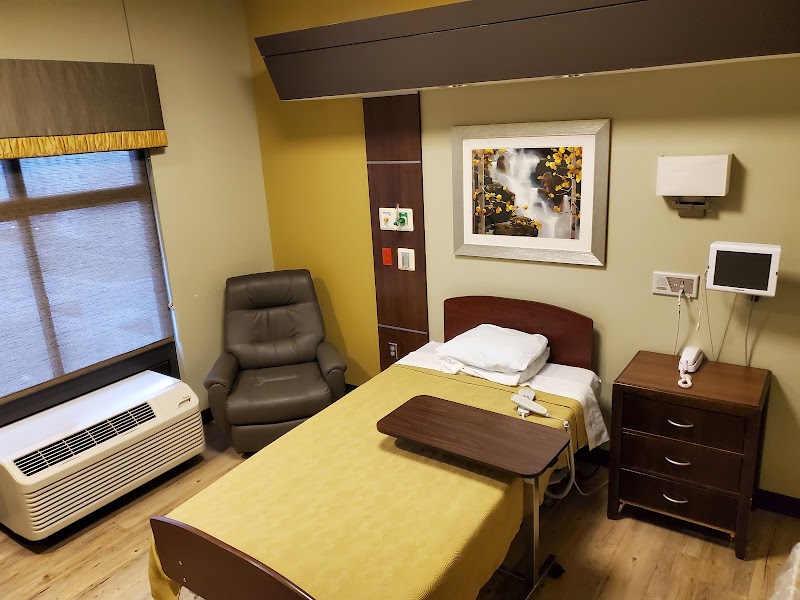
How Does Ignite Medical Resort Rainbow Boulevard, Llc Compare to Other Kansas Nursing Homes?

Compared to the 100 nursing homes in Kansas, IGNITE MEDICAL RESORT RAINBOW BOULEVARD, LLC's overall rating (1 stars) is below the state average of 2.9, staff turnover (70%) is significantly higher than the state average of 46%, and health inspection rating (2 stars) is below the national benchmark.

What Should Families Ask When Visiting Ignite Medical Resort Rainbow Boulevard, Llc?

Based on this facility's data, families visiting should ask: "How do you ensure continuity of care given staff turnover, and what is your staff retention strategy?" "Can you walk me through typical staffing levels on day, evening, and night shifts?" "Can I visit during a mealtime to observe dining assistance and food quality?" "How do you handle medical emergencies, and what is your hospital transfer rate?" These questions are particularly relevant given the facility's high staff turnover rate and the below-average staffing rating.

Is Ignite Medical Resort Rainbow Boulevard, Llc Safe?

Based on CMS inspection data, IGNITE MEDICAL RESORT RAINBOW BOULEVARD, LLC has a clean safety record: no substantiated abuse findings (meaning no confirmed cases of resident harm), no Immediate Jeopardy citations (the most serious violation level indicating risk of serious injury or death), and is not on the Special Focus Facility watch list (a federal program monitoring the lowest-performing 1% of nursing homes). The facility has a 1-star overall rating and ranks #100 of 100 nursing homes in Kansas. While no facility is perfect, families should still ask about staff-to-resident ratios and recent inspection results during their visit.

Do Nurses at Ignite Medical Resort Rainbow Boulevard, Llc Stick Around?

Staff turnover at IGNITE MEDICAL RESORT RAINBOW BOULEVARD, LLC is high. At 70%, the facility is 24 percentage points above the Kansas average of 46%. Registered Nurse turnover is particularly concerning at 70%. RNs handle complex medical decisions and coordinate care — frequent RN changes can directly impact care quality. High turnover means new staff may not know residents' individual needs, medications, or preferences. It can also be disorienting for residents, especially those with dementia who rely on familiar faces. Families should ask: What is causing the turnover? What retention programs are in place? How do you ensure care continuity during staff transitions?

Was Ignite Medical Resort Rainbow Boulevard, Llc Ever Fined?

IGNITE MEDICAL RESORT RAINBOW BOULEVARD, LLC has been fined $15,000 across 1 penalty action. This is below the Kansas average of $33,229. While any fine indicates a compliance issue, fines under $50,000 are relatively common and typically reflect isolated problems that were subsequently corrected. Families should ask what specific issues led to these fines and confirm they've been resolved.

Is Ignite Medical Resort Rainbow Boulevard, Llc on Any Federal Watch List?

IGNITE MEDICAL RESORT RAINBOW BOULEVARD, LLC is not on any federal watch list. The most significant is the Special Focus Facility (SFF) program, which identifies the bottom 1% of nursing homes nationally based on persistent, serious quality problems. Not being on this list means the facility has avoided the pattern of deficiencies that triggers enhanced federal oversight. This is a positive indicator, though families should still review the facility's inspection history directly.