MEDICALODGES POST ACUTE CARE CENTER
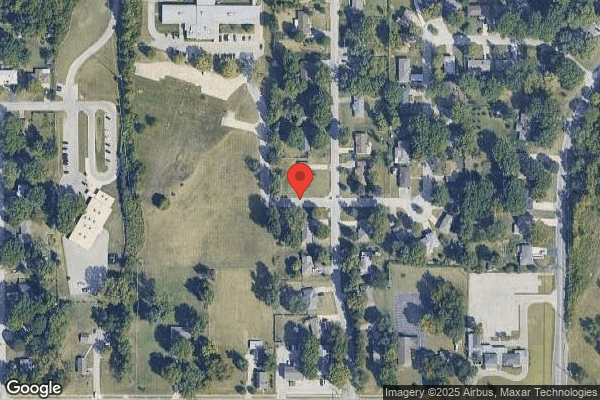
6500 GREELEY AVENUE, KANSAS CITY, KS 66104 (913) 334-0200
For profit - Corporation 65 Beds MEDICALODGES, INC. Data: November 2025 5 Immediate Jeopardy citations
Trust Grade
0/100
#269 of 295 in KS
Last Inspection: October 2024

Within standard 12-15 month inspection cycle. Federal law requires annual inspections.

Overview

Medicalodges Post Acute Care Center in Kansas City has a Trust Grade of F, indicating significant concerns and poor quality of care. It ranks #269 out of 295 facilities in Kansas, placing it in the bottom half, and is last among the nine nursing homes in Wyandotte County. While the facility is trending toward improvement, reducing issues from 27 in 2023 to 13 in 2024, it still has alarming deficiencies, including a concerning $53,493 in fines, which is higher than 84% of Kansas facilities. Staffing is a relative strength, with a 4/5 star rating, though turnover is at 58%, which is average for the state. However, there have been serious incidents, including a failure to properly manage COVID-19 precautions, an instance of reported physical abuse that was not immediately addressed, and neglect involving staff oversight of a resident who left the facility without supervision.

Trust Score
F
0/100
In Kansas
#269/295
Bottom 9%
Safety Record
High Risk
Review needed
Inspections
Getting Better
27 → 13 violations
Staff Stability
⚠ Watch
58% turnover. Above average. Higher turnover means staff may not know residents' routines.
Penalties
✓ Good
$53,493 in fines. Lower than most Kansas facilities. Relatively clean record.
Skilled Nurses
✓ Good
Each resident gets 47 minutes of Registered Nurse (RN) attention daily — more than average for Kansas. RNs are trained to catch health problems early.
Violations
⚠ Watch
60 deficiencies on record. Higher than average. Multiple issues found across inspections.
★☆☆☆☆
1.0
Overall Rating
★★★★☆
4.0
Staff Levels
★★★☆☆
3.0
Care Quality
★☆☆☆☆
1.0
Inspection Score
Stable
2023: 27 issues
2024: 13 issues

The Good

  • 4-Star Staffing Rating · Above-average nurse staffing levels
  • Full Sprinkler Coverage · Fire safety systems throughout facility
  • No fines on record

Facility shows strength in staffing levels, fire safety.

The Bad

1-Star Overall Rating

Below Kansas average (2.9)

Significant quality concerns identified by CMS

Staff Turnover: 58%

12pts above Kansas avg (46%)

Frequent staff changes - ask about care continuity

Federal Fines: $53,493

Above median ($33,413)

Moderate penalties - review what triggered them

Chain: MEDICALODGES, INC.

Part of a multi-facility chain

Ask about local staffing decisions and management

Staff turnover is elevated (58%)

10 points above Kansas average of 48%

The Ugly 60 deficiencies on record

5 life-threatening 2 actual harm
Oct 2024 10 deficiencies
CONCERN (D) 📢 Someone Reported This

A family member, employee, or ombudsman was alarmed enough to file a formal complaint

Potential for Harm - no one hurt, but risky conditions existed

Deficiency F0558 (Tag F0558)

Could have caused harm · This affected 1 resident

**NOTE- TERMS IN BRACKETS HAVE BEEN EDITED TO PROTECT CONFIDENTIALITY** The facility identified a census of 29 residents. The sample included 13 residents. One resident was sampled for reasonable acco...

Read full inspector narrative →
**NOTE- TERMS IN BRACKETS HAVE BEEN EDITED TO PROTECT CONFIDENTIALITY** The facility identified a census of 29 residents. The sample included 13 residents. One resident was sampled for reasonable accommodations of needs. Based on observation, record review, and interview, the facility failed to ensure that Resident (R) 4 had foot pedals on her wheelchair while being pushed. This deficient practice left R4 vulnerable to accidents and injuries due to unmet care needs. Findings included: - R4's Electronic Medical Record (EMR) from the Diagnoses tab documented diagnoses of depressive disorder (a mood disorder that causes a persistent feeling of sadness and loss of interest), hypertension (HTN-elevated blood pressure), hemiparesis/hemiplegia (weakness and paralysis on one side of the body) following cerebral infarction (stroke - sudden death of brain cells due to lack of oxygen caused by impaired blood flow to the brain by blockage or rupture of an artery to the brain) affecting right dominant side, major depressive disorder (major mood disorder that causes persistent feelings of sadness), vascular dementia (a progressive mental disorder characterized by failing memory and confusion caused by a decreased blood flow to the brain), and anxiety (mental or emotional reaction characterized by apprehension, uncertainty, and irrational fear). The Quarterly Minimum Data Set (MDS) dated [DATE] recorded a Brief Interview for Mental Status (BIMS) score of seven which indicated severely impaired cognition. The MDS documented R4 was impaired on one side of her body. The MDS documented R4 needed supervision or touching assistance from staff once seated in her wheelchair. R4's Cognitive Loss Care Area Assessment (CAA) dated 06/06/24 documented R4's BIMS last review was a 12 indicating moderate impairment, and R4's BIMS was currently a seven. R4's Care Plan dated 01/29/24 documented R4 required staff assistance with activities of daily living (ADLs) related to physical limitations. R4's plan of care documented R4 used a wheelchair for transportation and locomotion. R4's plan of care documented she was able to wheel herself about her home in her wheelchair and needed to wear appropriate shoes and non-slip footwear. On 10/22/24 at 08:14 AM Certified Nurse Aide (CNA) O pushed R4 up the 300 hall into the dining room in a wheelchair with no foot pedals. R4's feet repeatedly bounced on the floor, and CNA O repeatedly asked R4 to pick up her feet. On 10/24/24 at 08:19 AM CNA N pushed R4 from the commons area into the dining room; R4 had no foot pedals on her wheelchair. On 10/24/24 at 11:58 AM, CNA M stated residents should always have foot pedals if the resident was being pushed by a staff member. On 10/24/24 at 12:14 PM Licensed Nurse (LN) G stated all residents should have foot pedals if being pushed by staff. On 10/24/24 at 12:14 PM Administrative Nurse D stated residents should not be pushed by staff unless they have foot pedals on their wheelchairs. The facility did not provide a policy on accommodation of needs. The facility failed to provide foot pedals for R4's wheelchair. This deficient practice left R4 vulnerable to preventable accidents and injuries due to unmet care needs.
CONCERN (D) 📢 Someone Reported This

A family member, employee, or ombudsman was alarmed enough to file a formal complaint

Potential for Harm - no one hurt, but risky conditions existed

Deficiency F0676 (Tag F0676)

Could have caused harm · This affected 1 resident

**NOTE- TERMS IN BRACKETS HAVE BEEN EDITED TO PROTECT CONFIDENTIALITY** The facility identified a census of 29 residents. The sample included 13 residents with one sampled for activities of daily livi...

Read full inspector narrative →
**NOTE- TERMS IN BRACKETS HAVE BEEN EDITED TO PROTECT CONFIDENTIALITY** The facility identified a census of 29 residents. The sample included 13 residents with one sampled for activities of daily living (ADL). Based on observations, interviews, and record review, the facility failed to ensure Resident (R) 18 received supportive care and services to promote and maintain his quality of life when the facility did not implement strategies to allow and promote R18, who had a primary language other than English to communicate his wants, needs, or feelings and promote socialization. This deficient practice placed the resident at risk for decreased quality of life, isolation, and impaired dignity. Findings included: - R18's Electronic Medical Record (EMR) from the Diagnoses tab documented cerebral infarction (stroke-sudden death of brain cells due to lack of oxygen caused by impaired blood flow to the brain by blockage or rupture of an artery to the brain), hypertension (HTN-elevated blood pressure), diabetes mellitus (DM-when the body cannot use glucose, not enough insulin is made, or the body cannot respond to the insulin), depression (a mood disorder that causes a persistent feeling of sadness and loss of interest), cognitive-communication deficit, hemiplegia (paralysis of one side of the body), vascular dementia (a progressive mental disorder characterized by failing memory and confusion caused by a decreased blood flow to the brain), expressive language disorder, and protein-calorie malnutrition. R18's Quarterly Minimum Data Set (MDS) dated [DATE] documented a Brief Interview of Mental Status (BIMS) score of six which indicated severely impaired cognition. The MDS documented R18 needed minimal to partial assistance from staff for toileting, hygiene, and bathing. The MDS documented R18 often had social isolation. The Cognitive Loss/Dementia Care Area Assessment (CAA) dated 01/04/22 documented that a TV program in R18's native language was established, and music was provided by R18's family. R18 had an improvement in his BIMS score from the previous assessment. The Communication CAA dated 01/04/24 documented R18 does not speak a lot of English and was able to use a few words and gestures. Staff repeated information when communication was difficult. Staff restated things or used gestures. R18's communication was unchanged at this time. R18's Care Plan reviewed 10/16/23 documented R18 could not share emotions and communicate related to impaired verbal communication related to speaking [non-English language]. R18's plan of care documented R18 was able to communicate thoughts, feelings, and preferences through an interpreter. R18's Care Plan directed staff to turn on R18's radio or his TV which had the native language subtitles when R18 was in his room. On 10/22/24 at 08:46 AM R18 sat at the dining room table eating his breakfast. Staff placed R18's divided tray in front of him, but staff did not communicate with R18 during the meal. On 10/22/24 at 12:15 PM R18 sat in his wheelchair in his room, with his head down. Staff did not turn R18's TV or his radio. On 10/22/24 at 02:10 PM staff pushed R18 out of his room into the commons area. The TV in the commons area was on a Western channel and in English. There were no subtitles in R18's native language. R18 put his head down. On 10/23/24 at 09:17 AM staff pushed R18 into the commons area. The TV in the commons area was on a Western channel, not in R18's preferred language, and with no subtitles. On 10/24/24 at 09:17 AM staff took R18 to his room. Staff did not turn on the TV or turn on the radio in R18's preferred language. R18 sat in his room, awake but with his head down. On 10/24/24 at 11:26 AM Certified Nurse Aide (CNA) M stated R18 pointed at things or gestured. CNA M stated R18 liked to watch TV in his room in his native language. She stated staff had a communication book; the book had pictures to help understand R18's wants. CNA M stated they also had access to an interpreter, and there was always someone in the facility who knew R18. On 10/24/24 at 12:05 PM Licensed Nurse (LN) G stated there was always staff in the facility that had worked in the facility a long time, that knew R18 well. He stated staff were able to understand a lot of what R18 was saying by pointing and gestures. On 10/24/24 at 12:14 Administrative Nurse D stated R18 can understand a lot of what the staff were saying. She stated the facility has an interpreter available 24 hours a day. Administrative Nurse D stated the facility could also call R18's family. The facility did not provide a policy related to maintaining communication and other ADLs. The facility failed to implement strategies to facilitate person-centered communication and socialization for R18. This placed the resident at risk for decreased quality of life and isolation.
CONCERN (D) 📢 Someone Reported This

A family member, employee, or ombudsman was alarmed enough to file a formal complaint

Potential for Harm - no one hurt, but risky conditions existed

Pressure Ulcer Prevention (Tag F0686)

Could have caused harm · This affected 1 resident

**NOTE- TERMS IN BRACKETS HAVE BEEN EDITED TO PROTECT CONFIDENTIALITY** The facility identified a census of 29 residents. The sample included 13 residents with two reviewed for pressure ulcers (locali...

Read full inspector narrative →
**NOTE- TERMS IN BRACKETS HAVE BEEN EDITED TO PROTECT CONFIDENTIALITY** The facility identified a census of 29 residents. The sample included 13 residents with two reviewed for pressure ulcers (localized injury to the skin and/or underlying tissue usually over a bony prominence, because of pressure, or pressure in combination with shear and/or friction). Based on interviews, observations, and record reviews, the facility failed to ensure Resident (R)24's low air-loss mattress was set to the appropriate weight settings per her physician's order and current weight. This deficient practice placed R24 at risk for complications related to skin breakdown and pressure ulcers. Findings included: - The Medical Diagnosis section within R24's Electronic Medical Records (EMR) noted diagnoses of dementia (a progressive mental disorder characterized by failing memory and confusion), dysphagia (difficulty swallowing), insomnia (difficulty sleeping), encephalopathy (a broad term for any brain disease that alters brain function or structure), and peripheral vascular disease (PVD- slow and progressive circulation disorder causing narrowing, blockage, or spasms in a blood vessel). R24's Quarterly Minimum Data Set (MDS) dated [DATE] documented a Brief Interview of Mental Status (BIMS) score of zero indicating severe cognitive impairment. The MDS indicated she had bilateral upper and lower extremity impairments. The MDS indicated she required substantial to maximal assistance from staff for dressing, bed mobility, transfers, bathing, and toileting. The MDS indicated she was at risk for pressure ulcers with a history of Stage 3 (full-thickness pressure injury extending through the skin into the tissue below) pressure ulcers. The MDS indicated she had pressure-reducing devices for her wheelchair and bed. The MDS indicated she weighed 154 pounds (lbs.). R24's Functional Abilities Care Area Assessment (CAA) completed 01/31/24 indicated she required substantial to maximal assistance with her activities of daily living (ADLs). The CAA instructed staff to give verbal cues to and allow her to participate in the care process. R24's Pressure Injuries CAA completed 01/31/24 indicated she was at risk for pressure injuries and skin breakdown related to her previously healed pressure injuries, incontinence, and limited mobility. The CAA instructed staff to provide wound and incontinence care, repositioning, and a low air-loss mattress for her bed. R24 Care Plan initiated 03/14/23 indicated she was at risk for falls, pressure injuries, and a decline in her ADLs related to her medical diagnoses and limited mobility. The plan indicated she required extensive assistance from staff for bed mobility, transfers, dressing, bathing, toileting, and ambulation in her wheelchair. The plan noted she had a pre-existing Stage 3 pressure ulcer located on her sacrum (large triangular bone/area between the two hip bones). The plan indicated staff were to complete preventative wound care to her sacrum. The plan indicated her low air-loss mattress was to be set on the less than (<) 250 lbs. mark. R24's EMR under Physician's Orders revealed an order for her low air-loss mattress dated 04/11/24. The order instructed staff to set her mattress's weight at <250 lbs. A review of the manual of low air-loss mattress manufacturers' operation (Drive Model #14048) indicated that the mattress system was intended to reduce the incidence of pressure ulcers while optimizing comfort. The manual indicated the mattress pump's pressure levels and firmness were preset based on the weight range and comfort settings. The manual indicated an optimal bed system assessment should be conducted on each patient by a qualified clinician or medical provider to ensure maximum safety. On 10/22/24 at 10:17 AM R24 watched television in her bed. Her bed was in a low position and had bilateral grab bars at the head of her bed. She had a bariatric (associated with obesity) low air-loss mattress system. Her mattress control panel was set to 500 lbs. On 10/24/24 at 08:55 AM R24's low air-loss mattress control panel weight was set to 550 lbs. Licensed Nurse (LN) G entered the room and confirmed the bed should be set per the resident's weight. He verified the bed was set to 550 lbs. but did not know why the setting was so high. He stated staff were to check the settings each shift. On 10/24/24 at 12:15 PM Administrative Nurse D stated the mattresses should be by the resident's current weight and inspected each time staff enter the room. She stated someone may have bumped R24's control panel to cause the weight pressure to increase. The facility was unable to provide a policy related to the prevention of pressure ulcers as requested on 10/24/24. The facility failed to ensure R24's low air-loss mattress was set to the appropriate weight settings per her physician's order and current weight. This deficient practice placed R24 at risk for complications related to skin breakdown and pressure ulcers.
CONCERN (D) 📢 Someone Reported This

A family member, employee, or ombudsman was alarmed enough to file a formal complaint

Potential for Harm - no one hurt, but risky conditions existed

Deficiency F0698 (Tag F0698)

Could have caused harm · This affected 1 resident

**NOTE- TERMS IN BRACKETS HAVE BEEN EDITED TO PROTECT CONFIDENTIALITY** The facility identified a census of 29 residents. The sample included 13 residents with one resident reviewed for hemodialysis (...

Read full inspector narrative →
**NOTE- TERMS IN BRACKETS HAVE BEEN EDITED TO PROTECT CONFIDENTIALITY** The facility identified a census of 29 residents. The sample included 13 residents with one resident reviewed for hemodialysis (a procedure using a machine to remove excess water, solutes, and toxins from the blood in people whose kidneys can no longer perform these functions naturally). Based on observation, record review, and interviews, the facility failed to ensure consistent communication between the facility and Resident (R) 15's dialysis center. This deficient practice placed R15 at risk of potential adverse outcomes and physical complications related to dialysis. Findings included: - R15's Electronic Medical Record (EMR) from the Diagnoses tab documented diagnoses of diabetes mellitus (DM-when the body cannot use glucose, not enough insulin is made, or the body cannot respond to the insulin), congestive heart failure (CHF-a condition with low heart output and the body becomes congested with fluid), obesity, dialysis (a procedure where impurities or wastes are removed from the blood), hypertension (HTN-elevated blood pressure), and abnormalities of the gait and mobility. The Quarterly Minimum Data Set (MDS) dated [DATE] documented a Brief Interview of Mental Status (BIMS) score of 15 which indicated intact cognition. The MDS documented R15 had impairment on one side of his body. The MDS documented R15 was independent for toileting, eating, and bathing. The MDS documented R15 required dialysis during the observation period. R15 Nutritional Status Care Area Assessment (CAA) dated 07/30/24 documented R15 was alert and oriented. He was able to make his own food choices, often declined meals and alternate menus, and purchased snacks. R15's weight was followed by his physician and dialysis. R15's Care Plan dated 07/20/19 documented that R15 received dialysis and had a shunt (tube or device implanted in the body to redirect a body fluid from one cavity to another) in his left arm. Staff were to monitor the dialysis shunt daily and change dressing as ordered by the dialysis center, and physician. R15's EMR under the Orders tab revealed the following physician's order: Monitor the dialysis site every shift for bleeding, infection, thrill (a fine vibration felt that reflects the blood flow by a dialysis resident's shunt), and bruit (blowing or swishing sound heard when blood flows through a shunt), every shift related to dialysis dated 09/14/21. A review of R15's clinical record including the facility dialysis communication forms lacked evidence of post-hemodialysis assessment for the dialysis dates of 04/10/24, 05/15/24, 06/14/24, 06/26/24, 08/21/24, 08/23/24, and 09/18/24. On 10/23/24 at 09:10 AM R15 stood at the nurse's station waiting for the bus, for an out-of-facility appointment. On 10/24/24 at 12:05 PM Licensed Nurse (LN) G stated it was the nurse's responsibility to ensure a communication sheet was sent to dialysis with the resident and to ensure a signed communication sheet was returned with the resident. On 10/24/24 at 12:14 PM Administrative Nurse D said the facility expects to get all dialysis communications sheets returned with the resident. She stated if the communication sheet was not returned or not signed when the sheet was returned, the nurse should call the dialysis center and fax the sheet to the dialysis center for any orders and a signature. The facility's Dialysis Management Guideline policy dated 04/15 documented the facility was to have an agreement, or arrangement with the dialysis center. The facility was to maintain communication and coordinate care with the dialysis center before and after dialysis, including transportation services. Dialysis care and services are to be included in the resident's plan of care. The resident's dialysis access site was to be assessed on a routine basis. Emergency care and contracts are to be maintained in the resident's clinical record. The resident's nutritional status and needs are to be reviewed on a routine basis by a registered dietitian. Social and mental health services are to be available for residents receiving dialysis. The facility failed to ensure consistent communication between the facility and R15's dialysis center. This deficient practice placed R15 at risk of potential adverse outcomes and physical complications related to dialysis.
CONCERN (D) 📢 Someone Reported This

A family member, employee, or ombudsman was alarmed enough to file a formal complaint

Potential for Harm - no one hurt, but risky conditions existed

Deficiency F0757 (Tag F0757)

Could have caused harm · This affected 1 resident

**NOTE- TERMS IN BRACKETS HAVE BEEN EDITED TO PROTECT CONFIDENTIALITY** The facility identified a census of 29 residents. The sample included 13 residents with five residents reviewed for unnecessary ...

Read full inspector narrative →
**NOTE- TERMS IN BRACKETS HAVE BEEN EDITED TO PROTECT CONFIDENTIALITY** The facility identified a census of 29 residents. The sample included 13 residents with five residents reviewed for unnecessary medications. Based on observation, record review, and interviews, the facility failed to follow physicians' ordered parameters related to blood glucose monitoring for Resident (R)10 and R15. This deficient practice placed R10 and R15 at risk for delayed treatment of hyperglycemia (greater than the normal amount of glucose in the blood, hypoglycemia (abnormally low blood glucose), and unnecessary medication complications. Findings included: - R10's Electronic Medical Record (EMR) from the Diagnoses tab documented diagnoses of sleep apnea (a disorder of sleep characterized by periods without respirations), diabetes mellitus (DM-when the body cannot use glucose, not enough insulin is made, or the body cannot respond to the insulin), dysplasia (abnormal development of tissues and organs), major depressive disorder (major mood disorder that causes persistent feelings of sadness), cognitive communication deficit, muscle weakness, dementia (a progressive mental disorder characterized by failing memory and confusion), delusional disorder (a type of mental health condition in which a person can't tell what's real from what's imagined), anxiety (mental or emotional reaction characterized by apprehension, uncertainty, and irrational fear), and hypertension (HTN-elevated blood pressure). The Annual Minimum Data Set (MDS) dated [DATE] documented a Brief Interview of Mental Status (BIMS) score of nine which indicated moderately impaired cognition. The MDS documented R10 needed partial to moderate assistance with toileting. The MDS documented R0 had DM. The MDS documented R10 received insulin (a hormone that lowers the level of glucose in the blood) during the observation period. R10's Nutritional Status Care Area Assessment (CAA) dated 10/03/24 documented that R10 had a recent hospital stay. R10 had surgery to repair bowel adhesions that were increasing the risk of obstruction. The CAA documented R10 had a decline in nutrition related to not being hungry and reported occasional nausea. R10 returned to the facility on a mechanical soft diet. The facility anticipates R10's appetite, intake, and weight to improve as the healing process occurs. The dietitian would oversee R10's regimen and chart for any additional needs. R10's diet will be care planned; staff was to cue R10 to consume the meals served. R10's EMR under Orders revealed the following physicians' orders: Glargine insulin (long-acting insulin) subcutaneous (beneath the skin), solution pen-injector 100 units per milliliter (ml) inject 15 units subcutaneously at bedtime, notify the physician of blood glucose less than 60 ml per deciliter (dl) or greater than 400 ml/dl for 30 days for 09/25/24. Novolog Flex-Pen (short-acting insulin) subcutaneous solution pen-injector 100 units per ml inject 10 units subcutaneously three times a day, notify provider for blood glucose less than 60 ml/dl or higher than 400 ml/dl related to DM, hold if blood glucose was lower than 110 ml/dl dated 02/08/24. R10's EMR under the Treatment Administration Record (TAR) recorded the following blood glucose levels under 110 ml/dl that lacked evidence R10's insulin was held per physician's order. 08/09/24 AM 82 ml/dl 09/07/24 PM 104 ml/dl 09/12/24 AM 106 ml/dl 09/17/24 PM 106 ml/dl 10/04/24 AM 84 ml/dl 10/14/24 AM 108 ml/dl 10/14/24 PM 99 ml/dl 10/15/24 AM 105 ml/dl On 10/22/24 at 07:33 AM R10 sat in the dining room with his walker next to him. He was drinking coffee. On 10/24/24 at 12:05 PM, Licensed Nurse (LN) G stated the TAR shows the nurse staff the resident's parameters when the nurses document the blood sugar. LN G stated nurse staff would verify and then give insulin or hold insulin. LN G stated it was the nurses' responsibility to verify blood sugar and insulin. On 10/24/24 at 12:14 PM Administrative Nurse D stated verifying blood sugars was the nurse's responsibility. She stated the nurse takes the blood sugar, verifies with the TAR, and either gives insulin, holds insulin, or calls the physician. The facility did not provide a policy for unnecessary medication or medication monitoring. The facility failed to hold R10's insulin for blood glucose levels outside the ordered parameters. This deficient practice placed R10 at risk for complications related to hypoglycemia and unnecessary medications. - R15's Electronic Medical Record (EMR) from the Diagnoses tab documented diagnoses of diabetes mellitus (DM-when the body cannot use glucose, not enough insulin is made, or the body cannot respond to the insulin), congestive heart failure (CHF-a condition with low heart output and the body becomes congested with fluid), obesity, dialysis (a procedure where impurities or wastes are removed from the blood), hypertension (HTN-elevated blood pressure), and abnormalities of gait and mobility. The Quarterly Minimum Data Set (MDS) dated [DATE] documented a Brief Interview of Mental Status (BIMS) score of 15 which indicated intact cognition. The MDS documented R15 had impairment on one side of his body. The MDS documented R15 was independent in toileting, eating, and bathing. The MDS documented R15 had DM. R15 Nutritional Status Care Area Assessment (CAA) dated 07/30/24 documented R15 was alert and oriented. He was able to make his own food choices, often declined meals and alternate menus, and purchased snacks. R15's weight was followed by his physician and dialysis. R15's Care Plan revised 10/21/24 documented R15 was at risk for hyperglycemia and hypoglycemia related to his diabetes and use of insulin to manage his blood sugars. R15's plan of care documented he would have no unmonitored hyperglycemia or hypoglycemia. R15's plan of care documented he needed to have insulin administered per his physicians' orders; staff were to take his blood sugar and give the ordered amount of insulin. R15's EMR under Orders revealed the following physicians' orders: Aspart insulin (short-acting insulin) solution Pen-injector 100 units per millimeter (ml) inject seven units subcutaneously (beneath the skin) three times a day related to DM. Hold for finger stick blood sugar below 110 milliliters per deciliter (ml/dl) and call the physician if blood sugar reading was less than 70 ml/dl or over 400 ml/dl dated 01/24/24. Lantus Solostar (long-acting insulin) insulin solution Pen-injector insulin 100 units per ml inject 20 units subcutaneously at bedtime related to DM. Notify physician of blood sugar less than 70 ml/dl or greater than 400 ml/dl dated 01/24/24. R15's EMR under the Treatment Administration Record (TAR) recorded the following blood glucose levels below 110 ml/dl that lacked evidence R15's insulin was held per physician's order. 08/29/24 AM 107 ml/dl 09/10/24 PM 107 ml/dl 09/16/24 AM 106 ml/dl 09/17/24 PM 105 ml/dl 09/26/24 AM 108 ml/dl 09/14/24 AM 94 ml/dl 10/01/24 PM 104 ml/dl 10/20/24 AM 106 ml/dl On 10/22/24 at 08:13 AM R15 sat at the dining room table visiting with peers. On 10/24/24 at 12:05 PM, Licensed Nurse (LN) G stated the TAR shows the nurse staff the resident's parameters when the nurses document the blood sugar. LN G stated nurse staff would verify and then give insulin or hold insulin. LN G stated it was the nurses' responsibility to verify blood sugar and insulin. On 10/24/24 at 12:14 PM Administrative Nurse D stated verifying blood sugars was the nurse's responsibility. She stated the nurse takes the blood sugar, verifies with the TAR, and either gives insulin, holds insulin, or calls the physician. The facility did not provide a policy for unnecessary medication or medication monitoring. The facility failed to follow physicians' ordered parameters related to blood glucose monitoring for R15. This placed the resident at risk for complications related to medications.
CONCERN (E) 📢 Someone Reported This

A family member, employee, or ombudsman was alarmed enough to file a formal complaint

Potential for Harm - no one hurt, but risky conditions existed

Abuse Prevention Policies (Tag F0607)

Could have caused harm · This affected multiple residents

The facility identified a census of 29 residents. Based on interviews and record review, the facility failed to implement a policy that prohibited hiring employees found guilty of abuse, neglect, expl...

Read full inspector narrative →
The facility identified a census of 29 residents. Based on interviews and record review, the facility failed to implement a policy that prohibited hiring employees found guilty of abuse, neglect, exploitation, misappropriation of property, or mistreatment by a court of law when the facility failed to conduct background screening on two employees. This deficient practice placed the affected residents at risk for abuse, neglect, misappropriation, or mistreatment. Findings included: - On 10/23/24 at 09:00 AM a review of staffing for license verification, in-service training, and background checks was completed. An employee review of Licensed Nurse (LN) G revealed a hire date of 08/30/23. The facility was unable to provide evidence a criminal background check had been completed by the facility for LN G. An employee review of Housekeeping U revealed a hire date of 06/06/24. The facility was unable to provide evidence a criminal background check had been completed by the facility for her. On 10/23/24 at 10:45 AM Administrative Staff A stated he was not sure why the employees were missing background checks in their files but would make sure all other employee's files were reviewed. On 10/23/24 at 11:45 AM Administrative Staff A provided a receipt dated 10/23/24 for background checks for both LN G and Housekeeping U. The facility's Abuse, Neglect, and Exploitation policy revised 09/2023 indicated the facility will provide staff that are knowledgeable in identifying potential for abuse. The policy indicated the facility will screen all employees to identify previous concerns of abuse, exploitation, and neglect. The policy indicated all employees will have criminal background checks upon hire, transfer, or re-hire. The facility failed to conduct a criminal background check as required for two employees. The employees were allowed access to residents without knowing if they had been found guilty of abuse, neglect, exploitation, misappropriation of property, or mistreatment by a court of law. This deficient practice placed the affected residents at risk for abuse, neglect, misappropriation, or mistreatment.
CONCERN (E) 📢 Someone Reported This

A family member, employee, or ombudsman was alarmed enough to file a formal complaint

Potential for Harm - no one hurt, but risky conditions existed

Accident Prevention (Tag F0689)

Could have caused harm · This affected multiple residents

The facility identified a census of 29 residents. The sample included 13 with two reviewed for accidents. Based on observation, record review, and interview the facility failed to secure potentially h...

Read full inspector narrative →
The facility identified a census of 29 residents. The sample included 13 with two reviewed for accidents. Based on observation, record review, and interview the facility failed to secure potentially hazardous cleaning chemicals in a safe, locked area, and out of reach of seven cognitively impaired, independently mobile residents. This placed the affected residents at risk for preventable accidents and injuries. Findings Included: - On 10/22/24 at 07:04 AM an inspection of the 100-hall revealed the restorative room was left unlocked and unsupervised. An inspection of the sink area of the room revealed several types of multiple-purpose cleaners in an unlocked cabinet underneath the sink. The bottles contained the warning, Keep out of reach of children, hazardous to humans can cause eye irritation, harmful if swallowed. On 10/22/24 at 07:14 AM Certified Nurse's Aide (CNA) stated the chemicals under the sink should be secured under the sink or the door should be closed. She stated chemicals should not be within reach of the residents. On 10/24/24 at 12:15 PM Administrative Nurse D stated potentially hazardous cleaning products should be locked up in closets and inaccessible to the residents. The facility's Accidents and Fall Management policy revised 12/2017 indicated each resident will be assessed based on each resident's individual identified risks. The policy noted staff will ensure a safe care environment to include transfer equipment, spills, clutter, and potential room hazards. The facility failed to secure potentially hazardous cleaning chemicals in a safe, locked area, and out of reach of seven cognitively impaired independently mobile residents. This placed the affected residents at risk for preventable accidents and injuries.
CONCERN (E) 📢 Someone Reported This

A family member, employee, or ombudsman was alarmed enough to file a formal complaint

Potential for Harm - no one hurt, but risky conditions existed

Deficiency F0700 (Tag F0700)

Could have caused harm · This affected multiple residents

**NOTE- TERMS IN BRACKETS HAVE BEEN EDITED TO PROTECT CONFIDENTIALITY** The facility identified a census of 29 residents. The sample included 13 residents with two residents reviewed for accidents. Ba...

Read full inspector narrative →
**NOTE- TERMS IN BRACKETS HAVE BEEN EDITED TO PROTECT CONFIDENTIALITY** The facility identified a census of 29 residents. The sample included 13 residents with two residents reviewed for accidents. Based on observation, record review, and interviews, the facility failed to ensure that Resident (R)24's bed rails were removed as indicated per her most current side rail assessment. The facility additionally failed to ensure that R5, R12, and R17 had safety assessments for the use of side rails that acknowledged the risks from their low air-loss mattresses, risk for entrapment, consent for the use of the side rails, and failed to ensure the resident and/or responsible party were advised of the risks and/or benefits of the use of the side rails. This placed the residents at risk for uninformed decisions and impaired safety related to the risks associated with the use of side rails. Findings Included: - The Medical Diagnosis section within R24's Electronic Medical Records (EMR) noted diagnoses of dementia (a progressive mental disorder characterized by failing memory and confusion), dysphagia (difficulty swallowing), insomnia (difficulty sleeping), encephalopathy (a broad term for any brain disease that alters brain function or structure), and peripheral vascular disease (PVD- slow and progressive circulation disorder causing narrowing, blockage, or spasms in a blood vessel). R24's Quarterly Minimum Data Set (MDS) dated [DATE] documented a Brief Interview of Mental Status (BIMS) score of zero indicating severe cognitive impairment. The MDS indicated she had a history of delusions (untrue persistent beliefs or perceptions held by a person although evidence shows it was untrue). The MDS indicated she had bilateral upper and lower extremity impairments. The MDS indicated she required substantial to maximal assistance from staff for dressing, bed mobility, transfers, bathing, and toileting. The MDs indicated she had no falls since her admission. The MDS indicated she was at risk for pressure ulcers (localized injury to the skin and/or underlying tissue usually over a bony prominence, as a result of pressure, or pressure in combination with shear and/or friction) with a history of Stage 3 (full-thickness pressure injury extending through the skin into the tissue below) pressure ulcer. The MDS indicated she had pressure-reducing devices for her wheelchair and bed. The MDS indicated she had no bed rails. R24's Functional Abilities Care Area Assessment (CAA) completed 01/31/24 indicated she required substantial to maximal assistance with her activities of daily living (ADLs). The CAA instructed staff to give verbal cues to and allow her to participate in the care process. R24 Care Plan initiated 03/14/23 indicated she was at risk for falls, pressure injuries, and a decline in her ADLs related to her medical diagnoses and limited mobility. The plan indicated she required extensive assistance from staff for bed mobility, transfers, dressing, bathing, toileting, and ambulation in her wheelchair. The plan noted she was at risk for pressure injuries and had a low air-loss mattress on her bed. The plan noted she had assist bars installed on her bed. The plan indicated she used them for repositioning. R24's EMR revealed a Clinical Health Review completed on 08/16/24 noting an assessment was completed for side rails and restraints. The assessment indicated R24 was able to get into and out of bed with or without assistance. The assessment indicated she had impaired memory, cognition, or decision-making functioning. The assessment indicated side rails, grab bars, or transfer bars will not be utilized at this time due to the assessment findings. The evaluation did not acknowledge the use of R24's low air-loss mattress. A review of the low air-loss mattress manufacturer's operation (Drive Model #14048 Series) manual indicated the usage of bed rails with the air mattress system should be assessed based on the risk of entrapment. R24's EMR lacked a safety assessment for the use of her bed cane which addressed the risk of entrapment between the device and the mattress, a consent for the use, and failed to ensure the resident and/or responsible party were advised of the risks and/or benefits of the use of the bed canes. The facility was unable to provide this documentation as requested on 10/24/24. On 10/22/24 at 10:17 AM R24 watched television in her bed. Her bed was in a low position and had bilateral side rails at the head of her bed. She had a bariatric (associated with obesity) low air-loss mattress system. On 10/24/24 at 08:55 AM Licensed Nurse (LN) G entered the room and confirmed that R24 had grab bars (side rails) to assist with repositioning and transfers. He stated staff should check the side rails to ensure no gaps or entrapment hazards were created by the bed or bars. He stated he was not sure if the side rail assessments included the risks associated with the low air-loss mattresses. On 10/24/24 at 12:15 PM Administrative Nurse D stated the side rails assessments were part of the clinical assessment completed quarterly. She stated the assessment should include risks associated with the railing, bed, and environment. The facility did not provide a bed rail policy. The facility failed to ensure that R24's bed rails were removed as indicated per her most current side rail assessment and further failed to ensure safety assessments acknowledged the risks when used with a low air loss mattress. This placed the R24 at risk for impaired safety related to the risks associated with the use of side rails. - The Medical Diagnosis section within R5's Electronic Medical Records (EMR) noted diagnoses of Alzheimer's Disease (progressive mental deterioration characterized by confusion and memory failure), dysphagia (difficulty swallowing), seizures (violent involuntary series of contractions of a group of muscles), epilepsy (brain disorder characterized by repeated seizures), left-sided hemiparesis (muscular weakness of one half of the body) and major depressive disorder (major mood disorder). R5's Quarterly Minimum Data Set (MDS) dated [DATE] documented a Brief Interview of Mental Status (BIMS) score of eight indicating moderate cognitive impairment. The MDS indicated he had bilateral upper and lower extremity impairments. The MDS indicated he required substantial to maximal assistance from staff for dressing, bed mobility, transfers, bathing, and toileting. The MDS indicated he had no falls since his admission. The MDS indicated he had no bed rails. R5's Functional Abilities Care Area Assessment (CAA) completed 10/20/23 indicated he required substantial to maximal assistance from staff for all his activities of daily living (ADLs). The CAA noted staff was to support R5 with all transfers and needs due to his decline. R5's Care Plan initiated on 10/15/15 indicated he required assistance with his ADLs related to his physical limitations and medical diagnoses. The plan noted he required assistance from two staff for bed mobility, transfers, dressing, grooming, and toileting. The plan noted he required a Hoyer lift (full-body mechanical lift) for all transfers. The plan noted he had assist bars on his bed. The plan noted that R5 used the bars during assisted repositioning and turning (12/05/22). R5's EMR revealed a Clinical Health Review completed on 09/29/24 noting an assessment was completed for side rails and restraints. The assessment noted he was not ambulatory, not able to get out of bed with assistance from staff, not able to turn unassisted, had poor balance and trunk control, and had impaired memory, cognition, and decision-making function. The assessment indicated side rails were utilized for bed mobility and repositioning. The evaluation did not acknowledge the use of R5's low air-loss mattress. R5's EMR lacked a safety assessment for the use of his bed cane which addressed the risk of entrapment between the device and the mattress, a consent for the use, and lacked evidence the resident and/or responsible party were advised of the risks and/or benefits of the use of the bed canes. The facility was unable to provide this documentation as requested on 10/24/24. A review of the low air-loss mattress manufacturer's operation (Drive Model #14048 Series) manual indicated the usage of bed rails with the air mattress system should be assessed based on the risk of entrapment. On 10/23/24 at 08:45 AM R5 sat up in his bed and ate his breakfast. His bed was in the medium to higher position. His low air-loss mattress was set to his current weight at 250 pounds (lbs.) and he had bilateral side rails mounted at the head of his bed. On 10/24/24 at 09:00 AM Licensed Nurse (LN) G stated side rail assessments were completed quarterly by Administrative Nurse D. He stated staff should check the sidebars to ensure no gaps or entrapment hazards were created by the bed or bars. He stated he was not sure if the side rail assessments included the risks associated with the low air-loss mattresses. On 10/24/24 at 11:45 AM Certified Nurse's Aide (CNA) M stated staff were expected to check each resident's bed, mattress, and railing to ensure safety. On 10/24/24 at 12:15 PM Administrative Nurse D stated the side rails assessments were part of the clinical assessment completed quarterly. She stated the assessment should include risks associated with the railing, bed, and environment. The facility did not provide a bed rail policy. The facility failed to ensure that R5 had a safety assessment for the use of side rails that acknowledged the risks from use with the low air-loss mattress, consent for the use of the side rails, and failed to ensure the resident and/or responsible party were advised of the risks and/or benefits of the use of the side rails. This placed R5 at risk for uninformed decisions and impaired safety related to the risks associated with the use of side rails. - R17's Medical Diagnosis tab of the Electronic Medical Record (EMR) documented diagnoses of cerebral infarction (stroke - sudden death of brain cells due to lack of oxygen caused by impaired blood flow to the brain by blockage or rupture of an artery to the brain), chronic obstructive pulmonary disease (COPD- a progressive and irreversible condition characterized by diminished lung capacity and difficulty or discomfort in breathing), and hemiplegia and hemiparesis (weakness and paralysis on one side of the body). R17's Significant Change Minimum Data Set (MDS) dated 08/06/24 documented a Brief Interview for Mental Status (BIMS) score of 99 indicating he could not recall or answer the interview questions. R17 had both long and short-term memory deficits. R17 had impairment on one side of both his upper and lower extremities. R17 required partial assistance from staff for transfers. R17 required substantial assistance from staff for showering. R17 was dependent on staff for toileting and lower body dressing. R17 required a wheelchair for mobility. The MDS indicated R17 had no side rails. R17's Cognition Care Area Assessment (CAA) dated 08/14/24 documented his BIMS score was 99 due to the resident being unable to verbalize words. The resident could communicate through yes and no words only. R17 was able to write his needs and wants on paper but was sometimes unclear. R17's Care Plan revised on 07/15/24 directed staff that R17 had a left-side bed cane (side rail device attached to bed to improve bed mobility) added to his bed for mobility, so he could turn in bed and sit on the edge of the bed without assistance. R17 felt the bed cane enhanced his ability to rise independently and safely. R17's EMR under Physician Orders lacked documentation related to his bed cane. R17's Clinical Health Review dated 10/23/24 documented R17 was able to get in or out of bed without assistance. R17 was able to turn side to side in bed unassisted. R17 had impaired memory and had conditions that required medications which required increased safety measures. R17 used a side rail, grab, or transfer bar for positioning, support, or mobility. Based on the assessment, side rails, grab or transfer bars would be utilized on one or both sides of the bed to promote increased independence, participation in bed mobility, and positioning. R17's EMR on 1023/24 lacked a documented safety assessment for the use of side rails which addressed entrapment, and consent for the use of the side rails, and failed to ensure the resident and/or responsible party were advised of the risks and/or benefits of the use of the side rails. On 10/22/24 at 07:42 AM observation revealed R17's bed had a side rail attached to the left side of his bed. On 10/24/24 at 12:06 PM, Licensed Nurse (LN) G stated that bed rails were not really used much in the facility. LN G stated some of the residents did have bed canes. LN G stated he was not sure if a specific bed cane assessment was done that would include the risks of using the bed cane. On 10/24/24 at 12:12 PM Administrative Nurse D stated residents were assessed quarterly if they used a bed cane. Administrative Nurse D stated when the bed cane was attached to the bed the rail was pulled in as close to the bed as it could be. Administrative Nurse D stated she was not certain if the bed rail assessment included or listed the risks of using them. Administrative Nurse D stated the facility did not have a specific policy that addressed bed cane or side rail use but instead, followed the standards of practice. The facility did not provide a bedrail policy. The facility failed to ensure that R17 had a safety assessment for the use of side rails that acknowledged the risk of entrapment, and consent for the use of the side rails, and failed to ensure the resident and/or responsible party were advised of the risks and/or benefits of the use of the [NAME] ails. This placed R17 at risk for uninformed decisions and impaired safety related to the risks associated with the use of side rails. - R12's Medical Diagnosis tab of the Electronic Medical Record (EMR) documented diagnoses of peripheral vascular disease (PVD- slow and progressive circulation disorder causing narrowing, blockage, or spasms in a blood vessel), acquired absence of left and right leg above the knee, and quadriplegia (inability to move the arms, legs, and trunk of the body below the level of an associated injury to the spinal cord). R12's Significant Change Minimum Data Set (MDS) dated 05/16/24 documented a Brief Interview for Mental Status (BIMS) score of 15 which indicated intact cognition. R12 had impairment of both upper and lower extremities on both sides. R12 used a wheelchair for mobility. R12 required substantial assistance to being dependent on staff for his functional abilities. R12 was on hospice services. The MDS indicated he had no side rails. R12's Quarterly MDS dated 10/10/24 documented a BIMS score of 15 which indicated intact cognition. R12 had impairment of both upper and lower extremities on both sides. R12 used a wheelchair for mobility. R12 required substantial assistance to being dependent on staff for his functional abilities. R12 was on hospice services. The MDS indicated he had no side rails. R12's Care Plan directed staff that he used a trapeze bar (a short horizontal bar that hangs from the ceiling or pole used to assist in repositioning while in bed). R12's care plan lacked staff direction for his use of his bed cane (side rail device attached to the bed to improve bed mobility). Staff was directed to check the low air loss pump and pressure one time per shift, to ensure that the pump was set for body weight. Staff was directed the current setting for weight was at a level four but no higher than a five. Staff was directed that R12 had been choosing to have staff turn the pump setting to nine. Staff was directed to continue to educate R12 on the use of the low air loss mattress and the risks related to not using the device as recommended. R12's EMR under Physician Orders lacked documentation related to his bed cane bed rail. R12's Clinical Health Review dated 10/04/24 documented R12 was not able to get in or out of bed without assistance. R12 was not able to get in and out of bed with the use of a side rail, grab or transfer bar, with or without assistance. R12 was able to turn side to side in bed unassisted. R12 was able to turn side to side in bed with the use of a side rail, grab, or transfer bar, with or without assistance. R12 used a side rail, grab, or transfer bar for positioning, support, or mobility. Based on the assessment, side rails, grab or transfer bars would be utilized on one or both sides of the bed to promote increased independence, participation in bed mobility, and positioning. R17's EMR on 10/23/24 lacked an assessment for the safe use of side rails which acknowledged risks from low air loss mattress and entrapment, consent for the use of the side rails, and failed to ensure the resident and/or responsible party were advised of the risks and/or benefits of the use of the side rails. A review of the low air-loss mattress manufacturer's operation (Drive Model #14027) manual indicated the usage of bed rails with the air mattress system should be assessed based on the risk of entrapment. On 10/22/24 at 07:43 AM an inspection of R12's room revealed a bordered mattress and bed cane side rail on both sides of his bed. R12's bed had a Drive Model low air-loss mattress system set at 350. On 10/24/24 at 12:06 PM, Licensed Nurse (LN) G stated that bed rails were not used much in the facility. LN G stated some of the residents did have bed canes. LN G stated he was not sure if a specific bed cane assessment was done that would include the risks of using the bed cane. On 10/24/24 at 12:12 PM Administrative Nurse D stated residents were assessed quarterly if they used a bed cane. Administrative Nurse D stated when the bed cane was attached to the bed the rail was pulled in as close to the bed as it could be. Administrative Nurse D stated she was not certain if the bed rail assessment included or listed the risks of using them. On 10/24/24 at 12:30 PM Administrative Staff A stated the facility followed the standards of practice regarding bed rails. The facility did not provide a bed rail policy. The facility failed to ensure that R12 had a safety assessment for the use of side rails that acknowledged the risks from the low air-loss mattress, consent for the use of the side rails, and failed to ensure the resident and/or responsible party were advised of the risks and/or benefits of the use of the side rails. This placed R12 at risk for uninformed decisions and impaired safety related to the risks associated with the use of side rails.
CONCERN (F) 📢 Someone Reported This

A family member, employee, or ombudsman was alarmed enough to file a formal complaint

Potential for Harm - no one hurt, but risky conditions existed

Deficiency F0801 (Tag F0801)

Could have caused harm · This affected most or all residents

The facility identified a census of 29 residents. The facility had one main kitchen and one main dining area. Based on observation, record review, and interview the facility failed to ensure the direc...

Read full inspector narrative →
The facility identified a census of 29 residents. The facility had one main kitchen and one main dining area. Based on observation, record review, and interview the facility failed to ensure the director of food and nutrition services had the required qualifications of a certified dietary manager (CDM). This placed residents at risk for unmet dietary and nutritional needs. Findings included: - On 10/22/24 at 07:20 AM Dietary BB stated she had not taken her test to get her dietary manager certification but was scheduled to take it on 11/16/24. Dietary BB stated that the registered dietician was available to call anytime but only came to the facility twice a month to review the residents' diet. The facility did not provide a policy regarding the CDM. The facility failed to ensure the director of food and nutrition services had the required qualifications of a CDM. This placed residents at risk for unmet dietary and nutritional needs.
CONCERN (F) 📢 Someone Reported This

A family member, employee, or ombudsman was alarmed enough to file a formal complaint

Potential for Harm - no one hurt, but risky conditions existed

Food Safety (Tag F0812)

Could have caused harm · This affected most or all residents

The facility identified a census of 29 residents. The facility had one main kitchen. Based on observation, and interview, the facility failed to ensure staff stored food items by the professional stan...

Read full inspector narrative →
The facility identified a census of 29 residents. The facility had one main kitchen. Based on observation, and interview, the facility failed to ensure staff stored food items by the professional standards for food service safety. This placed residents at risk of foodborne illness and cross-contamination (the transfer of harmful substances to food). Findings included: - Upon entry of the kitchen on 10/22/24 at 07:11 AM, observation revealed the coffee station table and the area had a dry, brown-tinged towel in front of the coffee maker. In the dishwasher area, there were two trays with dishes left from the night before that had not been washed. The dishwashing area had a musty odor. In the drink refrigerator, a pitcher of some sort of juice or drink was not labeled or dated. The pitcher of Kool-Aid lacked a label or date. There was a tray with 12 clear plastic drinking glasses filled with juice and three clear plastic drinking glasses filled with milk that lacked a cover, label, or date. The condiment refrigerator had a covered and labeled salad with a date of 10/18/24. Two covered fruit cups lacked a label or date. Two bowls of applesauce and peaches lacked a label or date. On 10/22/24 at 07:20 AM Dietary BB stated she had not had the chance yet to go through the refrigerators and freezers this morning to look for any items that had not been labeled or dated. Dietary BB stated she expected all food items to be dated and labeled when opened or placed into a new container or sealed bag. Dietary BB stated that juice and milk glasses should have a plastic wrap cover when stored in the refrigerator as well as a date on them. The facility did not provide a policy on food storage. The facility failed to ensure staff stored food items by the professional standards for food service safety. This placed residents at risk of foodborne illness and cross-contamination.
Apr 2024 1 deficiency
CONCERN (D) 📢 Someone Reported This

A family member, employee, or ombudsman was alarmed enough to file a formal complaint

Potential for Harm - no one hurt, but risky conditions existed

Deficiency F0744 (Tag F0744)

Could have caused harm · This affected 1 resident

**NOTE- TERMS IN BRACKETS HAVE BEEN EDITED TO PROTECT CONFIDENTIALITY** The facility identified a census of 31 residents. The sample included three residents with one resident reviewed for dementia (p...

Read full inspector narrative →
**NOTE- TERMS IN BRACKETS HAVE BEEN EDITED TO PROTECT CONFIDENTIALITY** The facility identified a census of 31 residents. The sample included three residents with one resident reviewed for dementia (progressive mental disorder characterized by failing memory, confusion) care. Based on record review and interviews, the facility failed to provide dementia care and services for Resident (R) 1 when the facility failed to assess, identify, record, respond to, and reassess R1's specific behaviors and triggers to promote an environment which supported R1's individualized care needs. This deficient practice created an environment that affected R1's ability to maintain his highest practicable level of physical, mental, and psychosocial well-being. Findings included: - The Diagnoses tab of R1's Electronic Medical Record (EMR) documented R1 had diagnoses of schizoaffective disorder (a mental disorder in which a person experiences a combination of symptoms of schizophrenia [psychotic disorder characterized by gross distortion of reality, disturbances of language and communication and fragmentation of thought]) and dementia with other behavioral disturbances. The Significant Change Minimum Data Set (MDS) dated 10/09/23, documented R1 had a Brief Interview for Mental Status (BIMS) score of nine which indicated moderate cognitive impairment. R1 hallucinated (sensing things while awake that appear to be real, but the mind created). R1 had wandering behavior one to three days in the assessment period. The Quarterly MDS dated 03/14/24, documented R1 had a BIMS score of nine which indicated moderate cognitive impairment. R1 had delusions (untrue persistent belief or perception held by a person although evidence shows it was untrue). R1 had verbal behavioral symptoms directed towards others four to six days and other behavioral symptoms not directed towards others one to three days in the assessment period. The Cognitive Loss/Dementia Care Area Assessment (CAA) dated 10/11/23, documented R1 triggered for cognitive loss related to low BIMS and wandering. The Behavioral Symptoms CAA dated 10/12/23, documented R1 triggered for behavior symptoms and problems. R1's Care Plan dated 04/06/20 and revised 06/04/21, documented R1 had difficulty keeping his hands to himself at times. The plan documented an intervention, dated 04/06/20, that directed if reasonable, staff discussed R1's behavior and explained why the behavior was inappropriate and/or unacceptable. An intervention, dated 01/05/24, directed R1 had an increase in verbal and physical approaches to staff and staff cued R1 regarding appropriate requests to staff for needs given. An intervention, dated 03/07/24, directed staff made sure R1 had their attention before starting cares with him as he did not like to be approached abruptly. An intervention, dated 03/07/24, directed staff encouraged R1 to verbally express what he was thinking or feeling instead of grabbing or hitting. An intervention, dated 03/07/24, directed if R1 grabbed people or made other physical contact, staff firmly and clearly told R1 that behavior was not acceptable and was not tolerated. R1's Care Plan revised 08/31/23, documented R1 was at risk for verbal and physical touch towards others. The plan documented an intervention, dated 03/15/24, that documented on 03/01/24, R1 was moving about in the lobby and nurse desk area when he approached a female resident [R2] who was standing at the desk; R1 reached out and poked or touched her on her belly area on her left side. Staff assisted R1 out of the area and there was no further interaction with R1 and R2. R1's Care Plan dated 01/31/22, documented R1 had cognitive loss that affected his memory. The plan documented staff gave R1 his medications per physician orders and helped him establish a regular daily schedule. R1 needed tasks divided into several steps to assist him so staff explained any activity or care procedure prior to beginning with R1. Staff reminded R1 who they were when providing cares, staff gave R1 one instruction at a time. Staff provided R1 cueing and prompting but allowed him as much independence as possible. Staff repeated instructions as needed in a calm tone and staff gave R1 choices when possible. R1's Care Plan lacked evidence of resident specific triggers related to behaviors for R1. The Notes tab of R1's EMR revealed the following: A Nurse's Note, on 02/04/24 at 07:11 PM, documented around 06:15 PM, R1 started grabbing the arms of staff walking nearby. R1 was assisted to his room and Haldol (antipsychotic medication used to treat major mental conditions which cause a break from reality) was given which was ineffective. A message was left for the doctor and R1's representative. A Behavior Note, on 02/06/24 at 10:11 AM, documented a Certified Medication Aide (CMA) explained to the nurse that R1 grabbed her between her legs. The other nurse attempted to talk to R1 about grabbing other people and staff members. R1 responded by saying he wanted cocaine. The nurse witnessed R1 wheel himself down the hall and attempt to go into a female resident's room. The nurse explained to R1 that was not his room and redirected R1 to his room. R1 appeared less agitated while in his room. The doctor and R1's representative were notified. A Nurse's Note, on 03/01/24 at 01:41 AM, documented R1 attempted to grab staff late in the evening and staff redirected R1. R1 went to his room and slept. A Nurse's Note, on 03/05/24 at 11:53 AM, documented R1 attempted to grab the writer that morning and staff provided redirection in which R1 was compliant. R1 went by the front door and the alarm sounded, he stated he wanted to go to the store. R1 was redirected and given snack items to eat. A Nurse's Note, on 03/14/24 at 08:00 PM, documented R1 pinched the buttocks of a female resident that was standing at the nursing station. Staff redirected R1 and immediately separated him and female resident. R1 placed on 15-minute checks. A Nurse's Note, on 03/15/24 at 06:33 AM, documented R1 was up and down majority of the night asking for honey buns and coffee. Staff redirected R1 to his room multiple times during the course of the night and he went to bed for short periods of time. A Nurse's Note, on 03/15/24 at 10:41 AM, documented R1's behaviors continued throughout the morning and R1 yelled in the hallways asking for honey buns. Staff redirected to his room with snacks given. A RISK Progress Note, on 03/15/24 at 11:54 AM, documented R1 poked a female peer on her left belly area on 03/01/24 and staff assisted him away from the lobby area. Staff continued ongoing observation for risk of R1 returning or interacting with female resident to provide immediate redirection as needed. In the facility's investigation report, dated 03/20/24, Administrative Staff A stated he was notified on 3/14/24 at 08:02 PM that at 08:00 PM, R1 wheeled up to R2 and pinched her buttocks. R1 was trying to get the attention of the nurse and R2 appeared to be a nurse as she stood around the nurses' station daily. This was witnessed by Certified Nurse Aide (CNA) M, who immediately separated the two. Administrative Staff A stated R1's representative and physicians were notified as well as Administrative Staff A and Administrative Nurse D. R1 was placed on 15-minute checks to ensure safety of the other residents. R2 was moved from 200-hall to the 100-hall to help protect her from R1 as he was on the 200 hall. A referral packet for R1 was sent to the hospital for psychiatric evaluation and treatment on 3/18/24 and R1 was admitted to the hospital on [DATE]. On 04/10/24 at 12:03 PM, Licensed Nurse (LN) G stated when R1 had behaviors, staff used distraction and provided activities and with any difficult behaviors, staff removed R1 from the area and did things to keep his mind off of what upset him. On 04/10/24 at 12:05 PM, LN H stated if R1 had behaviors, staff tried to remove him from the incident. She stated R1 had inappropriate verbal behaviors directed towards staff mostly and staff tried to watch R1. On 04/10/24 at 12:09 PM, CMA R stated when R1 had behaviors, staff usually redirected him. She stated staff kept R1 away from R2 and told R1 to keep his hands to himself and that he cannot touch ladies. CMA R stated R1 liked to grab and hold onto others, mostly staff depending on his mood. She stated if she saw R1 having a behavior, she de-escalated him, got him into activities, and provided redirection. She stated R1's behaviors seemed to be getting worse the older he gets. On 04/10/24 at 12:33 PM, Administrative Nurse D stated before the 03/14/24 incident between R1 and R2, staff kept R1 and R2 separated or in areas where they were not around each other. She stated staff tried to redirect R1 as best as they could, used food as a redirection, and provided one-on-one supervision depending on the situation. Administrative Nurse D stated some days R1 was easy to redirect by talking with staff and sometimes staff gave him a honey bun as a redirection; it depended on the day which redirection strategy staff used. She stated prior to R1 transferred to the hospital, staff monitored him, made sure they knew where he was at all times, made sure R1 was not in R2's area, and offered interventions depending on the behaviors he had in that moment. Administrative Nurse D stated prior to the 03/14/24 incident, R1 yelled a lot and yelled out throughout the facility. On 04/10/24 at 12:43 PM, Administrative Staff A stated he was notified on 03/14/24 that R1 pinched R2 at the nurse's station when he was looking for a honey bun and he thought she was a nurse. He stated he reviewed the camera and said what he saw was a poke. On 04/10/24 at 01:56 PM, LN G stated one of R1's triggers was wanting something and not getting it. She stated somebody would walk by R1 and he would grab them, or he saw staff and next thing they knew, he was propelling up to them. LN G stated redirection helped at first with R1's behaviors but the last couple of weeks before he was transferred to the hospital, his behaviors were beyond that point. On 04/10/24 at 02:10 PM, CMA R stated a few of R1's triggers included if he could not get coffee when he wanted or when he could not get food he wanted since he was on a pureed (mechanically altered diet) diet. She stated she had received dementia and behavioral training in the last year. On 04/10/24 at 02:22 PM, CNA N stated R1's usually behaviors were he liked to eat snacks and go to the vending machine. She stated he did not have any triggers that she knew of but if there were any triggers, they were found on the care plan. She stated she had not received any behavioral health or dementia training. On 04/10/24 at 02:39 PM, Administrative Nurse D stated Relias (online training platform) was the main source for behavioral health and dementia training. She stated R1 did not necessarily have any triggers and from day-to-day, staff did not know what a trigger might be for him. Administrative Nurse D stated every day, staff tried to exhaust all leads to suit R1 and she did not know if his behaviors were because of his dementia so she did not know what triggered his behaviors. She stated the care plan had behaviors, behavioral interventions, and any known triggers for behaviors. Administrative Nurse D stated she expected staff to monitor residents for any behavior triggers to update the care plan. On 04/10/24 at 02:52 PM, Administrative Staff A stated he saw on Relias that some staff were assigned behavioral health and dementia training while others were not. He stated he believed all staff should be trained on how to interact with dementia residents. The facility's Behavior Management and Psychotropic (medication that alters mood or thought) Medications policy, last revised December 2022, directed the plan of care addressed individualized focus, goals, and interventions directed towards managing the resident's target behaviors, non-pharmacological interventions, psychotropic medication use, and gradual dose reductions and/or supporting documentation for continued use. The policy directed residents with psychosocial and/or history of traumatic events were identified in the care plan with triggers, de-escalations, personnel preferences, and interventions. The facility failed to provide dementia care and services for R1 when the facility failed to assess, identify, record, respond to, and reassess R1's specific behaviors and triggers to promote an environment which supported R1's individualized care needs. This deficient practice created an environment that affected R1's ability to maintain his highest practicable level of physical, mental, and psychosocial well-being.
Mar 2024 1 deficiency
CONCERN (D) 📢 Someone Reported This

A family member, employee, or ombudsman was alarmed enough to file a formal complaint

Potential for Harm - no one hurt, but risky conditions existed

Report Alleged Abuse (Tag F0609)

Could have caused harm · This affected 1 resident

The facility identified a census of 33 residents. The sample included three residents. Based on observation, record review, and interviews, the facility failed to report an allegation of resident-to-r...

Read full inspector narrative →
The facility identified a census of 33 residents. The sample included three residents. Based on observation, record review, and interviews, the facility failed to report an allegation of resident-to-resident abuse between R1 and R2 to the State Agency (SA) within the mandated timeframe. This deficient practice placed R2 at risk for unresolved and ongoing abuse. Findings included: - The Diagnoses tab of R1's Electronic Medical Record (EMR) documented diagnoses of schizoaffective disorder (a mental disorder in which a person experiences a combination of symptoms of schizophrenia [psychotic disorder characterized by gross distortion of reality, disturbances of language and communication and fragmentation of thought] and dementia progressive mental disorder characterized by failing memory, confusion) with other behavioral disturbance. The Significant Change Minimum Data Set (MDS) dated 10/09/23, documented R1 had a Brief Interview for Mental Status (BIMS) score of nine which indicated moderate cognitive impairment. R1 had hallucinations (sensing things while awake that appear to be real, but the mind created) and wandering behavior for one to three days in the assessment period. The Quarterly MDS dated 01/04/24, documented R1 had hallucinations and delusions (untrue persistent belief or perception held by a person although evidence shows it was untrue) and had physical behaviors directed towards others one to three days in the assessment period. The Cognitive Loss/Dementia Care Area Assessment (CAA) dated 10/11/23, documented R1 triggered for cognitive loss related to low BIMS and wandering. The Behavioral Symptoms CAA dated 10/12/23, documented R1 triggered for behavioral symptoms. R1's Care Plan, last revised 06/04/21, documented R1 had difficulty keeping his hands to himself at times and documented an intervention, dated 01/05/24, that directed R1 had an increase in verbal and physical approaches to staff and staff were to cue R1 regarding appropriate requests to staff for needs given. In a Report of Concern dated 03/01/24, Certified Nurse Aide (CNA) M reported R1 was touching other residents sexually and inappropriately. The report alleged R1 was rubbing R2's private areas on 03/01/24 at 08:50 PM. CNA M's Witness Statement dated 03/06/24 documented that on 03/01/24, CNA M sat in a chair across from the nurse's station and at about 08:45 PM, R1 kept trying to get behind the nurse's station to CNA N and Licensed Nurse (LN) G. CNA M stated she stopped R1 from going behind the nurses station. At approximately 08:50 PM, R1 went around the nurse's station and over to R2. R1 started to touch R2's private areas and R2 told R1 to stop. CNA M stated she pushed R1 away. CNA N's undated Witness Statement, stated on 03/01/24, CNA N saw R1 sitting by R2. CNA N did not see R1 touch R2 but another staff member said R1 touched R2. CNA N stated she told R1 not to touch R2 and R1 moved away from R2. LN G's undated Witness Statement, stated on 03/01/24, she was working as the nurse in charge on the night shift. She was notified of a potential resident-to-resident incident that occurred that day but she was not notified by any working staff member that shift. LN G stated to her knowledge, there were no known incidents. On 03/11/24 at 12:23 PM, R1 sat in his wheelchair at the dining table and ate lunch. On 03/11/24 at 11:54 AM, LN H stated she had not seen R1 being sexually inappropriate with any other residents. She stated if she saw any abuse or it was reported to her, she reported it immediately to Administrative Staff A or Administrative Nurse D. On 03/11/24 at 11:56 AM, LN I stated she had not seen R1 being sexually inappropriate with any other residents. She stated if she saw any abuse, she would intervene and then notify Administrative Staff A and Administrative Nurse D immediately. She stated the facility reported to the SA within 24 hours. On 03/11/24 at 11:59 AM, Administrative Staff A stated he was gone on 03/04/24 and 03/05/24 so when he came back on 03/06/24, he found the Report of Concern from CNA M. He stated it was already past five days, so he did not report the allegation to the SA. He stated he planned to complete the investigation and then report it to the SA. Administrative Staff A stated he reviewed the cameras and R1 was observed poking R2 twice on the outside of her hip and never touched her genitals. He stated once he received the Report of Concern, he started the investigation and got witness statements. Administrative Staff A stated CNA N and LN G did not see the incident. He stated CNA M called him on 03/02/24 to report she had issues with R1 herself but did not mention any incident with R1 and R2. Administrative Staff A stated he did not report the allegation because it was way out of the reportable window. He stated he expected if staff saw something, they would call him or Administrative Nurse D and he would report it to the SA and then investigate. Administrative Staff A stated he educated staff that a Report of Concern was not a timely report of an allegation and that staff had access to his phone number to call him directly. The facility's Abuse, Neglect, and Exploitation policy, revised October 2022, directed all alleged violations involving abuse, neglect, exploitation, or mistreatment, including injuries of unknown sources were reported immediately to the administrator and/or their designated representative, the SA, and when applicable, law enforcement. Allegations were reported not later than two hours after the allegation was made if the allegation involved abuse or resulted in serious bodily injury or not later than 24 hours if the allegation did not involve abuse and did not result in serious bodily injury. The facility failed to report an allegation of abuse between R1 and R2 to the SA within the mandated timeframe. This deficient practice placed R2 at risk for unresolved and ongoing abuse.
Feb 2024 1 deficiency 1 IJ
CRITICAL (J) 📢 Someone Reported This

A family member, employee, or ombudsman was alarmed enough to file a formal complaint

Immediate Jeopardy (IJ) - the most serious Medicare violation

Report Alleged Abuse (Tag F0609)

Someone could have died · This affected 1 resident

**NOTE- TERMS IN BRACKETS HAVE BEEN EDITED TO PROTECT CONFIDENTIALITY** The facility identified a census of 36 residents with three residents reviewed for abuse and neglect. Based on record review, ob...

Read full inspector narrative →
**NOTE- TERMS IN BRACKETS HAVE BEEN EDITED TO PROTECT CONFIDENTIALITY** The facility identified a census of 36 residents with three residents reviewed for abuse and neglect. Based on record review, observation, and interview the facility failed to ensure staff identified and reported an allegation of physical abuse immediately to the Administrator as required. On 02/09/24 between 10:30 PM to 11:00 PM, Certified Nurse Aide (CNA) N and CNA M provided peri-care to Resident (R)1, a severely cognitively impaired resident who was dependent on staff for assistance with activities of daily living (ADL). As staff rolled R1 towards CNA M, R1 hit CNA M. CNA M allegedly became upset and smacked R1 on the hand. CNA N attempted to report the abuse to Licensed Nurse (LN) G, but CNA M approached, so CNA N ended the conversation and walked away. CNA N mentioned it later to another CNA on shift but did not report it to the Administrator. On 02/12/24, over three days later, CNA N wrote a Report of Concern and left it in Administrative Staff A's box. On 02/13/24 at 07:45 AM, Administrative Staff A received the Report of Concern and was informed of the allegation of abuse. The facility failed to ensure staff identified a situation of physical abuse and/or mistreatment and reported it immediately to the Administrator. CNA M worked in the facility again on 02/12/24. This placed R1 in immediate jeopardy. Findings included: - R1's Electronic Medical Record (EMR), under the Diagnosis tab recorded diagnoses of dysphagia (swallowing difficulty), abnormal posture, and hemiplegia (paralysis of one side of the body) affecting the left nondominant side. The Significant Change Minimum Data Set (MDS) dated [DATE] documented per staff interview that R1 had short and long-term memory problems but was able to recall staff names and faces. The Cognitive Loss Care Area Assessment (CAA) dated 02/01/24 documented R1 used gestures and noise to make needs known to staff. Staff anticipated R1's routine and understood R1's wants when R1 pointed or made gestures. The Communication CAA dated 02/01/24 documented R1 was deaf but communicated with gestures and noises and focused on staff facial areas. R1 understood information by reading the staff's lips. The Behavioral CAA dated 02/01/24 documented R1 was non-verbal and deaf, but communicated her likes and dislikes through slapping, pinching, and verbal noises. R1's Care Plan dated 12/07/22 directed staff to tell R1 before starting a task of what was going to happen and to look at R1's facial expressions and eye movements and observe what R1 pointed at during interactions. R1's Care Plan directed staff to report any changes noted in R1's behaviors, or cognitive status. Interventions dated 07/10/23 directed staff to make eye contact and explained what was going to be done to R1 before beginning care. Interventions dated 01/19/24 documented R1 communicated mostly with hand gestures, facial expressions, hitting, scratching, or pinching and directed staff to approach slowly, smiling, gently, and calmly. The Report of Concern dated 02/12/24 documented CNA N arrived at work early on 02/09/24 and proceeded to take over R1's hall. CNA N documented she checked on R1 with CNA M. R1 hit CNA M and CNA M popped R1 on the hand. CNA N's undated Witness Statement, documented on 02/09/24 CNA N came in early and rounded with CNA M. CNA N entered R1's room to help CNA M with care. CNA N stood on one side of the bed, with CNA M on the other side. They rolled R1 towards CNA M and R1 started to hit CNA M. CNA M got upset and smacked R1's hand. CNA N started to report the incident to LN G, but CNA M walked up, so CNA N stopped talking and walked away. CNA N documented she also mentioned it to CNA O. CNA O told CNA N she needed to report it. LN G's undated Witness Statement, documented on 02/09/24, no incidents were reported to him. CNA O's undated Witness Statement, documented on 02/09/24 CNA O worked on R1's hall but did not witness abuse. The Nurse's Note dated 02/14/24 at 12:49 PM documented R1 had a skin assessment completed related to a staff-to-resident interaction. R1 showed no anxiety or unwanted behaviors towards current staff. R1's EMR lacked further documentation of the event which included any follow-up assessments to monitor R1's ongoing psychosocial wellbeing after the alleged abuse. A review of the facility's Investigation dated 02/19/24 documented Administrative Staff A was informed on 02/13/24 at 07:45 AM by a Report of Concern written by CNA N that CNA M hit R1 on the hand after R1 hit CNA M. The incident occurred on 02/09/24 between the hours of 10:30 PM and 11:00 PM. CNA N claimed she informed CNA O and LN G, but the witness statements written by CNA O and LN G documented they did not know about the event. CNA M was suspended pending investigation, and CNA N received a write-up for not reporting timely. The Investigation documented cognitive residents on R1's hall would be interviewed to rule out other possible abuse, neglect, or exploitation, and immediate abuse, neglect, and exploitation training for staff which would be completed by the end of day on 02/19/24. The Investigation lacked evidence the facility attempted to obtain a statement of events from the alleged perpetrator, CNA M. CNA O's notarized Witness Statement dated 02/20/24 documented CNA M offered to change R1's incontinence brief on the evening of 02/09/24. CNA O documented she was doing other rounds (providing care to other residents) at 10:00 PM when CNA M offered to help with R1. On 02/20/24 at 11:10 AM R1 laid in bed on her left side with a blanket pulled up to her chest. Her leg was out with her right hand cupping her right thigh although, in that position, visualization of the resident's hands for bruising was not possible. R1 did not respond to her name being called and her eyes were barely open. On 02/20/24 at 11:15 AM CNA P stated if she witnessed abuse towards any resident, she would report the concern as quickly as possible to Administrative Staff A and/or Administrative Nurse D. CNA P stated she would keep the resident safe. On 02/20/24 at 11:25 AM LN H stated if he saw or heard of any abuse, he would immediately report the abuse and remove the individual who was the source of the abuse. On 02/20/24 at 02:15 PM Administrative Staff A stated he arrived at work on 02/13/24 and found the Report of Concern from CNA N in the box by his office door. On 02/20/24 at 02:18 PM, CNA M said CNA N came in for the overnight shift and CNA M gave her report on what tasks were already completed on the assigned hall and that was all. CNA M went on to say she rarely worked on R1's hall and would not be the main person over there. CNA M stated she never gave a witness statement regarding the event and the facility never asked her to. CNA M stated the facility called her and told her she was suspended while the facility investigated an abuse allegation and once it was completed CNA M would be contacted and told if CNA M could come back to work. CNA M stated on 02/09/24 she was not assigned to R1's hall and went on to say she could not remember when she last worked with R1. CNA M said Administrative Staff A was aware on 02/09/24 but would not say who had reported something had happened. CNA M stated she worked with CNA N before 02/09/24 and she felt CNA N did not like her. CNA M talked about a night she had a headache and went home early and went on to say that CNA N went and reported to Administration about everything. CNA M said she knew staff were double briefing the residents and she told CNA N not to do that. CNA M said she never had to be physical with R1. CNA M stated other staff said that R1 hit and bit people, but R1 was never mean to her. CNA M stated she received a text from Administrative Staff A that stated she was cleared and scheduled to come back to work on 02/17/24. CNA M said she told Administrative Staff A that she already made plans and could not work on 02/17/24. On 02/20/23 at 02:23 PM CNA N was unavailable for interview. On 02/20/24 at 02:43 PM Administrative Nurse D stated she received text messages from CNA N on 02/09/24 throughout CNA N's shift, but CNA N never reported any concerns with R1 or abuse. On 02/20/24 at 04:18 PM Administrative Staff A stated he wondered about the delay in reporting being a concern because it was several days. The facility's policy Abuse, Neglect and Exploitation revised 10/22 documented the resident has the right to be free from verbal, sexual, physical, and mental abuse and involuntary seclusion. The policy directed that there were steps to be followed to ensure that all staff were knowledgeable in identifying other residents and staff who have the situational, recognized the potential to be abusive; as well as what to do should an incident occur. Training included reporting of suspected abuse, neglect, mistreatment of residents, and/or misappropriation of personal property. What to report and who to report to, and to report immediately to the administrator and/or their designated representative. The facility failed to ensure staff identified a situation of physical abuse and/or mistreatment and reported immediately to the Administrator. This placed R1 in immediate jeopardy. The facility completed the following corrective actions by 02/19/24: CNA M was suspended via text message on 02/13/24 at 12:29 PM. All staff received Abuse, Neglect, and Exploitation training that started on 02/13/24, completed on 02/19/24. CNA N's employment was terminated on 02/19/24. The corrective actions were completed before the onsite survey therefore the citation was issued as past noncompliance at the scope and severity of J.
Jun 2023 1 deficiency 1 IJ
CRITICAL (J) 📢 Someone Reported This

A family member, employee, or ombudsman was alarmed enough to file a formal complaint

Immediate Jeopardy (IJ) - the most serious Medicare violation

Free from Abuse/Neglect (Tag F0600)

Someone could have died · This affected 1 resident

**NOTE- TERMS IN BRACKETS HAVE BEEN EDITED TO PROTECT CONFIDENTIALITY** The facility identified a census of 44 residents. The sample included three residents with one sampled for abuse and neglect. Ba...

Read full inspector narrative →
**NOTE- TERMS IN BRACKETS HAVE BEEN EDITED TO PROTECT CONFIDENTIALITY** The facility identified a census of 44 residents. The sample included three residents with one sampled for abuse and neglect. Based on record review and interviews, the facility failed to ensure Resident (R) 1 remained free from neglect when on 06/01/23, Transportation D dropped off R1 at the bus stop, per R1's request, after explicit instructions from Administrative Staff A to take R1 to the bank, but to keep R1 under constant staff supervision. R1 had moderate cognitive impairment, was at risk or falls, and required supervision from staff with activities of daily living (ADLs) and smoking. R1 left the facility via facility transportation to the bank at 01:19 PM on 06/01/23, accompanied by Transportation D. R1 made a statement to Transportation D regarding an idea that R1 might not return to the facility. Transportation D returned to the facility, without R1, at 02:01 PM, as verified on camera. At 03:20 PM, Administrative Staff B approached Administrative Staff A to report Transportation D dropped R1 off at a bus stop after R1 withdrew $3000.00 in cash. Administrative Staff A called Transportation D who reported he took R1 to the bank and R1 asked for a ride to a friend's house. Transportation D stated he had a personal appointment and could not take R1 to the friend's house so R1 then asked Transportation D to drop him off at the bus stop. Transportation D complied and left R1, with no staff supervision, at the bus stop. At approximately 03:35 PM, three staff members left the facility to look for R1 and found him approximately five miles away, at 03:50 PM. R1 was drinking a pop and smoking a cigarette. R1 arrived back to the facility with staff at 04:17 PM. The facility failed to ensure staff provided the appropriate cares and supervision required for R1, who was cognitively impaired. This neglect placed R1 in immediate jeopardy. Findings included: - R1 admitted to the facility on [DATE]. The Diagnoses Tab of R1's Electronic Medical Record (EMR) documented diagnoses of cognitive communication deficit, difficulty in walking, need for assistance with personal care, shortness of breath, and chronic respiratory failure. The admission Minimum Data Set (MDS) dated 03/16/23, documented R1 had a Brief Interview for Mental Status (BIMS) score of nine, which indicated moderately impaired cognition. R9 was independent with most ADLs but needed supervision with setup help for personal hygiene. He had no falls since admission. The Quarterly MDS dated 05/16/23, documented R1 had a BIMS score of nine, which indicated moderately impaired cognition. R1 was independent with setup help for bed mobility, transfers, and walking; supervision with setup help for locomotion and eating; supervision with one staff for toileting; limited assistance with one staff for dressing; and extensive assistance with one staff for personal hygiene. R1 had two or more noninjury falls since last assessment. The Cognitive Loss/Dementia Care Area Assessment (CAA) dated 03/25/23, documented R1 had short- and long-term memory deficits related to a BIMS score of nine. The ADL Functional/Rehabilitation Potential CAA dated 03/26/23, documented R1 was at risk for changes in ADL status/needs related to a BIMS score of nine and supervision with cares. The Care Plan dated 03/16/23, documented R1 was unable to independently perform ADL and directed he had episodes of urinary incontinence (lack of voluntary control over urination), and staff to check and change, as needed. The Care Plan dated 04/25/23, documented R1 was at risk for falls and directed staff encouraged him to change positions slowly. The Care Plan dated 05/17/23, documented R1 chose to smoke even though it was an identified health risk. R1 was educated on the policy and regulations regarding smoking. R1 made a choice to keep a travel pack of cigarettes with him and not to turn them into the nurses at the end of the day. The Assessments tab of R1's EMR revealed the following: A Clinical Health Review, dated 03/10/23, documented R1 required supervision with smoking. A Fall Risk Assessment, dated 04/25/23, documented R1 had a fall risk score of eight, which indicated a moderate risk for falls. A Smoking Assessment, dated 05/17/23, documented the facility maintained R1's smoking materials when not in use. In a Witness Statement on 06/01/23, Administrative Staff B stated on 06/01/23 at approximately 03:40 PM, she and Social Services X were in Social Services X's office talking about R1 leaving to the bank and asked if he needed to be changed in the system. Administrative Staff B then went to Administrative Nurse D's office to see what she thought should be done with his census. Administrative Staff B overhead LN G tell Administrative Nurse D that R1 went to the bank with Transportation D and Transportation D had dropped R1 off at a bus stop so he could go see some friends. Administrative Staff B then went to Administrative Staff A's office to let her know what was going on. Administrative Staff A made a phone call and told Administrative Staff B and Social Services X what bus stop R1 was dropped off at. At approximately 03:50 PM, Administrative Staff B and Social Services X left the building to find R1. Staff found R1 sitting on a bench, smoking a cigarette, and drinking a pop. Administrative Staff B stated she got out of the car and approached R1, who offered her money to give him a ride to his buddy's house. Social Services X pulled the car around and R1 got into the car, then stated he was tired of living in the facility. Once they returned to the facility, a Wanderguard (bracelet that sets off an alarm when residents wearing one attempt to exit the building without an escort) was placed on R1's left wrist. In a Witness Statement on 06/01/23, Social Services X stated she left the facility at 03:50 PM to look for R1. They drove down the street he was dropped off at and found R1 sitting on a bench, drinking a soda, and smoking a cigarette. Social Services X and Administrative Staff B placed R1 in the car and brought him back to the facility. In a Witness Statement on 06/01/23, LN G stated sometime after 01:00 PM, Transportation D asked about R1 wanting to go to the bank and potentially being dropped off at another location. She stated she instructed him to speak with Administrative Staff A for direction. Staff explained the situation to Administrative Staff A as she walked up the hall. She asked what his current BIMS score was, LN G looked it up, and it was nine. Administrative Staff A told Transportation D not to leave him alone or drop him off anywhere under any circumstance. Transportation D said ok and went outside to the van with R1. He returned inside and stated R1 was asking to be dropped off at the bus stop. LN G instructed Transportation A to talk to Administrative Staff A again for guidance. LN G stated at about 02:05 PM, Transportation D returned to the facility and stated he dropped R1 off at the bus stop by a fast-food restaurant and R1 had pulled about $3,000 out of the bank. LN G sent Transportation D back to Administrative Staff A since LN G was unaware of their prior conversation and the instructions that were given. In a Witness Statement on 06/02/23, Administrative Staff A stated at approximately 01:07 PM, Transportation D approached her and informed her R1 wanted to be taken to his local bank, but he had made a statement to Transportation D that he might not come back. She stated she requested LN G to look up his BIMS score which was nine. Administrative Staff A stated she told Transportation D, in front of LN G, to not let R1 out of his sight, do not even let him out of the van, and to call her if he had any problems with R1. Transportation D acknowledged her direction and left the facility with R1 at approximately 01:19 PM. Administrative Staff A stated at 02:01 PM, Transportation D arrived back to the facility without R1, as verified by camera footage. At approximately 03:20 PM, Administrative Staff B approached Administrative Staff A and said R1 had been dropped off at a bus stop after pulling $3,000 out in cash from the bank and she asked if Administrative Staff A was aware. Administrative Staff A immediately called Transportation D on his personal cellphone, as he had left the facility. Transportation D stated he was about to call Administrative Staff A and reported he had taken R1 to the bank as requested, but then R1 asked to be dropped off at a friend's house. Transportation D told R1 he had a personal appointment to get to, so he could not do that. R1 then asked Transportation D to drop him off at the bus stop and he complied. Administrative Staff A stated she immediately told Transportation D to get back to the bus stop and find R1 and that she specifically told him not to let R1 out of his sight and asked Transportation D why would he drop R1 off at a bus stop. Transportation D stated R1 was a grown man, and he could see if he left a little kid at a bus stop, but R1 was a grown man. He stated he knew he should not have taken R1 anywhere because he knew he would get in trouble. Administrative Staff A stated at approximately 03:35 PM, three staff members went to locate R1 and found him. R1 reported to Administrative Staff B that he rode the bus and that he was going to see his friends. Administrative Staff A stated at 04:09 PM, she called Transportation D back and terminated him effective immediately. R1 arrived back to the facility at 04:17 PM, accompanied by staff, and was placed on one-to-one with a Wanderguard placed on his left wrist. According to the Kansas State University Historical Weather website, the temperature on 06/01/23 at 01:00 PM was 84.5 degrees Fahrenheit (F), the temperature at 02:00 PM was 85.0 degrees F, the temperature at 03:00 PM was 84.8 degrees F, and the temperature at 04:00 PM was 86.2 degrees F. On 06/12/23 at 09:10 PM, observation of the street where staff dropped R1 off revealed the street was very busy with a posted speed limit of 40 miles per hour (mph). According to Google Maps, the distance from where staff dropped R1 off at the bus stop to where staff found R1 measured approximately five miles. On 06/12/23 at 12:48 PM, Administrative Staff B stated R1 signed out and went with Transportation D. Administrative Staff B stated she heard LN G, Social Services X, and Administrative Nurse D talking about how R1 went to the bank, withdrew money, then got onto a bus. She asked if Administrative Staff A knew about it and went to notify her. Administrative Staff B stated Administrative Staff A called Transportation D who reported he took R1 to the bank then dropped him off at the bus stop per his wishes. Consultant GG walked into the office at that time and said he was going to look for R1 while Administrative Staff B and Social Services X were going to look the other direction on the street where R1 was dropped off. Administrative Staff B stated she and Social Services X found R1 sitting on a bench, and she got out of the car and approached R1. R1 told Administrative Staff B he would give her money to give him a ride. R1 got into the car and realized who they were and stated he was not going back to the facility. Administrative Staff B stated she told R1 to go back to the facility so they could complete the proper documentation for him to leave. On 06/12/23 at 12:57 PM, Social Services X stated she was in Administrative Staff A's office discussing where to look for R1 at and Consultant GG stated he would go to the area of the bus stop. Social Services X and Administrative Staff B drove in the opposite direction of Consultant GG on the street where R1 was dropped off at. She stated while they were driving, she looked over and saw R1 sitting on a bench. Administrative Staff B ran across the street while Social Services X pulled the car around. She stated R1 was not happy when he found out they were with the facility. On 06/12/23 at 01:40 PM, Administrative Staff A stated around 01:00 PM, Transportation D approached her and stated R1 wanted to go to the bank and had mentioned he did not know if he was going to come back to the facility. She stated she asked LN G what R1's BIMS was, and it was nine. Administrative Staff A stated she directed Transportation D to not let R1 out of his sight, take him to the bank, and call her if he had any issues to which he said ok. She stated at approximately 03:20 PM, Administrative Staff B asked her if she knew Transportation D dropped R1 off at a bus stop. She stated she immediately called Transportation D who reported that R1 wanted to be dropped off at a bus stop by the fast-food restaurant. Administrative Staff A stated she told Transportation D he needed to go back and pick R1 up. She stated Consultant GG drove one direction while Social Services X and Administrative Staff B drove the other direction. Social Services X called Administrative Nurse D to report they found R1. Administrative Staff A terminated Transportation D. R1 returned to the facility and a Wanderguard was placed on R1, which he was not happy about. She stated he was placed on one-to-one supervision and his care plan was updated. Administrative Staff A stated staff were educated on abuse, neglect, and exploitation (ANE) and transportation procedures, an emergency Quality Assurance and Performance Improvement (QAPI) meeting was held, and the door codes were changed. On 06/15/23 at 10:03 PM, Transportation D stated he was taking R1 outside in a wheelchair when R1 stood up and stated he was leaving. He stated he told R1 if he left then Transportation D would get into trouble. Transportation D went inside to talk to Administrative Staff A and told her R1 was getting ready to leave and he did not want to take R1 anywhere. Transportation D stated he went back outside and R1 continued to state he was leaving so he went back inside to tell Administrative Staff A to talk to R1. He stated Administrative Staff A told him to take R1 through the drive through at the bank and he told her R1 had to go inside the bank and was able to walk so he could not stop him from getting out of the van. Transportation D stated he took him to the bank and when they got to the stop light by the fast-food restaurant, R1 got out of the van. He stated he asked R1 if he was going to come back and R1 stated he would call at 06:00 PM. Transportation D stated he did not call the facility when R1 got out of the van because he was running late for his doctor's appointment and was frustrated and did not know what to do. He stated he had told the facility R1 was trying to leave, but nobody did anything and/or the facility failed to send extra staff with him to the bank. The facility's Abuse, Neglect, and Exploitation policy, last revised October 2022, directed neglect was defined as the failure to provide the goods and services necessary to avoid physical harm and occurred on an individual basis when a resident received lack of care in one or more areas. The policy defined willful as the individual acted deliberately. The policy directed it was the policy of the facility to treat each resident with respect, kindness, dignity, and care, and to keep them free from abuse and neglect. The facility failed to ensure R1 remained free from neglect when on 06/01/23, Transportation D dropped R1 at the bus stop per R1's request, after explicit instructions from Administrative Staff A to take R1 to the bank but to keep him under constant staff supervision. R1 had moderate cognitive impairment, was at risk for falls, and required supervision with ADLs and smoking. R1 was found by staff five miles away, sitting on a bench, drinking a soda, and smoking a cigarette. The facility failed to ensure staff provided the appropriate care and supervision required for R1, who was cognitively impaired. This neglect placed R1 in immediate jeopardy. The facility completed the following corrections by 06/02/23: Transportation D was terminated on 06/01/23. A Wanderguard (device which alerts staff is resident attempts to leave through guarded doors) was placed on R1's left wrist on 06/01/23. R1's care plan was updated on 06/01/23. An emergency QAPI meeting was completed on 06/01/23. Staff education on ANE and transportation procedures was completed on 06/01/23. Maintenance changed the door codes on 06/02/23. All corrective actions were completed prior to the surveyor entrance, therefore the deficient practice was cited as past non-compliance and existed at a J scope and severity.
May 2023 24 deficiencies 2 IJ (1 facility-wide)
CRITICAL (J)

Immediate Jeopardy (IJ) - the most serious Medicare violation

Free from Abuse/Neglect (Tag F0600)

Someone could have died · This affected 1 resident

**NOTE- TERMS IN BRACKETS HAVE BEEN EDITED TO PROTECT CONFIDENTIALITY** The facility identified a census of 45 residents. The sample included 13 residents. Based on observation, record review, and int...

Read full inspector narrative →
**NOTE- TERMS IN BRACKETS HAVE BEEN EDITED TO PROTECT CONFIDENTIALITY** The facility identified a census of 45 residents. The sample included 13 residents. Based on observation, record review, and interviews, the facility failed to ensure cognitively impaired, dependent Resident (R) 38 remained free from abuse when the facility failed to prevent an episode of staff to resident physical abuse. On 05/01/23 at 07:55 AM Certified Nurse Aide (CNA) M brought R38 to the common area in a Broda (special wheelchair with tilt abilities) chair. CNA M then forcefully grabbed R38 by R38's right wrist/forearm multiple times while attempting to adjust R38's shirt and hair, despite the fact the resident raised her right arm in objection to the provision of cares. CNA M held R38's right arm tightly against R38's body and restricted R38's movement while R38 struggled against CNA M's grip. R38, who already had an older-appearing dime sized dark brown bruise on her inner right wrist, did not appear to have any physical injuries immediately after the interaction but became physically agitated with increased combativeness towards staff afterwards. The facility failure to prevent the incident of physical abuse placed R38 in immediate jeopardy. Findings Included: - The Medical Diagnosis section within R38's Electronic Medical Records (EMR) included diagnoses of intracerebral hemorrhage (sudden death of brain cells due to lack of oxygen caused by impaired blood flow to the brain by blockage or rupture of an artery to the brain), hemiplegia (paralysis of one side of the body), aphasia (condition with disordered or absent language function), fracture of left humerus (broken bone of the left upper arm), need for assistance with personal cares, and dysphagia (swallowing difficulty). A review of R38's admission Minimum Data Set (MDS) completed 12/15/22 indicated a Brief Interview for Mental Status (BIMS) was not completed. The MDS noted she had hearing and visual impairments with no speech. The MDS noted she usually would make herself understood if prompted or given time and would sometimes understand others. The MDS noted she required total assistance from one to two staff for transfers, locomotion, toileting, dressing, personal hygiene, and bathing. The MDS indicated no noted behaviors. A review of R38's Quarterly MDS completed 03/09/23 indicated a BIMS assessment could not be completed. The MDS indicated R38 had no behaviors. The MDS noted she required total assistance from one to two staff for transfers, locomotion, toileting, dressing, personal hygiene, and bathing. The MDS indicated she had function limitations of range of motion (ROM) to both upper and lower extremities and required extensive physical assistance from one staff for bed mobility. The MDS noted she had hearing and visual impairments with no speech. The MDS noted she usually would make herself understood if prompted or given time and would sometimes understand others. A review of R38's Communication Care Area Assessment completed 12/20/22 indicated she had communication deficit related to her hearing impairment, aphasia, difficulty understanding and communicating her needs. The CAA noted staff should learn and be aware of R38's gestures and personal sign language to assist her. The CAA noted a BIMS assessment was not completed due to hearing and language barriers. R38's Activities of Daily Living (ADLs) CAA completed 12/20/22 indicated she required total staff assistance for all daily care needs. The CAA indicated she was at risk for skin breakdown related to her bowel and bladder incontinence, communication deficit, limited ROM, and medical diagnoses. A review of R38's Care Plan initiated 12/07/22 indicated she had a deficit in cognitive function characterized by deficits with memory, judgment, decision making, and thought processes related to cognitive changes. The plan noted she had aphasia and staff should encourage her to communicate her needs in a slow/calm manner. The plan indicated staff should explain to her before beginning care or tasks (12/07/22). The plan indicated R38 had hearing impaired and used gestures and personal sign language to make staff aware of her needs (12/20/22). The plan instructed staff to reach out to her family to learn about her specific gestures and sign language. The care plan lacked documentation related to refusal of cares provided and aggressive behaviors. The plan indicated she had limitation to her left side and staff should place all items on her right side (12/12/22). A review of R38's Care Plan indicated staff identified a yellowish bruise of unknown origin on her left upper arm on 03/26/23. The plan noted an x-ray was completed of her arm and revealed to be a humeral fracture. The plan noted the facility continued pain management, shoulder immobilization, and scheduled orthopedic appointments. On 05/01/23 at 07:50AM observation revealed Certified Nurse Aided (CNA) M transported R38 from the 300 Hall to the dining area in her Broda chair. R38's left arm was immobilized, and she only had range of motion in her right arm. R38 was agitated during transport and began grabbing at CNA M with her right arm. R38 was positioned in front of the television. CNA M attempted to adjust R38's shirt with R38 still agitated. R38 pushed CNA M's hands away as CNA M attempted to adjust R38's shirt around her stomach. CNA M forcefully grabbed R38's right arm and continued to adjust her shirt. CNA M stepped back and directly behind the chair. R38 calmed down. CNA M brushed her hand through R38's hair. CNA M patted down R38's hair with her hands and R38 swung her right arm upward in protest. CNA M grabbed R38's right upper arm and forearm manipulating it against R38's body. CNA M did not communicate with R38 during this interaction. R38 remained agitated and was moved to the dining area for breakfast. R38 grabbed a fork and made stabbing motions with the fork as staff walked past her in the dining area. An inspection of R38's right arm revealed two older dime-sized brown bruised areas under her upper arm and lower forearm. These bruises were not documented in R38's EMR. In an interview of 05/01/23 at 08:35AM, CNA M reported she was trying to pull R38's shirt down as R38 was being combative towards staff. CNA M reported she had received some information related to R38's care needs but nothing about preventing behaviors or caring for her. CNA M stated that it was her first day working with R38 and she was just assisting another staff with moving R38 to the television area. She reported she was agency staff and had no previous training on abuse. She stated all staff had access to the [NAME] (condensed document containing care planned information) and can ask the nurses if any question arise. On 05/01/23 at 08:45 AM, Licensed Nurse (LN) H reported most of the staff in the facility were agency with one to two days experience with the residents. She stated if a resident was agitated, or aggressive, staff should give that resident time and space to calm down and reapproach at another time. She stated R38 can be aggressive, but staff should not have grabbed the resident physically. She stated she felt staff had to wing it because staff received little direction from the facility's management. On 05/01/23 at 09:00 AM, Administrative Staff A stated CNA M would be removed from the facility immediately and the situation would be investigated. She stated all agency staff received training that include abuse, neglect, and exploitation. She reported the facility was in crisis staffing due to having a COVID-19 (highly contagious, potentially life-threatening viral infection) outbreak. She stated she was, at that time, unable to leave the 200 Hall (designated Covid area). A review of the facility's Abuse, Neglect, and Exploitation revised 10/2022 indicated all residents have the right to be free from verbal, sexual physical, and mental abuse. The policy indicated all employees will be trained during orientation and at least annually in the prevention of abuse. The policy indicated the facility will identify and intervene potential abuse situations. The policy indicated the facility will ensure staff are knowledgeable of each individual's care needs. The facility failed to ensure cognitively impaired, dependent R38 remained free from abuse when the facility failed to prevent an episode of staff to resident physical abuse. The abuse and mistreatment of R38, who was totally dependent upon staff and nonverbal, placed R38 in immediate jeopardy. The facility implemented the following corrective actions to address the immediacy related to the abuse: 1. CNA M was suspended immediately and escorted out of the building. 2. R38 was assessed for injury immediately. 3. The facility provided staff education on prevention of abuse, neglect and exploitation. 4. R38's responsible party and physician were notified. 5. Law enforcement was notified. 6. Other Residents were interviewed to assess for others affected by abuse. The above corrections removing immediacy were verified on 05/02/23. The deficient practice remained at a scope and severity of a G to represent actual harm determined by the visual agitation of the resident after the event as well as using the reasonable person concept based on the fact R38 was unable to verbalize or express the psychosocial impact of the abuse.
CRITICAL (L)

Immediate Jeopardy (IJ) - the most serious Medicare violation

Infection Control (Tag F0880)

Someone could have died · This affected most or all residents

⚠️ Facility-wide issue

The facility identified a census of 45 residents. The facility identified 22 COVID-19 (an acute respiratory illness capable of producing severe symptoms and in some cases death) positive residents on ...

Read full inspector narrative →
The facility identified a census of 45 residents. The facility identified 22 COVID-19 (an acute respiratory illness capable of producing severe symptoms and in some cases death) positive residents on 05/02/23. Based on observations, record review, and interviews, the facility failed to ensure staff exercised appropriate infection control techniques to prevent the transmission of COVID-19 within the facility. The facility failed to disinfect shared equipment used on COVID-19 positive negative residents. The facility failed to accurately identify COVID-19 positive resident rooms, inform staff of COVID-19 positive test results, and implement the required isolation, with the appropriate signage and personal protective equipment (PPE- gloves, gowns, face shields and/or eyeglasses/goggles) designation for those positive residents. The facility further failed to ensure positive COVID-19 residents did not share a room with residents who tested negative. The facility failed to ensure staff used the appropriate PPE required when caring for COVID-19 positive residents; failed to use standards of practice related to the use of PPE including appropriate use of source control, respirators, gowns; and proper removal and disposal of soiled PPE when exiting the infectious room/area. The facility failed to post the appropriate signage announcing the COVID-19 outbreak status and ensuring all who entered the facility received education and information related to COVID-19 and related risks. The cumulation of these failures placed all residents in the facility in immediate jeopardy. Findings included: - On 05/01/2023 at 07:00 AM an inspection of the facility's main entrance revealed no signage alerting employees, vendors, residents, and visitors of the COVID-19 exposure risk due to current outbreak, or education related to signs/symptoms associated with COVID-19 and guidance on visitation with known COVID-19 exposure, positive COVID-19 test results or symptoms. On 05/01/23 at 07:09 AM, observation revealed an uncovered trash barrel with used PPE in the 200 hallways where COVID-19 positive and negative residents resided. On 05/01/23 at 07:49 AM, an unidentified female staff member walked down the 200-hallway with her shirt pulled up over her mouth; she did not wear a facemask. On 05/01/23 at 08:13 AM, an unidentified staff wore a face mask below her nose and frequently touched her mask without performing hand hygiene before or after touching their mask. On 05/01/23 at 08:52 AM, observation revealed Certified Nurse Aide (CNA) M had her face mask pulled down to her chin exposing her mouth and nose. On 05/02/23 at 07:20 AM, staff moved the full-body mechanical lift into Resident (R)44's room from the hallway. The lift was not disinfected before transferring R44 into his wheelchair using the lift and sling. After use, staff moved the lift to the hallway across from R44's room without disinfecting the lift. The lift was then moved to another area and positioned with the lift arm over a trashcan. The trash can lid was partially open. On 05/02/23 at 07:34 AM an inspection of the 300 Hall revealed an uncovered clean linen cart left unattended in the middle of 300 hall in front of R47's (who tested COVID-19 positive on 05/04/23) room. The cart contained unused bed linen and pillowcases. On 05/02/23 at 07:40 AM, the facility's sit-to-stand (mechanical assistive lift) was moved from the designated COVID-19 hallway and positioned outside R7's room, who was COVID-19 negative. The lift was then moved into R7's room without being disinfected and positioned in front of R7's bed. Staff completed an assisted transfer of R7 using the lift. Staff moved the lift back out into the hall across from R7's room without cleaning it and continued to assist R7 with dressing. Staff then took the lift back to the COVID-19 unit and posted it next to the medication cart. On 05/02/23 at 08:11 AM Social Service X walked from R99's room (who tested positive for COVID-19 on 04/24/23) with an isolation gown on. Social Service X walked from the 200-hallway down the 300 hallways with the isolation gown on, and then down the 100 hallways to R99's previous room. Social Service X pushed a wheelchair retrieved from R99's previous room, down the 100 hallways as she wore the isolation gown. She stopped to talk to with an unidentified resident in the100 hallway. Social Service X left the empty wheelchair from R99's previous room in the hallway and pushed an unidentified resident into the dining room as she wore the isolation gown. Social Service X returned to the 100 hallway and retrieved the empty wheelchair and pushed the wheelchair down the 200 hallways to R99's current room. Social Service X exited R99's isolation room still wearing the isolation gown and went down the hallway to the nurse's station. Social Service X then walked back down the 200 hallway and removed the isolation gown but did not perform hand hygiene afterwards. On 05/02/23 at 11:07 AM, an unidentified female staff wore her face mask below her nose. She pulled the mask down to her chin without performing hand hygiene before or after touching the mask. On 05/02/23 at 02:45 PM, CNA P assisted R41 to walk across the television room and sit on the couch. R41 used a walker and CNA P walked right next to her. CNA P wore a KN-95 (higher level respirator mask) but wore it inappropriately, without it covering her nose. On 05/04/23 at 07:05 AM, an uncovered linen cart containing unused towels and bed linen was observed in the 100-hallway across from a COVID-19 positive isolation room. On 05/04/23 at 08:30 AM, CNA Q spoke to a resident in the resident's room on the 100-hallway. CNA Q opened the door, and doffed (removed) gloves and isolation booties then exited the room without performing hand hygiene. CNA Q entered the shower room and closed the door. On 05/04/23 at 08:42 AM, CNA MM adjusted her face mask multiple times but did not wash her hands before proceeding to the kitchen to wait for room trays. On 05/04/23 at 08:45 AM, Certified Medication Aide (CMA) R loaded breakfast room trays with her hair hanging down her back. She adjusted her face mask and did not wash her hands before continuing to get the room trays ready. On 05/04/23 at 08:47 AM, an unidentified dietary staff was noted to have her face mask handing on her right ear with her mouth exposed while she prepared breakfast plates. On 05/04/23 at 08:49 AM, CNA PP entered a room on 100-hall and did not sanitize her hands upon entering. CNA PP greeted residents, then exited the room to put on gloves without performing hand hygiene. On 05/04/23 at 09:04 AM, CNA NN donned (put on) gloves without performing hand hygiene. He donned an isolation gown, did not tie the gown, then proceeded into a COVID-19 positive room with room tray. CNA NN then exited the room, doffed gown, and gloves, did not perform hand hygiene, then donned new gloves and gown and entered another COVID-19 positive room. He exited that room, doffed gown, and gloves, but did not perform hand hygiene before he grabbed a room tray and entered another COVID-19 negative room. CNA NN exited the COVID-19 negative room and did not perform hand hygiene. He donned gloves and gown to enter a COVID-19 positive room to deliver a room tray, doffed gown, and gloves before exiting, but did not perform hand hygiene. CNA NN delivered a room tray to a COVID-19 negative room and did not perform hand hygiene. He donned gloves and gown to deliver a room tray to a COVID-19 positive room; he exited the room and doffed gloves and gown without performing hand hygiene afterwards. CNA NN donned gloves and gown and entered another COVID-19 positive room. On 05/02/23, R2's, R31's and R99 (who shared a room with R26)) were in isolation lacked signage outside the room to direct staff on the type of isolation and PPE required. The facility had five residents (R16, R29, R44, R30, and R49) who were negative for COVID-19 but shared a room with COVID-19 positive residents. On 05/04/23 at 10:50 AM R18 laid on his back on the bed. Licensed Nurse (LN) I and Administrative Nurse E used hand sanitizer and doffed gloves to provide wound care for R18. Wound care items were placed on a barrier. Administrative Nurse E removed R18's soiled dressings from his buttocks and Administrative Nurse E then placed a barrier between R18's buttocks and the bed. R18 was incontinent of stool, Administrative Nurse E removed disposable wipes from R18's dresser and provided peri care. Administrative Nurse E doffed her gloves and did not perform hand hygiene prior to donning new gloves. Administrative Nurse E asked LN I if she was to remove the threes soiled dressing from R18's left foot. Administrative Nurse E pulled on the trash bag and then returned to assist with holding R18's left leg. LN I doffed soiled gloves, hand sanitized and donned new gloves. LN I used a new dry gauze dressing to dry to wound bed, applied skin prep to peri-wound, then used the tip to apply prescribed ointment to wound bed. LN I applied ointment to island dressing before she applied the dressing to pressure ulcer. LN I doffed soiled gloves, hand sanitized and donned new pair of gloves. Administrative Nurse E touched her facial mask with her gloved hand, then placed the same gloved hand onto R18's bed. Administrative Nurse E with the same gloves she placed gauze dressing into plastic medication cup with normal saline, opened border dressing and placed prescribed ointment into plastic medication cup. LN I cleansed third pressure wound on R18's left foot. LN I doffed soiled gloves, failed to hand sanitize prior to donning new gloves. LN I doffed soiled gloves; hand sanitized prior to donning a new pair of gloves. Administrative Nurse E removed the treatment barrier and placed onto the overflowing trash bag, then placed soiled incontinence brief into the trash can. Administrative Nurse E doffed soiled gloves hand sanitized prior to donning a new pair of gloves, removed soiled dressing from left ankle. On 05/02/23 at 02:45 PM, Administrative Nurse D stated the facility was currently in outbreak testing for COVID-19 which started with an employee testing positive at work. She stated the facility immediately went into outbreak testing and started testing each resident. Administrative Nurse D stated the facility staff were wearing face masks before the outbreak but switched to N-95 masks (higher level respirator mask) once the outbreak occurred. She stated the facility put positive residents in isolation and signage was posted on the door to alert staff and visitors. She stated all visitors were encouraged to wear masks due to the outbreak but not sure why signage was not currently posted on the entry doors to alert entrants of the facility about the outbreak. She stated the facility was currently transitioning COVID-19 positive residents to the 200-Hall, but all COVID-19 positive residents should have transmission precaution signage posted outside their rooms to indicate the PPE requirements. At 02:45PM Administrative Nurse D stated all equipment should be disinfected before use in between residents. She stated equipment should not be shared between infected and non-infected residents but if required the equipment should be thoroughly disinfected before and after use. On 05/04/23 at 08:37 AM, CNA P stated she did not wash her hands when she exited the room. On 05/04/23 at 11:35 AM LN I stated she should have hand sanitized between doffing and donning new gloves. LN I stated she realized she forgot to hand sanitize when she applied the border dressing. On 05/04/23 at 11:36 AM Administrative Nurse E stated hand hygiene should be performed between donning and doffing gloves. Administrative Nurse E stated she should have changed her gloves and hand sanitized after touching the trash can and before she touched R18 again. Administrative Nurse E stated she had only touched the outside of the trash can. On 05/04/23 at 03:32 PM CNA N stated staff should wash hands or hands sanitize between donning and doffing gloves when providing resident care. CNA N stated shared equipment should always be sanitized between each use and not shared between COVID-19 positive residents and non-positive residents. CNA N stated the facility just had an in-service this week to review hand hygiene and PPE use. On 05/04/23 at 04:26 PM Administrative Nurse D stated staff should wash, or hand sanitize hands between donning and doffing of gloves when providing care or treatments. Administrative Nurse D stated the last in-service for hand hygiene and PPE was in 08/2022 and again this week they had an in-service with the staff. The facility's Hand Hygiene policy dated 05/2017 documented hand hygiene would be completed by staff between glove changes during care or procedures. The facility's Infection Management Process policy dated 12/1019 documented staff would be educated on proper use of PPE when handling soiled clothing and linen s. PPE includes gowns, gloves, mask, and eye shields. Posting to notify employees, visitors and volunteers would be implemented to identify isolation precautions to be utilized including the correct PPE to be used. Residents requiring room isolation may be cohorted with another resident with the same condition. The facility's Checklist for Controlling COVID-19 in LTC [long term care] Facility policy dated 05/21/20 documented dedicate equipment was to remain in the resident room for duration of isolation (blood pressure cuff, stethoscope, glucometer, mechanical lift, sling). It may become necessary to rent equipment. The facility failed to ensure staff exercised appropriate infection control techniques to prevent the transmission of COVID-19 within the facility. The cumulation of these failures placed all residents in the facility in immediate jeopardy. The facility completed the following corrective actions to remove the immediacy: 1.Resident care equipment was disinfected immediately. 2.COVID-19 signage was posted at both entrance doors to the facility at 05:35 PM on 05/02/23. 3.Centers for Disease Control (CDC) Actions to Protect Yourself and Others was posted at all entrances to the facility at 06:00 PM on 05/02/23. 4.The facility cohorted residents who were positive for COVID-19 in the same room and away from COVID-19 negative residents on 05/02/23. 5.PPE was made available outside each COVID-19 positive room and each COVID-19 positive room received a droplet precaution posting on the door on 05/02/23. 6. Staff were educated on equipment disinfection between use on residents, donning and doffing of PPE when entering and exiting an isolation room and the appropriate PPE required for droplet precautions, and hand hygiene practices on 05/02/23 at 11:59 pm. The above corrective actions removing the immediacy were verified on 05/03/23 though the deficient practice remained at a scope and severity of F.
SERIOUS (G)

Actual Harm - a resident was hurt due to facility failures

Accident Prevention (Tag F0689)

A resident was harmed · This affected 1 resident

**NOTE- TERMS IN BRACKETS HAVE BEEN EDITED TO PROTECT CONFIDENTIALITY** The facility identified a census of 45 residents. The sample included 13 residents with three residents reviewed for falls. Base...

Read full inspector narrative →
**NOTE- TERMS IN BRACKETS HAVE BEEN EDITED TO PROTECT CONFIDENTIALITY** The facility identified a census of 45 residents. The sample included 13 residents with three residents reviewed for falls. Based on observation, record review, and interviews, facility failed to identify toileting as a causal factor for falls and implement toileting interventions after R40 experienced falls related to incontinence which resulted in an orbital socket (set of bones that surround the eye) injury. As a result, R40 had another toileting related fall in which she sustained a femur (large bone of upper leg) fracture. Findings Included: - The Medical Diagnosis section within R40's Electronic Medical Records (EMR) included diagnoses of muscle weakness, history of falls, dementia (progressive mental disorder characterized by failing memory, confusion), reduced mobility, cognitive communication deficit, anxiety (progressive mental disorder characterized by failing memory, confusion), and left femur fracture (broken bone in left upper leg). Review of R40' s Discharge Minimum Data Set (MDS) completed 05/08/22 revealed a Brief Interview for Mental Status (BIMS) score of eight, which indicated moderate cognitive impairment. She required extensive assistance for transfers and limited assistance with toileting. The MDS further indicated she had one injury fall since her admission. The MDS documented R40 as frequently incontinent of bowel and bladder and was not on a toileting program. A review of R40's Significant Change MDS completed 02/16/23 revealed a Brief Interview for Mental Status (BIMS) score of eight, which indicated moderate cognitive impairment. The MDS documented she required limited assistance from staff for transfers, bed mobility, dressing, toileting, personal hygiene, and bathing. R40 was frequently incontinent of bladder and occasionally incontinent of bowel and a trial toileting program was not attempted. A review of R40's Urinary Incontinence Care Area Assessment (CAA) completed 02/20/23 indicated she was frequently incontinent. The CAA instructed staff to encourage her for toileting and assist as needed. The CAA noted she was at risk for urinary tract infections and skin breakdown. The CAA instructed staff to encourage resident participation during cares to promote independence. A review of R40's Fall CAA completed 02/20/23 revealed she was at risk for falls related to her fall history, cognitive impairment, and medical diagnoses. The CAA instructed staff to remind her to call for assistance for bathroom use. A review of R40's Care Plan (initiated 04/12/22) revealed she required assistance from one staff for transfers. The care plan indicated once R40 transferred to her wheelchair she could independently propel herself throughout the facility. R40's care plan lacked documentation of interventions related to her bowel and bladder incontinence, assistance needed for toileting, and skin care after incontinence episodes. R40's Care Plan revealed she was at risk for falls. The care plan instructed staff to keep all commonly used items within reach (04/12/22), wear appropriate footwear (04/12/22), encourage position changes slowly (04/12/22), apply nonskid strips to her floor at bed side (11/04/22), and nonskid strips in front of her bathroom sink (02/03/23). R40's Care Plan noted she fell on [DATE] attempting to go to the bathroom. The plan documented she injured her left orbital (eye) socket resulting in a minor injury. The entry noted she was sent to an acute care facility and later returned. A review of the Fall Investigation dated 05/08/22 indicated toileting as an identified predisposing factor. The care plan and fall investigation lacked documented interventions for the fall. The fall investigation lacked identification of causal factor for the fall. R40's Care Plan revealed she had a major injury fall on 02/03/23 resulting in a left femur fracture. A review of the Fall Investigation for the 02/03/23 fall indicated R40 attempted to leave her bathroom and fell out of her wheelchair. The report indicated R40 had a skin tear on her left arm but no signs of other injuries. The report documented predisposing factors for the fall included confusion, impaired memory, and needing assistance with ambulation. The investigation lacked identification of causal factor for the fall. A review of R40's Progress Note dated 02/03/23 indicated R40 complained about discomfort in her left leg. The note indicated a completed x-ray revealed a left femur fracture. The note indicated she was sent out to an acute care facility for treatment. R40's EMR indicated she was hospitalized from [DATE] through 02/07/23 for a left femur fracture. A review of R40's EMR revealed no Bowel and Bladder assessments since she admitted on [DATE]. (Refer to F690) On 05/02/23 at 09:15 AM R40 reported she was not sure if the facility provided a toileting program but did report she had incontinence, and falls related to her incontinence. She stated staff came around and asked her for bathroom assistance, but she was not sure how often. She reported she fell before going to the bathroom and broke her hip in the facility. On 05/04/23 at 03:30 PM Certified Nurse Aide (CNA) N stated R40 could independently wander the facility safely but still needed assistance with transfers, cares, and toileting. She stated R40 was incontinent but not sure if she recently had a bowel and bladder assessment or toileting program. She stated she did not know if R40 had any recent falls but R40 had fall strips in her room and bathroom. She stated all CNA staff had access to view the care plans on the residents. She stated R40 often attempted to transfer without alerting staff. She stated R40 was not currently being assisted for restorative cares related to toileting. On 05/04/23 at 04:01 PM Administrative Nurse D stated all residents in the facility would receive bowel and bladder assessments upon admission, quarterly, annually, and with significant changes. She stated every time an accident or fall occurred the facility investigated and provided interventions to prevent further occurrences. A review of the facility's Fall Management policy revised 12/2017 indicated the facility will identify risk related to falls/accidents to allow interventions to be implemented. The policy noted a plan of care will address the individualized focus, goal, and interventions directed towards reducing the resident's risk of injury and potential reoccurrences of falls. The facility failed to identify toileting as a causal factor for falls and implement toileting interventions after R40 experienced falls related to incontinence which resulted in an orbital socket injury. As a result, R40 had another toileting related fall in which she sustained a femur fracture.
SERIOUS (G)

Actual Harm - a resident was hurt due to facility failures

Deficiency F0692 (Tag F0692)

A resident was harmed · This affected 1 resident

The facility identified a census of 45 residents. The sample included 13 residents with three reviewed for nutrition. Based on observation, record review, and interviews, the facility failed to identi...

Read full inspector narrative →
The facility identified a census of 45 residents. The sample included 13 residents with three reviewed for nutrition. Based on observation, record review, and interviews, the facility failed to identify and implement appropriate, culturally aware, resident-centered interventions to address decreased intake for cognitively impaired Resident (R) 38, who was at risk for weight loss. This deficient practice resulted in a significant, unintended loss of 21.74 percent (%) in four months (between 01/01/23 through 05/04/23) . Findings Included: - The Medical Diagnosis section within R38's Electronic Medical Records (EMR) included diagnoses of intracerebral hemorrhage (sudden death of brain cells due to lack of oxygen caused by impaired blood flow to the brain by blockage or rupture of an artery to the brain), hemiplegia (paralysis of one side of the body), aphasia (condition with disordered or absent language function), fracture of left humerus (broken bone of the left upper arm), need for assistance with personal cares, and dysphagia (swallowing difficulty). A review of R38's admission Minimum Data Set (MDS) completed 12/15/22 indicated a Brief Interview for Mental Status (BIMS) was not completed. The MDS identified R38 had short-term and long-term memory problems, no memory recall ability, and moderately impaired decision-making abilities. The MDS noted R38 weighed 140 pounds (lbs.) with no weight loss and R38 was not indicated to be on physician ordered program. The MDS indicated no swallowing concerns noted. The MDS noted she had hearing and visual impairments with no speech. The MDS noted she usually would make herself understood if prompted or given time and would sometimes understand others. The MDS noted she required limited assistance from one staff for meals. A review of R38's Quarterly MDS completed 03/09/23 indicated a Brief Interview for Mental Status (BIMS) assessment could not be completed. The MDS identified R38 had short-term and long-term memory problems, no memory recall ability, and moderately impaired decision-making abilities. The MDS indicated R38 had no behaviors. The MDS noted she required extensive assistance for eating her meals. The MDS noted R38 weighed 118 pounds (lbs.) but noted she had no recent weight loss and was not on a physician ordered weight loss program. The MDS noted she had hearing and visual impairments with no speech. The MDS noted she usually would make herself understood if prompted or given time and would sometimes understand others. A review of R38's Communication Care Area Assessment completed 12/20/22 indicated she had a communication deficit related to her hearing impairment, aphasia, and difficulty understanding and communicating her needs. The CAA noted staff should learn and be aware of R38's gestures and personal sign language to assist her. R38's Activities of Daily Living (ADL) CAA completed 12/20/22 indicated she required total staff assistance for all daily care needs. R38's Nutrition CAA completed 12/20/23 noted she was at risk for weight loss related to her dysphagia, communication deficit, and need for assistance related to meal intake. The CAA indicated staff were to provide assistance with meals and promote adequate hydration. A review of R38's Physician's Order revealed an order dated 12/05/22 indicating she admitted on a regular diet with mechanically soft texture. On 12/14/23 R38's diet changed to a regular diet with pureed textures. R38's Care Plan, initiated 12/15/22, noted for staff to weigh her as ordered (12/15/22), provide her diet as ordered by physician (12/15/22), provide pureed diet (12/15/22), provide a dietary consult, and promote fluids to prevent dehydration (12/20/23). The plan failed to address refusals related to aggression and/or behaviors. A review of R38's Dietary Assessment completed 12/22/22 indicated R38 could feed herself but needed assistance and encouragement during meal services. The note indicated nutritional intake varied during meals and R38 had a feeding tube (tube for introducing high calorie fluids into the stomach) removed before her admission to the facility. The assessment instructed staff to monitor her weight weekly and report changes On 12/27/22 a physician order was added to encourage R38 to consume fluids, due to low sodium levels. R38's Weight History revealed on 01/01/23 R38's weight was 139.6 lbs. On 01/18/23, R38's weight decreased to 127 lbs. R38's Physician's Orders indicated an order started 01/18/23 for her to receive Mighty Shakes with meals. An order for R38 to start Boost was added to her EMR on 01/18/23. On 02/13/23 R38's weight decreased to 122 lbs. On 02/20/23 R38's Mighty Shake the order was changed to be given three times daily for weight loss. A Dietician Note dated 02/28/23 indicated R38's weight decreased to 125.5 lbs. (loss of 10%) within the last 30 days. The note indicated she was on a pureed with thin liquids. The note indicated she received mighty shakes (nutritional supplement shake) three times a day (TID) and had a Boost (nutritional supplement shake) at bedtime. The note indicated her oral intake was poor. The note indicated no new interventions would be added, due to her not eating and refusing her scheduled medications. A review of R38's Dietary assessment completed 03/06/23 indicated she weighed 118 lbs. and noted a 10% weight change since 12/06/23. The assessment indicated she required extensive assistance with meals. The assessment noted she required a divided plate and a two handled sip cup for meals. The assessment did not address R38's ongoing refusals for medication, supplements, and meals. The assessment did not indicate R38's dietary or cultural preferences. A Dietician Note completed 03/12/23 indicated R38's weight was 118lbs. and the resident was on a pureed diet. The note indicated her oral intake was poor. The note indicated R38 refused cares and medications. The note indicated she received mighty shakes TID and a Boost supplement at bedtime. A review of R38's Medication Administration Report (MAR) for April 2023 revealed she refused her Boost supplement 18 out of the 30 days offered at bedtime. R38's MAR for April 2023 revealed she refused her Mighty Shake on 20 occasions. A Progress Note dated 03/05/23 indicated R38 continued to refuse her foods most of the time. A Progress Note dated 03/29/23 indicated R38 ate very little and continued to refuse her mighty shake. An Dietician's Assessment completed 04/13/23 indicated R38's weighed 109 lbs. The Registered Dietician (RD) recommended R38 receive fortified foods, multivitamins, and weekly weights, related to her continued weight loss. The assessment did not indicate R38's dietary or cultural preferences. On 04/13/23 R38's Care Plan noted she recently was a weight loss concern due to eating less. The plan noted family had been bringing in food and assisting R38 with meals. On 04/17/23 R38's plan added recommendations for fortified foods, multivitamins, and continued observations of her weight. The plan indicated R38 could feed herself but may require staff assistance and was a nutritional risk. The plan failed to address refusals related to aggression and/or behaviors. The Care Plan lacked new nutrition related interventions between 12/20/22 through 04/13/23. R38's plan of care did not address R38's need for a divided plate and two handled sip cup per dietary assessment on 3/06/23. R38's EMR revealed an order was started for a multivitamin on 04/17/23. A Progress Note dated 05/01/23 indicated R38 became physically aggressive during dinner service. The note indicated staff attempted to feed her when R38 started throwing her drink everywhere and clawed her direct care staff's arm. The note indicated staff left her alone to calm down. R38's Weight History revealed on 05/04/22 R38 weighed 108 lbs. On 05/04/23 at 12:14 PM R38 sat in dining room. R38 had a divided plate with a pureed meal. R38 consumed some of the main portion with staff assistance. R38 had a two handled sip cup with water. On 05/04/23 at 03:30 PM Certified Nurse Aide (CNA) N stated staff weighed the residents based on a list provide by the nurses. She stated if a resident had weight loss the charge nurse would be notified. She stated residents at risk for weight loss were tracked by the RD. She stated that RD comes in monthly to review each resident's changes. She stated she weighs all the residents and provided restorative services for the residents. She stated she was not aware of R38 having a significant weight loss. On 05/04/23 at 04:01 PM Administrative Nurse D stated the facility attempted to provide dietary supplements and shakes with noted weight loss beyond the last thirty days. Administrative Nurse D reported she was unaware of the cause of the weight loss but did report to the dietician. She reported R38's eating habits change from day to day, and sometimes the person assisting her. She reported it depended on the staff taking care of her. On 05/09/2023 at 10:30AM Consultant HH stated R38 was difficult to prevent weight loss due to the language barrier and not knowing what foods she really preferred. She stated R38 was placed on puree diet due to issues swallowing but seemed to respond better to non-pureed foods brought in by her daughter. She stated due to R38 using her own variation of sign language staff may not be able to effectively know her needs and could cause behavioral episodes and refusal of meals. She stated the language barrier made it difficult to know how to address R38's weight loss. A review of the Facility's Nutrition Policy (undated) indicated the facility will continually assess and monitor each resident's weight, diet, and hydration levels to prevent avoidable weight loss and malnutrition. The policy noted the facility will provide an interdisciplinary approach with involvement of the registered dietician, nursing, and medical provider. The facility failed to identify and implement appropriate, culturally aware, resident-centered interventions to address decreased intake for cognitively impaired R38, who was at risk for weight loss. This deficient practice resulted in a significant, unintended loss of 21.74 percent (%) in four months (between 01/01/23 through 05/04/23).
CONCERN (D)

Potential for Harm - no one hurt, but risky conditions existed

Deficiency F0561 (Tag F0561)

Could have caused harm · This affected 1 resident

**NOTE- TERMS IN BRACKETS HAVE BEEN EDITED TO PROTECT CONFIDENTIALITY** The facility identified a census of 45 residents. The sample included 13 residents. Based on observation, record review, and int...

Read full inspector narrative →
**NOTE- TERMS IN BRACKETS HAVE BEEN EDITED TO PROTECT CONFIDENTIALITY** The facility identified a census of 45 residents. The sample included 13 residents. Based on observation, record review, and interviews, the facility failed to assess and document resident-centered dietary and mealtime preferences for Resident (R) 18. This deficient practice had the risk for weight loss, and declines in psychosocial well-being and independence for R18. Findings included: - R18's Electronic Medical Record (EMR) from the Diagnoses tab documented diagnoses of major depressive disorder (major mood disorder), need for assistance with personal care, open wound to right foot, pressure ulcer of left heel, pressure ulcer of sacral region (large triangular bone between the two hip bones), stage four (full thickness tissue loss with exposed bone, tendon or muscle.Dead tissue may be present on some parts of the wound bed. Often includes undermining and tunneling), malnutrition, and quadriplegia (paralysis of the arms, legs and trunk of the body below the level of an associated injury to the spinal cord). The Significant Change Minimum Data Set (MDS) dated [DATE], documented a Brief Interview of Mental Status (BIMS) score of 15, which indicated intact cognition. The MDS documented R18 was dependent on two staff member assistance for activities of daily living (ADLs). The MDS documented R18 as at risk for development of pressure related injuries, R18 had one or more unhealed pressure ulcers, and R18 was totally dependent on one staff member for bathing during the look back period . The Quarterly MDS dated 03/31/23 documented a BIMS score of 15, which indicated intact cognition. The MDS documented R18 was dependent on two staff member assistance for ADLs. The MDS documented R18 was at risk for development pressure related injuries and had one or more unhealed pressure ulcers. The MDS further documented R18 required extensive assistance of one staff member for personal hygiene and noted bathing did not occur during the look back period. The ADL Functional/Rehabilitation Potential Care Area Assessment (CAA) dated 01/02/23, documented R18 was triggered for ADL function related to staff support for cares and needs. The CAA further documented R18 as dependent on staff for transfers, bathing, dressing, and daily care needs related to quadriplegia. The CAA directed staff to continue to provide cares so that no needs went unmet. The Nutritional Status CAA dated 01/02/23, documented R18 was at risk for weight loss and pressure ulcers. The Care Plan dated 09/28/20, documented R15 had a desired weight of 165 to 175 pounds. The Care Plan updated 09/29/20, directed staff to honor R18's food preferences when available. The Care Plan updated 09/17/21, directed staff to honor R18's goal weight. The Care Plan documented R18 chooses not to consume meals that are served to him, he was not a breakfast eater, and he was inconsistent with taking meals and or substitutes. The Care Plan did not address what R18's food preferences or preferred mealtimes were. R18's EMR lacked evidence that his preferences for mealtimes and food choices had been addressed. On 05/03/23 at 08:37 AM R18 was sleeping in his bed. On 05/03/23 at 11:49 AM R18 was observed to be in his room. He stated that he did not like the food he was being served by the facility and he was not eating very much as a result. He stated that most of the food was too salty and he did not typically eat his meals during the normal time they were served. R18 stated that none of the staff had discussed options for preferences for food or alternate mealtimes with him. He further stated he was being served the same foods every day. On 05/03/23 at approximately 10:00 AM, Dietary Staff BB stated she was training to become the certified dietary manager (CDM) and she oversaw the kitchen. She stated she was responsible for handling food preferences for the residents. On 05/04/23 at 03:31 PM Certified Nurse Aide (CNA) N stated she was unsure if R18 expressed his preferences for mealtimes or alternate foods but did state that she knew he would eat his lunch for dinner and he would eat his dinner for a midnight snack. On 05/04/23 at 04:25 PM Administrative Nurse D stated Dietary Staff BB and the CNAs reported a resident's preferences for food and mealtimes. She stated that preferences were documented on the resident's meal tickets or in the care plan. The facility did not provide a policy on resident-centered dietary and mealtime preferences. The facility failed to assess and document resident-centered dietary and mealtime preferences for R18. This deficient practice had the risk for weight loss, and a decline in psychosocial well-being and independence for R18.
CONCERN (D)

Potential for Harm - no one hurt, but risky conditions existed

Deficiency F0582 (Tag F0582)

Could have caused harm · This affected 1 resident

The facility identified a census of 45 residents. The sample included 13 residents. Based on interview and record review the facility failed to issue the Notification of Medicare Non-Coverage (NOMNC- ...

Read full inspector narrative →
The facility identified a census of 45 residents. The sample included 13 residents. Based on interview and record review the facility failed to issue the Notification of Medicare Non-Coverage (NOMNC- the form used to notify Medicare A participants of their rights to appeal and the last covered date of service) form 10123, which contained the required information for Resident (R) 45. This failure placed the resident at risk for decreased autonomy and impaired right to appeal. Findings included: - Review of R45's Electronic Medical Record (EMR) documented the resident had a Medicare Part A episode, which ended on 04/14/23. R45 did not remain in the facility and the facility did not issue a NOMNC 10123 to R45. On 05/04/23 at 03:15 PM Social Services X stated she was responsible for providing the NOMNC forms to the residents that discharged from Medicare Part A services. Social Services X stated she kept copies of the documents that were provided to the residents. The facility did not provide a policy on beneficiary notification. The facility failed to issue the NOMNC form 10123, which contained the required information for R45. This failure placed the resident at risk for decreased autonomy and impaired right to appeal.
CONCERN (D)

Potential for Harm - no one hurt, but risky conditions existed

Deficiency F0655 (Tag F0655)

Could have caused harm · This affected 1 resident

**NOTE- TERMS IN BRACKETS HAVE BEEN EDITED TO PROTECT CONFIDENTIALITY** The facility identified a census of 45 residents. The sample included 13 residents with six residents reviewed for activities of...

Read full inspector narrative →
**NOTE- TERMS IN BRACKETS HAVE BEEN EDITED TO PROTECT CONFIDENTIALITY** The facility identified a census of 45 residents. The sample included 13 residents with six residents reviewed for activities of daily living (ADL) cares. Based on observation, record review, and interviews, the facility failed to complete a baseline care plan for R103, which placed him at risk of impaired care related to unidentified or uncommunicated care needs. Findings included: - R103's Electronic Medical Record (EMR) from the Diagnoses tab documented diagnoses of failure to thrive and major depressive disorder (major mood disorder). The admission Minimum Data Set (MDS) dated [DATE] documented a Brief Interview of Mental Status (BIMS) score of 99, with a staff interview which revealed R103 had modified independence with cognitive skills, with some difficulty in new situations. The MDS documented R103 was independent with set up assistance for ADLs. The MDS documented bathing activity did not occur for R103 during the look back period. R103's ADL Functional/Rehabilitation Potential Care Area Assessment (CAA) dated 02/15/23 documented he required supervision to limited assistance from staff depending on ADL. R103's Baseline Care Plan lacked documentation of ADL care. Review of the EMR under Reports: Documentation Survey Report under daily charting look back report for R103 reviewed from 02/02/23 to 03/10/23 (37 days) and from 04/26/23 to 05/02/23 (7 days) revealed no documentation of bathing. The clinical record lacked documentation that R103 refused a shower/bath. On 05/03/23 at 02:34 PM, R103 stood at the nurse's station, and stated he had scheduled a shower for today. An unidentified staff was overheard telling R103 today was not his shower/bath day. R103 stated he had not had a bath for two weeks. R103 had a foul body odor and food in his beard. Another unidentified staff member approached R103 and offered a shower. On 05/04/23 at 12:34 PM, R103 walked with a front wheeled walker into the 100 hallways, with no shoes, only socks. R103 stated he felt better after his shower yesterday; there was no evidence of body odor. On 05/04/23 at 03:32 PM, Certified Nurse Aide (CNA) N stated at the time of admission a resident was offered the morning or evening for their bath. CNA N stated staff checked the [NAME] (a medical information system used by nursing staff to communicate important information on their patients. It is a quick summary of individual patient needs that is updated at every shift change) daily for the residents due for a bath/shower that day. On 05/04/23 at 04:09 PM, Agency Licensed Nurse (LN) G stated a baseline care plan was completed at the time of admission. LN G stated everyone had access to the care plan or [NAME] for to review for the care of each resident. On 05/04/23 at 04:26 PM, Administrative Nurse D stated at the time of admission each resident was asked their preference of days or evenings and frequency of bath/shower. Administrative Nurse D stated the dayshift nurse or her would update the [NAME] with the residents' preferences. Administrative Nurse D stated everyone had access to the care plan and [NAME] to know how to care for each resident. The facility was unable to provide a policy related baseline care planning and stated the facility followed the Resident Assessment Instrument (RAI) manual. The facility failed to formulate and develop a baseline care plan for R103, which placed him at risk of impaired cares related to unidentified or uncommunicated care needs.
CONCERN (D)

Potential for Harm - no one hurt, but risky conditions existed

Deficiency F0660 (Tag F0660)

Could have caused harm · This affected 1 resident

**NOTE- TERMS IN BRACKETS HAVE BEEN EDITED TO PROTECT CONFIDENTIALITY** The facility identified a census of 45 residents. The sample included 13 residents with one resident reviewed for discharge. Bas...

Read full inspector narrative →
**NOTE- TERMS IN BRACKETS HAVE BEEN EDITED TO PROTECT CONFIDENTIALITY** The facility identified a census of 45 residents. The sample included 13 residents with one resident reviewed for discharge. Based on record review and interviews, the facility failed to ensure active discharge planning occurred for Resident (R) 51. This deficient practice had the risk for miscommunication of discharge goals and missed services for R51. Findings included: - R51 admitted to facility on 12/02/22 and discharged on 03/11/23. The Diagnoses tab of R43's Electronic Medical Record (EMR) documented diagnoses of pulmonary cryptococcosis (fungal lung infection), malnutrition, hereditary ataxia (impaired ability to coordinate movement). The admission Minimum Data Set (MDS) dated [DATE], documented R51 had a Brief Interview for Mental Status (BIMS) score of 14, which indicates R51 was cognitively intact. The MDS further documented R51 required limited assistance with activities of daily living (ADLs), he was expected to remain in the facility, and no active discharge planning had occurred. The ADL Functional/Rehabilitation Potential Care Area Assessment (CAA), dated 12/15/23, documented R51 triggered for risk due to need for assistance with ADLs. The Care Plan, dated 12/07/22, documented R51 did not have plans to discharge from the facility. The Care Plan directed the treatment team to review and update R51's discharge status as indicated/requested in the future. It directed social services to continue to assist R51 as appropriate with any discharge plans in the future, to review quarterly if R51's wishes to discharge changed and to offer support and assistance as needed. A Nurse's Note, dated 03/11/23, revealed R51 left the facility with his family. The Nurse's Note documented R51 left without any medical, medication, or treatment orders. It further revealed that R51 reported his family was unable to come get him on Monday as was planned. R51's EMR lacked evidence of active discharge planning prior to his discharge on [DATE]. On 05/04/23 at 03:15 PM Social Services X stated she assisted with discharge preparation and helped to ensure discharged residents were set up for any services or appointments that they had once they left the facility. Social Services X stated R51 did not have a completed discharge summary, which included a recapitulation of stay. On 05/04/23 at 04:25 PM Administrative Nurse D stated discharge planning was a team effort that included social services, medical records staff, and the director of nursing. The facility did not provide a policy related to discharges. The facility failed to ensure active discharge planning occurred for R51. This deficient practice had the risk for miscommunication of discharge goals and missed services for R51.
CONCERN (D)

Potential for Harm - no one hurt, but risky conditions existed

Deficiency F0661 (Tag F0661)

Could have caused harm · This affected 1 resident

**NOTE- TERMS IN BRACKETS HAVE BEEN EDITED TO PROTECT CONFIDENTIALITY** The facility identified a census of 45 residents. The sample included 13 residents, with one resident reviewed for discharge. Ba...

Read full inspector narrative →
**NOTE- TERMS IN BRACKETS HAVE BEEN EDITED TO PROTECT CONFIDENTIALITY** The facility identified a census of 45 residents. The sample included 13 residents, with one resident reviewed for discharge. Based on record review and interviews, the facility failed to complete a discharge summary including a recapitulation of stay for Resident (R) 51. This deficient practice placed the resident risk for miscommunication of services received during a stay in the facility and of post discharge care needs. Findings included: - R51 admitted to facility on 12/02/22 and discharged on 03/11/23. The Diagnoses tab of R43's Electronic Medical Record (EMR) documented diagnoses of pulmonary cryptococcosis (fungal lung infection), malnutrition, hereditary ataxia (impaired ability to coordinate movement). The admission Minimum Data Set (MDS) dated [DATE], documented R51 had a Brief Interview for Mental Status (BIMS) score of 14, which indicates R51 was cognitively intact. The MDS further documented R51 required limited assistance with activities of daily living (ADLs), he was expected to remain in the facility, and no active discharge planning had occurred. The ADL Functional/Rehabilitation Potential Care Area Assessment (CAA), dated 12/15/23, documented R51 triggered for risk due to need for assistance with ADLs. The Care Plan, dated 12/07/22, documented R51 did not have plans to discharge from the facility. The Care Plan directed the treatment team to review and update R51's discharge status as indicated/requested in the future. It directed social services to continue to assist R51 as appropriate with any discharge plans in the future, to review quarterly if R51's wishes to discharge changed and to offer support and assistance as needed. A Nurse's Note, dated 03/11/23, revealed R51 left the facility with his family. The Nurse's Note documented R51 left without any medical, medication, or treatment orders. It further revealed that R51 reported his family was unable to come get him on Monday as was planned. R51's EMR lacked evidence of a discharge summary including a recapitulation of stay. The facility failed to provide a discharge summary including a recapitulation of stay upon request. On 05/04/23 at 03:15 PM Social Services X stated she assisted with discharge preparation and helped to ensure discharged residents were set up for any services or appointments that they had once they left the facility. Social Services X stated R51 did not have a completed discharge summary, which included a recapitulation of stay. On 05/04/23 at 04:25 PM Administrative Nurse D stated discharge planning was a team effort that included social services, medical records staff, and the director of nursing. The facility did not provide a policy related to discharges. The facility failed to complete a discharge summary including a recapitulation of stay for R51. This deficient practice had the risk for miscommunication of services received during stay in facility and of post discharge care needs.
CONCERN (D)

Potential for Harm - no one hurt, but risky conditions existed

Deficiency F0676 (Tag F0676)

Could have caused harm · This affected 1 resident

**NOTE- TERMS IN BRACKETS HAVE BEEN EDITED TO PROTECT CONFIDENTIALITY** The facility reported a census of 45 residents. The sample included 13 residents with four reviewed for maintaining activities o...

Read full inspector narrative →
**NOTE- TERMS IN BRACKETS HAVE BEEN EDITED TO PROTECT CONFIDENTIALITY** The facility reported a census of 45 residents. The sample included 13 residents with four reviewed for maintaining activities of daily living (ADLs). Based on record review, interviews, and observations, the facility failed to ensure staff effectively communicated with R38 during ADL care. This deficient practice placed R38 at risk for a decline in her ADLs and decreased psycho-social wellbeing. Findings Included: -The Medical Diagnosis section within R38's Electronic Medical Records (EMR) included diagnoses of intracerebral hemorrhage (sudden death of brain cells due to lack of oxygen caused by impaired blood flow to the brain by blockage or rupture of an artery to the brain), hemiplegia (paralysis of one side of the body), aphasia (condition with disordered or absent language function), fracture of left humerus (broken bone of the left upper arm), need for assistance with personal hygiene, and dysphagia (swallowing difficulty). A review of R38's Quarterly Minimum Data Set (MDS) completed 03/09/23 indicated a Brief Interview for Mental Status (BIMS) assessment could not be completed. The MDS indicated R38 had no behaviors. The MDS noted she required total assistance from one to two staff for transfers, locomotion, toileting, dressing, personal hygiene, and bathing. The MDS indicated she had function limitations of range of motion (ROM) to both upper and lower extremities and required extensive physical assistance from one staff for bed mobility. The MDS noted she had hearing and visual impairments with no speech. The MDS noted she usually made herself understood if prompted or given time and would sometimes understand others. A review of R38's Communication Care Area Assessment completed 12/20/22 indicated she had communication deficit related to her hearing impairment, aphasia, difficulty understanding and communicating her needs. The CAA noted staff should learn and be aware of R38's gestures and personal sign language to assist her. The CAA noted a BIMS assessment was not completed due to hearing and language barriers. R38's Activities of Daily Living (ADLs) CAA completed 12/20/22 indicated she required total staff assistance for all daily care needs. The CAA indicated she was at risk for skin breakdown related to her bowel and bladder incontinence, communication deficit, limited ROM, and medical diagnoses. A review of R38's Care Plan initiated 12/07/22 indicated she had a deficit in cognitive function characterized by deficits with memory, judgment, decision making, and thought processes related to cognitive changes. The plan noted she had aphasia and staff should encourage her to communicate her needs in a slow/calm manner. The plan indicated staff should explain to her before beginning care or tasks (12/07/22). The plan indicated R38 had hearing impaired and used gestures as personal sign language to make staff aware of her needs (12/20/22). The plan instructed staff to reach out to her family to learn about her specific gestures and sign language. The care plan lacked documentation related to refusal of cares provided and aggressive behaviors. The plan indicated she had limitation to her left side and staff should place all items on her right side (12/12/22). A Nurse's Note on 01/03/23 indicated R38 refused her medications and attempted to hit her nurse. The note indicated R38 hit the medications out of the nurse's hands. The note indicated R38's representative had to be contacted to talk with the resident due to the language/communication barrier. A Nurse's Note on 02/07/23 indicated R38 attempted to hit and scratched staff during personal cares. The note indicated R38 grabbed items and threw them at staff. The note indicated staff were unable to redirect her due to language/communication barriers. On 05/01/23 at 07:50 AM Certified Nurse Aided (CNA) M transported R38 to the dining room's television area. CNA M attempted to adjust R38's shirt by standing off to her right side and slightly behind her. CNA M did not explain to R38 her intentions or use hand gesture as indicated by R38's care plan. R38 became agitated and physically aggressive. CNA M continued to pull at R38's shirt and grabbed her arms without talking to her or explaining what she was doing. CNA M backed up directly behind R38 and matted R38's hair down. R38 threw her right arm up in protest and CNA M continued grabbing R38's right arm from behind her. (See Citation F600) In an interview of 05/01/23 at 08:35 AM, CNA M reported she was trying to pull R38's shirt down as she was being combative towards staff. CNA M reported she had received some information related to R38's care needs but not about preventing behaviors or caring for her. CNA M stated it was her first day working with R38 and she was just assisting another staff with moving her to the television area. She reported she was agency staff and had no previous training on abuse. She stated all staff have access to the [NAME] (condensed document containing care planned information) and can ask the nurses if any question arise. On 05/04/23 at 04:01 PM Administrative Nurse D stated all direct care had access to the care plan and are expected to review the [NAME] (condensed report pulled from care plan information) for the residents cared for. She reported staff should calmy approach R38 and explain to her what they are doing before touching her or moving her. She stated staff should use simple hand gestures to communicate with her as well. She stated staff should never move a resident or perform cares before explaining to them what was going on. On 05/09/2023 at 10:30AM Consultant HH stated R38 was difficult to prevent weight loss due to the language barrier and not knowing what foods she really preferred. She stated R38 was placed on puree diet due to issues swallowing but seemed to respond better to non-pureed foods brought in by her daughter. She stated due to R38 using her own variation of sign language staff may not be able to effectively know her needs and could cause behavioral episodes and refusal of meals. She stated the language barrier made it difficult to know how to address R38's weight loss. (See Citation F692) A review of the facility's Resident's Rights policy indicated all residents will be treated with respect and dignity. The policy indicated the facility will accommodate each resident's choices, preferences, cultural, and dignity. The policy indicated staff will address each resident by their preferred names and ensure the plan of care is followed related to the resident's needs. The facility failed to ensure staff effectively communicated with R38 during ADL care. This deficient practice placed R38 at risk for a decline in her ADL and decreased psychosocial wellbeing.
CONCERN (D)

Potential for Harm - no one hurt, but risky conditions existed

Pressure Ulcer Prevention (Tag F0686)

Could have caused harm · This affected 1 resident

**NOTE- TERMS IN BRACKETS HAVE BEEN EDITED TO PROTECT CONFIDENTIALITY** The facility identified a census of 45 residents. The sample included 13 residents with one resident reviewed for treatment of p...

Read full inspector narrative →
**NOTE- TERMS IN BRACKETS HAVE BEEN EDITED TO PROTECT CONFIDENTIALITY** The facility identified a census of 45 residents. The sample included 13 residents with one resident reviewed for treatment of pressure injuries. Based on observation, record review, and interviews, the facility failed to ensure staff implemented appropriate infection control practices during wound care for Resident (R) 18, who was on an antibiotic (medication used to treat bacterial infections) for a wound infection. This deficient practice placed R18 at risk of wound worsening and complications related to infections. Findings included: - R18's Electronic Medical Record (EMR) documented diagnoses of major depressive disorder (major mood disorder), need for assistance with personal care, open wound to right foot, pressure wound of left heel, pressure injuries of sacral region (large triangular bone between the two hip bones), stage four (full thickness tissue loss with exposed bone, tendon or muscle. Slough or eschar may be present on some parts of the wound bed. Often includes undermining and tunneling), malnutrition, and quadriplegia (paralysis of the arms, legs, and trunk of the body below the level of an associated injury to the spinal cord). The Significant Change Minimum Data Set (MDS) dated [DATE] documented a Brief Interview of Mental Status (BIMS) score of 15, which indicated intact cognition. The MDS documented R18 was dependent on two staff members assistance for activities of daily living (ADL). The MDS documented R18 was at risk for development of pressure related injuries and had one or more unhealed pressure injuries. The Quarterly MDS dated 03/31/23 documented a BIMS score of 15 which indicated intact cognition. The MDS documented that R18 was dependent on two staff members assistance for ADLs.). The MDS documented R18 was at risk for development pressure related injuries and had one or more unhealed pressure injuries. R18's Pressure Ulcer Care Area Assessment (CAA) dated 01/02/23 documented R18 was dependent on staff for bed mobility and transfers. Licensed Nurses completed daily wound care and daily wound assessments. R18's Care Plan dated 09/28/20 documented the physician would be notified of any changes of wound status and staff would use pressure reducing devices as indicated. The Care Plan dated 03/21/23 documented R18 was in standard precautions for the duration of the wound infection. Review of the EMR under Orders tab revealed the following seven Physician Orders: 1. Santyl ointment (a sterile enzymatic debriding ointment) 250 unit/gram (gm) apply to all wounds topically one time a day related to pressure ulcer of sacral region, stage four, open wound right foot, left outer ankle, top right foot, right buttock, left ischium (part of the hip bone), coccyx. Cleanse with normal saline, apply skin prep to peri-wound, then apply saintly/gentamycin ointment (a broad-spectrum antibiotic used chiefly for severe systemic infections) then cover with border gauze daily dated 07/06/22. 2. Coccyx (small triangular bone at the base of the spine) wound treatment, to cleanse with normal saline, use a trip to cleanse inside of wound, removing any bio-film (a thin usually resistant layer of microorganisms (as bacteria) that form on and coat various surfaces (as of catheters), apply skin prep to peri-wound, then apply santly to wound bed and cover with border dressing daily related to pressure ulcer of sacral region stage four, coccyx wound treatment - cleanse with normal saline with a tip to clean wound bed removing bio-film, apply skin prep to peri-wound, apply santly to wound bed and then apply collagen powder (a supplement made from very small pieces of protein) sprinkled on top of wound cover with border dressing, dated 01/17/23. 2. Clean scrotum and penis with normal saline and apply zinc ointment to open areas daily, dated 02/02/23. 3. Gentamycin sulfate ointment 0.1%, apply topically to right buttocks daily related to pressure ulcer on right foot and right buttock, dated 02/22/23. 4. Right inner foot wound treatment to cleanse with normal saline, apply santly/gentamycin ointment to wound bed and cover with border gauze dressing daily related open wound on right foot, dated 03/11/23. 5. Right inner buttock treatment to cleanse with normal saline and apply skin prep to peri-wound, apply santly/gentamycin ointment and cover with border gauze daily related to pressure ulcer of right buttock, dated 03/11/23. 6. Right inner foot treatment, to apply ABD pad (highly absorbent dressing that provides padding and protection for large wounds) daily for accumulated drainage during dressing change for wound, dated 03/24/23. 7. Linezolid oral (antibiotic) tablet 600 milligram (mg) give one tablet by mouth two times a day for 14 days, related pressure and vascular wounds, dated 04/28/23. On 05/04/23 at 10:50 AM R18 laid on his back on the bed. Licensed Nurse (LN) I and Administrative Nurse E used hand sanitizer and doffed gloves to provide wound care for R18. Wound care items place on a barrier. Administrative Nurse E removed R18's soiled dressings from his buttocks. Administrative Nurse E then placed a barrier between R18's buttocks and the bed. R18 was incontinent of stool, Administrative Nurse E removed disposable wipes from R18's dresser and provided peri care. Administrative Nurse E doffed her gloves and did not perform hand hygiene prior to donning new gloves. Administrative Nurse E asked LN I if she was to remove the threes soiled dressing from R18's left foot. Administrative Nurse E pulled on the trash bag and then returned to asset holding R18's left leg. LN I doffed soiled gloves, hand sanitized and donned new gloves. LN I used a new dry gauze dressing to dry to wound bed, then applied skin prep to peri-wound, then used the tip to apply Santyl (autolytic debriding ointment) to wound bed. LN I applied gentamicin (antibitotic) ointment to island dressing before she applied the dressing to pressure ulcer. LN I doffed soiled gloves, hand sanitized and donned new pair of gloves. Administrative Nurse E touched her facial mask with her gloved hand, then placed the same gloved hand onto R18's bed. Administrative Nurse E with the same gloves she placed gauze dressing into plastic medication cup with normal saline, opened border dressing and placed Santyl ointment into plastic medication cup. LN I cleansed third pressure wound on R18's left foot. LN I doffed soiled gloves, failed to hand sanitize prior to donning new gloves. LN I doffed soiled gloves; hand sanitized prior to donning a new pair of gloves. Administrative Nurse E removed the treatment barrier and placed onto the overflowing trash bag, then placed soiled incontinence brief into the trash can. Administrative Nurse E doffed soiled gloves hand sanitized prior to donning a new pair of gloves, removed soiled dressing from left ankle. On 05/04/23 at 11:35 AM Licensed Nurse (LN) I stated she should have hand sanitized between doffing and donning new gloves. LN I stated she realized she forgot to hand sanitize when she applied the border dressing. On 05/04/23 at 11:36 AM Administrative Nurse E stated hand hygiene should be preformed between donning and doffing gloves. Administrative Nurse E stated she should have changed her gloves and hand sanitized after touching the trash can and before she touched R18 again. Administrative Nurse E stated she had only touched the outside of the trash can. On 05/04/23 at 03:32 PM Certified Nurse Aide (CNA) N stated staff should wash hands or hands sanitize between donning and doffing gloves when providing resident care. On 05/04/23 at 04:26 PM Administrative Nurse D stated staff should wash, or hand sanitize hands between donning and doffing of gloves when providing care or treatments. The facility's Hand Hygiene policy dated 05/2017 documented hand hygiene would be completed by staff between glove changes during care or procedures. The facility failed to ensure staff implemented appropriate infection control practices during wound care for R18, who was on antibiotic for a wound infection. This deficient practice placed R18 at risk of wound worsening and complications related to infections.
CONCERN (D)

Potential for Harm - no one hurt, but risky conditions existed

Incontinence Care (Tag F0690)

Could have caused harm · This affected 1 resident

**NOTE- TERMS IN BRACKETS HAVE BEEN EDITED TO PROTECT CONFIDENTIALITY** - The Diagnoses tab of R6's Electronic Medical Record (EMR) documented diagnoses of age-related cognitive decline, generalized m...

Read full inspector narrative →
**NOTE- TERMS IN BRACKETS HAVE BEEN EDITED TO PROTECT CONFIDENTIALITY** - The Diagnoses tab of R6's Electronic Medical Record (EMR) documented diagnoses of age-related cognitive decline, generalized muscle weakness, history of falling, difficulty in walking, and dependence on wheelchair. The Annual Minimum Data Set (MDS) dated 09/19/22, documented R6 had a Brief Interview for Mental Status (BIMS) score of 14, which indicated R6 was cognitively intact. The resident required extensive assistance of one staff member for toileting and personal hygiene, limited assistance of one staff member for dressing, and R6 was independent for eating, locomotion, bed mobility, and transfers. R6 was always incontinent of urine, always incontinent of bowel, and a toileting program had not been attempted at the time of the assessment. The Quarterly MDS dated 02/23/23, documented R6 had a BIMS score of eight, which indicated moderately impaired cognition. The resident required limited assistance of one staff member for toileting, personal hygiene, dressing, and R6 was independent for eating, locomotion, bed mobility, and transfers. R6 was frequently incontinent of urine, frequently incontinent of bowel, and a toileting program had not been attempted. The Activities of Daily Living (ADL) Functional/Rehabilitation Potential Care Area Assessment (CAA) dated 09/19/22, documented R6 triggered for need for assistance with personal cares. The CAA further documented for R6 to maintain ADL status, continence, and functional status and that R6 was able to make needs known. The CAA directed staff to continue helping as needed. The Urinary Incontinence/Indwelling Catheter CAA dated 09/19/22, documented R6 triggered for urinary incontinence. The CAA further documented R6 had periods of incontinence and required extensive assistance from staff to maintain peri care and changing clothes/briefs. Staff encouraged the resident to maintain current level of function. The CAA directed staff to assist as needed. The Care Plan dated 06/17/13 , documented R6 was at risk for falls due to a history of falls, impaired balance, and confusion. The Care Plan updated 06/10/15 directed staff to encourage R6 to use the call light for assistance when wishing to access and use the restroom; encourage R6 to use an incontinence brief at night and encourage R6 to call for assist with movement and transitions. The Care Plan updated 02/17/20, documented that R6 had an unwitnessed, non-injury fall and directed staff to check and change/toilet with rounds. The Care Plan updated 08/11/20 directed staff to toilet R6 throughout the night even if R6 stated that he did not have to go. The Care Plan updated 09/02/20, direct staff to assist R6 to the bathroom upon waking, after breakfast, before lunch, between 1-2pm, before dinner, prior to going to bed at night, and continue to offer to assist to the bathroom with rounds during the night. The Assessment tab of R6's EMR revealed a bowel and bladder assessment on 12/10/21 that documented he was continent of bowel and bladder. R6's clinical record lacked evidence of a bowel and bladder assessment completed after 12/10/21. A Bowel and Bladder Elimination Report dated from 04/03/23 through 05/02/23, documented that R6 had 27 incontinent episodes during the 30 day look back period. On 05/01/23 at 08:10 AM revealed R6 in his room, sitting in his wheelchair. R6's bed was wet and there was a strong urine odor noted in his room. On 05/03/23 at 08:05 AM revealed R6 in his room, sitting in wheelchair, with strong urine odor noted in room. On 05/03/23 at 11:55 AM R6 in his room and housekeeping was cleaning his room and mopping the floor. Certified Nurse Aide (CNA) O went into R6's room shortly after housekeeping finished cleaning R6's room. No odor noted after housekeeping finished cleaning room. On 05/04/23 at 07:22 AM R6 was in his room sitting on edge of his bed. Strong urine odor noted in his room. On 05/03/23 at 12:00 PM interviewed CNA O as she came out of R6's room. CNA O stated she went into R6's room to change him as he had been incontinent. She stated R6 was not good at letting staff know when he needed to use the restroom, so they checked him and changed him when he was incontinent. She stated that R6 was frequently incontinent. On 05/04/23 at 04:09 PM Licensed Nurse (LN) G stated she has not seen any residents on a toileting program in the facility. LN G stated that residents were usually changed after they were found to have had an incontinent episode. On 05/04/23 at 04:25 PM Administrative Nurse D stated there were residents that would be toileted daily, but they were not on scheduled times. She stated that staff typically check on residents every two to four hours depending on the resident, or some residents would alert staff when they needed to use to bathroom. Administrative Nurse D stated bowel and bladder assessments could be completed quarterly or annually along with the MDS assessments and that they could be found under the assessments tab in the EMR. She stated she was unsure if R6 had received a more recent bowel and bladder assessment as the last one documented had a date of 12/10/21. The facility's Incontinence Management Policy revised on 12/2017, documented that residents are to be assessed to identify a history and pattern of bowel and bladder function. It further documents that residents are to complete a three-day toileting diary upon admission, annually and with a significant change. The facility failed to provide the necessary care and services related to incontinence care for R6. This deficient practice had the risk for skin breakdown, loss of dignity, and physical complications for R6. The facility identified a census of 45 residents. The sample included 13 residents with three reviewed for bowel and bladder management. Based on observation, record review, and interviews, the facility failed to implement individualized toileting interventions related to bowel and bladder incontinence for Residents (R)40, and R6. This deficient practice placed the residents at risk for complications related to incontinence. Findings Included: -The Medical Diagnosis section within R40's Electronic Medical Records (EMR) included diagnoses muscle weakness, history of falls, dementia (progressive mental disorder characterized by failing memory, confusion), reduced mobility, cognitive communication deficit, anxiety (progressive mental disorder characterized by failing memory, confusion), and left femur fracture (broken bone in left upper leg). A review of R40's Significant Change Minimum Data Set (MDS) completed 02/16/23 indicated a brief Interview for Mental Status (BIMS) score of eight noting moderate cognitive impairment. The MDS indicated she required limited assistance from staff for transfers, bed mobility, dressing, toileting, personal hygiene, and bathing. The MDS indicated she was frequently incontinent of bladder and occasionally incontinent of bowel. The MDS noted a trial toileting program was not attempted. A review of R40's Urinary Incontinence Care Area Assessment (CAA) completed 02/20/23 indicated she was frequently incontinent. The CAA instructed staff to encourage her for toileting and assist as needed. The CAA noted she was at risk for urinary tract infections and skin breakdown. The CAA instructed staff to encourage resident participation during cares to promote independence. A review of R40's Fall CAA completed 02/20/23 indicated she was at risk for falls related to her fall history, cognitive impairment, and medical diagnoses. The CAA instructed staff to remind her to call for assistance for bathroom use. A review of R40's Care Plan (initiated 04/12/22) indicated she required assistance from one staff transfer. The care plan indicated once R40 transferred to her wheelchair she could independently propel herself throughout the facility. R40's plan lacked documented interventions related to her bowel and bladder incontinence, assistance needed for toileting, and skin care after incontinence episodes. R40's Care Plan indicated she had a fall on 05/08/22 attempting to go to the bathroom. The plan indicated she injured her left orbital (eye) socket resulting in bleeding with a minor injury. The entry noted she was sent to an acute care facility and later returned. A review of the Fall report indicated toileting as an identified predisposing factor. R40's Care Plan indicated she had a major injury fall on 02/03/23 resulting in a left femur fracture. A review of the fall report indicated R40 was attempting to leave her bathroom and fell out of her wheelchair. A review of R40's EMR revealed no Bowel and Bladder assessments since she admitted on [DATE]. On 05/02/23 at 09:15AM R40 reported she was not sure if the facility provided toileting programs, but did report she had incontinence and falls related to her incontinence. She stated staff come around and ask her for bathroom assistance, but not sure how often. She reported she had fallen before going to the bathroom. On 05/04/23 at 03:30PM Certified Nurse Aide (CNA) N said that R40 was not currently being assisted for restorative cares related to toileting. She stated R40 had incontinence and would often attempt to toilet herself without calling for help due to her memory issues. She stated staff would go around every two hours for assistance. She stated all the impaired incontinent residents were on two-hour check and change. On 05/04/23 at 04:01PM Administrative Nurse D stated all residents in the facility will receive bowel and bladder assessments upon admission, quarterly, annually, and with significant changes. She stated residents with incontinence will have intervention listed in the care plan. She stated all direct care staff have access to the [NAME] (condensed report created from care planned information) that should show each resident's required level of assistance needed. A review of the facility's Incontinence Management policy revised 12/2017 indicated all residents will be assessed to identify history and incontinence. The policy noted resident's will be monitored for changes in incontinence and reassessed with significant changes. The policy indicated interventions will be implemented to maintain each resident's highest practicable level of incontinence. The facility failed to implement individualized toileting interventions related to bowel and bladder incontinence for R40. This deficient practice placed R40 at risk for complications related to incontinence.
CONCERN (D)

Potential for Harm - no one hurt, but risky conditions existed

Respiratory Care (Tag F0695)

Could have caused harm · This affected 1 resident

**NOTE- TERMS IN BRACKETS HAVE BEEN EDITED TO PROTECT CONFIDENTIALITY** The facility identified a census of 45 residents. The sample included 13 residents with one resident reviewed for respiratory ca...

Read full inspector narrative →
**NOTE- TERMS IN BRACKETS HAVE BEEN EDITED TO PROTECT CONFIDENTIALITY** The facility identified a census of 45 residents. The sample included 13 residents with one resident reviewed for respiratory care. Based on observation, record review, and interviews, the facility failed to store oxygen tubing and nasal cannula (device used to deliver supplemental oxygen or increased airflow to a patient or person in need of respiratory help) in a sanitary manner for Resident (R) 33. This deficient practice placed R33 at increased risk to develop a respiratory infection. Findings included: - R33's Electronic Medical Record (EMR) from the Diagnoses tab documented diagnoses of respiratory failure (condition in which the blood does not have enough oxygen or has too much carbon dioxide and the lungs are unable to carry the blood to the organs) with hypoxia (inadequate supply of oxygen), hypertension (elevated blood pressure), diabetes mellitus (when the body cannot use glucose, not enough insulin made or the body cannot respond to the insulin) and chronic obstructive pulmonary disease (COPD- progressive and irreversible condition characterized by diminished lung capacity and difficulty or discomfort in breathing). The Annual Minimum Data Set (MDS) dated [DATE] documented a Brief Interview for Mental Status (BIMS) score of nine, which indicated moderately impaired cognition. The MDS documented R33 was independent with set up assistance for activities of daily living (ADLs). The MDS documented R33 received oxygen therapy during the look back period. The Quarterly MDS dated 04/28/23 documented a BIMS score of six, which indicated severely impaired cognition. The MDS documented R33 required supervision with set up assistance for ADLs. The MDS documented R33 received oxygen therapy during the look back period. R33's Cognitive Loss Care Area Assessment (CAA) dated 08/31/22 documented R103 had long and short-term memory loss. R33's Care Plan dated 11/11/21 directed staff to change and date oxygen tubing and humidifier per facility routine. The Care Plan dated 11/30/22 documented when R33's oxygen was not in use or if there was multiple tubing to devices and the tubing was not in use it would be placed in a plastic bag for cleanliness storage. Review of the EMR under Orders tab revealed physician orders: Continuous oxygen at three liters via nasal cannula every shift dated 02/11/21. On 05/01/23 at 04:50 PM R33 laid on his left side on the bed. Undated oxygen tubing and nasal cannula laid on the seat of the wheelchair pushed next the bed. No plastic was available to store the oxygen tubing and the nasal cannula when not in use. On 05/02/23 at 11:46 AM R33 laid on the bed, undated oxygen tubing and nasal cannula was hung over the back of wheelchair next to the bed. No plastic was available to store the oxygen tubing and the nasal cannula when not in use. On 05/04/23 at 03:32 PM Certified Nurse Aide (CNA) N stated when the oxygen tubing was not in use it was to be stored in a plastic bag and changed weekly by night shift. On 05/04/23 at 04:09 PM Agency Licensed Nurse (LN) G stated the oxygen tubing was changed weekly and documented on the Treatment Administration Record when it was completed. LN G stated the tubing was to be dated and stored in a plastic bag when not in use for infection control. On 05/04/23 at 04:26 PM Administrative Nurse D stated the oxygen tubing had a specific day of the week on night shift it was changed. Administrative Nurse D stated the tubing was to be dated and stored in a plastic bag when not in use for cleanliness. The facility was unable to provide a policy related oxygen therapy and stated the facility follows and follows the physician's order. The facility failed to provide necessary respiratory care and services in accordance with professional standards of practice, which placed R33 at increased risk to develop a respiratory infection.
CONCERN (D)

Potential for Harm - no one hurt, but risky conditions existed

Deficiency F0744 (Tag F0744)

Could have caused harm · This affected 1 resident

**NOTE- TERMS IN BRACKETS HAVE BEEN EDITED TO PROTECT CONFIDENTIALITY** The facility identified a census of 45 residents. The sample included 13 residents with one resident reviewed for dementia (prog...

Read full inspector narrative →
**NOTE- TERMS IN BRACKETS HAVE BEEN EDITED TO PROTECT CONFIDENTIALITY** The facility identified a census of 45 residents. The sample included 13 residents with one resident reviewed for dementia (progressive mental disorder characterized by failing memory, confusion) care services. Based on observation, record review, and interviews, the facility failed to provide adequate dementia care and services for Resident (R) 38 (a cognitively impaired resident displaying dementia related symptoms). This deficient practice placed R38 at risk for preventable injuries and accidents as well as impaired quality of life. Findings Included: - The Medical Diagnosis section within R38's Electronic Medical Records (EMR) included diagnoses of intracerebral hemorrhage (sudden death of brain cells due to lack of oxygen caused by impaired blood flow to the brain by blockage or rupture of an artery to the brain), hemiplegia (paralysis of one side of the body), aphasia (condition with disordered or absent language function), fracture of left humerus (broken bone of the left upper arm), need for assistance with personal cares, and dysphagia (swallowing difficulty). A review of R38's Quarterly Minimum Data Set (MDS) completed 03/09/23 indicated a BIMS assessment could not be completed. The MDS indicated R38 had no behaviors. The MDS noted she required total assistance from one to two staff for transfers, locomotion, toileting, dressing, personal hygiene, and bathing. The MDS indicated she had functional limitations of range of motion (ROM) to both upper and lower extremities and required extensive physical assistance from one staff for bed mobility. The MDS noted she had hearing and visual impairments with no speech. The MDS noted she usually would make herself understood if prompted or given time and would sometimes understand others. The MDS noted she had poor short-term and long-term memory recall with moderately impaired decision-making abilities for daily tasks. A review of R38's Communication Care Area Assessment completed 12/20/22 indicated she had communication deficit related to her hearing impairment, aphasia, difficulty understanding and communicating her needs. The CAA noted staff should learn and be aware of R38's gestures and personal sign language to assist her. The CAA noted a BIMS assessment was not completed due to hearing and language barriers. R38's Activities of Daily Living (ADLs) CAA completed 12/20/22 indicated she required total staff assistance for all daily care needs. The CAA indicated she was at risk for skin breakdown related to her bowel and bladder incontinence, communication deficit, limited ROM, and medical diagnoses. A review of R38's Care Plan initiated 12/07/22 indicated she had a deficit in cognitive function characterized by deficits with memory, judgment, decision making, and thought processes related to cognitive changes. The plan noted she had aphasia and staff should encourage her to communicate her needs in a slow/calm manner. The plan indicated staff should explain to her before beginning care or tasks (12/07/22). The plan indicated R38 had hearing impairment and used gestures and personal sign language to make staff aware of her needs (12/20/22). The plan instructed staff to reach out to her family to learn about her specific gestures and sign language. The plan indicated she had limitation to her left side and staff should place all items on her right side (12/12/22) The care plan lacked documentation related to refusal of cares provided, medication, and ongoing aggressive behaviors. A Nurse's Note on 01/03/23 indicated R38 refused her medications and attempted to hit her nurse. The note indicated R38 hit the medications out of the nurse's hands. The note indicated R38's Resident Representative had to be contacted to talk with the resident due to the language/communication barrier. A Nurse's Note on 02/07/23 indicated R38 attempted to hit and scratched staff during personal cares. The note indicated R38 grabbed items and threw them at staff. The note indicated staff were unable to redirect her due to language/communication barriers. A Nurse's Note on 02/13/23 indicated R38 attempted to hit and scratch staff during personal cares. The noted indicated R38 continually pounded her hand on the edge of the table due to being upset and refusing cares. The note lacked documentation related to interventions provided or attempted. A Nurse's Note on 03/07/23 at 06:49PM indicated R38 refused her medication. The note indicated R38 became physically aggressive and slapped the medication out of staff's hand. The note indicated staff attempted to redirect R38, but no other intervention noted. A Nurse's Note on 04/16/23 at 06:55PM indicated R38 became physically aggressive with staff during cares and spit out her medication upon administration. The note lacked documentation related to the interventions attempted by staff. On 05/01/23 at 07:50AM Certified Nurse Aided (CNA) M transported R38 from the 300 Hall to the dining area in her Broda chair (specialized wheelchair with the ability to tilt and recline). R38's left arm was immobilized, and she only had range of motion in her right arm. R38 was agitated during transport and began grabbing at CNA M with her right arm. R38 was positioned in front of the television. CNA M attempted to adjust R38's shirt with R38 still agitated. R38 pushed CNA M's hands away as she attempted to adjust R38's shirt around her stomach. CNA M forcefully grabbed R38's right arm and continued to adjust her shirt. CNA M stepped back and directly behind the chair. R38 calmed down. CNA M brushed her hand through R38's hair. CNA M matted down R38's hair with her hands and R38 swung her right arm upward in protest. CNA M grabbed R38's right upper arm and forearm manipulating it against her body. CNA M failed to communicate with R38 during this interaction. R38 remained agitated and was moved to the dining area for breakfast. R38 grabbed a fork and threatened to stab everyone walking past her in the dining area. An inspection of R38's right arm revealed two older dime-sized brown bruised areas under her upper arm and lower forearm. These bruises were not documented in R38's EMR. In an interview on 05/01/23 at 08:35AM, CNA M reported she was trying to pull R38's shirt down as she was being combative towards staff. CNA M reported she had received some information related to R38's care needs but not about preventing behaviors or caring for her. CNA M stated that it was her first day working with R38 and she was just assisting another staff with moving her to the television. She reported she was agency staff. She stated all staff have access to the [NAME] (condensed document containing care planned information) and can ask the nurses if any question arise. On 05/04/23 at 03:32PM CNA N stated all staff have access to the [NAME] that explains each resident's care needs. She stated the [NAME] would explain how each resident communicated and should list communication and behavior interventions. She stated R38 refused cares and could be aggressive, but usually will calm down. She stated R38's family came in to help and R38 usually enjoys the interaction with her family. She stated that R38 is deaf (hearing impaired) and uses her own hand gestures for communication. She stated staff should explain to her before giving cares to prevent frightening her. On 05/04/23 at 04:09PM Licensed Nurse (LN) G stated each staff should have access to the care plan for interventions related to refusals and behaviors. She stated if a resident refused cares the direct care staff should notify the nurse. She stated if R38 became agitated or aggressive staff should get her time to process and attempt a different approach. She stated the facility did not provide dementia or behavioral training to her before coming to the facility. On 05/04/23 at 04:20PM Administrative Nurse D stated all staff receive Dementia and Behavioral Care Relias (online training service). She stated staff should review the care plans and [NAME] information of each resident. A review of the facility's Behavior Management policy revised 12/2022 noted that facility will monitor behaviors exhibited by the resident's and provide non-pharmacological interventions. The policy noted prolonged behaviors will be care planned and reviewed by the risk management team. The facility did not provide a policy related to Dementia Care as requested on 05/04/23. The facility failed to provide adequate dementia care and services for R38. This deficient practice placed R38 at risk for preventable injuries and accidents and impaired quality of life.
CONCERN (D)

Potential for Harm - no one hurt, but risky conditions existed

Drug Regimen Review (Tag F0756)

Could have caused harm · This affected 1 resident

**NOTE- TERMS IN BRACKETS HAVE BEEN EDITED TO PROTECT CONFIDENTIALITY** The facility identified a census of 45 residents. The sample included 13 residents with five residents reviewed for unnecessary ...

Read full inspector narrative →
**NOTE- TERMS IN BRACKETS HAVE BEEN EDITED TO PROTECT CONFIDENTIALITY** The facility identified a census of 45 residents. The sample included 13 residents with five residents reviewed for unnecessary medications. Based on observation, record review, and interviews, the facility failed to ensure the Consultant Pharmacist (CP) recommendations were followed up for Resident (R) 33 related to an antihypertensive medication (class of medication used to treat hypertension (high blood pressure) which was held, and the physician was not notified. The facility failed to follow CP recommendations for antihypertensive medication administered outside of physician ordered parameters for R33 and R4. The facility also failed to notify the physician of blood sugars outside of ordered parameters for R33. This deficient practice had the potential for unnecessary medication use and possible adverse consequences and side effects. Findings included: - R33's Electronic Medical Record (EMR) from the Diagnoses tab documented diagnoses of respiratory failure (condition in which the blood does not have enough oxygen or has too much carbon dioxide and the lungs are unable to carry the blood to the organs) with hypoxia (inadequate supply of oxygen), hypertension (elevated blood pressure), diabetes mellitus (when the body cannot use glucose, not enough insulin made or the body cannot respond to the insulin), atrial fibrillation (rapid, irregular heart beat), and chronic obstructive pulmonary disease (COPD- progressive and irreversible condition characterized by diminished lung capacity and difficulty or discomfort in breathing). The Annual Minimum Data Set (MDS) dated [DATE] documented a Brief Interview for Mental Status (BIMS) score of nine, which indicated moderately impaired cognition. The MDS documented R33 was independent with set up assistance for activities of daily living (ADLs). The MDS documented R33 received oxygen therapy during the look back period. The MDS documented R33 received insulin (medication to regulate blood sugar), diuretic (medication to promote the formation and excretion of urine), antidepressant (class of medications used to treat mood disorders and relieve symptoms of depression), and antipsychotic (class of medications used to treat psychosis (any major mental disorder characterized by a gross impairment testing) and other mental emotional conditions) for seven days during the look back period. The Quarterly MDS dated 04/28/23 documented a BIMS score of six, which indicated severely impaired cognition. The MDS documented R33 required supervision with set up assistance for ADLs. The MDS documented R33 received oxygen therapy during the look back period. The MDS documented R33 received insulin, diuretic, antidepressant, and antipsychotic medications for seven days during the look back period. R33's Psychotropic Drug Use Care Area Assessment (CAA) dated 08/31/22 documented licensed staff would monitor for medication effectiveness and for any adverse effects. Medications would be periodically reviewed by the pharmacist and as needed. R33's Care Plan dated 08/05/21 documented R33 refused to have his blood sugar checked and refused his insulin. Staff was to reapproach R33 later or have a different licensed nurse and staff would notify the physician of all R33's refusals. Review of the EMR under the Orders tab revealed physician orders: Dulaglutide solution (insulin) pen-injector 0.75 milligram (mg)/0.5 milliliter (ml), inject three mg subcutaneously (SQ) weekly on Friday related diabetes mellitus dated 04/08/22. Novolog flex pen (insulin)100 unit/ml inject SQ as per sliding scale: if blood sugar 131 - 180 = 4 units; 181 - 240 = 8 units; 241 - 300 = 10 units; 301 - 350 = 12 units; 351 - 400 = 16 units; 401+ = 20 units; 401 or greater (>) =20 UNITS and notify physician. Give Sq with meals for diabetes mellitus dated 04/15/22. Insulin detemir (insulin) solution pen-injector 100 units/ml Inject 47 units SQ at bedtime related diabetes mellitus, notify physician if blood sugar > 300 or less than (<) 70 dated 11/01/22. Novolog (insulin) flex pen solution pen-injector 100 unit/ml inject 18-unit SQ with meals related to diabetes mellitus, hold if patient is nothing by mouth, not eating or blood sugar was 110 or below, or > 400, notify the physician dated 04/01/23. Metoprolol tartrate (antihypertensive) tablet 50 milligrams (mg) give one tablet two times a day related to atrial fibrillation. Hold for systolic blood pressure (SBP-relating to the phase of the heartbeat when the heart muscle contracts and pumps blood from the chambers into the arteries) was < 110 or Heart rate < 60 beats per minute, notify the physician. Manual blood pressure cuff and manual heart rate dated 04/05/23. Review of EMR under Orders tab, Medication Administration Record (MAR) were reviewed from 02/01/23 to 05/02/23 revealed metoprolol was held (91 days) 19 times on the following dates: 02/04/23 (2 times that day), 02/07/23, 02/08/23, 02/15/23, 02/22/23 (2 times that day), 02/28/23, 03/01/23, 03/08/23, 03/09/23 (2 times that day), 03/16/23, 03/17/23, 04/05/23, 04/13/23, 04/14/23, 04/17/23 and 04/29/23. R33 had refused medication on 03/17/23. Metoprolol was administered outside the physician ordered parameter on following dates 03/02/23, 03/03/23, 04/25/23. The clinical lacked documentation the physician was notified medication was held 19 times and given outside physician ordered parameters on three times. Review of EMR under Orders tab, MAR was reviewed from 02/01/23 to 05/02/23 revealed blood sugar was > 300 on following dates 02/08/23, 02/17/23, 02/22/23, and 04/11/23. Blood sugar results < 110 on following dates 03/13/23, 03/14/23, and 04/22/23. The clinical record lacked documentation physician was notified of blood sugars outside the physician ordered parameters. Review of the Monthly Medication Review (MMR) from April 2022 to March 2023 documented recommendations from June 2022 and August 2022, which noted vitals sign were not documented on the MAR prior to admiration of antihypertensive medications. The October 2022, December 2022, January 2023, February 2023, and March 2023 recommendation noted irregularities of antihypertensive medication, which were not administered as physician ordered. January 2023 February 2023, and March 2023 MRR noted irregularities of physician ordered blood sugar parameters had not been followed. On 05/02/23 at 11:46 AM R33 laid on the bed, undated oxygen tubing and nasal cannula was hung over the back of wheelchair next to the bed. No plastic was available to store the oxygen tubing and the nasal cannula when not in use. On 05/04/23 at 04:09 PM Agency Licensed Nurse (LN) G stated she had not seen the pharmacy monthly reviews. On 05/04/23 at 04:26 PM Administrative Nurse D stated the MMR were emailed to her monthly. Administrative Nurse D stated she printed the reports off, then passed them out to the physicians to review and make changes and add new orders. Administrative Nurse D stated once the MMR were returned, they were reviewed and new orders or any changes were entered into the resident's clinical record. The facility's Medication regimen review and Reporting policy dated 01/2023 documented the nursing care center would follow up on the recommendations to verify that appropriate action would be taken. Recommendations would be acted upon within 30 calendar days. For those issues that require physician intervention, the attending physician would either accepts and act upon the report and recommendations or rejects all or some of the report and would document his or her rationale of why the recommendation was rejected in the resident's medical record. If there was a potential for serious harm and the attending physician does not concur, or refuses to document an explanation, the director of nursing and the consultant pharmacist contact the medical director. If the attending physician is also the medical director, a meeting shall be arranged to discuss issues and come to an agreement to ensure that no actual harm occurred. For recommendations that do not require physician intervention, the director of nursing or licensed designee will address the recommendation. Should the consultant pharmacist detect a potentially clinically significant medication issue that required urgent action to protect the resident, he/she will promptly alert the direct care nurse for immediate action. If prescriber intervention was required, facility staff would ensure proper communication was provided to the attending physician, nurse practitioner or physician's assistant to ensure resolution by midnight of the next calendar day. Recommendations regarding implementation of nursing care center policies, procedures, and/or methods of medication administration are made by the consultant pharmacist when appropriate. These findings are presented to the nursing care center's Quality Assessment and Assurance Committee. The facility failed to ensure CP recommendations had been addressed and followed for R33's physician orders for hypertensive medication and parameters for blood sugars. This deficit practice placed R33 at risk of adverse side effects and for unnecessary medications related diabetes mellitus and atrial fibrillation. - R4's Electronic Medical Record (EMR) from the Diagnoses tab documented diagnoses of hypertension (elevated blood pressure), major depressive disorder (major mood disorder) and diabetes mellitus (when the body cannot use glucose, not enough insulin made, or the body cannot respond to the insulin). The Annual Minimum Data Set (MDS) dated [DATE] documented a Brief Interview of Mental Status (BIMS) score of 12, which indicated moderately impaired cognition. The MDS documented R4 required extensive assistance of one staff member for activities of daily living (ADLs). The MDS documented R4 required physical assistance of one staff member for bathing during the look back period. The MDS documented R4 received antipsychotic (class of medications used to treat psychosis and other mental emotional conditions) and antidepressant (class of medications used to treat mood disorders and relieve symptoms of depression) for seven days during the look back period. The Quarterly MDS dated 03/27/23 documented a BIMS score of four, which indicated severely impaired cognition. The MDS documented R4 required extensive assistance of one staff member for ADLs. The MDS documented bathing did not occur during the look back period for R4. The MDS documented R4 received antipsychotic medication and antidepressant medication for seven days during the look back period. R4's ADL Functional/Rehabilitation Potential Care Area Assessment (CAA) dated 01/06/23 documented R4 was at risk of ADL decline related to the need for assistance with ADLs. R4's Care Plan dated 01/31/22 documented staff was to administer medication as per physician orders. Review of the EMR under Orders tab revealed physician orders: Amlodipine besylate tablet 10 milligrams (mg) give one tablet by mouth daily related to hypertension. Hold for systolic blood pressure (SBP-relating to the phase of the heartbeat when the heart muscle contracts and pumps blood from the chambers into the arteries) was below (<) 110 or heart rate < 60 beats per minute and notify the physician dated 04/07/22. Review of EMR under Orders tab, Medication Administration Record (MAR) were reviewed from 02/01/23 to 05/02/23 revealed amlodipine was held on the following dates 02/09/23, 02/15/23, 03/11/23, 03/13/23, 03/15/23, 03/22/23, 03/31/23, 04/02/23, 04/04/23, 0416/23, and 04/19/23. The clinical record lacked documentation the physician was notified the resident's hypertensive medication was held. Review of the Monthly Medication Review (MMR) from April 2022 to March 2023 documented recommendations from March 2023 to review antihypertensive medication orders for hold parameters and physician notification. On 05/02/23 at 01:42 PM, R4 laid on right side on the bed asleep, covered with a blanket. On 05/04/23 at 04:09 PM Agency Licensed Nurse (LN) G stated she had not seen the pharmacy monthly reviews. On 05/04/23 at 04:26 PM Administrative Nurse D stated the MMR were emailed to her monthly. Administrative Nurse D stated she printed the reports off, then passed them out to the physicians to review and make changes and add new orders. Administrative Nurse D stated once the MMR were returned, they were reviewed and new orders or any changes were entered into the resident's clinical record. The facility's Medication regimen review and Reporting policy dated 01/2023 documented the nursing care center would follow up on the recommendations to verify that appropriate action would be taken. Recommendations would be acted upon within 30 calendar days. For those issues that require physician intervention, the attending physician would either accepts and act upon the report and recommendations or rejects all or some of the report and would document his or her rationale of why the recommendation was rejected in the resident's medical record. If there was a potential for serious harm and the attending physician does not concur, or refuses to document an explanation, the director of nursing and the consultant pharmacist contact the medical director. If the attending physician is also the medical director, a meeting shall be arranged to discuss issues and come to an agreement to ensure that no actual harm occurred. For recommendations that do not require physician intervention, the director of nursing or licensed designee will address the recommendation. Should the consultant pharmacist detect a potentially clinically significant medication issue that required urgent action to protect the resident, he/she will promptly alert the direct care nurse for immediate action. If prescriber intervention was required, facility staff would ensure proper communication was provided to the attending physician, nurse practitioner or physician's assistant to ensure resolution by midnight of the next calendar day. Recommendations regarding implementation of nursing care center policies, procedures, and/or methods of medication administration are made by the consultant pharmacist when appropriate. These findings are presented to the nursing care center's Quality Assessment and Assurance Committee. The facility failed to ensure CP recommendations had been addressed and followed for R4's physician orders for hypertensive medication. This deficit practice placed R4 risk of adverse side effects and for unnecessary medications related hypertension.
CONCERN (D)

Potential for Harm - no one hurt, but risky conditions existed

Deficiency F0757 (Tag F0757)

Could have caused harm · This affected 1 resident

**NOTE- TERMS IN BRACKETS HAVE BEEN EDITED TO PROTECT CONFIDENTIALITY** The facility identified a census of 45 residents. The sample included 13 residents with five residents reviewed for unnecessary ...

Read full inspector narrative →
**NOTE- TERMS IN BRACKETS HAVE BEEN EDITED TO PROTECT CONFIDENTIALITY** The facility identified a census of 45 residents. The sample included 13 residents with five residents reviewed for unnecessary medications. Based on observation, record review, and interviews, the facility failed to follow physician orders for Resident (R) 33's antihypertensive medication (class of medication used to treat hypertension (high blood pressure)), when staff held the medication and did not notify the physician, as ordered The facility failed to follow the consultant pharmacist recommendations for antihypertensive medication administered outside of physician ordered parameters for R33 and R4. The facility also failed to notify the physician of blood sugars outside of ordered parameters for R33. This deficient practice had the potential for unnecessary medication use and possible adverse consequences and side effects. Findings included: - R33's Electronic Medical Record (EMR) from the Diagnoses tab documented diagnoses of respiratory failure (condition in which the blood does not have enough oxygen or has too much carbon dioxide and the lungs are unable to carry the blood to the organs) with hypoxia (inadequate supply of oxygen), hypertension (elevated blood pressure), diabetes mellitus (when the body cannot use glucose, not enough insulin made or the body cannot respond to the insulin), atrial fibrillation (rapid, irregular heart beat), and chronic obstructive pulmonary disease (COPD- progressive and irreversible condition characterized by diminished lung capacity and difficulty or discomfort in breathing). The Annual Minimum Data Set (MDS) dated [DATE] documented a Brief Interview for Mental Status (BIMS) score of nine, which indicated moderately impaired cognition. The MDS documented R33 was independent with set up assistance for activities of daily living (ADLs). The MDS documented R33 received oxygen therapy during the look back period. The MDS documented R33 received insulin (medication to regulate blood sugar), diuretic (medication to promote the formation and excretion of urine), antidepressant (class of medications used to treat mood disorders and relieve symptoms of depression), and antipsychotic (class of medications used to treat psychosis (any major mental disorder characterized by a gross impairment testing) and other mental emotional conditions) for seven days during the look back period. The Quarterly MDS dated 04/28/23 documented a BIMS score of six, which indicated severely impaired cognition. The MDS documented R33 required supervision with set up assistance for ADL. The MDS documented R33 received oxygen therapy during the look back period. The MDS documented R33 received insulin, diuretic, antidepressant, and antipsychotic medications for seven days during the look back period. R33's Psychotropic Drug Use Care Area Assessment (CAA) dated 08/31/22 documented licensed staff would monitor for medication effectiveness and for any adverse effects. R33's Care Plan dated 08/05/21 documented R33 refused to have his blood sugar checked and refused his insulin. Staff were to reapproach R33 later or have a different licensed nurse approach, and staff would notify the physician for all of R33's refusals. Review of the EMR under the Orders tab revealed the following five Physician Orders: 1. Dulaglutide solution (insulin) pen-injector 0.75 milligram (mg)/0.5 milliliter (ml), inject three mg subcutaneously (SQ) weekly on Friday related diabetes mellitus dated 04/08/22. 2. Novolog flex pen (insulin)100 unit/ml inject SQ as per sliding scale: if blood sugar 131 - 180 = 4 units; 181 - 240 = 8 units; 241 - 300 = 10 units; 301 - 350 = 12 units; 351 - 400 = 16 units; 401+ = 20 units; 401 or greater (>) =20 UNITS and notify physician. Give Sq with meals for diabetes mellitus dated 04/15/22. 3. Insulin detemir (insulin) solution pen-injector 100 units/ml Inject 47 units SQ at bedtime related diabetes mellitus, notify physician if blood sugar > 300 or less than (<) 70 dated 11/01/22. 4. Novolog (insulin) flex pen solution pen-injector 100 unit/ml inject 18-unit SQ with meals related to diabetes mellitus, hold if patient is nothing by mouth, not eating or blood sugar was 110 or below, or > 400, notify the physician dated 04/01/23. 5. Metoprolol tartrate (antihypertensive) tablet 50 milligrams (mg) give one tablet two times a day related to atrial fibrillation. Hold for systolic blood pressure (SBP-relating to the phase of the heartbeat when the heart muscle contracts and pumps blood from the chambers into the arteries) was < 110 or heart rate < 60 beats per minute and notify the physician. Manual blood pressure cuff and manual heart rate dated 04/05/23. The Medication Administration Record (MAR) were reviewed from 02/01/23 to 05/02/23 and revealed the staff held metoprolol (91 days) 19 times on the following dates: 02/04/23 (twice), 02/07/23, 02/08/23, 02/15/23, 02/22/23 (twice), 02/28/23, 03/01/23, 03/08/23, 03/09/23 (twice), 03/16/23, 03/17/23, 04/05/23, 04/13/23, 04/14/23, 04/17/23 and 04/29/23. R33 refused medication on 03/17/23. The staff administered R33's metoprolol outside the physician ordered parameter on following dates 03/02/23, 03/03/23, and 04/25/23. The clinical lacked documentation of physician notification the medication was held 19 times and given outside physician ordered parameters on three times. The MAR was reviewed from 02/01/23 to 05/02/23 and revealed blood sugar was > 300 on following dates 02/08/23, 02/17/23, 02/22/23, and 04/11/23. Blood sugar results < 110 on following dates 03/13/23, 03/14/23, and 04/22/23. The clinical record lacked documentation of physician notification of blood sugars outside the physician ordered parameters. On 05/02/23 at 11:46 AM R33 laid on the bed, with oxygen on and appeared. R33 rested quietly. On 05/04/23 at 04:09 PM Licensed Nurse (LN) G stated if vital signs were outside the physician ordered parameters, she would hold the medication, notify the physician, and document the communication in the resident's clinical record, under the progress notes. On 05/04/23 at 04:26 PM Administrative Nurse D stated she expected the LN to follow the physician orders regarding administration of hypertensive medication and to notify the physician. Administrative Nurse D stated the LN would document the notification in the progress notes. The facility's Medication Administration General Guidelines policy dated 01/2023 documented prior to administration, review and confirm medication orders for each individual resident on the Medication Administration Record. Compare the medication and dosage schedule on the resident's MAR with the medication label. If the label and MAR are different, and the container is not flagged indicating a change in directions, or if there is any other reason to question the dosage or directions, the prescriber's orders are checked for the correct dosage schedule. Apply a direction change sticker to label if directions have changed from the current label. The facility failed to ensure physician orders for R33's was followed for hypertensive medication and parameters for blood sugars. This deficient practice placed R33 at risk of adverse side effects and for unnecessary medications related to diabetes mellitus and hypertension. - R4's Electronic Medical Record (EMR) from the Diagnoses tab documented diagnoses of hypertension (elevated blood pressure), major depressive disorder (major mood disorder) and diabetes mellitus (when the body cannot use glucose, not enough insulin made, or the body cannot respond to the insulin). The Annual Minimum Data Set (MDS) dated [DATE] documented a Brief Interview of Mental Status (BIMS) score of 12, which indicated moderately impaired cognition. The MDS documented R4 required extensive assistance of one staff member for activities of daily living (ADL). The MDS documented R4 received antipsychotic (class of medications used to treat psychosis and other mental emotional conditions) and antidepressant (class of medications used to treat mood disorders and relieve symptoms of depression) for seven days during the look back period. The Quarterly MDS dated 03/27/23 documented a BIMS score of four, which indicated severely impaired cognition. The MDS documented R4 required extensive assistance of one staff member for ADL. The MDS documented R4 received antipsychotic medication and antidepressant medication for seven days during the look back period. R4's ADL Functional/Rehabilitation Potential Care Area Assessment (CAA) dated 01/06/23 documented R4 was at risk of ADL decline related to the need for assistance with ADL. R4's Care Plan dated 01/31/22 documented staff was to administer medication as per physician orders. Review of the EMR revealed the following Physician Orders for amlodipine besylate tablet 10 milligrams (mg) give one tablet by mouth daily related to hypertension. Hold for systolic blood pressure (SBP-relating to the phase of the heartbeat when the heart muscle contracts and pumps blood from the chambers into the arteries) was below (<) 110 or heart rate < 60 beats per minute and notify the physician dated 04/07/22. Review of EMR Medication Administration Record (MAR) reviewed from 02/01/23 to 05/02/23 revealed amlodipine was held on the following dates 02/09/23, 02/15/23, 03/11/23, 03/13/23, 03/15/23, 03/22/23, 03/31/23, 04/02/23, 04/04/23, 04/16/23, and 04/19/23. The clinical record lacked documentation of physician notification for the resident's hypertensive medication being held. On 05/02/23 at 01:42 PM, R4 laid on right side on the bed asleep, covered with a blanket. On 05/04/23 at 04:09 PM Licensed Nurse (LN) G stated if vital signs were outside the physician ordered parameters, she would hold the medication, notify the physician, and document the communication in the resident's clinical record, under the progress notes. On 05/04/23 at 04:26 PM Administrative Nurse D stated she expected the LN to follow the physician orders regarding administration of hypertensive medication and to notify the physician. Administrative Nurse D stated the LN would document the notification in the progress notes. The facility's Medication Administration General Guidelines policy dated 01/2023 documented prior to administration, review and confirm medication orders for each individual resident on the Medication Administration Record. Compare the medication and dosage schedule on the resident's MAR with the medication label. If the label and MAR are different, and the container is not flagged indicating a change in directions, or if there is any other reason to question the dosage or directions, the prescriber's orders are checked for the correct dosage schedule. Apply a direction change sticker to label if directions have changed from the current label. The facility failed to ensure staff followed physician orders for R4's antihypertensive medication. This deficient practice placed R4 at risk of adverse side effects and for unnecessary medications related to hypertension.
CONCERN (D)

Potential for Harm - no one hurt, but risky conditions existed

Deficiency F0887 (Tag F0887)

Could have caused harm · This affected 1 resident

**NOTE- TERMS IN BRACKETS HAVE BEEN EDITED TO PROTECT CONFIDENTIALITY** The facility identified a census of 45 residents. The sample included 13 residents with five residents sampled for COVID-19 (an ...

Read full inspector narrative →
**NOTE- TERMS IN BRACKETS HAVE BEEN EDITED TO PROTECT CONFIDENTIALITY** The facility identified a census of 45 residents. The sample included 13 residents with five residents sampled for COVID-19 (an acute respiratory illness in humans caused by coronavirus, capable of producing severe symptoms and in some cases death) vaccinations. Based on record review and interviews, the facility failed to obtain signed consents or declinations for COVID-19 vaccinations for Resident (R) 44. This deficient practice had the risk for unwarranted physical complications and the risk to spread illness among residents, a high-risk population. Findings included: - R44 admitted to the facility on [DATE]. His medical record lacked evidence a COVID-19 vaccination was offered upon admission. There was a lack of evidence of a signed consent or declination for COVID-19 vaccination for R44. On 05/04/23 at 02:14 PM, Administrative Nurse D stated when a resident admitted to the facility, she and medical records reviewed the resident's history for vaccination status and obtained consents. She stated she and medical records were responsible for administering any immunizations on admission. Administrative Nurse D stated the facility had been transporting residents to the local pharmacy to receive the COVID-19 vaccination. The facility's Resident immunizations policy, last revised 12/2018 documented adult immunization was essential to the health and well-being of residents. Every year tens of thousands of adults needlessly suffer, are hospitalized , and even die because of diseases that could be prevented by vaccines. Given the clinically complex conditions of many residents, it is especially important to have an established and effective resident immunization program. All residents would be offered the influenza vaccine annually during the influenza season. Pneumococcal vaccines would be offered to all eligible residents per CDC guidelines. All other adult immunizations shall be administered in accordance with the current CDC ACIP recommendations for adult immunizations upon request of the resident, responsible party, or resident's physician. Residents and responsible parties would be provided with education regarding benefits, potential risks and side effects of immunizations utilizing the current CDC Vaccine Information Statements (VIS}. Residents and responsible parties had the right to refuse any offered or physician ordered immunizations. The facility failed to obtain signed consents or declinations for COVID-19 vaccinations for R44. This deficient practice had the risk for unwarranted physical complications and the risk to spread illness among residents, a high-risk population.
CONCERN (E)

Potential for Harm - no one hurt, but risky conditions existed

ADL Care (Tag F0677)

Could have caused harm · This affected multiple residents

**NOTE- TERMS IN BRACKETS HAVE BEEN EDITED TO PROTECT CONFIDENTIALITY** - R18's Electronic Medical Record (EMR) from the Diagnoses tab documented diagnoses of major depressive disorder (major mood dis...

Read full inspector narrative →
**NOTE- TERMS IN BRACKETS HAVE BEEN EDITED TO PROTECT CONFIDENTIALITY** - R18's Electronic Medical Record (EMR) from the Diagnoses tab documented diagnoses of major depressive disorder (major mood disorder), need for assistance with personal care, open wound to right foot, pressure ulcer of left heel, pressure ulcer of sacral region (large triangular bone between the two hip bones), stage four (full thickness tissue loss with exposed bone, tendon or muscle. Slough or eschar may be present on some parts of the wound bed. Often includes undermining and tunneling), malnutrition, and quadriplegia (paralysis of the arms, legs and trunk of the body below the level of an associated injury to the spinal cord). The Significant Change Minimum Data Set (MDS) dated [DATE] documented a Brief Interview of Mental Status (BIMS) score of 15, which indicated intact cognition. The MDS documented R18 was dependent on two staff members assistance for activities of daily living (ADLs). The MDS documented R18 as at risk for development of pressure related injuries, R18 had one or more unhealed pressure ulcers, and R18 was totally dependent on one staff member for bathing during the look back period. The Quarterly MDS dated 03/31/23 documented a BIMS score of 15, which indicated intact cognition. The MDS documented R18 was dependent on two staff members assistance for ADLs. The MDS documented R18 was at risk for development pressure related injuries and had one or more unhealed pressure ulcers. The MDS further documented R18 required extensive assistance of one staff member for personal hygiene and noted bathing did not occur during the look back period. The ADL Functional/Rehabilitation Potential Care Area Assessment (CAA) dated 01/02/23, documented R18 was triggered for ADL function related to staff support for cares and needs. The CAA further documented R18 as dependent on staff for transfers, bathing, dressing, and daily care needs related to quadriplegia. The CAA directed staff to continue to provide cares so that no needs went unmet. The Care Plan dated 09/28/20, documented R18 required staff assistance with ADLs related to physical limitations. The Care Plan updated on 11/08/22, documented R18 preferred to be showered twice a week and there was a bathing cot available for that process. Review of the EMR under Report: Documentation Survey Report tab (POC) under the daily charting look back report for R18 reviewed from 02/01/23 to 05/02/23 (91 days) revealed shower/bath were given on the following (3) dates 03/02/23, 03/15/23, and 04/26/23. It documented R18 refused (RR) one time on 03/29/23. On 05/03/23 at 08:37 AM R18 was sleeping in his bed. On 05/04/23 at 11:40 AM R18 was laying in bed in his room. R18 stated he did not get showers very often. He stated staff often told him they would see about it or try to give him a shower when he would ask; however, he stated they rarely gave him one. He stated that it made him feel like staff did not care. Observations revealed R18's beard and hair were unkept, and his fingernails were approximately half of an inch to one inch long and dirty. R18 stated that staff would not help him trim his fingernails or shave/trim his hair or beard. On 05/04/23 at 03:32 PM Certified Nurse Aide (CNA) N stated at the time of admission a resident was offered the morning or evening for their bath. CNA N stated staff checked the [NAME] (a medical information system used by nursing staff to communicate important information on their patients. It is a quick summary of individual patient needs that is updated at every shift change) daily for the residents due for a bath/shower that day. CNA N stated if a resident would refuse a shower/bath, staff would offer several more times and report refusal to the nurse. CNA N stated document in POC the bathing or refusals. On 05/04/23 at 04:09 PM Agency Licensed Nurse (LN) G stated if a resident was to refuse their bath/shower, the CNAs would offer several more times and offer alternative bathing, then report the refusal to the nurse. LN G stated the nurse would approach the resident and if the resident continued to refuse the nurse would notify the director of nursing and the resident's family. LN G stated the refusal would be charted in the POC. On 05/04/23 at 04:26 PM Administrative Nurse D stated at the time of admission each resident was asked their preference of days or evenings and frequency. Administrative Nurse D stated the dayshift nurse or her would update the [NAME] with the residents' preferences. Administrative Nurse D stated alternative bathing was offered, along with a as needed bathing would be offered, and refusals were documented in the POC. The facility was unable to provide a policy related to bathing. The facility failed to ensure a shower/bath was provided for R18, who required assistance with ADLs, which had the potential to cause skin breakdown and/or skin complications due to poor personal hygiene and impaired psychosocial wellbeing. The facility identified a census of 45 residents. The sample included 13 residents with six residents reviewed for activities of daily living (ADL) cares. Based on observation, record review, and interviews, the facility failed to ensure bathing was provided for four residents who required assistance from staff to complete the care. This deficient practice placed resident (R)103, R29, R4 and R18 at risk for potential skin breakdown and/or skin complications from not maintaining good personal hygiene and bathing practices. Findings included: - R103's Electronic Medical Record (EMR) from the Diagnoses tab documented diagnoses of failure to thrive and major depressive disorder (major mood disorder). The admission Minimum Data Set (MDS) dated [DATE] documented a Brief Interview of Mental Status (BIMS) score of 99, with a staff interview which revealed R103 had modified independence with cognitive skills, with some difficulty in new situations. The MDS documented R103 was independent with set up assistance for ADL. The MDS documented bathing activity did not occur for R103 during the look back period. R103's ADL Functional/Rehabilitation Potential Care Area Assessment (CAA) dated 02/15/23 documented he required supervision to limited assistance from staff depending on ADL. R103's Baseline Care Plan lacked documentation of ADL care. Review of the EMR under Reports: Documentation Survey Report (POC) under daily charting look back report for R103 reviewed from 02/02/23 to 03/10/23 (37 days) and from 04/26/23 to 05/02/23 (7 days) revealed no documentation of bathing. The clinical record lacked documentation of R103 refused a shower/bath. On 05/03/23 at 02:34 PM R103 stood at the nurse's station, stated he had scheduled a shower for today, an unidentified staff was overheard telling R103 today was not his shower/bath day. R103 stated he had not had a bath for two weeks he had a foul body odor and food in his beard. Another nursing staff had approached R103 and offered a shower. On 05/04/23 at 12:34 PM R103 walked with a front wheeled walker into the 100 hallways, with no shoes only socks. R103 stated he felt better after his shower yesterday, no body odor. On 05/04/23 at 03;32 PM Certified Nurse Aide (CNA) N stated at the time of admission a resident was offered the morning or evening for their bath. CNA N stated staff check the [NAME] (a medical information system used by nursing staff to communicate important information on their patients. It is a quick summary of individual patient needs that is updated at every shift change) daily for the residents due for a bath/shower that day. CNA N stated if a resident would refuse a shower/bath, staff would offer several more times and report refusal to the nurse. CNA N stated document in POC the bathing or refusals. On 05/04/23 at 04:09 PM Agency Licensed Nurse (LN) G stated if a resident was to refuse their bath/shower, the CNAs would offer several more times and offer alternative bathing, then report the refusal to the nurse. LN G stated the nurse would approach the resident and if continued to refuse the nurse would notify the director of nursing and the resident's family. LN G stated the refusal would be charted in the POC. On 05/04/23 at 04:26 PM Administrative Nurse D stated at the time of admission each resident was asked their preference of days or evenings and frequency. Administrative Nurse D stated the dayshift nurse or her would update the [NAME] with the residents' preferences. Administrative Nurse D stated alternative bathing was offered, along with a as needed bathing would be offered, and refusals are documented in the POC. The facility was unable to provide a policy related to bathing. The facility failed to ensure a shower/bath was provided for R103, who required assistance with ADL's, which had the potential to cause skin breakdown and/or skin complications due to poor personal hygiene and impaired psychosocial wellbeing. - R29's Electronic Medical Record (EMR) from the Diagnoses tab documented diagnoses of diabetes mellitus (when the body cannot use glucose, not enough insulin made, or the body cannot respond to the insulin) and major depressive disorder (major mood disorder). The Annual Minimum Data Set (MDS) dated [DATE] documented a Brief Interview of Mental Status (BIMS) score of 99, a staff interview documented a severely impaired cognition. The MDS documented that R29 required limited assistance of one staff member for activities of daily living (ADLs). The MDS documented R29 required limited assistance of one staff member for transfer only for bathing activity during the look back period. The Quarterly MDS dated 04/27/23 documented a BIMS score of 99, a staff interview documented a moderately impaired cognition. The MDS documented that R29 required limited assistance of one staff member for ADLs. The MDS documented R29 was dependent on one staff member for bathing during the look back period. R29's ADL Functional/Rehabilitation Potential Care Area Assessment (CAA) dated 02/21/23 documented the care plan would be reviewed to maintain current ADL status and reduce risk for falls and pressure ulcer risk. R29's Care Plan dated 11/04/22 documented R29 preferred a bath/shower two times a week and at times would choose to only bath one time a week. Review of the EMR under Report: Documentation Survey Report tab (POC) under daily charting looks back report for R29 reviewed from 02/01/23 to 05/02/23 (91 days) revealed shower/bath were given on the following (7) dates 02/07/23, 02/14/23, 02/24/23, 03/03/23, 03/07/23, 04/11/23, and 04/25/23. Resident was not available (RA) on 04/21/23. Resident refused (RR) one time on 03/31/23. On 05/01/23 at 02:50 PM R29 slept on his bed. On 05/04/23 at 03:32 PM, Certified Nurse Aide (CNA) N stated at the time of admission a resident was offered the morning or evening for their bath. CNA N stated staff checked the [NAME] (a medical information system used by nursing staff to communicate important information on their patients. It is a quick summary of individual patient needs that is updated at every shift change) daily for the residents due for a bath/shower that day. CNA N stated if a resident would refuse a shower/bath, staff would offer several more times and report refusals to the nurse. CNA N stated they document in POC the bathing or refusals. CNA N stated R29 did not refuse very often to take his bath/shower. On 05/04/23 at 04:09 PM, Licensed Nurse (LN) G stated if a resident was to refuse their bath/shower, the CNAs would offer several more times and offer alternative bathing, then report the refusal to the nurse. LN G stated the nurse would approach the resident and if continued to refuse the nurse would notify the director of nursing and the resident's family. LN G stated the refusal would be charted in the POC. On 05/04/23 at 04:26 PM, Administrative Nurse D stated at the time of admission each resident was asked their preference of days or evenings and frequency. Administrative Nurse D stated the dayshift nurse or her would update the [NAME] with the residents' preferences. Administrative Nurse D stated alternative bathing was offered, along with a as needed bathing would be offered, and refusals are documented in the POC. The facility was unable to provide a policy related to bathing. The facility failed to ensure a shower/bath was provided for R29, who required assistance with ADL's, this had the potential to cause skin breakdown and/or skin complications due to poor personal hygiene and impaired psychosocial wellbeing. - R4's Electronic Medical Record (EMR) from the Diagnoses tab documented diagnoses of hypertension (elevated blood pressure), major depressive disorder (major mood disorder), and diabetes mellitus (when the body cannot use glucose, not enough insulin made, or the body cannot respond to the insulin). The Annual Minimum Data Set (MDS) dated [DATE] documented a Brief Interview of Mental Status (BIMS) score of 12, which indicated moderately impaired cognition. The MDS documented that R4 required extensive assistance of one staff member for activities of daily living (ADLs). The MDS documented R4 required physical assistance of one staff member for bathing during look back period. The Quarterly MDS dated 03/27/23 documented a BIMS score of four which indicated severely impaired cognition. The MDS documented that R4 required extensive assistance of one staff member for ADLs. The MDS documented bathing did not occur during the look back period for R4. R4's ADL Functional/Rehabilitation Potential Care Area Assessment (CAA) dated 01/06/23 documented R4 was at risk of ADL decline related to the need for assistance with ADLs. R4's Care Plan dated 04/24/19 documented staff would provide supervision and set up assistance for bath/shower. The Care Plan dated 08/26/21 R4 would refuse at times to take a shower, but staff would attempt to redirect R4 into the bath/shower. Review of the EMR under Report: Documentation Survey Report tab (POC) under daily charting looks back report for R4 reviewed from 02/01/23 to 05/04/23 (93 days) revealed shower/bath were given on the following dates 02/17/23, 04/28/23, and 05/03/23. Two partial baths documented on following dates 02/03/23 and 03/06/23. Resident refused five times on the following dates 03/08/23, 03/15/23, 03/22/23, 03/24/23, and 03/29/23. Not applicable was documented on 03/10/23 and 03/27/23. On 05/02/23 at 01:42 PM, R4 laid on right side on the bed asleep, covered with a blanket. On 05/04/23 at 03:32 PM, Certified Nurse Aide (CNA) N stated at the time of admission a resident was offered the morning or evening for their bath. CNA N stated staff check the [NAME] (a medical information system used by nursing staff to communicate important information on their patients. It is a quick summary of individual patient needs that is updated at every shift change) daily for the residents due for a bath/shower that day. CNA N stated if a resident would refuse a shower/bath, staff would offer several more times and report refusal to the nurse. CNA N stated document in POC the bathing or refusals. CNA N stated R4 did not refuse very often to take his bath/shower. On 05/04/23 at 04:09 PM, Licensed Nurse (LN) G stated if a resident was to refuse their bath/shower, the CNAs would offer several more times and offer alternative bathing, then report the refusal to the nurse. LN G stated the nurse would approach the resident and if continued to refuse the nurse would notify the director of nursing and the resident's family. LN G stated the refusal would be charted in the POC. On 05/04/23 at 04:26 PM, Administrative Nurse D stated at the time of admission each resident was asked their preference of days or evenings and frequency. Administrative Nurse D stated the dayshift nurse or her would update the [NAME] with the residents' preferences. Administrative Nurse D stated alternative bathing was offered, along with a as needed bathing would be offered, and refusals are documented in the POC. The facility was unable to provide a policy related to bathing. The facility failed to ensure a shower/bath was provided for R4, who required assistance with ADLs, this had the potential to cause skin breakdown and/or skin complications due to poor personal hygiene and impaired psychosocial wellbeing.
CONCERN (E)

Potential for Harm - no one hurt, but risky conditions existed

Deficiency F0679 (Tag F0679)

Could have caused harm · This affected multiple residents

The facility identified a census of 45 residents. The sample include 13 residents. Based on observation, record review, and interviews, the facility failed to provide activities for the residents duri...

Read full inspector narrative →
The facility identified a census of 45 residents. The sample include 13 residents. Based on observation, record review, and interviews, the facility failed to provide activities for the residents during weekends and failed to provide activities for residents in isolation. This deficient practice placed 45 residents at risk for decreased psychosocial wellbeing. Findings Included: - The facility's Activity Calendar for February, March, and April of 2023 revealed the activities schedule for Saturdays and Sundays lacked activities listed on the activity calendar. On 05/01/23 at 08:45 AM Resident (R)46 reported she just got out of isolation due to COVID-19 (highly contagious, potentially life-threatening respiratory virus). She stated she is grateful for being out of isolation because she was bored in her room. She stated she was not provided activities or entertainment for over ten days in isolation. She stated she got bored of watching television but could not be around other residents. She stated the facility did not provide her with any type of human interaction or companionship while in isolation. On 05/02/23 at 11:18 AM, Resident Council members reported the facility did not provide weekend activities. The council reported the facility left some games out but did not have staff led activities for the residents on weekends. The council reported residents in isolation complained about having no activities or entertainment. On 05/02/23 at 02:25 PM Activities Coordinator (AC) Z reported handle the facility activities Monday through Friday but left out games and puzzles for the residents over the weekend. AC Z reported the residents in isolation were provided coloring pages and puzzles, but were not provided any other activities, aside from television. On 05/04/23 at 02:00 PM AC Z held a staff led Bingo game in the dining room. The game consisted of non-isolated resident, and had prizes. A review of the facility's Activity policy (undated) indicated the activities staff will provide opportunities for residents to perform at their maximum level of function. The policy indicated the resident council is to be promoted and used as a way for soliciting new ideas and suggestions for programs. The facility failed to provide activities for the residents on weekends and for isolated residents. This deficient practice placed 45 residents at risk for decreased psychosocial wellbeing.
CONCERN (E)

Potential for Harm - no one hurt, but risky conditions existed

Deficiency F0761 (Tag F0761)

Could have caused harm · This affected multiple residents

The facility reported a census of 45 residents. Based of observations, record review, and interviews, the facility failed to ensure safe storage and handling of the resident's medications. This defici...

Read full inspector narrative →
The facility reported a census of 45 residents. Based of observations, record review, and interviews, the facility failed to ensure safe storage and handling of the resident's medications. This deficient practice placed the residents at risk for unnecessary medication and administration errors. Findings Included: - On 05/02/23 at 07:38 AM an inspection of the medication cart in the 100 Hall revealed one Novolog Flexpen (injectable short-acting hormone which regulates blood sugar) left unsecured and one Lispro Flexpen (injectable long-acting hormone which regulates blood sugar) left unsecured on top of the medication storage cart. On 05/04/23 at 01:05 PM an inspection of the Nurses medication storage room was completed. The inspection revealed the medication storage refrigerator temperature log was not being completed. An open cup pudding labeled March 2023 was inside the refrigerator. Licensed Nurse (LN) G stated the refrigerator temperature and contents should be checked each shift. LN G immediately threw away the expired pudding. On 05/04/23 at 01:40 PM an inspection of the facility's medication room revealed expired medication for the following residents: R22 had 17 amlodipine (medication used to treat high blood pressure) tablets expired in 03/2023 and 30 Metoprolol (medication used to treat high blood pressure) tablets expired in 04/2023 storage with active medications. R4 had 60 quetiapine (antipsychotic medication used to treat psychosis and other mental emotional conditions) tablets expired in 03/2023 mixed in with active medications. R3 had 120 hydralazine (medication used to treat high blood pressure) tablets with expirations from 12/2022 to 02/2023 mixed in with active medications. R7 had 150 hydralazine tablets with expirations from 11/2022 to 02/2023 mixed in with active medications. On 05/04/23 at 01:45PM Certified Medication Aid (CMA) R reported all expired medications would be thrown away and reordered for the residents. She stated the pharmacist should be coming out monthly to inspect the medication rooms and carts. On 05/04/23 at 03:55PM Administrative Nurse D stated medications should be securely stored and checked each shift by the licensed staff handling the meds. She stated expired medications should be discarded and reordered before the medication ran out or expired. A review of the facility's Medication Administration policy revised 01/2023 indicated that all medications will be stored in a manner that is sanitary, temperature/moisture controlled, and secured. The policy indicated medication supply will be monitored and reordered before expiration or low supply. The facility failed to ensure safe storage and handling of the resident's medications. This deficient practice placed the residents at risk for unnecessary medication and administration errors.
CONCERN (E)

Potential for Harm - no one hurt, but risky conditions existed

Deficiency F0865 (Tag F0865)

Could have caused harm · This affected multiple residents

The facility identified a census of 45 residents. Based on observations, record reviews, and interviews, the facility failed to maintain an effective quality assessment and assurance (QAA) program to ...

Read full inspector narrative →
The facility identified a census of 45 residents. Based on observations, record reviews, and interviews, the facility failed to maintain an effective quality assessment and assurance (QAA) program to develop corrective actions plans and monitor them to correct identified quality deficiencies prior to survey. This deficient practice placed the residents at risk for ineffective care. Findings Included: The facility failed to ensure cognitively impaired, dependent R38 (moderately cognitively impaired resident) remained free from abuse when the facility failed to prevent an episode of staff to resident physical abuse. (Refer to F600) The facility failed to ensure staff effectively communicated with R38 (moderately cognitively impaired resident the uses gestures and sign language to communicate) during ADL care. (Refer to F676) The facility failed to ensure bathing was provided for four residents who required assistance from staff to complete the care. This deficient practice placed resident (R)103, R29, R4 and R18 at risk for potential skin breakdown and/or skin complications from not maintaining good personal hygiene and bathing practices. Refer to F677) The facility failed to provide activities for the residents on weekends and for isolated residents. (Refer to F679) The facility failed to ensure staff implemented appropriate infection control practices during wound care for Resident (R) 18, who was on an antibiotic (medication used to treat bacterial infections) for a wound infection. This deficient practice placed R18 at risk of wound worsening and complications related to infections. (Refer to F686) The facility failed to implement toileting interventions after R40 experienced falls related to incontinence, resulting in multiple falls and a hospitalization for a femur fracture. This deficient practice placed the residents at risk for preventable falls and injuries. (Refer to F689) The facility failed to implement individualized toileting interventions related to bowel and bladder incontinence. (Refer to F690) The facility failed to maintain nutritional intake related to R38's continual refusal of food and dietary supplementation. This deficient practice resulted in R38's 21.74 percent (%) severe weight loss in four months. (Refer to F692) The facility failed to provide adequate dementia care and services for R38. This deficient practice placed R38 at risk for preventable injuries and accidents. (Refer to F744) The facility failed to maintain the posted daily nurse staffing data for the required 18 months. This deficient practice had the risk for miscommunication regarding resident care and staffing. (Refer to F732) The facility failed to ensure the Consultant Pharmacist (CP) recommendations were followed up for R33 related to an antihypertensive medication (class of medication used to treat hypertension (high blood pressure) which was held, and the physician was not notified. The facility failed to follow CP recommendations for antihypertensive medication administered outside of physician ordered parameters for R33 and R4. The facility also failed to notify the physician of blood sugars outside of ordered parameters for R33. This deficit practice had the potential for unnecessary medication use and possible adverse consequences and side effects. (Refer to F756) The facility failed to ensure staff exercised appropriate infection control techniques to prevent the transmission of COVID-19 within the facility. The facility failed to disinfect shared equipment used on COVID-19 positive and COVID-19 negative residents. The facility failed to accurately identify COVID-19 positive resident rooms, inform staff of COVID-19 positive test results, and implement the required isolation, with the appropriate signage and PPE designation for those positive residents. The facility further failed to ensure positive COVID-19 residents did not share a room with residents who tested negative. The facility failed to ensure staff used the appropriate personal protective equipment (PPE) required when caring for COVID-19 positive residents and failed to use standards of practice related to the use of PPE including appropriate use of source control, respirators, gowns and proper removal and disposal of soiled PPE when exiting the infectious room/area. The facility failed to post the appropriate signage announcing the COVID-19 outbreak status and ensuring all who entered the facility received education and information related to COVID-19 and related risks. (Refer to F880) The facility failed to obtain pneumococcal (infection that inflames air sacs in one or both lungs which may fill with fluid) vaccination signed consents or declinations for R4, R41, and R44 and the facility failed to administer pneumococcal vaccination after signed consent was obtained for R29. This deficient practice had the risk for unwarranted physical complications and the risk to spread illness among residents, a high-risk population. (Refer to F883) The facility failed to obtain signed consents or declinations for COVID-19 vaccinations for R44. This deficient practice had the risk for unwarranted physical complications and the risk to spread illness among residents, a high-risk population. (Refer to F887) On 05/04/23 at 04:34PM Administrative Staff A reported that the facility's Quality Assurance Performance Improvement Team (QAPI) team officially meets every quarter but discusses concerns and issues monthly. She stated identified issues can be reported to the leadership team by staff or residents. She stated each issue brought to the committee's attention is assessed. She stated the facility recently had performance improvement plans for weight loss, falls, and infection control. A review of the facility's Quality Assurance Performance Improvement (QAPI) policy (undated) noted that the facility will consistently develop and processes and systems to provide safe, effective, and optimal care and services to each resident residing in the facility. The QAPI process will address issues within clinical care, quality of life, resident choice, care transitions, services provided by the facility. The policy indicated that QAPI leadership was responsible for ensuring the staff training was completed to meet and sustain goals developed by the QAPI team. The policy stated that that QAPI team will monitor the effectiveness of the interventions. The facility failed to identify and develop corrective action plans for potential quality deficiencies through the QAPI plan to correct identified quality issues. This deficient practice placed the residents at risk for ineffective care.
CONCERN (E)

Potential for Harm - no one hurt, but risky conditions existed

Deficiency F0883 (Tag F0883)

Could have caused harm · This affected multiple residents

**NOTE- TERMS IN BRACKETS HAVE BEEN EDITED TO PROTECT CONFIDENTIALITY** The facility identified a census of 45 residents. The sample included 13 residents with five residents sampled for immunization ...

Read full inspector narrative →
**NOTE- TERMS IN BRACKETS HAVE BEEN EDITED TO PROTECT CONFIDENTIALITY** The facility identified a census of 45 residents. The sample included 13 residents with five residents sampled for immunization review. Based on record review and interviews, the facility failed to obtain pneumococcal (infection that inflames air sacs in one or both lungs which may fill with fluid) vaccination signed consents or declinations for Resident (R) 4, R41, and R44 and the facility failed to administer pneumococcal vaccination after signed consent was obtained for R29. This deficient practice had the risk for physical complications and the risk to spread illness among residents, a high-risk population. Findings included: - R4 admitted to the facility on [DATE]. He received Pneumovax on 02/26/18. R4's medical record lacked evidence a Prevnar vaccination was offered upon admission and/or evidence of a signed consent or declination for the Prevnar vaccination for R4. R41 admitted to the facility on [DATE]. R41's medical record lacked evidence a pneumococcal vaccination was offered upon admission and/or evidence of a signed consent or declination for the pneumococcal vaccination for R41. R44 admitted to the facility on [DATE]. R44's medical record lacked evidence a pneumococcal vaccination was offered upon admission and/or evidence of a signed consent or declination for the pneumococcal vaccination for R44. R29 admitted to the facility on [DATE]. R29's medical record revealed a pneumococcal vaccination consent signed on 09/17/19, but the resident's record lacked evidence it was administered. On 05/04/23 at 02:14 PM, Administrative Nurse D stated when a resident admitted to the facility, she and medical records staff reviewed the resident's history for vaccination status and obtained consents. She stated she and medical records staff were responsible for administering any immunizations on admission. Administrative Nurse D stated the facility gave the next step for pneumococcal vaccination if the resident wanted one. The facility's Resident immunizations policy, last revised 12/2018 documented adult immunization was essential to the health and well-being of residents. Every year tens of thousands of adults needlessly suffer, are hospitalized , and even die because of diseases that could be prevented by vaccines. Given the clinically complex conditions of many residents, it is especially important to have an established and effective resident immunization program. All residents would be offered the influenza vaccine annually during the influenza season. Pneumococcal vaccines would be offered to all eligible residents per CDC guidelines. All other adult immunizations shall be administered in accordance with the current CDC ACIP recommendations for adult immunizations upon request of the resident, responsible party, or resident's physician. Residents and responsible parties would be provided with education regarding benefits, potential risks and side effects of immunizations utilizing the current CDC Vaccine Information Statements (VIS}. Residents and responsible parties had the right to refuse any offered or physician ordered immunizations. The facility failed to obtain vaccination consents or declinations for R4, R41, and R44 and the facility failed to administer pneumococcal vaccination after consent was obtained for R29. This deficient practice had the risk for unwarranted physical complications and the risk to spread illness among residents, a high-risk population.
CONCERN (F)

Potential for Harm - no one hurt, but risky conditions existed

Food Safety (Tag F0812)

Could have caused harm · This affected most or all residents

The facility identified a census of 45 residents. The facility had one main kitchen. Based on observations, record review, and interviews, the facility failed to properly label and store food, failed ...

Read full inspector narrative →
The facility identified a census of 45 residents. The facility had one main kitchen. Based on observations, record review, and interviews, the facility failed to properly label and store food, failed to store clean dishes inverted, failed to prevent cross-contamination during puree (mechanically altered diet) and mechanical soft (mechanically altered diet) diet preparation, and failed to ensure staff wore hair nets appropriately in the kitchen. This deficient practice had the risk to spread foodborne illness to all affected residents. Findings included: - On 05/01/23 at 07:17 AM, the refrigerator revealed two uncovered pudding cups and an Italian dressing bottle with the lid partially on and dressing crusted around the opening. Plates were stored at the end of the steam table, not inverted, or covered to prevent contamination. On 05/01/23 at 07:19 AM, the freezers revealed a bag of strawberries that leaked to the shelf below it and a bag of unidentified meat patties, opened and not dated. On 05/01/23 at 07:19 AM, the dry storage revealed a bag of beans, opened and not dated; a bag of cake mixes, opened and not dated; a bag of macaroni noodles, opened and not dated; and a bag of flour tortilla shells, opened and not dated. On 05/02/23 at 11:07 AM, Dietary CC was preparing the puree diet lunch and used gloves when preparing the first batch. When she prepared the second batch, she touched the chicken without gloves and placed it in the food processor. Dietary CC then prepared the mechanical soft diet lunch and wore gloves. She touched the food processor lid then grabbed the chicken with her gloved hands without using utensils. On 05/04/23 at 11:16 AM, plates were stored at the end of the steam table, not inverted or covered to prevent contamination. Dietary DD and Dietary EE wore their hairnets on top of their head with their hair hanging out of the bottom of the hair net. On 05/03/23 at approximately 10:00 AM, Dietary BB stated she was training to become the certified dietary manager (CDM) and stated that she oversaw the kitchen. She stated she was responsible for handling food preferences for the residents. On 05/03/23 at 04:30 PM, Dietary BB was unavailable for interview. On 05/09/23 at 10:37 AM, Consultant HH stated she did spot inspections and consulted with Dietary BB about the findings. She stated she noticed some expired foods and improperly kept items in storage. The facility's undated Food Storage policy documented that all foods held longer than 24 hours are to be labeled and that the label must include the name of the food and the date by which it should be sold, consumed, or discarded. The facility failed to properly label and store food, failed to store clean dishes inverted, failed to prevent cross-contamination during puree and mechanical soft diet preparation, and failed to ensure staff wore hair nets appropriately in the kitchen, This deficient practice had the risk to spread foodborne illness to all affected residents.
MINOR (C)

Minor Issue - procedural, no safety impact

Staffing Information (Tag F0732)

Minor procedural issue · This affected most or all residents

The facility identified a census of 45 residents. Based on observation, record review, and interviews, the facility failed to post and provide daily nursing staff numbers and hours and failed to maint...

Read full inspector narrative →
The facility identified a census of 45 residents. Based on observation, record review, and interviews, the facility failed to post and provide daily nursing staff numbers and hours and failed to maintain the posted daily nurse staffing data for the required 18 months. This deficient practice had the risk for miscommunication regarding resident care and staffing. Findings included: Review of posted staffing from 02/01/23 to 04/30/23 revealed the following missing posted staffing dates: 02/11/23 - 02/13/23, 02/16/23 - 02/19/23, 02/22/23, 02/24/23 - 03/08/23, 03/10/23, 03/11/23, 03/15/23, 03/22/23, 03/24 - 03/28/23, 03/31/23 - 04/02/23, 04/04/23, 04/06/23, 04/08/23 - 04/30/23. On 05/04/23 at 02:14 PM, Administrative Nurse D stated nursing staff were responsible for completing posted staffing. Posted staffing was completed by the night shift nurse. She stated staff should be posted daily and provided upon request. The facility did not provide a policy related to Posted Staffing as requested on 05/04/23. The facility failed to post and provide daily nursing staff numbers and hours and failed to maintain the posted daily nurse staffing data for the required 18 months. This deficient practice had the risk for miscommunication regarding resident care and staffing.
Mar 2023 1 deficiency 1 IJ
CRITICAL (J) 📢 Someone Reported This

A family member, employee, or ombudsman was alarmed enough to file a formal complaint

Immediate Jeopardy (IJ) - the most serious Medicare violation

Accident Prevention (Tag F0689)

Someone could have died · This affected 1 resident

**NOTE- TERMS IN BRACKETS HAVE BEEN EDITED TO PROTECT CONFIDENTIALITY** The facility identified a census of 51 residents. The sample included three residents reviewed for elopement (when a cognitive i...

Read full inspector narrative →
**NOTE- TERMS IN BRACKETS HAVE BEEN EDITED TO PROTECT CONFIDENTIALITY** The facility identified a census of 51 residents. The sample included three residents reviewed for elopement (when a cognitive impaired resident or resident with poor safety awareness exits the facility without staff knowledge). Based on observation, record review, and interview, the facility failed to provide adequate supervision to prevent an elopement for Resident (R) 1, who was cognitively impaired, at risk for elopement, and had previous elopement attempts. On 03/24/23 at approximately 12:41 PM R1 exited the facility from the North door that led out to the resident smoking area. R1 wore a Wander Guard bracelet (bracelet that sets off an alarm when residents wearing one attempt to exit the building without an escort), but the North door was not linked into the Wander guard alarm system so no alarm sounded. Approximately four and a half hours later, and four miles from the facility, R1 was taken into custody by law enforcement and transported by EMS to the local hospital. The local hospital notified Administrative Staff A and facility staff, who were unaware R1 was missing, that R1 was at the hospital The hospital assessed R1 and recorded R1 had no injuries except for leg cramps. The facility failed to provide the required supervision to prevent R1 from leaving the facility without staff knowledge or supervision. The facility further failed to provide consistent checks and oversight which resulted in the facility's failure to identify R1's absence until notified by the hospital and law enforcement. This deficient practice placed R1 in Immediate Jeopardy. Findings included: - R1's Electronic Medical Record (EMR), under Diagnoses tab recorded diagnoses of abnormalities of gait and mobility, cognitive communication deficit, dementia (progressive mental disorder characterized by failing memory, confusion), Alzheimer's disease (progressive mental deterioration characterized by confusion and memory failure), delusional (untrue persistent belief or perception held by a person although evidence shows it was untrue) disorder, anxiety (mental or emotional reaction characterized by apprehension, uncertainty and irrational fear), and bipolar disorder (major mental illness that caused people to have episodes of severe high and low moods). The Annual Minimum Data Set (MDS) dated [DATE] documented a Brief Interview for Mental Status (BIMS) score of seven, which indicated moderately impaired cognition. R1 required no supervision for activities of daily living (ADL), except for set up assistance with meals. The MDS documented R1 did not wander, but had a wander/elopement alarm used daily. The Cognitive loss Care Area Assessment (CAA) dated 11/03/22 documented R1 wandered in the environment and frequently stated he needed to leave to go to work. The Quarterly MDS dated 01/26/23 documented a BIMS score of 11 which indicated moderately impaired cognition. R1 required no supervision for ADLs. The MDS documented R1 did not wander but had a wander/elopement alarm used daily. The Elopement Risk Care Plan initiated 12/23/19 directed staff to report when R1 had increased wandering or pacing. R1 had a history of trailing behind other residents/visitors when they were entering or leaving the facility. Nursing staff should be mindful of leaving doors ajar and should ensure R1 was not following. An intervention initiated 11/08/22 documented R1 left out the front door alongside an agency worker who was leaving; unidentified facility staff followed, assisted R1 on a walk and then returned him back inside without adverse problems. The Risk for Falls Care Plan revised 08/24/20 directed staff to assure R1 had appropriate shoes and non-slip footwear. The Wander Care Plan initiated 10/18/22 directed staff if R1 exhibited exit seeking behaviors to evaluate R1 by completing the elopement assessment. The care plan further directed staff that if R1 exhibited exit seeking behaviors (packing, sitting close to door, packing his belongings, talking about taking a trip etc.) to place R1 on safety checks. The Clinical Health Review: Elopement Risk dated 11/28/22 documented a score of eight, which indicated a moderate risk for wandering/elopement. The Clinical Health Review: Elopement Risk dated 01/20/23 documented a score of 11, which indicated a moderate risk for wandering/elopement. The Orders tab revised 05/25/22 recorded a physician order to check Wander Guard for appropriate function, to R1's right wrist. Review of the Task: Monitor-Behavior Symptoms dated 02/28/23 to 03/29/23 documented R1 wandered on 03/06/23, 03/10/23, 03/12/23, 03/14/23, and 03/22/23. The Assessment Note dated 11/28/22 at 06:44 AM documented R1 was alert to himself with some memory loss and impaired judgement. R1 had a history of depression, delusions, anxiety, and dementia. R1 continued to ambulate around the building most of the day. The Nurse's Note dated 03/24/23 at 06:53 PM documented unidentified staff was notified that R1 was missing at approximately 04:30 PM to 05:00 PM. Facility staff immediately started looking throughout the building and performed a headcount on all residents. All residents were accounted for except R1. Administrative Staff A reported R1 was at the hospital and had been dropped off there by the police. R1 clinical record lacked any further documentation of R1's elopement incident. The Notarized Witness Statement dated 03/24/23 by Licensed Nurse (LN) J documented that around 12:00 PM LN J saw R1 eating lunch in the dining room. After passing medications to the residents present in the dining area, LN J proceeded down 100 hall to finish passing medications at approximately 12:50 PM. The Notarized Witness Statement dated 03/24/23 by R3 documented he went outside, pushed the code for the door and R1 was hiding behind him. R3 did not see R1 until R1 walked around him outside. R3 told R1 that he would go get someone, because R1 was not supposed to be outside but R1 just walked away. R3 documented he did not go get anyone. Administrative Staff A's Notarized Witness Statement dated 03/29/23 documented on 03/24/23 at 05:27 PM Administrative Staff A received a call from the hospital physician who stated that R1 was brought in by emergency medical services because R1 was found wandering in the community. R1 had no injuries and wore long pants, shoes and socks, a shirt, long sleeve jacked, a ball cap and a Wander Guard bracelet. Administrative Staff A documented that the facility started a head count on all other residents at the facility and all residents were accounted for, except R1. Administrative Staff A reviewed camera footage and learned R1 exited the 200-hall exit door behind R3, an alert and oriented resident, at 12:41 PM. R1 wore the same clothing that was noted at the emergency room. Administrative Staff A picked up R1 from the emergency room at approximately 07:45 PM. Observation on 03/29/23 at 10:40 AM revealed R1 laid in his bed with the blankets pulled up over his shoulders. R1 was on his right side with his eyes closed. On 03/29/23 at 10:50 AM Certified Medication Aide (CMA) S stated R1 wandered around a lot and the wandering had worsened since R1 admitted to the facility. CMA S stated R1 frequently asked CMA S to take R1 home. On 03/29/23 at 12:30 PM LN I stated R1 always tried to leave the facility and R1 was known to ask to go to his mom's house. LN I said R1 followed other residents that smoked out the door at the end of 200 hall. LN I revealed that when LN I worked, she made it a point to check on R1 because of the elopement risk. On 03/29/23 at 02:35 PM Certified Nurse Aide (CNA) M stated at dinner on 03/24/23, CNA M was passing out food and noted that R1 was not in the dining room. CNA M went to get R1 from his room and R1 was not here. CNA M notified LN H that R1 was not located in his room. On 03/29/23 at 02:47 PM LN H stated R1 was walked up and down the halls repeatedly. LN H stated residents who smoked were educated to not go out and open the doors for any other residents. LM H said R1 usually slept in his room for hours and R1 would go to bed in between meals. LN H recalled CNA M asked if LN H saw R1 between 04:00 PM and 05:00 PM on 03/24/23. On 03/29/23 at 03:29 PM Administrative Nurse D stated she expected staff to lay eyes on elopement risk residents every couple of hours to an hour depending on what the residents' behaviors or choice was. Administrative Nurse D stated R1 had stepped out once or twice to have a cigarette and R1 usually laid back down after he ate his lunch. Administrative Nurse D stated she expected staff to notice that R1 was missing sooner than four and a half hours. The Facility's Resident Elopement Policy & Procedure revised 12/22 documented the facility strived to promote a safe and secure environment to help minimize risk of residents leaving the premises or a safe area without the necessary supervision or authorization to do so. The facility failed to provide the required supervision to prevent R1 from leaving the facility without staff knowledge or supervision. The facility further failed to provide consistent checks and oversight which resulted in the facility's failure to identify R1's absence until notified by the hospital and law enforcement. This deficient practice placed R1 in Immediate Jeopardy. On 03/27/23 the facility completed the following corrective actions: 1.R1 was assessed by a nurse without injury upon return from the hospital. 2.R1's primary physician and responsible party was notified. 3.R1 was placed on 1:1 status immediately upon return to the facility until 03/27/23. On 3/27/23, the monitoring and supervision of the resident was changed to 15-minute checks for continued safety, until alternative memory care/secure unit placement can be obtained per responsible party request. 4.An elopement assessment was completed on R1 with the care plan updated on 3/25/23. 5.Elopement training completed with staff on 3/24/23. 6.Education on Wander Guard checks every shift with staff was completed. 7.The Wander Guard door system was tested and functioning on 03/24/25. 8.On 3/27/23, door alarm checks were completed on all doors to verify functionality and codes changed. 9.On 3/24/23, Quality Assurance Performance Improvement meeting was held with the medical director regarding the event 10.Resident council held to discuss not allowing other residents to exit the facility when exiting the facility and reporting issues immediately to facility staff on 03/27/23. The above corrective actions were completed prior to the survey event therefore the deficient practice was cited as past noncompliance.
Mar 2023 1 deficiency
CONCERN (E) 📢 Someone Reported This

A family member, employee, or ombudsman was alarmed enough to file a formal complaint

Potential for Harm - no one hurt, but risky conditions existed

Deficiency F0919 (Tag F0919)

Could have caused harm · This affected multiple residents

**NOTE- TERMS IN BRACKETS HAVE BEEN EDITED TO PROTECT CONFIDENTIALITY** The facility identified a census of 51 residents in 33 rooms divided over three halls. Based on observation, record review and i...

Read full inspector narrative →
**NOTE- TERMS IN BRACKETS HAVE BEEN EDITED TO PROTECT CONFIDENTIALITY** The facility identified a census of 51 residents in 33 rooms divided over three halls. Based on observation, record review and interviews the facility failed to maintain a working and effective call system that permitted residents to consistently call for assistance for routine and/or emergency care needs. This failure placed residents at risk for inability to call for, and receive, staff assistance. Findings included - On 03/09/23 at 08:59 A.M. observation revealed the facility had a software based, wireless, alert call system. The system included a push button on a cord attached to a wall mounted transmitter in the residents'' rooms. When activated, the call digitally alerted on a device/tablet held by the Licensed Nurse (LN) and/or the Certified Nurse Aide (CNA) and on a monitor at the nurse's station. On 03/09/23 between 09:00 A.M. and 10:30 A.M. a check of the call system with Maintenance Staff U revealed the following: Testing of the system demonstrated when the call button was depressed in a resident's room, the call appeared on a hand-held table device, after a 15 second delay. The monitor at the nurses' station did not alert and reflected no calls had been made since the previous day. At that time, Maintenance Director C initiated a reboot to the system. Some facility rooms were private, and some were semiprivate. The call system did not differentiate, in semiprivate rooms, which resident/bed had placed the call for assistance. When the call button was depressed, a call registered simply as the room number where call alert was activated. Observation revealed on the 100 Hall, room [ROOM NUMBER] bathroom had an older model pull cord in the bathroom/shower that lit outside the door when activated but had no sound. This call-light was not connected to the wireless system. room [ROOM NUMBER]'s bathroom call light was not functioning. room [ROOM NUMBER] did not appear on the hand-held tablet and room [ROOM NUMBER] had a call light cord that was disconnected. Observation on the 200 Hall revealed rooms 202, 204 ,207, 210, and 216 were either not sounding on the alarm (transmitter) in room and/or showing on the hand-held tablet. Observation on the 300 Hall revealed room [ROOM NUMBER] bath/shower had an older model pull cord in the bathroom/shower that lit outside the door when activated but had no sound. They were not connected to the wireless system. Rooms 301, 303-1, 308-1, 310 -1, and 314-2 were not sounding on the alarm (transmitter) in room and/or not showing on the hand-held tablet. Additional observations revealed call lights were noted on the floor, tangled in with other call light cords, draped over the light bar on the wall over the bed and not within residents reach on all three halls. On 03/09/23 at 01:00 P.M., observation revealed R3 and R4 were back in their room. A check of the push button for R3 revealed the call alert did not appear on the hand-held tablet. It took several attempts and clearing of both units before the room number appeared. Administrative Staff A and Maintenance Staff U were present and acknowledged the system did not work as intended. Interviewed on 03/09/23 at 09:05 A.M. Certified Medication Aide (CMA) R did not have a handheld tablet for call lights. CMA R stated her duty was to pass medications thus explaining why she did not have one. CMA R expressed an unfamiliarity with the call system but did offer that a call alert from a resident's room would not cancel out on the tablet until the call alert was cancelled in the resident's room. Interviewed on 03/09/23 at 09:06 A.M. CNA M had a handheld tablet however no current alerts were registering on the device. CNA M acknowledged the system did not appear to be working, CNA M confirmed the system did not differentiate between bed one or two in the semiprivate rooms. Interviewed on 03/09/23 at 09:15 A.M. Administrative Nurse D stated she was unaware the call alert system was not functioning. Interviewed on 03/09/23 at 09:15 A.M, Maintenance Staff U stated he was unaware the call system was not working and stated it was working on Friday 03/03/23 when last checked. Maintenance Staff U was unaware when the system was installed and was unsure if the facility had any informative literature or materials on the system. Maintenance Staff U stated there were approximately 18 of the handheld tablets and the two CNAs on duty each had one. Interviewed on 03/09/23 at 09:20 A.M. alert and oriented Resident (R) 3 stated she moved rooms recently and now shared with R4. R3 stated the call lights had not worked for about two to three weeks. R3 expressed frustration and anger that the call alerts were not being answered and stated a staff member had shown R3 that the light was not alerting on the staff's tablet. R3's roommate, alert and oriented R4, agreed and said staff were not answering the call lights because the system was not working. Interviewed on 03/09/23 at 10:15 A.M. alert and oriented R2 stated staff were not called much to her room as she was independent with a lot of her activities but when she did use the call button, staff never came. Interviewed on 03/09/23 at 11:00 A.M. CNA O stated in some parts of the building, like at the end of halls, call lights would sometimes not show up on the tablet. Interviewed 03/09/23 at 11:15 A.M. CNA N stated sometimes the call alerts lagged from the time when activated by resident until it showed up on the tablet. On 03/09/23 at 01:00 P.M. Administrative Staff A stated she believed the system was repaired as the problem was with the system's server, and batteries on wall units in the residents' rooms. Administrative Staff A said if the batteries were weak, they would not send signals to the tablet. On 3/8/23 at approximately 03:00 P.M. Administrative Staff A expressed frustration with the call alert system, and stated she was in contact with the facility's corporation and the company that installed the system. Administrative Staff A presented a temporary plan to ensure residents were able to call for assistance until the system was corrected which included alternative bells, and 15-minute checks for the residents. The facility did not provide any manufacturer's instructions related to the wireless call system. The facility failed to maintain an effective call alert system for residents to summon staff for help and/or assistance. This placed the residents at risk for unmet care needs due to inability to consistently summon staff.
Oct 2021 20 deficiencies
CONCERN (D)

Potential for Harm - no one hurt, but risky conditions existed

Deficiency F0558 (Tag F0558)

Could have caused harm · This affected 1 resident

**NOTE- TERMS IN BRACKETS HAVE BEEN EDITED TO PROTECT CONFIDENTIALITY** The facility reported a census of 53 residents with 18 residents included in the sample, including one resident reviewed for acc...

Read full inspector narrative →
**NOTE- TERMS IN BRACKETS HAVE BEEN EDITED TO PROTECT CONFIDENTIALITY** The facility reported a census of 53 residents with 18 residents included in the sample, including one resident reviewed for accommodation of needs. Based on interview, observation and record review, the facility failed to ensure functional accommodation of needs for one Resident (R)19, regarding anti-tip brakes (brakes applied to wheelchair to help prevent falls) on his wheelchair. Findings included: - The Physician Order Sheet (POS), dated 09/07/21, for Resident (R)19, included the following diagnoses: absence of left leg (amputation), dementia (progressive mental disorder characterized by failing memory, confusion) and history of a cerebral infarction (CVA) (stroke) - sudden death of brain cells due to lack of oxygen caused by impaired blood flow to the brain by blockage or rupture of an artery to the brain. The admission Minimum Data Set (MDS), dated [DATE], documented the staff assessment for cognition revealed moderately impaired cognition. The resident was independent with locomotion on the unit with a wheelchair. He had impairment on one side of his lower extremity (leg). The Activity of Daily Living (ADL)/Functional/Rehabilitation Potential Care Area Assessment (CAA), dated 06/03/21, documented the resident required staff assessment with ADLs. The quarterly MDS, dated 07/16/21, documented the staff assessment for cognition revealed moderately impaired cognition. The resident was independent with locomotion on the unit with a wheelchair. He had impairment on one side of his lower extremity. The care plan for ADLs, dated 06/17/21, instructed staff the resident was able to propel around the facility on his own with the use of his wheelchair. On 10/11/21 at 09:00 AM, Certified Nurse Aide (CNA) M assisted the resident to transfer from his bed to his wheelchair. The resident was unable to propel the wheelchair on his own without reaching back and holding up the anti-tip break from the left wheel of the wheelchair. This required the resident to reach back with his left hand and lift up the lever as he attempted to propel the wheelchair with his one foot. On 10/11/21 at 02:39 PM, the resident propelled himself in his wheelchair while in his room. The resident continued to reach back and hold the lever of the brake up off of the wheelchair wheel in order to be able to propel the wheelchair. The lever would not stay up to free the wheelchair to move unless the resident held it up. On 10/11/21 at 09:00 AM, the resident stated the facility had put the anti-tip brake on his wheelchair to assist him in not falling. The facility staff did not apply the brake correctly, so he had to hold it up while he propelled himself in the chair. On 10/11/21 at 09:00 AM, CNA M, stated the anti-tip brake had broken over the weekend and it had not been fixed yet. CNA M was unsure if anyone knew the brake had broken. On 10/12/21 at 08:55 AM, CNA O stated, the anti-tip brake on the resident's wheelchair was broken. The CNA was unsure if maintenance had been made aware of the need to fix the brake. On 10/12/21 at 01:59 PM, Licensed Nurse (LN) H stated, she was unaware of the resident's anti-tip brake not working properly. On 10/13/21 at 08:30 AM, Maintenance staff V stated, he was unaware of the resident's anti-tip brake on the resident's wheelchair not working properly. Staff V stated he would look at the wheelchair. The facility lacked a policy for ensuring wheelchairs were in proper working condition. The facility failed to ensure this resident had his special accommodation of needs with a properly working wheelchair.
CONCERN (D)

Potential for Harm - no one hurt, but risky conditions existed

Deficiency F0561 (Tag F0561)

Could have caused harm · This affected 1 resident

**NOTE- TERMS IN BRACKETS HAVE BEEN EDITED TO PROTECT CONFIDENTIALITY** The facility reported a census of 53 residents with 18 sampled which included one resident reviewed for choices. Based on observ...

Read full inspector narrative →
**NOTE- TERMS IN BRACKETS HAVE BEEN EDITED TO PROTECT CONFIDENTIALITY** The facility reported a census of 53 residents with 18 sampled which included one resident reviewed for choices. Based on observation, interview, and record review the facility failed to provide choices for dependent Resident (R)6 related to his preferences for frequency, time, and type of bath. Findings included: - Review of resident (R) 6's Physician Orders, dated 9/7/21 revealed diagnoses which included quadriplegia (paralysis from the neck down including the trunk, legs, and arms), neurogenic (originating from the nerves or nervous system)bowel and bladder, multiple pressure (left hip, right hip, sacral region, and mid lateral right foot, and contracture (permanent shortening of the muscle, tendon or scar tissue producing deformaty or distortion) of the muscle at the right lower leg. The admission Minimum Data Set (MDS) dated [DATE], documentation included the Brief Interview for Mental Status (BIMS) score of 15 which indicated cognitively intact. He exhibited no behaviors. The resident reported preferences that were very important included to choose between a tub bath, shower, bed bath, or sponge bath and choose his own bedtime. He required extensive assistance of staff for bed mobility, transfers, and personal hygiene He had functional limitation in range of motion on one side of his upper extremities and both sides of his lower extremities. The ADL Functional/Rehabilitation Potential, Care Area Assessment (CAA), dated 10/06/20, documented the CAA triggered secondary to the resident required staff assistance with activities of daily living) (ADLs) and functional impairment in his mobility. The Care Plan (CP), dated 7/2/21, directed staff the resident required staff assistance of one with dressing, and grooming needs and use of a mechanical lift with two staff for transfer. His preferences in the Point of Care Bath Tab, documented his preferences for bathing included a shower, three times a week, on the evening/night shift just before going to bed at night. On 10/06/21 at 12:26 PM, the resident reported he did not get his scheduled showers. He stated he was lucky to get bathed one time a week. He stated his preferred type of bath was a shower in the evenings before he goes to bed. He stated he is scheduled for a shower on Monday, Wednesdays, and Fridays but the staff give him a bed bath instead of a shower. He explained he was dependent on two staff for transfers with the mechanical lift and lays on a stretcher while receiving a shower. The staff told him they did not have enough staff to give him a shower. On 10/11/2 at 12:34 PM, Certified Nursing Aide (CNA) O and CNA M, entered the resident's room and provided incontinence care for the resident following a bowel movement. They repositioned the resident following the peri care. Review of documentation in Task, tab in the electronic medical record (EMR) for baths/showers dated, 09/11/21 through 10/11/21, revealed the resident had a shower on 09/15/21, 09/20/21, 09/22/21, and on 09/27/21, which was equivalent to four of his nine scheduled baths during this time frame. Additionally, the resident received no baths for the 11 days of October as of 10/11/21 equivalent to five missed baths. On 10/11/21 at 10:21 AM, CNA O stated the baths/showers were in Point of Care, (POC electronic medical record). The staff should document in the EMR when they give baths/showers. Showers were charted that were not given. The alert residents report they have not had a shower. The resident does not like a bed bath, he prefers a shower in the evenings, which the aides do not like to give. It is difficult to give baths and showers when there is only one aide to a hall most times. You can smell some of the residents and know they did not get a bath when it is documented as given. The resident does not go to bed until after midnight. He does not refuse his baths. The CNA confirmed the showers as noted above. On 10/11/21 at 11:45 AM, Licensed Nursing (LN) G, stated the CNA's bathe the residents. Staff should provide baths according to the resident's preferences which are documented in Point of Care (POC). The staff should document in the EMR when baths are given. If baths/showers are not documented than it was not given. LN G verified the resident did not receive a shower three days a week on the evening shift as noted above. On 10/12/21 at 03:35 PM, Administrative Nurse D stated POC EMR was the only tracking system for resident's baths. She verified the resident's CP preference was for evening/night shift showers on Monday, Wednesday, and Friday. She verified the documentation as noted above lacked evidence the baths were given. Administrative Nurse D stated the resident had a BIMS of 15 which indicated he was cognitively intact. She stated he was a reliable historian and was able to make decisions about his care. Her expectation was for staff to provide care such as baths in keeping with the resident's preferences. The facility lacked a policy related to resident 's bathing preferences/choices. The facility failed to provide choices related to this dependent resident's preferences/choices.
CONCERN (D)

Potential for Harm - no one hurt, but risky conditions existed

Comprehensive Care Plan (Tag F0656)

Could have caused harm · This affected 1 resident

**NOTE- TERMS IN BRACKETS HAVE BEEN EDITED TO PROTECT CONFIDENTIALITY** The facility reported a census of 53 residents, with 18 residents sampled. Based on observation, interview and record review, th...

Read full inspector narrative →
**NOTE- TERMS IN BRACKETS HAVE BEEN EDITED TO PROTECT CONFIDENTIALITY** The facility reported a census of 53 residents, with 18 residents sampled. Based on observation, interview and record review, the facility failed to develop an individualized comprehensive plan of care for two of the 18 sampled Residents (R)18, regarding toileting and R 19, regarding Activities of Daily Living (ADL). Findings included: - The Physician Order Sheet (POS), dated 09/07/21, for Resident (R)18, documented a diagnosis of contractures (abnormal permanent fixation of a joint) of the bilateral lower extremities (both legs). The admission Minimum Data Set (MDS), dated [DATE], documented the resident had a Brief Interview for Mental Status (BIMS) score of 13, indicating intact cognition. She required extensive assistance of two staff for toileting, had no toileting program and was always incontinent of bowel and bladder. The Urinary Incontinence and Indwelling Catheter Care Area Assessment (CAA), dated 06/03/21, documented the resident required assistance of staff for toileting and was always incontinent of urine. The quarterly MDS, dated 07/16/21, documented the resident had a BIMS score of 13, indicating intact cognition. Toileting use activity did not occur. The resident was occasionally incontinent of bowel and bladder and had no toileting program. The Activities of Daily Living (ADL) care plan, dated 06/17/21, lacked staff instruction for toileting the resident. Review of the resident's electronic medical record (EMR), from 09/13/21 through 10/10/21, revealed documentation the resident required total dependence of one staff for toileting and was always incontinent of bladder. On 10/11/21 at 09:00 AM, the resident ate breakfast in bed. She remained in bed at 09:15 AM, 09:30 AM, 09:45 AM and 10:00 AM. At 10:06 AM, Certified Nurse Aide (CNA) M entered the resident's room and removed the breakfast tray. Also at 10:06 AM, Licensed Nurse (LN) H entered the resident's room and gave the resident her morning medication. Neither staff member offered to toilet the resident. The resident remained in bed watching TV at 10:15 AM, 10:30 AM, 10:45 AM, 11:00 AM and 11:15 AM. At 11:25 AM, CNA M entered the resident's room and got her dressed for the day. The resident's brief was soaked with urine and the top and bottom sheets of her bed were wet with urine. CNA M cleaned the resident and dressed her for the day. On 10/13/21 at 06:10 AM, CNA P entered the resident's room to check her brief. The resident's brief was soaked with urine and the top and bottom sheets of her bed were wet with urine. CNA P cleaned the resident and changed the bed linens. On 10/11/21 at 09:38 AM, the resident stated that she knows when she needed to use the toilet but the staff did not take her to the bathroom. The resident stated the staff tell her to go in her brief and they will change her. She required the hoyer mechanical lift and staff told her the hoyer lift will not fit into her bathroom. On 10/11/21 at 09:00 AM, CNA M stated, the staff do not get the resident up to the bathroom because the hoyer lift would not fit into her bathroom. Staff also did not offer the resident a bedpan. The resident would go in the brief and then staff would change her brief when needed. The resident was not on a toileting program. On 10/12/21 at 08:55 AM, CNA O stated, staff did not toilet the resident. Staff would change the resident's brief when it was wet or dirty. On 10/13/21 at 06:01 AM, CNA P stated, she had never offered the bedpan to the resident. The resident wets through her brief because of the way she slept in bed. There was not enough staff to check on the resident every two hours. On 10/11/21 at 12:17 PM, Licensed Nurse (LN) G stated, the facility had not completed 72- hour voiding diaries or bowel and bladder assessments in several months for the resident. Staff were to check and change the resident every two hours, but LN G stated that was difficult to do due to a lack of staff. On 10/13/21 at 09:16 AM, Administrative Nurse D stated, a 72- hour voiding diary and bowel and bladder assessment needed to be completed in order to write an appropriate toileting program for the resident. This had not been done on admission, per the facility protocol for this resident. Administrative Nurse D stated, she would expect all residents to have a toileting plan on their care plans and this resident did not have one. The facility policy for Electronic Care Plan, revised 12/2020, included: The resident's person centered plan of care is an active working document that reflects the care needs and resident voice. The facility failed to develop an individualized comprehensive plan of care for this dependent resident with incontinence. - The Physician Order Sheet (POS), dated 09/07/21, for Resident (R)19, documented a diagnosis of dementia (progressive mental disorder characterized by failing memory, confusion). The admission Minimum Data Set (MDS), dated [DATE], documented the staff assessment for cognition revealed moderately impaired cognition. He required physical help in part of bathing of one staff member. The Activities of Daily Living (ADL) Functional/Rehabilitation Potential Care Area Assessment (CAA), dated 06/03/21, documented the resident required staff assistance with ADLs. The quarterly MDS, dated 07/16/21, documented the staff assessment for cognition revealed moderately impaired cognition. He required physical help in part of bathing of one staff member. The ADL care plan, dated 06/17/21, lacked staff instruction regarding bathing for this incontinent resident. Review of the resident's electronic medical record EMR, from 09/13/21 through 10/10/21, included documentation that the resident was to receive a shower on Monday, Wednesday and Friday on day shift. Documentation indicated the resident received five showers and one bed bath in that time period. On 10/11/21 at 09:00 AM, the resident sat at the edge of his bed eating breakfast. His hair had a greasy appearance and he had a foul body odor. On 10/11/21 at 02:39 PM, the resident was in his room. He continued to have greasy hair and an odor. On 10/12/21 at 01:45 PM, the resident rested in in bed. He continued to have greasy hair and an odor. On 10/11/21 at 09:38 AM, the resident's family member stated staff did not shower the resident. On 10/12/21 at 01:59 PM, Licensed Nurse (LN) H stated, CNAs were supposed to notify the nurse when a resident did not receive a shower. Staff had not notified her of the resident not receiving his showers. On 10/13/21 at 09:16 AM, Administrative Nurse D stated, residents should be receiving their showers at least three times per week. She was unaware the residents were not be bathed. Administrative Nurse D stated, the care plan should include staff instruction regarding bathing, and the care plan lacked directions for this resident. The facility policy for Electronic Care Plan, revised 12/2020, included: The resident's person centered plan of care is an active working document that reflects the care needs and resident voice. The facility failed to develop an individualized comprehensive plan of care for this dependent resident for bathing.
CONCERN (D)

Potential for Harm - no one hurt, but risky conditions existed

Deficiency F0661 (Tag F0661)

Could have caused harm · This affected 1 resident

**NOTE- TERMS IN BRACKETS HAVE BEEN EDITED TO PROTECT CONFIDENTIALITY** The facility reported a census of 53 residents with two sampled for discharge. Based on interview and record review, the facilit...

Read full inspector narrative →
**NOTE- TERMS IN BRACKETS HAVE BEEN EDITED TO PROTECT CONFIDENTIALITY** The facility reported a census of 53 residents with two sampled for discharge. Based on interview and record review, the facility failed to complete a discharge summary that included a recapitulation of the resident's stay, reconciliation, and disposition of the medications for resident (R)57. Findings included: - Review of the Resident (R) 57's Physician Orders, dated 07/07/21, revealed diagnoses which included dementia (progressive mental disorder characterized by failing memory, confusion), depression, (abnormal emotional state characterized by exaggerated feelings of sadness, worthlessness and emptiness), anxiety, ( mental or emotional reaction characterized by apprehension, uncertainty and irrational fear), and urinary tract infection. The admission Minimum Data Set (MDS) dated [DATE], documentation included the resident was admitted on [DATE], with the Brief Interview for Mental Status, (BIMS) not assessed due to the resident being unable to complete the assessment. He was independent with decisions regarding tasks of daily life. He demonstrated acute onset of mental status change, exhibited by fluctuating inattention. The resident expected to be discharged to the community but did not know or was uncertain if he needed to talk to someone about discharge to the community. A community referral was not made. The 'Discharge Return Not Anticipated, MDS, dated [DATE], documented the resident discharged to the community. The care plan (CP), dated 7/22/21, lacked address of a discharge plan. The Administrative Note, dated 07/30/2021 at 07:34 AM, documentation included the resident insisted on leaving the facility and chose to leave against medical advice (AMA). The Nurses Progress Notes, dated 07/30/2021 at 07:35AM, documented the resident signed himself out AMA and exited the building at 06:34AM. Review of the resident's medical record revealed the facility failed to complete a discharge summary to include a recapitulation of the resident's stay and the disposition of his medications at the time of his discharge. On 10/11/21 at 11:45 AM, Licensed Nurse G, reported staff should complete a discharge summary, including the disposition/reconciliation of the medications, and recapitulation of the resident's stay. She confirmed the resident's medical record did not have a discharge summary or documentation of his medication disposition. On 10/11/21 at 04:17 PM, Administrative Nurse D stated the staff should complete a discharge summary which included a recapitulation of the resident's stay and the reconciliation of his medications within 30 days of his discharge. She confirmed the medical record lacked a discharge summary and disposition of medications within the 30 days. The facility undated, Discharge/Transfer Checklist Policy,, documented the required clinical documentation included discharge summary and medication list. The facility failed to complete a discharge summary that included a recapitulation of the resident's stay and/or reconciliation/disposition of the resident's medications as required.
CONCERN (D)

Potential for Harm - no one hurt, but risky conditions existed

ADL Care (Tag F0677)

Could have caused harm · This affected 1 resident

**NOTE- TERMS IN BRACKETS HAVE BEEN EDITED TO PROTECT CONFIDENTIALITY** - Review of resident (R) 6's Physician Orders, dated 9/7/21 revealed diagnoses which included quadriplegia, major depressive dis...

Read full inspector narrative →
**NOTE- TERMS IN BRACKETS HAVE BEEN EDITED TO PROTECT CONFIDENTIALITY** - Review of resident (R) 6's Physician Orders, dated 9/7/21 revealed diagnoses which included quadriplegia, major depressive disorder, neurogenic bowel and bladder, multiple pressure (left hip, right hip, sacral region, and mid lateral right foot, and contracture of muscle at right lower leg. The admission Minimum Data Set (MDS) dated [DATE], documentation included the Brief Interview for Mental Status (BIMS) score of 15 which indicated cognitively intact. He exhibited no behaviors. The resident reported preferences that were very important included to choose between a tub bath, shower, bed bath, or sponge bath and choose his own bedtime. He required extensive assistance of staff for bed mobility, transfers, and personal hygiene. He had functional limitation in range of motion on one side of his upper extremities and both sides of his lower extremities. The ADL Functional/Rehabilitation Potential, Care Area Assessment (CAA), dated 10/06/20, documented the CAA triggered secondary to the resident required staff assistance with activities of daily living) (ADLs) and functional impairment in his mobility. The Care Plan (CP), dated 07/02/21, directed staff the resident required staff assistance of one with dressing, and grooming needs and use of a mechanical lift with two staff for transfer. His preferences in the Point of Care Bath Tab, documented his preferences for bathing included a shower, three times a week, on the evening/night shift just before going to bed at night. On 10/06/21 at 12:26 PM, the resident reported he did not get his scheduled showers. He stated he was lucky to get bathed one time a week. He stated his preferred type of bath was a shower in the evenings before he goes to bed. He stated he is scheduled for a shower on Monday, Wednesdays, and Fridays but the staff give him a bed bath instead of a shower. He explained he was dependent on two staff for transfers with the mechanical lift and lays on a stretcher while receiving a shower. The staff told him they did not have enough staff to give him a shower. On 10/11/2 at 12:34 PM, Certified Nursing Aide (CNA) O and CNA M, entered the resident's room and provided incontinence care for the resident following a bowel movement. They repositioned the resident following the peri care. Review of documentation in Task, tab in the electronic medical record (EMR) for baths/showers dated, 09/11/21 through 10/11/21, revealed the resident had a shower on 09/15/21, 09/20/21, 09/22/21, and on 09/27/21, which was equivalent to four of his nine scheduled baths during this time frame. Additionally, the resident received no baths for the 11 days of October as of 10/11/21 equivalent to five missed baths. On 10/11/21 at 10:21 AM, CNA O stated the baths/showers were in Point of Care, (POC electronic medical record). The staff should document in the EMR when they give baths/showers. Showers were charted that were not given. The alert residents report they have not had a shower. The resident does not like a bed bath, he prefers a shower in the evenings, which the aides do not like to give. It is difficult to give baths and showers when there is only one aide to a hall most times. You can smell some of the residents and know they did not get a bath when it is documented as given. The resident does not go to bed until after midnight. He does not refuse his baths. The CNA confirmed the showers as noted above. On 10/11/21 at 11:45 AM, Licensed Nursing (LN) G, stated the CNA's bathe the residents. Staff should provide baths according to the resident's preferences which are documented in Point of Care (POC). The staff should document in the EMR when baths are given. If baths/showers are not documented than it was not given. LN G verified the resident did not receive a shower three days a week on the evening shift as noted above. On 10/12/21 at 03:35 PM, Administrative Nurse D stated POC EMR was the only tracking system for resident's baths. She verified the resident's CP preference was for evening/night shift showers on Monday, Wednesday, and Friday. She verified the documentation as noted above lacked evidence the baths were given. Administrative Nurse D stated the resident had a BIMS of 15 which indicated he was cognitively intact. She stated he was a reliable historian and was able to make decisions about his care. Her expectation was for staff to provide care such as baths in keeping with the resident's preferences. The facility lacked a policy related to resident 's ADL care related to bathing. The facility failed to provide assistance to ensure this dependent resident received adequate bathing opportunities to maintain good hygiene. The facility reported a census of 53 residents with 18 residents sampled, including five residents reviewed for Activities of Daily Living (ADL). Based on interview, record review, and observation, the facility failed to provide necessary assistance to maintain cleanliness for three of the five sampled dependent Residents (R)6, R 18, and R 19, regarding bathing. Findings included: - The Physician Order Sheet (POS), dated 09/07/21, for Resident (R)18, documented a diagnosis of contractures (abnormal permanent fixation of a joint) of the bilateral lower extremities (both legs). The admission Minimum Data Set (MDS), dated [DATE], documented the resident had a Brief Interview for Mental Status (BIMS) score of 13, indicating intact cognition. She required total assistance of two staff for bathing and had impairment on both sides of her lower extremities. The Activities of Daily Living (ADL) Functional/Rehabilitation Potential Care Area Assessment (CAA), dated 06/03/21, documented the resident required staff assistance with ADLs. The quarterly MDS, dated 07/16/21, documented the resident had a BIMS score of 13, indicating intact cognition. She required total assistance of one staff for bathing and had impairment on both sides of her lower extremities. The ADL care plan, dated 06/17/21, instructed staff the resident required assistance with ADLs due to physical limitations. Review of the resident's electronic medical record EMR, from 09/13/21 through 10/10/21, included documentation that the resident was to receive a shower on Monday, Wednesday and Friday evenings. Documentation indicated the resident received seven showers in that time period. On 10/11/21 at 09:00 AM, the resident rested in bed. Her hair had a greasy appearance and she had an odor of urine about her. On 10/12/21 at 01:45 PM, the resident sat up in her wheelchair in her room. She continued to have greasy hair and a foul odor. On 10/13/21 at 06:10 AM, the resident rested in bed. She continued to have greasy hair and a foul odor. On 10/11/21 at 09:38 AM, the resident stated she did not get her showers. The resident stated that she feels dirty and she was able to smell herself. On 10/11/21 at 09:00 AM, Certified Nurse Aide (CNA) M stated, she will document showers as being completed whether or not she showered the resident. This was what she understood she was to do. The showers do not always get done because there was not always enough staff available. On 10/12/21 at 08:55 AM, CNA O stated, there was not enough staff available to give showers as scheduled. On 10/12/21 at 01:07 PM, CNA Q stated, the staff would try to get the resident's showers done, but they were not able to get all residents showered, as care planned. Residents were currently getting about one shower per week. On 10/12/21 at 01:59 PM, Licensed Nurse (LN) H stated, CNAs were supposed to notify the nurse when a resident did not receive a shower. Staff had not notified her of the resident not receiving her showers. On 10/13/21 at 09:16 AM, Administrative Nurse D stated, residents should be receiving their showers at least three times per week. She was unaware the staff were not bathing the residents. The facility lacked a policy for bathing residents. The facility failed to provide showering opportunities for this dependent resident who had greasy hair and a foul body odor. - The Physician Order Sheet (POS), dated 09/07/21, for Resident (R)19, documented a diagnosis of dementia (progressive mental disorder characterized by failing memory, confusion). The admission Minimum Data Set (MDS), dated [DATE], documented the staff assessment for cognition revealed moderately impaired cognition. He required physical help in part of bathing of one staff member. The Activities of Daily Living (ADL) Functional/Rehabilitation Potential Care Area Assessment (CAA), dated 06/03/21, documented the resident required staff assistance with ADLs. The quarterly MDS, dated 07/16/21, documented the staff assessment for cognition revealed moderately impaired cognition. He required physical help in part of bathing of one staff member. The ADL care plan, dated 06/17/21, instructed staff the resident required staff assistance for completing ADLs. Review of the resident's electronic medical record EMR, from 09/13/21 through 10/10/21, included documentation that the resident was to receive a shower on Monday, Wednesday and Friday on day shift. Documentation indicated the resident received five showers and one bed bath in that time period. On 10/11/21 at 09:00 AM, the resident sat at the edge of his bed eating breakfast. His hair had a greasy appearance and he had a foul body odor. On 10/11/21 at 02:39 PM, the resident was in his room. He continued to have greasy hair and an odor. On 10/12/21 at 01:45 PM, the resident rested in in bed. He continued to have greasy hair and an odor. On 10/11/21 at 09:38 AM, the resident's family member stated staff did not shower the resident. On 10/11/21 at 09:00 AM, Certified Nurse Aide (CNA) M stated, she will document showers as being completed, whether or not she showered the resident. This was what she understood she was to do. The showers did not always get done because there was not always enough staff available. On 10/12/21 at 08:55 AM, CNA O stated, there was not enough staff available to give showers. On 10/12/21 at 01:07 PM, CNA Q stated, the staff would try to get the resident's showers done, but they were not able to get all residents showered, as care planned. Residents were currently getting about one shower per week. On 10/12/21 at 01:59 PM, Licensed Nurse (LN) H stated, CNAs were supposed to notify the nurse when a resident did not receive a shower. Staff had not notified her of the resident not receiving his showers. On 10/13/21 at 09:16 AM, Administrative Nurse D stated, residents should be receiving their showers at least three times per week. She was unaware the residents were not be bathed. The facility lacked a policy for bathing residents. The facility failed to provide showering opportunities for this dependent resident who had greasy hair and a foul body odor.
CONCERN (D)

Potential for Harm - no one hurt, but risky conditions existed

Pressure Ulcer Prevention (Tag F0686)

Could have caused harm · This affected 1 resident

**NOTE- TERMS IN BRACKETS HAVE BEEN EDITED TO PROTECT CONFIDENTIALITY** The facility reported a census of 53 residents with 18 residents sampled which included one resident reviewed for pressure ulcer...

Read full inspector narrative →
**NOTE- TERMS IN BRACKETS HAVE BEEN EDITED TO PROTECT CONFIDENTIALITY** The facility reported a census of 53 residents with 18 residents sampled which included one resident reviewed for pressure ulcers care and treatment. Based on observation, interview and record review the facility failed to ensure resident (R)6 with pressure ulcers received necessary treatment and services, to promote healing, and prevent infection or decline in the resident's pressure ulcers. Findings included: - Review of the resident (R) 6's Physician Orders, dated 09/07/21, revealed diagnoses which included quadriplegia (affected by or related to paralysis of all four limbs, iron deficiency anemia ( a condition marked by deficiency of red blod cells), and stage three and four pressure ulcers (PU) of the left hip, right hip, sacral region, and right medial foot. The admission Minimum Data Set (MDS) dated [DATE], documentation the resident with a Brief Interview for Mental Status (BIMS) score of 15, which indicated cognitively intact. He required extensive assistance of staff for bed mobility, transfers, and personal hygiene, toilet use, and eating. He required supervision with locomotion and walking did not occur. The resident had functional limitation in range of motion on one side of his upper extremities and both sides of his lower extremities. He used a w/c for mobility device. The resident had an indwelling catheter and was occasionally incontinent of Bowel. The resident had a pressure ulcer(s)/injury, a scar over bony prominence, or a non-removable dressing/device. He had a clinical assessment which identified him at high risk for pressure ulcers. He admitted with three stage three pressure Ulcers. The facility provided a pressure reducing device for his chair and bed, a nutrition hydration intervention to manage his skin problems, and pressure ulcer care. Skin treatments included the application of nonsurgical dressings (with or without topical medications) other than to feet. The Pressure Ulcer/Injuries, Care Area Assessment (CAA), dated 10/6/20 documentation included the Pressure Ulcers CAA triggered secondary to the presence of actual pressure ulcers. A licensed nurse assesses skin each week. It is also assessed by caregivers with each bath and each time the resident is dressed. The physician is to be notified of any abnormal findings and treatment orders are obtained The Care Plan (CP), dated 07/02/21, directed staff to provide treatment for pressure ulcers as ordered by the physician. Review of the Physician Orders, revealed the following pressure ulcer orders: 1. Coccyx (bone at the base of the spinal column) pressure ulcer: cleanse with Hypochlorous acid apply skin prep to peri wound, then apply Santyl (nickel thick) to wound bed , then apply Bactroban directly to calcium alginate and place on top of Santyl in the wound bed (cut to fit size of wound), then cover with bordered gauze ordered 09/16/21. 2. Left Ischium (one of three bones that forms the lower and back sides of the hip bone) proximal scrotum pressure ulcer: cleanse with Hypochlorous acid apply skin prep to peri wound, then apply Santyl (nickel thick) to wound bed , then apply Bactroban directly to calcium alginate and place on top of Santyl in the wound bed (cut to fit size of wound), then cover with bordered gauze ordered 09/16/21. 3. Right Ischium pressure ulcer: cleanse with Hypochlorous acid apply skin prep to peri wound, then apply Santyl (nickel thick) to wound bed , then apply Bactroban directly to calcium alginate and place on top of Santyl in the wound bed (cut to fit size of wound), then cover with bordered gauze ordered 09/16/21. 4. Right medial foot: cleanse with Hypochlorous acid apply skin prep to peri wound, then apply Santyl (nickel thick) to wound bed , then apply Bactroban directly to calcium alginate and place on top of Santyl in the wound bed (cut to fit size of wound), then cover with bordered gauze ordered 09/16/21. On 10/06/21 at 11:35 AM, the resident reported the facility did not have his supplies for his pressure ulcer dressings. He stated the agency nurse told him two days in a row, that the facility did not have the stuff to put inside the dressing. On 10/11/21 at 12:34 PM, Certified Nurse Aide (CNA) O and CNA M, provided peri-care following the resident having an incontinent bowel movement. The dressings on the sacral area were soiled and dislodged. The CNA's notified the charge nurse of the resident's dressing needing changed. On 10/11/21 at 01:11PM, Administrative Nurse D entered the room and proceeded to apply the resident's Coccyx dressing. She measured the coccyx pressure ulcer as 1.1 centimeters (CM) by 1.5 CM by unable to determine the depth. Administrative Nurse D did not clean the wound prior to applying Calcium Alginate to the wound. Additionally, she did not apply Bactroban or Santyl as ordered by the physician. On inquiry, she reported she was not sure what the order was for cleaning the pressure ulcer. She stated the order would probably be to clean the wound with normal saline. Administrative Nurse D explained she thought the CNAs had cleaned the area with wipes as part of his peri-care. She reported she forgot the Bactroban Ointment and would redress the wound. On 10 /11/21 at 1:29 PM, Licensed Nurse (LN) H, removed the above dressing, cleaned the wound with antimicrobial hydrochloric acid. Applied skin prep to the outer edge of the wound. She applied Bactroban ointment to the calcium alginate and applied the dressing., On inquiry, she reported the resident did not have Santyl ointment available to dress the wound, as ordered by the physician. On 10/11/21 at 10:21 AM, Certified Nurse Aide (CNA) O stated the CNAs tried to be gentle and careful because of the resident's pressure ulcers. The staff should make sure bandages are clean and in place, if not the staff let the nurse know. Whenever he has bowel movements (BMs) the bandages come off when we clean him. On 10/11/21 at 11:45 AM, Licensed Nurse (LN)G stated (R)6 received daily dressings at night and as needed for soiling and dislodgement of pressure ulcer dressings. The wound doctor comes one time a week. Administrative Nurse D makes rounds with the doctor on occasion. The staff complete a wound assessment on residents once a week and then when the CNAs give showers. On 10/12/21 at 03:35 PM, Administrative Nurse D confirmed she did not apply Santyl ointment on the resident's wounds as ordered by the physician. She stated the Santyl was not available under the resident's current insurance plan and she was attempting to get Santyl, as ordered by the physician. through a different supplier. She stated the facility should have notified the physician and obtained new orders for the treatment of the resident's stage three and four pressure ulcers. Administrative Nurse D stated following the physician's order for treatment and care of residents with pressure ulcers was an expected standard of practice. The facility lacked a policy to address the care and treatment of pressure ulcers. The facility failed to ensure this dependent resident with pressure ulcers, received necessary treatment and services, to promote healing and prevent infection/decline in the pressure ulcers.
CONCERN (D)

Potential for Harm - no one hurt, but risky conditions existed

Incontinence Care (Tag F0690)

Could have caused harm · This affected 1 resident

**NOTE- TERMS IN BRACKETS HAVE BEEN EDITED TO PROTECT CONFIDENTIALITY** The facility reported a census of 53 residents with 18 residents sampled, which included five residents reviewed for indwelling ...

Read full inspector narrative →
**NOTE- TERMS IN BRACKETS HAVE BEEN EDITED TO PROTECT CONFIDENTIALITY** The facility reported a census of 53 residents with 18 residents sampled, which included five residents reviewed for indwelling catheter and incontinence care/treatment. Based on observation, interview, and record review, the facility failed to provide catheter care/and treatment to prevent infection for two residents with indwelling catheters Residents (R)6 and R 9. The facility also failed to provide necessary care and treatment to maintain as much bladder function as possible for two sampled incontinent residents, R18 and R19. Findings included: - Review of Resident's (R)'s 6 Physician Orders, dated 09/07/21, revealed diagnoses which included quadriplegia (paralysis of the arms, legs and trunk of the body below the level of an associated injury to the spinal cord), pressure ulcers, neurogenic bladder (dysfunction of the urinary bladder caused by a lesion of the nervous system), and chronic urinary tract infections (UTI). The admission Minimum Data Set (MDS) dated [DATE], documented the resident with Brief Interview for Mental Status (BIMS) score of 15 which indicated cognitively intact. He required extensive assistance of staff for bed mobility, transfers, personal hygiene, and toilet use. The resident had functional limitation in range of motion on one side of his upper extremities and both sides of his lower extremities and he had an indwelling urinary catheter. The Urinary Incontinence/ Indwelling Catheter, Care Area Assessment (CAA), dated 10/06/20, documentation included the CAA triggered secondary to the resident's use of an indwelling catheter due to contributing factors which included neurogenic bladder and risk factors which included recurrent UTI and injury from use of catheter. The staff should check for the use of a tube holder every night. The care plan (CP), dated 07/02/21, directed staff the resident had a suprapubic catheter (surgical insertion site of the catheter through and into the abdomen). The staff were to provide catheter care every shift as per facility protocol. The resident had a urinary tract infection. He required the use of a mechanical lift for transfers. Staff should change the catheter tube holder/anchor on Sundays and check for placement every shift. The CP lacked address for catheter positioning to prevent backflow of urine increasing the risk of further urinary tract infections. Review of catheter care in the Tasks, of the electronic medical record, dated 09/11/21 through 10/10/21, revealed staff failed to provide the catheter care as scheduled and ordered for three times a day for 18 of 30 days. On 10/07/21 at 08:47 AM, the resident was asleep with his catheter collection bag laying directly on the floor. The tubing lacked an anchor/holder to prevent the catheter from tugging and injuring the insertion site. On 10/11/21 at 12:34 PM, Certified Nurse Aide (CNA) O and CNA M turned and repositioned the resident and provided peri-care. CNA M handed the catheter collection bag and tubing up and over the resident to CNA O, who positioned the catheter collection bag and tubing up and above the resident's bladder. On 10/07/21 at 08:56 AM, CNA LL stated the residents' catheter collection bags should not come in contact with the floor. Residents should have an anchor/holder for positioning the tubing to prevent tugging and dislodging or injury to the resident at the insertion site of his catheter. The urine collection bag and tubing should be maintained below the bladder level to prevent back flow of urine and infection. On 10/11/21 at 10:21 AM, CNA M reported catheter care should be provided every shift and documented in the electronic medical record. She stated she did not think staff provided catheter care every shift like it should as demonstrated by the odor some residents currently had. CNA M confirmed the resident did not have an anchor to position and secure his catheter tubing and the catheter bag should never lay directly on the floor. She reported she would put the collection bag on his stomach when transferring the resident with the full body lift to prevent it from tugging. On 10/07/21 at 08:51 AM, Licensed Nurse H stated the staff did not notify her the urine collection bag being on the floor, reported the catheter bag should not be on the floor. The resident should also have an anchor to prevent tugging and dislodging the catheter. On 10/11/21 at 11:45 AM, Licensed Nurse G confirmed the resident catheter bag was laying on the floor and lacked an anchor to prevent the catheter from tugging on the resident's insertion site. She stated the catheter collection bag and tubing should be positioned below the bladder, should not be on the floor, and the resident should have an anchor to prevent the tubing from dislodging or causing injury to the resident's insertion site. The staff should provide catheter care every shift. On 10/13/21 at 07:11AM, Administrative Nurse D, stated a catheter tubing and bag should always be below the bladder to prevent urine backflow into the bladder which could be a source of infection. Even if the urinary collection bag was emptied it should still be below the bladder to prevent urine in the tube from running back into the bladder. An anchor or leg strap should be used to prevent tugging on the catheter and injury to the resident. The facility's undated policy, Medicalodge Skills Check-Catheter Care, lacked address of frequency of catheter care, catheter bag and tubing positioning to prevent infection, and use of an anchor/leg strap to prevent resident injury or dislodgement of the catheter. The facility failed to provide catheter care/and treatment to prevent further urinary tract infections for this resident with an indwelling catheter. - The Physician Order Sheet (POS), dated 09/07/21, documented Resident (R)9 had a diagnosis of benign prostate enlargement (BPH-enlargement of the prostate gland). The admission Minimum Data Set (MDS), dated [DATE], documented the resident had a Brief Interview for Mental Status (BIMS) score of 9, indicating moderately impaired cognition. The resident required extensive assistance of one staff for toileting and had an indwelling urinary catheter. The Urinary Incontinence and Indwelling Catheter Care Area Assessment (CAA), dated 10/06/20, documented the resident had a diagnosis of neurogenic bladder (dysfunction of the urinary bladder caused by a lesion of the nervous system) and had a suprapubic catheter (urinary bladder catheter inserted through the skin). The quarterly MDS, dated 07/02/21, documented the resident had a BIMS score of two, indicating severely impaired cognition. The resident required total assistance of two staff for toileting and had an indwelling urinary catheter. The care plan for ADLs, dated 07/05/21, instructed staff to complete catheter care every shift. On 10/06/21 at 11:25 AM, the resident rested in bed on his back. The urinary catheter collection bag rested directly on the floor next to the bed. On 10/06/21 at 03:30 PM, the resident rested in bed on his back. The urinary catheter collection bag continued to rest directly on the floor next to the bed. On 10/12/21 at 08:35 AM, Certified Nurse Aide (CNA) N stated, the urinary catheter collection bag should never rest directly on the floor. On 10/12/21 at 08:55 AM, CNA O stated, the urinary catheter collection bag should never rest directly on the floor. On 10/13/21 at 10:13 AM, Licensed Nurse (LN) G stated, the urinary catheter collection bag should not come into direct contact with the floor at any time. On 10/13/21 at 09:16 AM, Administrative Nurse D stated, the urinary catheter collection bag should never be on the floor. The facility lacked a policy for proper placement of urinary catheter collection bags. The facility failed to ensure proper placement of this dependent resident's urinary catheter collection bag to prevent urinary tract infections. - The Physician Order Sheet (POS), dated 09/07/21, for Resident (R)18, documented a diagnosis of contractures (abnormal permanent fixation of a joint) of the bilateral lower extremities (both legs). The admission Minimum Data Set (MDS), dated [DATE], documented the resident had a Brief Interview for Mental Status (BIMS) score of 13, indicating intact cognition. She required extensive assistance of two staff for toileting, had no toileting program and was always incontinent of bowel and bladder. The Urinary Incontinence and Indwelling Catheter Care Area Assessment (CAA), dated 06/03/21, documented the resident required assistance of staff for toileting and was always incontinent of urine. The quarterly MDS, dated 07/16/21, documented the resident had a BIMS score of 13, indicating intact cognition. Toileting use activity did not occur. The resident was occasionally incontinent of bowel and bladder and had no toileting program. The Activities of Daily Living (ADL) care plan, dated 06/17/21, lacked staff instruction for toileting the resident. Review of the resident's electronic medical record (EMR), from 09/13/21 through 10/10/21, revealed documentation the resident required total dependence of one staff for toileting and was always incontinent of bladder. On 10/11/21 at 09:00 AM, the resident ate breakfast in bed. She remained in bed at 09:15 AM, 09:30 AM, 09:45 AM and 10:00 AM. At 10:06 AM, Certified Nurse Aide (CNA) M entered the resident's room and removed the breakfast tray. Also at 10:06 AM, Licensed Nurse (LN) H entered the resident's room and gave the resident her morning medication. Neither staff member offered to toilet the resident. The resident remained in bed watching TV at 10:15 AM, 10:30 AM, 10:45 AM, 11:00 AM and 11:15 AM. At 11:25 AM, CNA M entered the resident's room and got her dressed for the day. The resident's brief was soaked with urine and the top and bottom sheets of her bed were wet with urine. CNA M cleaned the resident and dressed her for the day. On 10/13/21 at 06:10 AM, CNA P entered the resident's room to check her brief. The resident's brief was soaked with urine and the top and bottom sheets of her bed were wet with urine. CNA P cleaned the resident and changed the bed linens. On 10/11/21 at 09:38 AM, the resident stated that she knows when she needed to use the toilet but the staff did not take her to the bathroom. The resident stated the staff tell her to go in her brief and they will change her. She required the hoyer mechanical lift and staff told her the hoyer lift will not fit into her bathroom. On 10/11/21 at 09:00 AM, CNA M stated, the staff do not get the resident up to the bathroom because the hoyer lift would not fit into her bathroom. Staff also did not offer the resident a bedpan. The resident would go in the brief and then staff would change her brief when needed. The resident was not on a toileting program. On 10/12/21 at 08:55 AM, CNA O stated, staff did not toilet the resident. Staff would change the resident's brief when it was wet or dirty. On 10/13/21 at 06:01 AM, CNA P stated, she had never offered the bedpan to the resident. The resident wets through her brief because of the way she slept in bed. There was not enough staff to check on the resident every two hours. On 10/11/21 at 12:17 PM, Licensed Nurse (LN) G stated, the facility had not completed 72- hour voiding diaries or bowel and bladder assessments in several months for the resident. Staff were to check and change the resident every two hours, but LN G stated that was difficult to do due to a lack of staff. On 10/13/21 at 09:16 AM, Administrative Nurse D stated, a 72- hour voiding diary and bowel and bladder assessment needed to be completed in order to write an appropriate toileting program for the resident. This had not been done on admission, per the facility protocol for this resident. The facility policy for Incontinence Management Policy, revised 12/2017, included: The resident is to have a completed a 3- day toileting diary upon admission, annually and significant change in health status. The plan of care will address individualized focus, goals, and interventions directed towards managing the resident's bowel and bladder incontinence. The facility failed to assess the incontinent resident's urinary incontinence or complete a voiding diary and failed to provide this incontinent resident with an individualized toileting plan to maintain as much normal bladder function as possible for her. - The Physician Order Sheet (POS), dated 09/07/21, for Resident (R)19, included a diagnosis of dementia (progressive mental disorder characterized by failing memory, confusion). The admission Minimum Data Set (MDS), dated [DATE], documented the staff assessment for cognition revealed moderately impaired cognition. He required extensive assistance of one staff for toileting, had no toileting program and was always incontinent of bladder. The Urinary Incontinence and Indwelling Catheter Care Area Assessment (CAA), dated 06/03/21, documented the resident required extensive assistance with toileting. The quarterly MDS, dated 07/16/21, documented the staff assessment for cognition revealed moderately impaired cognition. The resident required extensive assistance of one staff for toileting, was always incontinent of bladder, and had no toileting program. The incontinence care plan, dated 06/17/21, instructed staff to check, clean and change the resident's brief, as needed (PRN). Review of the resident's electronic medical record (EMR), from 09/13/21 through 10/10/21, revealed documentation the resident required independent to total dependence of 1-2 staff for toileting with both continent and incontinent bladder episodes. On 10/11/21 at 09:00 AM, Certified Nurse Aide (CNA) M entered the resident's room to check and change his brief. The resident's brief was saturated with urine. CNA M cleansed the resident and put a clean brief on. On 10/12/21 at 01:45 PM, the resident rested in bed. He remained this way at 02:00 PM, 02:15 PM and 02:30 PM. At 02:31 PM, CNA M entered the resident's room to collect the lunch tray. CNA M did not offer to toilet the resident. On 10/11/21 at 09:38 AM, the resident stated the staff did not offer to toilet him and he was unable to toilet himself. On 10/11/21 at 09:00 AM, CNA M stated, staff do not take the resident to the toilet. Staff only check and change him. CNA M stated she was not aware of the resident having a toileting program. On 10/12/21 at 08:55 AM, CNA O stated, the resident did not have a toileting program. Staff did not assist him to the bathroom. Staff would check and change him as often as they could, but it was usually longer than every two hours. On 10/13/21 at 06:01 AM, CNA P stated the resident was unable to toilet himself. The resident's room always smelled like urine due to him being incontinent of bladder. On 10/11/21 at 12:17 PM, Licensed Nurse (LN) G stated, the facility had not completed 72- hour voiding diaries or bowel and bladder assessments in several months on this incontinent resident. Staff were to check and change the resident every two hours, but LN G stated that was difficult to do due to the lack of staff. On 10/13/21 at 09:16 AM, Administrative Nurse D stated, a 72- hour voiding diary and bowel and bladder assessment needed to be completed on this resident in order to write an appropriate toileting program for the resident. This had not been done on admission, per the facility protocol. The facility policy for Incontinence Management Policy, revised 12/2017, included: The resident is to have a completed a 3- day toileting diary upon admission, annually and significant change in health status. The plan of care will address individualized focus, goals, and interventions directed towards managing the resident's bowel and bladder incontinence. The facility failed to assess the incontinent resident's urinary incontinence or complete a voiding diary and failed to provide this incontinent resident with an individualized toileting plan to maintain as much normal bladder function as possible for him.
CONCERN (D)

Potential for Harm - no one hurt, but risky conditions existed

Tube Feeding (Tag F0693)

Could have caused harm · This affected 1 resident

**NOTE- TERMS IN BRACKETS HAVE BEEN EDITED TO PROTECT CONFIDENTIALITY** The facility reported a census of 53 with 18 residents sampled for review including one resident reviewed for tube feeding. Base...

Read full inspector narrative →
**NOTE- TERMS IN BRACKETS HAVE BEEN EDITED TO PROTECT CONFIDENTIALITY** The facility reported a census of 53 with 18 residents sampled for review including one resident reviewed for tube feeding. Based on observation, interview, and record review, the facility failed to provide appropriate care and services to prevent complications including aspiration pneumonia and metabolic abnormalities for the one sampled resident with tube feedings, Resident (R) 51. Findings included: - The Order Summary Report, dated 09/07/21, for Resident (R) 51 included diagnoses of severe protein calorie malnutrition (state of inadequate intake of food), diabetes mellitus (when the body cannot use glucose) and right above the knee amputation. The Annual Minimum Data Set, (MDS), dated [DATE], assessed R51 with a Brief Interview of Mental Status (BIMS) score of 13, indicating intact cognition, her weight of 79 pounds, and she received 26-50%, 501 ml (milliliters) a day or more in tube feeding. The Care Plan, dated 09/27/21, directed staff to check for tube placement and gastric contents/residual volume per facility protocol and physician order, and to hold the feeding if more than 150ml were aspirated, prior to the feeding. The Order Summary Report, dated 09/07/21, included an order dated 09/02/21, flush feeding tube with 90 cubic centimeters (cc) of water before and after (tube feeding formula) bolus (given at one time). On 10/12/21 at 10:38 AM, Licensed Nurse (LN)K, flushed the feeding tube with 90cc of water. LN K failed any attempts to check the feeding tube's placement or for residual, prior to instilling the water. On 10/12/21 at 10:59 AM, LN K flushed the feeding tube with (the tube feeding formula) 60 cc and then flushed the tube with water. The nurse once again, did not check for tube placement or residual. On 10/13/21 at 10:00 AM, Administrative Nurse D, confirmed LN K should have checked for residual and placement of the feeding tube before flushing the feeding tube. This was a standard of practice for feeding tubes. The facility policy, ML Administration of Medication via a Feeding tube, dated 03/26/19, instructed staff to check for tube placement according to organization's policy and protocols. Check gastric content for residual feeding. Return residual volumes to the stomach and report any residual above 100 ml. The facility failed to prevent complications including aspiration pneumonia and metabolic abnormalities for the one sampled resident with tube feedings.
CONCERN (D)

Potential for Harm - no one hurt, but risky conditions existed

Respiratory Care (Tag F0695)

Could have caused harm · This affected 1 resident

**NOTE- TERMS IN BRACKETS HAVE BEEN EDITED TO PROTECT CONFIDENTIALITY** The facility reported a census of 53 residents, with 18 residents selected for review including one resident reviewed for respir...

Read full inspector narrative →
**NOTE- TERMS IN BRACKETS HAVE BEEN EDITED TO PROTECT CONFIDENTIALITY** The facility reported a census of 53 residents, with 18 residents selected for review including one resident reviewed for respiratory services. Based on observation, record review, and interview, the facility failed to provide adequate respiratory services with the failure to label the oxygen tubing when changed, failure to label the distilled water container when opened and store it appropriately. These practices increased the risk for Resident (R)11 of developing a respiratory infection. Findings included: - The Order Summary Report, dated 09/07/21, for Resident (R)11, included diagnoses of chronic obstructive pulmonary disease (progressive and irreversible condition characterized by diminished lung capacity and difficulty or discomfort in breathing) and acute respiratory failure. The Annual Minimum Data Set,(MDS), dated [DATE] assessed R11 with a Brief Interview of Mental Status (BIMS) score of four, indicating severely impaired cognition and received oxygen therapy. The Care Plan, dated 07/09/21, included that R11 required oxygen continuously via a nasal cannula. The Order Summary Report, dated 09/07/21, included a physician order dated 02/22/21n for oxygen at three liters via nasal cannula. The electronic medical record (EMR), in the order section, lacked any instructions on cleansing or storage of the resident's oxygen supplies. On 10/06/21 at 1:18 PM, R11's distilled water, that staff used to fill the humidifier bottle, was sitting directly on the floor, next to the oxygen concentrator. The distilled water lacked a date of when it was opened. The oxygen tubing lacked a date of when it was last changed. On 10/11/21 at 09:36 AM, R11's distilled water bottle continued to sit on the floor next to the concentrator and lacked an open date. The oxygen tubing continued to lack a date. On 10/13/21 at 06:29 AM, Licensed Nurse (LN) I confirmed the oxygen tubing was to be changed on Sunday nights and the bottle of distilled water should be labelled and should not be stored directly on the floor. He also confirmed the oxygen tubing should be labelled and changed weekly. On 10/13/21 at 10:03 AM Administrative Nurse D stated the oxygen tubing was to be changed and labelled with a date. The distilled water is not to be stored directly on the floor and should also be labelled upon opening. The facility lacked a policy for respiratory services. The facility failed to ensure respiratory care and services were appropriate to prevent this resident from respiratory infections.
CONCERN (D)

Potential for Harm - no one hurt, but risky conditions existed

Drug Regimen Review (Tag F0756)

Could have caused harm · This affected 1 resident

The facility reported a census of 53 resident with 18 residents sampled which included five residents for unnecessary medications. Based on interview and record review the facility failed to act upon ...

Read full inspector narrative →
The facility reported a census of 53 resident with 18 residents sampled which included five residents for unnecessary medications. Based on interview and record review the facility failed to act upon the pharmacist's recommendation to resolve identified irregularities for Resident (R)16, related to insulin and antihypertensive medication. Findings included: - Review of the Resident (R) 16's Physician Orders, dated 10/7/21, revealed diagnoses which included hypertension (high blood pressure) and type 2 diabetes mellitus (when the body cannot use glucose, not enough insulin made or the body cannot respond to the insulin). The Care Area Assessment (CAA) for Psychotropic Drug Use, dated 07/09/21, documentation included the resident received psychotropic medications to manage psychiatric illness/condition. A licensed nurse monitors for side effects every shift, and the physician is to be notified of any abnormal findings. A pharmacist consultant will review medications monthly and the Primary care physician (PCP) will review medications with each visit. Contributing factors include current history of diabetes, depression, and psychosis. The care plan (CP), dated 07/06/21, directed staff to give medications as ordered and monitor for side effects and adverse reactions. She received antihypertensive medications and insulin, was at risk for hypo/hyperglycemia (low /high blood sugar), hypotension (low blood pressure), and decrease heart rate. Staff should remember abnormal blood sugars could potentially affect illness and medication effectiveness. The staff should monitor the resident for side effects and /or effectiveness and report any concerns to the physician immediately. The Physician Orders, included the following: 1. Losartan Potassium Tablet 100 milligrams (MG), give one tablet, by mouth, daily, related to hypertension, hold for systolic blood pressure (SBP) less than 110, and heart rate/pulse less than 60, ordered 05/07/21. 2. Metoprolol Succinate 50 MG. extended release (ER) tablet, give one tablet, by mouth, daily related to hypertension hold for systolic blood pressure (SBP) less than 110, and heart rate/pulse less than 60, ordered 05/07/21. 3. Lantus Solution (Insulin)100 UNIT/milliliters (ML), Inject 22 units subcutaneously at bedtime for hyperglycemia, ordered 09/30/2021. 4. NovoLog Solution 100 UNIT/ML(Insulin), Inject eight units subcutaneously three times a day related to type 2 Diabetes mellitus. Hold for fasting blood sugar (FSBS) less than 110 and call the doctor if over 400, ordered on 01/22/2021. On 10/07/21 at 08:53 AM, Licensed Nurse H, obtained the resident's blood pressure (B/P) of 154/99, and Pulse (P) of 88. The resident was sleeping in her bed while the TV was playing. She did not demonstrate restlessness and followed verbal cues given by the nurse. On 10/07/21 at 09:04 AM, LN H administered the resident's morning medications which included: 1. Losartan Potassium Tablet 100MG, administered one tablet, by mouth, daily, related to hypertension. 2. Metoprolol Succinate ER Tablet Extended 50 MG, administered one tablet, by mouth, daily, related to hypertension. Review of the Medication Administration Records (MAR) dated 08/01/21 through 10/13/21, revealed the following concerns: 1. Losartan Potassium Tablet 100 milligrams (MG), give one tablet, by mouth, daily, related to hypertension, hold for systolic blood pressure (SBP) less than 110, and heart rate/pulse less than 60, ordered on 05/07/21. The medication was held on 08/04/21 and 08/09/21, documented as due to pulse being at 58 and less than 60. The medical record lacked any documentation of the physician being notified of the pulse being outside of the parameters. The facility staff failed to notify the physician as ordered. 2. Metoprolol Succinate ER, Tablet Extended Release 24 Hour, 50 MG, to give 1 tablet by mouth one time a day related to hypertension. Hold for systolic blood pressure (SBP) less than 110, and heart rate/pulse less than 60, ordered on 05/07/21. The staff held this medication on 08/04/21 with a P of 58, and on 08/09/21 with P of 58, 09/05/21 with P of 54, and on 09/20/21 with P of 51. The medical record lacked physician notification on any of these dates the resident's pulse was below the perimeters to administer the medication. 3. NovoLog Solution 100 UNIT/ML(Insulin), Inject eight units subcutaneously, three times a day related to type 2 Diabetes mellitus. Hold for fasting blood sugar (FSBS) less than 110 and call the doctor if over 400, ordered on 01/22/202. On six occasions in August and five in September the resident's blood sugars were below the parameters of 110 and the staff administered the insulin. Furthermore, the staff failed to notify the physician of the low blood sugars. On 08/13/21 the resident's blood sugar was 401 elevated and on 10/03/21 the resident's blood sugar was 403 elevated (outside of the parameters), and the physician was not notified either of these 2 times. Review of the Monthly Pharmacy Medication Regimen Review, dated 04/2021 through 10/2021revealed the pharmacist identified the following irregularities related to the administration, monitoring, and physician notification of antihypertensive medications and insulin continued to occur without resolution . On 04/01/2021, Pharmacy Consultant Note, documentation included this resident has been given Novolog Insulin outside of the parameter's multiple times in February, this continued to occur in March. Please ensure the medication is administered per physician orders. The Nursing Department's response was to provide education to the nurse that gave the Insulin outside of the parameters. On 05/03/2021, Pharmacy Consultant Note, documentation included this resident has been given Novolog outside parameters multiple times in April. Please ensure the medication is administer per physician orders. The nursing department's response was to provide reeducation to the nurses. On 06/01/2021, Pharmacy Consultant Note, documentation included Nursing to contact the physician and document when the Metoprolol (antihypertensive medication) is held related to the parameters. The resident has an order for Metoprolol with instructions to hold the medication when the SBP is less than 110 and/or the pulse is less than 60 and notify the physician. The medication was held several times in May without notification of the physician documented. On 07/01/21, Pharmacy Consultant Note, documentation included Novolog should be held for BS less than 110, and the physician notified. The Insulin was given outside of the parameters. The facility lacked a record of the pharmacy recommendation or their address. On 09/01/2021, Pharmacy Consultant Note, documentation included this resident has been given Novolog Insulin outside of parameters multiple times in June, July, and August. Please ensure the medication is administered per physician order. The nursing department's response to the recommendation was to reeducate the staff. On 010/12/2021 at 9:04 AM, LN K reported the nurses should check the resident's vital signs and blood sugars prior to administering the antihypertensive medications and insulin. The order to hold medication should be followed and the physician should be notified when vital signs and blood sugars are outside of the prescribed parameters. The nurse should document the notification in the medical record. The Pharmacist reviews the resident's medication regimen every month for irregularities. She sends the reports to the facility Director of Nursing and then notifies the physician of the recommendations and gets them back to us. The nurses write the orders as the physician directs them to. On 10/13/21 at 7:11 AM, Administrative Nurse D stated she expected the nursing staff to follow physician orders for holding and administering medication and to notify the physicians of vital signs and blood sugars outside of the ordered parameters, as is the standard of practice. Administrative Nurse D reported she had not had an opportunity to review the resident's medications, vital signs nor blood sugars since she was hired in her current position only a month ago. On 10/13/21 at 02:20 PM, the pharmacist was not available for interview. The facility lacked a policy to address the pharmacy recommendations and follow-up. The facility failed to act upon the pharmacist's repeated recommendations to resolve these identified irregularities for the resident related to insulin and antihypertensive medication and the irregularities continued.
CONCERN (D)

Potential for Harm - no one hurt, but risky conditions existed

Deficiency F0757 (Tag F0757)

Could have caused harm · This affected 1 resident

**NOTE- TERMS IN BRACKETS HAVE BEEN EDITED TO PROTECT CONFIDENTIALITY** The facility reported a census of 53 resident with 18 residents sampled which included five residents for unnecessary medication...

Read full inspector narrative →
**NOTE- TERMS IN BRACKETS HAVE BEEN EDITED TO PROTECT CONFIDENTIALITY** The facility reported a census of 53 resident with 18 residents sampled which included five residents for unnecessary medications. Based on observation, interview, and record review the facility failed to ensure the resident's drug regimen was free of unnecessary medications related to the administration, monitoring for effectiveness, and side effects of insulin and antihypertensive medications as ordered by the physician for Resident 16. Findings included: - Review of the Resident (R) 16's Physician Orders, dated 10/7/21, revealed diagnoses which included dementia (progressive mental disorder characterized by failing memory, confusion), hypertension (high blood pressure), bipolar disorder (major mental illness that caused people to have episodes of severe high and low moods), anxiety disorder mental or emotional reaction characterized by apprehension, uncertainty and irrational fear), and type 2 diabetes mellitus (when the body cannot use glucose, not enough insulin made or the body cannot respond to the insulin). The Annual Minimum Data Set (MDS) dated [DATE], documentation included the Brief Interview for Mental Status (BIMS) score of 13 which indicted cognitively intact. The resident received injections, insulin, antipsychotics, antidepressants, antianxiety, for seven days of the lookback period. The Care Area Assessment (CAA) for Psychotropic Drug Use, dated 07/09/21, documentation included the resident received psychotropic medications to manage psychiatric illness/condition. A licensed nurse monitors for side effects every shift, and the physician is to be notified of any abnormal findings. A pharmacist consultant will review medications monthly and the Primary care physician (PCP) will review medications with each visit. Contributing factors include current history of diabetes, depression, and psychosis. The care plan (CP), dated 07/06/21, directed staff to give medications as ordered and monitor for side effects and adverse reactions. She received antihypertensive medications and insulin, was at risk for hypo/hyperglycemia (low /high blood sugar), hypotension (low blood pressure), and decrease heart rate. Staff should remember abnormal blood sugars could potentially affect illness and medication effectiveness. The staff should monitor the resident for side effects and /or effectiveness and report any concerns to the physician immediately. The Physician Orders, included the following: 1. Losartan Potassium Tablet 100 milligrams (MG), give one tablet, by mouth, daily, related to hypertension, hold for systolic blood pressure (SBP) less than 110, and heart rate/pulse less than 60, ordered 05/07/21. 2. Metoprolol Succinate 50 MG. extended release (ER) tablet, give one tablet, by mouth, daily related to hypertension hold for systolic blood pressure (SBP) less than 110, and heart rate/pulse less than 60, ordered 05/07/21. 3. Lantus Solution (Insulin)100 UNIT/milliliters (ML), Inject 22 units subcutaneously at bedtime for hyperglycemia, ordered 09/30/2021. 4. NovoLog Solution 100 UNIT/ML(Insulin), Inject eight units subcutaneously three times a day related to type 2 Diabetes mellitus. Hold for fasting blood sugar (FSBS) less than 110 and call the doctor if over 400, ordered on 01/22/2021. On 10/07/21 at 08:53 AM, Licensed Nurse H, obtained the resident's blood pressure (B/P) of 154/99, and Pulse (P) of 88. The resident was sleeping in her bed while the TV was playing. She did not demonstrate restlessness and followed verbal cues given by the nurse. On 10/07/21 at 09:04 AM, LN H administered the resident's morning medications which included: 1. Losartan Potassium Tablet 100MG, administered one tablet, by mouth, daily, related to hypertension. 2. Metoprolol Succinate ER Tablet Extended Release 24 Hour, . 50 MG, administered one tablet, by mouth, daily, related to hypertension. Review of the Medication Administration Records (MAR) dated 08/01/21 through 10/13/21, revealed the following concerns: 1. Losartan Potassium Tablet 100 milligrams (MG), give one tablet, by mouth, daily, related to hypertension, hold for systolic blood pressure (SBP) less than 110, and heart rate/pulse less than 60, ordered on 05/07/21. The medication was held on 08/04/21 and 08/09/21, documented as due to pulse being at 58 and less than 60. The medical record lacked any documentation of the physician being notified of the pulse being outside of the parameters. The facility staff failed to notify the physician as ordered. 2. Metoprolol Succinate ER, Tablet Extended Release 24 Hour, 50 MG, to give 1 tablet by mouth one time a day related to hypertension. Hold for systolic blood pressure (SBP) less than 110, and heart rate/pulse less than 60, ordered on 05/07/21. The staff held this medication on 08/04/21 with a P of 58, and on 08/09/21 with P of 58, 09/05/21 with P of 54, and on 09/20/21 with P of 51. The medical record lacked physician notification on any of these dates the resident's pulse was below the perimeters to administer the medication. 3. NovoLog Solution 100 UNIT/ML(Insulin), Inject eight units subcutaneously, three times a day related to type 2 Diabetes mellitus. Hold for fasting blood sugar (FSBS) less than 110 and call the doctor if over 400, ordered on 01/22/202. On six occasions in August and five in September the resident's blood sugars were below the parameters of 110 and the staff administered the insulin. Furthermore, the staff failed to notify the physician of the low blood sugars. On 08/13/21 the resident's blood sugar was 401 elevated and on 10/03/21 the resident's blood sugar was 403 elevated (outside of the parameters), and the physician was not notified either of these 2 times. On 10/07/21 at 08:53 AM, Licensed Nurse H, obtained the resident's blood pressure (B/P) of 154/99, and Pulse (P) of 88. The resident was sleeping in her bed while the TV was playing. She did not demonstrate restlessness and followed verbal cues given by the nurse. On 10/11/21 at 10:21 AM, Certified Nurse Aide (CNA) O reported the resident's blood sugar drops quite a bit and the staff must be careful of that. She does not complain about being dizzy or have behaviors, she just complains about feeling tired. We know her blood sugar has dropped when she complains of tiredness and staff notify the nurse. Staff must keep encouraging her or she will just go to sleep. On 10/11/21 at 11:45 AM, LN G reported the resident did not exhibit any abnormal behaviors. Pharmacy reviews the resident's medication regimen monthly. No behaviors, does not usually complain of pain, give Tylenol for pain. Follow up for effectiveness. Pharmacist review medication regimen monthly. I think the recommendations regarding the resident's medication management is directed to the Director of Nursing (DON) and then forwarded to the physician for response. The nurses should check the resident's vital signs and blood sugars prior to administering the antihypertensive medications and insulin. The order to hold medication should be followed and the physician should be notified when vital signs and blood sugars are outside of the prescribed parameters. The nurse should document the notification in the medical record. On 010/12/2021 at 9:04 AM, LN K reported the resident usually takes her medications without difficulty. Nurses should check the resident's vital signs and blood sugars prior to administering the antihypertensive medications and insulin. The order to hold medication should be followed and the physician should be notified when vital signs and blood sugars are outside of the prescribed parameters. The nurse should document the notification in the medical record. The Pharmacist reviews the resident's medication regimen every month for irregularities. She sends the reports to the DON and notifies the physician of recommendations and gets them back to us. The nurses write the orders as the physician directs them. On 10/13/21 at 7:11 AM, Administrative Nurse D stated she expected the nursing staff to follow physician orders for holding and administering medication and to notify the physicians of vital signs and blood sugars outside of the ordered parameters, as is the standard of practice. Administrative Nurse D reported she had not had an opportunity to review the resident's medications, vital signs nor blood sugars since she was hired in her current position only a month ago. The facility lacked a policy to address the administration of medication as ordered by the physician to include following the hold parameters and notification of the physician. The facility failed to ensure the resident's drug regimen was free of unnecessary medications related to the administration, monitoring for effectiveness, and side effects of insulin and antihypertensive medications as ordered by the physician for the resident.
CONCERN (D)

Potential for Harm - no one hurt, but risky conditions existed

Medication Errors (Tag F0758)

Could have caused harm · This affected 1 resident

**NOTE- TERMS IN BRACKETS HAVE BEEN EDITED TO PROTECT CONFIDENTIALITY** The facility reported a census of 53 residents with 18 residents sampled, including five residents reviewed for unnecessary medi...

Read full inspector narrative →
**NOTE- TERMS IN BRACKETS HAVE BEEN EDITED TO PROTECT CONFIDENTIALITY** The facility reported a census of 53 residents with 18 residents sampled, including five residents reviewed for unnecessary medications. Based on interview and record review, the facility failed to ensure Resident (R)9 was kept free from unnecessary medications, by not reducing the order for Fluoxetine (an antidepressant medication used to treat depression), as ordered, in a timely manner. Findings included: - The Physician Order Sheet (POS), dated 09/07/21, for Resident (R)9, documented a diagnosis of depression (abnormal emotional state characterized by exaggerated feelings of sadness, worthlessness and abnormal emotional state characterized by exaggerated feelings of sadness, worthlessness, emptiness and hopelessness emptiness). The admission Minimum Data Set (MDS), dated [DATE], documented the resident had a Brief Interview for Mental Status (BIMS) score of 9, indicating moderately impaired cognition. The resident received an antidepressant medication seven of the seven days of the lookback period. The Psychotropic Medication Care Area Assessment (CAA), dated 10/06/21, documented the pharmacist consultant would review medications monthly. The quarterly MDS, dated 07/02/21, documented the resident had a BIMS score of two, indicating severe cognitive impairment. The resident received an antidepressant medication seven of the seven days of the lookback period. The psychotropic medications care plan, dated 07/05/21, instructed staff the resident took an antidepressant medication for depression. Review of the pharmacy consultant recommendations from October 2020 until September 2021, revealed a recommendation, dated 01/08/21, which included: The resident has received Fluoxetine 40 milligrams (mg), by mouth (po), every day (QD), since May 2020. Please consider a dose reduction. The primary care physician responded on 01/21/21, to reduce the Fluoxetine to 20 mg, po QD. The facility did not change the order on the resident's medication administration record (MAR), until 04/16/21, and they continued administering the same dosage of 40 mg until then. On 10/12/21 at 01:59 PM, Licensed Nurse (LN) H stated, when the pharmacy consultant makes a medication recommendation, Administrative Nurse D will print them out and put them in the physician's notebook at the nurses' station. The physician will then review and sign the recommendation the next time they are in the facility. On 10/13/21 at 09:16 AM, Administrative Nurse D stated, the facility should have decreased the Fluoxetine medication, as ordered by the physician on 01/08/21, but did not. The facility did not decrease the medication dose until 04/16/21, approximately three months later. The facility lacked a policy for following physician orders. The facility failed to ensure this dependent resident was kept free from unnecessary medications by not timely reducing the dose of the antidepressant medication, as recommended by the pharmacist and then ordered by the physician, for approximately three months.
CONCERN (E)

Potential for Harm - no one hurt, but risky conditions existed

Safe Environment (Tag F0584)

Could have caused harm · This affected multiple residents

The facility reported a census of 53 residents. Based on observation, record review and interview, the facility failed to provide housekeeping and maintenance services to maintain a sanitary, orderly,...

Read full inspector narrative →
The facility reported a census of 53 residents. Based on observation, record review and interview, the facility failed to provide housekeeping and maintenance services to maintain a sanitary, orderly, and comfortable interior for residents in the facility for resident rooms on two of the three resident halls. Findings included: - Observations during an environmental tour, on 10/13/21 at 07:56 AM, with Housekeeping and Maintenance staff V, included the following concerns: 1. One resident room had a build-up of grime on the floor around the parameter of the room and bathroom. The baseboards were peeled away from the wall next to the bathroom door. 2. A shared resident bathroom had a heavy build-up of a tannish substance on the base of the toilet. 3. Four shared resident rooms had chipped, peeling paint in the bathroom. The floor around the parameter of the room had a build-up of grime. 4. One resident room had a build-up of dirt in the corners of the floor. There were multiple dirty spots on the carpeting covering the wall. 5. One shared resident bathroom had missing molding underneath the sink. 6. One shared resident bathroom had multiple areas of chipped, missing paint on the wall. 7. One shared resident shower room had an approximate 10 foot long break in the flooring and chipped, missing paint on the walls. There were dirty towels, dirty resident clothing, and trash throughout the shower room. The toilet in the shower room had a tannish substance on the base. There was a large puddle of urine on the floor in front of the toilet. 8. One shared resident shower room had multiple small breaks in the flooring and chipped, missing paint on the walls. 9. The beauty shop had cut hair left in the sink and chipped, missing paint on the walls. The parameter of the room had a build-up of grime on the floor. Two standing hair dryers had a build-up of a white substance in the vents. The beauty shop lacked an outdoor vent. On 10/13/21 at 07:56 AM, Housekeeping/Maintenance staff V stated, the areas noted in the resident rooms and bathrooms needed to be fixed. The housekeeping staff should be ensuring the parameters of resident rooms and bathrooms were kept clean and free of debris. The facility policy for Housekeeping, reviewed 12/2020, included: Special cleaning of all areas including walls, floors, etc. will be done at least twice annually. Wall and floor surfaces should be maintained easily cleanable by repairing any paint chips, wallpaper, or flooring material tears. The facility failed to provide housekeeping and maintenance services to maintain a sanitary, orderly, and comfortable interior for residents on these 2 of 3 resident halls in the facility.
CONCERN (E)

Potential for Harm - no one hurt, but risky conditions existed

Deficiency F0688 (Tag F0688)

Could have caused harm · This affected multiple residents

**NOTE- TERMS IN BRACKETS HAVE BEEN EDITED TO PROTECT CONFIDENTIALITY** The facility reported a census of 53 residents and identified nine with restorative nursing programs. The 18 residents sampled i...

Read full inspector narrative →
**NOTE- TERMS IN BRACKETS HAVE BEEN EDITED TO PROTECT CONFIDENTIALITY** The facility reported a census of 53 residents and identified nine with restorative nursing programs. The 18 residents sampled included one other resident (not identified by the facility) Resident (R) 19 reviewed for restorative services. Based on observation, interview, and record review, the facility failed to provide the planned and ongoing restorative nursing services to the one sampled resident and the nine identified residents including R5, R27, R37, R21, R25, R30, R41, R48, and R54, to maintain as much functional range of motion ability as possible. Findings included: - Resident (R)19's physician order sheet, dated 09/07/21, included diagnoses of acquired absence of left leg below knee, dementia without behavioral disturbance, and reduced mobility. The admission Minimum Data Set (MDS), dated [DATE], documented the resident had impairment in range of motion ability on one side of the lower extremities and received no restorative services. The Quarterly MDS, dated [DATE], documented impairment in range of motion ability on one side of the lower extremities, used a wheelchair, and received no restorative services. The care plan, dated 06/17/21, lacked any instructions for any restorative range of motion nursing program. A Physical Therapy (PT), Discharge summary, dated [DATE] included the resident received physical therapy services from 06/17/21 until 10/05/21. The PT was to set up and the resident was to tolerate an appropriate RA program for ROM. A Therapy Discharge Communication, dated 09/29/21, included: the last day of occupational therapy was on 10/06/21. The resident's current level of function was minimal assistance for transfers with a transfer pole. The resident continued to lack safety techniques and smooth transfers at this time. Minimal assistance for dressing in the morning. The therapy provided a Recommendation or approaches to maintain the current level of function: Restorative Aide (RA) program for Range of Motion (ROM), strengthening, transfers, standing at transfer pole; and hip extension in order for him to participate in his care and mobility at his highest level in his long term care environment. Exercises (bridges in supine, glute sets) times 20 repetitions (reps); Knee extension with 3 pounds ankle weight times 20 reps; Right shoulder/elbow exercises 2 pounds weights times 20 reps; Left shoulder active assistive range of motion (AAROM) up to 90 to 100 degrees times 10 reps as tolerated. Review of the resident's Electronic Medical Record (EMR), under the Tasks tab, lacked documentation of any restorative care completed with staff assistance. The record contained no tab for restorative care to include any documentation by the staff for this recommended RA services. On 10/11/21 at 11:11 AM, Certified Nurse Aide (CNA) M assisted the resident to transfer from the bed to the wheelchair. CNA M raised the bed to the same level as the chair and moved the chair closer to the bed, locking the brakes. The resident transferred with the use of the transfer pole and prompting by the CNA. On 10/11/21 at 09:38 AM, R19 reported he was able to crawl around on his knees but was not able to walk at this time. He had an above the knee amputation to the left leg about two years ago. He was unable to straighten his legs out. He explained he received therapy services but that ended a couple of weeks previously due to them telling he had gained as much as he was going to. The facility failed to provide the resident with his planned ongoing restorative nursing program to maintain his abilities in range of motion and strength. Furthermore, the facility failed to provide restorative nursing programs as planned for the other nine identified residents on a restorative nursing program as evidenced by the following information. On 10/11/21 at 01:55 PM, Physical Therapy Assistant (PTA) HH, explained that the therapy department had been writing restorative programs for the residents discharging from therapy services but the facility did not currently have a restorative aide. She further explained that the therapy had written a restorative program for R19, but she was not sure that was happening due to the lack of a restorative aide. On 10/12/21 at 08:55 AM, CNA O reported that currently there was not a restorative aide. She was currently on vacation but when she was in the facility, she was pulled to work the floor. On 10/13/21 at 09:21 AM, Certified Medication Aide/Restorative Aide (CMA/RA) R, stated she had not done restorative cares for a long time. She was always pulled to work the floor or pass the residents' medications. On 10/11/21 at 11:04 AM, Licensed Nurse (LN) G, stated the restorative aide was off today. She explained that currently there was only one restorative aide, therefore the restorative services were not being done daily. Often the RA would not do restorative but would help on the floor with direct cares of the residents. On 10/13/21 at 7:11 AM, Administrative Nurse D stated the facility preferred staffing pattern included two Licensed Nurse each shift, four CNAs for day shift and three for night shift. She confirmed the review of the previous two-week schedule, from 10/01/21 through 10/13/21 revealed two CNAs for dayshift on 10/02/21, 10/04/21, 10/09/21, and 10/10/21. She stated the facility scheduled a Restorative Aide (RA) three days a week, who gets pulled to the floor to direct cares when a CNA is needed or when a CNA calls in. Administrative Nurse D stated she did not know how many residents were receiving Restorative Nursing Programs (RNP)because she had not had time to research that information since she started in September 2021. She confirmed when the staff pulled the RA to the floor the residents did not receive RNP as care planned. Additionally, she stated she guessed that she was the nurse that would oversee the Restorative Nursing Programs. Administrative Nurse D reported she had not addressed the RNPs or provided summary documentation to reflect the residents' status towards meeting the goals of the individual residents' restorative nursing programs. She stated she would run a report from the facility's electronic medical record to determine who was currently supposed to be receiving an RNP. On 10/13/21, Administrative Nurse D provided the individual care plans section, for Restorative Nursing Services, for the nine identified residents that came from her report as receiving RNP. However, her report failed to identify on her list, that R19 should receive a RNP by the staff or restorative aide. R27, had a goal for, I will improve independence in wheelchair positioning aiding in skin integrity and safety. His interventions included Active Assistive Range of Motion (AAROM) for the lower and the upper extremities for wheelchair positioning. However, without a restorative aide and/or the restorative aide put to direct cares on the floor with residents, this resident did not receive his planned interventions to improve his independence in wheelchair positioning and aiding in skin integrity and safety. The restorative care plans for the other eight identified residents including; R54, R48, R41, R30, R25, R21, R37, and R5, included the same goal. The goal was, Resident will improve or maintain level of functioning. Each of these residents' care plans contained various RNP, including but not limited to the following; Range of Motion exercises, AAROM, Active Range of Motion (AROM), ambulation, standing with transfer poles, required tactile cues for upright posture, arm bike, sit/stand practice, Passive Range of Motion (PROM), and exercises to upper and/or lower extremities. However, since the facility frequently lacked a restorative aide to perform these planned programs, the residents went without the RNP as planned. The facility failed to ensure ongoing provision of the needed and planned RNP to these 10 residents, to maintain or improve their levels of functioning abilities.
CONCERN (E)

Potential for Harm - no one hurt, but risky conditions existed

Pharmacy Services (Tag F0755)

Could have caused harm · This affected multiple residents

The facility reported a census of 53 residents and the facility contained two medication rooms. Based on observation, record review, and interview the facility failed to ensure an accurate system to r...

Read full inspector narrative →
The facility reported a census of 53 residents and the facility contained two medication rooms. Based on observation, record review, and interview the facility failed to ensure an accurate system to reconcile the discontinued medications from any residents with discontinued medications. Findings included: - Review of medication storage room for the 100 and 200 Halls, on 10/12/21 at 09:30 AM, identified a clear container with 32 medication cards with various medications including examples of Namenda and Potassium: six vials of an antibiotic (Cefazolin) used to mix with fluids and give intravenous (IV), four eye drops, and one inhaler. On 10/21/21 at 09:55 AM, Licensed Nurse L, revealed that the clear container contained medications to be destroyed or sent back to the pharmacy. She confirmed the medications did not have disposition documentation to accurately account for these discontinued medications upon reconciliation. When the medications were discontinued, they were removed from the cart and placed in the clear container without any tracking system. On 10/13/21 at 10:05 AM, Administrative Nurse D confirmed the medications, once discontinued or removed from the cart should be logged and counted for disposition. The facility policy, Discontinued Medications, instructed staff to mark the medication as discontinued and destroyed or returned to the issuing pharmacy, if applicable per state regulations. The facility failed to accurately document, control, and account for these resident's discontinued medications awaiting final disposition.
CONCERN (F)

Potential for Harm - no one hurt, but risky conditions existed

Deficiency F0725 (Tag F0725)

Could have caused harm · This affected most or all residents

**NOTE- TERMS IN BRACKETS HAVE BEEN EDITED TO PROTECT CONFIDENTIALITY** The facility reported a census of 53 residents. Based on observation, interview, and record review the facility failed to provid...

Read full inspector narrative →
**NOTE- TERMS IN BRACKETS HAVE BEEN EDITED TO PROTECT CONFIDENTIALITY** The facility reported a census of 53 residents. Based on observation, interview, and record review the facility failed to provide sufficient nursing staff to ensure nursing and related services to attain or maintain the highest physical, mental, and psychosocial well-being of the residents residing in the facility. Findings Included: - On [DATE] at 11:35 AM, Resident (R)6, who was alert and oriented, reported the facility staff tell him they did not have enough staff to provide him with his scheduled showers three nights a week on Monday, Wednesday, and Fridays. The resident reported he was lucky to get one bath a week. He stated the staff had to use a full body lift to transfer him and there has to be two staff present while they use the full body lift and they only have one CNA on each of the three halls and sometimes they did not even have that. There have been nights where there have only been one Certified Nurse Aide (CNA) on for all three halls. Review of R6's Electronic Medical Record (EMR) revealed R6 received only four baths in September and no baths were received in October. The nursing schedule from [DATE] through [DATE], documentation revealed only two CNAs for dayshift on [DATE], [DATE], [DATE], and [DATE]. Additionally, only one CNA on the night shift on [DATE], [DATE], and [DATE]. Furthermore, only two CNAs on the night shift on [DATE], [DATE], [DATE], [DATE], and [DATE]. On [DATE] at 10:21 AM, Certified Nurse Aide (CNA) O, confirmed the resident did not get their baths as scheduled on the electronic medical records. She reported the staffing was inadequate to meet the care planned needs of the residents such as bathing and toileting. She stated the facility was short staffed. They occasionally only had one or two aides for the whole building. CNA O reported the weekend before last she worked all three halls by herself. She reported the facility could not keep staff. On [DATE] at 11:45 AM, Licensed Nurse (LN) G reported the facility did not currently have a social worker currently. She reported the Nursing Consultant came to the facility daily and social service issues were referred to her. She reported the director of nursing was usually on call to try to resolve staffing concerns when someone called in, but she does not come in to staff for direct care. Sometimes they do not find replacements. On [DATE] at 09:04 AM, LN K stated she worked night shift. She reported the facility currently had a census of 53 residents. She stated the facility staffed two nurses at night, but if one called in there may only be one nurse until such time an agency nurse could be arranged. LN K stated the on-call facility nurse did not come in to staff the floor. Additionally, she reported the preferred CNA staffing consisted of three to four each shift with one on each of the three hallways and the fourth CNA would float between the three halls, but the facility rarely had four CNAs. The Activities Director is a CNA, but she does not help with direct care. We try to get the care done, but sometimes we do not have enough staff to ensure the scheduled baths and/or toileting was done. If they only have two aides on days, they cannot give baths then the day baths roll over to evenings. If they only have two aides on evening shift, then the residents do not get their baths. She verified R 6 did not receive his baths as scheduled and noted his last bath was given on [DATE]. On [DATE] at 6:10 AM, CNA MM stated there was usually three or four CNAs, and night shift preferably had three for 53 residents. She reported she worked with less than three CNAs due to staff call-ins and scheduled staff just not showing up for work. Sometimes they do not get anyone to come in so 2 CNAs managed the three halls. Some of the nurses help on the floor, but most do not help. September's staffing was ridiculous a lot of staff left in September. The facility had just one CNA on night shift and two nurses. We must have coworkers help with toileting, turning, repositioning, check, and change. On [DATE] at 7:11 AM, Administrative Nurse D stated the facility preferred staffing pattern included two Licensed Nurse each shift, four CNAs for day shift and three for night shift. She confirmed the review of the previous two-week schedule, from [DATE]through [DATE] revealed two CNAs for dayshift on [DATE], [DATE], [DATE], and [DATE]. Additionally, one CNA on the night shift on [DATE], [DATE], and [DATE]. Furthermore, two CNAs on night shift on [DATE], [DATE], [DATE], [DATE], and [DATE]. She stated the facility scheduled a Restorative Aide (RA) three days a week, who gets pulled to the floor when a CNA called in . Administrative Nurse D stated she did not know how many residents received Restorative Nursing Programs (RNP) because she had not had time to research that information since she started in September. However, she confirmed when the RA worked the floor the residents did not receive RNP as care planned. She reported she only had two facility staff day shift CNAs the other staff CNAs were from agency. Administrative Nurse D stated she did not know who the C.P.R. certified staff were on each shift and could not ensure that each staff had CPR certified staff. The facility was currently without an MDS nurse and she guessed that she was the nurse that would oversee Restorative Nursing Programs. Administrative Nurse D reported the new Social Worker started work on [DATE] and quit on [DATE]. She stated she assisted with social services interventions until a new social service designee could be hired. Furthermore, additional evidence of the lack of adequate nursing staff to provide needed cares for the residents included the following citations: 1.) Refer to F561, the facility failed to provide choices for dependent Resident (R)6 related to his preferences for frequency, time, and type of bath. 2.) Refer to F677, the facility failed to provide necessary assistance to maintain cleanliness for three of the five sampled dependent Residents (R)6, R 18, and R 19, regarding bathing. 3.) Refer to F686, the facility failed to ensure resident (R)6 with pressure ulcers received necessary treatment and services, to promote healing, and prevent infection or decline in the resident's pressure ulcers. 4.) Refer to F690, the facility failed to provide catheter care/and treatment to prevent infection for two residents with indwelling catheters Residents (R)6 and R 9. The facility also failed to provide necessary care and treatment to maintain as much bladder function as possible for two sampled incontinent residents, R18 and R19. The facility lacked a policy which addressed sufficient nursing staffing. The facility failed to provide sufficient nursing staff to ensure nursing and related services to attain or maintain the highest physical, mental, and psychosocial well-being of the residents residing in the facility.
CONCERN (F)

Potential for Harm - no one hurt, but risky conditions existed

Food Safety (Tag F0812)

Could have caused harm · This affected most or all residents

The facility reported a census of 53 residents. Based on observation, record review, and interview, the facility failed to prepare and serve food under sanitary conditions to prevent the spread of foo...

Read full inspector narrative →
The facility reported a census of 53 residents. Based on observation, record review, and interview, the facility failed to prepare and serve food under sanitary conditions to prevent the spread of food borne illnesses to the residents of the facility. Findings included: - During the initial tour of the kitchen, on 10/06/21 at 08:21 AM, and an environmental tour of the kitchen, on 10/12/21 at 10:05 AM, revealed the following concerns: 1. There were five skillets which lacked the non-stick surfaces, making them uncleanable. 2. Eight cookie sheets had a build-up of a black substance on the cooking surfaces and around the edges of the cookie sheets. 3. Three cutting boards had deep grooves, making them uncleanable. 4. The lids to two trash cans had dried food debris. 5. The inside of the microwave had dried food debris on the top and sides of the inside. 6. The reach-in refrigerator contained six left-over food items which were undated. 7. There were 25 containers of spices with sticky, dusty tops. On 10/12/21 at 10:05 AM, Dietary Staff BB and Administrative Staff A, stated the kitchen had some areas which needed to be improved. The facility failed to prepare and serve food under sanitary conditions to prevent the spread of food borne illnesses for the residents of the facility.
CONCERN (F)

Potential for Harm - no one hurt, but risky conditions existed

Infection Control (Tag F0880)

Could have caused harm · This affected most or all residents

The facility reported a census of 53 residents. Based on observation, interview and record review, the facility failed to ensure sanitary room cleaning in a manner to prevent the spread of infection. ...

Read full inspector narrative →
The facility reported a census of 53 residents. Based on observation, interview and record review, the facility failed to ensure sanitary room cleaning in a manner to prevent the spread of infection. The facility failed to track and trend infections and causative organisms on an ongoing consistent manner (December 2020, January 2021, February 2021, July 2021, August 2021, and September 2021) to evaluate for the prevalence of organisms causing infections amongst the residents. Findings included: - Observation, on 10/07/21 at 02:59 PM, revealed housekeeping staff U, provided room cleaning to a room occupied by two residents. Housekeeping staff U donned gloves and sprayed a rag with Stride (a general-purpose cleaner for hard surfaces) and wiped one resident's over the bed table which contained the resident's water and personal items and, and with the same gloved hands and same rag, proceeded to wipe the roommate's over the bed table, which contained her personal items and water pitcher. Housekeeping Staff U proceeded to wipe the heating/cooling unit and windowsill. With the same gloved hands housekeeping staff U obtained Virex spray and sprayed the shared sink and wiped it immediately and proceeded to spray the toilet seat and lifted the seat and sprayed the underside. He then returned the Virex spray to his cart and completed cleaning the toilet bowl and toilet surfaces. With the same gloved hands housekeeping staff U obtained a rag, sprayed it with Virex and wiped the room's door knobs. Interview, on 10/07/21 at 02:59 PM, with housekeeping staff U, revealed the housekeepers change gloves after cleaning a resident's room. Housekeeping staff U stated he did not know if the Virex or Stride required a wet time (the time needed for the disinfectant to remain wet on the surface for it to work effectively). Interview, on 10/07/21 at 03:00 PM, with Administrative Nurse D, revealed she would expect housekeeping staff to change gloves and cleaning rags before/after cleaning each resident's personal area to prevent cross contamination. Interview, on 10/07/21 at 03:30 PM, with Administrative Staff A, revealed she was new to the facility, and would provide education to the housekeeping staff on sanitary room cleaning. The facility policy Resident Room Daily Cleaning Procedures, dated 01/21/19, instructed staff to use Virex II 256 disinfectant cleaner for above floor surfaces which included high touch areas and ensure the surface remained wet for at least 10 minutes. The policy instructed staff to wear gloves when cleaning but did not indicate when to remove gloves and sanitize hands. The facility failed to provide sanitary room cleaning to prevent the spread of infection amongst the residents of the facility. - Review of the Infection Control Surveillance Log for December 2020 revealed lack of data. Review of the January 2021 lacked an Infection Control Surveillance Log, but did contain a log of antibiotics used in the facility which lacked organisms for two residents with urinary tract infections and one resident with an unspecified bacterial infection. February 2021 lacked an Infection Control Surveillance Log, but did contain an antibiotic use log which lacked organism identification or site of infection identification for one resident treated with two antibiotics. The July 2021, August 2021 and September 2021 all lacked incomplete data for analysis of infections in the facility. Interview, on 10/07/21 at with Consulting Staff GG, revealed the facility had staff turnover and confirmed the Infection Control Surveillance Logs were incomplete. Interview, on 10/07/21 at 02:30 PM, with Administrative Nurse D, confirmed incomplete Infection Control Surveillance Logs for December 2020, January 2021, February 2021, July 2021, August 2021 and September 2021. The facility policy Antibiotic Use Protocol, revised 12-2018, instructed the director of nursing or designee is to record antibiotic usage and infections on the Infection Surveillance and Analysis Log to track, analyze and conduct root cause analysis. The facility failed to track and trend infections and causative organisms on an ongoing consistent manner (December 2020, January 2021, February 2021, July 2021, August 2021, and September 2021) to evaluate for the prevalence of organisms causing infections amongst the residents.
CONCERN (F)

Potential for Harm - no one hurt, but risky conditions existed

Antibiotic Stewardship (Tag F0881)

Could have caused harm · This affected most or all residents

The facility reported a census of 53 residents. Based on interview and record review, the facility failed to ensure principles of antibiotic stewardship were followed by nursing staff to ensure antibi...

Read full inspector narrative →
The facility reported a census of 53 residents. Based on interview and record review, the facility failed to ensure principles of antibiotic stewardship were followed by nursing staff to ensure antibiotics were used in a safe and effective manner to prevent unnecessary side effects of antibiotics and antibiotic resistance for the residents of the facility. Findings included: - Review of the facility, Infection Control Surveillance Log revealed the following areas of concern for application of antibiotic stewardship: December 2020, lacked an Infection Control Surveillance Log. January 2021, lacked an Infection Control Surveillance Log, but did contain a log of antibiotics used in the facility which lacked organism identification for two residents with urinary tract infections and one resident with an unspecified bacterial infection. The log failed to assess compliance with the McGeer's Criteria (a systematic guide for antibiotic use based on criteria for specific infections which included culture sensitivity to antibiotic prescribed). February 2021, lacked an Infection Control Surveillance Log, but did contain an antibiotic use log which lacked organism identification or site of infection identification for one resident treated with two antibiotics. Furthermore, the log lacked analysis of adherence with the McGeer's Criteria for the 5 residents treated with antibiotics. The July 2021, August 2021, and September 2021, all contained incomplete data for analysis of adherence with McGeer's Criteria and effectiveness of the facility's antibiotic stewardship program. Interview, on 10/07/21 at 02:00 PM, with Consulting Staff GG, revealed the facility had staff turnover and confirmed the logs were incomplete. Interview, on 10/07/21 at 02:15 PM, with Licensed Nurse G, revealed the lack of training in use of the McGeer's Criteria to guide staff assessment for antibiotic use. Interview, on 10/07/21 at 02:30 PM, with Administrative Nurse D, confirmed incomplete Infection Control Surveillance Logs for December 2020, January 2021, February 2021, July 2021, August 2021 and September 2021. Administrative Nurse D stated she intended to train licensed nursing staff in the use of the McGeer's Criteria for antibiotic stewardship but had only been in the facility for approximately one month. The facility policy Antibiotic Use Protocol, revised 12-2018, instructed staff to utilize the McGeer's Criteria as a resource for identifying symptoms for antibiotic use. The director of nursing or designee is to record antibiotic usage and infections on the Infection Surveillance and Analysis log to track, analyze and conduct root cause analysis. The facility failed to ensure the ongoing antibiotic stewardship through infection surveillance and analysis of data to ensure antibiotics were used in a safe and effective manner to prevent unnecessary side effects of antibiotics and antibiotic resistance to the residents of the facility.
MINOR (C)

Minor Issue - procedural, no safety impact

Staffing Information (Tag F0732)

Minor procedural issue · This affected most or all residents

The facility reported a census of 53 residents. Based on observation, interview, and record review, the facility failed to post Nurse Staffing information for Registered Nurses, Licensed Practical Nur...

Read full inspector narrative →
The facility reported a census of 53 residents. Based on observation, interview, and record review, the facility failed to post Nurse Staffing information for Registered Nurses, Licensed Practical Nurses, Certified Nurse Aides, the resident census, and the total number of actual hours worked by each category, daily as required. Findings included: - On initial tour of the facility, on 10/06/12 at 08:30 AM, the facility lacked a staff posting of required nurse staffing information for the date of 10/06/21. Review of the Staff Posting Sheets, revealed the facility did not have any of the required daily staff postings for April through October 2021. On 10/12/2021 at 09:04 AM, Licensed Nurse (LN) K stated she usually worked night shift and did not know who was responsible for posting the nurse staffing information. On 10/13/21 at 7:11 AM, Administrative Nurse D, reported she started working on 09/09/21. She stated the staff posting that was available on that day (09/09/21) was from March 2021, at least six months prior to her start date. She stated she expected the night shift nurse to Post the nurse staffing information daily and to adjust the information when staff called in or when there were changes in the staffing. Administrative Nurse D confirmed the staff posting had not been done on a daily basis as required. She stated the Business Office Manager should keep the nurse staff postings archived for 18 months, however, due to turn over in that position they were not able to locate any of the Nurse postings for the previous 18 months. The facility policy for Benefits Improvement Protection Act (BIPA) Nurse Staff Posting, dated 12/2019, documentation included the Benefits Improvement Protection Act (BIPA) requires nurse staffing data be posted each shift for the licensed and unlicensed staff responsible for resident care. The facility failed to post the required Nurse Staffing information daily for the residents of the facility.
Understanding Severity Codes (click to expand)
Life-Threatening (Immediate Jeopardy)
J - Isolated K - Pattern L - Widespread
Actual Harm
G - Isolated H - Pattern I - Widespread
Potential for Harm
D - Isolated E - Pattern F - Widespread
No Harm (Minor)
A - Isolated B - Pattern C - Widespread

Questions to Ask on Your Visit

  • "What changes have you made since the serious inspection findings?"
  • "Why is there high staff turnover? How do you retain staff?"
  • "Can I speak with families of current residents?"
  • "What's your RN coverage like on weekends and overnight?"

Our Honest Assessment

Strengths
  • • Licensed and certified facility. Meets minimum state requirements.
Concerns
  • • Multiple safety concerns identified: 5 life-threatening violation(s), 2 harm violation(s), $53,493 in fines. Review inspection reports carefully.
  • • 60 deficiencies on record, including 5 critical (life-threatening) violations. These warrant careful review before choosing this facility.
  • • $53,493 in fines. Extremely high, among the most fined facilities in Kansas. Major compliance failures.
  • • Grade F (0/100). Below average facility with significant concerns.
Bottom line: This facility has 5 Immediate Jeopardy findings. Serious concerns require careful evaluation.

About This Facility

What is Medicalodges Post Acute's CMS Rating?

CMS assigns MEDICALODGES POST ACUTE CARE CENTER an overall rating of 1 out of 5 stars, which is considered much below average nationally. Within Kansas, this rating places the facility higher than 0% of the state's 100 nursing homes. A rating at this level reflects concerns identified through health inspections, staffing assessments, or quality measures that families should carefully consider.

How is Medicalodges Post Acute Staffed?

CMS rates MEDICALODGES POST ACUTE CARE CENTER's staffing level at 4 out of 5 stars, which is above average compared to other nursing homes. Staff turnover is 58%, which is 12 percentage points above the Kansas average of 46%. High turnover can affect care consistency as new staff learn residents' individual needs.

What Have Inspectors Found at Medicalodges Post Acute?

State health inspectors documented 60 deficiencies at MEDICALODGES POST ACUTE CARE CENTER during 2021 to 2024. These included: 5 Immediate Jeopardy (the most serious level, indicating potential for serious harm or death), 2 that caused actual resident harm, 51 with potential for harm, and 2 minor or isolated issues. Immediate Jeopardy findings are rare and represent the most serious regulatory concerns. They require immediate corrective action.

Who Owns and Operates Medicalodges Post Acute?

MEDICALODGES POST ACUTE CARE CENTER is owned by a for-profit company. For-profit facilities operate as businesses with obligations to shareholders or private owners. The facility is operated by MEDICALODGES, INC., a chain that manages multiple nursing homes. With 65 certified beds and approximately 27 residents (about 42% occupancy), it is a smaller facility located in KANSAS CITY, Kansas.

How Does Medicalodges Post Acute Compare to Other Kansas Nursing Homes?

Compared to the 100 nursing homes in Kansas, MEDICALODGES POST ACUTE CARE CENTER's overall rating (1 stars) is below the state average of 2.9, staff turnover (58%) is significantly higher than the state average of 46%, and health inspection rating (1 stars) is much below the national benchmark.

What Should Families Ask When Visiting Medicalodges Post Acute?

Based on this facility's data, families visiting should ask: "What changes have been made since the serious inspection findings, and how are you preventing similar issues?" "How do you ensure continuity of care given staff turnover, and what is your staff retention strategy?" "Can I visit during a mealtime to observe dining assistance and food quality?" "How do you handle medical emergencies, and what is your hospital transfer rate?" These questions are particularly relevant given the facility's Immediate Jeopardy citations and the facility's high staff turnover rate.

Is Medicalodges Post Acute Safe?

Based on CMS inspection data, MEDICALODGES POST ACUTE CARE CENTER has documented safety concerns. Inspectors have issued 5 Immediate Jeopardy citations (the most serious violation level indicating risk of serious injury or death). The facility has a 1-star overall rating and ranks #100 of 100 nursing homes in Kansas. Families considering this facility should ask detailed questions about what corrective actions have been taken since these incidents.

Do Nurses at Medicalodges Post Acute Stick Around?

Staff turnover at MEDICALODGES POST ACUTE CARE CENTER is high. At 58%, the facility is 12 percentage points above the Kansas average of 46%. High turnover means new staff may not know residents' individual needs, medications, or preferences. It can also be disorienting for residents, especially those with dementia who rely on familiar faces. Families should ask: What is causing the turnover? What retention programs are in place? How do you ensure care continuity during staff transitions?

Was Medicalodges Post Acute Ever Fined?

MEDICALODGES POST ACUTE CARE CENTER has been fined $53,493 across 3 penalty actions. This is above the Kansas average of $33,614. Fines in this range indicate compliance issues significant enough for CMS to impose meaningful financial consequences. Common causes include delayed correction of deficiencies, repeat violations, or care failures affecting resident safety. Families should ask facility leadership what changes have been made since these penalties.

Is Medicalodges Post Acute on Any Federal Watch List?

MEDICALODGES POST ACUTE CARE CENTER is not on any federal watch list. The most significant is the Special Focus Facility (SFF) program, which identifies the bottom 1% of nursing homes nationally based on persistent, serious quality problems. Not being on this list means the facility has avoided the pattern of deficiencies that triggers enhanced federal oversight. This is a positive indicator, though families should still review the facility's inspection history directly.