RIVERBEND POST ACUTE REHABILITATION

7850 FREEMAN AVENUE, KANSAS CITY, KS 66112 (913) 334-3666
For profit - Corporation 131 Beds THE ENSIGN GROUP Data: November 2025 1 Immediate Jeopardy citation
Trust Grade
0/100
Last Inspection: May 2025

Inspected within the last 6 months. Data reflects current conditions.

Overview

Riverbend Post Acute Rehabilitation has received a Trust Grade of F, indicating significant concerns and poor performance compared to other facilities. It ranks #None of None in Kansas, meaning there are no other facilities in the state performing worse. Unfortunately, the facility is worsening, with issues increasing dramatically from 2 in 2024 to 19 in 2025. Staffing is a relative strength with a turnover rate of 38%, which is better than the state average, but RN coverage is concerning as it is below that of 82% of Kansas facilities. The facility has accumulated fines totaling $94,525, which is higher than 82% of Kansas facilities, suggesting ongoing compliance problems. Specific incidents of concern include a resident who was left without proper care and developed a maggot infestation, highlighting neglect in hygiene practices. Additionally, there are failures in properly labeling insulin medications, which risks ineffective treatment for residents with diabetes. While there are some strengths in staff retention, the overall alarming trend and numerous violations suggest families should proceed with caution when considering this facility.

Trust Score
F
0/100
In Kansas
#112/223
Top 50%
Safety Record
High Risk
Review needed
Inspections
Getting Worse
2 → 19 violations
Staff Stability
○ Average
38% turnover. Near Kansas's 48% average. Typical for the industry.
Penalties
✓ Good
$94,525 in fines. Lower than most Kansas facilities. Relatively clean record.
Skilled Nurses
⚠ Watch
Each resident gets only 26 minutes of Registered Nurse (RN) attention daily — below average for Kansas. Fewer RN minutes means fewer trained eyes watching for problems.
Violations
⚠ Watch
39 deficiencies on record. Higher than average. Multiple issues found across inspections.
☆☆☆☆☆
0.0
Overall Rating
☆☆☆☆☆
0.0
Staff Levels
☆☆☆☆☆
0.0
Care Quality
☆☆☆☆☆
0.0
Inspection Score
Stable
2024: 2 issues
2025: 19 issues

The Good

  • Full Sprinkler Coverage · Fire safety systems throughout facility
  • No fines on record
  • Staff turnover below average (38%)

    10 points below Kansas average of 48%

Facility shows strength in fire safety.

The Bad

Staff Turnover: 38%

Near Kansas avg (46%)

Typical for the industry

Federal Fines: $94,525

Well above median ($33,413)

Moderate penalties - review what triggered them

Chain: THE ENSIGN GROUP

Part of a multi-facility chain

Ask about local staffing decisions and management

The Ugly 39 deficiencies on record

1 life-threatening
May 2025 8 deficiencies
CONCERN (D) 📢 Someone Reported This

A family member, employee, or ombudsman was alarmed enough to file a formal complaint

Potential for Harm - no one hurt, but risky conditions existed

Deficiency F0657 (Tag F0657)

Could have caused harm · This affected 1 resident

**NOTE- TERMS IN BRACKETS HAVE BEEN EDITED TO PROTECT CONFIDENTIALITY** The facility had a census of 113 residents. The sample included 24 residents. Based on observation, record review, and interview...

Read full inspector narrative →
**NOTE- TERMS IN BRACKETS HAVE BEEN EDITED TO PROTECT CONFIDENTIALITY** The facility had a census of 113 residents. The sample included 24 residents. Based on observation, record review, and interview, the facility failed to revise the care plan to include resident-centered functional abilities for Resident (R) 41 and R69. This placed the residents at risk for unmet care needs. Findings included: - R41's Electronic Medical Record (EMR) included diagnoses of chronic respiratory failure with hypoxia (inadequate supply of oxygen), congestive heart failure (CHF - a condition with low heart output and the body becomes congested with fluid), obstructive sleep apnea (a disorder of sleep characterized by periods without respirations), anxiety (mental or emotional reaction characterized by apprehension, uncertainty, and irrational fear) disorder, major depressive disorder (major mood disorder that causes persistent feelings of sadness), and diabetes mellitus (DM - when the body cannot use glucose, not enough insulin is made, or the body cannot respond to the insulin). The Quarterly Minimum Data Set (MDS), dated [DATE], lacked cognitive assessment, no signs or symptoms of delirium (sudden severe confusion, disorientation, and restlessness), psychosis (any major mental disorder characterized by a gross impairment in reality perception), or behaviors. The MDS documented R41 required substantial/maximal assistance with dressing, personal hygiene, bed mobility, and transfers. The MDS further documented R41 had shortness of breath and trouble breathing with exertion and when lying flat, received oxygen therapy and a non-invasive mechanical ventilator. R41's Care Plan dated 03/02/25, documented an alteration in self-care related to an indwelling catheter, bowel incontinence, and required assistance with activities of daily living. The care plan lacked directions to staff for toileting hygiene, transfers, bed mobility, bathing, oral hygiene, dressing, and eating. The Progress Note dated 02/04/25 at 02:00 PM documented that R41's family chose to send the resident out to the emergency department. The Progress Note dated 03/27/25 at 09:06 AM documented that R41 had decreased oxygen levels, and the family member agreed to send R41 to the emergency room. On 05/20/25 at 12:29 PM, R41 had a meal tray on the over-bed table. R41 was lying mostly on her left side, slumped down toward the end of the bed. Unidentified nursing staff repositioned the resident for safe meal intake. R41 had a family member in the room. On 05/21/25 at 01:13 PM, Certified Nurse Aide (CNA) N stated she got a report from a previous shift or from the nurse on what activities of daily living care a resident would need. On 05/21/25 at 01:25 PM, Administrative Nurse F reported she completed the care plan following the MDS process. Administrative Nurse F reported that the lack of direction for staff on the care plan was a mishap and should have been completed. On 05/21/25 at 02:02 PM, Administrative Nurse DD stated she had expected the functional ability care plan should be completed to provide direction to staff of the residents' needs. The facility's Care Plans-Initial/Baseline and Comprehensive policy, dated 02/2022, documented it was the policy of the facility to develop and implement a baseline or initial and comprehensive care plan for each resident that includes the instructions needed to provide effective and person-centered care of the residents that meets professional standards of quality care. Care, treatment, and services are planned to ensure that they are appropriate to the resident's needs and provide an individualized, interdisciplinary plan of care for residents that is appropriate to the resident's needs, strengths, limitations, and goals. - R69's Electronic Medical Record (EMR) documented diagnoses of neuromuscular dysfunction of the bladder (dysfunction of the urinary bladder caused by a lesion of the nervous system), hypertension (HTN - elevated blood pressure), paraplegia (paralysis characterized by motor or sensory loss in the lower limbs and trunk), major depressive disorder (major mood disorder that causes persistent feelings of sadness), personal history of traumatic brain injury (TBI - an injury to the brain caused by external forces), anxiety (mental or emotional reaction characterized by apprehension, uncertainty, and irrational fear) disorder, morbid obesity (excessive body fat), pressure ulcer stage four (a deep pressure wound that reaches the muscles, ligaments, or even bone) of sacral region (large triangular bone/area between the two hip bones), weakness and need for assistance with personal cares, and dependence on wheelchair. R69's admission Minimum Data Set (MDS), dated [DATE], documented R69 had intact cognition, impaired functional range of motion impairment of both sides of lower extremities, dependent for toileting needs and chair/bed to chair transfers, required substantial/maximal assistance with upper and lower body dressing and personal hygiene. The MDS further documented that R69 had an indwelling catheter (tube placed in the bladder to drain urine into a collection bag) and an unhealed stage four pressure ulcer, which was present on admission. The Functional Abilities Care Area Assessment (CAA), dated 04/01/25, documented R69 had an alteration in self-care related to an indwelling catheter, bowel incontinence, and required assistance with activities of daily living and was at risk for complications as evidenced by decreased functional mobility, paraplegia, history of traumatic brain injury, anxiety, major depressive disorder, neurogenic bladder, alcohol abuse, obesity and would proceed with the care plan. The Care Plan, dated 03/31/25, documented R69 had an alteration in self-care related to an indwelling catheter, bowel incontinence, and required assistance with activities of daily living. The interventions lacked direction for staff on toileting hygiene, transfers, bathing, oral hygiene, dressing, and eating. The Progress Note by the provider, dated 04/03/25 at 11:25 AM, documented R69 had been admitted to the subacute level of care for ongoing need for medical management and comprehensive therapy services due to self-care deficits, generalized weakness, and status post hospitalizations. The note further documented R69 up in the chair no more than two hours at a time, to use of a mechanical lift, and not transferring to the chair with a slide board related to the wound vac to the sacrum. On 05/20/25 at 07:52 AM, R69 was lying on his back, on a low-air-loss mattress, with a catheter drainage bag fastened to the bed frame at the foot of the bed. Staff brought a breakfast tray into the room and R69 requested a pain pill. On 05/21/25 at 01:13 PM, Certified Nurse Aide (CNA) N stated she got a report from a previous shift or from the nurse on what activities of daily living care a resident would need. On 05/21/25 at 01:25 PM, Administrative Nurse F reported she completed the care plan following the MDS process. Administrative Nurse F reported that the lack of direction for staff on the care plan was a mishap and should have been completed. On 05/21/25 at 02:02 PM, Administrative Nurse DD stated she had expected the functional ability care plan should be completed to provide direction to staff of the residents' needs. The facility's Care Plans-Initial/Baseline and Comprehensive policy, dated 02/2022, documented it was the policy of the facility to develop and implement a baseline or initial and comprehensive care plan for each resident that includes the instructions needed to provide effective and person-centered care of the residents that meets professional standards of quality care. Care, treatment, and services are planned to ensure that they are appropriate to the resident's needs and provide an individualized, interdisciplinary plan of care for residents that is appropriate to the resident's needs, strengths, limitations, and goals.
CONCERN (D) 📢 Someone Reported This

A family member, employee, or ombudsman was alarmed enough to file a formal complaint

Potential for Harm - no one hurt, but risky conditions existed

ADL Care (Tag F0677)

Could have caused harm · This affected 1 resident

**NOTE- TERMS IN BRACKETS HAVE BEEN EDITED TO PROTECT CONFIDENTIALITY** The facility had a census of 113 residents. The sample included 24 residents, with one reviewed for activities of daily living (...

Read full inspector narrative →
**NOTE- TERMS IN BRACKETS HAVE BEEN EDITED TO PROTECT CONFIDENTIALITY** The facility had a census of 113 residents. The sample included 24 residents, with one reviewed for activities of daily living (ADL). Based on observation, record review, and interview, the facility failed to provide consistent bathing and grooming for one resident, Resident (R) 43. This placed the resident at risk for complications related to poor hygiene and impaired dignity. Findings included: - The Electronic Medical Record (EMR) recorded diagnoses of dementia (a progressive mental disorder characterized by failing memory and confusion), anxiety (mental or emotional reaction characterized by apprehension, uncertainty, and irrational fear), hypertension (high blood pressure), atrial fibrillation (rapid heart rate), cognitive communication deficit (an impairment in organization, sequencing attention, memory planning, problem-solving, and safety awareness), and depression (a mood disorder that causes a persistent feeling of sadness and loss of interest). R43's Quarterly Minimum Data Set (MDS), dated [DATE], documented R43 had severely impaired thinking. The MDS documented R43 required partial staff assistance for dressing, mobility, transfers, ambulation, personal hygiene, and showers. The MDS documented R43 had disorganized thinking and rejected care for one to three days during the lookback period. The Annual MDS, dated 02/13/25, documented R43 had severely impaired thinking. The MDS documented R43 required partial staff assistance with dressing, showers, mobility, and supervision for personal hygiene. The MDS documented R43 had verbal behaviors for one to three days and rejection of care for four to six days during the lookback period. R43's Care Plan, dated 05/10/25, initiated on 02/26/25, documented R43 had behaviors that were resistant to care, and refused to allow staff to weigh her. The care plan directed staff to give a clear explanation of all care activities before and as they occurred during each contact. R43's plan of care directed staff to negotiate a time for ADLs so that the resident participated in the decision-making process and returned at the agreed-upon time. R43's plan of care directed staff to praise R43 when her behavior was appropriate and provide consistency in caregivers, and her routine. The March 2025 Shower Sheets and Bathing Record documented R43 requested showers on Monday and Thursday dayshift and documented R43 had not received a bath or shower during the following days: 03/06/25-03/31/25 (26 days) The March 2025 Shower Sheets documented R43 refused a shower or bed bath on 03/06/25, 03/10/25, 03/13/25, 03/17/25, 03/20/25, 03/24/25, and 03/27/25. The April 2025 Shower Sheets and Bathing Record documented R43 requested showers on Monday and Thursday dayshift and documented R43 had not received a bath or shower during the following days: 04/01/25-04/13/25 (13 days) 04/15/25-04/30/25 (15 days) The April 2025 Shower Sheets documented R43 refused a shower or bed bath on 04/03/15, 04/07/25, 04/10/25, 04/17/25, 04/21/25, 04/28/25. The May 2025 Shower Sheets and Bathing Record documented R43 requested showers on Monday and Thursday dayshift and documented R43 had not received a bath or shower during the following days: 05/08/25-05/20/25 (13 days) The May 2025 Shower Sheets documented R43 refused a shower or bed bath on 05/12/25, 05/15/25, and 05/19/25. On 05/19/25 at 10:47 AM, observation revealed R43 propelled herself down the hall, hair was uncombed with an elastic hair tie that her hair was tangled and matted to. On 05/20/25 at 07:56 AM, observation revealed R43 had on the same clothes as the previous day, and her hair was uncombed with an elastic hair tie that her hair was tangled and matted to. On 05/21/25 at 07:50 AM, observation revealed R43 had on clean clothes, but her hair was very tangled and matted at the back of her head. On 05/20/25 at 02:45 PM, Certified Nurse Aide (CNA) M stated that R43 dressed herself each day but had not changed her clothes for over a week. CNA M stated that only one staff member was allowed to try to shower her, but that only happened once, and R43 never allowed another shower. CNA M further stated that staff offered multiple times during her shower days, but documentation only showed one attempt after she refused. On 05/21/25 at 09:02 AM, Licensed Nurse (LN) H stated that R43 had only had one shower so far this month, as she always refused. LN H stated she was unsure if there had been any type of trauma in her life that would make her not want to get into the shower but R43 got very nasty towards staff when you asked her. On 05/21/25 at 09:15 AM, Administrative Nurse E agreed that R43's hair was tangled and matted and stated the facility had tried multiple times to get R43 to take showers or even bed baths. Administrative Nurse E stated staff offered wash rags, and sometimes she would take them, and other times she would not. The family has been made aware. Administrative Nurse D stated the family stated that it was a lifelong pattern for her and did not want to be contacted every time R43 refused her shower. Administrative Nurse E felt the staff had tried everything they could to get her to bathe or change her clothes. The facility's Quality of Care, ADL Services policy, dated 10/23, documented that the residents are given the appropriate treatment and services to maintain or improve his/her abilities. Maintenance and restorative programs would be provided to residents in accordance with the resident's comprehensive assessment as ordered by the physician. Residents who are unable to carry out ADLs would receive services to maintain good nutrition, grooming, personal hygiene, and oral hygiene.
CONCERN (D) 📢 Someone Reported This

A family member, employee, or ombudsman was alarmed enough to file a formal complaint

Potential for Harm - no one hurt, but risky conditions existed

Deficiency F0744 (Tag F0744)

Could have caused harm · This affected 1 resident

**NOTE- TERMS IN BRACKETS HAVE BEEN EDITED TO PROTECT CONFIDENTIALITY** The facility had a census of 113 residents. The sample included 24 residents, with four reviewed for dementia (a progressive men...

Read full inspector narrative →
**NOTE- TERMS IN BRACKETS HAVE BEEN EDITED TO PROTECT CONFIDENTIALITY** The facility had a census of 113 residents. The sample included 24 residents, with four reviewed for dementia (a progressive mental deterioration characterized by confusion and memory failure) care. Based on observation, record review, and interview, the facility failed to address one resident, Resident (R) 36's dementia care needs, when R36 continued to go through staff members' belongings that were kept at the nurse's station. This placed R36 at risk for decreased quality of life and accidents. Findings included: - The Electronic Medical Record (EMR) recorded diagnoses of Wernicke's encephalopathy (a degenerative brain disorder caused by the lack of vitamin B1), alcohol-induced persisting amnestic disorder (a cognitive disorder characterized by significant memory impairment), alcohol dementia (a progressive mental disorder characterized by failing memory and confusion), schizoaffective disorder (a mental disorder characterized by gross distortion of reality, disturbances of language and communication, and fragmentation of thoughts), behaviors associated with the physiological disorder (changes in an individual's actions, reactions, or patterns of behavior that are linked to a physical or medical condition affecting the body's organs or systems), mood disorder (category of mental health problems, feelings of sadness, helplessness, guilt, and wanting to die were more intense and persistent than what may normally be felt from time to time), and anxiety (mental or emotional reaction characterized by apprehension, uncertainty, and irrational fear). The Quarterly Minimum Data Set (MDS), dated [DATE], documented R36 had intact cognition. The MDS documented R36 was independent with eating, dressing, mobility, transfers, and ambulation. The assessment further documented R36 received antipsychotic (a class of medications used to treat major mental conditions that cause a break from reality), and antidepressant (a class of medications used to treat mood disorders) medications and had no behaviors. The Quarterly MDS, dated 04/20/25, documented R36 had moderately impaired cognition. The MDS documented R36 required staff supervision with ambulation, and was independent with mobility, transfers, and dressing. The MDS documented R36 had delusions (sudden severe confusion, disorientation, and restlessness), had other behaviors for one to three days, and wandered for four to six days during the look-back period. The MDS documented R36 received antipsychotic and antianxiety medication (medication that calms and relaxes people). R36's Care Plan, dated 04/14/25, initiated on 11/29/22, documented R36 had impaired safety awareness and directed staff to document wandering behavior and attempted divisional interventions. R36's plan of care further directed staff to identify patterns of wandering and intervene as appropriate. The update, dated 04/21/25, directed staff to distract him from wandering by offering pleasant distractions, structured activities, food, conversation, television, and books. The care plan documented R36's preferred food and soda. The Physician's Order, dated 08/01/24, directed staff to administer Seroquel (an antipsychotic medication), 100 milligrams (mg), one tablet, by mouth, three times per day, for schizoaffective disorder. The Physician's Order, dated 08/01/24, directed staff to administer oxcarbazepine (an anticonvulsant medication), 300 mg, one tablet, by mouth, in the morning and at bedtime, for mood disturbance. The Physician's Order, dated 04/14/25, directed staff to administer mirtazapine (an antidepressant medication), 15 mg, one tablet, by mouth, at bedtime, for depression. The Physician's Order, dated 05/05/25, directed staff to administer Ativan (an antianxiety medication), 0.5 mg, on a tablet, by mouth, three times a day, for anxiety. The Nurse's Note, dated 03/29/25 at 10:37 AM, documented R36 monitored for increased wandering. Staff observed R36 wandering around the nurse's station looking for food after he had just had breakfast. R36 was provided a snack. The Nurse's Note, dated 04/03/25 at 09:03 AM, documented R36 attempted to take a beverage and snack from a staff member's belongings. R36 was provided a snack. The Nurse's Note, dated 04/06/25 at 12:45 PM, documented R36 attempted to take items from behind the nurse's station and was redirected back to his room. The Nurse's Note, dated 04/20/25 at 10:35 AM, documented R36 stole a beverage out of a staff member's bag. R36 was educated that his behavior was not appropriate, and if he wanted a beverage or snack, he had options that were brought to the facility by his family. The Nurse's Note, dated 04/23/25 at 09:10 AM, documented R36 attempted to take items from the drawers in the dining room area. R36 was redirected easily back to his room and educated that it was not okay to steal. The Nurse's Note, dated 04/23/25 at 12:59 PM, documented R36 attempted to take markers from another resident as well as a metal fork. R36 was redirected by staff and items were returned to their rightful spot. The Nurse's Note, dated 04/29/25 at 10:44 AM, documented R36 attempted to take items from another resident's tray and was redirected to his hallway. The Nurse's Note, dated 04/29/25 at 12:03 PM, R36 attempted to go through a staff member's belongings, was redirected away from the nurse's station, and education was provided. The Nurse's Note, dated 05/05/25 at 10:00 AM, documented R36 attempted to enter another resident's room, staff redirected him and educated him that it was not appropriate. The note further documented once R36 was down his hallway, he went into the nurse's station and attempted to take items. The Nurse's Note, dated 05/05/25 at 03:44 PM, documented R36 continued to try and get into other residents' rooms and was unable to be redirected for a long period. R36 had been stopped taking multiple times throughout the shift, and staff notified the family. The Nurse's Note, dated 05/14/25 at 12:04 PM, documented R36 attempted to go into the nurse's station and stated he wanted to look around. R36 was redirected and education was provided multiple times throughout the day. The Nurse's Note, dated 05/14/25 at 01:23 PM, documented R36 was provided snacks throughout the shift and was given a soda before lunch to assist with his wandering/rummaging behaviors. The intervention was not effective, and R36 attempted to take items out of a Certified Nurse Aide's (CNA) bag that was behind the nurse's station. R36 was easily redirected, however, he immediately went and began to take items off of food trays that had been put up. R36 was redirected to his room. The Nurse's Note, dated 05/18/25 at 08:34 AM, documented that R36 attempted to go through a staff member's belongings behind the nurse's station. He was easily redirected from the area with a breakfast tray provided to him. The Nurse's Note, dated 05/19/25 at 08:48 AM, documented R36 attempted to take items off another resident's food tray but was stopped before contamination. He attempted to take metal utensils and had attempted to rummage through drawers in the dining room. When staff asked what he was doing, he stated Nothing. On 05/20/25 at 01:30 PM, R36 independently ambulated with his walker down the hallway from the dining room and went into his room. On 05/20/25 at 12:45 PM, CNA M stated that R36 wandered behind the nurse's station a lot and often rummaged through the drawers. R36 also wandered in and out of their resident rooms, but most of the time he was easily redirectable. CNA M further stated staff provide him with snacks when he does that. CNA M further stated she did not keep her belongings at the nurse's station because he often went through the staff's belongings. On 05/21/25 at 08:58 AM, Licensed Nurse H stated staff monitored R36 for wandering behaviors. He did like to rummage through drawers and go through staff belongings if they were left at the nurse's station. R36 was easily redirectable, and the family and the physician were aware. LN H stated that R36 received behavioral health services. On 05/21/25 at 09:15 AM, Administrative Nurse E stated staff had been educated to not keep personal items at the nurse's station. Administrative Nurse E felt R36 was just looking for food items and staff redirected him as appropriate. The facility's Care of Dementia policy, dated 03/20, documented that all residents would have an individualized plan of care and have the least restrictive approaches to care. Staff are offered specialized training in the care of the dementia population, appropriate approaches to care, and management. Social Services would also meet with the resident and attempt to identify possible psychosocial issues that may be causing behaviors and develop a baseline social history. The team would review the findings of evaluations and develop a plan of care addressing the needs of the resident. The physician would be involved in the plan of care and make any changes to the medical regimen as necessary. Staff would be trained in approaches to intervening in a crisis and managing/monitoring behaviors.
CONCERN (D) 📢 Someone Reported This

A family member, employee, or ombudsman was alarmed enough to file a formal complaint

Potential for Harm - no one hurt, but risky conditions existed

Deficiency F0757 (Tag F0757)

Could have caused harm · This affected 1 resident

**NOTE- TERMS IN BRACKETS HAVE BEEN EDITED TO PROTECT CONFIDENTIALITY** The facility had a census of 113 residents. The sample included 24 residents, with five reviewed for unnecessary medications. Ba...

Read full inspector narrative →
**NOTE- TERMS IN BRACKETS HAVE BEEN EDITED TO PROTECT CONFIDENTIALITY** The facility had a census of 113 residents. The sample included 24 residents, with five reviewed for unnecessary medications. Based on observation, record review, and interview, the facility failed to hold blood pressure medication per the physician-ordered parameters for Resident (R) 13. This placed the resident at risk for physical decline and other related complications. Findings included: - The Electronic Medical Record (EMR) for R13 documented diagnoses of hypotension (low blood pressure), cognitive communication deficit (an impairment in organization, sequencing attention, memory planning, problem-solving, and safety awareness), depression (a mood disorder that causes a persistent feeling of sadness and loss of interest), and anxiety (mental or emotional reaction characterized by apprehension, uncertainty, and irrational fear). R13's Quarterly Minimum Data Set (MDS), dated [DATE], documented R13 had severely impaired cognition. R13 required partial staff assistance for showers, dressing, personal hygiene, mobility, transfers, and ambulation. R13 received antipsychotic (a class of medications used to treat major mental conditions that cause a break from reality), antidepressant (a class of medications used to treat mood disorders), and anticonvulsant (a class of medications used to prevent or treat seizures (convulsions) medications. R13's Care Plan, dated 05/19/25, directed staff to administer medication as ordered, observe for adverse effects and report to the physician as needed. The Physician's Order, dated 11/21/24, directed staff to administer midodrine (antihypotensive medication) 2.5 milligrams (mg) by mouth, three times per day, for hypotension. Hold the medication if the systolic blood pressure (SBP - the top number, the force your heart exerts on the walls of your arteries each time it beats) is greater than 130 millimeters of mercury (mmHg). R13's Medication Administration Record, dated February 2025, documented the following days R13 received the midodrine when the SBP was over the ordered parameters: AM Dose 02/04/25 - 138/67 mmHg 02/16/25 - 133/77 mmHg 02/18/25 - 140/80 mmHg Midday Dose 02/16/25 - 135/78 mmHg 02/17/25 - 140/78 mmHg R13's Medication Administration Record, dated March 2025, documented the following days R13 received the midodrine when the SBP was over the ordered parameters: AM Dose 03/20/25 - 134/86 Midday Dose 03/12/25 - 139/77 03/20/25 - 141/72 03/30/25 - 147/81 03/31/25 - 132/60 R13's Medication Administration Record, dated April 2025, documented the following days R13 received the midodrine when the SBP was over the ordered parameters: AM Dose 04/04/25 - 133/76 mmHg 04/22/25 - 136/52 mmHg 04/27/25 - 143/87 mmHg Midday Dose 04/06/25 - 158/80 mmHg 04/08/25 - 131/67 mmHg R13's Medication Administration Record, dated May 2025, documented the following days R13 received the midodrine when the SBP was over the ordered parameters: AM Dose 05/21/25 - 134/85 mmHg Midday Dose 05/18/25 - 135/70 mmHg On 05/20/25 at 08:33 AM, Certified Medication Aide (CMA) R provided R13 with her medication in the hallway without incident. On 05/21/25 at 08:08 AM, CMA R verified she had not held R13's blood pressure medication that morning and did not realize R13's blood pressure was out of parameters and should have held the medication. On 05/21/25 at 09:02 AM, Licensed Nurse (LN) H verified that R13 had received her blood pressure medication when it was out of physician-ordered parameters. LN H stated she contacted the physician and the parameters have been changed to hold the medication if the SBP was greater than 140 mmHg. On 05/21/25 at 09:30 AM, Administrative Nurse E stated staff should administer blood pressure medication as ordered and notify the nurse so that she can contact the physician as needed. The facility's Medication Administration-General Guidelines policy, dated 08/14, directed staff to administer medications as prescribed in accordance with good nursing principles and practices and only by persons legally authorized to do so. Medications are administered in accordance with written orders of the prescriber.
CONCERN (D) 📢 Someone Reported This

A family member, employee, or ombudsman was alarmed enough to file a formal complaint

Potential for Harm - no one hurt, but risky conditions existed

Deficiency F0760 (Tag F0760)

Could have caused harm · This affected 1 resident

**NOTE- TERMS IN BRACKETS HAVE BEEN EDITED TO PROTECT CONFIDENTIALITY** The facility had a census of 113 residents. The sample included 24 residents. Based on observation, record review, and interview...

Read full inspector narrative →
**NOTE- TERMS IN BRACKETS HAVE BEEN EDITED TO PROTECT CONFIDENTIALITY** The facility had a census of 113 residents. The sample included 24 residents. Based on observation, record review, and interview, the facility failed to prevent a medication administration error for Resident (R) 13, whose blood pressure was out of the physician's ordered parameters, and she received her blood pressure medication. This placed the resident at risk for physical decline and other related complications. Findings included: - The Electronic Medical Record (EMR) for R13 documented diagnoses of hypotension (low blood pressure), cognitive communication deficit (an impairment in organization, sequencing attention, memory planning, problem-solving, and safety awareness), depression (a mood disorder that causes a persistent feeling of sadness and loss of interest), and anxiety (mental or emotional reaction characterized by apprehension, uncertainty, and irrational fear). R13's Quarterly Minimum Data Set (MDS), dated [DATE], documented R13 had severely impaired cognition. R13 required partial staff assistance for showers, dressing, personal hygiene, mobility, transfers, and ambulation. The MDS documented R13 received antipsychotic (a class of medications used to treat major mental conditions that cause a break from reality), antidepressant (a class of medications used to treat mood disorders), and anticonvulsant (a class of medications used to prevent or treat seizures (convulsions) medication. R13's Care Plan, dated 05/19/25, directed staff to administer medication as ordered, observe for adverse effects and report to the physician as needed. The Physician's Order, dated 11/21/24, directed staff to administer midodrine (antihypotensive medication), 2.5 milligrams (mg), by mouth, three times per day, for hypotension. Hold the medication if the systolic blood pressure (SBP - the top number, the force your heart exerts on the walls of your arteries each time it beats) is greater than 130 millimeters of mercury (mmHg). R13's Medication Administration Record, dated February 2025, documented the following days R13 received the midodrine when the SBP was over the ordered parameters: AM Dose 02/04/25 - 138/67 mmHg 02/16/25 - 133/77 mmHg 02/18/25 - 140/80 mmHg Midday Dose 02/16/25 - 135/78 mmHg 02/17/25 - 140/78 mmHg R13's Medication Administration Record, dated March 2025, documented the following days R13 received the midodrine when the SBP was over the ordered parameters: AM Dose 03/20/25 - 134/86 Midday Dose 03/12/25 - 139/77 03/20/25 - 141/72 03/30/25 - 147/81 03/31/25 - 132/60 R13's Medication Administration Record, dated April 2025, documented the following days R13 received the midodrine when the SBP was over the ordered parameters: AM Dose 04/04/25 - 133/76 mmHg 04/22/25 - 136/52 mmHg 04/27/25 - 143/87 mmHg Midday Dose 04/06/25 - 158/80 mmHg 04/08/25 - 131/67 mmHg R13's Medication Administration Record, dated May 2025, documented the following days R13 received the midodrine when the SBP was over the ordered parameters: AM Dose 05/21/25 - 134/85 mmHg Midday Dose 05/18/25 - 135/70 mmHg On 05/20/25 at 08:33 AM, Certified Medication Aide (CMA) R provided R13 with her medication in the hallway without incident. On 05/21/25 at 08:08 AM, CMA R verified she had not held R13's blood pressure medication that morning and did not realize R13's blood pressure was out of parameters. CMA R stated she should have held the medication. On 05/21/25 at 09:02 AM, Licensed Nurse (LN) H verified that R13 had received her blood pressure medication when it was out of physician-ordered parameters. LN H stated she contacted the physician and the parameters have been changed to hold the medication if the SBP was greater than 140 mmHg. On 05/21/25 at 09:15 AM, Administrative Nurse E stated, she expected staff to follow physician orders and would write up a medication error for the given medication. On 05/21/25 at 01:55 PM, Administrative Nurse DD stated, that she expected staff to staff to follow physician orders and that the medication should have been held. The facility's Medication Error and Adverse Reactions undated policy requires that adverse drug reactions and medication errors with adverse clinical consequences must be reported to the resident's attending physician immediately. The nursing service must immediately implement and follow the physician's orders. The resident's condition must be closely monitored for 72 hours or as may be directed. A detailed account of the incident must be recorded on an incident report. Clinically relevant information about the follow-up of the resident should be recorded in the chart. The medical director, director of nursing services, and consultant pharmacist must be informed of all medication errors and adverse reactions.
CONCERN (E) 📢 Someone Reported This

A family member, employee, or ombudsman was alarmed enough to file a formal complaint

Potential for Harm - no one hurt, but risky conditions existed

Deficiency F0628 (Tag F0628)

Could have caused harm · This affected multiple residents

**NOTE- TERMS IN BRACKETS HAVE BEEN EDITED TO PROTECT CONFIDENTIALITY** - R5's Electronic Health Record (EHR) revealed diagnoses of diabetes mellitus (DM - when the body cannot use glucose, not enough...

Read full inspector narrative →
**NOTE- TERMS IN BRACKETS HAVE BEEN EDITED TO PROTECT CONFIDENTIALITY** - R5's Electronic Health Record (EHR) revealed diagnoses of diabetes mellitus (DM - when the body cannot use glucose, not enough insulin is made, or the body cannot respond to the insulin), major depressive disorder (major mood disorder that causes persistent feelings of sadness), hyperthyroidism (a condition characterized by hyperactivity of the thyroid gland), muscle weakness, and contracture right ankle. R5's Quarterly Minimum Data Set (MDS), dated [DATE], recorded R5 had a Brief Interview for Mental Status (BIMS) of 15 indicating intact cognition. The MDS recorded he required moderate staff assistance with transfers and activities of daily living (ADL). The MDS documented the resident propelled independently with a wheelchair and received insulin (a hormone that lowers the level of glucose in the blood), opioid (a class of controlled drugs used to treat pain) medications, and antidepressant (a class of medications used to treat mood disorders) medications. The Care Area Assessment (CAA), dated 01/10/25, recorded R5 required assistance with ADLs and was independent mobility with a wheelchair. The CAA documented the resident was at risk for falls due to weakness. R5 Care Plan, dated 01/10/25, recorded R5 required moderate staff assistance with most ADL care and had an alteration in self-care due to cerebrovascular accident (CVA-stroke- sudden death of brain cells due to lack of oxygen caused by impaired blood flow to the brain by blockage or rupture of an artery to the brain), diabetes mellites, and decreased functional mobility. The care plan documented R5 required partial to moderate assistance with sit-to-stand transfers and had a transfer pole to help with independence. The care plan documented R5 did not ambulate and was independent with a wheelchair. On 02/17/25 at 09:36 AM, Nurses Notes documented the resident complained of increased pain in his left foot. The notes documented the resident had increased swelling and redness of his left foot and an open area noted on the middle toe. The notes documented the nurse practitioner and wound nurse were notified, and an order was received to transfer the resident to the hospital for further evaluation. The notes documented emergency medical services and the responsible party notified. On 02/17/25 at 09:46 AM, Nurses Notes documented the resident was transported to the hospital. On 02/17/25 at 03:42 PM, Nurses Notes documented the resident remained in the hospital. On 02/25/25 at 07:00 PM, Nurses Notes documented the resident returned to the facility with a bandage to his left foot and no complaints of pain or discomfort. R5's clinical record lacked documentation staff notified the LTCO of the resident's discharge from the facility. On 05/20/25 at 11:00 AM, Social Service X stated she would send a notification to the Ombudsman monthly to notify them of the residents who are discharged from the facility. On 05/20/25 at 11:00 AM, Administrative Staff A stated they did not have any notifications to the Ombudsman regarding the resident's February discharge. Administrative Staff A stated the Electronic Health Record (EHR) program did not provide a list of residents discharged unless the resident was past the 10-day bed hold, so it did not capture the residents that went to the hospital for a shorter stay. The facility's Admission, Transfer, and Discharge, policy, dated 11/2016, documented that when the facility transfers or discharges a resident, the facility shall ensure that the transfer or discharge is documented in the resident's medical record and appropriate information is communicated to the receiving health care institution or provider. The policy documented the facility would send a list of residents who have had an emergency transfer and/or discharge to the State Long Term Care Ombudsman monthly. The facility had a census of 113 residents. The sample included 24 residents, with five reviewed for hospitalization. Based on record review and interview, the facility failed to notify the Office of the Long-Term Care Ombudsman (LTCO - a public official who works to resolve resident issues in nursing facilities) of Resident (R) 55, R5, R28, and R41's discharge. This placed the residents at risk for uninformed care choices. Findings included: - R55's Electronic Medical Record (EMR) documented the resident had diagnoses of rhabdomyolysis (breakdown of damaged skeletal tissue) and lactic acidosis (excessive accumulation of lactic acid produced by the muscle cells with the breakdown of carbohydrates for energy). R55's Significant Change Minimum Data Set (MDS), dated [DATE], documented R55 had short- and long-term memory problems and severely impaired cognition. The MDS documented R55 required partial to moderate staff assistance with oral hygiene, bed mobility. The MDS documented R55 was dependent with toileting hygiene, showering, upper and lower body dressing, putting on and taking off footwear, and personal hygiene. The MDS documented R55 was independent with transfers and ambulation. R55's Care Area Assessment (CAA), dated 04/30/25, did not trigger for activities of daily living (ADL). R55's Care Plan, revised 04/18/25, instructed staff to adjust the provision of ADLs to compensate for the resident's changing abilities. R55's plan of care documented R55 was dependent with toileting, showering, upper and lower body dressing. R55's plan of care documented he required partial to moderate staff assistance with bed mobility, and he was independent with transfers and ambulation. R55's Progress Notes, dated 04/19/25 at 10:34 AM, documented the resident was transferred to the hospital. R55's clinical record lacked evidence the LTCO was notified of the hospital transfer. On 05/20/25 at 12:57 PM, R55 rested quietly in bed on his back, with eyes closed, and no signs or symptoms of pain. On 05/20/25 at 11:26 AM, Administrative Staff A stated the facility report regarding resident transfers to the hospital does not include residents on bed hold until they come back or go off the bed hold. Administrative Staff A verified the LTCO was not notified of R55's transfer to the hospital on [DATE]. The facility's Admission, Transfer and Discharge Policy, revised 11/2016, documented the facility would send a list of residents who had an emergency transfer and/or discharge to the LTCO. - R28's Electronic Medical Record (EMR) documented diagnoses of acute respiratory failure with hypoxia (inadequate supply of oxygen), tracheostomy (opening through the neck into the trachea through which an indwelling tube may be inserted) status, chronic kidney disease, diabetes mellitus (DM - when the body cannot use glucose, not enough insulin is made, or the body cannot respond to the insulin), nontraumatic intracerebral hemorrhage (bleeding inside the brain), presence of cerebrospinal fluid drainage device, and need for assistance with personal care. R28's Quarterly Minimum Data Set (MDS), dated [DATE], documented that R28 had severely impaired cognition, inattention, and altered level of consciousness behaviors, which were continuously present. The MDS documented R28 was dependent on functional abilities and mobility. The MDS further documented that R28 received scheduled and as-needed pain medication and received nutrition via a feeding tube (tube for introducing high-calorie fluids into the stomach). R28's Care Plan, dated 04/17/25, documented that R28 had a tracheostomy related to intracerebral hemorrhage and directed staff to assess for signs and symptoms of altered level of consciousness, irritability, listlessness, and cyanosis (bluish discoloration of the skin), and monitor/document and report to the medical doctor of upper respiratory infections. The care plan further directed staff to ensure the trach ties were secure at all times, replace the tube if coughed out, and obtain medical help immediately. The Progress Note dated 02/26/25 at 12:19 AM documented that R28 had been admitted to the hospital from an out-of-facility appointment due to complications with the shunt. On 05/21/25 at 11:20 AM, Social Service X stated she sent the ombudsman notification of discharges every month. Social Service X reported providing a list of ombudsman notifications for the month of February 2025, which did not include R28. On 05/20/25 at 11:26 AM, Administrative Staff A stated that the facility report regarding resident transfers to the hospital did not include residents on bed hold until they came back or went off the bed hold. Administrative Staff A verified that the LTCO was not notified of R28's transfer to the hospital on [DATE]. The facility's Admission, Transfer and Discharge Policy, revised 11/2016, documented that the facility would send a list of residents who had an emergency transfer and/or discharge to the LTCO. - R41's Electronic Medical Record (EMR) included diagnoses of chronic respiratory failure with hypoxia (inadequate supply of oxygen), congestive heart failure (CHF - a condition with low heart output and the body becomes congested with fluid), obstructive sleep apnea (a disorder of sleep characterized by periods without respirations), anxiety (mental or emotional reaction characterized by apprehension, uncertainty, and irrational fear) disorder, major depressive disorder (major mood disorder that causes persistent feelings of sadness), and diabetes mellitus (DM-when the body cannot use glucose, not enough insulin is made, or the body cannot respond to the insulin). The Quarterly Minimum Data Set (MDS), dated [DATE], lacked cognitive assessment, no signs or symptoms of delirium (sudden severe confusion, disorientation, and restlessness), psychosis (any major mental disorder characterized by a gross impairment in reality perception), or behaviors. R41 required substantial/maximal assistance with dressing, personal hygiene, bed mobility, and transfers. The MDS further documented R41 had shortness of breath and trouble breathing with exertion and when lying flat, received oxygen therapy and a non-invasive mechanical ventilator. R41's Care Plan dated 03/02/25, documented altered respiratory status, and difficulty breathing related to chronic respiratory failure. The care plan directed staff to administer inhalers, and medications as ordered, and apply BiPAP (a non-invasive mechanical ventilator) with oxygen. The care plan further instructed staff to monitor for signs and symptoms of respiratory distress and abnormal breathing patterns to report to the physician as needed. The Progress Note dated 02/04/25 at 02:00 PM, documented that R41's family chose to send the resident out to an emergency department. The Progress Note dated 03/27/25 at 09:06 AM, documented R41 had decreased oxygen levels and the family member agreed to send R41 to the emergency room. On 05/20/25 at 11:26 AM, Administrative Staff A stated that the facility report regarding resident transfers to the hospital does not include residents on bed hold until they come back or go off the bed hold. Administrative Staff A verified that the LTCO was not notified of R28's transfer to the hospital on [DATE]. The facility's Admission, Transfer and Discharge Policy, revised 11/2016, documented that the facility would send a list of residents who had an emergency transfer and/or discharge to the LTCO.
CONCERN (E) 📢 Someone Reported This

A family member, employee, or ombudsman was alarmed enough to file a formal complaint

Potential for Harm - no one hurt, but risky conditions existed

Deficiency F0761 (Tag F0761)

Could have caused harm · This affected multiple residents

**NOTE- TERMS IN BRACKETS HAVE BEEN EDITED TO PROTECT CONFIDENTIALITY** The facility had a census of 113 residents. The sample included 24 residents. Based on observation, interview, and record review...

Read full inspector narrative →
**NOTE- TERMS IN BRACKETS HAVE BEEN EDITED TO PROTECT CONFIDENTIALITY** The facility had a census of 113 residents. The sample included 24 residents. Based on observation, interview, and record review, the facility failed to label Resident (R) 35s, R5s, R88s, R17s, R59s, R13s, R6s, R110s, R10s, R16s, and R64s insulin (a hormone that lowers the level of glucose in the blood) flex pens and vials with the opened date and when expired. This deficient practice placed the affected residents at risk for ineffective medications. Findings included: - On [DATE] at 09:00 AM, observation of the facility's South Hall medication cart revealed the following: R35's Insulin Aspart (fast-acting) flex pen was not labeled with the date opened or the date expired. R5's Lispro (fast-acting) insulin vial was not labeled with the date opened or the date expired. R88's Lantus Solostar (long-acting) insulin was not labeled with the date opened or the date expired, and Lispro Kwik pen was not labeled with the date opened or the date expired. R17's Glargine (long-acting) insulin flex pen was not labeled with the date opened or the date expired. R59's Glargine insulin flex pen was not labeled with the date opened or the date expired. R13's Humalog (fast-acting) insulin flex pen was not labeled with the date opened or the date expired. R6's Novolog insulin flex pen was not labeled with the date opened or the date expired. R110's Insulin Aspart flex pen was labeled with the date opened of [DATE] and lacked an expired by date. Insulin Aspart has a 28-day in-use date and had expired on [DATE]. R10's Lantus Solostar insulin flex pen was not labeled with the date opened or the expired date. R16's Glargine insulin flex pen was not labeled with the date opened or the expired date. R64's Tresiba (long-acting) insulin flex pen was not labeled with the date opened or the expired date. Medlineplus.gov directed that open, unrefrigerated Insulin Aspart, Lispro, Lantus, Glargine, Humalog, and Novolog can be used within 28 days and Tresiba can be used within 56 days; after that time, they must be discarded. The facility's Storage and Controlling Medications policy, undated, documented medications that are discontinued, expired, contaminated, or deteriorated and those that are in containers that are cracked, soiled, or without secure closures are immediately removed from the locked medication storage area and disposed of in accordance with the facility policies and procedures.
CONCERN (E) 📢 Someone Reported This

A family member, employee, or ombudsman was alarmed enough to file a formal complaint

Potential for Harm - no one hurt, but risky conditions existed

Infection Control (Tag F0880)

Could have caused harm · This affected multiple residents

The facility had a census of 113 residents. The sample included 24 residents. Based on observation, record review, and interview, the facility failed to adhere to infection control for enhanced barrie...

Read full inspector narrative →
The facility had a census of 113 residents. The sample included 24 residents. Based on observation, record review, and interview, the facility failed to adhere to infection control for enhanced barrier precautions (EBP - an infection control intervention designated to reduce transmission of resistant organisms that employs targeted gown and glove used during high contact resident care activities) for Resident (R) 5 who had a diabetic neuropathy ulcer (wound on the skin, typically the feet, that develops due to nerve damage (neuropathy) and decreased sensation caused by diabetes) on his right great toe and right second toe. This placed the resident at risk for possible exposure to infection. Findings included: - On 05/20/25 at 08:00 AM, observation revealed License Nurse (LN) G entered the room of R5, who was lying in bed in his room with both feet under the covers. Observation revealed LN G removed the covers from his right lower leg. Observation revealed LN G washed her hands, donned gloves but no gown, and removed R5's dressings on his right great toe, and right second toe. Continued observation revealed LN G used hand sanitizer, donned gloves but no gown, applied Santyl (a topical enzymatic medication used to remove damaged or burned skin) to the two open areas on the great toe and covered them with a band aide, then cleansed the right second toes and applied skin prep to the reddened area on the side toe and applied a band aide. Continued observation revealed LN G discarded her gloves in the trash can in the room. LN G covered the resident feet with the covers. Observation revealed the resident did not have any PPE available in the room or instructions for the use of PPE when providing cares for the resident with diabetic ulcers. On 05/20/25 at 08:30 AM, an interview with LN G verified she wore gloves to change the R5's two right toes dressings but did not wear a gown. LN G stated she was instructed by administrative staff to wear gloves when changing R5's dressing, but did not need a gown or any additional PPE. LN G verified there was no PPE available on the outside of the resident's door and no EBP guidelines available for R5. On 05/20/25 at 09:10 AM, Administrative Nurse D stated the staff should wear PPE for EBP when providing cares for R5. Administrative Nurse D verified they lacked PPE equipment or a sign on the door that indicated the staff should wear PPE when providing R5's wound care. Administrative Nurse D verified she would post the necessary signage on the resident's door and have the PPE available for staff to wear. The facility's Infection, policy dated 03/2024, documented it was the policy of the facility to implement infection control measures to prevent the spread of communicable diseases and conditions. Transmission-Based Precautions (TBP) are the second tier of basic infection control used in addition to Standard Precautions for patients who are or may be infected or colonized with certain infectious agents for which additional precautions are needed to prevent infection transmission. The policy documented EBP is used in conjunction with standard precautions and expands the use of PPE through the use of a gown and gloves during high contact resident care activities that provide opportunities for indirect transfer of MDROs to staff hands and clothing then indirectly transferred to residents or from resident-to resident. (Residents with wounds and indwelling medical devices are at especially high risk of both acquired and colonized with MDROs). The use of a gown and gloves for high-contact resident care activities are indicated, when Contact Precautions do not otherwise apply, for nursing home residents with wounds and/or indwelling medical devices regardless of known Multidrug-resistant organism (MDRO) infection or colonization. Wounds include, but are not limited to chronic wounds, pressure injuries, diabetic foot ulcers, unhealed surgical wounds, and venous stasis ulcers. High-contact resident care activities requiring gown and glove use for Enhanced Barrier Precautions include any skin opening requiring a dressing. Enhanced Barrier Precautions are intended to be in place for the duration of the resident's stay in the facility or until resolution of the wound or discontinuation of the indwelling medical device that placed them at higher risk.
Jan 2025 11 deficiencies
CONCERN (D) 📢 Someone Reported This

A family member, employee, or ombudsman was alarmed enough to file a formal complaint

Potential for Harm - no one hurt, but risky conditions existed

Resident Rights (Tag F0550)

Could have caused harm · This affected 1 resident

The facility identified a census of 112 residents. The sample included 23 residents with three residents reviewed for dignity. Based on observation, record review, and interviews, the facility failed ...

Read full inspector narrative →
The facility identified a census of 112 residents. The sample included 23 residents with three residents reviewed for dignity. Based on observation, record review, and interviews, the facility failed to ensure Resident (R) 32's right to be treated with respect, and dignity when her privacy curtain or door was closed when she was uncovered and exposed from the waist down. This deficient practice placed R32 at risk for negative psychosocial outcomes and decreased dignity. Findings included: - R32's Electronic Medical Record (EMR) documented diagnoses of major depressive disorder (major mood disorder that causes persistent feelings of sadness), type 2 diabetes mellitus (a chronic disease that occurs when the body is unable to use insulin properly, resulting in high blood sugar levels), and congestive heart failure (CHF - a condition with low heart output and the body becomes congested with fluid). R32's admission Minimum Data Set (MDS) dated 02/27/24 documented she had a Brief Interview for Mental Status (BIMS) score of 14 which indicated an intact cognition. R32 required substantial assistance from staff to roll from left to right. R32 was dependent on staff for toileting hygiene and transfers. R32 had an indwelling catheter and was incontinent of bowel. R32's Quarterly MDS dated 1/13/24 documented she had a BIMS score of nine which indicated moderately impaired cognition. R32 required substantial assistance from staff for bathing, lower body dressing, and rolling from side to side. R32 was dependent on staff for toileting, personal hygiene, putting on footwear, and transfers. R32 had an indwelling catheter and was incontinent of bowel. R32's Functional Abilities Care Area Assessment (CAA) dated 03/05/24 documented she was at risk for alteration in self-care related to an indwelling catheter (a tube placed in the bladder to drain urine into a collection bag), bowel incontinence, and required assistance with activities of daily living (ADL) and was at risk for complications. R32's Care Plan dated 01/20/25 documented staff would anticipate and meet her needs. On 01/21/25 at 08:06 AM R32 laid on her back on the bed uncovered from the waist down. R32's incontinence brief was pulled to the right side; her groin area was visible from the open doorway. R32's privacy curtain was not pulled to provide privacy. On 01/23/25 at 10:22 AM, Licensed Nurse (LN) I stated R32 would get hot and liked to only have a sheet on the bed. LN I stated the privacy curtain should be pulled to provide privacy if the door was open to the hallway. On 01/23/25 at 11:15 AM, Administrative Nurse D stated she expected staff to provide R32 with privacy to maintain her dignity if she was uncovered from the waist down. The Resident Rights - Dignity and Respect policy that was last revised October 2023 documented that residents would be examined and treated in a manner that maintains the privacy of their bodies. A closed door or drawn curtains shields the resident from passers-by. The privacy of a resident's body shall be maintained during toileting, bathing, and other activities of personal hygiene, except when staff assistance was needed for the resident's safety. The facility failed to ensure R32's right to be treated with respect, and dignity when her door was left open to the hallway when she was uncovered and exposed. This deficient practice placed R32 at risk for negative psychosocial outcomes and decreased dignity.
CONCERN (D) 📢 Someone Reported This

A family member, employee, or ombudsman was alarmed enough to file a formal complaint

Potential for Harm - no one hurt, but risky conditions existed

Deficiency F0558 (Tag F0558)

Could have caused harm · This affected 1 resident

The facility had a census of 112 residents. The sample included 23 residents with five reviewed for accommodation of needs related assistive devices. Based on observation, record review, and interview...

Read full inspector narrative →
The facility had a census of 112 residents. The sample included 23 residents with five reviewed for accommodation of needs related assistive devices. Based on observation, record review, and interview the facility failed to utilize wheelchair foot pedals for Resident (R) 14, R47, and R82. This placed the resident at risk for preventable accidents and injuries. Findings Included: - On 01/21/25 at 07:45 AM, R14 (a severely cognitively impaired resident) was wheeled to the small dining room for breakfast. Her wheelchair had no foot pedals and her feet slid on the ground as she was pushed. On 01/21/25 at 09:20 AM, R14 was pushed by staff from the second-floor small dining room to her room. R14's wheelchair lacked foot pedals as her feet slid on the ground multiple times while being pushed to her room. On 01/22/25 at 08:09 AM, R82 (a severely cognitively impaired resident) was pushed by staff out of his room and to the main second-floor dining room for breakfast. R82's feet touched the ground multiple times while being pushed while being pushed. Staff verbally reminded him to raise his feet. On 01/23/25 at 08:10 AM R47 (a severely cognitively impaired resident) was pushed to the small second-floor dining room by staff by Certified Nurses Aide (CNA) N. R47's wheelchair lacked foot pedals and her feet slid on the ground while being pushed. On 01/23/25 at 08:21 AM R14 was pushed to the dining room by CNA N. R14 feet slid on the floor as she was pushed. On 01/23/25 at 09:30 AM, R47 was wheeled back to her room by CNA N. R47 struggled to keep her feet raised and slid on the floor several times en route to her room. On 01/23/25 at 10:03 AM, CNA N stated most of the residents wheel themselves around the unit and don't have foot pedals installed on the chairs. She stated the resident's feet should not slide or touch the ground while being pushed. On 01/23/24 at 11:10 AM, Administrative Nurse D stated staff should always use foot pedals for physically and cognitively impaired residents to prevent falls. She stated the resident's feet should never slide or touch the ground while being pushed. The facility's Accommodation of Needs Policy revised 08/2024 indicated the facility would assure each resident's assistive devices were implemented and used safely to prevent accident or injury. The policy indicated the facility will provide reasonable accommodations based on each resident's individualized needs and preferences. The facility failed to utilize wheelchair foot pedals for R14, R47, and R82. This placed the resident at risk for preventable accidents and injuries.
CONCERN (D) 📢 Someone Reported This

A family member, employee, or ombudsman was alarmed enough to file a formal complaint

Potential for Harm - no one hurt, but risky conditions existed

Notification of Changes (Tag F0580)

Could have caused harm · This affected 1 resident

The facility identified a census of 112 residents. The sample included 23 residents with one reviewed for notification of changes. Based on observation, record review, and interviews, the facility fai...

Read full inspector narrative →
The facility identified a census of 112 residents. The sample included 23 residents with one reviewed for notification of changes. Based on observation, record review, and interviews, the facility failed to notify Resident (R) 13's physician with refused daily weights. This deficient practice placed R13 at risk for unmet needs. Findings included: - R13's Electronic Medical Record (EMR) from the Diagnosis tab documented diagnoses of hypertension (high blood pressure), rheumatoid arthritis (chronic inflammatory disease that affects joints and other organ systems), diabetes mellitus (DM - when the body cannot use glucose, not enough insulin is made, or the body cannot respond to the insulin), obesity (excessive body fat), absence of right leg below the knee, wheelchair weakness, sleep apnea (a disorder of sleep characterized by periods without respirations), congestive heart failure (CHF - a condition with low heart output and the body becomes congested with fluid), need for assistance with personal care, and contracture (abnormal permanent fixation of a joint or muscle) of right hand. The Quarterly Minimum Data Set (MDS) dated 11/02/24, documented a Brief Interview of Mental Status (BIMS) score of 15 which indicated intact cognition. The MDS documented R13 had an impairment on one side of his body. The MDS documented R13 needed partial to moderate assistance with toileting and substantial to moderate assistance with bathing and was independent with eating and oral hygiene. R13's Functional Abilities (Self-Care Mobility) Care Area Assessment (CAA) dated 01/31/24 documented R13 had alteration in self-care related to bowel and bladder incontinence and required assistance with activities of daily living (ADLs) and was at risk for complications due to decreased functional mobility, COPD, CHF, DM, obesity, and lower leg amputation. R13's Care Plan dated 01/25/23 was at potential nutrition and hydration risk related to diagnosis of obesity, on diuretic (a pill to increase urine) therapy, R14 was overweight, and on a therapeutic diet about diabetes mellitus. Staff were to assist with developing a support system to aid in weight loss efforts, and staff were to follow diet as ordered by the physician. R13's EMR under Orders documented the following physician's order: Daily weight every day shift dated 08/01/24. Torsemide (medication to remove fluid) oral tablet 20 milligrams (mg) give three tablets by mouth two times a day for edema dated 08/01/24. R13's EMR under Nursing Progress Notes documented R13 refuses weights. R13's medical record lacked documentation the physician was informed of the refused weights. On 01/21/24 at 08:32 AM, R13 sat in the dining area in his wheelchair, awaiting his breakfast. On 01/23/24 at 09:33 AM, Licensed Nurse (LN) G stated she left at two PM; she stated it would be the evening nurse's responsibility to call the physician if the weight was not received by the nurse prior to six PM. LN G stated the facility did not call the physician on a regular basis for missed weights. On 01/23/24 at 11:23 AM, Administrative Nurse D stated any resident that had refused services, would be discussed in the nurse's morning meeting. Administrative Nurse D stated the facility would not call the doctor if the resident habitually refused weights. The facility did not provide a policy for notification to the physician. Based on observation, record review, and interviews, the facility failed to notify R13's physician with refused daily weights. This deficient practice placed R13 at risk for unmet needs.
CONCERN (D) 📢 Someone Reported This

A family member, employee, or ombudsman was alarmed enough to file a formal complaint

Potential for Harm - no one hurt, but risky conditions existed

Pressure Ulcer Prevention (Tag F0686)

Could have caused harm · This affected 1 resident

**NOTE- TERMS IN BRACKETS HAVE BEEN EDITED TO PROTECT CONFIDENTIALITY** The facility identified a census of 112 residents. The sample included 23 residents with four residents reviewed for pressure ul...

Read full inspector narrative →
**NOTE- TERMS IN BRACKETS HAVE BEEN EDITED TO PROTECT CONFIDENTIALITY** The facility identified a census of 112 residents. The sample included 23 residents with four residents reviewed for pressure ulcers (localized injury to the skin and/or underlying tissue usually over a bony prominence, because of pressure, or pressure in combination with shear and/or friction). Based on observation, record review, and interviews, the facility failed to ensure pressure reducing heel supportive device was in place for Resident (R) 51 who had a pressure-related injury on his right buttocks. This deficient practice placed R51 at risk for complications related to further skin breakdown. Findings included: - R51's Electronic Medical Record (EMR) from the Diagnosis tab documented diagnoses of foot drop in right foot (inability or difficulty in moving the ankle and toes upward), pressure ulcer of right buttocks, need for assistance with personal care, muscle weakness, weakness, reduced mobility, contractures (abnormal permanent fixation of a joint or muscle) of the right shoulder, left shoulder, right knee, left knee, right ankle, and left ankle. The Annual Minimum Data Set (MDS) dated [DATE] documented a Brief Interview of Mental Status (BIMS) score of 15 which indicated intact cognition. The MDS documented R51 was at risk of development of pressure ulcers and had one unhealed pressure ulcer during the observation period. The MDS documented R51 had no limitation in range of motion (ROM - the full movement potential of a joint, usually its range of flexion and extension). The Quarterly MDS dated 10/29/24 documented a BIMS score of 15 which indicated intact cognition. The MDS documented that R51 was at risk of development of pressure ulcers and had one unhealed pressure ulcer during the observation period. The MDS documented R51 had limited ROM on both sides of his upper and lower extremities. R51's Pressure Ulcer Care Area Assessment (CAA) dated 05/10/24 documented he was at risk for skin breakdown or pressure ulcer related to incontinence, decreased functional mobility, and he required assistance with activities of daily living (ADLs). R51's Care Plan dated 09/01/21 documented staff would elevate his heels on a supportive device when in bed. On 01/22/25 at 01:33 PM, R51 laid on the bed with his bilateral heel resting directly on the bed. R51 upper body was leaned toward his left side next to the left upper side rail. R51's head of the bed was slightly elevated with the side rails pulled up on both sides of the bed. On 01/23/25 at 08:20 AM, R51 laid on his bed with his bilateral heel rested directly on the mattress. On 01/23/25 at 10:22 AM, Licensed Nurse (LN) I stated R51's heels should be floated when in bed. LN I stated everyone was responsible to ensure the residents at risk for skin breakdown had their pressure-relieving devices were in place. On 01/23/25 at 11:15 AM, Administrative Nurse D stated she would expect the charge nurse to ensure any pressure relieving measures were in place for the residents who were at risk for the development of skin breakdown. The facility's Pressure Ulcer Skin Monitoring and Management policy dated 10/2023 documented It was the policy of this facility that when a resident entered the facility without pressure ulcers, they do not develop a pressure ulcer unless the individual's clinical condition or other factors demonstrate that a developed pressure ulcer was unavoidable. A resident having a pressure ulcer received the necessary treatment and services to promote healing, prevent infection, and prevent new, avoidable sores from developing. The facility failed to ensure pressure reducing heel supportive device was in place for R51 who had a pressure injury on his right buttocks. This deficient practice placed R51 at risk for complications related to skin breakdown and the development of pressure ulcers.
CONCERN (D) 📢 Someone Reported This

A family member, employee, or ombudsman was alarmed enough to file a formal complaint

Potential for Harm - no one hurt, but risky conditions existed

Deficiency F0688 (Tag F0688)

Could have caused harm · This affected 1 resident

**NOTE- TERMS IN BRACKETS HAVE BEEN EDITED TO PROTECT CONFIDENTIALITY** The facility identified a census of 112 residents. The sample included 23 residents with five residents reviewed for positioning...

Read full inspector narrative →
**NOTE- TERMS IN BRACKETS HAVE BEEN EDITED TO PROTECT CONFIDENTIALITY** The facility identified a census of 112 residents. The sample included 23 residents with five residents reviewed for positioning and mobility. Based on observation, record review, and interviews, the facility failed to ensure Resident (R)26's orthotic (support or brace for limbs) was in place. This deficient practice placed the resident at risk for discomfort and decreased range of motion (ROM- the full movement potential of a joint, usually its range of flexion and extension). Findings Included: - R26's Electronic Medical Record (EMR) from the Diagnosis tab documented diagnoses of cerebral palsy (a progressive disorder of movement, muscle tone, or posture caused by injury or abnormal development in the immature brain, most often before birth), hypertension (high blood pressure), colostomy (surgical creation of an artificial opening on the stomach wall to excrete feces from the body), hyperlipidemia (condition of elevated blood lipid levels), anemia (an inadequate number of healthy red blood cells to carry adequate oxygen to body tissues), intellectual disabilities, muscle weakness, need for assistance with personal care, mood disorder (category of mental health problems, feelings of sadness, helplessness, guilt, and wanting to die were more intense and persistent than what may normally be felt from time to time), communication deficit, contracture (abnormal permanent fixation of a joint or muscle) of left hand, right ankle, and left ankle. The Quarterly Minimum Data Set (MDS) dated [DATE] documented a Brief Interview of Mental Status (BIMS) score of two which indicated severely impaired cognition. The MDS documented R26 a mental status should be conducted. The MDS documented R26 had an impairment on both sides of his body. The MDS documented R26 was dependent on staff for oral hygiene, toileting, dressing, and showers. The MDS documented R26 did not receive occupational, restorative, or physical therapies during the observation period. R26's Cognitive Loss/Dementia Care Area Assessment (CAA) dated 10/08/24 documented R26 had an alteration in cognition and was at risk for complications as evidenced by cognitive communication deficit, intellectual disability, and cerebral palsy. R26's Communication CAA dated 10/08/24 documented R26 was at risk for alteration in communication related to impaired ability to make self-understood, impaired ability to understand others, and was at risk for complications as evidenced by intellectual disability, cerebral palsy, and cognitive communication deficit. R26's Care Plan dated 10/17/22 documented R26 had an alteration in musculoskeletal (having to do with muscles, bones, and tendons) status related to contractures of the left elbow and left wrist and was at risk for complications. Staff was to encourage the use of his supportive devices, and R26 was to wear a left elbow extension splint and left hand medical device that immobilizes R26's hand, worn as tolerated. On 01/21/24 at 09:22 AM, R26 sat in his Broda chair (specialized wheelchair with the ability to tilt and recline) in the dining room, eating his breakfast. R26's left hand was curled at the wrist, upwards toward his chest. On 01/22/24 at 8:22 AM, R26 sat in the dining room waiting for his breakfast, R26's left wrist was curled upwards toward his chest. On 01/23/24 at 08:09 AM Certified Nursing Aide (CNA) M stated CNAs do not apply splints, she stated therapy applies splints and then nursing takes the splint off. CNA M stated she had not seen a splint for R26 for a few months. On 01/23/24 at 09:33 AM Licensed Nurse (LN)G stated therapy would put on splints and ask nursing to take the splint off. LN G stated she was aware R26's care plan stated he should wear a splint as tolerated. She stated therapy had not been putting the splint on at this time, she was unsure why the splint was not being applied. 01/23/24 at 09:40 AM Consult Therapist GG stated if a splint was to be worn the splint would be monitored by occupational therapy. She stated at this time the splint was not being applied. On 01/23/24 at AM, Administrative Nurse D stated the facility had a restorative aide, who applied splints, and did ROM. She stated the restorative aide was on maternity leave at this time, and the facility had not replaced her. Administrative Nurse D stated the facility was working on a plan to put the restorative program back in place. She stated nursing and therapy would be working together to ensure all therapies were initiated. The facility did not provide a policy for positioning or ROM. The facility failed to ensure R26's orthotic was in place. This deficient practice placed the resident at risk for discomfort and decreased range of motion.
CONCERN (D) 📢 Someone Reported This

A family member, employee, or ombudsman was alarmed enough to file a formal complaint

Potential for Harm - no one hurt, but risky conditions existed

Respiratory Care (Tag F0695)

Could have caused harm · This affected 1 resident

**NOTE- TERMS IN BRACKETS HAVE BEEN EDITED TO PROTECT CONFIDENTIALITY** The facility identified a census of 112 residents. The sample included 23 residents with two residents reviewed for respiratory ...

Read full inspector narrative →
**NOTE- TERMS IN BRACKETS HAVE BEEN EDITED TO PROTECT CONFIDENTIALITY** The facility identified a census of 112 residents. The sample included 23 residents with two residents reviewed for respiratory care. Based on observation, record review, and interviews, the facility failed to ensure Resident (R) 27's continuous positive airway pressure (CPAP - ventilation device that blows a gentle stream of air into the nose to keep the airway open during sleep) mask was stored in a sanitary manner. This deficient practice placed R27 at an increased risk for respiratory infection and complications. Findings included: - R27's Electronic Medical Record (EMR) from the Diagnosis tab documented diagnoses of hypertension (high blood pressure), dependence on dialysis (a procedure where impurities or wastes are removed from the blood), hyperlipidemia (condition of elevated blood lipid levels), chronic obstructive pulmonary disease (COPD - a progressive and irreversible condition characterized by diminished lung capacity and difficulty or discomfort in breathing), unsteadiness of feet, cognitive communication deficit, need for assistance with personal care, and hemiparesis/hemiplegia (weakness and paralysis on one side of the body) affecting left non-dominant side. The Quarterly Minimum Data Set (MDS) dated [DATE] documented a Brief Interview of Mental Status (BIMS) score of 14 which indicated intact cognition. The MDS documented R27 was impaired on one side of his body. The MDS documented R27 needed partial to moderate assistance from staff for personal hygiene, bathing, and oral hygiene. The MDS lacked documentation for the required CPAP during the observation period. R27's Functional Abilities (Self-Care Mobility) Care Area Assessment (CAA) dated 08/02/24 documented R27 had an alteration in self-care related to bowel and bladder incontinence. The CAA documented R27 required assistance with activities of daily living (ADL) and is at risk for complications due to dialysis and pain. R27's Care Plan dated 08/09/24 documented R27 had COPD and was using a CPAP. Staff were to change the CPAP water humidifier chamber nightly with distilled water. Staff were to empty the water chamber prior to refilling. R27 was to wear CPAP nightly, R27 exhibits shortness of breath when lying flat, he was dependent on CPAP and prefered the head of his bed elevated and may need extra pillows. R37's EMR under the Orders tab revealed the following physician orders: CPAP at night and as needed (PRN) settings 19 centimeters of water pressure (cm) humidifier four, air fit 20 dated 01/09/25. Clean CPAP mask. Wash with soap and water and let air dry every shift dated 01/09/25. Change the CPAP water humidifier chamber nightly with distilled water only. Empty and rinse the chamber prior to refilling every night shift on Wednesday dated 01/15/25. On 01/21/24 at 08:33 AM, R27 laid in his bed. R27's CPAP mask was laid directly on the bedside table. On 01/22/24 at 09:50 AM, R27 sat in his room in his wheelchair. R27's CPAP mask laid directly on the outside of his CPAP bag. On 01/23/24 at 09:22 AM, Certified Nurse's Aide (CNA) M stated all respiratory equipment should be stored in a plastic bag if the equipment was not in use. On 01/23/24 at 09:33 AM PM, Licensed Nurse (LN) G stated all trach tubing and nasal cannulas should be placed in a plastic bag if not in use. She stated that CPAP masks should be washed and air-dried in a sanitary manner. On 01/23/24 at 11:23 AM, Administrative Nurse D stated all respiratory equipment including tubing for humidified air for the trachea (a surgical opening through the windpipe to help a person breathe), CPAP mask, and oxygen tubing should be stored in plastic bags, always in a sanitary manner. The facility's policy Non-Invasive Ventilation documented the facility to provide noninvasive ventilation as per physician's orders and current standards of practice. The facility would follow the manufactures recommendation for equipment. The facility failed to ensure R27's CPAP mask was stored in a sanitary manner. This placed R27 at an increased risk for respiratory infection and complications.
CONCERN (D) 📢 Someone Reported This

A family member, employee, or ombudsman was alarmed enough to file a formal complaint

Potential for Harm - no one hurt, but risky conditions existed

Deficiency F0700 (Tag F0700)

Could have caused harm · This affected 1 resident

**NOTE- TERMS IN BRACKETS HAVE BEEN EDITED TO PROTECT CONFIDENTIALITY** The facility identified a census of 112 residents. The sample included 23 residents with five residents reviewed for accidents. ...

Read full inspector narrative →
**NOTE- TERMS IN BRACKETS HAVE BEEN EDITED TO PROTECT CONFIDENTIALITY** The facility identified a census of 112 residents. The sample included 23 residents with five residents reviewed for accidents. Based on observation, record review, and interviews, the facility failed to ensure that Resident (R) 51 had a documented risk assessment for the use of side rails, consent for the use of the side rails, and failed to ensure the resident and/or responsible party were advised of the risks and/or benefits of the use of the side rails. This placed the R51 at risk for uninformed decision and impaired safety related to the risks associated with the use of side rails. Findings included: - R51's Electronic Medical Record (EMR) from the Diagnosis tab documented diagnoses of foot drop in right foot (inability or difficulty in moving the ankle and toes upward), pressure ulcer of right buttocks, need for assistance with personal care, muscle weakness, weakness, reduced mobility, contractures (abnormal permanent fixation of a joint or muscle) of the right shoulder, left shoulder, right knee, left knee, right ankle, and left ankle. The Annual Minimum Data Set (MDS) dated [DATE] documented a Brief Interview of Mental Status (BIMS) score of 15 which indicated intact cognition. The MDS documented R51 was at risk of development of pressure ulcers and had one unhealed pressure ulcer during the observation period. The MDS documented R51 had no limitation in range of motion (ROM - the full movement potential of a joint, usually its range of flexion and extension). The MDS documented no side rails had been utilized during the observation period. The MDS documented R51 was dependent on staff assistance for transfers. The Quarterly MDS dated 10/29/24 documented a BIMS score of 15 which indicated intact cognition. The MDS documented that R51 was at risk of development of pressure ulcers and had one unhealed pressure ulcer during the observation period. The MDS documented R51 had limited ROM on both sides of his upper and lower extremities. The MDS documented no side rails had been utilized during the observation period. The MDS documented R51 was dependent on staff assistance for transfers. R51's Functional Abilities (Self-Care and Mobility) Care Area Assessment (CAA) dated 05/10/24 documented he had an alteration in self-care related to incontinence and he required assistance with his activities of daily living (ADLs). R51's Care Plan dated 07/08/24 documented he required substantial to maximal assistance with bed mobility. The plan of care documented R51 preferred to have his bed up against the wall on the right side. The plan of care documented the staff would remind R51 to utilized the trapeze bar and the bilateral side rails to assist him with positioning. R51's EMR under the Orders tab revealed the following physician orders: May utilize bed mobility or transfer assist bars dated 08/01/24. R51's EMR revealed a Restraint/Enabling Device/Safety Device Evaluation dated 07/08/24 was completed for side rails. The assessment documented he had weakness. The assessment indicated side rails were utilized for bed mobility and repositioning. The evaluation did not acknowledge the use of R51's low air-loss mattress. The facility was unable to provide the documentation of a safety assessment upon request. R51's EMR lacked a safety assessment for the use of his side rails which addressed the risk of entrapment between the device and the mattress, a consent for the use, and lacked evidence the resident and/or responsible party were advised of the risks and/or benefits of the use of the side rails. On 01/22/25 at 01:33 PM R51 laid on the bed with his bilateral heel resting directly on the bed. R51 upper body was leaned toward his left side next to the left upper side rail. R51's head of the bed was slightly elevated with the side rails pulled up on both sides of the bed. On 01/23/25 at 11:15 AM, Administrative Nurse D stated the therapy department helped complete the assessment for the use of side rails for the risk of entrapment. Administrative Nurse D stated she would find that assessment. The facility's Siderails policy dated last revised 03/2019 documented it was the policy of the facility to limit the use of siderails as there was debate of the safety and efficacy of their use. This policy would outline protocols for use of side rails in the facility. All residents with side rails would be assessed on admission, quarterly, and with each significant change in condition for the necessity of the use of side rails. For residents deemed a fall risk, other alternatives would be utilized. A trapeze device or turn rails, which have been found to be safer, would be used for those residents needing assistive devices for turning and positioning in bed. A resident or family insists on using side rails, the treatment team must explain the risks of their use, document the education, and have the resident or responsible patty sign a consent that they understand the risks associated with the use of side rails. The facility failed to ensure that R51 had a documented risk assessment, a consent for the use of the side rails and failed to ensure the resident and/or responsible party were advised of the risks and/or benefits of the use of the side rails. This placed the resident at risk for uninformed decision and impaired safety related to the risks associated with the use of side rails.
CONCERN (D) 📢 Someone Reported This

A family member, employee, or ombudsman was alarmed enough to file a formal complaint

Potential for Harm - no one hurt, but risky conditions existed

Deficiency F0712 (Tag F0712)

Could have caused harm · This affected 1 resident

**NOTE- TERMS IN BRACKETS HAVE BEEN EDITED TO PROTECT CONFIDENTIALITY** The facility identified a census of 112 residents. The sample included 23 residents with four residents reviewed for frequency o...

Read full inspector narrative →
**NOTE- TERMS IN BRACKETS HAVE BEEN EDITED TO PROTECT CONFIDENTIALITY** The facility identified a census of 112 residents. The sample included 23 residents with four residents reviewed for frequency of physician visits. Based on observation, record review, and interviews, the facility failed to ensure the attending physician conducted the required visits for Resident (R) 51. This deficient practice placed R51 at risk of unrealized changes in condition leading to unnecessary complications in his wellbeing. Findings included: - R51's Electronic Medical Record (EMR) from the Diagnosis tab documented diagnoses of foot drop in right foot (inability or difficulty in moving the ankle and toes upward), pressure ulcer of right buttocks (localized injury to the skin and/or underlying tissue usually over a bony prominence, as a result of pressure, or pressure in combination with shear and/or friction), need for assistance with personal care, muscle weakness, weakness, reduced mobility, and contractures (abnormal permanent fixation of a joint or muscle) of the right shoulder, left shoulder, right knee, left knee, right ankle, and left ankle. The Annual Minimum Data Set (MDS) dated [DATE] documented a Brief Interview of Mental Status (BIMS) score of 15 which indicated intact cognition. The MDS documented R51 was at risk of development of pressure ulcers and had one unhealed pressure ulcer during the observation period. The MDS documented R51 had no limitation in range of motion (ROM- the full movement potential of a joint, usually its range of flexion and extension). The Quarterly MDS dated 10/29/24 documented a BIMS score of 15 which indicated intact cognition. The MDS documented that R51 was at risk of development of pressure ulcers and had one unhealed pressure ulcer during the observation period. The MDS documented R51 had limited ROM on both sides of his upper and lower extremities. R51's Functional Abilities (Self-Care and Mobility) Care Area Assessment (CAA) dated 05/10/24 documented he had an alteration in self-care related to incontinence and he required assistance with his activities of daily living (ADL). R51's Care Plan dated 05/01/22 documented he had a behavior problem related to his refusal of medications, wound care, and bathing regardless of the education provided from the physician and staff. Review of R51's clinical record revealed no Physician Progress Notes for the past six months. The facility was unable to provide any documentation of the attending physician visits. On 01/22/25 at 01:33 PM, R51 laid on the bed with his bilateral heel resting directly on the bed. R51 upper body was leaned toward his left side next to the left upper side rail. R51's head of the bed was slightly elevated with the side rails pulled up on both sides of the bed. On 01/23/25 at 08:35 AM, Administrative Staff A stated she was unable to locate any attending physician documentation for R5's care in the past six months. On 01/23/25 at 10:22 AM, Licensed Nurse (LN) I stated the nurse practitioner was at the facility Monday through Friday weekly. LN I stated she was not sure when the physician made rounds. On 01/23/25 at 11:15 AM, Administrative Nurse D stated she expected the attending physician to come to the facility every three months. Administrative Nurse D stated the medical records staff tracked the physician visits and have realized some of the residents had not been seen for several months. The facility's Physician Services Physician Visits policy dated 08/2024 documented it was the policy of this facility that residents must be seen by their attending physician in accordance with current State and Federal regulations. The resident must be seen by his/her attending physician at least once every quarter following the resident's admission. A physician assistant or nurse practitioner may alternate visits with a physician after the initial visit unless restricted by law or regulation. The facility failed to ensure R51 was seen by his attending physician as required in the past six months. This deficient practice placed R51 at risk of the potential for unrealized changes in his condition leading to unnecessary complications in his well-being.
CONCERN (D) 📢 Someone Reported This

A family member, employee, or ombudsman was alarmed enough to file a formal complaint

Potential for Harm - no one hurt, but risky conditions existed

Deficiency F0744 (Tag F0744)

Could have caused harm · This affected 1 resident

The facility identified a census of 112 residents. The sample included 23 residents with four reviewed for dementia (a progressive mental disorder characterized by failing memory, and confusion) care....

Read full inspector narrative →
The facility identified a census of 112 residents. The sample included 23 residents with four reviewed for dementia (a progressive mental disorder characterized by failing memory, and confusion) care. Based on interviews, record review, and observations, the facility failed to provide dementia-related behavioral services for Resident (R) 14 to promote her highest practicable level of well-being. This deficient practice placed R14 at risk for decreased quality of life, isolation, and impaired dignity. Findings Included: - The Medical Diagnosis section within R14's Electronic Medical Records (EMR) included diagnoses of dementia, cognitive-communication disorder, repeated falls, muscle weakness, need for assistance with personal care, and scoliosis (curvature of the spine). R14's admission Minimum Data Set (MDS) completed 11/27/24 documented a Brief Interview for Mental Status (BIMS) score of three indicating severe cognitive impairment. The MDS noted a history of hallucinations (sensing things while awake that appear to be real, but the mind created). The MDS indicated she required partial to moderate assistance with bed mobility, transfers, toileting, bathing, personal hygiene, and dressing. The MDS indicated she used a manual wheelchair for mobility. The MDS indicated she was frequently incontinent of the bladder and occasionally incontinent of bowel. The MDS indicated she had no toileting program in place. The MDS indicated she was at risk for falls with a major injury prior to her admission. R14's Dementia Care Area Assessment (CAA) completed 12/01/24 documented she indicated she was at risk for alterations related to her severe cognitive impairment. The CAA documented a care plan was implemented to address her risks. R14's Urinary Incontinence CAA completed 12/01/24 documented she required assistance with her activities of daily living (ADL) and had occasional bladder incontinence. The CAA documented her incontinence put her at risk for falls, skin breakdown, and an ADL decline. The CAA documented a care plan was implemented to address her risks. R14's EMR under Progress Notes revealed R14 had a non-injury on 11/27/24 at 05:10 AM. The note documented R14 was found on the floor in her restroom's doorway. The note indicated staff were to provide toileting every two hours as an intervention. R14's Care Plan initiated 11/21/24 documented she had an alteration in self-care related to her medical diagnoses. The plan noted she required assistance for her ADLs. The plan noted she had occasional bladder incontinence. The plan instructed staff to check her for incontinence, provide peri-care, and change her clothing as needed (12/03/24). The plan documented she was at risk for wandering (12/03/24). The plan instructed staff to provide pleasant diversions and document wandering behaviors (12/03/24). The plan instructed staff to provide toileting, walks, reorientation, and memory boxes to assist with her wandering (12/03/24). The plan indicated she was to eat in the Serenity dining room (01/09/25). R14's EMR under Progress Notes revealed R14 had a non-injury on 12/16/24 at 12:00 AM. The note documented R14 was found on her fall mat in between her bed and bathroom entryway. The note indicated she had no clothes on and covered herself with a clothe bed-pad. The note indicated she had no injuries. R14's EMR under Progress Notes revealed a note dated 12/23/24. The note documented that R14 was found on the fall mat between her bed and the bathroom entryway. The note indicated she wore only a t-shirt, underpants, and socks when she was found. The note indicated she had no injury and was provided toileting. R14's EMR under Progress Notes revealed R14 had a non-injury on 12/30/24 at 07:10 PM. The note documented R14 was confused and wandered into the unit's sensory room. The note documented R14 thought the room was her bathroom and the recliner was her toilet. The note indicated R14 fell while attempting to toilet herself. The note documented mealtime toileting was implemented as an intervention. R14's EMR under Progress Notes revealed a note dated 01/06/25. The note documented staff observed R14 as she stood in at the doorway of her bedroom and urinated on the floor. The note documented staff educated R14 to call for help and to use the restroom instead of going on the floor. The note indicated R14 was confused and stated Well I had to go. R14's EMR under Progress Notes revealed a note dated 01/19/25 at 12:15 AM. The note documented staff found R14 in her room. The note indicated she sat on the floor in urine with her back to the entry door. The note documented she was not wearing socks or shoes. R14's EMR under Progress Notes revealed a note dated 01/20/25. The note documented R14 was found at the nurse's station going through folders. The note documented staff asked R114 to give the folders back and R14 became verbally and physically aggressive towards staff. The note indicated the physician was notified. On 01/21/25 at 07:23 AM, R14 sat in her wheelchair next to the second-floor nurse's station. An inspection of the nurse's station revealed an alcohol-based disinfectant container of alcohol-based disinfectant wipes on the outside counter of the nurse's station. A shelf next to the sensory room behind the nurse's station revealed two more disinfectant containers on the top shelf. At 01/21/25 at 07:45 AM, R14 was wheeled to the small dining room for breakfast. Her wheelchair had no foot pedals and her feet slid on the ground as she was pushed. On 01/23/25 at 10:05 AM, Certified Nurse's Aide (CNA) N stated she had to monitor R14 closely due to her wandering. She stated that R14 could be aggressive towards staff when confused. She stated staff would attempt to provide incontinence checks every two hours for R14. She stated that R14 was impulsive and would not always remember to call for help and staff should anticipate her needs. She stated the sensory room was used for dementia residents, but staff were expected to monitor them while the room was in use. On 01/23/25 at 11:10 AM, Administrative Nurse D stated R14 should be monitored closely due to her confusion and wandering. She stated staff were expected to provide two-hour incontinence checks and toileting after each meal. She stated R14 should not be in the sensory room unsupervised, and all residents were to have foot pedals on their wheelchairs while being pushed. She stated potentially hazardous chemicals should be stored out of reach of the resident's. A review of the facility's Dementia Care policy reviewed 03/2024 indicated the facility provided dementia treatment and services to ensure adequate medical care, person-centered care, safety, and dignity. The policy indicated the facility will provide care to ensure the resident received the highest practicable mental, physical, and psychosocial well-being. The facility failed to provide dementia-related behavioral services for R14 to promote her highest practicable level of well-being. This deficient practice placed R14 at risk for decreased quality of life, isolation, and impaired dignity.
CONCERN (D) 📢 Someone Reported This

A family member, employee, or ombudsman was alarmed enough to file a formal complaint

Potential for Harm - no one hurt, but risky conditions existed

Infection Control (Tag F0880)

Could have caused harm · This affected 1 resident

The facility identified a census of 112 residents. The sample included 23 residents. Based on observation, record review, and interview, the facility failed to ensure Resident (R) 27's continuous posi...

Read full inspector narrative →
The facility identified a census of 112 residents. The sample included 23 residents. Based on observation, record review, and interview, the facility failed to ensure Resident (R) 27's continuous positive airway pressure (CPAP - a machine that uses mild air pressure to keep breathing airways open while you sleep) mask was stored appropriately when not in use. The facility failed to ensure R315's tracheal (a surgical procedure that creates an open in the neck and windpipe to help a person breathe) tubing was stored appropriately when not in use. The facility failed to ensure R48's nasal cannula (a hollow tube device used to provide supplemental oxygen) was appropriately stored when not in use. These deficient practices placed R27, R315, and R48 at risk of infection development and possible respiratory complications. Findings included: - On 01/21/25 at 08:33 AM, R27 laid in his bed. R27's CPAP mask laid directly on the bedside table. On 01/22/25 at 08:22 AM, R315 laid in her bed on her back, R315's tracheal tubing was disconnected from her trachea, and placed in a drawer in the bedside dresser, the tracheal tubing was not placed in a sanitary manner. On 01/22/25 at 09:17 AM, R48's nasal cannula laid on the floor in his room. On 01/22/25 at 09:50 AM, R27 sat in his room in his wheelchair. R27's CPAP mask laid directly on the outside of his CPAP bag. On 01/23/25 at 08:45 AM, Licensed Nurse (LN) H stated that any respiratory tubing or masks should be stored in the provided plastic bag when not in use. LN H stated some resident would take off their nasal cannulas, but the tubing should never be on the floor. On 01/23/25 at 11:12 AM, Administrative Nurse D stated that CPAP mask, nasal cannulas, and tracheal tubing should all be stored in the provided plastic bag when not in use. Administrative Nurse D stated she would expect staff to change out nasal cannula tubing if it had been found on the floor. The Infection Prevention and Control Program policy last revised in October 2022, documented that the infection prevention and control program was comprehensive in that it addressed the detection, prevention, and control of infections among residents and personnel. The facility would follow the regulatory guidelines provided by the Centers for Medicare and Medicaid Services (CMS) state operations manual appendix PP-Guidance to surveyors for long-term care facilities (LTC). The undated Noninvasive Ventilation policy documented the facility would follow the manufacturer's instructions for use of the machine. Follow the manufacturer's instructions for the frequency of cleaning/replacing filters and servicing the machine. The facility failed to ensure that 27's CPAP mask was stored appropriately when not in use. The facility failed to ensure that R315's tracheal tubing was stored appropriately when not in use. The facility failed to ensure that R48's nasal cannula was stored appropriately when not in use. These deficient practices placed R27, R315, and R48 at risk of infection development and possible respiratory complications.
CONCERN (E) 📢 Someone Reported This

A family member, employee, or ombudsman was alarmed enough to file a formal complaint

Potential for Harm - no one hurt, but risky conditions existed

Accident Prevention (Tag F0689)

Could have caused harm · This affected multiple residents

The facility had a census of 112 residents. The sample included 23 residents with five residents reviewed for accidents and/or hazards. Based on observation, record review, and interview the facility ...

Read full inspector narrative →
The facility had a census of 112 residents. The sample included 23 residents with five residents reviewed for accidents and/or hazards. Based on observation, record review, and interview the facility failed to secure areas containing hazardous materials out of reach of seven cognitively impaired /independently mobile residents in the secured unit. This deficient practice placed the affected residents at risk for preventable injuries and accidents. Findings Included: - The facility identified Residents (R) 14, R45, R47, R63, R103, R105, and R110 were cognitively impaired residents within the secured 2nd-floor. On 01/21/25 at 07:30 AM, an inspection of the 2nd-floor nursing station revealed an alcohol-based disinfectant container of alcohol-based disinfectant wipes on the outside counter of the nurse's station. A shelf next to the sensory room, behind the nurse's station revealed two more disinfectant containers on the top shelf. The wipe's containers contained the warning, Keep out of reach of children, hazardous to humans can cause eye irritation, harmful if swallowed. On 01/21/25 at 07:35 AM, R105 (severely cognitively impaired resident) wandered around the 2nd-floor nurse's station while the chemical wipes were accessible. On 01/21/25 at 12:30 PM, the identified cleaning products were no longer accessible on the unit. On 01/23/25 at 10:03 AM, CNA N stated cleaning products should be secured in locked closets or rooms. She stated that cognitively impaired residents should not have access to these products due to the risks of accidental poisoning. On 01/23/24 at 11:10 AM, Administrative Nurse D stated staff were expected to lock up cleaning products and areas with potential hazards to prevent accidents. The facility failed to provide a policy related to accidents or safe chemical storage as requested on 01/23/25. The facility failed to secure areas containing hazardous materials out of reach of seven cognitively impaired /independently mobile residents in the secured unit. This deficient practice placed the affected residents at risk for preventable injuries and accidents.
Jun 2024 1 deficiency 1 IJ
CRITICAL (J) 📢 Someone Reported This

A family member, employee, or ombudsman was alarmed enough to file a formal complaint

Immediate Jeopardy (IJ) - the most serious Medicare violation

Free from Abuse/Neglect (Tag F0600)

Someone could have died · This affected 1 resident

**NOTE- TERMS IN BRACKETS HAVE BEEN EDITED TO PROTECT CONFIDENTIALITY** The facility identified a census of 112 residents. The sample included three residents reviewed for neglect. The facility failed...

Read full inspector narrative →
**NOTE- TERMS IN BRACKETS HAVE BEEN EDITED TO PROTECT CONFIDENTIALITY** The facility identified a census of 112 residents. The sample included three residents reviewed for neglect. The facility failed to ensure Resident (R) 1 remained free from neglect when staff failed to ensure R1 received adequate care and services required to prevent harm or injury to her physical and psychosocial wellbeing. R1, who had a colostomy (surgical creation of an artificial opening on the stomach wall to excrete feces from the body) and an indwelling urinary catheter (a flexible tube inserted through into the bladder to drain urine), was legally blind and dependent on staff for hygiene was outside without staff for extended periods of time with no brief or underwear, and with urinary catheter tubing exposed. On 05/28/24 R1 complained of a burning sensation to her genital area and the staff took R1 to her room for assessment and discovered maggots in R1's genital area and vagina. R1 was sent to the hospital for evaluation of the infestation of her genital area. The facility's failure to identify risks associated with resident behaviors and activity and implement interventions or strategies to mitigate risks as well as the failure to provide adequate hygiene and catheter care to prevent a maggot infestation placed R1 in Immediate Jeopardy. Findings included: - R1's Electric Medical Record (EMR), under the Diagnosis tab documented diagnoses of neuromuscular dysfunction of bladder (a problem in which a person lacks bladder control due to a brain, spinal cord, or nerve condition), weakness, muscle weakness, colostomy, bilateral amputations of the right and left legs, type two diabetes mellitus (DM-when the body cannot use glucose, not enough insulin made or the body cannot respond to the insulin) without complications, and dependence on wheelchair. The Annual Minimum Data Set (MDS) dated [DATE] documented a Brief Interview of Mental Status (BIMS) score of 15, which indicated intact cognition. R1 required substantial to maximal assistance from staff where staff provided more than half the effort for toileting hygiene, shower and or bathing self, upper body dressing, lower body dressing, and personal hygiene. R1 had a colostomy and an indwelling catheter. R1's vision is severely impaired with no vision or sees only light colors or shapes; R1's eyes did not appear to follow objects. The Activities of Daily Living (ADL) Care Area Assessment (CAA) dated 01/14/24 documented R1 had alteration in selfcare related to a Foley catheter (tube inserted into the bladder to drain urine into a collection bag), colostomy, and required assistance with ADLs. The Urinary Incontinence and Indwelling Catheter CAA dated 01/14/24 documented R1 had an indwelling Foley catheter and colostomy bag and required assistance with ADLs and was at risk for complications related to her neurogenic bladder (dysfunction of the urinary bladder caused by a lesion of the nervous system). The Pressure Ulcer CAA dated 01/14/24 documented R1 was at risk for skin and or pressure injury related to her Foley catheter, colostomy and required assistance with ADLs and was at risk for complications related to decreased functional mobility, alteration in vision, right below the knee amputation, and left above the knee amputation. The Quarterly MDS dated 04/15/24 documented a BIMS score of 15, which indicated intact cognition. R1 required substantial to maximal assistance from staff where staff provided more than half the effort for toileting hygiene, shower and or bathing self, upper body dressing, lower body dressing, and personal hygiene. R1 had a colostomy and an indwelling catheter. R1's vision is severely impaired with no vision or sees only light colors or shapes; R1's eyes did not appear to follow objects. R1's Care Plan revised 10/12/23 documented R1 had the potential for injury related to smoking and was at risk for complications as she was legally blind. The plan directed staff that R1 was alert and oriented knew the risks versus benefits related to smoking. R1 was able to smoke without being supervised. An intervention dated 09/16/23 directed staff to report non-compliance or unsafe smoking habits to R1's physician and responsible party. R1's Care Plan initiated on 01/07/23 directed staff to monitor, record, and report to the medical director signs and symptoms of a urinary tract infection: pain, burning, blood-tinged urine, cloudiness, no output, deepening of urine color, increased pulse, increased temp, urinary frequency, four smelling urine, fever, chills, altered mental status, change in behavior, and change in eating patterns. R1's Care Plan revised on 01/13/23 directed staff that R1 had an indwelling catheter and staff were to provide catheter care every shift and as needed. R1's revised interventions dated 03/30/24 directed staff that R1 required substantial to maximal assistance with toileting hygiene. R1's Care Plan dated 04/28/24 documented R1 was at risk for complications because she often refused wound care and would rather sit outside and vape or smoke. The plan directed staff to negotiate a time for ADL so that the resident could participate in the decision-making process, staff were to return at the agreed upon time. The plan directed staff if the resident resisted with ADL, to reassure the resident, leave and return five to 10 minutes later to try again. R1's Care Plan lacked any interventions relating to R1 refusing to allow care to be provided related to her changing her clothing, preference to not wear a brief or underwear, or refusal of catheter and perineal care specifically. R1's Weekly Skin Evaluation located under the Assessments tab, dated 05/20/24 at 09:22 AM documented R1 continued Skin-prep (liquid skin protectant) treatments to sacrum (large triangular bone/area between the two hip bones) and left buttock. R1 continued to have bruising and scabbing to her bilateral upper extremities, bruising to abdominal area. The assessment recorded redness and irritation noted to R1's vaginal area. R1's Weekly Skin Evaluation located under the Assessments tab, dated 05/27/24 at 09:39 AM documented no edema was noted. Staff applied Skin-prep. R1 continued with wound care to her sacrum and under the left buttock. R1 had redness under her right buttock and continued to have bruising and scabbing noted to her bilateral upper extremities. R1's Document Survey Report documented R1 had a shower on 05/14/24, 05/17/24, 05/21/24 and 05/24/24; she was not available for a shower on 05/28/24. Review of the report revealed R1 did not have documented bathing refusals. R1's 30 Day Lookback Period lacked documentation for behavior symptoms. Review of Lab Results collected 05/27/24 for a urinalysis documented greater than three organisms isolated which indicated probable contamination. The lab recommended a recollection and reorder if clinically indicated. The Nursing Note dated 05/28/24 at 01:26 PM documented R1 returned from dialysis very upset and crying. R1 stated that she was hurting in the peri area and felt like she had a urinary tract infection. R1 had already had a urinalysis obtained and awaiting results. Unidentified Certified Nurse Aides (CNA) reported R1 refused peri care, to lay down throughout the day and to change clothing. Administrative Nurse F aware of complaints and aware of the refusals of care. Licensed Nurse (LN) H discussed this with R1 and R1 agreed to allow cares and to get on a routine that would allow rest, and cleaning and changing of clothes as needed and on a routine basis. The Nursing Note dated 05/28/24 at 03:22 PM documented an unidentified CNA reported to LN I that R1 needed her colostomy bag changed which nurse changed and reported that R1 was crying since R1 had returned from dialysis. LN I checked on R1 and R1 stated that her bottom and peri area was hurting and R1 felt a burning sensation. R1 was getting ready to take a bath and or shower and after R1 transferred into bed, an unidentified CNA reported to LN I that R1 appeared to have maggots in her pants, around her buttock, and peri area. Administrative Nurse F and Administrative Nurse D were notified and R1 was sent to the hospital. The Nursing Note dated 05/28/24 at 07:35 PM documented LN J was notified by an unidentified CNA that R1 complained of a burning sensation to her vaginal area. R1 was taken to her room and assessed. Upon assessment, R1 appeared to have maggots in her vaginal area. The staff cleaned R1's peri area and removed her catheter. The staff contacted the physician and the physician ordered R1 to be sent to the hospital. LN J received a call LN K and was informed R1 was cleaned up while in the emergency room, and maggots were removed from R1's vagina. LN K reported R1 was stable and being sent back. LN K reported R1 needed to be washed with soap and water. The Nursing Note dated 05/28/24 at 08:03 PM documented R1 returned to the facility at 07:50 PM and was taken to R1's room and transferred into bed. R1 was informed she would be showered to which R1 agreed to and received a shower immediately upon arrival back to the facility. The staff washed R1 with soap and water, provided peri care, applied barrier cream to R1's peri area, and applied a brief to R1. R1's room was cleaned and disinfected. The Progress Notes from 03/01/24 through 05/27/24 lacked documentation that R1 refused catheter and/or perineal cares. R1's Treatment Administration Record for May 2024 documented an order for indwelling catheter care every shift, dated 10/23/23. The TAR was signed to indicate staff provided catheter care three times each day including all three shifts on 05/27/24, and the morning shift of 05/28/24. There were no refusals prior to 05/28/24 documented on the TAR. Review of the hospital's ED Provider Notes documented the resident presented to the emergency department after her nursing home found maggots in her vaginal area. The resident reported she had itchiness in the area the last couple days and had ben treated for a yeast infection recently. The resident reported she felt safe and wanted to return to the facility. The note documented a diagnosis of maggot infestation and directed the facility to keep the area clean and dry. The note recorded a report would be made regarding the facility due to concerns for cleanliness. During an observation on 06/03/24 at 12:35 PM R1 was seated in her high back wheelchair with clean clothing on and appeared well groomed. R1 stated staff had started to provide peri care and catheter care since R1 had went out to the hospital after They (indicating maggots) were found. R1 stated that prior to this happening she received no peri care and no catheter care. R1 stated her genitals had hurt for so long and R1 had thought it was another urinary tract infection. R1 revealed staff finally got a urinalysis collected the day before staff found the maggots. R1 stated when staff collected the urinalysis it was performed by clamping off her catheter tubing and drawing the urine from the port access. R1 stated her pants were never removed and she was not assessed related to the discomfort she felt in her genital area. R1 stated when the staff found the maggots R1 was embarrassed at first, but now R1 stated she is just in pain. R1 described the pain in her genital area as burning and kind of itchy, but the burning was what hurt the most. R1 stated she never refused cares. R1 revealed she may have refused to change her clothes but if staff had informed R1 that R1 had clothing on for more than a day or two and staff wanted to help her change and provide cares, R1 would have absolutely allowed that. R1 rocked back and forth on her bottom during the interview. R1 revealed that she rocked to help with the burning and itching in her private area. During an interview on 06/03/24 at 10:53 AM, Administrative Nurse D stated R1 liked to sit outside. Administrative Nurse D stated R1 would not put any underwear, brief, or anything on other than pants or shorts. Administrative Nurse D stated that R1 continued to refuse cares. Administrative Nurse D stated she had recently gone through and done training that staff needed to be providing catheter cares and peri care. During an interview on 06/03/24 at 12:33 PM, Certified Medication Aide (CMA) R stated R1 allowed staff to provide peri care and catheter care and rarely refused. CMA R stated if R1 refused CMA R reported it to the charge nurse and documented the refusal into point of care charting. CMA R stated she provided R1 cares but not that often. CMA R stated it had been quite a while since she had received catheter care training and stated it was roughly a year. On 06/03/24 at 12:52 PM LN G stated that the CNAs knew to do catheter cares for the residents because it was a required task. LN G stated that R1 did not like having her clothes changed and she would not let the staff change her clothes. LN G stated that R1 sometimes refused to allow catheter care and when R1 refused, LN G made a progress note of R1's refusal. On 06/03/24 at 12:41 PM Administrative Nurse E stated that catheter cares did not show up on point of care charting for the CNAs but it was on the nurses Treatment Administration Record (TAR). On 06/03/24 at 03:29 PM CNA M stated he had not received training for catheter or perineal care since starting work at the facility. On 06/03/24 at 04:10 PM CNA N stated she could not recall the last time she had received catheter and perineal care training. The facility's Indwelling Urinary Catheter Care: Quality of Care policy revised December 2023 documented it was the policy of the facility that each resident with an indwelling catheter would receive catheter care daily and as needed to promote hygiene, comfort, and decrease the risk of infection. The facility's Abuse: Prevention and Prohibition Against: Freedom From Abuse, Neglect Exploitation revised December 2023 documented the facility would provide oversight and monitoring to ensure that its staff, who are agents of the Facility, delivered care and services in a way that promoted and respected the rights of the residents to be from abuse, neglect, misappropriation of resident property, exploitation, or use of technology that would infringe on the resident's right to personal privacy. Neglect is documented as the failure of the Facility, its employees or service providers to provide goods and services to a resident that are necessary to avoid physical harm, pain, mental anguish, or emotional distress. Neglect occurred when the facility is aware of, or should have been aware of, goods or services that a resident(s) required but the facility failed to provide them to the resident(s), that resulted in or may have resulted in physical harm, pain, mental anguish, or emotional distress. Neglect included cases where the facility's indifference or disregard for resident care, comfort, or safety, resulted in or could have resulted in, physical harm, pain, mental anguish, or emotional distress. On 06/03/24 at 03:15 PM Administrative Staff A, Administrative Nurse D, Administrative Nurse E, and Consultant GG were provided the IJ template and notified the facility failed to ensure staff provided the necessary cares and services to ensure R1 remained free from harm or injury and failed to provide adequate care to prevent a maggot infestation. Other psychosocial considerations include the likelihood for fear and humiliation due to R1 having maggots in her genital area. The facility provided an acceptable immediacy removal plan on 06/03/24 at 04:41 PM which included the following corrective actions to be completed by 06/03/24 by 08:00 PM. 1. The staff cleaned the resident and the resident room completely on 05/28/24. 2. The facility in-serviced the nursing staff for notification of resident refusals, changes in resident preferences, refusal of resident cares, refusal of peri-care, residents who go outside without wearing a brief. The staff were signing that care was completed when the resident refused or did not want to come in from being outside. Staff were inserviced on what to do in the event a resident refused care and to notify the nurse and then reattempt to go and render the care as necessary. 3. The facility would provide on-going nursing in-services to staff regarding documenting only the cares that are completed and charting refusals as refusals. The facility will in-service on thorough and complete catheter and peri-care for all nursing staff. Inservice staff on how neglecting this practice is both harmful to the resident psychologically and physically and that it is neglectful treatment. All nursing staff will be inserviced now and any staff who come to work will be inserviced prior to starting their shift. 4. The Director of Nursing (DON) provided education to the resident on the importance of always wearing a brief. Especially the need to wear a brief is she was spending most of her day outside. Educated on necessity of sanitary care of peri area and catheter care given to resident. 5. The DON and ADON would complete frequent checks on the resident weekly to ensure care was provided and there was no reoccurrence of the issue. 6. The facility conducted an audit of all residents who were potentially affected to ensure appropriate peri-care and catheter care. 7. The facility will conduct ongoing audits on appropriate pericare, catheter care and monitoring for correct documentation by nursing staff, and complete nursing in-services recompleted quarterly to ensure correct peri care and catheter care per doctor's orders. 8. The facility would monitor to ensure on-going compliance by following up monthly in QAPI for three months, with review of all audits completed and changes made as needed. ED to ensure that ANE is discussed in the next three all staff meetings. The surveyor verified the corrective action while onsite on 06/04/24 at 11:30 AM. The deficient practice remained at a G scope and severity, following removal of the immediacy.
Mar 2024 1 deficiency
CONCERN (D) 📢 Someone Reported This

A family member, employee, or ombudsman was alarmed enough to file a formal complaint

Potential for Harm - no one hurt, but risky conditions existed

Quality of Care (Tag F0684)

Could have caused harm · This affected 1 resident

**NOTE- TERMS IN BRACKETS HAVE BEEN EDITED TO PROTECT CONFIDENTIALITY** The facility identified a census of 110 residents. The sample included three residents. Based on record review, interview, and o...

Read full inspector narrative →
**NOTE- TERMS IN BRACKETS HAVE BEEN EDITED TO PROTECT CONFIDENTIALITY** The facility identified a census of 110 residents. The sample included three residents. Based on record review, interview, and observation, the facility failed to ensure staff implemented nursing services consistent with standards of care when staff failed to follow a physician's order to notify emergency medical services (EMS) when Resident (R) 1 had chest pain and required a second dose of nitroglycerine (NTG-medication used to relieve an angina attack that is already occurring) and failed to assess vital signs to monitor resident status. This deficient practice placed R1 at risk for delayed emergency care and complications related to the use of NTG. Findings included: - R1's Electronic Medical Record (EMR) under the Diagnosis tab listed diagnoses of atrial fibrillation (rapid, irregular heartbeat), atherosclerotic heart disease (a condition where the arteries become narrowed and hardened due to buildup of plaque (fats) in the artery wall), cerebral infarction (stroke), and hypertension (elevated blood pressure). The Annual Minimum Data Set (MDS) dated [DATE] documented R1 scored a Brief Interview for Mental Status (BIMS) score of 15 which indicated intact cognition. R1 required partial to moderate assistance with toileting and showering. R1's Activity of Daily Living (ADL) Care Area Assistance (CAA) dated 06/16/23 directed R1 was at risk for alteration in self-care related to bowel and bladder incontinence and required assistance with ADLs. R1's Physicians Orders under the Orders tab listed: Nitroglycerin tablet sublingual (under the tongue) 0.4 milligrams (mg) give one tablet sublingually every five minutes as needed for chest pain ordered 02/28/24. Dissolve the one tablet under the tongue, may repeat up to two times at five-minute intervals. The order directed nursing to call 911 if the pain persisted longer than five minutes after the first dose and the resident continued to take the second and third dose if pain persisted. Review R1's March Medication Administration Record (MAR) documented R1 received three doses of NTG on 03/04/24 at 11:40 PM, then at 11:46 PM, and lastly at 11:52 PM. A review of R1's Vitals tab documented the following blood pressures after the administration of NTG doses at 62/38 millimeters of mercury (mmHg) at 12:19 AM on 03/05/24 and 75/50 mmHg at 12:21 AM on 03/05/24. R1's Vitals tab lacked evidence staff assessed blood pressure directly before the first dose of NTG and before the second dose of NTG. The Medication Administration Note dated 03/04/24 at 11:40 PM documented R1 complained of sharp chest pain and was administered a first dose of NTG. The Medication Administration Note dated 03/04/24 at 11:45 PM documented the first dose of NTG that was administered was ineffective. R1's clinical record lacked evidence the physician was notified after the first dose was ineffective. The Medication Administration Note dated 03/04/24 at 11:46 PM documented a second dose of NTG was administered. The Medication Administration Note dated 03/04/24 at 11:51 documented the second dose of NTG was ineffective. R1's clinical record lacked evidence the physician was notified after the second dose was ineffective. The Medication Administration Note dated 03/04/24 at 11:52 documented that a third dose of NTG was administered. The Medication Administration Note dated 03/04/24 at 11:57 PM documented the third dose of NTG was ineffective. The Medication Administration Note dated 03/05/24 at 12:24 AM documented R1 had a change of condition of left eye pain, redness, and drainage with the provider notified, as well as family and R1. The Nursing Note dated 03/05/24 at 12:37 AM documented R1 reported sharp chest pain and her vitals were assessed. R1 received NTG as ordered by the physician and R1 stated she wanted to go to the hospital and complained of feeling dizzy with chest pain. 911 was called for R1 and she was sent to the emergency room (ER). Review of R1's emergency room After Visit Summary dated 03/05/24 documented R1 had a blood pressure of 161/63 mmHg and a Troponin I (the Troponin test measures the levels of Troponin I proteins in the blood-these proteins are released when the heart muscle has been damaged, such as occurs with a heart attack) blood level of 10 nanograms per Liter (ng/L) which indicated a normal level. On 03/11/24 at 01:35 PM, R1 lay in bed with her eyes closed and no signs or symptoms of distress. On 03/11/24 at 01:58 PM Administrative Nurse F stated that the nurses should have followed the physician's orders. Administrative Nurse F stated the nurse was expected to follow the physician's orders and Licensed Nurse (LN) G should have called the doctor after R1 received the first dose and then LN G should have called EMS when R1 continued to have pain. On 03/11/24 at 02:25 PM LN G stated that she remembered checking R1's initial vitals but must not have recorded her vitals in R1's chart. LN G stated that the physician was called when R1 received the third dose of NTG. LN G looked at the physician orders in R1's EMR and revealed she failed to see R1's order and directed staff to call 911 after the first dose if the resident continued to have chest pain. The facility's policy Pharmacy Services: Physician Orders revised 09/2018 documented it was the policy of the facility that drugs would be administered only upon the written order of a person duly licensed and authorized to prescribe such drugs. The facility's policy lacked directions to follow the written order of the drugs. The facility failed to ensure staff implemented nursing services consistent with standards of care when staff failed to follow a physician's order to notify emergency medical services (EMS) when R1 received three consecutive doses of NTG. The facility further failed to ensure that R1's blood pressure was checked in between doses and that the physician was contacted after the first dose was administered.
Mar 2023 18 deficiencies
CONCERN (D)

Potential for Harm - no one hurt, but risky conditions existed

Resident Rights (Tag F0550)

Could have caused harm · This affected 1 resident

The facility identified a census of 96 residents. The sample included 21 residents with two reviewed for dignity. Based on observation, record review, and interviews, the facility failed to ensure Res...

Read full inspector narrative →
The facility identified a census of 96 residents. The sample included 21 residents with two reviewed for dignity. Based on observation, record review, and interviews, the facility failed to ensure Resident (R)81 received assistive cares in a dignified manner during meal service. The facility additionally failed to ensure R74 received assistive cares in a dignified manner during basic cares and interactions. This deficient practice placed the residents at risk for decreased psychosocial well-being. Findings Included: - The electronic medical record (EMR) for R81 documented diagnoses of type two diabetes mellitus (when the body cannot use glucose, not enough insulin made or the body cannot respond to the insulin) with long term insulin (hormone which regulates blood sugar) use, vitamin d deficiency, age related osteoporosis (abnormal loss of bone density and deterioration of bone tissue with an increased fracture risk), dysphagia (swallowing difficulty), and need for assistance with personal cares. A review of R81's Annual Minimum Data Set (MDS) noted a Brief Interview for Mental Status (BIMS) score of three indicating severe cognitive impairment. The MDS noted she required set-up assistance for meals but could eat independently. A review of R81's Nutrition Care area Assessment (CAA) completed 02/14/23 indicated R81 was at potential risk for nutrition related to her dementia diagnosis. The CAA indicated she was unable to perform her ADLs without significant physical assistance. The CAA also identified R81 had varied intakes of meals. The plan noted she could ambulate, dress, transfer, and complete personal hygiene independently. The plan noted she required set-up assistance with meals and staff should offer clothing protector for meals. A review of R81's Care Plan under nutrition (created 12/20/21) noted she required a regular diet with soft and bite sized food. The plan noted to offer her meals in the dining room. On 03/29/23 at 07:30AM R81 was escorted to the dining room and asked to sit while waiting for her breakfast. R81's meal tray arrived and she ate some of her food. R81 was not offered a clothing protector before starting her meal. R81 received a bowl of oatmeal for her breakfast. Upon seeing R81 with the oatmeal an unidentified staff member stated I'm gonna put this on her so she can at her oatmeal. The staff placed the clothing protector on R81 without asking permission. On 03/29/23 at 12:00PM R81 sat in the dining room. An unidentified staff member fed R81 several bites from her lasagna plates while standing over R81. At 12:08PM staff escorted R69 (A severely cognitively impaired resident) back to the dining area and asked him to sit next to R81. At 12:15PM R69 began eating off of R81's lasagna plate. Staff then gave R81's plate to R69 to eat. At 12:23PM R69 left the dining room after eating half the lasagna on the plate. At 12:25PM Administrative Nurse E entered the dining room and instructed the staff that residents were not allowed to share plates or eat from the same plate. Administrative Nurse E instructed staff to get new meal tray for both residents. On 03/30/23 at 03:30PM Licensed Nurse (LN) I stated R29 stated that staff should never stand over a resident during meal service should be seated and at eye level during meal service. He stated resident should never share meals because the residents may have had different dietary needs and allergies. A review of the facility's Resident's Rights policy revised 01/2022 indicated that each resident is entitled to access to quality care regardless of diagnosis, severity of condition, or payment source. The policy noted each resident had a right to a dignified existence with access to all service. The facility failed to ensure R81 received assistive care in a dignified manner related to meal service. This deficient practice placed the resident at risk for decreased psychosocial well-being. - The electronic medical record (EMR) for R74 documented diagnoses of hemiplegia (paralysis of one side of the body), hemiparesis (muscular weakness of one half of the body), cerebral infarction (sudden death of brain cells due to lack of oxygen caused by impaired blood flow to the brain by blockage or rupture of an artery to the brain), neurogenic bladder (dysfunction of the urinary bladder caused by a lesion of the nervous system), dysphagia (swallowing difficulty), aphasia (condition with disordered or absent language function), major depressive disorder (major mood disorder), muscle weakness, and cognitive communication disorder. A review of R74's Annual Minimum Data Set (MDS) completed 12/27/22 noted a Brief Interview for Mental Status (BIMS) score of two indicating severe cognitive impairment. The MDS indicated she required extensive assistance from two staff for bed mobility, dressing, and personal hygiene. The MDS noted she required total dependence from two staff for transfers, toileting, and locomotion. A review of R74's Activities of Daily Living (ADLs) Care Area Assessment (CAA) completed 02/05/23 indicated she was at risk for decline in ADLs related to her medical diagnoses. The CAA noted she was totally dependent on staff for all cares. R74's Urinary Catheter CAA completed 02/05/23 noted she had a urinary catheter (tube inserted into the bladder to drain urine into a collection bag) related to her medical diagnoses. The CAA noted she was at risk for skin breakdown. A review of R74's Care Plan (revised 02/20/23) noted she required assistance from two staff for bed mobility, dressing, personal hygiene, and transfers. The plan noted she required a Hoyer (full body mechanical lift) for all transfers. The plan indicated she had an indwelling urinary catheter and wore disposable briefs due to incontinence. The plan noted that collection bag of the urinary catheter should be positioned away from the entrance door to the room. On 03/27/23 at 08:02 AM R74 slept in her bed. R74's catheter bag was hung on the bed frame facing the entrance door. The catheter bag had no privacy barrier and was half full of dark yellow urine. On 03/27/23 at 02:24 PM R74 was awake in her bed. R74's call light cord was tangled up in her bed linen. The cord of the call light ran around R74's back and neck around and was twisted around to her lap area. R74's blanket was twisted in her lap with the full front of her disposable brief exposed outward and visible from the door. On 03/30/23 at 03:30 PM Licensed Nurse (LN) I stated the catheter bags should have been stored away from the entry door and with a privacy bag over it. She stated staff should be frequently checking on R74 to prevent her from falling or tangling herself up in the bed. She stated that R74 should always have her call light next to her in case she needed assistance. On 03/30/23 at 03:49 PM Administrative Nurse D stated staff were expected to check on the resident frequently and ensure the resident's call light was in reach during each interaction. She stated staff were expected to ensure each resident received care in a dignified manner. She stated that urinary catheter bags should be stored below the resident's bladder and have a privacy bag to protect the resident's dignity. A review of the facility's Resident's Rights policy revised 01/2022 indicated that each resident is entitled to access to quality care regardless of diagnosis, severity of condition, or payment source. The policy noted each resident had a right to a dignified existence with access to all service. The facility failed to ensure R74 received assistive care in a dignified manner . This deficient practice placed the resident at risk for decreased psychosocial well-being.
CONCERN (D) 📢 Someone Reported This

A family member, employee, or ombudsman was alarmed enough to file a formal complaint

Potential for Harm - no one hurt, but risky conditions existed

Deficiency F0558 (Tag F0558)

Could have caused harm · This affected 1 resident

The facility identified a census of 96 residents. The sample included 21 residents with three reviewed for accommodation of needs. Based on observation, record review, and interviews, the facility fai...

Read full inspector narrative →
The facility identified a census of 96 residents. The sample included 21 residents with three reviewed for accommodation of needs. Based on observation, record review, and interviews, the facility failed to accommodate Resident (R)29's visual acuity needs. This deficient practice placed R29 at risk for decreased psychosocial wellbeing and accidents. Findings Include: - The electronic medical record (EMR) for R29 documented diagnoses of congestive heart failure (a condition with low heart output and the body becomes congested with fluid), chronic obstructive pulmonary disease (progressive and irreversible condition characterized by diminished lung capacity and difficulty or discomfort in breathing), schizoaffective disorder (psychotic disorder characterized by gross distortion of reality, disturbances of language and communication and fragmentation of thought), type two diabetes mellitus (when the body cannot use glucose, not enough insulin made or the body cannot respond to the insulin), major depressive disorder (major mood disorder), cognitive communication disorder, obesity, dysphagia (swallowing difficulty), glaucoma (abnormal condition of elevated pressure within an eye caused by obstruction to the outflow), legal blindness, and seizures (violent involuntary series of contractions of a group of muscles). A review of R29 Quarterly Minimum Data Set (MDS) completed 02/25/23 noted a Brief Interview for Mental Status (BIMS) was not completed due to severe cognitive impairment. The MDS indicated R29 required total dependence from staff for transfers, bed mobility, locomotion, dressing, toileting, and bathing. The MDS indicated her vision was severely impaired. A review of R29's Activities of Daily Living (ADLs) Care Area Assessment (CAA) completed 05/13/22 indicated R29 was at risk for alteration of self-care related to her medical diagnoses. R29's Visual Function CAA completed 05/13/22 indicated she had an alteration of vision related to her legal blindness. The CAA instructed staff to review her care plan. A review of R29's Care Plan revised 11/18/22 indicated R29 was dependent on staff for activities, cognitive stimulation, and social interaction. The plan indicated she required total dependence related to dressing, toileting, personal hygiene, bed mobility, eating, bathing, and transfers. The plan noted she required a Hoyer lift (mechanical lift) with two members for all transfers. The plan indicated R29's call light should be close within reach. R29's Care Plan for vision (revised 05/13/22) indicated she had an alteration in vision related to her medical diagnoses and was legally blind. The plan indicated staff will identify and record factors affecting visual function, choices, and environment (initiated 05/06/21). The plan instructed staff to monitor and report symptoms of acute changes in R12's vision, health, or ability to perform ADLs (initiated 05/25/21). The plan lacked individualized intervention related to R29's visual functioning for daily cares, and safety concerning her visual acuity. On 03/27/23 at 01:30 PM R29 yelled for help while in her bed. R29 reported that she needed to be pulled upward in her bed but was unable call staff. R29 reported she could not use her call light because she could not find it. R29's call light was observed in between her mattress and the left side of the bedframe. When instructed where the call light was located, R29 reported she cannot see the call light when staff put it on the bed. On 03/30/23 at 03:15 PM Certified Medication Aide (CMA) S stated that staff should have ensured to keep personal items were kept in close reach. He stated R29 should always be shown were items were and staff should be helping her locate items by touch. He stated staff should have completed frequent checks to ensure she was okay. On 03/30/23 at 03:30 PM Licensed Nurse (LN) I stated R29 would often yell out instead of using her call light, but the call light should always be shown to her and never left in a place she could not reach or access it. She stated staff should familiarize and orient her to her surroundings before attempting to move her anywhere or provide cares. She acknowledged that R29's yelling may be due to her vision problems. A review of the facility's Resident's Rights policy revised 01/2022 indicated that each resident is entitled to access to quality care regardless of diagnosis, severity of condition, or payment source. The policy noted each resident had a right to a dignified existence with access to all service. The facility did not provide an accommodation of needs policy as requested on 03/30/23. The facility failed to accommodate R29's visual acuity needs. This deficient practice placed R29 at risk for decreased psychosocial wellbeing and accidents.
CONCERN (D)

Potential for Harm - no one hurt, but risky conditions existed

Pressure Ulcer Prevention (Tag F0686)

Could have caused harm · This affected 1 resident

The facility identified a census of 96 residents. The sample included 21 residents with five reviewed for pressure ulcers (localized injury to the skin and/or underlying tissue usually over a bony pro...

Read full inspector narrative →
The facility identified a census of 96 residents. The sample included 21 residents with five reviewed for pressure ulcers (localized injury to the skin and/or underlying tissue usually over a bony prominence, as a result of pressure, or pressure in combination with shear and/or friction). Based on observation, record review, and interviews, the facility failed to ensure Resident (R)19's pressure reducing heel protector was applied correctly in order to effectively minimize pressure. This deficient practice placed R19 at risk for wound worsening or delayed healing. Findings Include: - The electronic medical record (EMR) for R19 documented diagnoses of gastro-esophageal reflux disease (backflow of stomach contents to the esophagus), major depressive disorder (major mood disorder), cerebral infarction (sudden death of brain cells due to lack of oxygen caused by impaired blood flow to the brain by blockage or rupture of an artery to the brain), cognitive communication disorder, left heel pressure ulcer, and dementia (progressive mental disorder characterized by failing memory, confusion). A review of R19 Quarterly Minimum Data Set (MDS) completed 02/20/23 noted a Brief Interview for Mental Status (BIMS) score of zero indicating severe cognitive impairment . The MDS indicated she was at risk for developing pressure ulcers but did not have wounds at the time of assessment. The MDS indicated she required pressure reducing devices for prevention. A review of R19's Activities of Daily Living (ADLs) Care Area Assessment (CAA) was not triggered. R19's Pressure Ulcer/Injury CAA completed 06/06/22 indicated she was at risk for pressure injuries related to her cognitive impairment, bowel and bladder incontinence, and medical diagnoses. The CAA indicated she required assistance with all ADLs. A review of R19's Care Plan related to ADLs (created 09/27/21) noted she required assistance from one staff for transfers, bed mobility, personal hygiene, dressing, and eating meals. The plan indicated she received hospice service (end of life comfort care). R19's Care Plan dated 02/23/23 noted she was at risk for pressure injuries related to bowel and bladder incontinence and decline in ADLs. The plan indicated she had a history of pressure ulcer to her coccyx (small triangular bone at the base of the spine) , left heel, and buttocks (revised 03/27/23). The plan instructed staff to provide pressure reducing devices (mattress and cushion for wheelchair), encourage good nutrition/hydration, and provide weekly skin assessments. The wound care note recommended the use of pressure reducing devices, clean with wound cleanser, cover with foam, and change the dressing as needed for soiling/daily. A review of R19's Physicians Orders revealed an order dated 03/03/23 to cleanse her left heel wound with normal saline solution and apply skin prep to surrounding area. The order instructed staff to apply a foam dressing three times weekly and continue with wound care. A review of R19's Wound Care Note dated 03/08/23 noted R19's left heel pressure ulcer was identified on 03/01/23. The note classified her wound as a facility acquired stage two pressure ulcer (open wound in which the top two layers of the skin have been broken) with measurements of 0.5 centimeters (cm) in length, 0.1cm in wight, and 0.02cm in depth (0.5cm x 0.1cm x 0.02cm). The note indicated the wound had worsened over the week. A review of R19's Wound Care Note dated 03/22/23 noted R19's left heel pressure ulcer was identified on 03/01/23. The note indicated the wound measured 6cm x 3cm x 0.1cm. The note indicated R19 was on hospice services, but the heel wound was worse. On 03/27/23 at 11:45 AM R19 slept in her bed. She had a pressure reducing mattress. R19 had a pressure reducing boot improperly applied to her left leg. The boot's lower fasten was undone and the entire boot was pulled upward below her knee. R19's heel rested directly on the mattress. On 03/30/23 at 03:15PM Certified Medication Aide (CMA) S stated residents at risk for skin breakdown should have interventions in place. He stated staff have access to the care plans to ensure the intervention were being followed. He stated R19 was on hospice but should be checked on frequently while in her room or in bed. He stated R19 should have a pressure reducing bed and pad for her wheelchair. He stated direct care staff should report to the nurse if a wound reopened or looked worse and anytime a splints or medical device needs to be adjusted. On 03/30/23 at 03:30PM Licensed Nurse (LN) I, stated that R19 should have pressure reducing devices to prevent the wounds from getting worse. She stated that it would be highly unlikely for R19 to attempt to remove the boot herself or take it off due to R19's declined abilities. She stated that staff should be checking on her at a minimum of every two hours while in her room. She stated that if a resident needed her boot reapplied or adjusted, the staff member would alert the nurse. She stated that all staff had access to the care plans to review each resident's specific care needs. On 03/30/23 at 03:50PM Administrative Nurse D stated that staff were expected to provide supervision and frequent checks to residents related to their specific care needs, She stated that staff should be monitoring the residents that are high risk for falls and injuries and following the care planned interventions. The facility was unable to provide a policy related to prevention and treatment of pressure ulcers as requested on 03/30/23. The facility failed to ensure R19's pressure reducing heel protector was applied correctly in order to effectively minimize pressure. This deficient practice placed R19 at risk for wound worsening or delayed healing.
CONCERN (D)

Potential for Harm - no one hurt, but risky conditions existed

Deficiency F0688 (Tag F0688)

Could have caused harm · This affected 1 resident

**NOTE- TERMS IN BRACKETS HAVE BEEN EDITED TO PROTECT CONFIDENTIALITY** - The electronic medical record (EMR) for R17 documented diagnoses of metabolic encephalopathy (a brain disease, damage, or malf...

Read full inspector narrative →
**NOTE- TERMS IN BRACKETS HAVE BEEN EDITED TO PROTECT CONFIDENTIALITY** - The electronic medical record (EMR) for R17 documented diagnoses of metabolic encephalopathy (a brain disease, damage, or malfunction usually related to inflammation within the body), hypertension (HTN - elevated blood pressure), chronic respiratory failure with hypoxia (a condition that results in the inability to effectively exchange carbon dioxide and oxygen, and induces chronically low oxygen levels or chronically high carbon dioxide levels), and tracheostomy (an opening though the neck into the trachea through which an indwelling tube may be inserted). The Annual Minimum Data Set (MDS) dated [DATE] documented R17 had both long and short-term memory lost. R17 had severely impaired cognitive skills for daily decision making. R17 displayed continuous inattention and altered level of consciousness. R17 required assistance of one to two staff for activities of daily living (ADLS). R17 had no functional limitation in range of motion (ROM) of upper or lower extremities. The Quarterly MDS dated 01/01/23 document R17 had both long and short-term memory loss. R17 required total dependence of one to two staff for all ADLS. R17 had functional limitation in ROM on one side of his lower extremity. R17 received occupational therapy (OT) since the last assessment. The Skin/Pressure Injury Care Area Assessment dated 04/13/22 documented R17 was at risk for skin injury related to bowel/bladder incontinence and required assistance with ADLs. R17 was at risk for complications related to his diagnoses. The Care Plan for R17 lacked staff direction for care regarding his contractures to upper and lower extremities. The Order Summary for R17 documented an order dated 12/10/22 to wash R17's hands with soap and water daily. Dry completely. Apply rolled wash clothes to his fists and change daily. The Order Summary for R17 documented an order dated 09/09/22 for OT clarification order with OT to see R17 two times a week for the next four weeks for contracture management, positioning/seating management, postural control/body mechanics, and passive ROM interventions and skin integrity training/education. On 03/28/23 at 09:45 AM R17 rested in bed, head of bed elevated and enteral nutrition (provision of nutrients through the gastrointestinal tract when the resident cannot ingest, chew or swallow food) via gastrostomy tube (a hollow tube surgically place in the abdomen to provide nutrition). R17 had a rolled washcloth to his left hand, but not the right, and a pillow placed between his knees. On 03/29/23 at 09:15PM R17 laid in bed on his left side. R17 had heel protectors on his feet, and a pillow placed between his knees.R17 had a rolled washcloth in his left hand, no rolled cloth was noted in his right hand that had noted contracted fingers. On 03/30/23 at 02:15 PM Certified Medication Aide (CMA) T stated he had worked at the facility for nine months and typically worked on the first floor. CMA T stated he knew that R17 had contractures and had seen R17 with the rolled washcloth in his hands. CMA T stated the nurses or OT placed those. CMA T stated the [NAME] (a report of brief overview of the patient care/assistance) told the staff how much assistance or other cares a resident required. CMA T stated he was not positive if the [NAME] said R17 was supposed to have the washcloths for his hands. CMA T stated the facility currently did not have a restorative aide. On 03/30/23 at 02:30 PM Licensed Nurse (LN) H stated R17 used to have signs up in his room to remind staff to make sure the pillow was between his knees and the washcloths were in his hands. LN H stated she believed that R17's care plan had direction for staff about his contracture care. LN H stated R17 did work with OT a couple times a week and OT would place the washcloth in his hands. LN H stated the facility currently did not provide restorative services to the residents. On 03/30/23 at 12:15 Consultant HH stated R17 had been seen by OT a couple times a week to help with his contractures. Consultant HH stated R17 should have a rolled washcloth in both hands and pillows between his knees. Consultant HH stated it was very important that staff made sure R17 had the rolled washcloths in his hands each day to prevent further contracting. Consultant HH stated the facility currently did not provide a restorative program to residents. The facility policy Restorative Care: dated 01/2023 documented: restorative care would be provided to each resident according to his/her individual needs and desires as determined by assessment and interdisciplinary care (IDT) planning. The resident would receive services to attain and maintain the highest possible mental/physical functional status and psychosocial well-being defined by the comprehensive assessment and plan of care. Resident's restorative care requires close intervention and flow-through by physical, occupational, and speech therapies and the nursing department. It also requires participation of employees for other departments. All employees will be informed and trained regarding their responsibility and role in resident restorative care. The facility failed to ensure restorative services was consistently provided to R17, who had bilateral hand contractures, to help maintain mobility and/or ROM. This placed R17 at risk for a decline in ROM and decreased mobility. The facility identified a census of 96 residents. The sample included 21 residents with eight residents reviewed for position, and mobility. Based on observation, record review, and interviews, the facility failed ensure Resident (R) 24's right hand splint was applied as directed, and the facility failed to provide treatment and services to prevent an avoidable reduction of range of motion (ROM) and/or mobility for R17's contractures (abnormal permanent fixation of a joint) of bilateral hands and knees. This deficient practice left R24 and R17 at risk for further decline and decreased ROM or mobility. Findings included: - R24's Electronic Medical Record (EMR) from the Diagnoses tab documented diagnoses of contracture, major depressive disorder (major mood disorder), hemiplegia (paralysis of one side of the body) and hemiparesis (muscular weakness of one half of the body) following cerebral infarction (stroke-sudden death of brain cells due to lack of oxygen caused by impaired blood flow to the brain by blockage or rupture of an artery to the brain) affecting the right dominant side. The Annual Minimum Data Set (MDS) dated [DATE] documented a Brief Interview of Mental Status (BIMS) score of six which indicated severely impaired cognition. The MDS documented that R24 was dependent on two staff members assistance for activities of daily living (ADLs). The MDS documented R24 had not received any restorative programs during the look back period. The Quarterly MDS dated 01/22/23 documented a BIMS score of two which indicated severely impaired cognition. The MDS documented that R24 was dependent on two staff members assistance for ADLs. The MDS documented R24 had not received any restorative programs during the look back period. R24's Pressure Ulcer Care Area Assessment (CAA) dated 11/04/22 documented R24 was at risk for skin/pressure injury related to bowel/bladder incontinence and requires assistance with ADLs. R24's Care Plan last revised 07/19/22 documented staff were encouraging R24 to use supportive devices (PRAFO boot -pressure ankle foot orthotic boot) to right foot and right-hand splint with splitters as recommended. R24's tolerance was limited by her behaviors. Review of R24's clinical record from 07/19/22 to 03/29/23 lacked documentation of application of the supportive devices. On 03/28/23 at 08:03 AM R24 laid on the bed, with the head of bed elevated slightly. R24's right hand rested on her chest, with no splint or brace noted. A sign was above R24's bed dated August 2022 which directed staff to clean R24's hand before splint application. A hand splint laid on top of the dresser next to the bed. On 03/28/23 at 04:21 PM R24 sat in Broda (specialized wheelchair with the ability to tilt and recline) wheelchair in her room in front of the TV. R24's right arm rested on a lap tray with no splint or brace on right hand. A hand splint laid on top of the dresser next to the bed. On 03/29/23 at 07:18 AM R24 laid on the bed. No splint or brace was noted on right hand. A hand splint laid on top of the dresser next to the bed. On 03/30/23 at 02:15 PM Certified Medication Aide (CMA) T stated only therapy was allowed to apply the splint and braces, but nursing could remove them if necessary. CMA T was not sure how long R24 was to wear her splint but stated staff should go by the chart posted in R24's room if there was one. On 03/30/23 at 02:30 PM Licensed Nurse (LN) H stated she was not aware of R24 wearing a right-hand splint. LN H stated the order would be located on the Treatment Administration Record (TAR). On 03/30/23 at 03:30 PM Administrative Nurse D stated the splint or brace orders could be found on the TAR, care plan or under the task's documentation. Administrative Nurse D stated the facility did not have a restorative program in place at the current time but was in the process of restarting the program. The facility's Restorative Care policy last revised January 2023 documented restorative care would be provided lo each resident according to his/her individual needs and desires ns dctem1incd by assessment and interdisciplinary care planning. The resident's restorative care requires close intervention and follow through by physical occupational and speech therapies and the nursing department. It also requi1es participation of employees for other departments. Each resident must be assessed to determine if they can reach a higher level, must be maintained at the current level, or must cope with a declining situation. Following assessment, all information must be integrated with that of other departments at the res ident ' s care planning conference prior to developing or updating the restorative nursing plan. The facility's Contracture Documentation policy last revised December 2022 documented a resident with a limited range of motion or contracture shall receive appropriate treatment and services based on the comprehensive assessment of the resident, to increase range of motion and/or to prevent further decrease. The facility failed to ensure R24 received services and treatment for her right-hand contracture to prevent an avoidable reduction of ROM and/or mobility. This deficient practice left R24 at risk for further decline and decreased ROM.
CONCERN (D)

Potential for Harm - no one hurt, but risky conditions existed

Accident Prevention (Tag F0689)

Could have caused harm · This affected 1 resident

**NOTE- TERMS IN BRACKETS HAVE BEEN EDITED TO PROTECT CONFIDENTIALITY** - R11's Electronic Medical Record (EMR) from the Diagnoses tab documented diagnoses of diabetes mellitus (when the body cannot u...

Read full inspector narrative →
**NOTE- TERMS IN BRACKETS HAVE BEEN EDITED TO PROTECT CONFIDENTIALITY** - R11's Electronic Medical Record (EMR) from the Diagnoses tab documented diagnoses of diabetes mellitus (when the body cannot use glucose, not enough insulin made, or the body cannot respond to the insulin), cerebral infarction (stroke- sudden death of brain cells due to lack of oxygen caused by impaired blood flow to the brain by blockage or rupture of an artery to the brain), muscle weakness, and morbid obesity (severely overweight). The Annual Minimum Data Set (MDS), dated [DATE], recorded R11 had a Brief Interview for Mental Status (BIMS) score of 15 which indicated that R11 was cognitively intact. The MDS recorded R11 required supervision and oversight with activities of daily living (ADLs) and received insulin (hormone that lowers the level of glucose in the blood) seven days in the seven-day lookback period of the assessment. The MDS documented that R11 had two or more non-injury falls since the last assessment. The Falls Care Area Assessment (CAA) dated 11/14/22, documented R11 was at risk for falls related to bowel and bladder incontinence (lack of voluntary control over urination or defecation) and required assistance with ADLs. The CAA recorded R11was at risk for complications as evidenced by (AEB) decreased functional mobility, stroke, medication side effects, obesity, and diabetes mellitus. Review of R11's Care Plan, dated 11/14/19, documented that R11had an alteration in self-care and required the assistance of two staff members during transfers. R11's EMR documented a Nursing Note, dated 12/26/22 at 03:52 AM, which recorded a certified nurse aid (CNA) notified the nurse that the CNA attempted to transfer R11 into bed; R11 was unable to stand so the CNA lowered her to the floor. The note recorded the nurses entered the room and observed R11 on the floor in front of the bed on her buttocks. R11 was not wearing socks at time. R11 stated that when she was getting up her legs were tired and she was unable to stand, and the CNA lowered her to floor. R11 did not have any redness or discoloration, her skin was intact. R11 denied pain at that time. The facility's Fall Investigation dated 12/25/22, signed 12/26/22, documented that the CNA attempted to put R11 into bed, R11 was unable to stand, and the CNA lowered R11 to the floor. The investigation noted predisposing physiological factor of weakness. The investigation indicated that there were no predisposing situational factors. The investigation lacked a root cause analysis. The facility's Fall Investigation dated 02/04/23, signed 02/04/23, documented that while the CNA was assisting R11 to bed, R11's knees gave out and the CNA lowered R11 to the floor. R11 had no injuries noted. The investigation indicated that there were no predisposing situational factors. The investigation lacked a root cause analysis. R11's EMR documented a Nursing Note, dated 2/6/23 at 09:55 AM, that while assisting R11 to bed, R11's knees gave out and the CNA lowered R11 to the floor. R11 had no injuries noted. On 03/30/23 at 10:01 AM R11 sat in her wheelchair in her room and used her phone. On 03/30/23 at 02:46 PM Licensed Nursing (LN) I stated that R11 required an assist of two staff members during transfers. LN I further stated that if a resident's care plan required two staff to assist with transfers, it would not have been appropriate to transfer with only one staff member for any reason. On 03/30/23 at 03:09 PM Certified Medical Assistant (CMA) S stated that staff discussed any falls that occurred before shift changed and that staff knew what residents were fall risks, and how many staff were required to transfer them, when staff checked the care plan. CMA S stated that he believed R11 was a two-person assist with transfers and that there was no acceptable time to use one staff if the resident required two staff for assistance with transfers. 03/30/23 03:38 PM Administrative Nurse D stated that if she had gone in to assist R11 with a transfer that she would have gone in with a second person to help with the assist. The facility's policy Fall Reduction Program, revised on 07/2021, directed that charge nurses were to document details of the fall on the risk assessment report as well as in the nurses' notes. The policy directed that the care plan must be updated immediately after the fall and that interventions should be based on the circumstances that lead up to the fall. The facility failed to ensure staff provided appropriate amount assistance during transfers for R11 when staff attempted to transfer with one staff instead of two. This placed the resident at risk or avoidable injuries and falls. The facility identified a census of 96 residents. The sample included 21 residents with four reviewed for accidents. Based on observation, record review, and interviews, the facility failed to ensure R74's call light was stored safely in her room to prevent entanglement. The facility additionally failed to follow R11's care plan interventions related to safe staff transfers resulting in two non-injury falls. This deficient practice placed both residents at risk for avoidable falls and injuries. Findings Included: - The electronic medical record (EMR) for R74 documented diagnoses of hemiplegia (paralysis of one side of the body), hemiparesis (muscular weakness of one half of the body), cerebral infarction (sudden death of brain cells due to lack of oxygen caused by impaired blood flow to the brain by blockage or rupture of an artery to the brain), neurogenic bladder (dysfunction of the urinary bladder caused by a lesion of the nervous system), dysphagia (swallowing difficulty), aphasia (condition with disordered or absent language function), major depressive disorder (major mood disorder), muscle weakness, and cognitive communication disorder. A review of R74 Annual Minimum Data Set (MDS) completed 12/27/22 noted a Brief Interview for Mental Status (BIMS) score of two indicating severe cognitive impairment. The MDS indicated she required extensive assistance from two staff for bed mobility, dressing, and personal hygiene. The MDS noted she required total dependence from two staff for transfers, toileting, and locomotion. A review of R74's Activities of Daily Living (ADLs) Care Area Assessment (CAA) completed 02/05/23 indicated she was at risk for decline in ADLs related to her medical diagnoses. The CAA noted she was totally dependent on staff for all cares. R74's Urinary Catheter CAA completed 02/05/23 noted she had a urinary catheter (tube inserted into the bladder to drain urine into a collection bag) related to her medical diagnoses. The CAA noted she was at risk for skin breakdown. R74's Falls CAA completed 02/05/23 indicated she was a high fall risk related to her medical diagnoses, impaired cognition, urinary catheter, and tube feeding. The CAA indicated she required total staff assistance with all transfers. A review of R74's Care Plan (revised 02/20/23) noted she required assistance from two staff for bed mobility, dressing, personal hygiene, and transfers. The plan noted she required a Hoyer (full body mechanical lift) for all transfers. The plan indicated she had an indwelling urinary catheter and wore disposable briefs due to incontinence. The plan noted that collection bag of the urinary catheter should be positioned away from the entrance door to the room. On 03/27/23 at 02:24PM R74 was awake in her bed. R74's call light cord was tangled up in her bed linen. The cord of the call light ran around R74's back and neck. The cord was twisted around to her lap area with the button tangled in the linen. R74's blanket was twisted in her lap with the full front of her disposable brief exposed outward and visible from the door. On 03/30/23 at 03:15 PM Certified Medication Aide (CMA) S stated direct care staff are required ensure the residents call lights are within reach and the residents are safe in their room. He stated that R74 required staff assistance for bed mobility, but she can still turn herself and move without assistance. He stated that R74 often gets catheter care and tube feedings, and staff should be ensuring the medical equipment is also stored properly. On 03/30/23 at 03:30 PM Licensed Nurse (LN) I stated staff should be frequently checking on R74 to prevent her from falling or tangling herself up in the bed. She stated that R74 should always have her call light next to her in case she needed assistance. He stated that R74 required extensive assistance from staff for repositioning and transferring out of bed due to her fall risk. On 03/30/23 at 03:49 PM Administrative Nurse D stated staff were expected to check on the resident frequently and ensure the resident's call light was in reach during each interaction. She stated staff should be checking each resident's room during each interaction to prevent accidents from happening. A review of the Facility's Fall Reduction Program policy revised 06/2021 indicated staff were to anticipate each resident's need to ensure safe placement of the call light, television remote, and personal care items. The policy indicated that high Risk resident would be identified and receive staff checks every 30 minutes. The policy indicated staff will inspect the resident's environment to identify and report potential hazards. The facility failed to ensure R74's environment was free from entanglement hazards. This deficient practice placed R74 at risk for avoidable injuries.
CONCERN (D)

Potential for Harm - no one hurt, but risky conditions existed

Incontinence Care (Tag F0690)

Could have caused harm · This affected 1 resident

**NOTE- TERMS IN BRACKETS HAVE BEEN EDITED TO PROTECT CONFIDENTIALITY** The facility identified a census of 96 residents. The sample included 21 residents with two residents reviewed for bowel and bla...

Read full inspector narrative →
**NOTE- TERMS IN BRACKETS HAVE BEEN EDITED TO PROTECT CONFIDENTIALITY** The facility identified a census of 96 residents. The sample included 21 residents with two residents reviewed for bowel and bladder. Based on observation, record review, and interviews, the facility failed to identify and implement interventions to promote continence for Resident (R) 71. This deficient practice placed R71 at risk of alteration in his dignity, well-being and delay his possible discharge. Findings included: - R71's Electronic Medical Record (EMR) from the Diagnoses tab documented diagnoses of need for assistance with personal care, diabetes mellitus (when the body cannot use glucose, not enough insulin made or the body cannot respond to the insulin), and hypertension (elevated blood pressure). The admission Minimum Data Set (MDS) dated [DATE] documented a Brief Interview of Mental Status (BIMS) score of 10 which indicated moderately impaired cognition. The MDS documented that R71 required limited assistance of one staff member for activities of daily living (ADLs). The MDS documented R71 was occasionally incontinent of bladder and had no trial toileting program. R71's Urinary Incontinence and Indwelling Catheter Care Area Assessment (CAA) dated 03/03/23 documented R71 was occasionally incontinent of bowel and bladder. R71's Care Plan dated 02/23/23 documented R71 required assistance of one staff member with toileting. It directed staff to establish a pre-discharge plan with R71, family/caregivers, and the assisted living facility would evaluate the progress and revise plan as needed for discharge. The Care Plan dated 03/03/23 directed staff to check R71 as required for incontinence and change as needed. Review of the EMR under the Assessment tab revealed a LN- Bowel and Bladder Evaluation dated 02/22/23 which documented R71 was continent of bowel and bladder, and the evaluation did not need to be completed. Review of the Documentation Survey Reports' under the Reports tab reviewed from 02/22/23 to 03/29/23 revealed documentation of bladder incontinence daily except for 03/11/23. R71's EMR lacked evidence the facility identified and responded with appropriate interventions or toileting program related to R71's incontinence. On 03/28/23 at 08:13 AM R71 sat on the edge of the bed with breakfast tray on the bedside table. A pile of clothes laid on the floor at the foot of his bed. On 03/30/23 at 03:20 PM Licensed Nurse (LN) J stated a bowel and bladder assessment was completed at the time of admission and a significate change occurred. LN J stated a new bowel and bladder assessment should have been completed to address the bladder incontinence. LN J stated therapy would decide if he would benefit from a toileting program to assist with R71's plan to return to his assisted living apartment. LN J stated then she would update the care plan to reflect any change made. On 03/30/23 at 03:30 PM Administrative Nurse D stated typically bowel and bladder assessment and a change in status would be discussed in the clinical meeting. Administrative Nurse D stated therapy would help with development of a toileting plan. The facility's Policy-Procedure/ Nursing Administrative, Section: Resident Assessment, Subject: Bladder and Bowel Assessment policy last revised February 2022 documented it was the policy of the facility to assess the bladder functioning and bowel and habits to identify potential problems regarding elimination. The assessment may be documented on paper format or EMR. A bladder and bowel assessment would be completed quarterly and with any significant change and annually (or with each MDS). The care plan would be updated as needed to reflect toileting schedule or other measures employed to reduce/prevent incontinence. The facility failed to identify and implement interventions to promote continence for R71. This deficient practice placed R71 at risk of alteration in his dignity, well-being and delay his possible discharge.
CONCERN (D)

Potential for Harm - no one hurt, but risky conditions existed

Deficiency F0692 (Tag F0692)

Could have caused harm · This affected 1 resident

The facility identified a census of 96 residents. The sample included 21 residents with five reviewed for nutrition. Based on observation, record review, and interviews, the facility failed to follow ...

Read full inspector narrative →
The facility identified a census of 96 residents. The sample included 21 residents with five reviewed for nutrition. Based on observation, record review, and interviews, the facility failed to follow the Registered Dietician (RD) recommendation to obtain a reweight for Resident (R)12 until 45 days after the initial request was made. This deficient practice placed R12 at risk for further weight loss and delayed intervention Findings Include: - The electronic medical record (EMR) for R12 documented diagnoses of hemiplegia (paralysis of one side of the body), hemiparesis (muscular weakness of one half of the body), gastro-esophageal reflux disease (backflow of stomach contents to the esophagus), contracture of left hand, dysphagia (swallowing difficulty), cognitive communication disorder, general anxiety disorder (mental or emotional reaction characterized by apprehension, uncertainty and irrational fear), schizophrenia (psychotic disorder characterized by gross distortion of reality, disturbances of language and communication and fragmentation of thought), and dementia (progressive mental disorder characterized by failing memory, confusion). A review of R12's Quarterly Minimum Data Set (MDS) completed 12/27/22 noted a Brief Interview for Mental Status (BIMS) score of nine indicating moderate cognitive impairment. The MDS indicated he required physical assistance from one staff for transfers, bed mobility, toileting, personal hygiene. The MDS noted he required limited assistance from two staff members for dressing. The MDS indicated he required set-up assistance with meals. The MDS indicated R12 was taking antipsychotic (class of medications used to treat psychological and mental conditions) medication routinely. The MDS revealed he had no significant weight since the last assessment. A review of R12 Nutrition Care Area Assessment (CAA) completed 04/08/22 was triggered but comments instructed to review his care plan. R12 Activities of Daily Living (ADLs) CAA completed 04/08/22 was at risk for alteration of self-care related to his medical diagnoses. The CAA indicated he had left sided (dominant side) impairments due to his hemiplegia and hemiparesis. A review of R12's Care Plan dated 02/28/23 related to nutrition indicated he was at risk for alteration of nutrition related to his medical diagnoses. The plan indicated he required a mechanically soft diet with meals served in individual bowels. The plan noted that he be weighed weekly for four weeks and then monthly (if stable). The plan instructed staff to monitor and report changes to his nutrition intake and weight to the RD. R12's EMR lacked orders to obtain R12's weight. A review of R12's Weight Record indicated on 10/10/22 he weighed 183.4 pounds (lbs.). R12 was not weighed in November 2022. On 12/06/22 his weight record indicated he weighed 209.2 lbs. The next documented weight occurred on 01/20/23 indicating he weighed 176.0lbs. An RD Note dated 12/21/22 indicated the RD recognized the weight change and requested for staff to validate R12's weigth change by reweighing him. The EMR lacked documentation showing this request was completed. An RD Note dated 01/04/22 indicated the RD acknowledged the residents weight gain from 12/06 and asked staff to reweigh him again to validate the weight from 12/06. A review of the EMR revealed the reweigh occurred on 01/20/22 (45 days the first reweigh request). On 03/27/23 at 08:20AM R12 sat in his wheelchair in front of his television. R12 had a left hand splint in place. R12's left arm dangled off the side of the chair. On 03/30/23 at 03:15PM Certified Medication Aide (CMA) S stated direct care staff were responsible for obtaining weights on the residents. He stated the charge nurse put out a list of residents to be weighed each day and staff completed the weights. He stated that R12 was compliant with cares and would not have an issue being reweighed if asked. On 03/30/23 at 03:30PM Licensed Nurse (LN) I stated nursing staff created the list from the residents listed in the EMR system. She stated that if a resident had a change in weight staff documented the weight and an alert popped up the EMR. She stated the dietician was at the facility weekly and reviewed the alerts. She stated the RD notified the Director of Nursing and Medical Provider of recommendation or changes to the resident's care. On 03/30/23 at 03:50PM Administrative Nurse D stated the RD was at the facility once a week and reviewed all the weights. She stated that if the RD needed a reweigh on a resident, an alert was created in the EMR and the nurse added the resident to the list for weights that day. A review of the facility's Nutrition policy revised 01/2023 indicated the facility will ensure all residents maintain acceptable parameters of nutritional status (including weights). The policy noted changes in nutritional intake and weights will be reviewed by the physician and dietitian The facility failed to reweigh R12 per RD recommendation until 45 days after the initial request was made. This deficient practice placed R12 at risk for further weight loss and delayed intervention.
CONCERN (D)

Potential for Harm - no one hurt, but risky conditions existed

Respiratory Care (Tag F0695)

Could have caused harm · This affected 1 resident

**NOTE- TERMS IN BRACKETS HAVE BEEN EDITED TO PROTECT CONFIDENTIALITY** The facility identified a census of 96 residents. The sample included 21 residents with five residents reviewed for respiratory ...

Read full inspector narrative →
**NOTE- TERMS IN BRACKETS HAVE BEEN EDITED TO PROTECT CONFIDENTIALITY** The facility identified a census of 96 residents. The sample included 21 residents with five residents reviewed for respiratory services. Based on observation, record review, and interviews, the facility failed to store oxygen tubing and nasal cannula (device used to deliver supplemental oxygen or increased airflow to a patient or person in need of respiratory help) in a sanitary manner for Resident (R) 77. This deficient practice placed R77 at increased risk to develop a respiratory infection. Findings included: - R77's Electronic Medical Record (EMR) from the Diagnoses tab documented diagnoses of dependence on dialysis, chronic respiratory failure, and chronic obstructive pulmonary disease (COPD- progressive and irreversible condition characterized by diminished lung capacity and difficulty or discomfort in breathing). The admission Minimum Data Set (MDS) dated [DATE] documented a Brief Interview of Mental Status (BIMS) score of 15 which indicated intact cognition. The MDS documented that R77 was dependent on two staff members assistance for activities of daily living (ADLs). The MDS documented R77 received dialysis during the look back period. R77's ADL Functional/Rehabilitation Potential Care Area Assessment (CAA) dated 01/21/23 documented R77 required assistance with adls. R77's Care Plan dated 01/06/23 documented staff was to monitor for signs/symptoms of respiratory distress and report to the physician as needed. Review of the EMR under Orders tab revealed physician orders: Change oxygen tubing and humidifier bottle every week. Keep inside plastic bag when not in use dated 01/06/23. Oxygen at three liters per minute via nasal cannula every 24 hours as needed for shortness of breath, respiratory distress, labored breathing, or cyanosis (bluish discoloration of the skin) dated 01/06/23. Check and record oxygen saturation every eight hour as needed for shortness of breath, respiratory distress, labored breathing, or cyanosis dated 01/06/23. Cleaning oxygen concentrator filter week dated 01/06/23. On 03/28/23 at 04:19 PM R77 was out of the facility at dialysis. The oxygen concentrator next to R77's bed was on. The tubing, along with the nasal cannula, laid unbagged on the floor next to the concentrator. On 03/30/23 at 02:15 PM Certified Medication Aide (CMA) T stated oxygen tubing and nasal cannula should be stored in the drawer when not in use by the resident. On 03/30/23 at 02:30 PM Licensed Nurse (LN) H stated oxygen tubing and nasal cannula should always be stored in a zip lock bag or bag tied to the oxygen concentrator when not in use. On 03/30/23 at 03:30 PM Administrative Nurse D stated oxygen tubing and nasal cannula should be wrapped in bag and placed in the handle of the oxygen concentrator when not in use by the resident. The facility failed to store oxygen equipment in accordance with professional standards of practice placing R77 at risk for developing a respiratory infection and/or illness.
CONCERN (D)

Potential for Harm - no one hurt, but risky conditions existed

Deficiency F0698 (Tag F0698)

Could have caused harm · This affected 1 resident

**NOTE- TERMS IN BRACKETS HAVE BEEN EDITED TO PROTECT CONFIDENTIALITY** The facility identified a census of 96 residents. The sample included 21 residents with two residents reviewed for hemodialysis ...

Read full inspector narrative →
**NOTE- TERMS IN BRACKETS HAVE BEEN EDITED TO PROTECT CONFIDENTIALITY** The facility identified a census of 96 residents. The sample included 21 residents with two residents reviewed for hemodialysis (procedure using a machine to remove excess water, solutes, and toxins from the blood in people whose kidneys can no longer perform these functions naturally). Based on observation, record review, and interviews, the facility failed to retain communication sheets which included information from the dialysis provider for Resident (R) 77, which had the potential for unidentified physical complications related to dialysis. Findings included: - R77's Electronic Medical Record (EMR) from the Diagnoses tab documented diagnoses of dependence on dialysis, chronic respiratory failure, and chronic obstructive pulmonary disease (COPD- progressive and irreversible condition characterized by diminished lung capacity and difficulty or discomfort in breathing). The admission Minimum Data Set (MDS) dated [DATE] documented a Brief Interview of Mental Status (BIMS) score of 15 which indicated intact cognition. The MDS documented that R77 was dependent on two staff members assistance for activities of daily living (ADLs). The MDS documented R77 received dialysis during the look back period. R77's Urinary Incontinence and Indwelling Catheter Care Area Assessment (CAA) dated 01/21/23 documented R77 was dependent on hemodialysis. R77's Care Plan dated 01/06/23 documented staff was to encourage R77 to go for scheduled dialysis appointments three times weekly. Review of the EMR under Orders tab revealed physician orders: R77 has a central venous catheter (central line, a catheter placed in a large vein) in the right subclavian vein, monitor site every shift dated 01/06/23. R77 received dialysis on Tuesday, Thursday, and Saturday at the dialysis center at 12:40 PM weekly dated 01/06/23. Assess dialysis shunt every shift for signs/symptoms of bleeding every shift dated 01/06/23. Assess dialysis site to ensure proper dressing was in place every shift dated 01/06/23. Dialysis communication form completed and filed after dialysis dated 01/06/23. Review of R77's EMR under the Miscellaneous tab revealed Dialysis Resident Communication Report Form from 01/07/23 through 03/25/23 revealed R77's EMR lacked dialysis communication sheets for the following dates: 01/12/23, 01/17/23, 01/19/23, 01/21/23, 01/24/23, 01/26/23, 01/28/23, n 02/02/23, 02/11/23, 02/16/23, and 03/`18/23. The clinical record lacked documentation of a verbal report. On 03/28/23 at 08:01 AM R77 laid on the bed. R77 stated she was resting before leaving for dialysis. On 03/30/23 at 02:15 PM Certified Medication Aide (CMA) T stated she transferred R77 into bed with another staff member and assistance of Hoyer lift (total body mechanical lift used to transfer residents) and provided R77 with a snack. On 03/28/23 at 02:30 PM Licensed Nurse (LN) H stated she provided R77 lunch before R77 left for dialysis and filled out the communication sheet that was sent with R77 to dialysis. LN H stated if the dialysis sheet did not return with R77, LN H called the dialysis provider and got a verbal report and charted that report in the progress note. On 03/30/23 at 03:30 PM Administrative Nurse D stated the facility had difficulty with the dialysis provider returning the communication sheets on a regular basis. Administrative Nurse D stated sometimes the sheets were not filled out, sometimes the resident forgot to give the communication sheets to the provider, and other times the provider failed to return the communication sheets. Administrative Nurse D stated she would expect the nurse to call to at least obtain a verbal report from the dialysis provider. The facility's Dialysis (Renal), Pre and Post Care policy last revised January 2023 lacked documentation related to communication with the dialysis provider. The facility failed to retain dialysis communication sheets for R77 which had the potential for adverse outcomes, delay in communication and physical complications related to dialysis.
CONCERN (D)

Potential for Harm - no one hurt, but risky conditions existed

Drug Regimen Review (Tag F0756)

Could have caused harm · This affected 1 resident

**NOTE- TERMS IN BRACKETS HAVE BEEN EDITED TO PROTECT CONFIDENTIALITY** - R11's electronic medical record (EMR) from the Diagnoses tab documented diagnoses of diabetes mellitus (when the body cannot u...

Read full inspector narrative →
**NOTE- TERMS IN BRACKETS HAVE BEEN EDITED TO PROTECT CONFIDENTIALITY** - R11's electronic medical record (EMR) from the Diagnoses tab documented diagnoses of diabetes mellitus (when the body cannot use glucose, not enough insulin made, or the body cannot respond to the insulin), cerebral infarction (stroke- sudden death of brain cells due to lack of oxygen caused by impaired blood flow to the brain by blockage or rupture of an artery to the brain), muscle weakness, and morbid obesity (severely overweight). The Annual Minimum Data Set (MDS), dated [DATE], recorded R11 had a Brief Interview for Mental Status (BIMS) score of 15 which indicated that R11 was cognitively intact. The MDS recorded R11 required supervision and oversight with activities of daily living (ADLs) and received insulin (hormone that lowers the level of glucose in the blood) seven days in the seven-day lookback period of the assessment. The Falls Care Area Assessment (CAA) dated 11/14/22, documented R11 was at risk for falls related to bowel and bladder incontinence (lack of voluntary control over urination or defecation) and required assistance with ADLs. The CAA recorded R11was at risk for complications as evidenced by (AEB) decreased functional mobility, stroke, medication side effects, obesity, and diabetes mellitus. Review of R11's Diabetic Care Plan, dated 11/15/19, directed staff to administer diabetes medications as ordered and monitor/document for side effects and effectiveness. R11's EMR recorded the following Physician's Order under the Orders tab: An order dated 09/21/22 which directed staff to check blood sugar before meals and at bedtime; notify the physician if the blood sugar was less than 60 milligrams (mg) per deciliter (dl) or greater than 400 mg/dl. An order dated 12/05/21 Novolog (fast acting insulin) Flexpen 12 units before meals. Hold for blood sugar less than 100 mg/dl. An order dated 12/05/21 insulin detemir (long-acting insulin) 30 units at bedtime. Hold for blood sugar less than 100 mg/dl. Review of R11's Medication Administration Record (MAR) for 01/01/23 to 02/28/23 revealed the following dates when insulin was given outside of ordered parameters: 01/25/23 at 11:30 AM - 99 mg/dl. 01/30/23 at 06:30 AM - 97 mg/dl. 01/31/23 at 06:30 AM - 95 mg/dl. 02/02/23 at 06:30 AM - 97 mg/dl. 02/03/23 at 06:30 AM - 96 mg/dl. 02/04/23 at 11:30 AM - 92 mg/dl. 02/06/23 at 06:30 AM - 92 mg/dl. 02/07/23 at 06:30 AM - 91 mg/dl. 02/12/23 at 11:30 AM - 87 mg/dl. 02/18/23 at 06:30 AM - 99 mg/dl. 02/25/23 at 11:30 AM - 83 mg/dl. 02/26/23 at 06:30 AM - 94 mg/dl. R11's EMR recorded a Pharmacy Review dated 01/30/23 which recorded the MRR was completed and directed to see report for recommendations. R11's EMR recorded a Pharmacy Review dated 02/28/23 which recorded the MRR was completed and directed to see report for recommendations. Review of the 01/30/23, and 02/28/23 MRRs lacked evidence that the CP identified and reported the lack of physician notification for out of parameter blood sugars. On 03/29/23 at 08:37 AM, observation revealed that R11 was awake, and laid in her bed. On 03/30/23 at 02:30 PM Licensed Nursing (LN) H stated that when nurses held a medication, a number was documented on the MAR showing that the medication had not been given; she gave the example of the number 14 and stated that it meant no insulin was required. She further stated that after a number had been entered, the system would open a text box that would have allowed for a note to be made as to the reason the medication was held. On 03/30/23 at 03:38 PM Administrative Nurse D stated that if insulin was held, it would have been recorded on the MAR and a progress note could have been entered. The facility policy Medication Regimen Review, revised on 04/2023, noted it was the facility's policy for the pharmacist to report any irregularities to the attending physician, and the director of Nursing Services. The facility failed to ensure the CP idenitfied and reported insulin given outside of ordered parameters for R11. This deficient practice had the risk for physical complications and unnecessary medication usage. - R45's Electronic Medical Record (EMR), under the Diagnoses tab recorded diagnoses of diabetes mellitus (when the body cannot use glucose, not enough insulin made or the body cannot respond to the insulin), and dementia (progressive mental disorder characterized by failing memory, confusion). R45's Quarterly Minimum Data Set (MDS) dated [DATE] documented R45 had a Brief Interview for Mental Status (BIMS) score of 15 which indicated he was cognitively intact. R45 required extensive assistance from one to two staff for most activities of daily living (ADL) except eating, for which he was independent after set-up assistance. The MDS noted R45 received insulin (medication the level of blood sugar) all seven of the look-back days. R45's Care Plan revised on 06/22/17 noted R45 had diabetes mellitus and directed staff to administer R45's diabetic medications as ordered by his physician and monitor and document side effects and effectiveness. An intervention directed staff to monitor and report to R45's doctor signs of hypoglycemia (low blood sugar) and signs of hyperglycemia (high blood sugar). R45's EMR recorded the following Physician's Order under the Orders tab; An order dated 06/15/22 which directed to check a blood sugar before meals and at bedtime; notify the physician if the blood sugar was less than 60 milligrams (mg) per deciliter (dl) or greater than 400 mg/dl. An order dated 12/02/22 for insulin glargine solution (long-acting insulin) 15 units in the morning. An order dated 12/01/22 for Novolog (fast acting insulin) Flexpen seven units before meals. Call for blood sugar less than 100 mg/dl or greater than 400 mg/dl. Review of R45's Mediation Administration Record (MAR) for 12/01/22 to 01/31/23 revealed the following dates where R45's blood sugar level was outside of parameters and there was no evidence of physician notification: 12/05/22 at 04:30 PM - 98 mg/dl 12/08/22 at 04:30 PM - 94 mg/dl 12/09/22 at 06:30 AM - 99 mg/dl 12/19/22 at 04:30 PM - 68 mg/dl 12/22/22 at 11:30 AM - 96 mg/dl 01/03/23 at 06:30 AM - 89 mg/dl 01/05/23 at 06:30 AM - 72 mg/dl 01/06/23 at 11:30 AM - 96 mg/dl 01/09/23 at 04:30 PM - 68 mg/dl 01/15/23 at 06:30 AM - 88 mg/dl 01/16/23 at 04:30 PM - 97 mg/dl 01/20/23 at 06:30 AM - 91 mg/dl 01/26/23 at 06:30 AM - 77 mg/dl R45's EMR recorded a Pharmacy Review dated 01/30/23 which recorded the Medication Regimen Review (MRR) was completed and directed to see report for recommendations. R45's EMR recorded a Pharmacy Review dated 2/28/23 which recorded the MRR was completed and directed to see report for recommendations. Review of the 01/30/23 and 02/28/23 MRRs lacked evidence that the CP identified and reported the lack of physician notification for out of parameter blood sugars. On 03/29/23 at 03:08 PM observation revealed that R45 laid in his bed and watched TV. On 03/30/23 at 02:30 PM Licensed Nursing (LN) H stated that if a blood sugar was outside of parameters, she would have contacted the provider. LN H further stated that when the physician is notified there would be a note on the MAR or entered as a progress note. LN H stated that these are the two places that notes would be entered if the physician would have been contacted for blood sugars outside of parameters. The facility policy Medication Regimen Review, revised on 04/2023, noted it was the facility's policy for the pharmacist to report any irregularities to the attending physician, and the director of Nursing Services. The facility failed to ensure the CP idenitfied and reported when blood sugar levels were not reported to R45's physician when outside of parameters as ordered by the physician. This deficient practice had the risk for physical complications and unnecessary medication usage. The facility identified a census of 96 residents. The sample included 21 residents with five sample residents reviewed for unnecessary medication review. Based on observation, record review and interview the facility failed to ensure the Consultant Pharmacist (CP) identified and reported when Resident (R) 39, R11 and R45's blood sugar (BS) reading was out of physician ordered parameters and staff did not notify the physician and/or administered insulin outside of ordered parameters. This deficient practice placed R39, R11, and R45 at risk of unnecessary medication administration and possible adverse side effects. Findings included: - The electronic medical record for R39 documented diagnoses of congestive heart failure (CHF-a condition with low heart output and the body becomes congested with fluid), hypertension (HTN- elevated blood pressure), diabetes mellitus (DM-when the body cannot use glucose, not enough insulin made or the body cannot respond to the insulin), and dementia (progressive mental disorder characterized by failing memory, confusion). The Annual Minimum Data Set (MDS) dated 04/07/22 documented R39 had a Brief Interview for Mental Status (BIMS) score of four which indicated a severely impaired cognition. R39 required limited to extensive assistance of one staff for her activities of daily living (ADLs). R39 received insulin (hormone which regulates blood sugar) injections on seven of seven lookback days. The Quarterly MDS dated 03/04/23 documented R39 had a BIMS score of 14 which indicated intact cognition. R39 required supervision to limited assist of one staff for sit to stand, chair/bed to chair transfer, and toilet transfers. R39 wheeled herself independently in her wheelchair. The Nutrition Care Area Assessment (CAA) dated 04/21/22 documented R39 had type 2 DM and required hemodialysis (a treatment to filter wastes and water from your blood when your kidney are no longer able to) and was at risk of weight fluctuation due to being on dialysis, refusing of medications, meals, and cares. The Diabetes Care Plan revised 03/16/23 for R39 directed staff to give diabetes medication as ordered. The Dialysis Care Plan Revised 03/16/23 for R39 documented she would refuse medication on dialysis days. Under the Orders tab R39 had an order dated 03/22/22 for accu-cheks (device used to measure blood glucose reading) before meals and at bedtime. Notify physician if blood sugar (BS) was below 70 or above 400. Under the Orders tab R39 had an order dated 03/22/22 for Insulin aspart (short-acting, manmade version of human insulin) to inject four unit with meals for DM. Hold if BS less than 100. Under the Orders tab R39 had an order dated 11/23/22 for Novolog flex pen Insulin Aspart 100units/milliliter (ml) to inject as per sliding scale before meals. Notify the physician for blood glucose level greater than 600. This order was discontinued on 03/15/2023. Review of the December 2022 Medication Administration Record (MAR) and Treatment Administration Record (TAR) for R39 revealed on 27 of 124 opportunities R39's blood glucose reading was above 400. Review of the January 2023 MAR and TAR for R39 revealed of 41 of 124 blood glucose readings R39's reading was above 400. Review of the February 2023 MAR/TAR for R39 revealed on 20 of 112 occasions R39's blood glucose reading was above 400. Review of R39's Medication Administration Note documentation from 01/01/22 to 02/28/23 revealed that staff documented when R39 refused insulin administration, but the nurse failed to document that the physician was notified when R39's blood glucose was above 400. Upon review of the CP's Medication Regimen Review (MRR) for 12/22 it was recommended to discontinue listed medications but R39 was to continue take her Atorvastatin (a medication used to treat high cholesterol) and Aricept (a medication used to treat Alzheimer's). The MRR lacked mention of the lack of notification for BS outside of parameters per physician orders. The 01/30/23 MRR had no recommendations at this time. The 02/28/23 MRR was completed with a recommendation to obtain labs the next lab date. The MRR lacked mention of the lack of notification for BS outside of parameters per physician orders. On 03/28/23 at 04:07PM R39 sat in her wheelchair in the doorway of her room and stated she was tired after going to dialysis today. R39 stated that being tired was just part of life now. On 03/30/23 at 02:30 PM Licensed Nurse (LN) H stated R39 refused to get her blood sugar taken and refused her medications frequently, so a lot of her medications were discontinued by the physician. LN H stated she would chart when R39 would refuse her medications and would call to notify the physician when the blood glucose was over 400. LN H stated she was not aware of the note on the sliding scale aspart insulin to notify the physician when the blood sugar was over 600, she typically would call the physician any time the blood sugar was 400 or above. LN H stated she did not always document when the physician had been notified when R39's blood sugar was over 400. On 03/30/23 at 03:37 PM Administrative Nurse D stated the CP would e-mail the pharmacy recommendations to her and the two-assistant director of nursing (ADON). Administrative Nurse D stated a couple of people on that e-mail chain who printed out and distributed the recommendations. Administrative Nurse D stated the facility had a physician folder that the recommendation would be put in for them to respond and sign. The printed recommendations would be handed out to the nurses after getting them back to make the changes as needed. On 04/02/23 at 04:15 PM Consultant GG was unable to be reached. The Medication Regimen Review (MRR) policy dated revised 04/23 documented the Pharmacist's review considers factors such as whether the physician and staff have documented progress towards, or maintenance of, the goal(s) for the medication therapy. Upon conduction the MRR, the pharmacist may identify, and report concerns the use of an appropriate medication that is not helping attain the intended treatment goals because of timing of administration, dosing intervals, sufficiency of dose, techniques of administration, or other reasons. The facility failed to ensure the CP identified and reported when R39's blood glucose reading was above 400 and the physician was not notified. This deficient practice left R39 at risk for unnecessary medication administration and adverse side effects.
CONCERN (D)

Potential for Harm - no one hurt, but risky conditions existed

Medication Errors (Tag F0758)

Could have caused harm · This affected 1 resident

The facility identified a census of 96 residents. The sample included 21 residents with five reviewed for unnecessary medications. Based on record review, and interviews, the facility failed to provid...

Read full inspector narrative →
The facility identified a census of 96 residents. The sample included 21 residents with five reviewed for unnecessary medications. Based on record review, and interviews, the facility failed to provide an acceptable indication for use for Resident (R)8's Seroquel (antipsychotic - class of medications used to treat psychological and emotional conditions medication). This deficient practice placed R8 at risk for unnecessary medications and side effects. Findings included: - The electronic medical record (EMR) for R8 documented diagnoses of cognitive communication disorder, anxiety disorder (mental or emotional reaction characterized by apprehension, uncertainty and irrational fear), major depression disorder (major mood disorder), and dementia (progressive mental disorder characterized by failing memory, confusion). A review of R8 Quarterly Minimum Data Set (MDS) completed 02/20/23 noted a Brief Interview for Mental Status (BIMS) assessment could not be conducted due to severe cognitive impairment. The MDS indicated R8 required supervision with set-up assistance for bed mobility, transfers, walking, personal hygiene, toileting, and dressing. The MDS noted R8 had a history of rejection of cares and verbal aggression towards others. The MDS indicated R8 received antipsychotic medication routinely. R8's Dementia Care Area Assessment (CAA) completed 02/03/23 noted she had severe cognitive impairment and instructed staff to follow the care plan. The CAA noted she had little interest in following the unit activities. R8's Behavior CAA completed 02/03/23 noted she was at risk related to wandering, had poor adjustment to the unit, and rejected cares offered by staff. R8's Psychotropic (medications that affect the mind, mood, or behavior of a person) Medication CAA completed 02/03/23 noted she was at risk for complications related to her medications. A review of R8's Care Plan (initiated 02/03/23) related to wandering behaviors indicated she had behaviors related to wandering and rejection of care, related to her dementia diagnosis. The plan indicated staff were to administer her medications as ordered, observe for changes in behaviors related to psychotropic medications, and refer to an appropriate psychiatric provider. The plan indicated R8 required assistance from one staff for locomotion, ambulation, toileting, transfers, bed mobility, personal hygiene, and bathing. The plan indicated R8 had behaviors and took Seroquel for agitation. The plan instructed staff to monitor for side effects and changed in behaviors. A review of R8's Physician's Orders revealed an order dated 02/20/23 for staff to administer 125 milligrams (mg) of Seroquel (quetiapine fumarate- antipsychotic medication) by mouth at bedtime related to unspecified dementia with other behavioral disturbances. A review of the facility's Consultant Pharmacist's Recommendations notes for February 2023 revealed the Consultant Pharmacist (CP) noted R8's dementia care diagnosis for her Seroquel medication as inappropriate for the use of the medication. The CP recommended a change in R8's diagnosis. The facility responded to the request with suggesting the diagnosis be changed to schizoaffective disorder. A review of R8's diagnoses indicated the change never occurred. On 03/30/23 at 03:30PM Licensed Nurse (LN) I stated she was not sure if dementia was a correct diagnosis for the use of antipsychotic medication. On 03/30/23 at 03:50PM Administrative Nurse D stated that dementia was not an acceptable diagnosis for the use of antipsychotic medication. She stated that facility had been working with the pharmacy to review the diagnosis related to antipsychotic medications. A review of the facility's Psychotropic Drug Use policy revised 08/2020 indicated licensed nurse will review the appropriateness of psychotropic medication in use including the history of the medication, dosage, appropriateness, diagnosis, and consents. The facility failed to provide an acceptable indication for use for R8's Seroquel medication. This deficient practice placed R8 at risk for unnecessary medications and side effects.
CONCERN (D)

Potential for Harm - no one hurt, but risky conditions existed

Deficiency F0760 (Tag F0760)

Could have caused harm · This affected 1 resident

**NOTE- TERMS IN BRACKETS HAVE BEEN EDITED TO PROTECT CONFIDENTIALITY** The facility identified a census of 96 residents. The sample included 21 residents with two residents reviewed for discharge. Ba...

Read full inspector narrative →
**NOTE- TERMS IN BRACKETS HAVE BEEN EDITED TO PROTECT CONFIDENTIALITY** The facility identified a census of 96 residents. The sample included 21 residents with two residents reviewed for discharge. Based on interview and record review, the facility failed to prevent a significant medication error when the facility failed to administer metoprolol (medication used to treat cardiac conditions such as high blood pressure and irregular heart rate) as ordered by the physician for Resident (R) 99. This deficient practice placed R99 at increased risk for cardiac complications and/or high blood pressure. Findings included: - R99's Electronic Medical record (EMR) under the Diagnoses tab, recorded diagnoses of hypertension (high blood pressure), and atrial fibrillation (rapid, irregular heartbeat). R99's Entry Tracking Minimum Data Set (MDS) documented R99 admitted to the facility on [DATE]. R99's Discharge Assessment-Return not Anticipated MDS recorded R99 discharged to the community on 12/28/23. R99's baseline Care Plan documented R99 had heart failure and an intervention dated 12/24/22 directed staff to report to R99's physician signs of heart failure which included edema (swelling) of the legs and feet, shortness of breath on exertion, distended neck veins, weakness, and fatigue (abnormal feeling of tiredness or lack of energy). R99's Discharge Summary, dated 12/23/22, which served as the admission orders to the facility, directed R99 would change how she took metoprolol succinate extended release (ER) 100 milligrams (mg) 24hour tablet. The order directed to take one tablet by mouth daily for 30 days. Review of R99's medications under the Orders tab in the EMR lacked evidence the order for metoprolol was entered into R99's EMR. Review of R99's December Medication Administration Record (MAR) lacked evidence the metoprolol was administered during R99's admission between 12/23/23 and 12/28/23. A Nursing Note dated 12/28/23 at 10:12 AM in R99's EMR recorded R99's representative and a staff member went over R99's medication list from the hospital because R99's representative was concerned that R99 was not on the same home medications. The staff member explained to R99's representative that the facility staff followed the medication orders from hospital. Staff explained R99's breathing treatments were as needed (PRN) and resident needed to request the breathing treatment if she wanted it. A Nursing Note dated 12/28/22 at 10:10 AM documented R99 left the facility against medical advice (AMA) with her representative. R99 signed AMA paperwork and left the facility with all her belongings. On 03/30/23 at 03:21 PM Licensed Nurse (LN) J stated that the facility had daily clinical meetings and that ordered medications were reviewed during the meetings to ensure they were entered correctly. LN J also stated that the assistant director of nursing (ADON) reviewed medication orders to ensure they were accurate. LN J reported that if an ADON was not available to review medication orders, LN J reviewed them. On 03/30/23 at 03:38 PM Administrative Nurse D stated that when a resident was admitted from the hospital to the facility, the admitting nurse entered the medication orders for the resident. She stated that the ADON oversee that process and that the pharmacist would review the orders in 24 hours. The undated facility policy Medication Administration noted it was the facility policy to administer and document medication in compliance with federal and state regulations and in accordance with current standards of practice and guidelines. The facility failed to prevent a significant medication error when the facility failed to administer metoprolol as ordered by the physician for R99. This deficient practice placed R99 at increased risk for cardiac complications and/or high blood pressure.
CONCERN (D)

Potential for Harm - no one hurt, but risky conditions existed

Infection Control (Tag F0880)

Could have caused harm · This affected 1 resident

The facility identified a census of 96 residents. Based on observation, record review, and interviews, the facility failed to ensure staff practiced standard infection control practices regarding appr...

Read full inspector narrative →
The facility identified a census of 96 residents. Based on observation, record review, and interviews, the facility failed to ensure staff practiced standard infection control practices regarding appropriate cleaning and disinfecting of shared equipment, use of a clean barrier and hand hygiene, to prevent the spread of infection. This had the potential to increase the residents' risk for transmission of infectious disease. Findings included: - On 03/29/23 at 07:18 AM Licensed Nurse (LN) G placed a glucometer (blood sugar machine), lancet, and alcohol wipe onto the medication cart with no barrier. LN G gathered items into hands, entered room and explained the procedure to Resident (R) 40. LN G placed all items onto the bedside table with no clean barrier. LN G donned gloves, wiped the resident's finger with the alcohol wipe, applied lancet to the finger, then applied blood to the strip. LN G set the glucometer machine back onto the bedside table. LN G gathered the soiled equipment, left the resident room and then placed the soiled glucometer onto the medication cart. LN G disposed of other items into the red biohazard container. LN G doffed the gloves, and then cleaned the glucometer machine with alcohol wipes. On 03/29/23 at 09:15 AM Certified Nurse's Aide (CNA) M and Certified Medication Aide (CMA) R entered R45's room to provide catheter care. CNA M explained the procedure, CMA R gathered supplies. CNA M and CMA R washed their hands and donned gloves. CNA M untaped R45's incontinence brief and washed the catheter (tube inserted into the bladder to drain urine) and peri-area using a clean wipe for each swipe. CNA M placed the soiled wipes onto the mattress next to R45. CNA M then assisted CMA R with repositioning R45 onto his right side. CNA M removed R45's soiled brief and disposed of the brief and soiled wipes lying on the bed into the trash. CNA M doffed the gloves and donned clean gloves. As CNA M leaned over the bed, her hair drug along the mattress where the soiled wipes had been placed as she applied a clean brief under R45 and rolled him onto his back. On 03/30/23 at 02:15 PM CMA T stated staff should wash hands between each resident after giving care. On 03/30/23 at 02:30 PM LN H stated staff should wash hands before and after providing care or a procedure. LN H stated staff should do hand hygiene between donning and doffing gloves. LN H stated a clean barrier should always be placed between clean care items and the potentially soiled environment to prevent against infection. On 03/30/23 at 03:30 PM AdministrativePM Administrative Nurse D stated hand hygiene should be performed between donning and doffing gloves, between resident care, and clean barrier should always be placed between the care equipment and any surface. The facility's Infection Control and Prevention Policy last revised December 2021 documented perform hand hygiene according to the CDC guidance. The facility's Prevention and Control of Transmission of Infection policy last revised September 2017 documented frequently used equipment should be disinfected to prevent the spread of pathogenic microorganisms. The facility failed to ensure staff practiced standard infection control practices regarding appropriate use of clean barriers, cleaning and disinfecting of shared equipment, and hand hygiene, to prevent the spread of infection. This had the potential to increase the residents' risk for transmission of infectious disease.
CONCERN (E)

Potential for Harm - no one hurt, but risky conditions existed

Deficiency F0657 (Tag F0657)

Could have caused harm · This affected multiple residents

**NOTE- TERMS IN BRACKETS HAVE BEEN EDITED TO PROTECT CONFIDENTIALITY** - The electronic medical record (EMR) for R8 documented diagnoses of cognitive communication disorder, anxiety disorder (mental ...

Read full inspector narrative →
**NOTE- TERMS IN BRACKETS HAVE BEEN EDITED TO PROTECT CONFIDENTIALITY** - The electronic medical record (EMR) for R8 documented diagnoses of cognitive communication disorder, anxiety disorder (mental or emotional reaction characterized by apprehension, uncertainty and irrational fear), major depression disorder (major mood disorder), and dementia (progressive mental disorder characterized by failing memory, confusion). A review of R8 Quarterly Minimum Data Set (MDS) completed 02/20/23 noted a Brief Interview for Mental Status (BIMS) assessment could not be conducted due to severe cognitive impairment. The MDS indicated R8 required supervision with set-up assistance for bed mobility, transfers, walking, personal hygiene, toileting, and dressing. The MDS noted R8 had a history of rejection of cares and verbal aggression towards others. The MDS indicated R8 was taking antipsychotic (class of medications used to treat psychological and mental conditions) medication routinely. R8's Dementia Care Area Assessment (CAA) completed 02/03/23 noted she had severe cognitive impairment and instructed staff to follow the care plan. The CAA noted she had little interest in following the unit activities. R8's Behavior CAA completed 02/03/23 noted she was at risk related to wandering, had poor adjustment to the unit, and rejected cares offered by staff. R8's Psychotropic (medications that affect the mind, mood, or behavior of a person) Medication CAA completed 02/03/23 noted she was at risk for complications related to her medications. A review of R8's Care Plan (initiated 02/03/23) related to wandering behaviors indicated she had behaviors related to wandering and rejection of care, related to her dementia diagnosis. The plan indicated staff were to administer her medications as ordered, observe for changes in behaviors related to psychotropic medications, and refer to an appropriate psychiatric provider. The plan indicated R12 required assistance from one staff for locomotion, ambulation, toileting, transfers, bed mobility, personal hygiene, and bathing. An Incident Report dated 03/08/23 indicated R8 became physically aggressive with R56 (severely cognitively impaired male resident) on 03/08/23. The report indicated that R8 wandered into R56's room and believed it was her room. The note indicated that R56 asked R8 to leave and R8 became physically aggressive. The report indicated that R8 struck R56 in the face and chest. The report noted R8 came into his room due to his light being on. R8's representative stated she leaves the bathroom light on at night to prevent incontinence episodes. The report indicated that staff were educated on the intervention. A review of the Care Plan revealed this intervention was not added. On 03/30/23 at 03:15PM Certified Medication Aide (CMA) S stated that R8 sometimes wandered the unit but was easily redirectable. He stated R8 usually prefersedto stay in her room and came out for meals. CMA S was not sure of the physical altercation related to R56 and stated that all staff had access to view the intervention on the care plans. He stated staff should be reviewing them each time an update or change occurs. On 03/30/23 at 03:30PM Licensed Nurse (LN) I stated the residents were provided activities to keep them busy and prevent behaviors. She stated that R8 liked to stay in her room and often had no behaviors that she could remember. LN J stated that R8 was hard of hearing and often talked louder when she did not have her hearing aid. She stated all staff members had access to the care plan. On 03/30/23 at 03:50PM LN H stated that each resident's care plans should be revised continually by the interdisciplinary team to ensure the interventions are accurate. She stated all staff had access to the information listed on the plans and nurses can update the care plans as needed. A review of the facility's Care Plan policy revised 01/2023 indicated each resident's pan will be updated and revised by the IDT after each assessment that reflects person-centered care that meet professional standards of quality. The facility failed to revise R8's Care Plan with interventions related to wandering behaviors. This deficient practice placed R8 at risk for accidents and falls. - The electronic medical record (EMR) for R12 documented diagnoses of hemiplegia (paralysis of one side of the body), hemiparesis (muscular weakness of one half of the body), gastro-esophageal reflux disease (backflow of stomach contents to the esophagus), contracture of left hand, dysphagia (swallowing difficulty), cognitive communication disorder, general anxiety disorder (mental or emotional reaction characterized by apprehension, uncertainty and irrational fear), schizophrenia (psychotic disorder characterized by gross distortion of reality, disturbances of language and communication and fragmentation of thought), and dementia (progressive mental disorder characterized by failing memory, confusion). A review of R12 Quarterly Minimum Data Set (MDS) completed 12/27/22 noted a Brief Interview for Mental Status (BIMS) score of nine indicating moderate cognitive impairment. The MDS indicated he required physical assistance from one staff for transfers, bed mobility, toileting, personal hygiene. The MDS noted he required limited assistance from two staff members for dressing. R12 Activities of Daily Living (ADLs) Care Area Assessment (CAA) completed 04/08/22 recorded R12 was at risk for alteration of self-care related to his medical diagnoses. The CAA indicated he had left sided (dominant side) impairments due to his hemiplegia and hemiparesis. A review of R12's Care Plan initiated on 09/21/21 indicated he was at risk for alterations of musculoskeletal status related to left hand contractuer and a history of nondisplaced fracture of the left shoulder. The care plan indicated he should have a left shoulder immobilizer on at all times. The plan indicated R12 was non-weightbearing on his left arm. The plan indicated he required assistance from one staff for dressing, personal hygiene, transfers, and bed mobility. The plan noted he required a Sit-to-Stand (mechanical lift) for all transfers. A review of R12's Physician's Orders revealed no orders for a left shoulder immobilizer were placed. On 03/27/23 at 08:20AM R12 sat in his wheelchair in front of his television. R12's left hand splint in place. R12 left arm dangling off the side of the chair. No immobilizer was in place to hold left arm on platform attached to wheelchair. R12 reported he was waiting on his breakfast. His breakfast arrived at 08:40AM. His breakfast was divided by serving in individual bowls. On 03/28/23 at 02:00PM R12 was in his room. No immobilizer in place for his left shoulder. On 03/29/23 at 10:18AM R12 sat in his room in his wheelchair. R12's left side left arm platform was in the up position and his left arm was dangled over the side of the wheelchair. No immobilizer was in place for the left shoulder. On 03/30/23 at 03:00 PM Consultant HH reported R19 had a splint but was not aware that he had a left shoulder immobilizer intervention on his care plan. He stated that it may be an old intervention that was never taken out. On 03/30/23 at 03:28 PM Certified Medication Aide (CMA) stated that therapy staff was responsible for putting on the medical devices (splints and immobilizers) each day. He stated direct care staff can remove them if the resident requested. He stated that R12 has a splint on his left hand but not aware of the immobilizer. He stated that all staff have access to the care plan for review. On 03/30/23 at 03:30 PM Licensed Nurse (LN) I stated either therapy or the nurses would ensure the medical devices were placed daily based on the resident's order. She stated that R19 does have his left-hand splint for his contractures but not aware of him needing an immobilizer for his shoulder. A review of the facility's Contracture policy revised 12/2022 indicated all residents with limited ROM will be assessed upon admission and provided with effective interventions to maintain and prevent further loss of ROM. The facility failed to ensure R12's plan of care was revised to remove the left shoulder immobilizer which was no longer needed. This deficient practice placed R12 at risk for uncommunicated care needs and potential unnecessary restrictions to his left arm mobility. The facility identified a census of 96 residents. The sample included 21 residents four sample residents were reviewed for care plan timing and revision. Based on observation, record review and interview the facility failed to ensure the care plan for Resident (R) 17 was updated to direct staff cares for R17's contractures (abnormal permanent fixation of a joint) and failed to ensure R8's care plan was updated to address falls and wandering. The facility failed to ensure R12's care plan was updated to remove an unneeded immobilizer and failed to ensure interventions were placed to encourage R71's bladder continence. These deficient practices placed these residents at risk for their needs/cares not being met and a decline in their well-being. Findings included: - The electronic medical record (EMR) for R17 documented diagnoses of metabolic encephalopathy (a brain disease, damage, or malfunction usually related to inflammation within the body), hypertension (HTN - elevated blood pressure), chronic respiratory failure with hypoxia (a condition that results in the inability to effectively exchange carbon dioxide and oxygen, and induces chronically low oxygen levels or chronically high carbon dioxide levels), and tracheostomy (an opening though the neck into the trachea through which an indwelling tube may be inserted). The Annual Minimum Data Set (MDS) dated [DATE] documented R17 had both long and short-term memory lost. R17 had severely impaired cognitive skills for daily decision making. R17 displayed continuous inattention and altered level of consciousness. R17 required assistance of one to two staff for activities of daily living (ADLS). R17 had no functional limitation in range of motion (ROM) of upper or lower extremities. The Quarterly MDS dated 01/01/23 document R17 had both long and short-term memory loss. R17 required total dependence of one to two staff for all ADLS. R17 had functional limitation in ROM on one side of his lower extremity. R17 received occupational therapy (OT) since the last assessment. The Skin/Pressure Injury Care Area Assessment (CAA) dated 04/13/22 documented R17 was at risk for skin injury related to bowel/bladder incontinence and required assistance with ADLs. R17 was at risk for complications related to his diagnoses. The Care Plan for R17 lacked staff direction for care regarding his contractures to upper and lower extremities. The Order Summary for R17 documented an order dated 12/10/22 to wash R17's hands with soap and water daily. Dry completely. Apply rolled wash clothes to his fists and change daily. The Order Summary for R17 documented an order dated 09/09/22 for OT clarification order with OT to see R17 two times a week for the next four weeks for contracture management, positioning/seating management, postural control/body mechanics, and passive ROM interventions and skin integrity training/education. On 03/28/23 at 09:45 AM R17 rested in bed, head of bed elevated and enteral nutrition (provision of nutrients through the gastrointestinal tract when the resident cannot ingest, chew or swallow food) via gastrostomy tube (a hollow tube surgically place in the abdomen to provide nutrition). R17 had a rolled washcloth to his left hand, but not the right, and a pillow placed between his knees. On 03/29/23 at 09:15PM R17 laid in bed on his left side. R17 had heel protectors on his feet, and a pillow placed between his knees. R17 had a rolled washcloth in his left hand, no rolled cloth was noted in his right hand that had visibly contracted fingers. On 03/30/23 at 02:15 PM Certified Medication Aide (CMA) T stated he had worked at the facility for nine months and typically worked on the first floor. CMA T stated he knew that R17 had contractures and had seen R17 with the rolled washcloth in his hands. CMA T stated the nurses or OT placed those. CMA T stated the [NAME] (a report of brief overview of the patient care/assistance) told the staff how much assistance or other cares a resident required. CMA T stated he was not positive if the [NAME] or care plan said if R17 was supposed to have the washcloths for his hands. On 03/30/23 at 02:30 PM Licensed Nurse (LN) H stated R17 used to have signs up in his room to remind staff to make sure the pillow was between his knees and the washcloths were in his hands. LN H stated she believed that R17's care plan had direction for staff about his contracture care. LN H stated R17 did work with OT a couple times a week and OT would place the washcloth in his hands. LN H stated R17 should have something in his care plan to address his contractures but was not certain that it did. On 03/30/23 at 03:20 PM LN J stated that the baseline care plan was created upon admission by the admitting nurse, then other areas would be triggered based on the assessment. LN J stated she updated the care plans all the time and the interdisciplinary team (IDT) had weekly meetings to review care plans. R17's care plan should address his contractures. LN J stated R17 was being seen by OT for treatment of the contractures. On 03/30/23 at 03:37 PM Administrative Nurse D stated care plans should be updated at least quarterly and annually and as needed. Administrative Nurse D stated she would expect R17's care plan to address his hand and knee contractures. Administrative Nurse D stated R17 was being seen by OT for his contractures. The facility's Comprehensive Person-Centered Care Plan last revised January 2023 documented the interdisciplinary team would develop and implement a comprehensive person-centered care plan for each resident within seven days of completion of the Resident MDS and will include resident's needs identified in the comprehensive assessment, any specialized services because of the resident's goals and desired outcomes, preferences for future discharge and discharge plans. The facility failed to ensure R17's care plan was updated to address his bilateral hand and knee contracture care needs to help maintain mobility and/or ROM. This placed R17 at risk for a decline in ROM and decreased mobility. - R71's Electronic Medical Record (EMR) from the Diagnoses tab documented diagnoses of need for assistance with personal care, diabetes mellitus (when the body cannot use glucose, not enough insulin made or the body cannot respond to the insulin), and hypertension (elevated blood pressure). The admission Minimum Data Set (MDS) dated [DATE] documented a Brief Interview of Mental Status (BIMS) score of 10 which indicated moderately impaired cognition. The MDS documented that R71 required limited assistance of one staff member for activities of daily living (ADLs). The MDS documented R71 was occasionally incontinent of bladder and had no trial toileting program. R71's Urinary Incontinence and Indwelling Catheter Care Area Assessment (CAA) dated 03/03/23 documented R71 was occasionally incontinent of bowel and bladder. R71's Care Plan dated 02/23/23 documented R71 required assistance of one staff member with toileting. It directed staff to establish a pre-discharge plan with R71, family/caregivers, and the assisted living facility would evaluate the progress and revise plan as needed for discharge. The Care Plan dated 03/03/23 directed staff to check R71 as required for incontinence and change as needed. Review of the EMR under the Assessment tab revealed a LN- Bowel and Bladder Evaluation dated 02/22/23 which documented R71 was continent of bowel and bladder, and the evaluation did not need to be completed. Review of the Documentation Survey Reports' under the Reports tab reviewed from 02/22/23 to 03/29/23 revealed documentation of bladder incontinence daily except for 03/11/23. R71's EMR lacked evidence the facility identified and responded with appropriate interventions or toileting program related to R71's incontinence. On 03/28/23 at 08:13 AM R71 sat on the edge of the bed with breakfast tray on the bedside table. A pile of clothes laid on the floor at the foot of his bed. On03/30/23 at 02:15 PM Certified Medication Aide (CMA) T stated all nursing staff had access to each resident's care plan. CMA T stated staff reviewed the care plan or the [NAME] (a medical information system used by nursing staff to communicate important information on their patients. It is a quick summary of individual patient needs that is updated at every shift change) to know how much assistance or any specific person-centered interventions would be listed. On 03/30/23 at 03:20 PM Licensed Nurse (LN) J stated she reviewed all the clinical admission assessments, nursing notes and documented tasks to develop each resident's the care plan. LN J stated therapy would assist with R71's plan to return to his assisted living apartment. LN J stated then she would update the care plan to reflect any change made. On 03/30/23 at 03:30 PM Administrative Nurse D stated all nursing staff would be able to review the care or [NAME] to know how much assistance or individualized intervention that were care planned. Administrative Nurse D stated nurses had the ability to make changes to the care plan. The facility's Comprehensive Person-Centered Care Plan last revised January 2023 documented the interdisciplinary team would develop and implement a comprehensive person-centered care plan for each resident within seven days of completion of the Resident MDS and will include resident's needs identified in the comprehensive assessment, any specialized services because of the resident's goals and desired outcomes, preferences for future discharge and discharge plans. The facility failed to revise R71's comprehensive care plan with individualized person-centered interventions to promote bladder continence to assist with possible discharge. This deficient practice placed R71 at increased risk for impaired dignity, loss of independence, and social well-being.
CONCERN (E)

Potential for Harm - no one hurt, but risky conditions existed

Deficiency F0678 (Tag F0678)

Could have caused harm · This affected multiple residents

**NOTE- TERMS IN BRACKETS HAVE BEEN EDITED TO PROTECT CONFIDENTIALITY** The facility identified a census of 96 residents. The sample included 21 residents. Based on record review and interview the fac...

Read full inspector narrative →
**NOTE- TERMS IN BRACKETS HAVE BEEN EDITED TO PROTECT CONFIDENTIALITY** The facility identified a census of 96 residents. The sample included 21 residents. Based on record review and interview the facility failed to have an adequate system/process in place to ensure there were staff members present at all times who were properly trained and certified in cardiopulmonary resuscitation (CPR) for Healthcare Providers in order to provide CPR, for all residents who desired resuscitative measures until emergency medical services arrived. This deficient practice had the potential to compromise the residents' ability to receive CPR if desired. Finding included: - Upon request of CPR certified staff members on duty [DATE], the facility was unable to determine which staff on shift had the appropriate CPR certification which revealed that the facility did not have a functioning process in place to ensure that the facility had licensed personnel on shift who were adequately trained and held an acceptable CPR certification. The facility further failed to maintain records or proof of CPR certifications for staff. The facility provided a list of current CPR certified staff members. The list included 16 nursing services staff members with nine licensed staff that were certified. On [DATE] at 07:09 AM Administrative Nurse D stated the facility should have had a process in place to ensure nursing staff had the appropriate CPR certifications which included hands on training and the facility should ensure there are CPR certified nurses on shift at all times. Administrative Nurse D stated the facility started a process to get all the nurses CPR certified, and then the facility will get the Certified Nurse Aides (CNA) certified. On [DATE] at 07:10 AM Administrative Staff A stated the facility had initiated a plan for a CPR instructor to be at the facility all day [DATE] from 09:30 AM. All staff were sent a message/email to notify the nurses of the training for staff to get CPR certified. Administrative Staff A stated a plan will implemented immediately for the director of Nursing (DON) or designee to audit 10 random record monthly to ensure CPR cards were up to date. The facility policy Cardiopulmonary Resuscitation (CPR) revised [DATE] documented: it was the policy of this facility to provide basic life support (BLS), including CPR, to any resident requiring such care prior to the arrival of emergency medical personnel in the absence of advanced directives or a Do Not Resuscitate (DNR) order. Only staff member with current CPR certification for Healthcare Providers should perform the procedure. The facility failed to have a system/process in place to ensure there was an adequate number of licensed staff members who were properly trained and/or certified in CPR for Healthcare Providers on duty at all times to be able to provide CPR until emergency medical services arrived. This deficient practice had the potential to compromise the resident's ability to receive resuscitative measures.
CONCERN (E)

Potential for Harm - no one hurt, but risky conditions existed

Deficiency F0757 (Tag F0757)

Could have caused harm · This affected multiple residents

**NOTE- TERMS IN BRACKETS HAVE BEEN EDITED TO PROTECT CONFIDENTIALITY** - R11's electronic medical record (EMR) from the Diagnoses tab documented diagnoses of diabetes mellitus (when the body cannot u...

Read full inspector narrative →
**NOTE- TERMS IN BRACKETS HAVE BEEN EDITED TO PROTECT CONFIDENTIALITY** - R11's electronic medical record (EMR) from the Diagnoses tab documented diagnoses of diabetes mellitus (when the body cannot use glucose, not enough insulin made, or the body cannot respond to the insulin), cerebral infarction (stroke- sudden death of brain cells due to lack of oxygen caused by impaired blood flow to the brain by blockage or rupture of an artery to the brain), muscle weakness, and morbid obesity (severely overweight). The Annual Minimum Data Set (MDS), dated [DATE], recorded R11 had a Brief Interview for Mental Status (BIMS) score of 15 which indicated that R11 was cognitively intact. The MDS recorded R11 required supervision and oversight with activities of daily living (ADLs) and received insulin (hormone that lowers the level of glucose in the blood) seven days in the seven-day lookback period of the assessment. The Falls Care Area Assessment (CAA) dated 11/14/22, documented R11 was at risk for falls related to bowel and bladder incontinence (lack of voluntary control over urination or defecation) and required assistance with ADLs. The CAA recorded R11was at risk for complications as evidenced by (AEB) decreased functional mobility, stroke, medication side effects, obesity, and diabetes mellitus. Review of R11's Diabetic Care Plan, dated 11/15/19, directed staff to administer diabetes medications as ordered and monitor/document for side effects and effectiveness. R11's EMR recorded the following Physician's Order under the Orders tab: An order dated 09/21/22 which directed staff to check blood sugar before meals and at bedtime; notify the physician if the blood sugar was less than 60 milligrams (mg) per deciliter (dl) or greater than 400 mg/dl. An order dated 12/05/21 Novolog (fast acting insulin) Flexpen 12 units before meals. Hold for blood sugar less than 100 mg/dl. An order dated 12/05/21 insulin detemir (long-acting insulin) 30 units at bedtime. Hold for blood sugar less than 100 mg/dl. Review of R11's Medication Administration Record (MAR) for 01/01/23 to 02/28/23 revealed the following dates when insulin was given outside of ordered parameters: 01/25/23 at 11:30 AM - 99 mg/dl. 01/30/23 at 06:30 AM - 97 mg/dl. 01/31/23 at 06:30 AM - 95 mg/dl. 02/02/23 at 06:30 AM - 97 mg/dl. 02/03/23 at 06:30 AM - 96 mg/dl. 02/04/23 at 11:30 AM - 92 mg/dl. 02/06/23 at 06:30 AM - 92 mg/dl. 02/07/23 at 06:30 AM - 91 mg/dl. 02/12/23 at 11:30 AM - 87 mg/dl. 02/18/23 at 06:30 AM - 99 mg/dl. 02/25/23 at 11:30 AM - 83 mg/dl. 02/26/23 at 06:30 AM - 94 mg/dl. On 03/29/23 at 08:37 AM, observation revealed that R11 was awake, and laid in her bed. On 03/30/23 02:30 PM Licensed Nursing (LN) H stated that when nurses held a medication, a number was documented on the MAR showing that the medication had not been given; she gave the example of the number 14 and stated that it meant no insulin was required. She further stated that after a number had been entered, the system would open a text box that would have allowed for a note to be made as to the reason the medication was held. On 03/30/23 at 03:38 PM Administrative Nurse D stated that if insulin was held, it would have been recorded on the MAR and a progress note could have been entered. The facilities Medication Administration policy dated 12/22 instructed staff to follow all directions when administering medications. The facility failed to ensure that insulin was not given outside of ordered parameters for R11. This deficient practice had the risk for physical complications and unnecessary medication usage. - R45's Electronic Medical Record (EMR), under the Diagnoses tab recorded diagnoses of diabetes mellitus (when the body cannot use glucose, not enough insulin made or the body cannot respond to the insulin), and dementia (progressive mental disorder characterized by failing memory, confusion). R45's Quarterly Minimum Data Set (MDS) dated [DATE] documented R45 had a Brief Interview for Mental Status (BIMS) score of 15 which indicated he was cognitively intact. R45 required extensive assistance from one to two staff for most activities of daily living (ADL) except eating, for which he was independent after set-up assistance. The MDS noted R45 received insulin (medication the level of blood sugar) all seven of the look-back days. R45's Care Plan revised on 06/22/17 noted R45 had diabetes mellitus and directed staff to administer R45's diabetic medications as ordered by his physician and monitor and document side effects and effectiveness. An intervention directed staff to monitor and report to R45's doctor signs of hypoglycemia (low blood sugar) and signs of hyperglycemia (high blood sugar). R45's EMR recorded the following Physician's Order under the Orders tab; An order dated 06/15/22 which directed to check a blood sugar before meals and at bedtime; notify the physician if the blood sugar was less than 60 milligrams (mg) per deciliter (dl) or greater than 400 mg/dl. An order dated 12/02/22 for insulin glargine solution (long-acting insulin) 15 units in the morning. An order dated 12/01/22 for Novolog (fast acting insulin) Flexpen seven units before meals. Call for blood sugar less than 100 mg/dl or greater than 400 mg/dl. Review of R45's Mediation Administration Record (MAR) for 12/01/22 to 01/31/23 revealed the following dates where R45's blood sugar level was outside of parameters and there was no evidence of physician notification: 12/05/22 at 04:30 PM - 98 mg/dl 12/08/22 at 04:30 PM - 94 mg/dl 12/09/22 at 06:30 AM - 99 mg/dl 12/19/22 at 04:30 PM - 68 mg/dl 12/22/22 at 11:30 AM - 96 mg/dl 01/03/23 at 06:30 AM - 89 mg/dl 01/05/23 at 06:30 AM - 72 mg/dl 01/06/23 at 11:30 AM - 96 mg/dl 01/09/23 at 04:30 PM - 68 mg/dl 01/15/23 at 06:30 AM - 88 mg/dl 01/16/23 at 04:30 PM - 97 mg/dl 01/20/23 at 06:30 AM - 91 mg/dl 01/26/23 at 06:30 AM - 77 mg/dl On 03/29/23 at 03:08 PM observation revealed that R45 laid in his bed and watched TV. On 03/30/23 02:30 PM Licensed Nursing (LN) H stated that if a blood sugar was outside of parameters, she would have contacted the provider. LN H further stated that when the physician is notified there would be a note on the MAR or entered as a progress note. LN H stated that these are the two places that notes would be entered if the physician would have been contacted for blood sugars outside of parameters. The facility policy Medication Administration, revised on 12/22 noted it was the facility policy to administer and document medication in compliance with federal and state regulations and in accordance with current standards of practice and guidelines. The facility failed to ensure that blood sugar levels were being reported to R45's physician when outside of parameters as ordered by the physician. This deficient practice had the risk for physical complications and unnecessary medication usage. - The electronic medical record (EMR) for R8 documented diagnoses of cognitive communication disorder, anxiety disorder (mental or emotional reaction characterized by apprehension, uncertainty and irrational fear), major depression disorder (major mood disorder), hypertension (high blood pressure), and dementia (progressive mental disorder characterized by failing memory, confusion). A review of R8 Quarterly Minimum Data Set (MDS) completed 02/20/23 noted a Brief Interview for Mental Status (BIMS) assessment could not be conducted due to severe cognitive impairment. The MDS indicated R8 required supervision with set-up assistance for bed mobility, transfers, walking, personal hygiene, toileting, and dressing. The MDS noted R8 had a history of rejection of cares and verbal aggression towards others. The MDS indicated R8 received antipsychotic (class of medications used to treat psychological and mental conditions) medication routinely. R8's Dementia Care Area Assessment (CAA) completed 02/03/23 noted she had severe cognitive impairment and instructed staff to follow the care plan. The CAA noted she had little interest in following the unit activities. A review of R8's Care Plan (initiated 02/03/23) indicated staff were to administer her cardiac medications as ordered related to changes in blood pressure and heart rate. A review of R8's Physician's Orders revealed an order dated 01/23/23 for staff to administer 25 milligram (mg) of Carvedilol (medication used to treat high blood pressure) twice a day for hypertension (high blood pressure). The order instructed staff to hold the medication if R8's systolic blood pressure (SBP-relating to the phase of the heartbeat when the heart muscle contracts and pumps blood from the chambers into the arteries) was less than (<) 110 millimeters of mercury (mmHg) or pulse (heart rate) < 60 beats per minute (bpm). A review of R8's Medication Administration Record (MAR) between 01/23/23 and 03/30/23 (68 days reviewed) revealed R8's Carvedilol medication was given outside of the providers parameters on six occasions (2/6, 2/19, 2/24, 3/8, 3/9, and 3/11). On 03/30/23 at 03:30 PM Licensed Nurse (LN) I stated that when a resident was admitted to the facility each medication was reviewed and parameters were added based on the type of medication. She stated that if a medication needed to be held due to the parameters, it would be noted in the chart why it was held. She stated that medications should not be given outside of the parameters unless approved by the attending physician. She stated that a note should be entered showing why the medication was given or held. On 03/30/23 at 03:50 PM Administrative Nurse D stated that nursing staff were required to review the medication parameters before administering the medications and notifying the physician. She stated that medications given should always be noted. She stated that the physicians were always around to ask in person if a medication should have been given and the nurse would not have noted it down. The undated facility policy Medication Administration noted it was the facility policy to administer and document medication in compliance with federal and state regulations and in accordance with current standards of practice and guidelines. The facility failed to follow R8's physician's order parameters for blood pressure medication. This deficient practice placed R8 at risk for unnecessary medication administration and side effects. The facility identified a census of 96 residents. The sample included 21 residents with five sample residents reviewed for unnecessary medication review. Based on observation, record review and interview the facility failed to ensure staff notified the physician when Resident (R) 39, R11 and R45's blood sugar (BS) reading was out of physician ordered parameters. The facility failed to ensure R8's antihypertensive (a medication used to lower the blood pressure) medication was not given outside of physician ordered parameters. This deficient practice placed R39, R11, R45, and R8 at risk of unnecessary medication administration and possible adverse side effects. Findings included: - The electronic medical record for R39 documented diagnoses of congestive heart failure (CHF-a condition with low heart output and the body becomes congested with fluid), hypertension (HTN- elevated blood pressure), diabetes mellitus (DM-when the body cannot use glucose, not enough insulin made or the body cannot respond to the insulin), and dementia (progressive mental disorder characterized by failing memory, confusion). The Annual Minimum Data Set (MDS) dated 04/07/22 documented R39 had a Brief Interview for Mental Status (BIMS) score of four which indicated a severely impaired cognition. R39 required limited to extensive assistance of one staff for her activities of daily living (ADLs). R39 received insulin (hormone which regulates blood sugar) injections on seven of seven lookback days. The Quarterly MDS dated 03/04/23 documented R39 had a BIMS score of 14 which indicated intact cognition. R39 required supervision to limited assist of one staff for sit to stand, chair/bed to chair transfer, and toilet transfers. R39 wheeled herself independently in her wheelchair. The Nutrition Care Area Assessment (CAA) dated 04/21/22 documented R39 had type 2 DM and required hemodialysis (a treatment to filter wastes and water from your blood when your kidney are no longer able to) and was at risk of weight fluctuation due to being on dialysis, refusing of medications, meals, and cares. The Diabetes Care Plan revised 03/16/23 for R39 directed staff to give diabetes medication as ordered. The Dialysis Care Plan Revised 03/16/23 for R39 documented she would refuse medication on dialysis days. Under the Orders tab R39 had an order dated 03/22/22 for accu-cheks (device used to measure blood glucose reading) before meals and at bedtime. Notify physician if blood sugar (BS) was below 70 or above 400. Under the Orders tab R39 had an order dated 03/22/22 for Insulin aspart (short-acting, manmade version of human insulin) to inject four unit with meals for DM. Hold if BS less than 100. Under the Orders tab R39 had an order dated 11/23/22 for Novolog flex pen Insulin Aspart 100units/milliliter (ml) to inject as per sliding scale before meals. Notify the physician for blood glucose level greater than 600. This order was discontinued on 03/15/2023. Review of the December 2022 Medication Administration Record (MAR) and Treatment Administration Record (TAR) for R39 revealed on 27 of 124 opportunities R39's blood glucose reading was above 400. Review of the January 2023 MAR and TAR for R39 revealed of 41 of 124 blood glucose readings R39's reading was above 400. Review of the February 2023 MAR/TAR for R39 revealed on 20 of 112 occasions R39's blood glucose reading was above 400. Review of R39's Medication Administration Note documentation from 01/01/22 to 02/28/23 revealed that staff documented when R39 refused insulin administration, but the nurse failed to document that the physician was notified when R39's blood glucose was above 400. On 03/28/23 at 04:07PM R39 sat in her wheelchair in the doorway of her room and stated she was tired after going to dialysis today. R39 stated that being tired was just part of life now. On 03/30/23 at 02:30 PM Licensed Nurse (LN) H stated R39 refused to get her blood sugar taken and refused her medications frequently so a lot of her medications were discontinued by the physician. LN H stated she would chart when R39 would refuse her medications and would call to notify the physician when the blood glucose was over 400. LN H stated she was not aware of the note on the sliding scale aspart insulin to notify the physician when the blood sugar was over 600, she typically would call the physician any time the blood sugar was 400 or above. LN H stated she did not always document when the physician had been notified when R39's blood sugar was over 400. On 03/30/23 at 03:37 PM Administrative Nurse D stated she would expect the nurses to be notifying the physician when a resident had a blood sugar reading above 400 as well as making a note on the MAR/TAR as well as a nurse progress note to be documented. The facility failed to provide a policy regarding blood sugar/insulin administration. The facility failed to ensure that R39 had matching physician orders when to notify him/her when R39's blood glucose reading was above 400. This deficient practice left R39 at risk for unnecessary medication administration and adverse side effects.
CONCERN (E)

Potential for Harm - no one hurt, but risky conditions existed

Food Safety (Tag F0812)

Could have caused harm · This affected multiple residents

The facility identified a census of 96 residents and one kitchen. Based on observation, record review, and interviews, the facility failed to maintain sanitary dietary standards related to food storag...

Read full inspector narrative →
The facility identified a census of 96 residents and one kitchen. Based on observation, record review, and interviews, the facility failed to maintain sanitary dietary standards related to food storage and equipment cleanliness. This deficient practice placed the residents at risk related to food borne illnesses and food safety concerns. Findings Included: - On 03/27/23 at 07:02AM an initial walkthrough was completed in the facility's kitchen. An inspection of the facility's walk-in freezer revealed water leaked from the unit's freezer down onto the food boxes stored below. An inspection of the food stored below the freezer unit revealed two boxes of onion rings, 1 box of dinner rolls, and box of butter and eggs covered in ice from the leaking condenser. An inspection of the kitchen's microwave revealed old food particles on the inside. An inspection of the facility spice rack revealed spice debris covering the bottle and shelf. On 03/30/23 at 02:50PM Dietary Staff BB reported that a work order for the leaking freezer unit was being placed and the microwave had been cleaned out. A review of the facility's Food Handling and Storage policy indicated that all dietary equipment be handled and maintained in a safe and sanitary manner. The policy noted that refrigerator temperature must be maintained in a consistent manner and to notify maintenance of any concerns. The facility failed to maintain sanitary dietary standards related to food storage and equipment cleanliness. This deficient practice placed the residents at risk related to food borne illnesses and food safety concerns.
MINOR (C)

Minor Issue - procedural, no safety impact

Staffing Information (Tag F0732)

Minor procedural issue · This affected most or all residents

The facility identified a census of 96 residents. The sample included 21 residents. Based on record review and interview the facility failed to retain posted staffing data for the 18 months as require...

Read full inspector narrative →
The facility identified a census of 96 residents. The sample included 21 residents. Based on record review and interview the facility failed to retain posted staffing data for the 18 months as required. Findings included: - Review of the daily posted nursing staffing data provided by the facility revealed the facility only retained the last 15 months of posted nursing staffing. The facility lacked daily posted staffing data for the months of October 2021 (31 days), November 2021 (30 days), and December 2021 (31 days). On 03/29/23 at 12:43 PM Administrative Nurse D stated the staffing coordinator was responsible for staffing hours sheets and ensuring the sheets were posted daily. On 03/29/23 at 12: 45 PM Administrative Staff A stated she was only able to find the last 15 months of daily posted staffing forms. Administrative Staff A stated she could not answer for where the other three months of daily posted staffing hours might as that was before she was employed at the facility. The facility policy Posted Hours, Nursing Department documented it was the policy of this facility to post scheduled and actual hours worked for direct care nursing services department. A form displaying nursing staffing hours for the current 24-hour period will be posted in a public area and updated with changes during each shift. The total number and actual hours worked by licensed and unlicensed nursing staff directly responsible for resident care per shift shall be included: registered nurses, licensed practical nurses, and certified nurse aides. The facility failed to retain posted staffing data for the 18 months as required.
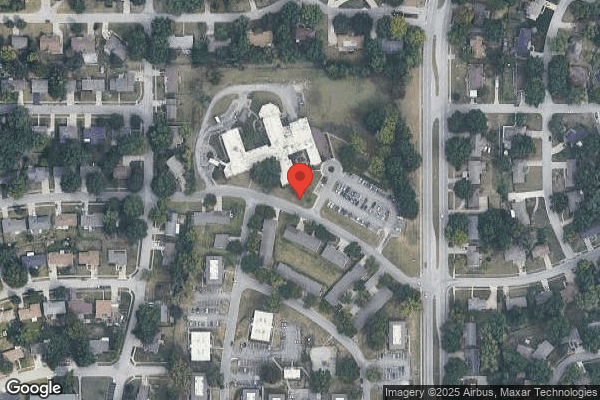
Understanding Severity Codes (click to expand)
Life-Threatening (Immediate Jeopardy)
J - Isolated K - Pattern L - Widespread
Actual Harm
G - Isolated H - Pattern I - Widespread
Potential for Harm
D - Isolated E - Pattern F - Widespread
No Harm (Minor)
A - Isolated B - Pattern C - Widespread

Questions to Ask on Your Visit

  • "What changes have you made since the serious inspection findings?"
  • "Can I speak with families of current residents?"
  • "What's your RN coverage like on weekends and overnight?"

Our Honest Assessment

Strengths
  • • 38% turnover. Below Kansas's 48% average. Good staff retention means consistent care.
Concerns
  • • Multiple safety concerns identified: 1 life-threatening violation(s), Special Focus Facility, $94,525 in fines, Payment denial on record. Review inspection reports carefully.
  • • 39 deficiencies on record, including 1 critical (life-threatening) violation. These warrant careful review before choosing this facility.
  • • $94,525 in fines. Extremely high, among the most fined facilities in Kansas. Major compliance failures.
  • • Grade F (0/100). Below average facility with significant concerns.
Bottom line: This facility is on CMS's Special Focus list for poor performance. Consider alternatives strongly.

About This Facility

What is Riverbend Post Acute Rehabilitation's CMS Rating?

RIVERBEND POST ACUTE REHABILITATION does not currently have a CMS star rating on record.

How is Riverbend Post Acute Rehabilitation Staffed?

Staff turnover is 38%, compared to the Kansas average of 46%. This relatively stable workforce can support continuity of care.

What Have Inspectors Found at Riverbend Post Acute Rehabilitation?

State health inspectors documented 39 deficiencies at RIVERBEND POST ACUTE REHABILITATION during 2023 to 2025. These included: 1 Immediate Jeopardy (the most serious level, indicating potential for serious harm or death), 37 with potential for harm, and 1 minor or isolated issues. Immediate Jeopardy findings are rare and represent the most serious regulatory concerns. They require immediate corrective action.

Who Owns and Operates Riverbend Post Acute Rehabilitation?

RIVERBEND POST ACUTE REHABILITATION is owned by a for-profit company. For-profit facilities operate as businesses with obligations to shareholders or private owners. The facility is operated by THE ENSIGN GROUP, a chain that manages multiple nursing homes. With 131 certified beds and approximately 117 residents (about 89% occupancy), it is a mid-sized facility located in KANSAS CITY, Kansas.

How Does Riverbend Post Acute Rehabilitation Compare to Other Kansas Nursing Homes?

Compared to the 100 nursing homes in Kansas, RIVERBEND POST ACUTE REHABILITATION's staff turnover (38%) is near the state average of 46%.

What Should Families Ask When Visiting Riverbend Post Acute Rehabilitation?

Based on this facility's data, families visiting should ask: "What changes have been made since the serious inspection findings, and how are you preventing similar issues?" "Can I visit during a mealtime to observe dining assistance and food quality?" "How do you handle medical emergencies, and what is your hospital transfer rate?" "Can I speak with family members of current residents about their experience?" These questions are particularly relevant given the facility's Immediate Jeopardy citations.

Is Riverbend Post Acute Rehabilitation Safe?

Based on CMS inspection data, RIVERBEND POST ACUTE REHABILITATION has documented safety concerns. Inspectors have issued 1 Immediate Jeopardy citation (the most serious violation level indicating risk of serious injury or death). The facility is currently on the Special Focus Facility watch list (a federal program monitoring the lowest-performing 1% of nursing homes nationwide). The facility has a 0-star overall rating and ranks #100 of 100 nursing homes in Kansas. Families considering this facility should ask detailed questions about what corrective actions have been taken since these incidents.

Do Nurses at Riverbend Post Acute Rehabilitation Stick Around?

RIVERBEND POST ACUTE REHABILITATION has a staff turnover rate of 38%, which is about average for Kansas nursing homes (state average: 46%). Moderate turnover is common in nursing homes, but families should still ask about staff tenure and how the facility maintains care continuity when employees leave.

Was Riverbend Post Acute Rehabilitation Ever Fined?

RIVERBEND POST ACUTE REHABILITATION has been fined $94,525 across 2 penalty actions. This is above the Kansas average of $34,024. Fines in this range indicate compliance issues significant enough for CMS to impose meaningful financial consequences. Common causes include delayed correction of deficiencies, repeat violations, or care failures affecting resident safety. Families should ask facility leadership what changes have been made since these penalties.

Is Riverbend Post Acute Rehabilitation on Any Federal Watch List?

RIVERBEND POST ACUTE REHABILITATION is currently on the Special Focus Facility (SFF) watch list. This federal program identifies the roughly 1% of nursing homes nationally with the most serious and persistent quality problems. SFF facilities receive inspections roughly twice as often as typical nursing homes. Factors in this facility's record include 1 Immediate Jeopardy finding and $94,525 in federal fines. Facilities that fail to improve face escalating consequences, potentially including termination from Medicare and Medicaid. Families considering this facility should ask for documentation of recent improvements and what specific changes have been made since the designation.