THE HEALTHCARE RESORT OF KANSAS CITY
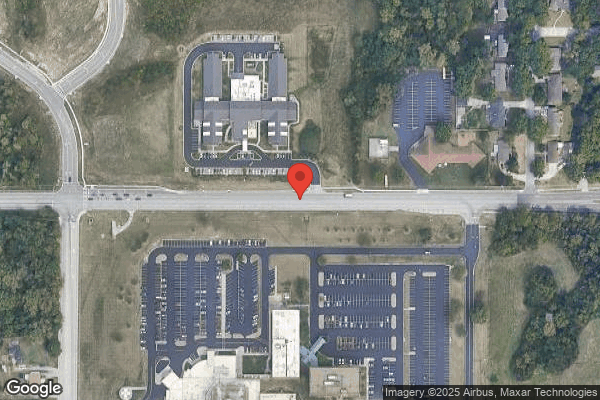
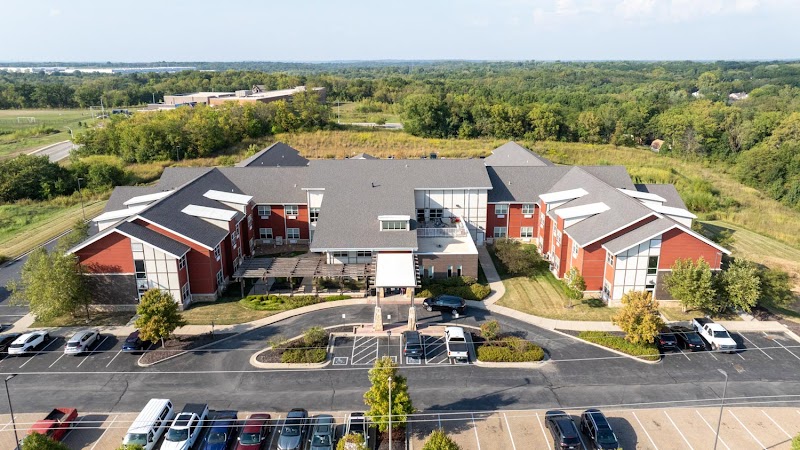
8900 PARALLEL PARKWAY, KANSAS CITY, KS 66112 (913) 788-2100
For profit - Limited Liability company 70 Beds THE ENSIGN GROUP Data: November 2025
Trust Grade
40/100
#163 of 295 in KS
Last Inspection: July 2024

Within standard 12-15 month inspection cycle. Federal law requires annual inspections.

Overview

The Healthcare Resort of Kansas City has a Trust Grade of D, indicating below-average performance with some significant concerns. It ranks #163 out of 295 facilities in Kansas, placing it in the bottom half, and #4 out of 9 in Wyandotte County, meaning only three local options are better. Unfortunately, the facility is worsening, with issues increasing from 2 in 2023 to 19 in 2024. Staffing is a relative strength, with a rating of 4 out of 5 stars, though the turnover rate is 52%, which is about average for the state. However, the RN coverage is a concern, as it is lower than 75% of Kansas facilities, which may impact the quality of care. Specific incidents from recent inspections raise red flags. One resident with serious health issues experienced significant weight loss due to inadequate monitoring of their nutritional needs, while another resident with diabetes suffered a severe wound infection that required surgical intervention due to a lack of appropriate wound care. Additionally, there were failures to implement necessary treatments for pressure ulcers, delaying crucial care for residents. Overall, while there are some strengths in staffing, the facility is facing serious challenges that families should consider carefully.

Trust Score
D
40/100
In Kansas
#163/295
Bottom 45%
Safety Record
High Risk
Review needed
Inspections
Getting Worse
2 → 19 violations
Staff Stability
⚠ Watch
52% turnover. Above average. Higher turnover means staff may not know residents' routines.
Penalties
⚠ Watch
$27,612 in fines. Higher than 83% of Kansas facilities, suggesting repeated compliance issues.
Skilled Nurses
○ Average
Each resident gets 37 minutes of Registered Nurse (RN) attention daily — about average for Kansas. RNs are the most trained staff who monitor for health changes.
Violations
⚠ Watch
45 deficiencies on record. Higher than average. Multiple issues found across inspections.
★★★☆☆
3.0
Overall Rating
★★★★☆
4.0
Staff Levels
★★★★★
5.0
Care Quality
★★☆☆☆
2.0
Inspection Score
Stable
2023: 2 issues
2024: 19 issues

The Good

  • 4-Star Staffing Rating · Above-average nurse staffing levels
  • 5-Star Quality Measures · Strong clinical quality outcomes
  • Full Sprinkler Coverage · Fire safety systems throughout facility
  • No fines on record

Facility shows strength in staffing levels, quality measures, fire safety.

The Bad

3-Star Overall Rating

Near Kansas average (2.9)

Meets federal standards, typical of most facilities

Staff Turnover: 52%

Near Kansas avg (46%)

Higher turnover may affect care consistency

Federal Fines: $27,612

Below median ($33,413)

Moderate penalties - review what triggered them

Chain: THE ENSIGN GROUP

Part of a multi-facility chain

Ask about local staffing decisions and management

The Ugly 45 deficiencies on record

3 actual harm
Jul 2024 18 deficiencies 1 Harm
SERIOUS (G) 📢 Someone Reported This

A family member, employee, or ombudsman was alarmed enough to file a formal complaint

Actual Harm - a resident was hurt due to facility failures

Deficiency F0692 (Tag F0692)

A resident was harmed · This affected 1 resident

The facility identified a census of 66 residents. The sample included 19 residents with six reviewed for nutrition. Based on observation, record review, and interviews, the facility failed to monitor ...

Read full inspector narrative →
The facility identified a census of 66 residents. The sample included 19 residents with six reviewed for nutrition. Based on observation, record review, and interviews, the facility failed to monitor weights consistently in order to identify loss and immediately involve the registered dietician and physician to evaluate if nutritional needs were met for Resident (R) 27's enteral nutrition regimen (provision of nutrients through the gastrointestinal tract when the resident cannot ingest, chew or swallow food) to prevent a significant, unplanned weight loss of 11.74 percent (%) within two months. Findings Included: - The Medical Diagnosis section within R27's Electronic Medical Records (EMR) included diagnoses of aphasia (condition with disordered or absent language function) muscle weakness, dysphagia (difficulty swallowing), hemiplegia/hemiparesis (weakness and paralysis on one side of the body), and cerebral infarction (stroke - sudden death of brain cells due to lack of oxygen caused by impaired blood flow to the brain by blockage or rupture of an artery to the brain). R27's admission Minimum Data Set (MDS) completed 06/09/24 noted a Brief Interview for Mental Status (BIMS) assessment could not be completed due to severe cognitive impairment. The MDS indicated she was dependent on staff for bed mobility, transfers, dressing, bathing, and personal hygiene. The MDS indicated she received enteral nutrition through a feeding tube. The MDS indicated she weighed 155 pounds (lbs.) upon admission. R27's Functional Abilities Care Area Assessment (CAA) completed 06/13/24 indicated she admitted to the facility for therapy services related to her medical diagnoses. The CAA indicated she was dependent on staff for all her activities of daily living (ADL). R27's Feeding Tube CAA completed 06/13/24 indicated she was unable to swallow or chew her food safely. The CAA noted she had a percutaneous endoscope gastrostomy tube (PEG-a tube inserted through the wall of the abdomen directly into the stomach) for all nutritional intake and was on a nothing by mouth diet (NPO). The CAA indicated she was at risk for complication related to her PEG tube. The CAA indicated the enteral nutrition will be monitored by the registered dietician and medical provider. R27's Nutrition CAA was not triggered upon her admission. R27's Care Plan initiated 06/04/24 indicated she was at risk for alterations with her functional abilities related to her medical diagnoses. The plan noted she was dependent on staff for transfers, dressing, bed mobility, toileting, dressing, bathing, and personal hygiene. The plan indicated she was at risk for altered nutrition and had a PEG tube for enteral nutrition. The plan instructed all medications and nutrition would be administered via her PEG tube. The plan instructed staff to administer her enteral feeding and water flushes per her provided orders. The plan instructed staff to check tube placement and gastric residual volume. The plan instructed staff to hold her enteral feedings if the residual amount was greater than (>) 100 cubic centimeters (cc). R27's EMR under Registered Dietician Note indicated R27 was seen by the Registered Dietician (RD) on 06/10/24. The note indicated R27's current body weight was 155.1 lbs. The note indicated R27's diet was NPO and she received enteral nutrition. R27's EMR under Physician's Progress Note indicated the medical provider met with R27 and her resident representative on 06/14/24. The note indicated R27's representative reported R27 had a five-pound weight loss to the medical provider. The note indicated her family was concerned about her nutritional intake and weight loss. The note instructed nursing staff to reweigh R27 accurately and discuss further weight management. The EMR lacked follow-up documentation from the medical provider. R27's EMR under Physician's Orders revealed an order dated 06/04/24 for her to be weighed weekly for four weeks. The order was discontinued on 07/02/24. R27 had no other orders for weight monitoring. R27's EMR under Physician's Orders revealed an order (started 06/03/24) for staff to administer Jevity 1.5 Liter (liquid nutritional supplementation) via PEG tube, twice daily at 55 milliliters (ml) continuously from 08:00 PM to 11:00 AM. The order instructed staff to provide 60 ml water flushes every four hours, prior to enteral feedings. The order was discontinued and reentered on 06/16/24 with no nutritional changes. R27's EMR under Physician's Orders revealed an order (started 06/03/24) for staff to administer 150 ml bolus feedings of Jevity twice daily. The order was discontinued and reentered on 06/16/24 with no nutritional changes. R27's EMR under Weight History between 06/03/24 to 07/09/24 revealed her weight upon admission was 155 lbs. on 06/03/24. The EMR revealed her weight decreased to 143.6 lbs. on 06/11/24, indicating a 7.35% weight loss since her admission to the facility (eight days). R27's EMR indicated her weight decreased to 142.4 lbs. on 06/20/24, indicating an 8.13% weight loss since her admission (17 days). R27's EMR noted her last recorded weight was 145.2 lbs. on 07/01/24. R27's EMR lacked documentation showing the medical provider or the registered dietician were notified of R27's continued weight loss. Observation on 07/09/24 at 07:04 AM, revealed R27 slept in her bed. The head of R27's bed was propped upward and her nutritional pump was set to 55 ml, with no leaks or spills noted. On 07/10/24 at 08:00 AM staff weighed R27 upon request. She weighed 136.8 lbs. indicating an 11.74% weight loss since her admission (37 days). On 07/10/24 at 09:21 AM R27's representative reported she had concerns related to R27's weight loss. She stated she reported her mother's initial weight loss to the medical provider but had not heard back about what interventions would be put in place or if additional supplementation was needed. She stated the facility had not increased R27's supplementation and feared more weight loss occurred. She stated she didn't feel the current feeding regimen was enough to prevent R27's weight loss and nothing has changed since then. On 07/10/24 at 08:43 AM Licensed Nurse (LN) H stated residents with enteral nutrition should be weighed weekly due to the risk of malnutrition. He stated R27 had a major weight loss identified earlier in the morning and the physician was notified. He stated an order for speech therapy was placed to evaluate her. He stated staff were expected to notify the medical provider and RD upon suspected weight loss. He stated the communication should be documented in the progress notes. He stated resident with enteral nutrition and weight loss should be evaluated to ensure their supplemental nutrition needed to be increased or adjusted. He stated the dietician was at the facility weekly and should evaluate R27's needs if she was at risk. On 07/10/24 at 02:55 PM Administrative Nurse D stated staff should weigh enterally fed residents weekly and report weight loss to the registered dietician. She stated the facility's dietician was on maternity leave and they utilized a temporary RD. She stated the RD came in weekly and should see all residents at risk for weight loss. She stated the RD notes should be charted in the EMR under Progress Notes. On 07/11/24 at 09:25 AM Consultant GG stated she had concerns with the facility's communication related to concerns with weight loss and issues with enteral feedings not being reported to her from staff. She stated she recently met with the facility's management to ensure she was being notified about any dietary concerns reported by staff. She stated she intended to increase R27's enteral feed rate from 55 ml to 65 ml. She stated she expected staff to notify her immediately of findings of significant weight loss. She stated she asked the facility to reweigh R27 yesterday after being notified of the weight loss identified but the facility had yet to notify her of the results. The facility's Nutrition Status Management policy revised 12/2023 indicated the facility was to assess each resident's nutritional needs to ensure their nutritional needs were maintained within acceptable parameters. The policy noted the facility will identify the resident's ideal body weight, associated condition, nutritional preferences, psycho-social needs, and risks. The policy noted at risk resident's will be weighed weekly and reviewed by the dietician. The facility failed to monitor weights and adjust R27's enteral nutrition regimen before a significant weight loss occurred. As a result of the deficient practices, R27 had a significant unplanned weight loss of 11.74% within two months.
CONCERN (D) 📢 Someone Reported This

A family member, employee, or ombudsman was alarmed enough to file a formal complaint

Potential for Harm - no one hurt, but risky conditions existed

Deficiency F0558 (Tag F0558)

Could have caused harm · This affected 1 resident

**NOTE- TERMS IN BRACKETS HAVE BEEN EDITED TO PROTECT CONFIDENTIALITY** The facility identified a census of 66 residents. The sample included 19 residents. Based on observation, record review, and int...

Read full inspector narrative →
**NOTE- TERMS IN BRACKETS HAVE BEEN EDITED TO PROTECT CONFIDENTIALITY** The facility identified a census of 66 residents. The sample included 19 residents. Based on observation, record review, and interview, the facility failed to provide Resident (R)39 foot pedals for her wheelchair. This deficient practice left R39 vulnerable to possible injury due to unmet care needs. Findings included: - R39's Electronic Medical Record (EMR) from the Diagnoses tab documented diagnoses of dysarthria (weak speech), pacemaker( and artificial device to stimulate the heart muscle), transient ischemic attack (a temporary blockage of blood flow to the brain), diabetes mellitus (DM-when the body cannot use glucose, not enough insulin made or the body cannot respond to the insulin), hemiparesis/hemiplegia (weakness and paralysis on one side of the body), difficulty in walking, cerebral infarction (stroke - the sudden death of brain cells due to lack of oxygen caused by impaired blood flow to the brain by blockage or rupture of an artery to the brain) affect right dominant side, depression (a mood disorder that causes a persistent depression feeling of sadness and loss of interest), and cerebrovascular accident (CVA-stroke- sudden death of brain cells due to lack of oxygen caused by impaired blood flow to the brain by blockage or rupture of an artery to the brain). The Quarterly Minimum Data Set (MDS) dated [DATE] documented a Brief Interview of Mental Status (BIMS) score of eight which indicated moderately impaired cognition. The MDS documented R39 had an impairment to one side. The MDS documented R39 was dependent on staff to put on and take off footwear. R39's Cognitive Loss Care Area Assessment (CAA) dated 10/18/23 documented R39 shows alterations in cognition related to a diagnosis of dementia (a progressive mental disorder characterized by failing memory, and confusion), cognitive-communication deficit, and a history of CVA and was evident by memory impairments and intermittent delusions. R39's Care Plan dated 01/18/23 documented R39 was at risk for impaired cognitive function or impaired thought processes related to the diagnosis of dementia. Staff were to orient R39 to the facility's surroundings, time, and location as needed. Staff to explain care and procedures as needed. The plan of care dated 08/03/23 documented R39 had a contracture (abnormal fixation of a joint or muscle) of her right upper and lower extremity. On 07/09/24 at 07:36 AM R39 rolled herself to breakfast using her left hand. Certified Medication Aide (CNA) R asked R39 if she wanted to be pushed to breakfast and said R39 should raise her legs. R39 lifted her legs. R39 was not wearing her foot/ankle brace and was wearing her white tennis shoes. R39's right foot hit the floor twice while CNA R propelled the wheelchair. On 07/10/24 at 11:05 PM in an interview, Certified Nurse's Aide (CNA) M stated pedals should be provided if staff were going to push R39 and said R39 would have made it to the breakfast table alone. On 07/10/24 at 11:15 PM in an interview, Licensed Nurse (LN) G stated R39 should have pedals on her wheelchair if staff were pushing her to ensure she doesn't get hurt when her feet touch the ground. On 07/10/24 at 04:20 PM in an interview, Administrative Nurse D said if staff were pushing a resident in the wheelchair, staff should provide wheelchair pedals. The facility's Accommodation of Needs policy revised on 08/23 the facility was to assure that a resident has the right to resident and receive services in the facility with reasonable accommodation of individual needs and preferences, except when the health or safety of the individual or other residents would be endangered. The facility failed to provide R39 with wheelchair pedals for her wheelchair when staff were pushing her wheelchair. This deficient practice left R39 vulnerable to possible injury due to unmet care needs.
CONCERN (D) 📢 Someone Reported This

A family member, employee, or ombudsman was alarmed enough to file a formal complaint

Potential for Harm - no one hurt, but risky conditions existed

Free from Abuse/Neglect (Tag F0600)

Could have caused harm · This affected 1 resident

The facility identified a census of 66 residents. The sample included 19 residents with two residents reviewed for abuse. Based on observation, record review, and interview, the facility failed to ens...

Read full inspector narrative →
The facility identified a census of 66 residents. The sample included 19 residents with two residents reviewed for abuse. Based on observation, record review, and interview, the facility failed to ensure that residents were free from resident-to-resident abuse when Resident (R) 31 threw hot coffee on R40. This placed R40 and other residents on the west hall at risk of possible harm and or injury and impaired quality of life. Findings included: - The electronic medical record (EMR) for R31 documented diagnoses of hemiplegia and hemiparesis (muscular weakness and paralysis of one side of the body), diabetes mellitus (DM- -when the body cannot use glucose, not enough insulin made or the body cannot respond to the insulin), hypertension (HTN- elevated blood pressure), and peripheral vascular disease (PVD- slow and progressive circulation disorder causing narrowing, blockage, or spasms in a blood vessel). The Annual Minimum Data Set (MDS) dated 10/07/23 for R31 documented a Brief Interview for Mental Status (BIMS) score of 15 which indicated intact cognition. R31 had impairment to one side of his upper extremities and impairment to both lower extremities. R31 required the use of a motorized wheelchair for mobility. R31 was independent of his functional abilities. R31 received antidepressant (a class of medications used to treat mood disorders), hypnotic (a class of medications used to induce sleep), and opioid (a broad group of pain-relieving medicines that work with your brain cells) medications. The Functional Abilities Care Area Assessment (CAA) dated 10/12/23 for R31 documented R31 had DM and staff monitors and administers his insulins (a hormone that lowers the level of glucose in the blood) as ordered. R31 remained at the facility with no plans to discharge at this time. R31 remained fairly independent and asked for assistance as needed. R31 worked with occupational and physical therapy. R31 had a bilateral lower extremity amputation (surgical removal of a body part) and had right-sided hemiparesis/hemiplegia. R31 is transferred with a slide board and has a trapeze (a bar used to assist the patient with a means of self-help to change position, to move from the bed, or to transfer to and from a wheelchair) on his bed to help with bed mobility. R31 used an electric wheelchair for locomotion. R31's Care Plan last updated 04/30/24 documented R31 was independent with locomotion of his power wheelchair. The staff was directed to approach the resident in a calm manner. Staff was to intervene as necessary to protect the rights and safety of others. Staff was directed to approach/speak in a calm manner. Staff was directed to divert attention, remove the resident from the situation, and take the resident to an alternate location as needed. Staff was directed that R31 would get upset easily if he felt that other residents impeded on his prayer group time. Staff was to remind R31 that the facility commons area was for everyone, and other residents had the same right to use the space. Staff was to redirect R31 to his room if he became verbally aggressive. A Facility Investigation report dated 07/05/24 documented an incident involving R31 and R40. The Investigation Summary documented that on 07/05/24 Administrative Staff A was notified by Administrative Nurse D that nursing staff had reported that R31 had spilled coffee on R40 at approximately 08:00 AM. The summary documented a witness statement from an unnamed staff member noted R31 had a disagreement with another resident, R40, based on the sitting area in the dining room. R31 became upset when R40 would not move from a certain spot. R31 began to yell at R40 to move. R31 grabbed a cup of coffee and threw it onto R40, hitting his abdomen and thighs. R31 stated he had accidentally spilled his coffee. As R31 wheeled his motorized wheelchair back to his room he stated that he would throw the coffee in his face. Licensed Nurse (LN) G immediately assessed R40, noting that the bottom of his shirt and the top of his pants were wet. R40 denied any pain or injury. LN G assessed R40's abdomen, and no redness or blistering was noticed. R40 was instructed to report if the area became worse or had noted pain to report it to the nurse. R40's provider was notified, and no further orders were given; the family was notified. After breakfast Administrative Nurse D went and spoke to R31 and he explained to her that the incident was an accident. A Late Entry Nursing Progress Note for R31 dated 07/06/24 at 06:52 AM by LN G, documented: at approximately 08:30 AM yesterday (07/05/24) R31 had a disagreement with another resident based on a sitting area in the dining room. R31 became upset when another resident did not move from a certain spot. R31 began to yell for the other resident to move, and R31 grabbed a cup of coffee and threw it on the other resident, hitting his abdomen and thighs. R31 then casually stated, Oops I accidentally spilled my coffee. As R31 was wheeling back to his room, he stated that he would throw it in his face. A Nursing Note dated 07/05/24 at 04:44 PM for R40 documented tiny, raised areas noted on his left inner thigh from where the coffee had hit him. R40 continued to deny any pain or discomfort. On 07/09/24 at 09:09 AM R31 sat in his wheelchair in his room and stated the incident on 07/05/24 with R40 was an accident and he did not want to talk anymore about it. On 07/09/24 at 11:42 AM R40 sat in his wheelchair in his room watching TV. R40 stated he had let that incident go; it was just something that happened. On 07/10/24 at 09:20 AM LN G stated that she had been at the nurse's desk at the time of the incident on 07/05/24 and did not see what transpired between R31 and R40 but did hear the two Certified Nurse Aides (CNA) talking about the incident. The two CNAs separated the residents. LN G stated she took R40 to his room to assess him and R31 wheeled himself back to his room. LN G stated that R31 typically did not come out of his room in the morning for breakfast and was not sure what caused the incident to happen. LN G stated the incident was reported immediately to Administrative Nurse D. LN G stated that no further action was taken at that time for R31. LN G stated when she assessed R40's thigh the next day there were noted scabs to the skin, but she had not ever noted any blisters in the area. On 07/10/24 at 03:25 PM, Administrative Nurse D stated she was at the facility when the incident occurred between R31 and R40 and she had talked with R31 in his room after the incident and R31 had said that it was an accident. Administrative Nurse D stated no further action was taken with R31 at the time as he spent most of his time in his room and she did not feel that he would be a threat to any other residents. Administrative Nurse D stated she did notify Administrative Staff A immediately of the incident. On 07/10/25 at 03:36 PM Administrative Staff A stated that all residents should be free from abuse from another resident and the facility did have policies regarding abuse and did go over abuse frequently with staff. Administrative Staff A stated that interventions should have been put in place to ensure no further harm would occur. The facility Abuse: Prevention of and Prohibition Against last revised 01/10/23 documented that it was the policy of this facility that each resident had the right to be free from abuse, neglect, misappropriation of resident property, and exploitation. The facility would provide oversight and monitoring to ensure that its staff delivered care and services in a way that promoted and respected the rights of the residents to be free from abuse, neglect, and misappropriation of resident property, and exploitation. The facility would take action to protect and prevent abuse and neglect from occurring by supervising staff to identify and correct any inappropriate or unprofessional behaviors. Establish a safe environment; identify, correct, and intervene in situations in which abuse, neglect, exploitation, and/or misappropriation are likely to occur. Assuring that structures and processes were in place to keep residents from abuse and neglect. Identifying, assessing, care-planning for appropriate interventions, and monitoring residents with needs and behaviors that might lead to conflict or neglect. The facility would take steps to protect all residents from physical and psychosocial harm during and after the investigation. The facility failed to ensure residents were free from abuse when R31 threw hot coffee on R40. This placed the residents at risk of possible harm and or injuries and impaired quality of life.
CONCERN (D) 📢 Someone Reported This

A family member, employee, or ombudsman was alarmed enough to file a formal complaint

Potential for Harm - no one hurt, but risky conditions existed

Investigate Abuse (Tag F0610)

Could have caused harm · This affected 1 resident

The facility identified a census of 66 residents. The sample included 19 residents with two residents reviewed for abuse. Based on observation, record review, and interview, the facility failed to ens...

Read full inspector narrative →
The facility identified a census of 66 residents. The sample included 19 residents with two residents reviewed for abuse. Based on observation, record review, and interview, the facility failed to ensure a resident-to-resident altercation was fully investigated and interventions implemented to prevent further abuse after R31 threw hot coffee on R40. This placed the residents on the west hall at risk of possible harm and or injury and impaired quality of life. Findings included: - The electronic medical record (EMR) for R31 documented diagnoses of hemiplegia and hemiparesis (muscular weakness and paralysis of one side of the body), diabetes mellitus (DM- -when the body cannot use glucose, not enough insulin made or the body cannot respond to the insulin), hypertension (HTN- elevated blood pressure), and peripheral vascular disease (PVD- slow and progressive circulation disorder causing narrowing, blockage, or spasms in a blood vessel). The Annual Minimum Data Set (MDS) dated 10/07/23 for R31 documented a Brief Interview for Mental Status (BIMS) score of 15 which indicated intact cognition. R31 had impairment to one side of his upper extremities and impairment to both lower extremities. R31 required the use of a motorized wheelchair for mobility. R31 was independent of his functional abilities. R31 received antidepressant (a class of medications used to treat mood disorders), hypnotic (a class of medications used to induce sleep), and opioid (a broad group of pain-relieving medicines that work with your brain cells) medications. The Functional Abilities Care Area Assessment (CAA) dated 10/12/23 for R31 documented R31 had DM and staff monitors and administers his insulins (a hormone that lowers the level of glucose in the blood) as ordered. R31 remained at the facility with no plans to discharge at this time. R31 remained fairly independent and asked for assistance as needed. R31 worked with occupational and physical therapy. R31 had a bilateral lower extremity amputation (surgical removal of a body part) and had right-sided hemiparesis/hemiplegia. R31 is transferred with a slide board and has a trapeze (a bar used to assist the patient with a means of self-help to change position, to move from the bed, or to transfer to and from a wheelchair) on his bed to help with bed mobility. R31 used an electric wheelchair for locomotion. R31's Care Plan last updated 04/30/24 documented R31 was independent with locomotion of his power wheelchair. The staff was directed to approach the resident in a calm manner. Staff was to intervene as necessary to protect the rights and safety of others. Staff was directed to approach/speak in a calm manner. Staff was directed to divert attention, remove the resident from the situation, and take the resident to an alternate location as needed. Staff was directed that R31 would get upset easily if he felt that other residents impeded on his prayer group time. Staff was to remind R31 that the facility commons area was for everyone, and other residents had the same right to use the space. Staff was to redirect R31 to his room if he became verbally aggressive. A Facility Investigation report dated 07/05/24 documented an incident involving R31 and R40. The Investigation Summary documented that on 07/05/24 Administrative Staff A was notified by Administrative Nurse D that nursing staff had reported that R31 had spilled coffee on R40 at approximately 08:00 AM. The summary documented a witness statement from an unnamed staff member noted R31 had a disagreement with another resident, R40, based on the sitting area in the dining room. R31 became upset when R40 would not move from a certain spot. R31 began to yell at R40 to move. R31 grabbed a cup of coffee and threw it onto R40, hitting his abdomen and thighs. R31 stated he had accidentally spilled his coffee. As R31 wheeled his motorized wheelchair back to his room he stated that he would throw the coffee in his face. Licensed Nurse (LN) G immediately assessed R40, noting that the bottom of his shirt and the top of his pants were wet. R40 denied any pain or injury. LN G assessed R40's abdomen, and no redness or blistering was noticed. R40 was instructed to report if the area became worse or had noted pain to report it to the nurse. R40's provider was notified, and no further orders were given; the family was notified. After breakfast Administrative Nurse D went and spoke to R31 and he explained to her that the incident was an accident. A Late Entry Nursing Progress Note for R31 dated 07/06/24 at 06:52 AM by LN G, documented: at approximately 08:30 AM yesterday (07/05/24) R31 had a disagreement with another resident based on a sitting area in the dining room. R31 became upset when another resident did not move from a certain spot. R31 began to yell for the other resident to move, and R31 grabbed a cup of coffee and threw it on the other resident, hitting his abdomen and thighs. R31 then casually stated, Oops I accidentally spilled my coffee. As R31 was wheeling back to his room, he stated that he would throw it in his face. A Nursing Note dated 07/05/24 at 04:44 PM for R40 documented tiny, raised areas noted on his left inner thigh from where the coffee had hit him. R40 continued to deny any pain or discomfort. On 07/09/24 at 09:09 AM R31 sat in his wheelchair in his room and stated the incident on 07/05/24 with R40 was an accident and he did not want to talk anymore about it. On 07/09/24 at 11:42 AM R40 sat in his wheelchair in his room watching TV. R40 stated he had let that incident go; it was just something that happened. On 07/10/24 at 09:20 AM LN G stated that she had been at the nurse's desk at the time of the incident on 07/05/24 and did not see what transpired between R31 and R40 but did hear the two Certified Nurse Aides (CNA) talking about the incident. The two CNAs separated the residents. LN G stated she took R40 to his room to assess him and R31 wheeled himself back to his room. LN G stated that R31 typically did not come out of his room in the morning for breakfast and was not sure what caused the incident to happen. LN G stated the incident was reported immediately to Administrative Nurse D. LN G stated that no further action was taken at that time for R31. LN G stated when she assessed R40's thigh the next day there were noted scabs to the skin, but she had not ever noted any blisters in the area. On 07/10/24 at 03:25 PM, Administrative Nurse D stated she was at the facility when the incident occurred between R31 and R40 and she had talked with R31 in his room after the incident and R31 had said that it was an accident. Administrative Nurse D stated no further action was taken with R31 at the time as he spent most of his time in his room and she did not feel that he would be a threat to any other residents. Administrative Nurse D stated she did notify Administrative Staff A immediately of the incident. On 07/10/25 at 03:36 PM Administrative Staff A stated that all residents should be free from abuse from another resident and the facility did have policies regarding abuse and did go over abuse frequently with staff. Administrative Staff A stated that interventions should have been put in place to ensure no further harm would occur. The facility Abuse: Prevention of and Prohibition Against last revised 01/10/23 documented that it was the policy of this facility that each resident had the right to be free from abuse, neglect, misappropriation of resident property, and exploitation. The facility would provide oversight and monitoring to ensure that its staff delivered care and services in a way that promoted and respected the rights of the residents to be free from abuse, neglect, and misappropriation of resident property, and exploitation. The facility would take action to protect and prevent abuse and neglect from occurring by supervising staff to identify and correct any inappropriate or unprofessional behaviors. Establish a safe environment; identify, correct, and intervene in situations in which abuse, neglect, exploitation, and/or misappropriation are likely to occur. Assuring that structures and processes were in place to keep residents from abuse and neglect. Identifying, assessing, care-planning for appropriate interventions, and monitoring residents with needs and behaviors that might lead to conflict or neglect. The facility would take steps to protect all residents from physical and psychosocial harm during and after the investigation. The facility failed to ensure a resident-to-resident incident was fully investigated and appropriate interventions put in place to ensure residents were free from abuse. This placed the residents at risk of possible harm and or injuries.
CONCERN (D) 📢 Someone Reported This

A family member, employee, or ombudsman was alarmed enough to file a formal complaint

Potential for Harm - no one hurt, but risky conditions existed

Quality of Care (Tag F0684)

Could have caused harm · This affected 1 resident

The facility identified a census of 66 residents. The sample included 19 residents. Based on observation, record review and interview the facility failed to ensure staff obtained physician-ordered lab...

Read full inspector narrative →
The facility identified a census of 66 residents. The sample included 19 residents. Based on observation, record review and interview the facility failed to ensure staff obtained physician-ordered labs for Resident (R) 45 and the facility failed to notify the physician of the delay in R45's labs being obtained. This placed R45 at risk of delayed care and related complications. Findings included: - The electronic medical record (EMR) for R45 documented diagnoses of hypertension (HTN- elevated blood pressure), urinary tract infection (UTI-an infection in any part of the urinary system), and compression fracture (occurs when one or more bones in the spine weaken and crumple) of the lumbar vertebra. R45's admission Minimum Data Set (MDS) dated 06/12/24 documented that R45 had a Brief Interview for Mental Status (BIMS) score of 13 which indicated intact cognition. R45 required partial/moderate assistance from staff for functional abilities. R45 was dependent on staff for toileting and bathing. R45 was frequently incontinent of the bladder and occasionally incontinent of bowel. R45 had not been on a trial toileting program. R45 was taking an antibiotic (medication used to treat infections). R45's Urinary Care Area Assessment (CAA) dated 06/17/24 documented R45 was at the facility for a skilled stay after a hospitalization for a fall with a fracture to the lumbar spine. R45 had an alteration in functional abilities and requires assistance from staff. R45 was at risk for alteration in nutrition. R45 tolerated his current diet without difficulty. R45 needed set-up assistance to eat. R45's weight had been stable. R45 will continue to monitor weights and labs as ordered and report to the physician as needed. R45's Care Plan directed staff to monitor and document for signs and symptoms of a UTI. Staff was to monitor, document, and report to the physician as needed signs and symptoms of dehydration. Staff was directed to obtain and monitor lab and diagnostic work as ordered. Staff was directed to report results to the physician and follow up as indicated. A Nursing note dated 07/05/24 at 06:20 PM under the Progress Notes tab of the EMR documented R45 presented with an altered mental status and was diaphoretic (sweating heavily). An order was received for immediate (STAT) labs for urinalysis (UA-lab analysis of urine), complete metabolic panel (CMP-laboratory blood test), and complete blood count (CBC- laboratory blood test) with differential. Straight catheterization (a process involving a tube inserted directly into the urethra, to drain urine) was completed for the UA. A thick off-white sediment-like discharge was noted in R45's brief and the sample in the urine cup was very thick and off-white. The lab order was placed online, and a message was left with the lab company to notify them of the STAT labs and request a return phone call. A Nursing note dated 07/07/24 at 07:21 AM documented that staff called the lab on 07/07/24 at 09:00 AM for a STAT lab draw for R45. The lab company was called again requesting a STAT lab draw. A message was left, and the orders were changed in the lab system to STAT. A Nursing note dated 07/07/24 at 08:42 PM for R45 documented that R45 had not voided during that shift. Straight catheterization was completed at this time with 800 milliliters of urine output. A new sample was collected for a UA and was placed in the lab fridge for pick-up. A Lab Results Report dated 07/08/24 at 05:42 PM documented a UA that was ordered and collected on 07/05/24 at 05:30 PM. The report was reviewed by staff on 07/09/24 at 08:42 AM. The report indicated abnormal results. A Lab Results Report dated 07/08/24 at 02:53 PM for a CBC with differential and a CMP. The report indicated abnormal results for R45's white blood count (WBC- measures the number of white cells in your blood, a high level indicates an increase in cells in the blood that fight infections). R45 had an Orders Note dated 07/09/24 at 12:47 PM that documented an order for ertapenem sodium injection (an antibiotic medication used to treat severe UTIs) one gram intramuscularly once daily for UTI. The provider was notified of a possible allergy. R45's EMR and Progress Notes lacked documentation of further monitoring of her condition and signs and symptoms from 07/05/24 to 07/09/24. On 07/09/24 at 11:41 AM R45 sat in her wheelchair in her room. R45 appeared to be talking to herself in words that were unable to be understood and moving her hands and arms about in the air. On 07/10/24 at 11:15 AM R45 still laid in her bed. R45 had not gotten up to eat breakfast. On 07/10/24 at 01:35 PM Licensed Nurse (LN) H stated the nurse should be making observations and documenting any noted changes to a resident's status if there had been noted changes. LN H stated he did not work on Friday 07/05/24 or the weekend so he could not say what took place with R45, but it appeared that R45 had not been followed up on with the nurse and the STAT lab was not obtained as it should have been. LN H stated he would have notified Administrative Nurse D that the lab had not been obtained as well as notifying the physician. On 07/10/24 at 03:25 PM Administrative Nurse D stated that a lack of communication had occurred with staff and there had been a delay in R45 getting her STAT labs obtained. Administrative Nurse D stated that the facility did not have a backup lab that was used if the regular lab had not picked up or come to the facility to draw labs. Administrative Nurse D stated she had not been made aware that R45's STAT labs had not been obtained as ordered and was not aware that the physician had not been notified of the delay either. Administrative Nurse D stated the facility would be looking for an alternate lab company to ensure this situation did not occur again. Administrative Nurse D stated that R45 should have been followed up on by staff over the weekend and her condition was documented in the nurse's notes. The facility did not provide a policy regarding quality of care. The facility failed to ensure R45 received the appropriate care and services when staff failed to ensure that STAT physician lab orders were obtained when ordered. This deficient practice caused a delay in R45's care and treatment for a UTI and placed her at risk for further complications.
CONCERN (D) 📢 Someone Reported This

A family member, employee, or ombudsman was alarmed enough to file a formal complaint

Potential for Harm - no one hurt, but risky conditions existed

Deficiency F0688 (Tag F0688)

Could have caused harm · This affected 1 resident

**NOTE- TERMS IN BRACKETS HAVE BEEN EDITED TO PROTECT CONFIDENTIALITY** The facility identified a census of 66 residents. The sample included 19 residents with two residents reviewed for position and ...

Read full inspector narrative →
**NOTE- TERMS IN BRACKETS HAVE BEEN EDITED TO PROTECT CONFIDENTIALITY** The facility identified a census of 66 residents. The sample included 19 residents with two residents reviewed for position and mobility. Based on observation, record review, and interview, the facility failed to ensure Resident (R) 39's leg/ankle brace was applied to her right leg when she was out of bed to prevent her contractures (abnormal permanent fixation of a joint or muscle) from worsening. This deficient practice left R39 at risk for further decline and decreased range of motion (ROM- the full movement potential of a joint, usually its range of flexion and extension). or mobility. Findings included: - R39's Electronic Medical Record (EMR) from the Diagnoses tab documented diagnoses of dysarthria (weak speech), pacemaker( and artificial device to stimulate the heart muscle), transient ischemic attack (a temporary blockage of blood flow to the brain), diabetes mellitus (DM-when the body cannot use glucose, not enough insulin made or the body cannot respond to the insulin), hemiparesis/hemiplegia (weakness and paralysis on one side of the body), difficulty in walking, cerebral infarction (stroke - the sudden death of brain cells due to lack of oxygen caused by impaired blood flow to the brain by blockage or rupture of an artery to the brain) affect right dominant side, depression (a mood disorder that causes a persistent depression feeling of sadness and loss of interest), and cerebrovascular accident (CVA-stroke- sudden death of brain cells due to lack of oxygen caused by impaired blood flow to the brain by blockage or rupture of an artery to the brain). The Quarterly Minimum Data Set (MDS) dated [DATE] documented a Brief Interview of Mental Status (BIMS) score of eight which indicated moderately impaired cognition. The MDS documented R39 was dependent on staff putting on and taking off footwear. R39's Functional Abilities Care Area Assessment (CAA) dated 10/18/23 documented R39 had an alteration in her self-care functional abilities related to DM and CVA with right-sided hemiparesis, R39 required total assistance with her activities of daily living (ADLs). R39's Care Plan revised 10/25/23 documented that R39 had an alteration in self-care related to a diagnosis of right-side hemiplegia following a CVA. The plan of care documented R39 requires assistance with functional abilities. The plan of care dated 08/03/23 documented R39 had a contracture of her right upper and lower extremity. R39 's EMR under the Orders tab dated 05/10/23 revealed the following physician order: staff to apply a right leg brace on the foot/ ankle when R39 is out of her bed every shift. A review of R39's clinical record documented no refusals of staff applying a brace to her right leg. On 07/09/24 at 07:33 AM R39 sat in her room in her wheelchair, R39 had her white tennis shoes on and no leg or ankle brace. R39 stated the Certified Nursing Aide (CNA) did not know how to put on the leg brace. R39 stated her leg brace shoe was black. On 07/10/24 at 11:04 AM Certified Nurse's Aide (CNA) O stated R39's brace should have been placed on her leg; she stated the brace helps R39 control her leg. On 07/10/24 at 01:40 PM Licensed Nurse (LN) H stated the brace should be applied while R39 was out of her bed if she did not refuse to have staff apply the brace. LN H stated that R39 did have contractures. On 07/10/24 at 03:25 PM Administrative Nurse D stated R39's brace should be applied. She stated a lot of times, the residents refused the services. Administrative Nurse D stated the refusals should be documented, and the nurse on duty should follow up with the resident to ensure the brace was placed properly. The facility's Contracture Documentation policy documented that residents who enter the facility without a limited range of motion, shall not experience a reduction in range of motion unless the residents' clinical conditions demonstrate that a reduction in range of motion is unavoidable. The facility's policy documents that a resident with a limited range of motion or contracture shall receive appropriate treatment and services, based on the comprehensive assessment of the resident, to increase the range of motion and or to prevent further decrease. The facility failed to apply R39's leg/ankle brace to her right leg when she was out of bed. This placed the resident at risk for worsening of contractures and decreased mobility.
CONCERN (D) 📢 Someone Reported This

A family member, employee, or ombudsman was alarmed enough to file a formal complaint

Potential for Harm - no one hurt, but risky conditions existed

Incontinence Care (Tag F0690)

Could have caused harm · This affected 1 resident

**NOTE- TERMS IN BRACKETS HAVE BEEN EDITED TO PROTECT CONFIDENTIALITY** The facility identified a census of 66 residents. The sample included 19 residents with two residents observed for bowel and bla...

Read full inspector narrative →
**NOTE- TERMS IN BRACKETS HAVE BEEN EDITED TO PROTECT CONFIDENTIALITY** The facility identified a census of 66 residents. The sample included 19 residents with two residents observed for bowel and bladder. Based on observation, record reviews, and interviews the facility failed to ensure the standard of care was provided for Resident (R)39, who had a history of urinary tract infection (UTI-an infection in any part of the urinary system). This deficient practice placed R39 at risk of complications and further UTIs. Finding included: - R39's Electronic Medical Record (EMR) from the Diagnoses tab documented diagnoses of dysarthria (weak speech), pacemaker( and artificial device to stimulate the heart muscle), transient ischemic attack (a temporary blockage of blood flow to the brain), diabetes mellitus (DM-when the body cannot use glucose, not enough insulin made or the body cannot respond to the insulin), hemiparesis/hemiplegia (weakness and paralysis on one side of the body), difficulty in walking, cerebral infarction (stroke - the sudden death of brain cells due to lack of oxygen caused by impaired blood flow to the brain by blockage or rupture of an artery to the brain) affect right dominant side, depression (a mood disorder that causes a persistent depression feeling of sadness and loss of interest), and cerebrovascular accident (CVA-stroke- sudden death of brain cells due to lack of oxygen caused by impaired blood flow to the brain by blockage or rupture of an artery to the brain). The Quarterly Minimum Data Set (MDS) dated [DATE] documented a Brief Interview of Mental Status (BIMS) score of eight which indicated moderately impaired cognition. The MDS documented that R39 was dependent on staff for all toileting hygiene. R39's Urinary Incontinence and Indwelling Catheter Care Area Assessment (CAA) dated 10/18/23 documented R39 was frequently incontinent of bowel and bladder, and staff would assist as needed with toileting and peri care. R39's Care Plan dated 10/31/23 documented R39 had bowel and bladder incontinence. Nursing should monitor and document for signs and symptoms of UTIs, pain, temperature, urinary frequency, and foul-smelling urine The plan of care dated 10/25/23 documented that nursing staff was to administer prophylactic antibiotics as ordered for recurrent UTIs; nursing to observe for adverse effects and report to physician as needed. R39's EMR under the Orders tab revealed the following physician orders: Cranberry tablets give 1 tab 400 milligrams(mg) two times a day for UTI prevention, dated 08/21/23 Cefdinir (antibiotic) give 300 (mg) capsules, nursing to administer one capsule by mouth two times a day for seven days for a UTI, dated 07/07/24 On 07/10/24 at 07:10 AM R39 sat in her wheelchair in her doorway. R39 stated she was waiting for the nursing staff to come and toilet her. On 07/10/24 at 07:26 AM R39 was standing, holding onto the handrail in the bathroom. Certified Nurse's Aide (CNA) O laid the peri wipes package in R39's wheelchair and took several out and laid the wipes on the wheelchair seat. CNA O donned gloves and wiped R39's bottom. R39 had a bowel movement. CNA O then wiped R39's front peri area, doffed her gloves, and donned a second pair of gloves without performing hand hygiene. CNA O then wiped R39's front peri area, doffed her gloves, and pulled R39's brief and pants up without performing hand hygiene first. CNA O helped R39 into her wheelchair, flushed the toilet, picked up the trash bag, and then used hand sanitizer when leaving R39's room. CNA O stated she should have performed hand hygiene before donning gloves and should have washed her hands when she was finished with toileting R39. CNA O stated the facility had not done education since she started on hand hygiene. On 07/10/24 at 07:18 AM, Licensed Nurse (LN) G stated the CNA should have doffed her gloves and washed her hands when going from back or dirty to front or clean, and always wash hands with soap and water after toileting a resident. LN G stated poor hand hygiene could make residents more vulnerable to UTIs. On 07/10/24 at PM, Administrative Nurse D stated staff should perform hand hygiene, don gloves, wash the back side, doff gloves, perform hand hygiene, doff gloves, wash the front side, doff gloves, and perform hand hygiene. Administrative Nurse D stated staff have not had a follow-up in-service or training, the training the staff received was check-offs when they were hired. The facility's Female Perineal and Catheter Care procedure documented, consistent perineal care promotes good hygiene, reduces skin irritation and breakdown and allows for greater personal comfort. The facility failed to ensure the standard of care was provided during peri care for R39. This deficient practice placed R39 at risk of further UTIs.
CONCERN (D) 📢 Someone Reported This

A family member, employee, or ombudsman was alarmed enough to file a formal complaint

Potential for Harm - no one hurt, but risky conditions existed

Deficiency F0698 (Tag F0698)

Could have caused harm · This affected 1 resident

The facility identified a census of 66 residents. The sample included 19 residents with two residents reviewed for hemodialysis (a procedure using a machine to remove excess water, solutes, and toxins...

Read full inspector narrative →
The facility identified a census of 66 residents. The sample included 19 residents with two residents reviewed for hemodialysis (a procedure using a machine to remove excess water, solutes, and toxins from the blood in people whose kidneys can no longer perform these functions naturally). Based on observation, record review, and interviews, the facility failed to consistently communicate Resident (R) 6's medical condition prior to and post-hemodialysis. This deficient practice placed R6 at risk of potential adverse outcomes and physical complications related to dialysis. Findings included: - R6's Electronic Medical Record (EMR) from the Diagnoses tab documented diagnoses of diabetes mellitus (DM-when the body cannot use glucose, not enough insulin made or the body cannot respond to the insulin), hypotension (low blood pressure), end-stage renal disease (ESRD-a terminal disease of the kidneys) with dialysis (procedure where impurities or wastes were removed from the blood), peripheral vascular disease (PVD- slow and progressive circulation disorder causing narrowing, blockage, or spasms in a blood vessel), hypertension (HTN-elevated blood pressure), muscle weakness, repeated falls, cognitive communication deficit, difficulty in walking, unsteadiness on his feet, and dysphagia (swallowing difficulty). The Annual Minimum Data Set (MDS) for R6 dated 06/12/24 recorded a Brief Interview for Mental Status (BIMS) score of 14 which indicated intact cognition. The MDS documented R6 required dialysis during the observation period. R6's Functional Abilities CAA dated 06/12/24 documented R6 was a long-term resident due to being legally blind, R6 was able to see shadows. R6 had an alteration in functional abilities and required assistance from staff. R6 was at an increased risk of decline due to his need for assistance with activities of daily living (ADLs). The CAA documented nursing would continue to assist with ADLs to reduce decline. R6's Care Plan dated 07/23/23 documented R6 required hemodialysis related to end-stage renal failure. Nursing staff were to check R6's fistula (abnormal passage from an internal organ to the body surface or between two internal organs) every day for bruit (blowing or swishing sound heard when blood flows through a shunt) and thrill (a fine vibration felt which reflects the blood flow by a dialysis resident's shunt). The plan directed the facility was to save a lunch tray for R6 on dialysis days; nursing staff were to monitor, document, and report to the physician as needed (PRN) any signs or symptoms of infection to the access site. The plan of care dated 10/28/23 documented that the nursing staff was to obtain pre and post-dialysis vitals and report to the physician as needed. Staff were to offer an afternoon snack after dialysis as desired. The plan of care documented R6 would sit for dialysis on Tuesdays, Thursdays, and Saturdays. R6's EMR under the Orders tab dated 08/04/23 revealed the following physician's order: nursing to assess dialysis shunt every shift for signs and symptoms of bleeding. R6's EMR under the Orders tab dated 08/04/23 revealed the following physician's order: Assess and document assessment of fistula for bruit and thrill every shift and as needed. R6's EMR under the Orders tab dated 08/05/23 revealed the following physician's order: nursing to complete the dialysis communication form after dialysis. R6's EMR under the Orders tab dated 11/05/23 revealed the following physician's order: nursing to obtain a dialysis communication sheet upon return to the facility, nursing to record any new orders and place in R6's medical record in the evening every Tuesday, Thursday, and Saturday, for communication. A review of R6's clinical record including the facility dialysis communication forms lacked evidence of pre- and post-hemodialysis assessment for the dialysis dates of 04/04/24, 04/06/24, 04/16/24, 04/18/24, 05/02/24, 05/04/24, 05/07/24, 05/11/24, and 05/14/24, 05/16/24, 05/21/24, 05/23/24, 05/28/24, 05/30/24, 06/01/24, 06/04/24, 06/06/24, 06/08/24, 06/15/24, 06/18/24, 06/20/24, 06/25/24, 06/29/24, 07/02/24 and 07/4/24. On 07/10/24 at 07:38 AM Licensed Nurse (LN) G stated the process for dialysis communications sheets was when the resident returns from dialysis, the sheet is filled out, or staff call the dialysis center and have the center fax the communication sheet. LN G said staff places the completed sheets in a folder for the Assistant Director of Nursing. On 07/10/24 at 03:05 PM Administrative Nurse D stated the facility was to ensure the communication reports were filled out before the resident left for dialysis. The nurse on duty would ensure the forms were returned or call the dialysis center and have the dialysis center return the sheet. Administrative Nurse D stated the facility had been having problems getting the communication sheets back from the dialysis center. She stated the facility started sending the sheets in a binder in hopes the sheets would be returned. The facility's Dialysis, Pre-and Post Care policy revised on 12/23 documented it was the policy of the facility to assist the resident in maintaining homeostasis pr-and post real dialysis; assess and maintain patency of renal dialysis access; assess resident daily for function related to renal dialysis; participate in ongoing communication and collaboration with the dialysis facility regarding dialysis care and services. The facility failed to consistently communicate R6's medical condition prior to hemodialysis and post-hemodialysis. This deficient practice placed R6 at risk of potential adverse outcomes and physical complications related to dialysis.
CONCERN (D) 📢 Someone Reported This

A family member, employee, or ombudsman was alarmed enough to file a formal complaint

Potential for Harm - no one hurt, but risky conditions existed

Deficiency F0740 (Tag F0740)

Could have caused harm · This affected 1 resident

The facility reported a census of 66 residents. The sample included 19 with one reviewed for behavioral health services. Based on record review, observations, and interviews, the facility failed to ad...

Read full inspector narrative →
The facility reported a census of 66 residents. The sample included 19 with one reviewed for behavioral health services. Based on record review, observations, and interviews, the facility failed to adequately meet Resident (R)46's behavioral health needs related to utilizing non-pharmacological care approaches resulting in repeated behavioral episodes. This deficient practice placed R46 at risk for continued behavioral episodes and unmet care needs. Findings Included: - The Medical Diagnosis section within R46's Electronic Medical Records (EMR) included diagnoses of metabolic encephalopathy (brain disorder resulting in confusion, agitation, and thought dysfunction), cognitive-communication disorder, unsteadiness on her feet, muscle weakness, insomnia (difficulty sleeping), and a need for assistance with personal cares. R46's admission Minimum Data Set (MDS) completed 05/09/24 noted a Brief Interview for Mental Status (BIMS) score of nine indicating moderate cognitive impairment. The MDS indicated she exhibited verbal and physically aggressive behaviors one to three days of the assessment period. The behavioral assessment indicated her behaviors put her at risk for injury, interfered with her care, and disrupted the care environment. The MDS indicated she required substantial to maximal staff assistance for bed mobility, transfers, bathing, toileting, dressing, and personal hygiene. R47's Behavioral Symptoms Care Area Assessments (CAA) completed 05/13/24 indicated she was at risk for injury related to resisting and refusing care. The CAA noted she had a history of verbal and physical aggression. The CAA indicated her behaviors and risks would be addressed in her care plan. R47's Functional Abilities CAA completed 05/16/24 indicated she had an alteration of her functional abilities and required assistance from staff. The CAA indicated her care needs and risks would be addressed in her care plan. R47's Care Plan initiated 05/06/24 indicated she was at risk for impaired cognitive function related to her medical diagnoses. The plan indicated she had difficulty with communication and instructed staff to make eye contact, identify themselves, eliminate distractions, provide orientation to her surroundings, and allow her to choose by limiting choices (05/06/24). The plan indicated she required substantial to total staff dependence for transfers, dressing, bed mobility, bathing, and toileting (05/06/24). The plan indicated staff was to offer non-pharmacological interventions of reapproaching, repositioning, offering snacks, assessing for pain, offering activities, and providing reassurance when depressed or agitated (05/23/24). The plan lacked interventions related to R47's continued refusal or resistance to care. R47's EMR under Progress Note revealed a nurse's note dated 06/06/24. The note indicated that R47 was still aggressive and verbally abusive towards staff. The note indicated she refused her medications and treatments frequently. The note lacked documentation of what interventions were offered or attempted to calm her down. The note lacked evidence the medical provider was notified of her behaviors. R47's EMR under Progress Note dated 06/11/24 indicated staff attempted to give R47 her evening medication. The note indicated she refused her medication and scratched staff in the face. The note lacked documentation of what interventions were offered or attempted to calm her down. The note lacked evidence the medical provider was notified of her behaviors. R47's EMR under Medication Administration Note revealed a nurse's note dated 06/15/24 indicating R47 had increased agitation as evidenced by yelling, cursing, and calling staff names. The note lacked documentation of what interventions were offered or attempted to calm her down. The note lacked evidence the medical provider was notified of her behaviors. R47's EMR under Progress Note revealed a nurse's note dated 06/30/24. The note indicated that R47 was heard yelling at the nursing aides during care. The note indicated she was swinging her metal cane at them as well. The note lacked documentation of what interventions were offered or attempted to calm her down. The note lacked evidence the medical provider was notified of her behaviors. R47's EMR under Progress Note revealed a nurse's note dated 07/04/24. The note indicated R47 was up for lunch yelling and cussing at staff. The note indicated she was swinging her metal cane at them as well. The note lacked documentation of what interventions were offered or attempted to calm her down. The note lacked evidence the medical provider was notified of her behaviors. On 07/09/24 at 07:45 AM R47 sat in her wheelchair in her room. R47 yelled out Help continuously in her room to get the staff's attention. Staff entered the room within two minutes and asked her if she needed something. R47 stated she did not need anything and excused the staff. R47 continued to yell out for help. Staff reentered the room and offered to assist her with breakfast. R47 was escorted to the dining room area. On 07/10/24 at 10:21 AM Certified Nurse Aide (CNA) M stated staff should attempt interventions to calm down residents that get agitated. She stated the care plan should include interventions that address refusals of care and aggression. She stated if residents refuse bathing or care the nurse is notified. She stated the facility holds mandatory Inservice training for both dementia care and behaviors. On 07/10/24 at 10:40 AM Licensed Nurse (LN) H stated staff were to use the care-planned interventions to help calm agitated or confused residents. She stated R47 had a history of refusing care and becoming easily agitated. She stated staff were to offer multiple attempts for care, reapproach later, and notify the physician if medications were refused. On 07/10/24 at 02:55 PM Administrative Nurse D stated staff should be documenting on the EMR if a resident had frequent refusals or behaviors. She stated the team meets weekly to address and would address repetitive behaviors. She stated refusal interventions she is on the care plans for residents that had known behaviors. She stated behaviors should be documented and reported to the medical provider. The facility's Behavioral Health Services policy revised 01/2024 indicated the facility will provide each resident with the necessary services to attain or maintain the highest practicable physical. Mental, and psychosocial well-being. The policy indicated the facility would assess and implement non-pharmacological interventions. The facility failed to adequately meet R46's behavioral health needs related to utilizing non-pharmacological care approaches resulting in repeated behavioral episodes. This deficient practice placed R46 at risk for continued behavioral episodes and unmet care needs.
CONCERN (D) 📢 Someone Reported This

A family member, employee, or ombudsman was alarmed enough to file a formal complaint

Potential for Harm - no one hurt, but risky conditions existed

Deficiency F0744 (Tag F0744)

Could have caused harm · This affected 1 resident

The facility identified a census of 66 residents. The sample included 19 with one reviewed for dementia (a progressive mental disorder characterized by failing memory, and confusion) care. Based on in...

Read full inspector narrative →
The facility identified a census of 66 residents. The sample included 19 with one reviewed for dementia (a progressive mental disorder characterized by failing memory, and confusion) care. Based on interviews, record review, and observations, the facility failed to identify a pattern of dementia-related behaviors for Resident (R)29 and implement meaningful interventions to promote quality of life. This deficient practice placed R29 at risk for preventable injuries and the inability to maintain her highest practicable level of functioning. Findings Included: - The Medical Diagnosis section within R29's Electronic Medical Records (EMR) included diagnoses of dementia, cognitive communication deficit, insomnia (difficulty sleeping), and dysphagia (difficulty swallowing). R29's Significant Change Minimum Data Set (MDS) completed 04/25/24 noted a Brief Interview for Mental Status (BIMS) score of nine indicating moderate cognitive impairment. The MDS indicated no behaviors. The MDS indicated she required substantial to maximal assistance with bed mobility, bathing, dressing, toileting, and personal hygiene. The MDS indicated she required set-up assistance with her meals. The MDS indicated she weighed 251 pounds (lbs.). The MDS indicated she was at risk for skin breakdown and utilized pressure-reducing devices in her bed and wheelchair. R29's Dementia Care Area Assessment (CAA) completed 04/30/24 indicated she had an alteration in her cognition. The CAA noted she had poor memory recall and impaired decision-making. R29's Functional Abilities CAA completed 04/03/24 indicated she required staff assistance with all her activities of daily living (ADLs). The CAA indicated a care plan will be completed to reduce the risks related to her falls, skin care, incontinence, and nutrition. R29's Care Plan initiated 07/01/22 indicated she was at risk for alterations in her functional abilities related to her medical diagnoses. The plan indicated she was dependent on staff for transfers, bed mobility, dressing, toileting, bathing, and personal hygiene. The plan indicated she required meal set-up and supervision (07/01/22). The plan noted she was able to manage hot liquids (10/14/22). The plan indicated she had a history of behaviors related to verbal aggression, sexual inappropriateness, and banging on things (10/15/23). The plan instructed staff to approach her in a calm manner, give redirection, and intervene if she is exhibiting behaviors that may injure herself or others (10/15/23). R29's EMR under Progress Notes revealed a note dated 06/20/24. The note revealed R29 was in the dining room for her meal at dinner service. The note revealed she threw her plate on the floor upon receiving her food. The note revealed upon replacing her food plate, R29 began chewing and spitting her food down her shirt. R29's EMR under Progress Notes revealed a note dated 06/25/24. The note revealed staff observed R29 spitting her food down her shirt while yelling for help. The note indicated state brought R29 to the nurse's station and assessed her. The note revealed R29 informed staff she didn't need help and began mocking the nurses. R29's EMR under Progress Notes revealed a note dated 06/26/24. The note indicated R29 ordered a grilled cheese sandwich for lunch and sat in the dining room. The note indicated R29 shoved the entire grilled cheese sandwich down her shirt and began screaming for help. The note indicated staff assessed R29 with no injuries and assisted her with cleaning up. R29's EMR under Progress Notes revealed a note dated 07/03/24. The note revealed R29 was in the dining hall waiting for her breakfast. The note indicated staff heard R29 yell out Oh it's hot and was alerted she had poured hot eggs down her shirt. The note indicated she had a bright red burn area on her upper left breast. On 03/21/24 at 02:10 PM Certified Nurses Aid (CNA) M stated R29 sometimes had behaviors but was easily redirected by staff. She stated R29 would have supervision during meals and staff would prompt her if they felt she needed assistance. She stated all staff have access to view the care plan interventions. On 03/21/24 at 02:19 PM Licensed Nurse (LN) G stated R29 required some redirections and monitoring during meals. She stated staff should intervene if residents display behaviors that may harm themselves or others. She stated the facility held yearly dementia-related in-services and used online training for monthly classes. On 03/21/24 at 02:55 PM Administrative Nurse D stated the facility held yearly dementia care training. She stated staff were expected to report concerns related to behaviors to the Interdisciplinary Team so that interventions could be developed. She stated residents with dementia should be monitored closely by staff during mealtimes. She stated staff should prompt and ask the residents about their needs during meal services. The facility's Behavioral Health Services policy revised 01/2024 indicated the facility will provide each resident with the necessary services to attain or maintain the highest practicable physical. Mental, and psychosocial well-being. The policy indicated the facility would assess and implement non-pharmacological interventions. The facility was unable to provide a policy related to dementia care as requested on 07/10/24. The facility failed to identify a pattern of dementia-related behaviors for R29. This deficient practice placed R29 at risk for preventable injuries and the inability to maintain her highest practicable level of functioning.
CONCERN (D) 📢 Someone Reported This

A family member, employee, or ombudsman was alarmed enough to file a formal complaint

Potential for Harm - no one hurt, but risky conditions existed

Deficiency F0757 (Tag F0757)

Could have caused harm · This affected 1 resident

The facility identified a census of 66 residents. The sample included 19 residents with five sampled residents reviewed for unnecessary medications. Based on observation, record review, and interview,...

Read full inspector narrative →
The facility identified a census of 66 residents. The sample included 19 residents with five sampled residents reviewed for unnecessary medications. Based on observation, record review, and interview, the facility failed to ensure staff followed physician-ordered parameters for Resident (R) 41 's antihypertensive (class of medication used to treat high blood pressure) medication monitoring. This placed the resident at risk of unnecessary medication administration and possible adverse side effects. Findings included: - R41's Electronic Medical Record (EMR) documented diagnoses of congestive heart failure (CHF-a condition with low heart output and the body becomes congested with fluid), myocardial infarction (heart attack), diabetes mellitus (DM-when the body cannot use glucose, not enough insulin made or the body cannot respond to the insulin), and chronic kidney disease (inability of the kidneys to excrete wastes, concentrate urine and conserve electrolytes). R41's Significant Change Minimum Data Set (MDS) dated 01/04/24 documented R41 had a Brief Interview for Mental Status (BIMS) score of 14 which indicated intact cognition. R41 had impairment to both upper extremities. R41 required the use of a wheelchair for mobility. R41 required substantial/maximal dependence on staff for functional abilities. R41 required the administration of multiple medications. R41 required oxygen therapy and received hospice services. R41's Quarterly MDS dated 06/22/24 documented a BIMS score of 11 which indicated moderately impaired cognition. R41 had impairment to both upper extremities. R41 required the use of a wheelchair for mobility. R41 required substantial/maximal dependence on staff for functional abilities. R41 required the administration of multiple medications. R41 required oxygen therapy and received hospice services. R41's Functional Abilities Care Area Assessment (CAA) dated 01/08/24 documented R41 was a long-term resident and was recently placed on hospice. R41 had an alteration in self-care related to numerous comorbidities. R41 required assistance with his functional abilities from the staff. R41 required a stand-up lift for transfers. R41's Care Plan lacked staff direction specific to antihypertensive medications. R41's Order Summary Report documented an order dated 04/09/23 for metoprolol succinate (a beta blocker antihypertensive medication) to give one-half tablet by mouth one time a day for HTN hold for systolic blood pressure (SBP- top number, the force your heart exerts on the walls of your arteries each time it beats) less than 110 or a pulse less than 60. This order was discontinued on 05/26/24. R41's Order Summary documented an order dated 05/26/24 for metoprolol succinate ER oral tablet extended Release 24 Hour 25 MG (metoprolol succinate) to give half a tablet by mouth one time a day for HTN. This order was discontinued on 06/21/24. R41's April 2024 Medication Administration Record (MAR) revealed that R41's pulse lacked monitoring prior to the administration of metoprolol. R41's May 2024 MAR revealed a lack of pulse monitoring from 05/01/24 to 05/12/24. The May 2024 MAR lacked blood pressure or pulse monitoring prior to administration from 05/27/24 to 05/31/24. R41's June 2024 MAR revealed a lack of blood pressure or pulse monitoring prior to administration from 06/01/24 to 06/21/24. On 07/10/24 at 08:23 AM R41 sat in his wheelchair at a dining table eating breakfast. R41 had noted intact bandages on bilateral forearms. On 07/10/24 at 01:35 PM Licensed Nurse (LN) H stated that blood pressure and pulse should be taken prior to the administration of blood pressure medications and held per the parameters. LN G stated the medication aide should tell the nurse when a blood pressure or pulse was out of range so the medication could be held if needed. LN G stated the nurse should notify the physician that the medication had been held. On 07/10/24 at 03:25 PM Administrative Nurse D stated that blood pressure and pulse should be monitored prior to the administration of metoprolol. Administrative Nurse D stated she could not say why R41's pulse and blood pressure had not been obtained prior to being administered to R41. The facility policy Medication Administration-General Guidelines revised January 2023 documented that medications were administered as prescribed in accordance with good nursing principles and practices and only by persons legally authorized to do so. Medications were to be administered in accordance with written orders of the prescriber. The facility failed to ensure R41's blood pressure and pulse were monitored as the physician ordered prior to the administration of metoprolol. This placed R41 at risk for unnecessary medication administration and possible adverse side effects.
CONCERN (E) 📢 Someone Reported This

A family member, employee, or ombudsman was alarmed enough to file a formal complaint

Potential for Harm - no one hurt, but risky conditions existed

Accident Prevention (Tag F0689)

Could have caused harm · This affected multiple residents

- R6's Electronic Medical Record (EMR) from the Diagnoses tab documented diagnoses of diabetes mellitus (DM-when the body cannot use glucose, not enough insulin made or the body cannot respond to the ...

Read full inspector narrative →
- R6's Electronic Medical Record (EMR) from the Diagnoses tab documented diagnoses of diabetes mellitus (DM-when the body cannot use glucose, not enough insulin made or the body cannot respond to the insulin), hypotension (low blood pressure), end-stage renal disease (ESRD-a terminal disease of the kidneys), peripheral vascular disease (PVD- slow and progressive circulation disorder causing narrowing, blockage, or spasms in a blood vessel), hypertension (HTN-elevated blood pressure), muscle weakness, repeated falls, cognitive communication deficit, difficulty in walking, unsteadiness on his feet, and dysphagia (swallowing difficulty). The Annual Minimum Data Set (MDS) for R6 dated 06/12/24 recorded a Brief Interview for Mental Status (BIMS) score of 14 which indicated intact cognition. The MDS documented that R6 was severely impaired with no vision or seeing only light colors or shapes. The MDS documented R6s eyes do not appear to follow objects. The MDS documented during the observation period that R6 did not require oxygen during the observation period. R6's Functional Abilities CAA dated 06/12/24 documented R6 was a long-term resident due to being legally blind, R6 was able to see shadows. The CAA documented R6 had an alteration in functional abilities and requires assistance from staff. The CAA documented R6 was at an increased risk of decline due to his need for assistance with activities of daily living (ADLs). The CAA documented nursing would continue to assist with ADLs to reduce decline. R6's Care Plan dated 07/03/23 documented R6 was at risk for impaired cognitive function. Staff were to identify themselves at each interaction. The plan of care documented that staff were to face R6 when speaking and to make eye contact. The plan of care documented that nursing staff were to reduce any distractions; staff should turn off the TV, and radio, and close the door. On 07/08/24 at 09:08 AM R6 laid flat in his bed on his back awake. R6 stated he had not been on oxygen; he stated the oxygen canister had been in his room for a while, and he stated he was unsure of the time frame. R6 stated one of the Certified Nurse's Aides (CNA) had put the canister there, and went on to say the oxygen storage room was next to his room. R6 stated the CNA placed the oxygen canister against his wall, instead of putting the oxygen canister away in the storage room. The oxygen canister was not in a holder or secured. The oxygen canister read 200 PSI (a unit of pressure expressed in pounds of force per square inch of area). On 07/09/24 at 08:01 AM R6 lay in his bed, head of the bed elevated. R6 had his head covered up with his blanket. R6 stated nursing staff had come into his room and removed the oxygen tank. On 07/10/24 at 09:27 AM CNA M stated, the process was to keep all oxygen tanks in a stroller or locked in the oxygen room. She stated oxygen tanks should not be left in a resident's room unsecured. On 07/10/24 at 09:28 AM Licensed Nurse (LN) F stated the oxygen room was always locked and oxygen canisters should be placed in a holder, never left on the floor unsecured. On 07/10/24 at 03:05 PM Administrative Nurse D stated all oxygen tanks should be secured. She stated all oxygen tanks not in use should be in the locked oxygen room. The facility's Oxygen Handling and Storage policy revised on 01/24 documented the facility was to provide proper use and handling of oxygen tanks in the facility. The storage of oxygen tanks must be accompanied in a safe manner. All oxygen tanks must be secured to a wall within a chain or heavy cable. The policy documented no tank would be left unattended on a transport dolly; transport dollies would be used as a support when oxygen was being administered to a resided. The facility failed to ensure a safe environment free from accident hazards when staff left an oxygen canister unsecured and free-standing in R6's room. This deficient practice placed R6 at risk for injuries. The facility had a census of 66 residents. The sample included 19 residents with five reviewed for accidents. Based on observation, record review and interview the facility failed to ensure a safe environment free from potential hazards out of reach of the five cognitively impaired, independently mobile residents. The facility additionally failed to follow the fall prevention interventions care planned for Residents (R)29 and R58. The facility additionally failed to ensure R6's room was free from physical hazards. These deficient practices placed the residents at risk for preventable accidents and injuries. Findings Included: -On 07/08/24 at 07:09 AM an inspection of the main lobby's kitchenette next to the receptionist revealed an accessible kitchenette entrance with a cleaning chemical bottle and Microkill wipes. All the cleaning products identified contained the warning, Keep out of reach of children, hazardous to humans can cause eye irritation, harmful if swallowed. A pressurized carbon dioxide (CO2 - pressurized gas) sat unsecured in a cabinet under the sink. On 07/08/24 at 07:11 AM an inspection of the west hall revealed an unlocked oxygen storage room. The room contained four large pressurized canisters and two small pressurized canisters left in the room. On 07/08/24 at 07:19 AM an inspection of the west dining hall revealed a large leak in front of the drink station covered with soiled wet towels on the floor. The area had no Wet Floor sign in place for the leaking on the floor. On 07/08/24 at 08:00 AM an inspection of R53's room revealed an unsecured pressurized supplemental oxygen cannister sat directly on the floor next to his wheelchair. At 08:05 AM an unidentified staff member entered the room and stated That's not supposed to be left here and removed the canister. On 07/08/24 at 09:00 AM Administrator A stated the facility was currently having the kitchenette remodeled and the towels were on the floor due to a leak. On 07/11/24 at 02:55 PM Administrative Nurse D stated the oxygen tanks and oxygen rooms should be secured in a locked room and placed on a rack. She stated the tanks should never be left free-standing in resident areas. She stated cleaning chemicals should be locked in the utility closets or storage area. She stated they should never be left out accessible to the residents. The facility's Chemical Storage policy revised 02/2024 indicated the facility will ensure safe storage of chemicals that may be hazardous to the residents. The policy indicated cleaning supplies will be stored and kept in locked storage closets and supervised when in use. The facility failed to ensure a safe environment free from potential hazards out of reach of the five cognitively impaired, independently mobile residents. These deficient practices placed the residents at risk for preventable accidents and injuries. -The Medical Diagnosis section within R29's Electronic Medical Records (EMR) included diagnoses of dementia, cognitive communication deficit, insomnia (difficulty sleeping), and dysphagia (difficulty swallowing). R29's Significant Change Minimum Data Set (MDS) completed 04/25/24 noted a Brief Interview for Mental Status (BIMS) score of nine indicating moderate cognitive impairment. The MDS indicated no behaviors. The MDS indicated she required substantial to maximal assistance with bed mobility, bathing, dressing, toileting, and personal hygiene. The MDS indicated she required set-up assistance with her meals. The MDS indicated she weighed 251 pounds (lbs.). The MDS indicated she was at risk for skin breakdown and utilized pressure-reducing devices in her bed and wheelchair. R29's Falls Care Area Assessment (CAA) completed 04/30/24 indicated she was at risk for falls related to her medical diagnoses and impaired cognitive function. R29's Functional Abilities CAA completed 04/03/24 indicated she required staff assistance with all her activities of daily living (ADLs). The CAA indicated a care plan will be completed to reduce the risks related to her falls, skin care, incontinence, and nutrition. R29's Care Plan initiated 07/01/22 indicated she was at risk for alterations in her functional abilities related to her medical diagnoses. The plan indicated she was dependent on staff for transfers, bed mobility, dressing, toileting, bathing, and personal hygiene. The plan indicated she was at risk for falls. The plan indicated her low air-loss mattress was to be discontinued on 06/17/24 as a result of a non-injury fall. The plan indicated she had non-slip floor strips, proper bed height, and a Dycem (non-slip mat to prevent sliding) mat under her wheelchair cushion. A Fall Committee report dated 06/17/24 indicated R29 was found on the floor on 06/14/24 by therapy staff. The report indicated R29 was impulsive and wanted to get to breakfast. The report indicated her low air-loss mattress was supposed to be discontinued to reduce her fall risks. On 07/10/24 at 09:34 AM an inspection of R29's room revealed her bed in the lowest position. R29's call light was attached to her bed within reach. Non-skid strips were placed on the floor next to her bed. R29's bed had a Drive Model low air-loss mattress with a pump in place at the foot of her bed. The pump was active and set to 350 pounds (lbs.) and firm. On 07/10/24 at 09:44 AM Licensed Nurse (LN) G verified the low air-loss mattress and pump were in place and set to 350 lbs. She stated the pumps were usually set to the resident's current body weight but was unable to find an order or verify if R29 was supposed to have the mattress. She stated staff were expected to check the bed and settings each shift. On 07/10/24 at 02:55 PM Administrative Nurse stated staff were expected to check the function and orders for the low air-loss mattresses and bed canes to ensure they were safely applied. She stated that R29's low air-loss mattress should not be in place if it was reported to be unsafe for her. The facility's Fall Management System policy revised 12/2023 indicated the facility would ensure a safe environment was maintained free from potential accidents and hazards. The policy noted residents with high-risk factors will be provided with individualized care interventions to reduce the risks of injury or falls. The policy indicated the implemented interventions will be accessible to facility staff and followed. The facility failed to ensure R29's fall interventions were followed related to her low air-loss mattress. This deficient practice placed the residents at risk for preventable accidents and injuries. -The Medical Diagnosis section within R58's Electronic Medical Records (EMR) included diagnoses of chronic kidney disease, congestive heart failure (CHF-a condition with low heart output and the body becomes congested with fluid), hypertension (high blood pressure), peripheral vascular disease (PVD- slow and progressive circulation disorder causing narrowing, blockage, or spasms in a blood vessel), unsteadiness on feet, and need for assistance with personal cares. R58's admission Minimum Data Set (MDS) completed 05/17/24 noted a Brief Interview for Mental Status (BIMS) score of 15 indicating intact cognition. The MDS indicated has was dependent on staff assistance for ambulation, transfers, bathing, toileting, and bed mobility. The MDS indicated he had a history of falls but none since admission. R58's Falls Care Area Assessment (CAA) completed 05/27/24 indicated he was at risk for falls related to his medical diagnoses. The CAA noted he had an alteration in his functional abilities and required staff assistance. The CAA noted he received physical, occupational, and speech therapy assistance. R58's Care Plan initiated 05/11/24 indicated he had an alteration in functional abilities. The plan noted he was dependent on staff for all activities of daily living. The plan noted he was dependent on two staff for assistance with sit-to-standing, toileting transfers, bathing transfers, and chair-to-bed transfers (05/11/24). R58's plan indicated he was a fall risk. The plan indicated he had a non-injury fall on 06/14/24 due to increased weakness with transfers. The intervention indicated he required two-person assistance for transfers (06/17/24). R58's EMR under Progress Note indicated that R58 fell while being transferred into a shower chair by a staff member. The note indicated he slid while being transferred and the staff member lowered him to the floor. The note indicated the involved staff member and R58's family member witnessed the fall. On 07/08/24 at 10:11 AM R58 lay in his bed. R58's bed was in the highest position but he reported he preferred it to be higher. R58 reported he had one slip at the facility but did not have any injuries. He stated he was being assisted by a staff member and slipped. He stated she helped him to the floor. On 07/10/24 at 02:15 PM, Certified Nurse Aide (CNA) M stated R58 required two staff for assistance due to him being weak. She stated the level of care and number of staff required for transfers was listed in the care plans. She stated all staff had access to the care plans. On 07/10/24 at 02:55 PM Administrative Nurse D stated staff were expected to review the care plan and ensure they followed the interventions list. She stated all staff had access to the plans and could verify with nursing staff if in question. She stated the care plan was updated to reflect all falls that occurred, and interventions would have been added to ensure no future falls. The facility's Fall Management System policy revised 12/2023 indicated the facility would ensure a safe environment was maintained free from potential accidents and hazards. The policy noted residents with high-risk factors will be provided with individualized care interventions to reduce the risks of injury or falls. The policy indicated the implemented interventions will be accessible to facility staff and followed. The facility failed to ensure the safe transfer of R58 during his shower care. The deficient practice placed R58 at risk for preventable falls and injuries.
CONCERN (E) 📢 Someone Reported This

A family member, employee, or ombudsman was alarmed enough to file a formal complaint

Potential for Harm - no one hurt, but risky conditions existed

Deficiency F0761 (Tag F0761)

Could have caused harm · This affected multiple residents

The facility reported a census of 66 residents. The facility identified one medication room and four medication carts. Based on observations, record reviews, and interviews, the facility failed to sec...

Read full inspector narrative →
The facility reported a census of 66 residents. The facility identified one medication room and four medication carts. Based on observations, record reviews, and interviews, the facility failed to secure its medication and treatment carts. This deficient practice placed the residents at risk for unnecessary medication and administration errors. Findings Included- - On 07/08/24 at 07:06 AM an inspection of the East Hall nursing station revealed an unlocked skin treatment cart. The cart contained assorted medicated lotions with the avoid ingestion and contact poison control warnings. At 07:20 AM an inspection of the [NAME] Hall station revealed an unsecured medication cart. The cart contained R39's Cefdinir (medication used to treat bacterial infections) and Junuvia (medication used to lower blood glucose) pill packs left unsecured on top of the cart. The medication cart was not secured. The cart stored stock medication and prescription medications for residents in the [NAME] Hall. At 07:25 AM Licensed Nurse (LN) J verified the unsecured medications and medication carts. He stated the carts were to be locked when unsupervised and medication should never be left unattended. He secured the cart. On 07/10/24 at 02:55 PM Administrative Nurse D stated the medication carts were to be locked when not in use or supervised. The facility's Medication Access and Storage policy (undated) indicated all medications and biologicals were to be stored in a safe manner following the manufacturer's storage recommendations. The policy indicated medications should be properly labeled with the recommended expiration dates and stored in a manner appropriate for the specific medication. The facility failed to secure its medication and treatment carts. This deficient practice placed the residents at risk for unnecessary medication and administration errors.
CONCERN (E) 📢 Someone Reported This

A family member, employee, or ombudsman was alarmed enough to file a formal complaint

Potential for Harm - no one hurt, but risky conditions existed

Infection Control (Tag F0880)

Could have caused harm · This affected multiple residents

The facility identified a census of 66 residents. The facility identified eight residents on Enhanced Barrier Precautions (EBP-infection control interventions designed to reduce transmission of resist...

Read full inspector narrative →
The facility identified a census of 66 residents. The facility identified eight residents on Enhanced Barrier Precautions (EBP-infection control interventions designed to reduce transmission of resistant organisms which employs targeted gown and glove use during high contact care). Based on record review, observations, and interviews, the facility failed to follow sanitary infection control standards related to the handling of soiled laundry, medication administration, and disposal of personal protective equipment (PPE). These deficient practices placed the residents at risk for infectious diseases. Included Findings: - On 07/08/24 at 07:21 AM soiled towels were placed on the ground for a large leak in front of the drink station of the [NAME] Hall kitchenette. On 07/08/24 at 08:01 AM a soiled glove and broken facemask were left on top of the EBP cart outside of R48's room. On 07/09/24 at 07:25 AM a pile of bed linen was on the floor of R39's floor. On 07/09/24 at 07:28 AM, soiled damp towels and clothing were placed on the floor of R6's room next to the bathroom. On 07/09/24 at 12:15 PM Certified Medication Aide (CMA) T failed to complete hand hygiene while preparing and administering medications for R45. On 07/09/24 at 02:42 PM, used PPE lay on the floor of R5's room. On 07/10/24 at 07:04 AM CMA S failed to complete hand hygiene after touching multiple surfaces during medication administrations for R12. On 07/10/24 at 07:26 AM R39 was standing, holding onto the handrail in the bathroom. Certified Nurse's Aide (CNA) O laid the peri wipes package in R39's wheelchair and took several out and laid the wipes on the wheelchair seat. CNA O donned gloves and wiped R39's bottom. R39 had a bowel movement. CNA O then wiped R39's front peri area, doffed her gloves, and donned a second pair of gloves without performing hand hygiene. CNA O then wiped R39's front peri area, doffed her gloves, and pulled R39's brief and pants up without performing hand hygiene first. CNA O helped R39 into her wheelchair, flushed the toilet, picked up the trash bag, and then used hand sanitizer when leaving R39's room. CNA O stated she should have performed hand hygiene before donning gloves and should have washed her hands when she was finished with toileting R39. CNA O stated the facility had not done education since she started on hand hygiene. On 07/10/24 at 09:45 AM, CNA M stated soiled towels and linen were to be placed in the soiled linen rooms. She stated hand hygiene should be completed before, during, and after contact with residents or contaminated surfaces. On 07/10/24 at 10:00 AM Licensed Nurse (LN) G stated hand hygiene was to be completed frequently during medication pass to ensure the medications and surrounding surfaces were not contaminated. On 07/10/24 at 02:55 PM Administrative Nurse D stated staff were expected to complete hand hygiene in between cares and residents. She stated direct care staff were expected to dispose of laundry in the soiled linen rooms and never place them on the floor. She stated hand hygiene should be completed in between PPE and glove changes. The facility's Infection Control and Surveillance policy revised 10/2023 indicated infection control and prevention training would be completed routinely. The policy indicated staff would be educated on the use of proper hand hygiene and practices to reduce the risks of preventable infections and illness. The policy indicates the facility will educate staff on the proper management of the resident's environment and infection control standards to manage equipment, environment, personal care, and treatments. The facility failed to follow sanitary infection control standards related to the handling of soiled laundry, medication administration, and disposal of PPE. These deficient practices placed the residents at risk for infectious diseases.
CONCERN (F) 📢 Someone Reported This

A family member, employee, or ombudsman was alarmed enough to file a formal complaint

Potential for Harm - no one hurt, but risky conditions existed

Deficiency F0941 (Tag F0941)

Could have caused harm · This affected most or all residents

The facility identified a census of 66 residents. Based on record review and interviews, the facility failed to ensure agency direct care staff had received the required communication training. This p...

Read full inspector narrative →
The facility identified a census of 66 residents. Based on record review and interviews, the facility failed to ensure agency direct care staff had received the required communication training. This placed the residents at risk for impaired care and decreased quality of life. Finding included: - On 07/10/24 at 10:40 AM a review of the training for agency Certified Nurses Aid (CNA) P, CNA Q, and CNA LL revealed the following: CNA P's facility-provided credentialling file lacked evidence training was completed for communication training. CNA Q's facility-provided credentialling file lacked evidence training was completed for communication training. CNA LL's facility-provided credentialling file lacked evidence training was completed for communication training. On 07/10/24 at 10:45 AM Administrative Staff A stated during orientation with the agency employees, staff go over the curriculum with agency staff which included timekeeping and meal breaks, the smoking policy, cell phone and social media, the dress code, dietary services, fall prevention, infection control, abuse, customer service and information related to the protected health information and electronic medical record. Administrative Staff A stated he assumed that the staffing agency made sure that agency staff had completed the required in-services for nurse aides. Administrative Staff A stated he would ensure that communication, resident rights, and dementia training were added to the curriculum for agency staff. The facility failed to ensure agency direct care staff had received communication training. This placed the residents at risk for impaired care and decreased quality of life.
CONCERN (F) 📢 Someone Reported This

A family member, employee, or ombudsman was alarmed enough to file a formal complaint

Potential for Harm - no one hurt, but risky conditions existed

Deficiency F0942 (Tag F0942)

Could have caused harm · This affected most or all residents

The facility identified a census of 66 residents. Based on record review and interviews, the facility failed to ensure agency direct care staff had received the required resident's rights training. Th...

Read full inspector narrative →
The facility identified a census of 66 residents. Based on record review and interviews, the facility failed to ensure agency direct care staff had received the required resident's rights training. This placed the residents at risk for impaired care and decreased quality of life. Finding included: - On 07/10/24 at 10:40 AM a review of the training for agency Certified Nurses Aid (CNA) P, CNA Q, and CNA LL revealed the following: CNA P's facility-provided credentialling file lacked evidence training was completed for resident's rights training. CNA Q's facility-provided credentialling file lacked evidence training was completed for resident's rights training. CNA LL's facility-provided credentialling file lacked evidence training was completed for resident's rights training. On 07/10/24 at 10:45 AM Administrative Staff A stated during orientation with the agency employees, staff go over the curriculum with agency staff which included timekeeping and meal breaks, the smoking policy, cell phone and social media, the dress code, dietary services, fall prevention, infection control, abuse, customer service and information related to the protected health information and electronic medical record. Administrative Staff A stated he assumed that the staffing agency made sure that agency staff had completed the required in-services for nurse aides. Administrative Staff A stated he would ensure that communication, resident rights, and dementia training were added to the curriculum for agency staff. The facility failed to ensure agency direct care staff had received resident's rights training. This placed the residents at risk for impaired care and decreased quality of life.
CONCERN (F) 📢 Someone Reported This

A family member, employee, or ombudsman was alarmed enough to file a formal complaint

Potential for Harm - no one hurt, but risky conditions existed

Deficiency F0947 (Tag F0947)

Could have caused harm · This affected most or all residents

The facility identified a census of 66 residents. Based on record review and interviews, the facility failed to ensure agency direct care staff had received the required dementia training for nurse ai...

Read full inspector narrative →
The facility identified a census of 66 residents. Based on record review and interviews, the facility failed to ensure agency direct care staff had received the required dementia training for nurse aides. This placed the residents at risk for impaired care and decreased quality of life. Finding included: - On 07/10/24 at 10:40 AM a review of the training for agency Certified Nurses Aid (CNA) P, CNA Q, and CNA LL revealed the following: CNA P's facility-provided credentialling file lacked evidence the required in-service training was completed for nurse aides. CNA Q's facility-provided credentialling file lacked evidence the required in-service training was completed for nurse aides. CNA LL's facility-provided credentialling file lacked evidence the required in-service training was completed for nurse aides. On 07/10/24 at 10:45 AM Administrative Staff A stated during orientation with the agency employees, staff go over the curriculum with agency staff which included timekeeping and meal breaks, the smoking policy, cell phone and social media, the dress code, dietary services, fall prevention, infection control, abuse, customer service and information related to the protected health information and electronic medical record. Administrative Staff A stated he assumed that the staffing agency made sure that agency staff had completed the required in-services for nurse aides. Administrative Staff A stated he would ensure that communication, resident rights, and dementia training were added to the curriculum for agency staff. The facility failed to ensure agency direct care staff had received the required in-service for nurse aide training. This placed the residents at risk for impaired care and decreased quality of life.
MINOR (C) 📢 Someone Reported This

A family member, employee, or ombudsman was alarmed enough to file a formal complaint

Minor Issue - procedural, no safety impact

Staffing Information (Tag F0732)

Minor procedural issue · This affected most or all residents

The facility identified a census of 66 residents. The sample included 19 residents. Based on observation, record review, and interview, the facility failed to ensure nurse staffing data was posted dai...

Read full inspector narrative →
The facility identified a census of 66 residents. The sample included 19 residents. Based on observation, record review, and interview, the facility failed to ensure nurse staffing data was posted daily with the required information and failed to ensure the facility retained the posted daily staffing data as required. Findings included: - On the initial tour of the facility on 07/08/24 at 08:03 AM it was observed that the daily posted staffing hours were from 07/07/24 and the facility census number was omitted. Daily staffing hour sheets were requested from the past 15 months. The facility provided staffing sheets from December 2023 to the present. The review of the sheets revealed the lack of daily sheets from 03/01/24 to 03/21/24, 04/01/24 to 04/09/24, and 04/16/24 to 04/29/24. The daily staffing sheets reviewed from 05/01/24 to the present lacked the daily facility census number. On 07/10/24 at 11:45 AM Administrative Nurse D stated that the front desk staff was responsible for ensuring the daily posted staffing hours was posted. Administrative Nurse D stated the floor charge nurse was responsible on the weekend for ensuring daily staffing was posted. Administrative Nurse D stated she was not aware that the daily staffing hours had omitted the census number. On 07/10/24 at 03:30 PM Administrative Staff A stated the facility did not have a policy specific to the daily posted staffing hours. Administrative Staff A stated staffing ranges were included in the facility assessment and the daily posted staffing hours sheet was posted daily at the front reception desk. The facility failed to ensure nurse staffing data was posted daily with the required information and failed to ensure the facility retained the posted daily staffing data as required.
Mar 2024 1 deficiency 1 Harm
SERIOUS (G) 📢 Someone Reported This

A family member, employee, or ombudsman was alarmed enough to file a formal complaint

Actual Harm - a resident was hurt due to facility failures

Quality of Care (Tag F0684)

A resident was harmed · This affected 1 resident

**NOTE- TERMS IN BRACKETS HAVE BEEN EDITED TO PROTECT CONFIDENTIALITY** The facility identified a census of 55 residents. The sample included three residents reviewed for foot care. Based on record re...

Read full inspector narrative →
**NOTE- TERMS IN BRACKETS HAVE BEEN EDITED TO PROTECT CONFIDENTIALITY** The facility identified a census of 55 residents. The sample included three residents reviewed for foot care. Based on record review and interviews, the facility failed to ensure Resident (R) 1, who had a history of diabetes mellitus (DM-when the body cannot use glucose, not enough insulin is made or the body cannot respond to the insulin) and amputations of his right leg and his left fifth toe related to DM, received appropriate wound care and services to prevent complications from his medical conditions. As a result, R1's toe wound became progressively worse and infected and ultimately required surgical removal. This also placed R1 at risk for increased pain and decreased mobility. Findings included: - R1 admitted to the facility on [DATE] and transferred to the hospital on [DATE]. The Diagnoses tab of R1's Electronic Medical Record (EMR) documented diagnoses of DM, unsteadiness on feet, peripheral vascular disease (PVD- slow and progressive circulation disorder causing narrowing, blockage, or spasms in a blood vessel), acquired absence of right leg below the knee, dementia (a progressive mental disorder characterized by failing memory, confusion) without behavioral disturbance, and amputation of the right leg below the knee. R1's admission Minimum Data Set (MDS) dated 02/11/24, documented R1 had a Brief Interview for Mental Status (BIMS) score of three, which indicated severe cognitive impairment. The MDS recorded R1 had no behaviors and no rejection of care. R1 had impairment on one side for upper and lower extremities and required substantial/maximal assistance with bathing. R1 required supervision with upper body dressing and partial/moderate staff assistance with lower body dressing and with his footwear. R1 required partial/moderate assistance from staff to walk 10 feet. The MDS recorded R1 had medically complex conditions that included DM but did not have a terminal (a life expectancy of less than six months) diagnosis. R1 had skin tears and moisture-associated skin damage (MASD- inflammation or skin erosion caused by prolonged exposure to a source of moisture such as urine, stool, sweat, wound drainage, saliva, or mucous) but no vascular wounds. R1 did not receive treatments or ointments for his feet during the assessment period. The Pressure Ulcer (localized injury to the skin and/or underlying tissue usually over a bony prominence, as a result of pressure, or pressure in combination with shear and/or friction)/Injury Care Area Assessment (CAA) dated 02/17/24, documented R1 had an alteration in functional abilities and required assistance from staff. R1 had a risk of an alteration in his skin integrity. The CAA documented R1 had redness and MASD to his groin and skin tears to bilateral knees and left forearm. The CAA indicated staff would assess R1's skin as ordered and report to the physician as needed. R1's Care Plan dated 02/05/24 and revised on 02/22/23 documented R1 had an alteration in functional abilities due to DM, PVD and R1 had a right below knee amputation with a prosthesis (artificial body part). The plan directed staff R1 required partial/moderate assistance from staff for walking short distances, transfers, lower body dressing, and putting on/taking off footwear. The plan recorded an intervention dated 02/23/24 that directed R1 to wear a left foot ankle-foot orthosis (AFO- a hard brace worn on the lower leg that improves overall walking safety and efficiency). R1's Care Plan dated 02/05/24 and revised 02/22/24, documented R1 was at risk for alteration in skin integrity related to DM and PVD. The Care Plan documented interventions, with a start date of 02/05/24, that directed R1 needed monitoring, reminding, and assistance to turn and position; staff notified the nurse of any new areas of skin breakdown. The plan directed staff to perform a skin assessment as ordered and reported to the physician as needed (initiated on 02/05/24 and revised on 02/23/24). The plan recorded an intervention dated 02/22/24 that directed staff to administer antibiotics to a left toe infection as ordered and monitor and report adverse effects. An intervention dated 02/22/24 documented treatment to the left foot as ordered and report to the physician for increased signs and symptoms of infection. An intervention dated 02/29/24 documented R1 was followed by a wound specialist. R1's Care Plan dated 02/23/24 documented R1 had DM with neuropathy (weakness, numbness, and pain from nerve damage, usually in the hands and feet) and listed a goal that R1 would have no complications related to his DM. The plan directed staff to administer his DM medication as ordered and monitor his blood glucose levels as ordered. The plan directed staff to monitor the insulin (a hormone that lowers the level of glucose in the blood) injection sites and monitor and report signs of hypoglycemia (low blood glucose level) or hyperglycemia (high blood glucose level). The plan lacked direction to staff regarding care for R1's foot. R1's EMR recorded a Physician Order dated 02/05/24 that directed the wound specialist may evaluate and treat for wound care. R1's Physical Therapy Treatment Encounter Notes documented a summary of services dated 02/07/24 which noted the therapist instructed R1 in skilled intervention to address gait training focused on facilitation of toe clearance at swing limb advancement and directional changes to improve R1's safety with independent ambulation. R1's Physical Therapy Treatment Encounter Notes dated 02/15/24 lacked mention of any issues identified or brought to nursing. R1's EMR recorded a Nursing note on 02/15/24 at 03:28 PM that documented Pt came to nurse and asked her to look at his toe. R1's second toe on his left foot had moist, loose skin. Staff cleaned the toe and wrapped it with gauze. The note documented that the toe needed followed up with by the doctor. A Nurse Practitioner (NP)/Physician Assistant (PA) Progress Note on 02/15/24 at 04:29 PM by Consultant GG documented R1 had a foot ulcer as a current medical problem. R1's skin color was appropriate for race, warm, and visible skin intact. The note documented a plan, but the plan did not address R1's foot. A review of R1's EMR lacked evidence staff monitored R1's left foot after placing gauze on the second toe on 02/15/24, lacked evidence of treatment orders obtained, physician notification, and lacked a formal assessment of the area until 02/21/24. A Daily Skilled Note on 02/21/24 at 02:53 AM documented R1 had a skin tear located on his left middle toe, R1 was compliant with treatment, and the skin condition was not a new onset. The note did not indicate which toe was referred to as the middle toe (R1 only had four toes due to a fifth toe amputation). A Physician Progress Note on 02/21/24 at 12:55 PM documented R1 was seen at the nurse's station for a new open area to the third left toe with a possible infection. The note directed to start Bactrim (antibiotic medication used to treat infections) 800 milligrams (mg)- 160 mg twice daily for 14 days and lactobacillus (probiotic supplement used to replace good bacteria in the gut) daily for 14 days with directions to see wound care orders for treatment plan of care. A Nursing note on 02/21/24 at 03:32 PM documented R1 was seen by the NP related to a new diabetic ulcer to the third toe of the left foot. The wound bed was discolored with some drainage and some moisture was noted to the bottom of the toe. There was dry skin to the top of the toe. The NP ordered Bactrim twice daily for 14 days, lactobacillus daily, and R1 should be on the wound care list for the next scheduled day. There was an order to cleanse the wound, apply triple-antibiotic ointment (TAO), and wrap it with gauze and tape. R1's EMR recorded a Physician Order dated 02/21/24 that directed to cleanse R1's third toe of the left foot with wound cleanser, apply TAO, and cover with gauze, and tape in place two times a day. The Silhouette Wound + Skin Assessment note signed on 02/27/24 documented an encounter to evaluate the chief complaint of an open wound/skin lesion. The note documented R1 was new to the wound specialty service. The note listed on 01/23/24 R1 was seen by podiatry prior to his admission at the facility on 02/05/24 and a toenail was removed completely. On 02/15/24 the patient asked staff to look at his toe and there was moist, loose skin that was cleaned and monitored. On 02/21/24 the area started to look necrotic (pertaining to the death of tissue in response to disease or injury). The note documented no X-ray was completed. The note recorded R1 had a history of a right below-knee amputation and a left fifth toe amputation. The note recorded an X-ray was ordered to evaluate for osteo (osteomyelitis - a local or generalized infection of the bone and bone marrow). R1's EMR recorded a Physician Order dated 02/29/24 that directed to cleanse the wound with wound cleanser, apply Santyl (a prescription enzyme used to help break up and remove dead skin and tissue from a wound), mupirocin (antibiotic ointment), and cover with bordered gauze every dayshift. R1's EMR recorded a Physician Order dated 02/29/24 that ordered a 3-view X-ray of the left foot. A Nursing note dated 02/27/24 at 11:53 PM and marked Late Entry documented R1 was seen by the wound care specialist due to a wound on the left third toe. The note indicated the wound was unable to be staged (a rating system used to rate wound severity for pressure injuries) and an X-ray was called to the X-ray vendor. The note indicated see wound report for dimensions. A Nursing note dated 02/29/24 at 01:43 PM documented staff spoke with a representative from the X-ray vendor regarding R1's profile to ensure R1's X-ray of his left foot was obtained. The note documented R1 was added at that time and the X-ray was scheduled with an estimated time of that day. A Nursing note dated 03/01/24 at 10:03 AM documented the X-ray obtained on 02/29/24 showed no evidence of osteomyelitis; staff informed the wound nurse. A LN-SKIN Ulcer Non-Pressure Weekly assessment in R1's EMR under the Assessment tab revealed an assessment dated [DATE] which documented an initial assessment of the left third toe. The assessment indicated the onset date was 02/15/24. The wound had 25 percent (%) slough (dead tissue, usually cream-colored or yellow), 50 % granulation tissue (new tissue formed during wound healing), and 25% epithelial tissue (new skin growing in a superficial wound). The wound measured 1.4 centimeters (cm) by 2 cm by 0.2 cm. The Silhouette Wound + Skin Assessment note with a service date of 03/13/24 documented the wound care specialist observed R1 in the company of the facility wound nurse. The wound care noted R1's left leg was visibly soiled and his Tubi-grips (elasticated tubular bandage designed to provide tissue support in treating strains, sprains, soft tissue injuries, general edema, and tissue protection) and dressing were saturated from weeping (slow leaking of fluid from the tissue). The note recorded there was a concern for the possibility of auto-amputation of the toe. The note recorded R1 was at higher risk due to a previous amputation of the fifth toe and a right leg amputation as well. The hospital Progress Notes, dated 03/14/24, documented R1 was from a facility with a history of 10 to 14 days of left foot redness, swelling, and a wound to his left third toe. R1's left lower extremity showed marked redness, warmth, and swelling of the foot and ankle; there was a wound on the tip of the third toe; and the fifth toe had been amputated. The hospital Master Treatment Plan (MTP), dated 03/15/24, documented R1's MTP was updated to reflect the toe amputation surgery. R1's had the third toe of his left foot amputated. Observation of three digital pictures dated 02/21/24, revealed R1's third toe on his left foot had a visible wound. The wound was located on the tip and pad of his third toe and had moist, yellow/white tissue with what appeared to be fibers or hair hanging off the wound. The anterior surface of R1's third toe had what appeared to be a brown, crusted residue. R1's second toe did not appear to have any moist or loose skin. On 03/28/24 at 11:38 AM, R1's representative stated R1 fell in January and ripped his toenail off. She stated she soaked R1's foot in hot water and did wound care on the toenail bed before he was admitted to the hospital in January. R1's representative stated when R1 admitted to the facility, the toenail bed had no signs of infection and was almost healed. R1's representative stated she told the admitting nurse about the toe. She stated the admitting nurse did a head-to-toe assessment when R1 admitted and looked at his toe. R1's representative stated when she came in on 02/21/24 and saw R1's third toe, it had a wound and it appeared as though some of the bandage was left behind on the toe. R1's representative stated when R1 transferred to the hospital on [DATE], his third toe was black. On 03/28/24 at 01:57 PM, Licensed Nurse (LN) G stated the first time she saw an issue with R1's left foot was when therapy told her he had bumped his toe. She stated she had put a bandage on it on 02/15/24 and then went in later that day because the toe felt boggy (abnormal texture of tissues characterized by sponginess, usually because of high fluid content) so she cleaned it and wrapped it with gauze. LN G stated she called the doctor but did not document it and she knew the doctor saw the toe before 02/21/24 because she was with them. She stated R1 was started on Bactrim on 02/21/24. LN G stated when a new skin issue was found, she made a note and put a wound care order in, then notified the doctor and Administrative Nurse D. She stated she was not good at documenting all of the notifications. She was unable to find an order in place to monitor R1's toe on 02/15/24 until he was seen by the provider on 02/21/24. On 03/28/24 at 03:05 PM, Administrative Nurse D stated when the open wound was noticed, the facility immediately got treatment for it. She stated 02/21/24 was the day it was documented as found and 02/15/24 was when the nurse documented there was something wrong with his toe. Administrative Nurse D stated she did not remember being notified of the skin condition on 02/15/24. She stated if there were new skin issues, a treatment was initiated, documentation was completed, and notification was made to the provider and her. She stated the note on 02/15/24 did not specifically say the provider was notified but the provider came in Monday, Wednesday, and Friday so they would have followed up the next day. Administrative Nurse D stated the provider saw him on 02/15/24 and documented he had a foot ulcer, but she did not know why the NP would put ulcer when there was no treatment on 02/15/24 for it. She stated the nurse described the toe as moist and loose and sometimes if there was no bleeding or drainage, the nurse put gauze on it to pad the area, but it was not necessarily a treatment. Administrative Nurse D stated if a nurse adhered something to the skin, she expected nursing to follow up on the area and she expected the nurse to report it to the physician. On 03/29/24 at 11:34 AM, Administrative Nurse E stated R1 originally had moist skin on his third toe with gauze used to keep it dry and the nurse completed that daily. She stated on 02/21/24, R1 hit the third toe in therapy and had a skin tear that was cleaned and wrapped. Administrative Nurse E stated on 02/15/24 R1 had moist skin on the same toe that was kept dry with gauze. She stated she saw that R1 had a bandage on his toe on 02/21/24 and he had new orders from the NP that day. Administrative Nurse E stated she was told about the moist toe and the nurse showed her then the gauze was put on the toe to absorb the moisture. She stated since it was not an open wound, she did not think there was an order, but it should have been followed up on. She stated up until 02/21/24, R1 only had moisture on his toe. She stated moisture could break down the skin. On 04/09/24 at 10:54 AM Consultant GG stated R1 usually had his shoes on when she saw him and stated the facility had not informed her of the toe issue on 02/15/24 so she did not look at R1's foot on that date. The facility's Skin and Wound Monitoring and Management policy revised 12/2023 documented a licensed nurse will assess/evaluate each pressure injury and/or non-pressure injury that exists on the resident. This assessment/evaluation should align with the scope of practice and include but not be limited to: 1. Measuring the skin injury. 2. Staging the skin injury (when the cause is pressure). 3. Describing the nature of the injury (e.g., pressure, stasis, surgical incision). 4. Describing the location of the skin alteration. 5. Describing the characteristics of the skin alteration. Areas of breakdown, excoriation, discoloration, or other unusual findings (either initially identified at the time of admission or as new findings) must be documented in the nursing notes or on the appropriate weekly assessment form. A licensed nurse will assess/evaluate at least weekly each area of alteration/injury, whether present on admission or developed after admission, which exists on the resident. This assessment/evaluation should include but not be limited to items 1 through 5 above, and the following: 6. Describing the progress with healing, and any barriers to healing that may exist. 7. Identifying any possible complications or signs/symptoms consistent with the possibility of Infection. Once an area of alteration in skin integrity has been identified, assessed, and documented nursing. shall administer treatment to each affected area as per the Physician's Order. Treatments per physician order, should be documented in the resident's clinical record at the time. they are administered. The facility failed to ensure R1, who had a history of DM and amputations was closely monitored and assessed for complications after a concern was noted on 02/15/24 on a toe on his left foot. R1's foot and toe later became infected and required surgical removal. This also placed R1 at risk for increased pain and decreased mobility.
Mar 2023 2 deficiencies
CONCERN (D) 📢 Someone Reported This

A family member, employee, or ombudsman was alarmed enough to file a formal complaint

Potential for Harm - no one hurt, but risky conditions existed

Notification of Changes (Tag F0580)

Could have caused harm · This affected 1 resident

**NOTE- TERMS IN BRACKETS HAVE BEEN EDITED TO PROTECT CONFIDENTIALITY** The facility identified a census of 64 residents. The sample included three residents. Based on interviews and record review the...

Read full inspector narrative →
**NOTE- TERMS IN BRACKETS HAVE BEEN EDITED TO PROTECT CONFIDENTIALITY** The facility identified a census of 64 residents. The sample included three residents. Based on interviews and record review the facility failed to inform Resident (R)1's physician of a change in condition. This placed R1 at risk for health complications due to delayed physician involvement or uncommunicated care needs. Findings included: - R1's Electronic Medical Record (EMR) under the Diagnosis tab listed diagnoses of sepsis (a systemic reaction that develops when the chemicals in the immune system release into the blood stream to fight an infections which cause inflammation throughout the entire body instead. Severe cases of sepsis can lead to the medical emergency, septic shock), acute respiratory failure, chronic pulmonary edema (accumulation of extravascular fluid in the lung tissues), acute chronic diastolic heart failure (a condition in which your heart's main pumping chamber becomes stiff and unable to fill properly), and hypertension (elevated blood pressure). The Five Day Minimum Data Set (MDS), dated [DATE], recorded a Brief Interview for Mental Status (BIMS) score of 14 which indicated intact cognition. R1 required limited assistance of one staff member with transfers, locomotion on the unit, dressing, and toilet use. R1 required supervision of one staff member for bed mobility, eating and personal hygiene. The Care Plan lacked direction related to medication orders or when to notify the physician. Review of the Vitals Tab: Blood Pressure (BP) documented the following: 02/28/23 02:06 PM 162/98 millimeters of Mercury (mmHg) 02/28/23 06:11 PM 206/113 mmHg 03/01/23 09:33 AM 179/114 mmHg 03/01/23 03:37 PM 170/111 mmHg 03/02/23 09:49 AM 227/118 mmHg 03/02/23 05:34 PM 158/118 mmHg 03/03/23 11:24 AM 159/81 mmHg 03/03/23 05:00 PM 158/93 mmHg 03/04/23 07:10 AM 189/80 mmHg 03/04/23 04:34 PM 166/92 mmHg 03/05/23 12:12 AM 154/78 mmHg 03/05/23 08:25 AM 217/123 mmHg 03/05/23 03:05 PM 185/104 mmHg 03/05/23 09:39 PM 150/90 mmHg 03/06/23 09:06 AM 182/112 mmHg The Daily Skilled Note dated 03/01/23 at 03:13 AM documented R1 had a BP of 170/111 mmHg. The note further documented R1's vital signs did not show any fluctuations from baseline that required intervention. The Physician Progress Note dated 03/01/23 at 09:50 AM documented the medications, history and physical, and hospital records were reviewed. R1 had no acute conditions noted at that time. R1 reported increasing weakness. Physical exam revealed R1 had a BP of 206/113 mmHg. Verbal orders were given to continue all diet/fluids orders, mobility, weight-bearing status orders, medication orders, and follow up appointment orders as prescribed by the hospital. The Nursing Note dated 03/02/23 at 05:56 PM documented R1 reported nursing staff had not listened to his lungs with a stethoscope or completed a head-to-toe assessment since he admitted to the facility. The unidentified Licensed Nurse (LN) completed a full head to toe assessment with a full set of vital signs. R1's BP was 158/102 mmHg. The note lacked evidence of physician notification related to the elevated BP. The Physician admission Progress Note dated 03/03/23 at 04:01 PM documented R1 had no acute conditions at that time. R1 reported increase in weakness. Nursing staff were directed to continue medications and plan of care and report changes in condition for R1. Verbal orders were given to continue all diet/fluids orders, mobility, weight-bearing status orders, medication orders, and follow up appointment orders as prescribed by the hospital. The Progress Notes lacked further evidence of physician notification of R1's elevated blood pressures. On 03/20/23 at 01:34 PM Administrative Nurse E stated that if a resident had a blood pressure that was elevated, she would call the physician and get some orders related to the blood pressure being abnormal. Administrative Nurse E further stated the resident might need a one-time dose or an as needed medication ordered related to elevated blood pressure but that would be up to the physician. On 03/20/23 at 2:20 PM Administrative Nurse D stated that elevated blood pressures needed to be reported to the physician. Administrative Nurse D revealed that elevated blood pressure would be anything above 160/90 mmHg. She further revealed that if the diastolic blood pressure (minimum level of blood pressure measured between contractions of the heart; the bottom number of a blood pressure reading) was above 100 it definitely needed to be called to the physician. The facility failed to provide a policy for physician notifications. The facility failed to notify the physician when R1 had elevated diastolic blood pressures and systolic blood pressure (blood pressure when the heart is contracting ) during R1's seven day admission to the facility. This placed R1 at risk for health complications due to delayed physician involvement or uncommunicated care needs.
CONCERN (D) 📢 Someone Reported This

A family member, employee, or ombudsman was alarmed enough to file a formal complaint

Potential for Harm - no one hurt, but risky conditions existed

Deficiency F0760 (Tag F0760)

Could have caused harm · This affected 1 resident

**NOTE- TERMS IN BRACKETS HAVE BEEN EDITED TO PROTECT CONFIDENTIALITY** The facility identified a census of 64 residents. The sample included three residents reviewed for medication errors. Based on i...

Read full inspector narrative →
**NOTE- TERMS IN BRACKETS HAVE BEEN EDITED TO PROTECT CONFIDENTIALITY** The facility identified a census of 64 residents. The sample included three residents reviewed for medication errors. Based on interview and record review, the facility failed to prevent a significant medication error when the facility failed to administer medications as ordered by the physician for Resident (R)1 who had elevated blood pressures (BP). This deficient practice placed R1 at increased risk for cardiac complications and/or high blood pressure Findings included: - R1's Electronic Medical Record (EMR) under the Diagnosis tab listed diagnoses of sepsis (a systemic reaction that develops when the chemicals in the immune system release into the blood stream to fight an infections which cause inflammation throughout the entire body instead. Severe cases of sepsis can lead to the medical emergency, septic shock), acute respiratory failure, chronic pulmonary edema (accumulation of extravascular fluid in the lung tissues), acute chronic diastolic heart failure (a condition in which your heart's main pumping chamber becomes stiff and unable to fill properly), and hypertension (elevated blood pressure). The Five Day Minimum Data Set (MDS), dated [DATE], recorded a Brief Interview for Mental Status (BIMS) score of 14 which indicated intact cognition. R1 required limited assistance of one staff member with transfers, locomotion on the unit, dressing, and toilet use. R1 required supervision of one staff member for bed mobility, eating and personal hygiene. The Care Plan lacked direction related to medication orders or when to notify the physician. Review of the Hospital Discharge Orders dated 02/28/23 at 11:44 AM documented the following orders: Aspirin 81 milligrams (mg) by mouth daily. Carvedilol (medications used to treat hypertension) 25 mg by mouth twice a day. Hydralazine (medications used to treat hypertension) 100 mg by mouth twice a day. Isosorbide mononitrate extended release (medications used to treat hypertension) 120 mg by mouth daily. Lisinopril (medications used to treat hypertension) 40 mg by mouth daily. Review of the Pharmacy Shipping Manifest dated 02/28/23 at 07:19 PM documented the facility received Carvedilol 25 mg tablets 28 tablets in total for R1. The manifest was signed by an unidentified (illegible) staff member on 02/28/23 verifying receipt. The Orders tab documented the following orders: Aspirin enteric coating (EC) tablet delayed release 81 mg give one tablet by mouth one time a day ordered 02/28/23. Hydralazine HCL oral tablet 100 mg give one tablet by mouth twice a day ordered 02/28/23. Isosorbide Mononitrate extended release (ER)120 mg give one tablet by mouth daily ordered 02/28/23. Lisinopril tablet 40 mg give one tablet by mouth daily, hold for BP less than 110 or pulse less than 60 ordered 02/28/23. R1's clinical record lacked evidence staff transcribed, and administered, the Carvedilol as ordered. Review of the Vitals Tab: BP documented the following: 02/28/23 02:06 PM 162/98 millimeters of Mercury (mmHg) 02/28/23 06:11 PM 206/113 mmHg 03/01/23 09:33 AM 179/114 mmHg 03/01/23 03:37 PM 170/111 mmHg 03/02/23 09:49 AM 227/118 mmHg 03/02/23 05:34 PM 158/118 mmHg 03/03/23 11:24 AM 159/81 mmHg 03/03/23 05:00 PM 158/93 mmHg 03/04/23 07:10 AM 189/80 mmHg 03/04/23 04:34 PM 166/92 mmHg 03/05/23 12:12 AM 154/78 mmHg 03/05/23 08:25 AM 217/123 mmHg 03/05/23 03:05 PM 185/104 mmHg 03/05/23 09:39 PM 150/90 mmHg 03/06/23 09:06 AM 182/112 mmHg On 03/20/23 at 12:40 PM Administrative Nurse D stated that when a resident admitted to the facility the nurses had to fill out a checklist to assure everything was done that was required. Administrative Nurse D further stated that the checklist was then turned in to be reviewed by a second nurse. On 03/20/23 at 01:34 PM Administrative Nurse E stated that when a resident admitted to the facility the facility faxed a preliminary list of the discharged residents medications to the pharmacy. She further stated that once the orders were entered into the medication administration record, that was also faxed to the pharmacy. Administrative Nurse E revealed that the floor nurse that worked when a resident was admitted was the person responsible to enter the orders from the hospital into the system; the double check system for the orders occurred when the checklist was provided to either the Administrative Nurse D or Administrative Nurse E. Administrative Nurse E further revealed that the admissions were discussed in the morning meeting. On 03/20/23 at 2:20 PM Administrative Nurse D stated that the missing Carvedilol should have been caught on the audits or second checks. She said she expected the nurses to catch medication errors and similar issues with the use of the admission checklist audit. Administrative Nurse D stated she identified the facility's double check system had some issues and the facility hired a staff member specifically to assist with auditing admissions and medication orders. The facility failed to produce a reconciliation of medications policy. The facility failed to enter a Carvedilol order when R1 was admitted to the facility which resulted in a medication error. This placed R1 at increased risk for cardiac complications and high blood pressure.
Nov 2022 10 deficiencies
CONCERN (D) 📢 Someone Reported This

A family member, employee, or ombudsman was alarmed enough to file a formal complaint

Potential for Harm - no one hurt, but risky conditions existed

Notification of Changes (Tag F0580)

Could have caused harm · This affected 1 resident

**NOTE- TERMS IN BRACKETS HAVE BEEN EDITED TO PROTECT CONFIDENTIALITY** The facility had a census of 63 residents. The sample included 19 residents, with six reviewed for unnecessary medications. Base...

Read full inspector narrative →
**NOTE- TERMS IN BRACKETS HAVE BEEN EDITED TO PROTECT CONFIDENTIALITY** The facility had a census of 63 residents. The sample included 19 residents, with six reviewed for unnecessary medications. Based on observation, record review, and interview, the facility failed to notify Resident (R)29's physician of medications not administered in a timely manner. This placed the resident at risk for physical decline. Findings included: - R29's Electronic Medical Record (EMR) documented R29 had diagnoses of hypertension (high blood pressure), congestive heart failure (a condition with low heart output and the body becomes congested with fluid), dementia with behavioral disturbance (progressive mental disorder characterized by failing memory, confusion), and pain (physical suffering or discomfort). The Quarterly Minimum Data Set (MDS), dated [DATE], documented R29 had severely impaired cognition and extensive assistance of one staff for transfers, dressing, and limited assistance of one staff for ambulation, toileting, and personal hygiene. The assessment further documented R29 received diuretic (medication to promote the formation and excretion of urine) medication during the lookback period. The Pain Care Plan, dated 08/03/22, directed staff to administer pain medication as ordered, obtain a pain assessment every shift, and follow the pain scale to medicate as ordered. The EMR lacked documentation of a hypertension care plan for R29, who received hypertension medication. The Physician's Order, dated 05/03/22, directed staff to administer gabapentin (pain medication), 100 milligram (mg), two capsules, at bedtime for neuropathic pain. The Medication Administration Record (MAR), dated September 2022, documented the following days the gabapentin medication was unavailable for R29: 09/01/22-09/09/22 (nine days) The Physician's Order, dated 05/03/33, directed staff to administer atorvastatin (lowers cholesterol), 80 mg, by mouth, at bedtime. The MAR, dated September 2022, documented the following days the atorvastatin medication was unavailable for R29: 09/08/22-08/11/22 (4 days) The Physician's Order, dated 05/03/22, directed staff to administer spironolactone (diuretic), 12.5 mg, by mouth, daily, for edema (swelling resulting from an excessive accumulation of fluid in the body tissues). The MAR, dated October 2022, documented the following days the spironolactone medication was unavailable for R29: 10/10/22-10/14/22 (5 days) 10/18/22-10/20/22 (3 days) The Physician's Order, dated 05/03/22, directed staff to administer bisoprolol fumarate (blood pressure medication), 2.5 mg, [NAME], for hypertension. The MAR, dated October 2022, documented the following days the bisoprolol fumarate medication was unavailable for R29: 10/4/22-10/06/22 (3 days) 10/09/22- 10/14/22 (6 days) 10/18/22-10/20/22 (3 days) The Nurse's Note. dated 10/19/22 at 12:49 PM, documented the facility tried to contact the pharmacy two times and was told R29's insurance would not cover his medications. Staff were directed to contact the family to get the resident set up on another insurance. The note further documented the facility contacted R29's durable power of attorney (DPOA) and was told she would contact the Veteran's Administration (VA) to get his medication sent out to him and was not sure when the facility would receive the medication. The Nurse Practitioner Progress Note, dated 10/21/22 at 11:38 AM, documented she had just been notified by the facility that R29 had not received his medications because he had run out due to insurance issues; he was awaiting the medications from the VA. On 10/26/22 at 12:00 PM, observation revealed R29 in the dining room eating his lunch. On 11/02/22 at 10:26 AM, Licensed Nurse (LN) J stated she had contacted the pharmacy to try to get his medication ordered and was told the medication was not covered by his insurance. LN J further stated she contacted the DPOA and was told the resident could get medications through the VA and the DPOA would contact the VA to get them ordered. LN J stated, she had not been aware R29 had VA medication and would normally call the pharmacy when residents have a week and a half of medication left so that they do not run out. On 11/2/22 at 10:57 AM, Administrative Nurse D stated staff should have contacted the physician when they realized R29 did not have his medication so that the physician could order alternate medications that R29's insurance would cover through the pharmacy. Administrative Nurse D stated they did pay for some of his medications that he received through the VA so that he would not have to continue to be without medication. Administrative Nurse D stated staff could have gotten his gabapentin from the emergency kit instead of him not receiving any medication at all. The facility Notification of Changes policy, dated January 2022, documented the facility, consistent with federal and state regulations, to inform the resident, consult with the resident's physician and notify, consistent with his or her authority , the resident representative when a need to alter treatment significantly. The facility failed to notify R29's physician immediately of medications not administered in a timely manner. This placed the resident at risk for physical decline.
CONCERN (D) 📢 Someone Reported This

A family member, employee, or ombudsman was alarmed enough to file a formal complaint

Potential for Harm - no one hurt, but risky conditions existed

Comprehensive Care Plan (Tag F0656)

Could have caused harm · This affected 1 resident

**NOTE- TERMS IN BRACKETS HAVE BEEN EDITED TO PROTECT CONFIDENTIALITY** The facility had a census of 63 residents. The sample included 19 residents, with six reviewed for unnecessary medications. Base...

Read full inspector narrative →
**NOTE- TERMS IN BRACKETS HAVE BEEN EDITED TO PROTECT CONFIDENTIALITY** The facility had a census of 63 residents. The sample included 19 residents, with six reviewed for unnecessary medications. Based on observation, record review, and interview, the facility failed to develop a comprehensive care plan for hypertension (high blood pressure) medication with signs and side effects of antihypertensive medications for one sampled resident, Resident (R) 29. This placed the resident at risk for physical decline and complications related to high blood pressure. Findings included: - The Electronic Medical Record (EMR) documented R29 had diagnoses of hypertension (high blood pressure), congestive heart failure (a condition with low heart output and the body becomes congested with fluid), dementia with behavioral disturbance (progressive mental disorder characterized by failing memory, confusion), and pain (physical suffering or discomfort). The Quarterly Minimum Data Set (MDS), dated [DATE], documented R29 had severely impaired cognition and extensive assistance of one staff for transfers, dressing, and limited assistance of one staff for ambulation, toileting, and personal hygiene. The assessment further documented R29 received diuretic (medication to promote the formation and excretion of urine) medication during the lookback period. The EMR lacked documentation of a hypertension care plan for R29, who received hypertension medication. The Physician's Order, dated 05/03/22, directed staff to administer bisoprolol fumarate (blood pressure medication), 2.5 mg, [NAME], for hypertension. The MAR, dated October 2022, documented the following days the bisoprolol fumarate medication was unavailable for R29: 10/4/22-10/06/22 (3 days) 10/09/22- 10/14/22 (6 days) 10/18/22-10/20/22 (3 days) The Nurse's Note. dated 10/19/22 at 12:49 PM, documented the facility tried to contact the pharmacy two times and was told R29's insurance would not cover his medications. Staff were directed to contact the family to get the resident set up on another insurance. The note further documented the facility contacted R29's durable power of attorney (DPOA) and was told she would contact the Veteran's Administration (VA) to get his medication sent out to him and was not sure when the facility would receive the medication. The Nurse Practitioner Progress Note, dated 10/21/22 at 11:38 AM, documented she had just been notified by the facility that R29 had not received his medications because he had run out due to insurance issues; he was awaiting the medications from the VA. On 10/26/22 at 12:00 PM, observation revealed R29 in the dining room eating his lunch. On 11/2/22 at 10:57 AM, Administrative Nurse D stated R29 should have a hypertension medication care plan with direction to staff to monitor for side effects of antihypertensive medications. On 11/2/22 at 11:17 AM, Administrative Nurse E verified she had not developed a care plan for R29's hypertension medication. The facility's Resident Care Plans-Initial/Baseline and Comprehensive Care Plans, policy, dated February 2022, documented the facility develop and implement a baseline or a comprehensive care plan for each resident that included the instructions needed to provide effective and person-centered care of the resident that met professional standards of quality care. The facility failed to develop a comprehensive care plan for R29's antihypertensive medication. This placed R29 at risk for physical decline and complications related to high blood pressure.
CONCERN (D) 📢 Someone Reported This

A family member, employee, or ombudsman was alarmed enough to file a formal complaint

Potential for Harm - no one hurt, but risky conditions existed

ADL Care (Tag F0677)

Could have caused harm · This affected 1 resident

**NOTE- TERMS IN BRACKETS HAVE BEEN EDITED TO PROTECT CONFIDENTIALITY** The facility had a census of 63 residents. The sample included 19 residents, with five reviewed for activities of daily living (...

Read full inspector narrative →
**NOTE- TERMS IN BRACKETS HAVE BEEN EDITED TO PROTECT CONFIDENTIALITY** The facility had a census of 63 residents. The sample included 19 residents, with five reviewed for activities of daily living (ADLs). Based on observation, record review, and interview, the facility failed to provide scheduled bathing for one sampled resident, Resident (R) 16. This placed the resident at risk for skin problems and poor hygiene. Findings included: - R16's Physician's Order Sheet, dated 10/02/22, recorded diagnoses of end-stage renal disease (limited or no kidney function on a permanent basis that requires dialysis), congestive heart failure (a weakness of the heart that leads to a buildup of fluid in the lungs and surrounding body tissue), cerebral vascular accident (interruption in the flow of blood to cells in the brain), hemiplegia (paralysis of one side of the body) diabetes mellitus (disease in which the body does not control the amount of glucose (a type of sugar) in the blood), and refractory depression (treatment resistant mood disorder that causes significant loss of interest in daily activities). The Annual Minimum Data Set (MDS), dated [DATE], recorded R16 had a Brief Interview for Mental Status (BIMS) score of 12 (cognitively intact) and no behaviors. The MDS recorded R16 required extensive staff assistance with transfers, dressing, personal hygiene, was incontinent of bowel and urine and had not received bathing during the seven-day MDS observation period. The Activities of Daily Living (ADLS) Care Plan, dated 10/21/22, R16 was at risk for skin breakdown due to bowel and urine incontinence and required extensive staff assistance with personal hygiene and bathing. The ADL Care Plan recorded the resident often refused his scheduled showers and directed staff to offer R16 a sponge bath when he refused showers. The facility's undated Bathing schedule, directed staff to shower R16 on Monday and Thursday nights every week. The September Bathing Report, recorded R16 received bathing on the following days: 09/09/22 (8-day interval) 09/29/22 (19-day interval) The October Bathing Report, recorded R16 received bathing on the following days: 10/04/22 On/11/02/22, R16 currently had a 29-day interval without bathing. On 10/26/22 at 11:09 AM, observation revealed R16 resting in bed, with the head of the bed slightly elevated. Continued observation revealed dried food on R16's beard and mouth, his long-sleeved t-shirt and pants were soiled with food stains, socks appeared soiled and stiff, and the resident's fingernails were untrimmed and dirty. On 10/27/22 at 02:47 PM, observation revealed R16 sat in a wheelchair in his room. Continued observation revealed R16's shirt and pants soiled with food stains (same soiled pants as the previous day), fingernails dirty, untrimmed and the resident had an unpleasant odor. On 11/01/22 at 03:10 PM, Certified Nurse Aide (CNA) M stated staff record bathing on the computer and a bath sheet, and staff should provide scheduled bathing for the resident. On 11/01/22 at 10:32 AM, Licensed Nurse (LN) G stated R16 required limited staff assistance with bathing, frequently refused bathing and staff should provide R16's scheduled bathing or document the reason for refusal. On 11/2/22 at 09:10 AM, Administrative Nurse D stated R16 had behaviors and frequently rejected cares and bathing. Administrative Nurse D stated staff should provide R16's scheduled bathing or document the reason for the refusal. The facility's Bath/Shower Policy, dated May 2021, directed staff to provide resident bathing as scheduled and document appropriate information in the medical record. The facility failed to provide scheduled bathing for R16, placing the resident at risk for skin problems and poor hygiene.
CONCERN (D) 📢 Someone Reported This

A family member, employee, or ombudsman was alarmed enough to file a formal complaint

Potential for Harm - no one hurt, but risky conditions existed

Accident Prevention (Tag F0689)

Could have caused harm · This affected 1 resident

**NOTE- TERMS IN BRACKETS HAVE BEEN EDITED TO PROTECT CONFIDENTIALITY** The facility had a census of 63 residents. The sampled included 19 residents, with seven reviewed for accidents. Based on observ...

Read full inspector narrative →
**NOTE- TERMS IN BRACKETS HAVE BEEN EDITED TO PROTECT CONFIDENTIALITY** The facility had a census of 63 residents. The sampled included 19 residents, with seven reviewed for accidents. Based on observation, record review, and interview, the facility failed to provide a safe environment and failed to implement resident centered interventions for one sampled resident, Resident (R) 46. This placed the resident at risk for further falls and injury. Findings included: - R46's Electronic Medical Record (EMR) for R46 documented diagnoses of dementia with behavioral disorder (progressive mental disorder characterized by failing memory and confusion), hypertension (high blood pressure), diabetes mellitus type two (when the body cannot use glucose, not enough insulin made or the body cannot respond to insulin), and chronic kidney disease (when a disease or condition impairs kidney function, causing kidney damage to worsen over several months or years). The Quarterly Minimum Data Set (MDS), dated [DATE], documented R46 and severely impaired cognition and required extensive assistance of one staff for bed mobility, transfers, dressing, personal hygiene, and toileting. The MDS further documented R46 had two or more non injury falls, no functional impairment, and unsteady balance. R46's Annual MDS, dated 09/13/22, documented R46 had long and short term memory problems and required extensive assistance of two staff for bed mobility, transfers, dressing, and toileting. The MDS further documented R46 had no falls, no functional impairment, and unsteady balance. The Fall Risk Assessments, dated 05/18/22, 05/20/22, 08/20/22, 08/26/22, 09/12/22, 09/16/22, and 09/28/22, documented a high risk for falls. The Fall Care Plan, dated 08/03/22 directed staff to assist R46 with morning routine as she allowed, place non-skid strips along the bed. The update, dated 09/15/22, directed staff to place a perimeter overlay to mattress to clearly define edges of bed. The update, dated 09/26/22, directed staff to encourage R46 to be up in the daytime by providing activities of interest. The update, dated 09/28/22, directed staff to re-secure perimeter overlay to mattress to ensure it does not slip off. The Nurse's Note, dated 05/20/22 at 05:37 AM, documented R46 was found on the the floor in the kitchen area with her back towards her wheelchair, and her feet out in front of her. The note further documented R46 did not have any injuries. The EMR lacked evidence of a resident centered intervention was put into place to prevent further falls. The Fall Committee Note dated 09/29/22 at 09:04 PM, documented R46 had a non injury fall that occurred on 09/28/22 at 06:00 AM. The note further documented R46 was on the floor next to her bed. The note directed staff to ensure R46's perimeter overlay was secured to the bed frame to prevent rolling out of bed. On 11/01/22 at 10:45 AM, observation revealed R46 sat in her wheelchair and Certified Nurse Aide (CNA) N placed a gait belt around her waist. Further observation revealed CNA N and CNA O held on to the gait belt of the resident, stood, and transferred her to her bed. Continued observation revealed R46 had a perimeter overlay on her bed and it was securely strapped to the bed frame; there was a fall mat beside the bed. On 11/01/22 at 10:45 AM, CNA O stated she was unaware of any recent falls for the resident, but she had only been with the facility for a month. CNA O further stated R46's bed was to be lowered to the floor and a fall matt was placed beside the bed to help prevent falls. On 11/02/22 at 10:26 AM, Licensed Nurse J stated R46 had a perimeter mattress on her bed to help the resident know where the edges of the bed were and staff bring her out by the nurse's station during the day when she was awake to monitor her. On 11/02/22 at 11:06 AM, Administrative Nurse D stated the mattress should be strapped to the bed frame so the mattress did not move and cause R46 to fall out of bed. Administrative Nurse D verified there was not a fall intervention for the 5/20/22 fall. The facility Falls policy, dated December 2021, documented the residents are assessed and evaluated to identify risks for injury due to falls. The residents receive necessary treatment and monitoring after a fall and interventions are implemented to minimize risks for injury die to falls. The policy documented the care plan was updated to minimize risks for injury die to falls and the team would place a note in the computer with verification of interventions or new interventions. The facility failed to ensure R46's perimeter overlay was securely strapped to the bed frame which caused R46 to fall out of bed and further failed to implement new fall interventions for cognitively impaired R46 after a fall in 05/2022. This placed the resident at risk for further falls and injury.
CONCERN (D) 📢 Someone Reported This

A family member, employee, or ombudsman was alarmed enough to file a formal complaint

Potential for Harm - no one hurt, but risky conditions existed

Deficiency F0692 (Tag F0692)

Could have caused harm · This affected 1 resident

**NOTE- TERMS IN BRACKETS HAVE BEEN EDITED TO PROTECT CONFIDENTIALITY** The facility had a census of 63 residents. The sample included 19 residents. Based on observation, record review, and interview ...

Read full inspector narrative →
**NOTE- TERMS IN BRACKETS HAVE BEEN EDITED TO PROTECT CONFIDENTIALITY** The facility had a census of 63 residents. The sample included 19 residents. Based on observation, record review, and interview the facility failed to accurately monitor the fluid intake for a 2000 milliliter (ml) per day fluid restriction for one sampled resident, Resident (R) 16. This placed the resident at risk for dehydration. Findings included: - R16's Physician's Order Sheet, dated 10/02/22, recorded diagnoses of end-stage renal disease (limited or no kidney function on a permanent basis that requires dialysis), congestive heart failure (a weakness of the heart that leads to a buildup of fluid in the lungs and surrounding body tissue), cerebral vascular accident (interruption in the flow of blood to cells in the brain), hemiplegia (paralysis of one side of the body) diabetes mellitus (disease in which the body does not control the amount of glucose (a type of sugar) in the blood), and refractory depression (treatment resistant mood disorder that causes significant loss of interest in daily activities). The Annual Minimum Data Set (MDS), dated [DATE], recorded R16 had a Brief Interview for Mental Status (BIMS) score of 12 (cognitively intact) and no behaviors. The MDS recorded R16 required extensive staff assistance with transfers, staff supervision with eating and received dialysis (process to remove excess water, solutes and toxins from the blood in people whose kidneys no longer function appropriately). The Dialysis Care Plan, dated 10/21/22, recorded R16 was on a physician ordered 2000 ml per day fluid restriction and directed nursing staff to provide 1280 ml of fluids per day and dietary staff provide 720 ml of fluids per day. The September 2022 Medication Administration Record (MAR) recorded R16 received an average of 658 ml of fluids per day. The October 2022 MAR recorded R16 received an average of 731 ml of fluids per day. R16's clinical record lacked further documentation regarding daily fluid intake and/or intake provided by dietary. On 10/27/22 at 07:55 AM, observation revealed R16 sat in a wheelchair at the dining table. R16 ate/drank independently. On 11/01/22 at 10:19 AM, Licensed Nurse (LN) G stated R16 was on a daily fluid restriction due to dialysis and nursing staff recorded the fluids the resident consumed each shift on the MAR. On 11/02/22 at 09:20 AM, Administrative Nurse D stated R16 was on a physician ordered fluid restriction due to dialysis; staff should accurately monitor the resident's fluid intake and document the fluid intake on the MAR each shift. The facility's Fluid Restriction Policy, dated February 2022, directed staff to distribute fluids as scheduled, ensure adequate fluids were consumed and accurately record the resident's fluid intake on the medical record. The facility failed to accurately monitor R16's daily fluid intake for a 2000 ml per day fluid restriction, placing the resident at risk for dehydration.
CONCERN (D) 📢 Someone Reported This

A family member, employee, or ombudsman was alarmed enough to file a formal complaint

Potential for Harm - no one hurt, but risky conditions existed

Deficiency F0697 (Tag F0697)

Could have caused harm · This affected 1 resident

**NOTE- TERMS IN BRACKETS HAVE BEEN EDITED TO PROTECT CONFIDENTIALITY** The facility had a census of 63 residents. The sample included 19 residents with three reviewed for pain. Based on observation, ...

Read full inspector narrative →
**NOTE- TERMS IN BRACKETS HAVE BEEN EDITED TO PROTECT CONFIDENTIALITY** The facility had a census of 63 residents. The sample included 19 residents with three reviewed for pain. Based on observation, record review, and interview, the facility failed to provide pain medication for one sampled resident, Resident (R) 172. This placed R172 at risk for further pain and discomfort. Findings included: - R172's Electronic Medical Record (EMR) documented R172 was admitted on [DATE] at 04:21 PM with diagnoses of closed fracture of the head of the right femur (broken bone), congestive heart failure (a condition with low heart output and the body becomes congested with fluid), hypertension (high blood pressure), posttraumatic stress disorder (psychiatric disorder characterized by an acute emotional response to a traumatic event or situation involving severe environmental stress), and diabetes mellitus type 2 (when the body cannot use glucose, not enough insulin made, or the body cannot respond to the insulin). The admission Minimum Data Set, (MDS), dated [DATE], was in progress. The Pain Care Plan, dated 10/23/22, directed staff to administer analgesia (pain) medication as ordered, administer one half-hour before treatments or care, follow pain scale to medicate as ordered, and R172 was able to call for pain medication. The care plan further directed staff to assess R172's pain every shift and report any change related to pain or discomfort. The Physician's Order, dated 10/21/22, directed staff to administer hydrocodone (medication for moderate to severe pain), 5/325 milligram (mg), by mouth, every four hours, as needed, for pain. The admission Pain Assessment, dated 10/21/22, documented R172 had pain at that time rated a six on the scale of one to ten (zero represented no pain and 10, the worst pain imaginable), and he had almost constant pain that worsened with physical activity. The Medication Administration Record (MAR) for October 2022, documented R172 did not receive pain medication until 10/22/22 at 12:25 PM. (20 hours after admission) The Nurse's Note, dated 10/22/22 at 12:25 PM, documented the nurse obtained a code from the pharmacy for the as needed hydrocodone medication and R172 voiced pain rated a nine out of ten that migrated down his right hip. On 10/27/22 at 02:45 PM, observation revealed R172 on his back in bed. On 10/27/22 at 02:45 PM, R172 stated he did not receive pain medication until the second day he was in the facility because the nurse stated she needed to get an authorization code to get his medication. R172 further stated he had a lot of pain. On 10/27/22 at 03:00 PM, Certified Medication Aide (CMA) S stated R172 did not receive his pain medication on the day he was admitted to the facility because they did not have a code to get the medication out of the emergency kit. On 10/27/22 at 03:21 PM, Licensed Nurse (LN) I stated she was not working when R172 was admitted to the facility. LN I worked with R172 the next day and saw he did not have his pain medication. LN I further stated she had tried several times that morning to contact the pharmacy and did not receive a response. LN I stated she contacted the Nurse Practitioner to get pain medication for R172 and he received his hydrocodone around noon. On 11/2/22 at 10:28 AM, LN J stated the facility usually received new admission paperwork a couple hours before they come to the facility and if the new resident had pain medication orders, she would contact the physician to sign off on the order so that the resident would have their pain medication when they arrive at the facility. LN J further stated the facility emergency kit had hydrocodone pain medication if a resident needed it. On 11/2/22 at 10:57 AM, Administrative Nurse D stated nursing staff should have contacted the physician the day of admission to sign off on the hydrocodone medication for R172. The facility's Pain Assessment and Management policy, dated March 2022, documented the pain management program was based on a facility wide commitment to appropriate assessment and treatment of pain, based on professional standards of practice, the comprehensive care plan, and the resident's choices related to pain management. The policy further documented nonpharmacological interventions may be appropriate alone or in conjunction with medications. The facility failed to provide pain medication for R172 who had pain upon admission. This placed the resident at risk for further pain and discomfort.
CONCERN (D) 📢 Someone Reported This

A family member, employee, or ombudsman was alarmed enough to file a formal complaint

Potential for Harm - no one hurt, but risky conditions existed

Deficiency F0726 (Tag F0726)

Could have caused harm · This affected 1 resident

**NOTE- TERMS IN BRACKETS HAVE BEEN EDITED TO PROTECT CONFIDENTIALITY** The facility had a census of 63 residents. The sample included 19 residents, with one reviewed for tube feeding. Based on observ...

Read full inspector narrative →
**NOTE- TERMS IN BRACKETS HAVE BEEN EDITED TO PROTECT CONFIDENTIALITY** The facility had a census of 63 residents. The sample included 19 residents, with one reviewed for tube feeding. Based on observation, record review, and interview, the facility to ensure licensed nursing staff possessed the necessary knowledge and skills when staff administered Resident (R) 41's medication by mouth though the order read, and the licensed nurse was aware, the medications were ordered via percutaneous endoscopic gastrostomy (PEG) feeding tube (a feeding tube placed through the skin and stomach wall to allow nutrition, fluids and/or medication to be put directly into the stomach bypassing the mouth) by the physician. This deficient practice placed the resident at risk for aspiration. Findings included: - R41's Electronic Medical Record (EMR) documented R41 had diagnoses of dysphagia (swallowing difficulty), aphasia (condition with disordered or absent language function), hypertension (high blood pressure) and hemiplegia (paralysis of one side of the body). The Quarterly Minimum Data Set (MDS), dated [DATE], documented R41 had severely impaired cognition, dependent on two staff for transfers and extensive assistance of one staff for dressing, personal hygiene, and eating. The MDS further documented R41 had no choking or swallowing difficulty with medications, and received 51% or more of daily intake via feeding tube, and received speech therapy services. The Care Plan, dated 09/03/22, directed staff to elevate the head of the bed and maintain it at least 30-45 degrees at all times. The care plan further directed staffto administer medications as ordered and monitor for side effects and effectiveness. The Physician's Order, dated 08/11/22, directed staff to administer ferrous sulfate (medication to treat iron deficiency), 325 milligram (mg), administer via peg tub, daily for supplementation. The Physician's Order, dated 08/18/22, directed staff to administer folic acid (a vitamin), 1 mg, administer via peg tub, daily for supplementation. On 10/27/22 at 08:10 AM, observation revealed Licensed Nurse (LN) I crushed and mixed R41's ferrous sulfate and folic acid medication with applesauce. Further observation revealed R41 sat in bed with the head of his bed elevated. LN I administered his medication by mouth. On 10/27/22 at 08:10 AM, LN I stated R41 was able to eat meals in his room and if he ate less than 50% of his meal, he received nutrition through his feeding tube. LN I further stated R41's orders were recently changed and he would be receiving more nutrition through his feeding tube. LN I stated the orders for R41's medications were incorrect and she said she could administer R41's medications by mouth. LN I stated she gave all of R41's early morning medication by mouth and went on to say she would ask for clarification of the orders. On 11/02/22 at 11:00 AM, Administrative Nurse D stated R41's orders were correct, and staff should administer his medication via peg tube. Administrative Nurse D stated LN I passed her skills fair competencies which included medication administration via feeding tube in March. She stated LN I should have administered R41's medication as ordered. The facility Medication Administration Via Feeding Tube policy, dated January 2022, documented a physician's order was required for the administration of any medication via feeding tube. The policy further documented liquid dosage forms should be ordered if available and tablets that must be crushed prior to administration via feeding tube required a specific order. The facility follow the general procedures for the administration of medication for the eight rights of medication administration. The facility to ensure licensed nursing staff possessed the necessary knowledge and skills when staff administered R41's medication by mouth though the order read, and the licensed nurse was aware, the medications were ordered via feeding tube. This deficient practice placed the resident at risk for aspiration.
CONCERN (D) 📢 Someone Reported This

A family member, employee, or ombudsman was alarmed enough to file a formal complaint

Potential for Harm - no one hurt, but risky conditions existed

Deficiency F0761 (Tag F0761)

Could have caused harm · This affected 1 resident

The facility had a census of 63 residents and five medication carts. The sample included 19 residents. Based on observation, record review, and interview, the facility failed to label and store drugs ...

Read full inspector narrative →
The facility had a census of 63 residents and five medication carts. The sample included 19 residents. Based on observation, record review, and interview, the facility failed to label and store drugs and biologicals for two of five medication carts. This placed the affected residents at risk for ineffective medication regimens. Findings included: - On 10/26/22 at 08:15 AM, during initial tour of facility, observation revealed the Hall 100 nurse's medication cart had an insulin (medication used to regulate blood sugar) pen which lacked a date when opened for use for Resident (R) 20. Licensed Nurse (LN) H stated the insulin should have open date. On 10/26/22 at 01:23 PM observation reveal the Hall 100 medication cart was unlocked and unattended by staff. Observation further revealed cognitively impaired, independently mobile R8 in a wheelchair in the vicinity of the unlocked medication cart. Certified Medication Aide (CMA) R verified the medication cart was left unlocked. On 11/02/22 at 12:40 PM Administrative Nurse D verified insulin pens should be labeled with an opened date and medication carts were to be locked when not in use or unattended. The facility's Medication Administration/Medication Labels policy, dated 03/2022, documented medications are labeled in accordance with facility requirements and state and federal laws. Insulin after being open for the first use, will have the date the medication was opened labeled on the pen, box or vial. Upon request the facility did not provide a policy for securing/locking medication carts. The facility failed to label insulin pen when opened and failed to ensure an unsupervised medication cart was locked, which placed residents at risk to receive ineffective medication and provided unsafe access to medications.
CONCERN (E) 📢 Someone Reported This

A family member, employee, or ombudsman was alarmed enough to file a formal complaint

Potential for Harm - no one hurt, but risky conditions existed

Pharmacy Services (Tag F0755)

Could have caused harm · This affected multiple residents

**NOTE- TERMS IN BRACKETS HAVE BEEN EDITED TO PROTECT CONFIDENTIALITY** - R29's Electronic Medical Record (EMR) documented R29 had diagnoses of hypertension (high blood pressure), congestive heart fai...

Read full inspector narrative →
**NOTE- TERMS IN BRACKETS HAVE BEEN EDITED TO PROTECT CONFIDENTIALITY** - R29's Electronic Medical Record (EMR) documented R29 had diagnoses of hypertension (high blood pressure), congestive heart failure (a condition with low heart output and the body becomes congested with fluid), dementia with behavioral disturbance (progressive mental disorder characterized by failing memory, confusion), and pain (physical suffering or discomfort). The Quarterly Minimum Data Set (MDS), dated [DATE], documented R29 had severely impaired cognition and extensive assistance of one staff for transfers, dressing, and limited assistance of one staff for ambulation, toileting, and personal hygiene. The assessment further documented R29 received diuretic (medication to promote the formation and excretion of urine) medication during the lookback period. The Pain Care Plan, dated 08/03/22, directed staff to administer pain medication as ordered, obtain a pain assessment every shift, and follow the pain scale to medicate as ordered. The EMR lacked documentation of a hypertension care plan for R29, who received hypertension medication. The Physician's Order, dated 05/03/22, directed staff to administer gabapentin (pain medication), 100 milligram (mg), two capsules, at bedtime for neuropathic pain. The Medication Administration Record (MAR), dated September 2022, documented the following days the gabapentin medication was unavailable for R29: 09/01/22-09/09/22 (nine days) The Physician's Order, dated 05/03/33, directed staff to administer atorvastatin (lowers cholesterol), 80 mg, by mouth, at bedtime. The MAR, dated September 2022, documented the following days the atorvastatin medication was unavailable for R29: 09/08/22-08/11/22 (4 days) The Physician's Order, dated 05/03/22, directed staff to administer spironolactone (diuretic), 12.5 mg, by mouth, daily, for edema (swelling resulting from an excessive accumulation of fluid in the body tissues). The MAR, dated October 2022, documented the following days the spironolactone medication was unavailable for R29: 10/10/22-10/14/22 (5 days) 10/18/22-10/20/22 (3 days) The Physician's Order, dated 05/03/22, directed staff to administer bisoprolol fumarate (blood pressure medication), 2.5 mg, [NAME], for hypertension. The MAR, dated October 2022, documented the following days the bisoprolol fumarate medication was unavailable for R29: 10/4/22-10/06/22 (3 days) 10/09/22- 10/14/22 (6 days) 10/18/22-10/20/22 (3 days) The Nurse's Note. dated 10/19/22 at 12:49 PM, documented the facility tried to contact the pharmacy two times and was told R29's insurance would not cover his medications. Staff were directedto contact the family to get the resident set up on another insurance. The note further documented the facility contacted R29's durable power of attorney (DPOA) and was told she would contact the Veteran's Administration (VA) to get his medication sent out to him and was not sure when the facility would receive the medication. The Nurse Practitioner Progress Note, dated 10/21/22 at 11:38 AM, documented she had just been notified by the facility that R29 had not received his medications because he had run out due to insurance issues; hewas awaiting the medications from the VA. On 10/26/22 at 12:00 PM, observation revealed R29 in the dining room eating his lunch. On 11/02/22 at 10:26 AM, Licensed Nurse (LN) J stated she had contacted the pharmacy to try to get his medication ordered and was told the medication was not covered by his insurance. LN J further stated she contacted the DPOA and was told the resident could get medications through the VA and the DPOA would contact the VA to get them ordered. LN J stated, she had not been aware R29 had VA medication and would normally call the pharmacy when residents have a week and a half of medication left so that they do not run out. On 11/2/22 at 10:57 AM, Administrative Nurse D stated staff should have contacted the physician when they realized R29 did not have his medication so that the physician could order alternate medications that R29's insurance would cover through the pharmacy. Administrative Nurse D stated they did pay for some of his medications that he received through the VA so that he would not have to continue to be without medication. Administrative Nurse D stated staff could have gotten his gabapentin from the emergency kit instead of him not receiving any medication at all. The facility Obtaining and refilling medications policy undated, documented the facility obtained medications from new physicians orders and refilled the medications needed in a timely manner. The policy further documented it was the responsibility of each staff member who passed medications to ensure each resident had a adequate amount of every prescribed medication at all times. The facility failed to ensure R29's medications were available for administration, placing the resident at risk for decline due to not receiving his physician ordered medications. The facility had a census of 63 residents. The sample included 19 residents. Based on observation, record review, and interview the facility failed to ensure a reconciliation of controlled medications at the end of daily work shifts. The facility further failed to ensure Resident (R)29's medications were available for administration as ordered by the physician. This placed residents at risk for misappropriation of medications by staff and ineffective medication regimen. Findings included: - On 10/26/22 at 08:50 AM, observation of the southwest-hall medication cart lacked evidence staff performed a reconciliation of controlled substances and signed the Controlled Medication Count Sheet at shift change 14 times from 10/01/22 to 10/26/22. On 10/26/22 at 09:12 AM, observation of the northwest-hall medication cart lacked evidence staff performed a reconciliation of controlled substances and signed the Controlled Medication Count Sheet at shift change 25 times from 10/01/22 to 10/26/22. On 10/26/22 at 08:50 AM, Licensed Nurse (LN) K stated two nurses should count the narcotic medications every shift and sign the Controlled Medication Count Sheet to verify an accurate narcotic medication count. On 10/26/22 at 09:12 AM, Certified Medication Aide (CMA) R stated two nurses should count the narcotic medications every shift and sign the Controlled Medication Count Sheet to verify an accurate narcotic medication count. On 11/02/22 at 09:20 AM, Administrative Nurse D stated two nurses should count the narcotic medications every shift and sign the Controlled Medication Count Sheet to verify an accurate narcotic medication count. The facility's Controlled Medication Policy, dated December 2019, directed staff to follow safeguards/guidelines to prevent loss or diversion of narcotic medications. The Controlled Medication Policy directed the on-coming and off-going charge nurses count narcotic medications and sign the Controlled Medication Count Sheet to confirm an accurate controlled substance count. The facility failed to ensure a reconciliation of controlled medications at the end of daily work shifts, placing residents at risk for misappropriation of medications by staff.
CONCERN (E) 📢 Someone Reported This

A family member, employee, or ombudsman was alarmed enough to file a formal complaint

Potential for Harm - no one hurt, but risky conditions existed

Infection Control (Tag F0880)

Could have caused harm · This affected multiple residents

**NOTE- TERMS IN BRACKETS HAVE BEEN EDITED TO PROTECT CONFIDENTIALITY** The facility had a census of 63 residents. The sample included 19 residents. Based on observation, record review, and interview,...

Read full inspector narrative →
**NOTE- TERMS IN BRACKETS HAVE BEEN EDITED TO PROTECT CONFIDENTIALITY** The facility had a census of 63 residents. The sample included 19 residents. Based on observation, record review, and interview, the facility failed to transport clean clothing in a sanitary manner and failed to adequately disinfect a glucometer (blood sugar reading machine). This placed the residents at risk for infectious disease processes. Findings included: - On [DATE] at 12:37 PM observation revealed Laundry Aide U delivered clean residents' personal clothes to hall 100 without a cover or barrier. Laundry Aide U stated she was not told the clean laundry should be covered. On [DATE] at 11:51 AM observation revealed Licensed Nurse (LN) H cleaned glucometer after use using disinfecting wipes. The container of wipes had an expiration date of 04/2021. LN H verified expiration date of 04/2021 and verified the wipes should not be used. On [DATE] at 12:39 PM Administrative Nurse D stated she thought she had removed all expired cleansing wipes. She further stated staff should utilize cleansing products which were not expired. The facility's Infection Control Policy/Procedure: Laundry, dated 09/2021, documented the policy of this facility that careful precautionary procedures must be followed by laundry personnel to prevent the spread of infectious disease to other staff members, residents, and visitors. Upon request the facility did not provide a policy regarding the use of disinfecting wipes. The facility failed to deliver transport residents' personal laundry in a sanitary manner throughout the hall and failed to cleanse multi-use medical equipment adequately which placed the residents at risk for infectious disease processes.
Jun 2021 14 deficiencies 1 Harm
SERIOUS (G)

Actual Harm - a resident was hurt due to facility failures

Pressure Ulcer Prevention (Tag F0686)

A resident was harmed · This affected 1 resident

The facility identified a census of 43 residents. The sample included 14 residents with two sampled for pressure ulcers (localized injury to the skin and/or underlying tissue usually over a bony promi...

Read full inspector narrative →
The facility identified a census of 43 residents. The sample included 14 residents with two sampled for pressure ulcers (localized injury to the skin and/or underlying tissue usually over a bony prominence, as a result of pressure, or pressure in combination with shear and/or friction). Based on observations, interviews, and record reviews the facility failed to provide pressure ulcer treatments as ordered by the wound care physician consultant for Resident (R)92 when the facility failed to ensure a low air loss mattress was ordered for R92 until a week after his admission to the facility. The facility failed to ensure wound care orders were obtained and treatments implemented for a stage three pressure area. The facility also failed to implement interventions to prevent and ensure wound care orders were obtained to treat a right heel wound noted. The facility failed to ensure wound care orders were followed for a back wound found by the Wound Care Consultants. The facility delayed preventative measures and subsequently the resident developed wounds on his heel and back, and the coccyx wound worsened after a delay in treatment measures of physician ordered treatments. Findings included: - The Medical Diagnoses tab of R92's electronic medical record (EMR) listed diagnoses of difficulty walking, reduced mobility, need for assistance with personal care, congestive heart failure (a condition with low heart output and the body becomes congested with fluid), and atherosclerotic heart disease (the buildup of fats, cholesterol, and other substances in and on the artery walls). The admission Minimum Data Set dated 04/02/21 documented a Brief Interview for Mental Status score of six, which indicated significantly impaired cognition. He required extensive staff assistance with his transfers, positioning, toileting, and bed mobility. He was frequently incontinent of urine and had an ostomy for bowel elimination. R92 was at risk for pressure ulcers and had one stage three pressure ulcer present on admission. He had no pressure reducing device for his chair or bed and was not on a turning/repositioning program. The Pressure Ulcer/Injury Care Area Assessment dated 04/08/21 documented R92 admitted with a stage three pressure ulcer (an ulcer which has broken completely through the top two layers of skin into the fatty tissue below) on his coccyx (small triangular bone at the base of the spine). A referral was made to the wound care consultant nurse. Staff provided wound treatments as ordered. The Comprehensive Care Plan revised on 04/27/21 documented the facility staff administered treatments as ordered and monitored for effectiveness. Daily body checks were made. A low air loss mattress was provided. The nurse was immediately notified of any new areas of skin breakdown and weekly head to toe skin At Risk Assessments were made. The Braden Scale for Predicting Pressure Score Risk Assessment dated 03/26/21 documented R92 was at low risk for pressure ulcer development. The Initial admission Record/Skin Integrity Assessment dated 03/26/21 documented R92 had open areas with intact dressings to the upper mid-vertebral (spine) area and to the sacrum. The Licensed Nurse Daily Skilled Assessment dated 03/27/21 documented R92 had skin injury to his coccyx and moisture barrier was used as needed. The areas for pressure reducing devices for chair/bed, turning/repositioning program were not marked as provided to R92. The Licensed Nurse Daily Skilled Assessment dated 03/31/21 documented R92's overall skin description was warm, dry, and intact with no changes observed. The areas for skin injury/ulcer, pressure reducing devices for chair/bed, turning/repositioning program were not marked as provided to R92. The Physician's Order tab of R92's EMR documented orders for: Low air loss mattress (pressure reducing mattress) for skin integrity dated 04/02/21 Wound care consult for sacral wound dated 04/02/21 The Licensed Nurse Daily Skilled Assessment dated 04/08/21 documented R92 had discoloration to both arms due to thin skin integrity. The overall skin description documented his skin was clean, dry, and intact. The areas for skin injury/ulcer, pressure reducing devices for chair/bed, turning/repositioning program were not marked as provided to R92. The Licensed Nurse Skin Evaluation PRN (as necessary)/Weekly Assessment dated 04/09/21 documented a previously mentioned area on coccyx was observed, otherwise no skin issues were noted. No measurements were documented. The Licensed Nurse Skin Evaluation PRN/Weekly Assessment dated 04/14/21 documented a full thickness coccyx wound with no drainage measured 2 centimeters (cms.) in length 1 cm. in width and 0.1 cm. in depth. The wound was cleansed with wound cleanser, applied Xeroform (a gauze dressing used to treat dry wounds) and covered with bordered gauze daily. The Physician's Order tab of R92's EMR documented orders for: Wound care consultants to evaluate and treat revision dated 04/14/21 A Wound Care Consultant Progress Note dated 04/14/21 documented a coccyx wound was 2 cm in length, 1 cm in width, and 0.1 cm in depth. No orders were documented on the progress note. A sacral wound measured 2 cm in length, 1 cm in width, and 0.1 cm in depth. An order was documented to cleanse the sacral (large triangular bone between the two hip bones) wound with wound cleanser of facility choice to scrub the wound bed. Protect the peri-wound (tissue surrounding a wound) with Skin Prep, apply Xeroform gauze cut to fit inside wound edges, cover with bordered gauze, to be changed daily and as needed for soiling, saturation, or unscheduled removal. Follow the current treatment orders until able to obtain supplies/medications for updated orders. Offload wound as often as resident tolerated, and low air loss mattress. The Plan of Care was discussed with the facility staff and resident. Upon review of the Physician's Order tab revealed no orders noted for coccyx or sacral wound treatments, except the low air loss mattress. Review of the Physician's Order tab and the March and April 2021 Medication/Treatment Administration records revealed a lack of documentation for the implementation and/or administration of Skin Prep or Xeroform gauze treatments. The review revealed no wound care orders for the coccyx wound until 04/25/21. The Licensed Nurse Skin Evaluation PRN/Weekly Assessment dated 04/16/21 documented no changes noted. The Licensed Nurse Skin Evaluation PRN/Weekly Assessment dated 04/21/21 documented a full thickness coccyx wound measured 2 cm in length, 1 cm in width and 0.1 cm in depth. The wound was cleansed with wound cleanser, applied Xeroform, and covered with bordered gauze daily. A Wound Care Consultant Progress Note dated 04/21/21 documented a coccyx wound measured 2 cm in length, 1.7 cm in width, and 0.1 cm in depth. Orders for the coccyx wound were to cleanse the wound with hypochlorous acid, no need to rinse, and apply skin prep to protect the peri-wound. A right heel wound was covered in eschar (dark scab or falling away of dead skin) and measured 6.2 cm in length, six cm in width and 0.1 cm in depth. The right heel wound order was documented to cleanse the wound with wound cleanser, paint skin with Skin Prep over area of stable eschar. Ensure edges and surrounding skin were painted as well, twice daily. Offloading boots were worn at all times. Plan of Care was discussed with R92 and the facility staff. Upon review of the Physician's Order tab, no orders were noted for the coccyx or right heel wounds. The Licensed Nurse Skin Evaluation PRN/Weekly Assessment dated 04/23/21 documented R92 had right heel discoloration and a coccyx wound. No measurements were documented. Review of the Physician's Order tab and the March and April 2020 Medication/Treatment Administration records revealed a lack of documentation for the implementation and/or administration of treatments to the coccyx until 04/25/21. The Physician's Order tab of R92's EMR documented orders for: Wound team to evaluate and treat the right heel discoloration dated 04/25/21. Apply Skin Prep (liquid film-forming dressing which forms a protective film to help reduce friction) to right posterior heel twice daily for wound care and prn (as necessary) dated 04/25/21. Kerlix bandage roll (a brand of gauze used to wick away moisture from wounds), applied to right heel in the evening to protect site, cushion and to reduce pressure dated 04/25/21. Cleanse coccyx wound with hypochlorous acid (a cleaning agent used to disinfect wounds), apply Gentamicin (antibiotic), apply calcium alginate (type of dressing that can absorb moisture from wounds), covered with bordered gauze (an absorbent gauze with an adhesive tape attached) twice daily for wound care and prn for soiling and saturation dated 04/25/21. A Wound Care Consultant Progress Note dated 04/28/21 documented the coccyx wound measured 2.2 cm long, 1.7cm wide, and 0.1 cm in depth. Orders documented as cleanse wound with hypochlorous acid, no need to rinse, protect peri-wound with Skin Prep, apply gentamicin to affected area, apply calcium alginate to wound base, cover with bordered gauze twice daily. The right heel wound measured six cm in length, seven cm in width and 0.1 cm in depth. Wound orders documented as cleanse wound with wound cleanser of facility choice, paint Skin Prep over area of stable eschar, staff were to ensure edges and surrounding tissue were also painted. Apply a super absorbent pad for moderated to heavy drainage. Secure with a roll gauze. Change dressing daily and as needed for soiling, saturation, or unscheduled removal. A back wound was measured at 4.2 cm in length, 0.7 cm in width, and 0.1 cm in depth. An order was written instructing staff to cleanse wound with hypochlorous acid, no need to rinse, apply calcium alginate to wound base, cover with silicone bordered gauze change every other day and as needed for soiling, saturation, or unscheduled removal. A review of the Physician's Order tab revealed no orders for the back wound. The Licensed Nurse Skin Evaluation PRN/Weekly Assessment dated 04/30/21 documented R2 had no new skin impairment noted. On 06/16/21 at 11:40 AM Licensed Nurse (LN) G stated if a new wound was found, on a resident, during a skin assessment, a measurement of the wound was done, and the physician was notified for a new treatment order. On 06/16/21 at 12:02 PM LN I stated wounds found on a new admission were assessed by the admitting nurse who in turn notified the facility's wound nurse. The wound care nurse then did a full assessment with the nurse practitioner. After the wound assessments wound care orders were initiated. The nurses could call for new wound care orders when they felt they were needed due to the condition of the wound. R92 had refused the low air loss mattress when he first arrived. LN I verified the lack of wound care orders in R92's EMR. On 06/16/21 at 03:13 PM Administrative Nurse D stated the facility contracted with a wound care consulting company for wound care. The company assessed resident's wound(s) weekly and provided wound care orders to the facility staff to initiate. On 06/17/21 at 11:40 AM Medical Consultant (MC) II stated she assessed wounds upon the residents' admission and if complications developed. MC II gave orders for wound care to the facility staff and reviewed the orders if a resident told her the wounds were not treated or if she noted a discrepancy in the care provided. MC II stated a resident's skin condition could be negatively impacted if interventions were followed for four to seven days after the orders were written. She had not been involved in R92's care. The facility's Wound Care policy dated September 2020 documented the facility provided excellent wound care to promote healing. A weekly assessment was done on all wounds requiring treatment which included measurements ad descriptions. The facility failed to ensure a low air loss mattress was ordered for R92 until a week after his admission to the facility. The facility failed to ensure wound care orders were obtained and treatments implemented for a stage three pressure area, until 04/25/21. The facility also failed to implement interventions to prevent and ensure wound care orders were obtained to treat a right heel wound noted on 04/21/21. The facility failed to ensure wound care orders were followed for a back wound found by the Wound Care Consultants on 04/28/21. The facility delayed preventative measures and subsequently the resident developed wounds on his heel and back, and the coccyx wound worsened after a delay in treatment measures of physician ordered treatments.
CONCERN (D)

Potential for Harm - no one hurt, but risky conditions existed

Deficiency F0661 (Tag F0661)

Could have caused harm · This affected 1 resident

**NOTE- TERMS IN BRACKETS HAVE BEEN EDITED TO PROTECT CONFIDENTIALITY** The facility identified a census of 43. The sample included 14 residents; one resident reviewed for discharge. Based on record r...

Read full inspector narrative →
**NOTE- TERMS IN BRACKETS HAVE BEEN EDITED TO PROTECT CONFIDENTIALITY** The facility identified a census of 43. The sample included 14 residents; one resident reviewed for discharge. Based on record reviews and interviews, the facility failed to document a recapitulation of stay for Resident (R) 33 upon discharge from facility. Findings included: - R33 admitted to facility on 05/14/21 and discharged home 5/31/21. The Diagnoses tab of R33's electronic medical record (EMR) documented diagnoses of difficulty in walking, unsteadiness on feet, and need for assistance with personal care. The admission Minimum Data Set (MDS) dated [DATE] documented R33 had a Brief Interview for Mental Status (BIMS) score of 15 which indicated intact cognition. R33 had an active plan for discharge. The Activities of Daily Living (ADL) Functional/Rehabilitation Potential Care Area Assessment (CAA) dated 05/23/21 documented R33 admitted for physical therapy and occupational therapy to safely return home. The Care Plan dated 05/18/21 documented R33 wished to return or be discharged to home. The Notes tab of R33's EMR documented a Nursing Note on 05/31/21 at 01:48 PM that documented R33 discharged to home and discharge instructions were reviewed with R33 and her daughter. After review of R33's EMR, no recapitulation of stay was documented at discharge. Facility was unable to provide recapitulation of stay upon request. In an interview on 06/16/21 at 02:31 PM, Licensed Nurse (LN) H stated nursing provided discharge instructions and medication list to the resident on discharge and documented in a note that resident discharged , discharge instructions, and where medications were sent. LN H stated nursing did not do a recapitulation of stay. In an interview on 06/16/21 at 03:12 PM, Administrative Nurse D stated nursing reviewed discharged instructions with the resident but did not document a discharge summary in EMR. The facility's Discharge or Transfer policy, revised November 2020, directed the facility provided the resident with a safe organized structure transfer or discharge from the facility and directed nursing to do final medication records and instructions. The policy did not address recapitulation of stay at discharge. The facility failed to provide a recapitulation of stay at discharge for R33. This deficient practice had the risk for miscommunication of services received during stay in facility and of post discharge care needs.
CONCERN (D)

Potential for Harm - no one hurt, but risky conditions existed

ADL Care (Tag F0677)

Could have caused harm · This affected 1 resident

**NOTE- TERMS IN BRACKETS HAVE BEEN EDITED TO PROTECT CONFIDENTIALITY** The facility identified a census of 43 residents. The sample included 14 residents with three residents reviewed for activities ...

Read full inspector narrative →
**NOTE- TERMS IN BRACKETS HAVE BEEN EDITED TO PROTECT CONFIDENTIALITY** The facility identified a census of 43 residents. The sample included 14 residents with three residents reviewed for activities of daily living. Based on observation, record review, and interviews, the facility failed to provide needed assistance with personal hygiene for dependent Resident (R) 15. Findings included: - R15's electronic medical record (EMR) from the Diagnoses tab documented diagnoses of chronic kidney disease (CKD-damaged kidneys and unable to filter blood the way they should), diabetes mellitus (when the body cannot use glucose, not enough insulin made or the body cannot respond to the insulin) and hemiplegia (paralysis of one side of the body) and hemiparesis (muscular weakness of one half of the body) following cerebral infarction affecting right dominant side (sudden death of brain cells due to lack of oxygen caused by impaired blood flow to the brain by blockage or rupture of an artery to the brain). The admission Minimum Data Set (MDS) dated [DATE] documented a Brief Interview of Mental Status (BIMS) score of zero which indicated severe cognitive impairment. The MDS documented R15 required extensive assistance of two staff members for personal hygiene. The MDS documented R15 was able to make himself understood with clear speech. R15's Cognitive Loss Care Area Assessment (CAA) dated 04/06/21 documented he had cognitive impairment and staff would anticipate his needs. R15's Care Plan dated 03/15/21 documented staff encouraged him to participate to his fullest extent with every interaction for activities of daily living. The Care Plan lacked documentation of resident preference for fingernail care. Review of the bath book on the East unit documented R15 was scheduled for a bath/shower on Monday, Wednesday and Friday evenings. Review of the EMR under the Tasks tab documented R15 received a sponge bath 06/14/21 on the dayshift. Observation on 06/15/21 at 07:15 AM R15 laid in bed and watched television with the head of his bed elevated. His call light was in reach. R15's left hand had long fingernails which had dark matter noted under nails. Observation on 06/15/21 at 03:45 PM R15 laid in bed, eyes closed, and head of bed elevated. R15's left hand fingernails remained long with dark matter under nails. Observation on 06/16/21 at 01:35 PM R15 laid in bed, awake, call light was in reach and head of bed was elevated. R15's finger nails on his left hand had dark matter under his nails. On 06/15/21 at 12:05 PM during an interview with Certified Nurse's Aide (CNA) R stated that the staff check the bath book at the start of ever shift to check which residents are scheduled for their shower. CNA R stated that they notified the nurse if a resident needed their nails trimmed. CNA R stated that she did not know if R15 needed his nails trimmed. On 06/15/21 at 12:30 PM during an interview with Licensed Nurse (LN) G stated that every resident's fingernails should be checked during their bath. LN G stated that the CNA's trimmed non-diabetic resident's nails, Licensed nurses trimmed diabetic resident's nails. On 06/16/21 at 03:15 PM during an interview with Administrative Nurse D, she stated resident hand hygiene would be completed before and after eating, after using the toilet, during bathing and when visibly soiled. The ADL, Service to carry out facility policy with revision date May 2019 documented residents that are unable carry out ADL's would receive the necessary services to maintain their personal hygiene. The facility failed to maintain necessary personal hygiene assistance for R15 who was dependent upon staff for hygiene needs. This had the potential for decreased wellbeing and increased risk of infection.
CONCERN (D)

Potential for Harm - no one hurt, but risky conditions existed

Quality of Care (Tag F0684)

Could have caused harm · This affected 1 resident

**NOTE- TERMS IN BRACKETS HAVE BEEN EDITED TO PROTECT CONFIDENTIALITY** The facility identified a census of 43 residents. The sample included 14 residents. Based on observation, record review, and int...

Read full inspector narrative →
**NOTE- TERMS IN BRACKETS HAVE BEEN EDITED TO PROTECT CONFIDENTIALITY** The facility identified a census of 43 residents. The sample included 14 residents. Based on observation, record review, and interviews, the facility failed to implement a physician order for a urinalysis (UA examination of urine) with a culture (a test to find what type of germs that can cause an infection) and sensitivity (a test to see what type of medication that would treat the illness or infection) (C&S). Findings included: - R15's electronic medical record (EMR) from the Diagnoses tab documented diagnoses of chronic kidney disease (CKD-damaged kidneys and unable to filter blood the way they should), diabetes mellitus (when the body cannot use glucose, not enough insulin made or the body cannot respond to the insulin) and hemiplegia (paralysis of one side of the body) and hemiparesis (muscular weakness of one half of the body) following cerebral infarction affecting right dominant side (sudden death of brain cells due to lack of oxygen caused by impaired blood flow to the brain by blockage or rupture of an artery to the brain). The admission Minimum Data Set (MDS) dated [DATE] documented a Brief Interview of Mental Status (BIMS) score of zero which indicated severe cognitive impairment. The MDS documented R15 required extensive assistance of two staff members for personal hygiene. The MDS documented R15 was able to make himself understood with clear speech. R15's Urinary Incontinence and Indwelling Catheter Care Area Assessment (CAA) dated 04/06/21 documented the Foley catheter (tube inserted into the bladder to drain urine into a collection bag) was ordered by the urologist (doctor who specializes in the study or treatment of the function and disorders of the urinary system)on 03/25/21 for urine retention (lack of ability to urinate and empty the bladder). R15's Care Plan dated 04/06/21 directed staff to monitor/record/report to physician signs or symptoms of a urinary tract infection(UTI-an infection in any part of the urinary system): pain, burning, blood tinged urine, cloudiness, no output, deepening of urine color, increased pulse, increased temp, urinary frequency, foul smelling urine, fever, chills, altered mental status, change in behavior, and change in eating patterns Review of the EMR from the Progress Note tab documented on 06/09/21 at 04:13 PM R15s catheter contained hematuria (blood in the urine) and blood clots, catheter was flushed as ordered and 800 milliliters (ml) of dark yellow blood tinged urine and sediment returned. The catheter was removed and the nurse attempted to replace the catheter, which was unsuccessful. The physician was notified, and staff monitored for retention. R15 voided in an adult incontinence brief and urine had foul smell and sediment was noted. Review of the EMR from the Medication Administration Record (MAR) revealed a physician order for urinalysis (UA examination of urine) with culture (a test to find what type of germs that can cause an infection) and sensitivity (a test to see what type of medication that would treat the illness or infection) (C&S) for hematuria and foul odor dated 06/09/21. The MAR revealed the order was signed on 06/10/21 as completed. Review of the clinical record lacked results of the UA and C&S. The clinical record lacked documentation R15 had refused the UA and C&S and lacked evidence the physician had been notified of incomplete UA. Observation on 06/15/21 at 07:15 AM R15 laid in bed and watched television with the head of his bed elevated. His call light was in reach. No distress or discomfort noted. On 06/15/21 at 02:15 PM during an interview, Administrative Nurse E stated the UA and C&S ordered on 06/09/21 was not completed because R15 had refused. Administrative Nurse E confirmed she had reviewed the progress note and that it lacked the resident's refusal. On 06/17/21 at 02:35 PM during an interview with Licensed Nurse (LN) G, she stated new orders are placed on in shift report. LN G stated that a physician notification would have been documented in the progress note. On 06/17/21 at 03:15 PM during an interview, Administrative Nurse D stated new order were completed by the end of the shift by the nurse that had taken the order. Administrative Nurse D stated that physician notification should be documented in the progress note. The Notification, Physician or Responsible Party facility policy with revision date February 2018 documented except in medical emergencies, notification will be made within twenty-four hours of a changes in their medical care or nursing treatment. The facility failed to implement a physician order for UA and C&S for R15, which had the potential for negative outcomes such as delay in treatment of possible urinary tract infections.
CONCERN (D)

Potential for Harm - no one hurt, but risky conditions existed

Deficiency F0688 (Tag F0688)

Could have caused harm · This affected 1 resident

**NOTE- TERMS IN BRACKETS HAVE BEEN EDITED TO PROTECT CONFIDENTIALITY** The facility identified a census of 43 residents. The sample included 14 residents with two residents reviewed for positioning. ...

Read full inspector narrative →
**NOTE- TERMS IN BRACKETS HAVE BEEN EDITED TO PROTECT CONFIDENTIALITY** The facility identified a census of 43 residents. The sample included 14 residents with two residents reviewed for positioning. Based on observations, interview, and record review the facility failed to provide appropriate treatment and services to increase range of motion (ROM) and/or prevent further decrease in ROM for Resident (R) 28. Findings Include: - The Diagnoses tab in R28's electronic medical record (EMR) documented diagnoses of Parkinson's disease (slowly progressive neurologic disorder characterized by resting tremor, rolling of the fingers, masklike faces, shuffling gait, muscle rigidity and weakness); depression (abnormal emotional state characterized by exaggerated feelings of sadness, worthlessness and emptiness); history of intracerebral hemorrhage (a ruptured blood vessel causes bleeding inside the brain); vascular dementia (a progressive mental disorder characterized by failing memory and confusion caused by a decreased blood flow to the brain); contractures of muscle in left hand and left arm (abnormal permanent fixation of a joint). The Annual Minimum Data Set (MDS) dated [DATE] documented a Brief Interview for Mental Status (BIMS) score of eight; indicating memory impairment. He required extensive assistance of one to two staff members with most of his activity of daily living (ADL)s. He had impairment of one side of his body to both upper and lower extremities. The ADL Care Area Assessment (CAA) dated 12/03/20 documented R28 had a diagnosis of Parkinson's disease and dementia and needed assistance with ADLs but consistently did not ask for help. The Quarterly MDS dated 05/12/21 documented the BIMS was not assessed. He required extensive assistance of one to two staff with most activities of daily living (ADLs). He had impairment of one side of his body to both his upper and lower extremities. The Comprehensive Care Plan initiated 10/23/20 documented R28 was to wear an elbow brace to his left elbow in the morning and the brace was to be removed after lunch. A review of R28's EMR revealed an order initiated on 02/04/20 for an elbow brace to be applied to the left elbow in the morning and to be removed after lunch. A review of the Treatment Administration Record (TAR) revealed that on 06/14/21 the brace was noted to be applied and removed as ordered. On 06/15/21 and 06/16/21 the TAR lacked documentation of the brace being applied or removed as ordered. An observation on 06/14/21 at 10:11 AM resident rested in bed without a brace to his left elbow. An observation on 06/15/21 at 07:12 AM resident sat in a wheelchair in his room without a brace to his left elbow. An observation on 06/16/21 at 08:32 AM resident rested in bed without a brace to his left elbow. An observation on 06/16/21 at 10:04 AM resident rested in bed without a brace to his left elbow. An interview on 06/16/21 at 12:20 PM Licensed Nurse (LN) G stated the certified nurse aide (CNA) is responsible for application of the brace and to alert the charge nurse when a resident refused. She stated documentation of the application and/or refusal would be documented on the TAR. An interview on 06/16/21 at 01:59 PM Certified Medication Aide (CMA) R stated therapy is responsible for applying braces for residents. An interview on 06/16/21 at 02:04 PM Therapy Consultant HH stated the therapy staff occasionally applied the brace during therapy treatment and the nursing staff was responsible for the application and removal of the brace. She stated R28 often refused application of the brace to his left elbow. The facility's Contracture Documentation policy revised 05/2018 documents a resident with limited ROM or contracture shall receive appropriate treatment and services. The facility failed to provide appropriate treatment and services to increase ROM and/or prevent further decrease in ROM for R28. This has the potential for a decrease of ROM.
CONCERN (D)

Potential for Harm - no one hurt, but risky conditions existed

Accident Prevention (Tag F0689)

Could have caused harm · This affected 1 resident

**NOTE- TERMS IN BRACKETS HAVE BEEN EDITED TO PROTECT CONFIDENTIALITY** The facility identified a census of 43. The sample included 14 residents; two residents sampled for falls. Based on observations...

Read full inspector narrative →
**NOTE- TERMS IN BRACKETS HAVE BEEN EDITED TO PROTECT CONFIDENTIALITY** The facility identified a census of 43. The sample included 14 residents; two residents sampled for falls. Based on observations, record reviews, and interviews, the facility failed to investigate causative factors and implement interventions for the prevention of falls for Resident (R) 8. This placed R8 at risk for injuries related to falls or accidents. Findings included: - R8 admitted to facility on 12/03/20. The Diagnoses tab of R8's electronic medical record (EMR) documented diagnoses of dementia (progressive mental disorder characterized by failing memory, confusion) without behavioral disturbances, unsteadiness on feet, difficulty in walking, need for assistance with personal cares, and generalized muscle weakness. The admission Minimum Data Set (MDS) dated [DATE] documented R8 had a Brief Interview for Mental Status (BIMS) score of nine which indicated moderate cognitive impairment. R8 required extensive physical assistance with one staff for bed mobility, transfers, locomotion, dressing, toileting, and personal hygiene. R8 was frequently incontinent of bowel and bladder. R8 had one fall with injury since admission. The Quarterly MDS dated 03/14/21, documented R8 had a BIMS score of three which indicated severe cognitive impairment. R8 required extensive physical assistance with one staff for bed mobility, dressing, toileting, and personal hygiene. R8 was always incontinent of bowel and bladder. R8 had two non-injury falls and two injury falls since last assessment. The Falls Care Area Assessment dated 12/12/20, documented R8 had a history of falls and a fall with fracture. R8 had fallen one time in the facility and had risk factors for falls which included impaired mobility and cognition, incontinence, and history of falls. The Care Plan dated 12/03/20, documented R8 was at risk for falls related to history of falls and dementia with the following interventions: soft touch call light for ease of use, initiated 01/28/21; facility obtained urinalysis (UA- examination of urine), initiated 04/01/21; room change, initiated 04/19/21 and resolved 05/21/21. The Notes tab of R8's EMR documented falls since admission on the following dates and times: 12/07/20 at 04:55 AM, 12/20/20 at 10:14 PM, 01/01/21 05:58 AM, 01/28/21 at 02:46 AM, 02/03/21 at 12:52 AM, 03/10/21 at 03:46 AM, 03/20/21 at 02:42 AM, 03/28/21 at 10:00 PM, 03/29/21 at 05:00 AM, 04/19/21 at 12:35 AM. Review of the fall notes did not reveal or document injuries from the above falls. The Notes tab of R8's EMR lacked documentation that the Interdisciplinary Team (IDT) investigated or reviewed the falls from the following dates: 12/07/20, 12/20/20, 01/01/21, 02/03/21, 03/10/21, 03/20/21, and 04/19/20. R8's Care Plan lacked interventions after the falls on 02/03/21 and 03/20/21. The Orders tab of R8's EMR documented an order with a start date of 04/02/21 for urinalysis one time only related to unsteadiness on feet. The Notes tab of R8's EMR documented an IDT note on 04/01/21 at 11:48 AM that risk committee recommended UA due to frequent falls. The Notes tab of R8's EMR documented a Medication Administration Note on 04/05/21 at 07:11 AM that urinalysis was not collected. The medical record lacked documentation of a urinalysis completed as ordered on 04/02/21. The facility was unable to locate a urinalysis for that order when requested. The Notes tab of R8's EMR documented a Social Services Note on 06/09/21 at 03:02 PM that resident was notified that she would be changing rooms on 06/10/21 and would be in her own room. The Notification of Room or Roommate Change form dated 06/09/21, provided by facility, documented R8 changed rooms to be closer to staff since she roamed the halls and had fallen. In an observation on 06/15/21 at 08:00 AM, R8 laid in bed on her left side, head at the foot of the bed, eyes closed. She appeared comfortable and without signs of distress. Bed in lowest position, floor grips on both sides of bed. In an observation on 06/15/21 at 12:15 PM, R8 laid in bed, eyes closed. She appeared comfortable, regular push button call light within reach. In an observation on 06/16/21 at 02:02 PM, R8 laid in bed on her left side, eyes open. She stated she was doing pretty good when asked. Regular push button call light within reach. In an interview on 06/16/21 at 02:20 PM, Certified Nurse Aide (CNA) M stated if a resident fell, the nurse was notified, and the nurse assessed the resident before the resident was assisted off the floor. CNA M stated some interventions for R8 to help prevent falls were to keep her bed in lowest position, keep wheelchair away from the bed because she was a wanderer, make sure R8 was clean and dry of incontinence, and soft-touch call light was placed beside her in bed. She stated R8 had a soft-touch call light but moved rooms recently. In an interview on 06/16/21 at 02:31 PM, Licensed Nurse (LN) I stated if a resident fell, the nurse placed immediate interventions and could place them in the care plan. She stated the IDT team did the investigation. In an interview on 06/16/21 at 02:44 PM, LN G stated if a resident fell, there was a fall packet that was completed and notifications to the family, physician, and management were completed by the nurse. LN G stated IDT initiated interventions and did the investigation after each fall. LN G stated R8 typically fell at night so toileting was an intervention for her. In an interview on 06/16/21 at 03:10 PM, Administrative Nurse E stated R8's urinalysis was not found from April 2021 and any interventions in place for falls were provided as requested. In an interview on 06/16/21 at 03:12 PM, Administrative Nurse D stated she expected when a resident fell, the nurse assessed the resident then assisted them up to safety. She expected a risk assessment to be opened which included a progress note and a checklist for what needed to be completed. She stated initial interventions after a fall were placed in a nurses note and the IDT met as soon as possible after the fall and investigated to ensure the intervention went with the fall. IDT placed the fall interventions on the care plan. She stated R8 had several fall prevention interventions around toileting and she expected when a resident moved rooms, the equipment was inspected to ensure the right equipment moved with them. The facility's Fall Prevention policy, revised 03/2020, directed the facility investigated the circumstances surrounding each resident fall and implemented actions to reduce the incidence of additional falls and minimize potential for injury. The policy directed the care plan or an update to an existing care plan was generated and the licensed nurse updated the care plan to reflect newly identified risk factors and approaches. The facility failed to investigate falls and implement interventions for fall prevention for R8. This deficient practice had the risk for further falls, possible injuries from falls, and unwarranted physical complications.
CONCERN (D)

Potential for Harm - no one hurt, but risky conditions existed

Incontinence Care (Tag F0690)

Could have caused harm · This affected 1 resident

**NOTE- TERMS IN BRACKETS HAVE BEEN EDITED TO PROTECT CONFIDENTIALITY** - R17's electronic medical record (EMR) from the Diagnoses tab documented diagnoses of neuromuscular dysfunction of bladder (dys...

Read full inspector narrative →
**NOTE- TERMS IN BRACKETS HAVE BEEN EDITED TO PROTECT CONFIDENTIALITY** - R17's electronic medical record (EMR) from the Diagnoses tab documented diagnoses of neuromuscular dysfunction of bladder (dysfunction of the urinary bladder caused by a lesion of the nervous system), multiple sclerosis ((MS) -progressive disease of the nerve fibers of the brain and spinal cord), and dysuria (painful, burning urination usually caused by a bacterial infection or obstruction of the urinary tract). The Annual Minimum Data Set (MDS) dated [DATE] documented a Brief Interview of Mental Status (BIMS) score of 15 which indicated intact cognition. The MDS documented R17 required total assistance of two staff members for activities of daily living (ADL's). The MDS documented R17 had received antianxiety (class of medications that calm and relax people with excessive anxiety (mental or emotional reaction characterized by apprehension, uncertainty and irrational fear), nervousness, or tension) medication, anticoagulant (class of medications used to prevent the formation of blood clots) medication, antibiotic (class of medication used to treat bacterial infections) medication for seven days and opioid (a class of medication used to treat pain) medication for five days during the look back period. R17's Urinary Incontinence and Indwelling Catheter Care Area Assessment (CAA) dated 04/19/21 documented that he had a suprapubic (urinary bladder catheter inserted through the skin) catheter, which staff assisted him in emptying and provided him care. R17's Care Plan dated 07/04/18 documented he had a suprapubic catheter and staff provided catheter care every shift. The Care Plan directed staff to monitor /record/report to physician signs or symptoms of a urinary tract infection-(UTI-an infection in any part of the urinary system): pain, burning, blood tinged urine, cloudiness, no output, deepening of urine color, increased pulse, increased temp, urinary frequency, foul smelling urine, fever, chills, altered mental status, change in behavior, and change in eating patterns. The Care Plan dated 02/21/20 documented urinary output was measured. Review of the EMR under Orders tab revealed: Change catheter bag as needed for leakage, accumulation of sediment, or discoloration of the bag dated 10/18/19. Change suprapubic catheter as needed for malfunction/dislodgement dated 10/18/19. Document output every shift and report to physician if urine output is less than 400 cubic centimeter (cc) dated 10/24/19. Sodium Chloride Solution use 180 milliliters (ml) via irrigation at bedtime for history of recurrent UTI's. Discard 70ml from 350ml bottle, insert 3.6ml gentamicin into solution. Instill 180ml into suprapubic catheter, pull back and irrigate five times before discarding solution dated 10/14/20. UA with culture (a test to find what type of germs that can cause an infection) and sensitivity (a test to see what type of medication that would treat the illness or infection) (C&S) if indicated dated 11/02/20 Catheter care. Anchor tubing to prevent pulling every shift for catheter care dated 02/23/21. Flush and irrigate suprapubic catheter with 60cc normal saline once daily at bedtime dated 03/29/21. Review of the EMR of Medication Administration Record (MAR) and Treatment Administration Record (TAR) from March 2021 thru June 13th, 2021 revealed lack of documentation: March 2021 lacked output seven times out of 62 shifts, catheter care four out of 62 shifts, and suprapubic catheter flush two out of 30 shifts April 2021 lacked output seven times out of 60 shifts catheter care three out 62 shifts and suprapubic catheter flush two out of 30 shifts. May 2021 lacked output three times out of 62 shifts. Review of the EMR of the MAR/TAR from March 2021 to June 13th, 2021 revealed 15 occurrences when R17's recorded urinary output was less than 400cc and should have been reported to the physician March 2021- five times out of 62 shifts; April 2021- eight times out of 60 shifts; May 2021- two times out of 62 shifts. The clinical record lacked documentation of physician notification. Review of the EMR from the Progress Notes tab documented that 05/19/21 at 08:52 AM R17 notified the assistant director of nursing that he had a possible UTI. At 11:30 AM a UA with culture was ordered. At 03:29 PM weekly interdisciplinary team (IDT) meeting noted that a UA had been ordered for R17. On 05/26/21 at 02:10 PM weekly IDT meeting documented will continue to monitor. On 05/31/21 at 04:56 AM the licensed nurse documented that suprapubic catheter was irrigated and catheter bag was changed. Catheter tubing was noted to have mucous like discharge. At 05:58 AM physician was notified. On 06/01/21 physician assistant was notified of UA results and new orders were received, for bilateral renal ultrasound. On 06/02/21 at 12:40 PM results of ultrasound identified a kidney stone. R17 agreed to transfer to the hospital. Review of the EMR from the misc. tab revealed a History and Physical dated 06/11/21 which documented that R17 was readmitted to the facility from the hospital. R17 had been hospitalized from 06/-2/21 to 06/09/21due to a UTI. Observation on 06/15/21 at 03:48 PM R17 sat in his electric wheelchair outside to smoke. R17 wore his smoking apron during that time, and staff assisted him with set up to smoke. On 06/16/21 at 02:00 PM during an interview with Certified Nurses Aide (CNA) R stated that she would report any change of condition or foul-smelling urine to the charge nurse. On 06/16/21 at 0235 PM during an interview with Licensed Nurse (LN) G stated that if a resident had foul smelling urine or a problem with their catheter that she would notify their physician and ask for UA if possible. LN G stated that the UA results the lab usually sends a copy to the physician. On 06/16/21 at 03:15 PM during an interview at with Administrative Nurse D stated that she unsure how and why that UA had not been addressed. On 06/17/21 at 11:55 AM during an interview with Consultant Physician Assistant II stated that she was notified of the 05/19/21 UA results on 06/01/21. CPA II stated that she would have treated the UA with an antibiotic, which could have possibly prevented the diagnosis of sepsis. The Catheter Care, Foley facility policy with revision date September 2020 documented that watch resident with an indwelling catheter received catheter care every shift and as needed. To promote hygiene, comfort, and decrease risk of infection. The Notification, Physician or Responsible Party facility policy with revision date February 2018 documented except in medical emergencies, notification will be made within twenty-four hours of a changes in their medical care or nursing treatment. The facility failed to notify the physician of failed to notify the physician of an abnormal urinalysis (UA examination of urine) report, failed to notify the physician when urine output outside physician ordered parameters for urine output, and failed to provide and/or document urinary catheter flushes and urinary catheter care for R17. The facility identified a census of 43 residents. The sample included 14 residents with three Residents, (R)39, 15, and 17, sampled for urinary catheter (insertion of a catheter into the bladder to drain the urine into a collection bag) care. Based on interviews, observations, and record reviews the facility failed to ensure R39 received suprapubic catheter (urinary bladder catheter inserted through the skin) care orders after his return from a hospital stay and failed to ensure a physician ordered urinalysis (laboratory test used to detect infections) for R17 was completed. Findings included: - The Medical Diagnoses tab of R39's electronic medical record (EMR) documented a diagnosis of neuromuscular dysfunction of the bladder (dysfunction of the bladder caused by a defect in the nervous system). The Annual Minimum Data Set (MDS) dated [DATE] documented a Brief Interview for Mental Status (BIMS) score of 15, which indicated intact cognition. R39 required extensive assistance with toileting and had an indwelling catheter. The Quarterly MDS dated 05/21/21 documented a BIMS score of 14, which indicated intact cognition. He required extensive assistance with toileting and had an indwelling catheter. The Urinary Incontinence and Indwelling Catheter Care Area Assessment dated 12/10/20 documented R39 had a suprapubic catheter. He required staff assistance for catheter management and cares. He was at risk for skin impairment and development of urinary tract infections due to catheter use. Staff provided cares as ordered and monitored for symptoms of urinary tract infections. The Comprehensive Care Plan revised 02/23/21 documented R39 had a suprapubic catheter and catheter care was provided every shift and as needed. The catheter bag and tubing were changed as ordered and the catheter bag and tubing were placed below the level of the bladder. R39's EMR documented a discharge to the hospital on [DATE] and return to the facility on [DATE]. The Physician's Order tab lacked documentation for catheter care since his return to the facility. On 06/15/21 at 04:55 PM R39 stated the facility staff had not performed catheter care, flushed the catheter, or changed the catheter since his return from the hospital. On 06/16/21 at 11:40 AM Licensed Nurse G stated the resident's record had an Order Set which will enable nurses to input catheter care orders into the record. Catheter care was to be provided to all residents with catheters. On 06/16/21 at 03:13 PM Administrative Nurse D stated the resident's record had an Order Set which will enable nurses to input catheter care orders into the record. The Administrative Nurse for the resident's nursing unit ensured orders for catheter care were in place for resident's catheter care. The facility's Catheter Care, Foley policy dated September 2020 documented the facility provided catheter care every shift and as needed for all residents with an indwelling catheter, to promote hygiene, comfort, and decrease the risk of infections. The facility failed to ensure R39 had orders which directed staff to care for his suprapubic catheter. This had the potential for inadequate hygiene and increased risk for urinary tract infections and unwarranted physical complications.
CONCERN (D)

Potential for Harm - no one hurt, but risky conditions existed

Respiratory Care (Tag F0695)

Could have caused harm · This affected 1 resident

**NOTE- TERMS IN BRACKETS HAVE BEEN EDITED TO PROTECT CONFIDENTIALITY** - The Medical Diagnoses tab of R30's electronic medical record (EMR) documented a diagnosis of chronic obstruction pulmonary dis...

Read full inspector narrative →
**NOTE- TERMS IN BRACKETS HAVE BEEN EDITED TO PROTECT CONFIDENTIALITY** - The Medical Diagnoses tab of R30's electronic medical record (EMR) documented a diagnosis of chronic obstruction pulmonary disease (COPD- progressive and irreversible condition characterized by diminished lung capacity and difficulty or discomfort in breathing). The Significant Change Minimum Data Set (MDS) dated [DATE] documented R30 had a short-term memory deficit. She required supervision to extensive staff assistance with her activities of daily living (ADLs) and did not use supplemental oxygen in the look back period. The Quarterly MDS dated 05/17/21 documented R30 required supervision to extensive staff assistance with her ADLs and did not use supplemental oxygen in the look back period. The ADL Functional/Rehabilitation Potential Care Area Assessment dated 09/14/20 documented R30 had multiple mental health diagnoses which might have contributed to her decline. The Comprehensive Care Plan revised 06/04/21 documented R30 had COPD and was administered supplemental oxygen and nebulized medications as ordered. The Physician's Order tab documented orders for: Supplemental oxygen two liters via nasal cannula (device used to deliver oxygen to a person) as needed for low oxygen saturation levels (percentage of oxygen in the blood) dated 06/10/21 ipratropium-albuterol (medication used to open airways) solution three milliliters via nebulizer (device used to administer medication to a person via the nose/mouth) every four hours as needed for shortness of breath dated 11/05/19 The Physician's Order tab lacked documentation for oxygen and nebulizer equipment sanitation or tubing changes. Review of the Medication/Treatment Administration Record May and June 2021 revealed R30 received the ipratropium-albuterol nebulizer treatments for shortness of air on 05/26/21, 05/28/21, and 06/06/21. On 06/14/21 at 08:50 AM R30 stated she used the supplemental oxygen at night. There was no date on the oxygen tubing or nebulizer mouthpiece. On 06/15/21 at 12:58 PM R30 sat in a wheelchair in her room as she ate her lunch. She did not use supplemental oxygen and had no signs of shortness of breath. On 06/15/21 at 03:15 PM R30's oxygen tubing attached to the concentrator (machine used to deliver the oxygen) was dated 04/21/21, the nasal cannula and the nebulizer tubing were undated. On 06/16/21 at 11:40 AM Licensed Nurse G stated the facility had standing orders for tubing changes. The night shift was responsible for tubing changes on Fridays. The nurses were responsible for obtaining and documenting orders for oxygen use and equipment care. On 06/16/21 at 03:13 PM Administrative Nurse D stated oxygen tubing was changed weekly. The facility's Oxygen Handling and Storage policy dated 08/2020 lacked documentation for the care of oxygen tubing or specialized breathing equipment. The facility failed to provide the appropriate respiratory care and service for the changing of oxygen tubing and cleaning of the nebulizer mouthpiece and tubing for the machine. This had the potential for unsanitary use of oxygen which could lead to respiratory infections and unwarranted complications. The facility identified a census of 43 residents. The sample included 14 residents with two sampled for respiratory care. Based on interviews, observations, and record reviews the facility failed to provide oxygen and Bi-Pap (machine to help push air into lungs) use orders upon reentry from the hospital for R16 and failed to change oxygen tubing for R16 and R30. Findings included: - The Medical Diagnoses tab of R16's electronic medical record documented diagnoses of acute and chronic respiratory failure with hypoxia (inadequate supply of oxygen). The Quarterly Minimum Data Set (MDS) dated [DATE] documented a Brief Interview for Mental Status (BIMS) score of 11 which, indicated moderately impaired cognition. R16 required supervision to extensive staff assistance with his Activities of Daily Living (ADLs). He had supplemental oxygen use during the look back period. The Significant Change MDS dated 05/21/21 documented a BIMS score of 14, which indicated intact cognition. He required supervision to total staff assistance with his ADLs. R16 used supplemental oxygen during the look back period. The ADL Functional/Rehabilitation Potential Care Area Assessment dated 06/04/21 documented R16 required extensive assistance with most of his ADLs. The Comprehensive Care Plan revised 02/23/21 documented R16 had difficulty breathing related to chronic respiratory failure. Supplemental oxygen was ordered as needed to keep oxygen saturation (percentage of oxygen in the blood) rates above 91%. C-Pap (device that uses room air delivered through a mask system to keep a person's airway open) was provided. Staff educated R16 on the importance the C-Pap had on his breathing when he refused to wear it. Review of the EMR revealed R16 discharged from the facility on 04/28/21 and reentered on 04/30/21. Review of the Physician's Order tab revealed orders for: Two liters of oxygen via nasal cannula (device used to deliver supplemental oxygen to a person) to keep oxygen saturation rates above 91 percent dated 10/28/20 and discontinued 04/29/21 Bi-Pap settings with two liters of oxygen bleed in (connecting the supplemental oxygen to the Bi-Pap machine), no directions specified for order, dated 11/23/20 and discontinued 04/29/21 Rinse oxygen concentrator (machine which delivers supplemental oxygen) filters weekly every Wednesday, on night shift, dated 10/28/20 and discontinued 04/29/21 Review of the EMR revealed a lack of current active orders for supplemental oxygen use, Bi-Pap machine use, or the cleaning or changing of filters and/or tubing. On 06/15/21 at 09:29 AM R16 rested in bed without oxygen. The oxygen concentrator and Bi-Pap were in the room with undated tubing attached to both machines. He had no signs of dyspnea. He stated he used the supplemental oxygen at times. An observation on 06/16/21 at 02:40 PM revealed the oxygen concentrator and Bi-Pap machine were in R16's room with undated tubing attached to both machines. On 06/16/21 at 11:40 AM Licensed Nurse G stated R16 used the supplemental oxygen when he napped during the day, at times, and used the Bi-Pap at night. The facility had standing orders for tubing changes. The night shift was responsible for tubing changes. The nurses were responsible for obtaining and documenting orders for oxygen use and equipment care. On 06/16/21 at 03:13 PM Administrative Nurse D stated oxygen tubing was changed weekly and Bi-Pap machines were on a cleaning schedule. Orders for residents returning from the hospital were reviewed with clinical reviews done by the Nursing Interdepartmental Team. The facility's Oxygen Handling and Storage policy dated 08/2020 lacked documentation for the care of oxygen tubing or specialized breathing equipment. The facility failed to obtain supplemental oxygen use and Bi-pap orders after R16 returned to the facility from the hospital and failed to implement orders for the changing of oxygen tubing and filters and the use of a Bi-pap machine and cleaning of the mask and tubing for the machine. This had the potential for unsanitary use of oxygen which could lead to respiratory infections and the potential for acute hypoxic episodes and poor exchange of R16's of oxygen with carbon dioxide which could lead to increased weakness and confusion.
CONCERN (D)

Potential for Harm - no one hurt, but risky conditions existed

Deficiency F0698 (Tag F0698)

Could have caused harm · This affected 1 resident

**NOTE- TERMS IN BRACKETS HAVE BEEN EDITED TO PROTECT CONFIDENTIALITY** The facility reported a census of 43 with 14 residents in the sample. Two residents were sampled for dialysis. Based on observat...

Read full inspector narrative →
**NOTE- TERMS IN BRACKETS HAVE BEEN EDITED TO PROTECT CONFIDENTIALITY** The facility reported a census of 43 with 14 residents in the sample. Two residents were sampled for dialysis. Based on observation, interview and record review, the facility failed to utilize an effective system for communication to and from the dialysis (a process of removing toxins, waste products and excess fluid from the body when the kidneys are unable to adequately filter the blood) center for Resident (R) 25. Findings included: - The Diagnoses tab in R25's electronic medical record (EMR) documented diagnoses of depression (abnormal emotional state characterized by exaggerated feelings of sadness, worthlessness and emptiness), diabetes mellitus type two (when the body cannot use glucose, not enough insulin made or the body cannot respond to the insulin) and end stage renal disease (a medical condition when kidneys cease to function on a permanent basis). The admission Minimum Data Set (MDS) dated [DATE] documented a Brief Interview of Mental Status (BIMS) score of 15, which indicated intact cognition. She required supervision of one staff member for most activities of daily living (ADLs). The Quarterly MDS dated 05/05/21 documents the BIMS was not assessed. She required supervision of one staff member for most ADLs. The MDS noted that R25 received dialysis while a resident. The ADL Care Area Assessment (CAA) dated 03/18/21 documented R25 was able to make needs known and could ask for assistance as needed. The Comprehensive Care Plan dated 04/30/21 documented the resident had end stage renal disease and received dialysis on Monday, Wednesday and Friday each week at a dialysis center. Review of R25's EMR from 04/31/21 through 06/16/21 revealed lack of documentation of the facility's Nurse Dialysis Communication Record on 04/31/21, 05/05/21 and 05/10/21 through 06/16/21. An observation on 06/16/21 at 08:35 AM resident sat in electric scooter in her room. She ate her breakfast and had no complaints. In an interview on 06/15/21 at 03:15 PM Administrative Nurse E stated she was unable to locate any Nurse Dialysis Communication Record for R25. She stated the resident refused to take them to dialysis. In an interview on 06/16/21 at 12:20 PM Licensed Nurse (LN) G stated the resident often would refuse to take the Nurse Dialysis Communication Record to dialysis. She stated the nurse should document on a progress note when the resident refused. The facility's Renal Dialysis, Care of Resident policy revised 06/2019 documented that the facility licensed nurse will complete the Nurse Dialysis Communication Record prior to dialysis and upon returning from dialysis. The Nurse Dialysis Communication Record is to be sent with the resident to the dialysis center for completion by the dialysis licensed nurse. The facility failed to utilize an effective system of communication between the facility and the dialysis center. This put the resident at risk for unwarranted side effects from dialysis and impaired communication between the facility and dialysis center.
CONCERN (D)

Potential for Harm - no one hurt, but risky conditions existed

Deficiency F0757 (Tag F0757)

Could have caused harm · This affected 1 resident

**NOTE- TERMS IN BRACKETS HAVE BEEN EDITED TO PROTECT CONFIDENTIALITY** The facility identified a census of 43 residents. The sample included 14 residents with five reviewed for unnecessary medication...

Read full inspector narrative →
**NOTE- TERMS IN BRACKETS HAVE BEEN EDITED TO PROTECT CONFIDENTIALITY** The facility identified a census of 43 residents. The sample included 14 residents with five reviewed for unnecessary medication use. Based on observations, interviews, and record reviews the facility failed to ensure one Resident (R)39's medication orders were reinstated with the necessary administration instructions when he returned to the facility from a hospital stay. Findings included: - The Medical Diagnoses tab of R39's electronic medical record (EMR) documented diagnoses of chronic obstructive pulmonary disease (COPD- progressive and irreversible condition characterized by diminished lung capacity and difficulty or discomfort in breathing) and chronic pain syndrome. The Annual Minimum Data Set (MDS) dated [DATE] documented a Brief Interview for Mental Status (BIMS) score of 15, which indicated intact cognition. He required supervision to total assistance for his Activities of Daily Living (ADLs). He required scheduled pain medications. The Quarterly MDS dated 05/21/21 documented a BIMS score of 14, which indicated intact cognition. He required supervision to total assistance for his ADLs and required scheduled pain medications. The ADL Functional/Rehabilitation Potential Care Area Assessment dated 12/10/20 documented R39 was alert and oriented with forgetfulness. R39 had sustained a below the knee amputation to both legs and required extensive assistance with many of his ADLs. The Comprehensive Care Plan revised 05/31/21 documented R39 received pain medications and breathing treatments as ordered. Review of the current Physician Orders tab revealed orders for: Advair Diskus Aerosol (medication used to treat COPD) 250-50 micrograms, one puff twice daily dated 05/30/21 diclofenac gel (Voltaren-a pain medication) one percent apply to knees and lower back topically three times daily dated 05/31/21 Review of the CP's monthly Medication Regimen Review from June 2020 thru May 2021 revealed recommendations for: Add to order: Rinse mouth out after use, and do not swallow after using Advair recommended in June, July, and October 2020. Review of the Medication/Treatment Administration Records (MAR/TAR) from June 2020 through June 2021 revealed the recommendation was not placed on the MAR/TAR until 12/08/20 and, not reinstated upon R39's return to the facility from a hospital stay on 05/30/21. Resident has an active order for topical (on the skin) Voltaren gel with no dosage indicated. The typical application is two to four grams and the maximum total body dose should not exceed 32 grams per day. The physician agreed to a two-gram dosage in September 2020. The recommendation was implemented in September 2020 but, was not reinstated upon R39's return to the facility from a hospital stay on 05/30/21. On 06/15/21 at 09:51 AM R39 propelled his wheelchair through the halls as he greeted people he passed. He was alert and cheerful. On 06/16/21 at 03:13 PM Administrative Nurse E stated the Assistant Director of Nursing ensures orders are implemented. The facility did not provide a policy for medication order reinstatements. The facility failed to ensure the administration orders to rinse R39's mouth after Advair usage and the proper dosage for the Voltaren usage were implemented when he returned to the facility from a hospital stay. This had the potential for unnecessary medication use and unwarranted side effects.
CONCERN (D)

Potential for Harm - no one hurt, but risky conditions existed

Medication Errors (Tag F0758)

Could have caused harm · This affected 1 resident

**NOTE- TERMS IN BRACKETS HAVE BEEN EDITED TO PROTECT CONFIDENTIALITY** The facility identified a census of 43 residents. The sample included 14 residents with five residents reviewed for unnecessary ...

Read full inspector narrative →
**NOTE- TERMS IN BRACKETS HAVE BEEN EDITED TO PROTECT CONFIDENTIALITY** The facility identified a census of 43 residents. The sample included 14 residents with five residents reviewed for unnecessary medications. Based on observations, interview, and record review the facility failed to implement physician orders for Residents (R) 28 and 17, failed to monitor for behaviors for R17 while he received psychotropic (effects the chemical makeup of the brain and nervous system) medication, and failed to ensure a ensure as needed (PRN) psychotropic medication had a physician ordered duration for use and failed to ensure a graduated dose reduction was attempted for scheduled psychotropic for R8. Findings included: - The Diagnoses tab in R28's electronic medical record (EMR) documented diagnoses of Parkinson's disease (slowly progressive neurologic disorder characterized by resting tremor, rolling of the fingers, masklike faces, shuffling gait, muscle rigidity and weakness); depression (abnormal emotional state characterized by exaggerated feelings of sadness, worthlessness and emptiness) ; history of intracerebral hemorrhage (a ruptured blood vessel causes bleeding inside the brain); vascular dementia (a progressive mental disorder characterized by failing memory and confusion caused by a decreased blood flow to the brain); contractures of muscle in left hand and left arm (abnormal permanent fixation of a joint). The Annual Minimum Data Set (MDS) dated [DATE] documented a Brief Interview for Mental Status score of eight; indicating memory impairment. He required extensive assistance of one to two staff members with most activities of daily living (ADLs). He had impairment of one side of his body to both upper and lower extremities. He received seven days of antidepressant (class of medications that calm and relax people with excessive anxiety, nervousness, or tension) and seven days of anticoagulant (class of medication that thins the blood) medications. The Psychotropic Drug Use Care Area Assessment (CAA) dated 12/03/20 documented R28 remained stable on the antidepressant and the facility continued to monitor for side effects. The Quarterly MDS dated 05/12/21 documented the BIMS was not assessed. He required extensive assistance of one to two staff with most ADLs. He had impairment of one side of his body to both his upper and lower extremities. He received seven days of antidepressant and four days of antibiotic medications. The Comprehensive Care Plan initiated on 11/30/18 documented medications to be administered as ordered. On 04/26/21 R28's physician agreed and signed the consultant pharmacist's recommendation for a gradual dosage reduction (GDR) of sertraline (antidepressant) tablet from 100 milligram (mg) one time a day to 75mg one time a day. R28's EMR documented orders for: An order dated 02/10/20 for sertraline 100mg tablet to be given one time a day for depression. Order was discontinued on 05/13/21. An order dated 05/14/21 for sertraline 75mgtablet to be given one time a day for depression. Review of the Medication Administration Record(MAR) revealed R28 received sertraline 100mg daily 03/01/21 through 05/13/21 and he received sertraline 75mg daily 05/14/21 through 06/16/21. On 06/15/21 at 02:38 PM R28 sat in his wheelchair in the common area for a birthday party. In an interview on 06/16/21 at 03:13 PM, Administrative Nurse E stated the nursing team reviewed and followed-up on any GDR recommendations within seven days of the recommendation. She stated once the nursing staff completed the recommended changes or addressed the physician declination; it was then scanned into the EMR records. The facility's Behavior Management and the use of Psychoactive Medications policy revised on 11/2019 recorded the facility would attempt to gradually reduce psychotropic medications as recommended. The facility failed to implement the physician ordered GDR for R28's psychotropic medication. This had the potential for unwarranted side effects of unnecessary medications administration. - The Diagnoses tab of R8's electronic medical record (EMR) documented diagnoses of anxiety (a mental health disorder characterized by feelings of worry or fear that are strong enough to interfere with one's daily activities) disorder and dementia (progressive mental disorder characterized by failing memory, confusion) without behavioral disturbance. The admission Minimum Data Set (MDS) dated 12/12/20 documented R8 had a Brief Mental Status (BIMS) score of nine which indicated moderate cognitive impairment. R8 received antianxiety (class of medications that calm and relax people with excessive anxiety, nervousness, or tension) medications five days in the seven-day look period. The Quarterly MDS dated 03/14/21 documented R8 had a BIMS score of three which indicated severe cognitive impairment. R8 received antianxiety medications five days in the seven-day look period. The Psychotropic Drug Use Care Area Assessment (CAA) dated 12/20/20 documented R8 was on home doses of medications, showed no signs or symptoms of adverse reactions, and psychiatry was available if needed. The Care Plan dated 12/04/20 documented R8 was at risk for adverse reactions related black box warning (BBW- alert the public and health providers to serious side effects such as injury or death) medications. The Care Plan documented an intervention, initiated 12/04/20, that directed staff monitored R8 for signs and symptoms of respiratory depression and sedation clonazepam (antianxiety medication) use. The Care Plan documented an intervention, initiated 12/04/20, that directed staff reviewed pharmacy consult recommendations and followed up as indicated. The Care Plan dated 02/16/21 documented R8 used psychotropic medications related to anxiety and directed staff to consult with pharmacy and medical director to consider dosage reduction when clinically appropriate. The Orders tab of R8's EMR documented an order with a start date of 12/10/20 for clonazepam two milligrams (mg) at bedtime for insomnia (inability to sleep)/anxiety and an order with a start date of 12/31/20 for clonazepam one mg as needed (PRN) for insomnia/behavior up to twice daily. Neither order had a stop or end date. In an observation on 06/15/21 at 08:00 AM, R8 laid in bed on her left side, head at the foot of the bed, eyes closed. She appeared comfortable and without signs of distress. Bed in lowest position, floor grips on both sides of bed. In an interview on 06/16/21 at 03:13 PM, Administrative Nurse E stated the nursing team reviewed and followed-up on any GDR recommendations within seven days of the recommendation. She stated once the nursing staff completed the recommended changes or addressed the physician declination; it was then scanned into the EMR records. The facility's Behavior Management and the use of Psychoactive Medications policy revised on 11/2019 recorded the facility would attempt to gradually reduce psychotropic medications as recommended. The facility failed to ensure PRN clonazepam had a physician ordered duration for use and failed to ensure a GDR was attempted for scheduled clonazepam for R8. This deficient practice had the risk for unnecessary medication use and unwarranted physical complications. - R17's electronic medical record (EMR) from the Diagnoses tab documented diagnoses of neuromuscular dysfunction of bladder (dysfunction of the urinary bladder caused by a lesion of the nervous system), multiple sclerosis (MS) -progressive disease of the nerve fibers of the brain and spinal cord), and dysuria (painful, burning urination usually caused by a bacterial infection or obstruction of the urinary tract). The Annual Minimum Data Set (MDS) dated [DATE] documented a Brief Interview of Mental Status (BIMS) score of 15 which indicated intact cognition. The MDS documented R17 required total assistance of two staff members for activities of daily living (ADL's). The MDS documented that R17 had received antianxiety (class of medications that calm and relax people with excessive anxiety (mental or emotional reaction characterized by apprehension, uncertainty and irrational fear), nervousness, or tension) medication, anticoagulant (class of medications used to prevent the formation of blood clots) medication, antibiotic (class of medication used to treat bacterial infections) medication for seven days and opiod (a class of medication used to treat pain) medication for five days during the look back period. R17's Psychotropic Drug Use Care Area Assessment (CAA) dated 04/19/21 documented that he was seen by psychiatry (the study and treatment of mental illness, emotional disturbances, and abnormal behavior) on a regular basis and they make recommendation on medication as needed. R 17's Care Plan dated 07/01/19 documented to review pharmacy consultant recommendations, and address as indicated. Review of the EMR under Orders tab revealed: Document resident behaviors in a nursing behavior note each shift (non-compliance, verbally abusive, refusal of cares, operating motorized wheelchair at unsafe high speeds) every shift for behaviors dated 05/20/20. Diazepam two milligram (MG) by mouth two times daily for spasms dated 05/13/21. Review of the Treatment Administration Record (TAR) reviewed from March 2021 to June 13th, 2021 revealed lack of documentation for behavior monitoring. March 2021 lacked five out of 62 opportunities; April 2021 lacked three out of 60 opportunities; May 2021 lacked one out of 62 opportunities; June 2021 lacked two out of 26 opportunities. Review of the EMR under Misc. tab revealed a Medication Regimen Review (MRR) dated 04/09/21documented that that R17 had an order for diazepam two mg three times a day for spasms since March 2020. To reach the minimal effect dose, consider a gradual dose reduction (GDR) of diazepam two mg to twice a day. The physician documented agreement, documented new order to change diazepam to twice day dated 04/27/21. The MRR dated 05/06/21 documented that while the physician had agreed and ordered the GDR on 04/27/2, the facility had not implemented the order. Observation on 06/15/21 at 03:48 PM R17 sat in his electric wheelchair outside to smoke. R17 wore his smoking apron during that time, and staff assisted him with set up to smoke. On 06/16/21 at 07:45 AM during an interview with Licensed Nurse (LN) G stated that she does not complete any part of the MRR. LN G also stated that any blank spaces on the TAR would indicate that it was not done. On 06/16/21 at 03:15 PM during an interview with Administrative Nurse E stated CP's monthly MRR were emailed to the Director of Nursing and Assistant Director of Nursing, who in turn, sent the requests to the physician and ensured the recommendations identified and implemented. Administrative Nurse E also stated that any blank spaces on the TAR would indicate that it was not completed. The Behavior Management and the use of Psychoactive Medications facility policy with revision date November 2019 documented the facility would attempt GDR of psychotropic medication as recommended unless contradicted by the physician. The facility failed to follow monitor behaviors for R17, which was receiving antianxiety medication and failed to follow a physician ordered GDR. This deficient practice placed him at risk from unnecessary antianxiety medication administration, thus leading to possible harmful potential side effects.
CONCERN (E)

Potential for Harm - no one hurt, but risky conditions existed

Drug Regimen Review (Tag F0756)

Could have caused harm · This affected multiple residents

**NOTE- TERMS IN BRACKETS HAVE BEEN EDITED TO PROTECT CONFIDENTIALITY** - The Diagnoses tab in R28's electronic medical record (EMR) documented diagnoses of Parkinson's disease (slowly progressive neu...

Read full inspector narrative →
**NOTE- TERMS IN BRACKETS HAVE BEEN EDITED TO PROTECT CONFIDENTIALITY** - The Diagnoses tab in R28's electronic medical record (EMR) documented diagnoses of Parkinson's disease (slowly progressive neurologic disorder characterized by resting tremor, rolling of the fingers, masklike faces, shuffling gait, muscle rigidity and weakness); depression (abnormal emotional state characterized by exaggerated feelings of sadness, worthlessness and emptiness); history of intracerebral hemorrhage (a ruptured blood vessel causes bleeding inside the brain); vascular dementia (a progressive mental disorder characterized by failing memory and confusion caused by a decreased blood flow to the brain); contractures of muscle in left hand and left arm (abnormal permanent fixation of a joint). The Annual Minimum Data Set (MDS) dated [DATE] documented a BIMS score of 8; indicating memory impairment. He required extensive assistance of one to two staff members with most activities of daily living (ADLs). He had impairment of one side of his body to both upper and lower extremities. He received seven days of antidepressant (class of medications that calm and relax people with excessive anxiety, nervousness, or tension) and seven days of anticoagulant (class of medication that thins the blood) medications. The Psychotropic Drug Use Care Area Assessment (CAA) dated 12/03/20 documented R28 remains stable on the antidepressant and the facility continued to monitor for side effects. The Quarterly MDS dated 05/12/21 documented the Brief Interview for Mental Status (BIMS) was not assessed. He required extensive assistance of one to two staff with most ADLs. He had impairment of one side of his body to both his upper and lower extremities. He received seven days of antidepressant (class of medications that calm and relax people with excessive anxiety, nervousness, or tension) and four days of antibiotic (class of medications used to treat bacterial infections) medications. The Comprehensive Care Plan initiated on 11/30/18 documented medications to be administered as ordered. R28's EMR documented orders for: An active order dated 10/16/19 for ketotifen fumarate (medication used to treat itching in the eyes) solution 0.025 percent ( %) instill one drop in both eyes as needed three times a day for eye allergies. An active order dated 03/20/20 for nystatin-triamcinolone (medication used to treat skin rashes and irritation) cream 100000-0.1 UNIT/Gram (GM)-% apply to affected areas topically every 12 hours as needed for rash, redness, itching. An active order dated 05/14/21 for sertraline (medication used to treat depression) 75milligram (mg)tablet to be given one time a day for depression. A discontinued order dated 02/10/20 for sertraline 100mg tablet to be given one time a day for depression. Order was discontinued on 05/13/21. R28's EMR reviewed 03/01/21 through 06/16/21 revealed both the ketotifen fumarate solution and nystatin-triamcinolone cream orders active on the Medication Administration Record (MAR). R28's EMR reviewed 03/01/21 through 06/16/21 revealed sertraline 75mg tablet administered 05/14/21 through current and sertraline 100mg tablet administered 03/01/21 through 04/13/21. The Medication Regimen Review by the CP in November 2020 indicated a recommendation to discontinue both the ketotifen fumarate solution and nystatin-triamcinolone cream orders for non-use. The Medication Regimen Review by the CP in April 2021 indicated a recommendation of a reduction of the sertraline 100mg tablet one time a day to be reduced to sertraline 75mg tablet one time a day. R28's physician agreed to the dosage reduction recommendation on 04/26/21. The Medication Regimen Review by the CP in May 2021 indicated R28's physician agreed to the dosage reduction of the sertraline 100mg tablet one time a day to sertraline 75mg tablet one time a day. The CP indicated the order had not been updated to reflect the reduction in dosage of sertraline. An observation on 06/15/21 at 02:38 PM resident sat in his wheelchair in the common area for a birthday party. In an interview on 06/16/21 at 03:13 PM, Administrative Nurse E stated the expectation is the nursing team to review and follow-up on any CP recommendations within seven days of the recommendation. She stated once the nursing staff has completed the recommended changes or addressed the physician declination, it is then scanned into the EMR records. On 06/17/21 at 10:49 AM CP was unavailable for interview. The facility's Medication Regimen Review (MRR) policy revised on 04/2020 outlines the CP must report any irregularities found during the monthly drug regimen review to the attending physician and the Director of Nursing Services and these reports must be acted upon. The facility failed to ensure that the recommendations by the CP were acted upon. This has the potential for unwarranted side effects of unnecessary medications administration. - The Diagnoses tab of R8's electronic medical record (EMR) documented diagnoses of anxiety (a mental health disorder characterized by feelings of worry or fear that are strong enough to interfere with one's daily activities) disorder, dementia (progressive mental disorder characterized by failing memory, confusion) without behavioral disturbance, and gastroesophageal reflux (GERD- backflow of stomach contents to the esophagus). The admission Minimum Data Set (MDS) dated 12/12/20 documented R8 had a Brief Mental Status (BIMS) score of nine which indicated moderate cognitive impairment. R8 received antianxiety (class of medications that calm and relax people with excessive anxiety, nervousness, or tension) medications five days in the seven-day look period. The Quarterly MDS dated 03/14/21 documented R8 had a BIMS score of three which indicated severe cognitive impairment. R8 received antianxiety medications five days in the seven-day look period. The Psychotropic Drug Use Care Area Assessment (CAA) dated 12/20/20 documented R8 was on home doses of medications, showed no signs or symptoms of adverse reactions, and psychiatry was available if needed. The Care Plan dated 12/04/20 documented R8 was at risk for adverse reactions related black box warning (BBW- alert the public and health providers to serious side effects such as injury or death) medications. The Care Plan documented an intervention, initiated 12/04/20, that directed staff monitored R8 for signs and symptoms of respiratory depression and sedation clonazepam (antianxiety medication) use. The Care Plan documented an intervention, initiated 12/04/20, that directed staff reviewed pharmacy consult recommendations and followed up as indicated. The Care Plan dated 02/16/21 documented R8 used psychotropic medications related to anxiety and directed staff to consult with pharmacy and medical director to consider dosage reduction when clinically appropriate. The Orders tab of R8's EMR documented an order with a start date of 12/10/20 for clonazepam two milligrams (mg) at bedtime for insomnia (inability to sleep)/anxiety, order with a start date of 12/31/20 for clonazepam one mg as needed (PRN) for insomnia/behavior up to twice daily, and an order with a start date of 12/02/20 for Protonix (medication used to treat GERD). Review of R8's Medication Regimen Review (MRR) for January 2021 revealed a CP recommendation for the physician to ensure proper documentation existed in R8's medical record to extend PRN clonazepam past 14 days and indicate a duration for the PRN order. Review of R8's MRR for February 2021 revealed a CP recommendation for the physician to indicate a specific duration on R8's PRN clonazepam order and ensure rationale for extended use beyond 14 days was documented. Review of R8's MRR for March 2021 revealed a CP recommendation for the physician to consider a transition from Protonix to Famotidine (medication used to treat GERD) or a reduction of Protonix to 20 mg daily. Review of R8's MRR for April 2021 revealed a CP recommendation for the physician to consider a gradual dose reduction quarterly for clonazepam two mg at bedtime for insomnia/anxiety to clonazepam one mg at bedtime if found to be appropriate and a recommendation for the physician to indicate a specific duration for R8's PRN clonazepam order and ensure rationale for extended sue beyond 14 days was documented. Review of R8's medical record lacked evidence the facility or physician addressed the above recommendations by the CP. In an observation on 06/15/21 at 08:00 AM, R8 laid in bed on her left side, head at the foot of the bed, eyes closed. She appeared comfortable and without signs of distress. Bed in lowest position, floor grips on both sides of bed. In an interview on 06/16/21 at 02:44 PM, Licensed Nurse (LN) G stated the interdisciplinary team and pharmacy handled MRRs. In an interview on 06/16/21 at 03:12 PM, Administrative Nurse E stated she planned to educate nursing on the MRR process. The CP emailed MRRs to the director of nursing and assistant director of nursing. They would be expected to make copies of the MRRs and divide them out to the doctors and expected to follow-up with the recommendations. She expected recommendations to be addressed in a week, once received back from the doctor then the MRR was scanned into Misc tab of the resident's EMR. On 06/17/21 at 10:49 AM Pharmacy Consultant GG was unavailable for interview. The facility's Medication Regimen Review policy, revised April 2020, directed a drug regimen of each resident was reviewed at least monthly by a licensed pharmacist, the pharmacist reported any irregularities to the attending physician and the Director of Nursing Services within seven working days, and the reports must be acted upon. The policy directed the physician provided a written response within one month after the report was sent, the facility kept a copy of the report until the physician's signed response was returned, and the facility maintained copies of signed reports on file for at least one year. The facility failed to act upon recommendations by CP for R8. This failure had the risk for unnecessary medication use and unwarranted physical complications. - R17's electronic medical record (EMR) from the Diagnoses tab documented diagnoses of neuromuscular dysfunction of bladder (dysfunction of the urinary bladder caused by a lesion of the nervous system), multiple sclerosis ((MS) -progressive disease of the nerve fibers of the brain and spinal cord), and dysuria (painful, burning urination usually caused by a bacterial infection or obstruction of the urinary tract). The Annual Minimum Data Set (MDS) dated [DATE] documented a Brief Interview of Mental Status (BIMS) score of 15 which indicated intact cognition. The MDS documented R17 required total assistance of two staff members for activities of daily living (ADL's). The MDS documented that R17 had received antianxiety (class of medications that calm and relax people with excessive anxiety (mental or emotional reaction characterized by apprehension, uncertainty and irrational fear), nervousness, or tension) medication, anticoagulant (class of medications used to prevent the formation of blood clots) medication, antibiotic (class of medication used to treat bacterial infections) medication for seven days and opiod (a class of medication used to treat pain) medication for five days during the look back period. R17's Psychotropic Drug Use Care Area Assessment (CAA) dated 04/19/21 documented that he was seen by psychiatry (the study and treatment of mental illness, emotional disturbances, and abnormal behavior) on a regular basis and they make recommendation on medication as needed. R 17's Care Plan dated 07/01/19 documented to review pharmacy consultant recommendations, and address as indicated. Review of the EMR under Orders tab revealed: Document resident behaviors in a nursing behavior note each shift (non-compliance, verbally abusive, refusal of cares, operating motorized wheelchair at unsafe high speeds) every shift for behaviors dated 05/20/20. Diazepam two milligram (MG) by mouth two times daily for spasms dated 05/13/21. Review of the Treatment Administration Record (TAR) reviewed from March 2021 to June 13th, 2021 revealed lack of documentation for behavior monitoring. March 2021 lacked five out of 62 opportunities; April 2021 lacked three out of 60 opportunities; May 2021 lacked one out of 62 opportunities; June 2021 lacked two out of 26 opportunities. Review of the EMR under Misc. tab revealed a Medication Regimen Review (MRR) dated 04/09/21documented that that R17 had an order for diazepam two mg three times a day for spasms since March 2020. To reach the minimal effect dose, consider a gradual dose reduction (GDR) of diazepam two mg to twice a day. The physician documented agreement, documented new order to change diazepam to twice day dated 04/27/21. The MRR dated 05/06/21 documented that while the physician had agreed and ordered the GDR on 04/27/2, the facility had not implemented the order. The MRR performed by the CP, reviewed June 2020 through June 2021 did not address the lack of documentation for behavior monitoring and the failure to follow a physician order. Observation on 06/15/21 at 03:48 PM R17 sat in his electric wheelchair outside to smoke. R17 wore his smoking apron during that time, and staff assisted him with set up to smoke. On 06/16/21 at 07:45 AM during an interview with Licensed Nurse (LN) G stated that she does not complete any part of the MRR. On 06/16/21 at 03:15 PM during an interview with Administrative Nurse E stated CP's monthly MRR were emailed to the Director of Nursing and Assistant Director of Nursing, who in turn, sent the requests to the physician and ensured the recommendations identified and implemented. On 06/17/21 at 10:49 AM Pharmacy Consultant GG was unavailable for interview. The Medication Regimen Review (MRR) facility policy with revision date of April 2020 documented that the drug regimen of each resident must be reviewed at monthly by a licensed pharmacist. The pharmacist must report irregularities to the attending physician, the director of nursing services. The reports must be acted upon. The facility failed to ensure the CP recognized and reported missing documentation of behavior monitoring and the facility failed to act upon the MRR. This deficient practice placed R17 at risk for potential harm from adverse side effects related to unnecessary medication. The facility identified a census of 43 residents. The sample included 14 residents with five reviewed for unnecessary medication use. Based on observations, interviews, and record reviews the facility failed to ensure the Consultant Pharmacist's (CP) recommendations were identified, reported and failed to act upon the CP's recommendations for Residents (R)39, 16, 8, 28, and 17. The facility also failed to ensure the CP recognized and reported missing behavior monitoring documentation for R17, on psychotropic medications (any medication capable of affecting the mind, emotions, and behavior). Findings included: - The Medical Diagnoses tab of R39's electronic medical record (EMR) documented diagnoses of chronic obstructive pulmonary disease (COPD- progressive and irreversible condition characterized by diminished lung capacity and difficulty or discomfort in breathing) and chronic pain syndrome. The Annual Minimum Data Set (MDS) dated [DATE] documented a Brief Interview for Mental Status (BIMS) score of 15, which indicated intact cognition. He required supervision to total assistance for his Activities of Daily Living (ADLs). He required scheduled pain medications. The Quarterly MDS dated 05/21/21 documented a BIMS score of 14, which indicated intact cognition. He required supervision to total assistance for his ADLs and required scheduled pain medications. The ADL Functional/Rehabilitation Potential Care Area Assessment dated 12/10/20 documented R39 was alert and oriented with forgetfulness. R39 had sustained a below the knee amputation to both legs and required extensive assistance with many of his ADLs. The Comprehensive Care Plan revised 05/31/21 documented R39 received pain medications and breathing treatments as ordered. Review of the current Physician Orders tab revealed orders for: Advair Diskus Aerosol (medication used to treat COPD) 250-50 micrograms, one puff twice daily dated 05/30/21 diclofenac gel (Voltaren-a pain medication) one percent apply to knees and lower back topically three times daily dated 05/31/21 Review of the CP's monthly Medication Regimen Review from June 2020 thru May 2021 revealed recommendations for: Add to order: Rinse mouth out after use, and do not swallow after using Advair recommended in June, July, and October 2020. Review of the Medication/Treatment Administration Records (MAR/TAR) from June 2020 through June 2021 revealed the recommendation was not placed on the MAR/TAR until 12/08/20 and, not reinstated upon R39's return to the facility from a hospital stay on 05/30/21. Resident has an active order for topical (on the skin) Voltaren gel with no dosage indicated. The typical application is two to four grams and the maximum total body dose should not exceed 32 grams per day. The physician agreed to a two-gram dosage in September 2020. The recommendation was implemented in September 2020 but, was not reinstated upon R39's return to the facility from a hospital stay on 05/30/21. On 06/15/21 at 09:51 AM R39 propelled his wheelchair through the halls as he greeted people he passed. He was alert and cheerful. On 06/16/21 at 03:13 PM Administrative Nurse E stated CP's monthly Medication Regimen Reviews were emailed to the Director of Nursing and Assistant Director of Nursing, who in turn, sent the requests to the physician and ensured the recommendations identified and implemented. On 06/17/21 at 10:49 AM Pharmacy Consultant GG was unavailable for interview. The facility's Medication Regimen Review policy dated April 2020 documented the drug regimen of each resident was reviewed at least once a month by a licensed pharmacist and irregularities were report to the physician and Director of Nursing. The reports were acted upon and the nursing staff response to the reports were provided to the Pharmacist for review and filed by the facility. The facility failed to ensure the CP's recommendation to rinse R39's mouth after Advair usage was identified and implemented in a timely manner and failed to ensure recommendations for the Advair and Voltaren usage were implemented when he returned to the facility from a hospital stay. This had the potential for unnecessary medication use and unwarranted side effects. - The Medical Diagnoses tab of R16's electronic medical record documented diagnoses of acute and chronic respiratory failure with hypoxia (inadequate supply of oxygen), congestive heart failure (a condition with low heart output and the body becomes congested with fluid), atrial fibrillation (rapid, irregular heart beat), hypertension (elevated blood pressure), hypothyroidism (condition characterized by decreased activity of the thyroid gland), depression (abnormal emotional state characterized by exaggerated feelings of sadness, worthlessness and emptiness), osteoarthritis (degenerative changes to one or many joints characterized by swelling), and diabetes mellitus (when the body cannot use glucose, not enough insulin made or the body cannot respond to the insulin). The Quarterly Minimum Data Set (MDS) dated [DATE] documented a Brief Interview for Mental Status (BIMS) score of 11 which, indicated moderately impaired cognition. R16 required supervision to extensive staff assistance with his Activities of Daily Living (ADLs). R16 received scheduled pain medications, insulin (medication used to treat diabetes, a diuretic (medication used to remove excess fluid from the body), and an antidepressant (medication used to treat depression) during the look back period. The Significant Change MDS dated 05/21/21 documented a BIMS score of 14, which indicated intact cognition. He required supervision to total staff assistance with his ADLs. R16 received medications for pain control, insulin, a diuretic, and an antidepressant during the look back period. The ADL Functional/Rehabilitation Potential Care Area Assessment dated 06/04/21 documented R16 required extensive assistance with most of his ADLs. The Comprehensive Care Plan last revised 06/05/21 documented R16 was at risk for adverse reactions related to the use of medications with a Black Box Warning (warnings given by the U.S. Food and Drug Administration for medications which carry serious safety risks). He had altered respiratory status due to chronic respiratory failure, and received medications to treat congestive heart failure, diabetes, thyroid, hypertension, depression, and pain. Review of the CP's monthly Medication Regimen Review from June 2020 through May 2020 revealed the Pharmacy Review progress notes for September 2020 and October 2020 documented See Report. The EMR lacked any documentation for the reports. On 06/15/21 at 09:29 AM R16 rested in his bed. His leg hurt but, the nurse had given him a pain pill earlier. On 06/16/21 at 03:13 PM Administrative Nurse E stated CP's monthly Medication Regimen Reviews were emailed to the Director of Nursing and Assistant Director of Nursing, who in turn, sent the requests to the physician and ensured the recommendations identified and implemented. On 06/17/21 at 10:49 AM Pharmacy Consultant GG was unavailable for interview. The facility's Medication Regimen Review policy dated April 2020 documented the drug regimen of each resident was reviewed at least once a month by a licensed pharmacist and irregularities were report to the physician and Director of Nursing. The reports were acted upon and the nursing staff response to the reports were provided to the Pharmacist for review and filed by the facility. The facility failed to ensure the CP's report was identified and implemented. This had the potential for the physician and nursing staff to be unaware of possible problems in medication administration which could lead to unnecessary medication use and unwarranted side effects.
CONCERN (E)

Potential for Harm - no one hurt, but risky conditions existed

Deficiency F0761 (Tag F0761)

Could have caused harm · This affected multiple residents

The facility identified a census of 43 residents, four medication carts, two treatment carts, and two medication storage rooms. Based on observations, record reviews, and interviews, the facility fail...

Read full inspector narrative →
The facility identified a census of 43 residents, four medication carts, two treatment carts, and two medication storage rooms. Based on observations, record reviews, and interviews, the facility failed to properly store and date two tuberculin purified protein derivative (PPD- sterile solution of a purified protein derivative used in the diagnosis of tuberculosis) vials and three insulin pens (medication used to treat a chronic condition that affected the way the body processed blood sugar); failed to properly store medications; and failed to ensure medications were discarded after expiration dates. Findings included: - On 06/16/21 at 07:26 AM, [NAME] medication storage room contained the following medications: Four unopened bottles of Debrox (earwax removal medication drops), expiration date 06/02/21 Praluent pen (medication used to reduce bad cholesterol in the blood) in refrigerator, expiration date 10/13/20 Seven-day four dose a day medication pill organizer with unidentified pills in various slots in organizer in refrigerator, no resident name on organizer On 06/16/21 at 07:41 AM, East medication cart one contained a medication cup with eight unidentified round white pills in the top drawer. On 06/16/21 at 07:45 AM, East medication cart two contained the following medications: One Tresiba insulin pen, not dated One Novolog insulin pen, not dated On 06/16/21 at 07:56 AM, East medication storage room refrigerator contained two Tubersol (tuberculin PPD) vials opened, not dated. On 06/16/21 at 10:30 AM, [NAME] medication cart one contained one Levemir insulin pen, not dated. In an interview on 06/16/21 at 02:31 PM, Licensed Nurse (LN) H stated medications were dated and typically nursing knew that insulin and tuberculin were good for 28 days. LN H stated the Assistant Director of Nursing (ADON) checked the medication carts and rooms. In an interview on 06/16/21 at 02:44 PM, LN G stated medications were checked daily for expired medications. She stated if a resident admitted with a medication organizer, nursing asked the resident's family to take the organizer back home and use the facility's medication supply. If resident or resident's family was unable to take the organizer home, then it was placed in the medication storage room and nursing waited for instruction from ADON and pharmacy. LN G stated no medications were stored in medication cups and there was a medication reference book from pharmacy for nursing to review for expiration guidelines. In an interview 06/16/21 at 03:12 PM, Administrative Nurse D stated insulin pens and tuberculin vials were dated when opened and were good depending on manufacturer's guidelines. Administrative D stated the ADON checked medication carts and medication storage rooms weekly. She stated medication organizers were placed in the medication storage room in a bag with a name until the resident discharged unless the family picked it up before discharge. A review of the facility's Medications with Shortened Expiration Dates guide directed Tubersol vials were discarded 30 days after opened, Novolog insulin pens expired 28 days after first opened or removed from refrigeration, Levemir insulin pens expired 42 days after first used or removed from refrigeration, and Tresiba insulin pens expired 56 days after first used or removed from refrigeration. The guide directed the opened date was noted on each container/vial of medication known to have a shortened beyond use or expiration date. The facility's Medication Access and Storage policy, revised October 2020, directed the facility stored all drugs and biological in locked compartments under proper temperature controls. The policy directed outdated medications and those stored in containers without secure closures were immediately removed from stock and disposed of according to procedures for medication destruction. The policy lacked direction on labeling and dating insulin pens and tuberculin vials. The facility failed to ensure proper storage and dating for identified insulin pens and tuberculin vials; ensure proper storage of medications; and ensure expired medications were discarded. This deficient practice had the risk for unwarranted physical complications and ineffective treatment for affected residents.
CONCERN (E)

Potential for Harm - no one hurt, but risky conditions existed

Infection Control (Tag F0880)

Could have caused harm · This affected multiple residents

The facility identified a census of 43. There were 14 residents on East unit, of which two residents were on 14-day isolation (transmission-based precautions [infection control precautions in health c...

Read full inspector narrative →
The facility identified a census of 43. There were 14 residents on East unit, of which two residents were on 14-day isolation (transmission-based precautions [infection control precautions in health care] taken after admission to prevent potential spread of COVID-19 [an acute respiratory illness in humans caused by coronavirus, capable of producing severe symptoms and in some cases death]). Based on observations, record reviews, and interviews, the facility failed to ensure standard infection control practices with Resident (R) 193 and R197 on droplet precautions (transmission-based precautions). Findings included: - In an observation on 06/15/21 at 07:16 AM, a sign above R193's room number directed R193 was on droplet precautions until 06/18/21 and a sign above R197's room number directed R197 was on droplet precautions until 06/25/21. The droplet precaution signs directed personal protective equipment (PPE) required to enter included isolation gown (PPE used to protect the wearer from injury or infection), gloves, eye wear/face shield, and KN95 (face mask designed to provide higher protection in a contaminated area) mask. Both rooms had a three-drawer storage bin outside of the room with isolation supplies. In an observation on 06/15/21 at 07:17 AM, Licensed Nurse (LN) H and Certified Nurse Aide (CNA) M provided care to R193 in room. LN H and CNA wore a surgical mask, droplet precaution PPE not observed being worn in room. No hand hygiene performed upon exit of R193's room. In an observation on 06/16/21 at 07:20 AM, Dietary Staff BB wore a surgical mask in R197's room and asked him what he wanted for breakfast. Dietary Staff BB did not wear droplet precaution PPE while in R197's room, no hand hygiene performed upon exit of R197's room. In an interview on 06/16/21 at 02:20 PM, CNA M stated new admissions were placed on isolation as a precaution if they were not vaccinated for COVID-19 and PPE required every time into an isolation rooms were isolation gown, face shield, gloves, and KN95. She stated hand hygiene was performed before and after resident care. In an interview on 06/16/21 at 02:31 PM, LN H stated resident who had not been vaccinated for COVID-19 were placed on isolation on admission. She stated PPE required for isolation was isolation gown, face shield, gloves, and KN95. She stated hand hygiene was performed after any procedure with residents. In an interview on 06/16/21 at 03:12 PM, Administrative Nurse D stated she expected hand hygiene to be performed before and after cares. She stated any time staff entered an isolation room, she expected staff to wear KN95, isolation gown, gloves, and face shield. The facility's Isolation policy, revised August 2020, directed the facility-initiated isolation precautions when there was a reason to believe that a resident had an infectious or communicable disease that required isolation. The policy directed that when isolation precautions were implemented, the charge nurse posted appropriate isolation notice on the room entrance door and maintained an adequate array of isolation supplies near the isolation room so that appropriate protective clothing can be easily put on before entering the isolation room. The Summary of the Centers for Disease Control and Prevention Guidance on Quarantine issued 03/29/21, provided by the facility, directed staff caring for residents in quarantine should wear a higher-level respirator (mask designed to protect the wearer from hazardous atmospheres including airborne pathogens), eye protection, gloves, and gown. The facility failed to ensure proper standard infection control practices for R193 and R197 who were on isolation precautions. This deficient practice had the risk to spread illness and infection to residents on the affected unit.
Understanding Severity Codes (click to expand)
Life-Threatening (Immediate Jeopardy)
J - Isolated K - Pattern L - Widespread
Actual Harm
G - Isolated H - Pattern I - Widespread
Potential for Harm
D - Isolated E - Pattern F - Widespread
No Harm (Minor)
A - Isolated B - Pattern C - Widespread

Questions to Ask on Your Visit

  • "Can I speak with families of current residents?"
  • "What's your RN coverage like on weekends and overnight?"

Our Honest Assessment

Strengths
  • • Licensed and certified facility. Meets minimum state requirements.
Concerns
  • • Multiple safety concerns identified: 3 harm violation(s), $27,612 in fines. Review inspection reports carefully.
  • • 45 deficiencies on record, including 3 serious (caused harm) violations. Ask about corrective actions taken.
  • • $27,612 in fines. Higher than 94% of Kansas facilities, suggesting repeated compliance issues.
  • • Grade D (40/100). Below average facility with significant concerns.
Bottom line: Trust Score of 40/100 indicates significant concerns. Thoroughly evaluate alternatives.

About This Facility

What is The Healthcare Resort Of Kansas City's CMS Rating?

CMS assigns THE HEALTHCARE RESORT OF KANSAS CITY an overall rating of 3 out of 5 stars, which is considered average nationally. Within Kansas, this rating places the facility higher than 99% of the state's 100 nursing homes. This mid-range rating indicates the facility meets federal standards but may have areas for improvement.

How is The Healthcare Resort Of Kansas City Staffed?

CMS rates THE HEALTHCARE RESORT OF KANSAS CITY's staffing level at 4 out of 5 stars, which is above average compared to other nursing homes. Staff turnover is 52%, compared to the Kansas average of 46%.

What Have Inspectors Found at The Healthcare Resort Of Kansas City?

State health inspectors documented 45 deficiencies at THE HEALTHCARE RESORT OF KANSAS CITY during 2021 to 2024. These included: 3 that caused actual resident harm, 41 with potential for harm, and 1 minor or isolated issues. Deficiencies causing actual harm indicate documented cases where residents experienced negative health consequences.
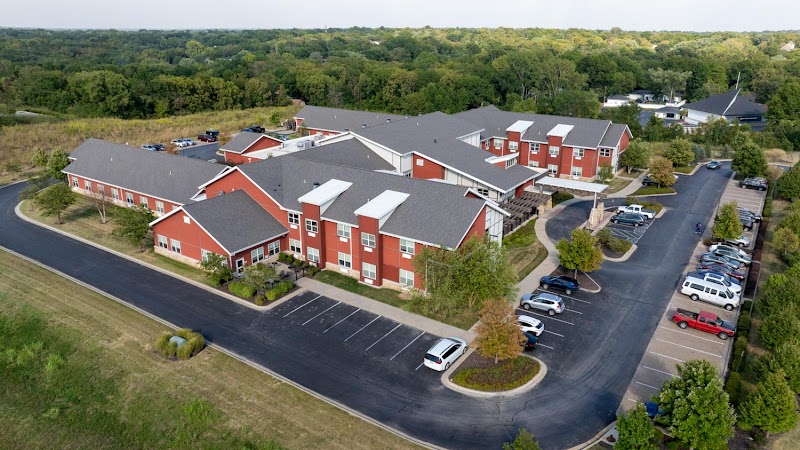
Who Owns and Operates The Healthcare Resort Of Kansas City?

THE HEALTHCARE RESORT OF KANSAS CITY is owned by a for-profit company. For-profit facilities operate as businesses with obligations to shareholders or private owners. The facility is operated by THE ENSIGN GROUP, a chain that manages multiple nursing homes. With 70 certified beds and approximately 59 residents (about 84% occupancy), it is a smaller facility located in KANSAS CITY, Kansas.

How Does The Healthcare Resort Of Kansas City Compare to Other Kansas Nursing Homes?

Compared to the 100 nursing homes in Kansas, THE HEALTHCARE RESORT OF KANSAS CITY's overall rating (3 stars) is above the state average of 2.9, staff turnover (52%) is near the state average of 46%, and health inspection rating (2 stars) is below the national benchmark.

What Should Families Ask When Visiting The Healthcare Resort Of Kansas City?

Based on this facility's data, families visiting should ask: "Can I visit during a mealtime to observe dining assistance and food quality?" "How do you handle medical emergencies, and what is your hospital transfer rate?" "Can I speak with family members of current residents about their experience?"

Is The Healthcare Resort Of Kansas City Safe?

Based on CMS inspection data, THE HEALTHCARE RESORT OF KANSAS CITY has a clean safety record: no substantiated abuse findings (meaning no confirmed cases of resident harm), no Immediate Jeopardy citations (the most serious violation level indicating risk of serious injury or death), and is not on the Special Focus Facility watch list (a federal program monitoring the lowest-performing 1% of nursing homes). The facility has a 3-star overall rating and ranks #1 of 100 nursing homes in Kansas. While no facility is perfect, families should still ask about staff-to-resident ratios and recent inspection results during their visit.

Do Nurses at The Healthcare Resort Of Kansas City Stick Around?

THE HEALTHCARE RESORT OF KANSAS CITY has a staff turnover rate of 52%, which is 6 percentage points above the Kansas average of 46%. Moderate turnover is common in nursing homes, but families should still ask about staff tenure and how the facility maintains care continuity when employees leave.

Was The Healthcare Resort Of Kansas City Ever Fined?

THE HEALTHCARE RESORT OF KANSAS CITY has been fined $27,612 across 1 penalty action. This is below the Kansas average of $33,355. While any fine indicates a compliance issue, fines under $50,000 are relatively common and typically reflect isolated problems that were subsequently corrected. Families should ask what specific issues led to these fines and confirm they've been resolved.

Is The Healthcare Resort Of Kansas City on Any Federal Watch List?

THE HEALTHCARE RESORT OF KANSAS CITY is not on any federal watch list. The most significant is the Special Focus Facility (SFF) program, which identifies the bottom 1% of nursing homes nationally based on persistent, serious quality problems. Not being on this list means the facility has avoided the pattern of deficiencies that triggers enhanced federal oversight. This is a positive indicator, though families should still review the facility's inspection history directly.