LANSING CARE AND REHAB

210 PLAZA DRIVE, LANSING, KS 66043 (913) 727-1284
For profit - Corporation 58 Beds MISSION HEALTH COMMUNITIES Data: November 2025
Trust Grade
73/100
#22 of 295 in KS
Last Inspection: February 2024

Within standard 12-15 month inspection cycle. Federal law requires annual inspections.

Overview

Lansing Care and Rehab has a Trust Grade of B, indicating it is a good choice among nursing homes but not exceptional. It ranks #22 out of 295 facilities in Kansas, placing it in the top half, and is the best option among five nursing homes in Leavenworth County. However, the facility's performance is worsening, with issues increasing from one in 2023 to six in 2024. Staffing is below average at 2 out of 5 stars, with a 42% turnover rate, which is slightly better than the state average. Notably, there are concerning incidents, such as failures in catheter care that resulted in urinary tract infections and complications, along with insufficient RN coverage compared to 97% of Kansas facilities, meaning residents may not receive the thorough care they need. While the overall star rating for health inspections is excellent, the presence of serious and potential harm incidents indicates areas needing significant improvement.

Trust Score
B
73/100
In Kansas
#22/295
Top 7%
Safety Record
Moderate
Needs review
Inspections
Getting Worse
1 → 6 violations
Staff Stability
○ Average
42% turnover. Near Kansas's 48% average. Typical for the industry.
Penalties
✓ Good
$9,654 in fines. Lower than most Kansas facilities. Relatively clean record.
Skilled Nurses
⚠ Watch
Each resident gets only 14 minutes of Registered Nurse (RN) attention daily — below average for Kansas. Fewer RN minutes means fewer trained eyes watching for problems.
Violations
⚠ Watch
24 deficiencies on record. Higher than average. Multiple issues found across inspections.
★★★★★
5.0
Overall Rating
★★☆☆☆
2.0
Staff Levels
★★★☆☆
3.0
Care Quality
★★★★★
5.0
Inspection Score
Stable
2023: 1 issues
2024: 6 issues

The Good

  • Full Sprinkler Coverage · Fire safety systems throughout facility
  • No fines on record
  • Staff turnover below average (42%)

    6 points below Kansas average of 48%

Facility shows strength in fire safety.

The Bad

Staff Turnover: 42%

Near Kansas avg (46%)

Typical for the industry

Federal Fines: $9,654

Below median ($33,413)

Minor penalties assessed

Chain: MISSION HEALTH COMMUNITIES

Part of a multi-facility chain

Ask about local staffing decisions and management

The Ugly 24 deficiencies on record

1 actual harm
Feb 2024 6 deficiencies
CONCERN (D)

Potential for Harm - no one hurt, but risky conditions existed

Deficiency F0561 (Tag F0561)

Could have caused harm · This affected 1 resident

The facility reported a census of 47 residents. The sample included 12 residents with one reviewed for self-determination. Based on record review, interviews, and observations, the facility failed to ...

Read full inspector narrative →
The facility reported a census of 47 residents. The sample included 12 residents with one reviewed for self-determination. Based on record review, interviews, and observations, the facility failed to accommodate Resident (R)28's preferred sleep schedule. This deficient practice placed R28 at risk for decreased psychosocial well-being. Findings Included: - The Medical Diagnosis section within R28's Electronic Medical Records (EMR) included diagnoses of peripheral vascular disease (PVD- slow and progressive circulation disorder causing narrowing, blockage, or spasms in a blood vessel), hypertension (high blood pressure), chronic obstructive pulmonary disease (COPD- a progressive and irreversible condition characterized by diminished lung capacity and difficulty or discomfort in breathing), and diabetes mellitus (DM-when the body cannot use glucose, not enough insulin is made, or the body cannot respond to the insulin). R28's Quarterly Minimum Data Set (MDS) completed 01/10/24 indicated a Brief Interview for Mental Status (BIMS) score of 13 indicating intact cognition. The MDS indicated he was independent with his activities of daily living (ADLs). The MDS indicated he took insulin (a hormone that lowers the level of glucose in the blood) seven days a week. R28's ADLs Care Area Assessment (CAA) completed 05/30/23 noted he could independently complete his ADLs. The CAA noted he was at risk for impaired ADLs, falls, skin breakdown, weight loss, dehydration, and cognitive decline related to his medical diagnoses. R28's Care Plan initiated 05/05/23 indicated he was at risk for complications related to his diabetes mellitus and cardiovascular health concerns. The plan instructed staff to ensure his medication was administered as ordered. The plan indicated he took metoprolol medication related to his hypertension and inulin for his type two diabetes mellitus. The plan instructed staff to monitor, document, and report changes related to his medication use or side effects. The care plan indicated he slept during the day and preferred to stay up at night but failed to provide interventions related to his missed medications. An Activities -Recreation note dated 12/27/23 indicated R28 preferred to sleep during the day. The note indicated he preferred to wake up around 01:00 AM and hang out with staff at night. A review of R28's Medication Administration Report (MAR) between 11/01/23 through 02/08/24 (99 days reviewed) indicated he was to receive 24 units of Insulin Glargine (long-acting insulin medication) subcutaneously (beneath the skin) twice daily related to his type two diabetes mellitus. A review of the MAR for 01/2024 indicated this medication was not administered on 16 occasions due to R28 sleeping. The missed medication occurrences occurred during his scheduled 08:00 AM administration. A review of R28's Medication Administration Report (MAR) between 11/01/23 through 02/08/24 (99 days reviewed) indicated he was to receive 20 units of insulin aspart (fast-acting insulin medication) subcutaneously three times daily for DM. A review of the MAR for 01/2024 indicated this medication was not administered on 42 occasions due to R28 sleeping. The missed medication occurrences occurred during his scheduled 08:00 AM administration. A review of R28's MAR between 11/01/23 through 02/08/24 (99 days reviewed) indicated he was to receive 25 milligrams (mg) of metoprolol (medication used to lower blood pressure) by mouth twice daily for hypertension. A review of the MAR for 01/2024 indicated this medication was not administered on 27 occasions due to R28 sleeping. The missed medication occurrences occurred during his scheduled 08:00 AM administration. On 02/07/23 at 11:45 AM R28 sat in his wheelchair in his room and awaited lunch. R28 stated he often missed his medication due to he often slept in. He stated the facility had not offered to adjust his medication to fit his preferred sleep schedule and he was often wakened by staff right when he attempted to go to bed. On 02/08/24 at 12:39 PM Certified Nurses Aid (CNA) M stated R28 would often sleep through morning medications and eat breakfast later in the morning before his smoke break. She stated he preferred to stay up late at night and took naps throughout the day. On 02/08/24 at 01:00 PM, Licensed Nurse (LN) G stated R28's sleep schedule was hard to predict. She stated R28 preferred to sleep late in the mornings and would often miss morning medications. She stated if medications were refused or missed, the nurse should document the event in the MAR and notify the physician. She was not sure if R28 was offered to change his medication administration times to coincide with his preferred sleep schedule. On 02/08/24 at 01:12 PM Administrative Nurse D stated staff were expected to document missed medications and refusals in the MAR and notify the physician. She stated the residents would be assessed for side effects of the medications. She stated the facility has not attempted to adjust his medication times due to the difficulty of his insulin and cardiac medications. The facility failed to provide a policy related to preferences and choices as requested on 02/08/24. The facility failed to accommodate and personalize services around R28's preferred sleep schedule. This deficient practice placed R28 at risk for decreased psychosocial well-being.
CONCERN (D)

Potential for Harm - no one hurt, but risky conditions existed

Deficiency F0582 (Tag F0582)

Could have caused harm · This affected 1 resident

The facility identified a census of 47 residents. The sample included 12 residents with three residents reviewed for Beneficiary Notification. Based on record review and interview the facility failed ...

Read full inspector narrative →
The facility identified a census of 47 residents. The sample included 12 residents with three residents reviewed for Beneficiary Notification. Based on record review and interview the facility failed to ensure a Center for Medicare/Medicaid Services (CMS) form 10055 Advance Beneficiary Notice of Non-coverage (ABN) form was provided to Resident (R) 13. This placed R13 residents at risk of uninformed treatment decisions and unexpected costs. Findings included: - A review of R13's Electronic Medical Record (EMR) documented the Medicare Part A episode began on 09/06/23 and ended on 10/02/23. R13 remained in the facility for custodial care. A review of R13's EMR revealed the ABN form CMS-10055 was not provided as required after her Medicare Part A coverage ended. On 02/08/24 at 01:05 PM Administrative Nurse F stated it was brought to the management's attention that the ABN form was not being issued to the residents as it should be. The facility lacked a policy for ABN Notification. The facility failed to ensure R13 was provided with CMS ABN Form 10055. This placed this resident at risk for uninformed treatment decisions and unexpected costs.
CONCERN (D)

Potential for Harm - no one hurt, but risky conditions existed

Transfer Notice (Tag F0623)

Could have caused harm · This affected 1 resident

**NOTE- TERMS IN BRACKETS HAVE BEEN EDITED TO PROTECT CONFIDENTIALITY** The facility identified a census of 47 residents. The sample included 12 residents with three residents reviewed for hospitaliza...

Read full inspector narrative →
**NOTE- TERMS IN BRACKETS HAVE BEEN EDITED TO PROTECT CONFIDENTIALITY** The facility identified a census of 47 residents. The sample included 12 residents with three residents reviewed for hospitalization. Based on observation, record review, and interviews, the facility failed to provide written notification of the reason and location for the facility-initiated transfer for Resident (R)43 and R47. This deficient practice placed the resident at risk of delayed care or uncommunicated care needs. Findings Included: - The Medical Diagnosis section within R43's Electronic Medical Records (EMR) included diagnoses of end-stage renal failure, hypertension (high blood pressure), muscle weakness, cerebral infarction (stroke- sudden death of brain cells due to lack of oxygen caused by impaired blood flow to the brain by blockage or rupture of an artery to the brain), and type two diabase mellitus (DM-when the body cannot use glucose, not enough insulin made or the body cannot respond to the insulin). R43's EMR recorded a Discharge Assessment-Return Anticipated Minimum Data Set (MDS) which recorded R43 discharged to the acute hospital on [DATE]. R43's Entry Tracking Record MDS documented R43 returned to the facility on [DATE]. R43's admission Minimum Data Set (MDS) completed on 12/08/23 noted a Brief Interview for Mental Status (BIMS) score of 15 indicating intact cognition. The MDS indicated he required moderate staff assistance with transfers, bathing, toileting, dressing, and bed mobility. The MDS indicated he used a wheelchair for mobility. R43's Care Plan initiated 12/03/23 indicated he was at risk for falls and impaired nutrition related to his medical diagnoses. The plan instructed staff to assist R43 with bathing, grooming, dressing, transfers, and bed mobility as needed. The plan noted R43 received dialysis (a procedure where impurities or wastes were removed from the blood) services three times weekly. R43's EMR under the Progress Notes tab documented a Nursing Note on 01/30/24 indicating he reported weakness and difficulty breathing. The note indicated R43 was sent out for emergency treatment to an acute care facility. The note indicated he was admitted for pneumonia (inflammation of the lungs). R43's EMR indicated he returned to the facility on [DATE]. R43's clinical record lacked evidence written notification of the facility-initiated transfer which included the location and reason for the transfer was provided to R43 or his representatives. The facility was unable to provide this documentation as requested on 10/03/23. On 02/08/24 at 08:30 AM R43 transferred from his wheelchair to his bed with staff assistance. R43 reported he recently returned from an acute care facility due to pneumonia but he felt better now. R43 was not aware of the facility giving him written documentation about his transfer. On 02/08/24 at 10:21 AM Social Service X reported the facility sent a bed hold form but did not include a written notification of transfer. She stated the facility called the resident representative and told them in person. The facility did not provide a policy for written notification of transfer/discharge. The facility failed to provide written notification of the reason and location for the facility-initiated transfer to the hospital to R43 or his representative. This deficient practice placed R43 at risk of delayed care or uncommunicated care needs. - The electronic medical record (EMR) for R47 documented diagnosis of congestive heart failure (CHF- a condition with low heart output and the body becomes congested with fluid), end-stage renal disease (ESRD-a terminal disease of the kidneys), atrial fibrillation (A fib- rapid, irregular heartbeat), and diabetes mellitus (DM-when the body cannot use glucose, not enough insulin was made, or the body cannot respond to the insulin). The admission Minimum Data Set (MDS) dated 04/09/23 documented R47 had a Brief Interview for Mental Status (BIMS) score of 15 which indicated an intact cognition. R47 required supervision to partial/moderate assistance from staff for functional abilities. R47 was on dialysis (a procedure where impurities or wastes were removed from the blood) services. The Discharge Care Plan initiated on 04/14/23 for R47 directed staff that the resident was staying in long-term care. R47 was on dialysis. R47 had weekly family visits and the only activities R47 was interested in was watching old movies. The Activities of Daily Living (ADL) Care Area Assessment (CAA) dated 08/02/23 for R47 documented he was admitted to this facility for aftercare related to a fall with a fracture. R47 had a diagnosis of heart failure, ESRD with dialysis, and syncope (fainting or passing out). R47 was alert and able to communicate his needs with a BIMS score of 15. R57 required limited assistance with ADLs and was independent with eating. R47 was steady walking but was able to stabilize without staff assistance. R47 utilized the use of a wheelchair for locomotion throughout the facility. R47's EMR documented a Nursing Note dated 01/30/24 at 02:48 PM. The note documented R47 returned from dialysis at 01:15 PM and had audible wheezing along with gurgling. Staff contacted the provider and received an order to send R47 out to the emergency room to be evaluated. R47's EMR documented a Nursing Progress Note dated 02/02/24 at 02:37 PM. R47 was admitted to the hospital due to respiratory failure and hypoxia (inadequate supply of oxygen). R47 returned to the facility at 01:00 PM vital signs were obtained. The resident was transferred to his recliner with the standby assist of one using R47's walker. Upon request, a copy of the Bed Hold was received for R47's unplanned discharge on [DATE]. The facility lacked any written notification of transfer/discharge provided to R47 or his representative for his unplanned discharge on [DATE]. On 02/06/24 at 03:10 PM Social Services X stated upon discharge/transfer the resident and/or representative would be provided the Bed Hold. Social Services X stated typically the representative was notified by phone call when R47 was discharged . Social Services X stated she did not believe the facility had a transfer/discharge form that was used and/or provided to the resident and mailed to the representative. The facility lacked a policy for written notification of transfer/discharge. The facility failed to provide written notification of transfer with the required information for R47 in a practicable amount of time. This deficient practice had the risk of miscommunication between the facility and resident/family and possible missed opportunity for healthcare service for R47.
CONCERN (D)

Potential for Harm - no one hurt, but risky conditions existed

Drug Regimen Review (Tag F0756)

Could have caused harm · This affected 1 resident

The facility identified a census of 47 residents. The sample included 12 residents with five reviewed for unnecessary medications. Based on record review, interviews, and observations, the facility fa...

Read full inspector narrative →
The facility identified a census of 47 residents. The sample included 12 residents with five reviewed for unnecessary medications. Based on record review, interviews, and observations, the facility failed to ensure the Consultant Pharmacist (CP) identified and reported missed medication administrations related to Resident (R)28's prescribed insulin (a hormone that lowers the level of glucose in the blood) and metoprolol (medication used to treat high blood pressure) on the monthly reports. This practice placed R28 at risk for unnecessary medication administration and unwarranted side effects. Findings Included: - The Medical Diagnosis section within R28's Electronic Medical Records (EMR) included diagnoses of peripheral vascular disease (PVD- slow and progressive circulation disorder causing narrowing, blockage, or spasms in a blood vessel), hypertension (high blood pressure), chronic obstructive pulmonary disease (COPD- a progressive and irreversible condition characterized by diminished lung capacity and difficulty or discomfort in breathing), and diabetes mellitus (DM-when the body cannot use glucose, not enough insulin is made, or the body cannot respond to the insulin). R28's Quarterly Minimum Data Set (MDS) completed 01/10/24 indicated a Brief Interview for Mental Status (BIMS) score of 13 indicating intact cognition. The MDS indicated he was independent with his activities of daily living (ADLs). The MDS indicated he took insulin seven days a week. R28's ADLs Care Area Assessment (CAA) completed 05/30/23 noted he could independently complete his ADLs. The CAA noted he was at risk for impaired ADLs, falls, skin breakdown, weight loss, dehydration, and cognitive decline related to his medical diagnoses. R28's Care Plan initiated 05/05/23 indicated he was at risk for complications related to his diabetes mellitus and cardiovascular health concerns. The plan instructed staff to ensure his medication was administered as ordered. The plan indicated he took metoprolol medication related to his hypertension and inulin for his type two diabetes mellitus. The plan instructed staff to monitor, document, and report changes related to his medication use or side effects. The care plan indicated he slept during the day and preferred to stay up at night but failed to provide interventions related to his missed medications. A review of R28's Medication Administration Report (MAR) between 11/01/23 through 02/08/24 (99 days reviewed) indicated he was to receive 24 units of insulin glargine (long-acting insulin medication) subcutaneously (beneath the skin) twice daily related to his type two diabetes mellitus. A review of the MAR for 01/2024 indicated this medication was not administered on 16 occasions due to R28 sleeping. The EMR lacked evidence of physician notification. A review of R28's MAR between 11/01/23 through 02/08/24 (99 days reviewed) indicated he was to receive 20 units of insulin aspart (fast-acting insulin medication) subcutaneously three times daily for type 2 diabetes mellitus. A review of the MAR for 01/2024 indicated this medication was not administered on 42 occasions due to R28 sleeping. The EMR lacked evidence of physician notification. A review of R28's MAR between 11/01/23 through 02/08/24 (99 days reviewed) indicated he was to receive 25 milligrams (mg) of metoprolol by mouth twice daily for hypertension. A review of the MAR for 01/2024 indicated this medication was not administered on 27 occasions due to R28 sleeping. R28's metoprolol order instructed staff to hold the medication if R28's systolic blood pressure (SBP-relating to the phase of the heartbeat when the heart muscle contracts and pumps blood from the chambers into the arteries) was less than (<) 110 millimeters of mercury (mmHg) or pulse (heart rate) (<) 60 beats per minute (bpm). The EMR lacked R28's blood pressure or heart rate for the missing days. The EMR lacked evidence of physician notification. A review of the Facility's pharmacy Consultation Reports from 05/04/23 through 02/01/24 revealed no reporting of the missed medication occurrences or recommendations to review the medication occurrences. On 02/07/23 at 11:45 AM R28 sat in his wheelchair in his room and awaited lunch. R28 stated he often missed his medication due to he often slept in. He stated the facility had not offered to adjust his medication to fit his preferred sleep schedule and he was often wakened by staff right when he attempted to go to bed. On 02/08/24 at 01:00 PM, Licensed Nurse (LN) G stated R28's stated holes in the MAR or missed medications should be reported to the physician and Administrative Nurse D. On 02/08/24 at 01:12 PM Administrative Nurse D stated the pharmacist sent the monthly reports for review but had not identified the medication irregularities to the facility. She stated she received the monthly reviews and reviewed them with her team and recorded the physician orders. She stated she was usually able to do chart checks to see missed medication passes but recent issues with the EMR system prevented her from doing so. On 02/12/24 at 02:03 PM, the CP reported staff should report missed dosages and record them in the EMR. He stated he believed staff was incorrectly coding refusals as him sleeping. He stated the monthly reports should reflect irregularities found on the MAR and should be reported to the facility. The facility's provided Pharmacy Services policy revised 11/2017 indicated the pharmacy will work with the facility to provide monthly monitoring services to identify medication irregularities and report the findings to the facility's interdisciplinary team. The policy noted the CP will help develop processes to improve the receiving, monitoring, writing, and reviewing of medication orders. The facility failed to ensure the CP identified and reported missed medication administrations related to R28's prescribed insulin and metoprolol medications on the monthly reports. This practice placed R28 at risk for unnecessary medication administration and unwarranted side effects.
CONCERN (D)

Potential for Harm - no one hurt, but risky conditions existed

Deficiency F0757 (Tag F0757)

Could have caused harm · This affected 1 resident

The facility identified a census of 47 residents. The sample included 12 residents with five reviewed for unnecessary medications. Based on record review, interviews, and observations, the facility fa...

Read full inspector narrative →
The facility identified a census of 47 residents. The sample included 12 residents with five reviewed for unnecessary medications. Based on record review, interviews, and observations, the facility failed to consistently administer Resident (R)28's prescribed insulin (a hormone that lowers the level of glucose in the blood) and metoprolol (a class of medication used to treat high blood pressure) medications This practice placed R28 at risk for unnecessary medication administration and unwarranted side effects. Findings Included: - The Medical Diagnosis section within R28's Electronic Medical Records (EMR) included diagnoses of peripheral vascular disease (PVD- slow and progressive circulation disorder causing narrowing, blockage, or spasms in a blood vessel), hypertension (high blood pressure), chronic obstructive pulmonary disease (COPD- a progressive and irreversible condition characterized by diminished lung capacity and difficulty or discomfort in breathing), and diabetes mellitus (DM-when the body cannot use glucose, not enough insulin is made, or the body cannot respond to the insulin). R28's Quarterly Minimum Data Set (MDS) completed 01/10/24 indicated a Brief Interview for Mental Status (BIMS) score of 13 indicating intact cognition. The MDS indicated he was independent with his activities of daily living (ADLs). The MDS indicated he took insulin seven days a week. R28's ADLs Care Area Assessment (CAA) completed 05/30/23 noted he could independently complete his ADLs. The CAA noted he was at risk for impaired ADLs, falls, skin breakdown, weight loss, dehydration, and cognitive decline related to his medical diagnoses. R28's Care Plan initiated 05/05/23 indicated he was at risk for complications related to his diabetes mellitus and cardiovascular health concerns. The plan instructed staff to ensure his medication was administered as ordered. The plan indicated he took metoprolol medication related to his hypertension and inulin for his type two diabetes mellitus. The plan instructed staff to monitor, document, and report changes related to his medication use or side effects. The care plan indicated he slept during the day and preferred to stay up at night but failed to provide interventions related to his missed medications. A review of R28's Medication Administration Report (MAR) between 11/01/23 through 02/08/24 (99 days reviewed) indicated he was to receive 24 units of insulin glargine (long-acting insulin medication) subcutaneously (beneath the skin) twice daily related to his type two diabetes mellitus. A review of the MAR for 01/2024 indicated this medication was not administered on 16 occasions due to R28 sleeping. The EMR lacked evidence of physician notification. A review of R28's MAR between 11/01/23 through 02/08/24 (99 days reviewed) indicated he was to receive 20 units of insulin aspart (fast-acting insulin medication) subcutaneously three times daily for type 2 diabetes mellitus. A review of the MAR for 01/2024 indicated this medication was not administered on 42 occasions due to R28 sleeping. The EMR lacked evidence of physician notification. A review of R28's MAR between 11/01/23 through 02/08/24 (99 days reviewed) indicated he was to receive 25 milligrams (mg) of metoprolol by mouth twice daily for hypertension. A review of the MAR for 01/2024 indicated this medication was not administered on 27 occasions due to R28 sleeping. R28's metoprolol order instructed staff to hold the medication if R28's systolic blood pressure (SBP-relating to the phase of the heartbeat when the heart muscle contracts and pumps blood from the chambers into the arteries) was less than (<) 110 millimeters of mercury (mmHg) or pulse (heart rate) (<) 60 beats per minute (bpm). The EMR lacked R28's blood pressure or heart rate for the missing days. The EMR lacked evidence of physician notification. A review of the Facility's pharmacy Consultation Reports from 05/04/23 through 02/01/24 revealed no reporting of the missed medication occurrences or recommendations to review the medication occurrences. On 02/07/23 at 11:45 AM R28 sat in his wheelchair in his room and awaited lunch. R28 stated he often missed his medication due to he often slept in. He stated the facility had not offered to adjust his medication to fit his preferred sleep schedule and he was often wakened by staff right when he attempted to go to bed. On 02/08/24 at 12:39 PM Certified Nurses Aid (CNA) M stated R28 often slept through morning medications and ate breakfast later in the morning before his smoke break. She stated he preferred to stay up late at night and he took naps throughout the day. On 02/08/24 at 01:00 PM, Licensed Nurse (LN) G stated R28's sleep schedule was hard to predict. She stated he preferred to sleep late in the mornings and would often miss morning medications. She stated if medications were refused or missed, the nurse should document the event in the MAR and notify the physician. On 02/08/24 at 01:12 PM Administrative Nurse D stated she expected staff to document missed medications and refusals in the MAR and notify the physician. She stated the residents would be assessed for side effects of the medications. She stated the facility had not attempted to adjust R28's medication times due to the difficulty of his insulin and cardiac medications. A review of the facility's Physician's Orders policy revised 06/2023 indicated the facility will provide adequate monitoring for medications. The policy indicated that licensed staff were expected to verify and administer medications only upon a written order. The policy indicates the facility must notify the medical provider of changes in the resident's treatment, conditions, administration, or behaviors. The facility failed to consistently administer R28's prescribed insulin and metoprolol medications This practice placed R28 at risk for unnecessary medication administration and unwarranted side effects.
CONCERN (D)

Potential for Harm - no one hurt, but risky conditions existed

Deficiency F0806 (Tag F0806)

Could have caused harm · This affected 1 resident

The facility identified a census of 47 residents. The sample included 12 residents with one resident sampled for food. Based on observation, record review, and interview the facility failed to ensure ...

Read full inspector narrative →
The facility identified a census of 47 residents. The sample included 12 residents with one resident sampled for food. Based on observation, record review, and interview the facility failed to ensure facility staff accommodated Resident (R) 8's food allergies and food choices. This deficient practice had the potential for adverse food reactions and negative outcomes. Findings included: - The electronic medical record (EMR) for R8 documented diagnosis of hypertension (HTN- elevated blood pressure), chronic obstructive pulmonary disease (COPD- a progressive and irreversible condition characterized by diminished lung capacity and difficulty or discomfort in breathing), and anxiety (mental or emotional reaction characterized by apprehension, uncertainty, and irrational fear). The Annual Minimum Data Set (MDS) dated 07/29/23 for R8 documented a Brief Interview for Mental Status (BIMS) score of 15, which indicated intact cognition. R8 required substantial/maximal to dependent assistance with functional abilities. The Quarterly MDS dated 10/29/23 for R8 documented a BIMS score of 15 which indicated intact cognition. R8 required set-up for eating and substantial/maximal to dependent assist with functional abilities. The Activities of Daily Living (ADL) Care Area Assessment (CAA) dated 08/23/23 documented R8 was a long-term resident of the facility. R8 was alert and able to communicate her needs with a BIMS of 15. R8 required extensive assistance with bed mobility and dressing. R8 required total assistance with toileting and transfers with a mechanical lift, limited assistance with hygiene and grooming, and supervision with eating. R8 did not want to come out of her room and preferred watching TV in her room in peace. R8 had voiced concern about her weight and was referred to the dietician. R8's Nutritional Care Plan last revised 04/27/23 directed staff to honor R8's food preferences and update them as needed. Staff was directed to provide R8 with a regular diet, and regular texture. The registered dietician was to evaluate and make recommendations as needed. R8's EMR dashboard and main screen documented allergies to milk and milk products. R8's printed meal tickets listed allergies to milk and milk products. R8's meal tickets also documented her dislike of gravy, eggs, ham, white bread, tomatoes or tomato soup, and apple juice. R8's printed meal ticket listed her beverage preference of water, coffee, and soy milk. The printed meal tickets also documented assist instructions for soy milk for breakfast, a cup with a lid, and smaller portions. On 02/05/24 at 09:18 AM R8 stated she had an allergy to milk and milk products but was served eggs with cheese and other foods that had cheese in them which caused her to have diarrhea. R8 stated she often got served gravy on foods and other foods she disliked. R8 stated the kitchen staff usually did okay at the breakfast meal as she ate cereal, and was provided soy milk. On 02/07/24 at 01:02 PM, R8 stated for lunch that day, the potatoes had so much cheese in them that she had to stop eating them and then shortly after, had to call for assistance because she felt diarrhea/loose stools coming on. On 02/08/24 at 10:12 AM Dietary CC stated she was aware of R8's milk and milk product allergy. Dietary CC stated she tried as much as possible to provide R8 meals that accommodated her allergy as well as her other likes and dislikes, but she was not always able to. Dietary CC stated R8's meal tickets did list the allergies and her dislikes, but at times R8 still ate foods she did not like or knew she could have a reaction from and would eat them anyway. On 02/08/24 at 12:39 PM Certified Nurse Aide (CNA) M stated that R8 did have a milk allergy and her meal tickets indicated that. CNA M stated R8 did at times eat foods that she disliked. CNA M stated R8 had never voiced that the foods she ate caused her stomach to be upset or diarrhea. On 02/08/24 at 01:20 PM Administrative Nurse D stated she visited with R8 frequently to go over her preferred foods. Administrative Nurse D stated that the kitchen staff and the nurses were aware of R8's allergy and preferences and tried to accommodate meals to follow them. Administrative Nurse D stated R8 would at times order food that she should not eat but ordered it anyway. The facility policy Resident Food Preferences last revised October 2023 documented that nutritional assessments would include an evaluation of individual food preferences. Residents receive food prepared in a form designed to meet individual needs, including preference, attending to allergies and intolerances. The Food Service Manager and/or Dietician would discuss the resident food preferences with the resident when such preferences conflict with a prescribed diet. The resident had the right to not comply with the prescribed diet or dietary restrictions. The Dietician, and nursing staff, assisted by the physician, would identify any nutritional issues or dietary restrictions that might affect the facility's effort to accommodate resident preferences. The resident's clinical record would document the resident's likes and dislikes and special dietary instructions or limitations such as altered food consistency and therapeutic restrictions. The Food Services Manager, Dietician, or nursing staff would visit residents periodically to determine if a revision was needed regarding food preferences. The nursing staff would inform the kitchen about resident requests. The facility failed to ensure R8's allergy and food preferences were accommodated at mealtimes. This placed R8 at risk for adverse food reactions and possible negative outcomes.
Dec 2023 1 deficiency 1 Harm
SERIOUS (G) 📢 Someone Reported This

A family member, employee, or ombudsman was alarmed enough to file a formal complaint

Actual Harm - a resident was hurt due to facility failures

Incontinence Care (Tag F0690)

A resident was harmed · This affected 1 resident

The facility identified a census of 50 residents. Three residents were reviewed for catheter (flexible tubing inserted through a narrow opening into a body cavity, particularly the bladder, for removi...

Read full inspector narrative →
The facility identified a census of 50 residents. Three residents were reviewed for catheter (flexible tubing inserted through a narrow opening into a body cavity, particularly the bladder, for removing fluid) care. Based on record review, interview, and observation, the facility failed to provide appropriate catheter cares for Resident (R) 1's indwelling urinary catheter when staff failed to provide flushes as ordered by the physician to prevent urinary tract infections (UTI), failed to ensure catheter cares were provided using acceptable standards of infection control practices, and failed to ensure interventions were consistently and correctly implemented to anchor the catheter to prevent worsening of catheter associated trauma. This deficient practice resulted in catheter related complications including UTI and traumatic injury caused by the indwelling urinary catheter. Findings included: - R1's Electronic Medical Record (EMR) under the Diagnosis tab documented diagnoses of neuromuscular dysfunction of bladder (a problem in which a person lacks bladder control due to a brain, spinal cord, or nerve condition), arthritis (inflammation of a joint characterized by pain, swelling, redness and limitation of movement), diabetes mellitus (DM-when the body cannot use glucose, not enough insulin made or the body cannot respond to the insulin) morbid obesity (excessive body fat) due to excess calories, muscle weakness, abnormal posture, reduced mobility, lack of coordination, and anxiety (mental or emotional reaction characterized by apprehension, uncertainty and irrational fear). The Annual Minimum Data Set (MDS) dated 06/21/23, documented a Brief Interview for Mental Status (BIMS) was not conducted due to R1 rarely/never being understood. Staff assessment revealed R1 had short-term and long-term memory problems and noted he recalled the current season, location of his room, staff names and faces, and that he was in a nursing home. R1 had a urinary catheter. R1 required substantial to maximal assistance from staff with sit-to-stand positioning, toileting, and chair/bed-to-chair transfers. The Urinary Incontinence Care Area Assessment (CAA) dated 06/21/23, documented R1 had a chronic indwelling catheter ordered by the physician. Staff encouraged R1 to lay down when changing the catheter. Staff were to avoid a leg bag as R1 had his legs elevated most of the day. The Psychosocial Well-Being CAA dated 06/21/23, documented R1 needed assistance with activities of daily living (ADLs) related to functional deficits. R1 experienced chronic pain related to arthritis in his hands. The ADL Functional/Rehabilitation Potential CAA dated 06/21/23 documented R1 required extensive assistance with bed mobility and toileting. R1's Care Plan revised on 08/05/21 documented R1 had an ADL self-care deficit related to osteoarthritis and dementia (progressive mental disorder characterized by failing memory and confusion). Interventions dated 08/05/21 directed staff to provide the resident with choices of assistance whether it be physical assistance, supervision, cueing, or encouragement and provide the resident with his need for assistance regarding toilet use. The resident was able to wash his hands, hold grab bars, wipe himself and adjust his clothing. An update was added on 05/12/23, which directed staff to provide R1 one-person limited assistance with a walker and a gait belt; if R1 was unable to complete the transfer safely due to weakness, nursing staff should assess and use the Hoyer (full body mechanical lift) as needed. R1's most recent ADL intervention was added on 08/15/23, which directed R1 refused to allow staff to place foot pedals on his wheelchair at times. R1's Care Plan, initiated 12/25/21 documented R1 was at risk for falls related to his balance problems. An intervention dated 12/25/21 directed staff to ensure R1's call light was within reach and remind him to use it when he needed assistance. An intervention dated 06/11/22 documented R1 had a BIMS of 14 (no cognitive impairment) and received education from the staff on proper transferring, and instruction to reach back to feel the chair before sitting down. Staff encouraged R1 to use his call light and allow staff to stand by assist with transfers for safety. An intervention dated 08/15/22 directed to send R1 to the emergency room for evaluation and treatment and an additional intervention revised on 08/29/22 documented the resident had a BIMS of 14 and received education on the importance of using his call light to alert staff to assist him with transfers when he felt short of breath or unsteady. An intervention dated 07/28/23 directed staff to offer R1 assistance to the toilet after dinner. R1's Care Plan, initiated 08/05/21, documented R1 had an indwelling catheter related to urinary retention. The care plan directed staff to monitor R1 for pain/discomfort due to the catheter and document. The care plan directed staff monitored, recorded, and reported to the physician any signs and symptoms of a urinary tract infection, which included burning, pain, blood-tinged urine, cloudiness, deepening of urine color, and foul-smelling urine. An intervention, dated 04/18/22, documented R1's family was educated on the need of a suprapubic catheter (urinary bladder catheter inserted through the abdomen into bladder) but refused related to the risks involved with the procedure. An intervention, last revised 06/28/22, directed R1 had an 18 French catheter and staff positioned the catheter bag and tubing below the level of the bladder. The care plan documented an intervention, initiated on 11/10/22, which directed staff to encourage R1 to lay down when having his catheter changed. An intervention, initiated on 01/05/23, directed R1 moved his catheter bag independently throughout the day, staff encouraged R1 to keep the bag below the bladder lever and staff educated R1 on the importance of catheter bag placement. R1's Care Plan did not address the need to ensure a securement device was in place to decrease tension and stabilize tubing during routine cares or when resident moved his catheter bag independently until during the onsite survey on 12/18/23 when an intervention was initiated which directed staff to ensure a securement device was in place to decrease tension of the tubing. The care plan did not address catheter care, including flushing to prevent sediment build-up; frequency of catheter changes, and monitoring of penile changes and treatments related to long-term catheter usage. Review of the Nursing: Weekly Skin Evaluations done weekly from 03/01/23 to 12/15/23 lacked mention of R1's penile wound, and any associated interventions and treatments during that review period. R1's clinical record lacked any wound assessment or documentation related to R1's penile wound, which included measurements, treatments, periwound (area around the wound) assessment or signs of infection. The Orders tab of R1's EMR revealed the following Physician's Orders: An order with a start date of 07/10/22 to place 18 French Foley catheter related to retention of urine with directions to change the catheter and bag as needed for signs and symptoms of infection, obstruction, or when the closed system was compromised. An order with a start date of 03/23/23 for sodium chloride (NS-normal saline solution) use 100 cubic centimeters (cc-unit of measurement) to irrigate the catheter three times daily. An order with a start date of 03/27/23 for a urology (the branch of medicine that deals with the diagnosis and treatment of diseases of the urinary tract and urogenital system) consult for the possibility of a suprapubic catheter placement. An order with a start date of 04/18/23 to cleanse R1's penis foreskin, pat the area dry, then apply triple antibiotic ointment until healed one time a day for wound care. An order with a start date of 07/11/23 for urine analysis (urinalysis) for white blood cell (WBC- type of blood cell that helps the body fight infection) count of 15.6 (elevated WBCs- normal range for men was between 5,000 and 10,000), blood noted at the catheter tip, and elevated temperature. An order with a start date of 12/12/23 for a STAT (immediate) follow up with urology related to a slit in R1's penis due to his catheter. An order with a start date of 12/18/23 for the wound care specialists to evaluate and treat. The Notes tab of R1's EMR revealed the following: A Nursing Note on 03/19/23 at 11:47 AM documented R1 had his foley catheter changed and staff observed blood and pus (thick liquid produced by infected tissue) at the end of the catheter. R1 received a new catheter utilizing aseptic technique (medical practice to prevent contamination from harmful bacteria) and staff obtained a urinalysis. The record lacked evidence of physician and family notification. An Infection Note on 03/24/23 at 10:09 AM documented R1's urine in the catheter tubing was cloudy yellow. R1's catheter was flushed per order. An Infection Note on 03/25/23 at 01:44 AM documented R1 continued an antibiotic for a urinary tract infection. R1's catheter was patent with yellow urine in the tubing. R1's catheter flushed with some resistance, and cloudy urine and sediment was observed with return. An Infection Note on 04/02/23 at 09:45 AM documented R1 completed the antibiotic for his UTI. R1's catheter was flushed per order without difficulty, with clear yellow urine in the catheter tubing and drainage bag. R1 denied any bladder discomfort. A Nursing Note on 04/18/23 at 11:00 AM documented R1 had blood on his catheter, and he complained of pain from his catheter site. The note documented R1 had a small laceration on his foreskin from possible erosion related to catheter tubing. Staff cleaned the area and applied triple antibiotic ointment. R1 received a new catheter without complication. R1's record lacked evidence of a physician and family notification. A Nursing Note on 04/27/23 at 04:21 PM documented R1 had a catheter tubing holder in place on his upper thigh area of his left leg. An Event Note on 07/11/23 at 02:49 PM documented R1's physician ordered a STAT blood urea nitrogen (BUN- test that measures the amount of urea nitrogen in the blood) and a urine analysis (UA) with culture and sensitivity. A Nursing Note on 07/12/23 at 01:12 AM documented R1 complained of increased pain in his lower abdomen and his foley catheter was not draining correctly. There was approximately 200 cc of yellow urine with moderate sediment in his catheter bag. R1 received a new catheter, with approximately 300 cc of urine return. R1 had a catheter leg strap in place. A Nursing Note on 07/14/23 at 03:45 PM documented R1 continued with an antibiotic for a UTI. R1's catheter was patent with yellow urine in the tubing and flushed without difficulties. A Nurses: Infection Note on 07/19/23 at 12:20 PM documented R1's catheter was patent and flushed easily. A Nursing Note on 09/21/23 at 03:04 PM documented staff placed a new 18 French catheter using aseptic technique without complications. A Social Services Note on 09/26/23 at 10:37 AM documented R1 had a scheduled urology appointment. Staff transported R1 and arrived at a closed office. Staff called R1's representative since she made the appointment and the facility waited for her to make another appointment. (R1's clinical record lacked any further action, follow up, or evidence of a rescheduled appointment.) A Nursing Note on 10/02/23 at 02:14 AM documented R1 complained of feeling the urge to urinate and of pain. Staff attempted to flush R1's catheter without success. Staff changed R1's catheter with a return of approximately 200 cc of clear, yellow urine. R1 reported he felt relief. A Nursing Note on 10/11/23 at 08:30 PM documented R1 had some bleeding around his penis and catheter insertion area. R1 had a small, dried smear of blood on his brief when his catheter was flushed around 10:00 PM. R1's record lacked evidence of physician or family notification. A Nursing Note on 12/11/23 at 01:20 PM, late entry, documented R1 had severe pain to his peri-area related to a previous wound to the tip of his penis from prior trauma. The area appeared to have worsened. R1's wound was beefy red in color and well-approximated with a small amount of blood in R1's brief. R1's family was at his bedside and was informed that R1 would benefit from a suprapubic catheter. R1's family stated the urologist informed her R1 was not a candidate for a suprapubic catheter. R1's record lacked evidence of physician notification at that time. A Nursing Note on 12/12/23 at 02:00 PM documented R1's family wanted to speak with a nurse related to R1's penile wound. Staff offered to call the physician to obtain an order to send R1 to the emergency room for evaluation and treatment related to her concern. Staff educated R1's family that a suprapubic catheter would probably be needed related to the location of his wound. R1's family declined to have R1 sent to the emergency room at that time, and she did not want a suprapubic catheter placed. Staff informed R1's family that the physician saw R1, and the facility moved forward with the urology consult. R1 rested in bed with no acute pain or discomfort and his catheter had free-flowing amber urine. A Nursing Note on 12/12/23 at 03:51 PM documented R1's family agreed that a suprapubic catheter was a good option. Review of the Tasks section in R1's EMR revealed the following: In October 2023 two days (10/11 and 10/14) lacked evidence catheter cares were provided and lacked record of refusal or out of community. Of the remaining days, catheter care was only provided once daily for 12 of the days. The catheter urine output lacked shift documentation for 26 of 31 day shifts and on four dates (10/05, 10/11, 10/17 and 10/30) no output was recorded at all. In November 2023 seven of the 30 days lacked evidence catheter care was provided more than once daily. The catheter urine output lacked shift documentation for 13 day shifts and on 11/02/23 no output was recorded at all. In December, from 12/01/23 through 12/18/23, two days (12/04 and 12/08) lacked evidence catheter was provided and lacked record of refusal or out of community. Of the remaining 16 days reviewed, seven of the days lacked evidence catheter care was provided more than once daily. The facility provided a physician/provider Progress Note from Consultant GG with a date of service of 12/26/23, which documented the resident was seen that day for a penile laceration secondary to long term use of an indwelling catheter. The note referenced a scholarly medical journal article, which indicated that long term catheterization (range from 6-12 months) along with other risk factors, one of which was poor catheter care, could lead to erosion. The note documented R1's age, weight, DM, wheelchair -bound status, as well as the long-term use of the catheter placed him at high risk for urethral (part of the body which drains urine) injury and penile erosion. The note further documented Consultant GG educated the facility staff to ensure R1's catheter was secure with a catheter securement device and encouraged catheter care. The note documented a plan to consult urology on the possibility of a suprapubic catheter; encourage catheter care, and staff were to make sure the catheter was secure to prevent the catheter from pulling during transfers. On 12/18/23 at 11:25 AM, R1 sat in his wheelchair with his feet on the foot pedals. He appeared clean, well-groomed, and in good spirits. R1's catheter collection bag hung in a privacy bag towards the front of the left side of his wheelchair. On 12/19/23 at 10:38 AM, R1 sat in his wheelchair with fresh clothing on and he appeared well-groomed and smiled when approached. His catheter collection bag hung in the privacy bag under the seat of his wheelchair. R1 stated that the facility emptied his catheter bag and drained the urine. He stated that staff completed catheter care for him, but it did not occur twice a day or even every day. R1 was able to recall that he was waiting for lunch and hoped it would be a good one. R1 stated his spouse would not be in to see him today, but she would be back tomorrow. On 12/19/23 at 12:16 PM, R1 sat on the toilet. Certified Nurse Aide (CNA) N responded to the bathroom call light on in R1's room. Certified Medication Aide (CMA) S also came and asked CNA N if she needed help with R1 and CNA N indicated she needed assistance. Observation revealed R1 had a leg band on his left leg mid-leg with the catheter tubing pulled taut from his penis to the leg band. CNA N donned (put on) gloves without washing her hands. CNA N asked R1 if he was ready to stand. CNA N wiped R1's buttocks, fastened a new brief, and pulled up his pants. CNA N and CMA S assisted R1 to his wheelchair and placed his catheter bag into the privacy bag. CNA N propelled R1 out of the bathroom, doffed (removed) her gloves, then propelled R1 to the dining room. CNA N did not perform hand hygiene. Once in the dining room, CNA N propelled R1 to his table and asked if he would like a drink and his lunch. R1 replied he would, and CNA N went to the kitchen window, grabbed R1's lunch plate, and delivered it to him. CNA N then retrieved R1's drink and placed a straw into the cup. At that point, CNA N had still not washed her hands or used hand sanitizer. On 12/19/23 at 02:18 PM, R1 laid in bed with the covers pulled up to his chest. His catheter bag hung from the side of his bed in a privacy bag. There was cloudy, yellow urine in the catheter tubing. Licensed Nurse (LN) I explained to R1 the procedure of flushing his catheter. LN I cleared off the over-the-bed table, wiped it down, and placed a clear barrier for the supplies needed to flush the catheter. LN I washed her hands, opened her sterile supplies, and donned her sterile gloves. LN I placed the sterile cloth between R1 and the bed. She took out a sterile syringe and drew up 30 cc of normal saline into the syringe. LN I unsecured R1's catheter tubing from the leg band, disconnected the drainage tube from the catheter tubing, disinfected the end of the catheter tubing with an alcohol pad, inserted the syringe, and began flushing the catheter with the 30 cc of normal saline. When LN I finished flushing the 30 cc, the drainage pan was placed, and the catheter tube was allowed to drain normal saline and urine. After drainage was completed, LN I disinfected the end of the catheter tubing and reconnected the drainage tube. LN I noted R1 had a red spot on his catheter tubing, requested a wipe, wiped off the tubing, then proceeded to change his brief. Once the brief was unfastened, R1 had drainage on the side of his leg and between his scrotum and leg. LN I requested a wipe and proceeded to wipe between the scrotum and the leg. There was yellow and reddish-brown drainage on the wipe. Wearing the same gloves, LN I used a second wipe to wipe around R1's catheter insertion site. R1 had a tear down the left lateral side of the penis. The edge of the tear was noted to be pink in color with no active discharge at the edge of the tear. LN I continued with the same wipe and cleansed the base of the penis. There was no odor noted while the cares were being provided and R1 did not appear to be uncomfortable. LN I attempted to wipe R1's leg under the catheter tubing and realized the tubing was too taut. LN I asked Administrative Nurse E if there was a different leg band that could be used as the current leg band appeared to be tight. Administrative Nurse E reported that she would retrieve a Statlock (adhesive device placed on a leg, used to secure an indwelling catheter). Administrative Nurse E doffed her gloves, performed hand hygiene, then left the room. She returned to the room with a Statlock, performed hand hygiene, and donned new gloves. LN I removed the elastic leg band and placed the adhesive Statlock on R1's left leg then secured the catheter tubing in place. On 12/18/23 at 11:26 AM, R1's representative stated that she had not been notified to the severity of R1's penile erosion. She stated when she saw R1's wound, she was upset. R1's representative stated the facility did not notify her about the wound though she visited three to four times a week. R1's representative stated she knew the urologist recommended a suprapubic catheter and shared her concern with whether the facility could care for a suprapubic catheter or not after seeing R1's current condition with a regular catheter. On 12/18/23 at 12:10 PM, CMA R stated R1 did not complain of pain, but she heard staff mention that R1 had a tear or cut on the tip of his penis prior to 12/11/23. CMA R did not recall when exactly she heard that. On 12/18/23 at 01:30 PM, CNA M stated a few months ago, R1 had a pungent odor during peri-care. CNA M said he changed R1's brief and put anti-fungal on his peri-area. CNA M stated on the morning of 12/11/23, R1 took himself to the toilet and when CNA M assisted R1 off the toilet, there were no issues. After breakfast, R1 complained of pain and LN H checked on him. CNA M stated R1's penis had split and was larger than the previous tear. CNA M demonstrated the size of the previous tear to R1's penis using his index finger and thumb, which was about one-fourth to one-half of an inch in size. On 12/18/23 at 01:45 PM, LN G stated on 12/11/23, LN H informed her R1 had pain with his catheter. LN G stated that upon assessment, R1's penis had a tear from the catheter tubing that extended from the tip of R1's penis to the base of his penis. LN G stated LN H told R1's representative he was in pain and that it would be best to have a suprapubic catheter placed. She stated R1's penile wound was there prior but had not worsened until 12/11/23. LN G stated R1 had a tear to the tip of his penis maybe six months prior but was unable to recall the exact timeframe. She stated staff completed peri-care on residents with catheters at least once every shift and the CNA emptied the catheter bag then documented the output every shift. On 12/18/23 at 02:43 PM, LN H stated she had not worked at the facility very long but was told by various staff members that the tear or split on R1's penis had been there for a while, over a year or so. She stated CNA M reported to her that R1 had the tear. LN H stated she recalled speaking with Consultant GG about the tearing and Consultant GG was not alarmed. LN H stated she was informed R1 had a previous treatment order of triple antibiotic ointment from a few months ago for an injury to his penis, so the tear was not new. LN H verified she failed to document the conversation with Consultant GG or what happened with R1 on 12/11/23 or 12/12/23. On 12/18/23 at 03:35 PM, Administrative Nurse D stated R1's injury to his penis was related to a self-transfer. R1 took himself to the bathroom and after breakfast and R1 had a lot of pain. LN H assessed R1, and he had a split in his penis. Administrative Nurse D stated the tear had been going on for a very long time and felt that it was related to R1 self-transferring. She stated that she did not notify the staff that R1 could get a tear from his catheter and staff had not mentioned that R1 lacked a leg band or needed a different type of anchoring device at any time. Administrative Nurse D stated she never asked the staff if R1 had a leg band to secure the tubing. On 12/19/23 at 10:50 AM, LN I stated she was aware of the split/tear in R1's penis. LN I stated it resulted when R1 transferred himself and the penile wound tore a little at a time. LN I stated if R1's catheter tubing was not placed correctly, it tugged and pulled. R1 wore a leg band to help secure the catheter, but it did not hold well. LN I stated R1 would benefit from a Statlock, but the facility did not order those. LN I stated she was asked to measure the tear on R1's penis and document the findings in a skin assessment. She stated when she assessed R1's splint/tear, the wound did not look new. LN I stated if a leg band or Statlock was not applied to catheter tube properly, the tube would get tugged on and pulled. She stated if there were concerns with a resident's catheter, she assessed the resident, notified the physician, and documented in the resident's chart. On 12/19/23 at 03:25 PM, LN I stated that usually she used prefilled syringes to flush R1's catheter. LN I stated she always flushed R1's catheter with 30 cc of normal saline. LN I stated she was surprised to have located the Statlock while getting the supplies ready to do R1's catheter flush as the devices were not previously ordered to her knowledge. LN I reviewed R1's catheter flushing order and confirmed the order directed staff to use 100 cc. On 12/19/23 at 05:11 PM, Administrative Nurse D stated she could not recall what the order was for flushing R1's catheter, but she expected staff to follow the physician's order. Administrative Nurse D stated she was concerned about R1's self-transfers due to the tension his catheter might cause. Administrative Nurse D stated there was not any previous event that would have caused trauma to R1's penis from a self-transfer, but she was concerned for his safety. She stated the first time she became aware of the tear or split in R1's penis from the catheter was on 12/11/23. Administrative Nurse D stated she had never heard of anything before that event. She stated she was unaware of any documented concerns for blood, pain, pus, or trauma for R1 from 03/01/23 to 12/11/23. Administrative Nurse D stated she had no concerns with the catheter cares provided by staff and felt staff completed the cares as required, but only charted by exception. She stated R1's family did not want him to have a suprapubic catheter and were firm on that decision. Administrative Nurse D stated the family had the right to refuse cares. Administrative Nurse D stated continued education and conversations with R1's family on the topic of the suprapubic catheter could be viewed as harassment. On 12/19/23 at 06:07 PM LN I stated that staff should definitely wash their hands after providing peri-care and prior to serving residents food. On 12/19/23 at 06:15 PM Administrative Nurse D stated she expected her staff to wash their hands after providing peri-care, when serving lunch or lunch trays, and when entering and exiting resident rooms. On 12/19/23 at 06:25 PM Administrative Staff A stated the nursing administration team should have reviewed and identified any concerns related to R1's catheter. The facility's Indwelling Urinary Catheters F690 policy, revised June 2022, directed staff to review the resident's care plan to assess for any special needs of the resident. The policy directed staff to maintain an accurate record of the resident's daily output, per facility policy and procedure. The policy directed staff to check the resident frequently to be sure he or she is not lying on the catheter and to keep the catheter and tubing free of kinks. The policy directed that routine hygiene was appropriate for catheter care; to empty the drainage bag regularly using a separate, clean collection container for each resident; and to empty the collection bag as least every shift. The policy also directed to change the indwelling catheters or drainage bag based on clinical indications such as infection, obstruction, or when the closed system was compromised. Staff were directed to ensure that the catheter remains secured with a leg strap to reduce friction and movement at the insertion site. The policy noted that catheter tubing should be strapped to the resident's inner thigh. The policy directed staff to notify the physician or supervisor in the event of bleeding; if the catheter was accidently removed; or if the resident reported any complaints of burning, tenderness, or pain in the urethral area. Staff were directed to document the date and time the catheter care was given; any assessment data obtained when giving catheter care such as color, clarity, or presence of odor in the urine; any problems noted with the catheter care at the catheter-urethral junction; any complaints from the resident; and if necessary, how the resident tolerated the procedure. The facility failed to provide adequate catheter cares for R1's indwelling urinary catheter when staff failed to provide flushes as ordered by the physician to prevent UTI, failed to ensure catheter cares were provided using acceptable standards of infection control practices, and failed to ensure interventions were consistently and correctly implemented to anchor the catheter to prevent worsening of catheter associated trauma. This deficient practice resulted in catheter related complications including UTI and traumatic injury caused by the indwelling urinary catheter.
Nov 2022 1 deficiency
CONCERN (D) 📢 Someone Reported This

A family member, employee, or ombudsman was alarmed enough to file a formal complaint

Potential for Harm - no one hurt, but risky conditions existed

Deficiency F0698 (Tag F0698)

Could have caused harm · This affected 1 resident

**NOTE- TERMS IN BRACKETS HAVE BEEN EDITED TO PROTECT CONFIDENTIALITY** The facility identified a census of 52 residents. The sample included three residents with two reviewed for dialysis (a procedu...

Read full inspector narrative →
**NOTE- TERMS IN BRACKETS HAVE BEEN EDITED TO PROTECT CONFIDENTIALITY** The facility identified a census of 52 residents. The sample included three residents with two reviewed for dialysis (a procedure for the clinical purification of blood as a substitute for the normal function of the kidney). Based on record review, observation, and interview, the facility failed to provide appropriate dialysis care and services consistent with professional standards of practice for Resident (R)1. This placed the resident at increased risk for adverse complications related to dialysis. Findings included: - The electronic medical record (EMR) documented R1 admitted to the facility on [DATE] with diagnoses that included hypertension (a condition in which the force of the blood against the artery walls is too high), heart failure and end-stage renal disease (ESRD- disease in which the kidneys are moderately or severely damaged and are not working as well as they should to filter waste from your blood). The admission Minimum Data Set (MDS) dated [DATE] documented R1 had a Brief Interview for Mental Status (BIMS) score of fourteen which indicated R1's cognition was intact. The MDS recorded R1 required limited assistance from staff with most activities of daily living (ADL). The MDS recorded R1 received dialysis services while a resident at the facility. The ADL Care Area Assessment (CAA) dated 10/17/22 documented R1 received dialysis three times a week at an outside facility. R1 was at risk for physical safety, isolation, depression, decline in ADL, impaired skin integrity, falls, and/or fall related injuries. The CAA documented R1 received therapy services and a care plan would be developed to minimize risks and return R1 to R1's prior level of independent living. R1's Care Plan dated 10/17/22 documented R1 had nutritional risk due to end stage renal disease. The care plan directed staff to provide a regular mechanical soft texture diet, provide double protein, and follow the registered dietician recommendations. R1's Care Plan further lacked documentation to identify dialysis cares needed as indicated in the CAA. The Physicians Order Sheet (POS) dated 10/12/22 documented R1 received Nepro (a therapeutic nutrition shake made specifically to help patients on dialysis) twice a day as a supplement. The POS lacked an order for dialysis. and lacked any other documentation to identify R1 received dialysis as well as location, times, and or information about the dialysis center. R1's clinical record further direction related to dialysis including location, times, and or information about the dialysis center. The clinical record lacked direction or orders for dialysis assessments, observation and/or precautions and care of the dialysis shunt site (a graft catheter that aids the connection from a hemodialysis access point to a major artery). A Nurses Progress Note dated 10/19/22 at 3:30 PM recorded R1 returned from dialysis and had elevated blood pressure and pulse rate. Staff sent R1 was sent to the hospital. On 11/08/22 at 10:34 AM R1 rested in her room while a nursing student assessed her vital signs. R1 had a dialysis shunt visible to her left arm Interviewed on 11/8/22 at 12:30 PM, Social Services Director (SSD) X stated R1 had a lot of complication since April of this year but her goal was to go home. SSD X said R1 had multiple health issues. She further stated she assisted with creating resident care plans and she was unaware R1's care plan did not reflect R1 received dialysis. On 11/08/22 at 1:30 PM Administrative Nurse D stated the facility did maintain a communication book at the nurses' station for R1's dialysis. Administrative Nurse D acknowledged the lack of orders and care plan directions regarding R1's dialysis and stated the issue would be corrected. The facility's Dialysis, Care for a Resident With policy revised 05/2021 documented, Residents with end stage renal disease will be cared for according to currently recognized standards of care. The policy documented orders would be recorded for dialysis to be provided at a certified dialysis center. Staff would be educated on the type of assessment data that would be gathered about the resident's condition on a daily or per shift basis; the timing and administration of medication particularly those before and after dialysis, and the care for grafts and fistulas. This same policy required agreements between the facility and contracted ESRD facility to include all aspects how the resident care would be managed, including, how the care plan would be developed and implemented. The facility failed to provide appropriate dialysis care for R1. This placed the resident at increased risk for adverse complications related to dialysis.
Jun 2022 6 deficiencies
CONCERN (D)

Potential for Harm - no one hurt, but risky conditions existed

Resident Rights (Tag F0550)

Could have caused harm · This affected 1 resident

The facility identified a census of 51 residents. The sample included 14 residents with seven residents reviewed for dignity. Based on observation, record review, and interviews, the facility failed t...

Read full inspector narrative →
The facility identified a census of 51 residents. The sample included 14 residents with seven residents reviewed for dignity. Based on observation, record review, and interviews, the facility failed to ensure Resident (R) 100, R200 and R36's urinary catheter (a flexible tube inserted through a narrow opening into a body cavity, particularly the bladder, for removing fluid) drainage bag was placed in a privacy bag. This deficient practice placed the residents at risk for negative psychosocial outcomes, and decreased dignity. Findings included: - On 06/27/22 at 12:40 PM R100's catheter bag, which lacked a privacy cover, was attached to the frame at the foot of the bed and bed and visible from the hall. [NAME] colored urine was visible in the bag from the hallway. 06/27/22 at 12:50 PM R200 wandered around the dining room, hallways, and main entry area. R200's catheter urine collection bag, which lacked a privacy bag, was visible on his right thigh. Yellow urine was visible in the catheter bag. On 06/27/22 at 03:46 PM R36's catheter urine collection bag, which lacked a privacy cover, was attached to the frame at the foot of the bed and was visible from the hall. Dark amber-colored urine was visible in the bag from the hall. On 06/27/22 at 04:36 PM R200 paced in the dining room R200 lacked a privacy cover on his catheter urine collection bag that was visible on his right thigh area. Yellow urine was visible in the catheter bag. On 06/28/22 at 07:07 AM R200 paced in the dining room. R200 lacked a privacy cover on the catheter urine collection bag that was visible on his right thigh. Yellow urine was visible in the catheter bag. On 06/28/22 at 12:48 PM R36's catheter bag, which lacked a privacy cover, was attached to the frame at the foot of the bed and bed and visible from the doorway. Dark amber colored urine was visible in the bag from the doorway. 06/28/22 01:34 PM R200 sat in common area There was no privacy cover on catheter bag that was visible on his right thigh area. Yellow urine was visible in catheter bag. On 06/29/22 at 09:39 AM R100's catheter bag, which lacked a privacy cover, was attached to the frame at the foot of the bed and bed and visible from the doorway. [NAME] colored urine was visible in the bag from the doorway. On 06/29/22 at 03:09 PM in an interview, Certified Medication Aide (CMA) R stated any resident that had a catheter bag should always have a privacy cover over the catheter urine collection bag. CMA R stated catheter care should be provided every time incontinence care or toileting was provided. On 06/29/22 at 03:37 PM in an interview, Licensed Nurse (LN) G stated every resident that had a urinary catheter should have a physician order, which size of catheter and a diagnosis for the catheter. LN G stated the catheter drainage bag should always be covered with a privacy bag/cover. LN G stated catheter care would be documented every shift in the EMR under tasks and would be provide every time incontinence care or toileting was provide for the resident. On 06/29/22 at 04:13 PM in an interview, Administrative Nurse D stated every resident with a catheter would need a physician order for the catheter, that included the size and a diagnosis for the continued use of the catheter. Administrative Nurse D stated catheter care would be documented under the tasks at least every shift but provided frequently throughout the day. The facility Exercise of Rights/Resident Rights policy last approved May 3033 documented each resident would always be treated with dignity and respect. Treated with Dignity means the resident would be assisted in maintaining and enhancing their self-esteem and self-worth The facility failed to ensure R100, R200 and R36's catheter drainage bag was placed in a privacy bag. This deficient practice placed them at risk for impaired dignity and decreased psychosocial well-being.
CONCERN (D)

Potential for Harm - no one hurt, but risky conditions existed

Accident Prevention (Tag F0689)

Could have caused harm · This affected 1 resident

The facility reported a census of 51. The sample included 14 residents with four reviewed for accidents. Based on observations, interviews, and record reviews, the facility failed to provide adequate ...

Read full inspector narrative →
The facility reported a census of 51. The sample included 14 residents with four reviewed for accidents. Based on observations, interviews, and record reviews, the facility failed to provide adequate supervision to prevent accidents or hazard related injuries for Resident (R)200. This deficient practice placed the resident at risk for preventable falls and injuries. Findings Included: -The Medical Diagnosis section within R200's Electronic Medical Records (EMR) included diagnoses of benign prostatic hyperplasia (BPH- non-cancerous enlargement of the prostate which can lead to interference with urine flow, urinary frequency and urinary tract infections), type two diabetes mellitus (when the body cannot use glucose, not enough insulin made or the body cannot respond to the insulin), retention of urine (lack of ability to urinate and empty the bladder), muscle weakness, dementia (progressive mental disorder characterized by failing memory, confusion), Crohn's disease (chronic inflammation of the bowel), and cellulitis (skin infection caused by bacteria characterized by heat, redness and swelling). R200's admission Minimum Data Set (MDS) was still in progress. His Brief Interview for Mental Status (BIMS) score was not available for review. A review of R200's Baseline Care Plan indicated that he was at risk for falls, wandering and elopement. The plan indicated staff were to increase supervision during times of exit seeking or unsafe wandering behaviors. The plan noted that staff should encourage R200 to participate in activities that he could comprehend. The plan stated that these activities should allow choice, self-expression, and empowering to him. The plan noted that he had a preventative elopement bracelet on his right wrist. On 06/27/22 at 12:50 PM R200 was observed wandering alone in between the dining hall and back hallway. His catheter bag positioned mid-thigh with clear urine side exposed below his red shorts. His gait belt was tied around his walker and slapping against his left leg each time he moved forward. He stopped several times and leaned forward to rest himself over his walker. On 06/27/22 at 03:20 PM R200 followed visitors to the main entry doors. His catheter bag was half full dangling mid-thigh as he walked to the door. The visitors left but R200 remained at the door. He pushed on the door several times setting off the alarm. He continued to wait by the door without a staff member intervening. He moved to the dining area and paced around the tables in the dining room. On 06/27/22 at 04:01 PM R200 left his walker next to the vending machine area and walked to the back-hallway area. On 06/28/22 at 02:37 PM R200 walked alone in the 100 hallway. He searched through the trash can located on the nurse's medication cart. He then moved to another medication cart on the opposite side of the hallway. He thoroughly searched the contents inside the trash can and then proceeded to go into another resident's room, all without staff supervision. An interview on 06/28/22 at 01:30PM with R200's representative, she stated R200 needed to be watched closely since he seemed to be continually moving. She stated that R200 had declined rapidly within the last month due to his dementia and that he could easily fall or injure himself unless he wassupervised. She said when R200 began to wander or appeared confused, he needed someone to redirect him with talk about his family or interests. An interview on 06/29/22 at 03:06 PM with Certified Medication Aid (CMA) R, she stated staff should be watching R200 at all times due to his being a high risk for falls. She reported that staff should offer activities that he enjoys such as snacks, drinks, music , and television when he appeared confusing or wandering. She stated that R200 can became easily agitated if staff interacted with him too much. She reported that staff should be checking the placement of his catheter bag and emptying it frequently so that it does not drop too far down his leg. An interview on 06/29/22 at 03:37 PM with Licensed Nurse (LN) H, she stated that staff should be checking R200's bag frequently each shift and inspecting it to make sure that it was comfortable and not hanging down his leg. She stated that staff should be interacting with him and encouraging him to participate in activities to prevent his wandering behaviors. She noted that his representative also comes to the facility frequently to help keep him from wandering. An interview on 06/29/22 at 04:11 PM with Administrative Nurse D, she stated that staff should always be watching R200 in the facility. She stated that he could become agitated with too much supervision, but staff should always keep in in sight. She stated that he never should be going through the trash cans or in other resident's rooms. She did note the resident is currently taking a medication that causes him to urinate frequently and his catheter bag may appear to be full most of the time, but staff should be emptying it. A review of the facility's Assessing Falls and Their Causes Guidelines revised 10/2010 stated that the facility should review the resident's care plan, medications, medical conditions, and equipment need to prevent falls. The facility failed to provide adequate supervision for Resident (R)200. This deficient practice placed the resident at risk for preventable falls and injuries.
CONCERN (D)

Potential for Harm - no one hurt, but risky conditions existed

Deficiency F0757 (Tag F0757)

Could have caused harm · This affected 1 resident

**NOTE- TERMS IN BRACKETS HAVE BEEN EDITED TO PROTECT CONFIDENTIALITY** The facility reported a census of 51. The sample included 14 residents with five reviewed for unnecessary medication. Based on o...

Read full inspector narrative →
**NOTE- TERMS IN BRACKETS HAVE BEEN EDITED TO PROTECT CONFIDENTIALITY** The facility reported a census of 51. The sample included 14 residents with five reviewed for unnecessary medication. Based on observations, interviews, and record reviews, the facility failed to follow the parameters for Resident (R)48's blood pressure medication and failed to follow parameters for 200's insulin (hormone which regulates blood sugar) administration. This deficient practice placed the residents at risk for ineffective treatment and complications related to medication. Findings included; -The Medical Diagnosis section within R200's Electronic Medical Records (EMR) included diagnoses of benign prostatic hyperplasia (BPH- non-cancerous enlargement of the prostate which can lead to interference with urine flow, urinary frequency and urinary tract infections), type two diabetes mellitus (when the body cannot use glucose, not enough insulin made or the body cannot respond to the insulin), retention of urine (lack of ability to urinate and empty the bladder), muscle weakness, dementia (progressive mental disorder characterized by failing memory, confusion), Crohn's disease (chronic inflammation of the bowel), and cellulitis (skin infection caused by bacteria characterized by heat, redness and swelling). R200's admission Minimum Data Set (MDS) was still in progress. His Brief Interview for Mental Status (BIMS) score was not available for review. A review of R200's Care Plan dated 06/27/22 indicated that he was at risk for nutritional deficits, impaired skin integrity and wound healing, cognitive deficits related to his diabetes mellitus. The plan noted that staff were to encourage good nutrition and hydration, skin assessment, and medication administration. A review of R200's Physicians Orders revealed an order for insulin lispro solution (hormone which regulates blood sugar) to be given subcutaneously (beneath the skin) before meals and at bedtime for his diabetes mellitus. The order indicated that staff check his blood glucose levels and administer the medication based on a measured scale. The order noted that if R200's blood glucose (BG) is 450 milligrams per deciliter (mg/dL) or higher the physician must be called. R200's Medication Administration Report (MAR) for 06/2022 revealed that on 6/8 his bedtime BG check and insulin administration had not been entered. The next BG check at 07:00 AM revealed his BG was 426 mg/dL. On 6/10 at 07:00 AM R200 had a BG level of 500 mg/dL with no note indicting that the physician had been notified. The following 11:00 AM BG check and insulin administration were not entered. On 6/15 and 6/17 his BG checks and insulin administrations also were not entered on the MAR. A review of R200's Progress Notes lacked evidence indicating that the physician was notified of the irregularities with R200's BG and insulin administrations. On 06/28/22 at 08:30 AM Licensed Nurse (LN) H completed a BG level check on R200. LN H completed hand hygiene and gathered supplies. LN H cleaned off the glucometer and place it on barrier towel. LN H donned gloves and prepped finger with alcohol pad. LN H poked finger and obtained blood sample. R200 BG read 137mg/dL. LN H thanked resident and cleaned up supplies. LN H placed lancet in sharp disposal container and doffed gloves. LN H completed hand hygiene. An interview on 06/29/22 at 03:37 PM with Licensed Nurse (LN) H, she stated that the nursing staff should be documenting the BG levels and amount of insulin administered within the same place on the MAR. She noted that if a medication was hold or outside of parameters the nurse should contact the physician for further guidance. She stated that the nurse would complete a progress note showing the communication from the physician and why a medication was held. An interview on 06/29/22 at 04:11 PM with Administrative Nurse D, stated that the nurses should be monitoring the MAR's for irregularities and reporting them if found. She noted that weekly audits were completed, and the pharmacy should be completing reviews for irregularities. She stated that medication entries should never be left blank and should always have a note indicating when the physician was notified in the nurse's progress note. A review of the facility's Diabetes policy revised 04/2022 indicated that staff are to follow obtained parameters for reporting blood glucose for each affected resident and provide the physicians the results for interpretations and other interventions. The facility failed to consistently monitor R200's blood glucose levels and insulin administration. The deficient practice placed R200 at risk for complications with diabetic care. - The electronic medical record (EMR) for R48 documented diagnoses of end stage renal disease (ESRD-a terminal kidney disease because of irreversible damage to vital tissues or organs), urinary tract infection, atrial fibrillation (A-Fib- a rapid, irregular heartbeat), and hypertension (elevated blood pressure). The Annual Minimum Data Set (MDS) dated [DATE] for R48 documented a Brief Interview for Mental Status (BIMS) score of 14 which indicated intact cognition. R48 required total dependence on one to two staff for activities of daily living (ADLs). R48 required the use of a Hoyer lift (total body mechanical lift used to transfer residents) for transfers and a wheelchair for mobility. R48 had a urinary catheter (insertion of a catheter into the bladder to drain the urine). The Quarterly MDS dated 06/08/22 documented R48 had a BIMS of 14 which indicated intact cognition. R48 required extensive assistance of two staff for her ADLs. R48 had impairment to one side of her upper extremities and impairment to both lower extremities. R48 required the use of a Hoyer lift for transfers and used a wheelchair for mobility. R48 had an indwelling urinary catheter. The ADL Care Area Assessment (CAA) dated 09/11/21 documented R48 had diagnoses of ESRD and A-Fib. R48 was alert and able to make needs known. R48 required total dependence on staff with bed mobility, dressing, transfers, toileting and bathing. R48 was at risk for continued decline in ADL functional abilities. The Heart Failure Care Plan revised 10/09/21 directed staff to give cardiac medications as directed. Under the Orders tab of R48's EMR was an order dated 09/14/21 midodrine HCL (a medication used to treat low blood pressure) 2.5 milligrams (mg) to be given by mouth three times daily for hypotension (low blood pressure). Medication to be held if systolic blood pressure (SBP-the pressure exerted when the heart beats and blood is ejected into the arteries) was more than 140. Review of R48's Medication Administration Report (MAR) for January 2022 revealed R48's midodrine HCL was given out of parameters on three out of 93 opportunities. Under the Orders tab R48 had an order dated 03/04/22 for midodrine HCL 2.5 mg to be given by mouth three times daily for hypotension. Medication to be held if SBP was more than 130. Review of R48's March 2022 MAR revealed her midodrine HCL was given out of parameters on 14 out of 93 opportunities. Review of R48's April 2022 MAR revealed her midodrine HCL was given out of parameters on four of 90 opportunities. Review of R48's May 2022 MAR revealed her midodrine HCL was given out of parameters on one of 93 opportunities. Review of R48's June 2022 MAR revealed her midodrine HCL was given out of parameters on three of 84 opportunities. On 06/28/22 at 12:18 PM R48 propelled about the building in her electric wheelchair. She had a splint present on her right hand. She had a catheter bag present on chair, though no dignity bag noted. On 06/29/22 at 03:06 PM Certified Medication Aide (CMA) R stated that on the MAR below the medication was the instructions for parameters if a medication needed them. The medication would be held if the blood pressure was not within the instructed parameters and it would be documented on the MAR that it was held, then CMA R would notify the nurse that the medication had been held. CMA R stated that one of the nurses did review the MAR periodically for any errors. On 06/29/22 at 03:37 PM Licensed Nurse (LN) G stated that medications should be given within the ordered parameters. LN G stated she had been reviewing the MAR each morning for the last couple of months. On 06/29/22 at 4:13 PM Administrative Nurse D stated she had started a new process and review of the MAR by nursing staff to make sure medications were not given out of parameters. Administrative Nurse D had held in-services for the CMA's and educated them on how to follow the parameters and what the process was when a medication was held or should be. R48 had an order parameter on her midodrine to hold the medication if her SBP was above 130. The facility policy Administering Medications last approved May 2022 documented medication shall be administered in a safe and timely manner and as prescribed. Only persons licensed or permitted by this State to prepare, administer and document the administration of medications may do so. The facility failed to ensure that staff administering R48's midodrine and followed the ordered parameter to hold the medication if R48's SBP was above 130. This deficient practice place R48 at risk for unnecessary medication administration and adverse side effects.
CONCERN (D)

Potential for Harm - no one hurt, but risky conditions existed

Medication Errors (Tag F0758)

Could have caused harm · This affected 1 resident

**NOTE- TERMS IN BRACKETS HAVE BEEN EDITED TO PROTECT CONFIDENTIALITY** The facility reported a census of 51. The sample included 14 residents with five residents reviewed for unnecessary medications....

Read full inspector narrative →
**NOTE- TERMS IN BRACKETS HAVE BEEN EDITED TO PROTECT CONFIDENTIALITY** The facility reported a census of 51. The sample included 14 residents with five residents reviewed for unnecessary medications. Based on observations, interviews, and record reviews, the facility also failed to provide correct diagnosis for antipsychotic medication (class of medications used to treat psychosis [any major mental disorder characterized by a gross impairment in reality testing]) for Resident (R)14. The facility failed to complete abnormal involuntary movement scale (AIMS) testing for R33's psychotropic medication (medication that affects brain activities associated with mental processes and behavior). This deficient practice placed the residents at risk for ineffective treatment and unnecessary side effects related to psychotropic drugs. Findings Included: -The Medical Diagnosis section within R14's Electronic Medical Records (EMR) included diagnoses of dementia (progressive mental disorder characterized by failing memory, confusion), Parkinson's disease (slowly progressive neurologic disorder characterized by resting tremor, rolling of the fingers, masklike faces, shuffling gait, muscle rigidity and weakness), Lewy body dementia (type of progressive neurodegenerative disorder primarily affecting older adults. Its primary feature is cognitive decline, which can lead to hallucinations, as well as varied attention and alertness), muscle weakness, lack of coordination, and difficulty walking. R14's Quarterly Minimum Data Set (MDS) dated 04/07/22 noted a Brief interview for Mental Status (BIMS) score of nine indicating moderate cognitive impairment. Her MDS indicated that antipsychotic medication was received on a routine basis and a gradual dose reduction (GDR) would be clinically contraindicated. The last GDR was completed on 12/28/21. A review of R14's Psychotropic Medication Care Area Assessment dated 03/11/22 indicated that she was prescribed antipsychotic medications to manage episodes of anxiety (mental or emotional reaction characterized by apprehension, uncertainty and irrational fear) and depression (abnormal emotional state characterized by exaggerated feelings of sadness, worthlessness and emptiness) related to dementia. R14's Care Plan revised 02/18/22 indicated she had impaired cognitive function and impaired thought processes with behaviors related to her dementia. The care plan identified the medication of quetiapine fumarate (antipsychotic medication) as an intervention. The care plan noted that quetiapine had a black box warning of increased mortality in elderly patients with dementia related psychosis and is not approved for patients with dementia related psychosis. A review of R14's Physician's Orders revealed an active order dated 10/04/21 to administer 25 milligrams (mg) of quetiapine fumarate by mouth two times a day for dementia with Lewy bodies. An interview on 06/29/22 at 04:11 PM with Administrative Nurse D, stated that dementia diagnosis was not appropriate for antipsychotic medications, but the nurse practitioner (NP) would change the psychiatric medications. She stated that the NP was uncomfortable with changing medications that she was not familiar with and another provider had to review them before the changes occur. A review of the facility's Unnecessary Drugs and Psychotropic Use policy revised 11/2017 noted that residents will only receive antipsychotic medications when necessary to treat specific conditions for which they are indicated and effective. The policy noted that these medications will not be used to discipline or the convenience of staff. The facility failed to ensure an appropriate indication for the use of antipsychotic medication for R14. This deficient practice placed the residents at risk for unnecessary side effects related to antipsychotic use. - R33's electronic medical record (EMR) from the Diagnoses tab documented diagnoses of major depressive disorder (major mood disorder) and anxiety (mental or emotional reaction characterized by apprehension, uncertainty and irrational fear). The admission Minimum Data Set (MDS) dated [DATE] documented a Brief Interview of Mental Status (BIMS) score of 13 which indicated intact cognition. The MDS documented that R33 required supervision after setting up assistance for activities of daily living (ADL's). The MDS documented R33 received antipsychotic medication, antidepressant medication (class of medications used to treat mood disorders and relieve symptoms of depression), and diuretic medication (medication to promote the formation and excretion of urine) for seven days during the look back period. The Quarterly MDS dated 04/25/22 documented a BIMS score of 10 which indicated moderately impaired cognition. The MDS documented that R33 required limited assistance of one staff member for ADL's. The MDS documented R33 received antipsychotic medication and antidepressant medication for four days, antianxiety medication (class of medications that calm and relax people with excessive anxiety, nervousness, or tension) for three days, and diuretic medication for five days during the look back period. R33's Psychotropic Drug Use Care Area Assessment (CAA) dated 09/28/21 documented she received antipsychotic medication for mood and behaviors. Medication reviews were preformed monthly and followed up by the facility. R33's Care Plan lacked documentation or directions for monitoring for involuntary movement by using one of the scales (e.g. Discus, AIMS). Review of the EMR under Orders tab revealed physician orders: Quetiapine fumarate tablet (antipsychotic medication) 25 milligrams (mg) give one tablet by mouth two times a day related to anxiety disorder dated 05/03/22. Review of the EMR under the Assessment tab revealed an Abnormal Involuntary Movement (AIMS) scale was completed 10/12/20 and 11/10/21. On 06/28/22 at 12:47 PM R33 sat in the wheelchair consumed potato chips and watched TV, with no distress or behaviors noted. On 06/29/22 in an interview, Administrative Nurse D stated that a prompt in PCC would show up when an AIMS was needed for residents that received antipsychotic medication. The facility Unnecessary Drugs. Psychotropic Use' policy last approved lacked direction of frequency for involuntary movement monitoring would be assessed. The facility failed to monitor R33 for abnormal involuntary movements related to antipsychotic medication use, which had the potential for harmful side effects.
CONCERN (D)

Potential for Harm - no one hurt, but risky conditions existed

Infection Control (Tag F0880)

Could have caused harm · This affected 1 resident

The facility identified a census of 51 residents. Based on observation, record review, and interview, the facility failed to ensure that proper hand hygiene was followed during wound care for Resident...

Read full inspector narrative →
The facility identified a census of 51 residents. Based on observation, record review, and interview, the facility failed to ensure that proper hand hygiene was followed during wound care for Resident (R) 19, and catheter care for R100. The facility failed to ensure R200's catheter tubing did not touch communal surfaces. These deficient practices put the affected residents at risk for the spread of infection and/or communicable diseases. Findings included: - On 06/29/22 at 09:39 AM Certified Nurse Aide (CNA) M and Licensed Nurse (LN) I donned a gown and pulled gloves from their pockets; they donned the gloves to enter R100's room. The staff knocked on the door and entered the room. CNA M explained to R100 that nursing staff was there to provide catheter care. LN I closed the room door and CNA M lowered the window blinds. CNA M pulled the blankets down to the foot of the bed, LN I and CNA M untaped R100s brief; LN I handed CNA M an open alcohol wipe. CNA M wiped the catheter tubing only where the drainage bag and catheter connected. CNA M stated R100's incontinence brief was wet, and the catheter had leaked. LN I retrieved a clean incontinence brief and cleansing wipes from the drawer wearing the same gloves. LN I handed a clean wipe to CNA M as he performed peri care for R100. CNA M instructed R100 that they would turn her onto her left side, so they could remove the soiled brief. R100 was incontinent of stool. CNA M removed the soiled brief disposed of brief in the trash can, doffed gloves and donned gloves removed from his pocket without performing hand hgygiene inbetween. CNA M preformed peri care to R100's buttocks, coccyx and rectal area. After cares were completed, CNA M and LN I doffed PPE, washed their hands with soap and water before exiting the room On 06/28/22 09:20 AM R19's lower extremities laid directly on the mattress. LN I and LN J knocked on the door and entered R19's room. LN I explained the procedure to R19. LN I and LN J donned gloves that were in their shirt pockets. LN I removed R19's soiled dressing and doffed her gloves. LN J helped support R19's right lower leg off the bed. LN I donned new gloves and soaked the wound bed. LN H entered the room with two sealed packages and placed them on the bedside table. LN I doffed her gloves. LN H stepped to foot the of bed and placed the two sealed packages of dressing items and scissors directly on the bed, then opened the wound dressing and placed on the wound bed to measure the size and cut the dressing with the scissors. LN H applied the dressing to the right heel wound and applied to outer dressing, LN H stated she needed a gauze bandage, so LN J left the room wearing her gloves and returned wearing gloves, and carryign three gauze bandages. LN H removed her gloves and donned gloves from the bed. On 06/28/22 at 01:34 PM R200 rested in the television day room area in a communal reclining chair. He was asleep in the chair with no dignity bag or barrier placed between the exposed catheter bag/tubing and the communal chair's seat. The catheter bag was visibly half full of urine. The facility policy Infection Prevention and Control Program created May 2017 documented it was the policy of the facility to establish and maintain an infection prevention and control program designed to provide a safe, sanitary, and comfortable environment and to help prevent the development and transmission of communicable diseases and infections. The hand hygiene protocol included that all staff shall wash their hands when coming on duty, between resident contacts, after handling contaminated objects, after removal of personal protective equipment (PPE), before/after eating, before/after toileting, and before going off duty. Staff was to wash hands before/after performing resident care procedures. The facility Handwashing/Hand Hygiene policy last revised March 2020 documented all personnel would be trained and regularly in-serviced on the importance of hand hygiene in preventing the transmission of healthcare-associated infections. In most situations, the preferred method of hand hygiene was with and alcohol-based hand rub (ABHR) when hands were not visibly soiled. ABHR should be used: A. before/after direct contact with residents. B. before donning sterile gloves. C. before performing and non-invasive procedures. E. before handling clean or soiled dressings. F. Before moving from a contaminated body site to a clean body site during resident care. I. after contact with objects/equipment in the immediate vicinity of the resident. J. after removing gloves. Hand hygiene was always the final step after removing and disposing of PPE. The use of gloves did not replace handwashing/hand hygiene. The facility failed to ensure that proper hand hygiene was followed during wound care for R19, and catheter care for R100. The facility failed to ensure R200's catheter tubing and bag did not touch communal surfaces. This deficient practice placed the affected residents at risk for the spread of infection and/or communicable diseases.
CONCERN (E)

Potential for Harm - no one hurt, but risky conditions existed

Incontinence Care (Tag F0690)

Could have caused harm · This affected multiple residents

**NOTE- TERMS IN BRACKETS HAVE BEEN EDITED TO PROTECT CONFIDENTIALITY** -The Medical Diagnosis section within R200's Electronic Medical Records (EMR) included diagnoses of benign prostatic hyperplasia...

Read full inspector narrative →
**NOTE- TERMS IN BRACKETS HAVE BEEN EDITED TO PROTECT CONFIDENTIALITY** -The Medical Diagnosis section within R200's Electronic Medical Records (EMR) included diagnoses of benign prostatic hyperplasia (BPH- non-cancerous enlargement of the prostate which can lead to interference with urine flow, urinary frequency and urinary tract infections), type two diabetes mellitus (when the body cannot use glucose, not enough insulin made or the body cannot respond to the insulin), retention of urine (lack of ability to urinate and empty the bladder), muscle weakness, dementia (progressive mental disorder characterized by failing memory, confusion), Crohn's disease (chronic inflammation of the bowel), and cellulitis (skin infection caused by bacteria characterized by heat, redness and swelling). R200's admission Minimum Data Set (MDS) was still in progress. His Brief Interview for Mental Status (BIMS) score was not available for review. A review of R200's Care Plan dated 06/27/22 indicated that he had a Foley Catheter (indwelling catheter with tube inserted into the bladder to drain urine into a collection bag) related to urinary retention. The interventions stated that the catheter should be changed as needed, provide catheter care, keep the catheter bag below the level of the bladder, and monitor for signs of urinary tract infection (UTI). The care plan lacked information related to the size of the tubing in use or to ensure resident dignity. On 06/27/22 at 12:30 PM a review of R200's EMR lacked a physician's order or indication for use for his catheter. The EMR lacked documentation indicating the size, type, and care of his catheter. A review of R200's Catheter Care Look Back Report for June revealed multiple shifts that R200 had not received catheter care. On 06/27/22 at 12:50 PM R200 wandered in between the dining hall and back hallway. His catheter bag was positioned mid-thigh with clear urine exposed below his red shorts. He stopped several times and leaned forward to rest himself over his walker due to exhaustion. His catheter bag continued to slip down his thigh when he attempted to pull it up with the half full urine inside the bag. The bag moved side to side each time he took a step. On 06/27/22 at 06/28/22 at 02:54PM Licensed Nurse (LN) H attempted to complete catheter care with R200. LN H continued to encourage him to allow care, but he would not allow cares at this time. R200 allowed LN H to empty his catheter bag. LN H completed hand hygiene and donned gloves. LN H cleaned the catheter bag and port and emptied the urine into a portable urinal and closed the catheter bag drain. She then cleaned the bag and disposed of the urine. LN H doffed her gloves and completed hand hygiene. An interview on 06/29/22 at 03:06 PM with Certified Medication Aid (CMA) R, she stated staff should be checking the placement of R200's catheter bag and emptying it frequently so that it does not drop too far down his leg. She stated that staff are emptying the catheter bag but may not be charting it each time. An interview on 06/29/22 at 03:37 PM with Licensed Nurse (LN) H, she stated that staff should be checking R200's bag frequently each shift and inspecting it to make sure that it was comfortable and not hanging down his leg. An interview on 06/29/22 at 04:11 PM with Administrative Nurse D, she stated that staff should have been inspecting and completing catheter cares each shift. She noted that R200 was taking a medication that caused him to urinate frequently and his catheter bag may have appeared to be full most of the time, but staff should have been emptying it. She stated his representative prefers him to wear the short shorts it was harder to keep the bag private. A review of the facility's Indwelling Catheter policy revised 06/2022 noted that urine bags should be covered to provide privacy when in use. The policy noted staff should check the resident frequently to be sure the catheter is free of kinks. The policy noted to keep the catheter bag and tubing from touching contaminated surfaces. The policy indicated that catheter care should be documented each time it was provided in the resident's EMR. The facility failed to ensure R200 had a physicians order which included valid indciation for use for R200's indwelling catheter. This deficient practice placed the resident at risk for preventable urinary infections and other cathter related complications. -The Electronic Medical Record (EMR) for R30 documented diagnoses of acute kidney failure, benign prostatic hyperplasia (BPH- a non-cancerous enlargement of the prostate which can lead to interference with urine flow, urinary frequency and urinary tract infections), urinary tract infection, and adult failure to thrive (a decline seen in adults resulting in a downward spiral of poor nutrition, weight loss, inactivity, depression and decreasing functional activity). The admission Minimum Data Set (MDS) dated [DATE] documented R30 had a Brief Interview for Mental Status (BIMS) score of 12 which indicated moderately impaired cognition. R30 required limited to extensive assistance of one staff with activities of daily living (ADLs). R30 had an indwelling catheter (tube placed in the bladder to drain urine into a collection bag). The ADL Care Area Assessment (CAA) dated 05/23/22 documented R30 was alert and able to communicate needs. R30 required limited to extensive assistance with ADLs. R30 had and indwelling catheter due to BPH. The Care Plan dated 02/08/22 documented R30 had a condom/intermittent/indwelling/suprapubic catheter for obstructive uropathy. The Care Plan listed anothr intervention dated 02/07/22 which directed R30 had a Foley catheter related to neurogenic ( caused by damage or change in the nervous system) bladder. The June 2022 physician signed Order Summary Report found under the Misc. tab lacked an order for R30's indwelling catheter. The clinical recorded lacked evidence of a physician order which indicated the indication for the catheter as well as the size and frequency for catheter change. On 06/29/22 at 10:55 AM R30 laid on his bed. His catheter bag hung on the right side of his bed, with urine visible and no dignity/privacy bag noted. On 06/29/22 at 03:37 PM Licensed Nurse (LN) G stated there should be an order when a resident required a catheter. The aides should be charting when catheter care was being done. Catheter care should be completed several times a shift. The catheter should be changed as needed. On 06/29/22 on 04:13 PM Administrative Nurse D stated R30 should have an order for his catheter which would include the size and when catheter care would be performed. Administrative Nurse D stated that catheter/peri-care should be performed any time a resident was checked and/or changed and then documented under Tasks by the aides. The facility failed to ensure R30 had a valid physician order which included a clinical indication to support the use of an indwelling catheter. This placed R30 at risk for catheter related complications. The facility identified a census of 51 residents. The sample included 14 residents with five residents reviewed for indwelling catheter (a flexible tube inserted through a narrow opening into a body cavity, particularly the bladder, for removing fluid) care. Based on observation, record review, and interviews, the facility failed to ensure Resident (R) 100, R36, R200 and R30 had a valid, physician ordered indication for the continued use of an indwelling catheter.This deficient practice placed the residents at increased risk for catheter related complications including urinary tract infection and urinary incontinence. Findings included: - R100's Electronic Medical Record (EMR) from the Diagnoses tab documented diagnoses of chronic kidney disease (damaged kidneys and unable to filter blood the way they should). The admission Minimum Data Set (MDS) dated [DATE] was not completed. R100's Care Area Assessment (CAA) was not completed. R100's Baseline Care Plan lacked reference to the indwelling catheter. Review of the EMR under Orders tab lacked a physician order and indication for R100's indwelling catheter. On 06/29/22 at 09:39 AM Certified Nurse Aide (CNA) M and Licensed Nurse (LN) I donned a gown and pulled gloves from their pockets; they donned the gloves to enter R100's room. The staff knocked on the door and entered the room. CNA M explained to R100 that nursing staff was there to provide catheter care. LN I closed the room door and CNA M lowered the window blinds. CNA M pulled the blankets down to the foot of the bed, LN I and CNA M untaped R100s brief; LN I handed CNA M an open alcohol wipe. CNA M wiped the catheter tubing only where the drainage bag and catheter connected. CNA M stated R100's incontinence brief was wet, and the catheter had leaked. LN I retrieved a clean incontinence brief and cleansing wipes from the drawer wearing the same gloves. LN I handed a clean wipe to CNA M as he performed peri care for R100. CNA M instructed R100 that they would turn her onto her left side, so they could remove the soiled brief. R100 was incontinent of stool. CNA M removed the soiled brief disposed of brief in the trash can, doffed gloves and donned gloves removed from his pocket without performing hand hgygiene inbetween. CNA M preformed peri care to R100's buttocks, coccyx and rectal area. After cares were completed, CNA M and LN I doffed PPE, washed their hands with soap and water before exiting the room. On 06/29/22 at 03:09 PM in an interview, Certified Medication Aide (CMA) R stated any resident that had a catheter bag should always have a privacy bag over the catheter bag. CMA R stated catheter care should be provided every time incontinence care or toileting was provided. On 06/29/22 at 03:37 PM in an interview, Licensed Nurse (LN) G stated every resident with a urinary catheter should have a physician order which stated the size of the catheter and the diagnosis for the catheter. LN G stated the catheter drainage bag should always be covered with a privacy bag. LN G stated catheter care would be documented every shift in the EMR under tasks and would be provided every time incontinence care or toileting was provide for the resident. On 06/29/22 at 04:13 PM in an interview, Administrative Nurse D stated every resident with a catheter would need a physician order for the catheter, that included the size and a diagnosis for the continued use of the catheter. Administrative Nurse D stated catheter care would be documented under the tasks at least every shift but provided frequently throughout the day. The facility Indwelling Catheter policy revised 06/2022 documented urine bags should be covered to provide privacy when in use. The staff would check the resident frequently to be sure the catheter is free of kinks. To keep the catheter bag and tubing from touching contaminated surfaces. The catheter care would be documented each time it was provided in the resident's EMR. The facility failed to ensure R100 had a physician order that included a diagnosis for the continued indication for her indwelling catheter. This deficient practice placed R100 at increased risk for cathter related complications. - R36's electronic medical record (EMR) from the Diagnoses tab documented diagnoses of retention of urine (unable to urinate). The Annual Minimum Data Set (MDS) dated [DATE] documented a Brief Interview of Mental Status (BIMS) score of 11 which indicated moderately impaired cognition. The MDS documented that R36 required set up assistance and supervision for activities of daily living (ADL's). The MDS documented bathing activity did not occur during the look back period for R36. The MDS documented R36 was always continent of bladder during the look back period. The Quarterly MDS dated 04/22/22 documented a BIMS score of 10 which indicated moderately impaired cognition. The MDS documented that R36 required extensive assistance of two staff members for ADL's. The MDS documented R36 had an indwelling catheter during the look back period. R36's Cognitive Loss Care Area Assessment (CAA) dated 03/08/22 documented she preformed her ADL's unassisted and required supervision. R36 was continent of bladder and bowel. R36's Care Plan dated 04/23/22 directed staff to document intake and output as per facility policy. Review of the EMR under Orders tab lacked a physician order which included an indication for continued use of R36's urinary catheter. On 06/28/22 at 08:50 AM R36's catheter bag, which lacked a privacy cover, was attached to the frame at the foot of the bed and bed and visible from the doorway. Dark amber colored urine was visible in the bag. R36 laid in bed on her left and faced the wall. On 06/29/22 at 03:09 PM in an interview, Certified Medication Aide (CMA) R stated any resident that had a catheter bag should always have a privacy bag over the catheter bag. CMA R stated catheter care should be provided every time incontinence care or toileting was provided. On 06/29/22 at 03:37 PM in an interview, Licensed Nurse (LN) G stated every resident that had a urinary catheter should have a physician order, which noted the size of catheter and a diagnosis for the catheter. LN G stated the catheter drainage bag should always be covered with a privacy bag. LN G stated catheter care would be documented every shift in the EMR under tasks and would be provided every time incontinence care or toileting was provide for the resident. On 06/29/22 at 04:13 PM in an interview, Administrative Nurse D stated every resident with a catheter would need a physician order for the catheter, that included the size and a diagnosis for the continued use of the catheter. Administrative Nurse D stated catheter care would be documented under the tasks at least every shift but provided frequently thru out the day. The facility Indwelling Catheter policy revised 06/2022 documented urine bags should be covered to provide privacy when in use. The staff would check the resident frequently to be sure the catheter is free of kinks. To keep the catheter bag and tubing from touching contaminated surfaces. The catheter care would be documented each time it was provided in the resident's EMR. The facility failed to ensure R36 had a physician order that included a diagnosis for the continued use of indwelling catheter. This deficient practice placed R36 at increased risk for catheter related complications.
Feb 2021 10 deficiencies
CONCERN (D)

Potential for Harm - no one hurt, but risky conditions existed

Resident Rights (Tag F0550)

Could have caused harm · This affected 1 resident

**NOTE- TERMS IN BRACKETS HAVE BEEN EDITED TO PROTECT CONFIDENTIALITY** The facility identified a census of 50 residents. The sample included 17 residents. Based on observations, record review, and in...

Read full inspector narrative →
**NOTE- TERMS IN BRACKETS HAVE BEEN EDITED TO PROTECT CONFIDENTIALITY** The facility identified a census of 50 residents. The sample included 17 residents. Based on observations, record review, and interviews, the facility failed to provide care in a respectful and dignified manner for Resident (R) 4 when she was left in her wheelchair, visible from the hallway, without clothes on. Findings included: - The Diagnoses tab of R4's electronic medical record (EMR) documented diagnoses of cerebral infarction (sudden death of brain cells due to lack of oxygen caused by impaired blood flow to the brain by blockage or rupture of an artery to the brain) and hemiplegia (paralysis of one side of the body) and hemiparesis (muscular weakness of one half of the body) following cerebral infarction affecting right dominant side. The admission Minimum Data Set (MDS) dated [DATE] revealed R4 had a Brief Interview for Mental Status (BIMS) score of 11 which indicated moderate cognitive impairment. R4 required two-person total dependence assistance with dressing and two-person extensive assistance with bed mobility and transfers. The Quarterly MDS dated 11/12/20 revealed R4 had a BIMS score of 13 which indicated intact cognition. R4 required one-person extensive assistance with dressing and two-person extensive assistance with bed mobility and transfers. The Activities of Daily Living (ADL) Functional/Rehabilitation Potential Care Area Assessment (CAA) dated 07/29/20 documented R4 required total dependence with dressing and extensive assistance with transfers and bed mobility. The Care Plan dated 07/31/20 revealed R4 had limited physical mobility related to weakness and directed staff to monitor, document, and report to doctor signs and symptoms of immobility which included contracture abnormal permanent fixation of a joint) worsening. An observation on 02/22/21 at 10:05 AM revealed R4 was observed from hallway sitting in her wheelchair in her room, door to room open, and privacy curtain open. R4 had an adult incontinent brief on but no clothes. An unidentified staff member walked by R4's room and observed her sitting in her wheelchair without clothes on, staff member then entered the room and pulled the privacy curtain. An observation on 02/22/21 at 10:10 AM revealed upon entrance to R4's room, she sat in her wheelchair, wore an adult incontinent brief, and was without clothes, the privacy curtain was pulled slightly to prevent R4 from being seen from hallway. In an interview on 02/22/21 at 10:10 AM, R4 stated the aide had stripped her bed of linens and removed her gown and told her she would be back with clean linens and had left her sitting there without clothes on. R4 stated the aide left 30 minutes ago for supplies and had not returned yet. In an interview on 02/25/21 at 12:58 PM, Certified Nurse Aide (CNA) O stated she would not leave a resident naked but if she needed to leave for supplies, she would make sure the privacy curtain was pulled. In an interview on 02/25/21 at 02:13 PM, Licensed Nurse (LN) I stated if a resident was naked and she had to leave the room, she would put a sheet on them, pull the privacy curtain, and shut the door when she left. In an interview on 02/25/21 at 03:38 PM, Administrative Nurse D stated she expected staff to close the door and pull the privacy curtain during any resident cares. She expected staff to cover the resident and pull the privacy curtain if they left the room. The Resident Rights policy last revised November 2017 directed employees treated all residents with kindness, respected, and dignity and that residents had the right to privacy and confidentiality. The facility failed to provide care in a respectful and dignified manner to R4 which had the potential for negative outcomes related to loss of dignity and lack of privacy.
CONCERN (D)

Potential for Harm - no one hurt, but risky conditions existed

Deficiency F0661 (Tag F0661)

Could have caused harm · This affected 1 resident

The identified a census of 50 residents. The sample included 17 residents. Based on interviews and record reviews the facility failed to document the discharge plans, a list of discharge needs and a s...

Read full inspector narrative →
The identified a census of 50 residents. The sample included 17 residents. Based on interviews and record reviews the facility failed to document the discharge plans, a list of discharge needs and a summary of the discharge for Resident (R) 44, sampled for discharge. Findings included: - The electronic medical record (EMR) for R44 listed diagnoses of atrial fibrillation (an irregular heartbeat that often causes poor blood flow), type 2 diabetes mellitus (a chronic condition that affects the way the body processes blood sugar), hypertension (abnormally high blood pressure) and hyperlipidemia (abnormally high concentration of fats or lipids in the blood). The admission Minimum Data Set (MDS) dated 12/8/20 documented a Brief Interview for Mental Status (BIMS) score of 14, which indicated intact cognition. She required limited to extensive assistance of one to two staff members for bed mobility, transfers, dressing, toileting and bathing. She required supervision with setup of one staff assist for eating. The Activity of Daily Living (ADLs) Care Area Assessment (CAA) dated 12/18/20 documented that R44 required extensive assist with bed mobility, toileting, and transfers. She required limited assist with dressing and grooming. She required supervision with eating. She was continent of bowel and bladder but required assistance with toileting related to pain in her left lower extremity. She worked with both physical therapy (PT) and occupation therapy (OT) during her stay. The Discharge MDS dated 12/14/20 documented a BIMS score of 14, which indicated intact cognition. She required limited assistance with her ADLs. The Discharge Care Plan dated 12/3/20 documented that R44 planned to discharge back to home after completion of her therapy. The nurse's Discharge (Transition) Summary at 2:48 PM documented R44 discharged home via private vehicle with her family. R44 was given copies of her medications. R44 was instructed to notify her Primary Care Physician regarding follow up lab work for her Coumadin (a medication used to thin the blood) dosage. The EMR laced documentation for R44's current care needs or a summary of her discharge to home. On 2/25/21 at 3:05 PM, Licensed Nurse G stated that she gets the orders for discharge and she goes over the medications with the resident and family at discharge. On 2/25/21 at 3:08 PM, Social Worker X stated he does not complete the recap of a resident's stay. On 2/25/21 at 3:13 PM, Administrative Nurse D stated social services and therapy discuss the discharge. Nursing will then get an order for the discharge summary of the stay. She stated that nursing reviews the orders and social services goes over Home Health and therapy discharge orders. The facility's Transfer and/or Discharge Policy dated 01/2020 documentation regarding the recapitulation of stay. The facility failed to document R44's discharge plans, her current needs, her currently level of ADL assistance needed, the therapy completion and a summary of the discharge. This failure could potentially cause confusion with the continuation of care post discharge.
CONCERN (D)

Potential for Harm - no one hurt, but risky conditions existed

ADL Care (Tag F0677)

Could have caused harm · This affected 1 resident

**NOTE- TERMS IN BRACKETS HAVE BEEN EDITED TO PROTECT CONFIDENTIALITY** The facility identified a census of 50 residents. The sample included 17 residents. Based on observations, record reviews, and i...

Read full inspector narrative →
**NOTE- TERMS IN BRACKETS HAVE BEEN EDITED TO PROTECT CONFIDENTIALITY** The facility identified a census of 50 residents. The sample included 17 residents. Based on observations, record reviews, and interviews, the facility failed to provide bathing for one dependent resident, Resident (R) 16. This placed R16 at risk for poor hygience and imparied psychosocial well-being. Findings included: - R16's electronic medical record (EMR) from the Diagnoses tab documented diagnoses of hypertension (elevated blood pressure) and diabetes mellitus (when the body cannot use glucose, not enough insulin made or the body cannot respond to the insulin). The admission Minimum Data Set (MDS) dated [DATE] documented a Brief Interview of Mental Status (BIMS) score of 14 which indicated intact cognition. The MDS documented R16 required limited assistance of one staff member for Activities of Daily Living (ADLs). The MDS documented the activity of bathing did not occur during the look back period. The ADL Functional/Rehabilitation Potential Care Area Assessment (CAA) dated 12/22/20 documented R16 required extensive assistance with bed mobility, transfers, dressing, grooming and toileting. R16's Care plan with a revision date of 01/20/21 directed staff to anticipate and meet his needs. The posted Bath Schedule documented R16's bath days were Wednesday and Saturday. The EMR, under the Tasks tab, under the bathing task, reviewed December 1, 2020 through, February 25, 2021 documented R16 received a shower on January 27,2021. Observation on 02/24/21 at 08:27 AM R16 sat in room bedside his bed in the wheelchair in front of his bedside table and ate his breakfast . On 02/25/21 at 12:54 PM during an interview with Certified Nureses Aide (CNA) O stated each resident had assigned bath/shower days. CNA O also stated if a resident refused their shower the staff encouraged the resident and then notified the nurse. Staff then charted refusals in EMR under the Tasks tab. On 02/25/21 at 03:05 PM during an interview with Licensed Nurse (LN) G stated every resident had an assigned day for their showers. LN G stated if a resident refused their shower, the nurse encouraged the resident. If the shower is refused the assigned CNA documented the refusal in the EMR under the tasks tab. On 02/25/21 at 03:13 PM during an interview with Administrative Nurse D stated the resident's shower day was based on the choice they made during their admission. Administrative Nurse D stated if a resident refused their shower the assigned CNA should document the refusal in the EMR under the Tasks tab. The Shower/Tub Bath facility policy, with a revision date of 01/20, documented the following information should be documented on the resident's ADL record and/or medical record documented: the date and time the shower/tub bath was performed; if the resident refused the shower/tub bath, the reason why and the intervention taken. The facility failed to provide R16's showers consistently accordingly to his schedule and individual desire. This had the potential for poor hygiene and decreased self-esteem.
CONCERN (D)

Potential for Harm - no one hurt, but risky conditions existed

Quality of Care (Tag F0684)

Could have caused harm · This affected 1 resident

**NOTE- TERMS IN BRACKETS HAVE BEEN EDITED TO PROTECT CONFIDENTIALITY** The facility identified a census of 50 residents. The sample included 17 residents. Based on observations, interviews, and recor...

Read full inspector narrative →
**NOTE- TERMS IN BRACKETS HAVE BEEN EDITED TO PROTECT CONFIDENTIALITY** The facility identified a census of 50 residents. The sample included 17 residents. Based on observations, interviews, and record reviews the facility failed to ensure Resident (R)6 and R12 received treatments and care in accordance with professional standards of practice when orders were not obtained, from the physician, for treatments to their impaired skin integrity. Findings included: - R6's electronic medical record (EMR) documented diagnoses of diabetes mellitus (when the body cannot use glucose, not enough insulin made or the body cannot respond to the insulin), anxiety (mental or emotional reaction characterized by apprehension, uncertainty and irrational fear), and muscle weakness. The Annual Minimum Data Set (MDS) dated [DATE] documented a Brief Interview for Mental Status (BIMS) score of 14, which indicated intact cognition. She required extensive staff assistance with dressing and toileting. Skin treatments included the application of ointments/medications other than to her feet. The Quarterly MDS dated 12/17/20 documented a BIMS score of 15, which indicated intact cognition. She required limited assistance with dressing and extensive assistance with toileting. Skin treatments included the application of ointments/medications other than to her feet. The Pressure Ulcer Care Area Assessment dated 04/21/20 documented R6 was at risk for impaired skin integrity and rash. The Comprehensive Care Plan revised 08/31/20 documented R6 was at risk for impairment to skin integrity related to history of rash and incontinence. The staff monitored and document location, size, and treatment of skin injuries. Wound care was done as ordered by the physician. A Weekly Skin Evaluation dated 02/18/21 documented right labia redness and four small skin tears measuring 0.1 centimeters, abdominal fold redness with cream applied. Groin and abdominal fold redness and redness under the right breast with powder applied. The Physician's Order Sheet (POS) lacked documentation for the orders for creams and powders to the reddened areas and skin tears. The Lansing Care & Rehabilitation Standing Orders document lacked documentation for impaired skin integrity treatment orders. On 02/24/21 at 02:20 PM R6 spoke with a faint voice and pointed to her perineal area (area of the body which includes the vagina and anus) when asked if she had areas on her skin which itched. On 02/25/21 at 12:36 PM R6 rested in her bed. She was alert and stated she had itching, as she pointed to her lower abdominal area. She stated staff had not administered creams/medications on the skin areas which were itching. On 02/25/21 at 06:33 AM Licensed Nurse G stated the nurses did weekly resident skin assessments. The facility had physician standing orders for small skin wound treatments like skin tears. When treatments were initiated the order was placed on the Medication/Treatment Administration Record (MAR/TAR). If the order was not placed on the MAR/TAR oncoming staff knew about the orders when they received report from the previous nurse. On 02/25/21 at 03:12 PM Administrative Nurse D stated skin treatment orders were obtained from the physician documented in the POS and MAR/TAR. Treatments should not be administered without a physician's order. The facility's Skin Tears-Abrasions and Minor Breaks, Guidelines policy dated January 2021 documented the staff obtained a physician's order as needed and reported information in accordance with facility policy/guidelines, and professional standards of practice. The facility's Wound Care Guidelines dated January 2021 documented the staff verified there was a physician's order for treatment of the wounds. The facility failed to ensure a physician's order was obtained and recorded for the treatment of R6's skin redness and skin tears this had the potential for ineffective treatments to the impaired skin integrity and possible unwarranted side effects, if incorrect treatment was initiated. - The electronic medical record (EMR) for R12 documented diagnoses of Alzheimer's disease (progressive mental deterioration characterized by confusion and memory failure) and muscle weakness. The Annual Minimum Data Set (MDS) documented a Brief Interview for Mental Status score of three which indicated severely impaired cognition. R12 required extensive staff assistance with dressing and toileting. She had a skin tear and skin treatments included the application of ointments/medications other than to her feet. The Quarterly MDS documented no BIMS score assessment. She required extensive staff assistance with dressing and toileting. Skin treatments included the application of ointments/medications other than to her feet. The Pressure Ulcer Care Area Assessment dated 12/14/20 documented R12 received applications of ointments/medication to buttocks after incontinence episodes. The Comprehensive Care Plan last revised 02/21/21 documented R12 was at risk for skin breakdown and had sustained a skin tear. A foam pool noodle was cut and placed on her wheelchair's foot pedal to avoid future injuries to her skin. The Nursing Weekly Skin Evaluation dated 02/22/21 documented a right lower leg skin tear which measured two centimeters (cms.) long, 1.5 cms. Wide, and 0.3cms. deep with a skin flap and swelling noted. The wound was cleansed, and antibiotic ointment was applied, and the wound was covered with a gauze bandage. The Physician's Order Sheet (POS) lacked documentation for the skin tear treatment. On 02/24/21 at 01:54 PM Licensed Nurse G cleansed R12's right lower leg skin tear, sprinkled a powder on it and placed a clean bandage on the wound. On 02/25/21 at 11:20 AM R12 slept in her bed. Her lower legs were outside of the covers and there was a dry dressing on her lower right leg. On 02/25/21 at 06:33 AM Licensed Nurse G stated the nurses did weekly resident skin assessments. The facility had physician standing orders for small skin wound treatments like skin tears. When treatments were initiated the order was placed on the Medication/Treatment Administration Record (MAR/TAR). If the order was not placed on the MAR/TAR oncoming staff knew about the orders when they received report from the previous nurse. On 02/25/21 at 03:12 PM Administrative Nurse D stated skin treatment orders were obtained from the physician documented in the POS and MAR/TAR. Treatments should not be administered without a physician's order. The facility's Skin Tears-Abrasions and Minor Breaks, Guidelines policy dated January 2021 documented the staff obtained a physician's order as needed and reported information in accordance with facility policy/guidelines, and professional standards of practice. The facility's Wound Care Guidelines dated January 2021 documented the staff verified there was a physician's order for treatment of the wounds. The facility failed to ensure a physician's order was obtained and recorded for the treatment of R12's skin tear this had the potential for ineffective treatments to the impaired skin integrity and possible unwarranted side effects.
CONCERN (D)

Potential for Harm - no one hurt, but risky conditions existed

Deficiency F0688 (Tag F0688)

Could have caused harm · This affected 1 resident

**NOTE- TERMS IN BRACKETS HAVE BEEN EDITED TO PROTECT CONFIDENTIALITY** The facility identified a census of 50 residents. The sample included 17 residents. Based on observation, record review, and int...

Read full inspector narrative →
**NOTE- TERMS IN BRACKETS HAVE BEEN EDITED TO PROTECT CONFIDENTIALITY** The facility identified a census of 50 residents. The sample included 17 residents. Based on observation, record review, and interviews, the facility failed to ensure application of splint for left hand contracture and performance of restorative care (care provided to maintain a person's highest level of physical, mental, and psychosocial function in order to prevent declines that impact quality of life) for Resident (R) 32. Findings included: - The Diagnoses tab of R32's electronic medical record (EMR) documented diagnoses of cerebrovascular accident (CVA- sudden death of brain cells due to lack of oxygen caused by impaired blood flow to the brain by blockage or rupture of an artery to the brain) and flaccid hemiplegia (weak, soft and flabby paralysis of one side of the body) affecting left nondominant side. The Annual Minimum Data Set (MDS) dated [DATE] documented a Brief Interview of Mental Status (BIMS) score of nine which indicated moderate cognitive impairment. R32 required two-person total dependence assistance with transfers and toileting, two-person extensive physical assistance with bed mobility and dressing, and one-person extensive physical assistance with personal hygiene. R32 received passive (resident performs exercise with assistance) range of motion (ROM) and splint application three days during the last seven days of the assessment period. The Quarterly MDS dated 01/16/21 documented a BIMS score of 10 which indicated moderate cognitive impairment. R32 required two-person total dependence with bed mobility, transfers, dressing, and toileting and one-person extensive physical assistance with personal hygiene. R32 did not receive any restorative care during the assessment period. The Activities of Daily Living (ADL) Functional/Rehabilitation Potential Care Area Assessment (CAA) dated 04/06/20 documented that R32 was at risk for contractures and that he had received occupational therapy (OT) for positioning to maintain skin integrity. The Care Plan dated 05/27/20 documented R32 had a physical functioning deficit related to mobility impairment and directed staff to encourage R32 to participate in restorative program due to risk of ROM decline to left extremities. The Task tab of R32's EMR revealed a task initiated 10/22/19 for assistance with splint or brace, encourage resident to allow daily wear for six to eight hours, can take off for meals then put back on. The Task tab of R32's EMR revealed a task initiated on 10/22/19 for passive (resident performs exercise with assistance from staff) ROM, gentle ROM to elbow then shoulder to left arm prior to dressing/undressing. Review of task history revealed both tasks were only charted on 02/02/21 (as not being completed) and on 02/11/21 (as being not applicable for completion). In an observation on 02/23/21 at 03:04 PM, R32 sat in his wheelchair, his left arm rested on his chest, no splint observed on his left hand. In an observation on 02/24/21 at 08:05 AM, R32 sat in his wheelchair in the dining room, eating breakfast. No splint observed on his left hand. In an observation on 02/24/21 at 04:08 PM, R32 sat in his wheelchair and used right foot to propel self, no splint observed on his left hand. In an interview on 02/24/21 at 08:56 AM, Administrative Staff B stated the pandemic delayed the start of the restorative program, but the restorative program would be starting in March and the charting was completed in Tasks tab in the EMR. On 02/25/21 at 10:26 AM R32 stated the staff had never put a brace on his hand/ arm. He said he could not move his fingers. R32 stated he was unsure if a brace would help him. In an interview on 02/25/21 at 12:57 PM, Certified Nurse Aide (CNA) O stated R32's left hand splint went missing and he had not worn the splint in a long time. In an interview on 02/25/21 at 02:34 PM, Consultant II stated R32 was discharged from physical therapy to restorative program and she trained the nursing staff on the North hall on application of the left-hand splint for R32. In an interview on 02/25/21 at 03:08 PM, Licensed Nurse (LN) G stated it had been a while since R32 wore the left-hand splint and that no staff had reported that he refused to wear it. In an interview on 02/25/21 at 03:18 PM, Administrative Nurse D stated the facility would be implementing restorative care soon. The Restorative Services Policy last revised December 2007 directed rehabilitative goals and objectives were developed for each resident and were outlined in his/her plan of care relative to therapy services. The facility failed to provide restorative care and ensure left-hand splint application for R32 which had the potential for a decline in functional mobility and ability to perform ADLs.
CONCERN (D)

Potential for Harm - no one hurt, but risky conditions existed

Deficiency F0698 (Tag F0698)

Could have caused harm · This affected 1 resident

**NOTE- TERMS IN BRACKETS HAVE BEEN EDITED TO PROTECT CONFIDENTIALITY** The facility identified a census of 50 residents. The sample included 17 residents; one resident reviewed for hemodialysis (proc...

Read full inspector narrative →
**NOTE- TERMS IN BRACKETS HAVE BEEN EDITED TO PROTECT CONFIDENTIALITY** The facility identified a census of 50 residents. The sample included 17 residents; one resident reviewed for hemodialysis (procedure using a machine to remove excess water, solutes, and toxins from the blood in people whose kidneys can no longer perform these functions naturally). Based on observations, record reviews, and interviews, the facility failed to retain dialysis communication sheets and obtain or document vital signs and/or assessments after dialysis for Resident (R) 4. Findings included: - The Diagnoses tab of R4's electronic medical record (EMR) documented diagnoses of end stage renal disease (inability of the kidneys to excrete wastes, concentrate urine and conserve electrolytes) and hypertension (high blood pressure). The admission Minimum Data Set (MDS) dated [DATE] revealed R4 had a Brief Interview for Mental Status (BIMS) score of 11 which indicated moderate cognitive impairment. R4 received dialysis while a resident during the assessment period. The Quarterly MDS dated 11/12/20 revealed R4 had a BIMS score of 13 which indicated intact cognition. The Cognitive Loss/Dementia Care Area Assessment (CAA) dated 07/29/20 documented R4 had a BIMS score of 11 and was able to communicate her needs. The Care Plan dated 07/22/20 documented R4 needed hemodialysis related to end stage renal disease and directed staff to encourage R4 to go to scheduled dialysis on Monday, Wednesday, and Friday and directed staff to obtain vital signs and weight per protocol and to report significant changes in pulse, respirations, and blood pressure immediately. The Care Plan dated 09/01/20 documented R4 had renal failure related to end stage renal disease and directed staff to monitor vital signs as ordered. The Care Plan dated 09/01/20 documented R4 had hypertension related to end stage renal disease and directed staff to obtain blood pressure readings before and after dialysis, daily, and as needed. The Dialysis Communication Form used by facility included three sections: medications received and vital signs before dialysis, section for dialysis facility to complete, and vital signs with assessment of dialysis site to be completed by facility after dialysis. The Notes tab of R4's EMR was reviewed from November 2020 to present which revealed R4 went to dialysis on the following dates but a Dialysis Communication Form was not located in the Misc tab of the EMR, physical chart, or dialysis book: 11/18/20, 11/20/20, 11/27/20, 12/1/20, 12/11/20, 12/19/20, 12/30/20, 2/10/21, and 2/18/20. Upon request for dialysis communication forms for R4, the facility failed to provide the forms for the above dates. The Dialysis Communication Forms were reviewed in the Misc tab of the EMR, R4's physical chart, and dialysis book. The following dates had partial completion of the communication form with no vital signs and/or assessment charted upon return to facility from dialysis: 11/13/20, 1/6/21, and 2/4/21. In an observation on 02/24/21 at 01:10 PM, R4 sat in her wheelchair in her room and waited to leave for dialysis. In an interview on 02/25/21 at 02:13 PM, Licensed Nurse (LN) I stated vital signs and medications were written on the dialysis communication sheet and sent with resident to dialysis. When resident came back from dialysis, she received the communication sheet and reviewed for any new orders from dialysis. She assessed resident's dialysis site and assessed for pain, but she did not usually obtain vital signs. In an interview on 02/25/21 at 03:38 PM, Administrative Nurse D stated she expected her staff to obtain vital signs and weights prior to dialysis and sent a copy of the dialysis communication form with resident to dialysis. She expected staff to obtain vital signs and weight upon return from dialysis. The Dialysis, Care for a Resident policy last revised November 2017 directed communication between the community and the dialysis facility contained current vital signs, new orders, medications administered, and access site concerns. The policy directed pre and post dialysis documentation was completed. The End-Stage Renal Disease, Documentation Pre and Post Dialysis policy last revised July 2017 directed facility to document vital signs and weight upon return from dialysis. The facility failed to retain dialysis communication sheets and obtain or document vital signs and/or assessments after dialysis which had the potential for adverse outcomes and unwarranted physical complications.
CONCERN (D)

Potential for Harm - no one hurt, but risky conditions existed

Deficiency F0700 (Tag F0700)

Could have caused harm · This affected 1 resident

**NOTE- TERMS IN BRACKETS HAVE BEEN EDITED TO PROTECT CONFIDENTIALITY** The facility identified a census of 50 residents. The sample included 17 residents. Based on observations, interviews, and recor...

Read full inspector narrative →
**NOTE- TERMS IN BRACKETS HAVE BEEN EDITED TO PROTECT CONFIDENTIALITY** The facility identified a census of 50 residents. The sample included 17 residents. Based on observations, interviews, and record reviews the facility failed to ensure the safety of one of three residents sampled for accidents. The facility failed to ensure Resident (R)3 was fully assessed, when one half side rails were placed on her bed without the identification of risks and problems including potential entrapment risks. The facility failed to remove the bed rails after the facility identified the bed rails may have been contributory to a fall. Findings include: - R3's electronic medical record (EMR) documented diagnoses of rhabdomyolysis (breakdown of skeletal muscle due to direct or indirect muscle injury), anxiety (mental or emotional reaction characterized by apprehension, uncertainty and irrational fear), and dementia (progressive mental disorder characterized by failing memory, confusion) with behavioral disturbance. The Quarterly Minimum Data Set (MDS) dated [DATE] documented a Brief Interview for Mental Status (BIMS) score of three, which indicated severely impaired cognition. She was incontinent of bowel and bladder. She had no delusions (untrue persistent belief or perception held by a person although evidence shows it was untrue), or hallucinations (sensing things while awake that appear to be real, but the mind created). She displayed verbal behaviors directed to others and other behavioral symptoms not directed to others one to three days in the day look back period. R3 required total staff assistance for bed mobility, transfers, and locomotion. She had no falls since the last MDS entry. She received psychotropic medications (used to treat psychosis- any major mental disorder characterized by a gross impairment in reality- testing) seven of the seven day look back period. The Annual MDS dated 11/01/20 documented a BIMS score of two, which indicated severely impaired cognition. She was incontinent of bowel and bladder. She had hallucination and delusions during the look back period. She had other behavioral symptoms not directed toward others. R3 required extensive staff assistance for bed mobility and total dependence for transfers and mobility. She had no falls since the last MDS entry. She received psychotropic medications seven of the seven day look back period. The Falls Care Area Assessment dated 11/16/20 documented her history of falls, altered mental status and psychotropic medication use increased her chances for falling. The staff kept R3's bed in the lowest position, placed fall mats at bedside, and made frequent visual checks when R3 was alone in her room. She had not had a fall during the assessment period. The Comprehensive Care Plan last revised 02/21/21 documented R3 was at risk for falls related to her history of falls and poor safety awareness. Staff checked on her frequently when she was alone in her room. Her bed was kept in low position and fall mats were placed, since she tended to climb out of bed. R3 had visual hallucinations and believed she saw babies and animals and needed to care for them. She had climbed out of bed to care for the babies and animals. R3's bed side-rails were removed from her bed, and the bed was positioned against the wall after she fell on [DATE]. The Nursing: Fall Risk Evaluation dated 09/03/20 documented R3 had not fallen in the last 90 days. Her cognitive status had not changed in the last 90 days. She was easily distracted. She was dependent on staff for urinary/bowel continence care and was confined to chair for mobility. She was unable to stand without physical help. She received psychotropic medications. These issues placed her at high risk for falls. The evaluation lacked an assessment for the bed rail use. The Nursing: Quarterly or Annual Evaluation dated 11/03/20 documented R3 had not fallen in the last two to six months prior to the last entry. The Bed Rail column had options for bed rails not used, used less than daily, used daily, or not assessed options; none of which were marked as done. The evaluation lacked an assessment for the bed rails use. An Event Falls Note dated 12/11/20 documented R3 was found on the floor next to her bed between the bed and wall. The side rail, closest to the wall, had come lose. She sustained redness to the left side of her face and temple. She was scared but denied pain. The staff reassured R3 and assisted back to bed. The bedrail was tightened. On 02/23/21 at 09:31 AM R3 rested in her wheelchair, while in her room. Her eyes were closed, a call light was attached to her shirt. Side rails were raised on both sides of the bed. On 02/23/21 at 03:07 PM R3 rested in bed. The side rails were raised on both sides of the bed. The right side of the bed was abutted against the wall and the bed was in low position. The call light was within her reach and a floor mat was placed by the bed. On 02/25/21 at 06:45 AM R3 rested in bed with her blanket pulled up to her shoulders. Her body posturing appeared relaxed. Her bed was in a low position, a floor mat was next to the bed, and both side rails were raised. On 02/24/21 at 02:12 PM Certified Nurse Aide N stated R3 was a fall risk and thought the side rails were care planned to be raised when R3 was in bed to prevent future falls. On 02/25/21 at 06:33 AM Licensed Nurse (LN) G stated the facility used only quarter sized rails for resident to use as support for repositioning. The staff did side rail assessments which showed the rail's size and the reason for their use. R3 had used the side rails at one time for repositioning. LN G did not know why the side rails were on R3's bed since the care plan documented they were removed. On 02/25/21 at 03:12 PM Administrative Nurse D stated the facility used only U-Bars to aide residents reposition themselves in bed. She had noticed the ½ rails on R3's bed but, did not know why they were on the bed. The facility's Bed Safety, Bed Rails policy dated January 2021 documented to prevent deaths or injuries from the beds and related equipment (ie: side rails) the facility made ongoing evaluation by the Interdepartmental Team (IDT) after completion of the Quarterly MDS, or with a change in condition. The facility ensured bed side rails were properly installed using the manufacturer's instructions and other pertinent safety guidance to ensure proper fit. If bed rails were used the staff informed the resident and family about the benefits and potential hazards associated with side rails. Bed rails were not used as protective restraints. The facility failed to ensure R3's bed side rail use was fully assessed for the identification of risks and problems including a lack of measurements of the side rails or the need for them. This had the potential for entrapment in the side rails or between the side rails and mattress which could lead to injury or death.
CONCERN (E)

Potential for Harm - no one hurt, but risky conditions existed

Drug Regimen Review (Tag F0756)

Could have caused harm · This affected multiple residents

**NOTE- TERMS IN BRACKETS HAVE BEEN EDITED TO PROTECT CONFIDENTIALITY** - R14's electronic medical record (EMR) for from the Diagnoses tab documented diagnoses of diabetes mellites (when the body cann...

Read full inspector narrative →
**NOTE- TERMS IN BRACKETS HAVE BEEN EDITED TO PROTECT CONFIDENTIALITY** - R14's electronic medical record (EMR) for from the Diagnoses tab documented diagnoses of diabetes mellites (when the body cannot use glucose, not enough insulin made or the body cannot respond to the insulin), anxiety (mental or emotional reaction characterized by apprehension, uncertainty and irrational fear), Depression (abnormal emotional state caharacterized by exaggerated feelings of sadness, worthlessness and emptiness), and dementia (progressive mental disorder characterized by failing memory, confusion). The admission Minimum Data Set (MDS) dated [DATE] documented a Brief Interview of Mental Status (BIMS) score of 15 which indicated intact cognition. The MDS documented R14 required supervision of one staff member for Activities of Daily Living (ADL). The MDS documented R14 received antipsychotic medication (class of medications used to treat psychosis and other mental emotional conditions) for five days, antianxiety medication (class of medications that calm and relax people with excessive anxiety, nervousness, or tension) for seven days, antidepressant medication (class of medications used to treat mood disorders and relieve symptoms of depression) for six days during the look back period. The Quarterly MDS dated 12/19/21 documented a BIMS score of 15 which indicated intact cognition. The MDS documented t R14 required supervision of one staff member assistance for ADL's. The MDS documented that R14 had received antipsychotic medication for seven days, antianxiety medication for seven days, antidepressant medication for seven days, insulin () injections for seven days, (medication to promote the formation and excretion of urine) medication six days, and opioid (a class of medication used to treat pain) medication four days during the look back period. R14's Psychotropic Drug Use Care Area Assessment (CAA) dated 06/17/20 documented R14 was prescribed psychotropic medications for anxiety and depression. R14's medication were evaluated by by the pharmacist and any recommendations were presented to the physician. R14's Care Plan dated 06/21/17 directed staff to administer medications as ordered. Monitor and document side effects and effectiveness every shift . R14's EMR documented orders for: Citalopram hydrobromide (medication used to treat depression and mood disorders) 20 milligrams (mgs.) one tablet daily related to major depressive disorder dated 09/24/20. Aripiprazole (antipsychotic- medication used to treat psychosis) 15mg daily related to symptoms and signs involving cognitive functions and awareness dated 09/24/20. Lorazepam (class of medications that calm and relax people with excessive anxiety, nervousness, or tension) 0.5mg one tablet in the afternoon related to anxiety disorder dated 10/08/20. Trazodone hci (medication used to treat depression and mood disorders) 300mg at bedtime for sleeplessness dated 09/23/20. Buspirone hci (class of medications that calm and relax people with excessive anxiety, nervousness, or tension)10mg three times a day related to anxiety disorder dated 02/22/21. The Monthly Medication Review (MMR), performed by the CP, reviewed November 2020 through February 2021 did not address the incomplete behavior monitoring records for R14. The EMR lacked documentation November 2020 for four shifts out of 60 shifts; December 2020 four shifts out of 62 shifts; January 2021 four shifts out of 62 shifts and February 2021 four shifts out 44 shifts. Observation on 02/22/21 at 12:22 PM R14 ambulated down the hallway with a cane and had a steady gait. Engaged with the nursing staff int the hallway and no behaviors were noted. On 02/25/21 at 12:54 PM during an interview with Certified Nurse Aide (CNA) O, CNA O stated that she notified the nurse of any behavior noted. On 02/25/21 at 03:05 PM during an interview with Licensed Nurse (LN) G, LN G stated that behavior monitoring is charted every shift in the EMR under the behavior monitoring. On 02/25/21 at 03:08 PM during an interview with Administrative Nurse D, Administrative Nurse D stated that behavior monitoring is completed by the nurse every shift. On 03/01/21 at 12:15 PM CP GG stated monthly medication reviews included behavior monitoring and ensuring the facility acted on the previous recommendations made. CP GG focused on different items on different months. If there were several resident records with the same problem CP GG brought the issues up in the monthly Quality Assurance meetings. The facility policy Behavior Assessment and Monitoring with review date of 01/21 documented the staff will document the number and frequency of episodes in EMR. The facility failed to ensure the CP GG recognized and reported missing documentation of the behavior monitoring which had the potential of unnecessary medication administration and possible unwarranted side effects for R14. - R28's electronic medical record (EMR) from the Diagnoses tab documented diagnoses of anxiety (mental or emotional reaction characterized by apprehension, uncertainty, and irrational fear). The admission Minimum Data Set (MDS) dated [DATE] documented a Brief Interview of Mental Status (BIMS) score of 14 which indicated intact cognition. The MDS documented that R28 was totally dependent of one staff member for Activities of Daily Living (ADL). The Quarterly MDS dated 12/31/20 documented a BIMS score of 11 which indicated moderate cognitive impairment . The MDS documented that R28 was totally dependent on two staff member for ADL's. The MDS documented that R28 had received antidepressant (class of medications used to treat mood disorders and relieve symptoms of depression) medication six days and antipsychotic (class of medications used to treat psychosis and other mental emotional conditions) medication doe seven days during the look back period. R28's Behavioral Symptoms Care Area Assessment (CAA) dated 04/07/20 documented R28 had not any further behavioral outburst. R28's Care Plan dated 10/17/19 directed staff to administer medication as ordered. Monitor and document side effects and effectiveness. R28's EMR documented orders for: Lexapro (escitalopram oxalate-medication used to treat depression and mood disorders) 5 milligrams (mgs.) give 10mg one time a day for behavior monitoring, documentation, related to anxiety disorde dated 06/18/20. Seroquel (quetiapine fumarate-antipsychotic- medication used to treat psychosis) 25mg give one tablet two times a day relared to anxiety disorder dated 06/17/20. The Monthly Medication Review (MMR), performed by the CP, reviewed November 2020 through February 2021 did not address the incomplete behavior monitoring records for R28. The EMR lacked documentation November 2020 for one shifts out of 60 shifts; December 2020 eight shifts out of 62 shifts; January 2021 one shifts out of 62 shifts and February 2021 nine shifts out 44 shifts. Observation on 02/23/21 at 09:17 AM R28 sat in her wheelchair with her bedside table in front of her as she ate her breakfast. R28 smiled when spoken to and no behaviors were noted. On 02/25/21 at 12:54 PM during an interview with Certified Nurse Aide (CNA) O, CNA O stated that she notified the nurse of any behavior noted. On 02/25/21 at 03:05 PM during an interview with Licensed Nurse (LN) G, LN G stated that behavior monitoring is charted every shift in the EMR under the behavior monitoring. On 02/25/21 at 03:08 PM during an interview with Administrative Nurse D, Administrative Nurse D stated that behavior monitoring is completed by the nurse every shift. On 03/01/21 at 12:15 PM CP GG stated monthly medication reviews included behavior monitoring and ensuring the facility acted on the previous recommendations made. CP GG focused on different items on different months. If there were several resident records with the same problem CP GG brought the issues up in the monthly Quality Assurance meetings. The facility policy Behavior Assessment and Monitoring with review date of 01/21 documented the staff will document the number and frequency of episodes in EMR. The facility failed to ensure the CP GG recognized and reported missing documentation of the behavior monitoring which had the potential of unnecessary medication administration and possible unwarranted side effects for R28. - The Diagnoses tab of R26's electronic medical record (EMR) documented diagnoses of dementia (progressive mental disorder characterized by failing memory, confusion) without behavioral disturbance, psychosis (any major mental disorder characterized by a gross impairment in reality testing) not due to a substance or known physiological condition, major depressive disorder (abnormal emotional state characterized by exaggerated feelings of sadness, worthlessness, emptiness and hopelessness), and anxiety disorder(mental or emotional reaction characterized by apprehension, uncertainty and irrational fear). The Annual Minimum Data Set (MDS) dated [DATE] documented R26 had a Brief Interview for Mental Status (BIMS) score of 13 which indicated intact cognition. R26 had no behaviors during the assessment period and received antipsychotic medications (class of medications used to treat psychosis and other mental emotional conditions), antianxiety medications (class of medications that calm and relax people with excessive anxiety, nervousness, or tension), and antidepressant medications (class of medications used to treat mood disorders and relieve symptoms of depression) seven days during the last seven days of the assessment period. The Psychotropic Drug Use Care Area Assessment (CAA) dated 12/10/20 documented R26 received prescribed psychotropic medications for psychosis, depression, and anxiety which could alter her mental status. Monthly medication reviews were performed by the pharmacist who made necessary recommendations regarding R26's medication regimen. The Care Plan dated 07/08/19 documented R26 had episodes of anxiety and agitation and directed staff on 01/27/20 to administer medication as ordered and monitor/document for side effects and effectiveness of buspirone (antianxiety medication) and to document behaviors and R26's response to interventions. The Care Plan dated 09/25/19 documented R26 used antianxiety medications related to experiencing periods of anxiety and directed staff on 01/27/20 to administer antianxiety medications as ordered and monitor for side effects and effectiveness every shift and monitor/record occurrences of behavior symptoms. The Care Plan dated 09/25/19 documented R26 had periods of depression and took antidepressant medications and directed staff on 01/27/20 to administer antidepressant medications (duloxetine and trazodone) as ordered and to monitor/document side effects and effectiveness every shift. The Care Plan dated 08/07/19 documented R26 used the psychotropic medication Risperdal related to behavior management and directed staff on 01/27/20 to administer psychotropic medications as ordered and monitor for side effects and effectiveness every shift and to monitor/record occurrences of behavior symptoms. The Care Plan directed staff on 01/27/20 to consult with pharmacy and medical doctor to consider dosage reduction when clinically appropriate at least quarterly. The Care Plan dated 07/08/19 documented R26 had difficulty sleeping and took trazodone for insomnia (inability to sleep) and documented a black box warning on 11/30/20 to closely monitor all antidepressant-treated residents for suicidal thoughts and behaviors. The Care Plan directed staff on 01/27/20 to administer trazodone as ordered. The Orders tab of R26's EMR documented an order with a start date of 10/23/19 for Risperdal 0.125 milligrams (mg) at bedtime for psychosis, an order with a start date of 07/17/19 for trazodone 50 mg at bedtime for major depressive disorder, an order with a start date of 07/17/19 for duloxetine 60 mg two times a day for major depressive disorder, buspirone 10 mg three times a day for anxiety, and an order with a start date of 10/01/20 to monitor resident for behaviors and chart number of behaviors during the shift at the end of the shift. The Behavioral Monitoring Administration Report for R26 revealed missing documentation for behaviors for two shifts out of 60 shifts in November 2020, 13 shifts out of 62 shifts in December 2020, three shifts out of 62 shifts in January 2021, and four shifts out of 46 shifts in February 2021. The Medication Regimen Review for April 2020 revealed a recommendation by the CP for facility to monitor a serum creatinine every 6 months for R26. Review of R26's Results tab, Misc tab, and Orders tab of the EMR along with the physical chart revealed no creatinine laboratory results or orders since April 2020. The Medication Regimen Review for November 2020 revealed a recommendation by the CP for facility to consider a gradual dose reduction of trazodone from 50 mg to 25 mg at bedtime for depression. Review of R26's Orders tab of the EMR revealed no change to trazodone order and the Notes tab revealed no documentation regarding GDR recommendation. In an observation on 02/24/21 at 01:08 PM, R26 ambulated in the hallway with physical therapy. In an interview on 02/25/21 at 09:40 AM, Administrative Nurse D stated pharmacy recommendations are reviewed by her and called to the doctor. She stated she wrote on the pharmacy recommendation paper what the doctor decided, she did not document in a note in the EMR. In an interview on 02/25/21 at 2:13 PM, Licensed Nurse (LN) I stated the nurse charted on behaviors every shift. In an interview on 02/25/21 at 03:38 PM, Administrative Nurse D stated she expected nurses to document behaviors every shift. On 03/01/21 at 12:15 PM CP GG stated monthly medication reviews included behavior monitoring and ensuring the facility acted on the previous recommendations made. CP GG focused on different items on different months. If there were several resident records with the same problem CP GG brought the issues up in the monthly Quality Assurance meetings. The facility's Behavior Assessment and Monitoring policy dated January 2021 documented if a resident was treated for problematic behaviors the staff documented ongoing reassessments of changes (positive or negative) in the individual's behavior. The number and frequency of the behavioral episodes was documented. The facility's Medication Regimen Review policy dated 11/28/16 lacked documentation for behavior monitoring. The policy directed the facility encouraged the physician and the director of nursing to act upon the recommendations contained in the MRR. For those recommendations that require physician intervention, the facility encouraged the physician to either accept and act upon recommendation contained in the MRR or reject all or some of the recommendations in the MRR and provide an explanation as to why the recommendation was rejected. The facility failed to ensure the CP identified and reported lack of behavior monitoring while on psychotropic medications and the facility failed to act upon recommendations by CP or document a rationale for not acting upon recommendation by CP for R26. This had the potential for unnecessary medication use and unwarranted side effects. - The Diagnoses tab of R38's electronic medical record (EMR) documented diagnosis of major depressive disorder (abnormal emotional state characterized by exaggerated feelings of sadness, worthlessness, emptiness and hopelessness), cerebral infarction (CVA- sudden death of brain cells due to lack of oxygen caused by impaired blood flow to the brain by blockage or rupture of an artery to the brain), and gastro-esophageal reflux disease (GERD- backflow of stomach contents to the esophagus). The Annual Minimum Data Set (MDS) dated [DATE] documented R38 had a Brief Interview for Mental Status (BIMS) score of 10 which indicated moderate cognitive impairment. R38 had no behaviors during assessment period. The Quarterly MDS dated 01/20/21 documented R38 had a BIMS score of 12 which indicated moderate cognitive impairment. R38 had no behaviors during the assessment period and received antidepressant medications (class of medications used to treat mood disorders and relieve symptoms of depression) seven days of the last seven days of the assessment period. The Cognitive Loss/Dementia Care Area Assessment (CAA) dated 03/20/20 documented R38 had a BIMS score of 10. The Care Plan dated 05/26/20 documented R38 used antidepressant medication Zoloft related to depression and directed staff on 11/01/19 to monitor/document side effects and effectiveness every shift and to monitor/document/report adverse reactions to antidepressant therapy such as change in behavior/mood/cognition. The Care Plan dated 05/26/20 documented R38 had depression related to disease process for CVA and directed staff on 11/01/19 to administer medications as ordered, monitor/document side effects and effectiveness, and monitor/document/report any signs or symptoms of depression. The Care Plan dated 11/01/19 documented R38 had gastrointestinal distress related to GERD and directed facility to medicate as ordered for GERD with pantoprazole (proton-pump inhibitor- medication used to treat certain disorders of the stomach such as heartburn and ulcers). The Orders tab of R38's EMR documented an order with a start date of 08/02/19 for sertraline (Zoloft) 75 milligrams (mg) one time a day for major depressive disorder, an order with a start date of 10/19/20 for pantoprazole 20 mg at bedtime for GERD, an order with a start date of 10/11/20 to monitor for behaviors related to use of Zoloft every shift. The Behavioral Monitoring Administration Report for R38 revealed missing documentation for behaviors for four shifts of 60 shifts in November 2020, nine shifts of 62 shifts in December 2020, three shifts of 62 shifts in January 2021, and four shifts of 44 shifts in February 2021. The Medication Regimen Review (MRR) for May 2020 revealed a recommendation by CP for facility to initiate albuterol (bronchodilator- type of drug that causes small airways in the lungs to open up) inhaler every 6 hours as needed for shortness of breath. After review of the Orders tab of R38's EMR, albuterol inhaler order was started 12/17/20, no rationale provided on MRR why order was not initiated in May 2020. The MRR for September 2020 revealed a recommendation by CP for facility to consider discontinuing pantoprazole and initiating famotidine (antihistamine used to treat GERD and conditions that cause excess stomach acid) 20 mg at bedtime for GERD. After review of the Orders tab of R38's EMR, pantoprazole order was decreased from 40 mg to 20 mg on 10/19/20, no famotidine order initiated, no rationale provided on MRR why order was not initiated. In an observation on 02/25/21 at 08:27 AM, R38 sat in his wheelchair and ate breakfast in his room. In an interview on 02/25/21 at 09:40 AM, Administrative Nurse D stated pharmacy recommendations are reviewed by her and called to the doctor. She stated she wrote on the pharmacy recommendation paper what the doctor decided, she did not document in a note in the EMR. In an interview on 02/25/21 at 2:13 PM, Licensed Nurse (LN) I stated the nurse charted on behaviors every shift. In an interview on 02/25/21 at 03:38 PM, Administrative Nurse D stated she expected nurses to document behaviors every shift. On 03/01/21 at 12:15 PM CP GG stated monthly medication reviews included behavior monitoring and ensuring the facility acted on the previous recommendations made. CP GG focused on different items on different months. If there were several resident records with the same problem CP GG brought the issues up in the monthly Quality Assurance meetings. The facility's Behavior Assessment and Monitoring policy dated January 2021 documented if a resident was treated for problematic behaviors the staff documented ongoing reassessments of changes (positive or negative) in the individual's behavior. The number and frequency of the behavioral episodes was documented. The facility's Medication Regimen Review policy dated 11/28/16 lacked documentation for behavior monitoring. The policy directed the facility encouraged the physician and the director of nursing to act upon the recommendations contained in the MRR. For those recommendations that require physician intervention, the facility encouraged the physician to either accept and act upon recommendation contained in the MRR or reject all or some of the recommendations in the MRR and provide an explanation as to why the recommendation was rejected. The facility failed to ensure the CP identified and reported lack of behavior monitoring while on psychotropic medications and failed to act upon recommendations by CP or document a rationale for not acting upon recommendation by CP for R38. This had the potential for unnecessary medication use and unwarranted side effects. The facility identified a census of 50 residents. The sample included 17 residents. Based on observations, interviews, and record reviews the facility failed to ensure the Consultant Pharmacist (CP) identified the lack of behavior monitoring for psychotropic medication use (any drug which affects behavior, mood, thoughts, or perception) for Residents (R) 3, 14, 28, 26, and . The facility also failed to act upon recommendations or document rationale for not acting upon recommendations made by the CP for R26 and R38. Findings include: - R3's electronic medical record (EMR) documented diagnoses of rhabdomyolysis (breakdown of skeletal muscle due to direct or indirect muscle injury), anxiety (mental or emotional reaction characterized by apprehension, uncertainty and irrational fear), and dementia (progressive mental disorder characterized by failing memory, confusion) with behavioral disturbance. The Quarterly Minimum Data Set (MDS) dated [DATE] documented a Brief Interview for Mental Status (BIMS) score of three, which indicated severely impaired cognition. She had no delusions (untrue persistent belief or perception held by a person although evidence shows it was untrue), or hallucinations (sensing things while awake that appear to be real, but the mind created). She displayed verbal behaviors directed to others and other behavioral symptoms not directed to others one to three days in the look back period. She received psychotropic medications (used to treat psychosis- any major mental disorder characterized by a gross impairment in reality- testing) seven of the seven day look back period. The Annual MDS dated 11/01/20 documented a BIMS score of two, which indicated severely impaired cognition. She hallucinated and had delusions. R3 had other behavioral symptoms not directed toward others during the look back period. She received psychotropic medications seven of the seven day look back period. The Comprehensive Care Plan last revised 03/15/21 documented R3 received lorazepam (medication used to treat anxiety) which could cause drowsiness, lack of energy, confusion, and disorientation. R3's EMR documented orders for: quétiapine fumarate (Seroquel) 25 milligrams (mgs.) ½ tablet daily for target behaviors of delusions, paranoia give two tablets at bedtime dated 12/04/20 discontinued 02/11/21 with a Black Box Warning (BBW-medications determined by the Food and Drug Administration with having potentially severe, life threatening side effects) listed as elderly patients with dementia-related psychosis treated with antipsychotic drugs are at an increased risk of death. quetiapine fumarate 25mgs. three times daily for target behaviors of delusions, paranoia dated 02/11/21 and discontinued 02/17/21 quetiapine fumarate 25mgs. twice daily for target behaviors of delusions, paranoia dated 02/17/21 Psychoactive behavior monitoring defined as delusions and paranoia for the use of Seroquel (medication used to treat psychosis) every shift dated 02/22/21. Review of R3's Medication/Treatment (MAR/TAR) from December 2020 through 02/22/21 revealed a lack of documentation for behavior monitoring for target behaviors of delusions and paranoia, related to Seroquel administration until 02/22/21. Review of the CP's Monthly Medication Regimen Review reviewed December 2020 through January 2021 lacked documentation addressing the gaps in behavior monitoring. On 02/23/21 at 09:31 AM R3 rested in a Broda chair (specialized wheelchair), while in her room. Her eyes were closed a call light was attached to her shirt. Side rails were raised on both sides of the bed. On 02/23/21 at 03:07 PM R3 rested in bed. The side rails were raised on both sides of the bed. The right side of the bed was abutted against the wall and the bed was in low position. The call light was within her reach and a floor mat was placed by the bed. On 02/25/21 at 03:05 PM Licensed Nurse G stated behavior was documented every shift for resident's who were prescribed medications such as Seroquel. On 02/25/21 at 03:12 PM Administrative Nurse D stated the nurses documented behavior monitoring every shift for residents on medications such as Seroquel. The CP reviewed the residents' medication records monthly and sent the completed reviews to her and she forwarded the reviews to the physician. On 03/01/21 at 12:15 PM CP GG stated monthly medication reviews included behavior monitoring and ensuring the facility acted on the previous recommendations made. CP GG focused on different items on different months. If there were several resident records with the same problem CP GG brought the issues up in the monthly Quality Assurance meetings. The facility's Behavior Assessment and Monitoring policy dated January 2021 documented if a resident was treated for problematic behaviors the staff documented ongoing reassessments of changes (positive or negative) in the individual's behavior. The number and frequency of the behavioral episodes was documented. The facility's Medication Regimen Review policy dated 11/28/16 lacked documentation for behavior monitoring. The facility failed to ensure the CP identified and reported the failure to monitor R3's behaviors consistently. This had the potential for unnecessary medication use and unwarranted side effects.
CONCERN (E)

Potential for Harm - no one hurt, but risky conditions existed

Medication Errors (Tag F0758)

Could have caused harm · This affected multiple residents

**NOTE- TERMS IN BRACKETS HAVE BEEN EDITED TO PROTECT CONFIDENTIALITY** - R14's electronic medical record (EMR) from the Diagnoses tab documented diagnoses of diabetes mellites (when the body cannot u...

Read full inspector narrative →
**NOTE- TERMS IN BRACKETS HAVE BEEN EDITED TO PROTECT CONFIDENTIALITY** - R14's electronic medical record (EMR) from the Diagnoses tab documented diagnoses of diabetes mellites (when the body cannot use glucose, not enough insulin made or the body cannot respond to the insulin), anxiety (mental or emotional reaction characterized by apprehension, uncertainty and irrational fear), Depression (abnormal emotional state characterized by exaggerated feelings of sadness, worthlessness and emptiness), and dementia (progressive mental disorder characterized by failing memory, confusion). The admission Minimum Data Set (MDS) dated [DATE] documented a Brief Interview of Mental Status (BIMS) score of 15 which indicated intact cognition. The MDS documented R14 required supervision of one staff member for Activities of Daily Living (ADL). The MDS documented R14 received antipsychotic medication (class of medications used to treat psychosis and other mental emotional conditions) for five days, antianxiety medication (class of medications that calm and relax people with excessive anxiety, nervousness, or tension) for seven days, antidepressant medication (class of medications used to treat mood disorders and relieve symptoms of depression) for six days during the look back period. The Quarterly MDS dated 12/19/21 documented a BIMS score of 15 which indicated intact cognition. The MDS documented t R14 required supervision of one staff member assistance for ADL's. The MDS documented that R14 had received antipsychotic medication for seven days, antianxiety medication for seven days, antidepressant medication for seven days, insulin () injections for seven days, (medication to promote the formation and excretion of urine) medication six days, and opioid (a class of medication used to treat pain) medication four days during the look back period. R14's Psychotropic Drug Use Care Area Assessment (CAA) dated 06/17/20 documented R14 was prescribed psychotropic medications for anxiety and depression. R14's medication were evaluated by by the pharmacist and any recommendations were presented to the physician. R14's Care Plan dated 06/21/17 directed staff to administer medications as ordered. Monitor and document side effects and effectiveness every shift . R14's EMR documented orders for: Citalopram hydrobromide (medication used to treat depression and mood disorders) 20 milligrams (mgs.) one tablet daily related to major depressive disorder dated 09/24/20. Aripiprazole (antipsychotic- medication used to treat psychosis) 15mg daily related to symptoms and signs involving cognitive functions and awareness dated 09/24/20. Lorazepam (class of medications that calm and relax people with excessive anxiety, nervousness, or tension) 0.5mg one tablet in the afternoon related to anxiety disorder dated 10/08/20. Trazodone hci (medication used to treat depression and mood disorders) 300mg at bedtime for sleeplessness dated 09/23/20. Buspirone hci (class of medications that calm and relax people with excessive anxiety, nervousness, or tension)10mg three times a day related to anxiety disorder dated 02/22/21. The EMR lacked documentation November 2020 for four shifts out of 60 shifts; December 2020 four shifts out of 62 shifts; January 2021 four shifts out of 62 shifts and February 2021 four shifts out 44 shifts. Observation on 02/22/21 at 12:22 PM R14 ambulated down the hallway with a cane and had a steady gait. Engaged with the nursing staff int the hallway and no behaviors were noted. On 02/25/21 at 12:54 PM during an interview with Certified Nurse Aide (CNA) O, CNA O stated that she notified the nurse of any behavior noted. On 02/25/21 at 03:05 PM during an interview with Licensed Nurse (LN) G, LN G stated that behavior monitoring is charted every shift in the EMR under the behavior monitoring. On 02/25/21 at 03:08 PM during an interview with Administrative Nurse D, Administrative Nurse D stated that behavior monitoring is completed by the nurse every shift. The facility policy Behavior Assessment and Monitoring with review date of 01/21 documented the staff will document the number and frequency of episodes in EMR. The facility failed to monitor behaviors for R14, which had the potential of unnecessary psychotropic medication administration, thus leading to possible harmful potential side effects. - R28's electronic medical record (EMR from the Diagnoses tab documented diagnoses of anxiety (mental or emotional reaction characterized by apprehension, uncertainty, and irrational fear). The admission Minimum Data Set (MDS) dated [DATE] documented a Brief Interview of Mental Status (BIMS) score of 14 which indicated intact cognition. The MDS documented that R28 was totally dependent of one staff member for Activities of Daily Living (ADL). The Quarterly MDS dated 12/31/20 documented a BIMS score of 11 which indicated moderate cognitive impairment . The MDS documented that R28 was totally dependent on two staff member for ADL's. The MDS documented that R28 had received antidepressant (class of medications used to treat mood disorders and relieve symptoms of depression) medication six days and antipsychotic (class of medications used to treat psychosis and other mental emotional conditions) medication doe seven days during the look back period. R28's Behavioral Symptoms Care Area Assessment (CAA) dated 04/07/20 documented R28 had not any further behavioral outburst. R28's Care Plan dated 10/17/19 directed staff to administer medication as ordered. Monitor and document side effects and effectiveness. R28's EMR documented orders for: Lexapro (escitalopram oxalate-medication used to treat depression and mood disorders) 5 milligrams (mgs.) give 10mg one time a day for behavior monitoring, documentation, related to anxiety disorde dated 06/18/20. seroquel (quetiapine fumarate-antipsychotic- medication used to treat psychosis) 25mg give one tablet two times a day relared to anxiety disorder dated 06/17/20. The EMR lacked documentation November 2020 for one shifts out of 60 shifts; December 2020 eight shifts out of 62 shifts; January 2021 one shifts out of 62 shifts and February 2021 nine shifts out 44 shifts. Observation on 02/23/21 at 09:17 AM R28 sat in her wheelchair with her bedside table in front of her as she ate her breakfast. R28 smiled when spoken to and no behaviors were noted. On 02/25/21 at 12:54 PM during an interview with Certified Nurse Aide (CNA) O, CNA O stated that she notified the nurse of any behavior noted. On 02/25/21 at 03:05 PM during an interview with Licensed Nurse (LN) G, LN G stated that behavior monitoring is charted every shift in the EMR under the behavior monitoring. On 02/25/21 at 03:08 PM during an interview with Administrative Nurse D, Administrative Nurse D stated that behavior monitoring is completed by the nurse every shift. The facility policy Behavior Assessment and Monitoring with review date of 01/21 documented the staff will document the number and frequency of episodes in EMR. The facility failed to monitor behaviors for R28 who received an antipsychotic and antidepressant, which had the potential of unnecessary psychotropic medication administration, thus leading to possible harmful potential side effects. - The Diagnoses tab of R26's electronic medical record (EMR) documented diagnoses of dementia (progressive mental disorder characterized by failing memory, confusion) without behavioral disturbance, psychosis (any major mental disorder characterized by a gross impairment in reality testing) not due to a substance or known physiological condition, major depressive disorder (abnormal emotional state characterized by exaggerated feelings of sadness, worthlessness, emptiness and hopelessness), and anxiety disorder(mental or emotional reaction characterized by apprehension, uncertainty and irrational fear). The Annual Minimum Data Set (MDS) dated [DATE] documented R26 had a Brief Interview for Mental Status (BIMS) score of 13 which indicated intact cognition. R26 had no behaviors during the assessment period and received antipsychotic medications (class of medications used to treat psychosis and other mental emotional conditions), antianxiety medications (class of medications that calm and relax people with excessive anxiety, nervousness, or tension), and antidepressant medications (class of medications used to treat mood disorders and relieve symptoms of depression) seven days during the last seven days of the assessment period. The Psychotropic Drug Use Care Area Assessment (CAA) dated 12/10/20 documented R26 received prescribed psychotropic medications for psychosis, depression, and anxiety which could alter her mental status. The Care Plan dated 07/08/19 documented R26 had episodes of anxiety and agitation and directed staff on 01/27/20 to administer medication as ordered and monitor/document for side effects and effectiveness of buspirone (antianxiety medication) and to document behaviors and R26's response to interventions. The Care Plan dated 09/25/19 documented R26 used antianxiety medications related to experiencing periods of anxiety and directed staff on 01/27/20 to administer antianxiety medications as ordered and monitor for side effects and effectiveness every shift and monitor/record occurrences of behavior symptoms. The Care Plan dated 09/25/19 documented R26 had periods of depression and took antidepressant medications and directed staff on 01/27/20 to administer antidepressant medications (duloxetine and trazodone) as ordered and to monitor/document side effects and effectiveness every shift. The Care Plan dated 08/07/19 documented R26 used the psychotropic medication Risperdal related to behavior management and directed staff on 01/27/20 to administer psychotropic medications as ordered and monitor for side effects and effectiveness every shift and to monitor/record occurrences of behavior symptoms. The Care Plan directed staff on 01/27/20 to consult with pharmacy and medical doctor to consider dosage reduction when clinically appropriate at least quarterly. The Care Plan dated 07/08/19 documented R26 had difficulty sleeping and took trazodone for insomnia (inability to sleep) and documented a black box warning on 11/30/20 to closely monitor all antidepressant-treated residents for suicidal thoughts and behaviors. The Care Plan directed staff on 01/27/20 to administer trazodone as ordered. The Orders tab of R26's EMR documented an order with a start date of 10/23/19 for Risperdal 0.125 milligrams (mg) at bedtime for psychosis, an order with a start date of 07/17/19 for trazodone 50 mg at bedtime for major depressive disorder, an order with a start date of 07/17/19 for duloxetine 60 mg two times a day for major depressive disorder, buspirone 10 mg three times a day for anxiety, and an order with a start date of 10/01/20 to monitor resident for behaviors and chart number of behaviors during the shift at the end of the shift. The Behavioral Monitoring Administration Report for R26 revealed missing documentation for behaviors for two shifts out of 60 shifts in November 2020, 13 shifts out of 62 shifts in December 2020, three shifts out of 62 shifts in January 2021, and four shifts out of 46 shifts in February 2021. A Psychiatric Evaluation note with Consultant HH documented a recommendation for GDR for trazodone to 25 mg at bedtime per pharmacy recommendation. After review of Orders tab of R26's EMR, no change to trazodone order. In an observation on 02/24/21 at 01:08 PM, R26 ambulated in the hallway with physical therapy. In an interview on 02/25/21 at 2:13 PM, Licensed Nurse (LN) I stated the nurse charted on behaviors every shift. In an interview on 02/25/21 at 03:38 PM, Administrative Nurse D stated she expected nurses to document behaviors every shift. She stated she reviewed the psychiatric evaluation notes for new orders and initiated the new orders in the Orders tab of the EMR. The facility's Behavior Assessment and Monitoring policy dated January 2021 documented if a resident was treated for problematic behaviors the staff documented ongoing reassessments of changes (positive or negative) in the individual's behavior. The number and frequency of the behavioral episodes was documented. The facility failed to provide behavior monitoring while on psychotropic medications and the facility failed to act upon recommendations by psychiatric nurse for GDR for trazodone. This had the potential for unnecessary medication use and unwarranted side effects. - The Diagnoses tab of R38's electronic medical record (EMR) documented diagnosis of major depressive disorder (abnormal emotional state characterized by exaggerated feelings of sadness, worthlessness, emptiness and hopelessness), cerebral infarction (CVA- sudden death of brain cells due to lack of oxygen caused by impaired blood flow to the brain by blockage or rupture of an artery to the brain), and gastro-esophageal reflux disease (GERD- backflow of stomach contents to the esophagus). The Annual Minimum Data Set (MDS) dated [DATE] documented R38 had a Brief Interview for Mental Status (BIMS) score of 10 which indicated moderate cognitive impairment. R38 had no behaviors during assessment period. The Quarterly MDS dated 01/20/21 documented R38 had a BIMS score of 12 which indicated moderate cognitive impairment. R38 had no behaviors during the assessment period and received antidepressant medications (class of medications used to treat mood disorders and relieve symptoms of depression) seven days of the last seven days of the assessment period. The Cognitive Loss/Dementia Care Area Assessment (CAA) dated 03/20/20 documented R38 had a BIMS score of 10. The Care Plan dated 05/26/20 documented R38 used antidepressant medication Zoloft related to depression and directed staff on 11/01/19 to monitor/document side effects and effectiveness every shift and to monitor/document/report adverse reactions to antidepressant therapy such as change in behavior/mood/cognition. The Care Plan dated 05/26/20 documented R38 had depression related to disease process for CVA and directed staff on 11/01/19 to administer medications as ordered, monitor/document side effects and effectiveness, and monitor/document/report any signs or symptoms of depression. The Care Plan dated 11/01/19 documented R38 had gastrointestinal distress related to GERD and directed facility to medicate as ordered for GERD with pantoprazole (proton-pump inhibitor- medication used to treat certain disorders of the stomach such as heartburn and ulcers). The Orders tab of R38's EMR documented an order with a start date of 08/02/19 for sertraline (Zoloft) 75 milligrams (mg) one time a day for major depressive disorder, an order with a start date of 10/19/20 for pantoprazole 20 mg at bedtime for GERD, an order with a start date of 10/11/20 to monitor for behaviors related to use of Zoloft every shift. The Behavioral Monitoring Administration Report for R38 revealed missing documentation for behaviors for four shifts of 60 shifts in November 2020, nine shifts of 62 shifts in December 2020, three shifts of 62 shifts in January 2021, and four shifts of 44 shifts in February 2021. In an observation on 02/25/21 at 08:27 AM, R38 sat in his wheelchair and ate breakfast in his room. In an interview on 02/25/21 at 2:13 PM, Licensed Nurse (LN) I stated the nurse charted on behaviors every shift. In an interview on 02/25/21 at 03:38 PM, Administrative Nurse D stated she expected nurses to document behaviors every shift. The facility's Behavior Assessment and Monitoring policy dated January 2021 documented if a resident was treated for problematic behaviors the staff documented ongoing reassessments of changes (positive or negative) in the individual's behavior. The number and frequency of the behavioral episodes was documented. The facility failed to provide behavior monitoring while on psychotropic medications. This had the potential for unnecessary medication use and unwarranted side effects. The facility identified a census of 50 residents. The sample included 17 residents. Based on observations, interviews, and record reviews the facility failed to ensure behavior monitoring was done consistently for psychotropic medication use (any drug which affects behavior, mood, thoughts, or perception) for Residents (R) 3, 14, 28, 26, and 38. The facility also failed to upon recommendation by Consultant Pharmacist CP for a gradual dose reduction (GDR) for psychotropic medication in November 2020 and an order by psychiatric provider for a GDR for same psychotropic medication in December 2020 for Resident (R) 26. Findings include: - R3's electronic medical record (EMR) documented diagnoses of rhabdomyolysis (breakdown of skeletal muscle due to direct or indirect muscle injury), anxiety (mental or emotional reaction characterized by apprehension, uncertainty and irrational fear), and dementia (progressive mental disorder characterized by failing memory, confusion) with behavioral disturbance. The Quarterly Minimum Data Set (MDS) dated [DATE] documented a Brief Interview for Mental Status (BIMS) score of three, which indicated severely impaired cognition. She had no delusions (untrue persistent belief or perception held by a person although evidence shows it was untrue), or hallucinations (sensing things while awake that appear to be real, but the mind created). She displayed verbal behaviors directed to others and other behavioral symptoms not directed to others one to three days in the look back period. She received psychotropic medications (used to treat psychosis- any major mental disorder characterized by a gross impairment in reality- testing) seven of the seven day look back period. The Annual MDS dated 11/01/20 documented a BIMS score of two, which indicated severely impaired cognition. She hallucinated and had delusions. R3 had other behavioral symptoms not directed toward others during the look back period. She received psychotropic medications seven of the seven day look back period. The Comprehensive Care Plan last revised 03/15/21 documented R3 received lorazepam (medication used to treat anxiety) which could cause drowsiness, lack of energy, confusion, and disorientation. R3's EMR documented orders for: quétiapine fumarate (Seroquel) 25 milligrams (mgs.) ½ tablet daily for target behaviors of delusions, paranoia give two tablets at bedtime dated 12/04/20 discontinued 02/11/21 with a Black Box Warning (BBW-medications determined by the Food and Drug Administration with having potentially severe, life threatening side effects) listed as elderly patients with dementia-related psychosis treated with antipsychotic drugs are at an increased risk of death. quetiapine fumarate 25mgs. three times daily for target behaviors of delusions, paranoia dated 02/11/21 and discontinued 02/17/21 quetiapine fumarate 25mgs. twice daily for target behaviors of delusions, paranoia dated 02/17/21 Psychoactive behavior monitoring defined as delusions and paranoia for the use of Seroquel (medication used to treat psychosis) every shift dated 02/22/21. Review of R3's Medication/Treatment (MAR/TAR) from December 2020 through 02/22/21 revealed a lack of documentation for behavior monitoring for target behaviors of delusions and paranoia, related to Seroquel administration until 02/22/21. Review of the CP's Monthly Medication Regimen Review reviewed December 2020 through January 2021 lacked documentation addressing the gaps in behavior monitoring. On 02/23/21 at 09:31 AM R3 rested in a Broda chair (specialized wheelchair), while in her room. Her eyes were closed a call light was attached to her shirt. Side rails were raised on both sides of the bed. On 02/23/21 at 03:07 PM R3 rested in bed. The side rails were raised on both sides of the bed. The right side of the bed was abutted against the wall and the bed was in low position. The call light was within her reach and a floor mat was placed by the bed. On 02/25/21 at 03:05 PM Licensed Nurse G stated behavior was documented every shift for resident's who were prescribed medications such as Seroquel. On 02/25/21 at 03:12 PM Administrative Nurse D stated the nurses documented behavior monitoring every shift for residents on medications such as Seroquel. The CP reviewed the residents' medication records monthly and sent the completed reviews to her and she forwarded the reviews to the physician. On 03/01/21 at 12:15 PM CP GG stated monthly medication reviews included behavior monitoring and ensuring the facility acted on the previous recommendations made. CP GG focused on different items on different months. If there were several resident records with the same problem CP GG brought the issues up in the monthly Quality Assurance meetings. The facility's Behavior Assessment and Monitoring policy dated January 2021 documented if a resident was treated for problematic behaviors the staff documented ongoing reassessments of changes (positive or negative) in the individual's behavior. The number and frequency of the behavioral episodes was documented. The facility's Medication Regimen Review policy dated 11/28/16 lacked documentation for behavior monitoring. The facility failed to ensure the CP identified and reported the failure to monitor R3's behaviors consistently. This had the potential for unnecessary medication use and unwarranted side effects.
CONCERN (E)

Potential for Harm - no one hurt, but risky conditions existed

Infection Control (Tag F0880)

Could have caused harm · This affected multiple residents

**NOTE- TERMS IN BRACKETS HAVE BEEN EDITED TO PROTECT CONFIDENTIALITY** The facility identified a census of 50 residents with five residents currently residing in isolation rooms to ensure they do not...

Read full inspector narrative →
**NOTE- TERMS IN BRACKETS HAVE BEEN EDITED TO PROTECT CONFIDENTIALITY** The facility identified a census of 50 residents with five residents currently residing in isolation rooms to ensure they do not have Covid-19 (an infectious disease caused by a severe acute respiratory syndrome which caused an ongoing world-wide pandemic). Based on observations, interviews, and record reviews the facility failed to maintain standard transmission based precautions (precautions which include but are not limited to the use of gloves, gowns, masks, eye protection, or face shields) for the prevention of Covid-19 transmission when staff did not ensure the proper use of Personal Protective Equipment (PPE- gloves, gowns, masks, eye protection, or face shield) or perform proper hand hygiene. Findings included: - Observations on 02/22/21 at 07:33 AM revealed Licensed Nurse (LN) G donned a pair of gloves, took a lancet (needled device used to prick the skin to obtain a blood sample), alcohol pad, a glucometer (device used to test the amount of sugar in the blood), and test strip (used to put in the glucometer after blood is collected on it) into a resident's room, obtained and tested the blood sample, walked back to the medication/treatment cart with the used items in one hand, took a sanitizing wipe from a package, wrapped the glucometer in the wipe, and doffed her gloves. She did not sanitize her hands during the observation. Observations on 02/22/21 at 07:51 AM revealed Certified Nurse Aide (CNA) N used a gait belt (device used to assist in the transfers of residents from one area to another) assisted a resident to a chair in the dining room. She took the gait belt off the resident and walked to the serving window, received a glass of fluid from another staff, gave the drink to a resident, walked back to the serving window, leaned on the counter with both arms, talked to a staff member, readjusted her face mask, threw something in a trash can, walked toward a male resident and assisted him with placement of his eating utensil, CNA N picked up a piece of bacon and handed it to the male resident, picked up a packet of sweetener and put in his hot cereal and stirred the cereal. CNA N did not wear gloves or sanitize hands during procedures or prior to leaving the dining area. On 02/22/21 at 07:59 AM CNA N returned to the dining room with a blanket, placed it on a male resident, walked to the serving counter, placed her hands in her pockets, leaned on the serving counter, walked to a resident and assisted the resident out of the dining room, via wheelchair. She did not sanitize her hands. On 02/22/21 at 08:10 AM CNA N reentered the dining room, smoothed a female resident's hair, adjusted her protective mask, and started writing on a piece of paper she had laid on the table. She did not sanitize her hands or wear gloves. Observations, in the dining area, on 02/22/21 at 08:15 AM revealed Administrative Staff B adjusted a male resident's shoes, touched the bottom of the shoes as she placed them on his wheelchair foot rests. She left the dining room, saw another staff member, took the staff member's phone, and looked at it and returned the phone. She did not sanitize her hands and no gloves were worn during the observations. Observations on 02/23/21 at 07:44 AM revealed Certified Medication Aide (CMA) R opened a plastic curtain barrier (barrier used for resident's who are on a 14 day quarantine to rule out Covid-19) and entered room [ROOM NUMBER], placed a cup of water and medication cup on the dresser, obtained the resident's blood pressure with a wrist cuff, placed the wrist cuff in her pocket, and washed her hands with soap and water. CMA R did not wear a protective gown or gloves during the procedure. Observations on 02/24/21 at 07:24 AM revealed CNA M and CNA N entered Resident (R)13's room. Both had donned gloves. CNA M checked R13's incontinence brief as CNA M pulled out several cleaning wipes and placed the wipes on top of the package. R13's brief was not soiled, and CNA M readjusted it to fit properly. CNA N placed pants on R13. CNA N R left the room, retrieved a Broda Chair (type of wheelchair). CNA M left the room and retrieved a Hoyer lift (mechanical transfer lift) and both CNAs transferred R13 into the Broda. CNA M combed R13's hair, CNA N wiped off the bed sheets, placed the cleaning wipes package with some unused wipes on top of the package on the dresser, and took some unbagged linen off the bed and out of the room. CNA M took one of the cleaning wipes, on top of the dresser, and wiped R13's face. No hand hygiene or glove doffing was noted during the observations. CNA M assisted R13 down the hall, placed a face mask on R13, sanitized the Hoyer lift. She did not sanitize her hands. Observations on 02/24/21 at 11:05 AM revealed LN H entered R 38's room, donned gloves, placed an alcohol wipe, lancet, on a clean paper towel barrier, dropped the glucometer on the floor, wiped the glucometer with an alcohol wipe, obtained the blood sample for the blood sugar reading, doffed her gloves, gathered the used lancets, and glucometer, proceeded to the medication cart, placed the glucometer on top of the cart, unlocked the medication cart, removed R38's glucometer storage box, placed the glucometer in the box. LN H did not sanitize the glucometer or her hands. Observations on 02/24/21 at 11:40 AM revealed LN G donned gloves, entered R22's room and proceeded to administer a tube feeding (surgical creation of an artificial opening into the stomach thru the abdominal wall), checked the tube for placement in the stomach, administered the feeding and water through a large syringe, threw away the used carton of feeding, cleaned the syringe, doffed gloves, proceeded to the medication cart as she touched the computer. LN G did not sanitize her hands. On 02/24/21 at 02:12 PM CNA N stated staff washed their hands with soap and water before and after resident care and sanitized their hands after they had washed. On 02/25/21 at 06:33 AM LN G stated staff wore full PPE when they entered an isolation room. Hand hygiene was done before and after contact with residents. On 02/25/21 at 03:12 PM Administrative Nurse D stated the facility staff had received in-services on proper use of PPE and hand hygiene. Staff wore protective gowns when the entered isolation rooms. Staff sanitized their hands before and after resident contact. The facility's Handwashing/Hand Hygiene policy dated March 2020 documented all staff followed handwashing/hand hygiene procedures to help prevent the spread of infections to other staff, residents, and visitors. Hand hygiene was done before and after direct contact with residents, before preparing or handling medications, after handling used dressings, contaminated, equipment, after contact with objects, and after removal of gloves. The facility failed to maintain standard transmission-based precautions when staff did not ensure the proper use of PPE or use proper hand hygiene when they attended to the needs of residents. This had the potential for increased spread of infections to residents.
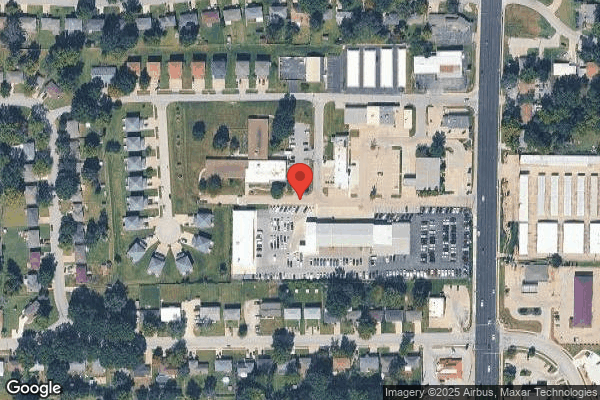
Understanding Severity Codes (click to expand)
Life-Threatening (Immediate Jeopardy)
J - Isolated K - Pattern L - Widespread
Actual Harm
G - Isolated H - Pattern I - Widespread
Potential for Harm
D - Isolated E - Pattern F - Widespread
No Harm (Minor)
A - Isolated B - Pattern C - Widespread

Questions to Ask on Your Visit

  • "Can I speak with families of current residents?"
  • "What's your RN coverage like on weekends and overnight?"

Our Honest Assessment

Strengths
  • • 42% turnover. Below Kansas's 48% average. Good staff retention means consistent care.
Concerns
  • • 24 deficiencies on record, including 1 serious (caused harm) violation. Ask about corrective actions taken.
Bottom line: Mixed indicators with Trust Score of 73/100. Visit in person and ask pointed questions.

About This Facility

What is Lansing Care And Rehab's CMS Rating?

CMS assigns LANSING CARE AND REHAB an overall rating of 5 out of 5 stars, which is considered much above average nationally. Within Kansas, this rating places the facility higher than 99% of the state's 100 nursing homes. This rating reflects solid performance across the metrics CMS uses to evaluate nursing home quality.

How is Lansing Care And Rehab Staffed?

CMS rates LANSING CARE AND REHAB's staffing level at 2 out of 5 stars, which is below average compared to other nursing homes. Staff turnover is 42%, compared to the Kansas average of 46%. This relatively stable workforce can support continuity of care.

What Have Inspectors Found at Lansing Care And Rehab?

State health inspectors documented 24 deficiencies at LANSING CARE AND REHAB during 2021 to 2024. These included: 1 that caused actual resident harm and 23 with potential for harm. Deficiencies causing actual harm indicate documented cases where residents experienced negative health consequences.

Who Owns and Operates Lansing Care And Rehab?

LANSING CARE AND REHAB is owned by a for-profit company. For-profit facilities operate as businesses with obligations to shareholders or private owners. The facility is operated by MISSION HEALTH COMMUNITIES, a chain that manages multiple nursing homes. With 58 certified beds and approximately 54 residents (about 93% occupancy), it is a smaller facility located in LANSING, Kansas.

How Does Lansing Care And Rehab Compare to Other Kansas Nursing Homes?

Compared to the 100 nursing homes in Kansas, LANSING CARE AND REHAB's overall rating (5 stars) is above the state average of 2.9, staff turnover (42%) is near the state average of 46%, and health inspection rating (5 stars) is much above the national benchmark.

What Should Families Ask When Visiting Lansing Care And Rehab?

Based on this facility's data, families visiting should ask: "Can you walk me through typical staffing levels on day, evening, and night shifts?" "Can I visit during a mealtime to observe dining assistance and food quality?" "How do you handle medical emergencies, and what is your hospital transfer rate?" "Can I speak with family members of current residents about their experience?" These questions are particularly relevant given the below-average staffing rating.

Is Lansing Care And Rehab Safe?

Based on CMS inspection data, LANSING CARE AND REHAB has a clean safety record: no substantiated abuse findings (meaning no confirmed cases of resident harm), no Immediate Jeopardy citations (the most serious violation level indicating risk of serious injury or death), and is not on the Special Focus Facility watch list (a federal program monitoring the lowest-performing 1% of nursing homes). The facility has a 5-star overall rating and ranks #1 of 100 nursing homes in Kansas. While no facility is perfect, families should still ask about staff-to-resident ratios and recent inspection results during their visit.

Do Nurses at Lansing Care And Rehab Stick Around?

LANSING CARE AND REHAB has a staff turnover rate of 42%, which is about average for Kansas nursing homes (state average: 46%). Moderate turnover is common in nursing homes, but families should still ask about staff tenure and how the facility maintains care continuity when employees leave.

Was Lansing Care And Rehab Ever Fined?

LANSING CARE AND REHAB has been fined $9,654 across 1 penalty action. This is below the Kansas average of $33,175. While any fine indicates a compliance issue, fines under $50,000 are relatively common and typically reflect isolated problems that were subsequently corrected. Families should ask what specific issues led to these fines and confirm they've been resolved.

Is Lansing Care And Rehab on Any Federal Watch List?

LANSING CARE AND REHAB is not on any federal watch list. The most significant is the Special Focus Facility (SFF) program, which identifies the bottom 1% of nursing homes nationally based on persistent, serious quality problems. Not being on this list means the facility has avoided the pattern of deficiencies that triggers enhanced federal oversight. This is a positive indicator, though families should still review the facility's inspection history directly.