ALDEN COURT NURSING CARE & REHABILITATION CENTER
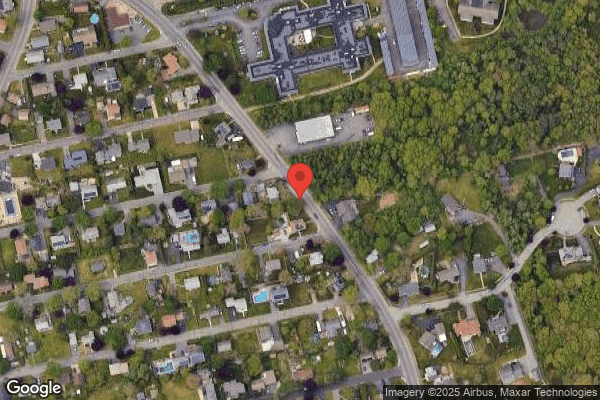

389 ALDEN ROAD, FAIRHAVEN, MA 02719 (508) 991-8600
Non profit - Corporation 142 Beds Independent Data: November 2025
Trust Grade
68/100
#65 of 338 in MA
Last Inspection: June 2025

Inspected within the last 6 months. Data reflects current conditions.

Overview

Alden Court Nursing Care & Rehabilitation Center has a Trust Grade of C+, indicating it is slightly above average but not exceptional. In Massachusetts, it ranks #65 out of 338 facilities, placing it in the top half, and #2 out of 27 in Bristol County, meaning there is only one local option that performs better. The facility’s trend is improving, as it reduced its issues from 4 in 2024 to 2 in 2025. However, staffing is a concern with a turnover rate of 68%, significantly higher than the state average of 39%. Recent inspections revealed serious concerns, including a failure to implement fall prevention measures that led to a resident sustaining cervical fractures, and issues with accurately transcribing treatment orders for wound care, raising questions about the quality of care. Despite these weaknesses, the overall rating of 4 out of 5 stars and good RN coverage suggest that some aspects of care are being handled well.

Trust Score
C+
68/100
In Massachusetts
#65/338
Top 19%
Safety Record
Moderate
Needs review
Inspections
Getting Better
4 → 2 violations
Staff Stability
⚠ Watch
68% turnover. Above average. Higher turnover means staff may not know residents' routines.
Penalties
✓ Good
$12,386 in fines. Lower than most Massachusetts facilities. Relatively clean record.
Skilled Nurses
○ Average
Each resident gets 32 minutes of Registered Nurse (RN) attention daily — about average for Massachusetts. RNs are the most trained staff who monitor for health changes.
Violations
⚠ Watch
12 deficiencies on record. Higher than average. Multiple issues found across inspections.
★★★★☆
4.0
Overall Rating
★★★☆☆
3.0
Staff Levels
★★★☆☆
3.0
Care Quality
★★★★☆
4.0
Inspection Score
Stable
2024: 4 issues
2025: 2 issues

The Good

  • Full Sprinkler Coverage · Fire safety systems throughout facility
  • No fines on record

Facility shows strength in fire safety.

The Bad

Staff Turnover: 68%

22pts above Massachusetts avg (46%)

Frequent staff changes - ask about care continuity

Federal Fines: $12,386

Below median ($33,413)

Minor penalties assessed

Staff turnover is elevated (68%)

20 points above Massachusetts average of 48%

The Ugly 12 deficiencies on record

1 actual harm
Jun 2025 2 deficiencies
CONCERN (E)

Potential for Harm - no one hurt, but risky conditions existed

Pressure Ulcer Prevention (Tag F0686)

Could have caused harm · This affected multiple residents

Based on observation, record review, and interview, the facility failed to ensure one Resident (#84), out of a total sample of 26 residents received the necessary care and treatment to promote wound h...

Read full inspector narrative →
Based on observation, record review, and interview, the facility failed to ensure one Resident (#84), out of a total sample of 26 residents received the necessary care and treatment to promote wound healing. Specifically, the facility failed to ensure treatment orders were transcribed accurately and for the correct wound location per the Wound Physician's recommendations. Findings include: Review of the Massachusetts Board of Registration in Nursing Advisory Ruling on Nursing Practice, #9324, dated as last revised April 11, 2018, indicated but was not limited to the following: -It is the responsibility of the licensed nurse to ensure that there is a proper patient care order from a duly authorized prescriber prior to the administration of any prescription or non-prescription medication -Licensed nurses accept, verify, transcribe, and implement orders. -Licensed nurses in a management role must ensure an infrastructure is in place, consistent with current standards of care, to minimize error. -The nurse is accountable for ensuring that any orders he or she implements are reasonable based on the nurse's knowledge of that patient's care needs at that time. -It is the responsibility and the obligation of a nurse to question a patient care order that is deemed inappropriate by a nurse according to his/her educational preparation and clinical experience. In any situation where an order is unclear, or a nurse questions the appropriateness, accuracy, or completeness of an order, the nurse may not implement the order until it is verified for accuracy with a duly authorized prescriber. Review of the facility's policy titled Pressure Ulcer (injury) Prevention Program, dated 2/10/23, indicated but was not limited to the following: -Pressure ulcers (injuries) can occur whenever pressure has impaired circulation to tissue. -The facility shall have a system in place that assures assessments are timely and appropriate; interventions are implemented, monitored and revised as appropriate; and changes in condition are recognized, evaluated, reported to the resident's attending practitioner and other healthcare professionals. -The facility shall provide care, treatment and services to promote the prevention of pressure ulcer development, promote the healing of pressure ulcers that are present, and prevent development of additional pressure ulcers. -Nursing Staff shall follow practitioner's orders for treatment of the pressure ulcer, including cleansing and dressing. Review of the facility's contract for Wound Care Services, dated 10/16/15, indicated but was not limited to the following: -Facility responsibilities include providing a dedicated nurse to round with the clinician, informing the primary care provider of the recommendations within 24 hours, discussing recommendations/care plans with the clinician on the day of rounds, and to allow the clinician, once consulted, to provide services and procedures to such resident as determined to be medically necessary. Resident #84 was admitted to the facility in December 2024 with diagnoses which included severe protein malnutrition, type two diabetes mellitus, and history of skin cancer. Review of the Minimum Data Set (MDS) assessment, dated 3/20/25, indicated Resident #84 scored 13 out of 15 on the Brief Interview for Mental Status (BIMS), which indicated he/she was cognitively intact. Additionally, he/she had two unhealed pressure ulcers and had wound care dressings applied. Review of the active Physician's Orders indicated but were not limited to the following: -Left, Distal First Toe (top of great toe): Cleanse with Normal Saline (NS), apply Calcium Alginate with Silver (absorbent antimicrobial dressing) and a dry protective dressing (DPD) every evening shift. -Right, Anterior Ankle (front of ankle): Cleanse with NS, apply Mupirocin (antibiotic ointment) cream followed by Xeroform (mesh petroleum gauze to maintain moist wound bed) and a foam dressing. -Right, Dorsal Foot (top of foot): Cleanse with NS, apply Bactroban (Mupirocin), Xeroform and DPD every evening shift. -Right, Distal, First Medial Toe (top inner side of great toe): Cleanse with NS, apply Mupirocin and Xeroform followed by a DPD every evening shift. Review of the Comprehensive Care Plan indicated but was not limited to the following: FOCUS: Assessments show that I have the following care area needs: Fragile skin, Unstageable Deep Tissue Injury (DTI) Right Dorsal Foot, Stage 3 pressure (full thickness wound extending to subcutaneous tissue) Left Distal First Toe (resolved), and Stage 4 (full thickness wound with exposed bone, tendon, or muscle) Left Medial First Toe. GOAL: Skin/Wound Goal: My pressure ulcers will show signs of healing and remain free from infection. INTERVENTIONS: -Follow facility policies/protocols for the prevention/treatment of skin breakdown. -Monitor/document/report to doctor changes in skin status. -Treatment: Administer as ordered and monitor for effectiveness. Document and communicate findings. Right Lateral Foot, Left Medial First Toe (resolved), and Right First Toe. Review of the medical record including Physician Orders, Wound Physician Notes, Nursing and Physician progress notes, and Treatment Administration Records (TAR) indicated but were not limited to the following: MARCH 2025 Review of the Wound Physician Summary, dated 3/7/25, indicated but was not limited to the following: Site 5: Right, Anterior Ankle Dressing Treatment Plan: Xeroform gauze and gauze island dressing once daily. Site 7: Left, Distal First Toe Dressing Treatment Plan: Xeroform gauze and gauze island dressing once daily. Site 8: Right, Distal, Medial, First Toe Dressing Treatment Plan: Xeroform gauze and gauze island dressing once daily. Review of the TAR indicated the three treatment orders were implemented per Wound Physician recommendations. Resident #84 was sent to the hospital in March 2025. Review of the TAR indicated the above treatment orders were discontinued and new orders written upon return from the hospital as follows: -Right Anterior Ankle: Cleanse with NS, apply Xeroform and DPD. (start/stop 3/13/25) -Right Dorsal Foot: Cleanse with NS, apply Xeroform and DPD. (start 3/13/25) -Left and Right Great Toes: Paint with Betadine (antiseptic) and cover with Band-Aid. (start 3/13/25) Review of the Wound Physician Summary, dated 3/14/25, indicated but was not limited to the following: Site 5: Right, Anterior Ankle Dressing Treatment Plan: Xeroform gauze and gauze island dressing once daily. Site 7: Left, Distal First Toe Dressing Treatment Plan: Xeroform gauze and gauze island dressing once daily. Site 8: Right, Distal, Medial, First Toe Dressing Treatment Plan: Xeroform gauze and Mupirocin 2% cover with gauze island dressing once daily. Review of the TAR indicated the following: -Right Dorsal Foot: Cleanse with NS, apply Xeroform and DPD daily. -Left, Distal, First Toe: Cleanse with NS, apply Xeroform and DPD daily. -Right, Distal, First Toe: Cleanse with NS, apply Mupirocin and Xeroform followed by DPD daily. The facility failed to identify the Right Anterior Ankle wound with the proper anatomical description. There was no treatment order written for the Right Anterior Ankle only one for the Right, Dorsal foot. Review of the Wound Physician Summaries, dated 3/21/25 and 3/25/25, indicated but were not limited to the following: Site 5: Right, Anterior Ankle Dressing Treatment Plan: Xeroform gauze and gauze island dressing once daily. Site 7: Left, Distal First Toe Dressing Treatment Plan: Xeroform gauze and gauze island dressing once daily. Site 8: Right, Distal, Medial, First Toe Dressing Treatment Plan: Xeroform gauze and Mupirocin 2% cover with gauze island dressing once daily. The facility failed to identify the Right Anterior Ankle wound with the proper anatomical description. There was no treatment order written for the Right Anterior Ankle only one for the Right, Dorsal foot. Review of the Wound Physician Summary, dated 3/28/25, indicated but was not limited to the following: Site 5: Right, Anterior Ankle Dressing Treatment Plan: Xeroform gauze and gauze island dressing once daily. Site 7: Left, Distal First Toe RESOLVED Site 8: Right, Distal, Medial, First Toe Dressing Treatment Plan: Xeroform gauze and Mupirocin 2% cover with gauze island dressing once daily. Review of the TAR indicated the treatments to the Right Dorsal foot and Right, Distal, Medial, First Toe remained active. The treatment order to the Left, Distal First Toe was discontinued and rewritten. Review of the Nursing and Physician Progress notes failed to indicate the physician wanted to continue the treatment after the wound had resolved. The facility failed to identify the Right Anterior Ankle wound with the proper anatomical description. There was no treatment order written for the Right Anterior Ankle only one for the Right, Dorsal foot, and failed to discontinue the treatment to the Left, Distal First toe, which had resolved. APRIL 2025 Review of the Wound Physician Summary, dated 4/4/25, indicated but was not limited to the following: Site 5: Right, Anterior Ankle Dressing Treatment Plan: Xeroform gauze and Mupirocin 2% followed by gauze island dressing once daily. Site 8: Right, Distal, Medial, First Toe Dressing Treatment Plan: Xeroform gauze and Mupirocin 2% followed by gauze island dressing once daily. Review of the TAR indicated but was not limited to the following: -The treatment to the Left, Distal First toe, which had resolved on 3/28/25 still had an active order. The order was rewritten again on 4/1/25. -Right, Dorsal Foot: Cleanse with NS, apply Bactroban and Xeroform and DPD (4/1/25). -Right, Distal, Medial, First Toe: Cleanse with NS, apply Mupirocin and Xeroform and DPD (3/14/25). The facility failed to identify the Right Anterior Ankle wound with the proper anatomical description. There was no treatment order written for the Right, Anterior Ankle only one for the Right, Dorsal foot, and failed to discontinue the treatment to the Left, Distal First toe, which had resolved on 3/28/25. Review of the Wound Physician Summary, dated 4/16/25, indicated but were not limited to the following: Site 5: Right, Anterior Ankle Dressing Treatment Plan: Xeroform gauze and Mupirocin 2% followed by gauze island dressing once daily. Site 8: Right, Distal, Medial, First Toe Dressing Treatment Plan: Xeroform gauze and Mupirocin 2% followed by gauze island dressing once daily. Review of the TAR indicated the treatment to the Left, Distal First toe, which had resolved on 3/28/25 still had an active order. The facility failed to identify the Right Anterior Ankle wound with the proper anatomical description. There was no treatment order written for the Right Anterior Ankle only for the Right, Dorsal foot, and failed to discontinue the treatment to the Left, Distal First toe, which had resolved on 3/28/25. Review of the Wound Physician Summary, dated 4/18/25, indicated but were not limited to the following: Site 5: Right, Anterior Ankle Dressing Treatment Plan: Xeroform gauze and Mupirocin 2% followed by gauze island dressing once daily. Site 8: Right, Distal, Medial, First Toe Dressing Treatment Plan: Xeroform gauze and Mupirocin 2% followed by gauze island dressing once daily. Review of the TAR indicated but was not limited to the following: -The treatment to the Left, Distal First toe, which had resolved on 3/28/25 still had an active order. -Right, Dorsal Foot: Cleanse with NS, apply Bactroban and Xeroform and DPD (4/1/25). -Right, Anterior Ankle: Cleanse with NS, Apply Mupirocin cream, followed by Xeroform and foam dressing once daily. (4/21/25) The facility failed to ensure there was only one active treatment for the identified the Right, Anterior Ankle wound, he/she had one treatment order written for the Right, Anterior Ankle and one for the Right, Dorsal Foot, and failed to discontinue the treatment to the Left, Distal First toe, which had resolved on 3/28/25. Review of the Nursing and Physician Progress notes failed to indicate the physician wanted to continue the treatment after the wound had resolved and failed to indicate the Right Anterior Ankle and the Right, Dorsal Foot were two separate areas versus anatomical location descriptions being used interchangeably for the same area. Review of the medical record failed to indicate a new area had developed. Review of the Wound Physician Summaries, dated 4/23/25, 4/25/25, and 4/29/25 indicated but were not limited to the following: Site 5: Right, Anterior Ankle Dressing Treatment Plan: Xeroform gauze and Mupirocin 2% followed by gauze island dressing once daily. Site 8: Right, Distal, Medial, First Toe Dressing Treatment Plan: Xeroform gauze and Mupirocin 2% followed by gauze island dressing once daily. Review of the TAR indicated but was not limited to the following: -The treatment to the Left, Distal First toe, which had resolved on 3/28/25 was still an active order. -Right, Dorsal foot: Cleanse with NS, apply Bactroban, Xeroform, and DPD once daily. (4/1/25) -Right, Anterior ankle: Cleanse with NS, Apply Mupirocin cream, followed by xeroform and foam dressing once daily. (4/21/25) The facility failed to identify the Right Anterior Ankle wound with the proper anatomical description and he/she had two treatments with different anatomical locations for the same wound and failed to discontinue the treatment to the Left, Distal First toe, which had resolved on 3/28/25. MAY 2025 Review of the Wound Physician Summary, dated 5/6/25, indicated but was not limited to the following: Site 5: Right, Anterior Ankle Dressing Treatment Plan: Xeroform gauze and Mupirocin 2% followed by gauze island dressing once daily. Site 8: Right, Distal, Medial, First Toe Dressing Treatment Plan: Xeroform gauze and Mupirocin 2% followed by gauze island dressing once daily. Review of the TAR indicated the treatment to the Left, Distal First toe, which had resolved on 3/28/25 was still an active order. The facility failed to identify the Right Anterior Ankle wound with the proper anatomical description and he/she still had two treatments with different anatomical locations for the same wound and failed to discontinue the treatment to the Left, Distal First toe, which had resolved on 3/28/25. Review of the Wound Physician Summary, dated 5/9/25, indicated but was not limited to the following: Site 5: Right, Anterior Ankle Dressing Treatment Plan: Xeroform gauze and Mupirocin 2% followed by gauze island dressing once daily. Site 8: Right, Distal, Medial, First Toe Dressing Treatment Plan: Xeroform gauze followed by gauze island dressing once daily. Review of the TAR indicated the treatment to the Left, Distal First toe, which had resolved on 3/28/25 was still an active order. The facility failed to identify the Right Anterior Ankle wound with the proper anatomical description and still had two treatments with different anatomical locations for the same wound, failed to discontinue the treatment to the Left, Distal First toe, which had resolved on 3/28/25, and failed to discontinue the Mupirocin 2% to the Right, Distal, Medial First Toe per the 5/9/25 recommendation. Review of the Nursing and Physician Progress notes failed to indicate the physician declined the Wound Physicians recommendation and wanted to continue the Mupirocin 2%. Review of the Wound Physician Summaries, dated 5/14/25 and 5/20/25, indicated but were not limited to the following: Site 5: Right, Anterior Ankle Dressing Treatment Plan: Xeroform gauze and Mupirocin 2% followed by gauze island dressing once daily. Site 8: Right, Distal, Medial, First Toe Dressing Treatment Plan: Xeroform gauze followed by gauze island dressing once daily. Review of the TAR indicated the treatment to the Left, Distal First toe, which had resolved on 3/28/25 was still an active order. The facility failed to identify the Right Anterior Ankle wound with the proper anatomical description and still had two treatments with different anatomical locations for the same wound, failed to discontinue the treatment to the Left, Distal First toe, which had resolved on 3/28/25, and failed to discontinue the Mupirocin 2% to the Right, Distal, Medial First Toe per the 5/9/25, 5/14/25, and 5/20/25 recommendations. Review of the Wound Physician Summary, dated 5/23/25, indicated but was not limited to the following: Site 5: Right, Anterior Ankle Dressing Treatment Plan: Alginate Calcium with Silver followed by gauze island dressing once daily. Site 8: Right, Distal, Medial, First Toe Dressing Treatment Plan: Xeroform gauze followed by gauze island dressing once daily. Review of the TAR indicated but was not limited to the following: -The previous treatment to the Right Anterior Ankle remained active. It was not changed per the recommendation to Calcium Alginate with Silver. -The treatment to the Right, Dorsal foot remained active. -The treatment to the Right, Distal, Medial, First Toe was not changed per the repeated recommendations and still had Mupirocin 2% being applied to the wound. -The treatment to the Left, Distal First toe, which had resolved on 3/28/25 remained an active order until 5/23/25 when it was changed as follows: Left, Distal First toe: Cleanse with NS, apply Calcium Alginate with Silver and a DPD once daily (5/23/25). The facility failed to identify the Right Anterior Ankle wound with the proper anatomical description and still had two treatments with different anatomical locations for the same wound and failed to change the treatment per the recommendation to Calcium Alginate with Silver, failed to discontinue the Mupirocin 2% to the Right, Distal, Medial First Toe per the repeated recommendations, and transcribed a new treatment order to the Left, Distal First toe, with the recommended treatment that was intended for the Right, Anterior Ankle. Review of the Nursing and Physician Progress notes failed to indicate the physician had declined the recommendation for the Right Anterior Ankle, failed to indicate the physician declined the repeated Wound Physicians recommendation for the Right, Distal, Medial, First Toe and wanted to continue the Mupirocin 2%, and failed to indicate the physician wanted the treatment indicated for the Right Anterior Ankle be applied to the Left, Distal First toe. Review of the Wound Physician Summaries, dated 5/27/25 and 5/30/25, indicated but were not limited to the following: Site 5: Right, Anterior Ankle Dressing Treatment Plan: Alginate Calcium with Silver followed by gauze island dressing once daily. Site 8: Right, Distal, Medial, First Toe Dressing Treatment Plan: Xeroform gauze followed by gauze island dressing once daily. Review of the TAR indicated but was not limited to the following: -The treatment to the Right, Anterior Ankle was not changed per the repeated recommendation to Calcium Alginate with Silver and the Mupirocin and Xeroform order remained active. -The treatment to the Right, Dorsal Foot remained active. -The treatment to the Right, Distal, Medial, First Toe was not changed per the repeated recommendations and still had Mupirocin 2% being applied to the wound. -The treatment to the Left, Distal First toe, which had been rewritten on 5/23/25 for Calcium Alginate with silver remained active although the medical record failed to indicate there was an active wound at this location, since it had resolved on 3/28/25. The facility failed to identify the Right, Anterior Ankle wound with the proper anatomical description and still had two treatments with different anatomical locations for the same wound and failed to change the treatment per the recommendation to Calcium Alginate with Silver, failed to discontinue the Mupirocin 2% to the Right, Distal, Medial First Toe per the repeated recommendations, and continued a treatment order written on 5/23/25 to the Left, Distal First toe, with the recommended treatment that was intended for the Right Anterior Ankle. JUNE 2025 Review of the Wound Physician Summaries, dated 6/3/25 and 6/6/25, indicated but were not limited to the following: Site 5: Right, Anterior Ankle Dressing Treatment Plan: Alginate Calcium with Silver followed by gauze island dressing once daily. Site 8: Right, Distal, Medial, First Toe Dressing Treatment Plan: Xeroform gauze followed by gauze island dressing once daily. Review of the TAR indicated but was not limited to the following: -The treatment to the Right Anterior Ankle was not changed per the repeated recommendation to Calcium Alginate with Silver and the Mupirocin and Xeroform order remained active. -The treatment to the Right, Dorsal Foot remained active. -The treatment to the Right, Distal, Medial, First Toe was not changed per the repeated recommendations and still had Mupirocin 2% being applied to the wound. -The treatment to the Left, Distal First toe, which had been rewritten on 5/23/25 for Calcium Alginate with silver remained active although the medical record failed to indicate there was an active wound at this location, since it had resolved on 3/28/25. The facility failed to identify the Right Anterior Ankle wound with the proper anatomical description and still had two treatments with different anatomical locations for the same wound and failed to change the treatment per the repeated recommendations to Calcium Alginate with Silver, failed to discontinue the Mupirocin 2% to the Right, Distal, Medial First Toe per the repeated recommendations, and continued a treatment order written on 5/23/25 to the Left, Distal First toe, with the recommended treatment that was intended for the Right Anterior Ankle. During an interview on 6/11/25 at 11:06 A.M., the Wound Nurse said she recently took over doing wounds rounds and was still learning the process. She said if a new area was noted, it would be on the weekly skin check, a progress note written and staff would notify her. She said there was no indication Resident #84 had additional wounds on the skin checks or in the progress notes. She said she rounded with the Wound Doctor and would then write the orders. She said he gave a verbal report during rounds, and his full written report was uploaded later in the day. She said initially, she was writing orders based on his verbal report, but realized the orders did not always match, so more recently she has been waiting for the written report and would cross reference to what he said to what was written. The Wound Nurse said the location of the wound should match what the physician wrote on the wound care summary and was unsure why the Right Anterior Ankle and Right Dorsal Foot had been used interchangeably and why both orders were active as there was only one wound on the top of the foot in that area. She said it appeared when Resident #84 returned from the hospital, the description of the area had been changed, however when the Resident was seen by the wound doctor the next day, the area should have been clarified to the Right Anterior Ankle and not the Right Dorsal Foot, so everything matched. She said the Mupirocin should have been discontinued per the recommendation on 5/9/25 and it was not. She was unsure why it was not done, and she was unsure why the treatment to the Left, Distal First toe remained active after being resolved in March. She said when the Wound Doctor would say no changes, she wasn't looking at the treatment assuming what was in the computer was correct. The Wound Nurse said she should have cross referenced the orders and the recommendations to ensure the orders matched. Additionally, she said she was unsure why the treatment recommendation made for the Right, Anterior Ankle was written for the Left, Distal First Toe and not the Right, Anterior Ankle. The Surveyor and Wound Nurse went to Resident #84's room and observed his/her feet. During the observation of Resident #84's bilateral feet, the Wound Nurse and Resident #84 confirmed the only two active wounds on his/her feet were on the Right, Anterior Ankle and the Right, Distal Medial, First Toe. The Wound Nurse said there appeared to have been some errors and confusion with the orders and she would have to investigate it further. During an interview on 6/11/25 at 2:30 P.M., the Director of Nurses (DON) said the Wound Nurse recently took over the role and they are still working to find a system that works for her. She said the wound location should match the wound doctor's description to ensure accuracy. She said it appeared the staff were using the Right, Anterior Ankle and Right, Dorsal Foot locations interchangeably and then Resident #84 ended up with two active treatment orders for the same wound. She said she was unsure why the other orders did not match the recommendations as they should. She said she would have to review the orders further to ensure they were all accurate. She said if there was a new area noted it would be on the weekly skin check and a progress note written and there was no indication he/she had an additional wound, just the two areas followed by the Wound Doctor.
CONCERN (E)

Potential for Harm - no one hurt, but risky conditions existed

Deficiency F0699 (Tag F0699)

Could have caused harm · This affected multiple residents

**NOTE- TERMS IN BRACKETS HAVE BEEN EDITED TO PROTECT CONFIDENTIALITY** Based on record review and interview, the facility failed for one Resident (#84), out of a total sample of 26 residents, to asse...

Read full inspector narrative →
**NOTE- TERMS IN BRACKETS HAVE BEEN EDITED TO PROTECT CONFIDENTIALITY** Based on record review and interview, the facility failed for one Resident (#84), out of a total sample of 26 residents, to assess their history of trauma and failed to develop a plan of care accounting for the Resident's experiences and preferences to eliminate or mitigate triggers that may cause re-traumatization. Findings include: Review of the facility's policy titled Trauma Informed and Culturally Competent Care, dated as last revised [DATE], indicated but was not limited to the following: -Trauma Informed Care is an approach to delivering care that involves understanding, recognizing and responding to the effects of all types of traumas. A trauma-informed approach to care delivery recognizes the widespread impact and signs and symptoms of trauma in residents, and incorporates knowledge about trauma in care plans, policies, procedures and practices to avoid re-traumatization. -Trigger is a psychological stimulus that prompts recall of a previous traumatic event, even if the stimulus itself is not traumatic or frightening. -Traumatic events which may affect residents during their lifetime include physical, sexual, and emotional abuse, neglect, violence, serious illness or injury, bullying, forces displacement, racism, war, and generational or historical trauma. -For trauma survivors, the transition to living in an institutional setting (and the associated loss of independence) can trigger profound re-traumatization. -Triggers are highly individualized. Some common triggers may include experiencing a lack of privacy, confinement in a small space, exposure to loud noises, or bright/flashing lights, certain sights, such as objects, and/or sounds, smells, and physical touch. -Resident Screening includes trauma history, including type, severity, and duration, trauma related or dissociative symptoms, risk for safety, concerns with sleep or intrusive experiences, behavioral concerns, and historical mental health diagnoses. -Resident Assessment involves an in-depth process of evaluating the presence of symptoms, their relationship to trauma, as well as the identified triggers. -Resident Care Planning involves developing individualized care plans that address the past trauma in collaboration with the resident and family, as appropriate, and identifying and decreasing exposure to triggers that may cause re-traumatization. -Resident Care Strategies include recognizing that trust is earned over time and individuals may not disclose information until a relationship is established. Resident #84 was admitted to the facility in [DATE] with diagnoses which included anxiety, major depression, obsessive compulsive disorder (OCD) and post-traumatic stress disorder (PTSD). Review of the Minimum Data Set (MDS) assessment, dated [DATE], indicated Resident #84 scored 13 out of 15 on the Brief Interview for Mental Status (BIMS), which indicated he/she was cognitively intact, and had a diagnosis of PTSD. During an interview on [DATE] at 2:55 P.M., Resident #84 said he/she almost died when they were in the service. Resident #84 said he/she could tell some stories of almost having his/her head blown off. Additionally, Resident #84 said he/she had PTSD from their first spouse who hit the children. Resident #84 said he/she did not recall anyone else ever asking questions about his/her PTSD before or what helps or makes it worse. Review of the Social Service admission Assessment, dated [DATE], indicated but was not limited to the following: -Resident #84 recently lost his/her spouse of 48 years and was grieving this loss. -Life Events/Stress Response Review (Discussion of possible life events including disasters, explosions, accidents, assault, abuse, combat/war exposure, unexpected death of someone, repeated dreams/images, feeling as though re-living the experience) indicated no trauma history. Review of the progress notes in [DATE] indicated Resident #84's daughter requested a Psych evaluation for an increase in his/her anti-depressant medication related to depression. Review of the Psych note, dated [DATE], indicated but was not limited to the following: -Chief Complaint: Mood -Problem: Anxiety, OCD, PTSD, Depression -Severity: Moderate -Timing/Frequency/Duration: Constant/Years -Triggers: Dementia/Illness -Associated Symptoms: Anxiety; Concentration: Impulsivity -Modifying Factors: Psychiatric Meds and Non-Pharmacological Interventions -Military History: National Guard -Other Trauma/Loss: spouse died recently, military incidents. -Assessment: Recalls several traumatic incidents in the military, said a grenade blew up nearby and impacted his/her hearing and a fellow soldier fired a rifle in the barracks, and they were injured and accused of firing the rifle. -Recommendation made to increase Zoloft (anti-depressant) to help with symptoms. Review of the Psych note, dated [DATE], indicated but was not limited to the following: -Chief Complaint: was in the hospital-returned -Problem: Anxiety, OCD, PTSD, Depression -Severity: Moderate -Timing/Frequency/Duration: Constant/Years -Triggers: Dementia/Illness -Associated Symptoms: Anxiety; Concentration: Impulsivity -Modifying Factors: Psychiatric Meds and Non-Pharmacological Interventions -Military History: National Guard -Other Trauma/Loss: spouse died recently, military incidents. -Assessment: No Suicidal Ideations, mania, or psychosis. Feels mood is stable. The facility failed to complete a quarterly trauma assessment in [DATE]. Review of the Psych note, dated [DATE], indicated but was not limited to the following: -Chief Complaint: a lot of religious and military related conversation -Problem: Anxiety, OCD, PTSD, Depression -Severity: Moderate -Timing/Frequency/Duration: Constant/Years -Triggers: Dementia/Illness -Associated Symptoms: Anxiety; Concentration: Impulsivity -Modifying Factors: Psychiatric Meds and Non-Pharmacological Interventions -Military History: National Guard -Other Trauma/Loss: spouse died recently, military incidents. -Assessment: Main theme is about religion and military. Review of the progress notes failed to indicate a discussion with Resident #84 related to his/her trauma and potential triggers since admission ([DATE]). Review of the Comprehensive Care Plan indicated but was not limited to the following: FOCUS: Assessments show I have the following Care Area Needs: Behavior Issues: I have mood/behavior episodes-withdrawn and receive anti-depressant medication. INTERVENTIONS: -Consult: Psych services may follow as needed. ([DATE]) -Consult: Social Services to follow as needed. ([DATE]) -Monitor/Document report to my MD as needed ongoing symptoms of Depression. ([DATE]) -Monitor my behavior episodes and attempt to determine underlying cause. ([DATE]) -Monitor for side effects of psychotropic medication. ([DATE]) FOCUS: I have an alteration in the following body systems/ health status: and the need for: PTSD, OCD, Depression, Anxiety INTERVENTIONS: -Psychosocial/Mood: Staff continue to monitor for possible triggers that would upset Resident #84 in order to avoid re-traumatization. Main theme is about religion and the military. He/she takes comfort in prayer, prefers private prayer, Social Worker to provide 1:1 visits as needed for opportunity to express feelings/share. In-house psych services and counseling are available as needed/desired. ([DATE]) During an interview on [DATE] at 11:03 A.M., Charge Nurse #1 said Social Service handles the PTSD assessments. She said if a resident had PTSD they should also be seen by psych, be discussed with the Interdisciplinary Team (IDT), and have the Care Plan updated. She said she was unsure who reviews the psych notes and who would be the one to identify triggers; she thought Social Service handled all of that. During an interview on [DATE] at 11:25 A.M., with Social Workers (SW) #1 and #2, they said a resident with PTSD should be assessed on admission and followed up quarterly and as needed, a Care Plan related to the diagnosis should be developed and include possible triggers, and they would be routinely followed by psych services and have 1:1 therapy set up, if agreeable. SW #1 said a covering SW did the initial admission assessment and she was unsure why Resident #84's trauma history was not identified at that time. She said he/she was vocal about his/her history. Additionally, SW #1 said she reviews the psych notes and was unsure why the known trauma history as documented by psych in [DATE] had not made it to his/her care plan at that time or why it was not assessed in March during his/her quarterly review. Additionally, she said she did not know why when the psych note again references trauma history in April, there was no follow up and it was not added to the care plan. SW #1 and #2 said there should have been an assessment and/or progress note related to potential triggers and his/her history and there was not. SW #2 said he just realized Resident #84 had a diagnosis of PTSD last week and added it to the Care Plan. He said he was in the process of arranging psych services for 1:1 therapy, but that has not started yet, and he did not know anything about Resident #84's triggers yet. During an interview on [DATE] at 2:14 P.M., the Director of Nurse (DON) said the SW does the trauma assessments on admission and ongoing if needed, they come up with interventions, discuss the resident at IDT Meetings and Care Plan Meetings, update the Care Plans to include potential trigger to prevent and/or mitigate re-traumatization. She said the SW gets a copy of the psych notes and should document and follow up accordingly. She said Resident #84 is very vocal and she did not see any documentation from the SW related to his/her trauma and triggers since admission.
Jul 2024 4 deficiencies
CONCERN (D)

Potential for Harm - no one hurt, but risky conditions existed

Comprehensive Care Plan (Tag F0656)

Could have caused harm · This affected 1 resident

**NOTE- TERMS IN BRACKETS HAVE BEEN EDITED TO PROTECT CONFIDENTIALITY** Based on record review and interviews, the facility failed to develop and implement a person-centered care plan for behaviors fo...

Read full inspector narrative →
**NOTE- TERMS IN BRACKETS HAVE BEEN EDITED TO PROTECT CONFIDENTIALITY** Based on record review and interviews, the facility failed to develop and implement a person-centered care plan for behaviors for one Resident (#86) who wore a wanderguard and had been assessed to be at risk of wandering and elopement (an incident when a resident leaves the premises or a safe area without authorization or the necessary supervision to do so safely), out of a total sample of 27 residents. Findings include: Review of the facility's policy titled Care Plans, Comprehensive Person - Centered, dated as revised March 2022, indicated but was not limited to the following: - a comprehensive person-centered care plan that includes measurable objectives and timetables to meet the resident's physical, psychosocial and functional needs is developed and implemented - care plan interventions are derived from a thorough analysis of the information gathered as part of the comprehensive assessment - care plan interventions are chosen only after data gathering, proper sequencing of events, careful consideration of the relationship between the resident's problem areas and their causes, and relevant clinical decision making - when possible interventions address the underlying source of the problem area not just symptoms or triggers Resident #86 was admitted to the facility in June 2024 with diagnoses including: vascular dementia, atrial fibrillation, and unsteadiness on feet. The health care proxy was activated by the physician upon admission due to the diagnosis of vascular dementia. During an interview on 7/17/24 at 10:12 A.M., the surveyor observed Resident #86 with a wanderguard band on his/her right wrist. The Resident said they did not know what the device was, possibly some type of watch? Review of the Minimum Data Set assessment, dated 6/10/24, indicated the following: - Brief Interview for Mental Status score of 15 out of 15 indicating the Resident was cognitively intact - Section E, behaviors failed to indicate the Resident had any wandering behaviors Review of the medical record indicated the Resident experienced a medical episode requiring hospitalization and was re-admitted to the facility on [DATE]. A wander risk assessment was completed that indicated, but was not limited to the following: - Resident ambulates without assistance (question 1a) - Resident is a known wanderer or has a history of wandering (question 3) - Resident is a new admission, or had a room change in the last 30 days (question 4) - Resident has an indication/diagnosis of dementia (question 8) - If you answered yes to questions 1a and 3, place wanderguard bracelet on the Resident - Decision: bracelet applied (new); location right arm; comments: wanderguard #F0beea - The progress note section of the assessment was blank Review of the hospital discharge summary for Resident #86 from their medical leave of absence from 6/25/24 through 6/27/24 failed to indicate the Resident had exhibited any wandering behaviors while at the hospital. Review of the medical record from the initial admission in June 2024 up until their readmission on [DATE], including progress notes, behavior monitoring sheets, and assessments failed to indicate the Resident had exhibited any behaviors of wandering. Review of the current care plans, as of 7/17/24, indicated but were not limited to the following: PROBLEM: Assessments show I have the following Activities of daily living (ADL), continence (ability to control the bowel and bladder) and mobility care area needs: my current status is: I have functional rehabilitation potential; I have an ADL deficit in bathing, dressing, grooming/oral care; I have occasional bladder incontinence (6/9/24) GOAL: I will remain free of complications related to immobility; I will be able to appropriately and safely use assistive devices; My goals are to return to my prior level of functioning; I will increase my level of mobility to prior level of mobility; I will remain continent during waking hours (all goals are undated as when they were initiated) INTERVENTIONS: I refuse care and assistance at times (6/13/24); Wanderguard location right wrist serial # F07478, expiration: 4/28, check placement and function every shift (6/10/24) PROBLEM: Assessments show I have the following care area needs: fall risk; safety issues; mood issues; behavior issues. I am at risk for falls due to vascular dementia, deconditioning, ataxia (impaired coordination), unsteady on my feet; I receive antidepressant medications; I have mood/behavior episodes related to rejection of care (6/9/24) GOAL: I will be free of falls/injury; side rails optimize functional abilities with bed mobility and transfers and provide me with a sense of security, I will be free from discomfort or adverse reaction related to antidepressant therapy; I will have fewer episodes of rejecting care weekly through the next review date (all goals are undated as when they were initiated) INTERVENTIONS: Be sure my call light is in reach and encourage me to use it; I have two quarter siderails I use for bed mobility and a sense of security; psych services may follow as needed; social services to follow as needed; monitor and document side effects and effectiveness of antidepressants (6/9/24); monitor my behavior episodes and attempt to determine underlying cause, consider location, time, persons involved, and situations. Document behavior and potential causes (6/19/24) The care plans failed to indicate that one had been developed and individualized to reflect the Resident's history of wandering, exit seeking, or risk of elopement with monitoring for wandering behaviors and elopement risk as identified on the wander risk assessment completed 6/27/24. Review of the progress notes for Resident #86 documented by the physician, nurse practitioner, social service department, psych services, skilled rehab and nursing from the time of the original admission to current (7/17/24) failed to indicate the Resident had a history of wandering, exit seeking behavior or was a risk for elopement. Review of the June and July 2024 Medication Administration Record (MAR), which included behavior monitoring for Resident #86 failed to indicate the Resident was being monitored for wandering, possible elopement risk, or exit seeking behaviors. Review of the Certified Nurse Assistant (CNA) care [NAME] (summary of resident's care and preferences), dated 7/18/24, indicated but was not limited to the following: Fall/Mood/Behavior/Safety Interventions: - Wanderguard location right wrist, serial # F07478, expiration date: 4/28, check placement and function every shift The Care [NAME] failed to indicate the Resident needed to be monitored for behaviors of wandering, exit seeking, or risk of elopement. Review of the CNA, point of care documentation for behaviors (a standard form that is not resident specific) from 6/18/24 through 7/17/24 failed to indicate the Resident had exhibited any behaviors of wandering. During an interview on 7/17/24 at 2:25 P.M., Nurse #4 said she is the nurse for Resident #86 and knows them well. She said she does not ever recall seeing the Resident wandering or ambulating in the halls or leaving his/her room without a staff member or physically attempting to leave the facility. She said when the Resident was admitted he/she would say they didn't want to be here, but they never made an attempt to leave. She said the process for placing a wanderguard is to complete the assessment, follow the prompts for placing a wanderguard on the resident, then an order needs to be put in place with the serial number, expiration date and to test function and check placement of the device. She said behaviors are documented on the MAR by the nurses but she could not locate any behaviors of wandering or exit seeking for this Resident on the current MAR. She said she was unsure about care plans for wandering, risk of elopement or exit seeking behaviors. During an interview on 7/18/24 at 8:52 A.M., Nurse #1 said he completed the original admission assessment on Resident #86. He said the Resident has behaviors mostly of refusing care and can become verbally aggressive. He said he placed a wanderguard band on the Resident at the time of the original admission because the Resident told him that he/she didn't want to be at the facility, and he felt the Resident was very mobile and confused and may wander. He said he did not complete an assessment for the wanderguard use or wandering at that time and he did not develop a care plan for the risk of elopement, wandering or exit seeking behavior at that time. He said the Resident record does not indicate that the Resident has been monitored for wandering or have any care plan or notes indicating that wandering, exit seeking or elopement is a behavior problem for the Resident. He said at the time of readmission the Resident did have a wandering assessment completed, but the care plan was still not developed as it should have been previously. During an interview on 7/18/24 at 8:59 A.M., the Assistant Director of Nurses said Resident #86 is well known to her and has behaviors of care rejection and yelling. She said she believes the Resident had vocalized a desire to leave to the facility at the time of their initial admission and that a wanderguard was placed at that time since the Resident was very mobile, confused and had potential to wander. She reviewed the medical record and said there were no progress notes or behavioral monitoring for the behaviors of wandering, exit seeking or elopement risk and the Resident did not have a care plan developed or implemented for wandering, risk of elopement or exit seeking behaviors as they should have when the risk and behaviors were identified. She said the process was not followed and a care plan still was not in place for these behaviors as it should be.
CONCERN (D)

Potential for Harm - no one hurt, but risky conditions existed

Drug Regimen Review (Tag F0756)

Could have caused harm · This affected 1 resident

Based on interview and record review, the facility failed to act promptly upon recommendations made by the Consultant Pharmacist during the monthly Medication Regimen Reviews (MRR) for one Resident (#...

Read full inspector narrative →
Based on interview and record review, the facility failed to act promptly upon recommendations made by the Consultant Pharmacist during the monthly Medication Regimen Reviews (MRR) for one Resident (#8), out of a total sample of 27 residents. Specifically, the facility failed to review and implement recommendations related to administration of pain medication. Findings include: Review of the facility's policy titled Documentation and Communication of Consultant Pharmacist Recommendations, dated February 2019, indicated but was not limited to: - Comments and recommendations concerning medication therapy and apparent irregularities will be reported in a timely manner to ensure the resident's safe and appropriate medication utilization. - Non-urgent recommendations will become part of the consultant's comprehensive written monthly report. - All non-urgent recommendations or irregularities must be addressed/reviewed within 30 days of the consultant's monthly visit. Resident #8 was admitted to the facility in December 2020 with diagnoses including cervical and lumbar radiculopathy (compression of the nerve secondary to increased pressure that causes pain, weakness or numbness), cervical and lumbar disc degeneration (deterioration of the spine resulting in pain), and chronic pain syndrome. Review of Resident #8's Minimum Data Set (MDS) assessment, dated 4/23/24, indicated normal cognitive function as evidenced by a Brief Interview for Mental Status (BIMS) score of 14 out of 15. Section J of the MDS assessment indicated Resident #8 received scheduled and as needed (PRN) Opioid pain medication and reported pain at an almost constant frequency. Review of Resident #8's active Physician's Orders indicated the following: - 2/16/24: Oxycodone Tablet 15 milligrams (MG), give 15 MG by mouth every four hours as needed for pain (severe pain, scale 7-10). - 4/25/24: Morphine Sulfate (Concentrate) Oral Solution 20 milligrams/milliliter (MG/ML), give 0.25 ML by mouth every two hours as needed for pain or respiratory distress, 0.25 ML = 5 MG. Review of Resident #8's MAR for April 2024 indicated the following: - Oxycodone 15 MG tablet was administered 114 times. - Morphine Sulfate Oral Solution was not administered. Review of Resident #8's MAR for May 2024 indicated the following: - Oxycodone 15 MG tablet was administered 112 times. - Morphine Sulfate Oral Solution was not administered. Review of Resident #8's MAR for June 2024 indicated the following: - Oxycodone 15 MG tablet was administered 78 times. - Morphine Sulfate Oral Solution was not administered. Review of Resident #8's MAR for July 2024 indicated the following: - Oxycodone 15 MG tablet was administered 48 times between 7/1/24 and 7/22/24. - Morphine Sulfate Oral Solution was not administered between 7/1/24 and 7/22/24. Review of the Consultant Pharmacist's Medication Regimen Review, dated 6/6/24, in the electronic medical record indicated the following: - Nursing (NSG) Recommendation: clarify/edit prn (as needed) Oxycodone vs prn Morphine for pain. During an interview on 7/22/24 at 12:00 P.M., Nurse #6 said the Consultant Pharmacist comes in monthly for medication reviews and will give a report with any recommendations. Nurse #6 said any recommendations are then reviewed by nursing and the Physician. Nurse #6 reviewed Resident #8's medical record and said she could not find documentation that the nursing recommendation was addressed. During an interview on 7/22/24 at 1:11 P.M., the Assistant Director of Nurses (ADON) said the Consultant Pharmacist makes recommendations for the Physician and nursing on a monthly basis and the reports are sent to her, the Director of Nurses (DON), and nursing supervisors. The ADON said these nursing recommendations should be addressed within 30 days.
CONCERN (E)

Potential for Harm - no one hurt, but risky conditions existed

Deficiency F0760 (Tag F0760)

Could have caused harm · This affected multiple residents

Based on interviews and record review, the facility failed to ensure one Resident (#8) was free from significant medication errors, out of a total sample of 27 residents. Specifically, the facility fa...

Read full inspector narrative →
Based on interviews and record review, the facility failed to ensure one Resident (#8) was free from significant medication errors, out of a total sample of 27 residents. Specifically, the facility failed to ensure pain medication was administered according to the pain scale indicated in the physician's orders. Findings include: Review of the facility's policy titled Administration Procedures For All Medications, dated last revised July 2018, indicated but was not limited to the following: - Policy: to administer medications in a safe and effective manner. - Obtain and record any vital signs or other monitoring parameters ordered or deemed necessary prior to medication administration. - When administering an as needed (PRN) medication, document reason for giving, observe for medication actions/reactions and record on the PRN effectiveness sheet/nurse's note. Review of the facility's policy titled Pain Assessment and Management, undated, indicated but was not limited to following: - Pain shall be assessed in all residents in the organization. - The facility shall also address the appropriateness and effectiveness of pain management. - If the screening assessment reveals pain is present in the resident, it shall be the responsibility of clinical staff to conduct an in depth clinical assessment of the pain, and periodic reassessment of the resident for determination of pain and relief from pain, including the intensity and quality and responses to treatment. - As part of the reassessment, the multidisciplinary team shall assess and document the pain in terms of its duration, characteristics and intensity as well as the time of the pain, the pain rating and any use of analgesics. Standard of Practice Reference: Pursuant to Massachusetts General Law (M.G.L.), chapter 112, individuals are given the designation of registered nurse and practical nurse which includes the responsibility to provide nursing care. Pursuant to the Code of Massachusetts Regulation (CMR) 244, Rules and Regulations 3.02 and 3.04 define the responsibilities and functions of a Registered nurse and Practical nurse respectively. The regulations stipulate that both the registered nurse and practical nurse bear full responsibility for systematically assessing health status and recording the related health data. They also stipulate that both the registered nurse and practical nurse incorporate into the plan of care, and implement prescribed medical regimens. A nurse licensed by the Board shall not administer any prescription drug or non-prescription drug to any person in the course of nursing practice except as directed by an authorized prescriber. A nurse licensed by the Board shall document the handling, administration, and destruction of controlled substances in accordance with all federal and state laws and regulations and in a manner consistent with accepted standards of practice. Resident #8 was admitted to the facility in December 2020 with diagnoses including cervical and lumbar radiculopathy (compression of the nerve causing pain, weakness or numbness), cervical and lumbar disc degeneration (deterioration of the spine resulting in pain), and chronic pain syndrome. Review of Resident #8's Minimum Data Set (MDS) assessment, dated 4/23/24, indicated normal cognitive function as evidenced by a Brief Interview for Mental Status (BIMS) score of 14 out of 15. Section J of the MDS assessment indicated Resident #8 received scheduled and as needed (PRN) Opioid pain medication and reported pain at an almost constant frequency. Review of Resident #8's active Physician's Orders indicated the following: - 2/16/24: Oxycodone Tablet 15 MG, give 15 MG by mouth every four hours as needed for pain (severe pain, scale 7-10). Review of Resident #8's care plan for the problem, Assessments show that I have the following care area needs: Pain - Chronic, indicated but was not limited to the following interventions: - Intervention: Pain - administer pain medication as per orders/request. - Intervention: Pain - administer my medications as ordered/requested, monitor for side effects and effectiveness and document and communicate your findings. Review of Resident #8's Medication Administration Record (MAR) for February 2024 indicated the following: - Oxycodone 15 MG tablet was administered 36 times with a pain scale rating of less than seven. Review of Resident #8's MAR for March 2024 indicated the following: - Oxycodone 15 MG tablet was administered 68 times with a pain scale rating of less than seven. Review of Resident #8's MAR for April 2024 indicated the following: - Oxycodone 15 MG tablet was administered 58 times with a pain scale rating of less than seven. Review of Resident #8's MAR for May 2024 indicated the following: - Oxycodone 15 MG tablet was administered 58 times with a pain scale rating of less than seven. Review of Resident #8's MAR for June 2024 indicated the following: - Oxycodone 15 MG tablet was administered 14 times with a pain scale rating of less than seven. Review of Resident #8's MAR for July 2024 indicated the following: - Oxycodone 15 MG tablet was administered 19 times between 7/1/24 and 7/22/24 with a pain scale rating of less than seven. Further review of Resident #8's medical record failed to indicate nursing documentation related to the administration of Oxycodone medication with a pain scale rating of less than seven. During an interview on 7/22/24 at 10:40 A.M., Resident #8 said he/she gets pain medication from staff when it is scheduled or requested. Resident #8 said he/she takes Oxycodone medication to manage his/her pain about every four hours as needed. Resident #8 said he/she thinks he/she is asked to rate their pain level prior to receiving any pain medication. During an interview on 7/22/24 at 12:00 P.M., Nurse #6 said all pain medications orders have parameters. Nurse #6 said a numerical pain scale value is attached to each order when put into the system. Nurse #6 said if the pain scale rating given by the Resident was outside of the parameters the medication should not be given. During an interview on 7/22/24 at 12:42 P.M., the Director of Nurses (DON) said prior to administering pain medication a pain evaluation is completed by the nurse. The DON reviewed the medical record for Resident #8, including physician's orders. The DON said the physician's order for Oxycodone includes a severe pain parameter with a scale of 7-10. The DON said she was uncertain of why the medication was administered with a pain scale rating of less than seven.
CONCERN (E)

Potential for Harm - no one hurt, but risky conditions existed

Deficiency F0761 (Tag F0761)

Could have caused harm · This affected multiple residents

**NOTE- TERMS IN BRACKETS HAVE BEEN EDITED TO PROTECT CONFIDENTIALITY** Based on observation, interview, and document review, the facility failed to ensure all medications used in the facility were st...

Read full inspector narrative →
**NOTE- TERMS IN BRACKETS HAVE BEEN EDITED TO PROTECT CONFIDENTIALITY** Based on observation, interview, and document review, the facility failed to ensure all medications used in the facility were stored and labeled in accordance with currently accepted professional principles. Specifically, the facility failed to ensure staff properly labeled all medications stored in three of three medication carts reviewed. Findings include: Review of the facility's policy titled Storage of Medications, dated February 2019, indicated but was not limited to the following: - Medications and biologicals are stored safely, securely, and properly, following manufacturer's recommendations or those of the supplier. - Certain medications or package types, such as IV solutions, multiple dose injectable vials, ophthalmics, nitroglycerin tablets, blood sugar testing solutions and strips, once opened, require an expiration date shorter than the manufacturer's expiration date to ensure medication purity and potency. - When the original seal of a manufacturer's container or vial is initially broken, the container or vial will be dated. The nurse shall place a date opened sticker on the medication and enter the date opened and/or the new date of expiration. The date opened and/or the triggered expiration date should be recorded on a label for such purpose affixed to the vial. - The nurse will check the expiration date of each medication before administering it. Review of a facility document titled Medication Storage Requirement, undated, indicated but was not limited to the following: Opthalmic Preparations: - Xalantan (latanoprost) (treats glaucoma), good for 42 days (6 weeks) at room temperature after first use On 7/17/24 at 8:08 A.M., the surveyor reviewed the team 1 Huttleston Unit medication cart with Nurse #8 and observed the following: - One opened box of latanoprost ophthalmic solution 0.005%, bottle stored inside, seal broken indicating it had been opened, but neither labeled with the date it was opened or the new date of expiration During an interview on 7/17/24 at 8:08 A.M., Nurse # 8 said the bottle, once opened, was only good for 30 days and should have been labeled immediately with the open date and new date of expiration but wasn't. On 7/17/24 at 8:27 A.M., the surveyor reviewed the purple team [NAME] Unit medication cart with Nurse #3 and observed the following: - One bottle of Assure platinum test strips (used for diabetes management to check your blood sugar), seal broken indicating it had been opened, but not labeled with the date when the bottle was opened or the new date of expiration Review of the manufacturer's product insert, revised August 2023, indicated but was not limited to the following: - When you first open the bottle, write the date on the bottle label. Use the test strips within 3 months of first opening the bottle. - Do not use test strips beyond the expiration date on the label During an interview on 7/17/24 at 8:27 A.M., Nurse #3 said she didn't think there was a policy for labeling test strip bottles once opened and just goes by the manufacturer's date of expiration. On 7/17/24 at 8:41 A.M., the surveyor reviewed the yellow team [NAME] Unit medication cart with Nurse #9 and observed the following: - Two opened boxes of latanoprost ophthalmic solution 0.005%, bottles stored inside, seals broken indicating they had been opened, not labeled with the dates when opened or the new dates of expiration - One bottle of Assure platinum test strips, seal broken indicating it had been opened, not labeled with the date when opened or the new date of expiration During an interview on 7/17/24 at 8:41 P.M., Nurse #9 said she thought the eye drop bottles were only good for one month after opening and all of them should have been labeled with the dates when opened and the dates they would expire but weren't. She said she wasn't sure why they have shortened expirations. Nurse #9 said she had no idea how long test strip bottles were good for once opened and said she doesn't typically label them after opening. During an interview on 7/22/24 at 9:23 A.M., the Director of Nursing (DON) said the medications, once opened, should have all been labeled with the dates when opened and the new expiration dates. She further said test strips are only good for 90 days after opening and the eye drops are only good for 42 days after opening. She said they have shortened expirations to preserve the effectiveness of the medications.
May 2023 1 deficiency
CONCERN (D) 📢 Someone Reported This

A family member, employee, or ombudsman was alarmed enough to file a formal complaint

Potential for Harm - no one hurt, but risky conditions existed

Medical Records (Tag F0842)

Could have caused harm · This affected 1 resident

**NOTE- TERMS IN BRACKETS HAVE BEEN EDITED TO PROTECT CONFIDENTIALITY** Based on records reviewed and interviews, for one of three sampled residents, (Resident #1), who experienced a significant chang...

Read full inspector narrative →
**NOTE- TERMS IN BRACKETS HAVE BEEN EDITED TO PROTECT CONFIDENTIALITY** Based on records reviewed and interviews, for one of three sampled residents, (Resident #1), who experienced a significant change in status on 5/03/23, the Facility failed to ensure they maintained a complete and accurate medical record when nursing documentation related to the event was found to be insufficient and inaccurate. Findings include: Review of the Facility's Policy titled, Documentation Guidelines for the Hybrid Paper/Electronic Health Record, dated as revised 02/10/20, indicated the health record is an accurate, prompt recording of professional observations including relevant information about the patient, the patient's progress, and the results of treatment. The Policy indicated the health record will contain sufficient information to identify the patient, justify diagnoses and treatment and document results of care or treatment. Resident #1 was admitted to the Facility in October 2018, diagnoses included rhabdomyolysis, atrial fibrillation, hypertension and Gastro-Esophageal Reflux Disease (GERD). Review of Resident #1's Physician Telephone Order, dated 5/03/23, (written by Nurse #4) indicated that Physician #1 gave an order to discontinue Docusate Sodium (a stool softener that makes bowel movements softer and easier to pass) 100 milligrams (mg) capsule by mouth two times daily. During an interview on 6/13/23 at 12:51 P.M., Physician #1 said that he was out of the country on vacation on 5/03/23 and said that he had not given a telephone order to nursing on 5/03/23 to discontinue Resident #1's Docusate Sodium. Physician #1 said he was not notified that Resident #1 was experiencing frequent bowel movements, said that the actual provider who gave the order is the one whose name should have been indicated on the telephone order. During an interview on 5/31/23 at 12:50 P.M., Certified Nurse Aide (CNA) #3 said that Resident #1 had brown loose stools as his/ her normal bowel movements. CNA #3 said that there was one day (exact date unknown) that Resident #1 had multiple loose stools and said she reported that to the nurse. CNA #3 said that she told the nurse that Resident #1 did not need any medication to move his/her bowels because he/she had already had multiple loose stools that day. During an interview on 5/31/23 at 3:50 P.M. and on 6/13/23 at 12:48 P.M., Nurse #4 said that a CNA reported to her that Resident #1 was having frequent bowel movements and not to give him/her any laxative medications. Nurse #4 said that she called the Nurse Practitioner (NP) to inform her that Resident #1 was having frequent bowel movements and said the NP gave her an order to discontinue the Docusate Sodium. Nurse #4 said that she could not recall who the NP was (exact name unknown) and said that it was an on-call after hours practitioner. Nurse #4 said that she did not write a nurses note about Resident #1's change in condition and could not explain why Resident #1's Physician Telephone Order (written by her) indicated that Physician #1 gave her the order to discontinue the Docusate Sodium. During an interview on 6/13/23 at 11:14 A.M., the Nurse Practitioner (NP) said that she was off on 5/03/23 and was not notified that Resident #1 was experiencing frequent bowel movements. The NP said there are of after hours on-call Provider logs that are kept by the practice and said she would call the Surveyor if she was able to find any further information about who the Provider was who was informed of Resident #1's change of condition that occurred on 5/03/23. The NP did not contact the Surveyor with any further information. Review of Resident #1's Medical Record indicated on 5/03/23, there was no documentation to support nursing assessed him/her related to his/her frequent loose bowel movements. Further review of the medical record indicated there was no documenation by nursing related to the reason for the discontinuation of Docusate Sodium. Further review of the medical record indicated Resident #1 was admitted to the hospital on [DATE] with the following diagnoses: acute kidney failure, clostridium difficile (a bacterium that causes diarrhea and colitis - an inflammation of the colon) and severe sepsis with septic shock. During an interview on 6/26/23 at 8:50 A.M., the Director of Nurses (DON) said Nurse #4 had not documented in Resident #1's Medical Record a bowel assessment or the reason for the discontinuation of the Docusate Sodium. The DON said it is her expectation that nursing document any change in condition and any new order obtained from the provider in the nurses note section of the Medical Record. The DON said that it is her expectation that the nurse writes in the telephone order the name of the provider who gave the order and that the provider was a covering on-call for the NP or Physician.
Mar 2023 5 deficiencies 1 Harm
SERIOUS (G)

Actual Harm - a resident was hurt due to facility failures

Accident Prevention (Tag F0689)

A resident was harmed · This affected 1 resident

**NOTE- TERMS IN BRACKETS HAVE BEEN EDITED TO PROTECT CONFIDENTIALITY** Based on observation, interview, record review, and policy review, the facility failed to implement fall interventions resulting...

Read full inspector narrative →
**NOTE- TERMS IN BRACKETS HAVE BEEN EDITED TO PROTECT CONFIDENTIALITY** Based on observation, interview, record review, and policy review, the facility failed to implement fall interventions resulting in a fall with cervical fractures and a subsequent fall with hospitalization for one Resident (#80), out of a sample of 27 residents. Findings include: Review of the facility's policy titled Falls Management Program, dated as revised 11/23/21, indicated the goals of the falls management program are to identify residents at risk, lower their risk by ensuring implementation of procedures to prevent or minimize damage caused by falls, and to remove accident hazards. Further review indicated but was not limited to the following: - Components of the program include development and implementation of resident specific fall prevention interventions - the unit manager/assigned nurse will be responsible for communicating the resident's plan of care to all team members and soliciting input from all staff on all shifts when devising appropriate interventions - high risk residents will be part of the falling leaf protocol, a high risk identification system Resident #80 was admitted to the facility in March 2021 with diagnoses including legal blindness, history of falls, and failure to thrive. On 3/15/23 at 10:15 A.M., the surveyor observed Resident #80 lying in bed with a hard plastic cervical collar in place, call light in reach, fall safety mats to both sides of the bed and a Broda chair (positioning chair) on the left side of the bed. Review of the Minimum Data Set (MDS) assessment, dated 1/16/23, indicated Resident #80 had problems with short term memory, long term memory and the cognitive skills for daily decision making were severely impaired. Review of the progress notes for Resident #80 indicated the following: - 1/10/23: Resident suffered a fall from his/her chair while sitting in the hall at 8:30 P.M. while leaning forward to pick something up that he/she thought was on the floor and subsequently was sent to the hospital for evaluation. - 1/11/23: Resident returned from the hospital emergency room (ER) with Cervical neck (C) 1- posterior arch fracture (break) bilaterally (on both sides of the cervical bone), a C2 vertebral body fracture and a C5 facet fracture (break in the back portion of the neck bones) and a cervical collar in place for stabilization of the spine - 1/21/23: Resident had an unwitnessed fall from his/her chair while sitting in the hall in front of the nurses' station at 8:15 P.M. and was sent to the hospital for evaluation - 1/23/23: Resident returned from their hospitalization Review of the current care plans for Resident #80 indicated, but were not limited to the following: A. Alteration in musculoskeletal status related to fractures of the C1, C2, and C5 related to fall (initiated 1/11/23) - Interventions included (1/11/23), but were not limited to: Monitor and document for risk for falls, educate family/caregivers on safety measures to reduce fall risk, place resident back to bed after supper B. Assessments show that I have the following care area needs: Falls related to impaired balance, use of psychotropic medications, vertigo (initiated 3/21/21) - Interventions include, but are not limited to: - minimize patient sitting in area where there is a lot of traffice to prevent impulse to get up and walk (4/17/21); - floor mats to floor while Resident is in bed (5/5/21); - offer/assist to bathroom after supper and offer P.M. care and bedrest (8/23/21); - resident is to be toileted after supper and placed in bed (11/4/21); - continue frequent checks (11/19/21); - I misconstrue patterns on a carpet as items that need to be picked up, please move me to an area that does not have a patterned floor (1/11/23); - help me into bed after dinner (1/21/23); - Broda chair (1/23/23) - falling leaf program (1/26/23) Review of the Certified Nurse Assistant (CNA) care [NAME] (summary of resident's care and preferences), dated 3/21/23, indicated but was not limited to the following: - minimize patient sitting in area where there is a lot of traffice to prevent impulse to get up and walk (4/17/21) - floor mats to floor while Resident is in bed (5/5/21) - offer/assist to bathroom after supper and offer P.M. care and bedrest (8/23/21) - please help me into bed after dinner (undated) The CNA care [NAME] failed to indicate the 11/4/21 intervention of being toileted after supper and placed in bed. Review of the 1/10/23 incident investigation report packet indicated but was not limited to the following: - Resident #80 leaned forward to pick something up off the floor and fell out of his/her wheelchair hitting their head, and was transferred to the hospital at 9:00 P.M. by 911 emergency services - post fall assessment indicated the fall was witnessed and the drawn image of the incident indicated the Resident fell forward out of the chair landing face down - the post fall huddle that included four CNAs indicated the Resident needs to be put to bed at 7:00 P.M., this was also the initial intervention to prevent further falls by the Licensed Nurse - the management post fall analysis concluded the root cause of the fall to be related to grabbing at things ? pattern on the floor and the finalized intervention to be : when grabbing at things in the air move to a non-patterned area Review of the 1/21/23 incident investigation report packet indicated, but was not limited to the following: - Resident #80 had an unwitnessed fall at 8:15 P.M., while sitting in a wheelchair in front of the nurses' station (which has a patterned carpet on the floor) and was transferred to the hospital by emergency services - the post fall assessment drawn image indicated the Resident fell out of the wheelchair landing with his/her head and body half on the foot rests of the wheelchair and was last toileted before dinner - the post fall huddle that included four CNAs and two Nurses indicated the Resident was brought to the nurses' station because he/she was restless, leaning forward and pulling at the leg rests section of the wheelchair and the staff were hoping to prevent a fall. The initial intervention to prevent future falls by the Licensed Nurse was to put the Resident in bed following dinner (this has been a prior intervention on the plan of care and not being implemented) - witness statements at the time of the 1/21/23 fall indicted the Resident was seen calmly sitting in the wheelchair at the nurses' station 5 minutes prior to the fall and 15 minutes prior to the fall appearing calm, and a third statement indicated the assigned CNA had toileted the Resident prior to dinner but did not indicate the interventions of toileting the resident after dinner and placing them in bed were followed - the management post fall analysis with a root cause was not provided, but the finalized intervention to be in place was: therapy evaluation for wheelchair type and back to bed after dinner Review of the post-fall investigations failed to indicate the plan of care for fall prevention was followed as the Resident was not placed in bed following dinner on 1/10/23 and 1/21/23, and was not toileted after dinner on 1/21/23. Review of the progress notes (all disciplines) for Resident #80 failed to indicate why the interventions of being placed in bed after dinner or toileted after dinner were not implemented. During an interview on 3/21/23 at 9:59 A.M., Family Member #2 said they had been notified of both falls by the nurse on duty at the facility at the time they occurred. He said the fall on 1/10/23 occurred around 8:30 P.M., and the fall on 1/21/23 occurred at approximately 8:15 P.M. He said when the Resident was admitted he/she was known to be a fall risk, as he/she had a history of falling at home. He said he spoke with the Director of Nurses (DON) following the fall that caused the neck fractures on 1/10/23 and discussed making sure the Resident was in bed as his/her previous routine was to be in bed by about 7:00 P.M. He said that the facility put this in writing and told him Resident #80 would be one of the first ones to be put to bed after dinner. He said after the second fall the facility couldn't explain to him why the Resident was not in bed as they said he/she would be and expected that intervention could have been implemented quickly but that perhaps it hadn't been communicated to the staff even though there were 11 days in between the first fall and the second fall. During an interview on 3/21/23 at 11:54 A.M., the DON and the Assistant Director of Nurses (ADON) reviewed the medical record and confirmed the falls occurred on 1/10/23 at 8:30 P.M., and 1/21/23 at 8:15 P.M. The DON reviewed the current care plans for Resident #80 and said the interventions on the care plan to prevent falls (initiated in 2021) were not followed at the time of either the fall on 1/10/23 or 1/21/23. The DON said the care plan indicated the Resident was to be put into bed following dinner, as well as toileted after dinner nightly, and they were not implemented. The DON said the nurse brought the Resident to the nurses' station on 1/21/23 hoping to prevent a fall, but that was unsuccessful. The DON said the nurse should have followed the fall care plan, but stated they were difficult to read and that may have been a factor. The DON could not explain why if the Resident was brought to the nurses' station to prevent a fall, the fall was unwitnessed and the Resident unsupervised at the time of the fall. She said she herself did not notice the intervention of putting the Resident to bed after dinner on the plan of care and added it as the finalized intervention for the fall after 1/21/23. She said she did have a conversation with Family Member #2 about Resident #80 after the 1/10/23 fall and the family did request the Resident be put to bed after dinner as their routine dictated and could only say that the nurse felt the Resident was restless on 1/21/23 and chose to bring the Resident to the nurses' station, but a second fall occurred. She said there were no further documents that could explain why the care plan was not followed to prevent the falls on both 1/10/23 and 1/21/23 that could be located in the medical record or the investigation file in her office.
CONCERN (D)

Potential for Harm - no one hurt, but risky conditions existed

Deficiency F0658 (Tag F0658)

Could have caused harm · This affected 1 resident

Based on record review and interview, the facility failed to meet professional standards by not following physician's orders to hold medication based on the results of a capillary blood glucose (CBG) ...

Read full inspector narrative →
Based on record review and interview, the facility failed to meet professional standards by not following physician's orders to hold medication based on the results of a capillary blood glucose (CBG) test (test that collects a drop of blood from a finger stick sample to get a reading using a blood glucose meter) for one Resident (#7), out of a sample of 27 residents. Findings include: Resident #7 was admitted in April 2016 with a diagnosis of Type 2 Diabetes Mellitus (disease that affects how the body uses blood sugar or glucose). Review of the current Physician's Orders, dated 3/17/23, indicated but was not limited to the following: - 1/18/23: NovoLog Injection Solution 100 unit/ml (milliliter) (Insulin Aspart). Inject 6 units subcutaneously three times a day for Diabetes Mellitus. Hold for CBG less than 100. - 10/21/22: Check the CBG before meals, three times per day. Review of the March 2023 Medication Administration Report indicated the following: - On 3/9/23 at 4:00 P.M. CBG was 83 (less than required 100). NovoLog injection Solution 100 unit/ml was given, when it should not have been. - On 3/10/23 at 7:30 A.M. CBG was 98 (less than required 100). NovoLog injection Solution 100 unit/ml was given, when it should not have been. - On 3/14/23 at 7:30 A.M. CBG was 87 (less than required 100). NovoLog Injection Solution 100 unit/ml was given, when it should not have been. During an interview on 3/21/23 at 12:24 P.M., Unit Manager #3 reviewed the medical record and said Resident #7 should not have been given Novolog insulin on 3/9/23 when the CBG was 83, on 3/10/23 when the CBG was 98, or on 3/14/23 when the CBG was 87, as the physician's order indicated the insulin should be held for a CBG under 100.
CONCERN (D)

Potential for Harm - no one hurt, but risky conditions existed

Deficiency F0694 (Tag F0694)

Could have caused harm · This affected 1 resident

Based on observation, record review, interview, and policy review, the facility failed to ensure that care and treatment of a peripherally inserted central catheter (PICC - intravenous catheter insert...

Read full inspector narrative →
Based on observation, record review, interview, and policy review, the facility failed to ensure that care and treatment of a peripherally inserted central catheter (PICC - intravenous catheter inserted into a vein in the upper arm and is advanced until the internal tip of the catheter is in the superior vena cava which is one of the central venous system veins that carries blood to the heart) was provided in accordance with current standards of practice and facility policy/protocols for one of one Resident (#58) with a PICC line in place. Specifically, the facility failed to ensure that the intravenous (IV) administration set/tubing was labeled to reflect when it was last changed, and IV infusion medication bags were labeled with the date and time of administration and initials of the person administering the medications. Findings include: Review of the facility's policy titled Medication Storage in the Facility, revised January 2018, indicated but was not limited to the following: -Facility should assure that infusion therapy labels include the date and time of administration and initials of the person administering the medication Review of the current Physician's Orders indicated the following: -2/22/23: Intermittent IV tubing change every 24 hours -2/23/23: Cefepime HCL (antibiotic) Intravenous Solution, Use 2 Gram IV every 8 hours for surgical left wound infection until 3/31/23 -3/3/23: Vancomycin HCL (antibiotic) Intravenous Solution 750 milligrams (mg)/150 milliliter (ml), Use 750mg IV every 12 hours for sepsis until 3/30/23 On 3/15/23 at 10:45 A.M., the surveyor observed Vancomycin HCL 750mg/150ml infusing into Resident #58's left upper extremity PICC line. The IV tubing was not labeled to indicate when it was last changed. On 3/20/23 at 2:53 P.M., the surveyor observed an empty IV Vancomycin HCL bag and empty IV Cefepime HCL bag hanging from the Resident's IV pole next to his/her bed. Neither of the IV medication bags were labeled with the date and time of administration or initials of the person/s administering the medications. During an interview on 3/20/23 at 3:05 P.M., Nurse #6 said she hung the IV Vancomycin that morning and should have labeled it with the date and time of infusion but did not and said the IV tubing should be labeled as well. During an interview on 3/21/23 at 2:11 P.M., the Assistant Director of Nursing (ADON) said the IV tubing should have been labeled with the date and time and was only good for 24 hours as it was not a continuous infusion. The ADON said the facility policy didn't say they had to label the IV bags other than the person's initials and would have to look into it further.
CONCERN (D)

Potential for Harm - no one hurt, but risky conditions existed

Deficiency F0698 (Tag F0698)

Could have caused harm · This affected 1 resident

Based on policy review, interview, and record review, the facility failed to ensure for one Resident (#19), of one resident receiving hemodialysis treatment, care and services were consistent with pro...

Read full inspector narrative →
Based on policy review, interview, and record review, the facility failed to ensure for one Resident (#19), of one resident receiving hemodialysis treatment, care and services were consistent with professional standards of practice. Specifically, the facility failed to ensure the medical record reflected ongoing communication and collaboration with the Dialysis Center regarding the exchange of pertinent information before and after dialysis treatment. Findings include: Review of the facility's policy titled It is the Policy of this Facility to Ensure Continuity of Resident Care and Treatment to Residents who are Receiving Dialysis Treatments Outside of the Facility, undated, indicated but was not limited to the following: -The Dialysis Center and the nursing facility shall maintain a communication book that travels with the resident to and from the dialysis clinic. The clinic and the facility communicate in writing and/or orally, the status of the resident's condition and recommendation for the resident's treatment plan -The Dialysis Center shall document a brief summary of the resident's condition while receiving dialysis as appropriate/needed and may include the resident's overall condition during the treatment and any additional information that may be necessary to maintain the resident's physical, medical, and emotional well-being. -The Dialysis Center shall document any recommendations including but not limited to, changes in lab tests, medications, fluid restrictions, or dietary needs. Resident #19 was admitted to the facility in February 2023 with diagnoses including chronic kidney disease, stage 3, and was dependent on renal dialysis. Review of the current Physician's Orders indicated the following: -May leave facility to receive dialysis treatment at Dialysis Center Monday, Wednesday, Friday at 10:45 A.M., patient [family member] may transport (2/10/23) During an interview on 3/16/23 at 8:20 A.M., Resident #19 said his/her [family member] drives him/her to dialysis and was pretty sure a dialysis book goes with them. Review of Resident #19's dialysis book indicated the upper portion of the dialysis Nursing Home Communication Form, to be filled out by the skilled nursing care facility, was not completed for 13 out of 13 dialysis days (1/27/23, 1/30/23, 2/1/23, 2/13/23, 2/17/23, 2/20/23, 2/27/23, 3/1/23, 3/6/23, 3/8/23, 3/10/23, 3/13/23, and 3/15/23) to include the time of the last meal, last weight, medications given within the last four hours, any problems since the last treatment, and any other pertinent information. Instructions on the bottom of the communication form indicated the form was to be initiated by the skilled nursing facility, sent with the patient to the Dialysis Center, and then returned to the facility with a copy to be kept at the Dialysis Center in the patient's medical record. Four communication forms were missing from the book for the 2/10/23, 2/15/23, 2/24/23, and 3/3/23 dialysis treatment days. Review of Resident #19's medical record failed to reflect evidence of ongoing nursing clinical notes/oral reports provided to the Dialysis Center by the nursing center for the above 13 dialysis treatment dates and failed to reflect communication by the Dialysis Center to the nursing facility for the above four dialysis treatment dates that were missing communication forms in the Resident's dialysis book. During an interview on 3/20/23 at 8:12 A.M., the Assistant Director of Nursing (ADON) said Resident #19 goes to dialysis on Mondays, Wednesdays, and Fridays and his/her [family member] brings him/her. She said the nursing facility staff sends over an updated copy of the Resident's medication list with administration times and hand writes the vitals on it. The ADON said nursing facility staff do not document on the dialysis communication forms and was unable to provide evidence from the Resident's medical record or dialysis book to show the surveyor of ongoing communication and collaboration with the Dialysis Center. She said she is not sure what happened to the missing forms but will look for them. The ADON further said the Resident's [family member] had the dialysis book on top of his car when transporting the Resident and the book fell off the car so she was not sure if that's what happened to them. During an interview on 3/20/23 at 9:23 A.M., the ADON said she called the Dialysis Center and they said they don't keep copies of communication and was unable to locate the missing dialysis communication sheets saying they are the form from the Dialysis Center, not the facility's form. During an interview on 3/20/23 at 9:45 A.M., Family Member #1 said he brings the dialysis book on treatment days and did see the Resident's book on the road after it fell off the top of his car, but when he picked it up it was intact with no loose pages.
CONCERN (D)

Potential for Harm - no one hurt, but risky conditions existed

Deficiency F0712 (Tag F0712)

Could have caused harm · This affected 1 resident

**NOTE- TERMS IN BRACKETS HAVE BEEN EDITED TO PROTECT CONFIDENTIALITY** Based on record review and interview, the facility failed to ensure that one Resident (#113), in a total sample of 27 residents,...

Read full inspector narrative →
**NOTE- TERMS IN BRACKETS HAVE BEEN EDITED TO PROTECT CONFIDENTIALITY** Based on record review and interview, the facility failed to ensure that one Resident (#113), in a total sample of 27 residents, was seen by the physician at least once every 60 days, which would alternate between the Physician and Nurse Practitioner. Findings include: Review of the Centers for Medicare and Medicaid (CMS) COVID-19 Emergency Declaration Blanket Waivers for Health Care Providers, updated 10/13/22, indicated the waiver for Physician Delegation of Tasks was terminated on 5/7/22. Resident #113 was admitted in November 2021. Review of the medical record for Resident #113 included one Physician Progress Note for a visit on 11/26/21 and the remaining visits were all conducted by the Nurse Practitioner. During an interview on 3/17/23 at 8:13 A.M., Nurse #4 said all Physician and Nurse Practitioner Progress Notes were located in the paper medical record. She could not locate any Physician Progress Notes other than the admission assessment dated [DATE]. During an interview on 3/17/23 at 1:05 P.M., Nurse #4 provided a Physician Progress Note dated 1/11/23 which she had obtained from medical records. She said the only Physician Progress Notes the facility had for Resident #113 were for 11/26/21 and 1/11/23, indicating the primary Physician had not seen the Resident every 60 days between May 2022 and January 2023.
Understanding Severity Codes (click to expand)
Life-Threatening (Immediate Jeopardy)
J - Isolated K - Pattern L - Widespread
Actual Harm
G - Isolated H - Pattern I - Widespread
Potential for Harm
D - Isolated E - Pattern F - Widespread
No Harm (Minor)
A - Isolated B - Pattern C - Widespread

Questions to Ask on Your Visit

  • "Why is there high staff turnover? How do you retain staff?"
  • "Can I speak with families of current residents?"
  • "What's your RN coverage like on weekends and overnight?"

Our Honest Assessment

Strengths
  • • Licensed and certified facility. Meets minimum state requirements.
Concerns
  • • 12 deficiencies on record, including 1 serious (caused harm) violation. Ask about corrective actions taken.
  • • $12,386 in fines. Above average for Massachusetts. Some compliance problems on record.
  • • 68% turnover. Above average. Higher turnover means staff may not know residents' routines.
Bottom line: Mixed indicators with Trust Score of 68/100. Visit in person and ask pointed questions.

About This Facility

What is Alden Court Nursing Care & Rehabilitation Center's CMS Rating?

CMS assigns ALDEN COURT NURSING CARE & REHABILITATION CENTER an overall rating of 4 out of 5 stars, which is considered above average nationally. Within Massachusetts, this rating places the facility higher than 99% of the state's 100 nursing homes. This rating reflects solid performance across the metrics CMS uses to evaluate nursing home quality.

How is Alden Court Nursing Care & Rehabilitation Center Staffed?

CMS rates ALDEN COURT NURSING CARE & REHABILITATION CENTER's staffing level at 3 out of 5 stars, which is average compared to other nursing homes. Staff turnover is 68%, which is 22 percentage points above the Massachusetts average of 46%. High turnover can affect care consistency as new staff learn residents' individual needs.

What Have Inspectors Found at Alden Court Nursing Care & Rehabilitation Center?

State health inspectors documented 12 deficiencies at ALDEN COURT NURSING CARE & REHABILITATION CENTER during 2023 to 2025. These included: 1 that caused actual resident harm and 11 with potential for harm. Deficiencies causing actual harm indicate documented cases where residents experienced negative health consequences.
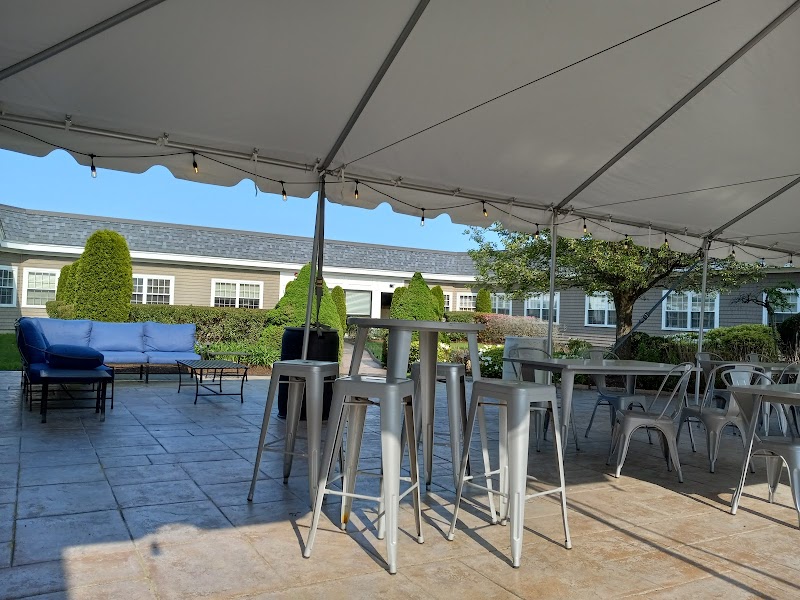
Who Owns and Operates Alden Court Nursing Care & Rehabilitation Center?

ALDEN COURT NURSING CARE & REHABILITATION CENTER is owned by a non-profit organization. Non-profit facilities reinvest revenue into operations rather than distributing to shareholders. The facility operates independently rather than as part of a larger chain. With 142 certified beds and approximately 132 residents (about 93% occupancy), it is a mid-sized facility located in FAIRHAVEN, Massachusetts.

How Does Alden Court Nursing Care & Rehabilitation Center Compare to Other Massachusetts Nursing Homes?

Compared to the 100 nursing homes in Massachusetts, ALDEN COURT NURSING CARE & REHABILITATION CENTER's overall rating (4 stars) is above the state average of 2.9, staff turnover (68%) is significantly higher than the state average of 46%, and health inspection rating (4 stars) is above the national benchmark.

What Should Families Ask When Visiting Alden Court Nursing Care & Rehabilitation Center?

Based on this facility's data, families visiting should ask: "How do you ensure continuity of care given staff turnover, and what is your staff retention strategy?" "Can I visit during a mealtime to observe dining assistance and food quality?" "How do you handle medical emergencies, and what is your hospital transfer rate?" "Can I speak with family members of current residents about their experience?" These questions are particularly relevant given the facility's high staff turnover rate.

Is Alden Court Nursing Care & Rehabilitation Center Safe?

Based on CMS inspection data, ALDEN COURT NURSING CARE & REHABILITATION CENTER has a clean safety record: no substantiated abuse findings (meaning no confirmed cases of resident harm), no Immediate Jeopardy citations (the most serious violation level indicating risk of serious injury or death), and is not on the Special Focus Facility watch list (a federal program monitoring the lowest-performing 1% of nursing homes). The facility has a 4-star overall rating and ranks #1 of 100 nursing homes in Massachusetts. While no facility is perfect, families should still ask about staff-to-resident ratios and recent inspection results during their visit.

Do Nurses at Alden Court Nursing Care & Rehabilitation Center Stick Around?

Staff turnover at ALDEN COURT NURSING CARE & REHABILITATION CENTER is high. At 68%, the facility is 22 percentage points above the Massachusetts average of 46%. High turnover means new staff may not know residents' individual needs, medications, or preferences. It can also be disorienting for residents, especially those with dementia who rely on familiar faces. Families should ask: What is causing the turnover? What retention programs are in place? How do you ensure care continuity during staff transitions?

Was Alden Court Nursing Care & Rehabilitation Center Ever Fined?

ALDEN COURT NURSING CARE & REHABILITATION CENTER has been fined $12,386 across 1 penalty action. This is below the Massachusetts average of $33,203. While any fine indicates a compliance issue, fines under $50,000 are relatively common and typically reflect isolated problems that were subsequently corrected. Families should ask what specific issues led to these fines and confirm they've been resolved.

Is Alden Court Nursing Care & Rehabilitation Center on Any Federal Watch List?

ALDEN COURT NURSING CARE & REHABILITATION CENTER is not on any federal watch list. The most significant is the Special Focus Facility (SFF) program, which identifies the bottom 1% of nursing homes nationally based on persistent, serious quality problems. Not being on this list means the facility has avoided the pattern of deficiencies that triggers enhanced federal oversight. This is a positive indicator, though families should still review the facility's inspection history directly.