West Oaks Senior Care & Rehab Center
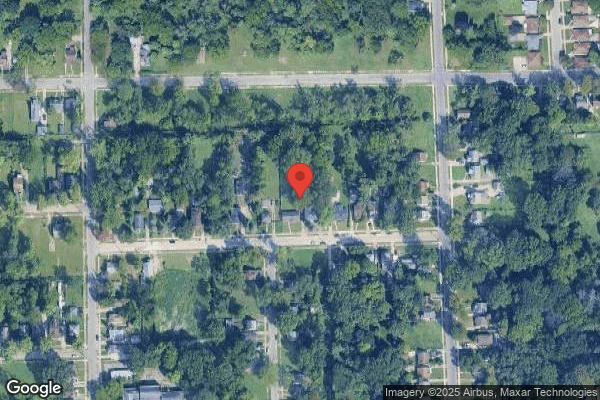
22355 W Eight Mile Rd, Detroit, MI 48219 (313) 255-6450
For profit - Limited Liability company 102 Beds NEXCARE HEALTH SYSTEMS Data: November 2025
Trust Grade
80/100
#100 of 422 in MI
Last Inspection: June 2025

Inspected within the last 6 months. Data reflects current conditions.

Overview

West Oaks Senior Care & Rehab Center in Detroit, Michigan, has a Trust Grade of B+, which means it is above average and recommended for families seeking care. It ranks #100 out of 422 facilities in Michigan, placing it in the top half, and #10 out of 63 in Wayne County, indicating limited local competition. However, the facility's trend is worsening, with issues increasing from 2 in 2024 to 3 in 2025. Staffing received a 3/5 star rating, but the turnover rate of 58% is concerning as it exceeds the state average, indicating that staff may frequently leave. While there have been no fines recorded, which is a positive sign, RN coverage is below average, being less than 92% of other Michigan facilities, which raises concerns about adequate medical oversight. Recent inspections revealed significant issues, including a lack of consistent RN coverage for eight consecutive hours on several days, which could lead to unmet care needs. Additionally, the kitchen's freezer was not maintaining the proper temperature, risking food safety for residents. Lastly, there were failures in ensuring proper COVID-19 testing during an outbreak, potentially exposing residents to further health risks. Families should weigh these strengths and weaknesses when considering this facility for their loved ones.

Trust Score
B+
80/100
In Michigan
#100/422
Top 23%
Safety Record
Low Risk
No red flags
Inspections
Getting Worse
2 → 3 violations
Staff Stability
⚠ Watch
58% turnover. Above average. Higher turnover means staff may not know residents' routines.
Penalties
✓ Good
No fines on record. Clean compliance history, better than most Michigan facilities.
Skilled Nurses
⚠ Watch
Each resident gets only 23 minutes of Registered Nurse (RN) attention daily — below average for Michigan. Fewer RN minutes means fewer trained eyes watching for problems.
Violations
⚠ Watch
16 deficiencies on record. Higher than average. Multiple issues found across inspections.
★★★★★
5.0
Overall Rating
★★★☆☆
3.0
Staff Levels
★★★★☆
4.0
Care Quality
★★★★★
5.0
Inspection Score
Stable
2024: 2 issues
2025: 3 issues

The Good

  • 4-Star Quality Measures · Strong clinical quality outcomes
  • Full Sprinkler Coverage · Fire safety systems throughout facility
  • No fines on record

Facility shows strength in quality measures, fire safety.

The Bad

Staff Turnover: 58%

11pts above Michigan avg (46%)

Frequent staff changes - ask about care continuity

Chain: NEXCARE HEALTH SYSTEMS

Part of a multi-facility chain

Ask about local staffing decisions and management

Staff turnover is elevated (58%)

10 points above Michigan average of 48%

The Ugly 16 deficiencies on record

Jun 2025 2 deficiencies
CONCERN (D)

Potential for Harm - no one hurt, but risky conditions existed

Deficiency F0711 (Tag F0711)

Could have caused harm · This affected 1 resident

**NOTE- TERMS IN BRACKETS HAVE BEEN EDITED TO PROTECT CONFIDENTIALITY** Based on interview and record review, the facility failed to ensure Physician/Physician Extender progress notes were entered int...

Read full inspector narrative →
**NOTE- TERMS IN BRACKETS HAVE BEEN EDITED TO PROTECT CONFIDENTIALITY** Based on interview and record review, the facility failed to ensure Physician/Physician Extender progress notes were entered into the clinical record in a timely manner for one resident (R35) of 19 resident's reviewed for Physician/Physician Extender progress notes. Findings include: On 6/24/25 at 8:42 AM, R35's Electronic Health Record (EHR) was reviewed for Physician/Physician Extender notes and revealed there were no Physician/Physician Extender notes found in the EHR since 12/2024. On 6/24/25 at 12:57 PM, Physician/Physician Extender practitioner notes were requested. Record review of the EHR revealed R35 was admitted to the facility on [DATE] with a diagnosis that included cerebral infarction (stroke) and attending physician listed as Medical Doctor (MD) F. On 6/24/25 at 3:25 PM, Nurse Practitioner (NP) E was interviewed and stated, I work with (MD F) and provided the care to (R35), but I did not provide notes in the medical chart. It was my mistake. The notes should be put in when the visit occurs. On 6/25/25 12:53 PM, the Director of Nursing (DON) was interviewed and said the expectation is for the Physician/Physician Extender to write a clinical note within 24 hours or performing the visit. The DON agreed there were no Physician/Physician Extender notes in the EHR for 2025 until the facility was made aware of the lack of physician notes in R35's EHR. Review of the facility's policy titled, Physician Services revised August 2006 revealed in part: Physician orders and progress notes shall be maintained in accordance with current Omnibus Budget Reconciliation Act (OBRA) regulations and facility policy.
CONCERN (D)

Potential for Harm - no one hurt, but risky conditions existed

Infection Control (Tag F0880)

Could have caused harm · This affected 1 resident

**NOTE- TERMS IN BRACKETS HAVE BEEN EDITED TO PROTECT CONFIDENTIALITY** Based on observation, interview and record review the facility failed to maintain infection control practices for two of five re...

Read full inspector narrative →
**NOTE- TERMS IN BRACKETS HAVE BEEN EDITED TO PROTECT CONFIDENTIALITY** Based on observation, interview and record review the facility failed to maintain infection control practices for two of five residents (R47 and R22) reviewed for respiratory care by not ensuring respiratory equipment was stored in a sanitary manner. This failure had the potential to expose residents to harmful microorganisms and increase the risk of infection. Findings include: On 6/23/25 at 2:00 PM, during an observation of R47's room, a nebulizer mask was noted on the bedside table uncovered and exposed to air. The mask was not stored in a protective covering. On 6/23/25 at 2:05 PM, Licensed Practical Nurse (LPN) A entered the room. When queried, about the storage of the nebulizer mask, LPN A said it should be in a plastic bag. Record review noted that R47 was admitted on [DATE] with a pertinent diagnosis of respiratory failure with hypoxia and dependence on supplemental oxygen. Record review revealed R47's Minimum Data Set assessment (MDS) dated [DATE] indicated a Brief Interview for Mental Status (BIMS) score of 14 out of 15 indicating they were cognitively intact. On 6/23/25 at 2:30 PM, R22 was observed with a nasal canula oxygen mask attached to the back of their wheelchair, dangling and touching the floor. On 6/23/25 at 2:40, Registered Nurse (RN) B entered R22's room and observed the nasal canula mask touching the floor. RN B was interviewed and said the mask should have been in a plastic bag when not in use. Record review for R22 indicated they were admitted on [DATE] with a pertinent diagnosis of respiratory failure with hypoxia, emphysema, and malignant neoplasm of bronchus or lungs (lung cancer). Record review for R22 (MDS) dated [DATE] for (BIMS) score was 14 out of 15 indicating R22 was cognitively intact. On 6/25/25 at 10:25 AM, the Nursing Home Administrator (NHA) was interviewed and confirmed that nebulizer masks should be sanitized, and all masks should be stored appropriately when not in use. Review of facility policy titled Oxygen Administration and Safety with an effective date of 5/20/25 noted, the purpose of this policy is safe administration of oxygen therapy to the residents. Furthermore, the policy documented, .tubing will be store in a plastic bag or similar storage device when not in use.
Apr 2025 1 deficiency
CONCERN (D) 📢 Someone Reported This

A family member, employee, or ombudsman was alarmed enough to file a formal complaint

Potential for Harm - no one hurt, but risky conditions existed

Accident Prevention (Tag F0689)

Could have caused harm · This affected 1 resident

**NOTE- TERMS IN BRACKETS HAVE BEEN EDITED TO PROTECT CONFIDENTIALITY** This citation pertains to intakes MI00151575 and MI00151833. Based on interview and record review the facility failed to ensure ...

Read full inspector narrative →
**NOTE- TERMS IN BRACKETS HAVE BEEN EDITED TO PROTECT CONFIDENTIALITY** This citation pertains to intakes MI00151575 and MI00151833. Based on interview and record review the facility failed to ensure proper positioning during care for one resident (R902) out of three residents reviewed for falls, resulting in R902 falling from bed and obtaining a large hematoma (blood filled bruise) with extensive bruising of the face. Findings include: The State Agency received an allegation that R902 had fell out of bed during care resulting in injuries. Review of R902's electronic medical records (EMR) revealed admission into the facility on 2/17/23 with a pertinent diagnosis of hemiplegia (paralysis) and hemiparesis (paralysis) following a cerebral infarction (stroke) affecting left non-dominant side. Review of R902's Minimum Data Set (MDS) dated [DATE], it was documented resident required partial/minimal assist with bed mobility. Review of R902's Brief Interview for Mental Status (BIMS) dated 2/20/25, R902 scored 12 out of 15 (moderate cognitive impairment). Review of ADL Care Plan dated 2/18/23, revealed Bed Mobility: 1 PA (person assist). Review of Progress Notes dated 3/24/25 at 3:53 AM, it was noted, Informed by nurse assistant that resident rolled out of bed while given care. Upon entering room, resident noted on the floor laying on her left side. Tennis ball size hematoma noted on residents left side of her forehead. No broken skin or lacerations noted. After getting resident back in bed resident stated, she told me to roll over and I fell. Review of hospital Discharge Summary dated 3/24/25 at 3:59 AM, it was noted ED (emergency department) Diagnoses- Fall and Traumatic hematoma of forehead. Interview conducted on 4/7/25 at 11:45 AM with Certified Nursing Assistant (CNA) A, It was reported that while changing the sheets on R902's bed the resident fell out of bed. CNA A was asked how R902 was able to fall out of the bed, CNA A reported standing on the side of the resident's bed and pulling on the fitted sheet toward herself so the resident would turn away from her, and when the sheet was pulled to turn the resident, the resident jumped and fell out of the bed. Interview conducted on 4/7/25 at 12:19 PM with Director of Nursing (DON), it was reported that if CNA A had followed proper procedures the fall with injury could have been prevented. Review of facility policy Turning a Resident on His/her Side Away from You (no date), documented the following: . 2. Unless otherwise instructed, lower the head and footrest of the bed. 3. Lower the side rails on the side of the bed you are working, if up. 4. Loosen the covers as necessary. Avoid unnecessary exposure of the resident's body. 5. Slide both your arms under the resident's back to his/her far shoulder. 6. Slide the resident's shoulders toward you on your arms. (Note: Keep your knees bent and your back straight as you slide the resident toward you.) 7. Slide both your arms (as far as you can) under the resident's buttocks. 8. Slide the resident's buttocks toward you. (Note: Keep your knees bent and your back straight as you slide the resident's buttocks toward you.) 9. Slide both arms under the resident's feet and ankles. 10. Slide the resident's feet toward you. (Note: Keep your knees bent and your back straight as you slide the resident's feet toward you.) 11. Cross the resident's arms over his/her chest. 12. Cross the resident's leg nearest you over the leg farthest from you. 13. Stand with your weight evenly distributed on both feet. (Note: Your feet should be approximately 12 inches apart.) 14. Keep your back straight. 15. Place one hand on the resident's shoulder nearest you. 16. Place your second hand under the resident's buttocks. 17. Gently turn the resident away from you. During the onsite survey, past noncompliance (PNC) was cited after the facility implemented actions to correct the noncompliance which included: Staff education on proper repositioning during care, audit of residents that could be affected from improper positioning, Director of Nursing randomly audited 10 residents per week, 1 on 1 education provided to staff present during incident, QAPI and IDT meeting held to discuss plan of correction. The facility was able to demonstrate monitoring of the corrective action and maintained compliance.
Dec 2024 1 deficiency
CONCERN (D) 📢 Someone Reported This

A family member, employee, or ombudsman was alarmed enough to file a formal complaint

Potential for Harm - no one hurt, but risky conditions existed

Accident Prevention (Tag F0689)

Could have caused harm · This affected 1 resident

**NOTE- TERMS IN BRACKETS HAVE BEEN EDITED TO PROTECT CONFIDENTIALITY** This citation pertains to intake MI00147802. Based on interview and record review, the facility failed to prevent an elopement f...

Read full inspector narrative →
**NOTE- TERMS IN BRACKETS HAVE BEEN EDITED TO PROTECT CONFIDENTIALITY** This citation pertains to intake MI00147802. Based on interview and record review, the facility failed to prevent an elopement for one resident (R301) out of four residents reviewed for elopement, resulting in R301 exiting from the facility without staff knowledge and the potential for injury for the resident. Findings include: On 12/05/2024 at 10:00 a.m., an investigation was conducted regarding a facility reported incident dated 10/20/2024. The facility's investigation report revealed in part: .on 10/20/2024 At about 8:00 p.m., R301's assigned nurse (Licensed Practical Nurse (LPN) A went to provide the resident with his evening medication and medication could not be administered because she could not locate the resident. R301's room was checked and all surrounding common areas. Nursing staff immediately called security and code Green alert for missing person protocol was initiated. A total head count of all residents was conducted and only R301 was not accounted for . The resident traveled approximately twelve mile as reported by multiple sighting by family and friends. Resident traveled to the areas that he was familiar with to get a loosie (which is another name for a cigarette out of the pack). Resident also visited his maternal Grandmother's house in the morning and took a nap. Since family member had no knowledge of resident exiting facility without completing his Leave of Absence (LOA) paperwork due to his calm demeanor she left for an appointment and when she returned, he was gone. Resident also was spotted on his uncle's ring camera knocking on his door. The individual who saw resident did not notify facility nor police because they had no knowledge of the resident residing at the facility. The resident was found at 1:30 p.m. by R301's son's girlfriend on 10/21/2024. Resident was transported to (Hospital). Resident had no obvious or visible injuries .Conclusion: Resident chose not to return to the facility and is being discharged to stay with family from the hospital. Plan of Action: 6. Security Guard was suspended pending investigation. One-on-One education was provided to security staff and facility staff on Missing Person and Elopement Policy was reviewed. Employee (Security Guard (SG B) Corrective Action documented, Describe Situation and/or concerns as following: -SG B was unaware of resident whereabouts, she failed to follow front desk safety protocol during shift. Front desk staff must be alert and at tentative to all entering and exiting the building. SG B will be suspended and placed on a final corrective action. Continued violation of company policies will result in further corrective action, up to and including termination. On 12/05/2024 at 1:34 p.m. SG B was called and was not available for an interview. According to the electronic health record (EHR), R301's was admitted to the facility on [DATE] with diagnoses of congestive heart failure, diabetes mellitus type two, chronic kidney disease stage 3A, alcohol dependence with withdrawal and tobacco use. R301's Minimum Data Set (MDS) with a reference date of 10/16/2024 indicated R301 had moderately impaired cognition with a BIMS (brief interview for mental status) score of 09/15. A care plan with a review date of 7/10/2024 documented, Transfer status: one person assists with ambulation: wheelchair when out of bed. On 12/05/2024 at 1:01 p.m. during an interview, the administrator said after reviewing the facility's camera, R301 left out of the front door after SG B buzzed R301 out. The camera also showed that SG B allowed R301 to exit the facility without being accompanied by someone and without making sure the resident had LOA paperwork. The Administrator said the LOA paperwork is to be fully completed by the resident's assigned nurse on the unit before the resident gets to the security guard desk. The LOA paperwork is given to the security guard and kept until the resident return. Then the resident is buzzed out of the door to leave the facility. The Administrator also said R301 does not go out of the facility on a LOA without accompanied by family who is in the facility to sign the LOA papers. Multiple LOA paperwork with family signatures and return dates and times was presented and reviewed. The Administrator said SG B was in-serviced on checking completed LOA paperwork before letting a resident out of the building. SG B was suspended during the investigation but later resigned. The administration said after requesting a LOA policy that the facility did not have a LOA policy but presented a Elopement policy. R301's assigned Nurse A was called on 10/20/2024 at approximately 1:50 p.m. but the number was a non-working number. According to the facility's revision date 10/23/2024 elopement and/or exit -seeking management policy: Elopement: When a resident leaves a safe or secure area, for an unsafe area without assistance or supervision.
May 2024 1 deficiency
CONCERN (D) 📢 Someone Reported This

A family member, employee, or ombudsman was alarmed enough to file a formal complaint

Potential for Harm - no one hurt, but risky conditions existed

Pressure Ulcer Prevention (Tag F0686)

Could have caused harm · This affected 1 resident

**NOTE- TERMS IN BRACKETS HAVE BEEN EDITED TO PROTECT CONFIDENTIALITY** This citation pertains to intake MI00143663. Based on observation, interview, and record review, the facility failed to properl...

Read full inspector narrative →
**NOTE- TERMS IN BRACKETS HAVE BEEN EDITED TO PROTECT CONFIDENTIALITY** This citation pertains to intake MI00143663. Based on observation, interview, and record review, the facility failed to properly assess bilateral heel wounds for one resident (R404) of three residents reviewed for pressure ulcer prevention/intervention, resulting in the potential for the worsening of wounds. Findings include: On 5/7/24 at 11:58 AM R404 was observed lying in bed with loosely wrapped bandages on both feet. R404's heels were not completely covered revealing black dried scabs on both heels. R404's feet were observed to be dry, cracked, and dead skin was seen flaking off their feet onto the mattress. R404's feet were positioned directly on the mattress, there were no pressure relieving devices observed. On 5/7/24 at 12:01 PM Certified Nursing Assistant (CNA) A was asked if the bandages could be observed. CNA A lifted R404's heels. R404's bandages began to unravel onto the mattress and there was no date found on the bandaging. On 5/7/24 at 1:11 PM Wound Care Nurse (WCN) B was interviewed regarding R404's wounds. WCN B said R404 was admitted with the wounds on 2/22/24. During the interview, WCN B was queried about the documentation in the medical record regarding the wounds that were documented on 5/7/24. WCN B said this was the first time that the wounds were assessed by him (WCN B). WCN B said the care plan was revised to include the heel wounds (5/7/24). Initially the care plan did not mention R404's the heel wounds. Orders were placed for wound care (5/7/24) and the wounds were assessed, measured, and documented in the Electronic Medical Record (EMR) (5/7/24). On 5/7/24, upon surveyor query, was the first-time orders were placed for R404's heel wounds. On 5/7/24 at 1:36 PM MDS (Minimum Data Set) Coordinator E was interviewed regarding the MDS reviewed and revised on 2/28/24. MDS Coordinator E said the skin condition section the MDS was documented that R404 had the potential to develop pressure ulcer because she did not see any documentation that supported that R404 developed pressure ulcers. MDS Coordinator E said she looks at the resident's orders for wound care and the wound care assessments to get an idea if the resident had developed pressure ulcers. On 5/7/24 at 3:56 PM Wound Care Physician (WCP) C was interviewed regarding R404's heel wounds. According to WCP C, the wounds were assessed. WCP C said the findings revealed R404's heels had dried eschar (dead or devitalized tissue that is hard or soft in texture; usually black, brown, or tan in color, and may appear scab-like) on both heels, which were considered unstageable (Full-thickness skin and tissue loss in which the extent of tissue damage within the ulcer cannot be confirmed because the wound bed is obscured by slough or eschar). WCP C said typically wounds such as the wounds R404 had would be treated with either alcohol or betadine and wrapped with a dry dressing. On 5/17/24 at 1:47 PM the Director of Nursing (DON) was interviewed regarding the expectation of when a wound is assessed upon admission. The DON said it is the expectation that the WCN assess the wound and then call the primary care physician to get orders for treatment. A review R404's EMR revealed R404 was admitted to the facility initially on 9/22/22 and readmitted on [DATE]. R404 had the following pertinent medical diagnoses: Severe Protein-Calorie Malnutrition, Bacteremia (Bacterial Infection of the blood), and Dementia. A review of R404's Minimum Data Set (MDS) dated [DATE] revealed R404 had a Brief Interview of Mental Status (BIMS) score of 0/15 (severely cognitively impaired). According to the MDS, R404 was dependent and required maximal assistance with bed mobility and transfers. Also, there was no mention of active pressure ulcers for R404, only the potential for pressure ulcers. On 5/7/24, at the time of record review, the skin management care plan revealed no mention of the bilateral unstageable heel pressure ulcers. A review of R404's orders revealed the following wound treatment orders and order date and time: Cleanse right heel unstageable pressure wound with dermal wound cleanser and pat dry, apply Betadine daily. Cover with Abdominal Pad (ABD) and wrap with Kerlix and as needed every evening shift for wound healing AND as needed when dislodged or soiled. Ordered 5/7/24 at 12:37 PM. Cleanse left heel unstageable pressure wound with dermal wound cleanser and pat dry, apply Betadine daily Cover with ABD and wrap with Kerlix and as needed every evening shift for wound healing AND as needed when dislodged or soiled. Ordered 5/7/24 at 12:35 PM. Review of R404's hospital notes dated 2/20/24 revealed R404's heels were staged as deep tissue injuries (Intact skin with localized area of persistent non-blanchable deep red, maroon, purple discoloration due to damage of underlying soft tissue). A review of R404's admission progress note dated 2/22/24 revealed, Received patient by stretcher from local hospital. Alert at moment no signs or symptoms of respiratory distress or discomfort. Diagnosis at the time of admission shortness of breath, Cerebrovascular Accident (Stroke). Upon skin assessment wounds on right side of leg, right side of knee, left and right side of heel old wound on coccyx pink color. Nurse Practitioner D notified of admission. A review of R404's admission assessment, dated 2/22/24, revealed documentation under the skin tab that R404 had wounds on bilateral heels. There was no description of the staging of the wounds on the either of R404's heels.
Dec 2023 2 deficiencies
CONCERN (D) 📢 Someone Reported This

A family member, employee, or ombudsman was alarmed enough to file a formal complaint

Potential for Harm - no one hurt, but risky conditions existed

Investigate Abuse (Tag F0610)

Could have caused harm · This affected 1 resident

This citation pertains to MI00140144. Based on interview and record review, the facility failed to submit documentation of a completed investigation of an alleged incident of resident-to-resident abus...

Read full inspector narrative →
This citation pertains to MI00140144. Based on interview and record review, the facility failed to submit documentation of a completed investigation of an alleged incident of resident-to-resident abuse in a timely manner to the State Agency for two residents (R101 and R102), out of three residents reviewed for abuse, resulting in the potential delay for opportunities to implement corrective measures and interventions. Findings include: A facility self-reported incident (FRI) was received by the State Agency (SA) on 8/20/23 at 3:59 PM. The FRI documented that on 8/20/23 at approximately 1:30 PM, a nurse heard shouting coming from the [NAME] Hall. The shouting was coming from Room XX. Upon further investigation, Resident #101 (R101) was hollering at Resident #102 (R102) to get out of his house. R102 was observed standing over R101. R102 was escorted out of the room by the nurse to calm him down. Both residents were interviewed. R101 alleged that R102 hit him in the chest, however the nurse observed R102 holding R101's arm. Both residents were involved in an alleged, unwitnessed altercation. Nursing staff on duty did not witness any signs of altercation of physical contact. R102 denied hitting R101. R102 has a long history of inappropriate social behavior and poor impulse control. Residents were immediately separated and no further behaviors were noted, reported, or observed. On 12/5/23 at 4:12 PM, the Nursing Home Administrator (NHA) provided documentation that the completed investigation regarding the resident-to-resident allegation of abuse was submitted to the SA on 9/7/23. The NHA was unable to provide a reason for the late submission of the FRI. A review of the facility policy titled, Abuse, Neglect and/or Misappropriation of Resident Funds or Property, dated 3/15/2023, documented in part the following: - Reporting/Response. i) For the alleged violation involving abuse, neglect, exploitation or mistreatment, including injuries of unknown source and misappropriation of resident property, the Center will report immediately but not later than two hours after the allegation is made, if the events that cause the allegation involve abuse or result in serious bodily injury, or not later than 24 hours if the events that cause the allegation do not involve abuse and do not result in serious bodily injury, to the administrator of the facility and to other officials (including to the state survey agency, local authorities as appropriate, and adult protective services where state law provides for jurisdiction in long term care facilities), in accordance to the state law, and within 5 working days of the incident with the conclusion. On 12/5/23 at 5:30 PM during the exit conference, the NHA and Director of Nursing did not offer additional documentation or information regarding this concern when asked.
CONCERN (E) 📢 Someone Reported This

A family member, employee, or ombudsman was alarmed enough to file a formal complaint

Potential for Harm - no one hurt, but risky conditions existed

Infection Control (Tag F0880)

Could have caused harm · This affected multiple residents

This citation pertains to #MI00140569. Based on interview and record review, the facility failed to ensure two residents (R107 amd R108) out of four residents reviewed for infection control, received...

Read full inspector narrative →
This citation pertains to #MI00140569. Based on interview and record review, the facility failed to ensure two residents (R107 amd R108) out of four residents reviewed for infection control, received proper COVID-19 testing following a COVID-19 outbreak in the facility, resulting in the potential for spread of COVID-19 throughout the building. Findings include: It was reported to the State Agency that staff were not following proper infection control/prevention guidelines. On 12/5/23 beginning at 11:03 AM, Infection Preventionist (IP) G was queried about COVID-19 testing conducted in the facility following a recent COVID outbreak. IP G said the recent COVID-19 outbreak began on 10/6/23 when Resident #105 (R105) tested positive. IP G said they tested residents complaining of COVID symptoms and residents who were exposed to COVID-19. IP G indicated they did COVID testing on the first day, third day, and fifth day. The IP G said he was off on 10/6/23 and did not return to work until the following week. On 12/5/23 beginning at 11:37 AM, the Director of Nursing (DON) acknowledged that the outbreak began on 10/6/23 and the first person that tested positive participated in a group activity on 10/6/23. The DON said testing of residents began on 10/6/23 and for an outbreak, they test according to contact tracing. The DON stated, We only test people that have been exposed. We don't test the whole building. On 12/5/23 at 4:46 PM, medical record reviews were conducted with the Regional Clinical Director for two residents (R107 and R108) that participated in the group activity with R105 on 10/6/23. Additional COVID-19 testing documents were also reviewed. Both residents tested negative for COVID-19 on 10/6/23. Subsequent COVID-19 testing occurred as indicated: Resident #107 was tested 10/8/23 but not again until 10/19/23. Resident #108 was not tested again until 10/19/23. On 12/5/23 at approximately 2:48 PM, Unit Manager Licensed Practical Nurse (UM/LPN) F was observed filling out a COVID-19 testing document, which she dated 10/9/23. This document indicated R108 was tested on that date for COVID-19. UM/LPN F said she was not the person that performed the testing on 10/9/23. On 12/5/23 beginning at 5:20 PM, the Nursing Home Administrator (NHA) and DON said residents exposed and/or with COVID symptoms should have been tested on day 1, day 3, and day 5. They indicated they considered day 1 as 10/6/23, day 3 as 10/9/23, and day 5 as 10/11/23 and that testing should happen according to the guidelines to ensure resident and staff safety. A review of the facility policy titled, Testing Requirements for Staff and Residents, dated 5/10/23, documented in part the following: - The facility will test residents and staff based on parameters and a frequency set forth by the HHS Secretary and in a manner that is consistent with current standards of practice for conducting COVID-19 tests. - Purpose: To establish a testing process to rapidly inform infection prevention initiatives to prevent and limit transmission of COVID-19 within the facility. - Outbreak testing and response for COVID-19 · A single new case of COVID-19 infection in any staff or resident should be evaluated to determine if others in the facility could have been exposed. · Perform testing for all residents and staff identified as close contacts or higher risk exposures (during the exposure window) or on the affected unit(s) if using a broad-based approach, regardless of vaccination status. o Testing should occur day 1 (where day of exposure is day 0), day 3, and day 5. o If additional positive cases are identified on day 1, day 3 or day 5, the facility should continue testing using a broad-based (e.g., unit, floor, or other specific area(s) of the facility) approach every 3-7 days until 14 days of no new positives. · A broad-based (e.g., unit, floor, or other specific area(s) of the facility) approach is preferred if all potential contacts cannot be identified or managed with contact tracing or if contact tracing fails to halt transmission. On 12/5/23 at 5:30 PM during the exit conference, the Nursing Home Administrator and DON did not offer additional documentation or information regarding this concern when asked.
Sept 2023 1 deficiency
CONCERN (D) 📢 Someone Reported This

A family member, employee, or ombudsman was alarmed enough to file a formal complaint

Potential for Harm - no one hurt, but risky conditions existed

Notification of Changes (Tag F0580)

Could have caused harm · This affected 1 resident

**NOTE- TERMS IN BRACKETS HAVE BEEN EDITED TO PROTECT CONFIDENTIALITY** This citation pertains to intake MI00139131, Based on interview and record review the facility failed to inform the resident's ...

Read full inspector narrative →
**NOTE- TERMS IN BRACKETS HAVE BEEN EDITED TO PROTECT CONFIDENTIALITY** This citation pertains to intake MI00139131, Based on interview and record review the facility failed to inform the resident's representative of a change in condition for three (R601, R602, and R605) of five residents reviewed for change in condition, resulting in the resident's representative not being informed of the resident's physical and psychosocial well-being. Findings include: R601 Review of R601's medical record revealed admitted to the facility on [DATE] with pertinent diagnoses of hemiplegia and hemiparesis (weakness) affecting the right dominant side, hemiplegia and hemiparesis affecting non dominant side and diabetes mellitus. Responsible party power of attorney care conference person and emergency contact #1 listed as Family Member B. On 9/18/23 at 9:10 AM, during an interview Family Member B stated that R601 had multiple falls in the facility and that R601's care was not adequate. Family Member B reported that upon visiting R601 on 8/16/23 R601 complained of right leg pain and observed a bruise on R601's waist. Family Member B immediately talked to the nurse and reported R601's complaints. An X-Ray was done at the facility and later showed a fracture. Family Member B stated that she was never called about the fall R601 had on 8/15/23 resulting in a broken leg which required hospitalization and surgery. Review of the Nursing Progress Note dated 8/15/23 stated Pt was observed sitting on the floor at shift change, next to bed. No c/o pain, bruising, or discomfort. No lumps bleeding or bumps. Review of the fall report dated 8/15/23 revealed, Writer observed pt sitting on floor mat next to bed, sitting up during shift change. Writer placed In bed assessment complete, vitals signs taken, ROM completed . Contraction on Right arm and leg no bruising, bleeding or lumps observed. No injuries observed at time of incident. Physician contacted at 8/15/23 at 5:27. There is no reference to contacting Family Member B in either note. Review of the facility provided Change in Condition Note dated 8/17/23 at 5:02 revealed that the documentation for Family Member B notified of change in condition occurred on 8/16/23 at 5:00 and was completed late after the fact of the fall on 8/15/23 with injury. R605 Review of R605's medical record revealed admitted to the facility on [DATE] with pertinent diagnoses of dementia, schizophrenia and dysphasia. Responsible party power of attorney care conference person and emergency contact #1 listed as Family Member C. Review of the nursing progress note dated 6/18/23 revealed Resident was observed on the floor in the hallway , No injuries noted. Resident denies any pain . Vss (vital signs stable), denies any pain Dr. notified . No new orders given . Neuro to be started. Review of the Fall Report dated 6/18/23 revealed Resident observed on floor in the hallway no injuries noted, resident unable to give description. Certified Nursing Assistant (CNA)s picked resident up off the floor and sat her in her WC (wheel chair). VSS checked and were stable Dr. was notified. There is no documentation of contacting Family Member C. In an interview on 9/18/23 at 1:18 PM with Licensed Practical Nurse (LPN) A when asked the expectation of reporting a fall LPN A stated we assess the resident, check vitals, call the doctor, call the family, and complete the fall report. In an interview on 9/18/23 at 1:25 PM with the Director of Nursing (DON) when asked what the expectation is of reporting a fall the DON stated assess the resident, call the doctor, call the family, perform change in condition report. R602 Review of an admission Record revealed, R602 admitted to the facility on [DATE] with pertinent diagnosis which included Morbid Obesity, Muscle Weakness, and Heart Failure. Review of a Minimum Data Set (MDS) assessment, with a reference date of 7/17/23 revealed R602 had no cognitive impairment with a Brief interview for Mental Status (BIMS) score of 15, out of a total possible score of 15. R602 required extensive assistance of one staff with bed mobility, transfers, or toilet use. Review of an incident report with a date of 6/13/23 revealed R602 had a fall. The Physician was notified at 3:50 p.m. R602's emergency contacts were not notified. Review of a progress note with a date of 6/13/23 at 4:01 p.m. revealed, Patient slid from bed to the floor while transferring to the wheelchair. CNA was present during fall. All Vitals normal and no injury reported . Review of a progress note with a date of 6/14/23 at 6:45 a.m. revealed, Pt (patient) in w/c (wheelchair) at bedside AO (alert and orientated) x4. Previous nurse reported fall to writer . Pt also had a critical PT INR (test for blood clotting). Pain and critical lab reported to MD (Doctor). PRN (as needed) pain med administered. MD ordered xray and a hold for Anticoagulant . The facility did not notify R602's family or emergency contact. Review of a progress note with a date of 6/17/23 at 2:27 p.m., revealed, NP called back, stated to send pt to hospital. Writer notified DON 911 called by writer, awaiting arrival. In an interview on 9/18/23 at 1:18 p.m. Registered Nurse (RN) reported when a resident falls the nurse must, assess the resident, call the Dr., notify DON, and call the family. In an interview on 9/18/23 at 1:50 p.m. the NHA reported resident's emergency contacts should be called when there is a fall or change in condition. Review of a Change of Condition-Resident Family/Responsible Part Notification policy with a revised date of 4/12/2016 revealed, Family and/or responsible party are notified anytime there is a change in the resident's condition or plan of care . Procedure: 1. Notification of any change in the resident's condition will be done in a timely manner . Review of a Falls Reduction Program with a revised date of 9/25/16 revealed, . 3. If fall occurs Charge Nurse to complete the following: Physical assessment of resident and observation of environment. Immediate interventions as identified by physical assessment and environmental observation. Incident Report. Notify physician. Notify resident responsible party/family member .
Jul 2023 6 deficiencies
CONCERN (D)

Potential for Harm - no one hurt, but risky conditions existed

Deficiency F0658 (Tag F0658)

Could have caused harm · This affected 1 resident

**NOTE- TERMS IN BRACKETS HAVE BEEN EDITED TO PROTECT CONFIDENTIALITY** Based on observation, interview, and record review, the facility failed to ensure hypertensive medication (Carvedilol) was prope...

Read full inspector narrative →
**NOTE- TERMS IN BRACKETS HAVE BEEN EDITED TO PROTECT CONFIDENTIALITY** Based on observation, interview, and record review, the facility failed to ensure hypertensive medication (Carvedilol) was properly administered for one resident (R4), resulting in a medication being left at the bedside. Findings include: During an observation and interview on 7/24/2023 at 9:58 AM, Resident #4 (R4) was observed awake and in his room. A clear plastic medication cup containing a white pill was observed on R4's overbed table. R4 said he did not know what the pill was for but was waiting on breakfast to be served so that he would have some liquid available to take the pill. During an observation and interview on 7/24/2023 at 10:00 AM, Licensed Practical Nurse (LPN) G was shown the pill in R4's room and stated, He should not have it at his bedside. LPN G identified the pill as Carvedilol. A review of the admission Record for R4 documented an admission date of 6/9/2023 with diagnoses that included end stage renal disease, diabetes mellitus-type 2, and hypertensive heart disease with heart failure. A Minimum Data Set assessment dated [DATE] documented intact cognition. A review of physician orders documented R4 was prescribed Carvedilol 25 mg, one tablet by mouth two times a day for hypertension. The prescribed times were 8:00 AM and 5:00 PM. A review of the facility's admission Contract signed by R4 on 6/9/2023 revealed in the section titled, Self-Administration of Drugs, that R4 declined to self-administer his own medication(s). During an interview on 7/27/2023 at 12:37 PM, the Director of Nursing (DON) said nurses are supposed to stay with the resident until the resident swallows the medication. The nurse should have provided the resident with fluids for medication administration. On 7/27/2023 at 3:00 PM during the exit conference, the Nursing Home Administrator and DON did not offer additional documentation or information when asked.
CONCERN (D)

Potential for Harm - no one hurt, but risky conditions existed

Respiratory Care (Tag F0695)

Could have caused harm · This affected 1 resident

Based on observation, interview, and record review the facility failed to provide appropriate tracheostomy (surgical opening through the neck to help oxygen reach the lungs) care or have emergency sup...

Read full inspector narrative →
Based on observation, interview, and record review the facility failed to provide appropriate tracheostomy (surgical opening through the neck to help oxygen reach the lungs) care or have emergency supplies readily available for one resident (R57) reviewed for tracheostomy care resulting in the potential for inadequate oxygenation and respiratory infection. Findings include: On 7/24/23 at 9:33 AM, R57 was observed in bed with a tracheostomy (trach) collar (soft plastic mask that fits over and around the tracheostomy tube) secured around the neck with a T-bar (T- shaped) connecter attached to the trach. One end of the T-bar connector had corrugated tubing directly attached to an oxygen machine with humidification. The other end of the T- bar connecter had a blue cap over it. The trach collar indicated the inner canula was a size 6.5 mm (millimeter). A trach kit/box identification #6UN75H was taped on the wall inside a clear plastic bag with 'emergency trach' written on it. The 'emergency trach' box was opened and did not contain an inner canula tube. R57 was unable to be interviewed due to severe cognition impairment and did not display any signs of respiratory distress. At this time Licensed Practical Nurse (LPN) D entered the room and was asked about R57's tracheostomy. LPN D said she did not know what size R57's trach was. LPN D observed the opened 'emergency trach' kit and said there was another trach kit in the respiratory cart located next to the resident's bed. Upon inspection of the respiratory cart there was no additional trach kit with identification #6UN75H. There were several individual inner canula tracheostomy with identification #6IC75. LPN D said, I don't do trach care. Midnight shift does. I don't really know what type or size her R57's) trach is. I will notify the nurse manager and she can order more trach kits. On 7/25/23 at 8:57 AM R57 was observed in bed with a trach collar secured around the neck with the T-bar connected to the trach. One of end of T-bar was connected to an oxygen machine with humidification. The other end of the T-bar was open to air and did not have a blue cap over it. The resident coughed, and a small amount of white sputum came directly out of the opening that was not covered with a cap. An open suctioning kit with used equipment including gloves was sitting on the resident's over-bed table. R57 did not have signs of respiratory distress but was coughing intermittently. Licensed Practical Nurse (LPN) E was outside the room and was asked about the trach being directly open to air. LPN E said she was unsure how the trach and T-bar should look because midnight shift did trach care. At this time the Regional Clinical Director, Registered Nurse (RN) A came into the room and was asked about the trach tubing being directly open to air and used equipment being left out. RN A said there should be a cap covering the end of the T- bar. Observation of the respiratory cart did not reveal any caps to cover the end of the T-bar. RN A said she would ask the unit nurse manager. At 9:10 AM Nurse Manager, Licensed Practical Nurse (LPN) C and LPN E entered the resident's room along with RN A and a new trach tubing kit that contained a cap to cover the end of the T-bar. LPN C said that staff need to be trained on replenishing the respiratory cart and trach care. LPN C proceeded to remove the used suction kit and said, This should not have been left out like this. R57 started to cough at this time with a moderate amount of sputum coming into the trach tubing. LPN E opened a suctioning kit and proceeded to start suctioning R57. LPN E donned clean gloves placed a towel over the resident's chest and removed the inner canula of the trach. LPN E did not wash her hands, change gloves, or apply additional PPE (personal protective equipment) before she attempted to suction the resident. LPN E picked up the sterile suction catheter with dirty gloves and dragged it across the towel on the resident's chest preparing to insert the catheter into the resident's trach. RN A stopped LPN E from inserting the suction catheter and proceeded to explain infection control practices with suctioning a resident with a tracheostomy. According to R57's Electronic Health Record (EHR) R57 admitted to the facility with respiratory failure that required a tracheostomy for oxygenation. R57 had severely impaired cognition function and required total assistance for all Activities of Daily Living from staff. The physician's orders for R57 included a Shiley disposable trach with inner canula size 6.5 mm and trach care every shift as needed. On 7/26/23 at 1:52 PM R57 was observed up in a recliner chair with the trach collar secured around the neck with the T-bar connected to the trach. One of end of T-bar was connected to an oxygen machine with humidification. The other end of the T-bar was open to air with a blue cap over it. The resident had small amount of sputum in her trach tubing. RN A entered the room at this time and went through the respiratory cart to obtain a suction kit, to suction the resident. There were no suction kits in R57's respiratory cart. RN A asked unit manager LPN C about the suction kits. LPN C went through the respiratory cart and confirmed there were no suction kits. LPN C said she would obtain the suction kits from Central Supply and restock the respiratory cart. According to the facility's Tracheostomy Care policy last revised on 7/1/2008: Definition: Artificial opening into the trachea for the insertion of a tube to facilitate passage of air into the lungs or to evacuate secretions. Purpose: 1. To maintain a patent airway. 2. To evacuate secretions. 3. To prevent and/or reduce infection. Equipment: NOTE: TRACH KITS VARY FROM VENDOR TO VENDOR SO BECOME FAMILIAR WITH CONTENTS OF KIT PRIOR TO STARTING PROCEDURE TO ENSURE ALL SUPPLIES ARE AT THE BEDSIDE. 1. Suction machine or wall mounted suction. 2. Sterile suction catheter. 3. Connecting tubing. 4. Hydrogen Peroxide and Sterile Water may or may not be included in your kit 5. Sterile Gloves. 6. Scissors. 7. Plastic bag for waste. 8. Protective Equipment Disposable Face Shield, Gown NOTE: EMERGENCY TRACHEOSTOMY TUBE AND REINSERTION SUPPLIES, INCLUDING HEMOSTATS SHOULD BE AT BEDSIDE. RESUSCITATION BAG SHOULD BE AVAILABLE. Procedure: 3. Apply protective equipment 4. Open sterile catheter using aseptic technique. Suction tracheostomy tube using sterile technique if suctioning is indicated. 6. Wash hands and put on gloves
CONCERN (D)

Potential for Harm - no one hurt, but risky conditions existed

Dental Services (Tag F0791)

Could have caused harm · This affected 1 resident

**NOTE- TERMS IN BRACKETS HAVE BEEN EDITED TO PROTECT CONFIDENTIALITY** Based on observation, interview, and record review, the facility failed to follow-up with dental recommendation for one resident...

Read full inspector narrative →
**NOTE- TERMS IN BRACKETS HAVE BEEN EDITED TO PROTECT CONFIDENTIALITY** Based on observation, interview, and record review, the facility failed to follow-up with dental recommendation for one resident with Medicaid benefits (R34) reviewed for dental services resulting in R34 not having several broken/decayed teeth extracted and the potential for tooth pain, tooth abscess, and difficulty eating. Findings include: On 7/24/23 at 10:11 AM R34 was observed in a room seated on the bed with several visible broken and decayed teeth. During interview R34 pointed to the left side of his mouth and said he gets tooth pain now and again, but not at this time. R34 said he saw a dentist and, was supposed to get some teeth pulled, but don't know what happened with that. According to the Electronic Health Record (EHR) R34 was admitted to the facility with medicaid benefits and had multiple diagnoses that included impaired coordination after a hemorrhage of the brain and vascular dementia. The Minimum Data Set (MDS) dated [DATE] indicated R34 had intact cognition with a BIMS (brief interview for mental status) score of 13/15. R34 was identified to require supervision and set up assistance for personal hygiene. According to a Dental Summary Report on 12/2/22; Resident (R34) complained of tooth pain on left upper side. Several missing and broken teeth. Leaving a referral for extraction of root tips and broken teeth, then in the future, partial dentures. There was no further documentation to indicate that R34 had a follow up dental visit or tooth extractions. During an interview on 7/26/23 at 10:34 AM Social Worker (SW) H reviewed R34's EHR including the Dental Summary report and acknowledged that there was no follow up for R34's teeth extractions. SW H said she uploaded the Dental Summary but did not recall the Dentist telling her about the referral for R34's teeth extraction. They usually come in my office and tell me what outside referrals need to be made. SW H said she would set-up the dental referral for R34 today. On 7/26/23 at 11:03 AM the Director of Nursing (DON) said that R34 should have been followed up with a dental referral for extractions at this time. The Social Worker should have made the referral and followed up with the Dentist. According to the facility's Dental Services Policy (undated) in part, documented the following: Routine and emergency dental services are available to meet the resident's oral health services in accordance with the resident's assessment and plan of care. Policy Interpretation and Implementation 1. Oral health services are available to meet the resident's needs. 2. Routine and emergency dental services are provided to our residents through: ^ a. A contract agreement with a local dentist. b. Referral to the resident's personal dentist. c. Referral to community dentists; or d. Referral to other health care organizations that provide Dental Services. 13. Social Services personnel will be responsible for assisting the resident/family in making dental appointments and transportation arrangements as necessary.
CONCERN (D)

Potential for Harm - no one hurt, but risky conditions existed

Deficiency F0806 (Tag F0806)

Could have caused harm · This affected 1 resident

**NOTE- TERMS IN BRACKETS HAVE BEEN EDITED TO PROTECT CONFIDENTIALITY** Based on observation, interview, and record review, the facility failed to ensure food items listed as always available were on ...

Read full inspector narrative →
**NOTE- TERMS IN BRACKETS HAVE BEEN EDITED TO PROTECT CONFIDENTIALITY** Based on observation, interview, and record review, the facility failed to ensure food items listed as always available were on hand to ensure resident food preferences were honored for one resident (R67) of one resident reviewed for food preferences, resulting in resident dissatisfaction with the dining experience. Findings include: During an interview on 7/25/2023 at 9:31 AM, Resident #67 (R67) was awake and sitting in his room. R67 stated, The food could be a whole lot better. I ordered a hot dog and chicken noodle soup, and they told me they didn't have any. A review of a document posted on an informational bulletin board on R67's housing unit during the survey was titled, Always Available Menu. The always available menu items included in part the following: hot dog, chicken tenders, chicken noodle soup, and tater tots. During an observation and interview on 7/25/2023 at 3:35 PM with Dietary Manager (DM) F, the following items were not in stock in the kitchen: chicken tenders, tater tots, and hot dogs. DM F stated the purpose of the always available menu items was so that if the residents don't want what's on the regular menu they can pick something up off the always available menu. These food items should always be available. A review of the admission Record for R67 documented an initial admission date of 6/10/2022 and readmission date of 6/7/2023. R67's diagnoses included atherosclerotic heart disease and hypertension. A Minimum Data Set assessment dated [DATE] documented moderate cognitive impairment and supervision with set-up help only for eating. A review of physician's orders documented R67 was prescribed a regular diet of regular texture. On 7/27/2023 at 3:00 PM during the exit conference, the Nursing Home Administrator and Director of Nursing did not offer additional documentation or information when asked.
CONCERN (F)

Potential for Harm - no one hurt, but risky conditions existed

Deficiency F0727 (Tag F0727)

Could have caused harm · This affected most or all residents

Based on record review and interview the facility failed to consistently ensure the services of a Registered Nurse (RN) for eight consecutive hours per day, seven days per week, resulting in the poten...

Read full inspector narrative →
Based on record review and interview the facility failed to consistently ensure the services of a Registered Nurse (RN) for eight consecutive hours per day, seven days per week, resulting in the potential for unmet care needs for all residents who reside in the facility. Findings include: Review of master schedules provided for Registered Nurse (RN) coverage for the past 60 days revealed, the facility did not have eight consecutive hours of RN coverage on the following days: Saturday: 6/10/23 Saturday: 6/24/23 Sunday: 6/25/23 Saturday: 7/1/23 Sunday: 7/2/23 Monday: 7/4/23 Sunday: 7/9/23 In an interview on 7/27/23 at 12:51 p.m., the Director of Nursing (DON) reported they did not have an RN everyday. The DON was unsure of why the facility did not have eight hour consecutive RN coverage. Regional Clinical Director (RCD) RN A reported the former Assistant Director of Nursing (ADON) was employed as the RN five days a week from 5/22/23 - 7/7/23. In an interview on 7/27/23 at 2:21 p.m., RCD A and MDS Nurse B acknowledged that there was not 8 hour RN coverage on 6/10, 6/24, 6/25, 7/1, 7/2, 7/4, and 7/9/23.
CONCERN (F)

Potential for Harm - no one hurt, but risky conditions existed

Room Equipment (Tag F0908)

Could have caused harm · This affected most or all residents

Based on observation, interview, and record review, the facility failed to ensure consistent proper working order of the facility reach-in freezer which had the potential to affect all residents that ...

Read full inspector narrative →
Based on observation, interview, and record review, the facility failed to ensure consistent proper working order of the facility reach-in freezer which had the potential to affect all residents that eat from the kitchen. Findings include: During the initial tour of the kitchen on 7/24/2023 beginning at 8:54 AM with Dietary Manager (DM) F the internal temperature of the reach-in freezer was observed to be 20 ºF (Fahrenheit). A four-ounce cup of ice cream stored in the freezer was observed soft, not frozen solid. DM F said the temperature of the freezer should be zero or below. A review of a facility policy titled, Food Storage, received during the survey, documented in part the following, Frozen foods must be maintained at a temperature to keep the food frozen solid. Freezer temperatures should be checked at least two times each day. Check for proper functioning of the unit at the same time. Periodically, check the firmness of foods in the freezer to assure temperatures are maintained to keep food frozen solid . A review of the 2013 FDA Food Code revealed the following: - Section 3-501.11. Stored frozen foods shall be maintained frozen. - Section 4-501.11. Equipment shall be maintained in a state of repair and condition that meets the requirements specified under Parts 4-1 and 4-2. On 7/27/2023 at 3:00 PM during the exit conference, the Nursing Home Administrator and Director of Nursing did not offer additional documentation or information when asked.
Jan 2023 2 deficiencies
CONCERN (D) 📢 Someone Reported This

A family member, employee, or ombudsman was alarmed enough to file a formal complaint

Potential for Harm - no one hurt, but risky conditions existed

Deficiency F0583 (Tag F0583)

Could have caused harm · This affected 1 resident

**NOTE- TERMS IN BRACKETS HAVE BEEN EDITED TO PROTECT CONFIDENTIALITY** This citation pertains to intake MI00130169. Based on interview and record review the facility failed to ensure a resident's pic...

Read full inspector narrative →
**NOTE- TERMS IN BRACKETS HAVE BEEN EDITED TO PROTECT CONFIDENTIALITY** This citation pertains to intake MI00130169. Based on interview and record review the facility failed to ensure a resident's picture was not posted on social media (sharing of information, ideas, interest, communication through use of technology) for one resident (R801) of six residents reviewed for abuse, resulting in the violation of privacy. Findings include: On 1/18/2023 at 9:30 A.M. review of the Facility Reported Incident (FRI) documented, On July 7, 2022, at 5:00 P.M. the Administrator received an anonymous call regarding a picture posted on Facebook of a resident's lower extremities, after having a large bowel movement. The anonymous caller identified an Agency staff employee, (Certified Nurse Aide [CNA] L) as the individual who took the picture and posted the picture on Facebook. The Administrator of the facility contacted the Director of the Staffing Agency and informed the Director of the information reported and the agency employee identified CNA L. The Director of the staffing agency interviewed CNA L (date and time unknown) concerning the posting of the resident's picture on Facebook. Initially CNA L denied posting the resident's picture. After a continuous conversation, CNA L admitted she shared this Facebook page with someone else. CNA L told the Agency Director the resident had been given a laxative and had a bowel movement. CNA L stated she immediately cleaned the resident up quickly and the picture did not show the resident's face. CNA L stated she did not mean any harm and took the posting down shortly after posting the picture. In a subsequent interview conducted by the Facility's Administrator, CNA L was asked, if she took a picture of one of the residents of the facility and put it on Facebook. CNA L responded yes. CNA L denied knowing the resident's name, room number and the time the picture was taken. When asked by the Administrator how long the picture was up CNA L replied not long, 2 minutes or so. CNA L was asked why, she would do something like that and replied, I do not know . On 1/18/23 at 11:00 A.M. review of CNA L (Inservice) Contractor Agreement signed 2/23/22, indicated the employee (had attended or read educational-in-service training) in the form of meeting or handouts for the following policies/procedures; HIPAA training, Abuse and neglect, Elder Justice Act, Caregiver Best practices in the Workplace. On 1/18/23 at 1:00 P.M. review of the admission Record documented R801 was admitted to the facility on [DATE], with diagnoses that included: dementia w/o behavioral disturbance, non-traumatic intracranial hemorrhage, adjustment disorder with anxiety, acute embolism and thrombosis of the lower extremities and gastrostomy (tube inserted in stomach for providing nutrition). According to the Minimum Data Set, dated [DATE], R801 was moderately impaired in cognitive skills for daily decision making and required extensive assistance with Activities of Daily Living (ADLs). Review of the facility's policy titled, Cell Phone/Camera Equipment Devices, revised 7/20/15, documented in part; 1). Employee's personal camera-equipped, cell phones, smartphones and related devices are not permitted in resident care areas . No camera-equipped devices are to be taken into any restroom, exercise area, or shower facility at any time. 3). Any employee who takes pictures of resident/patients or employee without written consent will be terminated.
CONCERN (D) 📢 Someone Reported This

A family member, employee, or ombudsman was alarmed enough to file a formal complaint

Potential for Harm - no one hurt, but risky conditions existed

Deficiency F0698 (Tag F0698)

Could have caused harm · This affected 1 resident

**NOTE- TERMS IN BRACKETS HAVE BEEN EDITED TO PROTECT CONFIDENTIALITY** This citation pertains to Intake MI00129614. Based on interview and record review the facility failed to consistently monitor re...

Read full inspector narrative →
**NOTE- TERMS IN BRACKETS HAVE BEEN EDITED TO PROTECT CONFIDENTIALITY** This citation pertains to Intake MI00129614. Based on interview and record review the facility failed to consistently monitor residents' Arteriovenous fistula (AV) {connection made with an artery and vein for dialysis access} for two residents (R810 and R811) of three residents reviewed for assessment and monitoring of dialysis access points, resulting in the potential of missed opportunities to assess dialysis access points for infection, bleeding, and functioning. Findings include: R810 Record review revealed R810 was admitted into the facility on [DATE] and readmitted on [DATE] with a pertinent diagnosis of end stage renal disease. Record review of Medication Administration Records dated December 2022 and January 2023 revealed no orders to monitor and assess R810's AV fistula in left arm. Record review of Physicians Orders dated December 2022 and January 2023 revealed no orders to monitor and assess R810's AV Fistula. Record review Clinical Assessment- Dialysis Communication Form ll dated from 12/01/22-1/10/23 revealed assessment and monitoring by nursing staff of R810's AV fistula only before visit to outside dialysis provider. Resident received dialysis on Mondays, Wednesdays, and Fridays. Record review of care plan Renal Insufficiency documented the following interventions: 1.Evaluate thrill and bruit (rumbling sound and sensation made by AV fistula that indicates proper functioning) every shift. Notify dialysis if absent. (Initiated 10/8/21). 2.Follow dialysis center direction for maintenance of fistula. (Initiated 10/8/21). R811 Record review revealed R811 was admitted into the facility on [DATE] and readmitted on [DATE] with a pertinent diagnosis of end stage renal disease. Record review of Medication Administration Records dated December 2022 and January 2023 revealed no orders to monitor and assess R811's AV fistula in left arm. Record review of Physicians Orders dated December 2022 and January 2023 revealed no orders to monitor and assess R811's AV Fistula. Record review of R811's Clinical Assessment- Dialysis Communication Form ll dated from 12/18/22-1/16/23 revealed assessment and monitoring by nursing staff of R811's AV fistula only before visit to outside dialysis provider. Resident received dialysis on Mondays, Wednesdays, and Fridays. Record review of care plan Renal Insufficiency documented the following interventions: 1.Monitor dialysis access for signs and symptoms of bleeding/infection. Notify doctor if present every shift Date Initiated: 04/06/2021 Revision on: 01/18/2023. During interview on 01/18/2023 at 2:56 PM with the Director of Nursing (DON) when asked, how often should residents with AV fistulas, AV grafts (artificial fistula) and dialysis catheters (device inserted to make a temporary dialysis access point) should be assessed and monitored by nursing, DON said, Residents should be monitored every shift. When asked the purpose of the assessment and monitoring of dialysis access points, DON said, They should be assessed and monitored to make sure there is no signs of infection or bleeding. When asked if AV fistulas and grafts should be assessed for thrill and bruit, DON said, Yes. After reviewing documents for R810 and R811, DON was asked if these residents were assessed and monitored daily, DON said, No. Record review of policy Dialysis/Hemodialysis (last revised 9/23/19) documented the following: 1.If Fistula Present- Assess daily for the thrill/bruit and monitor for s/s of infection. Document 2.If Perma-Cath (temporary access point) or other access device- Follow physician order for monitoring and-assessment.
Understanding Severity Codes (click to expand)
Life-Threatening (Immediate Jeopardy)
J - Isolated K - Pattern L - Widespread
Actual Harm
G - Isolated H - Pattern I - Widespread
Potential for Harm
D - Isolated E - Pattern F - Widespread
No Harm (Minor)
A - Isolated B - Pattern C - Widespread

Questions to Ask on Your Visit

  • "Why is there high staff turnover? How do you retain staff?"
  • "Can I speak with families of current residents?"
  • "What's your RN coverage like on weekends and overnight?"

Our Honest Assessment

Strengths
  • • Grade B+ (80/100). Above average facility, better than most options in Michigan.
  • • No major safety red flags. No abuse findings, life-threatening violations, or SFF status.
  • • No fines on record. Clean compliance history, better than most Michigan facilities.
Concerns
  • • 16 deficiencies on record. Higher than average. Multiple issues found across inspections.
  • • 58% turnover. Above average. Higher turnover means staff may not know residents' routines.
Bottom line: Generally positive indicators. Standard due diligence and a personal visit recommended.

About This Facility

What is West Oaks Senior Care & Rehab Center's CMS Rating?

CMS assigns West Oaks Senior Care & Rehab Center an overall rating of 5 out of 5 stars, which is considered much above average nationally. Within Michigan, this rating places the facility higher than 99% of the state's 100 nursing homes. This rating reflects solid performance across the metrics CMS uses to evaluate nursing home quality.

How is West Oaks Senior Care & Rehab Center Staffed?

CMS rates West Oaks Senior Care & Rehab Center's staffing level at 3 out of 5 stars, which is average compared to other nursing homes. Staff turnover is 58%, which is 11 percentage points above the Michigan average of 46%. High turnover can affect care consistency as new staff learn residents' individual needs. RN turnover specifically is 56%, which is notably high. RNs provide skilled clinical oversight, so turnover in this role can affect medical care quality.

What Have Inspectors Found at West Oaks Senior Care & Rehab Center?

State health inspectors documented 16 deficiencies at West Oaks Senior Care & Rehab Center during 2023 to 2025. These included: 16 with potential for harm.

Who Owns and Operates West Oaks Senior Care & Rehab Center?

West Oaks Senior Care & Rehab Center is owned by a for-profit company. For-profit facilities operate as businesses with obligations to shareholders or private owners. The facility is operated by NEXCARE HEALTH SYSTEMS, a chain that manages multiple nursing homes. With 102 certified beds and approximately 96 residents (about 94% occupancy), it is a mid-sized facility located in Detroit, Michigan.

How Does West Oaks Senior Care & Rehab Center Compare to Other Michigan Nursing Homes?

Compared to the 100 nursing homes in Michigan, West Oaks Senior Care & Rehab Center's overall rating (5 stars) is above the state average of 3.2, staff turnover (58%) is significantly higher than the state average of 46%, and health inspection rating (5 stars) is much above the national benchmark.

What Should Families Ask When Visiting West Oaks Senior Care & Rehab Center?

Based on this facility's data, families visiting should ask: "How do you ensure continuity of care given staff turnover, and what is your staff retention strategy?" "Can I visit during a mealtime to observe dining assistance and food quality?" "How do you handle medical emergencies, and what is your hospital transfer rate?" "Can I speak with family members of current residents about their experience?" These questions are particularly relevant given the facility's high staff turnover rate.

Is West Oaks Senior Care & Rehab Center Safe?

Based on CMS inspection data, West Oaks Senior Care & Rehab Center has a clean safety record: no substantiated abuse findings (meaning no confirmed cases of resident harm), no Immediate Jeopardy citations (the most serious violation level indicating risk of serious injury or death), and is not on the Special Focus Facility watch list (a federal program monitoring the lowest-performing 1% of nursing homes). The facility has a 5-star overall rating and ranks #1 of 100 nursing homes in Michigan. While no facility is perfect, families should still ask about staff-to-resident ratios and recent inspection results during their visit.

Do Nurses at West Oaks Senior Care & Rehab Center Stick Around?

Staff turnover at West Oaks Senior Care & Rehab Center is high. At 58%, the facility is 11 percentage points above the Michigan average of 46%. Registered Nurse turnover is particularly concerning at 56%. RNs handle complex medical decisions and coordinate care — frequent RN changes can directly impact care quality. High turnover means new staff may not know residents' individual needs, medications, or preferences. It can also be disorienting for residents, especially those with dementia who rely on familiar faces. Families should ask: What is causing the turnover? What retention programs are in place? How do you ensure care continuity during staff transitions?

Was West Oaks Senior Care & Rehab Center Ever Fined?

West Oaks Senior Care & Rehab Center has no federal fines on record. CMS issues fines when nursing homes fail to meet care standards or don't correct problems found during inspections. The absence of fines suggests the facility has either maintained compliance or corrected any issues before penalties were assessed. This is a positive indicator, though families should still review recent inspection reports for the full picture.

Is West Oaks Senior Care & Rehab Center on Any Federal Watch List?

West Oaks Senior Care & Rehab Center is not on any federal watch list. The most significant is the Special Focus Facility (SFF) program, which identifies the bottom 1% of nursing homes nationally based on persistent, serious quality problems. Not being on this list means the facility has avoided the pattern of deficiencies that triggers enhanced federal oversight. This is a positive indicator, though families should still review the facility's inspection history directly.