WellBridge of Brighton
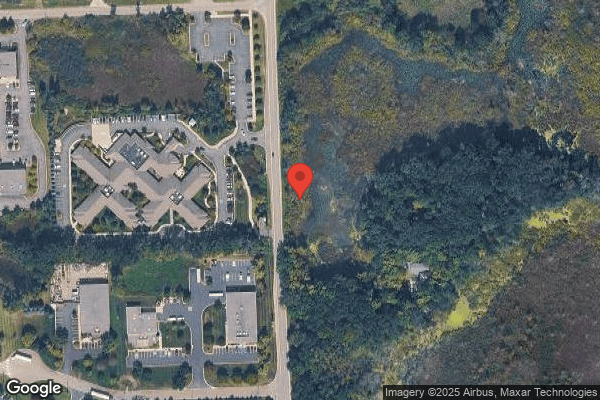
2200 Dorr Road, Howell, MI 48843 (517) 947-4400
For profit - Limited Liability company 88 Beds THE WELLBRIDGE GROUP Data: November 2025
Trust Grade
25/100
#350 of 422 in MI
Last Inspection: October 2024

Within standard 12-15 month inspection cycle. Federal law requires annual inspections.

Overview

WellBridge of Brighton has received a Trust Grade of F, indicating significant concerns about the facility's performance. Ranked #350 of 422 nursing homes in Michigan places it in the bottom half of state facilities, and #4 of 6 in Livingston County suggests that only one nearby option is better. The facility's trend is improving, with a decrease in issues from 15 in 2024 to just 2 in 2025, which is a positive sign. Staffing is a relative strength, rated 4 out of 5 stars, but the 59% turnover rate is concerning, as it is higher than the state average of 44%. The facility has faced $26,686 in fines, which is average compared to others in Michigan. While RN coverage is average, more incidents have raised red flags, including a missed coordinated care plan for a resident with a pressure ulcer that led to hospitalization and serious wounds. Additionally, a cognitively impaired resident exited the facility unsupervised, resulting in a fall. There are also incidents where a resident was not transferred according to their care plan, leading to a laceration that required stitches. Overall, while there are some positive aspects, families should weigh these serious issues when considering WellBridge of Brighton.
Trust Score
F
25/100
In Michigan
#350/422
Bottom 18%
Safety Record
High Risk
Review needed
Inspections
Getting Better
15 → 2 violations
Staff Stability
⚠ Watch
59% turnover. Above average. Higher turnover means staff may not know residents' routines.
Penalties
⚠ Watch
$26,686 in fines. Higher than 92% of Michigan facilities. Major compliance failures.
Skilled Nurses
○ Average
Each resident gets 40 minutes of Registered Nurse (RN) attention daily — about average for Michigan. RNs are the most trained staff who monitor for health changes.
Violations
⚠ Watch
32 deficiencies on record. Higher than average. Multiple issues found across inspections.
★★☆☆☆
2.0
Overall Rating
★★★★☆
4.0
Staff Levels
★★★☆☆
3.0
Care Quality
★★☆☆☆
2.0
Inspection Score
Stable
2024: 15 issues
2025: 2 issues

The Good

  • 4-Star Staffing Rating · Above-average nurse staffing levels
  • Full Sprinkler Coverage · Fire safety systems throughout facility
  • No fines on record

Facility shows strength in staffing levels, fire safety.

The Bad

2-Star Overall Rating

Below Michigan average (3.1)

Below average - review inspection findings carefully

Staff Turnover: 59%

13pts above Michigan avg (46%)

Frequent staff changes - ask about care continuity

Federal Fines: $26,686

Below median ($33,413)

Moderate penalties - review what triggered them

Chain: THE WELLBRIDGE GROUP

Part of a multi-facility chain

Ask about local staffing decisions and management

Staff turnover is elevated (59%)

11 points above Michigan average of 48%

The Ugly 32 deficiencies on record

3 actual harm
Sept 2025 2 deficiencies
CONCERN (D) 📢 Someone Reported This

A family member, employee, or ombudsman was alarmed enough to file a formal complaint

Potential for Harm - no one hurt, but risky conditions existed

Report Alleged Abuse (Tag F0609)

Could have caused harm · This affected 1 resident

This citation pertains to intake 1220695Based on interview and record review, the facility failed to report an alleged violation to the state agency (SA) related to Injuries of Unknown Origin for one ...

Read full inspector narrative →
This citation pertains to intake 1220695Based on interview and record review, the facility failed to report an alleged violation to the state agency (SA) related to Injuries of Unknown Origin for one resident (R701) of one reviewed for abuse. Findings include:Clinical record review revealed R701 was a long-term resident and admitted under care of Hospice related to advanced Alzheimer dementia, psychotic and mood disturbances and anxiety. R701 was primarily nonverbal, bed/chair bound, required two-person assistance with transfers and had a BIMS (Brief Interview of Mental Status) score of 2/15 indicating severe cognitive impairment.On 7/8/25 the State Agency received a concern that R701 was observed with yellow colored bruising to their middle (sternal) chest wall, and dark red purple bruising to their right rib cage. Neither of these injuries were consistent with the care R701 received and neither was the injury reported to the Hospice Provider or Guardian.On 9/11/25 at 2:30 PM, an interview was conducted with Hospice Register Nurse (RN) D who confirmed on 7/9/25 when they arrived to care for R701, they were greeted by Certified Nurse Assistant (CNA) C who asked if they (RN D) had heard about the bruising to R701. Per RN D they replied they had not and immediately assessed. RN D observed old healing yellow bruising on R701's sternum and breast and dark purple bruising (newer bruise) on their right rib cage. RN D then contacted R701's daughter who confirmed they too were not aware nor informed of the bruising.On 9/11/25 RN B and CNA C were interviewed. Per RN B they first identified sternal yellow bruising on R701while they were at the dining room table and their shirt was lying low on their chest and was visible. RN B went to CNA C and asked what the large yellow bruise was from. During the interview, CNA C confirmed they told two other Nurses about the sternal bruising (cannot remember the names of the two Nurses) and RN B commented that because CNA C said she reported the bruising, they did not follow up further.Review of the facility policy titled Abuse, Neglect and/or Misappropriation of Resident Funds or Property dated 3/2013 documented: .Staff shall report all incidents immediately to their direct supervisors and Administrator (NHA).A licensed nurse should perform an initial assessment of the resident.When questioned who at the facility was the Abuse Coordinator, A replied the Nursing Home Administrator (NHA) and themself. Further record review documented a Change in Condition authored by Abuse Coordinator A on 7/3/25 11:37 AM that R701 had obtained bruising to their side from a two-person transfer. However, there was no further documentation of how the bright yellow sternal bruising had occurred or why a transfer would cause bruising to a resident.When Abuse Coordinator A was asked how they reached the conclusion that the rib bruising was from a two person assist transfer, they were unable to confirm who reported the incident, and they would have to see who was working that day. Abuse Coordinator A further remarked that R701 had a history of aggression with two person transfers and assumed this is how the injury to their side had occurred.Abuse Coordinator A was questioned if the family was notified of this assumption and Abuse Coordinator A was unable to recall. Record review did not reveal any documentation to the family being contacted on 7/3/25.Review of the facility policy titled Abuse, Neglect and/or Misappropriation of Resident Funds or Property dated 3/2013 documented: .The licensed nurse shall immediately contact the residents attending physician and legal representative when an incident involving suspected abuse or neglect of a resident has occurred.Record review documented not until 7/9/25 at 11:24 .spoke with daughter providing updates regarding care, skin conditions.On 9/11/25 at 1:21 PM, The NHA confirmed they were the facility's Abuse Coordinator and part of that role includes investigating injury of unknown origin. The NHA showed the documented pictures of R701's bruises and confirmed this would have been formally investigated and reported to the State Agency if they were aware of the injuries. The NHA confirmed this was just brought to their attention during this survey.
CONCERN (D) 📢 Someone Reported This

A family member, employee, or ombudsman was alarmed enough to file a formal complaint

Potential for Harm - no one hurt, but risky conditions existed

Investigate Abuse (Tag F0610)

Could have caused harm · This affected 1 resident

This citation pertains to intake 1220695Based on interview and record review, the facility failed to conduct a thorough investigation for one resident (R701) of one reviewed for Injuries of Unknown Or...

Read full inspector narrative →
This citation pertains to intake 1220695Based on interview and record review, the facility failed to conduct a thorough investigation for one resident (R701) of one reviewed for Injuries of Unknown Origin. Findings include:Clinical record review revealed R701 was a long-term resident and admitted under care of Hospice related to advanced Alzheimer dementia, psychotic and mood disturbances and anxiety. R701 was primarily nonverbal, bed/chair bound, required two-person assistance with transfers and had a BIMS (Brief Interview of Mental Status) score of 2/15 indicating severe cognitive impairment.On 7/8/25 the State Agency received a concern that R701 was observed with yellow colored bruising to their middle (sternal) chest wall, and dark red purple bruising to their ride rib cage. Neither of these injuries were consistent with the care R701 received and neither was the injury reported to the Hospice Provider or Guardian.On 9/11/25 at 09:30 AM, a clinical record document of a wound evaluation revealed a colored photograph evaluated on 7/4/25 Labeled #8-Bruise Body location: Location not set, Age Unknown, documented length 10.42 centimeter (cm) In-house acquired.The photograph revealed a dark purple and red colored elongated oval bruise and verification of its location was unknown, or hard to determine based on the photograph angle.A clinical record document of a wound evaluation revealed a colored photograph evaluated on 7/4/25 Labeled #9-Other Body location: Location not set Age Unknown, documented length 0.0 centimeter (cm) In-house acquired.The photograph revealed a large body surface area around folded skin bruising was noted as bright yellow colored with a smaller purple bruise and verification of its location was unknown.On 9/11/25 at 10:50 AM, an interview with the Director of Nursing (DON) and Regional Clinical Director A was requested related to unidentifiable pictures of bruising on R701. Abuse Coordinator A reviewed the pictures and too could not identify the anatomy of the injuries and mentioned we would need to call Licensed Practical Nurse (LPN) E who was identified as the Nurse who took the pictures.On 9/11/25 around 11:15 AM, a telephone interview conducted with LPN E in the presence of the DON and Abuse Coordinator A informed that they were given report by Register Nurse (RN) B that R701's had new bruising and that photographs still needed to be taken.LPN E required prompting of the pictures and recalled #9-Wound- very yellow bruising was on R701's chest/sternal area and #8- Wound- dark purple bruising, was unable to recall anatomical location.On 9/11/25 RN B and CNA C were interviewed. Per RN B they first identified the sternal yellow bruising on R701while they were at the dining room table. Their shirt was lying low on their chest and questioned to CNA C what this large yellow bruise was from. During the interview, CNA C confirmed they told two other Nurses about the sternal bruising (cannot remember the names of the two Nurses) and RN B commented that because CNA C said she reported the bruising, they did not follow up further.Review of the facility policy titled Abuse, Neglect and/or Misappropriation of Resident Funds or Property dated 3/2013 documented: .Staff shall report all incidents immediately to their direct supervisors and Administrator.A licensed nurse should perform an initial assessment of the resident.When questioned who at the facility was the Abuse Coordinator, Abuse Coordinator A replied the Nursing Home Administrator (NHA) and themself. Further record review documented a Change in Condition authored by Abuse Coordinator A on 7/3/25 11:37 AM that R701 had obtained bruising to their side from a two-person transfer. However, there was no further documentation of how the bright yellow sternal bruising had occurred.When Abuse Coordinator A was asked how they reached the conclusion that the rib bruising was from a two person assist transfer, they were unable to confirm who reported the incident, and they would have to see who was working that day. Abuse Coordinator A further remarked that R701 had a history of aggression with two person transfers and assumed this is how the injury to their side had occurred.Abuse Coordinator A was questioned if the family was notified of this assumption and Abuse Coordinator A was unable to recall. Record review did not reveal any documentation to the family being contacted on 7/3/25.Abuse Coordinator A was asked if there was a soft file of this investigation, including staff interviews, and education and Abuse Coordinator A confirmed there was not.Review of the facility policy titled Abuse, Neglect and/or Misappropriation of Resident Funds or Property dated 3/2013 documented: .As part of the investigation, the Administrator, or his/her designee, shall take the following action: Interview all witnesses.Witnesses shall include anyone who (1) witnessed or heard the incident; (2) came in close contact with either the resident the day of the incident (including other residents, family members, etc.) (3) employees who worked closely with the.victim the day of the incident. To the extent possible, all interviews should be summarized into a written statement, which is signed and dated.On 9/11/25 at 1:21 PM, the NHA confirmed they were the facility's Abuse Coordinator and part of that role included investigating injury of unknown origin. The NHA showed the documented pictures of R701's bruises and confirmed this would have been formally investigated and reported to the State Agency if they were aware of the injuries. The NHA confirmed this was just brought to their attention during this survey.
Oct 2024 8 deficiencies 1 Harm
SERIOUS (G)

Actual Harm - a resident was hurt due to facility failures

Pressure Ulcer Prevention (Tag F0686)

A resident was harmed · This affected 1 resident

**NOTE- TERMS IN BRACKETS HAVE BEEN EDITED TO PROTECT CONFIDENTIALITY** Based on observation, interview and record review, the facility failed to ensure accuracy of assessments, coordination of care w...

Read full inspector narrative →
**NOTE- TERMS IN BRACKETS HAVE BEEN EDITED TO PROTECT CONFIDENTIALITY** Based on observation, interview and record review, the facility failed to ensure accuracy of assessments, coordination of care with a wound care clinic, and ensure recommended interventions were followed for one (R18) of four residents reviewed for pressure ulcers, resulting in R18 being sent to the hospital from the wound care clinic for surgical debridement and intravenous (IV) antibiotics of an infected Unstageable (full-thickness skin and tissue loss in which the wound bed is obscured by slough or eschar) Pressure Ulcer. Findings include: On 10/14/24 at 9:26 AM, R18 was observed sitting up in bed eating breakfast. A low air loss mattress (group 2 mattress) was observed on R18's bed and a ROHO (individual air cells) cushion was observed in R18's wheelchair. R18 was asked if they had any wounds. R18's spouse explained R18 had a bad wound on their bottom and they were going to a wound care clinic for it. Review of the clinical record revealed R18 was admitted into the facility on 8/16/23 and readmitted [DATE] with diagnoses that included: acute and chronic respiratory failure, cervical disc disorder and atrial fibrillation. According to the Minimum Data Set (MDS) assessment dated [DATE], R18 had severely impaired cognition and required substantial/maximal assistance of staff for mobility in bed. The MDS assessment also indicated R18 had two facility acquired Stage 2 (partial-thickness loss of skin with exposed dermis) pressure ulcers. Review of R18's wound assessments documentation revealed: A Skin & Wound Evaluation dated 7/17/24 read in part, .Type: Pressure - Kennedy terminal ulcer (skin failure during the final weeks of life) .Stage: Stage 1: Non-blanchable erythema (redness) of intact skin .Location: Sacrum, Lateral .In-House Acquired .Exact Date: 7/17/24 . A Wound Evaluation dated 7/17/24 read in part, #18 - Pressure - Kennedy terminal ulcer - Stage 1 .Sacrum - Lateral . The evaluation also included a picture of R18's wound. A Skin & Wound Evaluation dated 8/31/24 read in part, .Type: Pressure - Kennedy terminal ulcer . Stage 2: Partial-thickness skin loss with exposed dermis .Progress: Resolved . A Wound Evaluation dated 8/31/24 read in part, .#18 - Pressure - Kennedy terminal ulcer - Stage 2 .Sacrum - Lateral . The evaluations included a picture that showed R18's wound that had an open wound, not a resolved wound. A Skin & Wound Evaluation dated 9/13/24 read in part, .Type: Pressure - Kennedy terminal ulcer .Stage: Unstageable: Obscured full-thickness skin and tissue loss . Location: Coccyx . In-House Acquired .Exact Date: (left blank) . A Wound Evaluation dated 9/13/24 read in part, .#21 - Pressure - Kennedy terminal ulcer - Unstageable .Coccyx . The picture showed the wound in the same place on R18's body as the previous sacrum evaluations. A Wound Evaluation dated 10/15/24 read in part, .#16 - Pressure - Unstageable .Coccyx . This evaluation was documented in a previously resolved wound thread however, the picture was consistent with R18's current wound. Review of R18's wound care consultation documentation available in the electronic clinical record included only two from 9/10/24 and 9/17/24, and revealed only treatment recommendations for R18's wounds. No consultation notes or description of R18's wound were included in the documentation. On 10/15/24 at 10:06 AM, the Director of Nursing (DON) was interviewed and asked about the apparent discrepancy in the documentation of R18's wounds. The DON explained she had not been at the facility when R18 acquired their wounds. The documentation and pictures of R18's wounds was reviewed with the DON. The DON agreed the wound labeled as Sacrum - Lateral and Coccyx and receiving the numbers 18, 21 and 16 were most likely the same wound. The DON was asked who had diagnosed R18's wound as a Kennedy terminal ulcer. The DON explained it is the doctor who diagnoses. When informed according to progress notes, R18's attending physician, Dr. S had last seen R18 on 7/10/24, the DON explained it must have been the Nurse Practitioner (NP R). The DON was asked about the lack of the wound care clinic's consultations and description of R18's wounds. The DON explained she would look into it. Multiple attempts beginning 10/15/24 at 12:31 PM were made to speak via phone or in person with Dr. S. No return call was made prior to the end of the survey. On 10/15/24 at 4:29 PM, a phone interview was conducted with Dr. P, the wound care clinic doctor. Dr. P was asked about R18's wounds. Dr. P explained R18's wounds had deteriorated significantly and were infected, they had sent R18 directly from the clinic to the Emergency Department (ED) from the clinic for surgical debridement and antibiotics .it had appeared the recommended interventions had not been done. Dr. P was asked if they had ever diagnoses R18's wounds as Kennedy terminal ulcers. Dr. P explained they had not. Dr. P was asked to provide the consultation notes for R18. Review of R18's wound care clinic consultation notes revealed: 9/10/24 .Note: The sacral wound cannot be examined today because the patient did not arrive seated in (their) Hoyer Lift (mechanical lift) sling. Therefore, the staff cannot safely transfer (them) for examination . 9/17/24 .Wound #4 Coccyx is a chronic Unstageable Pressure Injury Obscured full-thickness skin and tissue loss Pressure Ulcer .The patient's wounds have worsened despite offloading on a group 2 alternating low are loss pressure reducing surface. (in bold type) (They) is a candidate for a group 3 air-fluidized bed (powered support surface that circulates air through ceramic beads to reduce pressure, friction and shear). The prognosis for healing is extremely poor unless offloading can be optimized . 10/1/24 .The coccygeal ulcer has further worsened due to suboptimal offloading .A group 3 air-fluidized bed is strongly recommended. The prognosis for healing is extremely poor unless offloading can be optimized .Offloading: .Sleep on group 2 alternating low air loss pressure reducing surface and turn q2 (every 2 hours) hours alternating between sides until group 3 air-fluidized bed procured . 10/15/24 .The coccygeal wound has further deteriorated .suggesting inconsistent adherence to the offloading directives Nor, as far as I can tell, have my strong recommendation for a group 3 air-fluidized bed been pursued. The prognosis for healing is extremely poor unless offloading can be optimized .Wound #4 (coccyx) .New circumferential undermining .Except for a narrow peripheral rim of inflamed, red subcutaneous tissue, the wound surface is entirely obscured by grossly necrotic (dead) tissue undergoing liquefactive necrosis. No viable tissue is visible .Large amount of serosanguineous (blood and serum fluid) drainage with strong malodor. The wound is grossly infected .I disagree with the classification of the ulcer as a terminal Kennedy ulcer .the patient is not imminently or actively dying; however, given the current condition of the wound, he is at high risk for sepsis and death without urgent intervention, including hospital admission, IV (intravenous) antibiotic therapy, and aggressive debridement . Review of R18's progress notes revealed a Plan of Care Note dated 10/15/24 at 8:26 PM that read in part, .wound care provider was admitting guest to (local) hospital for debridement of (their) coccyx wound . Further review of R18's progress notes revealed: A Skilled Charting note dated 9/17/24 at 3:19 PM read in part, .Guest encouraged to turn and reposition. Guest favors laying on back . A Plan of Care Note dated 9/26/24 at 7:31 PM read in part, .Staff continues to encourage guest to turn and reposition frequently, guest does decline, states 'I don't like laying on my sides.' Guest prefers laying on (their) back . *It should be noted turning and repositioning is not necessary when using a group 3 air-fluidized bed. On 10/16/24 at 10:49 AM, NP R was interviewed and asked if they had diagnosed R18's wounds as Kennedy terminal ulcers. NP R explained they had agreed with the nurse's assessment, that it was a collaboration with nursing. NP R was asked if they were monitoring R18's wounds. NP R explained since R18 went to a wound care clinic, they did not monitor the wounds, they deferred to the doctor at the clinic. On 10/16/24 at 1:33 PM, the Administrator was interviewed and asked if they had ever been notified that the doctor at R18's wound care clinic had recommended R18 have an air-fluidized bed. The Administrator explained it had never been brought to their attention. On 10/16/24 at 12:49 PM, Licensed Practical Nurse (LPN) Q, who had taken the picture of R18's wound on 10/15/24, was interviewed and asked if there had been drainage and an odor when she changed the dressing on R18's coccyx. LPN Q explained there was drainage and an odor. Further review of the Wound Evaluation of R18's coccyx dated 10/15/24 read in part, .EXUDATE (drainage): Amount: Light; Type: Serous (serum); Odor noted after cleansing: None . On 10/16/24 at 1:54 PM, the DON was informed of the findings from the wound care clinic consultation notes and asked why the consultation notes had not been requested after each visit to the wound clinic since the clinic's doctor was the one who was managing the resident's wound. The DON had no explanation. Review of a facility policy titled, Prevention of Pressure Ulcers revised 10/2010 read in part, .The facility should have a system/procedure to assure assessments are timely and appropriate and changes in condition are recognize, evaluated, reported to the practitioner, physician, and family, and addressed .
CONCERN (D)

Potential for Harm - no one hurt, but risky conditions existed

Deficiency F0676 (Tag F0676)

Could have caused harm · This affected 1 resident

**NOTE- TERMS IN BRACKETS HAVE BEEN EDITED TO PROTECT CONFIDENTIALITY** Based on observation, interview, and record review, the facility failed to ensure effective interventions were implemented for o...

Read full inspector narrative →
**NOTE- TERMS IN BRACKETS HAVE BEEN EDITED TO PROTECT CONFIDENTIALITY** Based on observation, interview, and record review, the facility failed to ensure effective interventions were implemented for one (R44) of one resident reviewed for communication. Findings include: On 10/14/24 at 9:15 AM, R44 was observed sitting up in bed. When spoken to, R44 appeared to understand the questions asked, but had difficulty speaking. R44 spoke softly and speech was unclear. R44 became tearful when she was not understood. A sign was posted in R44's room that noted R44 was able to understand others. R44 said she had Parkinson's Disease. It was difficult to understand most words R44 said. On 10/14/24 at approximately 9:30 AM, an interview was conducted with a staff member who was familiar with R44 (Staff 'V'). When queried about how staff communicated with R44, Staff 'V' reported it was difficult and they could sometimes understand what she said. On 10/14/24 at 12:25 PM, a second interview was conducted with R44. R44 answered Yes, No, and Sometimes to questions regarding her care, but when further inquiry was made to get more information, it was difficult to understand the resident's speech. R44 became tearful when not understood. On 10/15/24 at 2:00 PM, R44 was observed sitting up in bed. R44 was drooling with excessive saliva pooled in her mouth. When asked questions about her care, R44 grabbed a pen and attempted to write what she wanted to say, but it was illegible. R44 tried to speak, but her voice was soft and difficult to understand. R44 became tearful. On 10/15/24 at approximately 2:10 PM, an interview was conducted with Licensed Practical Nurse (LPN) 'F'. LPN 'F' was queried about how staff communicated with R44. LPN 'F' reported R44 had intact cognition and understood what was said to her. LPN 'F' reported they just asked Yes or No questions and said sometimes staff could understand her. When queried about any additional techniques, devices, and interventions that were used to ensure staff knew what her expressed needs were, LPN 'F' reported they were not aware of anything. On 10/16/24 at approximately 12:40 PM, an interview was conducted with Speech Language Pathologist (SLP) 'W'. SLP 'W' reported working with R44 since January 2024. When queried about what recommendations were made by SLP to improve or maintain R44's verbal communication or if any alternative methods of communication were used, SLP 'W' reported they spent time training nursing staff and R44 to ensure R44's communication needs were met. SLP 'W' reported R44 was able to understand others, but had difficulty speaking clearly due to Parkinson's Disease. SLP 'W' reported she made a laminated guide with techniques for both R44 and staff to use to ensure R44 was understood. On 10/16/24 at approximately 12:45 PM, R44 was observed with family who assisted her with eating. SLP 'W' located the guide mentioned above which was located in a basket near R44 on the over bed table. A review of the guide revealed a page titled, Tips and Tricks for Others and documented the following interventions: Be patient and focus on response. If you are distracted, you may miss a lot of words. Watch/read lips. Ask for Clarification. Repeat the words you understood, ask to repeat. Remind to slow down/restart. Ask for spelling of key word that may be missed. Ask for single words to get context clues at start. Ask yes/no for clarification. Give time to collect thoughts/respond. Think about environment/sounds. At that time, the guide was reviewed with R44. When asked if staff referred to the guide and/or utilized the techniques noted to ensure adequate communication, R44 shook her head and said they did not. A review of Speech Therapy Treatment Encounter Notes for R44 revealed the following notes: On 8/16/24, .Assisted (CNA) w/(with) pt ADLs (activities of daily living). Assisted (CNA) w/ pt (patient) communication. Pt required mod cueing for repetition, utilizing loud voice, and over exaggeration of consonants for increased intelligibility . On 8/23/24, .Created visual handout personalized to pt (patient) techniques to increase intelligibility w/(with) other communication partners . 9/4/24, .Establishment of compensatory strategies/creation of external environmental aid for communication techniques for pt family members and staff to utilize to increase comprehension and socialization of speech . A review of R44's care plans revealed a care plan initiated on 1/30/24 and revised on 5/16/24 that noted, The resident has Parkinson's. Interventions initiated on 1/30/24 included, .Allow sufficient time for speech/communication. Follow ST (speech therapy) recommendation to assist resident with communication. There were no specific interventions as recommended by SLP included on the care plan, including instructions to refer to the guide made by SLP 'W' or specific techniques recommended by SLP 'W'. A review of R44's clinical record revealed R44 was admitted into the facility on 1/30/24 and readmitted on [DATE] with diagnoses that included: Parkinson's Disease. A review of a Minimum Data Set (MDS) assessment dated [DATE] revealed R44 had intact cognition, unclear speech, was able to understand others, was dependent on staff for bed mobility and transfers, and required substantial/maximum assistance for all activities of daily living (ADLs). On 10/16/24 at 2:17 PM, an interview was conducted with the Director of Nursing (DON). When queried about what was in place to ensure adequate communication with R44, the DON reported she was not sure and would have to look into it. The DON reported communication interventions should be in the care plan and [NAME] (guide for CNAs).
CONCERN (D)

Potential for Harm - no one hurt, but risky conditions existed

Respiratory Care (Tag F0695)

Could have caused harm · This affected 1 resident

**NOTE- TERMS IN BRACKETS HAVE BEEN EDITED TO PROTECT CONFIDENTIALITY** Based on observation, interview and record review the facility failed to ensure orders were implemented for a CPAP (continuous p...

Read full inspector narrative →
**NOTE- TERMS IN BRACKETS HAVE BEEN EDITED TO PROTECT CONFIDENTIALITY** Based on observation, interview and record review the facility failed to ensure orders were implemented for a CPAP (continuous positive airway pressure) machine for one (R231) of one resident reviewed for respiratory equipment. Findings include: On 10/24/24 at 9:16 AM, R231 was observed sitting in a wheelchair in their room. R231 was asked about the care at the facility. R231 explained they did not understand why they had to almost beg someone to put on their CPAP machine at night. R231 pointed to their CPAP machine sitting on a dresser next to the bed. R231 explained they could not put it on themselves, but no one would put it on unless he asked. Review of the clinical record revealed R231 was admitted into the facility on [DATE] with diagnoses that included: acute pyelonephritis (kidney infection), Parkinson's and obstructive sleep apnea. According to a Brief Interview for Mental Status (BIMS) exam dated 10/11/24, R231 scored 12/15 indicating moderately impaired cognition. An admission nursing assessment dated [DATE] indicated R231 required the extensive assistance of staff for activities of daily living. Review of R231's physician orders revealed no CPAP orders. Review of R231's hospital referral paperwork read in part, .Past Medical History: .OSA (obstructive sleep apnea) on CPAP . On 10/15/24 at 9:25 AM, R231 was observed in the doorway of their room. R231 was asked if they had used their CPAP during the night. R231 explained sometime in the middle of the night, they had asked someone and they had put it on for them. On 10/15/24 at 3:14 PM, the Director of Nursing (DON) was asked if a resident had their CPAP machine at the facility, and if staff were putting it on a resident, should the doctor be called and an order be obtained. The DON explained there should be a physician order for CPAP. When informed R231's hospital referral listed CPAP, and R231 wanted to use their CPAP, but there were no orders for it. The DON explained she would look into it. No further documentation was provided by the end of the survey.
CONCERN (D)

Potential for Harm - no one hurt, but risky conditions existed

Medical Records (Tag F0842)

Could have caused harm · This affected 1 resident

**NOTE- TERMS IN BRACKETS HAVE BEEN EDITED TO PROTECT CONFIDENTIALITY** Based on interview and record review, the facility failed to maintain complete and accurate medical records for one (R18) of one...

Read full inspector narrative →
**NOTE- TERMS IN BRACKETS HAVE BEEN EDITED TO PROTECT CONFIDENTIALITY** Based on interview and record review, the facility failed to maintain complete and accurate medical records for one (R18) of one residents reviewed for medical records. Findings include: The facility was previously determined to be out of compliance for concerns with maintaining complete and accurate medical records during an abbreviated survey conducted on 8/28/24 with an alleged compliance date of 9/18/24. Review of the clinical record revealed R18 was admitted into the facility on 8/16/23 and readmitted [DATE] with diagnoses that included: acute and chronic respiratory failure, cervical disc disorder and atrial fibrillation. According to the Minimum Data Set (MDS) assessment dated [DATE], R18 had severely impaired cognition and required substantial/maximal assistance of staff for mobility in bed. The MDS assessment also indicated R18 had two facility acquired Stage 2 (partial-thickness loss of skin with exposed dermis) pressure ulcers. Review of R18's wound assessments documentation revealed: A Wound Evaluation dated 7/17/24 read in part, #18 - Pressure - Kennedy terminal ulcer - Stage 1 . Sacrum - Lateral . The evaluation also included a picture of R18's wound. A Skin & Wound Evaluation dated 8/31/24 read in part, .Type: Pressure - Kennedy terminal ulcer . Stage 2: Partial-thickness skin loss with exposed dermis . Progress: Resolved . A Wound Evaluation dated 8/31/24 read in part, .#18 - Pressure - Kennedy terminal ulcer - Stage 2 . Sacrum - Lateral . The evaluations included picture showed R18's wound that had an open wound, not a resolved wound. A Wound Evaluation dated 9/13/24 read in part, .#21 - Pressure - Kennedy terminal ulcer - Unstageable . Coccyx . The picture showed the wound in the same place on R18's body as the previous sacrum evaluations. A Wound Evaluation dated 10/15/24 read in part, .#16 - Pressure - Unstageable . Coccyx . This evaluation was documented in a previously resolved wound thread however, the picture was consistent with R18's current wound. Review of R18's wound care consultation documentation from 9/10/24 and 9/17/24 revealed treatment recommendations for R18's wounds. No consultation notes or description of R18's wound was in the documentation. On 10/15/24 at 10:06 AM, the Director of Nursing (DON) was interviewed and asked about the apparent discrepancy in the documentation of R18's wounds. The DON explained she had not been at the facility when R18 acquired their wounds. The documentation and pictures of R18's wounds was reviewed with the DON. The DON agreed the wound labeled as Sacrum - Lateral and Coccyx and receiving the numbers 18, 21 and 16 were most likely the same wound. The DON was asked why the same wound was not consistently in the same place but in multiple places with multiple wound numbers. The DON explained they had realized the nurse had put the Wound Evaluation on 10/15/24 in the wrong place, but had no explanation for the Sacrum-Lateral and Coccyx difference. The DON was asked about the lack of the wound care clinic's consultations and description of R18's wounds. The DON explained she would look into it. On 10/15/24 at 4:29 PM, a request was made to R18's wound care clinic to provide the consultation notes for R18. Review of R18's wound care clinic consultation notes revealed: 9/10/24 .Note: The sacral wound cannot be examined today because the patient did not arrive seated in (their) Hoyer Lift (mechanical lift) sling. Therefore, the staff cannot safely transfer (them) for examination . 9/17/24 .Wound #4 Coccyx is a chronic Unstageable Pressure Injury Obscured full-thickness skin and tissue loss Pressure Ulcer . The patient's wounds have worsened despite offloading on a group 2 alternating low are loss pressure reducing surface. (in bold type) (They) is a candidate for a group 3 air-fluidized bed. The prognosis for healing is extremely poor unless offloading can be optimized . 10/1/24 .The coccygeal ulcer has further worsened due to suboptimal offloading . A group 3 air-fluidized bed is strongly recommended. The prognosis for healing is extremely poor unless offloading can be optimized . Offloading: .Sleep on group 2 alternating low air loss pressure reducing surface and turn q2 (every 2 hours) hours alternating between sides until group 3 air-fluidized bed procured . On 10/16/24 at 12:45 PM, Unit Manager (UM) M was interviewed and asked about consultation notes. UM M explained when a resident went to an outside appointment, the assigned nurse would get the consultation report from the resident and enter the orders, then it went to the Unit Managers for review and was scanned into the clinical record. UM M was asked about R18's wound care clinic consultation from 10/1/24. UM M explained she would look for it. On 10/16/24 at 1:33 PM, the Administrator was interviewed and asked if she had ever been notified the doctor at R18's wound care clinic had recommended R18 have a air-fluidized bed. The Administrator explained it had never been brought to her attention. On 10/16/24 at 1:54 PM, the DON was informed of the recommendations from the wound care clinic consultation notes. The DON explained they had also called the clinic and received the consultation notes. When asked why when the facility had only the treatment recommendation from 9/10/24 and 9/17/24 and nothing from 10/1/24 that the consultation notes had not been requested prior, the DON had no explanation.
CONCERN (E)

Potential for Harm - no one hurt, but risky conditions existed

Deficiency F0658 (Tag F0658)

Could have caused harm · This affected multiple residents

**NOTE- TERMS IN BRACKETS HAVE BEEN EDITED TO PROTECT CONFIDENTIALITY** Based on observation, interview, and record review the facility failed to ensure medications were administered per the facility'...

Read full inspector narrative →
**NOTE- TERMS IN BRACKETS HAVE BEEN EDITED TO PROTECT CONFIDENTIALITY** Based on observation, interview, and record review the facility failed to ensure medications were administered per the facility's policy and professional standards of practice for two (R's 41 & R78) of four residents observed for medication administration and provide wound care treatment and documentation of treatment changes according to professional standards of practice for one (R3) of one resident reviewed for non-pressure wounds. Findings include: The facility was previously determined to be out of compliance for concerns with administration and documentation of administration of scheduled medications according to professional standards of practice during an abbreviated survey conducted on 8/28/24 with an alleged compliance date of 9/18/24. R78 On 10/14/24 at 9:04 AM, Licensed Practical Nurse (LPN) F was observed opening the medication cabinet of R78. A clear medication cup was observed in the cabinet with three pills in the cup. When LPN F was asked what the pills were, LPN F stated they did not know. LPN F then reviewed the morning medication packets and confirmed that two of the pills inside the medication cup were identical to R78's other morning medications packets. LPN F was asked if they prepared the three medications in the clear medication cup and LPN F stated they did not. LPN F reviewed R78's medical record and noted the resident was also due for an 81 mg (milligram) Aspirin and identified that as the third pill in the medication cup. LPN F opened the Aspirin 81 mg bottle to show the surveyor that the third pill was identical to the Aspirin. LPN F then stated the night shift nurse must have prepared the three pills inside of the clear medication cup. LPN F obtained the medication cup with the three pills and administered it to R78. Review of a facility policy titled Administering Medications revised December 2012, documented in part .Medications shall be administered in a safe and timely manner, and as prescribed .The individual administering the medication must check the label THREE (3) times to verify the right resident, right medication, right dosage, right time and right method (route) of administration before giving the medication . LPN F was unable to follow the protocol of the facility, as the packet had been discarded and the three pills that were left in the medication cup was not prepared by LPN F, however LPN F administered the three pills to R78. R41 On 10/14/24 at 9:43 AM, LPN E was observed administering R41's morning medications. LPN E was then observed administering one spray of R41's Fluticasone Propionate Nasal Suspension allergy medication in to the right nostril (without holding down the left nostril simultaneously) and then administered one spray in to R41's left nostril (without holding down the right nostril simultaneously). Review of a facility policy titled Nasal Administration dated 9/1/23, documented in part .Purpose to administer nasal medications in a safe, accurate, and effective manner .Use a finger of your other hand to gently press and close the nostril that is not receiving medication .Press the actuator or spray tip firmly and quickly . On 10/14/24 at 12:40 PM, the Director of Nursing (DON) was interviewed and informed of the observation made of R41's nasal medication administration by LPN E and asked the facility's protocol. The DON confirmed that LPN E should have held down the opposite nostril while administering nasal medication into each nostril. The DON was then informed of the observation with LPN F and R78's medications and asked the facility's protocol on the administration of medications that were not prepared by the administering nurse. The DON replied LPN F should have not administered medications that they did not prepare. The DON stated they would check into it and follow back up. No further explanation or documentation was provided by the end of the survey. R3 On 10/15/24 at 9:29 AM, the resident was observed seated in an adaptive chair in the main lounge near the 200/300 hallways. A square foam bandage was observed to their left outer arm near the elbow that was dated 10/11/24. Review of R3's physician orders included a current order started on 10/7/24 that read, Left lateral elbow cleanse with wound cleanser pat dry apply foam dressing Q (every) 3 days and PRN (as needed) Monitor for signs of infection. At bedtime for skin protectant. Review of the Medication Administration and Treatment Administration records revealed the documentation for R3's left lateral elbow was documented with a check mark (as treatment completed) for each day from 10/7/24 through 10/14/24. Despite the order being written for every three days, Nurse 'A' and Nurse 'T' both documented treatments were being completed daily. Further review of the clinical record revealed R3 was admitted into the facility on 7/18/24 with diagnoses that included pneumonitis due to inhalation of food and vomit, autistic disorder, and restless leg syndrome. According to the Minimum Data Set (MDS) assessment dated [DATE], R3 had communication deficit (no speech), had severe cognitive impairment, was dependent upon staff for all aspects of care, and received hospice care. On 10/15/24 at 11:10 AM, an interview was conducted with Unit Manager (UM 'U'). When asked about the treatment to R3's left arm, UM 'U' went to R3 who was seated in a group activity, and removed the treatment with their bare hands and stated, Actually it's all healed up. When asked about the documentation that the treatment was being changed daily and most recently documented as completed on midnight shift for 10/14 when they confirmed the treatment they just removed was dated 10/11, UM 'U' reported the order had never been clarified and was unable to explain why Nurse 'A' and Nurse 'T' documented the treatment as being done, when it was not. On 10/15/24 at 11:55 AM, an interview was conducted with the Director of Nursing (DON). When asked if they had been informed of R3's concerns with documentation and treatment of their wound to the left elbow, the DON reported they were not. The DON was informed of the observation and interview and reported that should not have occurred. The DON reported they did random audits and have not identified that as an issue. On 10/15/24 at 2:05 PM, and 2:32 PM, attempts were made to contact Nurse 'A' but the voicemail was full and unable to leave a message. A SMS (Short Message Service) was left, but there was no response by the end of the survey.
CONCERN (E)

Potential for Harm - no one hurt, but risky conditions existed

Deficiency F0761 (Tag F0761)

Could have caused harm · This affected multiple residents

**NOTE- TERMS IN BRACKETS HAVE BEEN EDITED TO PROTECT CONFIDENTIALITY** Based on observation, interviews and record reviews the facility failed to ensure expired medications were discarded and medicat...

Read full inspector narrative →
**NOTE- TERMS IN BRACKETS HAVE BEEN EDITED TO PROTECT CONFIDENTIALITY** Based on observation, interviews and record reviews the facility failed to ensure expired medications were discarded and medications were stored securely for three Residents (R37, R61 and R70) of four residents reviewed for medication storage. Findings include: On 10/14/24 at 8:51 AM, Licensed Practical Nurse (LPN) G was observed preparing the morning medications for R37. Included in the medications was a Docusate Sodium Capsule 100 mg (milligram) obtained from a bottle with an expiration date of 9/2024 and a Multivitamin obtained from a bottle with an expiration date of 8/2024. LPN G did not identify that the medications were expired and administered both medications to R37. LPN G was asked to open the medication cabinet of R37 and obtain the Docusate Sodium and Multivitamin bottle. LPN G was asked to review the expiration date. LPN G reviewed the date and stated they usually would check the expiration date. LPN G stated the expired medication should have not been administered to R37. LPN G stated they were removing both medications from the residents medication cabinet to discard. On 10/14/24 at 9:50 AM, LPN E was observed preparing the morning medications for R61. Included in the medications was a Multivitamin pill obtained from a bottle with an expiration date of 8/2024. LPN E did not identify that the medication was expired. LPN E was observed to administer the expired multivitamin to R61. LPN E was asked to obtain the Multivitamin bottle from R61's medication cabinet and to review the expiration date. LPN E reviewed the date and stated they were discarding the expired medication. On 10/14/24 at 11:35 AM, an observation was conducted with the Director of Nursing (DON) of the 600 & 700 medication storage room. The first five bottles observed was a b complex B-12 full medication bottle that expired on 9/2024. Additional bottles of Vitamin C, Aspirin 81 mg and Vitamin B6 were all found to be expired with dates of expiration ranging from 2/2024 to 9/2024. The DON was asked the facility's process to ensure inventory is being done on the medications in the resident's medication cabinets and the facility's medication storage rooms. The DON stated they were recently hired at the facility and planned to look into the current system and implement a more effective system. The DON obtained all of the identified expired medications and stated they would discard them from the facility's supply. Review of a facility policy titled Storage of Medications dated June 2019, documented in part . Outdated, contaminated, or deteriorated medications and those in containers that are cracked, soiled or without secure closures are immediately removed from inventory, dispose of according to procedures for medication disposal . The facility staff failed to follow the protocol of the facility policy. No further explanation or documentation was provided by the end of the survey. On 10/14/24 at 9:46 AM, R70 was observed lying in bed. A bottle of Systane eye drops was in it's packaging box with the top removed and observed sitting on R70's bed. R70 was asked about the eye drops. R70 explained it was supposed to be locked in the medicine cabinet on the wall, but sometimes the staff left it out. Review of the clinical record revealed R70 was admitted into the facility on 8/26/24 and readmitted [DATE] with diagnoses that included: congestive heart failure, atrial fibrillation and macular degeneration. According to the Minimum Data Set Assessment (MDS) assessment dated [DATE], R70 was cognitively intact. Review of R70's physician orders revealed no order for Systane eye drops. Review of R70's September 2024 Medication Administration Record (MAR) revealed Systane eye drops had bed discontinued on 9/27/24. On 10/15/24 at 2:03 PM, R70 was observed sleeping in their bed. The bottle of Systane in it's box was observed sitting on R70's bed. On 10/16/24 at 2:58 PM, the Director of Nursing (DON) was interviewed and asked if medications should just be left on a resident's bed. The DON explained they should be locked in the medicine cabinet. The DON was informed the Systane had been discontinued on 9/27/24. The DON explained the medicine should have been removed from the cabinet when it was discontinued.
CONCERN (E)

Potential for Harm - no one hurt, but risky conditions existed

Infection Control (Tag F0880)

Could have caused harm · This affected multiple residents

Based on observation, interview, and record review the facility failed to ensure the facility maintained proper infection control practices regarding the cleaning and disinfecting of glucometers per t...

Read full inspector narrative →
Based on observation, interview, and record review the facility failed to ensure the facility maintained proper infection control practices regarding the cleaning and disinfecting of glucometers per the facility's policy and manufacturer's instructions for two (R's 41 & 61) of four residents observed for the medication administration task. Findings include: R41 On 10/14/24 at 9:43 AM, Licensed Practical Nurse (LPN) E was observed administering R41's morning medications. Once R41 consumed their pills LPN E was then observed to obtain R41's blood glucose level via a fingerstick and glucometer. Once completed, LPN E was observed cleaning the glucometer with an alcohol prep pad and placed the glucometer in R41's medication cabinet and locked it. R61 On 10/14/24 at 9:55 AM, LPN E was observed obtaining the blood glucose level of R61 via fingerstick and the use of a glucometer. Once completed, LPN E was observed cleaning and disinfecting the glucometer with an alcohol pad and placed the glucometer in R61's medication cabinet and locked it. Review of a facility policy titled Blood Sampling revised April 2012 documented in part, . Obtain the blood sample, following the manufacturer's instructions for the device . Following the manufacturer's instructions, clean and disinfect reusable equipment, parts, and/or devices after each use . Review of the manufacturer's booklet provided by the Director of Nursing (DON) for the facility's glucometer documented in part . The disinfection procedure is needed to prevent transmission of blood-borne pathogens . The meter should be cleaned and disinfected after use . Two disposable wipes will be needed for each cleaning and disinfection procedure: one wipe for cleaning and a second wipe for disinfecting . The booklet documents multiple approved cleaning and disinfecting wipes and an alcohol prep pad was not listed. On 10/14/24 at approximately 12:43 PM, the Director of Nursing (DON) was interviewed and asked about the facility's protocol to clean the glucometers after obtaining a resident blood glucose level and the DON stated they would look into it and follow back up. The DON was informed of the observations of LPN E obtaining the blood glucose levels of R's 41 & 61 and the concern of improper infection control practices regarding the cleaning and disinfecting of the facility's glucometers and the DON stated they understood and would follow back up. At 1:05 PM the DON provided a one-step cleaner and disinfectant wipe bottle and stated the staff are supposed to use it after the resident is discharged , however staff can use alcohol swabs after each use of the glucometer. The DON was then asked about the directive in their facility policy and the manufacturer's directive regarding the cleaning and disinfecting of the glucometer device and the fact that an alcohol prep pad is not listed as an approved cleaning and/or disinfectant agent. The DON acknowledged the concern and provided no further explanation.
CONCERN (F)

Potential for Harm - no one hurt, but risky conditions existed

Food Safety (Tag F0812)

Could have caused harm · This affected most or all residents

Based on observation, interview, and record review, the facility failed to maintain the main kitchen and the south satellite kitchen in a sanitary manner. This deficient practice had the potential to ...

Read full inspector narrative →
Based on observation, interview, and record review, the facility failed to maintain the main kitchen and the south satellite kitchen in a sanitary manner. This deficient practice had the potential to affect all residents in the facility that consume food. Findings include: On 10/14/24 between 9:40 AM-10:10 AM, during an initial tour of the kitchen with Dietary Manager (DM 'D'), Culinary Specialist (CS 'B'), and the Assistant Dietary Manager (ADM 'C'), the following items were observed: In the dry food storage room, there was a package of sweet cornbread muffin mix on a metal wire shelf that was not sealed and exposed to air. In the walk-in refrigerator, there was a large package of full-size fresh carrots that were not sealed and exposed to air. In the south kitchenette, there were multiple concerns identified, including: The countertop was observed to have dried debris on the surfaces, and in the cracks. The glass enclosure was soiled with debris on the glass surfaces both inside and out. There was debris imbedded in the cracks and crevices and missing portions of the seal that connected the glass to the countertop. The walls of the kitchenette along were soiled with dried dark colored food debris and stains. The flooring underneath the sink was observed to be covered with a thick, black debris. The microwave was heavily soiled on the inside with splattered food particles. The lower countertop area directly under the steam table was observed to have a laminate bottom shelf that was chipped, worn, and the edges were swollen from water damage. There were several trays and other food equipment stored directly on the laminate shelf. CS 'B' reported that area of the shelving was going to be replaced. CS 'B' was asked to provide documentation of an invoice regarding the shelving repair. When asked about the above concerns, CS 'B' , DM 'D' confirmed and reported they would address those concerns immediately. When asked who was responsible to ensure the satellite kitchens were maintained, CS 'B' reported they had a closing night checklist and after every shift, those areas should've been cleaned. On 10/15/24 at 8:25 AM, the Administrator was requested to provide any documentation such as an invoice of repairs needed for the satellite kitchens prior to concerns identified during the survey. They were informed this was requested from CS 'B' on 10/14/24, but there was no invoice provided. The Administrator reported they would look into that further. Review of the documentation provided by the facility regarding the invoice request included a facility email request on 10/14/24 at 10:32 AM (following the concerns identified during the survey) and a document dated 9/27/24 from CS 'B' that identified a maintenance need for the south serving kitchen laminate board repair and to fix laminate underneath the main wells (on the steam table). On 10/15/24 at 1:30 PM, the Administrator confirmed there was no invoice for repairs and reported someone was coming on 10/17/24 to make repairs. According to the 2017 FDA (Food and Drug Administration) Food Code section 3-305.11 Food Storage, (A) Except as specified in (B) and (C) of this section, food shall be protected from contamination by storing the food: (1) In a clean, dry location; (2) Where it is not exposed to splash, dust, or other contamination . According to the 2017 FDA Food Code section 6-501.12 Cleaning, Frequency and Restrictions, (A) Physical facilities shall be cleaned as often as necessary to keep them clean. According to the 2017 FDA Food Code section 4-602.13 Nonfood-Contact Surface, Nonfood-contact surfaces of equipment shall be cleaned at a frequency necessary to preclude accumulation of soil residues. According to the facility's policy titled, Sanitation of Kitchen dated 8/13/2022: .All utensils, counters, shelves and equipment shall be kept clean maintained in good repair and shall be free from breaks, corrosions, open seams, cracks and chipped areas that may affect their use for proper cleaning. Seals, hinges and fasteners will be kept in good repair .All equipment, food contact surfaces and utensils shall be washed to remove or completely loosen soils by using the manual or mechanical means necessary and sanitized using hot water and/or chemical sanitizing solutions .
Aug 2024 5 deficiencies 1 Harm
SERIOUS (G) 📢 Someone Reported This

A family member, employee, or ombudsman was alarmed enough to file a formal complaint

Actual Harm - a resident was hurt due to facility failures

Accident Prevention (Tag F0689)

A resident was harmed · This affected 1 resident

**NOTE- TERMS IN BRACKETS HAVE BEEN EDITED TO PROTECT CONFIDENTIALITY** This citation pertains to intakes: MI00146401 and MI00146531 This citation had two Deficient Practice Statements (DPS). DPS #1 B...

Read full inspector narrative →
**NOTE- TERMS IN BRACKETS HAVE BEEN EDITED TO PROTECT CONFIDENTIALITY** This citation pertains to intakes: MI00146401 and MI00146531 This citation had two Deficient Practice Statements (DPS). DPS #1 Based on observation, interview, and record review the facility failed to provide adequate supervision for one Resident (R903) of two Residents reviewed for accidents resulting in an unbeknownst exit of a cognitively impaired, wheelchair bound resident from the facility and a fall with injury. Findings include: A record review revealed that R903 was admitted to the facility on [DATE] after a hospitalization, for skilled nursing and rehabilitation services. R903 was recently hospitalized and readmitted back to the facility on 7/25/24. R903's admitting diagnoses included Schizophrenia, anxiety disorder, Chronic Obstructive Pulmonary Disease (COPD), Parkinson's disease, end stage renal disease, (on hemodialysis) with history of falls and syncopal (fainting) episodes. R903 had a guardian who handled R903's medical, legal, and financial decisions. Based on the Brief Interview for Mental Status (BIMS), R903 had a score of 11/15, indicative of moderate cognitive impairment. R903 needed limited staff assistance with their Activities of Daily Living (ADLs) such as dressing, bathing etc. A complaint received by the State Agency revealed that a resident fell of their wheelchair in the middle of the road at 9 PM and the facility staff were unaware that R903 was outside of the facility. The facility's front doors were locked and resident was observed on the ground with their wheelchair by a visitor who had notified the facility staff. An initial observation was completed on 8/27/24 at approximately 11:05 AM. R903 was observed sitting in their wheelchair, in the room doorway. When this surveyor asked to meet with the R903, they were trying to back up into the room from the doorway and reported that they may need help and started backing up in their wheelchair. R903 took approximately two minutes to back into their room with verbal cues from the surveyor to back up the wheelchair. R903 had a dressing on the left lateral (outside) elbow area. R903 reported that they had pain on their left hip/groin area. When the surveyor asked how severe their pain was, R903 stated 10/10 and added I have never had this kind of pain. R903 added they were getting pain medication that was just started a few days ago. They had pain medication this morning and it was not helping and they needed something more. LPN C was notified by the surveyor. R903 was queried if the pain started after their fall, they reported that it started days after the fall and they did not remember the time frame. R903 was queried if they had seen a physician, R903 reported that a woman, not a doctor, not sure about the time frame, who was going to order an ultrasound (test) for the pain. LPN C' who was assigned to care for R903 came in; R903 reported that their pain was 10/10 and nurse reported that it was too soon to get another dose of Tramadol and they would get them a Tylenol. R903 was queried about their fall. R903 reported that they fell outside of the facility in the parking lot area. R903 confirmed that they were outside the building and there were no staff members with them. R903 stated, I scrapped my left arm, not sure if they hit their head. R903 reported that the Emergency Medical Services (EMS) came and they did not want to go to hospital. When asked about the details of the incident, R903 reported that they were in their wheelchair and thought they might have dozed off and fell. When queried further about the specifics of the fall, they reported that they did not remember. R903 added that they were not allowed to go out on their own anymore after the fall. R903 reported that they had a guardian for a few years who handled their businesses and they were able to provide the name of their guardian. R903 had asked the surveyor to check on the test that was ordered for them. Later that day a follow up observation was completed at approximately 1:40 PM. R903 was in their room and they reported that their left hip/groin pain was little better than the morning and stated it was 7/10 and they did not go to dialysis because of pain. R903 was queried about the fall time, approximately 8:30 PM (based on the visitor and staff witnesses) and how they had left through the main entrance door that was set to lock at 6 PM and if they knew the code to unlock the front door. R903 reported that they did not know the code and thought they went outside before the doors were locked (6 PM), but they were not sure. They added that they were not sure how long they were sitting outside before they fell out of their wheelchair. On 8/28/24 at approximately 10:05 AM, R903 was observed in their bed and x-ray technician was in the room. This surveyor met with R903 in their room after. R903 reported that they had an x-ray of their hip. They added that they still had left hip/pain, it was 6/10 and they had constant pain. R903 also added that they were in pain all weekend (last weekend) and they had asked the staff to get some medication for pain; they had been getting the tramadol for the last few days. R903 reported that they were not able to take their shower last night because of their pain. Review of R903's Electronic Medical Record (EMR) revealed a nursing progress note dated 8/8/24 at 20:30 read in part, At approximately 2030, guest was observed outside of the facility, on the ground. Guest stated that she was sitting in her wheelchair when she tipped over, with her wheelchair falling on top of her. Guest stated that she did hit her head on the ground. Guest has a new skin tear on the back of the left forearm writer called EMS to transport guest to hospital due to possible head injury .EMS refusing to take her to hospital stating she can make her own decisions. Director of Nursing (DON) and on call provider notified. Writer attempted to call guest's guardian but could not get in touch with her. Incoming nurse will reattempt during business hours . Further review of nursing progress note revealed a note titled skilled charting' dated 8/9/24 at 9:59 read in part, Transfer and ambulation 1-person assist (PA) with 2-wheeled walker. BIMS of 11, moderate cognitive impairment .Intervention: Offer resident to sit outside in front while waiting for dialysis. Resident can sit outside in front on patio on non-dialysis days and in the afternoon/evening. Root cause: poor trunk control. Inter Disciplinary Team (IDT) reviewed incident, root cause analysis, and new intervention and agree with plan of care. Review of R903's progress notes revealed a care transition (social services) note dated 7/26/24 that read in part, guest has a guardian named 'name of guardian omitted' .BIMS score 11/15 indicating cognition is moderately impaired .plan is for guest to remain Long Term Care (LTC) at 'name of the facility' omitted . Further review of progress notes did not reveal any evidence of follow-up evaluation by a physician or practitioner note after the fall incident on 8/8/24. There was no evidence that there were follow-up radiology/other diagnostic tests were ordered despite the nature of the incident: an unwitnessed fall incident outside of facility, with R903 reporting of hitting their head, R903's cognitive impairment and nursing observation/assessment that warranted a 911 call. Further review of the EMR revealed a physician progress note dated 7/19/24, (prior to recent admission to hospital). The surveyor confirmed with the DON on 8/27/24 that all physician documents were entered in EMR except for a practitioner visit note from 8/26/24. Review of R903's Electronic Medical Record (EMR) revealed physician orders that included: hemodialysis on Monday, Wednesday and Friday and a scheduled pick up at 11:30 AM; vital signs twice daily dated 7/25/24; acetaminophen tablet 325 milligrams (mg) - 2 tablets by mouth every 4 hours as needed for pain dated 7/25/24; and tramadol HCL 50 mg - 1 tablet every 6 hours as needed for pain. Review of R903's care plan revealed that R903 was at risk for falls due their diagnoses and co-morbidities with their physical and cognitive limitations. Review of physical therapy Discharge summary dated [DATE] revealed that R903 needed minimal staff assistance with their wheelchair mobility in a corridor or similar space. Resident's functional wheelchair mobility on outside terrain, patios and or sidewalk were not assessed or addressed. Standing balance at discharge indicated that R903 was a high risk for falls and they needed staff supervision with their transfers. A request was sent via e-mail on 8/27/24 at 12:48 PM and verbally to the DON and Administrator to provide the incident/accident report and investigation/facility follow-up for R903's incident/accident from 8/8/24. The facility provided an incident report completed on 8/9/24 that revealed the predisposing factors for the incident were impaired memory and weakness/fainted. The section under statements read no statements. Section under agencies people notified read that R903' s guardian was notified on 8/8/24 at 20:45. There was no investigation and root cause analysis of an unbeknownst exit of a cognitively impaired, wheelchair bound resident from the facility into a secluded area of the parking lot and sustained an unwitnessed fall with skin tear that was brought to the attention of facility staff by a visitor (at 8:30 PM). On 8/27/24 at approximately 2:15 PM Regional Nurse Consultant (RC) A was queried about the investigation file for R903's incident from 8/8/24 as the DON was out of facility. RC A reported that they just found out about the incident and they would check with the DON and Administrator. On 8/27/24 at approximately, 2:35 PM facility Administrator was queried about the incident and investigation report. They reported that they were not involved in investigating the incident. They were notified of R903's fall and the DON completed the fall investigation. They did not provide any further explanation. An interview with the visitor who observed R903 in the parking lot was completed on 8/27/24 at approximately 3:45 PM. The visitor reported that they were leaving the facility with their spouse after visiting a family member it was approximately 8:45 PM. They observed R903 lying on the ground with their wheelchair on top of R903 and they were unsure if that was resident or a visitor. They reported that they had asked R903 if they had hit their head and R903 responded yes. The visitor added that R903 had gash on her arm and it was bleeding. The visitor reported the facility front door was locked when they had left. Their spouse went in and alerted the staff member while they had stayed with R903. There were two nurses who came and assisted the resident. The visitor added that staff members thanked them the next day for and bringing the incident to their attention and helping with the situation. An interview with Licensed Practical Nurse (LPN) B was completed on 8/27/24 at approximately 1:45 PM. They were queried if they remembered about R903's incident on 8/8/24. LPN B reported that they remembered the incident. They had finished their shift and they were charting on the receptionist's computer near the main entrance. A family member came to the facility between 8:30 and 8:45 PM and reported that a resident was hurt and they were on the ground and needed help. When queried how the family member had entered the facility, LPN B reported that the door was locked the family member was regular visitor and they had the code to enter and they had to use the code to exit the building. LPN C who was also at the desk, was completing their charting after their shift. They both went out and saw R903 on the ground in back. LPN B confirmed that there was no one outside and the area where R903 was not visible from the inside. LPN B stated, We assessed [R903] notified [LPN F] (who was assigned to care for R903 on that shift). When they had reported that R903 was outside on the ground LPN F was not aware that R903 was outside the facility. They had called 911. This surveyor asked LPN B to show the area where they had found R903. This surveyor walked with LPN B from the front entrance to approximately three hundred feet away towards the secluded area (West side parking). There was turn on a sidewalk with an incline closer the [NAME] end parking where R903 was located, on the road next to sidewalk. The location of incident was also confirmed by the visitor. The surveyor queried if this was safe area for a wheelchair bound resident with impaired cognition to be alone at 8:30 PM, LPN B stated, No. An interview was completed with LPN C on 8/27/24 at approximately 2 PM. LPN C also witnessed the incident and assisted LPN B on 8/8/24. LPN C was also the nurse who worked on R903's unit on the morning shift (7 AM - 7 PM). When queried if they remembered the incident and they reported that they did. It was between 8:30 - 8:45 PM a family member came in when they were at the receptionist desk charting after their shift. The family member reported that there was someone one on the ground outside in a wheelchair and they were not sure if that was resident or visitor. They went to check with LPN B and observed R903 on the road next to sidewalk walk and they had notified LPN A who was nurse assigned to R903's unit. LPN A was not aware that R903 was outside of the facility. When they had asked R903 what happened, the Resident reported that they were trying to go around the curve and their wheelchair tipped over. They had assisted with the situation, EMS was called and R903 did not want to go to hospital and the DON spoke with EMS. This surveyor queried LPN C when they had last seen R903 and they reported that R903 was in the room when they had signed off from their shift. The surveyor queried about their signoff process, LPN C reported that they were supposed to see the resident when doing the recap with the oncoming nurse. This surveyor asked if R903 was allowed to go out on their own, LPN C reported that the Resident used to sit outside in the front prior to the fall. When queried how did they monitor when they were sitting outside and what was their process, LPN C reported that they did not have any issues prior; the receptionist left around 8 PM and they would let the charge nurse know if a Resident was sitting outside. It must be noted that the area where R903 was observed was not visible from the front entrance, unless someone did a walk through to the west side of the facility or had parked on this end and walked towards their car. Calls were made to Certified Nurse Assistant (CNA) who was assigned to R903 on 8/8/24 and they were not returned prior to survey exit. An interview with Maintenance Director (DM) D was completed on 8/27/24 at approximately 2:20 PM. DM D was queried about the main door lock time frames and the process. They reported that the doors were set to lock between 6 PM - 7 AM. If anyone needed to exit outside these times frame, the instructions are posted. If they needed to exit, staff were assisting them. DM D was queried about the camera and monitoring. They reported that they had camera in the hallways, but not outside. This surveyor went to check the cameras with DM D at approximately 2:30 PM. DM D had to get the assistance from the Administrator. At approximately 2:35 PM, the Administrator came in. This surveyor explained that they wanted to check the front door camera for 8/8/24 and Administrator reported that they did not have any cameras monitoring the front (main) entrance. An interview was conducted with Receptionist (RE) E on 8/27/28 at approximately 2:50 PM. Receptionist E reported that they had worked till 5 PM and they had two other staff members who took turns to cover the weekends and afternoons, till 8 PM. They had reported that the front door locks at 6 PM to 7 AM. They were queried about the facility process on who is allowed to sit outside and how they were monitoring. RE E reported that they checked with the resident if they had let their nurse know and if they were their own person they had let them sit outside and they were not monitoring the residents. They added if they had wander guard they were not allowed. An initial interview was conducted with the DON on 8/27/24 at approximately 3 PM. The DON was queried about the incident and why they did not investigate. The DON reported that they were notified of the incident by the charge nurse, that it happened right outside the door and it did not need an investigation so they had just completed a fall investigation and did not provide any further explanation. An interview was completed with R903's guardian on 8/27/24 at approximately 3:25 PM. The guardian was queried about the incident on 8/8/24. They had checked the call notes and checked with their assistant and reported that they did not receive any calls about the incident. When explained the incident the guardian asked, What was she doing at 8:45 PM in the parking lot?. They added that residents should not be in an area where employees cannot monitor them. They added that they never gave permission and R903 was not safe to be outside unsupervised. They noted that should have been notified of this incident. If it is after hours, staff could leave a voicemail and they should receive a call back for this incident. An interview was completed with the Administrator on 8/27/24 at approximately 5 PM. The Administrator was notified of the concerns with supervision for R903, how they had exited and the unknown timeframe they were outside the facility, the fall outside the facility with no investigation, and not notifying the guardian. The Administrator reported that they understood the concerns. An interview was completed with LPN F who was assigned to R903's unit at the time of the incident on 8/28/24 at approximately 6:55 AM. LPN F was queried about R903's incident. They reported that their shift started at 7 PM and they regularly worked that unit and they were familiar with the residents. LPN F added that they received the report from LPN C that R903 was in their room, but they did not physically see the resident after their shift started. They were getting ready to gather supplies and start to pass the medications. At approximately 8:30 PM they were alerted by LPN B that R903 was observed outside the facility on the floor. It must be noted that R903 was on the front end of the unit (1st room) and LPN F failed to explain how they had not seen the Resident for over an hour and a half since the start of their shift. They added that they went outside and LPN C was with R903. They reported that they had called 911 and R903 did not want to go to hospital so EMS did not take the resident. They added that R903 had periods of confusion and had a guardian, also the resident reported that they might have hit their head and the fall was unwitnessed. They did not want to take any chances and had called EMS. They added that they had communicated with the DON and had called the guardian and left a brief message. They had notified the oncoming nurse to call the guardian during business hours. The surveyor queried if R903 was safe at the location without staff supervision/assistance at that time, LPN F' stated nobody would be safe at the location. When queried about the time frame they reported that they did not know. When this surveyor asked what could have prevented the event, LPN F reported better communication between the nursing staff, walking rounds while receiving report at the start of their shift and communication between the receptionist and nursing staff would have prevented the incident. A follow-up interview with the DON was completed on 8/28/24 at approximately 11:35 AM. The DON reported that they were notified that R903 had a fall from the wheelchair as it tipped, right outside the main entrance and that is why they had not completed any investigation. The DON was queried if they had seen where R903 was on the ground and they reported they had not. The DON agreed to see the location. This surveyor and DON went to see the area where R903 was located. This surveyor queried if that area was safe for R903 to be unsupervised at 8:30 PM? The DON agreed it was not safe. The DON was queried how the facility determined that a Resident was safe to be outside unsupervised? The DON reported that it was based on cognitive assessment and their physical functioning. This surveyor queried about R903's cognitive impairment and physical limitations and how they were safe. The DON reported that R903 usually sat at the main entrance by the door. When they were queried R903 was supervised, they reported that the receptionist and care transition staff can monitor from their desk/office. When queried further how the receptionist could visually see through the walls and vestibule in the front and what happened if they left the desk/office? No further explanation was provided. When queried further about the process, The DON reported that the best practice'' for both nurses and CNAs was to do walking rounds during shift change. They reported that they understood the concerns. Review of facility provided document titled Elopements with a revision date of December 2008 read in part, 1. Staff shall promptly report any resident who tries to leave the premises or is suspected of being missing to the Charge Nurse or Director of Nursing. 2. If an employee observes a resident leaving the premises, he/she should: a. Attempt to prevent the departure in a courteous manner. b. Get help from other staff members in the immediate vicinity, if necessary; and c. Instruct another staff member to inform the Charge Nurse or Director of Nursing Services that a resident has left the premises. 3. When a departing individual returns to the facility, the Director of Nursing Services or Charge Nurse shall: a. Examine the resident for injuries. b. Notify the Attending Physician. c. Notify the resident's legal representative (sponsor) of the incident. d. Complete and file Report of Incident/Accident; and e. Document the event in the resident's medical record . The facility's elopement policy that was revised approximately 15 years ago did not address facility process on identification and assessment of at-risk residents, facility process to provide supervision in the facility premises such sitting outside the front door, patio etc. DPS #2: Based on interview and record review the facility failed to provide a thorough root cause analysis after fall(s) and provide resident specific intervention(s)/supervision for one (R902) of two Residents reviewed for falls. Findings include: A complaint received by the State Agency reveled that R902 had multiple falls after admission to facility and the facility failed to provide appropriate interventions. A review of the medical record revealed that R902 was a long-term resident of the facility, admitted to the facility on [DATE]. R902's admitting diagnoses included: Fracture of left Femur (after fall in the hospital), sepsis, heart failure, dementia, anxiety and history of stroke. Based on the MDS (minimum data set) assessment dated [DATE], R902 had a BIMS of 6/15, indicative of severe cognitive impairment. An initial observation was completed on 8/27/24 at approximately 10:30 AM. R902 was observed sitting up in their wheelchair. A family member was in the room. The right side of the bed was against the wall. R902 had nightstand that was partially blocking the bathroom doorway. When the surveyor queried about how the family member reported that they had placed it (the night stand) the night before so R902 would not attempt to go bathroom on their own. The Family member also reported that R902 had to wait longer for assistance when they needed to be changed, especially on weekends and later in the afternoons. They added that R902 was soiled and was changed around 11 AM yesterday after they had come in and had requested the staff to assist. An interview was completed with the complainant on 8/26/24 at approximately 4 PM. The complainant reported that R902 was a high fall risk when they admitted to the facility. R902 did not have the supervision and timely assistance with toileting; had multiple falls in the last few weeks. Review of R902's hospital Discharge summary dated [DATE] reveled that R902 had a fall in the hospital on 5/25/24 and had fracture of left femur (thigh bone) and had surgery and they were unable to bear weight on left leg and they were admitted to the facility for skilled nursing and rehabilitation services. Review of R902's Electronic Medical record (EMR) revealed that R902 had a recent room and unit change on 8/26/24. Prior to this, R902 was in a different unit in room [ROOM NUMBER], which was on the farther down, closer to the end of the hallway. Review of progress notes revealed a Care Transitions note dated 7/3/24 at 12:53, that read, reached out to family via e-mail and phone call regarding transferring guest to semi-private room on LTC (Long-Term Care) side A follow up note dated 7/3/24 at 13:06 read, Received notice from family that we can move guest to semi-private room on LTC side. No concerns at this time. Based on resident census record R902 was moved to room [ROOM NUMBER], a room closer towards the end of hallway. Facility was requested to provide the Incident & Accident (I&A) reports for R902 from July through current date and was received via e-mail. Review of I&A reports and progress notes revealed the following: R902 was high risk for falls, related to their recent fall history, co-morbidities with impaired cognition and functional mobility related to recent fracture of femur. R902 had falls on: 5/30/24, 6/14/24, 7/11/24, 7/15/24, 8/4/24, and 8/16/24. Review of I&A reports and investigative summaries revealed R902 had 3 falls between 8PM and 10:15 PM and 3 falls between 3 AM and 6 AM. R902 had 3 falls related to incontinence episodes and R902 attempting to get out of bed. Review of investigative summary for 5 out 6 falls for a resident with severe cognitive impairment revealed the root cause analysis as poor safety awareness for 5 out 6 falls and for other fall it read poor impulse control r/t (related to) cognition and an intervention dated 8/16/24 read, re-orientate resident to environment during rounds. Review of care plan included the following interventions: check for incontinence episode around 3 AM dated 5/30/24, offer toileting before and after meals dated 6/28/24, and check for incontinence episode during early morning rounds. An interview with the DON was completed on 8/28/24 at approximately 12:25 PM. The DON was queried about the falls for R902 and their root cause analysis that read poor safety awareness for R902, how that was a root cause for a resident with severe cognitive impairment and history of falls. The DON reported that R902 had multiple falls related to her restlessness due to incontinence episodes and they were working con improving their root cause analysis process with someone from corporate. The DON was queried if it was appropriate to have the high fall risk resident with recent fall and femur fracture to be farther at the end of the hallway and how re-orientation is an appropriate intervention. The DON reported that they understood the concerns and they were working on it. Review of facility provided document titled Falls and Fall Risk, Managing with a revision date of December 2007 (revised approximately 16 years ago) read in part, Based on previous evaluations and current data, the staff will identify interventions related to resident specific risks and causes to try to prevent resident from falling and try to minimize complications from falling.
CONCERN (D) 📢 Someone Reported This

A family member, employee, or ombudsman was alarmed enough to file a formal complaint

Potential for Harm - no one hurt, but risky conditions existed

Deficiency F0697 (Tag F0697)

Could have caused harm · This affected 1 resident

**NOTE- TERMS IN BRACKETS HAVE BEEN EDITED TO PROTECT CONFIDENTIALITY** R916 Review of R916's Medication Administration Record (MAR) revealed an order for Norco (also known as hydrocodone-acetaminophe...

Read full inspector narrative →
**NOTE- TERMS IN BRACKETS HAVE BEEN EDITED TO PROTECT CONFIDENTIALITY** R916 Review of R916's Medication Administration Record (MAR) revealed an order for Norco (also known as hydrocodone-acetaminophen 10-325mg a narcotic pain medication) to be given by mouth every six hours related to aftercare following joint replacement surgery. Further review showed no documentation of administration for scheduled midnight and 6 AM doses on 8/7/24. On 8/28/24 at 9:35 AM a request was made via email for the narcotic log for R916's hydrocodone-acetaminophen 10-325mg which included midnight and 6 AM scheduled doses for 8/7/24. The NHA (nursing home administrator) provided a copy of a Narcotic log for August 6th in error. On 8/28/24 at 12:22 PM, the DON (director of nursing) reported that they were unable to locate the requested narcotic log. It was confirmed (by the NHA and DON) at the exit conference that the facility was unable to locate the requested narcotic log. On 8/28/24 at approximately 3:30 PM, an interview was conducted with R916 regarding the Norco doses that were not documented as administered on 8/7/24 (midnight and 6 AM). R916 reported waking up occasionally with increased pain in the morning and felt that indicated that they did not receive scheduled doses throughout the night. R916 further reported that they felt their pain was not adequately managed and staff have made them feel like they do not believe the level of pain being reported. Review of the clinical record for R916 revealed they were admitted into the facility on 5/23/22 with diagnoses that included: muscle weakness, aftercare following joint replacement surgery and difficulty walking. According to the Minimum Data Set (MDS) assessment dated [DATE], R916 scored 15/15 on the Brief Interview for Mental Status exam (which indicated intact cognition). This citation pertains to Intakes: MI00146401 and MI00146565 Based on observation, interview and record review the facility failed to assess for pain and administer pain medications as ordered by the physician for two (R903 and R916) of two residents reviewed for pain, resulting in unrelieved pain, feelings of frustration, and helplessness. Findings include: R903 A record review for R903 revealed they were admitted to the facility on [DATE] after a hospitalization for skilled nursing and rehabilitation services. R903 was recently hospitalized and readmitted back to the facility on 7/25/24. R903's admitting diagnoses included Schizophrenia, anxiety disorder, Chronic Obstructive Pulmonary Disease (COPD), Parkinson's disease, end stage renal disease (on hemodialysis) with history of falls and syncopal (fainting) episodes. R903 had a guardian who handled R903's medical, legal, and financial decisions. The Brief Interview for Mental Status (BIMS) revealed a score of 11/15, indicative of moderate cognitive impairment. R903 needed limited staff assistance with their Activities of Daily Living (ADLs) such as dressing and bathing. An initial observation was completed on 8/27/24 at approximately 11:05 AM. R903 was observed sitting in their wheelchair, in their room doorway. This surveyor asked to meet with R903, they were trying to back up into the room from the doorway and reported that they may need help and started backing up in their wheelchair. R903 took approximately two minutes to back into room with verbal cues from the surveyor to back into the room. R903 had a dressing on the left lateral (outside) elbow area. R903 reported they had pain on their left hip/groin area. When this surveyor asked how severe their pain was, R903 stated 10/10 and added I have never had this kind of pain. R903 added they were getting pain medication that was just started a few days ago. They had pain medication this morning and it was not helping and they needed something more. Nurse was notified. R903 was queried if the pain started after their fall, they reported that it started days after the fall and they did not remember the time frame. R903 was queried if they had seen a physician, R903 reported that they a woman, not a doctor, was not sure about the time frame, who was going to order an ultrasound (test) for the pain. LPN C who was assigned to care for R903 came in and R903 reported that their pain was 10/10. LPN C reported that it was too soon to get another dose of Tramadol as they received one 2 hours ago and they would get them a Tylenol. R903 was queried about their fall. R903 reported that they fell outside of the facility in the parking lot area. R903 stated, I scrapped my left arm, and was not sure if they hit their head. R903 had asked the surveyor to check on the test that was ordered as their pain was so severe. Later that day a follow up observation was completed at approximately 1:40 PM. R903 was in their room and they reported that their left hip/groin pain was a little better than the morning and stated it was 7/10 and they did not go to dialysis because of pain. When queried about the showers, they reported that they were able to do it minimal staff help and they were going to take a shower later that evening. On 8/28/24 at approximately 10:05 AM, R903 was observed in their bed and x-ray technician was in the room. Surveyor met with R903 in their room after. R903 reported that they had x-ray of their hip. They added that they still had left hip/pain, it was constant pain, graded the pain as 6/10. R903 also added that they were in pain all weekend (last weekend i.e. 8/24/24 - 8/25/24) and they had asked the staff to get some medication for pain. They had been getting the tramadol for the last few days. R903 reported that they were not able to take their shower last night because of their pain. R903 reported that the pain was so severe and they never had that kind of pain and did not know what it was. They were not sure if they would be able to go to dialysis on Wednesday if they continue to have this pain. Two more observations were completed later that day at approximately 11:30 AM and approximately 1 PM. R903 was observed in their bed. Review of R903's Electronic Medical Record (EMR) revealed a nursing progress note dated 8/8/24 at 20:30 read in part, At approximately 2030, guest was observed outside of the facility, on the ground. Guest stated that she was sitting in her wheelchair when she tipped over, with her wheelchair falling on top of her. Guest stated that she did hit her head on the ground. Guest has a new skin tear on the back of the left forearm writer called EMS to transport guest to hospital due to possible head injury .EMS refusing to take her to hospital stating she can make her own decisions. Director of Nursing (DON) and on call provider notified. Writer attempted to call guest's guardian but could not get in touch with her. Incoming nurse will reattempt during business hours . Review of R903's pain assessment revealed on 8/8/24 at 21:06 (9:06 PM), after the unwitnessed fall (outside the facility) 8/10. An assessment was completed on 8/9/24 at 6:40 AM. There was no further pain assessment completed after until 8/26/24 at 8:18 AM, pain level 8/10. There were no pain assessments completed for 8/24/24 and 8/25/24 when R903 had reported that they were in and had asked for staff to assist them. After the concern was brought to the facility's attention there were follow up pain assessments completed on 8/27/24 and 8/28/24. Review of R903's physician order on 8/27/24 at 12:56 PM did not reveal any physician orders for any tests related to R903's complaints of left groin/hip pain. R903 had an order that read, Acetaminophen (Tylenol) tablet 325 MG (Milligram) - Give 2 tablets by mouth every 4 hours as needed for pain dated 7/25/24 and Tramadol HCL oral tablet 50 MG - give one tablet by mouth every 6 hours as needed for pain dated 8/26/24. Review of R903's Medication Administration Record revealed that R903 did not receive any pain medication on 8/8/24 after the fall incident when they had a reported a pain level of 8/10. There was no evidence that R903 received any pain medication from 8/8/24 until 8/26/24 at 8:18 AM despite their complains of pain prior. R903 was ordered to receive tramadol on 8/26/24 and did not receive until 8/27/24 at 9:23. On 8/26/24 R903 received their first dose of Tylenol at 8:18 AM and reported a pain level of 8/10. There was no evidence of pain assessment after and there was no evidence that R903 received any pain medication later that day. On 8/27/24, R903 received one dose of tramadol at 9:23 AM and reported a pain level of 8/10, pain medication was not effective. They received their next dose of Tylenol at 11:13 AM and reported a pain level of 10/10. The next dose of pain medication (tramadol) was administered at 18:54 (6:54 PM), approximately 7 hours after. There was no evidence in R903's clinical record that a timely follow up was completed physician/mid-level providers (nurse practitioner/physician assistant) after the 8/8/24 unwitnessed fall incident and when R903 had reported had complaints of pain over the weekend. Review of R903's progress notes did not reveal any documentation after 8/12/24. There was no documentation on pain on 8/26/24 and why tramadol was ordered. Review of R903's care plan for revealed the goals that were updated on 7/5/24, that read will not have signs and symptoms of unrelieved pain; will have individualized pain medication does titration achieve adequate pain relief; and decrease pain to a tolerated level so resident can function in daily life with no interventions. There were multiple interventions listed under pain management dated 11/22/23 with no follow up/update after the recent readmission and or after the unwitnessed fall incident or after recent complaints of pain in left groin/hip area. An interview was completed with LPN F who was assigned to R903's unit at the time of incident on 8/28/24 at approximately 6:55 AM. They were just finishing up their shift and reported they had just left the facility. LPN F was queried about R903's incident and their follow-up. They reported that their shift started at 7 PM and they regularly worked that unit and they were familiar with the residents. LPN F added that they received the report from LPN C that R903 was in their room, but they did not physically see the resident after their shift started. At approximately 8:30 PM they were alerted by LPN B that R903 was observed outside the facility on the floor. LPN F explained that they had called the EMS and their follow up with the DON. LPN F did not explain why they did not administer any pain medications for R903 when they had reported a pain level of 8/10 on 8/8/24. When queried if they had worked with R903 on the night of 8/27/24 and how the resident was, LPN F reported they worked with R903 on 8/27/24. Reported that R903 was complaining of pain and stated, excruciating pain. Reported that R903 refused dialysis on Monday (8/26/24) because of her pain and they were ordered Tramadol. On 8/28/24 at approximately 11:05AM, the surveyor was outside R903's room and overheard the conversation. R903 was speaking with CNA H and reported that they were hurting and needed pain medication and CNA H reported that they would check with the nurse to find out when the next dose is due. An interview with CNA H was completed 8/28/24 at approximately 11:20 AM and they reported that R903 complained of pain and they had notified the nurse. An interview was completed with Director of Nursing (DON) on 8/28/24 at approximately 11:35 AM. The DON was queried about the facility's pain assessment and management following an incident. The DON reported that they would do an initial pain assessment every shift, twice a day (as nurses worked 12-hour shifts) for 3 days and they would follow up as needed with any new onset of symptoms. The DON was queried about the pain assessment and management for R903. The DON reviewed the clinical records and reported that they did not see any pain assessment for three days after the incident and confirmed that R903 did not receive any pain medication after fall when they had complained of pain of 8/10. The DON also confirmed that there were no physician/mid-level provider visits following the fall. The DON added if the pain medications were ineffective staff should have attempted non-pharmacologic interventions such as positioning, ice etc. and should have contacted the covering provider on after hours. The DON added that they had after hour providers available 7 days/week and they did not see any evidence in the clinical record. They reported that on 8/26/24 the nurse practitioner was at the facility and they would check on the progress note was not on R903's EMR. Later that day the DON came and reported that practitioner visit note from 8/26/24 was completed in EMR. Also, added that x-rays result for left hip and pelvis that were completed on 8/28/24 were available pending provider review and R903 did not have any acute fracture. The DON was notified of the concerns with pain assessment and management, and they reported that they understood the concerns. Review of facility provided document titled Pain Assessment and Management with a revision date of October 2010 (revised approximately 14 years ago) read in part, .Pain management is defined as the process of alleviating the resident's pain to a level that is acceptable to the resident and is based on his or her clinical condition and established clinical goals.
CONCERN (D) 📢 Someone Reported This

A family member, employee, or ombudsman was alarmed enough to file a formal complaint

Potential for Harm - no one hurt, but risky conditions existed

Pharmacy Services (Tag F0755)

Could have caused harm · This affected 1 resident

**NOTE- TERMS IN BRACKETS HAVE BEEN EDITED TO PROTECT CONFIDENTIALITY** Based on interview, and record review, the facility failed to ensure there was thorough record keeping to accurately account for...

Read full inspector narrative →
**NOTE- TERMS IN BRACKETS HAVE BEEN EDITED TO PROTECT CONFIDENTIALITY** Based on interview, and record review, the facility failed to ensure there was thorough record keeping to accurately account for administration of controlled substances for one (R916) of one resident reviewed for pharmacy services. Findings include: Review of the clinical record for R916 revealed they were admitted into the facility on 5/23/22 with diagnoses that included: muscle weakness, aftercare following joint replacement surgery and difficulty walking. According to the Minimum Data Set (MDS) assessment dated [DATE], R916 scored 15/15 on the Brief Interview for Mental Status exam (which indicated intact cognition). Review of R916's Medication Administration Record (MAR) revealed an order for Norco (also known as hydrocodone-acetaminophen 10-325mg a narcotic pain medication) to be given by mouth every six hours related to aftercare following joint replacement surgery. Further review showed no documentation of administration for scheduled midnight and 6 AM doses on 8/7/24. On 8/28/24 at 9:35 AM a request was made via email for the narcotic log for R916's hydrocodone-acetaminophen 10-325mg which included midnight and 6 AM scheduled doses for 8/7/24. NHA (nursing home administrator) provided a copy of a Narcotic log for August 6th in error. On 8/28/24 at 12:22 PM it was DON (director of nursing) reported that they were unable to locate the requested narcotic log. It was confirmed (by the NHA and DON) at the exit conference that the facility was unable to locate the requested narcotic log. On 8/28/24 at 1:46 PM an interview was conducted with DON. When asked if audits are completed of the MAR's they stated that they are completed periodically and not on a scheduled basis. No explanation was given as to why the medications were not documented or what happened to the requested narcotic log. On 8/28/24 at approximately 3:30 PM, an interview was conducted with R916 regarding the Norco doses that were not documented as administered on 8/7/24 (midnight and 6 AM). R916 reported waking up occasionally with increased pain in the morning and felt that indicated that they did not receive scheduled doses throughout the night. R916 further reported that they felt their pain was not adequately managed and staff has indicated they do not believe the level of pain they are reporting.
CONCERN (E) 📢 Someone Reported This

A family member, employee, or ombudsman was alarmed enough to file a formal complaint

Potential for Harm - no one hurt, but risky conditions existed

Deficiency F0658 (Tag F0658)

Could have caused harm · This affected multiple residents

Based on interview and record review, the facility failed to administer and/or document administration of scheduled medications according to professional standards for ten (R905, R906, R907, R908, R90...

Read full inspector narrative →
Based on interview and record review, the facility failed to administer and/or document administration of scheduled medications according to professional standards for ten (R905, R906, R907, R908, R909, R912, R913, R914, R915, R916) of fifteen residents reviewed for medication administration. Finding include: R905 Review of R905's Medication Administration Record (MAR) revealed that the following scheduled medications were not documented as being administered: 8/6/24 1800 GenTeal Tears Severe Day/Night Ophthalmic Gel 0.4-0.3%, instill 1 drop in both eyes at bedtime 8/6/24 1800 Senna Oral Tablet 8.6mg, give 1 tablet by mouth at bedtime 8/6/24 bedtime dose Cyclosporine Emulsion 0.05%, Instill 1 drop in both eyes two times a day 8/6/24 2100 Eliquis 5mg, Give 1 tablet by mouth two times a day 8/6/24 2000 House/High Protein three times a day 8/7/24 0600 Levothyroxine Sodium Oral tablet 100 mcg, give 1 tablet by mouth one time a day every Mon, Tue, Wed, Thu, Fri, Sat 8/7/24 0600 Menthol-Zinc Oxide External Ointment 0.44-20.6%, Apply to buttock topically one time a day R906 Review of R906's Medication Administration Record (MAR) revealed that the following scheduled medications were not documented as being administered: 8/7/24 0600 Levothyroxine Sodium Oral Tablet, Give 75 mcg by mouth one time a day every Mon, Tue, Wed, Thu, Fri 8/6/24 2100 Gabapentin Oral Capsule 100mg, Give 1 capsule by mouth three times a day R907 Review of R907's Medication Administration Record (MAR) revealed that the following scheduled medications were not documented as being administered: 8/6/24 bedtime dose Senna Oral Tablet, Give 1 tablet by mouth at bedtime 8/6/24 2000 and 8/7/24 0600 Ativan 2mg, Benadryl 25mg, Haldol 2mg gel three times a day R908 Review of R908's Medication Administration Record (MAR) revealed that the following scheduled medications were not documented as being administered: 8/6/24 bedtime dose Atorvastatin Calcium 40mg, Give 1 tablet by mouth at bedtime 8/6/24 bedtime dose Citalopram Hydrobromide Oral Tablet 10mg, Give 1 tablet by mouth at bedtime 8/6/24 bedtime dose Magnesium 400mg, Give 1 tablet by mouth at bedtime 8/6/24 bedtime dose Trelegy Ellipta Inhalation Powder 100-62.5-25mcg, 1 puff inhale orally two times a day 8/7/24 0600 Pantoprazole Sodium 40mg, Give 1 tablet by mouth one time a day 8/7/24 0600 Levothyroxine Sodium 150mcg, Give 150mcg by mouth one time a day R909 Review of R909's Medication Administration Record (MAR) revealed that the following scheduled medications were not documented as being administered: 8/6/24 bedtime dose Atorvastatin Calcium Oral Tablet 40mg, Give 1 table by mouth at bedtime 8/6/24 bedtime dose Melatonin Tablet 3 mg, Give 2 tablets by mouth at bedtime 8/6/24 bedtime dose Acetaminophen Tablet 325mg, Give 2 tablets by mouth two times a day 8/6/24 bedtime dose Famotidine Oral Tablet 20mg, Give 1 tablet by mouth two times a day 8/6/24 2100 Gabapentin Oral Capsule 100mg, Give 2 capsules by mouth two times a day R912 Review of R912's Medication Administration Record (MAR) revealed that the following scheduled medications were not documented as being administered: 8/7/24 0600 Levothyroxine 50mcg, Give 50mcg by mouth one time a day R913 Review of R913's Medication Administration Record (MAR) revealed that the following scheduled medication was not documented as being administered: 8/7/24 0600 Insulin Glargine Subcutaneous Solution 100 unit/ml, Inject 15 units subcutaneously one time a day R914 Review of R914's Medication Administration Record (MAR) revealed that the following scheduled medication was not documented as being administered: 8/7/24 0600 Bumetanide Tablet 0.5mg, Give 1 tablet by mouth one time a day On 8/27/24 at 2:33 PM an interview was conducted with R914, when asked about the missing dose of Bumex, R914 reported they messed it up, it is fixed now and that the facility staff did not offer him an explanation for the missed dose. R915 Review of R915's Medication Administration Record (MAR) revealed that the following scheduled medication was not documented as being administered: 8/7/24 0600 Levothyroxine Sodium Oral Tablet 50mcg, Give 1 tablet by mouth one time a day R916 Review of R916's Medication Administration Record (MAR) revealed that the following scheduled medications were not documented as being administered: 8/6/24 2200 and 8/7/24 0600 Gabapentin Oral Tablet 800mg, Give 1 tablet by mouth every 8 hours 8/7/24 0000 and 0600 Hydrocodone-Acetaminophen (Norco) Oral Tablet 10-325mg, Give 10mg by mouth every 6 hours 8/7/24 0600 Levothyroxine Sodium Oral Tablet 137mcg, Give 137mcg by mouth one time a day On 8/28/24 at approximately 3:30 PM, an interview was conducted with R916 regarding the Norco doses that were not documented as administered on 8/7/24 (midnight and 6 AM doses). R916 reported waking up occasionally with increased pain in the morning and felt that indicated that they did not receive scheduled doses throughout the night. R916 further reported that they felt their pain was not adequately managed. A record review was completed for R905, R906, R907, R908, R909, R912, R913, R914, R915, R916 and no documentation was found in the progress notes or within the MAR's indicating an electronic medical record (EMR) outage or any late entry notes reflecting the medications that were not documented as given (as described above). On 8/27/24 at 2:16 PM an interview was conducted with Regional Nurse A (the Director of Nursing (DON) was out of the building at the time). When asked how the facility ensures medications are passed in a timely manner they reported they could pull up the policy and let me know (no policy or additional information was received prior to the conclusion of the survey). When informed that multiple medications were not passed and/or documented for several residents for the shift covering the night of 8/6/24 through the morning of 8/7/24, they stated that they did not know why but they should be administered and their policy is to notify the physician if medications are not administered as ordered. On 8/27/24 at 2:49 PM an interview was conducted with the DON. The DON reported that their EMR system was glitching on 8/6/24 and was completely down until after shift change for the nurses (on 8/7/24). When asked what their downtime policy/procedure was, the DON stated they would have to get that information and was unable to provide an answer at that time. The DON was asked if it is reasonable to expect that if the medications were not documented on the MAR that they would be documented somewhere within the EMR and they confirmed that any medications given should be documented. On 8/27/24 at 2:59 PM, the DON and Regional nurse A re-entered the conference room and reported that their downtime system was down on 8/7/24 in addition to their main EMR system. They provided conflicting information regarding whether or not the undocumented medications from 8/6/24 and 8/7/24 were given or not.The DON reported that the medications were given and Regional nurse A stated that they were unsure if the medications were given or not. On 8/28/24 at 8:41 AM an interview was conducted with LPN J (nurse assigned to several residents whose MAR's indicated they did not receive medications the night of 8/6/24 and morning of 8/7/24). When queried about the medications not documented as given on the night of 8/6/24 and the morning of 8/7/24, LPN J stated that medications were given based on the medications in the resident's medication drawers. They reported that they kept the packets from the medications that she was unable to document in the EMR, gave them to the oncoming nurse and let the DON know that they were unable to document them in the EMR. When asked what the expectation was for ensuring the medications were documented appropriately in EMR once the system was available, they reported that it wasn't discussed. They reported that they didn't go back and document them but they could have, for sure. LPN J reported that a paper chart was not available and she was not aware of what the downtime policy/procedure was for the facility. On 8/28/24 at 9:55 AM an interview was conducted with LPN F (nurse assigned to several residents whose MAR's indicated they did not receive medications the night of 8/6/24 and morning of 8/7/24). When queried about the night of 8/6/27 LPN F reported that they recalled a night when their EMR system went completely out but that she was able to administer and document all of the medications for her residents on the night in question. LPN F was unsure which day the EMR was down but reported that the DON was made aware the night it was down. On 8/28/24 at 1:46 PM a second interview was conducted with DON. The DON reported that audits of MAR's are periodically completed. When asked to clarify what their understanding is related to whether or not the undocumented medications were given or not given, the DON reported both LPN F and LPN J reported to her that the medications in question were given but not charted. When asked if it was discussed how or when the medications would be charted, the DON reported it was not discussed but reported that it should have been. The DON reported that to her knowledge the medications that were not able to be documented during the EMR downtime were not documented once the system was fully functional again. Review of the facilities policy titled DISRUPTION IN THE ELECTRONIC MEDICAL RECORD updated 8/9/24, documented in part Nexcare Health Systems and Managed Communities will have a back up plan in place for any situation that would cause a disruption in the electronic medical record longer than 2 hours .Floor staff should notify the Administrator and Director of Nursing. At this time the Administrator and Director of Nursing should start investigating to find out what is the root case of the disruption. The Administrator and/or Director of Nursing should notify their Regional team for additional assistance if needed. If the facility is still unable to find a solution to why there was a disruption in the electronic medical record the facility should call IWER (the IT company) .Call your closest facility within the company to see if they have Internet. If they have Internet then you can go to the additional facility or have that facility print your EMARs and bring them to you. Have the Administrator/DON try to access the electronic medical record on their phone. If [EMR system] is available then this is a local facility issue where you can print the EMAR from another location or contact [local] office and the EMAR can run off of a hot spot . It should be noted that the above mentioned policy was updated two days after the reported EMR outage and reported downtime system outage. Review of the facility policy titled Medication Administration General Guidelines updated 1/21, documented in part The individual who administers the medication dose, records the administration on the resident's MAR immediately following the medication being given. In no case should the individual who administered the medications report off-duty without first recording the administration of medications.
CONCERN (E) 📢 Someone Reported This

A family member, employee, or ombudsman was alarmed enough to file a formal complaint

Potential for Harm - no one hurt, but risky conditions existed

Medical Records (Tag F0842)

Could have caused harm · This affected multiple residents

Based on interview and record review the facility failed to maintain complete and accurate medical records for ten (R905, R906, R907, R908, R909, R912, R913, R914, R915, R916) of fifteen residents rev...

Read full inspector narrative →
Based on interview and record review the facility failed to maintain complete and accurate medical records for ten (R905, R906, R907, R908, R909, R912, R913, R914, R915, R916) of fifteen residents reviewed for medication administration. Findings include: R905 Review of R905's Medication Administration Record (MAR) revealed that the following scheduled medications were not documented as being administered: 8/6/24 1800 GenTeal Tears Severe Day/Night Ophthalmic Gel 0.4-0.3%, instill 1 drop in both eyes at bedtime 8/6/24 1800 Senna Oral Tablet 8.6mg, give 1 tablet by mouth at bedtime 8/6/24 bedtime dose Cyclosporine Emulsion 0.05%, Instill 1 drop in both eyes two times a day 8/6/24 2100 Eliquis 5mg, Give 1 tablet by mouth two times a day 8/6/24 2000 House/High Protein three times a day 8/7/24 0600 Levothyroxine Sodium Oral tablet 100 mcg, give 1 tablet by mouth one time a day every Mon, Tue, Wed, Thu, Fri, Sat 8/7/24 0600 Menthol-Zinc Oxide External Ointment 0.44-20.6%, Apply to buttock topically one time a day R906 Review of R906's Medication Administration Record (MAR) revealed that the following scheduled medications were not documented as being administered: 8/6/24 2100 Gabapentin Oral Capsule 100mg, Give 1 capsule by mouth three times a day 8/6/24 1800 Senna Oral Tablet 8.6mg, give 1 tablet by mouth at bedtime 8/6/24 bedtime dose Cyclosporine Emulsion 0.05%, Instill 1 drop in both eyes two times a day 8/6/24 2100 Eliquis 5mg, Give 1 tablet by mouth two times a day 8/6/24 2000 House/High Protein three times a day 8/7/24 0600 Levothyroxine Sodium Oral Tablet, Give 75 mcg by mouth one time a day every Mon, Tue, Wed, Thu, Fri R907 Review of R907's Medication Administration Record (MAR) revealed that the following scheduled medications were not documented as being administered: 8/6/24 bedtime dose Senna Oral Tablet, Give 1 tablet by mouth at bedtime 8/6/24 2000 and 8/7/24 0600 Ativan 2mg, Benadryl 25mg, Haldol 2mg gel three times a day R908 Review of R908's Medication Administration Record (MAR) revealed that the following scheduled medications were not documented as being administered: 8/6/24 bedtime dose Atorvastatin Calcium 40mg, Give 1 tablet by mouth at bedtime 8/6/24 bedtime dose Citalopram Hydrobromide Oral Tablet 10mg, Give 1 tablet by mouth at bedtime 8/6/24 bedtime dose Trelegy Ellipta Inhalation Powder 100-62.5-25mcg, 1 puff inhale orally two times a day 8/6/24 bedtime dose Magnesium 400mg, Give 1 tablet by mouth at bedtime 8/7/24 0600 Pantoprazole Sodium 40mg, Give 1 tablet by mouth one time a day 8/7/24 0600 Levothyroxine Sodium 150mcg, Give 150mcg by mouth one time a day R909 Review of R909's Medication Administration Record (MAR) revealed that the following scheduled medications were not documented as being administered: 8/6/24 bedtime dose Atorvastatin Calcium Oral Tablet 40mg, Give 1 table by mouth at bedtime 8/6/24 bedtime dose Melatonin Tablet 3 mg, Give 2 tablets by mouth at bedtime 8/6/24 bedtime dose Acetaminophen Tablet 325mg, Give 2 tablets by mouth two times a day 8/6/24 bedtime dose Famotidine Oral Tablet 20mg, Give 1 tablet by mouth two times a day 8/6/24 2100 Gabapentin Oral Capsule 100mg, Give 2 capsules by mouth two times a day R912 Review of R912's Medication Administration Record (MAR) revealed that the following scheduled medications were not documented as being administered: 8/7/24 0600 Levothyroxine 50mcg, Give 50mcg by mouth one time a day R913 Review of R913's Medication Administration Record (MAR) revealed that the following scheduled medication was not documented as being administered: 8/7/24 0600 Insulin Glargine Subcutaneous Solution 100 unit/ml, Inject 15 units subcutaneously one time a day R914 Review of R914's Medication Administration Record (MAR) revealed that the following scheduled medication was not documented as being administered: 8/7/24 0600 Bumetanide Tablet 0.5mg, Give 1 tablet by mouth one time a day On 8/27/24 at 2:33 PM an interview was conducted with R914, when asked about the missing dose of Bumex, R914 reported they messed it up, it is fixed now and that the facility staff did not offer him an explanation for the missed dose. R915 Review of R915's Medication Administration Record (MAR) revealed that the following scheduled medication was not documented as being administered: 8/7/24 0600 Levothyroxine Sodium Oral Tablet 50mcg, Give 1 tablet by mouth one time a day R916 Review of R916's Medication Administration Record (MAR) revealed that the following scheduled medications were not documented as being administered: 8/6/24 2200 and 8/7/24 0600 Gabapentin Oral Tablet 800mg, Give 1 tablet by mouth every 8 hours 8/7/24 0000 and 0600 Hydrocodone-Acetaminophen (Norco) Oral Tablet 10-325mg, Give 10mg by mouth every 6 hours 8/7/24 0600 Levothyroxine Sodium Oral Tablet 137mcg, Give 137mcg by mouth one time a day On 8/28/24 at approximately 3:30 PM, an interview was conducted with R916 regarding the Norco doses that were not documented as administered on 8/7/24 (midnight and 6 AM doses). R916 reported waking up occasionally with increased pain in the morning and felt that indicated that they did not receive scheduled doses throughout the night. R916 further reported that they felt their pain was not adequately managed. A record review was completed for R905, R906, R907, R908, R909, R912, R913, R914, R915, R916 and no documentation was found in the progress notes or within the MAR's indicating an EMR (electronic medical record) outage or any late entry notes reflecting the medications that were not documented as given (as described above). On 8/27/24 at 2:16 PM an interview was conducted with Regional Nurse A (the DON was out of the building at the time). When asked how the facility ensures medications are passed in a timely manner they reported they could pull up the policy and let me know (no policy or additional information was received prior to the conclusion of the survey). When informed that multiple medications were not passed and/or documented for several residents for the shift covering the night of 8/6/24 through the morning of 8/7/24, they stated that they did not know why but they should be administered and their policy is to notify the physician if medications are not administered as ordered. On 8/27/24 at 2:49 PM an interview was conducted with the DON. The DON reported that [EMR system] was glitching on 8/6/24 and was completely down until after shift change for the nurses (on 8/7/24). When asked what their downtime policy/procedure was, the DON stated they would have to get that information and was unable to provide an answer at that time. The DON was asked if it is reasonable to expect that if the medications were not documented on the MAR that they would be documented somewhere within the EMR and they confirmed that any medications given should be documented within the EMR. On 8/27/24 at 2:59 PM, the DON and Regional nurse A re-entered the conference room and reported that their downtime system was down on 8/7/24 in addition to their main EMR system. They provided conflicting information regarding whether or not the undocumented medications from 8/6/24 and 8/7/24 were given or not. The DON reported that the medications were given and Regional nurse A stated that they were unsure if the medications were given or not. On 8/27/24 at 8:41 AM, an interview was conducted with LPN J (nurse assigned to several residents whose MAR's indicated they did not receive medications the night of 8/6/24 and morning of 8/7/24). When queired about the medications not documented as given on the night of 8/6/24 and the morning of 8/7/24, LPN J stated that medications were given based on the medications in the resident's medication drawers. They reported that they kept the packets from the medications that she was unable to document in the EMR, gave them to the oncoming nurse and let the DON know that they were unable to document them in the EMR. When asked what the expectation was for ensuring the medications were documented appropriately in the EMR once the system was available, they reported that it wasn't discussed. They reported that they didn't go back and document them but they could have, for sure. LPN J reported that a paper chart was not available and she was not aware of what the downtime policy/procedure was for the facility. On 8/28/24 at 9:55 AM, an interview was conducted with LPN F (nurse assigned to several residents whose MAR's indicated they did not receive medications the night of 8/6/24 and morning of 8/7/24). When queired about the night of 8/6/27, LPN F reported that they recalled a night when the EMR went completely out but that she was able to administer and document all of the medications for her residents on the night in question. LPN F was unsure which day the EMR was down but reported that the DON was made aware the night it was down. On 8/28/24 at 1:46 PM, a second interview was conducted with the DON. The DON reported that audits of MAR's are periodically completed. When asked to clarify what their understanding is related to whether or not the undocumented medications were given or not given, the DON reported both LPN F and LPN J reported to her that the medications in question were given but not charted. When asked if it was discussed how or when the medications would be charted, the DON reported it was not discussed but reported that it should have been. The DON reported that to her knowledge the medications that were not able to be documented during the downtime were not documented once the system was fully functional again. Review of the facilities policy titled DISRUPTION IN THE ELECTRONIC MEDICAL RECORD updated 8/9/24, documented in part Nexcare Health Systems and Managed Communities will have a back up plan in place for any situation that would cause a disruption in the electronic medical record longer than 2 hours .Floor staff should notify the Administrator and Director of Nursing. At this time the Administrator and Director of Nursing should start investigating to find out what is the root case of the disruption. The Administrator and/or Director of Nursing should notify their Regional team for additional assistance if needed. If the facility is still unable to find a solution to why there was a disruption in the electronic medical record the facility should call IWER (the IT company) .Call your closest facility within the company to see if they have internet. If they have internet then you can go to the additional facility or have that facility print your EMARs and bring them to you. Have the Administrator/DON try to access the electronic medical record on their phone. If [EMR system] is available then this is a local facility issue where you can print the EMAR from another location or contact [local] office and the EMAR can run off of a hot spot . It should be noted that the above mentioned policy was updated two days after the reported the (EMR) outage and reported downtime system outage. Review of the facilities policy titled Medication Administration General Guidelines updated 1/21, documented in part The individual who administers the medication dose, records the administration on the resident's MAR immediately following the medication being given. In no case should the individual who administered the medications report off-duty without first recording the administration of medications.
May 2024 1 deficiency
CONCERN (D) 📢 Someone Reported This

A family member, employee, or ombudsman was alarmed enough to file a formal complaint

Potential for Harm - no one hurt, but risky conditions existed

Report Alleged Abuse (Tag F0609)

Could have caused harm · This affected 1 resident

**NOTE- TERMS IN BRACKETS HAVE BEEN EDITED TO PROTECT CONFIDENTIALITY** This citation pertains to Intake Number: MI00144507. Based on interview and record review, the facility failed to ensure multipl...

Read full inspector narrative →
**NOTE- TERMS IN BRACKETS HAVE BEEN EDITED TO PROTECT CONFIDENTIALITY** This citation pertains to Intake Number: MI00144507. Based on interview and record review, the facility failed to ensure multiple allegations of abuse and mistreatment were reported to the Abuse Coordinator and the State Agency for one (R801) of two residents reviewed for abuse. Findings include: A review of a complaint submitted to the State Survey Agency revealed R801 alleged being sexually abused by an unnamed staff member two times. It was alleged the male staff member grabbed (R801's) penis area and played with (R801's) penis. It was noted that the abuse occurred sometime last month (April 2024) during the nighttime. On 5/20/24 at 11:33 AM, a telephone interview was conducted with R801 (who no longer resided at the facility). R801 had some difficulty getting his words out and became frustrated. R801 reported there were two sexual incidents by the same male staff member who worked the midnight shift. R801 stated, I didn't ask for abuse, but he was willing to give it to me. R801 reported the first time it happened, He played with me, my penis. I had to sit down on the floor to stop him. R801 stated, The second time, he manhandled me. I lost balance so I sat down. Then he took my shorts off and I wasn't having any of it. When queried about what he meant by manhandled, R801 stated, He molested me! He touched me sexually!. R801 explained that he gave a statement to a staff member who watched the front door immediately in the morning following the incident. R801 stated, I heard the assistant director didn't believe me. R801 further reported no police officers were involved and if they had been he would have wanted to press charges. R801 explained there were two incidents of sexual battery and one incident of the same staff member threatened to hit me. R801 reported he went to the hospital the day after he told the staff about the abuse and went to another facility to get away from that guy. R801 could not remember if he reported the abuse to anyone at the hospital. On 5/20/24 and 5/21/24, an unannounced, onsite investigation was conducted. A review of R801's clinical record revealed R801 was admitted into the facility on 3/18/24, readmitted on [DATE], and discharged on 4/30/24 with diagnoses that included: congestive heart failure, diabetes, hemiplegia affecting the right side, anxiety disorder, and major depressive disorder. A review of a Minimum Data Set (MDS) assessment dated [DATE] revealed R801 had moderately impaired cognition and no behaviors. A review of R801's progress notes revealed the following: A Plan of Care Note dated 4/7/24 noted, .Guest c/o (complained of) 'No one is taking care of me. I'm sick .' Guest very upset and verbally abusive .Guest then got on his cellphone calling (emergency contact), telling (emergency contact) to call (news networks) to report 'no one is doing anything' for him .just transferred to this new room . A Plan of Care Note dated 4/9/24, written by the Director of Nursing (DON) noted, Followed up with resident regarding concerns documented. Resident denied specific incident or specific staff member. Replied to questions with 'I don't know', became irritable with writer. A review of progress notes prior to 4/7/24 revealed no documented verbally abusive or irritable behavior. It was documented R801 was cooperative and pleasant with staff. An Incident Note dated 4/30/24 revealed R801 was transferred to the hospital per his request on that date after being observed on the floor in a fetal position. On 5/20/24 at 5:09 PM, an interview was conducted with Licensed Practical Nurse (LPN) 'A'. When queried about the day R801 was transferred to the hospital (4/30/24), LPN 'A' reported he was on the floor, they assessed him, but he refused to allow staff to move him and asked to be sent to the hospital and did not tell them why. When queried about any allegations of abuse made by R801, LPN 'A' reported nothing was every directed reported to her, but remembered a vague report from LPN 'C' but LPN 'C' did not elaborate and LPN 'A' did not remember the date or what the allegation was. On 5/21/24 at 9:15 AM, an interview was conducted with LPN 'C' When queried about any abuse allegations made by R801, LPN 'C' reported one day R801 was on the phone with a friend and was making allegations. LPN 'C' reported that she confronted R801 and his story changed and he didn't give a name. When queried about what R801's allegations were, LPN 'C' reported R801 alleged one of the Certified Nursing Assistants (CNA) at night was being rough with him. LPN 'C' stated, When I confronted him about it, he didn't give me the name or the description so in my opinion it probably didn't happen. LPN 'C' further reported R801 went between saying the CNA picked me up roughly and he beat me, but that his story changed. LPN 'C' reported she notified the DON, but the DON said it was already reported to her. LPN 'C' further reported she was not sure if she reported it to the DON or the other DON (referring to Unit Manager, LPN 'E'). When queried about who the facility's Abuse Coordinator was, LPN 'C' reported she did not know and said, It's one of the three DONs and named the DON, LPN 'E', and the Administrator. On 5/21/24 at 8:30 AM, the Administrator was asked to provide all incident reports, grievance/concern forms, and any investigations conducted by the facility for R801 for the duration of his stay at the facility. A review of a Resident Grievance/Complaint Form dated 4/29/24 and completed by Receptionist 'B' revealed R801 alleged the following occurred on Sunday (4/28/24) late PM, after dinner: .'Ignored for so long' by director re: (regarding) incident aware of .'Manhandled' by aide and 'threatened' by (illegible handwriting) to roommate who is (illegible handwriting) . It was documented the other person involved was aide-male. The form was signed by the Administrator on 4/29/24 and a hand written Investigation Summary was written on the backside of the form. The handwritten investigation documented the following: ED (Executive Director - Administrator) met with patient on 4/24/24 to discuss concerns about male staff member making him remove his clothing, including socks after he was already dressed .It was identified that he had wounds that needed to be assessed and cared for. (R801) did not say that the staff member threatened him. he understood that his wound needed care and that the staff member was doing his job . .The night of 4/28/24, (R801) said that a 'mountain man' kind of white looking picked him up and he was just swinging so he lay himself down and the nurse didn't lock his chair. He said the nurse told him to 'fly right' because of his roommate. He could not say why. S/W (spoke with) the roommate who reported that the aide was (CNA 'D') who did nothing wrong . On 5/21/24 at 9:30 AM, an interview was conducted with Receptionist 'B'. When queried about how allegations of abuse were addressed in the facility, Receptionist 'B' reported an allegation of abuse or missing items is reported to her, she immediately completed the grievance form and notified the Administrator in person or by phone. Receptionist 'B' reported the grievance form was given to the Administrator. When queried about the grievance made by R801 on 4/29/24, Receptionist 'B' reported she recalled R801 was very upset and hard to redirect to get the information. R801 did not want to fill out the grievance form himself so Receptionist 'B' completed it for him the best she could. Receptionist 'B' reported she was instructed to only write down the facts without asking too many questions so she wrote down what R801 said. Receptionist 'B' did not recall what time R801 made the allegations and did not recall if the Administrator was in the building at the time. Receptionist 'B' reported she notified the Administrator and/or the DON because she definitely considered those allegations of abuse. On 5/21/24 at 9:53 AM, an interview was conducted with the DON. The DON reported she was not aware of any allegations of abuse made by R801. On 5/21/24 at 9:58 AM, an interview was conducted with the Administrator, who was the facility's Abuse Coordinator. When queried about the facility's protocol for reporting allegations of abuse, the Administrator reported once she became aware of an allegation, there was a two hour window to report to the State Agency if there was any type of injury and a 24 hour window to report to the State Agency if no injury. The Administrator reported regardless she tried to report allegations within the two hour timeframe. The Administrator reported if staff were made aware of an allegation of abuse, they were required to immediately notify her and if she was not in the building, the DON, who then would contact the Administrator. When queried about whether the allegations documented on the grievance form on 4/29/24 made by R801 and whether they were reported to the State Agency, the Administrator reported they were not because once she went to the room and talked to the roommate it was determined there was no abuse. When queried about the time the allegations were reported to her and the time she went to the room, the Administrator did not know. When queried about the handwritten statement that referred to 4/24/24, the Administrator reported she added that because of a previous allegation, but did not have it on a grievance form. The Administrator remembered being notified that R801 said someone threatened him and made him remove his clothing. The Administrator reported that allegation was not reported to the State Agency because he denied it when he was talked to about it. When queried about whether she was aware of an allegation made by R801 that a staff member was rough with him or beat him (as reported by LPN 'C' during the above documented interview), the Administrator reported she was not aware. The Administrator explained that if she would have been notified, it would have been reported to the State Agency. A review of a facility policy titled, Abuse, Neglect and/or Misappropriation of Resident Funds or Property, revised on 3/15/23, revealed, in part, the following: .For the alleged violation involving abuse, neglect, exploitation or mistreatment, including injuries of unknown source and misappropriation of resident property, the Center will report immediately but not later than two hours after the allegation is made, if the events that cause the allegation involve abuse or result in serious bodily injury .to the administrator of the facility and to other officials (including the state survey agency .
Apr 2024 1 deficiency
CONCERN (D) 📢 Someone Reported This

A family member, employee, or ombudsman was alarmed enough to file a formal complaint

Potential for Harm - no one hurt, but risky conditions existed

Pressure Ulcer Prevention (Tag F0686)

Could have caused harm · This affected 1 resident

**NOTE- TERMS IN BRACKETS HAVE BEEN EDITED TO PROTECT CONFIDENTIALITY** This Citation is for Intake MI00142516 and Intake MI00143475. Based on observation, interview and record review the facility fai...

Read full inspector narrative →
**NOTE- TERMS IN BRACKETS HAVE BEEN EDITED TO PROTECT CONFIDENTIALITY** This Citation is for Intake MI00142516 and Intake MI00143475. Based on observation, interview and record review the facility failed to promptly assess, implement effective treatments and prevent the pressure ulcer (PU) development for two (R804 and R806) of three residents reviewed for pressure ulcers resulting in further clinical compromise and psychological distress. Findings include: R804 On 4/2/24, R804 was contacted and interviewed about the complaint they submitted to the state agency regarding the care they received while at the facility. R804 stated, I have lymphoedema if I get a scrap, it could weep or it could get warm and easily become infected. My legs were in so much pain and weeping, I decided to call 911. The ambulance took me to the hospital, where I was treated with several rounds of antibiotics. When the antibiotics were completed, I decided to go to this facility because I had been a resident of the corporation prior to this incident so I was comfortable. When I arrived to the facility, I was not able to walk, get out of bed or do anything for myself. I relied on the facility for pretty much everything due to my condition and the pain. I was not able to turn myself or move around much without being in pain and the staff members did not turn me as often as they should have so I ended up with a big pressure sore on my left buttock's cheek. One day while being at the facility I asked them to transport me to the hospital because of the wound on my butt, it needed to be cleaned and I also started to vomit. While in the hospital they debrided my wound three times, and I was started on antibiotics because of an infection in my wound. When it was time for me to be released from the hospital I decided to go back to the same facility and was sent back out to the hospital because the nurse thought my wound might have been infected because it was stool in it. The night before I was sent out the second time, I had pushed my call light and although the certified nursing assistant answered the light, she did not assist in cleaning me up she stated she was busy and would come back. I stayed in my stool that entire night and day shift changed me. When I was at the hospital the second time and it was time for me to be released, I did not come back to the facility because it was apparent, they did not know how to prevent or care for my wounds in the condition I was in. R804 was asked if they arrived to the facility with a wound on their sacrum, R804 stated they did not have any skin issues other than their legs. A record review revealed that on 6/6/23, the resident was admitted to facility according to progress notes . admission wound assessment: BLE (bilateral lower extremeties) covered with thick, dark brown scales. Under abdominal folds pink. L (left) side of abdomen also has scales similar to BLE. Multiple bruises to BUE (bilateral upper extremities) . On 6/7/23 the Medical Doctor created a progress note stating that R804 had a Deep tissue injury (DTI) on their right heel. On 6/9/23, Nurse A stated there was a stage 4 present on admission on the right heel. On 6/11/23, dietary noted (backed dated from 6/15/23) that R804 had a pressure wound on their coccyx and on heels. On 6/13/23, seven days after admission, there was a wound care picture that revealed a DTI to the buttocks area. On 6/19/23 six days after the initial DTI was identified, R804 was sent to the hospital with a chief complaint of wound debridement according to hospital discharge paperwork. A further review of the hospital discharge paperwork revealed that on 6/19/23, R804 had an Unstageable pressure wound on the sacrum and it needed to be debrided. The picture taken in the emergency room showed a black wound bed with pink and red boarders. On 6/20/23 was the first surgical wound debridement. On 4/2/24 at 2:00PM, the Director of Nursing (DON) was interviewed and asked was she familiar with R804 and explained she was on (work) leave when this person was admitted to the facility. On 4/2/24 at 3:43PM, Nurse A was interviewed and asked who is responsible for wound care at the facility (putting in treatments, care plans, and progress notes). Nurse A stated the nurses are responsible for the wounds they are to put treatments in, notify the doctors if there are new areas of concern. The nurses are also to do their own treatments, and if a new area is identified, they should put in orders until the doctor can review it. Anyone can put in a progress note for wounds. Nurse A was then asked when a skin assessment should be completed, Nurse A: replied upon admission and if there is a new area identified there is an assessment tab they can use as well as create a progress note. Nurse A was then asked how and when did R804's wound (that was presented on 6/19/23) was identified. Nurse A stated she would find out and bring the information to me. On 4/3/23 at 9:36AM, Nurse A stated she had found information in regard to R804's sacrum wound, Nurse A identified that there was no documentation showing that R804 came into the facility with wounds and that there was no documentation until 6/13/23 (of the buttocks wound) and that the facility owned that new area. Nurse A stated that they applied calmoseptine ointment as a treatment on 6/13/23 and on 6/19/23. Nurse A stated that R804 did not have an infection but was started on an antibiotic for a urinary tract infection. Nurse A then proceeded to go through the hospital paperwork starting on 6/19/23 and stated that R804 had to be debrided three times in hospital so it was evident that their wound deteriorated rather quickly. Nurse A was then showed the photo that was taken by the emergency department on 6/19/23 and asked if calmoseptine an appropriate treatment for a sacrum wound with a black wound bed, Nurse A replied, Yes, we have a treatment card to let us know the appropriate treatment for the different stages of wounds. Nurse A was asked to supply a copy of the treatment card. Nurse A was then asked at what point would a sacrum wound of that nature be identified and reported, Nurse A replied, There is no way for me to know if that sacrum wound happened at the facility. Nurse A was asked if R804 was admitted to the hospital on [DATE] and the picture in the emergency room was taken on 6/19/23 the wound on R804's sacrum could have happened (to that extent) while waiting in the emergency room (and needed to be debrided the next day on 6/20/23). Nurse A replied, I can't say the sacrum wound happened at our facility. Nurse A was then asked if R804 was dependent on staff for activities of daily living (ADLs) which included incontinence care, should a new skin condition have been identified and reported to the nurse or doctor. Nurse A replied Yes, but (R804) left before the weekly skin assessment which is every seven days and they left on the 6th day. Nurse A was asked if skin assessments can only be done on the scheduled day even if a new skin issue was identified, Nurse A replied, No, but when we had our annual survey we created a past non-compliance but someone on your team rejected it, but we did identify that assessment of wounds was a concern for us and asked did I need the past non-compliance. Nurse A stated that the facility changed wound companies so the treatment card that was present at the time of R804 admission was obsolete. On 4/3/24 at 10:00AM the Registered Dietitian (RD) was interviewed and asked what her role in wound care was, where did she get her information about R804's sacrum wound and what made her back date her note for 6/11/23 (created on 6/15/23). RD explained that they oversee high risk guests and would go in and assess the resident, get the food preferences, go over protein rich foods and see if they like those foods then try to put those on their food trays. If the resident does not eat well, supplements would be offered. RD stated, I had a lot of residents with wounds and would keep an eye on them. I document at least once a month. But I do see them if there is a change in condition. If they are stable, the plan of care remains the same. The nursing staff will let me know if it's a new pressure wound, or I would look at the skin assessment and we also talk about it in morning meetings. I put the notes in based off the wound picture that was taken on 6/13/23. On 4/3/24 at 11:40AM, the Nurse Practitioner (NP) was interviewed and asked what orders are followed for people coming with wound care treatments.The NP replied, Whatever the hospital recommends, because I am no wound care specialist, but I know the basics and how to refer people to a wound clinic. NP was asked what she remembered about R804, when was she notified about a change in skin, and would she expect to be notified about changes in skin conditions. NP replied, Yes (R804) had a lot going on medically. I was not contacted or notified about any new or worsening wounds and yes, I expect to be contacted if there is a change in skin conditions because we can set appointments for the wound care clinic. NP was then showed a picture of R804's wound on the sacrum dated for 6/19/23 from the hospital and asked was calmoseptine an appropriate treatment for this type of wound and would she expect to be notified, the NP replied, Yes, I should be notified and no, that would require Santyl or Medi honey (debriding ointments) something to soften and slough the black wound bed. NP was asked could a wound of that degree happen in a few hours of being in the emergency room, NP replied, No, the ball was dropped somewhere. R806 On 4/2/24 at 10:36AM, an interview was conducted with Family Member(FM)D in regards to the complaint that they submitted to the State Agency(SA) and asked was there any addition information about the allegations they would like to add. FMD explained there were wounds on the heels of R806 that developed from the facility and that the facility did not carry out wound care orders as prescribed. FMD went on to state that she knew that R806 could be a challenge to care for and would refuse care at times, but she stated that R806 would not have refused wound care and that if R806 did refuse wound care, that she should be contacted in times of refusals. FM D also stated that the facility had permission to call her for any refusals as it was easier for her to redirect R806 at times. FM D stated she visited R806 on 3/10/24 and noticed a disturbing odor in the room and asked the facility could they clean the room to eliminate the odor and they told me they would, she stated she also asked them could they change the sheets that was on the recliner because that was R806's preference to sleep in the chair. FM D , stated the facility told her that they would, she then decided to write the date on the sheets placed on the recliner for 3/10/24. Further conversation revealed that the FM D purchased their own green reusable incontinent pads for R806 and when she visited there were no green pads in room. FMD stated that she was the medical power of attorney of R806, she stated he started to develop wounds on feet and that R806 called her to tell her that the Medical Doctor told R806 that there was a need for a wound care clinic appointment, however no one from the facility ever called to let me know that a new skin issue had occurred with his foot again and that there was an appointment being made for wound care specialist . FM D called the Director of Nursing (DON) to verify if the information that R806 was relaying to her was accurate, and it was curious as to why the facility did not contact her in regards to the appointment. The FM D proceeded to state that when she visited R806 on another date that she noticed that R806 was refusing care such as bathing and getting clothes changed. Which then she stated she interjected and explained to R806 that their clothes were soiled due to incontinence and weeping wounds that they needed to be changed and R806 complied, but staff gave up and left them in the wet clothing. FM D explained at the wound care appointment, the wound care specialist stated that R806 developed wounds on the bottom of their feet from being excessively moist or wet called trench foot. R806 was a diabetic and that they don't always elevate their legs so they tend to weep and that R806 has had wounds on his heels before while being admitted in the facility but FM D stated she was confused on if the facility knew he is at risk for all the skin break down complications, why did they not do anything to prevent the situation and then once they claimed to heal a wound that they allowed him to contract why didn't they still put things in place to keep it from reopening and they did nothing about it and now the wound is so bad we needed to go to a wound care specialist again. FM D continued to explain that R806 relied on the facility for activities of daily living (ADLs). A record review revealed that R806 was admitted to the facility on [DATE] with the diagnosis of type 2 diabetes, idiopathic peripheral autonomic neuropathy, and dementia with a Brief interview for mental status(BIMs) score of 15 (indicating an intact cognition) but was deemed incompetent. On 4/2/24 at 11:00AM, R806 was observed in their room laying in the bed with both feet wrapped and the legs elevated. R806 was greeted and then asked if this is how they normally laid or sat and R806 stated that the facility were making them do so today. R806's room was observed and noticed compression boots in the corner of the room.R806 confirmed the facility did not apply the boots, 806 explained that they apply the boots on themself breakfast. R806 was asked how the care was received at the facility, R806 stated, They were a pain in the ass. R806 stated, They just don't care, when I say something, they ignore me because they think I'm incompetent, so when my niece complain. I feel like they just don't treat me right. R806 was then asked about the wounds on their heels and bottom of feet and how they got there. R806 replied they did not remember but it was within the past month. R806 stated the facility changed the bandages earlier today for the first time at six this morning and the nurse told me she was changing it again until three or four PM. R806 was asked what was the facility doing for their feet prior to being seen by a wound care specialist, R806 stated, Nothing.R806 was asked do they normally change the wound care bandages on their feet daily. R806 stated, No. R806 explained that the facility does not always offer to do the treatment and are assuming they will refuse care. R806 stated, I do not like being woken up 2 or 3 AM to get my legs redressed. A review of the medical record revealed that R806 on 11/2/23 progress note showed no heel wounds or feet wounds and the wound that was on shin was stable and no new treatments needed. A further review of the record revealed that R806 had weekly skin assessments completed and identified no new skin issues and had a skin issue on the left shin dated 2/21/24. There were no assessments, care plans or progress notes to indicate a heel wound was identified as of 4/3/24. A record review also revealed that there were no prophylactic intventions inplace prior to the skin deterioration. And as of 4/3/24 there was still no documentation of the areas the facility, the R806 and FM D identified. On 4/3/24 an interview was conducted with the DON. The DON was asked if R806 admitted to the facility with heel ulcers, when did the facility identify the deterioration of the heels and what is the plan of care for the heel ulcers. The DON replied, Yes (R806) has a history with chronic venous deficiency dated back to 2022, prior to the recent visit, (R806) was going to the wound care clinic and was non-compliant with the treatments as for the current status of their heels. I do not exactly know when we identified the change in skin but I can look it up it, there should be in a progress note or an assessment, I can bring you the information. (R806) has a follow up appointment in April for their feet. (R806) did not have any skin issues this year until March when we set up wound care clinic visit. The DON was then asked if R806 refused care as the facility stated they did, if the durable power of attorney was contacted to inform of them refusals as outlined in the care plan, and the medication administration record. The DON explained that they had contacted the POA about the refusals. No additional information was provided by the exit of survey.
Nov 2023 6 deficiencies
CONCERN (D) 📢 Someone Reported This

A family member, employee, or ombudsman was alarmed enough to file a formal complaint

Potential for Harm - no one hurt, but risky conditions existed

Free from Abuse/Neglect (Tag F0600)

Could have caused harm · This affected 1 resident

**NOTE- TERMS IN BRACKETS HAVE BEEN EDITED TO PROTECT CONFIDENTIALITY** This citation pertains to Intake Number: MI00139785. Based on interview and record review, the facility failed to protect the re...

Read full inspector narrative →
**NOTE- TERMS IN BRACKETS HAVE BEEN EDITED TO PROTECT CONFIDENTIALITY** This citation pertains to Intake Number: MI00139785. Based on interview and record review, the facility failed to protect the resident's right to be free from physical abuse by staff for one (R41) of one resident reviewed for abuse. Findings include: Review of a Facility Reported Incident (FRI) submitted to the State Agency revealed a CENA reported possible physical abuse by nurse . The resident allegedly affected was R41. Review of a facility policy titled, Abuse, Neglect and/or Misappropriation of Resident Funds or Property, revised on 3/15/23, revealed, in part, the following: (Facility corporation name) will not tolerate verbal, sexual, physical or mental abuse .of its residents .by anyone .Each resident has the right to be free from all types of abuse . According to the State Operations Manual, §483.12(a)(1) Freedom from Abuse, Neglect, and Exploitation, Staff to Resident Abuse of Any Type .All staff are expected to be in control of their own behavior, are to behave professionally, and should appropriately understand how to work with the nursing home population. A facility cannot disown the acts of staff, since the facility relies on them to meet the Medicare and Medicaid requirements for participation by providing care in a safe environment .It is also not acceptable for an employee to claim his/her action was 'reflexive' or a 'knee-jerk reaction' and was not intended to cause harm. Retaliation by staff is abuse, regardless of whether harm was intended, and must be cited . Review of R41's clinical record revealed R41 was admitted into the facility on 6/8/23 and readmitted on [DATE] with diagnoses that included: dementia with behavioral disturbance. Review of Minimum Data Set (MDS) assessments dated 8/2/23 and 11/2/23 revealed R41 had severely impaired cognition. Review of an investigation conducted by the facility revealed the following: Incident Summary CENA (Certified Nursing Assistant - CNA) reported possible physical abuse by nurse . .Investigation Summary/Actions Taken: On 08/31/23 it was reported by (CNA 'I') that (Licensed Practical Nurse - LPN 'H') had self-reported to both herself and fellow (CNA 'J') that she had poured a little bit of water on (R41). (LPN 'H') had poured a little bit of water on the resident in response to the resident throwing coffee on the nurse .Facility leadership contacted (LPN 'H') who stated that she had flicked water on the resident in response to the resident throwing coffee on her. (LPN 'H') was notified at this time that she was being placed on suspension while the facility investigated .Although the facility doesn't believe it was intentional it reflected poor judgement and impulse control which lead to separation of employment . A typed statement signed on 8/31/23 by Nurse Consultant 'D', Administrator 'F', and the Director of Nursing (DON) documented, Phone call to UM (Unit Manager) (LPN 'H') regarding allegation of pouring water on (R41). This writer, DON and Administrator present during phone call. (LPN 'H') stated, 'She threw coffee at me and I flicked water at her.' (LPN 'H') was notified that an investigation was initiated and she would be suspended pending investigation. A typed statement signed on 8/31/23 by CNA 'I' documented, I had just finished up changing everyone an around 10:30 at night on 8/30, I was standing by the call light monitor. (LPN 'H') came to me and stated, '(R41) threw coffee on me and I poured a little bit of water in a cup and poured it on her'. (CNA 'J') was approaching us at the end of the conversations . A typed statement signed on 8/31/23 by CNA 'J' documented, I was standing by the call light board during shift change and I heard (LPN 'H') say that (R41) had thrown coffee at her and she poured water on her .I was standing next to (CNA 'I') when (LPN 'H') made statement .I did not witness the incident, it was told to me by the nurse . On 11/16/23 at 9:14 AM, a phone interview was attempted with CNA 'I'. There was no answer, a message was left, and CNA 'I' was not available for an interview prior to the end of the survey. On 11/16/23 at 9:16 AM, a phone interview was attempted with CNA 'J'). There was no answer, the voice mail box was full, and CNA 'J' was not available for an interview prior to the end of the survey. Review of LPN 'H's personnel file revealed LPN 'H's employment at the facility was terminated. On 11/16/23 at 12:33 PM, a phone interview was attempted with LPN 'H'. There was no answer. LPN 'H' was not available for an interview prior to the end of the survey. On 11/16/23 at 12:41 PM, an interview was conducted with Administrator 'F' who was the Abuse Coordinator for the facility. Administrator 'F' confirmed that LPN 'H' reported R41 threw coffee at her and in response sprinkled water on R41. When queried about the facility's conclusion that they did not believe LPN 'H's act was intentional but reflected poor judgement and impulse control and how that was determined and why they made the choice to terminate LPN 'H's employment, Administrator 'F reported it was a reactionary thing and stated, I don't think there was any malicious intent behind it. Administrator 'F' explained it was inappropriate and LPN 'H' was a manager and because it happened they made the decision to terminate her.
CONCERN (D) 📢 Someone Reported This

A family member, employee, or ombudsman was alarmed enough to file a formal complaint

Potential for Harm - no one hurt, but risky conditions existed

Report Alleged Abuse (Tag F0609)

Could have caused harm · This affected 1 resident

Based on interview and record review, the facility failed to report an allegation of staff to resident abuse immediately to the Administrator for one (R41) of one resident reviewed for abuse. Findings...

Read full inspector narrative →
Based on interview and record review, the facility failed to report an allegation of staff to resident abuse immediately to the Administrator for one (R41) of one resident reviewed for abuse. Findings include: Review of a Facility Reported Incident (FRI) submitted to the State Agency revealed a CENA reported possible physical abuse by nurse . The resident allegedly affected was R41. Review of a facility policy titled, Abuse, Neglect and/or Misappropriation of Resident Funds or Property, revised on 3/15/23, revealed, in part, the following: .For the alleged violation involving abuse .the Center will report immediately but not later than two hours after the allegation is made, if the vents that cause the allegation involve abuse or result in serious bodily injury .to the administrator of the facility . Review of an investigation conducted by the facility revealed the following: Type of Alleged Incident: Abuse .Date/Time Discovered 8/31/2023 09:45 AM .Date/Time Incident Occurred: 8/30/2023 .Incident Summary CENA (Certified Nursing Assistant - CNA) reported possible physical abuse by nurse . .Investigation Summary/Actions Taken: On 08/31/23 it was reported by (CNA 'I') that (Licensed Practical Nurse - LPN 'H') had self-reported to both herself and fellow (CNA 'J') that she had poured a little bit of water on (R41). (LPN 'H') had poured a little bit of water on the resident in response to the resident throwing coffee on the nurse .Facility leadership contacted (LPN 'H') who stated that she had flicked water on the resident in response to the resident throwing coffee on her. (LPN 'H') was notified at this time that she was being placed on suspension while the facility investigated .Although the facility doesn't believe it was intentional it reflected poor judgement and impulse control which lead to separation of employment . .Incident Submission (to the State Agency) .8/31/2023 12:35 PM . Review of One-On-One Inservices Records for CNA 'I' and CNA 'J' dated 8/31/23 revealed they were inserviced on the abuse policy. Review of a typed statement by CNA 'I' revealed they were told by LPN 'H' that (R41) threw coffee on me and I poured a little bit of water in a cup and poured it on her around 10:30 at night on 8/30 (approximately 11 hours before it was reported to the Administrator). CNA 'I's statement as well as a statement given by CNA 'J' revealed CNA 'J' became aware of the allegation at that same time. On 11/16/23 at 12:41 PM, an interview was conducted with Administrator 'F' who was the facility's Abuse Coordinator. Administrator 'F' reported that Nurse Consultant 'D' was notified of the allegation by CNA 'I' on 8/31/23, the day after LPN 'H' told CNA 'I' and CNA 'J' that she poured water on R41 after R41 threw coffee at her. Administrator 'F' reported it should have been reported immediately.
CONCERN (D)

Potential for Harm - no one hurt, but risky conditions existed

ADL Care (Tag F0677)

Could have caused harm · This affected 1 resident

**NOTE- TERMS IN BRACKETS HAVE BEEN EDITED TO PROTECT CONFIDENTIALITY** Based on observation, interview, and record review the facility failed to ensure a resident was consistently provided with showe...

Read full inspector narrative →
**NOTE- TERMS IN BRACKETS HAVE BEEN EDITED TO PROTECT CONFIDENTIALITY** Based on observation, interview, and record review the facility failed to ensure a resident was consistently provided with showers/bed baths for one (R16) resident reviewed for activities of daily living, resulting in the potential for unmet care needs. Findings include: On 11/14/23 at 10:38 AM, R16 was observed in bed watching tv. R16 had on a black shirt with writing on it covered in stains and bottom half of body was covered with blankets and sheets. R16 face was not cleaned hair appeared oily and facial hair was not groomed, finger nails were long and had debris under them. An interview with R16 was attempted but R16 was not engaged in conversation, did not answer questions appropriate and was very hard of hearing. On 11/15/23 at 11:43 AM, R16 was observed in bed with the same black shirt with writing on it covered in stains from 11/14/23. R16 hair was oily and facial hair was not groomed and nails were still long with debris under them. On 11/16/23 at 8:30 AM, R16 was observed in the bed with the same clothing on and appearance as the previous two days (11/14/23 and 11/15/23). Record review revealed that R16 was admitted to the facility on [DATE] with the diagnosis of need for assistance with personal care, cognitive communication deficit and adjustment disorder with depressed mood. R16 Brief Interview for Mental Status (BIMs) score was a zero. A further review of the record revealed that R16 was to get showers/bed baths on Wednesday and Sunday afternoons however the Point of care (POC) documentation revealed that R16 was not getting showers/bed baths weekly and or on scheduled days. A Record review revealed that R16 did not have a refusal care plan or documentation to support that at times they may refuse care. On 11/16/23 at 10:16 AM, an interview was held with the DON(director of Nursing), ADON(assistant director of nursing) and Nurse Consultant, to see how facility maintained shower/bed bath schedules and how did they handle constant refusals. The DON, ADON and Nurse consultant stated there are shower schedules in a binder on the floors for residents, residents that were hospice, the hospice team comes in and bathe residents. For people that had refused or consistently said no in accordance with the POC documentation we would see which staff members has a good report with the resident to see if they can get it done. We also seen what was a preferred schedule and time to get the job done. The DON, ADON and Nurse consultant were further interviewed to see why R16 has not received consistent showers/bed baths. The DON, ADON and Nurse Consultant explained at times R16 refuses. Further investigation with the DON,ADON and Nurse Consultant also stated that showers and refusals should be documented and care planned. No additional information was provided by exit of survey.
CONCERN (D)

Potential for Harm - no one hurt, but risky conditions existed

Accident Prevention (Tag F0689)

Could have caused harm · This affected 1 resident

**NOTE- TERMS IN BRACKETS HAVE BEEN EDITED TO PROTECT CONFIDENTIALITY** DPS #2 Based on observations, interview, and record review the facility failed to ensure that an oxygen tank was securely stored...

Read full inspector narrative →
**NOTE- TERMS IN BRACKETS HAVE BEEN EDITED TO PROTECT CONFIDENTIALITY** DPS #2 Based on observations, interview, and record review the facility failed to ensure that an oxygen tank was securely stored in a resident room for one (R12) of one residents reviewed for oxygen storage. Findings include: On 11/14/23 at 10:27 AM, R12 was observed in their room sitting in wheelchair with a bed side table in front of them. R12 was observed wearing oxygen via nasal cannula connected to a concentrator machine, located directly behind the concentrator machine was a free-standing oxygen tank unsecured. On 11/14/23 at 12:42 PM, R12 was observed in residents room eating lunch and sitting in wheelchair. R12 was observed wearing oxygen via nasal cannula connected to a concentrator machine, located directly behind the concentrator machine was a free-standing oxygen tank secured by nothing. A record review revealed that R12 was admitted to the facility on [DATE] with the medical diagnosis of chronic respiratory failure with hypoxia, Personal history of covid and Chronic diastolic heart failure and has a Brief Interview for Mental Status (BIMs) score of 15. On 11/14/23 at 12:44 PM an interview was conducted with Nurse C to see how oxygen tank should be stored in R12 room, Nurse C replied with uncertainty of how it should be stored and stated that there would be a follow up. On 11/16/23 11:05 AM, an interview with the DON (director of nursing) was conducted to see how oxygen tank should be stored in R12 room, DON replied they should either be in the sleeves attached to wheelchairs, in a holster or any secure device that is appropriate. No additional information was provided by the exit of survey This citation contains two Deficient Practice Statement(s): DPS #1 Based on observation, interview, and record review the facility failed to ensure the proper assistance level was provided to one (R66) of three residents reviewed for accidents, resulting in a fall that required the resident to be transferred to the hospital. Findings include: On 11/14/23 at 10:53 AM, R66 was observed in their room and was interviewed. During the interview R66 revealed a staff came to transfer them out of bed by themselves one day and there were . supposed to be two people . to transfer them. R66 explained the staff put their walker next to the bed and helped to get them up to their walker and R66 stated the staff (later identified as Certified Nursing Assistant - CNA A) was prepping their hair in the mirror as R66 walked to the bathroom with their walker and fell on the bathroom floor. R66 stated they spent a day in the hospital after the fall and that CNA A was fired. R66 went on to explain that they were admitted to the facility due to a fall at home that resulted in a fracture to their left hip. Review of the medical record revealed R66 was initially admitted to the facility on [DATE] and readmitted on [DATE], with diagnoses that included: nondisplaced intertrochanteric fracture of left femur, malignant neoplasm of prostate, transient cerebral ischemic attack, orthostatic hypotension, difficulty in walking, muscle weakness and the need for assistance with personal care. A Minimum Data Set (MDS) assessment dated [DATE], documented a Brief Interview for Mental Status (BIMS) score of 15, which indicated intact cognition. Review of a progress note dated 10/31/23 at 10:10 AM, documented in part . Falls . Primary Diagnosis . NONDISPLACED INTERTROCHANTERIC FRACTURE OF LEFT FEMUR, SUBSEQUENT ENCOUNTER FOR CLOSED FRACTURE WITH ROUTINE HEALING . Patient reporting head involvement and on Eliquis (blood thinner medication). Skin tear to right hand with bruising noted . Primary Care Provider Feedback . Send to ED (Emergency Department) for further evaluation . Review of a late entry progress note dated 10/31/23 at 10:18 AM, . Guest had change in elevation with head involvement. No apparent injury to head observed. NP (Nurse Practitioner) notified and ordering transfer to ED for further evaluation. Mentation at baseline. ROM (range of motion) WNL (within normal limits) on all extremities. Guest denies any blurred vision or dizziness . Review of a late entry progress note dated 10/31/23 at 11:24 AM, . At approximately 0950, writer was in an adjacent room and heard a loud noise come from guest's room. Writer immediately went to guest's room and observed guest lying on the bathroom floor. Guest was lying on his right side with his right arm underneath his body. Guest was wearing a t-shirt with nonskid socks. The raised toilet seat was not in the bathroom when writer entered the room. CENA (CNA A) reporting she removed the raised toilet seat after the guest fell because the seat was blocking the entryway into the bathroom. Change in elevation was observed by CENA. Guest stated he was trying to sit down on the raised toilet seat and blacked out causing him to fall forward off the raised toilet seat onto the bathroom floor. Guest believes he hit his head on the bathroom floor. Neuro assessments initiated per protocol and WNL. Mentation at baseline and guest answering questions appropriately. Guest was safely assisted into wheelchair by writer, two therapists and CENA. ROM WNL on all extremities. Full head to toe skin assessment performed. Skin tear to back of right hand observed along with bruising to right hand. No apparent injury to head observed. Pain assessment, fall risk assessment and change in condition evaluation completed . NP ordering transfer to ED for further evaluation d/t (due to) head involvement. Immediate intervention: Allow guest time for rest in-between position changes . Review of a progress note dated 11/1/23 at 2:10 PM, documented in part . Guest had a change of elevation on 10/31 around 09:50 while attempting to sit down on raised toilet seat. Root cause: Gait instability with dizziness. Intervention: offer guest time to rest in-between position changes . This note was written by the facility's Nurse Consultant (NC) D. On 11/15/23 at 10:18 AM, the Director of Nursing (DON) and Administrator was asked to provide all fall incidents with the investigations included for R66 from October to November 2023. Review of an incident report provided documented the following in part . 10/31/2023 09:50 . Writer was in an adjacent room and heard a loud noise come from guest's room. Writer immediately went to guest's room and observed guest lying on the bathroom floor . The raised toilet seat was not in the bathroom when writer entered the room. CENA (CNA A) reporting she removed the raised toilet seat after the guest fell because the seat was blocking the entryway into the bathroom . Resident Description: Guest stated he was trying to sit down on the raised toilet seat and blacked out causing him to fall forward off his raised toilet seat onto the bathroom floor. Guest reports hitting his head on the bathroom floor . Skin tear to back of right hand observed along with bruising to right hand . Resident Taken to Hospital? N (No - however the resident was transferred to the hospital) . Level of Consciousness: Alert . Mobility: Ambulatory with assistance . Mental Status - Oriented to Person, Oriented to Place, Oriented to Situation, Oriented to Time . The facility did not include an investigation for this incident. On 11/16/23 at approximately 9 AM, the Administrator was asked if they completed an investigation into the fall for R66 on 10/31/23. The Administrator stated they believed there was an investigation completed, they would look into it and would follow back up. On 11/16/23 at 9:26 AM, review of the information provided contained the same incident report for R66 that was provided on 11/15/23, with the addition of the two above progress notes documented on 10/31/23 and 11/1/23 and a statement by CNA A. Review of the CNA A typed statement provided by the facility documented in part . I went to guest room to get him up around 9:45am, he stated he needed to use the bathroom. I used the walker to get him out of bed and wheeled him into the bathroom. While assisting him to transfer to the toilet he was bending his legs to sit down on toilet, I looked away and he lost balanced and fell to the floor. I yelled for assistance . the statement was signed by CNA A and dated 10/31/23. Review of a care plan titled Risk for fall r/t (related to) hip fracture . initiated 10/9/23, documented the following interventions . Requires (specify 1 or 2 assist - the facility failed to specify if 1 or 2 staff were needed) with ambulation . Ambulate with therapy . Resident transfers via (Specify: 1, 2 assist, hoyer or stand up lift . Resident transfers via 2pa (two person assist) with 2ww (two wheel walker) . both interventions were initiated on 10/26/23 and was effective on the date of the fall on 10/31/23. Further review of the care plan titled Risk for fall revealed the facility staff changed the transfer status on the day of the fall to . Resident transfers via 1pa (one person assist) with 2 ww. The staff then changed the care plan again on 11/1/23 to . Resident transfers via 2pa with 2ww 50% weight bearing . Review of the physician orders revealed the resident had an order for a two-person transfer and to only ambulate with the therapy staff on the date of the fall on 10/31/23. On 11/16/23 at 10:25 AM, the DON and Assistant Director of Nursing (ADON) was interviewed together and asked about how and when they were made aware of R66's fall on 10/31/23 and the DON stated they couldn't remember when they were made aware of it but remember that R66's assigned nurse on 10/31/23 informed them of the fall. The DON and ADON was asked why the resident was transferred by one staff when they should have been transferred by two staff and the DON stated they could not recall and would have to look into it. When asked who in the facility completed the investigations for the falls the DON stated it was their job. When asked if they completed an investigation into R66's fall on 10/31/23, the DON stated they did not. The DON stated they believed the facility's NC D helped and completed the investigation for this incident. The DON was asked to have NC D come in the conference room for an interview. On 11/16/23 at 11:19 AM, NC D was interviewed and asked if they completed the investigation for R66's fall on 10/31/23, and NC D stated yes. When asked why the facility had not provided the investigation as requested for review, NC D stated they were unsure but could provide a copy of their investigation. NC D was asked why R66's transfer level was suddenly changed on the day of their fall to reflect an assistance level of one person when the resident already had a documented assistance level of two people required for transfers and NC D stated that R66 was seen by therapy on 10/30/23 and their assistance level was changed to a one person for transfers at that time, so on 10/31/23 they changed the care plan to a one person for transfers. NC D was asked how that was possible considering the resident who is cognitively intact stated themselves that they required two people for transfers and that CNA A transferred them by themselves on the morning of 10/31/23 and as a result they fell, and the resident believed the CNA A was fired due to the incident. NC D stated they had planned to educate CNA A on falls, but CNA A quit and didn't return to the facility. NC D was asked why they were going to educate CNA A on falls if supposedly R66 only required one person for transfers as they stated, and NC D stated they educated the staff after every fall. NC C was asked to provide their investigation, the physical therapy and occupational therapy initial evaluations and the therapy consultation note that documented the recommendation of R66's transfer level to be changed from a two person assist to a one person assistance level. NC D provided the PT Evaluation, however the Occupational evaluation, fall incident investigation, and the recommendation to change R66's transfer level from a two person to a one-person assistance level was not provided. NC D was asked why they didn't obtain and document a statement from R66 who cognition is intact and who verbalized that they required a two-person transfer, however the staff member transferred them by themselves. NC D was asked why that important factor was not taken into account for their supposed investigation and NC D stated R66 did not tell them that at the time. NC D was asked if they had documentation of a statement from R66 regarding the fall on 10/31/23 and NC D stated, No and that they provided all that they had. Review of a Physical Therapy - PT Evaluation & Plan of Treatment for the period of 10/10/23 to 11/8/23, documented in part . Nondisplaced intertrochanteric fracture of left femur, subsequent encounter for closed fracture with routine healing - Onset 10/5/23 . Difficulty in walking . Onset 10/10/23 . Lying to sitting on side of bed . Baseline (10/10/2023) Substantial/maximal assistance . Chair/bed-to-chair transfer . Baseline (10/10/2023) Substantial/maximal assistance . Gait . Baseline (10/10/2023) Dependent . Reason for referral . Lt (left) hip . mildly displaced fracture . Patient exhibits new onset of compromised physical exertion level during activity, decrease in functional mobility, decrease in range of motion (ROM), decreases in strength, pain, reduced dynamic balance, reduced ADL (activities of daily living) participation, falls/fall risk, edema and increased need for assistance from others . LE (left extremity) weight bearing status = Partial Weight Bearing . Precautions . fall risk, increased dizziness with standing . Patient aware of contraindications . Functional Mobility Assessment . Bed Mobility . Substantial/maximal assistance . Transfers - Sit to stand = Substantial/maximal assistance, Chair/bed-to-chair transfer = Substantial/maximal assistance, Toilet transfer = Substantial/maximal assistance, Car transfer = Not attempted due to medical conditions or safety concerns . Clinical Impressions/Reason for Skilled Services: Based upon examination of patient's body regions, systems and structures, patient presents with balance deficits, limitations in ROM, strength impairments, decreased ROM, decreased dynamic balance, decreased functional capacity, pain and safety awareness deficits and in consideration of history, personal factors, and functional limitations documented in this eval summary, patient requires skilled PT services to improve dynamic balance, assess functional abilities, enhance rehab potential, facilitate discharge planning, increase LE (left extremity) ROM and strength, minimize falls, increase independence with gait, increase functional activity tolerance and promote safety awareness, in order to facilitate increased participation with functional daily activities and decrease level of assistance from caregivers. Due to the documented physical impairments and associated functional deficits, without skilled therapeutic intervention, the patient is at risk for: further decline in function and falls . Complexities - Barriers Likely to Impact Discharge to Next Level = Limited daily assistance available . This evaluation revealed the impairments, functional, and assistance level needs of the resident. On 11/16/23 at 2:45 PM, a telephone interview was conducted with CNA A, when asked about R66's fall on 10/31/23, CNA A replied they did not actually see the fall because they . turned my back for five seconds . When asked what went wrong CNA A stated . I thought he (R66) got switched from a two person to a one-person assistance for transfers . CNA A was asked what assistance level was R66 for transfers and CNA A stated R66 required two people for transfers. CNA A went on to say how it was such a big miscommunication between everyone regarding the resident's assistance level. CNA A stated (NC D name) followed up with them after the fall and NC D took CNA A to . look in the record, we saw that he really was a two-person assistance for transfers . CNA A went on to say on that particular day there was a call in, and it was a really bad day for them and ultimately they decided to end their employment with the facility. This revealed R66 was correct when they stated they required two people for transfers and CNA A admitted to have transferred R66 by themselves and also confirmed that R66 required two people for transfers at the time of R66's fall. No further explanation or documentation was provided by the end of the survey.
CONCERN (D)

Potential for Harm - no one hurt, but risky conditions existed

Pharmacy Services (Tag F0755)

Could have caused harm · This affected 1 resident

**NOTE- TERMS IN BRACKETS HAVE BEEN EDITED TO PROTECT CONFIDENTIALITY** Based on observations, interviews, and record reviews the facility failed to ensure physician ordered medications were consisten...

Read full inspector narrative →
**NOTE- TERMS IN BRACKETS HAVE BEEN EDITED TO PROTECT CONFIDENTIALITY** Based on observations, interviews, and record reviews the facility failed to ensure physician ordered medications were consistently available for two (R's 3 & 230) of two residents reviewed for medication availability. Findings include: R3 On 11/14/23 at 9:39 AM, R3 was observed lying on their back in bed. When asked, R3 stated they didn't feel well and had been up all night with their legs in pain because . they ran out of my gabapentin . R3 explained they had neuropathy and needed their gabapentin medication. Review of the medical record revealed R3 was readmitted to the facility on [DATE], with diagnoses that included idiopathic peripheral autonomic neuropathy and muscle weakness. Review of the November 2023 Medication Administration Record (MAR) revealed a number 9 (which indicated Other/ See Nurse Notes) on 11/13/23 for the 2:00 PM and 9 PM Gabapentin doses. Review of progress notes documented in part: On 11/13/23 at 1:53 PM, . Give 400 capsule by mouth three times a day for Pain; nerve pain; neuropathic pain . On order, guest and physician aware . On 11/13/23 at 8:06 PM, . Gabapentin Oral Capsule 400 MG (milligram) . not available, called pharm (pharmacy), will not give auth code due to reorder . On 11/16/23 at 10:34 AM, the Director of Nursing (DON) and Assistant Director of Nursing (ADON) was interviewed and asked the protocol in the facility on the reordering of controlled medications, the DON responded on the narcotic cabinet is a sign that informs staff when the medication reaches to 8 pills to reorder. The DON and ADON were then asked why the facility failed to ensure R3's gabapentin was in stock on 11/13/23 for the 2PM and 9PM doses. The DON stated they would look into it. No further explanation or documentation was provided by the end of the survey. R230 On 11/15/23 at 8:50 AM, Licensed Practical Nurse (LPN) G was observed preparing the medications for R230. LPN G stated there were multiple medications missing from R230's medication cabinet. LPN G explained R230 had returned from the hospital recently, so they were unsure of what happened to R230's medications. When asked, LPN G stated they were missing the following medications: Brexpiprazole 1 mg (milligram) for mood disorder, Fluoxetine HCl 60 mg for mood disorder, Vesicare 10 mg for bladder disorder, Potassium Chloride 20 meq (milliequivalent) for supplement, and Propranolol HCl ER (extended release) for hypertension. LPN G was then observed to have informed the DON who instructed LPN G to call the pharmacy and order them. LPN G was able to obtain the propranolol and potassium medications from the facility back up system. The Brexpiprazole, Fluoxetine and Vesicare would be delivered later by the pharmacy. Review of the medical record revealed R230 was readmitted back to the facility on [DATE]. On 11/15/23 at 9:20 AM, the DON was asked why the readmitting nurse on 11/14/23 did not ensure that R230's medications were reordered and in stock. The DON stated the resident probably came in late yesterday evening and may have missed the last pharmacy drop. The DON was asked the time of the facility's last pharmacy drop and the DON replied at 6 PM. The DON was asked why the facility did not ensure that the discharge medication list which is included with the referral to the facility was obtained or ensure that the hospital case manager had faxed over the discharge medication list prior to R230's arrival back to the facility to ensure all medications prescribed to R230 would be in stock for continuity of care and the DON did not respond. No further explanation or documentation was provided by the end of the survey. Resident Council On 11/15/23 at 11:35 AM, during the confidential resident council interview, residents were asked about whether they had any concerns with the facility's medication administration practices, including availability. Responses included concerns that medications were late, or not available to administer, and some residents felt it was an issue with pharmacy not sending the medication.
CONCERN (E)

Potential for Harm - no one hurt, but risky conditions existed

Infection Control (Tag F0880)

Could have caused harm · This affected multiple residents

Based on observation, interview, and record review, the facility failed to ensure staff adhered to the appropriate transmission-based precautions (TBP) for one (R1) of two residents reviewed for TBP f...

Read full inspector narrative →
Based on observation, interview, and record review, the facility failed to ensure staff adhered to the appropriate transmission-based precautions (TBP) for one (R1) of two residents reviewed for TBP for COVID-19, resulting in the increased potential for transmission of COVID-19, in which the facility had an active COVID-19 outbreak. This deficient practice had the potential to affect all residents that were assigned to that staff, which included those that were not on contact and droplet TBP. Findings include: On 11/14/23 at 8:30 AM, upon entry into the facility's main lobby there was a notice posted which identified the facility had a positive COVID-19 finding on 11/11/23. (This had not been updated to reflect additional positive COVID-19 findings on 11/13/23.) On 11/14/23 at 9:26 AM, observation of the 100 hall revealed there were two rooms (one of which was R1's room) with TBP signage on the doors which identified potential or suspected COVID-19, and multiple disposal bins, and personal protective equipment (PPE) bins were stored in the hallway just outside of the rooms. On 11/14/23 at 9:30 AM, Nurse 'B' (assigned to 100 hall) was queried about the PPE outside of the rooms and reported those were for residents on isolation precautions for recently testing positive for COVID-19. Nurse 'B' further identified what each bin was used for, including the PPE to use which included disposable blue gowns, gloves, protective eyewear, and N-95 masks. On 11/14/23 at 9:39 AM, Nurse 'B' was observed in R1's room, standing next to their bed, then accessed the in-room medication wall cabinet. At this time, Nurse 'B' was observed not wearing an N-95 mask or protective eyewear and only wore a blue disposable gown, gloves and surgical mask. On 11/14/23 at 9:43 AM, the Corporate Director of Infection Control (IC Nurse 'C') was observed in the hallway and reported they were currently covering for the facility's IC Nurse who was out sick due to COVID-19. IC Nurse 'C' was asked to observe R1's room and upon arrival to the room, Nurse 'B' was observed exiting the room. When Nurse 'B' was asked why they were not wearing an N-95 mask, Nurse 'B' reported, I didn't think to put one on. IC Nurse 'C' then stated to Nurse 'B' The sign says to put one on. When asked why they weren't wearing any protective eyewear, Nurse 'B' reported, There were none. At that time, IC Nurse 'C' informed Nurse 'B' there were some in the other cart available to use. On 11/14/23 at 9:58 AM, IC Nurse 'C' was observed restocking the PPE cart outside of R1's room and reported Nurse 'B' would be written up for blatantly not following infection control practices. Review of the clinical record revealed R1 was admitted into the facility on 7/12/23. Diagnoses included COVID-19 (as of 11/13/23). Review of R1's physician orders included an order started on 11/13/23 with an end date of 11/27/23 which read, Transmission Based Precautions Includes: Contact, Droplet and Airborne Precautions. In addition you must wear an N-95 in the patient's room . According to the facility's policy titled, Transmission-Based Precautions dated 5/10/2023: .There are three categories of transmission-based precautions: contact, droplet, and airborne .Contact Precautions .Healthcare personnel caring for residents on Contact Precautions wear a gown and gloves for all interactions that may involve contact with the resident or potentially contaminated areas in the resident's environment Donning personal protective equipment (PPE) upon room entry and discarding before exiting the room is done to contain pathogens, especially those that have been implicated in transmission through environmental contamination (e.g. VRE, C.difficile .Droplet Precautions - a. Intended to prevent transmission of pathogens spread through close respiratory or mucous membrane contact with respiratory secretions (i.e. respiratory droplets that are generated by a resident who is coughing, sneezing, or talking) .Airborne Precautions prevent transmission of infectious agents that remain infectious over long distances when suspended in the air .If unable to transfer resident to an AIIR (Airborne infection isolation room), as in the case of COVID-19 infection, the facility will follow CDC (Centers for Disease Control) guidance as to cohorting, private room accommodation and/or designated units and staff will wear a N95 or equivalent respirator and other appropriate PPE while delivering care to the resident .
Mar 2023 2 deficiencies
CONCERN (D) 📢 Someone Reported This

A family member, employee, or ombudsman was alarmed enough to file a formal complaint

Potential for Harm - no one hurt, but risky conditions existed

Deficiency F0658 (Tag F0658)

Could have caused harm · This affected 1 resident

**NOTE- TERMS IN BRACKETS HAVE BEEN EDITED TO PROTECT CONFIDENTIALITY** Based on interview and record review, the facility failed to ensure medications were administered per professional standards for...

Read full inspector narrative →
**NOTE- TERMS IN BRACKETS HAVE BEEN EDITED TO PROTECT CONFIDENTIALITY** Based on interview and record review, the facility failed to ensure medications were administered per professional standards for one resident (R902) of three residents reviewed for medication administration, resulting in a medication error. Findings include: A complaint was received by the State Agency R902's medications had been inappropriately administered. A review of a facility provided policy titled, Medication Administration dated 1/2021 was conducted and read, .Medications are administered as prescribed in accordance with manufacturers' specifications, good nursing principles and practices and only by persons legally authorized to do so .3. Prior to administration, review and confirm medication orders for each individual resident on the Medication Administration Record (MAR). Compare the medication and dosage schedule on the resident's MAR with the medication label . On 3/23/23 at 10:17 AM, a review of R902's clinical record was conducted and revealed they admitted to the facility on [DATE], transferred to the hospital on 2/27/23, re-admitted to the facility on [DATE], and transferred again to the hospital on 3/22/23. R902's diagnoses included: seizures, syndrome of inappropriate antidiuretic hormone secretion (a syndrome that causes the body to retain water and subsequently certain electrolytes in the blood decrease), hyponatremia (low sodium), hypokalemia (low potassium), hypomagnesemia (low magnesium), hypothermia, high blood pressure, unspecified intellectual disabilities, and lack of expected normal physiological development in childhood. A review of R902's most recently completed Minimum Data Set assessment dated [DATE] revealed R902 had severe cognitive impairment, was non-ambulatory, required and required extensive to total assist from one to two staff members for most activities of daily living. A review of R902's physicians orders was conducted and revealed the following: an order for, TEGretol-XR Oral Tablet Extended Release 12 Hour 200 mg (Carbamazepine) for the treatment of epilepsy scheduled twice daily at 9 AM and 9 PM, and an order for, OXcarbazepine Oral Tablet 600 MG (Oxcarbazepine) Give 600 Mg by mouth at bedtime for the treatment of epilepsy. It is noted the medications have similar sounding names, but are different medications and are metabolized differently in the body. A review of R902's progress notes was conducted and revealed an Incident Note dated 2/11/23 at 10:26 PM entered into the record by Nurse 'B' that read, .Patient was scheduled for Oxcarbazepine 600mg at 1800-2100 (6PM-9PM) (R902) was administered the medicine at 1946 (7:46 PM). Patient was also scheduled Carbamazepine 200mg at 2100 (9 PM) but he was administered a second dose of the Oxcarbazepine at 2200 instead . On 3/23/23 at 1:55 PM, an interview was conducted with Nurse 'B' regarding their process for administering medications. They said they followed the Five Rights of medication administration (right resident, right medication, right dose, right route, right time). They were then asked about their note on 2/11/23 that indicated they made a medication error. Nurse 'B' admitted the error and said they got the Oxcarbazepine and the Carbamazepine mixed up and instead of giving 200 mg of Carbamazepine at 9 PM, they gave a second dose of 600 mg Oxcarbazepine. They were asked when they realized the mistake and said they realized the error when they went to the computer to sign off the 9 PM Carbamazepine as given. On 3/23/23 at 3:05 PM, an interview was conducted with the facility's Director of Nursing (DON) regarding the facility's policy for medication administration. The DON explained medications should be administered according to the Five Rights of medication administration and the packaging should be checked against the physician's order in the computer prior to administration.
CONCERN (D) 📢 Someone Reported This

A family member, employee, or ombudsman was alarmed enough to file a formal complaint

Potential for Harm - no one hurt, but risky conditions existed

Quality of Care (Tag F0684)

Could have caused harm · This affected 1 resident

**NOTE- TERMS IN BRACKETS HAVE BEEN EDITED TO PROTECT CONFIDENTIALITY** Based on interview and record review the facility failed to ensure accurate and ongoing assessment for one resident, (R902) of t...

Read full inspector narrative →
**NOTE- TERMS IN BRACKETS HAVE BEEN EDITED TO PROTECT CONFIDENTIALITY** Based on interview and record review the facility failed to ensure accurate and ongoing assessment for one resident, (R902) of three residents reviewed for resident assessments resulting in R902's transfer to the hospital. Findings include: A review of a facility provided policy titled, Acute Condition Changes-Clinical Protocol read, 1. During the initial assessment, the physician will help identify individuals with a significant risk for having acute changes of condition during their stay: .2. In addition, the Nurse shall assess and document/report the following baseline information: a. Vital signs; b. Neurological status; .d. Level of consciousness; e. Cognitive and emotional status .3. The Physician and nursing staff will identify any complications and/or problems that occurred during a recent hospital stay, which may indicate the risk of additional complication or instability .5. Before contacting a physician about someone with an acute change of condition, the nursing staff will make detailed observations and collect pertinent information to report to the physician . On 3/23/23 at 9:40 AM, an interview with the complainant was conducted and they said on February 27 at approximately 6:00 PM they visited R902 in the facility and said R902 experienced a severe change in mental status. The complainant said R902 couldn't focus their eyes on them, couldn't feed themselves, and, was in bad shape. The complainant re-iterated this was not R902's baseline. They said they went to the nurse and asked how long they had been in that condition and reported the nurse told them R902 was, fine. The complainant said they demanded the resident be sent to the emergency room immediately. They further reported R902 was sent out and when they arrived to the emergency room their blood pressure was 74/44 (normal 120/80), their heart rate was 39 (normal 60-100), and their temperature was 93 degrees (normal 97.5-98.9). On 3/23/23 at 10:17 AM, a review of R902's clinical record was conducted and revealed they admitted to the facility on [DATE], transferred to the hospital on 2/27/23, re-admitted on [DATE], and transferred again to the hospital on 3/22/23. R902's diagnoses included: syndrome of inappropriate antidiuretic hormone secretion (a syndrome that causes the body to retain water and subsequently certain electrolytes in the blood decrease), hyponatremia (low sodium), hypokalemia (low potassium), hypomagnesemia (low magnesium), hypothermia, high blood pressure, seizures, unspecified intellectual disabilities, and lack of expected normal physiological development in childhood. A review of R902's most recently completed Minimum Data Set assessment dated [DATE] revealed R902 had severe cognitive impairment, was non-ambulatory, required extensive to total assist from one to two staff members for activities of daily living with the exception of eating, where they required set-up assistance only. A review of R902's progress notes was conducted and revealed no progress notes regarding any assessment of R902's or their transfer to the hospital on 2/27/23. A review of an assessment form titled eINTERACT Transfer Form V5 dated 2/27/23 at 6:09 PM, completed by Nurse 'A' was conducted and revealed R902 was transferred to the emergency room on 2/27/23 at 6:00 PM. The reason documented for the transfer had been entered as per family. The section of the form that documented R902's most recent vital signs was noted to be blank for blood pressure, heart rate, respiratory rate, temperature, and oxygen saturation. The form further indicated R902 was Not Alert. A review of R902's vital signs obtained on 2/27/23 was conducted and revealed the last blood pressure, heart rate, and respiratory rate had been obtained at 9:10 AM, and the last temperature and oxygen saturation had been obtained at 8:23 AM. It was noted, no vital signs were documented around the time of 902's transfer to the hospital. A review of R902's hospital records dated 2/27/23 was conducted and revealed R902 had been given a classification of Inpatient at 6:27 PM. R902's History and Physical from the hospital physician read, .(patient demographics) with chronic hyponatremia due to SIADH (syndrome of inappropriate antidiuretic hormone), epilepsy, severe cognitive impairment, urinary retention .presenting with generalized weakness presenting with AMS (altered mental status). History is taken primarily from niece at bedside. She reports that when she saw the patient today he was mentating very poorly and was much worse than previous .Patient reports patient is much weaker than usual and seems more confused .Upon arrival to the ED (emergency department) patient was found to be hypothermic with temperature 93.7, bradycardic (low heart rate) low as 39, RR (respiratory rate) high as 22, blood pressure as low as 56/40 . On 3/23/23 at 12:39 PM, an interview was conducted with Nurse 'A', who was assigned to R902's care on 2/27/23. They were asked what their process was if a resident experienced a change of condition. Nurse 'A' reported to they would assess the patient, let the physician know, implement any physician's orders, increase monitoring, and send them out the the hospital if needed. Nurse 'A' was then asked specifically about R902's transfer on 2/27/23. They said they recalled the family came to them and said they were concerned he was acting out of the ordinary. Nurse 'A' said the family believed he was more lethargic and, not acting right. They were asked if they assessed R902 and said they looked at R902. Nurse 'A' was asked if they determined any change of R902's condition and said, I didn't know (R902) well enough to judge. Nurse 'A' said they transferred R902 out based on the family's request. Nurse 'A' was asked if they obtained any vital signs on R902 around the time R902's condition had been brought to their attention and said they believed they did. At that time, it was brought to Nurse 'A's attention no progress notes, assessments, or vital signs had had been documented in the record around the time of the transfer. Nurse 'A' had no explanation for the lack of documentation. On 3/23/23 at 3:05 PM, an interview was conducted with the Director of Nursing (DON) regarding addressing a change of resident condition. The DON said the nurse should assess the resident, obtain vitals, notify the physician, implement any orders, increase monitoring and document in the record. At that time, R902's case was discussed with the DON and they indicated they would be looking into the concern.
Sept 2022 7 deficiencies 1 Harm
SERIOUS (G)

Actual Harm - a resident was hurt due to facility failures

Accident Prevention (Tag F0689)

A resident was harmed · This affected 1 resident

**NOTE- TERMS IN BRACKETS HAVE BEEN EDITED TO PROTECT CONFIDENTIALITY** This citation pertains to intake: MI00125980 and has two deficient practice statements (DPS). DPS #1 Based on interview and reco...

Read full inspector narrative →
**NOTE- TERMS IN BRACKETS HAVE BEEN EDITED TO PROTECT CONFIDENTIALITY** This citation pertains to intake: MI00125980 and has two deficient practice statements (DPS). DPS #1 Based on interview and record review the facility failed to follow the care plan and properly transfer one (R73) of three residents reviewed for accidents resulting in the resident suffering a laceration that required nine sutures to the right leg. Findings include: Review of the medical record revealed R73 was admitted to the facility on [DATE] with diagnoses that included: surgical aftercare following surgery on the genitourinary system, chronic kidney disease stage 3 and asthma. A Minimum Data Set (MDS) assessment dated [DATE] documented a Brief Interview for Mental Status score of 15, indicating intact cognition and required staff assistance for all Activities of Daily Living (ADLs). Review of a progress note dated 1/1/22 at 12:40 PM, documented in part . 2 nurses assisted the guest to the restroom. Guest use the grab bars to pull herself up from the toilet to a standing position, guest was then wiped a brief pulled up. Guest sat herself down in wheelchair and stated ouch as both nurses looked down the guest leg was bleeding. Area clean and pressure dressing applied . family and DON (Director of Nursing) notified, guest sent to E.R for further evaluation . Review of an After Visit Summary dated 1/1/22 documented in part, . Reason for Visit Laceration . Suture removal anticipated in 10-14 days . Review of a Risk for falls careplan documented the intervention, Resident transfers via 2 person assist using slide board intitiated on 12/23/2021. Review of the careplan titled, The resident has potential/actual impairment to skin integrity r/t chronic venous insufficiency, risk for falls revealed an intervetion of, Use caution during transfers and bed mobility to prevent striking arms, legs, and hands against any sharp or hard surface. Date initiated, 12/23/2021. Review of a facility incident report dated 1/1/22 at 11:58 AM, documented in part . Incident Location: Resident's Room . Person Preparing Report: (staff member name) . Nursing Description . 2 nurses assisted the guest to the restroom. Guest use the grab bars to pull herself up from the toilet to a standing position, guest was then wiped and brief pulled up. Guest sat herself down in wheelchair and stated ouch as both nursed looked down the guest leg was bleeding . Resident Description . I was doing so good using the toilet the two nurses were helping me and when I sat down in my wheelchair my leg was caught inside of the wheelchair and I was bleeding . Occurred during a 2-person transfer . Witnesses (Graduate Nurse - GN HH and Registered Nurse - RN D names) . were documented in the witness area. Review of a progress note dated 1/4/22 at 6:38 PM, documented in part, . Dressing removed to assess site under dressing noted 9 sutures no s/s of infection . Review of an Incident Note dated 1/5/22 at 6:07 PM, documented in part, . on 1/1/2022 at approx. 11:58 AM resident acquired a laceration to RLE (Right Lower Extremity) while sitting in wheelchair post toileting. Resident stated she bumped her leg on wheelchair causing the laceration . Upon returning form ER, resident now has sutures closing laceration . This note was documented by the DON. On 9/20/22 at 12:20 PM, GN HH was interviewed via telephone. When asked about the incident with R73, GN HH stated in part . I remember we were toileting her and I just heard her say ouch. We thought it was because she had trouble transferring. Her leg got caught . When asked how R73's leg got caught in their wheelchair if they had two nurses assisting with the transfer, GN HH replied they were not certain of R73's transfer status at the time and no one (that was present) knew if R73 was a one- or two-person transfer. GN HH then explained how R73 was not their resident or RN D resident but they were helping the other staff out because the facility was short staffed that day. When asked if they (GN HH' and RN D) was touching the resident at the time of the transfer, GN HH replied they (themselves and RN D) was in the restroom but they weren't physically touching the resident at the time of transfer. GN HH was then asked why they weren't physically touching the resident to help, and GN HH stated again they were unsure of R73's transfer status. GN HH then stated R73 reached for the grab bar and we kept hearing ouch, we turned and saw her leg bleeding. When asked if anyone ever followed up with them or asked for a statement regarding the incident GN HH stated No. On 9/20/22 at 1:22 PM, RN D was interviewed regarding the incident with R73. RN D was observed looking into the medical record and looking at R73's record and stated they remember vaguely. RN D explained a graduate nurse came and asked if they could help transfer (R73 name). RN D stated in part, . I was right behind the chair, she lifted up using the bar and sat down. We were there but we didn't touch her . When asked RN D stated they believed R73 was a two person assist. When asked if it was the facility's protocol to just observe a resident that required two people to assist them with a transfer, RN D then stated No, but I cannot remember. When asked if anyone followed up with them after the incident or asked for a statement, RN D stated they did not remember if anyone ever followed up with them. When asked what made the laceration to R73's leg, RN D stated the only thing we can think is the inside of the wheelchair is the foot pedal hook . When asked if the two people that are supposed to assist the resident back into their wheelchair, are supposed to make sure that all foot pedals and hooks are in the correct position prior to the resident transfer or assisting the resident back into their wheelchair safely, RN D stated they really couldn't remember. On 9/20/22 at 1:22 PM, the DON was interviewed regarding the transfer of R73 and asked to provide any additional documentation that they have regarding the incident. The DON begin to state how there were two staff members touching and assisting the resident with the transfer, but according to the facility's risk management the resident didn't give the nurses a chance to assist when R73 grabbed the bar then sat back down in their wheelchair. The DON was then asked who completed the investigation and the DON stated they did. The DON was asked if they took statements from the two nurses that was present at the time of the incident and the DON stated No. The DON was then asked to provide the investigation that they conducted for this incident for review. Shortly after the DON returned and stated they did talk to both of the nurses at the time of the incident and there was a risk investigation completed. The DON then stated the resident got up themselves without waiting for the staff. The DON was again asked to provide the statements obtained from the nurses and to provide the complete investigation. The DON then stated how could the surveyor expect for the staff to remember the incident from January (2022) and how could the investigation be based off of what they are saying from what they remember. The DON was again asked to provide for review the investigation that was completed at the time of the incident with the witness statements obtained. No further documentation was provided by the end of survey. DPS#2 Based on observation, interview and record review, the facility failed to thoroughly assess and timely investigate a laceration for one (R18) of three residents reviewed for skin conditions. Findings include: On 9/18/22 at 9:58 AM, R18 was observed lying in bed, a dressing was observed on her left lateral forearm, just below the elbow. R18 was asked why she had a dressing. R18 did not know. Review of the clinical record revealed R18 was originally admitted to the facility on [DATE] and readmitted [DATE] with diagnoses that included: Parkinson's disease, dementia, and schizoaffective disorder. According to the Minimum Data Set (MDS) assessment dated [DATE], R18 had severely impaired cognition and was totally dependent on staff for all activities of daily living (ADL's). Review of R18's September 2022 Medication Administration Record revealed an order for, Aquacell foam to LUE (left upper extremity). Change Daily, in the morning for Aquacell foam to LUE with a start date of 9/12/22 and discontinued on 9/16/22. Review of a Skin & Wound Evaluation dated 9/11/22 by Licensed Practical Nurse (LPN) M read in part, .Type: Laceration . Location: (blank) . Exact Date: 9/11/22 . Length: 1.3 cm (centimeters) . Width: 0.7 cm . Notes: (blank) . Enter name of resident/responsible party notified: (name entered was R18's family member, not R18's Guardian) . Review of R18's progress notes revealed no documentation of R18 obtaining a laceration on 9/11/22. Review of a weekly Skin & Wound Evaluation dated 9/19/22 read in part, .Type: Laceration . Location: Left Outer Forearm . On 9/19/22 at 9:36 AM, the facility was asked for investigations for R18. On 9/19/22 at 11:06 AM, Clinical Support A explained there were no investigations for R18. On 9/19/22 at 11:25 AM, LPN M was interviewed and asked about R18's laceration on her left forearm. LPN M explained no one knew how R18 got the laceration, they could not figure it out. When asked what she did, LPN M explained she cleaned the wound, took a picture, called the doctor, and got an order for a dressing, and called R18's Hospice. LPN M was asked if she had contacted R18's Guardian, LPN M explained she had called the first emergency contact, which was the family member. LPN M was asked if she had written a progress note, or started an incident report. LPN M explained she had not done either. On 9/19/22 at 4:05 PM, the Director of Nursing (DON) brought an investigation of R18 laceration. It contained two handwritten statements: One from Certified Nursing Assistant (CNA) V that read in part, I went into (R18's) room . and noticed a cut/scratch on the side of her upper right arm (bicep area). I noticed a lot of smeared and dried blood on her arm and on her blanket. She was laying on her left side and I noticed the side table very close to the bed . dated 9/11/22 and signed by CNA V. One from LPN M that read in part, CNA notified writer that resident was observed with blood on her left arm, very scant amount. Resident gets up in geri-chair daily. Resident was within arms way of the bedside table. Assessed and appears that the resident hit the bedside table and was leaning towards the left. Bedside table moved at this time . dated 9/11/22 and signed by LPN M. On 9/19/22 at 4:19 PM, LPN M was asked when she had written the statement. LPN M explained she had written the statement that day, 9/19/22. When asked why it was dated 9/11/22, LPN M explained the DON had told her to write that date.
CONCERN (D)

Potential for Harm - no one hurt, but risky conditions existed

Report Alleged Abuse (Tag F0609)

Could have caused harm · This affected 1 resident

**NOTE- TERMS IN BRACKETS HAVE BEEN EDITED TO PROTECT CONFIDENTIALITY** R76 Review of a Facility Reported Incident (FRI) submitted to the State Agency revealed the following allegation: Guest (R76) re...

Read full inspector narrative →
**NOTE- TERMS IN BRACKETS HAVE BEEN EDITED TO PROTECT CONFIDENTIALITY** R76 Review of a Facility Reported Incident (FRI) submitted to the State Agency revealed the following allegation: Guest (R76) reports to nurse that call light had been taken hold of by CNA (Certified Nursing Assistant) and caused finger to bleed . Further review of the report revealed the allegation occurred on 3/23/22 at 1:31 AM, was discovered at 4:30 AM, and was reported to the State Agency on 3/23/22 at 6:34 AM. Review of R76's clinical record revealed R76 was admitted into the facility on 3/10/22, readmitted on [DATE], and discharged on 5/15/22 with diagnoses that included: congestive heart failure, anemia, sleep apnea, and anxiety. Review of a Minimum Data Set (MDS) assessment dated [DATE] revealed R76 had intact cognition. Review of the investigation conducted by the facility revealed the following: An undated typed document titled, Summary of findings based off of Guest interviews, Employee Interviews, and family Interviews documented, in part, the following: .At approximately 12:45 am on 3/23 Guest (R76) had used her call light and it was responded to by (CNA 'W'). Guest reported to (CNA 'W') that she needed her legs re-wrapped as they had gotten un-wrapped while lying supine in bed. (CNA 'W') reported to guest she would let nurse (Nurse 'F') know to re-wrap legs. (Nurse 'F' was finishing up with another guest as well as documentation related to another guest at this time. (R76) hit her call light again approximately 30 minutes later and asked (CNA 'W') again for (Nurse 'F') to come into room for wrapping of legs .Prior to leaving room it was alleged that (CNA 'W') tried to take call light from (R76), and (R76) refused to have her take it. After (CNA 'W') left room (Nurse 'F') entered room approximately 2 minutes later. (Nurse 'F') reports that finger was scratched and bleeding at this time upon entering and (R76) was on phone with 911 .Nurse assured to (R76) that (CNA 'W') would not be taking care of her for the remainder of the night, and that she would not be assisting with any of the guests needs for the remainder of the night .(Nurse 'F') notified (Nurse 'Z') of the alleged incident and was ensuring proper process was followed. Both (Nurse 'F') and (Nurse 'Z') went back down to the room to investigate so that they had all the information they needed .(Nurse 'F') and (Nurse 'Z') reported incident to (Assistant Director of Nursing - ADON 'N') as he was the on-call nurse manager for the shift .Abuse and Neglect Coordinator/Administrator (Admin) was made aware of the allegation by a CNA to a guest by (ADON 'N'). Upon receipt of information Admin had called DON to discuss alleged incident for information gathering .Admin interviewed (R76) alone around 6:30 am .Upon talking to (R76), it was noted that (R76) had a skin tear on her left hand on index finger .(R76) was able to identify (CNA 'W') by name from the resulting incident .When asked what time the alleged incident happened guest reported it was around 1:30 am .The state agency was reported to within 2 hours of abuse/neglect coordinator being notified .A review of the facility's systems confirmed that the facility followed appropriate abuse policies and procedures as demonstrated by the following: .The abuse policy/procedure for reporting an allegation was followed . Further review of the investigation and progress notes reveal that the allegation of abuse was made by R76 at approximately 1:30 AM to Nurse 'F' yet it was documented on the FRI submitted to the State Agency that it was discovered at 4:30 AM and reported to the State Agency at 6:30 AM. Review of Statements taken as part of the facility's investigation revealed the following: A Statement dated 3/23/22 signed by Nurse 'F' documented, Around 1 in the morning (CNA 'W') had let me know to come down and do wound care on (R76). I went into guest room about 2 minutes later as I was finishing up with another guest note .After guest had gotten off the phone she had told me she had called 911. After she got off the phone the guest told me how rude the CNA (CNA 'W') was such as telling me 'the dressings can wait' and 'to stop pressing the call light'. Then she told me that (CNA 'W') had an interaction with me and 'assaulted me' .guest proceeded to show me her finger which was bleeding at the base of her right middle finger .I asked for some help from other nurse for process into reporting this .I texted (ADON 'N') who was the on-call nurse manager during my shift. (ADON 'N') texted me telling me that him and the DON will be investigating this as soon as they get here .(The DON) had called me and talked to me about the incident .(The DON) gave me education on abuse and neglect, as well as reaching out to Abuse/Neglect coordinator immediately in the future .After talking to (the DON) .the Administrator (former Administrator 'B') .also gave me education on Abuse/Neglect . A Statement dated 3/23/22 signed by Nurse 'Z' that did not document when the allegation was reported to her or what time it was reported to ADON 'N'. The Statement documented R76 had an open wound at the base of her right hand/finger and that R76 reported (CNA 'W') told me that I didn't need my legs wrapped at this time, and that guest reports 'she snatched the call light out of my hand'. On 9/19/22 at 2:29 PM, Nurse 'F' was attempted to be contacted by phone, but there was no return call by the end of the survey. On 9/20/22 at 1:49 PM, the DON was interviewed. When queried about why Nurse 'F' was educated about abuse and neglect and reaching out to the Abuse/Neglect coordinator immediately in the future. The DON reported everyone gets abuse education after an allegation, but Nurse 'F' reported the allegation 20 minutes later and it should have been immediately. The DON explained Nurse 'F' initially reported R76's allegation to ADON 'N'. On 9/20/22 at 2:20 PM, an interview was conducted with ADON 'N' and the DON. When queried about when Nurse 'F' reported R76's allegation against CNA 'W' to him on 3/23/22, ADON 'N' reported Nurse 'F' did not contact him until approximately 4:00 AM. The DON reported that was why Nurse 'F' was educated. On 9/20/22 at 3:05 PM, an interview was conducted with the current Administrator (Abuse Coordinator). The Administrator reported that if a resident made an allegation of abuse or neglect, he was contacted immediately after the resident's safety was ensured. The Administrator further reported that once he was required to report all allegations of abuse to the State Agency within two hours. This citation pertains to Intake Number(s): MI00131084 and MI00127682. Based on interview and record review, the facility failed to immediately report an injury of unknown origin to the State Agency and an allegation of mental and physical abuse to the Abuse Coordinator within the required time frame for two (R72 and R76) of three residents reviewed for abuse. Findings include: Review of a facility policy titled, Abuse, neglect and/or Misappropriation of Resident Funds or Property, revised, 12/10/18, revealed, in part, the following: .Center staff shall report any incident or suspicion of abuse, neglect or misappropriation of property to the Administrator immediately or in his/her absence, the Director of Nursing (DON) .Mental Abuse includes .threats of punishment of deprivation .Injury of Unknown Origin is an injury that was not observed and could not be easily explained by resident and the injury is suspicious do <sic> to the severity, location, or the number of injuries at once or over time .REPORTING/RESPONSE .For the alleged violation involving abuse, neglect, exploitation or mistreatment, including injuries of unknown source and misappropriation of resident property, the Center will report immediately but not later than two hours after the allegation is made, if the vents that cause the allegation involve abuse or result in serious bodily injury, or not later than 24 hours if the events that cause the allegation do not involve abuse and do not result in serious bodily injury, to the administrator of the facility and to other officials (including to the state survey agency, local authorities as appropriate, and adult protective services where state law provides for jurisdiction in long term care facilities), in accordance to the state law, and within 5 working days of the incident with the conclusion . R72: On 9/15/22 at 2:51 PM a phone interview was conducted with the complainant who reported concerns about the R72's change in status on 4/18/22 and increased pain. They reported the head nurse had called them after he was at the hospital to ask what happened but R72 had a visitor there at the time of the therapy session, but no one reached out to interview them about what they saw. The visitor (male companion) reported a female therapist was trying to do therapy and was holding his heel and trying to push in, then said there was a knot in his leg that needed to be rubbed down but think it was actually the bone. He was supposed to be going to an appointment the next day to determine if he could come off of non-weight bearing status. They let him be in pain and when I got there a few hours after the incident he was talking nonsense and they said they doubled the narcotic pain medication. Upon arriving I could hear him yelling out in pain and moaning. When the transport lady came to him the next morning to get ready for his appointment, they saw his leg was double in size and he was in so much pain. Review of the clinical record revealed R72 was admitted into the facility on 4/8/22 and discharged to the hospital on 4/19/22 with diagnoses that included: unspecified fracture of lower end of right femur, subsequent encounter for closed fracture with delayed healing, and history of falling. According to the Minimum Data Set (MDS) assessment dated [DATE], R72 had no communication concerns, had intact cognition, required extensive assistance of one-person physical assist with bed mobility, transfers, and toilet use, was continent of bowel and bladder, had a fall in the last month prior to admission and a fracture related to a fall in the 6 months prior to admission. The resident's transfer status at the time of this assessment was for two-person physical assist, not one as reflected in this assessment. Review of the progress notes included: An entry from Nurse 'D' on 4/19/22 at 6:47 PM read, .Discharge Summary .At approximately 07:10 this writer was called to room [ROOM NUMBER] by CNA, upon enter room writer observed guest laying supine in bed with external rotation, shorting, swelling and deformity noted of RLE, guest c/o (complaint of) of severe pain in RLE, physician in formed at 07:13 of change in condition, order received to send guest to ER (Emergency Room) for evaluation and treatment, 911 called at 07:20, daughter in facility at 07:25, EMS (Emergency Medical Services) here at 07:40, guest left facility at 07:50 . An entry from Nurse 'F' on 4/19/22 at 2:01 AM read, .Guest is A&Ox4 (Alert and Oriented to person, place, time, and situation), utilizes call light and able to make needs known to staff. He is continent of bowel and bladder; uses bedside urinal but also wears briefs .Guest did c/o pain and spasms Oxycodone and muscle relaxer was given and shown effective. However, daughter was concerned about the increase in mg of oxycodone. She said he was acting very confused and not his normal self. I went into his room and took is vitals. Everything was WNL (Within Normal Limits) except his O2 (Oxygen) level. O2 was at 84% but did drop to 80%. I immediately placed him on 2L (Liters) of oxygen and right away he went up to 100%. I left him on oxygen for about 5 minutes. After that he did fine for the rest of the shift thus far. I did continue to give him the increased dose and did not have any change in mental status and his oxygen did not drop again. I will pass this on to the next nurse so she can monitor him if she gives him pain medicine. A skin tear occurred when guest was transferring from the toilet to his wheelchair . An electronic medication administration (eMar) note by Nurse 'F' on 4/18/22 at 10:16 PM read, Guest was screaming in pain. Review of a physician note on 4/18/22 at 8:05 AM read, .presented to the hospital following a fall, complaining of right leg pain. Imaging showed no acute injuries. Patient is being seen today as a follow up to his admission visit. Patient is participating in physical therapy as requested however he notes he is not ambulating yet. Overall, the patient is stable and has no concerns for me today . There was no additional physician/provider documentation following the changes in R72's condition later in the day on 4/18/22. Review of a pain assessment on 4/18/22 at 4:01 PM with Nurse 'D' noted: Does the resident exhibit any of the below behaviors? Yes .Loss of interest/withdrawal .Can the resident indicate location and characteristics of pain? Yes .When asked does the resident deny pain symptoms? No .Reported frequency of pain Daily .Intensity Moderate .Resident rates pain based on scale of 0-10 7/10 .Pain Site Back .Hip .Joint .What appears to increase the resident's pain? increased activity .What appears to relieve the resident's pain? Rest, ice, mediations <sic> .What is the most likely cause of pain? Fracture .Cognitive status, skills, or abilities have deteriorated since previous evaluation/admission .no .Based on evaluation, are behaviors related to pain? No .Current pain medication regime .Acetaminophen .Narcotics .Current nonpharmacological interventions PT/OT .Heat/cold .Relaxation Techniques .Distraction .Plan of Care .Referral to primary care practitioner .Comments Physician increased Oxycodone to 15mg q 4 hours PRN for pain. Review of R72's medications revealed on 4/18/22 at 1:45 PM, Nurse 'D' had obtained an order change for narcotic pain medication (Oxycodone hcl Tablet) 15 MG (Milligrams) from a half tablet to a full tablet every four hours as needed for pain. On 9/19/22 at 2:09 PM, an interview was conducted with Nurse 'D'. When asked to recall the events from 4/18/22 with R72, they reported he was complaining of increased pain. He was sitting up in his wheelchair and it was hurting more. Didn't toilet him and didn't say anything had happened. Prior to that would also complain of pain. When asked if they had reported the change in increased pain to anyone, they reported they had called the physician who increased the pain medication. They did not recall anything being reported by the midnight nurse (Nurse 'F') when they came onto shift again the next day. Nurse 'D' reported they had gone into the resident's room to check on him and he was complaining of bad pain. It was worse, so moved the covers back and his leg was bent, turned and the foot was shorter than the other one. When asked if that had been reported to anyone, Nurse 'D' reported they had to someone in administration, a manager, but not sure who and then the Physician said to send him out. When asked if they could recall if R72 had anyone else in the room on 4/18/22, Nurse 'D' reported they did recall the resident had a male visitor. When asked to clarify if anyone had reported anything out of the normal for R72 on 4/18/22 or 4/19/22, they shook their head no. On 9/19/22 at 2:29 PM, Nurse 'F' was attempted to be contacted by phone, but there was no return call by the end of the survey. On 9/19/22 3:05 PM, a phone interview was conducted with the Therapy Manager (Staff 'Y'). They reported PT 'I' was on medical leave and COTA 'J' recently transferred to another facility. Staff 'Y' was requested to provide contact information for these therapists. On 9/20/22 at 7:53 AM, the Administrator and Director of Nursing (DON) were requested to provide any incident/accident reports and investigations for R72. On 9/20/22 at 8:30 AM, a message was left for COTA 'J' to return the call. There was no response by the end of the survey. On 9/20/22 at 8:54 AM, Corporate Clinical Support Staff (Staff 'A') reported they were unable to locate any documentation of an investigation for R72 and they had looked about 30 times and didn't see any, but would continue to look. On 9/20/22 at 9:05 AM, a message was left for Certified Nursing Assistant (CNA 'AA') who had been assigned to R72 on 4/18/22 for the day and afternoon shift. There was no response by the end of the survey. On 9/20/22 at 9:06 AM, a phone interview was conducted with CNA 'K' who had been assigned to R72 for the midnight shift on 4/18/22 into 4/19/22. They reported they had worked at the facility only once or twice and was unable to recall anything about R72. On 9/20/22 at 9:34 AM, a message was left for PT 'I' to return the call. Review of the documentation Staff 'A' was able to find were four documents of interviews with therapy staff that were dated 4/20/22. There was no investigation provided. The interview PT assistant (PTA 'I') on 4/20/22 documented: Transfer status with you: 2PA Has the guest ever fallen with you no Did guest appear to always have leg/hip pain? Yes Has this guest ever had a time where they seemed like they had an increase in pain during movement with you not normal for guest? Yes Statement of your last encounter with guest? .-Patient was seen for skilled therapy this date 4-18-22. -Pt was verbal and making sounds, outbursts with PROM (Passive Range of Motion) movement he stated he had a lot of pain and apoligized <sic> for it. This therapist told him to breathe and it was understood. When asked his level of pain 0/10 he rated his pain 12/10 nursing was notified and pain medicine was given by her. Ice was offered, he declined. T/F (Transfer) for this guest is 2PA. however he was seen in w/c this date and assessed amount of assist to complete w/c (wheelchair) pressure relief and pt was unable to assist cues to not bear wt (weight) through R. (Right) leg. Pt was seen to have pain with movement PROM and unable to complete AROM (Active Range of Motion) . The remaining portion of the document was illegible. The interview for PT 'DD' on 4/20/22 documented: Transfer status with you: sit to stand 2PA - in BR (Bathroom) or pivot transfer Has the guest ever fallen with you No Did guest appear to always have leg/hip pain? Yes Has this guest ever had a time where they seemed like they had an increase in pain during movement with you not normal for guest? No Statement of your last encounter with guest? increased pain with movement decreased pain at rest normal with dX: (diagnosis) f (illegible) completed PGN (progress note) 4-14 2PA BR mobility with CNA with difficulty maintaining NWB RLE, assisted pt to maintain NWB R L (illegible) . The texted photocopied interview/statement from CNA 'AA' (undated and only had a signature that was identified by Staff 'A' as CNA 'AA') documented: Transfer status with you: 2PA Has the guest ever fallen with you No Did guest appear to always have leg/hip pain? Yes Has this guest ever had a time where they seemed like they had an increase in pain during movement with you not normal for guest? (nothing was circled for yes or no) Statement of your last encounter with guest? On the evening of 04/18/22, [NAME] and I transfer guest to bed for the night. This transfer was very difficult because guest barely stood and we had to lift all of his weight. Short time later, daughter of guest request toileting for father. [NAME] expresses to the Daughter and Nurse that it was very difficult to transfer guest and offers bed pan. Daughter and Nurse refuses and insist that we put guest on toilet. During transfer to toilet guest barely stands when transferring from toilet to chair, he began to lose balance. To prevent guest from falling. we quickly lift guest bearing all of his weight and put him in the chair. On 9/20/22 at 9:44 AM, a phone interview was conducted with Former Administrator (Staff 'B') who reported they left their position with the facility in July 2022. When asked about if they could recall events for R72, they reported the Director of Nursing (DON) at that time was (Interim DON 'E') and she spoke with the hospital and sounded like it (fracture) got worse. Staff 'B' further reported that the practitioner had put an increase in pain medication and know Interim DON 'E' had gone and talked with staff. Think he had a wound on bottom which could have been affected by positional changes in the bed. (R72 had no open skin concerns on their bottom during their stay.) Staff 'B' reported it sounded like the fracture was prior and not a new fracture was just pain that had intensified. When asked if they had discussion with the family to address any concerns, Staff 'B' reported both Staff 'B' and Interim DON 'E' did and the concern was disappointment with therapy and what they had done, and that they had started a soft file. When asked why this had not been reported to the State Agency as an injury of unknown origin, or upon notification that the fracture was now displaced, Staff 'B' reported they did not consider that a new fracture. When asked if they had reviewed the documented statement from PTA 'I' regarding the pain of 12/10, and increase in pain that was not normal for the resident, they offered no further response. When asked if they considered the extent of the injury as a serious injury, they did not respond. Staff 'B' was informed that the facility was unable to locate any investigation and they reported that had been initiated and that Staff 'B' had assisted. On 9/20/22 at 11:06 AM, an interview was conducted with Staff 'Y'. When asked to review R72's transfer status as documented in the therapy notes, Staff 'Y' confirmed there had been no change from the initial evaluation, through the discharge assessment. When asked how the resident's transfer status order changed on 4/15/22 from two person assist to one person assist, Staff 'Y' reported, We que those orders into the system and the nurse will activate the order. They then write a transfer change of status in the care plan. Staff 'Y' confirmed Interim DON 'E' was the staff person responsible for placing the transfer order change, but they were unsure how the order was put into the que based on the therapy documentation they had reviewed. When asked if anyone had spoken to them about the events from 4/18/22, or if they were aware of the concerns reported by R72's family about potential mistreatment, Staff 'Y' reported they were alerted that something happened here and most notes say he was in pain from day one. Seemed like it got worse when he got to the hospital. He had the leg deformity to begin with and was even noted to have hyper-sensitivity to touch on 4/14/22. Staff 'Y' also reported the former Administrator (Staff 'B') had asked about their records and they recalled having to interview their staff and that documentation was given to the Staff 'B'. When asked if there were any changes observed or reported by a resident, what would the process be, Staff 'Y' reported if there were any observations to that location, or anything alarming, their staff usually reported, but did not recall anything like that happening. On 9/20/22 at 12:38 PM, an interview was conducted PT 'BB who was the therapist that treated R72 on 4/15/22 (the date the resident's transfer status changed). When asked about their documentation on 4/15/22 and how R72 presented for transfers, PT 'BB' reported R72 had a lot of pain, was non-weight bearing and they had done a transfer in the bathroom with a nursing assistant (2 people). For the bathroom he was a two-person transfer, he could also pull at grab bar or when pivot transfer, needed two people. A lot of notes indicated pain with movement. Based on the help he needed two people for someone to hold his leg (to not bear weight). When asked if they could recall implementing a change in transfer status on 4/15/22, they reported they did not recall changing the orders and based on their documentation, sometimes therapy did one person transfers but they recommended two people for nursing staff. PT 'BB' further reported if there was an update in the resident's transfer status, that was usually reflected in their notes, but when they reviewed their notes, there was nothing about that. If there was a recommendation to change, they would fill out a form and give to Staff 'Y' and also, they would document instruction of education with the nurse aide. On 9/20/22 at 12:52 PM, and 12:53 PM, emails with photocopied staff statement (no date/no time) were received from Staff 'A'. On 9/20/22 at 1:07 PM, a phone interview was conducted with Interim DON 'E' who reported they were only in that role for a short time covering for the current DON. When asked about whether they completed an investigation for R72's change in status, Interim DON 'E' reported they had gone in to look at R72's leg with the nurse and they recalled the nurse saying it always looked like that. They spoke with the midnight nurse (Nurse 'F') as well but could not recall anything different. They further reported that Staff 'B' did the interviews with the therapists and they did with the nursing staff. When asked who completed the investigation, Interim DON 'E' reported they informed Assistant Director of Nursing (ADON/Staff 'N') and former Infection Control Nurse (Nurse 'EE') and thought the therapy interviews were with theirs. When asked about the change in transfer status order that had been implemented by them on 4/15/22 and how they were notified to change, Interim DON 'E' reported that would've been que'd by a therapist and then processed by nursing. Interim DON 'E' reported during their investigation, they had asked Staff 'A' to show who initiated the order and that therapy had definitely changed the order. When asked about whether there would be an order or note to monitor for changes to the fracture area, Interim DON 'E' reported that would be on their care plan. On 9/20/22 at 1:43 PM, Staff 'A' was asked about the emailed statements and other photocopied documents they provided (which included additional statements from staff that were assigned to R72 on 4/18/22 and 4/19/22). They reported that other than the therapy statements, and texted copy of CNA 'AA's written statement, they were unable to find any additional documentation of the facility's investigation for R72 and had obtained the other statements today. Staff 'A' reported they would continue to look but were unable to find any other documentation at this time. Staff 'A' was informed of the concern that some of the statements they had obtained today, did not accurately reflect what had been noted in the clinical record. Staff 'A' was informed of the concern with lack of investigation and reporting to the State Agency the concerns and serious injury R72 sustained as confirmed during interviews with Staff 'B' and Nurse 'E'. Staff 'A' reported they felt it was not an injury of unknown origin as the resident had a fracture to that area before and felt it could have occurred as a result of the resident doing something. Staff 'A' was informed that without an investigation into the circumstances and the lack of follow through with the statements they received acknowledging a serious injury and change of unknown origin, the concern remained.
CONCERN (D)

Potential for Harm - no one hurt, but risky conditions existed

Comprehensive Care Plan (Tag F0656)

Could have caused harm · This affected 1 resident

**NOTE- TERMS IN BRACKETS HAVE BEEN EDITED TO PROTECT CONFIDENTIALITY** This citation pertains to Intake Number: MI00131084. Based on interview and record review, the facility failed to develop a comp...

Read full inspector narrative →
**NOTE- TERMS IN BRACKETS HAVE BEEN EDITED TO PROTECT CONFIDENTIALITY** This citation pertains to Intake Number: MI00131084. Based on interview and record review, the facility failed to develop a comprehensive care plan to address a non-displaced fracture and assess transfer status for one (R72) of three residents reviewed for abuse. Findings include: On 9/15/22 at 2:51 PM a phone interview was conducted with the complainant who reported concerns about the R72's change in status on 4/18/22 and increased pain. They reported the resident was admitted to the facility with a fractured femur, was not a surgical candidate and remained at the facility with a non-weight bearing status. The resident had been scheduled to follow up with ortho physician on 4/18/22, but due to significant increase in pain and leg swelling, was sent to the hospital instead. Review of the clinical record revealed R72 was admitted into the facility on 4/8/22 with diagnoses that included: unspecified fracture of lower end of right femur, subsequent encounter for closed fracture with delayed healing, and history of falling. Further review of the medical record revealed R72 discharged to the hospital on 4/19/22. According to the Minimum Data Set (MDS) assessment dated [DATE], R72 had no communication concerns, had intact cognition, required extensive assistance of one-person physical assist with bed mobility, transfers, and toilet use, had a fall in the last month prior to admission and a fracture related to a fall in the 6 months prior to admission. The resident's transfer status at the time of this assessment was for two-person physical assist, not one as reflected in this assessment. Review of the care plans revealed there were none that identified R72's fracture of lower end of right femur, or any monitoring for changes to that area. The care plan for falls initiated on 4/8/22 only identified R72 had a history of falls, non-weight bearing status to right leg, pain, and decreased mobility with intervention of a transfer status of one-person physical assist non-weight bearing to right lower extremity which had been revised on 4/15/22. The previous intervention of two-person physical assist stand pivot on left lower extremity with two wheeled walker had been initiated on 4/8/22 and discontinued on 4/15/22. Review of R72's physician orders included: From 4/8/22 to 4/9/22, 2PA (Physical Assist) Hoyer Lift, ambulate with therapy only. From 4/9/22 to 4/15/22, Transfers 2 pa stand pivot on LT (Left) LE (Lower Extremity) with 2ww (wheeled walker). From 4/15/22, Transfer status: 1 PA NWB . This order indicated it had been ordered by Interim Director of Nursing (Interim DON 'E') on 4/15/22 and signed by Physician 'X' on 4/17/22. On 9/20/22 at 11:06 AM, an interview was conducted with Staff 'Y'. When asked to review R72's transfer status as documented in the therapy notes, Staff 'Y' confirmed there had been no change from the initial evaluation, through the discharge assessment. When asked how the resident's transfer status order changed on 4/15/22 from two person assist to one person assist, Staff 'Y' reported, We que those orders into the system and the nurse will activate the order. They then write a transfer change of status in the care plan. Staff 'Y' confirmed Interim DON 'E' was the staff person responsible for placing the transfer order change, but they were unsure how the order was put into the que based on the therapy documentation they had reviewed. On 9/20/22 at 12:38 PM, an interview was conducted PT 'BB who was the therapist that treated R72 on 4/15/22 (the date the resident's transfer status changed). When asked about their documentation on 4/15/22 and how R72 presented for transfers, PT 'BB' reported R72 had a lot of pain, was non-weight bearing and they had done a transfer in the bathroom with a nursing assistant (2 people). For the bathroom he was a two-person transfer, he could also pull at grab bar or when pivot transfer, needed two people. A lot of notes indicated pain with movement. Based on the help he needed two people for someone to hold his leg (to not bear weight). When asked if they could recall implementing a change in transfer status on 4/15/22, they reported they did not recall changing the orders and based on their documentation, sometimes therapy did one person transfers but they recommended two people for nursing staff. PT 'BB' further reported if there was an update in the resident's transfer status, that was usually reflected in their notes, but when they reviewed their notes, there was nothing about that. If there was a recommendation to change, they would fill out a form and give to Staff 'Y' and also, they would document instruction of education with the nurse aide. On 9/20/22 at 1:07 PM, a phone interview was conducted with Interim DON 'E' who reported they were only in that role for a short time covering for the current DON. When asked about the change in transfer status order that had been implemented by them on 4/15/22 and how they were notified to change, Interim DON 'E' reported that would've been que'd by a therapist and then processed by nursing. Interim DON 'E' reported during their investigation, they had asked Staff 'A' to show who initiated the order and that therapy had definitely changed the order. When asked about whether there would be an order, note or care plan to identify monitoring for changes to the resident's fracture, Interim DON 'E' reported that would be on their care plan. On 9/20/22 at approximately 1:55 PM, when asked about the facility's process of monitoring for the resident's fractured area, given there was no surgery/incision, Staff 'A' and Staff 'CC' reported there would not be an order, but a care plan to monitor that area and address the fracture.
CONCERN (D)

Potential for Harm - no one hurt, but risky conditions existed

Incontinence Care (Tag F0690)

Could have caused harm · This affected 1 resident

**NOTE- TERMS IN BRACKETS HAVE BEEN EDITED TO PROTECT CONFIDENTIALITY** Based on observation, interview and record review, the facility failed to identify changes in an indwelling urinary catheter in ...

Read full inspector narrative →
**NOTE- TERMS IN BRACKETS HAVE BEEN EDITED TO PROTECT CONFIDENTIALITY** Based on observation, interview and record review, the facility failed to identify changes in an indwelling urinary catheter in a timely manner for one (R5) of one resident reviewed for urinary catheters. Findings include: Review of an article from the National Library of Medicine dated October 2019 titled, Purple Urine Bag Syndrome: A Rare Clinical Case read in part, .Purple urine bag syndrome (PUBS) is a rare syndrome characterize by production of indigo (blue) and indirubin (red) pigments due to bacterial colonization in urinary catheter . enzymes produced by bacteria . pigments react with polyvinyl chloride (PVC) lining of the urinary catheter bag and the reaction results purple discoloration . Urine discoloration is very important clinical sign in the differential diagnosis of several pathological conditions . On 9/18/22 at 11:16 AM, R5 was observed lying in bed. R5's urinary catheter tubing was observed to be stained, on the inside of the tubing, a purple color. No urine was observed in the tubing. The catheter bag was observed to be bright purple in color. R5 was asked about the catheter. R5 explained the staff told her she needed to drink more water and that she drank too much pop because it affected her urine. When asked if anything had been said about the color of the bag, R5 said no. Review of the clinical record revealed R5 was originally admitted to the facility on [DATE] and readmitted [DATE] with diagnoses that included: diabetes, lupus, and heart disease. According to the Minimum Data Set (MDS) assessment dated [DATE], R5 had intact cognition and required extensive to total assistance of staff for all activities of daily living (ADL's). The MDS assessment also indicated R5 had an indwelling urinary catheter. Review of R5's urinary catheter care plan revealed interventions revised 5/19/22 that read in part, .Check catheter system every shift for patency and integrity . Document color, clarity and odor of urine PRN (as needed) . Report to physician any sign of infection or trauma; blood, cloudy urine, fever, restlessness, lethargy, or complaints of pain or burning. Review of R5's progress notes revealed no documentation of a purple urine catheter bag or tubing. A nursing note by Licensed Practical Nurse (LPN) C dated 9/18/22 at 2:36 PM read in part, .Anchor on leg to secure foley cath (urinary catheter) remains kink free. Foley cath care rendered. Noted urine amber . On 9/18/22 at 3:45 PM and 9/19/22 at 9:07 AM, observation of R5 revealed purple urinary catheter bag and tubing. Review of R5's hospice documentation revealed the urinary catheter had been changed on 9/18/22, there was no documentation of purple bag or tubing. On 9/19/22 at 12:15 PM, LPN C was interviewed and asked about the progress note about R5's catheter on 9/18/22. LPN C explained the Certified Nursing Assistant (CNA) had emptied the catheter and told her how much urine was in it and the color. When asked if she herself had looked at R5's catheter bag, LPN C explained she had and thought she remembered it being tea-colored. LPN C was asked if she had notified anyone of the urine being tea-colored. LPN C explained she had not. On 9/19/22 at 12:25 PM, the Director of Nursing (DON) was interviewed and asked if she had ever heard of PUBS. The DON explained she had not. The DON was asked to observe R5's catheter bag and tubing. Upon observing R5's catheter bag, the DON exclaimed, It looks like Kool-Aid. The DON explained she would have to call R5's doctor and hospice. On 9/19/22 at 2:46 PM, Assistant Director of Nursing (ADON) N explained he had noticed R5's urinary catheter bag to be purple and he had called the Nurse Practitioner (NP) and got an order to change the catheter and get a urine sample for a Urinalysis and a Culture and Sensitivity (UA/C&S). ADON N was observed to be holding a specimen cup of amber colored urine in a specimen bag. When asked if the urine sample was from R5, ADON N agreed it was. It should be noted, with PUBS, the urine itself is not discolored, just when seen in the bag and tubing the urine appears purple. Further review of R5's progress notes revealed a Skilled Charting note with an Effective Date of 9/19/22 at 7:30 AM, however the Created Date was 9/19/22 at 1:40 PM, by ADON N that read, During morning rounds writer observed discolored urine in foley bag. NP and hospice notified, awaiting response for further orders. Review of R5's physician orders revealed an order dated 9/19/22 at 2:00 PM for, Obtain urine for culture and sensitivity. On 9/20/22 at 9:05 AM, NP T was interviewed and asked about R5's PUBS. NP T explained she had been called about it on 9/19/22. When asked what time she had been called, NP T explained it was in the afternoon. NP T was asked what she had ordered. NP T explained she had ordered the catheter to be changed, and to get a UA/C&S, but since hospice usually did not agree to send out labs, the facility used a urine dipstick test that had come up positive for a urinary tract infection (UTI) so she had ordered Ciprofloxacin (an antibiotic) because it was a broad-spectrum antibiotic and usually approved by hospice. NP T was asked if no C&S was done to show that the bacteria causing the PUBS was sensitive to Ciprofloxacin, how would it be determined if the antibiotic was effective. NP T explained she would have to talk to R5's hospice. When asked when a nurse should notify her of any changes in a resident's urinary catheter, NP T explained she should be called anytime they notice a change. NP T was informed of the observation of R5's catheter and tubing being purple on 9/18/22. NP T explained it should have been reported as soon as it had turned purple so the infection did not spread. On 9/20/22 at approximately 9:45 AM, NP T explained she had talked to R5's hospice and they agreed to do a UA/C&S to find out exactly what bacteria was causing the PUBS so she had discontinued the Ciprofloxacin and would wait for the results before starting R5 on an antibiotic. On 9/20/22 at 10:30 AM, CNA P, who was R5's assigned CNA on 9/18/22, was interviewed and asked if she had emptied R5's catheter on 9/18/22. CNA P explained she had and the urine was a dark color and had an odor and she told R5 not to drink so much pop and to drink some more water. When asked if she had noticed what color the catheter bag had been, CNA P explained she thought it was brown. CNA P was asked if she had told anyone about R5's urine being a dark color and having a strong odor. CNA P explained she had told the nurse. Review of a facility policy titled, Acute Condition Changes - Clinical Protocol revised December 2012 read in part, .identify individuals with a significant risk for having acute changes of condition during their stay; for example, an individual with an indwelling urinary catheter who has had recurrent symptomatic urinary tract infections . The nursing staff and physician will discuss possible cause of the condition change .
CONCERN (D)

Potential for Harm - no one hurt, but risky conditions existed

Deficiency F0757 (Tag F0757)

Could have caused harm · This affected 1 resident

Based on interview and record review, the facility failed to justify the use of antibiotics for three (R's 324, 323 and 326) of six residents reviewed for unnecessary medications, resulting in the pot...

Read full inspector narrative →
Based on interview and record review, the facility failed to justify the use of antibiotics for three (R's 324, 323 and 326) of six residents reviewed for unnecessary medications, resulting in the potential for unnecessary medications and adverse side effects. Findings include: Review of the Center for Disease Control and Prevention (CDC) The Core Elements of Antibiotic Stewardship for Nursing Homes dated 2015, documented in part . Improving the use of antibiotics in healthcare to protect patients and reduce the threat of antibiotic resistance is a national priority. Antibiotic stewardship refers to a set of commitments and actions designed to optimize the treatment of infections while reducing the adverse events associated with antibiotic use . CDC also recommends that all nursing homes take steps to improve antibiotic prescribing practices and reduce inappropriate use. Antibiotics are among the most frequently prescribed medication in nursing homes, with up to 70% of residents in a nursing home receiving one or more courses of systemic antibiotics . studies have shown that 40-75% of antibiotics prescribed in nursing homes may be unnecessary or inappropriate. Harms from antibiotic overuse are significant for the frail and older adults receiving care in nursing homes. These harms include risk of serious diarrheal infections from Clostridium difficile, increased adverse drug events and drug interactions, and colonization and/or infection with antibiotic -resistant organisms . Infection prevention coordinators have key expertise and data to inform strategies to improve antibiotic use. This includes tracking of antibiotic starts, monitoring adherence to evidence-based published criteria . during the evaluation and management of treated infections and reviewing antibiotic resistance patterns in the facility to understand which infections are caused by resistant organisms. When infection prevention coordinators have training, dedicated time, and resources to collect and analyze infection surveillance data, this information can be used to monitor and support antibiotic stewardship . R324 Review of a February 2022 Infection Surveillance log documented R324 as an In House acquired infection, blank column (for bacterial/viral), Urinary Tract Infection (UTI), no signs or symptoms documented and a sentence that documented .Hospice ordered ABX (antibiotic) to treat possible UTI The log did not document signs/symptoms, start date of medication or if the infection met criteria for antibiotic treatment. Review of a February 2022 Medication Administration Record (MAR) documented Bactrim DS 800-160 MG (milligram) tablet by mouth two times a day for a UTI for 14 administrations. The start date was documented as 2/23/22. Review of a progress note dated 2/23/22 at 6:28 PM, documented in part . Per hospice order for UTI sx (symptom). Asked if she wanted a urine dip or to send to lab and she stated no hospice just wants to tx (treat) with ATB (antibiotic) and wife agreed. She stated hospice will be changing his cath. (catheter) every two weeks. MD (Medical Doctor), DON (Director of Nursing), UM (Unit Manager). Wife aware . Review of a progress note dated 2/24/22 at 7:06 AM, documented in part . Guest on oral ABT (antibiotic) for possible UTI, no s/s of adverse reaction noted. Temp (Temperature) within normal limit. Further review of the medical record failed to document any signs or symptoms of a UTI and failed to document the appropriateness of the antibiotic prescribed for the UTI. R323 Review of the April 2022 Infection Surveillance log documented R323 as present On Admission, onset date 4/26/22, bacterial, Urinary Tract Infection, no signs or symptoms documented and a sentence that documented protein in urine from hospital report. Pt states he had dizziness and general weakness prior to dx. (diagnosis). Requested MD (Medical Doctor) to determine benefit vs risk for abx (antibiotic usage). Review of preadmission hospital History and Physical document provided to the facility upon R323's admission documented in part, . Urine culture pending . Further review of the preadmission hospital documents, revealed no results of a culture and sensitivity test. Review a Physician Progress Note dated 4/27/22 at 3:54 PM, documented in part . UTI- Patient denies any urinary symptoms, however, since we have incomplete documentation, we will continue with abx (antibiotic). R326 Review of the May 2022 Infection Surveillance log documented R326 antibiotic use as On Admission, Bacterial, Urinary Tract Infection, Urinary complaints, + UA (Urinalysis)/C&S (Culture and Sensitivity), e. coli., ESBL, +WBCs, bacterial, nitrates, C/O (complaints of) lower back pain. Continue on antibiotics. Meets McGeer's. Review of a May 2022 MAR documented Fosfomycin Tromethamine Packet 3 GM (gram) start date 5/7/22, one packet by mouth in the morning for two days related to a UTI. Review of the medical record revealed no documentation of R326's antibiotics having been reviewed for appropriateness. On 9/20/22 at 1:03 PM, the Infection Control Nurse (ICN) O and Director of Nursing (DON) was interviewed and asked how the facility is reviewing the appropriateness of antibiotics being prescribed to residents admitting with an antibiotic or in house and the ICN O stated they go through all of the preadmission paperwork themselves to review labs, test, and culture reports to ensure the infection meets criteria. ICN O also stated they have a McGeer's criteria sheet that they refer to for each resident prescribed an antibiotic. ICN O and the DON stated the facility physicians reviews the antibiotic and will document the risk vs benefits. The ICN O and DON was asked about R's 323, 324 and 326 and the review of appropriateness of their antibiotics. ICN O and the DON stated they would look into it and follow back up. No additional information or documentation that documented the review of the appropriateness of the antibiotics prescribed to R's 323, 324 and 326 was provided by the end of survey. Review of a facility policy titled Antibiotic Stewardship policy and program protocol requirements (no date), documented in part . Protocols to review clinical signs and symptoms and laboratory reports to determine if the antibiotic is indicated or if adjustments to therapy should be made Protocols to optimize treatment of infections by ensuring that residents who require antibiotics are prescribed the appropriate antibiotic .
CONCERN (E)

Potential for Harm - no one hurt, but risky conditions existed

Deficiency F0886 (Tag F0886)

Could have caused harm · This affected multiple residents

Based on interview and record review, the facility failed to perform COVID-19 testing on staff per their policy for one unvaccinated staff (Chef GG) of four staff reviewed. Review of a Centers for Med...

Read full inspector narrative →
Based on interview and record review, the facility failed to perform COVID-19 testing on staff per their policy for one unvaccinated staff (Chef GG) of four staff reviewed. Review of a Centers for Medicare & Medicaid Services (CMS) memo revised 3/10/22 (Ref: QSO-20-38-NH), documented in part . Conduct testing in a manner that is consistent with current standards of practice . For each instance of testing . Document that testing was completed and the results of each staff test . Routine testing of staff, who are not up to date should be based on the extent of the virus in the community . Level of COVID-19 Community Transmission . High (red) . Minimum Testing Frequency of Staff who are not up to date . Twice a week . Review of the County Community Transmission rate was noted as High (red) for the months of August and September 2022. Review of the facility's Covid-19 Vaccination matrix revealed that Chef GG was unvaccinated. Review of Chef GG timesheets revealed they worked on the following days: 8/16/22, 8/17/22, 8/18/22, 8/19/22, 8/20/22, 8/21/22, 8/24/22, 8/25/22, 8/26/22, 8/27/22, 8/28/22, 8/31/22, 9/1/22, 9/2/22, 9/3/22, 9/4/22, 9/5/22, 9/7/22, 9/8/22, 9/9/22, 9/10/22, 9/11/22, 9/12/22, 9/14/22, 9/15/22, 9/16/22 and 9/17/22. On 9/20/22 at 8:50 AM, an interview was conducted with Infection Control Nurse (ICN) O. When asked the ICN O stated they oversee the testing of all unvaccinated staff members. All COVID-19 testing for Chef GG was requested from the start of hire (August 2022) to current from ICN O. Review of Chef GG COVID-19 tests revealed the following: 8/16/22- negative 8/18/22- no test result documented 8/24/22- no test result documented 8/26/22- no test result documented 8/31/22- no test result documented 9/2/22- no test result documented 9/7/22- no test result documented 9/9/22- negative 9/12/22- negative 9/15/22- no test result documented The facility failed to maintain proper documentation of testing for Chef GG for the months of August and September 2022.
MINOR (C)

Minor Issue - procedural, no safety impact

Infection Control (Tag F0880)

Minor procedural issue · This affected most or all residents

Based on interview and record review, the facility failed to maintain and follow their water management plan resulting in the potential harborage of pathogens in premise plumbing affecting all residen...

Read full inspector narrative →
Based on interview and record review, the facility failed to maintain and follow their water management plan resulting in the potential harborage of pathogens in premise plumbing affecting all residents and staff in the facility. Findings include: During an interview on 9/19/22 at 10:01 AM, Regional Operations Director (ROD) II stated that the facility has been without a Maintenance Director for a month and a half to two months and continued to say that the previous Maintenance Director was not doing a great job in his position. Temporary Maintenance Director JJ stated that he has been filling in as Maintenance Director, but has not helped out with any Water Management Plan activities in the facility. During a review of the Water Management Plan, it did not have an updated Water Management Team to reflect the current staff at the facility. Additionally, the latest chlorine tests observed recorded were done in 2021. Continued from the interview on 9/19/22 at 10:01 AM, ROD II stated that their control measures include measuring water temperatures, monitoring chlorine concentration, and annual legionella test. When asked if there were any other control measures, ROD II stated, No.
Understanding Severity Codes (click to expand)
Life-Threatening (Immediate Jeopardy)
J - Isolated K - Pattern L - Widespread
Actual Harm
G - Isolated H - Pattern I - Widespread
Potential for Harm
D - Isolated E - Pattern F - Widespread
No Harm (Minor)
A - Isolated B - Pattern C - Widespread

Questions to Ask on Your Visit

  • "Why is there high staff turnover? How do you retain staff?"
  • "Can I speak with families of current residents?"
  • "What's your RN coverage like on weekends and overnight?"

Our Honest Assessment

Strengths
  • • Licensed and certified facility. Meets minimum state requirements.
Concerns
  • • Multiple safety concerns identified: 3 harm violation(s), $26,686 in fines. Review inspection reports carefully.
  • • 32 deficiencies on record, including 3 serious (caused harm) violations. Ask about corrective actions taken.
  • • $26,686 in fines. Higher than 94% of Michigan facilities, suggesting repeated compliance issues.
  • • Grade F (25/100). Below average facility with significant concerns.
Bottom line: Trust Score of 25/100 indicates significant concerns. Thoroughly evaluate alternatives.

About This Facility

What is Wellbridge Of Brighton's CMS Rating?

CMS assigns WellBridge of Brighton an overall rating of 2 out of 5 stars, which is considered below average nationally. Within Michigan, this rating places the facility higher than 0% of the state's 100 nursing homes. A rating at this level reflects concerns identified through health inspections, staffing assessments, or quality measures that families should carefully consider.
How is Wellbridge Of Brighton Staffed?

CMS rates WellBridge of Brighton's staffing level at 4 out of 5 stars, which is above average compared to other nursing homes. Staff turnover is 59%, which is 13 percentage points above the Michigan average of 46%. High turnover can affect care consistency as new staff learn residents' individual needs.

What Have Inspectors Found at Wellbridge Of Brighton?

State health inspectors documented 32 deficiencies at WellBridge of Brighton during 2022 to 2025. These included: 3 that caused actual resident harm, 28 with potential for harm, and 1 minor or isolated issues. Deficiencies causing actual harm indicate documented cases where residents experienced negative health consequences.
Who Owns and Operates Wellbridge Of Brighton?

WellBridge of Brighton is owned by a for-profit company. For-profit facilities operate as businesses with obligations to shareholders or private owners. The facility is operated by THE WELLBRIDGE GROUP, a chain that manages multiple nursing homes. With 88 certified beds and approximately 83 residents (about 94% occupancy), it is a smaller facility located in Howell, Michigan.

How Does Wellbridge Of Brighton Compare to Other Michigan Nursing Homes?

Compared to the 100 nursing homes in Michigan, WellBridge of Brighton's overall rating (2 stars) is below the state average of 3.1, staff turnover (59%) is significantly higher than the state average of 46%, and health inspection rating (2 stars) is below the national benchmark.

What Should Families Ask When Visiting Wellbridge Of Brighton?

Based on this facility's data, families visiting should ask: "How do you ensure continuity of care given staff turnover, and what is your staff retention strategy?" "Can I visit during a mealtime to observe dining assistance and food quality?" "How do you handle medical emergencies, and what is your hospital transfer rate?" "Can I speak with family members of current residents about their experience?" These questions are particularly relevant given the facility's high staff turnover rate.

Is Wellbridge Of Brighton Safe?

Based on CMS inspection data, WellBridge of Brighton has a clean safety record: no substantiated abuse findings (meaning no confirmed cases of resident harm), no Immediate Jeopardy citations (the most serious violation level indicating risk of serious injury or death), and is not on the Special Focus Facility watch list (a federal program monitoring the lowest-performing 1% of nursing homes). The facility has a 2-star overall rating and ranks #100 of 100 nursing homes in Michigan. While no facility is perfect, families should still ask about staff-to-resident ratios and recent inspection results during their visit.

Do Nurses at Wellbridge Of Brighton Stick Around?

Staff turnover at WellBridge of Brighton is high. At 59%, the facility is 13 percentage points above the Michigan average of 46%. High turnover means new staff may not know residents' individual needs, medications, or preferences. It can also be disorienting for residents, especially those with dementia who rely on familiar faces. Families should ask: What is causing the turnover? What retention programs are in place? How do you ensure care continuity during staff transitions?

Was Wellbridge Of Brighton Ever Fined?

WellBridge of Brighton has been fined $26,686 across 1 penalty action. This is below the Michigan average of $33,346. While any fine indicates a compliance issue, fines under $50,000 are relatively common and typically reflect isolated problems that were subsequently corrected. Families should ask what specific issues led to these fines and confirm they've been resolved.

Is Wellbridge Of Brighton on Any Federal Watch List?

WellBridge of Brighton is not on any federal watch list. The most significant is the Special Focus Facility (SFF) program, which identifies the bottom 1% of nursing homes nationally based on persistent, serious quality problems. Not being on this list means the facility has avoided the pattern of deficiencies that triggers enhanced federal oversight. This is a positive indicator, though families should still review the facility's inspection history directly.