Mission Point Health Campus of Jackson
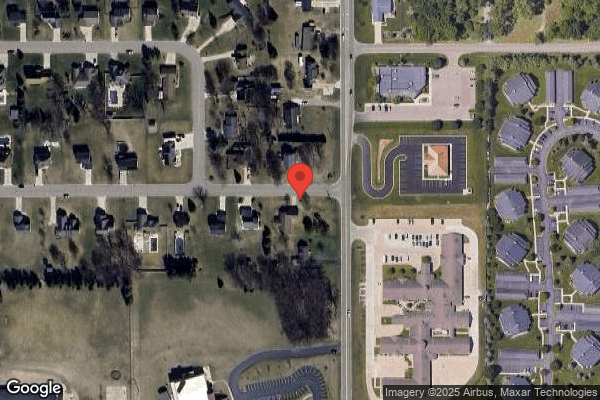
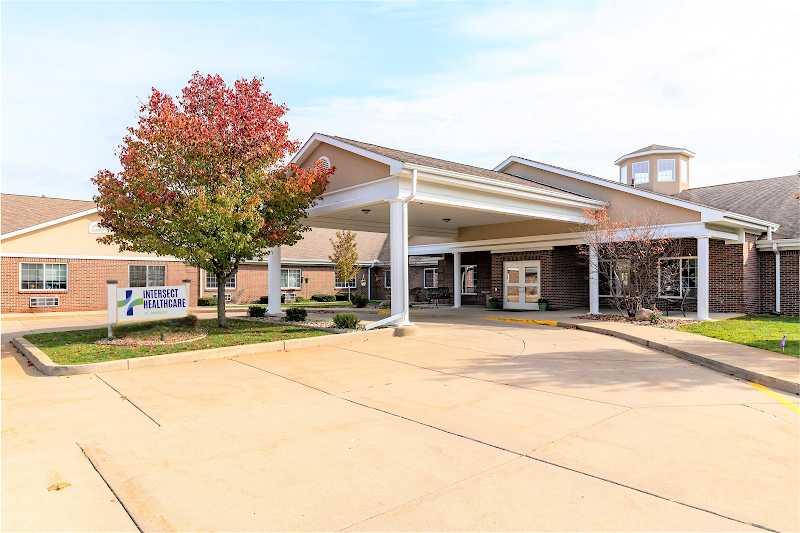
703 Robinson Road, Jackson, MI 49203 (517) 787-5140
For profit - Corporation 50 Beds MISSION POINT HEALTHCARE SERVICES Data: November 2025
Trust Grade
60/100
#155 of 422 in MI
Last Inspection: December 2024

Within standard 12-15 month inspection cycle. Federal law requires annual inspections.

Overview

Mission Point Health Campus of Jackson has a Trust Grade of C+, indicating it is decent and slightly above average compared to other facilities. It ranks #155 out of 422 in Michigan, placing it in the top half, and #2 out of 7 in Jackson County, suggesting only one local option is better. Unfortunately, the facility is worsening, with issues increasing from 10 in 2023 to 25 in 2024. Staffing is a concern as it has a low rating of 2 out of 5 stars and a high turnover rate of 67%, which is above the state average of 44%. However, the good news is that they have not incurred any fines, showing no compliance issues, and they provide average RN coverage, which is important for catching potential problems. Specific incidents noted during inspections include a resident who did not have an alternating pressure mattress or seat cushion to prevent worsening of a pressure ulcer, and lapses in food safety where food service equipment was not adequately cleaned, posing a risk of foodborne illness. While the facility has strengths such as a good overall star rating and no fines, the staffing challenges and increasing issues should be carefully considered by families researching this nursing home.
Trust Score
C+
60/100
In Michigan
#155/422
Top 36%
Safety Record
Moderate
Needs review
Inspections
Getting Worse
10 → 25 violations
Staff Stability
⚠ Watch
67% turnover. Above average. Higher turnover means staff may not know residents' routines.
Penalties
✓ Good
No fines on record. Clean compliance history, better than most Michigan facilities.
Skilled Nurses
✓ Good
Each resident gets 46 minutes of Registered Nurse (RN) attention daily — more than average for Michigan. RNs are trained to catch health problems early.
Violations
⚠ Watch
46 deficiencies on record. Higher than average. Multiple issues found across inspections.
★★★★☆
4.0
Overall Rating
★★☆☆☆
2.0
Staff Levels
★★★★★
5.0
Care Quality
★★★☆☆
3.0
Inspection Score
Stable
2023: 10 issues
2024: 25 issues

The Good

  • 5-Star Quality Measures · Strong clinical quality outcomes
  • Full Sprinkler Coverage · Fire safety systems throughout facility
  • No fines on record

Facility shows strength in quality measures, fire safety.

The Bad

Staff Turnover: 67%

20pts above Michigan avg (46%)

Frequent staff changes - ask about care continuity

Chain: MISSION POINT HEALTHCARE SERVICES

Part of a multi-facility chain

Ask about local staffing decisions and management

Staff turnover is elevated (67%)

19 points above Michigan average of 48%

The Ugly 46 deficiencies on record

1 actual harm
Dec 2024 8 deficiencies
CONCERN (D)

Potential for Harm - no one hurt, but risky conditions existed

Deficiency F0655 (Tag F0655)

Could have caused harm · This affected 1 resident

**NOTE- TERMS IN BRACKETS HAVE BEEN EDITED TO PROTECT CONFIDENTIALITY** Based on interview and record review, the facility failed to develop a baseline care plan with necessary healthcare information ...

Read full inspector narrative →
**NOTE- TERMS IN BRACKETS HAVE BEEN EDITED TO PROTECT CONFIDENTIALITY** Based on interview and record review, the facility failed to develop a baseline care plan with necessary healthcare information for one (R145) of 12 reviewed. Findings include: Review of the medical record revealed R145 was admitted to the facility on [DATE] and readmitted [DATE] with diagnoses that included end stage renal disease, dependence on renal dialysis, diabetes, and COVID-19. Review of the Minimum Data Set (MDS) with an Assessment Reference Date (ARD) of 9/29/24 revealed R145 scored 11 out of 15 (moderate cognitive impairment) on the Brief Interview for Mental Status (BIMS-a cognitive screening tool). Review of R145's care plans and orders revealed no details pertaining to the type or location of R145's dialysis access site. There were also no orders to assess or monitor the site. In an interview on 12/11/24 at 11:13 AM, Licensed Practical Nurse (LPN) E reported R145 recently started dialysis, but they were not sure where R145's access site was located or any assessment/monitoring of the site that was necessary. LPN E reviewed R145's medical record and reported there were not any orders specifying where the access site was located or any ordered assessments/monitoring of the site. In an interview on 12/11/24 at 2:25 PM, Director of Nursing (DON) B reviewed R145's medical record and reported the admission assessment revealed R145 had a dialysis catheter to their right chest. DON B reported that information should be on the care plan.
CONCERN (D)

Potential for Harm - no one hurt, but risky conditions existed

Drug Regimen Review (Tag F0756)

Could have caused harm · This affected 1 resident

**NOTE- TERMS IN BRACKETS HAVE BEEN EDITED TO PROTECT CONFIDENTIALITY** Resident #20 (R20) Review of the medical record revealed R20 admitted to the facility on [DATE] with diagnoses that included anx...

Read full inspector narrative →
**NOTE- TERMS IN BRACKETS HAVE BEEN EDITED TO PROTECT CONFIDENTIALITY** Resident #20 (R20) Review of the medical record revealed R20 admitted to the facility on [DATE] with diagnoses that included anxiety disorder and depression. Review of the Minimum Data Set (MDS) with an Assessment Reference Date (ARD) of 7/16/24 revealed R20 scored 5 out of 15 (cognitively impaired) on the Brief Interview for Mental Status (BIMS-a cognitive screening tool). On 12/12/24 at 2:13 PM, R20 was observed dressed, nicely groomed and resting in his recliner. Review of a Pharmacy Recommendation dated 6/17/24 reflected a recommendation for a MiraLAX (laxative) order which stated please update the order to include: Pour powder into 4-8 ounces of liquid. Stir mixture and administer promptly. Review of a Pharmacy Recommendation dated 7/13/24 reflected the same recommendation. Review of a Physician Order dated 4/5/2024 and discontinued on 11/19/24 reflected MiraLAX Oral Powder 17 GM/SCOOP (grams per scoop). Give 1 scoop by mouth in the afternoon for constipation prevention. The order was not updated to reflect the recommended change form pharmacy. Review of the Physician Order dated 11/19/24 revealed an active order which stated MiraLAX Oral Powder 17 GM/SCOOP. Give 1 scoop by mouth in the afternoon for constipation prevention. The active order still did not contain the recommendation made by pharmacy. In an interview on 12/12/24 at 2:05 PM, Director of Nursing (DON) B acknowledged that the Pharmacy Recommendation was not completed for June and July. Based on interview and record review, the facility failed to ensure the attending physician documented in the medical record that identified medication irregularities were reviewed, the action taken, and/or the rationale for no changes to the medications for three (Resident #20, #21, and #35) of five reviewed. Findings include: Resident #21 (R21) Review of the medical record revealed R21 was admitted to the facility on [DATE] with diagnoses that included diabetes mellitus with use of insulin, heart, failure, stage 4 kidney disease and osteomyelitis(infection of the bone). The Minimum Data Set (MDS) with an Assessment Reference Date (ARD) of 10/23/24 revealed R21 scored 15 out of 15 (cognitively intact) on the Brief Interview for Mental Status (BIMS-a cognitive screening tool). Review of R21 Medication Regimen Review, dated 10/24/24 revealed, 1) Glucophage (Metformin) is best given with meals to avoid GI irritation. 2) Long term therapy with Metformin can result in sub-therapeutic vitamin B-12 and folate levels. Please consider a B-12 and folate serum levels. The pharmacy review was not signed by the physician and physician response are of the form was blank. During an interview on 12/12/24 at 9:40 AM, Director of Nursing (DON) B reported October Medication Regimen Review was not addressed by physician because medical records staff was out on leave and change in contracted Pharmacy and Medical Director at that time. Resident #35 (R35) Review of the medical record revealed R35 was admitted to the facility on [DATE] with diagnoses that included diabetes mellitus, hypertension, acute left foot fracture, migraines, GERD and bipolar disorder. The Minimum Data Set (MDS) with an Assessment Reference Date (ARD) of 8/23/24 revealed R35 scored 13 out of 15 (cognitively intact) on the Brief Interview for Mental Status (BIMS-a cognitive screening tool). Review of R35 Medication Regimen Review, dated 9/17/24 revealed, Triptans may narrow normal heart arteries by up to 20%. For that reason you should not combine 2 different triptants on the same day. Although the exact process is unclear, the concern is that combining those drugs could result in excessive blood vessel narrowing. This does not include switching forms of the same drug, such as switching from a tablet to an injection .The resident is on three migraine meds: Qulipta(atogepant) 60mg daily in the evenings, Relpax (eletriptan) 40mg q2h[every 2 hours] prn[as needed] migraine and naratriptan 2.5mg q4h prn migrain. Resident has used eletriptan five time since admission and naratriptan twice since admission. May we either discontinue maratriptan or amend the others that eletriptan and naratriptan not to be given in the same 24 hour period. The Pharmacy review was signed by the physician 9/26/24 with no response. During an interview on 12/12/24 at 9:40 AM, Director of Nursing (DON) B verified the Medication Regimen Review(MRR) 9/17/24 for R35 migraine medications was signed by the physician but not addressed and was unable to say why. DON B reported facility had change in pharmacy and Medical Director between September and October. DON B reported R35 9/17/24 MRR was addressed by the new Medical Director today(12/12/24) and should have been addressed prior to October 2024 MRR.
CONCERN (D)

Potential for Harm - no one hurt, but risky conditions existed

Medication Errors (Tag F0758)

Could have caused harm · This affected 1 resident

**NOTE- TERMS IN BRACKETS HAVE BEEN EDITED TO PROTECT CONFIDENTIALITY** Based on interview and record review, the facility failed to provide a duration of use for as needed (PRN) medication for one (R...

Read full inspector narrative →
**NOTE- TERMS IN BRACKETS HAVE BEEN EDITED TO PROTECT CONFIDENTIALITY** Based on interview and record review, the facility failed to provide a duration of use for as needed (PRN) medication for one (Resident #20) of five reviewed for unnecessary medications, resulting in the potential for unnecessary medications and adverse reactions. Findings include: Review of the medical record revealed R20 admitted to the facility on [DATE] with diagnoses that included anxiety disorder and depression. Review of the Minimum Data Set (MDS) with an Assessment Reference Date (ARD) of 7/16/24 revealed R20 scored 5 out of 15 (cognitively impaired) on the Brief Interview for Mental Status (BIMS-a cognitive screening tool). On 12/12/24 at 2:13 PM, R20 was observed dressed, nicely groomed and resting in his recliner. Review of the Physician Orders revealed an order for Xanax (anti anxiety medication) Oral Tablet 0.25 MG (milligrams) give one tablet by mouth every 8 hours as needed for anxiety. The Physician order was continuous until discontinued on 7/18/24. Review of the Physician Orders revealed an for Xanax Oral Tablet 0.25 MG give 1 tablet by mouth every 8 hours as needed for anxiety. The Physician Order was continuous until discontinued on 11/19/24. Review of the Physician Orders revealed an active order for Xanax Oral Tablet 0.25 MG give 1 tablet by mouth every 8 hours as needed for anxiety. The active order did not contain a stop date. In an interview on 12/12/24 at 2:05 PM, Director of Nursing (DON) B stated that an as needed anti anxiety medication should have stop date after 14 days.
CONCERN (D)

Potential for Harm - no one hurt, but risky conditions existed

Unnecessary Medications (Tag F0759)

Could have caused harm · This affected 1 resident

**NOTE- TERMS IN BRACKETS HAVE BEEN EDITED TO PROTECT CONFIDENTIALITY** Based on observation, interview, and record review, the facility failed to ensure their medication error rate was below 5% when ...

Read full inspector narrative →
**NOTE- TERMS IN BRACKETS HAVE BEEN EDITED TO PROTECT CONFIDENTIALITY** Based on observation, interview, and record review, the facility failed to ensure their medication error rate was below 5% when five medication errors were observed from a total of 29 opportunities for two residents (R20 and R30) of three reviewed resulting in a medication error rate of 17.24%. Findings include: Resident #30 (R30) Review of the medical record revealed R30 admitted to the facility on [DATE] and readmitted on [DATE] with diagnoses that included cerebral infarction. Review of the Minimum Data Set (MDS) with an Assessment Reference Date (ARD) of 10/9/24 revealed R30 scored 6 out of 15 (severe cognitive impairment) on the Brief Interview for Mental Status (BIMS-a cognitive screening tool). On 12/10/24 at 7:59 AM, Licensed Practical Nurse (LPN) F was observed preparing and administering medications to R30. LPN F crushed omeprazole 20 milligrams (mg) tablet, aspirin 81 mg enteric coated tablet, and ferrous sulfate 325 mg tablet. When asked if they had a list of medications that could not be crushed, LPN F referenced a list in a binder on the medication cart. LPN F confirmed omeprazole and enteric coated aspirin were on the list. LPN F reported they did not find ferrous sulfate on the list. Review of the Physician's Order dated 11/20/24 revealed May crush crushable medication or give liquid medication if unable to take intact solid dosage form. Review of the facility's Meds That Should Not Be Crushed list dated February 2023, revealed aspirin tablets, ferrous sulfate, and omeprazole were on the list as medications that should not be crushed Resident #20 (R20) Review of the medical record revealed R20 was admitted to the facility on [DATE] with diagnoses that included vascular dementia and diabetes. The MDS with an ARD of 7/16/24 revealed R20 scored 5 out of 15 (severe cognitive impairment) on the BIMS. On 12/11/24 at 8:51 AM, LPN E was observed preparing and administering medications to R20. LPN E prepared a Lantus Solostar insulin pen by removing the cap and placing a needle on the pen without first wiping with an alcohol pad. LPN E then dialed the pen to 2 units, dialed the pen back to 0, and then dialed the pen to 10 units. LPN E did not prime the insulin pen by expelling the 2 units prior to dialing the dose. LPN E then administered 10 units of Lantus to R20. When asked about preparation of the insulin pen, LPN E reported they dial insulin pens to 2 units, back to zero, and then to the ordered dose. LPN E also administered Senna S (sennosides 8.6 mg and docusate sodium 50 mg) to R20. Review of the Physician's Order dated 11/20/24 revealed an order for Senna (8.6 mg sennosides) which does not include 50 mg of docusate sodium. Review of How to Use Your Lantus Solostar Pen revealed STEP 2. ATTACH THE NEEDLE · Wipe the pen tip (rubber seal) with an alcohol swab. · Remove the protective seal from the new needle, line the needle up straight with the pen, and screw the needle on . STEP 3. PERFORM A SAFETY TEST · Dial a test dose of 2 Units. · Hold pen with the needle pointing up and lightly tap the insulin reservoir so the air bubbles rise to the top of the needle. This will help you get the most accurate dose. · Press the injection button all the way in and check to see that insulin comes out of the needle. The dial will automatically go back to zero after you perform the test. · If no insulin comes out, repeat the test 2 more times. If there is still no insulin coming out, use a new needle and do the safety test again . STEP 4. SELECT THE DOSE · Make sure the window shows 0 and then select the dose. Otherwise you will inject more insulin than you need and that can affect your blood sugar level. (https://www.lantus.com/dam/jcr:2cfa1d37-1b5d-445d-83cd-8eaaeaeef48b/lantus-quick-reference-patient-brochure.pdf) In an interview on 12/11/24 at 2:15 PM, Director of Nursing (DON) B reported staff have access to the do not crush list on each medication cart. DON B reported if something on the list needed to be crushed, the nurse should reach out to the physician to discuss if the order needed to be changed. DON B reported insulin pen preparation included dialing the pen to 2 units and wasting those 2 units before dialing the dose to administer. DON B reported this step ensures the insulin pen is functional and that air is expelled.
CONCERN (E)

Potential for Harm - no one hurt, but risky conditions existed

Deficiency F0804 (Tag F0804)

Could have caused harm · This affected multiple residents

**NOTE- TERMS IN BRACKETS HAVE BEEN EDITED TO PROTECT CONFIDENTIALITY** Resident #21 (R21) On 12/10/24 at 9:45 AM, R21 was observed lying in bed and reported dissatisfaction with the taste of the faci...

Read full inspector narrative →
**NOTE- TERMS IN BRACKETS HAVE BEEN EDITED TO PROTECT CONFIDENTIALITY** Resident #21 (R21) On 12/10/24 at 9:45 AM, R21 was observed lying in bed and reported dissatisfaction with the taste of the facility's food. R21 reported they ate in their room, and the food was often served cold. Resident #35 (R35) On 12/10/24 at 12:02 PM, R35 was observed in bed and reported lunch and dinner food trays were usually cold when delivered to their room. Resident #243 (R243) On 12/10/24 at 9:13 AM, R243 reported they ate meals in their room, and the food was always cold. During an interview on 12/10/24 at 2:11 PM, Director of Food and Nutrition Services (DFN) D reported the facility did have some complaints pertaining to the temperature of food when served on the halls (room trays), including from R243 the week prior. DFN D reported it was suggested that R243 notify staff when food was not up to par and that R243 could go to the dining room, where the food would come directly from the kitchen. Methods to maintain food temperatures of room trays included heated plates with insulated bottoms and tops, according to DFN D. As soon as a tray cart was stocked with meals from the kitchen, it went directly to the unit. Resident #145 (R145) Review of the medical record revealed R145 was admitted to the facility on [DATE] and readmitted [DATE] with diagnoses that included end stage renal disease, dependence on renal dialysis, diabetes, and COVID-19. Review of the Minimum Data Set (MDS) with an Assessment Reference Date (ARD) of 9/29/24 revealed R145 scored 11 out of 15 (moderate cognitive impairment) on the Brief Interview for Mental Status (BIMS-a cognitive screening tool). An observation on 12/10/24 at 8:29 AM revealed R145's breakfast was served in Styrofoam containers on a disposable tray to R145's room. On 12/10/24 at 9:57 AM, R145 was observed in isolation due to a COVID-19 infection. R145 was observed in bed and reported their food was not even just cold, but it was ice cold. R145 reported she told staff that morning that the breakfast was cold, but she was told staff could not heat up her food. R145 reported she then requested cheerios, but was told the kitchen was out of cheerios. R145 reported she ended up not eating any breakfast. In an interview on 12/10/24 at 2:11 PM, Director of Food and Nutrition Services (DFN) D reported if food was cold, staff could heat up the food in the microwave or get a fresh tray from the kitchen. DFN D reported food could be reheated by nursing staff on the unit or by the kitchen. DFN D reported they were not sure if nursing staff took temperatures after reheating the food. DFN D reported they were not aware of any staff requesting reheated food or a new tray for R145. DFN D reported the kitchen had cheerios in stock on 12/10/24. In a telephone interview on 12/10/24 at 2:46 PM, Certified Nursing Assistant (CNA) H) reported that morning, R145 consumed approximately half of her breakfast and then requested for the food to be reheated. CNA H reported they were unable to reheat R145's food since they were on isolation for COVID-19. CNA H reported they then went to the kitchen and were told there was no left-over breakfast and that the kitchen was also out of cheerios. Resident # 146 (R146) Review of the medical record revealed R146 was admitted to the facility on [DATE] with diagnoses that included multiple fractures of the ribs. Review of the Brief Interview for Mental Status (BIMS-a cognitive screening tool) dated 12/6/24 revealed R145 scored 14 out of 15 (cognitively intact). On 12/10/24 at 9:15 AM, R146 was observed to be in isolation due to a COVID-19 infection. R146 was observed in bed and reported the facility's food isn't worth a damn and the majority of the time the food was cold by the time it got to their room. R146's meal was observed delivered in a Styrofoam container due to R146 being in isolation. Based on observations, interviews, record reviews, 1 (#5) non-sampled resident, and 5 (#21, #35, #145, #146, #243) of 12 sampled residents the facility failed to provide palatable food products effecting 39 residents, resulting in the increased likelihood for resident decreased food acceptance and nutritional decline. Findings include: On 12/10/24 at 11:00 A.M., An interview was conducted with Resident #243 regarding facility food products. Resident #243 stated: It's not very good. Resident #243 also stated: Generally the food is not very warm. Resident #243 additionally stated: Food items were missing from my meal tray. Resident #243 further stated: My coffee is always cold from the kitchen. On 12/10/24 at 11:10 A.M., An interview was conducted with Resident #21 regarding facility food products. Resident #21 stated: Food tastes like s--t (poo) sometimes. Resident #21 also stated: Too much pasta. and When you get potatoes and gravy, you don't receive much. Resident #21 additionally stated: Soup is always warm. and My scrambled eggs are always cold. Resident #21 further stated: Food is generally cold. and Pancakes are tough as nails to eat. On 12/10/24 at 11:53 A.M., An interview was conducted with Director of Food and Nutrition Services D regarding the meal food tray delivery schedule. Director of Food and Nutrition Services D stated: We serve the Main Dining Room, 100 Hall, 200 Hall, and then 300 Hall. On 12/10/24 at 11:57 A.M., Lunch meal food trays (9) were observed leaving the food production kitchen within an insulated transport cart. On 12/10/24 at 11:59 A.M., Lunch meal food trays (9) were observed arriving to 100 Hall within an insulated transport cart. On 12/10/24 at 12:05 P.M., Food product temperatures were monitored utilizing a ThermoWorks Super-Fast Thermapen model CR2032 digital thermometer. The following food product temperatures were recorded for Resident #243's lunch meal food tray: Herb Marinated Chicken Thigh - 151.1 Rice Pilaf - 169.1 Green Beans - 124.8* Soup of the Day (Beef Barley) - N/A Wheat Bread - Room Temperature Cherry Crisp - 45.7* Beverage (Iced Tea) - 46.1* (*) The 2017 FDA Model Food Code section 3-501.16 states: (A) Except during preparation, cooking, or cooling, or when time is used as the public health control as specified under §3-501.19, and except as specified under (B) and in (C ) of this section, TIME/TEMPERATURE CONTROL FOR SAFETY FOOD shall be maintained: (1) At 57oC (135oF) or above, except that roasts cooked to a temperature and for a time specified in 3-401.11(B) or reheated as specified in 3-403.11(E) may be held at a temperature of 54oC (130oF) or above; or (2) At 5ºC (41ºF) or less. On 12/11/24 at 11:54 A.M., Lunch meal food trays (9) were observed leaving the food production kitchen within an insulated transport cart. On 12/11/24 at 11:56 A.M., Lunch meal food trays (9) were observed arriving to 100 Hall within an insulated transport cart. On 12/11/24 at 12:01 P.M., Food product temperatures were monitored utilizing a ThermoWorks Super-Fast Thermapen model CR2032 digital thermometer. The following food product temperatures were recorded for Resident #21's lunch meal food tray: Salisbury Steak - 129.0* Mashed Potatoes - 134.3* Peas-n-Carrots - 120.7* Soup of the Day (Split Pea Soup) -141.9 Cottage Cheese - 44.9* Orange Slices - 45.3* Wheat Bread - Room Temperature Pineapple Upside Down Cake - Room Temperature Beverage (Tomato Juice) - 48.7* Beverage (2% Milk) - 51.2* (*) The 2017 FDA Model Food Code section 3-501.16 states: (A) Except during preparation, cooking, or cooling, or when time is used as the public health control as specified under §3-501.19, and except as specified under (B) and in (C ) of this section, TIME/TEMPERATURE CONTROL FOR SAFETY FOOD shall be maintained: (1) At 57oC (135oF) or above, except that roasts cooked to a temperature and for a time specified in 3-401.11(B) or reheated as specified in 3-403.11(E) may be held at a temperature of 54oC (130oF) or above; or (2) At 5ºC (41ºF) or less. On 12/11/24 at 12:28 P.M., An interview was conducted with Resident #5 regarding facility food products. Resident #5 stated: Food is generally not hot. Resident #5 also stated: The coffee served in the room is warm at best. Resident #5 additionally stated: The coffee served in the room is only about one-half to three-quarters full. On 12/12/24 at 09:15 A.M., Record review of the Policy/Procedure entitled: Food Safety Requirements dated 01/2021 revealed under Policy Explanation and Compliance Guidelines: (1) Food safety practices shall be followed throughout the facility's entire food handling process. This process begins when food is received from the vendor and ends with delivery of the food to the resident. Elements of the process include the following: (d) Distribution of food to the resident, including transportation, set up, and assistance. (5) Foods and beverages shall be delivered to residents in a manner to prevent contamination. Strategies include but are not limited to: (a) Covering foods with lids or plate covers. (b) Washing hands properly before distributing trays. (c) Washing hands between contact with residents and after collecting soiled plates and food waste. (d) Timely distribution of all meals/snacks.
CONCERN (E)

Potential for Harm - no one hurt, but risky conditions existed

Infection Control (Tag F0880)

Could have caused harm · This affected multiple residents

**NOTE- TERMS IN BRACKETS HAVE BEEN EDITED TO PROTECT CONFIDENTIALITY** Based on observation, interview, and record review the facility failed to ensure proper personal protective equipment (PPE) use ...

Read full inspector narrative →
**NOTE- TERMS IN BRACKETS HAVE BEEN EDITED TO PROTECT CONFIDENTIALITY** Based on observation, interview, and record review the facility failed to ensure proper personal protective equipment (PPE) use for COVID-19 transmission-based precautions in one (R145) of two reviewed and failed to ensure proper disinfection of items for two (R145 and R20) of three reviewed. Findings include: Upon entrance into the facility on [DATE] at 7:20 AM, it was reported by Nursing Home Administrator (NHA) A that the facility had two residents who were positive for COVID-19; one of which was R145. Resident # 145 (R145) Review of the medical record revealed R145 was admitted to the facility on [DATE] and readmitted [DATE] with diagnoses that included end stage renal disease, dependence on renal dialysis, diabetes, and COVID-19. Review of the Minimum Data Set (MDS) with an Assessment Reference Date (ARD) of 9/29/24 revealed R145 scored 11 out of 15 (moderate cognitive impairment) on the Brief Interview for Mental Status (BIMS-a cognitive screening tool). Review of the Nursing Progress Note dated 12/8/24 revealed CNA [Certified Nursing Assistant] advised nurse that the resident requested to be Covid tested. Nurse asked resident if she is feeling sick? Resident states that she feels yuck and wants to be tested .Covid test positive. Nurse tested resident twice to verify results. Review of [NAME] (care guide) revealed I require DROPLET (with N95) precautions when providing care. Review of the COVID-19 care plan dated 12/8/24 revealed I require DROPLET (with N95) precautions when providing care. An observation on 12/10/24 at 7:45 AM revealed R145's door was closed with PPE supplies hanging on the outside of the door. There was no signage on the door indicating what precautions or PPE was necessary prior to entering the room. Licensed Practical Nurse (LPN) F reported R145 was on transmission-based precautions due to being positive for COVID-19. LPN F was observed wearing a surgical mask, donning a gown, gloves, and goggles. LPN F did not don a N95 mask. LPN F entered R145's room with a Symbicort inhaler and a glucometer to check R145's blood sugar. LPN F set the inhaler and glucometer directly on R145's overbed table without the use of a barrier. Prior to exiting the room, LPN F removed all PPE except for the mask. After exiting the room, LPN F set the inhaler and glucometer directly on the medication cart. LPN F then placed the inhaler back in its box and inside the medication cart without disinfecting the inhaler. LPN F then disinfected the glucometer with a micro-kill one germicidal alcohol wipe. LPN F did not disinfect the top of the medication cart where the contaminated inhaler and glucometer were set. LPN F continued to wear the same surgical mask with the care of other residents. On 12/10/24 at 8:29 AM, two staff were observed outside of R145's room preparing to deliver a breakfast tray. One staff held the tray while the other donned PPE. The staff member did not don a N95 mask and entered R145's room with a surgical mask. At 8:36 AM, the staff member exited the room and did not change their mask. On 12/10/24 at 10:06 AM, LPN F was observed entering R145's room. LPN F did not don a N95 mask and did not change their surgical mask when exiting the room. An observation on 12/10/24 at 11:26 AM, revealed R145's door now had signage indicating they were on droplet precautions. The signage revealed clean hands including before entering and when leaving the room. Make sure their eyes, nose and mouth are fully covered before room entry. Remove face protection before exit. The signage did not indicate what PPE was necessary. On 12/10/24 at 11:27 AM, a staff member was observed donning PPE and entering R145's room. the staff member wore regular eyeglasses and did not don a face shield or goggles. The staff member also wore a surgical mask and did not don a N95 mask. An observation on 12/11/24 at 8:30 AM revealed LPN E donned PPE to enter R145's room. LPN E donned a N95 mask over their surgical mask and wore eyeglasses. LPN E did not don a face shield or goggles. After exiting the room, LPN E continued to wear the N95 mask and touch the mask several times before removing the mask. LPN E did not complete hand hygiene after removing the mask. On 12/11/24 at approximately 8:40 AM, a staff member was observed entering R145's room wearing eyeglasses. The staff member did not don a face shield or goggles. According to the Centers for Disease Control and Prevention (CDC), This guidance applies to all U.S. settings where healthcare is delivered, including nursing homes and home health. The recommendations in this guidance continue to apply after the expiration of the federal COVID-19 Public Health Emergency .HCP [healthcare personnel] who enter the room of a patient with suspected or confirmed SARS-CoV-2 infection should adhere to Standard Precautions and use a NIOSH Approved particulate respirator with N95 filters or higher, gown, gloves, and eye protection (i.e., goggles or a face shield that covers the front and sides of the face). (https://www.cdc.gov/covid/hcp/infection-control/index.html) On 12/12/24 at 9:55 AM, it was reported the facility had two additional residents who tested positive for COVID-19. Resident #20 (R20) Review of the medical record revealed R20 was admitted to the facility on [DATE] with diagnoses that included vascular dementia and diabetes. The MDS with an ARD of 7/16/24 revealed R20 scored 5 out of 15 (severe cognitive impairment) on the BIMS. On 12/11/24 at 8:51 AM, LPN E was observed preparing and administering medications to R20. LPN E prepared a Lantus Solostar insulin pen by removing the cap and placing a needle on the pen without first wiping with an alcohol pad. LPN E then dialed the pen to 2 units, dialed the pen back to 0, and then dialed the pen to 10 units. LPN E then administered 10 units of Lantus to R20. Review of How to Use Your Lantus Solostar Pen revealed STEP 2. ATTACH THE NEEDLE · Wipe the pen tip (rubber seal) with an alcohol swab. · Remove the protective seal from the new needle, line the needle up straight with the pen, and screw the needle on . (https://www.lantus.com/dam/jcr:2cfa1d37-1b5d-445d-83cd-8eaaeaeef48b/lantus-quick-reference-patient-brochure.pdf) In an interview on 12/12/24 at 10:27 AM with Director of Nursing (DON) B, Unit Manager (UM) C, and Regional Clinical Director (RCD) Q, it was reported the facility had additional residents test positive for COVID-19 that morning. AS of 12/12/24, the facility had nine residents who tested positive for COVID-19. They reported that PPE required for COVID-19 transmission-based precautions included gown, gloves, eye protection, and N95 mask. When asked about the type of eye protection required, they reported goggles, or a face shield were required, and eyeglasses were not appropriate. DON B reported staff had been educated on using a barrier when taking supplies such as an inhaler and glucometer into resident rooms.
CONCERN (E)

Potential for Harm - no one hurt, but risky conditions existed

Safe Environment (Tag F0921)

Could have caused harm · This affected multiple residents

Based on observations, interviews, and record reviews the facility failed to effectively clean and maintain the physical plant effecting 40 residents, resulting in the increased likelihood for cross-c...

Read full inspector narrative →
Based on observations, interviews, and record reviews the facility failed to effectively clean and maintain the physical plant effecting 40 residents, resulting in the increased likelihood for cross-contamination and bacterial harborage. Findings include: On 12/10/24 at 02:55 P.M., An interview was conducted with Director of Environmental Services J regarding the facility maintenance work order system. Director of Environmental Services J stated: We use to have Maintenance Care. Director of Environmental Services J also stated: We just started the TELS program a few weeks ago. On 12/11/24 at 08:30 A.M., A common area environmental tour was conducted with Maintenance Technician K. The following items were noted: Town Square Soiled Utility Room: The waste hopper basin was observed soiled with accumulated and encrusted dirt/grime. Maintenance Technician K indicated he would have housekeeping staff thoroughly clean and sanitize the soiled waste hopper basin as soon as possible. Staff/Visitor/Resident Restroom: The toilet seat was observed (etched, scored, particulate). Maintenance Technician K indicated he would replace the worn toilet seat as soon as possible. Kitchenette: The hand sink basin base cabinet interior surface was observed soiled with accumulated and encrusted dust/dirt/debris. Maintenance Technician K indicated he would have housekeeping staff thoroughly clean and sanitize the soiled base cabinet interior as soon as possible. Sunroom: The ceiling surface drywall seam was observed (etched, scored, cracked). Maintenance Technician K indicated necessary repairs would be completed as soon as possible. 200 Hall Kitchenette: The hand sink basin laminate backsplash was observed (raised, bubbled, and loose-to-mount). The damaged laminate backsplash measured approximately 4-inches-wide by 24-inches-long. Two wall cabinet door hinges were also observed sprung, not allowing the door to close completely. Maintenance Technician K indicated necessary repairs would be completed as soon as possible. Building Grounds A sink hole was observed at the rear of the building, adjacent to the storm drain catch basin. The damaged concrete area measured approximately 30-inches-wide by 30-inches-long by 10-inches-deep surrounding the storm drain catch basin. On 12/11/24 at 10:15 A.M., An environmental tour of sampled resident rooms was conducted with Maintenance Technician K. The following items were noted: 107: The drywall surface was observed (etched, scored, particulate), adjacent to Bed 1. The damaged drywall surface measured approximately 12-inches-wide by 12-inches-long. The drywall surface was also observed (etched, scored, particulate), adjacent to the resident lounge chair. The damaged drywall surface measured approximately 18-inches-wide by 24-inches-long. Maintenance Technician K indicated necessary repairs would be completed as soon as possible. 108: The drywall surface was observed (etched, scored, particulate), adjacent to Bed 1. The damaged drywall surface measured approximately 18-inches-wide by 30-inches-long. Maintenance Technician K indicated necessary repairs would be completed as soon as possible. On 12/12/24 at 03:30 P.M., Record review of the Policy/Procedure entitled: Safe and Homelike Environment dated 01/11/2021 revealed under Policy: In accordance with resident's rights, the facility will provide a safe, clean, comfortable, and homelike environment, allowing the resident to use his or her personal belongings to the extent possible. This includes ensuring that the resident can receive care and services safely and that the physical layout of the facility maximizes resident independence and does not pose a safety risk. Record review of the Policy/Procedure entitled: Safe and Homelike Environment dated 01/11/2021 further revealed under Policy Explanation and Compliance Guidelines: (3) Housekeeping and maintenance services will be provided as necessary to maintain a sanitary, orderly, and comfortable environment. On 12/12/24 at 03:45 P.M., Record review of the Direct Supply TELS Maintenance Work Orders from 10/21/24 to 12/11/24 revealed no specific entries related to the aforementioned maintenance concerns.
CONCERN (F)

Potential for Harm - no one hurt, but risky conditions existed

Food Safety (Tag F0812)

Could have caused harm · This affected most or all residents

Based on observations, interviews, and record reviews the facility failed to: (1) effectively clean and maintain food service equipment, and (2) date mark all potentially hazardous ready-to-eat food p...

Read full inspector narrative →
Based on observations, interviews, and record reviews the facility failed to: (1) effectively clean and maintain food service equipment, and (2) date mark all potentially hazardous ready-to-eat food products effecting 39 residents, resulting in the increased likelihood for cross-contamination, bacterial harborage, and resident foodborne illness. Findings include: On 12/10/24 at 07:35 A.M., An initial tour of the food service was conducted with Director of Food and Nutrition Services D and Dietary [NAME] L. The following items were noted: The ceiling surface was observed (etched, scored, particulate), adjacent to the pot and pan storage rack. The damaged ceiling surface measured approximately 6-inches-wide by 12-inches-long. The damaged ceiling surface also contained a black watery substance, within the opening. The 2017 FDA Model Food Code section 6-501.11 states: PHYSICAL FACILITIES shall be maintained in good repair. The South Bend convection oven interior surfaces were observed soiled with accumulated and encrusted food residue. The South Bend stove/oven(s) were observed soiled with accumulated and encrusted food residue. The South Bend stove/oven backsplash was also observed soiled with accumulated and encrusted food residue. The South Bend griddle side panels and backsplash were also observed soiled with accumulated and encrusted food residue. The South Bend char broiler was observed soiled with accumulated and encrusted food residue. The ventilation hood filters were observed soiled with accumulated and encrusted food residue, especially directly above the South Bend char broiler. The can opener assembly was observed soiled with accumulated and encrusted food residue. Director of Food and Nutrition Services D stated: I will have staff clean the opener. The 2017 FDA Model Food Code section 4-601.11 states: (A) EQUIPMENT FOOD-CONTACT SURFACES and UTENSILS shall be clean to sight and touch. (B) The FOOD-CONTACT SURFACES of cooking EQUIPMENT and pans shall be kept free of encrusted grease deposits and other soil accumulations. (C) NonFOOD-CONTACT SURFACES of EQUIPMENT shall be kept free of an accumulation of dust, dirt, FOOD residue, and other debris. Walk-In Cooler: One full case (six 32-ounce containers) of Yoplait Natural Yogurt was observed resting upon a rack with a manufacturer's use-by-date that read 11-24-2024. Director of Food and Nutrition Services D indicated she would remove and discard the outdated case of Yoplait Natural Yogurt immediately. The 2017 FDA Model Food Code section 3-501.17 states: (A) Except when PACKAGING FOOD using a REDUCED OXYGEN PACKAGING method as specified under § 3-502.12, and except as specified in (E) and (F) of this section, refrigerated, READY-TO-EAT, TIME/TEMPERATURE CONTROL FOR SAFETY FOOD prepared and held in a FOOD ESTABLISHMENT for more than 24 hours shall be clearly marked to indicate the date or day by which the FOOD shall be consumed on the PREMISES, sold, or discarded when held at a temperature of 5ºC (41ºF) or less for a maximum of 7 days. The day of preparation shall be counted as Day 1. The mechanical dish machine wash temperature gauge was observed to read 127-128 degrees Fahrenheit during the wash cycle. The wash temperature gauge should read a minimum of 150 degrees Fahrenheit. The 2017 FDA Model Food Code section 4-501.110 states: (A) The temperature of the wash solution in spray type warewashers that use hot water to SANITIZE may not be less than: (1) For a stationary rack, single temperature machine, 74oC (165oF); (2) For a stationary rack, dual temperature machine, 66oC (150oF); (3) For a single tank, conveyor, dual temperature machine, 71oC (160oF); or (4) For a multitank, conveyor, multitemperature machine, 66oC (150oF). The final rinse temperature gauge was observed to read 164 degrees Fahrenheit during the final rinse cycle. The dishware surface was monitored utilizing Paper Thermometer 1-Temp Thermolabel. The Paper Thermometer 1-Temp Thermolabel was observed to not turn black, indicating the dishware surface did not reach a minimum of 160 degrees Fahrenheit for effective hot water sanitization. The 2017 FDA Model Food Code section 4-501.112 states: (A) Except as specified in (B) of this section, in a mechanical operation, the temperature of the fresh hot water SANITIZING rinse as it enters the manifold may not be more than 90oC (194oF), or less than: (1) For a stationary rack, single temperature machine, 74oC (165oF); or (2) For all other machines, 82oC (180oF). On 12/10/24 at 09:05 A.M., An initial tour of the facility kitchenettes was conducted with Director of Food and Nutrition Services D. The following items were noted: Town Square Kitchenette: The General Electric refrigerator/freezer interior and exterior surfaces were observed soiled with accumulated food residue and dust/dirt deposits. Director of Food and Nutrition Services D indicated she would have staff thoroughly clean and sanitize the General Electric refrigerator/freezer interior and exterior surfaces as soon as possible. 200 Hall Kitchenette: The General Electric microwave oven interior was observed (etched, scored, particulate). Director of Food and Nutrition Services D indicated she would contact maintenance for removal and replacement as soon as possible. The 2017 FDA Model Food Code section 4-601.11 states: (A) EQUIPMENT FOOD-CONTACT SURFACES and UTENSILS shall be clean to sight and touch. (B) The FOOD-CONTACT SURFACES of cooking EQUIPMENT and pans shall be kept free of encrusted grease deposits and other soil accumulations. (C) NonFOOD-CONTACT SURFACES of EQUIPMENT shall be kept free of an accumulation of dust, dirt, FOOD residue, and other debris. On 12/13/24 at 01:00 P.M., Record review of the Policy/Procedure entitled: Cleaning Equipment and Utensils dated 01/2024 revealed under Policy: Equipment and utensils will be properly cleaned and sanitized to prevent contamination. Record review of the Policy/Procedure entitled: Cleaning Equipment and Utensils dated 01/2024 further revealed under Purpose: Safe food handling and minimize the risk of cross-contamination. On 12/13/24 at 01:15 P.M., Record review of the Policy/Procedure entitled: Food Storage dated 01/2021 revealed under Policy: Food storage areas shall be maintained in a clean, safe, and sanitary manner. This includes maintaining temperatures of coolers and freezers at the appropriate temperature to promote food safety. Record review of the Policy/Procedure entitled: Food Storage dated 01/2021 further revealed under Policy Explanation and Compliance Guidelines: (3) Refrigerated food outside of original package shall be labeled, dated, and monitored so that it is used by the use-by-date, frozen, or discarded, whichever is applicable. (b) Milk received and unopened will be stored according to manufacturer's use-by/expiration date. Once opened will be labeled with open and use-by-date, but not to exceed expiration date. On 12/13/24 at 01:30 P.M., Record review of the Policy/Procedure entitled: Dish Machine Usage dated 01/05/2021 revealed under Policy: Dietary staff will operate the dish machine in safe and sanitary manner. Record review of the Policy/Procedure entitled: Dish Machine Usage dated 01/05/2021 further revealed under Procedure: If high temperature machine: (1) Dietary staff will check dish machine temperatures before running dishes through the machine. (2) Wash temperature of 150 degrees Fahrenheit. (3) Hot water sanitizing rinse temperature of 180 degrees Fahrenheit. (4) Dietary staff will check temperatures using the machine gauge and will record the results in a facility approved log. (5) The operator will monitor the gauge frequently during dish machine cycle. On 12/13/24 at 01:45 P.M., Record review of the Policy/Procedure entitled: Food Dating dated (no date) revealed under Dairy: Use-By or Best By date if unopened on packaging. Milk, Yogurt, Cottage Cheese, Potato Salad: Use-By date if unopened, or 7 days after opening. On 12/13/24 at 02:00 P.M., Record review of the High-Temp Dish Machine Log dated 12/2024 revealed 3 out of 7 recorded Paper Thermometer 1-Temp Thermolabel tapes did not turn black, indicating the final rinse temperature at the dishware surface was less than 160 degrees Fahrenheit.
Sept 2024 1 deficiency
CONCERN (D) 📢 Someone Reported This

A family member, employee, or ombudsman was alarmed enough to file a formal complaint

Potential for Harm - no one hurt, but risky conditions existed

Quality of Care (Tag F0684)

Could have caused harm · This affected 1 resident

**NOTE- TERMS IN BRACKETS HAVE BEEN EDITED TO PROTECT CONFIDENTIALITY** This citation pertains to intake #MI00146888 Based on interview and record review, the facility failed to arrange and provide tr...

Read full inspector narrative →
**NOTE- TERMS IN BRACKETS HAVE BEEN EDITED TO PROTECT CONFIDENTIALITY** This citation pertains to intake #MI00146888 Based on interview and record review, the facility failed to arrange and provide transportation to a medical appointment for one (R1) out of three residents reviewed resulting in a missed appointment and the potential for delay of care. Findings include: Resident #1 (R1) Review of the medical record revealed R1 admitted to the facility on [DATE] with diagnosis which included malignant neoplasm of the skin. Review of R1's After Visit Summary dated 8/30/24 revealed R1 had an upcoming Return visit Physician's appointment scheduled for 9/5/24. Review of the medical record revealed no mention of an appointment for R1. In an interview on 9/26/24 at 4:21 PM, Licensed Practical Nurse (LPN) E reported that resident's appointments are scheduled and tracked via an online shared calendar. In an interview on 9/27/24 at 9:39 AM, LPN G reported she was working on 9/5/24 when the facility realized that R1 had an out of town appointment that transportation was not arranged for. LPN G reported that R1 had to miss her appointment. In an interview on 9/27/24 at 10:17 AM, Registered Nurse (RN) I opened the online shared calendar and verified that R1 had an out of town appointment for 9/5/24. RN I stated that the coordination of scheduling transportation for R1's appointment did not occur, resulting in R1 having to miss her appointment. In an interview on 9/27/24 at 11:07 AM, Director of Nursing (DON) B stated the scheduler added R1's appointment to the online shared calendar, however, coordination for transportation did not occur resulting in R1 having to miss her appointment.
Sept 2024 3 deficiencies
CONCERN (D) 📢 Someone Reported This

A family member, employee, or ombudsman was alarmed enough to file a formal complaint

Potential for Harm - no one hurt, but risky conditions existed

Transfer Requirements (Tag F0622)

Could have caused harm · This affected 1 resident

This citation pertains to Intakes MI00145676 and MI00145685. Based on interview and record review the facility failed to permit a resident to return to the facility after stabilization following emerg...

Read full inspector narrative →
This citation pertains to Intakes MI00145676 and MI00145685. Based on interview and record review the facility failed to permit a resident to return to the facility after stabilization following emergency transport to the hospital for one resident (R214) of three residents reviewed. Findings include: Review of the electronic medical record (EMR) revealed that R214 was admitted to the facility 7/9/24 with a pertinent diagnosis of Unspecified Dementia, Severe, with Mood Disturbance (a condition that affects thinking, behavior, and the ability to perform everyday tasks). Review of the admission Assessment titled Admission/readmission Assessment dated 7/9/2024, reflected the finding that R214 had placed himself on the floor and was crawling around speaking to people . who are not there. On 9/5/24 at 9:07 AM during interview Unit Manager Licensed Practical Nurse (LPN) H recalled that resident was kind of sedated when he came (on admission) kind of out of it and explained that during the stay R214 went from 0 to 100 . R214 was described as having developed frightening behavior, screaming and threatening staff and R214's roommate. According to an EMR entry by Physician O dated 7/12/24 R214 was transferred to (an acute care hospital) d/t (due to) behaviors and safety concerns for other residents and himself. According to the EMR the transfer date was 7/11/24. On 9/4/24 at 12:58 PM interview with Case Manager Q an employee at the acute care hospital revealed that on 7/12/24 according to notes the nursing home had been contacted concerning R214's pending transfer back to the facility. R214 had been evaluated by psychiatry services and was ready to return. The facility declined to receive R214 even if his behavior had stabilized on medication. A statement in the note was that the facility would not take R214 back into the facility under any circumstances. There was not a name listed for the nursing home contact person; only a notation of Admissions. On 9/5/24 at 3:16 PM during an interview with the Nursing Home Administrator (NHA) K the refusal to permit R214's return to the facility was explained as a decision made by two people serving at that time as Regional Directors S and T. NHA K stated, We knew up front we would be cited for not taking him back. It's better to have a low-level tag than to have someone get hurt. Review of the nursing home facility EMR did not reveal documentation from a physician stating a reason why R214 was not permitted to return to the facility. On 9/5/24 at 2:56 PM Physician O said during interview he had no involvement in a decision to not permit R214 to return to the facility and had been unaware of the decision and explained that admissions are handled through an admissions corporate team. The facility did not have a policy related to residents returning from the hospital.
CONCERN (D) 📢 Someone Reported This

A family member, employee, or ombudsman was alarmed enough to file a formal complaint

Potential for Harm - no one hurt, but risky conditions existed

Transfer Notice (Tag F0623)

Could have caused harm · This affected 1 resident

**NOTE- TERMS IN BRACKETS HAVE BEEN EDITED TO PROTECT CONFIDENTIALITY** Resident #214 (R214) Review of the medical record revealed that R214 was admitted to the facility on [DATE]. The Minimum Data Se...

Read full inspector narrative →
**NOTE- TERMS IN BRACKETS HAVE BEEN EDITED TO PROTECT CONFIDENTIALITY** Resident #214 (R214) Review of the medical record revealed that R214 was admitted to the facility on [DATE]. The Minimum Data Set (MDS) Cognitive Assessment with an Assessment Reference Date (ARD) of 7/9/24 was not completed in full. Review of the admission Assessment titled Admission/readmission Assessment dated 7/9/2024, reflected the finding that resident had placed himself on the floor and was crawling around speaking to people . who are not there. A Progress Note dated 7/9/24 revealed that R214 was being transferred to the hospital due to a change in condition. Review of the Electronic Medical Record showed no evidence of a bed hold or a transfer notice for R214. In an interview on 9/5/24 at 12:33 PM, Licensed Practical Nurse I R214's transfer was discussed. LPN I stated that when a resident is transferred out of the facility, the transfer notice and bed hold should be completed and be provided to the resident or the responsible party. In an interview on 9/5/24 at 2:14 PM, Director of Nursing (DON) acknowledged that the expectation for R214s transfer was to provide the resident with a transfer notice and a bed hold, and to document that the forms were signed. On 9/5/24 at 3:37 PM Regional Consultant A confirmed there was no bed hold documentation found for R214. Prior to survey exit there was no evidence provided to indicate the transfer notice was provided to the responsible party. Based on interview and record review, the facility failed to provide a written reason for transfer/discharge for two residents (Resident #212, #214) of three reviewed for transfer/discharge, resulting in residents and/or responsible parties not being informed, in writing, of the reason for transfers/discharges. Findings include: Resident #212 (R212) Review of the medical record revealed that R212 was admitted to the facility on [DATE]. The Minimum Data Set (MDS) with an Assessment Reference Date (ARD) of 6/7/24 indicated that R212 scored 13 out of 15 (cognitively intact) on the Brief Interview for Mental Status (BIMS). A Progress Note dated 6/16/24 revealed that R212 was being transferred to the hospital due to a change in condition. Review of the Electronic Medical Record showed no evidence of a bed hold or a transfer notice for R212. In an interview on 9/5/24 at 12:33 PM, Licensed Practical Nurse I R212s transfer was discussed. LPN I stated that when a resident is transferred out of the facility, the transfer notice and bed hold should be completed and be provided to the resident or the responsible party. In an interview on 9/5/24 at 2:14 PM, Director of Nursing (DON) B stated that she was assisting with R212 on 6/16/24 when it was identified that R212 was experiencing a change in condition. The decision was made to send R212 to an acute care hospital. DON B acknowledged that the expectation is to provide the resident with a transfer notice and a bed hold, and to document that the forms were signed. However, there was no evidence that the transfer notice and bed hold were provided by the time of the survey exit.
CONCERN (D) 📢 Someone Reported This

A family member, employee, or ombudsman was alarmed enough to file a formal complaint

Potential for Harm - no one hurt, but risky conditions existed

Quality of Care (Tag F0684)

Could have caused harm · This affected 1 resident

This citation pertains to Intake MI00145685 Based on interview and record review the facility failed to administer medication as ordered for one resident (R214) of three residents reviewed potentially...

Read full inspector narrative →
This citation pertains to Intake MI00145685 Based on interview and record review the facility failed to administer medication as ordered for one resident (R214) of three residents reviewed potentially resulting in a relapse and escalation of psychologically disturbed behaviors. Findings Include: Review of the electronic medical record (EMR) revealed that R214 was admitted to the facility 7/9/24 with a pertinent diagnosis of Unspecified Dementia, Severe, with Mood Disturbance (a condition that affects thinking, behavior, and the ability to perform everyday tasks). Review of the admission Assessment titled Admission/readmission Assessment dated 7/9/2024, reflected the finding that resident had placed himself on the floor and was crawling around speaking to people . who are not there. Further review of the EMR revealed that one of the medications ordered for R214 was Ziprasidone 20 mg HCL (an atypical antipsychotic which rebalances dopamine and serotonin in the brain to improve thinking, mood, and behavior). Ziprasidone HCL was ordered to be given BID (two times per day). R214 had been taking this medication prior to admission to the facility. Review of the Medication Administration Record revealed that on the dates of 7/9/24 - 7/10/24 Ziprasidone HCL was unavailable at the facility. During this period documentation of R214's behavior showed a progression to a state of increased agitation. On 7/9/24 Licensed Practical Nurse (LPN) U documented the following: Resident (R214) observed crawling on the floor in his room throughout shift. Resident observed playing with carpet while crawling on the floor. Resident observed and heard speaking to himself/hallucinating while crawling on the floor in his room. Resident redirected with increased efforts. Resident unable to effectively communicate. On 7/10/24 at 12:35 AM LPN U documented that R214 was having outbursts of yelling and cursing. On 7/10/24 at 5:50 AM LPN U documented that R214 was . yelling out uncontrollably . On 7/11/24 at 8:31 AM Registered Nurse (RN) V documented that R214 was screaming most of the night . On 7/11/24 at 8:34 AM Registered Nurse (RN) V documented that R214 yelled I am going to kill. On 7/11/24 R214 was transferred to an acute care facility. According to an EMR entry by Physician O dated 7/12/24 R214 was transferred to (an acute care facility) d/t (due to) behaviors and safety concerns for other residents and himself. On 9/5/24 at 9:07 AM during interview Unit Manager Licensed Practical Nurse (LPN) H recalled that resident was kind of sedated when he came (on admission) kind of out of it and explained that during the stay R214 went from 0 to 100 . R214 was described as having developed frightening behavior, screaming and threatening staff and roommate. During interview with Unit Manager LPN H the medication administration record was reviewed. LPN H acknowledged two entries in Medication Administration notes entered 7/10/24 indicating that Ziprasidone was on order with pharmacy/not in backup medication cart. During interview LPN H was asked if the progressively agitated behavior R214 had displayed could have been related to having missed the medication doses of Ziprasidone. It could have. LPN H said. LPN H added she didn't know if an attempt had been made to drop ship the medication. On 9/5/24 an interview was held by phone with Consultant Pharmacist W who reviewed the pharmacy record of R214 for the dates R214 was a resident at the facility. Pharmacist W stated that the order for the medication sent from the facility was received 7/10/24 at 10:54 AM and the medication was delivered sometime after midnight on 7/11/24. On 9/5/24 at 2:56 PM Physician O stated during interview I was not notified he was not receiving medication when the unavailability of the Ziprasidone was discussed. When asked if the progression of agitated behavior could have been caused by the missed doses Physician O said there is a possibility and added, it was hard to say for sure, but it is a possibility it could have contributed. According to the National Alliance on Mental Illness website Ziprasidone should be continued without interruption and further states, Do not stop taking Ziprasidone or change your dose without talking with your health care provider first. For Ziprasidone to work properly, it should be taken every day with food as ordered by your health care provider. Missing doses of Ziprasidone may increase your risk of worsening (relapse) of your symptoms.
Mar 2024 2 deficiencies
CONCERN (D) 📢 Someone Reported This

A family member, employee, or ombudsman was alarmed enough to file a formal complaint

Potential for Harm - no one hurt, but risky conditions existed

Deficiency F0604 (Tag F0604)

Could have caused harm · This affected 1 resident

**NOTE- TERMS IN BRACKETS HAVE BEEN EDITED TO PROTECT CONFIDENTIALITY** This citation pertains to intake MI00142852. Based on interview and record review, the facility failed to ensure freedom from ph...

Read full inspector narrative →
**NOTE- TERMS IN BRACKETS HAVE BEEN EDITED TO PROTECT CONFIDENTIALITY** This citation pertains to intake MI00142852. Based on interview and record review, the facility failed to ensure freedom from physical restraints for one (Resident #1) of three reviewed for restraints. Findings include: Review of the medical record reflected Resident #1 (R1) admitted to the facility on [DATE], with diagnoses that included COVID-19, pneumonia, unspecified injury of head, unspecified fall and unspecified psychosis not due to a substance or known physiological condition. The admission Minimum Data Set (MDS), with Assessment Reference Date (ARD) of 2/3/24, reflected R1 scored one out of 15 (severe cognitive impairment) on the Brief Interview for Mental Status (BIMS-a cognitive screening tool). The same MDS reflected R1 required partial/moderate assistance for transfers and to transition from a sitting to standing position. R1 discharged from the facility on 3/1/24 and did not reside in the facility at the time of the survey. A facility investigation reflected a written statement from Certified Nurse Aide (CNA) G, which revealed that on 2/5/24, R1 requested to use the bathroom approximately 30 minutes after shift report. CNA G wheeled R1 to his room and had him grab the bathroom bar to stand up. When trying to stand, R1 suddenly sat back down. CNA G noted a restraint buckled around R1, tying him to the chair. She immediately removed the restraint and informed the nurse when she saw her. During a phone interview on 3/21/24 at 9:05 AM, CNA G reported receiving report from CNA E on 2/5/24. Approximately 30 minutes after CNA E left, R1 reported he had to use the bathroom. When CNA G took R1 to the bathroom, he attempted to stand, then sat down hard. CNA G lifted R1's shirt and observed that he was strapped to the wheelchair, from one side to the other, with what appeared to be a [brand name] type tool belt strap. CNA G reported she removed the restraint. When Licensed Practical Nurse (LPN) F responded to a fall that R1 had later in the shift, LPN Fobserved the belt and reported R1's family must have brought it in. According to CNA G, the nurse said R1's family mentioned putting the belt on due to his falls. A typed statement reflected that at approximately 12:45 PM on 2/9/24, Nursing Home Administrator (NHA) A conducted a phone interview with CNA E, regarding R1 being found restrained in his wheelchair. CNA E was asked if she knew anything about R1 being restrained, and she reported that she did. CNA E reported R1 was restrained due to being disorderly. CNA E reported that she and LPN F had discussed it and decided that was what needed to be done. An attempt to contact CNA E via phone on 3/21/24 at 8:56 AM was unsuccessful. A message was left, but a return call was not received prior to the survey exit on 3/21/24. CNA E no longer worked for the facility at the time of the survey. The facility investigation included an email from LPN F, dated 2/9/24 at 2:55 PM. The email reflected on 2/5/24, she was the charge nurse assigned to R1's hallway from 6:00 PM to 6:30 AM. Upon (her) arrival and until 10:30 PM, CNA E was the assigned CNA on the hall. CNA G took over for CNA E at 10:00 PM. The email reflected LPN F was unaware of any strapping in that occurred with R1. Additionally, the email reflected that she did not have any conversation with CNA E regarding any form of restraint. When administering medication and having interaction with R1, she did not note any type of restraint/strap on or around him. An attempt to contact LPN F via phone on 3/21/24 at 9:00 AM was unsuccessful. A message was left, but a return call was not received prior to the survey exit on 3/21/24. LPN F no longer worked for the facility at the time of the survey. During an interview on 3/21/24 at 12:45 PM, NHA A reported she called CNA E and told her that R1 had been found with a belt strapped to his chair. CNA ''E reported she knew about that, and she and the nurse spoke about it. CNA E reported R1 was being disorderly, and that is what they decided (to put the belt/strap on his wheelchair). NHA A stated the belt was hooked to eyelets on both sides of the back of R1's wheelchair, then through (under) the wheelchair armrests. When asked what disorderly meant, NHA A stated she assumed it was due to R1 needing to be by the nurse's station, with eyes on him, when he was awake. R1 had poor safety awareness and multiple trips to the hospital for falls, according to NHA A. R1's medical record was not reflective of an order for a physical restraint. R1's medical record did not reflect a physical restraint assessment or rationale for the use of a physical restraint. The facility's Restraint Free Environment policy, with a reviewed/revised date of 06/23 reflected, .Each resident shall attain and maintain his/her highest practicable well-being in an environment that prohibits the use of restraints for discipline or convenience and limits restraint use to circumstances in which the resident has medical symptoms that warrant the use of restraints .A physical restraint is defined as any manual method or physical or mechanical device, material, or equipment attached or adjacent to the resident's body that the individual cannot remove easily, which restricts freedom of movement or normal access to one's body .Physical restraints may include, but are not limited to .Using devices in conjunction with a chair, such as trays, tables, cushions, bars or belts, that the resident cannot remove and prevents the resident from rising .Compliance Guidelines .Behavioral interventions should be used and exhausted prior to the application of a physical restraint . During onsite survey, Past Non-Compliance (PNC) was cited after the facility implemented actions to correct the noncompliance which included: -R1 was immediately unrestrained and a full skin assessment was completed -CNA E and LPN F were suspended, pending investigation -CNA E and LPN F were terminated from employment -Abuse education was completed for all staff -Restraint education was completed for staff -Cognitively impaired residents with high risk for falls were audited for restraints -Weekly audits of at risk residents The facility was able to demonstrate monitoring of the corrective action and maintained compliance. Date of compliance 2/13/24.
CONCERN (D) 📢 Someone Reported This

A family member, employee, or ombudsman was alarmed enough to file a formal complaint

Potential for Harm - no one hurt, but risky conditions existed

Report Alleged Abuse (Tag F0609)

Could have caused harm · This affected 1 resident

**NOTE- TERMS IN BRACKETS HAVE BEEN EDITED TO PROTECT CONFIDENTIALITY** This citation pertains to intake MI00142852. Based on interview and record review, the facility failed to report an allegation o...

Read full inspector narrative →
**NOTE- TERMS IN BRACKETS HAVE BEEN EDITED TO PROTECT CONFIDENTIALITY** This citation pertains to intake MI00142852. Based on interview and record review, the facility failed to report an allegation of abuse to the Nursing Home Administrator (NHA) and State Agency timely for one (Resident #1) of three reviewed for abuse. Findings include: Review of the medical record reflected Resident #1 (R1) admitted to the facility on [DATE], with diagnoses that included COVID-19, pneumonia, unspecified injury of head, unspecified fall and unspecified psychosis not due to a substance or known physiological condition. The admission Minimum Data Set (MDS), with Assessment Reference Date (ARD) of 2/3/24, reflected R1 scored one out of 15 (severe cognitive impairment) on the Brief Interview for Mental Status (BIMS-a cognitive screening tool). The same MDS reflected R1 required partial/moderate assistance for transfers and to transition from a sitting to standing position. R1 discharged from the facility on 3/1/24 and did not reside in the facility at the time of the survey. A facility investigation reflected a written statement from Certified Nurse Aide (CNA) G, which revealed that on 2/5/24, R1 requested to use the bathroom approximately 30 minutes after shift report. CNA G wheeled R1 to his room and had him grab the bathroom bar to stand up. When trying to stand, R1 suddenly sat back down. CNA G noted a restraint buckled around R1, tying him to the chair. She immediately removed the restraint and informed the nurse when she saw her. The facility investigation file reflected an alleged incident of abuse. The investigation file reflected the incident was discovered on 2/7/24 at 3:00 PM and occurred 2/7/24 at 2:45 PM. The incident was reported to the State Agency on 2/8/24 at 10:21 AM. During a phone interview on 3/21/24 at 9:05 AM, CNA G reported receiving report from CNA E on 2/5/24. Approximately 30 minutes after CNA E left, R1 reported he had to use the bathroom. When CNA G took R1 to the bathroom, he attempted to stand, then sat down hard. CNA G lifted R1's shirt and observed that he was strapped to the wheelchair, from one side to the other, with what appeared to be a [brand name] type tool belt strap. CNA G reported she removed the restraint. CNA G stated that she reported the use of the belt/strap to Licensed Practical Nurse (LPN) F. A typed statement reflected that at approximately 12:45 PM on 2/9/24, Nursing Home Administrator (NHA) A conducted a phone interview with CNA E, regarding R1 being found restrained in his wheelchair. CNA E was asked if she knew anything about R1 being restrained, and she reported that she did. CNA E reported R1 was restrained due to being disorderly. CNA E reported that she and LPN F had discussed it and decided that was what needed to be done. An attempt to contact CNA E via phone on 3/21/24 at 8:56 AM was unsuccessful. A message was left, but a return call was not received prior to the survey exit on 3/21/24. CNA E no longer worked for the facility at the time of the survey. The facility investigation included an email from LPN F, dated 2/9/24 at 2:55 PM. The email reflected on 2/5/24, she was the charge nurse assigned to R1's hallway from 6:00 PM to 6:30 AM. The email reflected LPN F was unaware of any strapping in that occurred with R1. Additionally, the email reflected that she did not have any conversation with CNA E regarding any form of restraint. When administering medication and having interaction with R1, she did not note any type of restraint/strap on or around him. An attempt to contact LPN F via phone on 3/21/24 at 9:00 AM was unsuccessful. A message was left, but a return call was not received prior to the survey exit on 3/21/24. LPN F no longer worked for the facility at the time of the survey. During an interview on 3/21/24 at 12:45 PM, NHA A reported the belt was hooked to eyelets on both sides of the back of R1's wheelchair, then through (under) the wheelchair armrests. NHA A reported the use of the belt was brought to her attention on the evening of 2/7/24. NHA A reported receiving guidance from her Supervisor that she could report the incident in the morning, as there was no harm. NHA A stated she did not realize the incident occurred on 2/5/24. NHA A stated she reported an allegation of abuse to the State Agency on 2/8/24, for R1 being in a restraint (on 2/5/24). NHA A reported her expectation would be for the CNA to report to the charge nurse (nurse on their unit/hall). If they did not think the charge nurse was going to report the allegation, the CNA should call her (NHA). She reported her expectation was for staff to report to her immediately. NHA A reported she had two hours to report allegations of abuse to the State Agency and acknowledged she reported the incident to the State Agency late. The facility's Abuse, Neglect and Exploitation policy, with an implementation date of 3/28/22, reflected, .Reporting of alleged violations to the Administrator, state agency, adult protective services and to all other required agencies (e.g., law enforcement when applicable) within specified timeframes .Immediately, but not later than 2 hours after the allegation is made, if the events that cause the allegation involve abuse .
Jan 2024 11 deficiencies
CONCERN (D)

Potential for Harm - no one hurt, but risky conditions existed

Deficiency F0582 (Tag F0582)

Could have caused harm · This affected 1 resident

Based on interview and record review, the facility failed to issue a Skilled Nursing Facility Advanced Beneficiary Notice of Non-coverage (SNFABN) detailing estimated charges of continued services to ...

Read full inspector narrative →
Based on interview and record review, the facility failed to issue a Skilled Nursing Facility Advanced Beneficiary Notice of Non-coverage (SNFABN) detailing estimated charges of continued services to 2 (Resident #25 and #235) of 3 reviewed for Beneficiary Notification, resulting in the potential for the resident and/or responsible party to be uninformed of the potential charges for continued stay and services at the facility. Findings include: Resident #25 (R25) Review of a SNF Beneficiary Notification Review worksheet reflected that R25's Medicare Part A start date was 7/28/23, and their last covered day of Medicare Part A service was 8/22/23. The worksheet reflected that R25 had exhausted benefit days, that a SNFABN was not provided as Benefits exhausted used all days, but that a NOMNC (Notice of Medicare Provider Non-Coverage) was provided. Resident #235 (R235) Review of a SNF Beneficiary Notification Review worksheet reflected that R235's Medicare Part A start date was 6/9/23, and their last covered day of Medicare Part A service was 7/13/23. The worksheet reflected that R235's Medicare Part A service was terminated as Resident refused to participate with therapy and was not able to keep skilled, that a NOMNC was provided, but that a SNFABN was not provided as was paying privately was working on Medicaid on 7/19/23. According to the medical record, R235 remained in the facility until 8/8/23. In an interview on 1/17/24 at 11:52 AM, Nursing Home Administrator (NHA) A stated that the NOMNC and SNFABN was completed by Social Services upon the conclusion of Medicare Part A services, that the NOMNC was reviewed with resident at least 48 hours in advance of the last covered Medicare day and that the SNFABN was provided at the same time as the NOMNC if the resident was staying at the facility long term after transitioning off Medicare. NHA A further stated that as the facility's Social Worker was out on medical leave, she as the facility's NHA as well as the facility's Business Office Manager had been covering the position and that although R25's NOMNC was provided, it incorrectly indicated that R25's benefit days had exhausted, when in all actually R25 had met his therapy goals and therefore it was a facility initiated discharge from Medicare Part A services with benefit days remaining. NHA A further stated that a SNFABN was not provided, as it should have been, as R25 was staying long term and transitioning to Medicaid. During the same interview, NHA A stated that upon conclusion of Medicare Part A services, R235 refused to sign the provided NOMNC which reflected that coverage of current Medicare services would end 7/13/23, that on 7/14/23 he transitioned to private pay pending completion of a Medicaid application but that a SNFABN was never provided, as it should have been, with transition off Medicare. Review of tool titled Beneficiary Notice Guidelines by AAPACN (American Association of Post-Acute Care Nursing) and provided by NHA A indicated that Skilled Nursing Facility Advance Beneficiary Notice (SNF ABN) was required to be furnished when .Part A stay will end because: SNF determines the beneficiary no longer requires daily skilled services. Resident has days remaining in benefit period. Resident will remain the facility .
CONCERN (D)

Potential for Harm - no one hurt, but risky conditions existed

Comprehensive Care Plan (Tag F0656)

Could have caused harm · This affected 1 resident

**NOTE- TERMS IN BRACKETS HAVE BEEN EDITED TO PROTECT CONFIDENTIALITY** Based on observation, interview, and record review, the facility failed to develop and implement comprehensive care plans for 2 ...

Read full inspector narrative →
**NOTE- TERMS IN BRACKETS HAVE BEEN EDITED TO PROTECT CONFIDENTIALITY** Based on observation, interview, and record review, the facility failed to develop and implement comprehensive care plans for 2 (Resident #9 and #17) of 12 residents reviewed resulting in the potential for unmet care needs. Findings include: Resident #9 Review of the medical record revealed that Resident #9 (R9) was admitted to facility 11/1/22 with diagnoses including atherosclerotic heart disease, aortic stenosis, chronic kidney disease stage 4, type 2 diabetes mellitus, and pulmonary hypertension. Review of the Minimum Data Set (MDS) with an Assessment Reference Date (ARD) of 11/4/23 revealed that R9 was understood by and able to understand others with a Brief Interview for Mental Status (BIMS-a cognitive screening tool) score of 9 (moderate cognitive impairment). In an observation and interview on 1/10/24 at 12:51 PM, R9 was observed sitting in wheelchair, at bedside, with oxygen tubing in place via nasal cannula connected to a running oxygen concentrator set at 2 liters per minute. R9 stated that she had worn oxygen for the last several weeks all day and all night, was uncertain as to why she needed it, and could not recall whether staff checked her oxygen levels. In an observation on 1/11/24 at 8:53 AM, R9 was observed sitting in wheelchair, at bedside, with breakfast tray positioned on over the bed table in front of her. Oxygen tubing was observed to be in place, via nasal cannula, connected to a running oxygen concentrator set at 2 liters per minute. In an observation on 1/11/24 at 1:06 PM, R9 was observed sitting in wheelchair, at bedside, with oxygen tubing in place via nasal cannula connected to a portable oxygen tank, at the back of the wheelchair, set at 2 liters per minute. R9 stated that she had just returned from lunch and was waiting to use the restroom. Review of R9's electronic medical record (EMR) completed with the following findings noted: Physician order dated 11/1/2022 stated, May use O2 [oxygen] as needed to maintain oxygen saturation >=89% [greater than or equal to 89 percent] as needed for Emergency use per Standing orders. No updated oxygen orders noted within R9's EMR, until 1/11/24, to indicate frequency of oxygen usage, liters of oxygen usage, or monitoring of oxygen saturation. eMar (electronic medication administration record) Medication Administration Note dated 12/18/23 at 4:01 AM stated, .Resident c/o SOB [shortness of breath] during care, O2 saturation at 84%, Applied supplemental O2 via nasal cannula @ [at] 2L [liters], O2 saturation went up to 99%. eINTERACT Change in Condition Evaluation dated 12/18/23 at 12:57 PM reflected Shortness of breath that started on 12/15/2023, completion of chest xray showing congestive heart failure, hypoxemia [abnormally low level of oxygen in the blood] requiring oxygen and indicated recommendations of primary clinician to include oxygen, CXR, covid screen. Nurse Practitioner Encounter note with 12/19/23 date of service stated, .O2 Sat [saturation]: 97 RA [room air] .O2 Flow Rate: 2 L/min [liters per minute] .Chief Complaint/Nature of Presenting Problem: Hypoxia shortness of breath .History Of Present Illness: Patient seen today urgently per nursing request for an episode of shortness of breath with hypoxia the previous day. Patient is a long-term care resident seen in her room sitting in her chair alert, afebrile, in no acute distress, currently on O2. Patient denies any shortness of breath/dyspnea/chest pain/cough .Physical Exam .Lung: No accessory muscle use, lung sounds decreased at the bases, few crackles right lower base .Plan .continue O2 and will wean off as able to monitor closely . Nursing Progress Note dated 12/19/23 at 1:26 PM stated, Resident up in wheelchair .Has oxygen on, however resident does remove it at times . Physician Encounter Note with 12/22/23 date of service indicated, .Chief Complaint/Nature of Presenting Problem: Dyspnea, resp [respiratory] failure .History of Present Illness .Pt [patient] seen up in wheelchair, having issues with intermittent dyspnea .Physical Exam .HEENT [head, eyes, ears, nose, and throat] .O2 nasal cannula noted .Lungs: symmetric chest wall expansion, moderate air entry, basilar rales . Physician Encounter note with 12/28/23 date of service indicated, .Chief Complaint/Nature of Presenting Problem: F/u [follow up] resp failure, dyspnea .Physical Exam .HEENT .O2 nasal cannula noted .Lungs: symmetric chest wall expansion, moderate air entry, no further basilar rales heard today .Plan .Resp failure with hypoxia Stable, though still needing O2 and intermittently dyspneic . Nursing Progress Note dated 1/3/24 at 11:11 AM stated, Resident complained of dull chest pain in center of chest at 7.10am [sic] this morning pain level 4 Radiating under left breast No radiation to jaw or left arm no nausea or vomiting resident washing and dressing at time .98% saturatedon air, oxygen replaced at 2L . [sic]. Nurse Practitioner Encounter note with 1/9/24 date of service stated, .Chief Complaint/Nature of Presenting Problem: Respiratory failure, CHF [congestive heart failure] .History Of Present Illness .Patent seen in her room sitting in her wheelchair alert, afebrile, in no acutedistress [sic], O2 continuous .Physical Exam .Lung: No accessory muscle use, lung sounds decreased at the bases, O2 continuous .Plan .to continue on O2 for intermittent dyspnea . Review of O2 Sats Summary within the vital sign section of R9's EMR reflected the following: 12/21/23 8:34 AM 96% Room Air, 12/23/23 6:05 PM 98% on oxygen via nasal cannula at 2L/min, 12/25/23 7:30 PM 98% on oxygen via nasal cannula, 12/27/23 10:37 AM 97% on oxygen via nasal cannula, 1/1/24 8:43 AM 96% on room air, 1/3/24 7:17 AM 98% on room air, 1/4/24 9:24 AM 95% on oxygen via nasal cannula, 1/5/24 at 10:05 AM 99% on oxygen via nasal cannula, 1/6/24 7:55 PM 97% on oxygen via nasal cannula, 1/10/24 8:05 AM 97% on oxygen via nasal cannula. Review of R9's Comprehensive Care Plans reflected no respiratory or oxygen related care plan or intervention within the cardiovascular care plan or any other care plan focus to reflect R9's oxygen usage. In an interview on 1/11/24 at 1:11 PM, Certified Nurse Aide (CNA) K confirmed familiarity with R9 as well as being her assigned aide that date. Per CNA K, R9 required 1 person assist for transfers, toileting, bathing, and dressing but could feed herself after tray set up. CNA K confirmed that R9 was on oxygen, stated that she thought she was on 2 liters per minute as that was what the oxygen concentrator in her room had been set at, but would have to verify by review of R9's [NAME] (tool used by the Certified Nurse Aide to guide them as to the care needs of a specific resident). Upon accessing R9's [NAME], CNA K stated that the [NAME] did not mention anything about oxygen usage and from the [NAME] she would have had no way of knowing that R9 was on oxygen or the number of liters that the oxygen concentrator or portable oxygen tank should be set at and would need to follow up with the nurse for further information regarding R9's oxygen needs. In an interview on 1/11/24 at 2:05 PM, Licensed Practical Nurse/Unit Manager (LPN/UM) J confirmed familiarity with R9 as well as overseeing her care as manager of the unit where R9 resided. LPN/UM J stated that R9 had been noted with changes in her respiratory status since mid-December 2023, that the physician had ordered a CXR on 12/16/23 which reflected mild CHF, and that she had completed an eInteract Change in Condition Form on 12/18/23 to reflect the respiratory changes that R9 had been experiencing since 12/16/23. Upon further review of R9's EMR, LPN/UM J stated that per 12/18/23 nursing note entry, R9's oxygen level had dropped to 84%, oxygen had been applied at 2 liters per minute via nasal cannula, and that R9's oxygen level had then rebounded to 99%. Per LPN/UM J, all residents had an as needed order for emergency oxygen usage, to maintain oxygen levels above 89%, written at facility admission and since R9's level had dropped below that level on 12/18/23, oxygen had been applied at 2 liters per minute and had continued per the as needed emergency order since that time. LPN/UM J confirmed that R9 had been wearing oxygen routinely since the 12/18/23 initiation, and that whenever she saw R9 in her room, at an activity, or in the dining room that oxygen had always been in place. LPN/UM J acknowledged that R9 only had the original as needed oxygen order written on 11/1/22 facility admission, that was stated to be included as a routine order for all admissions, that the order included no indication for the number of liters of oxygen that R9 required and had not been reviewed or revised even after change in condition on 12/18/23 at which time R9 was reported to use routine oxygen. During same interview, LPN/UM J stated that all residents receiving oxygen therapy had a care plan which reflected oxygen usage including route, frequency, and ordered liters of oxygen. Per LPN/UM J, as the care planned intervention for oxygen was reflected on the [NAME], a CNA would only have to reference that individuals [NAME] to identify oxygen needs. Upon review of R9's comprehensive care plans, LPN/UM J confirmed that R9 did not have a respiratory or oxygen related care plan nor a care plan intervention within any other focus to reflect R9's oxygen usage and therefore, based on the information contained within the [NAME], the assigned CNA would have no way of knowing R9's oxygen requirements. LPN/UM J stated that the nurse that had initially placed R9 on oxygen therapy on 12/18/23 should have formulated a care plan focus to reflect oxygen usage as well as an associated intervention to reflect liters, route, and frequency of oxygen usage, and that the MDS nurse should have reviewed and verified that the care plan was in place, with additional review and verification by the Interdisciplinary Team at daily clinical meetings to assure that a care plan had been formulated to reflect R9's new oxygen requirements. Follow-up review of R9's EMR on 1/17/23, post 1/11/23 interview with LPN/UM J, reflected the following: Order dated 1/11/24 at 2:24 PM stated, Oxygen 2L [liters] per nasal cannula for resp failure. Keep sats above 89% every day and night shift . Order dated 1/11/24 at 2:26 PM stated, Monitor O2 sats [saturations] q [every] shift, keep sats above 89% every day and night shift for resp failure. Care plan focus, with 1/11/24 created date, stated I have Oxygen Therapy r/t [related to] CHF I will wear oxygen to keep sats above 89% with associated Intervention with 1/11/24 date of initiation which stated, OXYGEN SETTINGS: I have O2 via nasal prongs/mask @ (X)L continuously/(FREQ) [frequency]. Humidified (Specify). Review of updated [NAME] indicated As of 1/17/2024 reflected within Monitoring section OXYGEN SETTINGS: I have O2 via nasal prongs/mask @ (X)L continuously/(FREQ). Humidified (Specify). Although Oxygen Care Plan noted to be formulated on 1/11/24, associated intervention formulated on same date failed to indicate R9's specific O2 requirements including frequency of oxygen use, route of oxygen administration, and liters of ordered oxygen. Review of facility policy titled Oxygen Administration and Concentrator Policy with a 6/23 reviewed/revised date stated, Policy: Oxygen is administered to residents who need it, consistent with professional standards of practice, the comprehensive person-centered care plan, and the residents' goals and preferences .Policy Explanation and Compliance Guidelines: 1. Oxygen is administered under orders of a physician, except in the case of an emergency. In such case, oxygen is administered and orders for oxygen are obtained as soon as practicable when the situation is under control .3. The resident's care plan shall identify the interventions for oxygen therapy, based upon the resident's assessment and orders, such as, but not limited to: a. The type of oxygen delivery system. b. When to administer, such as continuous or intermittent and/or when to discontinue. c. Equipment setting for the prescribed flow rates. d. Monitoring of SpO2 (oxygen saturation) levels and/or vital signs, as ordered. e. Monitoring potential complications associated with the use of oxygen . Review of the facility policy titled, Care Planning with a 6/23 reviewed/revised date stated, .Policy Explanation and Compliance Guidelines .5. The comprehensive care plan is developed from the RAI [Resident Assessment Instrument] scheduled and is reviewed and revised by the IDT [interdisciplinary team] as necessary. Resident #17 (R17) Review of the medical record revealed R17 was admitted to the facility 11/21/2022 with diagnoses that included cerebral infarct (stroke), hemiparesis (lack of use) affecting right dominate side, aphasia (language disorder affecting ability to communicate), epilepsy (disturbed nerve activity in the brain), atrial fibrillation, atherosclerotic (build up of plaque) heart disease, dysphagia (difficulty swallowing) , facial weakness, type 2 diabetes, morbid obesity, history of pulmonary embolism, hypotension, anemia (low blood volume), hypertension, edema (swelling), hypokalemia (low potassium), hyperlipidemia (high amount of fat in blood), muscle weakness, dysphonia (voice disorder making it hard to speak), and ventricular tachycardia (fast heart rate). The most recent Minimum Data Set (MDS), with an Assessment Reference Date of 10/25/2023, revealed R17 had a Brief Interview for Mental Status (BIMS) of 00 (sever cognitive impairment) out of 15. During observation and attempted interview on 01/11/2024 at 08:52 a.m. R17 was observed lying down in bed and appeared well groomed. Interview was unable to be conducted because resident could not be understood. No communication device was observed in the room to assist with communication. During record review R17's plan of care plan listed I have a communication problem r/t Expressive Aphasia, Receptive Aphasia. Care plan interventions included I am able to communicate by: communication board, blinking yes or no. and Ensure availability and functioning of adaptive communication equipment, specifically communication board. R17's [NAME] (computerized document used by certified nursing aides to provide information regarding resident care) also listed Ensure availability and functioning of adaptive communication equipment, specifically communication board. In an interview on 01/11/2024 at 08:56 a.m. Certified Nursing Aide (CNA) K explained that she was currently providing care to R17. She explained that R17 can point to items and that when she assists R17 she can usually determine what R17's needs. When CNA K was asked if R17 used any type of communication device, CNA K responded I do not think so, I have never seen one. CNA K proceeded to review R17's [NAME] and demonstrated that it included Ensure availability and functioning of adaptive communication equipment, specifically communication board. During observation and interview on 1/11/2024 at 09:05 a.m. this surveyor and CNA K went into R17's room. CNA K searched the room and could not find any communication device in R17's room. CNA K agreed that there was no communication device in the room. In an interview on 01/11/2024 at 01:09 p.m. Director of Rehabilitation Services N explained that she was the Speech Pathologist that had provided services to R17. She explained that she had attempted to use a communication board with R17, but that attempt was not successful in the past and explained that she had suggested to the staff to use yes or no questions. She also explained that staff had just came to her before this interview and asked for a communication board for R17. Director of Rehabilitation Services N could not explain why R17's plan of care included the intervention Ensure availability and functioning of adaptive communication equipment, specifically communication board.
CONCERN (D)

Potential for Harm - no one hurt, but risky conditions existed

Deficiency F0657 (Tag F0657)

Could have caused harm · This affected 1 resident

**NOTE- TERMS IN BRACKETS HAVE BEEN EDITED TO PROTECT CONFIDENTIALITY** Resident #9 (R9) Review of the medical record revealed that Resident #9 (R9) was admitted to facility 11/1/22 with diagnoses in...

Read full inspector narrative →
**NOTE- TERMS IN BRACKETS HAVE BEEN EDITED TO PROTECT CONFIDENTIALITY** Resident #9 (R9) Review of the medical record revealed that Resident #9 (R9) was admitted to facility 11/1/22 with diagnoses including atherosclerotic heart disease, aortic stenosis, chronic kidney disease stage 4, type 2 diabetes mellitus, and pulmonary hypertension. Review of the Minimum Data Set (MDS) with an Assessment Reference Date (ARD) of 11/4/23 revealed that R9 was understood by and able to understand others with a Brief Interview for Mental Status (BIMS-a cognitive screening tool) score of 9 (moderate cognitive impairment). In an observation and interview on 1/10/24 at 12:51 PM, R9 was observed sitting in wheelchair, at bedside, with oxygen in place at 2 liters per minute via nasal cannula. Black slippers were observed on otherwise bare feet with swelling noted to R9's feet, ankles, and lower legs. R9 stated that she had knee high white stockings that staff sometimes helped her to put on as she could not put them on herself, reported that the stockings seemed to help with her leg swelling and aching, and denied that staff had mentioned placing stockings that morning. In an observation on 1/11/24 at 8:53 AM, R9 was observed sitting in wheelchair, at bedside, with breakfast tray positioned on over the bed table in front of her. R9 had white socks in place that extended to just above ankles with slip on sandals on feet. Bilateral feet, ankles, and lower legs noted with swelling. R9 stated that staff had placed the short socks that morning and had not yet mentioned placement of the other socks that she wore for her swelling. In an observation on 1/11/24 at 1:06 PM, R9 was observed sitting in wheelchair, at bedside, and stated that she had just returned from lunch and was waiting to use the restroom. Short white socks with slip on sandals were observed to remain in place with bilateral feet, ankles, and lower legs noted with continued swelling. Review of R9's electronic medical record (EMR) completed with the following findings noted: Order dated 3/2/23 at 10:05 PM stated, TED hose [compression socks that help prevent blood clots and swelling in legs] to both legs on in am [morning] off at hs [bedtime] . Review of Medication Administration Record (MAR) dated 1/1/2024-1/31/2024 reflected order for TED hose and was noted to be signed out as administered on 1/10/24 and 1/11/24 although not observed to be in place on either date. Review of Progress Notes for 1/10/24 and 1/11/24 included no entry to address TED hose application/usage. Review of Comprehensive Care Plans was not noted to include an intervention within altered cardiovascular status or any other care plan focus to reflect R9's order for daily TED hose application. In an interview on 1/11/24 at 1:11 PM, Certified Nurse Aide (CNA) K confirmed familiarity with R9 as well as being her assigned aide that date. Per CNA K, R9 required 1 person assist for transfers, toileting, bathing, and dressing but could feed herself after tray set up. CNA K stated that R9 usually just wore slippers or sandals, denied knowledge of any specific compression stockings that R9 wore, and stated that she had never been requested or instructed by nurse to place R9's TED hose. CNA K stated that specialized stockings or splints would be reflected on a resident [NAME] (tool used by the Certified Nurse Aide to guide them as to the care needs of a specific resident) and could not recall ever seeing a task on R9's [NAME] for TED hose. Upon accessing R9's [NAME], CNA K stated that the [NAME] did not indicate R9's usage of TED hose but only indicated need for non-skid footwear. In an interview on 1/11/24 at 2:05 PM, Licensed Practical Nurse/Unit Manager (LPN/UM) J confirmed familiarity with R9 as well as overseeing her care as manager of the unit where R9 resided. LPN/UM J stated that TED hose were implemented based on physician orders, that the order was reflected on the care plan as an intervention and that the CNAs applied, removed, and hand washed the hose. LPN/UM J stated that she could not recall whether R9 wore TED hose, but upon review of orders confirmed that R9 had an order for daily TED hose placement in AM and removal at HS. LPN/UM J acknowledged that she had signed out the TED hose order as administered that AM, stated that she had not placed them herself but had just assumed that the assigned CNA had placed as they would be aware of the need based on the intervention for TED hose on R9's care plan and reflected on the [NAME]. Upon review of R9's comprehensive care plans, LPN/UM J confirmed that there was no intervention within R9's cardiovascular care plan focus, or any other care plan focus to reflect R9's ordered TED hose and therefore the CNAs would have no way of knowing that they should apply R9's TED hose every AM. LPN/UM J stated that she would be adding an intervention within R9's cardiovascular care plan to reflect R9's TED hose order. Follow-up review of R9's EMR on 1/17/23, post 1/11/23 interview with LPN/UM J, reflected the following: Care Plan Intervention, with a 1/11/24 date of initiation, within cardiovascular care plan focus which stated, apply my ted hose for edema therapy. On in a.m. and off at HS. Review of updated [NAME] As of 1/17/2024 reflected within Skin Integrity section, apply my ted hose for edema therapy. On in a.m. and off at HS. Review of facility policy titled Care Planning with a 6/23 reviewed/revised date stated, .Policy Explanation and Compliance Guidelines .5. The comprehensive care plan is developed from the RAI [Resident Assessment Instrument] scheduled and is reviewed and revised by the IDT [Interdisciplinary Team] as necessary. Based on observation, interview, and record review the facility failed to revise care plans for 1 resident (#3) receiving hospice services and 1 residents (#9) using compression stockings of 12 residents reviewed for care plan revision, resulting in the potential of unmet care needs. Findings Included: Resident #3 (R3) Review of the medical record revealed R3 was admitted to the facility 02/02/2023 with diagnoses that included congestive heart failure (CHF), atherosclerosis (thickening or hardening) of aorta, chronic kidney disease, history of pulmonary embolism, neuromuscular dysfunction of the bladder, dementia, anxiety, bilateral hearing loss, cognitive communication deficit, enlarged lymph nodes, pain in right shoulder, cervical disc degeneration, diverticulosis (condition of small, bulging pouches develop in the digestive tract), hyperlipidemia (high fat content in blood), osteoporosis (condition bones become weak and brittle), obstructive sleep apnea, hyponatremia (low sodium), asthma, vitamin D deficiency, and dependance on supplemental oxygen. The most recent Minimum Data Set (MDS), with an Assessment Reference Date of 10/14/2023, revealed R3 had a Brief Interview for Mental Status (BIMS) of 10 (moderate cognitive impairment) out of 15. During observation and interview on 01/10/2024 at 11:06 a.m. R3 was observed lying down in bed. R3 was observed to be well groomed. R3 did not understand that she was receiving hospice services and explained that she did not know what those services were or when those services were to be provided to her. She explained that her short-term memory was not that great. No hospice calendar was observed in R3's room. During a telephone interview on 01/10/2024 at 11:47 a.m. R3's family member P explained that R3 was receiving hospice services, but she was not aware of when or what disciplines provided those services. She explained that it was her understanding that hospice came to the facility and provided R3 with bathing/showers. During record review of R3's medical record demonstrated a physician order for hospice services that was written 04/13/2023. Review of R3's plan of care demonstrated a problem statement I have a terminal prognosis, end of life and receiving care and comfort only with Hospice Services r/t CHF through . (name of hospice company). The plan of care did not contain any information explaining what hospice services were provided or the frequency of those services were provided. Review of R3's bedside [NAME] (used to relay information to the certified nursing aides regarding R3's care) did not list that she was receiving hospice services. In an interview on 01/11/2024 at 11:02 a.m. Nursing Unit Manager J explained that the facility had folders, that were kept at the nurse's station, for each resident that was receiving hospice services. She explained those hospice notebooks should contain a calendar of what and when hospice disciplines provide care for R3. Nursing Unit Manager J explained that hospice disciplines that provided services should be recorded in R3's plan of care. When asked how the Certified Nursing Aides (CNA) were aware of what residents were on hospice services, Nurisng Unit Manager J explained that residents that had hospice services would be identified as such on the residents [NAME]. Nursing Unit Manager J demonstrated R3's hospice notebook, which she obtained from the nurse's station. R3's hospice notebook did not contain a calendar or any schedule of services that were to be provide. Nursing Unit Manager J could not explain why R3's hospice notebook did not have that information present. In an interview on 01/11/2024 at 11:09 a.m. Social Worker (SW) M explained that information regarding hospice services, to be provide to residents, is kept in the hospice notebook at the nurse's station. Those notebooks should include what disciplines are involved, the frequency, and a calendar of services that were to be provided. She also explained that a resident's plan of care should contain which hospice disciplines provide care and the frequency of that care. SW M could not identify what hospice services, or the frequency of those services was to be provided to R3. After looking in R3's hospice notebook and R3's plan of care, SW M explained that the calendar, types of hospice services provided, and frequency of hospice visits was not present in R3's plan of care or hospice notebook. SW M did not know if a hospice calendar had been provided to R3. In an interview on 01/11/2024 at 11:56 a.m. Certified Nursing Aide (CNA) O explained that she was aware of what residents received hospice services by looking on the residents [NAME]. She explained that she was aware that R3 received hospice services and explained that R3 received aide services twice per week. CNA O was asked to demonstrate hospice services on R3's [NAME]. CNA O demonstrated R3's [NAME] but no hospice information was present. CNA O explained that she knew R3 received hospice services because she interacted with the hospice aides twice per week as they provided care to R3. CNA O could not explain what assistance with activities of daily living the hospice aide provided to R3. In an interview on 01/11/2024 at 01:51 p.m. Regional Director of Clinical Operations G explained that it is the expectation that facility had a hospice notebook for each resident receiving hospice services. That hospice notebook should include what hospice disciplines were to be provided and the frequency of those services. She also explained that a hospice calendar was expected to be in that hospice notebook. She also explained that the same information should be included in a residents plan of care and a calendar was to be provided to the residents. She explained that hospice information should be induced on the residents [NAME] so that the certified nursing aides knew what hospice services were to be provide. Regional Director of Clinical Operations G could not explain why R3 did not have the expected information of hospice services on her plan of care or [NAME].
CONCERN (D)

Potential for Harm - no one hurt, but risky conditions existed

ADL Care (Tag F0677)

Could have caused harm · This affected 1 resident

Based on observation, interview, and record review, the facility failed to provide assist with activities of daily living (ADLs) for one (Resident #4) of four residents reviewed for ADL care completio...

Read full inspector narrative →
Based on observation, interview, and record review, the facility failed to provide assist with activities of daily living (ADLs) for one (Resident #4) of four residents reviewed for ADL care completion, resulting in missed showers and unmet care needs with the potential for a decline in emotional and physical health. Findings include: Review of the electronic medical record (EMR) revealed that Resident #4 (R4) was admitted to facility 2/1/23 with diagnoses including heart failure, hypertension, muscle weakness, anemia, and repeated falls. Review of the Minimum Data Set (MDS) with an Assessment Reference Date (ARD) of 11/4/23 revealed that R4 was understood by and able to understand others with a Brief Interview for Mental Status (BIMS-a cognitive screening tool) score of 12 (moderate cognitive impairment). Section GG of the same MDS revealed that R4 required partial/moderate assistance with transfers, personal hygiene, and showering/bathing. In an observation and interview on 1/10/24 at 11:40 AM, R4 was observed sitting in wheelchair, at bedside. A scabbed laceration was observed at left forehead region with deep purple bruising noted above left eyebrow and just below left eye. R4 stated that the nurse had removed the sutures that morning and that she couldn't wait to get a shower as had been unable to receive one when the sutures were in place. R4 stated that she was scheduled to receive showers twice weekly, on Monday and Thursday mornings, that she was often frustrated as that seldom happened, that she was doing good if staff assisted her with one shower each week, but that she enjoyed her showers and would really like to receive them twice weekly as scheduled. Review of R4's ADL Care Plan reflected an intervention/task for Shower/Bathing/Bed Bath Scheduled Monday/Thursday Day with a 2/1/23 initiated date. Review of Physician Order with a 4/20/23 start dated stated, Shower days are Monday and Thursday . Review of R4's bathing/showering task within POC (Point of Care-- electronic system used by a Certified Nurse Aide) over the 30-day period from 12/14/23 through 1/11/24 reflected the following: 12/14/23 (Thursday) - shower, 12/18/23 (Monday) - shower, 12/21/23 (Thursday) - Not Applicable, 1/1/24 (Monday) - shower, 1/4/24 (Thursday) - shower. No entries noted within task to reflect R4's scheduled 12/25/23 (Monday) or 12/28/23 (Thursday) shower dates and therefore no shower documented to be administered during 2-week period from 12/18/23 to 1/1/24. Review of R4's PRN [as needed] bathing/showering task reflected no documentation over the 30-day period from 12/14/23 through 1/11/24. Review of R4's Nursing Progress Notes and Assessments included no documentation to reflect showering/bathing during the 2-week period from 12/18/23 to 1/1/24. In an interview on 1/11/24 at 1:31 PM, Certified Nurse Aide (CNA) K confirmed familiarity with R4 as well as being her assigned aide that date. Per CNA K, R4 required 1 person assist for transfers, toileting, bathing/showering, and dressing but could feed herself after tray set up. CNA K stated that each resident was assigned twice weekly showers with resident specific shower days and times listed on a Shower List at nurses' station and within the resident specific bathing/showering task within POC. Per CNA K, the corresponding task within POC would be signed out to reflect shower completion and that if a shower was refused, nurse would be notified, and refusal would be documented within the same POC shower task. CNA K confirmed that R4 enjoyed her showers and that she routinely accepted all showers offered. In an interview on 1/11/24 at 2:05 PM, Licensed Practical Nurse/Unit Manager (LPN/UM) J stated that each resident was scheduled for 2 showers per week based on room number and that staff could either reference the shower schedule located in a binder at the nurses' station or review an individual resident bathing/showering task within POC to determine the day of the week and time of the scheduled shower. LPN/UM J further stated that the assigned CNA would document completion of the shower, or refusal in an instance when the resident declined, within POC on the scheduled day. Per LPN/UM J the expectation was that the assigned CNA notify the nurse of a resident shower refusal, the nurse would then meet with the resident to determine cause, and if the resident continued to refuse, the nurse would then complete a progress note to reflect the shower refusal but that the CNA would document the refusal in POC, as well. During the same interview, LPN/UM J confirmed familiarity with R4 as well as overseeing her care as manager of the unit where R4 resided and to her knowledge routinely accepted showers as had never been notified otherwise. LPN/UM J stated that she wrote an order to reflect each individual's shower schedule at admission so that the nurse was aware and could remind the assigned CNA but that the nurse signing out the order did not verify that the shower had actually been completed only that the CNA had been reminded of the need to complete. Upon review of R4's EMR, LPN/UM J confirmed that both the physician order and that POC shower task reflected Monday and Thursday showers, confirmed that no shower was documented within the shower task during the 2 week period from 12/18/23 to 1/1/24 and could not explain why the CNA had documented Not Applicable on 12/21/23 as that was a Thursday and indeed her scheduled shower day. LPN/UM J stated that if R4 had refused a shower during that time frame, both POC and nursing documentation should reflect but confirmed that R4's EMR contained no documentation regarding lack of shower provision for 12/21/23, 12/25/23, and 12/28/23.
CONCERN (D)

Potential for Harm - no one hurt, but risky conditions existed

Respiratory Care (Tag F0695)

Could have caused harm · This affected 1 resident

**NOTE- TERMS IN BRACKETS HAVE BEEN EDITED TO PROTECT CONFIDENTIALITY** Based on observation, interview, and record review, the facility failed to obtain updated physician's orders for oxygen therapy ...

Read full inspector narrative →
**NOTE- TERMS IN BRACKETS HAVE BEEN EDITED TO PROTECT CONFIDENTIALITY** Based on observation, interview, and record review, the facility failed to obtain updated physician's orders for oxygen therapy based on resident need/usage, complete routine monitoring of oxygen saturation levels, and complete thorough respiratory assessments for 1 (Resident #9) of 2 residents reviewed for respiratory care, resulting in the potential for respiratory complications. Findings include: Review of the medical record revealed that Resident #9 (R9) was admitted to facility 11/1/22 with diagnoses including atherosclerotic heart disease, aortic stenosis, chronic kidney disease stage 4, type 2 diabetes mellitus, and pulmonary hypertension. Review of the Minimum Data Set (MDS) with an Assessment Reference Date (ARD) of 11/4/23 revealed that R9 was understood by and able to understand others with a Brief Interview for Mental Status (BIMS-a cognitive screening tool) score of 9 (moderate cognitive impairment). In an observation and interview on 1/10/24 at 12:51 PM, R9 was observed sitting in wheelchair, at bedside, with oxygen tubing in place via nasal cannula connected to a running oxygen concentrator set at 2 liters per minute. R9 stated that she had worn oxygen for the last several weeks all day and all night, was uncertain as to why she needed it, and could not recall whether staff checked her oxygen levels. In an observation on 1/11/24 at 8:53 AM, R9 was observed sitting in wheelchair, at bedside, with breakfast tray positioned on over the bed table in front of her. Oxygen tubing was observed to be in place, via nasal cannula, connected to a running oxygen concentrator set at 2 liters per minute. In an observation on 1/11/24 at 1:06 PM, R9 was observed sitting in wheelchair, at bedside, with oxygen tubing in place via nasal cannula connected to a portable oxygen tank, at the back of the wheelchair, set at 2 liters per minute. R9 stated that she had just returned from lunch and was waiting to use the restroom. Review of R9's electronic medical record (EMR) completed with the following findings noted: Physician order dated 11/1/2022 stated, May use O2 [oxygen] as needed to maintain oxygen saturation >=89% [greater than or equal to 89 percent] as needed for Emergency use per Standing orders. No updated oxygen orders noted within R9's EMR, until 1/11/24, to indicate frequency of oxygen usage, liters of oxygen usage, or monitoring of oxygen saturation. Review of MARs (Medication Administration Records) dated 12/1/2023-12/31/2023 and 1/1/2024-1/31/2024 reflected that order for as needed oxygen was signed out as administered on 12/18/23 only with no additional entries signed as administered on either the December 2023 nor January 2024 MAR to reflect R9's oxygen usage. Nursing Progress Note dated 12/16/23 at 10:58 AM stated, Resident c/o [complains of] trouble breathing. Resident is calm and answers questions with no struggle. All vital signs are stable. Ate breakfast with no difficulty. Lungs are clear with no cough. [Name of R9's physician] notified and order received for CXR [chest x ray] . eMar (electronic medication administration record) Medication Administration Note dated 12/18/23 at 4:01 AM stated, .Resident c/o SOB [shortness of breath] during care, O2 saturation at 84%, Applied supplemental O2 via nasal cannula @ [at] 2L [liters], O2 saturation went up to 99%. Further review of R9's EMR reflected no nursing or physician assessment of lung sounds nor follow-up assessment of oxygen saturation levels throughout the remainder of 12/18/23. eINTERACT Change in Condition Evaluation dated 12/18/23 at 12:57 PM reflected Shortness of breath that started on 12/15/2023, completion of chest xray showing congestive heart failure, hypoxemia [abnormally low level of oxygen in the blood] requiring oxygen and indicated recommendations of primary clinician to include oxygen, CXR, covid screen. Further review of the evaluation included no assessment of R9's lung sounds or indication of the liters of oxygen recommended by the physician. Nurse Practitioner Encounter note with 12/19/23 date of service stated, .O2 Sat [saturation]: 97 RA [room air] .O2 Flow Rate: 2 L/min [liters per minute] .Chief Complaint/Nature of Presenting Problem: Hypoxia shortness of breath .History Of Present Illness: Patient seen today urgently per nursing request for an episode of shortness of breath with hypoxia the previous day. Patient is a long-term care resident seen in her room sitting in her chair alert, afebrile, in no acute distress, currently on O2. Patient denies any shortness of breath/dyspnea/chest pain/cough .Physical Exam .Lung: No accessory muscle use, lung sounds decreased at the bases, few crackles right lower base .Plan .continue O2 and will wean off as able to monitor closely . Nursing Progress Note dated 12/19/23 at 1:26 PM stated, Resident up in wheelchair .Has oxygen on, however resident does remove it at times . Physician Encounter Note with 12/22/23 date of service indicated, .Chief Complaint/Nature of Presenting Problem: Dyspnea, resp [respiratory] failure .History of Present Illness .Pt [patient] seen up in wheelchair, having issues with intermittent dyspnea .Physical Exam .HEENT [head, eyes, ears, nose, and throat] .O2 nasal cannula noted .Lungs: symmetric chest wall expansion, moderate air entry, basilar rales . Further review of the same note, as well as review of oxygen saturation levels within the vital signs tab, included no indication of the liters of oxygen administered nor R9's oxygen saturation level on 12/22/23. Further review of R9's EMR revealed no nursing or physician assessment from 12/23/23 through 12/27/23 to reflect respiratory status or oxygen usage with exception of 1 entry within vital signs tab on 12/23/23, 12/25/23, 12/27/23 (no entries noted on 12/24/23, 12/26/23) to reflect R9's oxygen saturation. Physician Encounter note with 12/28/23 date of service indicated, .Chief Complaint/Nature of Presenting Problem: F/u [follow up] resp failure, dyspnea .Physical Exam .HEENT .O2 nasal cannula noted .Lungs: symmetric chest wall expansion, moderate air entry, no further basilar rales heard today .Plan .Resp failure with hypoxia Stable, though still needing O2 and intermittently dyspneic . Further review of the same note, as well as review of oxygen saturation levels within the vital signs tab, included no indication of the liters of oxygen administered nor R9's oxygen saturation level on 12/28/23. Further review of R9's EMR reflected no nursing or physician assessment from 12/29/23 through 1/2/24 to reflect respiratory status or oxygen usage with exception of 1 entry within vital sign tab on 1/1/24 (no entries noted on 12/29/23, 12/30/23, 12/31/23) to reflect R9's oxygen saturation. Nursing Progress Note dated 1/3/24 at 11:11 AM stated, Resident complained of dull chest pain in center of chest at 7.10am [sic] this morning pain level 4 Radiating under left breast No radiation to jaw or left arm no nausea or vomiting resident washing and dressing at time .98% saturatedon air, oxygen replaced at 2L . [sic]. Further review of same note reflected no assessment of lung sounds. Further review of R9's EMR reflected no nursing or physician assessment from 1/4/24 through 1/8/24 to reflect respiratory status or oxygen usage with exception of 1 entry within vital sign tab on 1/4/24, 1/5/24, 1/6/24 (no entries noted on 1/7/24 or 1/8/24) to reflect R9's oxygen saturation. Nurse Practitioner Encounter note with 1/9/24 date of service stated, .Chief Complaint/Nature of Presenting Problem: Respiratory failure, CHF [congestive heart failure] .History Of Present Illness .Patent seen in her room sitting in her wheelchair alert, afebrile, in no acutedistress [sic], O2 continuous .Physical Exam .Lung: No accessory muscle use, lung sounds decreased at the bases, O2 continuous .Plan .to continue on O2 for intermittent dyspnea . Further review of the same note, as well as review of oxygen saturation levels within the vital signs tab, included no indication of the liters of oxygen administered nor R9's oxygen saturation level on 1/9/24. Review of O2 Sats Summary within the vital sign section of R9's EMR reflected the following: 12/21/23 8:34 AM 96% Room Air, 12/23/23 6:05 PM 98% on oxygen via nasal cannula at 2L/min, 12/25/23 7:30 PM 98% on oxygen via nasal cannula, 12/27/23 10:37 AM 97% on oxygen via nasal cannula, 1/1/24 8:43 AM 96% on room air, 1/3/24 7:17 AM 98% on room air, 1/4/24 9:24 AM 95% on oxygen via nasal cannula, 1/5/24 at 10:05 AM 99% on oxygen via nasal cannula, 1/6/24 7:55 PM 97% on oxygen via nasal cannula, 1/10/24 8:05 AM 97% on oxygen via nasal cannula. Review of R9's Comprehensive Care Plans reflected no respiratory or oxygen related care plan or intervention within the cardiovascular care plan or any other care plan focus to reflect R9's oxygen usage. In an interview on 1/11/24 at 1:11 PM, Certified Nurse Aide (CNA) K confirmed familiarity with R9 as well as being her assigned aide that date. Per CNA K, R9 required 1 person assist for transfers, toileting, bathing, and dressing but could feed herself after tray set up. CNA K confirmed that R9 was on oxygen, stated that she thought she was on 2 liters per minute as that was what the oxygen concentrator in her room had been set at, but would have to verify by review of R9's [NAME] (tool used by the Certified Nurse Aide to guide them as to the care needs of a specific resident). Upon accessing R9's [NAME], CNA K stated that the [NAME] did not mention anything about oxygen usage and from the [NAME] she would have had no way of knowing that R9 was on oxygen or the number of liters that the oxygen concentrator or portable oxygen tank should be set at and would need to follow up with the nurse for further information regarding R9's oxygen needs. In an interview on 1/11/24 at 2:05 PM, Licensed Practical Nurse/Unit Manager (LPN/UM) J confirmed familiarity with R9 as well as overseeing her care as manager of the unit where R9 resided. LPN/UM J stated that R9 had been noted with changes in her respiratory status since mid-December 2023, that the physician had ordered a CXR on 12/16/23 which reflected mild CHF, and that she had completed an eInteract Change in Condition Form on 12/18/23 to reflect the respiratory changes that R9 had been experiencing since 12/16/23. Upon further review of R9's EMR, LPN/UM J stated that per 12/18/23 nursing note entry, R9's oxygen level had dropped to 84%, oxygen had been applied at 2 liters per minute via nasal cannula, and that R9's oxygen level had then rebounded to 99%. Per LPN/UM J, all residents had an as needed order for emergency oxygen usage, to maintain oxygen levels above 89%, written at facility admission and since R9's level had dropped below that level on 12/18/23, oxygen had been applied at 2 liters per minute and had continued per the as needed emergency order since that time. LPN/UM J confirmed that R9 had been wearing oxygen routinely since the 12/18/23 initiation, and that whenever she saw R9 in her room, at an activity, or in the dining room that oxygen had always been in place. LPN/UM J acknowledged that R9 only had the original as needed oxygen order written on 11/1/22 facility admission, that was stated to be included as a routine order for all admissions, that the order included no indication for the number of liters of oxygen that R9 required and had not been reviewed or revised even after change in condition on 12/18/23 at which time R9 was reported to use routine oxygen. Upon further review of R9's EMR, LPN/UM J acknowledged that although R9's December 2023 and January 2024 MAR reflected the ongoing active order for as needed oxygen usage, oxygen administration had only been signed out on the MAR with the initial 12/18/23 implementation with no additional entries noted since. LPN/UM J further stated that she was unable to determine R9's ongoing oxygen needs as review of nursing progress notes, MAR, and oxygen saturation levels within the vital sign tab reflected limited respiratory assessments with no indication as to the frequency of oxygen usage, the number of liters of oxygen administered, routine monitoring of oxygen saturation levels, or efforts to titrate the oxygen. LPN/UM J stated that she would be following up with R9's physician for oxygen clarification orders as well as for routine oxygen saturation monitoring as based on oxygen order from 11/1/22, nursing staff would have no way of knowing R9's current oxygen requirements. During same interview, LPN/UM J stated that all residents receiving oxygen therapy had a care plan which reflected oxygen usage including route, frequency, and ordered liters of oxygen. Per LPN/UM J, as the care planned intervention for oxygen was reflected on the [NAME], a CNA would only have to reference that individuals [NAME] to identify oxygen needs. Upon review of R9's comprehensive care plans, LPN/UM J confirmed that R9 did not have a respiratory or oxygen related care plan nor a care plan intervention within any other focus to reflect R9's oxygen usage and therefore, based on the information contained within the [NAME], the assigned CNA would have no way of knowing R9's oxygen requirements. Follow-up review of R9's EMR on 1/17/23, post 1/11/23 interview with LPN/UM J, reflected the following: Order dated 1/11/24 at 2:24 PM stated, Oxygen 2L [liters] per nasal cannula for resp failure. Keep sats above 89% every day and night shift . Order dated 1/11/24 at 2:26 PM stated, Monitor O2 sats [saturations] q [every] shift, keep sats above 89% every day and night shift for resp failure. Care plan focus, with 1/11/24 created date, stated I have Oxygen Therapy r/t [related to] CHF I will wear oxygen to keep sats above 89% with associated Intervention with 1/11/24 date of initiation which stated, OXYGEN SETTINGS: I have O2 via nasal prongs/mask @ (X)L continuously/(FREQ) [frequency]. Humidified (Specify). Review of updated [NAME] indicated As of 1/17/2024 reflected within Monitoring section OXYGEN SETTINGS: I have O2 via nasal prongs/mask @ (X)L continuously/(FREQ). Humidified (Specify). Although Oxygen Care Plan noted to be formulated on 1/11/24, associated intervention, formulated on same date, failed to indicate R9's specific O2 requirements including frequency of oxygen use, route of oxygen administration, and liters of ordered oxygen. Review of facility policy titled Oxygen Administration and Concentrator Policy with a 6/23 reviewed/revised date stated, Policy: Oxygen is administered to residents who need it, consistent with professional standards of practice, the comprehensive person-centered care plan, and the residents' goals and preferences .Policy Explanation and Compliance Guidelines: 1. Oxygen is administered under orders of a physician, except in the case of an emergency. In such case, oxygen is administered and orders for oxygen are obtained as soon as practicable when the situation is under control. 2. Staff shall document the initial and ongoing assessment of the resident's condition warranting oxygen and the response to oxygen therapy. 3. The resident's care plan shall identify the interventions for oxygen therapy, based upon the resident's assessment and orders, such as, but not limited to: a. The type of oxygen delivery system. b. When to administer, such as continuous or intermittent and/or when to discontinue. c. Equipment setting for the prescribed flow rates. d. Monitoring of SpO2 (oxygen saturation) levels and/or vital signs, as ordered. e. Monitoring potential complications associated with the use of oxygen .
CONCERN (D)

Potential for Harm - no one hurt, but risky conditions existed

Drug Regimen Review (Tag F0756)

Could have caused harm · This affected 1 resident

**NOTE- TERMS IN BRACKETS HAVE BEEN EDITED TO PROTECT CONFIDENTIALITY** Resident #19 (R19) Review of the medical record revealed R19 was admitted to the facility 06/28/2023 with diagnoses that include...

Read full inspector narrative →
**NOTE- TERMS IN BRACKETS HAVE BEEN EDITED TO PROTECT CONFIDENTIALITY** Resident #19 (R19) Review of the medical record revealed R19 was admitted to the facility 06/28/2023 with diagnoses that included peripheral vascular disease (PVD), type 2 diabetes, asthma, atherosclerotic heart disease, hyperlipidemia (high fat content in flood), history of pulmonary embolism, hypertensive heart disease, protein-calorie malnutrition depression, and depression. The most recent Minimum Data Set (MDS), with an Assessment Reference Date of 10/04/2023, revealed R19 had a Brief Interview for Mental Status (BIMS) of 14 (cognitively intact) out of 15. During record review of R19's medical record demonstrated a pharmacist had conducted a Medication Regimen Review on 08/22/2023. Upon that Medication Regimen Review the pharmacist documented on the Pharmacist's Recommendation to Prescriber, dated 08/22/2023, which stated Resident is receiving Atorvastatin and Metformin. Please consider adding a fasting lipid panel, CMP, and an A1c to next lab draw. Review of the Pharmacist's Recommendation to Prescriber dated 08/22/2023 did not specify if the Prescriber (medical practitioner agreed or disagreed with the recommendation and a signature of the Prescriber or date present. Further review of R19's medical record did not demonstrate that a fasting lipid panel, CMP, and an A1c had been collected and/or reported results of those laboratory test after the date of 08/22/2023. Review of R19's medical record demonstrated that R19 continued receiving Atorvastatin and Metformin at the time of this survey. In an interview on 01/17/2024 at 11:15 a.m. Nursing Home Administrator (NHA) A confirmed that R19's Pharmacist's Recommendation to Prescriber, dated 08/22/2023 had not been reviewed by the Prescriber. NHA A also confirmed that R19 did not have laboratory test completed to include a fasting lipid panel, CMP, and an A1c since the time of the Pharmacist's Recommendation to Prescriber that was completed on 08/22/203. Based on interview and record review the facility failed to ensure medication regimen irregularities were reviewed and acted upon for two (Resident #19 and #21) of five reviewed, resulting in the potential for unnecessary medications and adverse reactions. Findings include: Resident #21 (R21): Review of the medical record reflected R21 admitted to the facility on [DATE] and readmitted [DATE], with diagnoses that included malignant neoplasm (cancerous tumor) of left bronchus or lung, malignant neoplasm of right breast, malignant neoplasm of left kidney and chronic obstructive pulmonary disease (COPD). A Pharmacist's Recommendation to Prescriber document dated 8/22/23 reflected, .Resident is receiving the statin [medication that can lower cholesterol]: ATORVASTATIN TAB 40MG [milligrams]. Please consider adding a fasting lipid panel with next lab draw and annually. The section for the prescriber/provider to mark if they agreed or disagreed with the recommendation, and the sections for comments, provider signature and date were blank/did not have documentation. R21's medical record did not reflect that the recommended laboratory test had been ordered or completed. During an interview with Nursing Home Administrator (NHA) A and Regional Director of Clinical (RDC) G on 01/17/24 at 11:04 AM, it was reported that the expectation was for the physician to mark on the Pharmacist's Recommendation to Prescriber form whether they agreed or disagreed with the recommendation. If they disagreed, the expectation was to include a comment on the form. It was reported that the form should have included a provider signature and date. RDC G reported she did not see any laboratory results for R21 for August 2023. RDC G reported she did not see an order for a lipid panel in R21's medical record.
CONCERN (D)

Potential for Harm - no one hurt, but risky conditions existed

Deficiency F0761 (Tag F0761)

Could have caused harm · This affected 1 resident

Based on observation, interview, and record review, the facility failed to properly label an open bottle of tuberculin and dispose of an expired bottle of tuberculin in two of three medication rooms r...

Read full inspector narrative →
Based on observation, interview, and record review, the facility failed to properly label an open bottle of tuberculin and dispose of an expired bottle of tuberculin in two of three medication rooms reviewed for Medication Storage and Labeling, resulting in the potential for decreased medication efficacy and adverse side effects in a current facility census of 40 residents. Findings include: On 1/11/24 at 9:44 AM, 300 Unit Medication Room was reviewed in the presence of Licensed Practical Nurse (LPN) E. During the review, it was noted that the medication refrigerator within the medication room contained an open Tuberculin bottle. No opened date was indicated on either the medication box or bottle. LPN E confirmed that the open bottle of Tuberculin was approximately ½ empty, stated that it was only good for 30 days after opening, and that it would be disposed of as did not know when it was opened as neither the box nor bottle contained an open date. On 1/11/24 at 10:14 AM, 200 Unit Medication Room was reviewed in the presence of Licensed Practical Nurse/Unit Manager (LPN/UM) J. During the review, it was noted that the medication refrigerator within the medication room contained an open Tuberculin bottle with a handwritten open date of 11/24/23 on the box. LPN/UM J confirmed that Tuberculin was good for 30 days after opening, would be considered expired, and would be discarded. In an interview on 1/11/24 at 10:25 AM, Regional Director of Clinical Operations (RDOCO) G stated that the facility's Tuberculin was stored in the medication room refrigerators, should be labeled with an open date upon initial opening, and upon referencing a Tuberculin box stated that the medication would be good for 30 days after opening. RDOCO G stated that the floor nurses were responsible for the labeling/dating of biologicals when opened and discarding by expiration date. RDOCO G further stated that the nurse managers completed routine audits to assure all open medications were labeled with an open date and remained within the expiration date. Review of the facility policy titled Medication Storage in the Facility with a revised date of January 2018 stated, Policy .Medication and biologicals are stored safely, securely, and properly, following manufacturer's recommendations .Procedures .G. Outdated, contaminated, or deteriorated medications .are immediately removed from the medication supply .Expiration Dating .C. Once any drug or biological package is opened, manufacturer/supplier guidelines regarding expiration dating will be followed .E. All expired medications will be removed from the active supply and destroyed in the facility .
CONCERN (D)

Potential for Harm - no one hurt, but risky conditions existed

Deficiency F0849 (Tag F0849)

Could have caused harm · This affected 1 resident

**NOTE- TERMS IN BRACKETS HAVE BEEN EDITED TO PROTECT CONFIDENTIALITY** Based on observation, interview, and record review the facility failed to coordinate hospice services for one resident (#3) out ...

Read full inspector narrative →
**NOTE- TERMS IN BRACKETS HAVE BEEN EDITED TO PROTECT CONFIDENTIALITY** Based on observation, interview, and record review the facility failed to coordinate hospice services for one resident (#3) out of one resident reviewed for coordination of hospice services resulting in the potential for care note being provided to resident receiving hospice services and the potential for residents not to be fully informed of hospice services provided Findings Included: Resident #3 (R3) Review of the medical record revealed R3 was admitted to the facility 02/02/2023 with diagnoses that included congestive heart failure (CHF), atherosclerosis (thickening or hardening) of aorta, chronic kidney disease, history of pulmonary embolism, neuromuscular dysfunction of the bladder, dementia, anxiety, bilateral hearing loss, cognitive communication deficit, enlarged lymph nodes, pain in right shoulder, cervical disc degeneration, diverticulosis (condition of small, bulging pouches develop in the digestive tract), hyperlipidemia (high fat content in blood), osteoporosis (condition bones become weak and brittle), obstructive sleep apnea, hyponatremia (low sodium), asthma, vitamin D deficiency, and dependance on supplemental oxygen. The most recent Minimum Data Set (MDS), with an Assessment Reference Date of 10/14/2023, revealed R3 had a Brief Interview for Mental Status (BIMS) of 10 (moderate cognitive impairment) out of 15. During observation and interview on 01/10/2024 at 11:06 a.m. R3 was observed lying down in bed. R3 was observed to be well groomed. R3 did not understand that she was receiving hospice services and explained that she did not know what those services were or when those services were to be provided to her. She explained that her short-term memory was not that great. No hospice calendar was observed in R3's room. During a telephone interview on 01/10/2024 at 11:47 a.m. R3's family member P explained that R3 was receiving hospice services, but she was not aware of when or what disciplines provided those services. She explained that it was her understanding that hospice came to the facility and provided R3 with bathing/showers. During record review of R3's medical record demonstrated a physician order for hospice services that was written 04/13/2023. Review of R3's plan of care demonstrated a problem statement I have a terminal prognosis, end of life and receiving care and comfort only with Hospice Services r/t CHF through . (name of hospice company). The plan of care did not contain any information explaining what hospice services were provided or the frequency of those services were provided. Review of R3's bedside [NAME] (used to relay information to the certified nursing aides regarding R3's care) did not list that she was receiving hospice services. In an interview on 01/11/2024 at 11:02 a.m. Nursing Unit Manager J explained that the facility had folders, that were kept at the nurse's station, for each resident that was receiving hospice services. She explained those hospice notebooks should contain a calendar of what and when hospice disciplines provide care for R3. Nursing Unit Manager J explained that hospice disciplines that provided services should be recorded in R3's plan of care. When asked how the Certified Nursing Aides (CNA) were aware of what residents were on hospice services, Nursing Unit Manager J explained that residents that had hospice services would be identified as such on the residents [NAME]. Nursing Unit Manager J demonstrated R3's hospice notebook, which she obtained from the nurse's station. R3's hospice notebook did not contain a calendar or any schedule of services that were to be provide. Nursing Unit Manager J could not explain why R3's hospice notebook did not have that information present. In an interview on 01/11/2024 at 11:09 a.m. Social Worker (SW) M explained that information regarding hospice services, to be provide to residents, is kept in the hospice notebook at the nurse's station. Those notebooks should include what disciplines are involved, the frequency, and a calendar of services that were to be provided. She also explained that a resident's plan of care should contain which hospice disciplines provide care and the frequency of that care. SW M could not identify what hospice services, or the frequency of those services was to be provided to R3. After looking in R3's hospice notebook and R3's plan of care, SW M explained that the calendar, types of hospice services provided, and frequency of hospice visits was not present in R3's plan of care or hospice notebook. SW M did not know if a hospice calendar had been provided to R3. In an interview on 01/11/2024 at 11:56 a.m. Certified Nursing Aide (CNA) O explained that she was aware of what residents received hospice services by looking on the residents [NAME]. She explained that she was aware that R3 received hospice services and explained that R3 received aide services twice per week. CNA O was asked to demonstrate hospice services on R3's [NAME]. CNA O demonstrated R3's [NAME] but no hospice information was present. CNA O explained that she knew R3 received hospice services because she interacted with the hospice aides twice per week as they provided care to R3. CNA O could not explain what assistance with activities of daily living the hospice aide provided to R3. In an interview on 01/11/2024 at 01:51 p.m. Regional Director of Clinical Operations G explained that it is the expectation that facility had a hospice notebook for each resident receiving hospice services. That hospice notebook should include what hospice disciplines were to be provided and the frequency of those services. She also explained that a hospice calendar was expected to be in that hospice notebook. She also explained that the same information should be included in a residents plan of care and a calendar was to be provided to the residents. She explained that hospice information should be induced on the residents [NAME] so that the certified nursing aides knew what hospice services were to be provide. Regional Director of Clinical Operations G could not explain why R3 did not have the expected information of hospice services on her plan of care or [NAME].
CONCERN (D)

Potential for Harm - no one hurt, but risky conditions existed

Deficiency F0883 (Tag F0883)

Could have caused harm · This affected 1 resident

**NOTE- TERMS IN BRACKETS HAVE BEEN EDITED TO PROTECT CONFIDENTIALITY** Resident #19 (R19) Review of the medical record revealed R19 was admitted to the facility 06/28/2023 with diagnoses that include...

Read full inspector narrative →
**NOTE- TERMS IN BRACKETS HAVE BEEN EDITED TO PROTECT CONFIDENTIALITY** Resident #19 (R19) Review of the medical record revealed R19 was admitted to the facility 06/28/2023 with diagnoses that included peripheral vascular disease (PVD), type 2 diabetes, asthma, atherosclerotic heart disease, hyperlipidemia (high fat content in flood), history of pulmonary embolism, hypertensive heart disease, protein-calorie malnutrition depression, and depression. The most recent Minimum Data Set (MDS), with an Assessment Reference Date of 10/04/2023, revealed R19 had a Brief Interview for Mental Status (BIMS) of 14 (cognitively intact) out of 15. During record review of R19's medical record it revealed that R19's Resident Vaccination History & Consent Form for influenza, pneumonia, and Covid-19 vaccination or booster was signed by R19 on 12/6/2023. The same Resident Vaccination History & Consent Form for influenza, pneumonia, and Covid-19 vaccination or booster demonstrated that she wished to receive the influenza vaccination, annually per CDC (Centers for Disease Control) guidelines. R19's immunization history reflected an influenza vaccination was administered on 12/6/2023. Based on interview and record review, the facility failed to ensure timely consent for and administration of the influenza immunization for two (Resident #19 and #23) of five reviewed for immunizations, resulting in the potential for influenza infection and complications. Findings include: Resident #23 (R23): Review of the medical record reflected R23 admitted to the facility on [DATE], with diagnoses that included pulmonary hypertension and shortness of breath. R23's Vaccination History and Consent Form for influenza, pneumonia and Covid-19 reflected R23 consented to influenza, pneumonia and Covid-19 vaccination or booster on 12/6/23. R23's immunization history reflected an influenza vaccination was administered on 12/6/23. During an interview on 01/11/24 at 02:19 PM, Regional Director of Clinical (RDC) G reported the facility requested that influenza immunizations be ordered in August so they could be available and ready for influenza season, which started in October. During an interview with Health Information Coordinator H, Minimum Data Set Registered Nurse I, RDC G and Nursing Home Administrator (NHA) A on 01/11/24 at 04:08 PM, it was reported that the previous Director of Nursing/Infection Preventionist had been busy working the floor, which was the reason influenza immunizations were not given timely. According to the Centers for Disease Control and Prevention (CDC), .For most people who need only one dose of flu vaccine for the season, September and October are generally good times to be vaccinated against flu. Ideally, everyone should be vaccinated by the end of October . (https://www.cdc.gov/flu/prevent/vaccinations.htm)
CONCERN (F)

Potential for Harm - no one hurt, but risky conditions existed

Food Safety (Tag F0812)

Could have caused harm · This affected most or all residents

**NOTE- TERMS IN BRACKETS HAVE BEEN EDITED TO PROTECT CONFIDENTIALITY** An initial tour of the kitchen, with Director of Food & Nutrition Services (DFNS) F, began on 01/10/24 at 10:36 AM. An open and ...

Read full inspector narrative →
**NOTE- TERMS IN BRACKETS HAVE BEEN EDITED TO PROTECT CONFIDENTIALITY** An initial tour of the kitchen, with Director of Food & Nutrition Services (DFNS) F, began on 01/10/24 at 10:36 AM. An open and undated package of jello cheesecake mix was observed on a shelf in the dry storage area. DFNS F reported that all open items should have been dated when opened, including being labeled with the discard date. Upon observation of the walk-in freezer, a styrofoam cup with a lid was noted on a shelf near the freezer door. DFNS F removed the cup from the shelf and discarded it. She reported the item was unlabeled and appeared to be a type of beverage. Two bags of what DFNS F reported as chicken thighs were observed on a pan, on a bottom shelf of the walk-in cooler. DFNS F reported the product had been placed in the cooler to thaw on Monday (1/8/24) and had to be used by Sunday (1/14/24). A date mark label was not observed on either bag. A bowl containing cooked rice was observed in the cook cooler/refrigerator. The bowl was covered in plastic wrap with a name written on it. The item was not date marked. DFNS F was uncertain of how long the item had been in the refrigerator. The 2017 FDA Model Food Code states: Section 3-501.17 Ready-to-Eat, Time/Temperature Control for Safety Food, Date Marking. (A) Except when PACKAGING FOOD using a REDUCED OXYGEN PACKAGING method as specified under § 3-502.12, and except as specified in ¶¶ (E) and (F) of this section, refrigerated, READY-TOEAT, TIME/TEMPERATURE CONTROL FOR SAFETY FOOD prepared and held in a FOOD ESTABLISHMENT for more than 24 hours shall be clearly marked to indicate the date or day by which the FOOD shall be consumed on the PREMISES, sold, or discarded when held at a temperature of 5ºC (41ºF) or less for a maximum of 7 days. The day of preparation shall be counted as Day 1. Pf Based on observations, interviews, and record reviews, the facility failed to: (1) effectively date and label food products, and (2) maintain the walk-in cooler refrigeration unit effecting 40 residents, resulting in the increased likelihood for cross-contamination, bacterial harborage, and resident foodborne illness. Findings include: On 01/11/24 at 08:40 A.M., A comprehensive tour of the food service was conducted with Director of Food and Nutrition Services (DFMS) F and Senior Regional Dietician S. The following item was noted: The Walk-In Cooler refrigeration unit was observed with accumulated ice [NAME], adjacent to the bottom and rear of the unit. DFMS F indicated she would contact the contractual vendor for repairs as soon as possible. The 2017 FDA Model Food Code section 4-501.11 states: (A) EQUIPMENT shall be maintained in a state of repair and condition that meets the requirements specified under Parts 4-1 and 4-2. (B) EQUIPMENT components such as doors, seals, hinges, fasteners, and kick plates shall be kept intact, tight, and adjusted in accordance with manufacturer's specifications. (C) Cutting or piercing parts of can openers shall be kept sharp to minimize the creation of metal fragments that can contaminate FOOD when the container is opened. Proper maintenance of equipment to manufacturer specifications helps ensure that it will continue to operate as designed. Failure to properly maintain equipment could lead to violations of the associated requirements of the Code that place the health of the consumer at risk. For example, refrigeration units in disrepair may no longer be capable of properly cooling or holding time/temperature control for safety foods at safe temperatures.
CONCERN (F)

Potential for Harm - no one hurt, but risky conditions existed

Safe Environment (Tag F0921)

Could have caused harm · This affected most or all residents

Based on observations, interviews, and record reviews, the facility failed to effectively clean and maintain the physical plant effecting 40 residents, resulting in the increased likelihood for cross-...

Read full inspector narrative →
Based on observations, interviews, and record reviews, the facility failed to effectively clean and maintain the physical plant effecting 40 residents, resulting in the increased likelihood for cross-contamination, bacterial harborage, and decreased air quality. Findings include: On 01/11/24 at 10:32 A.M., An environmental tour of the facility Laundry Service was conducted with Director of Environmental Services T. The following item was noted: The drywall surface was observed (etched, scored, particulate), adjacent to the two commercial washing machines. The damaged drywall surface measured approximately 16-feet-long by 4-feet-high. Director of Environmental Services T indicated he would repair the damaged drywall surface as soon as possible. On 01/11/24 at 01:30 P.M., A common area environmental tour was conducted with Director of Environmental Services T. The following items were noted: Entrance Foyer: 1 of 2 overhead light bulbs were observed non-functional. One mounting screw was also missing on the double door weather stripping plate. Living Room: The emergency exit door threshold door sweep was observed (worn, torn, particulate), creating a gap between the metal threshold plate and door sweep assembly. The opening measured approximately 0.5-inches-high by 42-inches long. 100 Hall Nursing Station: 1 of 2 chairs were observed (etched, scored, particulate). 200 Hall: The emergency exit door threshold door sweep was observed (worn, torn, particulate), creating a gap between the metal threshold plate and door sweep assembly. The opening measured approximately 0.5-inches-high by 42-inches-wide. Sunroom: The emergency exit double door threshold door sweep and vertical weather stripping plates were observed (worn, etched, particulate), creating a gap between the metal threshold plate and weather stripping assemblies. The opening measured approximately 0.5-inches-high by 72-inches-wide. Director of Environmental Services T indicated he would make necessary repairs as soon as possible. 300 Hall Nursing Station: 1 of 2 chairs were observed (etched, scored, particulate). On 01/11/24 at 02:45 P.M., An environmental tour of sampled resident rooms was conducted with Director of Environmental Services T. The following items were noted: 202: The Portable Terminal Air Conditioning (PTAC) filters were observed soiled with accumulated dust and dirt deposits. Director of Environmental Services T indicated he would have the (PTAC) filters cleaned as soon as possible. On 01/11/24 at 03:35 P.M., An interview was conducted with Director of Environmental Services T regarding the facility maintenance work order system. Director of Environmental Services T stated: We have the Maintenance Care software system. On 01/11/24 at 03:50 P.M., Record review of the Maintenance Care Work Orders for the last 60 days revealed no specific entries related to the aforementioned maintenance concerns. On 01/11/24 at 04:15 P.M., Record review of the Policy/Procedure entitled: Safe and Homelike Environment dated 01/11/2021 revealed under Policy: In accordance with resident's rights, the facility will provide a safe, clean, comfortable, and homelike environment, allowing the resident to use his or her personal belongings to the extent possible. This includes ensuring that the resident can receive care and services safely and that the physical layout of the facility maximizes resident independence and does not pose a safety risk. Record review of the Policy/Procedure entitled: Safe and Homelike Environment dated 01/11/2021 further revealed under Policy Explanation and Compliance Guidelines: (3) Housekeeping and maintenance services will be provided as necessary to maintain a sanitary, orderly, and comfortable environment.
Dec 2023 1 deficiency
CONCERN (D) 📢 Someone Reported This

A family member, employee, or ombudsman was alarmed enough to file a formal complaint

Potential for Harm - no one hurt, but risky conditions existed

Transfer Requirements (Tag F0622)

Could have caused harm · This affected 1 resident

**NOTE- TERMS IN BRACKETS HAVE BEEN EDITED TO PROTECT CONFIDENTIALITY** This citation pertains to intake MI00140243. Based on interview and record review, the facility failed to facilitate a safe disc...

Read full inspector narrative →
**NOTE- TERMS IN BRACKETS HAVE BEEN EDITED TO PROTECT CONFIDENTIALITY** This citation pertains to intake MI00140243. Based on interview and record review, the facility failed to facilitate a safe discharge for one (Resident #3) of three reviewed for discharge, resulting in Resident #3 being discharged from the facility, on two separate occasions, without the recommended equipment or services to ensure a safe transition of care. Findings include: Review of the medical record reflected Resident #3 (R3) admitted to the facility on [DATE], with diagnoses that included chronic obstructive pulmonary disease (COPD), unspecified fall and the presence of an artificial hip joint. R3 discharged from the facility on 10/14/23, with a return not being anticipated. R3 admitted to the facility on [DATE], from the hospital, with additional diagnoses that included wedge compression fracture of thoracic vertebrae 11 and 12, pneumonia and heart failure. R3 discharged from the facility on 11/24/23, with a return not being anticipated. A Progress Note, dated 8/18/23, reflected R3 was homeless, did not have a family doctor and would need assistance finding housing upon discharge. An insurance detailed explanation of non-coverage, dated 10/11/23, reflected, .Your last covered day is 10/13/2023. Your planned discharge date from skilled services is 10/14/2023. Your recommended safe discharge location is long-term care (a nursing home setting where services are given by licensed or non-licensed caregivers for a long period of time). An alternative safe discharge location is an assisted living facility. Your planned discharge location is home with friend(s). The following items were recommended for you upon discharge from daily skilled services. You will need home health services for additional support and/or progression of your care needs . R3's Discharge Instructions and Recap of Stay, with an effective date of 10/14/23, reflected R3 discharged home due to financial reasons. The document reflected no equipment, such as assistive devices, was required upon discharge. The section for Physician Appointments was marked for, Contact your family physician for an appointment, however the sections pertaining to the Physician's name/office, appointment date and time and the address were marked not applicable (n/a). The section for the Physician's phone number reflected, 00000000. The section pertaining to home care or services reflected no referrals were necessary. The section for medical equipment arrangements was marked No, indicating no equipment arrangements had been made for R3. The section for housing arrangements reflected R3 was going to stay with a friend. R3's Physical Therapy (PT) Discharge Summary, with a date of service ending on 10/13/23, reflected discharge recommendations for, Assistive device for safe functional mobility, Reacher and Home health services. R3's Occupational Therapy (OT) Discharge Summary, with a date of service ending on 10/13/23, reflected discharge recommendations for, Home health services and Meals on wheels. A Progress Note for 10/9/23 reflected home health services would be arranged for R3. A Progress Note for 10/14/23 reflected R3 discharged home. R3's medical record did not reflect that referrals had been made for medical equipment or home health services prior to discharge. A Progress Note for 10/17/23 (three days after R3 discharged from the facility) reflected, .received notice from [Home Health Agency] that they are not able to provide home care due to insurance . The note reflected a referral was sent to an alternate Home Health Agency that was able to provide home care, and that agency would contact R3 to begin services. During an interview on 12/20/23 at 9:32 AM, Rehab Director (RD) G reported therapy recommendations were for R3 to use a four-wheeled walker, a reacher and home health services. RD G reported R3 should have discharged with a walker, as it was believed the facility ordered a new one due to his previous walker being stolen. During an interview on 12/20/23 at 10:12 AM, Social Worker (SW) H reported R3's home health services referral was made on 10/16/23, after he discharged from the facility (two days after discharge). The second home health referral was made on 10/17/23, after the facility found out the the first home health agency could not accept R3. SW H reported that typically, home health services referrals were made before discharge. She could not say for certain why R3's referrals had not been made prior to discharge. Regarding the rationale for not ordering medical equipment, such as a walker for R3, SW H reported there was no walker ordered, as it was reported he had a walker at home that a friend was going to deliver to him. When asked about the facilitation of meals on wheels services, SW H stated she would provide a phone number for that service but did not set the services up for residents due to a donation being requested. When asked if she provided R3 with a phone number for the service, SW H reported she did not. When asked if she knew of the recommendation for meals on wheels for R3, SW H reported she did not. She stated R3 had people that could deliver groceries for him and people he could call. During a phone interview on 12/18/23 at 3:01 PM, Complainant R reported R3 discharged from the facility on a Saturday (10/14/23) and when checked on the following Tuesday (10/17/23), R3 had been walking with a Swiffer brand mop, had already fallen, had to have groceries provided to him due to having old food with bugs in it and his medications had to be picked up from the pharmacy. Home health care services were not in place for R3, according to Complainant R. The following morning (10/18/23), a welfare check was done due to R3 not answering the door. A police officer gained entry to R3's residence, where he was located in bed. 911 was called. Complainant R reported R3 had another fall at home, ended up in the hospital, then admitted back to the facility. R3's hospital documents reflected he was hospitalized from [DATE] to 11/9/23. R3 admitted to the facility on [DATE], from the hospital, with additional diagnoses that included wedge compression fracture of thoracic vertebrae 11 and 12, pneumonia and heart failure. R3 discharged from the facility on 11/24/23, with a return not being anticipated. A Care Conference Progress Note for 11/13/23 reflected, .[R3] shares that he's not sure if he will be returning home feels like he should be in facility . A Social Services Progress Note for 11/21/23 reflected Social Work met with R3 to provide a Notice of Medicare Non-Coverage (NOMNC). R3 was reminded that he could file an appeal, and the process for doing so was circled for him. The note further reflected the planned discharge date was 11/24/23, and R3's apartment was no longer available to him. The note reflected R3 mentioned wanting long-term care (LTC) placement, and the information could be faxed to a facility of R3's choosing, if he chose LTC. A Social Services Progress Note for 11/22/23 reflected, .DSS [Director of Social Services] asked [R3] where he was planning on sleeping Friday. He stated, Can't I pay a hundred and something to stay here? DSS shared that private pay is $374. [R3] stated, I can't afford that. DSS reminded him that he had talked about staying in a hotel also. A Social Services Progress Note for 11/22/23 reflected, .DSS checked the fax machine, to see if R3 filed a late in the day appeal. There is no communication from [Appeal Reviewer] on the fax machine. His discharge date remains the 24th. [R3] is aware that he can pay $374 daily, beginning on the 24th, if he chooses to stay in the facility. [R3] is aware of the shelter, hotels and motels, and has people who come to the facility who he can ask to stay with. [R3] has the phone number for cab service to transport him. R3's Medicare Coverage appeal for 11/23/23 reflected he required skilled services, and the physician reviewer disagreed with the termination of services. The fax cover sheet for the document was dated 11/23/23 at 1:59 PM. A Practitioner Short Progress Note for 11/24/23 reflected, .Patient did state that he feels he is not as strong as he would like to be, educated about insurance cut being reason for discharge and appeal lost . A Progress Note for 11/24/23 reflected an email came through that R3 won his appeal. According to the note, R3 called a staff member an obscene name due to them not having liquor for him. He then stated he was leaving immediately and not coming back. Staff called a cab for R3. An additional Progress Note for 11/24/23 reflected R3 discharged from the facility via taxi cab. R3's Discharge Instruction and Recap of Stay, with an effective date of 11/22/23, reflected the reason for admission was compression fracture of thoracic vertebra 11 and metabolic encephalopathy. The documented reflected R3 discharged to a homeless shelter via cab due to financial reasons. According to the document, R3 was aware that he was unable to return to his apartment due to it being sold. He was aware of local hotel/motel and was aware of the shelter. R3 was also aware that he could choose to stay at the facility and pay out of pocket $374 (daily) or stay with a friend. There was no pharmacy listed for R3's medications and no medical equipment needs listed. R3's Physical Therapy (PT) Discharge Summary, with a date of service ending 11/23/23, reflected discharge recommendations for, Assistive device for safe functional mobility, Home health services and assistance to complete all functional mobility, ADLS [activities of daily living] and amb [ambulation]. R3's Speech Therapy (ST) Discharge Summary, with a date of service ending 11/22/23, reflected discharge summary instructions for, Patient would benefit from skilled PT, OT, ST services at the SNF [Skilled Nursing Facility] or home health level in order to improve functional abilities and swallowing abilities in order to return to baseline diet level and improve safety and independence within home environment. During an interview on 12/20/23 at 9:32 AM, Rehab Director (RD) G reported R3 was being seen by Physical Therapy, Occupational Therapy and Speech Therapy during his second admission to the facility, from 11/9/23 to 11/23/23. Discharge recommendations were for thickened liquids and a modified diet, home health services, a walker and assistive device for safe, functional mobility. During an interview on 12/20/23 at 10:12 AM, SW H reported R3's Face Sheet reflected he had Medicare and Medicaid as payor sources. SW H confirmed the facility accepted Medicaid. When asked why R3 did not remain in the facility for LTC, SW H reported R3 did not say he wanted LTC. When asked if LTC was offered to R3 prior to him discharging due to financial reasons, SW H reported that during R3's second admission, when he said he was interested in LTC, she told him she would fax (other facilities) for LTC placement. When asked why he was unable to stay at their facility for LTC, SW H stated there was not a LTC bed available for a male at that time. SW H reported all facility beds were dual certified (for Medicare and Medicaid). When SW H was asked why there was documentation that R3 needed to pay $374 per day to remain in the facility, beginning 11/24/23, if he had Medicaid, she stated she did not have an answer for that. When asked if R3 ever expressed a desire to stay at the facility before his second discharge on [DATE], SW H reported that on the Social Work Discharge Assessment for 11/13/23, R3 shared that he thought he needed more help and was not sure he wanted to return home. When asked if R3 asked to stay at the facility when he was told he had to pay $374 per day to stay, SW H reported he did not ask to stay. When asked if it seemed accurate that R3 was not given an option to stay unless he paid $374 per day to remain in the facility, SW H reported that seemed correct based on the Progress Notes (from 11/22/23).
Nov 2023 1 deficiency
CONCERN (D) 📢 Someone Reported This

A family member, employee, or ombudsman was alarmed enough to file a formal complaint

Potential for Harm - no one hurt, but risky conditions existed

Report Alleged Abuse (Tag F0609)

Could have caused harm · This affected 1 resident

**NOTE- TERMS IN BRACKETS HAVE BEEN EDITED TO PROTECT CONFIDENTIALITY** This citation pertains to intake number MI00140818. Based on interview and record review the facility failed to identify injury ...

Read full inspector narrative →
**NOTE- TERMS IN BRACKETS HAVE BEEN EDITED TO PROTECT CONFIDENTIALITY** This citation pertains to intake number MI00140818. Based on interview and record review the facility failed to identify injury of unknown origin for one out of three residents (Resident #1), who had multiple facial abrasions, resulting in no facility investigation to identify if the origin of the injuries was the result of physical abuse/harm by a perpetrator, who continued to have access to residents, was the root cause of the multiple facial abrasions. Findings Included: Resident #1 (R1) no longer resided at the facility at the time of the onsite investigation. Per the facility face sheet R1 was admitted to the facility on [DATE] and discharged to the hospital on [DATE]. Record review of a confidential document and source dated 10/31/2023, revealed R1 was transferred to the hospital on [DATE] for low blood pressure. The document also revealed that R1 was identified at the hospital to have seven to eight abrasions on his face, nose and eyes were swollen. Review of R1's electronic medical record (EMR) physician and nursing progress notes from the dates of 10/19/2023 through 10/24/2023, revealed that on 10/19/2023 R1 had episodes of restlessness, was extremely weak and could not bear weight on his own. The fall was documented, however the injuries documented from R1's fall were skin scrapes to his elbow and knee only. Review of another progress note in R1's EMR dated 10/24/2023, revealed R1 had a low blood pressure (87/53), was confused, delusional lethargic, and unable to follow commands. The note revealed the Physician was notified and ordered R1 to be sent to the emergency room. There was no documentation of any facial abrasions in the progress note, and no fall was documented either. Further review of R1's progress notes dated 10/20/2023, revealed Resident (R1) will not comply. Has fallen twice since admission transferring himself . There was no documentation of any facial abrasions on R1's face, nor incident reports. Record review of a transfer to the hospital form dated 10/24/2023, revealed under, Skin/Wound Care, .ABRASIONS ON FACE APPEARED 10/24. The transfer form did not have any incident documented regarding how R1 got the facial abrasions. Review of hospital emergency room records dated 10/24/2023, revealed a nursing progress note that per the report (report received from transferring facility nurse) the emergency room was told that R1 rolled out of bed and hit his face on the floor causing some abrasions around his eye. The emergency room progress note dated 10/24/2023, also revealed a notation, Sometime between 2:00 PM and 11:00 PM yesterday pt (patient/R1) rolled out of bed that was on the floor. Has abrasions on face and arm from this. When asked when he (R1) fell he thinks that is was 5 days ago on Friday (10/20/2023) Upon review of of R1's EMR records there was no documentation of any abrasions to R1's face. Review of R1's admission assessment dated [DATE], revealed R1 had bruising to his right leg upon admission. No abrasions to R1's face were documented on the assessment. In an interview on 11/21/2023 at 11:31 AM, Registered Nurse (RN) B (nurse who did R1's transfer assessment/documentation) stated that R1 had multiple abrasions to his forehead, nose, and cheek on 10/24/2023 when she did R1's transfer documentation. RN B also said that she was R1's nurse the day before (10/23/2023), and said R1 had no facial abrasions at all. RN B said she looked for any documentation of a fall and the cause of the abrasions, but said she found no documentation of a fall or R1's facial abrasions. RN B stated that R1 was not able to state what happened to him that caused the abrasions. RN B said the abrasions looked like rug burns on the tip of his nose, bridge of nose, forehead and cheek. RN B said R1's room was carpeted, and also stated that an incident report should have been filled out regarding the abrasions but was not. In an interview on 11/21/2023 at 12:00 PM, Certified Nurse Aid (CNA) C said she worked 10:00 PM to 6:30 AM on 10/23/2023 into 10/24/2023. CNA C said R1 did have two abrasions on his forehead, and said that R1 did not know what happened. CNA C said the morning of 10/24/2023 the day shift nurse had asked her what happened, and asked if R1 had a fall, but said the nurse told that she did not know. CNA C stated that the process/policy was that she report the injuries to the nurse, but said she thought that she may have reported the abrasions to another CNA (CNA F). In an interview on 11/21/2023 at 1:40 PM, CNA F stated that she did not recall R1 or any abrasions on a Resident's face. In an interview on 11/21/2023 at 12:05 PM, CNA D stated that she worked on second shift on 10/23/2023,and when she ended her shift at 11:00 PM, R1 did not have any abrasion on his face. CNA D said the next day on 10/24/2023 she noticed the abrasions to R1's face. CNA D said on 10/24/2023 at about 2:30 PM, she went to check on R1, and that was when she noticed the abrasions on R1's face. CNA D also stated that R1 did not know what had caused his facial abrasions. CNA D said she asked the day shift nurse and CNA what happened to R1's face, and was told that they did not know what she was talking about. CNA D further stated that she reported the injuries to Licensed Practical Nurse (LPN) G. CNA D said she was never asked by any staff member to write a witness statement. In an interview on 11/21/2023 at 2:47 PM, LPN G stated that she did not work on 10/23/2023 nor 10/24/2023. In an interview on 11/21/2023, at 12:51 PM, LPN E, who was the Unit Manager, stated that she was not made aware of the abrasions on R1's face. During the interview with LPN E, R1's EMR records were reviewed. LPN E said the only wounds she knew about was a scrap on R1's left elbow and left knee which was the result of his fall on 10/19/2023. LPN E said she was never made aware of any facial abrasions on R1's face until now, and this was the first she had heard of any abrasions to R1's face. LPN E said that her expectations of the staff were to report any injuries of unknown origin to herself or Director of Nursing (DON) H. LPN E said that if no staff member knew what cause the abrasions then Administrator A would do an investigation. LPN E said her expectations were that staff follow the policy for reporting any injury of unknown origin, and the nurse working was to immediately report the injury to the supervisor on duty, and stated that it would then be decided if an incident report and/or investigation needed to be started. In an interview on 11/21//2023 at 2:30 PM, Administrator A stated that her expectation was that staff call her to report an injury of origin. Administrator A said she was not made aware until now of any facial abrasions on R1's face. Administrator A said that her phone number was posted at all nursing stations that she was the abuse coordinator, and also said that she expected the CNAs to also call her to report injuries of unknown origin. Review of the facility's Abuse, Neglect and Exploitation policy, lastly updated June of 2023 revealed under, #4 of Training Topics, Reporting process for abuse, neglect, exploitation, and misappropriation of resident property, including injuries of unknown sources, and to whom and when staff and others must report their knowledge related to any alleged violation ., and under Identification A. The facility will assist staff in identifying the different types of abuse - mental/verbal abuse, sexual abuse, physical abuse, and the deprivation by an individual of goods and services., which included under #3. Physical injury of a resident, of unknown source., The policy also included under,Reporting/Response, 1. The facility will implement the following: 2. Reporting of all alleged violations to the Administrator, state agency, adult protective services and to all other required agencies (e.g., law enforcement) within specified time frames: a. Immediately, but not later than 2 hours after the allegation is made, if the events that cause the allegation involve abuse or result in serious bodily injury, or b. Not later than 24 hours if the events that cause the allegation do not involve abuse and do not result in serious bodily injury.
Oct 2023 2 deficiencies 1 Harm
SERIOUS (G) 📢 Someone Reported This

A family member, employee, or ombudsman was alarmed enough to file a formal complaint

Actual Harm - a resident was hurt due to facility failures

Pressure Ulcer Prevention (Tag F0686)

A resident was harmed · This affected 1 resident

**NOTE- TERMS IN BRACKETS HAVE BEEN EDITED TO PROTECT CONFIDENTIALITY** Resident #2 (R2) Review of the Face Sheet and Minimum Data Set (MDS) dated [DATE] revealed R2 admitted to the facility on [DATE]...

Read full inspector narrative →
**NOTE- TERMS IN BRACKETS HAVE BEEN EDITED TO PROTECT CONFIDENTIALITY** Resident #2 (R2) Review of the Face Sheet and Minimum Data Set (MDS) dated [DATE] revealed R2 admitted to the facility on [DATE] and had diagnoses of pneumonia, diabetes, chronic kidney disease, and high blood pressure. Brief Interview for Mental Status (BIMS) score was an 8 which indicates her cognition was moderately impaired (8-12 moderately impaired). Review of resident chart revealed she was admitted with a Stage II pressure ulcer (partial thickness loss of dermis presenting as a shallow open ulcer with a red or pink wound bed, without slough or bruising) to her left buttocks on 10/13/2023. On 10/26/2023 at 9:45 AM, R2 wasn't in her room and it was observed that she didn't have an alternating pressure mattress on her bed or a seat cushion in her recliner. During an interview on 10/26/2023 at 12:45 PM, R2 was sitting in her recliner. R2 reported that she has a wound on her bottom in the crease and it hurts. It was observed that there wasn't a seat cushion underneath her on top of the recliner. Review of R2's care plan indicated that an individualized turning schedule and repositioning in her reclining chair was not implemented. Specific interventions of her pressure area related to putting an alternating pressure mattress on her bed or a seat cushion on her recliner were also not in the care plan. During an interview on 10/26/2023 at 3:10 PM, Wound nurse, (WN) C stated that R2 did not have interventions of a seat cushion or alternating pressure mattress. She (WN C) said that they didn't put it in yet and they will get it in place. When asked how soon they put an intervention in place when a resident has a pressure ulcer, WN C stated that they try to put it in as soon as they can since residents with pressure ulcers were discussed daily Monday to Friday during their interdisciplinary team meetings and clinical meetings. This citation pertains to intake MI00140359. Based on interview and record review, the facility failed to prevent and treat pressure ulcers, in 2 of 3 residents reviewed for pressure ulcers (Resident #1 & #2), resulting in worsening of pressure ulcers (Resident #1), multiple facility acquired pressure ulcers (Resident #1) and pain (Resident #2). Findings include: Resident #1 (R1) Progress Note dated 9/25/23 at 11:42 AM revealed prior to her hospitalization and admission to the nursing home, she was independent at home and lived alone. R1 was evaluated in the emergency room for back pain and paralysis in her lower extremities. R1 had a bone infection in her spine, underwent surgery on 8/22/23, and received treatment for her infection during her hospitalization. In review of R1's Discharge Summary and Discharge instructions dated 8/31/23, she was to change positions about every 30 to 60 minutes while sitting, standing, or lying; avoid reaching, and logroll to the side to get out of bed. R1's discharge instructions also instructed No Bending Lifting Twisting; no Pushing and Pulling for approximately 6 to 12 weeks. Discharge instructions dated 8/31/23 indicated R1 was to receive intravenous antibiotic medications during her nursing home stay. Nurse Progress Note dated 8/31/23 revealed R1 was admitted to the facility at 11:15 AM, was bed bound due to lack of sensation from the waist down. admission assessment dated [DATE] at 1:27 PM revealed R1 was admitted with a Stage II pressure ulcer (partial thickness loss of dermis presenting as a shallow open ulcer with a red, pink wound bed without slough [yellow, tan, gray, green or brown devitalized tissue]) on her right buttock that was 2.2 centimeters (cm) in length by 0.5 cm in width, and depth was not measured/documented. The same assessment included care planning; R1's care plan did not include hospital instructions of changing positions every 30 to 60 minutes, log roll, or No Bending Lifting Twisting; no Pushing and Pulling restrictions. R1's same admission assessment included a Braden assessment (standardized, evidence-based assessment tool used to determine Pressure Ulcer/Injury Risk; six risk factors were rated on a scale from 1 to 4, with 1 being completely limited and 4 being no impairment; total score of less than 9 indicated a severe risk for skin breakdown, total score of 10 to 12 indicated a high risk, a total score of 13 to 14 indicated a moderate risk and a score 15 to 18 revealed a mild risk of skin breakdown). R1's score was 14, a moderate risk for skin breakdown. The same Braden assessment, under sensory perception, indicated R1 had the ability to respond meaningfully to pressure-related discomfort; and was a score of 4. The same assessment, under nutrition revealed R1 had a score of 4 (Eats most of every meal, never refused a meal, usually ate a total of 4 or more servings of meat and dairy products, occasionally ate between meals, and did not require supplementation). R1's Minimum Data Set (MDS) assessment with assessment reference date of 9/06/23 revealed R1 had a Brief Interview for Mental Status (BIMS), a short performance-based cognitive assessment, score of 15 (13-15 Cognitively Intact) and was admitted with one stage II pressure ulcer. Registered Dietitian (RD) note dated 8/31/23 at 1:42 PM revealed R1 was at risk for weight changes related to poor appetite and fluid shifts (swelling). R1's Baseline care plan, signed by R1 and dated 9/01/23 revealed that she had a Braden score of 19 (no risk). The same care plan did not instruct R1 to change positions about every 30 to 60 minutes while sitting, standing, or lying; avoid reaching, to log roll to get out of bed, or No Bending Lifting Twisting; no Pushing and Pulling restrictions. R1's care plans dated 8/31/23 indicated she was at risk for impaired skin integrity related to intraspinal abscess (pus-filled blister between the spinal cord and backbone), granuloma (tiny lump of immune cells that form when the body tries to fight off an infection, inflammation, or foreign object) and limited range of motion (ROM) due to lower extremity paralysis, surgical incision, weakness and deconditioning and wounds. R1's goal was to not have further skin breakdown. The same care plan had an intervention dated 9/25/23 to assist to turn and/or reposition routinely during certified nurse assistant (CNA) rounds while in bed and frequently redistribute weight if/when up in the chair. Wound assessment dated [DATE] at 12:11 PM revealed R1 developed a new Stage II pressure ulcer on her right groin that was 3.5 cm by 3.4 cm, and depth was left blank. The same assessment revealed R1's pressure ulcer on her right buttock increased in size from admission (2.2 cm by 0.5 cm) to 7.5 cm by 2.5 cm and depth was left blank. R1 developed a facility acquired stage II pressure ulcer on her left gluteal fold that was 2.0 cm in length by 3.0 cm width, the depth was left blank. No other information regarding the wound base, drainage, or periwound (skin around the wound) was documented. Wound assessment dated [DATE] revealed R1's stage II pressure ulcer on her left gluteal fold increased in size to 3.0 cm by 3.5 cm, depth was left blank. The same form indicated the pressure ulcer on R1's left gluteal fold was not new; however, there was no left gluteal fold pressure ulcer documented on the admission assessment or wound assessment on 9/08/23. The same assessment revealed R1 had an unstageable pressure ulcer (wound bed was covered by over 80 percent (%) of devitalized tissue and depth could not be determined) on the coccyx (tailbone) that was not new, measured 8.0 cm in length by 9.0 cm in width; and the wound bed consisted of 100 % slough. The same assessment indicated R1 had a stage II pressure ulcer to her left gluteal fold inferior, that was 0.5 cm by 2.5 cm. There was not information on the 9/19/23 assessment regarding R1's pressure ulcers on her right buttock or right groin. Wound assessment dated [DATE] revealed R1's coccyx continued to be unstageable, measured 4.0 cm by 10 cm; and the wound bed was covered with 20% slough and 80% eschar (collection of dead tissue in wound bed that can be tan, black, or brown) and the wound edges were macerated (skin soft, soggy or wet to the touch). The same assessment revealed R1's right lower buttock was a stage II and was 5.0 cm by 3.5 cm and the depth was 0.5 cm; and the wound bed consisted of 20 % granulation tissue (red tissue with cobblestone or bumpy appearance; bleeds easily when injured) and 80 % slough. There was not information on the 9/29/23 assessment regarding R1's pressure ulcers on her right groin or left gluteal fold. Physician Progress note dated 10/04/23 at 9:40 AM indicated R1's wounds were evaluated; coccyx wound had tan slough, superior portion with tunneling present, inferior portion with less slough and beef red wound bed. R1's left gluteal fold wound had tan slough, and some of the wound bed was beefy red with tan colored drainage. The same note indicated the plan was to increase dressing changes from daily to twice a day and a wound clinic consult. Licensed Practical Nurse/Unit Manager/Wound Nurse (WN) C was interviewed on 10/26/23 at 2:03 PM and stated Braden Assessment tools were not reviewed by the interdisciplinary team for accuracy. WN C was interviewed regarding the accuracy of the Braden Assessment tool completed for R1 on 8/21/23; and stated the assessment was probably inaccurate. WN C stated that she didn't find a physician statement indicating R1's facility acquired pressure ulcers were unavoidable. WN C stated in the same interview she assessed wounds every week, but could not explain why there was no assessment of R1's right buttock pressure ulcer from 9/09/23 to 9/28/23. WN C stated she did not know if a stage II pressure ulcer characteristics included granulation and slough. WN C did not know why wound documentation on 9/13/23 didn't include description of the wound bed. WC C stated she had been pulled several times to the floor nurse position due to staffing levels. Centers for Medicare and Medicaid Services (CMS's) Long-Term Care Facility Resident Assessment Instrument (RAI) 3.0, Version 1.18.11, October 2023, manual, indicated stage II pressure ulcers may worsen without proper interventions. Stage II pressure ulcers by definition have partial thickness loss of the dermis; granulation tissue, slough, and eschar would not present in Stage 2 pressure ulcers. The same reference indicated the comprehensive care plan should be reevaluated to ensure that appropriate preventative measures and pressure ulcer/injury management principles were being adhered to when new pressure ulcers/injuries develop or when existing pressure ulcers/injuries worsen. MDS dated [DATE] revealed R1 was admitted to the hospital and discharged from the facility.
CONCERN (D) 📢 Someone Reported This

A family member, employee, or ombudsman was alarmed enough to file a formal complaint

Potential for Harm - no one hurt, but risky conditions existed

Pharmacy Services (Tag F0755)

Could have caused harm · This affected 1 resident

Deficiency Text Not Available

Read full inspector narrative →
Deficiency Text Not Available
Mar 2023 6 deficiencies
CONCERN (D) 📢 Someone Reported This

A family member, employee, or ombudsman was alarmed enough to file a formal complaint

Potential for Harm - no one hurt, but risky conditions existed

Grievances (Tag F0585)

Could have caused harm · This affected 1 resident

**NOTE- TERMS IN BRACKETS HAVE BEEN EDITED TO PROTECT CONFIDENTIALITY** This citation pertains to intake: MI00134575, MI00134639 Based on observation, interview and record review the facility failed t...

Read full inspector narrative →
**NOTE- TERMS IN BRACKETS HAVE BEEN EDITED TO PROTECT CONFIDENTIALITY** This citation pertains to intake: MI00134575, MI00134639 Based on observation, interview and record review the facility failed to ensure that grievances were investigated, and resolved for two Residents (R1 and R2) and members of the resident council and failed to implement facility grievance policy, resulting in feelings of anger, frustration and feelings of not being heard. Findings include: Resident #1(R1) Review of the Face Sheet and Minimum Data Set (MDS) dated [DATE], reflected R1 was a [AGE] year old female admitted to the facility on [DATE], with diagnoses that included hypertension (high blood pressure), chronic obstructive pulmonary disease, heart failure, atrial fibrilation(irregular heart rythem, heart disease, bipolar disorder, diabetes with use of insulin, and depression. The MDS reflected R1 had a BIM (assessment tool) score of 14 which indicated her ability to make daily decisions was cognitively intact, and she required one person physical assist with bed mobility, transfers, locomotion on unit, dressing, hygiene, toileting, and bathing. Review of the complaint submitted to the State of Michigan, dated 2/13/23, reflected concerns with medication administration and monitoring of blood sugars and staffing concerns. Review of the monthly Resident Council Meeting Minutes, dated October 2022 through March 2023, reflected residents reported staffing concerns on 12/30/22, 1/27/23 and 3/27/23 (three of six months requested). During an interview on 3/30/23 at 10:20 a.m., NHA A reported the facility did not have any concern forms or evidence of follow up for monthly resident council meetings reported concerns October 2023 through February 2023 and would expect to see evidence of follow up with use of completed grievance forms and logged on grievance log. Review of the facility Medication Admin Audit Report, dated 2/4/23 through 2/6/23, reflected R1 received physician ordered medications late on 53 occasions. The reported reflected R1 was administered medication that included Cardizem CD (treatment of atrial fibrillation) over eight hours late according to physician order. The reported reflected R1 was administered Humalog (fast acting insulin) over eight hours late that was ordered prior to each meal. Review of R1 EMR, dated 2/1/23 through 2/6/23, reflected no evidence of physician notified of late medications administration including cardiac medications and insulin for blood sugar or several other late physicians ordered medications. During an interview on 3/30/23 at 2:50 p.m. Director of Nursing (DON) B reported would expect if residents reported concerns with medication timing an infestation should occur and if not given as ordered physician notified and documentation completed in EMR. DON B reported would expect medication to be given one hour prior or one hour after physician ordered time of administration. During an observation and interview on 3/30/23 at 3:45 p.m., R1 verified had reported concerns with medication timing with the facility prior to complaints made to the State of Michigan and reported continued issues with late medications. R1 reported usually an issue with the agency staff. During an interview on 3/30/23 at 1:41 p.m., Director of Nursing (DON) B reported was hired as Assistant Director of Nursing about one month ago and was now interim DON for past two weeks. DON B reported had identified that one nurse on 200 hall is impossible to compete all medication and treatment orders timely in two hours because too many medications and frequency of treatments and reported usually mostly an issue with agency staff. DON B reported most 25 residents require two-person assist. During an interview and record review on 3/30/23 at about 3:30 p.m., NHA A reported was able to locate R1 Grievance Form, dated 2/6/23, related to concerns about medication timing. NHA A reported the form had not been completed and reported should be completed within seven days and reported prior DON was assigned to grievance. Resident #2(R2) Review of the Face Sheet and Minimum Data Set (MDS) dated [DATE], reflected R2 was a [AGE] year-old female admitted to the facility on [DATE], with diagnoses that included hypertension (high blood pressure), chronic obstructive pulmonary disease, cancer, immune compromised, anxiety, and depression. The MDS reflected R2 had a BIM (assessment tool) score of 14 which indicated her ability to make daily decisions was cognitively intact, and she required one-person physical assist with bed mobility, transfers, locomotion on unit, dressing, hygiene, toileting, and bathing. R2 MDS reflected no evidence of behaviors. During an observation and interview on 3/30/23 at 12:30 pm, R2 was in room sitting in wheelchair, appeared able to answer questions without difficulty. This surveyor had observed staff transport R2 from Dining room to room via wheelchair just prior. R2 reported did have issue with agency staff who administered wrong medications to her and other residents on the hall about 3 weeks prior. R2 reported investigation was completed and determined to be Benadryl was given to her and other residents on the hall without their knowledge. R2 reported told her nurse the morning after R2 received unknown medication and investigation was done. R2 reported had another time she reported had concerns with late medications related to short staffed. Review of the Resident Concern Form, dated 1/9/23, reflected R2 reported concerns related to short staffing and late medications ordered in morning and administered after 3:00 p.m. The investigation reflected concerns were confirmed and plan to hire additional staff and education provided to staff to bring frustrations to DON and act more professional in front of residents. The document to did not show evidence of follow up to see if plan was effective. Review of R2 Incident/Accident report, dated 3/4/23 at 10:11 a.m., reflected, Resident approached this nurse this morning during am med pass and asked me if I knew what the two florescent pink pills that she got with her meds last night were. After going through the residents MAR and verifying that none of the meds signed out were bright pink I looked at our stock medications. The only bottle of OTC medications that I found containing florescent pink pills were our complete allergy relief. I presented these pills to the resident and she verified that they were in fact the pills she had received in her meds the night before. Nursing assessment completed vitals are WNL and patient has no complaints of pain at this time and is currently stable. DON notified of alleged medication error. Review of R2's Physician orders, dated 3/1/23 to current (3/30/23), with no evidence of an order for Complete Allergy Relief (Benadryl). During a telephone interview on 3/30/23 at 12:58 p.m., Licensed Practical Nurse (LPN) K reported R2 reported to her on morning of 3/4/23 that she had received two fluorescent pink pills the night prior that she did not recognize. LPN K reported R2 complained of feeling sleepy that morning. LPN K reported R2 was able to identify pink tabs she had received were Benadryl when visually shown tabs. LPN K reported informed NHA A who reported to regional staff L. LPN K reported was instructed to monitor R2 along with other residents on the hall and reported did notice some other residents who were tired that morning. During an interview on 3/30/23 at 1:41 p.m., Director of Nursing (DON) B reported was hired as Assistant Director of Nursing about one month ago and was now interim DON for past two weeks. DON B reported LPN K reported to her 3/4/23 that R2 reported medication concerns from night prior. DON B reported R2 had complained to LPN K about being extra tired on 3/4/23. DON B reported investigation was completed and determined was agency nurse night of 3/3/23 who was questioned. DON B reported facility had not allowed that agency staff to return to the facility after the incident. DON B reported no residents had an order for Benadryl and only on hand for allergy and reported found in medication room opened and had not been prior and verified not kept on medication carts. DON B reported had identified that one nurse on 200 hall is impossible to compete all medication and treatment orders timely in two hours because too many medications and frequency of treatments and reported usually mostly an issue with agency staff. DON B reported most 25 residents require two-person assist.
CONCERN (D) 📢 Someone Reported This

A family member, employee, or ombudsman was alarmed enough to file a formal complaint

Potential for Harm - no one hurt, but risky conditions existed

Comprehensive Care Plan (Tag F0656)

Could have caused harm · This affected 1 resident

**NOTE- TERMS IN BRACKETS HAVE BEEN EDITED TO PROTECT CONFIDENTIALITY** This citation pertains to intake number MI00135247. Based on observation, interview, and record review the facility failed to en...

Read full inspector narrative →
**NOTE- TERMS IN BRACKETS HAVE BEEN EDITED TO PROTECT CONFIDENTIALITY** This citation pertains to intake number MI00135247. Based on observation, interview, and record review the facility failed to ensure for one out of two residents (Resident #3) care plans were implemented to provide resident centered care, resulting in the potential for care needs to go unment. Findings Include: Per the facility face sheet Resident #3 (R3) was admitted to the facility on [DATE]. Diagnosis included constipation. Review of Physician's orders dated 6/15/2022, revealed R3 had an order in place for, Daily Bowel Program using Digital Rectal stimulation (insertion of finger into rectum). After insertion of the daily Bisacodyl suppository (inserted into the rectum in order to cause a bowel movement), wait 10-15 min then do digital simulation of rectal wall (touch/tap around the wall of the rectum for 20-30 seconds) to help stimulate evacuation of the bowel contents. Repeat every 10-15 min up to 4 times. one time a day for bowel care program. Review of another Physician's order dated 5/13/2022, revealed an order for R3 to receive, Bisacodyl Suppository 10 MG (milligrams) Insert 10 mg rectally in the morning for constipation hold if loose stools. Record review of R3's medication administration record (MAR) for the months of January, February, and March 2023 revealed that the two mentioned physician's orders were documented on R3's MARs in which licsensed nursing staff signed by initial that R3's daily bowel program and Bisacodyl suppository was provided and administered. Another active care plan in place revealed a Focus of, I (R3) have an ADL (activities of daily living) Self Care and mobility Performance Deficit r/t (related to) QUADRIPLEGIA SECONDARY TO cervical spinal cord injury. dated 3/4/2022 and revised on 10/5/2022. The interventions in place included, Daily Bowel Program using Suppository insertion device and Digital Rectal stimulation. After insertion of the daily Bisacodyl suppository, wait 10-15 min then do digital stimulation of rectal wall (touch/tap around the wall of the rectum for 20-30 seconds) to help stimulate evacuation of the bowel contents. Repeat every 10-15 min up to 4 times. Encourage me (R3) to do this independently. dated 6/15/2022 and revised on 12/19/2022. The intervention revealed the Position responsible was an RN/LPN. Review of R3's care plans revealed an active plan of care with a Focus of, Bowel Program using a self-suppository inserter, and self-rectal stimulator., dated 11/2/2022 and revised on 12/19/2022. The care plan included interventions of, I (R3) have a personal adaptive rectal suppository insertion device and an adaptive rectal stimulator device (device for R3 to use in order to self administer the suppository and perform self rectal stimulation) that I will use on myself per my request., dated 11/2/2022 and revised on 12/19/2022. The intervention, under Position revealed that the intervention was to be performed by a Registered Nurse (RN) or Licensed Practical Nurse (LPN). An intervention of, nursing to get bowel suppository into the insertion device for me (R3) to insert not (sic) my rectum. dated 12/19/2022, and under Position the intervention was assigned to an RN or LPN to perform. The care plan revealed another intervention to, Please encourage me (R3) to use the adaptive bowel care devices daily to aide in my being as independent as possible. dated 12/19/2022, and under Position the intervention was assigned to an RN/LPN to perform. In an observation and interview on 3/29/2023 at 12:56 PM, R3 stated that his biggest concern was his bowel program. R3 said he received a suppository every morning, but was not able to insert the suppository himself. R3 also stated that he did have the device so he could perform his bowel program and insert the suppository himself, but said that he could not use the device himself because he could not reach his rectal area, and also did not now how to use the device. R3 further stated that he was supposed to have rectal stimulation every morning, however stated Certified Nurse Aid (CNA) E was the only one who administered his suppository to him, and that licensed nurses did not. R3 continued to state that he was constipated and needed the rectal stimulation every morning, and CNA E was the only staff member who performed this for him when he would ask. R3 also stated that even when CNA E was not working on her days off, she would be at the facility in his room, and even the administered him his suppository. In an interview on 3/29/2023 at 2:32 PM, CNA E said she administered R3 his suppository, and digital rectal stimulation every morning, but said there was no set time to administer the suppository or perform the rectal stimulation. CNA E said the device R3 had to perform his own suppository administration, and bowel stimulation he was not able to use. CNA E further stated that the Bisacodyl suppositories were stored in R3's bathroom in the medication cabinet. CNA E also stated that she did not tell the nurses when she administered R3's suppository. In an interview on 3/29/2023 at 3:05 PM, RN F stated that R3' bowel program was to administer to him a suppository every morning, RN F said nurses administered R3 his suppository. In an interview on 3/30/2023 at 7:50 AM, LPN C stated, upon asking the question of who administered R3's suppository and performed his bowel stimulation, that nursing administered R3 his suppository and performed the bowel stimulation. At 8:05 AM upon entering R3's room with LPN C, CNA E was observed sitting on the floor with approximately six Bisacodyl suppositories on the floor next to her still in the packaging. LPN C made a comment to CNA E that she could see that CNA E had Bisacodyl suppositories next to her on the floor, in which CNA E replied yes. LPN C then asked R3 if she could administer him his suppository however, CNA E then asked R3 if he was comfortable with that, in which he stated no he was not, and that CNA E always administered his Bisacodyl suppository to him. In an interview on 3/30/2023 at 8:24 AM, RN I stated she did not know who had been administering R3 his Bisacodyl suppository, and digital rectal stimulation to him other than CNA E. RN I further stated that Bisacodyl suppositories were to be in the refrigerator that was in the locked medication room (room that is locked and stores medications that only the nurse has a key to open), because the facility policy was that the medication was locked up. RN I additionally stated that she had observed CNA E administer R3 his Bisacodyl suppository. In an interview on 3/30/2023 at 12:12 PM, LPN D, who was also the Unit Manager, stated that nurses were to administered R3 his Bisacodyl suppository, and also stated that absolutely not was a CNA to administer resident's medications. LPN D said she was not aware CNA E was administering R3 his Bisacodyl suppository, and stated that medications were not to be stored in resident's room. LPN D said Bisacodyl suppositories were to be locked up in the medication room inside the refrigerator. In an interview on 3/30/2023 at 12:41 AM, Director of Nursing (DON) B stated that a CNA was not to administer medications to a resident, and said not even a suppository. DON B said she was not aware CNA E had been administering R3 his suppository, nor that the suppositories were kept in his room, and stated that both were inappropriate. Review of the facility's policy and procedure titled, MEDICATION PREPARATION-GENERAL GUIDELINES dated June 2019, revealed under .PROCEDURES, A. Preparation 1) Medications are prepared only by licensed nursing, medical, or pharmacy personnel., and B. Administration 1) Medications are administered only by licensed nursing or medical personnel.
CONCERN (D) 📢 Someone Reported This

A family member, employee, or ombudsman was alarmed enough to file a formal complaint

Potential for Harm - no one hurt, but risky conditions existed

Deficiency F0725 (Tag F0725)

Could have caused harm · This affected 1 resident

**NOTE- TERMS IN BRACKETS HAVE BEEN EDITED TO PROTECT CONFIDENTIALITY** This Citation Pertains To Intakes: MI00134247, MI00134639, MI00135044, MI00134575, MI00131460 Based on observation, interview, a...

Read full inspector narrative →
**NOTE- TERMS IN BRACKETS HAVE BEEN EDITED TO PROTECT CONFIDENTIALITY** This Citation Pertains To Intakes: MI00134247, MI00134639, MI00135044, MI00134575, MI00131460 Based on observation, interview, and record review the facility failed to ensure sufficient nursing staff for 2 of 5 resident (R1 and R2) resulting in the potential for all 48 residents who resided at the facility to not attain or maintain their highest practicable physical, mental, and psychosocial well-being related to unmet care needs, and medication errors. Findings include: Review of the facility's CMS-672 Resident Census and Conditions of Residents dated 3/29/23 revealed the facility's census was 48 , of which 41 required assistance of one or two staff for bathing, 44 required assistance of one or two staff for dressing, 38 required assistance of one or two staff for transferring, 40 required assistance of one or two staff for toilet use, and 1 required assistance of one or two staff for eating. The CMS-672 also revealed 6 residents were dependent on staff for bathing, 3 were dependent on staff for dressing, 6 were depending on staff for transferring, 8 were dependent on staff for toilet use, and 1 were dependent on staff for eating. Findings include: Resident #1(R1) Review of the Face Sheet and Minimum Data Set (MDS) dated [DATE], reflected R1 was a [AGE] year old female admitted to the facility on [DATE], with diagnoses that included hypertension (high blood pressure), chronic obstructive pulmonary disease, heart failure, atrial fibrilation(irregular heart rythem, heart disease, bipolar disorder, diabetes with use of insulin, and depression. The MDS reflected R1 had a BIM (assessment tool) score of 14 which indicated her ability to make daily decisions was cognitively intact, and she required one person physical assist with bed mobility, transfers, locomotion on unit, dressing, hygiene, toileting, and bathing. Review of the complaint submitted to the State of Michigan, dated 2/13/23, reflected concerns with medication administration and monitoring of blood sugars and staffing concerns. Review of the monthly Resident Council Meeting Minutes, dated October 2022 through March 2023, reflected residents reported staffing concerns on 12/30/22, 1/27/23 and 3/27/23(three of six months requested). During an interview on 3/30/23 at 10:20 a.m., NHA A reported the facility did not have any concern forms or evidence of follow up for monthly resident council meetings reported concerns October 2023 through February 2023. Review of the facility Medication Admin Audit Report, dated 2/4/23 through 2/6/23, reflected R1 received physician ordered medications late on 53 occasions. The reported reflected R1 was administered medication that included Cardizem CD (treatment of atrial fibrillation) over eight hours late according to physician order. The reported reflected R1 was administered Humalog (fast acting insulin) over eight hours late that was ordered prior to each meal. Review of R1 EMR, dated 2/1/23 through 2/6/23, reflected no evidence of physician notified of late medications administration including cardiac medications and insulin for blood sugar or several other late physicians ordered medications. During an interview on 3/30/23 at 2:50 p.m. Director of Nursing (DON) B reported would expect if residents reported concerns with medication timing an infestation should occur and if not given as ordered physician notified and documentation completed in EMR. DON B reported would expect medication to be given one hour prior or one hour after physician ordered time of administration. During an observation and interview on 3/30/23 at 3:45 p.m., R1 verified had reported concerns with medication timing with the facility prior to complaints made to the State of Michigan and reported continued issues with late medications. R1 reported usually an issue with the agency staff. Resident #2(R2) Review of the Face Sheet and Minimum Data Set (MDS) dated [DATE], reflected R2 was a [AGE] year-old female admitted to the facility on [DATE], with diagnoses that included hypertension (high blood pressure), chronic obstructive pulmonary disease, cancer, immune compromised, anxiety, and depression. The MDS reflected R2 had a BIM (assessment tool) score of 14 which indicated her ability to make daily decisions was cognitively intact, and she required one-person physical assist with bed mobility, transfers, locomotion on unit, dressing, hygiene, toileting, and bathing. R2 MDS reflected no evidence of behaviors. During an observation and interview on 3/30/23 at 12:30 pm, R2 was in room sitting in wheelchair, appeared able to answer questions without difficulty. This surveyor had observed staff transport R2 from Dining room to room via wheelchair just prior. R2 reported had concern with staffing with waiting up to 45 minutes for call light response to use bathroom or go to meal. (R2 room furthest distance from DR). R2 reported did miss dinner one time because staff never answered call light or assisted her to dining room and reported did not like to eat in room because during covid had to every day. During a confidential telephone interview on 3/30/23 at 1:15 p.m., Confidential Staff M reported 200 hall acuity is high and includes 25 to 30 residents to perform medication pass and treatments for within 2 hour window and was very challenging to complete even if you are familiar with residents. Confidential Staff M reported was unsure how agency staff could possibly complete medication pass and treatments timely without being familiar with routine. Confidential Staff M reported R1 can take up to 45 minutes alone for medication pass and treatments because of complex care required with an additional 25 residents to see within same 2 hours. During an interview on 3/30/23 at 1:41 p.m., Director of Nursing (DON) B reported was hired as Assistant Director of Nursing about one month ago and was now interim DON for past two weeks. DON B reported had identified that one nurse on 200 hall is impossible to compete all medication and treatment orders timely in two hours because too many medications and frequency of treatments and reported usually mostly an issue with agency staff. DON B reported most 25 residents require two-person assist.
CONCERN (D) 📢 Someone Reported This

A family member, employee, or ombudsman was alarmed enough to file a formal complaint

Potential for Harm - no one hurt, but risky conditions existed

Deficiency F0760 (Tag F0760)

Could have caused harm · This affected 1 resident

**NOTE- TERMS IN BRACKETS HAVE BEEN EDITED TO PROTECT CONFIDENTIALITY** This Citation pertains to Intake Numbers MI00134575 Based on observation, interview and record review, the facility failed to en...

Read full inspector narrative →
**NOTE- TERMS IN BRACKETS HAVE BEEN EDITED TO PROTECT CONFIDENTIALITY** This Citation pertains to Intake Numbers MI00134575 Based on observation, interview and record review, the facility failed to ensure that prescribed medications were given on time and per physician's orders for two residents (Resident #1 and Resident #2) from a sample of 5 residents, resulting in missed doses of medications, current residents voicing concerns of the late or missing medications, documented in Resident Council concerns, multiple complaints to State Agency, and the potential for preventable decline. Findings include: Resident #1(R1) Review of the Face Sheet and Minimum Data Set (MDS) dated [DATE], reflected R1 was a [AGE] year old female admitted to the facility on [DATE], with diagnoses that included hypertension (high blood pressure), chronic obstructive pulmonary disease, heart failure, atrial fibrilation(irregular heart rythem, heart disease, bipolar disorder, diabetes with use of insulin, and depression. The MDS reflected R1 had a BIM (assessment tool) score of 14 which indicated her ability to make daily decisions was cognitively intact, and she required one person physical assist with bed mobility, transfers, locomotion on unit, dressing, hygiene, toileting, and bathing. Review of the complaint submitted to the State of Michigan, dated 2/13/23, reflected concerns with medication administration and monitoring of blood sugars. Review of the Grievance Log, dated 1/1/23 through 3/28/23, reflected R1 had reported concerns with medication timeliness on 2/6/23. Requested Nursing Home Administrator (NHA) A for R1's Grievances Forms for past three months via email on 3/30/23 at 9:20a.m. Review of email from NHA A, dated 3/30/23 at 9:56 a.m., reflected NHA A was unable to locate R1 Grievance dated 2/6/23 related to medication concerns. Review of the monthly Resident Council Meeting Minutes, dated October 2022 through March 2023, reflected residents reported concerns about timeliness of medication administration on 12/30/22, 1/27/23 and 3/27/23(three of six months requested). During an interview on 3/30/23 at 10:20 a.m., NHA A reported the facility did not have any concern forms or evidence of follow up for monthly resident council meetings reported concerns October 2023 through February 2023 including reported resident concerns for late medications. Review of the facility Medication Admin Audit Report, dated 2/4/23 through 2/6/23, reflected R1 received physician ordered medications late on 53 occasions. The reported reflected R1 was administered medication that included Cardizem CD (treatment of atrial fibrillation) over eight hours late according to physician order. The reported reflected R1 was administered Humalog (fast acting insulin) over eight hours late that was ordered prior to each meal. Review of R1 EMR, dated 2/1/23 through 2/6/23, reflected no evidence of physician notified of late medications administration including cardiac medications and insulin for blood sugar or several other late physicians ordered medications. During an interview on 3/30/23 at 2:50 p.m. Director of Nursing (DON) B reported would expect if residents reported concerns with medication timing an infestation should occur and if not given as ordered physician notified and documentation completed in EMR. DON B reported would expect medication to be given one hour prior or one hour after physician ordered time of administration. During an observation and interview on 3/30/23 at 3:45 p.m., R1 verified had reported concerns with medication timing with the facility prior to complaints made to the State of Michigan and reported continued issues with late medications. R1 reported usually an issue with the agency staff. Resident #2(R2) Review of the Face Sheet and Minimum Data Set (MDS) dated [DATE], reflected R2 was a [AGE] year-old female admitted to the facility on [DATE], with diagnoses that included hypertension (high blood pressure), chronic obstructive pulmonary disease, cancer, immune compromised, anxiety, and depression. The MDS reflected R2 had a BIM (assessment tool) score of 14 which indicated her ability to make daily decisions was cognitively intact, and she required one-person physical assist with bed mobility, transfers, locomotion on unit, dressing, hygiene, toileting, and bathing. R2 MDS reflected no evidence of behaviors. During an observation and interview on 3/30/23 at 12:30 pm, R2 was in room sitting in wheelchair, appeared able to answer questions without difficulty. This surveyor had observed staff transport R2 from Dining room to room via wheelchair just prior. R2 reported did have issue with agency staff who administered wrong medications to her and other residents on the hall about 3 weeks prior. R1 reported investigation was completed and determined to be Benadryl was given to her and other residents on the hall without their knowledge. R2 reported told her nurse the morning after R2 received unknown medication and investigation was done. Review of R2 Incident/Accident report, dated 3/4/23 at 10:11 a.m., reflected, Resident approached this nurse this morning during am med pass and asked me if I knew what the two florescent pink pills that she got with her meds last night were. After going through the residents MAR and verifying that none of the meds signed out were bright pink I looked at our stock medications. The only bottle of OTC medications that I found containing florescent pink pills were our complete allergy relief. I presented these pills to the resident and she verified that they were in fact the pills she had received in her meds the night before. Nursing assessment completed vitals are WNL and patient has no complaints of pain at this time and is currently stable. DON notified of alleged medication error. Review of R2's Physician orders, dated 3/1/23 to current (3/30/23), with no evidence of an order for Complete Allergy Relief (Benadryl). During a telephone interview on 3/30/23 at 12:58 p.m., Licensed Practical Nurse (LPN) K reported R2 reported to her on morning of 3/4/23 that she had received two fluorescent pink pills the night prior that she did not recognize. LPN K reported R2 complained of feeling sleepy that morning. LPN K reported R2 was able to identify pink tabs she had received were Benadryl when visually shown tabs. LPN K reported informed NHA A who reported to regional staff L. LPN K reported was instructed to monitor R2 along with other residents on the hall and reported did notice some other residents who were tired that morning. During an interview on 3/30/23 at 1:41 p.m., Director of Nursing (DON) B reported was hired as Assistant Director of Nursing about one month ago and was now interim DON for past two weeks. DON B reported LPN K reported to her 3/4/23 that R2 reported medication concerns from night prior. DON B reported R2 had complained to LPN K about being extra tired on 3/4/23. DON B reported investigation was completed and determined was agency nurse night of 3/3/23 who was questioned. DON B reported facility had not allowed that agency staff to return to the facility after the incident. DON B reported no residents had an order for Benadryl and only on hand for allergy and reported found in medication room opened and had not been prior and verified not kept on medication carts. DON B reported had identified that one nurse on 200 hall is impossible to compete all medication and treatment orders timely in two hours because too many medications and frequency of treatments and reported usually mostly an issue with agency staff. DON B reported most 25 residents require two-person assist.
CONCERN (D) 📢 Someone Reported This

A family member, employee, or ombudsman was alarmed enough to file a formal complaint

Potential for Harm - no one hurt, but risky conditions existed

Deficiency F0761 (Tag F0761)

Could have caused harm · This affected 1 resident

**NOTE- TERMS IN BRACKETS HAVE BEEN EDITED TO PROTECT CONFIDENTIALITY** This citation pertains to intake number MI00135247. Based on observation, interview, and record review the facility failed to en...

Read full inspector narrative →
**NOTE- TERMS IN BRACKETS HAVE BEEN EDITED TO PROTECT CONFIDENTIALITY** This citation pertains to intake number MI00135247. Based on observation, interview, and record review the facility failed to ensure for one out of three residents (Resident #3) that suppositories were stored per facility policy and procedure, resulting in the potential for resident's having access to medications which could result in harm. Findings Include: Per the facility face sheet Resident #3 (R3) was admitted to the facility on [DATE]. Diagnosis included constipation. Review of Physician's orders dated 6/15/2022, revealed R3 had an order in place for, Daily Bowel Program using Digital Rectal stimulation (insertion of finger into rectum). After insertion of the daily Bisacodyl suppository (inserted into the rectum in order to cause a bowel movement), wait 10-15 min then do digital simulation of rectal wall (touch/tap around the wall of the rectum for 20-30 seconds) to help stimulate evacuation of the bowel contents. Repeat every 10-15 min up to 4 times. one time a day for bowel care program. Review of another Physician's order dated 5/13/2022, revealed an order for R3 to receive, Bisacodyl Suppository 10 MG (milligrams) Insert 10 mg rectally in the morning for constipation hold if loose stools. Another active care plan in place revealed a Focus of, I (R3) have an ADL (activities of daily living) Self Care and mobility Performance Deficit r/t (related to) QUADRIPLEGIA SECONDARY TO cervical spinal cord injury. dated 3/4/2022 and revised on 10/5/2022. The interventions in place included, Daily Bowel Program using Suppository insertion device and Digital Rectal stimulation. After insertion of the daily Bisacodyl suppository, wait 10-15 min then do digital stimulation of rectal wall (touch/tap around the wall of the rectum for 20-30 seconds) to help stimulate evacuation of the bowel contents. Repeat every 10-15 min up to 4 times. Encourage me (R3) to do this independently. dated 6/15/2022 and revised on 12/19/2022. The intervention revealed the Position responsible was an RN/LPN. Review of R3's care plans revealed an active plan of care with a Focus of, Bowel Program using a self-suppository inserter, and self-rectal stimulator., dated 11/2/2022 and revised on 12/19/2022. The care plan included interventions of, I (R3) have a personal adaptive rectal suppository insertion device and an adaptive rectal stimulator device (device for R3 to use in order to self administer the suppository and perform self rectal stimulation) that I will use on myself per my request., dated 11/2/2022 and revised on 12/19/2022. The intervention, under Position revealed that the intervention was to be performed by a Registered Nurse (RN) or Licensed Practical Nurse (LPN). An intervention of, nursing to get bowel suppository into the insertion device for me (R3) to insert not (sic) my rectum. dated 12/19/2022, and under Position the intervention was assigned to an RN or LPN to perform. The care plan revealed another intervention to, Please encourage me (R3) to use the adaptive bowel care devices daily to aide in my being as independent as possible. dated 12/19/2022, and under Position the intervention was assigned to an RN/LPN to perform. In an observation and interview on 3/29/2023 at 12:56 PM, R3 stated that his biggest concern was his bowel program. R3 said he received a suppository every morning, but was not able to insert the suppository himself. R3 also stated that he did have the device so he could perform his bowel program and insert the suppository himself, but said that he could not use the device himself because he could not reach his rectal area, and also did not now how to use the device. R3 further stated that he was supposed to have rectal stimulation every morning, however stated Certified Nurse Aid (CNA) E was the only one who administered his suppository to him, and that licensed nurses did not. During the interview with R3 observation was made in R3's bathroom. The device was observed to be in R3's bathroom medicine cabinet, in a plastic bag along with several Bisacodyl suppository's. In an interview on 3/29/2023 at 2:32 PM, CNA E said she administered R3 his suppository, and digital rectal stimulation every morning, but said there was no set time to administer the suppository or perform the rectal stimulation. CNA E said the device R3 had to perform his own suppository administration, and bowel stimulation he was not able to use. CNA E further stated that the Bisacodyl suppositories were stored in R3's bathroom in the medication cabinet. CNA E also stated that she did not tell the nurses when she administered R3's suppository. In an interview on 3/30/2023 at 7:50 AM, LPN C stated, upon asking the question of who administered R3's suppository and performed his bowel stimulation, that nursing administered R3 his suppository and performed the bowel stimulation. At 8:05 AM upon entering R3's room with LPN C, CNA E was observed sitting on the floor with approximately six Bisacodyl suppositories on the floor next to her still in the packaging. LPN C made a comment to CNA E that she could see that CNA E had Bisacodyl suppositories next to her on the floor, in which CNA E replied yes. LPN C then asked R3 if she could administer him his suppository however, CNA E then asked R3 if he was comfortable with that, in which he stated no he was not, and that CNA E always administered his Bisacodyl suppository to him. LPN C then was observed to exit R3's room, but LPN C was observed to not take the suppositories CNA E had in her possession out of R3' room leaving the medication with CNA E. In an interview on 3/30/2023 at 8:24 AM, RN I stated she did not know who had been administering R3 his Bisacodyl suppository, and digital rectal stimulation to him other than CNA E. RN I further stated that Bisacodyl suppositories were to be in the refrigerator that was in the locked medication room (room that is locked and stores medications that only the nurse has a key to open), because the facility policy was that the medication was locked up. In an interview on 3/30/2023 at 12:12 PM, LPN D, who was also the Unit Manager, stated that nurses were to administered R3 his Bisacodyl suppository, and also stated that absolutely not was a CNA to administer resident's medications. LPN D said she was not aware CNA E was administering R3 his Bisacodyl suppository, and stated that medications were not to be stored in resident's room. LPN D said Bisacodyl suppositories were to be locked up in the medication room inside the refrigerator. In an interview on 3/30/2023 at 12:41 AM, Director of Nursing (DON) B stated that a CNA was not to administer medications to a resident, and said not even a suppository. DON B said she was not aware CNA E had been administering R3 his suppository, nor that the suppositories were kept in his room, and stated that both were inappropriate. Per the facility policy and procedure titled, MEDICATION STORAGE IN THE FACILITY DATED JUNE 2019, revealed under, .STORAGE OF MEDICATIONS .Medications and biologicals are stored safely, securely, and properly, following manufacturer's recommendations or those of the supplier. The medication supply is accessible only to nurses, pharmacists, and pharmacy technicians., and under Procedures, B. Only nurses, pharmacists, and pharmacy technicians are permitted to access medications. Medication rooms, carts, and medication supplies are locked when not attended by persons with authorized access.
CONCERN (E) 📢 Someone Reported This

A family member, employee, or ombudsman was alarmed enough to file a formal complaint

Potential for Harm - no one hurt, but risky conditions existed

Deficiency F0839 (Tag F0839)

Could have caused harm · This affected multiple residents

**NOTE- TERMS IN BRACKETS HAVE BEEN EDITED TO PROTECT CONFIDENTIALITY** This citation pertains to intake number MI00135247. Based on observation, interview, and record review the facility failed to en...

Read full inspector narrative →
**NOTE- TERMS IN BRACKETS HAVE BEEN EDITED TO PROTECT CONFIDENTIALITY** This citation pertains to intake number MI00135247. Based on observation, interview, and record review the facility failed to ensure for one out of three residents (Resident #3) that a daily suppository was administered by a licensed nurse, resulting in the potential for medication errors, improper administration, and the potential for side effects not being recognized or reported. Findings Include: Per the facility face sheet Resident #3 (R3) was admitted to the facility on [DATE]. Diagnosis included constipation. Review of Physician's orders dated 6/15/2022, revealed R3 had an order in place for, Daily Bowel Program using Digital Rectal stimulation (insertion of finger into rectum). After insertion of the daily Bisacodyl suppository (inserted into the rectum in order to cause a bowel movement), wait 10-15 min then do digital simulation of rectal wall (touch/tap around the wall of the rectum for 20-30 seconds) to help stimulate evacuation of the bowel contents. Repeat every 10-15 min up to 4 times. one time a day for bowel care program. Review of another Physician's order dated 5/13/2022, revealed an order for R3 to receive, Bisacodyl Suppository 10 MG (milligrams) Insert 10 mg rectally in the morning for constipation hold if loose stools. Record review of R3's medication administration record (MAR) for the months of January, February, and March 2023 revealed that the two mentioned physician's orders were documented on R3's MARs in which licsensed nursing staff signed by initial that R3's daily bowel program and Bisacodyl suppository was provided and administered. Another active care plan in place revealed a Focus of, I (R3) have an ADL (activities of daily living) Self Care and mobility Performance Deficit r/t (related to) QUADRIPLEGIA SECONDARY TO cervical spinal cord injury. dated 3/4/2022 and revised on 10/5/2022. The interventions in place included, Daily Bowel Program using Suppository insertion device and Digital Rectal stimulation. After insertion of the daily Bisacodyl suppository, wait 10-15 min then do digital stimulation of rectal wall (touch/tap around the wall of the rectum for 20-30 seconds) to help stimulate evacuation of the bowel contents. Repeat every 10-15 min up to 4 times. Encourage me (R3) to do this independently. dated 6/15/2022 and revised on 12/19/2022. The intervention revealed the Position responsible was an RN/LPN. Review of R3's care plans revealed an active plan of care with a Focus of, Bowel Program using a self-suppository inserter, and self-rectal stimulator., dated 11/2/2022 and revised on 12/19/2022. The care plan included interventions of, I (R3) have a personal adaptive rectal suppository insertion device and an adaptive rectal stimulator device (device for R3 to use in order to self administer the suppository and perform self rectal stimulation) that I will use on myself per my request., dated 11/2/2022 and revised on 12/19/2022. The intervention, under Position revealed that the intervention was to be performed by a Registered Nurse (RN) or Licensed Practical Nurse (LPN). An intervention of, nursing to get bowel suppository into the insertion device for me (R3) to insert not (sic) my rectum. dated 12/19/2022, and under Position the intervention was assigned to an RN or LPN to perform. The care plan revealed another intervention to, Please encourage me (R3) to use the adaptive bowel care devices daily to aide in my being as independent as possible. dated 12/19/2022, and under Position the intervention was assigned to an RN/LPN to perform. In an observation and interview on 3/29/2023 at 12:56 PM, R3 stated that his biggest concern was his bowel program. R3 said he received a suppository every morning, but was not able to insert the suppository himself. R3 also stated that he did have the device so he could perform his bowel program and insert the suppository himself, but said that he could not use the device himself because he could not reach his rectal area, and also did not now how to use the device. R3 further stated that he was supposed to have rectal stimulation every morning, however stated Certified Nurse Aid (CNA) E was the only one who administered his suppository to him, and that licensed nurses did not. During the interview with R3 observation was made in R3's bathroom. The device was observed to be in R3's bathroom medicine cabinet, in a plastic bag along with several Bisacodyl suppository's. R3 continued to state that he was constipated and needed the rectal stimulation every morning, and CNA E was the only staff member who performed this for him when he would ask. R3 also stated that even when CNA E was not working on her days off, she would be at the facility in his room, and even the administered him his suppository. In an interview on 3/29/2023 at 2:32 PM, CNA E said she administered R3 his suppository, and digital rectal stimulation every morning, but said there was no set time to administer the suppository or perform the rectal stimulation. CNA E said the device R3 had to perform his own suppository administration, and bowel stimulation he was not able to use. CNA E further stated that the Bisacodyl suppositories were stored in R3's bathroom in the medication cabinet. CNA E also stated that she did not tell the nurses when she administered R3's suppository. In an interview on 3/29/2023 at 3:05 PM, RN F stated that R3' bowel program was to administer to him a suppository every morning, RN F said nurses administered R3 his suppository. In an interview on 3/30/2023 at 7:50 AM, LPN C stated, upon asking the question of who administered R3's suppository and performed his bowel stimulation, that nursing administered R3 his suppository and performed the bowel stimulation. At 8:05 AM upon entering R3's room with LPN C, CNA E was observed sitting on the floor with approximately six Bisacodyl suppositories on the floor next to her still in the packaging. LPN C made a comment to CNA E that she could see that CNA E had Bisacodyl suppositories next to her on the floor, in which CNA E replied yes. LPN C then asked R3 if she could administer him his suppository however, CNA E then asked R3 if he was comfortable with that, in which he stated no he was not, and that CNA E always administered his Bisacodyl suppository to him. LPN C then was observed to exit R3's room, but LPN C was observed to not take the suppositories CNA E had in her possession out of R3' room leaving the medication with CNA E. In an interview on 3/30/2023 at 8:24 AM, RN I stated she did not know who had been administering R3 his Bisacodyl suppository, and digital rectal stimulation to him other than CNA E. RN I further stated that Bisacodyl suppositories were to be in the refrigerator that was in the locked medication room (room that is locked and stores medications that only the nurse has a key to open), because the facility policy was that the medication was locked up. RN I additionally stated that she had observed CNA E administer R3 his Bisacodyl suppository. In an interview on 3/30/2023 at 12:12 PM, LPN D, who was also the Unit Manager, stated that nurses were to administered R3 his Bisacodyl suppository, and also stated that absolutely not was a CNA to administer resident's medications. LPN D said she was not aware CNA E was administering R3 his Bisacodyl suppository, and stated that medications were not to be stored in resident's room. LPN D said Bisacodyl suppositories were to be locked up in the medication room inside the refrigerator. In an interview on 3/30/2023 at 12:41 AM, Director of Nursing (DON) B stated that a CNA was not to administer medications to a resident, and said not even a suppository. DON B said she was not aware CNA E had been administering R3 his suppository, nor that the suppositories were kept in his room, and stated that both were inappropriate. Review of the facility's policy and procedure titled, MEDICATION PREPARATION-GENERAL GUIDELINES dated June 2019, revealed under .PROCEDURES, A. Preparation 1) Medications are prepared only by licensed nursing, medical, or pharmacy personnel., and B. Administration 1) Medications are administered only by licensed nursing or medical personnel. Review of a CNA job description that CNA E signed on 2/28/2022, revealed no language in a CNA's job description for CNAs to administered resident's their medication.
Oct 2022 11 deficiencies
CONCERN (D)

Potential for Harm - no one hurt, but risky conditions existed

Deficiency F0578 (Tag F0578)

Could have caused harm · This affected 1 resident

**NOTE- TERMS IN BRACKETS HAVE BEEN EDITED TO PROTECT CONFIDENTIALITY** Based on interview and record review, the facility failed to ensure updated and accurate advanced directive information was in p...

Read full inspector narrative →
**NOTE- TERMS IN BRACKETS HAVE BEEN EDITED TO PROTECT CONFIDENTIALITY** Based on interview and record review, the facility failed to ensure updated and accurate advanced directive information was in place for 2 of 2 residents (#'s 7 and 34) of 2 residents reviewed for Advanced Directives (legal documents that allow a person to identify decisions about end-of-life care ahead of time), resulting in the potential for unwanted or unmet health care decisions and the potential for a residents preferences for medical care to not be followed by the facility, or other healthcare providers. Findings include: Resident #7 (R7) According to the clinical record including the Minimum Data Set (MDS) dated [DATE], Resident #7 (R7) was admitted to the facility with diagnoses that included Alzheimer's disease and diabetes. R7 scored a 7 out of 15 (severe cognitive impairment) on the Brief Interview for Mental Status (BIMS). Review of the clinical record reflected 2 Physicians (one in August and one in September of 2021) deemed R7 lacked capacity to make medical decisions and requested his Durable Power of Attorney (DPOA) be enacted. Review of facility form titled Medical Treatment Decision Formreflected R7's Durable Power of Attorney for Health Care wanted full resuscitation in the event R7's heart stopped, the form was signed by R7's DPOA on 10/15/21 and by the Physician on 10/18/21. There were no further advanced directives or Medical Treatment Decision Forms in R7's medical record. Review of the October 2022 monthly Physician Orders, reflected a Do Not Resuscitate order was in place. On 10/07/2022 at 9:31 during an interview with Director of Nursing (DON)B she reported the facility process was for the floor nurses to obtain the Advanced Directive and the Assistant Director of Nursing (ADON) was to follow up to ensure all the accurate and updated information was in place, but no longer was employed at the facility. Review of the record with DON B reflected the signed Medical Treatment Decision Form did not match the Physician order. DON B stated the Physician order Must of come from somewhere, and she would look for the updated form that matched the Physician order. On 10/11/22 at 10:14 AM, during an interview with DON B she reported she was unable to locate a form that designated R7 to have a DNR order and contacted R7's DPOA via phone on 10/07/2022. DON B reported per their phone conversation, R7's DPOA requested full resuscitation be in place as originally signed on 10/15/21. DON B reported she was not sure how or why the DNR order was written in R7's medical record. Resident #34 (R34) According to the clinical record including the Minimum Data Set (MDS) dated [DATE] , resident 34 (R34) was admitted to the facility on [DATE]-transferred to hospital on 9/1/22 , readmit 9/07/22. Review of R34's medical record reflected R34 scored a 15 out of 15 (cognitively intact) on the Brief Interview for Mental Status and signed the facility form titled Medical Treatment Decision Form The Advanced Directives requested in the event her heart and breathing stopped no person shall attempt to resuscitate her. The Do-Not-Resuscitate (DNR) form was witnessed and signed by R34 with two witness signature on 8/29/22, the Physician signed the DNR paper work on 8/30/2022. Review of the October 2022 monthly Physician orders did not reflect/include a Physician order for the DNR as designated/requested by R34. On 10/07/22 at 02:31 PM, during an interview with DON B, she offered no explanation for why R34's physician order was not written in accordance to her wishes.
CONCERN (D)

Potential for Harm - no one hurt, but risky conditions existed

Deficiency F0625 (Tag F0625)

Could have caused harm · This affected 1 resident

Based on interview and record review the facility failed to provide notification of the bed hold policy upon discharge/transfer for one resident (#42) of one resident reviewed, resulting in residents ...

Read full inspector narrative →
Based on interview and record review the facility failed to provide notification of the bed hold policy upon discharge/transfer for one resident (#42) of one resident reviewed, resulting in residents and/or families not being aware of the facility bed hold policy. Finding Included: Resident #42 (R42) Review of the medical record revealed R42 was admitted to the facility 07/22/2022 with diagnoses that included chronic obstructive pulmonary disease (COPD), acute respiratory failure, asthma, sleep apnea, congestive heart failure (CHF), stage 4 kidney failure, urinary retention, depression, hypertension, type 2 diabetes, hyperlipidemia (high cholesterol), insomnia, chronic pancreatitis (inflammation of pancreas), anxiety, gastroesophageal reflux. The most recent Minimum Data Set (MDS), with an Assessment Reference Date (ARD) of 07/26/2022, revealed R42 had a Brief Interview of Mental Status (BIMS) of 14 (cognitively intact) out of 15. R42 was discharged emergently to the hospital 07/26/2022 and did not return to the facility. During record review there was lack of evidence in the medical record that demonstrated R42 had been provided a copy of the Notice of Bed Hold Policy. Review of the facility policy titled Notice of Bed Hold Policy, with the most recent revision date of 12/2020, stated, On admission and before transferring out of the facility for medical reasons or therapeutic leave, the facility must inform the resident or responsible party, of provisions for holding the bed until re-admission to the facility. In care of emergency transfers at the time of transfers means that the family, advocate, or representative are provided written notification within 24 hours of the transfer or the next business day by various method that could include email, fax or mailed certified USPS. In an interview on 10/11/2022 at 02:29 p.m. the facility Nursing Home Administrator (NHA) A explained that it was the facility policy that all residents were given the facility Notice of Bed Hold Policy at the time of discharge or shortly after discharge. NHA A explained that the Business Office Manager was the person responsible for completing the notification of the Notice of Bed Hold Policy but that she was off on leave during the period of R42's discharge. NHA A was unable to provide documents or charting in the medical record that demonstrate that R42 had been notified of the facilities bed hold policy.
CONCERN (D)

Potential for Harm - no one hurt, but risky conditions existed

Assessment Accuracy (Tag F0641)

Could have caused harm · This affected 1 resident

**NOTE- TERMS IN BRACKETS HAVE BEEN EDITED TO PROTECT CONFIDENTIALITY** Based on observation, interview, and record review, the facility failed to complete accurate Minimum Data Set (MDS) assessments ...

Read full inspector narrative →
**NOTE- TERMS IN BRACKETS HAVE BEEN EDITED TO PROTECT CONFIDENTIALITY** Based on observation, interview, and record review, the facility failed to complete accurate Minimum Data Set (MDS) assessments for one (Resident #30) of 12 reviewed for accurate MDS assessments, resulting in inaccurate MDS assessments and the potential for inaccurate care plans and unmet care needs. Findings include. Resident 30 (R30) Review of Minimum Data Set (MDS), dated [DATE], revealed R30 was admitted to the facility on [DATE], scored 13 out of 15 on a Brief Interview for Mental Status, (indicating he was cognitively intact), required two person dependent care for repositioning in bed, all personal hygiene, and had diagnoses including Quadriplegia, Major Depression, Anxiety, Neuromuscular Disfunction Bladder, Unspecified injury of C6 level of Cervical Spinal Cord, Muscle weakness, Muscle Spasms, Restless leg Syndrome, Suicidal Ideations, and Bowel Incontinence. During an interview and observation on 10/07/22 at 1:30 PM with R30, regarding his needs being a quadriplegia. They are not doing what [facility name redacted] did. They are not following my bowel regimen so I can wear regular underwear with my catheter. The night staff will hold my stool softener because I sh*t already today. They don't know what the hell they are doing. I need to have the bowel program, so I am not shi*t*ng myself throughout the day. Nobody is doing sh*t for therapy. Writer asked about restorative therapy or active range of movement. No! Therapy keeps telling me my insurance wont cover therapy treatment, so I don't get sh*t. Writer asked if certified nursing assistants (CNA) were doing range of motion with him. No, they won't let them do sh*t! During record review on 10/11/22, reflected R30 did not have a bowel program upon admission on MDS dated [DATE] nor on his following quarterly assessment on 06/10/22. R30 was documented as having constipation. Quarterly assessment dated [DATE] included a bowel program after being at this facility for 6 months. Medication administration reflected days stool softener was held to having a bowel movement. R30's care plan documents a bowel program was initiated on 06/15/22. During record review on 10/11/22 it reflected that MDS did not identify behavioral concerns on admission assessment dated [DATE]. Nor did the following quarterly assessments dated 06/10/22 and 09/07/22. R30 had interventions added to his care plan for behaviors dated 06/24/22. Reflected the behavioral log had not been completed by staff for the last 60 days. Progress notes reflect R30 has had verbal outburst, swears, throws things and rude to staff. During record review on 10/11/22, progress notes reflected therapy evaluation on admission to facility. No other documentation on staff education for active range of motion to maintain current strength and abilities. No documentation reflective for the measuring and ordering of a motorized wheelchair and bilateral hand splints initiated on 10/10/22. During an interview and observation 10/11/22 at 12:19 PM with R30 regarding his care needs. It's funny how I am getting more stuff done because you are here. He was completing his shower, drying and getting dressed by caregiver. Observation of spasticity in both legs and arms. R30 was trying to dry himself off with his wrist and fingers turned inward. I got new splints last night for my hands, should have had those when I got here. During an interview on 10/11/22 at 3:00 PM with Occupational Therapist (OT) I regarding therapy needs for R30. I did an evaluation for his power wheelchair and hand splints. Medicaid keeps denying therapy services. Writer asked where this documentation would be found. I just did an evaluation; I did not document it. We just got the ok from Medicaid for the power chair on 10/10/22. I trained the staff on donning and doffing the hand splints myself yesterday. Writer asked if staff was trained on active range of motion. No, they are not. Professional standards of care of a quadriplegic includes establishing a regular daily bowel program (digital stimulation, prune juice, warm beverage, and use of stool softeners and suppositories at set intervals. Determine usual time and routine of post injury evacuations. Perform and assist with full ROM exercises on all extremities and joints, using slow, smooth movements. Hyperextend hips periodically. Position arms at 90-degree angle at regular intervals. Maintain ankles at 90 degrees with footboard, high-top tennis shoes, and so on. Place trochanter rolls along thighs when in bed.
CONCERN (D)

Potential for Harm - no one hurt, but risky conditions existed

Comprehensive Care Plan (Tag F0656)

Could have caused harm · This affected 1 resident

**NOTE- TERMS IN BRACKETS HAVE BEEN EDITED TO PROTECT CONFIDENTIALITY** Resident #30 (R30) Review of Minimum Data Set (MDS), dated [DATE], revealed R30 was admitted to the facility on [DATE], scored 1...

Read full inspector narrative →
**NOTE- TERMS IN BRACKETS HAVE BEEN EDITED TO PROTECT CONFIDENTIALITY** Resident #30 (R30) Review of Minimum Data Set (MDS), dated [DATE], revealed R30 was admitted to the facility on [DATE], scored 13 out of 15 on a Brief Interview for Mental Status, (indicating he was cognitively intact), required two person dependent care for repositioning in bed, all personal hygiene, and had diagnoses including Quadriplegia, Major Depression, Anxiety, Neuromuscular Disfunction Bladder, Unspecified injury of C6 level of Cervical Spinal Cord, Muscle weakness, Muscle Spasms, Restless leg Syndrome, Suicidal Ideations, and Bowel Incontinence. During an interview on 10/07/22 at 11:20 AM with R30 regarding his personal care. Surprisingly I haven't had any UTI. They do a decent job cleaning me up, when I get the regular caregiver that knows what she is doing. I would like to have a shower every other day or at least three times a week, but I'm sure they will have a reason I cannot have that. Writer asked about his bowel program. Oh, they just started that a while ago, not when I got here. They leave it up to the nurses if I need my stool softeners or not. They don't know what the hell they are doing. Writer asked if the staff was trained the care he needs. Hell no! They don't do my bowel program right, I am not getting any range of motion or therapy, and they are giving me some of my medications in the middle of the night or with hold half of them. I need that sh*t for my muscle spasms and anxiety. During an interview on 10/07/22 at 02:26 PM, with Director of Nursing (DON) B It would be difficult to increase his showers to three times a week due to staffing and the skills he wants completed. Writer asked about the medications not given on night shift and running out of medications. That's a question I have to look into, once they get low, they should have re-ordered them or got a new script. I will investigate why the nurse not giving medications during night shift. Writer reported that R30 would like to know window time of administration? I can tell him the times. Writer asked about any behavior updates. He is challenging. We do have (name of provider type) wellness involved, adjusted his medications. We have offered to send him to another location. He then decided to stay here. Writer asked if the facility offered a hotel as an option. We have offered him many options, didn't want anyone else caring for him, offered to leave against medical advice, offered same aide to care for him, Ombudsman is involved, Social Worker J is involved too. We have faxed 46 referrals. We educated the aide on outside resources and options. Record review on 10/11/22 R30 basic care plan dated 03/04/22 did not reflect a bowel program at admission, it was added 06/15/22. Nor did it reflect any basic range of motion on the care plan to maintain strength, prevent new muscle tightness or spasticity. Potential for behaviors was added to the care plan on 06/24/22. Behavior logs for the last 60 days did not reflect it was being completed as care planned. During record review of quadriplegia training for all staff, writer requested training materials used from LNA A. We do not have a bowel program. Is there something specific that you would like to talk to [NAME] about. Also, we do not provide specific training for quadriplegic residents. All care is person centered and we list preferences on their [NAME]. Based on observation, interview, and record review the facility failed to develop and implement a person-centered comprehensive care plan for two out of 12 residents (Residents 30 & 31), resulting in the potential for unmet goals and care needs. Findings Included: Resident #31 (R31): Per the facility face sheet R31 was admitted to the facility on [DATE]. Diagnoses included Alzheimer's disease, dementia, altered mental status, cognitive deficit, and restlessness and agitation. On 8/30/2022 a diagnosis of anxiety was added to R31's diagnoses list. In an observation on 10/06/2022, at 12:01 PM, R31 was observed lying in bed yelling out loudly. Multiple staff were observed to pass by R31's room, in which the room door was open, and not stop to address R31's yelling out. At 12:03 PM a staff member stopped in R31's room spoke with R31 then left the room. R31 then began to yell out loudly with screams and moans again. In another observation on 10/06/2022, at 12:56 PM, R31 was observed in bed in his room yelling out loudly with screams and moans. R31 did not make statements when yelling out just screams and moans. Several staff were observed to pass by R31's room and not stop into his room. In an observation on 10/07/2022, at 8:19 AM, R31 was observed to be yelling out loudly with screams and moans. While in another resident's room on the same hall R31 resided on, R31's yelling out was able to be heard in the other resident's room with the door closed. In an observation on 10/07/2022, at 11:54 AM, R31 was observed in bed while yelling out loudly with screams and moans. At 12:00 PM, R31 continued to yell out and. On 10/07/2022, at 2:51 PM, while sitting in the common area, R31 was observed to be yelling out loudly with screams and moans. During the observations several resident were observed sitting at a table in the common area playing bingo. R31's yells, screams, and moans could be heard in the common area. It was also noted that the staff member calling out bingo letters was not able to be heard well over R31's yelling out, and was noted to have to raise her voice to call out bingo. In an observation on 10/07/2022, at 2:52 PM, R31 was observed lying in bed yelling out loudly with screams and moans. A staff member was observed to enter R31's room, and speak with him, which stopped R31's yelling out. Upon review of another MDS assessment, dated 9/28/2022, revealed R31's BIMS score remained a three however, the assessment revealed under, Verbal behavioral symptoms directed toward others (e.g., threatening others, screaming at others, cursing at others), R31 was coded at a three, which indicated that this behavior occurred daily. Review of R31's Physician's orders revealed that on 6/13/2022, R31 was ordered to received Xanax 0.25 mg every eight hours as needed for anxiety through 6/27/2022. Review of another Physician's order revealed that on 10/3/2022, R31 was again ordered to received Xanax 0.5 mg every four hours for anxiety through 10/17/2022. Review of R31's progress notes, dated 9/24/2022, revealed that at 5:15 PM it was documented, Resident (R31) yelling out on and off all day., He (R31) would quit screaming after receiving anxiety and pain medication-it would last for a couple of hours then he would start again. Record review of progress notes dated 10/4/2022 revealed a notation, Resident (R31) quiet in a.m. Started yelling out more in the afternoon, ADL's, (Activities of daily living) was medicated and now is resting quietly. Further review of progress notes, dated 10/9/2022, revealed a notation, Resident (R31) is resting quietly as long as we medicate him. If he's not medicated he yells and moans very loudly as to disturb the other residents . A progress note dated, 10/9/2022, revealed R31 had received Xanax 0.5 MG for yelling out, and restlessness. A progress note dated, 10/11/2022, revealed R31 had received Xanax 0.5 MG because he was calling out in his sleep. In an interview on 10/11/2022, at 8:55 AM Licensed Practical Nurse (LPN) K stated R31 had an order for Xanax for anxiety, and Morphine for pain, however LPN K stated she believed R31 was more anxious than in pain, and said the morphine did not give R31 much relief. LPN K said Xanax seemed to stop R31 from moaning. LPN K said R31 liked to have company which was effective in stopping his yelling out. Further review of R31's care plans revealed no care plan was in place for addressing R31's anxiety, and no care plan was in place that addressed R31 receiving Xanax for anxiety.
CONCERN (D)

Potential for Harm - no one hurt, but risky conditions existed

Deficiency F0657 (Tag F0657)

Could have caused harm · This affected 1 resident

**NOTE- TERMS IN BRACKETS HAVE BEEN EDITED TO PROTECT CONFIDENTIALITY** Based on observation, interview, and record review the facility failed to ensure 1 (Resident #30) out of 12 residents reviewed f...

Read full inspector narrative →
**NOTE- TERMS IN BRACKETS HAVE BEEN EDITED TO PROTECT CONFIDENTIALITY** Based on observation, interview, and record review the facility failed to ensure 1 (Resident #30) out of 12 residents reviewed for care plans, had a comprehensive care plan that was revised for resident care needs, resulting in the potential for all care needs not being met. Findings included: Resident #30 (R30) Review of Minimum Data Set (MDS), dated [DATE], revealed R30 was admitted to the facility on [DATE], scored 13 out of 15 on a Brief Interview for Mental Status, (indicating he was cognitively intact), required two person dependent care for repositioning in bed, all personal hygiene, and had diagnoses including Quadriplegia, Major Depression, Anxiety, Neuromuscular Disfunction Bladder, Unspecified injury of C6 level of Cervical Spinal Cord, Muscle weakness, Muscle Spasms, Restless leg Syndrome, Suicidal Ideations, and Bowel Incontinence. During an interview on10/07/22 at 11:20 AM with R30 regarding his personal care. Surprisingly I haven't had any UTI. They do a decent job cleaning me up, when I get the regular caregiver that knows what she is doing. I would like to have a shower every other day or at least three times a week, but I'm sure they will have a reason I cannot have that. Writer asked about his bowel program. Oh, they just started that a while ago, not when I got here. They leave it up to the nurses if I need my stool softeners or not. They don't know what the hell they are doing. Writer asked if the staff was trained the care he needs. Hell no! They don't do my bowel program right, I am not getting any range of motion or therapy, and they are giving me some of my medications in the middle of the night or with hold half of them. I need that shit for my muscle spasms and anxiety. During an interview on 10/07/22 at 02:26 PM, with Director of Nursing (DON) B It would be difficult to increase his showers to three times a week due to staffing and the skills he wants completed. Writer asked about the medications not given on night shift and running out of medications. That's a question I have to look into, once they get low, they should have re-ordered them or got a new script. I will investigate why the nurse not giving medications during night shift. Writer reported that R30 would like to know window time of administration? I can tell him the times. Writer asked about any behavior updates. He is challenging. We do have Senior wellness involved, adjusted his medications. We have offered to send him to another location. He then decided to stay here. Writer asked if the facility offered a hotel as an option. We have offered him many options, didn't want anyone else caring for him, offered to leave against medical advice, offered same aide to care for him, Ombudsman is involved, Social Worker J is involved too. We have faxed 46 referrals. We educated the aide on outside resources and options. Record review on 10/11/22 R30 basic care plan dated 03/04/22 did not reflect any basic range of motion on the care plan to maintain strength, prevent new muscle tightness or spasticity. Potential for behaviors was added to the care plan on 06/24/22. Behavior logs for the last 60 days did not reflect it was being completed as care planned. R30 had requested to not be woke up in the night for his medications, care plan did not indicate his request. R30 requested to take three showers weekly and this was not reflected on the care plan.
CONCERN (D)

Potential for Harm - no one hurt, but risky conditions existed

Deficiency F0744 (Tag F0744)

Could have caused harm · This affected 1 resident

**NOTE- TERMS IN BRACKETS HAVE BEEN EDITED TO PROTECT CONFIDENTIALITY** Based on observation, interview, and record review the facility failed to ensure appropriate dementia care and services for one ...

Read full inspector narrative →
**NOTE- TERMS IN BRACKETS HAVE BEEN EDITED TO PROTECT CONFIDENTIALITY** Based on observation, interview, and record review the facility failed to ensure appropriate dementia care and services for one of three residents (Resident #31), resulting in the potential for the highest practical physical, mental, and psychosocial well-being needs being unmet. Findings Included: Resident #31 (R31): Per the facility face sheet R31 was admitted to the facility on [DATE]. Diagnoses included Alzheimer's disease, dementia, altered mental status, cognitive deficit, and restlessness and agitation. On 8/30/2022 a diagnosis of anxiety was added to R31's diagnoses list. In an observation on 10/06/2022, at 12:01 PM, R31 was observed lying in bed yelling out loudly. Multiple staff were observed to pass by R31's room, in which the room door was open, and not stop to address R31's yelling out. At 12:03 PM a staff member stopped in R31's room spoke with R31 then left the room. R31 then began to yell out loudly with screams and moans again. In another observation on 10/06/2022, at 12:56 PM, R31 was observed in bed in his room yelling out loudly with screams and moans. R31 did not make statements when yelling out just screams and moans. Several staff were observed to pass by R31's room and not stop into his room. In an observation on 10/07/2022, at 8:19 AM, R31 was observed to be yelling out loudly with screams and moans. While in another resident's room on the same hall R31 resided on, R31's yelling out was able to be heard in the other resident's room with the door closed. In an observation on 10/07/2022, at 11:54 AM, R31 was observed in bed while yelling out loudly with screams and moans. At 12:00 PM, R31 continued to yell out. On 10/07/2022, at 2:51 PM, while sitting in the common area, R31 was observed to be yelling out loudly with screams and moans. During the observations several resident were observed sitting at a table in the common area playing bingo. R31's yells, screams, and moans could be heard in the common area. It was also noted that the staff member calling out bingo letters was not able to be heard well over R31's yelling out, and was noted to have to raise her voice to call out bingo. In an observation on 10/07/2022, at 2:52 PM, R31 was observed lying in bed yelling out loudly with screams and moans. A staff member was observed to enter R31's room, and speak with him, which stopped R31's yelling out. During all observations R31 was observed every time to be in his bed. All observations made while R31 was yelling out loudly, screaming, and moaning revealed no staff member ever attempting to get R31 out of bed and into his recliner or Geri-chair. Additionally R31 was never observed to be out of his room during. Review of an MDS assessment, dated 6/9/2022, revealed under Section C, Cognitive Patterns R31 had a Brief Interview for Mental Status (BIMS) score of three out of 15, which indicated a severe cognitive deficit. Review of Section E revealed R31 was coded Zero (0) for Other behavioral symptoms not directed toward others (e.g .verbal/vocal symptoms like screaming, disruptive sounds) Review of R31's Physician's orders revealed that on 6/13/2022, R31 was ordered to received Xanax 0.25 mg every eight hours as needed for anxiety through 6/27/2022. As noted under R31's list of diagnoses, R31 was not diagnosed with anxiety until 8/30/2022. Record review of a Behavior Management Program Review and Symptom Analysis, dated 4/12/2022 as the effective date, however not signed by Social Worker (SW) J until 4/27/2022. The analysis document revealed under, Behavior Review Necessity, Does this Resident (R31) have any targeted behaviors and/or symptoms of depression that require being on the Behavior Management Program or Receiving ANY Psychoactive Medications, including PRN Doses?, in which the answer was no. Further review of R31's Behavior Management Program Review and Symptom Analysis, revealed on page #5 under, Review of Behaviors/IDT review of Care Plan, a notation of, (R31) has a diagnosis of dementia. No psych medication. No behaviors. No need to review at this time., and again signed and dated by SW J on 4/27/2022. No further behavioral analysis' or assessments had been completed, nor were in R31's Electronic Medical Record (EMR). Record review of an MDS assessment, dated 9/28/2022, revealed R31's BIM score remained a three, and under, Verbal behavioral symptoms directed toward others (e.g., threatening others, screaming at others, cursing at others), R31 was coded at a three, which indicated that this behavior occurred daily. Further review of the MDS revealed under,Other behaviors not directed toward others (e.g .verbal/vocal symptoms like screaming, disruptive sounds), and Physical behavioral symptoms directed toward others (e.g., hitting, kicking, pushing, scratching, grabbing, abusing others sexually)., R31 was coded at a zero, which indicated the behaviors did not occur. Record review of a Certified Nurse Aid (CNA) behavioral tracking and monitoring task revealed CNA's were to document R31's behaviors, interventions used, and if the interventions were effective. The task documentation was for 30 days from 9/5/2022 through 10/5/2022, however the only behavior that was documented for R31 was on 9/19/2022 which indicated, by a checkmark, R31 at 9:17 PM had been, Physically aggressive. On 10/5/2022 at 1:59 PM, no checkmark was noted under any of the listed behaviors, however a checkmark was placed under, Not applicable. Further review of the CNA task documentation revealed that on 9/19/2022 an intervention of, Re-approached me had a check mark which indicated the intervention was attempted, however upon further review of the documentation revealed CNAs were to document if the intervention was effective, in which a check mark was documented under No. Review of another Physician's order revealed that on 10/3/2022, R31 was ordered to received Xanax 0.5 mg every four hours for anxiety through 10/17/2022. Review of a care plan, that was not put into place until 9/28/2022, revealed under, Focus, I (R31) have potential to demonstrate behaviors verbally, as evidenced by yelling, and when asked why I'm yelling I'm not aware that I'm yelling. This is likely related to terminal restlessness, or Dementia., dated 9/28/2022. The care plan interventions in place were, Assess and anticipate my needs: food, thirst. toileting needs, comfort level, body positioning, pain etc., dated 9/28/2022, Assess my understanding of the situation. Allow time for me to express myself and my feelings towards the situation., dated 9/28/2022, and Engage me in a one on one activity. I (R31) enjoy conversation, reminiscing and music, dated 9/29/2022. Record review of R31's care plan that was in place revealed a Focus of, I (R31) have moderate impaired cognitive function or impaired thought processes r/t (related to) dementia diagnosis, dated 3/8/2022, revealed an intervention of, I [NAME] out often because I like to have people to talk to. I see them go by my room and I yell out for their attention to come see me. This intervention was not put into place until 10/06/2022. No care plan was found to be in place that addressed R31's anxiety, and no care plan was found to be in place that address R31's Xanax he received for anxiety. Review of R31's progress notes, dated 9/24/2022, revealed that at 5:15 PM it was documented, Resident (R31) yelling out on and off all day., He (R31) would quit screaming after receiving anxiety and pain medication-it would last for a couple of hours then he would start again. Record review of progress notes dated 10/4/2022 revealed a notation, Resident (R31) quiet in a.m. Started yelling out more in the afternoon, ADL's, (Activities of daily living) was medicated and now is resting quietly. Further review of progress notes, dated 10/9/2022, revealed a notation, Resident (R31) is resting quietly as long as we medicate him. If he's not medicated he yells and moans very loudly as to disturb the other residents . A progress note dated, 10/9/2022, revealed R31 had received Xanax 0.5 MG for yelling out, and restlessness. A progress note dated, 10/11/2022, revealed R31 had received Xanax 0.5 MG because he was calling out in his sleep. In an interview on 10/07/2022, at 2:21 PM, CNA N stated that R31 would get up to his recliner sometimes, CNA N said she did not know why R31 yelled out all the time. In an interview on 10/11/2022, at 8:55 AM Licensed Practical Nurse (LPN) K stated R31 had an order for Xanax for anxiety, and Morphine for pain, however LPN K stated she believed R31 was more anxious than in pain, and said the morphine did not give R31 much relief. LPN K said Xanax seemed to stop R31 from yelling out, screaming, and moaning. LPN K said R31 liked to have company which was effective in stopping his yelling out. In an interview on 10/11/2022, at 9:54 AM, CNA O stated that the interventions used when R31 was yelling out was staff talking to R31, and asking why he was yelling out. CNA O also stated that R31's nurse will give him an as needed medication that would stop his yelling out. CNA O also stated that she would assist R31 up into his recliner chair, and said R31 enjoyed listening to music and both of those interventions would quite him right down. In an interview on 10/11/2022, at 10:29 AM, Social Worker (SW) J was asked what interventions were in place for R31's yelling out and diagnosis of anxiety. SW J stated on R31's Hospice care plan it revealed R31 would often holler out to get people to come visit with him, or when he was uncomfortable. SW J said low noise, low lights, and familiar objects being near R31, such was R31 had a baseball hat, and pictures that were not framed and some that were framed he liked to look at frequently were interventions in place. SW J was asked if she was monitoring and tracking R31's behaviors of yelling, screaming out, and also monitoring the use of non-pharmalogical interventions for effectiveness or the need to revise interventions, prior to and during the use of Xanax. SW J stated in response to the question that R31 was on an antidepressant for depression. SW J stated that she monitored, tracked, and monitored non-pharmalogical interventions on R31's care plan, because there was a care plan in place to report any changes in R31's cognition to the Physician. SW J further stated that in the progress notes R31's behaviors were document, and if there were any interventions used the nurses would document that in R31's progress notes. SW J said she would read the progress notes to monitor and track R31's behaviors however, SW J stated that it could just be through conversation with staff that she would monitor and tracking R31's behaviors and interventions used. SW Jwas not able to provide any behavioral documentation of monitoring, tracking, use of non-pharmalogical interventions, and the effectiveness of non-pharmalogical interventions prior to or during R31 receiving Xanax as needed. Review of the facility policy and procedure titled, Behavior Management Program, dated 6/20/2007, revealed on page #4, Assess the behavior to discern why the resident is engaging in the behavior: 1. Describe in detail the behavior: Include what occurs, when it occurs, how often it occurs, and who else tends to be involved in the situation in order to discern the pattern of the behavior. Be very specific and use objective terms. Describe conditions regarding the behavior. Identify what preceded and what resulted from the behavior. Document the occurrence and conditions of the behavior, for a period of time, to establish a baseline. Page #4 under, Sample Problem-Solving Outline for Challenging Behavior the policy revealed, #4 Identify the interventions, attempted to date, that have and those that have not worked. Examine the conditions under which interventions are more likely to be effective.
CONCERN (D)

Potential for Harm - no one hurt, but risky conditions existed

Drug Regimen Review (Tag F0756)

Could have caused harm · This affected 1 resident

**NOTE- TERMS IN BRACKETS HAVE BEEN EDITED TO PROTECT CONFIDENTIALITY** Based on interview and record review, the facility failed to ensure documentation of a physician response which addressed the ph...

Read full inspector narrative →
**NOTE- TERMS IN BRACKETS HAVE BEEN EDITED TO PROTECT CONFIDENTIALITY** Based on interview and record review, the facility failed to ensure documentation of a physician response which addressed the pharmacists monthly medication review recommendations (MMR) were documented in the residents clinical record for one resident (#7) of 5 to accept or decline the pharmacy recommendations, and increased likelihood for the continuance of unnecessary medications, negative side effects to go undetected, and lack of communication for the recommended medication changes. Findings include: Resident #7 According to the clinical record including the Minimum Data Set (MDS) dated [DATE], Resident #7 (R7) was admitted to the facility with diagnoses that included Alzheimer's disease and diabetes. R7 scored a 7 out of 15 (severe cognitive impairment) on the Brief Interview for Mental Status (BIMS). Review of the clinical record reflected R7 was prescribed an anti-psychotic medication that was administered daily. Review of the monthly pharmacy review was conducted on 5/17/22 with recommendations and a notation to See report. Further review of the clinical record reflected there was no May 2022 pharmacy report in the clinical record. On 10/11/22 at 9:00 and during an interview with Director Of Nursing (DON) B was made aware there was no May 2022 Pharmacy report, and stated she would obtain the report from the Pharmacy. On 10/11/22 11:33 AM , DON B obtained the May 17, 2022 Pharmacy report which reflected the pharmacy recommended a fasting lipid profile at this time, and to be completed annually to monitor possible adverse effects associated with anti-psychotic therapy. Further review of the electronic medical record reflected there was no fasting lipid profile for R7, there was no documented acknowledgement from R7's physician stating they disagreed or declined the fasting lipid profile. On 10/11/22 at 01:37 PM, during an interview with DON B she reported the former Assistant Director of Nursing handled pharmacy recommendations and offered no explanation for why there was no physician response. According to the facility policy date June 2019, titled Medication Regimen Review section G. The Consultant Pharmacist's recommendations are acted on by the prescriber and or the facility's nursing staff. If the prescriber does not respond to the recommendation directed to him/her, the Director of Nursing and/or the Consultant Pharmacist may contact the Medical Director. If the prescriber who does not respond is the Medical Director, the Director of Nursing and the Administrator will address the requirements with the Medical Director and/or pursue more formal action to facilitate compliance.
CONCERN (D)

Potential for Harm - no one hurt, but risky conditions existed

Deficiency F0761 (Tag F0761)

Could have caused harm · This affected 1 resident

Based on observation, interview, and record review the facility failed to ensure resident medications were not placed in an unlabeled medication cup (small 30 cc plastic cup) and stored to administer ...

Read full inspector narrative →
Based on observation, interview, and record review the facility failed to ensure resident medications were not placed in an unlabeled medication cup (small 30 cc plastic cup) and stored to administer at another time than when the medication was due to be given, resulting in the potential for residents to receive the wrong medication, and undesirable effects. Findings Included: During an observation of medication administration on 10/07/2022, at 9:12 AM, Licensed Practical Nurse (LPN) L was asked to please unlock the medication cart for review of medications, in which LPN L told the survey No. LPN L was asked again to open the medication cart. While waiting for LPN L to open the top drawer of the medication cart when she began to retrieve the next resident's medication, the delay caused the Electronic Medical Record (EMR) program where resident Medication Administration Record (MAR) were located to go offline. During the same observation LPN L was asked to unlock the medication cart while waiting the EMR program to respond. LPN L then proceeded to unlock the medication cart, and open the top drawer when LPN L was then observed to remove four medication cups with several pills in each cup, and hold them in her hand. It was then observed that none of the four cups were labeled with the resident's name, date, or identification of the medications or pills that were in each cup. LPN L was asked which resident each of the medication cups or pills belonged to. LPN L named two residents that two medication cups of pills belonged to however, stated that both the residents were not available at the time she took the pills from the medication cart to administer to the residents. LPN L was asked which resident the other two unlabeled medication cups of pills belonged to. LPN L after thinking for approximately 45 to 60 seconds was not able to stated which the other two medication cup of pills belonged to. LPN L then stated that she was going to waste all of the pills in all four medication cups, and proceeded to do so. In an continued interview with LPN L during the same interaction, LPN L was asked what was facility's policy and procedure regarding storage of resident medications for residents that were not available at the time the medications were due to be administered, and had been pulled from the medication cart. LPN L stated it was not the best policy to do so, but was not able to state what the facility's policy and procedure required upon not being able to administer the medications to each resident. In an interview on 10/7/2022, at 10:47 AM, Director of Nursing (DON) B was informed of the concern with the observation of the medications cups of pills. DON B stated the facility's policy and procedure stated that resident medication are not to be pre-poured. Review of the facility's policy and procedure titled, MEDICATION ADMINISTRATION-GENERAL GUIDELINES, dated June of 2019, revealed under, Procedures, Administration, 3) Medications are administered at the time they are prepared . Upon review the policy and procedure did not address what the expectation was when the nurse was not able to administer medications for a resident(s) who was not available at the time medication was due.
CONCERN (D)

Potential for Harm - no one hurt, but risky conditions existed

Deficiency F0825 (Tag F0825)

Could have caused harm · This affected 1 resident

**NOTE- TERMS IN BRACKETS HAVE BEEN EDITED TO PROTECT CONFIDENTIALITY** Based on interview, observation and record review, the facility failed to ensure continuity of care related to rehabilitation se...

Read full inspector narrative →
**NOTE- TERMS IN BRACKETS HAVE BEEN EDITED TO PROTECT CONFIDENTIALITY** Based on interview, observation and record review, the facility failed to ensure continuity of care related to rehabilitation services for Resident (#30) of one resident reviewed for rehabilitation services resulting in the potential need for additional therapy services and feelings of current dissatisfaction and frustration. Findings included: Resident #30 (R30) Review of Minimum Data Set (MDS), dated [DATE], revealed R30 was admitted to the facility on [DATE], scored 13 out of 15 on a Brief Interview for Mental Status, (indicating he was cognitively intact), required two person dependent care for repositioning in bed, all personal hygiene, and had diagnoses including Quadriplegia, Major Depression, Anxiety, Neuromuscular Disfunction Bladder, Unspecified injury of C6 level of Cervical Spinal Cord, Muscle weakness, Muscle Spasms, Restless leg Syndrome, Suicidal Ideations, and Bowel Incontinence. During an interview and observation on 10/07/22 at 11:20 AM with R30 regarding his personal care and asked if the staff was trained the care he needs. Hell no! I am not getting any range of motion (ROM) or therapy, and they are giving me some of my medications in the middle of the night or withhold half of them. I need that sh*t for my muscle spasms and anxiety. They are not doing what [facility name redacted] did. Nobody is doing sh*t for therapy. Writer asked about restorative therapy or active range of movement. No! Therapy keeps telling me my insurance won't cover therapy treatment, so I don't get sh*t. Writer asked if certified nursing assistants (CNA) were doing range of motion with him. No, they won't let them do sh*t! During an interview on 10/11/22 at 3:00 PM with Occupational Therapist (OT) I regarding therapy needs for R30. I did an evaluation for his power wheelchair and hand splints. Medicaid keeps denying therapy services. Writer asked where this documentation would be found. I just did an evaluation; I did not document it. We just got the ok from Medicaid for the power chair on 10/10/22. I trained the staff on donning and doffing the hand splints myself yesterday. Writer asked if staff was trained on active range of motion. No, they are not. During an interview on 10/07/22 at 02:26 PM, with Director of Nursing (DON) B regarding his therapy needs. I am not sure what we are doing for him right now. Professional standards of care of a quadriplegic includes perform and assist with full ROM exercises on all extremities and joints, using slow, smooth movements. Hyperextend hips periodically. Position arms at 90-degree angle at regular intervals. Maintain ankles at 90 degrees with footboard, high-top tennis shoes, and so on. Place trochanter rolls along thighs when in bed.
CONCERN (F)

Potential for Harm - no one hurt, but risky conditions existed

Deficiency F0919 (Tag F0919)

Could have caused harm · This affected most or all residents

**NOTE- TERMS IN BRACKETS HAVE BEEN EDITED TO PROTECT CONFIDENTIALITY** Based on observations, interviews, and record reviews, the facility failed to effectively maintain the resident emergency call l...

Read full inspector narrative →
**NOTE- TERMS IN BRACKETS HAVE BEEN EDITED TO PROTECT CONFIDENTIALITY** Based on observations, interviews, and record reviews, the facility failed to effectively maintain the resident emergency call light system effecting 43 residents, resulting in the increased likelihood for delayed emergency response and negative resident outcomes. Findings include: On 10/07/22 at 02:50 P.M., An environmental tour of sampled resident rooms was conducted with Director of Plant Operations C. The following items were noted: 110: The resident room emergency call light panel was observed cracked and broken. Resident #30 stated: I hit the panel with my fist. The 100 Hall Nurse Station master call light panel was observed non-functional. 202: The restroom emergency call light face plate was observed cracked and broken. 212: The resident room emergency call light panel was observed cracked, broken, and loose to mount. The Bed A and Bed B call light actuator cords were also observed non-functional. The 200 Hall Nurse Station master call light panel was observed non-functional. 216: The restroom emergency call light panel was observed non-functional. The 300 Hall Nurse Station master call light panel was observed non-functional. On 10/07/22 at 04:00 P.M., An interview was conducted with Director of Plant Operations C regarding the facility work order system. Director of Plant Operations C stated: We have the Maintenance Care Software System. On 10/11/22 at 11:22 A.M., Record review of the Policy/Procedure entitled: Nurse Call System Inspection dated 01/11/2021 revealed under I. Policy: (Corporation Name) is committed to following a Monthly Nurse Call Systems Inspection. Record review of the Policy/Procedure entitled: Nurse Call System Inspection dated 01/11/2021 further revealed under II. Purpose: To assure the proper operation of resident nurse call system. On 10/11/22 at 11:31 A.M., Record review of the Maintenance Care Software System work orders for the last 30 days revealed the following: Task # 22088549 stated under Comments: Call light on the wall (resident room [ROOM NUMBER]) is falling into the wall and is about to break off. Task # 22059519 stated under Comments: Call light plate (resident room [ROOM NUMBER]) needs repaired. Task # 21787567 stated under Comments: Their call light square (resident room [ROOM NUMBER]) is detached from the wall. There are others like this as well. Please fix this one and make rounds to find the others that are not attached. Task # 21787565 stated under Comments: This call light (resident room [ROOM NUMBER]) is not working. It apparently has not worked through the weekend. I was not aware of this. This MUST be fixed ASAP. ANY call lights that are not working .they MUST be given a BELL that they can call staff with.
CONCERN (F)

Potential for Harm - no one hurt, but risky conditions existed

Deficiency F0925 (Tag F0925)

Could have caused harm · This affected most or all residents

**NOTE- TERMS IN BRACKETS HAVE BEEN EDITED TO PROTECT CONFIDENTIALITY** Based on observations, interviews, record reviews, and 3 of 4 from the confidential group meeting, the facility failed to provid...

Read full inspector narrative →
**NOTE- TERMS IN BRACKETS HAVE BEEN EDITED TO PROTECT CONFIDENTIALITY** Based on observations, interviews, record reviews, and 3 of 4 from the confidential group meeting, the facility failed to provide an effective pest control program effecting 43 residents, resulting in the increased likelihood for resident pest exposure and reproduction. Findings include: On 10/07/22 at 02:50 P.M., An environmental tour of sampled resident rooms was conducted with Director of Plant Operations C. The following items were noted: On 10/07/22 at 02:20 P.M., An interview was conducted with Director of Plant Operations C regarding the current facility Pest Control vendor. Director of Plant Operations C stated: The current pest control contract is with [NAME] Pest Solutions of [NAME]. Director of Plant Operations C was queried regarding the frequency of treatments. Director of Plant Operations C stated: Once a month. and No special resident requests have occurred in the last 60 days. On 10/07/22 at 02:33 P.M., An interview was conducted via cell phone with [NAME] Pest Solutions Account Manager D regarding the most current facility treatment service. [NAME] Pest Solutions Account Manager D stated: The last treatment service was completed on 07/19/22. [NAME] Pest Solutions Account Manager D further stated: The account is currently in arrears. and Service has been temporarily suspended, due to lack of payment. On 10/07/22 at 04:00 P.M., An interview was conducted with Director of Plant Operations C regarding the facility work order system. Director of Plant Operations C stated: We have the Maintenance Care Software System. On 10/11/22 at 10:10 A.M., An interview was conducted with Nursing Home Administrator (NHA) A regarding the facility Pest Control Invoice payment procedure. Nursing Home Administrator (NHA) A stated: Corporate is currently paying all of the invoices. On 10/11/22 at 10:34 A.M., Record review of the Pest Control Contract dated 08/24/2020 revealed under Service: Ants, Roaches, Mice, Rats, Spiders and Spring/Fall exterior insect treatments are included within the contractual agreement. On 10/11/22 at 10:40 A.M., Record review of the most recent Pest Control Treatment Invoice dated 07/19/22 revealed under Conditions Resolved This Visit: No Conditions Added or Updated this Service. On 10/11/22 at 11:16 A.M., Record review of the Policy/Procedure entitled: Pest Control Program dated 01/11/2021 revealed under Policy: It is the policy of this facility to maintain an effective pest control program that eradicates and contains common household pests and rodents. Record review of the Policy/Procedure entitled: Pest Control Program dated 01/11/2021 further revealed under Definition: Effective Pest Control Program is defined as measures to eradicate and contain common household pests (e.g., bed bugs, lice, roaches, ants, mosquitos, flies, mice, and rats). On 10/11/22 at 01:02 P.M., An interview was conducted with Nursing Home Administrator (NHA) A regarding Pest Control Invoices for the last three months. Nursing Home Administrator (NHA) A stated: We do not have invoices for the last three months (August 2022, September 2022, and October 2022). On 10/11/22 at 01:06 P.M., Record review of Corporate Accounting Check #153310 dated 10/11/2022 revealed under Invoice Date: 05/03/2022, 06/23/2022, 07/19/2022. Record review of Corporate Accounting Check #153310 dated 10/11/2022 further revealed under Description: Pest Control 30, Monthly Contract 30 30, July Monthly 30 30.
Understanding Severity Codes (click to expand)
Life-Threatening (Immediate Jeopardy)
J - Isolated K - Pattern L - Widespread
Actual Harm
G - Isolated H - Pattern I - Widespread
Potential for Harm
D - Isolated E - Pattern F - Widespread
No Harm (Minor)
A - Isolated B - Pattern C - Widespread

Questions to Ask on Your Visit

  • "Why is there high staff turnover? How do you retain staff?"
  • "Can I speak with families of current residents?"
  • "What's your RN coverage like on weekends and overnight?"

Our Honest Assessment

Strengths
  • • No fines on record. Clean compliance history, better than most Michigan facilities.
Concerns
  • • 46 deficiencies on record, including 1 serious (caused harm) violation. Ask about corrective actions taken.
  • • 67% turnover. Above average. Higher turnover means staff may not know residents' routines.
Bottom line: Mixed indicators with Trust Score of 60/100. Visit in person and ask pointed questions.

About This Facility

What is Mission Point Health Campus Of Jackson's CMS Rating?

CMS assigns Mission Point Health Campus of Jackson an overall rating of 4 out of 5 stars, which is considered above average nationally. Within Michigan, this rating places the facility higher than 99% of the state's 100 nursing homes. This rating reflects solid performance across the metrics CMS uses to evaluate nursing home quality.
How is Mission Point Health Campus Of Jackson Staffed?

CMS rates Mission Point Health Campus of Jackson's staffing level at 2 out of 5 stars, which is below average compared to other nursing homes. Staff turnover is 67%, which is 20 percentage points above the Michigan average of 46%. High turnover can affect care consistency as new staff learn residents' individual needs. RN turnover specifically is 71%, which is notably high. RNs provide skilled clinical oversight, so turnover in this role can affect medical care quality.

What Have Inspectors Found at Mission Point Health Campus Of Jackson?

State health inspectors documented 46 deficiencies at Mission Point Health Campus of Jackson during 2022 to 2024. These included: 1 that caused actual resident harm and 45 with potential for harm. Deficiencies causing actual harm indicate documented cases where residents experienced negative health consequences.
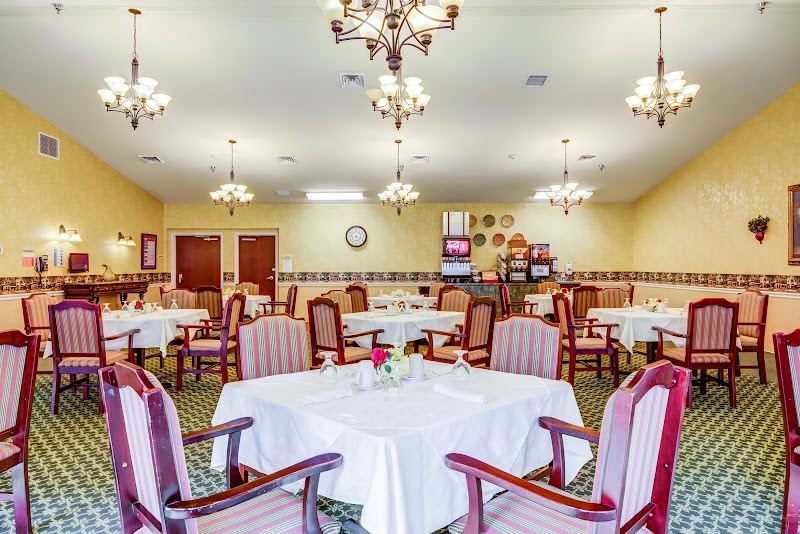
Who Owns and Operates Mission Point Health Campus Of Jackson?

Mission Point Health Campus of Jackson is owned by a for-profit company. For-profit facilities operate as businesses with obligations to shareholders or private owners. The facility is operated by MISSION POINT HEALTHCARE SERVICES, a chain that manages multiple nursing homes. With 50 certified beds and approximately 42 residents (about 84% occupancy), it is a smaller facility located in Jackson, Michigan.

How Does Mission Point Health Campus Of Jackson Compare to Other Michigan Nursing Homes?

Compared to the 100 nursing homes in Michigan, Mission Point Health Campus of Jackson's overall rating (4 stars) is above the state average of 3.1, staff turnover (67%) is significantly higher than the state average of 46%, and health inspection rating (3 stars) is at the national benchmark.

What Should Families Ask When Visiting Mission Point Health Campus Of Jackson?

Based on this facility's data, families visiting should ask: "How do you ensure continuity of care given staff turnover, and what is your staff retention strategy?" "Can you walk me through typical staffing levels on day, evening, and night shifts?" "Can I visit during a mealtime to observe dining assistance and food quality?" "How do you handle medical emergencies, and what is your hospital transfer rate?" These questions are particularly relevant given the facility's high staff turnover rate and the below-average staffing rating.

Is Mission Point Health Campus Of Jackson Safe?

Based on CMS inspection data, Mission Point Health Campus of Jackson has a clean safety record: no substantiated abuse findings (meaning no confirmed cases of resident harm), no Immediate Jeopardy citations (the most serious violation level indicating risk of serious injury or death), and is not on the Special Focus Facility watch list (a federal program monitoring the lowest-performing 1% of nursing homes). The facility has a 4-star overall rating and ranks #1 of 100 nursing homes in Michigan. While no facility is perfect, families should still ask about staff-to-resident ratios and recent inspection results during their visit.

Do Nurses at Mission Point Health Campus Of Jackson Stick Around?

Staff turnover at Mission Point Health Campus of Jackson is high. At 67%, the facility is 20 percentage points above the Michigan average of 46%. Registered Nurse turnover is particularly concerning at 71%. RNs handle complex medical decisions and coordinate care — frequent RN changes can directly impact care quality. High turnover means new staff may not know residents' individual needs, medications, or preferences. It can also be disorienting for residents, especially those with dementia who rely on familiar faces. Families should ask: What is causing the turnover? What retention programs are in place? How do you ensure care continuity during staff transitions?

Was Mission Point Health Campus Of Jackson Ever Fined?

Mission Point Health Campus of Jackson has no federal fines on record. CMS issues fines when nursing homes fail to meet care standards or don't correct problems found during inspections. The absence of fines suggests the facility has either maintained compliance or corrected any issues before penalties were assessed. This is a positive indicator, though families should still review recent inspection reports for the full picture.

Is Mission Point Health Campus Of Jackson on Any Federal Watch List?

Mission Point Health Campus of Jackson is not on any federal watch list. The most significant is the Special Focus Facility (SFF) program, which identifies the bottom 1% of nursing homes nationally based on persistent, serious quality problems. Not being on this list means the facility has avoided the pattern of deficiencies that triggers enhanced federal oversight. This is a positive indicator, though families should still review the facility's inspection history directly.