WellBridge of Pinckney
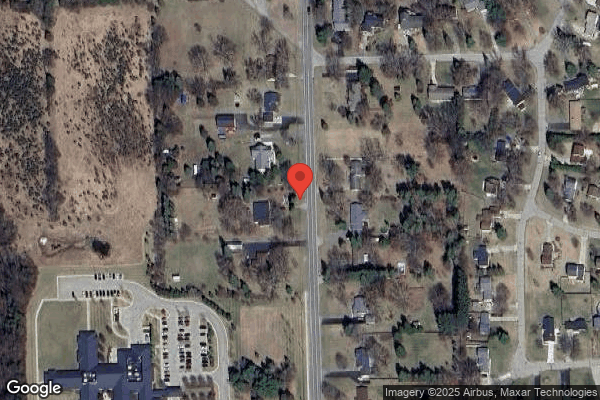
664 South Howell Street, Pinckney, MI 48169 (734) 954-6700
For profit - Corporation 100 Beds THE WELLBRIDGE GROUP Data: November 2025
Trust Grade
35/100
#353 of 422 in MI
Last Inspection: April 2025

Within standard 12-15 month inspection cycle. Federal law requires annual inspections.

Overview

WellBridge of Pinckney has received a Trust Grade of F, indicating significant concerns about the quality of care provided. With a state ranking of #353 out of 422 Michigan facilities and #5 out of 6 in Livingston County, it is in the bottom half overall, suggesting that there are many better options available. The facility is worsening, with the number of issues rising from 6 in 2024 to 10 in 2025. Staffing is a strength, with a rating of 4 out of 5 stars, but the turnover rate is average at 50%. On the downside, incidents of serious concern have been reported, including a resident who fell out of bed and sustained multiple fractures, and another resident who experienced a delay in receiving necessary treatment for respiratory distress, leading to hospitalization. While there are some positives, such as no fines on record, families should weigh these serious incidents against the facility's overall performance.
Trust Score
F
35/100
In Michigan
#353/422
Bottom 17%
Safety Record
High Risk
Review needed
Inspections
Getting Worse
6 → 10 violations
Staff Stability
⚠ Watch
50% turnover. Above average. Higher turnover means staff may not know residents' routines.
Penalties
✓ Good
No fines on record. Clean compliance history, better than most Michigan facilities.
Skilled Nurses
○ Average
Each resident gets 37 minutes of Registered Nurse (RN) attention daily — about average for Michigan. RNs are the most trained staff who monitor for health changes.
Violations
⚠ Watch
28 deficiencies on record. Higher than average. Multiple issues found across inspections.
★★☆☆☆
2.0
Overall Rating
★★★★☆
4.0
Staff Levels
★★★★☆
4.0
Care Quality
★★☆☆☆
2.0
Inspection Score
Stable
2024: 6 issues
2025: 10 issues

The Good

  • 4-Star Staffing Rating · Above-average nurse staffing levels
  • 4-Star Quality Measures · Strong clinical quality outcomes
  • Full Sprinkler Coverage · Fire safety systems throughout facility
  • No fines on record

Facility shows strength in staffing levels, quality measures, fire safety.

The Bad

2-Star Overall Rating

Below Michigan average (3.1)

Below average - review inspection findings carefully

Staff Turnover: 50%

Near Michigan avg (46%)

Higher turnover may affect care consistency

Chain: THE WELLBRIDGE GROUP

Part of a multi-facility chain

Ask about local staffing decisions and management

The Ugly 28 deficiencies on record

3 actual harm
Jul 2025 2 deficiencies 1 Harm
SERIOUS (G) 📢 Someone Reported This

A family member, employee, or ombudsman was alarmed enough to file a formal complaint

Actual Harm - a resident was hurt due to facility failures

Accident Prevention (Tag F0689)

A resident was harmed · This affected 1 resident

This citation pertains to Intake#1201757.Based on observation, interview and record review the facility failed to prevent a fall for one (R701) of three residents reviewed for falls, resulting in R701...

Read full inspector narrative →
This citation pertains to Intake#1201757.Based on observation, interview and record review the facility failed to prevent a fall for one (R701) of three residents reviewed for falls, resulting in R701 falling out of bed and sustaining multiple fractures, bruising to their face, eyes, arms and legs that required hospitalization. Findings include: A complaint was filed with the State Agency (SA) that alleged during care R701, who was bedridden, was turned too far to the right and fell out of bed, landed face down resulting in fractures to their nose, right ankle and multiple bruising on their face, arms, legs requiring hospitalization.On 7/9/25 at approximately 8:50AM, R701 was observed lying in bed. The bed was in a high position and did not have enablers bars. The resident had bruising under both the left and right eye. Their left arm was bruised from their wrist up to above their elbow. R701 was queried as to what caused the bruises. R701 reported that a Certified Nursing Assistant (CNA) was changing their brief and asked them to turn over to the right and hold the mattress with their left hand. They did what the CNA asked them to do, but felt the CNA pushed them one more time to assist with the roll over. They could not hold the mattress and fell out of bed and landed on their face. R701 noted that following the fall they were in so much pain, and it took almost an hour to get to the hospital. R701 further reported that their right foot was completely wrapped up as it was fractured following the fall. R701 could not provide the name of the CNA but was able to give a description. R701 was asked how nursing staff generally changes their brief and R701 noted that generally two people assist. They did note that the CNA has changed them by themselves in the past, usually on the midnight shift.A review of R701's clinical record revealed the resident had an original admission date of 12/29/16 with diagnoses that included: cerebrovascular accident (CVA)/stroke, difficulty walking depressive disorder. A view of the resident's Minimum Data Set (MDS) with a date of 6/20/25 noted that the resident had a Brief Interview for Mental Status (BIMS) score of 13/15 (cognitively intact). The MDS noted the resident was incontinent of bowl.Continued review of R701's clinical record revealed, in part, the following:3/17/25: Order: Transfer and ambulation; 2 PA (person assist) with mechanical lift.No ambulation.6/24/25 (1:15 AM): Nurses Note: .Writer was called into resident room by staff stating that resident fell on the floor during his brief change. Upon entering the room, resident was found on the floor face down, resident bed always in a high position.resident stated his neck was hurting, staff assisted writer with turning guest on his back to be further assessed, writer noted a spot of blood on the carpet and blood clot on guest nose, vs (vitals) taken and documented, guest also had a small tear on his L (left) knee and toe. Authored by Nurse D.6/24/25: Prehospital Care Report Summary: .Call received 1:01 AM .Name: R701 .Medical Need: unable to get out of bed .Severe pain: Yes.Mechanism of Injury.Fall.Height of fall: 3 (feet).Events leading up to the call.Prior to EMS (Emergency Medical Services) arrival crews were informed that around 12:45 AM.R701 was being changed in bed.bed was elevated 3-4 (feet) off the ground.Guard Rails to the bed were not in place.Staff states that as the rolled PT(patient) onto his side to facilitate changing pt he continued to roll off the bed falling to the floor below and striking his head. Patient suffered from multiple injuries to the head.Head to toe assessment reveals a contusion to the orbital bone region just superior to PT's left eye.laceration to the medial anterior portion of pts nose. takes anticoagulants.PT states he can't sign because he is right-handed and suffers from hemiplegia to the right side following a CVA (stroke).6/24/25: Hospital Record: .Nose Fracture.Chief Complaint: Patient transported from (name redacted) facility.Patient had a fall. Patient hit his head.Patient has a c-collar in place.Hemiplegia on right side due to a stroke.6/25/25: Hospital Record: .per chart.presented to our emergency department yesterday after a fall. Staff were completing a bed change, and they did not have the rails up, and patient fell out of bed. He did hit his head .displaced nasal bone fracture on both sides.today, patient presents to the emergency department.appears patient complaining of occipital headache.confusion this morning.x-ray of the right lower extremity revealed an acute impacted fracture of the distal tibia .extending into the medial malleolus with associated moderate swelling.Care Plan: Focus: ADL(activities of daily living)/Mobility deficit r/t (due to) R(right) sided hemiplegia following CVA (12/20/16).Interventions: .Transferring 2 PA with mechanical lift Hoyer (extra-large sling)- Initiated 7/3/25.Focus: Risk for falls r/t R sided hemiplegia(date initiated: 9/28/22.Revision 7/9/2025.Interventions:.Transfer & Ambulation: 2 PA with mechanical lift.Non-Ambulatory.1 PA for bed mobility (date initiated 7/9/25).Enabler bar on Right side of bed (7/9/25).Floor mat to Right side of bed. *It should be noted that changes/interventions were made to R701's care plan during the Survey (7/9/25). An enabler bar was not observed in the resident's room during the observation on 7/9/25 at 8:50 AM. Further, there was no indication in R701's care plan that noted the resident should be left in a high position, per their preference, during brief changes.A request for all Investigation/Accident (IA) reports was made, including all accompanying documents was made on 7/9/25 at approximately 10:36 AM. The following IA was provided: Fall.Date: 6/24/25- 1:10 AM.Resident: R701.Incident location: Resident's Room.Person Preparing Report: Nurse D.Incident Description: writer was called into resident room by staff stating that resident fell on the floor during brief change. Upon entering the room, resident was found on the floor face down. Resident stated his neck was hurting.Resident unable to give Description.Resident Taken to Hospital: Y (yes).Injuries Observed at Time of Incident:.Abrasion: right elbow.left elbow.right hand (back).left knee (front).right lower leg (front).Right ankle (outer).left toes.Face.Mobility: Bedridden.Multiple bruising and abrasion to leg, hands, toes, elbow and knees. Both eyes are black and purple in color. *It should be noted that the only documents attached with the IA included the note written by Nurse D as shown above and the IA form. There were no interviews/statements from staff, including CNA E. Nor, a statement from R701.On 7/9/25 at approximately 12:19 PM, a phone interview was conducted with Nurse D. Nurse D was asked about the fall incident involving R701 that occurred on or about 6/24/25. Nurse D reported that they worked the evening shift starting 6/23/25 and both her and CNA E were assigned to R701. Nurse D reported that CNA E told them they needed assistance as R701 fell out of bed and was on the floor. Nurse D further reported that to their knowledge R701 required two people for brief changes and CNA E did not have another person with them during the brief change. Nurse D reported that they obtained a statement from CNA E and noted that it should have been attached with the IA.On 7/9/25 at approximately 12:41PM, a phone interview was conducted with CNA E. CNA E was queried as to R701's fall incident that occurred on the 6/23/25 midnight schedule. CNA E reported that they were assigned to R701 and had worked with him several times. CNA E reported that in the past they had worked out a plan with R701 with respect to brief changes while in bed. They noted that they go in on their own and help R701 roll to the right side of the bed and grab their mattress with their left hand. While they are on their right side, CNA E stated that they change their brief. They stated on the night of the incident, R701 must have jerked and let go of the mattresses and then they rolled out of the bed. CNA E was asked how they determined residents, including R701's bed mobility status. CNA E reported that they thought R701 was a one person assist but found out after the accident that he really was a two-person assist. CNA E reported that he received education as to R701's bed mobility status as a two-person assist but stated that generally on the midnight shift it is hard to find other staff to assist. CNA E was asked as to R701's bed being left high while being changed. CNA E reported that he likes his bed left up high. *It should be noted that there was no documentation noted in R701's clinical record that indicated R701 refused to have their bed lowered during brief changes.On 7/9/25 at approximately 1:38 PM an interview was conducted with the Director of Nursing (DON). A corporate nurse staff was present during the interview. The DON was asked how nursing staff, including CNAs, can determine a resident's bed mobility and transfer status. The DON reported that staff can review the residents' Kardex that stems from their care plan to determine the proper way to care for a resident. The DON was asked about R701's fall and what the facility determined was the root cause. The DON reported that CNA E should not have changed the resident's brief on their own and in the manner they used. They reported they were educated following the incident. They also determined that mobility status was not placed in the Kardex but after reviewing the resident's care plan, it was updated. A review of the R701's care plan along with the DON showed new interventions were placed in on 7/9/25.On 7/9/25 at approximately 2:14 PM, an interview and record review were conducted with CNA G. CNA G reported that they were currently assigned to R701 and familiar with his care needs. When asked as to their bed mobility status, CNA G reported that R701 required two people during brief changes and noted that at times they often asked for a third person as the resident was a large person and bedbound. CNA G was asked how they were aware of the resident's status, and they noted they look to the resident's Kardex. CNA G was asked to pull up R701's Kardex and verify R701's status. CNA G needed some assistance from another staff person but was able to do so and pointed to the area that noted: Transfer & Ambulation: 2 PA with mechanical lift. CNA G then stated that was how they new how to provide care. CNA G continued to look at the Kardex and then noted that a new intervention had just been place that stated 1 PA for bed mobility. CNA G noted that that was new and stated that they would not feel comfortable with a 1 PA due to R701's status. On 7/9/25 at approximately 3:20 PM, an interview was conducted with Physical Therapist Director (PTD) H. PTD H was asked as to R701's bed mobility and transfer status. PTD H reported that R701 was MAX (maximin) assist and was uncertain as to his prior mobility status. PTDH did note that recently R701 was changed to a 1 PA assist. When queried as to the fall that occurred, PTD H stated that R701 was a two person assist for transfers and noted that it may have been possible to change R701 with one person if they were strong but noted that CNA E never should have rolled R701 away from him while attempting to change him.An Employee Corrective Action document provided by the facility was reviewed and read, in part: .Date: 6/25/25.Employee Name: CNA E.Supervisor: Director of Nursing (DON).Briefly describe the incident(s) and work rule(s) violated:.Failure to perform job duties satisfactorily and according to job.On Monday 6/23/25, CNA E was changing a resident that has paralysis to the right side of his body. He stated his routine is he goes in and rolls the resident to his Right side of the bed with his left hand he (R701) holds onto the mattress and then gives him a little roll while he is changed. On this night CNA E did roll resident onto his Right side only this time the resident fell off the right side onto his face. The resident prefers his bed to be higher than normal up in the air and the bed was left up high while being changed.EMS was called to help assist him off the floor onto the stretcher and take him to the ED (emergency department). When the resident returned, he did sustain a nasal fracture and tibial fracture. The resident who is bed bound, a 2 PA (person assist) with a Hoyer lift.Resolution: Education on turning and changing a resident, along with having CNA E show me how to read a Kardex to check residents transfer status and discussing the need to have 2 people with brief changes for 2PA residents, Hoyer lift, larger residents and new admissions.A review of the document provided to CNA E titled How to Reposition a Bedbound Patient (1/21/21) was reviewed and documented, in part, the following: .announce your intention to move them.remove any items that might be damaged or get in the way.move to one side of the bed while you move to the side that will roll toward.have them roll towards you.If.can't move on their own, their position should be adjusted every two hours.if possible have someone help you.When you are ready to turn.have one person stand on each side of the bed. Make sure.hands and feet are comfortable position.each person should gather up their side of the draw sheet and make sure it will comfortably support.slowly pull the drawsheet towards you, gently rolling.over as you do.The facility policy titled, The (facility) Group-Transfer-Policy (1/1/20) was reviewed and documented, in part: The facility will determine the guest's transfer status by utilizing an IDT (interdisciplinary team) approach.The facility will honor these approaches by care planning the guest's status in their care plan. The CNAs and licensed nurses will be responsible to ensure they are following the care plan/Kardex .
CONCERN (E) 📢 Someone Reported This

A family member, employee, or ombudsman was alarmed enough to file a formal complaint

Potential for Harm - no one hurt, but risky conditions existed

Pharmacy Services (Tag F0755)

Could have caused harm · This affected multiple residents

**NOTE- TERMS IN BRACKETS HAVE BEEN EDITED TO PROTECT CONFIDENTIALITY** This citation pertains to intake #1201662.Based on interview and record review, the facility failed to ensure appropriate docume...

Read full inspector narrative →
**NOTE- TERMS IN BRACKETS HAVE BEEN EDITED TO PROTECT CONFIDENTIALITY** This citation pertains to intake #1201662.Based on interview and record review, the facility failed to ensure appropriate documentation of administration and accountability of controlled substances for one (R702) of one resident reviewed for medication administration. Findings include:Review of a complaint reported to the State Agency included an allegation the facility failed to prescribe controlled substances according to standards of practice.Clinical record review revealed R702 was admitted to the facility on [DATE] for physical therapy and back pain management related to a compression fracture to the lumbar spine (lower back). Record review did not reveal a calculated Brief Interview of Mental Status (BIMS) score, however Provider Progress notes documented R702 was alert, orientated, and able to make their needs known.Review of the Medication Administration Record (MAR) and the corresponding Control Substance Proof of Use Records (CS) revealed multiple discrepancies in which Oxycodone (an opioid pain medication) was documented as administered on the MAR but not reflected on the CS record.On 7/9/25 at 2:30 PM, an interview and record review with the Director of Nursing (DON) and Regional Clinical (RC) C confirmed documentation of controlled substances must be on the CS form and documented on the electronic MAR. The DON and RC C reviewed CS Record #12273520 and R702's April 2025 electronic MAR and acknowledged Nursing did not document the administration correctly based on the following discrepancies:On 4/26/25, R702 was ordered Oxycodone (an opioid pain medication) 15 milligram (mg) give 0.5 tablet (7.5 mg) by mouth every six hours as needed for pain.The CS Record for Prescription number #12273520 documented administration of the medication on:4/27/25 8:00 4/27/25 20:46 4/28/25 18:454/29/25 2:20 4/29/25 20:00 The April 2025 Electronic MAR only documented administration on Wednesday 4/30/2025 at 4:19 and 19:39. None of the documented administrations listed above were reflected on the MAR.Record review of R702's Oxycodone orders revealed the following:On 4/28/25 at 18:38 Oxycodone 15 mg give 0.5 tablet by mouth every six hours as needed for pain. Quantity 60On 5/1/25 11:17 Oxycodone 15 mg give 0.5 tablet four times a day. Quantity 56On 5/2/25 at 8:48 Oxycodone 15 mg give 1 tablet by mouth four times a day. Quantity 52The DON confirmed when the orders indicate give 0.5 tablet, the Pharmacy scores the tablets in half, so when documentation shows amount given as 1 that is a half tablet and, in this order, would be 7.5 mg of Oxycodone.Record Review of the CS record for prescription number #12273922 documented administration as:5/2/25 20:17- One Tablet5/3/25 02:20-One Tablet5/3/25 07:50-One Tablet5/3/25 13:12-One Tablet5/7/25 08:30-One Tablet5/7/25 02:40-One Tablet5/7/25 20:10-One Tablet5/8/25 02:10-One Tablet5/8/25 08:23-One Tablet5/8/25 13:03-One TabletOn 7/9/25 at 2:30 PM, The DON and RC C reviewed the above orders and confirmed that on 5/2/25 at 11:17AM, R702's pain medication was increased from 7.5mg to 15 mg of Oxycodone and administration of the dose increase would be reflected as giving 2 tablets. The DON and RC C acknowledged Nursing did not administer the medication as ordered.Further record review of the CS record for prescription number #12273922 documented on Line One on 4/30/25 Delivery 60 Tablets. The last entry line of the page was dated 5/9/25 at 8:33AM amount remaining 15 Tablets. The DON and RC C were asked if there was another CS form that continued this medication count, at which time a CS form was reviewed only documenting on 5/9/25 amount remaining was 13 and on 5/12/25 zero remained. The DON and RC C said this must be the continuation sheet, however, there was no pharmacy label on the sheet indicating the resident and the medication. The DON acknowledged there was no patient identifier and could not confirm what was the medication and or who the CS form belonged to.The complainant was concerned regarding multiple prescriptions for Oxycodone were filled within a very short time frame from the same Provider, Nurse Practitioner (NP) B and same Resident, R702 and provided the State Agency with a NarxCare Report (a report that reviews a patients-controlled substance data from government-managed and regulated prescription drug monitoring programs). The report was generated on 5/19/25 for R702 and revealed the following prescriptions were all ordered by NP B, filled and delivered to the facility:4/29/25 Oxycodone 15 mg Quantity 305/01/25 Oxycodone 15 mg Quantity 305/02/25 Oxycodone 15 mg Quantity 52On 7/9/25 around 2:45 PM, RC C further reviewed the Oxycodone orders written by NP B and confirmed they were discontinued correctly by NP B, but the Pharmacy still refilled each order and sent to the facility. RC C remarked the Pharmacy should have caught this and not have delivered.Further record review of the CS record for prescription number #12274320 documented on 5/11/25 that 59 tablets of Oxycodone remained. Administration documented on 5/12/25 at 2:00 AM one tablet was given and a heavily scratched area within the amount remaining box documented 57 tablets remained. The DON reviewed the document and confirmed this was in error and should have been calculated at 58 tablets, not 57 tablets.The CS record for prescription number #12274455 documented on 5/4/25, 51 tablets remained, and medications were recorded as administered on 5/10, 5/11, 5/13, 5/14, and 5/15. When the DON reviewed, it was apparent Nursing was interchanging administration documentation between two different CS Records and retrieving from separate bottles of Oxycodone. Further record review of CS record #12274455 revealed two administrations were documented as 3/13 at 20:09 and 3/14 at 02:00. The DON recognized the documentation error reflected the month of March and not May. When inquired about the timeframe narcotic medications are disposed of after residents are transferred or discharged , the DON replied within a day. The DON was provided and confirmed their signature, with CS record for prescription number #12274455 documenting on 6/6/25, 40 pills were disposed of and the CS record for prescription number #12274320 documenting on 6/6/25, 46 pills were disposed of. The DON was informed that R702 was discharged to the hospital on 5/16/25. The DON did not comment why the Oxcodone was not disposed for weeks later.The DON replied they were very disappointed and education on all that was reviewed on R702, was top priority and thanked for brining to their attention.
Apr 2025 8 deficiencies
CONCERN (D)

Potential for Harm - no one hurt, but risky conditions existed

Deficiency F0604 (Tag F0604)

Could have caused harm · This affected 1 resident

**NOTE- TERMS IN BRACKETS HAVE BEEN EDITED TO PROTECT CONFIDENTIALITY** Based on observation, interview, and record review, the facility failed to ensure a physician's order, assessment and specify th...

Read full inspector narrative →
**NOTE- TERMS IN BRACKETS HAVE BEEN EDITED TO PROTECT CONFIDENTIALITY** Based on observation, interview, and record review, the facility failed to ensure a physician's order, assessment and specify the times to be used while in wheelchair for a seatbelt device per plan of care for one (R7) resident reviewed for physical restraints. Findings include: On 4/1/25 at 10:00 AM, R7 was observed in their room sitting in wheelchair positioned in a slouched manner over a bedside table. R7 was also observed with a seatbelt device on and clasped together. R7 was asked how they were doing but the conversation was intangible. A review of the Electronic Medical Record (EMR) revealed R7 was admitted to the facility on [DATE] with the diagnoses of falls, difficulty in walking and cerebral palsy. The Minimum Data Set (MDS) assessment completed on 12/27/24 indicated R7 had severe cognitive impairment with a Brief Interview for Mental Status (BIMS) Score of 7/15. On 4/2/25 at 11:00 AM, the assigned Nurse was asked if R7 could release the seatbelt device by themselves. The nurse attempted asking several times for R7 to release the seat belt independently without success. The Nurse then went on to get the Certified Nursing Assistant (CNA) for the unit. The CNA asked R7 if they could release their seat belt device. The CNA went on to cue R7 and placed the seatbelt device in the hand of R7 who then demonstrated ability to unsnap the safety belt device. A review of the record revealed R7 had not been assessed for the seat belt device since 10/12/21. There was no physician order for the safety belt, no consent, and the 'fall' care plan stated it was for safety. There were no indicators for restraint use noted on any of the MDS assessments. On 4/2/25 at 12:20 PM, the Director of Nursing (DON) was asked, how often assessments were supposed to be done for restraints. The DON reported the facility was a restraint free facility, so they did not have assessments. The DON was then informed R7 had a seatbelt on that took several cues and direct placement of the seatbelt device clasp into R7's hands before R7 could remove seatbelt. The DON stated, the seat belt used for R7 was not a restraint because they were able to remove the device by themselves. The DON was then asked how often the use of this device should be reassessed, and the DON reported at least quarterly. On 4/2/25 at 12:23 PM, the Occupational Therapist was observed completing an assessment for the seat belt in the dining room while R7 was eating lunch. On 4/3/25 12:28 PM, an interview with the Family Member of R7 stated, the seat belt was for pleasure since R7 worked a General Motors for so long making their seat belts so it was a comfort thing. Family Member reported, that R7 should be able to take it off but they rarely paid it any attention when they visited. On 4/3/25 at 3:30 PM, in an interview with the DON and the Regional Nurse, they were asked why the seat belt was care planned under falls if it was for pleasure or activities, and why the progress note stated that it was for trunk support and positioning. The DON and Regional Nurse reported the seat belt was not a restraint. No additional information was provided by the exit of survey.
CONCERN (D)

Potential for Harm - no one hurt, but risky conditions existed

Report Alleged Abuse (Tag F0609)

Could have caused harm · This affected 1 resident

**NOTE- TERMS IN BRACKETS HAVE BEEN EDITED TO PROTECT CONFIDENTIALITY** Based on observation, interview and record review, the facility failed to timely report an allegation of an elopement to the Sta...

Read full inspector narrative →
**NOTE- TERMS IN BRACKETS HAVE BEEN EDITED TO PROTECT CONFIDENTIALITY** Based on observation, interview and record review, the facility failed to timely report an allegation of an elopement to the State Agency (SA), for one Resident (R89) of one resident reviewed for elopements. Findings include: On 4/1/25 at 11:30 AM, R89 was observed sitting in their wheelchair in the dining area with their daughter. A brief interview was conducted with the resident and the resident's daughter at that time. R89's daughter stated they had no concerns with the care provided at the facility. R89's daughter stated the facility staff has kept them and their siblings informed of everything, . like the other day he (R89) was found in the parking lot thinking he was going home . R89's daughter stated the staff called them and stated because of the incident an ankle bracelet was placed on the resident. A review of the medical record revealed R89 was admitted to the facility on [DATE] with diagnoses that included dementia. The medical record revealed R89 was deemed unable to make medical treatment decisions and had an activated power of attorney. A review of R89's medical record revealed no documentation of the resident being found outside of the facility. Review of the SA Facility Reported Incident (FRI) system database revealed no submission from the facility regarding the alleged elopement. A review of a Nursing note dated 3/30/25 at 11:18 AM, documented in part . Resident is exit seeking multiple times today. He states, I'm going home today A wander guard to his Right ankle has been applied (wander guard number) EXP (expiration): 7/27 . This note was documented by the facility's Director of Nursing (DON). On 4/2/25 at 11:08 AM, R89 was observed in their wheelchair propelling themselves through the dining room towards the hallway their room was located on. A wander guard was observed on the resident's right ankle. On 4/2/25 at 11:59 AM, the DON was interviewed and was asked about the elopement incident with R89. The DON replied they had . just found out about that on Sunday . (Sunday 3/30/25). The DON stated the incident occurred early in the morning. The DON indicated one of the night shift aides was leaving and observed R89 outside under the facility's awning and brought the R89 back into the facility. The DON stated the aides came and told them about it on Sunday when they came to the facility. The DON identified two of the day shift aides that informed them of the incident. The DON was asked the name of the CNA that found the resident outside and the DON provided the name of Certified Nursing Assistant (CNA) H. The DON stated they would have expected staff to notify them of the incident so that they could notify the Administrator. The DON was asked if they notified the Administrator when they were informed of the incident and the DON stated they did. This confirmed the DON and Administrator was aware of the incident on 3/30/25. On 4/2/25 at 12:05 PM, the Administrator was asked to provide CNA H time punches for the last two weeks. On 4/2/25 at 12:06 PM, a telephone interview was conducted with CNA H, who was asked about the elopement incident with R89. CNA H stated they were driving leaving work to go home and saw (R89) outside by themselves under the awning in front of the facility. R89 stated they pulled over their car and brought the resident back into the facility and told CNA I and CNA J that the resident was found outside by themselves. When asked, CNA H stated they could not recall the exact times of last seeing R89, or finding R89 outside of the facility. A review of CNA H's time punch documented CNA H last day worked was noted as 3/28/2025 on the 7 PM to 7 AM shift. Review of the facility assignment sheets revealed CNA H on duty for the midnight shift and confirmed CNA I and CNA J as the day shift CNA's. On 4/2/25 at 12:16 PM, the Administrator was interviewed and asked about the elopement incident with R89. The Administrator was asked the date and time that the facility identified for the elopement incident for R89. The Administrator stated they would have to review their investigation report. The Administrator was asked what they had identified regarding the incident and the Administrator stated it was their understanding (R89) was found outside in front of the facility. The Administrator was asked the name of the staff member the facility identified to have found R89 outside the facility and the Administrator stated they would have to refer to their investigation report. The Administrator was asked when they were informed of the incident and by whom, the Administrator stated the DON had informed them but they did not recall the date and time that they were informed. The Administrator was asked why they failed to report the incident to the SA and the Administrator stated they were still investigating the incident. The Administrator was asked to provide their investigation thus far and to provide the facility's incident and accident report of the elopement incident for review. On 4/2/25 at 1:32 PM, a second request was made to the Administrator to provide the facility's investigation and Incident and Accident report regarding R89's elopement incident. On 4/2/25 at approximately 2:03 PM, the Administrator accompanied by Nurse Consultant (NC) A, explained the DON was just informed of the elopement incident this Sunday (3/30/25). The Administrator was asked why they failed to report the allegation of R89 eloping from the facility and the Administrator stated they were still investigating the allegation. The Administrator stated they informed NC A about the incident yesterday (4/1/25) to help them complete the investigation. The Administrator and NC A was asked third time to provide the investigation and the Incident and Accident report for R89's elopement. On 4/2/25 at approximately 3:20 PM, NC A provided the facility's investigation. An Incident and Accident report was not provided. On 4/3/25 at 8:54 AM, the investigation file was reviewed. Review of the investigation file contained the following: A Employee Corrective Action documented for CNA H which noted the resident was found by CNA H outside and failed to report the incident per the facility's protocol. This Corrective Action was back dated to 3/31/25. (As of 4/2/25 when interviewed, CNA H denied having been contacted by anyone regarding follow up from finding R89 outside of the facility and having to bring them back in to safety.) A statement from CNA I and CNA J who denied being informed by CNA H about R89 being found outside. A telephone statement from CNA H which documented they found (R89) outside in their wheelchair on the last day they worked (3/28/25). CNA H was driving home and stopped their car to bring R89 back into the facility. CNA H informed the interviewer that they gave R89 to CNA I and CNA J who both stated they would inform the nurse. This statement was dated 3/31/25. Review of a report submitted to the SA on 4/3/25 documented in part . year the incident occurred-3/28/2025 . During the annual survey the surveyors are alleging the guest was at the front doors and brought in by a staff member. Investigation has been put in place, POA, and physician contacted. I acknowledge that the information provided is true to the best of my knowledge- Yes . On 4/3/25 at 1:23 PM, the Administrator and NC A were interviewed and asked about the submission to the SA on 4/3/25 regarding the incident with R89. The Administrator and NC A were asked why they documented on the report that the surveyors are alleging the guest was at the front doors and brought in by a staff member . when they were fully aware of CNA H verbalizing the allegation, and the facility obtained a statement from CNA H that documented the incident as described. The Administrator stated that was documented in error and apologized for the mistake. The Administrator stated the report was not supposed to say that. The facility also completed an Employee Corrective Action documenting CNA H's failure to report the incident. The Administrator and NC A were then asked about the Employee Corrective Action for CNA H and how it was dated 3/31/25 when CNA H had already verbalized no follow up was conducted with them by anyone regarding the incident. The Administrator and NC A acknowledged the concern and left the conference room. A short time later, the Administrator and NC A returned and stated the Employee Corrective Action for CNA H was not accurate and was not obtained on the date of 3/31/25. No further explanation was provided. The facility failed to timely submit and provide an accurate report to the SA. A review of a facility policy titled Elopements revised December 2008, documented in part . Staff shall investigate and report all cases of missing residents . Staff shall promptly report any resident who tries to leave the premises . to the Charge Nurse or Director of Nursing . The Director of Nursing or Charge Nurse shall . complete and file Report of Incident/Accident; and . Document the event in the resident's medical record . The facility staff failed to follow the facility policy. No further explanation or documentation was provided by the end of the survey.
CONCERN (D)

Potential for Harm - no one hurt, but risky conditions existed

Investigate Abuse (Tag F0610)

Could have caused harm · This affected 1 resident

**NOTE- TERMS IN BRACKETS HAVE BEEN EDITED TO PROTECT CONFIDENTIALITY** Based on observation, interviews and record reviews the facility failed to thoroughly investigate an elopement incident for one ...

Read full inspector narrative →
**NOTE- TERMS IN BRACKETS HAVE BEEN EDITED TO PROTECT CONFIDENTIALITY** Based on observation, interviews and record reviews the facility failed to thoroughly investigate an elopement incident for one Resident of one resident reviewed for elopements. Findings include: On 4/1/25 at 11:30 AM, R89 was observed sitting in their wheelchair in the dining area with their daughter. A brief interview was conducted with the resident and the resident's daughter at that time. R89's daughter stated they had no concerns with the care provided at the facility. R89's daughter stated the facility staff keep them and their siblings informed of everything, . like the other day he (R89) was found in the parking lot thinking he was going home . R89's daughter stated the staff called them and because of the incident an ankle bracelet was placed on the resident. A review of the medical record revealed R89 was admitted to the facility on [DATE] with diagnoses including dementia. The medical record revealed the resident was deemed unable to make medical treatment decisions and had an activated power of attorney. A review of medical record revealed no documentation of the R89 being found outside of the facility. A review of a Nursing note dated 3/30/25 at 11:18 AM, documented in part . Resident is exit seeking multiple times today. He states, I'm going home today A wander guard to his Right ankle has been applied (wander guard number) EXP (expiration): 7/27 . This note was documented by the facility's Director of Nursing (DON). A review of the Medication Administration Record (MAR) revealed Licensed Practical Nurse (LPN) G was the assigned nurse for R89 on day shift for 3/30/25. On 4/2/25 at 11:08 AM, R89 was observed in their wheelchair propelling themselves through the dining room towards the hallway where their room was located on. A wander guard was observed on the resident's right ankle. On 4/2/25 at 11:47 AM, LPN G was interviewed and asked about the incident of R89 being found outside of the facility. LPN G stated the incident did not happen on their shift. LPN G stated they were informed of the incident by the off going nurse on 3/30/25. LPN G stated they were informed the resident was found outside in the early morning hours. LPN G stated usually there is a person sitting at the front desk to monitor the elopement risk residents, however at the time of the incident there was no personnel at the front desk. LPN G stated usually R89 was not . exit seeking, but he actually got out. LPN G stated they placed a wander guard on R89 during their shift the day of 3/30/25. LPN G opened their cell phone pictures and stated, see I took a picture of the wander guard before I put it on him. The picture was reviewed and confirmed. On 4/2/25 at 11:59 AM, the DON was interviewed and asked about the elopement incident with R89. The DON replied they had . just found out about that on Sunday . (3/30/25). The DON stated the incident occurred in the early morning and one of the night shift aides was leaving who observed R89 outside under the facility's awning. The DON stated the aide brought the resident back into the facility. The DON stated the aides came and told them about it on Sunday when they came to the facility. The DON identified two of the day shift aides that informed them of the incident. The DON was asked the name of the CNA that found the resident outside and provided the name of Certified Nursing Assistant (CNA) H. The DON stated they would have expected staff to notify them of the incident so that they could notify the Administrator. The DON was asked if they notified the Administrator when they were informed of the incident and the DON stated they did. This confirmed the DON and Administrator was informed of the incident on 3/30/25. On 4/2/25 at 12:05 PM, the Administrator was asked to provide CNA H time punches for the last two weeks. On 4/2/25 at 12:06 PM, a telephone interview was conducted with CNA H, who was asked about the elopement incident with R89. CNA H stated they were driving, leaving work to go home and saw R89 outside by themselves under the awning in front of the facility. R89 stated they pulled over their car and brought the resident back into the facility and told CNA I and CNA J the resident was found outside by themselves. When asked, CNA H stated they could not recall the exact times of last seeing R89 or the exact time R89 was found outside of the facility. CNA H was asked if any of the Administration, Corporate or any other staff have followed up with them regarding this incident and CNA H stated no one had contacted them to question them about the incident. CNA H stated since the incident they had not been back to work and had been off for a few days and will return to work tomorrow (4/3/25 night shift). A review of the time punch detail for CNA H revealed the last day worked was noted as 3/28/2025 the 7 PM to 7 AM shift. Review of the facility assignment sheets for 3/28/25 revealed CNA H was on duty for the midnight shift and confirmed CNA I and CNA J were the oncoming day shift CNA's. On 4/2/25 at 12:16 PM, the Administrator was interviewed and asked about the elopement incident with R89. The Administrator was asked the date and time that the facility identified for the elopement incident for R89. The Administrator stated they would have to review their investigation report. The Administrator was asked what they had identified regarding the incident and stated it was their understanding (R89) was found outside in front of the facility. The Administrator was asked who they identified as the staff who found R89 outside and stated they would have to refer to their investigation report. The Administrator was asked what interventions were implemented to ensure the safety of R89 after the incident and replied, LPN G put a wander guard on the resident. The Administrator was asked when they were informed of the incident and by whom, the Administrator stated the DON had informed them but they did not recall the date and time that they were informed. The Administrator was asked to provide their investigation thus far and to provide the facility's incident and accident report of the elopement incident for review. On 4/2/25 at 1:32 PM, a second request was made to the Administrator to provide the facility's investigation and Incident and Accident report regarding R89's elopement incident. On 4/2/25 at approximately 2:03 PM, the Administrator accompanied by Nurse Consultant (NC) A explained, the DON was just informed of the elopement incident this Sunday (4/30/25). The Administrator was asked why they failed to report the allegation of R89 to have eloped from the facility, without staffs knowledge and stated they were still investigating the allegation. The Administrator stated they informed NC A about the incident yesterday (4/1/25) to help them complete the investigation. NC A stated they started in-servicing the staff today and explained they were interviewing staff now regarding the incident. The Administrator was asked why the investigation did not start before when they were first made aware of the incident by the DON on 3/30/25 and NC A explained the staff stories were all over the place and they were still interviewing the staff. The Administrator and NC A were asked a third time to provide the investigation and the Incident and Accident report for R89's elopement. On 4/2/25 at approximately 3:20 PM, NC A provided the facility's investigation. An Incident and Accident report was not provided. Shortly after the Administrator and corporate staff were asked for the facility's camera footage of the front foyer area at the time of the incident. NC A informed the survey team that the facility footage was only kept for 24 hours and no longer had the camera footage for review. On 4/3/25 at 8:54 AM, the investigation file was reviewed. Review of the investigation file contained the following: A Employee Corrective Action documented for CNA H which noted R89 was found by CNA H outside and failed to report the incident per the facility's protocol. This 'Corrective Action' was back dated to 3/31/25. A statement from CNA I and CNA J who denied being informed of R89 being found outside by CNA H. A telephone statement from CNA H which documented they found R89 outside in their wheelchair on the last day that they worked (3/28/25). CNA H was driving home and stopped their car to bring R89 back into the facility. CNA H informed the interviewer that they gave R89 to CNA I and CNA J who both stated they would inform the nurse. This statement had the date of 3/31/25. The file did not contain a narrative of the incident, investigation findings, identification of the root cause, and failed to identify if there was lack of accountability and/or lack of supervision from any of the facility staff assigned to R89. A review of R89's medical record revealed no information documented regarding the incident. Further review of the medical record revealed a Wandering Assessment dated 7/10/24 and 3/31/25, which documented the resident as Low Risk for Wandering. The facility failed to complete the 3/31/25 assessment accurately after the identified elopement. A review of a facility policy titled Elopements revised December 2008, documented in part . Staff shall investigate and report all cases of missing residents . Staff shall promptly report any resident who tries to leave the premises . to the Charge Nurse or Director of Nursing . The Director of Nursing or Charge Nurse shall . complete and file Report of Incident/Accident; and . Document the event in the resident's medical record . The facility staff failed to follow the facility policy. As of 4/3/25, the last day of the facility's survey, the Administrator and Corporate staff had not provided a thorough and full investigation to the surveyors for review, despite CNA H having to stop their car to bring R89 back into the facility on 3/28/25, six days prior. No further explanation or documentation was provided by the end of the survey.
CONCERN (D)

Potential for Harm - no one hurt, but risky conditions existed

Deficiency F0658 (Tag F0658)

Could have caused harm · This affected 1 resident

**NOTE- TERMS IN BRACKETS HAVE BEEN EDITED TO PROTECT CONFIDENTIALITY** Based on observation, interview and record review the facility failed to administer medication according to professional standar...

Read full inspector narrative →
**NOTE- TERMS IN BRACKETS HAVE BEEN EDITED TO PROTECT CONFIDENTIALITY** Based on observation, interview and record review the facility failed to administer medication according to professional standards of practice for one Resident (R12) of one resident reviewed for medications. Findings include: On 4/1/25 at approximately 10:03 AM, R12 was observed sitting in their wheelchair watching television. The resident had a full breakfast tray in front of them. On the tray was a small cup filled with approximately 10 pills. The resident was asked about the pills sitting on the breakfast tray. While alert, R12 was not able to provide an answer as to what pills were in the cup and why they were left on their tray. On 4/1/25 at approximately 10:11 AM, Nurse E who was assigned to R12, was asked about the pills left on R12's breakfast tray. Nurse 'E entered the room and viewed the pills and noted they thought the resident took the medication and then noted they should not have left the pills on the tray. Nurse E lifted the cup and asked R12 to take the medication. Nurse E did not provide the names of the medication to the resident. R12 swallowed the all the pills at approximately 10:12 AM. A review of R12's clinical record revealed the resident was initially admitted [DATE] with diagnoses including: delusional disorders, type II diabetes, vascular dementia and chronic kidney disease. The resident had a court appointed guardian assigned, effective 3/12/25. A review of the resident's Minimum Data Set (MDS) assessment R12 had a recent Brief Interview for Mental Status (BIMS) score of 14/15 (intact cognition). There was no order in the clinical record indicating R12 could self-administer medication. Continued review of R12's clinical record revealed Nurse E recorded in the Medication Administration Record (MAR) dated 4/1/15 that at 8:36 AM the following medications were administered to R12: 1. Jardiance (used for diabetic neuropathy) 10 MG (milligrams), 2. Duloxetine (used for depression/anxiety) 60 MG, 3. Metoprolol (used for high blood pressure), 4. Zyrtec (used for seasonal allergies) 10 MG, 5. Atorvastatin (used for high cholesterol), 6. Glipizide (used to treat diabetes) 10 MG, 7. Ferrous Sulfate (used to treat anemia), 8. Depakote (used to treat bipolar patients and for seizures)125 MG. On 4/2/25 at approximately 10:46 AM, an interview was conducted with the Director of Nursing (DON) who noted, Nurse E reported they were aware of the pills that were left on R12's breakfast tray. Nurse E stated to the DON, they believed the pills may have been spit out by the resident. It should be noted, the pills viewed on 4/1/24 at approximately 10:03 AM appeared untouched, dry and remained in the cup. The DON was informed, Nurse E documented in the MAR, all medications were administered at 8:36 AM. The DON acknowledged Nurse E should not have left the medications with the resident and should not record they were administered if Nurse E did not view they were taken.
CONCERN (D)

Potential for Harm - no one hurt, but risky conditions existed

Incontinence Care (Tag F0690)

Could have caused harm · This affected 1 resident

**NOTE- TERMS IN BRACKETS HAVE BEEN EDITED TO PROTECT CONFIDENTIALITY** Based on observation, interview, and record review facility failed to ensure an indwelling foley catheter was secured appropriat...

Read full inspector narrative →
**NOTE- TERMS IN BRACKETS HAVE BEEN EDITED TO PROTECT CONFIDENTIALITY** Based on observation, interview, and record review facility failed to ensure an indwelling foley catheter was secured appropriately for one Resident (R3) of two residents reviewed for catheter care resulting in the potential for catheter dislodgement, urethral trauma, and Urinary Tract Infection (UTI). Findings include: R3 A review of the medical record for R3 revealed admission to the facility on 9/27/22 with diagnoses including urinary retention, neuromuscular dysfunction of bladder, and dementia. The Minimum Data Set (MDS) assessment dated [DATE], revealed R3 had Brief Interview for Mental Status (BIMS) score of 14/15, indicative of intact cognition. On 4/1/25 at approximately 9:05 AM, R3 was observed in their bed and a foley catheter collection bag was connected to the wheelchair. A velcro catheter securement device was observed laying on the floor of the bathroom on the right side of the toilet. During this observation an interview was completed. When asked how long the catheter was place, R3 reported they had the catheter for a while. When queried about the catheter securement strap and if they had taken it off, R3 was unaware. When queried about how they were transferring in/out of bed and going to the bathroom, R3 reported staff had been helping them after their fall. At approximately 9:20 AM, Licensed Practical Nurse (LPN) L who was assigned to care for R3 came into R3's room. LPN L was queried about the catheter securement device observed on the bathroom floor and confirmed it was a foley securement device. They picked up the device from the floor and disposed it. They were queried on how the device ended up on the bathroom floor and what was securing the foley. LPN L checked for a foley securement device on R3, while this Surveyor waited outside the room. At approximately 9:22 AM, LPN L came to the door and replied, R3 did not have any securement device and they were unsure how it came off. LPN L stated they were going to get a new catheter securement device. When asked how long the catheter securement device was off, LPN L stated they were unsure. At approximately 9:23 AM, LPN L notified Certified Nursing Assistant (CNA) M to get a catheter securement device for R3. CNA M brought a catheter securement device and gave it to the nurse. At approximately 9:40 AM, LPN L was in R3's room when the Director of Nursing (DON) came by R3's room. LPN L reported to the DON, the surveyor observations and the new catheter securement device they had put on R3, while the surveyor was standing in the hallway, outside R3's room. Review of E3's progress note revealed a nursing note dated 4/1/25 at 10:52 AM (after the securement strap was observed on the floor and brought to the staff's attention), that read, Patient (R3) is noncompliant with foley strap (catheter securement device). Staff notified nurse manager. Care plan will be updated. There was no further documentation of the resident's noncompliance. Review of R3's physician order revealed an order dated 1/26/25 that read in part, Foley cath. care Q (every) shift. Assess catheter placement, tubing, and anchor . Review of nursing Q-Shift follow-up for this order from 3/1/25 to 4/3/25 revealed 10 blank entries on Treatment Administration Record. Review of R3's foley catheter care plan revealed an updated intervention dated 4/1/25 (after the concern was brought to the attention of the facility) that read, ensure that foley is properly anchored to leg. Resident frequently removes Cath secure . An interview with CNA M was completed on 4/1/25 at approximately 9:25 AM in the hallway. CNA M reported being regularly assigned to the unit and they knew R3 well. They were queried about R3's functional status and their ability to transfer. CNA M reported R3 needed help with their transfers because of their cast and they were assisting them with getting in and out of bed with their toilet transfers. CNA M was queried if they assisted R3 with toileting during their shift and they reported that they assisted the resident in the morning. When queried about the catheter securement device found on the floor of the bathroom, CNA M was unsure and did not provide any further explanation. An interview with Unit Manager (UM) N was completed on 4/3/25, at approximately 9:30 AM. UM N' was queried about their staff expectations for foley catheter care. UM N explained, nurses and CNA's had specific orders to follow depending on the type of catheter. They were notified of the observations of R3 and the catheter securement device observed on the floor in an area of the bathroom which could not be reached from the area where R3's was (in her bed). UM N was also made aware of the interviews with staff and acknowledged the concern of staff not ensuring a catheter securement device was in place for R3 to prevent accidental dislodgement. On 4/2/25 at approximately 10:55 AM, during an interview, the DON was queried about the facility standards for foley care and expectations from their staff. The DON reported there was an order for nurses to do foley care every shift which included checking the anchor. The DON was notified of the observations for R3 and the location where the catheter securement device was observed while R3 was observed in their bed under their blankets. The DON reported R3 was non-complaint and had a care plan. The DOB was asked why the care plan and documentation was not entered into the medical record until after this Surveyor brought the concern to facility's attention. The DON was also asked why there was no prior evidence of R3's non-compliance with removing the catheter securement device in the medical record. The DON reported they had sent the resident out to replace foley after they had started. They added that they would look for additional documentation. No further documentation was provided prior to survey exit. Review of facility provided document titled CATHETER CARE (INDWELLING CATHETER AND SUPRAPUBIC) with a revision date of 8/17/17 read in part, PROCEDURE FOR INDWELLING CATHETER: . 7. Properly secure tubing to leg using a catheter strap to reduce risk of trauma .
CONCERN (E)

Potential for Harm - no one hurt, but risky conditions existed

Accident Prevention (Tag F0689)

Could have caused harm · This affected multiple residents

**NOTE- TERMS IN BRACKETS HAVE BEEN EDITED TO PROTECT CONFIDENTIALITY** Based on observations, interviews and record reviews, the facility failed to ensure the implementation of accurate assessments, ...

Read full inspector narrative →
**NOTE- TERMS IN BRACKETS HAVE BEEN EDITED TO PROTECT CONFIDENTIALITY** Based on observations, interviews and record reviews, the facility failed to ensure the implementation of accurate assessments, appropriate and effective care plans/interventions and adequate supervision for the safety of R89 (elopement) and R's 69, 3 and 16 (falls), five of seven residents reviewed for accidents. Findings include: R89 On 4/1/25 at 11:30 AM, R89 was observed sitting in their wheelchair in the dining area with their daughter. A brief interview was conducted with the resident and the resident's daughter at that time. R89's daughter stated they had no concerns with the care provided at the facility. R89's daughter stated the facility staff has kept them and their siblings informed of everything, . like the other day he (R89) was found in the parking lot thinking he was going home . R89's daughter stated the staff called them and because of the incident an ankle bracelet was placed on the resident. A review of the medical record revealed R89 was admitted to the facility on [DATE] with diagnoses that included dementia. The medical record revealed the resident was deemed incompetent and R89's children shared Power of Attorney. A review of a Nursing note dated 3/30/25 at 11:18 AM, documented in part . Resident is exit seeking multiple times today. He states, I'm going home today A wander guard to his Right ankle has been applied (wander guard number) EXP (expiration): 7/27 . This note was documented by the facility's Director of Nursing (DON). A review of R89's medical record revealed no documentation of the resident to have been found outside of the facility. On 4/2/25 at 11:59 AM, the DON was interviewed and asked about the elopement incident with R89. The DON replied they had . just found out about that on Sunday . (Sunday 3/30/25). The DON stated the incident occurred one early morning and one of the night shift aides was leaving and observed R89 outside under the facility's awning. The DON stated the aide brought the resident back into the facility. The DON stated the aides came and told them about it on Sunday when they came to the facility. The DON identified two of the dayshift aides that informed them of the incident. The DON was asked the name of the CNA that found the resident outside and the DON provided the name of Certified Nursing Assistant (CNA) H. On 4/2/25 at 12:06 PM, a telephone interview was conducted with CNA H. CNA H was asked about the elopement incident with R89. CNA H stated they were driving leaving work to go home and saw (R89) outside by themselves under the awning in front of the facility. R89 stated they pulled over their car and brought the resident back into the facility and told CNA I and CNA J that the resident was found outside by themselves. When asked, CNA H stated they could not recall the exact times of last seeing R89 nor the exact time of finding R89 outside of the facility. CNA H was asked if any of the Administration, Corporate or any other staff have followed up with them regarding this incident and CNA H stated no one had contacted them to question them about the incident. CNA H stated since the incident they had not been back to work and had been off for a few days and will return to work tomorrow (4/3/25 night shift). On 4/2/25 at 12:16 PM, the Administrator was interviewed and asked about the elopement incident with R89. The Administrator was asked the date and time that the facility identified for the elopement incident for R89. The Administrator stated they would have to review their investigation report. The Administrator was asked what they had identified regarding the incident and the Administrator stated it was their understanding (R89) was found outside in front of the facility. The Administrator was asked what interventions were implemented to ensure the safety of R89 after the alleged incident and the Administrator replied that LPN G put a wander guard on the resident. The Administrator was asked when they were informed of the incident and by whom, the Administrator stated the DON had informed them but they did not recall the date and time that they were informed. On 4/2/25 at approximately 3:20 PM, the Nurse Consultant (NC) A provided the facility's investigation. An Incident and Accident report was not provided. On 4/3/25 at 8:54 AM, the investigation file was reviewed. Review of the investigation file included the following: An Employee Corrective Action documented for CNA H that noted the resident (R89) to have been found by CNA H outside and the failure to report the incident per the facility's protocol. This Corrective Action was back dated to 3/31/25. A telephone statement from CNA H that documented on the last day that they worked (3/28/25) they found (R89) outside in their wheelchair. CNA H was driving home and stopped their car to bring R89 back into the facility. CNA H informed the interviewer that they gave R89 to CNA I and CNA J who both stated they would inform the nurse. This statement had the date of 3/31/25. The investigation file failed to identify the lack of supervision for R89. A review of the medical record revealed a Wandering Assessment dated 7/10/24 and 3/31/25, documented the resident to be Low Risk for Wandering. The facility failed to complete the 3/31/25 assessment accurately after the identified elopement. Review of the 3/31/25 wandering assessment failed to note any checks or documentation for the following sections- B. Behavior/Mood, C. Recent Experiences, D. Mobility and G. History of wandering. All sections were left blank. Review of R89's care plans including a care plan titled Resident at risk for wandering or elopement r/t (related to) altered mental state and expressing need to leave building Initiated on 3/30/25, revealed no documentation of the resident elopement incident. On 4/3/25 at 12:00 PM, the DON was interviewed and asked about R89 to have been exit seeking, the implemented wandering/elopement care plan/interventions and the inaccurate 3/31/25 wandering assessment. The DON stated they would look into the concerns and follow back up. No further explanation or documentation was provided by the end of the survey. Review of a facility policy titled Wandering, Unsafe Resident revised December 2008, documented in part . The facility will strive to prevent unsafe wandering while maintaining the least restrictive environment for residents who are at risk for elopement . The staff will identify residents who are at risk for harm because of unsafe wandering (including elopement) . The staff will assess at-risk individuals for potentially correctable risk factors related to unsafe wandering . The resident's care plan will indicate the resident is at risk for elopement or other safety issues . Nursing staff will document circumstances related to unsafe actions . FALLS R16 On 4/1/25 at 10:06 AM, R16 was observed sitting in their wheelchair eating a cookie and drinking water. The resident was not able to appropriately respond to interview questions. A review of the medical record revealed R16 was admitted to the facility on [DATE], with diagnoses that included Parkinson's, Lupus, history of falls and repeated falls. R16 required staff assistance for all Activities of daily living. A review of the hospital documents provided to the facility upon R16's admission noted the following in part, . Reason for Hospitalization . apparently attempted to stand on his own which led to him falling . hit his head . EMS (Emergency Medical Services) was called following the fall and patient brought . for further evaluation . Patient admitted . for recurrent falls and failure to thrive . Over this last month, the patient has fallen about 5 times . Recurrent falls, gait instability . Concern the patient requires higher level of care and assistance . Review of an Admission fall risk assessment dated [DATE], revealed to be inaccurate. The assessment categorized R16 as Moderate Risk for falls. Section 4. Medication Use was noted to be blank and failed to identify the medications the resident was currently taking that included gabapentin. A review of R16's medical record revealed a care plan titled Risk for falls r/t Hx (history) of falls, non-verbal, Impaired balance/poor coordination, unsteady gait, Parkinsonism . initiated 1/1/25, documented the following interventions: Administer medications as ordered by physician, evaluate lab tests & xray PRN (as needed), Neuro checks per protocol, Reinforce need to call for assistance and Transfers and Gait: 1 PA (person assistance) with U-step walker: WBAT (Weight Bearing as Tolerated) . The form also failed to identify the resident's unsteady gait in section 11. Gait Analysis. This care plan was not adequate or individualized to prevent further falls for R16, a resident with a known history of falls and current hospitalization due to a fall. Review of the medical record revealed the following falls: January 2025 - 13th, 20th, 21st. February 2025- 10th & 12th. On 4/2/25 at 2:21 PM, the Administrator was asked to provide all of R16's Incident and Accident (I&A) reports for falls. The facility provided an I&A for every fall except for the 1/21/25 fall. Review of the medical record revealed no Interdisciplinary meeting or documentation to identify the root cause of the 1/21/25 fall. Review of R16's care plan revealed no additional interventions implemented for the 1/21/25 fall. On 4/3/25 at 11:47 AM, the Director of Nursing (DON) was interviewed and asked about the inaccurate admission fall assessment and the inadequate fall interventions to prevent further falls for a resident identified with a known history of falls and who should have been identified as a high fall risk. The DON stated they would look into the concern and follow back up. At 3:31 PM, the DON returned and stated they identified concerns of the staff to have inaccurately completed the assessments and apologized for not documenting the follow up of R16's 1/21/25 fall into their medical record. At this time, the DON provided and investigation summary. Review of the investigation report documented the following in part . Root cause was determined to be that Guest is a 1 PA using U-step walker for transfer . was self-transferring from bed without calling for assistance. His call light was closed to reach and not activated . Intervention: Physician to review medication, therapy to work on strengthening and transfer mechanism. IDT reviewed and cp (care plan) updated . The care plan was not updated as documented. Review of a facility policy titled Falls Reduction Program dated 9/25/16, documented in part . PURPOSE: To provide a safe environment for residents, modify risk factors, and reduce risk of fall-related injury . Identify/analyze resident risk for falls . Implement and indicate individualized interventions on Care Plan . If fall occurs Charge Nurse to complete . Immediate interventions as identified by physical assessment and environmental observation . Identify any additional interventions in the Care Plan . No further explanation or documentation was provided by the end of the survey. R3 Record review revealed R3 was a long-term care resident of the facility, originally admitted on [DATE]. R3 was recently sent to the emergency room (ER) on 3/23/25 due to complaints of pain in the left forearm. R3's admitting diagnoses included left wrist fracture due to a fall at the facility, respiratory failure, dementia, Chronic Obstructive Pulmonary Disease (COPD), urinary retention, neuromuscular dysfunction of bladder, dementia and heart failure. Based on Minimum Data Set assessment dated [DATE], R3 had a Brief Interview for Mental Status (BIMS) score of 14/15, indicative of intact cognition. An initial observation was completed on 4/1/25 at approximately 9:05 AM. R3 was observed in their bed. They were dressed and observed wearing a night top. R3 had a brace on their left forearm due to a recent fall at the facility and they were diagnosed with a left wrist fracture. R3 was queried about the cast, they reported that they fell in the bathroom a few days ago and they went to the hospital. When queried further on how they fell, R3 stated that they fell right here and pointed to the bathroom; added that somebody put something on the floor that shouldn't be there and I stumbled and fell. They added that they were not able to use their left hand. Review on R3's hospital Discharge summary dated [DATE] read in part, Presents with wrist injury. Patient came via EMS (Emergency Medical Services) from nursing facility for left wrist injury with obvious deformity. Facility denies patient fell but is unsure how the injury occurred. Wrist has been injured x few days per EMS . Discharge summary from the hospital revealed closed fracture of the left distal radius. Review of R3's nursing progress note revealed that R3 had a fall on 4/1/25 at 2 PM, slipped from wheelchair. Review of R3's progress notes revealed no nursing progress notes between 3/16/25 to 3/23/25, the day R3 was transferred to the ER due to complaints of left arm pain and swelling. A Progress note dated 3/23/25 at 10:23, read, patient complaints of left arm pain to touch, swelling observed, on call MD (Medical Doctor) notified, stat (urgent) 2-view x-ray ordered'. R3 returned from hospital on 3/24/25 and the progress note dated 3/24/25 at 00:05 read, .patient stated she was tired and little confused of her surroundings. Patient left arm is in a cast and a sling. Writer put bed to lowest position .patient was re-educated on safety and importance of using call light and waiting for assistance. Received report from EMS, who stated she had received oxycodone and morphine at the hospital. Review of R3's fall risk assessment dated [DATE] deemed R3 as low risk for falls with a score of 5.0., when the nursing assessment upon re-admission revealed increased confusion. Review of fall risk assessment scores from 1/15/24 revealed the following scores that did not correlate with the rest of the nursing/interdisciplinary findings/assessments: 1/15/24 - 9.0 ->Moderate Risk 1/22/24 - 11.0 ->Moderate Risk (no fall risk assessments between 1/22/24 and 12/23/24 - approximately 11 months) and had a significant change Minimum Data Set (MDS) assessment dated [DATE]. 12/23/24 - 11.0 -> Moderate Risk 3/24/25 - 5.0 ->Low Risk (after they had a fall at the facility with wrist fracture and was transferred to ER) R3 was transferred to hospital on 3/23 and they were receiving diuretics and narcotics and a fall risk assessment dated [DATE] did not reflect R3 receiving the medications. 4/1/25 - 7.0 ' Moderate Risk A request was sent via e-mail to provide all Incident & Accident reports for R3 from 12/1/24 to 4/2/25 on 4/3/25 at 9:22 AM. Two incident reports were received for 3/23/25 and 4/1/25. Review of investigation report for the incident dated 3/22/25 revealed a summary of meeting note that read, reviewed environment - ability to get up unassisted, self-reported .therapy agrees - could get up unassisted, suspect fall related to clutter, not tubing. MDS assessment dated [DATE] and R3's care plan revealed that they needed moderate assistance with toileting needs (less than 50% help from staff) and needed substantial/maximal assistance (more than 50% help from the staff) with bed to wheelchair transfers and toilet transfers. There was no other objective clinical assessment on R3's Electronic Medical Record (EMR) that revealed that they were able to perform transfers (including floor transfers) unassisted other than the statement written on the investigation report. Review of a rehabilitation screen dated 3/24/25 revealed a Physical Therapy (PT) evaluation was recommended to address the recent fall on 3/22/25, PT evaluation was completed on 4/1/25 (7 days) after another fall. An interview with Unit Manager (UM) N was completed on 4/3/25 at approximately 9:30 AM. They reported that they had worked as the on call nurse manager on 3/22/25 and 3/23/25 and had also worked on the unit when R3 was sent out emergency room (ER) for further evaluation. They reported that R3 was not able to provide any information on fall. They were queried about the fall risk assessment from 3/24/25 after the fall with left wrist fracture and how R3's fall risk changed from moderate to low risk after their fall? They reviewed the assessment on EMR and reported they did not complete the assessment, when queried who did, they reported that it was completed by their corporate nurses. An interview with the Director to Rehab (DOR) O was completed on 4/3/25 at approximately 12 PM. They were asked about the rehab screen that was ordered and completed on 3/24/25 and why the PT evaluation was completed on 4/1/25 (approximately a week later) after R3 had another fall. DOR O reported that their team was unable to do the evaluation. They reported that R3 was scheduled for a Physical Therapy (PT) evaluation on 3/27/24 (reviewed the schedule on their computer) but the Physical Therapist was unable to complete the evaluation as they had too many admissions and they had to prioritize the new admission evaluations. An interview with the Director of Nursing (DON) was completed on 4/3/25 at approximately 10:25 AM. The DON was queried about R3's unwitnessed fall and transfer to the ER with a fracture to the left wrist. The DON reported that they spoke with the resident and R3 reported that they fell and got themselves up and did not tell anyone until the next morning when their wrist started hurting. When queried about their ability to transfer and the fall risk assessment dated [DATE] that deemed R3 was a low risk, the DON reported that they would check and report later. Later that day, the DON came back and reported that change in score was related to history of falls and an error in incontinence score. No additional documentation or explanation was provided prior to survey exit. R69 On 4/1/25 at 11:13 AM, an observation was made of R69 in their room in the wheelchair with a neck brace on getting their hair combed by a staff member. R69 was convinced they were going to the hospital to get surgery; an interview attempt was made but R69 was not able to have an appropriate conversation. A review of the record revealed that R69 had a fall on 3/19/25 and was sent to the hospital in case they hit their head. R69 also had a fall on 3/21/25. A further review of the record revealed that R69's care plans were not updated from the fall that took place on the 19th and there were no neurological checks completed. On 4/3/25 4:34 PM, the Director of Nursing (DON) and the regional Nurse was interviewed and asked after a fall what was the facility's process. The DON reported, they assess the resident, call the doctor and family, imitate a neurological assessment and they will send the resident to a higher care setting if needed. The DON was asked to provide the neurological assessment for R69 for the unwitnessed fall on 3/19/25. The DON presented a handwritten neurological sheet that was filled out entirely, however, there were times recorded with vital signs and other data while the resident was in the emergency room and not at the facility. The DON was asked how was that possible to get information such as vitals for a resident that was not in the facility. The DON had no answer. On 4/4/25 at approximately 10 AM, this writer received a call from the Administrator stating that their team discussed the neurological assessment that was submitted was deemed false documentation and that it should not be used. No additional information was provided by exit of survey.
CONCERN (E)

Potential for Harm - no one hurt, but risky conditions existed

Deficiency F0712 (Tag F0712)

Could have caused harm · This affected multiple residents

**NOTE- TERMS IN BRACKETS HAVE BEEN EDITED TO PROTECT CONFIDENTIALITY** R#34 On 4/1/24 at approximately 9:51 AM, R34 was observed lying in bed. The resident was alert and able to answer all questions ...

Read full inspector narrative →
**NOTE- TERMS IN BRACKETS HAVE BEEN EDITED TO PROTECT CONFIDENTIALITY** R#34 On 4/1/24 at approximately 9:51 AM, R34 was observed lying in bed. The resident was alert and able to answer all questions asked. R34 reported that they had been a resident at the facility for about two years. When asked about the care provided at the facility, R34 responded that while most of the staff are very nice and most care is provided, they were upset that they are never seen by their doctor. R34 noted that they reported their concern to some of the staff members but could not specifically recall their names. A review of R34's clinical record revealed the resident was initially admitted to the facility on [DATE] with diagnoses that included: type II diabetes, COPD (chronic obstructive pulmonary disease) and rheumatoid arthritis. A review of the resident's MDS noted that R34 had a BIMS score of 14/15 (cognitively intact cognition). The last physician notes in R34's chart was dated 1/24/25 (late entry) and authored by Physician D. Prior to the visit on 1/24/25, R34 was seen by Physician D as seen on a progress note dated 10/23/24 (late entry). On 4/3/25 at approximately 12:34 PM, R34 reported to the Surveyor that Physician D came to their room yesterday (4/2/25) walked in the door, looked around the room and left. R34 noted that the physician did not perform a full examination and/or talk with the resident. *It should be noted that on 4/3/25 at approximately 1:30 PM, a review of R34's clinical record showed no indication that Physician D had seen the resident. On 4/3/25 at approximately 3:02 PM, an interview was conducted with Unit Manager Nurse F. UM F was queried as to Physician D care visits. UM F reported that they believed the facility policy/protocol was that the Physician was to see residents every three months, unless it is made none to them that the resident needs to be seen or that they and/or a family member requests a visit. With respect to R34, UM F reported that they recalled that R34 wanted to be seen in February for reasons associated with their diabetes. UM F could not recall if they noted the concern in the resident's clinical record, but did explain how physician forms can be filled out by staff. Based on observations, interviews and record reviews the facility failed to consistently ensure the required Physician visits at least once every 30 days for the first 90 days after admission, and at least once every 60 days thereafter and/or failed to ensure the first initial comprehensive visit was conducted by the Physician for six (R's 89, 62, 3, 67, 34 and 11) of six residents reviewed for Physician visits. Findings include: R89 On 4/1/25 at 11:30 AM, R89 was observed sitting in their wheelchair in the dining area with their daughter. A brief interview was conducted with the resident and the resident's daughter at that time. A review of the medical record revealed R89 was admitted to the facility on [DATE] with diagnoses that included: dementia, intracerebral hemorrhage intraventricular, chronic kidney disease, dysphagia, and diastolic congestive hear failure. A review of the medical record revealed Physician D consulted with the resident in July 2024 and failed to conduct a physician visit once every 30 days for the first 90 days. Review of the medical record revealed the next documented Physician D visit was dated 10/14/24. There was no other documented consultations by Physician D. Further review of the medical record revealed R89 was seen by the Nurse Practitioner (NP) on 11/12/24, 1/22/25 and 3/13/25. The facility failed to ensure the frequency and timeliness of the required Physician visits. R62 On 4/1/25 at 1:12 PM, R62 was observed in their room in bed. R62's husband was observed sitting by the bedside. An interview was conducted with R62 at that time. A review of the medical record revealed R62 was admitted to the facility on [DATE] with diagnoses that included: acute and chronic respiratory failure with hypoxia, Guillain-Barre syndrome and hypertension. Further review of the medical record revealed R62's first initial visit was conducted by a Nurse Practitioner (NP) C and not by the assigned Physician D. The facility failed to ensure the initial comprehensive visit was conducted by the Physician. R67 On 4/1/25 at 11:07 AM, R67 was observed sleeping in their room. R67's wife was observed at the bedside, a brief interview was conducted with R67's wife at that time. A review of the medical record revealed R67 was admitted to the facility on [DATE] with a primary diagnosis of acute on chronic systolic congestive heart failure. Further review of the medical record revealed R67's first initial visit was conducted by NP C on 3/17/25. Physician D completed a consultation on 3/19/25. The facility failed to ensure the initial comprehensive visit was conducted by the Physician. On 4/2/25 at 11:58 AM, the Director of Nursing (DON) was interviewed and asked the protocol on Physician D and NP C consultations with the facility residents. The DON stated the Physician D does the initial visit for all of the residents. Physician D then informs NP C what to monitor and watch for thereafter. The DON was then asked why R89 had not been seen by Physician D at least once every 30 days for the first 90 days after admission and at least once every 60 days thereafter. The DON was asked about R62 and R67's first initial comprehensive visit being conducted by NP C and not Physician D as required. The DON stated they would look into it and follow back up. On 4/3/25 at approximately 2:53 PM, the DON accompanied by Nurse Consultant (NC) A asked what the concern was with the Physician visits for R89. The concern of the frequency of Physician D visits to meet the requirements was discussed regarding R89, R62 and R67, both the DON and NC A acknowledged the concern. No further explanation or documentation was provided by the end of the survey. R3 Record review revealed R3 was long-term care resident of the facility, originally admitted on [DATE]. R3's admitting diagnoses included left wrist fracture, respiratory failure, Chronic Obstructive Pulmonary Disease (COPD), urinary retention, neuromuscular dysfunction of bladder, dementia and heart failure. Based on Minimum Data Set assessment dated [DATE], R3 had Brief Interview for Mental Status (BIMS) score of 14/15, indicative of intact cognition. Review of R3's Electronic Medical Record (EMR) revealed a physician/NP (Nurse Practitioner) progress notes dated 6/21/24; 10/2/24; and (late entry note dated) 1/15/25. There were no other physician visits completed during this period. The physician or NP visits were not completed at least once every 60 days. The facility failed to ensure the frequency and timeliness of the required Physician visits. R11 Record review revealed R11 was a long-term resident of the facility. They were admitted to the facility on [DATE]. R11's admitting diagnoses Chronic Obstructive Pulmonary Disease (COPD), atrial fibrillation, cancer of the breast and respiratory failure. Review of R11's EMR revealed that they were receiving hospice services. Review of R11's progress notes revealed an initial physician note dated 4/3/24. Further review reveled Physician/NP notes dated 4/29/24; 7/24/24 (approximately 3 months); 8/9/24; 10/2/24 and 3/26/25 (approximately over 5 months after the previous visit). There were no other physician/NP visits in between during this period. The facility failed to ensure the frequency and timeliness of the required Physician visits. An interview with the Nurse Practitioner (NP) C was completed on 4/3/25 at approximately 3:05 PM. They were queried how often they were seeing the residents. They reported that they worked with Physician D and they were at the facility Monday through Friday. They were seeing long-term residents if they had any issues or needed any labs or other diagnostic tests etc. and did not have any schedule to see the long-term care residents. An interview with Director of Nursing (DON) was completed on 4/3/25 at approximately 3:10 PM. They were notified of the concerns with frequency of physician visits for R3 and R11. DON reported that they understood the concern and their corporate vice president was aware of the concern and they were following up with Physician D. An attempt was made to contact Physician D via phone on 4/3/25 at approximately 4:01 PM. There was no answer and it went to their voicemail, and the mail box was full; unable to leave any message.
CONCERN (E)

Potential for Harm - no one hurt, but risky conditions existed

Deficiency F0760 (Tag F0760)

Could have caused harm · This affected multiple residents

**NOTE- TERMS IN BRACKETS HAVE BEEN EDITED TO PROTECT CONFIDENTIALITY** Based on observation, interviews, and record reviews the facility failed to prevent a significant medication error for one (R67)...

Read full inspector narrative →
**NOTE- TERMS IN BRACKETS HAVE BEEN EDITED TO PROTECT CONFIDENTIALITY** Based on observation, interviews, and record reviews the facility failed to prevent a significant medication error for one (R67) of one resident reviewed for a significant medication error. Findings include: On 4/1/25 at 11:07 AM, R67 was observed sleeping in bed. R67's wife was at the bedside. When asked if they had any concerns with R67's care at the facility R67's wife stated there was a problem with the resident's Lasix medication when they were first admitted . R67's wife stated R67 had congestive heart failure in the hospital and was prescribed Lasix medication. R67's wife said the nurses was not giving the medication to R67 and they had questioned the nurses about it and they did not listen until they informed the facility's Director of Nursing (DON) of the issue. R67's wife stated the DON did fix their concern but R67's wife stated .What if I wasn't here? I am always by his side because I don't know what could happen . A review of the medical record revealed R67 was admitted to the facility on [DATE] with a primary diagnosis of acute on chronic systolic congestive heart failure. Review of the hospital discharge documents provided to the facility upon R67's admission documented the following in part, . Acute decompensated heart failure . furosemide 20 mg (milligram) tablet, commonly known as: LASIX. Take 1 tablet (20 mg) by mouth once daily. Please take 40mg (2 tablets) for weight gain over 2 lbs (pounds) in 24hrs and reach out to cardiologist. Last Given: March 14, 2025 6:04 AM . A review of the March 2025 Medication Administration Record revealed the following: Lasix Oral Tablet 20 MG, Give 1 tablet by mouth in the morning. Start Date: 3/16/25. The first administration for this order was given on 3/17/25, two days after admission to the facility and three days after their last dose of Lasix. A review of the medical record revealed no documentation on why the Lasix administrations were omitted and no documentation of the Physician to have been notified for further directive. A Physician note dated 3/17/25 at 9:45 AM, revealed no documentation of the Lasix medication. Review of the Physician notes revealed the following: On 3/19/25 at 10:40 AM, . Daily weights ordered . On 3/21/25 at 12:52 PM, . c/w (continue with) daily weights . On 3/27/25 at 9:02 AM, . c/w daily weights . A review of the documented weights for R67 revealed the facility failed to obtain a daily weight on the following days: 3/18/25, 3/19/25, 3/20/25 and 3/23/25. Despite the continuous documentation from the Physician to conduct weekly weights, an order was placed on 3/14/25 for Weekly weights. A review of the medical record revealed no clarification of the discrepancy regarding how often the staff were to obtain R67's weight. There was no admission weight noted for 3/15/25, however the weight documented on 3/16/25 was recorded at 188.8 lbs (pounds). A review of a Nursing note dated 3/20/25 at 2:50 PM, documented in part . Resident presents with some SOB (shortness of breath), 2-3+ pitting edema to bilateral feet/ankles. Lungs assessed and there is some crackles in the lower bases. (Nurse Practitioner Name) notified and we will give extra Lasix doses NOW and then increase to 40mg BID (twice per day) and (NP) will reevaluate . Review of a Nursing note dated 3/20/25 at 9:22 PM, documented in part . Took all meds including increased 40mg . Extra fluids given per request. Some crackles still noted as earlier this day. 02 (supplemental oxygen) on with no further respiratory distress noted . Review of a Physician note dated 3/21/25 at 12:02 PM, documented in part . Patient was admitted for fluid overload. Patient was diuresed <sic> . Patient was seen today as a follow up to diuretic management. Wife at bedside and had concerns regarding an increase in Lasix. States his BP (blood pressure) was low in the hospital and felt his Lasix dose was too high. Patient's BP at the facility ranges from stable to elevated. Wife is adamant that Lasix dose be reduced despite discussion of risks and benefits. Patient's weight was noted to be uptrending <sic>. Education provided . CHF (congestive heart failure)- Lasix decreased per wife. Provider recommends maintaining BID (twice a day) Patient and family decline. c/w daily weights . On 3/25/25 R67's weight was recorded at 191.0 lbs. On 3/26/25 the resident's weight gain was recorded at 191.8 lbs. A Physician note dated 3/27/25 at 9:02 AM, documented in part . Patient was admitted for fluid overload. Patient was diuresed <sic> . Patient was seen today as a follow up to diuretic management. Weight reviewed and are down trending . CHF- Lasix decreased to maintenance- c/w daily weights . This Physician note is not accurate, R67's weight was not down trending. As noted above R67's weight was noted to have a weight gain. The Physician and/or NP failed to identify the weight gain. On 4/1/25 and 4/2/25 the resident's weight gain was recorded at 192.2 lbs. This is a 3.4 lb weight gain from the admission weight. Review of the record revealed no documentation of the additional weight gain to have been identified and no documentation of the Cardiologist to have been notified as instructed by the transferring hospital. Further review of the record revealed no notification to the Physician of the weight gain. On 4/3/25 at 11:54 AM, the DON was interviewed and asked why R67's Lasix was not implemented and administered timely, considering their primary diagnosis to have been congestive heart failure. The DON was asked why daily weights were not obtained as noted by the Physician and asked about the weekly weights order implemented instead of the daily weights noted in the Physicians plan of care. The DON was asked about the missing weights and the weight gain with no identification by the facility staff and no notification to the Cardiologist. The DON stated they would look into it and follow back up. At 2:48 PM, the DON was accompanied by Nurse Consultant (NC) A and stated they reviewed the concern and acknowledged the missed doses of the Lasix and the lack of follow-up with the Physician regarding the missed Lasix dose on the 15th. NC A stated it could have possibly been missed due to the late admission to the facility. NC A was asked would they have expected the admitting nurse to clarify with the Physician when they are reconciling the medications and NC A acknowledged that would have been the expectation. NC A and the DON both acknowledged the discrepancies with the weekly weight order, physician plan of care to obtain daily weights and the weights that were not obtained and the DON stated they would complete education with the nursing staff to prevent further incidents. On 4/3/25 at 4:01 PM, an attempt was made to contact Physician D, however Physician D did not answer their phone and a voice message could not be left due to the mailbox being full. No further explanation or documentation was provided by the end of the survey.
Jul 2024 1 deficiency
CONCERN (D) 📢 Someone Reported This

A family member, employee, or ombudsman was alarmed enough to file a formal complaint

Potential for Harm - no one hurt, but risky conditions existed

Transfer Requirements (Tag F0622)

Could have caused harm · This affected 1 resident

**NOTE- TERMS IN BRACKETS HAVE BEEN EDITED TO PROTECT CONFIDENTIALITY** This citation pertains to intake MI00145465, MI00145510 Based on interview and record review, the facility failed to permit one ...

Read full inspector narrative →
**NOTE- TERMS IN BRACKETS HAVE BEEN EDITED TO PROTECT CONFIDENTIALITY** This citation pertains to intake MI00145465, MI00145510 Based on interview and record review, the facility failed to permit one resident (R901) of two reviewed for discharge, to return to the facility and failed to provide the required facility-initiated discharge documentation. Findings include: On 7/3/24 and 7/8/24 two complaints were received by the State Agency (SA) alleging the facility failed to readmit R901 once medically cleared from the hospital and did not provide facility-initiated discharge paperwork. A clinical record review revealed R901 was admitted to the facility on [DATE] with medical diagnoses which included history of traumatic brain injury, hypertension, asthma, dysphagia (difficulty speaking and swallowing) and seizures. R901 required maximum assistance for all Activities of Daily Living (ADL) and had mass cognitive and communication loss related to the traumatic brain injury. Review of a Medical Progress note dated 7/1/24 documented the Facility Physician, Doctor (Dr.) A was notified R901's blood pressure 200/114 and pulse 80. Dr A indicated the blood pressure was too high for R901, ordered to administer Catapres (medication to lower blood pressure) and send to the Emergency Department. Further review of Intake MI00145510, alleged on Wednesday, July 3, they received a telephone call from the Nursing Home Administrator (NHA) stating R901 could not return to the facility. Complainant replied that it didn't sound legal and the NHA responded, that's what we are doing. On 6/17/24 at 9:35 AM, The NHA and Director of Nursing (DON) confirmed the facility could meet all needs for R901. However, R901 was not accepted back to the facility related to the relationship between the facility and R901's Guardian. The NHA and DON confirmed the Guardian would intimidate and threaten the staff, and repeatedly interfered with R901's care. When asked if any grievances were documented, the NHA and DON indicated many attempts were made to the Guardian to provide opportunity to file formal grievances, however, the Guardian would never submit, and filed all concerns directly to the SA. The NHA acknowledged a phone call was made to the Guardian indicating R901 would not be returning to the facility. The NHA further confirmed the required documentation of a facility-initiated discharge was not provided.
Mar 2024 5 deficiencies
CONCERN (D)

Potential for Harm - no one hurt, but risky conditions existed

Deficiency F0578 (Tag F0578)

Could have caused harm · This affected 1 resident

**NOTE- TERMS IN BRACKETS HAVE BEEN EDITED TO PROTECT CONFIDENTIALITY** Based on interview, and record review, the facility failed to abide to the resident's advance directives for one (R42) of one re...

Read full inspector narrative →
**NOTE- TERMS IN BRACKETS HAVE BEEN EDITED TO PROTECT CONFIDENTIALITY** Based on interview, and record review, the facility failed to abide to the resident's advance directives for one (R42) of one resident revieweded for code status. Finding include: R42 was initially admitted to this facility on [DATE] with obstructive uropathy (blockage of urine flow), diabetes, colon cancer, chronic kidney disease, behavioral disturbance and unspecified dementia. A Brief Interview for Mental Status (BIMS) summary score of five, indicated a severely impaired cognition. On [DATE] at 1:30 PM, a record review revealed R42 consented on [DATE] .in the event my heart and breathing should stop, no person shall attempt to resuscitate. Being of sound mind, I voluntarily execute this order, and I understand its full import . The do-not-resuscitate order was issued by Physician G and the attestation of witnesses signed by Social Service Department B and J stated .The individual who has executed this order appears to be of sound mind, and under no duress, fraud, or undue influence . Further record review identified on [DATE], a social services care transition note indicated .guest will remain a Cardiopulmonary Resuscitation (CPR) by default until Power of Attorney (POA) is on file and competency is evaluated by two physicians . On [DATE] at 3:04 PM, an interview was conducted with Social Services B who stated R42 was assessed on [DATE], and based on change in cognition, the facilities interdisciplinary team felt it was in the best interest of R42 to be defaulted to a full code until a Power of Attorney (POA) was confirmed. Social Services B further stated that when R42 signed the do not resuscitate order the BIMS score was five and further acknowledged that she and colleague J signed the witness attestation indicating R42 was of sound mind to change his code status. On [DATE] at 3:35 PM, The facilities administrator was notified of the facilities interdisciplinary team changed the R42's code status to full resuscitation without his knowledge and contraindicated original wishes made by R42 on [DATE]. When requested the facilities Advance Directive Policy, the facility forwarded an Advance Directive pamphlet that is provided to the residents upon admission.
CONCERN (D)

Potential for Harm - no one hurt, but risky conditions existed

Deficiency F0658 (Tag F0658)

Could have caused harm · This affected 1 resident

**NOTE- TERMS IN BRACKETS HAVE BEEN EDITED TO PROTECT CONFIDENTIALITY** Based on observation, interview, and record review, the facility failed to secure medications and administer medications/treatme...

Read full inspector narrative →
**NOTE- TERMS IN BRACKETS HAVE BEEN EDITED TO PROTECT CONFIDENTIALITY** Based on observation, interview, and record review, the facility failed to secure medications and administer medications/treatments according to accepted standards of clinical practice for three residents (R63, R56, R6) of three reviewed for standards of practice, resulting in the potential of medications not being administered correctly and for medications to be unsecured. Findings include: Resident #6 Clinical record review revealed R6 was admitted to this facility on 7/17/22 with primary medical diagnosis of nontraumatic brain dysfunction, heart failure, thyroid disease, and urinary dysfunction. Review of the Minimum Data Set (MDS) dated [DATE] documented a Brief Interview for Mental Status (BIMS) summary score of nine, indicating moderate cognitive impairment. On 3/12/24 at 8:26 AM, medication administration was observed by Licensed Practical Nurse (LPN) A for R6. Prepackaged medications were handed to this surveyor for identification. As LPN A was retrieving additional ordered medications, it was identified that one ordered medication was not in R6's medication cabinet. LPN A stated she needed to go elsewhere to retrieve it and proceeded to leave the room with the medication cabinet open and previously pulled medications were left on top of this surveyor's computer. This surveyor stopped LPN A as she passed by and inquired if leaving R6's medications on my computer is standard practice. LPN A stated no, retrieved medications and returned to the medication cabinet. The Director of Nursing (DON) was informed that LPN A left medications unattended and attempted to leave the room with an unlocked medication cabinet. The DON replied LPN A must have been nervous being observed by the surveyor and indicated that she would further discuss and acknowledged medications should not be left unattended. Review of the facility Medication Administration Policy dated 01/21 stated .During administration of medications, the medication cart is kept closed and locked when out of site of the nurse. No medications are kept on top of the cart . R56 A record review revealed R56 was a long-term resident originally admitted to the facility on [DATE], was recently hospitalized and readmitted on [DATE]. R56's admitting diagnoses included Peripheral Vascular Disease, recent vascular surgery in lower extremities due to limb ischemia (lack of blood supply), and Diabetes Mellitus. Based on the Minimum Data Set (MDS) assessment dated [DATE], R56 had a Brief Interview for Mental Status score of 15/15, indicative of intact cognition. An initial observation was completed on 3/11/23, at approximately 11:25 AM. R56 was observed sitting on their bed. An interview was completed during this observation. R56 had multiple deep red lesions on their right arm. The skin appeared dry, scaly and had multiple scabbed areas. When queried R56 on how they were doing, R56 reported that the have had itching and pain on their right arm and pointed to all the lesions. R56 also reported it started a couple of weeks ago; they had one lesion in their mouth and one on their left ear. When queried if they were getting any treatment, R56 reported they were getting treatment before and they reported that the nurse practioner was there to see her earlier today. When queried further about the treatment, R56 pulled a cream that was sealed in a bag with a pharmacy label that read Clobetasol 0.5% cream - Dr. Issue date: 2/29/24 - apply cream topically to rash twice daily for 5 days and reported that was cream that was ordered by their doctor. When queried if they were keeping the cream and applying on their own, R56 reported that they were supposed to be locked in their medication cabinet. R56 added that they had reported increased itching to their day shift nurse on 3/10/23 and the nurse had pulled out this cream that was ordered before (for 5 days from 2/29/24) and had told them that they could apply the cream on their own. R56 stated, I don't think it was smart idea. This surveyor asked R56 if they had used the cream on their own. R56 reported that they were not comfortable applying the cream on their own. When queried why, R56 reported that it needed to be applied specifically on the rashes/reddened areas and they were not comfortable applying the cream on their own. R56 added that they had not used the cream since the nurse had left it at the bedside on 3/10/23. During a follow-up observation that was completed on 3/11/23, at approximately 11:50 AM, this surveyor was in the room speaking with R56's roommate. R56 was sitting up on their bed, a facility staff member was observed applying the cream for R56 and had left the room. This surveyor queried R56 and they reported that the staff member who applied the cream was their nurse would lock the cream. At approximately 12:05 PM, RN K who was assigned to care for R56 that shift was in the 400 hall. This surveyor queried RN K about the medication. RN K reported that they had locked up the medication and confirmed that R56 was not comfortable applying the cream. Review of R56's Electronic Medical Record (EMR) on 3/11/23, revealed a discontinued order with a start date of 2/29/24 that read, Clobetasol propionate external cream 0.5%. Apply to rash topically two times a day for dermatitis for 5 days. A review of Treatment Administration Record revealed that R56 had received above medication 2/29/24, 21:00 through 3/5/24, 9:00. The above medication was discontinued as of 3/5/24. A last practioner note dated 3/4/23 at 14:30 read in part, The rash is worsening with intense itch per patient .shingles-Valacyclovir ordered. The benefits outweigh risks. DC clobetasol. Further review of R56's EMR did not reveal any assessment or care plan for self-administration of medications/treatments. Review of R56's EMR on 3/12/24 revealed no new orders. A late entry practitioner note dated for 3/11/24, completed on 3/12/24 at 11:25 read, AP (Assessment - Plan): Shingles - improving, continue Benadryl for itching. R56 had an ongoing order for Benadryl Allergy Oral Tablet 25 MG (Diphenhydramine HCl) Give 1 tablet by mouth every 8 hours as needed for itching since 02/29/2024. There were no other orders. A nursing progress note dated 3/12/24 completed at 11:07 AM (after the concerns were brought to the facility's attention on 3/11/24) read, called and spoke to NP (Nurse Practitioner) regarding visit on 3/11. NP visiting again today a new order to start cream that was previously used for duration 5 days. An order dated 3/12/24 revealed that Clobetasol propionate external cream 0.5%. was reordered for 5 days from 3/12/24 through 3/17/24. R56 did not have an order for the medication on 3/10/24, when the medication was given to the resident to self-administer, without an assessment for self-administration. During an interview with the unit manager A on 3/12/24, at approximately 12:00 PM, unit manager A was queried on the self-administration of medication process. Unit manager A reported that they would complete a self-administration assessment and if residents were able to complete it based on the assessment, a care plan would be in initiated. When queried on R56 and the clobetasol topical cream, unit manager A reviewed the EMR and confirmed that R56 did not have a self-administration assessment, care plan and no active order for the medication (clobetasol cream). An interview was completed with the Director of Nursing (DON) on 3/12/23, at approximately 3:05 PM. The DON was queried on concerns with the discontinued medication that was left at bedside for R56, when the resident clearly expressed that they were not comfortable administering the medication. The DON reported that R56 had a verbal order to apply the cream from the practitioner on 3/11/24, despite no evidence on R56's EMR, medication was reordered on 3/12/24. The DON reported that they understood the concern about medication that was left at the bedside for R56 and that the nurse did not follow the facility's process; they would follow-up and re-educate the nurse. A review of facility provided document titled Job description for RN (registered nurse) Supervisor read in part, The RN Supervisor is responsible for ensure standards of care for the area, manages the environment to ensure safety standards are maintained. Ensures their unit maintains compliance with federal, state, and local regulations. The employee must follow [facility] policy and procedures. Supervise the patients in their group and the performance of the nursing assistants. The employee would perform duties as defined by state and federal regulations. Essential Functions: Gives nursing report at the beginning and end of their shift. Makes frequent rounds to assess their group of patients. Takes vital signs as needed. Completes assigned charted each shift. Updates MD, families, and Wellness Director of changes in condition Ensures work area is maintained in a clean and sanitary manner. Updates care plans as needed to ensure care is being delivered as ordered & attends care plan meetings as scheduled. Keeps medication rooms and medication drawers locked & orderly. Counts narcotics each shift with the oncoming nurse. Completes the required form upon admission, transfer and/or d/c. Receives and transcribes MD orders as received . R63 On 3/11/24 at 11:02 AM, R63 was observed sitting in their room. A medicine cup containing a pinkish liquid was observed on R63's over-bed table. R63 was asked about the pinkish liquid in the medicine cup. R63 explained it was Carafate (anti-ulcer medication), the nurse had brought it for them, but they did not want to take it at that time, so the nurse had left it on their table so they could take it later. Review of the clinical record revealed R63 was admitted into the facility on 4/13/23 and readmitted [DATE] with diagnoses that included: multiple sclerosis, fibromyalgia and gastro-esophageal reflux disease (GERD). According to the MDS assessment dated [DATE], R63 was cognitively intact. Review of R63's March 2024 Medication Administration Record (MAR) revealed an order for, Sucralfate (Carafate) Oral Suspension 1 GM (gram)/10ML (milliliters), Give 10 ml by mouth four times a day for ulcer . Further review of the clinical record revealed no documentation of R63 having been assessed for self-administration of medications. On 3/12/24 at 10:02 AM, Registered Nurse (RN) D, R63's assigned nurse, was interviewed and asked about the Carafate left on R63's over-bed table on 3/11/24. RN D explained she had not left any medication with R63 as she was not a good candidate for self-administration of medications. When asked how the Carafate got on R63's table, RN D explained R63 received Carafate four times a day, and could have been left by the midnight nurse. On 3/13/24 at 9:21 AM, the DON was interviewed and asked if Carafate could be left on an over-bed table for a resident not assessed for self-administration of medications. The DON explained medications should never be left at the bedside.
CONCERN (D)

Potential for Harm - no one hurt, but risky conditions existed

ADL Care (Tag F0677)

Could have caused harm · This affected 1 resident

**NOTE- TERMS IN BRACKETS HAVE BEEN EDITED TO PROTECT CONFIDENTIALITY** Based on observation, interview and record review, the facility failed to ensure nail care was provided to a resident (R10) of t...

Read full inspector narrative →
**NOTE- TERMS IN BRACKETS HAVE BEEN EDITED TO PROTECT CONFIDENTIALITY** Based on observation, interview and record review, the facility failed to ensure nail care was provided to a resident (R10) of three residents reviewed for activities of daily living (ADL's). Findings include: On 3/11/24 at 10:42 AM, R10 was observed lying in bed. R10 was asked about care at the facility. R10 explained they had been asking for their fingernails and toenails to be cut, but no one had cut them since they had been there. Observation of R10's toenails revealed long, broken toenails. R10 explained they had been told they were on an imaginary list to be seen by Podiatry. Observation of R10's fingernails revealed broken nails on R10's right hand and long (approximately 1/4 to 1/2 inch) fingernails on R10's left hand including R10's left thumbnail that was wrapped over the top of the thumb and going down the inside of the thumb. R10 explained they did not have use of their left arm, only their right arm so their nails would get broken on their right hand as they used it for everything. Review of the clinical record revealed R10 was admitted into the facility on 4/3/23 with diagnoses that included: hemiplegia (paralysis) and hemiparesis (weakness) following cerebral infarction (stroke) affecting left non-dominant side, diabetes and depression. According to the Minimum Data Set assessment dated [DATE], R10 was cognitively intact and required assistance of staff for ADL's. Review of R10's skin integrity care plan revealed an intervention initiated 4/3/23 that read, Avoid scratching and keep hands and body parts from excessive moisture. Keep fingernails short. On 3/12/24 at 10:20 AM, Upon knocking and opening the door, R10 was not observed in the room, and the shower could be heard running in the bathroom. On 3/12/24 at 10:55 AM, R10 was observed sitting in a wheelchair in the room. R10's fingernails on their left hand still appeared to be long with the thumbnail wrapped around around the top of the thumb. On 3/12/24 at 11:20 AM, Certified Nursing Assistant (CNA) H was interviewed and asked about nail care at the facility. CNA H explained the Podiatrist would cut toenails, but fingernails were cut by CNA's. When asked how often fingernails were cut, CNA H explained they were cut when needed. On 3/12/24 at 11:55 AM, the Social Services Director (SSD) was interviewed and asked if R10 had ever been seen by the Podiatrist. The SSD explained she would find the information. On 3/12/24 at 12:13 PM, the SSD R10 had been put on the list for the Podiatrist in November 2023, but had not been seen by the Podiatrist. When asked why R10 had not been seen by the Podiatrist since November, the SSD had no explanation. On 3/12/24 at 12:30 PM, the Director of Nursing (DON) was interviewed and asked about R10's long fingernails. The DON explained R10 had not complained about their long nails. The DON was asked if R10 had to complain about their nails to get them cut, or if staff should be cutting fingernails before they started to wrap around a thumb. The DON explained staff should be cutting nails if they were long. Review of a facility policy titled, Assisting the Nurse in Examining and Assessing the Resident revised October 2010 read in part, .Activities of daily living (ADL) include the resident's physical, psychological, social and spiritual activities . As you provide the resident with personal care needs, you should note: . b. Assistance needed with bathing, hair and nail care, dressing and undressing, mouth care; and c. Any changes in the resident's grooming or dressing habits .
CONCERN (D)

Potential for Harm - no one hurt, but risky conditions existed

Antibiotic Stewardship (Tag F0881)

Could have caused harm · This affected 1 resident

Based on interview and record review, the facility failed to maintain an effective Antibiotic Stewardship program that included consistent implementation of protocols for appropriate antibiotic admini...

Read full inspector narrative →
Based on interview and record review, the facility failed to maintain an effective Antibiotic Stewardship program that included consistent implementation of protocols for appropriate antibiotic administration and ensured that infection criteria were met for three residents (R47, R61 and R286) resulting in the potential for unnecessary antibiotic usage and the development of multiple drug resistant organisms. Findings include: On 3/12/24 at 10:11 AM, Review of the facility's infection control program with Registered Nurse (RN) C, who served as the Infection Control Nurse revealed the following: R61 was documented in February 2024 as having a urinary tract infection (UTI), was Asymptomatic, no organism was identified, and was on indefinite Macrobid 100 mg (milligrams) one time a day since 6/15/23. R61 was also documented in December 2023 as having a UTI for Functional decline, the organism was documented as UNKNOWN, criteria not met, was on Macrobid 100 mg. RN C explained R61 had been placed on Macrobid by an Infectious Disease (ID) doctor and had been on Macrobid since 6/15/23. RN C was asked if R61 had any follow-up with ID or Urology to see if the Macrobid was still needed after almost nine months. RN C explained she would look for documentation. No documentation of follow-up with ID or Urology was provided by the end of the survey. R47 was documented in January 2024 as having a UTI, had Altered mental status, the organism was documented as N/A (not applicable), criteria not met, was on Macrobid 100 mg two times a day from 1/31/24-2/5/24. RN C was asked if a culture and sensitivity (C&S) were done of R47. RN C explained only a urinalysis (UA) was documented as done. When asked how was it determined which antibiotic to use when the organism was not identified by a C&S, RN C explained she did not know. R286 was documented in January 2024 as having a UTI, had Gross hematuria , the organism was not documented, criteria not met, was on Ciprofloxacin 500 mg two times a day. RN C was asked if gross hematuria was an indicator of infection. RN C explained no, it was not. Review of a facility policy titled, Antibiotic Stewardship Policy and Program Protocol Requirements undated read in part, .Protocols to review clinical signs and symptoms and laboratory reports to determine if the antibiotic is indicated or if adjustments to therapy should be made .
CONCERN (F)

Potential for Harm - no one hurt, but risky conditions existed

Infection Control (Tag F0880)

Could have caused harm · This affected most or all residents

**NOTE- TERMS IN BRACKETS HAVE BEEN EDITED TO PROTECT CONFIDENTIALITY** Based on interview and record review, the facility failed to establish a comprehensive infection control program that identified...

Read full inspector narrative →
**NOTE- TERMS IN BRACKETS HAVE BEEN EDITED TO PROTECT CONFIDENTIALITY** Based on interview and record review, the facility failed to establish a comprehensive infection control program that identified resident infections, utilized laboratory and pharmaceutical data and ensured departmental surveillance and staff education on infection control. This deficient practice had the potential to effect all 75 residents (including R61 and R286) who resided in the facility. Findings include: On 3/13/24 at 10:11 AM, Registered Nurse (RN) C, who served as the Infection Preventionist was interviewed and asked about the facility' s infection surveillance. RN C explained she had started at the facility in late January 2024, so February was the first month she had personally done surveillance at the facility. RN C was asked if she also provided education to staff. RN C explained she was going to start doing staff development as she had noticed several issues with staff education. During the review of the infection surveillance, it was discovered R61, who had been admitted multiple times for rehabilitation since 4/3/23 was currently on Macrobid 100 mg (milligrams) one time a day, and had been on Macrobid since 6/15/23, almost nine months. When asked why R61 was on indefinite Macrobid, RN C explained R61's Infectious Disease (ID) doctor had put them on it. RN C was asked if R61 had ever followed-up with ID or Urology to ensure Macrobid was still needed nine months later. RN C was not able to find any documentation of a follow-up. Also discovered during the review, R286 had been given Ciprofloxacin 500 mg two times a day for 10 days for a urinary tract infection (UTI) with Gross hematuria . RN C was asked if gross hematuria was a symptom of a UTI. RN C explained it was not. R61 Review of the clinical record revealed R61 was admitted into the facility on 4/3/23 and readmitted [DATE] with diagnoses that included: wedge compression fracture of vertebra, diabetes and heart disease. According to the Minimum Data Set (MDS) assessment dated [DATE], R61 was cognitively intact. Review of R61's progress notes revealed: A physician note by Dr. G dated 2/26/24 at 10:15 AM read in part, .AP (action plan): . 6 Asymptomatic bacteruria/ Recurrent UTI- On chronic Macrobid; The benefits outweigh the risks . No mention in the progress note of education to resident and/or family of risks of long term antibiotic use, and no description of what benefits outweighed what risks. A physician note by Nurse Practitioner (NP) F dated 2/27/24 at 11:13 AM that read in part, .6 Asymptomatic bacteruria/ Recurrent UTI- On chronic Macrobid; The benefits outweigh the risks . It should be noted that the majority of the note including all ten points of the AP section were identical to Dr. G's progress note. A late entry physician note by NP F dated 3/6/24 at 9:35 AM read almost the same as the previous two notes including all ten AP points including 6 Asymptomatic bacteruria/ Recurrent UTI- On chronic Macrobid; The benefits outweigh the risks . On 3/13/24 at 11:25 AM, NP F was interviewed and asked why R61 had been on Macrobid since 6/15/24 with no documented follow-up with ID or Urology. NP F did not offer an explanation. NP F was asked why the progress notes did not say what benefits outweighed what risks. NP F did not offer an explanation. On 3/13/24 at approximately 12:45 PM, the Director of Nursing (DON) brought hospital paperwork to show ID had ordered the Macrobid. The paperwork shown documented R61's family had requested R61 be on Macrobid to prevent UTI's. When informed of what the paperwork documented, the DON gathered up the hospital paperwork and explained she would find the notes about the ID doctor and left with the paperwork. No documentation was provided by the end of the survey. On 3/13/24 at 1:09 PM, Dr. G was interviewed by phone and asked why R61 had been on Macrobid since 6/15/24. Dr. G explained R61 had been in and out of the facility for rehabilitation, and the resident wanted to stay on Macrobid as ID had put her on it. Dr. G was asked why the very similar progress notes by himself and NP F did not say what benefits outweighed what risks. Dr. G agreed the wording did not convey what the risks were. Dr. G was asked if R61 had been educated on the risks of long term antibiotic use, as there was no documentation of any education to R61. Dr. G had no answer. R286 Review of the clinical record revealed R286 was admitted into the facility on 1/17/24 with diagnoses that included: cellulitis of right toe, diabetes and heart disease. According to the MDS assessment dated [DATE], R286 was cognitively intact. Review of R286 ' s progress notes revealed a nursing note by Licensed Practical Nurse (LPN) L dated 1/25/24 at 6:34 PM that read, Guest reports that his urine is pink tinged. He states he has chronic prostatitis and this happens sometimes. Practitioner notified with request to see guest. On 3/13/24 at approximately 12:30 PM, LPN L was interviewed and asked about R286's urine. LPN L explained she remembered very well, R286 told her his urine was a little pink and his Primary Care Doctor (PCP) would always give him antibiotics when this happened for his prostatitis. When asked if that was why antibiotics were ordered for R286, LPN L agreed. Review of a facility policy titled, Infection Prevention and Control Program dated 11/21/17 read in part, .Surveillance is interdisciplinary, prospective and proactive, and utilizes both process and outcome data for prevention, early detection, and control of infections and communicable disease in the facility . Protocols to review clinical signs and symptoms and laboratory reports to determine if the antibiotic is indicated or if adjustments to therapy should be made . A system for the provision of feedback reports on antibiotic use, antibiotic resistance patterns based on laboratory data, and prescribing practices for the prescribing practitioner .
Dec 2023 2 deficiencies 1 Harm
SERIOUS (G) 📢 Someone Reported This

A family member, employee, or ombudsman was alarmed enough to file a formal complaint

Actual Harm - a resident was hurt due to facility failures

Quality of Care (Tag F0684)

A resident was harmed · This affected 1 resident

**NOTE- TERMS IN BRACKETS HAVE BEEN EDITED TO PROTECT CONFIDENTIALITY** This citation pertains to intake #MI00141606. Based on interview and record review, the facility failed to identify a change in ...

Read full inspector narrative →
**NOTE- TERMS IN BRACKETS HAVE BEEN EDITED TO PROTECT CONFIDENTIALITY** This citation pertains to intake #MI00141606. Based on interview and record review, the facility failed to identify a change in condition and ensure timely care and treatment for one resident (R705) of one resident reviewed for a change in condition, resulting in delayed hospitalization and treatment, and the worsening of overall health. Findings include: A review of a complaint submitted to State Agency(SA) documented concerns of failure to assess and properly treat, lack of rehabilitation, fall with injury and notify a change in condition. On 12/27/23 at 9:30 AM, Family A(the complainant) was interviewed regarding R705's stay at the facility. Family A stated, .On 10/18/23 my mother was transferred to the facility and as soon as she was released from the stretcher her independence was stripped away. My mother was placed in her room they took vital signs and put her in a brief. My mother and I both told the facility that she did not wear briefs because she was able to walk to the bathroom, and that when the nurse told us that they are not allowed to get her up until therapy assessed for safety reasons, which I understood that. We had a three week discharge date and she was not progressing. I talked to the therapy department on why wasn't she walking because she had been doing so at the hospital. I later found out that she was getting therapy but at 6 am and doing in room therapy, the therapist would place her in a wheel chair and then she would remain in her wheel chair until it was time for her to lay back down for bed. This of course caused her to be incontinent on accident because it was no one would take her to bath room once she was in the chair and she still needed some assistance with transfers. At this point I noted that my mothers progress from the hospital had regressed and I spoke to administration about this matter and asked could she be placed on a bathroom schedule and they told me that they were short staffed .My mother's discharge was approaching and she had made no progress to be able to live in a assisted living facility and I brought that to the administration attention and they stated she could stay another week but I told them with the exception of her doing therapy outside of her room and that they actually take her to the bathroom instead of putting three briefs on her, they agreed so we stayed. On a Monday 11/13/23 at 8:30 PM, I received a phone call from a male nurse (later identified as Nurse E) who told me my mother had fallen .I asked the nurse was it bad and he replied, 'Yep its bad.' I then asked Nurse E was she (R705) going to the hospital, Nurse E replied, 'Nope, but the Nurse Practitioner (NP) (later identified as NPF) would see her' and that they had started neuro checks on her .On 11/14/23 I arrived to the facility at 6 AM .a nurse told me that the Certified Nursing Assistant (CNA) (later identified as CNA G) had gotten my mother up to walk her to the bathroom and walked away to move her bedside table and my mother fell and hit the back of her head, Nurse E also told me that she (R705) was vomiting all night (which she was still vomiting the time that I arrived). After they finished the neuro checks on my mother no one came in to take my mother's vitals (blood pressure, pulse, respirations and temperature) and I stayed there all day and night after my mother's fall. I asked Nurse B should vitals be done and she replied our CNAs don't have time for that they are too busy and short staffed. On 11/15/23, the NPF finally came to assess my mother at this time my mother had stopped vomiting because they had gave her medication to stop it (the vomiting) she asked my mother what happened and how did she fall, my mother responded and told her,'I did not fall', and I explained to her (NP F) that she fell and hit her head, there was a knot on the back of her head and she was on a blood thinner, I also let NPF know that my mother's mental status was a little off she was reverting back to childlike tendencies and that was never my mother. I also let NP F know that my mother was more tired than usual and NP F told me she would be back and see my mother the next day but would order labs. The NP F never came back to see to see my mother. At this point I asked Nurse B could they send my mother to the hospital and she replied to me, 'Why would we do that?' .Nurse B told me that the facility wouldn't send her out because there NPs at the facility would assess her and treat her as necessary .The facility kept telling me that my mother is old and its probably dementia however my mother has never had dementia .The Saturday (11/18/23) after the fall .I told the nurse I want to send my mom to the hospital the nurse .came to my mother's room and asked my mother, 'Do you want to go to the emergency room and be waiting for hours not to be seen?' .I asked Nurse B to call the doctor .the on call NP answered and I told her what happened to my mother, that her sodium level was low and how she had been presenting for almost a week, she told the facility to send her out (to the hospital) .We arrived to the hospital, my mom had a concussion, and aspiration pneumonia from vomiting . My mother stayed in the hospital 10 days receiving antibiotics and ended up being septic (severe bacterial infection) . A Record review revealed that R705 was admitted to the facility on [DATE] with the diagnoses of displaced intertrochanteric facture of the left femur, weakness and dizziness and giddiness with a Brief Interview for Mental Status(BIMs) score of 14 (indicating an intact cognition). A further review of the record revealed that on 10/18/23 an admission note was put in stating, Resident states she's had multiple falls in the past month. A further review of the record revealed that R705 fell on [DATE]. According to the accident and incident report, R705 was walked to the bathroom by CNA G and CNA G reached over to move a bedside table out of their walking path and R705 lost balance and fell. It stated that the daughter was notified and the provider was contacted and no new orders were given and to continue with the neuro check/fall protocol. A record review of a progress note created by Nurse E stated that after falling, R705 complained of being hot, and generalized aching when getting up after being transferred to the bed. There was no mention of the the resident's nausea and vomiting all night and into the morning when family a had arrived that morning at 6AM on 11/14/23. A review of the medical record revealed no documentation by the nursing staff reflecting the change of condition, nausea, vomiting and dizziness with the resident or why they contacted the physician for Ondansetron 4mg (milligrams) (a medication used for nausea and vomiting) started on 11/14/23 at 10:45AM and Meclizine 25mg (a medication used for dizziness and giddiness) on 11/16/23 at 8:45 AM. A review of the medical record revealed that NP F created a late entry progress note time stamped for 11/20/23 at 7:04 AM back dated for 11/15/23. The note revealed that when she went to assess resident on 11/15/23 (two days after the fall) that R705 was feeling better and that the nausea and vomiting had subsided and complained of dizziness while in bed and turning or turning with ambulation. NP F prescribed Meclizine for dizziness and giddiness. On 12/27/23 at 10:13 AM, the Director of Nursing (DON) was interviewed and asked what the protocol was for a resident that falls and hit their head, the DON replied, We do neuro checks. The DON was asked what the facility's process is for a resident with a visible knot on their head and the new development of nausea and vomiting, the DON replied, Yes, we would report the knot and vomiting to the doctor and if they want them sent out or if they are on a blood thinner we will send them out to the hosptial (for evaluation). On 12/27/23 at 11:04 AM, an attempt to call Nurse E was completed, however there was no answer and the voicemail box was not set up to leave a message for a call back. On 12/27/23 at 11:15 AM, an attempt to call CNA G was made but their was no answer. CNA G did not call this surveyor back by the end of the survey process. On 12/27/2023 at 1:00 PM, Doctor C (R705's attending physician) was contacted via telephone and interviewed briefly. Dr. C was asked if he was familiar with R705, the replied, Yes and explained she was discharged from the facility about a month ago, and she was not a resident for that long. He was further asked was he aware that R705 had fallen at the facility, hit the back of her head, had a knot on their head and was experiencing nausea and vomiting, Doctor C stated, No, I was not aware of that but I am on vacation if you want to discuss it further you can call me back after the first of the new year. Doctor C was asked if NP F was available to talk and stated, No, she is on vacation as well . No addition information was provided at the exit of survey.
CONCERN (D) 📢 Someone Reported This

A family member, employee, or ombudsman was alarmed enough to file a formal complaint

Potential for Harm - no one hurt, but risky conditions existed

Accident Prevention (Tag F0689)

Could have caused harm · This affected 1 resident

**NOTE- TERMS IN BRACKETS HAVE BEEN EDITED TO PROTECT CONFIDENTIALITY** Based on interview and record, the facility failed to transfer one resident (R705) per the care plan, of one resident reviewed f...

Read full inspector narrative →
**NOTE- TERMS IN BRACKETS HAVE BEEN EDITED TO PROTECT CONFIDENTIALITY** Based on interview and record, the facility failed to transfer one resident (R705) per the care plan, of one resident reviewed for falling, resulting in a fall with injury to the back of head. Findings include: A review of a complaint submitted to the State Agency(SA) documented concerns of failure to assess and properly treat, lack of rehabilitation, fall with injury and notify a change in condition. A record review revealed that R705 was admitted to the facility on [DATE] with the diagnoses of displaced intertrochanteric facture of the left femur, weakness and dizziness and giddiness with a Brief Interview for Mental Status (BIMs) score of 14 (indicating an intact cognition). A further review of the record revealed that on 10/18/23, an admission note was put in stating that Resident states she's had multiple falls in the past month. A further review of the record revealed that upon admission on [DATE], R705's transfer status was a two persons assist with a two wheeled walker and weight bearing as tolerated and to only ambulate with therapy was discontinued on 11/4/23. On 11/4/23 a new transfer status was put in for one person assist with a two wheeled walker weight bearing as tolerated and to ambulate with therapy only was discontinued 11/13/23. A further review of the record revealed that R705 fell on [DATE] at 8:00PM, according to the accident and incident report R705 was being walked to the bathroom by CNA(certified Nurse Assistant) G and CNA G reached over to move a bedside table out of their walking path and R705 lost their balance and fell. It stated that the daughter was notified, and the provider was contacted, and no new orders were given and to continue with the neuro check/fall protocol. On 12/27/23 at around 2:00PM, Therapist D was interviewed and asked what was R705's transfer status upon discharge to from the facility, Therapist D explained that R705 was a one person assist with rolling walker but to only ambulate with the therapy department. Therapist D was then asked how is the frontline staffed notified of these changes, Therapist D stated, We put it in an order and it would usually show up on the [NAME] (care plan for CNA) for CNAs. Therapist D was asked should CNAs have been walking R705 to the rest room, Therapist D stated, No and explained that the CNA's can help R705 stand and pivot to a wheelchair and then get R705 up when at the bathroom to pivot her to toilet but therapy is the only department that should ambulate R705 according to the orders. Therapist D was asked do CNAs use transfer belts (a belt that ties around the waist of the resident to allow an area to grab/hold on to the resident during transfers), Therapist D replied, No not to my knowledge. On 12/27/23 at 2:10 an attempt to call CNAG was made but no answer. There was no return phone call back by the end of the survey. On 12/27/23 at the Director of nursing (DON) was interviewed and asked what the transfer status of R705 was, the DON explaineded R705 was a one person assist with the walker and was to ambulate with staff. The DON was asked if the facility uses gait belts to transfer residents, the DON replied, No, we do not use gait belts at the facility this is a no lift facility so if a resident cannot push up on their own staff would then let nursing or therapy know about the extra needed assistance.The DON was further asked since the facility doesn't use gait belts how do they assist residents with standing, DON replied, that the CNA would stand in front of resident and assist them by either grabbing their paints or under their arms. The DON also stated there was no correlation with the prevention of falls if gait belts are used. The DON was then asked how should staff transfer a person who is a 1 person assist and should they be unassisted for any moment during the transfer process. The DON replied, No, they should not be unassisted at any time during the transfer. The staff member would assist the resident up and then guide them to wherever they were going. The DON was asked if staff should have made sure the paths were clear prior to transfers and replied, You should (clear a path prior to attempting to transfer a resident). No additional information was provided by the exit of survey.
Sept 2023 3 deficiencies
CONCERN (D) 📢 Someone Reported This

A family member, employee, or ombudsman was alarmed enough to file a formal complaint

Potential for Harm - no one hurt, but risky conditions existed

Pressure Ulcer Prevention (Tag F0686)

Could have caused harm · This affected 1 resident

**NOTE- TERMS IN BRACKETS HAVE BEEN EDITED TO PROTECT CONFIDENTIALITY** This citation pertains to intake #'s MI00135571, MI00135911, and MI00137740. Based on interview and record review, the facility...

Read full inspector narrative →
**NOTE- TERMS IN BRACKETS HAVE BEEN EDITED TO PROTECT CONFIDENTIALITY** This citation pertains to intake #'s MI00135571, MI00135911, and MI00137740. Based on interview and record review, the facility failed to ensure wound care treatments were initiated upon admission and treatments were completed per physician's orders for one resident (R901) of three residents reviewed for pressure ulcers. Findings include: On 9/27/23 at 10:48 AM, a review of R901's closed clinical record was conducted and revealed they admitted to the facility on [DATE] with diagnoses that included: rhabdomyolysis (damaged muscle tissue release proteins and electrolytes into the bloodstream), high blood pressure, atrial fibrillation (irregular heartbeat) and diabetes. R901's Minimum Data Set (MDS) assessment dated [DATE] indicated R901 had intact cognition and required extensive assistance from one staff member for transferring, bed mobility, dressing, and bathing. Continued review of R901's closed clinical record revealed a wound care progress note dated 3/23/23 that indicated R901 admitted to the facility with a stage II pressure ulcer (partial thickness loss of dermis presenting as a shallow open ulcer with a red or pink wound bed, without slough or bruising). A review of R901's physician's orders was conducted and revealed the first wound care treatment order for 901's pressure ulcer was dated 3/10/23, nine days after their admission. A review of R901's treatment administration records for March 2023 was conducted and revealed documentation signed off by staff that R901's skin had been assessed and weekly wound assessments had been done on 3/1/23 and 3/8/23. The documentation for the wound care treatment initiated on 3/10/23 and scheduled every other day revealed the scheduled treatments were not signed off as completed on 3/12/23, 3/16/23, 3/22/23, and 3/24/23. On 9/28/23 at 1:40 PM, R901's pressure ulcer and delay in treatment was discussed with the facility's Director of Nursing and they indicated treatment should have been initiated when the wound was discovered. A review of a facility provided policy titled, Pressure Ulcers/Skin Breakdown-Clinical Protocol was reviewed and read, .the nurse shall assess and document/report the following: .b. full assessment of pressure sore including location, stage, length, width and depth, presence of exudates or necrotic tissue .1. The physician will authorize pertinent orders related to wound treatments, including .wound cleansing and debridement approaches, dressings .and application of topical agents .
CONCERN (F) 📢 Someone Reported This

A family member, employee, or ombudsman was alarmed enough to file a formal complaint

Potential for Harm - no one hurt, but risky conditions existed

Deficiency F0725 (Tag F0725)

Could have caused harm · This affected most or all residents

This citation pertains to intake #'s MI00135571, MI00135911, MI00137740, MI00139155, and MI00139206. Multiple complaints were received by the State Agency that alleged the facility did not have adequa...

Read full inspector narrative →
This citation pertains to intake #'s MI00135571, MI00135911, MI00137740, MI00139155, and MI00139206. Multiple complaints were received by the State Agency that alleged the facility did not have adequate staffing to meet resident care needs. Based on interview and record review, the facility failed to ensure adequate staffing levels to meet resident needs for four residents (R#'s 905, and 906) of five residents reviewed for staffing, resulting in multiple complaints of frustration and unmet resident care needs. This deficient practice had the potential to affect all 90 residents in the facility. Findings include: An abbreviated survey was conducted on 9/27/23 and 9/28/23. During the survey, multiple in-person and telephone interviews were conducted with residents, resident's family, and staff (who all wished to remain anonymous) regarding staffing levels in the building. The following was reported: A resident reported certified nursing aides (CNA's) have to go to the dining room during meal times to help prepare drinks, pass meal trays, set-up meal trays, and clean up meal trays. The resident said when they put on their call light during a meal time staff did not answer it and stated, I was stuck in bed with wet pants because they were passing trays. The resident said no one answered their call light so they called 911 and a police officer reported to the building. A nurse aide reported, quite a few times they have been the only staff person on three halls with more than 25 patients to care for. They were asked if they could meet the care needs of 25 residents and said they could not. They were asked what type of needs were not being met and said they were not able to provide residents with their scheduled showers and get incontinence briefs changed. They also reported they spent a lot of time assisting with the meal service and that hindered their ability to answer the call lights in a timely manner. The aide said they even requested the facility bring back contracted/agency staff to come in and help but were told it would cost too much money. The aide stated, We are drowning and said the facility continued to bring in new admissions. Another nurse aide reported they were covering 2 halls and had about 24 residents assigned to them. They were asked if they were able to meet the resident care needs and said they were not, saying that on 9/26/23 they were only able to do one shower and on 9/27/23 they were not going to be able to do any. The aide said they barely had time to perform every two hour check and changes on incontinence briefs. They were asked if the nurses assisted them with their duties and said they would, but they were busy with their own work and weren't always able to help out. They were also asked about their role with dining and said they spent a great amount of time preparing drinks, passing trays, setting up trays, and picking up trays. They said during the meal times they were not able to answer the call lights and their work was not getting done. A staff member reported they were glad to see a surveyor in the building because, Managers come out of their offices to help when you are here. They said they felt staffing was, unsafe. They further said resident's were not getting the care they needed or deserved. A nurse was interviewed about staffing in the building and said they needed more help. They were asked what kinds of things were not able to be completed related to staffing and said medications were being administered late and assessments were not being done timely, if at all. A nurse aide reported they were, very short, and had done multiple 16 hour shifts. They further said resident's were getting, nothing extra, and showers were not being given. They also expressed frustration with the amount of time they had to spend assisting during the meal services. They said they tried to answer call lights during meal times but it was, hard. They further said they felt like by the time they had picked up all the breakfast trays it was time to start over with assisting to prepare and serve the lunch meal. A family member reported they felt the facility needed more staff to meet the resident needs. They said it had been brought to Administration numerous times and knew they were working on it but had not noticed any improvement. The family member said they kept taking new admissions but did not add any staff when the census went up. They further said, Family has to come in and take care of people. A resident reported staffing was, very low. When asked what made them felt this way they said staff told them they were short staffed. They said they had to wait a long time for their call light to be answered and it was, just about impossible at night to get someone to answer their call light. They further reported the aides had to pull, extra kitchen duty, and felt it took away from the needs of the residents. They said, it was, ridiculous and felt the residents only got the aides attention about three hours a day during the day shift because of the kitchen duty. On 9/27/23 at 12:40 PM, a review of R905's closed clinical record was conducted. A review of R905's Medication Administration Record (MAR) for August 2023 revealed R905's scheduled medications were administered more than three hours after their scheduled time on the following dates: 8/12/23, 8/13/23, 8/14/23, 8/19/23, 8/20/23, 8/21/23, 8/23/23, 8/24/23, 8/25/23, 8/26/23,8/27/23, 8/28/23, and 8/29/23. On 9/28/23 at 10:15 AM, a review of R906's clinical record was conducted. A review of R906's MAR for August 2023 revealed R906's scheduled medications were administered more than three hours after their scheduled time on the following dates: 8/8/23, 8/10/23, 8/12/23, 8/13/23, 8/14/23, 8/15/23, 8/18/23, 8/20/23, and 8/25/23. Further review of R906's clinical record included a review of their Bathing/Shower task for a 30-day look-back period and revealed the received one shower on 9/6/23. It was further noted their was no documentation for showers after 9/20/23. On 9/28/23 at 12:25 PM, an interview was conducted with the facility's Scheduler and Administrator. They indicated they were aware of the facility's difficulty with staffing and were trying to increase staff numbers. The Administrator was also asked about the aides having to perform dietary duties and said all staff were supposed to assist, not just the CNA's. A review of a facility provided policy titled, Staffing was reviewed and read, Our facility provides adequate staffing to meet needed care and services for our resident population .
MINOR (C) 📢 Someone Reported This

A family member, employee, or ombudsman was alarmed enough to file a formal complaint

Minor Issue - procedural, no safety impact

Staffing Information (Tag F0732)

Minor procedural issue · This affected most or all residents

This citation pertains to intake #'s MI00135571, MI00135911, MI00137740, MI00139155, and MI00139206. Based on observation, interview, and record review, the facility failed to display current and acc...

Read full inspector narrative →
This citation pertains to intake #'s MI00135571, MI00135911, MI00137740, MI00139155, and MI00139206. Based on observation, interview, and record review, the facility failed to display current and accurate nurse staffing information for all 90 residents as well as visitors in the facility, resulting in verbalized complaints of the facility's staffing levels. Findings include: On 9/28/23 at 12:00 PM, a family member reported the facility had not been posting the facility's daily staffing numbers in the book at the front lobby. They said when they visited they liked to review the daily staffing levels. On 9/28/23 at approximately 12:45 PM, a review of the book in the front lobby that contained the daily staffing numbers was reviewed with the facility's Administrator and it was discovered the most recent daily staffing sheet was dated 9/14/23. At that time, the Administrator was asked who was supposed to ensure the staffing in the book was up to date and said the nursing department was responsible to ensure it was up to date. A review of a facility provided policy titled, Posting Direct Care Daily Staffing Numbers was conducted and read, Our facility will post, on a daily basis for each shift, the number of nursing personnel responsible for providing direct care to residents .
Jul 2023 1 deficiency 1 Harm
SERIOUS (G) 📢 Someone Reported This

A family member, employee, or ombudsman was alarmed enough to file a formal complaint

Actual Harm - a resident was hurt due to facility failures

Quality of Care (Tag F0684)

A resident was harmed · This affected 1 resident

**NOTE- TERMS IN BRACKETS HAVE BEEN EDITED TO PROTECT CONFIDENTIALITY** This citation pertains to Intake #MI00138141. Based on observation, interview and record review, the facility failed to timely a...

Read full inspector narrative →
**NOTE- TERMS IN BRACKETS HAVE BEEN EDITED TO PROTECT CONFIDENTIALITY** This citation pertains to Intake #MI00138141. Based on observation, interview and record review, the facility failed to timely assess, monitor and appropriately treat a resident with a history of respiratory distress for one (R702) out of three residents reviewed for change in condition/oxygen levels, resulting in in the development of respiratory distress (O2 level at 66%) requiring emergency hospital treatment and admission. Findings include: A Complaint was filed with the State Agency (SA) that alleged EMS (emergency medical service) was told by a nurse caring for R702 that their oxygen levels remained at 66% on room air for over an hour before they called EMS causing the resident to decompensate due to an inability to breath and hypoxia. A review of the (name redacted) County EMS report documented, in part: .Date: 7/3/23 .call received (22:31:13) .On Scene (22:52:29) .Patient Name (R702) .Events leading up to the call: .female sick for a few days with shortness of breath, tonight staff notes 1 hour PTA (prior to arrival) PT (patient) rapidly deteriorated and she is now having extreme distress .Onset: 1 hour PTA .Provocation (what makes it better or worse): nothing .Quality .Impending Respiratory Failure .Severity .Acute .Time .PT condition is deteriorating .Additional Assessment Findings: PT .found lying on her left side in bed, AO (alert and oriented) 1-2 with diminished LOC (level of conscious) per staff. Skin pale, cool, diaphoretic. Breathing >30BPM (breaths per minute) with diminished lung fields and accessory muscle use. PT (patient) is hypotensive (low blood pressure). SPO2 (oxygen saturation-normal is >90%) 60% on room air, 94% on 6 LPM (liters per minute) Nasal Cannula . A review of R702's hospital records documented, in part: .R702 .admitted to the Medicine Faculty Hospitalists service for Respiratory failure .Arrival Date/Time: 7/3/23 -11:42 PM .Brief Hospital Course .R702 .history of pulmonary sarcoid, COPD (chronic obstructive pulmonary disease) .presenting acute hypoxic and hypercapnic respiratory failure .Patient was at (Facility) after recent admission at (name redacted) Hospital (4/18-4/23) for respiratory failure of unclear etiology. She reports that she had been doing well at (Facility) until 2 nights prior to her current presentation. She says that in the evening two nights ago, she started developing increasing difficulty with her breathing, feeling short of breath and with a lot of mucus/phlegm production in the back of her throat. She says they treated her with nebulizers (breathing treatments), oxygen and Mucinex (anti congestant), and her symptoms did improve. The next day she was feeling better. They kept her on oxygen, but she says she was feeling better, so she kept turning the oxygen off herself. That evening she reports feeing worse again, with recurrent shortness of breath. She remembers asking a nurse to help her get into bed around 7 PM. That is the last thing she remembers. Per ED (emergency department) . patient became increasingly dyspneic (difficulty breathing) that evening, prompting EMS to be called. EMS reportedly found her saturating 60% on room air. She was placed on NRB (non rebreather mask) and treated with nebulizers and solumedrol .ED initiated aggressive treatment with BiPAP, continuous albuterol, ipratropium, magnesium, terbutaline, epinephrine, ceftriaxone, azithromycin and IV (intravenous) Lasix .RPAN (respiratory test) resulted positive for parainfluenza (virus that can cause upper and lower respiratory infections) . MFH (Medicine Faculty Hospitalist )COURSE: She initially had increased work of breathing after leaving ICU (intensive care unit), but with supportive oxygen up to 10 liters of nasal cannula .She was intermittently delirious requiring restraints which improved by discharge . On 7/21/23 at approximately 9:20 AM, R702 was observed lying in bed. The resident had 02 (oxygen) running at 2 liters. The resident was alert and noted that they had some hearing and vision problems. R702 reported that they had been at the facility since April 2023 and was admitted due to respiratory issues. When asked how long they have been on 02, they reported since they returned from the hospital. When asked about why they were sent via EMS to the hospital with their most recent hospital stay (7/3/23-7/13/23), R702 stated that they remembered being in the hospital and coming back to the facility, but not much more than that. A review of R702's clinical record revealed the resident was initially admitted to the facility on [DATE] and readmitted on [DATE] with diagnoses that included: COPD, acute and chronic respiratory failure, sarcoidosis (disease caused by growth of inflammatory cells) and anxiety. A review of the resident's Minimum Data Set (MDS) noted the resident had a Brief Interview for Mental Status (BIMS) score of 15/15 (cognitively intact) and required extensive one person assist for most activities of daily living (ADLs). Continued review of R702's clinical record documented, in part, the following: Care Plan: Focus: Potential/actual alteration in oxygen exchange R/t (due too) COPD, sarcoidosis, SOB (shortness of breath), Asthma (Revision on 5/30/23) .Interventions:Monitor of s/sx (signs and symptoms) of respiratory distress and report to MD PRN: Respirations, Pulse Oximetry, increased heart rate .Restlessness, Diaphoresis, headaches, Lethargy . Review of the R702's orders, showed no order for 02 since admission. Medical Administration Record (MAR) noted R702 received Albuterol Sulfate Inhalation Nebulization Solution (2.5 MG/ML-milligrams/liters) 3 ml inhale orally via nebulizer every 6 hours as needed for wheezing: Given 7/2/23 @ 11:11 AM, 7/3/23 @ 8:56 AM and 7/3/23 @ 4:12 PM (last dose of Albuterol Sulfate provided through the nebulizer marked as administered). 7/3/23 (8:23 PM): Medication Administration Note: Albuterol Sulfate Inhalation Nebulization Solution (2.5 MG/3 ML) .3 ml inhale orally via nebulizer every 6 hours as needed for wheezing PRN Administration was: ineffective . clearly still has wheezing (emphasis added). Skilled Charting (Effective Date: 7/3/23 at 11:00 PM and Created Date: 7/4/23 at 1:02 AM): guest sent to ER per her request, due to respiratory distress, guest having unstable vitals low oxygen 69%; labored breathing, pulse as low as 33. On call (name redacted) approve order. Writer received call from (name redacted) hospital ER where she was sent and spoke with social worker and ER physician. (Authored by Nurse A) 7/3/23 (11:00 PM): SBAR Summery for Providers: Situation: The Change in Condition/s reported on this .Evaluation are/were: Abnormal vital signs (low/high BP (blood pressure), heart rate, respiratory rate, weight change) Shortness of breath .At the time of evaluation resident/patient vital signs, weight and blood sugar were: Blood Pressure (BP): 168/80 (7/3/23 @10:00 PM) .Pulse (P): 60 (7/3/23 @ 10:00 PM) .Respiratory Rate (RR): 36 (7/3/23 @ 10 PM) .Temp (T): 97.1 (6/30/23 @ 5:22 AM), Weight(W): 196.8 lb. (6/1/23 @ 9:07 AM) .Pulse Oximetry : O2 97.0% (6/30/23 @5:22 AM - Method: Room Air *It should be noted that 6/30/23 was the last 02 Stat Summary noted in the resident's clinical record ) .Primary Diagnosis is: SARCOIDOSIS, UNSPECIFIED SHORTNESS OF BREATH .Nursing observations are: recommend to send to ER for respiratory distress per guest request .C. New Intervention Orders: Oxygen (if available). On 7/21/23 at 11:03 AM Nurse A was contacted via phone. A voice message was left. A second attempt to contact Nurse A was made via phone on 7/21/23 at 4:06 PM. No return call was made by Nurse A prior to the end of the Survey. On 7/21/23 at approximately 2:02 PM an interview and record review were conducted with the Director of Nursing (DON). The DON was asked as to the facility policy pertaining to 02 orders as well as vitals. The DON reported that residents need an order from the physician for 02. When asked why R702, who was currently observed with 02 running at 2liters did not have a physician order. The DON reported that there should have been an order. With respect to obtaining vitals, the DON noted that vitals are taken upon admission and then daily for approximately one month, unless a different order is provided. With respect to long term residents, vitals, including 02 stats, the DON stated that they are not taken daily as residents are treated as if they were living at home. When asked about R702 and the decline in 02 status leading to respiratory distress and a hospitalization, the DON reported that she was aware that the resident was having respiratory issues as they had shortness of breath and recalled personally giving the resident albuterol treatments on 7/2/23. When asked as to why the document created by Nurse A (7/3/23) noted that R702 guest sent to ER per their request, the DON reported that was the facilities way of confirming hospitalization with their residents. When asked as to the why the resident was not being continuously assessed and when was it determined the resident's 02 level was 66% on room air, the DON reported they would look at the resident's record to determine if 02 stats and necessary observations were made. *It should be noted that following the interview as noted above, the DON provided a copy of the July MAR and noted that R702 vitals were noted under Resident was actively assessed for symptoms of COVID-19 (fever, cough, sore throat, chills/shaking, loss of taste .). On 7/1/23 no temps or 02 states were documented. On 7/2/23 a temp of 97.1 and O2 Stat of 97 was documented. On 7/3/23, again no vitals were noted (including 02 Stat) in the MAR. No further documentation was provided by the end of the Survey. On 7/21/23 at approximately 3:30 PM a phone interview was conducted with Physician Extender (PE)B. PE B was queried as to R702 hospitalization on 7/3/23. PE B reported they were aware the resident was having respiratory issues. When asked if nursing staff should have continued to monitor the resident who was having respiratory issues, PE B noted that it may have helped prevent the respiratory decline and hospitalization. The facility policy titled, Acute Condition changes- Clinical Protocol was reviewed and documented, in part: During the initial assessment, the Physician will help identify individuals with a significant risk for having acute changes of condition during their stay; .The Physician and nursing staff will identify any complications and/or problems that occurred during a recent hospital stay, which may indicate the risk of additional complications or instability; . The facility policy titled, Pulse Oximetry (Assessing Oxygen Saturation) was reviewed and documented, in part: .The pulse oximeter is a probe with light emitting diodes (LEDs) connected to an oximeter .The oximeter .calculates the pulse oxygen saturation (Sp02), which is a reliable measure of Sp02 .Normal Sp02 is between 90 and 100 percent; Sp02 below 70 percent is life threatening .
May 2023 2 deficiencies
CONCERN (D) 📢 Someone Reported This

A family member, employee, or ombudsman was alarmed enough to file a formal complaint

Potential for Harm - no one hurt, but risky conditions existed

Deficiency F0635 (Tag F0635)

Could have caused harm · This affected 1 resident

**NOTE- TERMS IN BRACKETS HAVE BEEN EDITED TO PROTECT CONFIDENTIALITY** This citation pertains to intake(s): MI00134890 & MI00135330. Based on interview and record review the facility failed to timel...

Read full inspector narrative →
**NOTE- TERMS IN BRACKETS HAVE BEEN EDITED TO PROTECT CONFIDENTIALITY** This citation pertains to intake(s): MI00134890 & MI00135330. Based on interview and record review the facility failed to timely implement wound care orders for one (R701) of one resident reviewed for pressure wounds. Findings include: Review of two complaints submitted to the State Agency (SA) documented allegations of the facility's failure to provide adequate care to R701. Review of the medical record revealed R701 was initially admitted to the facility on [DATE] with a readmission dated on 1/12/23, with diagnoses that included: a pressure ulcer of sacral region (unstageable), chronic kidney disease (stage 3), Hypertensive heart, chronic systolic and diastolic heart failure. A Minimum Data Set (MDS) assessment dated [DATE] documented a Brief Interview for Mental Status (BIMS) score of 9, indicating moderately impaired cognition, and required staff assistance for all Activities of Daily Living (ADLs). Review of a After Visit Summary dated 1/12/23 at 3:12 PM, (which was provided to the facility by the transferring hospital upon R701's admission) documented in part . WOUND CARE INSTRUCTIONS: BID (twice a day) dressing changes. Place saline moistened gauze (kerlix) and place in sacral decubitus wound. For the right posterior thigh would place saline gauze (4x4). The two other smaller on the left hip can do mepilex . Review of the facility physician orders and Treatment Administration Record (TAR) for January 2023 revealed a delay in the implementation of wound care orders to the right ischial tuberosity pressure ulcer (start date of 1/15/23, three days after admission into the facility) and to the left thigh pressure ulcers (start date of 1/14/23, two days after admission into the facility). Review of a facility policy titled Reconciliation of Medications on Admission (Revised December 2012), documented in part . The purpose of this procedure is to ensure medication safety by accurately accounting for the resident's medications, routes and dosages upon admission . to the facility . Gather the information needed to reconcile the medication list . Discharge summary from referring facility . Medication reconciliation reduces medication errors and enhances resident safety by ensuring that the medications the resident needs and has been taking continue to be administered without interruption, in the correct dosages and routes, during the admission/transfer process . On 5/2/23 at 2:45 PM, Unit Nurse Manager (UNM) C was interviewed and asked about the delay in implementing wound care orders for R701's right ischial tuberosity and left thigh wounds. UNM C replied, the facility would usually implement the wound care orders documented on the hospital discharge paperwork, unless the resident did not have wound orders documented then the staff would collaborate with the physician, which would be documented in the progress notes. UNM C stated the admission orders are double checked by two nurses. UNM C was asked to review the concern with their team and provide an explanation or documentation on why both wound care treatments were not implemented timely upon admission into the facility. On 5/2/23 at 4:57 PM, the Director of Nursing (DON) was asked why the facility failed to timely implement wound care treatment to R701's right ischial tuberosity and left thigh wounds, the DON stated they would look into it and follow back up. No further explanation or documentation was provided by the end of survey regarding this concern.
CONCERN (D) 📢 Someone Reported This

A family member, employee, or ombudsman was alarmed enough to file a formal complaint

Potential for Harm - no one hurt, but risky conditions existed

Quality of Care (Tag F0684)

Could have caused harm · This affected 1 resident

**NOTE- TERMS IN BRACKETS HAVE BEEN EDITED TO PROTECT CONFIDENTIALITY** This citation pertains to intake(s): MI00134890 & MI00135330. Based on interview and record review the facility failed to consi...

Read full inspector narrative →
**NOTE- TERMS IN BRACKETS HAVE BEEN EDITED TO PROTECT CONFIDENTIALITY** This citation pertains to intake(s): MI00134890 & MI00135330. Based on interview and record review the facility failed to consistently assess, identify, and report a change of condition to the physician, and ensure the follow up of a wound care consultation for one (R701) of two residents reviewed for quality of care, resulting in the resident to have a unidentified change of condition, the facility staff failure to ensure appropriate monitoring, identification and reporting of a change of condition with R701 who expired in the facility. Findings include: Review of two complaints submitted to the State Agency (SA) documented allegations of the facility's failure to provide adequate care to R701. Review of the medical record revealed R701 was initially admitted to the facility on [DATE] with a readmission dated of [DATE], with diagnoses that included: a pressure ulcer of sacral region (unstageable), chronic kidney disease (stage 3), hypertensive heart, chronic systolic and diastolic heart failure. A Minimum Data Set (MDS) assessment dated [DATE] documented a Brief Interview for Mental Status (BIMS) score of 9, which indicated moderately impaired cognition and required staff assistance for all Activities of Daily Living (ADLs). Review of a Skilled Charting note dated [DATE] at 2:31 PM, documented in part . Guest admitted due to multiple wounds . Writer was alerted to room by CNA (Certified Nursing Assistant) that Guest was not <sic> longer breathing. Guest was assessed by two RN's (Registered Nurse), listened for apical pulse for one minute. Guest pronounced at 1326 (1:26 PM). Guest had family at bedside at time of death . Review of a . Hospital Medicine Discharge Summary dated [DATE] at 2:23 PM, (provided to the facility by the transferring hospital upon R701's admission) documented in part . Principal Problem: Sacral wound . Found to have a sacral wound infection and UTI (Urinary Tract Infection). Underwent sacral wound debridement. Responded to abx (antibiotics). Dc (discharge) to SAR (subacute rehab) . Follow up (Wound Facility Name) . Schedule an appointment as soon as possible for a visit . WBC (white blood cell) 19.5 (H- High) Date [DATE] . amoxicillin-clavulanate (Augmentin) 500-125 mg (milligram) per tablet, Take 1 tablet by mouth 2 (two) times a day for 6 days . Review of R701's Blood Pressure Summary documented a low blood pressure on [DATE] at 98/62 at 9:58 AM. Further review of the blood pressure summary revealed no documentation of the resident blood pressure to have been obtained after this date and time. Review of the blood pressure summary also revealed the resident baseline blood pressure to have been between 122/70 to 137/82 since admission into the facility. Review of R701's [DATE] Medication Administration Record (MAR) and Treatment Administration Record (TAR) documented the following medications: Lisinopril 5 MG (milligram), give 1 tablet by mouth in the morning related to hypertension. Metoprolol Succinate ER (extended release) 50 MG, give 1 tablet by mouth in the morning related to hypertension. These medications were held on [DATE], as documented in the medical record due to R701's low blood pressure. Further review of the [DATE] MAR and TAR documented an order to obtain R701's vital signs two times a day (start date [DATE]), however the facility failed to consistently obtain and document R701's vitals twice a day. No further vital signs were obtained on [DATE] and no vital signs were obtained for the dates of [DATE] and [DATE]. Further review of the twice a day vital signs order on the [DATE] MAR and TAR documented the following: On [DATE]- BP- 98/62, Temp (temperature) 98.2, Pulse 61, Resp (respiration) 18, 02 Sats (oxygen saturation level) 97 and Pain Level 3. This is the same blood pressure reading as documented on [DATE] the date that R701's blood pressure medications were initially held. On [DATE]- the vitals documented were the same exact numbers as documented on [DATE] .BP- 98/62, Temp- 98.2, Pulse- 61, Resp-18, 02 Sats- 97 and Pain Level 3. Review of the [DATE] MAR and TAR documented on [DATE] and [DATE], despite the facility nurse (later identified as Licensed Practical Nurse/LPN B) to have documented low BP's, LPN B administered both the Lisinopril and Metoprolol Succinate ER medications. Review of the medical record revealed no documentation of the staff to have notified the clinicians of the change of condition identified with the resident's blood pressure levels. Review of a facility policy titled Acute Condition Changes (Revised [DATE]), documented in part . the Nurse shall assess and document/report the following baseline information . Vital signs . Before contacting a physician about someone with an acute change of condition, the nursing staff will make detailed observations and collect pertinent information to report to the Physician . Phone calls to attending or on-call physicians should be made by an adequately prepared nurse who has collected and organized pertinent information, including the resident's current symptoms and status . Review of all physician notes in the medical record documented in part: On [DATE] at 8:23 AM, a note by the primary Physician documented in part . Found to have a sacral wound infection and UTI (Urinary Tract Infection). Underwent sacral wound debridement. Responded to abx. Patient was transferred here for PT (physical therapy) and medical optimization. Upon evaluation, the patient is comfortable. Denies any concerns. No concerns noted by staff . Sacral wound infection- s/p (status post) wound debridement on 1/7. C/w (continue with) wet to dry dressings BID (twice a day). C/w (continue with) abx as ordered. Patient has a foley cath (catheter) in place to help with healing of wounds . suspected UTI- completed abx . afib (atrial fibrillation)- hx (history) of ablation, PPM (permanent pacemaker) in place . Tachycardia-induced cardiomyopathy/ Chronic HFrEF (heart failure with reduced ejection fraction), not in exacerbation/ Left bundle branch block- Echo 12/2020: EF of 20% with severe diastolic dysfunction. C/w metoprolol, lisinopril, and Bumex . Hypertension- stable . The patient's chronic medical conditions remain stable . On [DATE] at 10:30 AM, a note by Nurse Practitioner (NP) A documented in part . Found to have a sacral wound infection and UTI. Underwent sacral wound debridement. Responded to abx. Patient was transferred here for PT and medical optimization. Patient seen as follow-up. Patient mental status at baseline. Patient complains of pain >staff feel patient is unable to ask for pain medications when needed . sacral wound infection- s/p wound debridement on 1/7. C/w wet to dry dressings BID. C/w abx as ordered. Patient has a foley cath in place to help with healing of wounds . suspected UTI- completed abx . afib- hx of ablation, PPM in place . Tachycardia-induced cardiomyopathy/ Chronic HFrEF, not in exacerbation/ Left bundle branch block- Echo 12/2020: EF of 20% with severe diastolic dysfunction. C/w metoprolol, lisinopril, and Bumex . Hypertension- stable . On [DATE] at 11:21 AM, a note by NP A documented in part . Found to have a sacral wound infection and UTI. Underwent sacral wound debridement. Responded to abx. Patient was transferred here for PT and medical optimization . Patient is complaining of uncontrolled pain. She endorses constipation and denies having a recent BM (bowel movement) . sacral wound infection- s/p wound debridement on 1/7. C/w wet to dry dressings BID. Patient has a foley in place to help with healing of wounds. Oxy (Oxycontin- pain medication) ER prescribed . suspected UTI- completed abx . afib- hx of ablation, PPM in place . Tachycardia-induced cardiomyopathy/ Chronic HFrEF, not in exacerbation/ Left bundle branch block- Echo 12/2020: EF of 20% with severe diastolic dysfunction. C/w current medications . Hypertension- stable . constipation- bowel protocol ordered. Patient advised to stay hydrated and encouraged oral intake . On [DATE] at 1:02 PM, a note by NP A documented in part . Found to have a sacral wound infection and UTI. Underwent sacral wound debridement. Responded to abx. Patient was transferred here for PT and medical optimization. Patient seen today to follow up on pain management . patient's mouth is sore. Sacral pain is controlled with current regimen. Patient denies any concerns . Medications noted in the chart and reviewed . sacral wound infection- s/p wound debridement on 1/7. C/w wet to dry dressings BID. Patient has a foley in place to help with healing of wounds. Pain controlled . suspected UTI- completed abx . afib- hx of ablation, PPM in place . Tachycardia-induced cardiomyopathy/ Chronic HFrEF, not in exacerbation/ Left bundle branch block- Echo 12/2020: EF of 20% with severe diastolic dysfunction. C/w current medications . Hypertension- stable . constipation- BM this am per nursing . dry mouth- oral care ordered. Patient was advised to stay hydrated and encouraged oral intake . On [DATE] at 2:24 PM, a note by NP A documented in part . Found to have a sacral wound infection and UTI. Underwent sacral wound debridement. Responded to abx. Patient was transferred here for PT and medical optimization. Patient seen today to follow up. Patient with intermittent vomiting. Patient is without complaints. Per family patient has chronic vomiting . sacral wound infection- s/p wound debridement on 1/7. C/w wet to dry dressings BID. Patient has a foley in place to help with healing of wounds. Pain controlled . suspected UTI- completed abx . afib- hx of ablation, PPM in place . Tachycardia-induced cardiomyopathy/ Chronic HFrEF, not in exacerbation/ Left bundle branch block- Echo 12/2020: EF of 20% with severe diastolic dysfunction. C/w current medications . Hypertension- stable . dry mouth improved . Intermittent vomiting- Zofran ordered, per family chronic issue. Patient without complaints . Review of all of the physician and nurse practitioner notes for R701 revealed no documentation of the identification of the resident to have been declining. Further review of the physician (and nurse practitioner) notes revealed no identification of the changes documented with the resident's blood pressure levels. On [DATE] at 1:26 PM, R701 was pronounced deceased in the facility. Review of the medical record revealed no follow-up labs ordered or completed to confirm R701's WBC count had trended down from the 19.5 (H- High) documented by the hospital on [DATE], the day of R701's admission into the facility. Further review of the medical record revealed no documentation that a follow up wound appointment had been scheduled or completed as documented by the hospital on the discharge paperwork provided to the facility. On [DATE] at approximately 2:30 PM, Licensed Practical Nurse (LPN) B was interviewed and asked how often vitals are taken on the residents in the facility and LPN B responded twice a day. LPN B was then asked about the vitals they documented on [DATE] and [DATE] and how both dates could have duplicate values for each vital sign obtained and LPN B reviewed the vitals in the computer system and stated they were unsure. LPN B was then asked why they administered R701's Lisinopril and Metoprolol despite their documentation of R701's blood pressure to have been 98/62 and LPN B was adamant that they would never administer hypertensive medications to a resident who has a blood pressure reading that low. LPN B stated again that they would have never administered the hypertensive medication to R701 with their blood pressure that low and stated someone else must have signed for the medications under their name. LPN B believed that they were sent home early (on [DATE]) due to being sick and could not have documented they administered the hypertensive medications with R701 to have had a low BP. Review of LPN B timesheet revealed LPN B was on duty their full shift on [DATE] and [DATE]. On [DATE] at 2:45 PM, Unit Nurse Manager (UNM) C was interviewed and asked about the vital signs for R701 to not have been consistently obtained as ordered by the physician and UNM C stated they would look into it. UNM C was then asked about the documented low BP on [DATE] and [DATE] and the administration of the residents BP medications and UNM C stated the medications should have been held and the physician or nurse practitioner should have been notified. UNM C was asked about the resident admitting with a high WBC level and if the facility monitored the WBC levels to ensure it was trending back down into the normal reference range and UNM C stated they would look into it. UNM C was also asked to provide documentation that a wound appointment was scheduled and followed up on as directed by the hospital and UNM C stated they would look into it and follow back up. On [DATE] at 4:07 PM, an interview was conducted with the Administrator (due to the Director Of Nursing leaving the building for a medical appointment) and the Administrator was asked why the nurses failed to consistently obtain R701's vital signs as ordered by the physician, why the nurse failed to hold the resident hypertension medications when they documented a low blood pressure and notify the physician, and asked if the facility ensured R701 followed up with the wound care physician as ordered by the hospital. The Administrator stated they would look into it with their clinical team and follow back up. On [DATE] at 4:31 PM, Nurse Practitioner (NP) A was interviewed and asked if they were informed of R701's consistently low blood pressures, considering they consulted with the resident on [DATE] (the day before R701 expired) and NP A stated they should have been informed of consistently low blood pressures and if they were informed it would have been in their consultation note. NP A stated they were not near a computer to review R701's records. NP A was informed when they had a chance to review R701's records they can call the surveyor back with any additional information. No additional calls were received by the end of survey. On [DATE] at 4:57 PM, the DON returned to the facility and was interviewed and asked about the inconsistent monitoring of R701's vital signs and wound infection, the facility nurse not obtaining the resident vitals as ordered by the physician, nurses administering blood pressure medication despite the nurses documenting a low blood pressure, the DON was asked if an follow-up wound appointment was scheduled and completed and why there was no additional monitoring of the resident WBC levels to ensure they trended down into a normal reference range considering they were diagnosed with an infected wound at the hospital. The DON stated they would look into it and follow back up. At 5:17 PM, the DON stated the vital signs documented on [DATE] and [DATE] looked as if it was carried over. The DON stated there is an option in the facility's electronic medical record system to carry over (copy and/or repeat) the same vitals as documented on the day before ([DATE]). At that time the DON was informed of the concern considering the identified low BP on [DATE], no vitals obtained on [DATE] and [DATE] and the nurse to have supposedly carried over vitals from [DATE] to [DATE] and not to have obtained current vitals, indicated the failed opportunity for the facility staff to have potentially identified the change of condition with R701 had they obtained their vitals and adequately monitored the resident instead of carrying over previous documented vitals. At the exit conference the DON stated they sent additional information to the surveyor's email for further review. Review of the additional information provided by the DON documented in part, . as you already identified the VS (vital signs) for 1/27 were carried over and not recorded as new. Every single component of the VS were identical to prior VS. There is no evidence that any BP medication was administered with a low BP. I would agree the VS should have been recorded due to (R701) declining condition, but the results would not have impacted care as there were no hold parameters . I was directly involved with the Dr (doctor) regarding transport out for follow up wound consultation. Since the odor improved and the wound showed progress and indications of infection resolving the decision was made that it was not in the guests best interest to transfer out at this time. Should the wound worsen or progress be delayed/stalled reconsideration would be made. Family was in agreement that transporting (R701) would not be well tolerated. My statement is attached . Review of the attachments revealed no documented statement from the DON. In the above statement the DON is indicating the vitals on [DATE] was copied to the dates of [DATE] and [DATE], however the vitals obtained on [DATE] documented different values for the resident temperature, 02 Sats and pain level of those documented on [DATE] and [DATE]. This indicated that on [DATE] the nurse obtained a low blood pressure and still administered the resident hypertension medications. The [DATE] vital signs are duplicate to the vitals documented on [DATE], which the DON indicated the vitals were carried over instead of R701 to have been assessed and vital signs obtained as ordered by the physician on [DATE] (the day R701 expired in the facility) is still a concern considering the resident had an unidentified change of condition. An additional review was completed of the medical record and revealed no documentation of the physician making the decision for R701 to not attend their follow-up appointment with the wound physician or to have had that discussion with the resident or their family.
Feb 2023 4 deficiencies
CONCERN (D) 📢 Someone Reported This

A family member, employee, or ombudsman was alarmed enough to file a formal complaint

Potential for Harm - no one hurt, but risky conditions existed

Notification of Changes (Tag F0580)

Could have caused harm · This affected 1 resident

**NOTE- TERMS IN BRACKETS HAVE BEEN EDITED TO PROTECT CONFIDENTIALITY** This citation pertains to intake #MI00128885. Based on observation, interview, and record review, the facility failed to notify ...

Read full inspector narrative →
**NOTE- TERMS IN BRACKETS HAVE BEEN EDITED TO PROTECT CONFIDENTIALITY** This citation pertains to intake #MI00128885. Based on observation, interview, and record review, the facility failed to notify a resident's emergency contact after a transfer to the emergency room for one resident, (R#247) of three residents reviewed for notification of changes, resulting in verbalized complaints and frustration with facility communication. Findings include: A complaint received by the State Agency alleged the family/emergency contact was not made aware of a resident's transfer to the emergency room. A review of a facility provided policy titled, Acute Condition Changes was conducted but did not address the facility's responsibility to notify the family/emergency contact/healthcare agent of a change in resident condition. A review of a second facility provided policy titled Charting and Documentation was conducted and did read, .6. Documentation of procedures and treatments shall include care-specific details and shall include at a minimum: .f. Notification of family, physician, or other staff in indicated . On 2/7/23 at 2:36 PM, a review of R247's closed clinical record revealed R247 admitted to the facility on [DATE] and discharged [DATE]. R247's diagnoses included: stroke with hemiplegia and hemiparesis, heart disease, high blood pressure and falls. A review of R247's Minimum Data Set assessment dated [DATE] revealed R247 had intact cognition, was non-ambulatory, required extensive assist from one to two staff members for most activities of daily living, and had no range of motion limitations. The record further revealed R247 was their own responsible party, had a durable power of attorney for healthcare that had not yet been activated and had members of their family listed as their emergency contacts. Continued review of R247's clinical record revealed a progress note dated 1/18/22 at 5:27 AM that read, .guest discovered on floor. Writer accessed <sic> VS (vital signs) and discovered bleeding from resident's head .Physician orders resident to be sent to ER (emergency room) .Resident transferred to hospital . The progress note did not indicate R247's emergency contact had been informed of the transfer, nor did the note indicate R247 did not want their emergency contact informed of the transfer. A review of an electronic form titled Change in Condition Evaluation dated 1/18/22 in R247's record was conducted and in Section A., a check mark had been put in the box for falls. The date entered in response to, This started on: was noted to be 12/24/19, despite the form being dated 1/18/22. It was further noted in Section C the most recent vitals entered onto the form were dated 12/24/19. The final section of the form was reviewed and the section that indicated family or healthcare agent notified was blank. On 2/9/23 at 10:04 AM, an interview was conducted with the facility's Director of Nursing (DON) regarding where in the record evidence of contacting family or healthcare agents could be found when there was a change in resident condition. The DON said it would be on the, Change of Condition Form. They were then asked specifically about R247's fall and transfer to the hospital on 1/18/22 and the notification to R247's emergency contact. The DON said in the past, R247 had not wanted their family contacted for certain things. They were then asked if R247 did not want their emergency contact notified of the fall on 1/18/22 and said they did not know. They were further asked to explain why the form dated 1/18/22 had documentation from 12/24/19 and said they did not know, but the forms should be accurate.
CONCERN (D) 📢 Someone Reported This

A family member, employee, or ombudsman was alarmed enough to file a formal complaint

Potential for Harm - no one hurt, but risky conditions existed

Report Alleged Abuse (Tag F0609)

Could have caused harm · This affected 1 resident

**NOTE- TERMS IN BRACKETS HAVE BEEN EDITED TO PROTECT CONFIDENTIALITY** This citation pertains to Intake #: MI00129557. Based on interviews and record review, the facility failed to implement policies...

Read full inspector narrative →
**NOTE- TERMS IN BRACKETS HAVE BEEN EDITED TO PROTECT CONFIDENTIALITY** This citation pertains to Intake #: MI00129557. Based on interviews and record review, the facility failed to implement policies and procedures for ensuring the reporting of a reasonable suspicion of a crime in accordance with section 1150B of the Act, for one (R59) of four residents reviewed for abuse. Findings include: Review of a complaint submitted to the State Agency revealed it was alleged that R59 had multiple injuries of unknown origin over time while at the facility. According to the facility's policy titled, ABUSE, NEGLECT AND/OR MISAPPROPRIATION OF RESIDENT FUNDS OR PROPERTY dated 9/22/22: .Injury of Unknown Origin - is an injury that was not observed and could not be easily explained by resident and the injury is suspicious do <sic> to the severity, location, or the number of injuries at once or over time .For the alleged violation involving abuse .including injuries of unknown source .the Center will report immediately but not later than two hours after the allegation is made, if the events that cause the allegation is made involve abuse or result in serious bodily injury, or not later than 24 hours if the events that cause the allegation does not involve abuse and do not result in serious bodily injury, to the administrator of the facility and to other officials (including to the state survey agency . A record review revealed R59 originally admitted to the facility on [DATE] with a readmission date of 9/17/2022. Diagnoses included Alzheimer's disease, major depressive disorder, obsessive-compulsive disorder, anxiety, osteoporosis, anemia, hypertension, and debility. Per the most recent quarterly Minimum Data Set (MDS) assessment dated [DATE], R59 required extensive one-person physical assistance for bed mobility, transfers, dressing, and toileting. Per this assessment, R59 was severely cognitively impaired. On 2/7/23 at 10:08 AM R59 was observed awake in bed. R59 presented as confused and unable to answer questions. When asked if they hurt their shoulder recently, R59 was not able to recall any details. Review of the clinical record revealed that R59 was found on two occasions to have large bruises in various stages of healing, with colors ranging from yellow green, dark maroon, and dark purple on her right shoulder that extended down their arm to their elbow and outer side of right breast on 7/7/2022 and 9/16/2022. Additionally, R59's had dark maroon bruising to their right outer breast on 7/7/2022 in addition to the shoulder/arm area. Incident #1 Review of R59's clinical record included the following nursing progress note: 7/7/2022 15:45 Skilled Charting Late Entry (created date was 7/8/2022 at 20:52:19): Note Text: Writer notified of bruise to right upper arm. Arm was warm to touch. Guest stated it was not painful upon palpation. Full skin assessment completed; no other abnormalities noted. Provider notified; x-ray ordered. This note was written by Unit Manager B. A description of the bruise, including size, color, and impact point, was not included. Review of an undated, unauthored document (that was not part of the clinical record) entitled Investigative Summary: [R59] 7/7/22 read, in part, .Guest is A&P X 1, and is severely cognitively impaired. Guest transfer and ambulation status is 1 PA (one person assist) with a 2 wheeled walker .Event: On 7/7/22 at 1545 per nurse on duty: CNA (certified nurse assistant) alerted nurse to bruise on right shoulder/upper arm. Upon inspection, there was a bruise noted to guest's upper arm and a very small bruise and abrasion to right shoulder. Bruise had some yellowing, indicating that it was a few days old. Arm was warm to touch. Nurse palpated arm, and asked guest if it was painful. Guest stated, I can feel you rubbing it, but it doesn't hurt. Guest showed no s/sx of pain during the evaluation .Immediate Intervention: Nurse completed full skin assessment. No other abnormalities noted. Provider notified of finding. X-ray ordered to right shoulder Root Cause Analysis: RCA was completed .Staff members interviewed; there were no issues noted with guest prior to bruise being discovered and reported to nurse .the root cause of this event can reasonably be inferred that the guest bent down from her chair to pick something off the ground, and struck her arm on something (ie. (sic) night stand, sink, etc.) on her way back up . Review of an untitled document that was part facility's investigation contained statements from phone interviews with five staff members. Dates and times for these interviews were not listed, nor was the name of the name of interviewer. Three staff members provided handwritten statements, two of which were not dated. None of the staff who were interviewed or provided statements reported witnessing an event that caused the bruising, nor did they offer an explanation. Review of a [electronic medical record] Skin & Wound - Total Body Skin Assessment dated 7/7/2022 at 3:40 PM found that for the Skin Assessment section, Normal for ethic group was selected for Skin Color, and that 1 had been entered in the form field for question 6 New Wounds. No description-size or color-of the wound referenced was provided. The next available skin assessment was not until 7/8/2022 at 10:17 PM. On a Skin & Wound Evaluation V5.0 for R59 dated 7/8/2022 at 10:17 PM in the Describe section, Bruise was selected for type of issue, and it was identified as In-House Acquired and New. The location of the bruise was left blank. The Wound Measurements section identified the bruise as being 17.9 centimeters in length and 7.9 centimeters in width, with an area for 103.0 square centimeters. In the Periwound section, Discoloration - black/blue was selected for Surrounding Tissue. On a Wound Evaluation document, which showed an evaluation time of 7/8/2022 at 10:17 PM, the issue was identified as a bruise, and it was listed as Resolved - Minutes old. The document contained a photo of a bruise that extended from the top of R59's right shoulder down to her elbow, with the dimensions documented as 17.89 centimeters in length and 7.9 centimeters in width and an area of 103.03 square centimeters. The bruise was in various stages of healing, with colors ranging from yellow green, dark maroon, and dark purple, with the majority of the bruise being dark maroon and purple and taking up most of her upper arm. The photo also revealed a dark maroon bruise to the right outer breast, which the facility did not identify anywhere in R59's clinical record nor in their investigation. Review of R59's medication orders at the time of the incident revealed that R59 was not prescribed any blood thinning medication. Incident #2 Review of the clinical record revealed the following nursing progress note: 9/16/2022 20:02 eINTERACTSBAR Summary for Providers Situation: The Change In Condition/s reported on this . Evaluation are/were: Other change in condition .Nursing observations, evaluation, and recommendations are:bruise to right shoulder, unable to raise arm. appears out of socket Primary Care Provider Feedback: Primary Care Provider responded with the following feedback: A. Recommendations: send to ER (emergency room) for evaluation . This note was written by Unit Manager B. A description of the bruise, including size, color, and impact point, was not provided. Further review revealed the following nursing progress note: 9/17/2022 07:50 (AM)Skilled Charting Note Text: [hospital name] hospital nurse phoned to notify [facility name] of guest return home with no evidence of Fracture or dislocation of shoulder/arm. Bruising present. Stated x ray showed osteoporosis and osteoarthritis of the shoulder joint .Transfer status changed to Mechanical lift for now due to decreased ability to use her arm for safe sit to stand transfers . Additional review revealed the following: 9/19/202210:56 Physician Progress Note Late Entry: Note Text: Patient is a [AGE] year-old female with a history of HTN (hypertension), CAD (coronoray artery disease), dementia, depression, and anxiety who is here for long-term care. Patient is being seen today to follow up after ER visit for Bruising and pain of the shoulder . Review of an undated, unauthored document (that was not part of the clinical record) titled Investigative Summary: [R59] 9/16/22 read, in part, Guest is A&Ox1, and is severely cognitively impaired. Guest transfer and ambulation statues is 2PA (Person Assist) with sit to stand .Event: On 7/16/22 (sic) @ 19:30: The evening shift CNA went to provider (sic) care and get [R59] ready for bed. [R59] began to complain of pain to her right shoulder and could barely move it. The CNA discovered a bruise on her arm, while changing her nightgown. The CNA notified the dayshift nurse, who came to assist [R59]. The CNA was unable to get a sit-to-stand sling under (R59's) arms because she was in pain. She then got 2 additional CNA's (sic) to help transfer her to bed. They proceeded to 3PA her into bed. Once [R59] was in bed, the 300 Hall CNA called to notify the on call manager. The on call manager contacted a nurse in the building to assess the guest, administer PRN (as needed) pain medication, and notify provider of condition. On call provider ordered for guest to be sent to ER for further evaluation and treatment. Guest's POA (Power of Attorney) notified of guest's condition. Guest sent to (Name of Local Hospital) via EMS (Emergency Medical Services) .History and trending: The guest had a similar event 2 months prior to this happening .RCA (Root Cause Analysis) was completed .a definitive root cause cannot be determined. However, it has been determined that the careplanned (sic) transfer status was not appropriate for guest, and has been reevaluated . A description of the bruise, including size, color, and impact point, was not provided. Review of an untitled document that was part facility's investigation revealed statements from phone interviews with twelve staff members. Dates and times for these interviews were not listed, nor was the name of the name of interviewer. Excerpts from these interviews included: [CNA 'G'] worked Friday, September 16th Afternoon- Per Phone Interview with [CNA 'G']: I went to R59's room to get her ready for bed. I was changing her into her nightgown, when she started complaining that her arm was hurting. I was unable to lift her arms to get the sit-to-stand sling under her for transfers. That was when I discovered the bruising. I notified [Nurse 'L'] immediately. She came and checked on R59, and said she had no idea how that could've happened. [Nurse 'M'] worked Friday, September 16th Evening- Per Phone Interview with [Nurse 'M']: I was alerted of the bruise on [R59's] arm by a phone call from Unit Manager 'B.' He asked me to go assess [R59]. I assessed her and noted substantial bruising to her right arm. [R59] was complaining of severe pain, and had limited mobility. I assisted in notifying the provider, and sending her to the hospital . [Nurse 'L'] worked Friday, September 16th Day- Per Phone Interview with [Nurse 'L']: A CNA notified me of [R59's] bruise after 7pm. I went to R59's room to assess her. I palpated her arm, and she had no complaints of pain or discomfort. The bruising was discolored and appeared old to me. I asked [R59] if she had fallen, but she could not remember. [Nurse 'N'] worked Friday, September 16th Day- Per Phone Interview with [Nurse 'N']: When I came in Friday [CNA] stated that something was wrong with her arm, nurse (Nurse 'O') got in report from [Nurse 'L'] who stated that she fell that day. The aides then stated why would she tell her the nurse and not us the aides. Resident was being sent out at that time . A handwritten statement from CNA K, read, in part, On 9/16, around 7:30 PM [CNA G] asked for my help with [R59]. [CNA K'] said she is having pain and hard time lifting arm for sit-to-stand due to bruise on arm. CNA K thought it was the bruise from the last time (incident on 7/7/2022) .I contacted Unit Manager B to make sure this bruise was in fact new. I was not told of any falls or incidents that had occurred to have caused the bruise. None of the staff who were interviewed or provided statements as part of the facility's investigation reported witnessing an event that could have caused the bruising. Note that Nurse L did not identify a fall in her statement, and CNA K denied being told of any falls. The author of the document Investigative Summary: [R59] 9/16/22 did not report a fall, rather, in reference to the bruising, it explicitly stated .a definitive root cause cannot be determined. Furthermore, at the time of the survey, the facility did not provide the survey team with any documentation that R56 fell on the date in question. Review of a form titled [Facility name] Pain Assessment dated 9/16/2022 at 7:13 PM read, Verbal expressions of distress/crying, Sad, pained, worried facial expressions, and absence of relaxed posture were selected for the question Does the resident exhibit any of the below behaviors? 6 was entered in the field for Resident rates pain based on scale of 0-10. Bone and Joint were selected for pain site. Movement was entered into the field for What appears to increase the resident's pain? Arthritis and osteoporosis were selected as the mostly likely cause of pain. No other causes were identified. Guest sent to ER for further evaluation and treatment was entered for Plan of Care. Review of the hospital records revealed that the Adult Emergency Services Evaluation Note read, in part, [R59] presented in the Emergency Department on 9/16/22 at 2142 (9:42 PM) with Shoulder Injury .97F dementia A&ox1 at baseline. Sent from ECF (Extended Care Facility) after suspected unwitnessed fall with R Right) should pain & ecchymosis. [R59] unable to provided additional information . Results of an x-ray of R59's right humerus read, in part, Narrative .DATE: 9/17/2022 2:07 AM .INDICATION: Extensive bruising and tenderness. XR shoulder negative . Results of an x-ray of the right shoulder read, in part, Narrative .DATE: 9/16/2022 10:05 PM .INDICATION: New bruising and tenderness. R95 was discharged from the ER back to the facility on 9/17/2022. Review of a PCC Skin & Wound - Total Body Skin Assessment dated 9/16/2022 at 7:13 PM revealed that for the Skin Assessment section, Normal for ethic group was selected for Skin Color, and 1 had been entered in the form field for question 6 New Wounds. No description-size or color-of the wound referenced was provided. The next available skin assessment was not until 9/20/2022. On a Skin & Wound Evaluation V5.0 for R59 dated 9/20/2022 at 10:52 AM in the Describe section, Bruise was selected for type of issue, with Upper Right Arm (Outer) entered for location, and it was identified as In-House Acquired on 9/17/22. Note that the bruise was first identified on 9/16/2022 per the clinical record and the facility's investigation. The Wound Measurements section identified the bruise as being 5.9 centimeters in length and 3.4 centimeters in width, with an area of 13.6 square centimeters. Hematoma was selected in the Wound Bed section. In the Periwound section, Discoloration - black/blue was selected for Surrounding Tissue. On a Wound Evaluation document, which showed an evaluation time of 9/20/2022 at 10:52 AM, the issue was identified as a bruise, and it was listed as Resolved - 3 days old, with dimensions listed as 5.9 centimeters in length and 3.36 centimeters in width and an area of 13.64 square centimeters. The document contained a photo of a bruise that exceeded these dimensions as it extended from R59's right shoulder to her elbow, covering the entire width of her arm. The bruise was in various stages of healing, with colors ranging from yellow green, dark maroon, and dark purple. The majority of the bruise was dark maroon and purple (nearly black), with darkest parts being on the edges of the lower part of the bruise and the part just above her elbow. Maroon bruising extended into the area outside of R59's right armpit. The bruised area in this photo was larger and darker than the previous incident. Review of R59's medication orders at the time of the incident revealed that R59 was not prescribed any blood thinning medication. On 2/8/2023 at approximately 3:54 PM, Unit Manager 'B' was interviewed regarding the incidents on 7/7/2022 and 9/16/2022. Unit Manager 'B' could not recall the details, but indicated that R59 had a couple instances of bruising. When asked what actions would occur when learning of such incidents, Unit Manager 'B' indicated that they started by talking with the DON (Director of Nursing) who then investigates. Unit Manager 'B' confirmed that the DON handled the investigation for the incidents on 7/7/2022 and 9/16/2022 and further reported they were not certain how either incident occurred. On 2/9/2023 at 9:12 AM, the DON was interviewed regarding the incidents that occurred on 7/7/2022 and 9/16/2022. The DON confirmed that nothing was witnessed leading up to the discovery of bruises to suggest how the injuries occurred for either date. When asked about R59's ability to identify what happened, the DON referenced R59's cognitive impairment. When asked specifically about the investigation for the bruising discovered on 7/7/2022, the DON indicated that they went to R59's room and they looked to see what the injury lines up to, and the DON talked about assessing what is the behavior like. The DON then stated, Because they (staff) told us that [R59] bends over a lot to fiddle with stuff on the floor we thought she hit the counter. The DON confirmed this was not witnessed. When asked about the investigation of the incident that occurred on 9/16/2022, the DON stated, We did the same thing (as before) .We were obviously wrong .so we looked deeper. The DON referenced watching a transfer and stated, didn't exactly line up right and indicated that R59's transfer status was changed. Note that a review of the nursing progress note dated 9/17/2022 at 7:50 AM indicated that R59's transfer status was changed due to decreased ability to use her arm for safe sit to stand transfers. In addition, the Investigative Summary: [R59] 9/16/22 document explicitly stated that a definitive root cause was not determined. When asked if the incidents on 7/7/2022 and 9/16/2022 were communicated to the Abuse Coordinator at that time (the former administrator), DON stated, She knew we were doing this investigation. What asked if any report of either incident was made to the State Agency, the DON indicated that they were not reported. When asked about investigating injuries of unknown origin, the DON stated, We handle it just like this. When asked about reporting injuries of unknown origin to the State Agency, the DON stated, If it meets criteria, it should be reported. The DON was not able to say why neither of these events were reported. On 2/9/23 at 1:30 PM, an interview was conducted with the Administrator who reported they were also the facility's Abuse Coordinator and had recently started at the facility around mid-January 2023. When asked about the facility's abuse protocol, the Administrator was able to identify adequate reporting timeframes for allegations. When asked about previous R59's past injuries of unknown origin, the Administrator reported they were not able to offer any further explanation since they were not in the facility or that role at that time.
CONCERN (D) 📢 Someone Reported This

A family member, employee, or ombudsman was alarmed enough to file a formal complaint

Potential for Harm - no one hurt, but risky conditions existed

Deficiency F0658 (Tag F0658)

Could have caused harm · This affected 1 resident

**NOTE- TERMS IN BRACKETS HAVE BEEN EDITED TO PROTECT CONFIDENTIALITY** This citation pertains to Intake Number(s): MI00131098. Based on interview and record review, the facility failed to administer ...

Read full inspector narrative →
**NOTE- TERMS IN BRACKETS HAVE BEEN EDITED TO PROTECT CONFIDENTIALITY** This citation pertains to Intake Number(s): MI00131098. Based on interview and record review, the facility failed to administer controlled substances according to professional standards of practice for one (R198) resident. Findings include: Review of a complaint submitted to the State Agency alleged R198's medications were not administered according to physician's orders. Review of R198's clinical record revealed R198 was admitted into the facility on 7/8/19 and discharged on 11/27/22 with diagnoses that included: chronic obstructive pulmonary disease, congestive heart failure, and gout. Review of a Minimum Data Set (MDS) assessment dated [DATE] revealed R198 had moderately impaired cognition and no pain. R198 was admitted to hospice services on 9/22/22. Review of R198's Physician's Orders revealed the following orders: Morphine Sulfate (Concentrate) Solution 20 MG/ML (milligrams/milliliter) Give 0.25 ml by mouth every 1 hours as needed with a start date of 9/22/22. This order was discontinued on 11/26/22. Morphine Sulfate (Concentrate) Solution 20 MG/ML Give 0.25 ml by mouth every 6 hours for end of life care with a start date of 10/28/22. This order was discontinued on 11/26/22. Morphine Sulfate (Concentrate) Solution 20 MG/ML Give 0.50 ml by mouth every 4 hours for end of life pain with a start date of 11/26/22. Review of an Individual Resident's Controlled Substance Record for R198 revealed 30 ML of morphine sulfate 100mg/5ml (20mg/ml) concentrate was received in the facility on 11/2/22. It was documented on the controlled substance record that on 11/19/22 0.25 ml was removed from the supply at 12:00 AM and 6:00 AM by Nurse 'O'. The next two entries appear to be dated 11/19 or 11/20, but are illegible due to the last two numbers being written over. Two 0.25 ml doses were removed from the supply at 1:00 PM and 7:00 PM on either one of those dates and signed out by Nurse 'D'. The next dose removed from the supply was on 11/21/22 at 6:00 AM. Review of R198's Medication Administration Record (MAR) revealed documentation that morphine was administered to R198 on 11/19/22 at 12:00 AM, 6:00 AM, and 6:00 PM. It was documented R198 was sleeping at the time the 12:00 PM dose was due and it was not administered. On 11/20/22, it was documented on the MAR that R198 received morphine at 6:00 AM, 12:00 PM, and 6:00 PM. The number of doses documented as administered on the MAR did not match the number of doses removed from R198's supply of morphine. Further review of R198's controlled substance record for morphine sulfate concentrate as mentioned above revealed on 1/23/22 0.25 ml were removed from the supply at 4:00 PM and 6:00 PM. Review of R198's MAR revealed only the 6:00 PM dose of morphine was administered and no PRN (as needed) dose was documented as administered at that time. On 2/9/23 at 10:52 AM, an interview was conducted with the Director of Nursing (DON). When queried about the facility's process for administering controlled substances and how the administration was documented, the DON explained the resident was assessed for pain, the nurse pulled the medication from the narcotic cabinet, verified the count on the controlled substance record matched the amount of medication available, removed the prescribed amount of medication from the supply, documented the amount removed, and the count after it was removed on the controlled substance record, administered the medication to the resident, and documented that it was administered on the MAR. A nurses electronic signature and a check mark indicated a medication was administered. When queried about what it would mean if a dose of medication was documented on the MAR as given but no dose was documented as removed from the supply on the controlled substance record, the DON reported it meant it was pulled from the back up supply or not administered. At that time, R198's controlled substance record for morphine and MAR for November 2022 were reviewed with the DON. The DON reported she would look into it. On 2/9/23 at 12:32 PM, the DON reported they reviewed R198's MAR and identified that the three doses on 11/20/22 that were documented as administered were not documented as removed from the supply. The DON reported she spoke with Nurse 'D' who reported she gave the medication but that if that were the case, the count on the controlled substance record would not match. Review of an undated facility policy titled, Medication Administration dated 1/2021, revealed, in part, the following: .Medications are administered as prescribed in accordance with .good nursing principles and practices .
CONCERN (D) 📢 Someone Reported This

A family member, employee, or ombudsman was alarmed enough to file a formal complaint

Potential for Harm - no one hurt, but risky conditions existed

Respiratory Care (Tag F0695)

Could have caused harm · This affected 1 resident

**NOTE- TERMS IN BRACKETS HAVE BEEN EDITED TO PROTECT CONFIDENTIALITY** This citation pertains to intake #MI00130921. Based on interview and record review, the facility failed to accurately assess, tr...

Read full inspector narrative →
**NOTE- TERMS IN BRACKETS HAVE BEEN EDITED TO PROTECT CONFIDENTIALITY** This citation pertains to intake #MI00130921. Based on interview and record review, the facility failed to accurately assess, treat, and document symptoms and interventions for respiratory conditions for one resident (R#248) of four residents reviewed for respiratory care, resulting in complaints with quality of care and transfer to the emergency room. Findings include: A complaint was received by the State Agency that alleged staff failed to appropriately treat a resident who was undergoing respiratory distress. A request for a policy on respiratory treatment and services was conducted, however; the facility indicated they did not have a specific policy. A review of a facility provided policy titled Charting and Documentation was reviewed and read, All services provided to the resident, or any changes in the resident's medical or mental condition shall be documented in the resident's medical record. 1. All observations, medications administered, services performed, etc., must be documented in the the resident's clinical records . On 2/8/23 at 1:30 PM, a review of R248's closed clinical record was conducted and revealed they admitted to the facility on [DATE] and discharged to the hospital via ambulance on 8/29/22. R248's diagnoses included: lung cancer, emphysema, chronic obstructive pulmonary disease (COPD), pulmonary aspergillosis (lung fungal infection), dependence on supplemental oxygen, and rib fractures. R248's most recent Minimum Data Set assessment indicated they were cognitively intact, and required limited assistance for activities of daily living. A review of R248's progress notes was conducted and revealed the following: A Nurse Practitioner Progress note dated 8/29/22 at 9:48 AM that read, .on 4L O2 NC (4 liters oxygen via nasal cannula) .On physical exam patient found to have expiratory wheeze bilaterally .2. COPD/Emphysema-Continue inhalers duo nebs (breathing treatments) ordered, continue to monitor . The next note in the record was dated 8/29/22 at 4:39 PM that read, .Situation: Chest pain Respiratory Infection Shortness of breath . It was noted the vital signs documented in the note were Blood pressure 109/54 obtained on 8/27/22, pulse 86 obtained on 8/27/22, respiratory rate 18 obtained on 8/23/22, and oxygen saturation 99.0% obtained on 8/27/22. It was noted these values were obtained several days prior to the transfer and the patients actual clinical condition at that time could not be determined. The note continued to read, .Outcomes of Physical Assessment: .Respiratory Status Evaluation; Shortness of breath Other respiratory changes .Nursing observations, evaluation, and recommendations are: none .Primary Care Provider responded with the following feedback: .sent to hospital . On 2/8/22 at 2:05 PM, a review of the Emergency Medical Service's ambulance report was reviewed and read, .Run Type to Scene: .Emergent (Immediate Response) .Chief Complaint (Primary): DYSPNEA-SOB (shortness of breath) .Assessments: .Breathing: Rate: Normal: No, Rapid: Yes .Quality: Unlabored: No, Labored: Yes .Lung Sounds: Left: Clear: No, Rales (Crackles): Yes .Lung Sounds: Right: Clear: No, Rales (Crackles): Yes . It was noted the report did not contain R248's respiratory rate or oxygen saturation upon the Emergency Medical Technician's first assessment. Continued review of the report was conducted and read, TREATMENTS ON SCENE: .ARRIVED ON SCENE TO FIND (R248) .ON 4LPM (4 liters of oxygen) VIA NASAL CANNULA .PT (patient) WAS COMPLAINING OF SOB OVER THE PAST 12 HOURS. PT STATED THAT LAST NIGHT HE EXPERIANCED <sic> CHEST PAIN .AFTER CHEST PAIN WENT AWAY LAST NIGHT PT STATED HIS SOB HAD INCREASED SIGNIFICANTLY .PT HAD AUDIBLE RALES AND RALES THROUGH OUT UPON LISTENING TO LUNG SOUNDS. PT WAS HYPOXIC (low levels of oxygen in the body) AS SHOWN ON 4 LPM VIA NASAL CANNUAL <sic>. PT WAS IMMEDIATELY PLACED ON A CPAP (continuous positive airway pressure machine used to keep airways open) AT 15 LPM AS SHOWN. PT HAD A INCREASE OF OF SPO2 (oxygen level) .PT WAS MOVED TO THE AMBULANCE .12 LEAD ECG (echocardiogram), 12 LEAD ECG SHOWER <sic> A STEMI (heart attack) . On 2/8/23 at 2:10 PM, a review of R248's vital signs in the clinical record was conducted and revealed the last blood pressure was documented on 8/27/22, the last oxygen saturation level was documented on 8/27/22 and the last respiratory rate was documented on 8/23/22. A review of R248's physician's orders and medication administration record was conducted and revealed they had scheduled orders for nebulizer breathing treatments at 9 AM and 9 PM and additionally had a a prn (as needed) order for a rescue inhaler and a prn order for nebulizer breathing treatments. R248's TAR revealed no documentation they received either the rescue inhaler or any prn breathing treatments prior to their transfer to the hospital on 8/29/22. 2/9/23 at 10:11 AM an interview was conducted with the Director of Nursing (DON) regarding as needed medication administrations. The DON said it should be documented on the medication administration record, or in a progress note. They were then asked about the assessment, treatment, and transfer of R248. The DON said R248 was assessed and administered breathing treatments prior to their transfer but, the documentation wasn't there. They were then asked why the vital signs in the progress note dated 8/29/22 (prior to the transfer to the hospital) were obtained on 8/27/22 and 8/23/22 and said the wrong information had been copied over.
Understanding Severity Codes (click to expand)
Life-Threatening (Immediate Jeopardy)
J - Isolated K - Pattern L - Widespread
Actual Harm
G - Isolated H - Pattern I - Widespread
Potential for Harm
D - Isolated E - Pattern F - Widespread
No Harm (Minor)
A - Isolated B - Pattern C - Widespread

Questions to Ask on Your Visit

  • "Can I speak with families of current residents?"
  • "What's your RN coverage like on weekends and overnight?"

Our Honest Assessment

Strengths
  • • No fines on record. Clean compliance history, better than most Michigan facilities.
Concerns
  • • Multiple safety concerns identified: 3 harm violation(s). Review inspection reports carefully.
  • • 28 deficiencies on record, including 3 serious (caused harm) violations. Ask about corrective actions taken.
  • • Grade F (35/100). Below average facility with significant concerns.
Bottom line: Trust Score of 35/100 indicates significant concerns. Thoroughly evaluate alternatives.

About This Facility

What is Wellbridge Of Pinckney's CMS Rating?

CMS assigns WellBridge of Pinckney an overall rating of 2 out of 5 stars, which is considered below average nationally. Within Michigan, this rating places the facility higher than 0% of the state's 100 nursing homes. A rating at this level reflects concerns identified through health inspections, staffing assessments, or quality measures that families should carefully consider.
How is Wellbridge Of Pinckney Staffed?

CMS rates WellBridge of Pinckney's staffing level at 4 out of 5 stars, which is above average compared to other nursing homes. Staff turnover is 50%, compared to the Michigan average of 46%.

What Have Inspectors Found at Wellbridge Of Pinckney?

State health inspectors documented 28 deficiencies at WellBridge of Pinckney during 2023 to 2025. These included: 3 that caused actual resident harm, 24 with potential for harm, and 1 minor or isolated issues. Deficiencies causing actual harm indicate documented cases where residents experienced negative health consequences.
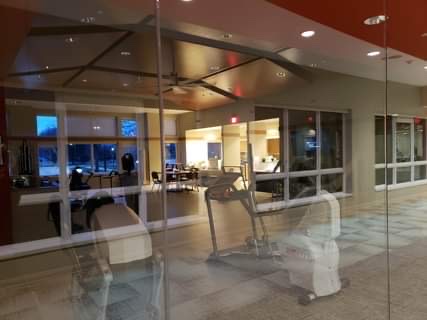
Who Owns and Operates Wellbridge Of Pinckney?

WellBridge of Pinckney is owned by a for-profit company. For-profit facilities operate as businesses with obligations to shareholders or private owners. The facility is operated by THE WELLBRIDGE GROUP, a chain that manages multiple nursing homes. With 100 certified beds and approximately 94 residents (about 94% occupancy), it is a mid-sized facility located in Pinckney, Michigan.

How Does Wellbridge Of Pinckney Compare to Other Michigan Nursing Homes?

Compared to the 100 nursing homes in Michigan, WellBridge of Pinckney's overall rating (2 stars) is below the state average of 3.1, staff turnover (50%) is near the state average of 46%, and health inspection rating (2 stars) is below the national benchmark.

What Should Families Ask When Visiting Wellbridge Of Pinckney?

Based on this facility's data, families visiting should ask: "Can I visit during a mealtime to observe dining assistance and food quality?" "How do you handle medical emergencies, and what is your hospital transfer rate?" "Can I speak with family members of current residents about their experience?"

Is Wellbridge Of Pinckney Safe?

Based on CMS inspection data, WellBridge of Pinckney has a clean safety record: no substantiated abuse findings (meaning no confirmed cases of resident harm), no Immediate Jeopardy citations (the most serious violation level indicating risk of serious injury or death), and is not on the Special Focus Facility watch list (a federal program monitoring the lowest-performing 1% of nursing homes). The facility has a 2-star overall rating and ranks #100 of 100 nursing homes in Michigan. While no facility is perfect, families should still ask about staff-to-resident ratios and recent inspection results during their visit.

Do Nurses at Wellbridge Of Pinckney Stick Around?

WellBridge of Pinckney has a staff turnover rate of 50%, which is about average for Michigan nursing homes (state average: 46%). Moderate turnover is common in nursing homes, but families should still ask about staff tenure and how the facility maintains care continuity when employees leave.

Was Wellbridge Of Pinckney Ever Fined?

WellBridge of Pinckney has no federal fines on record. CMS issues fines when nursing homes fail to meet care standards or don't correct problems found during inspections. The absence of fines suggests the facility has either maintained compliance or corrected any issues before penalties were assessed. This is a positive indicator, though families should still review recent inspection reports for the full picture.

Is Wellbridge Of Pinckney on Any Federal Watch List?

WellBridge of Pinckney is not on any federal watch list. The most significant is the Special Focus Facility (SFF) program, which identifies the bottom 1% of nursing homes nationally based on persistent, serious quality problems. Not being on this list means the facility has avoided the pattern of deficiencies that triggers enhanced federal oversight. This is a positive indicator, though families should still review the facility's inspection history directly.