Marwood Manor Nursing Home
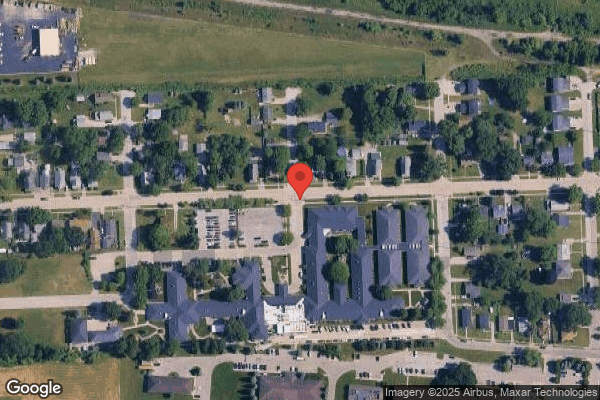

1300 Beard Street, Port Huron, MI 48060 (810) 982-9500
Non profit - Corporation 240 Beds Independent Data: November 2025
Trust Grade
70/100
#43 of 422 in MI
Last Inspection: July 2025

Inspected within the last 6 months. Data reflects current conditions.

Overview

Marwood Manor Nursing Home has a Trust Grade of B, indicating it is a good option for care, but not without its concerns. It ranks #43 out of 422 facilities in Michigan, placing it in the top half, and is the best option out of five in St. Clair County. The facility is on an improving trend, with issues decreasing from six in 2024 to two in 2025. Staffing is a strength, with a 5/5 star rating and a low turnover rate of 30%, which is better than the state average. However, there were serious concerns noted, including a failure to prevent a resident's pressure ulcer and unsafe transportation practices that led to a fracture. Additionally, a resident fell while being assisted, resulting in a vertebral fracture, highlighting the need for improved safety measures. Overall, while Marwood Manor has some strong points, potential residents and their families should be aware of these serious incidents.
Trust Score
B
70/100
In Michigan
#43/422
Top 10%
Safety Record
High Risk
Review needed
Inspections
Getting Better
6 → 2 violations
Staff Stability
○ Average
30% turnover. Near Michigan's 48% average. Typical for the industry.
Penalties
✓ Good
No fines on record. Clean compliance history, better than most Michigan facilities.
Skilled Nurses
✓ Good
Each resident gets 45 minutes of Registered Nurse (RN) attention daily — more than average for Michigan. RNs are trained to catch health problems early.
Violations
⚠ Watch
16 deficiencies on record. Higher than average. Multiple issues found across inspections.
★★★★★
5.0
Overall Rating
★★★★★
5.0
Staff Levels
★★★★☆
4.0
Care Quality
★★★★☆
4.0
Inspection Score
Stable
2024: 6 issues
2025: 2 issues

The Good

  • 5-Star Staffing Rating · Excellent nurse staffing levels
  • 4-Star Quality Measures · Strong clinical quality outcomes
  • Full Sprinkler Coverage · Fire safety systems throughout facility
  • No fines on record
  • Staff turnover below average (30%)

    18 points below Michigan average of 48%

Facility shows strength in staffing levels, quality measures, fire safety.

The Bad

Staff Turnover: 30%

15pts below Michigan avg (46%)

Typical for the industry

The Ugly 16 deficiencies on record

3 actual harm
Jul 2025 2 deficiencies 1 Harm
SERIOUS (G)

Actual Harm - a resident was hurt due to facility failures

Pressure Ulcer Prevention (Tag F0686)

A resident was harmed · This affected 1 resident

**NOTE- TERMS IN BRACKETS HAVE BEEN EDITED TO PROTECT CONFIDENTIALITY** Based on observation, interview, and record review, the facility failed to timely assess and implement interventions to prevent ...

Read full inspector narrative →
**NOTE- TERMS IN BRACKETS HAVE BEEN EDITED TO PROTECT CONFIDENTIALITY** Based on observation, interview, and record review, the facility failed to timely assess and implement interventions to prevent a right heel pressure ulcer for one (R54) of two residents reviewed for skin concerns resulting in the development of a stage three (full thickness tissue loss without visible bone, tendon or muscle) pressure ulcer. Findings include:Review of the facility record for R54 revealed admission into the facility on [DATE] with diagnoses including Status-Post Right Hip Fracture with Surgical Repair, Diabetes Mellitus, and Difficulty in Walking. The admission Minimum Data Set (MDS) assessment dated [DATE] indicated R54 required Maximal Assistance (caregiver provides more than half the effort) for bed mobility and the Brief Interview for Mental Status (BIMS) score of 15/15 indicated intact cognition. The record also indicated R54 currently had a facility-acquired pressure ulcer.Review of R54's hospital discharge documents revealed a Skin Assessment-Wound Documentation report dated 02/17/25 which indicated right hip surgical incision, left arm rash and no findings otherwise. Review of the facility Clinical admission Nursing assessment dated [DATE] revealed the skin notation Multiple areas of discoloration (rash-like) to right arm and bilateral thighs. Surgical dressing right hip. No notation pertaining to the right heel was identified. On the body part-specific checklist where a check mark indicates a problem area, the right foot and right heel boxes were not checked. Review of R54's Braden Scale of pressure ulcer risk dated 02/17/25 revealed a score of 18 with the resident categorized as At Risk.On 07/29/25 at 12:15 PM, R54 was interviewed in their room and asked about any pressure ulcers they may have developed since coming to the facility. R54 stated When I got here the bed I was in was too short. I'm 6'2 and the bed had a footboard at the end that my feet pushed up against. My feet only stayed off the footboard if I stayed perfectly flat and didn't move. It made it especially hard to move my right leg that the surgery was done on. R54 was asked if they discussed the bed with staff and they stated Yes, I know I talked to a maintenance guy about it, and they told me they couldn't take the footboard off. They eventually ended up getting me a different bed that was bigger and didn't have a footboard. R54 was not able to recall how long they were in the original bed.On 07/30/25 at 10:18 AM, R54 was interviewed in their room regarding the impact of the onset and ongoing treatment for the right heel wound. R54 became tearful and reported when they came to the facility they expected to do therapy for a few weeks after the right hip surgery then return home to their spouse. R54 reported they felt their progress with physical therapy was slowed due to weight bearing restrictions and use of an off-loading boot on the right foot due to the wound. They also indicated they have subsequently received intravenous (IV) antibiotic treatments for potential infection in the wound which they feel prolonged their stay. R54 reported feeling depressed and stated I've had at least four panic attacks now. I've had trouble when they talk about the wound not healing. I would get short of breath, and I thought I was having a heart attack. On 07/30/25 at 10:41 AM, Registered Nurse (RN) C was interviewed and reported they did recall R54 from the initial period of their admission. RN C reported they recalled R54 receiving a larger bed following their admission and stated, I think I may have ordered the bed but I'm not sure. RN C reported they could not recall having assessed or identified R54's right heel pressure ulcer prior to the bed being requested.On 07/30/25 at 12:20 AM, the facility Maintenance Director (MD) was interviewed and reported they could not recall having a conversation with R54 about their bed but agreed to check their work order record. The MD provided documentation of the work order being requested by RN C and completed on 02/24/25.On 07/30/25 at 01:50 PM, Licensed Practical Nurse (LPN) E reported they were the facility wound care nurse. LPN E reported they became aware of R54's right heel wound on 02/24/25 via the resident's floor nurse. They reported the concern about the resident's feet pushing up against the footboard was identified and they reported it to maintenance then wound prevention and care interventions were ordered and care planned. LPN E reported that the right heel wound was assessed to be a stage three pressure ulcer upon their initial assessment. LPN E acknowledged that there was no indication in the admission nursing assessment that any concerning right heel condition was present.Review of R54's care plan revealed preventive pressure ulcer interventions were initiated 02/25/25 and were not initiated upon admission or upon completion of the admission Braden pressure ulcer risk assessment. Review of R54's current wound care record verified the right heel wound has remained at a stage three with varying levels of improvement and decline regarding size measurements.On 07/30/25 at 02:05 PM, the facility Director of Nursing (DON) was interviewed and asked about why R54 was admitted on [DATE] with no skin concerns identified with the right heel and remained in bed in which their feet were up against the footboard for seven days, during which there was no identification of the developing pressure ulcer. The DON acknowledged there appeared to be no record of the resident's feet/heels being checked between the admission assessment and identification of the wound on 02/24/25. The DON reported their expectation is staff would have provided direct care such as bathing, donning/doffing of socks, etc. on multiple occasions during that seven-day period and the developing wound should have been identified and reported. The DON reported the facility completes pre-admission assessment of resident's height and weight to determine an appropriate bed size and therefore, their expectation is the resident would have been provided an appropriately sized bed and also that staff should have identified that the bed was too short prior to the identification of the pressure ulcer on the seventh day of admission.Review of the facility policy Pressure Ulcer Prevention and Management dated 07/2023 revealed the following:The facility shall establish and utilize a systematic approach for pressure injury prevention and management, including prompt assessment and treatment; intervening to stabilize, reduce or remove underlying risk factors .Examples of risk factors include but are not limited to: Impaired/decreased mobility or functional ability, co-morbid conditions such as Diabetes Mellitus.Nursing assistants will inspect skin during bath and daily care and will report any concerns to resident's nurse immediately.Interventions will be implemented according to the Braden risk score: (15-18) Heels: Pillows/Float heels.
CONCERN (D)

Potential for Harm - no one hurt, but risky conditions existed

Deficiency F0757 (Tag F0757)

Could have caused harm · This affected 1 resident

**NOTE- TERMS IN BRACKETS HAVE BEEN EDITED TO PROTECT CONFIDENTIALITY** Based on observation, interview, and record review, the facility failed to ensure accurate Medication Regimen Review (MRR), accu...

Read full inspector narrative →
**NOTE- TERMS IN BRACKETS HAVE BEEN EDITED TO PROTECT CONFIDENTIALITY** Based on observation, interview, and record review, the facility failed to ensure accurate Medication Regimen Review (MRR), accurate medication administration, and adequate medication monitoring was completed for one resident (R6) of three dialysis residents reviewed. Findings include: On 07/30/2025 at 8:11 AM, Licensed Practical Nurse (LPN) “A” was observed to administer Plavix (antiplatelet) 75 milligram (mg), Furosemide 20 mg (water pill), with Lokelma/Sodium Zirconium Cyclosilicate 10 grams (potassium binder). LPN “A” reported no concerns of giving the identified medications on a dialysis day. A review of the web page for the manufacturer's prescribing inserts for Lokelma (sodium zirconium cyclosilicate) documented: .Drug Interactions Section: In general, other oral medications should be administered at least 2 hours before or 2 hours after Lokelma Nine (9) of the 20 drugs that showed an in vitro interaction were subsequently tested in [NAME] with Lokelma 10 g (grams) in healthy volunteers . There was an increase in systemic exposure to weak acids such as furosemide and atorvastatin . Edema: Each 5 g dose of Lokelma contains approximately 400 mg (milligrams) of sodium, but the extent of absorption by the patient is unknown. In clinical trials of Lokelma in patients who were not on dialysis, edema was observed and was generally mild to moderate in severity. On 07/30/2025 at 10:53 AM, Pharmacist “C” was asked to review medications for R6 and reported Plavix should be administered two hours before the Lokelma or two hours after related to reduced effectiveness of Plavix. On 07/30/2025 at 11:37 AM, the identified concerns were reviewed with the Director of Nursing (DON). The DON reported monthly Medication Regimen Reviews (MRR) should be completed by the pharmacist. The Consultant Pharmacist Chart Review for January through July 2025 were reviewed and the “review notes” section did not identify any concerns. The DON reported they would have to review the Consultant Pharmacist Chart Reviews (MRRs). Review of the record for R6 revealed: R6 was admitted into the facility on [DATE]. Diagnoses included End Stage Kidney Disease, Stroke, and Diabetes. Review of the Medication Administration Records (MARs) for January 2025 through July 30, 2025, revealed three to four administrations weekly of Plavix with Lokelma. A review of the orders for Plavix and Lokelma revealed use since 11/22/2024. A review of the policy titled “Medication Administration” dated 06/09/2022, revealed, “Medications are administered by licensed nurses in accordance with professional standards of practice…administer mediation as ordered in accordance with manufacturer specifications…” A review of the facility policy titled, Medication Regimen Review and Reporting revised, 03/20/2013, revealed, .The consultant pharmacist reviews the medication regimen along with the medical record at least monthly . Identification of irregularities may occur by the consultant pharmacist utilizing a variety of resources . the consultant pharmacist incorporates federally mandated standards of care in addition to other applicable professional standards . A record of the consultant pharmacist's observations and recommendations is made available in an easily retrievable format to director of nursing, and the medical director and the care planning team .
Jul 2024 6 deficiencies 1 Harm
SERIOUS (G) 📢 Someone Reported This

A family member, employee, or ombudsman was alarmed enough to file a formal complaint

Actual Harm - a resident was hurt due to facility failures

Accident Prevention (Tag F0689)

A resident was harmed · This affected 1 resident

**NOTE- TERMS IN BRACKETS HAVE BEEN EDITED TO PROTECT CONFIDENTIALITY** This citation pertains to Intake: MI00144914. Based on observation, interview, and record review the facility failed to transpor...

Read full inspector narrative →
**NOTE- TERMS IN BRACKETS HAVE BEEN EDITED TO PROTECT CONFIDENTIALITY** This citation pertains to Intake: MI00144914. Based on observation, interview, and record review the facility failed to transport a resident safely in a wheelchair for one sampled resident (R42) of eight reviewed for accidents, resulting in a fibula (right lower leg) fracture. Findings include: A review of the intake noted, It was reported the resident was put in a w/c (wheelchair) without foot pegs which resulted in injury. On 7/10/24 at 11:29 AM, R42 was observed sitting in the dining area at a table with other residents. R42 was in a wheelchair with their legs resting on foot pedals. R42's right leg was observed with a gray orthopedic boot. R42 was asked what happened to their leg and was unable to explain due to their cognitive impairment. A review of R42's medical record revealed, R42 was admitted to the facility on [DATE], and readmitted on [DATE] with a diagnosis of Fracture of upper and lower end of right fibula and subsequent encounter for closed fracture with routine healing. A review of R42's annual , Minimum Data Set (MDS) assessment dated [DATE], documented severely impaired cognition and that R42 used a wheelchair and required assistance with activities of daily living. Further review of R42's medical record progress notes revealed: 5/22/2024 21:29 (9:29 PM) Health Status Note: Resident refused foot pedals this shift. While CNA was pushing resident in [their] chair, resident placed [their] foot down. Resident c/o (complaint of) foot pain. No edema noted, resident able to perform ROM (range of motion) on foot. PRN (as needed) Tramadol (pain medication) administered and effective. 5/22/2024 23:25 (11:25 PM) Health Status Note . During HS (bedtime) care resident was yelling out stating [their] foot hurt and attempting to lower self while in mechanical stand. Foot, ankle, and leg assessed with supervisor. Slight swelling noted, no bruising at this time. Resident able to move foot independently. X-ray ordered per standing order. Communication sent to physician at 2325. Unusual occurrence form filled out. 5/23/2024 11:51 (AM) Health Status Note . NP (Nurse Practitioner) to evaluate resident per nursing request. Apparently last evening resident was being pushed in [their] wheelchair and [R42] placed [their] foot on the ground. Subsequently, [R42] complained of foot pain. Resident was seen this morning in bed. Right ankle and foot noted to be quite swollen. Unable to perform any range of motion to right foot or ankle due to significant pain. Right ankle X-ray report revealed an acute fracture of the distal fibula with minimal displacement. Resident will be transferred to [local emergency room] for further evaluation/treatment of distal right fibula fracture. [Physician] notified of X-ray findings. Nursing to contact family. 5/23/2024 12:58 (PM) Health Status Note . [local x-ray company] right ankle result received via fax, conclusion: Acute fracture of the right distal fibula. results given to . NP immediately. NP assessed res (resident) and ordered [R42] to go to [local hospital] for evaluation and treatment. Res right ankle swollen and painful with slight discoloration. Pain rated a 9 (out of 10), tramadol as given this morning but was not effective . 5/23/2024 20:52 (8:52 AM) Health Status Note . Res returned from [local hospital] at 1800 via EMS (.) Transferred from ambulance stretcher to bed with the assist of 4. Pain level at a (nine) res yelling out Tramadol and Ativan (anxiety medication) given . Foot and ankle put in a temporary immobilizer . On 7/11/24 at 10:52 AM, the Director of Nursing (DON) was asked about the incident with R42. The DON explained that the resident was agitated and did not want the footrest after being asked by the Certified Nursing Assistant (CNA). The DON was asked if R42 had the understanding to make that decision. The DON stated, [R42] is pleasantly confused. The DON was asked what the facility's expectation is in a situation like this. The DON explained, that the CNA could have re-approached or asked R42 to self-propel to see the ducks instead of pushing the wheelchair without the footrest. On 7/11/24 at 1:04 PM, CNA K was interviewed via phone and was asked about the incident with R42. CNA K explained, that R42 was upset and that they wanted to take R42 away from the agitation to calm down. CNA K stated, I was going to take [R42] to see the ducks [on the other unit] and I offered put the foot pedals on [R42] said no. CNA K explained that R42 was agitated and demonstrated to CNA K that R42 could hold their feet up. After R42 demonstrated they could hold their feet up CNA K explained that she gently pushed R42 down hallway. CNA K continued and stated, they got a couple doors away and the wheelchair stopped, R42 had put their foot down. CNA K explained, that when she looked R42's foot was under the chair and out of the shoe. A review of R42's care plan revealed, Focus: The resident is able to get [their] wants across, although [their] words are not always sensible. [R42] has poor awareness of personal space. [R42] is very social. Date Initiated: 01/17/2022. Goal: The resident will maintain involvement in cognitive stimulation, social activities as desired through review date. Date Initiated: 01/17/2022. Interventions: The resident prefers activities which do not involve overly demanding cognitive tasks. Engage in simple, structured activities such as looking through the newspaper and listening to music. Simplify steps to more complex programs [R42] joins in. Date Initiated: 01/17/2022. A review of the facility's policy, Transporting Residents in Wheelchairs dated 7/3/2019 revealed, It's is the policy of this facility to promote safe wheelchair transport of residents. 1. Foot pedals will be used for the transport of residents in wheelchairs when traveling outside of their room unless the resident chooses to self-propel . During the onsite survey, past noncompliance (PNC) was cited after the facility implemented actions to correct the noncompliance which included: [CNA K] was interviewed about the incident. [CNA K] is identified as one of the resident's primary consistent staff members. [CNA K] states she is very familiar with the resident's routine and behavior tendencies, as well as effective interventions used when the resident is agitated. On the evening of the incident the resident had become visibly agitated after a verbal interaction with another resident. [CNA K] knew that the resident could be distracted and calmed by visiting the courtyard to see the baby ducks and offered to take her there. [CNA K] also offered to put the foot pedals on the wheelchair, but the resident refused/decline them, and preceded to demonstrate her ability to hold her own feet up. To avoid further escalation of the resident's agitation, [CNA K] decided to push the wheelchair at a relaxed pace without the foot pedals to their destination. Resident [R42] was evaluated at the emergency department on 5/23 and had a temporary immobilizer issued for [R42]. She then followed with orthopedic services on 5/28 and a fracture boot was issued for the resident's right foot/lower leg. She is non weight bearing on her right leg for 6 weeks. The resident already had foot pedals issued for her use, but refused/declined to used them at the time of the transport. Education with the resident would not have been appropriate at the time of the event due to the resident's agitation. The care plan for the resident was reviewed and updated to include approaches for staff to use in response to any reluctance to use the foot pedals. A building wide audit was completed to identify all other residents without foot pedals. Foot pedals were issued and will be used for all residents when being transported in a wheelchair outside their room. Care plans for residents were reviewed and revised to reflect use of foot pedals and wheelchair locomotion. The policy Transporting Residents in Wheelchairs was reviewed and which identifies that any resident being transported in a wheelchair outside their room will require the use of foot supports/pedals. Education done with all staff regarding the policy, transportation expectations and response to refusals. This facility acknowledges a resident's right to refuse. If a refusal occurs, staff should make the resident aware of the safety concern if foot pedals are not used and offer the resident the alternative option of propelling themselves. Education was conducted from 5/23 thru 6/3/2024. Ongoing monitoring of compliance will be completed through audits, scheduled to be completed weekly x 3, monthly x3 and then quarterly thereafter if needed to assure compliance. These audits will be the responsibility of the Quality Manager. Compliance date: 6/4/2024 The facility was able to demonstrate monitoring of the corrective action and maintained compliance.
CONCERN (D) 📢 Someone Reported This

A family member, employee, or ombudsman was alarmed enough to file a formal complaint

Potential for Harm - no one hurt, but risky conditions existed

Deficiency F0583 (Tag F0583)

Could have caused harm · This affected 1 resident

**NOTE- TERMS IN BRACKETS HAVE BEEN EDITED TO PROTECT CONFIDENTIALITY** Based on observation, interview, and record review the facility failed to ensure that residents' personal information was not vi...

Read full inspector narrative →
**NOTE- TERMS IN BRACKETS HAVE BEEN EDITED TO PROTECT CONFIDENTIALITY** Based on observation, interview, and record review the facility failed to ensure that residents' personal information was not visible on two of 13 medication cart computers. Findings include: On 07/09/24 at 11:48 AM, the medication cart which was outside room [ROOM NUMBER] was observed to be unattended. The computer on the top of the medication cart had the screen unlocked with a resident's personal information visible. On 07/09/24 at 11:52 AM, an unidentified staff member was observed walking away from a medication cart and leaving the computer open and unlocked with a resident's personal information visible. On 07/09/24 at 2:06 PM, the medication cart outside room [ROOM NUMBER] was unattended and was observed with the computer screen unlocked and open to a resident's personal information. A piece of paper was also observed on the top of the medication cart containing a resident's personal information. On 07/10/24 at 8:12 AM, the medication cart outside room [ROOM NUMBER] was observed unattended with the computer open with a resident's personal information visible. On 07/11/24 at 8:29 AM, during an interview, Licensed Practical Nurse (LPN A) was asked how they ensure a resident's personal information on the computer screen is kept private. LPN A explained that Everyone has their own log in and we either log off or close the lap top if we walk away. On 07/11/24 at 8:33 AM, the medication cart outside room [ROOM NUMBER] was unattended and was observed with the computer screen open to a resident's personal information. An unidentified housekeeping staff member was observed to be in the hallway within view of the computer screen. On 07/11/24 at 8:39 AM, (LPN B) was observed returning to the medication cart outside room [ROOM NUMBER]. During an interview LPN B was asked if it was typical that a computer would be left unattended and open with a resident's information visible. LPN B responded, No. Not usually. LPN B stated I would normally click the lock button, so the information wasn't visible. On 07/11/24 at 9:05 AM, the medication cart outside room [ROOM NUMBER] was observed unattended with the computer screen open with a resident's personal information visible. On 07/11/24 at 10:40 AM, during an interview the Director of Nursing (DON) was asked about their expectation for securing medication carts and medication cart computer information. The DON explained her expectation is the computers are closed so resident information is not accessible to comply with HIPAA (Health Insurance Portability and Accountability Act). A review of the facility's policy titled Acceptable use of technology resources revealed the following: Users will log off the application(s)/system when leaving a workstation for an extended period of time. Except in areas where a workstation is shared, the user may use the lock down process to lock the workstation (with applications running) if leaving the workstation for a brief time.
CONCERN (D) 📢 Someone Reported This

A family member, employee, or ombudsman was alarmed enough to file a formal complaint

Potential for Harm - no one hurt, but risky conditions existed

Quality of Care (Tag F0684)

Could have caused harm · This affected 1 resident

**NOTE- TERMS IN BRACKETS HAVE BEEN EDITED TO PROTECT CONFIDENTIALITY** Based on observation, interview, and record review the facility failed to obtain a physician order for oxygen administration for...

Read full inspector narrative →
**NOTE- TERMS IN BRACKETS HAVE BEEN EDITED TO PROTECT CONFIDENTIALITY** Based on observation, interview, and record review the facility failed to obtain a physician order for oxygen administration for one resident (R153) of one resident reviewed for respiratory care. Findings include: On 07/09/24 at 9:43 AM, R153 was observed lying in bed with their continuous positive airway pressure (cpap) machine turned on and the mask lying next to them on the bed. R153 was observed without oxygen on. R153 was interviewed and asked if they wear the cpap and oxygen. R153 explained that they wear the cpap at night and oxygen via nasal cannula during the day. A wheelchair was observed in the room containing a portable oxygen tank. On 07/09/24 at 12:17 PM, R153 was observed lying in bed wearing oxygen at three liters per nasal cannula. On 07/10/24 at 8:35 AM, R153 was observed in bed eating breakfast wearing oxygen via nasal cannula. The oxygen concentrator was observed to be set to three liters with the oxygen tubing connecting the concentrator to the cpap machine which was located on a shelf next to R153's bed. The nasal cannula tubing that R153 was wearing was not connected to the concentrator or any other oxygen source. R153 was interviewed and asked how much oxygen they were supposed to be on. R153 said they were on two liters. R153 was asked if they wear oxygen all the time. R153 replied, Yes most of the time and the cpap at night. On 07/10/24 at 10:33 AM, R153 was observed sitting in their wheelchair in their room with the oxygen observed the same as noted above. On 07/11/24 at 8:53 AM, R153 was observed in bed wearing the nasal cannula which was connected to the oxygen concentrator and set to three liters. A record review revealed that R153 was admitted to the facility on [DATE] with the following diagnoses: Unspecified Dementia and Chronic Obstructive Pulmonary Disease. Further record review reveals a Brief Interview for Mental Status (BIMS) score of 9/15 indicating moderate cognitive impairment. A record review of R153's orders revealed the following: Active order dated 11/15/23 Place Residents C-Pap on every night while in BED. If Resident refuses to wear machine, good documentation required. three times a day for Apenia (apnea). Oxygen at 2L (liters) when cpap in use Active order dated 6/2/24 Oxygen at 2L when cpap in use Active order dated 5/24/24 OK for resident to use CPAP from home with current home settings Q HS (every night) and naps prn (as needed). No orders for oxygen per nasal cannula were found. On 07/11/24 at 08:57 AM, during an interview, Registered Nurse (RN F) was asked if R153 is supposed to be on oxygen. RN F stated yeah, (R153) wears a cpap at night and then they wear two liters per nasal cannula during the day as needed. RN F was asked if there was a physician order for the oxygen as needed during the day. RN F stated yes (R153) has a prn (as needed) order. RN F was observed to look through R153's orders in the electronic medical record and stated, Hmm, I'm going to have to clarify because there's no order and I thought there was one. On 07/11/24 at 10:43 AM, during an interview, the DON (Director of Nursing) confirms that if a resident is wearing oxygen via nasal cannula there should be a physician order for it. During the interview the DON was notified of the observations of R153's oxygen. The DON explained that they will have to look at R153's orders and get clarification. On 07/11/24 at 12:51 PM during an interview, Unit Manager (UM H) confirmed that R153's current orders are for oxygen at two liters with the cpap at night. UM H explained that there was a discontinued order for oxygen per nasal cannula at night if needed. UM H confirmed that there was no physician order for oxygen during the daytime. UM H was asked if there should be a physician order if a resident is wearing oxygen during the daytime. UM H stated, per policy if (R153) is wearing it during the day there should be an order. UM H said they will do some education regarding observations of resident wearing nasal cannula without being connected to an oxygen source. A facility policy titled OXYGEN: SIMPLE FACE MASKS, VENTI MASKS, AND NASAL CANNULA Simple Oxygen therapy is delivered via simple face mask, venti masks, or nasal cannula, based upon individual resident's need and a physician order.
CONCERN (D)

Potential for Harm - no one hurt, but risky conditions existed

Deficiency F0688 (Tag F0688)

Could have caused harm · This affected 1 resident

**NOTE- TERMS IN BRACKETS HAVE BEEN EDITED TO PROTECT CONFIDENTIALITY** Based on observation, interview, and record review, the facility failed to provide restorative services/functional maintanence t...

Read full inspector narrative →
**NOTE- TERMS IN BRACKETS HAVE BEEN EDITED TO PROTECT CONFIDENTIALITY** Based on observation, interview, and record review, the facility failed to provide restorative services/functional maintanence to one (R139) resident out of one reviewed for range of motion/mobility. Findings include: On 07/11/24 at 8:37 AM, R139 was observed sitting up in bed. R139 was interviewed and confirmed they have not had restorative services since 05/24. R139 was asked if they feel they have had a decline in their functional status since they stopped receiving therapy services. R139 stated Yes I'm much stiffer. My hip has been stiffening up more and more and I don't want to lose the function of another joint. Use it or lose it. A record review revealed that R139 was admitted to the facility on [DATE] with the following diagnoses: urinary tract infection, weakness, need for assistance with personal care. Further record review revealed a Brief Interview for Mental Status (BIMS) score of 15/15 indicating intact cognition. A record review of R139's orders revealed the following: Active order dated 6/4/24: Restroative Nursing as Indicated. Further record review of R139's careplan revealed the following: Resident requires restorative services r/t (related to) at risk for further physical decline and/or impaired physical mobility secondary to HTN (high blood pressure), CHF (congestive heart failure), Obesity, UTI (urinary tract infection), osteoarthritis, history of falls Date Initiated: 04/01/2024 Revision on: 04/01/2024 Resident's restorative program will include 1)Resident will perform AROM (active range of motion) BUE (bilateral upper extremities) exercises with 2lb (pound) straight weights above head raises, rowing forward and backwards x 40 reps. 4-7 days a week. Date Initiated: 04/01/2024 Revision on: 04/01/2024 Restorative coordinator or designee will complete a progress note and monthly summary to track resident's progress or lack of progress towards their goal and reevaluate for any changes as needed. Record review of R139's restorative report revealed the last service was on 5/30/24. On 07/11/24 at 9:35 AM, during an interview Restorative Coordinator (RC J) confirms that R139 was getting restorative care after physical therapy services ended. RC J explained that R139 should be getting restorative services but said they do not know what services R139 is getting currently and they would need to check and see. On 07/11/24 at 10:43 AM, during an interview, RC J said R139's maintenance plan was due to start June 18th 2024 and confirms that it has not started and states it is late. RC J was asked if the restorative interventions on R139's care plan were being implemented. RC J stated the care plan is not current so I will go in and update it now. RC J was asked if restorative is supposed to put in progress notes. RC J responded yes and confirms that there are no progress notes entered and stated I will go in and add one. A review of the facility's policy titled Restorative Nursing Services revealed the following: Residents will receive, and the facility will provide, the necessary care and services to attain or maintain the highest practicable physical, mental and psychosocial well-being, in accordance with the comprehensive assessment and Plan of Care .When a resident is discharged ROM (range of motion) restorative to nursing services, the restorative nurse will develop a discharge plan in PCC under tasks for the resident and present it to the nursing staff. It will include resident's current level of function and a plan of daily care that will be implemented by the nursing staff using restorative techniques that have been developed for the particular resident. Restorative nurse will conduct random Q.A. audits to assure that the nursing staff is following restorative's discharge plan of care. When residents are turned over to the neighborhood for floor maintenance programs for restorative, the restorative nurse will make the necessary care plan and task changes in PCC.
CONCERN (E)

Potential for Harm - no one hurt, but risky conditions existed

Comprehensive Care Plan (Tag F0656)

Could have caused harm · This affected multiple residents

**NOTE- TERMS IN BRACKETS HAVE BEEN EDITED TO PROTECT CONFIDENTIALITY** R153 On 07/09/24 at 9:43 AM, R153 was observed lying in bed with their continuous positive airway pressure (cpap) machine turned...

Read full inspector narrative →
**NOTE- TERMS IN BRACKETS HAVE BEEN EDITED TO PROTECT CONFIDENTIALITY** R153 On 07/09/24 at 9:43 AM, R153 was observed lying in bed with their continuous positive airway pressure (cpap) machine turned on but lying next to them on the bed. R153 was observed without oxygen on. R153 was interviewed and asked if they wear the cpap and oxygen. R153 explained that they wear the cpap at night and oxygen via nasal cannula during the day. A wheelchair was observed in the room containing a portable oxygen tank. On 07/09/24 at 12:17 PM, R153 was observed lying in bed wearing oxygen at three liters per nasal cannula. On 07/10/24 at 8:35 AM, R153 was observed in bed eating breakfast wearing oxygen via nasal cannula. The oxygen concentrator was observed to be set to three liters with the oxygen tubing connecting the concentrator to the cpap machine which was located on a shelf next to R153's bed. The nasal cannula tubing that R153 was wearing was not connected to the concentrator or any other oxygen source. R153 was interviewed and asked how much oxygen they were supposed to be on. R153 said they were on two liters. R153 was asked if they wear oxygen all the time. R153 replied, Yes most of the time and the cpap at night. On 07/10/24 at 10:33 AM, R153 was observed sitting in their wheelchair in their room wearing oxygen via nasal cannula. The oxygen concentrator was observed to be set to three liters with the oxygen tubing connecting the concentrator to the cpap machine which was located on a shelf next to R153's bed. The nasal cannula tubing that R153 was wearing was still not connected to the concentrator or any other oxygen source. On 07/11/24 at 8:53 AM, R153 was observed in bed wearing the nasal cannula which was connected to the oxygen concentrator and set to three liters. A record review revealed that R153 was admitted to the facility on [DATE] with the following diagnoses: Unspecified dementia and Chronic Obstructive Pulmonary Disease. Further record review revealed a Brief Interview for Mental Status (BIMS) score of 9/15 indicating cognitive impairment. A record review of R153's orders revealed the following: Active order dated 11/15/23 Place Residents C-Pap on every night while in BED. If Resident refuses to wear machine, good documentation required. three times a day for Apenia (apnea). Oxygen at 2L (liters) when cpap in use Active order dated 6/2/24 Oxygen at 2L when cpap in use Active order dated 5/24/24 OK for resident to use CPAP from home with current home settings Q HS (every night) and naps prn (as needed). Further record review of R153's care plan revealed that neither oxygen use nor cpap use was included in R153's care plan. On 07/11/24 at 8:57 AM, during an interview, Registered Nurse (RN F) was asked if R153 is supposed to be on oxygen. RN F stated Yeah, (R153) wears a cpap at night and then they wear two liters per nasal cannula during the day as needed. RN F was asked if there was a physician order for the oxygen as needed during the day. RN F stated Yes (R153) has a prn (as needed) order. RN F look through R153's orders in the electronic medical record and stated, Hmm, I'm going to have to clarify because there's no order and I thought there was one. On 07/11/24 at 12:51 PM, during an interview, Unit Manager (UM H) confirmed that R153's current orders are for oxygen at two liters with the cpap at night. A review of the facility's policy titled Resident Care Plan revealed the following: It is the policy of this facility to develop and implement a comprehensive person-centered care plan for each resident, consistent with resident rights, that includes measurable objectives and timeframes to meet a residents medical, nursing, and mental and psychosocial needs they are identified in the resident comprehensive assessment The comprehensive care plan will describe, at a minimum the following: a. The services that are to be furnished to attain or maintain the residents highest practicable physical, mental, and psychosocial well-being. B. Any services that would otherwise be furnished but are not provided due to the resident's exercise of his or her right to refuse treatment. C. Any specialized services rehabilitation services the nursing faculty will exercise as a result of PASSARR recommendations. D. The residents' goals for admission, desired outcomes, and preferences for future discharge. E. Discharge plans, as appropriate. F. Resident specific interventions that reflect the residents needs and preferences and alight with the resident cultural identity, as indicated. Based on observation, interview and record review, the facility failed to develop and implement comprehensive care plan interventions for five residents (R78, R130, R145, R149, and R153) of six residents reviewed for care plans. Findings include: R78 On 07/09/24 at 2:41 PM, R78 was observed sitting up in wheelchair in the dining room. R78 was observed becoming agitated with another resident at their table. A record review revealed that R78 was admitted on [DATE] with the medical diagnoses of Chronic Kidney Disease, and Alzheimer's Disease Late Onset. A review of the most recent Minimum Data Set Assessment (MDS) dated [DATE] documenteded with a Brief Interview for Mental Status (BIMS) score of 3 which indicates moderately impaired cognition. A physician's order dated 3/21/24 indicated admit to (name of provider) Hospice due to diagnosis of Alzheimer's disease. Further review of R78's care plans revealed no active care plan for R78's hospice care and management. R130 On 07/09/24 at 12:41 PM, R130 was observed sitting up in wheelchair in the dining room. R130 was encouraged by staff to eat their lunch. On 7/10/24 at 1:00 PM, R130 was observed yelling at another resident to move out of the way. A record review revealed that R130 was admitted on [DATE] with the medical diagnoses of Chronic respiratory Failure, Depression, and Anxiety Disorder. A review of the most recent Minimum Data Set Assessment (MDS) dated [DATE] was completed with a Brief Interview for Mental Status (BIMS) score of 8 which indicated moderately impaired cognition Further review of R130's medical record revealed an increase in the R130's behaviors. R130 was on a scheduled psychotropic. A review of care plan revealed no active care plan to manage behaviors and agitation. R145 On 07/09/24 at 9:00 AM, R145 was observed in the dining room with staff assisting with breakfast. A nursing assistant was observed encouraging resident to eat however R145 was shaking their head and stating 'no'. A record review revealed that R145 was admitted on [DATE] with the medical diagnoses of Hypertension, Gastrostomy Malfunction, Major Depressive Disorder, and Anxiety Disorder. A review of the most recent Minimum Data Set Assessment (MDS) dated [DATE] was completed with a Brief Interview for Mental Status (BIMS) score of 6 which indicated impaired cognition. Further review of R145's medical record revealed an increase in behaviors. R145 was on scheduled psychotropics. A review of the care plans revealed no active care plan to manage behaviors and agitation. On 7/11/24 at 10:00 AM, an interview was held with the Social Worker (SW) (L). SW Lwas asked about the behavior care plans for R130 and R145. SW L stated, There are no care plans for behaviors for those residents. On 7/11/24 at 10:40 AM, the Director of Nursing ((DON) reported the expectation for residents with behaviors was they would have a care plan and interventions for the identified behavior. R149 On 7/09/24 at 11:46 AM, R149 was observed in a low bed, with a high back wheelchair in the room which had a pommel style seat cushion. R149 was unable to be interviewed due to R149's cognitive impairment. On 7/11/24 at 9:50 AM, R149 was observed lying in bed. The pommel cushion was observed in the wheelchair. A review of R149's medical record revealed, R149 was admitted to the facility on [DATE] and 4/25/23 with diagnosis of Hemiplegia and Hemiparesis (paralysis/weakness on one side) following Cerebral infarction (stroke). Further review of R149's medical record revealed, R149's care plan was without a plan of care that addressed the pommel cushion and it's use and or need. On 7/11/24 at 10:48 AM, the Director of Nursing (DON) was asked if R149's pommel cushion should be care planned. The DON stated, It should be care planned, I will check for the assessment. On 7/11/24 at 1:12 PM, the DON confirmed the pommel cushion was not care planned and her expectation was it would be in the care plan.
CONCERN (E) 📢 Someone Reported This

A family member, employee, or ombudsman was alarmed enough to file a formal complaint

Potential for Harm - no one hurt, but risky conditions existed

Deficiency F0761 (Tag F0761)

Could have caused harm · This affected multiple residents

**NOTE- TERMS IN BRACKETS HAVE BEEN EDITED TO PROTECT CONFIDENTIALITY** On [DATE] at 11:48 AM, the medication cart which was outside room [ROOM NUMBER] was observed to be unlocked and unattended. On [...

Read full inspector narrative →
**NOTE- TERMS IN BRACKETS HAVE BEEN EDITED TO PROTECT CONFIDENTIALITY** On [DATE] at 11:48 AM, the medication cart which was outside room [ROOM NUMBER] was observed to be unlocked and unattended. On [DATE] at 08:12 AM, the medication cart outside room [ROOM NUMBER] was observed unlocked and unattended. On [DATE] at 08:29 AM, during an interview, LPN A was asked how they make sure no one accesses the medications in the cart if they walk away. LPN A stated we lock it and LPN A demonstrated pushing the lock in. On [DATE] at 10:40 AM, during an interview the Director of Nursing (DON) was asked what their expectation for securing medication carts. The DON explained her expectation is the medication carts are kept locked when unattanded. A review of the facility policy titled, Medication Storage dated [DATE] revealed, It is the policy of this facility to ensure all medications housed on our premises will be stored properly according to the manufacturer's recommendations and sufficient to ensure proper sanitation, temperature, light, ventilation, moisture control, segregation, and security.Medication Expiration dates and Requirements: 1. The date of expiration should be documented on the container/vial. 2. If the date of expiration is not documented or cannot be determined, the date dispensed may be considered the date of opening for stability purposes .10. Multi-dose vials should be labeled and used for single patient only . A review of the manufacturer's web page at: https://gskpro.com/content/dam/global/hcpportal/en_US/Prescribing_Information/Trelegy_Ellipta/pdf/TRELEGY-ELLIPTA-PI-PIL-IFU.PDF, revealed, .Write the Tray opened and Discard dates on the inhaler label. The Discard date is 6 weeks from the date you open the tray . Based on observation, inteview and record review, the facilty failed to ensure medications were dated and labeled with a resident identifier when opened in four of seven medication carts and three of 14 medications carts were locked when unattended. Findings include: On [DATE] at 11:06 AM, the [NAME] hall medication cart was observed with Licensed Practical Nurse (LPN) C. A latanoprost eye dropper vial was not dated when opened. The nurse reported that eye drop was administered in the evening. At 11:22 AM, LPN C reported the facility pharmacy reported the latanoprost expired 28 days after opening. On [DATE] at 11:28 AM, the Drapers Lane medication cart was observed with LPN E. A dorzolamide eye dropper vial not dated was not dated when opened. The nurse noted it was received [DATE]. On [DATE] at 11:37 AM, the Indepedence Pointe North medication cart was reviewed with Registered Nurse (RN) G. A Trelegy inhaler was not dated on the inhaler and did not have a resident identifier on the inhaler. On [DATE] at 11:56 AM, the Dove Lane medication cart was observed with RN H. A Trelegy inhaler received [DATE] was not dated when opened on the box nor the inhaler.
May 2023 7 deficiencies
CONCERN (D)

Potential for Harm - no one hurt, but risky conditions existed

Deficiency F0578 (Tag F0578)

Could have caused harm · This affected 1 resident

**NOTE- TERMS IN BRACKETS HAVE BEEN EDITED TO PROTECT CONFIDENTIALITY** Based on interview and record review, the facility failed to appropriately complete a Do-Not-Resuscitate (DNR) order for one sam...

Read full inspector narrative →
**NOTE- TERMS IN BRACKETS HAVE BEEN EDITED TO PROTECT CONFIDENTIALITY** Based on interview and record review, the facility failed to appropriately complete a Do-Not-Resuscitate (DNR) order for one sampled resident (R147) of nine reviewed for advance directives (legal documents that allow a person to identify decisions about end-of-life care ahead of time), resulting in the potential for a resident's advance directive being improperly implemented. Findings include: A review of R147's medical record revealed a Do-Not-Resuscitate (DNR) order signed by R147's declarant/son on 3/16/23. Further review of the form revealed that the form was missing the signature of the resident's physician, in addition to the attestation of two witnesses. Further review of the form revealed the following statement, This form was prepared pursuant to, and is in compliance with, the Michigan do-not-resuscitate procedure act. Further review of R147's medical record revealed that they were admitted into the facility on [DATE] with diagnoses that included Acute Kidney Failure, Diabetes and Parkinson's Disease. A review of R147's Minimum Data Set (MDS) assessment dated for 3/26/23 revealed that the resident had a moderate cognitive impairment. On 5/3/23 at 10:47 AM, Social Worker G was asked about the process for the implementation of an advance directive. Social Worker G explained that the resident or their representative sign the DNR form, and it would then be uploaded into the resident's file. Social Worker G was asked if anyone else was supposed to sign the form, and explained that two witnesses are supposed to sign the form, but was unsure if the physician was supposed to sign, as she was new to the position and was unsure. On 5/3/23 at 12:16 PM, the Director of Nursing (DON) was asked about R147's DNR order not being signed by their physician or two witnesses. The DON explained that she would expect that the advance directive be signed, but would look further into it. On 5/3/23 at 1:09 PM, the DON provided an Order Audit Report indicating that R147's physician provided a verbal order for R147's DNR order on 3/22/23. The DON also admitted that the form was missing the attestation of two witnesses. A review of the facility's Advanced Directives policy was reviewed, and did not address the process for which a DNR order would be considered in effect based on documentation of a physician and two witnesses.
CONCERN (D)

Potential for Harm - no one hurt, but risky conditions existed

Deficiency F0688 (Tag F0688)

Could have caused harm · This affected 1 resident

Based on observation, interview, and record review, the facility failed to provide restorative (range of motion) services per order for one resident (R181) of three reviewed for limited mobility, resu...

Read full inspector narrative →
Based on observation, interview, and record review, the facility failed to provide restorative (range of motion) services per order for one resident (R181) of three reviewed for limited mobility, resulting in the potential for functional decline. Findings include: On 5/1/23 at 11:38 AM, R181 was observed sitting upright in their wheelchair in a small dining room. R181 was dressed and appeared thin, but was smiling and able to feed themselves. R181 was observed with a mechanical soft diet and thickened liquids. R181 was noted to also be receiving enteral nutrition (liquid nutrition through a feeding tube in the abdomen). R181 was unable to appropriately answer interview questions. On 5/1/23 at 12:47 PM, Confidential Witness H was interviewed regarding R181's care at the facility. Witness H indicated that after R181 had finished therapy, the resident was supposed to be receiving restorative services. Witness H questioned how often restorative care was being offered/provided to the resident. A review of R181's record revealed that the resident was admitted into the facility on 2/28/23 and is moderately cognitively impaired with medical diagoses of Abscess of Lung with Pneumonia, Chronic Kidney Disease, Dysphagia, Cognitive Communication Deficit, Pressure Ulcers, Urine Retention, Glaucoma, and History of Falling. A review of Section GG of the resident's Minimum Data Set (MDS) assessment assessment review date (target) date 4/5/23 indicated that R181's discharge performance was mostly supervision to moderate assistance for Self-Care and Mobility. A review of R181's physician orders indicated that the resident had been re-enrolled into therapy services as of 4/23/23 (Occupational Therapy (OT)) and 4/25/23 (Physical Therapy (PT)). Restorative orders/documentation for R181 were requested from the facility. Upon review, the documents indicated that on 4/5/23, therapy ordered the initiation of a daily restorative range of motion and ambulation program for R181. Upon further review, the documentation in R181's record did not reflect that the resident received restorative services consistently per order from 4/6/23 to 4/20/23 (dates missing documentation: 4/7, 4/9, 4/10, 4/13, 4/15, 4/16, 4/18, and 4/19). R181 was recommended to be evaluated and treated by PT and OT again on 4/20/23. On 5/2/23 at 3:11 PM, Certified Nursing Assistant (CNA) J was asked about restorative services, and who is responsible for providing it to residents. CNA J stated that while the facility has a few restorative aides, CNAs working on the floor are typically responsible for providing restorative. Licensed Practical Nurse (LPN) F and CNA J were interviewed regarding R181 at this time. Both staff indicated that R181 was having an, Off day, today and seemed, Stiff. Both staff also indicated that R181 had been doing well while on the rehab unit in the facility, but that the resident seemed to experience a decline after moving to their current unit (where CNA J and LPN F typically work). The staff also explained that the resident had recently been placed back onto therapy's caseload, however, the resident's transfer status had just been downgraded. On 5/2/23 at 3:18 PM, Registered Nurse (RN) I, who oversees the restorative program, was interviewed. RN I was queried regarding the restorative documentation provided for R181. RN I acknowledged the lack of daily documentation to support that R181 received restorative per order. RN I added that she had just given an inservice to staff regarding restorative services and expected charting. RN I also explained that she had observed R181 as unable to complete the ambulatory portion of the ordered restorative program, which prompted her to refer the resident again to therapy. On 5/3/23 at 12:15 PM, the Director of Nursing (DON) was interviewed. The DON was queried regarding the expectation for documentation of the provision of restorative services. The DON indicated that if restorative is ordered daily, that she would expect daily documentation. The DON also indicated that assigned unit CNAs are ultimately responsible for the ordered restorative intervention on the task list. A review of the facility's policy/procedure titled, Restorative Nursing Services, revised 6/14/17, revealed, .All residents on the restorative program are assigned treatment components. The restorative treatment program is documented be the assigned CNA in PCC under tasks .Floor CNA - Responsible for ACTIVE programs only. Daily documentation in PCC .
CONCERN (D)

Potential for Harm - no one hurt, but risky conditions existed

Accident Prevention (Tag F0689)

Could have caused harm · This affected 1 resident

**NOTE- TERMS IN BRACKETS HAVE BEEN EDITED TO PROTECT CONFIDENTIALITY** Based on observation, interview, and record review, the facility failed to provide adequate supervision for an active exit seeki...

Read full inspector narrative →
**NOTE- TERMS IN BRACKETS HAVE BEEN EDITED TO PROTECT CONFIDENTIALITY** Based on observation, interview, and record review, the facility failed to provide adequate supervision for an active exit seeking resident (R400), resulting in the potential for elopement and decrease in safety. Findings include: On 5/1/2023 at 11:39 AM, R400 was observed on the locked unit of the facility in the common dining area. No staff were observed in the dining room. R400 was noted to be carrying a chair from one room to another. On 5/1/2023 at 12:15 PM, R400 was observed walking around asking other residents to help find their spouse. R400 was noted to be going to the exit door and placing their hand on the bar. A sign was noted stating that if the bar is held for 15 seconds, then the door would be released. A family member of another resident was observed attempting to distract R400 away from the exit door. A review of the medical record revealed that R400 admitted into the facility on 4/27/2023 with the following diagnoses, Alzheimer's Disease and Anxiety. A review of the Nursing admission Assessment revealed that R400 admitted with wandering behaviors and was independent with supervision with walking and transferring. Further review of an Elopement Risk and assessment dated [DATE] that noted R400 was a high risk for elopement. Further review of the progress notes revealed the following; 4/29/2023 at 6:35 PM .Resident observed wandering throughout the unit. Going in other rooms searching for [their] [spouse]. Resident able to redirect for short periods 4/30/2023 at 6:37 PM .Resident observed wandering unit looking for [spouse], kids, and mother. Able to redirect for short periods. Resident reapproaches staff with concerns of missing family members. Resident redirected from pushing other wheelchairs. Resident noted very tearful and anxious A review of the physician orders did not reveal that R400 had a wander guard (braclet that monitors wandering residents that alarms specific doors if resident attempts to leave) placed. On 5/3/2023 at 10:47 AM, an interview was conducted with Social Work (SW) G regarding R400 and their behaviors. R400 stated that if a resident has dementia and wanders then they would usually attach a wander guard to ensure they are safe and do not elope. SW G stated that R400 is a newer resident, and they were not sure if they had a wander guard placed or not. A review of the facility policy titled, Elopement noted the following, 1. Interventions-Once a resident has been assessed as being at risk of elopement, appropriate interventions will be implemented.
CONCERN (D)

Potential for Harm - no one hurt, but risky conditions existed

Deficiency F0790 (Tag F0790)

Could have caused harm · This affected 1 resident

**NOTE- TERMS IN BRACKETS HAVE BEEN EDITED TO PROTECT CONFIDENTIALITY** Based on observation, interview, and record review, the facility failed to coordinate and ensure dental services were received f...

Read full inspector narrative →
**NOTE- TERMS IN BRACKETS HAVE BEEN EDITED TO PROTECT CONFIDENTIALITY** Based on observation, interview, and record review, the facility failed to coordinate and ensure dental services were received for one resident (R196) of one resident reviewed for the provision of dental service, resulting in untreated and unmet dental needs, and resident complaints of pain. Findings include: On 5/1/2023 at 12:15PM, R196 was observed in the dining room drinking coffee. R196 was asked what they would like to eat for lunch. R196 stated that they did not want to eat because their dentures did not work. R196 proceeded to take out their lower dentures and show them to staff. On 5/1/2023 at 12:21 PM, R196 was brought a lunch tray. R196 refused it and stated that they could only eat soft foods because their dentures did not work. The certified nursing assistant (CNA) proceeded to take the tray away and stated that they would try again later. On 5/2/2023 at 12:00 PM, R196 was asked what they wanted for lunch. R196 stated that they were not eating lunch because their dentures did not work and that they would only be drinking coffee. A review of the medical record revealed that R196 admitted into the facility on 2/24/2023 with the following diagnoses, Dysphagia and Adjustment Disorder with Anxiety. A review of the Minimum Data Set assessment dated [DATE] revealed a Brief Interview for Mental Status score of 0/15 indicating severely impaired cognition. R196 also required extensive two person assist with bed mobility and transfers. A review of a progress note dated 4/1/2023 at 7:36 PM, revealed the following, Several times on shift resident c/o (complained of) ill fitting denture, and denture causing discomfort. Resident told we could speak to family about setting up appointment. On 5/3/2023 at 10:49 AM, an interview was conducted with Social Work (SW) G. SW G stated that for someone to be seen by dental they have to sign up for health drive, then they are seen once a month. SW G stated that if someone needs to be seen by the dentist then either the nurse, physician, or a family member will inform them. On 5/3/2023 at 12:00 PM, an interview was conducted with the Director of Nursing. The DON stated that if a concern is brought up to one of the floor nurses, then they can bring it up to the family. The DON stated that R196's family would have to sign a consent form stating if they want the facilities dental services, or an outside dentist. On 5/3/2023 at 12:33 PM, an interview was conducted with Family Member (FM) K. FM K was asked if they were ever asked about getting a dental appointment for R196. FM K stated that they never were told about dental services in the facility. FM K stated that R196 did bring up their dentures causing discomfort and was going to bring it up to the facility. FM K stated that they were unaware that R196 was refusing meals because of this. A review of a facility policy titled, Dental Services revealed the following, A resident shall be assisted in obtaining routine and 24-hour emergency dental care. Dental services will be made available for all residents as prescribed by the attending physician in Mobile Care Group.
CONCERN (E)

Potential for Harm - no one hurt, but risky conditions existed

Deficiency F0725 (Tag F0725)

Could have caused harm · This affected multiple residents

**NOTE- TERMS IN BRACKETS HAVE BEEN EDITED TO PROTECT CONFIDENTIALITY** Based on observation, interview, and record review the facility failed to ensure that sufficient staff were available to distrib...

Read full inspector narrative →
**NOTE- TERMS IN BRACKETS HAVE BEEN EDITED TO PROTECT CONFIDENTIALITY** Based on observation, interview, and record review the facility failed to ensure that sufficient staff were available to distribute meals in a timely manner for two residents (R64, R254) and five confidential group residents, resulting in the residents being served cold food and having feelings of dissatisfaction during meals. Findings include: On 5/1/23 at 11:10 AM, during an initial tour of the facility, R254 was interviewed regarding the care and services at the facility. R254 stated, The food is cold and bland. R254 expressed dissatisfaction with the food being served to them at the facility primarily due to it being cold when served to them on Most occasions. On 5/1/23 at 11:45 AM, R64 was interviewed about the care and services at the facility and stated, I wish the food was warmer. On 5/1/23 at 11:46 AM, an observation was made of four uncovered food trays being brought to the rehabilitation unit of the facility on an open cart by a Resident Service Assistant (RSA) and placed in the hall by R64's room. On 5/1/23 at 11:56 AM, the trays remained on the cart by R64's room. On 5/1/23 at 11:56 AM, Dietary Manager (DM) arrived on the unit and temperature check the food. The results were the following: Roast beef: 80 degrees Farenheight; Cooked carrots: 90 degrees Farenheight. The DM taste tested the food and stated, Obviously the food is cold. The DM indicated that he was going to go to the kitchen and prepare four new meal trays for the residents on the unit. The DM was interviewed and asked about the process for passing meal trays to residents and stated, If they eat in their rooms, trays should be passed out right away by the Certified Nursing Assistants (CNAs). On 5/2/23 at 10:30 AM, a confidential group meeting was held with eight confidential group residents. The group was asked about the palatability and temperature of the food at the facility and five group members indicated that the food was frequently Cold when served to them which caused dissatisfaction during meals. One confidential group resident stated, Who wants to eat cold French fries or a cold baked potato, the butter doesn't melt on it. Another confidential group resident stated, It makes you not want to eat the food. All five group members with food concerns indicated that there were not enough staff available to serve meals in a timely manner. On 5/2/23 at 1:00 PM, R254's electronic medical record (EMR) was reviewed and revealed that R254 was admitted to the facility on [DATE] with diagnoses that included, Strain of left quadriceps muscle fascia and tendon (injury to muscles in the front of the leg) and Fibromyalgia (chronic disorder characterized by widespread pain and fatigue). R254's most recent MDS dated [DATE] revealed that R254 had an intact cognition. On 5/2/23 at 1:10 PM, R64's EMR was reviewed and revealed that R64 was admitted to the facility on [DATE] with diagnoses that included Chronic obstructive pulmonary disease (COPD) (constriction of the airways) and Type 2 diabetes (condition which affects the way the body processes blood sugar). R64's most recent MDS revealed that R64 had an intact cognition. On 5/3/23 at 11:08 AM, CNA A was interviewed about staffing during mealtimes and stated, Sometimes we are busy providing care and the RSAs bring the food cart to the unit and don't let us know. CNA A further indicated that food carts sit while CNAs provide care. On 5/3/23 at 11:12 AM, CNA B was interviewed about staffing during mealtimes and stated, They should have small kitchens open on every unit to allow meals to be served quicker. On 5/3/23 at 11:17 AM, CNA C was interviewed about staffing during mealtimes and stated, My personal opinion is that the residents do not deserve to be served cold food. On 5/3/23 at 12:09 PM, the Director of Nursing (DON) was interviewed regarding their expectations for meal service by staff to the residents. The DON stated, Ideally, they should be served right away by the CNAs assuming the resident is set up for their meal. Trays should be given out to residents in less than five to ten minutes. On 5/3/23 at 12:30 PM, a facility policy titled Food Temperatures Issue Date: 02/16/2016 was reviewed and stated the following, Procedure: 6. Foods sent to the unit for distribution will be .delivered to maintain temperatures at or .above 135 [degrees Fahrenheit] for hot foods.
CONCERN (E)

Potential for Harm - no one hurt, but risky conditions existed

Medication Errors (Tag F0758)

Could have caused harm · This affected multiple residents

**NOTE- TERMS IN BRACKETS HAVE BEEN EDITED TO PROTECT CONFIDENTIALITY** Based up interview and record review, the facility failed to document a 14-day stop date and to either discharge or document rat...

Read full inspector narrative →
**NOTE- TERMS IN BRACKETS HAVE BEEN EDITED TO PROTECT CONFIDENTIALITY** Based up interview and record review, the facility failed to document a 14-day stop date and to either discharge or document rationale for an order extension of an as needed (PRN) psychotropic medication upon conclusion of the initial 14 day period for five (R12, R26, R57, R84, R99) of eight residents reviewed for psychotropic medication use, resulting in the potential for unneccessary medication use and adverse side-effects. Findings include: R57 Review of the facility record for R57 revealed an admission date of 01/16/17 with diagnoses that included Diabetes Mellitus, Osteoarthritis, Peripheral Vascular Disease and Depression. The Minimum Data Set (MDS) assessment dated [DATE] indicated R57 required primarily Maximum/Total Assistance for self care and mobility tasks. The Brief Interview for Mental Status (BIMS) assessment score of 9/15 indicated Moderate cognitive impairment. Review of R57's active status physician orders revealed an order for Lorazepam 0.5 MG dated 03/17/23 with the description Give one tablet by mouth every four hours as needed (PRN) for Anxiety/restlessness. The End Date column of the order was not populated. Review of the pharmacy Controlled Substance Prescription related to this order and also dated 3/17/23 indicated no stop date. Further review of R57's EMR revealed no documentation of rationale for or extension of the Lorazepam order. Review of the facility policy titled Use of Psychotropic Medication dated 10/26/18 revealed under the heading Responsible Party - Actions Required: the entry 7. Orders for PRN psychotropic medications will be time limited to 14 days, but can be extended beyond 14 days with the prescribing practitioner's documented rationale and duration. On 05/03/23 at 12:25 PM, the facility's Director of Nursing (DON) reported that the expectation for a PRN anti-anxiety medication order is that the 14 day stop date be specified in the electronic medical record (EMR) and that an order that has exceeded the 14 days and has not been extended by the physician would be discharged and removed from active status in the EMR. The DON reported that although the expanded version of the EMR order indicates the 14 day limit on the order, this does not auto-populate the end date column for the order and the end date should be manually entered to support compliance. R12 On 5/1/23 at 10:39 AM, R12 was observed in bed sleeping. R12 was observed in bed for the duration of the survey with one exception where they were observed sitting in their geri-chair eating snacks. A review of R12's medical record revealed that they were admitted into the facility with diagnoses that included Anxiety, Hypertension, and Diabetes. Further review of R12's medical record revealed that they were cognitively intact and required extensive to total assistance for Activities of Daily Living (ADL's). A review of R12's medical record revealed the following order dated for 2/10/23: Xanax Oral Tablet 0.25 MG (Alprazolam). Give 1 tablet by mouth every 24 hours as needed for Anxiety. The order did not reveal a 14-day stop date. A review of R12's February and March 2023 Medication Administration Records revealed that the resident received PRN (as needed) anti-anxiety medication 10 times. A review of R12's April 2023 Medication Administration Record revealed that the resident received the PRN anti-anxiety medication 15 times. In addition, the medical record did not reveal non-pharmacological interventions prior to the administration of the medication. R26 On 5/1/23 at 10:44 AM and 12:08 PM, R26 was observed in bed asleep. A review of R26's medical record revealed that they were admitted into the facility on 6/20/19 with diagnoses that included Dementia and Anxiety. Further review of the medical record revealed that the resident had a moderate cognitive impairment, and required extensive assistance with Activities of Daily Living. Further review of R26's medical record revealed the following order dated for 2/14/23: Xanax Oral Tablet 0.25 MG (Alprazolam). Give 1 mg by mouth every 6 hours as needed for anxiety. The order did not reveal a 14-day stop date. Further review of R26's physician orders also revealed that the resident had a scheduled anti-anxiety medication order dated for 3/28/23: Alprazolam Tablet 0.25 MG. Give 1 tablet by mouth three times a day for anxiety/restlessness. A review of R26's March 2023 Medication Administration Record revealed that the resident received the PRN medication seven times. A review of R26's April 2023 Medication Administration Record revealed that the resident received the PRN medication three times. In addition, the medical record did not reveal non-pharmacological interventions prior to the administration of the medication. R84 On 5/1/23 at 11:13 AM, R84 was observed lying in bed. R84 indicated that they were, Fine. R84 was unable to appropriately answer further interview questions. A bed alarm was noted on the resident's bed, and a chair alarm was noted to be on R84's wheelchair. On 5/2/23 at 11:36 AM, Licensed Practical Nurse (LPN) F was interviewed regarding R84. LPN F indicated that R84 has difficult behaviors at times that have no identifiable trigger. LPN F explained that there is usually no indication that R84 is going to act out and if it happens, it happens, Out of nowhere .and like a light switch. LPN F stated that today, during a group exercise activity, R84 was participating normally but then began yelling out of nowhere. LPN F stated that the group leader (another resident) calmly thanked R84 for participating and ended the exercise group. LPN F added that R84 then said that they wanted to go lay down in their bed. LPN F stated, That was probably the best thing for [R84], it gave [the resident] a minute to have some calm and quiet. A review of R84's record revealed that the resident was admitted into the facility on [DATE] and most recently re-admitted on [DATE] with medical diagnoses of Esophageal Obstruction, History of Falling, and Kidney Disease. Further review revealed that the resident is severely cognitively impaired and requires limited assistance from staff for activities of daily living (ADLs). A review of R84's physician orders revealed the following: -Ativan Oral Tablet 0.5 MG (Lorazepam) Give 0.5 mg by mouth every 8 hours as needed (PRN) for anxiety .Active 04/07/2023. The directions in the Ativan (benzodiazepine) medication order indicated the medication was to be discontinued after 14 days, however, the order remained active. No explanation for the continuation of the medication order was found in the record. R84 received the medication 15 times since 4/7/23 to the end of April, per the Medication Administration Record (MAR). Further review of R84's physician orders indicated that a consult to psychiatric services was ordered on 4/6/23. The facility was asked to provide psych services notes for R84 and a signed consent/documented consent for the administration of Ativan to R84. On 5/2/23 at 4:21 PM, the Nursing Home Administrator (NHA) indicated that the resident had not yet been seen by psych due to a lack of signed consent for psych services. The NHA also indicated that a signed consent for the Ativan was not required per the facility's policy, therefore, one was not provided. A review of R84's May MAR on 5/3/23 revealed that the resident was administered Ativan PRN on 5/3/23 at 9:35 AM. Record review did not reveal documentation of the reason for the Ativan administration, nor documentation of non-pharmacological interventions attempted prior to administration. R99 On 5/1/23 at 10:27 AM, R99 was observed lying in bed. The resident indicated they were comfortable and had no current concerns. The resident was unable to appropriately respond to further interview questions. A brief review of the resident's record revealed that the resident recently started receiving hospice services. Continued review of the resident's record revealed that the R99 was admitted into the facility on 2/14/23 with medical diagnoses of Heart Disease, Chronic Kidney Disease, Respiratory Failure, Anxiety Disorder, and Cognitive Communication Deficit. Further review revealed that the resident is severely cognitively impaired and requires limited to extensive assistance from staff for ADLs. A review of R99's physician orders revealed the following: -Xanax Oral Tablet 0.25 MG (Alprazolam) Give 1 tablet by mouth every 6 hours as needed (PRN) for anxiety .Active 03/22/2023. The directions in the Xanax (benzodiazepine) medication order indicated the medication was to be discontinued after 14 days, however, the order remained active. No explanation for the continuation of the medication order was found in the record. R99 received the medication 16 times in April 2023 per the Medication Administration Record (MAR). On 5/3/23 at 10:55 AM, Social Worker (SW) G was interviewed and queried regarding medications such as Ativan or Xanax requiring consent for administration. SW G indicated she believes consents are to be obtained for all psychotropic medications. SW G was then queried regarding her role in ensuring residents are seen by psych services. SW G indicated that she recalled being told about a consult for R84 but would have to check on what has caused the delay. On 5/3/2023 at 10:40 AM, the Assistant Director of Nursing (ADON) was queried regarding observed PRN anxiolytic orders without stop dates. The ADON responded that it is an ongoing challenge and part of the education with nurses. The ADON added that between herself and the pharmacy, they try to catch them. The ADON stated that the physicians are aware of the 14 day stop-date requirement and have been educated. On 5/3/23 at 12:00 PM, the Director of Nursing (DON) was interviewed and queried regarding the process for obtaining consent for the administration of anxiolytic medications such as Ativan or Xanax. The DON indicated that the facility only requires a signed consent for antipsychotic medications. The DON did confirm that PRN anti-anxiety medications, such as those for R84 and R99, should have a stop date on the order. The DON was then asked to review the record in relation to the PRN Ativan administration to R84 at 9:35 AM. The DON indicated that non-pharmacological interventions should be documented prior to administration and typically they can be found on the MAR. A review of R84's progress notes, MAR, and Treatment Administration Record (TAR) with the DON found no documented non-pharmacological interventions for R84 prior to the PRN Ativan administration. A review of the facility's policy/procedure titled, Behavioral Health Services, Management and Monitoring, revised October 2022, revealed, .Facility staff will implement person-centered care approaches designed to meet the individual goals and needs of each resident, which includes non-pharmacological interventions. The effectiveness of each non-pharmacological intervention, on identified problematic behaviors, will be documented in the EMR. Interventions that are assessed as ineffective will be revised or discontinued and, if feasible, new non-pharmacological approaches/interventions will be attempted .If non-pharmacological approached are ineffective, the resident's primary physician may be contacted to assess and address the problematic behaviors, which may include nursing staff obtaining a doctor's order for 'Psych consult and treat'. The social worker will obtain a signed consent from resident or responsible party in order for the consult to occur with the appropriate psychiatric services .
CONCERN (F)

Potential for Harm - no one hurt, but risky conditions existed

Food Safety (Tag F0812)

Could have caused harm · This affected most or all residents

**NOTE- TERMS IN BRACKETS HAVE BEEN EDITED TO PROTECT CONFIDENTIALITY** Based on observation, interview, and record review, the facility failed to ensure food items were labeled and dated, in the Gran...

Read full inspector narrative →
**NOTE- TERMS IN BRACKETS HAVE BEEN EDITED TO PROTECT CONFIDENTIALITY** Based on observation, interview, and record review, the facility failed to ensure food items were labeled and dated, in the Grand Central kitchen, [NAME] kitchen, Hummingbird kitchen, Dove Lane kitchen, and Bridgeport North kitchen. This deficient practice had the potential to affect all residents that consume food orally. Findings include: On 5/1/23, during an initial tour of the main kitchen and satellite kitchens with Dietary Manager (DM) D, between 9:20 AM-10:45 AM, the following items were observed: Grand Central kitchen: In the Arctic Air refrigerator, there was a resident's container of pasta and chicken that was undated. In addition, in the True refrigerator, there was an opened, undated container of cottage cheese, an opened, undated container of chicken salad, and an opened, undated container of whipped spread. DM D confirmed the items should have been dated when opened. According to the 2017 FDA Food Code section 3-501.17: Ready-to-eat, potentially hazardous food prepared and held in a food establishment for more than 24 hours shall be clearly marked to indicate the date or day by which the food shall be consumed on the premises, sold, or discarded when held at a temperature of 41 degrees Fahrenheit or less for a maximum of 7 days. Refrigerated, ready-to- eat, potentially hazardous food prepared and packed by a food processing plant shall be clearly marked, at the time the original container is opened in a food establishment and if the food is held for more than 24 hours, to indicate the date or day by which the food shall be consumed on the premises, sold, or discarded, and: (1) The day the original container is opened in the food establishment shall be counted as Day 1; and (2) The day or date marked by the food establishment may not exceed a manufacturer's use-by date if the manufacturer determined the use-by date based on food safety. [NAME] kitchen: The thermometer located inside the True refrigerator was broken apart and non-functional. DM D stated he would replace the thermometer. Hummingbird kitchen: In the True refrigerator, there was an undated container of bean dip. DM D confirmed the dip should have been dated. Dove Lane kitchen: In the True refrigerator, there was an undated container of meat and pasta. Bridgeport North kitchen: In the True refrigerator, there was an undated container of chili. Review of the facility's policy Resident/Guest Personal Food revised 1/5/23 noted: When food is brought into the facility the following will take place: .c. The food will be labeled/dated for a maximum of three days and stored in the designated area.
Mar 2023 1 deficiency 1 Harm
SERIOUS (G) 📢 Someone Reported This

A family member, employee, or ombudsman was alarmed enough to file a formal complaint

Actual Harm - a resident was hurt due to facility failures

Accident Prevention (Tag F0689)

A resident was harmed · This affected 1 resident

**NOTE- TERMS IN BRACKETS HAVE BEEN EDITED TO PROTECT CONFIDENTIALITY** This citation pertains to Intake: MI00129843. Based on observation, interview and record review, the facility failed to prevent ...

Read full inspector narrative →
**NOTE- TERMS IN BRACKETS HAVE BEEN EDITED TO PROTECT CONFIDENTIALITY** This citation pertains to Intake: MI00129843. Based on observation, interview and record review, the facility failed to prevent a fall with injury for one sampled resident (R901) of three residents reviewed for falls resulting in the resident experiencing pain and hospitalization. Findings include: A review of Intake MI00129843 revealed the following, Incident Summary: The resident was being assisted by staff to get weighed in [their] bathroom. [R901] was stepping down from the floor scale when [they] lost [their] balance and fell backwards. [R901] landed on bottom. The aide was present with the resident but was unable to intercept the fall. The resident voiced complaints of pain and was transferred to the emergency room to be evaluated. [R901] was found to have a mild acute fracture of the L1 vertebral body of 15% On 3/27/23 at 10:15 AM, R901 was observed lying in bed and asked about the fall they sustained in July 2022. R901 explained that while in the bathroom with facility staff, they slipped causing them to fall backwards onto the floor causing pain. R901 explained that the facility staff were present, attempted to catch them but was unable to do so. A review of R901's medical record revealed that they were admitted into the facility on 4/5/22 with diagnoses that included Dementia, Acute Kidney Disease, and Depression. A review of the Minimum Data Set assessment dated [DATE] revealed a Brief Interview for Mental Status score of 15/15 indicating an intact cognition, and required limited assistance for transfers, walking, and locomotion in their room. Further review of R901's medical record revealed the following progress notes: 7/16/2022 12:21 (12:21pm) Incident Note Note Text: Patient had a fall at 1140a this shift. Patient was getting [their] daily weight and ended up on [their] bottom. [R901] bumped [their] head, no loss of Loc (loss of consciousness), alert, denies headache only sore lower back. Neuro checks started, super (supervisor) notified, pt (patient) did not want family notified and left msg (message) for dr (doctor) abt (about) fall @ (at) 1220p. patient does take a blood thinner, no open areas. Neuro checks have all been WNL (within normal limits) yet. Will await any further orders & continue neuro checks. 7/16/2022 14:20 (2:20pm) Incident Note Note Text: Patient had increasing pain, cld (called) & left msg (message) for [physician] who is on call for [resident's physician]. advised super and patient sent out via stretcher w/EMS to [local hospital] at 1420 (2:20pm). Cld and spk (spoke) w/ [hospital staff] in ER(emergency room) & provided report of lower back pain w/radiating pain to bil (bilateral) hips and new complaints of frontal face pain. 7/16/2022 18:49 (6:49pm) Health Status Note Note Text: Resident admitted to [local hospital] with L1 vertebral fracture. Further review of R901's medical record revealed an orthopedic consultation dated for 7/18/22 revealing the following, .The patient sustained a fall at [nursing facility] injuring [their] lumbar spine. Reviewing of imaging shows evidence of an acute L1 compression fracture deformity. After reviewing of imaging, physical examination the patient, and further discussion with the patient, will currently plan to continue with conservative treatment at this time. At this time we'll plan for bracing . On 3/27/23 at 1:49 PM, the Assistant Director of Nursing (ADON) who is responsible to reviewing falls along with the Director of Nursing (DON) were asked about R901's fall and explained that R901 had been assisted to the bathroom to get their weight on the floor scale, and when R901 stepped back, they fell onto their bottom. The ADON explained that she investigated the root cause of the fall, and discovered that the facility staff did not have a gait belt at the time of transfer although it was available. The ADON explained that the staff member was educated on the use of a gait belt. On 3/27/23 at 3:09 PM, LPN A (licensed practical nurse) was interviewed via phone regarding R901's fall. LPN A explained that at the time of the fall, she was employed as a certified nurse assistant (CNA), and had assisted R901 to the bathroom. LPN A explained that she was aware that she needed to obtain R901's weight for the day and had R901 step onto the scale. LPN A explained that as R901 was stepping off of the scale, they lost their footing and fell backwards landing on their bottom bumping their head. LPN A was asked if they had received any education following R901's fall, and she explained that she had received education regarding the use of gait belts, as she had failed to put the gait belt on the resident. A review of the facility's Lifting, Transferring & Repositioning Residents policy revealed the following, Resident Lift/Transfer. Every precaution is used to safeguard the resident when making a mechanical or manual lift, transfer, or move. Plan any lift, transfer, or move ahead of time. Have proper equipment or personnel on hand .Arrange environment as necessary. Make sure there is appropriate space to maneuver and work in to ensure a safe lift, transfer, or move . A review of the facility's Gait belts policy revealed the following, .1. All employees that are trained to assist with resident transfers will have access to a gait belt to use for patient care.3. The belt will be fastened around the resident's waist allowing qualified, trained staff to assist the resident from the side and/or back as indicated, this will afford a firm grip and will reduce risk of accidents. 4. Trained personnel will use a gait belt on all residents who have been assessed to required it per the Resident Transfer Assessment, in the EMR (electronic medical record). This transfer status will also be identified on the resident identification armband . Facility Corrective Actions: 1. [R901] was returned from the hospital and was re-evaluated for ]their] transfer status. [Their] care plan was updated to reflect the current transfer method, which is a transfer with assist of one person with the use of a gait belt. 2. An audit was conducted to identify all residents that require the use of a gait bet for transfers, The rooms were audited to assure that a gait belt was available to sue for transfers, 3. Facility policies titled Gait Belts, Falls Assessment, Intervention and Prevention and Lifting, Transferring and Repositioning Residents were reviewed. Policies remain appropriate. 4. Education was conducted with all nurse aides regarding policies, how to identify residents that require the use of gait belt for transfers, and the proper use of a gait belt. Education conducted from 7/26-8/3/22. 5. Observations and audits of transfers for residents requiring the use of a gait belt will be completed weekly x 3, then monthly x1 to assure complaint. These audits will be the responsibility of the Director of Nursing or designee. Compliance date: 8/3/22.
Understanding Severity Codes (click to expand)
Life-Threatening (Immediate Jeopardy)
J - Isolated K - Pattern L - Widespread
Actual Harm
G - Isolated H - Pattern I - Widespread
Potential for Harm
D - Isolated E - Pattern F - Widespread
No Harm (Minor)
A - Isolated B - Pattern C - Widespread

Questions to Ask on Your Visit

  • "Can I speak with families of current residents?"
  • "What's your RN coverage like on weekends and overnight?"

Our Honest Assessment

Strengths
  • • No fines on record. Clean compliance history, better than most Michigan facilities.
  • • 30% turnover. Below Michigan's 48% average. Good staff retention means consistent care.
Concerns
  • • Multiple safety concerns identified: 3 harm violation(s). Review inspection reports carefully.
  • • 16 deficiencies on record, including 3 serious (caused harm) violations. Ask about corrective actions taken.
Bottom line: Mixed indicators with Trust Score of 70/100. Visit in person and ask pointed questions.

About This Facility

What is Marwood Manor Nursing Home's CMS Rating?

CMS assigns Marwood Manor Nursing Home an overall rating of 5 out of 5 stars, which is considered much above average nationally. Within Michigan, this rating places the facility higher than 99% of the state's 100 nursing homes. This rating reflects solid performance across the metrics CMS uses to evaluate nursing home quality.
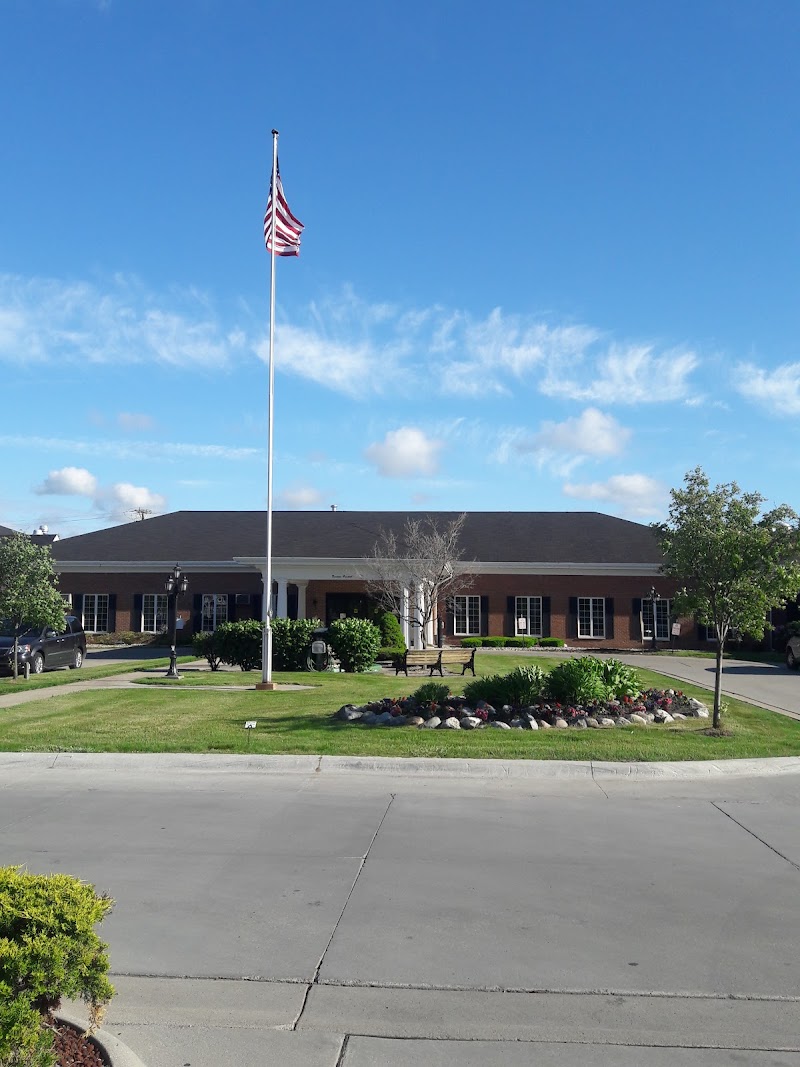
How is Marwood Manor Nursing Home Staffed?
CMS rates Marwood Manor Nursing Home's staffing level at 5 out of 5 stars, which is much above average compared to other nursing homes. Staff turnover is 30%, compared to the Michigan average of 46%. This relatively stable workforce can support continuity of care.

What Have Inspectors Found at Marwood Manor Nursing Home?

State health inspectors documented 16 deficiencies at Marwood Manor Nursing Home during 2023 to 2025. These included: 3 that caused actual resident harm and 13 with potential for harm. Deficiencies causing actual harm indicate documented cases where residents experienced negative health consequences.

Who Owns and Operates Marwood Manor Nursing Home?

Marwood Manor Nursing Home is owned by a non-profit organization. Non-profit facilities reinvest revenue into operations rather than distributing to shareholders. The facility operates independently rather than as part of a larger chain. With 240 certified beds and approximately 198 residents (about 82% occupancy), it is a large facility located in Port Huron, Michigan.

How Does Marwood Manor Nursing Home Compare to Other Michigan Nursing Homes?

Compared to the 100 nursing homes in Michigan, Marwood Manor Nursing Home's overall rating (5 stars) is above the state average of 3.2, staff turnover (30%) is significantly lower than the state average of 46%, and health inspection rating (4 stars) is above the national benchmark.

What Should Families Ask When Visiting Marwood Manor Nursing Home?

Based on this facility's data, families visiting should ask: "Can I visit during a mealtime to observe dining assistance and food quality?" "How do you handle medical emergencies, and what is your hospital transfer rate?" "Can I speak with family members of current residents about their experience?"

Is Marwood Manor Nursing Home Safe?

Based on CMS inspection data, Marwood Manor Nursing Home has a clean safety record: no substantiated abuse findings (meaning no confirmed cases of resident harm), no Immediate Jeopardy citations (the most serious violation level indicating risk of serious injury or death), and is not on the Special Focus Facility watch list (a federal program monitoring the lowest-performing 1% of nursing homes). The facility has a 5-star overall rating and ranks #1 of 100 nursing homes in Michigan. While no facility is perfect, families should still ask about staff-to-resident ratios and recent inspection results during their visit.

Do Nurses at Marwood Manor Nursing Home Stick Around?

Marwood Manor Nursing Home has a staff turnover rate of 30%, which is about average for Michigan nursing homes (state average: 46%). Moderate turnover is common in nursing homes, but families should still ask about staff tenure and how the facility maintains care continuity when employees leave.

Was Marwood Manor Nursing Home Ever Fined?

Marwood Manor Nursing Home has no federal fines on record. CMS issues fines when nursing homes fail to meet care standards or don't correct problems found during inspections. The absence of fines suggests the facility has either maintained compliance or corrected any issues before penalties were assessed. This is a positive indicator, though families should still review recent inspection reports for the full picture.

Is Marwood Manor Nursing Home on Any Federal Watch List?

Marwood Manor Nursing Home is not on any federal watch list. The most significant is the Special Focus Facility (SFF) program, which identifies the bottom 1% of nursing homes nationally based on persistent, serious quality problems. Not being on this list means the facility has avoided the pattern of deficiencies that triggers enhanced federal oversight. This is a positive indicator, though families should still review the facility's inspection history directly.