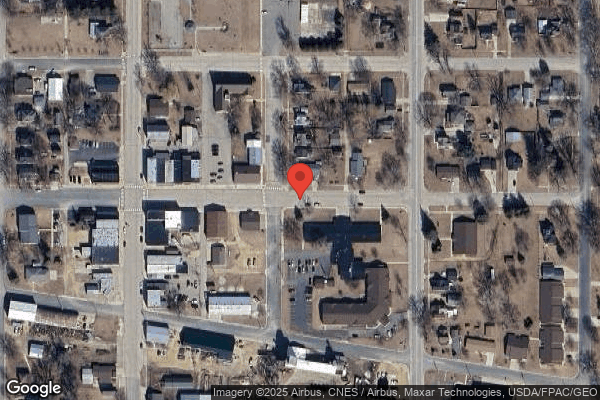

Meadow Manor

210 EAST GRAND AVENUE, GRAND MEADOW, MN 55936 (507) 754-5212
For profit - Corporation 26 Beds ACCURA HEALTHCARE Data: November 2025
Trust Grade
35/100
#251 of 337 in MN
Last Inspection: January 2025

Within standard 12-15 month inspection cycle. Federal law requires annual inspections.

Overview

Meadow Manor has received an F grade for its trust score, indicating significant concerns about the quality of care provided. Ranking #251 out of 337 facilities in Minnesota places it in the bottom half, and #3 out of 4 in Mower County suggests there is only one local option that performs better. Although the facility is showing improvement, reducing issues from 6 in 2024 to 5 in 2025, staffing remains a weakness with a poor 1-star rating and a troubling 71% turnover rate. While there have been no fines recorded, which is a positive sign, serious incidents have occurred, such as residents suffering injuries from falls due to inadequate assessments and interventions. Additionally, the kitchen has faced concerns over food safety practices, which could potentially impact all residents. Overall, families should weigh these strengths and weaknesses carefully when considering Meadow Manor.

Trust Score
F
35/100
In Minnesota
#251/337
Bottom 26%
Safety Record
Moderate
Needs review
Inspections
Getting Better
6 → 5 violations
Staff Stability
⚠ Watch
71% turnover. Very high, 23 points above average. Constant new faces learning your loved one's needs.
Penalties
✓ Good
No fines on record. Clean compliance history, better than most Minnesota facilities.
Skilled Nurses
✓ Good
Each resident gets 56 minutes of Registered Nurse (RN) attention daily — more than average for Minnesota. RNs are trained to catch health problems early.
Violations
⚠ Watch
29 deficiencies on record. Higher than average. Multiple issues found across inspections.
★★☆☆☆
2.0
Overall Rating
★☆☆☆☆
1.0
Staff Levels
★★☆☆☆
2.0
Care Quality
★★★☆☆
3.0
Inspection Score
Stable
2024: 6 issues
2025: 5 issues

The Good

  • Full Sprinkler Coverage · Fire safety systems throughout facility
  • No fines on record

Facility shows strength in fire safety.

The Bad

2-Star Overall Rating

Below Minnesota average (3.2)

Below average - review inspection findings carefully

Staff Turnover: 71%

24pts above Minnesota avg (46%)

Frequent staff changes - ask about care continuity

Chain: ACCURA HEALTHCARE

Part of a multi-facility chain

Ask about local staffing decisions and management

Staff turnover is very high (71%)

23 points above Minnesota average of 48%

The Ugly 29 deficiencies on record

1 actual harm
Jan 2025 5 deficiencies
CONCERN (D)

Potential for Harm - no one hurt, but risky conditions existed

Deficiency F0583 (Tag F0583)

Could have caused harm · This affected 1 resident

**NOTE- TERMS IN BRACKETS HAVE BEEN EDITED TO PROTECT CONFIDENTIALITY** Based on observation, interview, and document review, the facility failed to ensure personal privacy when providing cares for 1 ...

Read full inspector narrative →
**NOTE- TERMS IN BRACKETS HAVE BEEN EDITED TO PROTECT CONFIDENTIALITY** Based on observation, interview, and document review, the facility failed to ensure personal privacy when providing cares for 1 of 1 resident (R17) reviewed for personal privacy. Findings include: R17's significant change Minimum Data Set (MDS) assessment dated [DATE], indicated R17 had mild cognitive impairment, required substantial assistance for activities of daily living (ADL), and was dependent on facility staff for transfers, bathing, and personal hygiene. During an interview on 1/21/25 at 9:30 a.m., R17 stated she has been at the facility for 7 months; the blinds in her room have been broken the entire time. R17 states this bothers her because she has her bed baths in her room, and lacks the privacy she wants. The facility has told her the blinds are coming but it has been 7 months since she initially voiced her concern. During observation on 1/21/25 at 9:30 a.m., R17's vertical blinds were missing slats, and the remaining slats were broken in half. During observation on 1/22/25 at 8:42 a.m., R17's vertical blinds remained broken, R17 stated she does not expect new blinds any time soon since it has already been so long. During an interview and observation on 1/22/25 03:05 p.m., nurse manager (NM) verified R17's shade was broken, NM stated this is the first she is hearing about it. NM tried to move the vertical blinds, and another slat fell to the floor. NM acknowledges resident privacy is paramount and they will get this fixed as soon as possible. During an interview on 1/22/25 03:28 p.m., maintenance (M)-A stated he knew about the broken shades in R17's room [ROOM NUMBER] weeks ago. He stated he ordered the new blinds; it hasn't arrived yet. He also provided the last 3 months of work orders; R17's blinds were not on the work order report. Facility policy dated 10/1/24 included: all repair and maintenance requests must be properly documented to ensure timely and efficient resolution.
CONCERN (D)

Potential for Harm - no one hurt, but risky conditions existed

Grievances (Tag F0585)

Could have caused harm · This affected 1 resident

**NOTE- TERMS IN BRACKETS HAVE BEEN EDITED TO PROTECT CONFIDENTIALITY** Based on observation and interview, the facility failed to identify a grievance official to oversee, process, and track grievanc...

Read full inspector narrative →
**NOTE- TERMS IN BRACKETS HAVE BEEN EDITED TO PROTECT CONFIDENTIALITY** Based on observation and interview, the facility failed to identify a grievance official to oversee, process, and track grievances presented by residents, resident representatives and visitors. The facility failed to provide information on how to file a grievance or complaint. This had the potential to affect all 21 residents, resident representatives, and visitors Findings include: R8's significant change minimum data set (MDS) dated [DATE], indicated mild cognitive impairment. R8 is the resident council president and gave permission to review the last 3 months of resident council meeting minutes. During interview with R8 on 1/22/25 at 2:17 p.m., R8 stated the social services director left in November 2024. R8 stated the social services director was the grievance official and residents knew who they could report any grievances to. R8 stated grievances were followed up on frequently prior to the social services director leaving. R8 stated the facility has not designated a new grievance official and residents do not know who they can report grievances to. R8 stated is has been difficult to get grievances reported and followed up on since the social services director left. R8 stated a formal grievance form or policy is not readily available to residents, resident representatives, or visitors. During observation on 1/22/25 at 2:45 p.m., a grievance form or grievance policy was not available in the front lobby. During an interview on 1/22/25 at 3:05 p.m., nurse manager (NM) confirmed the facility does not have an appointed grievance official since the social services director left in November 2024. NM confirmed the front lobby did not have a resident grievance or complaint form, and the grievance policy was not available in the front lobby. During interview on 1/22/25 at 3:31 p.m., the director of nursing (DON) and the activities director (A)-A confirmed the social services director left in November 2024. The A-A confirmed the facility does not have a designated grievance official to oversee the grievance process. DON confirmed the facility does not have a grievance form available to residents, resident representatives, or visitors. An undated facility policy titled, Grievances/Complaints-Staff Responsibility included: a grievance form and policy is available to residents or person acting on resident's behalf in the front lobby.
CONCERN (D)

Potential for Harm - no one hurt, but risky conditions existed

Deficiency F0761 (Tag F0761)

Could have caused harm · This affected 1 resident

**NOTE- TERMS IN BRACKETS HAVE BEEN EDITED TO PROTECT CONFIDENTIALITY** Based on observation, interview, and record review, the facility failed to secure dispensed medications in a manner to prevent d...

Read full inspector narrative →
**NOTE- TERMS IN BRACKETS HAVE BEEN EDITED TO PROTECT CONFIDENTIALITY** Based on observation, interview, and record review, the facility failed to secure dispensed medications in a manner to prevent diversion and/or consumption by others by leaving dispensed medications on top of medication cart. This has the potential to affect residents, staff, and visitors. Findings include: R20's admission Minimum Data Set (MDS), dated [DATE], indicated intact cognition. R20's diagnoses list included nausea with vomiting and hypomagnesemia (low magnesium level in the blood). R20's physician orders included: -ondasetron (medication used to treat nausea) 4 mg 1 tablet three times a day for nausea and vomiting. -Slo-mag delayed release (magnesium supplement) 71.5-119 mg give 2 tablets by mouth four times a day for hypomagnesemia -Magic cup (high calorie frozen nutritional supplement) three times a day between meals as supplemental snack R172 R172's admission MDS, dated [DATE], indicated severe cognitive impairment, wandering significantly intrudes on the privacy of activities of others, and independence with transfers and ambulation. R172's diagnoses list included dementia and wandering R172's care plans indicated elopement risk/wandering related to disorientation to place, impaired safety awareness, and wandering aimlessly. It also indicated R172 wears a wanderguard and had impaired cognitive function. During observation of medication administration on 1/21/25 at 12:14 p.m., trained medication aide (TMA)-A was standing at medication cart with back toward the common area. A second medication cart was located to the TMA-A's right. R172 walked up behind TMA-A and asked about calling her husband. TMA-A turned, spoke to R172, and then returned toward the medication cart. TMA-A opened medication cart and dispensed R20's medications (2 slo-mag tablets and 1 ondasetron tablet) into medication cup and placed cup on the top of the medication cart. R172 remained standing next to the 2nd medication cart. TMA-A stated he needed to retrieve magic cup from the kitchen. TMA-A closed computer screen, locked the medication cart, and walked passed R172. The medication cup remained on top of the cart. While TMA-A retrieved the magic cup, R172 walked to the medication cart and figeted with a pen that was located on the cart. The cup containing R20's medications was immediately to the left of R172, within reach. R172 looked in the direction of the medication cup however did not pick it up. TMA-A returned with magic cup, grabbed medication cup, and walked to R20's room to administer the medications. During an interview on 1/21/25 at 12:24 p.m., TMA-A confirmed medications were left unattended on top of the cart. TMA-A stated for resident safety, medications should be locked in the top drawer of the medication cart and not be left unattended. During an interview on 1/22/25 at 11:56 a.m., registered nurse (RN)-A stated medications should be locked up in the medication cart to prevent other residents and staff from taking them. During an interview on 1/23/25 at 11:17 a.m., the director of nursing (DON) stated staff are expected to lock up medications in the cart if they need to walk away. This is important to prevent diversion or another residents taking them. A policy titled Administering Medications, revised 2019 indicated medications are administered in a safe and timely manner, and as prescribed. Paragraph 19 indicated .during administration of medications, the medication cart is kept closed and locked when out of sight of the medication nurse or aide . No medications are kept on top of the cart.
CONCERN (D)

Potential for Harm - no one hurt, but risky conditions existed

Infection Control (Tag F0880)

Could have caused harm · This affected 1 resident

**NOTE- TERMS IN BRACKETS HAVE BEEN EDITED TO PROTECT CONFIDENTIALITY** Based on observation, interview, and record review, the facility failed to ensure use of proper personal protective equipment (P...

Read full inspector narrative →
**NOTE- TERMS IN BRACKETS HAVE BEEN EDITED TO PROTECT CONFIDENTIALITY** Based on observation, interview, and record review, the facility failed to ensure use of proper personal protective equipment (PPE) during catheter care for 1 of 1 residents (R174) reviewed for enhanced barrier precautions (EBP). Findings include: R174's annual Minimum Data Set (MDS) dated [DATE], indicated R174 was cognitively intact and had an indwelling urinary catheter. R174's provider orders included indwelling urinary catheter for urinary retention (a condition that causes difficulty emptying bladder). R174's care plan indicated R174 had an indwelling urinary catheter. During observation and interview on 1/21/25 at 3:04 p.m., R174 confirmed long term catheter use due to history of difficulty with urination. A urinary catheter bag was observed hanging on the left side of R174's recliner. No PPE noted in or around R174's room. A large set of drawers containing disposable PPE gowns was noted down the hall just outside the soiled utility room. During observation and interview on 1/22/25 at 1:37 p.m., nursing assistant (NA)-B entered R174's room without donning PPE. NA-B washed hands and applied gloves. Without applying a gown, NA-B emptied R174's urinary catheter bag in graduated cylinder, measured output, and emptied cylinder in the toilet. NA-B washed hands and placed cylinder in a plastic bag in the closet. NA-B stated EBP should be used for residents who have catheters or wounds. NA-B stated an EBP sign should have been placed on the door. During interview on 1/22/25 at 2:45 p.m., the infection preventionist (IP) stated admission paperwork and 24-hour progress notes are reviewed to determine if residents are appropriate for transmission-based precautions. Residents placed on EBP have a star placed on the nameplate outside their room and are placed on a list located in the nurses' station. PPE bins for EBP are kept near the soiled utility room to keep the facility as home-like as possible. EBP is implemented for residents who have chronic wounds requiring daily dressing changes, pressure ulcers, catheters, MDRO's (antibiotic resistant bacteria), and feeding tubes. Staff are expected to wear proper PPE when changing a resident's catheter, providing cares, ambulating, and emptying catheter bags. During observation on 1/22/25 at 3:09 p.m., it was confirmed R174's name plate does contain a star. During interview on 1/22/25 at 3:52 p.m., NA-A did not know what the stars next to the resident's name indicated. When asked how staff know if a resident is on EBP, NA-A stated there is a book in the nurses' station or she would ask another nursing assistant or nurse. During interview and observation on 1/22/25 at 4:01 p.m., NA-C stated there is a usually a list of residents in the nurses' station who have a star next to their name indicating EBP. NA-C confirmed no list was found in the nurses' station. During interview on 1/23/25 at 11:24 a.m., the director of nursing (DON) stated EBP is implemented for residents with urinary catheters, wounds, colonized bacteria, or any kind of tubing. EBP is implemented immediately upon admission or when precautions are deemed appropriate. PPE bins are stored near the soiled utility room. Staff are expected to wear appropriate PPE when dressing, bathing, transferring, emptying catheters, or providing any other type of care. The DON stated the facility places stars outside resident's rooms as a way of communicating EBP to staff in addition to verbal report. The DON did state however, there have been issues with follow-through in this communication. A policy titled Enhanced Barrier Precautions (EBP) Policy and Procedure revised 11/6/24 indicated EBP is used during high-contact care activities for residents with chronic wounds or indwelling medical devices, regardless of the MDRO status . Indwelling medical device examples include central lines, urinary catheters, feeding tubes, and tracheostomies. The Indications for Use section indicated EBP is required when performing the following high-contact resident care activities .device care or use: central line, urinary catheter, feeding tube, tracheostomy/ventilator. The Procedure section instructed staff to gather supplies, clean hands, apply PPE (gown and gloves) prior to providing care. Staff notification for resident who require EBP section indicated resident's requiring use of EBP will have a star symbol placed by their name on their room plate outside of the resident's room.
MINOR (C)

Minor Issue - procedural, no safety impact

Deficiency F0577 (Tag F0577)

Minor procedural issue · This affected most or all residents

**NOTE- TERMS IN BRACKETS HAVE BEEN EDITED TO PROTECT CONFIDENTIALITY** Based on observation, interview and document review, the facility failed to ensure three years of survey results were readily ac...

Read full inspector narrative →
**NOTE- TERMS IN BRACKETS HAVE BEEN EDITED TO PROTECT CONFIDENTIALITY** Based on observation, interview and document review, the facility failed to ensure three years of survey results were readily accessible for residents or visitors to view without having to ask. This had the potential to affect all 21 residents who resided in the facility and visitors. Findings include: R8's significant change minimum data set (MDS) dated [DATE], indicated mild cognitive impairment. During an interview on 1/22/25 at 2:17 p.m., R8 who is the resident council president stated the survey binder containing the previous surveys was removed from the common area a long time ago. During observation on 1/22/25 at 3:30 p.m., the survey binder was not present in the common area in the main entrance. During interview on 1/22/25 at 3:31 p.m., the director of nursing (DON) and the activities director (A)-A confirmed the survey binder was removed from all common areas and was only available to residents or visitors if they ask for it. No policy regarding posting of survey results was provided.
Aug 2024 5 deficiencies 1 Harm
SERIOUS (G) 📢 Someone Reported This

A family member, employee, or ombudsman was alarmed enough to file a formal complaint

Actual Harm - a resident was hurt due to facility failures

Accident Prevention (Tag F0689)

A resident was harmed · This affected 1 resident

**NOTE- TERMS IN BRACKETS HAVE BEEN EDITED TO PROTECT CONFIDENTIALITY** Based on observation, interview, and document review the facility failed to compressively assess falls for root cause, implement...

Read full inspector narrative →
**NOTE- TERMS IN BRACKETS HAVE BEEN EDITED TO PROTECT CONFIDENTIALITY** Based on observation, interview, and document review the facility failed to compressively assess falls for root cause, implement appropriate interventions and follow the care plan to prevent and/or reduce the risk of falls with major injury for 2 of 2 residents (R3 and R2) with history of falls. This resulted in actual harm for R3 when he sustained a hand fracture and lacerations to his face and foot and R2 when she sustained a laceration above the eye that required sutures as a result of a fall. Findings include: R3's quarterly Minimum Data Set (MDS) dated [DATE], indicated R3 had moderately impaired cognition and required staff assistance with toileting, dressing, and transferring, R3's diagnoses included encephalopathy (brain disease that alters brain function), heart failure, renal disease, diabetes, Alzheimer's disease, Parkinson's disease, depression, and chronic obstructive pulmonary disease. R3's Care Area Assessment (CAA) dated [DATE], indicated R3 triggered for cognitive loss/dementia, self-care and mobility, and falls. R3's Fall CAA indicated R3 was at risk for falls related to recent hospitalization, diagnoses, and physical limitations. R3's Morse Fall Scale dated [DATE], indicated R3 was at a high risk for falls. R3's Physical Therapy Treatment Encounter Note dated [DATE] indicated R3 verbalized need for full time mobility assist for all weight bearing mobility; however, reduced insight and judgement limits patients understanding of fall risk. R3's fall care plan last revised on [DATE], indicated R3 had limited physical mobility and a history of falling. Interventions included: required one staff with gait belt and a walker for ambulation, and transferring. R3's fall report dated [DATE] at 11:20 p.m., indicated R3 had tried to self-transfer to bed and missed causing a fall to the floor with no apparent injuries. The report identified there were no predisposing environmental factors, gait imbalance as a predisposing physiological factor and ambulating without assist as a predisposing situation factor. R3's fall record did not include any further information about the fall. R3's medical records did not include a comprehensive fall analysis for root cause, nor interventions for the identified risk factors from the fall report such as, but not limited, self-ambulating, that would prevent falls and/or mitigate the risk of falls or falls with major injury. R3's fall report dated [DATE] at 7:00 p.m., indicated R3 had fallen in his doorway and was complaining about pain to his head and buttocks. R3 indicated he was trying to get out the door when his legs went weak and fell. The report further indicated R3 sustained a skin tear to his right lower leg, bump to the top of scalp, and fracture to his left hand. R3 was transferred to the emergency department (ED) for evaluation. The report identified furniture, weakness, and ambulating without assist to be a potential causal factor. A follow up noted dated [DATE], identified R3 had an unwitnessed fall when he was trying to get through a doorway when he went weak with intervention as ED evaluation and increase checks upon return. R3's record did not include any further information about the fall. R3's record did not identify an assessment that determined and/or defined frequency of checks R3 required based on his risk factors, mannerisms, and behaviors. Furthermore, not evident the care plan, care sheets, and/or orders were revised to include the intervention of increase checks. Additionally, R3's records did not include a comprehensive fall analysis for root cause, nor interventions for the identified risk factors from the fall report such as, but not limited, self-ambulating and furniture that would prevent falls and/or mitigate the risk of falls or falls with major injury. R3's ED After Visit Summary dated [DATE], indicates diagnoses of history of falling, closed fracture of the fifth metacarpal (long bone of the hand), and displaced closed fracture of the little finger. R3's Progress Noted dated [DATE] at 10:45 a.m., identified R3 returned from the ED following a closed reduction procedure of his 5th metacarpal falange {sic}and had a temporary soft cast on and was to follow up with orthopedics. R3's fall report dated [DATE] at 10:00 p.m., indicated R3 was found in front of his recliner in his room. R3 had a bloody nose and yelled out in pain but was unable to say the location of the pain. The fall report indicated R3 was oriented to person only. R3 had confusion and was ambulating without assist as potential causal factors. Follow-up note dated [DATE], indicated R3 had an unwitnessed fall and immediate intervention was to encourage to sleep in bed. R3's fall record did not include any further information about the fall, nor evident R3's care plan/care sheets were revised to include the intervention. In review of R3's records identified a comprehensive fall analysis for root cause and interventions was not completed that addressed risk factors included in the fall report, even though the report identified R3 had confusion and self-transferred, the intervention for increased checks was not individualized and/or assessed to address that risk factor. Further, no evidence the intervention of increase checks was provided and was evaluated for effectiveness. R3's fall report dated [DATE] at 7:00 a.m., indicated R3 had fallen while trying to get up and dressed for the day. R3 was alert and oriented upon initial nurse assessment and then condition worsened. R3 was noted to have open area to feet, toes, and a large hematoma to left upper eye. R3 also noted to have a laceration to his face. EMS were called and R3 transferred to the ED. The fall report indicated items out of reach, other with no description, gait imbalance, recent illness, weakness, ambulating without assist, improper footwear, and oxygen tubing on the floor, and overnight catheter bag were all identified as possible causal factors to the fall. A follow up note on [DATE] indicated R3 was deceased due to respiratory complications. During an interview on [DATE] at 9:30 a.m., RN-B indicated R3 was a high fall risk and had several falls trying to self-transfer. Further indicated R3 had a history of dementia and was forgetful. Identified R3 had been diagnosed with COVID-19 and was in isolation for 10 days with his door shut but did not know how often staff checked for safety or personal needs. R3 had apparent injuries during two recent falls; one he broke his hand, and the last fall, his head, a couple of toes, and heel were gashed open. R2's admission MDS dated [DATE], indicated R2 had severe cognitive impairment, no behaviors, required extensive assist of staff with bed mobility, transfers, and toilet use. R2 used a walker and wheelchair for mobility and was frequently incontinent of bowel and bladder. R2's diagnoses included progressive supranuclear ophthalmoplegia (a rare brain disease that affects walking, balance, eye movements, and swallowing), dementia, anxiety disorder, depression, morbid obesity, restless leg syndrome, diabetes, and a history of falling. R2's updated Brief Interview for Mental Status dated [DATE], indicated R2 was cognitively intact. R2's CAA dated [DATE], indicated R2 triggered for cognitive loss/dementia, functional abilities (self-care and mobility), and urinary incontinence. In addition, R2 triggered for falls related to fall history and high-risk medications. The Fall CAA further indicated R2 is alert and oriented, able to make needs known, and will call for staff assist with toileting but is impulsive and may forget. R2's admission Morse Fall Scale, dated [DATE], indicated R2 was at a high risk for falls. R2's Physical Therapy Progress Report dated [DATE], indicated R2 required assist of two for safety with the second assist for wheelchair management due to tendency towards right trunk lean and decreased right lower extremity foot clearance and stride length. R2's care plan last revised on [DATE], identified R2 was at risk for falls due to limited physical mobility. Interventions included to ensure appropriate footwear, ensure reacher is within reach of resident, [NAME] [sic] (Dycem is a non-slip material) placed under wheelchair cushion to prevent it from sliding off, remind to utilize pendant to call for staff assistance, reminder signs placed in room, and to transfer with two staff assist. The undated form labeled CNA (certified nursing assistant) Individual Report Sheet indicated R2's transfer status was assist of 2 (two). R2's Fall report dated [DATE] at 9:16 p.m., indicated NA was transferring resident from WC (wheelchair) to bed when resident fell onto right knee. R2 sustained an abrasion on the right knee. Note dated [DATE], indicated interdisciplinary team (IDT) reviewed fall report and determined resident fell to knee while transferring to bed with NA. No injuries and intervention was to educate staff on safety when transferring resident. No other information about the fall was documented. R2's record did not include a comprehensive fall analysis that identified probable root cause including if the care plan was followed, if the care plan was appropriate, and/or if R2 had a change in transfer ability. R2's Fall report dated [DATE] at 9:13 p.m., indicated R2 was lying on her back on the floor and had hit her head. R2 stated she was reaching when she fell. Root cause analysis indicated R2 slid out of wheelchair while trying to rearrange things. Note section dated [DATE], indicated R2 was reaching for something outside of her grasp. The intervention was to keep her reacher within reach of her so that she can utilize it. The reacher was an intervention that had already been put in place on [DATE]. R2's record did not include a comprehensive fall analysis that included but not limited to if R2's care plan was followed and/or if R2 had the ability to use the reacher. Further did not identify any other interventions that would mitigate R2 from re-current falls related to the same identified cause. R2's Fall report dated [DATE] at 7:00 p.m., indicated R2 was found on the floor after reaching to pick trash off the floor. Nurse recommended R2 use her call light. Note section updated [DATE] identified R2 was trying to pick garbage off the floor, staff will place call light reminder signs in R2's room. There was no further information about the fall. R2's record did not include a comprehensive fall analysis that included but not limited to if R2's care plan was followed and/or if R2 had the ability to use the reacher. Further did not identify any other interventions that would mitigate R2 from re-current falls related to the same identified cause. R2's Fall report dated [DATE] at 6:25 p.m., indicated R2 was found on the floor in front of the wheelchair. R2 fell while trying to throw something away. R2 complained of left elbow pain. Notes section dated [DATE] identified R2 fell trying to throw something away and her chair cushion was found on the floor. Intervention for staff to put [NAME] [sic] under wheelchair cushion to prevent it from sliding off. Although the intervention was to put Dycem [sic] in wheelchair to prevent sliding, it was not added to the care plan until [DATE]. R2's fall record did not include any further information about the fall including a comprehensive analysis that included but not limited to if R2's care plan was followed at the time of the fall. R2's Progress Note dated [DATE] at 3:53 p.m., indicated a therapist reported that R2 had fallen in therapy. Further described knees became weak, fell back into the wheelchair, hyperextended, and slid down to the floor. The medical record lacked a fall report, comprehensive assessment, root cause analysis, and intervention to prevent further falls. R2 Fall report dated [DATE] at 6:30 a.m., indicated R2 was transferring to the commode and lost balance and fell to the floor. R2 sustained a laceration to the left eye and emergency medical services (EMS) were called for transport to the ED. A follow up note by registered nurse (RN)-A indicated R2 was not using a walker or gait belt during transfer, R2's shoes on, and lights were on in her room. R2's pants were around her ankles. Notes section dated [DATE], identified R2 was transferring without assistance and the intervention was to re-educate R2 on pendant (call light usage). No other information was included and the record did not include a comprehensive analysis that would have identified R2's transfer care plan that directed 2 staff assist was not followed per interview with nursing assistant (NA)-A on [DATE] at 3:30 p.m. NA-A reported she was working with R2 at the time of the fall with injury. NA-A explained it was her first time assisting R2 and unknown NA told her that R2 transferred with one staff assist, gait belt, and walker. She assisted R2 to transfer to the commode when R2 leaned forward, and NA-A could not stop the fall. R2's After Visit Summary dated [DATE], indicated R2 was evaluated in the ED following a fall and diagnosed with a face laceration and head injury. During observation and interview on [DATE] at 3:20 p.m., R2 was seated in a wheelchair in her room. R2 appeared upset and stated, things aren't going very well here. R2 further clarified she fell a few weeks ago, hit her head, and went to the hospital for stitches, Stated, I usually transfer with two people but there was only one [staff] here. During an interview on [DATE] at 10:45 a.m., family member (FM)-A indicated R2 has always needed two people to assist with transfers but R2 had reported that when she fell and hit her head, there was only one person assisting her to the commode. FM-A further indicated R2 had to go to the hospital for stitches as a result of that fall. Further clarified the fall occurred on [DATE] and R2 reports that she frequently only has one person assisting her although she is supposed to have two. During an interview on [DATE] at 3:45 p.m., NA-B indicated R2 had always required two staff assist to transfer. Further identified they use a cheat sheet (CNA Individual Report Sheet) to learn how residents transfer but did not know how often it was updated. During interview on [DATE] at 9:30 a.m., registered nurse (RN)-B indicated she was working on [DATE] and responded to R2's fall. Indicated R2 was care planned to transfer with two staff assist at all times. Further stated that they sometimes put some kind of intervention in place and would be documented in the resident progress note if they did. During an interview on [DATE] at 12:30 p.m., the regional nurse manager indicated the expectation of the clinical team would be to do a post fall huddle and get the information to determine the root cause of the fall and identify and implement the appropriate fall prevention interventions. During an interview on [DATE] at 12:15 p.m., the administrator reviewed R3's falls and confirmed the record did not include a comprehensive analysis for any of R3's falls. Adminstartor identified increase in checks was not defined nor documented and could not determine how frequently the checks had been completed and therefor could not ascertain the effectiveness of the intervention. Adminstartor conceded that the facility was not performing in depth assessments and expected the facility's fall process and procedures be followed for all falls. The facility's policy titled, Fall Risk and Prevention Guidelines directs clinical staff to: Conduct interviews of; the resident, the first responder, the person who last saw the resident, any witnesses. Make note of the resident's immediate surroundings and the position the resident/tenant was found. Determine from staff the provision of the last cares, what the cares were and when they were provided. Review the record for medications in use; psychotropic, narcotics, diuretics, anticonvulsants, cardiovascular meds etc. Review the record for any medications/doses changed in the previous 30 days. Review recent laboratory values. Review the plan of care to determine care provided was consistent with plan. The nurse reviews the information collected, determines the root cause, and initiates a plan based on the information. The plan of care is updated and revised with changes as indicated. Complete Adverse Event, Report in Risk Management, Complete Post Fall Data Collection in Electronic Medical Record, Update SNF Care Plan and NAR Care Plan/HHA Care Plan, 24-hour Report Updated, Family Medical Practitioner, DNS and ED notified of incident. IDT discussion of Incident for Review. Investigations should be thorough, accurate, fact based, be well documented, concise, and understandable. All falls are trended, analyzed and interventions introduced for areas of concern via monthly QAPI Meetings. Tracking of these discussions are listed within QAPI Minutes Ppt.
CONCERN (D) 📢 Someone Reported This

A family member, employee, or ombudsman was alarmed enough to file a formal complaint

Potential for Harm - no one hurt, but risky conditions existed

Report Alleged Abuse (Tag F0609)

Could have caused harm · This affected 1 resident

**NOTE- TERMS IN BRACKETS HAVE BEEN EDITED TO PROTECT CONFIDENTIALITY** Based on interview and document review, the facility failed to ensure a fall with serious injury with potential neglect was repo...

Read full inspector narrative →
**NOTE- TERMS IN BRACKETS HAVE BEEN EDITED TO PROTECT CONFIDENTIALITY** Based on interview and document review, the facility failed to ensure a fall with serious injury with potential neglect was reported to the State Agency (SA) for 2 of 3 residents (R3 and R2) reviewed for falls. Findings include: R3 A Vulnerable Adult Maltreatment Report submitted to the State Agency on [DATE] at 5:45 p.m., alleged caregiver neglect for an incident that had occurred on [DATE] at approximately 5:00 a.m. The report indicated R3 fell on [DATE] and was sent to the emergency department (ED) for a broken finger and again, fell on [DATE] in the morning and was sent to the ED with injuries and died the next day. Further indicated R3 had COVID and was in his room with the door shut and needed staff assistance to transfer. In review of Facility Reported Incidents (FRI), it was not evident R3's fall was reported to the State Agency. R3's quarterly Minimum Data Set (MDS) dated [DATE], indicated R3 had moderately impaired cognition and required staff assistance with toileting, dressing, and transferring, R3's diagnoses included encephalopathy (brain disease that alters brain function), heart failure, renal disease, diabetes, Alzheimer's disease, Parkinson's disease, depression, and chronic obstructive pulmonary disease. R3's fall report dated [DATE] at 7:00 p.m., indicated R3 had fallen in his doorway and was complaining about pain to his head and buttocks. R3 indicated he was trying to get out the door when his legs went weak and fell. Further indicates R3 sustained a skin tear to his right lower leg, bump to the top of scalp, and fracture to his left hand. R3 was transferred to the ED for evaluation. A follow up noted dated [DATE], identified R3 was trying to get through a doorway when he went weak. There was no further information about the fall. R3's record did not include a thorough investigation and/or comprehensive fall analysis for probable root cause(s) that would include but not limited to if R3's care plan had been followed at the time of the fall. R3's ED After Visit Summary dated [DATE], indicates diagnoses of history of falling, closed fracture of the fifth metacarpal (long bone of the hand), and displaced closed fracture of the little finger. R3's fall report dated [DATE] at 7 a.m., indicated R3 had fallen while trying to get up and dressed for the day. R3 was alert and oriented upon initial nurse assessment and then condition worsened. R3 was noted to have open area to feet, toes, and a large hematoma to left upper eye. R3 also noted to have a laceration to his face. EMS were called and R3 transferred to the ED. A follow up note on [DATE] indicated R3 was deceased due to respiratory complications. There was no further information about the fall. R3's record did not include a thorough investigation and/or comprehensive fall analysis for probable root cause(s) that would include but not limited to if R3's care plan had been followed at the time of the fall. factors. R2 A Vulnerable Adult Maltreatment Report was submitted to the SA on [DATE] at 12:44 p.m., alleged caregiver neglect for an incident that occurred on [DATE]. The report indicated R2 was sent to the hospital after falling and busted eye open due to having only one person assist with a transfer when it should have been two staff assisting. In review of Facility Reported Incidents (FRI), it was not evident R2's fall was reported to the State Agency. R2's admission Minimum Data Set (MDS) dated [DATE], indicated R2 had severe cognitive impairment, no behaviors, required extensive assist of staff with bed mobility, transfers, and toilet use. R2 used a walker and wheelchair for mobility and was frequently incontinent of bowel and bladder. R2 diagnoses included progressive supranuclear ophthalmoplegia (a rare brain disease that affects walking, balance, eye movements, and swallowing), dementia, anxiety disorder, depression, morbid obesity, restless leg syndrome, diabetes, and a history of falling. R2 Fall report dated [DATE] at 6:30 a.m., indicated R2 was transferring to the commode and lost balance and fell to the floor. R2 sustained a laceration to the left eye and emergency medical services (EMS) were called for transport to the emergency department (ED). A follow up note by registered nurse (RN)-A indicated R2 was not using a walker or gait belt during transfer, R2's shoes on, and lights were on in her room. R2's pants were around her ankles. R2's record did not include a thorough investigation and/or comprehensive fall analysis for probable root cause(s) that would include but not limited to if R2's care plan had been followed at the time of the fall. During observation and interview on [DATE] at 3:20 p.m., R2 was seated in a wheelchair in her room. R2 appeared upset and stated, things aren't going very well here. Further clarified she fell a few weeks ago, hit her head, and went to the hospital for stitches, Stated, I usually transfer with two people but there was only one [staff] here. During an interview on [DATE] at 10:45 a.m., family member (FM)-A indicated R2 has always needed two people to assist with transfers but R2 had reported that when she fell and hit her head, there was only one person assisting her to the commode. FM-A further indicated R2 had to go to the hospital for stitches as a result of that fall. Further clarified the fall occurred on [DATE] and R2 reports that she frequently only has one person assisting her although she is supposed to have two. During an interview on [DATE] at 3:30 p.m., nursing assistant (NA)-A indicated she was assisting R2 at the time of the [DATE] fall. NA-A indicated she was an agency NA, and it was her first time working with R2. She was told R2 required only one person assist with gait belt and walker. Further indicated she was independently transferring R2 with gait belt and walker when R2 leaned forward and fell and hit her head. During an interview on [DATE] at 9:30 a.m., registered nurse (RN)-B indicated she was working at the time of R2's fall on [DATE]. Further identified on [DATE], R2 had fallen transferring to the commode and had bleeding from the left eye and was sent to the ED. Indicated NA-A alerted her to the fall and was in the room with R2 but did not know if NA-A had assisted R2 or not. RN-B assumed NA-A was waiting for help but was not sure of the details and confirmed R2 was a two person assist with walker and gait belt but thought R2 had self-transferred causing her to fall. During an interview on [DATE] at 9:20 a.m., the administrator indicated they would only report falls if the facility would be at fault or could have done something to prevent it. Regarding R2 and R3's falls with injury, the administrator indicated he considered reporting to the SA but the care plan was followed, and the facility was not at fault. During a follow-up interview on [DATE] at 2:00 p.m., the administrator reviewed the facility incident reports and acknowledged that vital pieces of the investigations were missing and that the investigations were not thorough enough to determine if the care plan was followed or that neglect did or did not occur. The facility policy titled, Reporting of Accidents and Incidents last updated [DATE], indicates the facility shall take ongoing steps to identify each resident at risk for accidents and/or falls, and adequately plan care, implement procedures to prevent accidents. In addition, residents shall receive a complete, comprehensive, accurate and reproduceable assessment of their functional capacity and the degree of accident risk to which each resident's condition places them. This assessment shall be standardized within the facility shall be carried out in an informal manner on a day-to-day basis and as needed to prevent injury and/or accidents within the facility. The facility shall ensure that all alleged violation involving, abuse, neglect, mistreatment of resident property including injuries of unknown source are reported immediately to the administrator and to other agencies in accordance with state law through established procedures. Accura HealthCare shall have evidence that all alleged violations are thoroughly investigated and shall prevention further potential abuse while the investigation is in process. Further identifies the administrator or the director of nursing shall determine if the incident/allegation meets the criteria for Reportable Incident. All incidents deemed reportable under MN stature are submitted to MDH via the on-line reporting system immediately (as soon as possible). The facility policy titled, Fall Risk and Prevention Guidelines with revision date February 23, indicates It is critical for nursing centers to address and mitigate adverse events and potential adverse events. An action plan, otherwise known as a mitigation plan, is a necessary response to adverse events and potential adverse events. For many such events, it is important to respond and start the mitigation process immediately. Housing Manager/ED must be notified immediately at the time of the adverse event. Investigations should be thorough, accurate, fact based, be well documented, concise, and understandable.
CONCERN (D) 📢 Someone Reported This

A family member, employee, or ombudsman was alarmed enough to file a formal complaint

Potential for Harm - no one hurt, but risky conditions existed

Investigate Abuse (Tag F0610)

Could have caused harm · This affected 1 resident

**NOTE- TERMS IN BRACKETS HAVE BEEN EDITED TO PROTECT CONFIDENTIALITY** Based on interview and document review, the facility failed to complete an accurate and thorough investigation of falls to deter...

Read full inspector narrative →
**NOTE- TERMS IN BRACKETS HAVE BEEN EDITED TO PROTECT CONFIDENTIALITY** Based on interview and document review, the facility failed to complete an accurate and thorough investigation of falls to determine the root cause, if the care plan was followed, and if the fall was reportable to the State Agency (SA) for 3 of 3 residents (R2, R3, and R4) reviewed for falls. Finding include R2's admission Minimum Data Set (MDS) dated [DATE], indicated R2 had severe cognitive impairment, no behaviors, required extensive assist of staff with bed mobility, transfers, and toilet use. R2 used a walker and wheelchair for mobility and was frequently incontinent of bowel and bladder. R2 diagnoses included progressive supranuclear ophthalmoplegia (a rare brain disease that affects walking, balance, eye movements, and swallowing), dementia, anxiety disorder, depression, morbid obesity, restless leg syndrome, diabetes, and a history of falling. R2's care plan last revised on [DATE], identified R2 was at risk for falls due to limited physical mobility. Interventions included to ensure appropriate footwear, ensure reacher is within reach of resident, [NAME] [sic] (Dycem is a non-slip material) placed under wheelchair cushion to prevent it from sliding off, remind to utilize pendant to call for staff assistance, reminder signs placed in room, and to transfer with two staff assist. R2's Fall report dated [DATE] at 9:16 p.m., indicated nursing assistant (NA) was transferring resident from WC (wheelchair) to bed when resident fell onto right knee. R2 sustained an abrasion on the right knee. Note dated [DATE], indicated interdisciplinary team (IDT) reviewed fall report and determined resident fell to knee while transferring to bed with NA. No injuries and the intervention was to educate staff on safety when transferring resident. No other fall information was included. R1's record did not include a thorough investigation and/or comprehensive fall analysis for probable root cause(s) that would include but not limited to if R2's care plan had been followed at the time of the fall. R2's Fall report dated [DATE] at 9:13 p.m., indicated R2 was lying on her back on the floor and had hit her head. R2 stated she was reaching when she fell. Root cause indicated R2 slid out of wheelchair while trying to rearrange things. There was no further information about the fall. Further, the record did not include a thorough investigation and/or comprehensive fall analysis that would include but not limited to if R2's care plan was followed at the time of the fall. R2's Fall report dated [DATE] at 7:00 p.m., indicated R2 was found on the floor after reaching to pick trash off the floor. Nurse recommended R2 use her call light. Note section updated [DATE] identified R2 was trying to pick garbage off the floor, staff will place call light reminder signs in R2's room. R2's record did not include a thorough investigation and/or comprehensive fall analysis that would include but not limited to if R2's care plan had been followed at the time of the fall. R2's Progress Note dated [DATE] at 3:53 p.m., indicated a therapist reported that R2 had fallen in therapy. Further described knees became weak, fell back into the wheelchair, hyperextended, and slid down to the floor. The medical record did not include a Fall report. Further R2's record did not include a thorough investigation and/or comprehensive fall analysis for probable root cause(s). R2 Fall report dated [DATE] at 6:30 a.m., indicated R2 was transferring to the commode and lost balance and fell to the floor. R2 sustained a laceration to the left eye and emergency medical services (EMS) were called for transport to the emergency department (ED). A follow up note by registered nurse (RN)-A indicated R2 was not using a walker or gait belt during transfer, R2's shoes on, and lights were on in her room. R2's pants were around her ankles. Notes section dated [DATE], identified R2 was transferring without assistance. R2's record did not include a thorough investigation and/or comprehensive fall analysis for probable root cause which would have identified according to NA-A's interview on [DATE] at 3:30 the report was not accurate. During an interview on [DATE] at 3:30 p.m., NA-A indicated she was assisting R2 at the time of the [DATE] fall. NA-A indicated it was her first time working with R2. She was told R2 required only one person assist with gait belt and walker. NA-A had been independently transferring R2 with gait belt and walker when R2 leaned forward and fell and hit her head. NA-A indicated the nurse did not ask her any questions about what happened or how the fall happened. Indicated she thought a nurse would usually ask her for a detailed explanation of the fall but stated, I thought it was pretty weird that she did not ask me anything. Further denied being asked by any employee of the facility about the fall. During observation and interview on [DATE] at 3:20 p.m., R2 was seated in a wheelchair in her room. R2 appeared upset and stated, things aren't going very well here. Further clarified she fell a few weeks ago, hit her head, and went to the hospital for stitches, Stated, I usually transfer with two people but there was only one [staff] here. During an interview on [DATE] at 10:45 a.m., family member (FM)-A indicated R2 has always needed two people to assist with transfers but R2 had reported that when she fell on [DATE] and hit her head, there was only one person assisting her to the commode. R2 had reported to FM-A staff frequently transferred her with only one. During an interview on [DATE] at 9:30 a.m., registered nurse (RN)-B indicated she was working at the time of R2's fall on [DATE]. Further identified on [DATE], R2 had fallen transferring to the commode and had bleeding from the left eye and was sent to the ED. Indicated NA-A alerted her to the fall and was in the room with R2 but did not know if NA-A had assisted R2 or not. RN-B assumed NA-A was waiting for help but was not sure of the details and confirmed R2 was a two person assist with walker and gait belt but thought R2 had self-transferred causing her to fall. R3's quarterly MDS dated [DATE], indicated R3 had moderately impaired cognition and required staff assistance with toileting, dressing, and transferring, R3's diagnoses included encephalopathy (brain disease that alters brain function), heart failure, renal disease, diabetes, Alzheimer's disease, Parkinson's disease, depression, and chronic obstructive pulmonary disease. R3's fall care plan last revised on [DATE], indicated R3 had limited physical mobility and a history of falling. Interventions included requires one staff with gait belt and a walker for ambulation and transferring. R3's fall report dated [DATE] at 11:20 p.m., indicated R3 had tried to self-transfer to bed and missed causing a fall to the floor with no apparent injuries. The report identified possible causal factors as gait imbalance and ambulating without assist. There was no further information about the fall. R3's record did not include a thorough investigation and/or comprehensive fall analysis for probable root cause(s) that would include but not limited to if R3's care plan had been followed at the time of the fall. R3's fall report dated [DATE] at 7:00 p.m., indicated R3 had fallen in his doorway and was complaining about pain to his head and buttocks. R3 indicated he was trying to get out the door when his legs went weak and fell. Further indicates R3 sustained a skin tear to his right lower leg, bump to the top of scalp, and fracture to his left hand. R3 was transferred to the ED for evaluation. The report identified furniture, weakness, and ambulating without assist to be a potential causal factor. A follow up noted dated [DATE], identified R3 had an unwitnessed fall when he was trying to get through a doorway when he went weak with intervention as ED evaluation and increase checks upon return. R3's record did not include a thorough investigation and/or comprehensive fall analysis for probable root cause(s) that would include but not limited to if R3's care plan had been followed at the time of the fall. R3's ED After Visit Summary dated [DATE], indicates diagnoses of history of falling, closed fracture of the fifth metacarpal (long bone of the hand), and displaced closed fracture of the little finger. R3's fall report dated [DATE] at 10 p.m., indicated R3 was found in front of his recliner in his room. R3 had a bloody nose and yelled out in pain but was unable to say the location of the pain. The fall report indicates R3 was oriented to person only. R3 had confusion and was ambulating without assist as potential causal factors. Follow note dated [DATE], indicates R3 had an unwitnessed fall and immediate intervention was to encourage to sleep in bed. There was no further information about the fall. R3's record did not include a thorough investigation and/or comprehensive fall analysis for probable root cause(s) that would include but not limited to if R3's care plan had been followed at the time of the fall. R3's fall report dated [DATE] at 7 a.m., indicated R3 had fallen while trying to get up and dressed for the day. R3 was alert and oriented upon initial nurse assessment and then condition worsened. R3 was noted to have open area to feet, toes, and a large hematoma to left upper eye. R3 also noted to have a laceration to his face. EMS were called and R3 transferred to the ED. The fall report indicated items out of reach, other with no description, gait imbalance, recent illness, weakness, ambulating without assist, improper footwear, and oxygen tubing on the floor, and overnight catheter bag were all identified as possible causal factors to the fall. A follow up note on [DATE] indicated R3 was deceased due to respiratory complications. R3's record did not include a thorough investigation and/or comprehensive fall analysis for probable root cause(s) that would include but not limited to if R3's care plan had been followed at the time of the fall. During an interview on [DATE] at 9:30 a.m., registered nurse (RN)-B identified she was working at the time of R3's fall on [DATE]. Indicated R3 was a high fall risk, history of dementia and occasionally forgetful, recently had COVID, and had been isolated in his room with the door closed for 10 days. On [DATE], she heard him yelling and found him on the floor with gashes to his toes, heels and a hematoma to his head resulting in R3 transferring to the ED. RN-B indicated R3 was to be checked on every two hours but was not sure when he was checked on prior to his fall or when he was last assisted to the toilet. She thought he was independent but was not sure. R4's quarterly MDS dated [DATE], indicated R4 was cognitively intact, has unclear speech but makes himself understood, limitation in range of motion in all extremities and requires staff limited assist with bed mobility, transfers, eating, and toilet use. Diagnoses include Huntington's disease (disease of the nerve cells in the brain that affects a person's movements, thinking ability, and mental health), repeated falls, muscle spasms, cramp and spasm, and anxiety disorder. R4's care plan indicated staff assist of one, gait belt, and walker required for transfers and toileting. R4 does self-transfer. The fall prevention interventions identified in the fall reports were not added to the care plan from [DATE] to [DATE]. R4's medical record indicates R4 most recent falls were [DATE] at 10:24 p.m., [DATE] at 8 p.m., [DATE] at 9:11 a.m., [DATE] at 2:11 p.m., [DATE] at 10:54 a.m., [DATE] at 11:25 a.m., [DATE] at 7 p.m., [DATE] at 4:10 p.m., [DATE] at 1:54 a.m., [DATE] at 8:55 a.m., [DATE] at 8:55 a.m., [DATE] at 5 p.m., [DATE] at 3:01 p.m., [DATE] at 9:20 a.m., [DATE] at 1:45 p.m., [DATE] at 5:25 p.m., [DATE] at 7:50 a.m., [DATE] at 10:50 a.m., [DATE] at 4:35 p.m., and at [DATE] at 12:20 p.m Twenty (20) falls total from [DATE] to [DATE]. In review of R4 records it was not evident for all 20 falls a thorough investigation and/or comprehensive fall analysis for probable root cause(s) that would include but not limited to if R4's care plan had been followed at the time of the fall. During an interview on [DATE] at 11:10 a.m., registered nurse (RN)-D indicated R4 falls a lot because he is impulsive. Further indicated difficult to investigate his falls and were inquiring if there was a way not to do any more fall reports on him because he falls so frequently. During an interview on [DATE] at 9:30 a.m., RN-B indicated the nurses do not do the fall investigations or the post fall huddle. Instead, they ask what happened and document the results in the progress notes. During an interview on [DATE] at 12:15 p.m., the administrator indicated all falls in the facility get reported to him. Further identified the only investigation on the regular falls without injury would be the incident reports unless, there was an injury then he would investigate it as well. The administrator indicated he expects nursing staff to follow the facility's policies and procedures to determine if we caused any injuries or whether the care plan was followed and had everything in place. During an interview on [DATE] at 12:30 p.m., the regional nurse manager indicated the expectation of the clinical team would be to do a post fall huddle and get the information to determine the root cause of the fall and identify and implement the appropriate fall prevention interventions. During a follow-up interview on [DATE] at 2:00 p.m., the administrator reviewed the facility incident reports and acknowledged that vital pieces of the investigations were missing and that the investigations were not thorough enough to determine if the care plan was followed or that neglect did or did not occur. During an interview on [DATE] at 12:00 p.m. the medical director indicated the facility does have a high number of falls but felt the lack of consistent nursing management and staff turnover has contributed to the fall policies not being implement adequately. The facility's policy titled, Fall Risk and Prevention Guidelines directs clinical staff to: Conduct interviews of; the resident, the first responder, the person who last saw the resident, any witnesses. Make note of the resident's immediate surroundings and the position the resident/tenant was found. Determine from staff the provision of the last cares, what the cares were and when they were provided. Review the record for medications in use; psychotropic, narcotics, diuretics, anticonvulsants, cardiovascular meds etc. Review the record for any medications/doses changed in the previous 30 days. Review recent laboratory values. Review the plan of care to determine care provided was consistent with plan. The nurse reviews the information collected, determines the root cause, and initiates a plan based on the information. The plan of care is updated and revised with changes as indicated. Complete Adverse Event, Report in Risk Management, Complete Post Fall Data Collection in Electronic Medical Record, Update SNF Care Plan and NAR Care Plan/HHA Care Plan, 24-hour Report Updated, Family Medical Practitioner, DNS and ED notified of incident. IDT discussion of Incident for Review. Investigations should be thorough, accurate, fact based, be well documented, concise, and understandable.
CONCERN (D) 📢 Someone Reported This

A family member, employee, or ombudsman was alarmed enough to file a formal complaint

Potential for Harm - no one hurt, but risky conditions existed

Deficiency F0657 (Tag F0657)

Could have caused harm · This affected 1 resident

**NOTE- TERMS IN BRACKETS HAVE BEEN EDITED TO PROTECT CONFIDENTIALITY** Based on observation, interview and document review the facility failed to revise the care plan for 3 of 3 residents (R2) who we...

Read full inspector narrative →
**NOTE- TERMS IN BRACKETS HAVE BEEN EDITED TO PROTECT CONFIDENTIALITY** Based on observation, interview and document review the facility failed to revise the care plan for 3 of 3 residents (R2) who were reviewed for falls. Findings include: R2's admission Minimum Data Set (MDS) dated [DATE], indicated R2 had severe cognitive impairment, no behaviors, required extensive assist of staff with bed mobility, transfers, and toilet use. R2 used a walker and wheelchair for mobility and was frequently incontinent of bowel and bladder. R2 diagnoses included progressive supranuclear ophthalmoplegia (a rare brain disease that affects walking, balance, eye movements, and swallowing), dementia, anxiety disorder, depression, morbid obesity, restless leg syndrome, diabetes, and a history of falling. R2's care plan last revised on 6/12/24, identified R2 was at risk for falls due to limited physical mobility. Interventions included to ensure appropriate footwear, ensure reacher is within reach of resident, [NAME] [sic] (Dycem is a non-slip material) placed under wheelchair cushion to prevent it from sliding off, remind to utilize pendant to call for staff assistance, reminder signs placed in room, and to transfer with two staff assist. R2's Fall report dated 6/24/24 at 21:13 (9:13 p.m.), indicated R2 was lying on her back on the floor and had hit her head. The report lacked a new immediate intervention to prevent further falls. Root cause analysis indicated R2 slid out of wheelchair while trying to rearrange things. Although a reacher was identified as an appropriate intervention, it was not added to R2's care plan until 8/20/24 and had been in place since 6/12/24. R2's Fall report dated 6/25/24 at 19:00 (7:00 p.m.), indicated R2 was found on the floor after reaching to pick trash off the floor. Root cause was identified as trying to pick garbage off the floor with the added intervention to put a reminder to use call light sign in room however, R2's care plan was not updated to reflect the intervention until 8/20/24. R2's Fall report dated 7/2/24 at 18:25 (6:25 p.m.), indicated R2 was found on the floor in front of the wheelchair. R2 complained of left elbow pain. The fall report lacked a comprehensive assessment of the fall. Although the intervention was to put Dysem [sic] in wheelchair to prevent sliding, it was not added to the care plan until 8/20/24. R3's quarterly MDS dated [DATE], indicates R3 had moderately impaired cognition and required staff assistance with toileting, dressing, and transferring, R3's diagnoses included encephalopathy (brain disease that alters brain function), heart failure, renal disease, diabetes, Alzheimer's disease, Parkinson's disease, depression, and chronic obstructive pulmonary disease. R3's fall care plan last revised on 5/9/24, indicated R3 had limited physical mobility and a history of falling. Interventions included requires one staff with gait belt and a walker for ambulation and transferring. R3's fall report dated 7/4/24 at 11:20 p.m., indicated R3 had tried to transfer to bed and missed causing a fall to the floor with no apparent injuries. The medical record lacked updates to the care plan related to fall prevention. R3's fall report dated 7/18/24 at 7:00 p.m., indicated R3 had fallen in his doorway and was complaining about pain to his head and buttocks. R3 indicated he was trying to get out the door when his legs went weak and fell. Further indicates R3 sustained a skin tear to his right lower leg, bump to the top of scalp, and fracture to his left hand. R3 was transferred to the ED for evaluation. The medical record lacked updates to the care plan related to fall prevention. R3's Progress Noted dated 7/19/24 at 10:45 a.m., identifies R3 returned from the ED following a closed reduction procedure his 5th metacarpal falange {sic}and had a temporary soft cast on and was to follow up with orthopedics. The medical record lacked updates to the care plan related to a change in activity of daily living (ADL) status. R3's fall report dated 7/21/24 at 10 p.m., indicated R3 was found in front of his recliner in his room. R3 had a bloody nose and yelled out in pain but was unable to say the location of the pain. Immediate intervention was to encourage to sleep in bed. The medical record lacked updates to the care plan related to fall prevention. During an interview on 8/20/24 at 9:30 a.m., RN-B indicated R3 was a high fall risk and had several falls trying to self-transfer. Further indicated R3 had a history of dementia and was forgetful. Identified R3 had been diagnosed with COVID-19 and was in isolation for 10 days with his door shut but did not know how often staff checked for safety or personal needs. Did not update the care plan to reflect the change of condition. R4's quarterly MDS dated [DATE], indicated R4 was cognitively intact, has unclear speech but makes himself understood, limitation in range of motion in all extremities and requires staff limited assist with bed mobility, transfers, eating, and toilet use. Diagnoses include Huntington's disease (disease of the nerve cells in the brain that affects a person's movements, thinking ability, and mental health), repeated falls, muscle spasms, cramp and spasm, and anxiety disorder. R4's Morse Fall Scale dated 6/13/24 indicated R4 was at a high risk for falling. R4's medical record indicates R4 most recent falls were 6/11/24 at 10:24 p.m., 6/12/24 at 8 p.m., 6/13/24 at 9:11 a.m., 6/16/24 at 2:11 p.m., 6/21/24 at 10:54 a.m., 6/28/24 at 11:25 a.m., 7/2/24 at 7 p.m., 7/3/24 at 4:10 p.m., 7/12/24 at 1:54 a.m., 7/15/24 at 8:55 a.m., 7/22/24 at 8:55 a.m., 7/23/24 at 5 p.m., 7/28/24 at 3:01 p.m., 8/4/24 at 9:20 a.m., 8/6/24 at 1:45 p.m., 8/6/24 at 5:25 p.m., 8/17/24 at 7:50 a.m., 8/17/24 at 10:50 a.m., 8/19/24 at 4:35 p.m., and at 8/20/24 at 12:20 p.m Twenty (20) falls total from 6/11/24 to 8/19/24. R4's care plan indicated staff assist of one, gait belt, and walker required for transfers and toileting. R4 does self-transfer. The fall prevention interventions identified in the fall reports were not added to the care plan from 6/9/24 to 8/20/24. During interview on 8/20/24 at 9:30 a.m., RN-B indicated after a fall they sometimes put some kind of intervention in place and would be documented in the resident progress note if they did. RN-B indicated staff nurses do not update the care plans and did not know who was responsible for updating the care plan or if the care plans are updated after a fall. During an interview on 8/21/24 at 3:45 p.m., NA-B indicated fall interventions were sometimes written on a white board in the nurse's station or was communicated through oral report. NA-B explained she does not look at the resident care plans or [NAME]. During an interview on 8/22/24 at 12:00 p.m., RN-C indicated fall interventions should be put on the care plan once they are determined. Further verified care plans were not updated with fall interventions and it is an area that needs to be improved. During an interview on 8/22/24 at 12:15 p.m., the administrator indicated the expectation is nursing staff follow the facilities process or procedures. The facility's policy titled, Fall Risk and Prevention Guidelines last revised February 2023, directs clinical staff to review the plan of care to determine care provided was consistent with plan. The nurse reviews the information collected, determines the root cause, and initiates a plan based on the information. The plan of care is updated and revised with changes as indicated.
CONCERN (F) 📢 Someone Reported This

A family member, employee, or ombudsman was alarmed enough to file a formal complaint

Potential for Harm - no one hurt, but risky conditions existed

QAPI Program (Tag F0867)

Could have caused harm · This affected most or all residents

Based on interview and document review the facility failed to develop, implement, monitor, and evaluate falls quality improvement project (QIP) that was an identified problem-prone area to improve per...

Read full inspector narrative →
Based on interview and document review the facility failed to develop, implement, monitor, and evaluate falls quality improvement project (QIP) that was an identified problem-prone area to improve performance and ensure sustainability. This had the potential to affect all residents residing in the facility. Findings include SEE F689: Based on observation, interview, and document review the facility failed to compressively assess falls for root cause, implement appropriate interventions and follow the care plan to prevent and/or reduce the risk of falls with major injury for 2 of 2 residents (R3 and R2) with history of falls. This resulted in actual harm for R3 when he sustained a hand fracture and lacerations to his face and foot and R2 when she sustained a laceration above the eye that required sutures as a result of a fall. During the facility resident record review on 8/20/24 for resident sample selection revealed from 6/11/24 through 8/20/24, the facility had 29 fall incidents between three residents. R2 had 5 falls in which one fall resulted in a laceration that required sutures, R3 had 4 falls in which one fall resulted in a hand fracture and lacerations to face and foot, and R4 had 20 falls that did not result in major injuries. In further review of records it was not evident the facility completed comprehensive causal analysis for any of the 29 falls. During review of the facility's quality assurance activities, even though the facility identified falls as a problem prone area, it was not evident the facility developed and implemented action plans to improve. Further, it was not evident the quality assurance committee had identified causal analysis was not being completed and in certain instances the care plan was not followed and/or the care plan was not revised to include the new interventions after a fall occurred. The facility's quality assurance documentation included the following: On 8/22/24, the administrator provided Grand Meadow QAPI/QAA (quality assurance performance improvement/quality assurance activity): Minutes Power Point. The power point included a slide titled Nursing/Clinical which had a table that identified the State Quality Indicators (QI) Analysis of Trends/All Areas Below 75th Percentile from December 2023 to May 2024. The QI's listed included Falls and Falls with major injury. The table identified from December to May there were no falls with major injury. From the December 2023 to May 2024 the fall quality indicator was below 75th percentile; April was 44.4% and May was 41.2%. In the column titled Action Plan (include reasons WHY QM's [quality measures] above average +SMART goals & progress) included a summation for May which indicated quality measures improved for falls however, did not identify activities that were completed or rational on how the metric was improved. The next slide identified in May 2024 there were 10 falls and in June there were 20 falls. Trends for May included we had 10 falls this month with 2 repeat residents .The second resident has shown non-compliance however, we haven't been able to fully determine the reason for the falls. June 2024 analysis included we had 20 falls this month, 3 residents with repeat falls. One resident account for 9 of the falls. No further analysis of trending and/or action plan was included in the slide show. Review of the facility's corresponding Quality Assessment and Assurance Action Plan for the falls quality measure identified no action plans for April 2024, May 2024, and June 2024. The Action plan for falls with an implementation date of 7/25/24 included the action DON [director of nursing] or another assigned person will audit fall interventions monthly to ensure greater effectiveness. The responsible team member was identified as the DON with a target date of 8/28/24. The progress and evaluation were not completed. Review of QUAPI documents did not include any evidence audits had completed after the implementation date of 7/25/24. During an interview on 8/22/24 at approximately 11:30 a.m. administrator stated the quality committee met monthly. All the departments were represented by their managers and the pharmacist and medical director also attended in person or by phone. Quality improvement projects were determined based on the State and Federal quality performance measures. Each department was responsible for collecting the information pertaining to each of the identified quality improvement projects and created the slide to share with the committee on the progress and results. The administrator stated he would only get the slide and not the records and/or audits that were used to account for the data presented to the committee. Administrator verified between April through July 2024 the only action plan created for all the quality projects identified in the slide show was for falls that was implemented on July 25th and was not complete with an entire activity plan. The administrator confirmed there were no previous action plans for falls prior to that date. The administrator explained even though the fall QIP did not identify activities the facility had implemented care plan audits that the social worker was completing however could not articulate what the social worker was auditing on the care plans. Administrator also indicated the facility had started interdisciplinary meetings in April 2024 where falls were discussed, however in review of the meeting minutes there was limited information, or no information documented other than fall next to the resident's name. During an interview on 8/22/24 at 12:00 p.m. medical director (MD) stated she was newer to the facility within the last several months and was still acclimating to her new role as medical director. MD stated an awareness of the facility's high fall incidence but was not aware the facility did not have any action plans for the fall quality improvement project. MD indicated she thought the fall policy/program was not being implemented correctly. MD has been providing medical input on potential causes for at the individual resident level.
Jan 2024 1 deficiency
CONCERN (D) 📢 Someone Reported This

A family member, employee, or ombudsman was alarmed enough to file a formal complaint

Potential for Harm - no one hurt, but risky conditions existed

Infection Control (Tag F0880)

Could have caused harm · This affected 1 resident

**NOTE- TERMS IN BRACKETS HAVE BEEN EDITED TO PROTECT CONFIDENTIALITY** Based on observation, interview, and document review, the facility failed to ensure proper hand hygiene and glove use practices ...

Read full inspector narrative →
**NOTE- TERMS IN BRACKETS HAVE BEEN EDITED TO PROTECT CONFIDENTIALITY** Based on observation, interview, and document review, the facility failed to ensure proper hand hygiene and glove use practices were maintained for 1 of 3 residents (R3) observed during incontinence cares. Findings include: R3's quarterly Minimum Data Set (MDS) dated [DATE] identified R3's diagnoses included medically complex conditions, dementia, and was currently on hospice. In addition, R3's MDS identified R3 was unable to understand or be understood, and was dependent with activities of daily living (ADLs). R3's care plan revised on 4/17/23 indicated R3 had bladder and bowel incontinence related to advanced dementia, functional decline, and impaired mobility. Staff were to check and change every two hours. During an observation on 1/18/24 at 12:18 p.m., nursing assistant (NA)-A and NA-B entered R3's room NA-A proceeded to wash her hands at the sink in the room. NA-B did not perform hand hygiene upon entering the room, and grabbed gloves and put them in her scrub pocket. NA-A and NA-B put the transfer sling around R3. Both donned gloves after the transfer sling was placed, and transferred R3 from the wheelchair to the bed. NA-A and NA-B removed the transfer sling and began to remove R3's clothing to change the soiled incontinent brief. NA-B began using wipes and removing bowel movement from R3. NA-B removed her soiled gloves and without performing hand hygiene, donned clean gloves. NA-A continued to assist with cares, positioning R3 and holding legs apart for NA-B to continue to cleanse R3. NA-B wiped more bowel movement from R3, discarded her gloves, and without performing hand hygiene, donned clean gloves. NA-A and NA-B both positioned R3 with pillows and pulled up her bedding to tuck her into bed, put the call light in place and adjusted the bed to lower position, using soiled gloves. NA-A and NA-B removed their gloves, completed hand hygiene and left the room. During interview on 1/18/24, at 12:33 p.m., NA-B stated she should have performed hand hygiene during cares and whenever she changed her gloves. NA-B verified she had not appropriately performed hand hygiene during R3's cares and stated she hadn't because NA-A was holding R3, and she wanted to get the cares done without leaving NA-B hanging on to R3 while she left her to wash her hands. During an interview on 1/22/24 at 11:53 a.m., the director of nursing (DON) stated it was an expectation staff should perform hand hygiene when entering and exiting residents' rooms and each time they moved from a dirty area to a clean area. The DON further stated staff were expected to perform hand hygiene with each glove change. The DON expressed all staff were expected to follow facility policy when it came to hand hygiene and infection control. The facility policy Handwashing/Hand Hygiene updated 10/5/23, directed proper hand washing techniques should be used to protect the spread of infection. Hand hygiene may occur multiple times during a single care episode. Use an alcohol-based hand sanitizer: -before coming in direct contact with a resident -before performing aseptic techniques (indwelling device) or handling an invasive medical device -immediately before putting on gloves and after glove removal -after touching a resident or the resident's immediate environment -after contact with blood, body fluids or contaminated surfaces. Wash with soap and water: -when hands are visible soiled -after caring for a resident with known or suspected diarrhea -after known or suspected exposure to communicable infectious disease -before moving from a soiled body site to a clean body site on the same resident
Nov 2023 7 deficiencies
CONCERN (D)

Potential for Harm - no one hurt, but risky conditions existed

Deficiency F0554 (Tag F0554)

Could have caused harm · This affected 1 resident

**NOTE- TERMS IN BRACKETS HAVE BEEN EDITED TO PROTECT CONFIDENTIALITY** Based on observation, interview and document review the facility failed to ensure a resident was appropriately assessed to keep ...

Read full inspector narrative →
**NOTE- TERMS IN BRACKETS HAVE BEEN EDITED TO PROTECT CONFIDENTIALITY** Based on observation, interview and document review the facility failed to ensure a resident was appropriately assessed to keep medication at the bedside for 1 of 5 (R5) residents reviewed for unnecessary medications. Finding include: R5's quarterly Minimum Data Set (MDS) assessment dated [DATE], identified R5's diagnoses included chronic obstructive pulmonary disease (a group of lung disease that block airflow and make it difficult to breathe), heart failure (a chronic condition in which the heart does not pump blood as well as it should), and anxiety. R5's Order Summary dated 1/12/23 indicated the following: Ventolin HFA aerosol solution 108 (90 Base) micrograms (mcg)/ACT two puff inhale orally as needed for shortness of breath or wheezing per MD (medical doctor), patient may keep at bedside and self-administer. And fluticasone propionate HFA aerosol 220 mcg/ACT two puff inhale orally two times a day related to COPD. Rinse mouth with water after use do not swallow. R5's Self-administration medication assessment dated [DATE], was an assessment for self-administration of nebulizer use and lack assessment for the above noted medications. During an observation and interview on 11/28/23 at 11:40 a.m., R5 stated she had one inhaler in her room which she used twice a day. R5 stated she would tell the nurses when she used it. The inhaler was labeled fluticasone. During an interview on 11/28/23 at 11:47 a.m., registered nurse (RN)-A stated as far as she knew R5 did not have any inhalers in her room. During an interview on 11/28/23 at 11:49 a.m., trained medication aide (TMA)-A stated R5 had one inhaler in her room, stated it was the inhaler that was scheduled twice a day. TMA-A stated R5 would tell her she had used it when TMA-A would go in the room with her other medications. During an interview on 11/28/23 at 11:53 a.m., RN-A stated the albuterol inhaler would be a rescue inhaler and said it would be important for R5 to have immediate access to the inhaler. RN-A stated it would be important to complete a self-administration assessment to ensure R5 could use the inhaler properly and as ordered. During an interview on 11/28/23 at 12:17 p.m., the director of nursing (DON) stated if a resident had an order for a medication at the bedside, they would need to have completed an assessment to ensure the resident was competent to use the medication. The DON verified the albuterol inhaler was a rescue inhaler and stated she would expect to see the albuterol inhaler at the bedside and not the scheduled fluticasone. The DON verified the fluticasone should not have been at the bedside and that R5 had not had a self-administration assessment completed for inhaler use at the bedside. During an interview on 11/29/23 at 8:47 a.m., consultant pharmacist (CP) verified albuterol inhaler was used as a rescue inhaler and it would make sense to keep it at the bedside. CP stated he would expect a resident to have an order to keep any medication(s) at the bedside and would expect the facility to complete an assessment for self-administration to ensure the resident was capable and competent to self-administer. The Medication Self Administration Safety Screen and/or Self Administration dated 11/2018, identified a medication self-administration safety screen would be completed prior to the resident initiation of self-administration and with any medication changes, changes in function/conditions that might affect the residents' ability to safely administer medications.
CONCERN (D)

Potential for Harm - no one hurt, but risky conditions existed

Deficiency F0582 (Tag F0582)

Could have caused harm · This affected 1 resident

Based on interview and document the facility failed to provide a Skilled Nursing Facility Advanced Beneficiary Notice of Non-coverage (SNFABN)with an estimated daily cost for 2 of 3 residents who were...

Read full inspector narrative →
Based on interview and document the facility failed to provide a Skilled Nursing Facility Advanced Beneficiary Notice of Non-coverage (SNFABN)with an estimated daily cost for 2 of 3 residents who were discharged from Medicare part A coverage with coverage days remaining. Findings include: R21's Medicare part A skilled services last day of covered service was 8/2/23. The SNFABN started on 8/3/23 but lacked an estimated daily rate to stay at the facility. R30's Medicare part A skilled services last day of covered service was 10/12/23. The SNFABN started on 10/13/23 but lacked an estimated daily rate to stay at the facility. During an interview on 11/28/23 at 12:31 p.m. the licensed social worker (LSW)-A stated she gave the SNFABN to the resident at discharge from Medicare part A services but did not enter the estimated daily cost into the form because the business office manager (BOM) did that. During an interview on 11/28/23 at 12:57 p.m., The BOM stated the estimated daily cost would be given to the LSW prior to discharge from Medicare part A services so the LSW could place the dollar amount on the SNFABN and have the resident sign the form. During an interview on 11/28/23 at 1:18 p.m., the administrator stated staff should follow the policy and procedure when the SNFABN was given to the resident so they are informed of everything prior to signing it. The Advance Beneficiary Notice of Non-coverage (ABN) undated, indicated staff would make a good faith effort to insert a reasonable estimate of cost so the resident had all available information to make an informed decision.
CONCERN (D)

Potential for Harm - no one hurt, but risky conditions existed

Accident Prevention (Tag F0689)

Could have caused harm · This affected 1 resident

**NOTE- TERMS IN BRACKETS HAVE BEEN EDITED TO PROTECT CONFIDENTIALITY** R17's quarterly Minimum Data Set (MDS) assessment identified a diagnosis of nicotine dependence, disorientation, history of fall...

Read full inspector narrative →
**NOTE- TERMS IN BRACKETS HAVE BEEN EDITED TO PROTECT CONFIDENTIALITY** R17's quarterly Minimum Data Set (MDS) assessment identified a diagnosis of nicotine dependence, disorientation, history of falling, muscle weakness. R17's Care Plan, dated 10/13/23, indicated R17 had entered into a negotiated risk agreement, with a goal of R17 staying at the facility and would receive education about tobacco use, is at risk for injury related to smoking, will be assisted outside to use tobacco. R17's Nursing Assessment Admission/readmission + Care Plan-V4 dated 10/19/23, section C, indicated R17 was a current smoker with an intervention to assist with going outside to use tobacco and ensure clothing was appropriate for weather. R17's medical record lacked documentation or facility assessment to indicate R17 was safe to smoke or use tobacco products. During observation on 11/27/23 at 7:10 p.m. R17 was seen exiting facility, wheeled himself in wheelchair with no staff assistance, did not sign himself out of facility, and was seen smoking cigarettes while sitting in front of building, ten to twelve feet in front of facility front door. No smoking blanket or other safety devices were observed. The area lacked a designated area for smoking or receptacle for used tobacco products. During observation on 11/30/23 at 9:16 a.m. R17 was seen outside facility smoking on facility property, approximately ten to twelve feet from facility entrance. No smoking blanket or other safety devices were observed. No staff present with R17. R17's record review indicated that the facility entered into a negotiated risk agreement to allow him to exit the facility to use tobacco. The agreement indicated that R17 would sign out of facility and not use tobacco on facility property. During interview on 11/29/23 at 9:52 a.m., registered nurse (RN)-D stated that R17 is allowed to go outside to smoke, per the negotiated risk agreement, that staff does not accompanying him on his smoking trips, and that he must sign himself out of the facility when he exits to smoke. During interview on 11/29/23 at 1:05 p.m. R17 stated he doesn't remember completing an assessment for his tobacco, only discussions about going outside to smoke cigarettes. During interview on 11/30/23 at 10:36 a.m., administrator stated the facility did not complete a smoking assessment for R17 because the facility is tobacco free and the negotiated risk agreement between the facility and R17. The administrator also stated staff are not allowed to accompanying R17 outside because of the facility's tobacco and smoke free policy. During interview on 11/30/23 at 11:17 a.m., director of nursing (DON) stated the facility did not complete a smoking assessment because the facility is tobacco free and therefore isn't required. Facility policy, undated, provided indicated that Accura Health Care of Grand Meadow is a tobacco and smoke free environment for all residents, visitors, and employees. All tobacco products and smoking materials are not permitted on the facility property. This policy covers the smoking of any tobacco product and the use of oral tobacco products, chewing tobacco, and e-cigarettes. The copy of the policy provided was signed by R17 and facility. The policy lacked information about safe smoking habits or procedures. Based on observation, interview and document review, the facility failed to comprehensively assess for safety during smoking for 2 of 2 residents (R4, R17) who was currently smoking off campus. Findings include: During the facility entrance conference on 11/27/23, at 11:48 a.m. the administrator and director of nursing (DON) stated they were a no smoking facility and had no active smokers. R4's admission Minimum Data Set (MDS) assessment dated [DATE], identified a diagnosis of a stroke and heart disease, and identified R4 was cognitively intact. The MDS identified R4 was independent with mobility but did need stand by assistance and had impaired impairment on both lower extremities. Further, R4 was currently using tobacco products. R4's care plan dated 10/19/23, identified R4 had a negotiated risk for smoking with a goal of R4 staying in the facility and would receive education if he chose to continue to smoke. R4 also had limited physical mobility and activity of daily living impairment due to the stroke. R4's Nursing Assessment Admission/readmission + Care Plan-V4 dated 10/13/23, section C indicated R4 was a current smoker with an intervention of assist outside and ensure clothing is appropriate for weather. R4's medical record lacked documentation or facility assessment to indicate R4 was safe to smoke in his current state. On 11/27/23 at 3:14 p.m. R4 was observed getting ready to leave the building. Staff asked if R4 had a jacket and coat, he went to his room and returned with a jacket on and cotton socks over his hands. R4 left the building and staff did not go with him. R4 attempted to light his cigarette while wearing socks on hands, although was not successful and ended up removing a sock to light the cigarette. On 11/28/23 at 8:02 a.m., R4 was observed outside on the sidewalk just past the property line smoking. There were no staff present with him at that time. The sign out book was reviewed and indicated R4 was outside smoking. On 11/29/23 at 6:54 a.m., R4 was observed again outside on the sidewalk just past the property line smoking a cigarette. No staff were present with him. During an interview on 11/29/23 at 10:42 a.m., R4 reported he has been smoking since before entering the facility. The facility knew I was going to continue smoking. The facility had not completed an assessment for R4 to verify safety when smoking. R4 indicated he did not think the facility had even watched him smoke. R4 said the facility staff had him, he could not smoke when he came back in after smoking. Review of R4 progress notes indicated the following: -8/18/23 at 11:35 a.m. R4 currently smoked on a regular basis. -8/20/23 at 5:44 p.m., R4 asked to go outside with his family. R4 was observed smoking off the facility grounds by the stop sign. -9/25/23- - The director of nursing (DON) spoke with R4 regarding reports of R4 requested staff assist him outside to smoke. Resident reminded facility was a non-smoking facility. Staff made aware that this is not allowed. During an interview on 11/29/23 at 1:06 p.m., nursing assistant (NA)- B stated R4 would go outside and smoke at least 4 times a day that she was aware off. R4 would go off property to smoke. NA-B stated staff were not allowed to go outside with R4 to smoke because they were a no smoking facility. During an interview on 11/30/23 at 9:48 a.m., registered nurse (RN)-D stated on admission the nurse only asks the residents if they are a current smoker or history of smoking. RN-D acknowledged R4 was a current smoker and left the premises to smoke. Staff did not go outside with R4 because the facility is a nonsmoking facility and against policy. If R4 would fall while off the property smoking and we see it we would have to call the fire department to assist him up and back into the facility. On 11/30/23, at 9:56 a.m. the director of nursing (DON) stated on admission a smoking assessment would not be completed on current smokers because they are a no smoking facility. The DON did acknowledge R4 was an everyday smoker and he had to leave the facility grounds when he wanted to smoke. Staff were not allowed to go outside to smoke with R4 because of the policy.
CONCERN (D)

Potential for Harm - no one hurt, but risky conditions existed

Infection Control (Tag F0880)

Could have caused harm · This affected 1 resident

Based on observation, interview and document review the facility failed to use personal protective equipment (PPE) appropriately when going in and out of a COVID-19 positive (+) resident rooms. This h...

Read full inspector narrative →
Based on observation, interview and document review the facility failed to use personal protective equipment (PPE) appropriately when going in and out of a COVID-19 positive (+) resident rooms. This had the potential of effecting all residents, staff and visitors in the facility. Findings included, On 11/27/23 the administrator and the director of nursing (DON) stated the facility had seven COVID + residents and were also in PPE supply crisis status and staff were directed to reuse N-95 masks for the COVID + resident they were working with. On 11/28/23 at 8:21 a.m., trained medication aide (TMA)-A was observed getting ready to enter a COVID + resident room. TMA-A placed on a gown and gloves. She obtained an N-95 mask out of a paperback, took off the mask she was already wearing, placed that mask in the brown paper bag and placed the N-95 over her mouth and nose. TMA-A then entered the room, assisted the resident, TMA-A removed the gown and gloves in the room. When she came out of the room she removed the mask from her brown paper bag, removed the N-95 mask she had on in the room from her face and place it in the same paper bag, and then placed the other mask on her face. During interview on 11/28/23 at 8:29 a.m., TMA-A stated since the facility was in a PPE supply crisis they were told to use the same N-95 each time they went into the COVID + room. TMA-A said they are to switch between the normal mask they wear all the time and the N-95 mask. The one that is not being used is to be placed inside the brown paper bag. During an observation on 11/29/23 at 7:55 a.m., nurse assistant (NA)-B was preparing to enter a COVID + resident room. She placed on the gown and gloves. She obtained an N-95 out of a paperback, took off the clean mask she was already wearing, placed that mask in the brown paper bag and placed the N-95 over her mouth and nose. NA-B then entered the room, assisted the resident and NA-B removed the gown and gloves in the room. NA-B came out of the room and removed the mask from her brown paper bag, removed the N-95 mask from her face and place it in the bag, and then placed the other mask on her face. During a second observation on 11/29/23 at 8:52 a.m., NA-B had again switched masks from the paper bags to go into resident room and then swapped them again after resident cares. During interview on 11/28/23 at 9:13 a.m. NA-B stated staff were told to reuse the paper bag and place which ever mask was not being worn in the paper bag for storage. NA-B acknowledged that after the N-95 was worn into the a COVID+ room it could be contaminated. During interview on 11/30/23 at 10:26 a.m., the DON who also is the acting infection preventionist (IP) acknowledged the facility was in a PPE supply crisis so staff were to use two paper bags for COVID + rooms. One paper-bag to store the contaminated N-95 in when not used and a different paper bag to store the clean mask they wear all day long in when it is not in use. Facility PPE usage policy undated, indicated N-95 respirators would only be used once for each COVID+ room. The policy lacked information about when the facility was in a PPE supply crisis.
CONCERN (D)

Potential for Harm - no one hurt, but risky conditions existed

Deficiency F0919 (Tag F0919)

Could have caused harm · This affected 1 resident

**NOTE- TERMS IN BRACKETS HAVE BEEN EDITED TO PROTECT CONFIDENTIALITY** Based on interview, observation, and document review, the facility failed to ensure residents' call lights were functioning for ...

Read full inspector narrative →
**NOTE- TERMS IN BRACKETS HAVE BEEN EDITED TO PROTECT CONFIDENTIALITY** Based on interview, observation, and document review, the facility failed to ensure residents' call lights were functioning for 1 of 1 resident (R76) reviewed for call lights. Findings include: R76's annual Minimum Data Set (MDS) assessment dated [DATE], included diagnosis of fracture of right femur, Parkinson's Disease, traumatic brain injury R76's care plan, dated 11/23/23, indicated R76 had limited physical mobility and was at risk for falls and accidents. During observation on 11/27/23 at 05:39 p.m., R76's bathroom call light was observed to be missing the call light device pull string. During interview on 11/27/23 at 05:42 p.m., R76's stated that she couldn't remember the call light pull string being on the bathroom call light device. During interview and observation on 11/28/23 at 11:23 a.m., registered nurse (RN)-A verified missing call device pull string. RN-A stated it is important to have a properly working and functioning call light device in case of emergency, available for assistance, and even some residents don't know to push the call light button and rely on the call light string. During interview and observation on 11/28/23 at 11:41 a.m., nursing assistant (NA)-C confirmed that there was no call light pull string on R76's bathroom call light device. NA-C stated it's always important to have a working and properly function call light is ensure safety. During interview on 11/30/23 , Director of nursing (DON) stated that resident safety is first and foremost. In case of emergency, the pull string must be reachable, especially if a resident doesn't have their pendant light in the bathroom we rely on a functional call light to alert staff of issues. A facility call light policy was requested but facility informed surveyor that one did not exist.
CONCERN (D)

Potential for Harm - no one hurt, but risky conditions existed

Safe Environment (Tag F0921)

Could have caused harm · This affected 1 resident

Based on observation, interview and document review, the facility failed to maintain clean and sanitary conditions in the kitchen. This practice had the potential to affect 22 of 24 residents residing...

Read full inspector narrative →
Based on observation, interview and document review, the facility failed to maintain clean and sanitary conditions in the kitchen. This practice had the potential to affect 22 of 24 residents residing in the facility. Findings include: On 11/27/23 at 12:14 p.m., the initial tour of the kitchen was completed with the dietary manager (DM). The following areas of concern were identified: -can opener had a thick layer of black, orange and brown debris on the blade -food processor located on the counter had an orange and black substance on the buttons and the gear post of the unit -metal grate along the back counter had orange, red and black food debris on it and gray fuzz -wall mounted fan had brownish gray fuzz on fan blades and outside guard -window air conditioners had gray and brown fuzz on front with towels stuffed around each unit, The DM verified the towels were used to prevent air from escaping or entering kitchen On 11/27/23 at 4:29 p.m., during an observation of the dining room refrigerators the following observations were made: Kitchen use refrigerator: -freezer had a bin of ice located with ice scoop stored in the bin During an observation and interview on 11/29/23 at 9:22 a.m., nursing assistant (NA-A) verified the ice scoop remained in the ice bin. During a tour of the dish room on 11/30/23 at 9:38 a.m., cook (C)-A identified: - a three blade wall mounted fan had thick layers of brown and gray fuzz on the blades and on the outside guard -overhead pipes had a thick layer of gray fuzz -overhead sprinkler had a thick layer of gray fuzz November cleaning schedule was provided and lacked cleaning on the following morning shifts: 11/6/23, 11/11/23, 11/12/23, 11/17/23,11/18/23, 11/19/23 November cleaning schedule was provided and lacked cleaning on the following evening shifts: 11/5/23, 11/6/23, 11/7/23, 11/9/23, 11/10/23, 11/11/23, 11/12/23, 11/13/23, 11/14/23, 11/15/23, 11/16/23, 11/18/23, 11/20/23, 11/25/23. During an interview on 11/29/23 at 1:35 p.m., the DM verified the kitchen fans had brownish gray fuzz, the metal grate along the back counter had orange, red and black food debris on it, the food processor located on the counter still had orange and black substances on the buttons and the gear post of the unit. The DM was in the process of developing a new cleaning schedule. The DM verified they were storing the ice scoop with the ice in the dining room refrigerator and that it should be stored separately for sanitary purposes. During an interview on 11/30/23 at 10:18 a.m., the director of nursing (DON) verified she would expect the kitchen to be kept clean to keep residents safe. During an interview on 11/30/23 at 1:31 p.m., the administrator verified dust build up on the metal grate along back counter in kitchen, this is the heat source in the kitchen and needed to be cleaned. A policy on cleaning the kitchen was requested but not provided.
CONCERN (E)

Potential for Harm - no one hurt, but risky conditions existed

Deficiency F0567 (Tag F0567)

Could have caused harm · This affected multiple residents

**NOTE- TERMS IN BRACKETS HAVE BEEN EDITED TO PROTECT CONFIDENTIALITY** Based on interview and document review the facility failed to have the appropriate funds available for Medicare/Medicaid residen...

Read full inspector narrative →
**NOTE- TERMS IN BRACKETS HAVE BEEN EDITED TO PROTECT CONFIDENTIALITY** Based on interview and document review the facility failed to have the appropriate funds available for Medicare/Medicaid residents on weekends for 3 of 3 residents (R2, R8, R16) reviewed for personal funds. This had the potential to affect 7 residents who had funds held by the facility in a trust account. Findings include: Meadow Manor's funds balance report for 11/28/23, indicated there were 7 residents, including R2, R8, and R16, with personal funds held at the facility. R2's quarterly Minimum Data Set (MDS) dated [DATE], indicated he was cognitively intact. During interview on 11/27/23 at 2:25 p.m., R2 stated she never tried to access her funds in the evening time or on the weekend because she was told by the staff, trust fund money was only available from 8:00 a.m. to 4:30 p.m. when the business office was open. R8's annual MDS dated [DATE], indicated she had mild cognitive impairment. During interview on 11/27/23 at 4:51 p.m., R8 stated she was not able to get money out of her trust fund on the weekends. R16's quarterly MDS dated [DATE], indicated she was cognitively intact. During interview on 11/27/23 at 3:52 p.m., R16 stated she had never attempted to take money out on the weekend because she was told on admission, money was not available on the weekends. During an interview on 11/28/23 at 2:53 p.m. registered nurse (RN)-B stated she had not been working at the facility very long but did not believe there was a petty cash box on the weekend for residents to get money out of. During an interview on 11/28/23 at 2:57 p.m., RN-A stated there was a petty cash box on the evening shift and the weekend locked in the nurses cart. There was $50.00 kept in the box. If a resident came to her asking for a hundred dollars after hours or on the weekend she would give the resident the $50.00 in the locked box and would have to wait until Monday to get the other $50.00. During an interview on 11/28/23 at 3:12 p.m., the business office manager (BOM) stated there were 7 residents, which included R2, R8 and R16 who had money in the trust fund in the facility. The money was available during normal business hour so residents could get up to 200 dollars. After hours and on the weekend there is a cash box that holds only $50.00. If a resident needed more on the weekend they could try to call me or wait until Monday. During interview on 11/30/23 at 9:01 a.m., the administrator stated an expectation staff would follow the policy when having money available for residents. The Resident Trust Funds policy undated, an interest-bearing account for resident trust monies would be maintained. There would be a trust petty cash box with a minimum of $50.00 would be kept in a secure location under the control of the charge nurse.
Sept 2023 1 deficiency
CONCERN (D) 📢 Someone Reported This

A family member, employee, or ombudsman was alarmed enough to file a formal complaint

Potential for Harm - no one hurt, but risky conditions existed

Quality of Care (Tag F0684)

Could have caused harm · This affected 1 resident

**NOTE- TERMS IN BRACKETS HAVE BEEN EDITED TO PROTECT CONFIDENTIALITY** Based on interview and document review the facility failed to initiate care planned interventions for the refusal of care and pr...

Read full inspector narrative →
**NOTE- TERMS IN BRACKETS HAVE BEEN EDITED TO PROTECT CONFIDENTIALITY** Based on interview and document review the facility failed to initiate care planned interventions for the refusal of care and provide ongoing assessment and monitoring for 1 of 3 residents (R1) reviewed for change in condition. Findings include: R1's admission Minimum Data Set (MDS) dated [DATE], identified R1 had moderate cognitive impairment and diagnoses of congestive heart failure (CHF), hypertension, chronic obstructive pulmonary disease (COPD), diabetes mellitus, hyperlimidimia (high cholesterol), asthma, respiratory failure and dependence of supplemental oxygen. R1's cognitive loss/dementia Care Area Assessment (CAA) dated [DATE], identified R1 displayed negative mood effects along with behaviors such as hitting and refusal of cares with an analysis of findings listed as potential related to cognition (confusion, mood state and behavioral symptoms). R1's hospital discharge orders dated [DATE], identified an order for continuous oxygen at 4 Liters (L). R1's nurse practitioner (NP) follow up visit dated [DATE], included further detail related to emergency room stay and included the following: -finding related to pulmonary edema, follow up expected with oncology; -acute worsening of renal function; -markedly diminished DLCO (lung diffusion test) of 32% consistent with advanced emphysema, continue oxygen supplement 4 L nasal cannula to keep oxygen levels 88%-92%, continue [NAME] Ellipta (inhaler), Duo Nebs (Nebulizer Treatment) and PRN Albuterol; - R1 did not demonstrate the capacity to acquire, retain, and process relevant facts regarding his medical situation. - R1's mental status was noted to be confused, judgement was noted to be inappropriate. - R1 was having worsening renal function, increased oxygen needs, and increased pulmonary nodules size. R1 had some understanding but is significantly limited in understanding his condition and did not understand treatment options. R1 did not understand potential risk and benefits of treatment options but NP noted she was able to speak to family during the appointment and share seriousness of health condition, comorbidities, recent CT findings. Initially the report indicated R1 agreed he should consider hospice but then became very agitated. R1's care plan dated [DATE], identified a goal of taking medication daily with interventions listed as: - Administered oxygen as ordered by medical practitioner prn (as needed). - Avoid taking blood pressure readings after taxing physical activity or emotional distress. - Give cardiac medications as ordered. Observe for side effects such as orthostatic hypotension and increased heart rate and effectiveness. - Observe/document/report to medical practitioner PRN any signs/symptoms of altered cardiac output or pacemaker malfunction: dizziness, syncope, difficulty breathing, pulse rate lower than programmed rate, lower than baseline blood pressure. - Observe/document/report to medical practitioner PRN any s/sx of CHF: dependent edema of legs and feet, periorbital edema, SOB (short of breath) upon exertion, cool skin, dry cough, distended neck veins, weakness, weight gain related to intake, crackles and wheezes upon auscultation of the lungs, orthopnea (shortness of breath while lying flat), weakness and/or fatigue, increased heart rate lethargy and disorientation. R1's care plan dated [DATE], identified focus of altered respiratory status/difficulty breathing with occasions of shortness of breath related to diagnosis of CHF, COPD, respiratory failure has altered respiratory status/difficulty breathing , shortness of breath with goal of will remain free from complications of CHF & COPD. Interventions listed as: -Administer medications/inhalers/nebulizer treatments as ordered. Observe for effectiveness and side effects -BIPAP/CPAP as ordered. -Observe/document and report to nurse/medical practitioner any changes in orientation, increased restlessness, anxiety and air hunger. - Observe/document and report to nurse/medical practitioner any s/sx of respiratory distress; increased respirations, decreased pulse oximetry, increased heart rate, restlessness, diaphoresis, headaches, lethargy, confusion, hemoptysis, cough, pleuritic pain, accessory muscle use, skin color changes to blue/gray. - Provide oxygen as ordered. Provide extension tubing or portable oxygen apparatus to promote independence. Observe pulse oximeter and record. Report abnormalities to medical practitioner. R1's care plan dated [DATE] identified focus of care refusal, refuses medications with a goal of behaviors will not interfere with daily activities and will not cause harm to self or others. Interventions listed as: -Attempt non-pharmacological interventions such as 1:1's, snacks, communication with son and observe effectiveness. - Report to nurse signs and symptoms of the following: confusion, mood change, change in normal behavior, hallucinations/delusions, social isolation, suicidal ideations, withdrawal, decline in ability to help with/do activities of daily living, continence, cognitive function, constipation, fecal impaction, no voiding, shuffle gait, rigid muscles, difficulty with ambulation, balance problems, accidents, dizziness/vertigo, falls, movement problems, tremors, diarrhea, fatigue, insomnia, appetite loss, weight loss and muscle cramps. R1's Behavioral Notes from [DATE] to [DATE] identified the following: [DATE], No behaviors notes, slept 6-8 hours [DATE], No behaviors notes, slept 6-8 hours [DATE], No behaviors notes, slept 6-8 hours [DATE], [DATE], [DATE], R1's record lacked evidence of documented notes [DATE], No behaviors notes, slept 6-8 hours [DATE], No behaviors notes, slept 6-8 hours [DATE], No behaviors noted, slept 6-8 hours [DATE], resident noted yelling out and refusing to wear oxygen. Non-pharmalogical interventions implemented were 1:1 staff time and reorientation. Effectiveness was identified to not be effective. R1 was confused and unable to reorient effectively. R1's behavioral notes lacked evidence care planned interventions were implemented in an attempt to assist R1 to comply with order for continous oxygen of 4 L. No evidence was identfied R1's son contacted upon R1's refusal to wear oxygen depite this putting R1 in self harm. R1's last recorded vitals were on [DATE] at 9:44 a.m., recorded as blood pressure 155/87 (sitting), pulse 71. R1's oxygen saturation levels were identified as the following: [DATE] 4:04 a.m., 91 % (oxygen via nasal cannula) [DATE] 7:37 a.m., 93 % (oxygen via nasal cannula) [DATE] 2:24 p.m., 91 % (oxygen via nasal cannula) [DATE] 4:06 a.m., 92 % (oxygen via nasal cannula) [DATE] 10:38 p.m., 93 % (oxygen via nasal cannula) [DATE] 12:56 a.m., 88 % (oxygen via nasal cannula 90.0 exceeded cannula) R1's medical record lacked evidence of pulse oximeter readings or ongoing monitoring of vitals despite R1's confusion and inability to be reoriented on [DATE] R1's progress notes from [DATE] through [DATE], included the following: -[DATE] at 12:05 p.m., Resident checked at 9:51 a.m., SpO2 (oxygen saturation reading) at that time was 81%, as he was talking to the nurse it dropped to 79%. Resident stated he was having difficulties breathing, he was encouraged to breath through his nose and given Albuterol inhaler. Air conditioning was also adjusted as room was warm. Oxygen was set at 5 L, SpO2 increased to 81%. Oxygen decreased to four to 4 L, lungs clear but diminished, discussed condition with director of nursing (DON). Spoke with resident that we would be putting a call into the doctor and they may want him sent in to be seen due his low oxygen levels. Resident stated, I don't want to go, they aren't going to do anything anyway, they didn't do anything the last time I went in. Confirmed with resident that he was refusing to go to the hospital if that is what the doctor suggested. He stated, I'm not going. Oxygen levels were checked again and at 11:30 a.m. 80%SpO2, he continued to complain of a stuffy nose. He was offered sodium chloride nasal solution, while he was sitting on the edge of the bed. He then blew his nose. Checked oxygen after 10 minutes and was up to 88% while sitting on the edge of the bed. Will continue to monitor, and notified director of nursing DON of changes. -[DATE] at 12:52 p.m., Call placed to on call physician, described resident's condition. The physician suggested R1 should be sent to emergency department as R1 most likely needed to be diuresed (procedure to assist patient to get rid of excess fluid because of a health condition) and did not feel comfortable doing so in the nursing home because of his poor kidney function and heart condition. A call was placed to R1's son, was unable to reach him, left a message for him to call the facility. The son returned the call, talked to son and explained situation and requested to send patient, and just identifed where not to send them. -[DATE] 3:25 p.m., spoke with resident and explained that he should go to ED and get the treatment suggested by the doctor and he stated ok, also told him that they had spoken with R1's son and he also agreed it was a good idea. Son was aware, will call once ambulance arrives to take resident. - [DATE] 2:24 a.m., The facility notified resident will be sent back. ED stated that the CT of the lungs and chest revealed some nodules in the lungs of the resident which required follow up visits with gastrointestinal and oncology. The nodules consequently are causing fluid back up in the lungs. In the ED, the resident was saturating low on 4-6 L of oxygen via NC (nasal cannula). ED identified R1 would benefit from using a CPAP when asleep. The resident returned to facility at 2:10 a.m. and was placed on 4 L oxygen pending the revisiting of orders from after visit summary on Monday. The author helped the resident settled in his bed following re-admission and asked how he was doing. With many strong emotions, the resident said I got bad news. Resident shared with author he had cancer and stated, I feel like I got cheated out of life. I am only [AGE] years old you know-but looks at me now. I'm a mess. Author comforted resident and notes indicated resident asked author to sit with him and was teary. Currently, the resident is saturating at 82% on 4 L. Author increased oxygen to 5 L NC but that did not make any difference. Author turned tank back to 4 L. The resident refuses for the HOB (head of bed) to be elevated. He was given a PRN dose of his Albuterol puff/Inhaler. -[DATE] at 12:56 a.m., At approximately 11:30 p.m., R1 began yelling out. R1 was calmed down. However, proceeded to yell out multiple times. Resident refused to put his oxygen on at 12:10 a.m. for this writer stating, it is on, don't put that thing near me. This writer educated resident on importance of oxygen. -[DATE] at 6:57 a.m., Resident refusing to wear oxygen, resident lips cyanotic (blue or livid due to inadequately oxygenated blood), pale face, cool touch in extremities. Resident wanting staff to hold hand, when done he swats hand away. Resident also stating I'm done, I'm done. Repeated attempts to apply oxygen from various staff failed. -[DATE] 7:23 a.m., identifed the nurse spoke with the on call physician in regards to R1. Direction given to send resident to ED if we felt necessary. However, the ED would do a work up, place on oxygen and send back with no new orders likely. Will request NP to see him ASAP. Son called, left voicemail. -[DATE] 7:50 a.m., Nurse came to social services and gave notification R1 was refusing to wear oxygen about 7:40 a.m. Social services and nurse went and tried to get resident to put oxygen back on. Resident was still refusing. Nurse asked what his name was, date of birth and where he was. Resident was able to recall all questions. Resident was responsive when talking with staff at this time. -[DATE] at 8:49 a.m., Social services called 911 as directed by nurse. CPR was being given by nurse and a nursing assistant. Social services was then transferred to a hospital representative who stayed on the line until emergency service (EMS) arrived. Once EMS arrived, social services notified the representative an;d then the call was ended. Social services then attempted to contact resident's son, but he did not answer. A voicemail was left. - [DATE] at 9:02 a.m., a follow up from the on call physician identified I would not recommend sending him to ED. They will do work up, determine its oxygen he needs, send him back on it. I will have NP see him ASAP.Writer followed providers recommendations. As well as initiated frequent checks every 15 minutes. This writer checked on R1 and determined R1 was not breathing and had no pulse. This writer initiated CPR and instructed staff to call 911. CPR continued for 5 cycles until the ambulance crew arrived in which they applied the chest compressionmachine and took over control. -[DATE] at 10:38 a.m., time of death called at 8:54 a.m. by ambulance services. R1's medical record lacked evidence of ongoing refusals and interventions related to refusals of oxygen, oxygen saturation levels and vitals on [DATE], at 12:56 a.m. until next note on [DATE], at 6:57 a.m. (6 hours later) Further, there was no evidence 15 minutes checks were completed. During interview on [DATE] at 12:32 p.m., R1's family (F)-A identified R1 was living at the facility for approximately two months and R1 was admitted to the facility with oxygen orders. R1 had many comorbidities but the ultimate goal was to be at the nursing home short term and eventually get him back home with help. R1 never refused his oxygen and typically was more anxious if he was having difficulty breathing and would request additional treatments. When F-A heared R1 refused oxygen the night of [DATE], F-A believed R1 was not in his right mind and did not understand why he was not called immediately as, I can usually get him to do stuff he does not want to do. F-A would have come to the facility or did whatever he needed to because R1 needed oxygen continuously for his health. F-A expressed frustration and stated he communicated to the facility his father had early signs of dementia and when he gets sick he does not think clearly F-A was not called until 6:53 a.m. (nearly 7 hours after R1 started refusing oxygen) on [DATE], and a voicemail was left which did not suggest any urgency. Another call was made and a voicemail left at 8:44 a.m. indicating they needed to update him on some information. F-A did not believe R1's oxygen would stay at or near 90%, adding, R1's oxygen would drop if he was not on continuous treatment, this is difficult for me to believe. During a follow up interview on [DATE] at 1:20 p.m., F-A stated he spoke to his father the week leading up to his death adding that he was coherent and stubborn as usual. R1 was asking to call F-B the night before his passing, F-A stated that it sounded like R1 was confused because he never spoke to F-B and would never call him or ask to call him. F-A confirmed his father had a cell phone and did make calls to F-A at times but did also request to call him from the facility phone. F-A confirmed he spoke to NP earlier in the week (was not sure what day) with his father (over the phone) regarding his recent diagnosis and prognosis. NP did not feel his father could make medical decisions and F-A confirmed he agreed and planned to schedule and attend all appointments. Again, F-A wanted to state there would be no way his father's oxygen saturation levels would stay around 90% if he was refusing his oxygen and did not know why the facility did not call him. During interview on [DATE] at 8:37 a.m., DON confirmed she was working the evening of [DATE], until 3:00 a.m. of [DATE]. R1 was hollering at lot through out the evening and overnight and would not keep his oxygen on. R1 had refusal of care and often yelled at care givers but he did not have a history of refusing his oxygen. DON stated she was not concerned about the refusing of the medications because his oxygen saturation levels were fine so she did not see any reason to reach out to F-A at that time. DON identified R1's SpO2 was maintaining at or around 90%; however, there was a there was a lack of charting on the DON's part and the last documented SPo2 level was checked at 12:56 a.m. and was 88%. The DON identfied R1's was a lot more antsy in the last week since having been diagnosed with cancer. DON was not alarmed when R1 began refusing his oxygen adding, [R1] was a particular man; he was cognitively intact and could make his own decisions. During interview on [DATE] at 10:49 a.m., registered nurse (RN)-A stated RN-A worked the overnight of [DATE], and started her shift at 3:00 a.m. RN-A received report from DON and was informed R1 was not wearing his oxygen and was instructed to just continue to do normal checks. RN-A completed her first round at 3:30 a.m. and R1 appeared normal, was awake and was yelling and asking for F-B (she was not sure who that was). RN-A could hear R1 yelling sometimes but did not see R1 again until around 5:00 a.m. where he appeared the same, still talking loud and still did not have his oxygen on. At 5:30 a.m. RN-A completed a nursing assessment and vitals for R1. RN-A stated she was documenting on a blank piece of paper all night and not in the electronic medical record and R1's SpO2 was 88%; however, this was not reflected in the medical record. At 6:45 a.m. RN-A noticed a change in R1's condition and was able to get him to use oxygen for a short time. RN-A eventually contacted the provider but he did not think R1 needed to go to the ED as they would just try to get him to put on the oxygen too. RN-A did not identify why F-A was not contacted regarding the refusals but stated R1 was maintaining his saturation levels until 7:00 a.m. so it did not seem necessary. RN-A did not work on the nursing home side very often and was not aware of R1's care plan and had not reviewed the care plan on [DATE]. On [DATE] at 1:20 p.m., nursing assistant (NA)-A stated she was the only nursing assistant working overnight from [DATE], to [DATE]. R1 was awake all night hollering for F-A and F-B. R1 appeared to be uncomfortable with the oxygen on so she offered him foam pieces but he did not want to use those. NA-A could not get R1 to calm down and tried to check on him as often as she could. During interview on [DATE] at 9:40 a.m., NP stated she visited with R1 on [DATE], for his follow up visit and contacted F-A during the visit to discuss the ED findings. R1 could not make his own care planning decisions. R1 had no history of refusing his oxygen treatment, though he did have other refusal of care behaviors. NP explained R1 could be oriented to time and place but not have a full cognitive understanding of his prognosis, comorbidities and how his decisions could affect his medical care outcomes. R1's cognitive issues likely played a role in R1's refusals of oxygen on [DATE]. R1 was impulsive and may not have understood what could be the outcome of that decision. If it were me, I would have attempted to contact the son when he stopped using the oxygen since he could usually step in and talk to him. During interview on [DATE] at 3:03 p.m., administrator indicated following the death of R1 the facility reviewed R1's care leading up to the medical emergency. They determined there were holes in the documentation. The administrator was not aware if the care plan was reviewed as part of their internal investigation. Administrator expected resident's care plans to be implemented, using interventions until one is found to be successful. Administrator expected all staff to document interventions used and all nursing assessments, including vitals and SpO2 for residents which should be recorded in the electronic record. At 6:57 a.m. when R1 was determined to have a change in condition, he would have expected the facility do everything they could for the resident. During a follow up interview on [DATE] at 3:48 p.m. DON stated R1 was not directly asked why he did not want to wear his oxygen and indicated he was so agitated, she did not think he would answer. When reviewing R1's after visit summary with DON regarding R1's advanced care planning assessment, DON indicated she did not understand what it meant and because R1 was alert and oriented at the time he was able to make his own decisions. DON spent time with R1 re-educating him on the importance of wearing the oxygen but he had the right to refuse and she could not force him to wear it. The DON was new to the facility and not familiar with R1's care plan regarding medication and refusals and did not review R1's care plan on [DATE], and was not aware of the care planned interventions to contact F-A is R1 was refusing care or treatment. F-A was contacted, just not until there was a change in condition. The DON stated staff would need to continue to keep trying the least intrusive interventions until something worked. Although RN-A and DON stated they were completing vital signs and monitoring R1, the medical record lacked evidence this was completed. A policy on nursing assessment related to nursing care planning and assessment was requested but not received.
Nov 2022 1 deficiency
CONCERN (D) 📢 Someone Reported This

A family member, employee, or ombudsman was alarmed enough to file a formal complaint

Potential for Harm - no one hurt, but risky conditions existed

Quality of Care (Tag F0684)

Could have caused harm · This affected 1 resident

**NOTE- TERMS IN BRACKETS HAVE BEEN EDITED TO PROTECT CONFIDENTIALITY** Based on observation, interview and document review, the facility failed to provide an appropriate wheelchair (WC) for 1 of 3 re...

Read full inspector narrative →
**NOTE- TERMS IN BRACKETS HAVE BEEN EDITED TO PROTECT CONFIDENTIALITY** Based on observation, interview and document review, the facility failed to provide an appropriate wheelchair (WC) for 1 of 3 residents (R1) reviewed for wheelchair positioning. Findings include: During an interview on 11/1/22, at 12:52 p.m. family member (FM)-A indicated R1 had a leg fracture in June. She had recently became aware R1 had not used his wheelchair since that happened. FM-A stated the facility had not notified her of any issues with the wheelchair or R1 could no longer use it. FM-A indicated it broke her heart when she found out R1 had to remain in bed. FM-A reported she told the facility they needed to get things going to get R1 a new chair. R1's Quarterly Minimum Data Set (MDS) assessment dated [DATE], indicated R1 was severely cognitively impaired and required total assistance of two in all activities of daily living (ADL)'s. R1's diagnoses included heart failure, hypertension, hip fracture, cerebral palsy, and seizure disorder or epilepsy. R1's care plan (CP) dated 6/30/18, with revision on 11/27/21 indicated R1 required a tilt and space wheelchair and R1 was to remain tilted up when in the chair. R1's PN dated 6/14/22, at 12:12 p.m. indicated R1 was readmitted to the facility after being hospitalized on [DATE] for left femur fracture. R1 required two staff for assistance with all ADL's, was not able to walk, and required wheelchair/scooter for mobility. On 7/14/22 the care plan revision directed staff to not sit resident up past 45 degree angle. R1's PN dated 8/11/22, at 7:28 p.m. indicated R1 was a high risk for skin alterations and unable to perform physical activity due to being confined to a bed/bedfast and was completely immobile. R1's medical record reviewed between 6/14/22 to 10/20/22 did not include physician orders for change in weight bearing status or range of motion restrictions. Further the record did not identify an order for new wheelchair or a change in wheelchair positioning. Additionally, a physician order for bedrest was not evident. R1's therapy records also did not identify a recommendation for wheelchair positioning, nor restrict R1's ability to sit in a wheelchair or had certain angle restrictions when sitting. R1's PN dated 10/20/22, at 1:11 p.m. indicated R1 unable to sit up past 45-degree angle and his personal chair was no longer able to be used. R1 had been currently using facility chair and therapy department was assisting facility to obtain R1 with his own chair. Review of R1's records between 10/20/22 to 10/31/22, continued to lack a comprehensive wheelchair or positioning assessment by nursing or therapy to determine appropriate positioning and wheelchair. During observation and interview on 10/31/22, at 10:48 a.m. R1 was seated in the facility Broda wheelchair (brand of wheelchair that promotes safety, pressure relief, and correct posture) in his room. During interview on 10/31/22, at 1:31 p.m. nursing assistant (NA)-A stated R1 had used his personal wheelchair previous to his leg fracture but since has not used it because he did not sit in it properly. NA-A explained after the fracture she had only transferred R1 to the shower chair on Tuesdays and Saturdays. That was the only time R1 was out of bed for months unless he was going to the hospital. NA-A indicated she noticed about a month ago, R1 started using the facility's Broda chair after another resident no longer needed it. During an interview on 10/31/22 at 1:43 p.m. trained medication administrator (TMA)-A stated R1 had used his wheelchair daily before the fracture but after the fracture she could not remember the last time he had used it. TMA-A stated R1 had gone to therapy for positioning but did not remember what happened after that. TMA-A stated R1 was to be seated at a certain angle and his chair was unable to accommodate that. TMA-A reported even after the fracture healed R1's wheelchair appeared to cause him pain, however no other wheelchair was attempted or available. TMA-A stated R1 stayed in bed, staff would reposition him every 1-2 hours. TMA-A stated about a month ago they started putting R1 in a facility Broda chair after another resident no longer needed it. During an interview on 11/1/22, at 9:25 a.m. medical records receptionist (MR)-A stated she had not heard that R1 was unable to be up out of bed, but had heard R1 could not be at a 90-degree angle. MR-A stated R1's wheelchair was set at a permanent 90-degree angle. MR-A stated the facility was able to start using the Broda chair for R1 that could be adjusted to accommodate R1 positioning needs after another resident no longer needed it. During an interview on 11/1/22, at 11:33 a.m. with licensed practical nurse (LPN)-A stated R1 used his personal wheelchair daily before his leg fracture in June. LPN-A indicated R1 was put in his wheelchair until staff were told not to put R1 at more than a 45-degree angle because of the risk of another fracture. LPN-A stated the direction of not using the wheelchair had come through a interdisciplinary team meeting. The intervention of not using the wheelchair was added to R1's care plan on 7/14/22. LPN-A indicated R1 may have used another resident's wheelchair that would accommodate the angle when the other resident was laid down. However, LPN-A could not articulate how often that occurred or specific dates as LPN-A only worked on Tuesdays. LPN-A stated she had taken a call from R1's family member around October 11th; family had wanted to pick up R1's wheelchair to use for transport back to the facility from the hospital. LPN-A stated family had not been aware R1 had not used his wheelchair in months and had to inform them. During an interview on 11/1/22 at 1:52 p.m. director of nursing (DON) stated R1 had used his wheelchair daily before the fracture on June 8th, 2022. She stated she was aware R1 had changed after the fracture and had therapy work with him. DON remembered the doctor saying that putting R1 forward at 90 degrees could have possibly been the cause of the fracture. DON indicated there was not a physician order for R1 to remain in bed or not to put R1 in a wheelchair. The decision not to put R1 in the chair was nursing judgment. DON stated she knew staff were afraid to position and transfer R1 after the fracture. DON indicated she had instructed staff to use the other resident's wheelchair when not used; she did not know this was not completed. DON indicated around 9/27/22, the facility Broda chair was no longer needed by the other resident and was given to R1 to use. DON stated she had called other facilities in attempt to find another Broda for R1 but was not successful. DON was not aware if a positioning assessment for Broda chair had been completed by therapy or nursing for appropriateness. DON indicated therapy had tried to get him on caseload for Medicare B services as he did not have any skilled days left. DON stated she had not informed family of R1 not being able to use his personal wheelchair but thought that therapy had. During an interview at 3:12 p.m. MD stated R1's weight bearing status had not changed since the incident in June. MD stated he believed that he did not know any reason why he would not be able to sit in the wheelchair. MD stated he did not recall putting any angle restrictions on R1. During an interview at 3:30 p.m. NP stated R1 has never been weight bearing and is not aware of any changes of ROM (range of motion) or weightbearing status. NP stated there had been some discussion of getting occupational therapy for proper wheelchair positioning. NP stated if R1 did not have a wheelchair, she would given an order for one. A facility policy regarding accommodation of needs was requested but not provided.
Jul 2022 9 deficiencies
CONCERN (D)

Potential for Harm - no one hurt, but risky conditions existed

Deficiency F0582 (Tag F0582)

Could have caused harm · This affected 1 resident

Based on interview and record review, the facility failed to provide 48-hour notice for the end of Medicare coverage for 1 of 3 residents (R18) reviewed for liability notices. Findings include: A rev...

Read full inspector narrative →
Based on interview and record review, the facility failed to provide 48-hour notice for the end of Medicare coverage for 1 of 3 residents (R18) reviewed for liability notices. Findings include: A review of three resident records of persons no longer eligible for Medicare coverage revealed resident R18 who had been receiving services under Medicare was not provided appropriate notice of non-coverage to indicate the resident or legal representative could request a reconsideration, Demand Bill, once Medicare services were no longer being received or necessary. On 07/12/22, at 1:30 p.m. during interview with licensed social worker (LSW) reported she was in charge of giving the beneficiary notices and was unable to locate R18's notices and stated she was aware it should have been completed. LSW stated her expectation would be to complete the correct process for Medicare beneficiary notification with regard to residents being informed regarding continued or non-continued Medicare benefits should be followed and notification should have been be provided.
CONCERN (D)

Potential for Harm - no one hurt, but risky conditions existed

Deficiency F0637 (Tag F0637)

Could have caused harm · This affected 1 resident

**NOTE- TERMS IN BRACKETS HAVE BEEN EDITED TO PROTECT CONFIDENTIALITY** Based on interview and document review, the facility failed to complete a Significant Change in Status Assessment (SCSA) when tw...

Read full inspector narrative →
**NOTE- TERMS IN BRACKETS HAVE BEEN EDITED TO PROTECT CONFIDENTIALITY** Based on interview and document review, the facility failed to complete a Significant Change in Status Assessment (SCSA) when two or more areas of change in resident status were noted on the Minimum Data Set (MDS) for 1 of 1 resident (R1) reviewed for activities of daily living and change of condition. Findings include: R1's quarterly Minimum Data Set (MDS) assessment dated [DATE], indicated that R1 had severe cognitive impairment and diagnoses of dementia, arthritis and depression. The MDS indicated R1 needed limited assist with one person support for walking in room and in corridor, with locomotion on and off the unit, dressing, toilet use, eating and was extensive assist with personal hygiene R1 was extensive assist with one person support. R1's annual MDS dated [DATE], indicated R1 needed limited assist with one person support for walking in room and in corridor, The 3/9/22 annual assessment indicated an increase in assistant from limited to extensive assist with one person in the following activities locomotion on and off the unit, dressing, toilet use, eating and personal hygiene. 3/9/22 annual MDS indicated R1 was not on a toileting program or restorative program during this assessment period and was frequently incontinent of urine and occasionally incontinent of bowel. The MDS did indicate the resident was on scheduled pain medication but did not have pain present at the time of the pain assessment. Review of the above assessments indicated R1 had a decline in behavioral symptoms and an increased need in staff assistance with multiple activities of daily living and an increase in incontinence. During an interview on 07/11/22, at 6:21 p.m. director of nursing (DON) stated LPN-A completes the MDS and DON reviews them and signs them off. DON stated she did not review R1's MDS and had only signed it. DON stated, it was missed it, and should have been a SCSA and not an annual assessment MDS. During an interview on 7/13/22, at 9:06 a.m. the DON stated they were in the process of training and at this time are only doing SCSA on fractures and hospice residents but were in the process of hiring a new staff member to complete future MDS's. The facility was updating interventions and doing root cause analysis on MDS's. DON stated she would have expected a significant change MDS to be completed when two or more areas of decline were observed during MDS assessments. She confirmed the facility did not have a current process in place for capturing resident decline except when in an acute situations.
CONCERN (D)

Potential for Harm - no one hurt, but risky conditions existed

Assessment Accuracy (Tag F0641)

Could have caused harm · This affected 1 resident

**NOTE- TERMS IN BRACKETS HAVE BEEN EDITED TO PROTECT CONFIDENTIALITY** Based on interview and record review, the facility failed to accurately code the Minimum Data Set (MDS) correctly for 2 of 2 res...

Read full inspector narrative →
**NOTE- TERMS IN BRACKETS HAVE BEEN EDITED TO PROTECT CONFIDENTIALITY** Based on interview and record review, the facility failed to accurately code the Minimum Data Set (MDS) correctly for 2 of 2 residents (R3 and R13) reviewed. Findings include: R3's significant change in status assessment (SCSA) dated 6/20/22, indicated that R3 did not have a prognosis of less than 6 months and did not have hospice care marked or R3 exhibiting delusions. R3's care plan dated 1/28/22 and did not indicated resident was on hospice and or have a collaborated care plan between the facility and the hospice service. R3's orders indicated R3 was signed onto hospice on 6/7/22 and the 6/20/22 SCSA Minimum Data Set (MDS) did not indicate hospice services. R3's progress note from 3/30/22 indicated R3 was telling staff someone had been in his room and he was worried about the people across the street and how they have a gun. R3 was playing cards with staff and continued to tell staff he could hear the staff talking about him and staff had to continue to reassure him they were not talking about him. Documentation showed R3 is bothered by his delusions and hallucinations related to his Lewy Bodies dementia. R3's progress note on 4/1/22 indicated resident reported voices were telling him to hurt himself, staff put R3 on suicide watch and was checking on resident every 15 minutes and R3 was sent to the ER for further evaluations of his delusions. 4/1/22 progress note also indicated R3 was admitted to the hospital for suicidal thoughts. On 7/11/22 at 6:21 p.m. director of nursing (DON) was interviewed and stated LPN-A does the MDS and she then would sign them off. DON reported that she was aware a resident who goes on hospice required a SCSA MDS. DON reported an accurate MDS is required for proper payment of the residents. On 7/13/22 at 1:45 p.m. Interview with social services confirmed that R3 is currently on hospice and receiving hospice services. Social services also indicated R3 does have some hallucinations and delusions. A review of R13's quarterly MDS dated [DATE] indicated her patient health questionnaire-nine (PHQ-9, a mood indicator used primarily to assess for signs of depression)) was not completed and the staff assessment of mood likewise had not been completed. In R13's annual MDS dated [DATE], the BIMS (brief interview for mental status) was not completed and the staff assessment of cognitive status was not completed either; the PHQ-9 was not completed and the staff assessment of mood was not completed. In R13's quarterly MDS dated [DATE] the BIMS was not completed and the staff assessment of cognitive status was not completed; the PHQ-9 was not completed and the staff assessment of mood was not completed. During an interview on 7/15/22, 9:39 a.m. the facility social worker (SW) stated she was the person responsible to complete the PHQ-9, and the BIMS assessments. SW stated the assessments were to be completed quarterly and entered into the electronic health record where they would flow into the MDS. SW stated at times she did not get them completed in the electronic health record so she did them on paper and scanned them into the chart; however, in order for the information to get to the MDS it then had to be entered by hand. SW stated at times she was unable to get to the building during the assessment period to complete the required assessments, but stated a PHQ-9 or BIMS score could be done by someone else in the facility. SW stated R13 would refuse to answer questions, but also stated a staff person should then complete an assessment based on observations of the resident. During an interview 7/15/22, 11:50 a.m. the director of nursing stated an expectation for all PHQ-9 and BIMS assessments to be completed and documented quarterly. If a resident was unable or if they refused, the DON stated an expectation for staff to complete the assessment based on the directions provided in the MDS Resident Assessment Instrument manual. A facility policy last updated January 2019 and titled RAI Process Completion indicated that data collection tools would be used to collect assessment information to be used in the MDS process. The policy indicated the policy would identify an employee as the MDS coordinator who would oversee the process and ensure assessments were scheduled and completed within the required timelines. Furthermore, the policy indicated that each department head involved in the process was responsible to ensure that their section of the MDS was completed accurately and timely.
CONCERN (D)

Potential for Harm - no one hurt, but risky conditions existed

Accident Prevention (Tag F0689)

Could have caused harm · This affected 1 resident

**NOTE- TERMS IN BRACKETS HAVE BEEN EDITED TO PROTECT CONFIDENTIALITY** Based on observation, interview and document review, the facility failed to comprehensively analyze a fall for 1 of 3 residents ...

Read full inspector narrative →
**NOTE- TERMS IN BRACKETS HAVE BEEN EDITED TO PROTECT CONFIDENTIALITY** Based on observation, interview and document review, the facility failed to comprehensively analyze a fall for 1 of 3 residents (R7) observed for accidents, and the facility failed to add interventions to R7's care plan to prevent future incidents. Findings include: According to R7's quarterly Minimum Data Set (MDS) assessment dated [DATE], R7 was unable to complete a cognitive assessment, but staff assessed R7's cognition as being mostly intact. The MDS indicated R7 required the extensive assistance of one person to transfer, and she did not walk in the hall. The MDS also indicated R7 would, at times, refuse cares from staff. No falls were coded on the MDS at that time. R7's medical record indicated R7 had a fall assessment done 3/23/22 which indicated the resident had not fallen since admission, but R7 had an impaired gait, and she was weak with several diagnoses. R7 was listed as sometimes overestimating her ability or forgetting limitations. R7 received a score of being at high risk of falling. A second fall assessment was completed on 4/16/22 which again indicated R7 had not fallen since admission, continued to have an impaired gait and was weak. An orthostatic blood pressure assessment (to determine if blood pressure drops when changing position which could contribute to falls) was not completed on the record. At that time R7 was scored to be of moderate risk of falls. According to a risk management fall report dated 4/21/22, 9:50 p.m. R7 was seated in a shower chair following a shower, and a staff person left the room to retrieve R7's wheelchair, leaving R7 unattended. When staff returned R7 was seated on the floor with the shower chair tipped up behind her even though its brakes were on. R7 told staff she may have gotten dizzy because she had leaned forward, but was unsure of what had happened. No pre- or post-fall assessment of cognitive status was documented, no predisposing environmental, physiological or situational factors were documented despite the form providing for the ability to document such things such as footwear, where furniture was located, whether personal items were or were not within reach, problems with gait, whether there were recent changes in medication, whether resident was weak, or other. The fall report did not include the name of the staff involved and did not indicate how long they were gone from the room or where they had to go to get the wheelchair. No witness statement was included. The facility interdisciplinary team reviewed the fall report on 4/21/22 and determined the root cause was R7 leaning forward and the changes to be implemented were to have all the equipment in the room following a shower so transfers could occur in a timely manner so R7 could not lean forward. R7's care plan with a revision date of 3/29/22 indicated R7 required assistance of one person with activities of living skills (ADLs) such as bathing, dressing, transferring and toilet use. The care plan also indicated R7 had mobility issues requiring assistance of one person with transferring and wheelchair use. On 4/20/22 there was a revision made to the care plan section that indicated R7 was a vulnerable adult due to changes in cognitive status and physical abilities. The care plan indicated staff should remove R7 from any possible harmful situations. The care plan did not include information related to preventing falls or whether R7 could be left alone on a shower chair. The care plan failed to include interventions listed in the IDT response to the fall report dated 4/21/22. During an interview on 7/11/22, 5:37 p.m. a family member (FM)-A stated R7 had fallen several months before and she believed R7 had fallen in the bath and gotten hurt, but stated R7 had reported this to her; however, FM-A stated she also received a phone message from the facility about the fall, but did not quite understand what had happened. FM-A understood the message to say R7 had fallen in the bath because there was only one staff assisting her. FM-A stated she believed there were some communication issues with the facility. During an interview on 7/13/22, 10:20 a.m. the facility director of nursing (DON) stated R7 had issues with pain, and significant problems related to her chronic obstructive pulmonary disease (COPD) and her dyspnea (shortness of breath). She also stated R7 has had some problems with a medication that made her very sleepy. During an interview on 7/14/22, 11:44 a.m. a nursing assistant (NA)-A stated staff knew how to take care of residents because they had care plans written and available in the electronic health record. NA-A stated she did not recall seeing anything in R7's care plan regarding whether she could be left alone on a shower chair, but stated she received training in her nursing assistant course that taught her residents should not be left alone on a shower chair as they might slide out. During an interview on 7/14/22, 1:18 p.m. a trained medication aid (TMA)-A stated she did not know if R7 could be left unattended on a shower chair, but the information would be found in R7's care plan. During an interview on 7/14/22, 1:32 p.m. the facility director of nursing (DON) stated when a fall occurs the interdisciplinary team (IDT) would meet to determine the root cause of the incident by analyzing the information gathered at the time of the falls. DON stated the NA involved in R7's fall had been interviewed, but DON stated the facility practice was to not put that information in the fall report as there was concern it might flow into a progress note. DON was not able to locate documentation of the interview and could not recall which NA had been involved in the incident. DON was not able to state how long the NA was gone from the room leaving R7 alone. DON stated R7's room had been small and difficult to move around in at the time so she assumed the wheelchair had simply been moved to the hall, but did not have documentation of an interview stating that information. DON stated they had not requested the NA fill out a witness statement as NA did not actually see the fall. Documentation indicated NA had gone to get grippy socks (non-slip footwear), but DON stated documentation did not indicate where NA had to go to get these items or whether R7 was wearing footwear at the time. DON stated she did not know that information either. Following determination by IDT that the fall had occurred due to R7 leaning forward, and the intervention to be having all equipment on hand in the room, DON stated staff were educated in response to that determination. DON did not have documentation of who was educated, and was unsure if staff hired since the fall had also been educated. DON stated the intervention could be viewed by new staff in R7's care plan and [NAME]. DON reviewed the [NAME] for the intervention, but was not able to find the information and said, we do need to update the [NAME]. A policy related to fall prevention was not provided.
CONCERN (D)

Potential for Harm - no one hurt, but risky conditions existed

Respiratory Care (Tag F0695)

Could have caused harm · This affected 1 resident

**NOTE- TERMS IN BRACKETS HAVE BEEN EDITED TO PROTECT CONFIDENTIALITY** Based on observation, interview and record review, the facility failed to ensure an order for oxygen administration was clear an...

Read full inspector narrative →
**NOTE- TERMS IN BRACKETS HAVE BEEN EDITED TO PROTECT CONFIDENTIALITY** Based on observation, interview and record review, the facility failed to ensure an order for oxygen administration was clear and continue with respiratory assessments for 1 of 1 residents (R7) reviewed for respiratory care. Finding include: According to R7's quarterly Minimum Data Set (MDS) assessment dated [DATE], R7 was unable to complete a cognitive assessment, but staff assessed R7's cognition as being mostly intact. The MDS indicated R7 suffered from chronic obstructive pulmonary disease and heart failure. The MDS also indicated a problem with sleep apnea. In addition, the MDS indicated R7 received supplemental oxygen (O2) on a daily basis. R7's care plan indicated R7 had a focused problem area last updated 4/16/22 indicating an altered respiratory status/difficulty breathing, shortness of breath related to medical conditions and requires oxygen and respiratory medications to maintain best level of function. Associated intervention listed observe/document and report to nurse/medical practitioner any signs/symptoms of respiratory distress. Although the care plan listed signs of respiratory distress, no additional interventions related to respiratory care were listed. Physician's orders for R7 provided the following for oxygen use: titrate O2 therapy to no more than 86%-92% O2 [blood saturation] two times per day. The order did not include parameter of the lowest amount (dose) of O2 in liters per minute (lpm) to provide, nor did the order indicate a maximum amount of O2 in lpm or when or if to notify the physician of R7's O2 saturation levels and oxygen use. A review of R7's medication and treatment administration records failed to indicate what lpm R7's oxygen was set at any time the O2 saturation levels were documented, nor was this documented elsewhere in the record. During an observation 7/12/22, 2:14 p.m. R7 was attending a seated craft activity. R7 was pale with no respiratory distress and O2 running via a nasal cannula at 3 lpm. On 7/13/22, 11:41 a.m. R7 was observed to be sitting up in bed at approximately 90 degree angle. R7 stated she did not feel well and had been having difficulty breathing since the previous night. Her color was pale, and she had O2 infusing through a nasal cannula at 4 lpm. A review of her records indicated her O2 saturation levels had been checked and documented at 92% earlier than morning. No vital signs were noted as having been done at that time. No other documentation had been entered into the chart to indicate R7's complaint or of any other assessment. The medical record did not provide indication of when her O2 had been adjusted up to 4 lpm despite her O2 saturation remaining within the range indicated in the physician order. During an interview on 7/13/22, 11:54 a.m. R7's medical doctor (MD) stated he was under the assumption the facility should know how to titrate oxygen, and expressed an expectations for the facility to perform a respiratory assessment if changing the amount of oxygen [dose in lpm] being given to a resident. MD also stated an expectation to be notified if the resident's clinical needs changed. MD stated an order to titrate was often put in place so they could determine the level of O2 the resident did best at, or to determine stability. During an interview 7/13/22, 12:20 p.m. a licensed practical nurse (LPN)-A stated she had received her education about respiratory care and oxygen use during nursing school, and stated she understood to follow orders to increase oxygen for a person who has a low O2 saturation level. LPN-A stated R7's O2 order did not contain guidelines for how to titrate. LPN-A stated it was important to notify the MD of respiratory changes, and stated she would call the MD if R7 had bad lungs or her O2 saturation could not be maintained at 5 lpm. LPN-A stated the only way to know how many lpm R7 was receiving was to go to the room and look at the oxygen concentrator. LPN-A did not know how anyone would know how many lpm R7 might have been receiving at any other time as it was not documented in the chart except if they brought it up in report. During an interview on 7/13/22, 12:45 p.m. the director of nursing (DON) stated, in order to titrate oxygen, a baseline assessment was required and should be documented in the medical record, and an assessment should be done whenever a change in O2 administration needed to be made, or the resident's respiratory condition appeared to be declining. The assessment should include lung sounds, respiratory rate, pulse and O2 saturations, and DON stated an expectation that the information would be documented in the medical record. DON stated nurses require an O2 order that includes directions for the liters per minute to be infused in order to safely administer oxygen and the nurse should call or fax the medical provider for clarification if the order does not include that information. A policy for oxygen administration titled Oxygen and last reviewed 1/25/19 indicated the administration of oxygen was to be treated in the same manner as a medication requiring a physician's order. No other information regarding administration or assessment was included in the policy.
CONCERN (D)

Potential for Harm - no one hurt, but risky conditions existed

Antibiotic Stewardship (Tag F0881)

Could have caused harm · This affected 1 resident

**NOTE- TERMS IN BRACKETS HAVE BEEN EDITED TO PROTECT CONFIDENTIALITY** Based on interview and record review the facility failed to ensure an ongoing review of antibiotic use for 1 of 1 residents (R7)...

Read full inspector narrative →
**NOTE- TERMS IN BRACKETS HAVE BEEN EDITED TO PROTECT CONFIDENTIALITY** Based on interview and record review the facility failed to ensure an ongoing review of antibiotic use for 1 of 1 residents (R7) reviewed with a prophylactic antibiotic regime. Findings include: According to R7's Minimum Data Set (MDS) admission record, R7 was first admitted to the facility in January of 2022, and according to R7's quarterly MDS assessment dated [DATE], R7 had received an antibiotic (ABX) on 7 days out of a 7 day review; however, R7 was not marked as having an infection. A review of R7's admission record and diagnosis list did not find a diagnosis of infection. According to a focused problem area dated 1/23/22, R7 had limited mobility after a hospital stay and had an infected knee replacement with a drain that remained in place. The use of ABXs was not listed there. A focused problem area dated 7/12/22 indicated R7 had chronic cellulitis and ABXs were to be given, and the cellulitis monitored. According to R7's physician orders Cefadroxil tablet 1000 mg two times per day for prophylaxis (first ordered 3/1/22, further information not stated), Diflucan tablet 150 mg in the morning for one day and then three days off (repeating) for cellulitis (first ordered 3/17/22), and Doxycycline monohydrate 100 mg two times per day for prophylaxis (first ordered 3/1/22, further information not stated). Cefadroxil and Doxycycline are both broad spectrum ABXs, and Diflucan is an antifungal medication. None of these medications had a stop date or a listed review date found in the physician's orders. According to a pharmacy monthly medication review recommendation provided to the facility in March of 2022, and then again on 6/29/22, the pharmacist requested clarification for R7's ABX use. This had not been responded to by the physician prior to the survey. During an interview 7/15/22, 10:47 a.m. the director of nursing stated R7 had been placed on ABX for a long-standing infection. DON stated R7 had chronic cellulitis of her lower extremities and had osteomyelitis (bone infection) of the knee and spine that was long standing and required ABX to prevent a spread. DON stated she did not believe this was an active infection so did not need to be included on their facility infection surveillance. DON stated it was her practice to simply list any person with prophylactic ABX on the facility ABX Stewardship list of ABX use, but since it was prophylactic they did not need to take any other action. DON stated the physician was responsible to review the ongoing use of ABXs for prophylaxis. DON stated she did not know what else was required of ABX Stewardship and they needed to work on the process some more. A facility policy last updated 7/29/21 indicated that when ABXs are ordered the physician is to indicate the diagnosis, the appropriate antibiotic, dose, duration and route. In the event the prescribing physician/provider orders an antibiotic without identification of infection criteria, the provider will be requested to provide rationale for the ordered antibiotic in the medical record and on the antibiotic order itself. The policy also indicated the nurse was to monitor the use of the ABX and document on the effectiveness and also side effects and potential adverse consequences to the use of the ABX such as secondary infections such as C. difficile (a gastric infection that can occur when ABX are used long term). The policy also indicated the facility infection preventionist would review ABX use in the facility to ensure the facility was in adherence to evidence based criteria. The policy did not further expound on the use of prophylactic ABXs.
CONCERN (E)

Potential for Harm - no one hurt, but risky conditions existed

Deficiency F0567 (Tag F0567)

Could have caused harm · This affected multiple residents

Based on observation, interview and document review the facility failed to have residents trust funds available after hours and on weekends for 1 of 3 residents (R17) reviewed for personal funds. This...

Read full inspector narrative →
Based on observation, interview and document review the facility failed to have residents trust funds available after hours and on weekends for 1 of 3 residents (R17) reviewed for personal funds. This had the potential to affect 10 residents who had funds held by the facility in a trust account. Findings include: On 7/12/22, 9:16 a.m. R17 stated she had asked for, but had been unable to get funds on a weekend, but did not state a specific date. During an interview on 7/13/22, 7:40 a.m. the facility social worker (SW) stated the business office manager (BOM) was out of the office and not available, but provided a lock box in the facility medication room where nurses could access money for residents after hours or on weekends. During an interview 7/14/22, 3:29 p.m. a licensed practical nurse (LPN)-B stated she was unsure of how to access money for residents after hours, but thought there was a lock box in the medication room with petty cash. LPN-B went to look for the box, but returned stated, there isn't a box anymore, I guess it's not supposed to be where any of our staff can get to it. On 7/14/22, 3:44 p.m. during an observation and interview, the facility administrator stated there was an envelope with money that nurses and aides would know how to get to. The administrator stated a locking bank bag had been purchased to hold money and said the BOM would have the key. The administrator went to the desk of the BOM but was unable to locate a bank bag or a key. At 3:51 p.m. the administrator sought out the facility director of nursing (DON) who located a cash box in a file cabinet of the BOM's office; however, both DON and administrator stated the door to the office was locked after hours and on weekends and the cash box would not be accessible to staff or residents at that time. A non-dated policy titled Practice Guideline and Procedure, Resident Trust indicated the facility would provide petty cash in the amount of at least $100 in a secure location, but accessible to the facility charge nurse for residents with trust accounts. The policy indicated the nurse would confirm a resident had a trust account and funds available, and was to provide money to the resident who would then sign a form confirming they had received the funds. The funds were to be reconciled by the BOM at least once per week.
CONCERN (F)

Potential for Harm - no one hurt, but risky conditions existed

Food Safety (Tag F0812)

Could have caused harm · This affected most or all residents

Based on observation and interview, the facility failed to properly label, date opened food items and monitor for expired items which continued to be used. This practice had the potential to affect al...

Read full inspector narrative →
Based on observation and interview, the facility failed to properly label, date opened food items and monitor for expired items which continued to be used. This practice had the potential to affect all 20 of the residents residing in the facility at the time of the survey and any staff and visitors who may consume the kitchen prepared food items. Finding include: During the initial kitchen tour on 7/11/22, at 12:18 p.m. [NAME] (C) confirmed observations. -The standup freezer located in the kitchen was found to have a bag of frozen fajita blended vegetables opened on 5/27/22 in the original clear plastic bag with a twist tie holding it closed, an Imperial blend of vegetables opened and not dated, donuts were in a bag not dated. There were numerous others unknown items observed and not dated. -The kitchen refrigerator has an unknown container Cook-C stated was a pea salad was in a clear container not dated and Cook-C stated she would have to look at the past menus to determine when the item would expire. Noted open bag of cheese not dated when opened. In same refrigerator condiments such as ketchup, salad dressings and barbeque sauce were not dated. -The freezers in the basement had multiple items taken out of original packaging and no longer had expiration dates and or labels of what the items were. [NAME] (C) described one item as eggs for egg salad. One bag was sliced open in the freezer and the one bag was twist tied shut and neither had labels of what the item were or when it had been open. [NAME] (C) stated she was able to know by looking at it. One bag was in the freezer and was brown and unlabeled and [NAME] C stated she would feel the item in the bag to determine what was in the bag and was unsure of what date the item came in or when it would expire. Water bottles, cooking utensils and open box with a dismantled food processor were found on the floor. During an interview on 7/13/22, at 2:30 p.m. the kitchen manager stated items coming into the kitchen should be labeled and items which are opened should be labeled with the date they had been opened. The kitchen manager stated the expectation is that all items are labeled and stated he understood not labeling food items was a current problem. The kitchen manager stated a concern of not labeling food would be staff cooking potentially bad food and causing people to get sick. Kitchen manager also stated nothing should be stored on the floor and he was unaware of things because he had not been in work since the previous Friday. Review of the Meadow Manor food storage guidelines policy dated 2013 with no revision date, indicated food items will be stored on shelves with a minimum of 6 inches above the floor. Perishable food such as meat, poultry, fish, dairy products, fruits, vegetables, and frozen products must be frozen or stored at safe temperatures and labeled and dated. Leftover food is stored in covered containers or wrapped carefully and securely. Each item is clearly labeled and dated before being refrigerated. Leftover food is used within 3 days or discarded. All foods will be checked to assure that foods will be consumed by their safe use by dates or discarded. All food items should be stored upon delivery and careful rotation procedures should be followed.
CONCERN (F)

Potential for Harm - no one hurt, but risky conditions existed

Deficiency F0888 (Tag F0888)

Could have caused harm · This affected most or all residents

Based on observation, interview and document review, facility failed to fully implement an immunization tracking and surveillance plan that was accessible and usable by the facility clinical leadershi...

Read full inspector narrative →
Based on observation, interview and document review, facility failed to fully implement an immunization tracking and surveillance plan that was accessible and usable by the facility clinical leadership in order to monitor and ensure facility response to the Covid-19 health concern. This had the potential to impact all 20 current residents, and staff currently working at the facility. Findings include: During an interview at the survey entrance conference on 7/11/22, 12:21 p.m. the facility administrator stated the director of nursing (DON) was responsible for infection control (IC) and infection prevention (IP) in the facility and for the Covid-19 immunization and testing response. Administrator stated the DON was on vacation, but would come into the facility in a few hours to provide further information. If the facility were to have a Covid-19 outbreak, the administrator stated the DON would be responsible to notify residents or to call their responsible party. 7/11/22, 8:00 p.m. no further information regarding IC/IP or Covid 19 had been received and the DON was not observed to have been present in the facility. On the afternoon of 7/11/22 a handwritten list indicating it was staff who had not been immunized for Covid-19 was set on the conference room table for the survey team who were not present at the time. The list contained only names with no further information. On 7/11/22 the administrator e-mailed a tracking form with the names of 59 staff persons, some with their titles listed and some without. No dates of hire were listed. Some had a date of immunization listed, but some did not. Blank columns were present with room to document the date of booster shots and other information, but those columns were blank. No outside, contracted staff such as from hospice agencies were listed. Some names did indicate they were ancillary staff but no further information was listed. An additional tab listed persons who had exemptions without further information, and it was noted the tracking form did not have all employees listed. On 7/12/22 the administrator e-mailed a tracking form listed as being updated with a more complete list of persons with exemptions; however, the form listed only one as a religious exemption and no other individuals' exemption reasons were listed. No other additional information was provided. Following the 7/12/22 e-mail with the updated tracker, another e-mail was received from the facility with yet another updated tracker. This was provided by the regional clinical quality specialist. This tracker included a list of all the staff exemption reasons; however, it did not include the dates and types of immunizations of the other staff. During an interview on 7/12/22, 1:08 p.m. the DON stated their Covid-19 response policies and procedures were kept on-line and they also had a program separate from their electronic health record where she could do their IC tracking. DON said they would provide the survey team with the printed information and their IC/IP and antibiotic stewardship policy book as soon as possible. DON stated the facility had not had a Covid-19 breakout for more than four weeks as best she could recall and stated they had been following county guidelines for testing of immunized and non-immunized staff, but was unable to present a tracking record. DON stated their test results were in a pile and stated, I have to get a better process on this. DON stated she believed a staff member had tested positive in June, but she was not sure of the date or whether the individual was immunized. In case of a Covid-10 outbreak in the facility, DON stated she understood the administrator would be the responsible party to communicate that information via a letter to residents and families. DON stated she did not know if residents or staff were notified the last time there was a positive case in the facility. The facility report to the National Health Care Safety Network of 6/26/22 was reviewed during the interview, but DON was unable to say why the resident immunization rate had been reported as 100% when one resident in the facility had refused an immunization, DON stated the administrator was responsible for sending in the report. DON was not able to state how many staff had been immunized for Covid-19 or how many had received exemptions, but said they determined a staff person was not fully immunized until they had received two baseline doses and two booster shots. DON did state an expectation for all staff who were not fully vaccinated for Covid-19 to wear a N95 mask when working and comply with all other IC practices at the facility. On 7/13/22, following a tour of the laundry facilities at 8:18 a.m. a sign was observed in the area where staff screen for Covid-19 symptoms which indicated staff who had not been fully immunized must wear an N95 mask. The sign was bent and worn, appearing to have been in place for some time. On 7/15/22, 8:20 a.m. a cook (cook)-D was observed lifting his N95 mask off his face while talking to residents in the dining room. Cook-D stated he was not immunized for Covid-19 and was supposed to wear his N95 mask at all times while working, and when interacting with residents. On 7/15/22, 8:30 a.m. the maintenance director was observed standing in an office area near a copy machine with several other staff present within about six feet. The maintenance director was wearing a standard surgical mask, but it was only covering his mouth and not his nose. He stated he was not immunized, but had received education related to the risks and benefits of the Covid-19 vaccination, and the expectations for personal protective equipment including wearing N95 masks by those who were are not vaccinated. He stated he does not wear one, and also stated he knew his mask was on incorrectly at the time of the interview. During an interview on 7/15/22, 8:35 a.m. the administrator stated their business office manager (BOM) was also their human resource individual who gathered information from staff about their Covid-19 immunization status and had them fill our exemption forms. The administrator stated BOM kept a spread sheet, but the DON did IC. DON was also present at the interview and stated she could get information from BOM and get access to the immunization tracker. DON stated they should touch base with staff on a regular basis to review their Covid-19 immunization status and continue to encourage and educate them but stated this had not been done. Neither the administrator or DON had seen the spread sheet with the dates of immunizations to ensure all staff had been fully immunized or had an exemption form. Neither the administrator or DON had been able to complete a requested staff immunization matrix that had been provided on 7/11/22 at 12:21 p.m. compliance with the expected 100% staff vaccination rate. BOM was not available during the survey. On 7/15/22, 2:03 p.m. the administrator sent another tracking sheet which now included staff dates of hire and immunization dates for up to two doses of vaccine, but not including any information up to two booster shots with 57 staff reported for. A facility policy titled Accura Healthcare Covid-19 Guidance last updated 6/28/22 indicated, staff who have completed the primary vaccine series must wear a surgical mask and staff who have not completed the primary vaccine series must wear a N95. Policy indicated the facility will designate a Primary Nursing leader and two alternates for main point testing, tracking and documentation. Additionally, each time a test is completed the nursing leader will fill out The Staff Covid-19 Test result Form, this form will go in the staff members medical file, and the facility will still need to complete the Employee Surveillance Line List for all staff who are symptomatic or test positive for Covid-19.
Understanding Severity Codes (click to expand)
Life-Threatening (Immediate Jeopardy)
J - Isolated K - Pattern L - Widespread
Actual Harm
G - Isolated H - Pattern I - Widespread
Potential for Harm
D - Isolated E - Pattern F - Widespread
No Harm (Minor)
A - Isolated B - Pattern C - Widespread

Questions to Ask on Your Visit

  • "Why is there high staff turnover? How do you retain staff?"
  • "Can I speak with families of current residents?"
  • "What's your RN coverage like on weekends and overnight?"

Our Honest Assessment

Strengths
  • • No fines on record. Clean compliance history, better than most Minnesota facilities.
Concerns
  • • 29 deficiencies on record, including 1 serious (caused harm) violation. Ask about corrective actions taken.
  • • Grade F (35/100). Below average facility with significant concerns.
  • • 71% turnover. Very high, 23 points above average. Constant new faces learning your loved one's needs.
Bottom line: Trust Score of 35/100 indicates significant concerns. Thoroughly evaluate alternatives.

About This Facility

What is Meadow Manor's CMS Rating?

CMS assigns Meadow Manor an overall rating of 2 out of 5 stars, which is considered below average nationally. Within Minnesota, this rating places the facility higher than 0% of the state's 100 nursing homes. A rating at this level reflects concerns identified through health inspections, staffing assessments, or quality measures that families should carefully consider.

How is Meadow Manor Staffed?

CMS rates Meadow Manor's staffing level at 1 out of 5 stars, which is much below average compared to other nursing homes. Staff turnover is 71%, which is 24 percentage points above the Minnesota average of 46%. High turnover can affect care consistency as new staff learn residents' individual needs. RN turnover specifically is 80%, which is notably high. RNs provide skilled clinical oversight, so turnover in this role can affect medical care quality.

What Have Inspectors Found at Meadow Manor?

State health inspectors documented 29 deficiencies at Meadow Manor during 2022 to 2025. These included: 1 that caused actual resident harm, 27 with potential for harm, and 1 minor or isolated issues. Deficiencies causing actual harm indicate documented cases where residents experienced negative health consequences.

Who Owns and Operates Meadow Manor?

Meadow Manor is owned by a for-profit company. For-profit facilities operate as businesses with obligations to shareholders or private owners. The facility is operated by ACCURA HEALTHCARE, a chain that manages multiple nursing homes. With 26 certified beds and approximately 17 residents (about 65% occupancy), it is a smaller facility located in GRAND MEADOW, Minnesota.

How Does Meadow Manor Compare to Other Minnesota Nursing Homes?

Compared to the 100 nursing homes in Minnesota, Meadow Manor's overall rating (2 stars) is below the state average of 3.2, staff turnover (71%) is significantly higher than the state average of 46%, and health inspection rating (3 stars) is at the national benchmark.

What Should Families Ask When Visiting Meadow Manor?

Based on this facility's data, families visiting should ask: "How do you ensure continuity of care given staff turnover, and what is your staff retention strategy?" "Can you walk me through typical staffing levels on day, evening, and night shifts?" "Can I visit during a mealtime to observe dining assistance and food quality?" "How do you handle medical emergencies, and what is your hospital transfer rate?" These questions are particularly relevant given the facility's high staff turnover rate and the below-average staffing rating.

Is Meadow Manor Safe?

Based on CMS inspection data, Meadow Manor has a clean safety record: no substantiated abuse findings (meaning no confirmed cases of resident harm), no Immediate Jeopardy citations (the most serious violation level indicating risk of serious injury or death), and is not on the Special Focus Facility watch list (a federal program monitoring the lowest-performing 1% of nursing homes). The facility has a 2-star overall rating and ranks #100 of 100 nursing homes in Minnesota. While no facility is perfect, families should still ask about staff-to-resident ratios and recent inspection results during their visit.

Do Nurses at Meadow Manor Stick Around?

Staff turnover at Meadow Manor is high. At 71%, the facility is 24 percentage points above the Minnesota average of 46%. Registered Nurse turnover is particularly concerning at 80%. RNs handle complex medical decisions and coordinate care — frequent RN changes can directly impact care quality. High turnover means new staff may not know residents' individual needs, medications, or preferences. It can also be disorienting for residents, especially those with dementia who rely on familiar faces. Families should ask: What is causing the turnover? What retention programs are in place? How do you ensure care continuity during staff transitions?

Was Meadow Manor Ever Fined?

Meadow Manor has no federal fines on record. CMS issues fines when nursing homes fail to meet care standards or don't correct problems found during inspections. The absence of fines suggests the facility has either maintained compliance or corrected any issues before penalties were assessed. This is a positive indicator, though families should still review recent inspection reports for the full picture.

Is Meadow Manor on Any Federal Watch List?

Meadow Manor is not on any federal watch list. The most significant is the Special Focus Facility (SFF) program, which identifies the bottom 1% of nursing homes nationally based on persistent, serious quality problems. Not being on this list means the facility has avoided the pattern of deficiencies that triggers enhanced federal oversight. This is a positive indicator, though families should still review the facility's inspection history directly.