River Valley Health And Rehabilitation Center Llc
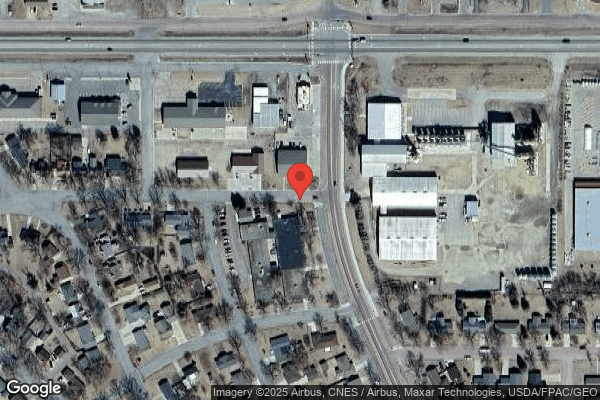
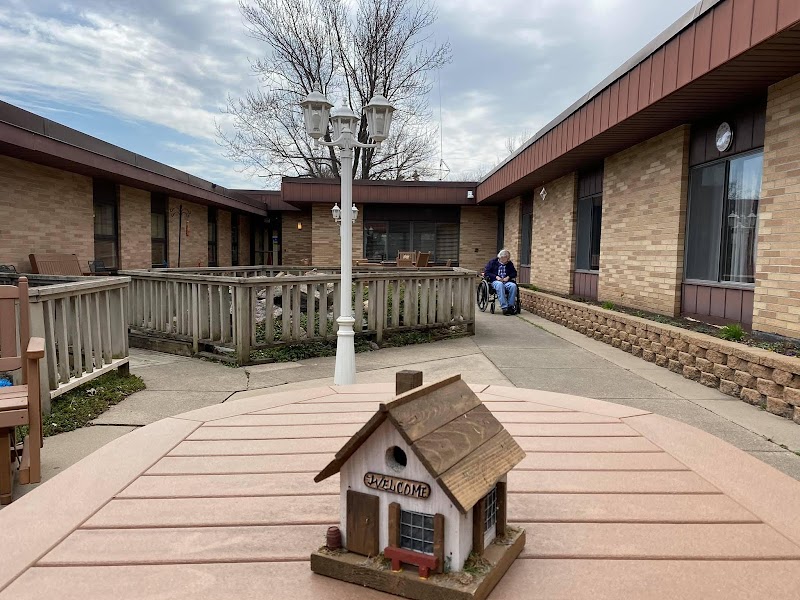
200 SOUTH DEKALB STREET, REDWOOD FALLS, MN 56283 (507) 637-5711
For profit - Corporation 43 Beds MONARCH HEALTHCARE MANAGEMENT Data: November 2025 1 Immediate Jeopardy citation
Trust Grade
48/100
#195 of 337 in MN
Last Inspection: February 2025

Within standard 12-15 month inspection cycle. Federal law requires annual inspections.

Overview

River Valley Health and Rehabilitation Center has a Trust Grade of D, indicating below-average performance with some concerning issues. It ranks #195 out of 337 facilities in Minnesota, placing it in the bottom half, but it is the top facility in Redwood County out of five options. The facility's trend is worsening, with the number of reported issues increasing from 7 to 9 in just one year. Staffing is relatively strong with a rating of 4 out of 5 stars, but the turnover rate is at 47%, which is around the state average. However, there are significant concerns, including $31,395 in fines, which is higher than 88% of Minnesota facilities, indicating potential compliance problems. Specific incidents include a critical event where a resident fell from a lift due to improper equipment, resulting in a shoulder fracture. Additionally, the facility struggled to maintain adequate RN coverage, failing to ensure an RN was present for at least eight consecutive hours on multiple days, which could affect the care of all residents. Overall, while there are strengths in staffing levels, the facility faces serious challenges that families should consider when researching care options.

Trust Score
D
48/100
In Minnesota
#195/337
Bottom 43%
Safety Record
High Risk
Review needed
Inspections
Getting Worse
7 → 9 violations
Staff Stability
⚠ Watch
47% turnover. Above average. Higher turnover means staff may not know residents' routines.
Penalties
✓ Good
$31,395 in fines. Lower than most Minnesota facilities. Relatively clean record.
Skilled Nurses
✓ Good
Each resident gets 49 minutes of Registered Nurse (RN) attention daily — more than average for Minnesota. RNs are trained to catch health problems early.
Violations
⚠ Watch
19 deficiencies on record. Higher than average. Multiple issues found across inspections.
★★★☆☆
3.0
Overall Rating
★★★★☆
4.0
Staff Levels
★★★★★
5.0
Care Quality
★★☆☆☆
2.0
Inspection Score
Stable
2024: 7 issues
2025: 9 issues

The Good

  • 4-Star Staffing Rating · Above-average nurse staffing levels
  • 5-Star Quality Measures · Strong clinical quality outcomes
  • Full Sprinkler Coverage · Fire safety systems throughout facility
  • No fines on record

Facility shows strength in staffing levels, quality measures, fire safety.

The Bad

3-Star Overall Rating

Near Minnesota average (3.2)

Meets federal standards, typical of most facilities

Staff Turnover: 47%

Near Minnesota avg (46%)

Higher turnover may affect care consistency

Federal Fines: $31,395

Below median ($33,413)

Moderate penalties - review what triggered them

Chain: MONARCH HEALTHCARE MANAGEMENT

Part of a multi-facility chain

Ask about local staffing decisions and management

The Ugly 19 deficiencies on record

1 life-threatening
May 2025 1 deficiency
CONCERN (F) 📢 Someone Reported This

A family member, employee, or ombudsman was alarmed enough to file a formal complaint

Potential for Harm - no one hurt, but risky conditions existed

Deficiency F0727 (Tag F0727)

Could have caused harm · This affected most or all residents

Based on interview and document review, the facility failed to ensure a registered nurse (RN) was on duty a minimum of eight consecutive hours per day for four of 30 days reviewed for RN coverage. Thi...

Read full inspector narrative →
Based on interview and document review, the facility failed to ensure a registered nurse (RN) was on duty a minimum of eight consecutive hours per day for four of 30 days reviewed for RN coverage. This had the potential to affect all 35 residents residing at the facility. Findings include: Review of the nursing staff schedules from 4/13/25-5/13/25, identified there was no RN that worked for a minimum of eight hours per day. During an interview on 5/13/25 at 12:35 p.m., scheduling coordinator (SC)-A stated the facility was supposed to have an RN scheduled eight hours per day. It had been difficult lately, but she tried her best to fill the gaps utilizing facility staff, corporate agency staff, and outside staffing agencies. There had been gaps with RN coverage on the weekends recently. SC-A reviewed the schedules and identified there was no RN coverage for the facility on 4/27/25 (Sunday), 5/4/25 (Sunday), 5/10/25 (Saturday), and 5/11/25 (Sunday). SC-A stated the facility currently only had two RN's in-house, and had to rely on outside sources to fill the gaps in coverage, and sometimes the facility was only able to find licensed practical nurses (LPN)s that could fill the shifts. The gaps in coverage had occurred when the RN's who were scheduled called off for the shifts, and SC-A was unable to find a replacement. During an interview on 5/13/25 at 2:27 p.m., interim director of nursing (DON) stated the facility attempts to fill open RN shifts in-house, but if that is not feasible, the facility would reach out to the corporate agency staff and outside agencies with the open shifts. If there was not an RN available to work, he would cover the eight-hour gap. Weekends tended to be the hardest to find an RN to work the required eight-hour shifts. DON verified 4/27/25, 5/4/25, 5/10/25, and 5/11/25 had no RN coverage for eight hours each day. During an interview on 5/13/25 at 2:55 p.m., administrator acknowledged the facility had no RN coverage for eight hours each day on 4/27/25, 5/4/25, 5/10/25, and 5/11/25. It was his second day at the facility, and he had not been informed of the gaps in coverage. Moving forward, he would make sure the facility had an RN available eight consecutive hours each day. An email dated 5/13/25 at 4:06 p.m., identified the facility did not have a policy regarding RN coverage and followed the state guideline of eight hours of RN consecutive coverage and did not have a staff mandate policy.
Feb 2025 7 deficiencies
CONCERN (D)

Potential for Harm - no one hurt, but risky conditions existed

Notification of Changes (Tag F0580)

Could have caused harm · This affected 1 resident

**NOTE- TERMS IN BRACKETS HAVE BEEN EDITED TO PROTECT CONFIDENTIALITY** Based on observation, interview and document review, the facility failed to timely notify the physician of new onset pressure ul...

Read full inspector narrative →
**NOTE- TERMS IN BRACKETS HAVE BEEN EDITED TO PROTECT CONFIDENTIALITY** Based on observation, interview and document review, the facility failed to timely notify the physician of new onset pressure ulcers for 1 of 1 resident (R7). Findings include: R7's 11/15/24, annual Minimum Data Set (MDS) identified R7 was cognitively intact and had a diagnosis of dementia, anxiety, depression, psychotic disorder (impaired relationship with reality, confusion, hallucinations and delusions) and malnutrition. R7 was at risk for pressure ulcer development and no pressure ulcers at the time of the assessment. R7 required supervision or touching assistance with bed mobility, transfers, and toileting. R7 had an indwelling catheter during the look back period. R7's current, undated, care plan identified on 8/9/24, he was noted to be at risk for alteration in mobility related to weakness and dementia. At that time, R7 was independent with bed mobility, had grabs bars to assist with bed mobility, could safely enter and exit his bed, and was independent with locomotion in his wheelchair. R7's 11/14/24, Target Behavior Form identified R7's wife had passed recently, and he was noted to have appeared to be sad. R7 displayed anxiety related to his wife's funeral service. R7 appeared helpless and dependent on staff for his care needs. R7's 11/14/24, [NAME] Scale for Predicting Pressure Ulcer Risk assessment score was 19, which indicated average risk (lowest level risk which is not abnormal compared to healthy individuals). Review of 12/18/24, faxed notification to the physician (2 days after discovery) identified R7 had open areas to the left hip, measures 1.5 centimeters (cm) X 0.2 cm x 0.1 cm and the right hip, measures 2.4 centimeters (cm) x 1.5 cm x 0.1 cm depth with slough (yellowish white material of dead cells and debris) of the wound bed, serosanguineous (bloody clear) drainage to dressing, and erythema (redness) to site. Recommendations by staff to the MD for treatment were to remove the old dressing, cleanse site with wound cleanser and gauze, apply Medi-honey to the wound bed, cover with non-adhesive foam dressing and change every 3 days or as needed until resolved. Staff proposed to refer to wound care for evaluation and R7 was to take liquid protein 30 milliliter (ml) twice a day. The physician response to the fax identified he agreed with the facilities plan as above. The corresponding nurses note from 12/18/24 showed staff also added liquid protein (increases healing) and notified the MD and family of the open wound areas. Interview on 2/04/25 at 1:11 p.m., with medical director (MD)-A identified he routinely received notifications from the facility by phone and fax. MD-A identified the facility had not notified him, initially, of R7's wound. Observation and interview on 02/05/25 at 09:33 a.m., with wound care nurse and nurse practitioner (NP) had removed the foam dressing on R7's right hip. R7's wound appeared red around the area the size of a dime. The surrounding skin and edges were intact had no drainage from the wound. NP obtained measurements and applied a non-adhesive foam dressing and stated R7'S right hip was healed. The NP and wound care nurse had repositioned R7 to his left side. NP had removed the foam dressing on his left hip. The wound appeared as a quarter sized shape. The wound had a small slit in the wound bed with a small amount of blood draining from the wound. The edges of the wound were intact. The NP cleansed the wound, obtained measurements and applied a non-adhesive foam dressing to R7's left thigh. NP and the wound nurse discarded their supplies in the trash bin and had removed their PPE. NP and wound care nurse had sanitized their hands after leaving R7's room. NP identified R7's left hip wound was a stage 3 pressure ulcer and had improved significantly with R7's current wound treatments and wound care visits. She identified R7's left hip was to heal approximately in 1 month. NP identified R7 had cognitive deficits and appeared to lie in his bed more often since his wife had passed. She confirmed the addition of the air mattress (implemented on 12/27/24) had helped alleviate the pressures of his bilateral hips as R7 favored side lying position in bed. Interview on 2/05/25 at 3:28 p.m., with administrator identified she would expect nursing staff to follow facility policy and to notify the provider of a new onset wound needed to be assessed immediately to prevent further skin breakdown. Review of March 2024 Skin Assessment & Wound Management policy identified nursing staff were to notify the provider for treatment orders.
CONCERN (D)

Potential for Harm - no one hurt, but risky conditions existed

Respiratory Care (Tag F0695)

Could have caused harm · This affected 1 resident

**NOTE- TERMS IN BRACKETS HAVE BEEN EDITED TO PROTECT CONFIDENTIALITY** Based on observation, interview and document review, the facility failed to ensure ventilator equipment supply water was not exp...

Read full inspector narrative →
**NOTE- TERMS IN BRACKETS HAVE BEEN EDITED TO PROTECT CONFIDENTIALITY** Based on observation, interview and document review, the facility failed to ensure ventilator equipment supply water was not expired for 1 of 1 (R18). Findings include: R18's [DATE], annual Minimum Data Set (MDS) identified R18 had a diagnoses of respiratory failure and chronic obstructive pulmonary disease (COPD) and was cognitively intact. R18 had used a non-invasive mechanical ventilation system, along with 02 therapy. R18's current, undated care plan identified R18 used a ventilator for her COPD. The nursing staff were directed to replace the tubing and 02 chamber, clean and inspect the tubing, and notify the respiratory company of any damage to the machine or if there staff had any concerns. Observation and interview on [DATE] at 12:19 p.m., with licensed practical nurse (LPN)-A while in R18's room and later in the storage room, identified R18 had a ventilator (a non-invasive ventilator with a mask used to assist COPD patients with easier breathing) which sat on the table next to R18's bed. The ventilator had tubing attached to a bag of sterile water. The water had an expiration date of [DATE]. LPN-A identified the water bag was changed every few months. She was not aware the water had expired 4 months ago. R18 had an extra water in the storage room to replace the expired bag currently hung in R18's room. LPN-A walked to the storage room, opened a cardboard box that had 1 water left that also had an expiration date of [DATE]. She confirmed the facility should be checking for expiration dates and should not use expired sterile water. R18's active orders, identified the nursing staff was to order supplies (to include water) every 2 months, inspect and clean the ventilator weekly or sooner as needed, change the oxygen (O2) tubing and clean the filter weekly, and place a date and time on the water bag to note when it was put into use. Interview on [DATE] at 1:14 p.m.,with R18 had used the ventilator to assist her with her breathing as she had difficulty while sleeping at night. She would apply the face mask and the nursing staff would turn on the machine when she went to bed approximately at 9:30 p.m She recalled the water having been changed a few days ago by a staff. Interview on [DATE] at 6:08 p.m., with registered nurse (RN)-A identified she was informed by LPN-A that R18's water had expired. R18 had a scheduled delivery of water to arrive the next day. R18 had nursing orders that reminded nurses to change the water on the Treatment Administration Record (TAR). R18's [DATE], [DATE], and [DATE], TAR identified nursing staff were to check the water every shift. Staff were to hang a new water bag if low and input a Y or N if a new water had been placed. The log identified staff had last placed a new water on R18's ventilator on [DATE]. There was no indication the TAR included for staff to check the expiration on water. Interview on [DATE] at 9:37 a.m., with the ventilator company identified he was not informed by the facility of the expired sterile water. R18 had been a customer since [DATE] and had received a box of sterile water every 6 months. The ventilator required staff to use sterile water for the closed system and staff were to to change the bag once the contents were empty or if it was expired. Observation and interview on [DATE] at 10:12 a.m., with the administrator in R18's room identified the sterile water was expired as of [DATE]. She was not made aware of the situation and would have expected to be notified the ventilator company and order replacement water. She agreed it was not an acceptable practice of using expired products for residents. A policy for the ventilator machine and requested but none was provided.
CONCERN (D)

Potential for Harm - no one hurt, but risky conditions existed

Deficiency F0745 (Tag F0745)

Could have caused harm · This affected 1 resident

Based on observation, interview, and document review, the facility failed to assess and meet the needs of 1 of 1 (R7) resident reviewed for the provision of medically related social services, who was ...

Read full inspector narrative →
Based on observation, interview, and document review, the facility failed to assess and meet the needs of 1 of 1 (R7) resident reviewed for the provision of medically related social services, who was grieving the death of a significant other. Findings include: R7's 11/15/24, annual Minimum Data Set (MDS) identified R7 was cognitively intact and had a diagnoses of dementia, anxiety, depression, psychotic (impaired relationship with reality, confusion, hallucinations and delusions) disorder and malnutrition. R7 had little interest or pleasure in doing things and had trouble falling or staying asleep or sleeping too much 12 to 14 days. R7 had felt down, depressed, hopeless, had a poor appetite, felt bad about himself, or have let himself or his family down, had trouble concentrating on things, moving or speaking slowly that other people would not have notice, and thoughts that R7 would be better off dead or wanting to hurt himself in some way never to 1 day. R7's current, undated care plan identified R7 was at risk for alteration of mood and behavior. Staff were to provide redirection, validate R7's feelings with regards to his wife's passing, monitor side effects related to medication management, be aware of mood and behavior changes, monitor and respond to unmet needs and contact R7's family with concerns. There was no mention staff had appropriatly monitored R7's behaviors or mood for his ability to cope with his wife's death. R7's 11/14/24, Target Behavior Form identified R7's wife had passed recently and appeared sad. R7 displayed anxiety related to his wife's funeral service. R7 appeared helpless and dependent on staff for his care needs. R7's 11/14/24, Patient Health Questionnaire (PHQ-9) identified he was mildly depressed. R7's 11/15/24 at 1:53 p.m., progress note identified R7 was informed by the social services designee (SSD) and R7's stepson that his wife had passed. R7 wanted to be left alone and declined SSD to sit with him. There were no further notes from social services for any visits. R7's 11/22/24, progress note by physician (MD)-A identified due to R7's dementia, he may not be able to comprehend his wife had passed. R7 had behaviors and hallucinations and was to continue on his current medication management. There was no mention MD-A advised staff to frequently check his coping with his wife's passing as that may require enhanced monitoring of R7's psychosocial needs. R7's activities log identified on: 1) November 2024, R7 had refused to participate in activities 18 times, lower than normal. 2) December 2024 had refused to participate in activities 19 times, lower than normal. 3) January 2025 had refused to participate in activities 9 times but was beginning to improve with participation. Observation on 2/03/25 at 7:11 p.m., identified R7 was asleep in bed. Interview on 2/03/25 at 7:31 p.m., with trained medication aide (TMA)-A wife had passed last November. R7 and his wife had been married for 30 years. The facility had a memorial service for her with R7 in attendance. She identified R7 appeared withdrawn and did not attend daily activities he normally would and ate his meals in his room. Interview on 2/04/25 at 1:11 p.m., with medical director (MD)-A identified he would see R7 on physician rounds. Often R7 would often be asleep. MD-A noted R7 appeared sad and withdrawn after his wife's death and agreed staff should monitor R7 for his psychosocial needs and potential withdrawl and provide medically related social services. Interview on 2/04/25 at 4:42 p.m., with social services designee (SSD) identified R7 had used telehealth services in 2023 for his mental health. She was present in R7's room along with R7's family when they had informed R7 that his wife has passed. SSD identified she frequently checked in on R7, but noted she had not documented any visit. She noted she had not reviewed R7 psychosocial or behavioral needs after R7's wife had passed and residents coping with the loss of a loved one should be monitored for negative effects on thier well-being. Interview on 2/05/25 at 3:07 p.m., with licensed practical nurse (LPN)-C identified R7 was self-isolating in his room. R7 was aware his wife had passed but at the time it occurred, it appeared to have no effect on him. She identified a referral for mental health services was discussed at team meetings but they determined those would not be appropriate for R7 and stated it would not make a difference due to his dementia and his past medical history of electro-shock therapy. Review of Social Service Director job description identified the designee was to provide 1:1 visit with residents to assess psychosocial needs and to provide reassurance, support of resident/families grieving, encourage family involvement and support, communicate to appropriate facility staff psychosocial needs and problems to each resident and make referrals to the community, individuals or agencies to meet residents' psychosocial needs. Interview on 2/05/25 at 3:28 p.m., with administrator had no policy related to bereavement services. She identified staff had not received direction on how to assist R7 with his grieving.
CONCERN (D)

Potential for Harm - no one hurt, but risky conditions existed

Infection Control (Tag F0880)

Could have caused harm · This affected 1 resident

**NOTE- TERMS IN BRACKETS HAVE BEEN EDITED TO PROTECT CONFIDENTIALITY** Based on observation, interview and document review the facility failed to ensure appropriate personal protective equipment (PPE...

Read full inspector narrative →
**NOTE- TERMS IN BRACKETS HAVE BEEN EDITED TO PROTECT CONFIDENTIALITY** Based on observation, interview and document review the facility failed to ensure appropriate personal protective equipment (PPE) was used during a sterile dressing change for 1 of 1 resident (R85). Findings include: R85 was admitted on [DATE] for orthopedic aftercare with diagnoses of infection in his left hip following an arthroplasty, ( a surgical procedure to replace a joint with an artificial one), absence of his left hip joint, rheumatoid arthritis, and local infection of his skin and subcutaneous tissue. 85's admission orders identified staff were to follow Enhanced Barrier Protections ((EBP), infection control (IP) control practices that use PPE to reduce the spread of multi-resistant organisms (MDROs)), while caring for IV lines and during performance of high contact personal cares. R85 had a peripherally inserted central catheter ((PICC), a flexible tube inserted into a vein in the upper arm and threaded into a large vein near the heart). through which his antibiotic medication was administered. The sterile dressing on his left upper arm, PICC line dressing was to be changed weekly with documentation placed in the progress notes. Review of R85's current, undated care plan identified he was on EBPs, due to a surgical wound on his left hip, and a PICC in his left upper arm. Interventions directed staff to wear PPE according to EBP and administer the IV medication (Ceftriaxone 2 grams (GM) every 24 hours), through 3/7/25. Staff were to monitor the PICC insertion site and report any signs of infection, discomfort, or adverse reactions Observation on 2/3/25 at 5:11 p.m., with registered nurse (RN)-B as she performed a sterile dressing change to R85's PICC site. A sign was posted on the outside of R85's door identifying EBP and listing the PPE to be worn for any close contact procedures. PPE to be worn included a mask, gown and gloves. The supplies were located on a cart outside the resident room. RN-B gathered supplies to perform the sterile dressing change, entered R85's room and explained the dressing change procedure. RN-B was wearing a mask upon entering the room, washed her hands and applied gloves, but no gown. She then cleansed the surface of the bedside table with Sanicloth wipes prior to placing the dressing change items on the surface. RN-B had R85 also mask, changed gloves and performed hand hygiene appropriately. She changed the dressing and performed the indicated measurements using sterile technique. RN-B finished the procedure by flushing a new end cap, applying it to the PICC line and flushing the line with sterile saline, then dated and initialed the dressing and cleaned up her supplies. Interview on 2/3/25 at 5:45 p.m., with RN-B identified R85 was on EBP due to his surgical hip wound and PICC line. She reported EBP PPE would include a gown, gloves and mask to be worn when providing any personal care especially if there was a change for body fluid contact. RN-B identified she had not worn a gown when performing the PICC dressing change, and she was not certain why, but stated she should have. She identified she was nervous at being observed and had not though about it. Interview on 2/4/25 at 9:16 a.m., with trained medication aid (TMA)-A identified if a resident had been placed on EBP, PPE required would include a mask, gown, and gloves and that would be for any task requiring personal contact with the resident. Interview on 2/4/25 at 11:11 a.m., with TMA-B identified R85 was on EBP due to having a PICC line and any care provided requiring contact would require use of a gown, mask and gloves. She identified there was also a sign posted on the outside of the door when a resident was on EBP and PPE was located outside the door. she reported the sign was bright colored and visible when approaching the room, because he liked to have his door closed. Interview on 2/4/25 at 11:28 a.m., with licensed practical nurse (LPN)-A identified R85 was on EBP due to a surgical wound on his left hip and he had a PICC line for administration of IV antibiotics. LPN-A reported the dressings were checked every day, but the hip dressing was not removed and the PICC line dressing was changed by the RN. Interview on 2/4/25 at 3:00 p.m., with the infection preventionist (IP) identified R85 was on EBP due to his hip infection and having a PICC line in place for antibiotic administration. She identified he had a return appointment with the infection prevention MD on Friday 2/7/25 and they would be receiving additional information following that visit. The IP identified if a resident was placed on EBP staff were to wear a gown, gloves and mask with any procedure or care requiring close contact. If there was a potential for splashing, goggles/face shield were to be added. She reported her expectation for staff to wear appropriate PPE even if they were not working specifically with the PICC line, but gave the example of assisting with bathing, transferring, or any high contact activity. Review of the current, undated Enhanced Barrier Precautions policy identified to avoid transmission of multi-drug-resistant organisms. All staff have received training on EBP at the time of hire and it is repeated annually. Signage was to be posted on either the door or wall outside a resident's room to identify the type of precautions, what PPE was indicated, and the high-contact activities that required the use of PPE. The IP was to complete periodic monitoring to ensure compliance and provide additional training if indicated. EBP were to remain in place for the duration of the resident's stay or until a wound was healed or the medical device discontinued.
CONCERN (D)

Potential for Harm - no one hurt, but risky conditions existed

Deficiency F0883 (Tag F0883)

Could have caused harm · This affected 1 resident

**NOTE- TERMS IN BRACKETS HAVE BEEN EDITED TO PROTECT CONFIDENTIALITY** Based on interview and document review the facility failed to ensure 2 of 5 residents (R21, R31) were offered and/or provided up...

Read full inspector narrative →
**NOTE- TERMS IN BRACKETS HAVE BEEN EDITED TO PROTECT CONFIDENTIALITY** Based on interview and document review the facility failed to ensure 2 of 5 residents (R21, R31) were offered and/or provided updated vaccinations for pneumococcal disease in accordance with the Centers for Disease Control (CDC) vaccinations. Findings include: R21's Minimum Data Set (MDS) dated [DATE], indicated R21 was admitted on [DATE], was currently [AGE] years old, had intact cognition and diagnoses of renal failure and diabetes which puts her at higher risk for pneumococcal diseases. It further indicated her pneumococcal vaccinations were up to date. R21's Minnesota Immunization report dated 12/5/24, indicated R21 received the pneumococcal polysaccharide vaccine (PPSV 23) on 9/20/12 and the pneumococcal conjugate vaccine (PCV13) on 10/20/17. The CDC's PneumoRecs VaxAdvisor for Vaccine Providers dated 2/4/25, identified based on R21's age and vaccine history: though the vaccines were considered complete, based on shared clinical decision-making, decide whether to administer one dose of PCV20 or PCV21 at least 5 years after the last pneumococcal vaccine dose. R21's medical record lacked documentation of a discussion of shared clinical decision making regarding additional pneumococcal vaccines. R31 R31's admission Minimum Data Set (MDS) dated [DATE], indicated R31 was admitted on [DATE], was currently [AGE] years old, had intact cognition and diagnoses of chronic pneumothorax, chronic respiratory failure with hypoxia, and dependence on supplemental oxygen which puts him at a higher risk for pneumococcal diseases. It further indicated R31's pneumococcal vaccinations were up to date. R31's Minnesota Immunization Report dated 5/18/24, indicated R31 received the PPSV23 on 1/19/1999 and the PCV13 on 7/23/15. The CDC's PneumoRecs VaxAdvisor for Vaccine Providers dated 2/4/25, identified based on R31's age and vaccine history: though the vaccines were considered complete, based on shared clinical decision-making, decide whether to administer one dose of PCV20 or PCV21 at least 5 years after the last pneumococcal vaccine dose. R31's medical record lacked documentation of a discussion of shared clinical decision making regarding additional pneumococcal vaccines. During interview on 2/5/25 at 9:35 a.m., the administrator stated the vaccinations the facility offered were listed in the admission packet and the admitting nurse was responsible for checking to see if the resident has had those vaccinations or not and either administering them or having them sign a declination form. If the resident declined the vaccinations, the nurse was responsible for providing education on the risk and benefits and documenting it in their medical record. During interview on 2/5/25 at 8:15 a.m. the health information manager (HIM) stated when a resident was admitted to the facility, they are offered all vaccinations (COVID, pneumococcal, influenza, etc.) and were required to sign a consent form. If they decline the vaccination, staff should educate the resident on the risk versus (vs) benefits. If they decide to receive the vaccinations, the facility was responsible for getting a doctor's order and then administering it. During interview on 2/6/25 at 11:27 a.m., the infection preventionist (IP) stated when there was a new admission, the facility offered the pneumococcal, influenza, and COVID vaccinations. If the resident chose to receive the vaccinations, a consent form was signed by either the resident or the resident's representative and the vaccine was administered. If the resident declined, they document it on the bottom of the form and education was provided regarding the risk vs benefits. The IP verified the medical record for R21 and R31 lacked documentation of a discussion of shared clinical decision making regarding additional pneumococcal vaccines. The facility's policy regarding pneumococcal vaccinations dated 2/2024, indicated it's purpose was to follow recommendations of the Advisory Committee on immunization Practices (ACIP), Centers for Disease Control (CDC) and/or the state Department of Health for prevention of Pneumococcal disease by identifying those residents at risk for Pneumococcal disease and offering Pneumococcal vaccination.
CONCERN (F)

Potential for Harm - no one hurt, but risky conditions existed

Deficiency F0727 (Tag F0727)

Could have caused harm · This affected most or all residents

Based on interview and record review, the facility failed to ensure a registered nurse (RN) was on duty a minimum of 8 consecutive hours per day for 5 of 7 days reviewed. This had the potential to aff...

Read full inspector narrative →
Based on interview and record review, the facility failed to ensure a registered nurse (RN) was on duty a minimum of 8 consecutive hours per day for 5 of 7 days reviewed. This had the potential to affect all 32 residents living in the facility. Findings include: Review of the nursing staff schedules and time punches for 8/29/24, 9/8/24, 9/28/24, 9/29/24 and 1/11/25 identified there was no evidence an RN had worked for a minimum of 8 hours per day. Interview on 2/5/25 at 11:23 a.m., with RN-B identified the facility was short on RN coverage and either she or the director of nursing (DON) would attempt to cover those shifts as charge nurse or floor nurse, however some days no replacements could be assigned. She confirmed for the above dates, there was no RN working. Interview and document review on 2/5/25 at 12:38 p.m., with the administrator confirmed the facility failed to provide consecutive 8 hours per day of RN coverage on the above mentioned dates due to the lack of available RN staff. The facility had been attempting to recruit staff, and they also had staff hired who then quit. The administrator confirmed the facility attempted to staff according to their facility assessment, and attempted to fill those vacancies when able. A policy addressing RN coverage or staffing was requested but not provided by the end of the survey.
CONCERN (F)

Potential for Harm - no one hurt, but risky conditions existed

Staffing Data (Tag F0851)

Could have caused harm · This affected most or all residents

Based on interview and document review, the facility failed to submit accurate staffing data based on payroll and other verifiable, auditable data during 1 of 1 quarter reviewed (Quarter 4), to the Ce...

Read full inspector narrative →
Based on interview and document review, the facility failed to submit accurate staffing data based on payroll and other verifiable, auditable data during 1 of 1 quarter reviewed (Quarter 4), to the Centers for Medicare and Medicaid Services (CMS), according to specifications established by CMS. This had the potential to affect all 32 residents living in the facility. Findings include: Review of the July 2024, Electronic Staffing Data Submission Payroll-Based Journal (PBJ) Frequently Asked Questions, located at https://www.cms.gov/medicare/quality-initiatives-patient-assessment-instruments/nursinghomequalityinits/downloads/pbj-policy-manual-faq-11-19-2018.pdf, identified reporting shall be based on the employee ' s primary role. It is understood that most roles have a variety of non-primary duties that are conducted throughout the day (e.g., helping out when needed). Facilities shall still report just the total hours of that employee based on their primary role. However, CMS recognizes that staff may completely shift their primary role in a given day. For example, a nurse who spends the first four hours of a shift as the unit manager, and the last four hours of a shift as a floor nurse. In these cases, facilities can change the designated job title and report four hours as a nurse with administrative duties, and four hours as a nurse (without administrative duties). Review of staffing schedules and timecard verifications identified the DON was noted having been on duty from 6:00 a.m. - 6:00 p.m., (12 consecutive hours) working as a staff RN on 8/4/24. Her name had been handwritten on the schedule as an active nurse, and review of her timecard identified she was clocked in during that time. However, it was noted she was not logged into the correct identified role. The DON's active nursing shift on 8/4/24 had not been included on the submitted PBJ report resulting in an inaccuracy. Interview on 2/5/25 at 8:15 a.m., with the administrator identified the director of nursing (DON) and Minimum Data Set (MDS) coordinator both covered to fill RN hours. The DON did not log hours differently or potentially notify the business office unless she was actively working as a fill for the RN position. This resulted in lack of documented RN coverage when she was not appropriately coded in their payroll based journal. The Administrator confirmed the PBJ was inaccurate for 8/4/24 and provided the schedule and timecard of the DON who had been on duty for 12 consecutive hours filling that role of the required RN Coverage. Interview on 2/5/25 at 8:49 a.m., with the human resources (HR) director identified she submitted the employee hours (time clock hours) after receiving them from the corporate office. She logged into PBJ, uploaded the files, and printed the CASPER (Certification and Survey Provider Enhanced Reporting) (A quality measure report that provides information about a skilled nursing facility's performance) report to confirm her submission had been accepted. She also reviewed an individual staff hours report for accuracy of timecards. She reported she was not aware of an error in reporting until the end of the quarter when a report was run. Review of the current, undated PBJ policy identified staffing data was generated and submitted from their electronic timekeeping system and submitted to the centers for Medicare and Medicaid Services (CMS) according to the guidelines provided.
Jan 2025 1 deficiency 1 IJ
CRITICAL (J) 📢 Someone Reported This

A family member, employee, or ombudsman was alarmed enough to file a formal complaint

Immediate Jeopardy (IJ) - the most serious Medicare violation

Accident Prevention (Tag F0689)

Someone could have died · This affected 1 resident

**NOTE- TERMS IN BRACKETS HAVE BEEN EDITED TO PROTECT CONFIDENTIALITY** Based on interview and document review the facility failed to comprehensively assess proper full body mechanical lift sling type...

Read full inspector narrative →
**NOTE- TERMS IN BRACKETS HAVE BEEN EDITED TO PROTECT CONFIDENTIALITY** Based on interview and document review the facility failed to comprehensively assess proper full body mechanical lift sling type and size according to manufacturer recommendations to ensure safety for 1 of 1 residents (R1). This resulted in immediate jeopardy (IJ) for R1 who had a history of behaviors during lift transfers, fell from the lift and suffered a shoulder fracture. The immediate jeopardy began on 1/19/25, when staff used a hygiene (toileting) sling that was too large causing R1 to experience pain resulted in behaviors and fell through the lift sling to the floor. The administrator, director of nursing, corporate nurse, and regional director of operations were notified of the IJ at 5:00 p.m. on 1/27/25. The facility implemented immediate corrective action on 1/19/25 to prevent recurrence, so the IJ was issued at past none compliance. Findings include: A facility Reported Incident (FRI) submitted to the state agency (SA) on 1/19/25 at 12:40 p.m., alleged potential caregiver neglect when R1 fell through the open area of the toileting (hygiene) sling and hit her head on the lift, sustained a shoulder fracture, had increased pain, and was evaluated at the emergency department (ED). R1's annual Minimum Data Set (MDS) dated [DATE], indicated R1 had mild cognitive impairment, with fluctuating behaviors of inattention. R1 was dependent on staff for all transfers and toileting. R1 was frequently incontinent of urine but always continent of bowel. R1's diagnoses included heart failure, osteoporosis (condition that weakens the bones and make them more prone to fractures), and morbid obesity. R1's Lift/Mobility Status Form dated 6/26/24, indicated R1 had severe pain/discomfort which impacted transfers and repositioning. R1 required a full body lift with two staff assist. The form did not identify or assess for appropriate type of full body lift sling size or if R1 was safe to use the specialty sling or toileting sling. R1's care plan in place on 1/19/25, indicated R1 was to transfer with two staff assist using the full body lift. The care plan did not include the type or size of slings used for R1's transfers. R1's progress notes on 1/19/25 at 9:54 a.m., indicated at 8:35 a.m., staff were transferring R1 from the bed to commode with the Hoyer (brand name of full body lift) and toileting sling when R1 complained of pain in her shoulder and began to lift her arm up causing her body to fold and slide out of the bottom of the toileting sling. R1 hit her head and complained of pain. R1 was transferred by emergency medical services (EMS) to the ED for evaluation and treatment. R1's progress noted on 1/19/25 at 2:45 p.m., indicated R1 had returned from the ED with a shoulder fracture and was requesting pain medication. The facility Incident Review and Analysis dated 1/21/25, identified the root cause of the fall from the lift was R1 lifted arms while in toileting sling and slid through lift sheet, falling to the floor, and hitting her head. Immediate Intervention identified was R1 would no longer use the toileting sling and will use the full body sling and the bedpan for toileting. During an interview on 1/27/25 at 11:35 a.m., licensed practical nurse (LPN)-A indicated R1 used the toileting sling, the straps go underneath the armpits, so arms are out of the sling. On 1/19/25, LPN-A assisted nursing assistant (NA)-A with transferring R1 when R1 fell from the lift. LPN-A explained R1 was in the toileting sling and the sling had been hooked up to the lift when she arrived in R1's room. When they began to lift R1 up in the sling, R1 complained of pain in her shoulder and shimmied her right arm around the strap, then got her left arm out, and fell out through the bottom hole with legs still in the sling. R1 always complained about being in the toileting sling, she had a habit of trying to pull that arm through, staff had to constantly remind her to keep her arm out. LPN-A further identified an extra-large sling was used to transfer R1 when she fell out of the lift. R1 should have used a large sling instead but they did not have the listing of the sling size to be used prior to that fall so did not know they were using the wrong size sling and stated, we basically went off [used] what wrapped around them. During an interview on 1/27/25 at 3:45 p.m., NA-A indicated she assisted R1 with the full lift transfer on 1/19/25 when R1 fell out of the lift. NA-A put the toileting sling on R1 and then called LPN-A for assistance to lift her to the commode. When they lifted R1 up into the sling, R1 complained her shoulder hurt, and they tried to put her back to bed but she fell out of the lift. NA-A was not sure what caused the fall because it happened so fast. NA-A stated R1 does not have assigned lift sheets [slings] so they would have use the biggest one for her The toileting sling that was used was hanging on the back of R1's door and was the one they always used to transfer R1. R1 always complained about her arms hurting when she was in the sling and had reported to the charge nurse, but they were already aware that R1 had pain. During an interview on 1/27/25 at 1:00 p.m., NA-B indicated R1 would always complain about her shoulders hurting and would try to lift the arms over the sling We would really have to watch her and tell her not to. NA-B had reported the pain and R1's attempts to lift her arms over the sling to the charge nurse but not sure what they did with that information. Prior to R1's fall, staff would have to know the resident's weight, look at the sizing chart in the utility room where the slings were stored, and pick out the sling that had the matching weight. After R1's fall, the residents name with the sling size was posted and there was a sticker on the resident's door with the color sling to use. During an interview on 1/27/25 at 1:25 p.m., NA-C indicated prior to R1's fall out of the full body lift, staff were directed to look at the resident's last weight and refer to the manufacturer's weight chart posted in the utility closet and decide what size sling to use. After R1's fall, the facility put list with the resident name, weight, size, and color of the sling as well as posting the color of the sling on the resident door with the sling hanging on the hook. NA-B further identified R1 always complained of pain in her shoulders when they used the toileting sling but did not use the toileting sling after the fall. During an interview on 1/27/25 at 11:00 a.m., registered nurse case manager (RNCM) was working the day R1 fell out of the lift and responded immediately after the fall. RNCM identified LPN-A and NA-A used an extra-large toileting sling to transfer R1, but it should have been a large sling used to transfer R1 according to her weight. RNCM immediately did re-education and took the toileting sling and full body lift out of use. During a follow up interview on 1/27/25 at 1:45 p.m., RNCM indicated prior to R1's fall out of the lift on 1/19/25, the facility assessed R1 for the use of the lift but did not assess for the sling size or appropriateness of use of the specialty slings. The RN also indicated the sling size was not listed on the care plan until after R1's fall. The RNCM identified she was aware of R1's chronic pain in her shoulders but not that R1 would try to get her arms out of the sling. During an interview on 1/27/25 at 2:10 p.m., the director of nursing identified after the facility investigation, it was determined the root cause of R1's fall from the lift was that the sling size used was an extra-large and should have been a large. R1 pulling her arms over the toileting sling contributed. R1 was assessed for the use of the lift but not assessed for the safety and appropriateness of the specialty (toileting) sling. Prior to R1's fall, the staff would determine the sling size by the resident weight alone and not by any other factors. After R1's fall from the lift, facility systems were changed, and education was provided to the facility staff. During an interview on 1/27/25 at 4:30 p.m., the administrator deferred to nursing but identified that facility wide changes had gone into effect on 1/19/25 after R1 fell out of the lift. During an interview on 1/27/25 at 10:15 a.m., an EZ Way representative indicated if a resident used a large full body sling to transfer, the toileting sling should also be a large. When using the toileting sling, the resident must be able to keep their arms outside of the sling. If the resident were to use a sling that was too large, it could result in a fall out of a lift and if a resident moved their arms to the inside of the sling that could also cause a fall from the lift. The EZ Way representative identified the facility contacted the company after the fall from the lift and would be going to the facility to do training on the lifts and the slings. EZ Way Sling Sizing Chart, Form #2-150 Revised 9/13/24, indicated it is important to evaluate the width of a patient in relation to the width of the sling; it is important that no portion of the patient overlap the sides of the sling; color coding is used on the binding of sling but not used for specialty slings; it is important that the base of the sling be positioned two inches below the tailbone and the top of the sling is parallel with the top of the shoulder line (base of the neck). Further identifies the size/weight designations are merely estimates and basic guidelines. A proper fit will depend on factors other than weight measurements, including the height and girth of a patient. A proper fit will involve the judgement of the caregiver. The EZ Way Belted Mesh Hygiene Sling Operating Instructions, Form #2-038 Reviewed 10/24/24, indicated to be eligible for the use of the sling, a resident must have adequate upper body strength and torso stability. If the patient has poor muscle tone and sinks down in the sling, the sling is not appropriate for the individual. When using the sling: The sling must be securely belted and tightened around the patient's torso. 2. The leg straps of the sling should be pulled tightly under the patient's legs close to the upper thigh area, and be crossed between the thighs, hooking the loops of the leg straps to the hanger bars hooks furthest from the patient. If a patient has sufficient muscle tone the straps can be placed closer to the knees, however this can result in a sunken position if a patient does not have adequate strength. You may use any of the three loops on each leg to attach to the hanger bar hooks but must always be consistent with using the same loop level on each leg strap. Example: If you use the longest loop on the right leg, you must use the longest loop on the left leg. 3. The shoulder strap loops should go under the patient's armpits, so their arms are on the outside of the sling. The patient can then place their hands along the sides of the sling. The loops should be hooked onto the sling hanger bars, again maintaining consistency with the identical length of loop used on each side. 4. Lift the patient and pull the patient's pants down as much as possible. 5. Lower the patient onto the toilet until they are in a seated position and unhook all loops of the sling from the hanger bars. Remove leg straps from under the patient's legs. You may now pull the patient's pants down further if necessary and remove or move the sling. When transferring the patient back to the bed or chair, follow the instructions above. The facility's Safe Resident Handling Program last reviewed 3/2020, indicates the facility interdisciplinary team will use the safe patient handling (SPH) program in determining and identifying the means for providing transfer and mobility assistance of residents. Each resident will be assessed for the safe patient handling needs during the admission process to the facility using the MHM Lift/Mobility Status Form and for each relevant activity in the care delivery process. The information from his assessment will be contained in the care plan for each resident and the care plan will identify the safe patient handling requirements for that individual. The immediate jeopardy was removed, and the deficient practice corrected by 1/19/25, after the facility implemented a systemic plan that included the following actions: R1 was assessed using manufacturer's guidelines, and care plan was updated to add the correct sling size and NOT to use a toileting sling; other residents that used full body lifts and slings were assessed, and care plans updated as appropriate for correct sling size and type; all staff education for sling sizing and where to find that information; mechanical lift competencies completed for all staff prior to next working shift; Safe Patient Handling policy was reviewed, and staff educated; the electronic record transferring tasks were updated to include sling size and color; and toileting slings were removed from service.
Feb 2024 7 deficiencies
CONCERN (D) 📢 Someone Reported This

A family member, employee, or ombudsman was alarmed enough to file a formal complaint

Potential for Harm - no one hurt, but risky conditions existed

Free from Abuse/Neglect (Tag F0600)

Could have caused harm · This affected 1 resident

Based on interview and document review the facility failed to ensure 1 of 1 resident (R2) was free from potential psychosocial abuse using the reasonable person concept when R2's family reported R2 wo...

Read full inspector narrative →
Based on interview and document review the facility failed to ensure 1 of 1 resident (R2) was free from potential psychosocial abuse using the reasonable person concept when R2's family reported R2 would have been severely embarrassed and angry when R2 had a photograph taken of her by staff while being toileted. Findings include: Review of 1/30/24, the nursing home incident report (NHIR) identified at 12:05 p.m., the administrator filed a report that on 1/29/24, at 8:13 p.m., the administrator had been made aware of an incident where nursing assistant (NA)-A had reported the HR director on 1/29/24 at 8:12 p.m., that NA-B had showed her a picture of NA-B posing with R2 in the residents bathroom hooked up to a lift and NA-B giving the peace sign. NA-B had giggled about the situation. The report identified that the staff involved had been immediately suspended pending an investigation. There had been no other agencies notified at the time. R2's 1/24/24, annual Minimum Data Set (MDS) assessment identified R2's cognition was moderately impaired, she had fluctuating times of inattention, she required substantial to total assistance from staff for cares and transfers. R2 took an antipsychotic and antidepressant. R2 had diagnosis of multiple sclerosis, depression, psychotic disorder (other than schizophrenia), depression, and dementia. R2's 10/27/22, care plan identified she was at risk for alteration in psychosocial well-being and staff were to monitor for changes in mood. The care plan lacked identification of risk for abuse and/or increased risk related to R2's dementia. Interview on 2/5/24 at 6:28 p.m., with NA-A identified she reported to HR director via text message on 1/29/24 at 7:56 p.m., that she had been shown a picture of R2 and NA-B on 1/28/24, she stated instantly she knew it was not right. The picture showed R2 seated on the toilet holding onto the EZ stand and NA-B posing, she reported in the picture you could see skin by the private part and that her pants were pulled down and she was sitting on the toilet. NA-B told her that R2 told NA-B to stop it and do her job. She was unsure why NA-B showed her the picture but she was glad she did so she knew what was going on and could report it. Additional Interview on 2/6/24 at 9:30 a.m., She said she could not believe they took the picture, and she was very upset and cried when telling her mom about it who told her she needed to report that. She stated she knew she should have reported it right away, but she had a lot of anxiety about it and the resident in the picture was someone she really connected with. She revealed she would have reported it to the DON or the administrator, however, she did not have their numbers and only had HR directors' number. She said NA-B had said to her don't tell anyone then showed her the picture and giggled. Interview on 2/6/24 at 9:48 a.m., with HR director identified she had received a text message from NA-A on 1/29/24 at 7:56 p.m., identifying she needed to report another NA. NA-A then texted her that she had been shown a picture of R2 who was on a lift in the bathroom with NA-B. Once she received the text form NA-A she thanked her and reminded her she needed to report sooner and set up a meeting for the next morning for an interview. She then reported the information to the administrator. Review of 1/29/24 at 7:56 p.m., text message from NA-A to HR director identified last night NA-B and NA-A were charting and NA-B said to NA-A don't show anyone and quickly showed NA-A a picture of NA-B posing with R2 on the stand lift in the bathroom. In a quick glance NA-A could see R2's bottom half skin and pants pulled down while she just stared confused. After NA-B put her phone away she laughed and said to NA-A that R2 told NA-B to stop doing that and to be doing her job. NA-A continued to text HR director and reported she was sorry and should have said something earlier, but it hurt, and she was crying a lot when she tried to talk to her mom about it but she definitely wanted to say something. HR director had responded to NA-A something like this needed to be reported right away, the facility only had 2 hours to report and investigate. HR director then asked if NA-A could come in the next day to begin the interview process. NA-A responded she could come in around 10 a.m. There was no mention in the SA report that the picture showed R2 with her bottom half of skin showing and pants pulled down. Interview on 2/6/24 at 10:00 a.m., with administrator identified that she had been informed of the picture of R2 and NA-B late Sunday evening on 1/29/24. She had reported the incident the next day on 1/30/24. She identified she did not report on 1/29/24 because she had always been told she only had to report within 2 hours if there was serious body injury or harm otherwise, she had 24 hours to submit her report. She revealed that she had contacted the corporate nurse consultant who confirmed she had reported the incident timely. She stated, that is our policy. The administrator revealed that NA-C had not been terminated yet even though it was identified in the submitted 5- day investigation summary as the facility had not made their determination yet. NA-B would be retrained as NA-B did not have control of NA-C taking the picture. NA-B had not been retrained yet but would not be able to work until she completed her training. She had spoken to R2's family and they agreed of the facilities action to terminate NA-C and retrain NA-B. She confirmed NA-B should have reported the picture immediately and NA-A should have reported immediately when she was shown the picture. She was unsure why NA-A had reported to HR director verse the director of nursing (DON) or herself as she never asked NA-A about that. She then stated maybe she should post a sign at the nurse's station for the chain of command for reporting. The administrator revealed that she did not report until 1/30/24, because it was not physical abuse and after visiting with R2 who has dementia had no mental anguish from the picture so it was not mental abuse. She confirmed that R2 had not been interviewed until 1/30/24, and that the facility had spent hours trying to figure out the correct way to even fill out the NHIR as there was not a place for pictures being taken. Review of 1/29/24 at 8:02 p.m., text message between HR director and administrator identified HR director texted a heads-up that NA-A was texting something she needed to report about another NA. Then HR direct had copied the message she had received from NA-A and sent it to the administrator. The text message identified NA-A had been shown a picture of R2 and NA-B where NA-A could see R2's bottom half skin and pants pulled down while she just stared confused. The copied message also indicated that NA-B had reported to NA-A that R2 had told NA-B to stop doing that and said to be doing their job. There was no mention in the SA report that the picture showed R2 with her bottom half of skin showing and pants pulled down. Review of 1/30/24, facility interview documentation with NA-B at 3:30 p.m., with the administrator and HR director identified NA-B initially denied there being a picture. NA-B then revealed that NA-C had taken the picture and that it was only of NA-B wearing her N95 mask on her forehead and that NA-B did not think that R2 was even in the picture. Additional interview on 2/1/24 at 4:00 p.m., with the administrator and HR director NA-B identified that NA-C took the picture and then sent it via messenger to NA-B. NA-B did not recall who initiated the idea of the picture as it all happened fast from NA-C taking out her phone and taking the picture that NA-B felt like she did not have time to react appropriately. NA-B reported from R2's stomach and up were in the picture with NA-B. Review of 1/30/24, facility interview documentation with NA-C at 3:30 p.m., with the director of nursing (DON) and social services identified NA-C denied there being a picture. When NA-C was informed the facility knew about the picture and if there was anything NA-C wanted to bring forward and share she replied no. Additional interview on 2/1/24 at 1:30 p.m., with administrator, DON, and HR director NA-C identified a picture had been taken in the bathroom but it was only a picture of R2's face and NA-B. NA-C reported that NA-B wanted the picture taken and NA-B handed her NA-B's phone and she felt obligated to take the picture. NA-C reported she did not have the picture and she never did have it. Review of 2/1/24, facility interview documentation with NA-A at 3:20 p.m., with administrator and HR director identified NA-A when asked if she could without a doubt say she seen R2's private areas exposed NA-A replied no, she could not say she seen that but did say she saw exposed skin. NA-A also reported that R2 looked visibly upset in the picture. NA-A reported that NA-B was smiling and holding either a thumbs up or the peace sign in the picture. NA-A further reported that NA-B had told her that R2 told them to knock it off and stop. NA-B was laughing while telling NA-A what R2 said. Interview on 2/6/24 at 10:31 a.m., with R2 who had no recollection of any picture being taken. Interview on 2/6/24 at 2:44 p.m., with the medical director (MD) identified he had been notified that something had occurred with R2 but was not given any details so he was unsure if it was even the same incident but would expect to be informed. He was unaware that the facility had knowledge of the incident and did not report to the state agency (SA) no later than 2 hours after having knowledge of the potential abuse and would expect the facility to follow the federal regulations for reporting. He further was unaware that the facility Abuse Prohibition/Vulnerable Adult policy had no mention of reporting suspicion of a crime or that the policy needed to identify crimes that must be reported to the local law enforcement. Interview on 2/6/24 at 3:28 p.m., with NA-B who confirmed there had been a picture taken of herself and R2 while R2 was in the bathroom. NA-B revealed the picture had been taken on 1/26/24. NA-B further revealed that R2 did not agree to the picture being taken. NA-B reported there was no reason the picture was taken it just had been. She identified she had been interviewed about the picture by the administrator and the HR director last Thursday and again on Tuesday. She had been informed that she was suspended while they the incident was being investigated. She further reported that she had not heard anything from the facility yet. Interview on 2/6/24 at 4:48 p.m., with family member (FM)-A who reported the facility reported that a picture had been snapped of R2 while in the lift in the bathroom. The facility had terminated the staff who took the picture and the picture had been deleted. FM-A said but of course the picture was still in the cloud and the facility was unsure who might have seen the picture. FM-A revealed she was pretty sure R2 had no idea the picture was taken. FM-A reported that R2 would have been severely embarrassed and angry if she knew someone took a picture of her in the bathroom, as she would not want anyone to see something like that. FM-A further identified if R2 was not confused she would feel awful if she knew someone had seen a picture of her in the bathroom. She stated it is just common sense not to do that to someone. She said she could not be there all the time to watch things, you put your trust in the staff to care for your family and then this happened. Interview on 2/7/24 at 7:33 a.m., with director of nursing (DON) identified the facility had no documentation of their interview with NA-A that occurred on 1/30/24, all the facility had was a text message that NA-A would come in for an interview on 1/30/24 at 10:00 a.m. The DON revealed NA-A interview information was being typed into the SA report as the administrator was completing it. Interview on 2/7/24 at 12:06 p.m., with NA-C who identified a picture of R2 with staff had been taken on 1/26/24. NA-C revealed she had taken the picture of NA-B and R2 while R2 was seated on the toilet. She reported that herself and NA-B had asked R2 if she wanted her picture taken and R2 had agreed. She further revealed that the facility had no policy about not taking pictures that she was aware of, and she had not had any training that it was not okay to take a picture of a resident. NA-C confirmed she had been told she could not work until the facility completed an investigation and reported she had not heard anything back yet from the facility as to when she could return. Review of August 2023, Abuse Prohibition/Vulnerable Adult policy identified events that must be reported to MDH included: mistreatment (inappropriate treatment or exploitation of a resident), neglect, abuse (willful infliction of injury, unreasonable confinement, intimidation, or punishment with resulting physical harm, pain, or mental anguish. , phonographs that would demean or humiliate a resident, injuries of unknown source, all serious injuries, misappropriation of resident property, resident to resident abuse, elopement, involuntary seclusion, and financial exploitation. The policy identified how and when an employee should report to the Office of Health Facility Complaints (OHFC). Any time there was suspected abuse OHFC report must be made not later than 2 hours after forming the suspicion of abuse. Suspicion of neglect, exploitation, or misappropriation of resident property an OHFC report must be made not later than 2 hours if the incident resulted in serious bodily injury. If the suspected neglect, exploitation, or misappropriate of resident property did not result in serious bodily injury, the OHFC report must be made within 24 hours. There was no mention of reporting suspected crime or what types of crime needed to be reported to the local law enforcement.
CONCERN (D) 📢 Someone Reported This

A family member, employee, or ombudsman was alarmed enough to file a formal complaint

Potential for Harm - no one hurt, but risky conditions existed

Report Alleged Abuse (Tag F0609)

Could have caused harm · This affected 1 resident

Based on interview and document review the facility failed to follow or revise and/or update facility policies and ensure reports to the State Agency (SA) not later than 2 hours after alleged abuse, n...

Read full inspector narrative →
Based on interview and document review the facility failed to follow or revise and/or update facility policies and ensure reports to the State Agency (SA) not later than 2 hours after alleged abuse, neglect, exploitation or mistreatment for 1 of 1 resident (R2) after the facility had knowledge of the incident. The facility further failed to revise and/or update their policy to include to report reasonable suspicion of a crimes against a resident receiving care at the facility to the local law enforcement, or what those may entail. Findings include: Review of 1/30/24, nursing home incident report (NHIR) identified at 12:05 p.m., the administrator made a report that on 1/29/24, at 8:13 p.m., the administrator had been made aware of incident where nursing assistant (NA)-A had reported the HR director at 8:12 p.m., that NA-B had showed her a picture of NA-B posing with R2 on the stand lift in R2's bathroom. The picture was shown to NA-A while the staff were charting cares at the table in the common area. The picture showed NA-B posing with R2 in the resident's bathroom hooked up to a lift and NA-B giving the peace sign. NA-B had giggled about the situation. The report identified that the staff involved had been immediately suspended pending an investigation. There had been no other agencies notified at the time. R2's 1/24/24, annual Minimum Data Set (MDS) assessment identified R2's cognition was moderately impaired, she had fluctuating times of inattention, she required substantial to total assistance from staff for cares and transfers. R2 took an antipsychotic and antidepressant. R2 had diagnosis of multiple sclerosis, depression, psychotic disorder (other than schizophrenia), depression, and dementia. R2's 10/27/22, care plan identified she was at risk for alteration in psychosocial well-being and staff were to monitor for changes in mood. The care plan lacked identification of risk for abuse and or increased risk related to R2's dementia. Interview on 2/5/24 at 6:28 p.m., with NA-A identified she reported to HR director via text message on 1/29/24 at 7:56 p.m., that she had been shown a picture of R2 and NA-B on 1/28/24, she stated instantly she knew it was not right. The picture showed R2 seated on the toilet holding onto the EZ stand and NA-B posing, in the picture you could see skin by the private part and that her pants were pulled down and she was sitting on the toilet. NA-B told her that R2 told NA-B to stop it and do her job. She was unsure why NA-B showed her the picture but she was glad she did so she knew what was going on and could report it. Additional Interview on 2/6/24 at 9:30 a.m., with NA-A identified she could not believe they took the picture, and she was very upset and cried when telling her mom about it who told her she needed to report that. She stated she knew she should have reported it right away, but she had a lot of anxiety about it and the resident in the picture was someone she really connected with. She revealed she would have reported it to the DON or the administrator however, she did not have their numbers and only had HR director's number. She was shown the picture at end of shift on 1/28/24, and NA-B had said to her don't tell anyone then showed her the picture and giggled. NA-A had waited almost 24 hours before reporting to the HR director. Interview on 2/6/24 at 9:48 a.m., with HR director identified she had received a text message from NA-A on 1/29/24 at 7:56 p.m., identifying she needed to report another NA. NA-A then texted her that she had been shown a picture of R2 who was on a lift in the bathroom with NA-B. Once she received the text form NA-A she thanked her and reminded her she needed to report sooner and set up a meeting for the next morning for an interview. She then immediately reported the information to the administrator. Review of 1/29/24 at 7:56 p.m., text message from NA-A to HR director identified last night NA-B said to NA-A don't show anyone and showed NA-A a picture of NA-B posing with R2 on the stand lift in the bathroom. NA-A could see her bottom half skin and pants pulled down while she just stared confused. After NA-B put her phone away she laughed and said to NA-A that R2 told NA-B to stop doing that and to be doing her job. NA-A continued to text HR director and report she was sorry and should have said something earlier it hurt, and she was crying a lot when she tried to talk to her mom about it but she definitely wanted to say something. HR director had responded to NA-A something like this needed to be reported right away, the facility only had 2 hours to report and investigate. HR director then asked if NA-A could come in the next day to begin the interview process. NA-A responded she could come in around 10 a.m. Interview on 2/6/24 at 10:00 a.m., with administrator identified that she had been informed of the picture of R2 and NA-B late Sunday evening on 1/29/24 and reported the incident the next day on 1/30/24. She identified she did not report on 1/29/24 because she had always been told she only had to report within 2 hours if there was serious body injury or harm otherwise, she had 24 hours to submit her report. She revealed that she had contacted the corporate nurse consultant who confirmed she had reported the incident timely. She stated, that is our policy. The administrator revealed that NA-C had not been terminated yet even though it was identified in the submitted 5-day investigation summary as the facility had not determined that yet. NA-B will be retrained as NA-B did not have control of NA-C taking the picture. NA-B had not been retrained yet but would not be able to work until she completes her training. She had spoken to R2's family and they agreed of the facilities action to terminate NA-C and retrain NA-B. She confirmed NA-B should have reported the picture immediately and NA-A should have reported immediately when she was shown the picture. She was unsure why NA-A had reported to HR director verse the director of nursing (DON) or herself as she never asked NA-A about that. She then stated maybe she should post a sign at the nurse's station for the chain of command for reporting. The administrator revealed that she did not report until 1/30/24, because it was not physical abuse and after visiting with R2 who has dementia had she had perceived there was no mental anguish from the picture, so in her opinion, it was not mental abuse either. She confirmed that R2 had not been interviewed until 1/30/24, and that the facility had spent hours trying to figure out the correct way to even fill out the NHIR as there was not a place to check if pictures being taken. Interview on 2/6/24 at 2:44 p.m., with the medical director (MD) identified he had been notified that something had occurred with R2 but was not given any details so he was unsure if it was even the same incident but would expect to be informed. He was unaware that the facility had knowledge of the incident and did not report to the state agency (SA) no later than 2 hours after having knowledge of the potential abuse and would expect the facility to follow the federal regulations for reporting. He further was unaware that the facility Abuse Prohibition/Vulnerable Adult policy had no mention of reporting suspicion of a crime or that the policy needed to identify crimes that must be reported to the local law enforcement. Interview on 2/6/24 at 4:48 p.m., with family member (FM)-A who reported the facility reported that a picture had been snapped of R2 while in the lift in the bathroom. The facility had terminated the staff who took the picture and the picture had been deleted. FM-A said but of course the picture was still in the cloud and the facility was unsure who might have seen the picture. FM-A revealed she was pretty sure R2 had no idea the picture was taken. FM-A reported that R2 would have been severely embarrassed and angry if she knew someone took a picture of her in the bathroom, as she would not want anyone to see something like that. FM-A further identified if R2 was not confused she would feel awful if she knew someone seen a picture of her in the bathroom. She stated it is just common sense not to do that to someone. She said she could not be there all the time to watch things, you put your trust in the staff to care for your family and then this happened. Review of August 2023, Abuse Prohibition/Vulnerable Adult policy identified events that must be reported to MDH included: mistreatment (inappropriate treatment or exploitation of a resident), neglect, abuse (willful infliction of injury, unreasonable confinement, intimidation, or punishment with resulting physical harm, pain, or mental anguish. , photographs that would demean or humiliate a resident, injuries of unknown source, all serious injuries, misappropriation of resident property, resident to resident abuse, elopement, involuntary seclusion, and financial exploitation. The policy identified how and when an employee should report to the SA. Any time there was suspected abuse the SA report must be made aware no later than 2 hours after forming the suspicion of abuse. For suspicion of neglect, exploitation, or misappropriation of resident property, an SA report must be made not later than 2 hours if the incident resulted in serious bodily injury. If the suspected neglect, exploitation, or misappropriate of resident property did not result in serious bodily injury, the SA report must be made within 24 hours. There was no mention of reporting the suspicion of a crime to the local law enforcement.
CONCERN (D) 📢 Someone Reported This

A family member, employee, or ombudsman was alarmed enough to file a formal complaint

Potential for Harm - no one hurt, but risky conditions existed

Investigate Abuse (Tag F0610)

Could have caused harm · This affected 1 resident

Based on interview and document review the facility failed to thoroughly investigate an allegation of abuse for 1 of 1 resident (R2). Findings include: Review of 1/30/24, nursing home incident report...

Read full inspector narrative →
Based on interview and document review the facility failed to thoroughly investigate an allegation of abuse for 1 of 1 resident (R2). Findings include: Review of 1/30/24, nursing home incident report (NHIR) identified at 12:05 p.m., the administrator filed a report that on 1/29/24, at 8:13 p.m., the administrator had been made aware of incident where nursing assistant (NA)-A had reported to the HR director on 1/29/24 at 8:12 p.m., that NA-B had showed her a picture of NA-B posing with R2 in the residents bathroom hooked up to a lift and NA-B giving the peace sign. NA-B had giggled about the situation. The report identified that the staff involved had been immediately suspended pending an investigation. R2's 1/24/24, annual Minimum Data Set (MDS) assessment identified R2's cognition was moderately impaired, she had fluctuating times of inattention, she required substantial to total assistance from staff for cares and transfers. R2 took an antipsychotic and antidepressant. R2 had diagnosis of multiple sclerosis, depression, psychotic disorder (other than schizophrenia), depression, and dementia. R2's 10/27/22, care plan identified she was at risk for alteration in psychosocial well-being and staff were to monitor for changes in mood. The care plan lacked identification of risk for abuse and or increased risk related to R2's dementia. Interview on 2/5/24 at 6:28 p.m., with NA-A identified she reported to human resources (HR) director via text message on 1/29/24 at 7:56 p.m., that she had been shown a picture of R2 and NA-B, she stated instantly she knew it was not right. The picture showed R2 seated on the toilet holding onto the EZ stand and NA-B posing, in the picture you could see skin by the private part and that her pants were pulled down and she was sitting on the toilet. NA-B told her that R2 told NA-B to stop it and do her job. She was unsure why NA-B showed her the picture but she was glad she did so she knew what was going on and could report it. Additional Interview on 2/6/24 at 9:30 a.m., with NA-A identified she could not believe they took the picture, and she was very upset and cried when telling her mom about it who told her she needed to report that. She stated she knew she should have reported it right away, but she had a lot of anxiety about it and the resident in the picture was someone she really connected with. She revealed she would have reported it to the director of nursing (DON) or the administrator, however she did not have their numbers and only had HR director's number. NA-B had said to her don't tell anyone then showed her the picture and giggled. NA-A had waited almost 24 hours before reporting to the HR director. Interview on 2/6/24 at 9:48 a.m., with HR director identified she had received a text message from NA-A on 1/29/24 at 7:56 p.m., identifying she needed to report another NA. NA-A then texted her that she had been shown a picture of R2 who was on a lift in the bathroom with NA-B. Once she received the text form NA-A she thanked her and reminded her she needed to report sooner and set up a meeting for the next morning for an interview. She then reported the information immediately to the administrator. Review of 1/29/24 at 7:56 p.m., text message from NA-A to HR director identified NA-B said to NA-A don't show anyone and showed NA-A a picture of NA-B posing with R2 on the stand lift in the bathroom. NA-A could see her bottom half skin and pants pulled down while she just stared confused. After NA-B put her phone away she laughed and said to NA-A that R2 told NA-B to stop doing that and to be doing her job. NA-A continued to text HR director and reported she was sorry and should have said something earlier it hurt, and she was crying a lot when she tried to talk to her mom about it, but she wanted to say something. HR director had responded to NA-A something like this needed to be reported right away, the facility only had 2 hours to report and investigate. HR director then asked if NA-A could come in the next day to begin the interview process. NA-A responded she could come in around 10 a.m. There was no mention in the SA report that the picture showed R2 with her bottom half of skin showing and pants pulled down. Interview on 2/6/24 at 10:00 a.m., with administrator identified that she had been informed of the picture of R2 and NA-B late Sunday evening on 1/29/24 and reported the incident the next day on 1/30/24. She identified she did not report on 1/29/24 because she had always been told she only had to report within 2 hours if there was serious body injury or harm otherwise, she had 24 hours to submit her report. She revealed that she had contacted the corporate nurse consultant who confirmed she had reported the incident timely. She stated, that is our policy. The administrator revealed that NA-C had not been terminated yet even though it was identified in the submitted 5-day investigation summary as the facility had not determined that yet. NA-B would be retrained as NA-B did not have control of NA-C taking the picture. NA-B had not been retrained yet but would not be able to work until she completes her training. She had spoken to R2's family and agreed of the facilities action to terminate NA-C and retrain NA-B. She confirmed NA-B should have reported the picture immediately and NA-A should have reported immediately when she was shown the picture. She was unsure why NA-A had reported to HR director vs the director of nursing (DON) or herself as she never asked NA-A about that. She then stated maybe she should post a sign at the nurse's station for the chain of command for reporting. The administrator revealed that she did not report until 1/30/24, because it was not physical abuse and after visiting with R2 who has dementia had no mental anguish from the picture, so it was not mental abuse either. She confirmed that R2 had not been interviewed until 1/30/24, and that the facility had spent hours trying to figure out the correct way to even fill out the NHIR as there was not a place for pictures being taken. Review of 1/29/24 at 8:02 p.m., text message between HR director and administrator identified HR director texted a heads-up NA-A was texting something she needed to report about another NA. Then HR direct had copied the message she had received from NA-A and sent it to the administrator. The text message identified NA-A had been shown a picture of R2 and NA-B where NA-A could see R2 bottom half skin and pants pulled down while she just stared confused. The copied message also indicated that NA-B had reported to NA-A that R2 had told NA-B to stop doing that and said to be doing their job. Review of 1/30/24, facility interview documentation with NA-B at 3:30 p.m., with the administrator and HR director identified NA-B initially denied there being a picture. NA-B then revealed that NA-C had taken the picture and that it was only of NA-B wearing her N95 mask on her forehead and that NA-B did not think that R2 was even in the picture. Additional interview on 2/1/24 at 4:00 p.m., with the administrator and HR director NA-B identified that NA-C took the picture and then sent it via messenger to NA-B. NA-B did not recall who initiated the idea of the picture as it all happened fast from NA-C taking out her phone and taking the picture that NA-B felt like she did not have time to react appropriately. NA-B reported that R2's stomach and up were in the picture with NA-B. Review of 1/30/24, facility interview documentation with NA-C at 3:30 p.m., with the director of nursing (DON) and social services identified NA-C denied there being a picture. When NA-C was informed the facility knew about the picture and if there was anything NA-C wanted to bring forward and share she replied no. Additional interview on 2/1/24 at 1:30 p.m., with administrator, DON, and HR director NA-C identified a picture had been taken in the bathroom but it was only a picture of R2's face and NA-B. NA-C reported that NA-B wanted the picture taken and NA-B handed her NA-B's phone and she felt obligated to take the picture. NA-C reported she did not have the picture and she never did have it. Review of 2/1/24, facility interview documentation with NA-A at 3:20 p.m., with administrator and HR director identified NA-A when asked if she could without a doubt say she seen R2's private areas exposed NA-A replied no, she could not say she seen that but did say she saw exposed skin. NA-A also reported that R2 looked visibly upset in the picture. NA-A reported that NA-B was smiling and holding either a thumbs up or the peace sign in the picture. NA-A further reported that NA-B had told her that R2 told them to knock it off and stop!. NA-B was laughing while telling NA-A what R2 said. Interview on 2/6/24 at 10:31 a.m., with R2 identified they had no recollection of any picture being taken. Interview on 2/6/24 at 2:44 p.m., with the medical director (MD) identified he had been notified that something had occurred with R2 but was not given any details so he was unsure if it was even the same incident but would expect to be informed. He was unaware that the facility had knowledge of the incident and did not report to the state agency (SA) no later than 2 hours after having knowledge of the potential abuse and would expect the facility to follow the federal regulations for reporting. He further was unaware that the facility Abuse Prohibition/Vulnerable Adult policy had no mention of reporting suspicion of a crime or that suspicion of a crime that must be reported to the local law enforcement. Interview on 2/6/24 at 3:28 p.m., with NA-B who confirmed there had been a picture taken of herself and R2 while R2 was in the bathroom. NA-B revealed the picture had been taken on 1/26/24. NA-B further revealed that R2 did not agree to the picture being taken. NA-B reported there was no reason the picture was taken it just had been. She identified she had been interviewed about the picture by the administrator and the HR director last Thursday and again on Tuesday. She had been informed at that time that she was suspended while they the incident was being investigated. She further reported that she had not heard anything from the facility yet. Interview on 2/6/24 at 4:48 p.m., with family member (FM)-A who reported the facility reported that a picture had been snapped of R2 while in the lift in the bathroom. The facility had terminated the staff who took the picture and the picture had been deleted. FM-A said but of course the picture was still in the cloud and the facility was unsure who might have seen the picture. FM-A revealed she was pretty sure R2 had no idea the picture was taken. FM-A reported that R2 would have been embarrassed and angry' if she knew someone took a picture of her in the bathroom, as she would not want anyone to see something like that. FM-A further identified if R2 was not confused she would feel awful if she knew someone seen a picture of her in the bathroom. She stated it is just common sense not to do that to someone'. She said she could not be there all the time to watch things . you put your trust in the staff to care for your family and then this happened. Interview on 2/7/24 at 7:33 a.m., with director of nursing (DON) identified the facility had no documentation of their interview with NA-A that occurred on 1/30/24, all the facility had was a text message that NA-A would come in for an interview on 1/30/24 at 10:00 a.m. The DON revealed NA-A interview information was being typed into the SA report as the administrator was completing it. Interview on 2/7/24 at 12:06 p.m., with NA-C who identified a picture of R2 with staff had been taken on 1/26/24. NA-C revealed she had taken the picture of NA-B and R2 while R2 was seated on the toilet. She reported that herself and NA-B had asked R2 if she wanted her picture taken and R2 had agreed. She further revealed that the facility had no policy about not taking pictures that she was aware of, and she had not had any training that it was not okay to take a picture of a resident. NA-C confirmed she had been told during her interview that she could not work until the facility completed an investigation and reported she had not heard anything back yet from the facility as to when she could return. Review of the acknowledgement form that staff had signed that they had received a copy of the facility's Abuse Prohibition/VA and cell phone policies, 28 staff had signed between 1/30/24 and 1/31/24. There was no mention that the staff were trained on the policies including giving example or having a discussion of the policy only that staff had received a copy of the policy. Review of the facility's investigation staff interview questions and answers identified staff were asked if they had seen other staff on their phones and if so where they had been on their phones at. There were 7 out of 16 staff reported they had seen staff on their phones in varied areas of the facility. There were reports of staff on their phones in the tub room, resident room, reception desk area, nurses' station, the hallway, standing behind residents in the tubs, toileting room, and while at the table on east wing. Review of the facility's investigation resident interview questions and answers identified residents were asked if they had any concerns with cares provided at the facility, any concerns with staff at the facility, if they felt safe at the facility, if they knew who to report any concerns to, and if they had ever seen a staff person use their cell phone in their room. Out of 31 interviewed, 2 residents reported they did not know who to report concerns to and 1 resident reported a staff used their cell phone camera to take a picture of a puzzle in their room. It is unknown how the facility interviewed residents's families for those who had cognitive impairments. Review of August 2023, Abuse Prohibition/Vulnerable Adult policy identified investigation and protection would begin immediately. The facility would review all incident reports no later than the next working day. The facility investigation team would determine if an investigation needed to continue. The team would complete interviews with witnesses, staff, and residents. Based on the investigation the team would implement corrective action. The facility would maintain all documentation in a confidential file. The facility would ensure all reports were filed in accordance with State Law. Trends summaries would be forwarded to the QAPI committee. Social services would provide ongoing support and counseling for the residents and family as needed.
CONCERN (D)

Potential for Harm - no one hurt, but risky conditions existed

PASARR Coordination (Tag F0644)

Could have caused harm · This affected 1 resident

**NOTE- TERMS IN BRACKETS HAVE BEEN EDITED TO PROTECT CONFIDENTIALITY** Based on interview and document review, the facility failed to notify the county (designated State Mental Health Authority (SMHA...

Read full inspector narrative →
**NOTE- TERMS IN BRACKETS HAVE BEEN EDITED TO PROTECT CONFIDENTIALITY** Based on interview and document review, the facility failed to notify the county (designated State Mental Health Authority (SMHA)) for 1 of 1 resident (R2) with new onset mental illness. Findings include: R2's [DATE], admission Record identified that R2 had been admitted to the facility in [DATE]. R2's [DATE], annual Minimum Data Set (MDS) assessment identified R2's cognition was moderately impaired, she had fluctuating times of inattention, she required substantial to total assistance from staff for cares and transfers. R2 took an antipsychotic and antidepressant. R2 had diagnosis of multiple sclerosis, depression, psychotic disorder (other than schizophrenia), depression, and dementia. R2's prior MDS's had no identification of a psychotic disorder. R2's diagnosis list printed [DATE], identified a new diagnosis of unspecified psychosis not due to a substance or known physiological condition on [DATE]. R2's care plan printed [DATE], identified at risk for alteration in mood related to dementia with behavioral disturbances, major depression, and multiple sclerosis. R2 had history of accusing staff of not knowing what to do, yelling at staff, and hitting out. R2 had some delusional thinking and would look for her deceased husband. R2 also had risk for alteration in psychosocial well-being related to dementia with behavioral disturbances, depression, and multiple sclerosis. R2 took psychotropic medications daily including antipsychotic. R2's [DATE], Initial Pre-admission Screening (PAS) Results did not identify a diagnosis of mental illness and did not indicate the need for a Level II PASARR to be completed. Interview on [DATE] at 2:20 p.m., with social service designee identified the facility had received the diagnosis of psychosis to support R2's Seroquel medication related to R2's behaviors. She reported she had never contacted the lead agency with a new diagnosis as she had never thought to do that. Review of [DATE], Pre-admission Screening (PASARR) policy identified social services would be responsible to review the resident's pre-admission screening and OBRA II requirements to ensure residents meet the level of care. Social services would also be responsible to request a redetermination and refer the resident to the lead agency for situations like: if there was no indication of the resident having a serious mental illness, but the facility believed the resident did, a change in the resident's situation that significantly changes the resident's mental health symptoms or a need for mental health services. The policy identified that would include previously undiagnosed condition or diagnoses that were not present on hospital discharge but are added to the resident chart later.
CONCERN (E) 📢 Someone Reported This

A family member, employee, or ombudsman was alarmed enough to file a formal complaint

Potential for Harm - no one hurt, but risky conditions existed

Abuse Prevention Policies (Tag F0607)

Could have caused harm · This affected multiple residents

Based on interview and document review the facility failed include with their Abuse Prohibition/Vulnerable Adult policy reporting of reasonable suspicions of a crime and coordination with the QAPI pro...

Read full inspector narrative →
Based on interview and document review the facility failed include with their Abuse Prohibition/Vulnerable Adult policy reporting of reasonable suspicions of a crime and coordination with the QAPI program to define how staff will communicate situations of abuse, neglect, misappropriation of resident property and exploitation for review and oversight. Findings include: Review of 1/30/24, nursing home incident report (NHIR) identified at 12:05 p.m., the administrator filed a report that identified on 1/29/24, at 8:13 p.m., the administrator had been made aware of incident where nursing assistant (NA)-A had reported the HR director at 8:12 p.m., that NA-B had showed her a picture of NA-B posing with R2 on the stand lift in R2's bathroom. The picture showed NA-B posing with R2 in the resident's bathroom hooked up to a lift and NA-B giving the peace sign. NA-B had giggled about the situation when showing NA-A the picture. The report identified that the staff involved had been immediately suspended pending an investigation. There had been no other agencies notified at the time. R2's 1/24/24, annual Minimum Data Set (MDS) assessment identified R2's cognition was moderately impaired, she had fluctuating times of inattention, she required substantial to total assistance from staff for cares and transfers. R2 took an antipsychotic and antidepressant. R2 had diagnosis of multiple sclerosis, depression, psychotic disorder (other than schizophrenia), depression, and dementia. R2's 10/27/22, care plan identified she was at risk for alteration in psychosocial well-being and staff were to monitor for changes in mood. The care plan lacked identification of risk for abuse and/or increased risk related to R2's dementia. Interview on 2/5/24 at 6:28 p.m., with NA-A identified she reported to HR director via text message on 1/29/24 at 7:56 p.m., that she had been shown a picture of R2 and NA-B, she stated instantly she knew it was not right. The picture showed R2 seated on the toilet holding onto the EZ stand and NA-B posing, in the picture you could see skin by the private part and that her pants were pulled down and she was sitting on the toilet. NA-B told her that R2 told NA-B to stop it and do her job. She was unsure why NA-B showed her the picture but she was glad she did so she knew what was going on and could report it. Additional Interview on 2/6/24 at 9:30 a.m., with NA-A identified she had been shown a picture on 1/28/24, of R2 and she reported that to the HR director on 1/29/24. She said she could not believe they took the picture, and she was very upset and cried when telling her mom about it who told her she needed to report that. She stated she knew she should have reported it right away, but she had a lot of anxiety about it and the resident in the picture was someone she really connected with. She revealed she would have reported it to the DON or the administrator, but she did not have their numbers and only had HR director's number. When she was shown the picture NA-B had said to her don't tell anyone Then showed her the picture and giggled. NA-A had waited almost 24 hours before reporting to the HR director. Interview on 2/6/24 at 9:48 a.m., with HR director identified she had received a text message from NA-A on 1/29/24 at 7:56 p.m., identifying she needed to report another NA. NA-A then texted her that she had been shown a picture of R2 who was on a lift in the bathroom with NA-B also in the picture. Once she received the text from NA-A she reported the information to the administrator. Review of 1/29/24 at 7:56 p.m., text message from NA-A to HR director identified NA-B said to NA-A don't show anyone and showed NA-A a picture of NA-B posing with R2 on the stand lift in the bathroom. NA-A could see her bottom half skin and pants pulled down while she just stared confused. After NA-B put her phone away she laughed and said to NA-A that R2 told NA-B to stop doing that and to be doing her job. NA-A continued to text HR director and reported she was sorry and should have said something earlier it hurt, and she was crying a lot when she tried to talk to her mom about it, but she wanted to say something. HR director had responded to NA-A something like this needed to be reported right away, the facility only had 2 hours to report and investigate. Interview on 2/6/24 at 10:00 a.m., with administrator identified that she had been informed of the picture of R2 and NA-B late Sunday evening on 1/29/24 and had waited to file the reported until the next day on 1/30/24. She identified she did not report on 1/29/24 because she had always been told she only had to report within 2 hours if there was serious body injury or harm otherwise, she had 24 hours to submit her report. She revealed that she had contacted the corporate nurse consultant who confirmed she had reported the incident timely. She stated, that is our policy. The administrator revealed that NA-C had not been terminated yet even though it was identified in the submitted 5-day investigation summary as the facility had not finalized that yet. NA-B will be retrained as NA-B did not have control of NA-C taking the picture. NA-B had not been retrained yet but would not be able to work until she completes her training. She had spoken to R2's family and they agreed of the facilities action to terminate NA-C and retrain NA-B. She confirmed NA-B should have reported the picture immediately and NA-A should have reported immediately when she was shown the picture. She was unsure why NA-A had reported to HR director verse the director of nursing (DON) or herself as she never asked NA-A about that. She then stated maybe she should post a sign at the nurse's station for the chain of command for reporting. The administrator revealed that she did not report until 1/30/24, because it was not physical abuse and after visiting with R2 who has dementia had no mental anguish from the picture, so it was not mental abuse either. She confirmed that R2 had not been interviewed until 1/30/24, and that the facility had spent hours trying to figure out the correct way to even fill out the NHIR as there was not a place for pictures being taken. Interview on 2/6/24 at 2:44 p.m., with the medical director (MD) identified he had been notified that something had occurred with R2 but was not given any details so he was unsure if it was even the same incident but would expect to be informed. He was unaware that the facility had knowledge of the incident and did not report to the state agency (SA) no later than 2 hours after having knowledge of the potential abuse and would expect the facility to follow the federal regulations for reporting. He further was unaware that the facility Abuse Prohibition/Vulnerable Adult policy had no mention of reporting suspicion of a crime or that the policy needed to identify crimes that must be reported to the local law enforcement. He was also unaware that there should be coordination with the QAPI program to define how staff will communicate situations of abuse, neglect, misappropriation of resident property and exploitation for review and oversight. Interview on 2/6/24 at 4:48 p.m., with family member (FM)-A who reported the facility reported that a picture had been snapped of R2 while in the lift in the bathroom. The facility had terminated the staff who took the picture and the picture had been deleted. FM-A said but of course the picture was still in the cloud and the facility was unsure who might have seen the picture. FM-A revealed she was pretty sure R2 had no idea the picture was taken. FM-A reported that R2 would have been severely embarrassed and angry if she knew someone took a picture of her in the bathroom, as she would not want anyone to see something like that. FM-A further identified if R2 was not confused she would feel awful if she knew someone seen a picture of her in the bathroom. She stated it was just common sense not to do that to someone. She said she could not be there all the time to watch things, you put your trust in the staff to care for your family and then this happened. Review of August 2023, Abuse Prohibition/Vulnerable Adult policy identified events that must be reported to MDH included: mistreatment (inappropriate treatment or exploitation of a resident), neglect, abuse (willful infliction of injury, unreasonable confinement, intimidation, or punishment with resulting physical harm, pain, or mental anguish. , photographs that would demean or humiliate a resident, injuries of unknown source, all serious injuries, misappropriation of resident property, resident to resident abuse, elopement, involuntary seclusion, and financial exploitation. The policy identified how and when an employee should report to the Office of Health Facility Complaints (OHFC). Any time there was suspected abuse OHFC report must be made not later than 2 hours after forming the suspicion of abuse. Suspicion of neglect, exploitation, or misappropriation of resident property an OHFC report must be made not later than 2 hours if the incident resulted in serious bodily injury. If the suspected neglect, exploitation, or misappropriate of resident property did not result in serious bodily injury, the OHFC report must be made within 24 hours. There was no mention of reporting suspected crime or what types of crime needed to be reported to the local law enforcement. Additionally, there was no mention of coordination with the QAPI program to define how staff will communicate situations of abuse, neglect, misappropriation of resident property and exploitation for review and oversight.
CONCERN (F)

Potential for Harm - no one hurt, but risky conditions existed

QAPI Program (Tag F0867)

Could have caused harm · This affected most or all residents

Based on interview and document review, the facility failed to have evidence of a Performance Improvement Project (PIP) which focused on high risk or problem-prone areas identified thorough and approp...

Read full inspector narrative →
Based on interview and document review, the facility failed to have evidence of a Performance Improvement Project (PIP) which focused on high risk or problem-prone areas identified thorough and appropriate data collection and analysis and evaluation of the identified concern(s) during QAPI. This had the potential to affect all 35 residents. Interview on 2/7/24 at 1:56 p.m., with registered nurse (RN)-A identified she has heard of a PIP before, and thinks maybe some staff are watching for urinary tract infections, but was unsure what the PIP was or what her role in the PIP project could be. RN-A thought if there was a PIP there may be signage in the staff breakroom. RN-A received online general QAPI training but had not received training specific for the facilities QAPI plan. Observation on 2/7/24 at 1: 58 p.m. of the staff breakroom identified there was no signage related to a PIP project posted in the staff breakroom. Interview on 02/7/24 at 2:00 p.m., with trained medication aide (TMA)-E identified she was unaware what a PIP project is and could not recall ever being trained to a PIP or the facilities specific QAPI plan. Interview on 2/7/24 at 2:01 p.m., with the director of nursing (DON) identified the facility did a monthly all staff training. In their they speak of some QAPI stuff but was unsure if staff had been trained to the facility's specific QAPI plan or a any PIP project. The facility did online overall QAPI training yearly to staff, but agreed it was not specific. to the facilities QAPI plan and deferred to the administrator. Interview on 2/7/24 at 2:03 p.m., with the administrator identified there were no meeting minutes from their monthly staff meetings kept by management. There was no training to staff of the facility's specific QAPI or PIP plan. She was unaware if the facility had to have a PIP. She was also unaware not educating the staff to the facilities QAPI plan or having a PIP did not meet the purpose of training or staff involvement in order to appropriately implement the QAPI plan and have focus on high risk problem areas to find solutions to improve quality of care. There was no policy related to QAPI or a PIP provided by the end of the survey.
CONCERN (F)

Potential for Harm - no one hurt, but risky conditions existed

Deficiency F0944 (Tag F0944)

Could have caused harm · This affected most or all residents

Based on interview and document review, the facility failed to provide mandatory training on the facility's specific QAPI Program to include goals and various elements of the program, how the facility...

Read full inspector narrative →
Based on interview and document review, the facility failed to provide mandatory training on the facility's specific QAPI Program to include goals and various elements of the program, how the facility intends to implement the program, staff's role in the facility's QAPI program, or how to communicate concerns, problems, or opportunities for improvement to the facility's QAPI program. This had the potential to affect all 35 residents. Findings include: Interview on 2/7/24 at 1:56 p.m., with registered nurse (RN)-A identified she has heard of a PIP before, and thinks maybe some staff are watching for urinary tract infections, but was unsure what the PIP was or what her role in the PIP project could be. RN-A thought if there was a PIP there may be signage in the staff breakroom. RN-A received online general QAPI training but had not received training specific for the facilities QAPI plan. Observation on 2/7/24 at 1: 58 p.m. of the staff breakroom identified there was no signage related to a PIP project posted in the staff breakroom. Interview on 02/7/24 at 2:00 p.m., with trained medication aide (TMA)-E identified she was unaware what a PIP project is and could not recall ever being trained to a PIP or the facilities specific QAPI plan. Interview on 2/7/24 at 2:01 p.m., with the director of nursing (DON) identified the facility did a monthly all staff training. In their they speak of some QAPI stuff but was unsure if staff had been trained to the facility's specific QAPI plan or a any PIP project. The facility did online overall QAPI training yearly to staff, but agreed it was not specific. to the facilities QAPI plan and deferred to the administrator. Interview on 2/7/24 at 2:03 p.m., with the administrator identified there were no meeting minutes from their monthly staff meetings kept by management. There was no training to staff of the facility's specific QAPI or PIP plan. She was unaware if the facility had to have a PIP. She was also unaware not educating the staff to the facilities QAPI plan or having a PIP did not meet the purpose of training or staff involvement in order to appropriately implement the QAPI plan and have focus on high risk problem areas to find solutions to improve quality of care. There was no policy related to QAPI training provided by the end of the survey.
Nov 2023 1 deficiency
CONCERN (D) 📢 Someone Reported This

A family member, employee, or ombudsman was alarmed enough to file a formal complaint

Potential for Harm - no one hurt, but risky conditions existed

Comprehensive Care Plan (Tag F0656)

Could have caused harm · This affected 1 resident

**NOTE- TERMS IN BRACKETS HAVE BEEN EDITED TO PROTECT CONFIDENTIALITY** Based on interview and document review the facility failed to develop a comprehensive care plan for 3 of 3 residents (R1, R2 and...

Read full inspector narrative →
**NOTE- TERMS IN BRACKETS HAVE BEEN EDITED TO PROTECT CONFIDENTIALITY** Based on interview and document review the facility failed to develop a comprehensive care plan for 3 of 3 residents (R1, R2 and R3) reviewed who were diabetic (a condition preventing the body's ability to process food leading to dangerously high or low blood sugar levels) when the care plan did not identify potential diabetic complications and specific diabetic preventative health concerns related to diet, skin, vision, and foot care. R1's nursing home admission orders dated 12/11/19, indicated R1 received three different diabetic medications along with an order to check her blood glucose level two times a day. R1's medical order dated 1/14/21, indicated a new order to change her current regular diet to a diabetic diet. R1's care plan dated 1/12/22, indicated she had a risk for pain related to her diabetes. The care plan did not identify potential diabetic concerns involving her blood sugar levels or diabetic preventative health concerns related to diet, skin, vision, and foot care. R1's quarterly Minimum Data Set (MDS) dated [DATE], indicated she had severe cognitive impairment, Alzheimer's disease, dementia, diabetes, kidney, and lung disease. She required extensive assistance from staff to move in bed, transfer, walk, get dressed, toilet and complete hygiene needs. R1's medical order dated 11/21/22, indicated the staff would check every Monday if she had any signs or symptoms indicating an abnormally high or low blood sugar level. R1's care plan dated 9/6/23, indicated she had a potential for pain related to diabetes. The care plan did not identify potential diabetic concerns involving her blood sugar levels or diabetic preventative health concerns related to diet, skin, vision, and foot care. R1's medication administration record (MAR) dated 10/1/23 through 10/31/23, indicated she received Glipizide 10 milligrams (mg) one time a day in the morning, a once-a-day injection of 24 units of Lantus, and Metformin 1000 mg two times a day to control her diabetes. She did not have an order to do daily blood sugar checks but instead, she received an A1C (blood sugar average over a period of months) blood test every six months. R1's MD visit note dated 11/2/23, stated she was sent to the emergency room for a low blood sugar level. Her Glipizide was stopped, and her Metformin and Lantus doses were decreased. R2's care plan dated 6/29/21, indicated she had a risk for skin breakdown related to her bowel and bladder incontinence further complicated by diabetes and impaired mobility. In addition, her diabetes was associated with a risk for falling, increased weakness, and pain. R2's quarterly MDS dated [DATE], indicated she had intact cognition, she needed extensive assistance by two staff members to move in bed, transfer from one surface to another, walk, dress, toilet and complete hygiene needs. She had high blood pressure, kidney disease, Parkinson's disease, depression, and difficulty breathing. R2's care plan dated 2/24/23, indicated she had a risk for skin breakdown related to her diabetes. The care plan did not identify potential diabetic concerns involving her blood sugar levels or diabetic preventative health concerns related to diet, skin, vision, and foot care. R3's admission MDS dated [DATE], indicated he had intact cognition, diabetes, kidney disease, depression, and a stroke. R3 required staff assistance to move in bed, transfer, dress, and hygiene needs. R3's care plan dated 6/9/21, indicated he had a risk for falls related to neuropathy (hand and feet weakness, numbness, and pain related to nerve damage). In addition, he had a risk for skin breakdown related to diabetes. R3's medical order dated 10/23/20, indicated he needed staff to check his blood sugar level four times a day. R3's medical order dated 11/9/23, during the survey to monitory him for signs and symptoms of high and low blood sugar levels. In addition, he had an order to monitor his blood sugar with an A1C every three months. During interview on 11/7/23 at 1:23 p.m., family member (FM)-A stated her mother was recently hospitalized for an extremely low blood sugar of 27. She said her mother had stopped eating for a few days and just wanted to sleep. During interview on 11/8/23 at 2:00 p.m., the director of nursing (DON) stated she reviewed R1's care plan and confirmed the document did not have specific diabetic goals and interventions. During interview on 11/8/23 at 2:50 p.m., registered nurse (RN)-A stated she was not sure why R1's care plan did not have specific diabetic goals and interventions. She said at the time of admission, the nursing staff complete a comprehensive assessment to identify specific conditions and develop individualized care plan interventions. The facility admission policy and procedure not dated, indicate a checklist of all required admission elements. In the assessment diabetes was mentioned once in reference to administering emergency glucose when levels were low, and a reminder to calibrate the blood sugar machine on a regular basis.
Dec 2022 2 deficiencies
CONCERN (D)

Potential for Harm - no one hurt, but risky conditions existed

Deficiency F0698 (Tag F0698)

Could have caused harm · This affected 1 resident

Based on interview and document review, the facility failed to appropriately communicate interventions for obtaining blood pressure for 1 of 1 resident (R30) who had a left antecubital fistula. Findin...

Read full inspector narrative →
Based on interview and document review, the facility failed to appropriately communicate interventions for obtaining blood pressure for 1 of 1 resident (R30) who had a left antecubital fistula. Findings include: R30's 11/1/22, Significant Change Minimum Data Set (MDS) had a Brief Interview for Mental Status (BIMS) score of 15/15 for cognition with no impairment or behaviors present. R30's functional status was determined to be independent with activities of daily living (ADLs). R30's primary diagnoses are stroke, hypertension, end stage renal disease, and some respiratory diseases. R30's December 2022, Medication and Treatment Record identified staff were not to obtain blood pressure on left arm due to fistula. R30's 9/20/2022, care plan identified dialysis as area of concern with no mention of fistula location or what extremity to use when taking blood pressure (BP) measurements. Interview on 12/20/22, at 2:45 p.m. with nursing assistant (NA)-D identified she was not aware of any special instructions for obtaining blood pressures for R30. NA-D identified she would do vitals on R30's bath days, then supplied a copy of R30's bath sheet which had no mention of special instructions for taking blood pressure. Interview on 12/20/22, at 3:02 p.m. with NA-E who reported she was never instructed on special precautions or interventions when taking R30's blood pressure. Interview on 12/20/22, at 2:56 p.m. licensed practical nurse (LPN)-C reported when R30 returned from dialysis LPN-C would check dialysis site during her shift according to the Medication and Treatment Administration Record. R30's medical record identified blood pressure documentation as: -9/20/22, at 7:05 p.m. BP 166/73 lying left arm obtained by registered nurse (RN)-D. -9/21/22, at 12:01 a.m. BP 154/77 sitting left arm obtained by LPN-E. -9/21/22, at 8:51 a.m. BP 159/78 sitting left arm obtained by LPN-B. -9/23/22, at 9:52 p.m. BP 158/62 sitting left arm obtained by LPN-E. -10/7/22, at 9:30 p.m. BP 147/75 sitting left arm obtained by LPN-B. -11/4/22, at 8:40 p.m. BP 153/83 lying left arm obtained by Mgmt/other-D. -11/12/22, at 12:04 a.m. BP 128/78 sitting left arm obtained by LPN-D. -12/11/22, at 5:34 p.m. BP 150/88 sitting left arm obtained by LPN-B. Interview on 12/20/22, at 4:21 p.m. with RN-C identified she was responsible for creating care plans for residents. RN-C reported she was unaware that R30's care plan lacked identification of fistula or any interventions/precautions for taking blood pressure. RN-C agreed that direct care staff would not have knowledge of intervention/precaution if not identified on care plan which could cause complications, and she would be correcting this immediately. Review of the 11/22/19, Hemodialysis policy identified staff were not to take blood pressures on access arm.
CONCERN (E)

Potential for Harm - no one hurt, but risky conditions existed

Infection Control (Tag F0880)

Could have caused harm · This affected multiple residents

**NOTE- TERMS IN BRACKETS HAVE BEEN EDITED TO PROTECT CONFIDENTIALITY** Based on observation, interview and document review, the facility failed to follow appropriate infection control techniques/prec...

Read full inspector narrative →
**NOTE- TERMS IN BRACKETS HAVE BEEN EDITED TO PROTECT CONFIDENTIALITY** Based on observation, interview and document review, the facility failed to follow appropriate infection control techniques/precautions when handling contaminated urine and managing soiled linen for 1 of 1 resident (R23) observed during cares, failed to appropriately clean and disinfect 1 of 1 whirlpool tubs, and failed to develop protocols for Legionella. Findings include: R23's Minimum Data Set (MDS) assessment 11/12/22, identified R23 required extensive assistance of one staff for bed mobility, transfers, toileting and grooming. R23 had an indwelling urinary catheter, and was on isolation or quarantine for active infectious disease. R23 had diagnoses of hypertension, neurogenic bladder, diabetes mellitus, stroke, Parkinson's disease and seizure disorder. R23's 11/24/22, urine culture results identified escherichia coli extended spectrum beta-lactamase (ESBL). ESBL is a multidrug resistant organism/bacteria that can spread from person to person on contaminated hands of residents and healthcare workers. The risk of transmission is increased if the person has a urinary catheter in place and these bacteria are often carried harmlessly in the bowel. Observation and interview on 12/19/22, at 3:10 p.m. with R23 identified a red garbage container in R23's room just behind the door. R23 reported that staff put his clothes in the red bin and those gowns they sometimes wear. R23 reported not all staff wear the gowns though. There was no signage on the door to the room indicating that R23 was on any type of transmission based precautions, nor signs just inside the room identifying any type of precautions. Interview on 12/19/22, at 4:33 p.m. with nursing assistant (NA)-D identified R23 had a bacteria in his urine and staff were to wear gowns and gloves when doing cares with him. NA-D reported there is normally a cart outside his room with supplies in it but they moved it to the closet inside his room now. Observation and interview on 12/19/22, at 7:01 p.m. with NA-D and R23 during evening cares. NA-D donned her gown and gloves, obtained an alcohol wipe from the drawer, obtained a graduate from the bathroom and wiped the port of the catheter leg bag and emptied the urine from the leg bag into the graduate. NA-D then took the graduate into the bathroom and emptied the urine into the toilet, ran some water into the graduate and dumped that into the toilet and placed the graduate on top of the toilet tank on a paper towel. NA-D then exited the bathroom without removing her gloves, tucked her hair back behind her ear that had fallen into her face with her contaminated gloved hand, obtained a gait belt that was sitting on the table in the room, placed the gait belt on R23 when she was stopped as she still had not removed the contaminated gloves. NA-D reported she should have changed her gloves and normally she would do that. NA-D changed her gloves and washed her hands and proceeded to obtain wash basin and fill with water for evening cares. NA-D assisted R23 into bed and removed his clothing and threw his soiled clothing onto the floor. NA-D washed R23's catheter tubing, then his groin area, then had R23 turn to his side and she washed R23's buttocks and then threw the soiled wash cloth and towel onto the floor. NA-D confirmed she should not have thrown the soiled linen on the floor but rather could have place it into an empty garbage bag. NA-D agreed that not changing gloves after handling contaminated urine and throwing soiled linen onto the floor was an infection control concern. Interview on 12/20/22, at 11:23 a.m. with LPN-B who identified that R23 should have a sign on his door indicating enhanced barrier precautions. LPN-B revealed staff were not required to don personal protective equipment PPE to just to enter R23's room, however, if staff were performing any type of cares or handling his urine as R23 had ESBL colonized (organism is present but person has no signs or symptoms of infection) in his urine staff were to use enhanced precautions and don gown, glove, eye protection during those cares. Observation on 12/20/22, at 11:35 a.m. no signage on door of R23's room, his bathroom door, or his closet door identifying precautions. Interview on 12/20/22 at 12:20 p.m., with LPN-B confirmed there were no signs were on R23's door or in his room identifying the enhanced precautions that were needed when providing any personal cares or handling his urine which there should have been so she replaced the sign now. Interview on 12/20/22, at 2:02 p.m. with NA-C reported that R23 started on precautions sometime in November. Staff need to put on personal protective equipment (PPE) when assisting R23 to the bathroom, when emptying his catheter, and when completing cares. Staff also are to wear PPE when changing his bed linens. Interview on 12/21/22, at 10:14 a.m. with director of nursing identified her expectation would be that staff would remove gloves and wash hands after any potential contamination to prevent the possible spread of an infection. She agreed that staff should not be throwing soiled items onto the floor and would be doing an all nursing staff education on infection control practices. Review of the August 2019, Handwashing/Hand Hygiene policy identified staff should be washing hands with soap and water any time they are visibly soiled or come into contact with a resident with an infection. Staff may use alcohol-based hand rub for situations such as before or after direct contact with a resident, handling an invasive device such as a urinary catheter, or after contact with any blood or bodily fluids. The policy identified the use of gloves did not replace hand washing/hand hygiene. The policy lacked indication it had been reviewed annually per regulation. Review of September 2021, Standard Precautions policy identified staff are to wear gloves when having contact with a resident who is infected or colonized with an organism that are transmitted by direct contact. Staff are to promptly remove gloves before touching non-contaminated items. Staff are to wash hands immediately after removal of gloves. The policy further identified soiled linen should be handled and processed in a manner that prevents exposures or transfers of microorganisms to other residents and environments. The policy lacked indication it had been reviewed annually per regulation. Whirlpool Cleaning: for the Aqua air- [NAME] Spas model 360030-1C Cascade Aqua-Aire® Contour Bathing System Observation and interview on 12/20/22, at 8:41 a.m. with nursing assistant (NA)-B as she began cleaning and disinfecting the whirlpool tub. NA-B applied gloves and demonstrated the process used following completion of a whirlpool bath. NA-B utilized a spray bottle labeled Ecolab 20 Neutral disinfectant cleanser to spray the interior surface of the tub, bath chair, cushion and straps attached to the bath chair. NA-B took a scrub brush she identified was used only for scrubbing the tub and brushed over the interior surfaces of the tub, jets, chair with straps and cushion. NA-B then sprayed the interior tub and chair surfaces with the hand sprayer. NA-B continued the process for cleansing and disinfecting the tub, by pushing and holding the Rinse Jets-button for 5 seconds to allow the [NAME] Patient Care whirlpool disinfectant cleanser, to flow from the jets into the tub. The drain was open, and the solution flowed down the drain with only a minimal amount collecting in the tub, not the 1.5 - 2.0 gallons of solution directed on the laminated instruction sheet. NA-B used the brush to brush over the surface of the jets, tub, and chair surfaces with the small amount of disinfectant cleanser that remained in the bottom of the tub and immediately used the hand sprayer to rinse the tub and chair surfaces. NA-B then took a purple top Sani-cloth wipe to wipe over the hand sprayer, buttons, and surface of the tub controls. When asked about the posted instruction sheet (from the [NAME] Spas Aqua-Aire www.pennerbathingspas.com), NA-B replied she referred to the clock on the wall and allowed for time for disinfection while she was cleaning up the tub room, assisting the resident with cares, and transporting resident back to their room. She made no mention of a need to ensure the surfaces of the tub, chair, and straps remained wet with the disinfection solution for the 10 minutes to ensure disinfection was completed. Observation and interview on 12/20/22, at 9:46 a.m. with NA-C who performed cleansing and disinfection of the whirlpool tub following completion of a bath. NA-C reported she liked to use the laminated direction sheet as a guide because she did not want to miss a step in the process. NA-C reported following completion of the resident bath and skin assessment, she transported the resident back to their room and returned to clean and disinfect the tub. NA-C used the hand sprayer and reported she rinsed the tub and chair surfaces to remove any soap or residue left in the tub. NA-C pumped the Sporacide button on the control panel x 2, then pressed the Disinfect Jets button and stated she would hold until bubbles were observed in the solution flowing into the tub. The drain was noted to be in the open position, allowing the solution to flow down the drain. NA-C did not close the drain to allow 1.5 - 2 gallons of solution to collect in the foot well of the tub as identified on the System Cleaning (After Every Bath) card. NA-C took the spray bottle of Ecolab-20 Neutral disinfectant cleanser and sprayed the interior surfaces of the tub, chair, cushion, and straps on the chair. She then opened the door on the back of the tub to allow access to the back of the chair and tub seal, which she also sprayed with the cleanser. NA-C reported she then went to assist the resident with any care needs and returned to the tub room. She reported she did not time this process, but it took 10 minutes plus for this process and allowed the spray to remain on the tub and chair surfaces for at least 10 minutes. When she returned to the tub room, she used the brush to scrub all tub and chair surfaces and rinsed with the hand sprayer then opened the tub door to allow the seal to dry. When asked about the cleaning and disinfecting process detailed on the card, NA-C identified she should have closed the tub drain and allowed the disinfectant solution to collect in the tub according to the instructions, then used that solution to scrub the tub with the brush. NA-C reported she sprayed the surfaces of the tub and chair but did not ensure the surfaces remained wet for 10 minutes to ensure the surfaces were disinfected. Interview on 12/20/22, at 12:30 p.m. with licensed practical nurse (LPN)-B who is the infection practitioner (IP), reported her expectation for cleansing and disinfection of the whirlpool tub was to be completed according to the manufacturer's recommendation and the laminated card posted in the tub room. LPN-B reported she had not done audits to ensure this process was being completed correctly. Review of the February 2018 Med-Pass, inc. policy Bath, shower/Tub did not identify the process or procedure to be followed when cleaning and disinfecting the whirlpool tub. Legionella Review of the documentation provided by the facility, identified the most recent review of possible sources of Legionella was completed by Customer Analytical Services August 2018, and included an ice machine. The manual included identification of potential locations for water stagnation, but there was no identified checks or monitoring. Interview on 12/20/22, at 3:55 p.m. with the maintenance supervisor reported he had spoken with the corporate regional maintenance person who reported the facility was felt to have a low risk, and a walk through had been completed with the identified potential sites mapped. The maintenance supervisor confirmed an inspection had not been completed to his knowledge since 2018, and there was not a process for testing protocols with development of acceptable ranges for control measures with the actions to be taken when the control measures were not maintained. He reported this was going to be completed in 2023 and he was new in his position and leaning about the processes. Interview on 12/20/22 at 4:30 p.m., with the facility administrator identified the facility did not have a policy or procedure in place for Legionella testing in their facility.
Understanding Severity Codes (click to expand)
Life-Threatening (Immediate Jeopardy)
J - Isolated K - Pattern L - Widespread
Actual Harm
G - Isolated H - Pattern I - Widespread
Potential for Harm
D - Isolated E - Pattern F - Widespread
No Harm (Minor)
A - Isolated B - Pattern C - Widespread

Questions to Ask on Your Visit

  • "What changes have you made since the serious inspection findings?"
  • "Can I speak with families of current residents?"
  • "What's your RN coverage like on weekends and overnight?"

Our Honest Assessment

Strengths
  • • Licensed and certified facility. Meets minimum state requirements.
Concerns
  • • Multiple safety concerns identified: 1 life-threatening violation(s), $31,395 in fines. Review inspection reports carefully.
  • • 19 deficiencies on record, including 1 critical (life-threatening) violation. These warrant careful review before choosing this facility.
  • • $31,395 in fines. Higher than 94% of Minnesota facilities, suggesting repeated compliance issues.
  • • Grade D (48/100). Below average facility with significant concerns.
Bottom line: Trust Score of 48/100 indicates significant concerns. Thoroughly evaluate alternatives.

About This Facility

What is River Valley Health And Rehabilitation Center Llc's CMS Rating?

CMS assigns River Valley Health And Rehabilitation Center Llc an overall rating of 3 out of 5 stars, which is considered average nationally. Within Minnesota, this rating places the facility higher than 0% of the state's 100 nursing homes. This mid-range rating indicates the facility meets federal standards but may have areas for improvement.
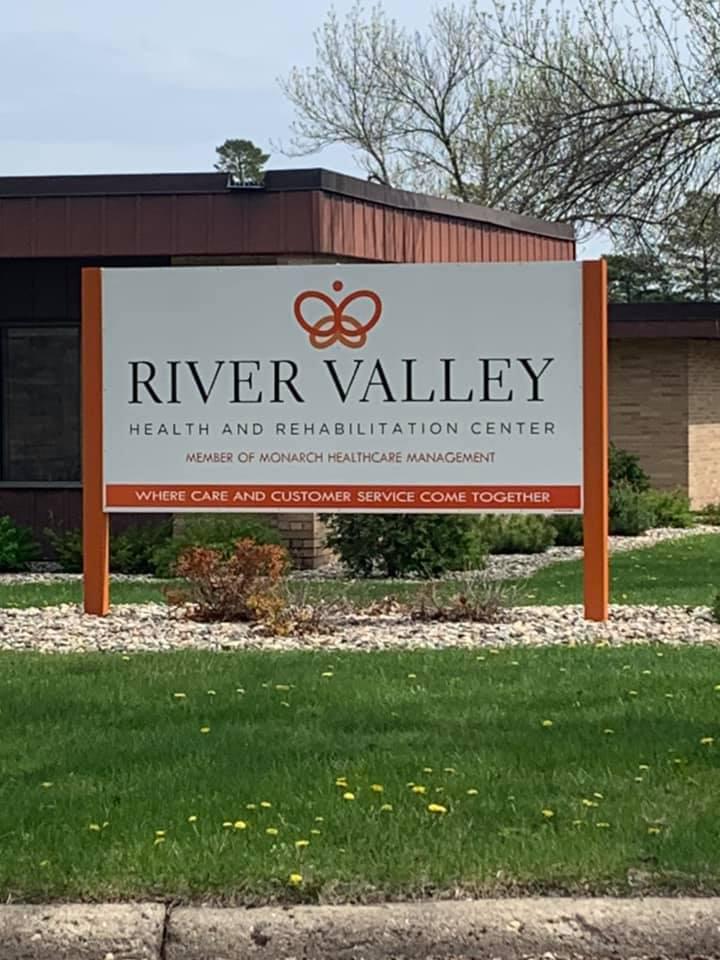
How is River Valley Health And Rehabilitation Center Llc Staffed?
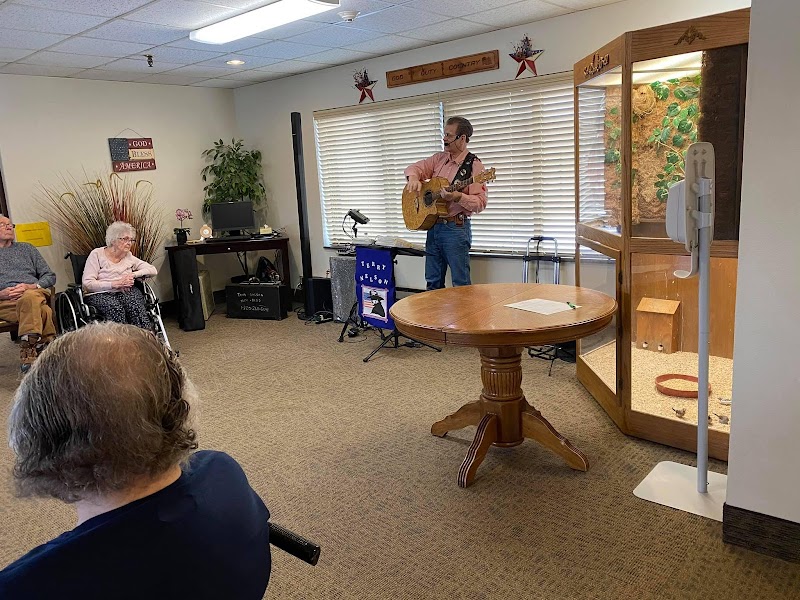
CMS rates River Valley Health And Rehabilitation Center Llc's staffing level at 4 out of 5 stars, which is above average compared to other nursing homes. Staff turnover is 47%, compared to the Minnesota average of 46%.

What Have Inspectors Found at River Valley Health And Rehabilitation Center Llc?

State health inspectors documented 19 deficiencies at River Valley Health And Rehabilitation Center Llc during 2022 to 2025. These included: 1 Immediate Jeopardy (the most serious level, indicating potential for serious harm or death) and 18 with potential for harm. Immediate Jeopardy findings are rare and represent the most serious regulatory concerns. They require immediate corrective action.
Who Owns and Operates River Valley Health And Rehabilitation Center Llc?

River Valley Health And Rehabilitation Center Llc is owned by a for-profit company. For-profit facilities operate as businesses with obligations to shareholders or private owners. The facility is operated by MONARCH HEALTHCARE MANAGEMENT, a chain that manages multiple nursing homes. With 43 certified beds and approximately 34 residents (about 79% occupancy), it is a smaller facility located in REDWOOD FALLS, Minnesota.

How Does River Valley Health And Rehabilitation Center Llc Compare to Other Minnesota Nursing Homes?

Compared to the 100 nursing homes in Minnesota, River Valley Health And Rehabilitation Center Llc's overall rating (3 stars) is below the state average of 3.2, staff turnover (47%) is near the state average of 46%, and health inspection rating (2 stars) is below the national benchmark.

What Should Families Ask When Visiting River Valley Health And Rehabilitation Center Llc?

Based on this facility's data, families visiting should ask: "What changes have been made since the serious inspection findings, and how are you preventing similar issues?" "Can I visit during a mealtime to observe dining assistance and food quality?" "How do you handle medical emergencies, and what is your hospital transfer rate?" "Can I speak with family members of current residents about their experience?" These questions are particularly relevant given the facility's Immediate Jeopardy citations.

Is River Valley Health And Rehabilitation Center Llc Safe?

Based on CMS inspection data, River Valley Health And Rehabilitation Center Llc has documented safety concerns. Inspectors have issued 1 Immediate Jeopardy citation (the most serious violation level indicating risk of serious injury or death). The facility has a 3-star overall rating and ranks #100 of 100 nursing homes in Minnesota. Families considering this facility should ask detailed questions about what corrective actions have been taken since these incidents.

Do Nurses at River Valley Health And Rehabilitation Center Llc Stick Around?

River Valley Health And Rehabilitation Center Llc has a staff turnover rate of 47%, which is about average for Minnesota nursing homes (state average: 46%). Moderate turnover is common in nursing homes, but families should still ask about staff tenure and how the facility maintains care continuity when employees leave.

Was River Valley Health And Rehabilitation Center Llc Ever Fined?

River Valley Health And Rehabilitation Center Llc has been fined $31,395 across 2 penalty actions. This is below the Minnesota average of $33,393. While any fine indicates a compliance issue, fines under $50,000 are relatively common and typically reflect isolated problems that were subsequently corrected. Families should ask what specific issues led to these fines and confirm they've been resolved.

Is River Valley Health And Rehabilitation Center Llc on Any Federal Watch List?

River Valley Health And Rehabilitation Center Llc is not on any federal watch list. The most significant is the Special Focus Facility (SFF) program, which identifies the bottom 1% of nursing homes nationally based on persistent, serious quality problems. Not being on this list means the facility has avoided the pattern of deficiencies that triggers enhanced federal oversight. This is a positive indicator, though families should still review the facility's inspection history directly.