WOODLAND MANOR NURSING CENTER
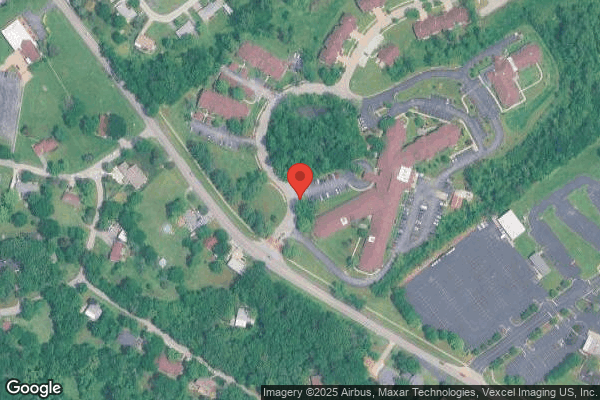
100 WOODLAND COURT, ARNOLD, MO 63010 (636) 296-1400
For profit - Limited Liability company 178 Beds RILEY SPENCE SENIOR LIVING Data: November 2025
Trust Grade
45/100
#316 of 479 in MO
Last Inspection: December 2024

Within standard 12-15 month inspection cycle. Federal law requires annual inspections.

Overview

Woodland Manor Nursing Center has a Trust Grade of D, which indicates below-average performance and raises some concerns about the quality of care provided. In Missouri, it ranks #316 out of 479 facilities, placing it in the bottom half, and #8 out of 11 in Jefferson County, suggesting limited better options nearby. The facility is improving, as it reduced issues from 12 in 2024 to just 2 in 2025. Staffing is rated 2 out of 5 stars, indicating below-average performance with a turnover rate of 58%, which is average for the state. While there have been no fines reported, which is a positive sign, the facility has faced concerns such as failing to maintain adequate surety bonds for resident funds and not consistently offering bedtime snacks to residents, which could affect their well-being.

Trust Score
D
45/100
In Missouri
#316/479
Bottom 35%
Safety Record
Low Risk
No red flags
Inspections
Getting Better
12 → 2 violations
Staff Stability
⚠ Watch
58% turnover. Above average. Higher turnover means staff may not know residents' routines.
Penalties
✓ Good
No fines on record. Clean compliance history, better than most Missouri facilities.
Skilled Nurses
⚠ Watch
Each resident gets only 20 minutes of Registered Nurse (RN) attention daily — below average for Missouri. Fewer RN minutes means fewer trained eyes watching for problems.
Violations
⚠ Watch
40 deficiencies on record. Higher than average. Multiple issues found across inspections.
★★☆☆☆
2.0
Overall Rating
★★☆☆☆
2.0
Staff Levels
★☆☆☆☆
1.0
Care Quality
★★★☆☆
3.0
Inspection Score
Stable
2024: 12 issues
2025: 2 issues

The Good

  • Full Sprinkler Coverage · Fire safety systems throughout facility
  • No fines on record

Facility shows strength in fire safety.

The Bad

2-Star Overall Rating

Near Missouri average (2.5)

Below average - review inspection findings carefully

Staff Turnover: 58%

12pts above Missouri avg (46%)

Frequent staff changes - ask about care continuity

Chain: RILEY SPENCE SENIOR LIVING

Part of a multi-facility chain

Ask about local staffing decisions and management

Staff turnover is elevated (58%)

10 points above Missouri average of 48%

The Ugly 40 deficiencies on record

Jun 2025 1 deficiency
CONCERN (D) 📢 Someone Reported This

A family member, employee, or ombudsman was alarmed enough to file a formal complaint

Potential for Harm - no one hurt, but risky conditions existed

Notification of Changes (Tag F0580)

Could have caused harm · This affected 1 resident

Based on interview and record review, the facility failed to notify the physician and resident representative of a fall for one resident (Resident #1) out of five sampled residents. The facility censu...

Read full inspector narrative →
Based on interview and record review, the facility failed to notify the physician and resident representative of a fall for one resident (Resident #1) out of five sampled residents. The facility census was 122. 1. Review of the facility policy titled, Following a Resident Fall, dated 04/29/25, showed: - The licensed nurse assess the resident for injuries (including neuro checks if indicated) and provides necessary treatment and initiates the Situation, Background, Assessment, Recommendation (SBAR - a structured communication tool used to improve the clarity and efficiency of information exchange between healthcare professionals, especially when reporting a change in a resident's condition); - The physician and resident's representatives are notified; 2. Review of Resident #1's annual Minimum Data Set (MDS), a federally mandated assessment instrument required to be completed by the facility staff, dated 03/05/2025, showed: - admitted to facility on 02/21/23; - Cognition impaired; - Diagnoses of dementia (a general term for a decline in mental ability severe enough to interfere with daily life), diabetes (a condition that happens when your blood sugar is too high. It develops when your pancreas doesn't make enough insulin or any at all), chronic kidney disease stage 2 (medical condition where the kidneys stop functioning normally and can no longer filter waste from the blood), and hypertension (high blood pressure); - Delusions (fixed, false beliefs that a person firmly holds despite evidence to the contrary, and they are a symptom of various mental health conditions); - Verbal behaviors directed towards others 4-6 days a week; - Rejection of care 1-3 days a week; Review of Resident #1's Care Plan with interventions, updated on 04/24/24, showed he/she is at risk for falls with interventions to notify physician and responsible party of fall. Review of Resident #1's progress notes showed a late entry on 05/09/25 at 4:36 P.M., which said the following: - Nurse was notfied by staff that Resident #1 was seen stuck between his/her bed and the wall; - The bed was moved from the wall and the resdent assessed; - At the time of the assessment the resident's main complaint was being on the floor; - No visible signs of acute injuries at that time; - Resident placed into the bed through the night shift staff; - Resident continued with normal behaviors of calling out, never mentioned any injury from the fall; - No documentation regarding calling the resident's responsible party or doctor. During an interview on 06/03/25 at 3:05 P.M., Certified Nurse Aide (CNA) A said he/she was in Resident #1's room providing incontinent care on 05/08/25. CNA A turned to wet a washcloth, and heard the resident scream. CNA A turned back to see Resident #1 on his/her knees on the floor between the bed and the wall. CNA A went immediately and informed Registered Nurse (RN) B of the incident. CNA A said he/she did not know if RN B contacted the resident's representative or doctor. CNA A said it is part of the facility's policy for charge staff to notify a resident's family and doctor. During an interview on 06/03/25 at 3:05 P.M., CNA C said he/she assisted CNA A and RN B with transferring Resident #1 from the floor to the bed after he/she was found on the floor. CNA C said he/she did not know if RN B notified the resident's representative or doctor of the fall. During an interview on 06/03/25 at 12:40 P.M., the Director of Nursing (DON) said it is facility policy to contact a resident's family and doctor of an incident such as a fall. The DON said it would be the charge nurse's responsibility to make those notifications, assess the resident for injury and document all of that information in the record. The DON said, RN B failed to do any of those. The DON said she began an investigation when she heard about the situation. The Administrator held RN B's paycheck until RN B could come to the facility and place a late entry into the progress notes for Resident #1's medical record. Complaint # MO254482, MO254511
Apr 2025 1 deficiency
CONCERN (D) 📢 Someone Reported This

A family member, employee, or ombudsman was alarmed enough to file a formal complaint

Potential for Harm - no one hurt, but risky conditions existed

Report Alleged Abuse (Tag F0609)

Could have caused harm · This affected 1 resident

Based on interview and record review, the facility failed to provide their final investigation in a timely manner after a report of sexual abuse for one resident (Resident #1) of three sampled residen...

Read full inspector narrative →
Based on interview and record review, the facility failed to provide their final investigation in a timely manner after a report of sexual abuse for one resident (Resident #1) of three sampled residents. On 4/5/2025, Resident #1 reported Registered Nurse (RN) A had sexually assaulted him/her on 04/3/25. As of 04/15/25, the facility had not completed the investigation. The census was 130. Review of the facility's Abuse Policy and Procedures/Investigation Protocols dated 12/14/18 showed: - Employees are required to report any occurrences of potential mistreatment they observe, hear about, or suspect to a supervisor, the Administrator (ADM) or the Director of Nurses (DON); - Once the ADM/DON determine that there is possible mistreatment, the ADM or DON will appoint a person to take charge of the investigation. The person in charge of the investigation will obtain a copy of any documentation relative to the incident; - The person in charge of the investigation will report the conclusions of the investigation to the ADM or DON designee within five working days of the reported incident. The final report shall contain the following; - Name, age. diagnosis and mental status of the resident allegedly abused or neglected; - The original allegation (note day, time, location, the specific allegation, by whom, witness to the occurrence, circumstances surrounding the occurrence and any noted injuries); - Facts determined during the process of the investigation, review of medical record and interview of all witnesses; - Conclusion of the investigation based on known facts; - If the allegation is determined to be valid and perpetrator is an employee, include on a separate sheet the employee's name, address, phone number title, date of hire, date of birth , social security number, copies of previous disciplinary actions and current status (still working, suspended or terminated); - Attach a summary of all interviews conducted; - The final written report will be sent to the Department of Health and Senior Services. 1. Review of the facility's self-report sent to the Central Registry Unit (CRU) on 04/05/25 showed: - On 04/05/25, Resident #1 reported to Emergency Medical Services (EMS) that staff RN A had sexually assaulted him/her on 04/03/25; - The resident was being sent out for a psychiatric evaluation; - RN A had been suspended pending the investigation. No completed investigation of the allegations had been received in the regional office as of 04/15/25 (7 business days after initial report). During an interview on 04/15/25 at 11:00 A.M., the ADM said he had not completed the investigation. He had not obtained a written statement from RN A or from the resident. He said he did not realize he needed to provide the final report since the facility had determined there was no abuse. Complaint #252300
Dec 2024 12 deficiencies
CONCERN (D)

Potential for Harm - no one hurt, but risky conditions existed

Deficiency F0578 (Tag F0578)

Could have caused harm · This affected 1 resident

**NOTE- TERMS IN BRACKETS HAVE BEEN EDITED TO PROTECT CONFIDENTIALITY** Based on interview and record review, the facility failed to ensure a code status was consistently documented throughout the med...

Read full inspector narrative →
**NOTE- TERMS IN BRACKETS HAVE BEEN EDITED TO PROTECT CONFIDENTIALITY** Based on interview and record review, the facility failed to ensure a code status was consistently documented throughout the medical record for two residents (Residents #17 and #92) out of 21 sampled residents and for two residents (Residents #33 and #53) outside the sample. The facility census was 127. Review of the facility's policy titled, Advance Directives, not dated, showed: - Upon admission, every resident or resident representative is asked to determine code status; - Full Code - cardiopulmonary resuscitation (CPR - an emergency procedure consisting of chest compressions if the heart stops beating or the person stops breathing) performed when the resident experiences a catastrophic event such as cardiac/respiratory arrest or Do Not Resuscitate (DNR - does not want CPR); - The resident's code status will be reviewed with the resident and/or the resident representative annually; - The resident has the right to change their code status at any time. Review of facility's Code Status book (a book that gives each resident's code status) showed: - For Resident #17, a DNR code status; - For Resident #33, a DNR code status; - For Resident #53, a DNR code status; - For Resident #92, a Full Code status. 1. Review of Resident #17's medical record showed: - An admission date of [DATE]; - A DNR code status on the facesheet; - An order for a DNR code status, dated [DATE]; - A Full Code status signed by the resident, facility representative, and the physician on [DATE]. Review of the resident's care plan, last revised [DATE], showed: - A DNR code status on [DATE]; - Social Services Designee (SSD) discussed advanced directives and code status with the resident and/or the resident representative on [DATE]; - Assure advanced directives were discussed and appropriate paperwork was obtained on [DATE]; - Advanced directives, when available, will be used according to policy for Full Code status on [DATE]. During an interview on [DATE] at 9:10 A.M., Resident #17 said staff went over the code status a couple months ago and he/she signed something. The resident said he/she wanted to be a Full Code. 2. Review of Resident #33's medical record showed: - An admission date of [DATE]; - A DNR code status on the facesheet; - A DNR code status signed by the resident's representative, facility representative, and the physician on [DATE]; - A Full Code status signed by the resident's representative, facility representative, and the physician on [DATE]; - An order for DNR code status, dated [DATE]. Review of the resident's care plan, reviewed [DATE], showed: - A Full Code status, dated [DATE]; - Staff will follow the advance directive as written, dated [DATE]. 3. Review of Resident #53's medical record showed: - An admission date of [DATE]; - A Full Code status on the facesheet; - A DNR code status signed by the resident, facility representative, and the physician on [DATE]; - An order for Full Code status, dated [DATE]. Review of the resident's care plan, reviewed [DATE], showed: - A Full Code status, dated [DATE]; - My advanced directive order for Full Code status will be honored, dated [DATE]; - Staff to initiate CPR and call 911, dated [DATE]. 4. Review of Resident #92's medical record showed: - An admission date of [DATE]; - A DNR code status on the facesheet; - A Full Code status signed by the resident, facility representative, and the physician on [DATE]; - An order for DNR code status, dated [DATE]. Review of the resident's care plan, reviewed [DATE], showed: - My advance directive decision for Full Code status will be honored, dated [DATE]; - I have a copy of my advanced directives scanned into my electronic medical record or placed in a code status binder located at the nurses station, dated [DATE]. During an interview on [DATE] at 9:18 A.M., the Administrator said staff were instructed to open the scanned signed advance directive in the resident's electronic chart to confirm the code status. There was a book with copies of the advanced directives kept in the SSD's office. During an interview on [DATE] at 2:00 P.M., the SSD said he/she was in charge of the residents' code status but another staff member had taken over the task. The SSD had a binder in his/her office with the residents' code status.
CONCERN (D)

Potential for Harm - no one hurt, but risky conditions existed

Transfer Notice (Tag F0623)

Could have caused harm · This affected 1 resident

**NOTE- TERMS IN BRACKETS HAVE BEEN EDITED TO PROTECT CONFIDENTIALITY** Based on interview and record review, the facility failed to notify the resident and/or the resident's representative in writing...

Read full inspector narrative →
**NOTE- TERMS IN BRACKETS HAVE BEEN EDITED TO PROTECT CONFIDENTIALITY** Based on interview and record review, the facility failed to notify the resident and/or the resident's representative in writing of a facility-initiated transfer when 13 residents (Residents #7, #17, #30, #34, #37, #39, #48, #50, #92, #101, #105, #121, and #126) out of 13 sampled residents transferred to the hospital. The facility's census was 127. Review of the facility policy titled, Hospital Transfer and Bed Hold Policy, undated, showed: - If the attending physician orders his/her patient to be transferred to the hospital, the family or responsible party will be notified and arrangements will be made; - Before there is a transfer of a resident to a hospital or a resident goes on a therapeutic leave, the resident and family or Durable Power of Attorney (DPOA) will be notified twice. The first will be during the admission process by the reading of the Bed Hold Policy. The second notice will be provided to the resident and family or DPOA at the time of the transfer to the hospital. A copy of this policy will be sent with other papers accompanying the resident to the hospital. 1. Review of Resident #7's medical record showed: - The resident transferred to the hospital for medical evaluation on 04/13/24, and readmitted to the facility on [DATE]; - The resident transferred to the hospital for medical evaluation on 10/05/24, and readmitted to the facility on [DATE]; - No documentation of the written notifications provided to the resident and/or the resident's representative of the resident's transfers to the hospital. 2. Review of Resident #17's medical record showed: - The resident transferred to the hospital for medical evaluation on 07/31/24, and readmitted to the facility on [DATE]; - No documentation of the written notification provided to the resident and/or the resident's representative of the resident's transfers to the hospital. 3. Review of Resident #30's medical record showed: - The resident transferred to the hospital for medical evaluation on 08/08/24, and readmitted to the facility on [DATE]; - No documentation of the written notification provided to the resident and/or the resident's representative of the resident's transfers to the hospital. 4. Review of Resident #34's medical record showed: - The resident transferred to the hospital for medical evaluation on 05/06/24, and readmitted to the facility on [DATE]; - No documentation of the written notification provided to the resident and/or the resident's representative of the resident's transfers to the hospital. 5. Review of Resident #37's medical record showed: - The resident transferred to the hospital for medical evaluation on 05/03/24, and readmitted to the facility on [DATE]; - The resident transferred to the hospital for medical evaluation on 07/10/24, and readmitted to the facility on [DATE]; - The resident transferred to the hospital for medical evaluation on 10/06/24, and readmitted to the facility on [DATE]; - No documentation of the written notification provided to the resident and/or the resident's representative of the resident's transfers to the hospital. 6. Review of Resident #39's medical record showed: - The resident transferred to the hospital for medical evaluation on 11/24/24, and readmitted to the facility on [DATE]; - No documentation of the written notification provided to the resident and/or the resident's representative of the resident's transfers to the hospital. 7. Review of Resident #48's medical record showed: - The resident transferred to the hospital for medical evaluation on 02/18/24, and readmitted to the facility on [DATE]; - The resident transferred to the hospital for medical evaluation on 04/05/24, and readmitted to the facility on [DATE]; - The resident transferred to the hospital for medical evaluation on 04/13/24, and readmitted to the facility on [DATE]; - The resident transferred to the hospital for medical evaluation on 08/16/24, and readmitted to the facility on [DATE]; - No documentation of the written notifications provided to the resident and/or the resident's representative of the resident's transfers to the hospital. 8. Review of Resident #50's medical record showed: - The resident transferred to the hospital for medical evaluation on 02/20/24, and readmitted to the facility on [DATE]; - The resident transferred to the hospital for medical evaluation on 04/08/24, and readmitted to the facility on [DATE]; - The resident transferred to the hospital for medical evaluation on 04/25/24, and readmitted to the facility on [DATE]; - No documentation of the written notifications provided to the resident and/or the resident's representative of the resident's transfers to the hospital. 9. Review of Resident #92's medical record showed: - The resident transferred to the hospital for medical evaluation on 11/25/24, and readmitted to the facility on [DATE]; - No documentation of the written notification provided to the resident and/or the resident's representative of the resident's transfers to the hospital. 10. Review of Resident #101's medical record showed: - The resident transferred to the hospital for medical evaluation on 04/02/24, and readmitted to the facility on [DATE]; - The resident transferred to the hospital for medical evaluation on 04/10/24, and readmitted to the facility on [DATE]; - The resident transferred to the hospital for medical evaluation on 04/30/24, and readmitted to the facility on [DATE]; - The resident transferred to the hospital for medical evaluation on 06/03/24, and readmitted to the facility on [DATE]; - The resident transferred to the hospital for medical evaluation on 06/27/24, and readmitted to the facility on [DATE]; - No documentation of the written notifications provided to the resident and/or the resident's representative of the resident's transfers to the hospital. 11. Review of Resident #105's medical record showed: - The resident transferred to the hospital for medical evaluation on 05/13/24, and readmitted to the facility on [DATE]; - The resident transferred to the hospital for medical evaluation on 08/16/24, and readmitted to the facility on [DATE]; - The resident transferred to the hospital for medical evaluation on 09/11/24, and readmitted to the facility on [DATE]; - No documentation of the written notifications provided to the resident and/or the resident's representative of the resident's transfers to the hospital. 12. Review of Resident #121's medical record showed: - The resident transferred to the hospital for medical evaluation on 12/05/24, and readmitted to the facility on [DATE]; - No documentation of the written notification provided to the resident and/or the resident's representative of the resident's transfers to the hospital. 13. Review of Resident #126's medical record showed: - The resident transferred to the hospital for medical evaluation on 06/04/24, and readmitted to the facility on [DATE]; - No documentation of the written notification provided to the resident and/or the resident's representative of the resident's transfers to the hospital. During an interview on 12/06/24 at 1:30 P.M., the Social Services Designee (SSD) said the nurses were responsible for notifying the resident's representative of the resident's transfer to the hospital. During an interview on 12/06/24 at 2:30 P.M., the Administrator said the resident's representative should be notified by phone of the resident's transfer to the hospital but the facility did not notify them in writing. The Resident Transfer form was filled out by the nurse transferring the resident to the hospital and that form was given to emergency medical services to pass along to the hospital staff. The hospital staff should give it to the resident's representative. The notification was not mailed to the resident representatives because they would not receive it until after the resident had returned to the facility in most cases.
CONCERN (D)

Potential for Harm - no one hurt, but risky conditions existed

Deficiency F0625 (Tag F0625)

Could have caused harm · This affected 1 resident

**NOTE- TERMS IN BRACKETS HAVE BEEN EDITED TO PROTECT CONFIDENTIALITY** Based on interview and record review, the facility failed to inform the resident and/or legal representative in writing of their...

Read full inspector narrative →
**NOTE- TERMS IN BRACKETS HAVE BEEN EDITED TO PROTECT CONFIDENTIALITY** Based on interview and record review, the facility failed to inform the resident and/or legal representative in writing of their bed hold policy at the time of transfer to the hospital for 12 residents (Resident #7, #17, #30, #34, #37, #48, #50, #92, #101, #105, #121, and #126) out of 13 sampled residents. The facility's census was 127. Review of the facility policy titled, Hospital Transfer and Bed Hold Policy, undated, showed: - In the event that you are transferred to a hospital, a copy of the bed hold policy will be sent with you. If you are a Medicaid recipient, you have access to Therapeutic Leave. You have 12 days leave between January and June and 12 days between July and December of each year; - Before there is a transfer of a resident to a hospital or a resident goes on a therapeutic leave, the resident and family or Durable Power of Attorney (DPOA) will be notified twice. The first will be during the admission process by the reading of the Bed Hold Policy. The second notice will be provided to the resident and family or DPOA at the time of the transfer to the hospital. A copy of this policy will be sent with other papers accompanying the resident to the hospital. 1. Review of Resident #7's medical record showed: - The resident transferred to the hospital for medical evaluation on 04/13/24, and readmitted to the facility on [DATE]; - The resident transferred to the hospital for medical evaluation on 10/05/24, and readmitted to the facility on [DATE]; - No documentation the resident and/or the resident representative was informed in writing of the facility bed hold policy at the time of the transfers. 2. Review of Resident #17's medical record showed: - The resident transferred to the hospital for medical evaluation on 07/31/24, and readmitted to the facility on [DATE]; - No documentation the resident and/or the resident representative was informed in writing of the facility bed hold policy at the time of the transfer. 3. Review of Resident #30's medical record showed: - The resident transferred to the hospital for medical evaluation on 08/08/24, and readmitted to the facility on [DATE]; - No documentation the resident and/or the resident representative was informed in writing of the facility bed hold policy at the time of the transfer. 4. Review of Resident #34's medical record showed: - The resident transferred to the hospital for medical evaluation on 05/06/24, and readmitted to the facility on [DATE]; - No documentation the resident and/or the resident representative was informed in writing of the facility bed hold policy at the time of the transfer. 5. Review of Resident #37's medical record showed: - The resident transferred to the hospital for medical evaluation on 05/03/24, and readmitted to the facility on [DATE]; - The resident transferred to the hospital for medical evaluation on 07/10/24, and readmitted to the facility on [DATE]; - The resident transferred to the hospital for medical evaluation on 10/06/24, and readmitted to the facility on [DATE]; - No documentation the resident and/or the resident representative was informed in writing of the facility bed hold policy at the time of the transfers. 6. Review of Resident #48's medical record showed: - The resident transferred to the hospital for medical evaluation on 02/18/24, and readmitted to the facility on [DATE]; - The resident transferred to the hospital for medical evaluation on 04/05/24, and readmitted to the facility on [DATE]; - The resident transferred to the hospital for medical evaluation on 04/13/24, and readmitted to the facility on [DATE]; - The resident transferred to the hospital for medical evaluation on 08/16/24, and readmitted to the facility on [DATE]; - No documentation the resident and/or the resident representative was informed in writing of the facility bed hold policy at the time of the transfers. 7. Review of Resident #50's medical record showed: - The resident transferred to the hospital for medical evaluation on 02/20/24, and readmitted to the facility on [DATE]; - The resident transferred to the hospital for medical evaluation on 04/08/24, and readmitted to the facility on [DATE]; - The resident transferred to the hospital for medical evaluation on 04/25/24, and readmitted to the facility on [DATE]; - No documentation the resident and/or the resident representative was informed in writing of the facility bed hold policy at the time of the transfers. 8. Review of Resident #92's medical record showed: - The resident transferred to the hospital for medical evaluation on 11/25/24, and readmitted to the facility on [DATE]; - No documentation the resident and/or the resident representative was informed in writing of the facility bed hold policy at the time of the transfer. 9. Review of Resident #101's medical record showed: - The resident transferred to the hospital for medical evaluation on 04/02/24, and readmitted to the facility on [DATE]; - The resident transferred to the hospital for medical evaluation on 04/10/24, and readmitted to the facility on [DATE]; - The resident transferred to the hospital for medical evaluation on 04/30/24, and readmitted to the facility on [DATE]; - The resident transferred to the hospital for medical evaluation on 06/03/24, and readmitted to the facility on [DATE]; - The resident transferred to the hospital for medical evaluation on 06/27/24, and readmitted to the facility on [DATE]; - No documentation the resident or the resident representative was informed in writing of the facility bed hold policy at the time of the transfers. 10. Review of Resident #105's medical record showed: -The resident transferred to the hospital for medical evaluation on 08/16/24, and readmitted to the facility on [DATE]; -The resident transferred to the hospital for medical evaluation on 09/11/24, and readmitted to the facility on [DATE]; - No documentation the resident or the resident representative was informed in writing of the facility bed hold policy at the time of the transfer. 11. Review of Resident #121's medical record showed: - The resident transferred to the hospital for medical evaluation on 12/05/24, and readmitted to the facility on [DATE]; - No documentation the resident and/or the resident representative was informed in writing of the facility bed hold policy at the time of the transfer. 12. Review of Resident #126's medical record showed: - The resident transferred to the hospital for medical evaluation on 06/04/24, and readmitted to the facility on [DATE]; - No documentation the resident and/or the resident representative was informed in writing of the facility bed hold policy at the time of the transfer. During an interview on 12/06/24 at 2:35 P.M., the Administrator said that the bed hold policy was sent with the resident to the hospital at the time of transfer and that the hospital staff were responsible for giving it to the resident's representative.
CONCERN (D)

Potential for Harm - no one hurt, but risky conditions existed

Deficiency F0657 (Tag F0657)

Could have caused harm · This affected 1 resident

Based on interview and record review, the facility failed to update and revise care plans with specific interventions tailored to meet individual needs for two residents (Residents #3 and #17) out of ...

Read full inspector narrative →
Based on interview and record review, the facility failed to update and revise care plans with specific interventions tailored to meet individual needs for two residents (Residents #3 and #17) out of 21 sampled residents. The facility census was 127. Review of the facility's policy titled, Care Plan Section Responsibility, March 2024, showed: - A care plan will be developed upon admission per Centers for Medicare and Medicaid Services (CMS) guidelines. It will be updated quarterly, and annually per CMS guidelines to ensure that there is a continuity of care, and is in accordance with the individual's needs. Care plan will also be updated with a significant change of condition; - The care plan must be based upon the resident assessment, choices and advance directives, if any. As the resident's status changes, the facility, attending practitioner, and the resident representative, to the extent possible, must review and/or revise care plan goals and treatment choices. 1. Review of Resident #3's medical record showed: - An admission date of 09/27/24; - Diagnoses of urinary tract infections, falls, polyneuropathy (sensation issues involving peripheral nerves), long term use of antibiotics, hypothyroidism, major depressive disorder (MDD - long-term loss of pleasure or interest in life), anxiety disorder (persistent worry and fear about every day situations), hypertension (high blood pressure), atrial fibrillation (abnormal heart rate and rhythm), heart failure (inability for heart to pump blood as it should), and pain. Review of the resident's Physician Order Sheet (POS), dated December 2024, showed: - An order for apixaban (anticoagulant) 5 milligrams (mg) oral every 12 hours, dated 09/27/24; - An order for famciclovir (antiviral medication) 250 mg oral once a day in morning, dated 09/27/24; - An order for gabapentin (nerve pain medication) 300 mg oral every 12 hours, dated 09/27/24; - An order for duloxetine (depression medication) 60 mg oral once a day in morning, dated 10/03/24; - An order for alprazolam (anxiety medication) 0.5 mg oral once a day at bedtime, dated 11/17/24. Review of the resident's care plan, last reviewed on 10/04/24, showed: - The anticoagulant not addressed; - The antiviral medication not addressed; - The nerve pain medication not addressed; - Depression and anxiety medications, depression, and anxiety not addressed; - Heart failure not addressed. 2. Review of Resident #17's medical record showed: - An admission date of 01/10/22; - Diagnoses of chronic kidney disease, cerebrovascular disease (damage to the brain from interrupted blood supply), asthma (lung condition making breathing difficult), blindness in one eye, diabetes mellitus (DM - a condition that affects the way the body processes blood sugar), hypertension, atrial fibrillation, and unspecified psychosis (a mental disorder with a severe loss of contact with reality). Review of the resident's POS, dated December 2024, showed: - No order for Xanax (anxiety medication); - No order for Remeron (depression medication); - An order for quetiapine (antipsychotic medication) 100 mg oral once a day at bedtime, dated 08/07/24. Review of the resident's care plan, last reviewed on 10/20/24, showed: - Received Xanax for anxiety, initiated 03/23/22; - Received quetiapine 75 mg at bedtime, updated 10/27/22; - Vision impairment with intervention to provide large print reading material, initiated 01/10/22; - Weight loss related to significant weight loss evidenced by Remeron 7.5 mg for seven days then increase to 15 mg, initiated 09/14/22. During an interview on 12/03/24 at 2:43 P.M., Resident #17 said he/she was completely blind and could only see light differences and shadows. He/She couldn't read at all because of being blind. Resident #17 said he/she can tell if someone was around him/her by the shadow but could not tell who was there and relied on his/her other senses like hearing to distinguish the people he/she interacted with. During an interview on 12/06/24 at 12:25 P.M., Licensed Practical Nurse (LPN) Q said Resident #17 was completely blind and could only see light differences and shadows. During an interview on 12/10/24 at 10:38 A.M., the Minimum Data Set (MDS - a mandatory assessment completed by the facility staff) Coordinator would expect the care plan to accurately reflect the resident's current condition. During an interview on 12/06/24 at 5:45 P.M., the Director of Nursing (DON) and Administrator said they would expect the care plan to accurately reflect the resident's current condition.
CONCERN (D)

Potential for Harm - no one hurt, but risky conditions existed

Accident Prevention (Tag F0689)

Could have caused harm · This affected 1 resident

**NOTE- TERMS IN BRACKETS HAVE BEEN EDITED TO PROTECT CONFIDENTIALITY** Based on observation, interview, and record review, the facility failed to monitor and consistently implement interventions, inc...

Read full inspector narrative →
**NOTE- TERMS IN BRACKETS HAVE BEEN EDITED TO PROTECT CONFIDENTIALITY** Based on observation, interview, and record review, the facility failed to monitor and consistently implement interventions, including adequate supervision consistent with resident needs, goals and current professional standards of practice, in order to eliminate or reduce the risk of falls and accidents and failed to update the care plan with new interventions to prevent additional falls for two residents (Residents #3 and #39) out of two sampled residents. The facility also failed to prevent resident access to liquor in an unlocked office. This had the potential to affect all residents who were able to move freely around the facility. The facility census was 127. Review of the facility policy titled, Falls, dated 09/22/21, showed: - The Minimum Data Set (MDS - a federally mandatory assessment completed by facility staff) defines a fall as unintentionally coming to rest on the ground, floor, or other lower level but not as a result of an overwhelming external force; - Procedure following a fall includes ascertaining if there were injuries, providing treatment if necessary, fill out a fall event report for any falls sustained by a resident, determine possible cause of fall, neuro checks will be initiated with unwitnessed falls or if a head injury is apparent at time of fall, notify physician, family, and supervisor. - Review with physician if there is a necessity for physical or occupational evaluation and complete documentation in resident's chart; - The nursing office will follow up with the review and assessment and the care plan office will follow up with the interventions; - The care plan team will address the risk factors for the fall and revise the resident's care plan and/or facility practices, as needed, to reduce the likelihood of another fall; - All staff in-serviced on falls yearly and as needed and is part of the New Hire Orientation Program; - All residents are to be assessed by licensed nurses for falls on admission and the care plan team will be reviewed quarterly. 1. Review of Resident #3's admission MDS, dated [DATE], showed: - Cognition intact; - Dependent on staff for toileting and to go from lying to sitting positions; - Dependent on staff for lying to sitting and sitting to lying positions; - Sit to stand and toilet transfer not attempted due to medical condition or safety concerns; - Resident used a wheelchair and/or walker. Review of the resident's medical record showed: - No documentation of a fall on 12/03/24; - No documentation of an assessment of the fall on 12/03/24; - No documentation of notification to appropriate persons per the facility policy for the fall on 12/03/24. Review of the resident's care plan, last revised 10/04/24, showed: - At risk for falls evidenced by total dependence with transfers and fall within last month, dated 09/27/24; - Impaired physical mobility evidenced by total dependence to transfer and ambulate, dated 09/27/24; - Provide appropriate level of assistance to promote safety of the resident, dated 09/27/24; - Interventions included assist resident with activities of daily living (ADLs) and keep call light and most frequently used personal items within reach, dated 09/27/24; - The fall with interventions on 12/03/24, was not addressed. During an interview on 12/04/24 at 12:32 P.M., Resident #3 said he/she fell on [DATE] at 7:30 P.M. After waiting for someone to the answer the call light he/she pressed a little after 4 P.M., the resident had soiled him/herself from not being able to wait any longer to go to the bathroom. CNA N and an unknown nurse assistant (NA) came in the room to assist the resident from the wheelchair back to the bed. CNA N and the unknown NA lifted the resident up with the gait belt and on the way to the bed, one of the resident's legs buckled and the resident fell on his/her knees to the ground. CNA N and the unknown NA got another staff member to help put a Hoyer lift (a mechanical lift) sling pad under the resident and was transferred by the Hoyer lift to the bed. He/She usually could get to the bed from the wheelchair with assist of one to two staff members but was weak from waiting so long in the wheelchair. He/She did not have enough strength to help as much with transferring to the bed. During an interview on 12/04/24 at 5:30 P.M., CNA N said on 12/03/24 at around 9:30 P.M., the resident transferred to the bed with his/her help and another staff with a gait belt. The resident's leg buckled before making it to the bed and he/she and the other staff member lowered the resident to the ground. He/She put a Hoyer lift sling pad under the resident and transferred the resident back to the bed with the Hoyer lift. It was not reported to any other staff since he/she helped lower the resident to the ground and the resident did not fall. During an interview on 12/06/24 at 4:40 P.M., CNA P said if someone was lowered to the ground during a transfer, then it was not considered a fall and he/she would not alert the nurse. If someone did fall, then he/she would get the nurse. The nurse was in charge of charting everything in the computer and notifying everyone who needed to be notified. 2. Review of Resident 39's admission MDS, dated [DATE], showed: - Cognition intact; - Partial/moderate assistance with mobility and ambulation; - Wheelchair or walker for assistive devices. Review of the resident's medical record showed: - Resident fell on [DATE], at the nurses station and hit the back of his/her head resulting in bleeding from a head wound and sent to the hospital for evaluation; - No documentation of a fall or an assessment for 12/05/24. Review of the resident's care plan, last revised 10/17/24, showed: - At risk for falls as evidenced by problem with balance and fall within last two to six months, dated 10/10/24; - Interventions included to maintain record of falls and evaluate for patterns, assist with ADL's as needed, and assess contributing factors related to fall history, dated 10/10/24; - The falls with interventions on 11/24/24, and 12/05/24, were not addressed. Observation on 12/05/24 at 9:27 A.M., showed Resident #39 in his/her room standing up and supporting him/herself on the roommate's bed with both hands. The resident lost his/her balance and fell on his/her buttocks landing on the floor on right side of the bed. Staff saw the resident on the floor and told Licensed Practical Nurse (LPN) O. LPN O said the resident was care planned for falls and liked to be on the floor to scoot around. LPN O asked a another staff to get the resident from his/her room and bring them to the nurse's station for one-on-one closer observation. During an interview on 12/03/24 at 11:29 A.M., CNA L said Resident #39 liked to be on the ground and scoot around. He/She usually did not fall, but lay himself/herself on the ground. The resident should be care planned for it. During an interview on 12/06/24 at 5:45 P.M., the Director of Nursing (DON) said if a fall was witnessed and hit his/her head, or unwitnessed and couldn't verify if the resident hit his/her head, then the Medical Director wanted all residents sent to the emergency room. If a fall was witnessed and hit his/her head, she would expect the licensed nurse to do an incident report. If a resident did not hit his/her head, then do an incident report, follow for 72 hours with neuro checks. It was considered a fall if a resident was assisted to the floor, but if a resident placed themselves on the floor, it would not be considered a fall. She did not know about Resident #3's or Resident #39's falls. 3. Observations of the unlocked Activity Director's office on 12/04/24 at 7:54 A.M., and 4:31 P.M., and 12/05/24 at 7:54 A.M., and 11:36 A.M., showed a 12 pack of alcoholic beer, an unopened bottle of rum, two 1/2 bottles of tequila, a bottle of coffee liqueur, an opened 1/4 bottle of blue agave tequila, an opened bottle of white rum, an unopened bottle of white rum, a 1/2 bottle of peach schnapps, a 1/2 bottle of brandy, and a 1/2 bottle of amaretto on a shelf visible from the hallway through the opened door. No staff were present. Two residents walked in the hallway outside of the Activities Director's office. During an interview on 12/05/24 at 11:45 A.M., the Activity Director said residents didn't usually enter his/her office if no one was in it, but there had been confused residents enter the office and use the trash can as a bathroom. The door was closed and locked when he/she left for lunch and for the day. The door was not closed when he/she stepped out of the office for a short period. During an interview on 12/06/24 at 6:00 P.M., the Administrator said he expected liquor to be stored in a location that was not accessible to the residents.
CONCERN (D)

Potential for Harm - no one hurt, but risky conditions existed

Deficiency F0700 (Tag F0700)

Could have caused harm · This affected 1 resident

**NOTE- TERMS IN BRACKETS HAVE BEEN EDITED TO PROTECT CONFIDENTIALITY** Based on observation, interview, and record review, the facility failed to assess residents for the use of side rails prior to i...

Read full inspector narrative →
**NOTE- TERMS IN BRACKETS HAVE BEEN EDITED TO PROTECT CONFIDENTIALITY** Based on observation, interview, and record review, the facility failed to assess residents for the use of side rails prior to installation or use, the facility failed to obtain informed consent from the resident or if applicable, the resident representative, and the facility also failed to provide on-going monitoring, supervision, and routine maintenance of the beds with side rails in use for eight residents (Residents #3, #7, #48, #50, #105, #111, #127, and #389) out of eight sampled residents. The facility's census was 127. The facility did not provide a policy for side rails. 1. Review of Resident #3's admission Minimum Data Set (MDS - a federally mandated assessment completed by the facility), dated 10/04/24, showed: - Intact cognition; - Dependent with bed mobility; - Diagnoses of falls, difficulty walking, morbid obesity (overweight), pain, heart failure (the heart does not pump blood as well as it should), and atrial fibrillation (abnormal heart beat). Review of the resident's care plan, revised 10/04/24, showed: - Risk of falls related to history of falls; - Bed mobility with supervision and transfers with total assist. Review of the resident's medical record showed: - Side rail evaluation completed on 09/27/24; - No documentation of informed consent for the use of the side rails. - On 12/03/24 at 11:10 A.M., the resident rolled side to side holding on to the bilateral quarter side rails in the upright position while staff performed incontinence care; - On 12/06/24 at 10:30 A.M., the resident lay in bed with the bilateral quarter side rails in the upright position. During an interview on 12/03/24 at 11:00 A.M., Resident #3 said he/she used the side rails to turn and reposition himself/herself in bed and did it independently. 2. Review of Resident #7's quarterly MDS, dated [DATE], showed: - Intact cognition; - Dependent with bed mobility; - Diagnoses of anemia (low blood levels of iron), heart failure, hypertension (high blood pressure), neurogenic bladder (lack of bladder control due to brain, spinal cord or nerve problems), wound infection, diabetes mellitus (DM - a condition that affects the way the body processes blood sugar), hyperlipidemia (high blood level of cholesterol), seizure disorder (a burst of uncontrolled electrical activity between brain cells that causes temporary abnormalities in muscle tone or movements like stiffness, twitching or limpness, behaviors, sensations, or states of awareness), anxiety disorder(persistent worry and fear about everyday situations), depression (a serious medical illness that negatively affects how you feel, the way you think and how you act), and chronic obstructive pulmonary disease (COPD - a chronic inflammatory lung disease that causes obstructed airflow from the lungs). Review of the resident's care plan, revised 11/05/24, showed: - Risk for falls; - Impaired physical mobility. Review of the residents' medical record showed: - Side rail evaluation completed on 10/06/23; - No documentation of quarterly side rail assessments; - No documentation of informed consent for the use of the side rails. Observations of the resident showed: - On 12/03/24 at 11:30 A.M., and 12/05/24 at 9:30 A.M., the resident lay in bed with the bilateral quarter side rails in the upright position. During an interview on 12/04/24 at 9:00 A.M., Resident #7 said he/she used the side rails to turn himself/herself in bed. 3. Review of Resident #48's quarterly MDS, dated [DATE], showed: - Severe cognitive impairment; - Moderate assistance with bed mobility; - Diagnoses of coronary artery disease (a condition that occurs when the arteries in the heart narrow or become blocked restricting blood flow to the heart), heart failure, hypertension, peripheral vascular disease (a condition in which narrowed blood vessels reduce blood flow to the limbs), DM, hyperlipidemia, fracture, stroke, dementia (a chronic condition that causes a decline in mental abilities, such as thinking, remembering, and reasoning, that interferes with daily life), and psychotic disorder (a severe mental illness that causes a person to lose touch with reality and have abnormal perceptions and thoughts). Review of the resident's care plan, revised 08/21/24, showed: - Risk of falls related to a fall; - Resident will assist with turning and repositioning in bed and transfers. Review of the resident's medical record showed: - Side rail evaluation completed on 02/13/24; - No documentation of quarterly side rail assessments; - No documentation of informed consent for the use of the side rails. Observations of the resident showed: - On 12/03/24 at 11:12 A.M., the resident lay on the right side while holding onto the U-shaped side rail in the upright position on the right side of the bed; - On 12/06/24 at 11:50 A.M., the resident rolled side to side holding onto the U-shaped side rail in the upright position on the right side of bed while staff performed wound care and incontinence care. 4. Review of Resident #50's quarterly MDS, dated [DATE], showed: - Moderately impaired cognition; - Moderate assistance with bed mobility; - Diagnoses of cancer, anemia, coronary artery disease, hypertension, renal failure, DM, hyperlipidemia, anxiety disorder, and depression. Review of the resident's care plan, revised 09/16/24, showed: - Risk for falls; - Impaired physical mobility; - Requires extensive assistance with bed mobility and transfers. Review of the resident's medical record showed: - Side rail evaluation completed on 04/11/24; - No documentation of quarterly side rail assessments; - No documentation of informed consent for the use of the side rails. Observations of the resident showed: - On 12/03/24 at 11:24 A.M., and 12/04/24 at 1:00 P.M., the resident lay in bed with the bilateral quarter side rails in the upright position. During an interview on 12/03/24 at 11:20 A.M., Resident #50 said he/she used the side rails to turn himself/herself in the bed. 5. Review of Resident #105's quarterly MDS, dated [DATE], showed: - Cognition mildly impaired; - Partial to moderate assistance for bed mobility; - Diagnoses of anxiety, major depressive disorder, stroke, DM, and osteoarthritis. Review of the resident's care plan, revised 11/04/24, showed: - Risk for falls; - Limited bed mobility; - Impaired physical mobility and range of motion due to contracture of the left hand and cognitive status mildly impaired. Review of the resident's medical record showed: - No documentation of side rail assessments; - No documentation of informed consent for the use of the side rails. Observation on 12/05/24 at 8:15 A.M., showed the resident lay in bed with the bilateral one-quarter, inverted U-shaped side rails in the upright position. 6. Review of Resident 111's admission MDS, dated [DATE], showed: - Cognition intact; - Bed mobility rolling, sit to lying, and lying to sitting in bed require supervision or touching assistance; - Sit to stand or bed to chair transfer require partial to moderate assistance; - Diagnoses of cancer, DM, right humerus (upper arm bone) fracture, stroke, dementia, and traumatic brain injury (TBI), COPD, and falls. Review of the resident's care plan, revised 10/19/24 showed: - Impaired physical mobility; - A recent fracture related to a fall; - Vertigo (dizzy feeling) and syncope (sudden temporary loss of consciousness); - Elopement attempts. Review of the resident's medical record showed: - No documentation of side rail assessments; - No documentation of informed consent for the use of the side rails. Observation on 12/06/24 at 8:20 A.M., showed: - The resident lay sideways in bed with the bilateral U-shaped quarter side rails in the upright position. 7. Review of Resident #127's admission MDS, dated [DATE], showed: - Moderate cognitive impairment; - Moderate assistance with bed mobility; - Diagnoses of atrial fibrillation (a heart condition that causes an irregular heartbeat, often resulting in a faster than normal rate), hypertension, urinary tract infection (a bacterial infection that occurs in the urinary tract), dementia, malnutrition (lack of sufficient nutrients in the body), anxiety disorder, depression, and COPD. Review of the resident's care plan, revised 10/09/24, showed: - Risk of falls related to a fall; - The resident will assist with turning and repositioning in bed and transfers. Review of the resident's medical record showed: - Side rail evaluation completed on 02/13/24; - No documentation of quarterly side rail assessments; - No documentation of informed consent for the use of the side rails. Observation of the resident showed: - On 12/05/24 at 9:42 A.M., the resident lay in bed with the bilateral U-shaped side rails in the upright position. During an interview on 12/06/24 at 3:19 P.M., Resident #127's family member said the resident used the side rails to turn side to side and get out of bed. 8. Review of Resident #389's admission MDS, dated [DATE], showed: - Cognition intact; - Standby assistance with bed mobility; - Diagnoses of anemia, atrial fibrillation, heart failure, hypertension, renal failure, wound infection, hyperlipidemia, thyroid disorder (a condition that occurs when the thyroid gland doesn't produce the right amount of hormones), arthritis, and depression. Review of the resident's care plan, revised 11/23/24, showed: - High risk of falls. Review of the resident's medical record showed: -Side rail evaluation completed on 11/17/24; - No documentation of informed consent for the use of the side rails. Observations of the resident showed: - On 12/06/24 at 8:00 A.M., the resident lay in bed with the bilateral U-shaped side rails in the upright position; - On 12/06/24 at 8:22 A.M., the resident sat on the left edge of the bed with the bilateral U-shaped side rails in the upright position. During an interview on 12/06/24 at 3:15 P.M., Resident #389 said he/she used the side rails to reposition in bed. During an interview on 12/06/24 at 2:45 P.M., the Director of Nursing (DON) said she would expect side rail assessments to be done quarterly and with changes. During an interview on 12/19/24 at 8:50 A.M., the DON said the nurse managers on the hall were responsible for the completion of the informed consent of the side rails and the MDS Coordinator was responsible for the quarterly assessments of the side rails.
CONCERN (D)

Potential for Harm - no one hurt, but risky conditions existed

Deficiency F0744 (Tag F0744)

Could have caused harm · This affected 1 resident

Based on observation, interview, and record review, the facility failed to ensure residents diagnosed with dementia (a decline in memory or other thinking skills severe enough to reduce a person's abi...

Read full inspector narrative →
Based on observation, interview, and record review, the facility failed to ensure residents diagnosed with dementia (a decline in memory or other thinking skills severe enough to reduce a person's ability to perform everyday activities) had a personalized plan of care to ensure appropriate services to promote the resident's highest level of functioning and psychosocial needs were provided for two residents (Residents #108 and #115) out of three sampled residents. The facility census was 127. The facility did not provide a policy regarding dementia care. 1. Review of Resident #108's medical record showed: - An admission date of 08/13/24; - Diagnosis of unspecified dementia (a condition characterized by progressive or persistent loss of intellectual functioning, especially with impairment of memory and abstract thinking). Review of the resident's significant change Minimum Data Set (MDS), a federally mandated assessment instrument completed by the facility staff, dated 09/16/24, showed: - Diagnosis of dementia; - Able to understand others and to be understood. Review of the resident's care plan, last reviewed 09/16/24, showed: - Did not address dementia; - Did not address specific problems, interventions, or goals for dementia care; - Did not address specific problems, interventions, or goals for activities for a resident diagnosed with dementia. Observations of the resident showed: - On 12/03/24 at 12:05 P.M., the resident lay in bed with the head of the bed raised; - On 12/04/24 at 8:35 A.M., and 12/05/24 at 9:05 A.M., the resident lay in the bed with his/her eyes closed; - On 12/04/24 at 12:35 P.M., the resident lay in bed with the head of the bed raised and ate lunch. 2. Review of Resident #115's medical record showed: - An admission date of 11/08/24; - Diagnosis of dementia. Review of the resident's care plan, dated 11/08/24, showed: - Did not address dementia; - Did not address specific problems, interventions, or goals for dementia care; - Did not address specific problems, interventions, or goals for activities for a resident diagnosed with dementia. During an interview on 12/06/24 at 5:50 P.M., the Director of Nursing (DON) said dementia should be addressed on the care plan. During an interview on 12/10/24 at 10:38 A.M., the MDS Coordinator said he/she would expect individualized dementia care to be addressed on the care plan.
CONCERN (D)

Potential for Harm - no one hurt, but risky conditions existed

Unnecessary Medications (Tag F0759)

Could have caused harm · This affected 1 resident

Based on observation, interview, and record review, the facility failed to maintain an error rate of less than five percent (%) during medication administration. There were 31 opportunities with two e...

Read full inspector narrative →
Based on observation, interview, and record review, the facility failed to maintain an error rate of less than five percent (%) during medication administration. There were 31 opportunities with two errors made, for an error rate of 6.45%, which affected two residents (Residents #48 and #71) out of two sampled residents. The facility census was 127. Review of the facility's policy titled, Medication Administration General Guidelines, revised May 2021, showed: - Medications are administered as prescribed in accordance with manufacturers' specifications; - Personnel authorized to administer medications do so only after having familiarized themselves with the medication. Review of the insulin lispro (a rapid acting insulin injected just below the skin that helps lower mealtime blood sugar spikes) KwikPen (insulin in a pen-type device) Manufacturer Instructions for use, revised July 2023, showed: - Priming the pen means removing the air from the needle and cartridge that may collect during normal use and ensures that the pen is working correctly; - Not priming before each injection may result in too much or too little insulin; - Turn the dose knob to select two units; - Hold the pen with the needle pointing up, tap the cartridge holder gently to collect air bubbles at the top; - With the needle pointing up, push the dose knob until it stops and zero is seen in the dose window, hold and count to five slowly; - There should be insulin at the tip of the needle, if not, repeat no more than four times. Review of the Fiasp (a rapid acting insulin injected just below the skin that helps lower mealtime blood sugar spikes) Flex Touch Pen instructions, revised July 2023, showed: - To prime the pen, turn the dose selector to select 2 units; - Hold the pen with the needle pointing up; - Tap the cartridge gently with your finger a few times to make any air bubbles collect at the top of the cartridge; - Keep the needle pointing upwards, press the push-button all the way in; - The dose selector returns to zero; - A drop of insulin should appear at the needle tip. If not, change the needle and repeat the procedure no more than six times; - Select your dose; - Give injection. 1. Review of Resident #48's Physician's Order Sheet (POS), dated December 2024, showed: - An order for insulin lispro per sliding scale (progressive increase in the pre-meal or nighttime insulin dose based on pre-defined blood glucose ranges) for a blood sugar of 201-250, give four units, dated 08/23/24. Observation of the resident medication administration on 12/06/24 at 11:50 A.M., showed: - Registered Nurse (RN) A administered insulin lispro four units subcutaneously (an injection just beneath the skin) to the resident per sliding scale for a blood sugar of 244; - RN A failed to prime the insulin pen prior to the administration of the insulin. 2. Review of Resident #71's POS, dated December 2024, showed: - An order for Fiasp inject per sliding scale for a blood sugar of 251-300, give eight units, dated 11/16/2024. Observation of the resident's medication administration on 12/06/24 at 11:45 A.M., showed: - RN B administered Fiasp eight units subcutaneously to the resident per sliding scale for a blood sugar of 260; - RN B failed to prime the Fiasp pen prior to the administration of the insulin. During an interview on 12/06/24 at 11:55 A.M., RN B said he/she was unaware insulin pens needed to be primed. During an interview on 12/06/24 at 3:29 P.M., RN A said he/she primed insulin pens prior to the first use, not with each administration. During an interview on 12/06/24 at 5:55 P.M., the Director of Nursing (DON) said insulin pens should be primed with each use. During an interview on 12/06/24 5:59 P.M., the DON and the Administrator said they expect the facility medication error rate to be less than five percent.
CONCERN (D)

Potential for Harm - no one hurt, but risky conditions existed

Deficiency F0761 (Tag F0761)

Could have caused harm · This affected 1 resident

Based on observation, interview, and record review, the facility failed to ensure four vials of Tubersol (a solution used during a tuberculosis (a serious bacterial infection that mainly affects the l...

Read full inspector narrative →
Based on observation, interview, and record review, the facility failed to ensure four vials of Tubersol (a solution used during a tuberculosis (a serious bacterial infection that mainly affects the lungs) test were dated when opened. This had the potential to affect all residents. The facility's census was 127. Review of the facility's policy titled, Storage of Medications, revised 07/22/24, showed: - The facility shall not use discontinued, outdated, or deteriorated drugs or biologicals, all such drugs should be returned to the dispensing pharmacy or destroyed; - Did not address dating vials when opened. Review of the manufacturer's recommendations for Tubersol, revised 03/18/24, showed the solution should discarded 30 days after date opened. Observation on 12/06/24 at 8:51 A.M., of the medication refrigerator in the Terrace medication room showed: - Two opened vials of Tubersol solution not dated. Observation on 12/06/24 at 9:15 A.M., of the medication refrigerator in the Pavilion medication room showed: - Two opened vials of Tubersol solution not dated. During an interview on 12/06/24 at 8:53 A.M., Registered Nurse (RN) B said multi-dose vials should be dated when opened and discarded if not used in one month. During an interview on 12/06/24 at 9:17 A.M., Registered Nurse (RN) A said Tubersol vials should be dated when opened and be discarded after 30 days of opening. During an interview on 12/06/24 at 5:55 P.M., the Director of Nursing (DON) said tuberculin solution vials should be dated when opened and discarded after 30 days of opening.
CONCERN (D)

Potential for Harm - no one hurt, but risky conditions existed

Infection Control (Tag F0880)

Could have caused harm · This affected 1 resident

**NOTE- TERMS IN BRACKETS HAVE BEEN EDITED TO PROTECT CONFIDENTIALITY** Based on observation, interview, and record review, the facility failed to follow infection prevention precautions for one resid...

Read full inspector narrative →
**NOTE- TERMS IN BRACKETS HAVE BEEN EDITED TO PROTECT CONFIDENTIALITY** Based on observation, interview, and record review, the facility failed to follow infection prevention precautions for one resident (Resident #48) out of six sampled residents by not performing proper hand hygiene and glove changing techniques during care and failed to provide infection prevention precautions by not following enhanced barrier precautions (EBP) for two residents (Residents #71 and #389) out of two sampled residents. The facility census was 127. Review of the facility policy titled, Personal Protective Equipment (PPE) Usage (Glove Policy), undated, showed: - Wash hands in between glove changes. Review of the facility policy titled, EBP, dated 04/01/24, showed: - EBP will be utilized by the staff for any residents with chronic wounds or indwelling medical devices during any high-contact with that resident. 1. Review of Resident #48's medical record showed: - Resident on contact precautions (wear a gown and gloves to prevent the spread of a bacteria or virus when entering the resident's room) for Clostridium difficile infection (a highly contagious bacteria that causes inflammation of the colon and diarrhea), diagnosed on [DATE]; - An order for a wound vac (a technique using a suction pump, tubing, and a dressing to remove excess drainage and promote healing in wounds) to be changed two times a week, dated 09/06/24. Observation of the resident's wound vac dressing change on 12/06/24 at 11:50 A.M., showed: - Registered Nurse (RN) A performed hand hygiene, put on a gown, gloves, and entered the resident's room; - RN A removed the resident's items from the bedside table and cleaned the bedside table with a disinfectant wipe; - RN A raised the resident's bed; - RN A changed gloves and did not perform hand hygiene; - RN A removed the dressing from the wound; - RN A changed gloves and did not perform hand hygiene; - RN A removed the gown, gloves, and performed hand hygiene; - RN A left the room to get additional supplies; - RN A performed hand hygiene, put on a gown, gloves, and entered the resident's room; - RN A cleaned the wound, did not change gloves, did not perform hand hygiene, and wiped the skin around the wound with skin prep (a protective barrier applied to the skin before procedures or treatments that may involve adhesives, tapes, or friction); - RN A did not change gloves, did not perform hand hygiene, and changed the resident's wound vac dressing and connected the tubing to the wound vac pump; - RN A did not change gloves, did not perform hand hygiene, and cleaned the resident's peri area; - RN A did not change gloves, did not perform hand hygiene, and applied barrier cream to the peri area; - RN A did not change gloves, did not perform hand hygiene, and placed a clean brief on the resident; - RN A changed gloves and did not perform hand hygiene; - RN A lowered the resident's bed to the lowest position; - RN A removed gloves, gown, performed hand hygiene, and left the resident's room. During an interview on 12/06/24 at 4:30 P.M., RN A said gloves should be changed when going from dirty to clean procedures on the same resident and hands should be sanitized when gloves were changed and before entering and leaving residents' rooms. 2. Review of Resident #71's medical record showed: - An order for a Foley catheter (a tube inserted into the bladder to drain urine), dated 10/02/24. Observation on 12/06/24 at 11:45 A.M., of the resident's blood glucose monitoring showed: - No signage for EBP; - RN B entered the room, performed hand hygiene, put on gloves, and did not put on a gown; - RN B performed the blood glucose monitoring for the resident. 3. Review of Resident #389's medical record showed: - An order for daptomycin (an antibiotic that treats bacterial infections) and ertapenem (an antibiotic that is used to treat severe infections) to be administered through peripherally inserted central catheter (PICC - a long, thin, flexible tube that's inserted into a vein in the upper arm and threaded into a large vein near the heart), dated 11/18/24; - An order for dressing change to the left knee every day, dated 11/18/24; - An order for the PICC line dressing change every 7 days, dated 11/18/24. Observations of the resident's care showed: - No signage for EBP; - On 12/06/24 at 8:00 A.M., RN A entered the room, performed hand hygiene, put on gloves, did not put on a gown, and performed the PICC line care; - On 12/06/24 at 8:22 A.M., RN A entered the room, performed hand hygiene, put on gloves, did not put on a gown, and performed glucose monitoring; - On 12/06/24 at 11:30 A.M., RN A entered the room, performed hand hygiene, put on gloves, did not put on a gown, removed the antibiotic from the PICC line, flushed the PICC line with saline, and capped the PICC line. During an interview on 12/06/24 at 8:25 A.M., RN A said he/she did not wear a gown for the PICC line care. During an interview on 12/06/24 at 5:45 P.M., the Director of Nursing (DON) said hand hygiene should be performed before applying gloves, when changing gloves, and after care was completed. Gloves should be worn during resident care and should be changed when going from a dirty procedure to a clean procedure. She would expect staff to use EBP for residents with indwelling tubes and wounds.
CONCERN (D)

Potential for Harm - no one hurt, but risky conditions existed

Deficiency F0909 (Tag F0909)

Could have caused harm · This affected 1 resident

Based on observation, interview, and record review, facility staff failed to conduct regular inspections of all bed frames, mattresses, side rails, and enabler bars as part of a regular maintenance pr...

Read full inspector narrative →
Based on observation, interview, and record review, facility staff failed to conduct regular inspections of all bed frames, mattresses, side rails, and enabler bars as part of a regular maintenance program for eight residents (Residents #3, #7, #48, #50, #105, #111, #127, and #389) out of eight sampled residents. The facility's census was 127. The facility did not provide a policy on inspections of side rails. 1. Review of Resident #3's medical record showed no maintenance inspection for the side rails. Observations of the resident showed: - On 12/03/24 at 11:10 A.M., the resident rolled side to side holding on to the bilateral quarter side rails in the upright position while staff performed incontinence care; - On 12/06/24 at 10:30 A.M., the resident lay in bed with the bilateral quarter side rails in the upright position. 2. Review of Resident #7's medical record showed no maintenance inspection for the side rails. Observations of the resident showed: - On 12/03/24 at 11:30 A.M., and 12/05/24 at 9:30 A.M., the resident lay in bed with the bilateral quarter side rails in the upright position. 3. Review of Resident #48's medical record showed no maintenance inspection for the side rails. Observations of the resident showed: - On 12/03/24 at 11:12 A.M., the resident lay on the right side while holding onto the U-shaped side rail in the upright position on the right side of the bed; - On 12/06/24 at 11:50 A.M., the resident rolled side to side holding onto the U-shaped side rail in the upright position on the right side of bed while staff performed wound care and incontinence care. 4. Review of Resident #50's medical record showed no maintenance inspection for the side rails. Observations of the resident showed: - On 12/03/24 at 11:24 A.M., and 12/04/24 at 1:00 P.M., the resident lay in bed with the bilateral quarter side rails in the upright position. 5. Review of Resident #105's medical record showed no maintenance inspection for the side rails. Observation on 12/05/24 at 8:15 A.M., showed the resident lay in bed with the bilateral one-quarter, inverted U-shaped side rails in the upright position. 6. Review of Resident #111's medical record showed no maintenance inspection for the side rails. Observation on 12/06/24 at 8:20 A.M., showed: - The resident lay sideways in bed with the bilateral U-shaped side rails in the upright position. 7. Review of Resident #127's medical record showed no maintenance inspection for the side rails. Observation of the resident showed: - On 12/05/24 at 9:42 A.M., the resident lay in bed with the bilateral U-shaped side rails in the upright position. 8. Review of Resident #389's medical record showed no maintenance inspection for the side rails. Observations of the resident showed: - On 12/06/24 at 8:00 A.M., the resident lay in bed with the bilateral U-shaped side rails in the upright position; - On 12/06/24 at 8:22 A.M., the resident sat on the left edge of the bed with the bilateral U-shaped side rails in the upright position. During an interview on 12/06/24 at 4:30 P.M., the Administrator said entrapment assessments were not done and he had never heard of an entrapment assessment. During an interview on 12/19/24 at 8:50 A.M., the Director of Nursing (DON) said maintenance did inspect the bed rails as needed. During an interview on 12/19/24 at 9:47 A.M., the Maintenance Director said the bed rails were checked monthly through work orders sent by nursing. The work order states whether the rails need put on or taken off. Maintenance did not measure or assess the rails for entrapment.
CONCERN (D)

Potential for Harm - no one hurt, but risky conditions existed

Deficiency F0947 (Tag F0947)

Could have caused harm · This affected 1 resident

Based on interview and record review, the facility failed to conduct at least twelve hours of nurse aide in-service education per year for two certified nurse aides (CNA R and CNA S) and failed to pro...

Read full inspector narrative →
Based on interview and record review, the facility failed to conduct at least twelve hours of nurse aide in-service education per year for two certified nurse aides (CNA R and CNA S) and failed to provide the required annual competencies of Dementia Care (care of a resident with an impaired ability to remember, think, or make decisions) for one CNA S out of two CNA's sampled. The facility census was 127. The facility did not provide a CNA in-service training policy. Review of the facility assessment, dated October 31, 2017, showed: - Required in-service training for nurse's aides must: 1. Be sufficient to ensure the continuing competence of nurse aides, but must be no less than 12 hours per year; 2. Include dementia management training and resident abuse prevention training; 3. Address areas of weakness as determined in nurse aides' performance reviews and facility assessment and may address the special needs of residents to as determined by the facility staff; 4. For nurse aides providing services to individuals with cognitive impairments, also address the care of the cognitively impaired. 1. Review of the facility's April 2023 through April 2024 in-service records showed: - Certified Nurse Aide (CNA) R's hire date of 04/11/22; - CNA R attended ten hours of in-services. 2. Review of the facility's October 2023 through October 2024 in-service records showed: - CNA S's hire date of 10/28/22; - CNA S attended eight hours of in-services; - CNA S did not attend an annual competency in-service on Dementia Care. During an interview on 12/06/24 at 12:10 P.M., the Administrator said the in-services provided the required subjects, but the facility did not track the amount of hours completed for each CNA. During an interview on 12/06/24 at 12:10 P.M., the Director of Nursing (DON) said the in-services last about 30 minutes long. During an interview on 12/06/24 at 5:45 P.M., the DON said she would expect CNA's to have 12 hours of in-service training annually to include Abuse/Neglect and Dementia care
Sept 2023 13 deficiencies
CONCERN (D)

Potential for Harm - no one hurt, but risky conditions existed

Deficiency F0578 (Tag F0578)

Could have caused harm · This affected 1 resident

**NOTE- TERMS IN BRACKETS HAVE BEEN EDITED TO PROTECT CONFIDENTIALITY** Based on interview and record review, the facility failed to ensure a code status was consistently documented throughout the med...

Read full inspector narrative →
**NOTE- TERMS IN BRACKETS HAVE BEEN EDITED TO PROTECT CONFIDENTIALITY** Based on interview and record review, the facility failed to ensure a code status was consistently documented throughout the medical record for three residents (Resident #27, #82 and #115) out of 27 sampled residents. The facility census was 138. Review of the facility's policy titled, Advance Directives, not dated, showed: - Upon admission, every resident or resident representative is asked to determine code status; - Full Code - cardiopulmonary resuscitation (CPR) (an emergency procedure consisting of chest compressions if the heart stops beating or the person stops breathing) performed when the resident experiences a catastrophic event such as cardiac/respiratory arrest or Do Not Resuscitate (DNR) (does not want CPR); - The resident's code status will be reviewed with the resident and/or the resident representative annually; - The resident has the right to change their code status at any time. 1. Review of Resident #27's medical record showed: - An admission date of [DATE]; - A hospice admission date of [DATE]; - A Full Code status; - A Hospice Chaplin Note, dated [DATE], showed DNR status was discussed with the resident and the family representative. The appropriate paperwork was signed for DNR. Review of the resident's Physician Order Sheet (POS) showed: - Full Code status; - Staff will follow advance directive as written; - Staff will initiate CPR and call 911 as indicated by the full code status. Review of the resident's hospice chart showed: - DNR Request Form signed by the resident's durable power of attorney (DPOA) on [DATE]; - No physician signature on the DNR Request Form. Review of resident's [NAME] (a file system that gives a brief overview of each resident and updated every shift) binder showed a Full Code status for the resident. During an interview on [DATE] at 2:40 P.M., Certified Medication Technician (CMT) I said he/she would look at the computer in the resident's electronic medical record (EMR) to find a resident's code status. During an interview on [DATE] at 10:40 A.M., Registered Nurse (RN) A said he/she would expect the code status to be consistent throughout the EMR. It was expected for the hospice charting, including the DNR documentation, to be available at least by the second day of the resident's hospice admission date During an interview on [DATE] at 2:26 P.M., Certified Nurse Assistant (CNA) J said he/she would look in the [NAME] binder where the CNAs can find the code status and other pertinent information regarding the residents. For residents that were on hospice services, he/she would look in the hospice binder to find the resident's code status. 2. Review of Resident #82's medical record showed: - An admission date of [DATE]; - A To Be Determined (TBD) code status. Review of the resident's [DATE] POS showed no physician's order for a code status. Review of the resident's care plan, reviewed [DATE], showed: - A Full Code status; - Staff will follow the advance directive as written; - Staff will initiate CPR and call 911 as indicated by the full code status. Review of the resident's hospice chart showed: - DNR Request Form signed by the resident's durable power of attorney (DPOA) on [DATE]; - No physician signature on the DNR Request Form. During an interview on [DATE] at 3:50 P.M., Licensed Practical Nurse (LPN) H said he/she would expect all residents to have a physician's order for a code status and for the code status to be consistent throughout the medical record. A resident with a TBD code status would be considered full code. 3. Review of Resident 115's medical record showed: - An admission date of [DATE]; - A TBD code status. Review of the resident's [DATE] POS showed no physician's order for a code status. Review of the resident's care plan, revised [DATE], showed: - The resident with a legal guardian; - Staff will follow the advance directive as written; - Did not address a code status; - Did not address the resident's specific advance directive decisions. During an interview on [DATE] at 8:21 A.M., RN A said there was a binder at the nurse's station with the residents' code statuses. A physician's order was not really necessary and it should be the family's decision on something like that. He/She was not sure if the code status needed to be included on the resident's care plan. During an interview on [DATE] at 3:40 P.M., the Director of Nursing (DON) said she would expect a resident to have a physician's order for a code status and the code status be included on the resident's individualized care plan. The resident's code status should be consistent throughout the medical record. A TBD code status was considered a Full Code until the physician's order was signed. During an interview on [DATE] at 7:58 A.M., LPN B said he/she would expect every resident to have a physician's order for a code status. The code status should be included on the resident's care plan. If the resident's code status showed TBD, it was considered a Full Code status until further research showed otherwise.
CONCERN (D)

Potential for Harm - no one hurt, but risky conditions existed

Safe Environment (Tag F0584)

Could have caused harm · This affected 1 resident

**NOTE- TERMS IN BRACKETS HAVE BEEN EDITED TO PROTECT CONFIDENTIALITY** Based on observation, interview and record review, the facility failed to provide a safe, clean, comfortable homelike environmen...

Read full inspector narrative →
**NOTE- TERMS IN BRACKETS HAVE BEEN EDITED TO PROTECT CONFIDENTIALITY** Based on observation, interview and record review, the facility failed to provide a safe, clean, comfortable homelike environment. This deficient practice had the potential to affect all residents in the facility. The facility census was 138. Review of the facility's policy titled, Housekeeping, revised 03/30/19, showed: - Daily cleaning and supplying resident rooms, nursing stations, lounges, bathrooms, offices and any other areas assigned in accordance with standard procedures of the housekeeping department and in accordance with nursing home objectives; - Perform duties in assigned areas following established schedules and using prescribed methods; - Empty waste baskets; - Clean and wipe sinks; - Clean and dry toilets; - Dry and wet mop floors of rooms and offices; - Clean up urine where needed; - Wipe off chairs; - Perform any other tasks which may be assigned. Observations on 09/12/23 at 12:20 P.M., 2:38 P.M., and 4:38 P.M.; 09/13/23 at 7:59 A.M., and 1:22 P.M.; and 09/14/23 at 8:02 A.M., and 10:52 A.M., of the Oak Hall shower across from the biohazard room room showed: - A dirty shower curtain and shower rod lay on the shower floor located next to the shower stall; - Fecal matter smeared on the floor located next to the drain in the shower stall; - Fecal matter on the floor located in front of the toilet; - Dried fecal matter on the toilet seat lid; - A stagnant (unflushed) toilet contained dark urine, fecal matter, and toilet paper; - Wheelchair wheel track markings with fecal matter smeared on the floor located in front of the toilet leading to the doorway and to the hallway; - A trash can overflowed with used gloves, toilet paper and soiled briefs located next to the toilet; - Used gloves and toilet paper on the floor next to the trash can located by the toilet; - The smell of urine and fecal matter permeated (filled the air) throughout the shower room. Observations on 09/12/23 at 2:36 P.M., and 4:38 P.M., and 09/13/23 at 7:59 A.M., of Oak Hall showed the smell of urine permeated throughout the hall. Observations on 09/12/23 at 2:36 P.M., 09/13/23 at 2:08 P.M., and 09/14/23 at 8:00 A.M., of the Oak Hall whirlpool room, near the nurse's station, showed: - A stagnant toilet contained dark urine; - Dried fecal matter on the toilet seat lid; - A trash can overflowed with toilet paper, used gloves and soiled briefs located by the toilet; - Fecal matter on a trash can with no lid located by the toilet; - The smell of urine permeated throughout the whirlpool room. Review of the August 2023 Resident Council meeting showed attendees addressed concerns related to the shower rooms being dirty. During an interview on 09/14/23 at 8:06 A.M., Housekeeper C said assigned rooms were cleaned daily. If fecal matter was observed, the nursing department was notified of the area that needed to be cleaned. Once the area was cleaned, the nursing department notified the housekeeper so the area could be sanitized. He/She had not seen any areas that needed to be cleaned by the nursing department regarding fecal matter. There was not a daily cleaning checklist for housekeeping. During an interview on 09/14/23 at 8:11 A.M., Housekeeper D said assigned rooms were cleaned daily. If fecal matter was observed, the nursing department was notified of the area that needed to be cleaned. Once the area was cleaned, the nursing department notified the housekeeper so the area could be sanitized. He/She had not seen any areas that needed to be cleaned by the nursing department regarding fecal matter. There was not a daily cleaning checklist for housekeeping. During an interview on 09/14/23 at 8:14 A.M., Housekeeper E said assigned rooms were cleaned daily. If fecal matter or blood was observed anywhere, the nursing department was notified of the area that needed to be cleaned. Once the area was cleaned, the nursing department notified the housekeeper so the area could be sanitized. There was not a daily cleaning checklist for housekeeping. During an interview on 09/14/23 at 8:18 A.M., Certified Nursing Assistant (CNA) F said housekeeping was supposed to notify someone in nursing of any reports of fecal matter or blood in an area on the hall or in a room. Nursing notified housekeeping when the area was cleaned and ready for sanitizing. Observation on 09/14/23 at 8:20 A.M., showed CNA G assisted Resident #41 from the shower room to the whirlpool room to use the bathroom on Oak Hall. During an interview on 09/14/23 at 8:22 A.M., CNA G said housekeeping was supposed to notify someone in nursing of fecal matter or blood in any area of the hall or in a room. Nursing would notify housekeeping when the area was cleaned and ready for sanitizing. CNA G said he/she was told to take Resident #41 to the whirlpool room toilet instead of the shower room toilet and was not sure why. During an interview on 09/14/23 at 2:26 P.M., Resident #23 said the shower rooms looked like an [NAME], smelled like fecal matter and urine, and the floors were nasty on Oak Hall. During an interview on 09/14/23 at 2:26 P.M., Resident #64 said the shower room and whirlpool room on Oak Hall smelled like urine and fecal matter. The floors were filthy. During an interview on 09/14/23 at 2:26 P.M., Resident #69 said the shower room and whirlpool room on Oak Hall smelled like urine, there was fecal matter on the floor and the floors were dirty. He/she didn't understand why staff couldn't place the soiled clothes in the yellow trash cans instead of leaving them on the floor in the shower rooms. It made the room smell. During an interview on 09/14/23 at 3:19 P.M., the Director of Nursing (DON) said she would expect the nursing department to clean the area of concern reported from housekeeping. Once the area of concern was cleaned by someone in nursing, housekeeping was notified so it could be sanitized. She would expect the shower room and whirlpool room to be cleaned daily and free from odor and fecal matter. During an interview on 09/15/23 at 11:02 P.M., the Administrator said he would expect the housekeeping department to clean the shower rooms on a daily basis. He would expect nursing to clean up areas of concerns such as fecal matter. He would expect nursing to notify housekeeping when the area of concern was cleaned and ready to be sanitized. During an interview on 09/15/23 at 11:20 P.M., the Housekeeping Supervisor said he/she would expect housekeeping to clean bathrooms on a daily basis and report any areas with fecal matter or blood to nursing to be cleaned up. He/she would expect nursing to notify housekeeper once the area was cleaned so it could be sanitized. This didn't always happen and the communication needed to be better.
CONCERN (D)

Potential for Harm - no one hurt, but risky conditions existed

Transfer Notice (Tag F0623)

Could have caused harm · This affected 1 resident

**NOTE- TERMS IN BRACKETS HAVE BEEN EDITED TO PROTECT CONFIDENTIALITY** Based on interview and record review, the facility failed to notify the resident and/or the resident's representative in writing...

Read full inspector narrative →
**NOTE- TERMS IN BRACKETS HAVE BEEN EDITED TO PROTECT CONFIDENTIALITY** Based on interview and record review, the facility failed to notify the resident and/or the resident's representative in writing of a facility-initiated transfer when seven residents (Resident #14, #30, #45, #51, #63, #93 and #100) out of seven sampled residents transferred to the hospital. The facility census was 138. The facility did not provide a policy regarding hospital transfer notifications. 1. Review of Resident #14's medical record showed: - Resident transferred to the hospital for medical evaluation on 06/19/23 and readmitted to the facility on [DATE]; - Resident transferred to the hospital for medical evaluation on 07/29/23 and readmitted to the facility on [DATE]; - Resident transferred to the hospital for medical evaluation on 08/12/23 and readmitted to the facility on [DATE]; - No documentation of the written notifications to the resident and/or the resident's representative of the resident's transfers to the hospital on [DATE], 07/29/23, and 08/12/23. Review of Resident #30's medical record showed: -Resident transferred to the hospital for medical evaluation on 06/10/23 and readmitted to the facility on [DATE]; -No documentation of the written notification to the resident and/or the resident's representative of the resident's transfer to the hospital on [DATE]. Review of Resident #45's medical record showed: - Resident transferred to the hospital for medical evaluation on 07/29/23 and readmitted to the facility on [DATE]; - No documentation of the written notification to the resident and/or the resident's representative of the resident's transfer to the hospital on [DATE]. Review of Resident #51's medical record showed: -Resident transferred to the hospital for medical evaluation on 08/09/23 and readmitted to the facility on [DATE]; -No documentation of the written notification to the resident and/or the resident's representative of the resident's transfer to the hospital on [DATE]. Review of Resident #63's medical record showed: - Resident transferred to the hospital for medical evaluation on 06/19/23 and readmitted to the facility on [DATE]; - No documentation of the written notification to the resident and/or the resident's representative of the resident's transfer to the hospital on [DATE]. Review of Resident #93's medical record showed: - Resident transferred to the hospital for medical evaluation on 08/16/23 and readmitted to the facility on [DATE]; - No documentation of the written notification to the resident and/or the resident's representative of the resident's transfer to the hospital on [DATE]. Review of Resident #100's medical record showed: -Resident transferred to the hospital for medical evaluation on 05/17/23 and readmitted to the facility on [DATE]; - Resident transferred to the hospital for medical evaluation on 06/26/23 and readmitted to the facility on [DATE]; - No documentation of the written notifications to the resident and/or the resident's representative of the resident's transfers to the hospital on [DATE] and 06/26/23. During an interview on 09/14/23 at 10:10 A.M., the Administrator said staff notified the resident representative by telephone. The facility staff did not send anything in writing with the residents or to the resident's representatives when the resident was sent out to the hospital for evaluation.
CONCERN (D)

Potential for Harm - no one hurt, but risky conditions existed

Deficiency F0637 (Tag F0637)

Could have caused harm · This affected 1 resident

Based on interview and record review, the facility failed to complete a significant change Minimum Data Set (MDS), a federal mandated assessment to be filled out by the facility staff, within 14 days ...

Read full inspector narrative →
Based on interview and record review, the facility failed to complete a significant change Minimum Data Set (MDS), a federal mandated assessment to be filled out by the facility staff, within 14 days of a resident's admission to hospice. This affected one resident (Resident #113) out of five sampled residents. The facility census was 138. The facility did not provide a MDS significant change policy. 1. Review of Resident #113's medical record showed the resident admitted to hospice on 05/19/23. Review of the resident's MDS assessments showed: - No significant change completed on or after 14 days of the resident's admission to hospice on 05/19/23; - The facility failed to complete and submit a significant change MDS assessment within 14 days after the resident admitted to hospice. During an interview 09/14/23 at 3:38 P.M., the Director of Nursing (DON) said she would expect a significant change to be completed within 14 days of when a resident was admitted to hospice. During an interview on 09/15/23 at 10:52 P.M., the MDS Coordinator said he/she would expect a significant change MDS to be completed within 14 days upon a resident being admitted to hospice.
CONCERN (D)

Potential for Harm - no one hurt, but risky conditions existed

Deficiency F0645 (Tag F0645)

Could have caused harm · This affected 1 resident

**NOTE- TERMS IN BRACKETS HAVE BEEN EDITED TO PROTECT CONFIDENTIALITY** Based on interview and record review, the facility failed to provide a Preadmission Screening and Resident Review (PASARR) (a fe...

Read full inspector narrative →
**NOTE- TERMS IN BRACKETS HAVE BEEN EDITED TO PROTECT CONFIDENTIALITY** Based on interview and record review, the facility failed to provide a Preadmission Screening and Resident Review (PASARR) (a federally mandated preliminary assessment to determine whether a resident may have a mental illness or an intellectual disorder, to determine the level of care needed)for two resident (Resident #30 and #90) out of 27 sampled residents. The facility census was 138. The facility did not provide a policy for PASARR. 1. Review of Resident #30's medical record showed: - admitted to the facility on [DATE]; - Diagnoses of Asperger's syndrome (development disorder affecting socialization and communication), Alzheimer's disease (disease that destroys memory and other mental functions), and major depressive disorder (a mood disorder that causes persistent feelings of sadness and loss of interest); - No documentation of the Level I/II screening completed. During an interview on 09/14/23 at 4:07 P.M., the Social Services Director (SSD) said Resident #30 was transferred to the facility from another long-term care facility and the transferring facility had not released the PASARR. Multiple attempts were requested of the PASARR from the transferring facility but the facility had not received it. The facility made no attempt to complete a new PASARR for the resident. 2. Review of Resident #90's medical record, showed: - admitted to the facility on [DATE]; - Diagnoses of major depressive disorder, bipolar disorder (a mental health condition that causes extreme mood swings) and dysthymic disorder (a low mood occurring for at least two years along with at least two other symptoms of depression); - No documentation of the Level I/II screening completed. During an interview on 09/13/23 at 2:45 P.M., the SSD said Resident #90 was transferred to the facility from another long-term facility and that the transferring facility had not sent the PASARR. The PASARR had been requested from the transferring facility but the facility had not received it. During an interview on 09/15/23 at 1:10 p.m., the Director of Nursing (DON) said that she expects a PASARR to have been completed and kept on file for all residents.
CONCERN (D)

Potential for Harm - no one hurt, but risky conditions existed

Deficiency F0660 (Tag F0660)

Could have caused harm · This affected 1 resident

Based on interview and closed record review, the facility failed to ensure a discharge planning process was in place which addressed goals and needs and involved the resident and/or the resident's leg...

Read full inspector narrative →
Based on interview and closed record review, the facility failed to ensure a discharge planning process was in place which addressed goals and needs and involved the resident and/or the resident's legal guardian and the interdisciplinary team (IDT) (a group of health care professionals from diverse fields who work in a coordinated effort toward a common goal for a resident) in developing a discharge plan for one resident (Resident #50) out of three sampled discharged residents. The facility census was 138. The facility did not provide a discharge planning policy. Review of Resident #50's closed medical record showed: - admission date of 07/26/23; - Diagnoses of hypertension (high blood pressure), chronic obstructive pulmonary disease (a chronic inflammatory lung disease that causes obstructed airflow from the lungs), gastroesophageal reflux disease (stomach acid being forced back into the throat region), and osteoarthritis (a type of arthritis marked by cartilage deterioration of joints and vertebrae); - A family member as the legal guardian; - No documentation which addressed the resident's preference and potential for a future discharge; - No documentation of an assessment for the resident's continued care needs; - No documentation of an IDT discharge plan of care for the resident which involved the resident and/or the resident's legal guardian. During an interview on 09/14/23 at 3:33 P.M., Medical Records said he/she would expect the discharge planning process to begin upon admission with the resident and/or the legal guardian. The facility needed to be more proactive with the discharge planning process. During an interview on 09/14/23 at 3:47 P.M., the Director of Nursing (DON) said she would expect the discharge planning process to begin upon admission with the resident and/or the legal guardian. The facility would need to do a better job with the discharge planning process. During an interview on 09/15/23 at 8:13 A.M., the Social Service Director (SSD) said a new resident should have a discharge plan started upon admission with the resident and/or the legal guardian that reflected the resident's discharge needs, goals and treatment preferences upon admission.
CONCERN (D)

Potential for Harm - no one hurt, but risky conditions existed

Deficiency F0661 (Tag F0661)

Could have caused harm · This affected 1 resident

Based on interview and closed record review, the facility failed to complete a comprehensive discharge summary for one resident (Resident #50) out of three sampled discharged residents. The facility c...

Read full inspector narrative →
Based on interview and closed record review, the facility failed to complete a comprehensive discharge summary for one resident (Resident #50) out of three sampled discharged residents. The facility census was 138. The facility did not provide a discharge summary policy. Review of Resident #50's closed medical record showed: - The resident discharged to another facility on 09/06/23; - No documentation of a comprehensive discharge summary. During an interview on 09/14/23 at 3:33 P.M., Medical Records said there should be a comprehensive discharge summary completed when a resident was discharged . The facility needed to be more proactive with the discharge summary process. During an interview on 09/14/23 at 3:47 P.M., the Director of Nursing (DON) said there should be a comprehensive discharge summary completed when a resident was discharged . The facility needed to do a better job with the discharge summary process. During an interview on 09/15/23 at 8:13 A.M., the Social Service Director (SSD) said a comprehensive discharge summary including a recapitulation of the resident's stay, should be completed upon a resident being discharged from the facility.
CONCERN (D)

Potential for Harm - no one hurt, but risky conditions existed

ADL Care (Tag F0677)

Could have caused harm · This affected 1 resident

**NOTE- TERMS IN BRACKETS HAVE BEEN EDITED TO PROTECT CONFIDENTIALITY** Based on observation, interview, and record review, the facility failed to provide resident care for activities of daily living ...

Read full inspector narrative →
**NOTE- TERMS IN BRACKETS HAVE BEEN EDITED TO PROTECT CONFIDENTIALITY** Based on observation, interview, and record review, the facility failed to provide resident care for activities of daily living (ADL's) when the residents did not receive a minimum of two showers per week for two residents (Resident #15 and #64) outside the sampled 27 residents. The facility census was 138. Review of the facility's policy, titled, Showers, dated January 2017, showed: - It is the policy to offer showers on a bi-weekly basis; - Requests for more frequent showers will be granted and addressed via the plan of care; - A shower schedule will be maintained at each nurse's station for each division reflecting days for each resident's shower to be completed. Review of the Resident Shower List showed: - Resident #15 scheduled for showers two times weekly on Tuesdays and Thursdays; - Resident #64 scheduled for showers two times weekly on Mondays and Thursdays; 1. Review of Resident #15's medical record showed: - An admission date of 02/09/23; - Diagnoses of hypertension (high blood pressure), and heart failure (a chronic condition in which the heart does not pump blood as well as it should). Review of the resident's quarterly Minimum Data Set (MDS) (a federally mandated assessment to be completed by the facility), dated 07/29/23, showed: - Cognition intact; - Limited assistance of one staff for dressing and personal hygiene; - Physical help of one staff for bathing. Review of the resident's Shower Sheets, dated 08/01/23 through 09/13/23, showed no documentation for showers on 08/01/23, 08/03/23, 08/10/23, 08/17/23, 08/31/23, 09/05/23, and 09/07/23 with five out of 12 opportunities missed. Observation on 09/14/23 at 2:00 P.M., showed the resident sat in his/her wheelchair with his/her hair unkempt and dirty. During an interview on 09/14/23 at 2:45 P.M., Resident #15 said he/she hardly ever received a shower/bath two times a week. Review of Resident #64's medical record showed: - An admission date of 06/20/16; - Diagnoses of heart failure, hypertension, anxiety (a feeling of worry, nervousness, or unease), and depression (a group of conditions associated with the elevation of lowering of a person's mood). Review of the resident's quarterly MDS, dated [DATE], showed: - Cognition intact; - Limited assistance of one staff for dressing; - Independent of one staff for set up for personal hygiene; - Physical help of one staff for bathing. Review of the resident's Shower Sheets, dated 08/01/23 through 09/13/23, showed no documentation for showers on 08/03/23, 08/07/23, 08/10/23, 08/17/23, 08/21/23, and 09/04/23 with six out of 12 opportunities missed. During an interview on 09/14/23 at 10:35 A.M., Certified Nurse Aide (CNA) F said the CNAs gave the residents their showers and sometimes they just did not have time to get everyone done. During an interview on 09/14/23 at 4:00 P.M., the Director of Nursing (DON) said she would expect the residents to receive a shower/bath at least twice weekly.
CONCERN (D)

Potential for Harm - no one hurt, but risky conditions existed

Infection Control (Tag F0880)

Could have caused harm · This affected 1 resident

Based on observation, interview, and record review, the facility failed to implement an infection control program and a risk management process specific to Legionella disease (a serious type of pneumo...

Read full inspector narrative →
Based on observation, interview, and record review, the facility failed to implement an infection control program and a risk management process specific to Legionella disease (a serious type of pneumonia caused by Legionella bacteria) which had the potential to affect all residents, staff, and the public. The facility also failed to provide a safe and sanitary environment by failing to wash or sanitize hands prior to medication administration and disinfect the glucometer (a device used to measure blood sugar) per the manufacturer's instructions and failed to sanitize hands for six sampled residents (#10, #56, #59, #81, #97, and #117). The facility's census was 138. Review of the facility's policy titled, Water Management Program, undated, showed: - The water management team consists of owners, administration, the local water department, maintenance director, and a local plumbing service; - The water management program consists of the water management team, a detailed description of the water system in the facility, identification of areas that could encourage the growth and spread of Legionella or other waterborne bacteria, and the specific measures to control the introduction and/or spread of Legionella; - The water management program is reviewed at least once a year or sooner if needed. During an interview on 09/15/23 at 10:20 A.M., the Maintenance Director said he/she did not know of any recent documentation of Legionella testing. He/She believed the last documented Legionella testing was done in 2021. The former administrator tested the water herself and did not document it on a log. During an interview on 09/15/23 at 11:09 A.M., the Director of Nursing (DON) said there have been no cases of Legionella in the resident population. During an interview on 09/15/23 at 1:10 P.M., the Assistant Administrator said he expected Legionella testing to be done and recorded routinely. Review of the facility's policy titled, Infection Prevention and Control Program, undated, showed: -Blood glucose meters can become contaminated with blood and if used on multiple residents, must be cleaned and disinfected after each use according to the manufacturer's instructions for multi-patient use. Review of the Blood Glucose Monitoring System (glucometer) user instruction manual showed: -The glucometer should be cleaned and disinfected between each resident; - To disinfect the glucometer, clean the meter surface with one of the approved disinfecting wipes. Allow the surface of the meter to remain wet at room temperature for the contact time listed on the wipe's directions for use. Wipe all external areas of the meter including both front and back surfaces until visibly wet. Avoid wetting the meter test strip port. Wipe dry or allow to air dry. Review of the Micro-Kill Bleach wipes label showed: - Allow treated surfaces to remain visibly wet for three minutes. Observation of Resident #10 on 09/14/2023 at 8:18 A.M., showed: - Certified Medication Technician (CMT) K failed to perform hand hygiene prior to administering the resident's medications; - CMT K failed to perform hand hygiene after resident contact and prior to providing medications to the next resident. Observation of Resident #59 on 09/14/2023 at 8:33 A.M., showed: - CMT L failed to perform hand hygiene prior to administering the resident's medications; - CMT L failed to perform hand hygiene after resident contact and prior to providing medications to the next resident. Observation of Resident #117 on 09/14/23 at 11:51 A.M., showed: - Registered Nurse (RN) A obtained the glucometer from the medication cart drawer; - RN A failed to sanitize the glucometer prior to resident use, failed to perform hand hygiene, put on gloves to perform point-of-care (POC) blood glucose testing, removed the gloves, failed to perform hand hygiene after providing care, and failed to sanitize the glucometer after the resident use; - RN A failed to perform hand hygiene prior to administering the insulin injection to the resident. Observation of Resident #81 on 09/14/23 at 12:11 P.M., showed: - RN A failed to sanitize the glucometer prior to resident use, failed to perform hand hygiene, put on gloves to perform POC blood glucose testing, removed the gloves, failed to perform hand hygiene after providing care, and failed to sanitize the glucometer after resident use. Observation of Resident #56 on 09/14/23 at 12:15 P.M., showed: - RN A failed to sanitize the glucometer prior to resident use, failed to perform hand hygiene, put on gloves to perform POC blood glucose testing, removed the gloves, failed to perform hand hygiene after providing care, and failed to sanitize the glucometer after resident use; - RN A failed to perform hand hygiene prior to administering the insulin injection to the resident. Observation of Resident #97 on 09/14/23 at 12:21 P.M., showed: - RN A failed to sanitize the glucometer prior to resident use, failed to perform hand hygiene, put on gloves to perform POC blood glucose testing, removed the gloves, failed to perform hand hygiene after providing care, and failed to sanitize the glucometer after resident use; - RN A failed to perform hand hygiene prior to administering the insulin injection to the resident. During an interview on 09/14/23 at 2:43 P.M., RN A said he/she would sanitize his/her hands before putting on gloves and before leaving the resident rooms. He/She forgot to sanitize the glucometer and he/she would normally wipe the meter with an alcohol pad when he/she was done with the POC blood glucose test. During an interview on 09/15/23 at 8:43 A.M., Certified Medication Technician (CMT) I said he/she would do hand hygiene, put on gloves, sanitize the meter with an alcohol swab, create a clean area and place the clean meter in that area. He/She would take off gloves, wash his/her hands, and cleanse the resident's finger to obtain a blood sample. Once the blood sample was taken, he/she would remove the test strip and clean the glucometer with a new alcohol pad. During an interview on 09/15/23 at 1:00 P.M., the Director of Nursing (DON) said he/she would expect CMTs and nurses to perform hand hygiene prior to and after contact with each resident during medication administration. She would expect the glucometers to be cleaned and disinfected after each use.
CONCERN (D)

Potential for Harm - no one hurt, but risky conditions existed

Deficiency F0947 (Tag F0947)

Could have caused harm · This affected 1 resident

Based on interview and record review, the facility failed to provide the required annual competencies of dementia care (care of a resident with an impaired ability to remember, think, or make decision...

Read full inspector narrative →
Based on interview and record review, the facility failed to provide the required annual competencies of dementia care (care of a resident with an impaired ability to remember, think, or make decisions), and Abuse and Neglect of a resident to two Certified Nurse Aides (CNA) (CNA M and CNA N) out of two sampled CNAs, which had the potential to affect all residents. The facility's census was 138. The facility did not provide a policy in regards to the required annual competencies for CNAs. 1. Review of CNA M's in-service record showed: - A hire date of 12/18/18; - No documentation of the annual Dementia Care training provided for September 2022 through September 2023; - No documentation of the annual Abuse and Neglect training provided for September 2022 through September 2023. Review of CNA N's in-service record showed: - A hire date of 07/18/17; - No documentation of the annual Dementia Care training provided for September 2022 through September 2023; - No documentation of the annual Abuse and Neglect training provided for September 2022 through September 2023. During an interview on 09/15/23 at 12:30 P.M., the Director of Nursing said she thought those two inservices had been provided in the past year, but she could not find any documentation of that. During an interview on 09/15/23 at 1:10 P.M., the Assistant Administrator said he would expect the CNAs to receive any annual training that was required and they would make sure that happened moving forward.
CONCERN (E)

Potential for Harm - no one hurt, but risky conditions existed

Deficiency F0570 (Tag F0570)

Could have caused harm · This affected multiple residents

Based on interview and record review, the facility failed to maintain the surety bond (a purchased bond for the security of the residents' personal funds) for at least one and one half times the avera...

Read full inspector narrative →
Based on interview and record review, the facility failed to maintain the surety bond (a purchased bond for the security of the residents' personal funds) for at least one and one half times the average monthly balance of the residents' personal funds for the last 12 consecutive months from September 2022 through August 2023. The facility census was 138. The facility did not provide a surety bond policy. Review on 09/13/23 of the residents' personal funds account for the last 12 consecutive months from September 2022 through August 2023 showed: - The facility's approved bond amount equaled $100,000.00; - The average monthly balance of the residents' personal funds equaled $97,043.77; - An average monthly balance of $97,043.77 rounded to the nearest thousand equaled $97,000.00, at one and one half times would equal the required bond amount of at least $145,500.00. During an interview on 09/13/23 at 4:06 P.M., the Business Office Manager (BOM) said the surety bond was not sufficient for the residents' personal funds. The surety bond had recently been increased from $50,000.00 to $100,000.00 in April 2023. The person who was responsible for the facility's surety bond was notified of the current amount via email and in the process of requesting another increase to meet the bond requirement. During an interview on 09/15/23 at 9:02 A.M., the Administrator said he was aware that the facility was short on the surety bond amount and a phone call had been made to increase the amount to meet the surety bond requirement.
CONCERN (E)

Potential for Harm - no one hurt, but risky conditions existed

Deficiency F0809 (Tag F0809)

Could have caused harm · This affected multiple residents

Based on observation, interview, and record review, the facility failed to ensure staff offered residents a bedtime snack (HS) for two residents (Resident #81 and #90) out of 27 sampled residents and ...

Read full inspector narrative →
Based on observation, interview, and record review, the facility failed to ensure staff offered residents a bedtime snack (HS) for two residents (Resident #81 and #90) out of 27 sampled residents and seven residents (Resident #2, #,15, #23, #38, #58, #64, and #69) outside of the sample. This practice had the potential to affect all residents in the facility. The facility's census was 138. Review of the facility's policy titled, Snacks, not dated, showed the facility's meals were based on the natural awakening and snacks will be available throughout the day and staff will offer snacks at HS to all resident unless the resident could have nothing by mouth or the physician orders state otherwise. During a resident group interview on 09/14/23 at 2:00 P.M., Resident #2, #15, #23, #38, #58, #64, #69, #81, and #90 collectively said HS snacks were not offered by the staff. Sometimes there was a tray of sweet snacks at the nurses' stations, but not always. If a resident could physically get to the nurses' stations when there were snacks there, then that resident might get something, if not, the resident was out of luck. Observations throughout the on-site survey investigation of 09/12/23 through 09/15/23, showed: - A tray of assorted snacks located on a cabinet top behind the nurse's station not visible to wheelchair bound residents; - No staff went to resident rooms to offer snacks between meals. During an interview on 09/14/23 at 3:30 P.M., the Director of Nursing (DON) said there were snacks at the nurses' station, however, they weren't offered to each resident. She would think the residents could ask for snacks and get whatever the facility had to offer. During an interview on 09/15/23 at 8:10 A.M., Certified Nurse Aide (CNA) F said he/she didn't work evenings, however during most days, there was a snack tray at the nurses' stations. The staff did not go door to door to offer the residents a snack, the residents usually asked for the snacks. During an interview on 09/15/23 at 9:57 A.M., the Dietary Manager (DM) said the kitchen staff deliver a snack tray to the nurses' station during the day, but was not sure what they did during the evenings. During an interview on 09/15/23 at 12:10 P.M., the Administrator said he would expect snacks to be offered to the residents by staff at bedtime as well as during the day.
CONCERN (E)

Potential for Harm - no one hurt, but risky conditions existed

Deficiency F0925 (Tag F0925)

Could have caused harm · This affected multiple residents

Based on observation, interview and record review, the facility failed to maintain an effective pest control program to control the fly population in the facility. This deficient practice had the pote...

Read full inspector narrative →
Based on observation, interview and record review, the facility failed to maintain an effective pest control program to control the fly population in the facility. This deficient practice had the potential to affect all residents in the facility. The facility census was 138. The facility did not provide a pest control policy. Observations on 09/12/23 at 12:20 P.M., 2:38 P.M., 09/12/23 and 4:38 P.M.; 09/13/23 at 7:59 A.M., and 1:22 P.M.; and 09/14/23 at 8:02 A.M., and 10:52 A.M., of the Oak Hall shower, located across from the biohazard room, showed: - Several flies flew outside the biohazard room door; - Two flies on a shower curtain that lay on the floor located next to the shower stall; - Three flies on a shower chair located against the wall by the shower stall; - No fly control devices on Oak Hall. Observations on 09/12/23 at 2:36 P.M., and 4:38 P.M., of Oak Hall showed: - Three flies flew throughout the nurse's station; - Two flies on the nurse's station counter; - No fly control devices on Oak Hall. Observations on 09/12/23 at 2:36 P.M., 09/13/23 at 2:08 P.M., and 09/14/23 at 8:00 A.M., of the Oak Hall whirlpool room, located near the nurse's station, showed: - Three flies on the toilet seat; - Three flies on the wall to the right side of the toilet; - Four flies flew throughout the doorway entrance; - No fly control devices on Oak Hall. Observation on 09/13/23 at 7:59 A.M., of Oak Hall showed: - Three flies flew throughout the nurse's station; - No fly control devices on Oak Hall. Observation on 09/14/23 at 8:06 A.M., of Oak Hall showed two flies flew by Housekeeper C. Observations on 09/14/23 at 10:52 A.M., of Oak Hall showed: - A fly flew by CNA G; - Two flies on the doorframe of the whirlpool room. Observation on 09/14/23 at 10:55 A.M., of Oak Hall showed two flies on the breakfast food left on a table where residents sat located next to the special events calendar near the nurse's station. Review of the facility's pest control log, dated May 2023 through September 2023, showed no documentation related to the area of concern. During an interview on 09/14/23 at 8:06 A.M., Housekeeper C said he/she normally did not work Oak Hall and really didn't pay attention if there were flies. During an interview on 09/14/23 at 8:11 A.M., Housekeeper D said he/she had seen flies in and around the biohazard room on Oak Hall and had reported it to the housekeeping supervisor. During an interview on 09/14/23 at 8:18 A.M., Certified Nursing Assistant (CNA) F said he/she had noticed flies on Oak Hall, near the kitchen area, and had reported it to the charge nurse. During an interview on 09/14/23 at 10:52 A.M., CNA G said he/she would notify the maintenance department if there was an issue with pest control. He/she had not noticed any flies on Oak Hall. During an interview on 09/14/23 at 2:26 P.M., Resident #23 said flies were not so bad on Maple Hall, but the flies are awful since moving to Oak Hall. During an interview on 09/14/23 at 2:26 P.M., Resident #64 said flies were a problem on Oak Hall. The staff said the flies were coming from a room at the end of Oak Hall. During an interview on 09/14/23 at 2:26 P.M., Resident #69 said the flies had been worse the past two weeks on Oak Hall and would like someone to address the concern. During an interview on 09/14/23 at 9:23 A.M., the Maintenance Supervisor (MS) said staff should notify him/her of any pest control concerns. If the concern was something that cannot be resolved at the facility level, a work order was written for the pest control vendor to address. There had been no fly concerns brought to his/her attention from the staff or the residents. During an interview on 09/15/23 at 1:19 P.M., the Assistant Administrator said he would expect staff to notify the maintenance department of concerns, such as flies or any other pest control issues the facility might have, so it can be addressed in a timely manner at the facility level or with the assistance of a pest control vendor.
Jun 2023 1 deficiency
CONCERN (D) 📢 Someone Reported This

A family member, employee, or ombudsman was alarmed enough to file a formal complaint

Potential for Harm - no one hurt, but risky conditions existed

Deficiency F0658 (Tag F0658)

Could have caused harm · This affected 1 resident

**NOTE- TERMS IN BRACKETS HAVE BEEN EDITED TO PROTECT CONFIDENTIALITY** Based on interview and record review, the facility failed to follow physician orders for one resident (Resident #1) out of three...

Read full inspector narrative →
**NOTE- TERMS IN BRACKETS HAVE BEEN EDITED TO PROTECT CONFIDENTIALITY** Based on interview and record review, the facility failed to follow physician orders for one resident (Resident #1) out of three sampled residents. The facility census was 145. 1. Record review of Resident #1's medical record showed: - admitted on [DATE] at 11:13 P.M.; - Diagnoses of diabetes type II (a condition that affects the way the body processes blood sugar), acquired absence of right toe (surgical removal of), chronic venous hypertension (improper functioning of the vein valves in leg, causing swelling and skin changes) with ulcer of bilateral extremities; - On 5/24/23, a hospital discharge order for a wound vac (negative pressure wound therapy-NPWT, a device that removes pressure over the area of a wound to aid in healing); - On 5/24/23, an invoice from the Medical Company showing an order and delivery of the NPWT to facility; - On 5/24/23, the facility's 24 hour report sheet for the night shift showed Resident #1 to have wound vac to right fifth toe area, alert and oriented with sundowners, assist of one using walker, accucheck four times daily, no teeth or dentures; - On 5/25/23, an order on the Electronic Treatment Administration Record (eTAR) for wound vac every shift; - On 5/25/23, Resident's care plan showed surgical wound with intervention of treatments and dressings as ordered by physician; - On 5/25/23, per nurse's note, right fifth toe area to have wound vac at 125 millimeters of mercury (mmHg-a unit of pressure that can support a column of mercury one millimeter high) continuous; - On 5/26/23, per nurse's note, wet to dry dressing continues to right foot, fifth toe; - On 5/27/23 at 9:53 P.M., per nurse's note, patient wound vac placed to outer foot; - On 6/09/23 at 10:01 P.M., per nurse's note, patient complained of upset stomach, had visible tremors, labored breathing and increased confusion. Order obtained to send to emergency room for evaluation. During an interview on 6/27/23 at 12:20 P.M., Licensed Practical Nurse (LPN) A said the resident admitted on [DATE] and came from the hospital. The resident had a wound vac, but was sometimes non-compliant with it. LPN A said when they know they are getting a resident that will require a wound vac, it is ordered so it is at the facility upon arrival. During an interview on 6/27/23 at 12:35 P.M., the Administrator said the resident came from the hospital, the nurses had said he/she came with dressings placed. The facility ordered the wound vac and there was a process for getting things delivered. During an interview on 6/27/23 at 12:50 P.M., the Director of Nurses (DON) said the wound vacs are not kept in stock at the facility due to the price. The wound vac came in on the 27th and the nurse placed it then. The Medical Director had told staff to use a wet to dry dressing until the wound vac arrived. The order from the hospital showed the resident would be going home on a wound vac they ordered one to have and replace the hospital's vac if it was temporary. The wound vac was ordered on the 24th and placed on the resident on the 27th. During an interview on 6/27/23 at 2:25 P.M., the Medical Company Associate said when they receive an order, it is delivered the same day. The associate sent a copy of the receipt showing the facility had signed and received the wound vac on 5/24/23. During an interview on 6/27/23 at 2:30 P.M., the DON said it was an internal process that needed to be worked on. The facility did not have a policy on wound vacs, but common sense would say to place it as soon as it was delivered. All the nurses know how to place a wound vac. During an interview on 6/27/23 at 2:35 P.M., Registered Nurse (RN) C said the wound vac had been placed 5/27/23 about 8:00 P.M. He/She was in middle of medication pass, but Resident kept putting call light on and wanting wound vac on, so the medication pass was stopped and wound vac was placed. He/She did not realize the wound vac had been delivered, but it was found in the resident's room on a chair. Normally, when someone comes from the hospital and needs a wound vac, it would be placed upon arrival and when supplies are delivered. The report on Friday did not say anything about a wound vac, but there had been a note to place it Saturday. The wound vac should have been placed when the resident arrived or at least by the next day. During an interview on 6/27/23 at 3:37 P.M., the Medical Director said if the staff available had training, the wound vac should have been placed. The facility did not provide a policy for wound vac placement. Complaint #MO00220034
Jul 2021 12 deficiencies
CONCERN (D)

Potential for Harm - no one hurt, but risky conditions existed

Resident Rights (Tag F0550)

Could have caused harm · This affected 1 resident

**NOTE- TERMS IN BRACKETS HAVE BEEN EDITED TO PROTECT CONFIDENTIALITY** Based on observation, interview, and record review, the facility failed to ensure three (Residents #13, #71, and #127) of 26 sam...

Read full inspector narrative →
**NOTE- TERMS IN BRACKETS HAVE BEEN EDITED TO PROTECT CONFIDENTIALITY** Based on observation, interview, and record review, the facility failed to ensure three (Residents #13, #71, and #127) of 26 sampled residents were treated with dignity. The facility census was 131. 1. Record review of the facility's Shower policy, dated 1/5/17, showed: - Facility policy to provide showers on a bi-weekly basis; - Requests for more frequent showers will be granted and addressed via the plan of care; - A shower schedule will be maintained at each nurse's station for each division reflecting days and shift for each room/bed shower to be completed, accommodations for requested days of the week or times will be made; - CNA's will perform visual assessment of a resident's skin when giving the resident a shower, any abnormal looking skin will be reported to the charge nurse immediately. Shower sheets will be reviewed by the charge nurse; - The charge nurse will forward all completed shower sheets to the clinical nurse manager; - Clinical Nurse Managers will ensure a shower sheet received for each resident and ensure interventions in place for any areas identified during showers; - Shower sheets will be kept in the Clinical Managers office for a period of two weeks. Record review of Resident #13's quarterly Minimum Data Set (MDS), a federally mandated assessment instrument required to be completed by facility staff, dated 4/5/2021, showed: - Extensive assist of one staff for personal hygiene and dressing; - Extensive assist of one staff during bathing. Observation on 7/13/21 at 11:19 A.M., showed: - The resident lay in bed with long gray facial hair on his/her chin. Observation on 7/13/21 at 3:09 P.M., showed: - The resident sat in his/her wheelchair at the nurse's station with long gray hair on his/her chin. During an interview on 7/14/21 at 11:00 A.M., Resident #13 said he/she does not like long facial hair, it is embarrassing, but sometimes they do not shave him/her when he/she gets a shower. During an interview on 7/14/21 at 11:39 A.M., CNA O said it is part of the shower process to shave men and women. CNA O said he/she gave the resident a bed bath but did not have enough time to shave the resident. During an interview on 7/14/21 at 11:42 A.M., Licensed Practical Nurse (LPN) F said residents are scheduled for a shower two times a week and facial hair should be removed. During an interview on 7/16/21 at 2:08 P.M., the Director of Nursing (DON) said he/she would expect residents to be shaved on shower days unless the resident had another preference. 2. Record review of the facility's Catheter policy, undated, showed: - Keep drainage bag off the floor; - Tubing should be secured with a securement device; - A resident incontinent of bladder receives appropriate treatment and services to prevent urinary tract infections. Record review of Resident #71's quarterly MDS, dated [DATE], showed: - Limited assistance of one staff for transfers and toileting; - Extensive assistance of one staff for personal hygiene and dressing; - Physical help in part of bathing activity with one staff assisting; - Diagnosis of neurogenic bladder (bladder dysfunction caused by nerve damage); - Presence of an indwelling catheter (a flexible tube that passes through the urethra and runs into the bladder to drain urine). Observations of the resident showed: - On 7/13/21 at 12:40 P.M., the resident sat in the dining room in his/her wheelchair eating, while the catheter bag (drainage bag attached to the catheter to collect urine) containing yellow urine hung on the wheelchair without a privacy bag; - On 7/14/21 at 12:02 P.M., the resident sat in the dining room in his/her wheelchair waiting on his/her meal, while the catheter bag containing yellow urine hung under the wheelchair without a privacy bag; - On 7/15/21 at 11:40 A.M., the resident sat in the hallway in his/her wheelchair, near nurses' station, while the catheter bag hung under the wheelchair without a privacy bag; - On 7/16/21 at 8:30 A.M., the resident sat in the commons area in his/her wheelchair, in front of the bird cage, while the catheter bag hung under the wheelchair without a privacy bag. Review of Resident #127's significant change MDS, dated [DATE], showed: - Extensive assist of two staff for bed mobility; - Dependent on two staff for transfers and toilet use; - Extensive assist of one staff for personal hygiene; - Diagnosis of neurogenic bladder; - Presence of an indwelling catheter. Observation on 7/13/21 at 11:38 A.M., showed: - The resident sat in his/her Broda chair, (wheelchair that tilts), in the dining room; - Catheter tubing lay on the floor and the catheter bag had no privacy cover. Observation on 7/14/21 at 8:37 A.M., 12:48 P.M., and 3:05 P.M. showed: - The resident lay in bed; - The catheter bag with yellow urine hung on the side of the bed visible to the hallway without a privacy cover. During an interview on 7/16/21 at 8:35 A.M., CNA E catheter bags should always be placed in a privacy bag. During an interview on 7/16/21 at 8:40 A.M., LPN F said catheter bags should be placed in a privacy bag at all times. During an interview on 7/16/21 at 2:15 P.M., the DON said catheter bag should absolutely be placed in a privacy bag.
CONCERN (D)

Potential for Harm - no one hurt, but risky conditions existed

Deficiency F0582 (Tag F0582)

Could have caused harm · This affected 1 resident

Based on interview and record review, the facility failed to issue the correct Skilled Nursing Facility Advanced Beneficiary Notice (SNF ABN) forms, failed to properly document notification and obtain...

Read full inspector narrative →
Based on interview and record review, the facility failed to issue the correct Skilled Nursing Facility Advanced Beneficiary Notice (SNF ABN) forms, failed to properly document notification and obtain the legal representative's signature on the Notice of Medicare Non-Coverage (NOMNC) and SNF ABN forms, and failed to complete and notify in the proper timeframe, at least two calendar days before services were to end, for the SNF ABN for two residents (Resident #58 and #130) out of three sampled residents. The facility census was 131. Record review of the facility's Discharge Procedures - NOMNC policy, undated, showed: - For a resident enrolled in Medicare or a Medicare Advantage Plan, a NOMNC letter will be given when care of the resident will end and how the resident can contact a Quality Improvement Organization (QIO) to appeal at least two calendar days in advance; - Social services will assist the resident with the discharge needs such as home health and mobility assistance and/or appeal to the QIO; - A resident enrolled in Medicare will receive an Advance Beneficiary Notice of Non-Coverage (ABN) with the NOMNC should the resident decide to stay in the facility long term; - The ABN lists items or services that Medicare will not be expected to pay for, along with estimated costs for items and services, and the reasons why Medicare may not pay. 1. Record review of Resident #58's NOMNC showed: - The resident discharged from skilled Medicare services on 5/5/2021, but remained in the facility; - The facility provided verbal notification by phone on 5/3/21 to the resident's legal representative; - The facility documented verbal consent given by the legal representative and signed the legal representative's name on the signature line labeled resident or representative and dated 5/3/21; - The facility failed to get the legal representative's signature on the form. Record review of the resident's ABN showed: - The facility provided the resident with the ABN on 5/6/21; - Verbal consent given on 5/6/21; - The facility failed to document the name of the legal representative contacted; - The facility failed to get the legal representative's signature on the form; - The facility failed to provide the legal representative with the correct SNF ABN form; - The facility failed to provide the SNF ABN to the legal representative at least two calendar days before the skilled Medicare services ended. 2. Record review of Resident #130's NOMNC showed: - The resident discharged from skilled Medicare services on 7/12/2021, but remained in the facility; - The facility provided verbal notification by phone on 7/9/21 to the resident's legal representative; - The facility documented, resident unable to sign, on the signature line labeled resident or representative and dated 7/9/21; - The facility failed to get the legal representative's signature on the form. Record review of the resident's ABN showed: - The facility provided the resident with the ABN on 7/12/21; - The facility failed to document the name of the legal representative contacted; - The facility failed to get the legal representative's signature on the form; - The facility failed to provide the legal representative with the correct SNF ABN form; - The facility failed to provide the SNF ABN to the legal representative at least two calendar days before the skilled Medicare services ended. During an interview on 7/16/21 at 9:15 A.M., the Social Service Director (SSD) said he/she didn't realize the NOMNC & SNF ABN's needed to be provided to the residents or the legal representatives at least two days prior to discharging from Medicare A skilled services. He/she didn't know that the resident or the legal representative must sign the forms, the facility needs to mail or email the forms to get the signatures when the legal representative isn't available, and to document verbal communication and all attempts of getting the forms signed. He/she uses the ABN form provided by the facility and didn't know that wasn't the correct SNF ABN form. During an interview on 7/16/21 at 1:55 P.M., the Administrator said she would expect staff to provide the SNF ABN's & NOMNC's in the correct time frame and the forms to be dated and signed by the resident or the legal representative. The staff should correctly document all communication to get the forms completed and signed. The correct SNF ABN forms should be used.
CONCERN (D)

Potential for Harm - no one hurt, but risky conditions existed

Deficiency F0583 (Tag F0583)

Could have caused harm · This affected 1 resident

Based on observation, interview, and record review the facility failed to provide privacy during care for four residents (Resident #6, #73, # 98, and #234) out of 12 sampled residents. The facility ce...

Read full inspector narrative →
Based on observation, interview, and record review the facility failed to provide privacy during care for four residents (Resident #6, #73, # 98, and #234) out of 12 sampled residents. The facility census was 131. Record review of the facility's Resident Privacy/Dignity policy, dated 9/8/17, showed: - Staff will close curtains completely, window, and doors fully during care; - Residents will not be exposed in an embarrassing manner; - Staff will always aim to communicate with residents in a manner which respects their individuality and needs, taking their view and needs into account. 1. Observation of Resident #6 on 7/15/21 at 8:25 A.M., showed: - Opened blinds to the courtyard faced the window; - Certified Nurse Aide (CNA) C assisted the resident up to the bedside commode; - The resident stood with his/her uncovered posterior side facing towards the open window. 2. Observation of Resident #73 on 7/14/21 at 10:13 A.M., showed: - Nurse Assistant (NA) A provided incontinent care for the resident; - The privacy curtain partially pulled leaving an open gap of two feet towards the center of the room; - Three additional residents in the room; - The privacy curtains did not fully close exposing the resident to the other residents. Observation of Resident #73 on 7/15/21 at 9:45 A.M., showed: - NA A and CNA D provided incontinent care for the resident; - The privacy curtain partially pulled leaving an open gap of two feet towards the center of the room; - Three additional residents in the room; - The privacy curtains did not fully close, exposing the resident. During an interview on 7/16/21 at 4:50 P.M., Licensed Practical Nurse (LPN) J said he/she would expect the staff to provide privacy to the residents during care by pulling the privacy curtains and closing the window blinds. 3. Observation of Resident #98 on 7/13/21 at 3:37 P.M., showed: - The resident resided in a room with two other residents; - LPN L and CNA M removed the sheets off of the resident exposing him/her as he/she lay in the bed; - Wound care provided to the resident with his/her front and back body exposed from the waist on down; - No curtains pulled around Resident #98 during care; - The doorway to the resident's room not closed during care, exposing the resident; - One of the other residents in the room sat in his/her wheelchair at the foot of Resident #98's bed while he/she received care; - One of the other residents in the room lay in his/her bed with his/her eyes open and alert across the room facing towards Resident #98; During an interview on 7/15/21 at 1:30 P.M., Resident #98 said since he/she is in a room with three other residents, he/she has come to expect that he/she does not always receive privacy during personal care or wound care. During an interview on 7/16/21 at 9:15 A.M., LPN L said any time care is provided to a resident that will expose their body, the curtain should be pulled around that resident's bed, especially if other residents share that room, and the doorway should always be closed during resident care. 4. Observation of Resident #234 on 7/13/21 at 12:00 P.M., showed: - Resident lay in bed, covered with a sheet; - Resident resided in a room with two other residents; - Another resident in the room said to ask Resident #234 how much he/she weighs; - Resident #234 replied that he/she would rather not say. Observation of Resident #234 on 7/15/21 at 10:00 A.M., showed; - CNA C and NA A assisted the resident out of bed with the Hoyer lift (a mechanical device used to transfer non-weight bearing residents) weigh scale; - In an indiscreet voice, CNA C told the resident that he/she weighed 362 pounds today. During an interview on 7/16/21 at 10:35 A.M., Resident #234 said he/she would appreciate it if the staff would not broadcast his/her daily weight where others can hear it. It does bother him/her a little bit and wishes they could be more discreet when weighing him/her. During an interview on 7/16/21 at 2:06 P.M., the Director of Nursing (DON) said she would expect the nursing staff to provide privacy to each resident when administering care, by closing the curtains around their bed and window shades, close the door to residents rooms, and using a discreet voice when reporting a resident's weight to them.
CONCERN (D)

Potential for Harm - no one hurt, but risky conditions existed

Deficiency F0655 (Tag F0655)

Could have caused harm · This affected 1 resident

**NOTE- TERMS IN BRACKETS HAVE BEEN EDITED TO PROTECT CONFIDENTIALITY** Based on interview, and record review, the facility failed to ensure the baseline care plan (initial plan for delivery of care a...

Read full inspector narrative →
**NOTE- TERMS IN BRACKETS HAVE BEEN EDITED TO PROTECT CONFIDENTIALITY** Based on interview, and record review, the facility failed to ensure the baseline care plan (initial plan for delivery of care and services) included specific interventions and the resident and/or representative received a written summary of the baseline care plan for four residents (Resident #183, #331, #332, and #333) out of five sampled residents. The facility census was 131. 1. Record review of Resident #183's medical record showed: - The resident admitted to the facility on [DATE]. Record review of the resident's baseline care plan, dated 7/7/21, showed: - No documentation the resident and/or the representative received a written summary of the baseline care plan. During an interview on 7/15/21 at 3:15 P.M., Licensed Practical Nurse (LPN) F said he/she completed the baseline care plan but did not know the resident and or the representative was to receive a written summary. During an interview on 7/15/21 at 3:23 P.M., the Social Service Director (SSD) said on 7/7/21, the resident's family came into his/her office to sign admission paper work and a copy of the baseline care plan was included in that paperwork. The family refused to sign the paperwork and took it all home. 2. Record review of the Resident #331 medical record showed: - The resident admitted to the facility on [DATE]; - Two small areas of excoriation to his/her coccyx on 6/27/21. During an interview on 7/14/21 at 8:58 A.M., Resident #331 said he/she is a dialysis patient and goes to dialysis every Tuesday, Thursday, and Saturday around 5:45 A.M. to be there by 6:00 A.M. for his/her treatment. He/she had an abrasion to his/her coccyx from scooting across the sheets and pad to transfer him/herself out of the bed when admitted to the facility. He/she had not received a copy or a written summary of their baseline care plan. Record review of the resident's baseline care plan, dated 6/26/21, showed: - Did not address the resident's abrasion/excoriation to his/her coccyx; - No documentation the resident and/or the representative received a written summary of the baseline care plan. 3. Record review of Resident #332's medical record showed: - The resident admitted to the facility on [DATE]. Record review of the resident's baseline care plan, dated 7/9/21, showed: - No documentation the resident and/or the representative received a written summary of the baseline care plan. 4. During an interview on 7/14/21 at 10:07 A.M., Resident #333 said he/she is a smoker and goes out the doors where the beepers go off whenever he/she wants to smoke. Sometimes the resident smokes by him/herself and sometimes their family takes him/her out to smoke when they visit. Record review of the resident's medical record showed: - The resident admitted to the facility on [DATE]. Record review of the resident's baseline care plan, dated 7/2/21, showed: - The care plan did not address the resident smoked; - No documentation the resident and/or the representative received a written summary of the baseline care plan. During an interview on 7/15/21 at 2:20 P.M., Registered Nurse (RN) N said that the admitting nurses complete the admission then RN N looks at the documentation and completes the baseline care plan. They have a care plan meeting with the resident and/or the family that is scheduled by the SSD for about one week after the admission. They discuss the medications and the treatments with the residents and/or the families but not the baseline care plan. He/she doesn't provide a written summary of the baseline care plan to the resident and/or the family. During an interview on 7/15/21 at 3:55 P.M., the Director of Nursing (DON) said it is the SSD's responsibility for reviewing the baseline care plans with the residents and/or the families. She would expect the baseline care plans to be reviewed and that a written copy or summary would be provided to the residents and/or the families. During an interview on 7/16/21 at 9:15 A.M., the SSD said most of the residents are admitted on Fridays so his/her part of the baseline care plan doesn't always get done within the 48 hour time period. He/she does the discharge plan meetings with the residents and/or the families. He/she also has care plan meetings with the residents and/or the families but doesn't provide a written summary or a copy of the baseline care plan. He/she didn't know they were supposed to do that. The facility did not provide a baseline care plan policy.
CONCERN (D)

Potential for Harm - no one hurt, but risky conditions existed

ADL Care (Tag F0677)

Could have caused harm · This affected 1 resident

**NOTE- TERMS IN BRACKETS HAVE BEEN EDITED TO PROTECT CONFIDENTIALITY** Based on interview and record review, the facility failed to provide consistent resident care for activities of daily living (AD...

Read full inspector narrative →
**NOTE- TERMS IN BRACKETS HAVE BEEN EDITED TO PROTECT CONFIDENTIALITY** Based on interview and record review, the facility failed to provide consistent resident care for activities of daily living (ADL's) for four residents (Resident #6, #17, #27, and #129) out of 26 sampled resident. This practice could potentially affect all residents. The facility census was 131. Record review of the facility's Shower policy, dated January 5, 2017, showed: - Facility policy to provide showers on a bi-weekly basis; - Requests for more frequent showers will be granted and addressed via the plan of care; - A shower schedule will be maintained at each nurse's station for each division reflecting days and shift for each room/bed shower to be completed, accommodations for requested days of the week or times will be made; - Certified Nurse Assistants (CNA's) will perform visual assessment of a resident's skin when giving the resident a shower, any abnormal looking skin will be reported to the charge nurse immediately; - Shower sheets will be reviewed by the charge nurse; - The charge nurse will forward all completed shower sheets to the clinical nurse manager; - Clinical nurse managers will ensure a shower sheet received for each resident and ensure interventions in place for any areas identified during showers; - Shower sheets will be kept in the clinical nurse managers' office for a period of two weeks. 1. Record review of Resident #6's quarterly Minimum Data Sheet (MDS), a federally mandated assessment instrument required to be completed by facility staff, dated 6/19/21, showed: - Required limited assist of one staff for toilet use; - Required limited assist of one staff for personal hygiene; - Required physical help in part of bathing with supervision of one staff. Record review of the facility shower sheets showed the resident received a shower on 6/22/21, 7/2/21 (10 days later) and on 7/13/21 (11 days later). The facility failed to provide a shower to the resident two times a week. During an interview on 7/14/21 at 11:49 A.M., the resident said he/she is supposed to get a shower two times a week and had one yesterday, but it had been almost two weeks since he/she had one. It has been like this for more than six months. 2. Record review of Resident #17's quarterly MDS, dated [DATE], showed: - Required extensive assist of one staff for toilet use; - Required limited assist of one staff for personal hygiene; - Required physical help in part of bathing with supervision of one staff. Record review of the facility shower sheets dated 7/1/21 through 7/15/21 showed the resident received a shower on 7/5/21. The facility failed to provide a shower to the resident two times a week. 3. Record review of Resident #27 quarterly MDS, dated [DATE], showed: - Required supervision of one staff for personal hygiene; - Required physical help in part of the bathing activity with set up only. During an interview on 7/14/21 at 2:15 P.M., the resident said showers were worse when he/she was over on Oak hall, but they are not much better over here on Maple hall. He/she usually receives a shower about once a week but sometimes not that often. The resident said there is not enough staff to do everything and care for the residents the way we should be. Record review of the shower sheets, dated 7/1/21 through 7/15/21 showed the resident received a shower on 7/8/21 (one shower in 15 days). 4. Record review of Resident #129's admission MDS, dated [DATE], showed: - Required extensive physical assist of two staff for transfers; - Required extensive assist of one staff for personal hygiene; - Required physical help in part of bathing with one staff assist. During an interview on 7/13/21 at 1:03 P.M., Resident #129 said he/she was admitted on [DATE] and it took 11 days before the resident received his/her first shower due to no staff working. Review of the shower sheets dated 7/1/21 through 7/15/21 showed the last shower for the resident given on 7/9/21. The facility failed to provide a shower to the resident two times a week. During an interview on 7/16/21 at 8:45 A.M., the resident said he/she did not get showered on 7/14/21 and hopes the aides will shower him/her today as it is the resident' regularly scheduled shower day. During an interview on 7/14/21 at 9:30 A.M., LPN K said there is just not enough staff and the residents may get a shower once a week if they are lucky. He/she said staff get pulled to other places and it just does not leave anyone to do showers. During an interview on 7/14/21 at 10:40 A.M. CNA O said the Certified Medication Technicians (CMT's) help the aides most of the time. He/she said there are usually one to two aides to a hall. However, there has been staff hired, but they either quit or do not show up. At times, the halls will have shower aides, but then they get pulled to another area of the facility so the residents do not get their showers. During an interview on 7/15/21 at 3:47 P.M., Licensed Practical Nurse (LPN) K said the showers are not getting done two times a week and doesn't think showers are happening within 10 days to two weeks for some residents. LPN K said most of the time there just isn't enough staff. During an interview on 7/15/21 at 10:49 A.M., CNA D said showers are supposed to be given two times a week, but they have been really short staffed. CNA D said if it is a resident that can be showered in 15 minutes they can get theirs done most of the time but if it takes 30 minutes or more, it is hard to get them done because they can't be off the floor that long. During an interview on 7/16/21 at 1:40 P.M., CNA I said if only two people are working on the floor, it is very hard to do showers and he/she has been trying to come in extra to help with showers. During an interview on 7/16/21 at 2:13 P.M., the Director of Nursing (DON) said ideally, they have shower aides on each hall. She said they are aware of the problem and are working it.
CONCERN (D)

Potential for Harm - no one hurt, but risky conditions existed

Incontinence Care (Tag F0690)

Could have caused harm · This affected 1 resident

Based on observation, interview, and record review the facility failed to ensure the catheter (a flexible tube inserted into the bladder to drain and collect urine) bag and tubing was not placed incor...

Read full inspector narrative →
Based on observation, interview, and record review the facility failed to ensure the catheter (a flexible tube inserted into the bladder to drain and collect urine) bag and tubing was not placed incorrectly for two residents (Resident #71 and #127), and failed to provide adequate catheter care and cleaning for one resident (Resident #98) out five sampled residents. The facility census was 131. Record review of the facility's Catheter policy, undated, showed: - Keep drainage bag off the floor; - Tubing should be secured with a securement device; - A resident incontinent of bladder should receive appropriate treatment and services to prevent urinary tract infections. 1. Record review of Resident #71's July 2021 Physician Order Sheet (POS) showed: - Diagnosis of neurogenic bladder (a condition in which problems with the nervous system affect the bladder and urination); - An order, dated 11/6/20, to check placement/patency and dignity bag/anchor in place at all times; - Check placement of tubing, tubing should never touch the floor. Observations of the resident on 7/13/21 at 12:40 P.M., 7/14/21 at 12:02 P.M., 7/15/21 at 11:40 A.M., and 7/16/21 at 8:15 A.M., showed the resident sat in his/her wheelchair with tubing connected to underneath the wheelchair. The catheter bag and tubing drug the floor. During an interview on 7/16/21 at 8:35 A.M., Certified Nurse Aide (CNA) E said the catheter bag and tubing should be hooked to an area under the wheelchair, so the bag and tubing would not touch the floor. 2. Record review of Resident #98's medical record showed: - Diagnoses of chronic kidney disease (kidneys damaged and can't filter blood correctly), urine retention (difficulty of urination and inability completely empty the bladder), urinary tract infection (an infection in any part of the urinary system), and neurogenic bladder; - Order for an indwelling catheter every shift patent and intact, dated 4/21/21; - Order for catheter care every shift, dated 4/21/21. Observation of the resident on 7/15/21 at 1:35 P.M., showed: - Resident lay in bed with indwelling catheter in place; - Certified Nurse Aide (CNA) I washed hands and donned gloves; - Used a washcloth with warm soapy water, CNA I wiped the catheter tubing from the junction port (where the catheter tip and drainage bag tubing are connected) toward the catheter insertion site; - CNA I used a clean side of the washcloth and made a second wipe of the catheter tip toward the insertion site; - CNA I used a dry washcloth and patted the catheter tip tubing toward the insertion site; - CNA I failed to wipe in a direction away from the catheter insertion site during catheter care. During an interview on 7/15/21 at 4:00 P.M., CNA I said catheter tubing should be cleaned from the tip of insertion site and wipe away from the resident to prevent infection. He/she thought that is what he/she did, but may have been nervous. During an interview on 7/16/21 at 10:40 A.M., Licensed Practical Nurse (LPN) J said he/she would expect that catheter care to include proper cleaning of the tubing, to empty the collection bag and report output to the charge nurse as scheduled and as needed (PRN). During an interview on 7/16/21 at 2:07 P.M., the Director of Nursing (DON) said catheter care should be provided every shift and PRN by whoever is providing resident care, and he/she would expect that any signs of infection would be reported to the charge nurse. 3. Record review of Resident #127's significant change Minimum Data Set (MDS), a federally mandated assessment instrument required to be completed by facility staff, dated 6/9/21, showed: - Extensive assist of two staff for bed mobility; - Dependent on two staff for transfers and toilet use; - Extensive assist of one staff for personal hygiene; - Diagnosis of neurogenic bladder; - Placement of an an indwelling catheter. Observation on 7/13/21 at 11:38 A.M., showed: - The resident sat in his/her Broda chair, (wheelchair that tilts), in the dining room; - The catheter tubing lay on the floor under the chair. Observation on 7/16/21 at 8:05 A.M., at 9:05 A.M., and 9:29 A.M., showed: - The resident sat in his/her Broda chair in the dining room; - The catheter tubing lay against the Broda chair front right wheel. During an interview on 7/16/21 at 8:35 A.M., CNA E said the catheter bag and tubing should be hooked to an area under the wheelchair, so the bag and tubing would not touch the floor. During an interview on 7/16/21 at 8:40 A.M., LPN F said, Leg bands should be used and I encourage them to use them. The resident will not use the leg band, the tubing and the bag should be placed under the wheelchair so the tubing and the bag is not dragging on the floor or have contact with the wheels of a wheelchair. During an interview on 7/16/21 at 2:08 P.M. the DON said the catheter bag and tubing should always be up off of the floor, it should never touch the floor.
CONCERN (D)

Potential for Harm - no one hurt, but risky conditions existed

Deficiency F0692 (Tag F0692)

Could have caused harm · This affected 1 resident

**NOTE- TERMS IN BRACKETS HAVE BEEN EDITED TO PROTECT CONFIDENTIALITY** Based on interview and record review, the facility failed to maintain acceptable parameters of nutritional status for one reside...

Read full inspector narrative →
**NOTE- TERMS IN BRACKETS HAVE BEEN EDITED TO PROTECT CONFIDENTIALITY** Based on interview and record review, the facility failed to maintain acceptable parameters of nutritional status for one resident (Resident #331) out of one sampled resident, by not ensuring the ordered diet was provided prior to the resident's dialysis (process for removal of waste and excess water from the blood due to kidney failure) treatment. The facility's census was 131. 1. Record review of Resident #331's July 2021 Physician Order Sheet (POS), showed: - admitted on [DATE]; - Regular with no added salt diet with no orange juice, bananas, or tomatoes, and limit milk to 8 ounces a day; - Diagnoses of diabetes mellitus (DM) (an inability of the body to produce or respond to insulin which causes elevated levels of glucose in the blood and urine), hypertension (HTN) (abnormally high blood pressure), end stage renal disease (ESRD) (the final permanent stage of chronic kidney disease where the kidneys can no longer function on their own), and dependent on renal dialysis; - Order for the resident's dialysis center. Record review of the resident's care plan, dated 7/11/21, showed: - Dependent on renal dialysis; - Dialysis treatments on Tuesdays, Thursdays, and Saturdays with a start time of 6:00 A.M.; - Provide diet as prescribed; - Diet and medications as ordered; - Provide necessary assistance with food and fluids. Record review of the resident's medical record showed: - No documentation of the registered dietician (RD) assessment or recommendations. During an interview on 7/14/21 at 8:58 A.M., Resident #331 said he/she gets up at 4:30 A.M., on Tuesdays, Thursdays, and Saturdays for dialysis. The facility doesn't provide a nutritious breakfast prior to leaving the facility because the kitchen isn't open at that time. When he/she asked for something to eat the first dialysis morning after he/she was admitted to the facility, the nurse said he/she didn't know what to do about him/her getting breakfast because the kitchen was closed. The nurse gave the resident two fig-filled cookies and one package of peanut butter crackers. The resident said that wasn't an appropriate breakfast for a dialysis resident or for any resident. Resident #1's spouse now boils two to three eggs the night before dialysis and brings them to the facility for him/her to eat prior to leaving for dialysis. He/she gets really hungry from 4:30 A.M. to after 11:00 A.M. when he/she returns from dialysis. Lunch isn't served until closer to 1:00 P.M. Resident #331 has spoken to someone in administration regarding this issue but nothing was ever done about it. During an interview on 7/14/21 at 9:36 A.M., the Dietary Manager (DM) said they have prepackaged foods like oatmeal, powdered doughnuts, cereal, peanut butter crackers, and jelly on the snack cart. The nurses are responsible for getting the residents up and getting the food from the snack cart for the residents that have early dialysis treatments. During an interview on 7/15/21 at 1:50 P.M., Resident #331 said this date was another dialysis day and he/she didn't receive a nutritional breakfast again this morning. He/she ate the boiled eggs for breakfast the spouse brought the night before. The options that are available for him/her to eat before going to dialysis in the mornings are not options for his/her diet. Therefore, he/she doesn't eat them. During an interview on 7/15/21 at 2:20 P.M., Registered Nurse (RN) N said they do not provide Resident #331 with a nutritional breakfast from the kitchen because it isn't open when he/she leaves for dialysis. They have doughnut sticks, peanut butter crackers, oatmeal, milk, and juices which include orange, apple, and grape for him/her. Some of these items should be okay for his/her diet but wasn't sure which ones were appropriate. During an interview on 7/16/21 at 9:40 A.M., the DM said the early shift dialysis residents aren't provided with a breakfast meal tray from the kitchen due to the kitchen doesn't open until 5:30 A.M. He/she wouldn't consider the items off of the snack tray that are provided to the early dialysis residents to be a nutritious meal. The facility doesn't provide dialysis residents snacks to take to dialysis anymore because the dialysis centers have requested no snacks be sent due to infection control concerns. The facility did not provide a policy in regards to meals provided to residents.
CONCERN (D)

Potential for Harm - no one hurt, but risky conditions existed

Food Safety (Tag F0812)

Could have caused harm · This affected 1 resident

**NOTE- TERMS IN BRACKETS HAVE BEEN EDITED TO PROTECT CONFIDENTIALITY** Based on observation, interview, and record review, the facility failed to promote proper infection control techniques to preven...

Read full inspector narrative →
**NOTE- TERMS IN BRACKETS HAVE BEEN EDITED TO PROTECT CONFIDENTIALITY** Based on observation, interview, and record review, the facility failed to promote proper infection control techniques to prevent cross-contamination when residents are served during a meal. The facility census was 131. 1. Observations on 7/13/21 at 12:43 P.M., of the noon meal hall trays delivery for 300 hall, showed Dietary server (DS) P donned gloves. Wearing those same gloves throughout the observations, DS P: - Knocked on the door of room [ROOM NUMBER], entered the room, placed the meal tray on the bedside table after the personal items moved, set up the tray, cut the resident's meat, and left the room; - Picked up the tray and the drink for room [ROOM NUMBER], designated for a resident on transmission-based precautions (TBP) for Clostridioides difficile (C. diff) (a germ that causes severe diarrhea and an inflammation of the colon), knocked on the door, touched the room's door handle, entered the room, placed the meal tray on the bedside table after personal items moved, set up the tray, and left the room; - Poured coffee into a clean Styrofoam cup from the community coffee carafe on the drink cart, placed the coffee cup onto room [ROOM NUMBER]'s tray, knocked on the door, entered the room, placed the meal tray on the bedside table, and left the room; - Picked up the trays and the drinks for rooms 304, 306, 308, 309, and 310, knocked on each room door, entered the room, placed the meal tray on the bedside table after personal items moved, and left the room; - Grabbed the handle of the insulated food cart and the drink cart and pulled the carts to the rooms on the other section of the hall; - Picked up the trays and the drinks for rooms [ROOM NUMBER], knocked on each door, entered the room, placed the meal tray on the bedside table after personal items moved, and left the room; - Picked up the tray and the drink for room [ROOM NUMBER], knocked on the door, entered the room, placed the meal tray on the bedside table after personal items moved, touched the air conditioner control to adjust the temperature per the resident's request, and left the room; - Grabbed the handle of the insulated food cart and the drink cart and pulled the carts further down the hall; - Picked up the tray and the drink for room [ROOM NUMBER], dropped the plate cover in the floor of the hall, picked it up out of the floor, held it in his/her hand, knocked on the door, entered the room, placed the meal tray on the bedside table after personal items moved, picked up the dirty water pitcher, left the room, picked up the ice scoop out of the pan, put the ice scoop in the bucket of ice, put ice into the dirty water pitcher and touched inside of the dirty water pitcher with the ice scoop, took the water pitcher, placed it on the resident's bedside table, and left the room; - Picked up the ice scoop out of the pan, put the ice scoop in the bucket of ice, put the ice into a clean Styrofoam cup and touched the inside of the cup with the ice scoop, picked up the tray and the drink for room [ROOM NUMBER], knocked on the door, entered the room, placed the meal tray on the bedside table after personal items moved, and left the room; - Picked up the tray and the drink for room [ROOM NUMBER] designated for a resident on TBP for Extended Spectrum Beta - Lactamases (ESBL) (a type of enzyme or chemical produced by some bacteria that causes some antibiotics not to work for treating bacterial infections), knocked on the door, touched the room's door handle, entered the room, placed the meal tray on the bedside table after personal items moved, and left the room. DS P failed to change gloves or wash/sanitize hands between the two transmission based precaution rooms and the delivery of the trays to the next rooms during the meal hall tray delivery. DS P also failed to change gloves, change gowns, or wash/sanitize hands between the delivery of the hall trays to each room. During an interview on 7/13/21 at 1:11 P.M., DS P said he/she was told to wear gloves on the 300 hall because these residents were newly admitted and some were still on quarantine. He/she didn't know two of the residents were on TBP and would need glove changes before and after entering those rooms. During an interview on 7/16/21 at 9:40 A.M., the Dietary Manager (DM) said the dietary staff should follow the infection control guidelines on the halls for changing their gloves when they become soiled or contaminated. 3. Observation on 7/13/21 at 12:50 P.M. dietary staff carried a serving tray including three residents meal plates with three dessert dishes sitting on top of the food in the plate. During an interview on 7/15/21 at 10:00 A.M., the DM said cups should not be picked up by the top of the cup and served to a resident. The DM also said when a resident is served, their dessert cup should not sit on top of their food. Record review of the facility's Dietary policy, dated 7/13/17, showed: - Unsanitary food service can play a significant role in disease transmission; - Prevention of infection in a food service department requires healthy personnel, properly maintained equipment, uncontaminated supplies and an ongoing awareness of proper sanitization and hygiene; - Did not address where to place hands when serving a cup of liquid. Record review of the facility's Infection Control and Prevention policy, undated, showed: - Observe standard precautions; - Wash hands before and after resident contact; - Follow the appropriate isolation precautions for the type of transmission when necessary; - Essential that gloves be used in combination with hand hygiene; - Wear gloves when contact with blood or other potential infectious materials possible; - Do not wear the same pair of gloves for the care of more than one resident; - Wash hands or perform hand hygiene after gloves removed; - Single use items not to be used for more than one resident.
CONCERN (D)

Potential for Harm - no one hurt, but risky conditions existed

Deficiency F0883 (Tag F0883)

Could have caused harm · This affected 1 resident

**NOTE- TERMS IN BRACKETS HAVE BEEN EDITED TO PROTECT CONFIDENTIALITY** Based on interview and record review, the facility failed to provide information and education to each resident or the resident'...

Read full inspector narrative →
**NOTE- TERMS IN BRACKETS HAVE BEEN EDITED TO PROTECT CONFIDENTIALITY** Based on interview and record review, the facility failed to provide information and education to each resident or the resident's representative of the pneumococcal vaccines for two residents (Resident #6 and #44) out of five sampled residents. The facility census was 131. Record review of the facility's Flu and Pneumococcal Vaccine policy, undated, showed: - All residents will be assessed for previous administration of influenza/pneumonia vaccinations; - All newly admitted and readmitted residents will be assessed for prior administration of the influenza and pneumococcal vaccines as per United States Department of Health and Human Services Centers for Disease Control and Prevention (CDC) guidelines; - All residents who haven't received the flu or pneumonia vaccine will be provided the most current federal vaccination information statement; - All residents who cannot provide proof of up to date vaccination for the flu or pneumonia will be offered vaccination if not contraindicated and by order of the physician. Review of the CDC Pneumococcal Vaccine Timing for Adults, dated 6/25/20, showed: - CDC recommends two pneumococcal vaccines for adults: 13-valent pneumococcal conjugate vaccine (PCV13, Prevnar13) and the 23-valent pneumococcal polysaccharide vaccine (PPSV23, Pneumovax23); - CDC recommends one dose of the PCV13 vaccination for all adults 65 years or older and adults 19 through [AGE] years old with certain medical conditions who have not previously received PCV13; - CDC recommends one dose of PPSV23 vaccination for all adults 65 years or older, regardless of previous history of vaccination with pneumococcal vaccines, and adults 19 through [AGE] years old with certain medical conditions with an indication of a second dose depending on the medical condition; - Once a dose of PPSV23 given at age [AGE] years or older, no additional doses of PPSV23 should be administered. 1. Record review of Resident #6's medical record showed: - admitted to the facility on [DATE]; - The resident is [AGE] years old; - Diagnoses of atrial fibrillation (an irregular, often rapid heart rate that commonly causes poor blood flow), anemia (a condition marked by a deficiency of red blood cells or of hemoglobin in the blood), congestive heart failure (CHF) (a weakness of the heart that leads to a buildup of fluid in the lungs and surrounding body tissues), renal insufficiency (a condition in which the kidneys lose the ability to remove waste and balance fluids), diabetes mellitus (DM) (an inability of the body to produce or respond to insulin which causes elevated levels of glucose in the blood and urine), hypothyroidism (a condition in which the thyroid gland doesn't produce enough thyroid hormone), and chronic obstructive pulmonary disease (COPD) (a group of lung diseases that block airflow and make it difficult to breathe); - PPSV23 administered in the hospital with no date documented; - No documentation of the residents's PCV13 history; - No documentation of education provided to the resident or the representative for PCV13; - No documentation of a consent/refusal form signed by the resident or the representative for PCV13. 2. Record review of Resident #44's medical record showed: - admitted to the facility on [DATE]; - The resident is [AGE] years old; - Diagnosis of DM; - PPSV23 administered on 7/24/17; - No documentation of the residents's PCV13 history; - No documentation of education provided to the resident or the representative for PCV13; - No documentation of a consent/refusal form signed by the resident or the representative for PCV13. During an interview on 7/16/21 at 2:28 P.M., the Director of Nursing (DON) said she would expect the residents' PCV13 history to be completed and documented. If a resident has not received the PCV13, the resident or the representative should be educated, and then the resident should be provided the PCV13 if consent was given.
CONCERN (E)

Potential for Harm - no one hurt, but risky conditions existed

Accident Prevention (Tag F0689)

Could have caused harm · This affected multiple residents

**NOTE- TERMS IN BRACKETS HAVE BEEN EDITED TO PROTECT CONFIDENTIALITY** Based on observation, interview, and record review, the facility failed to ensure residents were transferred with safe transfer ...

Read full inspector narrative →
**NOTE- TERMS IN BRACKETS HAVE BEEN EDITED TO PROTECT CONFIDENTIALITY** Based on observation, interview, and record review, the facility failed to ensure residents were transferred with safe transfer techniques for four residents (Residents #17, #34, #43 and #117) out of six sampled residents and one resident (Resident #126) outside of the sample. The facility failed to assess one resident's (Resident #333) capabilities of safely smoking out of two sampled residents. The facility census was 131. Record review of the facility's Basic Rules For Lifting and Moving Residents policy, undated, showed: - Always use a gait/transfer safety belt when transferring residents, unless contraindicated; - Policy did not address proper hand placement during a gait belt transfer. 1. Record review of Resident #17's quarterly Minimum Data Set (MDS) (a federally mandated assessment required to be completed by the facility staff) dated 6/24/21, showed: - Required limited assist of one staff for bed mobility, transfers, and personal hygiene; - Required extensive assist of one staff for dressing and toileting. Observation of Resident #17 on 7/14/21 at 9:20 A.M., showed: - The resident sat on the toilet in the shower room; - Certified Nurse Aide (CNA) O placed his/her right arm under the resident's right arm and grabbed the top of the resident's pants; - Licensed Practical Nurse (LPN) K placed his/her left arm under the resident's left arm and assisted the transfer to the resident's wheelchair; - CNA O and LPN K failed to use a gait belt (an assistive device which can be used to help safely transfer a person from one place to another). During an interview on 7/15/21 at 1:35 P.M., LPN K said staff should use a gait belt when transferring residents. The LPN said he/she was just helping the CNA on the transfer and did not know why he/she did not have a gait belt. LPN L said at times he/she will put one hand on the belt and one hand on the top of the pants to assist with the transfer. 2. Record review of Resident #34's quarterly MDS dated [DATE], showed: - Required extensive assist with bed mobility, transfers, dressing, toilet use, and personal hygiene. Observation of Resident #34 on 7/15/21 at 10:30 A.M., showed: - The resident sat in his/her wheelchair; - CNA D placed a gait belt around the resident's waist; - CNA D placed his/her right hand on the gait belt and his/her left hand under the resident's left arm; - CNA D assisted the resident to try to stand; - CNA D failed to place both hands on the gait belt. 3. Record review of Resident #43's annual MDS dated [DATE], showed: - Required limited assist with transfers; - Required extensive assist with bed mobility, dressing, toilet use, and personal hygiene. Observation of Resident #43 on 7/15/21 at 9:10 A.M., showed: - The resident sat on his/her side of the bed; - CNA D placed a gait belt around the resident's waist; - CNA D assisted the resident to try to stand; - CNA D placed his/her right hand on the gait belt and his/her left hand under the resident's right arm; - CNA D failed to place both hands on the gait belt. During an interview on 7/16/21 at 1:40 P.M., CNA I said when transferring a resident, both hands should be placed on the gait belt, they should not be under the residents arms. During an interview 7/16/21 at 1:50 P.M., LPN J said he/she would expect staff to have both hands on the gait belt when transferring residents. 4. Record review of Resident #117's significant change MDS, dated [DATE], showed: - Required extensive assist of one staff for bed mobility and transfers; - Required limited assist of one staff for dressing, toileting, and personal hygiene. Observation of Resident #117 on 7/15/21 at 8:25 A.M., showed: - The resident lay on his/her bed; - CNA E placed his/her right arm under the resident's right arm and lifted the resident; - CNA O placed his/her left arm under the resident's left arm and lifted the resident; - CNA E and CNA O assisted the resident to try to stand, from his/her bed to a tilt and space positioning chair; - CNA E and CNA O failed to use a gait belt. During an interview on 7/15/21 at 1:40 P.M., CNA E said the resident is a two person assist and they should have applied a gait belt but the resident is a hard transfer with a gait belt. During an interview on 7/15/21 at 1:30 P.M., LPN F said if the residents can bear weight, they should use a gait belt transfer. LPN F said this is a no lift facility, which means there should be an aide of transfer, not arms or hands. LPN F said the gait belt should be placed around the resident's waist and the hands should be placed on the belt, not under the arms or on the top of the pants of the resident. During an interview on 7/16/21 at 2:11 P.M., the Director of Nursing (DON) said staff should always use an aide of transfer, whether it is a gait belt or Hoyer (mechanical lift) lift. Staff should never use their hands or arms in transferring a resident. 5. Record review of Resident #126's admission MDS, dated [DATE], showed: - Required extensive assist with bed mobility, transfers, dressing, toilet use, and personal hygiene. Observation of Resident #126 on 7/14/21 at 11:54 A.M., showed: - The resident sat in his/her wheelchair; - Nursing Assistant (NA) A placed a gait belt around the resident's waist; - NA A and LPN B assisted the resident to try to stand; - NA A grabbed the resident under his/her left arm and grabbed the back of the resident's pants; - NA A failed to place both hands on the gait belt; - LPN B failed to ensure NA A placed both hands on the gait belt and not grab the top of the resident's pants. During an interview on 7/14/21 at 3:15 P.M., NA A said when a resident is transferred with a gait belt, you should put your hands or arms under the residents arms but be sure to grab the gait belt. NA A said he/she does lift by the top of the pants. NA A said he/she did not know if you are supposed to or not. During an interview on 7/16/21 at 2:12 P.M., the DON said the staffs' hands should be placed correctly on the gait belt and never under the arms or top of the pants. 6. During an interview on 7/14/21 at 10:07 A.M., Resident #333 said he/she smokes and smokes when he/she wants too. The resident said he/she goes outside through the doors where the beepers go off and sometimes smokes by him/herself and sometimes with his/her family. Record review of the resident's medical record showed: - admitted to the facility on [DATE]; - No smoking assessment completed; - Baseline care plan did not address the resident as a smoker. During an interview on 7/15/21 at 2:20 P.M., Registered Nurse (RN) N said he/she knew the resident smoked but didn't remove the resident's cigarettes and lighter from his/her room. He/she doesn't know if a smoking assessment was completed on the resident because the Social Service Director (SSD) does that. During an interview on 7/16/21 at 9:15 A.M., the SSD said he/she hadn't completed a smoking assessment on Resident #333 due to he/she didn't know the resident smoked. During an interview on 7/16/21 at 2:37 P.M., the Administrator said the facility is a non-smoking facility and they only have one resident, which isn't Resident #333, that has been grandfathered in to smoke. All other residents are only allowed to smoke when their family is responsible for their smoking materials and they take the resident to smoke. She wasn't aware Resident #333 smoked and kept his/her smoking materials in his/her room and had been going outside to smoke on his/her own. Record review of the facility's Smoking policy, undated, showed: - No resident may be allowed to have matches, lighters, cigarettes, and/or e-cigarettes/vapors in their rooms; - Residents with approval prior to 9/8/14, will be allowed to smoke during designated times in a designated outdoor area, weather permitting, with staff supervision; - All cigarettes, lighters, matches, and e-cigarettes/vapors will be kept locked up at the designated nurses' station; - Any family member or responsible party can take smoking materials when the resident will be leaving the building, but must return the materials to staff when the resident returns to the facility; - Residents may smoke with family members outside the facility in designated areas.
CONCERN (E)

Potential for Harm - no one hurt, but risky conditions existed

Infection Control (Tag F0880)

Could have caused harm · This affected multiple residents

**NOTE- TERMS IN BRACKETS HAVE BEEN EDITED TO PROTECT CONFIDENTIALITY** Based on observation, interview, and record review, the facility failed to properly maintain infection control measures for six ...

Read full inspector narrative →
**NOTE- TERMS IN BRACKETS HAVE BEEN EDITED TO PROTECT CONFIDENTIALITY** Based on observation, interview, and record review, the facility failed to properly maintain infection control measures for six residents (Residents #13, #43, #64, #73, #117 and #332) out of 26 sampled residents, when staff failed to change gloves and gowns appropriately. The facility census was 131. Record review of the facility's Infection Control and Prevention policy, undated, showed: - Hands should be washed before and after resident contact, after handling garbage, and whenever visibly soiled; - Essential that gloves be used in combination with hand hygiene; - Do not wear gloves for the care of more than one resident; - Wash hands or perform hand hygiene after gloves removed; - Did not address when to change gowns; - Did not address transmission-based precautions. 1. Observation of Resident #13 on 7/14/21 at 11:38 A.M., showed: - The resident lay in bed incontinent of urine; - Certified Nurse's Aide (CNA) O put on gloves and provided peri-care to the resident; - CNA O did not change his/her gloves. - Wearing the same soiled gloves, CNA O pulled up the resident's covers and opened the privacy curtain. Observation of Resident #43 on 7/15/21 at 9:10 A.M., showed: - The resident lay in bed, incontinent of urine; - CNA D put on gloves and provided peri-care to the resident; - CNA D did not to change his/her gloves. - Wearing the same soiled gloves, CNA D placed a clean brief on and dressed the resident; - CNA D continued to wear the same gloves and opened three drawers looking for socks. Without changing gloves, CNA D then placed the socks and shoes on the resident; - CNA D brushed the resident's hair and transferred the resident to the wheelchair wearing the same gloves. Observation of Resident #64 on 7/15/21 at 9:03 A.M., showed: - The resident lay in bed incontinent of urine; - CNA D put on gloves and provided peri-care to the resident; - CNA D did not change his/her gloves. - Wearing the same soiled gloves, CNA D placed a clean pad under the resident, repositioned, and adjusted the covers. Observation of Resident #73 on 7/14/21 at 10:13 A.M., showed: - The resident lay in bed, incontinent of urine and fecal matter; - CNA C put on gloves and provided peri-care to the resident; - CNA C did not change his/her gloves. - Wearing the same soiled gloves, CNA C applied protective ointment to the rectal area, then dressed the resident in a clean brief and shorts. Observation of Resident #117 on 7/15/21 at 9:50 A.M., showed: - The resident lay in bed incontinent of urine; - CNA E put on gloves and provided peri-care to the resident; - CNA E did not change his/her gloves. - Wearing the same soiled gloves, CNA E placed a clean brief on the resident, repositioned and adjusted the covers; During an interview on 7/14/21 at 11:50 A.M., CNA O said staff should change gloves and wash hands when moving from a dirty to a clean area. During an interview on 7/15/21 at 1:40 P.M., CNA E said staff should change their gloves when they become dirty and when completed with a task. He/she said he/she was not paying enough attention when providing care for the resident. During an interview on 7/16/21 at 1:40 P.M., CNA I said gloves should be changed between dirty and clean areas, before dressing, applying creams, or touching any resident belongings. During an interview on 7/14/21 at 1:30 P.M., Licensed Practical Nurse (LPN) F said staff should change gloves and wash hands during care when moving from a dirty to clean area. During an interview on 7/16/21 at 2:10 P.M., the Director of Nursing (DON) said staff should change their gloves when the gloves become dirty, when cleaning from the front to the back areas, and prior to applying creams, dressings, repositioning, transferring or any other care. 2. Observation on 7/15/21 at 10:00 A.M., showed: - CNA R put a gown over his/her uniform and entered room [ROOM NUMBER], which was designated a transmission-based precautions (TBP) room. - CNA R exited room [ROOM NUMBER] continuing to wear the gown over his/her uniform. Observation of Resident #332 on 7/15/21 at 10:08 A.M., showed: - CNA Q entered the room wearing a gown over his/her uniform; - CNA R entered the room wearing the same gown over his/her uniform from care provided to room [ROOM NUMBER] on TBP; - CNA Q and CNA R provided catheter (a tube inserted into the bladder to drain urine) care for the resident; - CNA Q and CNA R exited the room wearing the same gowns over his/her uniforms. During an interview on 7/15/21 at 10:23 A.M., CNA Q said he/she wears the same gown during his/her shift. The staff have to wear a gown over their uniforms because the residents on this hall are all new admits and are on quarantine. During an interview on 7/15/21 at 2:20 P.M., Registered Nurse (RN) N said staff is to wear the gowns during their shifts on the 300 hall. The residents are on quarantine due to just recently being admitted . The staff are to wear the same gown into all areas on the floor except the two residents that are on TBP. The staff are to change gowns before going into those two rooms and then change/dispose of the gown used in the TBP room and put the original gown back on for the rest of the shift. During an interview on 7/16/21 at 1:31 P.M., CNA Q said staff are expected wear one gown and have it on all the time on the hall. When going into a TBP room, they should remove the gown and put on a new gown to provide care then should remove it before leaving the room and put it in the biohazard bag. Then should put on a clean gown when coming out of the isolation room. During an interview on 7/16/21 at 1:34 PM, LPN S said staff should wear a gown when going into a TBP resident room. LPN S had been informed he/she did not have to wear a disposable gown while sitting at the desk, but needed to wear them when on the floor and going into any resident rooms. Staff should change into a clean gown when going into a TBP resident room and remove it and put into biohazard bag before leaving that room. Staff should put on a clean gown when going back onto the hall. During an interview on 7/16/21 at 12:15 P.M., the DON said residents are only considered in quarantine for 10-14 days on 300 hall due to coming from the hospital. Staff are not required to wear gowns except for the two residents that are on contact isolation and then full personal protective equipment (PPE) would be required. The staff are notified of what PPE to wear during shift report and the resident's [NAME]. The staff may wear any PPE that makes them comfortable for the other residents that aren't on TBP. The DON wasn't aware nursing was wearing the same gowns into all of the residents' rooms including the TBP residents. They should be changing gowns to put on a clean one and remove the contaminated gown before leaving the TBP resident's room. She would expect the staff to change gowns and gloves between each residents' room.
CONCERN (F)

Potential for Harm - no one hurt, but risky conditions existed

Deficiency F0570 (Tag F0570)

Could have caused harm · This affected most or all residents

Based on interview and record review, the facility failed to ensure they maintained a surety bond for the resident trust fund account in the amount of one and one half times the average monthly balanc...

Read full inspector narrative →
Based on interview and record review, the facility failed to ensure they maintained a surety bond for the resident trust fund account in the amount of one and one half times the average monthly balance for the past 12 months. The facility census was 131. 1. Record review on 7/15/21 of the residents' trust account for the past 12 months, from July 2020 to June 2021 showed: - The average monthly balance of $41,300.22; - A required bond of $61,500.00 (one and one half times the average monthly balance). Review of the bond report, dated 7/01/21 for approved facility bonds by Department of Health and Senior Services (DHSS), showed an approved bond of $35,378.09, dated 7/01/21. During an interview on 7/16/21 at 11:22 A.M., the manager of the resident trust said they had recently increased their bond to $50,000.00 to help cover the resident trust. Record review showed the facility did not notify DHSS when they increased their bond to $50,000.00 nor had the bond been approved by DHSS as of 7/26/21. During a telephone interview on 7/20/21 at 10:27 A.M., the Administrator said she had contacted the chief financial officer for the letter of approval.
Understanding Severity Codes (click to expand)
Life-Threatening (Immediate Jeopardy)
J - Isolated K - Pattern L - Widespread
Actual Harm
G - Isolated H - Pattern I - Widespread
Potential for Harm
D - Isolated E - Pattern F - Widespread
No Harm (Minor)
A - Isolated B - Pattern C - Widespread

Questions to Ask on Your Visit

  • "Why is there high staff turnover? How do you retain staff?"
  • "Can I speak with families of current residents?"
  • "What's your RN coverage like on weekends and overnight?"

Our Honest Assessment

Strengths
  • • No major safety red flags. No abuse findings, life-threatening violations, or SFF status.
  • • No fines on record. Clean compliance history, better than most Missouri facilities.
Concerns
  • • 40 deficiencies on record. Higher than average. Multiple issues found across inspections.
  • • Grade D (45/100). Below average facility with significant concerns.
  • • 58% turnover. Above average. Higher turnover means staff may not know residents' routines.
Bottom line: Trust Score of 45/100 indicates significant concerns. Thoroughly evaluate alternatives.

About This Facility

What is Woodland Manor Nursing Center's CMS Rating?

CMS assigns WOODLAND MANOR NURSING CENTER an overall rating of 2 out of 5 stars, which is considered below average nationally. Within Missouri, this rating places the facility higher than 0% of the state's 100 nursing homes. A rating at this level reflects concerns identified through health inspections, staffing assessments, or quality measures that families should carefully consider.

How is Woodland Manor Nursing Center Staffed?

CMS rates WOODLAND MANOR NURSING CENTER's staffing level at 2 out of 5 stars, which is below average compared to other nursing homes. Staff turnover is 58%, which is 12 percentage points above the Missouri average of 46%. High turnover can affect care consistency as new staff learn residents' individual needs.

What Have Inspectors Found at Woodland Manor Nursing Center?

State health inspectors documented 40 deficiencies at WOODLAND MANOR NURSING CENTER during 2021 to 2025. These included: 40 with potential for harm.

Who Owns and Operates Woodland Manor Nursing Center?

WOODLAND MANOR NURSING CENTER is owned by a for-profit company. For-profit facilities operate as businesses with obligations to shareholders or private owners. The facility is operated by RILEY SPENCE SENIOR LIVING, a chain that manages multiple nursing homes. With 178 certified beds and approximately 125 residents (about 70% occupancy), it is a mid-sized facility located in ARNOLD, Missouri.

How Does Woodland Manor Nursing Center Compare to Other Missouri Nursing Homes?

Compared to the 100 nursing homes in Missouri, WOODLAND MANOR NURSING CENTER's overall rating (2 stars) is below the state average of 2.5, staff turnover (58%) is significantly higher than the state average of 46%, and health inspection rating (3 stars) is at the national benchmark.

What Should Families Ask When Visiting Woodland Manor Nursing Center?

Based on this facility's data, families visiting should ask: "How do you ensure continuity of care given staff turnover, and what is your staff retention strategy?" "Can you walk me through typical staffing levels on day, evening, and night shifts?" "Can I visit during a mealtime to observe dining assistance and food quality?" "How do you handle medical emergencies, and what is your hospital transfer rate?" These questions are particularly relevant given the facility's high staff turnover rate and the below-average staffing rating.

Is Woodland Manor Nursing Center Safe?

Based on CMS inspection data, WOODLAND MANOR NURSING CENTER has a clean safety record: no substantiated abuse findings (meaning no confirmed cases of resident harm), no Immediate Jeopardy citations (the most serious violation level indicating risk of serious injury or death), and is not on the Special Focus Facility watch list (a federal program monitoring the lowest-performing 1% of nursing homes). The facility has a 2-star overall rating and ranks #100 of 100 nursing homes in Missouri. While no facility is perfect, families should still ask about staff-to-resident ratios and recent inspection results during their visit.

Do Nurses at Woodland Manor Nursing Center Stick Around?

Staff turnover at WOODLAND MANOR NURSING CENTER is high. At 58%, the facility is 12 percentage points above the Missouri average of 46%. High turnover means new staff may not know residents' individual needs, medications, or preferences. It can also be disorienting for residents, especially those with dementia who rely on familiar faces. Families should ask: What is causing the turnover? What retention programs are in place? How do you ensure care continuity during staff transitions?

Was Woodland Manor Nursing Center Ever Fined?

WOODLAND MANOR NURSING CENTER has no federal fines on record. CMS issues fines when nursing homes fail to meet care standards or don't correct problems found during inspections. The absence of fines suggests the facility has either maintained compliance or corrected any issues before penalties were assessed. This is a positive indicator, though families should still review recent inspection reports for the full picture.

Is Woodland Manor Nursing Center on Any Federal Watch List?

WOODLAND MANOR NURSING CENTER is not on any federal watch list. The most significant is the Special Focus Facility (SFF) program, which identifies the bottom 1% of nursing homes nationally based on persistent, serious quality problems. Not being on this list means the facility has avoided the pattern of deficiencies that triggers enhanced federal oversight. This is a positive indicator, though families should still review the facility's inspection history directly.