BAISCH NURSING CENTER
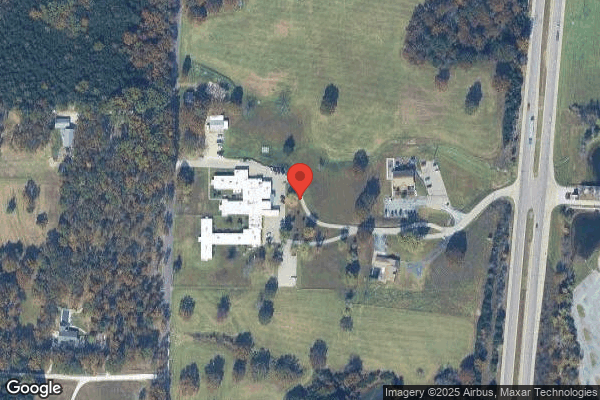

3260 BAISCH DRIVE, DE SOTO, MO 63020 (636) 586-2291
For profit - Corporation 61 Beds Independent Data: November 2025
Trust Grade
38/100
#338 of 479 in MO
Last Inspection: February 2025

Within standard 12-15 month inspection cycle. Federal law requires annual inspections.

Overview

Baisch Nursing Center has received a Trust Grade of F, indicating poor performance with significant concerns about care quality. Ranked #338 out of 479 facilities in Missouri, they are in the bottom half of state rankings, and #10 out of 11 in Jefferson County, meaning only one local option is better. Although the facility is improving, with issues decreasing from 20 in 2024 to 11 in 2025, it still faces critical challenges, including $22,936 in fines, which is higher than 76% of Missouri facilities, suggesting ongoing compliance problems. Staffing is a strength, with a turnover rate of 0%, well below the state average, indicating that staff are likely to be familiar with the residents’ needs. However, recent inspections found that the facility did not complete essential assessments for resident care and failed to hold required quality assurance meetings, which raises concerns about overall management and oversight.

Trust Score
F
38/100
In Missouri
#338/479
Bottom 30%
Safety Record
Low Risk
No red flags
Inspections
Getting Better
20 → 11 violations
Staff Stability
○ Average
Turnover data not reported for this facility.
Penalties
○ Average
$22,936 in fines. Higher than 67% of Missouri facilities. Some compliance issues.
Skilled Nurses
○ Average
RN staffing data not reported for this facility.
Violations
⚠ Watch
36 deficiencies on record. Higher than average. Multiple issues found across inspections.
★☆☆☆☆
1.0
Overall Rating
★☆☆☆☆
1.0
Staff Levels
★☆☆☆☆
1.0
Care Quality
★★★☆☆
3.0
Inspection Score
Stable
2024: 20 issues
2025: 11 issues

The Good

  • Full Sprinkler Coverage · Fire safety systems throughout facility
  • No fines on record

Facility shows strength in fire safety.

The Bad

1-Star Overall Rating

Below Missouri average (2.5)

Significant quality concerns identified by CMS

Federal Fines: $22,936

Below median ($33,413)

Minor penalties assessed

The Ugly 36 deficiencies on record

Feb 2025 11 deficiencies
CONCERN (D)

Potential for Harm - no one hurt, but risky conditions existed

Safe Environment (Tag F0584)

Could have caused harm · This affected 1 resident

**NOTE- TERMS IN BRACKETS HAVE BEEN EDITED TO PROTECT CONFIDENTIALITY** Based on observation, interview, and record review, the facility failed to provide a safe, clean, comfortable, and homelike envi...

Read full inspector narrative →
**NOTE- TERMS IN BRACKETS HAVE BEEN EDITED TO PROTECT CONFIDENTIALITY** Based on observation, interview, and record review, the facility failed to provide a safe, clean, comfortable, and homelike environment. This had the potential to affect all residents in the facility. The facility's census was 48. Review of the facility's policy, Environment/Homelike, undated, showed: - It is the policy of this facility to provide a safe, clean, comfortable and homelike environment. Including allowing residents to use personal belongings to the extent possible; - The facility will remain clean and sanitary; - The facility will be odor free; - The facility will maintain clutter and remove it if it poses a hazard; - Equipment will be kept in good repair; - The safety of the residents and staff will take precedence over resident choice. 1. Observation on 02/25/25 at 9:05 A.M. of the hallway near the front nurses' station showed a strong urine smell. 2. Observation of [NAME] Wing 2 on 02/28/25 at 12:40 P.M. showed: - room [ROOM NUMBER] with door casing bent, cracked near the floor, and pulling away from the door; - room [ROOM NUMBER] with door casing missing, exposing an old brown glue-like substance from the floor to approximately three feet up the door frame; - room [ROOM NUMBER] with door casing pulling away from the door; - Six ceiling tiles between room [ROOM NUMBER] and 127 with various sizes of round brown stains, and a ceiling tile missing and exposing ductwork; - Two ceiling tiles between room [ROOM NUMBER] and 122 with brown stains; - One ceiling tile near the shower room on [NAME] Wing 2 with a brown stain. 3. Observation of the facility on 02/28/25 at 4:00 P.M. showed: - room [ROOM NUMBER] with a large gray stain with red/brown edges covering approximately 80% of a ceiling tile, a ceiling tile with an approximate eight inch by eight inch brown stain and a six inch by six inch brown stain; - room [ROOM NUMBER] with three ceiling tiles with brown stains, one ceiling tile with an approximate three inch by two inch hole, a ceiling tile with an approximate four inch by five inch hole and another ceiling tile with an approximate 12 inch corner cracked; - Hallway outside of the Social Services office with a ceiling tile with an approximate four inch by three inch hole and crack; - Hallway by nurses' station with a ceiling tile with an approximate eight inch by three inch broken section and an approximate 12 inch crack; - 100 Hallway outside of the women's restroom across from the fire extinguisher with a ceiling tile with an approximate four inch by three inch hole; - Hallway outside of room [ROOM NUMBER] with a ceiling tile with an approximate two inch by three inch hole. During an interview on 02/27/25 at 12:45 P.M., the Maintenance Supervisor said he/she does a walk through of the facility twice a day, almost every day. For big jobs, residents or staff will write work orders and place at the nurses's station and he/she picks them up and takes to the shop and places them in a file in a drawer after completed. Sometimes residents will stop him/her and if he/she has time, the issue will be fixed then, and there is no log of those issues. He/She tries to address all issues pretty quickly. Stained, cracked ceiling tiles and tiles with holes should be replaced. Right now there are no extra tiles on hand and an order has been placed. During an interview on 02/28/25 at 4:45 P.M., the Administrator said she would expect ceiling tiles to be free from stains/holes and cracks, and to be repaired in a timely manner. Missing tiles are expected to be replaced, and door casings are to be in good repair and not be cracked, bent or missing.
CONCERN (D)

Potential for Harm - no one hurt, but risky conditions existed

Transfer Notice (Tag F0623)

Could have caused harm · This affected 1 resident

**NOTE- TERMS IN BRACKETS HAVE BEEN EDITED TO PROTECT CONFIDENTIALITY** Based on interview and record review, the facility failed to notify the resident and/or the resident's representative in writing...

Read full inspector narrative →
**NOTE- TERMS IN BRACKETS HAVE BEEN EDITED TO PROTECT CONFIDENTIALITY** Based on interview and record review, the facility failed to notify the resident and/or the resident's representative in writing of a transfer or discharge to a hospital, including the reasons for transfer for six residents (Resident #11, #21, #22, #33, #37, and #202) out of 12 sampled residents. The facility's census was 48. Review of the facility's Discharge/Transfer Policy, revised 06/25/20, showed: - Explain transfer and reason to resident and/or representative, give copy of signed transfer or discharge notice to resident and/or representative. If an emergency, the transfer or discharge notice should be given to ambulance personnel; - Explain and give copy of bed hold form to the resident and/or representative. If an emergency transfer, may be completed later, but as soon as possible; - Complete transfer form, copy any portion of the medical record necessary for care of the resident; - Send original transfer form and portions of medical records that was copied with the resident and place copy of transfer form in medical record; - Notify business office, social service, dietary and administration of transfer. 1. Review of Resident #11's medical record showed: - admitted on [DATE]; - The resident transferred to the hospital on [DATE] and returned to the facility on [DATE]; -The resident transferred to the hospital on [DATE] and returned to the facility on [DATE]; -The resident transferred to the hospital on [DATE] and returned to the facility on [DATE]; - No documentation that the resident or resident's representative was informed in writing of the transfer/discharge to a hospital at the time of transfer. 2. Review of Resident #21's medical record showed: - admitted on [DATE]; - The resident transferred to the hospital on [DATE] and returned to the facility 01/08/25; - No documentation that the resident's representative was informed in writing of the transfer/discharge to a hospital at the time of transfer. 3. Review of Resident #22's medical record showed: - admitted on [DATE]; - The resident transferred to the hospital on [DATE] and returned to the facility 04/01/24; - The resident transferred to the hospital on [DATE] and returned to the facility 04/15/24; - The resident transferred to the hospital on [DATE] and returned to the facility 12/13/24; - The resident transferred to the hospital on [DATE] and returned to the facility 01/28/25; - No documentation that the resident's representative was informed in writing of the transfer/discharge to a hospital at the time of transfer. 4. Review of Resident #33's medical record showed: - admitted on [DATE]; - The resident transferred to the hospital on [DATE] and returned to the facility on [DATE]; - No documentation that the resident's representative was informed in writing of the transfer/discharge to a hospital at the time of transfer. 5. Review of Resident #37's medical record showed: - admitted on [DATE]; - The resident transferred to the hospital on [DATE] and returned to the facility 02/22/24; - No documentation that the resident's representative was informed in writing of the transfer/discharge to a hospital at the time of transfer. 6. Review of Resident #202's medical record showed: - admitted on [DATE]; - The resident transferred to the hospital on [DATE] and returned to the facility on [DATE]; -The resident transferred to the hospital on [DATE] and returned to the facility on [DATE]; -The resident transferred to the hospital on [DATE] and returned to the facility on [DATE]; - No documentation that the resident or resident's representative was informed in writing of the transfer/discharge to a hospital at the time of transfer. During an interview on 02/28/25 at 10:40 A.M., the Director of Nursing (DON) said he/she could not find transfer notifications. During an interview on 02/28/25 at 10:48 A.M., the Assistant Director of Nursing (ADON) said the floor nurses send a copy of the transfer sheet to the hospital at the time of transfer. The families are notified by phone to let them know. We have never sent anything in writing; we just call. During an interview on 02/28/25 at 4:45 P.M., the Administrator said he/she would expect written transfer notifications to be given to residents or their representatives.
CONCERN (D)

Potential for Harm - no one hurt, but risky conditions existed

Deficiency F0625 (Tag F0625)

Could have caused harm · This affected 1 resident

**NOTE- TERMS IN BRACKETS HAVE BEEN EDITED TO PROTECT CONFIDENTIALITY** Based on interview and record review, the facility failed to provide written information to the resident and/or the resident's r...

Read full inspector narrative →
**NOTE- TERMS IN BRACKETS HAVE BEEN EDITED TO PROTECT CONFIDENTIALITY** Based on interview and record review, the facility failed to provide written information to the resident and/or the resident's representative of the facility's bed hold policy at the time of transfer to the hospital for six residents (Resident #11, #21, #22, #33, #37 and #202) out of 12 sampled residents. The facility's census was 48. Review of the facility's Bed Hold Policy Notice, undated, showed: - It is the facility's policy to notify all residents and/or residents' representatives of the facility bed hold policy; - If the resident discharges to the hospital, the bed may be held by paying the room rate that is in effect at the time the reservation is made; - If the resident and/or representative wants to hold bed, a signed authorization must be obtained with each discharge; - Upon discharge, the nursing supervisor will re-inform the resident and/or representative of the bed hold policy. This requirement will be considered met if the resident's copy of the notice is sent with other papers accompanying the resident to hospital. 1. Review of Resident #11's medical record showed: - admitted on [DATE]; - The resident transferred to the hospital on [DATE] and returned to the facility 02/09/25; - The resident transferred to the hospital on [DATE] and returned to the facility 02/19/25; - The resident transferred to the hospital on [DATE] and returned to the facility 02/20/25; - A bed hold policy, dated 02/09/25 and signed by staff as the Resident/Representative with a notation Patient unable to sign; - A bed hold policy, dated 02/18/25 and signed by staff as the Resident/Representative; - A bed hold policy, dated 02/20/25 and signed by staff as the Resident/Representative; - No documentation that the resident or the resident's representative was informed in writing of the facility's bed hold policy at the time of transfer. 2. Review of Resident #21's medical record showed: - admitted on [DATE]; - The resident transferred to the hospital on [DATE] and returned to the facility 01/08/25; - A bed hold policy, dated 01/28/25 and signed by the Assistant Director of Nursing as the Resident/Representative with a notation Patient unable to sign; - No documentation that the resident or the resident's representative was informed in writing of the facility's bed hold policy at the time of transfer. 3. Review of Resident #22's medical record showed: - admitted on [DATE]; - The resident transferred to the hospital on [DATE] and returned to the facility 04/01/24; - The resident transferred to the hospital on [DATE] and returned to the facility 04/15/24; - The resident transferred to the hospital on [DATE] and returned to the facility 12/13/24; - The resident transferred to the hospital on [DATE] and returned to the facility 01/28/25; - A bed hold policy, dated 12/10/24 and signed by the Assistant Director of Nursing as the Resident/Representative with a notation Patient unable to sign; - No documentation that the resident or the resident's representative was informed in writing of the facility's bed hold policy at the time of transfer. 4. Review of Resident #33's medical record showed: - admitted on [DATE]; - The resident transferred to the hospital on [DATE] and returned to the facility the same day; - No documentation that the resident or the resident's representative was informed in writing of the facility's bed hold policy at the time of transfer. 5. Review of Resident #37's medical record showed: - admitted on [DATE]; - The resident transferred to the hospital on [DATE] and returned to the facility 02/22/25; - No documentation that the resident or the resident's representative was informed in writing of the facility's bed hold policy at the time of transfer. 6. Review of Resident #202's medical record showed: - admitted on [DATE]; - The resident transferred to the hospital on [DATE] and returned to the facility 10/10/24; - The resident transferred to the hospital on [DATE] and returned to the facility 02/21/25; - The resident transferred to the hospital on [DATE] and returned to the facility 02/28/25; - A bed hold policy, dated 09/28/24 and signed by staff as the Resident/Representative with a notation Patient unable to sign; - A bed hold policy, dated 02/11/25 and signed by staff as the Resident/Representative with a notation Patient unable to sign; - A bed hold policy, dated 02/28/25 and signed by staff as the Resident/Representative with a notation Patient unable to sign; - No documentation that the resident or the resident's representative was informed in writing of the facility's bed hold policy at the time of transfer. During an interview on 02/28/25 at 10:48 A.M., the Assistant Director of Nursing (ADON) said the floor nurses send a copy of the bed hold policy along with the transfer sheet to the hospital at the time of transfer. The families would be notified by phone. Staff have never sent anything in writing; they just call. She has signed the bed holds when the resident was unable to do so since she has worked here. During an interview on 02/28/25 at 4:45 P.M., the Administrator, Director of Nursing (DON) and ADON said they would expect bed hold policies to be given to residents or resident's representatives. The ADON said if the resident is unable to sign, staff sign the bed hold policy.
CONCERN (D)

Potential for Harm - no one hurt, but risky conditions existed

Deficiency F0657 (Tag F0657)

Could have caused harm · This affected 1 resident

Based on interview and record review, the facility failed to update and revise care plans with specific interventions to meet individual needs for two residents (Resident #38 and #202) out of 12 sampl...

Read full inspector narrative →
Based on interview and record review, the facility failed to update and revise care plans with specific interventions to meet individual needs for two residents (Resident #38 and #202) out of 12 sampled residents. The facility's census was 48. The facility did not provide a policy. 1. Review of Resident #38's medical record showed: - admission date of 08/23/23; - Diagnoses of chronic pain, anxiety disorder (a mental health disorder characterized by feelings of worry, anxiety, or fear that are strong enough to interfere with one's daily activities), and major depressive disorder (a mental health disorder characterized by persistently depressed mood or loss of interest in activities, causing significant impairment in daily life.) Review of the resident's care plan, revised 12/19/24, showed the resident is a smoker. During an interview on 02/25/25 at 2:49 P.M., the resident said he/she does not smoke anymore. During an interview on 02/27/25 at 2:30 P.M., the Director of Nursing said Resident #38 no longer smokes. The smoking assessments should be done quarterly with each Minimum Data Set (MDS - a federally-mandated assessment completed by the facility) assessment and the care plan updated as needed. 2. Review of Resident #202's medical record showed: - admission date of 12/28/18; - Diagnoses of heart failure (a condition where the heart doesn't pump blood as well as it should), absence of right leg below the knee, pneumonia (infection that inflames air sacs in one or both lungs, which may fill with fluid), chronic kidney disease, stage 5 (CKD-a longstanding disease of the kidneys leading to renal failure), end stage renal disease (a chronic condition where the kidneys have permanently lost their ability to function properly), dependence on renal dialysis (a medical procedure that removes waste products and excess fluid from the blood when the kidneys are unable to do so), and need for personal assistance with care; - A Physicians's order for dialysis three times per week on Monday, Wednesday, and Friday, dated, 10/11/24; - A Physician's order for bed cane rails for positioning, dated, 09/30/22; - A Physician's order for Apixaban (anticoagulant) 2.5 milligrams by mouth twice daily, dated 01/17/25. Review of the resident's care plan, revised 05/02/22, showed: - Resident used a bed cane rail on either side of the bed for positioning and transfers; - Resident receives an anticoagulant, with no bleeding precautions listed; - A diagnosis of CKD stage 4, and received dialysis on Monday, Wednesday, and Friday, but also has listed that he/she received dialysis on Tuesday, Thursday, and Saturday. Observations of the resident from 02/25/25 through 02/28/25 showed: - On 02/25/25 at 11:30 A.M. showed no bed cane rail on either side of the resident's bed; - On 02/26/25 at 9:30 A.M. showed no bed cane rail on either side of the resident's bed; - On 02/27/25 at 2:30 P.M. showed no bed cane rail on either side of the resident's bed; - On 02/28/25 at 4:00 P.M. showed no bed cane rail on either side of the resident's bed. During an interview on 02/26/25 at 2:00 P.M., the resident said he/she has not been using bed rails and that he/she goes to dialysis on Monday, Wednesday, and Friday. During an interview on 02/28/25 at 4:45 P.M., the Administrator, Director of Nursing (DON) and Assistant Director of Nursing (ADON) collectively said they would expect care plans to be updated to reflect changes and the current condition of the resident.
CONCERN (D)

Potential for Harm - no one hurt, but risky conditions existed

Deficiency F0728 (Tag F0728)

Could have caused harm · This affected 1 resident

Based on interview and record review, the facility failed to ensure that five nurse aides (NAs) completed a nurse aide training program within four months of his/her employment at the facility. This d...

Read full inspector narrative →
Based on interview and record review, the facility failed to ensure that five nurse aides (NAs) completed a nurse aide training program within four months of his/her employment at the facility. This deficient practice had the potential to affect all residents. The facility's census was 48. Review of the facility's policy, Nurse Aide Training, dated 05/01/23, showed the policy did not address the requirement that nurse aides should be certified within four months of employment. 1. Review of Nurse Aide H's personnel file and schedule showed: - Hire date of 01/03/23; - Not currently enrolled in a Certified Nursing Assistant (CNA) class; - Scheduled to work day shift on 02/04/25, 02/05/25, 02/08/25, 02/09/25,02/13/25, 02/14/25, 02/18/25, 02/20/25, 02/22/25, 02/27/25, and 02/28/25; - The facility failed to ensure the NA was certified within four months of their employment. 2. Review of Nurse Aide I's personnel file and schedule showed: - Hire date of 11/17/23; - Not currently enrolled in a CNA class; - Scheduled to work day shift on 02/02/25, 02/03/25, 02/04/25, 02/09/25, 02/10/25, 02/11/25, 02/16/25, 02/17/25, 02/18/25, 02/23/25, 02/24/25, and 02/25/25; - The facility failed to ensure the NA was certified within four months of their employment. 3. Review of Nurse Aide J's personnel file and schedule showed: - Hire date of 01/10/24; - Not currently enrolled in a CNA class; - Scheduled to work day shift on 02/02/25, 02/03/25, 02/04/25, 02/09/25, 02/10/25, 02/11/25, 02/16/25, 02/17/25, 02/18/25, 02/23/25, 02/24/25, and 02/25/25; - The facility failed to ensure the NA was certified within four months of their employment. 4. Review of Nurse Aide K's personnel file and schedule showed: - Hire date of 02/12/24; - Not currently enrolled in a CNA class; - Scheduled to work day shift on 02/04/25, 02/12/25, 02/13/25, 02/17/25, 02/19/25, 02/21/25, and 02/25/25; - The facility failed to ensure the NA was certified within four months of their employment. 5. Review of Nurse Aide L's personnel file and schedule showed: - Hire date of 02/12/24; - Not currently enrolled in a CNA class; - Scheduled to work night shift on 02/01/25, 02/02/25, 02/07/25, 02/08/25, 02/09/25, 02/14/25, 02/15/25, 02/16/25, 02/21/25, 02/22/15, 02/23/25, and 02/28/25; - The facility failed to ensure the NA was certified within four months of their employment. During an interview on 02/28/25 at 11:00 A.M., the Assistant Director of Nursing (ADON) said that the facility does not offer CNA classes right now. They currently don't have a teacher. All the NAs are supposed to start CNA classes at another skilled nursing facility nearby the first week of March, starting on Wednesday. During an interview on 02/28/25 at 4:45 P.M., the Administrator, Director of Nursing (DON), and ADON said they would expect NAs to be certified within four months of hire.
CONCERN (D)

Potential for Harm - no one hurt, but risky conditions existed

Pharmacy Services (Tag F0755)

Could have caused harm · This affected 1 resident

Based on interview and record review, the facility failed to establish a system of records for the receipt and disposition of all controlled drugs in sufficient detail to enable an accurate reconcilia...

Read full inspector narrative →
Based on interview and record review, the facility failed to establish a system of records for the receipt and disposition of all controlled drugs in sufficient detail to enable an accurate reconciliation of controlled medications to ensure nursing staff signed at the beginning and end of each shift. The facility failed to document the total number of narcotic drug cards counted for four of four narcotic count books checked. The facility's census was 48. Review of the facility's policy titled, Narcotic Count, revised 04/30/20, showed: - Purpose is to complete a physical inventory of narcotics at change of each shift by two licensed nurses, two Certified Medication Technicians (CMTs), or (any combination of) to identify discrepancies and need for reconciliation and accountability; to assure controlled drugs are handled, stored, and disposed of properly; and to assure proper record keeping for controlled drugs; - One licensed nurse or one CMT going off duty and one licensed nurse or one CMT coming on duty must count and justify accuracy of narcotics supply for each individual resident at the change of each shift; - Narcotic records are reconciled by a physical count of the remaining narcotic supply at the change of each shift by the oncoming and outgoing licensed nurse or CMT; - After the supply is counted and justified, each nurse or CMT must record the date and his/her signature verifying that the count is correct. 1. Review of the CMT narcotic count records on the short hall, dated January 1, 2025 through February 28, 2025, showed: - No signature and/or initials by the oncoming CMT on the shift verification of controlled substances count sheet for 51 shifts; - No signature and/or initials by the offgoing CMT on the shift verification of controlled substances count sheet for 52 shifts; - Total narcotic cards not documented on the card count verification form as counted by both oncoming and offgoing staff for 73 shifts. 2. Review of the CMT narcotic count records on the long hall, dated January 1, 2025 through February 28, 2025, showed: - No signature and/or initials by the oncoming CMT on the shift verification of controlled substances count sheet for 47 shifts; - No signature and/or initials by the offgoing CMT on the shift verification of controlled substances count sheet for 57 shifts; - Total narcotic cards not documented on the card count verification form as counted by both oncoming and offgoing staff for 82 shifts. 3. Review of the CMT narcotic count records on the [NAME] Wing 2 hall, dated January 1, 2025 through February 28, 2025, showed: - No signature and/or initials by the oncoming CMT on the shift verification of controlled substances count sheet for 53 shifts; - No signature and/or initials by the offgoing CMT on the shift verification of controlled substances count sheet for 53 shifts; - Total narcotic cards not documented on the card count verification form as counted by both oncoming and offgoing staff for 52 shifts. 4. Review of the nurse narcotic count records, dated January 1, 2025 through February 28, 2025, showed: - No signature and/or initials by the oncoming CMT on the shift verification of controlled substances count sheet for eight shifts; - No signature and/or initials by the offgoing CMT on the shift verification of controlled substances count sheet for eight shifts; - No documentation of total narcotic cards counted. During an interview on 02/27/25 at 2:00 P.M., Certified Medication Technician (CMT) M said he/she had already signed out for end of shift count even though the shift isn't over, and he/she understands that's probably not a good idea. During an interview on 02/27/25 at 2:05 P.M., CMT N said he/she had already signed out for end of shift count even though the shift isn't over. He/She just did it about 30 minutes ago because he/she knew the CMT for the next shift was here, but he/she thinks that's probably not a good idea to do that. During an interview on 02/27/25 at 3:24 P.M., CMT M said both the on coming and the off going nurse should sign the narcotic sheet and card count verification form at each shift change. During an interview on 02/28/25 at 4:45 P.M., the Administrator, Director of Nursing (DON), and Assistant Director of Nursing (ADON) said they would expect on coming and off going staff to both sign the card count verification form and they shouldn't sign ahead of time prior to the end of their shift. The Administrator said she has a sign posted near the time clock that says Did you count? During an interview on 03/07/25 at 10:44 A.M., the Administrator said the nurses had not been doing a card count.
CONCERN (D)

Potential for Harm - no one hurt, but risky conditions existed

Unnecessary Medications (Tag F0759)

Could have caused harm · This affected 1 resident

Based on observation, interview, and record review, the facility failed to maintain an error rate of less than five percent, when medications were administered. There were 29 opportunities with three ...

Read full inspector narrative →
Based on observation, interview, and record review, the facility failed to maintain an error rate of less than five percent, when medications were administered. There were 29 opportunities with three errors made, for an error rate of 10.34%. This affected three residents (Resident #1, #9, and #31) outside of the 12 sampled residents, and had the potential to affect all residents. The facility's census was 48. The facility did not provide a policy. 1. Review of insulin aspart pen (insulin in a pen-type device) directions showed: - Remove cap; - Attach needle; - Prime pen by turning dose selector to select two units; - Press and hold button to make sure drop of insulin appears; - Select dose; - Give injection; - After dose counter reaches zero, count to six; - After injection, remove needle and place in sharps container. 2. Review of Fiasp insulin pen directions showed: - Pull pen cap straight off; - Select new needle, twist needle on till tight; - Turn the dose selector to select two units, press and hold the dose button until dose counter reaches zero; - Turn the dose selector to the number of units you need to inject, insert the needle into your skin and slowly count to six; - Pull the needle out of your skin, remove the needle from the pen and throw it away; - Replace the pen lid. 3. Review of Lantus insulin pen instructions showed: - Attach a new needle to the pen; - Select a dose of two units, hold the pen upright and press the injection button all the way in, ensure insulin comes out of the needle; - Select prescribed dose; - Stick needle into skin; - Press the injection button all the way in and slowly count to 10, then withdraw the needle; - Put the outer needle cap back on the needle and use it to unscrew the needle from the pen; - Dispose of the needle safely, put the cap back on the pen. 4. Observation on 02/27/25 at 11:05 A.M. showed: - Licensed Practical Nurse (LPN) F obtained the finger stick blood sugar (FSBS) for Resident #1; - LPN F obtained the insulin aspart pen from the medicine cart and adjusted the pen to the amount of insulin ordered; - LPN F did not prime the pen with two units of insulin per the manufacturer's directions prior to administering the ordered dose to the resident. 5. Observation on 02/27/25 at 11:10 A.M. showed: - LPN F obtained the FSBS for Resident #9; - LPN F obtained the Fiasp insulin pen from the medicine cart and adjusted the pen to the amount of insulin ordered; - LPN F did not prime the pen with two units of insulin per the manufacturer's directions prior to administering the ordered dose to the resident. 6. Observation on 02/27/25 at 11:25 A.M. showed: - LPN F obtained the FSBS for Resident #31; - LPN F obtained the Lantus insulin pen from the medicine cart and adjusted the pen to the amount of insulin ordered; - LPN F did not prime the pen with two units of insulin per the manufacturer's directions prior to administering the ordered dose to the resident. During an interview on 02/27/25 at 11:30 A.M., LPN F said he/she has never been shown to prime an insulin pen. During an interview on 02/28/25 at 4:45 P.M., the Administrator, Director of Nursing (DON) and the Assistant Director of Nursing (ADON), all collectively said they would expect the medication error rate to be less than 5%. They would also expect insulin pens to be primed per manufacturer's instructions.
CONCERN (D)

Potential for Harm - no one hurt, but risky conditions existed

Deficiency F0761 (Tag F0761)

Could have caused harm · This affected 1 resident

Based on observation, interview, and record review, the facility failed to label and store medications in a safe and effective manner. This deficient practice affected one resident (Resident #202) out...

Read full inspector narrative →
Based on observation, interview, and record review, the facility failed to label and store medications in a safe and effective manner. This deficient practice affected one resident (Resident #202) out of 12 sampled residents and two residents (Resident #9 and #13) outside the sample and had the potential to affect all residents. The facility's census was 48. Review of the facility's policy titled, Medication Expiration Dates, dated 05/01/23, showed: - Purpose is to identify medication expiration dates and provide recommendations for disposal in accordance with manufacturer recommendations; - Medications and supplies that have reached their expiration date will be disposed of in accordance with facility policy; - The date of the opening should be noted on the medication package or container at the time of opening; - Specific manufacturer recommendations should be followed for storage and expiration of insulin; - Specific manufacturer recommendations for prescription medications and solutions will be followed based on specific time frames after opening - Tuberculosis PPD (Aplisol) vials 30 days. Review of the facility's policy titled, Medication Storage, dated 05/01/23, showed: - Purpose is to ensure that medications and biologicals are stored in a safe, secure storage and safe handling; - No discontinued, outdated, or deteriorated medications should be available for use in the facility. All such medications are destroyed per policy; - Medications requiring refrigeration should be stored in the refrigerator located in the drug room at the nurses' station. Please refer to package insert for specific temperature requirements of medication; - Vials must be dated upon opening and discarded within 30 days unless otherwise specified by manufacturer. Review of the package insert for Aplisol (a solution used in a skin test to help diagnose tuberculosis, a serious illness that mainly affects the lungs), updated 08/28/24, showed: - Do not freeze; - This product should be stored between 36 and 46 degrees Fahrenheit (F) and protected from light; - Vials in use more than 30 days should be discarded due to possible oxidation and degradation which may affect potency. Review of the package insert for NovoLog insulin (a hormone that helps the body use glucose for energy) pen, revised 02/23, showed to throw away all opened NovoLog vials after 28 days, even if they still have insulin left in them. Review of the package insert for Fiasp insulin pen, revised 06/23, showed the pen is to be thrown away after 28 days, even if it still has insulin left in it and the expiration date has not passed. Review of the package insert for Humalog (lispro) insulin, revised July 2023, showed to throw away the in-use Humalog Pen after 28 days, even if it still has insulin left in it. Review of the Food and Drug Administration website, www.fda.gov, showed according to the product labels from all three United States insulin manufacturers, it is recommended that insulin be stored in a refrigerator at approximately 36 degrees F to 46 degrees F. Observation on 02/27/25 at 11:15 A.M. of Resident #9's insulin administration showed Licensed Practical Nurse (LPN) F administered three units of Fiasp insulin from a pen opened on 01/24/25. Observation on 02/27/25 at 1:45 P.M. of the medication refrigerator in the utility room behind the nurses station showed one vial of Aplisol with an opened date of 11/25/24. During an interview on 02/27/25 at 1:45 P.M., LPN F said another LPN usually takes care of replacing the Aplisol when it is expired or out of date. Observation on 02/28/25 at 12:09 P.M. of the insulin pens in the top drawer of the treatment cart showed: - Resident #202's Novolog insulin pen with an opened date of 01/07/25 and a second Novolog insulin pen with an opened date of 01/22/25; - Resident #9's Fiasp insulin pen with an opened date of 01/24/25; - Resident #13's Humalog (lispro) insulin pen with an opened date of 01/30/25 and a Lantus insulin pen with no opened date. During an interview on 02/28/25 at 12:13 P.M., LPN F said they use these insulin pens for the residents. The overstock insulin is kept in the refrigerator in the utility room behind the nurses' station. Discarding the insulins that are past their date is kind of a team effort. We all kind of pitch in and do it. Another LPN may take care of it when he/she works Monday through Thursday. Review of the Vaccine Storage Temperature Log, dated January 2025 and February 1-23, 2025, showed: - Vaccine must be stored between 35 degrees F and 46 degrees F to maintain potency with 32 handwritten over 35, and 40 handwritten over 46; - Instructions to please put a check in the box that corresponds with the temperature, day of the month, and A.M. or P.M. for the temperature check. Then enter initials and the time monitored in the boxes at the top of the chart; - If the temperature is in the gray range (32 - 34 degrees F and 47 - 49 degrees F), store the vaccine under proper conditions as quickly as possible, call the vaccine manufacturer to determine whether the potency of the vaccines has been affected; - No temperature documented for 01/08/25 or 02/05/25; - On 01/07, 01/18, 01/21, 01/23, 01/26, 01/29, 01/31, 02/03, 02/04, 02/12, 02/14, 02/18, 02/19, 02/20, a documented temperature of 33 degrees F, which falls in the gray range; - On 01/11, 01/14, 01/25, 02/07, 02/08, 02/09, 02/10, 02/16 a documented temperature of 34 degrees F, which falls in the gray range; - On 01/30, 02/11, 02/15, 02/22 a documented temperature of 32 degrees F, which falls in the gray range; - On 01/22, a documented temperature of 31 degrees F; - On 01/30 P.M. shift, a documented temperature of 22 degrees F. Review of the Refrigerator Temperature Log, dated 02/24/25 to 02/27/25, showed: - Refrigerator temperature must be 45 degrees or below; - On 02/24, a documented temperature of 28 degrees F; - On 02/25, a documented temperature of 30 degrees F; - On 02/26, a documented temperature of 30 degrees F; - On 02/27, a documented temperature of 28 degrees F. During an interview on 02/28/25 at 2:15 P.M., the Director of Nursing (DON) and Assistant Director of Nursing (ADON) said the refrigerator just got replaced and that is why the temperature log starts just a few days ago. The old one was holding its temperature, but the knob was broken on it. The ADON said of the refrigerator temperature logs she provided, there are some holes in it, meaning some blanks where it wasn't filled out. During an interview on 02/28/25 at 4:15 P.M., LPN F said the midnight shift does refrigerator temperature checks. If the refrigerator temperature was out of range, he/she would tell the DON, and if not available, he/she would tell the Administrator. He/She isn't sure what the range should be. He/She doesn't pay much attention to that unless it feels warm when he/she sticks his/her hand in there. During an interview on 02/28/25 at 4:45 P.M., the Administrator, Director of Nursing (DON), and Assistant Director of Nursing (ADON) said they would expect medications to be stored properly. Expired insulin pens and Aplisol are not to be used; they should be discarded. If the refrigerator temperatures are out of the 32 to 40 degrees F range, we would throw the medications away and replace the refrigerator. The night shift checks refrigerator temperatures or day shift if night shift didn't check. No staff has reported out of range temperatures to administration. During an interview on 03/05/25 at 1:26 P.M., the Administrator said the appropriate temperatures for the medication refrigerators are 36-46 degrees, and she is adding to the temperature log to inform the DON and/or ADON if temperature is below or above and to adjust the thermostat accordingly and recheck. When asked about the logs that were in use, both the log with the numbers handwritten over the numbers and also the log with the direction of a temperature of 45 degrees or below, the Administrator said staff would not know what to do.
CONCERN (D)

Potential for Harm - no one hurt, but risky conditions existed

Deficiency F0868 (Tag F0868)

Could have caused harm · This affected 1 resident

Based on interview and record review, the facility failed to maintain quarterly Quality Assurance & Performance Improvement (QAPI) meetings with the required members. The facility's census was 48. Rev...

Read full inspector narrative →
Based on interview and record review, the facility failed to maintain quarterly Quality Assurance & Performance Improvement (QAPI) meetings with the required members. The facility's census was 48. Review of the facility's policy titled Quality Assurance and Improvement Program (QAPI), dated 05/31/24, showed: - The primary purpose of the QAPI program is to establish data-driven, facility-wide processes that improve the quality of care, quality of life, and clinical outcomes of our residents; - Members of facility management are accountable for QAPI efforts; - The QAPI Committee will include at minimum: the Administrator, Director of Nursing; Medical Director; Activities Director; Social Services Director; Dietary Manager; Housekeeping and Laundry Supervisor; Maintenance Director; additional facility staff; and contracted staff including Pharmacy Consultant, Dietician, and Rehab Director; - The committee shall maintain minutes of all regular and special meeting that include at least the following: the date committee met, start and adjourned time, and the names of the members present and absent; - The policy does not address the requirement of the Infection Preventionist (IP) as a committee member. 1. Review of the QAPI Meeting sign in sheet, dated 04/25/24 and provided by the Administrator, showed the following required members attended: - Administrator; - Director of Nursing; - Infection Preventionist; - At least two other staff members; - No record of the Medical Director attending. 2. Review of the QAPI Meeting sign in sheet, dated 07/17/24 and provided by the Administrator, showed the following required members attended: - Administrator; - Nurse Practitioner; - At least two other staff members; - No record of the Director of Nursing or Infection Preventionist attending. During an interview on 02/28/25 at 1:30 P.M., the Administrator said she would expect the required members to be present at all QAPI meetings.
CONCERN (D)

Potential for Harm - no one hurt, but risky conditions existed

Infection Control (Tag F0880)

Could have caused harm · This affected 1 resident

Based on observation, interview, and record review, the facility failed to maintain infection control practices to prevent the development and transmission of infection when proper surveillance was no...

Read full inspector narrative →
Based on observation, interview, and record review, the facility failed to maintain infection control practices to prevent the development and transmission of infection when proper surveillance was not done. The facility failed to use a blood glucose monitor that could be disinfected and shared between residents for six residents (Resident #1, #9, #10, #13, #31, and # 202) out of six sampled residents. The facility's census was 48. 1. Review of the facility's Infection Control Policy, dated 04/10/19, showed: - Policies and procedures will be utilized as the standards of the Infection Prevention and Control Program (IPCP); - The IPCP will be driven by coordination, oversight, surveillance, data analysis, outbreak management, prevention of infection, immunization and monitoring; - The IPCP will be coordinated and overseen by the Director of Nursing (DON); - The IPCP committee will review surveillance data, and reporting data to determine potential issues or trends; - The outbreak management process will consist of determining the presence of an outbreak, managing the affected resident, preventing the spread to others, documenting information about the outbreak, reporting the information to appropriate public health, education, monitoring for reoccurrence, review after outbreak and updating policies and procedures as needed; - Prevention of infection and immunization included, but not limited to, education, screenings, appropriate isolations, identification of possible infections, widespread immunization and monitoring; - The committee will be made up of, but not limited to the DON, Administrator, Medical Director, Activities Director, Social Services Director, Dietary Manager, Housekeeping/Laundry Supervisor and additional staff as requested by the DON; - The IPCP committee will oversee implementation of infection control policies and assist department supervisors to ensure that they are implemented and followed; - The IPCP will meet at least quarterly and as needed between regular scheduled meetings. Review of the facility's Policy and Procedure, Cleaning and Disinfection of a Glucometer, dated 10/24, showed: - Policy: To provide guidelines to adequately clean and disinfect glucometer uses by multiple residents, in accordance with manufacturer recommendations; - All glucometers will be cleaned and disinfected using a 1:10 bleach (sodium hypochlorite) solution or commercially prepared EPA germicidal bleach wipe; - All glucometers that are shared among multiple residents will be thoroughly wiped with the disinfectant and allowed to air dry after every use and between each resident; - Cleaned and disinfected glucometers should be stored in approved containers in a clean location, such as a medication room or medication cart; - Cleaned and disinfected glucometers should not be stored in the pockets of scrubs, uniforms or lab jackets; - Isopropyl alcohol will not provide disinfection and is not recommended; - Procedure: Gather necessary equipment for procedure; - Perform hand hygiene and apply gloves; - Wipe all external surfaces, including top, bottom and sides, using the bleach solution or commercially prepared EPA germicidal wipe; avoid allowing the solution to penetrate the test strip and /or key code ports of the meter; - Ensure the meter remains wet for one minute and allow to air dry for an additional minute before using on the next resident; - If blood is visibly present on the meter, the procedure should be repeated a second time; - Discard soiled items in approved containers; - Remove gloves and perform hand hygiene. Review of the facility's Monthly Infection Log for December 2024 showed: - Six residents started on antibiotics; - No cultures performed; - One Urinary Tract Infection (UTI); - One Respiratory Infection (RI); - Two wound/skin infections; - Two sinus infections. Review of the facility's Infection Surveillance Monthly Report for December 2024 showed: - Six out of eight residents did not have signs and/or symptoms documented; - Five out of eight residents did not have documentation of the antibiotic ordered. Review of the facility's Monthly Infection Log for January 2025 showed: - Seventeen residents started on antibiotics; - Two cultures performed; - Eight UTIs; - Six respiratory infections; - One skin infection; - One Gastrointestinal Infection (GI); - One Clostridium difficile Colitis (C Diff-inflammation in the colon resulting from disruption of normal healthy bacteria in the colon, often from antibiotics). Review of the facility's Infection Surveillance Monthly Report for January 2025 showed: - Five out of 15 residents did not have signs and/or symptoms documented; - Seven out of 15 residents did not have documentation of the antibiotic ordered. During an interview on 02/28/25 at 12:52 P.M., the Administrator said since he/she had been at the facility for about one year, and they had not reviewed/updated the IPCP. He/She added that corporate would assist in this. During an interview on 02/28/25 at 12:53 P.M., the Director of Nursing (DON), who also served as the Infection Preventionist (IP), said the charge nurse will observe for signs and symptoms of an infection and talk to the nurse practitioner (NP), who is there twice a week, or physician to have them see the resident. The DON will add the antibiotic to the paper infection log. When an antibiotic is ordered in the electronic charting system, it will trigger for the Infection Prevention/Control (IPC) stop sign symbol to go up at the top of the screen. Staff hover over this and it will show suspected or confirmed. The infection is considered suspected until confirmed by diagnostics/labs or the physician. Once the physician confirms, it should show confirmed. He/She should be more vocal on assuring the NP and/or Physician order labs and cultures when indicated. The nurses are supposed to do an Infection Screen (under Assessments) when started on an antibiotic, then they should do an Antibiotic Timeout (under Assessments) three days later. Updates or whether the infection resolved or not are not documented on the tracking tool. The Administrator can run reports from the electronic charting system, and infections had been plotted on a facility map for the past three months on Tuesday, but that had not been done before. If several residents on a hall have the same type of infection, such as a UTI, it could be due to dehydration, but a root cause analysis had not been done to find out why infections are occurring, nor are the infections being tracked. 2. Review of the CareSens N blood glucose monitoring system user manual showed: - For single user/home use only; - Caring for the system, use a soft cloth or tissue to wipe the meter exterior; - If necessary, dip the soft cloth or tissue in a small amount of alcohol; - Do not use organic solvents such as benzene, acetone, or any household and industrial cleaners that may cause irreparable damage to the meter. Review of Microdot bleach wipe user guide, showed: - Use one or more wipes, as necessary to wet the surface sufficiently and thoroughly clean the surface; - To disinfect, the surface must remain wet for three minutes to achieve complete disinfection of pathogens listed on this label; - Allow surfaces to air dry. Observation on 02/27/25 at 11:05 A.M. showed: - Licensed Practical Nurse (LPN) F obtained Resident #10's fingerstick blood sugar (FSBS) using the CareSens N blood glucose monitor; - After obtaining the FSBS, LPN F wiped off the glucometer with a Microdot bleach wipe and placed the glucometer on top of a paper barrier on the nurse's medication cart; - LPN F failed to properly sanitize the glucometer. Observation on 02/27/25 at 11:10 A.M. showed: - LPN F obtained Resident #1's FSBS using the CareSens N blood glucose monitor; - After obtaining the FBS, LPN F wiped off the glucometer with a Microdot bleach wipe and placed the glucometer on top of a paper barrier on the nurse's medication cart; - LPN F failed to properly sanitize the glucometer. Observation on 02/27/25 at 11:15 A.M. showed: - LPN F obtained Resident #9's FSBS using the CareSens N blood glucose monitor; - After obtaining the FBS, LPN F wiped off the glucometer with a Microdot bleach wipe and placed the glucometer on top of a paper barrier on the nurse's medication cart; - LPN F failed to properly sanitize the glucometer. Observation on 02/27/25 at 11:20 A.M. showed: - LPN F obtained Resident #202's FSBS using the CareSens N blood glucose monitor; - After obtaining the FBS, LPN F wiped off the glucometer with a Microdot bleach wipe and placed the glucometer on top of a paper barrier on the nurse's medication cart; - LPN F failed to properly sanitize the glucometer. Observation on 02/27/25 at 11:25 A.M. showed: - LPN F obtained Resident #31's FSBS using the CareSens N blood glucose monitor; - After obtaining the FBS, LPN F wiped off the glucometer with a Microdot bleach wipe and placed the glucometer on top of a paper barrier on the nurse's medication cart; - LPN F failed to properly sanitize the glucometer. Observation on 02/27/25 at 11:30 A.M. showed: - LPN F obtained Resident #13's FSBS using the CareSens N blood glucose monitor; - After obtaining the FBS, LPN F wiped off the glucometer with a Microdot bleach wipe and placed the glucometer on top of a paper barrier on the nurse's medication cart; - LPN F failed to properly sanitize the glucometer. During an interview on 02/27/25 at 11:32 A.M., LPN F said to clean and sanitize a glucometer, he/she wipes the surface off with a Microdot bleach wipe. During an interview on 02/28/25 at 4:45 P.M., the Administrator said the facility should review the IPCP, at least annually and it should include standards, policies and procedures that are current, as well as an infection surveillance program. He/She would expect glucometers to be cleaned/sanitized per manufacturer's recommendations.
CONCERN (D)

Potential for Harm - no one hurt, but risky conditions existed

Antibiotic Stewardship (Tag F0881)

Could have caused harm · This affected 1 resident

Based on interview and record review, the facility failed to maintain an Infection Prevention and Control Program (IPCP) that included an effective antibiotic stewardship program. This deficient pract...

Read full inspector narrative →
Based on interview and record review, the facility failed to maintain an Infection Prevention and Control Program (IPCP) that included an effective antibiotic stewardship program. This deficient practice had the potential to affect all residents in the facility. The facility's census was 48. Review of the facility's Infection Control Policy, dated 04/10/19, showed: - Policies and procedures will be utilized as the standards of the IPCP; - The IPCP will be driven by coordination, oversight, surveillance, data analysis, outbreak management, prevention of infection, immunization, and monitoring; - The IPCP will be coordinated and overseen by the Director of Nursing (DON); - The IPCP committee will review surveillance data, and reporting data to determine potential issues or trends; - The outbreak management process will consist of determining the presence of an outbreak, managing the affected resident, preventing the spread to others, documenting information about the outbreak, reporting the information to appropriate public health, education, monitoring for reoccurrence, review after outbreak, and updating policies and procedures as needed; - Prevention of infection and immunization included, but not limited to, education, screenings, appropriate isolations, identification of possible infections, widespread immunization, and monitoring; - The committee will be made up of, but not limited to the DON, Administrator, Medical Director, Activities Director, Social Services Director, Dietary Manager, Housekeeping/Laundry Supervisor and additional staff as requested by the DON; - The IPCP committee will oversee implementation of infection control policies and assist department supervisors to ensure that they are implemented and followed; - The IPCP will meet at least quarterly and as needed between regular scheduled meetings. Review of the Antibiotic Stewardship Policy, last revised 03/24, showed: - Antimicrobial Stewardship (AMS) is a systematic approach to optimizing use of antimicrobials to reduce inappropriate use, improve patient outcomes and reduce adverse consequences of antimicrobials; - Staff will ensure microbiology guides therapy, when possible, indications should be evidence based, narrowest spectrum required, dosage appropriate, minimize duration, and tracking to assure correct antibiotic is prescribed; - Prescribers are responsible for complying with principles of good antimicrobial prescribing, documenting indication, and expected duration; - Nurses are responsible for ensuring antimicrobials are administered in accordance to the prescription and if therapeutic drug monitoring is required, ensure blood is sampled at appropriate time and result reviewed prior to administering next dose, or as specified by doctor or pharmacist; - The nurse will complete the Infection Screening Evaluation and Antibiotic Time Out Assessments in the electronic medical record, criteria form specific to individual's clinical symptoms and notify physician if meets specific criteria for antibiotic order; - The DON will put this information on the Infection Control Log; - Specific cultured organisms, when required, will also be logged on the Monthly Quality Assurance Infection Control Log; - The Quality Assurance Team will track and monitor appropriate use of the narrowest spectrum antibiotics and any trends related to microorganisms. 1. Review of the facility's Monthly Infection Log for December 2024 showed: - Six residents started on antibiotics; - No cultures performed; - One Urinary Tract Infection (UTI); - One Respiratory Infection (RI); - Two wound/skin infections; - Two sinus infections. Review of the Infection Tracking Log for December 2024, showed: - Two out of six residents did not have prescribed antibiotic documented; - Four out of six residents did not have signs or symptoms documented; - Six out of six residents did not have the date infection was resolved, or if resolved; - No documentation of organism for wounds or UTI diagnoses; - Four out of six residents did not have documentation that showed if appropriate antibiotic was ordered. Review of the facility's Infection Surveillance Monthly Report for December 2024 showed: - Six out of eight residents did not have signs and/or symptoms documented; - Five out of eight residents did not have documentation of the antibiotic ordered. 2. Review of the facility's Monthly Infection Log for January 2025 showed: - 17 residents started on antibiotics; - Two cultures performed; - Eight UTIs; - Six respiratory infections; - One skin infection; - One Gastrointestinal Infection (GI); - One Clostridium difficile Colitis (C Diff-inflammation in the colon resulting from disruption of normal healthy bacteria in the colon, often from antibiotics). Review of the Infection Tracking Log for January 2025 showed: - 17 out of 17 residents did not have the date infection was resolved, or if resolved; - No documentation of organism for wounds or UTI diagnoses; - One resident showed appropriate antibiotic was not ordered, with no other documentation; - One resident showed antibiotic changed in hospital; - Two residents had shortness of breath (SOB) documented as signs of infection; - 15 residents had no documentation that showed if appropriate antibiotic was ordered. Review of the facility's Infection Surveillance Monthly Report for January 2025 showed: - Five out of 15 residents did not have signs and/or symptoms documented; - Seven out of 15 residents did not have documentation of the antibiotic ordered. During an interview on 02/28/25 at 12:52 P.M., the Administrator said since he/she had been at the facility for about one year, and they had not reviewed/updated the IPCP program/policy. He/She added that corporate would assist in this. During an interview on 02/28/25 at 12:53 P.M., the Director of Nursing (DON), who also served as the Infection Preventionist (IP), said the charge nurse will observe for signs and symptoms of an infection and talk to the nurse practitioner (NP), who is there twice a week, or physician to have them see the resident. The DON will add the antibiotic to the paper infection log. When an antibiotic is ordered in the electronic charting system, it will trigger for the Infection Prevention/Control (IPC) stop sign symbol to go up at the top of the screen. Staff hover over this and it will show suspected or confirmed. The infection is considered suspected until confirmed by diagnostics/labs or the physician. Once the physician confirms, it should show confirmed. He/She should be more vocal on assuring the NP and/or Physician order labs and cultures when indicated. The nurses are supposed to do an Infection Screen (under Assessments) when started on an antibiotic then they should do an Antibiotic Timeout (under Assessments) three days later. Updates or whether the infection resolved or not are not documented on the tracking tool. The Administrator can run reports from the electronic charting system, and infections had been plotted on a facility map for the past three months on Tuesday, but that had not been done before. If several residents on a hall have the same type of infection, such as a UTI, it could be due to dehydration, but a root cause analysis had not been done to find out why infections are occurring nor are the infections being tracked. During an interview on 02/28/25 at 4:45 P.M., the Administrator, DON and Assistant Director of Nursing (ADON), collectively said they would expect the facility to have an on-going antibiotic stewardship program that includes documentation of the indication, dosage, duration, outcome of antibiotic use, proper diagnosis, labs and cultures if/when indicated. The Administrator said the facility should review the IPCP at least annually and it should include standards, policies and procedures that are current, as well as an infection surveillance program.
Jan 2024 20 deficiencies
CONCERN (D)

Potential for Harm - no one hurt, but risky conditions existed

Deficiency F0578 (Tag F0578)

Could have caused harm · This affected 1 resident

**NOTE- TERMS IN BRACKETS HAVE BEEN EDITED TO PROTECT CONFIDENTIALITY** Based on interview and record review, the facility failed to obtain and document an advance directive (a written legal statement...

Read full inspector narrative →
**NOTE- TERMS IN BRACKETS HAVE BEEN EDITED TO PROTECT CONFIDENTIALITY** Based on interview and record review, the facility failed to obtain and document an advance directive (a written legal statement of a person's wishes in regards to medical treatment) or code status (the type of treatment a person would or would not receive if their heart or breathing were to stop) for two residents (Resident #114 and #115) out of 14 sampled residents. The facility census was 56. Review of the facility's policy, Advance Directive, revised [DATE], showed: - Prior to or upon admission of a resident to our facility, the Social Services Director or designee will provide written information to the resident concerning his/her right to make decisions concerning medical care, including the right to accept or refuse medical or surgical treatment, and the right to formulate advance directives; - Prior to or upon admission of a resident, the Social Services Director or designee will inquire of the resident, and/or his/her family members, about the existence of any written advance directives; - Information about whether or not the resident has executed an advance directive shall be displayed prominently in the medical record; - Our facility has defined advance directives as preferences regarding treatment options and include, but are not limited to: Do Not Resuscitate - indicates that, in case of respiratory or cardiac failure, the resident, legal guardian, health care proxy, or representative (sponsor) has directed that no cardiopulmonary resuscitation (CPR) or other life-saving methods are to be used; - The Director of Nursing Services or designee will notify the attending physician of advance directives so that appropriate orders can be documented in the resident's medical record and plan of care; - The Nurse Supervisor will be required to inform emergency medical personnel of a resident's advance directive regarding treatment options and provide such personnel with a copy of such directive when transfer from the facility via ambulance or other means is made. 1. Review of Resident #114's medical record showed: - An admission date of [DATE]; - A baseline care plan, dated [DATE], with advance directive/code status not addressed; - A Physician Order Sheet (POS), dated [DATE], with no order for the resident's code status; - No Emergency Healthcare Directive form uploaded to the chart. 2. Review of Resident #115's medical record showed: - An admission date of [DATE]; - A comprehensive care plan, dated [DATE], with advance directive/code status not addressed; - The Physician Order Sheet (POS), dated [DATE], with no order for the resident's code status; - No Emergency Healthcare Directive form uploaded to the chart. During an interview on [DATE] at 02:33 P.M., the Director of Nursing (DON) and Assistant Director of Nursing (ADON), who also worked as the floor nurse, said each resident's code status should match the color of their name on each resident's door (red for DNR and green for full code) and should also be reflected in the resident's electronic health record (EHR) under orders and it should show up at the top of the page on the EHR under the resident's name. During an interview on [DATE] at 06:45 P.M., the Administrator said she would expect the code status for all residents to be reflected in the resident's EHR.
CONCERN (D)

Potential for Harm - no one hurt, but risky conditions existed

Deficiency F0604 (Tag F0604)

Could have caused harm · This affected 1 resident

Based on observation, interview and record review, the facility failed to conduct an assessment for the use of a shoulder strap (straps over both shoulders that buckle in the center of chest while in ...

Read full inspector narrative →
Based on observation, interview and record review, the facility failed to conduct an assessment for the use of a shoulder strap (straps over both shoulders that buckle in the center of chest while in a wheelchair) as a restraint for one resident (Resident #5) out of one sampled resident with a restraint, who was unable to easily and intentionally remove the strap. The facility failed to identify a medical symptom that supported the use of the shoulder strap and failed to develop a care plan that included documentation of the medical symptom being treated, attempted alternatives or interventions nor was there any documentation of ongoing monitoring or re-evaluation of the device. The facility census was 56. Review of the facility's policy, Acknowledgement Facility Restraint Philosophy and Policy, not dated, showed the following: -Restraint use will only be considered in order to treat medical symptom(s)/condition(s) that endangers the physical safety of the resident or other residents and under the following conditions: 1) As a last resort measure after a trial period of least restrictive measures have been undertaken and proven unsuccessful; 2) A physician's order; 3) Consent of the resident or legal representative; 4) Benefits of the restraint outweigh the identified risks; -Every resident will be individually assessed upon admission regarding the need for appropriate safety measures and will be periodically reassessed as their needs change throughout their stay at the facility. 1. Review of Resident #5's medical record showed: - An admission date of 10/29/07; - Diagnoses of cerebral palsy (a congenital disorder of movement, muscle tone, or posture due to abnormal brain development), schizoaffective disorder (mental disorder characterized by abnormal thought processes and an unstable mood), unspecified intellectual disabilities (below average intelligence), epilepsy (seizure disorder) and sacral spina bifida (spinal cord fails to close properly); - Physician's verbal order, dated 01/06/09, may take helmet off resident, monitor for falls. Continue to use self-releasing harness at all times when up in chair; - No documentation of a physical restraint assessment. Review of the resident's comprehensive annual Minimum Data Set (MDS, a federally mandated assessment instrument completed by the facility staff), dated 11/13/23, showed: - Severe cognitive impairment; - No physical restraint used for the resident; - Resident unable to walk; - Sit to Stand (ability to come to a standing position from sitting in a chair, wheelchair or side of bed) required partial to moderate assistance (helper does less than half the effort); - Chair/Bed Transfer required partial to moderate assistance; - Toileting/Toilet Transfer required partial to moderate assistance; - Use of manual wheelchair. Once seated in wheelchair, resident can wheel at least 150 feet in corridor or similar space. Review of the resident's care plan, revised on 04/01/22, showed: - The resident at risk for falls; - An intervention of a shoulder strap in his/her wheelchair that buckles in the center of chest that he/she is able to remove when asked to do so, dated 04/01/22; - Facility failed to document medical symptom being treated, failed to identify alternatives or interventions and ongoing monitoring. Observations of the resident showed: - On 01/23/24 at 11:15 A.M., 01/24/24 at 8:45 A.M., 01/25/24 at 8:22 A.M., 01/26/24 at 8:15 A.M., 01/26/24 at 11:20 A.M., resident sat in a wheelchair with shoulder straps buckled at chest and attached to the back of the wheelchair in the main dining area; - On 01/26/24 at 8:15 A.M., resident unable to unbuckle the shoulder strap; - On 01/26/24 at 11:20 A.M., resident able to open buckle with coaching from staff. Resident had difficulty finding the buckle and had difficulty with hand dexterity. During an interview on 01/26/24 at 11:20 A.M., Certified Nurse Aide N said the resident is able to unbuckle the shoulder strap when they ask him/her. During an interview on 01/25/24 at 11:10 A.M., the Director of Nursing (DON) said the shoulder strap was not considered a restraint; it is used to prevent the resident from falling out of wheelchair during a seizure. The DON stated an order, consent and assessments should be completed. During an interview on 01/26/23 at 6:45 P.M., the Administrator and DON said they would expect the order for a harness to reflect when the resident should wear it. They would expect a signed consent by the guardian for a restraint as well as ongoing evaluation of the restraint.
CONCERN (D)

Potential for Harm - no one hurt, but risky conditions existed

Transfer Notice (Tag F0623)

Could have caused harm · This affected 1 resident

**NOTE- TERMS IN BRACKETS HAVE BEEN EDITED TO PROTECT CONFIDENTIALITY** Based on interview and record review, the facility failed to notify the resident and/or the resident's representative in writing...

Read full inspector narrative →
**NOTE- TERMS IN BRACKETS HAVE BEEN EDITED TO PROTECT CONFIDENTIALITY** Based on interview and record review, the facility failed to notify the resident and/or the resident's representative in writing of a facility-initiated transfer when two residents (Resident #15 and #34) out of 14 sampled residents transferred to the hospital. The facility's census was 56. Review of the facility's Admission, Transfer & Discharge Rights policy, undated, showed: - The facility permits each resident to remain in the facility and will not transfer or discharge the resident unless the transfer or discharge is necessary for the resident's welfare and the resident's needs cannot be met in the facility; - Before a resident is transferred, the facility will notify the resident and, if known, a family member or legal representative of the resident of the transfer or discharge. This notice shall be in a language and manner they understand. This notice shall be in writing and shall include the reason for transfer; - In the situation of immediate transfer or discharge required by the resident's urgent medical needs, notice will be made as soon as practical before transfer or discharge. 1. Review of Resident #15's medical record showed: - Resident transferred to the hospital for medical evaluation on 01/21/24 and readmitted to the facility on [DATE]; - No documentation of written notification to the resident and/or the resident's representative of the resident's transfer to the hospital on [DATE]. 2. Review of Resident #34's medical record showed: - Resident transferred to the hospital for medical evaluation on 07/04/23 and readmitted to the facility on [DATE]; - No documentation of written notification to the resident and/or the resident's representative of the resident's transfer to the hospital on [DATE]; - Resident transferred to the hospital for medical evaluation on 12/24/23 and readmitted to the facility on [DATE]; - No documentation of written notification to the resident and/or the resident's representative of the resident's transfer to the hospital on [DATE]. During an interview on 01/26/24 at 6:45 P.M., the Administrator said she would expect the resident and/or the resident's representative to receive a transfer notification in writing when a resident is transferred to the hospital.
CONCERN (D)

Potential for Harm - no one hurt, but risky conditions existed

Deficiency F0625 (Tag F0625)

Could have caused harm · This affected 1 resident

**NOTE- TERMS IN BRACKETS HAVE BEEN EDITED TO PROTECT CONFIDENTIALITY** Based on interview and record review, the facility failed to provide written notification of their bed-hold policy to residents ...

Read full inspector narrative →
**NOTE- TERMS IN BRACKETS HAVE BEEN EDITED TO PROTECT CONFIDENTIALITY** Based on interview and record review, the facility failed to provide written notification of their bed-hold policy to residents and/or their representatives at the time of transfer for two residents (Resident #15 and #34) out of 14 sampled residents. The facility census was 56. Review of the facility's Admission, Transfer & Discharge Rights policy, undated, showed: - The facility permits each resident to remain in the facility and will not transfer or discharge the resident unless the transfer or discharge is necessary for the resident's welfare and the resident's needs cannot be met in the facility; - Before a resident is transferred to a hospital, the facility will provide written information to the resident and a family member or legal representative specifying the duration of the bed hold policy during which the resident is permitted to return and resume residence in the facility. Review of the facility's Bed Hold Policy Notice, undated, showed: - If the resident or representative wants to hold the bed, a signed authorization must be obtained with each discharge; - Upon discharge, the nursing supervisor will reinform the resident and/or representative of the bed hold policy. This requirement will be considered met if the resident's copy of the notice is sent with other papers accompanying the resident to the hospital. 1. Review of Resident #15's medical record showed: - Transferred to the hospital on [DATE] and readmitted to the facility on [DATE]; - No documentation that the resident or the resident's representative was informed in writing of the facility's bed hold policy at the time of transfer. 2. Review of Resident #34's medical record showed: - Transferred to the hospital on [DATE] and readmitted to the facility on [DATE]; - No documentation that the resident or the resident's representative was informed in writing of the facility's bed hold policy at the time of transfer. During an interview on 01/26/24 at 06:45 P.M., the Administrator said she would expect the resident or the resident's representative to receive their bed hold policy in writing when a resident is transferred to the hospital.
CONCERN (D)

Potential for Harm - no one hurt, but risky conditions existed

Comprehensive Assessments (Tag F0636)

Could have caused harm · This affected 1 resident

**NOTE- TERMS IN BRACKETS HAVE BEEN EDITED TO PROTECT CONFIDENTIALITY** Based on interview and record review, the facility failed to electronically transmit two annual Minimum Data Sets (MDS, a federa...

Read full inspector narrative →
**NOTE- TERMS IN BRACKETS HAVE BEEN EDITED TO PROTECT CONFIDENTIALITY** Based on interview and record review, the facility failed to electronically transmit two annual Minimum Data Sets (MDS, a federally mandated assessment instrument completed by the facility) in a timely manner and in accordance with guidelines for two residents (Resident #1 and #5) out of 14 sampled residents. The facility census was 56. Review of the Resident Assessment Instrument (RAI) Manual showed the ARD (Assessment Reference Date) of an assessment drives the due date of the next assessment. The next comprehensive assessment is due within 366 days after the ARD of the most recent comprehensive assessment. Review of the facility's policy, MDS Resident Assessment, dated 02/20/20, showed assessments will be completed per RAI guidelines. 1. Review of Resident #1's medical record showed: - admitted on [DATE]; - A comprehensive annual MDS assessment with an ARD of 03/11/22 and a completion date of 03/16/22; - A comprehensive annual MDS assessment with an ARD of 06/14/23 and a completion date of 06/28/23. -No comprehensive MDS assessment within 366 days of the last comprehensive MDS assessment. 2. Review of Resident #5's medical record showed: - admitted on [DATE]; - A comprehensive annual MDS assessment with an ARD of 09/21/22 and a completion date of 09/23/22; - A comprehensive annual MDS assessment with an ARD of 11/13/23 and a completion date of 11/14/23. -No comprehensive MDS assessment within 366 days of the last comprehensive MDS assessment. During an interview on 01/25/24 at 11:20 A.M., the Director of Nurses (DON) and Staff J said they would expect comprehensive annual assessments be completed per the Resident Assessment Instrument (RAI) Manual. During an interview on 01/26/24 at 6:45 P.M., the Administrator and DON said they would expect all MDS assessments to be completed and transmitted per the RAI Manual timeframe.
CONCERN (D)

Potential for Harm - no one hurt, but risky conditions existed

MDS Data Transmission (Tag F0640)

Could have caused harm · This affected 1 resident

**NOTE- TERMS IN BRACKETS HAVE BEEN EDITED TO PROTECT CONFIDENTIALITY** Based on interview and record review, the facility failed to electronically transmit a discharge or death in facility Minimum Da...

Read full inspector narrative →
**NOTE- TERMS IN BRACKETS HAVE BEEN EDITED TO PROTECT CONFIDENTIALITY** Based on interview and record review, the facility failed to electronically transmit a discharge or death in facility Minimum Data Set (MDS, a federally mandated assessment instrument completed by the facility) in a timely manner and in accordance with guidelines for five residents (Resident #2, #24, #32, #44, and #46) outside of the 14 sampled residents. The facility census was 56. Review of the Resident Assessment Instrument (RAI) Manual showed: - Discharge assessment to be completed no later than 14 days after the discharge date (Z0500B + 14 days) and transmitted no later than the MDS completion date + 14 calendar days; - Death in Facility tracking record to be completed no later than seven calendar days after the discharge (death) date (Z0500B + seven days) and transmitted no later than discharge (death) date + 14 calendar days. Review of the facility's policy, MDS Resident Assessment, dated [DATE], showed assessments will be completed per RAI guidelines. 1. Review of Resident #2's medical record showed: - admitted on [DATE]; - discharged from the facility on [DATE]; - No discharge MDS completed. 2. Review of Resident #24's medical record showed: - admitted on [DATE]; - Expired in the facility on [DATE]; - No death in facility MDS completed. 3. Review of Resident #32's medical record showed: - admitted on [DATE]; - Expired in the facility on [DATE]; - No death in facility MDS completed. 4. Review of Resident #44's medical record showed: - admitted on [DATE]; - Expired in the facility on [DATE]; - No death in facility MDS completed. 5. Review of Resident #46's medical record showed: - admitted on [DATE]; - discharged from the facility on [DATE]; - A Discharge Return Not Anticipated MDS assessment completed on [DATE]; - No Discharge MDS completed within 14 days of the date of discharge. During an interview on [DATE] at 6:45 P.M., the Administrator and Director of Nursing (DON) said they would expect all MDS assessments to be completed and transmitted per the RAI Manual timeframe. During an interview on [DATE] at 1:30 P.M., the MDS Coordinator said she would expect discharge and death in facility tracking tools to be completed per the RAI Manual.
CONCERN (D)

Potential for Harm - no one hurt, but risky conditions existed

Respiratory Care (Tag F0695)

Could have caused harm · This affected 1 resident

Based on observation, interview and record review, the facility failed to obtain a physician's order for oxygen use and orders for oxygen tubing (a small, flexible tube that contains two open prongs t...

Read full inspector narrative →
Based on observation, interview and record review, the facility failed to obtain a physician's order for oxygen use and orders for oxygen tubing (a small, flexible tube that contains two open prongs that sit in the nostrils and attaches to an oxygen source) and humidifier (used to increase the moisture level) changes for two residents (Resident #34 and #114) out of two sampled residents with oxygen. The facility census was 56. Review of the facility's policy, Physician Medication Orders, revised April 2010, showed: - Medications shall be administered only upon the written order of a person duly licensed and authorized to prescribe such medications in this state; - No drugs or biologicals shall be administered except upon the order of a person lawfully authorized to prescribe for and treat human illnesses; - Orders for medications must include name and strength of drug, quantity or specific duration of therapy, dosage and frequency of administration, route of administration if other than oral, and reason or problem for which given; - Drug and biological orders must be recorded on the physician's order sheet in the resident's chart. Such orders are reviewed by the pharmacist on a monthly basis. Review of the facility's policy, Oxygen Administration, revised 05/14/20, showed: - Check physician order for liter flow and method of administration; - Use of reusable humidifiers: Set the flow meter to the rate ordered by the physician, place mask or cannula (a device that delivers extra oxygen through a tube and into your nose) on resident; - Label humidifier with date and time opened. Change humidifier and tubing per facility policy. Policies did not address changing oxygen tubing and humidifiers. 1. Review of Resident #34's medical record showed: - An admission date of 06/25/23; - Diagnoses of heart failure (a chronic condition in which the heart doesn't pump blood as well as it should), chronic obstructive pulmonary disease (COPD, a group of lung diseases that block airflow and make it difficult to breathe), and respiratory failure (a condition in which your blood doesn't have enough oxygen or has too much carbon dioxide); - Oxygen use reflected on the 12/24/23 quarterly Minimum Data Set (MDS, a mandatory assessment completed by the facility) assessment. Review of the resident's Physician's Order Sheet (POS), dated January 2024, showed: - An order to check oxygen saturation (a measure of how much oxygen is in the blood) two times a day, dated 07/07/23; - No order for oxygen use; - No order for oxygen tubing or humidifier changes. Record review of the resident's comprehensive care plan, revised 01/05/24, showed oxygen use not addressed. Observations of the resident showed: - On 01/23/24 at 1:05 P.M., the resident lay in bed wearing oxygen at two liters per minute via nasal cannula. No date on oxygen tubing or humidifier; - On 01/26/24 at 9:24 A.M., the resident walked down the hall wearing oxygen via nasal cannula and oxygen tank (unable to see liter flow); - On 01/26/24 at 3:20 P.M., the resident sat in common area wearing oxygen via tank at two liters per minute via nasal cannula and oxygen tank. During an interview on 01/23/24 at 1:05 P.M., the resident said staff change the tubing, but he/she isn't sure how often. 2. Review of Resident #114's medical record showed: - An admission date of 01/20/24; - Diagnoses of COPD and anxiety disorder (intense, excessive, and persistent worry and fear about everyday situations). Review of the resident's POS, dated January 2024, showed: - No order for oxygen use; - No order for oxygen tubing or humidifier changes. Record review of the resident's baseline care plan, revised 01/05/24, showed oxygen use addressed. Observations of the resident showed: - On 01/25/24 at 9:42 A.M., the resident lay in bed wearing oxygen at two liters per minute via nasal cannula. No date on oxygen tubing or humidifier; - On 01/26/24 at 2:55 P.M., the resident lay in bed wearing oxygen at two liters per minute via nasal cannula. No date on oxygen tubing or humidifier. During an interview on 01/26/24 at 6:45 P.M., the Administrator and Director of Nursing said they would expect residents who receive oxygen to have an order for oxygen and an order to change the tubing and humidification bottle. During an interview on 01/31/24 at 2:44 P.M., the Administrator said when physician's orders are received for oxygen, information is passed on to staff in report. An oxygen sign is placed outside of the resident's room. Tubing is scheduled to be changed on Tuesday night shift as placed on the treatment administration record (TAR). Humidifier water is changed weekly and as needed. A resident should not be wearing oxygen without an order. If it is determined that a resident may require oxygen, an order is obtained from the physician.
CONCERN (D)

Potential for Harm - no one hurt, but risky conditions existed

Deficiency F0698 (Tag F0698)

Could have caused harm · This affected 1 resident

Based on interview and record review, the facility failed to obtain a physician's order for dialysis (a process for removing waste and excess water from the blood) treatments for one resident (Residen...

Read full inspector narrative →
Based on interview and record review, the facility failed to obtain a physician's order for dialysis (a process for removing waste and excess water from the blood) treatments for one resident (Resident #15) out of one sampled resident receiving dialysis. The facility census was 56. The facility did not provide a policy. Review of Resident #15's medical record showed: - admission date 06/12/23; - Diagnoses including type 2 diabetes mellitus (a condition that affects the way the body processes blood sugar), chronic kidney disease, and dependence on renal dialysis. Review of the resident's care plan, last revised 11/04/23, showed: - Resident will receive hemodialysis related to diagnosis of chronic kidney disease on Monday, Wednesday and Friday. Nursing sends communication forms with resident to dialysis and dialysis center faxes copy back to facility; - Monitor/record weight prior to dialysis and after dialysis; - Monitor/document/report any signs or symptoms of infection to access site: redness, swelling, warmth or drainage; - Monitor/document/report for signs or symptoms of bleeding, bacteremia (bacteria in the blood), or septic shock (inadequate blood flow to organs as the result of pathogens in the bloodstream.) Review of the resident's Physician's Order Sheet, dated 01/26/24, showed no orders for dialysis. During an interview on 01/26/24 at 6:45 P.M., the Administrator said she would expect a resident who is receiving dialysis to have an order for it.
CONCERN (D)

Potential for Harm - no one hurt, but risky conditions existed

Medication Errors (Tag F0758)

Could have caused harm · This affected 1 resident

Based on interview and record review, the facility failed to ensure that a as needed (PRN) psychotropic medication's (a medication that changes brain function and changes perception, mood, consciousne...

Read full inspector narrative →
Based on interview and record review, the facility failed to ensure that a as needed (PRN) psychotropic medication's (a medication that changes brain function and changes perception, mood, consciousness, or behavior) order was limited to 14 days for one resident (Resident #1) out of 14 residents sampled. The facility census was 56. Review of the facility's policy, Psychotropic Drug Use, dated 02/20/20, showed any PRN antipsychotic shall be ordered for 14 days or less. The effectiveness and need for the PRN antipsychotic will then be reevaluated by the nurse and physician. Review of Resident #1's quarterly Minimum Data Set (MDS, a federally mandated assessment tool), dated 12/15/23, showed: - No cognitive impairment; - Use of antidepressants and antipsychotics seven of seven days in the look back period (seven day period before the assessment is completed to capture the status of a resident); - Behavior symptoms not exhibited. Review of the resident's care plan, last reviewed 06/06/22, showed: - Monitor/document side effects and effectiveness; - Abnormal Involuntary Movement Scale (AIMS - a scale to measure involuntary movements that sometimes develops as a side effect of long-term treatment with antipsychotic medications) per facility protocol; - Gradual dose reduction (GDR) as ordered by physician; - Monitor mood and behavior. Notify physician as needed; - Monitor/document/report PRN and signs and symptoms of depression; - Refer to psychiatry (medical specialty devoted to the diagnosis, prevention, and treatment of mental conditions) as needed. Review of the resident's Physician's Order Sheet (POS), dated January 2024, showed: - admission date 03/03/21; - An order for Haloperidol (antipsychotic used to manage symptoms of schizophrenia, including hallucinations and delusions) oral tablet five milligram (mg) tablet by mouth every six hours as needed for anxiety, dated 09/23/23; - No stop date of 14 days or less. Review of the facility's Medication Administration Record (MAR) from September 2023 until present showed the resident received one dose of the medication on 10/03/23. During an interview on 01/26/24 at 6:45 P.M., the Administrator and Director of Nursing said they would expect a PRN antipsychotic to have a stop date at 14 days.
CONCERN (D)

Potential for Harm - no one hurt, but risky conditions existed

Unnecessary Medications (Tag F0759)

Could have caused harm · This affected 1 resident

Based on observation, interview, and record review, the facility failed to maintain a medication error rate of five percent (%) or less. There were two errors out of 31 opportunities for errors, resul...

Read full inspector narrative →
Based on observation, interview, and record review, the facility failed to maintain a medication error rate of five percent (%) or less. There were two errors out of 31 opportunities for errors, resulting in an error rate of 6.45%. Out of the six residents observed, this affected two residents (Resident #12 and #14), outside of the 14 sampled residents. The facility census was 56. Review of NovoLog (a rapid acting insulin injected just below the skin that helps lower mealtime blood sugar spikes) Flex Pen (insulin in a pen-type device) instructions, revised February 2015, showed: - Before each injection small amounts of air may collect in the cartridge during normal use, to avoid injecting air and to ensure proper dosing; - Remove cap; - Attach needle; - Prime pen by turning dose selector to select two units; - Press and hold button and make sure drop of insulin appears; - Select dose; - Give injection. Review of the facility's policy titled, Insulin Pen Injection Administration, revised 07/27/21, showed staff were directed to do the following: - Remove cap and wipe rubber stopper with alcohol swab; - Apply new needle; - Prime pen by turning the device to two units; - Hold pen with needle pointing up, tap cartridge gently to move air bubbles to the top; - Press the button all the way in, a drop of insulin should appear at the tip of the needle; - Turn the dose selector to the number of units needed to inject; - Give injection. 1. Review of Resident #12's Physician's Order Sheet (POS), dated January 2024, showed: - An order for Novolog Flexpen inject per sliding scale (progressive increase in the pre-meal or nighttime insulin dose based on pre-defined blood glucose ranges) for a blood sugar greater than 350, give 14 units dated 08/13/23. Observation of the resident on 01/25/24 at 11:37 A.M., showed: - Licensed Practical Nurse (LPN) A administered Novolog Flexpen 14 units subcutaneously (an injection just beneath the skin) to the resident per sliding scale for a blood sugar of 358; - LPN A failed to prime the Novolog Flexpen prior to the administration of the insulin to the resident per the manufacturer's instructions for use. 2. Review of Resident #14's POS, dated January 2024, showed: - An order for Novolog inject per sliding scale, for a blood sugar 151-200, give eight units dated 07/16/2023. Observation of the resident on 01/25/24 at 11:57 A.M., showed: - LPN A administered Novolog Flexpen eight units subcutaneously to the resident per sliding scale for a blood sugar of 192. - LPN A failed to prime the Novolog Flexpen prior to the administration of the insulin to the resident per the manufacturer's instructions for use. During an interview on 01/25/24 at 12:05 P.M., LPN A said he/she was unaware insulin pens needed to be primed. During an interview on 01/25/24 at 12:09 P.M., the Director of Nursing said she would expect insulin pens to be primed with two units prior to each injection.
CONCERN (D)

Potential for Harm - no one hurt, but risky conditions existed

Infection Control (Tag F0880)

Could have caused harm · This affected 1 resident

Based on observation, interview, and record review, the facility failed to utilize proper technique during incontinent care for one resident (Resident #16) out of 14 sampled residents and one resident...

Read full inspector narrative →
Based on observation, interview, and record review, the facility failed to utilize proper technique during incontinent care for one resident (Resident #16) out of 14 sampled residents and one resident (Resident #27) outside the sample, when staff removed multiple clean disposable wipes from the package with soiled gloves and did not perform appropriate hand hygiene or glove changes. The facility failed to use proper hygienic practices in the dining room for two residents (Resident #5 and #33) out of the 14 sampled residents, when staff touched the resident's food with bare hands, and touched a resident's hair, clothing, and wheelchair with bare hands and assisted the resident to eat. The facility failed to develop and implement a water management program to prevent Legionella infection. The facility's census was 56. 1. Review of the facility's policy titled, Glove Use, dated 0 6/25/20, showed: - Purpose: To prevent the spread of infection; - Procedure: Wash hands before putting on gloves. Wash hands after removing gloves (NOTE: Gloves do not replace handwashing); - When to use gloves: Anytime you will be touching excretions, secretions, blood, body fluids, mucous membranes or non-intact skin, giving peri-care, bathing a resident. Whenever in doubt. 2. Review of the facility's policy titled, Incontinence Care, dated 04/16/20, showed: - Provide privacy (pull curtains, close door); - Wash hands, put on gloves; - Gently wash pubic area, wash inner legs, outer peri area, roll resident to side and wash hip, buttocks and anal area, roll to other side and wash hip and buttock; - Place soiled brief in plastic bag; - Remove gloves and throw in trash. Wash hands; - Recover/dress resident; - Place call light in reach of resident if required. 3. Observation of Resident #16 on 01/25/24 at 9:50 A.M. showed: - Certified Nurse Assistant (CNA) B and Nurse Assistant (NA) C entered the room with a mechanical lift, wearing gloves; - CNA B and NA C transferred the resident from the Broda chair (a specialized wheelchair for positioning) to bed with the mechanical lift and did not change gloves or wash hands; - The resident lay in bed with a brief soiled with urine and fecal matter. CNA B pulled several disposable cleansing wipes and laid them on a clean plastic bag on the resident's bed. CNA B cleaned the resident's pubic area. CNA B and NA C rolled resident to his/her right side. CNA B cleaned the left hip and buttock. CNA B removed gloves, did not wash or sanitize hands, and donned clean gloves. CNA B began cleaning the resident's anal area and, with soiled gloves, retrieved multiple clean wipes from the disposable wipe package, and continued cleaning the resident's anal area. CNA B did not change gloves or wash hands. CNA B and NA B rolled resident to his/her left side. CNA B cleaned the resident's hip and buttock. NA B removed the soiled brief and placed in a plastic bag, did not change gloves or wash hands, and rolled resident to his/her back. CNA B did not change gloves or wash hands, placed a clean brief under the resident, and removed the mechanical lift pad. NA C, with soiled gloves, adjusted the resident's sheet and pillow, removed left hand glove and did not wash hands, pulled up resident's blanket and put neck pillow under resident's neck, moved the bedside table, and Broda chair, did not remove the soiled right hand glove or wash hands, and left the room. 4. Observation of Resident #27 on 01/26/24 at 2:12 P.M. showed: - CNA B and NA C entered the room and donned gloves; - The resident lay in the bed with a brief soiled with urine and fecal matter. NA C laid wipes on a clean plastic bag on the bed, removed the brief and wiped the front pubic area. CNA B and NA C removed gloves, did not wash or sanitize hands and donned clean gloves. CNA B held the resident on his/her right side, and placed a clean brief and incontinent pad. NA C wiped fecal material from the resident's anal area, visibly soiling left glove. CNA B and NA C rolled the resident onto the clean brief and pad, and NA B positioned the clean pad with the soiled glove. CNA B positioned blanket and call light, and both CNA B and NA C removed gloves and washed hands. During an interview on 01/26/24 at 02:30 P.M., CNA B said he/she was taught to change gloves between dirty and clean procedures, and to wash or sanitize hands with glove change. During an interview on 01/26/24 at 02:31 P.M., NA C said he/she should have washed hands with the glove change and should not have touched anything clean with soiled gloves. 5. Review of the facility's policy, Feeding a Dependent Resident dated 04/09/15, showed: - Place napkin or clothing protector on resident; - Prepare food; - Place food on fork or spoon; - Did not address hand hygiene or glove use. Observations in the dining room showed: - On 01/22/24 at 11:30 A.M., CNA N picked up Resident #5's bread with bare hands, spread on butter and handed it to the resident to eat; - On 01/22/24 at 11:45 A.M., CNA N touched Resident#33's hair, clothing and wheelchair with bare hands and then picked up a fork and began feeding the resident. During an interview on 01/26/24 at 06:45 P.M., the Administrator and Director of Nursing said they would expect staff to use hand sanitizer in the dining room when serving residents and after touching a resident's hair and body before feeding them. During an interview on 02/01/24 at 11:43 A.M., CNA N said he/she would expect staff to use hand sanitizer and/or gloves in the dining room when buttering bread, serving residents and after touching a resident's hair and body before feeding them. 6. Review of the facility's policy titled, Legionella Infection, dated 03/04/20, showed: - Purpose: To reduce Legionella Risk in the Facility Water System to prevent cases and outbreak of Legionnaire's Disease; - Procedure: The facility must have a water management plan and documentation that, at a minimum to each facility. 1. Conducts a facility risk assessment to identify where Legionella and other opportunistic waterborne pathogens could grow and spread in the facility water system. 2. Develop and implement a water management program that considers the ASHRAE (American Society of Heating, Refrigerating and Air Conditioning Engineers) industry standard and the Centers for Disease Control (CDC) toolkit. 3. Specifies testing protocols and acceptable ranges for control measure and document the results of testing and corrective actions taken when control limits are not maintained. During an interview on 01/25/24 at 3:00 P.M., the Maintenance Director said he/she doesn't test for Legionella. That must be a nursing thing. During an interview on 01/25/24 at 3:15 P.M., the Administrator said she was not aware of a policy or procedure for testing for Legionella.
CONCERN (D)

Potential for Harm - no one hurt, but risky conditions existed

Deficiency F0947 (Tag F0947)

Could have caused harm · This affected 1 resident

Based on interview and record review, the facility failed to conduct at least twelve hours of nurse aide in-service education per year. This affected three out of four sampled Certified Nurse Assistan...

Read full inspector narrative →
Based on interview and record review, the facility failed to conduct at least twelve hours of nurse aide in-service education per year. This affected three out of four sampled Certified Nurse Assistants (CNAs). The facility census was 56. Review of the facility's policy, In-Service Training Program, Nurse Aide, revised December 2011, showed: - All nurse aide personnel shall participate in regularly scheduled in-service training classes; - Annual in-services must be no less than 12 hours per employment year; - Enhance the skills of the nurse aides in providing care for residents with dementia and preventing resident abuse. 1. Review of the in-service record for CNA K showed: - A hire date of 02/23/21; - A total of seven hours of annual in-service training for February 2022 through February 2023; - Less than twelve hours of in-service education for February 2022 through February 2023; - No documented annual Abuse and Neglect training. 2. Review of the in-service record for CNA L showed: - A hire date of 03/15/11; - A total of seven and one half hours of annual in-service training for March 2022 through March 2023; - Less than twelve hours of in-service education for March 2022 through March 2023; - No documented annual dementia training. 3. Review of the in-service record for CNA M showed: - A hire date of 11/14/03; - A total of five and one half hours of annual in-service training for November 2022 through November 2023; - Less than twelve hours of in-service education for November 2022 through November 2023; - No documented annual dementia training. During an interview on 01/26/24 at 06:45 P.M., the Administrator and Director of Nursing said they would expect nursing staff to have twelve hours of education annually, including dementia and abuse and neglect training. During an interview on 01/31/24 at 01:04 P.M., the Administrator said their in-services are typically one hour in length.
CONCERN (E)

Potential for Harm - no one hurt, but risky conditions existed

Deficiency F0570 (Tag F0570)

Could have caused harm · This affected multiple residents

Based on interview and record review, the facility failed to maintain a surety bond (a purchased bond for security of resident's personal funds) sufficient to ensure the protection of resident funds. ...

Read full inspector narrative →
Based on interview and record review, the facility failed to maintain a surety bond (a purchased bond for security of resident's personal funds) sufficient to ensure the protection of resident funds. The facility census was 56. Review of the residents' personal funds account for the period January 2023 through December 2023 showed an average monthly balance of $84,050.48. An average monthly balance of $84,050.48 rounded to the nearest thousand equaled $84,000.00, at one and one half times will equal the required bond amount of at least $126,000.00. Review of the facility's current surety bond, effective 05/08/23, showed the facility held a bond in the amount of $87,000.00, which was insufficient by $39,000.00. During an interview on 01/26/24 at 5:28 P.M., the Business Office Manager (BOM) said the surety bond should be one and one half times the average ledger balance. During an interview on 01/26/24 at 6:45 PM., the Administrator said the surety bond amount should be one and one half times the amount of the resident trust balance to meet the regulatory requirement. The facility did not provide a policy.
CONCERN (E)

Potential for Harm - no one hurt, but risky conditions existed

Abuse Prevention Policies (Tag F0607)

Could have caused harm · This affected multiple residents

Based on interview and record review, the facility failed to follow their policy to complete a Criminal Background Check (CBC) prior to hire for five out of ten sampled new staff. This deficient pract...

Read full inspector narrative →
Based on interview and record review, the facility failed to follow their policy to complete a Criminal Background Check (CBC) prior to hire for five out of ten sampled new staff. This deficient practice had the potential to affect all residents, staff and visitors. The facility census was 56. Review of the facility's policy, Abuse and Neglect Reporting Policy, undated, showed: - The purpose is to ensure the safety and comfort of all the residents residing within this facility and to ensure that the facility is doing all that is within its control to prevent occurrences of abuse, neglect, involuntary seclusion, and misappropriation of property for all residents; - The facility will screen potential employees for a history of abuse, neglect, or mistreatment of residents, including checking with the appropriate licensing boards and registries, such as pre-employment criminal background check, employee disqualification list (EDL), nursing licensure check, childcare and elder care registry, and other checks as required by law; - The facility will not employ individuals who have been found guilty by court of law of abusing, neglecting, or mistreating others or had a finding entered into the state nurse aide registry, Missouri Board of Nursing, or other state licensing agency concerning abuse, neglect, mistreatment of others, or misappropriation of their property. Review of the facility's policy, Background Screening Investigations, revised October 2009, showed: - Our facility conducts employment background screening checks, reference checks, and criminal conviction investigation checks on individuals making application for employment with our facility; - The Personnel/Human Resources Director or other designee will conduct employment background checks, reference checks and criminal conviction checks on persons making application for employment with this facility. Such investigations will be initiated within two days of employment or offer of employment; - Should the background investigation disclose any misrepresentation on the application form or information indicating that the individual has been convicted of abuse, neglect, mistreatment of individuals, and/or theft of property, the applicant will not be employed and/or will be terminated from employment; - Inquiries concerning nursing services employee background investigation screenings should be referred to the Director of Nursing Services. 1. Review of Employee D's personnel file showed: - A hire date of 11/30/22; - No criminal background check was completed before the hire date. 2. Review of Employee E's personnel file showed: - A hire date of 07/02/23; - No criminal background check was completed before the hire date. 3. Review of Employee G's personnel file showed: - A hire date of 12/12/22; - No criminal background check was completed before the hire date. 4. Review of Employee H's personnel file showed: - A hire date of 08/18/23; - No criminal background check was completed before the hire date. 5. Review of Employee I's personnel file showed: - A hire date of 03/17/23; - No criminal background check was completed before the hire date. During an interview on 01/26/24 at 09:00 A.M., the Business Office Manager (BOM) said all employees should have criminal background checks prior to employment. The BOM has only been at the facility since September 2023 and there is not really a process or checklist in place to use upon hire. The BOM said corporate just sent out information for them to follow on a new process for employee files. During an interview on 01/26/24 at 06:45 P.M., the Administrator said she expects criminal background checks to be completed on all new hires prior to beginning work.
CONCERN (F)

Potential for Harm - no one hurt, but risky conditions existed

Deficiency F0838 (Tag F0838)

Could have caused harm · This affected most or all residents

Based on interview and record review, the facility failed to ensure the facility assessment (an assessment to determine what resources were necessary to care for residents competently during both day-...

Read full inspector narrative →
Based on interview and record review, the facility failed to ensure the facility assessment (an assessment to determine what resources were necessary to care for residents competently during both day-to-day operations and emergencies) was complete and reviewed annually. The facility census was 56. Review of the Facility Assessment policy, dated 04/01/19, showed: - A facility assessment will be conducted annually to determine and update our capacity to competently care for and meet the needs of our residents during day-to-day operations including during an emergency; - Once a year and as needed, a designated team will conduct a facility wide assessment to ensure that the resources are available to meet the specific needs of the residents; - The team responsible for conducting, reviewing, and updating the facility assessment includes the following: the Administrator; a representative of the governing body; the medical director; the director of nursing; and the directors of maintenance services, dietary, social services, activities, and rehabilitation; - The facility assessment will include a detailed review of the resident population including resident census data from the previous 12 months; factors that affect the overall acuity of the residents, such as the number and percentage of residents with need for assistance with activities of daily living (ADLs); mobility impairment, incontinence (inability to control bowel or bladder), cognitive or behavioral impairments, conditions or diseases that require specialized care (dialysis, ventilators, wounds); - The facility assessment also includes a detailed review of the resources available to meet the needs of the resident's population including: the building and intended or potential purpose; number of beds/resident capacity; vehicles; equipment and supplies; contracts with third parties to provide services, equipment, and supplies during normal operation and in the event of an emergency; skilled or specialized care; physical or occupational therapies; rehabilitative or restorative; pharmacy; all personnel including directors, managers, regular employees (full and part time), contracted staff (full and part time), and volunteers; - A breakdown of the training, licensure, education, skill level and measures of the competency for all personnel. Review of the facility assessment, dated 03/01/22, showed: - Facility assessment not reviewed annually since 2022; - No documentation the Quality Assessment and Assurance (QAA) and Quality Assurance Performance Improvement (QAPI) committee reviewed the facility assessment. During an interview on 01/31/24 at 03:38 P.M., the Administrator said she would expect the facility assessment to be completed and reviewed annually.
CONCERN (F)

Potential for Harm - no one hurt, but risky conditions existed

QAPI Program (Tag F0867)

Could have caused harm · This affected most or all residents

Based on interview and record review, the facility failed to ensure the Quality Assurance/Quality Assurance Performance Improvement (QAA/QAPI) committee developed and implemented an appropriate plan o...

Read full inspector narrative →
Based on interview and record review, the facility failed to ensure the Quality Assurance/Quality Assurance Performance Improvement (QAA/QAPI) committee developed and implemented an appropriate plan of action to correct identified quality deficiencies. This had the potential to affect all residents in the facility. The facility census was 56. Review of the facility's QAPI Principles and Plan, undated, showed: - QAPI will be incorporated into the culture of the facility. We will use data gathered to make decisions and to drive improvement in all areas of our business. The underlying message to everyone working or living in our facility will be that we will take steps to identify, implement, and sustain continuous improvements in all departments. The method for approaching decision-making and problem solving will involve all members of our facility; - Our owners, board of directors, and all levels of management are engaged in and supportive of the performance improvement work being done in our organization and will be kept informed of the work that is being done and any changes which need to be made. QAPI will be considered a priority in our organization and we will continually seek to improve our services provided to our residents. Review of the facility's policy, Quality Assurance and Improvement Program, dated 04/10/19, showed: - The primary purpose of the QAPI program is to establish data-driven, facility-wide processes that improve the quality of care, quality of life, and clinical outcomes of our residents; - The program will be ongoing and comprehensive; - The program will involve the full range of services and departments in the facility; - The program will cover all systems of care and management practices; - Goals, targets, and benchmarks will be established and measured based on the best available evidence; - Input will be sought from facility staff, residents, family members, and individuals who are involved in the care of the residents; - Resources will be allocated to conduct QAPI efforts; - Members of the facility leadership are accountable for QAPI efforts; - Systems will be in place to monitor care and services; - Systems will be designed to incorporate feedback from caregivers, residents, family, and staff as appropriate; - Care processes and outcomes will be monitored using performance indicators. These performance indicators are measured against quality benchmarks and targets that the facility has established; - Performance Improvement Projects (PIPs) will be initiated when problems are identified; - PIPs will involve systematically gathering information to clarify issues and to intervene for improvements. Review of the facility's QAA/QAPI committee notes showed: - No documented QAA/QAPI meetings since January 2023; - No Performance Improvement Projects (PIPs) in place. During an interview on 01/23/24 at 10:24 A.M., the Administrator said QAPI meetings are not held as they should be with the facility having new administration. There are no PIPs in place and no way to monitor any identified issues.
CONCERN (F)

Potential for Harm - no one hurt, but risky conditions existed

Deficiency F0868 (Tag F0868)

Could have caused harm · This affected most or all residents

Based on interview and record review, the facility failed to maintain quarterly Quality Assurance and Improvement Program (QAPI) committee meetings with the required members. The facility's census was...

Read full inspector narrative →
Based on interview and record review, the facility failed to maintain quarterly Quality Assurance and Improvement Program (QAPI) committee meetings with the required members. The facility's census was 56. Review of the facility's policy, Quality Assurance and Improvement Program (QAPI), dated 04/10/19, showed: - The primary purpose of the QAPI program is to establish data-driven, facility-wide processes that improve the quality of care, quality of life, and clinical outcomes of our residents; - The QAPI Committee will include at minimum: the Administrator; Director of Nursing; Medical Director; Activities Director; Social Service Director; Dietary Manager; Housekeeping and Laundry Supervisor; Maintenance Director; Additional Facility Staff; and contracted staff including but not limited to Pharmacy Consultant, Dietician, and Rehab Director; - The Committee will meet monthly at an appointed time. Review of the facility's QAPI sign in sheets showed: - A QAPI meeting held on 01/05/23 with the Administrator, Certified Occupational Therapy Assistant, Director of Nursing, a Licensed Practical Nurse, Certified Dietary Manager, Social Services Director, MDS Coordinator, and a nursing supervisor present; - No record of the Medical Director or Infection Preventionist attending; - The most current QAPI meeting held on 01/12/23 with the Administrator, a nursing supervisor, Social Services Director, Certified Occupational Therapy Assistant, MDS Coordinator, Director of Nursing, and Assistant Director of Nursing present; - No record of the Medical Director or Infection Preventionist attending; - No record of a QAPI meeting in over a year. During an interview on 01/23/24 at 10:24 A.M., the Administrator said she is new to her position and QAPI meetings are not held as often as they should be with the changes in administration. QAPI is not being done as it should be.
CONCERN (F)

Potential for Harm - no one hurt, but risky conditions existed

Antibiotic Stewardship (Tag F0881)

Could have caused harm · This affected most or all residents

Based on interview and record review, the facility failed to establish an antibiotic stewardship program that included antibiotic use protocols and a system to monitor antibiotic use. This deficient p...

Read full inspector narrative →
Based on interview and record review, the facility failed to establish an antibiotic stewardship program that included antibiotic use protocols and a system to monitor antibiotic use. This deficient practice had the potential to affect all residents in the facility. The facility census was 56. Review of the facility's Antibiotic Stewardship policy, dated 03/26/20, showed: - The purpose is to reduce the use of antibiotics to make sure residents aren't receiving antibiotics unnecessarily; to educate resident, family, and staff on the use of receiving antibiotics unnecessarily; and to track antibiotic use and to make sure that the correct antibiotic is being prescribed; - The nurse will complete the criteria form specific to each individual's clinical symptoms and notify the doctor if it meets those specific criteria for an antibiotic order. The Director of Nursing will put this information of the Infection Control Log; - Specific cultured organisms (when required) will be logged on the Monthly Quality Assurance Infection Control log. This information will be taken to the monthly QA meeting. The Quality Assurance team will track and monitor appropriate use of the narrowest spectrum antibiotics (only able to kill or inhibit limited species of bacteria) and any trends related to the microorganisms (an organism that is so small it can only be viewed under a microscope). Review of the facility's Matrix (Listing of all Facility Residents), dated 1/23/24, showed three residents currently receiving antibiotics. During an interview on 01/25/24 at 02:49 P.M., the Director of Nursing (DON) said the facility doesn't have an antibiotic stewardship program. The DON said she is the Infection Preventionist but is not certified. She has taken the classes, but hasn't taken the certification test. The facility doesn't have a certified IP. During an interview on 01/26/24 at 06:45 P.M., the Administrator said she would expect the facility to have an antibiotic stewardship program.
CONCERN (F)

Potential for Harm - no one hurt, but risky conditions existed

Deficiency F0882 (Tag F0882)

Could have caused harm · This affected most or all residents

Based on interview and record review, the facility failed to designate a qualified individual as the Infection Preventionist (IP) for the facility's infection prevention control program. The facility ...

Read full inspector narrative →
Based on interview and record review, the facility failed to designate a qualified individual as the Infection Preventionist (IP) for the facility's infection prevention control program. The facility census was 56. The facility did not provide a policy regarding required primary professional training for the Infection Preventionist. During an interview on 01/25/24 at 2:49 P.M., the Director of Nurses (DON) said she is the IP. She has taken the classes, but hasn't taken the certification test. The facility doesn't have a certified IP. During an interview on 01/26/24 at 6:45 P.M., the Administrator said she would expect the facility to have a certified IP. During an interview on 01/30/24 at 3:45 P.M., the Administrator said the DON has been in the IP role for about two years.
MINOR (C)

Minor Issue - procedural, no safety impact

Deficiency F0577 (Tag F0577)

Minor procedural issue · This affected most or all residents

Based on observation and interview, the facility failed to make available the most recent survey and any abbreviated survey results, in a place that was readily accessible to residents, family members...

Read full inspector narrative →
Based on observation and interview, the facility failed to make available the most recent survey and any abbreviated survey results, in a place that was readily accessible to residents, family members and legal representatives of the resident. The facility census was 56. The facility did not provide a policy for posting survey results. Observation of the facility on 01/26/24 at 01:22 P.M. showed no survey results posted. During a Resident Council interview on 01/25/24 at 2:07 P.M., seven residents collectively said they were not aware the survey results were available or where they were located. During an interview on 01/26/24 at 6:45 P.M., the Administrator said she would expect the most recent survey results to be posted where the residents have access to them.
Aug 2022 5 deficiencies
CONCERN (D)

Potential for Harm - no one hurt, but risky conditions existed

Deficiency F0582 (Tag F0582)

Could have caused harm · This affected 1 resident

**NOTE- TERMS IN BRACKETS HAVE BEEN EDITED TO PROTECT CONFIDENTIALITY** Based on interview and record review, the facility failed to issue a Centers for Medicare and Medicaid Services (CMS) Skilled Nu...

Read full inspector narrative →
**NOTE- TERMS IN BRACKETS HAVE BEEN EDITED TO PROTECT CONFIDENTIALITY** Based on interview and record review, the facility failed to issue a Centers for Medicare and Medicaid Services (CMS) Skilled Nursing Facility Advance Beneficiary Notice (SNFABN: Medicare requires SNFs to issue a SNFABN to beneficiaries prior to providing care that Medicare usually covers, but may not pay for because the care is not medically reasonable and necessary or considered custodial) Form 10055 and a CMS Notice of Medicare Non-Coverage (NOMNC: Medicare requires SNFs to issue a NOMNC to beneficiaries no later than two days before covered services end) Form 10123 at least two days before coverage ended for one resident (Resident #18) out of 13 sampled residents who remained in the facility when benefits were not exhausted. The facility census was 49. Record review of Resident #18's medical record showed the resident admitted to the facility on [DATE]. Medicare Part A services started on 05/05/22, ended on 06/05/22, and the resident remained in the facility. The facility did not issue a CMS SNFABN Form 10055 or a CMS NOMNC Form 10123. During an interview on 8/4/22 at 12:37 P.M., the Administrator said there was no documentation found to verify NOMNC or SNFABN forms were given to the resident notifying him/her of discharge from Medicare Part A services. The Administrator said he/she would expect NOMNC and SNFABN notification forms be given to the resident prior to discharge date from Medicare Part A services. The facility did not provide a policy.
CONCERN (D)

Potential for Harm - no one hurt, but risky conditions existed

Deficiency F0645 (Tag F0645)

Could have caused harm · This affected 1 resident

Based on interview and record review, the facility failed to complete a Level I Preadmission Screening or Resident Review (PASARR-a federal requirement to help ensure individuals are not inappropriate...

Read full inspector narrative →
Based on interview and record review, the facility failed to complete a Level I Preadmission Screening or Resident Review (PASARR-a federal requirement to help ensure individuals are not inappropriately placed in a nursing home for long term care) as required, for three residents (Resident #15, #25, and #30) out of 13 sampled residents with mental health diagnoses. The facility census was 49. 1. Record review of Resident #15's electronic health record (EHR) showed: - An admission date of 3/5/22; - Diagnoses included major depressive disorder (mood disorder) and bipolar disorder (a mental health condition that causes extreme mood swings that include emotional highs and lows); - No documentation of a Level I PASARR. 2. Record review of Resident #25's EHR showed: - An admission date of 5/13/22; - Diagnoses included schizophrenia (a serious mental illness that affects how a person thinks, feels and behaves) and major depressive disorder; - No documentation of a Level I PASARR. 3. Record review of Resident #30's EHR showed: - admission date 5/25/22; - Diagnoses included schizophrenia and bipolar disorder; - No documentation of a Level I PASARR. During an interview on 8/4/22 at 8:50 A.M., the Social Services Director said he/she was hired within the last two months and is currently in the orientation phase of the job role and responsibilities. During an interview on 8/4/22 at 8:55 A.M., the Administrator said he/she would expect a resident with a mental disorder or intellectual disability to have a Level I PASARR screening completed prior to admission. The facility did not provide a policy.
CONCERN (D)

Potential for Harm - no one hurt, but risky conditions existed

Deficiency F0655 (Tag F0655)

Could have caused harm · This affected 1 resident

Based on observation, interview, and record review, the facility failed to develop and implement a baseline care plan within 48 hours of admission that included the minimum healthcare information nece...

Read full inspector narrative →
Based on observation, interview, and record review, the facility failed to develop and implement a baseline care plan within 48 hours of admission that included the minimum healthcare information necessary to properly care for the immediate needs for one resident (Resident #97) out of 13 sampled residents. The facility census was 49. Record review of the facility's Baseline Care Plan Policy, dated 2/20/20, showed: - Each resident will have a baseline care plan developed within 48 hours of admission; - The baseline care plan will include the minimum healthcare information necessary to properly care for the resident. 1. Record review of Resident #97's Physician Order Sheet (POS), dated 6/29/22, showed: - admission date of 6/29/22; - Diagnoses of dementia (a disorder marked by memory loss, personality changes, and impaired reasoning that interferes with daily functioning), major depressive disorder ((long-term loss of pleasure or interest in life), generalized anxiety disorder (persistent worry and fear about everyday situations), seizures (a burst of uncontrolled electrical activity between brain cells that causes temporary abnormalities in muscle tone or movements like stiffness, twitching or limpness, behaviors, sensations, or states of awareness), hypertension (high blood pressure), cerebrovascular disease (stroke, damage to the brain from interrupted blood supply), chronic kidney disease (a gradual loss of kidney function), altered mental status (a change in mental function that stems from illnesses, disorders and injuries affecting the brain), urinary tract infection (a condition in which bacteria invade and grow in the urinary tract), hallucinations (a sight, sound, smell, taste, or touch that a person believes to be real but is not real) and Covid-19 (a respiratory illness that causes fever, coughing, and shortness of breath). Record review showed the resident's medical record did not contain a baseline care plan. During an interview on 08/04/22 at 12:39 P.M., the Director of Nursing (DON) said she would expect the nurses to complete a baseline care plan within 48 hours of admission.
CONCERN (D)

Potential for Harm - no one hurt, but risky conditions existed

Comprehensive Care Plan (Tag F0656)

Could have caused harm · This affected 1 resident

Based on observation, interview, and record review, the facility failed to develop an individualized comprehensive care plan which includes measurable goals to meet the resident's highest practicable ...

Read full inspector narrative →
Based on observation, interview, and record review, the facility failed to develop an individualized comprehensive care plan which includes measurable goals to meet the resident's highest practicable physical, mental, and psychosocial well-being for one resident (Resident #97) out of 13 sampled residents. The facility's census was 49. 1. Record review of Resident #97's Physician's Order Sheet (POS), dated 6/29/22, showed: - admission date of 6/29/22; - Diagnoses of dementia (a disorder marked by memory loss, personality changes, and impaired reasoning that interferes with daily functioning), major depressive disorder ((long-term loss of pleasure or interest in life), generalized anxiety disorder (persistent worry and fear about everyday situations), seizures (a burst of uncontrolled electrical activity between brain cells that causes temporary abnormalities in muscle tone or movements like stiffness, twitching or limpness, behaviors, sensations, or states of awareness), hypertension (high blood pressure), cerebrovascular disease (stroke, damage to the brain from interrupted blood supply), chronic kidney disease (a gradual loss of kidney function), altered mental status (a change in mental function that stems from illnesses, disorders and injuries affecting the brain), urinary tract infection (a condition in which bacteria invade and grow in the urinary tract), hallucinations (a sight, sound, smell, taste, or touch that a person believes to be real but is not real) and Covid-19 (a respiratory illness that causes fever, coughing, and shortness of breath). Record review showed the resident's medical record did not contain a comprehensive care plan. During an interview on 08/04/22 at 1:15 P.M., the Director of Nursing (DON) said she would expect the nurses to complete a comprehensive care plan within 30 days of admission. The facility did not provide a policy for comprehensive care plans.
CONCERN (D)

Potential for Harm - no one hurt, but risky conditions existed

Deficiency F0730 (Tag F0730)

Could have caused harm · This affected 1 resident

Based on record review and interview, the facility failed to ensure two certified medication technicians (CMT) and two certified nursing assistants (CNA) received the required annual twelve hours of n...

Read full inspector narrative →
Based on record review and interview, the facility failed to ensure two certified medication technicians (CMT) and two certified nursing assistants (CNA) received the required annual twelve hours of nurse aide in-service education training. This deficient practice had the potential to affect all residents. The facility census was 49. 1. Record review of Certified Medication Technician (CMT) L showed: - Date of hire 11/14/2003; - No record of education. 2. Record review of CMT M showed: - Date of hire 10/21/2019; - An in-service on Abuse and Neglect for an unspecified amount of time on 4/06/2022; - An in-service on Emergency Preparedness for an unspecified amount of time on 5/20/2022. -No additional record of education. 3. Record review of Certified Nursing Assistant (CNA) N showed: - Date of hire 11/25/2020; - No record of education. 4. Record review of CNA O showed: - Date of hire 2/23/2021; - No record of education. During an interview on 8/05/2022 at 11:05 A.M., the Administrator said she would expect CNAs/CMTs to have the required 12 hours of training that includes abuse, neglect, dementia and training to reflect their annual performance review. The facility did not provide a policy on CNA training.
Understanding Severity Codes (click to expand)
Life-Threatening (Immediate Jeopardy)
J - Isolated K - Pattern L - Widespread
Actual Harm
G - Isolated H - Pattern I - Widespread
Potential for Harm
D - Isolated E - Pattern F - Widespread
No Harm (Minor)
A - Isolated B - Pattern C - Widespread

Questions to Ask on Your Visit

  • "Can I speak with families of current residents?"
  • "What's your RN coverage like on weekends and overnight?"

Our Honest Assessment

Strengths
  • • No major safety red flags. No abuse findings, life-threatening violations, or SFF status.
Concerns
  • • 36 deficiencies on record. Higher than average. Multiple issues found across inspections.
  • • $22,936 in fines. Higher than 94% of Missouri facilities, suggesting repeated compliance issues.
  • • Grade F (38/100). Below average facility with significant concerns.
Bottom line: Trust Score of 38/100 indicates significant concerns. Thoroughly evaluate alternatives.

About This Facility

What is Baisch Nursing Center's CMS Rating?

CMS assigns BAISCH NURSING CENTER an overall rating of 1 out of 5 stars, which is considered much below average nationally. Within Missouri, this rating places the facility higher than 0% of the state's 100 nursing homes. A rating at this level reflects concerns identified through health inspections, staffing assessments, or quality measures that families should carefully consider.

How is Baisch Nursing Center Staffed?

CMS rates BAISCH NURSING CENTER's staffing level at 1 out of 5 stars, which is much below average compared to other nursing homes.

What Have Inspectors Found at Baisch Nursing Center?

State health inspectors documented 36 deficiencies at BAISCH NURSING CENTER during 2022 to 2025. These included: 35 with potential for harm and 1 minor or isolated issues.

Who Owns and Operates Baisch Nursing Center?

BAISCH NURSING CENTER is owned by a for-profit company. For-profit facilities operate as businesses with obligations to shareholders or private owners. The facility operates independently rather than as part of a larger chain. With 61 certified beds and approximately 51 residents (about 84% occupancy), it is a smaller facility located in DE SOTO, Missouri.

How Does Baisch Nursing Center Compare to Other Missouri Nursing Homes?

Compared to the 100 nursing homes in Missouri, BAISCH NURSING CENTER's overall rating (1 stars) is below the state average of 2.5 and health inspection rating (3 stars) is at the national benchmark.

What Should Families Ask When Visiting Baisch Nursing Center?

Based on this facility's data, families visiting should ask: "Can you walk me through typical staffing levels on day, evening, and night shifts?" "Can I visit during a mealtime to observe dining assistance and food quality?" "How do you handle medical emergencies, and what is your hospital transfer rate?" "Can I speak with family members of current residents about their experience?" These questions are particularly relevant given the below-average staffing rating.

Is Baisch Nursing Center Safe?

Based on CMS inspection data, BAISCH NURSING CENTER has a clean safety record: no substantiated abuse findings (meaning no confirmed cases of resident harm), no Immediate Jeopardy citations (the most serious violation level indicating risk of serious injury or death), and is not on the Special Focus Facility watch list (a federal program monitoring the lowest-performing 1% of nursing homes). The facility has a 1-star overall rating and ranks #100 of 100 nursing homes in Missouri. While no facility is perfect, families should still ask about staff-to-resident ratios and recent inspection results during their visit.

Do Nurses at Baisch Nursing Center Stick Around?

BAISCH NURSING CENTER has not reported staff turnover data to CMS. Staff turnover matters because consistent caregivers learn residents' individual needs, medications, and preferences. When staff frequently change, this institutional knowledge is lost. Families should ask the facility directly about their staff retention rates and average employee tenure.

Was Baisch Nursing Center Ever Fined?

BAISCH NURSING CENTER has been fined $22,936 across 3 penalty actions. This is below the Missouri average of $33,308. While any fine indicates a compliance issue, fines under $50,000 are relatively common and typically reflect isolated problems that were subsequently corrected. Families should ask what specific issues led to these fines and confirm they've been resolved.

Is Baisch Nursing Center on Any Federal Watch List?

BAISCH NURSING CENTER is not on any federal watch list. The most significant is the Special Focus Facility (SFF) program, which identifies the bottom 1% of nursing homes nationally based on persistent, serious quality problems. Not being on this list means the facility has avoided the pattern of deficiencies that triggers enhanced federal oversight. This is a positive indicator, though families should still review the facility's inspection history directly.