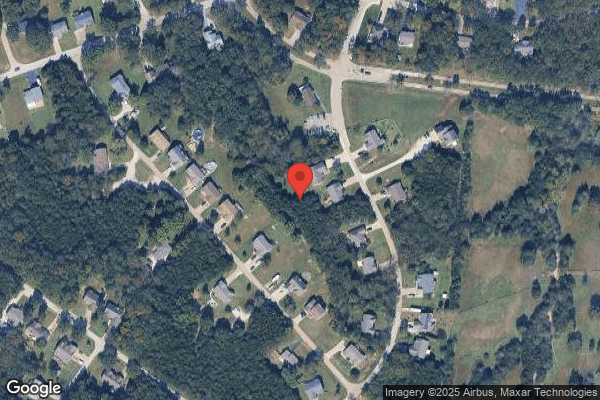
STONEBRIDGE DESOTO

1550 VILLAS DRIVE, DE SOTO, MO 63020 (636) 586-6559
For profit - Limited Liability company 56 Beds STONEBRIDGE SENIOR LIVING Data: November 2025
Trust Grade
55/100
#121 of 479 in MO
Last Inspection: March 2025

Within standard 12-15 month inspection cycle. Federal law requires annual inspections.

Overview

Stonebridge DeSoto has a Trust Grade of C, indicating it is average compared to other nursing homes, meaning it's not the best but also not the worst. It ranks #121 out of 479 facilities in Missouri, placing it in the top half, and #4 out of 11 in Jefferson County, with only three local options rated higher. The facility is improving, with the number of issues dropping from 14 in 2024 to just 5 in 2025. Staffing is a concern due to a 72% turnover rate, which is higher than the state average, indicating potential instability in care. Although there are no fines recorded, which is a positive sign, recent inspections revealed some serious issues, such as a resident falling due to a missing fall mat and ongoing concerns about food safety that could put residents at risk for foodborne illnesses.

Trust Score
C
55/100
In Missouri
#121/479
Top 25%
Safety Record
Moderate
Needs review
Inspections
Getting Better
14 → 5 violations
Staff Stability
⚠ Watch
72% turnover. Very high, 24 points above average. Constant new faces learning your loved one's needs.
Penalties
✓ Good
No fines on record. Clean compliance history, better than most Missouri facilities.
Skilled Nurses
○ Average
Each resident gets 33 minutes of Registered Nurse (RN) attention daily — about average for Missouri. RNs are the most trained staff who monitor for health changes.
Violations
⚠ Watch
25 deficiencies on record. Higher than average. Multiple issues found across inspections.
★★★★☆
4.0
Overall Rating
★★★☆☆
3.0
Staff Levels
★★☆☆☆
2.0
Care Quality
★★★★☆
4.0
Inspection Score
Stable
2024: 14 issues
2025: 5 issues

The Good

  • Full Sprinkler Coverage · Fire safety systems throughout facility
  • No fines on record

Facility shows strength in fire safety.

The Bad

Staff Turnover: 72%

26pts above Missouri avg (46%)

Frequent staff changes - ask about care continuity

Chain: STONEBRIDGE SENIOR LIVING

Part of a multi-facility chain

Ask about local staffing decisions and management

Staff turnover is very high (72%)

24 points above Missouri average of 48%

The Ugly 25 deficiencies on record

1 actual harm
Jul 2025 1 deficiency 1 Harm
SERIOUS (G) 📢 Someone Reported This

A family member, employee, or ombudsman was alarmed enough to file a formal complaint

Actual Harm - a resident was hurt due to facility failures

Accident Prevention (Tag F0689)

A resident was harmed · This affected 1 resident

Based on interview and record review, the facility failed to ensure the safety of one resident (Resident #1) out of three sampled residents when staff failed to place a fall mat next to the resident's...

Read full inspector narrative →
Based on interview and record review, the facility failed to ensure the safety of one resident (Resident #1) out of three sampled residents when staff failed to place a fall mat next to the resident's bed as directed by the care plan. The resident fell out of bed onto the floor resulting in injury. The facility census was 52. The administration was notified on 07/24/25 of the Past Non-Compliance which occurred on 07/18/25. On 07/18/25, upon notification, the facility administration started an investigation and notified the Department of Health and Senior Services of the fall which resulted in a fracture. The non-compliance was corrected on 07/18/25, as the facility in-serviced all staff on the facility's policy and procedures on Falls and Fall Risk, Managing, High Fall Risk Patient Interventions, and on the Abuse and Neglect Policy. Review of the facility policy titled, Falls and Fall Risk, Managing, revised on December 2019, showed:The staff, with the input of the Attending Physician, will identify appropriate interventions to reduce the risk of falls. If a systematic evaluation of a resident's fall risk identifies several possible interventions, the staff may choose to prioritize interventions (i.e., to try one or a few at a time, rather than many at once);In conjunction with the Attending Physician, staff will identify and implement relevant interventions (e.g., hip padding or treatment of osteoporosis (a disease that weakens the bones), as applicable) to try to minimize serious consequences of falling. Review of Resident #1's medical record showed:admission date of 11/27/24;Diagnoses of Alzheimer's disease (a brain condition that gradually affects memory, thinking, and behavior, leading to difficulties in daily tasks), bipolar disorder (episodes of mood swings, from depressive lows to manic highs), chronic kidney disease stage 4 (kidneys are severely damaged and can only filter a small amount of waste), osteopenia (brittle bones), and adult failure to thrive (condition characterized by significant weight loss, decreased appetite, and reduced physical activity). Review of the resident's quarterly Minimum Data Set (MDS - a federally mandated assessment instrument required to be completed by facility staff), dated 05/23/25, showed:Cognition moderately impaired with inattention, disorganized thinking, poor decision making; Had one to three falls. Review of the Resident's Care Plan, last revised on 06/06/25, showed:A bolstered low air loss mattress (a type of low air loss mattress that incorporates raised side perimeters to provide additional safety and support);Ensure bed in the low position;A fall mat next to the bed. Review of the resident's Fall Assessments showed:On 06/25/25, a history of falls in last the last three months with one - two falls and a moderate fall risk;On 07/01/25, a history of falls in the last three months with three or more falls and a high fall risk;On 07/17/25, a history of falls in the last three with three more falls and a high fall risk;On 07/18/25, a history of falls in the last three months with three more falls and a high fall risk. Review of the resident's Progress Notes, dated 07/01/25 - 07/18/25, showed:A fall note on 07/01/25 at 6:00 P.M., the resident was on a fall mat in front of the bed. The resident climbed out of the bed before staff help. Upon entering the room, the resident sat on the fall mat in front of the bed on his/her knees. No apparent injuries;A fall note on 07/17/25 at 4:29 A.M., the resident was on the floor mat at the bedside with his/her head facing the foot of the bed and his/her feet faced the head of bed. No apparent injuries;A fall note on 07/18/25 at 4:00 P.M., the resident was found next to the bed bleeding from an active head laceration. A large hematoma noted to left side of the head. The resident was yelling out for help to his/her leg. The resident screamed out when the nurse palpated his/her left hip and left leg. Pressure was applied to the head wound to control the bleeding. Hospice, the resident's family, and the physician were notified of the fall with an injury. Resident was sent to the emergency room (ER) for evaluation. He/She was admitted to the hospital for surgical intervention. The resident's family declined surgery and instead chose conservative treatment. Review of the resident's X-ray Report, dated 07/18/25, showed:An intertrochanteric left hip fracture with varus angulation (a break in the upper part of the left thigh bone, near the hip, with the broken pieces angled inward towards the body). During an interview on 07/24/25 at 11:30 A.M., Nurse Assistant (NA) #C said he/she was one of the aides assigned to Resident #1 on 07/18/25. NA C said he/she got complacent. NA C and another staff went in the resident's room, transferred the resident with a Hoyer lift (a mechanical lift), removed the Hoyer sling, changed the resident, covered him/her up with a blanket, put the call light in reach, lowered the bed, and left the room. NA C went to tell the nurse the resident had cramping stomach pain. NA C went across the hall to help another resident when he/she heard Resident #1 call out for help and that he/she was in pain. NA C looked over and saw the resident's leg on the floor. NA C called for help and went to the resident's room to wait for the nurse to get there. During an interview on 07/24/25 at 1:00 P.M., the Administrator and the Director of Nursing (DON) said they would expect staff to replace all safety devices, such as a fall mat, prior to leaving the resident's room after performing care. During a phone interview on 07/28/25, at 11:05 A.M., the Medical Director said he/she knew Resident #1 had osteopenia (a condition characterized by lower-than-normal bond density) and brittle bones, he/she couldn't give a definitive answer whether the fall mat could or would have prevented the resident's fracture. He/She had other patients with osteopenia who sustained fractures with a fall mat in place. Complaint #2566337
Mar 2025 4 deficiencies
CONCERN (D)

Potential for Harm - no one hurt, but risky conditions existed

Respiratory Care (Tag F0695)

Could have caused harm · This affected 1 resident

Based on observation, interview, and record review, the facility failed to ensure a physician's order for bilevel positive airway pressure (BIPAP - a noninvasive ventilation device that helps people b...

Read full inspector narrative →
Based on observation, interview, and record review, the facility failed to ensure a physician's order for bilevel positive airway pressure (BIPAP - a noninvasive ventilation device that helps people breathe by delivering pressurized air into the airways) included settings. This affected one resident (Resident #32) out of one sampled resident. The facility's census was 46. Review of the facility's policy titled, CPAP/BiPAP Support, dated March 2015, showed: - Review the physician's order to determine the oxygen concentration and flow, and the PEEP pressure for the machine. Review of Resident #32's medical record showed: - admission date of 12/06/22; - Diagnoses of chronic obstructive pulmonary disease (COPD - a group of lung diseases that causes restricted airflow and breathing problems), obstructive sleep apnea (a sleep disorder that occurs when the upper airway becomes blocked during sleep), type 2 diabetes (a long-term condition in which the body has trouble controlling blood sugar and using it for energy), diastolic heart failure (a condition where the heart muscle becomes stiff and cannot relax properly between heartbeats), and atrial fibrillation (an irregular, often rapid heart rate that commonly causes poor blood flow). Review of the resident's Physician's Order Sheet (POS), dated 03/13/25, showed: - An order for trilogy (a device that delivers both invasive and non-invasive ventilation modes) on at bedtime and off in the morning with four liters (L) per minute of oxygen (O2) bled in, dated 07/15/24; - No order for BiPAP settings. During an interview on 03/12/25 at 11:45 A.M., the resident said he/she uses BiPAP at night and needs some assistance with reaching the mask and machine. Observation on 03/13/25 at 11:35 A.M. showed the resident turned on the machine and started BiPAP. During an interview on 03/13/25 at 11:35 A.M., Licensed Practical Nurse (LPN) A said he/she does not know what the settings are for the resident's BiPAP. During an interview on 03/13/25 at 8:45 P.M., the Director of Nursing (DON) and the Administrator both said they would expect the settings for BiPAP to be listed in the order.
CONCERN (D)

Potential for Harm - no one hurt, but risky conditions existed

Food Safety (Tag F0812)

Could have caused harm · This affected 1 resident

Based on observation, interview, and record review, the facility failed to store and distribute food under sanitary conditions, increasing the risk of cross-contamination and food-borne illness. This ...

Read full inspector narrative →
Based on observation, interview, and record review, the facility failed to store and distribute food under sanitary conditions, increasing the risk of cross-contamination and food-borne illness. This had the potential to affect all residents. The facility's census was 46. Review of the facility's policy titled, Sanitization, dated October 2008, showed: - The food service area shall be maintained in a clean and sanitary manner; - All kitchens, kitchen areas, and dining areas shall be kept clean, free from litter and rubbish and protected from rodents, roaches, flies and other insects; - All utensils, counters, shelves and equipment shall be kept clean, maintained in good repair and shall be free from breaks, corrosions, open seams, and cracks, and chipped areas that may affect their use or proper cleaning. Seals, hinges, and fasteners will be kept in good repair; - If a sink is used for washing utensils, cooking equipment, or dishes, and also used to wash produce or thaw food, it will be cleaned between uses with an approved cleaning and sanitizing agent; - High-Temperature Dishwashing machines must be operated using wash temperatures between 150 and 165 degrees Fahrenheit (F) for at least 45 seconds and rinse temperatures between 165 and 180 degrees F for at least 12 seconds; - Food Service staff will be trained to maintain cleanliness throughout their work areas during all tasks, and to clean after each task before proceeding to the next assignment. 1. Observations on 03/10/25 at 10:49 A.M. of the kitchen showed: - Dirt and debris on the floor under the main food prep table; - Dirt, grime and old food debris along the top of the dishwasher; - Floors dingy and sticky; - Numerous dirty and dingy ceiling tiles; - The deep fryer grease dark brown with left over food residue; - Grease down the sides of the fryer and on the floor below the fryer; - One ten ounce (oz) dented can of crushed pineapple; - One four pound (lb) dented can of chunk light tuna in water. 2. Observation on 03/13/25 at 10:57 A.M. of the kitchen showed: - The deep fryer grease dark brown with left over food residue; - Grease down the sides of the fryer and on the floor below the fryer; - No thermometer inside the walk in refrigerator or freezer; - Stove top with old food debris on it; - Two frying pans on the shelf above the stove with black buildup on the bottoms. 3. Observation on 03/13/25 at 11:45 A.M. of the upstairs kitchen serving area showed: - Food crumbs, dirt and debris over the entire floor; - The warming station covered with food debris; - The plate storage rack with dried food debris and dried liquid spills down all sides of it; - One container of cereal not dated; - The toaster with crumbs on it and on the counter below; - The walls, cabinet doors, blinds, and windows covered in dirt, grime, spilled liquid run marks, and dried food. Review of the cleaning schedule for the upstairs kitchen, starting on 03/09/25, showed: - Cleaning was completed on 03/09/25, 03/10/25, and 03/11/25; - No documentation that cleaning had been completed on 03/12/25 or 03/13/25. Review of temperature logs for the upstairs kitchen refrigerator showed: - Temperatures logged from 10/16/24 to 10/24/24 and from 01/01/25 to 01/21/25; - No temperatures logged for the month of February 2025; - No temperatures logged for the month of March 2025. No record of temperature logs for the upstairs kitchen freezer. Review of food temperature logs showed: - Food temperatures logged for 03/11/25 and 03/12/25; - No food temperatures recorded prior to 03/11/25. 4. Observation on 03/13/25 at 2:15 P.M. of the kitchen showed Dietary Aide K prepped hamburger patties without wearing a hair restraint. Review of temperature log for high temperature dish machine from 12/01/24 through 03/13/25 showed: - On 01/15/25, day shift recorded a rinse temperature of 140 degrees F; - On 01/22/25, day shift recorded a rinse temperature of 130 degrees F; - On 01/22/25, evening shift recorded a rinse temperature of 160 degrees F; - On 01/23/25, day shift recorded a rinse temperature of 160 degrees F; - On 01/24/25, day shift recorded a wash temperature of 130 degrees F; - On 01/26/25, day shift recorded a wash temperature of 145 degrees F and a rinse temperature of 160 degrees F; - On 01/26/25, evening shift recorded a rinse temperature of 163 degrees F; - On 01/27/25, day shift recorded a wash temperature of 142 degrees F and a rinse temperature of 143 degrees F; - On 01/27/25, evening shift recorded a rinse temperature of 151 degrees F; - On 01/28/25, day shift recorded a rinse temperature of 150 degrees F; - On 01/29/25, day shift recorded a rinse temperature of 150 degrees F; - On 01/31/25, day shift recorded a wash temperature of 147 degrees F; - On 01/31/25, evening shift recorded a wash temperature of 148 degrees F; - On 02/03/25, day shift recorded a rinse temperature of 150 degrees F; - On 02/03/25, evening shift recorded a rinse temperature of 154 degrees F; - On 02/04/25, evening shift recorded a wash temperature of 148 degrees F; - On 02/05/25, day shift recorded a wash temperature of 130 degrees F; - On 02/06/25, evening shift recorded a wash temperature of 148 degrees F and a rinse temperature of 160 degrees F; - On 02/07/25, day shift recorded a rinse temperature of 155 degrees F; - On 02/07/25, evening shift recorded a rinse temperature of 156 degrees F; - On 02/08/25, day shift recorded a rinse temperature of 155 degrees F; - On 02/08/25, evening shift recorded a rinse temperature of 161 degrees F; - On 02/09/25, day shift recorded a rinse temperature of 163 degrees F; - On 02/09/25, evening shift recorded a wash temperature of 148 degrees F and a rinse temperature of 160 degrees F; - On 02/10/25, day shift recorded a wash temperature of 130 degrees F; - On 02/10/25, evening shift recorded a wash temperature of 149 degrees F; - On 02/11/25, day shift recorded a wash temperature of 148 degrees F; - On 02/11/25, evening shift recorded a wash temperature of 130 degrees F; - On 02/12/25, day shift recorded a wash temperature of 130 degrees F; - On 02/12/25, evening shift recorded a wash temperature of 136 degrees F; - On 02/15/25, day shift recorded a wash temperature of 148 degrees F; - On 02/16/25, evening shift recorded a wash temperature of 132 degrees F; - On 02/17/25, day shift recorded a wash temperature of 130 degrees F and a rinse temperature of 110 degrees F; - On 02/17/25, evening shift recorded a wash temperature of 130 degrees F; - On 02/18/25, day shift recorded a wash temperature of 130 degrees F and a rinse temperature of 110 degrees F; - On 02/18/25, evening shift recorded a wash temperature of 130 degrees F and a rinse temperature of 140 degrees F; - On 02/19/25, day shift recorded a rinse temperature of 158 degrees F; - On 02/19/25, evening shift recorded a wash temperature of 138 degrees F and a rinse temperature of 157 degrees F; - On 02/20/25, evening shift recorded a wash temperature of 140 degrees F and a rinse temperature of 158 degrees F; - On 02/23/25, day shift recorded a wash temperature of 130 degrees F; - On 02/23/25, evening shift recorded a wash temperature of 130 degrees F; - On 02/24/25, day shift recorded a wash temperature of 140 degrees F; - On 02/24/25, evening shift recorded a wash temperature of 140 degrees F; - On 02/25/25, day shift recorded a wash temperature of 135 degrees F; - On 02/25/25, evening shift recorded a wash temperature of 145 degrees F; - On 02/26/25, day shift recorded a wash temperature of 135 degrees F; - On 02/26/25, evening shift recorded a wash temperature of 140 degrees F; - On 02/27/25, day shift recorded a wash temperature of 137 degrees F; - On 02/27/25, evening shift recorded a wash temperature of 145 degrees F; - On 02/28/25, day shift recorded a wash temperature of 138 degrees F; - On 02/28/25, evening shift recorded a wash temperature of 145 degrees F; - On 03/01/25, day shift recorded a wash temperature of 130 degrees F; - On 03/01/25, evening shift recorded a wash temperature of 140 degrees F; - On 03/02/25, day shift recorded a wash temperature of 145 degrees F; - On 03/03/25, day shift recorded a wash temperature of 136 degrees F; - On 03/04/25, day shift recorded a wash temperature of 140 degrees F; - On 03/05/25, day shift recorded a wash temperature of 136 degrees F; - On 03/05/25, evening shift recorded a wash temperature of 140 degrees F; - On 03/06/25, evening shift recorded a wash temperature of 145 degrees F; - On 03/07/25, evening shift recorded a wash temperature of 140 degrees F; - On 03/08/25, evening shift recorded a wash temperature of 140 degrees F; - On 03/09/25, evening shift recorded a wash temperature of 140 degrees F. During an interview on 03/13/25 at 12:00 P.M., the Dietary Manager (DM) said the floors needed to be rewaxed and they were looking for a company who could do that for them. The DM was unaware of the type of dishwasher in the kitchen. During an interview on 03/13/25 at 8:45 P.M., the Administrator said she would expect the kitchen to be free from dirt, debris and grime.
CONCERN (D)

Potential for Harm - no one hurt, but risky conditions existed

Infection Control (Tag F0880)

Could have caused harm · This affected 1 resident

**NOTE- TERMS IN BRACKETS HAVE BEEN EDITED TO PROTECT CONFIDENTIALITY** Based on observation, interview, and record review, facility staff failed to maintain appropriate infection control practices by...

Read full inspector narrative →
**NOTE- TERMS IN BRACKETS HAVE BEEN EDITED TO PROTECT CONFIDENTIALITY** Based on observation, interview, and record review, facility staff failed to maintain appropriate infection control practices by not following enhanced barrier precautions (EBP) for one resident (Resident #20) out of three sampled residents and by not performing proper hand hygiene and glove changing techniques during incontinent care, transfer, and wound care for three residents (Resident #20, #22 and #23) out of 16 sampled residents. The facility's census was 46. Review of the facility's policy titled Enhanced Barrier Precautions, last updated 04/04/24, showed: - All staff receive training on enhanced barrier precautions upon hire and at least annually and expected to comply with all designated precautions; - All staff receive training on high-risk activities and common organisms that require enhanced barrier precautions; - The Infection Preventionist will incorporate periodic monitoring and assessment of adherence to determine the need for additional training and education; - High-contact resident care activities include dressing, transferring, providing hygiene, changing linens, changing briefs or assisting with toileting, and wound care; - Enhanced barrier precautions should be used for the duration of the affected resident's stay in the facility or until the wound heals. Review of the facility's policy titled, Wound Care, revised September 2018, showed: - The purpose of this procedure is to provide guidelines for the care of wounds to promote healing; - Verify that there is a physician's order for this procedure; - Review the resident's care plan to assess for any special needs of the resident; - Assemble the equipment and supplies as needed; - Use disposable cloth (paper towel is adequate) to establish clean field on resident's overbed table. Place all items to be used during procedure on the clean field; - Position resident. Place disposable cloth next to resident (under the wound) to serve as a barrier; - Put on gloves. Loosen tape and remove dressing, discard dressing appropriately, wash and dry hands thoroughly; - Put on gloves. Gowns will only be necessary if soiling your skin or clothing, masks and eyewear will only be necessary if splashing of blood or other body fluids into your eyes or mouth is likely; - Wear sterile gloves when physically touching the wound or holding a moist surface over the wound; - Place one gauze to cover all broken skin. Wash tissue around the wound that is usually covered by the dressing, tape or gauze with antiseptic or soap and water; - Remove dry gauze. Apply treatments as indicated; - Dress wound. Pick up sponge with paper and apply directly to area. [NAME] tape with initials, time and date and apply dressing; - Remove the disposable items and discard appropriately, remove gloves and discard; - Wash and dry hands thoroughly. Review of the facility's policy titled, Hand Hygiene, dated May 2021, showed: - The use of gloves does not replace hand hygiene; - If your task requires gloves, perform hand hygiene prior to donning gloves, and immediately after removing gloves. Review of the facility's policy titled, Negative Pressure Wound Therapy, dated February 2014, showed: - Identify and size wound to be treated; - Wash hands and apply gloves; - Clean wound according to facility protocol, or as ordered; - Remove gloves; - Wash hands and apply new gloves; - Cut sponge dressing to size; - Create barrier dressing to protect healthy skin as needed: - Estimate the size of barrier dressing that will need to be cut. There should be at least a 1-inch barrier around the margins of the wound; - Cut the dressing with clean scissors; - Apply skin prep to the peri-wound skin; - Apply barrier dressing over the top of the wound; - Carefully trim a hole in the dressing to expose the wound and allow insertion of the sponge/gauze dressing; - Alternatively, the drape may be cut and placed in strips surrounding the wound and leaving the wound cavity open; - Apply secondary layer of barrier adhesive (drape); - Apply adhesive pad with tubing to the wound; - Assemble pump and disposable canister; - Connect device (canister) tubing to wound tubing, turn to lock into place; - Unclamp both sides of tubing; - Turn on pump, initiate negative pressure setting on pump as ordered. 1. Review of Resident #20's medical record showed: - An order to cleanse wound with wound cleanser, apply folded alginate calcium (an absorbent material used for dressing), collagen powder (a substance used to promote wound healing), skin prep peri wound and apply superabsorbent gelling fiber with silicone border and faced (a cover dressing with silicone) every day shift and as needed for stage three (full-thickness skin loss, exposing fat tissue) pressure wound, dated 03/10/25. Review of the resident's Plan of Care, last revised 10/10/24, showed: - Requires Enhanced Barrier Precautions (EBP) related to wound. Observation on 03/10/25 at 11:35 A.M. of the resident's mechanical lift transfer showed: - Signage for EBP on the resident's door; - Personal Protective Equipment outside the room door; - Without donning gloves and gown, Certified Nurse Aide (CNA) B and CNA C entered the room; - CNA C moved the mechanical lift over the resident, attached the sling straps to the lift on the resident's right side while touching the right side of the bed with his/her clothes; - CNA B attached the sling straps to the left side of the mechanical lift, touching the bed with his/her clothes; - CNA B and CNA C transferred the resident from the bed to the wheelchair using the mechanical lift; - CNA B brushed the resident's hair; - CNA C made the resident's bed; - CNA B and CNA C performed hand hygiene and left the room. Observation on 03/12/25 at 9:10 A.M. of the resident's incontinent care showed: - Without donning gowns, CNA B and CNA D entered the room; - CNA B and CNA D donned gloves without performing hand hygiene; - CNA B wet wash cloths; - CNA B and CNA D positioned the resident onto his/her left side, touching the bed with their clothes; - CNA B and CNA D removed the mechanical lift sling from under the resident; - CNA B wiped the resident's front peri area with a wet cloth; - CNA D reached into CNA B's pocket and obtained a roll of trash bags, removed a bag, laid the roll onto the bed, and opened the trash bag; - CNA B placed the dirty cloth into the trash bag; - CNA D positioned the resident onto his/her left side; - CNA B wiped the resident's buttocks with a clean, wet, cloth; - Without performing hand hygiene, CNA B changed gloves; - CNA B placed a clean brief on the resident; - CNA B and CNA D repositioned the resident in the bed, placed blanket and call light; - CNA B and CNA D removed gloves and performed hand hygiene; - CNA B placed the roll of trash bags back into his/her pocket; - CNA B and D left the room. During an interview on 03/12/25 at 10:15 A.M., CNA B said he/she knows who requires EBP by the sign on the door, should have worn a gown and gloves during care of the resident who required EBP and should have not placed the roll of trash bags back into his/her pocket after the roll was laid on the resident's bed. During an interview on 03/12/25 at 11:15 A.M., CNA D said he/she should have worn a gown during the care of the resident who required EBP. Observation on 03/12/25 at 9:45 A.M. of the resident's wound care, showed: - Licensed Practical Nurse (LPN) A donned a gown, gathered a cover dressing, opened gauze and opened calcium alginate from the treatment cart with his/her bare hands, contaminating dressing supplies; - LPN A placed contaminated gauze and calcium alginate in hand, placed the cover dressing, opened gauze, opened calcium alginate, bottle of wound cleanser, bottle of liquid vitamin E, and tube of collagen powder onto a newspaper on the resident's bedside table, without using a barrier; - LPN A washed hands and donned gloves; - LPN A positioned the resident on his/her left side; - LPN A removed gloves and donned new gloves without performing hand hygiene; - LPN A applied calcium alginate to cover dressing, applied collagen powder to the calcium alginate, laid the dressing on the bed pad, without using a barrier; - LPN A cleansed wound with contaminated gauze and dermal wound cleanser; - LPN A changed gloves, did not perform hand hygiene; - LPN A applied skin prep to peri wound; - LPN A applied dressing to wound; - LPN A changes gloves, did not perform hand hygiene; - LPN A applied vitamin E to the resident's upper arms; - LPN A removed gloves, did not perform hand hygiene, positioned resident's blanket and call light; - LPN A placed wound cleanser, bottle of vitamin E, tube of collagen powder on top of treatment cart, contaminating cart, performed hand hygiene with hand sanitizer, and then placed the supplies into the treatment cart drawer, contaminating other supplies. During an interview on 03/12/25 at 9:58 A.M., LPN A said he/she should have worn clean gloves when gathering supplies, used a barrier, should have sanitized the multi-use supplies before placing them back in the cart, and should have at least used hand sanitizer with each glove change. 2. Review of Resident #22's Physician's Order Sheet showed: - An order for right inner shin dressing change, apply two Xeroform (a non-adherent gauze that minimizes pain during dressing changes and promotes healing) and cover with dressing to be changed once daily and as needed for stage three pressure wound (a full-thickness skin loss where fat is visible), dated 02/24/25. Observation of Resident #22's wound care on 03/13/25 at 8:55 A.M. showed: - Resident's dressing already removed; - Registered Nurse (RN) I entered the resident's room with supplies in hand; - Without a barrier, RN I laid supplies on the resident's bedside table; - Without performing hand hygiene, RN I donned gloves; - RN I picked up supplies and walked to the resident sitting in his/her wheelchair; - RN I squatted down in front of the resident, took saturated gauze out of cup and wiped wound and surrounding skin; - Without establishing a clean field, RN I set dressing supplies on the overbed table; - RN I removed gloves and threw the gloves and gauze into the waste can; - Without performing hand hygiene, RN I donned new gloves; - RN I removed Xeroform from package; - RN I opened Mepilex (self-adherent, soft silicone bordered foam dressing that is used to protect wounds from infection and further damage) while holding Xeroform between fingers; - RN I placed the Xeroform on the center of the Mepilex and placed it over the wound; - RN I removed gloves, disposed of trash in waste can; - Without performing hand hygiene, RN I left the resident's room. During an interview on 03/19/2025 at 10:52 A.M., RN I said hand hygiene should be performed upon entry to the resident's room, between glove changes, and when exiting the room. RN I said he/she only uses a barrier for supplies when it is a sterile procedure. He/She said the overbed table is to be wiped with a disinfectant prior to putting supplies on the table. 3. Review of Resident #23's Physician's Order Sheet, dated 03/20/25, showed: - An order for wound vac to right foot: clean wound and surrounding skin with wound cleanser and pat dry, apply skin prep (a protective wipes or liquid film-forming dressing to create a barrier between the skin and adhesives, tapes, or films) and drape (transparent material that creates a seal while acting as a barrier to external contaminants) to peri wound (the area of skin surrounding a wound) to prevent foam from touching healthy skin, apply black foam to wound bed and secure with drape, bridge foam to non-weight bearing surface if needed and apply vac at negative pressure 125mmHG continuous suction, change every Tuesday, Thursday, and Saturday, dated 03/07/25. Observation on 03/10/25 at 4:05 P.M. of the resident's wound care showed: - Registered Nurse (RN) S said he/she had already wiped down the bedside table. Without placing a barrier on the table, RN S placed the dressing supplies on the table; - RN J donned gown, sanitized hands, and donned gloves; - RN J opened dressings and cut drape into strips; - RN J opened the sterile packing; - RN J removed gloves and placed into trash, sanitized hands, and donned new gloves; - RN J clamped tubing, removed dressing and wound vac from the resident's right foot; - The skin around the wound red and macerated (a condition where the skin becomes soft, soggy, and breaks down due to prolonged exposure to moisture); - RN J removed gloves and placed in trash; - Without performing hand hygiene, RN J donned new gloves; - RN J discarded old wound vac dressing and canister into trash; - RN J removed gloves and placed in trash; - Without performing hand hygiene, RN J donned new gloves; - RN J cleansed the wound with a wet gauze, removed gloves and placed gloves and gauze in trash; - Without performing hand hygiene, RN J donned new gloves; - RN J cleansed the wound with a wet gauze, removed gloves and placed gloves and gauze in trash; - RN J sanitized hands and donned new gloves; - RN J cleansed the wound with a wet gauze, removed gloves and placed gloves and gauze in trash; - RN J sanitized hands and donned new gloves; - RN J failed to apply skin prep and drape to peri wound; - RN J measured wound, cut black foam to fit wound bed, and placed black foam onto wound bed; - Without covering foam with drape, RN J applied wound vac [NAME] pad (a specialized tubing that is placed on top of the sponge and is connected to the device) to top of black foam; - RN J removed gloves and placed in trash; - RN J sanitized hands; - The [NAME] pad and black foam started separating from the wound; - Without donning gloves, RN J placed finger onto the dressing to hold in place; - RN J donned gloves; - The open end of [NAME] pad tubing fell onto the floor. RN J picked up the tubing and laid it across the resident's legs; - RN J applied drape cut into strips over the [NAME] Pad and around black foam; - RN J removed gloves and placed in trash; - RN J sanitized hands and donned new gloves; - RN J wiped off the end of the open wound vac tubing that fell on the floor with wound cleaning solution and gauze; - RN J connected [NAME] pad tubing to canister tubing, plugged wound vac device into the wall and turned it on. During an interview on 03/10/25 at 4:55 P.M., RN J said he/she cleaned the tubing that fell on the floor because there were no more wound vac supplies and that is the only option he/she had. RN J said he/she should have applied skin prep and allowed it to dry before applying the dressing. During an interview on 03/13/25 at 08:45 A.M., RN I said Resident #23 had wound vac supplies in his/her room all week. During an interview on 03/13/25 at 8:45 P.M., the Administrator and Director of Nursing (DON) both said they would expect the dressing to be changed if the open tubing fell onto the floor. During an interview on 03/13/25 at 8:50 P.M., the Administrator and the DON said they expect staff to wear a gown and gloves during high contact activities for residents who require EBP, to perform hand hygiene prior to donning gloves, use a barrier for wound care supplies, and to sanitize multi use supplies after use.
MINOR (C)

Minor Issue - procedural, no safety impact

Deficiency F0577 (Tag F0577)

Minor procedural issue · This affected most or all residents

Based on observation, interview, and record review, the facility failed to provide access to survey results. This had the potential to affect all residents. The facility census is 46. Review of the fa...

Read full inspector narrative →
Based on observation, interview, and record review, the facility failed to provide access to survey results. This had the potential to affect all residents. The facility census is 46. Review of the facility's policy titled, Examination of Survey Results, dated April 2007, showed: - A copy of the most recent standard survey along with state approved plans of correction of noted deficiencies, is maintained in a three-ring binder located in an area frequented by most residents, such as the main lobby or resident activity room. Observations from 03/10/25 through 03/13/25 showed: - On 03/10/25 at 11:35 A.M., no survey binder was found at the nurses' station or activities room; - On 03/13/25 at 2:15 P.M., no survey binder was found at the nurses' station or activities room. During an interview on 03/13/25 at 10:10 A.M., Resident #25 said he/she was not aware the survey results could be read or where to find them. During an interview on 03/13/25 at 10:10 A.M., Resident #4 said he/she did not know where to find the survey results. During an interview on 03/13/25 at 10:10 A.M., Resident #35 said he/she did not know where to find the survey results. During an interview on 03/13/25 at 8:45 P.M., the Administrator said she would expect the survey results to be available for the residents to read without asking.
Feb 2024 14 deficiencies
CONCERN (D)

Potential for Harm - no one hurt, but risky conditions existed

Transfer Notice (Tag F0623)

Could have caused harm · This affected 1 resident

**NOTE- TERMS IN BRACKETS HAVE BEEN EDITED TO PROTECT CONFIDENTIALITY** Based on interview and record review, the facility failed to notify the resident and/or the resident's representative in writing...

Read full inspector narrative →
**NOTE- TERMS IN BRACKETS HAVE BEEN EDITED TO PROTECT CONFIDENTIALITY** Based on interview and record review, the facility failed to notify the resident and/or the resident's representative in writing of a facility-initiated transfer when one resident (Resident #44) out of one sampled resident transferred to the hospital. The facility's census was 46. 1. Review of Resident #44's medical record showed: - Resident transferred to the hospital for medical evaluation on 01/31/24 and readmitted to the facility on [DATE]; - No documentation of written notification to the resident and/or the resident's representative of the resident's transfer to the hospital on [DATE]. During an interview on 02/09/24 at 12:15 P.M., the Administrator said she would expect the resident and/or the resident's representative to receive a transfer notification in writing when a resident is transferred to the hospital. The facility did not provide a policy regarding transfers.
CONCERN (D)

Potential for Harm - no one hurt, but risky conditions existed

Deficiency F0625 (Tag F0625)

Could have caused harm · This affected 1 resident

**NOTE- TERMS IN BRACKETS HAVE BEEN EDITED TO PROTECT CONFIDENTIALITY** Based on interview and record review, the facility failed to notify the resident and/or the resident's representative in writing...

Read full inspector narrative →
**NOTE- TERMS IN BRACKETS HAVE BEEN EDITED TO PROTECT CONFIDENTIALITY** Based on interview and record review, the facility failed to notify the resident and/or the resident's representative in writing of the facility's bed hold policy when one resident (Resident #44) out of one sampled resident transferred to the hospital. The facility's census was 46. Review of the facility's policy, Bed Hold Notice Prior to Transfer, revised October 2017, showed: - In the event of a resident transfer to the hospital or the resident goes on therapeutic leave, the facility will provide written information to the resident and/or the resident representative regarding the bed hold; - The notice will be provided prior to leave, if possible. In the event the notice is not provided prior to leave due to unforeseen circumstances, the notice will be provided within the requirements for such notice; - Attempts at delivery of the bed hold notice will be documented; - The following information will be given to the resident and/or resident's representative: the duration of the state bed hold, if any, during which the resident is permitted to return and resume residence in the nursing facility; the reserve bed payment policy in the state plan, if any; and the facility policy regarding bed hold periods to include permitting the residents to return. Review of the facility's policy, Bed Holds, dated March 2022, showed the facility shall inform residents upon admission and prior to a transfer for hospitalization or therapeutic leave of the bed hold policy. 1. Review of Resident #44's medical record showed: - Resident transferred to the hospital for medical evaluation on 01/31/24 and readmitted to the facility on [DATE]; - No documentation that the resident or the resident's representative was informed in writing of the facility's bed hold policy at the time of transfer. During an interview on 02/09/24 at 12:15 P.M., the Administrator said she would expect the resident and/or the resident's representative to receive their bed hold policy in writing when a resident is transferred to the hospital.
CONCERN (D)

Potential for Harm - no one hurt, but risky conditions existed

Assessment Accuracy (Tag F0641)

Could have caused harm · This affected 1 resident

**NOTE- TERMS IN BRACKETS HAVE BEEN EDITED TO PROTECT CONFIDENTIALITY** Based on interview and record review, the facility failed to document an accurate Minimum Data Set (MDS, a federally mandated as...

Read full inspector narrative →
**NOTE- TERMS IN BRACKETS HAVE BEEN EDITED TO PROTECT CONFIDENTIALITY** Based on interview and record review, the facility failed to document an accurate Minimum Data Set (MDS, a federally mandated assessment completed by the facility) assessment for two residents (Resident #11 and Resident #26) out of 12 sampled residents. The facility census was 46. Review of the facility's Certifying Accuracy of the Resident Assessment Policy showed: - All personnel who complete any portion of the Resident Assessment (MDS) must sign and certify the accuracy of that portion of the assessment; - Any individual who willfully and knowingly certifies (or causes another individual to certify) a material and false statement in a resident assessment is subject to disciplinary action and such incident must be promptly reported to the Administrator. 1. Review of Resident #11's medical record showed: - admission date of 09/07/2022; - Diagnoses of Parkinson's disease (a disorder of the central nervous system that affects movement, often including tremors), visual loss-both eyes, and dysphagia (difficulty swallowing); - Monthly Summary, dated 02/07/2024, showed vision-blind, daily incontinence of bowel and bladder, contracture of hand-not specified, and therapy-none. During an interview on 02/08/2024 at 3:45 P.M., Registered Nurse (RN) J said that Resident #11 is totally blind and dependent on staff for care. Review of the resident's quarterly MDS, dated [DATE], showed Vision, moderately impaired. 2. Review of the facility's policy titled, Nutrition (Impaired)/Unplanned Weight Loss - Clinical Protocol, dated September 2012, showed the threshold for significant unplanned and undesired weight loss will be based on the following criteria (where percentage of body weight loss=[usual weight - actual weight] / [usual weight] x 100): a. 1 month - 5% weight loss is significant; greater than 5% is severe; b. 3 month - 7.5% weight loss is significant; greater than 7.5% is severe; c. 6 month - 10% weight loss is significant; greater than 10% is severe. Review of Resident #26's medical record showed: - A quarterly MDS, dated [DATE], with a weight of 193 pounds; - A comprehensive annual MDS assessment, dated 12/05/23, with a weight of 177 pounds; - A severe weight loss of 8.29% from 09/04/23 to 12/05/23 not identified on the MDS. During an interview on 02/09/24 at 9:20 A.M., the MDS/Care Plan Coordinator said care plans are updated quarterly and as needed, often daily, said MDS assessments and care plans should reflect current care/needs of residents. During an interview on 02/09/24 at 5:30 P.M., the Administrator and Director of Nursing (DON) said they would expect the MDS to reflect a significant weight loss.
CONCERN (D)

Potential for Harm - no one hurt, but risky conditions existed

Comprehensive Care Plan (Tag F0656)

Could have caused harm · This affected 1 resident

Based on interview and record review, the facility failed to develop and implement a person-centered comprehensive care plan to meet the individual needs for one resident (Resident #11) out of 12 samp...

Read full inspector narrative →
Based on interview and record review, the facility failed to develop and implement a person-centered comprehensive care plan to meet the individual needs for one resident (Resident #11) out of 12 sampled residents. The facility census was 46. Review of the facility's Life Enrichment Policy Program Policy, dated October 2017, showed: - Each resident's interests and needs will be assessed on a routine basis. Included in this assessment will be Minimum Data Set (MDS - a mandatory assessment completed by the facility) and Care Plan; - Activities will be designed with the intent to enhance the resident's sense of well being; promote or enhance emotional health; promote self esteem, dignity, pleasure, comfort, education, creativity, success and independence; - Space and equipment necessary are provided to ensure the resident's care plan is followed; - Life Enrichment Assessments, Participation reviews, and Life Enrichment Care plans will be completed on admission, quarterly, at the time a resident experiences significant change, and if the Life Enrichment Director notes an inherent trend or change in a resident's participation in activities; - The Life Enrichment Director is responsible for accurate and timely care plans and assessments of the resident needs, participation and preference. Review of Resident #11's medical record showed: - admission date of 09/07/22; - Diagnoses of Parkinson's disease (a disorder of the central nervous system that affects movement, often including tremors), congestive heart failure (a chronic condition in which the heart doesn't pump blood as well as it should), visual loss-both eyes, depression (an illness that negatively affects how you feel, the way you think and how you act), slurred speech, dysphagia (difficulty swallowing); - A comprehensive care plan, with a target goal date of 03/04/24, showed no activities care planned. During an interview on 02/07/24 at 1:30 P.M., the resident said he/she doesn't know what kind of activities he/she can do because he/she is blind, but he/she enjoys music. During an interview on 02/09/24 at 9:20 A.M., the MDS/Care Plan Coordinator said care plans are updated quarterly and as needed, often daily. He/She said the MDS assessments and care plans should reflect the current care needs of residents. During an interview on 02/09/24 at 5:30 P.M., the Administrator and Director of Nursing said they would expect a resident with sensory impairments to be able to participate in activities and for that to be reflected on the care plan.
CONCERN (D)

Potential for Harm - no one hurt, but risky conditions existed

Deficiency F0657 (Tag F0657)

Could have caused harm · This affected 1 resident

**NOTE- TERMS IN BRACKETS HAVE BEEN EDITED TO PROTECT CONFIDENTIALITY** Based on observation, interview, and record review, the facility failed to update and revise a comprehensive care plan to meet t...

Read full inspector narrative →
**NOTE- TERMS IN BRACKETS HAVE BEEN EDITED TO PROTECT CONFIDENTIALITY** Based on observation, interview, and record review, the facility failed to update and revise a comprehensive care plan to meet the individual needs for one resident (Resident #11) out of 12 sampled residents. The facility census was 46. Review of the facility's Comprehensive Care Plans Policy, dated September 2022, showed: - It is the policy of this facility to develop and implement a comprehensive person-centered care plan for each resident, consistent with resident rights, that includes measurable objectives and timeframes to meet a resident's medical, nursing, and mental and psychosocial needs that are identified in the resident's comprehensive assessment; - The care planning process will include an assessment of the resident's strengths and needs; - The comprehensive care plan will be reviewed and revised by the interdisciplinary team (a group of professionals from different disciplines that know the resident's needs) after each comprehensive (no more than 366 days from prior comprehensive assessment) and quarterly (no more than 92 days from prior quarterly or comprehensive assessment); MDS (Minimum Data Set assessment-a mandatory assessment required by the facility); - The comprehensive care plan will include measurable objectives and timeframes to meet the resident's needs as identified in the resident's comprehensive assessment. The objectives will be utilized to monitor the resident's progress. Review of Resident #11's medical record showed: - admission date of 09/07/2022; - Diagnoses of Parkinson's disease (a disorder of the central nervous system that affects movement, often including tremors), visual loss-both eyes, and dysphagia (difficulty swallowing); - Physician's Order Sheet (POS), dated 02/09/24, showed an order for a regular diet, mechanical soft texture, regular liquids consistency, may have pleasure foods, built-up spoon and fork, red foam cup with lid and straw, prefers a clothing protector, fortified foods twice a day, health shake with meals for nutrition. Review of the resident's quarterly MDS, dated [DATE], showed: - Severe cognitive impairment; - Eating: substantial/maximal assistance, loss of liquids/solids from mouth when eating/drinking, coughing or choking during meals; - Toileting: dependent, substantial/maximal assistance for toilet transfers. Observations of the resident showed: - On 02/06/24 at 12:45 P.M., resident in dining room being fed by staff, and dependent on staff to propel his/her high back wheelchair; - On 02/07/24 at 1:00 P.M., resident in dining room being fed by staff, and dependent on staff to propel his/her high back wheelchair. During an interview on 02/08/24 at 3:45 P.M., Registered Nurse (RN) J said the resident is totally blind and is dependent on staff for care. Review of the resident's care plan, target goal date of 03/04/24, showed: - The resident prefers to eat in his/her room at times, provide set up assist, serve diet as ordered, able to feed self. Staff to use verbal cues for encouragement to attend meals in dining room for stimulation and socialization, assist with meal preparation, but encourage to be as independent as possible, notify physician and representative (if applicable) of any sudden changes related to nutritional care and/or status; - Will maintain status and continue to use toilet to promote decreased incontinent episodes, toileting assist-provide transfer/hygiene assist per staff as needed, require assist of one with a gait belt for toilet transfers, adjust provision of ADL's (activities of daily living-daily self care activities) to compensate for resident's changing abilities, incontinent of bowel and bladder at times and dependent on staff for incontinent care; - Resident uses the rail on the wall and his/her feet to propel wheelchair. No indications of acute eye problems through the review date. Monitor/document to MD the following signs and symptoms of acute eye problems, sudden visual loss. During an interview on 02/09/24 at 5:30 P.M., the Administrator and Director of Nursing said they would expect a resident's care plan to reflect the current status of the resident and be updated with changes.
CONCERN (D)

Potential for Harm - no one hurt, but risky conditions existed

ADL Care (Tag F0677)

Could have caused harm · This affected 1 resident

**NOTE- TERMS IN BRACKETS HAVE BEEN EDITED TO PROTECT CONFIDENTIALITY** Based on observation, interview, and record review, the facility failed to provide resident care for activities of daily living ...

Read full inspector narrative →
**NOTE- TERMS IN BRACKETS HAVE BEEN EDITED TO PROTECT CONFIDENTIALITY** Based on observation, interview, and record review, the facility failed to provide resident care for activities of daily living (ADLs) when residents did not receive scheduled showers and preferences were not acknowledged for three residents (Resident #10, #30, and #46) out of 12 sampled residents. The facility census was 46. The facility's policy did not address shower frequency. 1. Review of Resident #10's medical record showed: - admission date of 04/25/23; - Diagnoses of major depressive disorder (a mood disorder that causes a persistent feeling of sadness and loss of interest in activities, causing significant impairment in daily life), mild cognitive impairment, lack of coordination, unsteadiness on feet, weakness, high blood pressure, and heart failure. Review of the resident's quarterly Minimum Data Set (MDS, a federally mandated assessment completed by the facility), dated 01/18/24, showed: - Moderately impaired cognition; - Moderate assistance for upper body dressing and personal hygiene; - Dependent assistance for lower body dressing and toileting; - Maximal assistance for shower/bath. Review of the resident's comprehensive care plan, dated 12/19/23, showed: - Resident requires assistance with activities of daily living; - Staff to assist with showers twice weekly per schedule. Review of the facility's shower schedule showed the resident was scheduled for showers on Tuesdays and Fridays. Review of the resident's shower sheets from 11/01/23 through 01/31/24 showed 11 out of 27 opportunities for showers missed. During an interview on 02/06/24 at 12:53 P.M., the resident said he/she could not remember when he/she last received a shower, but needs one. Observation on 02/06/23 at 12:54 P.M. showed the resident lay in bed with a brown substance under his/her fingernails. 2. Review of Resident #30's medical record showed: - admission date of 08/12/22; - Diagnoses of stroke and muscle wasting (thinning of muscle mass). Review of the resident's quarterly MDS, dated [DATE], showed: - No cognitive impairment; - Maximal assistance of staff for lower body dressing; - Moderate assistance for personal hygiene and toileting; - Moderate assistance for shower/bath. Review of the resident's comprehensive care plan, dated 08/26/23, showed: - Assist resident with dressing/grooming; - Assist of one staff with showers twice weekly per schedule. Review of the facility's shower schedule showed the resident was scheduled for showers on Sundays and Wednesdays. Review of the resident's shower sheets from 01/01/24 through 02/09/24 showed six missed showers out of 11 opportunities. During an interview on 02/06/24 at 12:28 P.M., the resident said he/she cannot remember the last shower he/she had, and that he/she doesn't get them often enough. 3. Review of Resident #46's medical record showed: - admission date of 07/06/23; - Diagnoses of spinal stenosis (narrowing of the spinal column that causes pressure on the spinal cord), major depressive disorder, weakness, general anxiety disorder, heart failure, high blood pressure, stroke, and difficulty walking. Review of the resident's quarterly MDS, dated [DATE], showed: - No cognitive impairment; - Supervisory/Touching assistance for upper body dressing; - Maximal assistance for lower body dressing and shower/bath; - Moderate assistance for personal hygiene; - Maximal assistance for shower/bath. Review of the resident's comprehensive care plan, dated 12/18/23, showed: - Resident requires assistance with activities of daily living; - Showers/bathing was not addressed. Review of the facility's shower schedule showed the resident was scheduled for showers on Mondays and Thursdays. Review of the resident's shower sheets from 11/01/23 through 01/31/24, showed 13 out of 27 opportunities for showers missed. During an interview on 02/06/24 at 10:25 A.M., the resident said he/she prefers bed baths, often goes 10 days without one, has went as long as two weeks without one, prefers to be clean shaven with a mustache, fingernails are too long and dirty because staff will not assist with it. He/She has asked staff about nail care during a bed bath and is just ignored. Observation on 02/06/24 at 10:26 A.M. showed the resident lay in bed with one-eighth to one-quarter inch long facial hair and a brown substance under the nails on the left hand. During an interview on 02/09/24 at 2:40 P.M., Certified Nurse Assistance (CNA) B said showers are scheduled on the run sheets. He/She is able to get showers done as scheduled and can't recall a time that he/she hasn't been able to give the scheduled showers. During an interview on 02/09/24 at 2:45 P.M., the Assistant Director of Nursing (ADON) said they give showers per the schedule on the run sheet. They try to accommodate residents' showers whether they want them day or night. They will add someone to the next day's schedule if they refuse. They gave a new training on 02/07/24 and now nurses are to be notified if a resident refuses and nurses will chart that refusal. During an interview on 02/09/24 at 5:30 P.M., the Administrator and Director of Nursing said they would expect residents to have showers twice a week per the shower schedule.
CONCERN (D)

Potential for Harm - no one hurt, but risky conditions existed

Deficiency F0688 (Tag F0688)

Could have caused harm · This affected 1 resident

Based on observation, interview, and record review, the facility staff failed to ensure residents with limited range of motion (ROM) received appropriate treatment and services to increase their ROM a...

Read full inspector narrative →
Based on observation, interview, and record review, the facility staff failed to ensure residents with limited range of motion (ROM) received appropriate treatment and services to increase their ROM and/or prevent a further decrease in their ROM. The facility staff failed to perform restorative services as ordered for two residents (Resident #3 and #11) out of two sampled residents. The facility census was 46. Review of the facility's Restorative Nursing Services Policy Statement, dated July 2017, showed: - Residents will receive restorative nursing care as needed to help promote optimal safety and independence; - Restorative goals and objectives are individualized and resident centered and are outlined in the resident's plan of care; - The resident or representative will be included in determining goals and the plan of care. 1. Review of Resident #3's medical record showed: - admission date of 05/11/22; - Diagnoses of contracture (a permanent tightening of the muscles, tendons, skin, and nearby tissues that cause the joints to shorten and become very stiff) of unspecified joint, osteoarthritis (a joint disease, in which the tissues in the joint break down over time), contracture right wrist, contracture right hand, muscle weakness, stroke, and dementia (a disorder marked by memory loss, personality changes, and impaired reasoning that interferes with daily functioning). Review of the resident's quarterly Minimum Data Set (MDS - a federally mandated comprehensive assessment instrument completed by facility staff), dated 01/24/24, showed: - Severely impaired cognition; - Dependent with activities of daily living (ADLs) and self care; - Impairment to both upper and lower extremities; - Restorative Nursing Program for passive (when an outside force, such as another person, causes movement of a joint) range of motion. Review of the resident's care plan, dated 12/05/23, showed: - Dependent on staff for turning and repositioning; - Contractures of the right hand and right wrist; - Limited ROM of arms and legs. Review of the resident's Physician's Order Sheet (POS), dated February 2024, showed an order for Restorative Nursing Services to be provided daily, seven days a week, dated 09/10/23. Review of the resident's restorative nursing documentation, dated 09/12/23 through 02/09/24, showed: - Restorative therapy for range of motion for upper extremities; - A total of 121 out of 151 missed opportunities for restorative therapy. Observations of the resident on 02/06/24 at 12:47 P.M., 02/07/24 at 8:49 A.M., and 02/07/24 at 1:01 P.M. showed contractures of the right hand and wrist. 2. Review of Resident #11's medical record showed: - admission date of 09/07/22; - Diagnoses of Parkinson's Disease (a disorder of the central nervous system that affects movement, often including tremors), osteoarthritis of knee, and visual loss-both eyes. Review of the resident's POS, dated February 2024, showed an order, dated 09/10/23, for restorative therapy seven days per week to include active (movement of a joint provided entirely by the individual performing the exercise) ROM and passive ROM exercises to right and left upper extremities and right and left lower extremities. Review of the documentation survey report, dated September 2023 through February 2024, showed a total of 96 out of 152 missed opportunities for restorative therapy. During an interview on 02/09/24 at 11:33 A.M., Certified Nursing Assistant (CNA) I said he/she works one-two days a week, does restorative therapy, helps the aides, and documents restorative therapy in the electronic medical record. There was a Monday through Friday restorative nursing aide that quit about two weeks ago. During an interview on 02/09/2024 at 5:30 P.M., the Administrator and Director of Nursing said they would expect a resident with an order for restorative therapy to receive restorative therapy per the order.
CONCERN (D)

Potential for Harm - no one hurt, but risky conditions existed

Respiratory Care (Tag F0695)

Could have caused harm · This affected 1 resident

Based on observation, interview, and record review, the facility failed to obtain orders for continuous positive airway pressure machine (CPAP - a machine that uses mild air pressure to keep breathing...

Read full inspector narrative →
Based on observation, interview, and record review, the facility failed to obtain orders for continuous positive airway pressure machine (CPAP - a machine that uses mild air pressure to keep breathing airways open while you sleep) settings and tubing changes for one resident (Resident #31) out of one sampled resident with a CPAP and failed to obtain a physician's order prior to oxygen use and orders for nasal cannula (a small, flexible tube that contains two open prongs that sits in the nostrils and attaches to an oxygen source) and humidifier (used to increase the moisture level) changes for one resident (Resident #100) out of one sampled resident with oxygen. The facility census was 46. Review of the facility's policy, Oxygen Administration, revised October 2010, showed: - Verify that there is a physician's order for this procedure. Review the physician's orders or facility protocol for oxygen administration; - Review the resident's care plan to assess for any special needs of the resident; - Policy did not address CPAP use. 1. Review of Resident #31's medical record showed: - An admission date of 09/11/23; - Diagnoses of Alzheimer's disease (a progressive disease that destroys memory and other important mental functions), heart failure (a chronic condition in which the heart doesn't pump blood as well as it should), and obstructive sleep apnea (a disorder in which a person frequently stops breathing during his or her sleep). Review of Resmed Brand CPAP user instructions, dated 2021, showed: - CPAP tubing should be cleaned weekly; - Mask cushions and nasal pillows should be changed monthly; - CPAP machine filters should be changed monthly; - Mask frame should be changed every three months; - CPAP tubing should be changed every three months; - Mask headgear and humidifier tub to be changed every six months. Review of the resident's Physician's Order Sheet (POS), dated February 2024, showed: - An order for CPAP on at bedtime, off in A.M., ensure distilled water is filled to line with a start date of 10/19/23; - An order to clean CPAP mask upon rising/A.M. with a revised date of 11/10/23; - No order for cleaning of tubing; - No order for changing of CPAP parts; - No order for CPAP settings. Review of the resident's comprehensive care plan, revised 01/09/24, showed: - Clean CPAP mask upon rising/AM; - CPAP on at bedtime, remove in AM; - Encourage resident's use of CPAP; - Did not address CPAP settings or tubing. Review of the resident's quarterly Minimum Data Set (MDS, a federally mandated assessment completed by the facility), dated 12/19/23, showed: - Non-invasive mechanical ventilator. Observations of the resident showed: - On 02/06/24 at 1:18 P.M., resident lay in bed with eyes closed, CPAP at the head of bed, not in use; - On 02/07/24 at 8:08 A.M., resident lay in bed with eyes closed, CPAP in place, on, with no water in reservoir; - On 02/07/24 at 8:41 A.M., resident lay in bed with eyes closed, CPAP in place, on, with no water in reservoir; - On 02/07/24 at 9:41 A.M., resident lay in bed with eyes closed, CPAP in place, on, with no water in reservoir. 2. Review of Resident #100's medical record showed: - An admission date of 01/31/24; - Diagnoses of chronic obstructive pulmonary disease (COPD - group of lung diseases that block airflow and make it difficult to breathe) and heart failure. Review of the resident's POS, dated February 2024, showed: - An order for oxygen two liters per nasal cannula as needed to keep sats 90% or greater, dated 02/07/24; - An order to check oxygen bubbler (humidifier) every shift when in use, dated 02/08/24; - An order to change oxygen tubing and bubbler every Sunday night when in use, dated 02/07/24. Review of the resident's baseline care plan, dated 02/01/24, addressed oxygen use. Review of the resident's comprehensive care plan, initiated 02/08/24, addressed oxygen use. Review of the resident's comprehensive admission MDS assessment, dated 02/05/24, showed: - Shortness of breath or trouble breathing while lying flat and with exertion; - Oxygen therapy while a resident. Review of the resident's progress notes showed: - On 01/31/24, admission Summary note documenting oxygen concentrator set up and Skilled Evaluation note documenting oxygen via nasal cannula; - On 02/01/24, Clinical admission note documenting oxygen via nasal cannula; - On 02/02/24, Skilled Evaluation note documenting oxygen via nasal cannula; - On 02/03/24, Skilled Evaluation note documenting oxygen via nasal cannula; - On 02/04/24, Skilled Evaluation note documenting oxygen via nasal cannula; - On 02/04/24, Clinical Status note documenting arms and legs went from cold to warm with two liters of oxygen. Oxygen saturation 84% on room air and 100% with two liters of oxygen; - On 02/05/24, Skilled Evaluation note documenting oxygen via nasal cannula; - On 02/06/24, Skilled Evaluation note documenting oxygen via nasal cannula; - Resident received oxygen from 01/31/24 through 02/06/24 without a physician's order. Observations showed: - On 02/06/24 at 12:17 P.M., the resident lay in bed wearing oxygen at two liters per minute via nasal cannula. No date on oxygen tubing and humidification bottle labeled 01/04/24; - On 02/08/24 at 9:23 A.M., the resident sat in a wheelchair wearing oxygen at two liters per minute via nasal cannula. No date on oxygen tubing; - On 02/08/24 at 11:15 A.M., the oxygen tubing dated 02/06/24. During an interview on 02/09/24 at 4:22 P.M., Registered Nurse (RN) E said if a resident has oxygen, they should have the order for it. They should only receive it without an order in an emergent situation, such as in a code (when a resident stops breathing or their heart stops beating). During an interview on 02/09/24 at 5:30 P.M., the Administrator and Director of Nursing said they would expect a resident who receives oxygen therapy to have orders for oxygen, CPAP settings, and tubing changes. The DON added that only in an emergent situation, like a code, might a resident not have an order for oxygen.
CONCERN (D)

Potential for Harm - no one hurt, but risky conditions existed

Deficiency F0761 (Tag F0761)

Could have caused harm · This affected 1 resident

Based on observation, interview, and record review, the facility failed to label and store medications in a safe and effective manner. This had the potential to affect all residents. The facility cens...

Read full inspector narrative →
Based on observation, interview, and record review, the facility failed to label and store medications in a safe and effective manner. This had the potential to affect all residents. The facility census was 46. Review of the facility's policy titled, Storage of Medications, dated April 2007, showed: - Drug containers that have missing, incomplete, improper, or incorrect labels shall be returned to the pharmacy for proper labeling before storing; - The facility shall not use discontinued, outdated, or deteriorated drugs or biologicals. All such drugs shall be returned to the dispensing pharmacy or destroyed; - Medications requiring refrigeration must be stored in a refrigerator located in the drug room at the nurses' station or other secured location. Medications must be stored separately from food and must be labeled accordingly. Review of the manufacturer's recommendations for Tubersol (a solution used for a tuberculosis (TB), a contagious lung disease test) showed: - The medication to be discarded 30 days after opening; - Store medication at 35 to 46 degrees Fahrenheit. Observation on 02/09/24 at 10:43 A.M. of the medication room refrigerator showed: - One opened vial of Tuberculin Purified Protein (Tubersol), expiration date of February 2027, with no opened date or use by date. Observation on 02/09/24 at 10:50 A.M. of the medication cart showed: - One opened bottle of Vitamin D 10 micrograms (mcg) with an expiration date of March 2023; - Novolog Injection Flexpen (insulin used to control blood sugar) for Resident #26 with no opened date listed and use by date of 01/16/23; - One omeprazole (a medication for too much acid in the stomach) 20 milligram (mg) box from the stock medication supply which contained pills from a bubble pack, cut up and divided into individual doses. The complete information regarding the medication not labeled on each individual dose and stored loose in the box with the top torn off. Each individual dose with no expiration date on it due to the modification from the original bubble pack. During an interview on 02/09/24 at 10:52 A.M., Certified Medication Technician (CMT) G said they cannot go by the date on the box of omeprazole, but was unable to find an expiration date on the individual doses. During an interview on 02/09/24 at 10:58 A.M., CMT D said Novolog can be used for 28 days after opening. He/She said they are responsible for checking the dates of insulin in the cart every morning at start of shift and they dispose of insulin in the sharps container if it is expired. During an interview on 02/09/24 at 5:30 P.M., the Administrator and Director of Nursing (DON) said they expect expired medications to be properly disposed of. They would expect Novolog insulin to be disposed of after 28 days. They would expect Tubersol to be dated when opened and disposed of after 30 days.
CONCERN (D)

Potential for Harm - no one hurt, but risky conditions existed

Deficiency F0868 (Tag F0868)

Could have caused harm · This affected 1 resident

Based on interview and record review, the facility failed to maintain quarterly Quality Assurance & Performance Improvement (QAPI) meetings with the required members. The facility census was 46. Revie...

Read full inspector narrative →
Based on interview and record review, the facility failed to maintain quarterly Quality Assurance & Performance Improvement (QAPI) meetings with the required members. The facility census was 46. Review of the facility's QAPI Plan, dated September 2022, showed: - The QAPI committee will meet at least quarterly and as needed; - The committee will be made up of, at a minimum, the Director of Nursing (DON), the Medical Director or designee, Administrator, and at least three other members of the facility staff. 1. Review of QAPI Meeting information, dated 01/04/24 and provided by the Administrator, showed no record of Director of Nursing (DON) or Infection Preventionist (IP) attending meeting. 2. Review of QAPI Meeting information, dated 12/27/23 and provided by the Administrator, showed no record of the Medical Director or IP attending meeting. 3. Review of QAPI Meeting information, dated 10/11/23 and provided by the Administrator, showed no record of the IP attending meeting. 4. Review of QAPI Meeting information, dated 09/13/23 and provided by the Administrator, showed no record of the IP attending meeting. 5. Review of QAPI Meeting information, dated 08/09/23 and provided by the Administrator, showed no record of the Medical Director or IP attending meeting. 6. Review of QAPI Meeting information, dated 07/12/23 and provided by the Administrator, showed no record of the IP attending. 7. Review of QAPI Meeting information, dated 05/17/23 and provided by the Administrator, showed no record of the Medical Director or IP attending meeting. 8. Review of QAPI Meeting information, dated 03/08/23 and provided by the Administrator, showed no record of the IP attending meeting. 9. Review of QAPI Meeting information, dated 02/08/23 and provided by the Administrator, showed no record of the IP attending meeting. During an interview on 02/06/24 at 3:24 P.M., the Administrator said the DON is the IP, but she is not certified. There is no other IP in the building and no other staff is certified. The DON said she started taking the modules to become certified after taking the DON position in November or December, but has not finished them, so she is not certified. During an interview on 02/09/24 at 2:49 P.M., the Administrator said she would expect to have a certified IP in the facility and the IP to be at all QAPI meetings.
CONCERN (D)

Potential for Harm - no one hurt, but risky conditions existed

Infection Control (Tag F0880)

Could have caused harm · This affected 1 resident

Based on observation, interview, and record review, the facility failed to ensure the prevention of communicable disease in regards to Tuberculosis (TB - a communicable disease that affects the lungs ...

Read full inspector narrative →
Based on observation, interview, and record review, the facility failed to ensure the prevention of communicable disease in regards to Tuberculosis (TB - a communicable disease that affects the lungs characterized by fever, cough and difficulty breathing) by not completing the admission TB screening/testing for three residents (Resident #32, #44, and #46) out of five sampled residents and failed to use proper hand hygiene during care of four residents (Resident #16, #17, #32, and #100) out of 12 sampled residents and two residents outside the sample (Resident #4 and #24). The census was 46. 1. Review of the facility's Screening Residents for TB policy, revised December 2016, showed: - The facility shall screen all residents for tuberculosis infection and disease; - The facility will screen referrals for admission and readmission for information regarding exposure to, or symptoms of TB and will check results of recent tuberculin skin tests, blood assay, or chest x-rays; - Any resident without documented negative Tuberculosis Skin Test (TST), Blood assay for Mycobacterium tuberculosis (a bacteria that causes TB) (BAMT), or chest x-ray within the previous 12 months, will receive a baseline (two-step) TST or one-step BAMT upon admission. If the first TST is negative, a follow-up TST will be administered one to three weeks after the initial test is read. Review of Resident #32's medical record showed: - An admission date of 06/06/22; - A TST administered on 06/07/22, with result of negative, no read date and no measurement; - A TST administered on 06/15/22, with result of negative, no read date and no measurement. Record review of Resident #44's medical record showed: - An admission date of 04/24/23; - A TST administered on 06/20/23, with result of negative, no read date and no measurement; - No second step TST administered. Record review of Resident #46's medical record showed: - An admission date of 06/13/23; - A TST administered on 06/20/23, with result of negative zero millimeters (mm), with no read date; - No second step TST administered. During an in interview on 02/09/24 at 8:30 A.M., the Director of Nursing (DON) said she expects the admitting nurse to perform the TB skin test upon admission. During an interview on 02/09/24 at 5:30 P.M., the Administrator said she expects residents to have a two-step TB skin test upon admission. 2. Review of the facility's Hand Hygiene policy, undated, showed: - All staff will perform proper hand hygiene procedures to prevent the spread of infection to other personnel, residents, and visitors. This applies to all staff working in all locations within the facility; - Staff will perform hand hygiene when indicated, using proper technique consistent with accepted standards of practice; - Hand hygiene is indicated and will be performed under the conditions listed in, but not limited to, the attached hand hygiene table; - Alcohol-based hand rub (ABHR) with 60 to 95% alcohol is the preferred method for cleaning hands in most clinical situations. Wash hands with soap and water whenever they are visibly dirty, before eating, and after using the restroom; - The use of gloves does not replace hand hygiene. If your task requires gloves, perform hand hygiene prior to donning gloves, and immediately after removing gloves. Review of the facility's Hand Hygiene Table, dated 2021, showed: - Use either soap and water or ABHR between resident contacts; after handling contaminated objects; before applying and after removing personal protective equipment (PPE), including gloves; before and after handling clean or soiled dressing, linens, etc.; before performing resident care procedures; after handling items potentially contaminated with blood, bloody fluids, secretions, or excretions; when, during resident care, moving from a contaminated body site to a clean body site; and when in doubt. Review of gray top Sani-Cloth General Guidelines for Use, dated 2019, showed: - Unfold a clean wipe and thoroughly wet surface; - Allow treated surface to remain wet for three minutes. Let air dry. Observation on 02/08/24 at 11:15 A.M. of Resident #100's wound care showed: - While at the treatment cart, Licensed Practical Nurse (LPN) H wiped the top of the bedside table with a gray top Sani-cloth (an antiseptic wipe) and a gloved hand and let dry approximately 30 seconds; - LPN H cleaned scissors with an alcohol swab and laid scissors on the wet bedside table, then placed gauze 4 x 4s, Xeroform (a gauze with petroleum jelly), Kerlix (rolled gauze dressing) and a piece of paper containing the wound care orders from the treatment cart onto the bedside table; - LPN H wheeled the bedside table into the resident's room and closed the door; - LPN H donned gloves without performing hand hygiene and cut the soiled dressing off the resident's right upper arm, cleansed the wound with dermal wound cleanser (DWC) and gauze wearing the same soiled gloves, then took the same soiled scissors to cut packaged Xeroform and removed the cut Xeroform from the package with the same soiled gloves and placed the Xeroform on the resident's wound, added gauze 4 x 4s and wrapped in Kerlix, all while wearing the same soiled gloves, then cut the Kerlix with the same soiled scissors, secured the Kerlix with tape cut with the same soiled scissors and removed gloves; - LPN H discarded trash, opened the door, wheeled the bedside table into the hall to the treatment cart and laid the unused supplies and paper with order notes onto top of treatment cart with no barrier; - LPN H donned gloves without performing hand hygiene and opened treatment cart to get a Sani-cloth and wiped the bedside table, then cleaned scissors with an alcohol swab and laid on wet bedside table, then added gauze, same Xeroform package from top of cart and gloves to the bedside table; - LPN H removed gloves and donned new gloves without performing hand hygiene and added Kerlix to the bedside table, wheeled the bedside table into the resident's room, and closed the door; - LPN H removed gloves, opened the door, went back to treatment cart, opened a package of 4 x 4 gauze and sprayed it with DWC, touching the gauze with bare hands; - LPN H went back to the resident's room, closed the door, donned gloves without performing hand hygiene, cleansed the resident's undressed wound with the 4 x 4 gauze sprayed with DWC, cut Xeroform with scissors, applied to wound, then cut and dressed wound with Kerlix, secured with tape and removed gloves; - LPN H opened the door, wheeled the bedside table to the treatment cart, opened the cart, donned gloves without performing hand hygiene, took a Sani-cloth from the cart and wiped the bedside table, and laid a paper with order notes on the wet bedside table; - LPN H cleaned scissors with an alcohol swab, removed gloves and, without performing hand hygiene, added two packages of 4 x 4 gauze, Xeroform, Kerlix, and gloves to the bedside table and wheeled into the resident's room and closed the door; - LPN H donned gloves without performing hand hygiene, opened the door and walked back to the treatment cart to get DWC from cart drawer and re-entered the resident's room, closed the door, and sprayed gauze with DWC and cleansed wound to left hand; - LPN H removed gloves and, without performing hand hygiene, cut Xeroform with scissors, donned gloves, applied Xeroform, 4 x 4 gauze, then wrapped left hand wound with Kerlix and secured with tape, removed gloves and discarded trash from bedside table; - LPN H unfastened the resident's heel protector boot from right foot and set it aside, then opened the door, wheeled the bedside table to the treatment cart and set unused supplies on top of cart, donned a glove on the right hand without performing hand hygiene and wiped the bedside table with a Sani-cloth, then removed the glove; - Without performing hand hygiene, LPN H added supplies from top of treatment cart to the wet bedside table, cleaned scissors with an alcohol swab, retrieved DWC from cart drawer, sprayed DWC on 4 x 4 gauze with bare left hand touching the gauze, donned gloves and added the open package of gauze to the bedside table; - LPN H wheeled the bedside table back in the room, closed the door, cut the soiled dressing off of the right lower leg after Nursing Assistant (NA) K placed a clean towel under the resident's leg; - LPN H removed gloves and, without performing hand hygiene, cleaned scissors with an alcohol swab, donned gloves and cleansed the right lower leg with DWC and gauze then wiped the leg with dry gauze; - LPN H removed gloves and, without performing hand hygiene, donned gloves, applied Xeroform to wound, then removed Xeroform and held in left gloved hand while applying Betadine (a solution used to treat or prevent skin infection) to right lower leg. He/She then reapplied same Xeroform to wound, applied Betadine to first, fourth, and fifth toes on the right foot, then opened and applied gauze 4 x 4s to right lower leg and wrapped in Kerlix, secured with tape, and removed gloves and discarded trash from bedside table; - LPN H opened the door and wheeled the bedside table out to the treatment cart and, without performing hand hygiene, donned gloves and wiped the bedside table with a Sani-cloth and added supplies from the top of the treatment cart to the wet bedside table, along with paper with order notes, removed gloves, cleaned scissors with alcohol pad, and placed scissors on bedside table; - LPN H donned gloves then removed gloves and set opened gauze package on top of treatment cart on another unopened gauze package, donned gloves and retrieved DWC from cart drawer, sprayed DWC on the opened gauze, then removed gloves; - LPN H wheeled the bedside table back into the room, closed the door and, without performing hand hygiene, donned gloves, removed the heel protector boot and cut the dressing off the left lower leg as NA K held resident's leg and placed towels under the leg, then LPN H removed gloves; - LPN H, without performing hand hygiene, donned gloves, removed and replaced left glove with new glove, cleansed wound with DWC and gauze, opened and applied Calcium Alginate (a wound dressing that is absorbent) to left lower leg wound, applied Betadine to left lower leg and fourth toe, then removed gloves; - LPN H, without performing hand hygiene, donned new gloves, opened and applied two 4 x 4 gauze to left lower leg, then opened and wrapped Kerlix from toes to mid calf, removed gloves, opened door and went to treatment cart, opened cart to get another roll of Kerlix with bare hands, closed room door; - LPN H, without performing hand hygiene, donned gloves and wrapped Kerlix from mid calf to below knee, secured with tape, then removed gloves. - LPN H and NA K did not clean the bedside table after wound care or perform hand hygiene before leaving the resident's room. During an interview on 02/08/24 at 3:00 P.M., LPN H said he/she isn't sure what the contact time to kill germs is on the gray top Sani-cloth, but thinks maybe it's 30 seconds. Gloves should have been changed after cutting an old dressing off and before putting a new dressing on. He/She normally performs hand hygiene in between residents, but is unsure if hand hygiene should be done between wounds. He/She did wash hands before starting wound care; just not in front of this surveyor. He/She said scissors should be cleaned between dirty and clean and between dressings. He/She should clean scissors after using scissors to remove a soiled dressing and before cutting a new dressing still in the package into individual pieces to use. 3. Review of the facility's perineal care procedure policy, undated, showed: - Wet washcloth and apply soap or skin cleansing agent; - Wash perineal area, wiping front to back; - Wash the rectal area thoroughly; dry area thoroughly; - Discard disposable items into designated containers; - Remove gloves and discard into designated container; - Wash and dry your hands thoroughly; - Clean the bedside stand; - Wash and dry your hands thoroughly. Review of Resident #17's medical record showed: - An admission date of 08/12/22; - Diagnoses of rheumatoid arthritis (chronic inflammatory disorder that affects joints), tremor, heart attack, weakness, and incontinence (lack of control over urinating and defecating). Observation on 02/09/24 at 9:45 A.M. of Resident #17 showed: - Certified Nursing Assistant (CNA) B and CNA I washed and gloved hands prior to transferring resident via mechanical lift from his/her wheelchair to bed; - CNA I explained to the resident that they were going to change him/her and get him/her cleaned up because he/she had a bowel movement; - CNA B cleaned the resident's front peri area; - CNA B, while wearing soiled gloves, reached in and out of the wipes container multiple times; - CNA B reached in his/her left pocket with a dirty gloved hand to remove barrier cream and placed on bed; - CNA B, wearing the same soiled gloves, opened and spread out a clean brief; - CNA B and CNA I turned the resident onto his/her left side; - CNA I cleaned the resident's buttocks area; - CNA I, while wearing soiled gloves, reached into the wipes container multiple times; - CNA B and CNA I rolled up the cloth bed pad and placed on the end of the bed; - CNA B and CNA I changed gloves; neither performed hand hygiene before placing new gloves. - CNA B and CNA I placed a clean brief on the resident and a clean cloth bed pad under the resident; - CNA I placed soiled cloth bed pad in a bag with soiled clothes and tied up and placed on the floor; - CNA I took trash out of trash can and tied up and placed on the floor; - CNA B picked up the bag containing the soiled bed pad and clothes and placed on the resident's bedside table; - CNA I carried the bag containing soiled bed pad and clothes out of room, along with the trash; - CNA I re-entered the resident's room and removed soiled gloves and washed hands. -CNA B removed soiled gloves after care and washed his/her hands before exiting the resident's room. 4. Review of the facility's policy titled, Obtaining a Fingerstick Glucose Level, dated October 2011, showed: - Wear clean gloves; - Clean and disinfect reusable equipment between uses according to the manufacturer's instructions and current infection control standards of practice. Review of User Instruction Manual for Assure Platinum Blood Glucose Monitoring System (a device used to read blood sugar levels by using a drop of blood collected from a finger stick) showed: - Cleaning and disinfecting can be completed by using a commercially available EPA-registered disinfectant detergent or germicide wipe; - To use a wipe, remove from container and follow product label instructions to disinfect the meter. Take extreme care not to get liquid in the test strip and key code ports of the meter; - Many wipes act as both a cleaner and disinfectant, though if blood is visibly present on the meter, two wipes must be used; use one wipe to clean and a second wipe to disinfect; - With all the recommended meter cleaning and disinfecting methods, it is critical that the meter be completely dry before testing a resident's glucose level. Please follow the disinfectant product label instructions to ensure proper drying time. Review of cleaning procedure on manufacturer's label for Super Sani-Cloth with purple top (a wipe used to disinfect non-porous surfaces) showed: - Open, unfold and use first germicidal wipe to remove heavy soil; - Use second germicidal wipe to thoroughly wet surface. Allow to remain wet two minutes, let air dry. Observation on 02/08/24 at 10:57 A.M. of medication administration to Resident #16 showed: - Certified Medication Technician (CMT) F gave resident medications in a cup. Resident poured medications into mouth and threw cup away; - CMT F dug in trash with ungloved hand and retrieved aspirin tablet that was accidentally thrown away; - CMT F put aspirin into medication cup, set it on the medication cart and asked DON standing nearby if she could take it and dispose of. DON took medication cup with aspirin; - CMT F walked to cart, opened top right drawer and pulled another aspirin from the stock medications without performing hand hygiene; - CMT F placed the aspirin in a new medication cup and handed it to the resident. Observation on 02/08/24 at 11:23 A.M. medication administration to Resident #32 showed: - CMT F performed hand hygiene with hand sanitizer, placed strip into glucometer, donned gloves, and entered the resident's room; - CMT F wiped the resident's skin with alcohol pad, squeezed finger to promote bleeding, wiped blood off with alcohol pad, squeezed finger again and then placed tip of glucometer strip to bubble of blood on finger; - CMT F placed the glucometer on the resident's abdomen; - CMT wiped blood from finger and placed resident's hand by his/her side; - CMT F began to walk out of the room with the glucometer when the resident's roommate attempted to transfer from his/her bed to the wheelchair; - CMT F placed the soiled glucometer on the roommate's bedside table; - CMT F removed glove from his/her right hand and used right hand to assist the roommate to the wheelchair; - CMT F removed the other glove and used hand sanitizer; - CMT F pulled strip from glucometer and placed it in the sharps container; - CMT F wiped glucometer with purple top Super Sani-Cloth and laid it on the abdominal pad on top of cart; - CMT F prepared oral medications and placed in medication cup; - CMT F opened drawer and removed resident's insulin pen and needle; - CMT F placed needle on the top of the insulin pen and primed the needle with 2U of insulin; - CMT F performed hand hygiene and donned gloves; - CMT F picked up medication cup, insulin pen, water cup and alcohol pad, and walked into resident's room; - CMT F placed medication cup on the bedside table, folded down blanket, wiped resident's abdomen with alcohol pad, injected insulin into the resident's abdomen and covered abdomen with blanket; - CMT F asked resident if he/she had gum in his/her mouth. The resident responded, You know I do; - CMT F told resident to spit gum into his/her gloved hand and the resident spit gum into CMT F's left hand; - CMT F poured pills into resident's mouth using his/her left hand; - CMT F placed straw from water cup in resident's mouth using his/her left hand and resident took a drink; - CMT F placed gum that was in CMT's hand back into resident's mouth. Observation on 02/08/24 at 11:34 A.M. of medication administration to Resident #4 showed: - CMT F performed hand hygiene with hand sanitizer, placed strip into glucometer, donned gloves; - CMT F sat on recliner next to resident and placed glucometer on bedside table without a barrier; - CMT F wiped finger with alcohol pad and broken skin with lancet, then squeezed finger to promote bleeding; - CMT F wiped blood from finger using alcohol pad, squeezed finger to promote bleeding and placed tip of glucometer strip to bubble of blood on finger; - CMT F placed glucometer on resident's bedside table; - CMT F wiped finger with same alcohol pad and walked back to med cart; - CMT F, without removing gloves and performing hand hygiene, opened the drawer to remove the resident's Novolog Pen (insulin used to lower blood sugar) and needle; - CMT F, without removing gloves and performing hand hygiene, placed needle on insulin pen and primed with 2U; - CMT F turned insulin dial to 3U, grabbed alcohol pad and turned to enter resident's room; - CMT F picked up clear plastic food wrapper from the floor and threw it in the trash; - CMT F, without changing gloves and performing hand hygiene, wiped resident's belly with alcohol pad; - CMT F, without changing gloves and performing hand hygiene, injected insulin into resident's belly; - CMT F walked back to med cart, placed the insulin pen on the cart, and removed his/her gloves; - CMT F removed the needle and placed it in the sharps container; - CMT F wiped the glucometer with purple wipe and placed on abdominal pad on top of cart. Observation on 02/08/24 at 11:34 A.M. of medication administration to Resident #24 showed: - CMT G pushed cart to resident's room; - CMT G pulled resident's inhalers and nasal spray from top drawer basket labeled with resident's name; - CMT G donned gloves without performing hand hygiene; - CMT G opened Breo inhaler (used to treat lung diseases) and handed to resident. Resident inhaled; - CMT G removed cap from Flonase nasal spray (used for allergy relief) and handed to resident. Resident administered two sprays in each nostril; - CMT G returned to cart and wiped inhaler and nasal spray bottles before returning to cart drawer; - CMT G removed gloves and did not perform hand hygiene; - CMT G pulled morning medication cards from drawer and placed on the cart; - CMT G punched medications into a small medication cup; - CMT G donned gloves without performing hand hygiene; - CMT G opened Albuterol (used to open airways to breathe easier) and handed to resident. Resident took one inhalation; - CMT G took yogurt from resident's refrigerator, opened the yogurt container, and scooped some of the yogurt into the medication cup using a spoon; - CMT G handed the medication cup to resident. Resident used the spoon to scoop up medications in yogurt and put in his/her mouth; - CMT G threw cup away, removed gloves and washed hands; - CMT G returned to cart and grabbed blood pressure cuff from case on top of cart; - CMT G took resident's blood pressure in left arm with resident sitting on edge of bed with a reading of 132/60 and heart rate of 79; - CMT G punched Metoprolol (used to lower blood pressure) and Amlodipine (used to lower blood pressure) into medication cup; - CMT G donned gloves without performing hand hygiene; - CMT G opened Albuterol and handed to resident for second inhalation. Resident took inhalation; - CMT G gave resident psyllium fiber (used as a gentle laxative) in water; - CMT G scooped yogurt into med cup from container previously opened and handed to resident. Resident used the spoon to scoop up medications in yogurt and put in his/her mouth; - CMT G returned to cart, wiped inhaler and placed in resident's basket in drawer; - CMT G removed gloves without performing hand hygiene. During an interview on 02/09/2024 at 5:30 P.M., the Administrator and Director of Nursing said they would expect staff to follow infection control policy when providing peri care and should not reach into a wipes container with soiled gloves. The Administrator and Director of Nursing said they would not expect staff to put a bag of soiled linens on a bedside table and not clean it afterward. They would expect staff to do what is appropriate and that's not appropriate. They would expect staff to use proper hand hygiene when passing medication. They would expect a glucometer to be cleaned per the wipe and glucometer manufacturer's instructions. They would expect staff to perform hand hygiene before and after resident care, when going from dirty to clean, when visibly soiled, when changing gloves, and at any other time per policy. They would not expect staff to cut a soiled dressing from a resident and cut a new dressing with the same dirty scissors. Scissors should be cleaned first. They would expect staff to utilize Sani-cloths per the manufacturer's instructions for use.
CONCERN (D)

Potential for Harm - no one hurt, but risky conditions existed

Deficiency F0882 (Tag F0882)

Could have caused harm · This affected 1 resident

Based on interview and record review, the facility failed to designate a qualified individual as the Infection Preventionist (IP) for the facility's infection prevention control program. The facility ...

Read full inspector narrative →
Based on interview and record review, the facility failed to designate a qualified individual as the Infection Preventionist (IP) for the facility's infection prevention control program. The facility census was 46. The facility did not provide a policy regarding required specialized training for the IP. Review of the prior certifications and employment record showed the prior Director of Nursing (DON) obtained certification on 10/24/23 and was no longer employed as of 12/27/23. During an interview on 02/06/24 at 3:24 P.M., the DON said she is the IP and started taking the certification classes in November or December of 2023. During an interview on 02/06/24 at 3:26 P.M., the Administrator said the DON is the IP, but she has not completed training, and there is not a back up IP.
CONCERN (E)

Potential for Harm - no one hurt, but risky conditions existed

Food Safety (Tag F0812)

Could have caused harm · This affected multiple residents

Based on observation, interview, and record review, the facility failed to store and distribute food under sanitary conditions, increasing the risk of cross-contamination and food-borne illness. These...

Read full inspector narrative →
Based on observation, interview, and record review, the facility failed to store and distribute food under sanitary conditions, increasing the risk of cross-contamination and food-borne illness. These practices affected all residents. The facility census was 46. Review of the facility's Food Receiving and Storage policy, revised July 2014, showed: - Foods shall be received and stored in a manner that complies with safe food handling practices; - All foods stored in the refrigerator or freezer will be covered, labeled, and dated (use by date). 1. Observation on 02/06/24 at 10:46 A.M. of the reach-in cooler showed: - One large container of Ott's Famous dressing with no opened date and no expiration date; - One large container of ranch dressing, labeled as Italian dressing, with no opened date and no expiration date; - One large container of maraschino cherries with no opened date. 2. Observation on 02/06/24 at 10:50 A.M. of a shipment of hamburger buns showed: - A large box containing individual packages of hamburger buns with a received date of 02/05/24 and a baked on date of 11/25/23; - Dietary Manager unable to find best by dates on any of the individual hamburger bun packages. 3. Observation on 02/06/24 at 10:55 A.M. of the dry storage area showed three packs of hot dog buns sitting on a shelf with dates of 11/25/23 on the packages and one package with visible mold. During an interview on 02/06/24 at 11:00 A.M., the Dietary Manager (DM) said staff are supposed to label items when they are opened and dispose of items three days past the best by date. Staff dates the boxes of bread and buns when they come in and monitor the quality. Buns and bread should have a best by date. The DM was unsure if the numbers stamped on the packages of hamburger buns contain best by dates. There shouldn't be any moldy food in the kitchen. During an interview on 02/09/24 at 5:30 P.M., the Administrator said she would expect food to be properly labeled and stored and to have no moldy food in dry storage.
MINOR (C)

Minor Issue - procedural, no safety impact

Deficiency F0574 (Tag F0574)

Minor procedural issue · This affected most or all residents

Based on observation, interview, and record review, the facility failed to provide resident rights information on how to formally file a complaint to the Department of Health and Senior Services (DHSS...

Read full inspector narrative →
Based on observation, interview, and record review, the facility failed to provide resident rights information on how to formally file a complaint to the Department of Health and Senior Services (DHSS) about the care they were receiving. This deficient practice had the potential to affect all residents in the facility. The facility census was 46. Review of the facility's policy titled, Resident Right Policy, dated 2017, showed: - Information about resident rights and responsibilities will be given to the resident both orally and in writing; - A posting of names, addresses, and phone numbers of all pertinent state client advocacy groups will be available in the facility. During a group interview on 02/08/24 at 10:00 A.M., five residents (Resident #15, #20, #25, #29, and #101) collectively said they had not been given information or informed on how to make a formal complaint to DHSS about the care they received. Observation of the facility on 02/08/24 at 10:25 A.M. showed no posting containing the DHSS contact information. During an interview on 02/09/24 at 5:17 P.M., Nursing Assistant A said if a resident needed to file a complaint with DHSS, he/she would look the number up for them. During an interview on 02/09/24 at 5:19 P.M., Licensed Practical Nurse C said if a resident needed to file a formal complaint, he/she would get the number for them or refer them to Social Services. During an interview on 02/09/24 at 5:20 P.M., Certified Medication Technician D said the hotline number for a resident to file a complaint was listed on the wall and pointed to a sign by the nurse's station containing a number for the facility's compliance hotline. During an interview on 02/09/24 at 5:30 P.M., the Administrator said she would expect the DHSS hotline number to be posted in an area where residents have access to it.
Sept 2023 1 deficiency
CONCERN (D) 📢 Someone Reported This

A family member, employee, or ombudsman was alarmed enough to file a formal complaint

Potential for Harm - no one hurt, but risky conditions existed

Deficiency F0658 (Tag F0658)

Could have caused harm · This affected 1 resident

**NOTE- TERMS IN BRACKETS HAVE BEEN EDITED TO PROTECT CONFIDENTIALITY** Based on interview and record review, the facility failed to follow physician's orders for one resident (Resident #1) out of thr...

Read full inspector narrative →
**NOTE- TERMS IN BRACKETS HAVE BEEN EDITED TO PROTECT CONFIDENTIALITY** Based on interview and record review, the facility failed to follow physician's orders for one resident (Resident #1) out of three sampled residents. The facility's census was 51. Review of the facility's policy titled, Discontinued Medications, revised April 2007, showed: - A practitioner's order to discontinue a resident's medication must be documented in the resident's clinical record and on the medication administration record; - The nurse receiving the order to discontinue a medication is responsible for recording the information and notifying the dispensing pharmacy; - Discontinued medications must be destroyed or returned to the issuing pharmacy in accordance with established policies. Review of Resident #1's medical record showed: - An admission date of 08/10/23; - Diagnoses of spontaneous bacterial peritonitis (infection of ascites, abnormal collection of fluid in the abdomen), hepatic encephalopathy (loss of brain function when a damaged liver does not remove toxins), alcoholic cirrhosis of liver with ascites (liver damage caused by alcohol leading to liver scarring and failure), liver failure, weakness, metabolic encephalopathy (an alteration in consciousness caused by brain dysfunction), chronic kidney disease (disease of the kidneys leading to failure), anxiety disorder (severe, ongoing anxiety that interferes with daily activities), major depressive disorder (persistent feeling of sadness and loss of interest), and lymphedema (swelling in an arm or leg caused by a lymphatic system blockage; - admission to the hospital on [DATE] through 09/05/23; - discharged to the hospital on [DATE]. Review of the resident's Physician's Orders, dated September 2023, showed: - An order for Gabapentin (a medication used to treat seizures or pain) 100 milligrams (mg) three times per day started on 08/10/23; - discharged to the hospital on [DATE] with an active order for Gabapentin 100 mg three times per day. Review of Resident #1's hospital discharge paperwork, dated 09/05/23, showed resident admitted to the hospital on [DATE] until 09/05/23 and an order to discontinue Gabapentin. Review of the resident's September 2023 Medication Administration Record (MAR) showed administration of Gabapentin 100 mg given three times a day on 09/06/23, 09/07/23, 09/08/23, 09/09/23, 09/10/23, 09/11/23, and twice on 09/12/23. During an interview on 09/20/23 at 10:30 A.M., Certified Medication Technician (CMT) A said when a resident returns from the hospital, the admitting nurse will look at the new orders and change the orders as needed, this will then show on the MAR. During an interview on 09/20/23 at 10:43 A.M., Registered Nurse (RN) B said he/she will compare the hospital discharge medication list to the current medication orders and make changes as needed. During an interview on 09/20/23 at 12:45 P.M., the Director of Nursing (DON) said she would expect an order that was discontinued on the hospital discharge paperwork to be discontinued in the resident's medical record. During an interview on 09/20/23 at 3:45 P.M., the Administrator said she would expect if an order is discontinued, the medication should no longer be given. During a telephone interview on 09/22/23 at 1:18 P.M., Medical Assistant (MA) C said the facility should follow the Primary Care Provider's (PCP) standard order to follow the hospital orders until seen by the PCP. The resident was last seen on 08/22/23. Complaint #Mo 224388
Aug 2022 5 deficiencies
CONCERN (D)

Potential for Harm - no one hurt, but risky conditions existed

Comprehensive Care Plan (Tag F0656)

Could have caused harm · This affected 1 resident

**NOTE- TERMS IN BRACKETS HAVE BEEN EDITED TO PROTECT CONFIDENTIALITY** Based on interview and record review, the facility failed to develop a comprehensive care plan for a specialty care area for two...

Read full inspector narrative →
**NOTE- TERMS IN BRACKETS HAVE BEEN EDITED TO PROTECT CONFIDENTIALITY** Based on interview and record review, the facility failed to develop a comprehensive care plan for a specialty care area for two residents (Residents #10 and #28) out of a sample of 12 residents. The facility census was 46. Record review of the facility's Comprehensive Person-Centered Care Plan policy, dated December 2016, showed: - The comprehensive, person-centered care plan will include measurable objectives and timeframes; - Describe the services to be furnished to attain or maintain the resident's highest practicable physical, mental, and psychosocial well-being; - Incorporate identified problem areas; - Incorporate risk factors associated with identified problems; - Reflect the resident's expressed wishes regarding care and treatment goals; - Aid in preventing or reducing a decline in the resident's functional status and/or functional levels; - Identify problem areas and their causes, and develop interventions targeted and meaningful to the resident at the endpoint of an interdisciplinary process. Record review of the facility's Life Enrichment Program policy, dated October 2017, showed: - Each resident's interest and needs will be assessed on a routine basis. Included in the assessment will be: the Minimum Data Set (MDS) (a federally mandated assessment tool completed by the facility staff) and the care plan; - Life enrichment assessments, participation reviews, and life enrichment care plans will be completed on admission, quarterly, at the time a resident experiences a significant change, and if the Life Enrichment Director notes an inherent trend or change in the resident's participation in activities; - The Life Enrichment Director shall be responsible for accurate and timely care plans and assessment of the resident needs, participation, and preference; - The Life Enrichment Director shall be responsible for ongoing and continuous improvement relative to activities and resident participation. 1. Record review of Resident #10's medical record showed: - An admission date of 10/1/19; - Diagnoses of chronic obstructive pulmonary disease (COPD) (a group of diseases that cause airflow blockage and breathing-related problems), partial traumatic amputation at level between knee and ankle (the loss or removal of a body part), Type 2 Diabetes Mellitus (a chronic health condition that affects how the body turns food into energy), major depressive disorder (a mood disorder that causes a persistent feeling of sadness and loss of interest), schizophrenia (a serious mental disorder in which people interpret reality abnormally) and chronic pain due to trauma. Record review of the resident's admission MDS, dated [DATE], showed: - Very important activities of animals/pets, favorite activities, and outdoors; - Somewhat important activities of music, reading, news, groups, and religious services. Record review of the resident's comprehensive care plan, dated 11/11/21, showed activity preferences with interventions not addressed. 2. Record review of Resident #28's medical record showed: - An admission date of 6/22/21; - Diagnoses of benign prostatic hyperplasia (prostate enlargement) with lower urinary tract symptoms, chronic kidney disease, Stage 4 (long-term kidney failure), urinary tract infection (UTI), and acute cystitis (bladder infection) without hematuria (blood in urine). - A physician's order for UTI-Stat Liquid (Cranberry-Vitamin C-Insulin) 30 milliliters (ml) by mouth two times a day for UTI prevention, dated 7/13/21; - A completed physician's order for Cipro (an antibiotic) 250 milligrams (mg) one tablet by mouth two times a day for an UTI for five days, dated 11/3/21; - A completed physician's order for Cipro 250 mg one tablet by mouth two times a day for an UTI for five days, dated 11/16/21; - A completed physician's order for Cipro 250 mg by mouth two times a day for an UTI for five days, dated 6/25/22; - A completed physician's order for Cipro 250 mg one tablet by mouth two times a day for abnormal urine for seven days, dated 7/7/22. Record review of the resident's comprehensive care plan, revised on 7/26/22, showed: - The risk of UTI's and interventions not addressed. During an interview on 8/5/22 at 8:34 A.M., the Director of Nursing (DON) said she would expect the care plan to address each residents care needs and be personalized for each resident, the plan should reflect each resident's activities preference and should address if any urinary incontinence or risk for UTI's. She has been working on better ways to prepare the care plans.
CONCERN (D)

Potential for Harm - no one hurt, but risky conditions existed

Unnecessary Medications (Tag F0759)

Could have caused harm · This affected 1 resident

Based on observation, interview, and record review, the facility failed to maintain an error rate of less than five percent (%) when medications were administered. There were 33 opportunities with eig...

Read full inspector narrative →
Based on observation, interview, and record review, the facility failed to maintain an error rate of less than five percent (%) when medications were administered. There were 33 opportunities with eight errors made, for an error rate of 24.24%. Out of seven residents observed, this affected three sampled residents (Resident #20, #21, and #37) and one resident (Resident #11) outside the sample. The facility census was 46. Record review of the facility's Administering Medications policy, revised December 2012, showed: - Medications must be administered in accordance with the orders, including any required time frame; - Medications must be administered within one hour of their prescribed time, unless otherwise specified (for example, before and after meal orders); - The individual administering the medication must check the label three times to verify the right resident, right medication, right dosage, right time and right method (route) of administration before giving the medication. 1. Record review of Resident #11's Physician Order Sheet (POS), dated August 2022, showed: - An order for urinary tract Infection (UTI) stat liquid (cranberry-vitamin C-inulin) (medical food provided for the dietary management of urinary tract infections) 30 milliliters (ml) by mouth one time a day for prophylaxis (prevention), dated 4/15/22; - An order for Humulin 70/30 KwikPen Suspension Pen-injector (insulin) 15 units subcutaneously (injected just under the skin) with meals, dated 4/7/22. Record review of the Humulin 70/30 KwikPen manufacturer's instructions for use, revised June 2020, showed: - Priming the pen means removing the air from the needle and cartridge that may collect during normal use and ensure that the pen works correctly; - If the pen not primed before each injection, the person may get too much or too little insulin. Record review of Resident #11's Medication Administration Record (MAR), dated August 2022, showed: - Scheduled time of administration for Humulin 70/30 of 6:30 A.M.; - Administration time on 8/3/22 for Humulin 70/30 of 9:34 A.M. Observation on 8/3/22 of the resident showed: - At 9:30 A.M., Certified Medication Technician (CMT) K administered a partial dose of the UTI stat liquid medication to the resident and threw the remainder in the trash after the resident drank some of it to swallow his/her other oral medications; - At 9:34 A.M., CMT K administered Humulin 70/30 15 units subcutaneously to the resident; - CMT K failed to administer the correct ordered UTI stat liquid medication dosage to the resident; - CMT K failed to prime the insulin pen prior to administration per the manufacturer's instructions for use; - CMT K failed to administer the ordered insulin medication within the ordered timeframe. Observation on 8/4/22 at 11:09 A.M. showed: - CMT L administered Humulin 70/30 15 units subcutaneously to the resident; - CMT L failed to prime the insulin pen prior to administration per the manufacturer's instructions for use. 2. Record review of Resident #20's POS, dated August 2022, showed: - An order for Humalog KwikPen Solution Pen-injector (insulin) 4 units subcutaneously with meals, dated 6/28/22. Record review of the Humalog KwikPen manufacturer's instructions for use, revised April 2020, showed: - Priming the pen means removing the air from the needle and cartridge that may collect during normal use and ensure that the pen works correctly; - If the pen not primed before each injection, the person may get too much or too little insulin. Observation of the resident on 8/4/22 at 11:12 A.M., showed: - CMT L administered Humalog 4 units subcutaneously to the resident; - CMT L did not prime the insulin pen prior to administration to the resident; - CMT L failed to prime the insulin pen prior to administration per manufacturer's instructions for use. 3. Record review of Resident #21's POS, dated August 2022, showed: - An order for Ocuvite Lutein tablet (a vitamin for eye health) one tablet by mouth one time a day, dated 10/11/18; - An order for Levothyroxine (a thyroid medicine that replaces a hormone normally produced by the thyroid gland to regulate the body's energy and metabolism) 125 microgram (mcg) by mouth in the morning before breakfast, dated 4/21/22. Observation on of the resident on 8/3/22 at 9:50 A.M., showed: - CMT K administered a multivitamin tablet to the resident; - CMT K administered the Levothyroxine 125 mcg to the resident; - CMT K failed to administer the correct ordered Ocuvite Lutein medication instead of a multivitamin tablet to the resident; - CMT K failed to administer the ordered Levothyroxine medication at the correct time as ordered. During an interview on 8/5/22 at 11:00 A.M., Resident #21 said he/she ate breakfast every morning at around 7:30 A.M. He/she did not skip the breakfast meals. 4. Record review of Resident #37's POS, dated August 2022, showed: - An order for Novolog FlexPen Solution Pen-injector (insulin) as per sliding scale (refers to the progressive increase in the pre-meal or nighttime insulin dose, based on pre-defined blood glucose ranges), dated 6/7/22. Record review of the Novolog FlexPen manufacturer's instructions for use, revised November 2019, showed: - Priming the pen means removing the air from the needle and cartridge that may collect during normal use and ensure that the pen works correctly; - If the pen not primed before each injection, the person may get too much or too little insulin. Observation of the resident on 8/4/22 at 11:16 A.M., showed: - CMT L administered Novolog 15 units subcutaneously to the resident; - CMT did not prime the insulin pen prior to the administration of the insulin to the resident; - CMT L failed to prime the insulin pen prior to administration per manufacturer's instructions for use. During an interview on 8/3/22 at 10:00 A.M., CMT K said when a med error occurs, they alert the nurse to the med error so he/she can notify the doctor and watch the residents for reactions. Different doctors had different protocols for this. He/she never made the resident take the entire dose of UTI stat liquid because they say it tastes bad. Sometimes the resident refused the medication. During an interview on 8/4/22 at 11:40 A.M., CMT L said he/she was not taught to prime insulin pens. He/she just turned to the number of units that he/she was supposed to give on the prefilled pens. During an interview on 8/4/22 at 1:48 P.M., the Director of Nursing (DON) said she believes the insulin pens should be primed. She would expect resident to take the entire dose of a liquid medication and not dispose of it because the CMT says it did not taste good, even though the resident did not refuse the medication. She said that multivitamins and Ocuvite were two different vitamins and she believes both are stock meds found on the medication cart. During an interview on 8/5/22 at 11:27 A.M., the Assistant Director of Nursing (ADON) said the multivitamins and Ocuvite are two distinct vitamins and they were both stock medications found on the medication cart.
CONCERN (D)

Potential for Harm - no one hurt, but risky conditions existed

Deficiency F0761 (Tag F0761)

Could have caused harm · This affected 1 resident

Based on observation, interview, and record review, the facility failed to label and store medications in a safe and effective manner. This had the potential to affect all residents. The facility cens...

Read full inspector narrative →
Based on observation, interview, and record review, the facility failed to label and store medications in a safe and effective manner. This had the potential to affect all residents. The facility census was 46. Record review of the facility's Storage of Medication policy, dated April 2007, showed: - Drugs and biologicals shall be stored in the packaging, containers, or other dispensing systems in which received. Only the issuing pharmacy will be authorized to transfer medications between containers; - The facility shall not use discontinued, outdated, or deteriorated drugs or biologicals. All such drugs shall be returned to the dispensing pharmacy or destroyed; - Medications requiring refrigeration must be stored in a refrigerator located in the drug room at the nurses' station or other secured location under proper temperature controls. Record review of the manufacturer's recommendations for the Tubersol (a solution for a tuberculosis test) showed: - The medication to be discarded 30 days after opening. Observation on 8/4/22 at 2:15 P.M. of the medication room refrigerator showed: - One opened vial of Tubersol, with an opened date of 6/7/22; - No medication refrigerator temperature log in the medication room. Observation on 8/4/22 at 2:25 P.M. of the medication cart showed: - One opened bottle of Geri-Tussin (a liquid medication used to treat coughs and congestion) with an expiration date of February 2022; - One omeprazole (a medication for too much acid in the stomach) box which contained pills from a bubble pack cut up and divided into individual doses. The complete information regarding the medication not labeled on each individual dose, and stored loose in the box with the top torn off. Each individual dose with no expiration date on it due to the modification from the original bubble pack. Record review of the refrigerator temperature logs, dated July and August 2022, provided by the Director of Nursing (DON), showed: - The temperature should range between 36-46 degrees Fahrenheit. Please adjust the temperature as needed; - No temperature entries for 7/7/22, 7/31/22, 8/1/22, and 8/2/22; - The temperature entry for 8/3/22 of 50 degrees Fahrenheit. During an interview on 8/4/22 at 2:05 P.M., Registered Nurse (RN) A said everyone should be checking expiration dates as they pass medications. During an interview on 8/4/22 at 3:30 P.M., the DON said she would expect the refrigerator temperature to be checked once in a 24-hour period. The expiration date check was everyone's responsibility, and they should check expiration dates on medications before they administer them.
CONCERN (E)

Potential for Harm - no one hurt, but risky conditions existed

Food Safety (Tag F0812)

Could have caused harm · This affected multiple residents

Based on observation, interview, and record review, the facility failed to store and distribute food under sanitary conditions, increasing the risk of cross-contamination and food-borne illness. These...

Read full inspector narrative →
Based on observation, interview, and record review, the facility failed to store and distribute food under sanitary conditions, increasing the risk of cross-contamination and food-borne illness. These practices had the potential to affect all residents. The facility census was 46. 1. Observations of the kitchen on 8/2/22 10:58 A.M., showed: - Ice machine drain pipe with an air gap set at one inch (in) near the floor drain and the pipe covered in black grime; - Ice machine drain pipe not aligned over the floor drain and water dripped on the floor; - Walk in refrigerator door drug the floor and loose at the hinges; - Walk in freezer temperature of 4 degrees Fahrenheit with some large ice formed on the refrigeration lines; - Ice formed on food boxes under the fan in the back of the freezer and on the floor; - The walk in freezer door seal damaged and loose near the top left corner of the door; - Light visible through the corner of the door when shut; - Six in of the door gasket loose at the top along the side of the freezer door; - Food stock room ceiling air vent cover coated in dust in the corner of the room; - Sugar not tabled and dated on bottom rack of shelving; - The sink near the dishwasher loose and unattached from the wall, backsplash caulk seal broken; - A bucket in place under the leaky sink drain; - A disconnected drain pipe exposed under the sink; - The sink near the freezer loose and unattached from the wall, the backsplash caulk seal broken. During an interview on 8/2/22 at 10:50 A.M., the Dietary Manager (DM) said he/she had made maintenance aware the sink was damaged through the facility portal. The DM said there was a leaky drain under the main sink and a problem with the refrigerator closing properly. The DM said that maintenance reports had been made, however, problems were not corrected yet. He/she said meat had thawed in the sink under running water most of the morning. The DM said the county health department said that was the proper way to have thawed pork. During an interview on 8/5/22 at 1:45 P.M., the Administrator said the dietary staff should follow the facility Covid (a highly contagious respiratory disease) policy and report needed repairs to maintenance. She said the maintenance staff should call contractors if they couldn't make repairs themselves. 2. Observations of the kitchen on 8/2/22 at 2:19 P.M., showed: - Three sticks of ground beef thawed in the sink; - Three dietary staff in the kitchen without masks during a Covid outbreak as required by the facility Covid policy; - Three 10 pound sticks of beef in the sink thawed in wrappers, with no running water; - Two large 5-10 pound packages of pork shoulder thawed in the sink and on the counter. 3. Observations on 8/4/22 at 10:50 A.M., showed: - Dietary Staff M prepared ten pork steak pureed meals; - Dietary Staff M wore a surgical mask that did not cover his/her entire facial hair with goatee exposed on his/her chin; - Dietary Staff M wore a ball-cap but no hair net with hair uncovered around the neck area; - Dietary Staff M changed from a ball-cap to a chef hat; - Dietary Staff M had a chef hat that didn't cover all of his/her hair and no hairnet in place on his/her head; - The air gapped drain from the ice machine dripped over the grime coated floor drain located underneath the center of the ice machine, an adjacent drain flushed and splashed a large volume of water rapidly into the same floor drain; - The ice dispenser leaked water on the floor; - Dietary Staff N made mashed potatoes with a surgical mask pulled down below the nose and mouth without gloves. During an interview on 8/4/22 at 10:50 A.M., Dietary Staff N said he/she should wear a mask. He/she should wear gloves and change them often when preparing food. During an interview on 8/4/22 at 11:09 A.M., Dietary Staff M said he/she should wear gloves when making pureed meals and change them often, but the gloves have powder on them. He/she usually wears a chef hat that covered his/her hair but today, he/she was rushed and chose a ball-cap. He/she thought the surgical mask covered his/her goatee. During an interview on 8/4/22 at 11:33 A.M., the DM said that the facility policy explained that dietary staff should wear hairnets that cover their hair entirely. The mask should cover beard hair. The hairnets and masks should keep hair out of the food. The DM said that dietary staff, per policy, were expected to wear gloves when making pureed meals but not when preparing foods like mashed potatoes. He/she was not aware the leaking dispenser ice machine drain was a problem. Record Review of facility's Use of Shell Eggs and Pasteurized Egg Products policy, undated, showed: - Pasteurized eggs or egg products shall be used when eggs served undercooked and for fried eggs; - Waivers to allow undercooked unpasteurized eggs for resident preference will not be acceptable since pasteurized eggs available and allow for safe consumption. 4. Observation of the kitchen walk-in refrigerator on 8/4/22 at 1:00 P.M., showed: - Contained two case boxes of non-pasteurized eggs; - Contained five foot long green metal wire shelves on the left; - Three of the four green wire shelves rusted with the plastic coating missing in multiple areas and with boxes of food and produce stored on the shelves. During an interview on 8/4/22 at 1:18 P.M., the DM said he/she had a facility policy for using non-pasteurized eggs. The facility stocked and used the non-pasteurized eggs, but cooked the eggs firm. He/she had ordered pasteurized eggs, but they were hard to get due to the supplier being out of stock. The DM said there were no pasteurized eggs in the facility refrigerator. During an interview on 8/4/22 at 1:25 P.M., Dietary Staff O said the DM was new in his/her supervisor role and didn't know that he/she should only have pasteurized eggs in stock. He/she was going to the store with the DM to find pasteurized eggs. During an interview on 8/4/22 1:53 P.M., the DM said that he/she ran out of pasteurized eggs and that was why they were not in the refrigerator. The DM provided a facility policy titled Use of Shell Eggs and Pasteurized Egg Products. During an interview on 8/4/22 at 3:35 P.M., the DM said he/she had served unpasteurized fried eggs to residents this morning that were cooked firmly. He/she would provide a list of residents served fried eggs this morning. He/she was unable to find pasteurized eggs in stores this afternoon, so he/she planned to serve scrambled eggs tomorrow morning with the non pasteurized eggs. The DM said the pasteurized eggs did not arrive on the truck with yesterday's delivery. During an interview on 8/4/22 at 4:18 P.M., the DM provided a list of five residents that were served non-pasteurized fried eggs on 8/4/22. He/she said the eggs were undercooked and the residents had been observed eating the eggs on 8/4/22. Record review of the list provided by the DM showed: - The five residents served unpasteurized fried eggs on 8/4/22. During an interview on 8/4/22 at 4:19 P.M., the Director of Nursing (DON) said that she would monitor the residents served non-pasteurized fried eggs. She said the DM could have went to elsewhere to pick up pasteurized eggs. He/she would make sure the non-pasteurized eggs were not served again. During an interview on 8/5/22 at 8:30 A.M., the DON said the scramble pack of non pasteurized eggs would not be ordered again. She said the DM went shopping last night and found no pasteurized eggs available within a 60 mile radius of the facility. She thought most eggs were pasteurized. During an interview on 8/5/22 at 8:35 A.M., the Administrator said she expected the DM to let her know if the facility was out of pasteurized eggs. She expected the fried eggs to be cooked hard. She interviewed residents that said they had firmly fried eggs yesterday. The DM was not certified yet and had been employed less than one year at the facility. She assumed the eggs were pasteurized and she expected the fried eggs to be pasteurized. The supplier promised a delivery of pasteurized eggs for 8/5/22. The Regional Director of Operations was contacted about the eggs and he/she was stunned that the supplier had delivered non-pasteurized eggs to the facility. The facility took non-pasteurized eggs off of their formulary last night. The Administrator said she expected the DM and Dietary staff to follow the facility policy on pasteurized eggs.
CONCERN (E)

Potential for Harm - no one hurt, but risky conditions existed

Infection Control (Tag F0880)

Could have caused harm · This affected multiple residents

Based on observation, interview, and record review, the facility failed to maintain infection control practices for four sampled residents (Residents #20, #21, #28, and #37) and three residents outsid...

Read full inspector narrative →
Based on observation, interview, and record review, the facility failed to maintain infection control practices for four sampled residents (Residents #20, #21, #28, and #37) and three residents outside of the sample (Residents #8, #11, and #14) during medication administration when facility staff did not wash or sanitize their hands during medication administration. The facility staff also failed to follow appropriate infection control practices when staff administered a medication to a resident (Resident #11) that fell on the resident's chest and staff picked the medication up with his/her bare hand and administered it. Staff also did not wear gloves during insulin (a hormone injected just under the skin to lower blood sugar) administration. The facility's census was 46. Record review of the facility's Administering Medications policy, revised December 2012, showed: - Staff shall follow established facility infection control procedures (e.g., handwashing, antiseptic technique, gloves, isolation precautions, etc.) for the administration of medications, as applicable. Record review of the facility's Hand Hygiene policy, dated 2021, showed: - All staff will perform proper hand hygiene procedures to prevent the spread of infection to other personnel, residents, and visitors. This applies to all staff working in all locations within the facility; - Hand hygiene indicated and will be performed under the conditions listed in, but not limited to: Between resident contacts, before preparing or handling medications, and before applying and after removing personal protective equipment (PPE), including gloves. Record review of the facility's Administering Oral Medications policy, revised October 2010, showed: - Wash hands; - Perform hand antisepsis (to destroy the germs that cause infections). Record review of the facility's Subcutaneous Injections policy, revised March 2011, showed: - Perform hand antisepsis; - Put on gloves; - Remove gloves and discard in designated container; - Perform hand antisepsis; - Wash and dry hands thoroughly. 1. Observation on 8/3/22 between 9:30 A.M. and 9:59 A.M., showed: - Certified Medication Technician (CMT) K administered medications to Residents #11, #14, and #21; - CMT K did not wash hands or use hand sanitizer in between each resident's medication administration; - CMT K did not wash his/her hands after administering insulin to Resident #11; - CMT K handed the pill cup with Resident #11's medications to the resident; - The resident dropped some of the pills on his/her chest while attempting to take them; - CMT K picked up the dropped pills off of the resident's chest with his/her bare hand and gave them to the resident; - Resident #11 swallowed the dropped pills touched by CMT K's bare hand. During an interview on 8/3/22 at 10:00 A.M., CMT K said he/she tried to wash or sanitize his/her hands in between the residents. When a pill gets dropped, he/she throws it in a sharps container and alerts the nurse. He/she will then give a new pill to the resident. 2. Observation on 8/4/22 between 10:53 A.M. and 11:36 A.M., showed: - CMT L administered insulin to Residents #11, #20, #28, and #37; - CMT L did not wear gloves or wash/sanitize his/her hands prior to administering insulin to Resident #11; - CMT L did not wear gloves when administering insulin to Residents #20, #37, and #28; - CMT L did not wash/sanitize his/her hands after administering insulin to Residents #20, #37, and #28. During an interview on 8/4/22 at 11:40 A.M., CMT L said regarding hand hygiene, he/she should sanitize between every resident and wash his/her hands when they were visibly soiled. During an interview on 8/4/22 at 1:48 P.M., the Director of Nursing said staff should perform hand hygiene before starting a medication pass and in between each resident. After using hand sanitizer so many times, they should wash their hands. Staff should wear gloves when administering insulin. Fresh medication should be administered when pills were dropped. Staff should not touch a resident's pills with their bare hands. During an interview on 8/5/22 at 1:29 P.M., the Infection Preventionist said staff should waste a dropped pill and get a new one because the pill would be considered contaminated. Staff should never handle medication with their bare hands prior to giving to a resident. He/she would expect staff to wear gloves when administering insulin. Staff should wash or sanitize their hands in between every resident during a medication pass and before and after a medication pass.
Understanding Severity Codes (click to expand)
Life-Threatening (Immediate Jeopardy)
J - Isolated K - Pattern L - Widespread
Actual Harm
G - Isolated H - Pattern I - Widespread
Potential for Harm
D - Isolated E - Pattern F - Widespread
No Harm (Minor)
A - Isolated B - Pattern C - Widespread

Questions to Ask on Your Visit

  • "Why is there high staff turnover? How do you retain staff?"
  • "Can I speak with families of current residents?"
  • "What's your RN coverage like on weekends and overnight?"

Our Honest Assessment

Strengths
  • • No fines on record. Clean compliance history, better than most Missouri facilities.
Concerns
  • • 25 deficiencies on record, including 1 serious (caused harm) violation. Ask about corrective actions taken.
  • • Grade C (55/100). Below average facility with significant concerns.
  • • 72% turnover. Very high, 24 points above average. Constant new faces learning your loved one's needs.
Bottom line: Mixed indicators with Trust Score of 55/100. Visit in person and ask pointed questions.

About This Facility

What is Stonebridge Desoto's CMS Rating?

CMS assigns STONEBRIDGE DESOTO an overall rating of 4 out of 5 stars, which is considered above average nationally. Within Missouri, this rating places the facility higher than 99% of the state's 100 nursing homes. This rating reflects solid performance across the metrics CMS uses to evaluate nursing home quality.

How is Stonebridge Desoto Staffed?

CMS rates STONEBRIDGE DESOTO's staffing level at 3 out of 5 stars, which is average compared to other nursing homes. Staff turnover is 72%, which is 26 percentage points above the Missouri average of 46%. High turnover can affect care consistency as new staff learn residents' individual needs. RN turnover specifically is 57%, which is notably high. RNs provide skilled clinical oversight, so turnover in this role can affect medical care quality.

What Have Inspectors Found at Stonebridge Desoto?

State health inspectors documented 25 deficiencies at STONEBRIDGE DESOTO during 2022 to 2025. These included: 1 that caused actual resident harm, 22 with potential for harm, and 2 minor or isolated issues. Deficiencies causing actual harm indicate documented cases where residents experienced negative health consequences.

Who Owns and Operates Stonebridge Desoto?

STONEBRIDGE DESOTO is owned by a for-profit company. For-profit facilities operate as businesses with obligations to shareholders or private owners. The facility is operated by STONEBRIDGE SENIOR LIVING, a chain that manages multiple nursing homes. With 56 certified beds and approximately 52 residents (about 93% occupancy), it is a smaller facility located in DE SOTO, Missouri.

How Does Stonebridge Desoto Compare to Other Missouri Nursing Homes?

Compared to the 100 nursing homes in Missouri, STONEBRIDGE DESOTO's overall rating (4 stars) is above the state average of 2.5, staff turnover (72%) is significantly higher than the state average of 46%, and health inspection rating (4 stars) is above the national benchmark.

What Should Families Ask When Visiting Stonebridge Desoto?

Based on this facility's data, families visiting should ask: "How do you ensure continuity of care given staff turnover, and what is your staff retention strategy?" "Can I visit during a mealtime to observe dining assistance and food quality?" "How do you handle medical emergencies, and what is your hospital transfer rate?" "Can I speak with family members of current residents about their experience?" These questions are particularly relevant given the facility's high staff turnover rate.

Is Stonebridge Desoto Safe?

Based on CMS inspection data, STONEBRIDGE DESOTO has a clean safety record: no substantiated abuse findings (meaning no confirmed cases of resident harm), no Immediate Jeopardy citations (the most serious violation level indicating risk of serious injury or death), and is not on the Special Focus Facility watch list (a federal program monitoring the lowest-performing 1% of nursing homes). The facility has a 4-star overall rating and ranks #1 of 100 nursing homes in Missouri. While no facility is perfect, families should still ask about staff-to-resident ratios and recent inspection results during their visit.

Do Nurses at Stonebridge Desoto Stick Around?

Staff turnover at STONEBRIDGE DESOTO is high. At 72%, the facility is 26 percentage points above the Missouri average of 46%. Registered Nurse turnover is particularly concerning at 57%. RNs handle complex medical decisions and coordinate care — frequent RN changes can directly impact care quality. High turnover means new staff may not know residents' individual needs, medications, or preferences. It can also be disorienting for residents, especially those with dementia who rely on familiar faces. Families should ask: What is causing the turnover? What retention programs are in place? How do you ensure care continuity during staff transitions?

Was Stonebridge Desoto Ever Fined?

STONEBRIDGE DESOTO has no federal fines on record. CMS issues fines when nursing homes fail to meet care standards or don't correct problems found during inspections. The absence of fines suggests the facility has either maintained compliance or corrected any issues before penalties were assessed. This is a positive indicator, though families should still review recent inspection reports for the full picture.

Is Stonebridge Desoto on Any Federal Watch List?

STONEBRIDGE DESOTO is not on any federal watch list. The most significant is the Special Focus Facility (SFF) program, which identifies the bottom 1% of nursing homes nationally based on persistent, serious quality problems. Not being on this list means the facility has avoided the pattern of deficiencies that triggers enhanced federal oversight. This is a positive indicator, though families should still review the facility's inspection history directly.