MAPLE GROVE WELLNESS & REHABILITATION

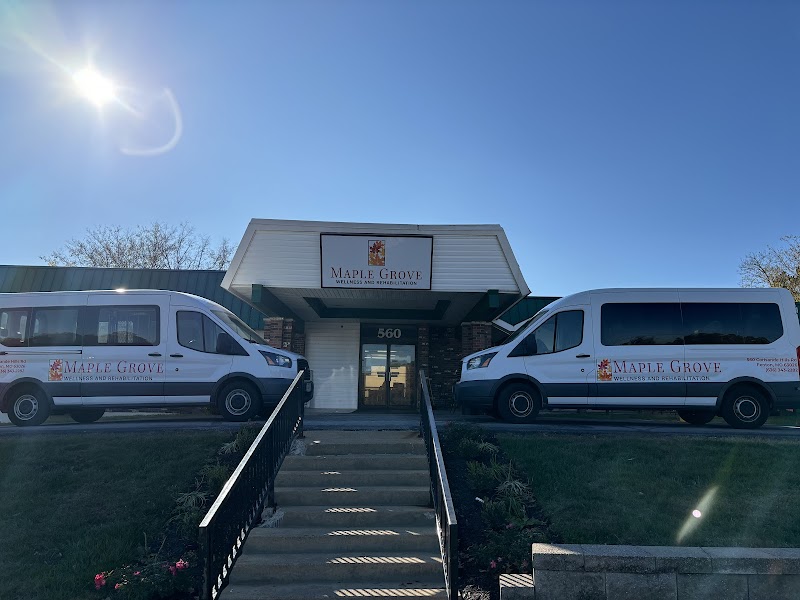
560 CORISANDE HILLS ROAD, FENTON, MO 63026 (636) 343-2282
For profit - Limited Liability company 144 Beds Independent Data: November 2025
Trust Grade
33/100
#418 of 479 in MO
Last Inspection: May 2024

Within standard 12-15 month inspection cycle. Federal law requires annual inspections.

Overview

Maple Grove Wellness & Rehabilitation has received a Trust Grade of F, indicating significant concerns about the facility's care and operations. Ranked #418 out of 479 in Missouri and last in Jefferson County, it is in the bottom half of available options, suggesting limited local alternatives. Although the facility's trend is improving-dropping issues from 22 in 2024 to 3 in 2025-there are still serious weaknesses. Staffing is a concern with only 1 out of 5 stars, and while the turnover rate is low at 0%, the facility has less RN coverage than 95% of Missouri facilities, which could impact resident care. Specific incidents include a failure to properly manage food safety, such as not ensuring personal refrigerators maintained safe temperatures and not discarding expired food, and a lack of a Quality Assurance and Performance Improvement Plan, which is crucial for maintaining care standards. Despite some positive notes, such as low turnover, families should carefully weigh these issues when considering this facility.

Trust Score
F
33/100
In Missouri
#418/479
Bottom 13%
Safety Record
Moderate
Needs review
Inspections
Getting Better
22 → 3 violations
Staff Stability
○ Average
Turnover data not reported for this facility.
Penalties
✓ Good
$16,369 in fines. Lower than most Missouri facilities. Relatively clean record.
Skilled Nurses
⚠ Watch
Each resident gets only 9 minutes of Registered Nurse (RN) attention daily — below average for Missouri. Fewer RN minutes means fewer trained eyes watching for problems.
Violations
⚠ Watch
44 deficiencies on record. Higher than average. Multiple issues found across inspections.
★☆☆☆☆
1.0
Overall Rating
★☆☆☆☆
1.0
Staff Levels
★★☆☆☆
2.0
Care Quality
★★☆☆☆
2.0
Inspection Score
Stable
2024: 22 issues
2025: 3 issues

The Good

  • Full Sprinkler Coverage · Fire safety systems throughout facility
  • No fines on record

Facility shows strength in fire safety.

The Bad

1-Star Overall Rating

Below Missouri average (2.5)

Significant quality concerns identified by CMS

Federal Fines: $16,369

Below median ($33,413)

Minor penalties assessed

The Ugly 44 deficiencies on record

1 actual harm
Jun 2025 2 deficiencies 1 Harm
SERIOUS (G) 📢 Someone Reported This

A family member, employee, or ombudsman was alarmed enough to file a formal complaint

Actual Harm - a resident was hurt due to facility failures

Deficiency F0760 (Tag F0760)

A resident was harmed · This affected 1 resident

**NOTE- TERMS IN BRACKETS HAVE BEEN EDITED TO PROTECT CONFIDENTIALITY** Based on interview and record review the facility failed to prevent a significant medication error for one resident (Resident #1...

Read full inspector narrative →
**NOTE- TERMS IN BRACKETS HAVE BEEN EDITED TO PROTECT CONFIDENTIALITY** Based on interview and record review the facility failed to prevent a significant medication error for one resident (Resident #1) of 20 sampled residents. The facility census was 81. 1. Review of the facility's undated Medication Administration policy showed: - No medication will be used for any resident other than the resident for whom it was prescribed; - Verify the resident identity before administering the medication; - Nursing staff will keep in mind the seven rights of medications when administering medications which include, right medication, right amount, the right resident, the right time, the right route, the right indication, and right outcome; - Additional considerations include the resident has the right to know what the medication does and the right to refuse the medication. The rule of three for the nurse administering the medications will perform three checks, comparing the physician order, pharmacy label, and the Medication Administration Record (MAR). 2. Review of Resident #1's medical record showed: - admission to the facility on [DATE]; - Cognitively intact; - Diagnoses of Type 2 diabetes mellitus (a chronic condition where the body either doesn't produce enough insulin or can't properly use the insulin it produces, leading to high blood sugar levels) with chronic kidney disease (a condition where the kidneys are damaged and can't filter blood as well as they should) chronic pain, heart failure (a condition where the heart muscle can't pump enough blood to meet the body's needs), chronic obstructive pulmonary disease (a chronic lung condition that makes it hard to breathe), chronic respiratory failure with hypoxia (a condition where the lungs are unable to adequately oxygenate the blood), and chronic pancreatitis (a condition where the pancreas has become permanently damaged from inflammation and stops working properly). Review of the resident's [DATE] Physician Order Sheet (POS) showed: - An order on [DATE] for Narcan a(n opioid antagonist used to reverse the effects of an opioid overdose) Nasal Liquid 4 milligram (mg) /0.1 milliliter (ml) (Naloxone HCl) spray, alternating nostrils every 2 minutes as needed for Norco overdose. May repeat in alternating nostril every 2-3 minutes until responsive; - An order dated [DATE] for OxyCONTIN (opioid analgesic used to relieve moderate to severe pain) oral tablet extended release 12 hour. Give 20 mg by mouth two times a day for pain. - No orders for lorazepam (is used to treat anxiety disorders) oral intensol concentrate (a medication used for anxiety and restlessness) 2 mg/ml; - No order for morphine sulfate( a powerful opioid analgesic used to treat severe pain when other pain medications are ineffective or cannot be tolerated) concentrate oral solution 100 mg/5ml administer 0.25 mg. Review of the resident's Progress Notes showed: - On [DATE] at 11:17 A.M., the resident was given the wrong medication. The nurse on duty mistakenly gave Resident #1 another resident's morphine sulphate 0.25mg. At the time of administration, the resident also received his/her 20 mg dose of oxycodone at 5:00 A.M. The resident complained of nausea within minutes of administration. The wound nurse was asked by the Director of Nursing (DON) to monitor the resident's vital signs every 10- 15 minutes The first set of vitals showed a blood pressure (BP) of 120/57 with an oxygen level of 95% on 2 liters of oxygen. The second set of vitals signs were blood pressure (BP) of 88/40. The wound nurse administered Narcan to the resident at 10:13 A.M. Ten minutes later, the resident's BP was 155/99, and the heart rate went up to 104. The resident complained of shortness of breath, appeared flushed, and mentation was declining. Emergency Medical Services (EMS) was called at 10:22 A.M. The responsible party and the primary care physician (PCP) were made aware; - On [DATE] at 7:35 P.M., the resident returned to the facility from the hospital via EMS on a stretcher. The resident was alert and oriented x 4 and on continuous oxygen. The PCP and DON were notified via phone regarding the resident's return. 3. Record review of Resident #2 medical record showed; - admitted to facility on [DATE]; - Impaired cognition; - Diagnoses of dementia, arteriosclerotic heart disease (a type of vascular disease where the blood vessels carrying oxygen away from the heart (arteries) become damaged ). Record review of the [DATE] POS, showed: - An order for Lorazepam Oral Intensol concentrate ( a medication used for anxiety and restlessness) 2 milligram (mg) per milliliter (ml); - An order for Morphine Sulfate Concentrate oral solution 100 mg/5ml, administer 0.25 mg. During an interview on [DATE] at 12:10 P.M., Resident #1 said on [DATE], an unknown nurse walked into his/her room and squirted two syringes in his/her mouth then walked out. He/She did not recognize the nurse, nor did the nurse say anything to the resident at all, just squirted the liquid in his/her mouth and left. He/She knew immediately that was not his/her medications because he/she didn't take liquid medications. The resident asked an unknown nurse aide to find out what the unknown nurse had squirted in his/her mouth. Licensed Practical Nurse (LPN) D came to his/her room and asked what happened. The resident told LPN D the unknown nurse walked into his/her room and squirted two liquids in his/her mouth. At that point, he/she started to feel sick, nauseous, and hot. LPN D stayed with the resident. He/She got really sick quickly and was told that LPN D had to give him/her Narcan to revive him/her. The resident said the unknown nurse did not ask his/her name or explain what the nurse did. He/She didn't want that other nurse back in his/her room ever again. During an interview on [DATE] at 9:00 A.M., LPN A said on [DATE], he/she had been late for work and was running behind on the medication pass. LPN A looked in the medication book, read the name of the resident, withdrew liquid medications of morphine and lorazepam as ordered into two separate syringes, entered the resident room, called out Resident #2's name. Resident #1 aroused when the name was called. LPN A said she went to Resident #1's bed side and administered both syringes of the lorazepam and morphine and walked out of the room. Later that morning, LPN D asked who he/she had administered the liquid morphine and lorazepam to. LPN A said he/she knew immediately he/she had made a mistake and admitted to giving Resident #1 another resident's medication. LPN A said Resident #1 reacted when he/she called the name for whom the medications were prescribed. He/she did not confirm the resident's name with the resident prior to administering the medications. He/She did not explain to Resident #1 who he/she was or the medications prior to administering the medications. LPN A did not follow up with the resident after administering the medications. LPN A went back to Resident #1's room but the resident told her to get out and stay away. LPN A informed the DON of what had happened and finished his/her shift as normal and stayed away from Resident #1. LPN A had been trained to follow the medication administration rights, but he/she was just in a hurry. During an interview on [DATE] at 1:05 P.M., the DON said on [DATE], LPN A informed her of the medication error when he/she administered another resident's lorazepam and morphine medications to Resident #1. She immediately instructed LPN D to monitor Resident #1 closely and to take his/her vital signs every 10 minutes. When Resident #1's baseline vital signs began to change and he/she began complaining of nausea and not feeling right, she instructed LPN D to administer Narcan while LPN A called 911 to get the resident to the emergency room immediately. This was a significant medication error and LPN A was counseled on the five rights to administering medications (common nursing practice for drug administration including the right resident, right drug, right time, right dose and right route). She allowed the nurse to continue to work the hall and administer medications due to having no coverage for the rest of the day. The next day she terminated the LPN A. During an interview on [DATE] at 3:10 P.M., LPN D said on [DATE], LPN A informed him/her that he/she gave Resident #1 another resident's medications by mistake. He/She immediately went to Resident #1's room and asked the resident what had happened. Resident #1 said LPN A walked into the room and squirted medicine in his/her mouth without asking or saying anything. LPN D began to monitor the resident's vital signs. Resident #1's baseline began to change and his/her respirations decreased. LPN D administered Narcan and sent the resident to the emergency room. After the resident had been transferred to the hospital, LPN D asked LPN A how such a mistake had been made and was told he/she did not verify who the resident was prior to administering the medications. Complaint #MO256151, MO256146, MO256153
CONCERN (E) 📢 Someone Reported This

A family member, employee, or ombudsman was alarmed enough to file a formal complaint

Potential for Harm - no one hurt, but risky conditions existed

Quality of Care (Tag F0684)

Could have caused harm · This affected multiple residents

**NOTE- TERMS IN BRACKETS HAVE BEEN EDITED TO PROTECT CONFIDENTIALITY** Based on interview and record review, the facility failed to follow physician's orders for 19 of 43 residents who reside on the ...

Read full inspector narrative →
**NOTE- TERMS IN BRACKETS HAVE BEEN EDITED TO PROTECT CONFIDENTIALITY** Based on interview and record review, the facility failed to follow physician's orders for 19 of 43 residents who reside on the 100 hall (Residents #1, #2, #3, #4, #5, #6, #7, #8, #9, #10, #11, #12, #13, #14, #15, #16, #17, #18 and #19). The facility census was 79. The facility did not provide a policy on medication administration. 1. Review of Resident #1's medical record showed: - admitted on [DATE]; - Diagnosis of Type II Diabetes Mellitus (a chronic condition where the body either doesn't produce enough insulin or can't properly use the insulin it produces, leading to high blood sugar levels) and Hypothyroidism (when your thyroid gland doesn't make and release enough hormone into your bloodstream). Review of the resident's physician's order sheet (POS) dated June 2025 showed: - An order for Humalog (rapid-acting insulin used to manage blood sugar levels in people with type 1 and type 2 diabetes) Kwikpen 100 unit injection per sliding scale; - An order for Levothyroxine (used to treat hypthyroidism) 75 micrograms (mcg) in the morning prior to meal. Review of the Nurse's Medication Audit ((NMA) the medication administration record for the night shift 7-7 only used by the facility) dated June 2025 showed: - No insulin administered at bedtime on 06/14/25; - No Levothyroxine was administered in the morning of 06/15/25. 2. Review of Resident #2's medical record showed: - admitted on [DATE]; - The resident is on Hospice; - Diagnoses of Coronary Heart Disease (damage or disease to the heart ' s major blood vessels). Review of the resident's POS dated June 2025, showed: - An order for Lorazepam (a drug used to treat anxiety) Intensol Oral Concentrate 2 milligram/milliliter (mg/ml) 0.5 ml every 8 hours for anxiety and restlessness. Review of the NMA dated June 2025, showed: - Lorazepam .05 ml ordered for 11:00 P.M. not administered 06/14/25. 3. Review of Resident #3's medical record showed: - admitted on [DATE]; - Diagnosis of Type II Diabetes Mellitus with Hyperglycemia Review of the resident's POS dated June 2025 showed: - An order for blood sugar check at bedtime; - An order for Glargine Solution 100 unit (insulin used to treat diabetes mellitus) 15 units injected in the morning. Review of the NMA dated June 2025 showed: - No blood sugar check at bedtime 06/14/25; - No insulin administered in the morning 06/15/25. 4. Review of Resident #4's medical record showed: - admitted on [DATE]; - Diagnosis of Type II Diabetes Mellitus. Review of the resident's POS dated June 2025 showed: - An order for a blood sugar check at bedtime; - An order for Glargine Solution 100 unit, 15 units injected in the morning. Review of the NMA dated June 2025 showed: - No blood sugar check at bedtime 06/14/25; - No insulin administered in the morning 06/15/25. 5. Review of Resident #5's medical record showed: - admitted on [DATE]; - Diagnosis of Type II Diabetes Mellitus. Review of the resident's POS dated June 2025 showed: - An order for Humalog Kwik pen insulin, 100 unit, inject per sliding scale in the morning. Review of the NMA dated June 2025 showed: - No insulin administered in the morning 06/15/25. 6. Review of Resident #6's medical record showed: - admitted on [DATE]; - Diagnosis of Type II Diabetes Mellitus. Review of the resident's POS dated June 2025 showed: - An ordered blood sugar check at bedtime; - An ordered blood sugar check in the morning; - An order for Novolog (insulin) Flex pen 100 unit, inject per sliding scale in the morning. Review of the NMA dated June 2025 showed: - No blood sugar check at bedtime 06/14/25; - No blood sugar check in the morning 06/15/25; - No insulin administered in the morning 06/15/25. 7. Review of Resident #7's medical record showed: - admitted on [DATE]; - Diagnosis of Hypothyroidism. Review of the resident's POS dated June 2025 showed: - An order for Levothyroxine 25 mcg given in the morning prior to meals. Review of the NMA dated June 2025 showed: - No Levothyroxine administered in the morning 06/15/25. 8. Review of Resident #8's medical record showed: - admitted on [DATE]; - Diagnoses of pneumonia and Type II Diabetes. Review of the resident's POS dated June 2025 showed: - An ordered blood sugar check at bedtime; - An order for Bactrim (a antibiotic medication used to treat infections) 60 mg. TIME FOR ADMINISTRATION Review of the NMA dated June 2025 showed: - No blood sugar check at bedtime 06/14/25; - No antibiotic administered 06/14/25. 9. Review of Resident #9's medical record showed: - admitted on [DATE]; - Diagnosis of Type II Diabetes Mellitus and Hypothyroidism. Review of the resident's POS dated June 2025 showed: - An ordered blood sugar check at bedtime; - An order for Levothyroxine 150 mcg in the morning prior to meal. Review of the NMA dated June 2025 showed: - No blood sugar check at bedtime 06/14/25; - No Levothyroxine administered in the morning 06/15/25. 10. Review of Resident #10's medical record showed: - admitted on [DATE]; - Diagnosis of Hypothyroidism. Review of the resident's POS dated June 2025 showed: - An order for Levothyroxine 150 mcg in the morning prior to meal. Review of the NMA dated June 2025 showed: - No Levothyroxine administered in the morning 06/15/25. 11. Review of Resident #11's medical record showed: - admitted on [DATE]; - Diagnosis of Hypothyroidism and Diabetes Mellitus with Hyperglycemia (too much sugar in the blood). Review of the resident's POS dated June 2025 showed: - An order for Novolog Flex pen 100 unit injection per sliding scale at bed time; - An order for Levothyroxine 150 mcg in the morning prior to meal. Review of the NMA dated June 2025 showed: - No insulin administered at bedtime 06/14/25; - No Levothyroxine administered in the morning 06/15/25. 12. Review of Resident #12' s medical record showed: - admitted on [DATE]; - Diagnosis of Hypothyroidism. Review of the resident's POS dated June 2025 showed: - An order for Levothyroxine 50 mcg in the morning prior to meal. Review of the NMA dated June 2025 showed: - No Levothyroxine was administered in the morning 06/15/25. 13. Review of Resident #13's medical record showed: - admitted on [DATE]; - Diagnosis of Hypothyroidism. Review of the resident's POS dated June 2025 showed: - An order for Levothyroxine 100 mcg in the morning prior to meal. Review of the NMA dated June 2025 showed: - No Levothyroxine was administered in the morning 06/15/25. 14. Review of Resident #14's medical record showed: - admitted on [DATE]; - Type II Diabetes Mellitus. Review of the resident's POS dated June 2025 showed: - An order for Glargine Solostar 100 unit inject 50 units at bed time; Review of the NMA dated June 2025 showed: - No insulin administered at bedtime 06/14/25. 15. Review of Resident #15's medical record showed: - admitted on [DATE]; - Diagnoses of Type II Diabetes Mellitus and Chronic Obstructive Pulmonary Disease (COPD - a group of lung diseases that block airflow making it difficult to breathe). Review of the resident's POS dated June 2025 showed: - An order for Albuterol inhalation solution 0.5 - 2.5 (a drug used to treat COPD): - An order for Tresiba Flex Touch Insulin 100 unit inject 10 units in the morning. Review of the NMA dated June 2025 showed: - The no inhalation treatment at bedtime 06/14/25; - No insulin administered in the morning 06/15/25. 16. Review of Resident #16's medical record showed: - admitted on [DATE]; - Diagnoses of Type II Diabetes Mellitus. Review of the resident's POS dated June 2025 showed: - An order for blood sugar check in the morning: - An order for blood sugar check at bedtime; - Novolog Flex pen 100 unit inject 6 units in the morning; - Lantus Solostar 100 unit Inject 18 units in the morning. Review of the NMA dated June 2025 showed: - No blood sugar checks in the morning 06/15/25; - No blood sugar checks at bedtime 06/14/25; - No insulin administered in the morning 06/15/25. 17. Review of Resident #17' s medical record showed: - admitted on [DATE]; - Diagnosis of Hypothyroidism. Review of the resident's POS dated June 2025 showed: - An order for Levothyroxine 25 mcg in the morning prior to meal. Review of the NMA dated June 2025 showed: - No Levothyroxine was administered in the morning 06/15/25. 18. Review of Resident #18's medical record showed: - admitted on [DATE]; - Diagnoses of Type II Diabetes Mellitus. Review of the resident's POS dated June 2025 showed: - Glargine Solution 100 unit inject 10 units at bedtime; - Aspart Flexpen100 unit Inject per sliding scale in the morning. Review of the NMA dated June 2025 showed: - No insulin administered at bedtime 06/14/25; - No insulin administered in the morning 06/15/25. 19. Review of Resident #19's medical record showed: - admitted on [DATE]; - A diagnosis of Muscular Dystrophy (a group of diseases that cause muscle weakness and loss resulting in muscle pain). Review of the resident's POS dated June 2025 showed: - An order for OxyCodone (a medication used to treat pain) 10-325 mg every 6 hours as needed. Review of the NMA dated June 2025 showed: - No pain medication administered on the night shift 06/14/25. During an interview on 06/24/25 at 1:10 P.M., the Director of Nurses (DON) said on 6/14/25, there was a nurse assigned to each the 100 and 200 hallways for the 7:00 P.M. to 7:00 A.M. shift on 6/14/25 to 6/15/25. The 200 hallway nurse had to leave early. The 100 hallway nurse, Licensed Practical Nurse (LPN) B said there needed to be another nurse for the 100 hallway and that he/she would not work the 100 hallway. The DON said she called and requested an agency nurse be sent to assist and provide medications and care to the 100 hallway. She was told by the agency, an agency nurse would be in the building by 11:00 P.M. She gave the keys to LPN B and left. She said she was not aware the agency nurse did not come until morning. The DON said the next morning, on her way to work, she saw she had received a text at 2:00 A.M. from a staff member saying LPN B would not work the 100 hallway and the agency nurse had not arrived to work the night shift. The DON said on 06/15/25, LPN B came to the office and told her he/she had refused to work the 100 hallway and that no medications or blood sugars were given to any resident on the 100 hallway. LPN B resigned and left the building. During an interview on 06/26/25 at 1:50 P.M., LPN B said there are always two nurses in the facility on the night shift. The DON had said the 100 hallway nurse left early and an agency staff would be coming in to work the 100 hallway. LPN B said he/she told the DON they were not comfortable working on the 100 hallway and 200 hallway as he/she had only been there three days. LPN B said there was a Certified Nurse Aide (CNA) name unknown that kept calling the DON and telling her that the other nurse had not arrived. The DON did not offer to come in. LPN B said he/she had expressed to the DON before the DON left, that he/she would not work both hallways. LPN B said the DON tried to hand her the keys for the 100 hallway and he/she had refused to take them. The DON left them on the nurses' station desk. LPN B said he/she did not work the 100 hallway. The DON knew this prior to leaving the facility and did not follow up after multiple attempts to contact her. During an interview on 06/30/25 at 12:10 P.M., CNA C said during the night shift on 06/14/25, LPN B told him/her that there needed to be another nurse working the 100 hallway and the DON had supposedly contacted an agency staff nurse to come in. LPN B told CNA C that he/she would not provide any medications to the 100 hallway and that he/she had told the DON that prior to her leaving the facility. CNA C said he/she informed LPN B that a resident (Resident #19) had requested pain medications. LPN B refused to give any residents medications on hallway 100. CNA C said he/she did text the DON at 2:00 A.M., but did not hear back from the DON. MO255901
Mar 2025 1 deficiency
CONCERN (D) 📢 Someone Reported This

A family member, employee, or ombudsman was alarmed enough to file a formal complaint

Potential for Harm - no one hurt, but risky conditions existed

Antibiotic Stewardship (Tag F0881)

Could have caused harm · This affected 1 resident

Based on interview and record review, the facility staff failed to ensure proper antibiotic stewardship for one resident (Resident #1) of eight sampled residents when the facility failed to notify the...

Read full inspector narrative →
Based on interview and record review, the facility staff failed to ensure proper antibiotic stewardship for one resident (Resident #1) of eight sampled residents when the facility failed to notify the resident's physician for a urinary tract infection (UTI) based on the results of the culture and sensitivity (C&S) (a laboratory test of the urine that shows what antibiotic will treat a specific organism) of the urinalysis (UA). The facility census was 78. 1. Record review of the facility revised policy dated June 2020, showed: - The Infectious Preventionist or other similarly qualified healthcare professionals, will educate nursing staff to obtain and communicate pertinent clinical information to physicians to promote appropriate diagnosis and prescribing antibiotics; 2. Record review of Resident #1's quarterly Minimum Data Set (MDS), a federally mandated assessment instrument required to be completed by the facility staff, dated 01/25/2025 showed: - admission to facility on 12/02/2011; - Diagnoses of diabetes, chronic kidney disease Stage 2 (a progressive loss of kidney function, often leading to the need for renal replacement therapy), chronic obstructive pulmonary disease (a group of lung diseases that cause ongoing inflammation and damage to the airways and lungs, leading to difficulty breathing) (COPD), hypertension )high blood pressure), adult failure to thrive (a syndrome of global decline characterized by weight loss, reduced appetite, poor nutrition, and decreased activity, often accompanied by dehydration, depression, and cognitive impairment), - Cognition intact; - Occasionally incontinent of urine; - Continent of bowel; - Requires set up assistance of staff for personal daily hygiene. Record review of the resident care plan initiated on 09/03/2024, showed: - Resident has chronic renal failure related to kidney disease (stage 2), monitor for signs and symptoms of infection, urinary tract infection. Record review of Resident #1's progress notes, showed: - On 01/29/2025 at 16:45 P.M. resident complaining of burning while urinating, staff placed a urinary hat over the toilet in his/her bathroom. Certified assistants have been alerted a urine sample is needed; - On 01/29/2025 at 7:53 P.M., urine specimen was collected this shift, urine placed in two vials and placed in a clear bag and put in specimen refrigerator, awaiting lab to pick up specimen; - On 01/30/2025 at 7:12 A.M., observed edema to both lower extremities (BLE), redness and weeping blisters. Resident said his/her legs started hurting yesterday with stabbing pain in BLE. The physician was contacted. Received new orders for Bactrim DS (an antibiotic) twice daily (BID) x 10 days, update physician in 3 days of resident's condition; - Resident #1 discharged to another facility on 02/08/2025; - No notification to physician of urine specimen results. Record review of the January 2025 Physician Order Sheet (POS), showed: - An order dated 01/30/2025 for Bactrim DS 800-160 milligrams (mg), one tablet twice daily for 10 days for diagnosis of cellulitis (a common bacterial infection of the skin and underlying tissues). Record review of the lab results from Resident #1's C&S, dated 02/02/2025, showed: - Results detected Escherichia coli (a group of bacteria that usually lives in your gut without hurting you. But some strains can make you sick with watery diarrhea or a UTI); - Bacteria found to be resistant to antibiotic Bactrim DS. Review of a Physician's Visit note, dated 02/04/25 showed: - Resident #1 tolerating antibiotic for lower extremity cellulitis; - No concerns regarding the resident's genitourinary (genitals and urinary) systems; - The resident complained of occasional back pain and was prescribed lidocaine patches and a pain killer; - No documentation of review of Resident #1's 02/02/25 UA lab results. During an interview on 03/20/2025 at 4:20 P.M., the Director of Nursing (DON) said when the lab results were received the facility had an Infection Preventionist (IP) who would have been responsible to reviewing the results and notifying the resident's physician. The DON said the IP has since left employment with the facility and did not leave on good terms. The DON said he/she could not say why the IP did not follow protocol and contact the physician with Resident #1's UA results. The DON said it is the policy of the facility to report any lab results to the physician as soon as possible after receipt. The DON said she would have expected the policy to be followed. The DON said two days after the results were received Resident #1 was seen by the alternate physician. The DON did not know if the alternate physician reviewed the lab results. The DON contacted the resident's regular physician (MD). The MD said he/she was not aware of the UA results from the 02/02/25 C&S. The MD told the DON had he/she been aware, he/she would have prescribed a different antibiotic for the infection. MO251189
Jul 2024 1 deficiency
CONCERN (D) 📢 Someone Reported This

A family member, employee, or ombudsman was alarmed enough to file a formal complaint

Potential for Harm - no one hurt, but risky conditions existed

ADL Care (Tag F0677)

Could have caused harm · This affected 1 resident

**NOTE- TERMS IN BRACKETS HAVE BEEN EDITED TO PROTECT CONFIDENTIALITY** Based on observation, interview, and record review, the facility failed to provide a minimum of two showers per week for five re...

Read full inspector narrative →
**NOTE- TERMS IN BRACKETS HAVE BEEN EDITED TO PROTECT CONFIDENTIALITY** Based on observation, interview, and record review, the facility failed to provide a minimum of two showers per week for five residents (Residents #1 #2, #4, #5, and #6) out of six sampled residents. This deficient practice could potentially affect all residents. The facility's census was 92. Review of the facility policy titled, Showering a Resident, undated, showed a shower/bath is given to the residents to provide cleanliness, comfort and to prevent body odors. Residents are offered a shower at a minimum of once weekly and given per resident request. Review of the facility policy titled, Bed Baths, undated, showed a bed bath is given to residents to promote cleanliness and comfort and to stimulate circulation. Residents are given bed baths as scheduled. Review of the facility's Resident Council Meeting Minutes, dated, 06/26/24, showed resident complaints of showers were still not getting done twice a week. 1. Review of Resident #1's medical record showed: - Diagnoses of supra ventricular tachycardia (SVT- an irregular rapid heartbeat), respiratory failure (lungs cannot get enough oxygen in the blood), depression (mood disorder), anxiety (feelings of fear, dread, uneasiness), poor urinary stream, and nicotine dependence; - Shower resident as needed (PRN); - No documentation of scheduled shower days each week. Review of the resident's quarterly Minimum Data Set (MDS - a federally mandated assessment to be completed by the facility), dated 05/10/24, showed: - Cognitive status intact; - Staff did more than half the effort for dressing, personal hygiene, and bathing. Review of the resident's shower sheets, dated 06/12/24 - 07/17/24, showed: -For June 2024, the resident received showers on 06/19/24, and 06/26/24, with two out of four opportunities missed; -For July 2024, the resident received showers on 07/03/24, and 07/10/24, with three out of five opportunities missed. Observation on 07/18/24 at 11:30 A.M. showed the resident lay in bed with a body odor of sweat and unkempt hair. During an interview on 07/18/24 at 11:30 A.M., Resident #1 said he/she got a shower once or twice a month, not at least twice a week like he/she should, and that's when they changed his/her bed linens also. He/She needed assistance from staff for showering. 2. Review of Resident #2's medical record showed: - Diagnoses of gastrostomy malfunction (difficulty with tube inserted into the stomach for nutritional feeding), protein calorie malnutrition (inadequate intake of protein, calories), convulsions (seizures), chronic obstructive pulmonary disease (COPD - damaged airways or other parts of the lungs blocking airflow), and exocrine pancreatic insufficiency (an inability to properly digest foods due to lack of/reduction of digestive enzymes made by pancreas); - Shower resident PRN; - No documentation of scheduled shower days each week. Review of the resident's annual MDS, dated [DATE], showed: - Cognitive status severely impaired; - Partial to moderate assistance of one staff for dressing, personal hygiene, and bathing. Review of the resident's shower sheets, dated 06/12/24 - 07/18/24, showed: -For June 2024, the resident received a shower on 06/28/24, with four out of five opportunities missed; -For July 2024, the resident received a shower on 07/12/24, with four out of five opportunities missed. Observation on 07/18/24 at 10:15 A.M. showed the resident sat up in bed and worked with occupational therapy. The resident had greasy, unkempt hair and dirty sheets on the bed. During an interview on 07/18/24 at 10:20 A.M., Resident #2 said he/she did not get showers at least twice a week like he/she was supposed to. He/She wiped himself/herself off because staff say they will give him/her a shower but they never do. He/She needed assistance from staff for showering. 3. Review of Resident #4's medical record showed: - Diagnoses of high blood pressure, diabetes (a condition that affects the way the body processes blood sugar), hemiplegia (muscle weakness or partial paralysis on one side), pneumonia, stroke, and renal failure requiring dialysis; - Shower resident PRN; - No documentation of scheduled shower days each week. Review of the resident's quarterly MDS, dated [DATE], showed: - Cognitive status moderately impaired; - Dependent on staff for dressing; - Substantial/maximal on staff for personal hygiene; - Dependent on staff for bathing. Review of the resident's shower sheets, dated 06/12/24 - 07/18/24, showed: - For June 2024, the resident received a shower on 06/13/24, with four out of five opportunities missed; - For July 2024, the resident received a shower on 07/02/24, with four out of five opportunities missed. Observation on 07/18/24 at 12:00 P.M. showed the resident sat at the dining room table and waited for lunch with other residents. He/She had a musky body odor and greasy hair. During an interview on 07/18/24 at 12:00 P.M., Resident #4 said he/she did not get a shower at least twice a week as per his/her preference. He/She got one shower every two to three weeks. He/She had asked staff to shower him/her but they won't come back like they say or give him/her excuses as to why they can't. He/She needed assistance from staff for showering. 4. Review of Resident #5's medical record showed: - Diagnoses of COPD, cirrhosis (chronic liver damage), Hepatitis C (viral liver infection), depression, and fusion of the cervical spine; - Shower resident PRN; - No documentation of scheduled shower days each week. Review of the resident's quarterly MDS, dated [DATE], showed: - Cognitive status intact; - Set up/clean up assistance from staff for dressing and personal hygiene; - Substantial/maximal assistance from staff for bathing. Review of the resident's shower sheets, dated 06/12/24 - 07/18/24, showed: - For June 2024, the resident received a shower on 06/10/24, with four out of five opportunities missed; - For July 2024, the resident received showers on 07/10/24, and 7/15/24, with three out of five opportunities missed. Observation on 07/18/24 at 12:00 P.M. showed the resident sat at the dining room table and waited for lunch with other residents. He/She had a musky body odor and greasy hair. During an interview on 07/18/24, at 12:01 P.M., Resident #5 said he/she was lucky if he/she got one shower every week instead of at least twice a week. He/She needed assistance from staff for showering. 5. Review of Resident #6's medical record showed: - Diagnoses of respiratory failure, stroke, obesity, COPD, depression, hemiplegia, high blood pressure, and heart failure; - Shower resident PRN; - No documentation of scheduled shower days each week. Review of the resident's annual MDS, dated [DATE], showed: - Cognitive status intact; - Supervision/touching of one staff for dressing; - Supervision for personal hygiene; - Partial to moderate assistance of one staff for bathing. Review of the resident's shower sheets, dated 06/12/24 - 07/18/24, showed: - For June 2024, the resident did not receive a shower with five out of five opportunities missed; - For July 2024, the resident received showers on 07/8/24, and 07/12/24, with three out of five opportunities missed. Observation on 07/18/24 at 12:30 P.M. showed the resident lay in bed with his/her eyes closed with his/her hair greasy and unkempt. During an interview on 07/18/24 at 12:15 P.M., Resident #7, who was also a family member and shared the room with Resident #6, said he/she needed assistance from staff for showering, did not get showered at least twice a week, and smelled bad. Resident #7 received showers due to he/she was independent with them and didn't have to rely on staff. During an interview on 07/18/24 at 4:00 P.M., the Administrator said she would expect showers to be given at least twice a week and refusals to be documented. Cmp #MO00238847
May 2024 21 deficiencies
CONCERN (D)

Potential for Harm - no one hurt, but risky conditions existed

Deficiency F0577 (Tag F0577)

Could have caused harm · This affected 1 resident

Based on interview and record review, the facility failed to notify residents of the availability and location of the most recent survey results in an accessible location to residents. This deficient ...

Read full inspector narrative →
Based on interview and record review, the facility failed to notify residents of the availability and location of the most recent survey results in an accessible location to residents. This deficient practice had the potential to affect all residents and visitors. The facility's census was 92. The facility did not provide a policy. During a resident council meeting on 05/02/24 at 2:58 P.M., Resident #6, #26, #47, #57, #79 and #87 collectively said they were not aware of a binder that had survey results or the placement of it. During an interview on 05/01/24 at 3:30 P.M., the Administrator said they had been unable to find the survey results, among other things, since the administration change. During an interview on 05/07/24 at 5:09 P.M., the Administrator said there had been a new survey binder created and it was placed on the front table.
CONCERN (D)

Potential for Harm - no one hurt, but risky conditions existed

Deficiency F0578 (Tag F0578)

Could have caused harm · This affected 1 resident

**NOTE- TERMS IN BRACKETS HAVE BEEN EDITED TO PROTECT CONFIDENTIALITY** Based on interview and record review, the facility failed to consistently document a code status for one resident (Resident #56)...

Read full inspector narrative →
**NOTE- TERMS IN BRACKETS HAVE BEEN EDITED TO PROTECT CONFIDENTIALITY** Based on interview and record review, the facility failed to consistently document a code status for one resident (Resident #56) out of 19 sampled residents and one resident (Resident #6) outside the sample. The facility's census was 92. Review of the facility's Advanced Directives policy, revised [DATE], showed: - Prior to or upon admission of a resident, the social services director (SSD) or designee will inquire about the existence of written advance directive; - The resident or representative will be provided written information concerning the right to refuse or accept medical or surgical treatment and to formulate an advance directive if chosen to do so; - The resident or representative is given the option to accept or decline assistance; - Nursing staff will document, in the medical record, the offer to assist and the resident's decision to accept or decline assistance; - Information about whether or not the resident executed an advance directive will be displayed prominently in the medical record that is retrievable by any staff; - If the resident or resident's representative has executed one or more advance directive(s), or executes one upon admission, copies of these documents are obtained and maintained in the same section of the resident's medical record and are readily retrievable by any facility staff; - The director of nursing services or designee notifies the attending physician of advance directives (or changes in advance directives) so that appropriate orders can be documented in the resident's medical record and plan of care; - The resident's wishes are communicated to the resident's direct care staff and physician by placing the advance directive documents in a prominent, accessible location in the medical record and discussing the resident's wishes in care planning meetings; - The plan of care is consistent with his or her documented treatment preferences and/or advance directive; - The interdisciplinary team will be informed of changes and/or revocations so that appropriate changes can be made in the resident record and care plan. 1. Review of Resident #6's medical record showed: - An admission date of [DATE]; - A face sheet, dated [DATE], reflecting a full code (all resuscitation measures, including cardiopulmonary resuscitation (CPR- lifesaving technique used in emergencies in which someone's breathing or heartbeat has stopped) status; - An order for Do Not Resuscitate (DNR-individual does not wish to have CPR attempted), dated [DATE]; - An Outside of Hospital Do-Not-Resuscitate (OHDNR), signed and dated [DATE]; - A second OHDNR, signed and dated [DATE]; - Care plan, revised [DATE], with full code status on the heading, and full code status, dated [DATE], listed with interventions and goals, as well as a DNR status, dated [DATE], listed with interventions and goals in the body of the care plan. During an interview on [DATE] at 2:35 P.M., Resident #6 said he/she had graduated from hospice to become a full code. 2. Review of Resident #56's medical record showed: - An admission date of [DATE]; - An order for a full code status, dated [DATE]; - Consent for DNR, dated [DATE]; - An OHDNR, signed and dated [DATE]; - Care Plan, last revised [DATE], with DNR. During an interview on [DATE] at 10:05 A.M., Certified Nurse Assistant (CNA) N said there is a list at the 100 hall nurses's station that has every resident's code status. Another way to look is on the resident's door. If it has a star beside the name, it means one thing and if there is no star then it means something else. He/She does not know if the star beside the name means full code or not. During an interview on [DATE] at 11:24 A.M., CNA O said there is a sheet at the 100 hall nurse's station with everyone's code status. A star beside resident name on resident's room, means they are a DNR and no star beside resident name on resident's door, means full code. During an interview on [DATE] at 2:30 P.M., the Director Of Nursing (DON) said the code status is found on the run sheet at the nurses station, but most accurate is to pull it up on the computer charting system. The code status is on the facesheet. During an interview on [DATE] at 5:09 P.M., the Administrator and Director of Operations said the code status should be reflected consistently throughout the resident's chart.
CONCERN (D)

Potential for Harm - no one hurt, but risky conditions existed

Safe Environment (Tag F0584)

Could have caused harm · This affected 1 resident

**NOTE- TERMS IN BRACKETS HAVE BEEN EDITED TO PROTECT CONFIDENTIALITY** Based on observation, interview, and record review, the facility failed to provide a safe, clean, comfortable, and homelike envi...

Read full inspector narrative →
**NOTE- TERMS IN BRACKETS HAVE BEEN EDITED TO PROTECT CONFIDENTIALITY** Based on observation, interview, and record review, the facility failed to provide a safe, clean, comfortable, and homelike environment. This deficient practice had the potential to affect all residents in the facility. The facility census was 92. Review of the facility's general cleaning procedure check off list, undated, showed: report all dirty curtains or cubical blinds, burnt out light bulbs, or items that are missing from the room to the housekeeping supervisor so that any maintenance issues can be given to the maintenance director for repairs in the rooms. Observations of room [ROOM NUMBER] showed: - On 04/30/24 at 12:57 P.M., the resident's oxygen concentrator had debris on the filter and on left side of the concentrator. Twenty drywall patches on the walls of the room and on the corner by the closet and by the window that were not painted over; - On 05/03/24 at 2:00 P.M., the resident's oxygen concentrator had debris on the filter and on left side of the concentrator. Twenty dry wall patches on the walls of the room and on the corner by the closet and by the window that were not painted over. Observation on 04/30/24 at 2:23 P.M. of room [ROOM NUMBER] showed the privacy curtains stained with a brown substance. Observation on 05/02/24 at 9:27 A.M. of room [ROOM NUMBER] showed the bottom drawers missing from the closet and the trim bent in. During an interview on 05/07/24 at 5:05 P.M., the Administrator and Director of Operations said they would expect curtains to be clean and free from dirt, debris, and stains. They would expect oxygen concentrators to be cleaned weekly. They would expect closets and drawers to be in working condition. They would expect the walls of resident rooms to be free from drywall patches after maintenance has had a reasonable amount of time to paint over the patches.
CONCERN (D)

Potential for Harm - no one hurt, but risky conditions existed

Transfer Requirements (Tag F0622)

Could have caused harm · This affected 1 resident

Based on interview and record review, the facility failed to provide discharge documentation that included appropriate communicated information to receiving facility such as basis for transfer, specif...

Read full inspector narrative →
Based on interview and record review, the facility failed to provide discharge documentation that included appropriate communicated information to receiving facility such as basis for transfer, specific needs that couldn't be met, facility attempts to meet needs and special instructions or precautions for on-going care, including a copy of the resident's discharge summary, to ensure a safe and effective transition of care for one resident (Resident #92) out of three sampled residents. The facility's census was 92. Review of the facility's policy, Discharge Summary and Plan, revised October 2022, showed: - When a resident's discharge is anticipated, a discharge summary and post-discharge plan is developed to assist the resident with discharge; - The discharge summary includes a recapitulation of the resident's stay at the facility and a final summary of the resident's status at the time of discharge in accordance with established regulations governing release of resident information and as permitted by the resident; - As part of the discharge summary, the nurse reconciles all pre-discharge medication with the resident's post-discharge medications. The medication reconciliation is documented; - A copy of the following is provided to the resident and receiving facility and a copy will be filed in the resident's medical records: an evaluation of the resident's discharge needs, the post-discharge plan, and the discharge summary. Review of the facility's policy, Resident Discharge, dated July 2005, showed: - If the resident is being transferred to another facility, the facility will prepare an informational transfer summary. 1. Review of Resident #92's medical record showed: - An admission date of 12/19/23 and discharged to another facility on 01/18/24; - No discharge summary or recapitulation of stay. During an interview on 05/03/24 at 2:15 P.M., the Social Services Director (SSD) said when a resident is transferred to another facility, the discharge summary would not be filled out. However, the nurses would be the ones to fill it out if so. During an interview on 05/03/24 02:25 P.M., the Administrator said the SSD would do this, but he said when a resident is transferred to another facility, they normally don't do a discharge summary/recapitulation. During an interview on 05/07/24 at 5:10 P.M., the Director of Operations said the facility will do a discharge summary/recapitulation if a resident is going home. If a resident is going to another nursing home, they just send orders and documentation. They don't do a discharge summary/recapitulation of stay when going from nursing home to nursing home.
CONCERN (D)

Potential for Harm - no one hurt, but risky conditions existed

Deficiency F0625 (Tag F0625)

Could have caused harm · This affected 1 resident

**NOTE- TERMS IN BRACKETS HAVE BEEN EDITED TO PROTECT CONFIDENTIALITY** Based on interview and record review, the facility failed to inform the resident and/or legal representative in writing of their...

Read full inspector narrative →
**NOTE- TERMS IN BRACKETS HAVE BEEN EDITED TO PROTECT CONFIDENTIALITY** Based on interview and record review, the facility failed to inform the resident and/or legal representative in writing of their bed hold policy at the time of transfer to the hospital for ten residents (Residents #2, #4, #11, #14, #52, #56, #64, #67, #85, and #444) out of 19 sampled residents. The facility's census was 92. Review of the facility's policy, Discharge Summary Form and Transfer to a Hospital with Bed Hold Form Documentation, undated, showed: - Upon obtaining a discharge order to transfer a resident to the hospital, the Transfer to Another Facility form is to be filled out explaining the reason why the resident is being transferred and explaining the bed hold policy; - After explaining to the resident why he/she is being transferred, the bed hold policy is explained and the resident is to sign the document; - If the transfer is a 911 transfer, the guardian/responsible party/next of kin is to be notified and the reason for the transfer and the bed hold policy is explained; - Completing the discharge summary and/or placing all legal documentation in the chart upon transfer of a resident is a Standard of Nursing Practice. 1. Review of Resident #2's medical record showed: - Transferred to the hospital on [DATE], and readmitted to the facility on [DATE]; - Transferred to the hospital on [DATE], and readmitted to the facility on [DATE]; - No documentation the resident or resident representative was informed in writing of the facility bed hold policy at the time of transfer. 2. Review of Resident #4's medical record showed: - Transferred to the hospital on [DATE], and readmitted to the facility on [DATE]; - Transferred to the hospital on [DATE], and readmitted to the facility on [DATE]; - No documentation the resident or resident representative was informed in writing of the facility bed hold policy at the time of transfer. 3. Review of Resident #11's medical record showed: - Transferred to the hospital on [DATE], and readmitted to the facility on [DATE]; - No documentation the resident or resident representative was informed in writing of the facility bed hold policy at the time of transfer. 4. Review of Resident #14's medical record showed: - Transferred to the hospital on [DATE], and readmitted to the facility on [DATE]; - Transferred to the hospital on [DATE], and readmitted to the facility on [DATE]; - Transferred to the hospital on [DATE], and readmitted to the facility on [DATE]; - Transferred to the hospital on [DATE], and readmitted to the facility on [DATE]; - No documentation the resident or resident representative was informed in writing of the facility bed hold policy at the time of transfer. 5. Review of Resident #52's medical record showed: - Transferred to the hospital on [DATE], and readmitted to the facility on [DATE]; - Transferred to the hospital on [DATE], and readmitted to the facility on [DATE]; - Transferred to the hospital on [DATE], and readmitted to the facility on [DATE]; - No documentation the resident or resident representative was informed in writing of the facility bed hold policy at the time of transfer. 6. Review of Resident #56's medical record showed: - Transferred to the hospital on [DATE], and readmitted to the facility on [DATE]; - No documentation the resident or resident representative was informed in writing of the facility bed hold policy at the time of transfer. 7. Review of Resident #64's medical record showed: - Transferred to the hospital on [DATE], and readmitted to the facility on [DATE]; - No documentation the resident or resident representative was informed in writing of the facility bed hold policy at the time of transfer. 8. Review of Resident #67's medical record showed: - Transferred to the hospital on 8/29/23, and readmitted to the facility on [DATE]; - Transferred to the hospital on 4/10/24, and readmitted to the facility on [DATE]; - No documentation the resident or resident representative was informed in writing of the facility bed hold policy at the time of transfer. 9. Review of Resident #85's medical record showed: - Transferred to the hospital on [DATE], and readmitted to the facility on [DATE]; - Transferred to the hospital on [DATE], and readmitted to the facility on [DATE]; - Transferred to the hospital on [DATE], and readmitted to the facility on [DATE]; - No documentation the resident or resident representative was informed in writing of the facility bed hold policy at the time of transfer. 10. Review of Resident #444's medical record showed: - Transferred to the hospital on [DATE], and readmitted to the facility on [DATE]; - No documentation the resident or resident representative was informed in writing of the facility bed hold policy at the time of transfer. During an interview on 05/02/24 at 09:35 A.M., the Social Services Director (SSD) said they do not issue a written copy of the bed hold policy to residents or their representatives for signature when residents are sent out to the hospital because it was included in the initial admission package. During an interview on 05/07/24 at 5:05 P.M., the Administrator and Director of Operations said they expect staff to inform the resident or resident representative in writing of the bed hold policy upon hospitalization.
CONCERN (D)

Potential for Harm - no one hurt, but risky conditions existed

Deficiency F0637 (Tag F0637)

Could have caused harm · This affected 1 resident

**NOTE- TERMS IN BRACKETS HAVE BEEN EDITED TO PROTECT CONFIDENTIALITY** Based on interview and record review, the facility failed to complete a significant change Minimum Data Set (MDS - a federally ...

Read full inspector narrative →
**NOTE- TERMS IN BRACKETS HAVE BEEN EDITED TO PROTECT CONFIDENTIALITY** Based on interview and record review, the facility failed to complete a significant change Minimum Data Set (MDS - a federally mandated assessment tool completed by the facility) assessment for one resident (Resident #67) out of 19 sampled residents and one resident (Resident #6) outside the sample. The facility's census was 92. Review of the facility's policy titled, MDS Completion and Submission Timeframes, revised October 2023, showed timeframes for completion and submission of assessments is based on the current requirements published in the Resident Assessment Instrument (RAI) Manual. Review of the RAI Manual, revised October 2023, showed: - The Assessment Reference Date (ARD) must be within 14 days from one of the following: 1) the effective date of the hospice election revocation (which can be the same or later than the date of the hospice election revocation statement, but not earlier than); 2) the expiration date of the certification of terminal illness; or 3) the date of the physician's or medical director's order stating the resident is no longer terminally ill; - The ARD must be less than or equal to 14 days after the IDT's determination that the criteria for an SCSA are met (determination date + 14 calendar days); - The MDS completion date (item Z0500B) must be no later than 14 days from the ARD (ARD + 14 calendar days) and no later than 14 days after the determination that the criteria for an significant change in status assessment (SCSA) were met. 1. Review of Resident #6's medical record showed: - A quarterly MDS assessment, dated 01/28/23, showed the resident received hospice (health care focused on the quality of life of a terminally ill person) services; - A discharge date of 06/06/23 from hospice services; - A quarterly MDS assessment, dated 07/29/23, showed the resident received hospice services; - The facility failed to complete a significant change MDS within 14 days after the discharge of the resident's hospice services. 2. Review of Resident #67's medical record showed: - A significant change MDS, dated [DATE], showed the resident no longer received hospice services; - A discharge date of 04/12/24 from hospice services; - The facility failed to complete a significant change MDS within 14 days after the discharge of the resident's hospice services. During an interview on 05/08/24 at 5:05 P.M., the Administrator and Director of Operations said they would expect the MDS to be updated and completed within the required time frames and accurately reflect the resident's current status. During an interview on 05/17/24 at 3:56 P.M., the MDS Coordinator said she would expect a significant change MDS to be completed with each hospice admission and discharge. The MDS assessments should reflect the current condition of the resident and be completed per the RAI Manual.
CONCERN (D)

Potential for Harm - no one hurt, but risky conditions existed

Assessment Accuracy (Tag F0641)

Could have caused harm · This affected 1 resident

Based on interview and record review, the facility failed to document an accurate Minimum Data Set (MDS - a federally mandated assessment completed by facility staff) for four residents (Resident #2, ...

Read full inspector narrative →
Based on interview and record review, the facility failed to document an accurate Minimum Data Set (MDS - a federally mandated assessment completed by facility staff) for four residents (Resident #2, #9, #64, and #69) out of 19 sampled residents and one resident (Resident #6) outside the sample. The facility census was 92. Review of the facility's policy titled, MDS Completion and Submission Timeframes, revised October 2023, showed timeframes for completion and submission of assessments is based on the current requirements published in the Resident Assessment Instrument (RAI) Manual. 1. Review of Resident #2's medical record showed: - An admission date of 07/16/15; - Diagnoses of cerebral palsy (a disorder of movement, muscle tone, or posture), schizophrenia (a disorder that affects a person's ability to think, feel, and behave clearly), and diabetes mellitus (a group of diseases that result in too much sugar in the blood); - An order for pioglitazone (a non-insulin diabetes medication), 15 milligrams (mg) daily, dated 08/04/23; - No order for insulin; - A quarterly MDS assessment, dated 02/21/24, with Section N checked for receiving insulin seven days out of the seven day look back period. 2. Review of Resident #6's medical record showed: - An admission date of 10/16/12; - Diagnoses of anemia (low blood levels of iron) , macular degeneration (an eye disease that causes vision loss) , acute angle glaucoma (an eye disease that causes vision loss) , hypertension (high blood pressure), bipolar (a mental disorder that causes unusual shifts in mood), chronic obstructive pulmonary disease (COPD - a chronic inflammatory lung disease that causes obstructed airflow from the lungs), other recurrent depressive disorders, gastroesophageal reflux disease (GERD - stomach acid being forced back into the throat region), anxiety (intense, excessive, and persistent worry and fear about everyday situations), and vascular dementia (a disorder marked by memory loss, personality changes, and impaired reasoning that interferes with daily functioning); - No diagnosis of Parkinson's disease; - An annual MDS assessment, dated 04/18/24 with GERD, macular degeneration, and glaucoma not marked under section I. Parkinson's disease marked under section I. - Discharge from hospice services on 06/06/23; - A quarterly MDS assessment, dated 07/29/23, with J1400 (Does the resident have a condition or chronic disease that may result in a life expectancy of less than six months?) checked yes. 3. Review of Resident #9's medical record showed: - An admission date of 01/31/12; - Diagnoses of major depressive disorder (persistently depressed mood or loss of interest in activities, causing significant impairment in daily life), anxiety, COPD and rheumatoid arthritis (a chronic inflammation disorder usually affecting small joints in hands and feet); - No diagnosis of post traumatic stress disorder (PTSD-a disorder in which a person has difficulty recovering after experiencing or witnessing a terrifying event); - A quarterly MDS assessment, dated 02/26/24 with section I checked for diagnoses of anxiety, depression and PTSD. During an interview on 05/03/24 at 12:20 P.M., the Social Services Director (SSD) said Resident #9 did not have a PTSD diagnosis. 4. Review of Resident #64's medical record showed: - An admission date of 11/23/21; - Diagnoses of dementia, aphasia (loss of ability to understand or express speech caused by brain damage), cerebral infarction (stroke, damage to the brain from interrupted blood supply), anxiety, major depressive disorder, cardiac arrhythmia's (abnormal heart beat), cardiac murmur (heart not pumping efficiently), acute respiratory disease, hypertension, dysphagia (difficulty swallowing), GERD, diabetes mellitus, hyperlipidemia (high blood level of cholesterol), and epileptic seizures (a burst of uncontrolled electrical activity between brain cells that causes temporary abnormalities in muscle tone or movements like stiffness, twitching or limpness, behaviors, sensations, or states of awareness); - A quarterly MDS assessment, dated 02/27/24, with cardiac dysrhythmias, GERD, dementia, and anxiety not marked under section I. 5. Review of Resident #69's medical record showed: - An admission date of 04/18/22; - Diagnoses of pneumonia, unspecified mood disorder, moderate protein-calorie malnutrition, major depressive disorder, Vitamin B-12 deficiency anemia, anxiety, unspecified convulsions, diastolic (congestive) heart failure, and pain; - An annual MDS assessment, dated 03/04/24, with heart failure, pneumonia, and Vitamin B-12 deficiency anemia not marked under section I. During an interview on 05/07/24 at 5:10 P.M., the Administrator and Director of Operations said they would expect the MDS assessments to accurately reflect the resident's condition. During an interview on 05/17/24 at 3:56 P.M., the MDS Coordinator said she would expect all active diagnoses to be reflected in Section I, and a non-insulin diabetes medication should not be coded as insulin. The MDS assessments should reflect the current condition of the resident and be completed per the RAI Manual.
CONCERN (D)

Potential for Harm - no one hurt, but risky conditions existed

Deficiency F0657 (Tag F0657)

Could have caused harm · This affected 1 resident

Based on interview and record review, the facility failed to update and revise care plans with specific interventions to meet individual needs for two residents (Resident #67 and #444) out of 19 sampl...

Read full inspector narrative →
Based on interview and record review, the facility failed to update and revise care plans with specific interventions to meet individual needs for two residents (Resident #67 and #444) out of 19 sampled residents. The facility census was 92. Review of the facility's policy, Care Plans, Comprehensive Person-Centered revised March 2022, showed: - The interdisciplinary team (IDT), in conjunction with the resident and his/her family or legal representative, develops and implements a comprehensive, person-centered care plan for each resident; - The comprehensive, person-centered care plan is developed within seven (7) days of the completion of the required MDS assessment (Admission, Annual or Significant Change in Status), and no more than 21 days after admission; - The care plan interventions are derived from a thorough analysis of the information gathered as part of the comprehensive assessment. - The comprehensive, person-centered care plan: includes measurable objectives and timeframes; describes the services that are to be furnished to attain or maintain the resident's highest practicable physical, mental, and psychosocial well-being, including services that would otherwise be provided for the above, but are not provided due to the resident exercising his or her rights, including the right to refuse treatment; any specialized services to be provided as a result of PASARR recommendations; and which professional services are responsible for each element of care; includes the resident's stated goals upon admission and desired outcomes; builds on the resident's strengths; and reflects currently recognized standards of practice for problem areas and conditions. 1. Review of Resident #67's medical record showed: - An admission date of 10/08/23; - Diagnoses of chronic kidney disease, stage 4 (long standing disease of the kidneys leading to renal failure), cellulitis (a bacterial infection of the skin) of the buttock, gastroesophageal reflux disease (GERD - stomach acid being forced back into the throat region), insomnia (difficulty sleeping), and heart failure (condition where the heart does not pump blood like it should); - Orders for meropenem (an antibiotic) reconstituted solution, 500 milligrams (mg), give 1000 mg; intravenous every 12 hours (9:00 A.M. and 9:00 P.M.), dated 04/18/24; - Normal saline flush (sodium chloride 0.9 % flush) syringe, give 10 milliliter (mL) injection every day and night shift, dated 04/18/24; - PICC (peripherally inserted central catheter - a long, thin tube inserted through a vein and used to give medications) dressing change weekly on Sunday, dated 04/18/24. Review of the resident's care plan, revised 05/02/24, showed it did not address the PICC line. 2. Review of Resident #444's medical record showed: - An admission date of 07/18/19; - Diagnoses of bacteremia (a bacterial infection in the blood stream), Type 2 diabetes mellitus (trouble controlling blood sugar), congestive heart failure (condition where heart does not pump blood like it should), acute osteomyelitis (bone infection) of left ankle and foot, non pressure chronic ulcer (ulcer caused by poor circulation); - Orders for daptomycin (an antibiotic) reconstituted solution 350 mg, inject 615 mg intravenously (IV) every 24 hours for 42 days, dated 04/02/24; - PICC dressing change weekly on Wednesday, dated 04/10/24. Review of the resident's care plan, revised 04/22/24, showed it did not address the PICC line. During an interview on 05/07/24 at 5:10 P.M., the Administrator and Director of Operations said they would expect the care plans to reflect the current condition of the resident and when the Registered Nurse who takes care of the care plans isn't available, the facility staff should update them.
CONCERN (D)

Potential for Harm - no one hurt, but risky conditions existed

Deficiency F0658 (Tag F0658)

Could have caused harm · This affected 1 resident

Based on interview and record review, the facility failed to follow physician's orders for two residents (Resident #11 and #56) out of 19 sampled residents and failed to obtain a treatment order for o...

Read full inspector narrative →
Based on interview and record review, the facility failed to follow physician's orders for two residents (Resident #11 and #56) out of 19 sampled residents and failed to obtain a treatment order for one resident (Resident #11) out of 19 sampled residents. The facility's census was 92. Review of the facility's Medication and Treatment Order policy, revised July 2016, showed: - Medications and treatments will be consistent with principles of safe and effective order writing; - Did not address following physician orders for medication administration. Review of the website www.drugs.com showed: - Take levothyroxine tablets and capsules on an empty stomach, at least 30 to 60 minutes before breakfast with a full glass of water; - Take the medicine at the same time each day. 1. Review of Resident #11's medical record showed: - An admission date of 06/01/08; - Diagnoses of hypothyroidism (underactive thyroid that produces too few hormones, causing the metabolism to slow down), nutritional anemia (deficiency in vitamins and/or minerals) and shortness of breath; - An order for levothyroxine (a hormone medication that treats hypothyroidism), 100 micrograms (mcg), one tablet by mouth, every morning on an empty stomach, dated 08/06/23; - No order for prevalon boots (a cushioned boot that provides proper position of the heel for off-loading pressure.) Observations of the resident showed: - On 05/01/24 at 9:44 A.M., the resident lay in bed wearing prevalon boots; - On 05/02/24 at 11:00 A.M., the resident lay in bed wearing prevalon boots; - On 05/03/24 at 9:17 A.M., the resident lay in bed wearing prevalon boots. During an interview on 05/07/24 at 2:42 P.M., the Assistant Director of Nursing (ADON) said she would expect residents to have orders for all medications and treatments, including prevalon boots, and this resident does not have an order for prevalon boots. She will have to look into that. Staff does take them off sometimes because they get hot and itchy. Review of Resident #11's Medication Administration Record (MAR), dated 03/02/24 through 05/03/24, showed: - Medication administration times ranged from 7:46 A.M. until 12:45 P.M.; - Medication administered late on 20 out of 64 days. 2. Review of Resident #56's medical record showed: - An admission date of 09/15/21; - Diagnoses of hypothyroidism, shortness of breath, vitamin deficiency and abnormal results of thyroid function studies; - An order for levothyroxine, 125 mcg, one tablet by mouth, every morning, dated 11/04/23. Review of Resident #56's MAR, dated 03/02/24 through 05/03/24, showed: - Medication administration times ranged from 7:01 A.M. until 12:34 P.M.; - Medication administered late on 30 out of 64 days. Review of the resident's thyroid stimulating hormone (TSH) 3-UL labs (measures the amount of TSH in the blood to determine how the thyroid is working), dated 01/02/24, showed a value of 9.093 micro-international units per milliliter (ulU/ml). Normal values range from 0.340-5.500 ulU/ml. During an interview on 05/03/24 at 10:51 A.M., the Director of Nursing (DON) said levothyroxine should be given on an empty stomach or at bedtime. During an interview on 05/03/24 at 10:51 A.M., Licensed Practical Nurse (LPN) M said levothyroxine should be given on empty stomach or two hours after eating. Resident #56's TSH labs support not receiving it correctly. During an interview on 05/03/24 at 12:15 P.M., Certified Medication Technician (CMT) K said thyroid medications should be given before the resident eats, usually before 6:00 A.M.
CONCERN (D)

Potential for Harm - no one hurt, but risky conditions existed

Quality of Care (Tag F0684)

Could have caused harm · This affected 1 resident

Based on interview and record review, the facility failed to ensure staff provided the necessary care and services in accordance with professional standards of practice for two residents (Resident #67...

Read full inspector narrative →
Based on interview and record review, the facility failed to ensure staff provided the necessary care and services in accordance with professional standards of practice for two residents (Resident #67 and #444) out of 19 sampled residents. Staff failed to follow policies, procedures, and physician orders regarding peripherally inserted central catheter (PICC) line care and administration of intravenous (IV) Antibiotics. The facility census was 92. Review of the facility's policy, Peripheral and Midline IV Catheter Flushing and Locking, dated March 2022, showed: - For short and long peripheral venous catheters (PIVCs - a thin, soft tube placed into a peripheral vein for venous access to administer intravenous therapy such as medication and fluids) and midline catheters (a thin, soft tube that is placed into a vein, usually in the arm) used for intermittent infusions, flush the catheter and aspirate for blood return prior to each infusion and at least every 24 hours to assess catheter function. Lock following each use; - Use a syringe barrel size of I0 milliliters (mL) or greater when flushing to avoid excessive pressure inside the catheter, prevent potential rupture of the catheter, and prevent dislodgement of clots; - Apply the push-pause technique to flush catheter; - When flushing after an IV push medication, flush at the same rate of injection as the medication; - If there is resistance or difficulty during flushing procedure, evaluate need for site rotation; - Monitor for infiltration of the vein (when some of the fluid leaks out into the tissues under the skin where the tube has been put into your vein) during flushing procedure; - Follow manufacturer's instructions for flushing if different from above; - Document procedure in treatment administration record; - Note location of catheter, condition of insertion site, and dressing in nurse's notes; - Record any complications and/or communications with the physician in nurse's notes; - Report any complications to supervisor, oncoming shift, and physician (if necessary); - Report any other information per facility protocol. 1. Review of Resident #67's medical record showed: - An admission date of 08/10/23; - Diagnoses of chronic kidney disease, stage 4 (long standing disease of the kidneys leading to renal failure), cellulitis (a bacterial infection of the skin) of the buttock, gastroesophageal reflux disease (GERD - stomach acid being forced back into the throat region), insomnia (difficulty sleeping), and heart failure (condition where the heart does not pump blood like it should); - Orders for meropenem (an antibiotic) reconstituted solution, 500 milligrams (mg), give 1000 mg; intravenous every 12 hours (9:00 A.M. and 9:00 P.M.), dated 04/18/24; - Normal saline flush (sodium chloride 0.9 % flush) syringe, give 10 milliliters (mL) injection every day and night shift, dated 04/18/24; - PICC dressing change weekly on Sunday, dated 04/18/24. During an interview on 04/30/24 at 12:57 P.M., the resident said he/she recently returned from the hospital and is now on IV antibiotics. He/she said they changed the bandage on his/her PICC line shortly after he/she arrived back to the facility, but have not changed it again since. Observations of the resident's PICC line showed: - On 04/30/24 at 12:57 P.M., a dressing dated 04/20/24; - On 05/03/24 at 11:55 P.M., a dressing dated 04/20/24, with a merepenem (an antibiotic) infusion connected and running; - On 05/03/24 at 12:40 P.M., a dressing dated 04/20/24, with infusion complete; - On 05/03/24 at 2:20 P.M., the infusion complete but still connected to the PICC line. During an interview on 05/03/24 at 2:20 P.M., the resident said the infusion had been done for a long time, but the staff had not disconnected it or flushed the line yet. Sometimes it takes them a little while to get back to him/her to get it done. During an interview on 05/03/24 at 12:30 P.M., the Director of Nursing (DON) and Licensed Practical Nurse (LPN) M denied Resident #67 had a PICC line. 2. Review of Resident #444's medical record showed: - An admission date of 07/18/2019; - Diagnoses of bacteremia (a bacterial infection in the blood stream), type 2 diabetes mellitus (trouble controlling blood sugar), congestive heart failure (condition where heart does not pump blood like it should), acute osteomyelitis (bone infection) of left ankle and foot, and non-pressure chronic ulcer (ulcer caused by poor circulation); - Orders for daptomycin (an antibiotic) reconstituted solution 350 mg, inject 615 mg intravenously (IV) every 24 hours for 42 days, dated 04/02/24; - PICC dressing change weekly on Wednesday, dated 04/10/24. Review of the PICC line information card showed PICC line is in the right basilic vein, 40 centimeters (cm) long with arm circumference to 41 cm. Observation of the resident's PICC line showed: - On 04/30/24 at 11:28 A.M., PICC line to right upper arm; - On 05/01/24 at 3:24 P.M., the PICC line dressing dated 04/24/24 with some blood around the catheter site; - On 05/02/24 at 2:17 P.M., LPN M attempting to flush resident #444's line with major difficulty. The PICC line was pulled out approximately three centimeters, appeared kinked, and was unclamped; - On 05/02/24 at 3:02 P.M., the PICC line had a dried blood ring around the catheter approximately three centimeters from the insertion site. During interviews, Resident #444 said: - On 05/01/24 at 3:24 P.M., the antibiotics infuse without difficulty and the PICC line flushes fine; - On 05/02/24 at 3:02 P.M., LPN M flushed it this morning since the PICC looked like it may not flush right, and that it flushed sluggish and in a difficult manner. The catheter looks farther out than yesterday and he/she was hoping it would still work; - On 05/03/24 at 8:35 A.M., they came and put a new PICC line in last night. During an interview on 05/02/24 at 2:17 P.M., in the presence of the Director of Nursing (DON), LPN M said the night nurse did the dressing change yesterday and accidentally pulled the line part of the way out. They may have to contact the PICC line company to come look at it. They flushed the line earlier, and the line appeared to be farther out of placement than yesterday. During an interview on 05/03/24 at 8:30 A.M., LPN M said the PICC line company came last night around 9:00 P.M. and changed the PICC line. During an interview on 05/07/24 at 5:05 P.M., the Administrator and Director of Operations said they would expect a registered nurse to complete PICC line dressing changes. They said it should be flushed and cared for according to the physician orders. They said after the infusions are completed they should be disconnected from the line. They said their staff should not attempt to reinsert the PICC catheter if it were to become displaced.
CONCERN (D)

Potential for Harm - no one hurt, but risky conditions existed

Infection Control (Tag F0880)

Could have caused harm · This affected 1 resident

Based on observation, interview, and record review, the facility failed to screen four residents (Resident #4, #11, #69, and #444) out of five sampled residents for Tuberculosis (TB - a communicable d...

Read full inspector narrative →
Based on observation, interview, and record review, the facility failed to screen four residents (Resident #4, #11, #69, and #444) out of five sampled residents for Tuberculosis (TB - a communicable disease that affects the lungs characterized by fever, cough and difficulty breathing.) The facility's census was 92. 1. Review of the facility's policy, Screening Residents for Tuberculosis, revised August 2019, showed: - This facility shall screen all residents for tuberculosis infection and disease; - The admitting nurse will screen referrals for admission and readmission for information regarding exposure to or symptoms of TB; - If a potential resident has been exposed to active TB or is at increased risk of TB infection, he or she will be screened for latent tuberculosis infection (LTBI) using tuberculin skin tests (TS) or interferon gamma release assay (IGRA); - Screening of new admissions or readmissions for tuberculosis infection and disease is in compliance with state regulations; - The facility will conduct an annual risk assessment to determine risk of exposure; - Residents who have risk factors for exposure to active TB are retested for LTBI and symptoms of active TB; - Residents who have health conditions or take medications that predispose them to developing active TB disease once infected are tested regularly according to their exposure risk assessment. These conditions include human immunodeficiency virus (HIV - a virus that attacks the body's immune system), substance abuse, silicosis (a lung disease caused by breathing in tiny bits of silica), diabetes (group of diseases that result in too much sugar in the blood), kidney disease, low body weight, organ transplants, head and neck cancer, treatment with corticosteroids (a type of anti-inflammatory drug) and/or certain treatments for rheumatoid arthritis (chronic autoimmune inflammatory disorder where the body attacks its own healthy cells, usually affecting small joints in the hands and feet) or Crohn's disease (a chronic inflammatory bowel disease that affects the lining of the digestive tract). Review of Resident #4's medical record showed: - admission date of 12/31/16; - Annual TB test given on left forearm on 02/20/24, with no read date; - No documentation of TB testing or screening. Review of Resident #11's medical record showed: - admission date of 06/01/08; - Last annual screening completed on 01/19/23; - No documentation of annual TB testing or screening since. Review of Resident #69's medical record showed: - admission date of 04/18/22; - Last annual screening completed on 01/19/23; - No documentation of annual TB testing or screening since. Review of Resident #444's medical record showed: - admission date of 07/18/19; - Last annual screening completed on 01/19/23; - No documentation of annual TB testing or screening since.
CONCERN (D)

Potential for Harm - no one hurt, but risky conditions existed

Deficiency F0920 (Tag F0920)

Could have caused harm · This affected 1 resident

Based on observation and interview, the facility failed to provide a dining room large enough to accommodate the residents. This affected one resident (Resident #14) out of 19 sampled residents and th...

Read full inspector narrative →
Based on observation and interview, the facility failed to provide a dining room large enough to accommodate the residents. This affected one resident (Resident #14) out of 19 sampled residents and three residents (Resident #26, #28, and #84) outside the sample and had the potential to affect all residents. The facility census was 92. The facility did not provide a dining room policy. 1. Observation on 04/30/24 at 12:29 P.M. of the main dining room showed: - 11 round tables with room for four chairs at each table; - Total of 44 seating places to dine; - One table with five residents. 2. Observation on 05/01/24 at 12:56 P.M. showed an unknown staff member squeezing between tables bumping two residents' chairs while they were eating. 3. Observation of the assisted dining room on 05/02/24 at 12:11 P.M. showed: - 21 seating places for residents and staff to assist with dining in the assisted dining room; - A total of 65 seating places in the two dining rooms. During an interview on 04/30/24 at 12:31 P.M., Resident #14 said he/she gets food and takes it back to his/her room because the dining room is packed like a can of sardines. During an interview on 04/30/24 at 2:58 P.M., Resident #84 said the dining room is too full. Some residents have to leave and come back when there is a seat available. During an interview on 05/02/24 at 10:10 A.M., Resident #28 said residents cannot choose where to sit. The Administrator said residents in wheelchairs have to go to one side of the dining room. During an interview on 05/02/24 at 10:30 A.M., Resident #26 said the dining room is overcrowded and it is frustrating that the other residents do not have a place to sit. The facility used to have another dining room before, where the therapy room is now. During an interview on 05/07/24 at 5:30 P.M., the Director of Operations said residents can eat in either dining room, residents in wheelchairs can be transferred to a regular chair, and she would expect staff to be able to pass trays without bumping into residents while they are eating.
CONCERN (D)

Potential for Harm - no one hurt, but risky conditions existed

Safe Environment (Tag F0921)

Could have caused harm · This affected 1 resident

**NOTE- TERMS IN BRACKETS HAVE BEEN EDITED TO PROTECT CONFIDENTIALITY** Based on observation and interview, the facility failed to provide a safe and functional environment for the residents by allowi...

Read full inspector narrative →
**NOTE- TERMS IN BRACKETS HAVE BEEN EDITED TO PROTECT CONFIDENTIALITY** Based on observation and interview, the facility failed to provide a safe and functional environment for the residents by allowing items to be stored on top of overbed light fixtures for residents in three rooms. Storing items on the overbed light creates a hazard of the items falling on the resident below, and does not utilize the light fixtures as intended. The deficient practice had the potential to affect all residents and staff in the facility. The facility census was 92. The facility did not provide a policy for overbed lighting safety. Review of the Receipt of Facility Rules and Regulations, included in the facility's admission packet, showed residents are not allowed to store personal items, including clothing, on the heater/air conditioner unit or the overhead light fixture. This is considered a safety hazard. 1. Observation of room [ROOM NUMBER], bed two, showed: - On 04/30/24 at 3:10 P.M., three stuffed animals on the light over the bed; - On 05/01/24 at 9:40 A.M., three stuffed animals on the light over the bed. 2. Observation of room [ROOM NUMBER], bed two, showed: - On 04/30/24 at 11:12 A.M., two heart-shaped crafts hanging on the light over the bed; - On 05/01/24 at 9:42 A.M., two heart-shaped crafts hanging on the light over the bed. 3. Observation of room [ROOM NUMBER], bed two, showed: - On 04/30/24 at 12:23 P.M., a stuffed animal on the light over the bed; - On 05/01/24 at 9:42 A.M., a stuffed animal on the light over the bed. 4. Observation on 04/30/24 at 11:22 A.M. of room [ROOM NUMBER], bed two, showed a white stuffed animal and hat on the light over the bed. 5. Observation on 04/30/24 at 2:24 P.M. of room [ROOM NUMBER], bed one, showed a stuffed frog on the light over the bed. During an interview on 05/07/24 at 5:10 P.M., the Administrator and Director of Operations said items should not be placed on the light fixtures due to a possible fire hazard.
CONCERN (D)

Potential for Harm - no one hurt, but risky conditions existed

Deficiency F0947 (Tag F0947)

Could have caused harm · This affected 1 resident

Based on interview and record review, the facility failed to conduct at least twelve hours of nurse aide in-service education per year. This affected two out of two sampled Certified Nurse Assistants ...

Read full inspector narrative →
Based on interview and record review, the facility failed to conduct at least twelve hours of nurse aide in-service education per year. This affected two out of two sampled Certified Nurse Assistants (CNA) D and E. The facility's census was 92. 1. Record review of CNA D's in-service record showed: - A hire date of 04/10/19; - A total of one hour of annual in-service training for April 2023 through April 2024; - Less than twelve hours of in-service education for April 2023 through April 2024. 2. Record review of CNA E's in-service record showed: - A hire date of 03/11/19; - A total of four hours of annual in-service training for April 2023 through April 2024; - Less than twelve hours of in-service education for April 2023 through April 2024. During an interview on 05/07/24 at 5:16 p.m., the Administrator said she would expect CNAs to have at least 12 hours of in-service education per year. The facility did not provide an in-service training policy.
CONCERN (E)

Potential for Harm - no one hurt, but risky conditions existed

Transfer Notice (Tag F0623)

Could have caused harm · This affected multiple residents

**NOTE- TERMS IN BRACKETS HAVE BEEN EDITED TO PROTECT CONFIDENTIALITY** Based on interview and record review, the facility failed to notify the resident and/or the resident's representative in writing...

Read full inspector narrative →
**NOTE- TERMS IN BRACKETS HAVE BEEN EDITED TO PROTECT CONFIDENTIALITY** Based on interview and record review, the facility failed to notify the resident and/or the resident's representative in writing of a transfer or discharge to a hospital, including the reasons for transfer, and failed to notify a representative of the Office of the State Long-Term Care Ombudsman for 10 residents (Resident #2, #4, #11, #14 #52, #56, #64, #67, #85, and #444 ) out of 19 sampled residents. The facility's census was 92. Review of the facility's policy, Discharge Summary Form and Transfer to a Hospital with Bed Hold Form Documentation, undated, showed: - Upon obtaining a discharge order to transfer a resident to the hospital, the Transfer to Another Facility form is to be filled out explaining the reason why the resident is being transferred and explaining the bed hold policy; - After explaining to the resident why he/she is being transferred, the bed hold policy is explained and the resident is to sign the document; - If the transfer is a 911 transfer, the guardian/responsible party/next of kin is to be notified and the reason for the transfer and the bed hold policy is explained; - A copy of the signed Transfer to Another Facility is to be placed in the chart to ensure proof that the document was completed; - Upon discharge, the discharge summary is to be filled out with all information known upon discharge; - Completing the discharge summary and/or placing all legal documentation in the chart upon transfer of a resident is a Standard of Nursing Practice. 1. Review of Resident #2's medical record showed: - Transferred to the hospital on [DATE], and readmitted to the facility on [DATE]; - Transferred to the hospital on [DATE], and readmitted to the facility on [DATE]; - No documentation the resident or resident representative was informed in writing of the transfer/discharge to the hospital at the time of transfer; - No documentation of transfer/discharge notice given to the Ombudsman. 2. Review of Resident #4's medical record showed: - Transferred to the hospital on [DATE], and readmitted to the facility on [DATE]; - Transferred to the hospital on [DATE], and readmitted to the facility on [DATE]; - No documentation the resident or resident representative was informed in writing of the transfer/discharge to the hospital at the time of the transfer; - No documentation of transfer/discharge notice given to the Ombudsman. 3. Review of Resident #11's medical record showed: - Transferred to the hospital on [DATE], and readmitted to the facility on [DATE]; - No documentation the resident or resident representative was informed in writing of the transfer/discharge to the hospital at the time of transfer; - No documentation of transfer/discharge notice given to the Ombudsman. 4. Review of Resident #14's medical record showed: - Transferred to the hospital on [DATE], and readmitted to the facility on [DATE]; - Transferred to the hospital on [DATE], and readmitted to the facility on [DATE]; - Transferred to the hospital on [DATE], and readmitted to the facility on [DATE]; - Transferred to the hospital on [DATE], and readmitted to the facility on [DATE]; - Transferred to the hospital on [DATE], and readmitted to the facility on [DATE]; - No documentation the resident or resident representative was informed in writing of the transfer/discharge to the hospital at the time of transfer; - No documentation of transfer/discharge notice given to the Ombudsman. 5. Review of Resident #52's medical record showed: - Transferred to the hospital on [DATE], and readmitted to the facility on [DATE]; - Transferred to the hospital on [DATE], and readmitted to the facility on [DATE]; - Transferred to the hospital on [DATE], and readmitted to the facility on [DATE]; - No documentation the resident or resident representative was informed in writing of the transfer/discharge to the hospital at the time of transfer; - No documentation of transfer/discharge notice given to the Ombudsman. 6. Review of Resident #56's medical record showed: - Transferred to hospital on [DATE], and readmitted to the facility on [DATE]; - No documentation the resident or resident representative was informed in writing of the transfer/discharge to the hospital at the time of transfer; - No documentation of transfer/discharge notice given to the Ombudsman. 7. Review of Resident #64's medical record showed: - Transferred to the hospital on [DATE], and readmitted to the facility on [DATE]; - No documentation the resident or resident representative was informed in writing of the transfer/discharge to the hospital at the time of transfer; - No documentation of transfer/discharge notice given to the Ombudsman. 8. Review of Resident #67's medical record showed: - Transferred to the hospital on 8/29/23, and readmitted to the facility on [DATE]; - Transferred to the hospital on 4/10/24, and readmitted to the facility on [DATE]; - No documentation the resident or resident representative was informed in writing of the transfer/discharge to the hospital at the time of transfer; - No documentation of transfer/discharge notice given to the Ombudsman. 9. Review of Resident #85's medical record showed: - Transferred to the hospital on [DATE], and readmitted to the facility on [DATE]; - Transferred to the hospital on [DATE], and readmitted to the facility on [DATE]; - Transferred to the hospital on [DATE], and readmitted to the facility on [DATE]; - No documentation the resident or resident representative was informed in writing of the transfer/discharge to the hospital at the time of transfer; - No documentation of transfer/discharge notice given to the Ombudsman. 10. Review of Resident #444's medical record showed: - Transferred to the hospital on [DATE], and readmitted to the facility on [DATE]; - No documentation the resident or resident representative was informed in writing of the transfer/discharge to the hospital at the time of transfer; - No documentation of transfer/discharge notice given to the Ombudsman. During an interview on 05/02/24 at 9:35 A.M., the Social Services Director (SSD) said he/she does not issue a transfer/discharge notice in writing to resident/representative for residents that are transferred to the hospital. During an interview on 05/07/24 at 5:10 P.M., the Administrator and Director of Operations said when a resident is hospitalized , they would expect staff to notify the resident or resident's representative in writing of the reason for transfer and send a copy to the Ombudsman.
CONCERN (E)

Potential for Harm - no one hurt, but risky conditions existed

Deficiency F0727 (Tag F0727)

Could have caused harm · This affected multiple residents

Based on interview and record review, the facility failed to provide a Registered Nurse (RN) for eight consecutive hours per day, seven days a week. This deficiency had the potential to affect all res...

Read full inspector narrative →
Based on interview and record review, the facility failed to provide a Registered Nurse (RN) for eight consecutive hours per day, seven days a week. This deficiency had the potential to affect all residents. The facility census was 92. The facility did not provide a RN coverage policy. Review of the nursing schedules for February 1, 2024 through April 30, 2024, showed: - No RN scheduled for 02/17/24; - No RN scheduled for 03/02/24; 03/03/24; 03/16/24; 03/17/24; 03/30/24; 03/31/24; - No RN scheduled for 04/13/24; 04/14/24; 04/27/24; 04/28/24; - No RN scheduled for 11 days out of 90 days. During an interview on 05/07/24 at 5:16 p.m., the Administrator said she would expect the facility to have RN coverage for at least eight hours a day for seven days a week.
CONCERN (F)

Potential for Harm - no one hurt, but risky conditions existed

Food Safety (Tag F0812)

Could have caused harm · This affected most or all residents

Based on observation and interview, the facility failed to repair the convection oven, stove top burners, flat top grill, and oven. This had the potential to affect all residents. The facility failed ...

Read full inspector narrative →
Based on observation and interview, the facility failed to repair the convection oven, stove top burners, flat top grill, and oven. This had the potential to affect all residents. The facility failed to ensure outside food stored in residents' personal refrigerators was stored at least 40 degrees or below, failed to ensure expired foods were thrown away and refrigerators were cleaned regularly. This deficient practice affected three residents (Resident #64, #69, and #444) out of 19 sampled residents and one resident (Resident #43) outside the sample and had the potential to affect all residents with personal refrigerators. The facility census was 92. Review of the facility's policy titled, Foods Brought by Family/Visitors undated, showed food brought by family/visitors that is left with the resident to consume later will be labeled and dated with a use by date and stored in a manner that is clearly distinguishable from facility-prepared food. Perishable foods must be stored in a re-sealable container with a tight-fitting lid in a refrigerator below 40 degrees. Containers will be labeled with the resident's name, the item and with the use by date (three days after being prepared). The nursing staff/or food service staff will discard food on or before the package expiration date. The nursing or food service staff will discard any foods prepared for the resident that show obvious signs of potential food-borne danger {for example mold growth, foul odor, and past expiration dates). 1. The facility did not provide a kitchen equipment repair policy. Observations on 04/30/24 at 10:52 A.M. of the facility flat top grill and oven showed: - A wooden block holding up the left front side of the stove; - Rust covering the inside of the oven; - Rust colored debris on the sides of the outside of the stove; - A knob missing off the front of the stove; - Debris built up on the front and around the knobs of the stove. Observations on 04/30/24 at 10:54 A.M. of the facility convection oven showed: - Debris on the top of the oven; - Rust around the hinges and sides of the doors; - Black carbon and debris build up throughout the inside of the oven. During an interview on 04/30/24 at 4:05 P.M., the Dietary Manager (DM) said the flat top stove's oven doesn't work and only half of the flat top works. Only two out of six of the burners on the regular top stove work and the side panels on the convection oven do not work, causing the convection oven to cook unevenly. He/She was told the convection oven is old and the parts to fix it are obsolete. He/She has let administration know the appliances are not in working order; however, they have failed to fix or replace them. It slows the process of getting the meals cooked and makes it challenging on the dietary staff to complete their job. During an interview on 05/01/24 at 10:47 A.M., [NAME] B said he/she feels equipment slows the cooking process down and inhibits their ability to be efficient with preparing the meals. The convection oven cooks unevenly. There was some part that broke, but he/she was told it's old and the parts needed to fix it are unavailable, so the only way to fix it is to buy a new one. Only half of the cook top works and only two stove burners work. The other ovens don't work, and it makes it challenging to prepare the meals in an efficient manner. During an interview on 05/03/24 at 11:57 A.M., [NAME] C said the flat top oven doesn't work and only the left half of the flat top cooking surface works. Only the front left burner and back right burner works out of the six stop top burners. The oven doesn't really work either due to it cooking too hot from the bottom and always burning everything. Because of that, they are unable to use it. The convection oven has broken parts where it won't circulate the heat correctly, so it cooks unevenly. It is a major issue trying to cook the meals at correct temperatures and makes it difficult to get the meals completed in a timely manner. During an interview on 05/08/2024 at 5:05 P.M., the Administrator and the Director of Operations said they would expect all equipment to be maintained in working order and free from carbon build up and debris. 2. Observation on 05/02/24 at 3:10 P.M. of Resident #64's personal refrigerator showed: - Two strawberry peach applesauce six count packs, dated April 05, 2024; - A 24 count package of string cheese, expired October 18, 2023; - Leftover food from a fast food restaurant, undated and unlabeled. During interviews, Resident #64 said: - On 05/02/24 at 03:10 P.M., the food from the fast food restaurant was a little over a week old; - On 05/03/24 at 02:15 P.M., no one checks his/her fridge for expired food, checks the temperature, or cleans it. Observation of Resident #69's personal refrigerator showed: - On 04/30/24 at 12:16 P.M., an open, uncovered vanilla pudding container with whipped topping and cookie on top; - On 05/01/24 at 3:26 P.M., an open, uncovered vanilla pudding container with whipped topping and cookie on top; - On 05/02/24 at 3:09 P.M., an open, uncovered vanilla pudding container with whipped topping and cookie on top; - On 05/03/24 at 2:30 P.M., an open, uncovered vanilla pudding container with whipped topping and cookie on top. Observation of Resident #444's personal refrigerator showed: - On 04/30/24 at 11:28 A.M., a sandwich, hard to the touch, wrapped and dated 4/24; - On 05/01/24 at 3:24 P.M., a sandwich, hard to the touch, wrapped and dated 4/24; - On 05/02/24 at 3:08 P.M., a sandwich, hard to the touch, wrapped and dated 4/24 and a second sandwich dated 5/2; - On 05/03/24 at 2:29 P.M., a sandwich, hard to the touch, wrapped and dated 4/24 and a second sandwich dated 5/2. During an interview on 04/30/24 at 11:28 A.M., Resident #444 said no one checks his/her fridge for expired food, checks the temperature, or cleans it. During an interview on 05/01/24 at 10:59 A.M., the Dietary Manager (DM) said dietary staff does not check resident refrigerators. The DM said he/she believed it was either housekeeping or the maintenance man's responsibility. During an interview on 05/01/24 at 11:06 A.M., Housekeeper A said they do not have thermometers in the resident refrigerators, but from time to time they will open them to make sure they appear cold and working. There is not a specific process in place or schedule for checking the temperatures, cleaning them, and throwing out expired food. If a resident tells them they want their refrigerator cleaned, then they will clean them. During an interview on 05/03/24 at 2:19 P.M., Resident #43 said no one checks his/her fridge for expired food, checks the temperature, or cleans it. During an interview on 05/03/24 at 2:22 P.M., the Director of Nursing (DON) said housekeeping is responsible for checking temperatures, checking for expired foods, and cleaning resident refrigerators. During an interview on 05/07/24 at 5:05 P.M., the Administrator and Director of Operations said housekeeping is responsible for checking temperatures, checking for expired foods, and cleaning resident refrigerators. They should be checking them daily.
CONCERN (F)

Potential for Harm - no one hurt, but risky conditions existed

Deficiency F0865 (Tag F0865)

Could have caused harm · This affected most or all residents

Based on interview and record review, the facility failed to develop a Quality Assurance and Performance Improvement Plan (QAPI - a written plan containing the process that will guide the facility's e...

Read full inspector narrative →
Based on interview and record review, the facility failed to develop a Quality Assurance and Performance Improvement Plan (QAPI - a written plan containing the process that will guide the facility's efforts in assuring care and services are maintained at acceptable levels of performance and continually improved.) The facility census was 92. Review of the facility's policy, Quality Assurance and Performance Improvement Program, revised February 2020, showed: - The QAPI committee oversees implementation of our QAPI plan, which is the written component describing the specifics of the QAPI program, how the facility will conduct its QAPI functions, and the activities of the QAPI committee; - The QAPI plan describes the process for identifying and correcting quality deficiencies. Key components of this process include tracking and measuring performance, establishing goals and thresholds for performance measurement, identifying and prioritizing quality deficiencies, systematically analyzing underlying causes of systemic quality deficiencies, developing and implementing corrective action or performance improvement activities, and monitoring or evaluating the effectiveness of corrective action/performance improvement activities, and revising as needed; - The committee meets monthly to review reports, evaluate data, and monitor QAPI-related activities and make adjustments to the plan; - The QAPI plan is presented to the state agency annually during the recertification survey, and as requested during any other survey or by Centers for Medicare & Medicaid Services (CMS); - The QAPI coordinator manages QAPI committee activities and changes to the QAPI plan; - The QAPI coordinator assists other committees, individuals, departments, and/or services in developing quality indicators, monitoring tools, assessment methodologies and documentation, and in making adjustments to the plan. The facility provided QAPI policies, but did not have a QAPI plan in place. During an interview on 05/01/24 at 1:36 P.M., the Administrator said they are starting fresh with QAPI; they couldn't find any past documentation. They have no PIPs in place, but they plan on having weekly QAPI meetings.
CONCERN (F)

Potential for Harm - no one hurt, but risky conditions existed

QAPI Program (Tag F0867)

Could have caused harm · This affected most or all residents

Based on interview and record review, the facility failed to ensure the Quality Assurance Performance Improvement (QAPI) committee developed and implemented an appropriate plan of action to correct id...

Read full inspector narrative →
Based on interview and record review, the facility failed to ensure the Quality Assurance Performance Improvement (QAPI) committee developed and implemented an appropriate plan of action to correct identified quality deficiencies. This had the potential to affect all residents in the facility. The facility census was 92. Review of the facility's policy, Quality Assurance and Performance Improvement Program, revised February 2020, showed: - This facility shall develop, implement, and maintain an ongoing, facility-wide, data-driven QAPI program that is focused on indicators of the outcomes of care and quality of life for our residents; - The administrator is responsible for assuring that this facility's QAPI program complies with federal, state, and local regulatory agency requirements; - The QAPI plan describes the process for identifying and correcting quality deficiencies. Key components of this process include tracking and measuring performance, establishing goals and thresholds for performance measurement, identifying and prioritizing quality deficiencies, systematically analyzing underlying causes of systemic quality deficiencies, developing and implementing corrective action or performance improvement activities, and monitoring or evaluating the effectiveness of corrective action/performance improvement activities, and revising as needed; - The committee meets monthly to review reports, evaluate data, and monitor QAPI-related activities and make adjustments to the plan; - The QAPI plan is presented to the state agency annually during the recertification survey, and as requested during any other survey or by Centers for Medicare & Medicaid Services (CMS). Review of the facility's Quality Assurance and Performance Improvement Program - Governance and Leadership policy, revised March 2020, showed: - The quality assurance and performance improvement program is overseen and implemented by the QAPI committee, which reports its finding, actions, and results to the administrator and governing body; - The administrator, whether a member of the QAPI committee or not, is ultimately responsible for the QAPI program; - The governing body is responsible for ensuring that the QAPI program is implemented and maintained to address identified priorities; is sustained through transitions of leadership and staffing; is based on data, resident and staff input, and other information that measures performance; and focuses on problems and opportunities that reflect processes, functions, and services provided to the residents; - The following individuals serve on the committee: Administrator, or a designee who is in a leadership role; Director of Nursing Services; Medical Director; Infection Preventionist; and representatives of the following departments, as requested by the Administrator: Pharmacy, Social Services, Activity Services, Environmental Services, Human Resources, and Medical Records; - The committee meets at least quarterly (or more often as necessary); - The responsibilities of the QAPI committee are to collect and analyze performance indicator data and other information. Review of the facility's QAPI committee notes showed: - An Inservice Log with the topic QAPI/5 Star provided by the Administrator, dated 04/26/24, showed no evidence of the Medical Director, Director of Nursing, or Infection Preventionist attending the meeting; - No Performance Improvement Projects (PIPs) in place. During an interview on 05/01/24 at 1:36 P.M., the Administrator said they are starting fresh with QAPI; they couldn't find any past documentation of QAPI. They recently had a meeting. They have no PIPs in place, but they plan on having weekly QAPI meetings.
CONCERN (F)

Potential for Harm - no one hurt, but risky conditions existed

Deficiency F0868 (Tag F0868)

Could have caused harm · This affected most or all residents

Based on interview and record review, the facility failed to maintain quarterly Quality Assurance and Improvement Program (QAPI) committee meetings with the required members. The facility census was 9...

Read full inspector narrative →
Based on interview and record review, the facility failed to maintain quarterly Quality Assurance and Improvement Program (QAPI) committee meetings with the required members. The facility census was 92. Review of the facility's Quality Assurance and Performance Improvement Program - Governance and Leadership policy, revised March 2020, showed: - The quality assurance and performance improvement program is overseen and implemented by the QAPI committee, which reports its finding, actions, and results to the administrator and governing body; - The administrator, whether a member of the QAPI committee or not, is ultimately responsible for the QAPI program; - The governing body is responsible for ensuring that the QAPI program is implemented and maintained to address identified priorities; is sustained through transitions of leadership and staffing; is based on data, resident and staff input, and other information that measures performance; and focuses on problems and opportunities that reflect processes, functions, and services provided to the residents; - The following individuals serve on the committee: Administrator, or a designee who is in a leadership role; Director of Nursing Services; Medical Director; Infection Preventionist; and representatives of the following departments, as requested by the Administrator: Pharmacy, Social Services, Activity Services, Environmental Services, Human Resources, and Medical Records; - The committee meets at least quarterly (or more often as necessary). Review of an Inservice Log with the topic QAPI/5 Star provided by the Administrator, dated 04/26/24, showed no evidence of the Medical Director, Director of Nursing, or Infection Preventionist attending the meeting. During an interview on 05/01/24 at 1:36 P.M., the Administrator said they are starting fresh with QAPI. They couldn't find documentation of past QAPI meetings, but they recently had a meeting. They have no Performance Improvement Projects (PIPs) in place, but they plan on having weekly QAPI meetings. During an interview on 05/07/24 at 5:10 P.M., the Administrator and Director of Operations said they would expect the facility to have QAPI meetings at least quarterly with the required members present.
MINOR (C)

Minor Issue - procedural, no safety impact

Staffing Information (Tag F0732)

Minor procedural issue · This affected most or all residents

Based on observation and interview, the facility staff failed to post the required daily nurse staffing information which included the total number of staff and the actual hours worked by both license...

Read full inspector narrative →
Based on observation and interview, the facility staff failed to post the required daily nurse staffing information which included the total number of staff and the actual hours worked by both licensed and unlicensed nursing staff directly responsible for resident care, in a prominent location readily accessible to residents and visitors. The facility census was 92. Observations from 04/29/24 through 05/03/24 showed the required daily nurse staffing information not found near any of the nurse's stations or the main lobby where it would be easily visible to residents and visitors. During an interview on 05/03/24 at 9:20 A.M., Certified Nurse Aide (CNA) L said the daily nurse staffing information was posted in the nurse's office behind the nurse's station, and that it is not accessible to residents or visitors. During an interview on 05/07/24 at 5:20 P.M., the Administrator said she would expect facility staffing to be posted in a prominent location that is readily accessible to residents and visitors.
Dec 2022 9 deficiencies
CONCERN (D)

Potential for Harm - no one hurt, but risky conditions existed

Resident Rights (Tag F0550)

Could have caused harm · This affected 1 resident

Based on observation, interview, and record review, the facility failed to ensure a resident's dignity with a properly covered urinary catheter bag (a bag for collecting urine from a tube in the bladd...

Read full inspector narrative →
Based on observation, interview, and record review, the facility failed to ensure a resident's dignity with a properly covered urinary catheter bag (a bag for collecting urine from a tube in the bladder) for one resident (Resident #27) out of 19 sampled residents. The facility census was 92. 1. Record review of Resident #27's facility admission Face Sheet dated 9/07/22 showed he/she was admitted with the following diagnoses: - Benign prostatic hyperplasia without lower urinary tract symptoms; - Urinary tract infection, site not specified. Observation of Resident #27 showed: -On 11/29/22 at 2:46 P.M., the resident laid in bed with eyes closed while his/her catheter bag laid in the floor beneath his/her bed uncovered with urine in the bag; -On 11/30/22 at 3:29 P.M., the resident laid in bed while his/her catheter bag laid in the floor beneath his/her bed uncovered with urine in the bag; -On 12/01/22 at 11:50 A.M., the resident laid in bed with eyes closed with his/her catheter bag in the floor uncovered with urine in the bag; -On 12/02/22 at 9:16 A.M., the resident took med pass while he/she sat in bed while his/her catheter bag laid in the floor uncovered while staff entered and exited the room. During an interview on 11/30/22 at 9:24 A.M., Resident #27 said that he/she is comfortable lying sideways in bed. The resident said that he/she is blind and had slept through breakfast. During an interview on 12/02/22 at 9:18 A.M., Certified Medication Technician (CMT) G said that expectations are for the resident's catheter bag to be in a dignity bag. He/she said that staff have been known to wrap the resident's catheter bag in a towel since the resident has thrown it off the bed in the past. During an interview on 12/02/22 at 11:03 A.M., Registered Nurse (RN) I said expectations for catheter care are to check residents every four hours to ensure the catheter bag is not on the floor. He/she said the bag should be checked to make sure it is clean and see if it needs emptied. He/she said expectations are also to make sure the catheter bag is in a dignity bag. During an interview on 12/02/22 at 11:07 A.M., CMT H said expectations for catheter care are to ensure the bag is hanging from the bed, emptied and in a dignity bag. During an interview on 12/02/22 at 11:10 A.M., the Director of Nursing (DON) said expectations for catheter care are to ensure the bag is hanging from the bed, emptied and in a dignity bag. During an interview on 12/02/22 at 11:12 A.M., the Assistant Director of Nursing (ADON) said expectations for catheter care are to ensure the bag is hanging from the bed, emptied and in a dignity bag. The facility failed to provide a dignity policy.
CONCERN (D)

Potential for Harm - no one hurt, but risky conditions existed

Safe Environment (Tag F0584)

Could have caused harm · This affected 1 resident

**NOTE- TERMS IN BRACKETS HAVE BEEN EDITED TO PROTECT CONFIDENTIALITY** Based on observation, interview, and record review, the facility failed to provide a safe, clean, and comfortable homelike envir...

Read full inspector narrative →
**NOTE- TERMS IN BRACKETS HAVE BEEN EDITED TO PROTECT CONFIDENTIALITY** Based on observation, interview, and record review, the facility failed to provide a safe, clean, and comfortable homelike environment. The facility census was 92. Record review of the facility's Resident Council minutes, dated 11/23/22, showed: - Residents want the privacy curtains checked and switched out if they are dirty. rooms [ROOM NUMBERS] would like theirs changed out. Observations on 11/29/22 at 11:20 A.M. and 1:43 P.M., on 11/30/22 at 4:04 P.M., and on 12/2/22 at 1:30 P.M. showed: - A yellow privacy curtain in room [ROOM NUMBER], Bed B had a reddish-brown colored, dried substance on it, approximately 1 inch (in) in diameter; - A yellow privacy curtain in room [ROOM NUMBER], Bed A had a light gray, dirty appearance along the bottom of the curtain. Observations on 11/29/22 at 12:40 P.M. and 1:38 P.M., on 12/1/22 at 10:26 A.M., and on 12/2/22 at 1:25 P.M. showed: - The exterior surface of the window in room [ROOM NUMBER] was partially covered with a large brown, dusty, cobweb-like substance. Observation on 12/02/22 at 12:43 P.M. of room [ROOM NUMBER] showed: - A 5 in. x 5 in. x 2 in. electrical junction box separated from the wall one half in. near the bed; - A section of partially repaired wall 18 in. x 24 in. unsanded and unpainted; - A section of partially repaired wall near the outside corner 6 in. x 6 in. unsanded and unpainted. Observation on 12/02/22 at 1:28 P.M. of room [ROOM NUMBER] showed: - A large brown stain on the floor tiles around the toilet; - No caulk seal around the toilet base; - Black grime build up along base of toilet; - Front of the closet door with damaged formica laminate near the lower corner; - A bottom right window with fogged, stained glass pane. Observation on 12/02/22 at 1:51 P.M. of the 200 hallway outside room [ROOM NUMBER] showed a 3 in. x 1 in. section of damaged wallpaper. Observations on 12/2/22 at 1:55 P.M. of room [ROOM NUMBER] showed: - A brown residue and water ring around the toilet in the bathroom floor; - A piece of a baseboard laying on the air unit. The air unit/window sill covered in a brown, dusty substance; -A black mark on the wall between the closets. During an interview on 12/02/22 at 1:30 P.M., the resident in room [ROOM NUMBER] said that he/she told staff the toilet leaks and left a stain on the floor. He/she would like to have it fixed. He/she said that staff mopped the stained, area around the toilet and left. The resident said that he/she would like the window to be clear. During an interview on 12/02/22 at 12:00 P.M., the Maintenance Assistant said that any staff can fill a work order to have repairs made. During an interview on 12/02/22 at 12:22 P.M., the Maintenance Director said that all staff are able to make a maintenance request when repairs are needed in the building. During an interview on 12/02/22 at 1:35 P.M., the Housekeeping Manager (HM) said that since Covid, regular inspections of the facility with the Maintenance Director had been completed less frequently. The HM said reports are sent to maintenance if repairs are needed to resident rooms or common areas. The HM said that his staff would tell him if repairs are needed. During an interview on 12/02/22 at 1:40 P.M., Certified Medication Technician (CMT) H said he/she would fill out a maintenance slip or tell a nurse if something needs repaired in a resident's room or common area. He/she said that wall repairs should be reported to maintenance. During an interview on 12/02/22 at 1:48 P.M., Certified Nurse Aide (CNA) F said that he/she pages the Maintenance Director if she notices things like a loose bed rail, broken wheelchair or a toilet overflowing. CNA F said he/she has a cell number for the Maintenance Director. CNA F said that dirty privacy curtains are handled by housekeeping. During an interview on 12/02/22 at 2:50 P.M., the Administrator said that staff should report needed repairs by completing a form. The Administrator said sometimes needed repairs are reported verbally to the Maintenance Director by staff and residents. The Administrator said that some repairs are treated with higher priority by maintenance staff. The facility failed to provide a facility's maintenance policy.
CONCERN (D)

Potential for Harm - no one hurt, but risky conditions existed

Grievances (Tag F0585)

Could have caused harm · This affected 1 resident

Based on observation, interview, and record review, the facility failed to follow their grievance policy by not making the information on how to file a grievance or complaint visible and/or available ...

Read full inspector narrative →
Based on observation, interview, and record review, the facility failed to follow their grievance policy by not making the information on how to file a grievance or complaint visible and/or available to all residents residing in the facility. The facility census was 92. Record review of the facility's Resident Grievance or Complaint Process Policy, dated 5/17/17, showed: - The resident has the right to voice grievances to the facility or other agency or entity that hears grievances and without fear of discrimination or reprisal; - Each resident, upon admission, is given an information document on the Grievance process. The name of the individual to receive the complaint/grievance as well as their phone number is on the document; - The Grievance Officer or Director of Social Services will oversee the initiation and resolution of all grievances; - When a resident, family member or responsible party voices a complaint or grievance verbally or in writing, the staff member receiving the complaint should notify the Grievance Officer and a grievance form is to be filled out; - Written Grievance Decisions must include: 1) Date the grievance was received; 2) Statement summary of the resident's grievance; 3) Steps taken to investigate the grievance; 4) Summary of the pertinent findings or conclusions regarding the resident's concerns; 5) A statement as to whether the grievance was confirmed or not confirmed; 6) Corrective action taken; 7) Date the written decision was issued to the resident; 8) Resident's signature to acknowledge decision was explained; - The policy did not provide contact information for the person delegated the responsibility of the grievance and/or complaint officer; - The policy did not identify who would investigate the allegations and submit a written report of the findings to the resident/responsible party regarding the grievance and/or complaint filed; - The policy did not identify the timeframe the Grievance Officer, or his/her designee, would notify the resident, or the person filing the grievance and/or complaint on behalf of the resident, with the findings of the investigation and the actions that will be taken to correct any identified problems. Record review of the facility's admission Packet on 11/30/22 showed: -No documentation of the facility grievance policy or procedure. 1. During a resident group interview on 11/30/22 at 3:11 P.M., seven residents, who represented the resident council, said they were not aware of what a grievance was and how to file a grievance. The residents did not know the contact information for the staff member in charge of the grievance process. Observations of the facility showed: - On 11/30/22 at 4:00 P.M., no posted information and/or instructions for the residents and/or representatives for grievances or complaints; - On 12/01/22 at 8:45 A.M., no posted information and/or instructions for the residents and/or representatives for grievances or complaints; - On 12/02/22 at 7:32 A.M. and 1:20 P.M., no posted information and/or instructions for the residents and/or representatives for grievances or complaints. During an interview on 12/1/22 at 11:30 A.M., Licensed Practical Nurse (LPN) L said if a resident has a complaint or grievance, sometimes it can be taken care of without having to fill out the grievance/complaint form. He/she said there are times the resident is referred to the Social Service Director (SSD) or the Director of Nursing (DON) to fill out the grievance or complaint form so that an investigation can be done. LPN L said the residents can go to Resident Council every month if they have complaints. LPN L was not sure if residents receive a written response if a grievance or complaint form are filled out. During an interview on 12/1/22 at 11:45 A.M., the DON said if a resident wishes to file a grievance or complaint they are referred to the SSD to fill out a form. After the form is filled out, the grievance or complaint is to be investigated and the resident to be notified of the response. Residents are able to file anonymous grievances. During an interview on 12/1/22 at 12:15 P.M., the SSD said he/she assists residents who wish to file out a grievance or complaint form. He/she said that after the form is filled out, the complaint is investigated by the proper department until a resolution is confirmed. Once a resolution of the complaint/grievance has been made, the resident is informed in writing and the form is scanned into the computer under the resident documents. The SSD said that if he/she can take care of the complaint, then sometimes filling out the form is not necessary. Record review of Grievances, dated January through November 2022, showed: -No statement of whether grievance confirmed or not confirmed; -No statement of what corrective action was taken; -No date the written decision issued to the resident; -No signature of the resident to acknowledge the decision; -Grievances were not scanned into the resident documents for the grievances dated January through November 2022. During an interview on 12/2/22 at 2:45 P.M., the Administrator said the facility policy for filing a grievance should be followed and residents should receive a written response regarding the grievance filed. Residents should be made aware of how to file a grievance upon admission and at least every three months. The facility did not provide any documentation to show residents were educated on how to file a grievance upon admission or re-educated every three months.
CONCERN (D)

Potential for Harm - no one hurt, but risky conditions existed

Comprehensive Care Plan (Tag F0656)

Could have caused harm · This affected 1 resident

Based on observation, interview, and record review, the facility failed to implement a care plan with specific interventions to meet individual needs for two residents (Resident #13 and #48) out of 19...

Read full inspector narrative →
Based on observation, interview, and record review, the facility failed to implement a care plan with specific interventions to meet individual needs for two residents (Resident #13 and #48) out of 19 sampled residents. The facility census was 92. Record review of the facility's Residents Care Plan Updating policy, undated, showed: - To assure that all residents have an accurate and updated plan of care that reflect those individual needs and correlates with the submitted MDS; - Each resident's chart will be reviewed quarterly and/or with a change of condition, by a committee consisting of Care Plan Coordinator, Dietary, Wound Care Nurse, Therapy, Nursing, Activities and Social Services; - Charge nurse to inform MDS (Minimum Data Set - federally mandated process for clinical assessment)/Care Plan Coordinator with any updated or changed assessments on resident. Care plans to be updated as needed to reflect the new plan of care; - Care Plan Coordinator to address any needs or services generated by updating the care plan; - Resident's skin integrity, cognition, behavior, mood, bowel/bladder, ADL (activities of daily living) performance, appetite, wander guard (a monitoring device used when residents are at risk for elopement) placement, restraints and other changes will be addressed on the care plan. 1. Observation of Resident #13 showed: - On 11/29/22 at 1:15 P.M., resident sat in his/her wheelchair with padding on the left wheelchair arm; - On 12/1/22 at 11:35 A.M., resident sat in his/her wheelchair with padding on the left wheelchair arm; - On 12/2/22 at 12:40 P.M., resident sat in his/her wheelchair with padding on the left wheelchair arm. Record review of the resident's medical record showed: - An admission date of 1/31/12; - Diagnoses of Chronic Obstructive Pulmonary Disease (COPD) (a chronic inflammatory lung disease that causes obstructed airflow from the lungs), polyneuropathy (the simultaneous malfunction of many nerves throughout the body), and weakness; - A quarterly MDS assessment, dated 7/9/22, showing a wheelchair as a mobility device, and walking in the room and corridor did not occur during the 7-day look back period; - A comprehensive annual MDS assessment, dated 10/7/22, showing a wheelchair as a mobility device, and walking in the room and corridor did not occur during the 7-day look back period; - No order of other documentation regarding the padding on the wheelchair. During an interview on 11/30/22 at 1:44 P.M., Resident #13 said he/she got a new wheelchair recently. He/she said staff put the arm pad on the left, but he/she leans to the right and that is where the padding is needed. Record review of the resident's care plan, reviewed/revised 10/13/22, showed: - Did not address the resident's wheelchair use or padding to wheelchair arm. 2. Observation of Resident #48 showed: - On 11/29/22 at 12:32 P.M., resident with an oxygen concentrator in the room; - On 11/30/22 at 4:21 P.M., resident with an oxygen concentrator in the room. Record review of the resident's medical record showed: - An admission date of 5/10/21; - Diagnosis of chronic kidney disease; - An order for two to four liters of oxygen as needed for shortness of breath or to maintain SpO2 (a measure of the amount of oxygen-carrying hemoglobin in the blood) at 92% or above, dated 5/2/22; - A comprehensive annual MDS assessment, dated 5/18/22, showing oxygen therapy during the 7-day look back period; - A quarterly MDS assessment, dated 8/18/22, showing oxygen therapy during the 7-day look back period. Record review of the resident's care plan, dated 11/21/22, showed: - Did not address the resident's oxygen use. During an interview on 11/29/22 at 12:32 P.M., Resident #48 said he/she uses oxygen at night. During an interview on 11/30/22 at 1:31 P.M., the MDS Coordinator said she updates the care plans and that the MDS Coordinator, Activities Director, Social Worker, resident, and families attend quarterly care plan meetings to go over the care plan and make updates. During an interview on 12/1/22 at 1:00 P.M., the Director of Nursing (DON) said he would expect the care plan to address whatever issues the resident had going on and that he would expect an order for wheelchair modifications, such as padding.
CONCERN (D)

Potential for Harm - no one hurt, but risky conditions existed

ADL Care (Tag F0677)

Could have caused harm · This affected 1 resident

**NOTE- TERMS IN BRACKETS HAVE BEEN EDITED TO PROTECT CONFIDENTIALITY** Based on interview and record review, the facility failed to provide consistent resident care for activities of daily living (AD...

Read full inspector narrative →
**NOTE- TERMS IN BRACKETS HAVE BEEN EDITED TO PROTECT CONFIDENTIALITY** Based on interview and record review, the facility failed to provide consistent resident care for activities of daily living (ADL's) for four residents (Resident #15, #22, #41, and #63) out of 19 sampled residents. The facility census was 92. 1. Record review of Resident #15's quarterly Minimum Data Sheet (MDS), a federally mandated assessment instrument required to be completed by facility staff, dated 10/22/22, showed: - Required physical help in part of bathing with set up assistance. Record review of the facility shower sheets from September 1, 2022 through December 1, 2022 showed the resident received a shower on 9/9/22, (5 days later) on 9/14/22, (7 days later) on 9/21/22, (3 days later) on 9/24/22, (4 days later) on 9/28/22, (29 days later) on 10/27/22, (7 days later) on 11/3/22, (17 days later) on 11/20/22, and (7 days later) on 11/27/22. Record review of the facility's electronic records system showed the activity did not occur for the month of September. It showed a shower occurred on 10/8/22 and 10/27/22 for the month of October. It showed the shower activity did not occur for the month of November. The facility failed to provide a shower to the resident two times a week. During an interview on 11/29/22 at 2:30 P.M., Resident #15 said he/she is supposed to get a shower twice a week, but typically only receives one shower a week. Observations of the resident showed: - On 11/29/22 at 2:30 P.M., The resident's hair appeared disheveled and greasy, and his/her shirt had some type of substance smeared on it; - On 11/30/22 at 10:00 A.M., The resident wore what appeared to be the same shirt. 2. Record review of Resident #22's quarterly MDS, dated [DATE], showed: - Required physical help limited to transfer and setup assistance. Record review of the facility shower sheets from September 1, 2022 through December 1, 2022 showed the resident received a shower on 9/6/22, (10 days later) on 9/16/22, (4 days later) on 9/20/22, (7 days later) on 9/27/22, (22 days later) on 10/19/22, (28 days later) on 11/16/22, and (6 days later) on 11/22/22. Record review of the facility's electronic records system showed the activity did not occur for the month of September. It showed a shower occurred on 10/6/22, 10/9/22 and 10/30/22 for the month of October. It showed no shower information entered for the month of November. The facility failed to provide a shower to the resident two times a week. During an interview on 11/29/22 at 12:30 P.M., Resident #22 said staff is supposed to assist them with showers, but staff refuse to. The resident said he/she does not feel safe showering alone. 3. Record review of Resident #41's quarterly MDS, dated [DATE], showed: - Bathing activity did not occur during the review period of the MDS. Record review of the facility shower sheets from September 1, 2022 through December 1, 2022 showed the resident received a shower on 9/22/22, (6 days later) on 9/28/22, (1 day later) on 9/29/22, (11 days later) on 10/10/22, (17 days later) on 10/27/22, (7 days later) on 11/3/22, and (20 days later) on 11/23/22. Record review of the facility's electronic records system showed the activity did not occur for the month of September. It showed a shower occurred on 10/27/22 for the month of October. It showed a shower occurred on 11/22/22 for the month of November. The facility failed to provide a shower to the resident two times a week. During an interview on 12/2/22 at 1:00 P.M., Resident #41 said he/she will sometimes go up to a month without a shower due to the staff not giving him/her one. The resident stated staff have not gotten him/her out of bed since 11/24/22. The resident said he/she never gets showers on a regular basis and expressed being upset by their lack of showers. Observation of the resident on 12/2/22 at 1:00 P.M. showed the resident's hair was disheveled and appeared unkempt. 4. Record review of Resident #63's quarterly MDS, dated [DATE], showed: - Required physical help in part of bathing with set up assistance. Record review of the facility shower sheets from September 1, 2022 through December 1, 2022 showed the resident received a shower on 9/6/22, (9 days later) on 9/15/22, (7 days later) on 9/22/22, (6 days later) on 9/28/22, (31 days later) on 10/29/22, (5 days later) on 11/3/22, (4 days later) on 11/7/22, and (10 days later) on 11/17/22. Record review of the facility's electronic records system showed the activity did not occur for the month of September. It showed a shower occurred on 10/22/22 and 10/23/22 for the month of October. It showed a shower occurred 11/29/22 and 11/30/22 for the month of November. The facility failed to provide a shower to the resident two times a week. During an interview on 11/29/22 at 1:00 P.M., Resident #63 said staff is supposed to provide supervision for his/her showers due to being a fall risk, but they do not. He/she voiced safety concerns showering alone, explaining another resident that required supervision recently fell in the shower due to no staff supervising or providing assistance during their shower. During an interview on 12/2/22 at 9:30 A.M., the Administrator said the residents have scheduled shower days and Sunday is the shower make up day. The Administrator said they don't keep shower sheets and don't have a shower policy, but residents are supposed to receive showers twice a week unless they refuse. During an interview on 12/2/22 at 9:53 A.M., Certified Nurse Aide (CNA) F explained residents have scheduled shower days. They are supposed to get showers at least two times a week. CNA F said no showers are scheduled for Sundays, because they use Sundays for make-up days or in cases where individuals that need an extra shower due to accidents. CNA F stated staff is supposed to complete a shower sheet every time they do a shower and the resident is supposed to sign it. CNA F stated if the resident cannot sign it, they will note on the shower sheet the resident is unable to sign. CNA F said if the resident refuses, they will do a complete bed bath and again note the refusal on the shower sheet. CNA F said they will also note the completion on the shower or refusal in the electronic medical record. During an interview on 12/2/22 at 10:41 A.M., the Director of Nursing (DON) said they were unable to find a policy regarding showers. The DON stated residents are scheduled for showers twice a week and Sunday is used as a make-up day in case they don't want a shower on their scheduled day. The DON stated the expectation is for staff to complete a shower sheet with each shower, but if one is not completed, they should be noting the showers in the electronic medical record under ADLs. The facility did not provide a policy regarding showers.
CONCERN (D)

Potential for Harm - no one hurt, but risky conditions existed

Deficiency F0688 (Tag F0688)

Could have caused harm · This affected 1 resident

Based on observation, interview, and record review, the facility failed to provide appropriate treatment and services to maintain or improve the highest level of function for one resident (Resident #5...

Read full inspector narrative →
Based on observation, interview, and record review, the facility failed to provide appropriate treatment and services to maintain or improve the highest level of function for one resident (Resident #55) out of 19 sampled residents. The facility census was 92. Record review of Resident #55's medical record showed: - An admission date of 6/14/19; - Diagnoses of anoxic brain damage (caused by a complete lack of oxygen to the brain), major depressive disorder (a mental health disorder characterized by persistently depressed mood or loss of interest in activities, causing significant impairment in daily life), and pain. - An order for Occupational Therapy to evaluate and treat one time for wheelchair positioning, dated 9/4/19; - An order for Physical Therapy, Occupational Therapy, and Speech Therapy to evaluate and treat, dated 6/19/19. Record review of a quarterly Interdisciplinary Resident Screening form completed by Physical Therapy, dated 1/8/19, showed: - Moderate assist with bed mobility; - Assist of one for feeding; - Maximum assist with transfers; - Some limits with active or passive range of motion; - Upper and lower body strength within functional limits. Record review showed the facility was unable to provide any further therapy screenings for Resident #55. Record review of a quarterly Minimum Data Set (MDS), a federally mandated assessment instrument required to be completed by the facility staff, dated 9/22/22, showed: - a BIMS (Brief Interview for Mental Status) score of 3 (severely impaired); - Requires total assistance of one to two staff members for activities of daily living; - Functional limitation in range of motion in both upper and lower extremities. During an interview on 12/2/22 at 1:46 P.M., Occupational Therapist A said when Resident #55 was discharged from therapy, he/she believes Resident #55 should have begun restorative therapy. The therapy department performs screening upon admission and quarterly to see if residents qualify for services. Everyone should be screened quarterly. He/she is unsure why Resident #55 has not been screened quarterly since 2019. The facility did not provide a policy.
CONCERN (D)

Potential for Harm - no one hurt, but risky conditions existed

Deficiency F0883 (Tag F0883)

Could have caused harm · This affected 1 resident

**NOTE- TERMS IN BRACKETS HAVE BEEN EDITED TO PROTECT CONFIDENTIALITY** Based on interview and record review, the facility failed to document accurate immunization status, provide information and educ...

Read full inspector narrative →
**NOTE- TERMS IN BRACKETS HAVE BEEN EDITED TO PROTECT CONFIDENTIALITY** Based on interview and record review, the facility failed to document accurate immunization status, provide information and education to each resident or the resident's representative of the influenza vaccine (a vaccine used to protect against influenza) and pneumococcal vaccines (a vaccine used to protect against pneumonia bacteria) for two residents (Residents #69 and #81) out of five sampled residents. The facility's census was 92. Record review of the facility's Pneumococcal Immunizations policy, undated, showed: - Resident immunization status will be assessed upon admission/readmission; - Pneumococcal immunization will be provided to the resident and/or responsible party and education will be performed explaining immunization recommendations and possible vaccine side effects or adverse reactions. Documentation of such will be written in the medical record; - The Facility's Immunization Consent Form will be completed and signed by the resident and/or responsible party indicating the desire to receive or decline the recommended vaccine; - Refer to the Center for Disease Control (CDC) immunization guidelines for age related requirements. Record review of the CDC Pneumococcal Vaccine Timing for Adults, revised on 4/1/22, showed: - The CDC recommends pneumococcal vaccination for adults [AGE] years old and older and adults 19 through [AGE] years old with certain underlying medical conditions; - The CDC recommends the administration of one dose of PCV15 or PCV20; - If PCV20 administered, then the pneumococcal vaccination shall be complete; - If PCV15 administered, follow with one dose of PPSV23 at least a year apart, with a minimum interval of eight weeks for adults with an immunocompromising condition; - The CDC recommends those who previously received PPSV23 but not received any other pneumococcal conjugate vaccine, should be administered one dose of PCV15 or PCV20 with a minimum interval of one year apart. The facility failed to provide an Influenza Vaccine Policy. 1. Record review of Resident #69's medical record showed: - An admit date of 7/5/22; - Diagnoses of nicotine dependence, schizophrenia (disorder that affects a person's ability to think, feel and behave clearly), hypertension (high blood pressure), cerebral infarction (stroke) and type 2 diabetes mellitus (condition that affects the way the body processes blood sugar); - No documentation the facility provided information and education to the resident or the resident's representative of the influenza vaccine; - No documentation of the resident's influenza vaccination status. 2. Record review of Resident #81's medical record showed: - An admit date of 7/1/22; - Diagnoses of tubulointerstitial nephritis (inflammation that affects the tubules of the kidneys and the tissues that surround them), hypertension and cerebral infarction; - No documentation the facility provided information and education to the resident or the resident's representative of the influenza vaccine or pneumococcal vaccine; - No documentation of the resident's influenza or pneumococcal vaccination status. During an interview on 12/1/22 at 3:00 P.M., the Director of Nursing (DON) said he/she would expect the facility vaccination policies to be followed. Residents should be offered pneumococcal vaccinations based on their age and vaccination status and influenza vaccines should be offerred annually. He/she would expect documentation to be in the resident's medical record regarding vaccine education provided and whether the vaccination was given and/or declined. During an interview on 12/2/22 at 2:45 P.M., the Administrator said he/she would expect residents to be offered pneumococcal vaccinations upon admission based on the resident's age and immunization status, as well as influenza vaccinations should be offered to all residents annually. Education for influenza and/or pneumococcal vaccinations should be provided and documented in the medical record, as well as a signed consent or declination form.
CONCERN (E)

Potential for Harm - no one hurt, but risky conditions existed

Infection Control (Tag F0880)

Could have caused harm · This affected multiple residents

Based on observation, interview, and record review, the facility failed to maintain infection control practices for three residents (Residents #3, #13, and #87) out of four sampled residents and two r...

Read full inspector narrative →
Based on observation, interview, and record review, the facility failed to maintain infection control practices for three residents (Residents #3, #13, and #87) out of four sampled residents and two residents outside of the sample (Residents #43 and #80) during medication administration when facility staff did not wash or sanitize their hands during medication administration or utilize proper technique during catheter care. Additionally, staff failed to clean the glucometer (a small, portable machine that is used to measure how much glucose - a type of sugar - is in the blood) after use per policy or manufacturer's directions. The facility's census was 92. Record review of the facility's Handwashing policy, undated, showed: - To maintain infection control and prevent the spread of disease; - Handwashing to be done before and after resident care, during resident care when glove changes are made, or at any time hands become soiled. Record review of the facility's Perineal (the area between the anus and the scrotum) Care policy, undated, showed: - The purpose of this policy is to ensure proper care and cleansing of the perineal area to prevent infection or skin breakdown and promote resident comfort and dignity; - Handwashing per facility policy should be performed; - Never use the same gloves or washcloth to cleanse the urethral (pertaining to the tube through which urine leaves the body) area after coming into contact with the rectal area. If the gloves come in contact with stool while removing the undergarment, the gloves should be removed, hands should be washed and a new pair of gloves should be applied; - When the rectal area is clean, the gloves should be removed and hands washed. A new pair of gloves should be applied and the buttocks and back of the thighs should be cleansed using peri-wash or warm soapy water with a new washcloth. Record review of the facility's Indwelling Catheter policy, undated, showed: - To ensure residents who require indwelling urinary catheters have proper care and hygiene to minimize the risk for infection; - Equipment: Clean wash cloths; - Procedure: Wash hands, apply gloves, place protective pad or towel under the resident, moisten wash cloth with soap and water or peri-wash, cleanse the meatus in a circular motion and rinse, moisten a clean wash cloth with soap and water or peri-wash and cleanse the circumference of the catheter from the opening of the meatus (opening leading to the interior of the body) approximately 10 inches downward. 1. Observation on 12/1/22 at 9:37 A.M. showed: - Certified Nurses Aide (CNA) F and Certified Medication Technician (CMT) H did not wash hands and applied clean gloves prior to performing peri-care on Resident #87. - CNA F removed the soiled brief from Resident #87, changed gloves without washing hands, wiped the peri-area and buttocks with multiple wipes until clean without changing gloves during the process; - CNA F used the disposable wipe that he/she cleaned the resident's buttock with, folded it, and cleaned the circumference of the resident's urinary catheter starting at the meatus, wiping downward approximately eight to ten inches; - CNA F did not change gloves or wash hands after performing peri-care and catheter care and touched clean linens that were put under the resident after peri-care and catheter care with soiled gloves. During an interview on 12/1/22 at 9:53 A.M., CMT H said staff are to wash hands prior to care. When rolling a resident and changing pads, sanitize hands and change gloves. Staff is suppose to wash hands when entering the room before patient care, sanitize when changing gloves, and in between tasks when needed, and wash before coming out of the room. CNA F said to wipe front to back during peri-care. For catheter care, first clean around the opening of the penis then down the catheter with a clean wipe. CNA F affirmed agreement with what CMT H said about handwashing and sanitizing. 2. Observation on 12/1/22 between 11:53 A.M. and 12:30 P.M. showed: - CMT K administered medications to Resident #3; - CMT K did not wash or sanitize hands prior to administering medications to Resident #3; - CMT K administered medications to Resident #80; - CMT K did not wash or sanitize hands prior to administering medications to Resident #80; - CMT K administered medications to Resident #43; - CMT K did not wash or sanitize hands prior to administering medications to Resident #43; - CMT K administered medications to Resident #13; - CMT K did not wash or sanitize hands prior to administering medications to Resident #13. During an interview on 12/1/22 at 12:30 P.M., CMT K said he/she should sanitize between every resident and wash his/her hands after every five residents. 3. Record review of the facility's Cleaning the Blood Glucose Monitoring Meter policy, undated, showed: - The blood glucometer machine should be cleaned and disinfected after each test. Staff will need bleach wipes; - To disinfect the meter, take a premoistened bleach wipe and squeeze out any excess liquid in order to prevent damage to the meter. Wipe down the body of the meter for 30 seconds, being careful not to allow any liquid to get inside the battery compartment, strip port, and screen; - Make sure the meter has been wiped thoroughly in all areas. Allow to air dry for at least four minutes at room temperature. Record review of the Microdot bleach wipe container showed: - Kills C. diff spores (a germ that causes diarrhea and inflammation of the colon) in three minutes; - Kills HIV-1 (human immunodeficiency virus - a virus that attacks the body's immune system), HBV (liver infection caused by the hepatitis B virus), and HCV (infection caused by hepatitis C virus that attacks the liver and leads to inflammation) in 30 seconds. Observation on 12/1/22 between 11:04 A.M. and 11:35 A.M. showed: - Licensed Practical Nurse (LPN) J performed blood glucose monitoring on Residents #51 and #60; - After testing both residents with different glucometers, LPN J wiped the glucometers for approximately 15-20 seconds with a Microdot bleach wipe. During an interview on 12/1/22 at 11:04 A.M., LPN J said staff rotate two glucometers and wipe them for approximately one to two minutes with a Microdot bleach wipe, then let them dry. 4. During an interview on 12/2/22 at 2:45 P.M., the Director of Nursing (DON) said staff should wash their hands at the start of shift, with each change of gloves, when staff stop a procedure, after interaction with a resident, and before, during and after care as needed. Staff should be washing their hands frequently. During med pass, the DON expects staff to wash their hands between each resident. He would expect staff to sanitize their hands every time they walk by the hand sanitizer. The Administrator and DON said with regard to the glucometers, staff have two of them that they rotate, and they wipe it completely for 30 seconds with bleach wipes, and let it dry for three minutes before touching again. The Administrator said staff should absolutely follow manufacturer's instructions for cleaning glucometers if they are more stringent than the facility's policy.
CONCERN (F)

Potential for Harm - no one hurt, but risky conditions existed

Food Safety (Tag F0812)

Could have caused harm · This affected most or all residents

Based on observation, interview, and record review, the facility failed to store and distribute food under sanitary conditions, increasing the risk of cross-contamination and food-borne illness. This ...

Read full inspector narrative →
Based on observation, interview, and record review, the facility failed to store and distribute food under sanitary conditions, increasing the risk of cross-contamination and food-borne illness. This has the potential to affect all residents. The facility census was 92. Record Review of the facility's Cleaning and Sanitizing Procedures policy, dated March 2021, showed: Purpose is to ensure that all staff are aware of the dietary department policy for proper cleaning and sanitizing procedures; In terms of cleaning and sanitizing, staff will implement the steps listed: - Scrape and remove excess soil from utensils; - Turn on automatic water-detergent faucet, fill up sink, and wash utensil clean; - Rinse utensils with clean water in rinse sink; - Sanitize by immersing utensils for 1 minute in solution; - Food Service Director will ensure proper procedures, and will direct random weekly audits to ensure compliance; - Failure to properly follow this procedure will result in disciplinary action. 1. Observations of the dry food storage room on 11/29/22 at 11:08 A.M. showed: - Water heater with rust corrosion and dust on outer surfaces; - Water heater switch with dust and black grime on outer surface; - Water softener appliance with dust on outer surface; - Two forty pound (lb) bags of softener salt; - One forty lb bag of ice melt; - One five gallon plastic paint bucket with dried white paint outside the container; - Suspended ceiling with five damaged acoustic tiles and two tiles out of place in the frame; - One 112 ounce (oz) dented can of blueberry pie filling dated June 4, 2024; - One 108 oz dented can of beef ravioli dated August 12, 2024; - One unlabeled 3 cup clear plastic container filled with brown crumbles with white tape dated 11/15; - Tile floor below food racks with black corrosion; - One portable 27 inch (in) drum fan in doorway with gray dust coated louvers powered on. 2. Observations of the kitchen on 11/29/22 at 11:10 A.M. showed: - Oily film and food crumbs on the floor surface; - Walk in freezer without a properly working latch; - Walk in refrigerator with an open plastic container of coleslaw without a label indicating when opened; - Walk in refrigerator with dust covered ventilation louvers and ceiling. 3. Observations of the kitchen on 11/29/22 at 12:10 P.M. showed: - One container of stainless steel polish beneath the sink on an open shelf near steam table; - Two plastic spray containers of all purpose disinfecting cleaner beneath the sink on an open shelf near steam table; - One plastic container of dish detergent beneath the sink on an open shelf near steam table; - One box of scouring pads beneath the sink on an open shelf near steam table; - One plastic spray container of all purpose disinfecting cleaner beneath the coffee maker on an open shelf near steam table; - One open 2.5 gallon container of floor cleaner beneath the coffee maker on an open shelf near steam table; - One green plastic cleaning bucket with sudsy liquid uncovered beneath the coffee maker on an open shelf near steam table; - One red plastic cleaning bucket with dark liquid uncovered beneath the coffee maker on an open shelf near steam table; - Stove with dark gray grime build up on outer surface; - Commercial style can opener with brown grime build up on machine surface and cutting blade; - Electrical outlet coated with dust and grime above food prep counter; - Rust corrosion and dust build up on stove ventilation hood louvers; - Rust corrosion and dust on outer corners of dishwasher ventilation hood; - Stove top surface with black grime around each burner; - Griddle with black grime along sides and in grease trap; - Oven door with black and brown grime on outer surface; - Two door oven with black grime on outer top surface. During an interview on 11/29/22 at 12:15 P.M., Dietary Aide B said that cleaners have been stored under the sink in the food prep area for at least two years. During an interview on 11/29/22 at 12:17 P.M., Dietary Aide C said cleaners have been stored under the sink for a month and a half. During an interview on 11/29/22 at 12:23 P.M., the Dietary Manager (DM) said that chemicals have been left on the shelf under the sink today because the staff had been deep cleaning. The DM said that a janitor's closet is available for storing chemicals if it is necessary. He/she said there is no temperature log yet for the steam table. 4. Observations of the kitchen on 11/30/22 at 3:43 P.M. showed: - A window fan in dishwashing area was covered with dust, oil and black grime; - A window air conditioner installed in dishwashing area had dust and black grime on louvers; - A window seal covered with dust and black grime below air conditioner unit; - Four 16 in x 24 in cookie sheet baking pans with black grime in the inside corners on top of the dishwashing counter. 5. Observations of the kitchen on 12/01/22 at 11:50 A.M. showed: - Five cardboard food boxes of pork and beans, pineapple, corn, and mandarin oranges stacked on the floor in the dry food storage room; - Twenty five frozen food boxes stacked on the floor outside the walk in freezer. 6. Observations of the walk in freezer on 12/02/22 at 11:46 A.M. showed: - Two 18 in x 18 in floor tiles missing near the freezer door; - Tile floor under a metal food shelf on the left side with empty food wrappers and black grime; - A freezer door latch that would not operate properly; - A 2 in section of ice along the edge of the door frame; - An 18 in x 8 in x 2 in section of ice build-up on interior of the freezer near the door. 7. Observations of the walk in refrigerator on 12/02/22 at 11:55 A.M. showed: - Sixteen 6 in x 6 in floor tiles broken into pieces near the refrigerator door; - Floor had an oily residue; - Ventilation louvers and ceiling surface had a dusty build up. 8. Observations of the ice machine near the nurses' station on 12/01/22 at 11:31 A.M. showed: - A one in plastic ice machine drain pipe with black grime against an open 3 in floor drain with black grime; - The ice machine had no air gap. During an interview on 12/02/22 at 11:12 A.M., the DM said that he/she is still in training. The DM said that dented cans should be thrown out and not be opened or served. The DM said that maintenance workers check on the walk in freezer and refrigerator for temperatures and ice build-up. He/she said that dietary staff is expected to check cleanliness in the walk in units and throw out expired foods. He/she said that food is supposed to be dated when it is opened. He/she said that staff should not put dented food cans on the rack. The DM said he/she didn't know who should clean the portable fan and it came from laundry a week ago. He/she said that floors should be mopped by any dietary staff after lunch and supper. He/she said that food should be placed in storage and freezers immediately when it is brought in from the truck. He/she said that the stove and oven should be cleaned after each use and the can opener should be placed in the dishwasher each night. He/she said that the fan and air conditioner is not in use in the dishwashing area, so it doesn't get cleaned. He/she said that baking pans should look cleaned and new. He/she said that ventilation should be kept clean over the stove. During an interview on 12/02/22 at 11:22 A.M., Dietary Aide C said he/she would not open dented cans, but would leave them on the rack. He/she said that cleaning is done twice weekly and includes the walk in refrigeration units. He/she said the floor is mopped daily by any staff available. He/she said food is dated after opening if it is left in the walk in. He/she said that food should not be left on the floor, but food deliveries may be left if they are serving. He/she said he/she doesn't check the can opener. During an interview on 12/02/22 at 12:00 P.M., the Maintenance Assistant said that he/she checks temps in the kitchen freezer and refrigerator. He/she said he looks for ice build-up in the freezer. He/she said he/she checks for spills or build up on the floors in the walk in units. He/she said he/she checks all refrigeration unit vent louvers for dust build-up. He/she said that any staff can make a work order if maintenance repairs are needed. During an interview on 12/02/22 at 12:22 P.M., the Maintenance Director said an outside contractor checks refrigeration units in the kitchen twice yearly. He/she said that checks for dust and ice build-up in the walk in units are done by facility staff in between service. He/she said that all facility staff are able to make maintenance requests. He/she said that maintenance reviews all requests and makes repairs if possible. He/she said that outside contractors are used as needed. During an interview on 12/02/22 at 12:33 P.M., the Administrator said that the kitchen should be cleaned often, but staffing difficulties create delays in some areas. He/she said that the can opener should be placed in the dishwasher daily and no dented cans should be placed on the food rack. He/she said that no food or boxes should go directly on the floor. He/she said that the floor tiles should be kept intact and no kitchen fixtures or appliances should have rust, grime or dust. He/she said that cleaning supplies should be stored away from food preparation areas in a janitor's closet. He/she said that all refrigeration equipment should be clean and defrosted. He/she said that portable fans should not be allowed in the kitchen. He/she said that ceiling tiles should be intact and clean. He/she said that baking pans should look like they are new.
Mar 2020 10 deficiencies
CONCERN (D)

Potential for Harm - no one hurt, but risky conditions existed

Abuse Prevention Policies (Tag F0607)

Could have caused harm · This affected 1 resident

Based on record review and interview, the facility staff failed to complete a Criminal Background Check (CBC) and check the Employee Disqualification List (EDL) prior to hire, for two employees (Emplo...

Read full inspector narrative →
Based on record review and interview, the facility staff failed to complete a Criminal Background Check (CBC) and check the Employee Disqualification List (EDL) prior to hire, for two employees (Employee K & Employee L) of ten sampled new hires. The facility census was 109. Record review of the facility's undated Employee Policies, showed: - All employees will be screened for a history of abuse, neglect, or mistreatment of residents. 1. Record review of the facility's personnel records showed: - Employee K with a hire date of 1/18/20; - Employee K's CBC completed on 1/21/20; - Employee K's EDL completed on 1/21/20; - Employee K did not have a CBC or EDL completed upon hire. 2. Record review of the facility's personnel records showed: - Employee L with a hire date of 12/30/19; - Employee L's CBC completed on 1/10/20; - Employee L's EDL completed on 1/10/20; - Employee L did not have a CBC or EDL completed upon hire. During an interview on 3/3/20 at 11:30 A.M., the Business Office Manager (BOM) said she had recently taken over the position and the previous BOM hadn't completed the required background and EDL checks within the required timeframe. During an interview on 3/5/20, the Administrator said she would expect all new hires to have the needed new hire checks done.
CONCERN (D)

Potential for Harm - no one hurt, but risky conditions existed

Comprehensive Care Plan (Tag F0656)

Could have caused harm · This affected 1 resident

Based on observation, interview, and record review, the facility failed to develop a comprehensive care for one resident (Resident #85) out of 22 sampled residents. The facility census was 109. 1. Rec...

Read full inspector narrative →
Based on observation, interview, and record review, the facility failed to develop a comprehensive care for one resident (Resident #85) out of 22 sampled residents. The facility census was 109. 1. Record review of Resident #85's Quarterly Minimum Data Set (MDS), a federally mandated assessment instrument completed by the facility staff, dated 1/20/20, showed: - Diagnoses of diabetes mellitus, (a disease in which the body's ability to produce or respond to the hormone insulin is impaired), polyneuropathy, (damage or disease affecting peropheral nerves featuring weakness, numbness and burning pain), and Cerebrovascular accident (CVA) (sudden death of some brain cells due to lack of oxygen) with hemiplegia (muscle weakness or partial paralysis on one side of the body). Record review of resident's Physician's Order Sheet (POS), dated 3/2020 showed: - Order for lyrica (used to treat pain) 50 Milligrams (mg) three time a day (TID) for diagnosis of complications of diabetes mellitus. - Norco (narcotic to treat pain) 7.5 mg/325 mg one tablet two times a day (BID) for diagnosis of polyneuropathy. Record review of the care plan, dated 1/27/20 showed the care plan does not address pain or non pharmacological intervention for pain in the care plan. During an interview on 3/3/20 at 9:07 A.M., the resident said, My whole body hurts. During an interview on 03/05/20 9:00 A.M., Licensed Practical Nurse A the MDS Coordinator said pain with interventions to treat the pain should be addressed on the care plan.
CONCERN (D)

Potential for Harm - no one hurt, but risky conditions existed

Deficiency F0657 (Tag F0657)

Could have caused harm · This affected 1 resident

Based on interview and record review, the facility failed to revise and update the comprehensive care plan for one resident (Resident #53) out of 22 sampled residents. The facility census was 109. Rec...

Read full inspector narrative →
Based on interview and record review, the facility failed to revise and update the comprehensive care plan for one resident (Resident #53) out of 22 sampled residents. The facility census was 109. Record review of Resident #53's March 2020 Physician Order Sheet (POS) showed Do Not Resuscitate (DNR) (does not want any resuscitation measures taken). Record review of the resident's Do Not Resuscitate (DNR) (does not want any resuscitation measures taken) order form, dated 12/30/19, showed DNR. Record review of the resident's care plan, revised 3/02/20, showed: - The resident chose Full Code (will allow all interventions needed to get their heart started); - Review advanced directive/code status during quarterly care plan meeting to ensure wishes remain unchanged; - Revise as necessary. During an interview on 3/04/20 at 4:31 P.M., Licensed Practical Nurse (LPN) A said when the resident's code status changed to DNR the care plan should have been updated. During an interview on 3/04/20 at 4:50 P.M., the Director of Nursing said she would expect staff to update a resident's care plan when code status changes. The facility did not provide a policy.
CONCERN (D)

Potential for Harm - no one hurt, but risky conditions existed

Deficiency F0698 (Tag F0698)

Could have caused harm · This affected 1 resident

**NOTE- TERMS IN BRACKETS HAVE BEEN EDITED TO PROTECT CONFIDENTIALITY** Based on observation, interview, and record review, the facility failed to provide documentation of ongoing assessments and moni...

Read full inspector narrative →
**NOTE- TERMS IN BRACKETS HAVE BEEN EDITED TO PROTECT CONFIDENTIALITY** Based on observation, interview, and record review, the facility failed to provide documentation of ongoing assessments and monitoring for one resident (Resident #40) out of 3 sampled residents that receive hemodialysis (a process for removal of waste and excess water from the blood due to kidney failure). The facility census was 109. Review of the facility's Hemodialysis Communication policy, dated 2/19, showed: - Prior to resident leaving the facility the charge nurse will obtain vital signs and ensure that the resident is medically stable for dialysis treatment; - Upon the resident return to the facility the charge nurse will complete an assessment including vital signs and dressing intact. Record review of Resident #40's March 2020 Physician Order Sheet (POS), showed: - admit date [DATE]; - Diagnosis of end stage renal disease (chronic irreversible kidney failure) and dependence on dialysis; - Dialysis on Monday, Wednesday, and Friday; - Vital signs pre and post dialysis; - No order to monitor dialysis catheter (used for exchanging blood to and from a hemodialysis machine and patient) site. Record review of the resident's care plan, revised 1/13/20, showed: - Receives dialysis three times a week; - [NAME] catheter (type of dialysis catheter) in upper chest; - Monitor [NAME] catheter site for any sign or symptom of infection, complications, or bleeding. Record review of the resident's progress notes, date 12/1/19 through 3/03/20, showed: - No documentation of ongoing assessments and/or monitoring of the resident's dialysis catheter site. Observation of the resident showed: - On 3/03/20 at 8:50 A.M., 3/04/20 at 8:23 A.M., and 3/05/20 at 8:35 A.M., the resident sat in his/her wheelchair with dressing covering dialysis catheter site on upper chest. During an interview on 3/05/20 at 8:42 A.M., Registered Nurse (RN) I said the nurse should check the dialysis catheter site after the resident returns from dialysis. He/she does not document monitoring of the dialysis catheter site. During an interview on 3/05/20 at 8:51 A.M., Director of Nursing (DON) said she expects staff to assess and monitor a resident's dialysis catheter at least every day and document in the resident's nursing notes. She said a resident with a dialysis catheter should have a physician order to assess and monitor the site.
CONCERN (D)

Potential for Harm - no one hurt, but risky conditions existed

Deficiency F0727 (Tag F0727)

Could have caused harm · This affected 1 resident

Based on interview and record review, the facility failed to provide the services of a Registered Nurse (RN), other than the Director of Nursing (DON), for eight consecutive hours per day, seven days ...

Read full inspector narrative →
Based on interview and record review, the facility failed to provide the services of a Registered Nurse (RN), other than the Director of Nursing (DON), for eight consecutive hours per day, seven days a week. The facility maintained a census of greater than 60 residents and this deficient practice had the potential to affect all residents. The facility census was 109. Record review of the facility's daily schedule and posted nurse staffing data for 03/01/20 through 03/05/20 showed: - The facility census 109; - No onsite RN coverage, other than the DON, on 3/02/20 and 3/03/20. During an interview on 3/03/20 at 8:53 A.M., the DON said she has had to work as the RN coverage the last two days even though the facility census was over 60 residents. She said a RN left the facility's employment on 2/28/20. She said the facility employs two other RN but she will need to fill in as the RN coverage on their days off until another RN is hired. The facility did not provide a policy.
CONCERN (D)

Potential for Harm - no one hurt, but risky conditions existed

Deficiency F0761 (Tag F0761)

Could have caused harm · This affected 1 resident

Based on observation, interview, and record review, the facility failed to label and store medications in a safe and effective manner. This practice affected two residents (Residents #40 and #97). The...

Read full inspector narrative →
Based on observation, interview, and record review, the facility failed to label and store medications in a safe and effective manner. This practice affected two residents (Residents #40 and #97). The facility census was 109. Record review of the facility's Dating and Labeling Meds/Insulin policy, undated, showed: - All insulin vials/pens must be dated at the time opened; - All discontinued and expired meds need to be removed from the med cart and disposed of properly; - Any time you open a vial a date must be placed on the vital itself; - Charge nurse to check medication cart to ensure that there are no expired or undated medications on a routine schedule. Observation on 3/3/2020 at 3:27 P.M., of the 200 hall nursing medication cart showed: - One bottle of Novolog (medication to manage high blood sugar) 100 units/milliliter (u/ml) vial labeled for 28-day supply was opened and undated for Resident #40. Instructions to inject medication subcutaneous per sliding scale parameters; - One bottle of Lantus (medication to manage high blood sugar) labeled for 28-day supply was opened and undated for Resident #40. Instructions to injection 10 units subcutaneously at bedtime; - One bottle of Novolin N (medication to manage high blood sugar) 100 u/ml labeled for 48-day supply was opened and undated for Resident #97. Instructions to inject 5 units subcutaneous twice daily. During interview on 3/3/2020 at 3:40 P.M., Licensed Practical Nurse (LPN) P said the medications should have been dated when opened. The Novolin N for Resident #97 was discontinued on 09/05/19 and should have been pulled from the cart. During interview on 3/4/2020 at 2:30 P.M., the Director of Nursing (DON) said he/she would expect medications to be labeled when opened and expired medications to be removed from the cart per policy.
CONCERN (D)

Potential for Harm - no one hurt, but risky conditions existed

Infection Control (Tag F0880)

Could have caused harm · This affected 1 resident

Based on observation, interview, and record review, the facility failed to maintain infection control practices to prevent the spread of infection for one resident (Resident #60). The facility has not...

Read full inspector narrative →
Based on observation, interview, and record review, the facility failed to maintain infection control practices to prevent the spread of infection for one resident (Resident #60). The facility has not developed an Infection Prevention and Control Plan that assigned to the position or hired an infection preventionist or developed an infection plan for Legionella that is specific to the facility and is reviewed annually. The facility census was 109. 1. Facility policy on handwashing, updated February, 2019, shows handwashing is done before and after resident care, during resident care when glove changes are made, or at any time hands become soiled. Facility policy on glove use, reviewed March, 2020, shows: - Wait to put on gloves until care begins; - Put on gloves after supplies are gathered and patient is prepared; - If you put on gloves when you walk in the room, then touch things like the bed, privacy curtain, etc., your gloves will become contaminated; - By touching patient with contaminated gloves, especially body openings, you are providing an easy route of germs to invade the patient; - Wash hands after gloves are removed. Observation on 3/4/20 at 10:00 A.M. of pressure wound care, showed: - Certified Nursing Aide (CNA) J assisted the Licensed Practical Nurse (LPN) during wound care for Resident #60; - CNA J entered resident #60's room with clean linens, washed hands, put on gloves; - CNA J moved the resident's over-the-bed table from the right side to the left of the resident; - CNA J pulled the sheet and blanket that covered the resident from the bed; - CNA J assisted the LPN by turning Resident #60; - CNA J touched the resident's buttocks, hips and adjusted the resident's suprapubic catheter tubing and colostomy bag; - After wound care CNA J pulled the soiled mattress pad from under the resident and replaced it with a clean pad; - CNA J replaced the sheet and blanket that was removed from the bed; - CNA J moved the over-the-bed table back to original position and placed call light within reach; - CNA J removed gloves and washed hands before leaving room. During an interview on 2/4/20 at 10:35 A.M., CNA J said he/she should have changed gloves before handling the clean linen. During an interview on 2/4/20 at 10: 55 A.M., the Director of Nursing (DON) said she would expect staff to wash their hands and reglove between clean and dirty tasks. 2. During an interview on 3/4/20 at 2:40 P.M., the Administrator said the facility has not hired an infection preventionist nor has any staff been assigned and started training for the position. The facility has not developed an infection plan for Legionella that is specific to the facility. The Infection Prevention and Control Plan (IPCP) that is in place has not been reviewed. Record review of the facility's Infection Prevention and Control Plan (IPCP) shows the facility does not have an infection plan for Legionella that is specific to the facility and the IPCP in place has not been reviewed.
MINOR (C)

Minor Issue - procedural, no safety impact

Deficiency F0728 (Tag F0728)

Minor procedural issue · This affected most or all residents

Based on interview and record review, the facility failed to ensure two nurse aides (NA) completed a nurse aide training program within four months of his/her employment in the facility. The facility ...

Read full inspector narrative →
Based on interview and record review, the facility failed to ensure two nurse aides (NA) completed a nurse aide training program within four months of his/her employment in the facility. The facility census was 109. 1. Record review of the facility's NA List, dated 3/02/20, showed: - NA G hire date 8/07/19; - NA G termination date 1/09/20; - The facility failed to ensure completion of the nurse aide training program within four months of hire date. 2. Record review of the facility's NA List, dated 3/02/20, showed: - NA H hire date 2/20/19; - NA H termination date 1/08/20; - The facility failed to ensure completion of the nurse aide training program within four months of hire date. During an interview on 3/05/20 at 8:51 A.M., the Director of Nursing said she expects NA to complete nurse aide training within four months of hire date. She said it is the facility's practice to terminate prior to four months if the NA has not completed the training. She said NA G and NA H should have been terminated sooner. The facility did not provide a policy.
MINOR (C)

Minor Issue - procedural, no safety impact

Deficiency F0730 (Tag F0730)

Minor procedural issue · This affected most or all residents

Based on interview and record review, the facility failed to ensure four of five randomly selected Certified Nurse Aide (CNA) received the required annual 12 hour resident care training including deme...

Read full inspector narrative →
Based on interview and record review, the facility failed to ensure four of five randomly selected Certified Nurse Aide (CNA) received the required annual 12 hour resident care training including dementia training, based on performance reviews. This deficient practice had the potential to affect all residents. The facility census was 109. Record review of the CNA individual in-service records, showed the following: - CNA C, hire date 3/18/15, with 10.5 hours of in-service training from 3/18/18 through 3/17/19; no documentation of dementia training; - CNA D, hire date 9/08/08, with 11.75 hours of in-service training from 9/08/18 through 9/07/19; no documentation of dementia training; - CNA E, hire date 7/26/16, with 9.5 hours of in-service training from 7/26/18 through 7/25/19; - CNA F, hire date 7/21/16, with 6.75 hours of in-service training from 7/21/18 through 7/20/19; no documentation of dementia training. During an interview on 3/05/20 at 8:51 A.M., the Director of Nursing said she expects CNA to receive 12 hours of in-service training each year and to have yearly dementia training. The facility did not provide a policy.
MINOR (C)

Minor Issue - procedural, no safety impact

Staffing Information (Tag F0732)

Minor procedural issue · This affected most or all residents

Based on observation, interview, and record review, the facility failed to post the nurse staffing data in a clear and readable format in a prominent place readily accessible to residents and visitors...

Read full inspector narrative →
Based on observation, interview, and record review, the facility failed to post the nurse staffing data in a clear and readable format in a prominent place readily accessible to residents and visitors on a daily basis at the beginning of each shift. This deficient practice had the potential to affect all residents in the facility. The facility census was 109. Record review of the facility's Procedure for Posting Daily Census/Staffing Report policy, dated February 2019, showed: - The facility will complete and post the daily census/staffing report and place in a binder at the desk; - Will be monitored daily by the Nursing Administration to insure that the form is accurate, properly posted, and timely. Observations on 3/01/20 through 3/04/20 showed: - The facility did not post the nurse staffing data in a prominent readily accessible place; - Nurse staffing data forms located in a binder behind the front reception desk; - The nurse staffing data forms did not contain the facility name, the current resident census, the total number of Registered Nurses (RN), Licensed Practical Nurses (LPN), and Certified Nurse Aides (CNA) worked each shift. During an interview on 3/04/20 at 4:50 P.M., the Director of Nursing said she did not know the nurse staffing data form needed to include the facility's name and the total number of RN, LPN, and CNA worked each shift. She said she knew the form should have the current resident census and should be posted in a prominent place. She said the facility in the past did post the staffing data on a bulletin board. During an interview on 3/05/20 at 9:28 A.M., the Administrator said she did not know the nurse staffing data should be posted in a prominent place and should include the facility census, facility name, and total number of worked RN, LPN, and CNA for each shift.
Understanding Severity Codes (click to expand)
Life-Threatening (Immediate Jeopardy)
J - Isolated K - Pattern L - Widespread
Actual Harm
G - Isolated H - Pattern I - Widespread
Potential for Harm
D - Isolated E - Pattern F - Widespread
No Harm (Minor)
A - Isolated B - Pattern C - Widespread

Questions to Ask on Your Visit

  • "Can I speak with families of current residents?"
  • "What's your RN coverage like on weekends and overnight?"

Our Honest Assessment

Strengths
  • • Licensed and certified facility. Meets minimum state requirements.
Concerns
  • • 44 deficiencies on record, including 1 serious (caused harm) violation. Ask about corrective actions taken.
  • • $16,369 in fines. Above average for Missouri. Some compliance problems on record.
  • • Grade F (33/100). Below average facility with significant concerns.
Bottom line: Trust Score of 33/100 indicates significant concerns. Thoroughly evaluate alternatives.

About This Facility

What is Maple Grove Wellness & Rehabilitation's CMS Rating?

CMS assigns MAPLE GROVE WELLNESS & REHABILITATION an overall rating of 1 out of 5 stars, which is considered much below average nationally. Within Missouri, this rating places the facility higher than 0% of the state's 100 nursing homes. A rating at this level reflects concerns identified through health inspections, staffing assessments, or quality measures that families should carefully consider.

How is Maple Grove Wellness & Rehabilitation Staffed?

CMS rates MAPLE GROVE WELLNESS & REHABILITATION's staffing level at 1 out of 5 stars, which is much below average compared to other nursing homes.

What Have Inspectors Found at Maple Grove Wellness & Rehabilitation?

State health inspectors documented 44 deficiencies at MAPLE GROVE WELLNESS & REHABILITATION during 2020 to 2025. These included: 1 that caused actual resident harm, 39 with potential for harm, and 4 minor or isolated issues. Deficiencies causing actual harm indicate documented cases where residents experienced negative health consequences.

Who Owns and Operates Maple Grove Wellness & Rehabilitation?

MAPLE GROVE WELLNESS & REHABILITATION is owned by a for-profit company. For-profit facilities operate as businesses with obligations to shareholders or private owners. The facility operates independently rather than as part of a larger chain. With 144 certified beds and approximately 78 residents (about 54% occupancy), it is a mid-sized facility located in FENTON, Missouri.

How Does Maple Grove Wellness & Rehabilitation Compare to Other Missouri Nursing Homes?

Compared to the 100 nursing homes in Missouri, MAPLE GROVE WELLNESS & REHABILITATION's overall rating (1 stars) is below the state average of 2.5 and health inspection rating (2 stars) is below the national benchmark.

What Should Families Ask When Visiting Maple Grove Wellness & Rehabilitation?

Based on this facility's data, families visiting should ask: "Can you walk me through typical staffing levels on day, evening, and night shifts?" "Can I visit during a mealtime to observe dining assistance and food quality?" "How do you handle medical emergencies, and what is your hospital transfer rate?" "Can I speak with family members of current residents about their experience?" These questions are particularly relevant given the below-average staffing rating.

Is Maple Grove Wellness & Rehabilitation Safe?

Based on CMS inspection data, MAPLE GROVE WELLNESS & REHABILITATION has a clean safety record: no substantiated abuse findings (meaning no confirmed cases of resident harm), no Immediate Jeopardy citations (the most serious violation level indicating risk of serious injury or death), and is not on the Special Focus Facility watch list (a federal program monitoring the lowest-performing 1% of nursing homes). The facility has a 1-star overall rating and ranks #100 of 100 nursing homes in Missouri. While no facility is perfect, families should still ask about staff-to-resident ratios and recent inspection results during their visit.

Do Nurses at Maple Grove Wellness & Rehabilitation Stick Around?

MAPLE GROVE WELLNESS & REHABILITATION has not reported staff turnover data to CMS. Staff turnover matters because consistent caregivers learn residents' individual needs, medications, and preferences. When staff frequently change, this institutional knowledge is lost. Families should ask the facility directly about their staff retention rates and average employee tenure.

Was Maple Grove Wellness & Rehabilitation Ever Fined?

MAPLE GROVE WELLNESS & REHABILITATION has been fined $16,369 across 1 penalty action. This is below the Missouri average of $33,243. While any fine indicates a compliance issue, fines under $50,000 are relatively common and typically reflect isolated problems that were subsequently corrected. Families should ask what specific issues led to these fines and confirm they've been resolved.

Is Maple Grove Wellness & Rehabilitation on Any Federal Watch List?

MAPLE GROVE WELLNESS & REHABILITATION is not on any federal watch list. The most significant is the Special Focus Facility (SFF) program, which identifies the bottom 1% of nursing homes nationally based on persistent, serious quality problems. Not being on this list means the facility has avoided the pattern of deficiencies that triggers enhanced federal oversight. This is a positive indicator, though families should still review the facility's inspection history directly.