FOUNTAINBLEAU NURSING CENTER

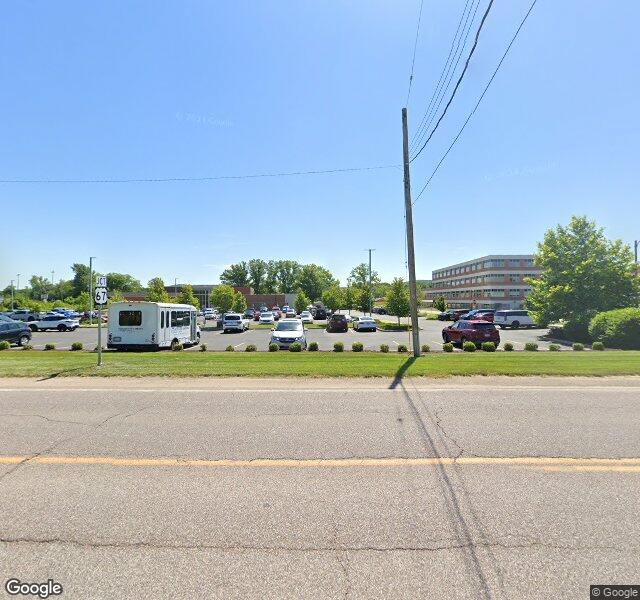
1349 HIGHWAY 61, FESTUS, MO 63028 (636) 937-3500
For profit - Corporation 116 Beds SHAFIQ MALIK Data: November 2025
Trust Grade
60/100
#149 of 479 in MO
Last Inspection: September 2024

Within standard 12-15 month inspection cycle. Federal law requires annual inspections.

Overview

Fountainbleau Nursing Center in Festus, Missouri, has a Trust Grade of C+, which means it is considered decent and slightly above average. The facility ranks #149 out of 479 in Missouri, placing it in the top half of state nursing homes, and #5 out of 11 in Jefferson County, indicating that there are only four local options that are better. The facility shows an improving trend, with the number of issues reducing from 11 in 2023 to 3 in 2024. While staffing is a weak point with a low rating of 1 out of 5 and high turnover, there are no fines on record, which is a positive sign. However, there are specific concerns, such as poor food storage practices that increase the risk of cross-contamination, a lack of cleanliness in common areas with odors and visible dirt, and an ineffective pest control program that has allowed flies to proliferate. Overall, while there are strengths in their improving trend and lack of fines, families should be aware of the cleanliness and staffing issues that need addressing.

Trust Score
C+
60/100
In Missouri
#149/479
Top 31%
Safety Record
Low Risk
No red flags
Inspections
Getting Better
11 → 3 violations
Staff Stability
○ Average
Turnover data not reported for this facility.
Penalties
✓ Good
No fines on record. Clean compliance history, better than most Missouri facilities.
Skilled Nurses
⚠ Watch
Each resident gets only 21 minutes of Registered Nurse (RN) attention daily — below average for Missouri. Fewer RN minutes means fewer trained eyes watching for problems.
Violations
⚠ Watch
29 deficiencies on record. Higher than average. Multiple issues found across inspections.
★★★☆☆
3.0
Overall Rating
★☆☆☆☆
1.0
Staff Levels
★★★☆☆
3.0
Care Quality
★★★★☆
4.0
Inspection Score
Stable
2023: 11 issues
2024: 3 issues

The Good

  • Full Sprinkler Coverage · Fire safety systems throughout facility
  • No fines on record

Facility shows strength in fire safety.

The Bad

3-Star Overall Rating

Above Missouri average (2.5)

Meets federal standards, typical of most facilities

Chain: SHAFIQ MALIK

Part of a multi-facility chain

Ask about local staffing decisions and management

The Ugly 29 deficiencies on record

Sept 2024 3 deficiencies
CONCERN (D)

Potential for Harm - no one hurt, but risky conditions existed

Abuse Prevention Policies (Tag F0607)

Could have caused harm · This affected 1 resident

Based on interview and record review, the facility failed to follow their background screening policy regarding screening staff members for the Family Safety Care Registry (FCSR), Employee Disqualific...

Read full inspector narrative →
Based on interview and record review, the facility failed to follow their background screening policy regarding screening staff members for the Family Safety Care Registry (FCSR), Employee Disqualification List (EDL), Criminal Background Check (CBC), and Nurse Aide (NA) Registry prior to the employment start date for three out of ten employees reviewed. The facility census was 95. Review of the facility's policy titled, Nurse Aide Registry Verification, revised August 2022, showed: - Certified nurse aide (CNA) licenses shall be verified through the state registry of nurse aides before individuals may serve as nurse aides or nursing assistants; - The Human Resources (HR) director, or other designee, is responsible for contacting the state nurse aide registry to determine the validity of the individual's certification status from every state registry that the facility believes will include information concerning the individual. Review of the facility's policy titled, Background Screening Investigations, revised 08/23/24, showed: - The facility conducts employment background screening checks, reference checks and criminal conviction investigation checks on all applicants for positions with direct access to residents (direct access employees) prior to the employment start date; - The director of personnel, or designee, conducts background checks, reference checks and criminal conviction checks (including fingerprinting as may be required by state law) on all potential direct access employees and contractors. Background and criminal checks are initiated within two days of an offer of employment or contract agreement and completed prior to employment. These checks include but are not limited to Criminal Background Check (CBC) or Office of Inspector General (OIG), Family Care Safety Registry (FCSR), and Employee Disqualification List (EDL); - The director of personnel, or designee, checks the state nurse aide registry to determine if any finding of abuse, neglect, mistreatment of individuals, and/or theft of property have been entered into the applicant's file on all potential direct access employees and contractors prior to the employment start date. 1. Review of NA A's personnel file showed: - A hire date of 12/28/23; - The facility failed to conduct the CBC until 02/23/24. 2. Review of CNA B's personnel file showed: - A hire date of 01/02/24; - The facility failed to conduct the CBC until 01/05/24. 3. Review of the Assistant Director of Nursing (ADON) C's personnel file showed: - A hire date of 12/26/23; - The facility failed to conduct the NA Registry check. During an interview on 09/27/24 at 1:10 P.M., the Director of Nurses (DON) said that the HR/Business Office Manager checks the NA registry and does background checks upon hire and quarterly. During an interview on 09/27/24 at 2:40 P.M., the Administrator said she would expect the NA Registry to be run on all new hires and that the CBC, EDL, and/or FCSR should be completed upon hire.
CONCERN (E)

Potential for Harm - no one hurt, but risky conditions existed

Safe Environment (Tag F0584)

Could have caused harm · This affected multiple residents

**NOTE- TERMS IN BRACKETS HAVE BEEN EDITED TO PROTECT CONFIDENTIALITY** Based on observation, interview, and record review, the facility failed to provide a safe, clean, comfortable, and homelike envi...

Read full inspector narrative →
**NOTE- TERMS IN BRACKETS HAVE BEEN EDITED TO PROTECT CONFIDENTIALITY** Based on observation, interview, and record review, the facility failed to provide a safe, clean, comfortable, and homelike environment. This deficient practice affected two residents (Resident #13 and #23) outside of the 19 sampled residents and had the potential to affect all residents in the facility. The facility census was 95. The facility did not provide a policy regarding environment. 1. Observation on 09/24/24 at 11:44 A.M. of the 300 and 400 halls showed the halls with a strong urine odor. 2. Observation on 09/26/24 at 3:45 P.M. of the south shower room showed: - A used razor on the shower room floor; - A brown slimy substance caked around the shower drain; - Part of the shower room floor rotten with exposed layers of subfloor showing; - Dingy tile with dirty, black grout under the hand rail; - The shower room door scratched with missing and chipped paint on the bottom half of the door. 3. Observation on 09/26/24 at 4:05 P.M. of the north shower room showed: - Five brown spots of varying sizes on the ceiling; - A dirty shower chair with a red substance and two flies on the seat; - Multiple used wet linens on the floor; - The majority of the surface of the shower floor brown, stained, and dingy; - The shower floor peeling up around the shower drain; - A brown slimy substance caked around the shower drain; - The wall immediately to the right upon entering the shower room with dents, scratches, and exposed corner bead and drywall; - The sink basin detached from the wall leaving caulking exposed. 4. Observations on 09/27/24 from 9:40 A.M. to 10:00 A.M. showed dirt and stains with a musty odor on carpets in the following resident rooms: 102, 103, 106, 112, 201, 202, 205, 207, 208, 209, 210, 211, 212, 213, 214, 215, 217, 304, 305, 308, 311, 312, and 416. 5. Observation on 09/27/24 of room [ROOM NUMBER] showed the light fixture above the bed cracked with a baseball-sized hole in the front. During an interview on 09/27/24 at 12:35 P.M., Resident #23 said that the carpets are rough on his/her feet and staff throw soiled briefs on the floor. He/She is unhappy with all the paint colors and patches on the wall. During an interview on 09/27/24 at 12:44 P.M., the Housekeeping Manager said he/she does not clean the carpets as part of the regular rotation of cleaning. He/She will clean them if the residents complain about them or if housekeepers report they need cleaned. There are several rooms that are on a list to have the carpet replaced. During an interview on 09/27/24 at 12:48 P.M., Resident #13 said he/she is bothered by the carpet in his/her room. He/she always wears shoes in the room because he/she doesn't want to get anything from the floors. During an interview on 09/27/24 at 2:40 P.M., the Administrator said he/she would expect resident rooms to be free from dirt, debris, stains, and odors.
CONCERN (E)

Potential for Harm - no one hurt, but risky conditions existed

Deficiency F0925 (Tag F0925)

Could have caused harm · This affected multiple residents

**NOTE- TERMS IN BRACKETS HAVE BEEN EDITED TO PROTECT CONFIDENTIALITY** Based on observation, interview, and record review, the facility failed to maintain an effective pest control program to control...

Read full inspector narrative →
**NOTE- TERMS IN BRACKETS HAVE BEEN EDITED TO PROTECT CONFIDENTIALITY** Based on observation, interview, and record review, the facility failed to maintain an effective pest control program to control the fly population in the facility. This affected four residents (Resident #17, #45, #73 and #88) out of 19 sampled residents and three residents (Resident #25, #69, and #199) outside the sample and had the potential to affect all residents. The facility's census was 95. Review of the facility's policy entitled, Pest Control, revised July 2023, showed: - The facility shall maintain an effective pest control program; - This facility maintains an on-going pest control program to ensure that the building is kept free of insects and rodents; - Windows are screened at all times; - Only approved Food and Drug Administration (FDA) and Environmental Protection Agency (EPA) insecticides and rodenticides are permitted in the facility and all such supplies are stored in areas away from food storage areas; - Garbage and trash are not permitted to accumulate and are removed from the facility daily; - Maintenance services assist, when appropriate and necessary, in providing pest control services. 1. Observation on 09/24/24 at 11:47 A.M. showed two flies buzzing around Resident #45 as he/she sat in a wheelchair in his/her room. During an interview on 09/27/24 at 10:10 A.M., Resident #45 said the flies are worse in the summer, and he/she hasn't seen as many lately. 2. Observation on 09/24/24 at 12:01 P.M. showed Resident #199 lay in bed with a fly buzzing around in the room. 3. Observation on 09/24/24 at 12:11 P.M. showed a fly buzzing around in room [ROOM NUMBER] near Resident #69, who had a cover over his/her head. 4. Observation on 09/24/24 at 1:30 P.M. showed a fly buzzed Resident #73's head and face while he/she sat in a wheelchair in the hallway. 5. Observation on 09/25/24 at 3:45 P.M. showed a fly on the resident's bed in room [ROOM NUMBER]. 6. Observation on 09/25/25 at 4:00 P.M. of the north shower room showed two flies on the shower chair seat. 7. Observation on 09/26/24 at 11:15 A.M. showed two flies on the nurse's shoe at the med cart on 400 hall. 8. Observation of room [ROOM NUMBER] showed: - On 09/24/24 at 2:21 P.M., three flies flying around and landing on Resident #25 while he/she tried to take a nap. Resident #25 covered his/her head with a blanket in an attempt to keep the flies from crawling on his/her face; - On 09/25/24 at 2:11 P.M., two flies buzzed around the room while Residents #25 and #17 tried to nap; - On 09/27/24 at 9:30 A.M., five flies flew around, landed, and crawled on surfaces in the room while Resident #25 watched television. 9. Observation of room [ROOM NUMBER] showed: - On 09/24/24 at 9:36 A.M., two flies buzzed around Resident #17; - On 09/25/24 at 2:11 P.M., three flies flew around the resident's divider curtain and bed. During an interview on 09/24/24 at 2:20 P.M., Resident #25 said he/she will sometimes sleep with the blanket over his/her head to try and prevent flies from crawling on his/her face. The flies bother him/her and wake him/her up, preventing the resident from getting restful sleep. During an interview on 09/24/24 at 2:21 P.M., Resident #17 said there has been ongoing issues with flies at the facility and they have been particularly bad over the last two months. They are a big nuisance. 10. Observation of the hallways showed: - On 09/24/24 at 11:44 A.M., a fly buzzed around in the 400 hall between rooms [ROOM NUMBERS]. - On 09/25/24 at 2:13 P.M., two flies buzzed about in the 300 hall outside room [ROOM NUMBER]; - On 09/27/24 at 9:40 A.M., a fly in the hallway by the entrance to room [ROOM NUMBER]; - On 09/27/24 at 9:42 A.M., a fly near the nurses station by the entrance to the 300 hallway; - On 09/27/24 at 9:46 A.M., a fly buzzed around residents in the seating area near the nurses station by the 200 hallway; - On 09/27/24 at 10:15 A.M., a fly flew around 100 and 200 hall. 11. Observation on 09/26/24 at 9:53 A.M. showed: - A fly buzzing around in the hall and near the treatment cart as the nurse prepared wound dressings for Resident #88; - A fly buzzed around the room as the nurse performed wound care for Resident #88. During an interview on 09/24/24 at 09:36 A.M., Resident #88 said there's a ton of flies. It bothers the crap out of him/her. Half the time he/she has to turn the light off to try and get them to leave the room. During an interview on 09/27/24 at 12:44 P.M., the Housekeeping Supervisor said the pest control company comes once a month to spray for pests. There is a log in his/her office staff can complete if they see pests. The pest control company will come more than once a month if needed. There have been residents complain about flies because they are always harder to control from the doors being open to go outside during warmer months. During an interview on 09/27/24 at 2:40 P.M., the Administrator said he/she would expect the facility to be free from flies and other pests.
Jul 2023 1 deficiency
CONCERN (D) 📢 Someone Reported This

A family member, employee, or ombudsman was alarmed enough to file a formal complaint

Potential for Harm - no one hurt, but risky conditions existed

Quality of Care (Tag F0684)

Could have caused harm · This affected 1 resident

**NOTE- TERMS IN BRACKETS HAVE BEEN EDITED TO PROTECT CONFIDENTIALITY** Based on observation, interview, and record review, the facility failed to follow a new physician's order for one resident (Resi...

Read full inspector narrative →
**NOTE- TERMS IN BRACKETS HAVE BEEN EDITED TO PROTECT CONFIDENTIALITY** Based on observation, interview, and record review, the facility failed to follow a new physician's order for one resident (Resident #1) resulting in the resident missing 28 days of a chemotherapy (medication used to treat cancer) medication. The facility census was 85. The facility did not provide a policy regarding physician's orders after a resident's visit to the physician's office. 1. Review of Resident #1's medical record showed: - admit date of 05/10/2022; - Cognition intact; - Diagnoses of malignant neoplasm (cancer spread to other areas) of the right female breast, iron deficiency anemia (a condition of too little iron in the body), chronic kidney disease stage 3 (chronic condition with mild to moderate damage to the kidneys), diabetes mellitus (a disorder of carbohydrate metabolism characterized by impaired ability to produce or respond to insulin), morbid obesity, major depressive disorder (a mood disorder that causes a persistent feeling of sadness or loss of interest), gastro-esophageal reflux disease (GERD) (a digestive disease in which stomach acid irritates the food pipe lining); - The resident's Oncologist's (a physician that treats cancer) After Visit Summary, dated 05/18/23, showed an order to start taking Arimidex (a chemotherapy medication) and a notation to pick up the medication at a specific pharmacy; - No documentation of any cancer related medication changes after the resident's oncologist visit on 05/18/23; - An order for Arimidex 1 milligram (mg) one tablet by mouth daily related to malignant neoplasm of the right female breast with an order date of 06/14/23 and a start date of 06/15/23 on the resident's July 2023 Physician Order Sheet (POS). Review of the facility's Pharmacy Consolidated Delivery Sheets, dated 05/25/23, showed the 28 tablets of Arimidex was delivered to the facility on [DATE] and signed for by the facility staff. Observation on 7/5/23 at 1:25 P.M., showed the medication Arimidex 1 mg tablets in the facility's medication cart. Review of the resident's May 2023 Medication Administration Record (MAR) showed: - No order for Arimidex 1 mg daily, dated 5/18/23; - The resident did not receive Arimidex; - The resident missed 14 days of Armidex for May 2023. Review of the resident's June 2023 MAR showed: - An order for Arimidex 1 mg daily with an order date of 06/14/23; - The resident received the Arimidex daily starting on 06/15/23; - The resident missed 14 days of Arimidex for June 2023. During an interview on 7/5/23 at 2:30 P.M., the Director of Nursing (DON) said she did a chart audit of the resident's chart in mid-June 2023 and found the missed order for the Arimidex. She said it was faxed to the pharmacy on 06/15/23, the medication arrived on 06/16/23, and the resident started getting the medication on 06/16/23. During an interview on 7/5/23 at 3:10 P.M., the Administrator said that she had very recently started and she was only made aware of the issue with this resident's chemotherapy medication this morning when a family member complained to her. She does expect the physician's orders to be checked and implemented when residents return from physician visits. The DON did one on one education with the nurse on duty when the medication order was missed. She had an in-service scheduled for 07/07/23. During a phone interview on 07/13/23 at 12:20 P.M., Pharmacy Tech B said the pharmacy filled a prescription for Arimidex on 05/24/23 and delivered it to the facility. The pharmacy had a signed delivery sheet that showed the medication was delivered and signed for by facility staff. During a phone interview on 07/13/23 at 12:28 P.M., LPN A said he/she did not specifically recall the day of 05/18/23 when the resident returned from the oncologist appointment. He/She knew the resident went to the oncologist a couple times in May 2023. He/She talked to the DON and the Assistant Director of Nursing (ADON) about this matter and they pulled up the physician's discharge packet from the oncologist visit for the day of 05/18/23. He/She never signed the discharge packet so he/she didn't see the Arimidex order. When a resident returns from a physician's visit, he/she reviewed the discharge packet and signed off to show that he/she reviewed it. During a phone interview on 07/13/23 at 1:48 P.M., the DON said the chemotherapy medication for the resident might have been delivered by the pharmacy on 05/25/23, but the script was sent to the pharmacy automatically from the physician's office. The problem was the order for the chemotherapy medication was not transcribed into the facility's system, so if the medication was delivered, it was likely returned because there was no matching order. She had no way to tell for sure because due to privacy concerns, the certified medication technicians shred the medication labels. She did not know why no one checked for an order when the medication was delivered. Complaint #MO220903
Jun 2023 8 deficiencies
CONCERN (D)

Potential for Harm - no one hurt, but risky conditions existed

Deficiency F0570 (Tag F0570)

Could have caused harm · This affected 1 resident

Based on interview and record review, the facility failed to maintain the bond amount for at least one and one-half times the average monthly balance of the residents' personal funds for the last twel...

Read full inspector narrative →
Based on interview and record review, the facility failed to maintain the bond amount for at least one and one-half times the average monthly balance of the residents' personal funds for the last twelve consecutive months from May 2022 to April 2023. The facility census was 82. Record Review of the facility's Resident Trust Fund Bond Policy, undated, showed: - A Nursing Facility or Resident/Patient Trust Fund Bond is required by long-term care facilities, including nursing homes and assisted living facilities, along with businesses that offer at-home care; - The surety bond protects long-term care patients and their families by ensuring that the facility complies with state laws and regulations and administers patient trust funds in an ethical and financially responsible manner; - The surety bond is obligated per Section 483.10(c)(7) of the Code of Federal Regulations for operators of long-term care facilities to ensure faithful security for all personal funds of residents deposited with the facility; - Assurance of compliance with this obligation rests with the state of domicile of the facility; - The surety bond is conditioned upon proper safeguarding and accounting for all funds of residents of the facility which are deposited with the principal while this bond is in effect; - The Surety Bond is required to be in an amount equal to one and one half times the average monthly balance or average total balances, rounded to the nearest one thousand dollars in the residents' personal funds accounts for the previous twelve months. (Section 198.0961, RSMo) 1. Record review of the residents' personal funds account for the last twelve consecutive months from May 2022 to April 2023 showed: - The facility's current approved bond amount equaled $90,000.00; - The average monthly balance for the residents' personal funds equaled $69,000.00; - An average monthly balance of $69,000.00 required a bond of at least $103,500.00. During an interview on 06/09/23 at 1:50 P.M., the Administrator said she would expect the facility surety bond to be at least one and one-half times the twelve month average resident fund amount as per the facility policy.
CONCERN (D)

Potential for Harm - no one hurt, but risky conditions existed

Deficiency F0582 (Tag F0582)

Could have caused harm · This affected 1 resident

Based on interview and record review, the facility failed to issue a Centers for Medicare and Medicaid Services (CMS) Skilled Nursing Facility Advance Beneficiary Notice (SNF ABN: Medicare requires SN...

Read full inspector narrative →
Based on interview and record review, the facility failed to issue a Centers for Medicare and Medicaid Services (CMS) Skilled Nursing Facility Advance Beneficiary Notice (SNF ABN: Medicare requires SNFs to issue a SNF ABN to beneficiaries prior to providing care that Medicare usually covers, but may not pay for because the care is not medically reasonable and necessary or considered custodial) Form 10055 for two residents (Resident #34 and #185) out of three sampled residents who remained in the facility when benefits were not exhausted, and failed to issue a CMS Notice of Medicare Non-Coverage (NOMNC: Medicare requires SNFs to issue a NOMNC to beneficiaries no later than two days before covered services end) Form 10123 at least two days before coverage ended for two residents (Resident #34 and #185) out of three sampled residents. The facility's census was 82. 1. Record review of Resident #34's NOMNC and SNF ABN forms showed: - The resident's skilled Medicare Part A services started on 2/13/23, ended on 2/24/23, and the resident remained in the facility; - The facility failed to get verbal consent or provide the resident's representative with the SNF ABN and the NOMNC forms at least two days prior to services ending. 2. Record review of Resident #185's NOMNC and SNF ABN forms showed: - The resident's skilled Medicare Part A services started on 2/6/23, ended on 2/24/23, and the resident remained in the facility; - The facility failed to get verbal consent or provide the resident's representative with the SNF ABN and NOMNC forms at least two days prior to services ending. During an interview on 6/9/23 at 10:10 A.M., the Director of Nursing (DON) said he/she would expect the SNF ABN and NOMNC forms to be completed and signed appropriately. During an interview on 6/9/23 at 1:50 P.M. , the Administrator said he/she would expect the SNF ABN and NOMNC forms to be completed and signed prior to a resident's discharge from skilled Medicare services. The facility did not provide a policy.
CONCERN (D)

Potential for Harm - no one hurt, but risky conditions existed

Transfer Notice (Tag F0623)

Could have caused harm · This affected 1 resident

**NOTE- TERMS IN BRACKETS HAVE BEEN EDITED TO PROTECT CONFIDENTIALITY** Based on interview and record review, the facility failed to notify the resident and/or the resident's representative in writing...

Read full inspector narrative →
**NOTE- TERMS IN BRACKETS HAVE BEEN EDITED TO PROTECT CONFIDENTIALITY** Based on interview and record review, the facility failed to notify the resident and/or the resident's representative in writing of a transfer or discharge to a hospital, including the reasons for transfer for three residents (Resident #5, #25, and #39) out of 18 sampled residents. The facility census was 82. Record review of the facility's policy, Preparing the Resident for Transfer or Discharge, revised December 2016, showed: - Residents will be prepared in advance for discharge; - Business office is responsible for informing the resident, or his/her representative of our facility's readmission appeal, rights, bed-holding policies and etcetera; - Nursing services is responsible for completing a discharge note in the medical record and directing the resident or representative to the business office prior to the transfer or discharge. 1. Record review of Resident #5's medical record showed: - Transferred and admitted to the hospital on [DATE] and readmitted to the facility on [DATE]; - No documentation that the resident or representative was informed in writing of the transfer/discharge to the hospital at the time of transfer. 2. Record review of Resident #25's medical record showed: -Transferred and admitted to the hospital on [DATE] and readmitted to the facility on [DATE]; -No documentation the resident or representative was informed in writing of the transfer/discharge to the hospital at the time of transfer. 3. Record review of Resident #39's medical record showed: -Transferred and admitted to the hospital on [DATE] and readmitted to the facility on [DATE]; -No documentation the resident or representative was informed in writing of the transfer/discharge to the hospital at the time of transfer. During an interview on 6/9/23 at 10:00 A.M., the Director of Nursing (DON) said he/she would expect the nursing staff to inform the resident and/or resident representative of the resident's transfer to the hospital. The DON said that he/she inserviced the staff on providing this education and written documentation, as they are not taking credit for what they are verbally doing. During an interview on 6/9/23 at 1:50 P.M., the Administrator said that he/she would expect a transfer/discharge notice to be initiated and signed when a resident is transferred out to the hospital.
CONCERN (D)

Potential for Harm - no one hurt, but risky conditions existed

Comprehensive Assessments (Tag F0636)

Could have caused harm · This affected 1 resident

Based on interview and record review, the facility failed to complete a comprehensive Minimum Data Set (MDS-a federally mandated assessment tool completed by the facility) within the required time fra...

Read full inspector narrative →
Based on interview and record review, the facility failed to complete a comprehensive Minimum Data Set (MDS-a federally mandated assessment tool completed by the facility) within the required time frames for one resident (Resident #7) out of 18 sampled residents and 10 residents outside the sample (Resident #2, #6, #28, #45, #47, #54, #61, #63, #67, and #71). The facility's census was 82. Record review of the facility's policy, Resident Assessments, revised March 2022, showed: - A comprehensive assessment of every resident's needs is made at intervals designated by OBRA and PPS requirements; - The resident assessment coordinator is responsible for ensuring that the interdisciplinary team conducts timely and appropriate resident assessments and reviews according to the following requirements: OBRA required assessments - conducted for all residents in the facility: admission Assessment (comprehensive); Annual Assessment (comprehensive); and Significant Change in Status Assessment (SCSA) (comprehensive); - The RAI User's Manual (Chapter 2) provides detailed information on timing and submission of assessments; - A comprehensive assessment includes: completion of the MDS; completion of the care area assessment (CAA) process; and development of the comprehensive care plan. Record review of the RAI Manual showed: - For the admission assessment, the MDS Completion Date (Z0500B) must be no later than 13 days after the Entry Date (A1600); - The ARD (Assessment Reference Date) of an assessment drives the due date of the next assessment. The next comprehensive assessment is due within 366 days after the ARD of the most recent comprehensive assessment; - For the admission assessment, the Care Area Assessment (CAA) Completion Date (V0200B2) must be no later than than 13 days after the Entry Date (A1600); - For the Annual assessment, the CAA Completion Date (V0200B2) must be no later than 14 days after the ARD (A2300). 1. Record review of Resident #2's medical record showed: - An admission date of 7/15/22; - A comprehensive admission MDS assessment with CAA completion date of 10/5/22, and MDS completion date of 10/5/22; - No CAAs completed within 14 days of admission; - No comprehensive admission MDS assessment within 14 calendar days of admission. 2. Record review of Resident #6's medical record showed: - An admission date of 9/26/22; - A comprehensive admission MDS assessment with CAA completion date of 11/22/22, and MDS completion date of 11/8/22; - No CAAs completed within 14 days of admission; - No comprehensive admission MDS assessment within 14 calendar days of admission. 3. Record review of Resident #7's medical record showed: - An admission date of 8/2/21; - A comprehensive significant change MDS assessment with ARD of 2/9/22 and MDS completion date of 2/20/22, and CAA completion date of 2/25/22; - No CAAs completed within 14 days of the ARD; - A comprehensive significant change MDS assessment with ARD of 3/31/22 and MDS completion date of 5/16/22, and CAA completion date of 5/16/22; - No CAAs completed within 14 days of the ARD; - The comprehensive Significant Change in Status MDS assessment was not completed by the 14th calendar day after the determination that a significant change had occurred; - A comprehensive significant change MDS assessment with ARD of 8/12/22 and MDS completion date of 10/3/22, and CAA completion date of 10/3/22; - No CAAs completed within 14 days of the ARD; - The comprehensive Significant Change in Status MDS assessment was not completed by the 14th calendar day after the determination that a significant change had occurred. 4. Record review of Resident #28's medical record showed: - An admission date of 4/26/22; - A comprehensive admission MDS assessment with CAA completion date of 6/27/22, and MDS completion date of 6/27/22; - No CAAs completed within 14 days of admission; - No comprehensive admission MDS assessment within 14 calendar days of admission. 5. Record review of Resident #45's medical record showed: - An admission date of 6/16/22; - A comprehensive admission MDS assessment with CAA completion date of 6/30/22, and MDS completion date of 6/30/22; - No CAAs completed within 14 days of admission; - No comprehensive admission MDS assessment within 14 calendar days of admission. 6. Record review of Resident #47's medical record showed: - An admission date of 2/23/21; - A comprehensive annual MDS assessment with a completion date of 3/5/21; - A comprehensive annual MDS assessment with a completion date of 6/20/22, and CAA completion date of 6/20/22; - No comprehensive MDS assessment completed within 366 calendar days of the last comprehensive MDS assessment. 7. Record review of Resident #54's medical record showed: - An admission date of 10/1/18; - A comprehensive significant change in status MDS assessment with a completion date of 6/4/21; - A comprehensive annual MDS assessment with a completion date of 6/20/22; - No comprehensive MDS assessment completed within 366 calendar days of the last comprehensive MDS assessment; - A comprehensive significant change MDS assessment with ARD of 9/4/22 and MDS completion date of 10/13/22, and CAA completion date of 10/17/22; - No CAAs completed within 14 days of the ARD; - The comprehensive Significant Change in Status MDS assessment was not completed by the 14th calendar day after the determination that a significant change had occurred. 8. Record review of Resident #61's medical record showed: - An admission date of 5/10/22; - A comprehensive admission MDS assessment with CAA completion date of 7/5/22, and MDS completion date of 7/5/22; - No CAAs completed within 14 days of admission; - No comprehensive admission MDS assessment within 14 calendar days of admission; - A comprehensive significant change MDS assessment with ARD of 8/19/22 and MDS completion date of 10/14/22, and CAA completion date of 10/14/22; - No CAAs completed within 14 days of the ARD; - The comprehensive Significant Change in Status MDS assessment was not completed by the 14th calendar day after the determination that a significant change had occurred. 9. Record review of Resident #63's medical record showed: - An admission date of 9/15/21; - A comprehensive admission MDS assessment with a completion date of 9/22/21; - A comprehensive annual MDS assessment with a completion date of 11/22/22, and CAA completion date of 11/22/22; - No comprehensive MDS assessment completed within 366 calendar days of the last comprehensive MDS assessment. 10. Record review of Resident #67's medical record showed: - An admission date of 9/30/22; - A comprehensive admission MDS assessment with CAA completion date of 11/30/22, and MDS completion date of 11/30/22; - No CAAs completed within 14 days of admission; - No comprehensive admission MDS assessment within 14 calendar days of admission. 11. Record review of Resident #71's medical record showed: - An admission date of 9/21/22; - A comprehensive admission MDS assessment with CAA completion date of 11/22/22, and MDS completion date of 11/22/22; - No CAAs completed within 14 days of admission; - No comprehensive admission MDS assessment within 14 calendar days of admission. During an interview on 6/7/23 at 1:00 P.M., the MDS Coordinator said he/she has only been here a short time, but knew there were issues and he/she was trying to get caught up. During an interview on 6/9/23 at 1:50 P.M., the Administrator and Director of Nursing (DON) said they would expect the RAI Manual to be followed for completion and submission of every MDS. They would also expect every MDS to be completed and submitted timely.
CONCERN (D)

Potential for Harm - no one hurt, but risky conditions existed

Deficiency F0638 (Tag F0638)

Could have caused harm · This affected 1 resident

Based on interview and record review, the facility failed to complete a quarterly Minimum Data Set (MDS - a federally mandated assessment completed by the facility) within the required timeframe for t...

Read full inspector narrative →
Based on interview and record review, the facility failed to complete a quarterly Minimum Data Set (MDS - a federally mandated assessment completed by the facility) within the required timeframe for two residents (Resident #7 and #49) out of 18 sampled residents and six residents (Resident #2, #28, #45, #47, #52, and #54) outside the sample. The facility's census was 82. Record review of the facility's policy, Resident Assessments, revised March 2022, showed: - The resident assessment coordinator is responsible for ensuring that the interdisciplinary team conducts timely and appropriate resident assessments and reviews according to the following requirements: OBRA required assessments - conducted for all residents in the facility: Quarterly Assessment; - The RAI User's Manual (Chapter 2) provides detailed information on timing and submission of assessments. Record review of the RAI (Resident Assessment Instrument) Manual showed: - The ARD (Assessment Reference Date) of an assessment drives the due date of the next assessment. The next non-comprehensive assessment is due within 92 days after the ARD of the most recent OBRA assessment (ARD of previous OBRA assessment (Admission, Annual, Quarterly, Significant Change in Status, or Significant Correction assessment) + 92 calendar days); - The Quarterly assessment is an OBRA non-comprehensive assessment for a resident that must be completed at least every 92 days following the previous OBRA assessment of any type. It is used to track a resident's status between comprehensive assessments to ensure critical indicators of gradual change in a resident's status are monitored. As such, not all MDS items appear on the Quarterly assessment. The ARD (A2300) must be not more than 92 days after the ARD of the most recent OBRA assessment of any type. 1. Record review of Resident #2's medical record showed: - An admission date of 7/15/22; - A quarterly MDS assessment with a completion date of 1/31/23; - A quarterly MDS assessment with a completion date of 5/23/23; - The facility failed to complete a quarterly MDS assessment within 92 days of the prior MDS assessment. 2. Record review of Resident #7's medical record showed: - An admission date of 8/2/21; - A comprehensive significant change MDS assessment with a completion date of 10/3/22; - A quarterly MDS assessment with a completion date of 2/1/23; - The facility failed to complete a quarterly MDS assessment within 92 days of the prior MDS assessment. 3. Record review of Resident #28's medical record showed: - An admission date of 4/26/22; - A quarterly MDS assessment with a completion date of 8/3/22; - A quarterly MDS assessment with a completion date of 1/2/23; - The facility failed to complete a quarterly MDS assessment within 92 days of the prior MDS assessment. 4. Record review of Resident #45's medical record showed: - An admission date of 6/16/22; - A comprehensive admission MDS assessment with a completion date of 6/30/22; - A quarterly MDS assessment with a completion date of 11/8/22; - The facility failed to complete a quarterly MDS assessment within 92 days of the prior MDS assessment. 5. Record review of Resident #47's medical record showed: - An admission date of 2/23/21; - A quarterly MDS assessment with a completion date of 6/20/22; - A quarterly MDS assessment with a completion date of 10/5/22; - A quarterly MDS assessment with a completion date of 1/17/23; - The facility failed to complete a quarterly MDS assessment within 92 days of the prior MDS assessment. 6. Record review of Resident #49's medical record showed: - An admission date of 3/13/18; - A quarterly MDS assessment with a completion date of 2/7/22; - A comprehensive annual MDS assessment with a completion date of 7/22/22; - A comprehensive significant change MDS assessment with a completion date of 8/5/22; - A quarterly MDS assessment with a completion date of 12/30/22; - The facility failed to complete a quarterly MDS assessment within 92 days of the prior MDS assessment. 7. Record review of Resident #52's medical record showed: - An admission date of 6/22/22; - A comprehensive admission MDS assessment with a completion date of 7/5/22; - A quarterly MDS assessment with a completion date of 11/8/22; - The facility failed to complete a quarterly MDS assessment within 92 days of the prior MDS assessment. 8. Record review of Resident #54's medical record showed: - An admission date of 10/1/18; - A quarterly MDS assessment with a completion date of 3/9/22; - A comprehensive annual MDS assessment with a completion date of 6/20/22; - A comprehensive significant change MDS assessment with a completion date of 10/13/22; - A quarterly MDS assessment with a completion date of 1/17/23; - The facility failed to complete a quarterly MDS assessment within 92 days of the prior MDS assessment. During an interview on 6/7/23 at 1:00 P.M., the MDS Coordinator said he/she has only been here a short time, but knew there were issues and he/she was trying to get caught up. During an interview on 6/9/23 at 1:50 P.M., the Administrator and Director of Nursing (DON) said they would expect the RAI Manual to be followed for completion and submission of every MDS. They would also expect every MDS to be completed and submitted timely.
CONCERN (D)

Potential for Harm - no one hurt, but risky conditions existed

MDS Data Transmission (Tag F0640)

Could have caused harm · This affected 1 resident

**NOTE- TERMS IN BRACKETS HAVE BEEN EDITED TO PROTECT CONFIDENTIALITY** Based on interview and record review, the facility failed to electronically transmit significant change and quarterly Minimum Da...

Read full inspector narrative →
**NOTE- TERMS IN BRACKETS HAVE BEEN EDITED TO PROTECT CONFIDENTIALITY** Based on interview and record review, the facility failed to electronically transmit significant change and quarterly Minimum Data Set assessments (MDS - a federally mandated assessment instrument completed by the facility) in a timely manner and in accordance with guidelines for three residents (Resident #5, #7, and #49) of 18 sampled residents and ten residents outside the sample (Resident #2, #6, #28, #45, #47, #52, #54, #61, #63, and #71). The facility's census was 82. Record review of the MDS 3.0 Resident Assessment Instrument (RAI) Manual for assessment transmission showed the following: - Comprehensive assessments must be transmitted electronically within 14 days of the care plan completion date (V0200C2+14 days); - Entry tracking records must be transmitted electronically no later than the entry date + 14 days; - All other MDS assessments must be submitted within 14 days of the MDS completion date (Z0500B+14 days). 1. Record review of Resident #2's medical record showed: - An entry MDS tracking record, dated 7/15/22 and completed 7/15/22; - The entry MDS tracking record transmitted and accepted 8/25/22; - The facility failed to ensure the entry MDS tracking record was transmitted electronically within 14 days of the entry date. 2. Record review of Resident #5's medical record showed: - An entry MDS tracking record, dated 4/22/23 and completed 4/25/23; - The entry MDS tracking record transmitted and accepted 5/11/23; - The facility failed to ensure the entry MDS tracking record was transmitted electronically within 14 days of the entry date. 3. Record review of Resident #6's medical record showed: - An entry MDS tracking record, dated 9/26/22 and completed 10/3/22; - The entry MDS tracking record transmitted and accepted 10/14/22; - The facility failed to ensure the entry MDS tracking record was transmitted electronically within 14 days of the entry date. 4. Record review of Resident #7's medical record showed: - A comprehensive significant change in status MDS assessment, dated 2/9/22, and completed 2/20/22; - Care plan decisions for the comprehensive significant change in status MDS assessment completed 2/25/22; - The comprehensive significant change in status MDS assessment transmitted and accepted 3/23/22; - The facility failed to ensure the comprehensive significant change MDS assessment was transmitted electronically within 14 days of the care plan completion date; - A comprehensive significant change in status MDS assessment, dated 3/31/22, and completed 5/16/22; - Care plan decisions for the comprehensive significant change in status MDS assessment completed 7/22/22; - The comprehensive significant change in status MDS assessment transmitted and accepted 8/26/22; - The facility failed to ensure the comprehensive significant change MDS assessment was transmitted electronically within 14 days of the care plan completion date. 5. Record review of Resident #28's medical record showed: - An entry MDS tracking record, dated 4/26/22 and completed 5/2/22; - The entry MDS tracking record transmitted and accepted 5/25/22; - The facility failed to ensure the entry MDS tracking record was transmitted electronically within 14 days of the entry date; - A quarterly MDS assessment, dated 8/3/22 and completed 8/3/22; - The quarterly MDS assessment transmitted and accepted 9/8/22; - The facility failed to ensure the quarterly MDS assessment was transmitted electronically within 14 days of the MDS completion date. 6. Record review of Resident #45's medical record showed: - An entry MDS tracking record, dated 6/16/22 and completed 6/17/22; - The entry MDS tracking record transmitted and accepted 7/8/22; - The facility failed to ensure the entry MDS tracking record was transmitted electronically within 14 days of the entry date; - A quarterly MDS assessment, dated 9/29/22 and completed 11/8/22; - The quarterly MDS assessment transmitted and accepted 11/23/22; - The facility failed to ensure the quarterly MDS assessment was transmitted electronically within 14 days of the MDS completion date. 7. Record review of Resident #47's medical record showed: - A comprehensive annual MDS assessment, dated 3/3/22 and completed 6/20/22; - Care plan decisions for the comprehensive annual MDS assessment completed 6/20/22; - The comprehensive annual MDS assessment transmitted and accepted 8/26/22; - The facility failed to ensure the comprehensive annual MDS assessment was transmitted electronically within 14 days of the care plan completion date; - A quarterly MDS assessment, dated 6/1/22 and completed 6/20/22; - The quarterly MDS assessment transmitted and accepted 7/8/22; - The facility failed to ensure the quarterly MDS assessment was transmitted electronically within 14 days of the MDS completion date; - An entry MDS tracking record, dated 11/11/22 and completed 2/3/23; - The entry MDS tracking record transmitted and accepted 2/3/23; - The facility failed to ensure the entry MDS tracking record was transmitted electronically within 14 days of the entry date. 8. Record review of Resident #49's medical record showed: - A quarterly MDS assessment, dated 2/2/22 and completed 2/7/22; - The quarterly MDS assessment transmitted and accepted 5/12/22; - The facility failed to ensure the quarterly MDS assessment was transmitted electronically within 14 days of the MDS completion date; - A comprehensive significant change in status MDS assessment, dated 8/5/22, and completed 8/5/22; - Care plan decisions for the comprehensive significant change in status MDS assessment completed 8/5/22; - The comprehensive significant change in status MDS assessment transmitted and accepted 9/8/22; - The facility failed to ensure the comprehensive significant change MDS assessment was transmitted electronically within 14 days of the care plan completion date. 9. Record review of Resident #52's medical record showed: - An entry MDS tracking record, dated 6/22/22 and completed 6/23/22; - The entry MDS tracking record transmitted and accepted 7/8/22; - The facility failed to ensure the entry MDS tracking record was transmitted electronically within 14 days of the entry date; - A comprehensive admission MDS assessment, dated 7/5/22, and completed 7/5/22; - Care plan decisions for the comprehensive admission MDS assessment completed 7/5/22; - The comprehensive significant change in status MDS assessment transmitted and accepted 8/10/22; - The facility failed to ensure the comprehensive admission MDS assessment was transmitted electronically within 14 days of the care plan completion date; - A quarterly MDS assessment, dated 10/5/22 and completed 11/8/22; - The quarterly MDS assessment transmitted and accepted 11/23/22; - The facility failed to ensure the quarterly MDS assessment was transmitted electronically within 14 days of the MDS completion date. 10. Record review of Resident #54's medical record showed: - An entry MDS tracking record, dated 11/24/21 and completed 12/6/21; - The entry MDS tracking record transmitted and accepted 12/23/21; - The facility failed to ensure the entry MDS tracking record was transmitted electronically within 14 days of the entry date; - A quarterly MDS assessment, dated 12/4/21 and completed 12/8/21; - The quarterly MDS assessment transmitted and accepted 3/24/22; - The facility failed to ensure the quarterly MDS assessment was transmitted electronically within 14 days of the MDS completion date; - A comprehensive annual MDS assessment, dated 6/4/22 and completed 6/20/22; - Care plan decisions for the comprehensive annual MDS assessment completed 6/20/22; - The comprehensive annual MDS assessment transmitted and accepted 7/8/22; - The facility failed to ensure the comprehensive annual MDS assessment was transmitted electronically within 14 days of the care plan completion date; - A comprehensive significant change in status MDS assessment, dated 9/4/22, and completed 10/13/22; - Care plan decisions for the comprehensive significant change in status MDS assessment completed 11/8/22; - The comprehensive significant change in status MDS assessment transmitted and accepted 11/23/22; - The facility failed to ensure the comprehensive significant change MDS assessment was transmitted electronically within 14 days of the care plan completion date; - A discharge - return anticipated MDS, dated [DATE] and completed 11/8/22; - The discharge - return anticipated MDS transmitted and accepted 11/23/22; - The facility failed to ensure the discharge - return anticipated MDS assessment was transmitted electronically within 14 days of the MDS completion date; - An entry MDS tracking record, dated 10/30/22 and completed 11/8/22; - The entry MDS tracking record transmitted and accepted 11/23/22; - The facility failed to ensure the entry MDS tracking record was transmitted electronically within 14 days of the entry date. 11. Record review of Resident #61's medical record showed: - An entry MDS tracking record, dated 5/10/22 and completed 6/9/22; - The entry MDS tracking record transmitted and accepted 7/8/22; - The facility failed to ensure the entry MDS tracking record was transmitted electronically within 14 days of the entry date; - A comprehensive admission MDS assessment, dated 5/23/22, and completed 7/5/22; - Care plan decisions for the comprehensive admission MDS assessment completed 7/5/22; - The comprehensive significant change in status MDS assessment transmitted and accepted 8/10/22; - The facility failed to ensure the comprehensive admission MDS assessment was transmitted electronically within 14 days of the care plan completion date. 12. Record review of Resident #63's medical record showed: - A quarterly MDS assessment, dated 3/20/22 and completed 3/29/22; - The quarterly MDS assessment transmitted and accepted 5/25/22; - The facility failed to ensure the quarterly MDS assessment was transmitted electronically within 14 days of the MDS completion date; - A quarterly MDS assessment, dated 6/20/22 and completed 6/20/22; - The quarterly MDS assessment transmitted and accepted 7/8/22; - The facility failed to ensure the quarterly MDS assessment was transmitted electronically within 14 days of the MDS completion date. 13. Record review of Resident #71's medical record showed: - An entry MDS tracking record, dated 9/21/22 and completed 10/3/22; - The entry MDS tracking record transmitted and accepted 10/14/22; - The facility failed to ensure the entry MDS tracking record was transmitted electronically within 14 days of the entry date. During an interview on 6/7/23 at 1:00 P.M., the MDS Coordinator said he/she has only been here a short time, but knew there were issues and he/she was trying to get caught up. During an interview on 6/9/23 at 1:50 P.M., the Administrator and Director of Nursing said they would expect the RAI Manual to be followed for completion and submission of every MDS. They would also expect every MDS to be completed and submitted in a timely manner.
CONCERN (E)

Potential for Harm - no one hurt, but risky conditions existed

Deficiency F0868 (Tag F0868)

Could have caused harm · This affected multiple residents

Based on interview and record review, the facility failed to maintain quarterly Quality Assurance Performance Improvement (QAPI) committee meetings with the required members. The facility's census was...

Read full inspector narrative →
Based on interview and record review, the facility failed to maintain quarterly Quality Assurance Performance Improvement (QAPI) committee meetings with the required members. The facility's census was 82. Record review of the facility's QAPI Program policy, revised February 2020, showed: - This facility shall develop, implement, and maintain an ongoing, facility-wide, data-driven QAPI program that is focused on indicators of the outcomes of care and quality of life for our residents; - The administrator is responsible for assuring that this facility's QAPI program complies with federal, state, and local regulatory agency requirements; - The QAPI committee reports directly to the administrator; - The committee meets monthly to review reports, evaluate data, and monitor QAPI-related activities and make adjustments to the plan. Record review of the facility's 2023 QAPI Plan showed: - Aspects of service and care are measured against established performance goals. Key monitors are measured and trended on a quarterly basis; - The Governing Body assures adequate resources exist to conduct QAPI efforts, and fosters a culture where QAPI is a priority by ensuring policies are developed to sustain QAPI despite changes in personnel and turnover; - On a quarterly basis, data will be collected and reported to the QAPI Steering Committee from the following areas: input from caregivers, residents, families, and others; adverse events; performance indicators; survey findings; and complaints; - The PDSA (Plan, Do, Study, Act) cycle outcomes will be reported to the QAPI Steering Committee at least quarterly. Record review showed the facility did not maintain the minimum required quarterly QAPI meetings in the past year. During an interview on 06/09/23 at 8:39 A.M., the Administrator said she just started in February and had a QAPI meeting on 4/19/23, and she hasn't been able to find any additional information regarding past QAPI meetings except for 11/11/22. The prior administrator should have been doing them quarterly.
CONCERN (F)

Potential for Harm - no one hurt, but risky conditions existed

Food Safety (Tag F0812)

Could have caused harm · This affected most or all residents

Based on observation, interview, and record review, the facility failed to store and distribute food under sanitary conditions, increasing the risk of cross-contamination and food-borne illness. These...

Read full inspector narrative →
Based on observation, interview, and record review, the facility failed to store and distribute food under sanitary conditions, increasing the risk of cross-contamination and food-borne illness. These practices had the potential to affect all residents. The facility census was 82. Record Review of the facility's Guideline & Procedure Manual, dated 2016, showed: - Equipment and utensils will be cleaned according to the following guidelines, or manufacturer's instructions; - Items cleaned after each use include can opener, small food preparation equipment (e.g. blender, food processor), slicer, kettles and utensils, mixers, cutting boards, work tables and counters, beverage table, coffee urns, pots and pans, dishes, dining room tables and chairs; - Items cleaned daily include stove top, grill, kitchen and dining room floors, kitchen towels and cloths, toaster, microwave oven, mop and buckets, steam table, hand washing sink, food carts, pot and pan sink, exterior of large appliances; - Items cleaned weekly include hoods, filters, trash barrels, garbage disposals; - Cleaning Rotation includes coffee machine, storerooms, drawers, cleaning closet, shelves, oven, cupboards; - Items cleaned monthly include refrigerators, freezers, ingredient bins, ice machines, food containers, walls; - Items cleaned annually include ceilings and windows. 1. Observations of the walk-in refrigeration units on 06/06/23 at 10:34 A.M. showed: - One full milk crate with single serve half-pint containers stacked on the floor; - Twenty-four uncovered fruit cups with mandarin oranges inside walk-in refrigerator; - Metal wire shelving inside walk-in refrigerator with a brown substance and black grime build up; - Walk-in freezer with twelve 1 inch (in.) diameter (dia.) frost formations on the ceiling; - Walk-in freezer with a 1 foot (ft.) x 2 in. ice formation attached below ventilation unit; - Walk-in freezer with six 1 in. dia. ice formations on the floor. 2. Observations of the dry food storage area on 06/06/23 at 10:45 A.M. showed: - One dented 6 pound (lb.) 9 ounce (oz.) can of diced carrots; - One unlabeled 6 lb. 9 oz. can; - One heating, ventilation, and air conditioning (HVAC) return air grill with gray grime between louvers; - Eight cardboard boxes stacked in the corner between food shelving labeled as holiday decorations. 3. Observations of the kitchen on 06/06/23 at 10:50 A.M. showed: - One commercial can opener with a sticky brown substance and removable knife with a black substance; - The gas range with black grime build-up on the back splash and burners; - The floor below the gas range with oil, dust and food debris; - The griddle with brown grime build-up and food debris. 4. Observations of the dining room serving area on 06/06/23 at 12:14 P.M. showed: - Two floor-standing commercial ice machines with white grime build-up on interior and exterior surfaces, interior plastic surface with brown build-up; - Floor beneath ice machines with white grime build-up and debris; - One ice machine drain pipe attached over an open floor drain with brown grime build-up and no air gap. 5. Observations of the dry food storage area on 06/07/23 at 9:03 A.M. and 10:30 A.M. showed: - Thirty-five various food boxes stacked on the floor. During an interview on 06/07/23 at 2:44 P.M., the Dietary Manager said a Dietary Aide had stacked the food items that were on the floor onto the shelves around 10:50 A.M., the food boxes had been delivered around 6:00 A.M. this morning. The baking pans have carbon build up and are difficult to clean. The range hood is in need of cleaning and an outside steam cleaning service should be here on 6/13/23. The range has black grime build-up inside and out and needs to be replaced. The microwave does not work properly and needs to be replaced. 6. Observations of the kitchen on 06/07/23 at 2:50 P.M. showed: - A section of partially repaired wall 4 ft. x 4 ft. unsanded and unpainted near the front entrance to the serving area; - Eighteen 26 in. x 18 in. x 1 in. baking pans with black grime on the surfaces and brown grime build-up in the corners; - Fourteen 16 in. x 12 in. x 1 in. baking pans with black grime on the surfaces and brown grime build-up in the corners; - Three 24 cup and two 12 cup muffin baking pans with black grime on the top surfaces; - Two 12 in. frying pans with black coating peeled away; - Deep fryer with brown and black grime build-up along the top edge; - Range hood with brown build-up around filtration area; - Interior range surfaces with brown build-up; - Floor area between range and deep fryer with brown build-up; - Microwave oven with food debris and grime build-up on interior surface. During an interview on 06/09/23 at 11:14 A.M., the Administrator said originally there was an outside company that cleaned the ice machine, but the ice machines should be cleaned immediately by kitchen staff. The machine should have an appropriate air gap. The other kitchen appliances should be clean, but the range may be replaced. The walls should be clean and intact in the kitchen. Food should not be in contact with the floor and the floor should be clean. During an interview on 06/09/23 at 11:50 A.M., the Maintenance Director said the walk-in freezer has heavy frost build up on the back side near a seam. Ice formations should not be there and special insulated tape has been added to prevent condensation. There should not be ice formations on the floor of the freezer. The shelves should be clean. The unpainted wall section in the kitchen near the entrance to the dining area should be repaired, plumbing was accessed through the wall during an update six months ago. The HVAC equipment and vents should be clean. The range hood should be clean.
Mar 2023 1 deficiency
CONCERN (D) 📢 Someone Reported This

A family member, employee, or ombudsman was alarmed enough to file a formal complaint

Potential for Harm - no one hurt, but risky conditions existed

Deficiency F0658 (Tag F0658)

Could have caused harm · This affected 1 resident

Based upon observation, interview, and record review the facility staff did not follow the standards of nursing practice for two residents (Residents #1 & #2) when the administrator instructed a licen...

Read full inspector narrative →
Based upon observation, interview, and record review the facility staff did not follow the standards of nursing practice for two residents (Residents #1 & #2) when the administrator instructed a licensed nurse to alter Resident #1's prescription medication card to read as Resident #2's. The facility census was 85. Review of The Center for Medicare & Medicaid Services (CMS)- State Operations Manual, Appendix PP, The practice of borrowing medications from other residents' supplies is not consistent with professional standards and contributes to medication errors. 1. Observation of the medication card being used by the facility staff for Resident #2's medication administration for Augmentin showed: - The original pharmacy label had been blacked out; - On the right side of the card handwritten information of Resident #2's name, date of order, physician name, and instruction for use with Licensed Practical Nurse (LPN) A initials. Record review of Resident #1's Physician Order Sheet (POS) dated March 2023 showed: - An order dated 3/7/23 for Augmentin (an antibiotic) 875-125 milligram (mg) one tablet twice a day until 4/4/2023; - An order dated 3/20/23 to discontinue use of Augmentin. Record review of Resident #1's Medication Administration record (MAR) dated March 2023, showed: - Resident #1 received Augmentin from 3/7/23 through 3/20/23 (A.M. dose); Review of Resident #2's medical record showed: - An order dated 3/21/23 on the March 2023 POS for Augmentin 875-125 mg one tablet twice a day until 3/28/23 for a urinary tract infection (UTI); - Resident #2 received Augmentin on 3/22/23 (A.M. dose) according to the March 2023 MAR. During an interview on 3/22/23 at 9:45 A.M. the Administrator said she had been involved in an exchange of medications for Resident #1 and Resident #2. Resident #2 received an order for Augmentin for a UTI. Resident #2 uses a mail order pharmacy and the Administrator said she knew it would take a few days to get the medication to the facility. The Administrator said she instructed LPN A to use Resident #1's discontinued card of Augmentin for Resident #2's new order for Augmentin by blacking out Resident #1's information and writing Resident #2's information on the card. The Administrator said she did not instruct the nurse to check the emergency kit for the medications, call a local pharmacy or call the resident's representatives for instruction. The Administrator said she is not a nurse or pharmacist, but the company that owns the facility also owns the pharmacy Resident #1 uses. During an interview on 3/22/23 at 11:00 A.M., the Director of Nursing said it is against nursing standards of practice to alter any prescription label in any form. She would have expected the LPN to check the emergency supply for the medication or call the pharmacy or the resident's representative for instructions. The medication Augmentin is kept in the facility emergency kit for use. During an interview on 3/22/23 at 1:30 P. M., LPN A said, when the order was received for Resident #2's Augmentin, he/she knew it would not be immediately available. LPN A said it is the facility's policy to notify the Administrator if a medication is not immediately available. LPN A said the Administrator told him/her Resident #1 had just had that exact same medication discontinued, and it could be used for Resident #2's new order. The Administrator brought the card of medication to LPN A and instructed him/her to mark through Resident #1's information and write Resident #2's information to the side. LPN A said he/she did not think changing a prescription label was allowed, but felt pressured to obey the Administrator. MO#215739
Jan 2023 1 deficiency
CONCERN (D) 📢 Someone Reported This

A family member, employee, or ombudsman was alarmed enough to file a formal complaint

Potential for Harm - no one hurt, but risky conditions existed

Quality of Care (Tag F0684)

Could have caused harm · This affected 1 resident

**NOTE- TERMS IN BRACKETS HAVE BEEN EDITED TO PROTECT CONFIDENTIALITY** Based on observation, interview, and record review, the facility failed to provide one resident (Resident #1) with as needed med...

Read full inspector narrative →
**NOTE- TERMS IN BRACKETS HAVE BEEN EDITED TO PROTECT CONFIDENTIALITY** Based on observation, interview, and record review, the facility failed to provide one resident (Resident #1) with as needed medication as prescribed by the physician. The facility census was 89. Record review of Resident #1's medical record review showed: - Diagnoses included long term use of opiates, diabetes mellitus type II, generalized anxiety disorder, post-traumatic stress disorder, chronic alcoholic cirrhosis of liver, long term drug therapy, chronic pain syndrome, chronic seizures, chronic kidney disease; - A Physician's order (PO) dated July, 2022, for Xanax, a medication used to treat anxiety, 2 milligram (mg.), by mouth every 8 hours as needed (PRN) for anxiety; - On 12/12/22, a new PO for Xanax 1 mg. by mouth every 8 hours PRN for anxiety; - Medication administration record (MAR) showed last administration of Xanax 1 mg. given 12/21/22; Resident #1's Nurse's Notes showed: - On 12/15/22, Nursing staff contacted the physician's office and requested a hard copy of the new prescription, ordered 12/12/22 for Xanax 1 mg, to send to the pharmacy; - On 12/19/22, the resident's Xanax 1 mg. had not been received. Staff spoke to the pharmacist who said no request for the new prescription had been sent to physician and pharmacy will fax the request to the physician today; - On 12/22/22 (10 days after the initial PO and one day after the last Xanax 1 mg administered (MAR), nursing staff called the pharmacy and refaxed order for 1 mg. Xanax; - On 12/26/22 (14 days after initial PO and five days after last dose), the facility had not received Resident #1's Xanax 1 mg. Nursing staff called the pharmacy again about the medication. The pharmacy said they had not received the prescription from the physician's office, refaxed and should receive this evening; - On 12/27/22, Resident #1 outside smoking, talking with staff and other residents, Resident #1's arms and legs stiffen and he/she fell from wheelchair, 911 called, physician notified. Hospital Discharge summary dated [DATE]-[DATE] showed: - Diagnoses: Seizure (Primary), benzodiazepine withddrawal with complication, chronic pain syndrome, post-traumatic stress disorder and generalized anxiety disorder, chronic seizure, fracture of multiple ribs. Observations on 1/4/23, showed resident resting comfortably and voicing no concerns with care. In an interview on 1/4/23, the Director of Nursing (DON) said the facility would not have any of the faxes the pharmacy would sent to the physician's office. The DON said there is no other evidence documented as to when staff contacted the pharmacy or what was said other than the nurse's notes. During an interview on 1/4/23, Licensed Practical Nurse (LPN) A said on 12/12/22, he/she telephoned the physician after hours on his cell phone to report Resident #1 was lethargic but still asking for his PRN Xanax 2 mg. He/she obtained a verbal order from the physician to reduce the medication to 1 mg. She wrote the order and faxed it to the pharmacy. He/she and the other nurses had been using the 2 mg. Xanax and wasting one half until the last one was used and the pharmacy had not sent anymore. During an interview via telephone on 1/4/23, the pharmacist said their records showed a hand written request for Xanax 1 mg. on 12/12/22, but they thought it was an error and sent the rest of the PRN order (15 tablets) of Xanax 2 mg. The pharmacy had no record of ever requesting the new order of Xanax 1 mg. from the physician's office. The procedure for narcotics is the pharmacy requests a hard copy order from the physician's office in order to fill the prescription and this one was never requested by the pharmacy because they thought it was an error. The resident's prescription had always been for Xanax 2 mg. He/she said there was no record of any further requests for Xanax 1 mg. from the facility or the physician's office. The conversation with the facility would not be recorded only the request sent to the physician's office for a hard copy prescription since it was a narcotic. During an interview via telephone on 1/4/23, the physician said his office had never received the request order from the pharmacy. The resident was being treated for multiple substance abuse issues and was slowly reducing his/her narcotics. The physician said the seizure could have been caused by withdrawal from the Xanax, but the resident had many other contributing factors, a history of seizures, and had not been experiencing any other withdrawal symptoms. He/She said he had no record of a request from the pharmacy for Xanax 1 mg., but did remember a conversation with nurses about reducing the Xanax due to the resident appearing more lethargic. Complaint #MO212050
Nov 2021 15 deficiencies
CONCERN (D)

Potential for Harm - no one hurt, but risky conditions existed

Deficiency F0578 (Tag F0578)

Could have caused harm · This affected 1 resident

**NOTE- TERMS IN BRACKETS HAVE BEEN EDITED TO PROTECT CONFIDENTIALITY** Based on observation, interview, and record review, the facility failed to ensure the accuracy of the advance directive (a writt...

Read full inspector narrative →
**NOTE- TERMS IN BRACKETS HAVE BEEN EDITED TO PROTECT CONFIDENTIALITY** Based on observation, interview, and record review, the facility failed to ensure the accuracy of the advance directive (a written statement of a person's wishes pertaining to medical treatment) regarding the cardiopulmonary resuscitation (CPR: a lifesaving technique used in emergencies in which someone's breathing or heartbeat has stopped) status for five residents (Resident #29, #45, #53, #218, and #268) out of 18 sampled residents. The facility's census was 68. 1. The facility did not provide a policy for advance directives. 2. Record review of Resident #29's Face Sheet showed: - admission date of [DATE]; - Code Status of Full Code(if a person's heart stopped beating and/or they stopped breathing, all resuscitation procedures will be provided to keep them alive). Record review of the resident's Physician's Order Sheet (POS), dated [DATE], showed no code status. Record review of the resident's Comprehensive Care Plan, last revised on [DATE] and in use during the survey, showed the resident had chosen full code for his/her code status. Record review of the resident's Advance Directive titled, Request Concerning Life-Prolonging Procedures, dated [DATE], showed in the event that injury or illness is terminal and death is imminent, the resident indicated no for CPR, use of respirators or ventilators, blood transfusion, and administration of medications other than those necessary to prevent infection, provide comfort or alleviate pain. Observation of Resident #29's room on [DATE] at 10:14 A.M. showed red dots on the resident's name plate outside his/her doorway. 3. Record review of Resident #45's Face Sheet showed: - admission date of [DATE]; - Code Status of Full Code. Record review of the resident's POS, dated [DATE], showed do not resuscitate (DNR; do not perform CPR and allow the person to die naturally if their heart stops beating). Record review of the resident's Comprehensive Care Plan, last revised on [DATE] and in use during the survey, showed code status not listed on the care plan. Observation of Resident #45's room on [DATE] at 10:14 A.M. showed red dots on the resident's name plate outside his/her doorway. 4. Record review of Resident #53's medical record showed: - admission date of [DATE]; - Face sheet with Full Code; - Care plan dated [DATE] with DNR as indicated; - [DATE] Medication Administration Record (MAR) and Treatment Administration Record (TAR) with advanced directive section left as blank. Record review of the resident's June through [DATE] POSs showed no orders to declare the code status. Observation on [DATE] at 11:00 A.M., of the resident's room showed red dots on the face plate outside the resident's doorway. During an interview on [DATE] at 1:03 P.M., Registered Nurse (RN) E said the red and green dots or the heart symbols are for decoration. During an interview on [DATE] at 1:05 P.M., RN F said the red dot means no CPR and the green dot means Full Code. 5. Record review of Resident #218's Medical Record showed: - admission of [DATE]; - Code Status of Full Code; - A family member to be emergency contact; - admission nurse progress note, dated [DATE], showed the family member requested no code; - POS, dated [DATE], showed no order for code status; - The comprehensive care plan, dated [DATE], showed full code status. During a telephone interview on [DATE] at 1:27 P.M., the resident's family member said he/she would want CPR to be initiated but no machines to be started. There is nothing in writing about that. There is no plan for any meetings to put that in writing. 6. Record review of Resident #268's Face Sheet showed: - admission date of [DATE]; - Code Status blank. Record review of the resident's POS, dated [DATE], showed no code status. Record review of the resident's medical record showed no Comprehensive Care Plan had been developed as of [DATE]. Record review of social services admission summary note, dated [DATE] at 9:04 A.M. showed resident requested to be DNR. Observation of Resident #268's room on [DATE] at 10:10 A.M. showed red dots on the resident's name plate outside his/her doorway. 7. During an interview on [DATE] at 12:57 P.M., the Assistant Director of Nursing and Administrator said they would expect code status orders to be documented on the resident's face sheet, POS, and care plan, and for them all to match. If there is an red or green dot indicator on the resident's door plate, they would expect it to indicate the correct code status and for the staff to know what each color means. They would expect the wishes of the resident and/or responsible party to be what is ordered.
CONCERN (D)

Potential for Harm - no one hurt, but risky conditions existed

Report Alleged Abuse (Tag F0609)

Could have caused harm · This affected 1 resident

Based on interview and record review, the facility failed to report an allegation of misappropriation of property related to Gabapentin (a medication used to treat nerve pain) to the state survey agen...

Read full inspector narrative →
Based on interview and record review, the facility failed to report an allegation of misappropriation of property related to Gabapentin (a medication used to treat nerve pain) to the state survey agency or law enforcement for one resident (Resident #41) out of 18 sampled residents. The facility's census was 68. Record review of the facility's policy titled, Abuse Prevention Program Facility Policy, undated, showed: - Residents are to be free of any and all types of abuse; - This will be done by implementing systems to investigate all reports and all allegations of mistreatment promptly and aggressively, and making the necessary changes to prevent future occurrences; - Filing accurate and timely investigative reports; - Misappropriation of resident property is the deliberate misplacement, exploitation, or wrongful, temporary or permanent, use of a resident's belonging or money without the resident's consent; - Employees are required to report any occurrences of potential mistreatment they observe, hear about, or suspect to a supervisor or the administrator within a two hour timeframe; - Such reports may be made without fear of retaliation. Anonymous reports will also be thoroughly investigated; - Once report is received, the employee supervisor/s will immediately suspend the employee; - Upon learning of the report, the administrator and/or Director of Nursing shall initiate an incident investigation. Record review of Resident #41's Physician's Order Sheet (POS), dated 11/5/21, showed: - admission date 8/27/19; - Diagnoses of Type I Diabetes (condition that affects the way the body processes blood sugar), altered mental status (confusion, memory loss, loss of alertness, disorientation), and degenerative disease of nervous system (a disease that may affect many activities, such as balance, movement, talking, breathing, and heart function and cause pain); - An order, dated 11/17/19, for Gabapentin 300 milligrams three times daily. Record review of a handwritten statement, dated 3/7/21 and signed by Licensed Practical Nurse (LPN) B, showed on 3/7/21, after LPN A worked the night shift, three Gabapentin 300 milligram (mg) pills were found missing from Resident #41's medication card. Record review of the facility investigation showed statements signed by LPN B and Certified Medication Technicians (CMTs) C and D, stating three Gabapentin 300 mg pills belonging to Resident #41 were missing. The investigation did not include a conclusion to the investigation, nor did it indicate contact with the state agency regarding the missing medications. Record review of the facility's personnel record for LPN A, showed a start date of 3/1/21 and the last date he/she worked as 10/18/21. On 3/9/21, LPN A was issued a Disciplinary Warning Notice for General Conduct. The supervisor comments showed: -LPN A took keys on 3/6/21 from the charge nurse after the CMT left for evening; -Multiple medications came up missing; -LPN A not to keep keys to meds; -Suspension until physician note. During an interview on 11/02/21 at 3:00 P.M., the Assistant Director of Nurses (ADON) said LPN A took Gabapentin pills from Resident #41. The ADON said it was investigated within the facility and found to be true. Complaint #MO192646
CONCERN (D)

Potential for Harm - no one hurt, but risky conditions existed

Investigate Abuse (Tag F0610)

Could have caused harm · This affected 1 resident

Based on interview and record review, the facility failed to thoroughly investigate an allegation of misappropriation of property for one resident (Resident #41) out of 18 sampled residents. The facil...

Read full inspector narrative →
Based on interview and record review, the facility failed to thoroughly investigate an allegation of misappropriation of property for one resident (Resident #41) out of 18 sampled residents. The facility's census was 68. Record review of the facility's policy titled, Abuse Prevention Program Facility Policy, undated, showed: - Our residents are to be free of any and all types of abuse; - The facility affirms the right of our residents to be free from abuse, neglect, misappropriation of resident property, corporal punishment, and involuntary seclusion; - The purpose of this facility is to assure that we are doing all that is within our control to prevent occurrences of mistreatment, neglect or abuse of our residents; - This will be done by implementing systems to investigate all report and all allegation of mistreatment promptly and aggressively, and making the necessary changes to prevent future occurrences; - Filing accurate and timely investigative reports; - Misappropriation of resident property is the deliberate misplacement, exploitation, or wrongful, temporary or permanent, use of a resident's belonging or money without the resident's consent; - Employees are required to report any occurrences of potential mistreatment they observe, hear about, or suspect to a supervisor or the administrator within a two hour timeframe; - Such reports may be made without fear of retaliation. Anonymous reports will also be thoroughly investigated; - Once report is received, the employee supervisor/s will immediately suspend the employee; - Upon learning of the report, the administrator and/or Director of Nursing shall initiate an incident investigation. Record review of Resident #41's Physician's Order Sheet (POS), dated 11/5/21, showed: - admission date 8/27/19; - Diagnoses of Type I Diabetes (condition that affects the way the body processes blood sugar), altered mental status (confusion, memory loss, loss of alertness, disorientation), and degenerative disease of nervous system (a disease that may affect many activities, such as balance, movement, talking, breathing, and heart function and cause pain); - An order, dated 11/17/19, for Gabapentin (a medication used to treat nerve pain) 300 milligrams (mg) three times daily. Record review of a handwritten statement, dated 3/7/21 and signed by Licensed Practical Nurse (LPN) B, showed on 3/7/21, after LPN A worked the night shift, three Gabapentin 300 mg pills were missing from Resident #41's medication card. Record review of the facility investigation showed: - One statement signed by LPN B and Certified Medication Technicians (CMTs) C and D, stated three medication cards of Resident #41's Gabapentin 300 mg were each missing a pill; - One statement written and signed by LPN B, which stated CMT C had reported three cards of Gabapentin 300 mg were missing one pill, all belonging to Resident #41; - Copies of the medication cards with one pill missing; - No evidence of interviews to confirm the written statements; - No summary of evidence or conclusions as to what happened; - No indication the facility contacted the Department; During an interview on 11/02/21 at 3:00 P.M., the Assistant Director of Nurses (ADON) said there was a time that LPN A took some Gabapentin pills from a resident because she had a prescription for him/herself but had ran out of the medicine. The ADON said the incident was investigated and found to be true. The ADON said the only action taken that he/she was aware of was the Administrator told LPN A to go to the doctor, get a note, a new prescription for Gabapentin 300 mg and pay for replacement pills for the resident's involved. The last time LPN A was at the facility was 10/17/21. LPN A refused to complete a drug test. Record review of the facility personnel record for LPN A, showed: - Employed from 3/1/21 through 10/18/21; - A Disciplinary Warning Notice for General Conduct issued on 3/9/21 by a supervisor who commented LPN A took keys on 3/6/21 from the charge nurse after the CMT left for evening. Multiple medications came up missing. The record noted that LPN A is not to keep keys to meds and suspension until physician note; - No evidence as to what medications were missing or who's they were; - No evidence of the dates LPN A was suspended; - No conclusion Complaint #MO192646
CONCERN (D)

Potential for Harm - no one hurt, but risky conditions existed

Transfer Notice (Tag F0623)

Could have caused harm · This affected 1 resident

**NOTE- TERMS IN BRACKETS HAVE BEEN EDITED TO PROTECT CONFIDENTIALITY** Based on interview and record review, the facility failed to document notification in writing to the resident and/or responsible...

Read full inspector narrative →
**NOTE- TERMS IN BRACKETS HAVE BEEN EDITED TO PROTECT CONFIDENTIALITY** Based on interview and record review, the facility failed to document notification in writing to the resident and/or responsible party of the reason for transfer to the hospital for six residents (Resident #14, #19, #46, #47, #218, and #268) out of 18 sampled residents. The facility's census was 68. 1. The facility did not provide a policy for transfer and discharge. 2. Record review of Resident #14's nurse's notes showed the resident transferred to the hospital on 7/28/21 and readmitted to the facility on [DATE]. Record review of the resident's medical record showed no written documentation of notification with the reason for transfer to the hospital sent to the responsible party. 3. Record review of Resident #19's nurse's notes showed the resident transferred to the hospital on: - 5/17/21 and readmitted to the facility on [DATE]; - 7/13/21 and readmitted to the facility on [DATE]; - 9/18/21 and readmitted to the facility on [DATE]. Record review of the resident's medical record showed no written documentation of notification with the reason for transfer to the hospital sent to the responsible party. 4. Record review of Resident #46's nurse's notes showed the resident transferred to the hospital on 8/14/21 and readmitted to the facility on [DATE]. Record review of the resident's medical record showed no written documentation of notification with the reason for transfer to the hospital sent to the responsible party. 5. Record review of Resident #47's medical record showed the resident transferred to the hospital on [DATE] and re-admitted on [DATE]. The medical record did not contain any documentation of notification with the reason for transfer to the hospital and no documentation sent to the responsible party for the reason of hospitalization. During an interview on 11/5/21 at 10:30 A.M., the resident said he/she just came back from the hospital last night. The resident was not given any papers about going to the hospital. He/she was unaware the facility needs to give him/her any papers. The staff came in one night and said he/she was running a fever and needed to go to the hospital. Later at the hospital the resident found out he/she had pneumonia. 6. Record review of Resident #218's nurse's notes showed the resident transferred to the hospital on [DATE] and readmitted to the facility on the same day. Record review of the resident's medical record showed no written documentation of notification with the reason for transfer to the hospital sent to the responsible party. 7. Record review of Resident #268's nurse's notes showed the resident transferred to the hospital on [DATE] and readmitted to the facility on [DATE]. Record review of the resident's medical record showed no written documentation of notification with the reason for transfer to the hospital sent to the responsible party. During an interview on 11/4/21 at 10:05 a.m., Resident #268 said the facility sent him/her to the hospital when he/she was short of breath but really didn't explain anything to him/her or give any paperwork that he/she can remember. 8. During an interview on 11/5/21 at 12:57 P.M., the Assistant Director of Nursing and Administrator said in most cases the residents are given a transfer letter describing the reason for transfer when they are transferred to the hospital, but the nurses don't put a copy in the chart.
CONCERN (D)

Potential for Harm - no one hurt, but risky conditions existed

Deficiency F0624 (Tag F0624)

Could have caused harm · This affected 1 resident

**NOTE- TERMS IN BRACKETS HAVE BEEN EDITED TO PROTECT CONFIDENTIALITY** Based on interview and record review, the facility failed to document preparation and orientation for transfer to the hospital f...

Read full inspector narrative →
**NOTE- TERMS IN BRACKETS HAVE BEEN EDITED TO PROTECT CONFIDENTIALITY** Based on interview and record review, the facility failed to document preparation and orientation for transfer to the hospital for six residents (Resident #14, #19, #46, #47, #218 and #268) out of 18 sampled residents. The facility's census was 68. 1. The facility did not provide a policy for preparation and orientation for transfer or discharge. 2. Record review of Resident #14's nurse's notes showed the resident transferred to the hospital on 7/28/21 and readmitted to the facility on [DATE]. Record review of the resident's medical record did not contain documentation which showed the resident was prepared and oriented for transfer out of the facility. 3. Record review of Resident #19's nurse's notes showed the resident transferred to the hospital on: - 5/17/21 and readmitted to the facility on [DATE]; - 7/13/21 and readmitted to the facility on [DATE]; - 9/18/21 and readmitted to the facility on [DATE]. Record review of the resident's medical record did not contain documentation which showed the resident was prepared and oriented for transfer out of the facility. 4. Record review of Resident #46's nurse's notes showed the resident transferred to the hospital on 8/14/21 and readmitted to the facility on [DATE]. Record review of the resident's medical record did not contain documentation which showed the resident was prepared and oriented for transfer out of the facility. 5. Record review of Resident #47's medical record showed the resident transferred to the hospital on [DATE] and re-admitted to the facility on [DATE]. Record review of the resident's medical record did not contain documentation which showed the resident was prepared and oriented for transfer out of the facility. During an interview on 11/5/21 at 10:30 A.M., the resident said he/she just came back from the hospital last night. The resident was not given any papers about going to the hospital. He/she was unaware the facility needs to give him/her any papers. The staff came in one night and said he/she was running a fever and needed to go to the hospital. Later at the hospital the resident found out he/she had pneumonia. 6. Record review of Resident #218's nurse's notes showed the resident transferred to the hospital on [DATE] and readmitted to the facility on the same day. Record review of the resident's medical record did not contain documentation which showed the resident was prepared and oriented for transfer out of the facility. 7. Record review of Resident #268's nurse's notes showed the resident transferred to the hospital on [DATE] and readmitted to the facility on [DATE]. Record review of the resident's medical record did not contain documentation which showed the resident was prepared and oriented for transfer out of the facility. During an interview on 11/4/21 at 10:05 a.m., Resident #268 said the facility sent him/her to the hospital when he/she was short of breath but really didn't explain anything to him/her or give any paperwork that he/she can remember. 8. During an interview on 11/5/21 at 12:57 P.M., the Assistant Director of Nursing and Administrator said in most cases our residents are prepared and oriented for transfer, but the nurses don't document that they do that.
CONCERN (D)

Potential for Harm - no one hurt, but risky conditions existed

Deficiency F0625 (Tag F0625)

Could have caused harm · This affected 1 resident

**NOTE- TERMS IN BRACKETS HAVE BEEN EDITED TO PROTECT CONFIDENTIALITY** Based on interview and record review, the facility failed to provide written information to the resident and/or the resident's r...

Read full inspector narrative →
**NOTE- TERMS IN BRACKETS HAVE BEEN EDITED TO PROTECT CONFIDENTIALITY** Based on interview and record review, the facility failed to provide written information to the resident and/or the resident's representative of their bed hold policy at the time of transfer to the hospital for six residents (Resident #14, #19, #46, #47, #218, and #268) out of 18 sampled residents. The facility's census was 68. 1. The facility did not provide a policy for bed holds. 2. Record review of Resident #14's nurse's notes showed the resident transferred to the hospital on 7/28/21 and readmitted to the facility on [DATE]. Record review of the resident's medical record showed no written documentation of notification for bed hold provided to resident and/or responsible party. 3. Record review of Resident #19's nurse's notes showed the resident transferred to the hospital on: - 5/17/21 and readmitted to the facility on [DATE]; - 7/13/21 and readmitted to the facility on [DATE]; - 9/18/21 and readmitted to the facility on [DATE]. Record review of the resident's medical record showed no written documentation of notification for bed hold provided to resident and/or responsible party. 4. Record review of Resident #46's nurse's notes showed the resident transferred to the hospital on 8/14/21 and readmitted to the facility on [DATE]. Record review of the resident's medical record showed no written documentation of notification for bed hold provided to resident and/or responsible party. 5. Record review of Resident #47's medical record showed the resident transferred to the hospital on [DATE] and re-admitted to the facility on [DATE]. Record review of the resident's medical record showed no written documentation of notification for bed hold provided to resident and/or responsible party. During an interview on 11/5/21 at 10:30 A.M., the resident said he/she just came back from the hospital last night. The resident was not given any papers about going to the hospital. He/she was unaware the facility needs to give him/her any papers. The staff came in one night and said he/she was running a fever and needed to go to the hospital. Later at the hospital the resident found out he/she had pneumonia. The resident did not know anything about a bed hold policy. 6. Record review of Resident #218's nurse's notes showed the resident transferred to the hospital on [DATE] and readmitted to the facility on the same day. Record review of the resident's medical record showed no written documentation of notification for bed hold provided to resident and/or responsible party. 7. Record review of Resident #268's nurse's notes showed the resident transferred to the hospital on [DATE] and readmitted to the facility on [DATE]. Record review of the resident's medical record showed no written documentation of notification for bed hold provided to resident and/or responsible party. During an interview on 11/4/21 at 10:05 a.m., Resident #268 said the facility sent him/her to the hospital when he/she was short of breath but really didn't explain anything to him/her or give any paperwork that he/she can remember. 8. During an interview on 11/5/21 at 12:57 P.M., the Assistant Director of Nursing and Administrator said in most cases a copy of the bed hold policy is provided to our residents or responsible party when the resident is sent to the hospital, but the nurses don't put a copy in the chart.
CONCERN (D)

Potential for Harm - no one hurt, but risky conditions existed

Deficiency F0655 (Tag F0655)

Could have caused harm · This affected 1 resident

**NOTE- TERMS IN BRACKETS HAVE BEEN EDITED TO PROTECT CONFIDENTIALITY** Based on interview and record review, the facility failed to develop and implement a baseline care plan consistent with the resi...

Read full inspector narrative →
**NOTE- TERMS IN BRACKETS HAVE BEEN EDITED TO PROTECT CONFIDENTIALITY** Based on interview and record review, the facility failed to develop and implement a baseline care plan consistent with the resident's specific conditions, needs, and risks within 48 hours of admission which included the minimum healthcare information necessary to provide care for six residents (Residents #9, #45, #51, #56, #218, and #268) out of 18 sampled residents. The facility's census was 68. 1. Record review of the facility's policy titled, Care Plans-Preliminary, dated August 2006, showed: - A preliminary plan of care to meet the resident's immediate needs shall be developed for each resident within 24 hours of admission; - To assure that the resident's immediate care needs are met and maintained, a preliminary care plan will be developed within 24 hours of the resident's admission; - The interdisciplinary team will review the attending physician's order, and implement a nursing care plan to meet the resident's immediate care needs; - The care plan will be used until the staff can conduct the comprehensive assessment and develop an interdisciplinary care plan. 2. Record review of Resident #9's Physician's Order Sheet (POS), dated 11/4/21, showed: - admission date 4/19/21; - Resident to be his/her own responsible party (RP); - Diagnoses of peripheral autonomic neuropathy (a type of nerve damage that can be painful), pain in left shoulder, fracture of pubis (pelvis bone). Record review of the baseline care plan showed no documentation of the plan being discussed with the resident or a copy given to the resident. 3. Record review of Resident #45's POS, dated 11/5/21, showed: - admission date of 9/15/21; - Resident to have a RP; - Diagnoses included Alzheimer's disease (a brain disease that causes memory loss), other secondary Parkinsonism (disease with symptoms similar to Parkinson's disease but caused my medications, major depressive disorder, hypertension (elevated blood pressure) and insomnia (difficulty sleeping). Record review of the baseline care plan showed no documentation of the plan being discussed with the resident or RP or a copy given to the resident or RP. 4. Record review of Resident #51's POS, dated 11/4/21, showed: - admission date 1/12/21; - Resident to have a RP; - Diagnoses of right humorous fracture (broken upper right arm), major depressive disorder (a persistent feeling of sadness), non-pressure chronic ulcer of buttock limited to breakdown of skin (characterized by inflammation of the skin), and trimalleolar fracture of right lower leg ( a break in the lower leg sections that form the ankle joint and help move the foot and ankle). Record review of the baseline care plan showed no documentation of the plan being discussed with the resident's RP or a copy given to RP. 5. Record review of Resident #56's POS, dated 11/5/21, showed: - admission date of 10/8/21; - Resident to have RP; - Diagnoses included urinary tract infection (infection in part of the urinary system), old myocardial infarction (heart attack), malignant neoplasm of central portion of right female breast (breast cancer), and gastrostomy tube (a tube placed in the stomach for nutrition and medication administration). Record review of the baseline care plan showed no documentation of the plan being discussed with the resident or RP or a copy given to the resident or RP. 6. Record review of Resident #218's Medical Record showed: - admission [DATE]; - Resident to have a RP. Record review of the baseline care plan showed no documentation of the plan being discussed with the resident's RP or a copy given to RP. During a telephone interview on 11/03/21 at 1:27 P.M., the resident's RP said they didn't really talk about the resident's care, there is nothing in writing and no plan to get together to make a plan that he/she knows of. 7. Record review of Resident #268's POS, dated 11/5/21, showed: - admission date of 10/18/21; - Resident to be his/her own RP; - Diagnoses included chronic obstructive pulmonary disease (COPD) (lung disease), scoliosis (sideways curvature of the spine), history of Covid-19 (respiratory disease caused by the SARS-CoV-2 virus) and shortness of breath. Record review of the baseline care plan showed no documentation of the plan being discussed with the resident or a copy given to the resident. 8. During an interview on 10/5/21 at 12:57 P.M., the Assistant Director of Nursing (ADON) said the nurses are to do the interim care plan when a resident comes in but I have noticed they do need to have the families sign them.
CONCERN (D)

Potential for Harm - no one hurt, but risky conditions existed

Comprehensive Care Plan (Tag F0656)

Could have caused harm · This affected 1 resident

Based on interview and record review, the facility failed to develop and implement an individualized comprehensive care plan for seven residents (Residents #5, #9, #23, #25, #29, #51, and #268) out of...

Read full inspector narrative →
Based on interview and record review, the facility failed to develop and implement an individualized comprehensive care plan for seven residents (Residents #5, #9, #23, #25, #29, #51, and #268) out of 18 sampled residents. The facility's census was 68. 1. Record review of the facility's policy titled, Care Plans-Comprehensive, dated October 2010, showed: - An individualized comprehensive care plan that includes measurable objectives and timetables to meet the resident's medical, nursing, mental and psychological needs is developed for each resident; - Our facility's Care Planning/Interdisciplinary Team, in conjunction with the resident, his/her family or representative, develops and maintains a comprehensive care plan for each resident that identifies the highest level of functioning the resident may be expected to attain; - The comprehensive care plan is based on a thorough assessment that includes, but is not limited to, the MDS; - Each resident's comprehensive care plan is designed to incorporate identified problem areas, incorporate risk factors associated with identified problems, reflect the resident's expressed wishes regarding care and treatment goals, reflect treatment goals, timetables and objectives in measurable outcomes, aid in preventing or reducing declines in the resident's functional status, and reflect currently recognized standards of practice for problem areas and conditions. 2. Record review of Resident #5's Physician's Order Sheet (POS), dated 11/4/21, showed: - admission date 1/10/19; - Diagnoses of gout (a disease in which uric acid causes arthritis, especially in the smaller bones of the feet and episodes of acute pain) and arthritis (painful inflammation and stiffness of the joints); - An order, dated 1/10/19, to assess pain every shift; - An order, dated 8/23/20, for acetaminophen (a medication used for pain) 500 milligrams (mg) every six hours as needed for pain; - An order, dated 6/1/21, for allopurinol (a medication used to treat gout) 100 mg every day; - An order, dated 3/27/21, to apply biofreeze colorless gel 4% (a topical menthol analgesic) to affected knee or shoulder every six hours as needed for pain; - An order, dated 1/10/19, for Gabapentin (a medication used to treat nerve pain) 300 mg three times daily. Record review of the resident's comprehensive care plan, last revised 11/3/21 and in use during the survey, did not address interventions for pain. 3. Record review of Resident #9's POS, dated 11/4/21, showed: - Diagnoses of peripheral autonomic neuropathy (a type of nerve damage that can be painful), pain in left shoulder, fracture of pubis (pelvis bone); - An order, dated 1/15/21, to assess pain every shift; - An order, dated 10/28/21, for morphine (a strong pain medication) 20 mg/5 milliliters (ml), 0.5 ml every four hours as needed for pain; - An order, dated 8/16/21, for calmoseptine ointment (a medication used to prevent and/or treat skin irritations). Record review of the resident's comprehensive care plan, last revised 11/3/21 and in use during the survey, did not address interventions for pain or for prevention of skin breakdown. 4. Record review of Resident #23's POS, dated 11/4/21, showed: - admission date 3/3/20; - Diagnoses of atherosclerotic heart disease (a buildup of cholesterol plaque in the walls of the arteries causing obstruction of blood flow), unspecified atrial fibrillation (abnormal heart rhythm), and congestive heart failure (an inability of the heart to pump sufficient blood flow to meet the body's needs), - An order, dated 7/30/20, for apixaban (an anticoagulant medication, an agent that prevents or delays blood clotting) five mg twice daily related to unspecified atrial fibrillation. Record review of the resident's comprehensive care plan, last revised 6/17/21 and in use during the survey, did not address interventions for anticoagulant medication use. 5. Record review of Resident #25's October/November POSs showed: - admission date on 2/2/2016; - Diagnoses to include but not limited to: Extrapyramidal and movement disorder (medication induced uncontrollable abnormal movements), dementia (a chronic or persistent disorder of the mental processes caused by brain disease or injury and marked by memory disorders, personality changes, and impaired reasoning), major depression, anxiety, and personal history of transient ischemic attack (TIA: mini-stroke) and cerebral infarction (stroke) without residual deficits. Record review of the resident's care plan showed the facility staff did not address the following: - Behaviors and medications used to manage the behaviors. Behaviors to including itching, picking at skin, restlessness, agitation, hitting, increase in complaints, biting, kicking, spitting, cussing, racial slurs, elopement, stealing, delusions, hallucinations, psychosis, aggression, and refusing care; - Latuda (used to manage bipolar conditions) 80 mg one tablet by mouth in the afternoon; - Benztropine (medication used for extrapyramidal movements) 1 mg by mouth two times per day; - Dementia and medication used to manage dementia; - Memantine (used to manage memory issues) 5 mg one tablet by mouth daily. During an interview on 11/4/21 at 8:07 A.M., the resident said he/she has a long history of depression, anxiety, and bipolar. The resident said the physician has tried taking him/her off of some medications but it causes him/her to become more depressed and increased anxiety. The resident said he/she sees the psychiatrist/nurse practitioner for the depression, anxiety and bipolar and they manage the medications. 5. Record review of Resident #29's POS, dated 11/4/21, showed: - admission date 8/20/21; - Diagnoses of hypertension (high blood pressure), hyperlipidemia (high blood level of cholesterol), Type 2 diabetes mellitus (a condition that affects the way the body processes blood sugar), congestive heart failure, and peripheral vascular disease (a condition that causes partial or complete obstruction of blood flow); - An order, dated 10/7/21, for Eliquis (apixaban) five mg twice daily for prophylaxis (to prevent disease). Record review of the resident's comprehensive care plan, last revised 8/27/21 and in use during the survey, did not address interventions for anticoagulant medication use. 6. Record review of Resident #51's POS, dated 11/4/21, showed: - admission date 1/12/21; - Diagnoses of right humorous fracture (broken upper right arm), major depressive disorder (a persistent feeling of sadness), non-pressure chronic ulcer of buttock limited to breakdown of skin (characterized by inflammation of the skin), and trimalleolar fracture of right lower leg ( a break in the lower leg sections that form the ankle joint and help move the foot and ankle); - An order, dated 2/21/21, to monitor behaviors; - An order, dated 10/8/21, to change urinary catheter monthly on the tenth of each month for contamination related to wound contamination; - An order, dated 2/21/21, to assess pain every shift; - An order, dated 10/5/21, for acetaminophen extended release (a medication used to treat pain) one tablet, two times daily for pain; - An order, dated 8/22/21, for antifungal cream to be applied to groin/buttocks/breasts topically two times daily; - An order, dated 6/16/21, for betamethasone diprolonate cream 0.05% (a medication used to treat psoriasis, a skin disease that causes red, itchy scaly patches), to be applied to back, two times daily; - An order, dated 10/28/21, for calmoseptine ointment (a moisture barrier cream used to treat and/or prevent skin breakdown), to be applied to inner thighs and buttocks topically four times a day. Record review of the resident's comprehensive care plan, last revised 10/5/21 and in use during the survey, did not address interventions for mood and/or behaviors, for pain, or for skin care. 7. Record review of Resident #268's POS, dated 11/5/21, showed: - admission date of 10/18/21; - Diagnoses included chronic obstructive pulmonary disease (COPD; lung disease), scoliosis (sideways curvature of the spine), history of Covid-19 (respiratory disease caused by the SARS-CoV-2 virus) and shortness of breath. Record review showed the resident had no comprehensive care plan as of 11/05/21. 8. During an interview on 11/5/21 at 12:57 P.M., the Assistant Director of Nursing and Administrator said they would expect the comprehensive care plan to address all at risk care areas.
CONCERN (D)

Potential for Harm - no one hurt, but risky conditions existed

Deficiency F0657 (Tag F0657)

Could have caused harm · This affected 1 resident

Based on interview and record review, the facility failed to revise and update the comprehensive care plan for two residents (Resident #9 and #25) out of 18 sampled residents. The facility's census wa...

Read full inspector narrative →
Based on interview and record review, the facility failed to revise and update the comprehensive care plan for two residents (Resident #9 and #25) out of 18 sampled residents. The facility's census was 68. 1. Record review of the facility's policy titled, Care Plans-Comprehensive, dated October 2010, showed: - An individualized comprehensive care plan that includes measurable objectives and timetables to meet the resident's medical, nursing, mental and psychological needs is developed for each resident; - Our facility's Care Planning/Interdisciplinary Team, in conjunction with the resident, his/her family or representative, develops and maintains a comprehensive care plan for each resident that identifies the highest level of functioning the resident may be expected to attain; - Assessments of residents are ongoing and care plans are revised as information about the resident and the resident's condition changes; - The Care Planning/Interdisciplinary Team is responsible for the review and updating of care plans when there has been a significant change in the resident's condition, when the desired outcome has not been met, when the resident has been readmitted to the facility from a hospital stay, and at least quarterly. Record review of the facility's policy titled, Care Area Assessments, dated October 2010, showed: - Establish which items need further assessment or additional review; - Include recommendations for monitoring and follow-up timeframes. Record review of the facility's policy titled, Using the Care Plan, dated August 2006, showed: - Changes in the resident's condition must be reported to the Minimum Data Set (MDS-a federally mandated assessment required to be completed by the facility) Assessment Coordinator so that a review of the resident's assessment and care plan can be made. 2. Record review of Resident #9's Physician's Order Sheet (POS), dated 11/4/21, showed: - admission date 4/19/21; - Diagnoses of peripheral autonomic neuropathy (a type of nerve damage that can be painful), pain in left shoulder, and fracture of pubis (pelvis bone); - An order, dated 1/15/21, to assess pain every shift; - An order, dated 10/27/21, to consult hospice care; - An order, dated 10/28/21, to admit to hospice care; - An order, dated 10/28/21, for morphine 20 mg/milliliter (ml), 0.5 ml every four hours as needed for pain; - An order, dated 10/29/21, for pleasure foods and thin liquids as tolerated. Record review of hospice nurse progress note, dated 10/29/21, showed resident to have self-removed g-tube (a tube placed in the stomach for nutritional support). During an interview on 11/2/21 at 12:22 P.M., Registered Nurse (RN) F said the resident had multiple strokes and is now on hospice/comfort measures only. Observations on 11/2/21 at 11:25 A.M., 11/3/21 at 8:00 A.M., and 11/4/21 at 9:10 A.M., showed the resident to lay in bed, unable to respond to questions. Record review of the resident's comprehensive care plan, last revised 11/3/21 and in use during the survey, showed: - Resident to enjoy exercise, manicure, television and parties; - Resident to require assist of one for ADL care; - Presence of a g-tube. The comprehensive care plan did not show updated resident activities preferences, Activities of Daily Living (ADL) care requirements, feeding tube removal, pain management, or hospice care. 3. Record review of Resident #25's October/November POSs showed: - admission date on 2/2/2016; - Diagnoses to include but not limited to: Extrapyramidal and movement disorder (medication induced uncontrollable abnormal movements), dementia (a chronic or persistent disorder of the mental processes caused by brain disease or injury and marked by memory disorders, personality changes, and impaired reasoning), major depression, anxiety, and personal history of transient ischemic attack (TIA: mini-stroke) and cerebral infarction (stroke) without residual deficits. Record review of the resident's care plan showed the facility staff did not address the following: - Behaviors and medications used to manage the behaviors. Behaviors to including itching, picking at skin, restlessness, agitation, hitting, increase in complaints, biting, kicking, spitting, cussing, racial slurs, elopement, stealing, delusions, hallucinations, psychosis, aggression, and refusing care; - Latuda (used to manage bipolar conditions) 80 mg one tablet by mouth in the afternoon; - Benztropine (medication used for extrapyramidal movements) 1 mg by mouth two times per day; - Dementia and medication used to manage dementia; - Memantine (used to manage memory issues) 5 mg one tablet by mouth daily. Record review of the resident's care plan showed the facility staff did not involve the resident and the resident's physician during the care plan process to address behaviors, dementia, and related medications. During an interview on 11/4/21 at 8:07 A.M., the resident said he/she has a long history of depression, anxiety, and bipolar. The resident said the physician has tried taking him/her off of some medications but it causes him/her to become more depressed and increased anxiety. The resident said he/she sees the psychiatrist/nurse practitioner for the depression, anxiety and bipolar and they manage the medications. The resident was unaware he/she could become involved in the care plan process. 4. During an interview on 11/5/21 at 12:57 P.M., the Assistant Director of Nursing and Administrator said they would expect the comprehensive care plan to address all at risk care areas. The resident and the physicians should be notified and to become involved with the care plan process.
CONCERN (D)

Potential for Harm - no one hurt, but risky conditions existed

Deficiency F0658 (Tag F0658)

Could have caused harm · This affected 1 resident

**NOTE- TERMS IN BRACKETS HAVE BEEN EDITED TO PROTECT CONFIDENTIALITY** Based on interview, and record review the facility failed to consistently document the administration of a narcotic medication f...

Read full inspector narrative →
**NOTE- TERMS IN BRACKETS HAVE BEEN EDITED TO PROTECT CONFIDENTIALITY** Based on interview, and record review the facility failed to consistently document the administration of a narcotic medication for one resident (Resident #47) out of the 17 sampled residents. The facility's census was 68. The facility did not provide a policy for narcotic administration and accountability of the narcotics. Record review of Resident #47's medical record showed the following: - A physician's order dated 9/13/21 for oxycodone (pain medication) 5 milligram (mg) one tablet by mouth (PO) every 4 hours as needed for pain-severe maximum daily amount 30 mg; - The resident sent to hospital on [DATE]; - The resident returned to the facility on [DATE] at 4:00 P.M. Record review of the resident's Treatment Administration Record (TAR) showed the following: - An order with a start date of 9/13/21 for oxycodone 5 mg PO every four hours as needed for pain-severe maximum daily amount 30 mg; - The staff documented on the TAR the following dates of administration of the oxycodone: - On 9/13/21 at 8:40 P.M.; - On 9/14/21 at 9:39 A.M.; - On 9/15/21 at 8:36 A.M.; - On 9/16/21 at 9:37 A.M. and at 4:48 P.M.; - On 9/19/21 at 6:17 A.M. and at 1:33 P.M.; - On 9/24/21 at 11:51 P.M.; - On 9/28/21 at 7:14 A.M.; - On 10/3/21 at 7:11 A.M.; - On 10/4/21 at 1:25 A.M.; - On 10/14/21 at 4:40 A.M.; - On 11/2/21 at 12:33 A.M., with an entry to remove oxycodone. The resident in the hospital and an entry showed the resident in the hospital; - For a total of 12 times of administration of oxycodone on the TAR but a total of 25 pills were administered per the documentation from the Accountability (Controlled Medication) Receipt Record Disposition (a required record keeping device for administering and dispensing controlled drugs); - The facility staff did not document on the TAR each time the oxycodone was administered; - The facility staff did not document the pain scale and the effectiveness of the narcotic. Record review of the resident's Accountability (Controlled Medication) Receipt Record Disposition showed the following: - Date received from the pharmacy as 9/13/21; - 25 tablets of oxycodone received from the pharmacy; - An order as oxycodone 5 mg PO every 4 hours as needed; - RN F signed his/her name as the nurse receiving the medication; - A typed-out statement which read: Charting on the Medication Record is required for each dose administered; - The staff documented on the Accountability Record the following dates of administration of the oxycodone: - On 9/13/21 at 8:40 P.M. with the count as 24 tablets left; - On 9/14/21 at 1:15 A.M. and at 5:15 A.M. and no documentaion on the TAR as given, with the count as 23 and 22 tablets left respectively; - On 9/14/21 at 9:38 A.M. with the count as 21 tablets left; - On 9/15/21 at 8:42 A.M. with the count as 20 tablets left; - On 9/16/21 at 8:38 A.M. and at 4:48 P.M. with the count as 19 and 18 tablets left respectively; - On 9/17/21 at 11:50 P.M. and no documentaion on the TAR as given with the count as 17 tablets left; - On 9/17/21 at 7:16 A.M. and no documentaion on the TAR as given with the count as 16 tablets left; - On 9/18/21 at 11:30 P.M. and no documentaion on the TAR as given with the count as 15 tablets left; - On 9/19/21 at 6:00 A.M. and at 2:00 P.M. with the count as 14 and 13 tablets left respectively; - On 9/19/21 at 12:30 A.M. and no documentaion on the TAR as given with the count as 12 tablets left; - On 9/20/21 at 5:15 A.M. and no documentaion on the TAR as given with the count as 11 tablets left; - On 9/21/21 at an illegible time scribbled and no documentaion on the TAR as given with the count as 10 tablets left; - On 9/24/21 at 11:50 P.M. with the count as 9 tablets left; - On 9/25/21 at 9:00 A.M. and no documentaion on the TAR as given with the count as 8 tablets left; - On 9/25/21 at 8:30 P.M. and no documentaion on the TAR as given with the count as 7 tablets left; - On 9/26/21 at 8:00 P.M. and no documentaion on the TAR as given with the count as 6 tablets left; - On 9/28/21 at 7:15 A.M. with the count as 5 tablets left; - On 9/29/21 at 11:10 P.M. and no documentaion on the TAR as given with the count as 4 tablets left; - On 9/30/21 at an illegible time scribbled and no documentaion on the TAR as given with the count as 3 tablets left; - On 9/30/21 at 8:00 P.M. and no documentaion on the TAR as given with the count as 2 tablets left; - On 10/1/21 at 11:30 P.M. and no documentaion on the TAR as given with the count as 1 tablets left; - On 10/2/21 at 6:00 A.M. and no documentaion on the TAR as given with the count as 0 tablets left. During an interview on 11/5/21 at 10:30 A.M., the ADON said the facility will have to put further guidelines in place for administering narcotics. All medications administered must be documented in the TAR or Medication Administration Record. The staff will be in-serviced on documentation of all medications, narcotics, and treatments.
CONCERN (D)

Potential for Harm - no one hurt, but risky conditions existed

Deficiency F0661 (Tag F0661)

Could have caused harm · This affected 1 resident

**NOTE- TERMS IN BRACKETS HAVE BEEN EDITED TO PROTECT CONFIDENTIALITY** Based on interview and record review, the facility failed to complete a comprehensive discharge summary for one resident (Reside...

Read full inspector narrative →
**NOTE- TERMS IN BRACKETS HAVE BEEN EDITED TO PROTECT CONFIDENTIALITY** Based on interview and record review, the facility failed to complete a comprehensive discharge summary for one resident (Resident #54) out of two closed records sampled. The facility's census was 68. Record review of Resident #54's medical record showed: - admitted on [DATE]; - discharged on 10/30/21; - Discharge nurse progress note, dated 10/31/21, did not include reconciliation of pre and post discharge medications, details of follow up appointment with physician, services and/or equipment to be provided by other agencies, and a final summary of course of illness and treatment. During an interview on 11/5/21 at 12:57 P.M., the Assistant Director of Nursing (ADON) said she thinks someone in Central Services does the recapitulation. The facility did not provide a policy for discharge summary or recapitulation of stay.
CONCERN (D)

Potential for Harm - no one hurt, but risky conditions existed

Drug Regimen Review (Tag F0756)

Could have caused harm · This affected 1 resident

Based on observation, interview, and record review, the facility failed to ensure the attending physician reviewed and responded to the Consultant Pharmacist's Gradual Dose Reduction (GDR) recommendat...

Read full inspector narrative →
Based on observation, interview, and record review, the facility failed to ensure the attending physician reviewed and responded to the Consultant Pharmacist's Gradual Dose Reduction (GDR) recommendation for one resident (Resident #23) out of 18 sampled residents. The facility's census was 68. 1. The facility did not provide a policy for gradual dose reduction or pharmacy recommendations. 2. Record review of Resident #23's Physician's Order Sheet (POS), dated 11/4/21, showed: - admission date 3/3/20; - An order, dated 7/31/20, for quetiapine (an antipsychotic medication) 25 milligrams (mg) twice daily (BID) related to unspecified dementia (a disorder marked by memory loss, personality changes, and impaired reasoning that interferes with daily functioning) without behavioral disturbance. Record review of the resident's progress notes showed: - On 7/30/2021, Consultant Pharmacist: Upon reviewing the resident's chart, I recommend the following: The resident has been taking quetiapine 25 mg BID related to unspecified dementia without behavioral disturbance since 7/31/20 without an attempted dose reduction. In order to be compliant with Federal Regulations regarding antipsychotic drug use in nursing facilities, could we try reducing the dose to quetiapine 25 mg once daily to see if a reduced dose could be tolerated? If the resident is unable to tolerate the reduced dose, the medication would be restarted at the previous dose. If you are not in agreement with reducing the dose, please make sure that there is adequate documentation in the chart to support the denial; - On 8/31/21, Consultant Pharmacist: The recommendation made on 7/30/21 has not been addressed (dose reduction of quetiapine). Please follow-up with the doctor to obtain approval for the request; - On 9/29/21, Consultant Pharmacist: The recommendation made on 7/30/21 has not been addressed (dose reduction of quetiapine). Please follow-up with the doctor to obtain approval for the request. 3. During an interview on 11/5/21 at 12:57 P.M., the Assistant Director of Nursing (ADON) said the pharmacist makes a recommendation, sends it to her, and she sends it to the physician. If it doesn't come back within 24 hours, she will resend it to the physician again. The ADON said she will do that every 24 hours until it is done and she keeps it in a file. The pharmacist is bad about making a recommendation and not giving it to the ADON until a month or more later so it looks like they didn't get a response in a timely manner.
CONCERN (D)

Potential for Harm - no one hurt, but risky conditions existed

Medication Errors (Tag F0758)

Could have caused harm · This affected 1 resident

Based on observation, interview, and record review, the facility failed to ensure the attending physician responded to the Consultant Pharmacist's recommendation and documented a rationale for the con...

Read full inspector narrative →
Based on observation, interview, and record review, the facility failed to ensure the attending physician responded to the Consultant Pharmacist's recommendation and documented a rationale for the continued use of an as needed (PRN) psychotropic medication (any drug that affects behavior, mood, thoughts, or perception) ordered for longer than 14 days for one resident (Resident #28) out of 18 sampled residents. The facility's census was 68. 1. The facility did not provide a policy for pharmacy recommendations. 2. Record review of Resident #28's Physician's Order Sheet (POS), dated 11/4/21, showed: - admission date 3/25/21; - An order, dated 6/10/21, for Xanax (alprazolam) 0.25 milligrams (mg) every 12 hours as needed (PRN) for restlessness and anxiety with no end date. Record review of the resident's progress notes showed: - On 7/30/21, Consultant Pharmacist: Upon reviewing the resident's chart, I recommend the following: The resident has been taking Xanax (alprazolam) 0.25 mg every 12 hours PRN for restlessness and anxiety since 6/10/21. Per Regulation F758 PRN orders for psychotropic drugs (which include but are not limited to the following categories: antipsychotic, antidepressant, antianxiety and hypnotic) are limited to 14 days. If order needs to be extended, physician should document their rationale in the medical record and indicate the duration. Orders cannot be renewed unless physician evaluates the resident for continued appropriateness of medication. Do you want to discontinue the order? Please obtain a new order if continuation of the medication is needed; - On 9/29/21, Consultant Pharmacist: The recommendation made by the pharmacist on 7/30/21 has not been addressed (PRN Xanax for longer than 14 days). Please follow-up with the doctor to obtain approval for the request. Record review of the resident's Medication Administration Record (MAR), showed: - From 11/1/21 through 11/5/21, the resident received Xanax 0.25 mg once daily on three out of five days; - From 10/1/21 through 10/31/21, the resident received Xanax 0.25 mg once daily on 20 out of 31 days and twice daily on two out of 31 days. 3. During an interview on 11/5/21 at 12:57 P.M., the Assistant Director of Nursing (ADON) said the pharmacist makes a recommendation, sends it to her, and she sends it to the physician. If it doesn't come back within 24 hours, she will resend it to the physician again. The ADON said she will do that every 24 hours until it is done and she keeps it in a file. The pharmacist is bad about making a recommendation but not giving it to her until a month or more later so it looks like they didn't get a response in a timely manner.
CONCERN (D)

Potential for Harm - no one hurt, but risky conditions existed

Deficiency F0761 (Tag F0761)

Could have caused harm · This affected 1 resident

Based on observation, interview, and record review the facility failed to ensure medications were accurately labeled for one resident (Resident #319) out of 18 sampled residents. The facility's census...

Read full inspector narrative →
Based on observation, interview, and record review the facility failed to ensure medications were accurately labeled for one resident (Resident #319) out of 18 sampled residents. The facility's census was 68. The facility did not provide a policy for administration and labeling of medications. Record review of Resident #319's medical record showed the following: - admission date of 10/25/21; - Diagnoses included but limited to: malignant neoplasm (cancerous tumor) of the upper lobe, right bronchus or lung, anxiety disorder, major depressive disorder, unspecified dementia (memory loss) without behavior disturbance, and gastro-esophageal reflux disease (GERD: acid indigestion or heartburn). - October 2021 Physician's Order Sheets (POS) with a verbal order for compound prescription apply one (1) milliliter (ml) topically to inner wrist every hour (hr) routine every six (6) hours for agitation, aggression, anxiety.; - admitted to hospice services on 10/26/21. Observations on 11/4/21 at 10:55 A.M., showed a clear plastic bag of 10 ml syringes (5 total) with a white substance looking cream inside the syringe. Each syringe contained a label with the words ABHR on the label. During an interview on 11/4/21 at 10:56 A.M. Registered Nurse (RN) F said he/she was unsure what ABHR meant. RN F said it was used to help the resident calm down and to place one ml of the cream on the resident's wrist. During an interview on 11/4/21 at 11:00 A.M. the Assistant Director of Nursing (ADON) said she looked up ABHR and found out what the initials stands for, Ativan (anti-anxiety medication), Benadryl (used to treat pain and itching caused by bites, cuts, burns, allergies, cold symptoms and insomnia; also can be used for anxiety), Haldol (used to treat mental/ mood disorders), and Reglan (used to treat acid reflux, nausea, loss of appetite, after chemotherapy). She said hospice orders ABHR for the residents to help with anxiety, nausea, vomiting, and restlessness. Record review of the November 2021 Treatment Administration Record (TAR) showed the following: - An order with start date 11/1/21 for compound prescription apply one ml topically to inner wrist every hr routine every 6 hours for agitation, aggression, anxiety; - On 11/1/21 through 11/5/21, the facility staff administered the compound prescription at 12:00 midnight, 6:00 A.M., 12:00 noon, and 6:00 P.M. with the exception of 11/3/21 at 6:00 A.M., the block left blank/no staff initials as given. During an interview on 11/4/21 at 1:45 P.M., the Pharmacist said the bag the syringes came in, should have had a label with the directions on the bag. The Pharmacist agreed each syringe should be clearly labeled with the medication name with dosages, how to administer the medication, and the resident's name. During an interview on 11/4/21 at 2:15 P.M., Hospice RN said she would expect the syringes to be clearly labeled and given as ordered. She said the order was put into the facility's system wrong but the medication was given correctly, every six hours.
CONCERN (E)

Potential for Harm - no one hurt, but risky conditions existed

Deficiency F0838 (Tag F0838)

Could have caused harm · This affected multiple residents

Based on interview and record review, the facility failed to complete the comprehensive facility assessment in accordance with all applicable Federal requirements. Failure to complete the comprehensiv...

Read full inspector narrative →
Based on interview and record review, the facility failed to complete the comprehensive facility assessment in accordance with all applicable Federal requirements. Failure to complete the comprehensive facility assessment could delay the services needed to care for the residents in day-to-day operations and in emergencies. This failure could affect all facility occupants. The facility's census was 68. Record review of the facility's Facility Assessment Tool, dated February 2021, showed: - Requirement: nursing facilities will conduct, document, and annually review a facility-wide assessment, which includes both their resident population and the type of resources the facility needs to care for their residents; - Purpose: The purpose of the assessment is to determine what resources are necessary to care for residents competently during both day-to-day operations and emergencies; - Acuity (level of care and services required) of residents' special treatments and conditions and assistance with activities of daily living documentation left blank/uncompleted; - Staffing plan to ensure sufficient staff to meet the needs of the residents at any given time documentation left blank/uncompleted; - Physical environment and building needs to ensure adequate supplies and to ensure equipment is maintained to protect and promote the health and safety of residents documentation left blank/uncompleted - Each of these documents did not contain the required information to determine how and when the resources available to care for the residents would be used during both day-today operations and in emergencies. During an interview on 11/5/21 at 12:57 P.M., the Administrator said he would expect the information in the Facility Assessment to be complete.
Understanding Severity Codes (click to expand)
Life-Threatening (Immediate Jeopardy)
J - Isolated K - Pattern L - Widespread
Actual Harm
G - Isolated H - Pattern I - Widespread
Potential for Harm
D - Isolated E - Pattern F - Widespread
No Harm (Minor)
A - Isolated B - Pattern C - Widespread

Questions to Ask on Your Visit

  • "Can I speak with families of current residents?"
  • "What's your RN coverage like on weekends and overnight?"

Our Honest Assessment

Strengths
  • • No major safety red flags. No abuse findings, life-threatening violations, or SFF status.
  • • No fines on record. Clean compliance history, better than most Missouri facilities.
Concerns
  • • 29 deficiencies on record. Higher than average. Multiple issues found across inspections.
Bottom line: Mixed indicators with Trust Score of 60/100. Visit in person and ask pointed questions.

About This Facility

What is Fountainbleau Nursing Center's CMS Rating?

CMS assigns FOUNTAINBLEAU NURSING CENTER an overall rating of 3 out of 5 stars, which is considered average nationally. Within Missouri, this rating places the facility higher than 99% of the state's 100 nursing homes. This mid-range rating indicates the facility meets federal standards but may have areas for improvement.

How is Fountainbleau Nursing Center Staffed?

CMS rates FOUNTAINBLEAU NURSING CENTER's staffing level at 1 out of 5 stars, which is much below average compared to other nursing homes.

What Have Inspectors Found at Fountainbleau Nursing Center?

State health inspectors documented 29 deficiencies at FOUNTAINBLEAU NURSING CENTER during 2021 to 2024. These included: 29 with potential for harm.

Who Owns and Operates Fountainbleau Nursing Center?

FOUNTAINBLEAU NURSING CENTER is owned by a for-profit company. For-profit facilities operate as businesses with obligations to shareholders or private owners. The facility is operated by SHAFIQ MALIK, a chain that manages multiple nursing homes. With 116 certified beds and approximately 98 residents (about 84% occupancy), it is a mid-sized facility located in FESTUS, Missouri.

How Does Fountainbleau Nursing Center Compare to Other Missouri Nursing Homes?

Compared to the 100 nursing homes in Missouri, FOUNTAINBLEAU NURSING CENTER's overall rating (3 stars) is above the state average of 2.5 and health inspection rating (4 stars) is above the national benchmark.

What Should Families Ask When Visiting Fountainbleau Nursing Center?

Based on this facility's data, families visiting should ask: "Can you walk me through typical staffing levels on day, evening, and night shifts?" "Can I visit during a mealtime to observe dining assistance and food quality?" "How do you handle medical emergencies, and what is your hospital transfer rate?" "Can I speak with family members of current residents about their experience?" These questions are particularly relevant given the below-average staffing rating.

Is Fountainbleau Nursing Center Safe?

Based on CMS inspection data, FOUNTAINBLEAU NURSING CENTER has a clean safety record: no substantiated abuse findings (meaning no confirmed cases of resident harm), no Immediate Jeopardy citations (the most serious violation level indicating risk of serious injury or death), and is not on the Special Focus Facility watch list (a federal program monitoring the lowest-performing 1% of nursing homes). The facility has a 3-star overall rating and ranks #1 of 100 nursing homes in Missouri. While no facility is perfect, families should still ask about staff-to-resident ratios and recent inspection results during their visit.

Do Nurses at Fountainbleau Nursing Center Stick Around?

FOUNTAINBLEAU NURSING CENTER has not reported staff turnover data to CMS. Staff turnover matters because consistent caregivers learn residents' individual needs, medications, and preferences. When staff frequently change, this institutional knowledge is lost. Families should ask the facility directly about their staff retention rates and average employee tenure.

Was Fountainbleau Nursing Center Ever Fined?

FOUNTAINBLEAU NURSING CENTER has no federal fines on record. CMS issues fines when nursing homes fail to meet care standards or don't correct problems found during inspections. The absence of fines suggests the facility has either maintained compliance or corrected any issues before penalties were assessed. This is a positive indicator, though families should still review recent inspection reports for the full picture.

Is Fountainbleau Nursing Center on Any Federal Watch List?

FOUNTAINBLEAU NURSING CENTER is not on any federal watch list. The most significant is the Special Focus Facility (SFF) program, which identifies the bottom 1% of nursing homes nationally based on persistent, serious quality problems. Not being on this list means the facility has avoided the pattern of deficiencies that triggers enhanced federal oversight. This is a positive indicator, though families should still review the facility's inspection history directly.