OZARKS METHODIST MANOR, THE

205 SOUTH COLLEGE,, MARIONVILLE, MO 65705 (417) 258-2573
Non profit - Corporation 78 Beds Independent Data: November 2025
Trust Grade
35/100
#436 of 479 in MO
Last Inspection: January 2025

Within standard 12-15 month inspection cycle. Federal law requires annual inspections.

Overview

Ozarks Methodist Manor has received a Trust Grade of F, indicating significant concerns about the quality of care provided. It ranks #436 out of 479 facilities in Missouri, placing it in the bottom half of nursing homes in the state, and #4 out of 4 in Lawrence County, meaning there are no better local options available. The facility's condition is worsening, with issues increasing from 12 in 2023 to 15 in 2025, and it has a poor overall rating of 1 out of 5 stars. While staffing turnover is at 54%, slightly below the state average, the nursing home has failed to provide consistent registered nurse coverage for adequate hours, which could impact resident care. Specific incidents include a failure to address significant weight loss in residents and a dietary manager not meeting state certification requirements, raising concerns about the quality of nutrition and overall supervision.

Trust Score
F
35/100
In Missouri
#436/479
Bottom 9%
Safety Record
Moderate
Needs review
Inspections
Getting Worse
12 → 15 violations
Staff Stability
⚠ Watch
54% turnover. Above average. Higher turnover means staff may not know residents' routines.
Penalties
✓ Good
No fines on record. Clean compliance history, better than most Missouri facilities.
Skilled Nurses
⚠ Watch
Each resident gets only 20 minutes of Registered Nurse (RN) attention daily — below average for Missouri. Fewer RN minutes means fewer trained eyes watching for problems.
Violations
⚠ Watch
36 deficiencies on record. Higher than average. Multiple issues found across inspections.
★☆☆☆☆
1.0
Overall Rating
★★★☆☆
3.0
Staff Levels
★☆☆☆☆
1.0
Care Quality
★★☆☆☆
2.0
Inspection Score
Stable
2023: 12 issues
2025: 15 issues

The Good

  • Full Sprinkler Coverage · Fire safety systems throughout facility
  • No fines on record

Facility shows strength in fire safety.

The Bad

1-Star Overall Rating

Below Missouri average (2.5)

Significant quality concerns identified by CMS

Staff Turnover: 54%

Near Missouri avg (46%)

Higher turnover may affect care consistency

The Ugly 36 deficiencies on record

1 actual harm
Apr 2025 1 deficiency
CONCERN (D) 📢 Someone Reported This

A family member, employee, or ombudsman was alarmed enough to file a formal complaint

Potential for Harm - no one hurt, but risky conditions existed

Deficiency F0602 (Tag F0602)

Could have caused harm · This affected 1 resident

**NOTE- TERMS IN BRACKETS HAVE BEEN EDITED TO PROTECT CONFIDENTIALITY** Based on observation, interview, and record review, the facility staff failed to ensure residents were free from misappropriatio...

Read full inspector narrative →
**NOTE- TERMS IN BRACKETS HAVE BEEN EDITED TO PROTECT CONFIDENTIALITY** Based on observation, interview, and record review, the facility staff failed to ensure residents were free from misappropriation when one resident (Resident #1) had $40 taken from his/her wallet in his/her room at the facility without the resident's knowledge or consent. The facility had a census of 60. Review of the facility policy titled, Abuse Prevention Policy/Elder Justice Act, revised 01/16/19, showed misappropriation of resident property included the deliberate misplacement, exploitation, or wrongful, temporary or permanent use of the resident's belongings, or money without the resident's consent. 1. Review of Resident #1's face sheet (basic information sheet) showed the following: -admission date of 09/18/18; -Diagnoses included mild cognitive impairment, general anxiety disorder (excessive worry and fear that interfere with daily life), major depressive disorder (persistent sadness, loss of interest in activities, and other symptoms that affect daily life), traumatic brain injury, presence of a pacemaker, repeated falls, and pain. Review of the resident's Minimum Data Set (MDS -a federally mandated assessment tool completed by facility staff), dated 03/25/25, showed the resident had moderate cognitive impairment. Review of the resident's current care plan on 04/30/25, showed the following information: -Care plan focuses included knowledge deficit, impaired physical mobility, falls, mood issues, anxiety, activities of daily living self-care deficits, and impaired communication; -Staff did not care plan regarding concerns for maintaining his/her money. Review of the facility's follow-up investigation report, dated 04/30/25, showed the following: -The resident's guardian reported he/she believed Certified Nursing Assistant (CNA) A may have taken $40 from the resident; -The resident said he/she thought his/her family member had taken the money; -Statements were provided by staff regarding the missing money; -The money could not be located; -Facility investigation was unable to determine what occurred with the resident's money. Review of a second facility follow-up investigation report, dated 05/02/25, showed the following: -The resident was interviewed on 04/28/25, following receipt of an allegation of theft from the resident's guardian; -The resident's guardian alleged CNA A had taken the resident's money; -The resident said his/her family member took the money; -The allegation of possible theft was reported to the Ombudsman and local police department; -The facility investigation was unable to determine what occurred with the resident's money. Review of the resident's fund receipts records showed on 04/25/25, the resident received $40 in cash from his/her resident account and signed he/she received the funds. Review of the resident's nursing notes showed the following: -On 04/26/25, at 3:30 A.M., staff documented the resident fell in his/her room with a laceration noted above the right eye. The resident was sent to the hospital on [DATE], at 3:50 A.M.; -On 04/26/25, at 5:21 P.M., staff documented the resident returned from the hospital accompanied by his/her legal guardian. During an interview on 04/30/25, at 2:48 P.M., the resident said the following: -He/She received $40 in cash from facility staff one week ago on Thursday or Friday; -He/She typically received $40 in cash each week or so on Thursday or Friday and gave it to his/her family member when they visited during the same week; -He/She gave the money to his/her family member to get personal supplies and for outings they complete together regularly; -His/Her family member maintained a separate wallet for money he/she gave them; -He/She kept money received from the facility staff in his/her personal wallet and wrapped in a bandana until he/she gave the money to his/her family member; -He/She usually kept his/her wallet on his/her person; -The last $40 he/she received disappeared from his/her wallet before he/she could give to his/her family member; -He/She just returned from the hospital following a fall requiring stitches; -He/She received the money before going to the hospital; -He/She had his/her wallet with him/her while at the hospital; -He/She could not recall when the money disappeared; -He/She did not see anyone take money from his/her wallet. Review of CNA A written statement, dated 04/26/25, showed the following: -He/She changed the resident when he/she returned to the facility on [DATE], at 5:10 P.M.; -The resident pulled money (unknown amount) from his/her wallet and said it needed to be given to his/her family member; -He/She told the resident to put the money back in his/her wallet so it would not get lost; -He/She took the resident to the dining room to eat; -The resident had his/her wallet in his/her lap while eating in the dining room; -He/She took the resident to the bathroom in his/her room after the resident finished eating; -He/She set the resident's wallet and tea glass on his/her table before taking him/her to the bathroom; -He/She went back to the dining room while the resident was using the bathroom; -He/She returned to the resident's room at 6:15 P.M. to assist; -CNA C was in the bathroom assisting the resident; -He/She told CNA C he/she was leaving the facility to take care of a personal situation; -At 6:35 P.M., Licensed Practical Nurse (LPN) D called him/her requesting he/she return to the facility regarding a situation at the facility; -He/She returned to the facility at 6:51 P.M., and reported to LPN D. During an interview on 04/30/25, at 12:24 P.M., CNA A said the following: -He/She worked on 04/26/25 when the resident returned from the hospital; -The resident returned around 5:30 P.M. accompanied by his/her guardian; -The resident returned in his/her hospital gown; -He/She took the resident to his/her room accompanied by the resident's guardian to change the resident into normal clothes; -He/She retrieved the resident's wallet from his/her jeans in his/her hospital bag per the resident's request and handed the wallet to the resident; -The resident opened the wallet and pulled out money; -He/She did not see how much money the resident pulled out of his/her wallet; -The resident placed the money back inside his/her wallet; -He/She placed the resident's wallet on his/her recliner side table and assisted the resident to the bathroom; -He/She left the room after assisting the resident to the toilet to give the resident privacy and went to the dining room; -At 6:15 P.M., he/she went to the resident's room and CNA C was assisting the resident in the bathroom; -He/She told CNA C he/she needed to leave the facility for lunch to take care of a personal matter; -While he/she was gone he/she received a phone call from Licensed Practical Nurse (LPN) D asking where he/she had gone; -LPN D told him/her to report to the nurses' station immediately and said there was a report of missing resident money; -He/She did not see anyone take any money from any resident; -Multiple staff interacted with the resident and were in and out of his/her room following his/her return from the hospital; -He/She does not know what occurred with the resident's money. Review of CNA C's written statement, not dated, showed the following: -On 04/26/25, at 4:45 P.M., he/she was in the dining room assisting with passing drinks to residents for the dinner meal; -At 6:35 P.M., he/she was informed the resident was missing an unknown amount of money; -He/She was in the resident's room between 5:50 P.M. and 6:00 P.M., while the resident's family member was in the room; -He/She assisted the resident to the bathroom and left following assisting the resident. During an interview on 04/30/25, at 2:04 P.M., CNA C said the following: -He/She worked on 04/26/25 when the resident's money went missing; -The resident had returned from the hospital between 5:10 P.M. and 5:30 P.M.; -He/She didn't realize the resident had returned from the hospital until he/she observed him/her in the dining room for dinner; -He/She observed the resident's family member in the resident's room with the resident following dinner; -The family member was sitting on the resident's bed; -He/She did not see any money sitting out in the resident's room and did not recall seeing his/her wallet; -Nursing staff interviewed CNA's during the shift regarding a report of $40 missing from the resident; -He/She did not see anyone take any money from the resident or his/her room; -The resident usually kept his/her wallet on his/her person or wrapped in a pair of jeans next to his/her bed. Review of LPN D's written statement, dated 04/26/25, showed the following: -The resident returned from the hospital on [DATE], at 5:10 P.M., accompanied by his/her guardian; -LPN D, CNA A, and the resident's guardian assisted the resident to his/her room; -CNA A assisted the resident with changing his/her clothing; -The resident's wallet had been removed from the hospital bag by CNA A; -LPN D left the room to monitor the dining service; -At 5:45 P.M., the resident's family member arrived and reported the resident's wallet had no money inside; -The family member reported he/she had called the guardian; -LPN D spoke with the guardian by phone at 6:10 P.M.; -The guardian reported the resident had $40 in his/her wallet when he/she left the facility at 5:25 P.M.; -The guardian reported the resident removed the cash from his/her wallet, looked at it, and placed it back in his/her wallet; -The guardian said he/she told the resident his/her family member would by arriving at any time to get the money to buy what he/she needed; -He/She called all staff to the nurses desk at 6:30 P.M., to gather statements. During an interview on 04/30/25, at 3:17 P.M., Licensed Practical Nurse (LPN) D said the following: -He/She was the charge nurse working on 04/26/25 when the missing money of the resident was reported; -The resident returned from the hospital on [DATE] around 5:10 P.M.; -He/She observed the resident with his/her guardian and CNA A when the resident returned to the facility; -CNA A was assisting the resident to his/her room to change the resident into regular clothing; -The resident's clothing and wallet were in a hospital bag upon his/her return; -He/She observed the resident open his/her wallet while in his/her room and pull out $40 in cash consisting of one $20 bill and two $10 bills; -The resident put the cash back in his/her wallet and handed the wallet to CNA A; -CNA A took the wallet and placed it on the resident's recliner side table; -The resident's guardian was present when this occurred; -He/She left the area while the guardian and CNA were in the room with the resident; -Around 5:40 P.M., the resident's family member came to the facility to visit the resident; -Immediately after his/her arrival the family member came to him/her and reported $40 was gone from the resident's wallet; -The family member said he/she had told the guardian who had already left the facility; -He/She did not see anyone take the money from the resident's wallet; -He/She searched the resident's room with the family member immediately and was unable to find the $40; -He/She spoke with multiple staff but was unable to determine what happened to the money. During an interview on 04/30/25, at 1:31 P.M., CNA B said the following: -He/She was working on 04/26/25 when the resident's money was reported missing; -He/She was working in the dining room when the resident returned to the facility; -He/She observed several people including staff and others he/she did not know interacting with the resident when he/she returned to the facility; -He/She did not see anyone take anything from the resident's room or in the resident's room unattended; -Allegations or witnessed misappropriation was to be reported immediately to the charge nurse or administration. During an interview on 04/30/25, at 1:50 P.M., the Social Services Director (SSD) said the following: -On the following Monday (04/28/25) the Director of Nursing (DON) reviewed statements gathered related to the missing money; -He/She called the guardian and got a statement related to the incident; -The guardian told him/her the resident had $40 when he/she returned from the hospital; -A CNA set the wallet on the resident's bedside table with the money; -Approximately 5 minutes later the resident's family member came and the money was gone; -He/she spoke to the resident after talking to the guardian; -The resident did not mention anything about missing money; -The room was searched, and the money was not located; -He/She did not know specifics of the investigation; -He/She gives the resident $40 every week from the business office; -The resident signs for the money and the receipt is given back to the business office; -The resident is particular with his/her belongings and keeps his wallet on his/her bed stuffed in a pillow; -He/She would report any allegation of misappropriation to the Administrator and DON. During an interview on 04/30/25, at 2:58 P.M., the resident's family member said the following: -He/She arrived at the facility on 04/26/25 shortly after 5:30 P.M., once the resident had returned to the facility from the hospital; -The guardian had already left the facility when he/she arrived; -The resident opened his/her wallet when he/she arrived to give him/her $40 and no money was found in the resident's wallet; -The wallet was at the resident's bedside table; -He/she immediately called the guardian about the missing money; -The guardian told him/her the resident had $40 to give him/her consisting of one $20 and two $10's the resident showed the guardian and put back in his/her wallet; -He/She did not know the length of time between the guardian leaving and his/her arrival to the facility; -The resident gives him/her $40 in cash every Friday for personal items and outings they have that day/weekend; -He/She puts the money in a billfold specifically for the resident and provides receipts of money spent to the guardian; -He/She did not see anyone take the money from the room or wallet. Review of an emailed statement, dated 04/28/25, from the resident's guardian to the SSD showed the following: -On 04/26/25, at 5:21 P.M., he/she arrived at the facility along with the resident who returned via transport van; -He/She followed the resident to his/her room along with a facility aide; -The residents belongings from the hospital were in a bag he/she received from the driver on facility arrival; -He/She opened the resident's bag and removed the resident's wallet from his/her pants pocket; -He/She told the resident to give the money to his/her family member when he/she arrived for shopping for the resident; -The resident opened the wallet, and he/she observed one $20 and two $10's in the wallet; -The resident closed the wallet, and the CNA took the wallet from the resident and threw it on the table near the resident's recliner; -He/She visited with the resident and then left the facility at 6:10 P.M.; -At 6:18 P.M., the resident's family member called stating he/she had been at the facility for approximately five minutes; -The family member said when the resident got his/her wallet to give him/her the money it was missing from the wallet; -He/She told the family member the aide had thrown the wallet on the table near the recliner; -The family member said the wallet was in the same location when the resident grabbed his/her wallet; -He/She had the family member ask the resident if anyone had been in the room from the time, he/she left to when the family member arrived other than the CNA. The resident told the family member, no.; -He/She reported the allegation to LPN D at 6:21 P.M. During an interview on 04/30/25, at 3:56 P.M., the DON said the following: -The investigation was ongoing, but no one had been identified as taking the money; -The resident got $40 in cash every week to go on outings with his/her family member; -The guardian left that night at 6:10 P.M., and the family called to report the money missing to the guardian at 6:18 P.M.; -He/She did not know what happened to the money; -Allegations of misappropriation are to be reported immediately to administration; -Resident money and belongings should be accounted for. During an interview on 04/30/25, at 3:50 P.M., the Administrator said the following: -The missing money of the resident was still under investigation; -The investigation had not been able to identify what may have happened to the money; -The resident received $40 weekly and gives to his/her family member; -The resident's funds were to be made available to the residents and be accounted for. MO00253418
Jan 2025 14 deficiencies 1 Harm
SERIOUS (G)

Actual Harm - a resident was hurt due to facility failures

Deficiency F0692 (Tag F0692)

A resident was harmed · This affected 1 resident

**NOTE- TERMS IN BRACKETS HAVE BEEN EDITED TO PROTECT CONFIDENTIALITY** Based on observation, interview, and record review, the facility failed to identify weight loss and poor intake and failed to im...

Read full inspector narrative →
**NOTE- TERMS IN BRACKETS HAVE BEEN EDITED TO PROTECT CONFIDENTIALITY** Based on observation, interview, and record review, the facility failed to identify weight loss and poor intake and failed to implement interventions to aid in the prevention of weight loss for one resident (Resident #14) who had severe weight loss of 9.60% in one month and for one resident (Resident #228) who had weight loss of 19.38% in five months. Three residents were reviewed for weight loss in a facility with a census of 58. Review of the facility policy titled Nutrition (Impaired)/Unplanned Weight Loss-Clinical Protocol, revised 09/17, showed staff should report significant weight loss, abrupt change in appetite and food intake to the physician. Review of the facility policy titled Nutrition Assessment, revised 10/17, showed the Registered Dietitian (RD), in conjunction with nursing staff and other healthcare practitioners, would conduct a nutritional assessment for each resident as indicated by a change in condition that places the resident at risk for nutritional impairment. Review of the facility's Weight Assessment and Intervention policy, revised [DATE], showed the following: -Any weight change of 5% or more since the last weight assessment will be retaken the next day for confirmation. If the weight is verified, nursing will immediately notify the dietician in writing. Verbal notification must be confirmed in writing. The dietician will respond within 24 hours of receipt of written notification. -The dietician will review the unit weight record by the 15th of the month to follow individual weight trends over time. Negative trends will be evaluated by the treatment team whether or not the criteria for significant weight change has been met. The threshold for significant unplanned and undesired weight loss will be based on the following criteria: 1 month - 5% weight loss is significant; 3 months - 7.5% weight loss is significant; 6 months - 10% is significant. -Care planning for weight loss or impaired nutrition will be a multidisciplinary effort and will include the physician, nursing staff, the dietician, the consultant pharmacist, and the resident or resident's legal surrogate. -Individualized care plans shall address, to the extent possible: the identified causes of impaired nutrition, the resident's personal preferences, goals and benchmarks for improvement, and time frames and parameters for monitoring and reassessment. 1. Review of Resident #14's admission Record, located under the Profile tab of the electronic medical record (EMR), showed the following: -admission date of 01/31/22; -Diagnoses included vascular dementia, major depressive disorder, anxiety disorder, and unspecified protein-calorie malnutrition, anorexia, and diarrhea. Review of the resident's Care Plan, updated on 08/26/24, and located under the Care Plan tab of the EMR, showed the following: -Resident will consume 75% of ordered diet each day; -Educate resident/representative regarding nutritional needs and requirements; -Modify diet as appropriate according to resident tolerance and preference. Review of the resident's quarterly Minimum Data Set (MDS - a federally mandated assessment tool completed by facility staff), with an Assessment Reference Date (ARD) of 11/09/24, and located under the MDS tab of the EMR, showed the following: -Resident had severe cognitive impairment; -The resident weighed 125 pounds (lbs.) and had no weight loss. Review of the resident's Weights, located under the Weights & Vitals tab of the EMR, showed the following: -Resident's weight on 11/22/24 was 144.4 lbs; -Resident's weight on 12/17/24 was 135.6 lbs. (This represents a 9.60% weight loss in less than a month.) Review of the resident's EMR Progress Notes showed staff did not document the RD was notified of the weight loss. Review of the resident's intakes, dated 11/25/24 to 01/07/25, located under the Tasks tab of the EMR, showed the resident was eating 20% or less or refusing meals two to three times a day. Review of the resident's EMR Progress Notes showed staff did not document the RD was notified of the reduced meal intake. Review of the resident's Progress Notes, located under the Progress Notes tab of the EMR, dated 01/14/24 to 01/09/25, showed do documented physician notes addressing the weight loss and no nutritional assessment addressing the weight loss. Review of the resident's Behavior Note, dated 01/06/25, and located under the Progress Notes tab of the EMR, showed the resident refused to eat breakfast this morning, Staff that is in the dining room state that it has been weeks since he/she ate just more than 20% at a meal. Observations on 01/06/25, at 5:40 P.M., and on 01/07/25, showed the resident sat at the table in the dining room with his/her eyes closed. The resident would occasionally take a drink of his/her fluids. Staff were observed helping the resident take a few bites of his/her meal. The resident would ask staff to remove him/her from the dining room before the meal was over. During an interview on 01/08/25, at 10:58 A.M., the Dietary Manager (DM) said she would notify the Assistant Director of Nursing (ADON) or Director of Nursing (DON) of any weight loss or change of condition unless the RD was coming in. She was not aware of any weight meetings and changes to the care plan would be discussed during care plan meetings. During an interview on 01/09/25, at 10:10 A.M., Certified Nursing Assistant (CNA)1 said he/she recorded all the intakes in the EMR and reported to nursing if a resident was not eating well. During an interview on 01/09/25, at 10:15 A.M., Restorative Nursing Aide (RNA) 1 said he/she did all the monthly weights and gives them to the Director of Nursing (DON) to record into the EMR. He/she will report any weight changes to the DON who will take care of it. During an interview on 01/09/25, at 11:31 A.M., the RD said she was not aware of the resident's intakes and was not notified of the resident's weight loss. She did not review the resident's EMR and she did not know if any intervention for weight loss had been put in place. If there were any interventions they would be documented in the Nutritional Risk Assessment. She would expect to be notified of poor intakes and weight loss. She does yearly assessments, but is behind. She has input on the care plan, but does not document on the care plan. She does not review the care plans of the residents. During an interview on 01/09/25, at 2:32 P.M., the Assistant DON (ADON) said she would expect the care plans to reflect weight loss and that dietary would be reviewing the care plans. During an interview on 01/09/25, at 4:38 P.M., the DON said when she is notified about weight loss, she would add the resident to weight meetings and then ask the physician for a supplement and review. The DON stated that the RD was given a weight list every time she came in. 2. Review of Resident #228's admission Record, located in the Profile tab of the EMR, showed the following: -admission date of 07/29/22; -Diagnoses included hypertensive (high blood pressure) heart disease, diabetes, and myocardial infarction (heart attack). Review of the resident's Order Summary Report, located in the Orders tab of the EMR, showed the resident's diet was upgraded from mechanical soft to regular texture on 11/07/22. Review of the resident's Mini Nutritional Assessment, dated 02/01/23, and located in the Assmnts tab of the EMR, showed the following: -Resident had no weight loss; -Resident scored in the normal nutritional status range. Review of the resident's Care Plan, located in the Care Plan tab of the EMR, showed the following: -On 03/07/24, and reviewed 03/13/24, the resident had potential nutritional problem; -Assist the resident with developing a support system to aid in weight loss efforts; -Invite the resident to activities that promote additional intake; -Monitor/record/report to medical doctor as needed for signs/symptoms of malnutrition; -Significant weight loss; -The resident needs a calm quiet setting at meal times with adequate eating time; -The resident preferred to sit at table in dining room by his/her friends. Review of the resident's weights, located in the Wts/Vitals tab of the EMR, showed the following: -A weight of 141.4 lbs on 07/23/24; -A weight of 133.4 lbs on 08/06/24. (A weight loss of a 5.7 percent in less than a month.) Review of the resident's annual MDS, with an ARD of 08/12/24, located in the MDS tab of the EMR, showed the following: -Resident had was cognitively intact; -Resident received set up or clean-up assistance with eating; -Resident had a weight loss of five percent or more in the last month or loss of 10 percent or more in the last six months; -Resident not on a prescribed weight-loss regimen; -Resident's weight was 133 lbs. Review of the resident's CAA (Care Area Assessment) Worksheet, dated 08/12/24, and located in the MDS tab of the EMR, showed nutrition status was to be addressed on the Care Plan. No referral to another discipline was warranted, according to the CAA. Review of resident's weights located in the Wts/Vitals tab of the EMR showed the following: -On 09/10/24, the resident had a five percent weight loss in a month from 08/17/24 (133.4 lbs) to 09/10/24 (125.8 lbs). -On 10/07/24, the resident weighed 125.4 lbs. Review of the resident's EMR Progress Notes showed staff did not document that the RD was notified of the weight loss. Review of resident's nurse practitioner (NP) progress note, dated 10/22/24, located in the Misc tab of the EMR, showed the NP reviewed the resident's weights over the past 90 days and noted no significant weight changes. Review of the resident's quarterly MDS, with an ARD of 11/12/24, located in the MDS tab of the EMR, showed the following: -The resident had moderate cognitive impairment; -The resident received supervision or touching assistance for eating; -The resident had a weight loss of five percent or more in the last month or loss of 10 percent or more in the last six months; -The resident was not on a prescribed weight-loss regimen; -The resident weighed 125 lbs. Review of the resident's Care Plan, located in the Care Plan tab of the EMR, showed staff did not make updates regarding the resident's nutritional status from 03/13/24 until 11/14/24. On 11/14/24, a focus area of the resident had unplanned/unexpected weight loss related to poor food intake was added. Interventions included if weight decline persists, contact physician and dietician immediately and monitor and evaluate any weight loss. Staff to determine percentage lost and follow facility protocol for weight loss. Review of the resident's EMR Progress Notes showed staff did not document the RD was made aware of the weight loss. Review of the resident's Social Services Note, dated 11/20/24, and located in the Prog Notes tab of the EMR, showed the resident was admitted to hospice services. Review of the resident's Wts/Vitals tab of the EMR revealed the resident weighed 114 lbs on 12/16/24. Review of the resident's Order Summary Report, located in the Orders tab of the EMR, showed an order, dated 12/19/24, by hospice, for Med Pass 2.0+ (a supplement used for additional calories). Review of the Assmnts tab of resident's EMR showed no nutritional assessments or progress notes by the RD following the 02/02/23 Mini Nutritional Assessment Screening. During an interview on 01/07/25, at 10:23 A.M., the resident reported not having much of an appetite. During an observation on 01/08/25, at 12:30 P.M., the resident was observed slowly feeding him/herself lunch in the dining room. During an interview on 01/09/25, at 10:10 A.M., CNA 1 said RNA 1 weighed the residents and wrote down their intakes at meals for the CNAs to record. If RNA 1 was not working, the CNAs monitored the meal intakes. If a resident was not eating well or had a weight loss, CNA 1 reported it to the nurse. During an interview on 01/09/25, at 10:15 A.M., RNA 1 said she did the monthly weights and recorded them on a paper, which she gave to the DON. She was unaware of any intervention which occurred due to the resident's weight loss. During an interview on 01/09/25, at 11:05 A.M., the RD said she was in the facility twice a month. The RD did a nutritional assessment on admission and then after a period of time, which the RD tried to keep to within a year. She reviewed weights by running a report from the EMR and checked in with the nurses regarding any concerns. The RD expected to be notified of weight loss when she was in the facility and stated she was available by phone, which was probably better than waiting two weeks for her next time in the facility. She had not been aware of the resident's weight loss, which started in August 2024 until December 2024. The RD only had weights of 133 lbs in August 2024 and then 129 lbs in November 2024. The RD was unaware of any dietary interventions prior to December 2024. During an interview on 01/09/25, at 11:59 A.M., LPN 2 said he/she seldom had anything relayed to him/her regarding weights. RNA 1 weighed residents, and the DON entered the weights into the EMR. When the provider saw the weights, the provider may give orders. Occasionally, the RD asked questions or made recommendations. During an interview on 01/09/25, at 2:32 PM, the ADON/MDS Coordinator (MDSC) reported a lack of consistency with getting care plans in place. There have been a lot of missing items on care plans. Staff discuss weight loss at care conferences, and dietary can update them as well then. The MDSC stated a care plan was to reflect significant weight loss shortly after it occurred. During an interview on 01/09/25, at 4:55 P.M., the DON said she entered weights into the EMR. The DON ran a report to see the residents with weight loss and gain. Those residents were added to the risk meeting. The DON checked current orders and asked for supplement orders or medication review. The DON expected the dietician to be aware of weight loss. A weight report was provided during the RD's visits and EMR access was available.
CONCERN (D)

Potential for Harm - no one hurt, but risky conditions existed

Resident Rights (Tag F0550)

Could have caused harm · This affected 1 resident

Based on observation, interview, and record review, the facility failed to ensure all residents were treated with dignity/respect at all times when staff failed to serve residents sitting at the same ...

Read full inspector narrative →
Based on observation, interview, and record review, the facility failed to ensure all residents were treated with dignity/respect at all times when staff failed to serve residents sitting at the same table consecutively during meal service resulting in one resident (Resident #233) sitting without a meal while tablemates ate. Review of the facility's policy titled Dining Room Dignity Service Policy, undated, showed meals would be provided to all residents sitting at the table at the same time. 1. Observation of a meal on 01/06/24, at 5:25 P.M., showed four residents sat at the same table. Three of the residents were served their meal at 5:25 P.M The fourth resident, Resident #233, was not served his/her meal. Staff served the surrounding tables their meals without noticing the resident did not have a meal. The resident was observed raising his/her hand to get staff's attention. No staff responded to the resident's raised hand. The staff noticed the resident's raised hand at 5:43 P.M., and served him/her a meal. During an interview on 01/06/24, at 5:43 P.M., the resident said he/she did not know why he/she did not get his/her meal and thought they forgot him/her. The resident said he/she was hungry and just wanted to eat. 2. Observation of a meal on 01/07/24, from 12:15 P.M. to 12:29 P.M., the resident was observed sitting at the table with three other residents. The three residents were served their meals at 12:22 P.M. Resident #233 was not served his/her meal. The surrounding tables were served their meals while the resident sat at his/her table without a meal. At 12:30 P.M. a staff member walked by the resident and noticed he/she did not have a meal. The resident was served her meal at 12:30 P.M. 3. During an interview on 01/08/24, at 11:59 A.M., the Dietary Manager (DM) said she was responsible for the service and the staff serving the meals in the dining room. She was not aware of any dining room protocols and did not know residents sitting at a table together were not being served their meals at the same time. The DM said that it would be frustrating to sit and watch other residents eat while not having a meal. The DM said that there was no training for staff serving meals.
CONCERN (D)

Potential for Harm - no one hurt, but risky conditions existed

Deficiency F0637 (Tag F0637)

Could have caused harm · This affected 1 resident

Based on interview and record review, the facility failed to complete a significant change assessment within 14 days of the significant change when facility staff did not complete the assessment for o...

Read full inspector narrative →
Based on interview and record review, the facility failed to complete a significant change assessment within 14 days of the significant change when facility staff did not complete the assessment for one resident (Resident #228) after being admitted to hospice services. A sample of 21 residents were reviewed. Review of the facility's Resident Assessment Instrument policy, revised September 2010, showed the assessment coordinator is responsible for ensuring that the interdisciplinary assessment team conduct timely resident assessments and reviews when there has been a significant change in the resident's condition. 1. Review of Resident #228's admission Record, located in the Profile tab of the Electronic Medical Record (EMR) showed the following: -admission date of 07/29/22; -Diagnoses included hypertensive (high blood pressure) heart disease, diabetes, and myocardial infarction (heart attack). Review of the resident's Census tab showed there resident began on hospice care on 11/20/24. Review of the resident's Social Services Note, dated 11/20/24, and located in the Prog Notes tab of the EMR, showed the resident was admitted to hospice services. Review of the resident's MDS tab showed a quarterly MDS assessment, with an ARD date of 11/12/24, was completed. Staff did not complete any further MDS assessment was done after 11/12/24. During an interview on 01/09/25, at 2:32 P.M., the MDS Coordinator (MDSC) reported she did not recall the resident changing to hospice care. A significant change MDS was to be completed when the resident started hospice care. During an interview on 01/09/25, at 4:55 P.M., the Director of Nursing (DON) said she expected completion of a significant change MDS within 14 days of a resident changing to hospice care.
CONCERN (D)

Potential for Harm - no one hurt, but risky conditions existed

Pressure Ulcer Prevention (Tag F0686)

Could have caused harm · This affected 1 resident

Based on observation, interview, and record review, the facility failed to provide pressure ulcer care per standards of practice when staff failed to document full and accurate assessments of a pressu...

Read full inspector narrative →
Based on observation, interview, and record review, the facility failed to provide pressure ulcer care per standards of practice when staff failed to document full and accurate assessments of a pressure ulcer and failed to care plan the pressure ulcer and interventions in place to prevent and/or treat pressure ulcers for one resident (Resident # 19), for three residents reviewed for pressure ulcers, in a total sample of 21 residents reviewed. Review of the facility's Pressure Ulcers/Skin Breakdown - Clinical Protocol policy, revised April 2018, showed the following: -During resident visits, the physician will evaluate and document the progress of wound healing, especially for those with complicated, extensive, or poorly-healing wounds. -The physician will guide the care plan as appropriate, especially when wounds are not healing as anticipated or new wounds develop despite existing interventions. -Current approaches should be reviewed for whether they remain pertinent to the resident/patient's medical conditions, are affected by factors influencing wound development or healing, and the impact of specific treatment choices made by the resident/patient or a substitute decision-maker. Review of the facility's Pressure Ulcer/Injury Risk Assessment policy, revised July 2017, showed the following: -Develop the resident-centered care plan and interventions based on the risk factors identified in the assessments, the condition of the skin, the resident's overall clinical condition, and the resident's stated wishes and goals. -The interventions must be based on current, recognized standards of care. The effects of the interventions must be evaluated. -The care plan must be modified as the resident's condition changes, or if current interventions are deemed inadequate. 1. Review of Resident #19's admission Record, located under the Profile tab of the electronic medical record (EMR), showed the following: -admission date of 05/01/24; -Diagnoses included vascular dementia and a healed fracture of right lower leg. Review of the resident's admission Minimum Data Set (MDS - a federally mandated assessment tool completed by facility staff) with an Assessment Reference Date (ARD) of 05/08/24 and located under the MDS tab of the EMR, showed the following: -Resident had no pressure ulcer/injury; -Resident had a pressure reducing device for chair and bed, and was not on a turning/repositioning program. -Resident had functional limitation in range of motion on one lower extremity; -Resident needed partial/moderate assistance with transfers and mobility except for rolling side-to-side, which was done with supervision; -Resident had moderate cognitive impairment. Review of the resident's Braden Scale for Predicting Pressure Sore Risk, dated 05/13/24, and located in the Assmnts (Assessments) tab of the EMR, showed staff assessed the resident as a score of 18 (which indicated at risk for pressure ulcer development). Review of the resident's Care Plan, located under the Care Plan tab of the EMR, showed the following: -A focus area, initiated on 05/17/24, identified the resident's risk for pressure ulcer development related to immobility; -Care plan interventions included following facility policies/protocols for the prevention/treatment of skin breakdown, encourage small frequent position changes, turn/reposition at least every two to three hours, and pressure relieving/reducing device on bed/chair. Review of the resident's Braden Scale for Predicting Pressure Sore Risk, dated 05/20/24, and located in the Assmnts tab of the EMR, showed staff assessed the resident as a score of 14 (moderate risk for pressure ulcer development). Review of the resident's Skin Only Evaluation, dated 06/10/24, and located in the Assmnts tab of the EMR, showed no skin issues. Review of the resident's Braden Scale for Predicting Pressure Sore Risk, dated 06/11/24, and located in the Assmnts tab of the EMR, showed staff assessed the resident with a score of 11 (high risk for pressure ulcer development). Review of the resident's Skin/Wound Note, dated 06/15/24, and located under the Prog Notes tab of the EMR, showed resident noted to have an open area on his/her posterior right heel measuring 2.5 centimeters (cm) wide x 1.8 cm length with new order (treatment) until resolved. Review of the resident's Orders in the EMR showed a physician's order, dated 06/15/24, to cleanse area with wound cleanser and skin prep periwound. Apply fibracol to wound bed and cover with foam border dressing every day until resolved. Review of the resident's Skin Only Evaluation, dated 06/17/24, and located in the Assmnts tab of the EMR, showed a right heel pressure ulcer/injury without description or measurement other than painful. Clinical suggestions check-marked included: advise resident to frequently shift weight and raise buttocks while sitting in chair, evaluate for pain and discomfort, perform dressing changes/treatments as ordered, move resident at least every two hours, and administer PRN (as needed) medication per order. Review of the resident's care plan showed staff did not update the care plan with the new pressure ulcer or any new interventions related to the pressure ulcer. Review of the resident's Order Note, dated 06/21/24, and located under the Prog Notes tab of the EMR, showed new orders for wound care provider to eval and treat for right heel ulcer. Review of the resident's Skin Only Evaluation, dated 06/25/24, and located in the Assmnts tab of the EMR, showed a right heel pressure ulcer/injury without description or measurement other than painful. Clinical suggestions check-marked included: advise resident to frequently shift weight and raise buttocks while sitting in chair, evaluate for pain and discomfort, perform dressing changes/treatments as ordered, move resident at least every two hours, and administer PRN medication per order. Review of the resident's wound care provider's Visit Summary Report, dated 07/01/24 and provided by the facility, showed the wound care provider rounded with a facility nurse, who reported the wound was first observed approximately two weeks prior as a result of the resident's foot resting on wheelchair pedals. The first assessment by the wound care provider was 07/01/24. The wound care provider included instructions of educated nurse on updated treatment plan of frequent elevation of lower extremities, use of Podus boots (boots used to reduce pressure), and floating heels while in bed to offload pressure. Nurse reported resident was non-ambulatory since fracturing his/her right tibia about seven months prior to his/her admission to the facility, was wheelchair bound, and transferred with a hoyer lift (mechanical lift). The wound measured 2.6 cm x 1.2 cm x 0.1 cm and was a Stage 3 (full thickness tissue loss) pressure ulcer. Review of the resident's Orders showed an order from the wound care provider, dated 07/01/24, to cleanse wound with hypochlorous acid, protect peri-wound with skin protectant, apply Santyl to the wound bed and calcium alginate to wound base, and cover with super absorbent dressing. Review of the resident's care plan showed staff did not update the care plan with the new pressure ulcer or any new interventions related to the pressure ulcer. Review of the resident's wound care provider note, dated 07/08/24, located in the Misc tab of the EMR, showed resident found sitting in wheelchair with Podus boots on. He/She continued to spend a large part of the day sitting in wheelchair with legs dependent. Recommended getting new foot pedals that will allow patient to elevate lower extremities. Nurse stated he/she would check with physical therapy if available. Right heel wound with increased depth. Review of the resident's care plan showed staff did not update the care plan with the new pressure ulcer or any new interventions related to the pressure ulcer. Review of the resident's wound care provider Visit Summary Report, dated 07/15/24 and provided by the facility, showed resident found sitting in recliner. Legs elevated and Podus boots on. Right heel wound greatly deteriorated with larger measurements. New malodorous drainage noted. Debridement performed and tissue sample taken for culture. Reinformed teaching on floating heels while in bed to offload pressure and prevent further skin breakdown. Did note that no modifications made to foot pedals on wheelchair. Nurse stated she would discuss with physical therapy. The wound measured 2.9 cm x 1.4 cm x 0.3 cm. Review of the resident's care plan showed staff did not update the care plan with the new pressure ulcer or any new interventions related to the pressure ulcer. Review of the resident's Wound Care Notes, dated 07/22/24 and located in the Misc tab of the EMR, showed culture results reviewd from 07/17/24. Nurse stated he/she will forward the culture results to PCP (primary care provider) and get antibiotics started. Review of the resident's wound care provider Visit Summary Report, dated 07/29/24 and provided by the facility, showed facility nurse said physical therapy discussed modifying pedals on wheelchair, but orthopedic doctor said resident should not elevate as it will contribute to foot drop. Discussed with nurse that resident would benefit from Broda chair (reclining padded wheelchair), and he/she stated he/she would bring up at the next meeting. Review of Wound Care Notes, dated 08/05/24 and located in the Misc tab of the EMR, showed the nurse reported resident not eligible for Broda chair at this time. Resident found sitting in wheelchair with Podus boots on. Muscle rigidity and limited range of motion result in lower extremities to be extended and unable to effectively use foot pedals. Feet in direct contact with floor. Right heel wound deteriorated. Depth increased and more slough (non-viable tissue) to wound bed. Maceration (irritation) and bruising evident to peri site. Nurse did note that facility staff attempt to encourage resident to elevate in bed, however, resident refused and will shout out if not in wheelchair. Review of the resident's wound care provider Visit Summary Report, dated 08/12/24 and provided by the facility, showed nurse reported Broda chair had been approved and should be arriving at facility later that week. Review of the resident's wound care provider Visit Summary Report, dated 08/19/24 and provided by the facility, showed the resident found sitting in bed with Podus boots on. Right heel wound drastically deteriorated with new exposed bone and tendon. The nurse reported that resident spends majority of day sitting in wheelchair with legs in extended position, resulting in almost constant pressure to wound site against floor. A new geri chair (reclining padded wheelchair) had been ordered but awaiting delivery. Due to resident's behaviors it had been difficult to follow plan of care. The pressure ulcer's staging was downgraded to Stage 4 (full thickness tissue loss with palpable or exposed bone, tendon, or muscle). Review of the resident's wound care provider Visit Summary Report, dated 08/19/24 and provided by the facility, showed the nurse said they got the resident a new recliner in his/her room which allowed him/her to effectively elevate lower extremities. Resident is up to wheelchair for meals only, then in bed or recliner. Still awaiting delivery of new geri chair. Review of the resident's wound care provider Visit Summary Report, dated 08/19/24 and provided by the facility, showed received new geri chair last week. Review of the resident's Order Recap Report, dated 06/15/24 to 12/10/24, located in the Orders tab of the EMR, showed the following: -An order, dated 09/18/24, to change from weight bearing as tolerated to the right lower extremity to non-weight bearing; -An order, dated 12/03/24, to float heels at all times off of the bed and footrest of Broda chair. Review of the resident's Care Plan, located under the Care Plan tab of the EMR, showed a focus area was initiated on 12/10/24 which identified the resident's right heel pressure ulcer. Interventions initiated 12/10/24 included: heels to be floated at all times while in bed; follow doctor orders for weight bearing status; and bunny boots to be worn at all times when in bed. (No focus area for the right heel pressure ulcer nor interventions were added to the Care Plan prior to 12/10/24. The Care Plan did not mention the Broda chair or elevating the resident's legs.) During an observation on 01/07/25 at 11:26 A.M., the resident sat in a Broda wheelchair with feet in socks, heels resting on a pillow at the base of the chair During an interview on 01/09/25, at 11:59 A.M., Licensed Practical Nurse (LPN) 2 said the resident had orders to float her heels in bed. The resident had completed weight-bearing transfers with the assistance of two staff, but then changed to a hoyer lift after developing the pressure ulcer to his/her heel. During an interview on 01/09/25, at 2:05 P.M., LPN 1 said she rounded with the wound care provider for certain residents, which included the resident. The resident used the Broda chair because of comfort and safety, not due to the pressure ulcer. The resident would not bend her right leg. During an interview on 01/09/25, at 2:32 P.M., the Assistant Director of Nursing/MDS Coordinator (ADON/MDSC) said there had been a lack of consistency with getting Care Plans in place. The MDSC was trying to get them caught up. As soon as the pressure ulcer was identified, it should have been added to the Care Plan. During an interview on 01/09/25, at 4:55 P.M., the Director of Nursing (DON) said when a resident developed a pressure ulcer, she expected intervention to be put in place and documented in the EMR. The DON reported that when the resident's foot pedal was an issue, a pressure relieving boot was placed that the wound care provider had suggested. Per the DON, after a couple of weeks, the boot was making it worse, so the resident started using the Broda chair.
CONCERN (D)

Potential for Harm - no one hurt, but risky conditions existed

Medical Records (Tag F0842)

Could have caused harm · This affected 1 resident

Based on interviews and record review, the facility failed to ensure residents' medical records were complete and accurately documented when the facility failed to ensure physician progress notes were...

Read full inspector narrative →
Based on interviews and record review, the facility failed to ensure residents' medical records were complete and accurately documented when the facility failed to ensure physician progress notes were documented and available for review in the electronic medical record (EMR) for one resident (Resident #133), reviewed out of a total sample of 21 residents. 1. Review of Resident #133's Face Sheet, located in the Profile tab of the electronic medical record (EMR), showed the following: -admission date of 06/19/23; -Diagnoses included atherosclerotic heart disease (thickening or hardening of the arteries), chronic obstructive pulmonary disease (COPD - a condition caused by damage to the airways or other parts of the lung), low-tension glaucoma (a group of eye diseases that can cause vision loss and blindness by damaging a nerve in the back of your eye called the optic nerve), and osteoporosis (a bone disease that develops when bone mineral density and bone mass decreases, or when the quality or structure of bone changes). Review of the resident's quarterly Minimum Data Set (MDS - a federally mandated assessment tool completed by facility staff), with an Assessment Reference Date (ARD) of 12/25/24, showed the resident had a was severely cognitive impaired. Review of the resident's Progress Notes tab of the EMR showed no documentation of the physician progress notes. Review of the resident's Miscellaneous tab of the EMR showed no documentation of the physician progress notes. Review of the resident's EMR showed there was no documentation of the physician progress notes accessible during the survey review dates without the physician submitting photos of his laptop, as noted in the Administrator interview below. During an interview on 01/08/25, at 11:25 A.M., Social Service Director (SSD) said the physician progress notes should be documented under the Miscellaneous tab in the EMR for the facility residents. She could not recall how long physician progress notes had not been consistently placed into resident records. She confirmed the physician progress notes could not be found in the EMR for the resident. During an interview on 01/09/25, at 5:22 P.M., the Director of Nursing confirmed that the facility had been having a hard time getting the physician progress notes from the physician's dictating company. She confirmed the resident records were not complete without the physician progress notes. During an interview on 01/09/25, at 9:28 A.M., the Administrator confirmed that the facility had been having a problem with getting the dictated physician progress notes and having them placed into the resident records. The Administrator was not aware of how long this had been a concern. The Administrator provided physician progress notes for the resident, which were photo images of the physician's laptop screen, and not documentation that had been available in the EMR.
CONCERN (D)

Potential for Harm - no one hurt, but risky conditions existed

Antibiotic Stewardship (Tag F0881)

Could have caused harm · This affected 1 resident

Based on record review and interviews, the facility failed to conduct ongoing review for antibiotic stewardship for one resident (Resident #15), of three residents reviewed for antibiotic stewardship,...

Read full inspector narrative →
Based on record review and interviews, the facility failed to conduct ongoing review for antibiotic stewardship for one resident (Resident #15), of three residents reviewed for antibiotic stewardship, who received multiple antibiotics over multiple months. Review of the facility's policy titled, Antibiotic Stewardship, revised December 2016, showed antibiotics will be prescribed and administered to residents under the guidance of the facility's antibiotic stewardship program. Review of the facility's policy titled, Antibiotic Stewardship - Review and Surveillance of Antibiotic Use and Outcomes, revised December 2016, showed the following: -All clinical infections treated with antibiotics will undergo review by the infection preventionist (IP), or designee; -The IP, or designee, will review antibiotic utilization as part of the antibiotic stewardship program and identify specific situations that are not consistent with the appropriate use of antibiotics; -All resident antibiotic regimens will be documented on the facility-approved antibiotic surveillance tracking form. The information gathered will include resident name and medical record number; unit and room number; date symptoms appeared; name of antibiotic (see approved surveillance list); start date of antibiotics; pathogen identified (see approved surveillance list); site of infection; date of culture; stop date; total days of therapy; outcome; and adverse events. Review of the facility's policy titled, Antibiotic Stewardship - Staff and Clinician Training and Roles, revised December 2016, showed the Director of Nursing (DON) and will receive initial orientation and ongoing training on how to use surveillance tools to monitor infections rates, antibiotic usage patterns and outcomes. 1. Review of Resident #15's admission Record, located in the Profile tab of the electronic medical record (EMR), showed the following: -admission date of 05/06/22; -Diagnoses included acute vaginitis (a condition that causes vaginal irritation, discharge, odor, swelling, itching, or pain) and urinary tract infection (UTI). Review of the resident's Order Summary Report, Medication Administration Records (MAR), and Treatment Administration Record (TAR), located in the Orders tab of the EMR, showed the following antibiotics were ordered and administered in August 2024, September 2024, November 2024, and December 2024: -On 08/16/24, cefuroxime oral tablet was ordered for UTI and administered for seven days as ordered; -On 09/05/24, ceftriaxone sodium injection was ordered for infection and administered one time as ordered; -On 09/06/24, cefuroxime oral tablet was ordered for sinus infection and administered for 10 days as ordered; -On 11/24/24, Macrobid oral capsule was ordered for vaginitis and administered one time as ordered; -On 11/24/24, Macrobid oral capsule was ordered for vaginitis and administered for five days as ordered; -On 12/03/24, Diflucan oral tablet was ordered for vaginal yeast/itching and administered one time as ordered; -On 12/11/24, ciprofloxacin oral tablet was ordered for UTI and administered for two days then changed to Augmentin on 12/13/24; -On 12/13/24, Augmentin oral suspension was ordered for UTI and administered for five days as ordered; Review of the resident's Laboratory Report, located in the Misc tab of the EMR, showed a culture and sensitivity lab result, dated 12/13/24, that showed the organism causing the infection was resistant to ciprofloxacin and susceptible to amoxicillin & pot clavulanate. Review of the facility's Infection Control Line Listing, located in the Infection Control binder. showed the resident was not listed on the log for antibiotic stewardship review dated August 2024, September 2024, November 2024, and December 2024. The Infection Control Line Listing log sheets were incomplete with missing information for resident room numbers, dates of labs/pathogen, date/Symptoms, and predisposing factors. During an interview on 01/09/25, at 4:36 P.M., the Director of Nursing (DON), who also served as the IP, said antibiotic stewardship was done by her and logged in the Infection Control binder. When asked about what protocols were followed, the DON said the residents were watched for signs and symptoms, labs ordered, and discussed with the provider. The DON said staff follow what the doctor gives us. The DON said the McGeer criteria (tool designed to support facility healthcare-associated infection surveillance) was followed for signs and symptoms. For documentation, a progress note was written on each resident. The DON said there was no policy that she was aware of for following the McGeer criteria or protocols to follow for reviewing antibiotic stewardship. Every resident that was prescribed an antibiotic should be on the log. The resident should have been on the log. During an interview on 01/09/25, at 6:10 P.M., the Administrator said the DON was responsible for the antibiotic stewardship program. The Administrator said that guidelines were to be followed for appropriate ordering of antibiotics.
CONCERN (E)

Potential for Harm - no one hurt, but risky conditions existed

Safe Environment (Tag F0584)

Could have caused harm · This affected multiple residents

Based on observations, interviews, and record review, the facility failed to ensure a clean homelike environment for all residents when the bathroom exhaust fan vents of seven residents (Resident #281...

Read full inspector narrative →
Based on observations, interviews, and record review, the facility failed to ensure a clean homelike environment for all residents when the bathroom exhaust fan vents of seven residents (Resident #281, #280, #76, #5, #279, #22, and #11) were kept clean. Review of the facility policy titled, Job Duties, Housekeeper (South Hall), dated 10/22/24, showed weekly duties included to dust all vents in rooms and bathrooms. 1. Observation on 01/06/25, at 3:10 P.M., showed the exhaust vent in the shared bathroom of Resident #281, Resident #280, and Resident #76 was covered in a layer of fuzzy, gray dust, dirt, and debris. Observation on 01/06/25, at 3:28 P.M., showed the exhaust vent in the shared bathroom of Resident #5, Resident #279, and Resident #22 was covered in a layer of fuzzy, gray dust, dirt, and debris. Observation on 01/06/25, at 4:38 P.M., the exhaust vent in the private bathroom of Resident #11 was covered in a layer of stringy cobweb-like fibers and fuzzy gray dirt, dust, and debris. During concurrent observations and interviews on 01/09/25, beginning at 1:43 PM, the Environmental Services/Plant Director (ESD) and Environmental Services/Plant Assistant (ESA) both confirmed the bathroom vents for Resident #281, Resident #280, Resident #76, Resident #5, Resident #279, Resident #22, and Resident #11 were covered in a layer of cobwebs, dust, dirt, and debris and stated the vents needed to be vacuumed. The ESD stated the vents were last cleaned about two months ago. The ESA stated the vents were to be vacuumed on a quarterly basis, though the vents were inspected for proper functioning weekly.
CONCERN (E)

Potential for Harm - no one hurt, but risky conditions existed

MDS Data Transmission (Tag F0640)

Could have caused harm · This affected multiple residents

Based on record review and interviews, the facility failed to ensure completed Minimum Data Set (MDS - a federally mandated assessment completed by facility staff) assessments were sent to the Centers...

Read full inspector narrative →
Based on record review and interviews, the facility failed to ensure completed Minimum Data Set (MDS - a federally mandated assessment completed by facility staff) assessments were sent to the Centers for Medicare and Medicaid Services (CMS) system with required time frames days after completion for four residents (Resident #11, #19, #15, and #1) out 21 sampled residents reviewed for MDS transmission. Review of the facility's policy titled Nursing Services Policy and Procedure Manual for Long-Term Care - Assessments and Care Planning, dated July 2017, showed it did not address transmission of MDS data to the CMS system. Review of the CMS 2024 Resident Assessment Instrument (RAI) Manual, accessed at https://www.cms.gov/files/document/finalmds-30-rai-manual-v1191october2024.pdf on 01/09/24, showed the following: -Encoding Data: Within 7 days after completing a resident's MDS assessment or tracking record, the provider must encode the MDS data (i.e., enter the information into the facility MDS software). The encoding requirements are as follows: -For a comprehensive assessment (Admission, Annual, Significant Change in Status, and Significant Correction to Prior Comprehensive), encoding must occur within 7 days after the Care Plan Completion Date; -For a quarterly, significant correction to prior quarterly, discharge, or PPS assessment, encoding must occur within 7 days after the MDS Completion Date; -For a tracking record, encoding should occur within 7 days of the event date; -Transmitting Data: Providers must transmit all sections of the MDS 3.0 required for their State-specific instrument, including the Care Area Assessment (CAA) Summary (Section V) and all tracking or correction information. Transmission requirements apply to all MDS 3.0 records used to meet both federal and state requirements; -Comprehensive assessments must be transmitted electronically within 14 days of the Care Plan Completion Date. All other MDS assessments must be submitted within 14 days of the MDS Completion Date. -Tracking Information Transmission: For entry and death in facility tracking records, information must be transmitted within 14 days of the event date. 1. Review of Resident 11's admission Record, located in the Profile tab of the electronic medical record (EMR), showed the following: -admission date of 08/15/22; -Diagnoses included dementia, post-traumatic stress disorder (PTSD), anxiety disorder, insomnia, and depression. Review of the resident's MDS tab of the EMR showed the most recent assessment that had been transmitted was a quarterly MDS with an Assessment Reference Date (ARD) of 07/18/24. Subsequent assessments, an annual MDS with an ARD of 08/26/24 and a quarterly MDS dated 11/26/24, were completed in the facility, but were not transmitted. 2. Review of Resident #19's admission Record, located under the Profile tab of the EMR, showed the following: -admission date of 05/01/24; -Diagnoses included vascular dementia and fracture of right lower leg. Review of the resident's MDS tab of the EMR showed the resident's quarterly MDS, with an ARD of 11/08/24, was completed but not submitted. 3. Review of Resident #15's admission Record, located in the Profile tab of the EMR, showed the following: -admission date of 05/06/22; -Diagnoses that included depression, anxiety, and dementia. Review of the resident's MDS tab of the EMR showed the most recent assessment that had been transmitted was an annual MDS with an ARD of 08/08/24. A subsequent assessment, a quarterly MDS with an ARD of 11/08/24, was completed in the facility, but was not transmitted. 4. Review of Resident #1's admission Record, located under the Profile tab of the EMR, showed the following: -admission date of 10/27/20; -Diagnoses included cerebral palsy (a group of disorders that affect a person's ability to move, balance, and maintain posture), paraplegia (the inability to voluntarily move the lower parts of the body), anxiety disorder, major depressive disorder, and muscle wasting. Review of the resident's annual MDS, with an ARD of 11/09/24 and located under the MDS tab of the EMR, showed the assessment was signed as completed on 11/14/24 and not submitted. 5. During an interview on 01/09/25, at 2:53 P.M., the Assistant Director of Nursing/MDS Coordinator (ADON/MDSC) said she was responsible for completion of the MDS; however, the DON was responsible for signing and transmitting the assessment. She would tell the Director of Nursing (DON) which assessments needed to be transmitted, as she was under the impression that comprehensive (initial, annual, or significant change) or quarterly assessments should not be submitted to prevent unauthorized access to residents' protected health information. She was not aware all completed assessments needed to be transmitted. 6. During an on 01/09/25, at 4:40 P.M., the DON said she was responsible for signing and transmitting MDS assessments and the ADON/MDSC would tell her which assessments needed to be transmitted. The DON stated her understanding was that only entry, prospective payment system (PPS), and discharge assessments needed to be transmitted and she was not aware of the requirement to transmit initial, annual, or significant change assessments.
CONCERN (E)

Potential for Harm - no one hurt, but risky conditions existed

Comprehensive Care Plan (Tag F0656)

Could have caused harm · This affected multiple residents

Based on observation, interviews, and record review, the facility failed to develop a comprehensive care plan directing measurable goals and interventions for three residents (Resident #231, #11, and ...

Read full inspector narrative →
Based on observation, interviews, and record review, the facility failed to develop a comprehensive care plan directing measurable goals and interventions for three residents (Resident #231, #11, and #10) of a total sample of 21 residents. 1. Review of the facility's Behavioral Assessment, Intervention and Monitoring policy, revised March 2019, showed the care plan will incorporate findings from the comprehensive assessment and Pre-admission Screening and Resident Review (PASARR) Level II determinations (as appropriate), and be consistent with current standards of practice. Review of Resident #231's admission Record, located in the Profile tab of the EMR, showed the following: -admission date of 10/28/19; -Diagnoses included paranoid schizophrenia (a type of schizophrenia accompanied by paranoia. Delusions and hallucinations are the two symptoms), bipolar (a mental illness that causes clear shifts in a person's mood, energy, activity levels, and concentration), major depressive disorder, intellectual disability, and anxiety. Review of the resident's PASARR/ID (Pre-admission Screening and Resident Review/Intellectual Disability] Client Data/Determination Sheet), located in the Misc tab of the EMR, dated 10/21/19, showed the following: -The resident met the federal definition of Intellectual Disability/Related Condition (ID/RC), but did not require specialized services; -Please incorporate the lesser intensity services into the resident's care plan; -Recommended services included physical therapy, crisis intervention, drug therapy and monitoring of drug therapy, structured socialization activities, development and maintenance of daily living skills, development of personal support networks, physician services, and medically related social services. -Diagnoses included schizophrenia and major depressive disorder. Review of the resident's quarterly MDS, with an ARD of 12/30/24, located in the MDS tab of the EMR, showed the following: -The resident had moderately impaired cognition; -Diagnoses included schizophrenia and bipolar disorder; -The resident received antipsychotic medication. Review of the resident's Care Plan, located in the Care Plan tab of the EMR, showed staff did not care plan related to the resident's diagnoses of schizophrenia, bipolar, or intellectual disability diagnoses or the resident receiving antipsychotic medication. During an interview on 01/09/25, at 1:18 P.M., the Social Services Director (SSD) said schizophrenia, bipolar, and intellectual disability diagnoses should be on the care plan as well as antipsychotics with side effects and behaviors to monitor. During an interview on 01/09/25, at 2:32 P.M., the MDS Coordinator (MDSC) said she had spoken to the SSD about the resident. Schizophrenia, bipolar, and intellectual disability diagnoses should be on the care plan as well as antipsychotics with side effects and behaviors to monitor. During an interview on 01/09/25, at 4:55 P.M., the Director of Nursing (DON) expected medical diagnoses of intellectual disability, schizophrenia, and bipolar disorder treated with antipsychotic medications to be care planned, to include the medication side effects. 2. Review of Resident #11's admission Record located in the Profile tab of the EMR showed the following: -admission date of 08/15/22; -Diagnoses included dementia, basal cell carcinoma (cancer) of skin, benign prostatic hyperplasia (a noncancerous enlargement of the prostate gland) with lower urinary tract symptoms, and neuromuscular dysfunction of bladder. Review of the resident's quarterly MDS, found under the MDS tab with an ARD of 11/26/24, showed the following: -Resident had severely impaired cognition; -Resident had open lesions (e.g., cancer lesions) of the skin and received ointments/topical medications; -Resident used an indwelling urinary catheter (a tube that is inserted into your bladder, allowing your urine to drain freely). Observations on 01/06/25, at 5:26 P.M., on 01/07/25, at 11:49 A.M., on 01/08/25, at 12:00 P.M., and 01/09/25 at 8:36 A.M., in the Memory Care unit dining room, showed the resident had a large, brownish-reddish scabbed area on the left side of his/her chin and had an indwelling urinary catheter with a privacy bag covering the urine collection bag. Review of the resident's Orders tab of the EMR, showed the following: -An order, dated 08/15/22, to empty the catheter bag every eight hours and as needed, and provide catheter care every shift with soap and water or wipes; -An order, dated 10/29/24, to insert and maintain an indwelling urinary catheter Review of the resident's most recent Weekly Skin Check, located in the Progress Notes tab of the EMR and dated 12/27/24, showed the following: -Skin issue has been evaluated on chin; -Mole/Lesion progress stalled; -Previously improving wound characteristics plateaued; -Wound acquired in-house. It is unknown how long the wound has been present; -Moisture barrier. Review of resident's care plan showed the following: -Staff did not care plan regarding the resident's skin lesion or the need to apply moisture barrier to the area; -Staff did not care plan interventions related to the resident's catheter. During an interview on 01/09/25, at 2:32 P.M., the ADON/MDSC said she was aware most residents' Care Plans were lacking information and was trying to work on updating the Care Plans in the building this week. The MDSC acknowledged information about the resident's skin lesion was missing from his Care Plan and she would expect the issue to be included on the Care Plan with pertinent approaches to monitor the area and notify the physician of any changes. 3. Review of Resident #10's admission Record, located under the Profile tab of the EMR, showed the following: -admission date of 04/25/23; -Diagnoses that included heart failure and acute kidney failure. Review of the resident's physician orders, dated 12/18/24, showed physician order for admission to hospice. Review of the resident's significant change in status MDS, with an ARD of 12/23/24, and located under the MDS tab of the EMR, showed the following: -The resident was cognitively intact; -The resident was receiving hospice care. Review of the resident's Care Plan, dated 10/06/24, and located under the Care Plan tab of the EMR, showed staff did not care plan related to receipt of hospice services. During an interview on 01/09/25, at 2:32 P.M., the Assistant Director of Nursing (ADON) said there had been a lack of consistency in getting care plans in place and that there had been a lot of missing areas on care plans. The ADON stated that she would expect hospice services to be included in the care plan with the facilities responsibilities and interventions.
CONCERN (E)

Potential for Harm - no one hurt, but risky conditions existed

Deficiency F0657 (Tag F0657)

Could have caused harm · This affected multiple residents

**NOTE- TERMS IN BRACKETS HAVE BEEN EDITED TO PROTECT CONFIDENTIALITY** Based on observation, interviews, record review, and policy review, the facility failed to develop a comprehensive care plan dir...

Read full inspector narrative →
**NOTE- TERMS IN BRACKETS HAVE BEEN EDITED TO PROTECT CONFIDENTIALITY** Based on observation, interviews, record review, and policy review, the facility failed to develop a comprehensive care plan directing measurable goals and interventions for six residents (Resident (R) 19, R228, R231, R11, R10, and R14) of a total sample of 21 residents. This failure placed residents at risk for unmet care needs and the inability to meet their maximum practicable level of functioning. Findings include: 3. Review of R231's admission Record located in the Profile tab of the EMR revealed the resident was admitted to the facility on [DATE] and had diagnoses that included paranoid schizophrenia, bipolar, major depressive disorder, intellectual disability, and anxiety. Review of R231's PASRR/ID [Pre-admission Screening and Resident Review/Intellectual Disability] Client Data/Determination Sheet located in the Misc tab of the EMR, and dated 10/21/19, revealed R231 met the federal definition of Intellectual Disability/Related Condition (ID/RC) but did not require specialized services. Please incorporate the lesser intensity services into the resident's care plan. Recommended services included: physical therapy, crisis intervention, drug therapy and monitoring of drug therapy, structured socialization activities, development and maintenance of daily living skills, development of personal support networks, physician services, and medically related social services. Diagnoses included schizophrenia and major depressive disorder. Review of R231's quarterly MDS with an ARD of 12/30/24, located in the MDS tab of the EMR, revealed she scored a nine out of 15 on the Brief Interview for Mental Status (BIMS), indicating moderately impaired cognition. Diagnoses included schizophrenia and bipolar disorder, and the resident received antipsychotic medication. Review of R228's Care Plan located in the Care Plan tab of the EMR revealed no documentation of schizophrenia, bipolar, or intellectual disability diagnoses, no documentation of a level II PASRR with recommendations, and no documentation of resident receiving antipsychotic medication. During an interview on 1/09/25 at 1:18 PM, the Social Services Director (SSD) stated schizophrenia, bipolar, and intellectual disability diagnoses should be on the care plan as well as antipsychotics with side effects and behaviors to monitor. During an interview on 01/09/25 at 2:32 PM, the MDSC reported she had spoken to the SSD about R231. The MDSC stated schizophrenia, bipolar, and intellectual disability diagnoses should be on the care plan as well as antipsychotics with side effects and behaviors to monitor. I'm not sure if that's one [Care Plan] I've scoured yet. I still have a list I'm working on. During an interview on 01/09/25 at 4:55 PM, the DON reported she expected medical diagnoses of intellectual disability, schizophrenia, and bipolar disorder, treated with antipsychotic medications to be care planned, to include the medication side effects. Review of the facility's Behavioral Assessment, Intervention and Monitoring policy, revised March 2019, revealed The care plan will incorporate findings from the comprehensive assessment and PASARR Level II determinations (as appropriate), and be consistent with current standards of practice. 4.Review of R11's undated admission Record located in the Profile tab of the EMR revealed he was admitted to the facility on [DATE] with diagnoses including dementia, basal cell carcinoma of skin, benign prostatic hyperplasia with lower urinary tract symptoms, and neuromuscular dysfunction of bladder. Review of R11's quarterly MDS, found under the MDS tab with an ARD of 11/26/24, revealed he scored five out of 15 on the BIMS, indicating severely impaired cognition. He had open lesions (e.g., cancer lesions) of the skin and received ointments/topical medications. He used an indwelling urinary catheter. a. During observations on 01/06/25 at 5:26 PM, 01/07/25 at 11:49 AM, 01/08/25 at 12:00 PM, and 01/09/25 at 8:36 AM in the Memory Care unit dining room, R11 had a large, brownish-reddish scabbed area on the left side of his chin. Review of R11's most recent Weekly Skin Check, located in the Progress Notes tab of the EMR and dated 12/27/24, revealed, Skin issue has been evaluated. Location: Chin. Laterality / Orientation: Left . Other skin issue description: Mole/Lesion Progress: Stalled: previously improving wound characteristics plateaued. Wound acquired in-house. It is unknown how long the wound has been present. Painful: No. Additional care: Moisture barrier. Review of R11's EMR revealed there was no Care Plan addressing his skin lesion or the need to apply moisture barrier to the area. During a telephone interview on 01/09/25 at 2:32 PM, the ADON/MDSC stated she was aware most residents' Care Plans were lacking information and was trying to work on updating the Care Plans in the building this week. The MDSC acknowledged information about R11's skin lesion was missing from his Care Plan and stated she would expect the issue to be included on the Care Plan with pertinent approaches to monitor the area and notify the physician of any changes. b. During observations on 01/06/25 at 5:26 PM, 01/07/25 at 11:49 AM, 01/08/25 at 12:00 PM, and 01/09/25 at 8:36 AM in the Memory Care unit dining room, R11 had an indwelling urinary catheter with a privacy bag covering the urine collection bag. Review of R11's Orders tab of the EMR revealed an order, dated 10/29/24, to insert and maintain an indwelling urinary catheter, size 16 French and 10 cubic centimeter (cc) balloon. Additional orders, dated 08/15/22, instructed staff to empty the catheter bag every eight hours and as needed, and provide catheter care every shift with soap and water or wipes. Review of R11's Care Plan, located under the Care Plan tab of the EMR and dated 07/17/24, revealed, The resident has Indwelling Catheter: Terminal condition/BPH [benign prostatic hyperplasia]. The goals were, The resident will be/remain free from catheter-related trauma through review date and The resident will show no s/sx [signs or symptoms] of urinary infection through review date. There were no interventions included on the Care Plan. 5.Review of R10's admission Record, located under the Profile tab of the EMR, revealed R10 was admitted to the facility on [DATE] with diagnoses that included heart failure, and acute kidney failure. A review of the physician orders dated 12/18/24 revealed a physician order for admission to Hospice on 12/18/24. Review of R10's significant change in status MDS, with an ARD of 12/23/24 and located under the MDS tab of the EMR, revealed R10 scored 14 out of 15 on the BIMS, which indicated R10 was cognitively intact. It was recorded that R10 was receiving Hospice Care. Review of R10's Care Plan, dated 10/06/24 and located under the Care Plan tab of the EMR, revealed there was no care plan for Hospice Care developed. In an interview on 01/09/25 at 2:32 PM the Assistant Director of Nursing (ADON) stated that there had been a lack of consistency in getting care plans in place and that there had been a lot of missing areas on care plans. The ADON stated that she would expect Hospice to be included in the care plan with the facilities responsibilities and interventions.
CONCERN (F)

Potential for Harm - no one hurt, but risky conditions existed

Deficiency F0727 (Tag F0727)

Could have caused harm · This affected most or all residents

Based on interviews and record review, the facility failed to consistently use the services of a registered nurse (RN) for at least eight consecutive hours a day, seven days a week between 07/04/24 an...

Read full inspector narrative →
Based on interviews and record review, the facility failed to consistently use the services of a registered nurse (RN) for at least eight consecutive hours a day, seven days a week between 07/04/24 and 12/30/24. This deficient practice had the potential to affect all 58 residents residing in the facility. 1. Review of the facility's Staffing Sheets, provided by the Human Resources Director (HR Director), dated 07/04/24 through 12/30/24, showed there was no RN coverage on the following dates: -On 07/04/24; -On 07/06/24; -On 07/07/24; -On 07/31/24; -On 08/01/24; -On 09/02/24; -On 12/23/24; -On 12/30/24. During an interview on 01/09/25, at 11:30 A.M., Central Supply (CS) and the HR Director confirmed that the facility had more licensed practical nurses than registered nurses and that there were days that the facility had not been able to schedule a registered nurse to work at the facility for at least eight hours a day. During an interview on 01/09/25, at 5:22 P.M., the Director of Nursing confirmed that there had been RN coverage issues, and that the facility was struggling to get full eight-hour RN coverage daily. During an interview on 01/09/25, at 11:47 A.M., the Administrator confirmed that there were days that the facility had not been able to have a registered nurse work for at least eight consecutive hours a day, seven days a week.
CONCERN (F)

Potential for Harm - no one hurt, but risky conditions existed

Deficiency F0801 (Tag F0801)

Could have caused harm · This affected most or all residents

Based on interview and record review, the facility failed to ensure the Dietary Manger met the required training, certification, and/or experience This deficient practice had the potential to affect a...

Read full inspector narrative →
Based on interview and record review, the facility failed to ensure the Dietary Manger met the required training, certification, and/or experience This deficient practice had the potential to affect all 58 residents who received meals in the facility. Review of the facility's Director of Food and Beverage Services, updated 07/14, showed the position required certification as required by state regulations. 1. During an interview on 01/06/24, at 2:37 P.M., the Dietary Manager (DM) said she had been employed at the facility for two years. She was not certified and did not have any Serv-Safe courses. She had been enrolled in classes since 2023, but had not been able to complete the courses. During an interview on 01/09/24, at 11:31 A.M., the Registered Dietitian (RD) said she was aware the DM was not certified. She is in the facility two days a month for approximately 16 hours and spends most of her time precepting the DM in her courses, but she has had a hard time finishing them.
CONCERN (F)

Potential for Harm - no one hurt, but risky conditions existed

Infection Control (Tag F0880)

Could have caused harm · This affected most or all residents

**NOTE- TERMS IN BRACKETS HAVE BEEN EDITED TO PROTECT CONFIDENTIALITY** Based on record review and interview, the facility failed to conduct an annual review of its Infection Prevention and Control Pr...

Read full inspector narrative →
**NOTE- TERMS IN BRACKETS HAVE BEEN EDITED TO PROTECT CONFIDENTIALITY** Based on record review and interview, the facility failed to conduct an annual review of its Infection Prevention and Control Program (IPCP) and update their program, as necessary, including revision of the IPCP as national standards changed. The failure had the potential to increase the risk of adverse events, including the development of antibiotic-resistant organisms, from unnecessary or inappropriate antibiotic use for all 58 facility residents. Review of the facility policy titled Infectious Disease Threat Communications Plan, revised April 2019, showed The Infectious Disease Threat Communications Plan was reviewed and updated at least annually. 1. Review of a binder provided by the facility titled Infection Prevention showed the following: -The binder appeared disorganized and had policy pages out of order or missing pages. The content of one page did not match the content of the following page. -The binder included a policy titled COVID-19 Interim Infection Prevention and Control Recommendations to Prevent SARS-CoV-2 Spread in Nursing Homes Centers for Disease Control and Prevention (CDC) guidelines dated [DATE]. -Another policy titled Coronavirus Disease (COVID-19) Prevention and Control was dated March 2020. -The binder included a copy of a document titled F-Tag Help F880 that was not dated and did not specify how often the IPCP was to be reviewed. During an interview on 01/09/25, at 4:36 P.M., the Infection Preventionist stated the IPCP policies had not been reviewed since June when the Infection Preventionist was hired. During an interview on 01/09/25, at 6:10 P.M., the Administrator was unsure when the IPCP was last reviewed and did not have written documentation. The Administrator said the policies were reviewed during a QAPI (quality assurance) meeting, but was not sure. The Administrator was unable to provide documentation as to when the IPCP was last reviewed.
MINOR (C)

Minor Issue - procedural, no safety impact

Staffing Information (Tag F0732)

Minor procedural issue · This affected most or all residents

Based on observation and interview, the facility failed to ensure that the daily nurse staffing was posted to accurately reflect the actual staff hours to care for the 58 current residents. 1. Observ...

Read full inspector narrative →
Based on observation and interview, the facility failed to ensure that the daily nurse staffing was posted to accurately reflect the actual staff hours to care for the 58 current residents. 1. Observations throughout the facility, on 01/06/25 through 01/09/25, showed the Daily Nursing Roster was posted in the facility at the North Hall Nurse Station on 01/06/25, at 2:00 P.M.; on 01/07/25, at 9:50 A.M.; on 01/08/25, at 5:00 P.M.; and on 01/09/25, at 11:25 A.M., without ensuring all information was documented. The daily postings failed to document the daily resident census, whether or not the nurse was a Licensed Practical Nurse (LPN) or Registered Nurse (RN), or the actual hours worked by the staff. During an interview on 01/09/25, at 11:30 AM, Central Supply (CS) and the Human Resources (HR)Director confirmed that they were not aware that the daily nurse postings required the resident census and/or the need to identify the licensing of the nurse. They said the Director of Nursing (DON) was the one responsible for posting them daily. During an interview on 01/09/25, at 5:22 P.M., the DON said she was not aware that the daily nurse posting forms did not have all the documentation required. During an interview on 01/09/25, at 11:47 A.M., the Administrator said he was not familiar with the requirements of the daily nurse postings.
Jul 2023 1 deficiency
CONCERN (D) 📢 Someone Reported This

A family member, employee, or ombudsman was alarmed enough to file a formal complaint

Potential for Harm - no one hurt, but risky conditions existed

Report Alleged Abuse (Tag F0609)

Could have caused harm · This affected 1 resident

Please refer to Event ID 25WV12, exit date 07/12/23, for citation details. This deficiency is uncorrected. For previous examples, please refer to the Statement of Deficiencies dated 5/18/23. Based on ...

Read full inspector narrative →
Please refer to Event ID 25WV12, exit date 07/12/23, for citation details. This deficiency is uncorrected. For previous examples, please refer to the Statement of Deficiencies dated 5/18/23. Based on interview and record review, the facility failed to report an allegation of abuse immediately to facility management and to the state licensing agency (DHSS - Department of Health and Senior Services) within the required two hour time frame when a staff member (Housekeeper (HK) A) overheard one resident (Resident #1) be threatened and cursed at by one staff (Certified Nurse Aide (CNA) B). A sample of five residents was selected in a facility with a census of 61. MO00221215
May 2023 11 deficiencies
CONCERN (D)

Potential for Harm - no one hurt, but risky conditions existed

Report Alleged Abuse (Tag F0609)

Could have caused harm · This affected 1 resident

Based on interview and record review, the facility failed to report an allegation of abuse to the state licensing agency (Department of Health and Senior Services- DHSS) within the required time frame...

Read full inspector narrative →
Based on interview and record review, the facility failed to report an allegation of abuse to the state licensing agency (Department of Health and Senior Services- DHSS) within the required time frame when one resident (Resident #48) alleged staff were assaulting him/her. A sample of two residents was selected in a facility with a census of 59. Review of the facility's policy titled Abuse, Neglect Exploitation and Misappropriation Prevention Program, revised 04/2021, showed residents have the right to be free from abuse, neglect, misappropriation of resident property and exploitation. This includes, but is not limited to, freedom from corporal punishment, involuntary seclusion, verbal mental, sexual or physical abuse, and physical or chemical restraint not required to treat the resident's symptoms. ReviewofthefacilityspolicytitledAbuse Neglect ExploitationorMisappropriation- ReportingandInvestigating, revised09/2022, showedthefollowing -Ifaresidentabuse neglect exploitation misappropriationofresidentpropertyorinjuryofunknownsourceissuspected thesuspicionmustbereportedimmediatelytotheAdministratorandtootherofficialsaccordingtostatelaw -TheAdministratorortheindividualmakingtheallegationimmediatelyreportshisorhersuspiciontothefollowingpersonsoragencies thestatelicensingcertificationagencyresponsibleforsurveyinglicensingthefacility thelocalstateombudsman theresidentsrepresentative adultprotectiveservices(wherestatelawprovidesjurisdictioninlongtermcare, lawenforcementofficials theresidentsattendingphysicianandthefacilitymedicaldirector -Immediately isdefinedaswithintwohoursofanallegationinvolvingabuseorresultinseriousbodilyinjuryorwithintwentyfourhoursofanallegationthatdoesnotinvolveabuseorresultinseriousbodilyinjury -Verbalwrittennoticestoagenciesaresubmittedviaspecialcarrier fax emailorbytelephone -Noticesinclude asappropriate theresidentsname theresidentsroomnumber theytypeofabusethatisalleged(ie, verbal physical sexual neglect etc), thedateandtimetheallegedincidentoccurred thenames ofallpersonsinvolvedintheallegedincidentandwhatimmediateactionwastakenbythefacility. 1. Review of Resident #48's face sheet (a document that gives a patient's information at a quick glance) showed the following: -admission date of 10/11/22; -Diagnoses included pneumonia, diabetes, anxiety and dementia. Review of the resident's quarterly Minimum Data Set (MDS - a federally mandated comprehensive assessment instrument completed by facility staff), dated 01/18/23, showed the following: -The resident had severe cognitive impairment; -The resident had no behaviors; -The resident required extensive assistance from one staff for bed mobility, transfers, walking, locomotion, dressing, toilet use and personal hygiene, and supervision for eating; -The resident used a walker and wheelchair for locomotion. Reviewoftheresidentscareplan revised05/15/23, showedthefollowing -Providetheresidentwithsupportivecareandservicestopromoteasenseofsafety wellbeingandpositiveselfimage -Residentwouldbefreeoffearandoranxiety Acknowledgeawarenessoftheresidentsfear Encouragetheresidenttoverbalizefeelingsregardingfearandoranxiety Evaluatetheresidentforcauseoffearoranxiety Stafftoprovidecareinaconfident assuredmanner -Theresidenthadbehaviormanagementnewresistanceofcare Attempttoalternatetimetoprovidecaretheresidentrefused; -Theresidenthadabehaviorproblemofdelusionsrelatedtoaccusingstaffandotherresidentofbeingonit, cursingandyelling Administermedicationsasordered Monitoranddocumentforsideeffectsandeffectiveness; -Allowtheresidenttomakedecisionsabouttreatmentregimentoprovideasenseofcontrol; -Whentheresidentbecameagitated intervenebeforeagitationescalated guideawayfromsourceofdistress andengagecalmlyinconversation Iftheresponsewasaggressive stafftowalkcalmlyawayandapproachlater. Review of the resident's nurse's progress noted dated 02/02/23, at 8:00 P.M. showed the resident old the aides I want you to sit on your buttons on the floor and I want the order carried out now! The resident tried to go into rooms: 20, 21, 22 and 11-2. Staff wheeled him/her to his/her room and this registered nurse (RN) gave him/her an injection of Ativan (a sedative/antianxiety medication) 0.5 mg (0.25 ml) into right upper outer quadrant of buttocks. The resident stated in a loud voice, They are physically assaulting me! Two staff members stood him/her up and pulled down his/her pants so that this RN could give the resident a shot. The nurse will monitor the resident. Review of DHSS records showed the facility did not self-report the allegation of abuse to DHSS. During an interview on 05/17/23, at 1:35 P.M., Certified Nursing Assistant (CNA)/Certified Medication Technician (CMT) D said the following: -The resident had issues with other residents, but he/she was not aware of any incidents with staff; -If two staff stood the resident and the nurse administered an injection and the resident said they were physically assaulting him/her, the staff should have reported this; -If a resident said staff physically assaulted them, he/she reported this to the Director of Nursing (DON) immediately; -The DON reported to DHSS within two hours; -The facility staff and administration should report any allegation of abuse. During an interview on 05/17/23, at 1:57 P.M., CNA E said the following: -The charge nurse or DON reported any allegation of abuse to DHSS within two hours; -If he/she assisted the resident and the resident yelled about physically assaulting the resident, he/she stopped what he/she was doing and reported this to the charge nurse immediately. During an interview on 05/17/23, at 1:57 P.M., CMT F said the following: -If he/she hear a resident scream they are assaulting me, he/she stopped what he/she was doing and reported to the charge nurse immediately; -The charge nurse reported allegations of abuse to DHSS within two hours. During an interview on 05/17/23, at 2:04 P.M., Licensed Practical Nurse (LPN) I said the following: -If two CNAs stood the resident while the nurse administered an injection and the resident stated they were physically assaulting him/her, the CNAs and nurse should have set the resident down, left the resident's room, and the charge nurse should have reported to the DON immediately; -According to the nurse's progress note, dated 2/2/23 at 8:00 P.M., the charge nurse should have called the DON immediately due to this being an allegation of abuse and the DON should have reported this to DHSS within two hours. -If a CNA assisted a resident and the resident stated the CNA was physically assaulting them, the CNA should make sure the resident was safe and report to the charge nurse immediately. The charge nurse reported to the Social Services Designee (SSD) immediately; -The DON reported the allegation to DHSS within two hours. If the charge nurse felt the DON did not report, the charge nurse would report to DHSS within two hours. During an interview on 05/17/23, at 2:27 P.M., the DON said the following: -The charge nurse did not report the incident with the resident on 02/02/23 to him/her, but should have due to the resident stated they are physically assaulting me; -He/she should have reported the incident to DHSS within two hours; -He/she did not know why the charge nurse did not report the incident to him/her; -If a CNA or charge nurse received a report of abuse from a resident they should report to him/her immediately; -He/she reported allegations of abuse to DHSS within two hours; -If two CNAs stood a resident while the charge nurse gave the resident an injection and the resident yelled they were physically assaulting him/her, they should have made sure the resident was safe, leave the room and the charge nurse should report this to him/her immediately. He/she would report this to DHSS within two hours. During an interview on 05/18/23, at 2:22 P.M., the Administrator said staff should have reported this incident immediately to appropriate staff and administrative staff should have called the state within two hours. Staff should report an allegation of abuse to the administrator or DON immediately.
CONCERN (D)

Potential for Harm - no one hurt, but risky conditions existed

Investigate Abuse (Tag F0610)

Could have caused harm · This affected 1 resident

Based on interview and record review, the facility failed to complete an investigation of an allegation of abuse when one resident (Resident #48) alleged staff assaulted him/her A sample of two reside...

Read full inspector narrative →
Based on interview and record review, the facility failed to complete an investigation of an allegation of abuse when one resident (Resident #48) alleged staff assaulted him/her A sample of two residents was selected in a facility with a census of 59. Review of the facility's policy titled Abuse, Neglect Exploitation and Misappropriation Prevention Program, revised 04/2021, showed the following: -Residents have the right to be free from abuse, neglect, misappropriation of resident property and exploitation. This includes but is not limited to freedom from corporal punishment, involuntary seclusion, verbal mental, sexual or physical abuse, and physical or chemical restraint not required to treat the resident's symptoms. Review of the facility's policy titled Abuse, Neglect, Exploitation or Misappropriation - Reporting and Investigating, revised 09/2022, showed the following: -All reports of resident abuse (including injuries of unknown origin), neglect, exploitation, or theft/misappropriation of resident property are reported to local, state and federal agencies (as required by current regulations) and thoroughly investigated by facility management. Findings of all investigations are documented; -Upon receiving any allegations of abuse, neglect, exploitation, misappropriation of resident property or injury of unknown source, the administrator is responsible for determining what actions (if any) are needed for the protection of residents; -All allegations are thoroughly investigated. The Administrator initiates investigations; -Investigations may be assigned to an individual trained in reviewing, investigating, and reporting such allegations; -The individual conducting the investigation as a minimum reviews the documentation and evidence, reviews the resident's medical record to determine the resident's physical and cognitive status at the time of the incident and since the incident, observes the alleged victim, including his or her interactions with staff and other residents, interviews the person(s) reporting the incident, interviews any witnesses to the incident, interviews the resident (as medical appropriate) or the resident's representative, interviews the resident's attending physician as needed to determine the resident's condition, interviews staff members (on all shifts) who have had contact with the resident during the period of the alleged incident, interviews the resident's roommate, family members, and visitors, interviews other resident to whom the accused employee provides care or services, reviews all events leading up to the alleged incident and documents the investigation completely and thoroughly; -Upon conclusion of the investigation, the investigator records the findings of the investigation on approved documentation forms and provides the completed documentation to the Administrator; -Within five business days of the incident, the Administrator will provide a follow-up investigation report; -The follow-up investigation report will provide sufficient information to describe the results of the investigation, and indicate any corrective actions taken if the allegation was verified; -The follow-up investigation report will provide as much information as possible at the time of submission of the report. 1. Review of Resident #48's face sheet (a document that gives a patient's information at a quick glance) showed the following: -admission date of 10/11/22; -Diagnoses included pneumonia, diabetes, anxiety and dementia. Review of the resident's care plan, revised 05/15/23, showed the following: -Provide the resident with supportive care and services to promote a sense of safety, well-being and positive self-image; -Resident would be free of fear and/or anxiety. Acknowledge awareness of the resident's fear. Encourage the resident to verbalize feelings regarding fear and/or anxiety. Evaluate the resident for cause of fear or anxiety. Staff to provide care in a confident, assured manner; -The resident had behavior management new resistance of care. Attempt to alternate time to provide care the resident refused; -The resident had a behavior problem of delusions related to accusing staff and other resident of being on it, cursing and yelling. Administer medications as ordered. Monitor and document for side effects and effectiveness; -Allow the resident to make decisions about treatment regimen to provide a sense of control; -When the resident became agitated, intervene before agitation escalated, guide away from source of distress, and engage calmly in conversation. If the response was aggressive, staff to walk calmly away and approach later. Review of the resident's quarterly Minimum Data Set (MDS - a federally mandated comprehensive assessment instrument completed by facility staff), dated 01/18/23, showed the following: -The resident had severe cognitive impairment; -The resident had no behaviors; -The resident required extensive assistance from one staff for bed mobility, transfers, walking, locomotion, dressing, toilet use and personal hygiene and supervision for eating; -The resident used a walker and wheelchair for locomotion. Review of the resident's nurse's progress noted dated 02/02/23, at 8:00 P.M. showed the resident old the aides I want you to sit on your buttons on the floor and I want the order carried out now! The resident tried to go into rooms: 20, 21, 22 and 11-2. Staff wheeled him/her to his/her room and this registered nurse (RN) gave him/her an injection of Ativan (a sedative/antianxiety medication) 0.5 mg (0.25 ml) into right upper outer quadrant of buttocks. The resident stated in a loud voice, They are physically assaulting me! Two staff members stood him/her up and pulled down his/her pants so that this RN could give the resident a shot. The nurse will monitor the resident. Review of Department of Health and Senior Service (DHSS) records showed a facility investigation regarding the allegation was of not received. Review of facility records showed the facility did not provide a written investigation into the allegation of abuse. During an interview on 05/17/23, at 1:35 P.M., Certified Nursing Assistant (CNA)/Certified Medication Technician (CMT) D said the following: -The resident had issues with other residents, but he/she was not aware of any incidents with staff; -If two staff stood the resident and the nurse administered an injection and the resident said they were physically assaulting him/her, the Director of Nursing (DON) should have investigated this; -The DON completed investigations on allegations of abuse. During an interview on 05/17/23, at 1:57 P.M., CNA E the DON completed investigations on allegations of abuse. During an interview on 05/17/23, at 1:57 P.M., CMT F said the charge nurse, DON, and Assistant Director of Nursing (ADON) investigated allegations of abuse. During an interview on 05/17/23, at 2:04 P.M., Licensed Practical Nurse (LPN) I said the following: -According to the nurse's progress note dated 02/02/23, at 8:00 P.M., the DON should have investigated the resident's allegation of abuse; -The DON and charge nurse completed investigation on allegations of abuse. During an interview on 5/17/23, at 2:27 P.M., the DON said the following: -He/she should have completed an investigation on the allegation of abuse from the resident on 02/02/23. -He/she completed investigations on allegations of abuse; -If a resident stated staff were physically assaulting him/her, he/she would complete an investigation. During an interview on 05/18/23, at 2:22 P.M., the Administrator said the Administrator or DON is responsible to complete the abuse investigation.
CONCERN (D)

Potential for Harm - no one hurt, but risky conditions existed

Accident Prevention (Tag F0689)

Could have caused harm · This affected 1 resident

Based on observation, record review, and interview, the facility failed to identify, develop, implement, and care plan new interventions in attempt to prevent falls for one resident (Resident #23) who...

Read full inspector narrative →
Based on observation, record review, and interview, the facility failed to identify, develop, implement, and care plan new interventions in attempt to prevent falls for one resident (Resident #23) who had a decline in his/her function resulting in multiple falls. A sample of three residents were reviewed in a facility with a census of 59. Record review of the facility's Fall - Clinical Protocol Policy, revised March 2018, showed the following information: -Staff will evaluate and document falls that occur while the individual is in the facility including when and where they happen and any observations of the events;. -Falls should be categorized as: those that occur while trying to rise from a sitting or lying to an upright position; those that occur while upright and attempting to ambulate; and other circumstances such as sliding out of a chair or rolling from a low bed to floor; -For an individual who has fallen, the staff and practitioner will begin to try to identify possible causes within 24 hours of the fall. Often multiple factors contribute to a falling problem; -If the cause of a fall is unclear, or if a fall may have a significant medical cause such as a stroke or an adverse drug reaction (ADR), or if the individual continues to fall despite attempted interventions, a physician will review the situation and help further identify causes and contributing factors; -The staff and physician will monitor and document the individual's response to interventions intended to reduce falling or the consequences of falling; -If interventions have been successful in fall preventions, the staff will continue with current approaches and will discuss periodically with the physician whether these measures are still needed: for example, if the problem that required the intervention has resolved by addressing the underlying cause; -If the individual continues to fall, the staff and physician will re-evaluate the situation and reconsider possible reasons for the resident's falling (instead of, or in additions to those that have already been identified) and also reconsider the current interventions. 1. Review of Resident #23's face sheet showed the following: -admission date of 02/05/18; -Diagnoses included chronic kidney disease (damaged kidneys that can no longer filter blood the way they should), cirrhosis of the liver (type of liver damage where healthy cells are replaced by scar tissue), muscle weakness, and liver cell carcinoma (liver cancer). Review of the resident's care plan, updated on 10/07/22, showed the following information: -Independent with bed mobility, personal hygiene, toilet use, transfers, and walking in the hall and in his/her room; -Monitor for decline in Activities of Daily Living (ADL - dressing, grooming, bathing, eating, and toileting); -The resident had an indwelling catheter (a sterile tube inserted into the bladder to drain urine). Review of the resident's progress note dated 03/25/23, at 10:00 P.M., showed the following: -Staff called the nurse to the resident's room; -The resident sat on the floor next to his/her bed. The resident stated, I slid off of my bed as I was getting up to go use the bathroom and landed on my bottom. I am not hurt and I did not hit my head; -The nurse completed a skin and physical assessment and found no injury; -Staff assisted the resident into a standing position; -The resident toileted himself/herself and went back to bed. Review of the resident's incident report dated 03/25/23, at 10:00 P.M., showed the following information: -Nursing Description: Called to resident's room. Resident observed sitting on floor next to bed; -Resident Description: Resident stated, I slid off of my bed as I was getting up to go use the bathroom and landed on my bottom. I am not hurt and I did not hit my head; -No injuries at the time of the incident; -Predisposing Environmental factors: other (no description); -Predisposing Physiological factors: recent change in medications/new; -Predisposing Situational factors: other (no description); -Other info: Resident felt his/her bed was a bit too high, staff lowered his/her bed. -Witnesses: no witnesses found. Review of the resident's care plan showed staff did not update the care plan regarding the fall or any new interventions to prevent future falls. Review of the resident's progress note dated 03/31/23, at 11:30 A.M., showed the following: -The nurse was alerted to resident's room by another resident. The nurse found the resident lying on his/her left side in the bathroom with his/her head in the doorway; -The resident said that he/she hit the back of his/her head on the doorframe; -The resident said he/she bent down placing the last of his/her pull-ups from one bag to the new bag and when he/she stood back up, he/she kept going backwards. He/she tried to grab the rail in the bathroom, but couldn't and just went to the floor; -The resident had no apparent injuries at that time; -Staff assisted the resident to a standing position with a gait belt and two person assist; -Staff encouraged the resident to call for assistance. Review of the resident's incident report dated 03/31/23, at 11:15 A.M., showed the following: -Nursing Description: Found on the floor in the bathroom; -Resident Description: He/she tried to take the last of his/her pull-ups out of one package and stack them on top of the new package, and when he/she stood back up he/she fell backwards. He/she tried to grab the rail in the bathroom but couldn't and just kept falling back until he/she fell; -No injuries observed at time of incident -Resident alert and oriented to person and place; -Mobility: Ambulatory (walked) without assistance; -Predisposing Environmental Factors: none; -Predisposing Physiological Factors: recent change in medications/new, recent change in cognition, recent illness; -Predisposing Situational Factors: ambulating without assist; -Witnesses: No witness found. Review of the resident's care plan showed staff did not update the care plan regarding the fall or any new interventions to prevent future falls. Review of the resident's Fall Risk Evaluation, dated 04/11/23, showed the following information: -Alert and oriented; -Had three or more falls in the past three months; -Ambulatory and continent; -Adequate vision (with or without glasses); -Balance problem while walking; -Required use of assistive devices; -No noted drop in blood pressure between lying and standing; -No predisposing disease; -Total score equaled 10 which indicated at risk for falls. Review of the resident's care plan showed staff did not update the care plan regarding the resident's fall risk or any new interventions to prevent future falls. Review of the resident's progress note dated 04/22/23, at 7:30 A.M., showed staff found the resident on the bathroom floor. The resident said he/she became over-balanced when pulling up his/her pants after using the toilet. Review of the resident's incident report dated 04/22/23, at 7:30 A.M., showed the following: -Nursing Description: Found on the bathroom floor with his/her call light on; -Resident Description: He/she got over balanced when pulling up his/her pants after using the toilet and fell over backwards hitting his/her head on the wall; -No injuries observed at time of incident; -Mobility: Ambulatory with assistance; -Mental Status: Resident alert and oriented to person, place, time and situation; -Predisposing Environmental factors: none; -Predisposing Physiological Factors: recent change in medications/new, gait (a person's manner of walking) imbalance, recent illness, weakness/fainted; -Predisposing Situational Factors: ambulating without assist; -Witnesses: No witness found. Review of the resident's care plan showed staff did not update the care plan regarding the fall or any new interventions to prevent future falls. Review of the resident's Medicare 5-day Minimum Data Set (MDS-federally mandated assessment tool completed by facility staff), dated 04/24/23, and showed the following information: -Cognitively intact; -Required limited assistance with bed mobility, transfers, walking in his/her room, dressing and toilet use; -Balance when walking with an assistive if needed: not steady, only able to stabilize with human assistance; -Balance when moving from seated to standing position: not steady, only able to stabilize with human assistance; -Balance moving on and off toilet: not steady, only able to stabilize with human assistance; -Used a walker and wheelchair for mobility; -Had an indwelling catheter for bladder continence; -Always continent of bowel; -Used walker/wheelchair for mobility; -No falls. Review of the resident's care plan showed staff did not update the resident's care plan for his/her change in mobility, balance, increased fall risk, or develop a care plan with intervention related to the resident's falls. During an interview on 05/17/23, at 1:15 P.M., Licensed Practical Nurse (LPN) I said the following: -All nurses with administrative capabilities could update residents' care plans. That includes the Director of Nursing (DON), MDS Coordinator and LPN I; -Staff should update the resident's care plan when the resident had a change in his/her needs such as a change in ADL tasks, or change in transfer abilities; -The nurses could view a resident's care plan in the electronic medical record and Certified Nurse Aides (CNA) viewed the care plan by using the kiosks located on facility halls; -The resident had a decline in his/her functional abilities after he/she returned from the hospital in March 2023. He/she had decreased endurance, was weaker, and needed more assistance with transfers; -If a resident had a decline in his/her functional abilities, the nurse would notify the physician and describe what he/she observed such as gait (a person's manner of walking) changes or new incontinence. The nurse would also notify therapy staff to determine if a therapy screen was appropriate; -The resident had a therapy screen after his/her March 2023 hospitalization. Physical therapy, occupational therapy, and speech therapy developed treatment plans for him/her. During an interview on 05/17/23, at 1:46 P.M., the MDS/Care Plan Coordinator said the following: -She was responsible for completing the MDS assessments and care plans; -Facility staff discussed resident declines during the weekly risk meetings; -She should update the care plan if a resident has a fall; -Facility staff discuss falls in the daily meeting which include the charge nurse, Administrator, Director of Nursing (DON), therapy staff, and Dietary Manager; -Staff determined fall interventions with the reason the resident fell and what kind of help the resident required; -Nursing staff could find care plans in the computer and should have access to care plans; -The resident was back and forth with his/her care. She believed the resident was more independent now. The resident required more assistance when tired from treatments and asked for help; -She did not update the resident's care plan for falls and interventions. The resident's care plan should be updated for falls and interventions. She must have missed the resident's care plan. During an interview on 5/18/23, at 10:56 A.M., Certified Medication Technician (CMT) Q said the following: -The CMT could view residents' care plans on the kiosk located in the halls. The MDS Coordinator updated the care plans as needed; -Fall interventions included giving the resident something to keep him/her busy, moving the resident away from the situation, or reminding the resident to use his/her call light and to ask for assistance. -The resident required supervision when walking with his/her walker. He/she used a walker to walk into the bathroom and a wheelchair to go to the dining room. The resident had a catheter, but used the bathroom for bowel movements; -The CMT did not think the resident had any falls. Observations and interview on 05/18/23, at 10:02 A.M., showed the following: -The resident sat in his/her wheelchair in his/her room. The resident's walker was placed near the resident; -The resident said he/she had fallen in the bathroom and had to wait for someone to come by and find him/her. He/she received restorative services that included leg exercises to strengthen his/her legs to prevent future falls. During an interview on 05/18/23, at 1:06 P.M., CNA E said the following: -Fall interventions included high/low beds, fall mats, bumper pads on the bed, and referring the resident to therapy. -If a resident fell, he/she would the fall to the nurse. The nurse would assess the resident before staff could move the resident. -The resident had a fall about 3 weeks ago and sustained no injuries. The resident had a decline. He/she was weaker and required more assistance with ADLs. The resident has a catheter. During an interview on 5/18/23, at 1:40 P.M., LPN P said the following: -The nurses could review residents' care plans in their electronic medical record, and aides could review the care plan in the kiosk. The MDS coordinator updated the care plans quarterly and with significant changes; -The MDS coordinator became aware of needed changes to the care plan during the morning stand up meeting. -Fall interventions included educating the resident to use his/her call light, non-skid footwear and fixing any trip or fall hazards such as a leaky faucet; -The resident had recent falls. He/she fell in his/her bathroom; he/she lost his/her balance and fell backwards. That was new for the resident. The resident struggled with the loss of his/her independence due to his/her declining health; -When a resident fell, the charge nurse completed an incident report. That report did not include a space for new interventions. The nurse documented new interventions he/she implemented in the nurses notes; -The resident received therapy and now received restorative services. During an interview on 05/18/23, the DON said the following: -The nurses could review residents' care plan in their electronic medical record. The CNAs review the care plan using the kiosk. -The MDS coordinator updated residents care plans as needed. She finds out about changes during the morning meeting. The department heads plus the charge nurses working that day attend a morning meeting Monday through Friday. During the meeting, staff discussed any changes with residents including falls and ADL decline; -Fall interventions include therapy, use of assistive devices, education to call for help and frequent checks; -If a resident was at risk for falls, he/she should have a fall care plan that included current interventions to prevent falls; -Staff, including the CNAs, find out a resident fell through shift report. During an interview on 05/18/23, at 4:15 P.M., the Executive Director said fall interventions included therapy, more frequent nurse checks, fall mats, non-slip foot wear, clear pathways, hazard removal, and good lighting.
CONCERN (D)

Potential for Harm - no one hurt, but risky conditions existed

Incontinence Care (Tag F0690)

Could have caused harm · This affected 1 resident

Based on observation, interview, and record review, the facility failed to ensure one resident (Resident #10) who had a history of chronic (recurring) urinary tract infections (UTI-an infection in any...

Read full inspector narrative →
Based on observation, interview, and record review, the facility failed to ensure one resident (Resident #10) who had a history of chronic (recurring) urinary tract infections (UTI-an infection in any part of the urinary system) received timely treatment and care after the resident voiced symptoms of a urinary tract in a sample of three residents. The facility census was 59 residents. Record review of the facility's Lab and Diagnostic Test Results-Clinical Protocol, revised November 2018, showed the following information: -The physician will identify and order diagnostic and lab testing based on the resident's diagnostic and monitoring needs; -The staff will process test requisitions and arrange for tests; -The laboratory, diagnostic radiology provider, or other testing source will report test results to the facility; -When test results are reported to the facility, a nurse will first review results; -If staff who first receive or review lab and diagnostic test results cannot follow the remainder of this procedure for reporting and documenting the results and their implications, another nurse in the facility (supervisor, charge nurse, etc.) should follow or coordinate the procedure; -A physician can be notified by phone, fax, voicemail, e-mail, mail, pager or a telephone message to another person acting as the physician's agent (for example, office staff); -Facility staff should document information about when, how, and to whom the information was provided and the response. This should be done in the progress notes section of the medical record and not on the lab results report, because test results should be correlated with other relevant information such as the individual's overall situation, current symptoms, advance directives, prognosis, etc.; -Direct voice communication with the physician is the preferred means for presenting any results requiring immediate notification, especially when the resident's clinical status is unstable or current treatment needs review or clarification. -For information that does not need immediate physician response, staff may use alternatives such as faxing, voice mail, or a clipboard in the facility; -Time Frames. A physician will respond within an appropriate time frame, based on the request from nursing staff and the clinical significance of the information; -A physician should respond within one hour regarding a lab test result requiring immediate notification, and by the end of the next office day to a non-emergency message regarding non-immediate lab test notification with a request for response (for example, by late Wednesday afternoon for a call made on Tuesday); -If the Attending or Covering Physician does not respond to immediate notification within an hour, the nursing staff should contact the Medical Director for assistance; -Physician decisions. When responding to notification of test results, the physician and staff will discuss the implications of the test results for the resident, as well as subsequent actions; for example, obtaining additional tests, new or modified medication orders, additional monitoring, etc. 1. Record review of Resident #10's face sheet showed the following: -admission date of 10/18/21; -Diagnoses included overactive bladder (a condition in which the bladder squeezes urine out at the wrong time) and UTI. Record review of the resident's care plan, initiated on reviewed on 10/09/22, showed the resident independent with transfers and toilet use. (Staff did not identify, develop, or implement interventions on the care plan related to the resident's chronic UTIs.) Review of the resident's May 2023 Physician Order Summary (POS) showed the following: -An order, dated 02/01/23, for cranberry oral tablet, 450 milligrams (mg), 1 tablet by mouth two times a day related to overactive bladder; -An order, dated 02/16/23, for methenamine hippurate (a medication used to prevent and control chronic UTIs), 1 gram (gm), one tablet, one time a day for prophylaxis related to UTI. Review of the resident's quarterly Minimum Data Set (MDS - federally mandated assessment tool completed by facility staff), dated 04/28/23, and showed the following information: -Cognitively intact; -Independent with transfers, toilet use, and personal hygiene; -Continent of bowel and bladder; -Used a walker for mobility. Review of the resident's progress note dated 05/09/23, at 5:42 P.M., showed staff notified the physician that the resident wanted to schedule an appointment. The resident complained of frequency and urgency (symptoms of a UTI). The physician ordered urinalysis test (UA - a urine test) with culture (a test that shows the specific bacteria causing a urinary infection) and sensitivity (a test that shows the best antibiotic to treat a urinary infection) and to notify his/her office of the results. Review of the resident's May 2023 POS showed an order, dated 05/09/23, for a urinalysis with culture and sensitivity. Review of the resident's progress note dated 05/11/23, at 5:20 A.M., showed a nurse documented urine specimen obtained, as resident urinated into a specimen collector. The sample was slightly cloudy. Staff placed the urine in the specimen refrigerator. (The sample was obtained two days after the order was received. The staff did not document why the sample could not be collected sooner.) Record review of the UA results, dated 05/11/23, showed the following: -Cloudy appearance; -Leukocyte esterase (LEU-a screening test used to detect a substance that suggests the presence of white blood cells (WBC) in the urine): 3+, (reference range negative); -WBC: 2+ (reference range unseen); -Bacteria: 1+ (reference range unseen); -Culture ordered. Review of the resident's progress note dated 05/13/23, at 8:39 A.M., showed a nurse received the resident's UA results and faxed it to the physician's office (two days after the the report was originally received). Review of the urine Culture & Sensitivity (C&S) results reported 5/14/23, at 8:11 A.M., showed organism 1: escherichia coli (E. Coli-a bacteria found in the environment, foods, and intestines of people and animals; some kinds of E. coli can cause urinary tract infections) greater than 100,000 colony-forming units (cfu)/ milliliter (ml). Observation and interview on 5/15/2023, at 8:35 A.M. and 10:02 A.M., showed the following: -The resident laid in bed watching television. The resident was alert and oriented; -The resident said he/she had pain when he/she urinated and he/she had not yet seen his/her physician or received medication to treat the infection. Review of the resident's progress notes showed the following: -On 5/15/2023, at 4:15 P.M., staff faxed the urine C&S results to the physician's office (the day after the results were received); -On 5/16/2023, at 11:44 A.M, staff called the physician's office and left a message for the nurse to return the call to discuss labs and treatment; -On 5/16/2023, at 4:13 P.M., the physician's office returned the nurse's call. The physician ordered Keflex (an antibiotic), 500 mg, give 1 capsule by mouth, four times a day for UTI for seven days. Review of the resident's May 2023 POS showed the following: -An order, dated 5/16/23, for Keflex oral capsule (an antibiotic), 500 mg, one capsule by mouth four times a day for UTI for 7 days. -An order, dated 5/16/23, for probiotic oral capsule (saccharomyces boulardii), give one capsule by mouth two times a day for preventative for 10 days. During an interview conducted on 5/17/2023, at 1:15 P.M., Licensed Practical Nurse (LPN) I said the following: -Signs and symptoms of a urinary tract infection included urgency, incontinence, burning with urination, changes in mental status, fatigue, muscle weakness and abdominal pain. If a resident complained of these symptoms, the nurse notified the physician who would order a urinalysis; -If the resident was alert and oriented, the nurse placed a urine collection device in the resident's toilet and instructed the resident to let him/her know after he/she urinated in the device. The nurse also instructed the resident to not throw any toilet paper in the collection device; -Once the urine was collected, the nurse emptied the urine into a specimen cup, labeled the cup and placed it into the specimen refrigerator. The nurse then completed the laboratory requisition; -When a nurse entered the physician order for any type of laboratory test, the order auto-generated to the laboratory. The laboratory picked up specimens Monday through Friday. If the physician wanted the laboratory to process the test immediately or on the weekend, staff called the laboratory for pick up; -Laboratory staff faxed the results to the facility, and the results automatically transferred into the resident's electronic medical record under the results tab; -If a resident had a pending laboratory test, the nurses passed it on in shift report. This let the oncoming nurse know to look for the results on the fax machine or in the electronic medical record; -The resident had a history of UTIs. On 05/09/23, he/she complained of burning pain upon urination and the physician ordered a urinalysis. The nurse was surprised the physician did not order pyridium (a pain medication used to relieve urinary urgency, pain, and discomfort caused by a UTI) at that time; -The nurse thought staff attempted to obtain the urine specimen on 05/09/23, but the specimen was contaminated with toilet paper. The nurse did not know why staff did not obtain the specimen until 05/11/23. -LPN I did not think seven days from urinalysis order to antibiotic order was timely. During an interview on 05/17/23, at 1:46 P.M., the MDS/Care Plan Coordinator said she was responsible for completing the MDS assessments and care plans. Nursing staff could find care plans in the computer and should have access to care plans. During an interview on 05/18/23, at 1:06 P.M. Certified Nurse's Aide (CNA) E said signs/symptoms of UTI included frequency of urination, burning urination, back pain, fever, chills, urine discoloration, odor, decreased output. If resident had any of those symptoms, he/she reported it to the nurse. During an interview on 5/18/23, at 1:40 P.M., LPN P said the following: -The laboratory picked up specimens Monday through Friday. If he/she knew a resident had pending laboratory results, he/she kept an eye on the fax machine located at another nurses' station and/or the results tab in the resident's electronic medical record. Nurses should pass on, in shift report, if a resident had pending test results; -The resident took himself/herself to the bathroom. When staff need to collect a urine specimen from him/her, they place a specimen collection device on the resident's toilet and instruct the resident to tell staff when it is ready for them. The nurse did not know why it took a couple of days before staff collected the specimen for the laboratory to pick up; -When he/she worked on Thursday (5/11/23), the night shift reported they collected the resident's urine specimen and placed it in the refrigerator for pick up; -On Friday evening (5/12/23), the laboratory faxed the resident's urinalysis results to the facility. The nurse faxed it to the physician that evening; -On Saturday (5/13/23), he/she worked a 12 hour shift. The resident complained of mild discomfort upon urination; -On Saturday (5/13/23), the laboratory faxed the culture results with a pending sensitivity to the facility. -The nurse thought the time it took for the resident to receive antibiotics (5/16/23) from when he/she first complained of burning upon urination (5/9/23) was timely. During an interview on 05/18/23, at 2:41 P.M., the Director of Nursing (DON) said the following: -When the nurses obtained an order for urinalysis, they enter the order in the resident's electronic medical record and collect the sample. The laboratory picks up specimens at the facility Monday through Friday. The laboratory faxes the results and the results also appear under the results tab in the resident's electronic medical record; -When a resident had a pending laboratory result, the nurses should pass the information to the oncoming shift. -It was difficult, at times, for staff to obtain a urine sample from the resident. He/she toileted himself/herself and would contaminate the specimen with toilet paper or feces; -The nurses received the culture and sensitivity results on Sunday (5/14/23) and faxed it to the resident's physician. The physician received the results on Monday (5/15/23) and staff called for orders on Tuesday (5/16/23); -The DON did not think seven days from the initial order to the antibiotic order was timely. She did not know why there was a delay. During an interview on 05/18/23, at 4:15 P.M., the Executive Director said the symptoms of a UTI included fever, pain, appearance, dehydration, complaints by resident, and behavior change. It was not acceptable to wait one week for UA or results.
CONCERN (D)

Potential for Harm - no one hurt, but risky conditions existed

Deficiency F0740 (Tag F0740)

Could have caused harm · This affected 1 resident

**NOTE- TERMS IN BRACKETS HAVE BEEN EDITED TO PROTECT CONFIDENTIALITY** Based on observation, interview, and record review, the facility failed to ensure one resident's received behavioral health serv...

Read full inspector narrative →
**NOTE- TERMS IN BRACKETS HAVE BEEN EDITED TO PROTECT CONFIDENTIALITY** Based on observation, interview, and record review, the facility failed to ensure one resident's received behavioral health services to maintain the highest practical psychosocial well-being when the facility failed to care plan and implement resident specific interventions for and failed to have social services follow-up with one resident (Resident #32) who had a history of depression and had expressed signs of possible depression. A sample of three residents were reviewed in a facility with a census of 59. 1. Review of Resident #32's face sheet (a document that gives a resident's information at a quick glance) showed the following: -admitted to the facility on [DATE]; -Diagnoses included major depressive disorder and anxiety disorder. Review of the resident's social services initial note, dated [DATE], showed the resident was widowed and lived alone prior to entering the facility. The resident received Lexapro (a antidepressant) for depression prior to his/her admission. Review of the resident's care plan, initiated [DATE], showed the following information: -Alteration in well-being; -Consult pastoral case, as needed; -Provide the resident with supportive care and services to promote a sense of safety; -Impaired social interaction-the resident will embrace positive thinking statements; -Consult facility activities coordinator; -Monitor for the presence of negative thoughts and feelings; -Monitor interactions with others; -Resident preferences will be considered when providing care: Identify resident's preferences related to socialization, activity, religion and diet. Consult appropriate interdisciplinary team as needed. Participating in religious services or practices are very important (to the resident); -At risk for depression; -Perform depression screening evaluation; -If depression screen is positive, contact provider for suggestions; -The resident used an antidepressant medication related to depression; -Administer antidepressant medications as ordered by the physician. Monitor/document side effects and effectiveness every shift; -Monitor/document/report as needed adverse reactions to antidepressant therapy: change in behavior/mood/cognition, hallucinations/delusions, social isolation, suicidal thoughts, withdrawal, decline in ADLs ability, continence, no voiding, constipation, fecal impaction, diarrhea, gait changes, rigid muscles, balance problems, movement problems, tremors, muscle cramps, falls, dizziness/vertigo, fatigue, insomnia, appetite loss, weight loss, nausea/vomiting, dry mouth and dry eyes. Review of the resident's physician order summary showed an order, dated [DATE], for trazadone (an antidepressant), 100 milligrams (mg), 0.5 tablet at bedtime for major depressive disorder, recurrent. Review of the resident's quarterly Minimum Data Set (MDS-a federally mandated assessment tool completed by facility staff), dated [DATE], showed the following information: -Moderately impaired cognition; -Felt down, depressed or hopeless: symptom occurred 1 day out of the 7 day look back period; -Felt tired or had little energy: symptom occurred 1 day out of the 7 day look back period; -Poor appetite or overeating: symptom occurred 1 day out of the 7 day look back period; -Total resident mood score equaled 4 which indicated mild depression; -Required limited assistance with bed mobility, transfers, walking in his/her room and hallways, toilet use and personal hygiene; -Used a walker and wheelchair for mobility; -Received antidepressant medication 5 out of the seven day look back period. Review of the resident's progress note dated [DATE], at 3:15 P.M., showed a nurse documented the resident's family member asked this nurse to assess the resident. The family member was worried the resident was weak. When speaking with the resident, the resident said he/she was depressed and began sobbing uncontrollably. The resident stated there's nothing anyone can do to help me unless they're capable of bringing back the dead. The nurse notified the resident's physician. Review of the resident's POS showed an order, dated [DATE], for Lexapro, 20 milligrams (mg), one tablet, every morning related to major depressive disorder, recurrent. Review of the resident's care plan showed the facility did not update the resident's care plan to reflect the recent expression of depression and the new medication. Review of the resident's medical record showed the SSD did not document follow-up visits with the resident regarding his/her depression. Review of the resident's progress notes showed the following: -On [DATE], at 3:09 P.M., the resident continued on observation for an increase in Lexapro for depression. The resident chose not to go to the main dining room for breakfast. Staff served the resident breakfast in his/her room, but the resident refused the meal. The resident's family member took the resident out of the facility for lunch and reported the resident ate well; -On [DATE], at 12:22 P.M., the resident continued on observation for an increase in Lexapro for depression. The resident chose not to go to the main dining room for breakfast. Staff served the resident breakfast in his/her room; -On [DATE], at 12:24 P.M., the resident continued on observation for increase in Lexapro for depression. The resident remained somber. The resident continued to eat breakfast in his/her room. His/her appetite was poor. The resident went to the dining room for lunch; -On [DATE], at 1:17 A.M., the resident had his/her Lexapro increased due to depression related to his/her late spouse. The resident smiled when the nurse entered his/her room; -On [DATE], at 9:15 A.M., the resident was upset and crying, and said he/she wished he/she was dead. One of his/her family member's called her and gave him/her a hard time about spending money on an upcoming outing. The nurse notified another family member the resident is upset. Review of the resident's medical record showed the SSD did not document follow-up visits with the resident regarding his/her depression. Observation and interview on [DATE], at 9:38 A.M., showed the following: -The resident sat in his/her room in his/her recliner. The resident's television was off. A corner lamp was the only light in the room, the shades were drawn; -The resident said he/she was sad at times due to the passing of his/her spouse. The resident became tearful when speaking about his/her spouse. His/her spouse passed away about three years ago and one of his/her children passed away around the same time. He/she still missed his/her spouse. They had a good marriage and never fought. They were married 64 years. Staff have offered him/her someone to speak with (the resident did not elaborate); -Because of the resident's ongoing depression, the resident's physician told him/her to take a vacation, and get away for a while. The resident and a few of his/her family member's planned on an extended outing next month. The resident was excited for the trip. During an interview conducted on [DATE], at 1:15 P.M., Licensed Practical Nurse (LPN) I said the following: -All nurses with administrative capabilities could update residents' care plans. That includes the Director of Nursing (DON), MDS Coordinator and LPN I; -The nurses could view a resident's care plan in the electronic medical record and CNAs viewed the care plan by using the kiosks located on facility halls; -Signs of depression included self-isolation, flat affect (low or lack of an emotional expression when the situation may merit a more evident reaction), not engaging in conversation, loss of appetite, crying, tearfulness, sadness, and acting down in the dumps; -If a resident exhibited any of those signs, the nurse would notify the physician, and document the notification in the resident's progress notes; -Staff would also discuss the resident's symptoms during the morning interdisciplinary meeting. The Administrator, DON, Assistant Director of Nursing (ADON), Social Services Designee (SSD), charge nurses, Therapy Director, Dietary Manager, and Business Manager attended the meetings Monday through Friday; -The nurse did not know if the did anything with the information discussed in the morning meeting; -The resident was distraught related to family dynamics. The resident was upset with one of his/her family members, but the nurse did not know who. LPN I thought the SSD knew of the resident's issues. LPN I did not know when the resident's spouse passed away and had not heard the resident voice any issues related to his/her spouse. During an interview on [DATE], at 10:10 A.M., the SSD said the following: -She worked at the facility for two years and currently acted as the SSD. Her duties included facilitating resident admissions and acting as a resident advocate and grievance officer; -The SSD thought maybe the nurses completed a depression screening, but she really did not know what it was; -If a resident acted upset, the aides let her know. If a resident was going through depression, she contacted the physician and the DON; -At this time, the facility did not have a psychologist who made visits to the facility. They have not had one for a few months. In the past, she arranged for a resident to visit a psychologist in his/her office, but they really needed one who rounded at the facility; -If a resident was depressed, she talked to the resident and family to find out the reason the resident was depressed. A lot of times family was more insightful that the resident. She attempts to console the resident then defers back to the physician; -The SSD did not become involved in family dynamics, but if a family member caused a resident distress, she would ask the resident if he/she wanted the family member to visit. She documented the conversations and action in the progress notes; -The SSD completed a social services assessment on each resident upon admission and quarterly, and visited with the residents every day. She did not document the daily visits; -The resident never told the SSD he/she was depressed. When the SSD talked with him/her, the resident was upbeat and happy; -The SSD did not know of the resident's comments noted in his/her progress notes. Usually staff notified her; -The resident's family was bickering about money and the resident's upcoming outing. The SSD thought the resident's spouse passed away a few years ago, but did not know specifics. The resident did not bring it up to her; -The SSD did not know why pastoral care was included in the resident's care plan. When she talked to the resident on [DATE], the resident had no spiritual needs; -If a resident requested pastoral visits, staff let the SSD know and she contacted the pastor the resident chose. Observation and interview on [DATE], at 10:45 A.M., showed the following: -The resident walked from the bathroom to his/her recliner. The resident's television was off. A corner lamp was the only light in the room, the shades were drawn; -The resident said he/she sat in the quiet (no television) and thought about his/her deceased spouse. The resident became tearful. His/her spouse had Alzheimer's disease and he/she took care of him/her. His/her spouse did not want to go to a nursing home, and he/she made sure he/she did not go to one; -The resident pointed to the love seat positioned across from his/her recliner and said they would sit there, hold hands and watch television. They did that every night for a long time; -One of the resident's family member's entered the resident's room. He/she said the resident was sad at times, about the loss of his/her spouse but that was understandable (since they were married 64 years). A few weeks ago, the resident and the family member talked about who had passed away within the last 3 years, and they realized the resident had lost 10 family members including his/her spouse, a child and siblings. During an interview conducted on [DATE], at 11:30 A.M., the resident's family member said the following: -A few weeks ago, one of the resident's family member's called and was hateful to the resident regarding how the resident planned on spending his/her own money. This upset the resident and he/she cried. Facility staff called the family member who came to the facility to check on the resident; -The resident had a lot of loss in a short amount of time. Not only family loss. but recently, last month, the resident sold his/her house and gave away a lot of his/her belongings. At one point, prior to admission to the facility, family took the resident to see a psychologist, but at that time, it did not seem to do much good. The family was open to do anything that would help the resident. During an interview conducted on [DATE], at 10:56 A.M., Certified Medication Technician (CMT) Q said the following: -Signs of depression included crying, wanting to stay in his/her room, and in his/her room without the television on. If a resident exhibited these signs he/she talked to the resident and encouraged him/her to leave his/her room and maybe go for a walk. The CMT also notified the nurse of the resident's possible depression as well as his/her coworkers during shift report; -A few weeks ago, the CMT found the resident crying in his/her room. The resident cried because he/she sold all of his/her belongings. The resident did not mention anything about his/her spouse. One of the resident's family member's was with the resident and told the CMT the resident was having a tough time with everything; -The CMT could view residents' care plans on the kiosk located in the halls. The MDS Coordinator updated the care plans as needed. During an interview on [DATE], at 1:40 P.M., LPN P said the following: -Signs of depression included self-isolating, not eating, tearfulness, and not attending activities. The signs could also vary between residents. If a resident exhibited signs of depression, the nurse talked with the resident then notified the physician. If the resident would not talk to the nurse or if the nurse did not think he/she was getting through to the resident, he/she notified the SSD; -If a resident needed psychological services (for signs of depression), staff notified the SSD who notified the psychologist. The nurse had not seen a psychologist at the facility in quite some time and did not think one visited the facility any longer; -When the facility had a psychologist, any time staff admitted a resident with a mental health disorder, they offered psychological services. The DON and the SSD coordinated those services; -The nurse did not think the resident appeared depressed now. But, about mid-[DATE], the resident was depressed. When the nurse visited with the resident in his/her room, the resident started crying. He/she missed his/her spouse. The nurse asked the resident what he/she could do for the resident, and the resident said he/she could not help unless he/she could bring back the dead. One of the resident's family member's was in the room with him/her and asked the nurse to give them a minute. The nurse left the room and notified the physician who increased the resident's antidepressant; -The resident had a history of depression, and tended to self-isolate; -The physician had recently decreased the resident's antidepressant due to a gradual dose reduction recommendation from the pharmacist; -The resident had some family dynamics occurring. The resident recently sold his/her house and watching the family take his/her belongings was distressing to the resident. The resident thought he/she was going home until the sale of the house. It was a lot for the resident to handle; -The nurses could review residents' care plans in their electronic medical record and aides could review the care plan in the kiosk. The MDS coordinator updated the care plans quarterly and with significant changes. -The MDS coordinator became aware of needed changes to the care plan during the morning stand up meeting. During interviews on [DATE], at 1:36 P.M. and 2:41 P.M., the DON said the following: -They could not find a psychologist to come to the facility; -Before she was the DON ([DATE]), the facility had a psychologist who came to the facility every other week. The psychologist had to stop due to his/her own staffing issues. They tried telehealth with another resident, but that practice was not accepting new patients; -If a resident needed psychiatric services, the DON would try to find a practice who accepted new patients. Not all pay sources will approve online psychiatric services. The DON would also talk to the resident's physician about possibly adding an antidepressant; -Non-pharmacological interventions for depression included music therapy, finding activities the resident enjoyed, one-on-one activities if needed, and talking to the SSD; -When she visited the resident, the resident always smiled and joked with her. The biggest problem the resident had was his/her bickering family members. The resident never talked to the DON about his/her deceased spouse; -The DON did not know about the resident's recent statement on [DATE], but did read the physician's note regarding the increase in the resident's Lexapro dosage. Typically they (the department heads plus charge nurses) talked about resident's needs and any changes during the morning meeting. She did not know why they did not discuss the [DATE] note; -The SSD should be involved in residents' family dynamics if it affected the resident. The SSD should talk to the resident, formulate and implement a plan, and update the care plan to reflect that plan. -The DON said they were doing what they could. The SSD and MDS coordinator were also available to talk with the resident. During an interview on [DATE], at 4:15 P.M., the Executive Director said staff talk daily as a team and there are high expectations for looking for residents with depression.
CONCERN (D)

Potential for Harm - no one hurt, but risky conditions existed

Deficiency F0919 (Tag F0919)

Could have caused harm · This affected 1 resident

Based on observation and interview, the facility failed to adequately equipped with a full call light system when call light pull cords in two residents' (Resident #23 and Resident #10) rooms were too...

Read full inspector narrative →
Based on observation and interview, the facility failed to adequately equipped with a full call light system when call light pull cords in two residents' (Resident #23 and Resident #10) rooms were too short where residents not always easily access the pull cord for staff assistance. The facility census was 59. Review of the facility's policy titled Resident Call System, dated September 2022, showed the following: -Residents are provided with a means to call staff for assistance through a communication system that directly calls a staff member or a centralized work station; -Each resident is provided with a means to call staff directly for assistance from his/her bed, from toileting/bathing facilities and from the floor; -The resident call system is routinely maintained and tested by the maintenance department. 1. Observation on 05/18/23, at 8:23 A.M., of Resident #23's room, showed the call light pull cord in the resident's bathroom next to the toilet was not long enough to reach the floor. During an interview on 05/18/23, at 10:30 A.M., the resident said restorative staff work with him/her on leg exercises and was discharged from therapy because he/she wanted to do the exercises in his/her room. He/she had falls and could not reach the call light when he/she fell in the bathroom. He/she had to wait until staff walked by his/her room. 2. Observation on 05/18/23, at 8:35 A.M., of Resident #10's room, showed the call light pull cord in the resident's bathroom next to the toilet was not long enough to reach the floor. 3. During an interview on 05/18/23, at 9:41 A.M., the Director of Plant Operations said Residents #10's and #23's bathroom call lights were a short chain and would be too short to reach if the resident fell in the bathroom. 4. During an interview on 05/18/23, at 9:41 A.M., the Environmental Services Assistant said the following: -Maintenance and housekeeping staff check the call lights with new admissions and when staff report a call light not working; -Staff notify the maintenance staff or put a work order in the log book; -Call lights should be beside the toilet. 5. During an interview on 05/18/23, at approximately 10:00 A.M., the Director of Nursing (DON) said Resident #10 and Resident #23 should have a call light that is accessible. 6. During an interview on 05/18/23, at 2:22 P.M., the Administrator said the following: -The charge nurse and DON are responsible to ensure call lights are accessible and within reach; -Resident #10 and Resident #23 should have a longer call light in the bathroom to reach.
CONCERN (E)

Potential for Harm - no one hurt, but risky conditions existed

Deficiency F0678 (Tag F0678)

Could have caused harm · This affected multiple residents

**NOTE- TERMS IN BRACKETS HAVE BEEN EDITED TO PROTECT CONFIDENTIALITY** Based on interview and record review, the facility failed to ensure one resident's (Resident #1) code status (the level of medic...

Read full inspector narrative →
**NOTE- TERMS IN BRACKETS HAVE BEEN EDITED TO PROTECT CONFIDENTIALITY** Based on interview and record review, the facility failed to ensure one resident's (Resident #1) code status (the level of medical interventions a resident wishes to have if their heart or breathing stops) was signed by a person capable of making an informed decision for the resident, failed to ensure a code status form was signed by the resident for one resident (Resident #17), and failed to ensure one resident's (Resident #212) had a code status present in the medical record A sample of four residents was selected for review out of a facility census of 59. Review of the facility's policy titled, Advanced Directives (written instruction such as a living will or durable power of attorney for health care (DPOA - a person established to make health care decisions if a person is unable to make their own), relating to the provisions of health care when the individual is incapacitated (unable to care for self or affairs)), dated [DATE], showed the following: -The facility will respect advance directives in accordance with state law; -Upon admission of a resident, the Social Services Designee (SSD) will inquire of the resident, his/her family members, and/or legal representatives about the existence of any written advance directives; -If the resident is incapacitated and unable to receive information about his/her right to formulate an advanced directive, the information may be provided to the resident's legal representative; -Information about whether or not the resident has executed an advance directive shall be displayed prominently in the medical record that is retrievable by staff; -Facility staff will be in-serviced annually to ensure that they remain informed about the resident's rights to formulate advance directives and facility policy governing such rights. 1. Review of Resident #1's face sheet showed the following: -An admission date of [DATE]; -Diagnoses included osteomyelitis (inflammation of the bone caused by infection) and quadriplegia (paralysis of all four limbs). Review of the resident's admission Minimum Data Set (MDS - a federally mandated assessment tool completed by facility staff), dated [DATE], showed the resident was cognitively intact and dependent on staff for activities of daily living (ADLs- turning, transfers, dressing, toileting, and personal hygiene). Review of the resident's Physician's Orders Sheet (POS), dated 05/2023, showed the following: -An order, dated [DATE], stating the resident has a DPOA; -An order, dated [DATE], for a DNR (do not resuscitate - medical order written by a doctor that instructs health care providers not to do cardiopulmonary resuscitation (CPR - technique used when someone's breathing or heartbeat has stopped) if a patient's breathing stops or if the patient's heart stops beating). Review of the resident's medical records showed the following: -A letter, dated [DATE], that showed the resident was incapacitated and unable to sign his/her own medical forms; -On [DATE], the resident signed an Outside the Hospital Do Not Resuscitate form. Review of the resident's care plan, updated [DATE], showed the following: -The resident has a code status of DNR; -The resident has impaired cognitive function or impaired thought processes related to dementia (a group of thinking and social symptoms that interferes with daily functioning). During an interview on [DATE], at 1:56 P.M., Licensed Practical Nurse (LPN) C said a resident with a letter of incapacitation should not sign their own DNR form. During an interview on [DATE], at 2:02 P.M., the SSD said if a resident has a letter of incapacitation, they should not be able to sign their own DNR form, the guardian would need to sign. The resident's DNR was signed by the resident. He/she has a guardianship and a letter of incapacitation. The DNR came with the resident from where he/she admitted from. During an interview on [DATE], at 7:54 A.M., the Director of Nursing (DON) if a resident has a letter of incapacitation, the resident's guardian or DPOA should sign the advanced directive. the resident's letter of incapacitation is still in effect. During an interview on [DATE], at 9:44 A.M., the Administrator said if a resident has a letter of incapacitation, the resident cannot sign for themselves. The responsible party should. 2. Review of Resident #17's face sheet showed the following: -An admission date of [DATE]; -Diagnoses included Type 2 diabetes (a chronic condition that affects the way the body processes blood sugar) and metabolic encephalopathy (a problem in the brain caused by a chemical imbalance in the blood). Review of the resident's medical record showed a DNR form, dated [DATE], with no resident signature or guardian signature. Review of the resident's care plan, dated [DATE], showed the resident had a code status of DNR. Review of the resident's quarterly MDS, dated [DATE], showed the resident was moderately impaired and needed extensive assistance with ADLs. During an interview on [DATE], at 1:56 P.M., LPN C said a DNR not signed by resident or responsible party would not be valid. During an interview on [DATE], at 2:02 P.M., the SSD said a DNR has to be signed by resident or responsible party. The resident's DNR was not signed by the resident or responsible party. During an interview on [DATE], at 7:54 A.M., the DON said a DNR has to be signed by the resident or responsible party and the physician. The resident's DNR was not signed by him/her or his/her responsible party. During an interview on [DATE], at 9:44 A.M., the Administrator the DNR form should always have the resident or responsible party's signature. 3. Review of Resident #212's face sheet showed the following: -An admission date of [DATE]; -Diagnoses included procedural complications and disorders of the digestive system, Type 2 diabetes, and hemiplegia (paralysis on one side) and hemiparesis (weakness on one side) following a cerebral infarction affecting an unspecified side. Review of the resident's Code-No Code Policy Form, dated [DATE], showed it was signed by the resident's responsible party and indicated resident to be a full code (receive CPR) status. Review of the resident POS, dated 05/23, showed no code status. Review of the resident's current care plan, reviewed on [DATE] at 8:52 A.M., showed no code status indicated. During an interview on [DATE], at 1:56 P.M., LPN C said if a resident is a full code status, it should be in the computer. During an interview on [DATE], at 2:02 P.M., the SSD said the resident is full code and his/her paper work has not been uploaded code status into the computer. The SSD said she gives the status or change in status to the charge nurse then the charge nurse enters the code status in the computer. During an interview on [DATE], at 9:44 A.M., the Administrator said there should be no conflicting information in the record as to whether the resident has a DNR or full code. 4. During an interview on [DATE], at 1:53 P.M., Certified Nursing Assistant (CNA) A said he/she looks for the residents ' code status on the care plan. The Assistant Director of Nursing (ADON) is responsible for updating the residents' code statuses. 5. During an interview on [DATE], at 1:54 P.M., CNA B said he/she looks on the chart for the code status and on the CNA charting kiosk. The charge nurse and DON also tell the aides the residents' code status. The ADON and DON are responsible for updating the residents' code status. 6. During an interview on [DATE] at 2:15 P.M., Certified Medication Tech (CMT) G said the charge nurse and SSD are responsible for a resident's change in code status. 7. During an interview on [DATE], at 1:56 P.M., LPN C said he she looks for the code status in computer and in red binder in nurses' station. The code status is in the chart in multiple places such as face sheet and care plan. The SSD, charge nurse, and DON are responsible for updating the code status. 8. During an interview on [DATE] at 1:05 P.M., LPN H said the SSD is responsible for getting the DNR signed by the resident and/or responsible party and the physician and uploaded in the computer. The code status should be on the care plan. 9. During an interview on [DATE] at 1:46 P.M., the MDS/Care Plan Coordinator said the code status should be on the care plan. The code status automatically populates on top of the care plan when entered into the computer. 10. During an interview on [DATE], at 2:02 P.M., the SSD said she goes over code status upon admission and quarterly. The code status should be on the chart. 11. During an interview on [DATE], at 7:54 A.M., the DON said the SSD is responsible for getting residents' advanced directives and code statuses upon admit. The code statuses are reviewed quarterly at every care plan meeting and as needed. The code status is found by the resident picture on the electronic medical record, when aides log into their charting kiosk it is in their [NAME] (a desktop file system that gives a brief overview of each patient and is updated each shift) and on the care plan. 12. During an interview on [DATE], at 9:44 A.M., the Administrator said the SSD gets with the resident or responsible party upon admission for advanced directives. The advanced directives are reviewed annually, or as the resident chooses to update them. The SSD is responsible for making sure the advanced directives are in the chart and kept up to date.
CONCERN (F)

Potential for Harm - no one hurt, but risky conditions existed

Deficiency F0801 (Tag F0801)

Could have caused harm · This affected most or all residents

Based on interview and record review, the facility staff failed to employ a qualified dietary manager for food and nutrition services when the dietitian was not employed full-time by the facility. The...

Read full inspector narrative →
Based on interview and record review, the facility staff failed to employ a qualified dietary manager for food and nutrition services when the dietitian was not employed full-time by the facility. The facility census was 59. Review of the facility's policy titled Director of Food and Beverage Services, revised 07/2014, showed the following: -The Director of Food and Beverage Services is responsible for the overall effective dietary services; selecting, training and supervision all dietary services personnel; procuring supplies and equipment; assisting with budget preparation and operating within budgetary guidelines. (The policy did not address the requirements of being a Certified Dietary Manager, Certified in Food Services Manager, or education/training related to service management or hospitality.) 1. During an interview on 05/15/23, at 9:00 A.M., the Dietary Manager (DM) said the following: -He/she was not a Certified Dietary Manager and not enrolled in a training/certification course; -He/she was not a Certified Food Services Manager and did not have an associate's degree or higher in food service management or hospitality; -He/she started working in the kitchen as a cook on 11/2022 and took the DM position in 03/2023; -He/she had twenty-five years in food service management, but none of those years were in a skilled nursing facility; -A Registered Dietitian came to the facility twice monthly. Review of the DM's personnel file showed no completed Certified Dietary Manager course, Certified Food Services Manager, or higher education related to food service management or hospitality. During an interview on 05/17/23, at 3:42 P.M., the Administrator said the following: -The DM started his/her position in 03/2023 and had no prior employment as a DM in a skilled nursing facility; -The DM was not a Certified Dietary Manager and was not enrolled a course at this time; -The DM was not a Certified Food Services Manager and did not have an associate's degree or higher in food service management or hospitality.
CONCERN (F)

Potential for Harm - no one hurt, but risky conditions existed

Food Safety (Tag F0812)

Could have caused harm · This affected most or all residents

Based on observation, interview, and record review, the facility failed to store and prepare food in accordance with professional standards of practice and protect all food from possible contamination...

Read full inspector narrative →
Based on observation, interview, and record review, the facility failed to store and prepare food in accordance with professional standards of practice and protect all food from possible contamination when the facility staff failed to ensure foods were held at an appropriate temperature to inhibit the growth of pathogens that can cause foodborne illness; staff failed to discard dented cans when staff stored dented cans on the shelves along with cans of food staff used to prepare resident food; staff failed to discard expired food stored on the shelves along with food used to prepare resident food; staff failed to clean the floor in the dry storage rooms, dishwashing and food preparation area, refrigerators and freezers that stored food used to prepare resident food; staff failed to wear hairnets appropriately while preparing resident's food; staff failed to use proper hand washing and glove use while preparing residents food; and staff failed to regularly test the sanitation levels of the dishwashing machines. The facility census was 59. 1. Review of the Food and Drug Administration (FDA) 2013 Food Code showed the following: -Except during preparation, cooking, or cooling, time/temperature control for safety food shall be maintained at 41 degress F or less. Review of the facility's policy titled Holding Time and Temperature Log, undated, showed the following: -Cold holding temperatures should stay below 40.0 degrees Fahrenheit (F); -Just like hot foods, pathogens in cold foods can reach dangerous levels if the food stays in the temperature danger zone too long. To keep them safe, make sure the cold holding tables, freezers, and refrigeration units keep cold-held foods at 34 to 40.0 degrees F or colder; -Check the temperature of held food. Don't rely on the thermometers on the holding units alone. In order to prevent foodborne illness, staff should check the internal temperature of hot and cold-held food periodically to make sure it stays out of the danger zone; -For hot foods, use a handheld food thermometer to double-check food temperatures. Staff should also check cold foods for any signs that they may be thawing or melting; -Use the Holding Time and Temperature Log to record hot and cold holding temperatures. Seeing the log will remind staff to double-check the temperatures and allow the manager on duty to verify that food is not being held at unsafe temperatures. Review of the facility's salad bar temperature log showed the following: -Temperature should be between 34 to 40 degrees F; -The log for 04/2023 showed no temperatures for 04/16/23. No log provided for 04/17/23 through 04/30/23; -No log provided for 05/2023. Observation on 05/16/23, at 11:47 showed the following: -Dietary Aide (DA) N checked the temperature of the cold food on the serving line; -Temperatures were as follows: pureed coleslaw 43.3 degrees F, coleslaw 42.6 degrees F in one pan and 41.5 degrees F in another pan, and potato salad 51.6 degrees F in one pan and 51.3 degrees F in another pan. Observation on 05/16/23, at approximately 12:20 P.M. showed DA N dished up six coleslaw, two potato salad, and two pureed coleslaw that staff served to residents. During an interview on 05/16/23, at 12:08 P.M., DA M said he/she did not know what temperature cold food should hold at because he/she only worked on the hot food side of service. During an interview on 05/16/23, at 12:13 P.M., DA N said cold food should hold somewhere around 30 degrees F. During an interview on 05/16/23, at 12:27 P.M., DA O said the following: -Staff should hold cold food at 40 degrees F or below; -If staff served cold food above this temperature above 40 degrees F, the food could be spoiled and residents could become ill; -No residents had been ill to his/her knowledge; -If cold food temped above 40 degrees F, staff should dump it out and get new cold food; -The temperatures of the coleslaw and the potato salad were not appropriate. During an interview on 05/17/23, at 7:54 A.M., DA J said the following: -Staff should hold cold food at 30 degrees F; -Staff should not serve potato salad above 51 degrees F and coleslaw above 41 degrees F because they contained dairy products and this could make the residents sick; -If he/she took temperatures of cold food and it was out of range, she/she did not serve it and reported this to his/her supervisor. During an interview on 05/17/23, at 8:29 A.M., [NAME] K said the following: -Cold food was held between 35 to 38 degrees F or below; -He/she did not know who took temperatures at the serving line; -Staff should not serve potato salad with temperature above 51 degrees F or coleslaw with temperature above 41 degree F because they contained mayonnaise that could turn bad and make the residents sick. During an interview on 05/17/23, at 9:28 A.M., [NAME] L said the following: -Cold food was held below 40 degrees F; -If cold food temperatures were above 40 degrees F, bacteria could grow and residents could become ill; -The DA that served on the service line were responsible for taking temperatures of the cold food and document in the temperature log; -Staff should not serve potato salad with temperatures above 51 degrees F or coleslaw with temperatures above 41 degrees F due to possible bacteria growth and could cause residents to get ill; -If temperatures were not appropriate, the DA should pull the cold food and not serve it; -The DM was responsible to ensure the DA know the correct temperatures to hold cold food and check the temperature logs. During an interview on 05/17/23, at 8:52 A.M., the Assistant DM said the following: -Cold food was held at 34 to 40 degrees F; -If cold food temperatures were not at 40 degrees F or below, staff should not serve them; -Staff should not serve coleslaw with temperatures above 41 degrees F and potato salad with temperatures above 51 degrees F. These could have bacteria growth and cause resident to become ill; -Staff who served on the serving line were responsible to take temperatures of cold food and document in the temperature log; -If staff noticed cold food temperatures were not 40 degrees F or below, they should place the cold food in an ice bath or in the refrigerator to bring the temperature down; -He/she and the DM were responsible to ensure staff who served cold food knew the appropriate temperatures for cold food and document in the temperature log. He/she and the DM should check the temperature logs daily. During interviews on 05/17/23, at 9:52 A.M. and 12:30 P.M., the DM said the following: -Holding temperatures for cold food was 40 degrees F or below; -If cold food not 40 degrees F or below, staff should not serve it; -Staff took temperatures of the food in the kitchen and then the DA's who worked the serving line took the temperatures before they served the food; -If staff noticed potato salad temperatures were above 51 degrees F and coleslaw temperature were above 41 degrees F they should not serve them. These temperatures would be in the danger zone; -He/she was responsible to ensure staff knew what the danger zone temperatures were and to check the temperature logs; -He/she did not have any cold food temperature logs past 04/16/23. 2. Review of the FDA 2013 Food Code showed the following: -Rusted and pitted or dented cans may present a serious potential hazard; -Products that are held for credit, redemption, or return to the distributor, such as damaged, spoiled, or recalled products, shall be segregated and held in designated areas that are separated from food. Review of the facility's undated policy titled Dented Can Policy showed the following: -All dented cans are to be stored on the cart in the break room and reported to management. Management will in turn report it to the food service representative. They need to be stored away from all other food and not be used as this can cause a senior to become ill. Observations on 05/15/23, at 8:52 A.M., 05/16/23, at 7:50 A.M., and on 05/17/23, at 7:39 A.M. and 8:17 A.M., showed the following: -One 112 ounce (oz.) can banana pudding dented on the can storage rack in the dry storage of the health care kitchen; -Two 6 pound (lb.) 9 oz. dented cans of diced pears, two 6 lb. 10 oz. dented cans mandarin orange segments, two 6 lb. 8 oz. dented cans of yellow cling sliced peaches, one 51 oz. dented can of tomato paste, one 52 oz. dented can of bean and uncured bacon soup, and one 50 oz. dented can of cream of chicken soup on can storage rack in the dry storage of the cooking kitchen. During an interview on 05/17/23, at 7:54 A.M., DA J said the following: -He/she did not know where he/she put dented cans; -All kitchen staff were responsible for checking for dented cans; -If he/she saw a dented can, he/she took it off the shelf and put it in the DM's office; -If staff used a dented can, it could have a hole in it and make the residents sick. During an interview on 05/17/23, at 8:29 A.M., [NAME] K said the following: -Staff should send dented cans back to the supplier; -Staff should not store dented cans on the can storage rack with undented cans; -If dented cans stored with undented cans, staff may use the dented can and cause the residents to get sick; -All staff that stock the cans should check for dented cans. During an interview on 05/17/23, at 9:28 A.M., [NAME] L said the following: -Staff stored dented cans on the top shelves of the can storage racks in the cooking kitchen, but did not know where they stored them in the health care kitchen; -Staff should not store dented cans with undented cans because staff could use them and residents could become ill; -The DM and whoever stocks the cans was responsible to check for dented cans. During an interview on 05/17/23, at 8:53 A.M., the Assistant DM said the following: -The health care kitchen should not have dented cans and if staff saw a dented can they should bring it to the cooking kitchen to be placed with the other dented cans; -Staff stored dented cans on the top shelves of the can storage rack in the cooking kitchen; -Staff should not store dented cans on the same shelves used to store undented cans because they could potentially use the dented can and these could contain bacteria and cause the residents to get sick; -Staff that stock the cans, him/her and the DM should check for dented cans; -If staff found dented cans they should tell him/her or the DM and he/she or the DM contacted the supplier to inform them; -The DM was responsible to ensure staff checked for dented cans. During an interview on 05/17/23, at 9:53 A.M., the DM said the following: -Staff stored dented cans on the top of the can storage rack in the cooking kitchen and returned them to the supplier. The health care kitchen did not have a dented can storage area; -Staff should not store dented cans with undented cans because they could use the dented can and residents could become sick; -He/she was responsible for checking for dented cans. During an interview on 05/18/23, at 9:44 A.M., the Administrator said the following: -Staff should set dented cans aside away from other food to picked up and not used; -Staff should not store dented cans on the same rack as undented cans because there was a potential for staff to use the dented cans; -The DM was responsible for ensuring dented cans were not stored with undented cans. 3. Observations on 05/15/23, at 8:52 A.M., 05/16/23 at 7:50 A.M., and 05/17/23 at 7:39 A.M. and 8:17 A.M., showed the following: -In the dry storage area in the health care kitchen, one can of sweetened condensed milk, dated best before 01/2023, on the shelf on the west wall and four 46 oz. containers of thickened lemon flavored water, dated use by 03/25/23, on the shelf on the north wall; -In the dry storage area in the cooking kitchen, four one gallon containers of raspberry vinaigrette, dated 04/24/23, on the shelf on the west wall. During an interview on 05/17/23, at 7:54 A.M., DA J said the following: -Staff should pull out of date food off the shelf, tell the DM, throw it away, and write it down; -Staff should not store out of date food on the shelves; -The dry storage should not have the can of sweetened condensed milk, dated best by 01/2023, or container of thickened water, dated 03/25/23, on the shelves. Staff should discard these items. During an interview on 05/17/23, at 8:29 A.M., [NAME] K said the following: -Staff should check for expired foods weekly through ordering and rotation of food when stocking shelves when they received an order; -Every staff who handled food should check for expired items; -Expired raspberry vinaigrette, thickened water, or sweetened condensed milk should not be on the shelves because staff could serve these items and residents could get sick; -If he/she saw these items, he/she discarded them and let the DM know. During an interview on 05/17/23, at 9:28 A.M., [NAME] L said the following: -Staff should remove expired food items from the shelves and throw them out because staff could use them and cause residents to get ill; -The dry storage areas should not contain expired raspberry vinaigrette, thickened water, or sweetened condensed milk in them. If he/she saw this, he/she pulled the item off the shelf, discarded it and let the DM know; -The DM was responsible to check for expired foods. During an interview on 05/17/23, at 8:53 A.M., the Assistant DM said the following: -Staff who used food products or stocked food from the order should check for expired food; -Expired food should not be on the shelves in the dry storage areas because staff could use them and residents could become ill; -The dry storage areas should not have expired raspberry vinaigrette, thickened water, or sweetened condensed milk in them. If he/she saw this, he/she removed the item and threw it away and reported this to the DM. During an interview on 05/17/23, at 9:53 A.M., the DM said the following: -He/she was responsible for checking for expired food; -He/she checked for expired foods when he/she put the grocery order away; -The dry storage rooms should not have expired food on the shelves because staff could use these items and the residents could become ill. During an interview on 05/18/23, at 9:44 A.M., the Administrator said the following: -Staff should remove expired food when discovered and checked weekly when food orders are placed; -If staff found expired food, they should remove from the shelf and separated from the other food; -The DM was responsible for checking for expired foods. 4. Review of the FDA 2013 Food Code showed the following: -The objective of cleaning focuses on the need to remove organic matter from food contact surfaces so that sanitization can occur and to remove soil from nonfood contact surfaces so that pathogenic microorganisms will not be allowed to accumulate and insects and rodents will not be attracted; -The presence of food debris or dirt on nonfood contact surfaces may provide a suitable environment for the growth of microorganisms which employees may inadvertently transfer to food. If these areas are not kept clean, they may also provide harborage for insects, rodents, and other pests. Review of the facility's Dietary Aide Cleaning Job List showed the following: -At 6:30 (did not specify A.M. or P.M.) one aide to clear off dishes from tables and sanitize the tables; -When done, bring to kitchen for the other aide to wash; -Then get the broom, a clean mop head on a mop handle, and clean mop water; -Go to the dining room and sweep and mop; -Wipe the counter tops and clear off the bakers racks of all trash, bags and boxes; -Check the steam table to make sure it is wiped down completely and there is nothing left. Review of the facility's Cleaning Check Off List, dated 04/2023, for all employees for the cooking kitchen showed tasks included dish room maintenance weekly, floor cleaning nightly, refrigerator and freezer cleaning two times a week, shelves and other surfaces clean weekly, and ice machine daily. Review of the facility's Cleaning Check Off List, dated 04/2023, for the healthcare kitchen showed tasks included cabinet maintenance each shift, dish room maintenance weekly, floor cleaning nightly, refrigerator and freezer cleaning two times a week, shelves and other surfaces clean weekly, and ice machine daily. Observation on 05/17/23, at 8:52 A.M., 05/16/23, at 7:50 A.M., and on 05/17/23, at 7:39 A.M. and 8:17 A.M., showed the following: -The two door stainless steel refrigerator in the health care kitchen that contained milk and cottage cheese had white, brown, and black dried particles all over the bottom of the inside of the refrigerator and what appeared to be dried milk spillage on the left front corner of the inside of the refrigerator approximately 3 inches by 3 inches in size; -The two door stainless steel freezer in the health care kitchen that contained frozen shakes and juices had brown dried particles in the bottom of the inside of the refrigerator and a brownish in color dried spillage on the front inside edge on the right side; -The hand washing sink in the health care kitchen had brownish black substance in the bottom, sides, and edge of the sink; -The floor in the dry storage area of the health care kitchen felt sticky throughout the room; -A stack of eleven Styrofoam cups laid on the floor underneath a rolling stainless steel cart in the middle of the dishwashing area of the health care kitchen; -A black grease trap under the three vat sink in the health care kitchen appeared to have a brownish gray substance on top with a large puddle of water on the floor on top and in front of it next to the floor drain; -The floors throughout the health care kitchen had dried on debris in several areas; -Refrigerator #1 in the health care kitchen that contained food for the residents had a yellowish orange and red dried on debris in the bottom inside the refrigerator and inside the shelves on the doors; -Refrigerator #2 in the health care kitchen that contained food for the residents had red and yellow dried on debris in the bottom inside under the drawers of the refrigerator; -The dry storage area floors of the cooking kitchen had what appeared to be a rust colored substance under the racks and the cracks between the tiles had a blackish brown substance from the entry to the dry storage across the room to the west side; -The ice machine in the cooking kitchen had what appeared to be a grayish substance on the white shroud inside the machine and the floors around the ice machine between the walls and the ice machine approximately 2.5 feet on the left side and 2.5 feet on the back side had a brownish gray substance; -Between appliances on the cooking and baking sides of the cooking kitchen had food debris, three tater tots, a plastic bag and brown, black and white caked on debris approximately 22 foot in length and 2 to 3 inches wide. During an interview on 05/17/23, at 7:54 A.M., DA J said the following: -He/she did not know about a cleaning schedule; -He/she swept and mopped the kitchen floors at the end of his/her shift; -All kitchen staff were responsible for cleaning the kitchens; -He/she did not who was responsible for cleaning the freezers or refrigerators; -He/she cleaned the outside of the grease traps at the end of his/her shift or if he/she made a mess. During an interview on 05/17/23, at 8:29 A.M., [NAME] K said the following: -He/she did not know if the kitchen had a cleaning schedule; -The bakers and night crew were responsible for sweeping and mopping the floors; -There should not be a buildup of grease, old food, paper or debris on the floors anywhere; -He/she did not know the last time staff cleaned the floor between the baking and cooking areas but did not believe the floor should look that way; -All kitchen staff were responsible for cleaning. During an interview on 05/17/23, at 9:28 A.M., [NAME] L said the following: -Kitchen staff had a cleaning schedule and all kitchen staff were responsible for completing the tasks; -He/she swept and mopped his/her side of the kitchen and all kitchen staff were responsible for sweeping and mopping between the baking and cooking areas; -The area between the baking and cooking areas should not have all of that build up, it could attract pests and he/she did not believe the area had been cleaned in the year and a half he/she worked at the facility; -All kitchen staff were aware of how dirty the area between the baking and cooking areas was; -All kitchen staff were responsible for cleaning the freezers and refrigerators. They should not have any spillage dried on inside of them; -If he/she saw spillage in a refrigerator or freezer, he/she cleaned it up; -All kitchen staff were responsible for cleaning the ice machine. The ice machine should not have a grayish substance on the white shroud inside. This could be dust or lime and could cause residents to get ill; -The DM was responsible for ensuring the staff completed the cleaning of the kitchen. During an interview on 05/17/23, at 8:53 A.M., the Assistant DM said the following: -The kitchen staff had a cleaning schedule and a daily cleaning list; -All kitchen staff were responsible to complete cleaning of the kitchens; -Staff cleaned the floor between the baking and cooking areas three months ago. There should not be the buildup of grease, food or trash between these areas because it could be a fire hazard, attract pests and was unsanitary and all kitchen staff were responsible to complete this task; -The refrigerators and freezers should not have any dried debris in them and all staff were responsible for cleaning these; -If he/she noticed a spillage, he/she cleaned it up; -No specific kitchen staff was responsible for cleaning the ice machine, just whatever staff had time to complete this and evening shift had more time than day shift; -The ice machine should not have a grayish substance on the white shroud. This could be lime, dust or mold or mildew and could cause the residents to get ill; -The DM was responsible for ensuring staff completed the cleaning tasks in the kitchen. During interviews on 05/17/23, at 9:53 A.M. and 12:30 P.M., the DM said the following: -The kitchen had a cleaning schedule and some staff completed the tasks; -All kitchen staff were responsible for cleaning the kitchen; -Staff should clean the floors and if not would be unsanitary; -All staff were responsible for cleaning the floor between the cooking and baking sides of the kitchen; -The refrigerators and freezers should not have any particles or dried on substances inside; -The ice machine should not have a grayish substance on the white shroud inside. This could be bacteria and could cause residents to become ill; -He/she was responsible for ensuring staff cleaned the kitchen. During an interview on 05/17/23, at 2:27 P.M., the Director of Nursing said he/she expected staff to clean the kitchens. During an interview on 05/18/23, at 9:44 A.M., the Administrator said the following: -He/she expected kitchen staff to clean the kitchen constantly, clean as they work, clean refrigerators and freezers, wipe down spills and follow the kitchens cleaning schedule; -The floors should never have a buildup of debris and he/she expected kitchen staff to sweep and mop floors at least three times daily; -The kitchen staff should clean the ice machine weekly. He/she did not expect the ice machine to have a grayish substance on any part of the inside of the machine; -The DM was responsible for ensuring kitchen staff completed the cleaning of the kitchen. 5. Review of the FDA 2013 Food Code showed food employees shall wear hair restraints such as hats, hair coverings or nets, beard restraints, and clothing that covers body hair, that are designed and worn to effectively keep their hair from contacting exposed food; clean equipment, utensils, and linens; and unwrapped single-service and single-use articles. Review of the facility's policy titled Hairnet Policy, undated, showed everyone entering the kitchen is required to wear a hairnet. If there is staff, a resident or a visitor they are to stand at the door and ring the doorbell or knock and they will be attended to at the door. They may not be allowed to enter without permission and a hairnet. All hair is to be under the hairnet. Any facial hair needs to be constrained by a beard net. Observations on 05/16/23, at 8:34 A.M. and 9:22 A.M. and on 05/17/23, at 8:29 A.M., showed [NAME] K wore a hair net covering the back and top of his/her hair and left his/her bangs hanging down on his/her forehead while he/she prepared food for the residents. During an interview on 05/17/23, at 7:54 A.M., DA J said the following: -Staff should wear hair nets covering all of their hair; -Staff should not wear a hair net with their bangs hanging out of the front of the hair net. He/she saw [NAME] K wear a hair net this way; -If he/she saw a staff member wear their hair net inappropriately, he/she either told the staff member or the DM. During an interview on 05/17/23, at 8:29 A.M., [NAME] K said the following: -Staff should wear hair nets with all hair inside; -His/her bangs should not hang out of the hairnet because hair could get in the food. During an interview on 05/17/23, at 9:28 A.M., [NAME] L said the following: -Staff should cover all of their hair with the hair net and should not leave their bangs hanging out; -If staff did not wear a hair net appropriately, their hair could get in the food; -The DM was responsible for ensuring all staff wear hair nets appropriately. During an interview on 05/17/23, at 8:53 A.M., the Assistant DM said the following: -Staff should wear hair nets covering all of their hair. Staff's bangs should not be out of the hair net; -If he/she saw a staff member's bangs hanging out of the hair net, he/she told the staff member to cover their bangs with the hair net; -If hair hung out of the hair net, hair could get in the resident's food; -The DM was responsible for ensuring all staff wore hair net's appropriately and all kitchen staff should keep an eye on each other as well. During an interview on 05/17/23, at 9:53 A.M., the DM said the following: -Staff should wear hair nets covering all of their hair including their bangs because their hair could get in the food; -He/she was responsible for ensuring all staff wear hair nets appropriately. During an interview on 05/18/23, at 9:44 A.M., the Administrator said the following: -He/she expected kitchen staff to wear hair nets appropriately and not leave their bangs hanging out of the hair net; -The DM was responsible for ensuring all staff wear hair nets appropriately. 6. Review of the FDA 2013 Food Code showed hands are particularly important in transmitting foodborne pathogens. Food employees with dirty hands and/or fingernails may contaminate the food being prepared. Therefore, any activity which may contaminate the hands must be followed by thorough handwashing. Even though bare hands should never contact exposed, ready-to-eat food, thorough handwashing is important in keeping gloves or other utensils from becoming vehicles for transferring microbes to the food. Review of the facility's policy titled Handwashing Policy, undated, showed the following: -When food handlers must wash their hands: before starting work; after using the restroom; before and after handling raw meat, poultry and seafood; after touching hair, face or body; after sneezing, coughing or using a tissue; after eating, drinking or smoking; after handling chemicals that might affect food safety; after taking out the garbage; after clearing tables or busing dirty dishes; after touching clothing or aprons; after leaving and returning to the kitchen/prep area; and after touching anything else such as dirty equipment, work surfaces or cloths; -Hands must be washed in a sink designated for handwashing. Never wash hands in sinks designated for food prep, dishwashing or utility services. Review of the facility's undated policy titled Glove Policy showed the following: -Single-use gloves can help keep food safe by creating a barrier between hands and food. They should be used when handling ready to eat food; -Wash hands before putting on gloves; -Select the correct glove size; -Hold gloves by the edge when putting them on. Avoid touching the glove as much as possible; -Once you have put the gloves on, check for rips or tears; -Never blow into gloves; -When to change gloves (ready to eat foods should not be handled with bare hands): as soon as they become dirty or torn; before beginning a different task; after interruption, such as taking a phone call; and after handling raw meat, seafood or poultry and before handling ready to eat food. Observation on 05/15/23, at 11:56 A.M., showed the following: -A DA, while wearing gloves, touched the underside of a trash can lid marked trash only, under side of a cart and handed another DA a pair of gloves; -DA M donned gloves without performing hand hygiene, touched several food containers and placed three pieces of pie on plates and covered them with saran wrap. He/she then grabbed a package of Styrofoam containers from under the serving area, dug through a bucket of utensils and dished up fruit salad into eleven bowls and salad into five bowls. He/she covered each bowl with aluminum foil and placed them on the cart that went to the Special Care Unit (a locked unit for residents with dementia). He/she then uncovered desserts and placed them on trays served to the main dining room. He/she removed his/her gloves and used hand sanitizer and left the dining room; -When DA M returned to the dining room with ice, he/she donned gloves without performing hand hygiene, scooped ice in a cup, poured lemonade into the cup and placed a straw in a cup. He/she took a sandwich out of a baggie and served the sandwich and lemonade to a resident. Observations on 05/16/23, at 8:34 A.M. and 9:22 A.M., showed the following: -Cook K donned gloves without performing hand hygiene and placed five cooked hamburger patties into a blender, blended them and poured them into a pan touching the blender and pan with his/her gloved hands; -He/she then placed three more cooked hamburger patties into the blender with the same gloves, blended them, added hot water and instant food thickener touching both containers with the same gloves, opened the blender and poured the mixture into a pan touching the pan and blender with the same gloves; -He/she covered both pans with aluminum foil and placed them into the oven with the same gloves; -He/she moved the dirty pan the hamburgers were in and the dirty blender to the stove top and grabbed the pan of baked beans and a clean blender, obtained a clean small pan and sprayed it with vegetable oil spray with the same gloves; -He/she scooped baked beans into the blender and blended them. While they blended, he/she touched the prep table with his/her right gloved hand and placed his/her left gloved hand over to top opening of the blender. He/she picked up the food thickener can three times and added it to the baked beans in the blender and then placed the lid on the can of the food thickener. He/she added hot water to the baked beans in the blender. He/she continued to blend the baked beans while touching the prep table with his/her right hand and placed his/her left hand over the top opening of the blender; -He/she put the blended baked beans into a pan wearing the same gloves; -He/she then scooped more baked beans into the blender with the same gloves on and placed the dirty pan of beans onto the stove top with the same gloves. He/she blended the beans while he/she touched [TRUNCATED]
CONCERN (F)

Potential for Harm - no one hurt, but risky conditions existed

Garbage Disposal (Tag F0814)

Could have caused harm · This affected most or all residents

Based on observation, record review, and interview, the facility failed to dispose of empty card board boxes in the kitchen area on the north hall to prevent the harboring of pests. The facility censu...

Read full inspector narrative →
Based on observation, record review, and interview, the facility failed to dispose of empty card board boxes in the kitchen area on the north hall to prevent the harboring of pests. The facility census was 59. Review showed the facility did not provide a policy related to cleaning or refuse disposal. 1. Observation on 05/15/23, at 8:52 A.M., showed in the kitchen area on the north hall, an empty box of oatmeal cream pies laid on the floor on the right side of the washing sink and behind the trash can. Observation on 05/16/23, at 7:50 A.M., showed the following: -One empty box with used gloves, cellophane, and pieces of cardboard laid on the floor in front of the hand washing sink; -Two empty oatmeal cream pie boxes laid on the floor on the right side of the hand washing sink behind the trash can. -In the dry storage area, two empty cardboard boxes laid on the floor in front of the wire shelving on the west side and eleven empty soda flats sat on the top shelf of the wire shelving on the west side. Observation on 05/17/23, at 7:39 A.M., showed the following: -In the dry storage area, three empty soda cardboard flats sat on the floor in front of the wire shelving on the west side, eleven empty soda cardboard flats sat on the top of the wire shelving on the west side, and one empty soda cardboard flat, one empty Coffee Mate creamer cardboard box, one empty cardboard tomato box with an open stack of crackers with one cracker inside and one empty cardboard honey bus box with several empty cardboard boxes inside sat on the floor next to the desk. During an interview on 05/17/23, at 7:54 A.M., Dietary Aide (DA) J said the following: -Staff should not leave empty cardboard boxes on floor or on shelves because they can harbor pests; -If he/she saw empty cardboard boxes on the floor or shelves, he/she cleaned them up and told coworkers not to leave them on the floor. He/she also told the Dietary Manager (DM). During an interview on 05/17/23, at 8:29 A.M., [NAME] K said the following: -Staff should not leave empty cardboard boxes on the floor or shelves because they could spread bacteria; -If he/she saw an empty cardboard box, he/she removed it. During an interview on 05/17/23, at 8:53 A.M., the Assistant DM said the following: -When he/she emptied a cardboard box, they should break it down and place it on a rack until they could take it out; -Staff should not leave empty boxes on the floor or shelves because they could harbor pests. During an interview on 05/17/23, at 9:28 A.M., [NAME] L said the following: -Staff should not leave empty cardboard boxes on the floor or shelves because they could harbor pests; -Staff should take empty cardboard boxes out when they emptied them; -The staff who emptied the cardboard box or any staff who saw an empty cardboard box was responsible for disposing it; -The Assistant DM and DM were responsible to ensure empty cardboard boxes were disposed of. During an interview on 05/17/23, at 9:52 A.M., the DM said the following: -Staff should not leave empty cardboard boxes on shelves or floors because they could harbor pests; -He/she was responsible to ensure staff disposed of empty cardboard boxes. During an interview on 05/18/23, at 8:15 A.M., the Environmental Services/Plant Director said kitchen staff should not leave cardboard boxes laying around. They should break them down and throw them in the trash because they can be a harbor for pests. During an interview on 05/18/23, at 9:44 A.M., the Administrator said the following: -He/she expected staff to discard empty cardboard boxes immediately into the trash because they could harbor insects and pests; -The DM was responsible to ensure staff disposed of empty cardboard boxes.
CONCERN (F)

Potential for Harm - no one hurt, but risky conditions existed

Deficiency F0925 (Tag F0925)

Could have caused harm · This affected most or all residents

Based on observation and interview, the facility failed to maintain an effective pest control program when dead and live roaches and brown beetles were observed on the floors in the main kitchen, kitc...

Read full inspector narrative →
Based on observation and interview, the facility failed to maintain an effective pest control program when dead and live roaches and brown beetles were observed on the floors in the main kitchen, kitchen on the north hall, and in a freezer in the kitchen on the north hall. The facility census was 59. Review of the facility's Pest Control Policy, undated, showed the following: -The pest control company agrees to furnish regularly scheduled monthly services. Each service can normally be performed during normal working hours on a set date. Each service trip our technician will check with the responsible person and leave an invoice indicating the day they were there, materials used, and any activity noted; -Emergency Maintenance, can call back at no additional cost, will be available for covered pest and services if service is provided monthly. The policy is to initiate corrective measures within 24 hours from notification. When possible, this will be sooner; -The intention in servicing your operation will be to establish a preventative maintenance service; -Covered pests include cockroaches, ants (except Pharaoh ants and [NAME] ants), brown recluse spiders, rats, mice, crickets, and ground beetles; -Infestations of cockroaches when additional methods must be taken, Pharaoh ants, carpenter ants, termites, fleas, bedbugs and termites are excluded. Service for excluded insects and other structural pests are available on a cost per application. 1. Review of the pest control invoices showed the following: -On 03/30/23, the pest control company returned on a call back for the health center kitchen and therapy room. They treated cracks and crevices for spiders and roaches; -On 04/06/23, the pest control company treated cracks and crevices to treat roaches; -On 04/27/23, the pest control company treated cracks and crevices to treat roaches. In sanitation log the technician wrote sanitation in both kitchens must improve, especially the areas around the grease traps. The grease traps also must be cleaned out. Review of the Maintenance Daily Work Order sheet, from 01/05/23 through 05/16/23, showed no reports of pests in either kitchen. Observation on 05/15/23, at 8:52 A.M., showed one cockroach crawled on the floor near the three vat sink and one roach crawled on the floor near the back kitchen door. Both were in the kitchen in the north hall. Observation on 5/16/23, at 7:50 A.M., showed in the kitchen on the north hall, a dead, smashed insect on the floor in front of the three vat sink and a dead brown beetle on the floor near the stainless table in the middle of the dishwashing area. In Refrigerator #2, a small dead cockroach laid in the freezer portion of the refrigerator. The freezer portion contained two boxes of sliced bologna packages. Observation on 05/17/23, at 7:54 A.M., showed in the kitchen on the north hall, one live brown beetle crawled on the floor near the three vat sink and two small cockroaches crawled on the floor under the three vat sink. In Refrigerator #2, a small dead cockroach laid in the freezer portion of the refrigerator. The freezer portion contained two boxes of sliced bologna packages. Observation on 05/17/23, at 8:17 A.M., showed in the main kitchen's dry food storage area, one dead cockroach on the floor in front of the door to the hot water heater and two dead cockroaches on the floor under a wire shelving unit next to the main door on the south wall. During an interview on 05/17/23, at 7:54 A.M., Dietary Aide (DA) J said the following: -He/she had not seen any pests; -If he/she saw pests he/she reported this to the Dietary Manager (DM); -The kitchen should not have cockroaches or brown beetles dead or alive on the floor or in a freezer. This would be a health violation; -If he/she saw a cockroach in the freezer or cockroach or brown beetle on the floor, he/she would clean it up and clean the area with bleach water. He/she would report this to the DM; -He/she thought the pest control company came weekly. During an interview on 05/17/23, at 8:29 A.M., [NAME] K said the following: -He/she had seen cockroaches; -The pest control company came once last week and once the week before. The administration called the pest control in several times; -He/she told the DM if they did not start pouring chemicals on the floors and clean the cockroach issue would not get better; -Neither kitchen should have pests, dead or alive, on the floors or in a freezer. During an interview on 05/17/23, at 8:53 A.M., the Assistant DM said the following: -The pest control company came every one or two weeks and completed a deep spray every one or two months; -Neither kitchen should have cockroaches or beetles, dead or alive, on the floors or in a freezer; -If cockroaches came in contact with the food, they could cause residents to get sick. During an interview on 05/17/23, at 9:28 A.M., [NAME] L said the following: -He/she saw cockroaches and reported this to the DM; -Pest control came in, but he/she did not know how often; -Neither kitchen should have cockroaches or beetles, dead or alive, on the floors or in a freezer; -All kitchen staff and the DM were responsible for checking for pests. During an interview on 05/17/23, at 9:53 A.M., the DM said the following: -He/she saw cockroaches in the kitchens before; -When he/she saw them, he/she told the Environmental Services/Plant Director (ES/PD) and the ES/PD called the pest control company; -Pest control came once to twice a month; -Neither kitchen should have cockroaches or beetles, dead or alive, on the floors or in a freezer; -Cockroaches could get in the food, they carry disease and could make the residents sick; -If staff saw cockroaches, they should tell him/her and he/she told ES/PD. During an interview on 05/17/23, at 2:27 P.M., the Director of Nursing (DON) said the following: -He/she expected the kitchen to be pest free; -The facility had a problem with pests and pest control came, but he/she did not know how often; -He/she would not expect there to be a dead roach in a freezer. During an interview on 05/18/23, at 8:15 A.M., the ES/PD said the following: -If staff saw pests, they reported this to him/her and he/she addressed the situation; -He/she called pest control and pest control came monthly and as needed. They came on 04/27/23; -If staff saw pests, they wrote this in the Maintenance Daily Work Order Sheet at the nurses' station if he/she was not in the building or call him/her on his/her cellular telephone; -Staff had not reported any dead or alive cockroaches or beetles in either kitchen; -The DM or the staff that saw it should have informed him/her or wrote on the maintenance log about cockroaches and beetles in the kitchen. During an interview on 05/18/23, at 9:44 A.M., the Administrator said the following: -When staff found pests, they should remove them, report this to the DM and the DM reported to the ES/PD; -He/she or the ES/PD contacted the pest control company; -The pest control company came every one to two weeks and the ES/PD sprayed in between as needed; -He/she would not expect to have any dead or alive cockroaches on the floors or in a freezer in either kitchen.
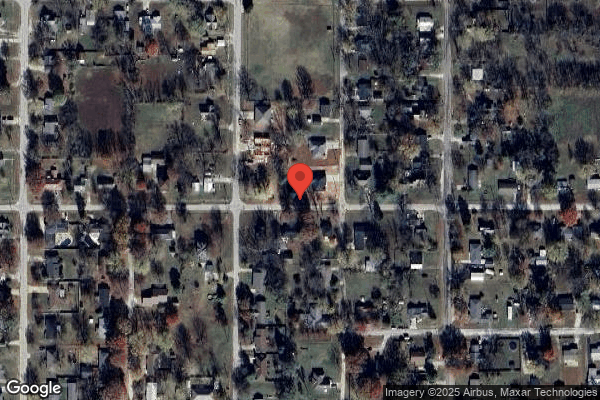
Jan 2020 9 deficiencies
CONCERN (D)

Potential for Harm - no one hurt, but risky conditions existed

Incontinence Care (Tag F0690)

Could have caused harm · This affected 1 resident

**NOTE- TERMS IN BRACKETS HAVE BEEN EDITED TO PROTECT CONFIDENTIALITY** Based on observation, record review, and interview, the facility failed to document monitoring of antibiotic use for one residen...

Read full inspector narrative →
**NOTE- TERMS IN BRACKETS HAVE BEEN EDITED TO PROTECT CONFIDENTIALITY** Based on observation, record review, and interview, the facility failed to document monitoring of antibiotic use for one resident (Resident #39) with a urinary tract infection. A sample of 18 residents were selected for review in a facility with a census of 60. Record review of the facility's policy titled Infections-Clinical Protocol, revised March 2018, showed the following: -The nursing staff and physician or provider will monitor the progress of a resident with an infection until it is resolved. 1. Record review of Resident #39's quarterly Minimum Data Set (MDS - a federally mandated assessment completed by facility staff), dated 11/8/19, showed the following: -admitted to the facility on [DATE]; -Moderately impaired cognition; -Required supervision/assistance of one staff with toileting; -Had an indwelling urinary catheter (a sterile tube inserted into the bladder to drain urine); -Had a urinary tract infection in the last 30 days. Record review of the resident's January 2020 physician order sheet showed the following: -Diagnoses of dementia, benign prostate hyperplasia (BPH - prostate gland enlargement that can cause uncomfortable urinary symptoms, such as blocking the flow of urine out of the bladder. It can also cause bladder, urinary tract or kidney problems.), diabetes mellitus, stage 3 chronic kidney disease, and urinary retention. Record review of the resident's clinical note dated 1/16/20, at 4:17 P.M., showed a nurse documented the following: -The physician saw the resident for dysuria (pain or burning with urination), hematuria (blood in the urine), and nausea; -Order for Rocephin (an antibiotic), administer 1 gram intramuscular (IM - an injection into the muscle); -Order for Keflex (an antibiotic) give 250 milligrams (mg) four times per day for seven days starting tomorrow (1/17/20). Record review of the resident's January 2020 physician orders showed the following: -Keflex 250 mg, 4 times per day for 7 days for a diagnosis of urinary tract infection. Record review of the resident's clinical note dated 1/17/20, at 12:11 P.M, showed a nurse documented the following: -Resident remains on oral antibiotics for a urinary tract infection without signs/symptoms of adverse side effects, afebrile (without fever); -Foley catheter patent draining cloudy, yellow urine with large amount of mucous noted; -Oral fluids encouraged; -Resident states feeling better today, improving skin color, level of consciousness improved today; -Denies complaints of pain or distress. Record review of the resident's clinical notes showed staff did not document on the resident on 1/18/20. Record review of the resident's clinical notes showed staff did not document on the resident on 1/19/20. During an interview and observation on 1/20/20, at 10:30 A.M., the resident said the following: -The resident had a Foley catheter with dark amber urine in drainage tubing; -He/she had a urinary tract infection and was not feeling very well, complained of stomach upset and diarrhea. Record review of the resident's clinical notes showed staff did not document on the resident on 1/21/20. Record review of the resident's clinical note dated 1/22/20, at 4:15 P.M., showed the following: -Resident remained on oral antibiotics for UTI without adverse side effects; -Resident alert and oriented to self; -Disoriented to time, place, and situation; -Resident kept thinking staff needed to collect his/her urine and that he/she was getting a shot today; -Resident re-oriented and told urinalysis was already collected, results received and resident is already on an antibiotic for a UTI; -Resident stated understanding at this time; -No fever thus far today, oral fluids encouraged; -Foley catheter patent draining clear, dark yellow urine to gravity without difficulty. During an interview on 1/23/20, at 12:00 P.M., Registered Nurse (RN) C said the following: -Nurses should document every shift on all residents on antibiotics; -Nurses receive a list of residents on antibiotics every weekday morning; -Nurses should document the resident's temperature, any adverse reaction to the antibiotic, and any symptoms of infection or fever; -Nurses did not chart every shift on the resident since he/she started on antibiotic therapy, but they should have; -The resident was having stomach issues yesterday (1/22/20), but is feeling better today (1/23/20). During an interview on 1/23/20, at 3:34 P.M., the Director of Nursing (DON) said the following: -If staff administer antibiotics to a resident for an infection, he/she expected nurses to chart the resident's condition every shift in the nurse notes; -Nurses should monitor for adverse reactions to the antibiotic, the resident's temperature, and any continued signs and symptoms of infection. During an interview on 1/23/20, at 4:56 P.M., the facility Administrator said the following: -He/she expected nurses to document in the nurse notes every shift on a resident on antibiotics, for the duration of the antibiotic therapy.
CONCERN (D)

Potential for Harm - no one hurt, but risky conditions existed

Respiratory Care (Tag F0695)

Could have caused harm · This affected 1 resident

**NOTE- TERMS IN BRACKETS HAVE BEEN EDITED TO PROTECT CONFIDENTIALITY** Based on observation, interview, and record review, the facility failed to ensure one resident (Resident #19) with a CPAP (conti...

Read full inspector narrative →
**NOTE- TERMS IN BRACKETS HAVE BEEN EDITED TO PROTECT CONFIDENTIALITY** Based on observation, interview, and record review, the facility failed to ensure one resident (Resident #19) with a CPAP (continuous positive airway pressure) ventilation machine had a physician order for the use and care of the machine. A sample of 18 residents were selected for review in a facility with a census of 60. Record review of the facility's policy titled, Continuous Pressure Airway Pressure (CPAP) Administration, undated, showed: -Purpose to administer CPAP to maintain open airway to the resident with obstructed sleep apnea or respiratory problems breathing when sleeping; -Check physician's order for pressure setting and method of administration; -CPAP machine should be placed on table near bed; -Fill humidifier with distilled water to appropriate level (optional may use tap water); -Assist resident as needed to applying and adjusting CPAP mask and head strap; -Use a wet cloth or cleaning cloth to wipe the outside surface of the CPAP machine; -Clean the back filter weekly by running it under warm tap water, squeezing the water out until it runs clear of dust, blot dry; -Disposable filters are to be replaced monthly or whenever torn or discolored; -Wipe the outside of the CPAP unit with a damp cloth and let air dry; -Inspect and clean filters, outer filter every two weeks and inner filter every month; -The tubing should be cleaned weekly. Particles from the air can gather in the tubing through use, and mold can even accumulate, which is dangerous to inhale. Remove the tubing from the device, and rinse with water and mild soap, swishing back and forth through the tubing and emptying. Rinse thoroughly and allow to air dry; -If the unit has a humidifier, check to make sure there is enough tap/distilled water in the unit; -Clean the holding tank with a damp cloth and mild soap weekly; -For disinfecting the holding tank, use vinegar and water and let sit in the holder for approximately 30 minutes. Rinse thoroughly and air dry. 1. Record review of Resident #19's quarterly Minimum Data Set (MDS - a federally mandated assessment completed by facility staff), dated 12/20/19, showed the following: -admitted to the facility on [DATE]; -Cognitively intact; -Required supervision and set up assistance of staff with bed mobility, transfers, toileting, and personal hygiene; -Resident used a walker or wheelchair for mobility. (Staff did not indicate the resident used a CPAP (section left blank) on the MDS.) Record review of the resident's January 2020 physician order sheets showed the following: -Diagnoses of emphysema (a lung condition that causes shortness of breath), congestive heart failure (CHF - a condition in which the heart can't pump enough blood to the body's other organs), and edema (the presence of abnormally large amounts of fluid in the intercellular tissue spaces of the body); -No order for use of a CPAP machine; -No order for cleaning of a CPAP machine. Observation of the resident on 1/20/20, at 2:00 P.M., showed: -The resident had a CPAP machine in his/her room on the nightstand beside the bed; -The facemask and tubing lay across the resident's bed; -The tubing contained a brown residue; -A layer of dust covered the top of the machine; -The machine water chamber was empty with a brown substance dried in the base of the chamber. During an interview on 1/23/20, at 1:04 P.M., the Director of Nursing (DON) said the following: -It is the responsibility of the nurses to clean the residents' CPAP masks daily with soap and water; -Nurses should document orders for residents' CPAP machines and orders for cleaning of the CPAP machines on the treatment administration record (TAR); -The DON was unsure how often nurses should clean CPAP tubing; -The DON was unsure how many residents in the facility used CPAP machines. During an interview on 1/23/20, at 1:24 P.M., Registered Nurse (RN) C said the following: -He/she was unsure if the resident had a CPAP machine; -If a resident had a CPAP machine, the resident should have a physician's order to clean the machine. During an interview on 1/23/20, at 2:00 P.M., the resident said the following: -Facility staff do not clean his/her CPAP machine, face mask, or tubing; -The resident said he/she tried to clean the face mask him/herself, but was not able to do so very often; -The resident only cleaned the face mask portion of the CPAP; -The resident never cleaned the tubing; -The resident used the CPAP machine at night since prior to admission to the facility. During an interview on 1/23/20, at 3:28 P.M., the Director of Nursing (DON) said the following: -The facility does not have a manufacturer guideline for cleaning of the resident's CPAP machine. During an interview on 1/23/20, at 4:56 P.M., the administrator said the following: -The administrator expected nurses to clean resident CPAP machines by following the facility policy on cleaning.
CONCERN (D)

Potential for Harm - no one hurt, but risky conditions existed

Medical Records (Tag F0842)

Could have caused harm · This affected 1 resident

**NOTE- TERMS IN BRACKETS HAVE BEEN EDITED TO PROTECT CONFIDENTIALITY** Based on record review and interview, the facility failed to ensure the record was accurate and complete when staff did not docu...

Read full inspector narrative →
**NOTE- TERMS IN BRACKETS HAVE BEEN EDITED TO PROTECT CONFIDENTIALITY** Based on record review and interview, the facility failed to ensure the record was accurate and complete when staff did not document one resident's (Resident #52) decline in condition for seven days before the resident's death. A sample of 18 residents was selected for review in a facility with a census of 60. Record review of the facility's policy, undated, titled Charting and Documentation showed the following: -The purpose of these guidelines is to provide a complete account of the resident's care, treatment, response to the care, signs, symptoms, as well as the resident's progress; -Guidance to the physician in prescribing appropriate medications and treatments; -The facility, as well as other interested parties, with a tool for measuring the quality of care provided to the resident; -Nursing services personnel with a record of the physical and mental status of each resident; -Assistance in the development of a plan of care for each resident; -The elements of quality medical nurse care; -A legal record that protects the resident, physician, nurse, and the facility; -Chart all pertinent changes in the resident's condition, reaction to treatments, medication, as well as routine observations. 1. Record review of Resident #52's face sheet showed the following: -admitted on [DATE]; -Diagnoses included chronic kidney disease stage 2, congestive heart failure (a condition in which the heart can't pump enough blood to the body's other organs), and major depressive disorder. Record review of the resident's significant change Minimum Data Set (MDS - a federally mandated assessment tool completed by facility staff), dated [DATE], showed the following: -Severe impairment of cognitive abilities; -Extensive assistance required with bed mobility, transfer, dressing, and toileting; -Frequently incontinent of bowel and bladder. Record review of the resident's care plan, dated [DATE], showed the resident at risk for altered comfort. Record review of the resident's progress note dated [DATE], at 10:30 A.M., showed the Director of Nursing (DON) documented the resident continued to slowly decline. The family does not want the resident sent to the hospital. The resident is now in the assisted dining room. The resident is very frail, uses a wheelchair for mobility, propelled by staff. The resident is maximum assistance with one person for activities of daily living (ADLs- dressing, grooming, bathing, eating, and toileting). The residents's respirations are even and unlabored. Record review of the resident's progress note dated [DATE], at 12:13 P.M., showed the DON documented the resident's family called and talked about the resident's condition and requested a hospice evaluation. Record review of the resident's progress note dated, [DATE], at 10:44 A.M., showed a nurse documented the physician saw the resident today for an admission to hospice. Record review of the resident's progress note dated [DATE], at 3:07 P.M., showed a nurse documented the resident remained on condition charting related to his/her recent overall decline. The resident is unable to eat without assistance and has a pureed diet with nectar thickened liquids in the assisted dining room. The resident states difficulty swallowing. The resident requires extensive assistance for transfers, toileting, and ADLs. The resident has increased overall weakness noted. The resident is on hospice services. The resident complained of two out of 10 pain scale for general pain related to arthritis in his/her knees. Record review of the resident's record showed the staff documented the resident passed on [DATE]. Record review of the resident's record showed staff did not document any notes related to the resident's decline in condition from [DATE] through [DATE]. During an interview on [DATE], at 2:21 P.M., the social worker said there were no other nurses' notes from [DATE] through [DATE] regarding the resident's care. During an interview on [DATE], at 1:38 P.M., Certified Nurse Aide (CNA) F said the following: -Changes in condition include change in appetite, slurred speech, or an increase in sleeping; -Staff should report changes in condition to the charge nurse; -The resident was on comfort care. Staff turned the resident every two hours; -The resident was not swallowing anything; -The resident did not eat for a couple of days before he/she died; -Staff elevated the resident's heels. The resident had no open areas. During an interview on [DATE], at 3:44 P.M., the DON said staff should have charted on the resident with the decline in condition. The DON said there is no documentation from [DATE] through [DATE]. Staff should chart the resident's condition, vital signs, and how a resident is doing. During an interview on [DATE], at 4:51 P.M., the administrator said staff should document on a resident's decline in condition. Staff should have documented on the resident's condition between the dates of [DATE] through [DATE].
CONCERN (E)

Potential for Harm - no one hurt, but risky conditions existed

Deficiency F0577 (Tag F0577)

Could have caused harm · This affected multiple residents

Based on observation and interview, the facility failed to ensure the prior survey results were posted in a readily accessible public location for residents, family members, and residents' legal repre...

Read full inspector narrative →
Based on observation and interview, the facility failed to ensure the prior survey results were posted in a readily accessible public location for residents, family members, and residents' legal representatives. The facility census was 60. 1. Observation on 1/21/20 at 2:00 P.M., showed several binders, including the binder containing the 4/7/18 annual survey results, placed on a shelf located above a small table, near the South nurses' station. The binder, containing the survey results, would not be easily accessible to residents, or anyone else, in a wheelchair or who had difficulty walking, without asking for assistance. During an interview on 1/21/20 at 2:10 P.M., Certified Nurse Aide (CNA) A said the survey results should be at the nurses' desk but he/she did not know the exact location of the survey results book. An interview and observation on 1/21/20 at 2:12 P.M., showed the following: -The Director of Nursing (DON) said she thought the past survey results were located at the nurses' station. -The DON looked through the various binders placed on the shelf near the South nurses' station. The DON found a unlabeled white notebook that contained the facility's 2018 annual survey results (not the most current survey results (3/22/19)). -The DON said the survey results book should be labeled and easily accessible to family, visitors or residents. An observation and interview on 1/21/20, at 2:48 P.M., showed the following: -The administrator searched for the survey results binder on the shelf at the South nurses' desk. He did not know which book contained the survey results. The administrator found an unlabeled white binder which contained the facility's 2018 annual survey results. -The administrator said the binder that contained the survey results should be labeled and he would add the past survey results (3/22/19) to the binder. The survey results binder was usually on the table.
CONCERN (E)

Potential for Harm - no one hurt, but risky conditions existed

Deficiency F0638 (Tag F0638)

Could have caused harm · This affected multiple residents

Based on record review and interview, the facility failed to ensure Minimum Data Set (MDS - a federally mandated assessment instrument completed by facility staff) assessments were completed within th...

Read full inspector narrative →
Based on record review and interview, the facility failed to ensure Minimum Data Set (MDS - a federally mandated assessment instrument completed by facility staff) assessments were completed within the required timeframe for three residents (Resident #7, Resident #11, and Resident #15) out of a sample of 18 residents. The facility census was 60. Record review of the facility policy, titled Electronic Transmission of the MDS from the Nursing Services Policy and Procedure Manual for Long-Term Care, dated 2001 and revised September 2010, showed the following information: -All MDS assessments (e.g., admission, annual, significant change, quarterly review, etc.) and discharge and reentry records will be completed and electronically encoded into the facility's MDS information system and transmitted to Centers for Medicare/Medicaid Services' (CMS) Quality Improvement Evaluation System (QIES) Assessment Submission and Processing (ASAP) System in accordance with current OBRA regulations governing the transmission of MDS data. -All staff members responsible for completion of the MDS receive training on the assessment, data entry, and transmission processes, in accordance with the MDS Resident Assessment Instrument (RAI) Instruction manual, before permitted to use the MDS information system. 1. Record review of Resident #7's MDS assessment showed the following information: -Staff completed a quarterly assessment on 8/15/19; -During an interview on 1/22/20, at 9:58 A.M., the MDS coordinator said the resident's quarterly MDS assessment was due 11/22/19 and completed on 1/10/20 (49 dates late). 2. Record review of Resident #11's MDS assessment showed the following information: -Staff completed a quarterly assessment on 9/5/19; -During an interview on 1/22/20, at 9:58 A.M., the MDS coordinator said the resident's quarterly MDS was due 12/13/19 and it is currently being worked on. 3. Record review of Resident #15's MDS assessment showed the following information: -Staff completed a quarterly assessment on 9/13/19; -During an interview on 1/22/20, at 9:58 A.M., the MDS coordinator said the resident's quarterly MDS was completed 1/15/20. The quarterly MDS was due 12/20/19. (21 days late) 4. During an interview on 1/22/20, at 8:41 A.M., the MDS coordinator said the following: -She has been the MDS coordinator at the facility for four weeks; -Licensed Practical Nurse (LPN) E has been training the MDS coordinator the the last four weeks; -MDS assessments to be completed include five day assessments after admission, discharge assessments, significant change, quarterly and annual assessments; -MDS assessments should be submitted weekly after completion. 5. During an interview on 1/22/20, at 8:41 A.M., LPN E said the following: -The former MDS coordinator was behind on completing and submitting the MDS assessments; -There were several months worth of MDS assessments not completed; -LPN E is working on the older MDS assessments and the current MDS coordinator is working on new admissions; -LPN E had submitted MDS assessments several times last week; -LPN E had received notifications from CMS of overdue MDS assessments; -MDS assessments have a reference date which is the look back period to determine due dates. Staff have seven days to complete the assessment after the reference date; -MDS assessments from October 2019 through 12/26/19 have not been completed; -The former MDS coordinator had not communicated to staff of the MDS assessments that were not completed. 6. During an interview on 1/22/20, at 9:35 A.M., the Director of Nursing (DON) said the following: -The MDS coordinator is in charge of completing the MDS assessments; -End of last year report showed several MDS assessments were late and not being submitted timely to CMS. 7. During an interview on 1/22/20, at 10:27 A.M., the administrator said the following: -He was aware of the late MDS assessments; -The former MDS coordinator's last day was 9/30/19. The former MDS coordinator stated he/she would assist with completing the MDS assessments during the interim period; - The current MDS coordinator started at the facility end of December 2019; -LPN E is assisting the MDS coordinator with getting the late MDS assessments caught up.
CONCERN (E)

Potential for Harm - no one hurt, but risky conditions existed

MDS Data Transmission (Tag F0640)

Could have caused harm · This affected multiple residents

**NOTE- TERMS IN BRACKETS HAVE BEEN EDITED TO PROTECT CONFIDENTIALITY** Based on interview and record review, the facility failed to electronically transmit encoded data Minimum Data Set (MDS), a fede...

Read full inspector narrative →
**NOTE- TERMS IN BRACKETS HAVE BEEN EDITED TO PROTECT CONFIDENTIALITY** Based on interview and record review, the facility failed to electronically transmit encoded data Minimum Data Set (MDS), a federally mandated assessment instrument completed by facility staff, assessments from the facility to the Centers for Medicare & Medicaid Services (CMS) Quality Improvement and Evaluation System (QIES) Assessment Submission and Processing (ASAP) system within 14 days on one resident (Resident #3) out of a sample of 18 residents selected for review. The facility had a census of 60 residents. Record review of the facility policy, titled Electronic Transmission of the MDS from the Nursing Services Policy and Procedure Manual for Long-Term Care, dated 2001 and revised September 2010, showed the following information: -All MDS assessments (e.g., admission, annual, significant change, quarterly review, etc.) and discharge and reentry records will be completed and electronically encoded into the facility's MDS information system and transmitted to Centers for Medicare/Medicaid Services' (CMS) Quality Improvement Evaluation System (QIES) Assessment Submission and Processing (ASAP) System in accordance with current OBRA regulations governing the transmission of MDS data. -All staff members responsible for completion of the MDS receive training on the assessment, data entry, and transmission processes, in accordance with the MDS Resident Assessment Instrument (RAI) Instruction manual, before permitted to use the MDS information system. 1. Record review of Resident #'3's face sheet (a document that gives a resident's information at a quick glance) showed the following information: -admitted to the facility on [DATE]; -Diagnoses included acute kidney failure, muscle weakness, chronic obstructive pulmonary disease (chronic bronchitis and emphysema, a pair of two commonly co-existing diseases of the lungs in which the airways become narrowed. This leads to a limitation of the flow of air to and from the lungs causing shortness of breath), and major depressive disorder. Record review on 1/22/20 of the resident's quarterly MDS assessment, due 10/29/19 and completed on 12/28/19, showed staff encoded the MDS assessment data into the facility system, but had not electronically transmit the encoded MDS information within 14 days from the facility to the QIES ASAP System. During an interview on 1/22/20, at 8:41 A.M., the MDS coordinator said the following: -She has been the MDS coordinator at the facility for four weeks; -Licensed Practical Nurse (LPN) E has been training the MDS coordinator the the last four weeks; -MDS assessments to be completed include five day assessments after admission, discharge assessments, significant change, quarterly and annual assessments; -MDS assessments should be submitted weekly after completion. During an interview on 1/22/20, at 8:41 A.M. LPN E said the following: -The former MDS coordinator was behind on completing and submitting the MDS assessments; -There were several months worth of MDS assessments not completed; -LPN E is working on the older MDS assessments and the current MDS coordinator is working on new admissions; -LPN E submitted several MDS assessments several times last week; -LPN E had received notifications from CMS of overdue MDS assessments; -MDS assessments from October 2019 through 12/26/19 have not been completed; -Completed MDS assessments should be transmitted to CMS within 14 days; -The former MDS coordinator had not communicated to staff of the MDS assessments that were not completed. During an interview on 1/22/20, at 9:35 A.M., the Director of Nursing (DON) said the following: -The MDS coordinator is in charge of completing the MDS assessments; -End of last year report showed several MDS assessments were late and not being submitted timely to CMS. During an interview on 1/22/20, at 10:27 A.M., the administrator said the following: -He was aware of the late MDS assessments; -The former MDS coordinator's last day was 9/30/19. The former MDS coordinator stated he/she would assist with completing the MDS assessments during the interim period; -The current MDS coordinator started at the facility end of December 2019; -LPN E is assisting the MDS coordinator with getting the late MDS assessments caught up.
CONCERN (E)

Potential for Harm - no one hurt, but risky conditions existed

Deficiency F0642 (Tag F0642)

Could have caused harm · This affected multiple residents

Based on interview and record review, the facility failed to ensure a registered nurse certified the Minimum Data Set (MDS), a federally mandated assessment instrument completed by facility staff, com...

Read full inspector narrative →
Based on interview and record review, the facility failed to ensure a registered nurse certified the Minimum Data Set (MDS), a federally mandated assessment instrument completed by facility staff, completion date (Z0500B) no later than 14 days after the assessment reference date (ARD - A2300) for three residents (Resident #3, Resident #5, and Resident #12). The facility census was 60. Record review of the Resident Assessment Instrument (RAI) manual, dated 10/1/17, showed the following: -Z0500B description: MDS Completion Date - date of the RN assessment coordinator's signature, indicating that the MDS is complete; -In accordance with the requirements at 42 CFR 483.20(f)(1), (f)(2), and (f)(3), long-term care facilities participating in the Medicare and Medicaid programs must meet the following conditions: -For all non-admission Omnibus Budget Reconciliation Act of 1987 (OBRA) and Prospective Payment System (PPS) assessments, the MDS Completion Date (Z0500B) must be no later than 14 days after the Assessment Reference Date (ARD) (A2300). 1. Record review of Resident #3's MDS assessment showed the following information: -ARD was 10/29/19; -Completion Date (Z0500B) of the Centers for Medicare/Medicaid Services' (CMS) Quality Improvement Evaluation System (QIES) Assessment Submission and Processing (ASAP) System showed 1/22/20. 2. Record review of Resident #5's MDS assessment showed the following information: -ARD was 11/7/19; -Completion Date (Z0500B) of the CMS QIES ASAP System showed 1/22/20. 3. Record review of Resident #12's MDS assessment showed the following information: -ARD was 12/13/19; -Completion Date (Z0500B) of the CMS QIES ASAP System showed 1/22/20. 4. During an interview on 1/22/20, at 8:41 A.M., the MDS coordinator said the following: -She has been the MDS coordinator at the facility for four weeks; -Licensed Practical Nurse (LPN) E has been training the MDS coordinator the the last four weeks; -MDS assessments to be completed include five day assessments after admission, discharge assessments, significant change, quarterly, and annual assessments; -MDS assessments should be submitted weekly after completion. 5. During an interview on 1/22/20, at 8:41 A.M., LPN E said the following: -The former MDS coordinator was behind on completing and submitting the MDS assessments; -There were several months worth of MDS assessments not completed; -LPN E is working on the older MDS assessments and the current MDS coordinator is working on new admissions; -LPN E submitted MDS assessments several times last week; -LPN E had received notifications from CMS of overdue MDS assessments; -MDS assessments have a reference date which is the look back period to determine due dates. Staff have seven days to complete the assessment after the reference date; -MDS assessments from October 2019 through 12/26/19 have not been completed; -Completed MDS assessments should be transmitted to CMS within 14 days; -The former MDS coordinator had not communicated to staff of the MDS assessments that were not completed; -RN signs completion of the assessment, but not necessarily of it's accuracy. Section Z of the MDS assessment has the section for the signature of the MDS assessment completed. 6. During an interview on 1/22/20, at 9:35 A.M., the Director of Nursing (DON) said the following: -The MDS coordinator is in charge of completing the MDS assessments; -End of last year report showed several MDS assessments were late and not being submitted timely to CMS. 7. During an interview on 1/22/20, at 10:27 A.M., the administrator said the following: -He was aware of the late MDS assessments; -The former MDS coordinator's last day was 9/30/19. The former MDS coordinator stated he/she would assist with completing the MDS assessments during the interim period; -The current MDS coordinator started at the facility end of December 2019; -LPN E is assisting the MDS coordinator with getting the late MDS assessments caught up.
CONCERN (E)

Potential for Harm - no one hurt, but risky conditions existed

Deficiency F0923 (Tag F0923)

Could have caused harm · This affected multiple residents

**NOTE- TERMS IN BRACKETS HAVE BEEN EDITED TO PROTECT CONFIDENTIALITY** Based on observation and interview, the facility failed to maintain the residents' bathroom exhaust ventilation system in proper...

Read full inspector narrative →
**NOTE- TERMS IN BRACKETS HAVE BEEN EDITED TO PROTECT CONFIDENTIALITY** Based on observation and interview, the facility failed to maintain the residents' bathroom exhaust ventilation system in proper working condition when 23 residents' bathrooms did not have functioning exhaust vents. The facility had a census of 60. 1. Observation on 01/23/2020, beginning at 8:30 A.M., showed the exhaust ventilation system in the following rooms did not work when tested: -room [ROOM NUMBER]; -room [ROOM NUMBER]; -room [ROOM NUMBER]; -room [ROOM NUMBER]; -room [ROOM NUMBER]; -room [ROOM NUMBER]; -room [ROOM NUMBER]; -room [ROOM NUMBER]; -room [ROOM NUMBER]; -room [ROOM NUMBER]; -room [ROOM NUMBER]; -room [ROOM NUMBER]; -room [ROOM NUMBER]; -room [ROOM NUMBER]; -room [ROOM NUMBER]; -room [ROOM NUMBER]; -room [ROOM NUMBER]; -room [ROOM NUMBER]; -room [ROOM NUMBER]; -room [ROOM NUMBER]; -room [ROOM NUMBER]; -room [ROOM NUMBER]; -room [ROOM NUMBER]. During an interview on 01/23/2020, at approximately 1:15 P.M., the maintenance supervisor (MS) said he did not know the residents' bathroom exhaust system did not work. The exhaust system worked off of a large fan located in the roof.
MINOR (C)

Minor Issue - procedural, no safety impact

Abuse Prevention Policies (Tag F0607)

Minor procedural issue · This affected most or all residents

**NOTE- TERMS IN BRACKETS HAVE BEEN EDITED TO PROTECT CONFIDENTIALITY** Based on interview and record review, the facility failed to develop written policies and procedures for reporting abuse, mistre...

Read full inspector narrative →
**NOTE- TERMS IN BRACKETS HAVE BEEN EDITED TO PROTECT CONFIDENTIALITY** Based on interview and record review, the facility failed to develop written policies and procedures for reporting abuse, mistreatment, neglect, and misappropriation of resident property in accordance with federal requirements when the facility's policy did not direct staff to report all allegations of abuse to the Department of Health and Senior Services (DHSS) within two hours. The facility's was 60. 1. Record review of the facility's Abuse Prevention Policy/Elder Justice Act, revised on 1/16/19, showed the following information: -It is the policy of the facility to establish a resident-sensitive and secure environment to assure proper and respectful treatment of all residents. The facility is obligated to ensure that residents have the right to be free from verbal, mental, physical and sexual abuse, involuntary seclusion and neglect. The facility will not tolerate any abuse and will promptly and thoroughly investigate any allegation of abuse, neglect, and misappropriation of resident property and all injuries of known and unknown origin. In addition, the facility will comply with the Elder Justice Act policy for reporting reasonable suspicion of a crime; -Reporting allegations of abuse: The facility will encourage residents, families and staff to immediately report any knowledge of allegations of abuse by means of reporting to: 1. Immediate supervisor 2. Social services coordinator 3. Director of Nursing (DON) 4. Administrator; -Pursuant to the Elder Justice Act of 2010 all covered individuals (operator, employee, manager, agent, contractor, volunteer) are required to report to a law enforcement agency if there is a reasonable suspicion of a crime against a resident. If a resident sustains a serious bodily injury the law enforcement agency (example, 911) and the Department of Health and Senior Services 1 (800) [PHONE NUMBER] must be contacted within two (2) hours of forming the suspicion. If the resident's injury is not serious, the law enforcement agency (911) and the Department of Health and Senior Services 1 (800) [PHONE NUMBER] must be contacted within twenty-four (24) after forming the suspicion; -Reporting: The following is a summary of the reporting procedure for abuse and neglect. If you suspect abuse or neglect, immediately report the situation to the DON or administrator. The resident will be assessed for the need of medical attention and within 24 hours, the Ombudsman and DHSS will be notified verbally of the allegations. If the resident suffers serious bodily injury DHSS needs to be notified within 2 hours. During an interview on 1/23/20, at 12:04 P.M., Certified Medication Technician (CMT) B said the facility should call the State Agency, with any allegation of abuse, within two hours. During an interview on 1/23/20, at 1:17 P.M., the DON said the facility should report any allegation of abuse to DHSS within two hours. During an interview on 1/23/20, at 4:51 P.M. the administrator said the following: -The facility should notify DHSS within two hours of an allegation of abuse; -The facility's abuse policy should direct staff to notify DHSS within two hours of an allegation of abuse. This policy needed updated; -Nursing and all staff were educated to report allegations of abuse immediately and to call DHSS within two hours.
Understanding Severity Codes (click to expand)
Life-Threatening (Immediate Jeopardy)
J - Isolated K - Pattern L - Widespread
Actual Harm
G - Isolated H - Pattern I - Widespread
Potential for Harm
D - Isolated E - Pattern F - Widespread
No Harm (Minor)
A - Isolated B - Pattern C - Widespread

Questions to Ask on Your Visit

  • "Can I speak with families of current residents?"
  • "What's your RN coverage like on weekends and overnight?"

Our Honest Assessment

Strengths
  • • No fines on record. Clean compliance history, better than most Missouri facilities.
Concerns
  • • 36 deficiencies on record, including 1 serious (caused harm) violation. Ask about corrective actions taken.
  • • Grade F (35/100). Below average facility with significant concerns.
Bottom line: Trust Score of 35/100 indicates significant concerns. Thoroughly evaluate alternatives.

About This Facility

What is Ozarks Methodist Manor, The's CMS Rating?

CMS assigns OZARKS METHODIST MANOR, THE an overall rating of 1 out of 5 stars, which is considered much below average nationally. Within Missouri, this rating places the facility higher than 0% of the state's 100 nursing homes. A rating at this level reflects concerns identified through health inspections, staffing assessments, or quality measures that families should carefully consider.

How is Ozarks Methodist Manor, The Staffed?

CMS rates OZARKS METHODIST MANOR, THE's staffing level at 3 out of 5 stars, which is average compared to other nursing homes. Staff turnover is 54%, compared to the Missouri average of 46%.

What Have Inspectors Found at Ozarks Methodist Manor, The?

State health inspectors documented 36 deficiencies at OZARKS METHODIST MANOR, THE during 2020 to 2025. These included: 1 that caused actual resident harm, 33 with potential for harm, and 2 minor or isolated issues. Deficiencies causing actual harm indicate documented cases where residents experienced negative health consequences.

Who Owns and Operates Ozarks Methodist Manor, The?

OZARKS METHODIST MANOR, THE is owned by a non-profit organization. Non-profit facilities reinvest revenue into operations rather than distributing to shareholders. The facility operates independently rather than as part of a larger chain. With 78 certified beds and approximately 59 residents (about 76% occupancy), it is a smaller facility located in MARIONVILLE, Missouri.

How Does Ozarks Methodist Manor, The Compare to Other Missouri Nursing Homes?

Compared to the 100 nursing homes in Missouri, OZARKS METHODIST MANOR, THE's overall rating (1 stars) is below the state average of 2.5, staff turnover (54%) is near the state average of 46%, and health inspection rating (2 stars) is below the national benchmark.

What Should Families Ask When Visiting Ozarks Methodist Manor, The?

Based on this facility's data, families visiting should ask: "Can I visit during a mealtime to observe dining assistance and food quality?" "How do you handle medical emergencies, and what is your hospital transfer rate?" "Can I speak with family members of current residents about their experience?"

Is Ozarks Methodist Manor, The Safe?

Based on CMS inspection data, OZARKS METHODIST MANOR, THE has a clean safety record: no substantiated abuse findings (meaning no confirmed cases of resident harm), no Immediate Jeopardy citations (the most serious violation level indicating risk of serious injury or death), and is not on the Special Focus Facility watch list (a federal program monitoring the lowest-performing 1% of nursing homes). The facility has a 1-star overall rating and ranks #100 of 100 nursing homes in Missouri. While no facility is perfect, families should still ask about staff-to-resident ratios and recent inspection results during their visit.

Do Nurses at Ozarks Methodist Manor, The Stick Around?

OZARKS METHODIST MANOR, THE has a staff turnover rate of 54%, which is 8 percentage points above the Missouri average of 46%. Moderate turnover is common in nursing homes, but families should still ask about staff tenure and how the facility maintains care continuity when employees leave.

Was Ozarks Methodist Manor, The Ever Fined?

OZARKS METHODIST MANOR, THE has no federal fines on record. CMS issues fines when nursing homes fail to meet care standards or don't correct problems found during inspections. The absence of fines suggests the facility has either maintained compliance or corrected any issues before penalties were assessed. This is a positive indicator, though families should still review recent inspection reports for the full picture.

Is Ozarks Methodist Manor, The on Any Federal Watch List?

OZARKS METHODIST MANOR, THE is not on any federal watch list. The most significant is the Special Focus Facility (SFF) program, which identifies the bottom 1% of nursing homes nationally based on persistent, serious quality problems. Not being on this list means the facility has avoided the pattern of deficiencies that triggers enhanced federal oversight. This is a positive indicator, though families should still review the facility's inspection history directly.