NEW MADRID LIVING CENTER


1050 DAWSON ROAD, NEW MADRID, MO 63869 (573) 748-5622
For profit - Corporation 112 Beds JAMES & JUDY LINCOLN Data: November 2025
Trust Grade
78/100
#38 of 479 in MO
Last Inspection: October 2024

Within standard 12-15 month inspection cycle. Federal law requires annual inspections.

Overview

New Madrid Living Center has received a Trust Grade of B, indicating it is a good choice among nursing homes, though not the top tier. It ranks #38 out of 479 facilities in Missouri, placing it in the top half, and is the best option among five in New Madrid County. The facility is improving, having reduced its issues from five in 2023 to three in 2024. Staffing is average with a rating of 3 out of 5 stars and a turnover rate of 50%, which is below the state average. However, it has reported $8,824 in fines, which is considered average, and the RN coverage is also average. There are some serious concerns; for instance, one resident suffered a fractured leg due to improper transfer techniques, and staff failed to notify a physician about critical lab results in a timely manner, leading to a hospital admission. While the facility excels in overall and health inspection ratings, these incidents highlight the need for improvement in following care protocols and communication.

Trust Score
B
78/100
In Missouri
#38/479
Top 7%
Safety Record
Moderate
Needs review
Inspections
Getting Better
5 → 3 violations
Staff Stability
⚠ Watch
50% turnover. Above average. Higher turnover means staff may not know residents' routines.
Penalties
✓ Good
$8,824 in fines. Lower than most Missouri facilities. Relatively clean record.
Skilled Nurses
⚠ Watch
Each resident gets only 26 minutes of Registered Nurse (RN) attention daily — below average for Missouri. Fewer RN minutes means fewer trained eyes watching for problems.
Violations
⚠ Watch
11 deficiencies on record. Higher than average. Multiple issues found across inspections.
★★★★★
5.0
Overall Rating
★★★☆☆
3.0
Staff Levels
★★★★☆
4.0
Care Quality
★★★★★
5.0
Inspection Score
Stable
2023: 5 issues
2024: 3 issues

The Good

  • 4-Star Quality Measures · Strong clinical quality outcomes
  • Full Sprinkler Coverage · Fire safety systems throughout facility
  • No fines on record

Facility shows strength in quality measures, fire safety.

The Bad

Staff Turnover: 50%

Near Missouri avg (46%)

Higher turnover may affect care consistency

Federal Fines: $8,824

Below median ($33,413)

Minor penalties assessed

Chain: JAMES & JUDY LINCOLN

Part of a multi-facility chain

Ask about local staffing decisions and management

The Ugly 11 deficiencies on record

2 actual harm
Oct 2024 2 deficiencies
CONCERN (D)

Potential for Harm - no one hurt, but risky conditions existed

Assessment Accuracy (Tag F0641)

Could have caused harm · This affected 1 resident

**NOTE- TERMS IN BRACKETS HAVE BEEN EDITED TO PROTECT CONFIDENTIALITY** Based on interview and record review, the facility failed to accurately code the Minimum Data Set (MDS - a federally mandated as...

Read full inspector narrative →
**NOTE- TERMS IN BRACKETS HAVE BEEN EDITED TO PROTECT CONFIDENTIALITY** Based on interview and record review, the facility failed to accurately code the Minimum Data Set (MDS - a federally mandated assessment instrument completed by facility staff) for two residents (Residents #10 and #28) out of 15 sampled residents. The facility census was 59. The facility did not provide a policy. 1. Review of Resident #10's medical record showed: - An admission date of 09/23/24; - Diagnoses of dementia (a disorder marked by memory loss, personality changes, and impaired reasoning that interferes with daily functioning), traumatic subdural hemorrhage (brain bleed affecting the body and how it works), seizure (a burst of uncontrolled electrical activity between brain cells that causes temporary abnormalities in muscle tone or movements like stiffness, twitching or limpness, behaviors, sensations, or states of awareness), aphasia (loss of ability to understand or express speech caused by brain damage), gastroesophageal reflux disease (GERD - stomach acid being forced back into the throat region), anxiety (persistent worry and fear about everyday situations), major depressive disorder (MDD - long-term loss of pleasure or interest in life), and osteoporosis (a condition causing loss of bone mass, predisposing a person to fractures); - An order for famotidine (used to treat acid reflux) 40 milligrams (mg) twice a day by mouth for GERD, dated 09/23/24; - An order for raloxifene (used to treat osteoporosis) 60 mg once a day by mouth for osteoporosis, dated 09/23/24; - No order for hypoglycemic (medications used to lower blood sugar) and antipsychotic (psychiatric medication used to treat psychosis) medications. - A care plan, dated 10/02/24, addressed dementia; Review of the resident's admission MDS, dated [DATE], showed: - Diagnoses of GERD, osteoporosis, and dementia not documented; - Received hypoglycemic and antipsychotic medications on a routine basis. 2. Review of Resident #28's medical record showed: - An admission date of 04/23/21; - Diagnoses of dementia, bradycardia (slow heart rate), depression, hemiplegia (paralysis of one side of the body) and hemiparesis (lack of sensation of one side of body) following a stroke affecting the right side, anxiety, type 2 diabetes mellitus (abnormal blood sugar), MDD, and GERD; - An order for pantoprazole (used to treat acid reflux) 20 mg once a day for GERD, dated 01/21/22; - No order for an antipsychotic medication; - A care plan, dated 08/01/24, addressed dementia; Review of the resident's quarterly MDS, dated [DATE], showed: - Diagnoses of bradycardia, GERD, dementia, anxiety, and stroke not documented; - Received antipsychotic medication on a routine basis. During an interview on 10/10/24 at 9:25 A.M., the MDS Coordinator said he/she completed the MDS assessments. The residents' information was gathered from the charts, electronic records, and staff. During an interview on 10/10/24 at 10:21 A.M., the Director of Nursing (DON) said the MDS Coordinator used the Resident Assessment Instrument (RAI) manual to complete the MDS assessments. During an interview on 10/10/24 at 11:00 A.M., the DON and Administrator said they would expect the MDS to accurately reflect the resident's current condition.
CONCERN (D)

Potential for Harm - no one hurt, but risky conditions existed

Infection Control (Tag F0880)

Could have caused harm · This affected 1 resident

Based on observation, interview, and record review, the facility failed to maintain proper infection control practices for two residents (Residents #10 and #30) out of two sampled residents. This defi...

Read full inspector narrative →
Based on observation, interview, and record review, the facility failed to maintain proper infection control practices for two residents (Residents #10 and #30) out of two sampled residents. This deficient practice had the potential to affect all residents in the facility. The facility's census was 59. Review of facility policy titled, Enhanced Barrier Precautions (EBP) to Infection Control Guidance, dated March 2024, showed: - Use of gloves and gown are required when conducting high-contact care activities to residents with indwelling medical devices. Review of the facility's policy titled, SARS-CoV-2 (Covid-19) For Long Term Care Facilities, dated 05/15/23, showed: - The strategies the Centers for Disease Control (CDC) recommends to prevent the spread of SARS-CoV-2 in long term care communities are the same strategies used every day to detect and prevent the spread of other respiratory viruses; - Keep residents and employees informed by describing what actions the facility takes to protect them; - Ensure facility employees are educated, trained, and have practiced the appropriate use of personal protective equipment (PPE) prior to caring for a resident; - Post signage regarding donning (putting on) and doffing (taking off) of PPE; - Healthcare personnel who enter the room of a patient with suspected or confirmed SARS-CoV-2 infection should adhere to Standard Precautions and use a N95 particulate respirator, gown, gloves, and eye protection; -While not recommended, residents who are on transmission based precautions (TBP) or quarantine can still receive visitors. In these cases, visits should occur in the resident's room and the resident should wear a well-fitting facemask (if tolerated). Before visiting residents, who are on TBP or quarantine, visitors should be made aware of the potential risk of visiting and precautions necessary in order to visit the resident. Visitors should adhere to the core principles of infection prevention and wear appropriate PPE. 1. Review of Resident #10's medical record showed: - admission date of 09/23/24; - Diagnoses of traumatic subdural hemorrhage (a type of bleeding near the brain that can happen after a head injury), dementia (a loss of memory, language, problem-solving and other thinking abilities that are severe enough to interfere with daily life), malnutrition (a lack of sufficient nutrients in the body), and dysphagia (difficulty swallowing foods or liquids); - Physician Order Sheet (POS), dated 09/10/24-10/10/24, showed an order for Jevity 1.5 Cal (a type of tube feeding formula) bolus feeding of 10 ounces every four hours, dated 10/02/24; - Care Plan, last revised 10/02/24, showed EBP for the resident related to a gastrostomy tube (a tube inserted through the abdomen that brings nutrition, medications, and fluid directly to the stomach). Observation on 10/09/24 at 11:35 A.M., showed Licensed Practical Nurse (LPN) C failed to put on a gown prior to entering Resident #10's room to administer medication and feeding through the resident's gastrostomy tube. During an interview on 10/09/24 at 1:32 P.M., LPN C said EPBs were required for residents with gastrostomy tubes. Gloves and gowns were to be worn. During an interview on 10/10/24 at 11:00 A.M., the Director of Nursing (DON) said she would expect staff to use EBP per CDC guidelines when performing care on residents with an indwelling device, wound, or a transmissible organism. 2. Review of Resident #30's medical record showed the resident tested positive for Covid-19 on 09/30/24, and placed on Covid-19 isolation precautions in a private room. Observations on 10/08/24 at 10:45 A.M., and 11:12 A.M., showed the resident's door was open and the resident sat unmasked in a wheelchair inside the room. Observations on 10/08/24 at 11:25 A.M., and 11:27 A.M., showed Certified Nurse Assistant (CNA) A wore a N95 mask, entered through the resident's opened door without putting on a gown or gloves, failed to close the door, and failed to change the N95 mask and to close the resident's door when he/she exited the room. Observation on 10/09/24 on 12:01 P.M., showed the resident's s room door was opened. The resident sat up in bed unmasked and eating. Observation on 10/09/24 at 12:11 P.M., showed CNA B entered the resident's room with an isolation gown and N95 mask on but failed to put on gloves. CNA B exited the resident's room with the meal tray and left the door open. CNA B failed to change N95 masks and to close the resident's door upon exiting the resident's room. Observation on 10/09/24 at 1:20 P.M., showed the resident's door was open with one staff in the room wearing appropriate PPE. The unmasked resident visited with two visitors with N95 masks on in the room but without gowns and gloves and the door open. During an interview on 10/08/24 at 1:40 P.M., CNA A said he/she did not know the resident was on Covid-19 precautions since the door was open. If the door was closed, then he/she would have looked at the door or the name tag beside the door to see if the resident was on precautions. During an interview on 10/10/24 at 11:00 A.M., the DON and Administrator said they expected staff to follow the CDC guidelines for isolation precautions.
Apr 2024 1 deficiency 1 Harm
SERIOUS (G) 📢 Someone Reported This

A family member, employee, or ombudsman was alarmed enough to file a formal complaint

Actual Harm - a resident was hurt due to facility failures

Accident Prevention (Tag F0689)

A resident was harmed · This affected 1 resident

Based on observation, interview, and record review, the facility failed to ensure the safety of one resident (Resident #1) when staff failed to follow the care plan and use proper technique during a t...

Read full inspector narrative →
Based on observation, interview, and record review, the facility failed to ensure the safety of one resident (Resident #1) when staff failed to follow the care plan and use proper technique during a transfer resulting in the resident entangling his/her legs together and sustaining a fractured right tibia/fibula ((tib/fib) the long bones in the lower leg). The facility census was 59. The facility did not provide a policy regarding proper transfers. 1. Record review of Resident #1's annual Minimum Data Set (MDS), a federally mandated assessment instrument required to be completed by the facility staff, dated 01/01/2024 showed: - Diagnoses of Alzheimer (a disease of the brain disorder that slowly destroys memory and thinking skills and, eventually, the ability to carry out the simplest tasks), seizure disorder; - Cognition impaired; - No behavioral symptoms; - Dependent on staff with transfers, bed mobility, dressing, toileting, and bathing; - Non ambulatory; - Incontinent of bowel and bladder; - No rejection of care. Review of Resident #1's Care Plan, dated 04/02/2024, showed: - Assistance needed for activities of daily living (ADL's) including bathing, toileting, bed mobility, transfers and meals; - Use of wheelchair for locomotion, unable to ambulate (walk), requires assist of a mechanical lift to transfer. Review of the Nursing Assistant Assignment sheets located at the nurses station showed: - Resident #1 uses a wheelchair for mobility, propelled by self; - Mechanical lift for all transfers. Review of Resident #1's Resident Progress Notes, showed: - On 04/02/2024 Licensed Practical Nurse (LPN) was called to resident's room due to resident complaints of pain to lower left extremity; - Noted large bruise and swelling to area of left lower extremity just below the knee/shin area; - Painful upon movement or touch; - Resident unaware of how or when injury occurred; - Ice pack applied to area, removed after 20 minutes then re-applied; - Primary care physician notified. Received new orders for X-ray due to swelling. - Responsible party notified. Received X-ray results with fracture if tib/fib. Orders to elevate and position for minimal movement until the resident sees the Orthopedic physician. - On 04/03/2024 family requested to have resident transferred to hospital; - On 04/04/2024 the resident admitted to the hospital for tachycardia (increased heart rate) due to administration of morphine (medication used for pain) while at the hospital. Record review of the X-ray report, dated 04/02/2024, showed an acute non-significant displaced (broken bone which are spread apart) proximal (end of bone closer to the trunk of the body) tibia and fibular fractures and diffuse soft tissue swelling (swelling around the fractured area). During an interview on 04/08/2024 at 9:00 A.M., the Administrator said she was aware of an incident involving a resident transfer that resulted in a fracture. She began an investigation immediately on 04/02/2024 after finding out about the injury. She started the investigation at the time of discovery, and went backwards interviewing staff who had worked with the resident until she got to Certified Nurse Aide (CNA) B. CNA B informed her that on the early morning hours of 04/02/2024, he/she transferred Resident #1 without the use of a mechanical lift. The resident and the employee's legs got tangled up during the transfer. CNA B reported the resident only said ouch but did not complain of pain. The CNA did not report the incident to anyone due to not suspecting any injury. The Administrator said the resident was unable to say what happened or when due to cognitive issues. The Administrator said she would expect staff to follow the resident plan of care. During an interview on 04/08/2024 at 9:45 A.M., CNA C said on 04/02/2024 he/she and CNA D went to get Resident #1 up for the lunch meal and noticed the resident's left leg and knee area was swollen, purple and red in color. CNA C said he/she immediately reported to the charge nurse for assessment. The resident can't get up or down by himself/herself, but is able to propel him/herself in the wheelchair using his/her arms only. Resident #1 frequently wonders the facility in his/her wheelchair daily. The resident is able propel self in the wheelchair using his/her arms only, he/she never uses lower extremities to move around. During an interview on 04/08/2024 at 9:50 A.M., CNA D stated the resident is mobile using his/her arms only in the wheelchair, frequently wonders around the facility. The resident is unable to answer questions appropriately. On the morning of 04/02/2024, the resident was up in the dinning room upon arrival to work. He/she only noticed the bruising and swelling after he/she and CNA C was getting the resident up for lunch. The resident did not act out like in pain. They immediately informed the charge nurse who came down and assessed the injury. During an interview on 04/08/2024 at 11:50 A.M., Licensed Practical Nurse (LPN) A said he/she was working as charge nurse on the day of 04/02/2024 when CNA's C and D reported bruising to Resident #1's left lower leg area. LPN A said the resident's leg was notably swollen near the knee area with blue color bruising. The resident complained of pain in the bruised area when moving or changing positions. LPN A notified the physician of the injury and followed physician orders as received. LPN A said CNA's are expected to look at the assignment sheets kept at the nurse's station for the level and type of assistance each resident has been assessed for. During an interview on 04/08/2024 at 2:50 P.M., CNA B said he/she transferred Resident #1 on the morning of 04/02/2024, with no assistance from other staff. He/She did not use a gait belt or mechanical lift. He/She said, during the transfer on 04/02/2024, his/her and the resident's legs got tangled when he/she moved the resident from the bed to the wheelchair. CNA B stated he/she was unable to describe how their legs got tangled. The resident said ouch but then did not complain of anything after that. CNA B denied the resident falling or having any other concerns. CNA B said he/she knew some staff used the mechanical lift and some did not, so he/she chose not to use the lift. CNA B said he/she can find the information for the level of assistance each resident needs at the nurse's station. CNA B did not remember what level of assistance Resident #1 required and would have to look before answering MO234196
Sept 2023 3 deficiencies 1 Harm
SERIOUS (G) 📢 Someone Reported This

A family member, employee, or ombudsman was alarmed enough to file a formal complaint

Actual Harm - a resident was hurt due to facility failures

Quality of Care (Tag F0684)

A resident was harmed · This affected 1 resident

**NOTE- TERMS IN BRACKETS HAVE BEEN EDITED TO PROTECT CONFIDENTIALITY** Based on interview and record review, the facility failed to ensure staff provided the necessary care and services in accordance...

Read full inspector narrative →
**NOTE- TERMS IN BRACKETS HAVE BEEN EDITED TO PROTECT CONFIDENTIALITY** Based on interview and record review, the facility failed to ensure staff provided the necessary care and services in accordance with professional standards of practice for one resident (Resident #1) out of three sampled residents. Staff failed to notify the physician of the resident's critical lab values in a timely manner which resulted in the resident being admitted to the hospital from [DATE] through 09/01/23. The facility census was 60. Review of the facility's policy titled, Lab Reporting Guidelines, dated March 2015, showed: - Once lab results are returned to the facility, the nurse will notify the physician via fax and follow-up call within 12 hours for routine labs or within one hour for stat labs; - The nurse will document on the lab report that the physician has been notified and to include how they are notified, when (time and date) and the nurse's signature. 1. Review of Resident #1's admission Minimum Data Set (MDS), a federally mandated assessment instrument required to be completed by the facility staff, dated, 08/21/23, showed: - admission to the facility on [DATE]; - Diagnoses of hypertension (high blood pressure) and malnutrition (lack of proper nutrition); - Cognition moderately impaired; - The resident with a legal guardian. Review of the resident's progress notes showed: - On 08/25/23 at 2:42 A.M., a chemistry panel (lab) obtained, which included the sodium lab; - On 08/25/23 at 11:12 P.M., (Friday night) the sodium critical lab value of 165 (normal lab sodium values 136-145) faxed to the physician's office; - On 08/27/23 at 12:47 P.M., the nurse notified the nurse practitioner notified by phone of the sodium critical lab value of 165 and received a new order to send the resident by ambulance to the emergency room for evaluation and treatment; - admitted to the hospital for hypernatremia (a high concentration of sodium in the blood); - The hospital re-checked the sodium lab and received a value of 166 on 08/27/23. The resident's hospital history and physical, dated 08/27/23, showed: - The resident admitted with severe hypernatremia; - admitted to the intensive care unit; - Required cardiac (heart) monitoring. During an interview on 09/05/23 at 9:50 A.M., Licensed Practical Nurse (LPN) A said labs were usually drawn early in the morning. He/she said lab reports were usually back the same day, unless it was a send out lab. The resident's lab was not a send out. When there was a critical lab value, the lab would call the facility and speak with a nurse. The nurse should then notify the physician on call and the responsible party as well. During an interview on 09/05/23 at 10:00 A.M., the Administrator said she knew the nurse practitioner was notified and the resident had been sent out on 08/27/23. There was a nurse on-call for the evening and night shift. The LPN could have reached out to the on-call nurse or called the Administrator. During an interview on 09/05/23 at 11:07 A.M., the Nurse Practitioner (NP) said if a facility faxed labs to his/her office during the hours of operation, the staff would call him/her with the lab values. However, after hours in this situation, the labs would not be reviewed until Monday morning on 08/28/23. When the lab calls the facilities with critical lab values, then the nurse should call the on-call physician. There was a 24 hour, seven day a week on-call service. He/She was actually on call that particular weekend and was not contacted by facility until 08/27/23, when the nurse notified him/her of the resident's critical lab value and the order was given to send the resident to the emergency room for evaluation and treatment. During a telephone interview on 09/05/23 at 11:12 A.M., LPN B said he/she was notified between 8:00 P.M. - 9:00 P.M., on 08/25/23 of the critical lab value. He/She notified the nurse practitioner's office by faxing the lab report. He/She did not know what to do in that situation. Complaint #MO223597
CONCERN (D) 📢 Someone Reported This

A family member, employee, or ombudsman was alarmed enough to file a formal complaint

Potential for Harm - no one hurt, but risky conditions existed

Notification of Changes (Tag F0580)

Could have caused harm · This affected 1 resident

**NOTE- TERMS IN BRACKETS HAVE BEEN EDITED TO PROTECT CONFIDENTIALITY** Based on interview and record review, the facility failed to notify a resident's guardian after a change in the resident's condi...

Read full inspector narrative →
**NOTE- TERMS IN BRACKETS HAVE BEEN EDITED TO PROTECT CONFIDENTIALITY** Based on interview and record review, the facility failed to notify a resident's guardian after a change in the resident's condition with a critical lab value for one Resident (Resident #1) of three sampled residents. The facility census was 60. Review of the facility's policy titled, Charting and Documentation, not dated, showed the purpose of these guidelines is to provide: a completed account of the resident's care, treatment, response to the care, signs, symptoms, as well as the resident's progress; guidance to the physician in prescribing appropriate medications and treatments; the elements of quality medial nursing care; and documentation should also include any time the physician or family is called about the resident as well as their response. 1. Review of Resident #1's admission Minimum Data Set (MDS), a federally mandated assessment instrument required to be completed by the facility staff, dated 08/21/23, showed: - admission to the facility on [DATE]; - Diagnoses of hypertension (high blood pressure) and malnutrition (lack of proper nutrition); - Cognition moderately impaired; - The resident with a legal guardian. Review of the resident's progress notes showed: - On 08/25/23 at 2:42 A.M., a chemistry panel (lab) obtained; - On 08/25/23 at 11:12 P.M., the sodium critical lab value of 165 (normal lab sodium values 136-145) faxed to the physician's office; - On 08/27/23 at 12:47 P.M., the nurse notified the nurse practitioner by phone of the sodium critical lab value of 165 and received a new order to send the resident by ambulance to the emergency room for evaluation and treatment; - No documentation of the guardian notified of the change in condition. During an interview on 09/05/23 at 9:50 A.M., Licensed Practical Nurse (LPN) A said labs were usually drawn early in the morning. He/she said lab reports were usually back the same day, unless it was a send out lab. The resident's lab was not a send out. When there was a critical lab value, the lab would call the facility and speak with a nurse. The nurse should then notify the physician on call and the responsible party as well. During an interview on 09/05/23 at 10:00 A.M., the Administrator said she knew the nurse practitioner was notified and the resident had been sent out on 08/27/23. She said the resident's representative should have been notified. During a telephone interview on 09/05/23 at 11:12 A.M., LPN B said he/she was notified between 8:00 P.M. - 9:00 P.M., on 08/25/23 of the critical lab value. He/She notified the nurse practitioner's office by faxing the lab report. He/She did not know what to do in that situation. During a telephone interview on 09/05/23 at 2:55 P.M., the guardian said he/she was not notified by the facility of the resident's critical lab results. Complaint #MO223597
CONCERN (D) 📢 Someone Reported This

A family member, employee, or ombudsman was alarmed enough to file a formal complaint

Potential for Harm - no one hurt, but risky conditions existed

Deficiency F0700 (Tag F0700)

Could have caused harm · This affected 1 resident

**NOTE- TERMS IN BRACKETS HAVE BEEN EDITED TO PROTECT CONFIDENTIALITY** Based on observation, interview and record review, the facility failed to assess for the risk of entrapment and review the possi...

Read full inspector narrative →
**NOTE- TERMS IN BRACKETS HAVE BEEN EDITED TO PROTECT CONFIDENTIALITY** Based on observation, interview and record review, the facility failed to assess for the risk of entrapment and review the possible risks and benefits of the side rails prior to installation or use and the facility failed to obtain informed consent of the side rails prior to use for one resident (Resident #1) out of four sampled residents. The facility census was 60. Review of the facility's policy titled, Bed Rails, not dated, showed: - Once the Bed Rail Observation is completed, the facility will print the observation and review the associated risks and benefits with the resident and/or resident representative. After the review is complete, the resident and/or resident representative will sign the consent line and the nurse will sign as well; - Educate the resident/legal representative on the benefits and risks of bed rail use. 1. Review of Resident #1's medical record showed: - admitted to the facility on [DATE]; - Diagnoses of hypertension (high blood pressure) and malnutrition (lack of proper nutrition); - Cognition moderately impaired; - The resident with a legal guardian; - No documentation of a Side Rail Assessment or informed consent for the use of the two quarter rails dated prior to the initiation of the side rails on 08/11/23; - Progress note, dated 08/11/23, side rails to the resident's bed; Review of the resident's Bed Rail Assessment, dated 08/14/23, showed: - No documentation of risks and benefits discussed with the resident's guardian; - No documentation of the signature or date of the guardian; - No documentation of consent given by the guardian. Observations on 09/06/23 at 9:05 A.M., 10:10 A.M., and 11:55 A.M., showed Resident #1 lay in bed with quarter side rails up on both sides of the bed. During an interview on 09/06/23 at 10:45 A.M., Licensed Practical Nurse (LPN) A said the concave (a deluxe grade mattress that features concave sides, so the patient is encouraged to lie in the middle of the bed) mattress and side rails were added to the resident's bed on 08/11/23, after the resident had rolled out of the bed. During an interview on 09/06/23 at 10:50 A.M., Registered Nurse (RN) G said he/she had not discussed the risks and benefits with or obtained consent from the guardian. During an interview on 09/06/23 at 11:45 A.M., the Administrator said RN G would complete a new bed rail assessment and consent form today. The facility would monitor the the resident and the resident's bed rail use closely. Complaint #223597
Jun 2023 2 deficiencies
CONCERN (D)

Potential for Harm - no one hurt, but risky conditions existed

Assessment Accuracy (Tag F0641)

Could have caused harm · This affected 1 resident

**NOTE- TERMS IN BRACKETS HAVE BEEN EDITED TO PROTECT CONFIDENTIALITY** Based on observation, interview, and record review, the facility failed to document a complete and accurate Minimum Data Set (MD...

Read full inspector narrative →
**NOTE- TERMS IN BRACKETS HAVE BEEN EDITED TO PROTECT CONFIDENTIALITY** Based on observation, interview, and record review, the facility failed to document a complete and accurate Minimum Data Set (MDS, a federally mandated assessment to be completed by the facility) for one resident (Resident #53) out of 14 sampled residents. The facility's census was 55. The facility failed to provide a policy for MDS assessment. 1. Record review of Resident #53's medical record showed: - An admission date of 12/16/22; - Diagnoses of psychosis (mental disorder characterized by a disconnection from reality), gastroesophageal reflux disease (acid reflux), hyperlipidemia (high blood level of cholesterol), depression (persistent feeling of sadness and loss of interest), hypertension (HTN, high blood pressure), hallucinations (seeing, hearing, or smelling things that seem real but are not), difficulty in walking, type 2 diabetes mellitus (elevated blood sugar in the blood stream), and dementia (impaired ability to remember, think, or make decisions that interferes with doing everyday activities); - An order for Furosemide (also known as Lasix, a diuretic medication) 20 milligram (mg) by mouth every other day, dated 12/17/22; - An order for Novolog Insulin (medication to regulate blood sugar) via insulin pump, three times a day, dated 4/10/23. Record review of the resident's quarterly MDS, dated [DATE], showed: - Diuretic use not marked on Section N; - Insulin use not marked on Section N; - Dementia diagnosis not marked on Section I. During an interview on 6/29/23 at 8:57 A.M., the Director of Nursing, the Administrator, and the MDS Coordinator said they would expect the MDS to accurately reflect the condition of the resident. They would also expect that residents who require a diuretic or insulin be reflected on the MDS. The Administrator said the Resident Assessment Instrument (RAI) manual should be followed in regards to MDS assessments.
CONCERN (D)

Potential for Harm - no one hurt, but risky conditions existed

Deficiency F0761 (Tag F0761)

Could have caused harm · This affected 1 resident

Based on observation, interview, and record review, the facility failed to ensure medications in the facility were not expired in one of three medication storage rooms and one of three medication cart...

Read full inspector narrative →
Based on observation, interview, and record review, the facility failed to ensure medications in the facility were not expired in one of three medication storage rooms and one of three medication carts reviewed. This deficient practice affected one resident (Resident #38) outside of the 14 sampled residents and had the potential to affect one resident (Resident #45) outside the sample. Failure to remove expired medications from circulation increased the likelihood of unintended use and side effects, which had the potential to affect all residents. The facility census was 55. Record review of professional reference from the United States Food and Drug Administration (FDA), Expiration Dates - Questions and Answers last updated 10/24/22, retrieved from https://www.fda.gov/drugs/pharmaceutical-quality-resources/expiration-dates-questions-and-answers, revealed in pertinent part: - 1. Why are expiration dates important for consumers to pay attention to? Drug expiration dates reflect the time period during which the product is known to remain stable, which means it retains its strength, quality, and purity when it is stored according to its labeled storage conditions.; - 4. What potential risks are associated with expired drug? It's important to be aware that there are several potential harms that may occur from taking an expired medicine or one that may have degraded because it was not stored according to the labeled conditions. If a drug has degraded, it might not provide the patient with the intended benefit because it has a lower strength than intended. In addition, when a drug degrades it may yield toxic compounds that could cause consumers to experience unintended side effects. Patients with serious and life-threatening diseases may be particularly vulnerable to potential risks from drugs that have not been stored properly. The facility failed to provide a policy regarding expired medications. Observation of the 400 hall storage room and medication cart on 06/27/23 at 09:50 A.M. showed: - Resident #38 had a card of ondansetron (medication for nausea and vomiting) 4 milligrams (mg) dispensed from the pharmacy on 9/20/21 and expired 9/18/22 with one tablet remaining in the card; - Resident #45 had a card of meclizine (medication for nausea, vomiting and dizziness) 25 mg dispensed from the pharmacy on 3/16/22 and expired 3/2023 with one tablet remaining in the card; - INZO miconazole (antifungal cream) one opened tube on the medication cart expired 12/2021; -Gerilanta (medication for upset stomach and heartburn) one unopened bottle in the med storage room and expired 4/2023. Record review of Resident #38's Medication Administration Record (MAR), dated 6/29/23, showed: - Ondansetron 4 mg one tablet given on 6/12/23; - Ondansetron 4 mg one tablet given on 6/24/23. During an interview on 6/29/23 at 8:57 A.M., the Administrator said the medication storage rooms and medication carts should be checked at a minimum of once a month and in accordance with the pharmacy for expired medications. The Administrator said he/she would not expect expired medications to be in the medication storage rooms or in the carts. During an interview on 6/29/23 at 9:00 A.M., the Director of Nursing and Assistant Director of Nursing said the medication storage rooms and medication carts should be free from expired medications to avoid the potential for administering them to a resident.
Jun 2021 3 deficiencies
CONCERN (D)

Potential for Harm - no one hurt, but risky conditions existed

Safe Environment (Tag F0584)

Could have caused harm · This affected 1 resident

**NOTE- TERMS IN BRACKETS HAVE BEEN EDITED TO PROTECT CONFIDENTIALITY** Based on observation and interview the facility failed to provide a safe, clean, and homelike environment. The facility census w...

Read full inspector narrative →
**NOTE- TERMS IN BRACKETS HAVE BEEN EDITED TO PROTECT CONFIDENTIALITY** Based on observation and interview the facility failed to provide a safe, clean, and homelike environment. The facility census was 56. The facility did not provide a policy or procedure regarding environmental maintenance. 1. Observations on 6/11/21 at 9:00 A.M. showed: - room [ROOM NUMBER] an area 10 inch (in.) by 2 foot (ft.) ceiling tile with a dark brown ring and metal casing with rust above the resident's door; - room [ROOM NUMBER] seven linear areas of scrapings to the wall above bed one; - room [ROOM NUMBER] an area 3 ft. by 2 ft. scrapings to the wall above bed two; - room [ROOM NUMBER] an area 6 in. by 8 in. wall scraped between the sink and restroom near the floor; - room [ROOM NUMBER] a 1 inch by 1 ft. scrapings to the wall above bed two; - room [ROOM NUMBER] an area 4 in. of sink counter top broken off with sharp edges. During an interview on 6/11/21 at 10:25 A.M. the Administrator said there is a book at the nurses station and anyone can fill out a maintenance concern. The maintenance staff will check the book for concerns. The Administrator said the maintenance staff had been working on the walls, was going to prepare them and paint them all at one time.
CONCERN (D)

Potential for Harm - no one hurt, but risky conditions existed

MDS Data Transmission (Tag F0640)

Could have caused harm · This affected 1 resident

**NOTE- TERMS IN BRACKETS HAVE BEEN EDITED TO PROTECT CONFIDENTIALITY** Based on interview and record review, the facility failed to electronically transmit an admission Minimum Data Set (MDS; a feder...

Read full inspector narrative →
**NOTE- TERMS IN BRACKETS HAVE BEEN EDITED TO PROTECT CONFIDENTIALITY** Based on interview and record review, the facility failed to electronically transmit an admission Minimum Data Set (MDS; a federally mandated assessment instrument to be completed by facility staff) in a timely manner and in accordance to guidelines for one resident (Resident #107) out of 14 sampled residents. The facility's census was 56. 1. Review of Resident #107's medical record showed: - admitted on [DATE]; - No MDS admission assessment submitted. During an interview on 6/11/21 A.M., the MDS Coordinator said they are new to the position and was not sure what happened to the assessment. The MDS Coordinator said they would look into the submission of the assessment. During an interview on 6/11/21 A.M., the Administrator said they checked into the submission of the admission MDS for the resident, however the previous MDS coordinator did not think it needed to be submitted since it was managed care. The MDS coordinator will get it completed.
CONCERN (D)

Potential for Harm - no one hurt, but risky conditions existed

Assessment Accuracy (Tag F0641)

Could have caused harm · This affected 1 resident

**NOTE- TERMS IN BRACKETS HAVE BEEN EDITED TO PROTECT CONFIDENTIALITY** Based on interview and record review, the facility failed to accurately code the Minimum Data Set (MDS), a federally mandated as...

Read full inspector narrative →
**NOTE- TERMS IN BRACKETS HAVE BEEN EDITED TO PROTECT CONFIDENTIALITY** Based on interview and record review, the facility failed to accurately code the Minimum Data Set (MDS), a federally mandated assessment instrument completed by facility staff for one resident (Resident #51) out of 14 sampled residents. The facility census was 56. 1. Record review of Resident #51's Quarterly MDS, dated [DATE], showed: - A diagnoses of Hypertension (high blood pressure) and Hyperlipidemia (high levels of fats or lipids in the blood); - The N410-E area marked for an anticoagulant (blood thinner, medication that slows down the process of making clots). Record review of the resident's June 2021 Physician Order Sheet (POS) showed: - Diagnoses of long term use of aspirin, hypertension, and hyperlipidemia; - An order for aspirin (a medication used to reduce pain, fever, or inflammation) 81 milligrams daily, start date of 2/8/19; - No order for an anticoagulant. During an interview on 6/10/21 at 2:00 p.m., the Director of Nursing said she thought that aspirin was considered an anticoagulant, but will review any residents taking that medication and correct it on the MDS coding.
Understanding Severity Codes (click to expand)
Life-Threatening (Immediate Jeopardy)
J - Isolated K - Pattern L - Widespread
Actual Harm
G - Isolated H - Pattern I - Widespread
Potential for Harm
D - Isolated E - Pattern F - Widespread
No Harm (Minor)
A - Isolated B - Pattern C - Widespread

Questions to Ask on Your Visit

  • "Can I speak with families of current residents?"
  • "What's your RN coverage like on weekends and overnight?"

Our Honest Assessment

Strengths
  • • Licensed and certified facility. Meets minimum state requirements.
Concerns
  • • 11 deficiencies on record, including 2 serious (caused harm) violations. Ask about corrective actions taken.
Bottom line: Generally positive indicators. Standard due diligence and a personal visit recommended.

About This Facility

What is New Madrid Living Center's CMS Rating?

CMS assigns NEW MADRID LIVING CENTER an overall rating of 5 out of 5 stars, which is considered much above average nationally. Within Missouri, this rating places the facility higher than 99% of the state's 100 nursing homes. This rating reflects solid performance across the metrics CMS uses to evaluate nursing home quality.
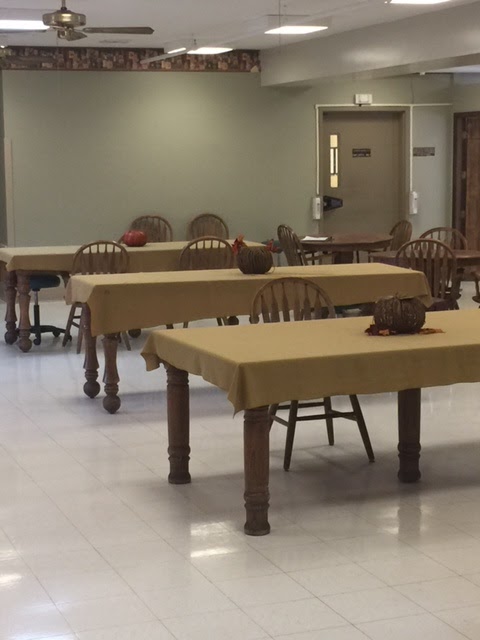
How is New Madrid Living Center Staffed?

CMS rates NEW MADRID LIVING CENTER's staffing level at 3 out of 5 stars, which is average compared to other nursing homes. Staff turnover is 50%, compared to the Missouri average of 46%.

What Have Inspectors Found at New Madrid Living Center?

State health inspectors documented 11 deficiencies at NEW MADRID LIVING CENTER during 2021 to 2024. These included: 2 that caused actual resident harm and 9 with potential for harm. Deficiencies causing actual harm indicate documented cases where residents experienced negative health consequences.
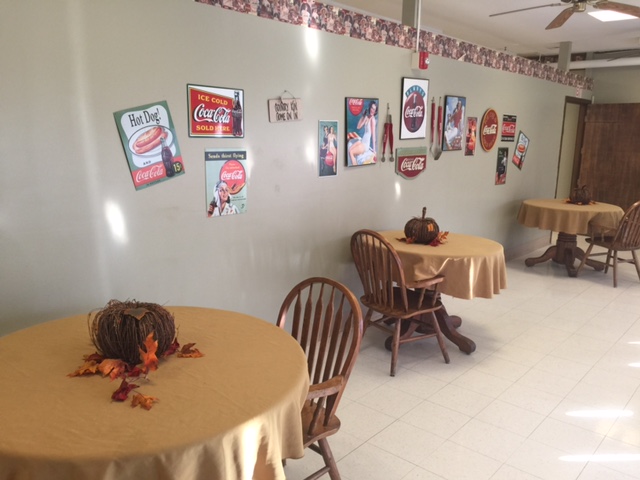
Who Owns and Operates New Madrid Living Center?

NEW MADRID LIVING CENTER is owned by a for-profit company. For-profit facilities operate as businesses with obligations to shareholders or private owners. The facility is operated by JAMES & JUDY LINCOLN, a chain that manages multiple nursing homes. With 112 certified beds and approximately 57 residents (about 51% occupancy), it is a mid-sized facility located in NEW MADRID, Missouri.
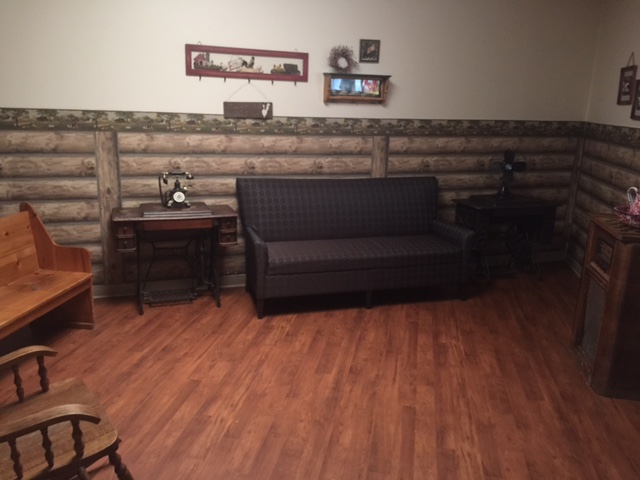
How Does New Madrid Living Center Compare to Other Missouri Nursing Homes?

Compared to the 100 nursing homes in Missouri, NEW MADRID LIVING CENTER's overall rating (5 stars) is above the state average of 2.5, staff turnover (50%) is near the state average of 46%, and health inspection rating (5 stars) is much above the national benchmark.

What Should Families Ask When Visiting New Madrid Living Center?

Based on this facility's data, families visiting should ask: "Can I visit during a mealtime to observe dining assistance and food quality?" "How do you handle medical emergencies, and what is your hospital transfer rate?" "Can I speak with family members of current residents about their experience?"

Is New Madrid Living Center Safe?

Based on CMS inspection data, NEW MADRID LIVING CENTER has a clean safety record: no substantiated abuse findings (meaning no confirmed cases of resident harm), no Immediate Jeopardy citations (the most serious violation level indicating risk of serious injury or death), and is not on the Special Focus Facility watch list (a federal program monitoring the lowest-performing 1% of nursing homes). The facility has a 5-star overall rating and ranks #1 of 100 nursing homes in Missouri. While no facility is perfect, families should still ask about staff-to-resident ratios and recent inspection results during their visit.

Do Nurses at New Madrid Living Center Stick Around?

NEW MADRID LIVING CENTER has a staff turnover rate of 50%, which is about average for Missouri nursing homes (state average: 46%). Moderate turnover is common in nursing homes, but families should still ask about staff tenure and how the facility maintains care continuity when employees leave.

Was New Madrid Living Center Ever Fined?

NEW MADRID LIVING CENTER has been fined $8,824 across 1 penalty action. This is below the Missouri average of $33,167. While any fine indicates a compliance issue, fines under $50,000 are relatively common and typically reflect isolated problems that were subsequently corrected. Families should ask what specific issues led to these fines and confirm they've been resolved.

Is New Madrid Living Center on Any Federal Watch List?

NEW MADRID LIVING CENTER is not on any federal watch list. The most significant is the Special Focus Facility (SFF) program, which identifies the bottom 1% of nursing homes nationally based on persistent, serious quality problems. Not being on this list means the facility has avoided the pattern of deficiencies that triggers enhanced federal oversight. This is a positive indicator, though families should still review the facility's inspection history directly.