ADVANCED CARE OF ST JOSEPH
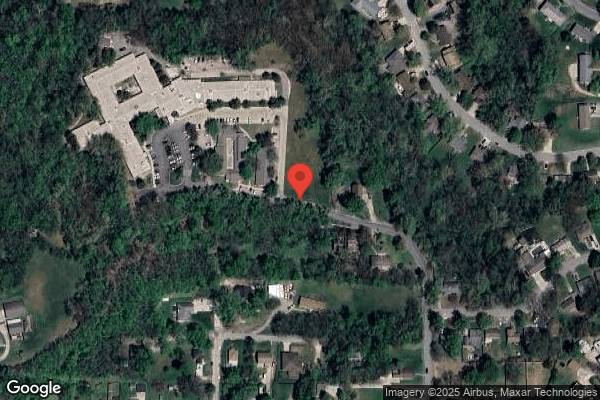
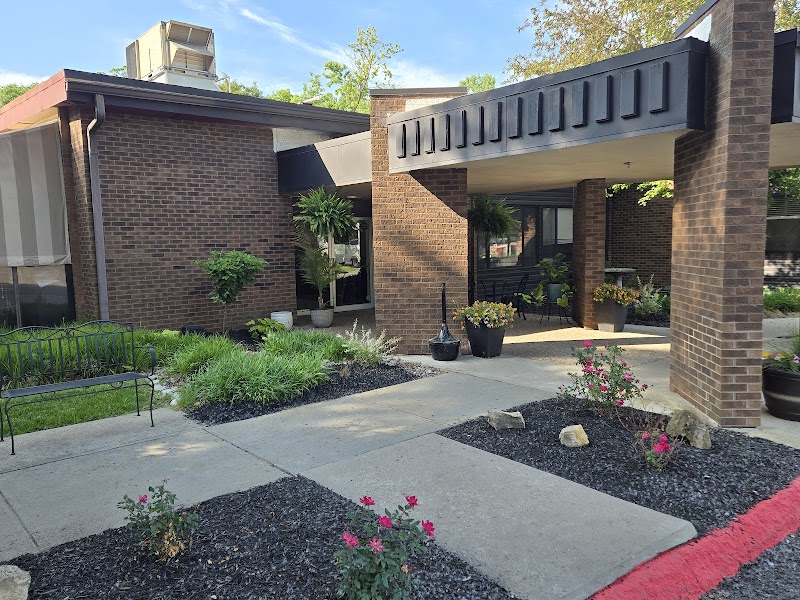
3002 NORTH 18TH ST, SAINT JOSEPH, MO 64505 (816) 364-4200
For profit - Limited Liability company 180 Beds VERTICAL HEALTH SERVICES Data: November 2025
Trust Grade
30/100
#319 of 479 in MO
Last Inspection: June 2024

Within standard 12-15 month inspection cycle. Federal law requires annual inspections.

Overview

Families considering Advanced Care of St. Joseph should be aware that the facility has received a Trust Grade of F, indicating significant concerns and poor overall performance. It ranks #319 out of 479 in Missouri, placing it in the bottom half of facilities in the state, and #4 out of 6 in Buchanan County, meaning there are only two better local options. The facility has been improving over time, with the number of identified issues decreasing from 24 in 2024 to 7 in 2025. However, staffing is a weakness, with a low rating of 1 out of 5 stars and a 45% turnover rate, which, while below the state average, still suggests instability among caregivers. Families should also note that there have been serious incidents, including a reported case of sexual abuse between residents, as well as concerns about food storage and pest control that could affect the overall safety and quality of care.

Trust Score
F
30/100
In Missouri
#319/479
Bottom 34%
Safety Record
Moderate
Needs review
Inspections
Getting Better
24 → 7 violations
Staff Stability
○ Average
45% turnover. Near Missouri's 48% average. Typical for the industry.
Penalties
○ Average
$45,850 in fines. Higher than 74% of Missouri facilities. Some compliance issues.
Skilled Nurses
⚠ Watch
Each resident gets only 21 minutes of Registered Nurse (RN) attention daily — below average for Missouri. Fewer RN minutes means fewer trained eyes watching for problems.
Violations
⚠ Watch
51 deficiencies on record. Higher than average. Multiple issues found across inspections.
★☆☆☆☆
1.0
Overall Rating
★☆☆☆☆
1.0
Staff Levels
★★★★☆
4.0
Care Quality
★★☆☆☆
2.0
Inspection Score
Stable
2024: 24 issues
2025: 7 issues

The Good

  • 4-Star Quality Measures · Strong clinical quality outcomes
  • Full Sprinkler Coverage · Fire safety systems throughout facility
  • No fines on record
  • Staff turnover below average (45%)

    3 points below Missouri average of 48%

Facility shows strength in quality measures, fire safety.

The Bad

1-Star Overall Rating

Below Missouri average (2.5)

Significant quality concerns identified by CMS

Staff Turnover: 45%

Near Missouri avg (46%)

Typical for the industry

Federal Fines: $45,850

Above median ($33,413)

Moderate penalties - review what triggered them

Chain: VERTICAL HEALTH SERVICES

Part of a multi-facility chain

Ask about local staffing decisions and management

The Ugly 51 deficiencies on record

1 actual harm
Aug 2025 1 deficiency
CONCERN (D) 📢 Someone Reported This

A family member, employee, or ombudsman was alarmed enough to file a formal complaint

Potential for Harm - no one hurt, but risky conditions existed

Incontinence Care (Tag F0690)

Could have caused harm · This affected 1 resident

Based on observation, interview, and record review, the facility failed to ensure staff provided catheter care (a sterile tube inserted into the urinary bladder to drain urine) in a manner to prevent ...

Read full inspector narrative →
Based on observation, interview, and record review, the facility failed to ensure staff provided catheter care (a sterile tube inserted into the urinary bladder to drain urine) in a manner to prevent urinary tract infection (UTI) or the possibility of a UTI, when staff cleaned the catheter tubing towards rather than away from the resident's insertion site and when staff failed to empty the urinary collection bag when full. This affected one of the six sampled residents (Resident #39). The facility census was 149. Review of the facility policy titled Catheter Care, dated 9/1/21, showed: - It is the policy of this facility to ensure that residents with indwelling catheters receive appropriate catheter care and maintain their dignity and privacy when indwelling catheters are in use;- Catheter care will be performed every shift and as needed by nursing personnel; Clean catheter tubing away from urinary opening;- Empty drainage bag when bag is half-full or every three to six hours;- Compliance Guidelines: Knock and gain permission to enter the resident's room, explain the procedure, provide privacy, gather supplies, assist resident to a lying position or most comfortable, drape resident to expose only the perineal area, perform hand hygiene, apply gloves;- Female Steps: gently separate the labia to expose the urinary meatus, wipe from front to back with a clean moistened with water cloth and perineal cleaner (soap), use a new part of the cloth or different cloth for each side, with a new moistened cloth starting at the urinary meatus moving out wipe the catheter making sure to hold the catheter in place so as to not pull on the catheter, dry area with towel, gather all supplies used and discard items in the trash can. - The policy did not address how to clean or maintain the catheter tubing.1.Review of Resident #39's Quarterly Minimum Data Set (MDS), a federally mandated assessment instrument completed by facility staff, dated 5/13/25, showed:- Cognitive skills intact;- Dependent on the staff for catheter care, personal care, hygiene and mobility needs;- Diagnoses included: paraplegia (partial or complete inability to move and/or feel in the lower half of the body, including the legs and feet, resulting from damage to the spinal cord or peripheral nerves), neurogenic bladder (condition where the nerves that control the bladder do not function properly, leading to difficulty with urination), anxiety, and a suprapubic urinary catheter.Review of the resident's care plan, revised 8/14/25, showed:- The resident had a indwelling suprapubic catheter (long-term urinary drainage device that is inserted directly into the bladder through a small incision in the lower abdomen);- The resident was on diuretic therapy (medications that increase urine output by promoting the excretion of sodium, water, and other electrolytes from the kidneys);- The resident was totally dependent on staff for all cares; including the care and maintenance of the suprapubic catheter and urinary collection bag; -The care plan did not address emptying of the urine collection bag more frequently to prevent back flow.Review of the resident's physician order sheet (POS) dated August 2025 showed:- Start date: 5/8/25 - suprapubic catheter care every shift and as needed;- Start date: 8/20/25 - certified nursing assistant (CNA) to empty catheter drainage bag every morning or as needed;- Start date and complete date 8/25/25 - Fluconazole (an antifungal medication) 150 milligrams give one time for UTI. Record review of the resident's catheter output collection time, each time it was emptied, for the month August 2025., showed:-8/1/25 at 1:59 P.M., 3200 cubic centimeter (cc- 1 milliliter is equal to 1 cc) output;-8/2/25 at 1:59 P.M., 1800 cc output;-8/3/25 at 9:59 P.M., 1250 cc output;-8/4/25 at 1:23 P.M., 3000 cc output;-8/10/25 at 1:56 P.M., 4800 cc output;-8/15/25 at 8:08 P.M,. 5000 cc output;-8/17/25 at 12:10 P.M., 4500 cc output;Review showed larges amounts were emptied from the catheter and the catheter was only emptied once a day on each of these days. During an interview on 8/26/25 at 10:15 A.M., the resident said:- He/She used the call light at 12:00 P.M. on 8/16/25 so staff could empty his/her catheter bag;- He/She called the reception desk number for the facility thirteen times over a 75-minute period to alert staff of his/her distress;- Licensed Practical Nurse (LPN) A answered the call light at 1:15 P.M. and drained 3200 cc of urine from the bag; - He/She was in extreme discomfort due to the volume in the bag and having to wait for over an hour;- He/She said on 8/19/25 the same type of issue occurred again;- The catheter bag was not being emptied three times a day as required; and he/she is on antibiotics again. During an interview on 8/26/25 at 11:00 A.M., LPN A said:- He/she was on duty on Sunday 8/16/25 and they were shorthanded that day;- He/she was working away from the desk with two Certified Nurse Aides (CNAs) attending to residents and did not see the resident's call light go off;- LPN A received a call from a local hospital notifying him/her the police were contacted by the resident asking for assistance;- LPN A immediately went to the resident's room and emptied the catheter bag which contained approximately 2000 cc of urine; - A full bag is 1500 cc, so 2000 cc is a lot of volume for the bag. - Any nursing staff member can empty the catheter bag. During an interview on 8/26/25 at 11:20 A.M., the Assistant Director of Nursing (ADON) said:- She had attended the resident's Care Plan meeting on 8/19/25;- The resident informed staff at the meeting he/she was concerned about his/her catheter bag not being emptied enough by staff and his/her catheter was not being well cared for by the staff. -The time frames on the catheter care were adjusted to address the resident's request. During an interview on 8/26/26 at 12:15 P.M., the Social Services Director (SSD) said:- She attended the resident's Care Plan meeting and the resident said his/her catheter bag was not being emptied due to long periods of time between staff checking on him/her;- The resident said he/she had a wait time of over one hour before staff would answer his/her call light to empty his/her catheter bag.- The resident' was not happy with the way staff had been caring for his/her catheter. - The care plan was revised on 8/19/25 to show that catheter tubing should be below the bladder to prevent back flow of urine, monitor and document urinary output from catheter each shift, monitor for signs and symptoms of UTI.Observation on 8/27/25 at 10:38 A.M., showed:- CNA A and CNA B entered resident room to perform catheter care and peri-care;- CNA A cleaned the insertion site of the catheter with a washcloth and soap and water, but did not clean down the catheter tubing; CNA A did not clean away from the insertion site and did not empty the drainage bag as it had been emptied by someone else. CNA changed gloves and did not sanitize or wash hands before putting on new gloves four times during the process. During an interview on 8/27/25 at 10:45 A.M., CNA A said the resident's catheter bag did not need emptied, but if it did he/she would put a paper towel on the ground, then place the graduate on the paper towel to empty the catheter and would clean the port with a wet wipe then place the graduate on a flat surface to measure the output. The catheter bag should be emptied when it is full and as needed, followed by documenting the amounts.During an interview on 8/27/25 at 3:55 P.M., CNA A said he/she should have cleaned away from the urinary opening.During an interview on 8/27/25 at 12:00 P.M., Registered Nurse (RN) A said:- An alcohol pad should be used to wipe the drain on a catheter bag;- Catheter bags should be checked and emptied with every round if needed.- Staff should clean away from the catheter insertion site.Observation on 8/27/25 2:55 P.M., showed CNA A:- Emptied 850 milliliters (ml) from the catheter bag then dumped the graduate, then emptied another 750ml from the catheter bag and dumped that in the toilet then cleaned the graduate; - Used a wet wipe to clean the catheter port and did not use an alcohol prep pad. During an interview on 8/27/25 at 10:15 A.M., the ADON said catheter bags should be emptied every time catheter cares is performed or as needed by nursing staff.During an interview on 8/26/25 at 1:10 P.M., the Director of Nursing (DON) said: - Staffing on the weekends had been a struggle with last minute call ins, but they had a clinical person on call in rotation to help with this issue;- She would not expect a resident to wait for over an hour for their call light to be answered; she would expect full catheter bags to be emptied if full and not wait until the end of shift.-Nursing staff are to clean away from urinary insertion site and away from the body when cleaning the tubing.Intake 2593726
Jul 2025 6 deficiencies
CONCERN (D) 📢 Someone Reported This

A family member, employee, or ombudsman was alarmed enough to file a formal complaint

Potential for Harm - no one hurt, but risky conditions existed

Incontinence Care (Tag F0690)

Could have caused harm · This affected 1 resident

Deficiency Text Not Available

Read full inspector narrative →
Deficiency Text Not Available
CONCERN (E) 📢 Someone Reported This

A family member, employee, or ombudsman was alarmed enough to file a formal complaint

Potential for Harm - no one hurt, but risky conditions existed

Resident Rights (Tag F0550)

Could have caused harm · This affected multiple residents

**NOTE- TERMS IN BRACKETS HAVE BEEN EDITED TO PROTECT CONFIDENTIALITY** Based on observation, interview, and record review, the facility failed to maintain resident dignity when staff failed to remove...

Read full inspector narrative →
**NOTE- TERMS IN BRACKETS HAVE BEEN EDITED TO PROTECT CONFIDENTIALITY** Based on observation, interview, and record review, the facility failed to maintain resident dignity when staff failed to remove unwanted facial hair for two residents (Residents #21 and Resident # 58), failed to provide timely incontinence cares for three residents (Residents #5, #58, and #145), and failed to create a safe environment causing one resident to feel retaliated against or intimidated (Resident #83). This affected 11 out of the 18 sampled residents. The facility census was 144.Review of the facility's Accommodation of Needs policy, dated 09/01/21, showed:- The facility will treat each resident with respect and dignity and will evaluate and make reasonable accommodations for the individual needs and preferences of a resident;- Based on individual needs and preferences, the facility will assist the resident in maintaining and/or achieving independent functioning, dignity, and well being to the extent possible.Review of the facility's Resident and Family Grievances policy, dated 09/01/21, showed:- It is the policy of this facility to support each resident's and family member's right to voice grievances without discrimination, reprisal or fear of discrimination or reprisal;- This facility will not retaliate or discriminate against anyone who files a grievance or participates in the investigation of a grievance;- The facility will make prompt efforts to resolve grievances.Review of the facility's Resident Council Meetings policy, dated 09/01/21, showed:- The facility supports the rights of residents to organize and participate in resident groups, including a Resident Council;- The facility shall act upon concerns and recommendations of the Council, make attempts to accommodate recommendations to the extent practicable, and communicate its decisions to the council.Review of the facility's Resident Showers policy, dated 09/01/21, showed:- It is the practice of this facility to assist residents with bathing to maintain proper hygiene, stimulate circulation and help prevent skin issues as per current standards of practice;- Residents will be provided showers as per request or as per facility schedule protocols and based upon resident safety.Review of the facility's Resident Rights policy, dated 09/01/21, showed:- The resident has the right to a dignified existence, self-determination, and communication with and access to persons and services inside and outside the facility;- The resident has the right to be free of interference, coercion, discrimination, and reprisal from the facility in exercising his or her rights and to be supported but the facility in the exercise of his or her rights;- The right to receive the services and/or items included in the plan of care;- The resident has a right to be treated with respect and dignity;- The resident has the right to and the facility must promote and facilitate resident self-determination through support of resident choice;- The resident has a right to personal privacy and confidentiality of his or her personal and medical records;- The resident has a right to a safe, clean, comfortable and homelike environment;- The resident has the right to voice grievances to the facility or other agency or entity that hears grievances without discrimination or reprisal. Such grievances include those with respect to care and treatment which has been furnished as well as that which has not been furnished; and the behavior of staff and of other residents; and other concerns regarding their long term care (LTC) stay;- The resident has the right to and the facility must make prompt efforts by the facility to resolve grievances the resident may have.Review of the facility's Activities of Daily Living (ADL's) policy, dated 04/23/25, showed:- The facility will, based on the resident's comprehensive assessment and consistent with the resident's needs and choices, ensure a resident's abilities in ADL's do not deteriorate unless deterioration is unavoidable;- Care and services will be provided for the following ADL's:* Bathing, dressing, grooming, and oral care;* Transfer and ambulation;* Toileting;- A resident who is unable to carry out ADL's will receive the necessary services to maintain good nutrition, grooming, and personal and oral hygiene.Review of the facility's Promoting/Maintaining Resident Dignity, dated 10/01/23, showed:-It is the practice of this facility to protect and promote resident rights and treat each resident with respect and dignity as well as care for each resident in a manner and in an environment, that maintains or enhances resident's quality of life by recognizing each resident's individuality;- During interactions with residents, staff must report, document and act upon information regarding resident preferences;- Respond to requests for assistance in a timely manner;- Groom and dress residents according to resident preference;- Speak respectfully to residents; avoid discussions about residents that may be overheard;- Maintain resident privacy.1. Review of Resident #5's Annual Minimum Data Set (MDS), a federally mandated assessment tool completed by facility staff, dated 05/15/25, showed:- Resident was cognitively intact;- Required maximal assistance from nursing staff with ADL's;- Was always incontinent of bowel and bladder;- Diagnoses included: heart failure, paralysis of the legs and lower body, and seizure disorder.Review of the comprehensive care plan, dated 06/17/25, showed:- Resident was frequently incontinent and nursing staff are required to provide peri care every shift and with each incontinent episode;- Was at risk for pressure ulcers due to decreased mobility and nursing staff are required to apply moisture barrier as needed after incontinence episodes and encourage repositioning frequently assisting as needed;- Required nursing staff assistance for all ADL's.Review of the Physician Order Sheet (POS), dated 07/02/25, showed:- Resident received oral antibiotics for a urinary tract infection (UTI) from 6/11/25 through 06/16/25;- Received antibiotic injections injection for a UTI from 06/17/25 through 06/26/25;- Was prescribed a diuretic (medication to remove excess fluids from the body) daily.During an interview on 07/01/25 at 02:10 P.M., the resident said:- Nursing staff answering call lights can take 45 minutes;- My bed is wet in the morning because they don't take good care of me, specifically nights;- Day shift toilets me in the morning and before bed then nights doesn't check on me all night;- The lack of care makes him/her feel not worthy, and humiliated.During an interview on 07/02/25 at 04:25 A.M., the resident said the last time nursing staff checked on him/her was 10:30 P.M.During an interview on 07/02/25 at 09:50 A.M., the resident said:- He/She thinks facility staff would retaliate against him/her for complaining;- I'm having trouble now, they wouldn't let me go to the bathroom because I bitched;- He/She feels safe but wouldn't elaborate on what trouble he/she was having.2. Review of Resident #58's Quarterly MDS, dated [DATE], showed:- Resident had moderate cognitive impairment;- Required maximal assistance from nursing staff with ADL's;- Was frequently incontinent of bowel and bladder;- Diagnoses included: stroke, hemiplegia (paralysis on one side of the body), and respiratory failure.Review of the comprehensive care plan, dated 07/01/25, showed:- Resident had an ADL self-care performance deficit related to activity intolerance and required extensive assistance from nursing staff for toileting and bed repositioning;- Was at high risk for falls and nursing staff are required to have call light within reach and prompt response to all requests for assistance;- Had bowel incontinence and nursing staff are required to check resident every two hours and assist with toileting as needed;- Was incontinent of bowel and bladder and nursing staff are required to check resident frequently.Review of the POS (Physician Order Sheet) dated 07/02/25, showed the resident was prescribed a diuretic daily.Review of recent shower sheets, dated 05/16/25 through 06/23/25, showed:- Resident had last full shower and shave documented on the shower sheet on 05/16/25;- Resident had bed bath with no shave on 05/23/25;- Resident refused showers on 05/27/25, 06/02/25, 06/05/25, and 06/10/25;- Resident had shower but there were no razors available documented on 06/13/25;- Resident had bed bath with no shave on 06/23/25.During an interview and observation on 06/30/25 at 10:45 A.M., the resident said: - He/She had been left overnight in a wet bed recently and had happened always at night;- He/She was not sure why, but when it happens it makes him/her feel disgusting;- Resident was observed lying in bed with hair appearing greasy and approximately a half inch of facial hair present on chin;- He/She would like the facial hair gone.During an interview on 07/02/25 at 04:26 A.M., the resident said he/she couldn't remember the last time nursing staff checked on him/her that night but needed cleaned up.During an interview on 07/02/25 at 09:58 A.M., the resident said the facility is just short staffed and that is why he/she was left in a wet bed.3. Review of Resident #145's admission MDS, dated [DATE], showed:- Resident was cognitively intact;- Required maximum assistance with nursing staff for ADL's;- Was frequently incontinent of bowel and bladder;- Diagnoses included: high blood pressure, renal failure, and diabetes.Review of the comprehensive care plan, dated 07/01/25, showed:- Resident had potential for pressure ulcers related to impaired mobility and incontinence and nursing staff are required to assist with turning, repositioning, and incontinent care;- Had bladder incontinence and nursing staff are required to clean peri area with each incontinent episode and monitor for signs and symptoms of UTI;- Was at risk for falls and nursing staff are required to be sure the call light is within reach and encourage the resident to use it.During an interview on 06/30/25 at 09:07 A.M., the resident said:- The facility had been short handed;- He/She had layed two hours in a wet bed after a bowel movement while in a incontinent brief a couple weekends ago over night, and was upset about it. He/She said the facility was short handed of nursing assistants;- There is a problem in the lack of supplies, including running out of XXXL briefs and having to wear size smaller that were tighter and not as absorbent.During an interview on 07/02/25 at 04:50 A.M., Licensed Practical Nurse (LPN) B said nursing staff should round every two hours on residents and some more depending on situations or if frequently incontinent.During an interview on 07/02/25 at 05:11 A.M., CNA B said nursing staff should check residents every 2 hours and some more often if they are known to be frequently incontinent.During an interview on 07/03/25 at 07:30 A.M., the Assistant Director of Nursing (ADON) said:- Staff should absolutely not retaliate against residents who have complaints and doesn't believe that it has happened;- Nursing staff should perform rounds every two hours minimum and more for those with heavy incontinence and others that might need it more often;- Residents shouldn't go all night in a wet bed, two hours at the longest but should be checked more often;- Call lights should be answered by nursing staff in one to two minutes;- Residents should get showers at least twice weekly;- After a resident refuses a shower for a week, nursing staff will talk to them, bribe them if possible, or call a family member to speak with the resident to encourage them to shower.During an interview on 07/03/25 at 07:50 A.M., CNA C said:- Residents can submit complaints anonymously and he/she has not heard of any retaliation but has had residents complain and ask for their names not to be given;- Nursing staff should do rounds every two hours at a minimum, at shift change, and when needed. The residents should not be wet very long;- His/Her goal is to keep the residents clean, dry and with no sores;- Call lights should be answered in three minutes maximum;- Staff should not cancel a call light, leave, then come back later;- Residents get showers at least twice a week;- After a resident refuses a shower twice, the nursing staff will encourage them or try to convince them to try.During an interview on 07/03/25 at 08:10 A.M., the Director of Nursing (DON) said:- He/She hasn't heard of any staff retaliation against residents with complaints or grievances and it wouldn't be tolerated;- Nursing staff should round every two hours at least;- He/She agreed a resident should not go all night in a wet bed;- Call lights should be answered in 15 minutes maximum, per policy based on the needs of the residents;- Nursing staff should not cancel call lights and not return;- Showers should be given to residents two times a week;- After a resident refuses a shower, the nursing staff will attempt to find another staff member or nurse with a better rapport with the resident to talk into a shower or get the resident family involved.During an interview on 07/03/25 at 10:05 A.M., the Administrator said:- Residents can fill out complaints or grievances and it gets routed to the specific department head, then staff will discuss at morning meeting and either sign off or if not completed return to the resident to finish filling out;- Staff retaliation for complaints or grievances is not tolerated;- Nursing rounds should be completed every two hours and some resident more often if needed;- Call lights should be answered around five to 10 minutes but can vary depending on time of day or which hall;- Nursing staff should not turn off the call light and not return;- Residents should get showers at least twice a week and if the resident refuses the staff is to get the nurse to try and if more than once, should try to speak with the resident's family to try to get help and document when this occurs. 5. Review of Resident #21's Face Sheet., showed:- admission date of 1/2/25;- Diagnoses included- stroke, diabetes, impaired cognition with communication deficit, and dementia; Review of resident's comprehensive care plan, un-dated., showed:- The resident was unable to bath or provide hygiene cares independently, dependent on nursing staff to provide all cares.- The resident had the right to his/her dignity.- The care plan does not address the resident's management of facial hair by the nursing staff.Observation on 6/30/25 at 12:45 P.M. showed the resident sitting at the dining room table with other resident eating cereal with facial hair greater than 1 inch to upper lip, around mouth, chin and extending down the neck.Observation on 7/1/25 at 7:24 A.M., showed the resident sitting at the dining room table waiting for breakfast to be served with facial hair greater than 1 inch to upper lip, around the mouth, chin and extending down the neck.Observation on 7/2/25 at 8:30 A.M., showed the resident sitting at the dining room table eating breakfast with facial hair greater than 1 inch to upper lip, around the mouth, chin and extending down the neck, and dried food from a previous meal dried to outside of resident's mouth and facial hair.Observation on 7/3/25 at 2:15 P.M., showed the resident had been shaved.During an interview on 7/1/25 at 9:32 A.M., the resident said, he/she would like to have facial hair removed and that having the hair on his/her face bothered him/her.During an interview on 7/1/25 at 10:41 A.M., CNA B said, he/she did not realize the resident had unwanted facial hair, and it should be removed with showers, or offered as needed in between showers.During an interview on 7/3/25 at 4:45 P.M., the Director of Nursing said residents who wish not to have unwanted facial hair can be shaved by nursing staff on shower days and as needed.
CONCERN (E) 📢 Someone Reported This

A family member, employee, or ombudsman was alarmed enough to file a formal complaint

Potential for Harm - no one hurt, but risky conditions existed

Deficiency F0565 (Tag F0565)

Could have caused harm · This affected multiple residents

Based on observations, interviews, and record review, the facility failed to act promptly upon the grievances of the resident council members concerning issues of resident care and life in the facilit...

Read full inspector narrative →
Based on observations, interviews, and record review, the facility failed to act promptly upon the grievances of the resident council members concerning issues of resident care and life in the facility and failed to communicate back with the resident council regarding the resident's concerns. This had the potential to affect all the residents who lived in the facility. The facility census was 144.Review of the facility's policy, Resident Council Meetings, dated 9/1/21 showed;- This facility supports the rights of residents to organize and participate in resident groups, including a Resident Council. this policy provides guidance to promoting structure, order, and productivity in these group meetings;- The facility shall act upon concerns and recommendations of the Council, make attempts to accommodate recommendations to the extent practicable, and communicate its decisions to the Council. Review of the facility's policy, Resident and Family Grievances, revised 9/1/21 showed:- It is the policy of this facility to support each resident's and family member's right to voice grievances without discrimination, reprisal or fear of discrimination or reprisal;- Prompt efforts to resolve include facility acknowledgement of a complaint/grievance and actively working toward resolution of that complaint/grievance;- Community Administrator has been designated as the Grievance Official;- The Grievance Official is responsible for overseeing the grievance process; receiving and tracking grievances through to their conclusion; leading any necessary investigations by the facility; maintaining the confidentiality of all information associated with grievances; issuing written grievance decisions to the resident; and coordinating with state and federal agencies as necessary in light of specific allegations;- A resident or family member may voice grievances with respect to care and treatment which has been furnished as well as that which has not been furnished, the behavior of staff and other residents, and other concerns regarding their long-term care stay;- Information on how to file a grievance or complaint will be available to the resident. Information may include, but is not limited to: the contact information of the grievance official with whom a grievance can be files, including his/her name, business address (mailing and email) and business phone number; the contact information of independent entities with whom grievances may be filed, that is, the pertinent State Agency, Quality Improvement Organization, State Survey Agency and State Long-Term Care Ombudsman program or protection and advocacy system; the time frame that a resident may reasonably expect completion of the review of the grievance and a written decision regarding his/her grievance;- Grievances may be voiced in the following forums: verbal complaint to a staff member of Grievance Official; written complaint to a staff member of Grievance Official; written complaint to an outside party; verbal complaint during resident or family council meetings; via the company toll free Customer Service Line (if applicable);- A grievance may be filed anonymously;- Procedure: this facility will not retaliate or discriminate against anyone who files a grievance or participates in the investigation of a grievance; the staff member receiving the grievance will record the nature and specifics of the grievance won the designated grievance from, or assist the resident or family member to complete the form; forward the grievance form to the Grievance Official as soon as practicable; - The Grievance Official will take steps to resolve the grievance, and record information about the grievance, and those actions, on the grievance form. Steps to resolve the grievance may involve forwarding the grievance to the appropriate department manager for follow up. All staff involved in the grievance investigation or resolution should make prompt efforts to resolve the grievance and return the grievance form to the Grievance Official. All staff involved in the grievance investigation or resolution will take steps to preserve the confidentiality of files and records relating to grievances, and will share them only with those who have a need to know;- The Grievance Official, or designee, will keep the resident appropriately apprised of progress towards resolution of the grievances;- In accordance with the resident's right to obtain a written decision regarding his/her grievance, the conclusion of the investigation. The written decision will include at a minimum: the date the grievance was received. The steps taken to investigate the grievance. A summary of the pertinent findings or conclusions regarding the resident's concerns. A statement as to whether the grievance was confirmed or not confirmed. Any corrective action taken or to be taken by the facility as a result of the grievance. The date the written decision was issued; - The facility will make prompt efforts to resolve grievances. 1. Review of the resident council meeting minutes, dated 4/17/25 showed:- Nine residents in attendance;- Additional comments: went over old business- same complaints about food (its cold, gross, quality is bad). Nursing complaints the same;- Old business - dietary - cold food, small portions; nursing - foul language, cell phone/ ear bud use, call lights, oral care;- The resolution of concern from dietary indicated they were changing the menus, and the dietary manager spoke to the dietary department about making the meals more attractive. - No response from dietary managers. 2. Review of the resident council meeting minutes, dated 5/22/25 showed:- 12 residents in attendance;- Additional comments: went over old business. Same dietary and nursing concerns. Dietary concerns are the same when it comes to eggs. Quality of food is bad. Nursing concerns the same concerning showers and ice water not getting passed at night;- New business - nursing - ice water not getting passed, staff being rude, not showering properly, staff taking too many smoke breaks and not doing two hour checks on residents. Dietary - eggs are cold, wet, and burnt. too much chicken, not getting the drinks ordered when eating in room;- No response from department managers noted. 3. Review of the resident council meeting minutes, dated 6/19/25 showed:- 14 residents were in attendance;- Old business was addressed and no improvements made. Nursing - ice water was not passed, staff being rude, not showering properly, staff taking too many smoke breaks and not doing two hour checks on residents. Dietary - eggs cold, wet and burnt, too much chicken, and not getting drinks you ordered;- New business - Nursing - ice water doesn't get passed, staff is rude, more at night, no checks every two hours, not properly showering and too many smoke breaks from staff. Dietary - staff eating from prep table, no knives, portion size too small, staff are never in the dining room to serve;- No response from department managers;- No resolution to the concerns. 4. During the Resident Council meeting and interview with surveyors on 7/1/25 at 10:02 A.M., showed:- 21 residents were in attendance;- 16 of the 21 residents present said they do not feel like the facility listens or acts on any grievances;- 18 of the 21 residents present said they feel like the facility seldom follows up on any grievances or concerns;- 18 of the 21 residents present said they do not feel like they complain about anything for fear of retaliation from the staff.During an interview on 7/2/25 at 12:18 P.M., the Social Services Director (SSD) said;- He/She had been in the current position for almost two years;- He/She was the grievance counselor;- There are grievance forms at each nurse's station and on the wall at the entrance of the building;- If a resident filled out a grievance form after hours, they would either hold onto it until the next morning or slide the grievance under his/her door. Sometimes the staff would place it in his/her mailbox up by the front office;- Does not have a box or anything to place grievance form in anonymously;- Once she gets the grievance she disperses them to departments involved. The Department head notifies the resident of the findings and if the resident agreed it was resolved, then the resident signed the bottom of the grievance;- He/She did not attend the resident council meetings and did not know who discussed the findings of the residents concerns. During an interview on 7/2/25 at 1:06 P.M., the Activity Assistant said:- When the residents voice concerns during the resident council meetings, she fills out the grievance forms, makes a copy to keep, then gives the originals to the SSD, who then disperses them to the correct department;- When the counsel discusses old business during the meetings, she asks if there had been any improvement, there might be some minor tweaks made but basically no changes;- The residents council does not regularly get any follow up on how the issues had been corrected;- She would expect the department heads to either address the issues with the resident council or with the activity department so they could follow up with the residents. During an interview on 7/2/25 at 1:35 P.M., an anonymous staff member said there is no confidentiality when a resident files a grievance, all of the staff are aware of it;During an interview on 7/3/25 at 12:51 P.M., the Director of Nursing (DON) said:- During the resident council meetings, the Activity Assistant wrote up the grievances, made a copy for them then gave the originals to SSD who dispersed them to the correct department;- If it named a specific staff, he/she would go to that staff and it would b e verbal or disciplinary. He/She would follow up with the resident to see if they felt like the issue had been resolved. If the resident felt like it had been resolved, he/she would have the resident sign it;- The resident council should be informed of how the issues were addressed.
CONCERN (E) 📢 Someone Reported This

A family member, employee, or ombudsman was alarmed enough to file a formal complaint

Potential for Harm - no one hurt, but risky conditions existed

Grievances (Tag F0585)

Could have caused harm · This affected multiple residents

Based on interviews and record review, the facility failed to ensure residents knew how to file a grievance and failed to ensure residents' grievances were fully addressed, steps taken to resolve the ...

Read full inspector narrative →
Based on interviews and record review, the facility failed to ensure residents knew how to file a grievance and failed to ensure residents' grievances were fully addressed, steps taken to resolve the grievances, notification of the residents of the results of the grievance and follow up with the residents to ensure the issues were resolved. This had the potential to affect any resident who resided in the facility. The facility census was 144.Review of the facility's policy, Resident Council Meetings, dated 9/1/21 showed;- This facility supports the rights of residents to organize and participate in resident groups, including a Resident Council. this policy provides guidance to promoting structure, order, and productivity in these group meetings;- The facility shall act upon concerns and recommendations of the Council, make attempts to accommodate recommendations to the extent practicable, and communicate its decisions to the Council. Review of the facility's policy, Resident and Family Grievances, revised 9/1/21 showed:- It is the policy of this facility to support each resident's and family member's right to voice grievances without discrimination, reprisal or fear of discrimination or reprisal;- Prompt efforts to resolve include facility acknowledgement of a complaint/grievance and actively working toward resolution of that complaint/grievance;- Community Administrator has been designated as the Grievance Official;- The Grievance Official is responsible for overseeing the grievance process; receiving and tracking grievances through to their conclusion; leading any necessary investigations by the facility; maintaining the confidentiality of all information associated with grievances; issuing written grievance decisions to the resident; and coordinating with state and federal agencies as necessary in light of specific allegations;- A resident or family member may voice grievances with respect to care and treatment which has been furnished as well as that which has not been furnished, the behavior of staff and other residents, and other concerns regarding their long-term care stay;- Information on how to file a grievance or complaint will be available to the resident. Information may include, but is not limited to: the contact information of the grievance official with whom a grievance can be files, including his/her name, business address (mailing and email) and business phone number; the contact information of independent entities with whom grievances may be filed, that is, the pertinent State Agency, Quality Improvement Organization, State Survey Agency and State Long-Term Care Ombudsman program or protection and advocacy system; the time frame that a resident may reasonably expect completion of the review of the grievance and a written decision regarding his/her grievance;- Grievances may be voiced in the following forums: verbal complaint to a staff member of Grievance Official; written complaint to a staff member of Grievance Official; written complaint to an outside party; verbal complaint during resident or family council meetings; via the company toll free Customer Service Line (if applicable);- A grievance may be filed anonymously;- Procedure: this facility will not retaliate or discriminate against anyone who files a grievance or participates in the investigation of a grievance; the staff member receiving the grievance will record the nature and specifics of the grievance won the designated grievance from, or assist the resident or family member to complete the form; forward the grievance form to the Grievance Official as soon as practicable; - The Grievance Official will take steps to resolve the grievance, and record information about the grievance, and those actions, on the grievance form. Steps to resolve the grievance may involve forwarding the grievance to the appropriate department manager for follow up. All staff involved in the grievance investigation or resolution should make prompt efforts to resolve the grievance and return the grievance form to the Grievance Official. All staff involved in the grievance investigation or resolution will take steps to preserve the confidentiality of files and records relating to grievances, and will share them only with those who have a need to know;- The Grievance Official, or designee, will keep the resident appropriately apprised of progress towards resolution of the grievances;- I accordance with the resident's right to obtain a written decision regarding his/her grievance, the conclusion of the investigation. The written decision will include at a minimum: the date the grievance was received. The steps taken to investigate the grievance. A summary of the pertinent findings or conclusions regarding the resident's concerns. A statement as to whether the grievance was confirmed or not confirmed. Any corrective action taken or to be taken by the facility as a result of the grievance. The date the written decision was issued; - The facility will make prompt efforts to resolve grievances. 1, Review of the resident council meeting minutes, dated 4/17/25 showed:- Nine residents in attendance;- The minutes did not indicate if it was discussed how to file a grievance. 2. Review of the resident council meeting minutes, dated 5/22/25 showed:- 12 residents in attendance;- The minutes did not indicate if it was discussed how to file a grievance. 3. Review of the resident council meeting minutes, dated 6/19/25 showed:- 14 residents were in attendance;- The minutes did not indicate if it was discussed or how to file a grievance.4. During the Resident Council meeting and interview with surveyors on 7/1/25 at 10:02 A.M., showed:- 21 residents were in attendance;- 10 of the 21 residents said they did not know how to file a grievance. During an interview on 7/2/25 at 12:18 P.M., the Social Services Director (SSD) said;- He/She had been in the current position for almost two years;- He/She is the grievance counselor;- There are grievance forms at each nurse's station and on the wall as you enter the building;- If a resident filled out a grievance form after hours, they would either hold onto it until morning or slide them under his/her door. Sometimes the staff would place it in his/her mailbox up by the front office;- The facility does not have a box or anything to place the grievance forms in anonymously;- Once she gets the grievance form she disperses them to departments involved. The department head was to notify the resident of the findings and if the resident agreed it was resolved, then the resident signed the bottom of the grievance;- He/She did not attend the resident council meetings and did not know who discussed the findings of the resident's concerns. During an interview on 7/2/25 at 1:06 P.M., the Activity Assistant said:- When the residents voice concerns during the resident council meetings, she fills out the grievance forms, makes a copy to keep, then gives the originals to the SSD, who then disperses them to the correct department;- When they discuss old business during the resident council meetings, and he/she asks if there is any improvement, there might be some minor tweaks made but basically no changes;- The residents council does not regularly get any follow up on how the issues had been corrected;- He/She would expect the department heads to either address the issues with the resident council or with the activity department so they could follow up with the residents. During an interview on 7/3/25 at 12:51 P.M., the Director of Nursing (DON) said:- During the resident council meetings, the Activity Assistant wrote up the grievances, made a copy for them then gave the originals to SSD who dispersed them to the correct department;- If it named a specific staff, he/she would go to that staff and it would be verbal or disciplinary. He/She would follow up with the resident to see if the issue had been resolved. If the resident felt like it had been resolved, he/she would have the resident sign it;- The resident council should be informed of how issues were addressed.
CONCERN (E) 📢 Someone Reported This

A family member, employee, or ombudsman was alarmed enough to file a formal complaint

Potential for Harm - no one hurt, but risky conditions existed

ADL Care (Tag F0677)

Could have caused harm · This affected multiple residents

**NOTE- TERMS IN BRACKETS HAVE BEEN EDITED TO PROTECT CONFIDENTIALITY** Based on observations, interviews, and record review, the facility failed to ensure residents received the necessary services to...

Read full inspector narrative →
**NOTE- TERMS IN BRACKETS HAVE BEEN EDITED TO PROTECT CONFIDENTIALITY** Based on observations, interviews, and record review, the facility failed to ensure residents received the necessary services to maintain good personal hygiene when staff did not provide showers in a timely manner for three of the 29 sampled residents, (Resident #10, #12 and #203). The facility census was 144.Review of facility policy Resident Showers, dated 9/1/21, showed:- Residents will be provided showers as per request or as per facility schedule protocols and based upon resident safety;- Partial baths may be given between regular shower schedules as per facility policy; Review of facility policy Resident Rights, revised 9/1/22, showed the resident has the right to receive services in the facility with reasonable accommodation of resident needs and preferences; Review of facility policy Activities of Daily Living (ADLs), revised 4/23/25, showed care and services will be provided for bathing. 1.Review of the resident’s admission MDS, dated [DATE] showed:- Cognitive skills moderately impaired.- Required partial to moderate assistance with showers, dressing and transfers.- Diagnoses included cancer, high blood pressure, diabetes mellitus and depression. Review of the resident’s undated care plan showed: The resident had an activities of daily living (ADL) self-care performance deficit. Staff to provide a sponge bath when a full bath or shower cannot be tolerated, and avoid scrubbing and pat dry sensitive skin. Review of Resident #203’s medical record showed the resident was admitted on [DATE]. Review of the resident’s shower sheet showed the resident had only one shower on 6/18/23, with the opportunity for five showers for the month of June. During an interview on 7/1/25 at 8:36 A.M., the resident said:- He/She did not always get a shower;- It made him/her feel bad when he/she went eight days without a shower; During an interview on 7/2/25 at 7:00 A.M., LPN C said:- They did not have a designated shower aide;- The aides who worked on the hall provided the residents’ showers. During an interview on 7/3/25 at 10:32 A.M., Certified Medication Technician (CMT) F said:- He/She has had residents complain about not getting their showers;- When a resident complained about wanting a shower, he/she would notify the aide on the hall or if he/she had time, he/she would provide a shower for the resident. During an interview on 7/3/25 at 12:51 P.M., the DON said she would expect the residents to have their showers per their preference. 2. Review of Resident #10's Quarterly Minimum Data Set (MDS), a federally mandated assessment instrument completed by facility staff, dated 4/22/25, showed:- Resident was moderately impaired cognition;- Resident requires staff supervision for toileting hygiene and bathing;- Diagnosis: heart failure, diabetes, anxiety disorder, respiratory failure, and depression; Review of Resident's Care Plan, revised 5/1/25, showed:- Resident was dependent on staff for meeting physical needs;- Resident had an adult daily living (ADL) self-care deficit. Resident will bath or shower twice weekly and as necessary. Provide a sponge bath when a full bath or shower cannot be tolerated; Review of resident electronic medical documentation of showers, showed:- March 2025 Showers: 3/4, 3/19, 3/20, 3/25, 3/28 (5 of 8 required showers offered or conducted);- June 2025 Showers: 6/3, 6/6, 6/26, 6/27 (4 of 8 required showers offered or conducted); During an interview on 6/30/25 at 4:43 P.M., Resident said:- He/she is not getting two showers per week which does not provide relief for his/her feet and causes discomfort. Normally he/she is only getting one shower a week; 3. Review of Resident #12's Quarterly MDS, dated [DATE], showed:- Resident is cognitively intact;- Resident requires maximal assistance from staff for showering and bathing;- Diagnosis: heart failure, anxiety disorder, and respiratory failure; Review of Resident's Care Plan, revised 7/1/25, showed:- Resident is independent for most ADLs. Resident wishes to take showers on Sunday's only;- Staff will assist resident with taking showers at least two times weekly and the preferred times are Wednesday and Saturday evenings; Review of Resident manually documented shower sheets, showed:- March 2025 Showers: 3/6, 3/13, 3/16, 3/20, 3/27 (5 of 8 required showers offered or conducted);- April 2025 Showers: 4/3, 4/10, 4/24 (3 of 8 required showers offered or conducted);- May 2025 Showers: 5/1, 5/5, 5/8, 5/22, 5/29 (5 of 8 required showers offered or conducted);- June 2025 Showers: 6/5, 6/6, 6/12, 6/19, 6/26, 6/30 (6 of 8 required showers offered or conducted); During an interview on 6/30/25 at 9:41 A.M., Resident said:- He/she is only getting one shower a week. Normally only getting them on Mondays when it should be on Monday and Thursdays. I prefer two showers a week otherwise I feel dirty; During an interview on 7/3/25 at 10:45 A.M., the ADON said:- Normally the CNA on duty will fill out the shower sheets and record that they have been accomplished or refused;- Resident should be getting two showers per week; During an interview on 7/3/25 at 11:40 A.M., the DON said residents should be offered two showers per week; MO256385, MO256469
CONCERN (E) 📢 Someone Reported This

A family member, employee, or ombudsman was alarmed enough to file a formal complaint

Potential for Harm - no one hurt, but risky conditions existed

Food Safety (Tag F0812)

Could have caused harm · This affected multiple residents

Based on observation, record review, and interviews, the facility failed to store, prepare and serve food in accordance with professional standards of food service safety when staff failed to discard ...

Read full inspector narrative →
Based on observation, record review, and interviews, the facility failed to store, prepare and serve food in accordance with professional standards of food service safety when staff failed to discard expired leftovers in the refrigerator, failed to wear beard nets while working in the kitchen, and failed to maintain proper standards of cleanliness in the walk-in refrigerator. This had the potential to impact all residents by placing them at risk for a food borne illness. The facility census was 144.Review of facility policy Dietary Employee Personal Hygiene, revised 9/1/22, showed all dietary staff must wear hair restraints (e.g. hairnet, hat and/or beard restraint) to prevent hair from contacting food;Review of facility policy Ready to Eat, Time/Temperature, dated 5/30/19, showed leftovers have seven days before they must be discarded and not used for human consumption;A request was made for the facility policy on Kitchen Cleanliness and no policy was provided;During an observation in the Kitchen on 6/30/25 at 8:56 A.M., showed:- Dietary Aide (A) working at the dishwashing station processing dirty dishes with a full beard and no beard net on;- Weekly cleaning schedule posted for the month of May 2025 had only two completed assignments out of 7 for the first week of May. All other checks for the month were blank and no cleaning assignments had been posted for the month of June 2025. Walk-in Refrigerator showed:- Corner of the floor between two racks was moldy fruit and three single serving butter containers lying on the floor. Overall area of this corner contained dirt and grime in a 4 by 6 area on the floor;- Base of wall and floor had black grime 8 in length;- Multiple shelves had heavy rust on racking support rods throughout the refrigerator;- Leftover sauerkraut dated 6/21/25 in plastic sealed container expired;- Leftover sliced onions dated 6/18/25 in plastic sealed container expired;- Leftover sliced tomatoes in plastic container not sealed;- Leftover cheese dated 6/18/25 in plastic sealed container was expired;During an interview on 6/30/25 at 9:15 A.M., the DM (dietary manager) said:- The facility is currently short three part time positions for the evening shift dishwasher and kitchen aides;- Fresh items, such as fruit and vegetables, that are resealed have seven days before they are expired and need to be discarded;- Cooked meat and vegetables have three days only before they must be discarded. Anything re-packaged on 6/30/25 would be discarded at the end of the day on 7/2/25;During an observation on 7/2/25 at 9:45 A.M., showed Dietary Aide (A) working at the dishwashing station processing dirty dishes with a full beard and no beard net donned;During an observation on 7/2/25 at 12:35 P.M., showed:- Dietary Aide (A) delivered a cart of food trays for residents to 200 Hall. The plastic which was covering the entire food cart was touching the dessert icing of an uncovered serving of cake at the bottom level of the cart;- NA (A) passing out hall trays on 200 Hall. Several trays had spilled liquids from uncovered drink cups which had dampened resident napkins and utensils;- None of the drinks or desserts were covered on the food cart except for the plastic placed over the entire cart; During an interview on 7/2/25 at 2:30 P.M., the Registered Dietician and DM said:- [NAME] nets must be worn if the facial hair growth is longer than an eyelash and it applies to the Dietary Aide (A) while working as the dishwasher in the kitchen;- There should be a weekly cleaning schedule posted in the kitchen and initialed by staff when each task is completed. Expectations are that daily and rotated deep cleaning assignments will keep the kitchen in a continued state of high cleanliness;- Would not expect to find moldy fruit lying on the floor in the walk-in refrigerator;- Would not expect leftovers to be left in the refrigerator beyond seven days;- Would discard sliced onions, sauerkraut, and cheese if it was beyond seven days in the refrigerator and sealed as a leftover;- All leftover containers should be sealed shut against the open air while stored in the kitchen;- Items on the food carts are currently not covered except for the main course so that it retains heat. Desserts and drinks are not covered and the policy on this practice has changed back and forth over the years at the facility. It is possible for staff to cover these items during the making of each serving;During an interview on 7/3/25 at 12:15 P.M., the Administrator said:- She would expect beard nets to be worn when required in the kitchen;- There should be a weekly cleaning schedule posted in the kitchen for staff to initial and accomplish;- Would not expect to find moldy fruit on the floor of the walk-in refrigerator;- Would not expect leftovers to be in the kitchen past day seven;- Drinks and desserts should be covered when placed on the hall carts for delivery to the residents;- Would not expect spilled liquids on the hall trays, the trays should be returned to the kitchen and a new tray sent to the resident;
Dec 2024 1 deficiency
CONCERN (D) 📢 Someone Reported This

A family member, employee, or ombudsman was alarmed enough to file a formal complaint

Potential for Harm - no one hurt, but risky conditions existed

Deficiency F0658 (Tag F0658)

Could have caused harm · This affected 1 resident

**NOTE- TERMS IN BRACKETS HAVE BEEN EDITED TO PROTECT CONFIDENTIALITY** Based on interviews and record review the facility failed to complete neurological assessment's for one resident (Resident #1), ...

Read full inspector narrative →
**NOTE- TERMS IN BRACKETS HAVE BEEN EDITED TO PROTECT CONFIDENTIALITY** Based on interviews and record review the facility failed to complete neurological assessment's for one resident (Resident #1), after the resident reported to Registered Nurse (RN) A on he/she had fallen the night prior and someone picked him/her off the floor. The resident was noted to have bruise to his/her torso and increased confusion. RN A did not initiate neurological assessment's. Additionally, the facility Certified Nurses Aide (CNA) A failed to notify the nurse immediately when he/she found the resident on the floor during the night of 12/4/24. CNA A and CNA B assisted the resident off the floor and back to bed. The facility census was 139. Review of the fall policy dated 2020 showed: - The staff were supposed to assess the resident after a fall; - The staff were supposed to complete a post-fall assessment. Review of the head injury policy dated 9/1/21 showed: - The staff were expected to assess if there is a known, suspected or verbalized head injury; - Perform neurological assessments as indicated. 1. Review of the Resident #1's admission Minimum Data Set, (MDS, a federally mandated assessment completed by the facility staff), dated 11/5/24 showed: - Diagnoses included: Diabetes Mellitus (DM) type two (a disease in which the body does not process blood sugar properly), history of falls, anticoagulant (medicine to prevent blood clots) use, and heart failure. - Brief Interview for Mental Status (BIMS) score of 14, indicating the resident did not have a cognitive deficit; - The resident required assistance for staff to use the toilet, get dressed and shower; - The resident used a wheel chair for mobility; - The resident had a history of falls prior to admission. Review of the resident's comprehensive care plan dated 11/1/24 showed: - 11/1/24 The resident was at risk for falls; - 11/30/24 The resident had an actual unwitnessed fall on 11/30/24; - 12/2/24 The staff were to anticipate the resident's needs; - 12/2/24 The staff were supposed to initiate neurological assessments for an unwitnessed fall and ensure the resident had a clear path; - 12/6/24 The resident had an unwitnessed fall with an intervention to obtain lab work. Review of the resident's record showed: - A fall assessment was completed on 11/30/24 with a score of eight, indicating the resident was at a low risk for falls; - A fall assessment was completed on 12/6/24 with a score of 48, indicating the resident was a high risk for falls; - Facility staff documented on 12/5/24 at 8:49 A.M. the resident was more confused than usual and was incontinent of urine; - LPN A documented on 12/5/24 at 9:47 A.M. he/she obtained an order for them resident's physician to check the resident for a Urinary Tract Infection (UTI); - Another staff member documented on 12/5/24 at 12:00 P.M. the resident was not feeling well and in bed sleeping; - Staff documented on 12/5/24 at 12:07 P.M. they attempted to obtain a urine sample from the resident and was unsuccessful; - RN A documented on 12/5/24 at 4:01 P.M. he/she saw new bruises to the resident's left hip, and flank (side/rib area). the resident reported to RN A he/she had fallen the night prior, he/she yelled and somebody lifted him/her off the floor; - The facility staff did not document the resident fall on 12/4/24; - RN A did not initiate neurological assessments; - X-ray was obtained on 12/6/24 and found the resident had a fractured right collar bone; - The resident was sent to the hospital on [DATE] due to increased confusion and a fractured collar bone. During and interview on 12/12/24 at 2:35 P.M. CNA A said: - He/She was completing 5:00 A.M. rounds on 12/5/24 and heard the resident yelling help; - The resident was sitting on his/her bottom on the floor in front of his/her wheelchair; - The resident had a small open area to his/her left upper leg and bruising; - The resident said he/she needed to use the bathroom; - CNA A got CNA B and both CNA's picked the resident up off of the floor and placed him/her into his/her wheel chair; - The CNA's did not tell the charge nurse of the resident's fall before they got him/her up off the floor; - CNA A knew the nurse was supposed to assess the resident before getting the resident up; - CNA A notified the charge nurse of the fall once the resident was taken to the bathroom and placed back in his/her wheel chair. During an interview on 12/12/24 at 12:05 P.M. RN A said: - He/She was helping the charge nurse on 12/5/24 obtain a urine sample from the resident and he/she had his/her shirt off; - RN A saw bruises to the resident's right flank area and a bruise to the top of his/her right hand; - The resident reported to RN A he/she had fallen the night before and someone lifted him/her off the floor; - RN A documented the observation the nursing record, but did not start neurological assessments; - He/She should have initiated neurological assessments. During an interview on 12/12/24 at 12:28 P.M. Family Member A said: - The facility nurse called him/her on 12/6/24 and reported the resident needed more help with his/her cares; - He/She visited the resident the morning of 12/7/24 while the resident was at the breakfast table and saw a pool of blood under the resident's chair and discovered a skin tear; - The resident was not able to feed him/herself that morning and was able to on 12/5/24; - He/She saw a large bruise on the resident and the resident was confused; - The facility staff did not report a fall of any injuries to him/her; - The resident was sent to the hospital at that time. During an interview on 12/12/24 at 12:45 P.M. the Director of Nursing (DON) said: - He/she expected CNA A and CNA B to wait for the nurse to assess the resident before repositioning the resident after being found on the floor; - He/She expected neurological assessments to be completed on all falls that were not witnessed. During an interview on 12/12/24 at 1:25 P.M. The Administrator said: -The CNA's should not have picked the resident up before the charge nurse could assess the resident for injuries; - The staff should have initiated neurological assessments when the resident had an unwitnessed fall. During an interview on 12/13/24 at 9:15 A.M. the residents Primary Care Physician said: - He/She would have expected the nurses to complete neurological assessments on the resident once they discovered he/she had fallen; - It is his/her expectation that neurological assessments are completed on all falls that are not witnessed; - It would be his/her expectation CNA's would not pick up or reposition the resident until the nurse has assessed the resident for injuries. MO246258
Jul 2024 2 deficiencies
CONCERN (E) 📢 Someone Reported This

A family member, employee, or ombudsman was alarmed enough to file a formal complaint

Potential for Harm - no one hurt, but risky conditions existed

Deficiency F0658 (Tag F0658)

Could have caused harm · This affected multiple residents

**NOTE- TERMS IN BRACKETS HAVE BEEN EDITED TO PROTECT CONFIDENTIALITY** Based on interview and record review, the facility failed to provide care and treatment in accordance with professional standard...

Read full inspector narrative →
**NOTE- TERMS IN BRACKETS HAVE BEEN EDITED TO PROTECT CONFIDENTIALITY** Based on interview and record review, the facility failed to provide care and treatment in accordance with professional standards of practice when licensed nursing staff failed to ensure that physician's orders were carried out for three of five sampled residents sampled when medications were not administered timely (Resident #1, #4, and #5) and when blanks were left in the medication administration record (MAR) and treatment administration record (TAR) for two residents, (Resident #4 and #5). The facility census was 128. Review of facility policy, Medical provider orders, revised 4/7/22, showed: -Following of Medication and/or Treatment Orders: -Staff should follow all valid medical provider orders timely unless there is an emergency which would temporarily delay the implementation of the order. Review of the facility policy, Medication Administration, revised 9/1/22, showed: -Medications are administered by licensed nurses or other staff who are legally authorized to do so in this state, as ordered by the physician and in accordance with professional standards of practice, in a manner to prevent contamination or infection; -Review MAR and identify medication to be administered; -Administer medication as ordered in accordance with manufacturer specifications; -Sign MAR after the medication is administered; -Report and document any adverse side effects or refusals; -Correct any discrepancies and report to nurse manager. Review of the facility policy, dated 9/1/22, showed: -To promote wound healing of various types of wounds, it is the policy of this facility to provide evidence-based treatments in accordance with current standards of practice and physician's orders; - Wound treatments will be provided in accordance with physician orders, including the cleansing method, type of dressing, and frequency of dressing change; -Treatments will be documented on the TAR. Review of facility medication pass times showed medication passes occur from 7:00 A.M.-8:00 P.M., with some medications that are due at 6:00 A.M. which are administered by night shift nurses. 1. Review of Resident #1's quarterly minimum data set (MDS), a federally mandated assessment tool completed by facility staff, dated 5/18/24, showed: -He/She had clear speech; -He/She was able to make self-understood and understand others; -He/She was severely cognitively impaired; -He/She required set up or clean up assistance with eating; -He/She was taking antidepressant and antiplatelet medication; -He/She required substantial/maximal assistance with dressing; -He/She was dependent for transfers; -Diagnosis included: coronary artery disease (build up of plaque that causes coronary arteries to narrow, limiting blood flow to the heart), high blood pressure, heart failure, chronic ischemic heart disease (a condition of weakened heart caused by reduced blood flow to the heart), difficulty in walking, and lack of coordination Review of the care plan, dated 6/23/24, showed: -He/She had impaired cardiovascular status related to congestive heart failure; -Medications as ordered by physician and observe use and effectiveness; -Resident used psychotropic medications due to depression. Review of Physician's orders, dated 7/3/24, showed: -Order start date 11/16/22, trazodone tablet 50 Milligram (MG), give 25 mg by mouth at bedtime for sleep; -Order start date 11/16/22, MiraLax Packet 17 gram (GM), Give 1 packet by mouth every 24 hours as needed for constipation; -Order start date 11/17/22, Mirapex Tablet 0.125 MG, Give 1 tablet by mouth at bedtime for restless leg syndrome; -Order start date 2/24/23, Melatonin tablet 3 MG, give 1 tablet by mouth at bedtime for insomnia; -Order start date 9/6/23, Senna oral tablet, give 1 tablet by mouth one time a day for constipation; -Order start date 9/6/23, Milk of Magnesia Suspension 400 MG/5 milliliter (ML), Give 30 milliliter by mouth every 24 hours as needed for constipation; -Order start date 9/11/23, Potassium chloride ER tablet extended release (ER) 20 milliequivalent (MEQ), give 1 tablet by mouth one time a day for supplement; -Order start date 11/11/23, Omeprazole oral tablet delayed release 20 mg, Give 1 tablet by mouth one time a day for gastro esophageal reflux disease (GERD); -Order start date 1/21/24, Aspirin tablet 81 mg, give 1 tablet by mouth one time a day related to atherosclerotic heart disease of native coronary artery without angina pectoris; -Order start date 4/23/24, Mirtazapine oral tablet 15 Mg, Give 1 tablet by mouth in the evening for depression; -Order start date 6/24/24, Losartan Potassium tablet 25 mg, give 1 tablet by mouth one time a day related to essential hypertension; -Order start date 6/25/24, Coreg tablet 12.5 mg, Give 1 tablet by mouth two times a day for high blood pressure, son requests med to be given after 9 P.M Hold if systolic less than 100 or pulse is less than 60. -Order start date 7/3/24, Coreg oral tablet 6.25 mg, Give 1 tablet by mouth two times a day for high blood pressure; During an interview on 7/2/24 at 8:57 A.M. said: -Sometimes his/her medications are late and not on time like they should be. Review of medication administration audit report showed: -On 5/3/24 resident's scheduled 7:00 A.M. medications were administered at 10:59 A.M. to include Miralax, Senna oral tablet, Coreg tablet 12.5 mg, multivitamin, cholecalciferol tablet 25 mcg, potassium chloride ER tab, omeprazole delayed release 20 mg, and aspirin 81 mg; -On 5/11/24 residents 7:00 A.M. medications were given between 11:48 A.M.-11:51 A.M. to include Miralax, Senna oral tablet, Coreg tablet 12.5 mg, 8:00 A.M. medications given at 11:51 A.M. to include potassium chloride, omeprazole, aspirin 81 mg; -On 5/27/24, 7:00 A.M. medications given at 10:08 A.M.; -On 5/28/24, 7:00 A.M. and 8:00 A.M. medications administered at 10:09 A.M.-10:13 AM; -On 6/1/24, 8:00 P.M., medications given at 3:13 A.M. on 6/2/24 to include trazodone, melatonin, and [NAME] pex -On 6/2/24, 7:00 A.M. medications given at 10:34 A.M., 8:00 A.M. medications administered at 10:33 A.M.; -On 6/11/24, 7:00 A.M. medications given at 10:12 A.M., 8:00 A.M. medications administered at 10:12 A.M.; -On 6/13/24, 7:00 A.M., medications given at 10:23 A.M., and 8:00 A.M. medications administered at 10:23 A.M.; -On 6/17/24, 10:00 P.M. medication of Losartan potassium tablet 25 mg not given until 4:47 A.M. on 6/18/24; -On 6/23/24, 7:00 A.M., medications given at 10:14 A.M., 8:00 A.M. medications administered at 10:14 A.M.; -On 6/24/24, 7:00 A.M., medications given at 2:18 P.M., 8:00 A.M. medications administered at 2:24 P.M.; -On 6/27/24, 10:00 P.M. medication of Losartan Potassium tablet 25 mg not given until 6/28/24 at 12:35 A.M.; 2. Review of Resident #4's admission MDS, dated [DATE], showed: -He/She was cognitively intact; -He/She had clear speech and could make self-understood and understand others; -He/She had impairment to both sides of lower extremities; -He/She was dependent for toileting, chair to bed transfers, toilet transfers; -He/She required substantial/maximal assistance for sit to stand mobility; -He/She was at risk for pressure ulcers; -He/She had application of nonsurgical dressings and application of ointments and medications; -He/She took anti-depressant medication, hypnotic, diuretic, opioid, and hypoglycemic medications; -Diagnoses included: multiple sclerosis (a disease in which immune system eats away at the protective covering of nerves), non-pressure chronic ulcer of skin; morbid obesity, and dehydration. Review of the care plan, dated 5/3/24, showed: -Resident had a seizure disorder; -Give medications as ordered; -Resident had potential for pressure ulcer development; -Resident had actual impairment to skin integrity non-pressure chronic ulcer of skin of other sites with fat layer exposed cellulits (inflammation of the skin) of unspecified part of limb chronic venous hypertension with ulcer of right lower extremity; -Follow facility protocols for treatment of injury; -Monitor and document location, size, and treatment of skin injury. Review of physician's orders, dated 7/3/24, showed: -Order started 4/24/24, Keppra Oral tablet 500 MG, give 500 mg by mouth two times a day for seizures, discontinued on 6/25/24 at 12:10 P.M.; -Order started on 4/24/24, Lactinex oral tablet chewable, give 2 tablet by mouth before meals for digestion, discontinued on 6/25/24 at 12:10 P.M.; -Order started 4/24/24, Albuterol sulfate inhalation aerosol powder breath activated 108 mcg/ACT, 2 puff inhale orally four times a day for shortness of air, discontinued on 6/24/24 at 12:10 P.M.; -Order started 4/25/24, Bumetainde Oral Tablet 0.5 MG, Give 1 tablet by mouth two times a day for congestive heart failure, discontinued on 6/25/24; -Order started 4/25/24, Wound care, do not remove any dressings in place. Dressings to be changed twice weekly at wound care clinic, every day shift, order discontinued on 6/22/24 at 6:39 A.M.; -Order started 4/29/24, Liquid protein two times a day for wound healing, discontinued on 6/25/24 at 12:10 P.M.; -Order started 4/29/24, Baclofen oral tablet, give 40 mg by mouth three times a day for muscle spasm, discontinued on 6/25/24 at 12:10 P.M.; -Order started 6/6/24, Multiple vitamins-minerals capsule, give 1 capsule by mouth one time a day for supplementation, discontinued 6/25/24 at 12:10 P.M.: -Order started 6/6/24, Sertraline Hcl Oral Tablet 100 Mg, give 100 mg by mouth in the morning for depression, discontinued on 6/25/24 at 12:10 P.M.; -Order started 6/6/24, Tamsulosin Hcl oral capsule 0.4 MG, Give 0.4 mg by mouth in the morning for benign prostatic hyperplasia (bph), discontinued 6/25/24 at 12:10 P.M. -Order started 6/6/24, Vitamin B Complex Oral Tablet, give 2 tablet by mouth in the morning for supplementation, discontinued on 6/25/24 at 12:10 P.M.; -Order started 6/7/24, Miralax oral powder 17 GM/Scoop, Give 1 scoop by mouth in the morning for bowel motility. Hold for loose stools, order discontinued 6/25/24 at 12:10 P.M.; -Order started 6/11/24 at 6:00 P.M., wound care - cleanse bilateral buttocks with soap and water, assure area is dry, apply antifungal ointment, and cover with ABD pad. Change twice daily and as needed for soilage. Every shift., discontinued 6/25/24 at 12:10 P.M.; -Order started 6/11/24, Wound care - cleanse bilateral buttocks with soap and water, assure area is dry, apply antifungal ointment, and cover with ABD pad. Change twice daily and as needed for soilage. every shift, discontinued on 6/24/24; -Order started 6/22/24 at 7:00 A.M., wound care - cleanse both legs with wound cleanser, pat dry with gauze, place xeroform gauze to both legs, cover with calcium alginate, cover with antibiotic pads, wrap with kerlix, and place tubigrips over dressing. Change dressing daily and as needed for spoilage one time a day, discontinued 6/25/24 at 12:10 P.M.; Review of progress notes, showed: -6/21/24 at 8:44 A.M., LPN B wrote that he/she received a call from wound clinic and due to transportation issues the wound clinic doctor wanted resident's wraps removed and redressed daily until next appointment. Wound nurse, LPN A was notified. -6/21/24 at 12:00 P.M., LPN A wrote he/she was notified that the resident's dressing needed to be changed daily due to resident not making it to his/her appointment; -6/23/24 at 7:30 P.M., RN D wrote resident called hi/her sister and stated he/she thought his/her leg was infected. Sister notified emergency medical services (EMS) and facility was not notified. EMS arrived to facility and resident sent with bed hold policy and administrator was notified. Review of MAR, dated June 2024, showed: -Order started 6/7/24, Miralax oral powder 17 GM/Scoop, Give 1 scoop by mouth in the morning for bowel motility. Hold for loose stools, order discontinued 6/25/24 at 12:10 P.M.; -No entry at 7:00 A.M. on 6/24 and 6/25; -Order started 6/6/24, Multiple vitamins-minerals capsule, give 1 capsule by mouth one time a day for supplementation, discontinued 6/25/24 at 12:10 P.M.: -No entry on 8:00 A.M. on 6/24 and 6/25; -Order started 6/6/24, Sertraline Hcl Oral Tablet 100 Mg, give 100 mg by mouth in the morning for depression, discontinued on 6/25/24 at 12:10 P.M.; -No entry on 7:00 A.M. on 6/24 and 6/25; -Order started 6/6/24, Tamsulosin oral capsule 0.4 MG, Give 0.4 mg by mouth in the morning for bph, discontinued 6/25/24 at 12:10 P.M.; -No entry on 7:00 A.M. on 6/24 and 6/25; -Order started 6/6/24, Vitamin B Complex Oral Tablet, give 2 tablet by mouth in the morning for supplementation, discontinued on 6/25/24 at 12:10 P.M.; -No entry on 7:00 A.M. on 6/24 and 6/25; -Order started 4/25/24, Bumetainde Oral Tablet 0.5 MG, Give 1 tablet by mouth two times a day for congestive heart failure, discontinued on 6/25/24 -No entry from 6:00 A.M.-10:00 A.M. on 6/24 and 6/25; -No entry from 4 P.M. to blank on 6/24; -Order started 4/24/24, Keppra Oral tablet 500 MG, give 500 mg by mouth two times a day for seizures, discontinued on 6/25/24 at 12:10 P.M.; -No entry from 6:00 A.M.-10:00 A.M. on 6/24 and 6/25; -No entry from 4:00 P.M.- blank on 6/24; -Order started 4/29/24, Liquid protein two times a day for wound healing, discontinued on 6/25/24 at 12:10 P.M.; -No entry from 6:00 A.M.-10:00 A.M. on 6/24 and 6/25; -No entry from 4:00 P.M. to blank on 6/24; -Order started 4/29/24, Baclofen oral tablet, give 40 mg by mouth three times a day for muscle spasm, discontinued on 6/25/24 at 12:10 P.M.; -No entry from 12:00 P.M. on 6/24 and 6/25; -No entry from 4:00 P.M. on 6/24; -Order started on 4/24/24, Lactinex oral tablet chewable, give 2 tablet by mouth before meals for digestion, discontinued on 6/25/24 at 12:10 P.M.; -No entry at 7:00 A.M. on 6/24 and 6/25; -No entry at 11:00 A.M. on 6/24 and 6/25; -No entry at 4:00 P.M. on 6/24; -Order started 4/24/24, Albuterol sulfate inhalation aerosol powder breath activated 108 mcg/ACT, 2 puff inhale orally four times a day for shortness of air, discontinued on 6/24/24 at 12:10 P.M.; -No entry at 7:00 A.M. on 6/24 and 6/25; -No entry at 12:00 P.M. on 6/24 and 6/25; -No entry at 4:00 P.M. on 6/24; -No entry at 8:00 P.M. on 6/24. Review of TAR, dated June 2024, showed: -Order started 6/22/24 at 7:00 A.M., wound care - cleanse bilateral legs with wound cleanser, pat dry with gauze, place xeroform gauze to both legs, cover with calcium alginate, cover with antibiotic pads, wrap with kerlix, and place tubigrips over dressing. Change dressing daily and as needed for spoilage one time a day, discontinued 6/25/24 at 12:10 P.M.; -No entry on 6:00 A.M.-10:00 A.M. pass on 6/22, 6/23, 6/24, and 6/25; -Order started 4/25/24, Wound care, do not remove any dressings in place. Dressings to be changed twice weekly at wound care clinic, every day shift, order discontinued on 6/22/24 at 6:39 A.M.; -No entry on day shift on 6/2; -Order started 6/11/24 at 6:00 P.M., wound care - cleanse both buttocks with soap and water, assure area is dry, apply antifungal ointment, and cover with abdominal dressing (ABD) pad. Change twice daily and as needed for soilage. Every shift., discontinued 6/25/24 at 12:10 P.M.; -No entry on night shift on 6/12, 6/13, 6/23, and 6/24; -No entry on day shift on 6/22, 6/24, and 6/25; Review of medication administration audit report showed: -On 6/3/24, medications scheduled for 7:00 A.M. were not given until 12:51 P.M. to include liquid protein, Bumetanide oral tablet 0.6 mg, Keppra oral tablet 500 mg; 8:00 A.M. medications were administered at 12:50 P.M. to include multiple vitamins-minerals, Albuterol sulfate inhalation aerosol powder breath activated 108, vitamin B complex oral tablet, sertraline HCl oral tablet 100 MG, tamsulosin HCL oral capsule 0.4 mg, lactinex oral tablet chewable, Baclofen oral tablet, Miralax oral powder 17 GM/Scoop, ; -On 6/3/24, medication ordered for 11:00 A.M., Lactinex oral tablet chewable was given at 12:51 P.M., along with the 8:00 A.M. dose which was also administered at 12:51 P.M.; -On 6/3/24, medication scheduled for 12:00 P.M., including Albuterol sulfate inhalation aerosol powder breath activated 108 MCG/ACT, and Baclofen oral tablet was administered at 12:51 P.M. was also administered at 12:51 for 8:00 A.M. dose; -On 6/9/24, medication scheduled for 7:00 A.M. to include liquid protein, Baclofen oral tablet, sertraline Hcl oral tablet 100 mg, tamsulosin oral capsule 0.4 mg, vitamin B complex oral tablet, multiple vitamins-minerals, Miralax oral powder 17 GM/Scoop, Keppra oral tablet 500 mg, Albuterol sulfate inhalation aerosol powder breath activated 108 MCG/ACT, Lactinex oral tablet chewable, Bumetainde oral tablet 0.5 mg, was administered from 10:09-10:12 A.M.; -On 6/13/24, medication scheduled for 7:00 A.M., to include multi-vitamin-minerals capsule, Miralax oral powder 17 GM/Scoop, sertraline HCl oral tablet 100 MG, Tamsulosin HCl oral capsule 0.4 mg, vitamin B complex oral tablet, liquid protein, Baclofen oral tablet, Bumetainde oral tablet 0.5 mg, Lactinex oral tablet chewable, Keppra oral tablet 500 mg, Albuterol sulfate inhalation aerosol powder breath activated 108 mcg/act was not administered until 10:32-10:36 A.M.; -On 6/23/24, medication scheduled for 7:00 A.M., to include multi-vitamin-minerals capsule, Miralax oral powder 17 GM/Scoop, sertraline HCl oral tablet 100 MG, Tamsulosin oral capsule 0.4 mg, vitamin B complex oral tablet, liquid protein, Baclofen oral tablet, Bumetainde oral tablet 0.5 mg, Lactinex oral tablet chewable, Keppra oral tablet 500 mg, Albuterol sulfate inhalation aerosol powder breath activated 108 mcg/act was not administered until 10:38-10:41 A.M.; 3. Review of Resident #5's admission MDS, dated [DATE], showed: -He/She was cognitively intact; -He/She had clear speech, was able to understand others and make self-understood; -He/She had impairment on both sides of lower extremities; -He/She required substantial/maximal assistance with toileting, bathing, rolling left to right, sit to lying positions, and lying from sitting to side of bed; -He/She was taking an antibiotic, diuretic, antiplatelet medication; -He/She had open lesion other than ulcer, rash, cut; -He/She had application of nonsurgical dressing and ointments/medications; -Diagnoses included heart failure, septicemia (a life threatening complication of an infection), diabetes (a condition resulting in too much sugar in the blood), open wound of abdominal wall, and morbid obesity. Review of the care plan, revised 6/19/24, showed: -Resident had behavior of refusing cares on 5/20/24 he/she was non-compliant with wound care orders; -Resident had congestive heart failure; -Monitor weight; -Resident had diabetes mellitus; -Check all body for breaks in skin and treat promptly as ordered by doctor; -Resident had actual impairment to skin integrity to area to right lower abdomen; -Weekly skin assessment done by a licensed nurse; -6/13/24 Nystatin external powder - apply to abdominal folds, groin, knees topically every shift for wound care for 21 days. Cleanse abdominal folds, groin, and behind knees with soap and water, assure area is dry, and apply nystatin powder topically. Perform twice daily; -Resident is on oxygen therapy to titrate to keep oxygen saturations above 91 percent; -Administer oxygen as ordered. Review of Physician's orders, dated 5/1/24-7/3/24, showed: -Order started 4/26/24, Furosemide tablet 40 MG, give 1 tablet by mouth one time a day for congestive heart failure, dependent edema, discontinued on 7/3/24 -Order started 4/26/24, Spironalactone oral tablet 25 MG, Give 25 mg by mouth one time a day for high blood pressure, discontinued on 6/21/24; -Order started 4/26/24, Lisinopril oral tablet 5 MG, Give 5 MG by mouth one time a day for hypertension, discontinued 6/15/24; -Order started 4/27/24, Rosuvastatin calcium oral tablet 20 mg, give 20 mg by mouth one time a day for high cholesterol, discontinued 6/10/24; -Order started 4/28/24, potassium chloride ER tablet 10 MEQ. Give 2 tablets by mouth one time only for supplement for 1 day and give 2 Tablet by mouth one time a day for supplement., discontinued on 7/3/24; -Order started 4/29/24, Aspirin enteric coated (EC) tablet delayed release 81 MG, Give 1 tablet by mouth in the morning for supplement;, discontinued on 6/5/24; -Order started 4/30/24, Metoprolol Succinate ER oral tablet extended release 25 hour 25 MG. Give 25 mg by mouth one time a day for high blood pressure, discontinued 6/5/24; -Order started 5/6/24, Nursing to titrate oxygen to maintain saturations above 91 percent. May remain on room air for oxygen saturation greater than 90 percent. -Order started 5/7/24, Daily weight two times a week for heart failure every day shift every Tuesday and Friday related to heart failure -Order started 5/17/24, weekly skin check - once completed, document skin check on the weekly skin check form under the assessments tab, every night shift every Friday. -Order started 5/20/24, Wound care - cleanse right lower abdominal wound with normal saline, pat dry with gauze, and apply dry dressing over wound. Change twice a day and as needed for soilage or accidental removal until healed. Discontinued on 6/10/24. -Order started 5/28/24, Nystatin External Powder 10000 Unit/ gram (GM). Apply to affected areas topically every shift for wound care for 14 days gently cleanse abdominal folds, groin, and behind both knees with soap and water, assure all areas are dry, apply Nystatin to all effected areas. May place pillow case for further dryness. Order discontinued on 6/11/24. -Order started 6/4/24, Metoprolol Succinate ER oral tablet extended release 24 hour 25 MG. Give 25 mg by mouth in the morning for high blood pressure, discontinued 6/15/24; -Order started 6/6/24, Aspirin EC tablet delayed release 81 MG, Give 1 tablet by mouth in the morning for supplement; -Order started 6/10/24, Rosuvastatin calcium oral tablet 20 MG, give 20 mg by mouth one time a day for high cholesterol; -Order started 6/10/24, Vitamin C oral tablet, Give 500 mg by mouth two times a day for supplement; -Order started 6/11/24, Probiotic oral capsule (saccharomyces boulardii), give 1 capsule by mouth one time a day for digestion;-Order started 6/13/24, Nystatin External Powder 100000 Unit/GM. Apply to abdominal folds, groin, knees topically every shift for wound care for 21 days. Cleanse abdominal folds, groin, and behind knees with soap and water, assure area is dry, and apply Nystatin powder topically. Perform twice daily, order discontinued on 7/4/24. -Order started 6/15/24, Lisinopril oral tablet 5 mg, give 2.5 mg by mouth one time a day for high blood pressure, hold if systolic blood pressure is less than 100; -Order started 6/16/24, Metoprolol Succinate ER oral tablet extended release 25 hour 25 MG. Give 25 mg by mouth in the morning for high blood pressure, hold if systolic blood pressure is less than 100; -Order started 6/19/24, 2.0 House supplement four times a day 90 cubic centimeter (cc); -Order started 6/22/24, Spironolactone oral tablet 25 MG, give 12.5 mg by mouth one time a day for high blood pressure; -Order started 7/3/24, Lasix oral tablet 20 mg, give 20 mg by mouth one time a day related to unspecified systolic heart failure; Review of MAR, dated 6/1/24 -6/30/24, showed: -Daily weight twice per week for heart failure every day shift every Tuesday and Friday related to heart failure showed: -No entry on 5/7, 5/18, 5/21; -Weekly skin check - once completed document skin check on the weekly skin check form every night shift every Friday: -No entry on 5/7 and 5/21; -Oxygen 2 Liters (L) mask titrate to keep oxygen saturations above 91 %. -No entry on 6/21/24; -2.0 House supplement four times a day 90 cc, start date 6/19/24 at 12:00 P.M. -No entry on 6/19 at 12:00 P.M. or 4:00 P.M.; Review of TAR, dated 6/1/24 to 6/30/24, showed: -Nystatin External Powder 100000 Unit/GM, apply to abdominal folds, groin, knees topically every shift for wound care for 21 days. Cleanse abdominal folds, groin, and behind knees with soap and water, assure area is dry, and apply Nystatin powder topically. Perform twice daily. -No entry on day shift on 6/23; -No entry on night shift on 6/13, 6/18, 6/21, 6/22, 6/23, 6/26, 6/27; -Nystatin External Powder 10000 Unit/GM. Apply to affected areas topically every shift for wound care for 14 days gently cleanse abdominal folds, groin, and behind bilateral knees with soap and water, assure all areas are dry, apply Nystatin to all effected areas. May place pillow case for further dryness. -No entry on day shift on 6/2, 6/3, 6/8, and 6/9; -No entry on night shift on 6/3, 6/4, 6/8, and 6/9; -Wound care - cleanse right lower abdominal wound with normal saline, pat dry with gauze, and apply dry dressing over wound. Change twice a day and as needed for soilage or accidental removal until healed. -No entry on day shift on 6/2, 6/3, 6/8, 6/9; -No entry on night shift on 6/3, 6/4, 6/8, 6/9; Review of Medication Administration Audit Report, dated 7/3/24, showed: -On 6/16/24, 7:00 A.M. medication ordered for 7:00 A.M., including vitamin C oral tablet, give 500 mg, spironolactone oral tablet 25 mg, empagliflozin oral tablet 10 mg, clopidogrel bisulfate oral tablet 75 mg, furosemide tablet 40 mg, metoprolol succinate ER oral tablet extended release 24 hour 25 mg, lisinopril oral tablet 5 mg, were administered between 10:22 A.M.-10:33 A.M.; -On 6/22/24, 7:00 A.M. medication ordered for 7:00 A.M. including lisinpril oral tablet 5 mg, metoprolol succinate ER oral tablet extended release 24 hour 25 mg, spironolactone oral tablet 25 mg, empaglifozin oral tablet 10 mg, clopidogrel bisulfate oral tablet 75 mg, furosemide tablet 40 mg, potassium chloride ER tablet extended release 10 MEQ, aspirin EC tablet delayed release 81 mg, vitamin c oral tablet were administered from 10:17-10:18 A.M.; -On 6/23/24, 7:00 A.M. metoprolol succinate ER oral tablet extended release 24 hour 25 mg was given at 11:51 A.M.; -On 6/24/24, medication ordered for 7:00 A.M. including lisinpril oral tablet 5 mg, metoprolol succinate ER oral tablet 25 mg, spironolactone oral tablet 25 mg, empaglifozin oral tablet 10 mg, clopidogrel bisulfate oral tablet 75 mg, furosemide tablet 40 mg, potassium chloride ER tablet 10 MEQ, aspirin EC tablet delayed release 81 mg, vitamin c oral tablet were administered from 10:01 A.M.-10:06 A.M.; -On 7/1/24, medication ordered for 7:00 A.M., including spironolactone oral tablet 25 Mg, Furosemide tablet 40 mg, clopidogrel bisulfate oral tablet 75 mg, empagliflozin oral tablet 10 mg, potassium chloride ER tablet 10 MEQ, vitamin C oral tablet, aspirin EC tablet 81 mg, metoprolol succinate ER oral tablet 25 mg, lisinopril oral tablet 5 mg, were administered from 11:46 A.M.-11:47 A.M.; -On 7/3/24, medication ordered for 7:00 A.M., including aspirin EC tablet 81 mg, clopidogrel bisulfate oral tablet 75 mg, empagliflozin oral tablet 10 mg, vitamin c oral tablet, spironolactone oral tablet 25 mg, lasix oral tablet 20 mg, lisinopril oral tablet 5 mg, metoprolol succinate ER oral tablet 25 MG, was administered from 10:38 A.M.-10:40 A.M. 4. During an interview on 7/3/24 at 10:48 A.M., Licensed Practical Nurse (LPN) A said: -He/She was wound care nurse in facility; -There was issues getting wound care treatments done when he/she was not on duty; -There had been times he/she would come in on Mondays and the same wound dressing that he/she had done on Fridays was still in place on resident; -He/She rotated working weekends; -It was not standard of practice to leave blanks on the MARS or TARS; During an interview on 7/3/24 at 2:13 P.M., Registered Nurse (RN) A said: -There should be no blanks in MARS or TARS; -If the MAR and TAR was left blank, it meant the item was likely not administered or completed as ordered; During an interview on 7/3/24 at 2:18 P.M., RN B said: -It was not standard of practice to leave blanks in the MARS or TARS; During an interview on 7/3/24 at 3:15 P.M., RN C said: -He/She worked night shift; -He/She tried to get easier treatments done first when working; -More intricate treatments he/she would save for last as they would take longer; -If a blank was left in MAR or TAR he/she would assume staff forgot to chart or treatment was not done or medication was not given; -It was not standard of practice to leave blanks in the MARS or TARS; -He/She was not aware of medication pass time issues; During an interview on 7/3/24 at 3:51 P.M., Administrator said: -There should not be blanks in the MARS and TARS; -Medications should be held if they are not given in allotted medication pass time frame. MO237952 MO238083
MINOR (B) 📢 Someone Reported This

A family member, employee, or ombudsman was alarmed enough to file a formal complaint

Minor Issue - procedural, no safety impact

Deficiency F0568 (Tag F0568)

Minor procedural issue · This affected multiple residents

Based on interview and record review, the facility failed to establish and maintain a system that assured a full and complete and separate accounting, according to generally accepted accounting princi...

Read full inspector narrative →
Based on interview and record review, the facility failed to establish and maintain a system that assured a full and complete and separate accounting, according to generally accepted accounting principles, of each resident's personal funds entrusted to the facility on the resident's behalf when the facility had no available personal funds statements for review for six of twelve months reviewed from June 2023 to November 2023 and when the facility's cash on hand did not balance with receipts. The facility census was 128. The facility did not provide a policy. 1. Observation on 7/2/24 at 3:35 P.M. showed the business office manager (BOM) counting cash on hand for resident petty cash. The BOM showed a balance of $1340.79 in petty cash before the receipts were deducted. Observation showed $818.58 cash on hand and a receipt balance of $463.12 providing a total of $1281.70. The total petty cash was off by $59.09. During an interview on 7/2/24 at 3:35 P.M., the BOM said: -He/She did not know why cash on hand in petty cash and receipts was not in balance; -When he/she started working for the facility the petty cash balance was negative; -The BOM position had been vacant for two months prior to his/her employment start time; -It was not proper accounting practices to have negative balances; -He/She did not have personal petty cash funds record for six months of review period; -He/She started employment in December 2023, after the review period of missing funds records; -Prior to his/her employment the facility was sold to a different company and two months later sold to an additional new company and he/she did not know what happened to personal fund records during the time period from June 2023-November 2023. 2. Observation on 7/3/24 at 3:20 P.M., showed the BOM located two more receipts totaling $195.15 and $68.00. This changed total of receipts from 463.12 to 726.27. When adding 726.27 in receipts to cash on hand of $818.58, this provided a total of $1544.85 in petty cash balance reconciliation amount. This showed the facility had a 204.06 balance surplus in petty cash. During an interview on 7/3/24 at 3:20 P.M., the BOM said: -Balance of cash on hand was actually over the balance shown in accounting records; -The extra cash was probably from the facility slush fund money which the facility sometimes pulls from when they need the extra cash. During an interview on 7/3/24 at 9:15 A.M., Administrator said: -On June 1, 2023 the facility was taken over by a new company; -The prior owned company maintained all documents on paper; -He/She did not know where personal fund reconciliation records for resident personal funds were maintained prior to new company take over on June 1, 2023; -Facility maintained petty cash funds should balance with cash on hand and receipts; -There should not be a facility slush fund where money is taken from to balance out resident funds accounts.
Jun 2024 12 deficiencies
CONCERN (D)

Potential for Harm - no one hurt, but risky conditions existed

Transfer Notice (Tag F0623)

Could have caused harm · This affected 1 resident

**NOTE- TERMS IN BRACKETS HAVE BEEN EDITED TO PROTECT CONFIDENTIALITY** Based on record review and interview, the facility failed to ensure one of three residents (Resident (R) 37) and their resident ...

Read full inspector narrative →
**NOTE- TERMS IN BRACKETS HAVE BEEN EDITED TO PROTECT CONFIDENTIALITY** Based on record review and interview, the facility failed to ensure one of three residents (Resident (R) 37) and their resident representatives (RR) in the sample of thirty-three reviewed for facility initiated emergent hospital transfer, was provided with a written transfer notice that contained all the required information. This failure has the potential to affect the resident and their RRs by not having the knowledge of where and why a resident was transferred, and/or how to appeal the transfer, if desired. Findings include: Review of R37's admission Record in the Profile tab of the electronic medical record (EMR) revealed an admission date of 07/21/17. Review of R37's quarterly Minimum Data Set (MDS) with an assessment reference date (ARD) of 05/21/24 and located in the MDS tab revealed a Brief Interview for Mental Status (BIMS) score of four out of 15 which indicated the resident was severely cognitively impaired. Review of R37's Nursing Note, dated 06/10/24 located in the Progress Notes tab of the EMR, revealed, Hospice medical director ordered resident to be sent to ER for evaluation regarding concern for bowel obstruction, absent bowel sounds in right lower quadrant. Hospice nurse contacted Durable Power of Attorney (DPOA) .Resident left via ambulance. Review of R37's Nursing Note, dated 06/11/24 located in the Progress Notes tab of the EMR, revealed, Per night nurse resident returned to facility via EMS at approximately 2130 6/10 [9:30 PM, 06/10/2024] . Review of R37's EMR revealed there was no documentation that a written transfer notice was provided to the resident and their RR at the time of the transfer to the hospital on [DATE]. Interview on 06/20/24 at 10:19 AM, the Administrator stated, I usually receive a copy of the written transfer notice and keep them in this folder. I can't find them, so Social Services Director (SSD) hasn't provided them to me yet. Interview on 06/20/24 at 12:50 PM, the SSD stated, I printed these today. I couldn't find the originals, so I had to print them again. These have the RR's signature on them because we just received the signatures today. The SSD could not produce evidence of the date and time when the resident and/or RR was provided the written transfer notice. The SSD provided a document titled Advance Care of St. [NAME]. Next to the word date was R37's name handwritten underneath with the date of 06/20/24 and the stamped signature of the RR.
CONCERN (D)

Potential for Harm - no one hurt, but risky conditions existed

Deficiency F0625 (Tag F0625)

Could have caused harm · This affected 1 resident

**NOTE- TERMS IN BRACKETS HAVE BEEN EDITED TO PROTECT CONFIDENTIALITY** Based on record review and interview, the facility failed to provide one of three residents, or their resident representative (R...

Read full inspector narrative →
**NOTE- TERMS IN BRACKETS HAVE BEEN EDITED TO PROTECT CONFIDENTIALITY** Based on record review and interview, the facility failed to provide one of three residents, or their resident representative (RR) reviewed for hospitalization (Resident (R) 37) with written notification of the bed hold policy prior to transfer to the hospital. This created a potential for the resident to experience distress or confusion related to readmission to the facility due to the facility-initiated discharge. Findings include: Review of R37's admission Record found in the Profile tab of the electronic medical record (EMR) revealed an admission date of 07/21/17. Review of R37's quarterly Minimum Data Set (MDS) with an assessment reference date (ARD) of 05/21/24 and located in the MDS tab, revealed a Brief Interview for Mental Status (BIMS) score of four out of 15 which indicated the resident was severely cognitively impaired. Review of R37's Nursing Note, dated 06/10/24 located in the Progress Notes tab of the EMR, revealed, Hospice medical director ordered resident to be sent to ER [Emergency Room] for evaluation regarding concern for bowel obstruction, absent bowel sounds in right lower quadrant. Hospice nurse contacted Durable Power of Attorney (DPOA) .Resident left via ambulance. Review of R37's Nursing Note, dated 06/11/24 located in the Progress Notes tab of the EMR, revealed, Per night nurse resident returned to facility via EMS [Emergency Medical Service] at approximately 2130 6/10 [9:30 PM, 06/10/2024] . Review of R37's EMR revealed there was no documentation that the facility's bed hold policy was provided to the resident or their RR at the time of the transfer to the hospital on [DATE]. In an interview on 06/20/24 at 10:19 AM, the Administrator stated, I usually receive a copy of bed hold document and keep them in this folder. I can't find them, so the Social Services Director (SSD) hasn't provided them to me yet. On 06/20/24 at 12:50 PM, the SSD provided a document titled, Advanced Care of St. [NAME] Bed Hold. The document had R37's name handwritten in upper right corner and the date of 06/10/24 handwritten under his name. The RR's stamped signature was at the bottom of the document in the center with a date of 06/20/24. Interview on 06/20/24 at 12:50 PM, the SSD stated, I printed these today. I couldn't find the originals. These have the responsible party's signature on them because we just received the signatures today. The SSD could not produce evidence that the bed hold policy was provided to the resident or RR at the time of the transfer to the hospital on [DATE].
CONCERN (D)

Potential for Harm - no one hurt, but risky conditions existed

Assessment Accuracy (Tag F0641)

Could have caused harm · This affected 1 resident

Based on record review, interviews, policy review and review of the Resident Assessment instrument (RAI) manual, the facility failed to accurately code the Minimum Data Set (MDS) for one of 33 residen...

Read full inspector narrative →
Based on record review, interviews, policy review and review of the Resident Assessment instrument (RAI) manual, the facility failed to accurately code the Minimum Data Set (MDS) for one of 33 residents (Resident (R) 37) reviewed for MDS accuracy. Failure to accurately code the MDS could result in the resident not receiving care and services. Findings include: Review of Centers for Medicare and Medicaid Services (CMS)'s RAI Version 3.0 Manual CH 3: Section O indicated, .Code residents identified as being in a hospice program for terminally ill persons where an array of services is provided for the palliation and management of terminal illness and related conditions . Review of R37's admission Record under the Profile tab of the electronic medical record (EMR) revealed and admission dated of 07/21/17. Review of R37's annual Minimum Data Set (MDS) assessment, with a reference date (ARD) of 05/21/24 and located in the MDS tab revealed a Brief Interview for Mental Status (BIMS) score of four out of 15 which indicated resident was severely cognitively impaired. Review of the MDS Section O - Special Treatments, Procedures, and Programs revealed that hospice was not coded. Interview on 06/19/24 at 02:53 PM, the Minimum Data Set Coordinator (MDSC) reviewed the MDS and confirmed, I do not see that hospice is indicated on his MDS. Everything was a mess when I came in November, and I've tried to fix a lot. Interview on 06/20/24 at 9:04 AM, the Director or Nursing (DON) stated, I don't do anything with the MDS. The MDS Coordinator takes care of all that Review of the facility's policy titled, MDS 3.0 Completion, revised on 09/01/21, indicated, under the section Policy Explanation and Compliance Guidelines that, Significant Change in Status Assessment (SCSA) is required when a resident enrolls in a hospice program or changes hospice providers and remains in the facility, or a resident in the facility receiving hospice services discontinues those services (known as revocation of hospice care) and remains in the facility.
CONCERN (D)

Potential for Harm - no one hurt, but risky conditions existed

Deficiency F0645 (Tag F0645)

Could have caused harm · This affected 1 resident

**NOTE- TERMS IN BRACKETS HAVE BEEN EDITED TO PROTECT CONFIDENTIALITY** Based on record review, and staff interviews, the facility failed to ensure a Level 1 Pre-admission Screening and Resident Revie...

Read full inspector narrative →
**NOTE- TERMS IN BRACKETS HAVE BEEN EDITED TO PROTECT CONFIDENTIALITY** Based on record review, and staff interviews, the facility failed to ensure a Level 1 Pre-admission Screening and Resident Review (PASARR) was completed for two of three residents (Resident (R) 22 and R60) reviewed for PASARR. Findings include: R22's undated Face Sheet, found in the electronic medical record (EMR) under the admission Record tab, indicated the resident was most recently admitted to the facility on [DATE] with diagnoses including major depressive disorder, schizoaffective disorder, and anxiety. R60's undated Face Sheet, found in the EMR under the admission Record tab, indicated the resident was most recently admitted to the facility on [DATE] with diagnoses including bipolar disorder and schizoaffective disorder. Review of R22 and R60's EMRs indicated no documentation that a Level 1 PASARR had ever been completed. During an interview with the Business Office Manager (BOM) on 6/19/24 at 5:23 PM, the BOM confirmed a Level 1 PASARR could not be found in R22 and R60's EMRs. She stated, (R22) and (R60) should have a Level 1 in their record. During an interview with the Administrator on 6/19/24 at 6:20 PM, she stated a Level 1 PASARR was expected to be in the record.
CONCERN (D)

Potential for Harm - no one hurt, but risky conditions existed

Comprehensive Care Plan (Tag F0656)

Could have caused harm · This affected 1 resident

**NOTE- TERMS IN BRACKETS HAVE BEEN EDITED TO PROTECT CONFIDENTIALITY** Based on observation, interview, record review, and facility policy review, the facility failed to develop a comprehensive care ...

Read full inspector narrative →
**NOTE- TERMS IN BRACKETS HAVE BEEN EDITED TO PROTECT CONFIDENTIALITY** Based on observation, interview, record review, and facility policy review, the facility failed to develop a comprehensive care plan for one of 33 residents (Resident) R) 61) in the sample creating the potential for R61 to be at risk for unmet needs due to a skin condition. Findings include: Review of the facility's policy titled, Comprehensive Care Plans, dated [DATE], indicated It is the policy of this facility to develop and implement a comprehensive person centered care plan for each resident, consistent with resident rights, that includes measurable objectives and timeframes to meet a resident's medical, nursing, and mental and psychosocial needs that are identified in the resident's comprehensive assessment. Review of R61's admission Record located under the Profile tab in the electronic medical record (EMR) revealed R61 was admitted on [DATE]. Review of R61's quarterly Minimum Data Set (MDS), with an assessment reference date (ARD) of [DATE] indicated R61 had a Brief Interview for Mental Status (BIMS) score of 14 out of 15 which indicated R61 was cognitively intact. During an interview on [DATE] at 11:45 AM, R61 stated, I supposedly have scabies, for two to three months. The other night, at 3:00 AM, I said to the nurse, get me something or get a gun, I can't stand this, the itching is so terrible. R61 said, look at this, and moved her shirt aside to show her upper chest and upper arms which were observed to have numerous bloodied or scabbed areas. Review of R61's Physician Orders, located under the Orders tab in the EMR revealed R61 had been treated on [DATE], [DATE], and [DATE] with permethrin external cream 5 % (scabicide and pediculicide medication). Per the Physician Orders, R61 received Hydroxyzine HCL (antihistamine medication) oral tablet 25 milligrams from [DATE] - [DATE]; [DATE] -[DATE]; and [DATE] - [DATE] for itching. Review of R61's Care Plan, dated [DATE] located under the Care Plan tab in the EMR identified (R61) has scattered blisters to LLE (left lower extremity) r/t (related to) fluid retention. The interventions were noted to avoid scratching, keep fingernails short. There was no care plan addressing R61's scabies treatment, sores on her chest, back, arms, and trunk. During an interview on [DATE] at 2:34PM, the Infection Control Preventionist (ICP) said her expectation would be that she or the Director of Nursing (DON) would generate a care plan. During an interview on [DATE] at 3:25 PM, the DON said, it should have been care planned.
CONCERN (D)

Potential for Harm - no one hurt, but risky conditions existed

Medication Errors (Tag F0758)

Could have caused harm · This affected 1 resident

Based on record review, interviews, and policy review, the facility failed to provide documentation of behavior monitoring for the continued use of an antipsychotic medication for one of five resident...

Read full inspector narrative →
Based on record review, interviews, and policy review, the facility failed to provide documentation of behavior monitoring for the continued use of an antipsychotic medication for one of five residents (Resident (R)121) reviewed for unnecessary medications. Failure to provide quantitative data regarding target behavior reduction/management has the potential to affect the resident receiving the lowest dose possible of a psychoactive medication. Findings include: Record review of the facility's policy titled, Use of Psychotropic Drugs revised on 09/01/21, indicated Policy: Residents are not given psychotropic drugs unless the medication is necessary to treat a specific condition, as diagnosed and documented in the clinical record, and the medication is beneficial to the resident, as demonstrated by monitoring and documentation of the resident's response to the medication(s) . 3. The attending physician will assume leadership in medication management by developing, monitoring, and modifying the medication regimen in collaboration with residents, their families and/or representatives, other professionals, and/or the interdisciplinary team .11. The resident's response to the medication(s), including progress towards goals and presence/absence of adverse consequences, shall be documented in the resident's medical record . Review of R121's admission Record under the Profile tab of the electronic medical record (EMR) revealed an admission date of 05/01/24. Review of the Diagnosis tab of the EMR revealed diagnoses of depression and anxiety, Review of R121's quarterly Minimum Data Set (MDS) assessment, with an assessment reference date (ARD) of 05/06/24 and located in the MDS tab with a Brief Interview for Mental Status (BIMS), score of 15 of 15 which indicated the resident was cognitively intact. Review of R121's June 2024 Medication Administration Record (MAR) under the report tab of the EMR revealed the following current psychotropic medication orders: - Aripiprazole (Antipsychotic medication), 5 milligrams (MG), dated 02/27/24 to be given at 6:00 AM - 10:00 AM for depression. - Buspirone (antianxiety medication),10 MG, dated 09/27/23 to be given at 7:00 AM, 1:00 PM, and 7:00 PM for anxiety. - Fluoxetine (antidepression medication) 80 MG dated 09/27/23 to be given at for 6:00 AM - 10:00 AM for depression. - Hydroxyzine (antihistamine medication to treat anxiety), 50 MG dated 05/02/24 to be given every six hours as needed for anxiety for 14 days with end date 07/04/24. Review of R121's EMR Physician's orders under the Orders tab revealed there was no order to monitor or document the resident's behaviors related to the use of her psychotropic medications. Interview on 06/20/24 at 2:15 PM, Registered Nurse (RN) 1 stated, We do document the effects of psychotropic medications. Review of the document provided by RN1 revealed no behavior monitoring, only for side effect monitoring. RN1 stated, If there are any unusual behaviors, then we chart them in progress notes. RN1 showed in the EMR's Progress notes where she documents that she monitored for side effects of medications, however, there was no documentation of behavior monitoring. In an interview on 06/20/24 at 3:42 PM, the Administrator stated, We should have caught the behavior monitoring in morning meetings when we discuss it. The Administrator stated there should have been an order for behavior monitoring for the use of psychotropic medications.
CONCERN (D)

Potential for Harm - no one hurt, but risky conditions existed

Deficiency F0761 (Tag F0761)

Could have caused harm · This affected 1 resident

Based on observations, interviews, and policy review, the facility failed to ensure for one Resident (R)26) of one resident in the sample of 33 residents. The nursing staff failed to follow the facili...

Read full inspector narrative →
Based on observations, interviews, and policy review, the facility failed to ensure for one Resident (R)26) of one resident in the sample of 33 residents. The nursing staff failed to follow the facility's policy to secure 17 insulin pens in the medication cart or medication room. This practice could potentially affect the safe administration of residents' medications. Findings include: Review of the facility's policy titled Medication Storage dated 09/01/21 revealed, It is the policy of this facility to ensure all medications housed on our premises will be stored in the .or medication rooms according to the manufacturer's recommendations .all drugs and biologicals will be stored in locked compartments (i.e., medication carts, cabinets, drawers, refrigerators, medication rooms) under proper temperature controls. During observations of R26's room on 06/17/24 at 11:15AM, there were two full vials of the medication albuterol sulfate next to the nebulizer machine. Review of R26's Physician Orders dated 06/14/24 in the Orders tab of the EMR revealed Ipratropium-Albuterol Solution 3mg [milligram] /3ml [milliliter] via inhale orally every 6 hours for shortness of breath. Further review of the Physician Orders revealed no order for R26 to self-administer the albuterol sulfate medication. Review of R26's EMR revealed no documentation of a self-administration of medication assessment. During an interview with Registered Nurse (RN)3 on 06/17/24 at 11:24AM, RN3 confirmed the observation of the two vials of albuterol located at R26's nebulizer machine. RN3 stated medication was not supposed to be at the bedside. During an observation of the 500-unit medication cart on 06/17/24 at 11:54AM, there were 17 insulin pens on top of the medication cart. RN3 was observed down the hallway away from the medication cart. There were no other nurses in the vicinity of the medication cart. Interview on 06/17/24 at 11:54AM, the Director of Nursing ( DON) confirmed the observation of the 17 insulin pens on top of the medication cart. The DON was asked her expectations regarding should nursing staff leave insulin pens on top of the medication cart or at the resident's bedside. The DON responded that she expects the medications to be in the cart, and that medications are not to be left at the resident's bedside. During an interview on 06/17/24 at 12:12 PM, the Administrator was questioned about her expectations related to medications left at the resident's bedside, and on-top of the medication cart. Administrator responded I expect the medications to not be left at the bedside, and not left on top of the medication cart.
CONCERN (E)

Potential for Harm - no one hurt, but risky conditions existed

Respiratory Care (Tag F0695)

Could have caused harm · This affected multiple residents

**NOTE- TERMS IN BRACKETS HAVE BEEN EDITED TO PROTECT CONFIDENTIALITY** Based on observation, interview, record review, facility policy review and review of manufacturer's instructions, the facility f...

Read full inspector narrative →
**NOTE- TERMS IN BRACKETS HAVE BEEN EDITED TO PROTECT CONFIDENTIALITY** Based on observation, interview, record review, facility policy review and review of manufacturer's instructions, the facility failed to provide respiratory care in accordance with professional standards for four (Residents (R) 62, R24, R45, and R53) of four residents reviewed for respiratory care out of a total sample of 33 residents. Respiratory equipment, such as bipap (bilevel positive airway pressure), cipap (continuous positive airway pressure), and nebulizer masks and chambers, were not stored in a sanitary manner; oxygen, cipap, bipap, and nebulizer units were dusty with grim; and there was no process for cleaning and maintaining cipap/bipap units. R62 did not have a physician order for cipap, R24's oxygen rate was not per the physician's order, and R45 and R53 had liquid in their nebulizer chambers. This failure had the potential for residents to develop respiratory issues, infections, or other medical issues. Findings include: Review of the facility's policy titled, Oxygen Administration, dated 09/01/21 documented: .follow manufacturer recommendations for the frequency of cleaning equipment filters .change tubing and mask/cannula weekly and as needed .keep delivery devices covered in a plastic bag when not in use .cleaning and care of equipment shall be in accordance with facility policies . Review of the manufacturer's specification for R62 and R24's oxygen units titled, Operator's Manual - Invacare Platinum Series, on page 28 documented: remove the filter and clean as needed . Dry the filter thoroughly before reinstallation . 1. Review of R62's admission Record located under the Profile tab of the electronic medical record (EMR), revealed R62 was admitted on [DATE] with diagnoses of chronic respiratory failure with hypoxia (low oxygen levels), dependence on oxygen, and chronic obstructive pulmonary disease (COPD). Review of R62's Care Plan located under the Care Plan tab in the EMR dated 05/30/24 related to her potential for alteration in respiratory status due to pulmonary edema, and respiratory failure documented: Administer oxygen as needed per physician order, observe oxygen saturations on room air and/or oxygen, and oxygen flow rate and response. Review of R62's quarterly Minimum Data Set (MDS), located in the EMR under the MDS tab with an Assessment Reference Date (ARD) of 06/11/24, revealed the resident had a Brief Interview for Mental Status (BIMS) score of 15 out of 15, indicating R62 was cognitively intact and used oxygen. Review of R62's Physician Order Sheet, located in the EMR under the Orders tab, dated 05/29/24 documented: Ipratropium-Albuterol Inhalation solution 0.5-2.5 (3) milligrams (mg)/3 milliliters (ml) 1 vial inhale orally every 6 hours as needed for wheezing, oxygen at three liters per minute (lpm) via nasal cannula, continuous, titrate to keep oxygen at or above 91% every shift for COPD, and replace all oxygen and nebulizer tubing on Sundays. Further review of the physician orders revealed there was no physician order for R62's cipap. During an interview on 06/20/24 at 12:40 PM, the Director of Nursing (DON) said R62 required cipap prior to residing in the facility. She said residents required a physician order to use cipap. The DON confirmed R62 did not have a physician order for cipap. During an observation on 06/18/24 at 10:50 AM, R62's cipap mask was observed on the bedside table, uncovered/unbagged, the oxygen unit had dust and grime on the outside, and the oxygen filter had dust particles. During an interview on 06/18/24 at 1:45 PM, R62 said the staff take care of her oxygen and breathing equipment. She said they change the oxygen tubing weekly and clean the mask used for her breathing medications after each use. R62 said the staff do not clean the mask used to help her breathe at night very often. During an interview on 06/20/24 at 9:09AM, Registered Nurse (RN) 1 stated cipap, bipap, and nebulizer masks were to be stored in a plastic bag. She said the Certified Nursing Assistants (CNAs) and nurses assisted R62 with removing her cipap mask upon her request. She said the nurses and CNAs were to clean R62's cipap mask daily, air dry, and keep the mask in a plastic bag. RN1 said the nurses cleaned R62's nebulizer mass after medication administration, air dried the mask and chamber, and then placed the items in a plastic bag. RN1 said she was not aware of any procedures for cleaning cipap/bipap tubing, and how often to replace the tubing and masks. She said she had never cleaned any residents' cipap/bipap tubing and filters, replaced the tubing and filters, and did not know who was responsible for this. During an observation on 6/19/24 at 7:10 AM, 1:45 PM, and 5:10 PM the oxygen unit remained dusty with grime, the nebulizer machine was dusty, the cipap machine had dust and some type of clear dried fluid on the top of the unit, and the oxygen filter had dust particles hanging from the filter. The cipap mask was lying uncovered/unbagged, directly on the floor. During an observation and interview on 06/19/24 at 5:15 PM, the Infection Control Preventionist (ICP) stated R62's oxygen, nebulizer and cipap units were dusty and grime. The oxygen filter had a lot of dust. The ICP confirmed the cipap mask was lying uncovered/unbagged directly on the floor and said it was an infection control issue. She said the issues would be addressed. 2. Review of R24's admission Record located under the Profile tab of the EMR, revealed R24 was admitted on [DATE] with diagnoses of chronic respiratory failure with hypoxia, COPD, pneumonia, and pulmonary edema. Review of R24's Care Plan located under the Care Plan tab in the EMR, dated 05/06/24 documented: Alteration in Respiratory Status Due to COPD; administer oxygen as needed per physician order, observe oxygen saturations on room air and/or oxygen, and observe oxygen flow rate and response. Review of R24s quarterly MDS located in the EMR under the MDS tab with an ARD of 05/21/24, revealed the resident had a BIMS score of 15 out of 15, indicating R24 was cognitively intact and used oxygen. Review of R24's Physician Order Sheet, located in the EMR under the Orders tab, revealed the following order dated 05/20/24 documented: Ipratropium-Albuterol Inhalation Solution 0.5-2.5 (3) MG/3ML (Ipratropium-Albuterol) 3 ml inhale orally four times a day related to COPD. Review of a further order dated 05/21/24 documented: BiPAP at night (Inspiratory Positive air pressure (IP) of 14, rate of 10, Expiratory positive air pressure (EP) of 8) and prn - bleed in one lpm of Oxygen titrate>= 91% - titrate to comfort. Further review of the physician order dated 05/22/24 documented: O2 at: one lpm, via nasal cannula on concentrator or on portable tank continuously for ADLs [Activities of Daily Living] and out of the room COPD Keep SATs [saturation] at 91% or greater every shift. Further review of the physician order dated 05/26/24 documented: change oxygen tubing weekly. During an observation on 06/18/24 at 2:43 PM, R24's oxygen tubing that was connected to a connector on her bipap unit was dated 04/25/24 and there was no date on the bipap tubing. The oxygen unit was dusty with black grime and had dust particles in the filter. The nebulizer mask was observed uncover/unbagged lying with the inside of the mask on the on top of the nebulizer unit, which was dusty. R24's oxygen rate was at 2.5 liters per minute (lpm). During an interview on 06/18/24 at 2:43 PM, R24 said the staff take care of her oxygen equipment. She said the staff always cleans her nebulizer mask after she receives her medication and lets it dry on her bedside table. R24 said sometimes they forget to put the nebulizer mask in a bag once dry. She said sometimes the staff clean her bipap mask. When told her oxygen rate was at 2.5 lpm, R24 stated that was the correct rate. During an interview on 06/20/24 at 8:35 AM CNA3 said the maintenance staff cleans the oxygen and other respiratory units. She said she never cleans any of the oxygen units or other respiratory units used by the residents. During an interview on 06/19/24 at 7:55 AM with CNA1 and on 06/20/24 at 8:40 AM, with CNA2, they said they never clean or touch the oxygen and other respiratory units. CNA2 said the nurses clean that equipment and CNA1 did not know who cleaned respiratory units. During an interview on 06/19/24 at 10:00 AM, the housekeeper/laundry aide (LA)1 said she cleans only the top of the oxygen unit if it is dirty. She said she never cleans the front of the oxygen unit, where the dial is located and never touches any other equipment. During an interview on 06/20/24 at 9:49 AM, the Maintenance Supervisor said he was not involved with checking respiratory units and filters for cleanliness. During an observation on 06/19/24 at 10:01 AM and 4:20 PM, R24's oxygen rate was at 2.5 lpm, the oxygen tubing that was connected to the bipap tubing was dated 04/25/24, the nebulizer mask was uncovered/unbagged lying on the dusty nebulizer unit, and the oxygen unit had dust and grime. R24 was using her bipap unit at 10:01 AM and her oxygen via nasal canula at 4:20 PM. During an observation and interview on 06/19/24 at 4:30 PM, the unsanitary oxygen, bipap, and nebulizer units were reviewed with the DON. R24 was receiving oxygen via a nasal canula. The DON confirmed R24's oxygen, bipap, and nebulizer units were unsanitary, and her nebulizer mask was lying uncovered/unbagged, directly on the unsanitary nebulizer unit. She said nebulizer masks were to be stored in a plastic bag. The DON stated the facility did not have a specific policy on the cleaning of oxygen, bipap, cipap, and nebulizer units and bipap/cipap masks, and how often the masks were to be cleaned and changed. During an observation and interview on 06/20/24, at 9:09 AM, RN1 stated R24 received oxygen at one lpm via the nasal canula or the bipap unit. She stated she checks R24's oxygen rate and assesses her respiratory status during her shift and R24's pulse oximetry rate (POX) has always been greater than 91%. RN1 confirmed R24 was currently receiving oxygen at 2.5 lpm via her bipap, the oxygen flow rate was incorrectly set at 2.5 lpm and did not match the physician order for oxygen at one lpm. RN1 said when the oxygen unit sounds, the staff alerts her, and she always checks the unit is plugged in and the filter is clean. RN1 said otherwise, she does not check the filter on the oxygen unit. During an interview on 06/20/24 at 12:08 PM, the DON said R24's physician oxygen rate order was confusing. She said when titrating oxygen, there was to be a physician's order for parameters for oxygen titration for a specified POX level. The DON confirmed that although R24's physician order was for oxygen at one lpm, her oxygen rate was at 2.5 lpm. The DON said the POX was to be maintained at 91% with no order to adjust the oxygen rate if needed. The DON said the housekeeping staff were to clean the outside of the oxygen units as needed during resident room cleaning and the CNAs were to clean the outside of the nebulizer and cipap/bipap units when needed. The DON said the nurses were to ensure oxygen filters were clean. Review of R24's bipap unit User Manuel dated 2018 documented, .the reusable blue pollen filter was to be rinsed every two weeks and replace it with a new one very six months. The disposable light-blue ultra-fine filter should be replaced after 30 nights of use or sooner if it appears dirty or damaged .hand wash the tubing and the mask adaptor (if included) before first use and daily. Review of for R62's undated cipap unit User Manual documented, .daily mask cleaning . and weekly cleaning of the air tubing and cipap unit. During an interview on 06/20/24 at 12:37 PM, the Regional Nurse Consultant (RNC) said although there was no current policy on the cleaning of cipap and bipap units and masks and the requirement for the changing of the tubing and masks, he said the facility was to use the manufacturer's policy/procedure for the specific bipap/cipap unit. He said the representative from the company where the bipap/cipap were rented told him the cipap/bipap tubing was to be changed every three months unless dirty. He said the oxygen tubing connected from the oxygen unit to R24's bipap tubing was to be changed every week. 3. Review of the facility's policy titled Nebulizer Therapy dated 05/04/22 revealed, 1. Clean after each use .4. Rinse the nebulizer cup and mouthpiece with sterile or distilled water. 5. Shake off excess water. 6. Air dry on an absorbent towel. 7. Once completely dry, store the nebulizer cup and mouthpiece in a zip lock bag. 8. Change the nebulizer tubing at least weekly and as needed. Review of the undated Maintenance instruction sheet revealed, remove each filter and clean at least once a week depending on environmental conditions. Review of the facility's policy titled Oxygen Concentrator dated 09/01/21 revealed, follow manufacturer recommendations for the frequency of cleaning filters and servicing the device. Review of R45's admission Record, located under the Profile tab of the EMR, revealed R45 was admitted on [DATE] with diagnoses of chronic respiratory failure with hypercapnia and chronic obstructive pulmonary disease. Review of R45's quarterly MDS located in the EMR under the MDS tab with an ARD of 05/13/24, revealed the resident had a BIMS score of 15 out of 15, indicating R45 was cognitively intact. Review of R45's Physician Order Sheet located in the EMR under the Orders tab, revealed the following order dated 05/07/24: Ipratropium-Albuterol Solution 0.5-2.5 (3) milligrams/3 milliliter inhale orally four times a day for wheezing. Review of R45's Care Plan, located in the EMR under the Care Plan tab, revealed the following: The resident has emphysema/COPD. Interventions included the following, administer oxygen as ordered and give aerosol or bronchodilators as ordered. During an observation on 06/17/24 at 9:48 AM, R45's nebulizer medication chamber and mouthpiece were unbagged with liquid in the medication chamber. She also had a dirty filter on her oxygen concentrator. The filter was completely covered with thick white dust. During an interview on 06/17/24 at 1:51 PM, Licensed Practical Nurse (LPN)1 verified liquid was present in R45's medication chamber. She stated the liquid was water. She stated the medication chambers should be rinsed, dried, and bagged after each use. During an interview on 06/17/24 at 1:54 PM, the DON stated the nurses should rinse the medication chamber after each use with soap and water and place the equipment on a paper towel to dry. She then stated the equipment would be placed in a bag until the next use. The bags and tubing should be dated and changed once per week. During an observation on 06/17/24 at 3:03 PM, R45's nebulizer mask and chamber were still unbagged with liquid in the medication chamber. R45 stated the nurse did not stay with her during nebulizer treatments. During an observation on 06/18/24 at 9:05 AM, R45's oxygen concentrator still had a dirty filter. It was covered with thick dust so you could not see what color the filter should be. The resident stated she had never observed staff clean her oxygen concentrator. During an interview on 06/18/24 at 11:33 AM, the RNC verified R45's oxygen concentrator filter was clogged with dust and was not getting the proper air flow. R45 told the RNC her filter hadn't been changed since she was admitted . During an interview on 06/18/24 at 11:35 AM, LPN1 stated the oxygen concentrator filters should be cleaned once per week, but she was not sure who was responsible for cleaning them. During an interview on 06/18/24 at 11:38 AM, the RNC stated the policy was to change the filters monthly or per manufacturer recommendations. The RNC stated some of the concentrators were rentals and cared for by the rental company. During an interview on 06/18/24 at 11:40 AM, the DON stated oxygen filters should be checked weekly when the oxygen tubing and masks were changed. She stated the filters were changed per manufacturer guidelines. During an interview on 06/19/24 at 11:58 AM, the RNC stated the rental company for oxygen concentrators came annually to change the internal filters and staff were responsible for cleaning and changing the external filters weekly. He confirmed staff should have changed R45's oxygen concentrator filter. 4. Review of R53's admission Record, located under the Profile tab of the EMR, revealed R53 was admitted on [DATE] with diagnoses of chronic systolic (congestive) heart failure and personal history of pneumonia (recurrent). Review of R53's quarterly MDS located in the EMR under the MDS tab with an ARD of 05/18/24, revealed the resident had a BIMS score of 15 out of 15, indicating R53 was cognitively intact. Review of R53's Physician Order Sheet located in the EMR under the Orders tab, revealed the following order dated 04/15/22: Ipratropium-Albuterol Solution 0.5-2.5 inhale orally four times a day. Review of R53's Care Plan with a date of 06/01/24, located in the EMR under the Care Plan tab, revealed there was no documentation regarding the resident's respiratory diagnosis. During an observation on 06/17/24 at 10:42 AM, R53's nebulizer mouthpiece and medication chamber were unbagged at the bedside. A liquid residue was observed in the medication chamber. During an interview on 06/17/24 at 10:42 AM, R53 stated he takes breathing treatments four times a day. During an interview on 06/17/24 at 1:51 PM, LPN1 verified liquid was present in R53's medication chamber. She stated the liquid was water. She stated the medication chambers should be rinsed, dried, and bagged after each use. During an observation on 06/18/24 at 9:00 AM, R53's nebulizer mouthpiece and medication chamber were still at the bedside unbagged and undated with liquid in the medication chamber.
CONCERN (E)

Potential for Harm - no one hurt, but risky conditions existed

Infection Control (Tag F0880)

Could have caused harm · This affected multiple residents

**NOTE- TERMS IN BRACKETS HAVE BEEN EDITED TO PROTECT CONFIDENTIALITY** Based on observations, interviews, record review, and facility policy review, the facility failed to implement an appropriate in...

Read full inspector narrative →
**NOTE- TERMS IN BRACKETS HAVE BEEN EDITED TO PROTECT CONFIDENTIALITY** Based on observations, interviews, record review, and facility policy review, the facility failed to implement an appropriate infection control program for eight of 33 residents (Resident) R)6, R24, R34, R47, R61, R79, R94, and R115 resulting in psychosocial harm to R61. Specifically, the facility failed to 1. follow their policy for isolation during treatment for scabies for R61; 2. follow enhanced barrier precautions for six residents R6, R24, R94, R115, R34 and R47; and 3. follow appropriate hand hygiene during meal service for R79. Findings include: Review of the facility's policy titled, Transmission -Based Precautions, dated 2021, provided by the Infection Control Preventionist (ICP) indicated, It is our policy to take appropriate precautions to prevent transmission of infectious agents, based on the agents' modes of transmission. For the Infection/Condition of scabies, the Precaution indicated listed as contact; with the Duration identified as until 24 hours after initiation of treatment. The facility failed to initiate isolation for R61 when treated for scabies in March, April, and May. Review of R61's admission Record located under the Profile tab in the electronic medical record (EMR) revealed R61 was admitted on [DATE]. Review of R61's annual Minimum Data Set (MDS), with an assessment reference date of 01/03/24 indicated R61 had a Brief Interview for Mental Status (BIMS) score of 14 out of 15 which indicated R61 was cognitively intact. During an interview and observation on 06/18/24 at 11:45 AM, when asked what was on her shirt, R61 said, maybe blood. I supposedly have scabies, for two to three months. It itches so bad; it drives me crazy. I can't sleep. At 3:00 AM the other day, I said get me something [for the itching] or get a gun. I can't stand the itching. It is so terrible! R61 was observed with blood spots all over the front of her shirt. R61 showed her chest and was observed to have numerous red, scabbed areas. R61 was visibly upset and said, I don't know why they can't figure it out. I don't know where I would get scabies. I don't go anywhere. R61 confirmed that the scabies were very painful. Review of the Physician Orders, located under the Order tab in the EMR revealed R61 was seen by the Nurse Practitioner (NP) on 03/13/24 and the following orders were given: External Powder 100000 UNIT/GM [gram] (Nystatin [Topical] [Antifungal medication] Apply to affected area topically every shift for candidiasis for 14 Days and hydrOXYzine HCl Oral Tablet 25 MG [milligram] [antihistamine medication] Give 1 tablet by mouth as needed for itching for 14 Days TID [three times per day] PRN [as needed]. There was no identification of scabies. Review of the weekly skin assessment, located under the Documents tab dated 03/22/24 indicated that R61 was identified to have scattered rash to back and chest, communication left for PCP [primary care physician.] Review of the Physician Communication Form, located at the nurses' station, dated 03/21/24 read resident has a rash on back and around bra line. Not improving. She would like you to assess it. The physician response read Appears Scabies. An order for Permethrin cream 5%; apply to entire body below neck leave on for 8 hours then shower. During an interview with the Maintenance Supervisor (MS), who also supervised the housekeeping staff, on 06/18/24 at 2:59 PM, he said, yes, I was made aware [of possible scabies]. The treatment involves: bag all linens, all clothes, curtains, cleaned roommate clothing, got rid of her chair, treated with Sterafab. The MS was notified by a day shift Registered Nurse (RN) on 03/23/24 at 9:15 AM per his cell phone record. No other documentation was presented to confirm other notifications or cleaning of room, linens, or clothing. The MS said the room, linens, clothing had been cleaned but the chair had not been removed from the room until 06/13/24 when a substitute was provided. Review of the EMR revealed that there was no evidence the resident was placed on contact isolation, per the facility policy, during the 03/23/24 treatment for scabies. Review of the 03/23/24 Nurses Progress note in the EMR under the Progress Notes tab revealed the physician ordered Permethrin cream 5% and resident aware of new order. During an interview on 06/18/24 at 2:34 PM, the Infection Control Preventionist (ICP) stated, I was not in the loop then, now I'm in the mix. There may have been some confusion on what type of isolation. The ICP was unable to confirm if R61 was placed on contact isolation, per the facility policy, on 03/23/24 during treatment for scabies. Review of a Physician Communication Form, located at the nurses' station dated 04/19/24, sent to the physician read, Resident was treated with Permethrin for poss (possible) scabies several weeks ago. Resident said it really helped. Continues to itch and have rash on upper back, shoulders, and breasts. Resident want to be treated again with Permethrin. The physician's response was ok [okay] to repeat order one more time. Review of the Nurse's Progress Notes under the Progress Notes tab of the EMR dated 04/20/24 noted an order for permethrin 5% cream was ordered after the physician rounding. The progress note read, resident aware of new order. During an interview with the ICP and the MS, on 06/18/24 at 3:00 PM, the ICP denied knowledge of contact isolation for R61 at the time of the 04/23/24 treatment stating, the nurses know what to do. The MS had no evidence that R61's room had been cleaned at the time of the treatment. Review of an undated physician communication form, located at the nurses' station, read obtained 5/6 derm [dermatologist] appt. [appointment] in response to resident complains of itching chest and upper body . was treated last week for scabies, looks more like contact derm. [dermatitis]. Review of the dermatology note provided by the Administrator, identified R61 had a dermatology appointment on 05/06/24 which noted, scabies prep negative. For the Assessment/Plan, the document read Pruritus with excoriation; acute; scabies prep was negative, however this could be a false negative. Discussed post-scabic pruritus can last up to 3 months (patient partially treated 4 weeks ago); plan to re-treat with Permethrin cream from neck down overnight and rinse in morning. Repeat in one week. Instructions for treating bedding/clothing provided for patient. Plan for Triamcinolone ointment corticosteroids medication] BID [twice per day] PRN pruritus. RTC [return to clinic] 3 months. Review of the Progress Notes, located under the Progress Notes tab in the EMR dated 05/08/24, revealed a second order of Pemethrin cream 5% apply to entire body, then in one week and Hydroxyzine BID PRN x 14 d [days]. Room to be tx [treated] as well. Maint [maintenance] Notified. Review of the May MAR indicated R61 received two treatments, as ordered, on 05/08/24 and 05/16/24. In an interview on 06/18/24 at 2:59 PM, the MS stated he did not have documentation to show that the room, linens, bedding, or clothes had been cleaned in relation to the treatment for scabies in May. The MS said the resident's chair was not removed until 06/13/24 when they were able to bring another chair from storage. The MS said the current replacement chair had not been cleaned or treated in any way. In an interview on 06/18/24 at 3:00 PM, the ICP denied knowledge if R61 had been on contact isolation during the 05/08/24 or 05/16/24 treatments for scabies per the facility policy. Review of the Nurses Progress Notes dated 06/18/24 in the EMR under the Progress Notes tab revealed the resident was seen by the Nurse Practitioner (NP), who ordered Permethrin 5% topical, housekeeping, charge nurse, ADM [Administrator] notified. Per the Progress Notes dated 6/19/24 in the EMR under the Progress Notes tab indicated the order was discontinued, due to the Administrator contacting R61's physician and discussed the dermatology report dated 05/06/24 which indicated, scabies scrape negative. The notation by the Administrator read, 6/19/2024 21:17 Spoke to (R61's physician) regarding holding Permethrin application tonight. (R61's physician) on 6/20/24 at 0715 to assess resident to determine treatment path. Will keep resident in contact isolation until assessment is made. In an interview on 06/18/24 at 2:34 PM, the ICP stated, I don't know who initially identified it [scabies]. When asked what nursing staff were to do regarding notification and procedures when a resident was identified to have scabies, the ICP stated to notify her with either a phone call or memo. The ICP denied knowledge of the three treatments for scabies in March, April, and May 2024 for R61 or if R61 had been placed on contact isolation during treatment. During a telephone interview with the NP on 06/18/24 at 3:40 PM, the NP stated that this was her first time seeing R61. The NP asked how she was made aware the resident had scabies and she stated, before seeing her I talked to nurse about what was going on with the resident. She had seen a dermatologist, had a diagnosis, treatment for it, still having trouble with it. I called a pharmacist who said there are resistant cases of scabies, and this is the treatment to go with. When asked if it was her expectation that a resident with scabies be placed on contact isolation. The NP stated, Yeah, that's why I had the ICP take care of this. During an interview on 06/18/24 at 3:25 PM, the Director of Nursing (DON) stated, the scabies were identified in March. The room was treated, and she was rechecked for scabies. The DON was asked to provide the documentation of the retesting. As of 06/19/24 at 4:00 PM no documentation was provided. When asked if it was the facility's protocol to have a roommate when one has a diagnosis of scabies, the DON said, Well, she (roommate) did not have any symptoms, and we talked to the roommate and her family member who visits. During a telephone interview with the Medical Director/R61's physician on 06/18/24 at 3:55 PM, the Medical Director stated, it is not very common to retreat so often. The facility should use universal precautions. It should be the policy of the facility to do all the laundry, all the clothes, and towels. I would expect the standard procedure of contact isolation. In regard to having a roommate, the Medical Director said, that's a good question, if they keep the contact isolation, I'm not sure, it may be possible, I don't know. During an interview on 06/18/24 at 4:17 PM, the Administrator confirmed that R61 should have been in isolation during the treatments. During an observation on 06/18/24 at 5:30 PM, R61's room was identified to have contact isolation signage in place, and an order had been given for treatment of the scabies. The signage was subsequently removed on 06/18/24 as the Administrator spoke with R61's physician who discontinued the treatment based on the dermatology report dated 05/06/24. R61's room as observed at 7:00 AM on 06/19/24 without contact isolation signage on her door. On 06/19/24 at 9:15 AM, the Administrator was asked about the isolation status for R61. The Administrator stated, we took her off after the Nurse Consultant read the dermatology report that noted the scraping for scabies was negative. We called the physician and had the orders discontinued for the treatment because the previous treatments had not worked. When asked about the statement in the report, scabies prep negative, however, this could be a false negative. Plan to re-treat with Permethrin cream, the Administrator said she had not read the second page of the report. During an observation and interview on 06/19/24 at 12:30 PM, R61 was again placed on contact isolation. The Administrator stated that signage was posted, as a precaution as there was no specific identification of scabies or not. During an interview on 06/20/24 at 9:45 AM with R61 and the Administrator, R61 stated, I used to go to the dining room and see everybody, I would play music on my phone for our table. I stopped going because of this (showed upper arm), no one wants to see someone scratching when they're eating. R61 said to the Administrator, another thing, because I don't get to the dining room, I don't exercise as much, and now I'm weak, I feel like I'm going to fall. When asked about the length of time the resident has experienced significant itching, pain, isolation, and less exercise, R61 stated, I want to get it figured out, stop itching, and do the things I want. 2. Review of the facility's policy titled Enhanced Barrier Precautions (EBP) revised 03/28/24, revealed it is the policy of this facility to implement enhanced barrier precautions for the prevention of transmission of multidrug-resistant organisms. Definition: Enhanced barrier precautions (EBP refer to an infection control intervention designed to reduce transmission of multidrug-resistant organisms that employs targeted gown and gloves use during high contact resident care activities .Initiation of EBP: .An order for enhanced barrier precautions will be obtained for residents with any of the following: i. Wounds (e.g., chronic wounds such as pressure ulcers, diabetic foot ulcer, unhealed surgical wounds, and chronic venous stasis ulcers) and/or indwelling medical devices (e.g., central lines, urinary catheters, feeding tubes, tracheostomy/ventilator tubes) even if the resident is not known to be infected or colonized with Multi-drug Resistant Organisms (MDRO). ii. Infection or colonization with Center for Disease Control (CDC)-targeted MDRO when Contact Precautions do not otherwise apply. MDROs for which EBP applies are based on local epidemiology. At a minimum, they should include resistant organisms targeted by CDC but can also include other epidemiologically important MDROs. Examples of MDROs targeted by CDC include a. Methicillin-resistant Staphylococcus aureus (MRSA) . Implementation of Enhanced Barrier Precautions: a. Make gowns and gloves available immediately near or outside of the resident's room. Note: face protection may also be needed if performing activity with risk of splash or spray (i.e., wound irrigation, tracheostomy care). b. PPE for enhanced barrier precautions is only necessary when performing high-contact care activities and may not need to be donned prior to entering the resident's room. c. Ensure access to alcohol-based hand rub in every resident room (ideally both inside and outside of the room). d. Position a trash can inside the resident room and near the exit for discarding PPE after removal, prior to exit of the room or before providing care for another resident in the same room . High-contact resident care activities include: a. Dressing b. Bathing c. Transferring d. Providing hygiene e. Changing linens f. Changing briefs or assisting with toileting g. Device care or use: central lines, urinary catheters, feeding tubes, tracheostomy/ventilator tubes h. Wound care: any skin opening requiring a dressing 7. Enhanced barrier precautions should be followed outside the resident's room when performing transfers and assisting during bathing in a shared/common shower room and when working with residents in the therapy gym, specifically when anticipating close physical contact while assisting with transfers and mobility. 8 . Enhanced barrier precautions should be used for the duration of the affected resident's stay in the facility or until resolution of the wound or discontinuation of the indwelling medical device that placed them at higher risk . Review of the facility's current positive cultures for R6, R24, R94 and R115, provided by the ICP, revealed the following: R6-Methicillin Resistant Staphylococcus Aureus (MRSA), Proteus mirabilis (Proteus mirabilis is a gram-negative facultative anaerobe with swarming motility and an ability to self-elongate and secrete a polysaccharide which allows it to attach to and move along surfaces like catheters, intravenous lines, and other medical equipment) dated 05/25/24, source of culture-chronic leg wound. R24-MRSA, Group A Strep, Proteus mirabilis dated 05/22/24, source of culture-chronic leg wound R94-MRSA, Group A Strep, Corynebacterium in wound culture dated 05/30/24, source of culture-chronic open wound R115-Group A Strep, MRSA, dated 4/24, source of culture-open wound During observations of R6 on 06/18/24 at 9:53AM and 06/19/24 at 3:23PM; of R94 on 06/17/24 at 10:03AM, 06/18/24 at 10:29AM, and 06/20/24 at 8:45AM; of R24 on 06/18/24 at 9:41AM, and 06/19/24 at 10:57AM; of R115 on 06/17/24 at 9:08AM, 06/19/24 at 10:15AM and of R34 on 06/18/24 at 4:56PM and 06/19/24 at 11:53 AM revealed these residents were not placed on EBP, There were no signs on the residents' room doors, Personal Protective Equipment (PPE) was not available outside the room, and staff were observed not wearing PPE when entering the residents' rooms and performing high-contact care activities. Observation of R34 on 06/18/24 at 4:56PM and 06/19/24 at 11:53AM and R47 on 06/17/24 at 3:18PM and 06/18/24 at 4:21PM revealed these residents were not placed on EBP. There were no signs on the residents' room doors, PPE was not available outside the room, and staff were observed not wearing PPE when entering the residents' rooms and performing high-contact care activities. During an interview on 06/18/24 at 3:51PM the ICP provided a list of residents that she felt needed to be on EBP based on the CDC guidance on EBP criteria. The ICP confirmed that R34 and R47 was receiving peritoneal dialysis and should be on EBP. During an interview on 06/19/24 at 11:00AM the Administrator stated her expectations with residents that have positive cultures that they are first assessed to see if they are colonized and follow up with ICP for enhanced barrier precautions/or appropriate precautions. Administrator stated she was aware of the ICP's list of residents requiring precautions. She was not aware of the residents that have positive cultures. 3. During an observation on 06/17/24 at 12:35 PM, the Medical Records Supervisor (MRS) took a meal tray into the room of Resident (R) 79 and did not perform hand hygiene after entering room and R79's bedside table and prior to leaving R79's room. During an observation on 06/17/24 at 12:36 PM, Certified Nurse Aide (CNA) 6 removed four meal trays from the lunch cart and delivered them to four different residents' rooms without performing hand hygiene after leaving each room. CNA6 was observed in each resident's room touching each resident's bedside table. During an observation on 06/17/24 at 12:37 PM, the MRS took sugar into R79's room. R79 did not perform hand hygiene after touching the bedside table and prior to leaving R79's room. Interview on 06/17/24 at 12:45 PM, CNA6 stated, I was trained to sanitize before going in and after leaving residents' rooms while passing trays. I haven't done it between each this time. Interview on 06/19/24 at 3:40 PM, the Staff Schedule Coordinator (SSC) stated, Hand hygiene is done before and after going in a room, after touching residents, and between passing trays . We do hand hygiene to stop spreading germs, bacteria, and good practice to wash. The SSC stated, staff received training on hand hygiene every six months. Interview on 06/19/24 at 4:23 PM, CNA5 stated, . The basics of infection control, always wash hands . anytime with food. Interview on 06/20/24 at 8:35 AM, the MRS stated, We do hand hygiene when you go in a room, between resident's cares or when hands are dirty or visibly dirty. During meal service we must sanitize before and after every tray that's handed out. Interview on 06/20/24 at 8:45 AM, Certified Medication Tech (CMT) 1 stated, We're supposed to hand sanitize before we walk in each room, when they're soiled, when we leave the room, anytime we come in contact with resident or personal belongings, and in between each meal tray so we don't spread germs. Interview on 06/20/24 at 9:04 AM, the DON stated, My expectation is that staff wash before gloving and going into the dining room and whenever they get soiled. Silverware is pre-rolled with napkins, so staff don't touch them. Plates have covers on them. They're expected to wash their hands if they spill something on them or clean up anything. They're expected to do hand hygiene when they go in and out of rooms for care and at the beginning of meal service on the halls and after meal service. In an interview on 06/20/24 at 9:55 AM, the ICP stated, I performed a hand hygiene audit in the halls Tuesday morning with the staff. I do it ongoing randomly. My expectations are that staff do hand hygiene before going into or touching patients and their environment and after. They either use hand sanitizer or wash their hands for 20 seconds when they're visibility dirty. We don't have a policy that specifically addresses performing hand hygiene during meal service on the halls for the nursing staff. We have one for the dietary staff in the kitchen only. In an interview on 06/20/24 at 10:19 AM, the Administrator stated, My expectation is that staff hand sanitizes between each tray. They learn on the job what to do during meal service. It's more hands on learning. There is no policy specific to nursing staff, only dietary. Expectations are to hand sanitize between passing each tray because of going from room to room.
CONCERN (F)

Potential for Harm - no one hurt, but risky conditions existed

Food Safety (Tag F0812)

Could have caused harm · This affected most or all residents

Based on observation, interview, and facility policy review, the facility failed to ensure dry foods were stored in sealed containers for food freshness and protection from pest for all 128 residents ...

Read full inspector narrative →
Based on observation, interview, and facility policy review, the facility failed to ensure dry foods were stored in sealed containers for food freshness and protection from pest for all 128 residents who received food prepared in the kitchen. Findings include: Policy Explanation and Compliance Guidelines: 1. All food service areas shall be kept clean, sanitary, free from litter, rubbish and protected from rodents, roaches, flies and other insects. During the initial tour of the kitchen, on 06/17/24 at 9:01 AM, with the Dietary Manager (DM), the following was observed: a. Two 25 pound bags of breadcrumbs were observed in a small storage room adjacent to the larger dry storage room. One of the two bags was open to air, undated, and unsealed. The second 25 pound bag was unopened. Both bags were made of paper. Neither was in a sealed container, subject to insects, pests, or rodents. b. Three 18 gallon plastic containers were placed next to each other between the ends of a metal shelf. The containers were wider at the top than the bottom and did not fit flush against each other, which did not allow for the lids to be closed. Each container had a different dry cereal bagged and unbagged (spilled) inside which allowed for potential insects, pests, or rodents to access the food. The observations were confirmed by the DM. During the second tour of the kitchen, on 06/20/24 at 1:57 PM, with the DM, the three 18 gallon plastic containers, with bagged dry cereal inside, located on the metal shelf remained with the lids askew and unsealed. The second observations were confirmed by the DM, Registered Dietician, and the Maintenance Supervisor(MS) on 06/20/24 at 2:16 PM. In an interview on 06/20/24 at 2:20 PM, the DM stated she understood the concerns. Review of the facility's policy titled, Sanitation Inspection, with an assessment reference date (ARD) of 09/01/21 noted It is the policy of this facility, as pet [part] of the depatnent's (sic) sanitation program, to conduct inspections tro (sic) ensue (sic) food service areas are clean, sanitary and in compliance with applicable state and federal regulations.
CONCERN (F)

Potential for Harm - no one hurt, but risky conditions existed

Deficiency F0925 (Tag F0925)

Could have caused harm · This affected most or all residents

Based on observation, interview, document review, and facility policy review, the facility failed to maintain an effective pest control program for five of six halls (100, 200, 300, 400, and 600), two...

Read full inspector narrative →
Based on observation, interview, document review, and facility policy review, the facility failed to maintain an effective pest control program for five of six halls (100, 200, 300, 400, and 600), two nurses' stations, shower rooms, therapy room and the kitchen which includes the dish room area. Findings include: Review of the facility's policy titled Pest Control Program, dated 09/01/21, noted It is the policy of this facility to maintain an effectiye (sic) pest control program that eradicates and contains common household pests and rodents .Definition: Effective pest control program is defined as measures to eradicate and contain common household pests (e.g., bed bugs, lice, roaches, ants, mosquitos, flies, mice, and rats). During the initial tour of the kitchen, on 06/17/24 at 9:01 AM, with the Dietary Manager (DM), a hole, approximately two inches in circumference, was observed behind the cove base in the small storage room, creating the potential for insects, pests, or rodents to access. During the second tour of the kitchen, on 06/20/24 at 1:57 PM, a clear plastic container filled with powdered sugar was observed to have a mouse dropping on top of the container. The container was directly above three unsealed containers of dry cereal. There was a hole behind the cove base, in the small storage room, creating the potential for insects, pests, or rodents to access. The door exiting the dry storage room into a hallway was observed to have a gap along the bottom, large enough for insects, pests, or rodents to access. The exit door from the hallway, across from the kitchen, was observed to have a large gap along the bottom of the door. The exit door led to a parking lot and the facility's trash containers. The door was utilized to take out trash throughout the day, evening, and for deliveries. The observations were confirmed by the DM, Registered Dietician, and the Maintenance Director (MD) on 06/20/24 at 2:20 PM. Review of the facility's pest control contract, provided by the Administrator, identified routine pest control in addition to spot service when specific concerns were identified and noted on the Pest Sighting/Evidence Log. Review of the Pest Sighting/Evidence Log, from 01/01/24-06/20/24 revealed mice and cockroach sightings at the nurses' stations, kitchen, dish room, 100 hall, 200 hall, 300 hall, 400 hall, 600 hall, and the therapy room. The sightings were noted on 01/25/24, 02/24/24, 03/05/24, 03/15/24, 04/04/24, 04/05/24, 04/08/24, 04/24/24, 05/13/24, 05/17/24, 05/24/24, 05/28/24, and 06/18/24. In an interview on 06/20/24 at 3:05 PM, the Administrator stated, I know exactly what you're talking about, I thought it had been fixed.
MINOR (C)

Minor Issue - procedural, no safety impact

Staffing Information (Tag F0732)

Minor procedural issue · This affected most or all residents

Based on observations and interview, the facility failed to ensure the daily nurse staff posting was available for all residents, families, and visitors. This failure had the potential to inaccurately...

Read full inspector narrative →
Based on observations and interview, the facility failed to ensure the daily nurse staff posting was available for all residents, families, and visitors. This failure had the potential to inaccurately inform any resident, family member, or visitor of the facility of the available nursing staff caring for residents. Findings include: During observations on 06/18/24 at 8:45 AM, 06/19/24 at 10:00 AM, and 06/20/24 at 12:30 AM, the daily staff posting, posted across from the Director of Nursing Services (DNS) office, was still the posting for 06/17/24. During an interview on 06/20/24 at 11:34 AM, the Staff Schedule Coordinator verified the last nursing posting was dated 06/17/24. She stated during the weekends the weekend manager was responsible for completing the forms and posting them, and she was responsible for completing them and posting them during the week. During an interview on 06/20/24 at 12:33 PM, the Administrator stated the staffing sheet should be updated daily and posted in the morning each day. She stated the staffing coordinator posted it Monday through Friday and the manager on duty (MOD) or charge nurse fill it out and post it on the weekends. During an interview on 06/20/24 at 1:10 PM, the Human Resource Specialist stated they did not have a company policy regarding posting the daily staffing sheet.
May 2024 1 deficiency
CONCERN (D) 📢 Someone Reported This

A family member, employee, or ombudsman was alarmed enough to file a formal complaint

Potential for Harm - no one hurt, but risky conditions existed

Accident Prevention (Tag F0689)

Could have caused harm · This affected 1 resident

**NOTE- TERMS IN BRACKETS HAVE BEEN EDITED TO PROTECT CONFIDENTIALITY** Based on interview and record review, the facility failed to operationalize the Illegal Drug Use policy to ensure the environmen...

Read full inspector narrative →
**NOTE- TERMS IN BRACKETS HAVE BEEN EDITED TO PROTECT CONFIDENTIALITY** Based on interview and record review, the facility failed to operationalize the Illegal Drug Use policy to ensure the environment for two sampled residents (Resident #1 and Resident #2) were free from hazards when staff repeatedly found illegal drugs and/or drug paraphernalia in a shared room occupied by two residents, Resident #1 and Resident #2. The facility census was 106. Review of the facility's policy Resident Rights revised, [DATE], included the resident has the right to safe environment including receiving supports for daily living safely. Review of the facility's policy Illegal Drug Use dated, [DATE], included: -The facility is an illegal drug-free facility; -The purpose of this policy is to ensure the safety of all employees, residents, family members, visitors and any others that enter the facility. -No one is allowed to possess, be under the influence of or use any illegal drugs on the premises of this facility; -The facility reserves the right to inspect our premises, conduct alcohol and drug testing and terminate our relationship for violation of this policy; -If at any time the Administrator, Director of Nursing and/or care giver determine that the resident is not honoring this policy and procedure as written and presented to him/her, consequences up to and including discharge may be considered in order to maintain all residents' safety and well-being. The facility did not provide a policy regarding supervision or accident prevention. 1. Review of Resident #1's Quarterly Minimum Data Set (MDS, a federally mandated assessment tool completed by facility staff) dated [DATE] showed: -No cognitive impairment; -Independent with eating; -Substantial assistance with showers; -The resident has a urinary catheter; -Diagnoses included, paraplegia (inability to voluntarily move the lower parts of the body), asthma and viral hepatitis (an infection that causes liver inflammation and damage). Review of the resident's progress notes showed: -[DATE] Licensed Practical Nurse (LPN) B documented, This writer was called to resident's room. The resident's roommate (Resident #2) came out into the hallway and got the aides, due to the situation the aides immediately got the nurse. Upon entering the room, the resident was blue in color, non-responsive, & sweating profusely. Resident was sitting in a wheel chair. Resident did not respond to sternal rub or verbal stimuli. Resident's nurse returned to room shortly after this writer arrived with Narcan. This writer administered Narcan one dose nasally to resident. Nurse called 911 & administrator. Resident did not respond, 2nd dose of Narcan was given approximately 3 minutes after first dose. CNA's were applying cold cloths to resident's forehead and removing clothing per nurses' instruction. Resident breathing very shallow, drooling from left side of mouth. After approximately 1 minute of 2nd dose of Narcan resident was slowly responding verbally. EMS arrived shortly after, by then resident fully alert and refusing to go to the hospital. While in resident's room LPN B noted a small clear zip lock baggie containing a white substance and a cut off straw. LPN B removed drug paraphernalia from resident's room and locked it into med room. EMS assessed resident and did report some abnormal cardiac arrhythmia's although resident continues to refuse to go to the ER. The police were notified regarding drugs & drug paraphernalia, police arrived and took both to destroy. Police verified the contents was most likely Fentanyl. Resident resting in bed, reports the Narcan is making him/her sick; -[DATE] Resident returned from and appointment, and LPN A met with resident to discuss event that occurred early this morning. Resident stated that he/she is aware that he/she required two doses of Narcan. He/she stated that he/she had taken some white powder, but states he/she does not know what it was and will not state how he/she obtained it. He/she stated the police took all that I had. Instructed resident that we can do a toxicology test to find out what the white powder was, resident agreed, but then changed his/her mind and declined. Instructed resident on the risks and consequences of taking illicit drugs and drugs that have not been prescribed by physician. Resident stated that he/she was fine, he/she knows what he/she is doing. - [DATE] LPN A notified by staff the resident was asleep with cutoff split straw in his/her mouth and lighter by bedside. This writer wakened resident and asked what was he/she doing with a split straw - he/she stated he/she was not going to do anything - he/she began chewing on it and stated that he/she was in withdrawals. When asked about the incident the other night he/she stated that the powder substance was Fentanyl that he/she used and he/she was trying to get through. Review of the police reported dated [DATE] included: -[DATE] at 10:15 P.M., police arrived at the facility; -The nursing home staff handed the police department a bag with a white powder inside (found in Resident #1 and Resident #2s room); -The white substance was suspected to be Fentanyl (Fentanyl is a potent synthetic opioid drug used as an analgesic (pain relief) and anesthetic. It is approximately 100 times more potent than morphine and 50 times more potent than heroin as an analgesic); -The staff said they found the substance in room the resident's room; -The staff said the Resident #1 had an overdose earlier and they found the baggies of powdery substance out in the open in the resident's room and wanted to give it to the police; -No charges were filed. Review of the resident's care plan revised [DATE], showed: -The resident has a history of substance abuse; -The resident will have no drugs hidden in room; -The resident will not use addictive substances unless prescribed by the physician; -No inappropriate, disruptive or abusive behaviors directed at other residents; -Resident offered substance abuse counseling and declined [DATE]; -When resident has visitors the door must stay open when in his/her room; -The resident was noncompliant with having supervised visits with the door open on [DATE]. Review of nursing notes dated [DATE] showed CNA A found resident #1 was slumped over in wheelchair beside bed, not responding to verbal stimuli. LPN A obtained Narcan and within seconds of arriving in residents room, resident was awake and responsive. Another nurse noticed a hypodermic needle lying next to resident's arm .CNA A did not know how he/she got the needle. The Administrator and DON were notified. No documentation regarding updated interventions for resident safety regarding illegal drugs being found in the residents room. On [DATE] LPN A documented Resident #1's room and found the resident sitting in wheelchair beside the bed slumped over leaning to the right; -The resident did not respond to verbal stimuli; -LPN A noticed a lighter, a piece of tin foil, and a straw on the resident's lap with unknown power substance; -LPN A immediately removed the foil with the unknown powder substance from the resident's lap and shook the resident and the resident did respond; -LPN A asked the resident if he/she was okay and resident stated yes; -LPN A walked out of room and took the foil with the unknown powder substance and took it to the nurses station; -LPN A told the staff to assist with the resident and the resident came out to nurses' station and asked the staff to put him/her in bed; -The Director of Nursing (DON) was notified of the foil with unknown powder substance found in the resident's room and that the resident was unresponsive; -LPN A put the foil with the unknown substance in to a biohazard bag and placed in narcotic drawer for DON to obtain in the morning; -The resident's lighter and straw were lying on the floor when aides were assisting the resident to bed. CNA's were instructed to double glove when doing any cares with resident for the remainder of the shift; Review of nursing notes dated [DATE] showed a housekeeper reported while he/she was cleaning room there was 3 lines of a white powdery substance noted on resident's nightstand. No documentation regarding updated interventions for resident safety regarding illegal drugs being found in the residents room. Review of the resident's hospital records dated [DATE], showed: -The resident was admitted to the hospital [DATE]; -The resident was presented to the emergency department (ED) due to altered mental status. The resident was found slumped over in his/her wheel chair and cyanotic (blue or purple discoloration due to lack of oxygen). He/she was given Narcan (medication that can reverse an overdose from opioids) intranasal (given through the nose) and when Emergency Medical Services (EMS) arrived he/she was alert and orientated. The resident was brought to the ED and noticed to have low blood pressure and was admitted for further management in the intensive care unit (ICU). The resident said he/she uses meth ( methamphetamine, a powerful, highly addictive stimulant) and his/her friends bring it to him/her; -Lab results obtained on [DATE] showed: o Amphetamine (drug that stimulates your central nervous system) screen: Positive (the substance was present in the person's system); o Cannabinoid (test for marijuana) screen: Positive; o MDMA(Methylenedioxymethamphetamine, a test designed to detect the use of the stimulants, hallucinogens, and methamphetamines, and street drugs such as Ecstasy) screen: Positive; -Assessment/Plan: o Acute toxic encephalopathy (brain dysfunction caused by toxic exposure) secondary to meth use; o Polysubstance abuse, positive for amphetamines, benzodiazepines, MDMA and cannabis in his/her system; o Will keep nothing by mouth (NPO) until more awake; o Follow up labs in the morning. -Summary: o Resident presents to ED with altered mental status. The resident reports taking meth and Fentanyl (potent synthetic opioid drug) brought to him/her by a friend, when his/her roommate at the facility, found him slumped over and cyanotic. The resident received 12 milligram (mg) of intranasal Narcan prior to EMS arrival. Review of nursing notes dated [DATE], showed: -At approximately 12:20 A.M., Resident #2 came out of room yelling that something was wrong. Staff went into the room and found Resident #1 unresponsive, slumped over in his/her wheelchair, non-breathing, resident face was cyanotic, faint central pulses. Narcan given with no improvement. Resident was lowered to the floor respirations assisted with ambu-bag with oxygen, not waking up to voice or physical stimulation. EMS was notified and arrived at 12:33 A.M. Resident woke up soon after EMS arrived, still drowsy and sent to the emergency room; -No documentation was found to show the facility had implemented interventions to reduce the incidence of illegal drugs being brought in to the facility; During an interview on [DATE], at 1:10 P.M., Licensed Particle Nurse (LPN) A said: -On [DATE], Resident #2 came out of his/her room pointing back to his/her room and was visibly upset with his/her hands on his/throat and waving us into his/her room. Resident #2 found his/her roommate unresponsive twice. If it was not for the resident, his roommate might have died. The staff have all complained about this to the administrator and DON but the resident continues to bring illegal drugs into the facility. One time, Resident #2 came to get staff and staff fond Resident #1 had a piece of foil on his/her lap, and a syringe sticking out of his/her arm. The facility leadership have not provided direction to him/her other than to check on Resident #1 frequently. Resident #1 has visitors at all hours of the day and night and we were told we can't search him/her because it is violating his/her rights. He/she has had to administer Narcan to Resident #1 three times. He/she found Resident #1 with a white powder substance on his/her lap and on the floor and on his/her night stand. He/she woke up after the last dose of Narcan and refused to go to the ER. When the resident did go to the ER his/her roommate was upset and sobbing, and followed the stretcher all the way to the front door. Resident #2 has had a stroke and is hard to understand but he/she makes his/her needs known. He/she has a history of drug abuse and told one of the CNAs he/she is worried about his/her roommate. Resident #1 continues to bring illegal drugs into the facility and he/she is does not know how to prevent it. There is no extra staff to help to supervise Resident #1 or a sitter to provide extra supervision. During an interview on [DATE], at 1:43 P.M., LPN B said: -Back in December right after the resident came, he/she went to check on the resident and he/she was having chills and felt sick. The resident said he/she wanted to go to the hospital because he/she was having withdrawals, but did not say from what. The physician was notified and an order to send to the ER was received and he/she sent him/her to the ER. The resident would leave at 6:00 P.M., and would not come back until the next day at 6:00PM. The resident said we were not allowed to search him/her or his/her room. If we saw drugs out in the open the administrator said staff could remove them but staff could not search for them. The facility has done nothing new to illegal drugs are not brought into the facility. Leadership tell the staff to check on the resident frequently. There is no one on one monitoring or extra supervision in place for Resident #1. The resident's roommate is the one that comes and tells the staff if the resident is passed out and not breathing, and that really upsets the roommate. The roommate can't speak but he/she will be sobbing and waving arms/hands and acting frantic for us to come to the room and it is always something with the roommate. During an interview on [DATE], at 1:57 P.M., Certified Nurse's Aide (CNA) A said: -The last two times Resident #2 came out of his/her room pointing back to his/her room and was visibly upset with his/her hands on his/throat and waving us into his/her room. - Resident #2 has found his/her roommate twice unresponsive; -Resident #2 sobs and has tears coming down his/her face and is really concerned; -Resident #2 does not speak a lot because he/she has had a stroke; -Resident #2 communicated with him/her and the resident told her he/she used to use drugs and he/she worries about Resident #1's safety. -He/she is concerned about the safety of Resident #2 because he/she could accidentally be exposed to the powder; -He/she has told the administrator about his/her concerns but nothing has changed. 2. Review of Resident #2's Quarterly MDS dated [DATE], showed: -Severe cognitive impairment; -Impaired movement on one side of the body; -Clear and comprehensive understanding of words; -Substantial assist with dressing and showers; -Diagnosis included, stroke, seizure disorder and viral hepatitis. Review of the residents medical record showed: -The resident was admitted [DATE]; -The resident has a history of substance abuse; -The resident starting using meth at [AGE] years old; Review of the resident's care plan revised, [DATE], showed: -The resident is dependent on staff for meeting emotional, intellectual and physical needs related to cognitive defects and physical limitations; -The resident has an Activities of Daily Living self-care performance deficit related to limited mobility. During an interview on [DATE], at 2:06 P.M., the resident's guardian said: -The resident has a history of substance abuse; -He/she was not notified that illegal drugs and drug paraphernalia had been found in the resident's room; -He/she would expect to be notified if illegal drugs and paraphernalia were found in the resident's room even if another resident was using them and not his/her ward; -He/she was not notified that the resident had found his/her roommate unresponsive on a number of occasions; -He/she expects the facility to keep the resident safe. During an interview on [DATE], at 3:12 P.M., the DON said: -He/she was aware Resident #1 had brought drugs in to the facility; -He/she was aware the resident had been given Narcan on two different occasions when he/she was found unresponsive; -He/she was not aware that when the resident was sent to the hospital on [DATE] the resident tested positive for Amphetamines, Cannabinoid and methamphetamine; -He/she did not know if Resident #2's guardian had been notified of the illegal drugs found in his/her room; -He/she said the staff were monitoring Resident #1 more frequently but he/she is self-responsible and comes and goes when he/she wants; -The resident's responsible party should be notified if drugs are found in the resident's room even if they don't belong to the roommate; -It is not safe to have a resident doing drugs, or having drugs in the facility. During an interview on [DATE], at 3:17 P.M., the administrator said: -He/she was aware the resident had brought drugs in to the facility; -He/she was aware the resident had been given Narcan on two different occasions when he/she was found unresponsive; -Resident #2's guardian was not notified of the illegal drugs found in the room because it did not involve his/her ward; -He/she said the staff were monitoring the resident more frequently; -He/she said the resident returned to the facility after being sent out to the ER for an overdose; -The resident has the right to not be searched that is why the facility does not do a body search after he/she has been out; -The staff do not search his/her room because it is against his/her rights; -If the staff see drugs or paraphernalia setting in the open they can confiscate them; -There is no sitter or one on one staff to provide increased supervision to Resident #1 or Resident #2; -Referrals have been sent to find placement for Resident #1 but no facility will accept him/her; -Resident #1 is at the hospital at this time and will be given a 30 day discharge letter. Review of the Discharge Notice issued to Resident #1, dated [DATE] included the reason for discharge is because the resident's clinical or behavioral status endangers his/her safety and the safety of other individuals in the facility. During an interview on [DATE] at 10:14, A.M. Nurse Practitioner A said: -He/she last saw Resident #2 on [DATE]; -He/she was not notified about drugs being found in Resident #2s shared room; -He/she said he/she would expect to be notified if illegal drugs were found in Resident #2's room; -If Resident #2 does have a history of drug abuse, he/she would think it would be triggering for Resident #2 on a psychosocial level to finding his/her roommate unresponsive; -He/she said there should be effective measures in place to monitor both residents when the drugs were first discovered; - He/she did not know if the facility had put preventive measures in place; - He/she would expect the facility to ensure a safe environment for the reisdent's. During an interview on [DATE] at 4:23, P.M. Physician A's nurse said: -The facility notified Physician A that Resident #1 was found using illegal drugs at the facility and had been sent to the ED for an overdose; -The facility said they were unsure about Resident #1's rights to come and go at the facility, the right to have visitors and were working to come up with a solution to the resident bring drugs into the facility; -The physician was not aware Resident #1 had a roommate; -The physician was notified on [DATE] by the facility that Resident #1 had another drug overdose but had refused to be sent the ED; -The facility told the physician on [DATE] that the resident no longer had privileges and had a 24 hour a day sitter. -The physician expects the facility to ensure Resident #1 does not put other residents at risk of harm. MO235222
Feb 2024 2 deficiencies
CONCERN (D) 📢 Someone Reported This

A family member, employee, or ombudsman was alarmed enough to file a formal complaint

Potential for Harm - no one hurt, but risky conditions existed

Investigate Abuse (Tag F0610)

Could have caused harm · This affected 1 resident

**NOTE- TERMS IN BRACKETS HAVE BEEN EDITED TO PROTECT CONFIDENTIALITY** Please refer to Event ID MW6512 for this deficiency content. Based on record review and interview, the facility failed to thoro...

Read full inspector narrative →
**NOTE- TERMS IN BRACKETS HAVE BEEN EDITED TO PROTECT CONFIDENTIALITY** Please refer to Event ID MW6512 for this deficiency content. Based on record review and interview, the facility failed to thoroughly investigate an allegation of sexual abuse when one resident (Resident #3) reported he/she was sexually abused by his/her roommate (Resident #4). The facility failed to provide evidence the alleged violations were thoroughly investigated and to follow facility policy when failed to provide documentation that all staff working were interviewed, failed to interview facility residents, and failed to provide complete and thorough documentation of the investigation. The facility census was 123. Review of facility policy, Abuse, Neglect, and Exploitation, revised 8/22/22, showed: -It was policy of facility to provide protections for the health, welfare, and rights of each resident by developing and implementing written policies and procedures that prohibit and prevent abuse, neglect, exploitation, and misappropriation of resident property. -Sexual abuse is non-consensual sexual contact of any type with a resident; -Investigation of Alleged Abuse Neglect, and Exploitation: -An immediate investigation is warranted when suspicion of abuse, neglect, or exploitation, or reports of abuse, neglect or exploitation occur. -Written procedures for investigations include: 1. Identifying staff responsible for the investigation; 2. Exercising caution in handling evidence that could be used in a criminal investigation (e.g., not tampering or destroying evidence); 3. Investigating different types of alleged violations; 4. Identifying and interviewing all involved persons, including the alleged victim, alleged perpetrator, witnesses, and others who might have knowledge of the allegations; 5. Focusing the investigation on determining if abuse, neglect, exploitation, and/or mistreatment had occurred, the extent, and cause; and 6. Providing complete and thorough documentation of the investigation. 1. Review of Resident #3's quarterly Minimum Data Set (MDS, a federally mandated assessment completed by the staff) dated 11/19/23, showed: -Brief Interview Mental Status (BIMS), a cognitive assessment tool used by nursing homes to determine mental status, score of 4 which indicated severe cognitive impairment; -He/She had clear comprehension, usually is understood, and clear speech; -The resident was dependent for eating, oral care, toileting, bathing, upper and lower body dressing, personal hygiene, and mobility; -Diagnoses included quadriplegia (a form of paralysis that affects all four limbs, plus torso), dysarthria of speech (a weakness in the muscles used for speech which causes slowed or slurred speech), need for assistance with personal care, muscle wasting and atrophy (loss of muscle tissue), and asthma. Review of Resident #4's quarterly MDS, dated [DATE], showed: -BIMS of 15, indicating he/she was cognitively intact; -Dependent on walker for mobility; -The resident required supervision or touching assistance for all mobility, toileting, eating, personal hygiene, bathing, lower and upper body dressing; -The resident required substantial to maximal assistance with putting on and taking off footwear; -Diagnoses included aneurysm and dissection (a condition causing a weak spot in the wall of the aorta), repeated falls, osteoarthritis (a type of arthritis that occurs when flexible tissue at the end of bones wears down), generalized muscle weakness, lack of coordination, and difficulty in walking. Review of the case summary report, dated 2/5/24, showed: -On 2/5/24 at 10:51 A.M., law enforcement accompanied Resident #3's family members into Resident #3's room; -Resident #3's family member told law enforcement that the resident could spell a few words, but mainly answered with yes or no responses. -Officer asked Resident #3 if his/her roommate, Resident #4 got in his/her bed last night and Resident #3 pointed to yes. -Officer asked Resident #3 if Resident #4 touched his/her genitals, Resident #3 pointed to yes. -Officer asked if this had happened before, Resident #3 pointed to yes. -Officer asked if it happened for a long time, Resident #3 pointed to no. -Officer asked Resident #3 if it was for a short time, Resident #3 pointed to yes. -Officer asked Resident #3 if he/she spooked Resident #4 when he/she woke up and he/she pointed to yes. -Officer asked Resident #3 if Resident #4 got out of bed when he/she woke up and he/she pointed to yes. -Officer asked Resident #3 if he/she was wearing a brief when this happened and did not answer. -Officer asked if Resident #4 said anything to Resident #3 and Resident #3 pointed to I love you. -Officer asked Resident #3 if Resident #4 touched him with anything other than his/her hand and Resident #3 pointed to yes. -Officer asked Resident #3 if Resident #4 touched him/her on top of brief and Resident #3 pointed to yes; -Officer asked Resident #3, so Resident #4 he/she didn't reach inside of your brief and Resident #3 pointed to yes; -Officer asked Resident #3 if Resident #4 reached inside his/her brief and Resident #3 pointed to yes -Officer asked Resident #3 if Resident #4 reached under his/her brief and Resident #3 pointed to yes. Review of the facility investigation, undated, showed: -Resident #4 was interviewed by the Case Manager. Staff did not document the date or time; -Resident #3 was interviewed by the Case Manager via communication board. Staff did not document the date or time; -Resident #3 told the Case Manager Resident #4 got in bed with him/her on the side of bed by the window. Resident #3 indicated his/her roommate, Resident #4 had gotten into bed with him/her on previous occasions as well. Resident #3 said Resident #4 touched in his/her private areas; -Interview with police and Resident #3 at 11:20 A.M., showed Resident #3 told police that roommate, Resident #4, got in bed last night and touched him/her in his/her private crotch area. It had happened several times before. The contact was sexual on his/her genitals for a short time less than an hour. Resident #3 was unable to answer law enforcement if he/she was wearing a brief when it occurred. Resident #3 said Resident #4 said I love you to him/her. Resident #3 responded yes that Resident #4 had touched him/her with anything other than his/her hand. Resident #3 responded yes that Resident #4 touched him/her on top of his/her brief. Resident #3 responded yes that Resident #4 touched him/her inside and under his/her brief. Staff did not document the date this interview was conducted; -Registered Nurse (RN) B was interviewed on 2/5/24 at 12:20 P.M. and said he/she became aware of the allegation by Certified Nurse Aide (CNA) B and contacted the Administrator on unknown date at 8:11 A.M. CNA B told RN B the resident said his/her roommate was getting up at night getting into his/her bed and touching him/her. When RN B asked the resident, he/she was shaking too much to use his/her communication board. RN B kept resident separated from roommate by keeping Resident #3 at the nurse's station. Staff did not document who conducted the interview. -Resident #3's family was interviewed by the Regional Nurse Consultant and offered counseling for resident. Staff did not document the date or time of the interview; -An unidentified staff member was interviewed and said: Resident #3 was in his/her wheelchair and headed down to the dining room, when he/she got there he/she got upset and was yelling. When unknown staff member got to resident and asked him/her what was going on he/she told him/her on the communication board that his/her roommate had got into his/her bed. Staff did not document the date, time, or person who conducted the interview; -Only two staff interviews were completed in facility investigation; -No other resident interviews were provided in the facility investigation. Review of facility follow up investigation report, dated 2/6/24 at 10:00 A.M., was completed by the Regional Nurse consultant showed: -Interviews with both residents and staff who provided cares were completed, resident noted to have tightly fit and intact brief by staff who changed him/her that morning after alleged incident occurred. At that time resident was acting happy, laughing with staff, and at baseline; -Allegation reported to resident representative at 9:00 A.M.; -Allegation reported to law enforcement at 10:30 A.M.; -Law enforcement onsite to investigate at 11:15 A.M. on 2/5, Law enforcement interviews completed at that time; -Resident #3 interviewed by law enforcement and staff using communication board with assistance from family. Resident noted to be shaking and crying during interview. -Resident #3's family stated resident struggled heavily with short term memory and will often forget things shortly after being told them. Family stated they have had extensive interactions with Resident #4 and never had any concern before now. Family stated they did not want resident seeing counseling services due to fears of re-traumitatization due to memory; -Summary of interviews with witnesses: Staff who changed resident that morning said they entered on window side of bed and changed resident. Staff noted that when changing Resident #3 his/her brief was well fitted and intact, and that resident was laughing and at baseline while being checked and changed in the morning. Night staff stated they did not see either resident up during night rounds, and that no noises were heard from room. -Summary of interview with alleged perpetrator: Resident #4 firmly denied allegation and stated he/she did not understand why he/she was being accused. Resident stated that he/she often helped his/her roommate by getting staff for him/her because his/her roommate yelled out for help when needed and that other than getting up to use restroom and lifting his/her head when staff checked his/her roommate he/she slept through the night. -Summary of interviews with other residents: Residents say Resident #4 did not spend much time in his/her room and they talk to him/her when he/she smokes, resident was described as friendly; -Summary of interviews with staff responsible for oversight and supervision of the location where resident resides: No staff noted noises from resident's room during night or morning rounds. During morning rounds both residents noted to be at baseline; -Summary of interviews with staff responsible for oversight and supervision of the alleged perpetrator: No staff noted noises from Resident #4's room during night or morning rounds. Both residents noted to be at baseline; -Resident #3 noted to have a history of a traumatic brain injury, communication disorder, BIMS of 4, and significant short term memory deficits. Resident had a history of behaviors related to calling out or yelling when he needed staff. -Resident #4 had history of alcoholism, tobacco use, repeated falls, muscle weakness, and difficulty in walking, a BIMS of 15, no noted memory deficits. Resident did not have any noted behaviors. Resident is noted by staff and family to often be out of room as he/she preferred to walk around building and go outside to smoke. Residents had been roommates since 10/26/23, family had interacted significantly with Resident #4 and said they never had any reason to believe residents were anything other than friendly. -Conclusion: Inconclusive: The allegation would not be substantiated during investigation. Interviews with staff described resident wearing a tight fit brief during morning change, as well as resident being happy and laughing. Night staff did not hear any noises from room during rounding, despite having a history of yelling out whenever he/she had needs loud enough to be heard easily by staff. Skin checks revealed no findings. Resident #3 was unable to describe what time event happened, saying only after bed. Resident #4 denied allegation. -Interventions: Abuse was not able to be verified. During an interview on 2/14/24 at 4:00 P.M., Resident #3 said via communication board: -Resident #4 touched him/her sexually; -Resident #4 had done it twice before; -Resident #4 was moved out of his/her room. During an interview on 2/14/24 a 4:16 P.M., Resident #4 said: -Resident #3 accused him/her of climbing in bed and fondling him/her; -He/She would never imagine doing that to someone; -He/She never touched Resident #3; -He/She was moved to new room; -He/She had guard outside new room for twenty-four hours, during that time he/she could not leave the room by his/herself and had to have an escort by his/her side; -He/She had an escort from February 4-5th, 2024; -He/She was still on restriction with staff observing him/her and documenting his/her interactions. During an interview on 2/14/24 at 4:27 P.M., RN B said: -He/She notified the Administrator when became aware of the allegation from CNA B; -He/She completed a physical assessment and saw no signs of trauma when he/she examined him/her; -The Administrator took over the investigation. During an interview on 2/15/24 at 3:23 P.M., CNA D said: -He/She was working with Resident #3 and Resident #4 on the night of the allegation; -He/She did not complete a written statement to facility; -He/She was not interviewed or questioned by facility investigators about the allegation between Resident #3 and Resident #4. During an interview on 2/14/24 at 4:38 P.M., the Director of Nursing (DON) said: -The Administrator was the facility investigator; -He/She did not know who handled the investigation between Resident #3 and Resident #4 because he/she was not on duty that day. During an interview on 2/14/24 at 4:44 P.M., the Administrator said: -The Regional Nurse Consultant handled the investigation between Resident #3 and Resident #4 due to him/her being off work; -CNA C said that there was no semen on Resident #3 and his/her brief was on tight when cares were provided. During an interview on 2/14/24 at 4:52 P.M., the Regional Nurse Consultant said: -He/She was notified of an allegation between Resident #3 and Resident #4 by the Administrator; -He/She completed the facility's abuse and neglect checklist that included gathering interviews and statements; -The facility employees were interviewed by the police; -Copies of their statements were read back to employees; -These statements included the date and time of interview; -Resident interviews were collected. During an interview on 2/15/24 at 3:15 P.M., the Administrator said: -His/Her practice for investigations was to get written statements from all employees working on the hall with the resident; -His/Her standard of practice was to complete interviews with residents on the resident's hall and or residents who were familiar with the alleged resident's involved in the investigation. -He/She said the Regional Nurse Consultant handled the investigation and did things differently than he/she would have. The Regional Nurse Consultant advised his/her company policy was to obtain verbal statements. During an interview on 2/20/24 at 11:06 A.M., the Case Manager said: -He/She became aware of allegation of sexual abuse between Resident #3 and Resident #4 during the morning clinical meeting; -He/She notified the Administrator -He/She interviewed Resident #4 and Resident #3; -He/She provided statements to the Regional Nurse Consultant; -He/She assisted with setting up one on one supervision for Resident #4; -Regional Nurse Consultant handled everything with investigation; -He/She did not complete any interviews with staff as part of investigation process; -He/She provided verbal statement to Regional Nurse Consultant and he/she typed it up; -He/She did initiate resident interviews; -He/She helped with the investigation, it was a collaborative effort. During an interview on 2/15/24 at 4:19 P.M., Regional Nurse consultant said: -He/She verbally spoke to residents in surrounding rooms of Resident #3 and Resident #4 to ask if they heard anything and if they felt safe in facility; -He/She did not know which residents he/she had spoken to as part of his/her investigation; -He/She did not know how those interviews were documented, but stated he/she checked off a list of names of individuals he/she had spoke with; -He/She did not obtain written statements from staff; -Facility practice was to interview witnesses; -He/She interviewed staff with set of questions with a witness present and wrote down everything staff stated to him/her, the statement was then read back to staff, and transcribed to risk management in the facility's internal investigation. -When he/she interviewed RN B he/she sat down with him/her along with the Case Manager; -He/She interviewed RN B, CNA B, CNA C, and Resident #3's family members; -The Case Manager started the investigation before he/she arrived to facility; -Staff who worked on the hall were interviewed the next day; -He/She did not complete the interviews with staff the next day; -All were responsible for the abuse and neglect investigation; -He/She assisted with the investigation, but handed the investigation back to the facility to complete; -The facility had final review of the investigation events; -The Case Manager initiated the investigation; -The investigation was finalized collaboratively between him/her, the facility administrator, and the DON; -The facility investigation was completed on the DHSS form; -The facility did have standard investigation forms. MO231407
CONCERN (D) 📢 Someone Reported This

A family member, employee, or ombudsman was alarmed enough to file a formal complaint

Potential for Harm - no one hurt, but risky conditions existed

Deficiency F0658 (Tag F0658)

Could have caused harm · This affected 1 resident

**NOTE- TERMS IN BRACKETS HAVE BEEN EDITED TO PROTECT CONFIDENTIALITY** Please refer to Event ID MW6512 for this deficiency content. Based on interview and record review, the facility failed to provi...

Read full inspector narrative →
**NOTE- TERMS IN BRACKETS HAVE BEEN EDITED TO PROTECT CONFIDENTIALITY** Please refer to Event ID MW6512 for this deficiency content. Based on interview and record review, the facility failed to provide care and treatment in accordance with professional standards of practice when licensed nursing staff failed to ensure that physician's orders were carried out for two of four residents (Resident #1 and #2) when blanks were left in the medication administration record (MAR) and treatment administration record (TAR) and when staff left medication at Resident #1's bedside to self administer. This affected two of four sampled residents. The facility census was 123. Review of the facility policy, Medication Administration, revised 9/1/22, showed: -Medications are administered by licensed nurses or other staff who are legally authorized to do so in this state, as ordered by the physician and in accordance with professional standards of practice, in a manner to prevent contamination or infection; -Review MAR and identify medication to be administered; -Administer medication as ordered in accordance with manufacturer specifications; -Sign MAR after administered; -Report and document any adverse side effects or refusals; -Correct any discrepancies and report to nurse manager. Review of facility policy, Bedside Medication Storage, dated 9/2018, showed: -Bedside medication storage is permitted for residents who are able to self-administer medication's upon the written order of the prescriber and when it is deemed appropriate in the judgement of the nursing care center's interdisciplinary resident assessment team. 1. Review of Resident #1's quarterly minimum data set (MDS), a federally mandated assessment tool completed by facility staff, dated 12/7/23, showed: -Brief Interview Mental Status (BIMS), a cognitive assessment tool used by nursing homes to determine mental status, score of 12 which indicated resident had a moderate cognitive impairment. -The resident required partial to moderate assistance for oral care, toileting, transfers from sitting to lying, sitting to standing, and chair to bed moves; -The resident required substantial to maximal assistance with upper and lower body dressing; -Diagnoses included: osteomyelitis (inflammation of bone caused by infection) of left ankle and foot; respiratory failure, tremors, seizures, chronic ulcer of left foot, and acute cholecystitis with chronic cholecystitis (repeated attacks of gallstones in gallbladder). Review of the resident's care plan, dated 1/14/24, showed: -Administer medications as ordered; -Assessment of skin and foot condition weekly by licensed nurse; -Altered skin integrity non-pressure related venous insufficiency (decreased blood flow to the extremity that can cause a wound). Right lower extremity and left lower extremity have multiple open areas. Wound healing may be hindered by his/her diabetes, anemia, and chronic obstructive pulmonary disease (COPD, a disease of the lungs that affects breathing). -Treatments as ordered; -Dressing changes as ordered; -He/She had alteration in skin integrity related to pressure injury to right heel related to multiple comorbidities, impaired mobility. Wound healing may be hindered by his/her diabetes and COPD; -Administer medications as ordered. -Administer treatments as ordered and monitor for effectiveness. Review of the MAR, dated 1/1/24 to 1/31/24, showed facility staff did not document administration of the following: -Order started 10/28/23 at 8:00 P.M., Carafate oral suspension 1 gram (GM)/10 milliliters (ML) (surcralfate): -Give 10 ml by mouth before meals and at bedtime for gastroesophageal reflux disease (GERD) 1 hour before or 2 hours after meals. -No entry 1/20 at 4:30 P.M.; -Order started 11/8/23 at 7:00 A.M., Mighty Shake with meals for nutrition -No entry on 1/20 at 5:00 P.M.; -Order started 12/13/23 at 12:00 P.M., MedPass 2.0 four times a day for supplement: -Document percentage consumed: may use similar supplement if MedPass not available; -No entry 1/20 at 4:00 P.M. Review of the Treatment Administration Record (TAR), dated 1/1/24 to 1/31/24, showed the facility staff did not document completing the following treatments: -Order started 12/28/23 at 6:00 A.M., discontinued 1/11/24 at 5:19 A.M., Santyl external ointment 250 UNIT/GM (collagenase): -Apply to left lower leg topically every day shift every Tuesday, Thursday, and Saturday for arterial ulcer cleanse with saline, pat dry. Apply skin prep to peri wound. Apply Santyl nickel thick to wound bed, cover with a bordered foam. Change three times weekly. -No entry on 1/6/24; -Order started 12/28/23 at 6:00 A.M., discontinued 1/11/24 at 5:17 A.M., Santyl external ointment 250 UNIT/GM (collagenase): -Apply to right lateral ankle topically every day shift every Tuesday, Thursday, Saturday for arterial ulcer cleanse with saline, pat dry. Apply skin prep to peri wound. Apply Santyl nickel thick to wound bed. Cover with bordered gauze and change three times weekly. -No entry on 1/6/24; -Order started 12/28/23 at 6:00 A.M., discontinued 1/11/24 at 5:18 A.M., Santyl external ointment 250 UNIT/GM (collagenase): -Apply to left medial ankle topically every day shift every Tuesday, Thursday, Saturday for arterial ulcer cleanse left medial ankle with saline, pat dry. Apply skin prep to peri wound. Apply Santyl nickel thick to wound bed. Cover with bordered gauze. Change three times weekly. -No entry 1/6/24; -Order started 1/11/24 at 6:00 A.M. discontinued 1/16/24 at 7:42 P.M., Santyl external ointment 250 UNIT/GM (collagenase): -Apply to left anterior lower leg topically every day shift for arterial wound cleanse left anterior lower extremity with saline, pat dry. Apply skin prep to peri wound, apply Santyl nickel thick to wound bed, cover with non-adherent dressing, wrap with kerlix and change daily. -No entry 1/12/24, 1/14/24, and 1/15/24; -Order started 1/11/24 at 6:00 A.M., discontinued 1/16/24 at 10:54 P.M., Santyl External ointment 250 UNIT/GM (collagenase): -Apply to left lower posterior leg topically every day shift for arterial ulcer cleanse left lower posterior leg with saline, pat dry. Apply skin prep to peri wound. Apply Santyl nickel thick to wound bed, cover with non-adherent dressing, wrap with kerlix and change daily. -No entry 1/12/24, 1/14/24, and 1/15/24; -Order started 1/11/24 at 6:00 A.M., Santyl external ointment 250 UNIT/GM (collagenase): -Apply to left medial ankle topically every day shift for arterial ulcer cleanse left medial ankle with saline, pat dry. Apply skin prep to peri wound. Apply Santyl nickel thick to wound bed, cover with non-adherent dressing, wrap with kerlix and change daily. -No entry on 1/12/24, 1/14/24, 1/15/24, 1/17/24, 1/19/24, 1/20/24, 1/21/24, 1/23/24, 1/24/24, 1/25/24, 1/29/24, and 1/31/24; -Order started 1/11/24 at 6:00 A.M., discontinued 1/16/24 at 7:42 P.M., Santyl external ointment 250 UNIT/GM (collagenase): -Apply to right lateral ankle topically every day shift for arterial ulcer cleanse right lateral ankle with saline, pat dry. Apply skin prep to peri wound. Apply Santyl nickel thick to wound bed, cover with non-adherent dressing, wrap with kerlix, change daily. -No entry on 1/12/24, 1/14/24, 1/15/24; -Order started 1/11/24 at 6:00 A.M., Santyl external ointment 250 UNIT/GM (collagenase): -Apply to right proximal anterior lower extremity topically every day shift for arterial wound. Cleanse right proximal anterior lower extremity with saline, pat dry. Apply skin prep to peri wound, apply Santyl nickel thick to wound bed, cover with non-adherent dressing, wrap with kerlix, change daily. -No entry on 1/12/24, 1/14/24, 1/15/24, 1/17/24, 1/19/24, 1/20/24, 1/21/24, 1/23/24, 1/24/24, 1/25/24, 1/29/24, and 1/31/24; Order started 1/14/24 at 6:00 P.M. and discontinued 1/31/24 at 1:37 A.M., left hand middle finger. Apply skin prep every day shift for blister discontinue once resolved. Two times daily. -No entry on 1/6/24 night shift, 1/19/24, 1/23/24, 1/24/24 and 1/26/24 on day shift; -Order started 1/14/24 at 6:00 P.M. and discontinued 1/31/24 at 1:36 A.M., right hand ring finger. Apply skin prep every shift for blister discontinue once resolved. Two times daily. -No entry on 1/6/24 night shift, 1/19/24, 1/23/24, 1/24/24 and 1/26/24 on day shift; -Order started 1/17/24 on day shift, Santyl external ointment 250 unit/gm (collagenase): -Apply to left lower post leg topically every day shift for arterial ulcer cleanse left proximal lower posterior leg with saline, pat dry. Apply skin prep to peri wound. Apply Santyl nickel thick to wound bed, cover with non-adherent dressing, wrap with kerlix and change daily. -No entry 1/17/24, 1/19/24, 1/20/24, 1/21/24, 1/23/24, 1/24/24, 1/25/24, 1/29/24, and 1/31/24; -Order started 1/17/24 at 6:00 A.M., Santyl external ointment 250 unit/gm (collagenase): -Apply to left distal posterior lower extremity topically every day shift for arterial ulcer cleanse left distal lower posterior leg with saline, pat dry. Apply skin prep to peri wound. Apply Santyl nickel thick to wound bed, cover with non-adherent dressing, wrap with kerlix and change daily. -No entry on 1/17/24, 1/19/24, 1/20/24, 1/21/24, 1/23/24, 1/24/24, 1/25/24, 1/29/24, and 1/31/24; -Order started 1/31/24 at 6:00 A.M., discontinued 2/8/24 at 11:36 P.M., Santyl external ointment 250 UNIT/GM (collagenase): -Apply to left proximal anterior lower extremity topically every day shift for arterial wounds cleanse left proximal anterior lower leg with saline, pat dry. Apply skin prep to peri wound. Apply Santyl nickel thick to wound bed, cover with non-adherent dressing, wrap with kerlix and change daily. -No entry on 1/31/24. Review of the TAR, dated 2/1/24 to 2/13/24, showed the facility staff did not document completing the following treatments: -Order started 1/11/24 at 6:00 A.M., Santyl external ointment 250 UNIT/GM (collagenase): -Apply to left medial ankle topically every day shift for arterial ulcer cleanse left medial ankle with saline, pat dry and apply skin prep to peri wound. Apply Santyl nickel thick to wound bed, cover with non-adherent dressing, wrap with kerlix and change daily. -No entry on 2/2/24, 2/3/24, 2/4/24, 2/7/24, and 2/12/24; -Order started 1/11/24 at 6:00 A.M., Santyl external ointment 250 UNIT/GM (collagenase): -Apply to right proximal anterior lower extremity topically every day shift for arterial wound. Cleanse right proximal anterior lower extremity with saline, pat dry. Apply skin prep to peri wound, apply Santyl nickel thick to wound bed, cover with non adherent dressing, wrap with kerlix, change daily. -No entry 2/2/24, 2/3/24, 2/4/24, 2/7/24, and 2/12/24; -Order started 1/17/24 at 6:00 A.M., Santyl external ointment 250 UNIT/GM (collagenase): -Apply to left proximal lower posterior leg topically every day shift for arterial ulcer cleanse left proximal lower posterior leg with saline, pat dry. Apply to skin prep to peri wound. Apply Santyl nickel thick to wound bed, cover with non-adherent dressing, wrap with kerlix and change daily. -No entry on on 2/2/24, 2/3/24, 2/4/24, 2/7/24, and 2/12/24; -Order started 1/17/24 at 6:00 A.M., Santyl external ointment 250 UNIT/GM (collagenase): -Apply to left distal posterior lower extremity topically every day shift for arterial ulcer cleanse left distal lower posterior leg with saline, pat dry. Apply skin prep to peri wound. Apply Santyl nickel thick to wound bed, cover with non-adherent dressing, wrap with kerlix and change daily. -No entry 2/2/24, 2/3/24, 2/4/24, 2/7/24, and 2/12/24; -Order started 1/31/24 at 6:00 A.M., discontinued 2/8/24 at 11:36 P.M., Santyl external ointment 250 UNIT/GM (collagenase): -Apply to left proximal anterior lower extremity topically every day shift for arterial wounds cleanse left proximal anterior lower leg with saline, pat dry. Apply skin prep to peri wound. Apply Santyl nickel thick to wound bed, cover with non-adherent dressing, wrap with kerlix and change daily. -No entry 2/2/24, 2/3/24, 2/4/24, and 2/7/24; -Order started 2/4/24 at 6:00 A.M., Cleanse wound in the crease of left armpit with wound cleanser: -Apply skin prep daily. Leave open to air as long as it remains scabbed over, if it opens cover with dry dressing every day shift. -No entry on 2/4/24, 2/7/24, 2/12/24. Review of ethe electronic medical record from facility, dated 1/1/24 to 2/14/24, showed: -No entries for missed treatments or medications. 2. Review of Resident #1's care plan, dated 2/12/24, showed: -Administer medications as ordered. -Resident on hospice care related to end of life diagnosis; -Evaluate effectiveness of medications/interventions to address comfort; -Administer diabetic medications as ordered by physician; -Administer psychotropic medications as orders by physician; -Give seizure medication as ordered by doctor. Monitor/document side effects and effectiveness. Review of physicians orders, dated 2/14/24, showed no orders for self-administration of medications. Review of the electronic medical record showed: -The resident did not have a self-administration assessment completed. Observation on 2/14/24 at 3:33 P.M., showed medications in a clear pill cup sitting on the over bed table. During an interview on 2/14/24 at 3:33 P.M., resident said he/she self administered his/her medications. Review of the Medication Administration Audit Report dated, 2/15/24, showed: -On 2/14/24, the resident's medications were passed by Certified Medication Technician (CMT) B at 11:15 A.M. and 3:15 P.M. During an interview on 2/14/24 at 4:38 P.M., the DON said: -CMT B was responsible for passing medications on the resident's hall. During an interview on 2/15/24 at 12:32 P.M., Licensed Practical Nurse (LPN) A said: -There was no residents in the facility that self-administer medications; -Resident medications should not be left at his/her bedside; -CMTs arrive at 7:00 A.M. and are scheduled until 8:00 P.M.; CMTs pass medications to sixty patients and walk away during medication pass leaving pill cups at bedside. During an interview on 2/15/24 at 3:15 P.M., the Administrator said: -There are two residents in facility with self-administration assessment, Resident #1 is not one of them; -Medications should not be left at a resident's bedside unless there is a physician's order. During an interview on 2/15/24 at 4:19 P.M., Regional Nurse Consultant said: -Medications should not be left at bedside; -Medications may only be left at bedside if a self-administration order is present and self-administration assessment has been completed. 3. Review of Resident #2's quarterly MDS, dated [DATE], showed: -BIMS of 14, indicating he/she was cognitively intact; -Impairment of range of motion to both sides of upper and lower extremities. -Dependent on wheelchair for mobility; -The resident required substantial to maximal assistance for oral care, toileting, bathing, upper and lower body dressing, personal hygiene, and mobility; -The resident was dependent on staff for putting on and taking off all foot ware; -Diagnoses included stroke (a condition caused from damage to the brain from interruption of its blood supply), renal insufficiency (poor function of the kidneys to remove waste and balance fluids in body), cellulitis of right lower limb, stage 3 pressure ulcer (a condition causing full thickness tissue loss in the skin), generalized muscle weakness, and need for assistance with personal care, Review of resident's care plan, dated 1/27/24 , showed: -Administer medications as ordered collaborating with physician and/or pharmacist for optimal medication dose times. -Administer medications as ordered and monitor for effectiveness; -Elevate lower extremities as indicated. Review of the TAR, dated 1/1/24 to 1/31/24, showed the facility staff did not document completing the following treatments: -Order started 12/28/23 at 6:00 A.M., Cleanse right lower lateral anterior leg with saline: -Apply calcium alginate cut to fit) to wound base. Cover/wrap with kerlix and change daily. -No entry 1/3/24, 1/4/24, 1/6/24, 1/8/24, 1/9/24, 1/10/24, 1/12/24, 1/14/24, 1/15/24, 1/17/24, 1/18/24, 1/21/24, 1/24/24, 1/25/24, and 1/29/24; -Order started 1/1/24 at 6:00 P.M., Tolnaftate powder (tolnaftate, and antifungal powder): -Apply to left breast and left axilia topically every shift for candidiasis for 14 days; -No entry on day shift 1/3/24, 1/4/24, 1/6/24, 1/8/24, 1/9/24, 1/10/24, 1/12/24, 1/14/24, and 1/15/24. Review of the TAR, dated 2/1/24 to 2/13/24, showed the facility staff did not document completing the following treatments: -Order started 1/31/24 at 6:00 A.M., Cleanse right lower lateral anterior leg with saline: -Apply calcium alginate (cut to fit) to open wounds only. Cover with antibiotic, wrap with kerlix. Change daily. -No entry on day shift on 2/2/24, 2/3/24, 2/4/24, and 2/7/24. Review of electronic medical record from facility, dated 1/1/24 to 2/14/24, showed: -No entries for missed treatments or medications; During an interview on 2/14/24 at 3:42 P.M., the resident said: -His/Her dressings were not changed daily; -Staff complete dressing changes on the day shift; -He/She had a dressing on the right foot, but currently no dressing on the left foot; -His/Her right foot was completed today by the Director of Nursing (DON). 4. During an interview on 2/14/24 at 3:10 P.M., Certified Medication Technician (CMT) B said: -The nurse did all wound care dressings and treatments; -There needs to be a note on MARs/TARs in progress note why medication was not administered; -MARs/TARs should not be left blank; -He/She would note in the electronic medical record if a medication was not received and would notify the nurse. During an interview on 2/15/24 at 12:32 P.M., Licensed Practical Nurse (LPN) A said: -MARs/TARs should not be left blank; -Staff are forced to leave MARs/TARs blank because they cannot get to all treatments and cannot sign for something they did not complete during their shift; -If staff document in the MARs or TARs that a treatment was not completed the electronic medical record system automatically generates for staff to complete a progress note entry on why medication was not passed or treatment was not done; -Staff do not document anything, because they have not been able to complete treatment; -He/She was hired to be a wound nurse, but had not worked in that capacity as had been working as full time night nurse; -He/She tried to complete all treatments if the day shift staff were not able to get them completed during the day. During an interview on 2/14/24 at 4:27 P.M., Registered Nurse (RN) B said: -He/She did not always get all wound care completed on his/her shift; -There should be entries and no blanks on the MARs/TARs; -There were issues with having sufficient staff in order to get all dressings done; -There has been multiple nights he/she had not been able to get to all resident dressing changes and other resident cares. During an interview on 2/14/24 at 4:38 P.M., the DON said: -He/She expected no blanks in MARs/TARs; -He/She was not aware of staff not being able to complete all scheduled treatments during the shifts. During an interview on 2/14/24 at 4:44 P.M., the Administrator said: -The facility had a treatment nurse on the night shift who didn't get all treatments done. During an interview on 2/14/24 at 4:52 P.M., the Regional Nurse Consultant said: -MARs and TARs should have documentation why a medication was not given or treatment was not performed. MO230573
Jan 2024 6 deficiencies 1 Harm
SERIOUS (G) 📢 Someone Reported This

A family member, employee, or ombudsman was alarmed enough to file a formal complaint

Actual Harm - a resident was hurt due to facility failures

Free from Abuse/Neglect (Tag F0600)

A resident was harmed · This affected 1 resident

**NOTE- TERMS IN BRACKETS HAVE BEEN EDITED TO PROTECT CONFIDENTIALITY** Based on interview and record review, the facility failed to ensure a resident's right to be free from abuse, when one resident,...

Read full inspector narrative →
**NOTE- TERMS IN BRACKETS HAVE BEEN EDITED TO PROTECT CONFIDENTIALITY** Based on interview and record review, the facility failed to ensure a resident's right to be free from abuse, when one resident, Resident #3 reported being sexually abused by another resident, Resident #4. The facility census was 123. On 2/14/24, the Administrator was notified of the past noncompliance situation which occurred on 2/4/24. On 2/5/24, facility administration was notified of the incident, an investigation immediately began and corrective actions were implemented. The noncompliance was corrected on 2/9/24. Review of the facility policy regarding Abuse, revised 8/22/22, showed: - It is the policy of this facility to provide protections for the health, welfare and rights of each resident by developing and implementing written policies and procedures that prohibit and prevent abuse, neglect, exploitation and misappropriation of property. - Abuse is defined as the willful infliction of injury, unreasonable confinement, intimidation or punishment with resulting physical harm, paint or mental anguish which can include certain resident to resident altercations. - Sexual abuse is non-consensual sexual contact of any type with a resident. - Instances of abuse of all residents, irrespective of any mental or physical condition, cause physical harm, pain and mental anguish, including sexual abuse. Review of Resident #3's quarterly Minimum Data Set (MDS, a federally mandated assessment completed by the facility staff), dated 11/19/23, showed: -Brief Interview Mental Status (BIMS), a cognitive assessment tool used by nursing homes to determine mental status, score of 4 which indicated severe cognitive impairment. -He/She had clear comprehension, usually was understood, and clear speech; -The resident was dependent for eating, oral care, toileting, bathing, upper and lower body dressing, personal hygiene, and mobility; -Diagnoses included quadriplegia (a form of paralysis that affects all four limbs, plus torso), dysarthria of speech (a weakness in the muscles used for speech which causes slowed or slurred speech), need for assistance with personal care, muscle wasting and atrophy (loss of muscle tissue), and asthma. Review of Resident #4's quarterly MDS, dated [DATE], showed: -BIMS of 15, indicating he/she was cognitively intact; -Dependent on walker for mobility; -Diagnoses included aneurysm and dissection (a condition causing a weak spot in the wall of the aorta), repeated falls, osteoarthritis (a type of arthritis that occurs when flexible tissue at the end of bones wears down), generalized muscle weakness, lack of coordination, and difficulty in walking. Review of the undated facility investigation showed: -Resident #4 was interviewed by a Case Manager. Staff did not document the date or time; -Resident #3 was interviewed by a Case Manager via a communication board. Staff did not document the date or time; -Resident #3 told the Case Manager Resident #4 got in bed with him/her on the side of the bed by the window. -Resident #4 had gotten into bed with him/her on previous occasions as well. -Resident #3 said Resident #4 touched in his/her private areas; -Interview with police officer and Resident #3 at 11:20 A.M., showed Resident #3 told police that Resident #4, got in bed last night and touched him/her in his/her private crotch area and it had happened several times before. - The contact was sexual on his/her genitals for a short time, less than an hour. - Resident #3 was unable to answer the officer when asked if he/she was wearing a brief when the touching occurred. - Resident #3 said Resident #4 told him/her, I love you. - Resident #3 responded yes when asked if Resident #4 had touched him/her with anything other than his/her hand. - Resident #3 responded yes when asked if Resident #4 touched him/her on top of his/her brief. - Resident #3 responded yes when asked if Resident #4 touched him/her inside and under his/her brief. Staff did not document the date this interview was conducted; -Registered Nurse (RN) B was interviewed on 2/5/24 at 12:20 P.M. and said he/she became aware of an allegation by Certified Nurse Aide (CNA) B. CNA B told him/her, Resident #3 said Resident #4 had been getting into his/her bed and touching him/her. -When RN B asked the resident about the incident, Resident #3 was visibly shaking too much to use his/her communication board. -An unidentified staff member was interviewed and said Resident #3 was in his/her wheelchair and headed down to the dining room, when he/she arrived the resident was upset and was yelling. When the unknown staff member got to resident and asked him/her what was going on, he/she told him/her on the communication board that his/her roommate had got into his/her bed. Staff did not document the date, time, or person who conducted the interview. Review of the case summary report, dated 2/5/24, included: -On 2/5/24 at 10:51 A.M., law enforcement interviewed Resident #3. Resident #3 communicated through a communication board. -Officer asked Resident #3 if his/her roommate, Resident #4 got in his/her bed last night and Resident #3 pointed to yes. -Officer asked Resident #3 if Resident #4 touched his/her genitals and Resident #3 pointed to yes. -Officer asked if this had happened before, Resident #3 pointed to yes. -Officer asked it happened for a long time, Resident #3 pointed to no. -Officer asked Resident #3 if it was for a short time, Resident #3 pointed to yes. -Officer asked Resident #3 if he/she spooked Resident #4 when he/she woke up and he/she pointed to yes. -Officer asked Resident #3 if Resident #4 got out of bed when he/she woke up and he/she pointed to yes. -Officer asked Resident #3 if he/she was wearing a brief when this happened and the resident did not answer. -Officer asked if Resident #4 said anything to Resident #3 and Resident #3 pointed to an area on the board with I love you. -Officer asked Resident #3 if Resident #4 touched him/her with anything other than his/her hand and Resident #3 pointed to yes. -Officer asked Resident #3 if Resident #4 touched him/her on top of brief and resident #3 pointed to yes; -Officer asked Resident #3, so Resident #4 he/she didn't reach inside of your brief and Resident #3 pointed to yes; -Officer asked Resident #3 if Resident #4 reached inside brief and Resident #3 pointed to yes; -Officer asked Resident #3 if Resident #4 reached under his/her brief and Resident #3 pointed to yes. During an interview on 2/14/24 at 4:00 P.M., Resident #3 said via communication board: -Resident #4 touched him/her sexually; -Resident #4 had done it twice before. During an interview on 2/14/24 a 4:16 P.M., Resident #4 said: -Resident #3 accused him/her of climbing in bed and fondling him/her; -He/She never touched Resident #3. During an interview on 2/14/24 at 2:50 P.M., CNA C said: -He/She was working the floor as a CNA on the night Resident #3 reported Resident #4 sexually assaulted him/her; -Resident #3 reported the incident after he/she completed his/her shift. During an interview on 2/15/24 at 3:23 P.M., CNA D said: -He/She was working with Resident #3 and Resident #4 on the night of allegation; -Resident #3 had not made prior allegations of abuse against the roommate. During an interview on 2/14/24 at 4:27 P.M., RN B said: -He/She completed a physical assessment of Resident #3 and found no signs of trauma. During an interview on 2/14/24 at 4:38 P.M., the Director of Nursing said: -When Abuse and Neglect occurs in the facility staff should separate residents involved, make sure both are safe, notify their supervisor, then Administrator, or him/her; -The Administrator is the facility investigator. During an interview on 2/14/24 at 4:44 P.M., the Administrator said: -He/She asked RN B to assess Resident #3 after the allegation; -CNA C saw no semen when providing pericare and stated Resident #3's brief was on tight. During an interview on 2/14/24 at 4:52 P.M., the Regional Nurse Consultant said: -He/She was notified of the resident allegation while the administrator was out on leave; -He/She completed the facility abuse and neglect checklist that included obtaining statements; -Facility staff were interviewed by law enforcement; -Resident interviews were completed. During an interview on 2/20/24 at 11:06 A.M., the Case Manager said: -He/She became aware of allegation of sexual abuse between Resident #3 and Resident #4 during the morning clinical meeting; -He/She notified the Administrator -He/She moved Resident #4 to a room on a different hall; -He/She interviewed Resident #4 and then Resident #3 to find out what their statements were; -He/She provided verbal statement to the Regional Nurse Consultant and he/she typed his/her statement up. During an interview on 2/15/24 at 4:19 P.M., the Regional Nurse Consultant said: -He/She was made aware of abuse on 2/5/24 at 9:50 A.M.; -He/She was advised the allegation was made by Resident #3 that he/she had been touched by Resident #4; -Staff kept Resident #3 at the nurses station and got the Case Manager involved; -Resident #4 was moved to a different room and the facility ensured there was no further contact from Resident #4 to Resident #3; -Facility completed trauma assessments and skin assessments with no findings. MO231407
CONCERN (D) 📢 Someone Reported This

A family member, employee, or ombudsman was alarmed enough to file a formal complaint

Potential for Harm - no one hurt, but risky conditions existed

Investigate Abuse (Tag F0610)

Could have caused harm · This affected 1 resident

**NOTE- TERMS IN BRACKETS HAVE BEEN EDITED TO PROTECT CONFIDENTIALITY** Based on record review and interview, the facility failed to thoroughly investigate an allegation of sexual abuse when one resid...

Read full inspector narrative →
**NOTE- TERMS IN BRACKETS HAVE BEEN EDITED TO PROTECT CONFIDENTIALITY** Based on record review and interview, the facility failed to thoroughly investigate an allegation of sexual abuse when one resident (Resident #3) reported he/she was sexually abused by his/her roommate (Resident #4). The facility failed to provide evidence the alleged violations were thoroughly investigated and to follow facility policy when failed to provide documentation that all staff working were interviewed, failed to interview facility residents, and failed to provide complete and thorough documentation of the investigation. The facility census was 123. Review of facility policy, Abuse, Neglect, and Exploitation, revised 8/22/22, showed: -It was policy of facility to provide protections for the health, welfare, and rights of each resident by developing and implementing written policies and procedures that prohibit and prevent abuse, neglect, exploitation, and misappropriation of resident property. -Sexual abuse is non-consensual sexual contact of any type with a resident; -Investigation of Alleged Abuse Neglect, and Exploitation: -An immediate investigation is warranted when suspicion of abuse, neglect, or exploitation, or reports of abuse, neglect or exploitation occur. -Written procedures for investigations include: 1. Identifying staff responsible for the investigation; 2. Exercising caution in handling evidence that could be used in a criminal investigation (e.g., not tampering or destroying evidence); 3. Investigating different types of alleged violations; 4. Identifying and interviewing all involved persons, including the alleged victim, alleged perpetrator, witnesses, and others who might have knowledge of the allegations; 5. Focusing the investigation on determining if abuse, neglect, exploitation, and/or mistreatment had occurred, the extent, and cause; and 6. Providing complete and thorough documentation of the investigation. 1. Review of Resident #3's quarterly Minimum Data Set (MDS, a federally mandated assessment completed by the staff) dated 11/19/23, showed: -Brief Interview Mental Status (BIMS), a cognitive assessment tool used by nursing homes to determine mental status, score of 4 which indicated severe cognitive impairment; -He/She had clear comprehension, usually is understood, and clear speech; -The resident was dependent for eating, oral care, toileting, bathing, upper and lower body dressing, personal hygiene, and mobility; -Diagnoses included quadriplegia (a form of paralysis that affects all four limbs, plus torso), dysarthria of speech (a weakness in the muscles used for speech which causes slowed or slurred speech), need for assistance with personal care, muscle wasting and atrophy (loss of muscle tissue), and asthma. Review of Resident #4's quarterly MDS, dated [DATE], showed: -BIMS of 15, indicating he/she was cognitively intact; -Dependent on walker for mobility; -The resident required supervision or touching assistance for all mobility, toileting, eating, personal hygiene, bathing, lower and upper body dressing; -The resident required substantial to maximal assistance with putting on and taking off footwear; -Diagnoses included aneurysm and dissection (a condition causing a weak spot in the wall of the aorta), repeated falls, osteoarthritis (a type of arthritis that occurs when flexible tissue at the end of bones wears down), generalized muscle weakness, lack of coordination, and difficulty in walking. Review of the case summary report, dated 2/5/24, showed: -On 2/5/24 at 10:51 A.M., law enforcement accompanied Resident #3's family members into Resident #3's room; -Resident #3's family member told law enforcement that the resident could spell a few words, but mainly answered with yes or no responses. -Officer asked Resident #3 if his/her roommate, Resident #4 got in his/her bed last night and Resident #3 pointed to yes. -Officer asked Resident #3 if Resident #4 touched his/her genitals, Resident #3 pointed to yes. -Officer asked if this had happened before, Resident #3 pointed to yes. -Officer asked if it happened for a long time, Resident #3 pointed to no. -Officer asked Resident #3 if it was for a short time, Resident #3 pointed to yes. -Officer asked Resident #3 if he/she spooked Resident #4 when he/she woke up and he/she pointed to yes. -Officer asked Resident #3 if Resident #4 got out of bed when he/she woke up and he/she pointed to yes. -Officer asked Resident #3 if he/she was wearing a brief when this happened and did not answer. -Officer asked if Resident #4 said anything to Resident #3 and Resident #3 pointed to I love you. -Officer asked Resident #3 if Resident #4 touched him with anything other than his/her hand and Resident #3 pointed to yes. -Officer asked Resident #3 if Resident #4 touched him/her on top of brief and Resident #3 pointed to yes; -Officer asked Resident #3, so Resident #4 he/she didn't reach inside of your brief and Resident #3 pointed to yes; -Officer asked Resident #3 if Resident #4 reached inside his/her brief and Resident #3 pointed to yes -Officer asked Resident #3 if Resident #4 reached under his/her brief and Resident #3 pointed to yes. Review of the facility investigation, undated, showed: -Resident #4 was interviewed by the Case Manager. Staff did not document the date or time; -Resident #3 was interviewed by the Case Manager via communication board. Staff did not document the date or time; -Resident #3 told the Case Manager Resident #4 got in bed with him/her on the side of bed by the window. Resident #3 indicated his/her roommate, Resident #4 had gotten into bed with him/her on previous occasions as well. Resident #3 said Resident #4 touched in his/her private areas; -Interview with police and Resident #3 at 11:20 A.M., showed Resident #3 told police that roommate, Resident #4, got in bed last night and touched him/her in his/her private crotch area. It had happened several times before. The contact was sexual on his/her genitals for a short time less than an hour. Resident #3 was unable to answer law enforcement if he/she was wearing a brief when it occurred. Resident #3 said Resident #4 said I love you to him/her. Resident #3 responded yes that Resident #4 had touched him/her with anything other than his/her hand. Resident #3 responded yes that Resident #4 touched him/her on top of his/her brief. Resident #3 responded yes that Resident #4 touched him/her inside and under his/her brief. Staff did not document the date this interview was conducted; -Registered Nurse (RN) B was interviewed on 2/5/24 at 12:20 P.M. and said he/she became aware of the allegation by Certified Nurse Aide (CNA) B and contacted the Administrator on unknown date at 8:11 A.M. CNA B told RN B the resident said his/her roommate was getting up at night getting into his/her bed and touching him/her. When RN B asked the resident, he/she was shaking too much to use his/her communication board. RN B kept resident separated from roommate by keeping Resident #3 at the nurse's station. Staff did not document who conducted the interview. -Resident #3's family was interviewed by the Regional Nurse Consultant and offered counseling for resident. Staff did not document the date or time of the interview; -An unidentified staff member was interviewed and said: Resident #3 was in his/her wheelchair and headed down to the dining room, when he/she got there he/she got upset and was yelling. When unknown staff member got to resident and asked him/her what was going on he/she told him/her on the communication board that his/her roommate had got into his/her bed. Staff did not document the date, time, or person who conducted the interview; -Only two staff interviews were completed in facility investigation; -No other resident interviews were provided in the facility investigation. Review of facility follow up investigation report, dated 2/6/24 at 10:00 A.M., was completed by the Regional Nurse consultant showed: -Interviews with both residents and staff who provided cares were completed, resident noted to have tightly fit and intact brief by staff who changed him/her that morning after alleged incident occurred. At that time resident was acting happy, laughing with staff, and at baseline; -Allegation reported to resident representative at 9:00 A.M.; -Allegation reported to law enforcement at 10:30 A.M.; -Law enforcement onsite to investigate at 11:15 A.M. on 2/5, Law enforcement interviews completed at that time; -Resident #3 interviewed by law enforcement and staff using communication board with assistance from family. Resident noted to be shaking and crying during interview. -Resident #3's family stated resident struggled heavily with short term memory and will often forget things shortly after being told them. Family stated they have had extensive interactions with Resident #4 and never had any concern before now. Family stated they did not want resident seeing counseling services due to fears of re-traumitatization due to memory; -Summary of interviews with witnesses: Staff who changed resident that morning said they entered on window side of bed and changed resident. Staff noted that when changing Resident #3 his/her brief was well fitted and intact, and that resident was laughing and at baseline while being checked and changed in the morning. Night staff stated they did not see either resident up during night rounds, and that no noises were heard from room. -Summary of interview with alleged perpetrator: Resident #4 firmly denied allegation and stated he/she did not understand why he/she was being accused. Resident stated that he/she often helped his/her roommate by getting staff for him/her because his/her roommate yelled out for help when needed and that other than getting up to use restroom and lifting his/her head when staff checked his/her roommate he/she slept through the night. -Summary of interviews with other residents: Residents say Resident #4 did not spend much time in his/her room and they talk to him/her when he/she smokes, resident was described as friendly; -Summary of interviews with staff responsible for oversight and supervision of the location where resident resides: No staff noted noises from resident's room during night or morning rounds. During morning rounds both residents noted to be at baseline; -Summary of interviews with staff responsible for oversight and supervision of the alleged perpetrator: No staff noted noises from Resident #4's room during night or morning rounds. Both residents noted to be at baseline; -Resident #3 noted to have a history of a traumatic brain injury, communication disorder, BIMS of 4, and significant short term memory deficits. Resident had a history of behaviors related to calling out or yelling when he needed staff. -Resident #4 had history of alcoholism, tobacco use, repeated falls, muscle weakness, and difficulty in walking, a BIMS of 15, no noted memory deficits. Resident did not have any noted behaviors. Resident is noted by staff and family to often be out of room as he/she preferred to walk around building and go outside to smoke. Residents had been roommates since 10/26/23, family had interacted significantly with Resident #4 and said they never had any reason to believe residents were anything other than friendly. -Conclusion: Inconclusive: The allegation would not be substantiated during investigation. Interviews with staff described resident wearing a tight fit brief during morning change, as well as resident being happy and laughing. Night staff did not hear any noises from room during rounding, despite having a history of yelling out whenever he/she had needs loud enough to be heard easily by staff. Skin checks revealed no findings. Resident #3 was unable to describe what time event happened, saying only after bed. Resident #4 denied allegation. -Interventions: Abuse was not able to be verified. During an interview on 2/14/24 at 4:00 P.M., Resident #3 said via communication board: -Resident #4 touched him/her sexually; -Resident #4 had done it twice before; -Resident #4 was moved out of his/her room. During an interview on 2/14/24 a 4:16 P.M., Resident #4 said: -Resident #3 accused him/her of climbing in bed and fondling him/her; -He/She would never imagine doing that to someone; -He/She never touched Resident #3; -He/She was moved to new room; -He/She had guard outside new room for twenty-four hours, during that time he/she could not leave the room by his/herself and had to have an escort by his/her side; -He/She had an escort from February 4-5th, 2024; -He/She was still on restriction with staff observing him/her and documenting his/her interactions. During an interview on 2/14/24 at 4:27 P.M., RN B said: -He/She notified the Administrator when became aware of the allegation from CNA B; -He/She completed a physical assessment and saw no signs of trauma when he/she examined him/her; -The Administrator took over the investigation. During an interview on 2/15/24 at 3:23 P.M., CNA D said: -He/She was working with Resident #3 and Resident #4 on the night of the allegation; -He/She did not complete a written statement to facility; -He/She was not interviewed or questioned by facility investigators about the allegation between Resident #3 and Resident #4. During an interview on 2/14/24 at 4:38 P.M., the Director of Nursing (DON) said: -The Administrator was the facility investigator; -He/She did not know who handled the investigation between Resident #3 and Resident #4 because he/she was not on duty that day. During an interview on 2/14/24 at 4:44 P.M., the Administrator said: -The Regional Nurse Consultant handled the investigation between Resident #3 and Resident #4 due to him/her being off work; -CNA C said that there was no semen on Resident #3 and his/her brief was on tight when cares were provided. During an interview on 2/14/24 at 4:52 P.M., the Regional Nurse Consultant said: -He/She was notified of an allegation between Resident #3 and Resident #4 by the Administrator; -He/She completed the facility's abuse and neglect checklist that included gathering interviews and statements; -The facility employees were interviewed by the police; -Copies of their statements were read back to employees; -These statements included the date and time of interview; -Resident interviews were collected. During an interview on 2/15/24 at 3:15 P.M., the Administrator said: -His/Her practice for investigations was to get written statements from all employees working on the hall with the resident; -His/Her standard of practice was to complete interviews with residents on the resident's hall and or residents who were familiar with the alleged resident's involved in the investigation. -He/She said the Regional Nurse Consultant handled the investigation and did things differently than he/she would have. The Regional Nurse Consultant advised his/her company policy was to obtain verbal statements. During an interview on 2/20/24 at 11:06 A.M., the Case Manager said: -He/She became aware of allegation of sexual abuse between Resident #3 and Resident #4 during the morning clinical meeting; -He/She notified the Administrator -He/She interviewed Resident #4 and Resident #3; -He/She provided statements to the Regional Nurse Consultant; -He/She assisted with setting up one on one supervision for Resident #4; -Regional Nurse Consultant handled everything with investigation; -He/She did not complete any interviews with staff as part of investigation process; -He/She provided verbal statement to Regional Nurse Consultant and he/she typed it up; -He/She did initiate resident interviews; -He/She helped with the investigation, it was a collaborative effort. During an interview on 2/15/24 at 4:19 P.M., Regional Nurse consultant said: -He/She verbally spoke to residents in surrounding rooms of Resident #3 and Resident #4 to ask if they heard anything and if they felt safe in facility; -He/She did not know which residents he/she had spoken to as part of his/her investigation; -He/She did not know how those interviews were documented, but stated he/she checked off a list of names of individuals he/she had spoke with; -He/She did not obtain written statements from staff; -Facility practice was to interview witnesses; -He/She interviewed staff with set of questions with a witness present and wrote down everything staff stated to him/her, the statement was then read back to staff, and transcribed to risk management in the facility's internal investigation. -When he/she interviewed RN B he/she sat down with him/her along with the Case Manager; -He/She interviewed RN B, CNA B, CNA C, and Resident #3's family members; -The Case Manager started the investigation before he/she arrived to facility; -Staff who worked on the hall were interviewed the next day; -He/She did not complete the interviews with staff the next day; -All were responsible for the abuse and neglect investigation; -He/She assisted with the investigation, but handed the investigation back to the facility to complete; -The facility had final review of the investigation events; -The Case Manager initiated the investigation; -The investigation was finalized collaboratively between him/her, the facility administrator, and the DON; -The facility investigation was completed on the DHSS form; -The facility did have standard investigation forms. MO231407
CONCERN (D) 📢 Someone Reported This

A family member, employee, or ombudsman was alarmed enough to file a formal complaint

Potential for Harm - no one hurt, but risky conditions existed

Deficiency F0658 (Tag F0658)

Could have caused harm · This affected 1 resident

**NOTE- TERMS IN BRACKETS HAVE BEEN EDITED TO PROTECT CONFIDENTIALITY** Based on interview and record review, the facility failed to provide care and treatment in accordance with professional standard...

Read full inspector narrative →
**NOTE- TERMS IN BRACKETS HAVE BEEN EDITED TO PROTECT CONFIDENTIALITY** Based on interview and record review, the facility failed to provide care and treatment in accordance with professional standards of practice when licensed nursing staff failed to ensure that physician's orders were carried out for two of four residents (Resident #1 and #2) when blanks were left in the medication administration record (MAR) and treatment administration record (TAR) and when staff left medication at Resident #1's bedside to self administer. This affected two of four sampled residents. The facility census was 123. Review of the facility policy, Medication Administration, revised 9/1/22, showed: -Medications are administered by licensed nurses or other staff who are legally authorized to do so in this state, as ordered by the physician and in accordance with professional standards of practice, in a manner to prevent contamination or infection; -Review MAR and identify medication to be administered; -Administer medication as ordered in accordance with manufacturer specifications; -Sign MAR after administered; -Report and document any adverse side effects or refusals; -Correct any discrepancies and report to nurse manager. Review of facility policy, Bedside Medication Storage, dated 9/2018, showed: -Bedside medication storage is permitted for residents who are able to self-administer medication's upon the written order of the prescriber and when it is deemed appropriate in the judgement of the nursing care center's interdisciplinary resident assessment team. 1. Review of Resident #1's quarterly minimum data set (MDS), a federally mandated assessment tool completed by facility staff, dated 12/7/23, showed: -Brief Interview Mental Status (BIMS), a cognitive assessment tool used by nursing homes to determine mental status, score of 12 which indicated resident had a moderate cognitive impairment. -The resident required partial to moderate assistance for oral care, toileting, transfers from sitting to lying, sitting to standing, and chair to bed moves; -The resident required substantial to maximal assistance with upper and lower body dressing; -Diagnoses included: osteomyelitis (inflammation of bone caused by infection) of left ankle and foot; respiratory failure, tremors, seizures, chronic ulcer of left foot, and acute cholecystitis with chronic cholecystitis (repeated attacks of gallstones in gallbladder). Review of the resident's care plan, dated 1/14/24, showed: -Administer medications as ordered; -Assessment of skin and foot condition weekly by licensed nurse; -Altered skin integrity non-pressure related venous insufficiency (decreased blood flow to the extremity that can cause a wound). Right lower extremity and left lower extremity have multiple open areas. Wound healing may be hindered by his/her diabetes, anemia, and chronic obstructive pulmonary disease (COPD, a disease of the lungs that affects breathing). -Treatments as ordered; -Dressing changes as ordered; -He/She had alteration in skin integrity related to pressure injury to right heel related to multiple comorbidities, impaired mobility. Wound healing may be hindered by his/her diabetes and COPD; -Administer medications as ordered. -Administer treatments as ordered and monitor for effectiveness. Review of the MAR, dated 1/1/24 to 1/31/24, showed facility staff did not document administration of the following: -Order started 10/28/23 at 8:00 P.M., Carafate oral suspension 1 gram (GM)/10 milliliters (ML) (surcralfate): -Give 10 ml by mouth before meals and at bedtime for gastroesophageal reflux disease (GERD) 1 hour before or 2 hours after meals. -No entry 1/20 at 4:30 P.M.; -Order started 11/8/23 at 7:00 A.M., Mighty Shake with meals for nutrition -No entry on 1/20 at 5:00 P.M.; -Order started 12/13/23 at 12:00 P.M., MedPass 2.0 four times a day for supplement: -Document percentage consumed: may use similar supplement if MedPass not available; -No entry 1/20 at 4:00 P.M. Review of the Treatment Administration Record (TAR), dated 1/1/24 to 1/31/24, showed the facility staff did not document completing the following treatments: -Order started 12/28/23 at 6:00 A.M., discontinued 1/11/24 at 5:19 A.M., Santyl external ointment 250 UNIT/GM (collagenase): -Apply to left lower leg topically every day shift every Tuesday, Thursday, and Saturday for arterial ulcer cleanse with saline, pat dry. Apply skin prep to peri wound. Apply Santyl nickel thick to wound bed, cover with a bordered foam. Change three times weekly. -No entry on 1/6/24; -Order started 12/28/23 at 6:00 A.M., discontinued 1/11/24 at 5:17 A.M., Santyl external ointment 250 UNIT/GM (collagenase): -Apply to right lateral ankle topically every day shift every Tuesday, Thursday, Saturday for arterial ulcer cleanse with saline, pat dry. Apply skin prep to peri wound. Apply Santyl nickel thick to wound bed. Cover with bordered gauze and change three times weekly. -No entry on 1/6/24; -Order started 12/28/23 at 6:00 A.M., discontinued 1/11/24 at 5:18 A.M., Santyl external ointment 250 UNIT/GM (collagenase): -Apply to left medial ankle topically every day shift every Tuesday, Thursday, Saturday for arterial ulcer cleanse left medial ankle with saline, pat dry. Apply skin prep to peri wound. Apply Santyl nickel thick to wound bed. Cover with bordered gauze. Change three times weekly. -No entry 1/6/24; -Order started 1/11/24 at 6:00 A.M. discontinued 1/16/24 at 7:42 P.M., Santyl external ointment 250 UNIT/GM (collagenase): -Apply to left anterior lower leg topically every day shift for arterial wound cleanse left anterior lower extremity with saline, pat dry. Apply skin prep to peri wound, apply Santyl nickel thick to wound bed, cover with non-adherent dressing, wrap with kerlix and change daily. -No entry 1/12/24, 1/14/24, and 1/15/24; -Order started 1/11/24 at 6:00 A.M., discontinued 1/16/24 at 10:54 P.M., Santyl External ointment 250 UNIT/GM (collagenase): -Apply to left lower posterior leg topically every day shift for arterial ulcer cleanse left lower posterior leg with saline, pat dry. Apply skin prep to peri wound. Apply Santyl nickel thick to wound bed, cover with non-adherent dressing, wrap with kerlix and change daily. -No entry 1/12/24, 1/14/24, and 1/15/24; -Order started 1/11/24 at 6:00 A.M., Santyl external ointment 250 UNIT/GM (collagenase): -Apply to left medial ankle topically every day shift for arterial ulcer cleanse left medial ankle with saline, pat dry. Apply skin prep to peri wound. Apply Santyl nickel thick to wound bed, cover with non-adherent dressing, wrap with kerlix and change daily. -No entry on 1/12/24, 1/14/24, 1/15/24, 1/17/24, 1/19/24, 1/20/24, 1/21/24, 1/23/24, 1/24/24, 1/25/24, 1/29/24, and 1/31/24; -Order started 1/11/24 at 6:00 A.M., discontinued 1/16/24 at 7:42 P.M., Santyl external ointment 250 UNIT/GM (collagenase): -Apply to right lateral ankle topically every day shift for arterial ulcer cleanse right lateral ankle with saline, pat dry. Apply skin prep to peri wound. Apply Santyl nickel thick to wound bed, cover with non-adherent dressing, wrap with kerlix, change daily. -No entry on 1/12/24, 1/14/24, 1/15/24; -Order started 1/11/24 at 6:00 A.M., Santyl external ointment 250 UNIT/GM (collagenase): -Apply to right proximal anterior lower extremity topically every day shift for arterial wound. Cleanse right proximal anterior lower extremity with saline, pat dry. Apply skin prep to peri wound, apply Santyl nickel thick to wound bed, cover with non-adherent dressing, wrap with kerlix, change daily. -No entry on 1/12/24, 1/14/24, 1/15/24, 1/17/24, 1/19/24, 1/20/24, 1/21/24, 1/23/24, 1/24/24, 1/25/24, 1/29/24, and 1/31/24; Order started 1/14/24 at 6:00 P.M. and discontinued 1/31/24 at 1:37 A.M., left hand middle finger. Apply skin prep every day shift for blister discontinue once resolved. Two times daily. -No entry on 1/6/24 night shift, 1/19/24, 1/23/24, 1/24/24 and 1/26/24 on day shift; -Order started 1/14/24 at 6:00 P.M. and discontinued 1/31/24 at 1:36 A.M., right hand ring finger. Apply skin prep every shift for blister discontinue once resolved. Two times daily. -No entry on 1/6/24 night shift, 1/19/24, 1/23/24, 1/24/24 and 1/26/24 on day shift; -Order started 1/17/24 on day shift, Santyl external ointment 250 unit/gm (collagenase): -Apply to left lower post leg topically every day shift for arterial ulcer cleanse left proximal lower posterior leg with saline, pat dry. Apply skin prep to peri wound. Apply Santyl nickel thick to wound bed, cover with non-adherent dressing, wrap with kerlix and change daily. -No entry 1/17/24, 1/19/24, 1/20/24, 1/21/24, 1/23/24, 1/24/24, 1/25/24, 1/29/24, and 1/31/24; -Order started 1/17/24 at 6:00 A.M., Santyl external ointment 250 unit/gm (collagenase): -Apply to left distal posterior lower extremity topically every day shift for arterial ulcer cleanse left distal lower posterior leg with saline, pat dry. Apply skin prep to peri wound. Apply Santyl nickel thick to wound bed, cover with non-adherent dressing, wrap with kerlix and change daily. -No entry on 1/17/24, 1/19/24, 1/20/24, 1/21/24, 1/23/24, 1/24/24, 1/25/24, 1/29/24, and 1/31/24; -Order started 1/31/24 at 6:00 A.M., discontinued 2/8/24 at 11:36 P.M., Santyl external ointment 250 UNIT/GM (collagenase): -Apply to left proximal anterior lower extremity topically every day shift for arterial wounds cleanse left proximal anterior lower leg with saline, pat dry. Apply skin prep to peri wound. Apply Santyl nickel thick to wound bed, cover with non-adherent dressing, wrap with kerlix and change daily. -No entry on 1/31/24. Review of the TAR, dated 2/1/24 to 2/13/24, showed the facility staff did not document completing the following treatments: -Order started 1/11/24 at 6:00 A.M., Santyl external ointment 250 UNIT/GM (collagenase): -Apply to left medial ankle topically every day shift for arterial ulcer cleanse left medial ankle with saline, pat dry and apply skin prep to peri wound. Apply Santyl nickel thick to wound bed, cover with non-adherent dressing, wrap with kerlix and change daily. -No entry on 2/2/24, 2/3/24, 2/4/24, 2/7/24, and 2/12/24; -Order started 1/11/24 at 6:00 A.M., Santyl external ointment 250 UNIT/GM (collagenase): -Apply to right proximal anterior lower extremity topically every day shift for arterial wound. Cleanse right proximal anterior lower extremity with saline, pat dry. Apply skin prep to peri wound, apply Santyl nickel thick to wound bed, cover with non adherent dressing, wrap with kerlix, change daily. -No entry 2/2/24, 2/3/24, 2/4/24, 2/7/24, and 2/12/24; -Order started 1/17/24 at 6:00 A.M., Santyl external ointment 250 UNIT/GM (collagenase): -Apply to left proximal lower posterior leg topically every day shift for arterial ulcer cleanse left proximal lower posterior leg with saline, pat dry. Apply to skin prep to peri wound. Apply Santyl nickel thick to wound bed, cover with non-adherent dressing, wrap with kerlix and change daily. -No entry on on 2/2/24, 2/3/24, 2/4/24, 2/7/24, and 2/12/24; -Order started 1/17/24 at 6:00 A.M., Santyl external ointment 250 UNIT/GM (collagenase): -Apply to left distal posterior lower extremity topically every day shift for arterial ulcer cleanse left distal lower posterior leg with saline, pat dry. Apply skin prep to peri wound. Apply Santyl nickel thick to wound bed, cover with non-adherent dressing, wrap with kerlix and change daily. -No entry 2/2/24, 2/3/24, 2/4/24, 2/7/24, and 2/12/24; -Order started 1/31/24 at 6:00 A.M., discontinued 2/8/24 at 11:36 P.M., Santyl external ointment 250 UNIT/GM (collagenase): -Apply to left proximal anterior lower extremity topically every day shift for arterial wounds cleanse left proximal anterior lower leg with saline, pat dry. Apply skin prep to peri wound. Apply Santyl nickel thick to wound bed, cover with non-adherent dressing, wrap with kerlix and change daily. -No entry 2/2/24, 2/3/24, 2/4/24, and 2/7/24; -Order started 2/4/24 at 6:00 A.M., Cleanse wound in the crease of left armpit with wound cleanser: -Apply skin prep daily. Leave open to air as long as it remains scabbed over, if it opens cover with dry dressing every day shift. -No entry on 2/4/24, 2/7/24, 2/12/24. Review of ethe electronic medical record from facility, dated 1/1/24 to 2/14/24, showed: -No entries for missed treatments or medications. 2. Review of Resident #1's care plan, dated 2/12/24, showed: -Administer medications as ordered. -Resident on hospice care related to end of life diagnosis; -Evaluate effectiveness of medications/interventions to address comfort; -Administer diabetic medications as ordered by physician; -Administer psychotropic medications as orders by physician; -Give seizure medication as ordered by doctor. Monitor/document side effects and effectiveness. Review of physicians orders, dated 2/14/24, showed no orders for self-administration of medications. Review of the electronic medical record showed: -The resident did not have a self-administration assessment completed. Observation on 2/14/24 at 3:33 P.M., showed medications in a clear pill cup sitting on the over bed table. During an interview on 2/14/24 at 3:33 P.M., resident said he/she self administered his/her medications. Review of the Medication Administration Audit Report dated, 2/15/24, showed: -On 2/14/24, the resident's medications were passed by Certified Medication Technician (CMT) B at 11:15 A.M. and 3:15 P.M. During an interview on 2/14/24 at 4:38 P.M., the DON said: -CMT B was responsible for passing medications on the resident's hall. During an interview on 2/15/24 at 12:32 P.M., Licensed Practical Nurse (LPN) A said: -There was no residents in the facility that self-administer medications; -Resident medications should not be left at his/her bedside; -CMTs arrive at 7:00 A.M. and are scheduled until 8:00 P.M.; CMTs pass medications to sixty patients and walk away during medication pass leaving pill cups at bedside. During an interview on 2/15/24 at 3:15 P.M., the Administrator said: -There are two residents in facility with self-administration assessment, Resident #1 is not one of them; -Medications should not be left at a resident's bedside unless there is a physician's order. During an interview on 2/15/24 at 4:19 P.M., Regional Nurse Consultant said: -Medications should not be left at bedside; -Medications may only be left at bedside if a self-administration order is present and self-administration assessment has been completed. 3. Review of Resident #2's quarterly MDS, dated [DATE], showed: -BIMS of 14, indicating he/she was cognitively intact; -Impairment of range of motion to both sides of upper and lower extremities. -Dependent on wheelchair for mobility; -The resident required substantial to maximal assistance for oral care, toileting, bathing, upper and lower body dressing, personal hygiene, and mobility; -The resident was dependent on staff for putting on and taking off all foot ware; -Diagnoses included stroke (a condition caused from damage to the brain from interruption of its blood supply), renal insufficiency (poor function of the kidneys to remove waste and balance fluids in body), cellulitis of right lower limb, stage 3 pressure ulcer (a condition causing full thickness tissue loss in the skin), generalized muscle weakness, and need for assistance with personal care, Review of resident's care plan, dated 1/27/24 , showed: -Administer medications as ordered collaborating with physician and/or pharmacist for optimal medication dose times. -Administer medications as ordered and monitor for effectiveness; -Elevate lower extremities as indicated. Review of the TAR, dated 1/1/24 to 1/31/24, showed the facility staff did not document completing the following treatments: -Order started 12/28/23 at 6:00 A.M., Cleanse right lower lateral anterior leg with saline: -Apply calcium alginate cut to fit) to wound base. Cover/wrap with kerlix and change daily. -No entry 1/3/24, 1/4/24, 1/6/24, 1/8/24, 1/9/24, 1/10/24, 1/12/24, 1/14/24, 1/15/24, 1/17/24, 1/18/24, 1/21/24, 1/24/24, 1/25/24, and 1/29/24; -Order started 1/1/24 at 6:00 P.M., Tolnaftate powder (tolnaftate, and antifungal powder): -Apply to left breast and left axilia topically every shift for candidiasis for 14 days; -No entry on day shift 1/3/24, 1/4/24, 1/6/24, 1/8/24, 1/9/24, 1/10/24, 1/12/24, 1/14/24, and 1/15/24. Review of the TAR, dated 2/1/24 to 2/13/24, showed the facility staff did not document completing the following treatments: -Order started 1/31/24 at 6:00 A.M., Cleanse right lower lateral anterior leg with saline: -Apply calcium alginate (cut to fit) to open wounds only. Cover with antibiotic, wrap with kerlix. Change daily. -No entry on day shift on 2/2/24, 2/3/24, 2/4/24, and 2/7/24. Review of electronic medical record from facility, dated 1/1/24 to 2/14/24, showed: -No entries for missed treatments or medications; During an interview on 2/14/24 at 3:42 P.M., the resident said: -His/Her dressings were not changed daily; -Staff complete dressing changes on the day shift; -He/She had a dressing on the right foot, but currently no dressing on the left foot; -His/Her right foot was completed today by the Director of Nursing (DON). 4. During an interview on 2/14/24 at 3:10 P.M., Certified Medication Technician (CMT) B said: -The nurse did all wound care dressings and treatments; -There needs to be a note on MARs/TARs in progress note why medication was not administered; -MARs/TARs should not be left blank; -He/She would note in the electronic medical record if a medication was not received and would notify the nurse. During an interview on 2/15/24 at 12:32 P.M., Licensed Practical Nurse (LPN) A said: -MARs/TARs should not be left blank; -Staff are forced to leave MARs/TARs blank because they cannot get to all treatments and cannot sign for something they did not complete during their shift; -If staff document in the MARs or TARs that a treatment was not completed the electronic medical record system automatically generates for staff to complete a progress note entry on why medication was not passed or treatment was not done; -Staff do not document anything, because they have not been able to complete treatment; -He/She was hired to be a wound nurse, but had not worked in that capacity as had been working as full time night nurse; -He/She tried to complete all treatments if the day shift staff were not able to get them completed during the day. During an interview on 2/14/24 at 4:27 P.M., Registered Nurse (RN) B said: -He/She did not always get all wound care completed on his/her shift; -There should be entries and no blanks on the MARs/TARs; -There were issues with having sufficient staff in order to get all dressings done; -There has been multiple nights he/she had not been able to get to all resident dressing changes and other resident cares. During an interview on 2/14/24 at 4:38 P.M., the DON said: -He/She expected no blanks in MARs/TARs; -He/She was not aware of staff not being able to complete all scheduled treatments during the shifts. During an interview on 2/14/24 at 4:44 P.M., the Administrator said: -The facility had a treatment nurse on the night shift who didn't get all treatments done. During an interview on 2/14/24 at 4:52 P.M., the Regional Nurse Consultant said: -MARs and TARs should have documentation why a medication was not given or treatment was not performed. MO230573
CONCERN (E) 📢 Someone Reported This

A family member, employee, or ombudsman was alarmed enough to file a formal complaint

Potential for Harm - no one hurt, but risky conditions existed

ADL Care (Tag F0677)

Could have caused harm · This affected multiple residents

**NOTE- TERMS IN BRACKETS HAVE BEEN EDITED TO PROTECT CONFIDENTIALITY** Based on observation, interview, and record review, the facility failed to ensure staff provided showers to dependent residents ...

Read full inspector narrative →
**NOTE- TERMS IN BRACKETS HAVE BEEN EDITED TO PROTECT CONFIDENTIALITY** Based on observation, interview, and record review, the facility failed to ensure staff provided showers to dependent residents when staff did not provide at least two showers a week to five residents (Resident #1, #2, #3, #4, #5) of five residents sampled. The facility census was 119. Review of facility's resident shower policy, dated 9/1/21, showed: -It is the practice of this facility to assist residents with bathing to maintain proper hygiene, stimulate circulation, and help prevent skin issues as per current standards of practice. -Residents will be provided showers as per request or as per facility schedule protocols and based upon resident safety. -Partial baths may be given between regular shower schedules as per facility policy. Review of facility policy, bathing a resident, dated 9/1/21, showed: -It is practice of this facility to assist residents with bathing to maintain proper hygiene and help prevent skin issues. Review of the facility policy, activities of daily living (ADL's), dated 9/1/21, showed: -The facility will ensure a resident's ability in ADLs do not deteriorate unless deterioration is unavoidable; -A resident who is unable to carry out activities of daily living will receive the necessary services to maintain good nutrition, grooming, and personal/oral hygiene. 1. Review of Resident #1's quarterly Minimum Data Set (MDS) (a federally mandated assessment completed by facility staff), dated 11/15/23, showed: -Resident's Brief Interview of Mental Status (BIMS) (a tool used to measure and track a resident's cognitive decline or improvements in long term care) score was 15, indicated he/she was cognitively intact; -He/She required set up and physical assistance for showers/baths, lower and upper body dressing, toileting, -Diagnoses included acute respiratory distress syndrome due to Covid-19 a condition causing rapid, shallow breathing, low oxygen levels in the blood may cause confusion, dizziness, excessive sweating, low blood pressure, and rapid heart rate), traumatic brain injury, altered mental status, generalized muscle weakness, diabetes (a condition where there is too much sugar in the blood). Review of care plan, dated 12/17/23, showed: -He/She had impaired cognitive function/dementia and impaired thought processes; -Resident had an ADL self-care performance deficit; Staff to provide assistance to the extent needed to accomplish task; -No shower routine/pretences care planned. During an observation on 1/11/24 at 12:50 P.M. the resident had hair going in all different directions, face was unshaven, flakes of skin and dandruff were laying on residents shirt. During an interview on 1/11/24 at 12:50 P.M., the resident said: -He/She had one shower in December; -He/She would like to have a shower at least one time a week; -He/She worried about stinking and not being clean; -He/She cannot stand urine smell and worried about smelling of urine; -He/She had not had haircut since April; -He/She had not been shaved since last week, and likes to be shaved more frequently; -At Christmas he/she was embarrassed when he/she went to a Christmas event with family and could not get a shower from the facility. Review of facility grievance log showed on 1/5/24, resident voiced concern that he/she had not had shower in over a week, last shower sheet was dated 12/13/23. Review of facility shower logs from 11/1/23 to 1/11/24 showed the resident received two showers (1/5/24 and 1/11/24) out of twenty-two opportunities. 2. Review of Resident #2's quarterly MDS, dated [DATE], showed: -Resident's BIMS score was 13, he/she was cognitively intact; -He/She was independent with showers/baths, upper and lower body dressing, and toileting. -Diagnoses included diabetes (a condition resulting in too much sugar in the blood), acute respiratory failure, bradycardia (a slow heartrate), and dyspnea (the feeling that you can't get enough air into your lungs). Review of care plan, dated 1/9/24 showed: -He/She required staff supervision with ADLs, was at risk for decline in ADLs performance due to pain; -Staff will assist with taking a shower at least two times weekly or as he/she requested. During an observation on 1/11/23 at 4:18 P.M., resident had a strong smell of urine as entered his/her room. During an interview on 1/11/23 at 4:18 P.M., the resident said: -He/She wanted showers in the morning; -He/She did not get showers frequently and wanted them more often. Review of shower logs from 11/1/23 to 1/11/24 showed the resident had two showers (1/5/24 and 1/10/24) out of twenty-two opportunities. 3. Review of Resident # 3's significant change MDS, dated [DATE], showed: -Resident's BIMS score was 15, indicated he/she was cognitively intact; -He/She required substantial/maximal assistance for showers/baths, upper body dressing, and rolling left to right; -He/She was dependent for toileting hygiene, lower body dressing, and for chair to bed transfers; -Diagnoses included weakness on one side of the body, high blood pressure, chronic respiratory failure with hypercapnia (condition causing too much carbon dioxide in the blood), depression, anxiety disorder, and bipolar disorder (a condition causing extreme mood swings). Review of the residents care plan, dated 9/20/23, showed: -He/She required assistance for all ADLs due to weakness; -He/She would have staff assistance with taking showers/baths at least twice weekly or as he/she desired During an observation on 1/11/24 at 1:18 P.M. the resident had hair going in all different directions. Review of facility shower logs from facility from 11/1/23 to 1/11/23 showed resident received two bed baths or showers (bed bath 12/29/23 and shower on 1/9/24) out of twenty-two opportunities. Resident was a hospice resident who had documented showers on 11/6/23 and 1/8/24. 4. Review of Resident #4's MDS, dated [DATE], showed: -Resident's BIMS score was 15, indicated cognitively intact; -He/She required substantial maximal assistance for showering/bathing self, and upper and lower body dressing; -Diagnoses included paraplegia (a loss of movement and sensation in all four limbs), muscle spasms, and history of pulmonary embolism (sudden shortness of breath and chest pain). Review of the residents care plan, dated 11/4/23, showed: -Resident has an ADL self care performance deficit; -Staff assistance to the extent needed to accomplish task. -No shower preferences care planned. During an interview on 1/11/24 at 12:33 P.M., the resident said: -Had to get physician to write an order in order to start getting showers completed by staff; -He/She would like showers Monday, Wednesday, and Fridays; -He/She had not had shower in four to five days. Review of shower logs from 11/4/23 to 1/11/24 showed he/she received six showers (11/30/23, 12/6/23, 12/25/23, 12/27/23, 1/1/24, and 1/4/24) out of twenty-two opportunities. 5. Review of Resident #5's admission MDS, dated [DATE], showed: -Resident's BIMS score was 15, he/she was cognitively intact; -He/She required supervision and physical assistance for showers and personal hygiene; -Diagnoses included pneumonia, kidney transplant failure, shock, thrombosis (a condition where a blood clot forms in one or more of the deep veins in the body), heart failure (a chronic condition in which the heart doesn't pump blood as well as it should). Review of the residents care plan dated 1/3/24 showed: -Resident had an ADL self-care performance deficit; -He/She required staff assistance to the extent needed to accomplish task; -Resident needed assistance with ADLs as required; During an observation on 1/11/24 at 1:34 P.M., the resident had his/her hair sticking up and going in all different directions, skin was flaking off and sticking to clothing. During an interview on 1/11/24 at 1:34 P.M., the resident said: -He/She had not had any showers since arrived; -He/She would like to have two showers per week. Review of facility grievance log showed on 1/8/24 family member was concerned resident had not had a shower since arriving to facility. Review of shower logs showed since admitting on 1/2/24 to 1/11/24, he/she had one shower out of two opportunities (1/9/24). During an interview on 1/11/24 at 7:31 A.M., the Assistant Director of Nursing said: -The expectation is that showers are offered to residents twice weekly; -When a resident refused showers this is to be check marked and signed by resident on shower sheet; -He/She expected the nursing staff to go back and ask resident again three more times and fourth attempt would be made by the charge nurse; -There is no weekend showers unless requested by resident; -When resident's refuse a shower it would be check marked on shower sheet -Shaving, nail care, clean linens, and clean clothes should always be provided during shower days. During an interview on 1/11/24 at 2:19 P.M., CNA A said: -There was issues with showers getting completed during merge as facility did not have enough staff; During an interview on 1/11/24 at 2:56 P.M., RN A said: -He/She was aware showers were behind; -He/She felt showers were behind due to a lot of nurse aides were working who were not allowed to touch the residents or complete the showers; During an interview on 1/11/24 at 4:17 P.M., the Administrator said: -Showers should be provided according to resident preferences at a minimum of two times a week; -Resident shower preferences should be care planned. During an interview on 1/11/24 at 4:21 P.M., the Director of Nursing (DON) said: -Showers should be provided twice a week; -A resident's shower preferences should be included in their care plan; MO229936
CONCERN (E) 📢 Someone Reported This

A family member, employee, or ombudsman was alarmed enough to file a formal complaint

Potential for Harm - no one hurt, but risky conditions existed

Deficiency F0761 (Tag F0761)

Could have caused harm · This affected multiple residents

Based on observation, interview and record review, the facility failed to store medications in a locked storage area to ensure medications were inaccessible to unauthorized staff and residents, when t...

Read full inspector narrative →
Based on observation, interview and record review, the facility failed to store medications in a locked storage area to ensure medications were inaccessible to unauthorized staff and residents, when the medication cart was left unlocked and unattended. The facility census was 119 Review of policy, medication storage, dated 9/1/21, showed: -It is the policy of this facility to ensure all medications housed on our premises will be stored in the pharmacy and/or medication rooms according to the manufacturer's recommendations and sufficient to ensure proper sanitation, temperature, light, ventilation, moisture control, segregation, and security. -All drugs and biologicals will be stored in locked compartments (i.e. medication carts, cabinets, drawers, refrigerators, medication rooms. -Only authorized personnel will have access to the keys to locked compartments. -During a medication pass, medications must be under the direct observation of the person administering medications or locked in the medication storage area/cart. Observation on 1/11/24 at 3:23 P.M., showed medication cart and medication room at nurses station on 400 hall was left unattended and unlocked seven minutes. Medication room door was left open and medications were observed inside the room. RN A returned to cart at 3:29 P.M. when staff had medications to deliver to him/her. During an interview on 1/11/24 at 3:29 P.M., RN A said: -He/She did leave medication cart unattended; -He/She did not leave medication room door open. During an interview on 1/11/24 at 3:43 P.M., the Assistant Director of Nursing said: -RN A never locks the medication cart, he/she has previously redirected this staff on appropriately securing medications; -RN A would have been the only staff who had access to leave medication room door open; -Medication cart should be locked at all times; -The medication room should be shut and locked at all times. During an interview on 1/11/24 at 4:17 P.M., the Administrator said: -Medication cart should be locked when not in use or staff are not present; -The medication room should be locked when staff are not present. During an interview on 1/11/24 at 4:21 P.M., the Director of Nursing said: -The medication cart and medication room should be locked at all times. (MO229912)
CONCERN (F) 📢 Someone Reported This

A family member, employee, or ombudsman was alarmed enough to file a formal complaint

Potential for Harm - no one hurt, but risky conditions existed

Food Safety (Tag F0812)

Could have caused harm · This affected most or all residents

Based on observation, record review, and interview the facility failed to prepare and serve food in accordance with professional standards for food service safety when staff failed to keep a clean kit...

Read full inspector narrative →
Based on observation, record review, and interview the facility failed to prepare and serve food in accordance with professional standards for food service safety when staff failed to keep a clean kitchen and dining room, failed to label and date food when it was opened, failed to completed temperature checks on fridge/freezers, failed to store food off the floor, failed to ensure proper sanitation of food preparation services, failed to use clean serving bowls, failed to keep trash cans covered, failed to use proper hand washing techniques during food preparation and meal service, and failed to have cleaning routines in kitchen. This had the potential to impact all residents in the facility. The facility census was 119. 1. Review of facility policy, food safety requirements, dated 11/2017, showed: -Food will be stored, prepared, and served in accordance with professional standards for food service safety -Food safety practices shall be followed throughout the facility's entire food handling process. -Storage of food in a manner that helps prevent deterioration or contamination of the food, including from growth of microorganisms; -Preparation of food, including thawing, cooking, cooling, holding, and reheating; -Distribution of food to the resident, including transportation, set up, and assistance. -Equipment used in handling of food, including dishes, utensils, mixers, grinders, and other equipment that comes in contact with food. -Employee hygienic practices. -Dry food storage - keep foods/beverages in a clean, dry area off the floor and clear of ceiling sprinklers, sewer/waste disposal pipes, and vent; -Refrigerated storage -Practices to maintain safe refrigerated storage include: -Monitoring food temperatures and functioning of the refrigeration equipment daily and at routine intervals during all hours of operation; -Labeling, dating, and monitoring refrigerated food, including, but not limited to leftovers, so it is used by its use -by date , or frozen -Keeping foods covered or in tight containers. -Foods and beverages shall be delivered to residents in a manner to prevent contamination. -Washing hands properly before distributing trays; -Washing hands between contact with residents and after collecting soiled plates and food waste. -All equipment used in the handling of food shall be cleaned and sanitized, and handled in a manner to prevent contamination. -Staff shall follow facility procedures for dishwashing and cleaning fixed cooking equipment. -Clean dishes shall be kept separate from dirty dishes. -Staff shall wash hands prior to handling clean dishes, and shall handle them by outside surfaces or touch only the handles of utensils. -Staff shall adhere to safe hygienic practices to prevent contamination of foods from hands or physical objects. -Staff shall wash hands according to facility procedures. -Additional strategies to prevent food borne illness include, but are not limited to: -Cleaning and sanitizing the internal components of the ice machine according to the manufacturer's guidelines. Review of facility policy, food preparation and service, dated 4/2019, showed: -Food and nutrition services employees prepare and serve food in a manner that complies with safe food handling practices. 4. Appropriate measure to prevent cross contamination. c. Sanitizing towels and cloths used for wiping surfaces in containers willed with approved sanitizing solution (at concentrations specified by the manufacturer of the solution used); and d. Cleaning and sanitizing work surfaces (including cutting boards) and food-contact equipment between uses, following food code guidelines 5. Food preparation staff adhere to proper hygiene and sanitary practices to prevent the spread of food borne illness Food Service/Distribution 4. Food and nutrition services staff, including nursing services personnel, wash their hands before serving food to residents. Employees also wash their hands after collecting soiled plates and food waste prior to handling food trays. Observation on 1/11/24 at 6:53 A.M. showed food was on steam table uncovered including fortified oatmeal, ground sausage, and pureed pancakes. Carts of dry cereal in bowls on a tray was sitting uncovered against back wall behind steam table. Observation on 1/11/24 at 6:57 A.M. showed: The Spice rack had: -Undated 6oz Paprika; -Undated light chili powder; -Undated taco seasoning; -Undated 6oz [NAME] leaves; -Undated garlic salt; -Undated 7oz Tuscan herb; -Undated 9oz mesquite BBQ seasoning; -Undated 32 oz lemon juice; -Undated onion powder; -Undated 7oz BBQ seasoning; -Undated traditional season salt; -1 gallon vinegar without a lid covered with foil; Dry storage had: -Two undated and unlabeled storage bag with cooked biscuits in them; -Opened and undated with sandwich bread with a hole tore in top of bag; -Opened and undated hot dog buns. Walk in cooler had: -Undated and opened 5lb cottage cheese container; -Undated and opened 46 oz lemon flavored water; -Undated and opened gallon of 2% white milk; -Undated and opened half gallon chocolate milk; -Undated and opened nectar thickened lemon flavored water; -Undated and unlabeled red liquid substance in a milk container; -Dated 1/9/24 and unlabeled yellow liquid substance in a milk container; -Dill pickle bucket sitting on floor; -Unlabeled container of beans that had a lid that was not attached allowing air into container. During an interview on 1/11/24 at 1:55 P.M., [NAME] B said: -Leftovers should be thrown out after three days; -Food should be covered with lid and not exposed to air; -Food should not be stored on floor; -Spices should be dated when opened; -Any item that was opened should have a label. During an interview on 1/11/24 at 2:45 P.M., the Regional Dietary Consultant said: -Food should not be stored on floor; -Opened food should have date, label, and be properly closed; -Spices should be dated when opened; -Food should be temperature checked out of oven and before it was served and at end of meal; -He/She was not sure of documentation was occurring of food temperatures off steam table; -He/She expected nothing on steam table more than thirty minutes before meal service. During an interview on 1/11/24 at 4:17 P.M., the Administrator said: -Food should not be stored on floor; -Food should be dated when opened. -Food should have a date and label including bread and spices; 2. Review of facility policy, Food Safety Requirements, dated November 2017, showed: -Monitoring food temperatures and functioning of the refrigeration equipment daily and at routine intervals during all hours of operation. During an observation on 1/11/24 at 7:01 A.M. of refrigerator temperature logs showed: -Unit 1 had no morning temperatures recorded for the entire month; -Unit 2 had no morning temperatures recorded for the entire month; -Unit 3 had no morning temperatures recorded for the entire month, and no evening temperatures recorded on 1/9/24 and 1/10/24; -Unit 4 had no morning temperatures recorded for the entire month; -Unit 5 had had no morning temperatures recorded for the entire month, and no evening temperatures recorded on 1/9/24 and 1/10/24; -Unit 6 had no morning temperatures recorded for the entire month, and no evening temperatures recorded on 1/9/24 and 1/10/24. Review of facility refrigerator/freezer temperature logs for December 2023, showed: -Unit 1 had no temperatures 12/20/23 to 12/31/23; -Unit 2 had no temperatures 12/20/23 to 12/31/23; -Unit 3 had no temperatures logged all month; -Unit 4 had only two temperatures recorded on evening shift on 12/1/23 and 12/2/23; -Unit 5 has only four temperatures recorded. One recording on morning shift on 12/1/23 and three recordings on evening shift on 12/1/23, 12/2/23, 12/3/23. -Unit 6 had four temperatures recorded. One recording on morning shift on 12/1/23 and one evening recording on 12/1/23, and 12/2/23, and 12/3/2. During an interview on 1/11/24 at 2:45 P.M., the Regional Dietary Consultant said: -He/She expected staff to monitor temperatures of refrigerator and freezer units to ensure functioning properly; -Food should be temperature checked out of oven and before it was served and at end of meal; -He/She was not sure of documentation was occurring of food temperatures off steam table. During an interview on 1/11/24 at 4:17 P.M., the Administrator said: -Food should be temperature checked before each meal and placed in log book -Food should be temperature checked on steam table; -Temperatures of refrigerator and freezers should be taken twice a day. 3. Review of facility policy, sanitization, dated October 2008, showed: -Kitchen wastes that are not disposed of by mechanical means shall be kept in clean, leak proof, nonabsorbent, tightly closed containers and shall be disposed of daily. During an observation in kitchen on 1/11/24 at 7:01 A.M. showed 3 large gray 30 gallon trash cans were uncovered. During an observation in kitchen on 1/11/24 at 11:07 A.M. showed three 30 gallon trash cans remain uncovered with no lid. During an interview on 1/11/24 at 2:45 P.M., the Regional Dietary Consultant said: -Trash cans should have lid on them; -He/She was aware staff were not putting lid on trash cans in kitchen. During an interview on 1/11/24 at 4:17 P.M., the Administrator said he/she did not know trash cans should have a lid. 4. Review of facility policy, sanitization, dated October 2008, showed: -The food service area shall be maintained in a clean and sanitary manner. 1. All utensils, counters, shelves, and equipment shall be kept clean, maintained in good repair and shall be free from breaks, corrosions, open seams, cracks, and chipped areas that may affect their use or proper cleaning. Seals, hinges, and fasteners will be kept in good repair. 2. All equipment, food contact surfaces and utensils shall be washed to remove or completely loosen soils by using the manual or mechanical means necessary and sanitized using hot water and/or chemical sanitizing solutions. 3. Sanitizing of environmental surfaces must be performed with one of the following solutions: a. 50-100 ppm chlorine solution; b. 150-200 ppm quaternary ammonium compound (QAC); or c. 12.5 ppm iodine solution. 5. Sanitizing of utensils and removable parts of equipment should be accomplished in one of the following ways a. Contact for at least 30 seconds with an iodine solution (at approved concentration); b. Contact with QAC at approved concentration per manufacturer's instruction's c. Contact with at least 10 seconds with a chlorine (at approved concentration); or d. Immersion for thirty seconds in hot water (at least 171 degrees Fahrenheit) water. 6. Between uses, cloths, and towels used to wipe kitchen surfaces will be soaked in containers with approved sanitizing solution. Sanitizing solution will be changed at least once per shift or if solution becomes cloudy or visibly dirty. 9. Manual washing and sanitizing will employ a three-step process for washing, rinsing, and sanitizing; a. Scrape food particles and wash using hot water and detergent; b. Rinse with hot water to remove soap residue, and c. Sanitize with hot water or chemical sanitizing solution. Chemical sanitizing solutions may consist of: 1. Chlorine 50 ppm for 10 seconds; 2. Iodine 12.5 ppm for 30 seconds; or 3. QAC 150-200 ppm for time designated by manufacturer 10. Food preparation equipment and utensils that are manually washed will be allowed to air dry whenever practical 16. Kitchen and dining room surfaces not in contact with food shall be cleaned on a regular schedule and frequently enough to prevent accumulation of grime. 17. The food services manager will be responsible for scheduling staff for regularly cleaning of kitchen and dining areas. Food service staff will be trained to maintain cleanliness throughout their work areas during all tasks, and to clean after each task before proceeding to their next assignment. Review of facility policy, food preparation and service, dated 4/2019, showed: -Food and nutrition services employees prepare and serve food in a manner that complies with safe food handling practices. 4. Appropriate measure to prevent cross contamination. c. Sanitizing towels and cloths used for wiping surfaces in containers willed with approved sanitizing solution (at concentrations specified by the manufacturer of the solution used); and d. Cleaning and sanitizing work surfaces (including cutting boards) and food-contact equipment between uses, following food code guidelines 5. Food preparation staff adhere to proper hygiene and sanitary practices to prevent the spread of food borne illness Food Service/Distribution Review of dish machine form dated 12/23 showed no recording on evening of 12/29 and 12/30/and 12/31, no morning and lunch readings on 12/31/23. Review of dish machine form posted on back of door by dishwasher showed: -No test completed at dinner on 1/7/24, 1/8/24, 1/9/24, 1/10/24 -Breakfast and lunch had no sanitizer readings. Review of sanitation bucket showed no recording on 12/29/23 evening shift, 12/30/23 evening shift, and 12/31/23 on morning, lunch, and dinner. Observation on 1/11/24 at 7:08 A.M. showed: -Sugar was layering the bottom of condiment tray by the coffee pot in dining room; -Can opener in kitchen had black sticky substance caked on it; -Floors in dining room had not been swept ad have sticky substances on floor; -Tray in walk in cooler with gravy had spilled food and powder substance on it, along with crumbs laying on tray; -Packets of creamer observed on floor, sugar packets, pieces of wrappers on floor. Observation on 1/11/24 at 7:15 A.M. showed no sanitizer solution in dining room or kitchen at time of meal preparation or at meal service. During an interview on 1/11/24 at 8:08 A.M., the Administrator said: -He/She had identified kitchen sanitation as an issue and developed a performance improvement plan; -Facility fogged the kitchen due to bugs, everything was pulled out of middle section of kitchen; -The oven in kitchen kept having knobs taken off and hidden; -He/She fired two employees who would not clean the kitchen; -The kitchen did not have cleaning routine or checklists but he/she had created new ones to implement. During an interview on 1/11/24 at 9:25 A.M., the Administrator said he/she did not have cleaning checklists currently in place in kitchen Review of facility invoice from pest control provider, dated 1/2/24, at 9:31 A.M. showed: -Food debris found recommended kitchen be cleaned regularly; -Cockroaches found under refrigerators in hall -Holes and gaps and loose tiles were recommended to be sealed to prevent pest entry. Observation on 1/11/24 at 11:07 A.M. showed a sanitizer bucket was on sink with no water in it, rag laying in bucket. Sanitation bucket number two was observed on bottom shelf of preparation table with water and rag in it. Observation on 1/11/24 at 11:07 A.M., showed CNA B was running dishes through sanitizer with hair net on and hair hanging out of net. Observation on 1/11/24 at 11:20 A.M. showed green mold dots on each rung of metal cart where food trays sit. Observation on 1/11/24 at 11:16 A.M., Regional Dietary Consultant ran a test strip of sanitizer bucket number two and it showed no color at all of solution in sanitizer. He/She indicated he was not sure those were right strips but could not locate any other strips in kitchen. He/She contacted maintenance to see if they knew proper sanitation measurements from dispenser. Observation of dishwashing machine on 1/11/24 at 11:23 A.M. showed sanitizer was running at 118 degrees. During an interview on 1/11/24 at 11:07 A.M., CNA B said: -He/She normally works the nursing floor but got called in to help out in kitchen; -This was first time he/she had worked back in kitchen; -He/She had never ran a sanitizer solution test strip on dishwasher and was not sure how to ensure machine was sanitizing properly; -He/She had already ran dishes through dishwasher. During an interview on 1/11/24 at 11:12 A.M., CNA C said; -He/She was just helping out in kitchen today; -He/She had no training on food service; -Staff member showed him/her how to roll silverware; -He/She observed sorting dirty silverware and wrapping clean silverware Observation on 1/11/24 at 11:25 A.M. [NAME] A used rag from sanitizer bucket to wipe down stove top edges; Observation on 1/11/24 at 11:20 A.M. showed green mold dots on each rung of metal cart where food trays sit. During an interview on 1/11/24 at 11:30 A.M., Regional Dietary Consultant said: -Maintenance staff was coming in to demonstrate how to rest test strip for sanitizer; -He/She was unsure of proper mixing amounts for sanitizer solution; Observation on 1/11/24 at 11:36 A.M. showed sanitizer bucket log hanging above three compartment sink was blank and had no entries for January. Observation on 1/11/24 at 12:15 P.M. showed no sanitizer solution available in dining room. CNA D used a white wash rag to wipe down resident food service trays. Observation on 1/11/24 at 1:53 P.M. showed Administrator asked surveyor correct type of strips for sanitizer buckets as he/she did not know and had called sister facility to ask what should be used. During an interview on 1/11/24 at 1:55 P.M., [NAME] B said: -He/She was responsible for sanitizer bucket. -He/She did not receive training on using sanitizer test strips. -He/She used Sanitizer bucket to clean surfaces. -There was no knobs on stove when he/she arrived to kitchen; -The flat top grill on stove did not work. -The kitchen had no cleaning list; -He/She had observed roaches on floor; -Facility was sprayed for roaches; -Kitchen had been short staffed, he/she was a dietary aide and now was cooking five days a week. During an interview on 1/11/24 at 2:05 P.M, Dietary Aide A said: -Dishwasher was to be checked for proper sanitation three times a day and was recorded on log on back of door by dishwasher; -He/She was unable to show test strip of dishwasher sanitation as facility had no test strips available in facility. During an interview on 1/11/24 at 2:45 P.M., the Regional Dietary Consultant said: -There should be sanitizer buckets set up in kitchen; -He/She could not find test strips to test the sanitizer solution and dishwasher; -He/She expected sanitizer buckets to be set up before every meal. During an interview on 1/11/24 at 3:18 P.M., Volunteer #1 said: -Clean serving bowls at serving line were not clean as there was food on inside of bowls that was left caked on clean dishes -Tables in dining room had food caked on and was not clean. Observation on 1/11/24 at 3:20 P.M. showed bowls were lined up face down on trays on a cart that was sitting next to steam table ready for food service. As bowls were picked up by surveyor food was found caked to inside of multiple bowls. Tables had dirt and grime coated to them with sticky spots and had not been wiped down. During an interview on 1/11/24 at 4:17 P.M., the Administrator said: -He/She expected kitchen to maintained to sanitary conditions; -He/She was aware that food sticks to cereal bowls; -The sanitizer bucket should be changed every morning and evening; -Food service surfaces should be sanitized with sanitizer -He/She expected kitchen to maintained to sanitary conditions; -He/She was aware that food sticks to cereal bowls; 5. Review of facility policy, food preparation and service, dated April 2019, showed: -Food and nutrition services employees prepare and serve food in a manner that complies with safe food handling practices. - Food preparation staff adhere to proper hygiene and sanitary practices to prevent the spread of food borne illness Food Service/Distribution -Food and nutrition services staff, including nursing services personnel, wash their hands before serving food to residents. Employees also wash their hands after collecting soiled plates and food waste prior to handling food trays. Review of facility policy, Handwashing guidelines for dietary employees, dated 2021, showed: -Frequency of Handwashing: -Dietary employees shall clean their hands and exposed portions of their arms immediately before engaging in food preparation including working with exposed food, clean equipment and utensils, and unwrapped single service and single use articles and also the following situations: -Every time an employee enters the kitchen; at the beginning of the shift; after returning from break; after using the toilet; -After hands have touched anything unsanitary i.e. garbage, soiled utensils/equipment, dirty dishes, etc -After hands have touched bare human body parts other than clean hands (such as face, nose, hair, etc.) -After handling chemicals and before beginning to work with food. -After engaging in any activity that may contaminate hands. Review of facility policy, food safety requirements, dated 11/2017, showed: -Foods and beverages shall be delivered to residents in a manner to prevent contamination. -Washing hands properly before distributing trays; -Washing hands between contact with residents and after collecting soiled plates and food waste. -Staff shall wash hands prior to handling clean dishes, and shall handle them by outside surfaces or touch only the handles of utensils. -Staff shall wash hands according to facility procedures. Observation on 1/11/24 at 11:20 A.M., the Activity Director entered kitchen and did not wash hands. Observation on 1/11/24 at 11:35 A.M. showed CNA B did not wash hands after loading dirty dishes into dishwasher and before removing clean dishes from clean side of dishwasher and putting away. Observation on 1/11/24 at 11:36 A.M. showed the Administrator entered kitchen did not wash hands. Observation on 1/11/24 at 12:18 P.M. showed Administrator served resident meal, did not sanitize, obtained clean bowl and took bowl to different resident. Administrator then entered kitchen to obtain ketchup, did not wash hands, got ketchup and returned to dining room. Observation on 1/11/24 at 12:33 P.M. showed Administrator served tray to resident, did not sanitize, grabbed clean silverware to provide to resident. Then he/she left dining room, re-entered dining room and did not sanitize or wash hands. He/She began loading food trays from serving line into hall cart. During an interview on 1/11/24 at 1:25 P.M., [NAME] B said: -Hands should be washed as often as possible -Hands should be washed every time walk in door of kitchen. During an observation on 1/11/24 at 2:25 P.M., [NAME] B was washing dishes in three compartment sink. [NAME] B put solution from dispenser in third compartment. When asked to complete a test strip the strip showed it was blue or 0 parts per million (PPM) of the solution. Observation on 1/11/24 at 2:29 P.M., Dietary Aide A was observed going from loading dirty dishes to grabbing clean dishes from sanitizer rack to put away without washing hands. Dietary Aide A then left kitchen and went out into hallway, re-entered kitchen, did not wash hands, and continued loading dirty dishes and putting away clean dishes. He/She did not wash hands. During an interview on 1/11/24 at 2:31 P.M. Dietary Aide A said: -He/She should wash hands after dealing with dirty dishes; -He/She did not have time to wash hands between dirty and clean as facility was short on staff today. During an interview on 1/11/24 at 2:45 P.M., the Regional Dietary Consultant said: -He/She expected staff to wash hands between every glove use, coming in and out the kitchen, every time they had bare hand food contact, and between dirty and clean. During an interview on 1/11/24 at 4:17 P.M., the Administrator said: -Handwashing should occur before and after handling any food or when staff touch unsanitary surface such as wiping their nose or touching head; -Hands should be washed after loading dirty dishes and before taking clean dishes off sanitizer. 6. Review of facility policy, ice machines and ice storage chests, dated 1/2012, showed: -Ice machines and ice storage/distribution containers will be used and maintained to assure a safe and sanitary supply of ice. 1. Ice-making machines, ice storage chests/containers, and ice can become contaminated by a. Unsanitary manipulation by employees, residents, and visitors. d. Improper storage or handling of ice. 2. To prevent contamination of ice machines, ice storage chests/containers or ice, staff shall follow these precautions: a. Limit access to ice machines or ice storage chests/containers to employees only; b. Clean and sanitize the tray and ice scoop daily; Review of facility policy, sanitization, dated 10/2008, showed: -The food service area shall be maintained in a clean and sanitary manner. 1. All utensils, counters, shelves, and equipment shall be kept clean, maintained in good repair and shall be free from breaks, corrosions, open seams, cracks, and chipped areas that may affect their use or proper cleaning. Seals, hinges, and fasteners will be kept in good repair. 12. Ice machines and ice storage containers will be drained, cleaned, and sanitized per manufacturer's instructions and facility policy. 13. Kitchen wastes that are not disposed of by mechanical means shall be kept in clean, leak proof, nonabsorbent, tightly closed containers and shall be disposed of daily. During an observation on 1/11/24 at 7:16 A.M. showed the ice machine dish drain had corrosion and was dirty and brown in color. Observation on 1/11/24 at 11:56 A.M., showed Resident #6 placed water cup from room up onto ice dispenser to obtain ice from dispenser. Dispenser was not working. Resident #6 took a drink out of cup and then stuck cup back up against ice dispenser. Observation on 1/11/24 at 12:00 P.M. showed Resident #7 took cup from room to tea dispenser and dispensed own tea, then walked over to ice machine and placed cup against water dispenser on ice machine. Observation on 1/11/24 at 12:10 P.M., showed Resident #6 with cup up to ice dispenser attempting to get ice from machine again. Review of work history reports from direct supply showed: -12/31/23 -Ice machine had filters checked, coils cleaned, was sanitized, and de-limed. -9/30/23 -Ice machine had filters checked, coils cleaned, interior sanitized, and delimed. During an interview on 1/11/24 at 12:06 P.M., Volunteer #1 said: -He/She comes to facility and assists with drink service; -Residents frequently get own ice from machine; -Ice machine will periodically jam up and will not make ice; -Ice machine was currently not working. During an interview on 1/11/24 at 1:55 P.M., [NAME] B said: -He/She not aware of cleaning routine of ice machine; -He/She knew that volunteer #1 will sometimes clean ice machine. During an interview on 1/11/24 at 2:45 P.M., the Regional Dietary Consultant said: -He/She did not know anything in regards to ice machine maintenance; -The ice machine was not currently working; -He/Her expectation of ice machine was that surfaces were wiped weekly, bin cleaned every month, and maintenance flushed lines; -He/She was not aware of cross contamination concerns at ice machine. During an interview on 1/11/24 at 4:17 P.M., the Administrator said it was unsanitary to have residents getting their own ice daily. MO229668
Dec 2023 1 deficiency
CONCERN (D) 📢 Someone Reported This

A family member, employee, or ombudsman was alarmed enough to file a formal complaint

Potential for Harm - no one hurt, but risky conditions existed

Accident Prevention (Tag F0689)

Could have caused harm · This affected 1 resident

**NOTE- TERMS IN BRACKETS HAVE BEEN EDITED TO PROTECT CONFIDENTIALITY** Based on interview and record review, the facility staff failed to monitor, assess, and implement interventions to prevent an el...

Read full inspector narrative →
**NOTE- TERMS IN BRACKETS HAVE BEEN EDITED TO PROTECT CONFIDENTIALITY** Based on interview and record review, the facility staff failed to monitor, assess, and implement interventions to prevent an elopement of one resident (Resident #1) when staff allowed the resident to elope from facility on 12/5/23 which resulted in resident becoming intoxicated and taken to emergency room. This affected one of three sampled residents. The facility census was 116. Review of facility policy, elopements and wandering residents, dated 9/1/22, showed: -Facility ensures that residents who exhibit wandering behavior and/or are at risk for elopement receive adequate supervision to prevent accidents, and receive care in accordance with their person centered plan of care addressing the unique factors contributing to wandering or elopement risk. -Elopement occurs when a resident leaves the premises or a safe area without authorization and/or any necessary supervision to do so. -The facility shall establish and utilize a systematic approach to monitoring and managing residents at risk for elopement or unsafe wandering, including identification and assessment of risk, evaluation and analysis of hazards and risks, implementing interventions to reduce hazards and risks, and monitoring for effectiveness and modifying interventions when necessary. -Residents shall be assessed for risk of elopement and unsafe wandering upon admission and throughout their stay by the interdisciplinary care plan team. -The interdisciplinary team will evaluate the unique factors contributing to risk in order to develop a person-centered care plan. -Interventions to increase staff awareness of the resident's risk, modify the resident's behavior, or to minimize risks associated with hazards will be added to the resident's care plan and communicated to appropriate staff. -Adequate supervision will be provided to prevent accidents or elopements. -Charge nurses and unit managers will monitor the implementation of interventions, response to interventions, and document accordingly. -The effectiveness of interventions will be evaluated, and changes will be made as needed. Any changes or new interventions will be communicated to relevant staff. -Any staff member becoming aware of a missing resident will alert personnel using facility approved protocol. -The designated facility staff will look for the resident. - If the resident is not located in the building or on the grounds, Administrator or designee will notify the police department and serve as the designated liaison between the facility and the police department. The administrator or designee should notify also the company's corporate office. - Director of Nursing (DON) or designee shall notify the physician and family member or legal representative. -Appropriate reporting requirements to the State Survey agency shall be conducted. Procedure Post-Elopement -Documentation in the medical record shall include: findings from nursing and social service assessments, physician/family notification, care plan discussions, and consultant notes as applicable. 1. Review of Resident #1's Significant change Minimum Data Set (MDS, a federally mandated assessment tool that the facility staff fill out) dated 12/8/23, showed: - He/She was admitted to the facility on [DATE]; - Brief interview for mental status (BIMS) score of 10, indicating moderate cognitive deficit; - Diagnoses include: Chronic obstructive pulmonary disease (COPD, a disease of the lungs making breathing difficult), pneumonia, acute and chronic respiratory failure with hypoxia (a condition when there is not enough oxygen in the blood) and hypercapnia (a condition where acute respiratory failure comes on quickly and it's an emergency when there are high levels of carbon dioxide in the blood); - He/She was independent with all cares. Review of care plan, showed: -Updated 12/26/23, Resident had pneumonia; -Updated 12/26/23, Resident was receiving oxygen therapy; -Updated 9/10/23, Resident was at risk for falls; -Updated 8/8/23, Encourage or assist with ambulation as indicted. Help the resident manage oxygen tubing and portable oxygen tank as required; -Elopement or wandering was not care planned; -Psychoactive substance use not care planned; -Alcohol dependence with intoxication was not care planned; -No new interventions noted after the resident elopement on 12/5/23. During an interview on 12/27/23 at 1:40 P.M., the resident said: -He/She did not want to stay in nursing home long term and wanted to obtain housing; -He/She went out to party with friends when he/she left facility; -His/Her sister put them in a nursing home because of a stroke; -He/She wanted to get back to living on his/her own again; -He/She would go to cold weather shelter if he/she left the facility again; Review of wandering risk assessment, dated 8/10/23, showed resident was a low risk for elopement with a score of 6.0. No new assessment was completed following elopement on 12/5/23. Review of the resident's facility medical record showed the following: -Durable Power of Attorney (DPOA) was invoked on 10/11/23; -12/5/23 at 11:11 A.M., Registered Nurse (RN) A documented the Human Resource staff came to him/her and inquired why resident had left. RN A had no idea at the time the resident left the facility. Assistant Director of Nursing (ADON) followed resident until he/she lost sight of the resident in the woods. RN A attempted to notify the resident's DPOA of the resident's elopement. The DPOA did not answer the phone and RN A left a message for the resident's next of kin. -12/5/23 at 11:27 A.M., Social Service Director documented staff called the resident's daughter regarding resident leaving facility. The resident's sister /also Durable Power of Attorney (DPOA) was very concerned and planned to come to the facility to see what he/she should do next. Resident left the building and walked off on his/her own. -12/5/23 at 12:03 P.M., Staff called health center downtown to put them on alert to see if resident would show up there. Resident's DPOA believed resident may go there looking for someone to assist him/her with housing. -12/5/23 at 1:00 P.M., ADON documented the resident packed some items in his/her bag and walked out of building. The resident was alert and oriented. ADON was notified and followed resident, ADON asked the resident on several occasions to come back to the building in which he/she was very angry and said no. The ADON continued to follow the resident, while staying in contact with the Administrator. Within a few minutes the resident started cutting through the alley ways and yard and walked across the park way where ADON could not continue to follow the resident. The resident entered the woods and the ADON lost sight of the resident. The police department was contacted at that time and took over the search. The DPOA was notified. The DPOA notified facility that he/she found the resident passed out in an alley and took the resident to the hospital for a psychiatric evaluation. -12/6/23 at 9:03, LPN A documented resident on 96hr hold at hospital; -12/6/23 at 1:55 P.M., LPN B documented resident left against medical advice; -12/7/23 at 2:33 P.M., Administrator documented that resident walked back into facility apologizing for leaving. He/She said he/she was done drinking. -12/7/23 at 2:47 P.M., Administrator notified DPOA the resident returned to the facility. Review of hospital medical records, dated 12/5/23 to 12/6/23, showed: -On 12/5/23 at 4:06 P.M., resident was transported to the hospital by DPOA for mental health evaluation and alcohol intoxication. The DPOA wanted the resident discharged , and he/she would take resident back to the long term care facility. The resident was agreeable to the discharge. The resident became combative with his/her DPOA after he/she was discharged from the hospital in parking lot and refused to get in his/her vehicle. Security was called to scene. The resident was brought back to emergency department and checked back into hospital. Diagnosis was alcoholic intoxication. -On 12/5/23, at 4:59 P.M., Resident said he/she would not be returning to facility and no one could make him/her. The resident was in the emergency department for a mental health evaluation. -On 12/5/23, at 10:06 P.M., The resident said during the mental health assessment he/she did not want to go back to the nursing home. The resident said he/she would would go back to nursing home if he/she had to but he/she would leave. -On 12/6/23, at 10:55 A.M., mental health screening completed and did not meet criteria for impatient status per psychiatry team. The resident agreed to return to long term care provider. -On 12/6/23, at 12:07 P.M., The resident was deemed safe to be discharged to the nursing home. During an interview on 12/27/23 at 2:05 P.M., Certified Medication Technician (CMT) A said: -A resident elopement was called a code Adam; -If a resident leaves facility he/she should would notify nurse of code Adam; -He/She did not know of any resident that recently eloped from facility. During an interview on 12/27/23 at 2:19 P.M., Certified Nurses Aide (CNA) A said: -When a resident was missing he/she would tell the nurse, look for resident, and notify administrator; -He/She knew of two recent residents who eloped from facility; -He/She did not know Resident #1 left facility. During an interview on 12/27/23 at 2:23 P.M., ADON said: -On 12/5/23 he/she observed the resident in the parking lot of the facility so he/she followed resident; -Resident refused to return to the facility; -Administrator requested he/she stay with the resident; -Resident went behind a house and into some trees where he/she disappeared; -He/She contacted police about resident and then went back to facility; -He/She provided police with a description of resident; -Facility staff then waited until got call from resident's DPOA; -He/She did not contact Department Health and Senior Services regarding the resident's elopement; -Resident threatened to leave facility again this past week so he/she got the resident to sign a form regarding leaving against medical advice; -He/She talked to the resident regarding pros and cons of what would happen if he/she chose to leave the facility; -Resident had no other elopements since he/she started working with facility one month ago; -Elopement assessments are completed upon admission and quarterly. During an interview on 12/27/23 at 2:56 P.M., RN A said: -On 12/5/23 a staff member came to him/her and asked why resident left; -He/She did not know resident left building; -Resident walked out the front door; -The ADON went out after the resident to chase him/her; -Resident did not threaten to leave facility previously; -When a resident eloped facility practice was to call a code; -A staff saw the resident who said he/she was hiding in woods; -He/She notified the resident's family; -Resident was not his/her own person as the DPOA had been invoked; -Facility policy was for law enforcement to be notified when an elopement occurred; -Wandering and elopement assessments were completed upon admission; -He/She did not know if wandering and elopement assessments were done on a quarterly basis. During an interview on 12/27/23 at 3:25 P.M., the Administrator said: -Didn't consider resident leaving as an elopement because he/she was in staff's line of site; -Facility staff followed the resident until law enforcement took over; -Resident was admitted to the hospital; -Facility had contact with the resident when he/she was discharged ; -Resident was violent towards staff when he/she eloped; -No report was completed by law enforcement regarding resident's elopement; -There was no other elopements at facility; -Maintenance director completed elopement drills with the staff; MO228390
May 2023 2 deficiencies
CONCERN (E) 📢 Someone Reported This

A family member, employee, or ombudsman was alarmed enough to file a formal complaint

Potential for Harm - no one hurt, but risky conditions existed

Deficiency F0569 (Tag F0569)

Could have caused harm · This affected multiple residents

**NOTE- TERMS IN BRACKETS HAVE BEEN EDITED TO PROTECT CONFIDENTIALITY** Based on interview and record review, the facility failed to provide personal funds and a final accounting within thirty days up...

Read full inspector narrative →
**NOTE- TERMS IN BRACKETS HAVE BEEN EDITED TO PROTECT CONFIDENTIALITY** Based on interview and record review, the facility failed to provide personal funds and a final accounting within thirty days upon discharge. This affected 6 sampled residents (Residents #2, #3, #4, #5, and #6). The facility census was 104. The facility did not provide a policy regarding Resident Trust Funds. Review of the facility's Aging Report dated 5/25/2023 showed the following residents had money in the facility's operating account: -Resident #2, discharged [DATE]: $1554.00 -Resident #3, discharged [DATE]: $4320 00 -Resident #4, discharged [DATE]: $3604.00 -Resident #5, discharged [DATE]: $283.48 -Resident #6, discharged [DATE]: $200.00 During an interview on 5/25/23 at 10:10 A.M , the Business Office Manager (BOM) said: -Refunds are processed through the corporate office. -He/She has requested refunds for the sampled residents through the Accounts Payable department with corporate. During an interview on 5/25/23 at 11:00 A.M. the Administrator said: -Funds left in the resident account after a resident discharges should be refunded to the resident or responsible party within 30 days of discharge. -Refunds of resident funds are processed through the corporate office. MO217655
CONCERN (E) 📢 Someone Reported This

A family member, employee, or ombudsman was alarmed enough to file a formal complaint

Potential for Harm - no one hurt, but risky conditions existed

Administration (Tag F0835)

Could have caused harm · This affected multiple residents

Based on interview and record review, the operator of the facility failed to ensure payments were issued in a timely manner to the facility's city water and sewer management provider who provided serv...

Read full inspector narrative →
Based on interview and record review, the operator of the facility failed to ensure payments were issued in a timely manner to the facility's city water and sewer management provider who provided services for the needs of the residents. The facility census was 104. The facility did not provide a policy addressing paying bills in a timely manner. 1. Review of the city utility service account history record, dated 5/22/23, showed: -10/29/22 [NAME] amount due: 1,326.54 -11/26/22 [NAME] amount due: 1,856.88 Past due penalty: 132.65 Balance due: 3316.07 -12/31/22 [NAME] amount due: 2869.60 Past due penalty: 185.69 Balance due: 6371.36 -1/28/23 [NAME] amount due: 3771.38 Past due penalty: 60.53 Transfer from another account: 720.80 Balance due: 11,211.12 -2/25/23 [NAME] amount due: 2,555.36 Past due penalty: 377.14 Balance due: 14,143.62 -3/25/23 [NAME] amount due: 1,954.43 Past due : 130.94 Past due penalty: 255.54 Balance due: 1,6484.53 -4/3/23 Payment of 3,771.38 -4/10/23 Payment of 2,555.36 -4/28/23 Past due penalty: 195.44 -4/29/23 [NAME] amount due: 2,480.89 Balance due: 12,834.53 -5/11/23 Payment of 6,053.02 Balance due 6,781.10 During an interview on 5/25/2023 at 10:10 A.M., the Business Office Manager said: -He/She was not aware the facility had an outstanding balance on the city sewer bill. -He/She does not pay the utility bills for the facility. -The facility sends the the invoices to the corporate office, and the corporate office sends payment directly to the utility companies. During an interview on 5/25/23 at 11:00 A.M., the Administrator said: -He/She was unaware there was such a large outstanding balance on the facility's city sewer bill. -The invoices for the utility bills are sent to the corporate office and not paid by the facility itself. MO217655
Dec 2022 2 deficiencies
CONCERN (F) 📢 Someone Reported This

A family member, employee, or ombudsman was alarmed enough to file a formal complaint

Potential for Harm - no one hurt, but risky conditions existed

Deficiency F0567 (Tag F0567)

Could have caused harm · This affected most or all residents

**NOTE- TERMS IN BRACKETS HAVE BEEN EDITED TO PROTECT CONFIDENTIALITY** Based on interviews and record review, the facility operator failed to ensure residents had access to their personal funds. This...

Read full inspector narrative →
**NOTE- TERMS IN BRACKETS HAVE BEEN EDITED TO PROTECT CONFIDENTIALITY** Based on interviews and record review, the facility operator failed to ensure residents had access to their personal funds. This affected three of three sampled resident's (Residents #1, #2, and #3). Resident #1 was not able to purchase his/her hearing aids, Resident #2 was not able to pay his/her storage unit fees, and Resident #3 was not able to purchase Christmas gifts for his/her family and friends. The facility census was 89. Review of the resident funds policy, dated 10/1/22, showed: - The facility will maintain a resident's personal funds that do not exceed $100 in a non-interest bearing account, interest bearing account or petty cash. - Residents whose care is funded by Medicaid will deposit the resident's personal funds in excess of $50 in an interest bearing account separate from the facility's operating accounts, that credits all interest earned on residents' funds to that account. 1. Review of Resident #1's hearing care plan, dated 11/2/22, showed: - He/she had hearing problems; - The staff were to allow the resident adequate time to respond and to repeat words as needed; - The staff were to face the resident when speaking to him/her; - The staff were to ensure the resident had his/her hearing aides in place. Review of the resident's annual Minimum Data Set (MDS), a federally mandated assessment tool completed by facility staff, dated 11/7/22, showed: - Brief Interview for Mental Status (BIMS) score of 14, which indicated no cognitive impairment. During an observation and interview on 12/20/22 at 4:44 P.M. the resident said: - He/she used to have his/her hearing aides at one time, but lost them a few months ago; - He/she had a hard time hearing; - He/she would like to be able to hear again and he/she felt like he/she missed out on a lot of things; - It made him/her feel lonely to not be able to hear; - He/she was told he/she did not have enough money to pay for his/her hearing aides; - The resident was very hard of hearing. Review of the resident's hearing aid invoice, dated 10/27/22, showed: - The resident had an outstanding balance of $700.00 for the right and left digital hearing aid; - Payment was due before the hearing aides would be delivered to the resident. Review of the resident's trust fund account summary, dated 11/3/22, showed: - The resident had an available balance of $1,537.00. 2. Review of Resident #2's annual MDS, dated [DATE], showed: - A BIMS score of 15, which indicated no cognitive impairment. During an interview on 12/20/22 at 4:51 P.M., the resident said: - He/she had money, but the facility staff told him/her it was in another account and they did not have access to it; - He/she owed money on a storage unit in a nearby city that contained his pickup truck; - He/she said that $556 was the balance owed to get the account back up to date; - The facility was supposed to make the payments for him/her from his/her account, but since the new operator took over the facility (on 10/1/22), he/she did not have access to his/her money; - The landlord of the storage unit required the full amount by 12/23/22 to pay for the months of October, November, December, and January; - He/she was fearful the landlord would sell his/her pickup truck to pay for the outstanding balance; - He/she was angry that he/she might lose his/her belongings; - He/she would not have been default on the storage unit payments if he/she had been at home. 3. Review of Resident #3's annual MDS dated [DATE] showed: - A BIMS score of 15, indicating no cognitive impairment. During an interview on 12/20/22 at 5:00 P.M., the resident said: - He/she was not going to be able to Christmas shop because he/she did not have any money; - Since the new operator took over the facility, the resident had not been able to make purchases because there was not a debit card; - It made the resident feel apprehensive because he/she did not know what changes the new company would make at the facility. 4. During an interview on 12/20/22 at 3:05 P.M., the facility Business Office Manager (BOM) said: - When the new operator took over the facility on 10/1/22, they did not transfer the money to the resident trust account; - The facility did not have access to the resident trust money and the facility was not able to write checks to get the residents the cash they needed; - The facility did not have any checks they could write to access the money; - The facility has struggled to get the money for residents- if a resident came in and asked for $20, the BOM would ask the resident if they could get by with $10; - Several residents have wanted money to be able to buy Christmas gifts but the money was not in the account; - One resident (Resident #1) has needed new hearing aides since October 2022 but has not been able to get the $700 needed to pay for them; - Another resident (Resident #2) had a storage unit in another town. As of November 2022, the resident owed $144. The BOM did not know the status of the unit since it was not paid since October. During an interview on 12/20/22 at 3:28 P.M. The Administrator said: - He/she expected the residents to be able to access their money and make purchases they wanted; - She received a debit card from the operator today to use for operating expenses as needed; - The facility was going to put fuel in the facility van but when the administrator checked the balance, it was negative $7.00; - The facility was not able to put gas in the van. MO211324 MO211453
CONCERN (F) 📢 Someone Reported This

A family member, employee, or ombudsman was alarmed enough to file a formal complaint

Potential for Harm - no one hurt, but risky conditions existed

Administration (Tag F0835)

Could have caused harm · This affected most or all residents

Based on interviews and record review the operator of the facility failed to ensure payments were issued or issued in a timely manner, to the facility's electric, waste management, dietary, housekeepi...

Read full inspector narrative →
Based on interviews and record review the operator of the facility failed to ensure payments were issued or issued in a timely manner, to the facility's electric, waste management, dietary, housekeeping, laundry, and Durable Medical Equipment (DME) vendors, who provide services for the needs of the residents. The facility census was 89. The facility did not provide a policy for paying bills in a timely manner. 1. Review of the electric bill disconnect notice, dated 12/14/22, showed: - The facility's past due amount was $10,140.39, due upon receipt; - The disconnect notice requested payment immediately; - A security deposit may be required and the facility's service could be disconnected if the amount due was not received by the due date; - Disconnection may occur between 1/4/23 and 2/3/23. 2. Review of the garbage service bill, dated 12/14/22, showed: - The facility had a past due balance of $2,133.84. - The full balance due upon receipt was $4,294.42, to prevent interruption of garbage services. 3. Review of Service Contract Company A's (contracted housekeeping, laundry, dining and nutritional services vendor) notice of termination of services, dated 12/8/22, showed: - Services were to be discontinued if the facility did not pay the balance due of $170,394.54 in full by Thursday, 12/15/22; - The balance due reflected services rendered through November 2022; - Payment was required in full via wire transfer by 4:00 P.M. Eastern Standard Time on 12/15/22; - Services would be terminated effective 12:01 A.M. on Friday 12/16/22. During an interview on 12/16/22 at 2:37 P.M., the Administrator said the contracted company providing dietary, laundry, and housekeeping services (Healthcare Services Group) terminated their services with the facility on 12/16/22 due to non-payment by the facility's operator. As a result of the contract termination due to non-payment, some of the contracted staff did not return to the facility. This caused the facility administrator to have to find additional staff in the areas of housekeeping and laundry. 4. Review of the DME pick up notice, dated 12/2/22, showed: - The DME company will pick up all DME as a result of non-payment of invoices; - The operator of the facility owed $9,119.48 for two months of services; - The DME Customer Service Department will be communicating and coordinating with the facility; - The facility will be given seven days to find a replacement vendor. During an interview on 12/20/22 at 2:53 P.M. DME Customer Service said: - The DME company tried to schedule equipment pick-ups, but the pick-ups were put on hold because the facility did not have another DME company in place. During an interview on 12/20/22 3:01 P.M. the DME Chief Financial Officer (CFO) said: - He/she had been told by the facility operator multiple times that payment would be sent, but it was not; - The facility did not provide adequate communication regarding payment for services rendered. During an interview on 12/20/22 at 3:01 P.M. DME Chief Executive Officer (CEO) said: - The facility was given over one week to find another vendor; - The facility operator had told the DME Company multiple times that payment was coming but payment never arrived; - He felt duped by the facility operator; - He felt as if the facility were trying to hold the DME product hostage because they were not able to find a DME company to replace the existing DME needs. 5. During an interview on 12/20/22 at 11:45 A.M. The Administrator said: - The facility received shut-off notices for the electric, a stop-service notice from the garbage service, and a pick-up notice from the DME company due to non-payment; - The facility was trying to obtain operating cash, but the corporate office had not provided a debit card to use; - The operator of the facility is aware of the shut-off notices, service stopage for the garbage service, and pick-up notice from the DME company due to non-payment. During an interview on 12/20/22 at 3:28 P.M. the Administrator said: - She received the debit card to use for operating expenses today from the corporate office; - The facility was going to put fuel in the van and she checked the balance, which was negative $7.00; - The facility was not able to put gas in the van. MO211324 MO211453
Dec 2022 1 deficiency
CONCERN (D) 📢 Someone Reported This

A family member, employee, or ombudsman was alarmed enough to file a formal complaint

Potential for Harm - no one hurt, but risky conditions existed

Deficiency F0658 (Tag F0658)

Could have caused harm · This affected 1 resident

Based on record review and interviews, the facility failed to seek further treatment when one resident's (Resident #1) enteral feeding tube (a tube that enters directly into the stomach and the reside...

Read full inspector narrative →
Based on record review and interviews, the facility failed to seek further treatment when one resident's (Resident #1) enteral feeding tube (a tube that enters directly into the stomach and the resident receives nutrition through it), became clogged at 8:00 P.M. on 12/1/22 and the resident was not sent to the Emergency Department (ED) until 8:30 A.M. on 12/2/22. The resident did not receive nutrition, fluids or medications for over 12 hours. This affected one of three sampled residents. The facility census was 94. Review of the enteral nutrition (feeding tube) policy dated November 2018 showed: - Staff caring for residents with feeding tubes are trained how to recognize and report complications associated with the use of the feeding tube such as when the tube becomes clogged. - If the feeding tube becomes clogged, attempt to dislodge the clog with 30 ml of warm water by gently applying back and forth motion with the feeding tube syringe. 1. Review of Resident #1's admission Minimum Data Set, (MDS, a federally mandated assessment completed by the facility staff), dated 10/17/22 showed: - The resident had a Brief Interview for Mental Status (BIMS) score of 12, indicating minimal cognitive deficit. - Diagnoses included: Dyspahgia (difficulty swallowing), anxiety and malnutrition. - He/she required the assistance of two staff to transfer, use the toilet, and get dressed. Review of the undated tube feeding care plan showed: - The resident was dependent for tube feedings. - The resident was dependent on the staff to provide tube feedings and water flushes. Review of the resident's Physician Order Sheet (POS) and Medication Administration Record (MAR) dated December 2022 showed the following: - 10/12/22 His/her medications may be crushed and given through the residents feeding tube. - 10/21/22 Depakote Sprinkles capsule delayed release 125 milligrams (mg) per capsule give two capsules per peg tube two times daily (medication to treat seizures). He/she missed his/her A.M. dose 12/2/22. - 10/21/22 Glycopyrrolate tablet, give one tablet per peg tube two times daily (medication to treat acid reflux). He/she missed his/her A.M. dose on 12/2/22. - 10/21/22 Pepcid Tablet, give one tablet per peg tube two times daily (medication to treat acid reflux). The resident missed his/her A.M. dose 12/2/22. - 10/21/22 Gabapentin capsule 300 mg, give one capsule per peg tube three times daily to treat nerve pain. The resident missed his/her A.M. dose 12/2/22. - 10/21/22 Potassium chloride extended release 20 (milliequivalents) MEQ per tablet, give one tablet per peg tube one time daily to treat electrolyte imbalance. He/she missed her A.M. dose on 12/2/22. - 10/22/22 Torsemide 20 mg per peg tube one time daily (medication to treat swelling). The resident missed his/her A.M. dose 12/2/22. - 11/4/22 Norco 5 mg hydrocodone (highly addictive pain medication) - 325 mg acetaminophen (mild analgesic) per tablet, give one tablet per peg tube two times daily to treat pain. The resident missed his/her bedtime dose 12/1/22 and A.M. dose 12/2/22. - 11/23/22 Flush the feeding tube with 100 ml of water every 4 hours. - 11/23/22 Alprazolam 1 mg per peg tube two times daily (medication to treat anxiety). The resident missed his/her evening dose on 12/1/22 and morning dose on 12/2/22. - 12/4/22 Isosource HN (liquid), per feeding tube pump set at 50 milliliters (ml) per every hour. He/she missed his/her feedings from the hours of 8:00 P.M. 12/1/22 to 8:30 A.M. 12/2/22. Review of the nurses' notes showed the following: - Licensed Practical Nurse (LPN) A documented on 12/1/22 at 8:00 P.M. he/she was unable to flush the resident's feeding tube because it was clogged. - Registered Nurse (RN) A documented 12/2/22 at 7:51 A.M. he/she was told the residents feeding tube was clogged since the night before. He/she called the resident's Primary Care Physician (PCP) and obtained an order to send the resident to the ED for further evaluation. - RN A documented at 8:15 A.M. the resident was transported to the ED by Emergency Medical Services. During an interview on 12/6/22 at 12:13 P.M. LPN A said: - He/she discovered the resident's feeding tube was clogged 12/1/22 at 8:00 P.M. - He/she attempted to flush the feeding tube to unclog it, but was not successful. - He/she called the (PCP) who told him/her to send the resident to the Emergency Department (ED) that night or in the morning. It was up to the facility staff. - The resident did not want to go to the ED that night. - He/she was concerned the resident would not receive his/her medications. - He/she did not notify the guardian and should have. - He/she should have sent the resident to the ED when he/she discovered he/she was not able to dislodge the clog. During an observation and interview on 12/6/22 at 11:52 A.M. LPN B: - (LPN) B administered the resident's gabapentin per the resident's peg tube. - The feeding tube appeared new, however flowed slowly. - LPN B said he/she was trained to attempt to dislodge a clogged feeding tube by gently flushing the tube. - If he/she was not able to dislodge the clog, he/she would call the (PCP) and send the resident to the ED for further evaluation. During an interview on 12/6/22 at 11:22 A.M. the resident said: - His/her feeding tube clogged regularly. - He/she was not able to recall any further details. During an interview on 12/6/22 at 12:20 P.M. the Director of Nursing (DON) said: - He/she expected LPN A to notify the resident's guardian and send the resident to the ED when LPN A discovered he/she was not able to dislodge the resident's feeding tube clog. - LPN A should not have waited until the next morning to send the resident to the ED. - LPN A should not have allowed the resident to miss 12 hours of feedings, fluids and medications. During an interview on 12/6/22 at 12:30 P.M. the Administrator said: - She expected LPN A to send the resident to the ED within an hour when he/she discovered he/she was not able to dislodge the resident's feeding tube clog. During an interview on 12/6/22 at 12:45 P.M. the resident's Deputy Public Administrator (DPA) said: - He/she was not notified of the resident's feeding tube being clogged until 12/2/22 at 8:23 A.M. when the resident was sent to the ED. - The ED contacted him/her at 9:37 A.M. to obtain consent to treat the resident. - He/she expected LPN A to send the resident right away after he/she discovered he/she would not be able to dislodge the feeding tube clog. During an interview on 12/6/22 at 12:52 P.M. the PCP said: - He/she could not remember what time the facility nurse called him/her, but he/she gave an order to send the resident to the ED for further evaluation. - He/she expected LPN A to attempt to dislodge the clog, if that was not effective, he/she expected LPN A to send the resident to the ED for further evaluation. MO210646
Feb 2022 2 deficiencies
CONCERN (E)

Potential for Harm - no one hurt, but risky conditions existed

Deficiency F0569 (Tag F0569)

Could have caused harm · This affected multiple residents

**NOTE- TERMS IN BRACKETS HAVE BEEN EDITED TO PROTECT CONFIDENTIALITY** Based on interview and record review, the facility failed to provide personal funds and a final accounting within thirty days up...

Read full inspector narrative →
**NOTE- TERMS IN BRACKETS HAVE BEEN EDITED TO PROTECT CONFIDENTIALITY** Based on interview and record review, the facility failed to provide personal funds and a final accounting within thirty days upon discharge. This affected seven additionally sampled residents (Residents #245, #246, #247, #248, #249, #250, and #251) Facility census was 92. 1. Review of the facility Refund Process policy, dated 7/15/21, showed: - Refunds are requested to process money that was overpaid to the facility for resident services provided. Refunds may be made payable to the responsible party, resident, insurance company, State, or medical providers. Potential refund amounts can be identified on the Accounts Receivable (AR) aging report for the facility. - Refunds may be requested by the center or Corporate Business Office (CBO). The Business Office Manager (BOM) will forward completed refund request with all required documentation to AR. Refunds must be requested timely, most States require that a private pay refund be done within 30 days of discharge. 2. Review of the facility's aging report, dated 2/28/22, showed the following residents had money in the facility's operating account: - Resident #245 discharged on 3/31/20: with a balance of $600.00; - Resident #246 discharged on 7/26/21: with a balance of $83.46; - Resident #247 discharged on 5/18/19: with a balance of $1848.00; - Resident #248 discharged on 1/20/22: with a balance of $1526.75; - Resident #249 discharge on [DATE]: with a balance of $58.00; - Resident #250 discharged on 9/17/21: with a balance of $184.00; - Resident #251 discharged on 4/12/19: with a balance of $832.00. During an interview on 2/28/22 at 11:30 A.M., the Business Office Manager said: - He/she is aware money remaining in the facility's operating account belonging to a private pay resident must be returned within 30 days of discharge. - He/she sends requests for refunds to the Corporate Business Office (CBO), and then must wait for the CBO to process the request. - He/she puts a note in the resident's account after he/she has requested the refund, and then informs the Administrator of the request. During an interview on 2/28/22 at 11:45 A.M., the Administrator said: - The Business Office Manager requests refunds for discharged residents within 30 days of discharge, and then the facility must wait for the CBO to process the request. - He/she is aware that the funds need to be refunded within 30 days of discharge and has spoken to the CBO regarding the refunds.
CONCERN (E)

Potential for Harm - no one hurt, but risky conditions existed

Food Safety (Tag F0812)

Could have caused harm · This affected multiple residents

Based on observation, record review and interviews, the facility failed to prepare and serve food in accordance with professional standards for food service safety, and failed to ensure they stored fo...

Read full inspector narrative →
Based on observation, record review and interviews, the facility failed to prepare and serve food in accordance with professional standards for food service safety, and failed to ensure they stored food properly. The facility census was 92. Review of the facility's policy, revised 4/29/18 Food Storage: Cold Food in part said: - All time/temperature control for safety (TCS) foods, frozen and refrigerated, will be appropriately stored in accordance with guidelines of the FDA Food Code. 1. All food items will be stored 6 inches above the floor and 18 inches below the sprinkler unit. 2. All perishable foods will be maintained at a temperature of 41 degrees farenheit or below, except during necessary periods of preparation and service. 3. All foods will be stored wrapped or in covered containers, labeled and dated, and arranged in a manner to prevent cross contamination. 1. Observation on 2/22/22 beginning at 9:05 A.M., showed the following: - Containers of pickles, tomato, lettuce, onion, and cheese in the refrigerator not labeled or dated . - Half of a ham in the walk in freezer, chicken patty, breadsticks, cubed ham, and two pork loins with no labels or dates all out of original boxes or packaging. - Italian seasoning, white pepper, and Season Well on a shelf on the counter with no open or discard dates. 2. Observation on 2/24/22 at 9:30 A.M., showed: - Account Manager put uncovered, unlabeled tomatoes and lettuce back on cart in the walk-in after making purees. - Snacks in a tote under the main prepping counter in kitchen with no labels. - Two pitchers of tea; one lid had a label which read reg; the other lid had a label which read sweet on the counter with no date. During an interview on 2/28/22 at 10: 25 A.M. Dietary Aide A said: - Foods should be labeled with the item, date opened, and with staff members' name on the label. - Leftovers should be covered as well as the date open and discard date. - The time frame for leftover foods is 14 days. The facility policy does not address timeframe's for left overs. During an interview on 2/28/22 at 10:28 A.M., [NAME] A said: - He/she always makes sure that food items are in a container, labeled with what the item is. - He/she labels things three days in advance for discard of leftovers. - Every item that comes in should always be labeled and dated. - The box should state what an item is. - If the item is not in original packaging then a label should state what the item is. During an interview on 2/28/22 at 10:30 A.M., Account Manager said: - Foods should be labeled with the open date and end date, what the product is and the label should be initiated. - Raw food should be stored on the bottom and ready to eat food on the top. - Leftovers should be labeled and dated the same way except the time frame is only three days. During an interview on 2/28/22 at 11:08 A.M., the Administrator said she expected staff to label and date all food per the dietary policy.
Feb 2020 12 deficiencies
CONCERN (D)

Potential for Harm - no one hurt, but risky conditions existed

Resident Rights (Tag F0550)

Could have caused harm · This affected 1 resident

**NOTE- TERMS IN BRACKETS HAVE BEEN EDITED TO PROTECT CONFIDENTIALITY** Based on observations, interviews and record review, the facility failed to ensure staff treated residents in a manner to mainta...

Read full inspector narrative →
**NOTE- TERMS IN BRACKETS HAVE BEEN EDITED TO PROTECT CONFIDENTIALITY** Based on observations, interviews and record review, the facility failed to ensure staff treated residents in a manner to maintain their dignity when staff failed to provide privacy between roommates and close the window curtain when they provided care for the resident by the window. Staff failed to maintain residents' dignity when they did not keep a resident's hair clean and did not position a resident correctly in his/her wheelchair before mealtime which caused the resident's drinks and food to spill during the meal and as he/she leaned to one side, his/her shirt, did not meet the resident's pants and the skin on his/her side and abdomen were visible to whoever walked by him/her in the dining room and room the hallway by the dining room. This affected two of 23 sampled residents (Resident #56 and #95). The facility census was 96. Review of the facility's Resident Rights and Quality of Life policy, dated 5/1/12, showed: - It is the policy that all residents have the right to a dignified existance; - A resident has the right to personal privacy. 1. Review of Resident #56's Minimum Data Set (MDS), a federally mandated assessment completed by facility staff, dated 1/4/20, showed: - Impaired decision making skills; - Required assistance of staff for toilet use and personal hygiene; - Had a supra pubic catheter and was always incontinent of fecal matter; - Diagnosis of paraplegic. Review of the resident's care plan, last revised on 1/14/20, showed: - The resident had occasional incontinent episodes of fecal matter; - Staff provide peri care every shift and with each incontinent episode; - The care plan did not address the resident sharing a room with his/her parent. Observation 2/13/20 at 11:26 A.M., showed the resident lying in bed with his/her catheter drainage bag hanging on the bed rail. The resident shared a room with his/her parent. The parent had a full size bed. The foot of the bed reached almost to the divider of the privacy curtain. A recliner sat at the the end of the bed. The recliner, where the parent usually sat when up, was located past the divider curtain, on Resident #56's side of the room. The privacy curtain was pushed back by the wall behind the recliner. The curtains at the window were open. The window looked out onto a road that went by that side of the facility. The resident's parent was in the restroom. Certified Nurse Aide (CNA) D and CNA B entered the room to provide peri-care and incontinent care to the resident. Staff did not shut the window curtains and did not pull the privacy curtain. The resident's parent came out of the bathroom, sat in the seat of his/her roller walker and watched as staff, removed the resident's brief, cleaned him/her, applied barrier cream to the resident's buttocks. During an interview on 2/13/20 at 2:08 P.M., CNA C said: - We should have closed the curtains at the windows; - The resident should have his/her privacy, but the parent would tell them to leave the curtain open if they tried to close it. Observation on 2/14/20 at 2:20 P.M., showed Resident #56 lying in his/her bed. The resident's parent sat in the recliner between two beds without the privacy curtain pulled and with no clothing on from the waist up. He/She was trying to put a night garment over his/her head. During an interview on 2/18/20 at 10:40 A.M., the resident's parent and the resident said: - He/She had taken care of the resident for years; - The reason he/she asked staff to not shut the privacy curtain was so he/she could watch and make sure staff did their jobs cleaning the resident good and applying peri care to the resident's bottom; - He/She did not have a problem with staff closing the curtain but want to know staff were doing their job right. - Resident #56 said he/she did not mind sharing a room with his/her parent, he/she had done a lot for him/her. For his/her and his/her parent's dignity / privacy he/she would prefer staff pull the curtain around the chair so that when staff were doing things for, undressing and dressing his/her parent, he/she did not have to be looking at that. He/she moved his/her hands to shield his/her eyes as he/she made this comment. During an interview on 2/18/20 on 11:09 A.M., the Director of Nurses (DON) said: - The parent provided Resident #56's care when he/she lived at home; - Staff should close the window curtains and the privacy curtain during care; - She did not think the parent would allow staff to close the privacy curtain; - Often times staff assisted the parent to dress in the bathroom and at least during the day tried to provide his/her care in the bathroom. 2. Review of Resident #95's shower sheets for December 2019, January and February 2020, showed: - 12/7/19 bed bath; - 12/21/19 refused; - 12/28/19 bed bath; - 12/31/19 refused; - 1/7/20 refused; - 1/9/20 refused; - 1/14/20 shower; - 1/21/20 refused; - 1/22/20 shower; - 1/25/20 refused; - 1/30/20 shower; - No bed baths, refusals or showers in February, 2020. Review of the resident's care plan, last revised on 1/6/20, showed: - I will be clean and well groomed daily; - I usually refuse to take shower/baths despite staff education, offer to give me a sponge bath; - Showers/baths at east twice weekly or as I desire/prefer; - Staff to reposition me on the wheelchair so I am well centered; - Take leg rest and recline wheelchair; - Pull me to back of wheelchair and ensure my hips are straight, my head is on headrest and my shoulders are well positioned; - I use a divided plate, enlarged handle utensils, small cup with lid/straw; - Sit at a 90 degree angle in midline position; - Staff to assist me as needed. Review of the resident's MDS, dated [DATE], showed: - Able to make daily decisions; - Dependent on staff for transfers and bathing. Observation on 2/11/20 during the noon meal showed: - At 12:00 P.M., six staff in the assist dining room; - At 12:04 P.M., the resident sat in a high back wheel chair. The resident's hair was dingy in appearance. The resident had an above the knee amputation of the left lower extremity. The resident sat in the wheelchair off center, tipped to the right side. The resident's head and right shoulder were passed over the right arm rest of the wheelchair. The resident's shirt did not reach his/her pants on the left side, which exposed an area of skin about 10 inches long and up to 4 inches high of the resident's left side and abdomen. The resident placed pudding on his/her spoon that fell off as he/she raised the spoon to his/her mouth. - At 12:11 P.M., the resident grabbed the left arm rest of his/her wheelchair and attempted to pull him/herself up straight in the wheelchair, but still leaned to the right. - At 12:20 P.M., the resident lifted a glass of tea to his/her mouth and attempted to drink. The tea spilled out the right side of the glass and poured down on a napkin, covering the resident's right breast. The resident put both hands on the armrest and attempted to pull him/herself up in wheelchair. - At 12:24 P.M., staff brought the resident's meal; they did not try to assist the resident to sit upright or to adjust the resident's clothing. The resident had normal plate, silverware and drinking glasses. The resident picked up a glass of chocolate milk, attempted to drink it, but it spilled out the right side of the glass and poured over the resident's right breast. His/her tablemate, got up and came to stand by the resident and pushed the resident's plate and bowl closer to the resident so he/she could reach them. CNA F came over to the table, grabbed the resident under the left armpit and attempted to pull the resident to sit straight in the wheelchair, but could not move the resident. Observation and interview on 2/13/20 at 10:57 A.M., showed CNA J and CNA B provided perineal care, dressed the resident, transferred the resident into his/her wheelchair and handed the resident a hairbrush. The resident hair was still dingy and greasy in appearance and lay flat against the resident's head. The resident picked a brightly colored Tee shirt to wear for the day. The resident said staff have to work to set him/her straight in the wheelchair. It was not comfortable to sit in the wheelchair when he/she did not sit straight. He/she did not like getting stains on his/her clothes. Staff gave him/her bedbaths instead of showers; he/she had not had one for a while. 2. During an interview on 2/18/20 at 11:09 A.M., the DON and Administrator said: - Staff should give the residents two showers each week unless the resident refuses or prefers less often; - Some residents are care planned only for bed baths and would not receive a shower; - Some may have a physician's order for a bed bath only; - If Resident #95 is leaning in his/her wheelchair, the resident can pull him/herself over and straighten him/herself; - Therapy had worked with the resident; - Staff should attempt to keep the resident in the best position possible; - The resident can assist him/herself, a lot of this was just behaviors on the resident's part; - The resident should be able to drink by him/herself from a glass; - Staff should cover the resident if skin was showing.
CONCERN (D)

Potential for Harm - no one hurt, but risky conditions existed

Deficiency F0569 (Tag F0569)

Could have caused harm · This affected 1 resident

Based on record review and interview, the facility failed to provide written notification to one of seven residents (Resident # 19) who were sampled for having a Resident Trust Fund (RTF) account or t...

Read full inspector narrative →
Based on record review and interview, the facility failed to provide written notification to one of seven residents (Resident # 19) who were sampled for having a Resident Trust Fund (RTF) account or the resident's guardian when his/her resources reached within $200.00 of the Supplemental Security Income (SSI) resource limit ($2799.99). The facility's census was 96. 1. Review of Resident #19's RTF account showed a balance for the following Resident Statement from the RTF over the resident's resource limit ($2799.99) on the following dates: - 10/3/19 - $2,814.99; - 11/1/19 - $3,997.99; - 12/2/19 - $3,998.56; - 12/3/19 - $4,890.88; - 12/5/19 - $3,467.20; - 1/2/20 - $3,467.51; - 1/3/20 - $4,669.51; - 1/6/20 - $3,536.51; - 1/10/20 - $3,229.55; - 2/13/20 - $3,352.88. During an interview on 2/13/20 at 11:15 A.M., the Corporate Accountant said he/she was unable to find any documentation that the resident or the resident's guardian had been given written notice that his/her account was over their resource limit. He/she had contacted the former business manager but he/she had not returned his/her calls.
CONCERN (D)

Potential for Harm - no one hurt, but risky conditions existed

Abuse Prevention Policies (Tag F0607)

Could have caused harm · This affected 1 resident

**NOTE- TERMS IN BRACKETS HAVE BEEN EDITED TO PROTECT CONFIDENTIALITY** Based on record review and interview, the facility failed to ensure they conducted a complete criminal background check (CBC) th...

Read full inspector narrative →
**NOTE- TERMS IN BRACKETS HAVE BEEN EDITED TO PROTECT CONFIDENTIALITY** Based on record review and interview, the facility failed to ensure they conducted a complete criminal background check (CBC) through the Missouri State Highway Patrol (MSHP) for two of five staff members hired since the last full survey and who were selected for review. The facility census was 96. Review of the contracted provider's (CP) order status details for their background checks showed they checked driving records history, and a Professional Licensed County package, which included the following: - Address and social security trace; - Seven year county criminal history - 10 count (ct) bundle times two; - Criminal History Nationwide; - Verification of professional license; - FACIS III (Fraud Abuse Control Information System, a database search of records containing adverse actions against individuals and entities sanctioned in the health care field); - Nationwide sex offender; - Abuse registry - Did not include a check of the Family Care Safety Registry (FCSR); - Did not include a check of the complete lifetime criminal history of convictions through the MSHP. 1. Review of Occupational Therapy Assistant (OTA) A's personnel records showed: - A hire date of 10/21/19; - No record of a FCSR letter; - No request for a CBC through the MSHP. Review of the CP-CBC showed they completed a check of multiple counties nationwide and checked the following in Missouri: - 7 yr county criminal history for [NAME] and Daviess counties only; - Missouri AOC; - Arrests from [NAME], Clay, [NAME], [NAME], [NAME], [NAME], [NAME], [NAME], counties; - Most wanted for Camdenton City, Missouri Eastern District, [NAME] County, Kansas City, Marshall, St. [NAME], Ste. Genevieve; - Warrants for Camdenton City and [NAME] County; - Missouri Department of Corrections; - MSHP arrests; - The list did not include a completed lifetime CBC through the MSHP. 2. Review of Physical Therapist (PT) A's personnel records showed: - Hire date of 1/15/20; - No record of a FCSR letter; - No request for a CBC through the MSHP. Review of the CP-CBC showed they completed a check of multiple counties nationwide and checked the following in Missouri: - 7 yr county criminal history for [NAME] and [NAME] counties only; - Missouri AOC; - Arrests from [NAME], Clay, [NAME], [NAME], [NAME], [NAME], [NAME], [NAME], counties; - Most wanted for Camdenton City, Missouri Eastern District, [NAME] County, Kansas City, Marshall, St. [NAME], Ste. Genevieve; - Warrants for Camdenton City and [NAME] County; - Missouri Department of Corrections; - MSHP arrests; - The list did not include a completed lifetime CBC through the MSHP. 3. During an interview on 2/18/20 at 9:40 A.M., the Business Office Manager said another company had handled the therapy staff's background checks until October 2019, when they came back in house. They only had the CBCs they have now on those staff. She ran a check of the Employee Disqualification List (EDL) and the Nurse Aide Registry when she received their personnel files, but did not request a FCSR letter. She did not realize the background checks the CP completed did not cover all of what they needed to be in compliance.
CONCERN (D)

Potential for Harm - no one hurt, but risky conditions existed

Deficiency F0804 (Tag F0804)

Could have caused harm · This affected 1 resident

Based on observation, record review and interview, the facility failed to serve room trays that were palatable, attractive and at a safe and appetizing temperature. This affected all residents who rec...

Read full inspector narrative →
Based on observation, record review and interview, the facility failed to serve room trays that were palatable, attractive and at a safe and appetizing temperature. This affected all residents who received room trays and wanted their food at a more palatable temperature. The facility had a census of 96. 1. Observation and interview with the Dietary Manager (DM) on 2/12/20 at 7:40 A.M., of a hall test tray showed the digital thermometer recorded the scrambled eggs at 115.6 degrees Fahrenheit (F); pancakes at 108.7 degrees F and sausage at 105.8 degress F. The DM said they had not had any complaints of cold food. Breakfast is hard to keep warm. The facility does not have heated pallets or plates; they have insulated covers for the room tray plates. DM tasted and noted the thermometer recordings and acknowledged the findings. During an interview on 2/12/20 at 8:05 A.M., Resident # 97 said he/she did not want to go to the dining room, which is the only way he/she could have hot food, the room tray food was always cold. The food that should be cold is sometimes warm at best and the cold food is just barely cool. That is just the way it is if you want to eat in your room. Observation on 2/13/20 at 8:15 A.M., showed Resident #21 received his/her breakfast room tray and told staff he/she did not want his/her breakfast tray. The tray was then checked for temperature and the digital thermometer recorded the resident's fried egg at 97.0 degree F.
CONCERN (E)

Potential for Harm - no one hurt, but risky conditions existed

Comprehensive Care Plan (Tag F0656)

Could have caused harm · This affected multiple residents

**NOTE- TERMS IN BRACKETS HAVE BEEN EDITED TO PROTECT CONFIDENTIALITY** Based on observations, interviews and record review, the facility failed to ensure staff developed comprehensive, person-centere...

Read full inspector narrative →
**NOTE- TERMS IN BRACKETS HAVE BEEN EDITED TO PROTECT CONFIDENTIALITY** Based on observations, interviews and record review, the facility failed to ensure staff developed comprehensive, person-centered care plans to meet the highest practicable physical, mental, and psychosocial well-being for two of 23 sampled (Resident #56 and #64). The facility census was 96. 1. Review of Resident # 56's Minimum Data Set (MDS), a federally mandated assessment completed by facility staff, dated 1/4/20, showed: - Impaired decision making skills; - Required assistance of staff for toilet use and personal hygiene; - Had a supra pubic catheter (divice inserted insert to the bladder through the abdomin) and was always incontinent of fecal material; - Diagnosis of paraplegic. Review of the resident's care plan, last revised on 1/14/20, showed the care plan did not address the resident sharing a room with his/her parent and any attempts staff could use to provide privacy and dignity for both residents. Observation 2/13/20 at 11:26 A.M., showed the resident lying in bed with his/her catheter drainage bag hanging on the bed rail. The resident shared a room with his/her parent. Staff came in to provide peri care and catheter care for the resident. Staff did not pull the privacy curtain between the two residents. Observation on 2/14/20 at 2:20 P.M., showed Resident #56 lay in his/her bed. The resident's parent sat in the recliner between the two residents' bed without the privacy curtain pulled and with no clothing on from the waist up. He/She was trying to put a night garment over his/her head. During an interview on 2/18/20 at 10:40 A.M. Resident #56 and his/her parent said: - He/She had taken care of the resident for years; - The reason he/she asked staff to not shut the privacy curtain was so he/she could watch and make sure staff did their jobs cleaning the resident good and applying peri care to the resident's bottom; - He/She did not have a problem with staff closing the curtain but want to know staff were doing their job right. - Resident #56 said he/she did not mind sharing a room with his/her parent, he/she had done a lot for him/her. For both of their dignity/privacy he/she would prefer staff pull the curtain around the chair so that when staff were doing things for, undressing and dressing his/her parent, he/she did not have to be looking at that. He/she moved his/her hands to shield his/her eyes as he/she made this comment. During an interview on 2/13/20 at 2:08 P.M., Certified Nurse Aide (CNA) C said: - We should have closed the curtains at the windows; - The resident should have his/her privacy, but his/her parent would tell them to leave the curtain open if they tried to close it. 2. Review of Resident #64's MDS, dated [DATE], showed - Able to make daily decisions; - The resident has pain present during the pain assessment; - The resident received both scheduled and as needed (PRN) pain medication; - The resident has frequent pain that he/she rates at a 7 on a scale of 1-10; - The resident's pain makes it difficult to sleep at night. Review of the resident's care plan, last revised on 1/10/20, showed no care plan to address the resident's pain or pharmalogical or non-pharmalogical steps to take to relieve the resident's pain. Review of the resident's current February 2020, physician order sheet (POS) showed: - Tylenol 325 milligram (mg) tablets. Give two tablets by mouth every 12 hours; - Allopurinol tablet 100 mg, give one tablet by mouth two times a day related to gout; - Gabapentin capsule 300 mg one tablet by mouth two times a day related to polyneuropathy - Tylenol 325 mg tablets. Give two tablets by mouth two times a day as needed for pain. During an interview on 2/14/20 at 10:40 A.M., the resident said he/she was in pain and hurt all the time. Staff gave him/her stuff for pain but it was not really effect in relieving his/her pain. 3. During an interview on 2/18/20 at 11:09 A.M., the Director of Nurses (DON) said: - She expected staff to write a care plan that protected a resident's dignity/privacy while staff provided care; - Residents who had pain should have a care plan that addressed the resident's pain.
CONCERN (E)

Potential for Harm - no one hurt, but risky conditions existed

Deficiency F0658 (Tag F0658)

Could have caused harm · This affected multiple residents

3. Review of the manufacturer's guidelines showed the following information related to the administration of Flonase nasal spray: - Gently shake the container; - Blow your nose to clear your nostrils;...

Read full inspector narrative →
3. Review of the manufacturer's guidelines showed the following information related to the administration of Flonase nasal spray: - Gently shake the container; - Blow your nose to clear your nostrils; - Close one nostril and carefully insert the nasal applicator into the other nostril; - Start to breath in through your nose, and while breathing in, press firmly and quickly down one time on the applicator to release the spray; - Breath in gently through the nostril and breath out through your mouth; - If a second spray is required in that nostril, repeat the steps. 4. Review of Resident #7's active POS, as of 2/12/20, showed to administer two sprays of Flonase nasal spray (used to treat inflammation in the nasal passages) to each nostril once a day. Observation on 2/13/20 at 9:55 A.M., showed CMT A administered Flonase nasal spray to the resident in the following manner: - Sanitized his/her hands and put on gloves; - Had the resident blow his/her nose; - Shook the Flonase container; - Sprayed one spray into the right nostril, but did not occlude the opposite side; - Waited two seconds, then repeated a spray into the right nostril, and again did not occlude the opposite side; - Repeated the same procedure for the left nostril without occlusion of the opposite side and only waiting two seconds between the first and second sprays; - Removed his/her gloves and washed his/her hands. During an interview on 2/13/20 at 9:58 A.M., CMT A said he/she received no instruction related to the need to occlude the opposite nostril during nasal spray administration, or that he/she should wait any particular time between sprays if the resident received two sprays in each nostril. During an interview on 2/18/20, at 11:09 A.M., the DON said: -Staff should follow the manufacturer's guidelines when they administer nasal sprays. -If the guidelines instruct to occlude the opposite nostril during administration, then that is what staff should do. -Staff should wait longer than two seconds between each spray into the same nostril. - She expected staff to gently shake or roll medicated eye drops before they administered them; - Staff should follow manufacturer's guidelines for administering medicated eye drops; - She expected staff to instruct residents on the technique for use of inhalers Based on observations, interviews, and record review, the facility failed to ensure staff followed professional standards of care for three of 23 sampled residents when staff failed to administer Asopt eye drops (used to treat certain types of glaucoma) correctly to Resident #79, failed to correctly administer Advair diskus (used to treat chronic obstructive pulmonary diseases) for Resident #43 and failed to correctly administer nasal spray to Resident #7.The facility census was 96. 1. Review of the manufacturer's guidelines for Asopt eye drops, showed: - Shake well prior to use; - After installation, look downward for 1 to 2 minutes and place one finger at the corner of your eye, near the nose, and apply gentle pressure. Try not to blink. Review of Resident #79's February 2020, physician order sheet (POS) showed the physician ordered Asopt Suspension, instill one drop in both eyes two times a day. Observation on 2/13/20 at 7:42 A.M., showed Certified Medication Technician (CMT) B carried the eye drop into the resident's room, asked the resident to tilt his/her head back, pulled down on the lower lid to form a pocket and without gently shaking the medication, CMT B administered one drop into each eye. The resident sat with his/her head tilted back and blinked his/her eyes. CMT B did not apply pressure to there inner corner of the eye or ask the resident to gently close his/her eyes for one to two minutes. During an interview on 2/14/20 at 12:49 P.M., CMT B said: - He/she should shake medicated eye drops to make sure they were mixed; - He/she did not know if he/she needed to hold pressure. 2. Review of the manufacturer's guideline for Advair Diskus, instruction for use, showed: - Hold the diskus in a level, flat position; - Before you breathe in your diskus, exhale as long as you can while you hold the diskus flat; - Do not breath into the mouthpiece; - Place the diskus to your mouth and breathe in quickly and deeply; - Remove the diskus from your mouth and hold your breathe for about 10 seconds. Review of Resident #43's February 2020 POS, showed the physician ordered Advair Diskus Aerosol Powder Breath Activated 500-50 microgram (mcg) per dose. Inhale one puff (dose) orally two times a day. Rinse mouth after use. Observation on 2/13/20 at 7:56 A.M., showed CMT B, without any instruction, handed the resident the Advair diskus. The resident did not hold the diskus level, did not exhale deeply before he/she placed the diskus to his/her mouth. He/she rapidly inhaled and exhaled twice into the diskus and did not hold his/her breath afterwards. During an interview on 2/14/20 at 12:49 P.M., CMT B said: - He/she did not give the resident instruction how to use the Advair Diskus; - Should have told the resident to exhale, put the diskus to his/her mouth then inhale deeply and hold his/her breathe as long as he/she could.
CONCERN (E)

Potential for Harm - no one hurt, but risky conditions existed

ADL Care (Tag F0677)

Could have caused harm · This affected multiple residents

**NOTE- TERMS IN BRACKETS HAVE BEEN EDITED TO PROTECT CONFIDENTIALITY** Based on record review, and interview, the facility failed to ensure of 23 sampled residents (Residents #3, #33, #51, and #78), ...

Read full inspector narrative →
**NOTE- TERMS IN BRACKETS HAVE BEEN EDITED TO PROTECT CONFIDENTIALITY** Based on record review, and interview, the facility failed to ensure of 23 sampled residents (Residents #3, #33, #51, and #78), who required staff assistance for activities of daily living (ADLs), received the necessary services to maintain good personal hygiene when staff did not provide complete perineal care and assistance with showers. The facility census was 96. 1. The facility did not provide policy related to baths/showers. During a group interview on 2/12/20, at 3:00 P.M., five out of nine residents present said: - They are not getting their showers twice a week like they would like; - There is not enough help for everyone to get their showers,. Review of the resident council minutes for the previous three months November 2019, December 2019, and January 2020 showed: - Showers have been an ongoing issue. 4. Review of Resident #51's bathing preference sheet, dated 3/22/19, showed he/she preferred a shower, twice a week before breakfast every Tuesday and Friday. Review of the resident's quarterly MDS, dated [DATE], showed: - Cognitively intact; - Independent for transfers, toilet use, dressing and personal hygiene; - No bathing occurred over the previous seven days. Review of the resident's care plan related to activities of daily living (ADLs), last revised on 12/30/19, showed: - Independent for most ADLs, except bathing; - Assist with a shower at least two times a week, or as requested. Review of the current, undated bath/shower schedule for the resident's hall showed staff scheduled him/her to receive a shower every Tuesday and every Saturday after 10:00 A.M. Review of the resident's bath sheets for 12/31 through 2/13/20, showed: - 12/31/19-refused, no other documented bath/shower that week; - 1/7/20-refused, no other documented bath/shower that week; - No documented bath/shower the week of 1/12-1/18/20; - 1/21/20 and 1/25/20-received showers; - 2/1/20-received shower, no other documented bath/shower that week; - 2/2-2/8/20-no documented bath/shower that week. During an interview on 2/11/20, at 9:59 A.M., the resident said: - He/she talked with social services because he/she did not receive showers as scheduled. - He/she should receive a shower every Tuesday and every Saturday, but had not had one in two weeks-since two Saturdays ago. - This had occurred at other times in the past, as well. - About seven months ago, he/she told staff he/she preferred a shower after breakfast, but at times, they asked him/her to take a shower at 6:30 A.M. - He/she kept telling staff about his/her preference for a shower after breakfast. - At times, staff came to get him/her for a shower at 2:00 P.M., but he/she did not want to take a shower that late in the day. - Maybe he/she should just take a shower whenever staff wanted to do it, at least he/she would get one. During an interview on 2/14/20, at 11:45 A.M. the DON said: - Registered Nurse (RN) B set up the shower schedule, per resident preference, and did the updates. - The resident was scheduled for a shower after 10:00 A.M., per his/her request, as he/she did not usually get up before 10:00 A.M. - He/she tended to request a shower at busy times, like when staff were passing out meal trays, and it was not possible to provide a shower. 5. Review of the undated Peri Care Audit Tool, provided in place of a policy, showed: - Remove soiled brief, wash front to back and change side of the cloth or disposable wipe with each swipe; - For a female front peri area- cleanse the middle genital area first, then the sides; - For a male front peri area- cleanse the tip of the genital first, retracting the foreskin, if applicable, then the shaft, then the scrotal area; - For both female and male-cleanse the sides of the buttocks, then the middle. Review of Resident #78's admission MDS, dated [DATE], showed: - Required extensive assistance for toilet use; - Always incontinent of bowel and bladder. Review of the resident's care plan for ADLs, initiated on 2/10/20, showed: - Incontinent of bowel and bladder; - Provide peri care every shift and with each incontinent episode. Observation on 2/11/20, at 3:32 P.M., showed Certified Nurse Aide (CNA) A and Nurse Aide (NA) A provided care for the resident in the following manner: - Both sanitized their hands and put on gloves; - CNA A pulled down the resident's pants and unfastened his/her brief. - Staff turned the resident to his/her right side, with soft fecal material noted in the brief; - NA A pulled out multiple moistened wipes and handed them to CNA A. - CNA A cleansed the fecal material from the resident's buttocks, removed his/her gloves, sanitized his/her hands and put on new gloves. - Staff placed a clean brief under the resident, then turned the resident onto his/her back. - CNA A cleansed above the genitals, down each groin, but did not retract and cleanse beneath the genital skin folds. - CNA A removed his/her gloves, did not wash or sanitize his/her hands, put on new gloves, and continued care. During a phone interview on 2/14/20, at 4:36 P.M., CNA A said: - Staff should cleanse pull back and cleanse beneath the genital skin folds, then replace the skin folds after cleansing. - He/she did not do this and should have. During an interview on 2/18/20 on 11:09 A.M., the DON said: - Staff should clean all areas touched by feces or urine; - Staff should use one wipe for each swipe, not scrub in a back and forth direction and not clean more than one body area with the same wipe; - Staff had been taught to manipulate and thoroughly clean all perineal folds. 2. Review of Resident #3's bath sheets for January and February 2020, showed staff documented they gave the resident a shower on the following days: - 1/1/20; - 1/9/20; - 1/17/20; - 1/20/20; - 1/24/20; - The facility did not provide any bath sheets after 1/24/20. Review of the resident's Minimum Data Set (MDS), a federally manadated assessment instrument completed by staff, dated 2/6/20, showed: - Able to make daily decisions; - Dependent on staff for bathing. Review of the resident's care plan, last revised on 2/7/20, showed: - One person to assist the resident with bathing. During an interview on 2/11/20 at 10:53 A.M., the resident said: - Staff worked hard but there was not enough of them; - He/she had not had a shower for 10 days; - He/she talked to the head people about not getting showers; - He/she usually got one after talking with them but felt staff were suppose to give him/her two showers a week and he/she should not have to fight just to get a shower. During an interview on 2/14/20 at 10:20 A.M., Certified Nursing Aide (CNA) D said the facility did not staff shower aides . The nurses assigned the CNAs to give the residents' showers. The showers did not always get completed. 3. Review on 2/13/20 of Resident #33's bath sheets for January and February 2020, showed staff documented the resident received a shower on the following days: - 1/2/20 shower given by hospice; - 1/9/20 shower given by hospice; - 1/13/20 shower given by hospice; - 1/20/20 shower given by hospice; - 1/23/20 shower given by hospice; - 1/27/20 shower given by hospice; - 1/30/20 shower given by hospice; - 2/1/20 shower by facility staff. Review of Resident #33's MDS, dated [DATE], showed: - Impaired decision making skills; - Dependent on staff for bathing. Review of the resident's care plan, dated 12/8/19, showed: - The resident was placed on hospice services due to to dementia; - Staff should provide assistance with a bath or shower at least twice a week or as requested. During an interview on 2/18/20 on 11:09 A.M., the Director of Nurses (DON) said: - The facility considered the showers hospice provided as the resident's two showers per week.
CONCERN (E)

Potential for Harm - no one hurt, but risky conditions existed

Deficiency F0688 (Tag F0688)

Could have caused harm · This affected multiple residents

**NOTE- TERMS IN BRACKETS HAVE BEEN EDITED TO PROTECT CONFIDENTIALITY** Based on observations, interviews, and record reviews, the facility failed to provide and care plan restorative services recomme...

Read full inspector narrative →
**NOTE- TERMS IN BRACKETS HAVE BEEN EDITED TO PROTECT CONFIDENTIALITY** Based on observations, interviews, and record reviews, the facility failed to provide and care plan restorative services recommended by physical therapy and occupational therapy to assist residents to reach and/or maintain their highest practicable well-being for five out of 23 sampled residents (Resident #52, #62, #65, #72 and #79). The facility census was 96. 1. Review of the Restorative Guideline, dated 2019, showed: - Restorative services refers to nursing interventions to assist the resident in reaching his/her highest level and then maintain that function. - The registered nurse assessment coordinator (RNAC) coordinates the restorative program. - Each resident will be screened or evaluated by the RNAC/IDT (interdisciplinary team) for inclusion into the appropriate restorative program when referred by therapy or the IDT team. - If the resident has been participating in therapy, therapy may suggest a restorative program that will continue to achieve the residents' functional goals. - Measurable objectives and interventions must be documented in the care plan and updated as the care plan is updated. - Restorative plans of care will be added to the resident care plan, which will automatically add the task for documentation in Point of Care (POC-a specific computer program). - Progress related to the restorative care plan must be evaluated and documented through the Restorative Monthly Review Evaluation in the electronic health record by the supervising clinician, to include initiating and updating restorative care plans. - The aide (restorative aide-RA) will document daily the actual minutes of the resident's restorative program in POC. 2. Review of the Resident #52's Minimum Data Set (MDS), a federally mandated assessment instrument completed by staff upon readmission, dated 12/23/19, showed: - Resident is cognitivly intact; - Resident is extensive assistance with all activities of daily living (ADL) care; - Resident recieving physical therapy and occupational therapy up to five days a week; - Diagnoses of muscle weakness, obesity, and osteoarthritis. Review of resident's Rehab/Restorative Nursing Care Referral dated 1/22/20 showed: - Refer to restorative care for strengthening/transfers; - Up to five times a week exercises for transfers, upper body and legs; - Upper extremity exercises with 3 pound (lbs) weight times (x)5 reps, x3 sets; - Lower exercises 20 reps (repetitions) with 2 lb weight x3 sets with kicks, knee raises and hip abduction. Review of the resident's undated care plan for restorative program, showed: - Restorative program up to five days a week; - Resident needs encouragement with RA program; - Limited should range of motion (ROM); - Range of motion to all upper body joints. Review of Rehab/Restorative Nursing Care Initial Evaluation, dated 1/22/20, showed: - Physical therapy and occupational therapy finished and would like to continue exercises; - Resident's goal is to return home; - Needs to transfer from bed to chair, currently a full body lift; - Resident did have a history of refusal to participate in therapy. Review of the resident's restorative nursing sheet showed: - Staff did not document they provide restorative therapy for the resident for the period of 1/22/20-2/9/20. During an interview on 2/13/20, at 5:30 P.M., the administrator said: - Restorative staff gets pulled to the floor; - Restorative does not get done. During an interview on 2/14/20, at 12:58 P.M., Certified Nurse Aide (CNA) C who was the designated RA staff said: - He/she had not seen the resident one time for RA. 3. Review of Resident #65's restorative therapy documentation for 12/10-12/31/19 showed the resident received therapy on 12/10/19, 12/16/19, 12/18/19, and 12/2619. Review of the resident's quarterly MDS, dated [DATE], showed: - Cognitively intact; - Independent for transfers, toilet use, and ambulation; - Physical help with part of bathing. Review of the resident's care plan, revised on 1/15/20, showed: - Required supervision for ADLs; - Transferred and ambulated independently with a rolling walker. - At risk for falls due to weakness; - Initiated 7/17/19-restorative program up to five times a week to include steps up and down X10 repetitions, range of motion (ROM) to all upper body joints and strengthening with 2 pound weights, 3 sets of 5 repetitions. Review of the resident's restorative therapy documentation for January 2020 showed the resident received therapy on 1/20/20 and 1/22/20. Review of the resident's restorative therapy documentation for 2/1/20-2/13/20 showed staff did not document they provided the resident any therapy during this time frame. During an interview on 2/11/20, at 9:44 A.M., the resident said: - He/she should receive restorative therapy every Monday, Wednesday and Friday, and many times did not receive it because the RA staff was pulled to work on the floor or had to transport someone. - The RA did a real good job, but just was not able to spend the time needed to do the job. - There are quite a few residents who require restorative therapy. - He/she wanted to make sure he/she maintained his/her current activity level. 4. Review of Resident #72's Rehab to Nursing Recommendations form (referral from skilled therapy to nursing for restorative care), dated 11/5/19, showed to do ROM to the legs-ankle pumps, hip flexion and knee flexion-three times a week. Review of the resident's Rehab to Nursing Recommendations form, dated 12/9/29, showed: - ROM to all upper body joints; - Leg exercises, hip flexion, hip abduction (movement away from the body), leg kicks; - Do three times a week; - Resident is not cooperative with therapy; - Signed by the occupational therapist and the RA. Review of the resident's restorative therapy documentation for December 2019 showed: - 12/10/29-refused; - 12/18/19-refused; - No other documentation of restorative therapy offered or refused. Review of the January 2020 and February 2020 restorative therapy documentation showed no therapy documented as offered or refused by the resident, and no documentation that the restorative therapy was discontinued. The resident's name was not included on the maintenance program daily data sheet for either of these months. During an interview on 2/14/20 at 1:00 P. M., CNA C said: - He/she was pulled often to work on the floor or take residents to appointments, so residents did not receive their therapy like they should. - He/she did not have documentation for each of the refusals of care. 5. Review of Resident #79's Rehab to Nursing Recommendations form, dated 1/14/19, showed: - ROM to all joints; - Three times a week was crossed out and up to five times a week was added with the date 1/14/20 and Registered Nurse (RN) B's signature beside it; - The RA, CNA C, signed the form and dated it as 11/14/20; Review of the resident's restorative therapy documentation for January 2020 showed the following: - 1/13/20- not applicable; - 1/17/20- not applicable; - 1/22/20- resident not available; - 1/24/20- not applicable; - No other documentation to show the resident received restorative therapy. Review of the resident's annual MDS, dated [DATE], showed: - Cognitively intact; - Independent with transfers, ambulation in the room, toileting and personal hygiene; - Received no skilled or restorative therapy. Review of the resident's restorative therapy documentation for 2/1-2/13/20 showed: - 2/7/20- not applicable; - 2/8/20- not applicable; - 2/9/20- not applicable; - 2/10/20- not applicable; - 2/11/20- not applicable; - 2/12/20- not applicable; - 2/13/20- not applicable; - No other documentation to show the resident received restorative therapy. Observation and interview on 2/11/20, at 10:14 A.M., showed, and the resident said he/she: - Had a prosthetic leg due to a below the knee amputation. - Did not receive any restorative therapy, but staff should assist him/her with walking; - He/she received outpatient therapy in November at the hospital and the therapist said he/she should do bicycling exercises to help with his/her respiratory status, but that had not occurred. - The RA was often pulled from doing restorative therapy to work on the floor, so other residents did not receive restorative therapy either. - The resident sat in a wheelchair in his/her room with a prosthetic leg near his/her bed. 6. During an interview on 2/18/20. at 11:09 A.M., the Director of Nurses (DON) and administrator said: - DON-The CNAs as well as the RA received communication about restorative therapy expectations. This might be documented in the POC. Staff included this therapy in care plans. Staff from each department attend weekly meetings to discuss resident issues, and all staff contribute if they see a change in any resident's ADL status. - Administrator-The facility does not have a lot of resident ADL decline. Staff monitor for this at their weekly meetings with all of the departments. Staff identified and addressed evidence of ADL decline quickly. At no point was the RA been pulled from restorative therapy care for two weeks. The CNAs might document restorative activities they did for the RA in the POC kiosk. MO166629 2. Review of Resident #62's MDS, dated [DATE], showed: - Able to make daily decisions; - Resident dependent on staff for ADLs; - Diagnoses included traumatic brain injury and quadriplegia. Review of the resident's care plan, dated 1/10/20, showed: - Resident is on the restorative program up to five times a week; - Monitor splint, bilateral AFO with finger spread at night while sleeping; - Bilateral palm protectors to be worn during day hours; - Passive range of motion to bilateral upper extremities; - Proximal range of motion limited to 1/2 range; - Ankle dorsiflexion, hip knee flexion, hip abduction; - Passive range of motion to both legs times twenty repetitions. Observation and interview on 2/11/20 at 10:26 A.M., showed the resident lying in bed. The resident said: - He/She was paralyzed from the neck down; -He/she did not get restorative like he/she should because the restorative aide kept getting pulled to work the floor and went on transports. During an interview on 2/13/20 at 2:08 P.M., CNA/RA C said: - He/she got a little training from the Restorative Manual; - He/she was the only restorative staff; - He/she typically was scheduled for restorative five days a week, but got pulled to the floor; - When the facility had staffing issues and call-ins, they pulled him/her to the floor to be a CNA; - He/She went on residents' physician appointments; - It had been a while since he/she worked restorative and could not remember how many residents he/she had on caseload; - After residents received therapy, they automatically were placed on the restorative caseload. - There is nobody else to for them to pull for when staff call in. Review of the Restorative Maintenance Program daily data sheets showed staff documented they provided restorative to the resident on the following days: - 12/10/19 - 12/13/19 resident sick - 12/17/19 resident vomiting - 12/19/19 resident sick - 12/24/19 pulled to the floor - 12/26/19 - 1/20/19 - 1/22/19 resident sick - 2/7/20 noted: stretched almost resident's entire body. He/she is very tight and says his/her body hurts. The right side is much tighter than the left.
CONCERN (E)

Potential for Harm - no one hurt, but risky conditions existed

Incontinence Care (Tag F0690)

Could have caused harm · This affected multiple residents

**NOTE- TERMS IN BRACKETS HAVE BEEN EDITED TO PROTECT CONFIDENTIALITY** Based on observations, interviews and record review, the facility failed to assure staff provided catheter (a sterile tube inser...

Read full inspector narrative →
**NOTE- TERMS IN BRACKETS HAVE BEEN EDITED TO PROTECT CONFIDENTIALITY** Based on observations, interviews and record review, the facility failed to assure staff provided catheter (a sterile tube inserted into the bladder to drain urine) care in a manner to prevent a urinary tract infection (UTI) or the possibility of a UTI when staff failed to provide appropriate catheter care which affected four of 23 sampled residents (Resident #56, #62, #64 and #89). The facility census was 96. 1. Review of the undated, Indwelling Catheter Audit Tool, the facility provided as the indwelling catheter policy, showed: - Staying close to the urinary meatus (insertion site), clean the catheter tubing in a circular motion along its length about 6 inches, moving away from the body times two while changing the position of the cloth; - Apply appropriate leg or stabilizing strap; - Drainage bag maintained below the level of the bladder; - Staff provided complete peri care correctly during catheter care, 2. Review of Resident #56's medical E-record (electrical medical record) showed the resident was hospitalized [DATE] with diagnoses of septic shock and UTI. Review of the resident's Minimum Data Set (MDS), a federally mandated assessment instrument completed by facility staff, dated 1/4/20, showed: - Impaired decision making skills; - Required assistance of staff for toilet use and personal hygiene; - Had a supra pubic catheter (tube placed in the bladder through the abdomen to drain urine) and was always incontinent of fecal material; - Diagnosis of paraplegic. Review of the resident's care plan, last revised on 1/14/20, showed: - The resident had occasional incontinent episodes of fecal material; - Staff provide catheter care every shift; - Position catheter bag and tubing below the level of the bladder. Observation 2/13/20 at 11:26 A.M., showed the resident lying in bed with his/her catheter drainage bag hanging on the bed rail. The resident did not wear a leg strap. Certified Nurse Aide (CNA) B and CNA D provided peri-care and catheter care in the following way: - CNA D removed the protective bandage around the supra pubic catheter tubing: - With a wipe, he/she wiped the catheter tubing, about eight inches, up towards the insertion cite; - The catheter tubing had dried blood on it; - CNA D scrubbed back and forth on the catheter tubing trying to remove the dried blood; - CNA D did not anchor the catheter tubing by the insertion site while cleaning, to keep from pulling on or dislodging the tube. 3. Review of Resident #62's MDS, dated [DATE], showed: - Able to make daily decisions; - Dependent on staff for toilet use and personal hygiene; - Indwelling catheter and always incontinent of fecal material; - Diagnoses include traumatic brain syndrome and quadriplegia. Review of the resident's care plan, last revised on 1/10/20, showed: - The resident has a supra pubic catheter and am incontinent of bowel; - Staff will provide catheter care every shift and peri-care after each incontinence. Observation on 2/13/20 at 8:50 A.M., showed the resident in his/her wheelchair. CNA B and CNA C transferred the resident to bed with a mechanical lift. CNA B attached the resident's catheter drainage bag to the bed frame and proceeded to provide peri-care. The resident wore no leg strap. As they rolled the resident in bed, the catheter bag fell off the bed rail and landed on the floor. When staff finished positioning the resident in bed, CNA B pushed the bed and moved it the catheter bag across the floor to straighten the bed in the room. As he/she moved the bed, the catheter drain bag dragged the floor. CNA C picked up the catheter drainage bag and hung it back on the bed frame. At 8:54 A.M., Registered Nurse (RN) B entered the room, checked the belly gauze, removed the dressing around the catheter, cleaned the insertion site with one alcohol pad and then cleaned down the catheter tubing with another alcohol pad. During an interview on 2/13/20 at 11:48 A.M., CNA B said: - He/she should always wipe away from the insertion site and anchor the tubing at the insertion site; - Staff cannot scrub back and forth on the tubing to remove dried substances; - Staff was not supposed to use an alcohol wipe to clean the catheter tubing; - Residents with catheters should wear leg straps. 4. Review of Resident #89's MDS, dated [DATE], showed: - Able to make daily decisions; - Required assist of staff for toilet use and personal hygiene. Review of the resident's care plan, dated 1/29/20, showed: - Position catheter bag and tubing below the level of the bladder; - Catheter care every shift. Observation on 2/13/20 at 9:48 A.M., showed RN B and CNA C provided peri-care and catheter care in the following way: - RN B used a pre-moistened wipe and rotated it back and forth at the insertion site and with the same wipe, wiped down the tubing; - RN B used a second wipe, rotated it back and forth at the insertion site and with the same wipe, wiped down the tubing. - CNA C took the catheter drainage bag from the side of the bed, held the catheter drainage bag at shoulder level then laid the drainage bag on the bed while he/she assist RN B put pants on the resident and again lifted the drainage bag almost as high as his/her shoulder; - Staff did not apply a leg strap for the resident; - When staff transferred the resident with a mechanical lift, RN B laid the drainage bag on the base of the mechanical lift that had circular areas of a brown substance dried on the base. - As staff positioned the resident's drainage bag on his/her electric wheelchair it laid against the wheel. During an interview on 2/13/20 at 2:08 P.M., CNA C said: - The drainage bag and tubing cannot touch the floor; - The drainage bag and tubing should not lay against the wheel of the electric wheelchair; - Staff should clean around the tubing at the insertion site first, then clean down the tubing; - A new clean wipe should be used to clean the catheter tubing; - Staff should keep the drainage bag below the level of the bladder; - Staff should not lay the catheter drainage on the base of the mechanical lift. During an interview on 2/14/20 at 10:31 A.M., RN B said: - Staff should hold the catheter tubing as close to the insertion site while cleaning the tubing; - It did not make a difference whether staff provided peri-care first or completed catheter care first as long as staff used a clean wipe; - He/she did not recall cleaning the resident's insertion site; - The drainage bag, dignity bag nor tubing should ever touch the floor, however; the base of the mechanical lift was not inherently dirty so it was acceptable to lay the drainage bag on the mechanical lift base; - He/she did not recall scrubbing back and forth, he/she scrubbed in a circle. 5. Review of Resident #64's electronic medical record showed urinalysis reports, dated 9/12/19 and 11/26/19, that both showed bacterial results consistent with urinary tract infections. Review of the resident's MDS, dated [DATE] showed - Able to make daily decisions; - Required assistance of staff with toilet use and personal hygiene; - Had an indwelling catheter. Review of the resident's care plan, revised on 1/10/20, showed: - Provide catheter care every shift; - Position catheter tuning below the level of the bladder; - Secure tubing to my thigh to prevent pulling. Observation on 2/11/20 at 10:0 A.M., showed the resident in a wheelchair with a coat on, his/her catheter tubing dragged the floor as he/she propelled through the hall to go smoke. Observation on 2/14/20 at 11:33 A.M., showed the resident sat in his/her wheelchair. CNA E and CNA G assisted the resident to transfer to bed. CNA G hung the catheter drainage bag on the resident's bed frame. When staff assisted the resident to roll on to his/her side, the catheter drainage bag slipped off the bed rail and laid on the floor. The resident did not wear a leg strap. CNA E cleaned the drainage bag with a sanitizing wipe, an unknown staff member brought a new drainage bag to the resident's room and staff changed the drainage bag. Staff dressed the resident, pulled the new drainage bag through the resident's pants leg. After they pulled the resident's pants up and put the resident's shoes on, the tubing became taunt and the new drainage bag fell to the floor from the bed rail. Staff did not check the drainage bag before they left the room. During an interview on 2/14/20 at 12:43 P.M., CNA E said: - Staff should not allow the drainage bag or tubing to touch the floor. 6. During an interview on 2/18/20 at 11:09 A.M., the Director of Nursing said: - Staff should clean the peri area first and then clean the catheter site; - Staff should clean the insertion site first and then the catheter tubing;- - Staff should cleanse the tubing in the direction of away from the body; - If a resident refused a leg strap, that should be care planned; - The drainage bag and tubing should not touch the floor or be laid on the base of the mechanical lift; - Staff should anchor the tubing at the insertion site while cleaning the catheter tubing.
CONCERN (E)

Potential for Harm - no one hurt, but risky conditions existed

Deficiency F0805 (Tag F0805)

Could have caused harm · This affected multiple residents

Based on observation, record review and interview, the facility failed to prepare pureed foods in a form that was smooth and easy to swallow. This affected nine residents the facility identified as ha...

Read full inspector narrative →
Based on observation, record review and interview, the facility failed to prepare pureed foods in a form that was smooth and easy to swallow. This affected nine residents the facility identified as having a physician ordered pureed diet including sampled Residents #6, #20 and #51. The facility had a census of 96. 1. Review of Resident #6's quarterly Minimum Data Set (MDS), a federally mandated assessment instrument completed by facility staff, dated 2/7/20, showed: - A brief interview for mental status score of 12 (8-12 indicates moderate cognitive impairment); - No eating difficulties; - Had a non-physician prescribed weight gain. Review of the resident's active physician orders, as of 2/12/20, showed an order for a no added salt, puree texture diet. During an interview on 2/11/20, at 11:27 A.M., the resident said that he received a pureed meal which contained a lot of fiber in it. This made it hard for him/her to swallow, so he/she purchased food from a local grocery store to eat in place of facility meals so he/she could maintain his/her weight. Observation on 2/11/20 at 12:16 P.M., showed Nurses Aide (NA) B fed Resident #91 a pureed meal. He/she removed a chunk of something out of the chunky pureed meat he/she was serving the resident and told the staff at the table the resident cannot eat that he/she will chock. The chuck removed from the chunky pureed roast beef looked like gristle. During an interview on 2/13/20 at 2:00 P.M., NA B said the pureed roast beef was the worst he/she had seen, not being smooth. He/she had chunks of what looked like gristle as well as pieces of the roast beef in the resident's puree. He/she picked out the chunks from the pureed roast beef. He/she tried to make sure nothing he/she fed the residents could choke them. At times, he/she had to add more liquid to purees that were to dry. 2. Review of the facility's recipe for 10 servings of pureed pancakes showed to add the following into a food processor and blend until smooth: - 20 pancakes - 1/4 pound margarine (1/2 cup) - 1 cup maple syrup - 3 cups milk* * Any liquid in the recipe is a suggested amount of liquid. If the liquid needs thinning , gradually add an appropriate amount of liquid (not water) to achieve a smooth pudding or soft mashed potato consistency. Review of the Pureed Sausage Recipe showed for 10 serving of sausage puree to add 1/2 cup hot water, 1/2 teaspoon of chicken base and 10 sausage patties into a clean and sanitized food processor. Puree mixture until smooth and reheat to 165 degrees F. The facility did not provide the pureed egg recipe. Observation on 2/12/20 at 6:20 A.M, showed Dietary Staff (DS) B removed baked scrambled eggs from oven, stirred the eggs to break them up into pieces from the solid pan of baked cooked scrambled eggs. He/she removed 10 scoops of the scrambled eggs and placed the scrambled eggs into the Robo Coupe (food processor) without liquid and ran the scrambled eggs about 90 seconds. He/she then placed the thick pureed eggs into a steam pan and placed the pan in the 350 degree Fahrenheit oven. Observation and interview on 2/12/20 at 6:29 A.M., showed DS B placed 12 or 13 sausages patties into the Rrobot Coupe and ran the Robo Coupe for a short minute. DS B said there was no need to add additional liquid to the sausage puree since the sausage contained some of the grease that dripped off when baked. The pureed sausage looked lumpy with visible pieces of sausage up to 1/4 inch by 1/4 inch. DS B placed the pureed sausage into the food processor and said he/she lost count of the number of sausage patties he/she added to the Robo Coupe but it did not matter since he/she knew he/she had enough for the nine residents who had a physician ordered pureed diet. Observation on 2/12/20 at 6:40 A.M., showed DS B added 22 pancakes to the Robo Coupe. He/she then added unmeasured pancake syrup (looked to be about 3/4 of a cup) and 1 1/2 cups of cold milk on top of the pancakes. He/she ran the Robo Coupe about 30 seconds and added an additional 3 tablespoons of pancake syrup and ran the Robo Coupe again about 30 seconds. The mixture was very thick so DS B added 1 cup of melted oleo (margarine) and ran the mixture about 30 seconds. The mixture was still too thick so DS B added an additional 1 cup of cold milk into the Robo Coupe and processed the mixture for about one minute. DS B poured the very thick pancake puree into a steam pan and placed the pan of pureed pancakes into a 350 degree oven. Observation on 2/12/20 at 7:20 A.M., showed staff prepared pureed room trays for Resident #51 and Resident #6. The pureed sausage looked gritty with small pieces of sausage. The pureed eggs were very thick and the pureed pancakes looked thick and dry. Observation on 2/12/20 at 7:28 A.M., of Resident #25's tray of pureed foods showed the pureed eggs and pancakes held the round shaped of the serving scoop. The pureed sausage looked lumpy with visible pieces of sausage in the puree. Observation and interview on 2/12/20 at 7:30 A.M., showed a test tray contained pureed sausage, pureed eggs and pureed pancakes. The pureed eggs and pancakes held the shape of the serving scoop and held a spoon upward when placed in the middle of the mound of pureed pancakes and pureed eggs. The pureed sausage contained small pieces of sausage that would not dissolve in one's mouth. The Dietary Manager (DM) verified the sausage puree was not smooth and the pureed pancakes and eggs were too thick. The DM said DS B should have put in more liquid such as milk into the pancake puree and should have run the sausage in the Robo Coupe longer. He/she should have followed the puree recipes for all three purees.
CONCERN (E)

Potential for Harm - no one hurt, but risky conditions existed

Deficiency F0809 (Tag F0809)

Could have caused harm · This affected multiple residents

Based on observations and interviews, the facility failed to ensure they provided a nourshing snack at bedtime (HS) when staff did not offer an snack to all residents. The facility census was 96. The...

Read full inspector narrative →
Based on observations and interviews, the facility failed to ensure they provided a nourshing snack at bedtime (HS) when staff did not offer an snack to all residents. The facility census was 96. The facility did not provide a policy for providing HS snacks. 1. Review of resident council minutes for the three previous months November 2019, December 2019 and January 2020, showed: - Snacks have been a reoccuring issue two of the three months, - Residents have seen staff pick through snacks for themselves, - Resident are not getting their snacks nightly. During an interview on 2/11/20 at 10:53 A.M., Resident #3 said: - Occasionaly staff brought snacks to him/her before bed time; - Staff did not bring the snacks very often; - He/she thought maybe it just depended on the staff that worked at night. During an interview on 2/11/20 at 10:26 A.M., showed Resident #62 lying in bed. The resident said staff did not offer snacks to him/her or his/her roommate at bedtime. During an interview on 2/11/20 at 11:50 A.M., Family Member A said his/her loved one Resident # 298 often complained to him/her that he/she was hungry because it was a long time between supper and breakfast. Staff started filling supper trays on his/her halls at 4:30 P.M., and started filled his/her halls breakfast trays at 7:30 A.M. His/her loved one complained about needing snacks in the evening. His/her loved one said he/she received an evening snacks from staff maybe two or three times a week. He/she tried to bring snacks to his/her loved one when he/she visited. During an interview on 2/11/20 at 4:05 P.M., Resident #21 said he/she was diabetic. He/she sometimes forgot to ask for an evening snack and when that happened he/she would have low blood sugar the next morning. Sometimes staff pass snacks and sometimes not, it depended on who was working and how short staffed they were on the evenings shift. During a group interview on 2/12/20, at 3:00 P.M., several residents said: - Evening snacks are not offered to each resident; you have to ask or get it yourself; - Evening snacks are passed out depending on who the evening staff is; - Two of the nine residents present are diabetics; they do not always get a snack. During an interview on 2/14/20 at 4:33 P. M., Dietary Staff A said he/she prepared HS snacks, such as peanut butter and jelly sandwiches, meat sandwiches, cheese and crackers, peanut butter crackers, snack crackers, little cookies, pudding, yogurt. Each evening dietary staff take the pans of snack to the nurses' stations around 7:00 P. M. During an interview on 2/14/20 at 4:35 P. M., Dietary Staff B said sometimes all the snacks are in the pans when he/she picks up the snacks the next morning. They have to toss the sandwiches and items that needed to stay cold; other times most of the snacks are gone. The uneaten snacks makes him/her assume nursing staff does not always pass HS snacks. During an interview on 2/14/20 at 4:41 P. M., Certified Nurse Aide (CNA) H said we usually pass HS snacks but they may be late. Snacks are late maybe three or four times a week. When we are late passing HS snacks, some of the residents are asleep. Depending on how much help we have getting residents to the bathroom, changed and ready for bed or in bed determines how soon we get time to pass HS sacks. He/she did not document who consumed HS snacks. During an interview on 2/14/20 at 4:44 P. M., the Administrator said she knew staff passed HS snacks. Staff were passing snacks at 8:30 P. M., last night while she was passing medications.
CONCERN (E)

Potential for Harm - no one hurt, but risky conditions existed

Infection Control (Tag F0880)

Could have caused harm · This affected multiple residents

**NOTE- TERMS IN BRACKETS HAVE BEEN EDITED TO PROTECT CONFIDENTIALITY** Based on observation, interview and record review, the facility failed to practice appropriate hand hygiene and infection contro...

Read full inspector narrative →
**NOTE- TERMS IN BRACKETS HAVE BEEN EDITED TO PROTECT CONFIDENTIALITY** Based on observation, interview and record review, the facility failed to practice appropriate hand hygiene and infection control practices during medication administration, resident care and when feeding dependent residents their meals. This affected four of 23 sampled residents (Residents #56, #62, #64, and #78) and two additionally sampled residents (Residents #22 and #84). Staff also failed to disinfect one sampled resident's (Resident #64) floor after spilling urine on the floor and cleaned scissors used during one sampled resident's (Resident #89) treatment with soap and water instead of a disinfectant. The facility census was 96. Review of the facility's un-dated hand hygiene care audit, provided in place of a policy, showed: - Hand washing should be done before and after each resident contact. - Sanitizer can be used instead of soap and water when hands are lightly soiled without visible debris on the hands. - Hand washing should be done every time you remove gloves. - Hand washing should be done every time you go from a dirty area to a cleaner area. - Gloves should be removed and hands washed before leaving a room.1. Review of Resident #22's active physician orders, as of 2/14/20, showed: - Blood glucose level checks before meals and at bedtime; - Novolog insulin (a fast-acting insulin used to lower blood sugar levels) 70 units subcutaneously (SQ) before meals due to diabetes. Observation on 2/13/20, at 11:05 A.M., showed Licensed Practical Nurse (LPN) A provided the following care for the resident: - Obtained a glucometer (machine used to measure blood glucose levels) from the medication cart and laid it on a clean field on top of the cart; - Sanitized his/her hands and put on gloves, obtained two Novolog insulin pens from the cart, prepared them for use, and dialed each pen to a dose of 35 units (unable to give the full dose with one pen, so used two pens dialed to 35 units to total 70 units); - Took the supplies to the resident's room and laid them on a clean field; - Checked the resident's blood glucose level (295); - With the same gloves on, administered the resident's insulin using both insulin pens; - Disposed of the needle in a sharps container; - With the same gloves on, opened the medication cart drawer and put the insulin pens in bags in the drawer, sanitized the glucometer with a bleach wipe, set the glucometer on a clean field on the cart, then removed his/her gloves and sanitized his/her hands. 3. Review of Resident #84's active physician orders, as of 2/14/20, showed: - Blood glucose level checks before meals and at bedtime; - Novolog insulin 24 units SQ before lunch and dinner. Observation on 2/13/20, at 11:12 A.M., showed LPN A provided care in the following manner: - Obtained a glucometer from the medication cart; - Obtained a Novolog insulin pen from the medication cart, prepared it, then dialed the dose to 24 units; - Took the glucometer and insulin pen to the resident's room and laid them on a clean field; - Sanitized his/her hands and put on gloves; - Checked the resident's blood glucose level; - With the same gloves on, administered the resident's insulin in his/her abdomen; - Disposed of the needle in a sharps container; - With the same gloves on, opened the cart and put the insulin pen in the drawer; - Sanitized the glucometer, set it on the cart, then removed his/her gloves and washed his/her hands. 4. During an interview on 2/13/20, at 11:26 A.M., LPN A said he/she did not realize staff should remove their gloves and sanitize/wash their hands after each blood glucose check and after each insulin administration before they touched anything else. 5. Review of Resident #78's admission MDS, dated [DATE], showed: - Required extensive assistance for toilet use; - Always incontinent of bowel and bladder. Review of the resident's care plan for activities of daily living (ADLs), initiated on 2/10/20, showed: - Incontinent of bowel and bladder; - Provide peri care every shift and with each incontinent episode. Observation on 2/11/20, at 3:32 P.M., showed Certified Nurse Aide (CNA) A and Nurse Aide (NA) A provided care for the resident in the following manner as the resident lay in bed: - Both staff sanitized their hands and put on gloves. - CNA A pulled the resident's pants and unfastened his/her brief. - Staff turned the resident onto his/her right side. - NA A provided CNA A moistened wipes from a container and CNA A cleansed soft fecal material from the resident's buttocks and peri areas, then removed his/her gloves and sanitized his/her hands and put on new gloves. - NA A placed a clean brief under the resident and turned the resident onto his/her back. - CNA A cleansed the front genital areas, removed his/her gloves, put new gloves on, but did not wash or sanitize his/her hands between glove changes. - CNA A fastened the resident's brief and pulled up his/her pants, removed his/her gloves, but did not wash or sanitize his/her hands, then picked up the bags of soiled items and left the room. During a phone interview on 2/14/20, at 4:36 P.M., CNA A said: - Staff should change their gloves and wash or sanitize their hands between dirty and clean resident care. - Staff should also wash or sanitize their hands each time they remove their gloves. 5. During an interview on 2/18/20, at 11:09 A.M., the DON said staff should: - Change their gloves and wash/sanitize their hands between dirty and clean resident care, before and after resident care, after each glove removal and before they exit a resident's room. - Remove their gloves and wash or sanitize their hands before they touch any other item or surface. - Change their gloves and wash/sanitize their hands after they complete blood glucose level checks and after they administer insulin. - Staff should keep their gloves on until after they dispose of the insulin needle, then remove their gloves and wash/sanitize their hands before they place items in the medication cart. 10. Observation on 2/11/20 at 12:11 PM., showed an unidentified resident received a grilled cheese sandwich. The unidentified CNA tore the sandwich in half with his/her bare hands and held half of the sandwich up to the resident's mouth and encouraged him/her to take a bite. The CNA gave the resident several bites of the sandwich with his/her bare hands before placing a napkin around the sandwich. Observation on 2/12/20 at 7:35 A.M., showed CNA I remove a piece of toast from the Resident #62's plate with his/her bare hands; then picked up and placed bacon strips onto the toast and folded it over. He/she handed the resident's bites of the sandwich with his/her bare hands. Then CNA I laid the rest of the sandwich on the resident's plate, went over to another resident and spread butter on the resident's pancakes, holding the pancakes with one bare hand and spreading butter with the other hand holding a knife. CNA I returned to the first resident and with his/her bare hands picked up the sandwich and continued feeding the resident. During an interview on 2/12/20 at 8:40 A.M., the Dietary Manager said she felt dietary staff did a good job with sanitation but she acknowledged nursing staff has been seen using their bare hands when feeding residents. During an interview on 2/13/20 at 2:05 P.M., CNA I said he/she knew that staff were not to touch food with their bare hands. It is hard to make a bacon and toast sandwich without touching it. He/she was told in a staff meeting not to wear gloves because it was not home-like. He/she wore gloves when feeding residents this morning as administration told everyone to do so yesterday afternoon. He/she knew what he/she did was wrong but sometimes he/she touched food with his/her bare hands without thinking as he/she is just trying to get everyone fed. 6. Review of Resident #64's electronic medical record (E-MR) showed urinalysis reports, dated 9/12/19 and 11/26/19, that both showed bacterial results consistent with urinary tract infections. Review of the resident's MDS, dated [DATE], showed: - Able to make daily decisions; - Required assistance of staff with toilet use and personal hygiene; - Had an indwelling catheter. Review of the resident's care plan, revised on 1/10/20, showed: - Provide catheter care every shift. Observation on 2/14/20 at 11:33 A.M., showed CNA F and CNA G provided catheter care. CNA G drained the urine from the urinary drainage bag into a graduate (plastic measuring container) which he/she sat on the resident's floor. Drops of urine splashed onto the resident's floor. CNA F said he/she would sanitize the resident's floor with a sani-wipe. Staff finished peri care, redressed the resident and assisted the resident to transfer back into his/her wheelchair, and left the resident's room. Staff did not check the drainage bag before they left the room and did not clean up or disinfect thee urine stains from the floor. During an interview on 2/14/20 at 1:43 P.M., CNA F said: - He/she thought the other CNA disinfected the room. 7. Review of Resident #89's MDS, dated [DATE], showed: - Able to make daily decisions; - Required assist of staff for toilet use and personal hygiene. Review of the resident's care plan, dated 1/29/20, showed: - Catheter care every shift. Observation on 2/13/20 at 9:48 A.M., showed RN B and CNA C provided peri-care and catheter care in the following way: - RN B used a pre-moistened wipe and rotated it back and forth at the insertion site and with the same wipe, wiped down the tubing twice; - RN B pulled a pair of scissors from his/her pocket and cleaned them with soap and water before he/she used the scissor to cut a gauze 4x4 pad to place over the insertion site around the supra pubic catheter tubing. During an interview on 2/14/20 at 10:31 A.M., RN B said: - He/she should have used an alcohol pad or sani disinfectant wipe to clean the scissors. 8. Review of Resident #56's MDS, dated [DATE], showed: - Impaired decision making skills; - Required assistance of staff for toilet use and personal hygiene; - Had a supra pubic catheter (a tube placed in the bladder through the abdomen to drain urine) and was always incontinent of fecal matter; - Diagnosis of paraplegic. Review of the resident's care plan, last revised on 1/14/20, showed: - The resident had occasional incontinent episodes of fecal material; - Staff provide peri care every shift and with each incontinent episode; - Apply moisture barrier. Observation 2/13/20 at 11:26 A.M., showed the resident lying in bed, incontinent of fecal material. CNA B and CNA D provided peri-care in the following way: - After staff washed their hands and put on clean gloves, CNA D removed the soiled gauze 4X4 from around the supra pubic catheter tubing, cleaned what appeared to be dried blood from the catheter tubing; - He/she cleaned fecal material from the resident's backside and got fecal material on his/her rubber glove; - CNA D used a wipe and wiped the fecal material from his/her glove, did not remove his/her glove and wash his/her hand and continued with peri care. During an interview on 2/14/20 at 11:15 A.M., CNA D said: - He/she should wash his/her hands and change gloves when he/she entered the resident's room, after finished with the resident's care; - Anytime you have touched something dirty, before you touch something clean; - Should have washed my hands and changed gloves after they were soiled with fecal material. 9. During an interview on 2/18/20 on 11:09 A.M., the DON said: - Staff should clean and disinfect any surface area urine is on. - Staff should disinfect scissors, to use in treatments, with an alcohol pad or sanitizing disinfecting wipe; - Staff should change their gloves and wash their hands with soap and water when visibly soiled with fecal matter.
Understanding Severity Codes (click to expand)
Life-Threatening (Immediate Jeopardy)
J - Isolated K - Pattern L - Widespread
Actual Harm
G - Isolated H - Pattern I - Widespread
Potential for Harm
D - Isolated E - Pattern F - Widespread
No Harm (Minor)
A - Isolated B - Pattern C - Widespread

Questions to Ask on Your Visit

  • "Can I speak with families of current residents?"
  • "What's your RN coverage like on weekends and overnight?"

Our Honest Assessment

Strengths
  • • 45% turnover. Below Missouri's 48% average. Good staff retention means consistent care.
Concerns
  • • 51 deficiencies on record, including 1 serious (caused harm) violation. Ask about corrective actions taken.
  • • $45,850 in fines. Higher than 94% of Missouri facilities, suggesting repeated compliance issues.
  • • Grade F (30/100). Below average facility with significant concerns.
Bottom line: Trust Score of 30/100 indicates significant concerns. Thoroughly evaluate alternatives.

About This Facility

What is Advanced Care Of St Joseph's CMS Rating?

CMS assigns ADVANCED CARE OF ST JOSEPH an overall rating of 1 out of 5 stars, which is considered much below average nationally. Within Missouri, this rating places the facility higher than 0% of the state's 100 nursing homes. A rating at this level reflects concerns identified through health inspections, staffing assessments, or quality measures that families should carefully consider.
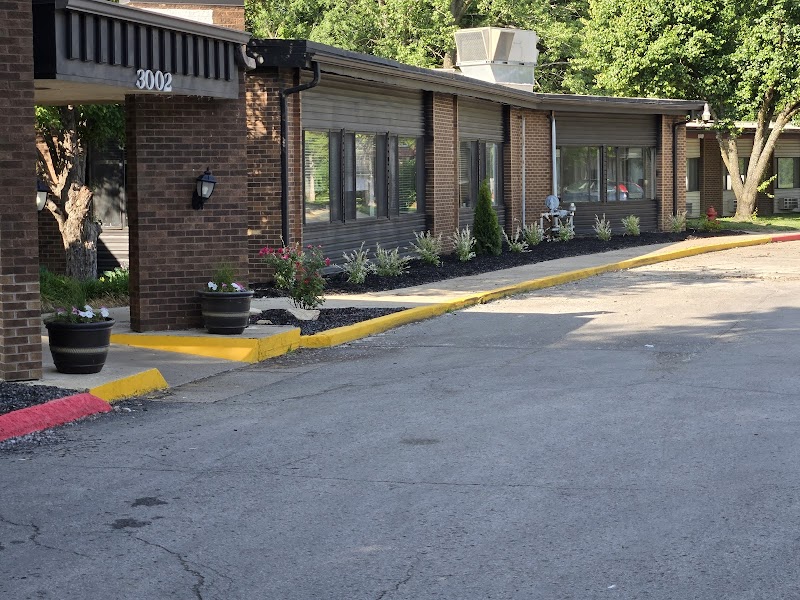
How is Advanced Care Of St Joseph Staffed?

CMS rates ADVANCED CARE OF ST JOSEPH's staffing level at 1 out of 5 stars, which is much below average compared to other nursing homes. Staff turnover is 45%, compared to the Missouri average of 46%. This relatively stable workforce can support continuity of care.

What Have Inspectors Found at Advanced Care Of St Joseph?

State health inspectors documented 51 deficiencies at ADVANCED CARE OF ST JOSEPH during 2020 to 2025. These included: 1 that caused actual resident harm, 48 with potential for harm, and 2 minor or isolated issues. Deficiencies causing actual harm indicate documented cases where residents experienced negative health consequences.
Who Owns and Operates Advanced Care Of St Joseph?

ADVANCED CARE OF ST JOSEPH is owned by a for-profit company. For-profit facilities operate as businesses with obligations to shareholders or private owners. The facility is operated by VERTICAL HEALTH SERVICES, a chain that manages multiple nursing homes. With 180 certified beds and approximately 141 residents (about 78% occupancy), it is a mid-sized facility located in SAINT JOSEPH, Missouri.
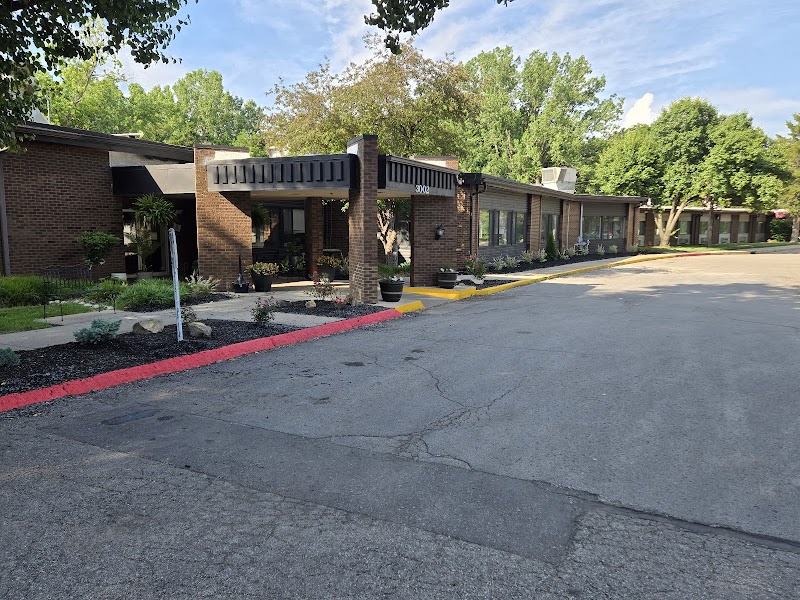
How Does Advanced Care Of St Joseph Compare to Other Missouri Nursing Homes?

Compared to the 100 nursing homes in Missouri, ADVANCED CARE OF ST JOSEPH's overall rating (1 stars) is below the state average of 2.5, staff turnover (45%) is near the state average of 46%, and health inspection rating (2 stars) is below the national benchmark.

What Should Families Ask When Visiting Advanced Care Of St Joseph?

Based on this facility's data, families visiting should ask: "Can you walk me through typical staffing levels on day, evening, and night shifts?" "Can I visit during a mealtime to observe dining assistance and food quality?" "How do you handle medical emergencies, and what is your hospital transfer rate?" "Can I speak with family members of current residents about their experience?" These questions are particularly relevant given the below-average staffing rating.

Is Advanced Care Of St Joseph Safe?

Based on CMS inspection data, ADVANCED CARE OF ST JOSEPH has a clean safety record: no substantiated abuse findings (meaning no confirmed cases of resident harm), no Immediate Jeopardy citations (the most serious violation level indicating risk of serious injury or death), and is not on the Special Focus Facility watch list (a federal program monitoring the lowest-performing 1% of nursing homes). The facility has a 1-star overall rating and ranks #100 of 100 nursing homes in Missouri. While no facility is perfect, families should still ask about staff-to-resident ratios and recent inspection results during their visit.

Do Nurses at Advanced Care Of St Joseph Stick Around?

ADVANCED CARE OF ST JOSEPH has a staff turnover rate of 45%, which is about average for Missouri nursing homes (state average: 46%). Moderate turnover is common in nursing homes, but families should still ask about staff tenure and how the facility maintains care continuity when employees leave.

Was Advanced Care Of St Joseph Ever Fined?

ADVANCED CARE OF ST JOSEPH has been fined $45,850 across 1 penalty action. The Missouri average is $33,537. While any fine indicates a compliance issue, fines under $50,000 are relatively common and typically reflect isolated problems that were subsequently corrected. Families should ask what specific issues led to these fines and confirm they've been resolved.

Is Advanced Care Of St Joseph on Any Federal Watch List?

ADVANCED CARE OF ST JOSEPH is not on any federal watch list. The most significant is the Special Focus Facility (SFF) program, which identifies the bottom 1% of nursing homes nationally based on persistent, serious quality problems. Not being on this list means the facility has avoided the pattern of deficiencies that triggers enhanced federal oversight. This is a positive indicator, though families should still review the facility's inspection history directly.