BELLEVIEW CARE CENTER
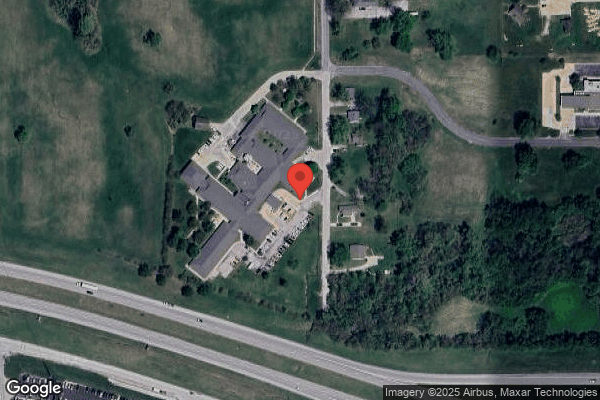
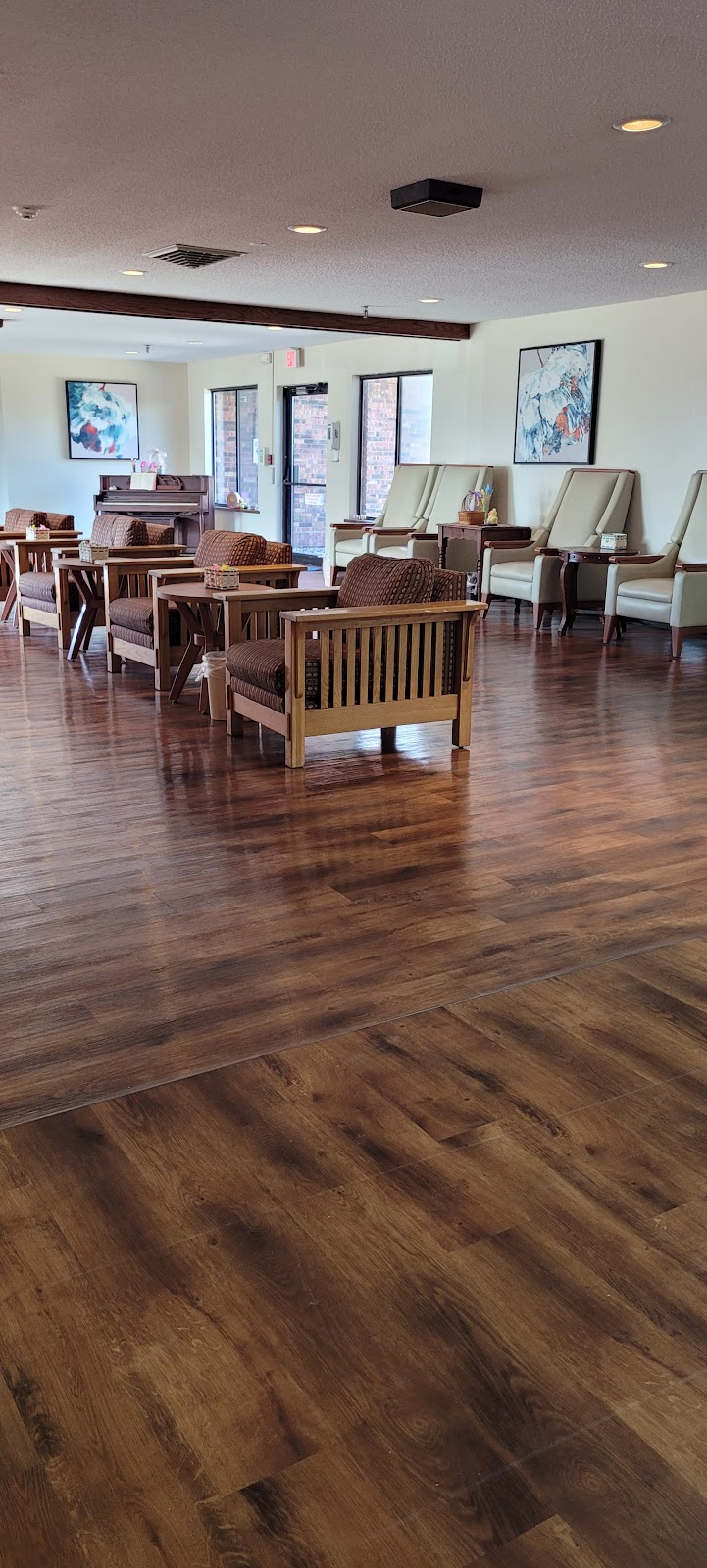
1616 WEISENBORN ROAD, SAINT JOSEPH, MO 64507 (816) 749-3919
For profit - Corporation 90 Beds VERTICAL HEALTH SERVICES Data: November 2025
Trust Grade
8/100
#340 of 479 in MO
Last Inspection: February 2025

Within standard 12-15 month inspection cycle. Federal law requires annual inspections.

Overview

Belleview Care Center has received a Trust Grade of F, indicating significant concerns about the quality of care and services provided. It ranks #340 out of 479 facilities in Missouri, placing it in the bottom half, and #5 out of 6 in Buchanan County, meaning there is only one local option rated higher. The facility is worsening, with reported issues increasing from 8 in 2024 to 13 in 2025. Staffing is a major concern, with a poor rating of 1 out of 5 stars and a high turnover rate of 68%, significantly above the state average. While RN coverage is better than 93% of facilities, there have been serious incidents, such as a staff member forcibly feeding a resident who did not want to eat and failing to administer necessary insulin for another resident, which led to a hospitalization from dangerously high blood glucose levels. Additionally, food safety practices were found lacking, with expired food not discarded and improper food handling procedures observed. Overall, families should weigh these serious weaknesses against the facility's few strengths when considering care options.

Trust Score
F
8/100
In Missouri
#340/479
Bottom 30%
Safety Record
High Risk
Review needed
Inspections
Getting Worse
8 → 13 violations
Staff Stability
⚠ Watch
68% turnover. Above average. Higher turnover means staff may not know residents' routines.
Penalties
⚠ Watch
$22,105 in fines. Higher than 86% of Missouri facilities, suggesting repeated compliance issues.
Skilled Nurses
○ Average
Each resident gets 39 minutes of Registered Nurse (RN) attention daily — about average for Missouri. RNs are the most trained staff who monitor for health changes.
Violations
⚠ Watch
61 deficiencies on record. Higher than average. Multiple issues found across inspections.
★☆☆☆☆
1.0
Overall Rating
★☆☆☆☆
1.0
Staff Levels
★★★☆☆
3.0
Care Quality
★★☆☆☆
2.0
Inspection Score
Stable
2024: 8 issues
2025: 13 issues

The Good

  • Full Sprinkler Coverage · Fire safety systems throughout facility
  • No fines on record

Facility shows strength in fire safety.

The Bad

1-Star Overall Rating

Below Missouri average (2.5)

Significant quality concerns identified by CMS

Staff Turnover: 68%

22pts above Missouri avg (46%)

Frequent staff changes - ask about care continuity

Federal Fines: $22,105

Below median ($33,413)

Minor penalties assessed

Chain: VERTICAL HEALTH SERVICES

Part of a multi-facility chain

Ask about local staffing decisions and management

Staff turnover is elevated (68%)

20 points above Missouri average of 48%

The Ugly 61 deficiencies on record

2 actual harm
Mar 2025 1 deficiency
CONCERN (E) 📢 Someone Reported This

A family member, employee, or ombudsman was alarmed enough to file a formal complaint

Potential for Harm - no one hurt, but risky conditions existed

Free from Abuse/Neglect (Tag F0600)

Could have caused harm · This affected multiple residents

**NOTE- TERMS IN BRACKETS HAVE BEEN EDITED TO PROTECT CONFIDENTIALITY** Based on interview and record review, the facility failed to protect three residents right to be free from abuse when Resident #...

Read full inspector narrative →
**NOTE- TERMS IN BRACKETS HAVE BEEN EDITED TO PROTECT CONFIDENTIALITY** Based on interview and record review, the facility failed to protect three residents right to be free from abuse when Resident #1 punched Resident #4 with a closed fist in the right shoulder and Resident #1 hit Resident #2 and Resident #3 with an open hand across the cheek. The facility's census was 82. On 03/27/25, the Administrator was notified of the past noncompliance which began on 03/25/25. Upon discovery, the facility administration immediately conducted an investigation and corrective actions were implemented. The noncompliance was corrected on 03/18/25. Review of the employee In-service sign in sheet showed staff received education on monitoring of individuals on the secure care unit, completed on 03/18/25. Review of the facility's policy titled, Abuse, Neglect, and Exploitation, dated 8/22/22, showed: -It is the policy of this facility to provide protections for the health, welfare and rights of each resident by developing and implementing written policies and procedures that prohibit and prevent abuse, neglect, exploitation and misappropriation of resident property; -Alleged violation is a situation or occurrence that is observed or reported by staff, resident, relative, visitor or others but has not yet been investigated and if verified could be indication of noncompliance with the Federal requirements related to mistreatment, exploitation, neglect, or abuse; -Abuse means the willful infliction of injury and/or intimidation resulting in physical harm, pain or mental anguish; -Willful means the individual must have acted deliberately, not that the individual must have intended to inflict injury or harm.-Mistreatment means inappropriate treatment of a resident; -Instances of abuse of all residents, irrespective of any mental or physical condition, cause physical harm, pain or mental anguish. It includes verbal abuse, sexual abuse, physical abuse, and mental abuse including abuse facilitated or enabled through the use of technology. Review of the facility's policy titled, Resident Rights, dated 09/01/22, showed the resident has the right to .live a dignified existence; exercise his/her rights as a resident of the facility; be treated with respect and dignity; and make choices about aspects of his/her life in the facility. Review of Resident #1's Annual Minimum Data Set (MDS), a federally mandated assessment instrument completed by facility staff, dated 12/19/24 showed: - Cognition not intact; - Physical behaviors directed towards others; - Verbal behaviors directed towards others; - Behaviors that put others at risk; - Current behaviors are worse; - Diagnoses included, Alzheimer's disease, depression, diabetes mellitus. Review of Resident # 1's care plan dated 12/19/24 showed: - Activities of Daily Living (ADLs) self care performance deficit related to aggressive behavior; - Potential to be physically and verbally aggressive to staff related to poor impulse control. 1. Review of Resident #4's quarterly MDS, dated [DATE] showed: -Moderate cognitive impairment; -Partial assistance of staff for ADLs; -Incontinent of bowel and bladder; -Diagnoses included, dementia, depression, anxiety, high blood pressure and respiratory failure. Review the Resident's care plan dated, 02/09/25 showed: -ADL self care performance deficit related activity intolerance; -Potential to be physically and verbally aggressive related to poor impulse control. Review of the facility investigation dated 03/12/25 at 05:40 P.M. showed: -Resident #1 and Resident #4 were in the dining room; -Resident #4 setting at a table taking a breathing treatment; -Resident #1 stepped on the cord of Resident #4's breathing treatment machine and the machine fell on to the floor; -Resident #4 yelled at Resident #1; -Resident #1 turned around and struck Resident #4's right shoulder. During an interview on 03/27/25 at 10:10 A.M., the Activity Director said: -She has received education from the facility about caring for residents with dementia, de-escalating aggressive residents, how to identify abuse, how to prevent abuse and how to report abuse; -She saw Resident #1 step on the nebulizer tubing of resident #4; -Resident #4 called Resident #1 a dumb ass; -Resident #1 turned, made a fist and hit resident #4 on the shoulder; During an interview on 03/27/25 at 10:18 A.M., Activities Aide A said: -Resident #1 punched resident #4 in the arm on 03/13/25 with a closed fist. -He/She wrote in his/her statement of the incident that resident #1 punched resident #4. -She recently received education from the facility about caring for residents with dementia, de-escalating aggressive residents, how to identify abuse, how to prevent abuse and how to report abuse; 2 .Review of Resident' #3's care plan dated, 01/14/25 showed: -ADL self care performance deficit related to dementia; -Dependent on staff for meeting emotional, intellectual and physical needs; -Verbally aggressive. Review of the Resident's Significant change MDS, dated [DATE] showed: -Severe cognitive impairment; -Dependent on staff for ADL's; -Incontinent of bowel and bladder; -Diagnoses included, Alzheimer's disease, depression and high blood pressure. Review of the facility's investigation, dated 03/13/25 at 06:40 P.M., showed: -Certified Nurses Aide (CNA) A stated resident #1 was trying to push Resident #3 in a wheel chair; -Before staff could intervene Resident #1 made contact with resident #3 with an open hand to the cheek. Review of the facility's Abuse Investigation Staff Questionnaire, dated 03/13/25, completed by CNA A showed: -Resident #1 and Resident #3 in the dining room; -Resident #3 setting in a wheel chair; -Resident #1 was touching Resident #3's wheel chair before staff could redirect Resident #1; -Resident #3 said something that was not understandable and then Resident #1 struck Resident #3 across the cheek; During an interview on 3/27/25 at 11:15 A.M., CNA A said: -Resident #1 was on 1:1; -He/She was watching resident #1, -Resident #1 hit resident #3 before he/she could stop it. -He/She recently received education from the facility about caring for residents with dementia, de-escalating aggressive residents, how to identify abuse, how to prevent abuse and how to report abuse. During an interview on 03/27/25 at 12:12 P.M., the Director of Nursing (DON) said: -Resident #1 was on 1:1 monitoring; -Staff did not immediately intervene to prevent Resident #1 from smacking Resident #3 across the cheek. -Resident #1 is non verbal and communicates through physical touch; -She was not sure if a reasonable person would communicate with a gentle smack across the cheek. 3. Review Resident #2's care plan dated 02/27/25, showed: -Behavior issues related to dementia; -ADL self care performance deficit related to activity intolerance; -Mood and behavior changes. Review of the Resident's Significant change MDS, dated [DATE] showed: -Severe cognitive impairment; -Dependent on staff for ADLs; -Incontinent of bowel and bladder; -Diagnoses included, Dementia, arthritis and high blood pressure. Review of the facility's investigation dated 03/18/25 showed: -CNA B stated on 3/17/25 at 6:40 P.M., Resident #1 was attempting to push Resident #2 in his/her wheel chair; -As staff redirected Resident #1 he/she smacked Resident #2 across the cheek with an open hand; -Resident #1 was sent to the emergency room for evaluation. During an interview on 03/27/25 at 12:45 P.M., CNA B said: -Resident #1 hit resident #2 on the cheek with an open hand; -Resident #1 has a history of behaviors. -He/She recently received education from the facility about caring for residents with dementia, de-escalating aggressive residents, how to identify abuse, how to prevent abuse and how to report abuse. During an interview on 03/27/25 at 01:33 P.M., the DON said: -Resident #1 was on 1:1 monitoring; -Resident #1 still has the right to move about the unit even on 1:1; -Staff did not immediately intervene to prevent Resident #1 and from hitting Resident #2. -Resident #1 is non verbal and communicates through physical touch; -She was not sure if a reasonable person would communicate with a gentle smack across the cheek; -She received orders from the physician to send Resident #1 to the emergency room for a psychiatric evaluation after the last incident on 03/17/25; -Resident #1 was transferred to a psychiatric hospital from the emergency room and admitted for an inpatient psychiatric stay; -The hospital reported Resident #1's behavior was becoming more aggressive; -Resident #1 was discharged from this facility and never returned; -She immediately began educating all staff on caring for residents with dementia, de-escalating aggressive residents, how to identify abuse, how to prevent abuse and how to report abuse; -This education was completed with all staff on 03/18/25; -Abuse is a willful and deliberate; -Any resident to resident altercation should be reviewed as a potential situation of abuse; -Resident #1's action was deliberate even though it is not known if he/she meant to hurt other residents; -He/She expected all residents to be free from abuse. During an interview on 3/27/25 at 01:42 P.M., the Administrator said: -The physician was notified of all incidents between Residents #1, #4, #2 and #3; -The DON received orders from the physician to send Resident #1 to the emergency room for a psychiatric evaluation after the last incident on 03/17/25; -Resident #1 was transferred to a psychiatric hospital and admitted for an inpatient psychiatric stay; -The hospital reported Resident #1's behavior was becoming more aggressive; -Resident #1's responsible party was notified and said Resident #1 needed a higher level of care; -The facility sent a referral to another facility while Resident #1 was at the hospital; -Resident #1 was accepted to another facilty; -The resident never returned to the after he/she was sent out after the last behavior; -The DON immediately began educating all staff on caring for residents with dementia, de-escalating aggressive residents, how to identify abuse, how to prevent abuse and how to report abuse; -The education was completed by all staff on 03/18/25; -Abuse is a willful and deliberate; -Any resident to resident altercation should be reviewed as a potential situation of abuse; -Resident #1's action was deliberate even though it is not known if he/she meant to hurt another resident; -He/She expected residents to be free from abuse. MO 251029 MO 251036 MO 251230
Feb 2025 12 deficiencies
CONCERN (D)

Potential for Harm - no one hurt, but risky conditions existed

Deficiency F0578 (Tag F0578)

Could have caused harm · This affected 1 resident

**NOTE- TERMS IN BRACKETS HAVE BEEN EDITED TO PROTECT CONFIDENTIALITY** Based on interview and record review, the facility failed to clarify the status of Resident #10's Do Not Resuscitate Order (DNR,...

Read full inspector narrative →
**NOTE- TERMS IN BRACKETS HAVE BEEN EDITED TO PROTECT CONFIDENTIALITY** Based on interview and record review, the facility failed to clarify the status of Resident #10's Do Not Resuscitate Order (DNR, medical order that instructs the health care provider not to do resuscitative measures if a person's heart stops) when the resident signed the DNR authorizing no life saving measures be taken and also signed the revocation provision of the DNR, stating the resident wanted life saving measure to be taken. This affected one (Resident #10) of 18 sampled residents. The facilty census was 83. Review of the facilty's policy titled, Resident Rights Regarding Treatment and Advance Directives, dated, [DATE], showed: -This facilty supports the resident's right to request, discontinue or refuse treatment; -The facilty supports the resident's right to formulate an advance directive; -On admission it will be determined if the resident has executed an advance directive or would like to formulate one; -Periodically the facilty will identify and clarify if the resident would like to make any changes. 1. Review of Resident #10's Quarterly Minimum Data Set (MDS), a federally mandated assessment instrument completed by facility staff, dated [DATE], showed: -No cognitive impairment; -Dependent for all Activities of Daily Living (ADLs) and transfers; -Diagnoses included, asthma and obstructive uropathy (a condition where urine flow is blocked or hindered, leading to backup of urine in the urinary tract). Review of the resident's care plan, dated, [DATE]; showed: -The resident is a full code status (all life saving measures to be initiated if heart or breathing stops); -Cardiopulmonary Resuscitation (CPR), a life-saving procedure that involves chest compressions and rescue breaths, will be performed as ordered; -The resident will have his/her wishes followed according to his/her signed directive; -Review code status quarterly; -The resident's care plan contained conflicting information regarding the resident's code status. The resident's DNR showed he/she was a full code status and a DNR status. Review of the resident's Medical Record and DNR documents showed: -[DATE], the resident signed the authorization to withhold life saving measures; -[DATE], the resident signed the revocation provision, revoking the resident's DNR code status; -The resident's DNR contained conflicting information regarding the resident's code status. The resident's DNR showed he/she was a full code status and a DNR status. Review of the resident's Physician's Order Sheet (POS), dated February 2025, showed an order for DNR/ No CPR, dated [DATE]. In an interview on [DATE], at 08:05 A.M., the resident said he/she did not want CPR if his/her heart stopped beating. In an interview on [DATE], at 08:20 A.M., the MDS coordinator said: -Resident code status is on the resident's electronic medical record and in a book at the nurses station; -The Social Services Designee (SSD) keeps the code status book updated. In an interview on [DATE] 08:30 A.M., the SSD (social service director) said: -He/She is responsible for ensuring the DNRs, are updated and accurate; -He/She updates the code status book monthly; -Resident #10's DNR should be clear with no conflicting information; -Resident #10 should not have a signature requesting CPR and a signature declining CPR. In an interview on [DATE], at 09:18 A.M., Certified Nurses Aide (CNA) D said: -The staff look at the care plan or at the code status book at the nurses desk to determine the code status of the residents; -He/She was not sure of resident #10's code status with out looking it up; -He/she expects the care plan and code status book to be correct; -He/she could not identify the resident's code status by looking at the medical record or the code status book. In an interview on [DATE], at 10:04 A.M., Licensed Practical Nurse (LPN) C said: -The order for code status on resident #10's POS should match the DNR and the care plan; -He/She looks at the care plan, the code status book and the electronic medical record to determine the code status of all residents; -The resident's DNR should not have a signature in the the authorization to withhold life saving measures and a signature in the revocation provision of the DNR; -Based on this information he/she could not determine the resident's code status. In an interview on [DATE], at 11:55 A.M., Registered Nurse (RN) B said: -The order on resident #10's POS should match the DNR and the care plan; -He/She looks at the care plan and the code status book to determine the code status of the resident; -The resident's DNR should not contain conflicting information; -Based on this information he/she could not determine the resident's code status; -The SSD was responsible to ensuring resident DNRs are completed. In an interview on [DATE] 02:15 P.M., the Director of Nursing (DON) and Administrator said: -The staff can find a resident's code status in the electronic medical record, the care plan and in the code book at the nurses station; -Resident #10's code status should match the physician's order on the POS; -Resident #10's care plan should match the physicians order on the POS; -Resident #10 should not have signatures in both the DNR section and the full code section; -She expects the SSD to keep resident DNRs up to date and clarify any conflicting information. - The Administrator concurred with the DON.
CONCERN (D)

Potential for Harm - no one hurt, but risky conditions existed

Deficiency F0658 (Tag F0658)

Could have caused harm · This affected 1 resident

Based on interview, and record review, the facility failed to provide services that met professional standards of practice when staff failed to record the administration of medications on the Medicati...

Read full inspector narrative →
Based on interview, and record review, the facility failed to provide services that met professional standards of practice when staff failed to record the administration of medications on the Medication Administration Record (MAR) for one (Resident #13) of 18 sampled residents. The facility census was 83. Review of the facilty's policy titled, Medication Administration, dated, 09/01/22, showed: -Medications are administered by legally authorized staff as ordered by the physician in accordance with professional standards of practice; -Sign the MAR after the medication has been administered; -Document any adverse effects or refusals. Review of the facilty's policy titled, Medical Provider Orders, dated, 04/07/22, showed staff should follow all medical provider orders. 1. Review of Resident #13's Quarterly Minimum Data Set (MDS), a federally mandated assessment instrument completed by facility staff, dated 01/02/25, showed: -No cognitive impairment; -Dependent with all Activities of Daily Living (ADLs) and transfers; -Always incontinent of bowel and bladder; -Takes scheduled and as needed pain medications; -Pain is present constantly; -Receives oxygen therapy; -Diagnoses included, heart failure, high blood pressure, anxiety and respiratory failure. Review of the resident's care plan dated 07/10/24 showed: - The resident has an ADL self care performance deficit related to activity intolerance; - The resident has pain; - Administer pain medicine as ordered; - Document any side effects. Observation and interview on 02/09/25, at 03:54 P.M., showed: -The resident in bed in his/her room; -The resident facial grimaced and moaned; -The resident said his/her back hurt; -The resident said he/she takes scheduled pain medications; -The resident said the facilty often runs out of his/her pain medications and the resident has to go without them for several days; -The resident said his/her pain level is severe. Review of the resident's Physician's Order Sheet (POS) dated, December 2024, showed: -Diagnoses included chronic pain. -Order start date: 05/06/24, Gabapentin (used to treat nerve pain) 100 milligrams (mg), give 100 mg every 8 hours for chronic pain; -Order start date: 10/18/24, Oxycodone (used to treat mild to moderate pain) 10/325 mg, give one tablet every 6 hours for pain. Review of the resident's MAR dated 12/01/24 through 12/31/24 showed: -On 12/11/24 at 06:00 P.M., there was no documentation to indicate that his/her Gabapentin 100 mg was administered; -On 12/11/24 at 06:00 P.M., there was no documentation to indicate that his/her Oxycodone 10/325 mg was administered; -On 12/19/24 at 06:00 P.M., there was no documentation to indicate that his/her Gabapentin 100 mg was administered; -On 12/19/24 at 06:00 P.M., there was no documentation to indicate that his/her Oxycodone 10/325 mg was administered. Review of the resident's POS dated, January 2025, showed: -Diagnoses included chronic pain. -Order start date: 10/18/24/24, Oxycodone 10/325 mg, give one tablet every 6 hours for pain. Review of the resident's MAR dated 01/01/25 through 01/31/25 showed on 01/23/25 at 06:00 P.M., there was no documentation to indicate that his/her Oxycodone 10/325 mg was administered. In an interview on 02/11/25, at 09:07 A.M., Certified Medication Technician (CMT) B said: -There should be some sort of documentation on resident #13's MAR to show that the resident took the medications or refused them; -There should be no blank spaces on resident #13's MAR; -It is important to document pain medications to see if they are effective; -He/she did not know why there were blank spaces on the resident 13's MAR. In an interview on 02/11/25, at 10:04 A.M., Licensed Practical Nurse (LPN) C said: -There should be no holes on resident 13's MAR; -There should be an entry in the box to show if the resident took the medication, refused it or it was not available; -There should be documentation to indicate that resident #13's Oxycodone 10/325 mg was administered; -There should be documentation to indicate that resident #13's Gabapentin 100 mg, was administered. In an interview on 02/11/25, at 11:55 A.M., Registered Nurse (RN) B said: -When there is a blank space on resident #13's MAR, we do not know if the medications were given or not; -There should be documentation to indicate that resident #13's Oxycodone 10/325 mg was administered or refused; -There should be documentation to indicate that resident #13's Gabapentin 100 mg, was administered or refused; -There should not be any blank spaces on resident #13's MAR. In an interview on 02/11/25 02:15 P.M., the Director of Nursing (DON) said: -If there is no entry on the resident's MAR we do not know if the medication was given or not; -There should be some kind of entry on the resident's MAR indicating if the medication was given, refused or held; -There should be documentation to indicate that resident #13's Oxycodone 10/325 mg was administered; -There should be documentation to indicate that resident #13's Gabapentin 100 mg, was administered. - During the interview, Administrator concurred with the DON.
CONCERN (D)

Potential for Harm - no one hurt, but risky conditions existed

Respiratory Care (Tag F0695)

Could have caused harm · This affected 1 resident

**NOTE- TERMS IN BRACKETS HAVE BEEN EDITED TO PROTECT CONFIDENTIALITY** Based on observation, interview, and record review, the facility failed to assure that two residents (Resident's #36 & #13) who ...

Read full inspector narrative →
**NOTE- TERMS IN BRACKETS HAVE BEEN EDITED TO PROTECT CONFIDENTIALITY** Based on observation, interview, and record review, the facility failed to assure that two residents (Resident's #36 & #13) who needed respiratory care, was provided respiratory care consistent with professional standards of practice, when the facility staff failed to follow Physician orders for continuous oxygen therapy for Resident #36, and additionally, failed to assure that staff delivered a clean oxygen oxygen concentrator with oxygen tubing supplies for Resident #13. This affected two of the 18 sampled Residents. The facility census was 82. Review of the Facility's Medical Provider Orders Policy, dated 04/07/2022, showed: -It is the responsibility of all staff to follow all valid medical provider orders timely unless there is an emergency which would temporarily delay the implementation of the order. If the order is not followed the physician should be notified for clarification of the order. Review of the facility's Oxygen Policy, dated 9/1/21., showed staff are to be educated on oxygen safety precautions in accordance with their roles and responsibilities related to the use of and storage of oxygen. 1. Review of Resident #36's Quarterly Minimum Data Set (MDS), a Federally mandated assessment instrument completed by facility staff dated 02/12/25., showed: -Severe cognitive impairment. -Resident requires nursing assistance with all activities of daily living (ADL's) and transfers. -Diagnoses included: Alzheimer's Disease (a brain disorder that causes memory loss, confusion, and changes in thinking and behavior), COPD (chronic obstructive pulmonary disease a long-term lung disease that causes airflow obstruction and breathing problems), an anxiety disorder, and depression. Review of Resident #36's Care Plan, dated 11/25/24, showed: -Unable to communicate needs related to Alzheimer's-Staff to anticipate and meet all needs. -Impaired cognitive thought processes-Staff to anticipate and meet all needs. -He/She was at risk for falls. -Administer Oxygen as ordered by physician. -Change tubing, humidifier bottle, and plastic holding bag for oxygen tubing every Thursday night shift. -Resident has history of breathing issues and requires oxygen. Observation on 02/09/25 at 12:17 P.M. showed Resident #36 had no oxygen tank or concentrator in his/her room and no nasal cannula or tubing was provided. He/she was on room air. Review of Physician's Order, dated November 2025., showed a written order dated 11/13/2024 for Oxygen at 2 Liters per minute per nasal tubing continuously. Review of nursing progress notes on 02/09/25, showed: An order related to Oxygen administration dated 01/31/25 to change oxygen tubing, humidifier bottle, and plastic holding bag for oxygen tubing every Thursday night. In an interview on 02/10/25 at 09:45 A.M. CMT-B, said he/she was not aware of an active oxygen order for Resident #36. Observation on 02/10/25 at 11:00 A.M. showed Resident #36 had no oxygen tank or concentrator in his/her room. Additionally, no nasal cannula with tubing was in room. He/she is on room air. In an interview on 02/10/25 at 11:15 A.M. LPN-B, said: - He/She was not aware of a continuous oxygen order for Resident #36 and that oxygen saturations were checked once a day and documented on the treatment record. - If oxygen was needed could obtain the oxygen tank from the crash cart in an emergency. Observation on 02/11/25 09:23 A.M. showed an unclean oxygen concentrator in Resident #36's room, sitting on the floor and behind the curtain. The oxygen concentrator was turned off and dirty with dried white liquid streaks running down the front and side of device. Additionally, the nasal cannula was not dated and remained inside a bag hanging on the concentrator. Oxygen was not on the resident. In an interview on 02/11/25 at 09:45 A.M. with CMT-B, said he/she placed concentrator in the room of Resident #36 behind the curtain and did not plug it in. Record review of progress notes and medication administration record on 02/11/25 at 10:00 AM, did not show oxygen administration documentation was completed for the month of January/February. 2. Review of Resident #13's Quarterly Minimum Data Set (MDS), dated [DATE]., showed: -Resident is a Full Code (All life saving measures are to be done). -Diagnoses included: Dementia (a syndrome characterized by a progressive decline in cognitive functions, such as memory, thinking, reasoning, and problem-solving, severe enough to interfere with daily life and activities), Congestive heart failure (CHF, also known as heart failure, a condition where the heart muscle is weakened and cannot pump blood effectively and can lead to a buildup of fluid in the lungs and other tissue), Respiratory Failure (a condition where the lungs cannot adequately exchange gases, resulting in insufficient oxygen in the blood and/or excessive carbon dioxide in the blood). Review of Resident #13's care plan, dated 10/17/24, showed: -Risk of poor oxygen absorption and shortness of breath. -Dependent on nursing staff for assistance with all ADLS and transfers. -Impaired cognitive function. -High risk for falls and fall risk monitoring. -Provide extension tubing when portable with oxygen -Keep oxygen levels greater than 91% and monitor as needed. Oxygen flow at 2 Liters Per Minute, continuously while in bed. Observation on 02/09/25 at 12:25 P.M. showed: A dirty oxygen concentrator in room with brown liquids dried and running over filter covering. Additionally, the oxygen tubing was out-dated 01/31/25 by one week. Observation on 02/10/25 at 09:09 A.M. showed resident had a dirty oxygen concentrator in room with brown liquids dried and running over filter covering, additionally the oxygen tubing was still dated 01/31/25. In an interview on 02/11/25 at 09:02 AM Housekeeping Director., said oxygen concentrators are cleaned by housekeeping on the outside, but they do not clean filters, they dust and wipe down the concentrators on the outside, only. In an interview on 02/11/25 at 12:25 P.M the DON, said Housekeeping cleans the oxygen concentrators, but does not do maintenance on oxygen devices. Oxygen equipment is cleaned by housekeeping but if broken the rental company swaps out equipment. Nursing is not involved in cleaning the oxygen filters. Nursing is responsible for replacing and updating dates on tubing. During the exit interview on 02/11/25 at 12:25 P.M. the Administrator said: - Physician orders should be followed as ordered. -Oxygen equipment should be cleaned when provided to a resident for use.
CONCERN (E)

Potential for Harm - no one hurt, but risky conditions existed

Resident Rights (Tag F0550)

Could have caused harm · This affected multiple residents

**NOTE- TERMS IN BRACKETS HAVE BEEN EDITED TO PROTECT CONFIDENTIALITY** Based on observation, interviews, and record review the facility failed to ensure staff maintained residents rights, when provid...

Read full inspector narrative →
**NOTE- TERMS IN BRACKETS HAVE BEEN EDITED TO PROTECT CONFIDENTIALITY** Based on observation, interviews, and record review the facility failed to ensure staff maintained residents rights, when providing ADL (activities of daily living) cares for cognitively impaired residents in a dignified manner when the facility staff failed to ensure facial hair was removed from three of the 18 sampled residents (Resident #11, Resident #64, and Resident #21) and additionally failed to honor the bathing preferences of one cognitively intact Resident, (Resident#16). The facility census was 82. Review of the facility's Resident Rights Policy, dated 09/01/22, showed: -The resident has a right to a safe, clean, and homelike environment, including but not limited to receiving treatment and supports for daily living. Review of the facility's Grooming Residents Facial Hair Policy, dated 09/01/21, showed: -It is the practice of this facility to assist residents with grooming facial hair to help maintain proper hygiene as per current standards of practice. - All resident's dignity will be maintained and needs honored to promote individualized care. 1. Review of Resident 11's quarterly minimum data set (MDS), a federally mandated assessment instrument completed by facility staff, dated 09/19/24, showed: - admitted on [DATE] to memory care unit. - Mild cognitive impairment. - Requires assistance with all Activities of Daily Living (ADL's) and supervision with transfers. - Occasionally incontinent of bladder - Diagnosis of: Dementia, breast cancer, high blood pressure, and stroke. Review of Resident #11's care plan dated 01/30/20 showed: -Resident has an activities of daily living (ADL) self-care performance deficit related to dementia and requires supervision with personal hygiene and substantial assistance with shower and bath. -Resident has a terminal prognosis related to breast cancer and staff will work with hospice team to ensure physical and social needs are met. Observation on 02/09/25 at 10:00 A.M., showed Resident #11, in his/her room, with ½ inch hair growth on his/her chin. Observation on 02/10/25 at 12:30 P.M., showed Resident #11, in hallway, with ½ inch hair growth on his/her chin. Observation on 02/11/25 at 08:45 A.M., showed Resident #11, by nurse's station with ½ inch hair growth on his/her chin. 2. Review of Resident 64's quarterly MDS), dated [DATE], showed: - admitted on [DATE] to memory care unit. - Moderate cognitive impairment. - Required assistance with all Activities of Daily Living (ADL's) and supervision with transfers. - Frequently incontinent of bowl and bladder. - Takes scheduled pain medications. - Diagnosis of: Diabetes (A group of diseases that result in too much sugar in the blood), chronic obstructive pulmonary disease (a group of lung diseases that cause airflow obstruction and breathing problems), high blood pressure, Alzheimer's disease (a brain disorder that causes memory loss, confusion, and changes in thinking and behavior), and depression. Review of Resident #64's care plan, dated 03/19/23., showed the resident has an activities of daily living (ADL) self-care performance deficit related to aggressive behavior and Alzheimer's and requires moderate assistance with personal hygiene and substantial assistance with showers and bathing. Observation showed on 02/09/25 at 10:15 A.M., Resident #64, standing by table in dining room, with ½ inch hair growth on his/her chin. Observation showed on 02/10/25 at 09:50 A.M., Resident #64, in quiet area, with ½ inch hair growth on his/ her chin. Observation showed on 02/11/25 at 09:00 A.M., Resident #64, sat in the dining room, with ½ inch hair growth on his/her chin. During an interview on 2/8/25 at 10:55 A.M., NA said resident's should be offered a shave on bath days. During an interview on 2/9/25 at 1:25 P.M., RN B said all resident's who don't want facial hair should be shaved. Not all resident's will allow shaving, but staff should attempt again. 3. Review of Resident #21's Significant Change MDS, dated [DATE]., showed: - Significant Impairment to Cognition. - Total assist of nursing staff for all activities of daily living. - Diagnoses included: Parkinsons ( A progressive neurological condition that affects fine motor skills), Pneumonia (Infection of the lungs, with fluid build up), Dementia, Diabetes (Excessive sugar in the blood)> Observation on 02/09/25 at 11:49 A.M., showed: -Resident sitting up in a specialized reclining chair with dirty dried food on the cushions of the chair. -Resident had dried food on his/her face from the prior meal and his/her facial chin hair was 1-2 inches in length. Observation on 2/10/25 1:50 P.M. showed the resident in a wheelchair with dried dirt and crusty food debris on the chair cushion and arm rest. The resident had visible chin hairs on his/her face and food from the noon meal dried on his/her face. During an interview on 2/9/25 at 12:02 P.M., NA A said: - He/She was unsure who routinely cleaned resident equipment. - He/she believed that resident's should not have dried food on his/her face and chin hairs should be shaved. During an interview on 2/10/25 at 1:30 P.M. LPN A said: - Female residents should be offered a shave with showers. - Residents #21 should have been assisted by staff to ensure he/she had a clean face and hands after the meal service. 4. Review of Resident #16's Annual MDS, dated [DATE], showed: -Resident is cognitively intact; -Resident requires moderate assistance of nursing staff for all ADL'S (Activities of Daily Living); -Resident is dependent on a wheelchair; -Diagnoses included: Debility (physical weakness), heart disease, diabetes (chronic high blood sugar), depression, and lung disease. During an interview on 2/10/25 at 8:16 A.M and 3:19 P.M., Resident #16 said: -I had one shower last week but would prefer showers twice a week. -The facility doesn't always have a shower aid on duty; - It upsets me off that I can only shower once every ten days. I wish I could do my own showers; -It is bad enough that I can't shower every day, dammit it, but why can't I have 2-3 showers each week?; - He/she was thinking about getting on hospice so they can get showers because hospice comes twice a week; -He/she had not started hospice services yet because that is your last hope. -They don't always have a shower aid here. During an interview on 2/10/25 at 5:14 P.M., CNA A said residents be provided with at least two showers weekly, and more showers if they ask. During an interview on 2/10/25 at 3:37 P.M., LPN C said residents should be provided with a shower as often as they want. During an interview on 02/11/25 at 2:15 P.M., DON states he/she expects residents with facial hair to be shaved and well groomed. During an interview on 2/11/25 at 2:15 P.M., the Administrator said: -Residents should get showers twice a week, unless they ask for more then staff should provide it. - Resident's should be offered a shave on shower days and as often needed. - Resident equipment should be cleaned when it becomes dirty.
CONCERN (E)

Potential for Harm - no one hurt, but risky conditions existed

Safe Environment (Tag F0584)

Could have caused harm · This affected multiple residents

**NOTE- TERMS IN BRACKETS HAVE BEEN EDITED TO PROTECT CONFIDENTIALITY** Based on observation and interviews, the facility failed to maintain a safe, clean, comfortable, and homelike environment when t...

Read full inspector narrative →
**NOTE- TERMS IN BRACKETS HAVE BEEN EDITED TO PROTECT CONFIDENTIALITY** Based on observation and interviews, the facility failed to maintain a safe, clean, comfortable, and homelike environment when the facility failed to maintain and replace pealing wallpaper, repair water stained ceilings, clean and replace broken furniture, repair scraped and missing paint from walls, replace broken window blinds, fix and repair loose headboards and foot boards on resident beds. and assure medical equipment is clean and stored away from residents in a common area. The facility census was 40. Review of the facility's Physical Environment Space and Equipment policy, dated 9/1/21, showed an inspection of resident care equipment will be completed routinely and as needed to maintain safe operation condition. Review of the facility's Resident Right Policy, date 9/1/22., showed the resident has the right to a safe, clean, comfortable, and homelike environment, that supports daily living. 1. Observation of the memory care unit on 2/9/25 at 10:35 A.M., showed: - Two uncovered suction machines, with visible debris on both machines in the common area where resident's gather, machines sitting on a dirty cart by the medication refrigerator. - A blue/gray chair with ripped up cushion exposing foam insert sitting in a common area by the nurses station. - Main hallway and dining area floors with dull finish, and sticky. In an interview on 2/9/25 at 11:35 A.M., NA A., said -He/She was not sure who was responsible for medical equipment, or where suction machines are to be stored, but thought the nurse would know. - He/She had been there a short time and just started. - He/She usually sees a housekeeper most days. - He/She was not sure if torn furniture should be in resident areas. Observation on 2/10/25 at 1:15 P.M., showed the suction machine remained uncovered, and in the common area. In an interview on 2/10/25 at 1:30 P.M., LPN A, said: - The torn chair and suction machines had been there for a few days. - The suction machines should be cleaned, covered, and stored for next use. - Torn and broken equipment should be removed from resident sitting areas. 2. Observation on 2/9/25 at 11:48 A.M. in room [ROOM NUMBER] showed: -Unpainted patches on wall above TV and above the bed; -Missing light bulb and bulb cover in fixture above mirror in the bathroom; -Holes patched but not painted in the bathroom. Observation on 2/09/25 at 12:19 P.M. in room [ROOM NUMBER] showed unpainted patches on the wall next to the bed. Observation on 2/09/25 at 12:26 P.M. showed: -Water stains and chips in paint on ceiling in three inches by two-inch area across from room [ROOM NUMBER]; -Water stain 12 inches by 36 inches on ceiling next to room [ROOM NUMBER]. Observation on 2/10/25 at 8:02 A.M., showed a nightstand in room [ROOM NUMBER] had edges worn off on front and sides, exposing pressed wood. Observation on 2/10/25 at 2:57 P.M. showed: -An unpainted two inch by three-inch unpainted patch where garbage can was stored across from shower room on 100 hall; -Water stains and ceiling puttied over cracks but not painted across from shower room on 100 hall. Observation on 2/10/25 at 2:58 P.M. showed wallpaper peeling on 150 hall near the exit sign. 3. Observation of the memory unit on 2/9/24 and 2/10/24 showed: - 02/09/25 10:00 A.M. room [ROOM NUMBER] Right side door frame broken and headboard very loose. - 02/09/25 11:21 A.M. room [ROOM NUMBER] Window blinds broken in room with pieces in window sill. Bathroom has old metal riser on toilet. - 02/10/25 8:52 A.M. Chair in memory care sitting area has no cover on cushion/exposed foam. - 02/10/25 8:54 A.M. room [ROOM NUMBER] Broken window blinds. room [ROOM NUMBER] Headboards and footboards loose both beds. Sink faucet fixture loose. - 02/10/25 8:58 A.M. room [ROOM NUMBER] Phone jack broken off wall hanging by wires. Wall scratched and gouged. Curtain rod broken. Air vent crooked/partially off by TV. - 02/10/25 9:01 A.M. room [ROOM NUMBER] Window blinds broken. room [ROOM NUMBER] Window blinds broken. - 02/10/25 9:09 A.M. room [ROOM NUMBER]. Gouge in wall by TV. In an interview on 02/11/25 at 08:38 A.M. the Maintenance Director said: -They have a computer based preventative maintenance program that directs their efforts. -Nursing writes out a work order if they run across any issues in rooms or in facility, submit it to maintenance. -Maintenance then fix it and sign off after completed. -Maintenance is responsible for checking the O2 (Oxygen) storeroom weekly. In an interview on 02/11/25 at 08:44 A.M. the DON said: -Nursing knows how to report issues like loose headboards, broken blinds, and wall gouges. -They report it to maintenance via maintenance orders. -Housekeeping only does the cleaning and can also fill out the work orders too. -Nursing equipment should be cleaned and stored appropriately away from other residents when not in use. In an interview on 02/11/25 at 09:02 A.M. the Regional Housekeeping Manager said: -If housekeeping runs across anything needing repaired they write it in the maintenance log if not an emergency. -If an emergency they would notify maintenance directly and log it. - He said there is a log at each nurses station.
CONCERN (E)

Potential for Harm - no one hurt, but risky conditions existed

ADL Care (Tag F0677)

Could have caused harm · This affected multiple residents

**NOTE- TERMS IN BRACKETS HAVE BEEN EDITED TO PROTECT CONFIDENTIALITY** Based on observation, interview, and record review, the facility failed to ensure that dependent residents who were unable to ca...

Read full inspector narrative →
**NOTE- TERMS IN BRACKETS HAVE BEEN EDITED TO PROTECT CONFIDENTIALITY** Based on observation, interview, and record review, the facility failed to ensure that dependent residents who were unable to carry out activities of daily living (ADLs) received the necessary services to maintain good personal hygiene when staff did not provide complete peri care. This affected three of 18 sampled residents (Resident #10, #39 and #25). The facility census was 82. Review of the facility's policy, Activities of Daily Living, dated, 09/01/21, showed: -The facility will ensure that residents who are unable to carry out activities of daily living will receive the necessary services to maintain good grooming and personal hygiene. Review of the facility's policy, Perineal Care, dated 09/01/21, showed: -It is the practice of this facility to provide perineal care to all incontinent residents as needed to promote cleanliness, comfort, prevent infection and prevent skin breakdown; -Female: Separate the resident's skin folds with one hand and cleanse perineum, wiping front to back; -Repeat on opposite side using a new disposable wipe; -Clean the urethral opening with a new wipe with each stroke; -Turn the resident on their side, using a new wipe with each cleansing motion, cleaning all areas urine or feces have touched; -Males: Cleanse urethral opening, in a circular motion, working outward, -Cleaning all areas urine or feces have touched. 1. Review of Resident #10's Quarterly Minimum Data Set (MDS), a federally mandated assessment instrument completed by facility staff, dated 01/17/25, showed: -No cognitive impairment; -Dependent for all ADL's and transfers; -The resident has a urinary catheter; -The resident is frequently incontinent of bowel; -Diagnoses included, asthma and obstructive uropathy (a condition where urine flow is blocked or hindered, leading to backup of urine in the urinary tract). Review of the resident's care plan, dated 01/20/25, showed: -The resident has an ADL self-care performance deficit related to limited mobility; -The resident has potential impairment to skin integrity related to limited mobility. -Resident is dependent on nursing staff to maintain personal and peri care hygiene needs. Observation on 02/09/25, at 10:55 A.M., showed: -Certified Nurses Aide (CNA) D and Nurses Aide (NA) B entered the resident's room; - CNA D removed the resident's brief; - CNA D wiped down each side of the groin with a new wipe each time; - CNA D wiped across the abdominal fold with a new wipe; - CNA D did not separate and clean all the perineal folds. - CNA D and NA B turned the resident onto his/her side; - CNA D used a new wipe and cleaned the rectal area; - CNA D did not separate and clean all the skin folds. In an interview on 02/09/25, at 11:22 A.M., CNA D said: -He/She did not separate and clean all the perineal folds when he/she provided peri care to the resident; -When doing perineal care all areas that urine or feces have touched should be separated and cleaned. In an interview on 02/09/25, at 11:25 A.M., NA B said when providing perineal care all areas that urine or feces have touched should be separated and cleaned. 2. Review of Resident #39's Annual MDS, dated [DATE], showed: -No cognitive impairment; -Dependent for all ADL's and transfers; -Diagnoses included, multiple sclerosis (a chronic, autoimmune disease that affects the central nervous system), arthritis and high blood pressure. Review of the resident's care plan, dated 12/08/24, showed: -The resident has an ADL self-care performance deficit related to multiple sclerosis and arthritis; -The resident is incontinent of bowel and bladder; -The resident has potential impairment to skin integrity related to limited mobility; -Dependent on staff for toileting and personal/peri care hygiene needs. Observation on 02/11/25, at 09:35 A.M., showed: -CNA B and CNA C entered the resident's room; - CNA B removed the sheet from the resident; - CNA C wiped down each side of the groin with a new wipe each time; - CNA C wiped across the abdominal fold with a new wipe; - CNA C did not wipe down the center and did not separate and clean all the perineal folds; - CNA C and CNA B turned the resident onto his/her side; - CNA C used a new wipe and cleaned the rectal area; - CNA C did not separate and clean all the perineal folds. In an interview on 02/11/25, at 09:46 A.M., CNA C said: -He/She did not separate and clean all the perineal folds when he/she provided peri care to the resident; -When doing perineal care all areas that urine or feces have touched should be separated and cleaned. In an interview on 02/11/25, at 09:49 A.M., CNA B said staff should separate and clean all the perineal folds when providing perineal care to an incontinent resident. 3. Review of Resident #25's Quarterly MDS, dated [DATE], showed: -Moderate cognitive impairment; -Dependent for all ADL's and transfers; -Always incontinent of bowel and bladder; -Diagnoses included, stoke, hemiplegia (a neurological condition that causes paralysis or weakness on one side of the body), and diabetes mellitus (a chronic condition where the body does not use insulin effectively). Review of the resident's care plan, dated 01/21/25, showed: -The resident has an ADL self-care performance deficit; -The resident in incontinent of bowel and bladder; -Dependent on staff for toileting and personal/peri care hygiene needs. Observation on 02/11/25, at 10:04 A.M., showed: -CNA B and CNA C entered the resident's room; - CNA B wiped down each side of the groin with a new wipe each time; - CNA B wiped across the abdominal fold with a new wipe; - CNA B did not wipe down the center and did not separate and clean all the perineal folds; - CNA B and CNA C turned the resident onto his/her side; - CNA B used a new wipe and cleaned the rectal area; - CNA B did not separate and clean all areas that urine or feces had touched. In an interview on 02/11/25, at 10:18 A.M., CNA B said: -He/She did not separate and clean all the perineal folds when he/she provided peri care to the resident; -When doing perineal care all areas that urine or feces have touched should be separated and cleaned. In an interview on 02/11/25, at 10:04 A.M., Licensed Practical Nurse (LPN) C said: -Staff should separate and clean all the perineal folds when providing peri care to an incontinent resident; -When cleaning a male resident, the area of the urethral opening should be cleansed in a circular motion, working outward; -When doing perineal care all areas that urine or feces have touched should be separated and cleaned. In an interview on 02/11/25, at 11:55 A.M., Registered Nurse (RN) B said when providing perineal care, all areas that urine or feces have touched should be separated and cleaned. In an interview on 02/11/25, at 02:15 P.M., the Director of Nursing (DON) said: -She expects staff to separate and clean all the perineal folds when providing peri care to an incontinent resident; -She expects staff to clean the area of the urethral opening in a circular motion, working outward when cleaning a male resident; -When doing perineal care all areas that urine or feces have touched should be separated and cleaned. -During the interview, the Administrator concurred with the DON.
CONCERN (E)

Potential for Harm - no one hurt, but risky conditions existed

Quality of Care (Tag F0684)

Could have caused harm · This affected multiple residents

**NOTE- TERMS IN BRACKETS HAVE BEEN EDITED TO PROTECT CONFIDENTIALITY** Based on observations, interviews, and record review, the facility failed to provide the care and services to attain or maintain...

Read full inspector narrative →
**NOTE- TERMS IN BRACKETS HAVE BEEN EDITED TO PROTECT CONFIDENTIALITY** Based on observations, interviews, and record review, the facility failed to provide the care and services to attain or maintain the highest practicable physical, mental, or psychosocial well-being for three of the 18 sampled residents (#16, #47, and #48) when the facility failed to complete proper assessments, obtain a physician's order for medication to be administered to resident #47 by resident #48 and additionally failed to respect resident choice regarding showers for resident #16. The facility census was 82. The facility's Resident Rights policy, dated 9/1/22, showed: -The resident has a right to a dignified existence, self-determination, and communication with access to persons and services inside and outside the facility; -The resident has the right to self-administer medications if the interdisciplinary team determines that this practice is clinically appropriate; -The resident has the right to, and the facility must promote and facilitate resident self-determination through support of a resident's choice including the right to choose schedules and health care; -The resident has a right to make choices about aspects of their life in the facility that are significant to the resident. 1. Review of Resident #47's Quarterly Minimum Data Set (MDS), a federally mandated assessment tool completed by facility staff, dated 1/1/25, showed: -Resident is cognitively impaired; -Diagnoses included: Dementia (decline in mental abilities that affect memory), Alzheimer's disease (progressive brain disease that destroys memory and thinking ability). Observation on 2/9/25 at 10:14 A.M. showed: -Resident #47's medications were in a small plastic cup sitting on the resident's desk in front of the bed. In an interview on 2/9/25 at 10:14 A.M., Resident's room mate and spouse (Resident #48) said: -Staff gives resident #47's medications to him/her to administer to Resident #47; - He/She administered medications to his/her spouse (Resident #47); -He/She had previously worked as a Registered Nurse. Review of Resident #47's electronic medical records showed: -No physician's orders for Resident #48 to administer medication to resident #47; -No competency assessment for Resident #48 to administer medications to Resident #47. In an interview on 2/10/25 at 3:50 P.M., RN B said: -They must get a physician's order for a resident to self-administer medications or administer medications to other residents; -After physician's orders are received, they educate the resident on administering medication and the resident must demonstrate competency, which should be documented in the resident's progress notes; -Medications should be given directly to the resident they are prescribed to unless there are proper assessments, care planning and orders. -It is a complicated situation with Resident #47 & Resident 48. 2. Review of Resident #48's Annual MDS, dated [DATE], showed: -Resident had moderate cognitive impairment; -Diagnoses included: Debility (physical weakness), heart disease, cirrhosis of the liver (severe scarring of the liver), and lung disease. In an interview on 2/9/25 at 10:14 A.M., Resident #48 said: -He/She was an RN; -Staff gives His/Her spouse's medications to Him/Her if their spouse is sleeping so He/She can administer the medications when his spouse awakens; -He/she picked up the plastic medication cup with medications in it from the desk to show the surveyor. 3. Review of Resident #16's Annual MDS, dated [DATE], showed: -Resident is cognitively intact; -Resident requires moderate assistance of nursing staff for all ADLS (Activities of Daily Living); -Resident is dependent on a wheelchair; -Diagnoses included: Debility (physical weakness), heart disease, diabetes (chronic high blood sugar), depression, and lung disease. In an interview on 2/10/25 at 8:16 A.M., Resident #16 said: -I had one shower last week but would prefer showers twice a week. -The facility doesn't always have a shower aid on duty; In an interview on 2/10/25 at 3:19 PM, Resident #16 said: - It upsets me off that I can only shower once every ten days. I wish I could do my own showers; -It is bad enough that I can't shower every day, dammit, but why can't I have 2-3 showers each week?; - He/she was thinking about getting on hospice so they can get showers because hospice comes twice a week; -He/she had not started hospice services yet because that is your last hope. -They don't always have a shower aid here. In an interview on 2/10/25 at 5:14 P.M., CNA A said staff should provide residents two showers weekly, but residents can receive more if they ask. In an interview on 2/10/25 at 3:37 P.M., LPN C said staff should provide residents showers as often as they want. In an interview on 2/11/25 at 2:15 P.M., the Administrator said: -Residents should not have medications sitting in a cup in their room. -Residents should not administer medications to another resident. -There should be competency assessments, orders, and it should be care planned for a resident to administer meds for another resident. -Residents should get showers twice a week, unless they ask for more.
CONCERN (E)

Potential for Harm - no one hurt, but risky conditions existed

Unnecessary Medications (Tag F0759)

Could have caused harm · This affected multiple residents

Based on observation, interview and record review, the facility failed to ensure staff administered medications with a medication rate of less than five percent when facility staff made two medication...

Read full inspector narrative →
Based on observation, interview and record review, the facility failed to ensure staff administered medications with a medication rate of less than five percent when facility staff made two medication errors out of 26 opportunities for error resulting in a medication error rate of seven percent which affected two of the 18 sampled residents (Resident #14 and #18). The facility census was 82 Review of the facility's undated policy for medication administration showed, all medications will be administered to every resident by a licensed nurse or a Certified Medication Technician (CMT) and as ordered by a physician in a safe and sanitary manner. The facility did not provide a policy for administration of eye drops. Review of the website, https://webmd.com, for artificial tears eye drops showed: - To avoid contamination, do not touch the dropper tip to the eye or or any other surface; - Tilt your head back, look up, and pull down the lower eyelid to make a pouch; - Place the dropper directly over the eye and squeeze out one or two drops as needed; 1. Review of Resident #14's Physician's Order Sheet (POS) dated January 2025 showed Artificial Tears instill one drop in left eye three times a day for dry eyes. Review of the resident's medication administration record (MAR) dated January 2025 showed instill one drop in Artificial Tears instill one drop in left eye three times a day for dry eyes. Observation on 02/10/25 12:26 P.M., showed: - CMT A washed his/her hands, applied gloves and cleaned the resident's eye lids, removed gloves and washed his/her hands and applied new gloves; - CMT A placed one drop in the resident's left and the tip of the eye dropper touched the resident's eye lid and eye lashes. CMT A applied lacrimal pressure (gentle pressure applied to the inner eye by the nose) for 20 seconds; In an interview on 02/10/25 12:36 P.M., CMT A said: - The tip of the eye dropper should not touch the resident's eye lid or eye lash; - Lacrimal pressure should be applied for one to two minutes. 2. Review of Resident #14's Physician's Order Sheet (POS) dated January 2025 showed Artificial Tears instill one drop in left eye three times a day for dry eyes. Review of the resident's medication administration record (MAR) dated January 2025 showed instill one drop in Artificial Tears instill one drop in left eye three times a day for dry eyes. Observation on 02/10/25 12:26 P.M., showed: - CMT A washed his/her hands, applied gloves and cleaned the resident's eye lids, removed gloves and washed his/her hands and applied new gloves; - CMT A placed one drop in the resident's left and the tip of the eye dropper touched the resident's eye lid and eye lashes. CMT A applied lacrimal pressure (gentle pressure applied to the inner eye by the nose) for 20 seconds; In an interview on 02/10/25 12:36 P.M., CMT A said: - The tip of the eye dropper should not touch the resident's eye lid or eye lash; - Lacrimal pressure should be applied for one to two minutes. In an interview on 12/10/24 at 1:20 P.M., the Director of Nursing (DON) said: - The tip of the eye dropper should not touch the resident's eye lashes or eye lids; - Staff should apply lacrimal pressure for one minute.
CONCERN (E) 📢 Someone Reported This

A family member, employee, or ombudsman was alarmed enough to file a formal complaint

Potential for Harm - no one hurt, but risky conditions existed

Deficiency F0804 (Tag F0804)

Could have caused harm · This affected multiple residents

**NOTE- TERMS IN BRACKETS HAVE BEEN EDITED TO PROTECT CONFIDENTIALITY** Based on observation and interview, the facility failed to ensure staff served food to the residents that was palatable and attr...

Read full inspector narrative →
**NOTE- TERMS IN BRACKETS HAVE BEEN EDITED TO PROTECT CONFIDENTIALITY** Based on observation and interview, the facility failed to ensure staff served food to the residents that was palatable and attractive for two of 18 sampled residents (Resident #8 and #16). The facility had a census of 82. The facility did not provide a policy on food palatability and appearance. Observation on 2/11/25 at 12:46 P.M. showed: -Alfredo noodles tasted dry and bland; -The cream pie dessert had gritty texture and was tasteless. 1. Review of Resident #16's Annual Minimum Data Set (MDS), a federally mandated assessment tool completed by facility staff, dated 11/22/24, showed: -Resident was cognitively intact; -Diagnoses included: Debility (physical weakness), heart disease, diabetes (chronic high blood sugar), depression, and lung disease. During an interview on 2/10/25 at 8:26 A.M., Resident #16 said: -Sometimes food was served cold and raw; -They did not get the drinks that they ordered with their meals; During an interview on 2/10/25 at 3:19 P.M., Resident #16 said: -The way the way the food was presented made Him/Her not want to eat it; -He/She was not happy when the food was served cold and looked bad. 2. Review of Resident #8's Quarterly MDS, dated [DATE], showed: -Resident was cognitively intact; -Diagnoses included: Diabetes (high blood sugar), anxiety, depression, lung disease, During an interview on 2/9/25 at 11:31 A.M., Resident #8 said: -The food was not good and was cold when the tray was delivered to their room; -The food was not appetizing to look at so they would not eat it and would eat the snacks He/She had in His/Her room; -He/She was tired of eating hamburgers as an alternate menu item; -The waffles that were served on 2/8/25 were so hard that He/She could not eat them because it was like a brick; During an interview on 2/10/25 at 04:26 P.M., the Dietary Manager said: -They expect hot foods to be served hot and cold foods to be served cold; -The food should have an appealing appearance, seasoning and an appropriate texture. During an interview on 2/10/25 at 4:33 P.M., the Dietician said: -Hot foods should be served hot and cold foods should be served cold; -They expect the food to have an appealing appearance and appropriate texture, and be seasoned. During an interview on 2/11/25 at 2:15 P.M., the Senior Administrator said: -They expect hot foods to be served hot and cold foods to be served cold; -The food should have an appealing appearance, seasoning and appropriate texture.
CONCERN (E)

Potential for Harm - no one hurt, but risky conditions existed

Room Equipment (Tag F0908)

Could have caused harm · This affected multiple residents

Based on observations, interviews, and record review, the facility failed to ensure that it maintained essential equipment in a safe and operable working condition. Specifically, when the large walk-i...

Read full inspector narrative →
Based on observations, interviews, and record review, the facility failed to ensure that it maintained essential equipment in a safe and operable working condition. Specifically, when the large walk-in freezer had been left with a build-up of ice on the freezer floor and on the ceiling of the walk-in freezer, which left the the walk in freezer with elevated temperatures for several days, while it was defrosting. This had the potential to affect all residents due to the health risks associated with serving foods that had been thawed for an unknown period of time. The facility census was 82. The facility did not provide a policy on maintaining kitchen equipment. Observation on 2/09/25 at 10:12 A.M. showed: -Missing freezer temperature logs from 2/7 to 2/9; -A measurement of 20 inch by 30 inch and 1/4-inch-thick area of ice buildup on the freezer floor in front of the back wall of the walk in freezer; -Icicles and frost build up on ceiling under freezer fans; -Thermometer inside the freezer read 28 degrees Fahrenheit, rather than the 0 degrees Fahrenheit recommended by the FDA (Food and Drug Administration); -Freezer external thermometer read 12 degrees Fahrenheit, rather than the 0 degrees Fahrenheit recommended by the FDA (Food and Drug Administration); -Food toward the front of the freezer, a bag of chicken nuggets, single serve ice cream cups and a bag of pizza rolls, were softer and warmer to the touch than the items in the back of the freezer. An observation on 2/10/25 at 10:47 A.M., the freezer temperature logs showed: -2/5 read -2 degrees Fahrenheit in the morning and 22 degrees Fahrenheit in the evening; -2/6 read-2 degrees Fahrenheit in the morning and 20 degrees Fahrenheit the evening; -2/7 read -8 degrees Fahrenheit in the morning and 22 degrees Fahrenheit in the evening; -2/8 read -9 degrees Fahrenheit in the morning and 30 degrees Fahrenheit in the evening; -2/9 read -8 degrees Fahrenheit in the morning and -6 degrees Fahrenheit in the evening. During an interview on 2/10/25 at 3:57 P.M., Dietary Aid A said: - Items in freezer should be frozen; -Freezer temperature should read 0 degrees Fahrenheit or below; -Freezer temperature logs should match the temperature on the freezer thermometer; -If they saw ice on the floor of the freezer, they would fill out work order sheet. During an interview on 2/10/25 at 4:26 P.M., the Dietary Manager said: - Freezer temperature should read ten degrees Fahrenheit or below; -There should not be ice build up on the freezer floor or on the ceiling near the fans; - Items like ice cream, chicken nuggets, and pizza rolls should be frozen when stored in the freezer; - Freezer temperature logs should match the temperature on the freezer thermometer; - If the freezer was not working, they would fill out a maintenance sheet to request repairs. During an interview on 2/10/25 at 4:33 P.M., the Dietician said: -Freezer temperature should be kept at 10 degrees or below; - There should not be ice on the floor of the freezer and ice buildup on the freezer ceiling near the fans. - Frozen items should be frozen solid when stored in the freezer; -Freezer temperature logs should match the temperature on the thermometer in the unit. -If the freezer was not working properly, dietary aids should let the kitchen manager know, who should inform the maintenance director; -If the maintenance director cannot make the freezer repair, they should request service call. During an interview on 2/11/25 at 10:21 A.M., the Maintenance Director said: -If the freezer was not working, they would try to repair it and if they could not perform the repair, then they would request the freezer to be serviced the repair company. -If the freezer was going into a defrost, there would be icicles and ice buildup on the ceiling and the floor. -There should not be ice buildup inside the freezer; -They were notified on 2/9/25 about the freezer not working properly; -Repair company was at the facility on 2/9/25 and 2/10/25 working to repair the freezer. During an interview on 2/11/25 at 2:15 P.M., the Senior Regional Administrator said: -The freezer temperature should be between 32 to 34 degrees Fahrenheit; -Frozen items should be frozen when stored in the freezer; -There should not be ice on the floor of the freezer and on the ceiling near the fans; -Freezer temperature logs should match the temperature on the thermometer in the unit. -Staff should notify maintenance when the freezer temperature is too low; -Maintenance Director should look at the freezer to see if it is a defrost issue; -If Maintenance Director could not fix the freezer, then they should call for servicing; -If the freezer temperature continued to be too low, they should move all the food to a working freezer.
CONCERN (E) 📢 Someone Reported This

A family member, employee, or ombudsman was alarmed enough to file a formal complaint

Potential for Harm - no one hurt, but risky conditions existed

Deficiency F0919 (Tag F0919)

Could have caused harm · This affected multiple residents

**NOTE- TERMS IN BRACKETS HAVE BEEN EDITED TO PROTECT CONFIDENTIALITY** Based on observation, interview, and record review, the facility failed to assure Resident #36 and Resident #79 had access to a ...

Read full inspector narrative →
**NOTE- TERMS IN BRACKETS HAVE BEEN EDITED TO PROTECT CONFIDENTIALITY** Based on observation, interview, and record review, the facility failed to assure Resident #36 and Resident #79 had access to a call light while lying in bed to prevent potential accidents by allowing these residents to summon staff as needed. This affected two of the 18 sampled Residents. The facility census was 82. Review of the Facility's Call Light Policy- Accessibility and Timely Response, dated 09/1/21, showed: -Assurance that the facility is adequately equipped with a call light at each resident's bedside, toilet, and bathing facility to allow residents to call for assistance. Cal lights will directly relay to a staff member or centralized location to ensure appropriate response. -Each resident will be evaluated for unique needs and preferences to determine any special accommodations that may be needed in order for the resident to utilize the call system. -Special accommodations will be identified on the plan of care and provided accordingly touchpads, larger buttons, bright colors. -With each interaction in the resident's room or bathroom, staff will ensure the call light is within reach of resident and secured, as needed. 1. Review of Resident #36's Quarterly Minimum Data Set (MDS), a Federally mandated assessment instrument completed by facility staff dated 02/12/25., showed: -Severe cognitive impairment. -Resident requires nursing assistance with all activities of daily living (ADL's) and transfers. -He/She is incontinent of bowel and/or bladder and requires nursing assistance with personal hygiene needs. -Diagnoses included: Alzheimer's Disease (a brain disorder that causes memory loss, confusion, and changes in thinking and behavior), chronic obstructive pulmonary disease (a long-term lung disease that causes airflow obstruction and breathing problems), an anxiety disorder, and depression. Review of Resident #36's care plan, dated 11/25/4, showed: -At risk for skin breakdown due to incontinence and decreased mobility. -Resident is a DNR(Do not resuscitate- No life saving or heroic measures) -Requires total staff assist for all ADLS. -Communication problem related to Alzheimer's-Staff to anticipate and meet all needs. -Impaired cognitive thought processes-Staff to anticipate and meet all needs. -He/She was at risk for falls -On routine psychotropic (mood altering medications) medications for verbal and physical behaviors. -Resident has history of breathing issues and requires oxygen. Observation on 02/09/25 at 09:45 A.M. showed Resident #36's call light was not visible to him/her. -Resident was lying in bed, and the call light was behind curtain and underneath the bed on the floor, out of the resident's reach. During an Observation and Interview on 02/09/25 at 09:45 Resident #36 said: - He/She did not know if they had a call light - Denies knowing how to contact a nurse if needed assistance. - Observation showed the resident was unaware of surroundings and or how to use call light assistance. In an interview on 02/09/25 at 11:00 A.M. CNA-B he/she said call lights should be within reach for all residents. In an interview on 02/10/25 at 10:15 A.M LPN-B said that call lights should be within reach for the resident. In an interview on 02/11/25 at 08:30 A.M the Maintenance Director said call lights should be within reach of the resident. 2. Review of Resident #79's Quarterly Minimum Data Set (MDS) dated [DATE], showed: -Moderate cognitive impairment. -Unable to communicate needs effectively. -Total assist of nursing staff for all ADLS. -Incontinent of bowel and/or bladder -Diagnoses included: of Coronary Artery Disease (CAD)( a condition where the arteries that supply blood to the heart become narrowed or blocked). This reduces blood flow to the heart muscle, which can lead to symptoms such as chest pain, shortness of breath, and heart attack., high blood pressure, Diabetes Mellitus (a chronic disease that affects how the body uses glucose (sugar) for energy), and Dementia, (a syndrome characterized by a progressive decline in cognitive functions, such as memory, thinking, reasoning, and problem-solving, severe enough to interfere with daily life and activities). Review of Resident #79's care plan dated 10/30/24, showed: -Goal is to maintain safety with call light in reach; -Staff to anticipate and monitor resident's needs: -Dignity should be honored: -Requires nursing assistance with performing activities of daily living: -Impaired cognition. Observation on 02/09/25 at 10:30 A.M. showed Resident #79 laid on bed and the call light was not within his/her reach. The call light was clipped to the light on wall at head of bed at and out of the resident's reach. In an interview with Resident #79 on 02/09/25 at 10:30 AM the reisdent said he/she did not know how to call the nurse. In an interview on 02/09/25 11:00 A.M. CNA B said the residents call light should be placed within reach. In an interview on 02/10/25 at 10:15 A.M. LPN B said that call lights should be within the resident's reach. In an interview on 02/11/25 at 12:30 P.M. the Director of Nursing said call lights should be within reach so the residents can call staff for assistance when needed.
CONCERN (F)

Potential for Harm - no one hurt, but risky conditions existed

Food Safety (Tag F0812)

Could have caused harm · This affected most or all residents

**NOTE- TERMS IN BRACKETS HAVE BEEN EDITED TO PROTECT CONFIDENTIALITY** Based on observation, interviews, and record review, the facility failed to prepare and serve food in accordance with profession...

Read full inspector narrative →
**NOTE- TERMS IN BRACKETS HAVE BEEN EDITED TO PROTECT CONFIDENTIALITY** Based on observation, interviews, and record review, the facility failed to prepare and serve food in accordance with professional standards for food service safety when staff failed to label and date all foods, discard expired food, keep daily logs for freezer temperature, test and record dishwasher chemical sanitizer levels, seal all foods after opening, use proper hand washing, and properly store food storage containers and dishes. The facility census was 82. Review of the facility's Food Storage Policy, dated 8/12/23., showed: -All areas of food storage will be clean, dry, and maintained at temperatures as required to meet food safety requirements. -All open products will be sealed, wrapped and closed to ensure quality and prevent contamination against pests or rodents. -All outdated goods will be discarded the day after expiration date. -All temperatures log will be maintained and kept up to date. -All refrigerator and freezer logs will be maintained and kept up to date. Review of the facility's Sanitation Policy. dated 8/1/23., showed: -All kitchen areas, dining areas, shall be kept clean. -All utensils , kitchen equipment, and shelves, and counters will be clean and in good repair. Continuous observation of the kitchen on 2/09/25 at 9:34 A.M. to 10:15 A.M. showed: -The floor in front of stove was greasy and slippery; -The refrigerator in the serving area outside kitchen was missing temperature recordings on the log for 2/7 through 2/9; -Unbranded hamburger buns and white bread were on cart outside kitchen without a label indicating the date the product was opened; -Plates near steam table outside kitchen were face up and had no cover on the cart; -The metal rack next to the freezer had pitcher lids and the food processor container stored face up; -The walk-in freezer temperature log was missing entries for 2/7 through 2/9; -Pans on the bottom of the prep table across from the oven were stored upright; -Unbranded loaf of white bread on the prep table shelf had no open date; -Staff did not know where dishwasher test log was located; -Empty boxes were scattered on the kitchen floor in front of handwashing sink; -Mixing bowls and punch bowl on pantry shelf were stored upright; -Large bag of Cortona pasta open with no open date; -Banquet three-pound tub of shortening had no open date and the best by date on the container was 11/24/23; -Great Value 8-ounce Organic Rubbed Sage, received date was labeled 3/17 and the best by date on the package was 6/17/24; -Spice Islands 7-ounce Cinnamon Sticks labeled as received on 2/18 and the best by date on the package was 11/2/24; -[NAME]-[NAME] 18-ounce Pure Almond Extract had a best by date of 11/2021; -Sysco 10-ounce Imperial Parsley Flakes had a best by date of 11/7/23 with an open date labeled as 11/13; -Sysco 4.5 pounds Classic Paprika had a best by date of 4/7/24 and an open date labeled 5/10; -Sysco 27.5-ounce Imperial Thyme Leaves opened date was 4/20/21; -Items toward the front of the walk-in freezer, chicken nuggets, ice cream cups, and -Totino's pizza rolls, were soft and not as cold to the touch as the frozen items in the back of the walk-in freezer; -Box of 1000 count Ghirardelli chocolate chips stored uncovered in walk-in freezer; -Dirty and rusted ceiling vent next to walk-in freezer; -Two large water stains (12 inches x 12 inches and 10 inches by 24 inches) through patched, cracked, unpainted putty on ceiling next to the walk-in freezer; -Peeling paint and drywall on wall outside the walk-in freezer near the ceiling; -Dietary Manager washed hands, then dried hands with a paper towel and used the paper towel to turn off the faucet, then continued to dry hands and arms with the same paper towel, re-contaminating his/her hands. Observation on 2/10/25 at 9:50 A.M. showed the Dietary Manager washed his/her hands, dried his/her hands with paper towels then wiped the sink and turned off faucet, then used the same paper towels to continue drying hands, re-contaminating his/her hands. Observation on 2/10/25 at 10:55 A.M. showed the Dietary Manager washed hands, dried with paper towel, then used same paper towel to turn off the faucet, wipe sink, and transferred the paper towel to the other hand before throwing away, re-contaminating his/her hands. Observation on 2/10/25 at 9:50 A.M. showed: -Dark spatters on ceiling near smoke alarms and in between fluorescent lights; -Dirty ceiling vent outside of kitchen office; Observation on 2/10/25 at 2:40 P.M. showed Dietary Aide A with a beard cover below his/her chin, long chin hairs visible. Observation on 2/10/25 at 2:41 P.M. showed drywall cracked and chunks of paint missing where the handwashing sink meets the wall. Observation on 2/10/25 at 4:22 P.M. Dietary Aid A with a beard cover pulled down, exposing his/her chin hair. During an interview on 2/09/25 at 9:43 A.M, Dietary Aid B said: -He/She worked weekends and had never tested the dishwasher chemical solution; -He/She did not know how to test the dishwasher chemical solution or know where the log book was kept. During an interview on 2/10/25 at 3:57 P.M., Dietary Aid A said: -Expired foods, including spices should be thrown out; -Opened food items should be labeled with date the item was opened; -After washing hands, they should dry their hands with a paper towel, then turn off the faucet with the paper towel; -They should not continue drying hands with same paper towel that was used to turn off the faucet; -The kitchen ceiling and vents should be clean and in good repair; -Opened food items should be covered and dated for storage; -Plates, bowls, mixing bowls, and containers should be stored upside down or covered; -The kitchen floor should not be greasy and slippery; -Hairnets and beard covers should cover hair completely. During an interview on 2/10/25 at 4:26 P.M., the Dietary Manager said: -He/She expects expired foods and spices to be thrown out; -Opened food items should be labeled with opened date; -He/She expects staff to not use same paper towel to dry off hands after using the paper towel to turn off the faucet; -Kitchen ceiling and vents should be clean and in good repair; -He/She expects opened food items to be covered for storage; -Plates, bowls, mixing bowls, and containers should be stored facing down; -The kitchen floor should not be greasy and slippery; -Hair nets and beard covers should be always worn in the kitchen. During an interview on 2/10/25 at 4:33 P.M., the Dietician said: -Expired foods and spices should be thrown out; -Opened food items should be labeled with the received and opened dates; -He/She expects the same paper towel that was used to turn off faucet would not be used to dry hands; -The kitchen ceiling and vents should be clean and in good repair; -Opened food items should be covered for storage; -Plates, bowls, mixing bowls, and containers be stored inverted; -The kitchen floor should not be greasy and slippery; -Hairnets and beard covers should be always worn in the kitchen; During an interview on 2/11/25 at 2:15 P.M., the Administrator said: -Expired foods and spices should be disposed of; -Opened food items should be labeled with the dates received and opened; -He/She expects the paper towel used to turn off faucet would not be used to dry hands; -Kitchen ceiling and vents should be clean and in good repair; -He/She expects opened food items be covered for storage; -He/She expects plates, bowls, mixing bowls, and containers be stored inverted; -Kitchen floor should not be greasy and slippery.
Nov 2024 4 deficiencies 1 Harm
SERIOUS (G) 📢 Someone Reported This

A family member, employee, or ombudsman was alarmed enough to file a formal complaint

Actual Harm - a resident was hurt due to facility failures

Free from Abuse/Neglect (Tag F0600)

A resident was harmed · This affected 1 resident

Based on interview and record review, the facility failed to ensure one resident (Resident #2) was free from abuse when a staff member forcibly fed the resident his/her meal when the resident expresse...

Read full inspector narrative →
Based on interview and record review, the facility failed to ensure one resident (Resident #2) was free from abuse when a staff member forcibly fed the resident his/her meal when the resident expressed he/she did not want to eat. The resident was visibly emotionally upset and tearful when describing the actions to staff. This affected one of six sampled residents (Resident #2). The facility census was 82. Review of the facility provided policy Abuse, Neglect, and Exploitation, dated 8/22/22, showed: -It is the policy of this facility to provide protections for the health, welfare and rights of each resident by developing and implementing written policies and procedures that prohibit and prevent abuse, neglect, exploitation and misappropriation of resident property; -Alleged violation is a situation or occurrence that is observed or reported by staff, resident, relative, visitor or others but has not yet been investigated and if verified could be indication of noncompliance with the Federal requirements related to mistreatment, exploitation, neglect, or abuse; -Mistreatment means inappropriate treatment of a resident. Review of the facility provided Policy Resident Rights, dated 9/1/22, showed: The resident has the right to: -Request, refuse, and/or discontinue treatment; -A dignified existence; -Exercise his/her rights as a resident of the facility; -Be treated with respect and dignity; -Make choices about aspects of his/her life in the facility. 1. Review of Resident #2's admission Minimum Data Set (MDS:a federally mandated assessment tool completed by facility staff), dated 10/18/24, showed: -Brief Interview of Mental Status (BIMS) 15, indicating no cognitive deficits; -Set up assistance by staff for eating; -No swallowing/chewing difficulty; -Diagnoses of Congestive Heart Failure (where the heart can't pump enough blood to meet the body's needs), Hypertension (high blood pressure), Muscle Weakness, Type 2 Diabetes Mellitus (where the body does not use or does not produce enough insulin to meet needs), and Gastroesophageal Reflux (when stomach contents leak into the esophagus, causing irritation). Review of the resident's admission care plan showed the resident did not need assistance with eating. Review of the facility Grievance Reporting form, dated 10/28/24 and untimed, showed: -Physical Therapy Assistant (PTA) A attempted to work with Resident #2; -The resident was crying and frustrated; -The resident reported that he/she had been force fed by a staff member on the evening of 10/27/24; -The form was completed by the Director of Therapy (DOT) and signed by the Administrator. Review of the Investigation Summary, dated 10/31/24, completed by the Administrator, showed: -Resident #2 had complained a staff member pushed him/her to eat a meal, when he/she was able to feed himself/herself and refuse food if he/she did not want to eat; -The resident reported he/she kept telling the staff member that he/she did not want to eat, the staff kept trying to feed him/her manually and eventually stopped; -The Administrator assured the resident he/she would not have to work with the staff member again as the administrator felt the staff member acted inappropriately; -During an interview with Certified Nurse Aide (CNA) A, he/she said he/she was assisting the resident, because the resident seemed weak and was not eating. The resident told him/her to stop, but kept eating when helped; -The facility felt this did not elevate to the level of abuse, but the staff member acted inappropriately. During an interview on 11/12/24 at 2:50 P.M., Resident #2 said: -He/She feeds himself/herself; -CNA A entered his/her room at supper time on 10/27/24; -CNA A broke his/her sandwich into pieces and began sticking it into his/her mouth; -CNA A told Resident #2 he/she had to eat, because he/she was going to get sick; -He/She tried to turn his/her head away, CNA A followed and kept pushing the sandwich between his/her lips; -He/She told CNA A to stop, but CNA A kept pushing it between his/her lips; -When he/she would open his/her mouth to say no or stop, CNA A would shove a piece of the sandwich in his/her mouth; -Once he/she had eaten about half the sandwich, CNA A took the tray and left the resident's room; -He/She did not report anything that day, but reported to the night nurse; -The Administrator told him/her, he/she would not have to work with CNA A again; -CNA A made him/her eat and he/she did not want to. CNA A wouldn't take no as an answer; -CNA A force fed him/her and he/she kept opening his/her mouth, because he/she was afraid he/she would choke. During an interview on 11/14/24 at 2:09 P.M., CNA A said: -He/She had been a CNA for 29 years; -He/She had education on Resident Rights multiple times; -He/She knows that residents can refuse care; -He/She worked with Resident #2 on 10/27/24; -Resident #2 was very weak; -He/She did not know the resident could feed himself/herself; -He/She fed the resident a couple of bites; -Resident #2 may have said no, but he/she did not remember for sure; -He/She did not remember the resident turning away from him/her; -He/She liked Resident #2 very much and wanted the resident to get well, so he/she assisted them to eat; -He/She did not see helping the resident as abuse; -He/She was taught to help people get well, and people cannot get well if they do not eat. During an interview on 11/14/24 at 5:02 P.M., Licensed Practical Nurse (LPN) B said: -He/She worked the night shift on 10/27/24; -He/She worked with Resident #2; -Resident #2 reported to him/her that CNA A brought the evening meal tray to his/her room, broke the grilled cheese sandwich into pieces, pushed it into his/her mouth, and when the resident tried to say no, pushed the piece of sandwich between his/her lips. The resident was concerned he/she would choke, so he/she chewed and swallowed the pieces. After a few pieces the CNA took the tray and left the room; -He/She felt this was abuse, so he/she notified the Administrator immediately; -The Administrator said he/she would deal with it later; -The Administrator did not tell him/her to send CNA A home. During an interview on 11/12/24 at 1:42 P.M., PTA A said: -On 10/28/24, he/she arrived to Resident #2's room for therapy. The resident was visibly emotionally upset and tearful; -The resident said he/she did not like how he/she was treated by nursing staff; -The resident said he/she was force fed by nursing staff during the evening meal on 10/27/24; -He/She notified LPN A on 10/28/24 what the resident reported to him/her, who said that was impossible as the resident feeds himself/herself; -He/She then immediately went to his/her supervisor and reported what Resident #2 said; -The resident did not have any physical injuries on his/her face that he/she noticed. During an interview on 11/14/24 at 4:47 P.M., LPN A said he/she did not remember being notified by staff that Resident #2 complained of being force fed. During an interview on 11/12/24 at 1:25 P.M., the DOT said: -PTA A completed the Grievance Report for Resident #2 on 10/28/24; -When PTA A reported Resident #2 said force fed, he/she knew it needed to be addressed immediately; -He/She did not work with Resident #2, but had seen him/her working in the gym, and the resident had no problems with his/her hand/arm movement. During an interview on 11/12/24 at 1:10 P.M., the Administrator said: -Once he spoke with the resident, he felt the issue was customer service, not abuse; -The comment of force fed was staff taking liberties with words; -The report that came to him said force fed; -He explained to the resident force fed was holding the resident's head and pushing food into his/her mouth, and he/she said that did not happen; -The staff member thought he/she was helping the resident; -The staff member should have stopped feeding the resident when the resident told him/her to stop; -The resident had the right to refuse the meal. MO245023
CONCERN (D) 📢 Someone Reported This

A family member, employee, or ombudsman was alarmed enough to file a formal complaint

Potential for Harm - no one hurt, but risky conditions existed

Report Alleged Abuse (Tag F0609)

Could have caused harm · This affected 1 resident

Based on interview and record review, the facility failed to ensure an alleged violation of potential physical abuse was reported immediately, but not later than two hours after the allegation was mad...

Read full inspector narrative →
Based on interview and record review, the facility failed to ensure an alleged violation of potential physical abuse was reported immediately, but not later than two hours after the allegation was made, to officials in accordance with State law, including the Survey Agency for one sampled resident (Resident #2) out of six sampled residents. The facility census was 82 residents. Review of the facility provided policy Abuse, Neglect, and Exploitation, dated 8/22/22, showed: -It is the policy of this facility to provide protections for the health, welfare and rights of each resident by developing and implementing written policies and procedures that prohibit and prevent abuse, neglect, exploitation and misappropriation of resident property; -Alleged violation is a situation or occurrence that is observed or reported by staff, resident, relative, visitor or others but has not yet been investigated and if verified could be indication of noncompliance with the Federal requirements related to mistreatment, exploitation, neglect, or abuse; -Mistreatment means inappropriate treatment of a resident; -Reporting of all alleged violations to the state agency, adult protective services and all other required agencies within the specified timeframe's: Immediately, but no later than two hours after the allegation is made if the event that cause the allegation involve abuse or result in serious bodily injury; -The Administrator will follow up with government agencies during business hours to confirm the initial report was received and to report the results of the investigation when final within five working days of the incident. 1. Review of Resident #2's admission Minimum Data Set (MDS: a federally mandated assessment tool completed by facility staff), dated 10/18/24, showed: -Brief Interview of Mental Status (BIMS) 15, indicating no cognitive deficits; -Set up assistance by staff for eating; -No swallowing/chewing difficulty; -Diagnoses of Congestive Heart Failure (where the heart can't pump enough blood to meet the body's needs), Hypertension (high blood pressure), Muscle Weakness, Type 2 Diabetes Mellitus (where the body does not use or does not produce enough insulin to meet needs), and Gastroesophageal Reflux (when stomach contents leak into the esophagus, causing irritation). Review of the resident's admission care plan showed the resident did not need assistance with eating. Review of the facility Grievance Reporting form, dated 10/28/24 untimed, showed: -Physical Therapy Assistant (PTA) A attempted to work with Resident #2. -The resident was crying and frustrated. -The resident reported that he/she had been force fed by a staff member on the evening of 10/27/24. -The form was completed by the Director of Therapy (DOT) and signed by the Administrator. Review of the Investigation Summary, dated 10/31/24 completed by the Administrator, showed: -Resident #2 had complained a staff member pushed him/her to eat a meal, when he/she was able to feed himself/herself and refuse food if he/she did not want to eat it; -The resident reported he/she kept telling the staff member that he/she did not want to eat, the staff kept trying to feed him/her manually and eventually stopped; -The Administrator assured the resident he/she would not have to work with the staff member again as he felt the staff member acted inappropriately; -During an interview with Certified Nurse Aide (CNA) A, he/she said he/she was assisting the resident, because the resident seemed weak and was not eating. The resident had told him/her to stop, but kept eating when helped; -The facility felt this did not elevate to the level of abuse, but the staff member acted inappropriately. During an interview on 11/12/24 at 2:50 P.M. Resident #2 said: -He/She feeds himself/herself; -CNA A entered his/her room at supper time on 10/27/24; -CNA A broke his/her sandwich into pieces and began sticking it into his/her mouth; -CNA A told the resident, he/she had to eat, because he/she was going to get sick; -He/She tried to turn his/her head away, CNA A followed and kept pushing the sandwich between his/her lips; -He/She told CNA A to stop, but CNA A kept pushing it between his/her lips; -When he/she would open his/her mouth to say no or stop, CNA A would shove a piece of the sandwich in his/her mouth; -Once he/she had eaten about half the sandwich, CNA A took the tray and left the resident's room; -He/She did not report anything that day, but reported to the night nurse; -The Administrator told him/her, he/she would not have to work with CNA A again; -CNA A forced him/her to eat and he/she did not want to. CNA A would not take no as an answer. During an interview on 11/14/24 at 5:02 P.M., Licensed Practical Nurse (LPN) B said: -He/She worked the night shift on 10/27/24; -He/She worked with Resident #2; -Resident #2 reported to him/her that CNA A brought the evening meal tray to his/her room, broke the grilled cheese sandwich into pieces, pushed it into his/her mouth, and when the resident tried to say no, pushed the piece of sandwich between his/her lips. The resident was concerned he/she would choke, so he/she chewed and swallowed the pieces. After a few pieces the CNA took the tray and left the room; -Resident #2 reported this event to LPN B the evening of 10/27/24; -He/She felt this was abuse so he/she notified the Administrator immediately; -The Administrator said he/she would deal with it later; During an interview on 11/12/24 at 1:42 P.M., PTA A said: -He/She arrived to Resident #2's room for therapy on 10/28/24 . The resident was visibly emotionally upset and tearful; -The resident said he/she did not like how he/she was treated by nursing staff; -The resident said he/she was force fed by nursing staff during the evening meal on 10/27/24; -He/She notified LPN A on 10/28/24 what the resident reported to him/her, who said that was impossible as the resident feeds himself/herself; -He/She then immediately went to his/her supervisor (DOT) and reported what Resident #2 had said; -The resident did not have any physical injuries on his/her face that he/she noticed. During an interview on 11/12/24 at 1:10 P.M. the Administrator said: - Once he spoke with the resident he felt the issue was customer service, not abuse. And did not feel it needed to be reported to the State Agency; -He could not recall the date when he spoke with the resident; -The comment of force fed was staff taking liberties with words; -The report that was made indicated the resident said force fed; -The resident said he/she was force fed by the CNA, but the Administrator explained to the resident force fed was holding the resident's head and pushing food into his/her mouth, and he/she said that did not happen; -The staff member should have stopped feeding the resident when he/she said to stop; -The resident had the right to refuse the meal; -He should report allegations of abuse to the State Agency, then investigate the incident.
CONCERN (D) 📢 Someone Reported This

A family member, employee, or ombudsman was alarmed enough to file a formal complaint

Potential for Harm - no one hurt, but risky conditions existed

Investigate Abuse (Tag F0610)

Could have caused harm · This affected 1 resident

Based on interview and record review, the facility failed to follow their policy to maintain documentation and complete a thorough investigation of an alleged violation of resident abuse after informe...

Read full inspector narrative →
Based on interview and record review, the facility failed to follow their policy to maintain documentation and complete a thorough investigation of an alleged violation of resident abuse after informed by a staff member that one resident (Resident #2) reported a certified nurse aide (CNA) force fed him/her. This affected one of six sampled residents. The facility census was 82. Review of the facility provided policy Abuse, Neglect, and Exploitation, dated 8/22/22, showed: -It is the policy of this facility to provide protections for the health, welfare and rights of each resident by developing and implementing written policies and procedures that prohibit and prevent abuse, neglect, exploitation and misappropriation of resident property; -Alleged violation is a situation or occurrence that is observed or reported by staff, resident, relative, visitor or others but has not yet been investigated and if verified could be indication of noncompliance with the Federal requirements related to mistreatment, exploitation, neglect, or abuse; -Mistreatment means inappropriate treatment of a resident; -An immediate investigation is warranted when suspicion of abuse, neglect or exploitation, or reports of abuse, neglect or exploitation occur; -Procedures for investigations include: identifying and interviewing all involved persons, including the alleged victim, alleged perpetrator, witnesses and others who might have knowledge of the allegations; Focusing the investigation on determining if abuse, neglect, exploitation and/or mistreatment has occurred, the extent and cause and; - Providing complete and thorough documentation of the investigation. 1. Review of Resident #2's admission Minimum Data Set (MDS: a federally mandated assessment tool completed by facility staff), dated 10/18/24, showed: -Brief Interview of Mental Status (BIMS) 15, indicating no cognitive deficits; -Set up assistance by staff for eating; -No swallowing/chewing difficulty; -Diagnoses of Congestive Heart Failure (where the heart can't pump enough blood to meet the body's needs), Hypertension (high blood pressure), Muscle Weakness, Type 2 Diabetes Mellitus (where the body does not use or does not produce enough insulin to meet needs), Gastroesophageal Reflux (when stomach contents leak into the esophagus, causing irritation). Review of the resident's admission care plan showed the resident did not need assistance with eating. Review of the facility Grievance Reporting form, dated 10/28/24, untimed, showed: -Physical Therapy Assistant (PTA) A attempted to work with Resident #2; -The resident was crying and frustrated; -The resident reported that he/she had been force fed by a staff member on the evening of 10/27/24; -The form was completed by the Director of Therapy (DOT) and signed by the Administrator. Review of seven Resident Questionnaire forms, dated 10/30/24, completed by the Social Service Director showed: other residents were not made to feel uncomfortable, been threatened by anyone, witnessed anyone being mistreated and felt safe in the facility. Review of the Investigation Summary, dated 10/31/24, completed by the Administrator, showed: -Resident #2 had complained a staff member pushed him/her to eat a meal, when he/she was more than able to feed himself/herself and refuse food if he/she did not want to eat it; -The resident reported he/she kept telling the staff member that he/she did not want to eat, the staff kept trying to feed him/her manually and eventually stopped; -The Administrator assured the resident he/she would not have to work with the staff member again as he felt the staff member acted inappropriately; -During an interview with CNA A, he/she said he/she was assisting the resident, because the resident seemed weak and was not eating. The resident had told him/her to stop, but kept eating when helped; -The facility felt this did not elevate to the level of abuse but the staff member acted inappropriately. -Further review showed the facility did not complete staff statements or statements from the Alleged Perpetrator (AP). During an interview on 11/12/24 at 2:50 P.M., Resident #2 said: -He/She feeds him/herself; -CNA A entered his/her room at supper time on 10/27/24; -CNA A broke his/her sandwich into pieces and began sticking it into his/her mouth; -CNA A told the resident he/she had to eat, because he/she was going to get sick; -He/She tried to turn his/her head away, CNA A followed and kept pushing the sandwich between his/her lips; -He/She told CNA A to stop, but CNA A kept pushing it between his/her lips; -When he/she would open his/her mouth to say no or stop, CNA A would shove a piece of the sandwich in his/her mouth; -Once he/she had eaten about half the sandwich, CNA A took the tray and left the resident's room; -He/She did not report anything that day, but reported to the night nurse; -The Administrator told him/her, he/she would not have to work with CNA A again; -CNA A forced him/her to eat and he/she did not want to. CNA A would not take no as an answer. During an interview on 11/14/24 at 2:09 P.M., CNA A said: -The Administrator called him/her several days later and informed him/her the facility was severing his/her work environment. -He/She was unaware of any problems with Resident #2 until he/she was called by the Administrator 4 or 5 days after the incident. During an interview on 11/14/24 at 5:02 P.M. Licensed Practical Nurse (LPN) B said: -He/She worked the night shift on 10/27/24; -He/She worked with Resident #2; -Resident #2 reported to him/her that CNA A brought the evening meal tray to his/her room, broke the grilled cheese sandwich into pieces, pushed it into his/her mouth, and when the resident tried to say no, pushed the piece of sandwich between his/her lips. The resident was concerned he/she would choke, so he/she chewed and swallowed the pieces. After a few pieces the CNA took the tray and left the room; -He/She felt this was abuse so he/she notified the Administrator immediately; -The Administrator said he/she would deal with it later; -The Administrator did not come in during his/her shift on 10/27/24. -The Administrator did not question him/her about the incident. During an interview on 11/12/24 at 1:42 P.M., PTA A said: -He/She had gone to Resident #2's room for therapy. The resident was visibly emotionally upset and tearful; -The resident said he/she did not like how he/she was treated by nursing staff; -The resident said he/she was force fed by nursing staff; -He/She notified the Charge Nurse who said that was impossible as the resident feeds himself/herself; -He/She was not sure of the Charge Nurse's name, he/she just knew to report any complaint of abuse to the Charge Nurse; -He/She then immediately went to his/her supervisor (DOT) and reported what Resident #2 had said; -The Administrator, Social Service Director, or Director of Nursing did not interview or discuss the incident with him/her. During an interview on 11/12/24 at 1:52 P.M. the Social Service Director said: -She had met the resident on admission, only saw him/her in the hall, until 10/30/24 when she talked with the resident about the incident on 10/27/24; -She interviewed the resident by phone, as the resident went to the hospital on Monday 10/28/24 and the incident had occurred over a weekend; -She did interviews with other residents later in the week just to follow up for the filed grievance; -The resident reported to her that he/she was force fed by CNA A; -The resident reported the CNA kept holding the food up to his/her mouth and telling him/her to take it. During an interview on 11/12/24 at 1:10 P.M. the Administrator said: -Once he spoke with the resident he felt the issue was customer service, not abuse. -The comment of force fed was staff taking liberties with words. -The report that came to him did read force fed. -He explained to the resident force fed was holding the resident's head and pushing food into his/her mouth, and he/she said that did not happen. -Residents were interviewed on 10/30/24 by the Social Service Director. -The summary of the incident was written on 10/31/24, but the investigation began immediately. -The staff member should have stopped feeding the resident when the resident said to stop; -The resident had the right to refuse the meal. -He should investigate the incident immediately. -He did not obtain staff statements and statements from the AP as he did not feel this was abuse and did not need a full investigation. During an interview on 11/12/24 at 1:52 P.M. the Social Service Director said: -She had met the resident on admission, only saw him/her in the hall, until 10/30/24 when she talked with the resident about the incident on 10/27/24; -She interviewed the resident by phone as the resident went to the hospital on Monday 10/28/24 and the incident had occurred over a weekend; -She did interviews with other residents later in the week just to follow up for the filed grievance; -The resident reported to her that he/she was force fed by CNA A; -The resident reported the CNA kept holding the food up to his/her mouth and telling him/her to take it.
CONCERN (E) 📢 Someone Reported This

A family member, employee, or ombudsman was alarmed enough to file a formal complaint

Potential for Harm - no one hurt, but risky conditions existed

Safe Environment (Tag F0584)

Could have caused harm · This affected multiple residents

**NOTE- TERMS IN BRACKETS HAVE BEEN EDITED TO PROTECT CONFIDENTIALITY** Based on observation, interview, and record review, the facility failed to maintain a safe/functional/homelike environment, when...

Read full inspector narrative →
**NOTE- TERMS IN BRACKETS HAVE BEEN EDITED TO PROTECT CONFIDENTIALITY** Based on observation, interview, and record review, the facility failed to maintain a safe/functional/homelike environment, when the facility failed to recognize and repair a leak in one resident room and one adjacent utility room, causing water to run into the room, puddle on the floor and a mold like substance to form on the ceiling and bedroom walls and in the ceiling of the utility room on the Special Care Unit. Additionally, the facility failed to adequately maintain resident safety by preventing access to the affected area. The facility census was 82. The facility did not provide a policy on wall maintenance or safety. Observation on 11/4/24 at 11:10 A.M., of room [ROOM NUMBER] showed: -The door was closed. There was no stop sign, wet floor sign, or do not enter sign; -The door knob turned easily, and the door swung open with little force; -The room had water running down the left side wall forming a large puddle approximately 6 feet across on the floor; -The left side wall had multiple dark, black/gray/brown, spotty mold like substance areas along the top of the wall and the ceiling tiles; -The left side wall had a patch of peeling sheet rock at the ceiling juncture, approximately a foot in length; -The left side wall was bubbled and misshaped from the ceiling juncture to mid-wall, where it was saturated; -The front wall window frame showed gaps with daylight shining through between the sheet rock and the window frame at the top of the window; -Rain water was running into the room from the gap above the window; -Above the window at the ceiling juncture, was approximately a foot long area of peeling, bulging sheet rock; -The wall above the windows showed multiple dark, black/gray/brown, spotty mold like substance areas along the top of the wall at the juncture of the ceiling tiles; -An electric bed was plugged into an outlet on the left side wall; -Multiple folded towels were lying, saturated, in the window sill; -A large saturated gray blanket was on the floor, near the large puddle. Observation on 11/4/24 at 11:15 A.M., of the un-numbered Utility Room (adjacent to room [ROOM NUMBER]) showed: -An approximately one foot circumference area of dark gray/black/spotty mold like substance next to the ceiling light fixture; -The one foot area of the ceiling was bulging and peeling; -An approximately 18 inch circumference area of yellow/dark gray/black/spotty mold like substance on the ceiling near the sprinkler head. During an interview on 11/4/24 at 1:00 P.M., the Certified Medication Technician A said: -He/She had started working on the memory care unit the last week of October; -room [ROOM NUMBER] had been leaking water since the day he/she started work on the memory care unit. During an interview on 11/4/24 at 1:08 P.M., Nurse Aide A said: -room [ROOM NUMBER] had been leaking for at least two weeks or more; -The door was kept shut to keep resident's out; -Residents have to be reminded at times not to open room [ROOM NUMBER]'s door. During an interview on 11/4/24 at 12:30 P.M., the Administrator said: -The facility would be getting a new roof by the end of the month; -There was a leak in room [ROOM NUMBER] and the area was cordoned off and not being used by residents; -He was not aware of any mold in the building. During an interview on 11/4/24 at 12:34 P.M., the Corporate Nurse said: -He was not aware of any current leaks; -There had been a small leak in the roof of the memory care unit, about two weeks ago that had been repaired, to his knowledge. During an interview on 11/4/24 at 1:12 P.M. the Administrator said: -He had checked the utility room next to room [ROOM NUMBER] (on 11/4/24). -He was not aware of any mold like substance in the utility room before then; -The ceiling was scraped and a mold killing spray was used; -The contract for the roof did not include fixing room [ROOM NUMBER] and the utility room. During an interview on 11/4/24 at 2:17 P.M. the Contractor said: -He/She had the bid to replace the roof; -The bid did not include any dry wall maintenance; -He/She had been working with the facility for a couple to three months on the roof project; -He/She was not aware the roof was leaking into the building; -He/She was waiting on payment to start the project. MO243710
Sept 2024 1 deficiency
CONCERN (D) 📢 Someone Reported This

A family member, employee, or ombudsman was alarmed enough to file a formal complaint

Potential for Harm - no one hurt, but risky conditions existed

Deficiency F0658 (Tag F0658)

Could have caused harm · This affected 1 resident

Based on observation, interviews and record reviews, the facility failed to assure staff followed acceptable standards of practice for one sampled resident (Residents #4) when staff did not notify the...

Read full inspector narrative →
Based on observation, interviews and record reviews, the facility failed to assure staff followed acceptable standards of practice for one sampled resident (Residents #4) when staff did not notify the physician the resident was not taking his/her physician prescribed tacrolimus medication (an antirejection medication used after an organ transplant to ensure the body does not reject the donated organ). The facility census was 80. Review of the facility provided policy Medication Administration dated 9/1/22 showed: -Administer medication as ordered in accordance with manufacturers guidelines -Report and document any adverse side effects or refusals Review of the facility provided policy Notification of changes dated 9/1/21 showed: -The purpose is to ensure the facility promptly consults the residnet's physician when there is a change requiring notification -Circumstances requiring notification include: significant change in the resident's physical,mental or psychological condition that may include life threatening conditions or clinical complications. Review of the Federal Drug Administration (FDA) medication insert dated 2/2012 showed: -Program (brand name for tacrolimus) is indicated for the prophylaxis (action taken to prevent disease) of organ rejection in patients receiving liver transplants. -The physician responsible for maintenance therapy should have complete information required for the follow-up of the patient -Advise patients to: -Take Prograf at the same 12-hour intervals everyday to achieve consistent blood concentrations. -Take Prograf consistently either with or without food Review of Resident #4 admission Minimum Data Set (MDS: a federally mandated assessment tool completed by facility staff) dated 9/6/24 showed: -Brief Interview of Mental Status (BIMS) of 99 indicated significant cognitive loss -Dependent on staff for Activities of Daily Living (ADLs: tasks completed in a day to care for oneself) -He/She lived on the special care unit -Diagnoses of: Dementia (the loss of cognitive functioning: thinking, remembering, and reasoning) - to such an extent that it interferes with a person's daily life and activities, Liver Transplant, Major Depressive Disorder (a mood disorder that causes a persistent feeling of sadness and loss of interest), need for assistance with personal care, Alzheimers Disease (A progressive disease that destroys memory and other important mental functions), Type 2 Diabetes(a problem in the way the body regulates and uses sugar as a fuel). Review of the resident's physician order sheets for August 2024 showed: -Tacrolimus capsule, 1 milligram (mg) by mouth two times a day for liver transplant ordered 1/26/24. -Obtain a urinalysis with culture if indicated, ordered 8/22/24. Review of the resident's August 2024 Medication Administration Record showed the resident refused his/her Tacrolimus both administration times on 8/24/24 and 8/25/24. Review of the resident's meal intake record showed refused or 0% intake 8/22/24, 8/23/24, and 8/24/24. Review of the resident's progress notes showed: -No progress notes for 8/22/24 -On 8/24/24 Resident #4 did not eat or drink all day. Tech stated the resident did not eat or drink for two days. No documentation the physician was notified. -On 8/25/24 Resident #4 refused food, medication and liquids. His/Her eyes were sunken, mouth dry and skin turgor (the skin's elasticity: can indicate illness or dehydration) was poor. Nurse Practitioner was called and an order was received to send the resident to the emergency room. No documentation the physician was notified. -On 8/27/24 Urinalysis results were received. During an interview on 9/9/24 at 2:39 P.M. Certified Nurse Aide (CNA) B said: -He/She did know Resident #4. -If a resident refused to eat, he/she would offer something else or assist the resident and notify the charge nurse. -Resident #4 had been sick a few days prior to being sent to the hospital. -The nurse is assigned to the special care unit and the 200 hall. During an interview on 9/9/24 at 2:47 P.M. Licensed Practical Nurse (LPN) A said: -The Certified Medication Technician should let the nurse know if the resident is refusing medication. -He/She is unsure if Resident #4 was refusing his/her medication. -The physician or nurse practitioner should be notified if a resident is not eating, drinking, or taking medications. During an interview on 9/9/24 at 3:01 P.M. the Director of Nursing (DON) said: -It was not usual for Resident #4 to refuse meals or medications. -The nurse should have been notified immediately when the resident refused the antirejection medication. -If the resident did not take the antirejection meds it could be detrimental to the resident. -He/She believes the physician was in the facility on 8/22/24 and a urinalysis was ordered. -The physician should be notified if antirejection medication is not taken. During an interview on 9/9/24 at 4:06 P.M the primary care physician said he was not told the resident was not taking his/her antirejection medication, he was notified the resident was not feeling well and he gave orders for a urinalysis. He would have expected to be notified. MO241070
Mar 2024 1 deficiency
CONCERN (D) 📢 Someone Reported This

A family member, employee, or ombudsman was alarmed enough to file a formal complaint

Potential for Harm - no one hurt, but risky conditions existed

Safe Environment (Tag F0584)

Could have caused harm · This affected 1 resident

**NOTE- TERMS IN BRACKETS HAVE BEEN EDITED TO PROTECT CONFIDENTIALITY** Based on interview, observation and record review, the facility failed to maintain a safe, clean, comfortable homelike environme...

Read full inspector narrative →
**NOTE- TERMS IN BRACKETS HAVE BEEN EDITED TO PROTECT CONFIDENTIALITY** Based on interview, observation and record review, the facility failed to maintain a safe, clean, comfortable homelike environment by not maintaining the ceilings in the memory care unit. This has the potential to affect all residents who reside on the memory care unit, 22 residents. The faciilty census was 82. The facility did not provide a policy regarding maintaining the environment. Observations of the memory care unit on 3/20/24 at 1:50 P.M., showed: -A square, open hole, approximately 24 inches square, in the ceiling of the hall outside of room [ROOM NUMBER]. -A square, open hole, approximately 24 inches square, in the ceiling of area near the nurses' station. -Two square holes, approximately 12 inches square, covered with plastic sheeting, in the ceiling of the area leading from the nurses station to the dining area. -Five circular holes, approximately six inches in diameter, filled with plastic sheeting, in the ceiling of the area leading from nurses station to the dining area. During an interview on 3/20/24 at 2:49 P.M., the Director of Maintenance said: -He/she has worked at the facility for several years in the maintenance department, but recently became the Director of the department. -He/she was aware of the two larger holes. These two holes were cut in the ceiling by contractors, who needed access to the attic to fix pipes attached to the sprinkler system, which had frozen and burst. -He/she said the pipes broke in mid-February, but was unsure about an exact date. -He/she was unaware of the two smaller square holes and five circular holes in the ceiling of the memory care unit. -He/she is unsure when the contractors are going to be returning to the facility to fix the ceiling. The contractors are hired by the corporate office and out of southern Missouri. During an interview on 3/20/24 at 2:55 P.M., the Administrator said: -He/she was aware of the multiple holes in the ceiling of the memory care unit. -The contractors will be returning to the facility to repair the ceiling, but he/she is unaware of when they are scheduled to do the repairs. -It is his/her expectation that the facility be maintained, including repairing the ceilings. MO232791
Jan 2024 2 deficiencies
CONCERN (E) 📢 Someone Reported This

A family member, employee, or ombudsman was alarmed enough to file a formal complaint

Potential for Harm - no one hurt, but risky conditions existed

Resident Rights (Tag F0550)

Could have caused harm · This affected multiple residents

**NOTE- TERMS IN BRACKETS HAVE BEEN EDITED TO PROTECT CONFIDENTIALITY** Based on observations, interviews and record review the facility staff failed to ensure residents were treated in a dignified ma...

Read full inspector narrative →
**NOTE- TERMS IN BRACKETS HAVE BEEN EDITED TO PROTECT CONFIDENTIALITY** Based on observations, interviews and record review the facility staff failed to ensure residents were treated in a dignified manner when four of eight residents (Resident #5, #6, #7, #8) had greasy, disheveled hair, body odor, and were wearing hospital gowns mid morning on 12/25/23. The facility census was 82. Review of the resident dignity policy dated 9/1/21 showed: - All staff members are involved in providing the residents care to promote and maintain resident dignity; - Staff were to groom and dress residents according to resident preference. Review of the resident showers policy dated 9/1/21 showed: - It is the practice of the facility to assist residents with bathing to maintain hygiene; - Residents will be provided showers per request or as the facility protocol; - Partial baths may be given between regular showers. Review of the resident rights policy dated 2021 showed the resident as the right to be treated with dignity. 1. Review of Resident #5's quarterly Minimum Data Set (MDS, a federally mandated assessment tool completed by the facility staff), dated 12/21/23 showed: - The resident's brief interview for mental status (BIMS) scores was 15, indicating the resident had no cognitive impairment; - He/She was dependent on staff to use to toilet, get dressed and to shower. - Diagnoses included: Muscle weakness, need for assistance with personal care, glaucoma (a disorder in which there was too much pressure in the eye and causes blindness). Review of the mobility care plan dated 11/6/23 showed the resident required bed mobility assistance for the staff. The care plan did not address the resident's shower needs. Review of the electronic medical record (EMR) showed the staff did not document any showers for the past 14 days. During an observation and interview on 12/25/23 at 9: 58 A.M. the resident said: - He/She was in bed in a hospital gown; - He/She would like to get out of bed and get dressed since it was Christmas Day. - He She had not received a shower in the past two weeks; - He/She received one shower in November; - He/She preferred at least one shower per week; - The resident had body odor and his/her hair was greasy and stuck together in clumps; - The resident was scratching his/her head; - He She said his/her head itched, he/she felt disgusting since he/she had not had a shower in so long; - He/She said his her hair was really nasty and he/she stunk. 2. Review of Resident #6's admission MDS, dated [DATE] showed: - He/She had a BIMS score of 5, indicating severe cognitive impairment; - He/She used a walker to ambulate and was dependent on staff to get dressed and shower; - Diagnoses included: Muscle weakness, need for assistance with personal cares, dementia (a disease of the brain that can cause confusion and affects reasoning). Review of the resident's activity of daily living (ADL) care plan, dated 11/21/23 showed: - Staff were to assist the resident with tasks as needed; - Staff were to provide a sponge bath when a full bath or shower could not be tolerated. Review of the EMR showed no documentation of a shower given for the past 14 days. During an interview and observation on 12/25/23 at 9:10 A.M. the resident said: - He/She had one shower in November and one shower in December; - He/She would like at least two showers per week because he/she sweats a lot and stinks; - He/She felt dirty. - The resident had body odor and had very greasy hair and stuck together in clumps. - The resident was in a hospital gown in his/her bed. 3. Review of Resident #7's quarterly MDS, dated [DATE] showed: - He/She had a BIMS score of 3, indicating severe cognitive impairment; - He/She was wheel chair bound and required the assistance of the facility staff to get dressed, use the toilet and shower; - Diagnoses included: Stroke with left upper and lower extremity weakness, muscle weakness, and need for assistance with personal cares. Review of the ADL care plan dated 4/1/22 showed: - The resident required extensive assistance with one staff in the shower; - Staff were to provide a sponge bath when a full bath was not able to be tolerated; - Staff were to pat the resident's skin dry after a bath. Review of the EMR showed staff did not document any showers over the past 14 days. During an observation on 12/25/23 at 9:56 A.M. the resident: - Was sitting in the hall way at his/her door wearing a hospital gown with a white substance down the front of it; - He/She had a bad body odor; - The resident's hair was very greasy, sticking up in the back of his/her head and clumped together. 4. Review of Resident #8's admission MDS, dated [DATE] showed: - BIMS score of 14, indicating no cognitive impairment; - He/She required supervised assistance with shower; - Diagnoses included: Depression and anxiety. Review of the resident's care plan showed the facility staff did not care plan the resident's shower preferences. Review of the EMR showed the facility staff did not document the resident received a shower during the previous 14 days. During and interview and observation on 12/25/23 at 9:08 A.M. the Resident said: - He/She did not remember the last time he/she received a shower; - He/She would like a shower at least two times per week; - He/She knew he/she stuck and that made him/her feel awful and sad; - He/She would have liked to have had a shower for Christmas Day; - He/She would like to wear nice clothes for Christmas Day and not a hospital gown; - The resident had a body odor, his/her hair was greasy and stuck together in clumps and he/she was in a hospital gown. 5. During an interview on 12/27/23 at 2:54 P.M. Certified Nurses Aide (CNA) A said: - They did not have enough staff to give showers; - They did not have enough time to complete showers. 6. During an interview on 12/28/23 at 7:44 A.M. CNA B said: - The staff did not have time to give showers to residents consistently; - The staff tried to give showers as often as possible, but were not able to give each resident two per week; - The resident have complained about not getting showers. 7. During an interview on 12/28/23 at 3:10 P.M. the Director of Nursing (DON) said: - She knew resident complained of not getting showers recently; - The facility did not have enough staff to provide showers and cares on some days; - She expected the residents to receive two showers per week. - It was not acceptable for a resident to receive one shower per month; - It was not acceptable for residents to have a body odor, have greasy hair that stuck together in clumps and to be in a hospital gown mid-morning Christmas morning. 8. During an interview on 12/29/23 at 9:54 A.M. the administrator said: - He expected residents to receive a showers two times per week and as needed; - His staff try to get all of the showers completed, but sometimes they are not able to because they are providing other cares; - There is no staff designated to just showers; - It is not acceptable to have residents with body odor, greasy hair and wearing a hospital gown mid morning on Christmas morning. MO228473
CONCERN (E) 📢 Someone Reported This

A family member, employee, or ombudsman was alarmed enough to file a formal complaint

Potential for Harm - no one hurt, but risky conditions existed

Deficiency F0658 (Tag F0658)

Could have caused harm · This affected multiple residents

**NOTE- TERMS IN BRACKETS HAVE BEEN EDITED TO PROTECT CONFIDENTIALITY** Based on record review, the facility failed to provide care and treatment in accordance with professional standards of practice ...

Read full inspector narrative →
**NOTE- TERMS IN BRACKETS HAVE BEEN EDITED TO PROTECT CONFIDENTIALITY** Based on record review, the facility failed to provide care and treatment in accordance with professional standards of practice when licensed nurse staff failed to ensure that physician's orders were carried out for four residents (Resident #1, #2, #3, and #4) when blanks were left in the medication administration record (MAR) and treatment administration record (TAR). This affected four of eight sampled residents. The facility census was 82. Review of facility charting and documentation policy, dated 7/17, showed: -All services provided to the resident, progress toward the care plan goals, and any changes in the resident's medical, physical, functional, or psychosocial condition, shall be documented in the resident's medical record. The medical record should facilitate communication between the interdisciplinary team regarding the resident's condition and response to care. -The following information is to be documented in the resident medical record: - Objective observations; - Medications administered; - Treatments or services performed; -Documentation of procedures and treatments will include care-specific details, including: - The date and time the procedure/treatment was provided; - The signature and title of the individual documenting. Review of facility medication administration policy, dated 9/1/22, showed: -Medications are administered by licensed nurses, or other staff who are legally authorized to do so in this state, as ordered by the physician and in accordance with professional standards of practice, in a manner to prevent contamination or infection; -Sign MAR after the medication is administered. For medications requiring vital signs, record the vital sign onto the MAR; -Correct any discrepancies and report to the nurse manager. Review of facility provision of physician ordered services policy, dated 10/22, showed: -Professional standards of quality means that care and services are provided according to accepted standards of clinical practice. Standards may apply to care provided by a particular clinical discipline in a specific clinical situation or setting. 1. Review of Resident #1's admission Minimum Data Set (MDS), a federally mandated assessment that is completed by facility staff, dated 11/28/23, showed: -He/She had a Brief Interview for Mental Status (BIMS) score that was undetermined; -He/She was dependent on staff for all cares with helper doing all of the effort; -Diagnoses included: Obstructive uropathy (a condition of urinary tract due to obstructed urine flow), respiratory failure (a condition making it difficult to breathe on your own), concussion with loss of consciousness, middle cerebral artery stroke (a condition causing brain damage from interruption of blood supply). Review of the resident's care plan, dated 12/3/23, showed: -The facility staff were to give the resident medications as ordered to relieve anxiety or known stressors; - The facility staff were to give the resident medications as ordered. Notify medical doctor (MD) of worsening clinical condition and adverse reactions; -Resident was incontinent of bowel, staff were to give the resident his/her bowel medication as ordered; -He/She was dependent on the staff to provide him/her with with tube feeding and water flushes. Review of Medication Administration Record (MAR), dated 12/1/23 to 12/31/23, showed: -The following medications had no documented administration: -Order on 11/22/23, Aspirin (used to thin the blood) 81 mg at A.M. on 12/15, 12/16, and 12/29; - 11/22/23, Cranberry (used to treat the urinary tract) oral tablet 450 mg, 8:00 A.M. no entry on 12/15, 12/16, time changed to 7:00 A.M. on 12/29, 7:00 A.M. no entry on 12/29; - 11/22/23, Folic acid (used to ensure blood cell health) 1 mg at, 8:00 A.M. on 12/15 and 12/16, time changed to 7:00 A.M. on 12/29, 7:00 A.M. on 12/29; -11/22/23, Glycolax powder (used to treat constipation), 8:00 A.M. on 12/15 and 12/16; time changed to 7:00 A.M. on 12/29, 7:00 A.M. on 12/29; -11/22/23, Multiple vitamin (used to ensure health), 8:00 A.M. on 12/15 and 12/16; time changed to 7:00 A.M. on 12/29, 7:00 A.M. on 12/29; - 11/22/23, Guaifenesin (used to thin mucus) oral tablet 400 mg, 8:00 A.M. on 12/15, 12/16, and 12/29; -11/22/23, Sennosides (used to treat constipation) tablet 8.6 mg, 8:00 A.M. on 12/15 and 12/16, order discontinued 12/18/23, 5:00 P.M. on 12/5, 12/16, and 12/17, order discontinued 12/18/23; -11/22/23, Baclofen (muscle relaxer) tablet 20 mg, 8:00 A.M. on 12/15, 12/16, and 12/29, 4:00 P.M. on 12/15, 12/16, 12/17, and 12/29; -11/22/23, Glycopyrrolate (used to treat stomach ulcer) tablet 1 mg, 8:00 A.M. on 12/15, 12/16, and 12/19, 4:00 P.M. on 12/15, 12/16, 12/17, and 12/29; - 11/22/23, Acetaminophen (used to treat mild pain and fever) tablet 650 mg, 12:00 P.M. on 12/4, 12/19, 12/21, 6:00 P.M. on 12/15, 12/16, 12/17, 12/21, 12/24, and 12/29; - 11/22/23 Ipratropium-albuterol solution (used to make breathing easier) 0.5-2.6 (3) mg/3 ml, 6:00 A.M. on 12/4, 12/19, and 12/21, 12:00 P.M. on 12/15, 12/16, and 12/29, 6:00 P.M. on 12/15, 12/16, 12/17, 12/21, 12/24, and 12/29. -12/18/23, Sennosides tablet 8.6 mg, 6:00 A.M.-10:00 A.M. on 12/29, 4 00 P.M. on 12/29; Review of Treatment Administration Record (TAR), dated 12/1/23 to 12/31/23, showed no documentation for: -11/22/23, Weight every day shift on Wednesday; no weight documented on 12/20; -11/22/23, Check gastrostomy tube (G-tube) placement before initiation of enteral formula feeding, medication administration, and flushing the tube, day shift had no entry on 12/15, 12/16, 12/20, 12/21, 12/29, and 12/30; -11/22/23, Every shift flush gastrostomy tube (G- tube) with 5-10 ml of water between each medication administered, day shift had no entry on 12/15, 12/16, 12/20, and 12/21; -11/22/23, Extra tracheotomy tube of equal size 7.5 mm every shift, day shift had no entry on 12/15, 12/16, 12/20, 12/21, 12/21, 12/29, and 12/30; -11/22/23, Flush indwelling urinary catheter (tube that goes into the bladder from the urethra) with 60 cc normal saline every shift, day shift no entry 12/2, 12/15, 12/16, 12/20, 12/21, 12/29, and 12/30, night shift no entry on 12/3; -11/22/23, maintain ambu (bag that provided mehanical breaths if the resident stops breathing) bag at bedside every shift, day shift had no entry on 12/2, 12/15, 12/16, 12/20, 12/21, 12/29, and 12/30, night shift had no entry on 12/3; -11/22/23, Monitor oxygen saturation (a measurement of oxygen in the blood stream) every shift and as needed every shift, day shift had no entry on 12/2, 12/15, 12/16, 12/20, 12/21, 12/29, and 12/30, night shift had no entry on 12/3; -11/22/23, Urine output every shift day shift no entry on 12/2, 12/7, 12/8, 12/15, 12/16, 12/17, 12/18, 12/20, 12/21, 12/22, 12/29, and 12/30, night shift no entry on 12/3, 12/5, 12/10, 12/18, 12/19, 12/22, 12/25, and 12/31; -11/22/23, Morphine sulfate (used to treat severe pain) solution 20 Mg/Ml, give 0.5 ml by mouth every 12 hours 8:00 A.M. no entry 12/15 and 12/16, 8:00 P.M. no entry 12/3; -11/22/23, Every six hours administer in the G-Tube 200 ml water, 6:00 A.M. no entry 12/4 and 12/21, 12:00 P.M. no entry 12/15, 12/16, 12/20, 12/29, and 12/30, 6:00 P.M. no entry 12/15, 12/16, 12/20, 12/29, and 12/30; -11/24/23, Weekly skin assessment on day shift, day shift had no entry on 12/8 and 12/15; -12/20/23,Right breast full thickness open wound: cleanse with wound cleanser and cover with border gauze. Change daily. Date and initial dressing, no entry on 12/20, 12/21, 12/26, 12/29, and 12/30; -12/20/23, Right lateral ankle-cleanse with wound cleanser, pat dry, apply calcium alginate (used to treat an open wound to promote regeneration of tissue) to wound base, cover with border gauze. -Day shift had no entry on 12/20, 12/21, 12/26, 12/27; -12/20/23, Miconazole (used to treat a fungal infection) antifungal external cream 2% on day shift, apply to medial upper back topically every day shift for yeast rash. Cleanse area with wound cleanser, pat dry, apply miconazole and cover with absorbent pad. Date and initial pad, day shift had no entry on 12/20 and 12/21; -12/26/23, Miconazole (used to treat a fungal infection) antifungal external cream 2% on day shift, apply to medial upper back topically every day shift for yeast rash. Cleanse area with wound cleanser, pat dry, apply miconazole and cover with border gauze, day shift had no entry on 12/26, 12/29, and 12/30; -12/28/23, Left distal lateral (lower outside) of elbow: cleanse with normal sterile saline and apply boarder gauze. Change daily every shift, day shift had no entry on 12/29 and 12/30. 2. Review of Resident #2's admission MDS, dated [DATE], showed: -He/She had a BIMS score of 8, indicating a moderate cognitive impairment; -He/She had lower extremity impairment on both sides of body; -He/She was dependent for most all activities of daily living, mobility, toileting, and personal hygiene; -He/She required set up or clean up assistance for eating and oral hygiene; -Diagnoses included: Parkinson's Disease (a disorder of the central nervous system that affects movement, often including tremors), diabetes (a condition resulting from too much sugar in the blood), epilepsy (a disorder in which nerve cell activity in brain is disturbed causing seizures), lymphedema (condition causing swelling in an arm or legs), absence of left leg above knee, and cognitive communication deficit. Review of care plan, dated 12/12/23, showed: -Administer medications as ordered. Review of the MAR, dated 12/1/23 to 12/31/23, showed the staff did not document the following orders as administered: -11/17/23, Insulin (used to treat diabetes) NPH isophane and regular suspension (70-30) 100 unit/ML, inject 22 unit subcutaneous (in the fatty tissue under the skin) every morning and at bedtime, 9:00 P.M. on 12/3; -11/17/23, Novolog (used to treat diabetes) Injection solution 100 unit/ml (insulin aspart), inject as per sliding scale, 5:00 P.M. on 12/11; -11/17/23, Accu check (a test that tests a drop of blood obtained from the finger tip to check the blood sugar) before meals and at bedtime, 4:30 P.M. on 12/11 and 9:00 P.M. on 12/3; Review of the TAR, dated 12/1/23 to 12/31/23, showed the facility staff did not document completing the following: -11/18/23, Ensure urinary catheter secure device is in place every night shift, night shift on 12/3; -11/18/23, Cleanse right heel with wound cleanser, pat dry, apply skin prep, cover with absorbent pad. Secure with tubigrip. Change daily. on 12/2, 12/5, and 12/12; -11/20/23, Cleanse right lateral lower leg wound with wound cleanser, pat dry. Skin prep to wound edges. Apply gentamicin (an antibiotic cream) to the wound bed, cover with nonadherent pad and secure with tubigrip. on 12/5 and 12/27; -11/29/23, Cleanse right heel with wound cleanser, pat dry. Apply skin prep. Cover with absorbent pad. Secure with tubigrip. Change daily, on 12/2, 12/5, and 12/27; -12/4/23, Gentamicin sulfate external cream 0.1%, apply to right lower leg and right plantar midfoot topically every day shift for wound healing, day shift on 12/5 and 12/12; -12/4/23, Santyl (an ointment that removes dead tissue in a wound) External Ointment 250 unit/ gram, apply to right lateral plantar midfoot topically every day shift for wound healing, day shift on 12/2 and 12/5. -12/13/23, Gentamicin sulfate external cream 0.1%, apply to right lateral lower leg topically every day shift for wound healing, day shift on 12/27; 3. Review of Resident #3's quarterly MDS, dated [DATE], showed: -He/She had a BIMS score of 11, indicating moderate cognitive impairment; -He/She was dependent for toileting hygiene, bathing, upper body dressing, and transfers from sitting to lying; -Diagnoses included spondylosis with myelopathy lumbar region (a condition that causes slow degeneration of the spine), diabetes (a condition resulting in too much sugar in the blood), chronic pain, and osteoarthritis (a type of arthritis where flexible tissue at ends of bones wears down). Review of care plan, dated 12/11/23, showed: -Administer medications as ordered; -Administer pain medication as ordered. Document adverse side effects and notify doctor as needed; -Diabetes medication as ordered by doctor; -Obtain finger stick blood sugars as ordered. Review of MAR, dated 12/1/23 to 12/31/23, showed the staff did not document the following medications as administered: -6/26/23, Levemir (used to treat diabetes) FlexTouch solution pen injector 100 unit/ml at bedtime, no entry on 12/12; -6/26/23, Novolog (used to treat diabetes) flex pen solution pen injector 100 unit/ml, inject 18 unit subcutaneous before meals related to diabetes, 7:00 A.M., no entry 12/29/23, 12:00 -12/17/22, Accu check before meals and at bedtime, 7:30 A.M., no entry 12/29/23,11:30 A.M., no entry 12/29/23, 5:00 P.M., no entry 12/7, 12/15, 12/20, 12/21, and 12/29, 10:30 P.M., no entry on 12/12. -12/19/22, Does resident have shortness of air at rest, day shift, no entry 12/16, 12/21, and 12/29, night shift, no entry 12/12 and 12/18; -12/19/22, Does resident have shortness of air at exertion, day shift, no entry 12/16, 12/21, and 12/29, Night shift, no entry 12/12 and 12/18; P.M., no entry 12/7, 12/15, 12/20, 12/21, and 12/29; Review of TAR, dated 12/1/23 to 12/31/23, showed the staff did not document the following treatments as completed: -10/30/23, Periguard (an ointment to protect the skin from moisture) external ointment, apply to affected areas topically every shift for skin breakdown. day shift no entry 12/1, 12/2, 12/15, 12/16, 12/17, 12/20, 12/21, 12/26, 12/29, and 12/30; -10/31/23, Collagenase (a powder to stimulate tissue regrowth) Powder, cleanse wound with soap and water, apply the powder to the wound of the left buttock daily, day shift, no entry 12/1 and 12/2; -12/13/23, Santyl External Ointment 250 unit/gram, Cleanse the wound with wound cleanser, apply Santyl to the wound base nickel thick to left buttock, cover with border gauze, day shift showed no entry 12/15, 12/16, 12/17, 12/20, 12/21, 12/26, 12/29, 12/30, and 12/31; 4. Review of Resident #4's admission MDS, dated [DATE], showed: -He/She had a BIMS score of 3, indicating severe cognitive impairment; -He/She was dependent for toileting, bathing, sitting to lying, lying to sitting, and chair to bed transfers; -He/She required partial to moderate assistance for oral hygiene and upper body dressing; -He/She required substantial/maximal assistance for personal hygiene and lower body dressing; -Diagnoses included stroke, gastroesophageal reflux disease (acid reflux), diabetes (a condition caused by too much sugar in the blood), and takotsubo syndrome (condition where the heart muscle becomes suddenly stunned or weakened). Review of care plan, dated 12/4/23, showed: -Diabetes medication as ordered by doctor; -Fasting serum blood sugar as ordered by doctor; -Administer anticoagulant medications as ordered by physician; -Administer antidepressant medications as ordered by physician; -Administer anti-anxiety medications as ordered by physician; -Administer medications as ordered. Review of the MAR, dated 12/1/23 to 12/31/23, showed the staff did not document the following medications as administered: -11/26/23, Accu check before meals and at bedtime, 7:30 A.M., no entry 12/28 and 12/30, 12:00 P.M., no entry 12/28 and 12/30, 4:30 P.M., no entry 12/28 and 12/30; -11/28/23, Wafarin sodium (used to prevent blood clots) tablet 6 mg, at 5:00 P.M., no entry on 12/2 and 12/5. -12/9/23, Warfarin sodium (used to prevent blood clots) tablet 6 mg, start 12/7 at 5:00 P.M., 5:00 P.M., no entry on 12/7 Review of the TAR, dated 12/1/23 to 12/31/23, showed the staff did not document the following treatments as being completed: -11/27/23, Anticoagulant medication monitoring for discolored urine, black tarry stools, severe headache, diarrhea, muscle joint pain, lethargy, bruising, sudden changes in mental status, day shift no entry 12/6, 12/7, 12/8, 12/13, 12/18, 12/19, 12/25, and 12/2, side effect tracking on day and night shift, no entry 12/6, 12/17, 12/8, 12/13, 12/18, 12/19, 12/25, and 12/28. -11/29/23, Weight every Wednesday, no entry 12/6 and 12/13; -12/1/23, Nurse to do diabetic nail cares every day shift every Friday, day shift, no entry 12/8 and 12/15; -12/1/23, Weekly skin assessment, day shift, no entry 12/1, 12/8, and 12/15; During an interview on 1/4/24 at 12:31 P.M., the Assistant Director of Nursing (ADON) said: -There should not be blanks in the medication administration record; -If medication was not available in facility he/she expected staff to use the emergency kit; -If a medication was unavailable then he/she expected staff to notify the physician; -Facility staff were expected to notify the ADON or Director of Nursing (DON) if a medication is unavailable; -Nurses are expected to complete the diabetic nursing nail cares; -Bandages on wounds should be initialed and dated. During an interview on 1/4/24 at 2:46 P.M., the Administrator said: - There should not be blanks in the medication administration record; -Nail care should be provided with every bath or shower and when nails do not look right. During an interview on 1/4/24 at 2:53 P.M., the DON said: -There should never be a blank in the MAR for any medication that was scheduled; -When a medication was not administered there should be a progress note advising if resident was hospitalized , refused, or was out of facility; -Wound dressings should be dated. During an interview on 1/4/24 at 3:22 P.M., Certified Medication Technician (CMT) A said: -Something should always be documented on the MAR, no blanks should be left; -When resident is in hospital there is a box that can be checked in the electronic medical record; -He/She had access to emergency medication kit if he/she was missing medications; -He/She did not do wound dressing changes. During an interview on 1/4/24 at 3:38 P.M., CMT B said: -When a medication was not given there should be a reason documented in the electronic medical record; -There should not be blanks left in the medication and treatment administration record; -He/She had no issues obtaining needed medications. MO229626
Dec 2023 1 deficiency 1 Harm
SERIOUS (G) 📢 Someone Reported This

A family member, employee, or ombudsman was alarmed enough to file a formal complaint

Actual Harm - a resident was hurt due to facility failures

Quality of Care (Tag F0684)

A resident was harmed · This affected 1 resident

Based on interviews and record reviews, the facility failed to assure staff provided the necessary care and services to attain or maintain the highest practicable physical, mental, or psychosocial wel...

Read full inspector narrative →
Based on interviews and record reviews, the facility failed to assure staff provided the necessary care and services to attain or maintain the highest practicable physical, mental, or psychosocial well-being for one of four sampled residents (Resident #3). Staff failed to monitor and assess the resident's blood glucose readings and administer insulin according to the physician's orders when Levemir insulin was ordered on 11/28/23 to be given subcutaneos daily at 8:00 P.M., The facility staff failed to give the resident the medication on 11/28/23 and 11/29/23, resulting in the resident being sent to the hospital with a critically elevated blood glucose level. The facility census was 82. Review of the facility provided policy Notification of Changes dated 9/1/21 showed: -The purpose of this policy is to ensure the facility promptly informs the resident, consults the resident's physician when there is a change requiring notification; -Significant change in the resident's physical, mental or psychosocial condition such as deterioration in health, mental or psychosocial status that may include life threatening conditions or clinical complications; -Circumstances that require a need to alter treatment. The facility did not provide a medication administration policy. Review of the facility provided policy Medication Reordering dated 9/1/21 showed: -It is the policy of this facility to accurately and safely provide or obtain pharmaceutical services including the provision of routine and emergency medication in a timely manner to meet the needs of the resident; -Acquisition of medications should be completed in a timely manner to ensure medications are administered in a timely manner; -In the event of new orders, the facility is allowed 24 hours to begin a medication unless otherwise specified by the physician; -Stat medications, a supply of medications typically used in emergency situations will be maintained in limited supply by the pharmacy in a sealed emergency box and may be used if applicable. 1. Review of Resident #3's admission Minimum Data Set (MDS: a federally mandated assessment tool completed by facility staff) dated 11/23/23 showed: -Brief Interview of Mental Status: 15, indicated no cognitive loss; -No behaviors; -Set up to partial assist of staff for Activities of Daily Living (ADL's: fundamental skills required to independently care for oneself, such as eating, bathing, dressing, and mobility); -Occasional incontinence of bladder; -Insulin was not indicated; -Diagnoses of :Diabetes Mellitus (a condition when your body cannot produce enough insulin, or the insulin it produces is not effective, and causes unstable levels of glucose(sugar) in the blood). Chronic Kidney Disease (long term disease where the kidneys don't filter waste effectively). Hypertension (high blood pressure) and Urinary Tract Infection. Review of the resident's Comprehensive Care Plan dated 11/24/23 showed: -The resident will have no complications related to diabetes; - Administer Diabetes medication as ordered by the doctor; -Monitor and document for side effects and effectiveness of medications; - Monitor, document and report, as needed, any signs and symptoms of hyperglycemia such as: Increased thirst and appetite, frequent urination, weight loss, fatigue, dry skin, poor wound healing, muscle cramps, abdominal pain, fruity smelling breath or stupor (a state of near-unconsciousness or insensibility) and coma. Review of the resident's lab report dated 11/29/23 showed: -Glucose level of 755 milligrams/deciliter (mg/dl). Normal range of 65 mg/dl to 125 mg/dl; -Indicated on report as critically high. Review of the Physician orders for November 2023 showed: -NovoLOG (Rapid-Acting Insulin is a mealtime insulin made to help control blood sugar spikes ) Pen 100 UNIT/ML, Inject as per sliding scale: if blood glucose 150 - 200 milimoles per liter (mmol/l : the measurement for molecular blood sugar) = 2 units; 201 mmol/l - 250 mmol/l = 4 units; 251 mmol/l - 300 mmol/l = 6 units; 301 mmol/l - 350 mmol/l = 8 units; 351 mmol/l - 400 mmol/l = 10 units over 400 call the physician ., subcutaneous (under the skin) as needed for hyperglycemia (high blood sugar) order date of 11/17/23; -Accucheck (blood glucose check) once a day every Monday. Order date 11/20/23; -Levemir (long-acting insulin that can be taken once or twice daily to control high blood sugar) 100u/ml; 10 units subcutaneous at bedtime for diabetes. Order date 11/28/23 at 9:50 A.M. Review of the Medication Administration Record (MAR) dated November 2023 showed 11/28/23 and 11/29/23 at 8:00 P.M. Levemir 100 U/ml, give 10 units subcutaneous at bedtime, was not given due to awaiting delivery, signed by LPN D. Review of the Resident's Nurse Progress notes showed: -11/29/23 at 6:40 A.M. Licensed Practical Nurse (LPN) D documented: Levemir 100 UNIT/ML Inject 10 unit subcutaneous at bedtime for diabetes not administered due to waiting on pharmacy delivery; -11/29/23 at 12:44 P.M. LPN C documented His/Her skin color appeared pale, denied any pain, complained of not feeling well and his/her whole body felt bad. His/Her covid test was negative. Blood Pressure (BP) 113/72, Pulse 104, Respirations 18, Oxygen saturation 93-94% on room air. He/she stayed in bed all morning. Will call the house physician for orders; -11/30/23 7:14 A.M. LPN D documented Levemir 100 UNIT/ML Inject 10 unit subcutaneous at bedtime for diabetes not administered due to waiting on pharmacy delivery. Review of the hospital record dated 11/30/23 showed: - The resident arrived to the Emergency Department (ED) on 11/30/23; - The facility staff reported the resident had increased confusion and decreased alertness for the past two days; - The resident's blood sugar was 700 on 11/29/23, the facilty staff said the resident had not received insulin because he/she had a new insulin order they were waiting for delivery of; - His/Her blood glucose was 1000 in the ED; - His/Her blood urea nitrogen, (BUN, a lab test that measures how well the kidneys are working) was 107, (normal range 9-23), critically high; - His/Her creatinine (another blood test that measures kidney function) was 3.45 (normal range 0.50 to 1.30) was high.; - He/She received insulin intravenously (IV); - He/She was admitted to the hospital with the following diagnoses: UTI with sepsis (a serious infection that can be life threatening), diabetic ketoacidosis (DKA, a condition when there is not enough insulin in the body causing the blood sugar to rise to dangerous levels and can decrease kidney function), and kidney failure. During an interview on 12/1/23 at 1:52 P.M. LPN C said the resident told the staff he/she was not feeling well. Observation of the facility's locked emergency medication kit (E-kit) on 12/1/23 at 1:30 P.M. showed Levemir Flextouch 100 units/ml pen was in the locked E-Kit. During an interview on 12/6/23 at 10:30 A.M. LPN D said: - He/She did not administer the resident's ordered Levemir on 11/28/23 and 11/29/23 because he/she did not have time to look for the medication and give it to the resident; - He/She was busy providing residents on two halls with treatments and blood sugar checks and insulin's. By the time he/she had time to give the resident his/her insulin, it was 3:00 A.M. and he/she had charting to do; - He/She documented the medication was not available and did not call the physician when he/she thought the medication had not arrived to the facility from the pharmacy; - He/She did not look in the medication cart for the medication; - He/She did not look in the E-Kit for the medication. During an interview on 12/6/23 at 12:45 P.M. pharmacy representative A said: - The pharmacy delivered Levemir 100u/ml; 10 units subcutaneous at bedtime for diabetes for the resident on 11/28/23 at 4:26 P.M; - LPN B signed for the medication delivery. During an interview on 12/6/23 at 1:30 P.M. LPN B said: - He/She signed and accepted the pharmacy delivery for the facility on 11/28/23; - The normal procedure is one nurse accepts and signs the pharmacy delivery and then he/she takes the medications to the appropriate nurses station; - He/She delivered the facilities medications to the appropriate nurses stations on 11/28/23. During an interview on 12/1/23 at 3:00 P.M. The Director of Nursing (DON) said: - She was not aware that the resident had an insulin order that was not given by LPN D; - She expected LPN D to give the medication as the physician ordered it; - Insulin administration is a nurses duty; - She expected all of the nurses to complete their duties. During an interview on 12/1/23 at 3:10 P.M. The Administrator said: - He expected the nurses to give residents medications as the physician has ordered them; - Levemir was available in the E-Kit for use if it was not delivered by the pharmacy; - He expected LPN D to give the resident the ordered Levemir and if it was not available for use to call the pharmacy and the facility would have picked up the medication. During an interview on 12/6/23 at 3:00 P.M. Primary Care Physician (PCP) said: - The facility staff did not notify him the ordered Levemir was not administered to the resident; - He expected the facility staff to contact him if the Levemir was not given to the resident; - If the facility staff had called him, he would have ordered another medication; - It is not ok for the facility nurse to not give the medication due to time constraints. MO228107
Sept 2023 18 deficiencies
CONCERN (D)

Potential for Harm - no one hurt, but risky conditions existed

Deficiency F0558 (Tag F0558)

Could have caused harm · This affected 1 resident

Based on observations, interviews, and record review, the facility failed to accommodate the needs and preferences of Resident #209 when they failed to provide a chair of sufficient size and structure...

Read full inspector narrative →
Based on observations, interviews, and record review, the facility failed to accommodate the needs and preferences of Resident #209 when they failed to provide a chair of sufficient size and structure to accommodate the stature of the resident. Resident #209 was one out of 14 sampled residents. The facility census was 56. Review of the facility's undated Accommodation of Needs policy showed: - The facility will treat each resident with respect and dignity and will evaluate and make reasonable accommodations for the individual needs and preferences of a resident, except when the health and safety of the individual or other residents would be endangered; - The facility will make reasonable accommodations to individualize the resident's physical environment including their personal bathroom and bedroom and the common living areas within the facility; - Facility staff shall make efforts to reasonably accommodate the needs and preferences of the resident as they make use of their physical environment; - Based on individual needs and preferences, the facility will assist the resident in maintaining and/or achieving independent functioning, dignity, and well-being to the highest extent possible. Review of Resident #209's Admission/Medicare- 5 day Minimum Data Set (MDS), A federally mandated assessment instrument completed by staff, dated 8/22/23 showed: - A Brief Interview for Mental Status (BIMS) score of 15, indicating intact cognition; - He/she requires extensive assistance and physical help from two or more persons for bed mobility, dressing, and personal hygiene; - He/she requires extensive assistance and physical help from one person for transfer, walk in room, walk in corridor, locomotion on and off unit and toilet use; - He/she is independent with setup help only for eating; - He/she requires one person physical help for bathing; - Diagnoses of congestive heart failure, atrial fibrillation, heart disease, heart failure, high blood pressure, renal insufficiency (kidney disease), pneumonia (infection of the lungs), diabetes, chronic obstructive pulmonary disease (COPD, refers to a group of diseases that cause airflow blockage and breathing-related problems), respiratory failure, and dependence on supplemental oxygen. Review of the resident's care plan dated 8/16/23 showed: - Resident was at risk for falls; - An intervention to anticipate and meet resident's needs; - An intervention to place call light within reach of resident and encourage its use; - An intervention for the resident to wear proper footwear; - No further information or care areas were listed or covered in the resident's care plan. Review of the resident's charted weights showed: - Resident weighed 317.5 pounds on 8/16/23; - Resident weighed 316.8 pounds on 8/24/23. During observation and interview on 8/27/23 at 10:31 A.M., the resident said: - He/she is unable to get out of their bed without assistance; - He/she has always slept in a reclining chair at home and wants a reclining chair in his/her room; - He/she would prefer to sit in a chair over lying in bed; - He/she has told staff and has been advised he/she is not allowed to have a reclining chair; - He/she cannot fit into the chair that is in room; - He/she is stuck in bed and has to be helped to get out, but is able to get himself/herself out of a chair. During an interview on 8/30/23 at 11:03 A.M., certified nursing assistant (CNA) C., said: - Residents should be allowed to have personal property in their rooms; - He/she knows that the resident would like a reclining chair; - The chair in the resident's room is not wide enough to accommodate the resident; - The facility does not have a chair big enough for the resident to fit in. During an interview on 8/30/23 at 11:17 A.M., licensed practical nurse (LPN) A., said: - Residents should be allowed to have personal property in their rooms; - Resident's should be allowed to have a chair they can fit in; - The resident cannot have a lift chair due to company policy because he/she is a fall risk; - The resident should be accommodated to have a chair that the resident could reasonably fit in. During an interview on 8/30/23 at 2:56 P.M., the Director of Nursing said: - Residents should be allowed to have personal property in their rooms within reason; - The facility should accommodate the needs of each resident.
CONCERN (E)

Potential for Harm - no one hurt, but risky conditions existed

Resident Rights (Tag F0550)

Could have caused harm · This affected multiple residents

**NOTE- TERMS IN BRACKETS HAVE BEEN EDITED TO PROTECT CONFIDENTIALITY** 5. Review of resident #15's Quarterly MDS dated [DATE]., showed: - BIMS (Brief Interview Mental Status) score of two indicates s...

Read full inspector narrative →
**NOTE- TERMS IN BRACKETS HAVE BEEN EDITED TO PROTECT CONFIDENTIALITY** 5. Review of resident #15's Quarterly MDS dated [DATE]., showed: - BIMS (Brief Interview Mental Status) score of two indicates severly impaired cognition. - Diagnoses of Alzheimers Dementia (A progress disease that destroys memory and other important mental health functions.) with behaviors such as yelling out, disrobing, and agitation. - Has severely impaired hearing and vision with hearing device and glasses. - Total care of all activites of daily living with one person physical assist with transfers, grooming, hygiene, and meals. - Resident is at risk for falls. Observation on 8/30/23 at 10:45 A.M., showed: - The resident sitting in a lounge chair in the diningroom with other residents watching television. - A certified occupational therapy assistant (COTA) sitting in a chair in the diningroom also watching television with other residents. - The resident had removed his/her pants down to the ankles, and pulled off incontinent brief with no one aware that the resident was removing clothing in view of several other residents. - Another resident was attempting to go out the alarmed door, and no one was reponding to the door alarm or the resident who was disrobing in the dining room. - The resident was unaware of his/her surrounding and believed he/she was preparring for a bath, the resident then transferred self into an unlocked wheelchair. Observation on 8/30/23 at 11:07A.M., showed: - COTA realized resident was disrobing and had transferred self alone, and then began to assist the resident with covering the resident's naked bottom. - The CNA assigned to the unit return from the kitchen carrying glasses for noon meal, then took the resident to be bathed. - The CMT assigned to the unit reset the door alarm but did not verify if anyone had gone out the door of the diningroom. During an Interview on 8/30/23 at 11:10 A.M, CNA D said: - The resident will remove clothing at times. - That he/she had just stepped away to get supplies. - That residents who are removing clothing in front of others should be helped quickly. During an Interview on 8/30/23 at 11:21 A.M., CMT A said: - The alarms to door go off alot down here. - We are used to re-setting the alarms. - People down here at risk for wandering and trying the doors. During an interview on 8/30/23 at 11:27 A.M., Therapy Aid-A said; - Several of the residents have behaviors and sometimes will remove clothing. - That she was watching the residents for a minute while the CNA had to step away to get items needed in the unit. During an interview on 8/30/23 at 4:25 P.M., the Director of Nursing and Administrator said: - Staff should not be watching television with the residents while working. - Residents should never be allowed to undress them selves while in front of other residents in common areas. - They have identified the need for more activities and monitoring of the secured unit. - Door alarms should be checked immediatly upon alarming. Based on observation, interviews and record review, the facility failed to answer call lights in a timely manner which affected three of 14 sampled residents, (Resident #10, #25 and #53) and failed to monitor Resident #15 to ensure he/she did not disrobe in public areas. The facility census was 56. Review of the resident's rights policy, revised 9/1/22, showed in part: - The facility will inform the resident both orally and in writing in a language that the resident understands of his/her rights and all rules and regulations governing resident conduct and responsibilities during the stay in the facility; - The facility will ensure that all staff members are educated on the rights of residents and the responsibility of the facility to properly care for its residents; - The resident has the right to a dignified existence, self-determination, and communication with and access to persons and services inside and outside the facility; - The resident has the right to be treated with respect and dignity. 1. Review of Resident #10's admission Minimum Data Set (MDS), a federally mandated assessment instrument completed by facility staff, dated 6/14/23 showed: - Cognitive skills moderately impaired; - Required extensive assistance of two staff for bed mobility, transfers and toilet use; - Lower extremity impaired on one side; - Had a Foley catheter ( sterile tube inserted into the bladder to drain urine); - Occasionally incontinent of bowel; - Diagnoses included: chronic obstructive pulmonary disease (COPD, obstruction of air flow that interferes with normal breathing), arthritis (inflammation of one or more joints, causing pain and stiffness that can worsen with age), and depression. Review of the resident's care plan, revised 8/27/23 showed: - The resident required extensive assistance of two staff for toilet use and transfers. During an interview on 8/27/23 at 12:16 P.M., the resident said: - He/she had to use the call light and it would take 45 minutes to an hour for the staff to answer it; - It made him/her feel like shit when he/she had to wait for so long. 2. Review of Resident #53's care plan, revised 7/15/23 showed: - The resident had an activities of daily living (ADL) self-care performance deficit related to decreased mobility, transfers, and weakness; - The resident required extensive assistance of one staff for toilet use; - The resident required extensive assistance of two staff for transfers, Review of the resident's quarterly MDS, dated [DATE] showed: - Cognitive skills intact; - Required extensive assistance of two staff for bed mobility, transfers and toilet use; - Frequently incontinent of bowel and bladder; - Diagnoses included Parkinson's disease (a brain disorder that causes unintended or uncontrollable movements, such as shaking, stiffness, tremors, and difficulty with balance and coordination), COPD and depression. During an interview on 8/27/23 at 10:57 A.M., the resident said: - It sometimes took the staff 45 minutes to answer his/her call light; - He/she has had an incontinent accident waiting for the staff to toilet him/her; - It made him/her feel embarrassed, frustrated and irritable when he/she had to sit in his/her own defecation. 3. Review of Resident #25's care plan, revised 10/21/22 showed: - The resident had an ADL self-care performance deficit related to amputation of the left great toe and right below the knee amputation, weakness and decreased mobility; - The resident required extensive assistance of two staff for bed mobility and transfers. Review of the resident's quarterly MDS, dated [DATE] showed: - Cognitive skills intact; - Required extensive assistance of two staff for bed mobility, transfers and toilet use; - Frequently incontinent of bowel and bladder; - Diagnoses included Septicemia (a life threatening complication of an infection), COPD, anxiety, depression, bipolar (a disorder associated with episodes of mood swings ranging from depressive lows to manic highs), and post traumatic stress disorder (PTSD, a psychiatric disorder that may occur in people who have experienced or witnessed a traumatic event). During an interview on 8/28/23 at 4:29 P.M., the resident said: - The staff had just removed him/her from the bedpan ( a receptacle used by bedridden residents as a toilet) after being on it for an hour and 45 minutes; - It hurt for him/her to be on it for so long; - It usually took the staff about 30 minutes to get him/her off the bedpan, 4. During an interview on 8/28/23 at 4:06 P.M., Certified Nurse Aide (CNA) A said: - Resident #25 was left on the bedpan for an hour and half because he/she was busy with other residents and could not get back to him/her; - He/she did not think the residents were getting the care they needed; - Not every resident is getting changed every two hours; - On a good day it would normally take 30 - 45 minutes for the call lights to get answered. During an interview on 8/29/23 at 12:20 P.M., Licensed Practical Nurse (LPN) B said: - He/she has had residents complain about how long it took for call lights to get answered; - When call lights came on and the CNAs were busy, he/she would answer the call lights. During an interview on 8/29/23 at 2:05 P.M., CNA B said: - Sometimes it takes 20 - 30 minutes for call lights to get answered; - He/she has had residents complain about how long it took for the call lights to get answered; - He/she has had residents who have had an accident waiting for the staff to toilet them. During an interview on 8/30/23 at 2:56 P.M., the Director of Nursing (DON) said: - The call lights should be answered in less than five minutes; - No resident should be left on the bedpan for an hour and 45 minutes.
CONCERN (E)

Potential for Harm - no one hurt, but risky conditions existed

Deficiency F0565 (Tag F0565)

Could have caused harm · This affected multiple residents

Based on observations, interviews and record review, the facility failed to consider concerns and recommendations from the resident council members and failed to communicate with the resident council ...

Read full inspector narrative →
Based on observations, interviews and record review, the facility failed to consider concerns and recommendations from the resident council members and failed to communicate with the resident council regarding concerns as reported by four residents who participated in a group interview. The facility census was 56. Review of the facility's undated policy for resident and family grievances showed, in part: - It is the policy of this facility to support each resident's and family member's right to voice grievances without discrimination, reprisal or fear of discrimination or reprisal; - Prompt efforts to resolve include facility acknowledgment of a complaint/grievance and actively working toward resolution of that complaint/grievance; - The Grievance Official is responsible for overseeing the grievance process; receiving and tracking grievances through to their conclusion; leading any necessary investigations by the facility; maintaining the confidentiality of all information associated with grievances: issuing written grievance decisions to the resident counsel; and coordinating with state and federal agencies as necessary in light of specific allegations; - A resident or family member may voice grievances with respect to care and treatment which has been furnished as well as that which has not been furnished, the behavior of staff and other residents, and other concerns regarding their long term care (LTC) facility stay; - Information on how to file a grievance or complaint will be available to the resident. Information may include, but is not limited to: the time frame that a resident may reasonably expect completion of the review of the grievance and a written decision regarding his/her grievance; - Grievances may be voiced in the following forums: verbal complaint during resident or family council meetings, verbal complaint to a staff member or Grievance Official, written complaint to a staff member or Grievance Official; - Procedure- the staff member receiving the grievance will record the nature and specifics of the grievance on the designated grievance form, or assist the resident or family member to complete the form; take any immediate actions needed to prevent further potential violations of any resident right; - Forward the grievance form to the Grievance Official as soon as practicable; - The Grievance Official will take steps to resolve the grievance, and record information about the grievance, and those actions, on the grievance form; - Steps to resolve the grievance may involve forwarding the grievance to the appropriate department manager for follow up; - All staff involved in the grievance investigation of resolution should make prompt efforts to resolve the grievance and return the grievance form to the Grievance Official; - All staff involved in the grievance investigation or resolution will take steps to preserve the confidentiality of files and records relating to grievances, and will share them only those who have a need to know; - The Grievance Official, or designee, will keep the resident appropriately apprised of progress towards resolution of the grievances; - In accordance with the resident's right to obtain a written decision regarding his/her grievance, the Grievance Official will issue a written decision on the grievance to the resident or representative at the conclusion of the investigation. The written decision will include at a minimum: the date the grievance was received, the steps taken to investigate the grievance, a summary of the pertinent findings or conclusions regarding the resident's concerns; a statement as to whether the grievances was confirmed or not confirmed; any corrective action taken or to be taken by the facility as a result of the grievance; and the date the written decision was issued; - The facility will make prompt efforts to resolve grievances; - No staff member was documented as a grievance official. 1. Review of the Resident Council Minutes dated 6/23/23 showed: - Six residents in attendance; - New business concerns included residents wanting meal tickets to be filled out with kitchen staff rather than certified nursing assistants (CNAs); - Residents want kitchen staff to put a tray full of condiments on meal carts so staff do not have to run to the kitchen multiple times; - No information about past grievance resolutions or responses to prior concerns were documented. Review of the Resident Council Minutes dated 7/21/23 showed: - Three residents in attendance; - Resident concerns with state taking bedrails from residents, residents not feeling safe, residents upset about wifi and cable not working, and concerns about residents wanting the facility van repaired so residents can go on activity outings; - No information about past grievance resolutions or responses to prior concerns were documented. Review of the Resident Council Minutes dated 8/25/23 showed: - Two residents in attendance; - Complaint of call lights not being answered quickly and lack of activities on weekends; - No information about past grievance resolutions or responses to prior concerns were documented. During the resident council meeting and interview with surveyors on 8/28/23 at 10:27 A.M., all residents in attendance said: - Staff do not report back with answers or responses to their concerns and grievances that were previously voiced at their monthly council meetings; - No information has been given to them about their complaint of the van continuing to be broke down; - The suggestion of having condiments delivered on a tray with each meal cart has not been done. Observations on 08/29/23 at 12:02 P.M. showed: - During kitchen observation, meal carts that went to each hall did not contain a tray of condiments. During an interview on 8/30/23 at 9:37 A.M., the Activities Director said: - He/she has only been able to attend one resident council meeting since starting two weeks prior; - He/she has not been employed long enough follow up on grievances since his/her first resident council occurred on 8/25/23. During an interview on 8/30/23 at 2:56 P.M., the Administrator said: - Grievances should be followed up on; - The facility van is functional, but the wheelchair lift is not working; - Other methods of transportation are being used to transport to priority events like doctor appointments.
CONCERN (E)

Potential for Harm - no one hurt, but risky conditions existed

Deficiency F0567 (Tag F0567)

Could have caused harm · This affected multiple residents

Based on interviews and record review, the facility operator failed to ensure that residents had access to their funds for one resident (Resident #17) when the resident's daughter was unable to obtain...

Read full inspector narrative →
Based on interviews and record review, the facility operator failed to ensure that residents had access to their funds for one resident (Resident #17) when the resident's daughter was unable to obtain available funds from the resident's account in order to take the resident out for shopping for two weeks. This had the potential to affect all residents the facility holds funds for. The facility census was 56 Review of the undated resident funds policy showed: - The facility will maintain a resident's personal funds that do not exceed $100 in a non-interest bearing account, interest bearing account or petty cash; - Residents whose care is funded by Medicaid will deposit the resident's personal funds in excess of $50 in an interest bearing account separate from the facility's operating accounts, and that credits all interest earned on residents' funds to that account. Review of the undated resident rights policy showed: - The resident had the right to manage his/her financial affairs; - This included the right to know, in advance, what charges a facility may impose against a resident's personal funds. 1. Review of the resident's Quarterly Minimum Data Set (MDS), A federally mandated assessment completed by facility staff, dated 8/24/23, showed: - Cognitive Impairment (Inability to make safe, independent decisions regarding needs or care), No BIMS (Brief Interview for Mental Status) completed; - Diagnoses of: Incontinence of bowel and bladder, dementia, impaired mobility with staff assistance of 1 for ADL's (Activities of Daily Living). During an interview on 8/28/23 at 2:50 P.M., the family member said: - That he/she had to file a complaint regarding money issues at the facility; - That he/she had requested money the previous week to be withdrawn to take the resident out shopping for snacks and personal items; - That he/she requested again today on 8/28/23 and was told again by the business office manager, there was no money available for the resident to have; - He/She knew there was funds available in the resident's account to purchase a few items that the resident needed. - He/She has concerns regarding what is going on with the resident's money management by the facility. During an interview on 8/29/23 at 10:15 A.M., the Regional Director of the Business Office said: - The business office manager quit today. - That it has been difficult to keep staff in the business office. - That the resident has funds available to them if requested by the resident or their designated significant other. - That he/she would personally contact the family of the resident to assist with any access to funds that would be needed. During review of receipt and interview on 8/30/23 at 2:25 P.M., the Regional Director of the Business Office said: - He/She was able to reach the family member who had requested funds for the resident. - The funds were provided to the family member. - A signed receipt was obtained regarding this transaction. During an interview on 8/30/23 at 4:11 P.M., the Administrator said: - All residents have the right to access their money when requested. MO00222704 MO00220141
CONCERN (E)

Potential for Harm - no one hurt, but risky conditions existed

Deficiency F0568 (Tag F0568)

Could have caused harm · This affected multiple residents

**NOTE- TERMS IN BRACKETS HAVE BEEN EDITED TO PROTECT CONFIDENTIALITY** Based on record review and interviews, the facility failed to ensure they established and maintained a system that ensured a ful...

Read full inspector narrative →
**NOTE- TERMS IN BRACKETS HAVE BEEN EDITED TO PROTECT CONFIDENTIALITY** Based on record review and interviews, the facility failed to ensure they established and maintained a system that ensured a full, complete and separate accounting according to accepted accounting principles and failed to establish a system that accurately provided residents with a true accounting of their statement balances and monies owed to the facility for services, which caused residents to believe their housing costs where covered, when they actually were not and the residents spent their social security checks, which should have been used for their rent to the facility. Additionally, these residents are not able to pay their rent by way of debit card, they have no access to cash, or check, and this had a negative emotional impact on two residents (Residents #25 & #51) when they worried they would now be kicked out of the facility for not paying their rent. The facility census was 56. Review of the Resident Personal Funds Policy, revised on 4/10/23., showed: - The resident has a right to manage his or her financial affairs to include the right to know in advance what charges a facility may impose against a resident's personal funds. - The facility will not require resident to deposit their personal funds with the facility. - If the resident chooses to deposit personal funds with the facility, the facility must act as a fiduciary of the resident's funds, and hold, safeguard, manage, and account for the personal funds of the resident deposited with the facility. - The facility will establish and maintain a system that assures a full and complete and separate accounting, according to generally accepted accounting principles of each resident's personal funds. - The individual financial record must be provided upon request. Review of the undated resident rights policy showed: - The resident has the right to manage his/her financial affairs; - This included the right to know, in advance, what charges a facility may impose against a resident's personal funds. 1. Review of the resident #25's Quarterly Minimum Data Set (MDS), a federally mandated assessment completed by facility staff, dated 8/11/23, showed: - A Brief Interview for Mental Status (BIMS) score of 15, indicating no cognitive impairment. - Dependent upon two nursing staff for all positioning, transfers, dressing, grooming, and hygiene. Independent once in electric scooter. - Resident is independent with her day to day decision making. Review of the facility's official letter to the residents regarding new payment processing showed: - The letter was drafted on 8/23/23. - Due to the transition of a new company we regret to inform you that the facility is still not able to accept certain types of payments. - No credit cards, debit cards, auto draft payments, or online payments will be accepted. - During this time we will only accept checks, money orders, or cash. During an interview on 8/30/23 at 10:05 A.M. the resident said: - Can we go somewhere quite and talk, I have concerns that I need to talk to you about? - Last month the administrator told me and another resident that we had overpaid the facility from our account and would not be charged rent for August. - Now we are being told that was not correct and do have to pay the rent for August. -The problem is I have spent some of my money because I thought I had extra in my account, now I will be short on rent for the month of August. - I am worried they will kick me out of here because I don't have the money in my account to pay the rent for August. - I am concerned that no one is managing bills and money here. - They are not pulling money out of my accounts to pay my rent. I pay with a debit card. I don't understand why they can't take my card. - They can't take me to the bank, the van is broke, I can't walk and no one goes anywhere outside of the facility because of the van being broke. During an interview on 8/30/23 at 11:57 A.M., the Regional Director of Business Office said: - The new business office manager had quit this morning without notice. - The previous business office had quit too after a short time. - That he/she was aware of the situation where there are a few residents who wish to pay their rent by debit card only. - That he/she was not aware of the Administrator telling the resident that rent would not be due for the month of August. - That with the new change in ownership the facility is unable to accept debit cards for payment. - The resident was notified by letter 7/13/23 regarding how payments could be made cash, personal check, or cashiers check. - That the facility could also take the resident to the bank to obtain funds or help make arrangements. - That the resident's family was notified on 8/9/23 that the resident would not be kicked out, but that resident's rent still needed to be paid. 2. Review of Resident #51's Significant Change MDS, dated [DATE] showed: - BIMS score of 12 indicating cognitively intact. - Dependent upon two nursing staff for all positioning, transfers, dressing, grooming, and hygiene. - Resident is independent with his/her day to day decision making. - Diagnoses of high blood pressure, diabetic, and covid 19. Review of the facility's official letter to the residents regarding new payment processing showed: - The letter was drafted on 8/23/23. - Due to the transition of a new company we regret to inform you that the facility is still not able to accept certain types of payments. - No credit cards, debit cards, auto draft payments, or online payments will be accepted. - During this time we will only accept checks, money orders, or cash. Review of the business office written communication regarding the residents concerns, dated 7/11/23, showed: - An apology regarding the changes in payment processing with new ownership. - That debit cards could not be processed at this time. - That the facility could help the resident go and access funds from the bank to pay rent. - That the resident told the business office he/ she was not physically able to leave the facility to go to the bank. - That the resident told the regional director that he/she would worry about this until the issue with payments were resolved. During an interview on 8/30/23 at 11:15 A.M. the resident said: - I have concerns that I need to talk to you about? - I am not able to pay my rent because they will not take my debit/credit card. - I am worried they will kick me out of here because I can't pay my rent to the facility. - I am concerned that no one is managing bills correctly. I keep getting told different things. - They are not pulling money out of my accounts to pay my rent. I pay with a debit card. I don't understand why they can't take my card. - They can't take me to the bank, the van is broke, and I can't walk well. During an interview on 8/30/23 at 11:57 A.M., the Regional Director of Business Office said: - The new business office manager had quit this morning without notice. - The previous business office had quit too after a short time. - That he/she was aware of the situation where there are a few residents who wish to pay their rent by debit card only. - That with the new change in ownership the facility is unable to accept debit cards for payment. - The resident was notified by letter 7/13/23 regarding how payments could be made cash, personal check, or cashiers check. - That the facility could also take the resident to the bank to obtain funds or help make arrangements. - She was not aware of the facility van not operating. - That she has reassured the resident they are not being kicked out of the facility. During an interview on 8/30/23 at 4:10 PM., the facility Administrator said: - I am aware that the business office manager quit this morning. - I know we have had difficulty with securing a business office manager. - I know that we are working at getting the ability to process debit cards. - Residents can have access to their account information and funds at any time. - I am aware that the facility van lift is not working. The van works, just not the handicapped lift. - I am looking to secure other transportation vans with a lift through other rental or lease companies. MO00222704 MO00220141
CONCERN (E)

Potential for Harm - no one hurt, but risky conditions existed

Deficiency F0572 (Tag F0572)

Could have caused harm · This affected multiple residents

Based on interview and record review, the facility failed to ensure they informed residents of their rights periodically during the resident's stay both orally and in writing. The facility census was ...

Read full inspector narrative →
Based on interview and record review, the facility failed to ensure they informed residents of their rights periodically during the resident's stay both orally and in writing. The facility census was 56. Review of the facility's policy on Resident Rights dated 9/1/22 showed: - The facility will inform the resident both orally and in writing in a language that the resident understands of his or her rights and all rules and regulations governing resident conduct and responsibilities during the stay in the facility; - The policy did not specifically indicate when rights should be communicated with the residents. During the resident council meeting and interview with surveyors on 8/28/23 at 10:27 A.M., all four residents in attendance said: - Resident rights are not discussed at any of the resident council meetings; - No written documentation regarding resident rights is given at resident council meetings. During an interview on 8/30/23 at 9:37 A.M., the Activities Director said: - He/she has only been employed for a couple of weeks and has only been able to attend one resident council meeting; - During the resident council meeting, resident rights were not discussed; - He/she did not know if information about resident rights was during meetings prior to his/her employment. During an interview on 8/30/23 at 4:15 P.M., the Administrator said: - That someone from administration can be available for resident counsel meetings and resident rights should be covered and updated with residents at resident counsel meetings.
CONCERN (E)

Potential for Harm - no one hurt, but risky conditions existed

Deficiency F0578 (Tag F0578)

Could have caused harm · This affected multiple residents

**NOTE- TERMS IN BRACKETS HAVE BEEN EDITED TO PROTECT CONFIDENTIALITY** Based on observations, record review, and interviews the facility failed to ensure they followed their policy when they failed t...

Read full inspector narrative →
**NOTE- TERMS IN BRACKETS HAVE BEEN EDITED TO PROTECT CONFIDENTIALITY** Based on observations, record review, and interviews the facility failed to ensure they followed their policy when they failed to indicate residents' wishes and document the residents' choice of code status in such a way to be readily accessible and understandable to staff in the event of an emergency. This affected three of 14 sampled residents (Residents #8, #3, and #209). The facility census was 24. Review of the facility's Residents' Rights Regarding Treatment and Advance Directives policy revised [DATE] showed: - It is the policy of this facility to support and facilitate a resident's right to request, refuse and/or discontinue medical or surgical treatment and to formulate an advance directive; - On admission, the facility will determine if the resident has executed an advance directive, and if not, determine whether the resident would like to formulate an advance directive; - Upon admission, should the resident have an advance directive, copies will be made and placed on the chart as well as communicated to the staff; - Any decision making regarding the resident's choices will be documented in the resident's medical record and communicated to the interdisciplinary team and staff responsible for the resident's care. 1. Review of Resident #8's quarterly Minimum Data Set (MDS, a federally mandated assessment instrument completed by the facility staff), dated [DATE] showed: - A BIMS (Brief Interview for Mental Status) score of 14, meaning the resident has intact cognition; - Diagnoses of heart failure, hypertension, diabetes, anxiety, depression, asthma, severe obesity, and chronic respiratory failure. Review of the resident's demographic face sheet showed: - Full Code, meaning all life saving measures to be initiated and followed through; - Do NOT Attempt Resuscitation/DNR (Allow Natural Death). Review of the August Physician Order Sheet (POS) showed: - Active order for full code status with a revision date of [DATE]; - Active order for Do NOT Attempt Resuscitation (DNR no CPR and to Allow Natural Death) with a revision date of [DATE]. Review of the resident's care plan dated [DATE] showed: - The resident has an advance directive as evidenced by: do not resuscitate; - Staff should follow facility protocol for identification of code status. Review of the facility Outside The Hospital Do Not Resuscitate (DNR) Order dated [DATE] showed: - A Do Not resuscitate order was signed by the resident and the physician. 2. Review of resident #3's Quarterly MDS dated [DATE] showed: - A BIMS score of 12, which indicates moderately impaired cognition; - Diagnoses of angina (chest pain) coronary artery disease (blocked blood flow in the blood vessels), hypertension, anxiety, depression, asthma. Review of the resident's demographic face sheet showed: - Do Not Resuscitate, Full Code. Review of the resident's POS showed: - Active order for full code status dated [DATE]; - Active order for DNR status dated [DATE]. Review of the resident's care plan revised on [DATE] showed: - The Resident has an advance directive and wishes to be full code; - CPR (cardiopulmonary resuscitation-life saving chest compressions and airway breathing) will be performed as ordered; - Staff members will be aware of the resident's full code status. 3. Review of Resident #209's Admission/ Medicare- 5 day MDS,dated [DATE] showed: - A BIMS score of 15, indicating intact cognition; - Diagnoses of heart failure, atrial fibrillation (irregular heart rate), coronary artery disease (blocked blood flow in the blood vessels), heart failure, hypertension, pneumonia, diabetes, asthma, and dependence on supplemental oxygen. Review of the resident's demographic face sheet showed: - Resident directive of full code. Review of the resident's POS showed: - Active order for full code order date of [DATE]. Review of the resident's care plan dated [DATE] showed: - No information about the resident's code status or advance directives. During an interview on [DATE] at 11:03 A.M., certified nursing assistant (CNA) C said: - Advance directives like DNR and full code should be on face sheets and care plans; - If a resident goes unresponsive with no pulse, then he/she would yell for a nurse and begin life saving measures if resident has full code status; - If resident is DNR status, then a nurse would be notified and no life saving measure would occur; - He/she would not know what to do if the information on the face sheet, care plan, and POS was contradictory. During an interview on [DATE] at 11:17 A.M., licensed practical nurse (LPN) A said: - Advance directives like DNR and full code should be on face sheets, care planed, and on POS; - If a resident goes unresponsive with no pulse and has DNR status he/she would obtain vital signs, notify supervisors, physician, and family; - If a resident goes unresponsive with no pulse and has full code status, he/she would provide quality CPR and life saving measures; - If the resident had contradictory advance directives on their face sheet, care plan, and POS, he/she would provide life saving measures; - Code status should be clear and understandable; - Physician orders should match code status; - Code status should be accurately care planned. During an interview on [DATE] at 2:56 P.M., the Director of Nursing said: - Base line care plans should be completed for new admissions and include the code status of the resident; - Code status should be care planned and have a physician's order; - Code status should be communicated in an understandable way; - He/she had been made aware of the conflicting code statuses on some resident's face sheets; - He/she has already begun trying to fix the conflicting information and conducting audits to fix the inconsistencies.
CONCERN (E)

Potential for Harm - no one hurt, but risky conditions existed

Safe Environment (Tag F0584)

Could have caused harm · This affected multiple residents

Based on observation, record review, and interviews, the facility failed to provide a safe, clean, comfortable and homelike environment for all residents on the secured memory unit when the staff did ...

Read full inspector narrative →
Based on observation, record review, and interviews, the facility failed to provide a safe, clean, comfortable and homelike environment for all residents on the secured memory unit when the staff did not keep rooms clean, floors throughout the unit clean and in good repair, doors and walls in all the hallways and in resident rooms scuffed with missing paint. Additionally the unit, lacks a homelike environment with no decor, and has furniture being actively used by residents that is in need a replacement or repair. The facility census was 56. A housekeeping policy was not provided. Review of the facility's Resident Rights policy., dated 9/1/22 showed: -The resident has the right to a dignified existence. Observation of the memory unit on 8/27/23 at 10:22 A.M., showed: - The doors entering into the secured memory unit have papers taped to cover the windows so the residents can look out. These doors on both sides have missing paint. - One open area that is not being used by residents has floor striped and waxed recently. - The floors of the unit have dirty wax build up and sticky floors, this includes the resident rooms on the only hall with bedrooms. - The wooden handrails throughout the unit are missing varnish or stain color. - Every room lacked a personal touch, and most rooms only had a bed and a small dresser. - The dining room and television area is in one large area, with furniture that is in need of repair or replacement, such as a black recliner chair that has the material missing on the headrest, and another chair where the back rest is falling off from the seat area. - There is no decor in the dining room except a bird aviary that is at the back of the building by the alarmed exit door. - The one whirlpool bath area is small with supplies everywhere, the floor has dirt, debris visible. - Not all of the resident rooms are not identified by a secured room number or resident name. Observation on the memory unit on 8/30/23 at 2:11 P.M., showed: - The resident's sitting in the broken furniture in the dining room. -The floors sticky with debris on them in the hallway and dining room. -Linen on the floor in the whirlpool room. During an interview on 8/29/23 at 9:27 A.M., the Housekeeper A for the memory care said: - All rooms are swept and mopped daily. - He/She didn't know the waxing schedule or when it was last done. During an interview on 8/30/23 at 4:32 P.M., the Administrator said: - She was aware that the floors are needing striping and waxing and we are working on a schedule for that. - We are working on a plan for putting improvements into the memory care unit. - She was not aware of any worn out or broken furniture in the unit. - All residents have the right to a home like environment.
CONCERN (E)

Potential for Harm - no one hurt, but risky conditions existed

Transfer Notice (Tag F0623)

Could have caused harm · This affected multiple residents

**NOTE- TERMS IN BRACKETS HAVE BEEN EDITED TO PROTECT CONFIDENTIALITY** 4. Review of Resident #41's quarterly MDS dated [DATE] showed - A BIMS score of 13, indicating intact cognition; - The resident ...

Read full inspector narrative →
**NOTE- TERMS IN BRACKETS HAVE BEEN EDITED TO PROTECT CONFIDENTIALITY** 4. Review of Resident #41's quarterly MDS dated [DATE] showed - A BIMS score of 13, indicating intact cognition; - The resident has hallucinations and delusions; - Extensive assistance one person physical assist with bed mobility, transfer, walk in room, walk in corridor, locomotion on and off unit, dressing, toilet use, and personal hygiene; - Supervision with setup help only for eating; - Total dependence one person physical assist for bathing; - Diagnoses of stroke, dementia, anemia, history of falling, osteoporosis, Review of progress notes and clinical record showed: - A nurses note on 7/27/23 at 11:27 P.M. stating Resident returned from emergency room wants resident to follow up with a outpatient nurse in two days will pass it on to the day shift nurse; - A nurses note on 7/28/23 at 9:19 A.M. stating Patient sent to the emergency room per familial request, patient has increased confusion, increased slurring, and called 911 and sent patient to the hospital. Patient returned later that night with paperwork for follow up appointment; -Review of the facilities transfer form showed no documentation to support that a written notice of the discharge was provided to the resident or the resident's representative, or to the Office of the State Long Term Care Ombudsman, to include reason for transfer, the effective date of the discharge, or where the resident was going, or a bed hold policy was provided. - The resident was re-admitted to the facility; - The nurse's note indicated verbal notification was made to the resident's representative, but no written documentation was located. During an interview on 8/30/23 at 8:31 A.M. licensed practical nurse (LPN) A said: - The resident was sent to the hospital due to her state of confusion; - The paper work sent out included the physician order sheet, medications list, face sheet, and bed hold sheet; - He/she was unsure of what information is on the transfer form; - He/she was unsure if contact information for the State Long Term Care Ombudsman Office was included with the transfer form. During an interview on 8/30/23 at 4:30 P.M., the Director of Nursing said: - The social service director sends a monthly report to local Ombudsman, but was not aware if it was kept in the chart. - Was not aware of everything that was needed to be completed for notice of discharge. During an interview on 8/30/23 at 4:30 P.M., the Administrator said: - She was not aware of what needed to be on the resident transfer form. 3. Review of Resident #22's Annual MDS, completed on 8/11/23., showed: - BIMS (Brief Interview for Mental Status) score of 6, indicating severe cognitive impairment. - Fall resulting in injury with a history of falls, and a fall risk. - Diagnoses of Dementia and multiple fractures. - Total assist of for all activities of daily living, including transfers, mobility while in a wheelchair, personal hygiene, grooming, showers, and meals. Review of the clinical record for the months of July 30th, 2023 and August 2023 showed: - The resident was granted a court appointed legal guardian in August of 2023. - The resident was identified as a fall risk both months. - The resident fell on 7/30/23 and sustained lumbar fractures and was then sent to the hospital. - There was no documentation in the clinical record to support that a written notice of the discharge was provided to the resident's guardian to include reason for transfer, the effective date of the discharge, or where the resident was going, or a bed hold policy was provided. -There was no documentation in the clinical record to show that the local Ombudsman office was notified of the discharge. -The resident was re-admitted back to the facility but now to the to facility's secured memory care due to wandering and fall risk. - The nurses notes indicated a phone call to guardian was provided when resident fell and transfer to hospital for evaluation. Observation of the resident on 8/30/23 at 11:11 A.M showed: - The resident in his/her wheelchair roaming the memory care by propelling self with feet while searching for an exit door and wanting to go home. - The resident confused in speaking and thought processes. During an interview on 8/29/23 at 11:40 P.M., CNA D said: - The resident was moved to the memory care because he/she had been going in and out of residents rooms and it was upsetting other residents. - The resident is confused and will sometimes look for a door to go out. During an interview on 8/30/23 at 4:30 P.M., the Director of Nursing said: - The social service director sends a monthly report to local Ombudsman, but was not aware if it was kept in the chart. - Was not aware of everything that was needed to be completed for notice of discharge. During an interview on 8/30/23 at 4:30 P.M., the Administrator said: - She was not aware of what needed to be on the resident transfer form. Based on interviews and record reviews, the facility failed to ensure staff provided a written notice of transfer or discharge to residents or their responsible parties and the reasons for the transfer, in writing and in a language they understood. The notice should include the effective date of discharge or transfer the location to which the resident is transferred or discharged ; a statement of the resident's appeal rights, including the name, address (mailing and electronic mail), telephone number of the entity which receives requests and information on how to obtain the appeal form and assistance in completing and submitting it; the name, address (mailing and electronic mail) and telephone number of the Office of the State Long-Term Care Ombudsman; and for residents with a mental disorder or related disabilities, the mailing, electronic mail (e-mail) address and telephone number of the agency for protection and advocacy for individuals with mental disorders established under the Protection and Advocacy for Mentally Ill Individuals Act. This affected three of 14 sampled residents, ( Resident #22, #25 and #41). The facility census was 56. The facility did not provide a policy for transfer or discharge of a resident. 1. Review of Resident #25's quarterly Minimum Data Set (MDS), a federally mandated assessment completed by facility staff, dated 8/11/23 showed: - Cognitive skills intact; - Required extensive assistance of two staff for bed mobility, transfers and toilet use; - Frequently incontinent of bowel and bladder; - Diagnoses included Septicemia (a life threatening complication of an infection), COPD, anxiety, depression, bipolar (a disorder associated with episodes of mood swings ranging from depressive lows to manic highs), and post traumatic stress disorder (PTSD, a psychiatric disorder that may occur in people who have experienced or witnessed a traumatic event). Review of the resident's medical record dated 7/6/23 showed: - At 2:00 P.M., The resident has been very lethargic today. Drifts off to sleep when talking with care giver. Resident stated he/she did not feel good, unable to give specifics; - at 2:10 P.M., non emergent ambulance called to send resident to the emergency room (ER) due to change in mental status; - The resident was admitted to the hospital with diagnosis of septic shock (a life threatening condition caused by a severe localized or system-wide infection that requires immediate medical attention); - The medical record did not have a copy of any discharge letter that would have been issued to the resident.
CONCERN (E)

Potential for Harm - no one hurt, but risky conditions existed

Comprehensive Care Plan (Tag F0656)

Could have caused harm · This affected multiple residents

**NOTE- TERMS IN BRACKETS HAVE BEEN EDITED TO PROTECT CONFIDENTIALITY** Based on interview and record review the facility failed to develop and implement a comprehensive plan of care which included me...

Read full inspector narrative →
**NOTE- TERMS IN BRACKETS HAVE BEEN EDITED TO PROTECT CONFIDENTIALITY** Based on interview and record review the facility failed to develop and implement a comprehensive plan of care which included measurable objectives and time frame's for two out of the 14 sampled residents, (Resident #209 and Resident #25). The facility staff failed to implement any comprehensive person-centered plan of care that addressed the needs for resident #209 and failed to develop a care plan to address Resident #25's diagnosis of a Post-Traumatic Stress Disorder (PTSD, a disorder that develops in some people who have experienced a shocking, scary, or dangerous event). The facility census was 56. Review of the facility's Baseline Care Plan policy dated, 9/1/21 showed: - The facility will develop and implement a baseline care plan for each resident that includes the instructions needed to provide effective and person-centered care of the resident that meet professional standards of quality care; - A baseline care plan will be developed within 48 hours of a resident's admission; - The care plan will include the minimum healthcare information necessary to properly care for a resident including, but not limited to: initial goals based on admission orders, physician orders, dietary orders, therapy services, and social services. 1. Review of Resident #209's Admission/ Medicare- 5 day Minimum Data Set (MDS), a federally mandated assessment instrument completed by staff, dated 8/22/23 showed: - A Brief Interview for Mental Status (BIMS) score of 15, indicating intact cognition; - He/she requires extensive assistance and physical help from two or more persons for bed mobility, dressing, and personal hygiene; - He/she requires extensive assistance and physical help from one person for transfer, walk in room, walk in corridor, locomotion on and off unit, and toilet use; - He/she is independent with setup help only for eating; - He/she requires one person physical help for bathing; - Diagnoses of heart failure, disease, heart failure, hypertension, pneumonia, diabetes, asthma, anxiety and dependence on supplemental oxygen. Review of Resident #209's physician orders sheet (POS) showed: - An order for a diabetic diet starting on 8/16/23; - An order for accuchecks related to type-2 diabetes starting on 8/19/23; - An order to apply compression ace wraps during the day active on 8/23/23; - An order to change oxygen tubing weekly on Thursday night shift active on 8/18/23; - An order for full code status active on 8/16/23; - Orders for medications for his/her diagnoses of diabetes, chronic obstructive pulmonary disease (COPD, refers to a group of diseases that cause airflow blockage and breathing-related problems), pneumonia, anxiety, heart failure Review of the residents care plan dated 8/16/23, showed: - The resident is at risk for falls related to deconditioning, gait and balance problems; - Interventions of: anticipate the resident's needs, place call light within reach of resident and encourage its use, wear proper footwear, and to treat as ordered; - No information or goals were listed for the resident's diagnoses; - No information was included about code status; - No further information or care areas were listed or covered in the resident's care plan. During an interview on 8/30/23 at 11:03 A.M., certified nursing assistant (CAN) C said: - Care plans should cover the care areas, needs, and code status of each resident. During an interview on 8/30/23 at 11:17 A.M., licensed practical nurse (LPN) A said: - Care plans should cover the resident's pertinent diagnoses and things like oxygen administration, falls, chocking hazards, diets, hydration, code status and any other necessary care areas; - Residents should have completed comprehensive care plans. During an interview on 8/30/23 at 2:56 P.M., the Director of Nursing said: - Each resident should have a comprehensive completed care plan; - Newly admitted residents should have a baseline care plan done; - Care areas of PTSD, code status, oxygen administration, and information regarding all pertinent diagnoses should be care planned. 2. Review of Resident #25's care plan, dated 11/1/21 showed: - Trauma informed care completed, the resident has not experienced any major trauma; - The resident will talk with the interdisciplinary (IDT) team regarding interventions and support to prevent new incidents that may result in a traumatic experience; - The care plan did not address the resident's diagnosis of post traumatic stress disorder (PTSD, a psychiatric disorder that may occur in people who have experienced or witnessed a traumatic event). Review of Resident #25's quarterly MDS dated [DATE] showed: - Cognitive skills intact; - Required extensive assistance of two staff for bed mobility, transfers and toilet use; - Frequently incontinent of bowel and bladder; - Diagnoses included Septicemia (a life threatening complication of an infection), COPD, anxiety, depression, bipolar (a disorder associated with episodes of mood swings ranging from depressive lows to manic highs), and PTSD. During an interview on 8/30/23 at 8:41 A.M., the resident said: - He/she was woke up from his/her sleep as a child and raped; - His/her triggers include yelling out when staff wake him/her up in the morning and he/she jumps at loud noises. During an interview on 8/29/23 at 1:00 P.M., the MDS/Care plan Coordinator said: - He/she was unsure of any residents with a diagnosis of PTSD; - If a resident had a diagnosis of PTSD, it should be care planned. During an interview on 8/30/23 at 2:56 P.M., the DON said: - The diagnosis of PTSD should be care planned.
CONCERN (E) 📢 Someone Reported This

A family member, employee, or ombudsman was alarmed enough to file a formal complaint

Potential for Harm - no one hurt, but risky conditions existed

Deficiency F0658 (Tag F0658)

Could have caused harm · This affected multiple residents

**NOTE- TERMS IN BRACKETS HAVE BEEN EDITED TO PROTECT CONFIDENTIALITY** Based on observation, interview, and record review, the facility failed to ensure they provided care and treatment in accordance...

Read full inspector narrative →
**NOTE- TERMS IN BRACKETS HAVE BEEN EDITED TO PROTECT CONFIDENTIALITY** Based on observation, interview, and record review, the facility failed to ensure they provided care and treatment in accordance with professional standards of quality when nursing staff failed to follow physician orders by not ensuring they applied tubi grips daily in the morning for one of 14 sampled residents (Resident #8) and failed to obtain an order to provide oxygen therapy for two of 14 sampled residents who were observed on oxygen (Resident #3 and #209). The facility census was 56. Review of the facility's Medical Provider Orders policy, revised 4/7/22, showed: - The facility shall use uniform guidelines for the ordering and following of medical provider orders; - Medications and/or treatments should be administered only upon the signed order of a person lawfully authorized to prescribe; - Verbal orders should be received only by licensed nurses, or pharmacists, and confirmed in writing by the medical provider, on the next visit to the facility; - Needed elements of the medication and/or treatment order are: date and time the order is written, resident's full name, name of medication and/or treatment, dosage-strength of medication is included, time or frequency of administration, route of administration, type/formulation (if applicable), hour of administration (if applicable), diagnosis or indication for use, PRN (as needed) orders should also specify the condition, for which they are being administered, (e.g., as needed for sleep); - Needed documentation of medication and/or treatment orders are: each medication and/or treatment order should be documented with the date, time, and signature of the person receiving the order, if using electronic medication records, input the medication and/or treatment order according to the electronic health record (EHR) instructions and facility policy, call, fax, or electronically transmit the medication and/or treatment order to the provider pharmacy, validate newly prescribed medications and/or treatment is in the electronic MAR/TAR (medication administration record/ treatment administration record), when a new order changes the dosage of a previously prescribed medication, discontinue the order as per the electronic software instructions and retype the new order, validate the new order is in the electronic MAR/TAR, notify resident's sponsor/family of new medication order; - Directions about the following of medication and/or treatment orders are: medical provider orders should be reviewed prior to administration of medication and/or treatment to validate the orders contains all required elements, staff should follow all valid medical provider orders timely unless there is an emergency which would temporarily delay the implementation of the order, if an order does not contain all the required elements, staff should contact the ordering provider for clarification of the order prior to implementation of the order. Review of the facility's undated Oxygen Administration policy showed: - Oxygen is administered to residents who need it, consistent with professional standards of practice, the comprehensive person-centered care plans, and the resident's goals and preferences; - Oxygen is administered under orders of a physician, except in the case of an emergency. In such case, oxygen is administered and orders for oxygen are obtained as soon as practicable when the situation is under control; - Personnel authorized to initiate oxygen therapy include physicians, RNs (Registered Nurses), LPNs (Licensed Practical Nurses), and respiratory therapists; - Staff shall document the initial and ongoing assessment of the resident's condition warranting oxygen and the response to oxygen therapy. 1. Review of Resident #8's quarterly Minimum Data Set (MDS), a federally mandated assessment instrument completed by facility staff on 7/28/23 showed: - A Brief Interview for Mental Status (BIMS) score of 14, indicating intact cognition; - Supervision with one person physical assist for bed mobility, walk in room, dressing, and toilet use; - Limited assistance one person physical assist for transfer, walk in corridor, and locomotion on and off unit; - Supervision with setup help only for eating; - Extensive assistance with one person physical assist with personal hygiene; - One person physical assist physical help in part of bathing; - Diagnoses of heart failure, hypertension, diabetes, anxiety, depression, chronic obstructive pulmonary disease (COPD, refers to a group of diseases that cause airflow blockage and breathing-related problems), respiratory failure, severe obesity, cellulitis of lower limbs (infection of the skin with swelling). Review of the resident's active physicians order sheet (POS) dated 8/18/23 showed: - An order to make sure the resident is wearing tubi grips (A compression stocking to increase circulation and decrease swelling)on bilateral lower extremities; - Tubi grips should be place in the morning and remove at hour of sleep; - The order is related to excessive swelling in the lower legs and feet. Review of the resident's care plan, revised 8/26/23 showed: - The resident is at risk for skin breakdown due to diagnosis of diabetes, lower leg edema (swelling) and obesity; - No further information on the resident's diagnosis of cellulitis in lower limb or usage of tubi grips. Observation and interview on 8/27/23 12:51 P.M., Resident #8 said: - His/her legs are very swollen and he/she is supposed to have compression socks on daily; - Resident was observed without any compression socks/ tubi grips on with large and swollen calf area on both lower extremities. Observation and interview on 8/28/23 11:20 A.M., Resident #8 said: - Staff have not been helping with the condition of her legs and feet; - Resident was observed without any compression socks/ tubi grips on with large and swollen calf area on both lower extremities. 2. Review of Resident # 209's Admission/ Medicare- 5 day MDS dated [DATE] showed: - A BIMS score of 15, indicating intact cognition; - He/she requires extensive assistance and physical help from two or more persons for bed mobility, dressing, and personal hygiene; - He/she requires extensive assistance and physical help from one person for transfer, walk in room, walk in corridor, locomotion on and off unit, and toilet use; - He/she is independent with setup help only for eating; - He/she requires one person physical help for bathing; - Diagnoses of heart failure, heart disease, hypertension, pneumonia, diabetes, COPD, and dependence on supplemental oxygen. Review of the resident's active POS dated 8/18/23 showed: - An order to change oxygen tubing weekly on Thursday night shift; - No further orders regarding oxygen administration or oxygen therapy. Review of the resident's care plan, revised 8/16/23 showed: - No information about the resident's usage or need for oxygen therapy. During observation and interview on 8/27/23 at 10:32 A.M., Resident #209 said: - He/she came into the facility with pneumonia and has been on oxygen (O2); - The resident was observed with using an oxygen concentrator set to 4 liters (L); - The resident was receiving oxygen via a nasal cannula (NC); - The tubing was undated, with a prep bag below it dated 6/14/23. 3. Review of Resident # 3's quarterly MDS dated [DATE] showed: - A BIMS score of 12, indicating moderately impaired cognition; - Supervision with one person physical assist with bed mobility, locomotion on and off unit, and eating; - Limited assistance with one person physical assist with transfer, dressing, toilet use, and personal hygiene; - One person physical assist with physical help in part of bathing activity; - Diagnoses of angina (chest pain), hypertension, anxiety, depression, COPD, and respiratory failure. Review of the resident's active POS, revised 8/25/23 showed: - No orders or information related to usage or need of oxygen therapy; - No orders for use of a bi-level positive airway pressure (BIPAP) device (device that forces air into the nasal airway while sleeping) Review of the resident's care plan, revised 8/22/23 showed: - The resident has alteration in respiratory status due to COPD and uses O2 and BIPAP; - An intervention to administer medications as ordered; - An intervention to change and date all O2 tubing weekly; - An intervention to change O2 compressor filter and clean with warm soapy water weekly on Sunday; - An intervention to set O2 to 4 L via NC continuously for COPD diagnoses. During observation and interview on 08/27/23 at 2:37 P.M., showed: - The resident was on O2 via NC (nasal cannula); - The resident was using an O2 concentrator set to 4.5 L; - O2 tubing dated 8/27/23; - Filters missing from both sides of O2 concentrator; - The areas where the filters should be are coated in a layer of lint and debris. During an interview on 8/30/23 at 11:03 A.M., certified nursing assistant (CNA) C said: - Resident #8 is supposed to have tubi grips on his/her legs; - Resident #8 should have a physician order for tubi grips; - Physicians orders should be followed; - Nursing staff change O2 tubing, date it, and clean it; - Residents on O2 should have a physician's order, unless it is an emergency. During an interview on 8/30/23 at 11:17 A.M., licensed practical nurse (LPN) A said: - Resident #8 is supposed to have tubi grips on his/her legs; - The physician order to have tubi grips on in morning should be followed; - Physician orders for O2 administration should be followed; - If there isn't a physician order then the resident should not be on O2 unless they are in respiratory distress or in an emergency situation; - O2 filters and tubing should be in place and cleaned per physician's orders. During an interview on 8/30/23 at 2:56 P.M., the Director of Nursing said: - Physician treatment orders should be followed; - Resident's receiving O2 should have a physician order in place; - O2 tubing and filters should be in place; - O2 tubing should be dated and changed every Thursday night shift and per physician's orders.
CONCERN (E) 📢 Someone Reported This

A family member, employee, or ombudsman was alarmed enough to file a formal complaint

Potential for Harm - no one hurt, but risky conditions existed

ADL Care (Tag F0677)

Could have caused harm · This affected multiple residents

**NOTE- TERMS IN BRACKETS HAVE BEEN EDITED TO PROTECT CONFIDENTIALITY** 5. Review of Resident #8's quarterly MDS, dated [DATE], showed: - A BIMS score of 14, indicating intact cognition; - Supervision...

Read full inspector narrative →
**NOTE- TERMS IN BRACKETS HAVE BEEN EDITED TO PROTECT CONFIDENTIALITY** 5. Review of Resident #8's quarterly MDS, dated [DATE], showed: - A BIMS score of 14, indicating intact cognition; - Supervision with one person physical assist for bed mobility, walk in room, dressing, and toilet use; - Limited assistance one person physical assist for transfer, walk in corridor, and locomotion on and off unit; - Supervision with setup help only for eating; - Extensive assistance with one person physical assist with personal hygiene; - One person physical assist physical help in part of bathing; - Diagnoses of heart failure, hypertension, diabetes, hyperlipidemia, anxiety, depression, chronic obstructive pulmonary disease (COPD, refers to a group of diseases that cause airflow blockage and breathing-related problems), chronic respiratory failure, severe obesity due to excess calories, cellulitis of lower limbs, and polyneuropathy. Review of the resident's care plan, dated 8/26/23, showed: - The resident is at risk for skin breakdown; - The resident has an activities of daily living self-care performance deficit related to impaired balance and weakness; - The resident require extensive assistance with bathing and prefers evening showers. Review of the resident's shower schedule, showed: - The residents shower days are scheduled for Tuesdays and Saturdays; - Resident is to receive showers 2 times weekly. Review of the resident's shower sheets and completed shower task documentation showed: - The resident's showers were documented on 6/14, 6/17, 7/2, 7/11, 7/18, 7/26, 7/29, 8/1, 8/2, 8/8, 8/12, and 8/22; - One refused shower documented on on 8/15; - A total of 12 documented showers and one documented refusal between the dates of 6/1/23 and 8/29/23; - 26 days in which the resident was scheduled to receive showers. During observation and interview on 8/27/23 at 12:42 P.M., the resident said: - He/she did not receive the shower he/she was supposed to the day prior; - He/she should receive showers on Tuesdays and Saturdays; - He/she was bothered and frustrated that he/she did not receive showers consistently; - Showers get missed because nursing aides are too busy to help everyone; - The resident had a layer of visible dandruff on the tops of both shoulders. During an interview on 8/30/23 at 11:03 A.M., certified nursing assistant (CNA) C said: - Showers should be given twice a week, generally three days apart; - Showers are documented on shower sheets which are given to nurse to sign after completion; - Residents should receive their scheduled showers; - Residents shouldn't have visible dandruff, unless they have a medical condition, in which they should have medicated shampoo. During an interview on 8/30/23 at 11:17 A.M., licensed practical nurse (LPN) A said: - Residents should receive showers at least twice a week; - Residents can receive more showers upon request or less upon denial; - Completed showers are documented on shower sheets which are put in a book and given to the Director of Nursing; - Residents should be bathed and cleanly groomed. During an interview on 8/30/23 at 2:56 P.M., the Director of Nursing said: - Residents should receive showers twice a week; - There was plenty of nursing staff to ensure showers were getting done. MO00222405 MO00223479 MO00222704 Based on observation, record review, and interview, the facility failed to ensure five of 14 sampled residents who required staff assistance (Residents #8, #10, #11, #25, and #53), were provided with adequate assistance for activities of daily living (ADL's: tasks completed to care for oneself daily such as bathing, dressing, moving from a chair to bed, and personal hygiene), as well as failed to provide appropriate incontinent care for residents (#25 and #53) and failed to provide showers to maintain personal hygiene for all five of the identified residents. The facility census was 56. Review of the facility's Activity of Daily Living Policy, dated 9/1/21., showed: - The facility will ensure a resident's abilities in ADL's (Activity of daily living) do not deteriorate unless deterioration is unavoidable. - The facility will ensure the resident's ADL needs are met. - This includes the resident's ability to bathe, dress ,and groom., transfer and ambulate; toilet; eat and use speech to communicate. Review of the facility's Resident Shower Policy, dated 9/1/21., showed: - Residents will be provided showers as per request, and resident safety. - Partial baths are given between shower days. - The resident's skin will be checked by the CNA (Certified Nursing Assistant) on shower day. - Nothing is the policy regarding facial hair or nail care with showers. 1. Review of Resident 11's Quarterly MDS (A federally mandated assessment completed by facility staff, dated 8/8/23., showed: - The resident had a BIMS (Brief Interview for Mental Status) score of 15, indicating the resident is cognitively intact. - Diagnoses: high blood pressure, asthma, and heart disease. - Independent with transfers, mobility, eating, trach care, and making needs known. Review of the resident's care plan dated 3/11/22, showed: - The resident is at risk for skin breakdown related to impaired mobility. - Resident is to be encouraged to take baths by staff. - Resident requires one person assist for showers, on Tuesdays and prefers showers in the morning. Review of the resident's shower schedule, showed: - The residents shower days are scheduled for Tuesdays and Fridays. - Resident is to receive showers 2 times weekly. Review of the resident's shower sheets, showed: - For the month of July 2023, the resident received a shower on 7/11/23, 7/14/23, and 7/29/23. - For the month of August 2023, the resident received shower on 8/1/23, 8/8/23, 8/11/23, and 8/14/23. During observation and interview on 8/27/23 at 9:02 A.M., the resident stated: - He/She does not get showered twice a week, and sometimes not at all. - He/She has facial hair above upper lip and on the chin. - He/She has a noticeable foul urine smell. - He/She does not like to smell or have facial hair. - It makes me feel embarrassed to be around other people because of my odor, and he/she is a social person. - He/She will have urinary issues and sometimes does not always get cleaned good enough after going to the bathroom. He/She states help is needed do to inability to reach bottom area. - He/She would not want a male staff member to give him/her a shower on the evening shift, just because there was no one to give him/her one on the day shift. During an interview on 8/28/23 at 2:11 P.M., CNA A said: - Showers are not getting done, there is not a staff available to bathe residents, by the time every 2 hour checks are done, the staff start over again and there is no time left to give showers. -There is not enough help to get everything done and the residents need their showers. During an interview on 8/3023 at 4:25 P.M. the Director of Nursing and the Administrator both said: - There was plenty of nursing staff to ensure showers were getting done. - They had no idea that residents were upset or that showers were not being completed.2. Review of Resident #10's admission MDS dated [DATE] showed: - Cognitive skills moderately impaired; - Required extensive assistance of two staff for bed mobility, transfers and toilet use; - Required extensive assistance of one staff with bathing; - Lower extremity impaired on one side; - Had a Foley catheter ( sterile tube inserted into the bladder to drain urine); - Occasionally incontinent of bowel; - Diagnoses included: chronic obstructive pulmonary disease (COPD, obstruction of air flow that interferes with normal breathing), arthritis (inflammation of one or more joints, causing pain and stiffness that can worsen with age), and depression. Review of the resident's shower sheets for June 2023 showed the facility did not document to indicate the resident received a shower. Review of the resident's shower sheets for the month of July 2023 showed staff documented the resident received one shower on 7/5/23. Review of the resident's shower sheets for August 2023 showed staff documented providing the resident one shower for the month, on 8/4/23. Review of the resident's care plan, revised 8/27/23 showed: - The resident had an activities of daily living (ADL) self-care performance deficit related to right above the knee amputation; - The resident required the assistance of one staff for bathing. During an interview on 8/27/23 at 12:18 P.M., the resident said: - He/she has not had a bath in five weeks; - It made him/her feel like shit when he/she did not get bathed regularly. 3. Review of Resident #25's care plan, revised 10/21/22 showed: - The resident had an ADL self-care performance deficit related to amputation of the left great toe and right below the knee amputation, weakness and decreased mobility; - The resident required the assistance of one staff with showers and the assistance of two staff with bed baths; - The resident required extensive assistance of two staff for bed mobility and transfers. Review of the resident's shower sheets for June 2023 showed: - 6/1/23 - shower completed; - 6/6/23 - shower completed; - 6/16/23 - shower completed; - 6/21/23 - shower completed. Review of the resident's shower sheets for July 2023 showed: - 7/7/23 - the resident was in the hospital (admitted to the hospital on [DATE]); - 7/11/23 - shower completed. Review of the resident's quarterly MDS, dated [DATE] showed: - Cognitive skills intact; - Required extensive assistance of two staff for bed mobility, transfers and toilet use; - Limited assistance of two staff bathing; - Frequently incontinent of bowel and bladder; - Diagnoses included Septicemia (a life threatening complication of an infection), COPD, anxiety, depression, bipolar (a disorder associated with episodes of mood swings ranging from depressive lows to manic highs), and post traumatic stress disorder (PTSD, a psychiatric disorder that may occur in people who have experienced or witnessed a traumatic event). Review of the resident's shower sheets for August 2023 showed: - On 8/1/23, shower completed; - On 8/11/23, shower completed; - On 8/15/23, the resident refused the shower. During an interview on 8/27/23 at 8:48 A.M., the resident said he/she did not get his/her showers and would like to have them. During an interview on 8/28/23 at 4:06 P.M., CNA A said: - They do not have a shower aide and showers do not always get done; - He/she did not know the last time a resident on the front hall had a shower. During an interview on 8/29/23 at 2:05 P.M., CNA B said showers do not always get done because there's not enough staff. During an interview on 8/29/23 at 4:31 P.M., the DON said, if the shower sheets are not signed by the CNA or the charge nurse then the shower was not completed. Observation on 8/28/23 at 9:43 A.M., showed: - CNA A and CNA B uncovered the resident, removed the dry incontinent brief and placed the resident on the bedpan ( a receptacle used by bedridden residents as a toilet); - CNA A removed the bedpan and turned the resident on his/her back; - CNA A used the same area of the wipe and wiped down both sides of the groin; - CNA A used a new wipe and with the same area of the wipe, did not separate the skin folds and wiped twice; - CNA and CNA B turned the resident on his/her side; - CNA A wiped front to back, folded the wipe and wiped again front to back; - CNA used a new wipe and with the same area of the wipe, wiped up each side of the buttocks; - CNA A and CNA B placed a clean incontinent brief on the resident. During an interview on 8/29/23 ay 5:15 P.M., CNA A said: - He/she should not use the same area of the wipe to clean different areas of the skin; - He/she should have separated and cleaned all areas of the skin where urine had touched; - He/she was taught to fold the wipes. 4. Review of Resident #53's care plan, revised 7/15/23 showed: - The resident had an activities of daily living (ADL) self-care performance deficit related to decreased mobility, transfers, and weakness; - The resident required extensive assistance of one staff for toilet use; - The resident required extensive assistance of two staff for transfers, Review of the resident's quarterly MDS, dated [DATE] showed: - Cognitive skills intact; - Required extensive assistance of two staff for bed mobility, transfers and toilet use; - Frequently incontinent of bowel and bladder; - Diagnoses included Parkinson's disease (a brain disorder that causes unintended or uncontrollable movements, such as shaking, stiffness, tremors, and difficulty with balance and coordination), COPD and depression. Observation on 8/28/23 at 7:34 A.M., showed: - CNA A and CNA B used a gait belt (a special belt placed around the resident's waist to provide a handle to hold onto during a transfer) and transferred the resident from his/her bed to the wheelchair; - The resident gave him/herself a sponge bath but did not clean his/her front perineal folds or buttocks; - CNA A and CNA B did not provide or offer perineal care to the resident. During an interview on 8/29/23 at 2:05 P.M., CNA B said, he/she should have offered perineal care to the resident. During an interview on 8/29/23 at 5:15 P.M., CNA A said he/she should have offered perineal care to the resident. During an interview on 8/30/23 at 2:56 P.M., the DON said: - She would expect staff to separate and clean all areas of the skin folds; - Staff should use one wipe for one swipe.
CONCERN (E)

Potential for Harm - no one hurt, but risky conditions existed

Deficiency F0679 (Tag F0679)

Could have caused harm · This affected multiple residents

Based on observation, interview and record review , the facility failed to provide an ongoing program to support residents in their choice of activities to meet the interests and well-being of the res...

Read full inspector narrative →
Based on observation, interview and record review , the facility failed to provide an ongoing program to support residents in their choice of activities to meet the interests and well-being of the residents who reside in the facilities secured memory care unit. This affected all of the memory care residents. The facility census was 56. Review of the facilities Activity Policy, dated 9/1/21., showed: - It is the policy of this facility to provide an ongoing program to support residents in their choice of activities based on their comprehensive assessment, care plan, and preferences of each resident. Facility sponsored group and individual activities and independent activities will be designed to meet the interests of and support the physical, mental, and psychosocial well being of each resident, as well as encourage both independence and interaction within the community. - Activities will be designed to enhance quality of life, well-being, belonging, promote or enhance physical activity, emotional health, dignity, and self esteem. During an observation on 8/27/23 at 10 am, and 2 P.M. there were no scheduled activities taking place in the memory care unit. Residents sitting at the dining room tables. During an observation on 8/28/23 at 2 P.M.- There was one person getting nail care in the memory unit. Residents sitting in chairs sleeping with the television on. During an observation on 8/29/23 at 3 P.M.- There was no scheduled activities in progress. Residents sitting in chairs in the dining room, some wondering with walkers, two different residents exit seeking. During an observation on 8/30/23 at 3:30 P.M.- There was no scheduled activities in progress. Residents sitting in chairs, some sleeping, and some watching television. Review of the August activity calendar for 8/27/23 through 8/30/23 showed: - 8/27/23 no activities were scheduled. - 8/28/23 at 2 P.M. Manicures. - 8/29/23 at 3 P.M. Courtyard time. (which is designated resident smoke break time) - 8/30/23 at 3:30 P.M. Sittercize. During an interview on 8/27/23 with all the residents on the memory care unit, it was determined that these residents are severely cognitively impaired, and all of their needs must be anticipated and provided for, for all the residents who reside in the secured unit. While most of these residents are unable to express their selves with likes and dislikes, the average person would appreciate on going activities to promote and enhance their emotional and physical well-being. During an interview on 8/30/23 at 8:45 A.M., the Activity Director said: - This is my second week. - It is in the plan to have a part-time person to assist with more activities in the memory care unit. - He/She is unable to provide all the needed activities in the building by their self. - Some of the activities listed in purple may not always have been done, it just depends on the residents and what is going on for the day. - The activity calendar is provided to every resident in their room. - He/She is unaware of if the residents on the memory care unit could understand the activity calendar. - He/She has been writing down the names of any resident who attends activities, there is no formal way to track or document at this time. - He/She just received a work computer on 8/30/23 to start accessing the computer program for charting. During an interview on 8/30/23 at 4:15 P.M., the Director of Nursing said: - We recognize their is a need for scheduled group and individual activities in the unit. - The activities director just started and has plans for enhancing activities in the memory unit. During an interview on 8/30/23 at 4:20 P.M., the Administrator said: - She expects all residents to have quality activities other than just television in the dining room.
CONCERN (E)

Potential for Harm - no one hurt, but risky conditions existed

Respiratory Care (Tag F0695)

Could have caused harm · This affected multiple residents

**NOTE- TERMS IN BRACKETS HAVE BEEN EDITED TO PROTECT CONFIDENTIALITY** Based on observations, interviews, and record review the facility failed to ensure staff provided proper respiratory care for fi...

Read full inspector narrative →
**NOTE- TERMS IN BRACKETS HAVE BEEN EDITED TO PROTECT CONFIDENTIALITY** Based on observations, interviews, and record review the facility failed to ensure staff provided proper respiratory care for five of 14 sampled residents (Residents #3, #33, #47, #110, and #209) when staff failed to: effectively clean oxygen concentrator filter area, properly install oxygen concentrator filter, properly label and date oxygen concentrator oxygen tubing, properly label and date oxygen concentrator tubing setup bags, have physician's orders for oxygen administration, clean a nebulizer mask, and failed to comprehensively care plan the use of oxygen therapy. The facility census was 56. Review of the facility's undated oxygen administration policy showed: - Oxygen is administered to residents who need it, consistent with professional standards of practice, the comprehensive person-centered care plans, and the resident's goals and preferences; - Oxygen is administered under orders of a physician, except in the case of an emergency. In such case, oxygen is administered and orders for oxygen are obtained as soon as practicable when the situation is under control; - The resident's care plan shall identify the interventions for oxygen therapy, based upon the resident's assessment and orders, such as, but not limited to: the type of oxygen delivery system, when to administer, such as continuous or intermittent and/or when to discontinue, equipment setting for the prescribed flow rates, monitoring of SpO2 (oxygen saturation) levels and/or vital signs, as ordered, and monitoring for complications associated with the use of oxygen; - Infection control measures include: following manufacturer recommendations for the frequency of cleaning equipment filters, change oxygen tubing and mask/cannula weekly and as needed if it becomes soiled or contaminated, changing humidifier bottle when empty, weekly, or as needed. Use only sterile water for humidification, if applicable, change nebulizer tubing and delivery devices every week or as needed if they become soiled or contaminated, and keeping delivery devices covered in plastic bag when not in use; - Cleaning and care of equipment shall be in accordance with facility policies for such equipment. Review of the facility's Nebulizer Therapy revised 8/29/23 showed: - It is the policy of this facility for nebulizer treatments, once ordered, to be administered by nursing staff as directed using proper technique and standard precautions. If the nebulizer will supply oxygen to the patient, refer to policy Oxygen Concentrator; - Guidelines to: verify practitioner's order, gather appropriate equipment and ordered medication, knock to gain permission to enter room and explain the procedure to the resident, perform hand hygiene, don (put on) personal protective equipment (PPE) as needed to comply with standard or transmission-based precautions, obtain resident's vital signs, and perform respiratory assessment to establish a baseline, correctly assemble the tubing, nebulizer cup, and mouthpiece (or mask) per manufacturer's specifications and ensure connections are secured tightly, place ordered medication into nebulizer cup. Premixed solutions may be used if available in the correct dosage, assist resident into a comfortable position. If possible, place resident in an upright position to encourage full lung expansion and promote aerosol dispersion, connect the nebulizer to a power source, instruct resident on how to use the nebulizer appropriately, turn the machine on, keep nebulizer vertical during treatment, observe resident during the procedure for any change in condition, when medication delivery is complete, turn the machine off. Treatment may be considered complete with the onset of nebulizer sputtering, and disassemble and rinse the nebulizer with sterile or distilled water and allow to air dry; - Care instructions of: clean after each use, wash hands before handling equipment, disassemble parts after every treatment, rinse the nebulizer cup and mouthpiece with sterile or distilled water, shake off excess water, air dry on an absorbent towel, once completely dry, store the nebulizer cup and the mouthpiece in a zip lock bag, change nebulizer tubing every week or as needed, and periodically disinfect unit per manufacturer's recommendations. 1. Review of Resident #209's admission Medicare- 5 day Minimum Data Set (MDS), a federally mandated assessment instrument completed by staff, dated 8/22/23 showed: - A Brief Interview for Mental Status (BIMS) score of 15, indicating intact cognition; - He/she requires extensive assistance and physical help from two or more persons for bed mobility, dressing, and personal hygiene; - He/she requires extensive assistance and physical help from one person for transfer, walk in room, walk in corridor, locomotion on and off unit, and toilet use; - He/she is independent with setup help only for eating; - He/she requires one person physical help for bathing; - Diagnoses of heart failure, hypertension, diabetes, anxiety, depression, chronic obstructive pulmonary disease (COPD, refers to a group of diseases that cause airflow blockage and breathing-related problems),, severe obesity, cellulitis of lower limbs. Review of the resident's active POS dated 8/18/23 showed: - An order to change oxygen tubing weekly on Thursday night shift; - No further orders regarding oxygen administration or oxygen therapy. Review of the resident's care plan, revised 8/16/23 showed: - No information about the resident's usage or need for oxygen therapy. Review of the resident's medication administration record (MAR) and treatment administration record (TAR) showed: - No documentation in reference to usage of oxygen therapy. During observation and interview on 8/27/23 at 10:32 A.M., Resident #209 said: - He/she came into the facility with pneumonia and has been on oxygen (O2); - The resident was observed with using an oxygen concentrator set to 4 liters (L); - The resident was receiving oxygen via a nasal cannula (NC); - The tubing was undated, with a prep bag dated 6/14/23; - The prep bag had the name Street, D written on it. 2. Review of Resident # 3's quarterly MDS dated [DATE] showed: - A BIMS score of 12, indicating moderately impaired cognition; - Supervision with one person physical assist with bed mobility, locomotion on and off unit, and eating; - Limited assistance with one person physical assist with transfer, dressing, toilet use, and personal hygiene; - One person physical assist with physical help in part of bathing activity; - Diagnoses of angina (chest pain), hypertension, anxiety, depression, COPD. Review of the resident's active POS, revised 8/25/23 showed: - No orders or information related to usage or need of O2 (oxygen therapy); - No orders for use of a bilevel positive airway pressure (BIPAP) device. Review of the resident's care plan, revised 8/22/23 showed: - The resident has alteration in respiratory status due to COPD and uses O2 and BIPAP; - An intervention to administer medications as ordered; - An intervention to change and date all O2 tubing weekly; - An intervention to change O2 compressor filter and clean with warm soapy water weekly on Sunday; - An intervention to set O2 to 4 L via NC continuously for COPD diagnoses. During observation and interview on 08/27/23 at 2:37 P.M., showed: - The resident was on O2 via NC; - The resident was using an O2 concentrator set to 4.5 L; - O2 tubing dated 8/27/23; - Filters missing from both sides of O2 concentrator; - The areas where the filters should be are coated in a layer of lint and debris. During an interview on 8/30/23 at 11:03 A.M., certified nursing assistant (CNA) C said: - Physicians orders should be followed; - Nursing staff change O2 tubing, date it, and clean the concentrator; - Residents on O2 should have a physician's order, unless it is an emergency. During an interview on 8/30/23 at 11:17 A.M., licensed practical nurse (LPN) A said: - Physician orders for O2 administration should be followed; - If there isn't a physician order then the resident should not be on O2 unless they are in respiratory distress or in an emergency situation; - O2 filters and tubing should be in place and cleaned per physician's orders; - Residents should have their oxygen tubing dated and changed weekly; - Residents should have their own bag and should not have another residents set up bag; - Residents should have completed comprehensive care plans that include their use of oxygen therapy. During an interview on 8/30/23 at 2:56 P.M., the Director of Nursing said: - Physician treatment orders should be followed; - Resident's receiving O2 should have a physician order in place; - O2 tubing and filters should be in place; - O2 tubing should be dated and changed every Thursday night shift and per physician's orders; - The bags hanging on the concentrators should have the correct resident's name on it; - Housekeeping is supposed to clean the filters; - Nebulizers should be changed on Thursdays and there should not be any medicine left in them. 3. Review of Resident #33's care plan, revised 6/19/23 showed: - The resident had emphysema (gradual damage of lung tissue, specifically the destruction of the tiny air sacs) and chronic obstructive pulmonary disease (COPD, obstruction of air flow that interferes with normal breathing); - The care plan did not address the use of oxygen. Review of the resident's quarterly MDS, dated [DATE] showed: - Cognitive skills intact; - Independent with bed mobility, transfers, dressing and toilet use; - Diagnoses included cancer, anxiety, high blood pressure and COPD; - The MDS did not address the use of oxygen. Review of the resident's POS, dated August 2023 showed: - Start date: 8/11/23 - Oxygen (O2) at one liter (1L) as needed for O2 saturation (how much oxygen is in the blood) less than 93%. Did not specify what type of device to use; - Did not have an order to change the O2 tubing. Observation and interview on 8/27/23 at 9:39 A.M., showed: - The resident had O2 on at 2L/per nasal cannula (NC); - The filter was covered with gray lint; - The O2 tubing was dated 7/20/23; - The clear plastic bag had a resident's name on it who was no longer in the facility and it was dated 5/28/21; - The resident said the staff had not changed the O2 tubing and he/she had no idea when it was last changed. 4. Review of Resident #47's quarterly MDS, dated [DATE] showed: - Cognitive skills intact; - Supervision of one staff for bed mobility, transfers, dressing and toilet use; - Diagnoses included COPD, fluid overload and anemia (a condition in which the blood does not have enough healthy red blood cells); - O2 used while a resident. Review of the resident's care plan, revised 8/13/23 showed it did not address the resident's use of O2, Review of the resident's POS, dated August 2023 showed: - Start date: 6/21/23 - O2 at 1L/NC. Observation on 8/27/23 at 11:27 A.M., showed: - Portable O2 on at 2L/NC and the tubing was not dated; - The tubing on the O2 concentrator was dated 7/30/23 and did not have a filter. 5. Review of Resident #110's admission MDS dated [DATE] showed: - Short term and long term memory problems; - Required extensive assistance of two staff for bed mobility; - Transfers occurred once with limited assistance of one staff; - Diagnoses included congestive heart failure (accumulation of fluid in the lungs and other areas of the body), COPD, pneumonia ( lung inflammation caused by bacteria viral infection) and anxiety; - O2 used while a resident. Review of the resident's care plan, revised 8/29/23 showed: - The resident was on O2 therapy; - Administer O2 as ordered. Review of the resident's POS showed: - Start date: 8/19/23 - O2 to keep O2 saturation above 92%; - Did not give any parameters and did not have an order to change the O2 tubing; - Start date: 8/16/23 - Ipratropium bromide inhalation solution 0.02%, 2.5 ml. inhale orally three times daily for COPD. Observation on 8/27/23 at 9:59 A.M., showed: - The resident was in bed with O2 on at 3.5L/NC - The O2 tubing was not dated; - The resident had a nebulizer mask on the overbed table and it still had 1/4 clear liquid in the nebulizer cup. During an interview on 8/29/23 at 12:20 P.M., LPN B said: - They don't have orders to change the O2 tubing; - He/she dated the O2 tubing and nebulizer tubing weekly; - All tubing should be dated; - Did not know who cleaned the filters on the O2 concentrators or how often; - There should not be any medicine in the nebulizer cup; - The plastic bags should have the appropriate resident's name on them.
CONCERN (E) 📢 Someone Reported This

A family member, employee, or ombudsman was alarmed enough to file a formal complaint

Potential for Harm - no one hurt, but risky conditions existed

Deficiency F0725 (Tag F0725)

Could have caused harm · This affected multiple residents

**NOTE- TERMS IN BRACKETS HAVE BEEN EDITED TO PROTECT CONFIDENTIALITY** Based on observations, interviews and record review, the facility failed to provide adequate staffing to meet the needs of resid...

Read full inspector narrative →
**NOTE- TERMS IN BRACKETS HAVE BEEN EDITED TO PROTECT CONFIDENTIALITY** Based on observations, interviews and record review, the facility failed to provide adequate staffing to meet the needs of residents by failing to: provide showers for four of the 14 sampled residents, (Residents #8, #10, #11 and #25). The facility also failed to provide care in a timely manner to Resident #25, resulting in him/her being left waiting on bed pan for an extended period of time. The facility also failed to ensure reasonable response times to call lights, resulting in extended call light wait times, which affected the four residents who attended the resident group interview. The facility census was 56. Review of the facility's undated policy on Nursing Services and Sufficient Staff policy showed: - It is the policy of this facility to provide sufficient staff with appropriate competencies and skill sets to assure resident safety and attain or maintain the highest practicable physical, mental and psychosocial well-being of each resident. The facility's census, acuity and diagnoses of the resident population will be considered based on the facility assessment; - The facility will supply services by sufficient numbers or each or the following personnel types on a 24-hour basis to provide nursing care to all residents in accordance with resident care plans: except when waived, licensed nurses and other nursing personnel, including but not limited to nurse aides; - The facility must ensure that licensed nurses have the specific competencies and skill sets necessary to care for resident's needs as identified through resident assessments and described in the plan of care; - Providing care includes, but is not limited to, assessing, evaluating, planning and implementing resident care plans and responding to resident's needs. Review of the facility's policy on Call Lights: Accessibility and Timely Response, dated 9/1/21, showed: - The purpose of this policy is to assure the facility is adequately equipped with a call light at each residents' bedside, toilet, and bathing facility to allow residents to call for assistance. Call lights will directly relay to a staff member or centralized location to ensure appropriate response; - AII staff members who see or hear an activated call light arc responsible for responding. If the staff member cannot provide what the resident desires, the appropriate personnel should be notified; - No information on the time frame in which call lights should be answered. Review of the facility's policy on Resident Showers, dated 9/1/21, showed: - It is the practice of this facility to assist residents with bathing to maintain proper hygiene, stimulate circulation and help prevent skin issues as per current standards of practice; - Residents will be provided showers as per request or as per facility schedule protocols and based upon resident safety. 1. Review of Resident #8's Quarterly Minimum Data Set (MDS) A federally mandated assessment instrument completed by staff, dated 7/28/2023, showed: - A brief interview for mental status (BIMS) score of 14, indicating intact cognition; - Supervision with one person physical assist for bed mobility, walk in room, dressing, and toilet use; - Limited assistance one person physical assist for transfer, walk in corridor, and locomotion on and off unit; - Supervision with setup help only for eating; - Extensive assistance with one person physical assist with personal hygiene; - One person physical assist physical help in part of bathing; - Diagnoses of heart failure, hypertension, diabetes, anxiety, depression, chronic obstructive pulmonary disease (COPD, refers to a group of diseases that cause airflow blockage and breathing-related problems), chronic respiratory failure, severe obesity, swelling of the lower legs and feet. Review of the resident's care plan, dated 8/26/23, showed: - The resident is at risk for skin breakdown; - The resident has an activities of daily living self-care performance deficit related to impaired balance and weakness; - The resident require extensive assistance with bathing and prefers evening showers. Review of the resident's shower schedule, showed: - The residents shower days are scheduled for Tuesdays and Saturdays; - Resident is to receive showers 2 times weekly. Review of the resident's shower sheets and completed shower task documentation showed: - The resident's showers were documented on 6/14, 6/17, 7/2, 7/11, 7/18, 7/26, 7/29, 8/1, 8/2, 8/8, 8/12, and 8/22; - One refused shower documented on 8/15; - A total of 12 documented showers and one documented refusal between the dates of 6/1/23 and 8/29/23; - 26 days in which the resident was scheduled to receive showers. During observation and interview on 8/27/23 at 12:42 P.M., the resident said: - He/she did not receive the shower he/she was supposed to the day prior; - He/she normally gets showers on Tuesdays and Saturdays; - He/she was bothered and frustrated he/she did not receive showers consistently; - He/she said showers get missed because nursing aides are too busy to help everyone; - The resident had a layer of visible dandruff on the tops of both shoulders. Review of the resident council meeting notes dated 7/21/23 showed: - The residents are concerned with staffing on the floors regarding certified nursing assistants (CNA); - One nurse is shared between different halls; - Residents voiced concerns about only one CNA per hall not being able to watch call lights and give showers. During a group interview on 8/28/23 at 10:27 A.M., the residents said: - Call lights take a long time to get answered: - Call lights have taken anywhere from 30 minutes to four hours for a response; - The CNA from the 150 hall gets pulled to the front hall, leaving only a certified medication technician (CMT) on the hall; - Residents have had falls and incontinence accidents due to low staffing help while waiting for staff response to call lights; - Showers do not always get completed because CNAs cannot get to all the residents. During an interview on 8/30/23 at 11:03 A.M., certified nursing assistant (CNA) C said: - Showers should be given twice a week, generally three days apart; - Showers are documented on shower sheets which are given to nurse to sign after completion; - Residents should receive their scheduled showers; - Residents shouldn't have visible dandruff, unless they have a medical condition, in which they should have medicated shampoo; - Call lights should be answered as soon as possible but generally should be answered under five minutes; - Sometimes call lights cannot be answered quickly because the CNAs may by busy bathing a resident, assisting another resident, or assisting a resident who has COVID, which takes longer. During an interview on 8/30/23 at 11:17 A.M., Licensed Practical Nurse (LPN) A said: - Residents should receive showers at least twice a week; - Residents can receive more showers upon request or less upon denial; - Completed showers are documented on shower sheets which are put in a book and given to the Director of Nursing; - Residents should be bathed and cleanly groomed; - Call lights should be answered as soon as a staff member can get to it. During an interview on 8/30/23 at 2:56 P.M., the Director of Nursing said: - Residents should receive showers twice a week; - There was plenty of nursing staff to ensure showers were getting done. 2. Review of Resident #11's care plan dated 3/11/22, showed: - The resident is at risk for skin breakdown related to impaired mobility. - Resident is to be encouraged to take baths by staff' - Resident required one person assist for showers, on Tuesdays and preferred showers in the morning. Review of the resident's quarterly Minimum Data Set, (MDS), a federally mandated assessment completed by facility staff, dated 8/8/23 showed: - The resident had a BIMS (Brief Interview for Mental Status) score of 15, indicating the resident is cognitively intact. - Diagnoses: high blood pressure, asthma, and heart disease. - Independent with transfers, mobility, eating, trach care, and making needs known. Review of the resident's shower sheets, showed: - For the month of July 2023, the resident received a shower on 7/11/23, 7/14/23, and 7/29/23. - For the month of August 2023, the resident received shower on 8/1/23, 8/8/23, 8/11/23, and 8/14/23 Review of the resident's shower schedule, showed: - The residents shower days are scheduled for Tuesdays and Fridays. - Resident is to receive showers 2 times weekly. During observation and interview on 8/27/23 at 9:02 A.M., the resident stated: - He/she does not get showered twice a week, and sometimes not at all. - He/she has facial hair above upper lip and on the chin. - He/she has a noticable foul urine smell. - He/she does not like to smell or have facial hair. - It makes him/her feel embarrassed to be around other people because of my odor, and he/she is a social person. - He/she will have urinary issues and sometimes does not always get cleaned good enough after going to the bathroom. He/she states help is needed do to inability to reach bottom area. - He/she would not want a male Certified Medication Technician (CMT) to give a shower on the evening shift, just because there was no one to give him/her one on the day shift. 3. Review of Resident #10's admission MDS dated [DATE] showed: - Cognitive skills moderately impaired; - Required extensive assistance of two staff for bed mobility, transfers and toilet use; - Required extensive assistance of one staff with bathing; - Lower extremity impaired on one side; - Had a Foley catheter ( sterile tube inserted into the bladder to drain urine); - Occasionally incontinent of bowel; - Diagnoses included: chronic obstructive pulmonary disease (COPD, obstruction of air flow that interferes with normal breathing), arthritis (inflammation of one or more joints, causing pain and stiffness that can worsen with age), and depression. Review of the resident's shower sheets for June 2023 showed the facility did not provide any documentation to indicate the resident had a shower. Review of the resident's shower sheets for July 2023 showed: - 7/5/23 - the resident had a shower. Review of the resident's shower sheets for August 2023 showed: - 8/4/23 - the resident had a shower. Review of the resident's care plan, revised 8/27/23 showed: - The resident had an activities of daily living (ADL) self-care performance deficit related to right above the knee amputation; - The resident required the assistance of one staff for bathing. During an interview on 8/27/23 at 12:18 P.M., the resident said: - He/she has not had a bath in five weeks; - It made him/her feel like shit when he/she did not get bathed regularly. 4. Review of Resident #25's care plan, revised 10/21/22 showed: - The resident had an ADL self-care performance deficit related to amputation of the left great toe and right below the knee amputation, weakness and decreased mobility; - The resident required the assistance of one staff with showers and the assistance of two staff with bed baths; - The resident required extensive assistance of two staff for bed mobility and transfers. Review of the resident's shower sheets for June 2023 showed: - 6/1/23 - shower completed; - 6/6/23 - shower completed; - 6/16/23 - shower completed; - 6/21/23 - shower completed. Review of the resident's shower sheets for July 2023 showed: - 7/7/23 - the resident was in the hospital (admitted to the hospital on [DATE]); - 7/11/23 - shower completed. Review of the resident's quarterly MDS, dated [DATE] showed: - Cognitive skills intact; - Required extensive assistance of two staff for bed mobility, transfers and toilet use; - Limited assistance of two staff bathing; - Frequently incontinent of bowel and bladder; - Diagnoses included Septicemia (a life threatening complication of an infection), COPD, anxiety, depression, bipolar (a disorder associated with episodes of mood swings ranging from depressive lows to manic highs), and post traumatic stress disorder (PTSD, a psychiatric disorder that may occur in people who have experienced or witnessed a traumatic event). Review of the resident's shower sheets for August 2023 showed: - 8/1/23 - shower completed; - 8/11/23 - shower completed; - 8/15/23 - the resident refused the shower. During an interview on 8/27/23 at 8:48 A.M., the resident said: - He/she did not get his/her showers ad would like to have them. During an interview on 8/28/23 at 4:06 P.M., Certified Nurse Aide (CNA) A said: - He/she did not know the last time a resident on the front hall had a shower. - Showers are not getting done, there is no bath person, by the time every two hour bed checks are done, we start over and there is no time for showers. -There is not enough help to get everything done and the residents need their showers. During an interview on 8/29/23 at 2:05 P.M., CNA B said: - Showers do not always get done because there's not enough staff 5. During an interview on 8/28/23 at 4:06 P.M., CNA A said: - Resident #25 was left on the bedpan for an hour and half because he/she was busy with other residents and could not get back to him/her; - He/she did not think the residents were getting the care they needed; - Not every resident is getting changed every two hours; - On a good day it would normally take 30 - 45 minutes for the call lights to get answered. During an interview on 8/28/23 at 4:29 P.M., the resident said: - The staff had just removed him/her from the bedpan ( a receptacle used by bedridden residents as a toilet) after being on it for an hour and 45 minutes; - It hurt for him/her to be on it for so long; - It usually took the staff about 30 minutes to get him/her off the bedpan, During an interview on 8/29/23 at 12:20 P.M., Licensed Practical Nurse (LPN) B said: - He/she has had residents complain about how long it took for call lights to get answered; - When call lights came on and the CNAs were busy, he/she would answer the call lights. During an interview on 8/29/23 at 2:05 P.M., CNA B said: - Sometimes it takes 20 - 30 minutes for call lights to get answered; - He/she has had residents complain about how long it took for the call lights to get answered; - He/she has had residents who have had an incontinent accident waiting for the staff to toilet them. During an interview on 8/30/23 at 2:56 P.M., the Director of Nursing (DON) said: - The call lights should be answered in less than five minutes; - No resident should be left on the bedpan for an hour and 45 minutes. During an interview on 8/3023 at 4:25 P.M. the Director of Nursing and the Administrator both said: - There was plenty of nursing staff to ensure showers were getting done. - They had no idea that residents were upset or that showers were not being completed. - If the shower sheets are not signed by the CNA or the charge nurse then the shower was not completed.
CONCERN (E)

Potential for Harm - no one hurt, but risky conditions existed

Unnecessary Medications (Tag F0759)

Could have caused harm · This affected multiple residents

Based on observations, interviews and record review, the facility failed to ensure staff administered medications with a medication error rate of less than 5%. Facility staff made three medication err...

Read full inspector narrative →
Based on observations, interviews and record review, the facility failed to ensure staff administered medications with a medication error rate of less than 5%. Facility staff made three medication errors out of 27 opportunities for error which resulted in a medication error rate of 11%, which affected two sampled residents, (Resident #4, #25). The facility census was 56. Review of the facility's undated Insulin Pen policy., showed: - It is the policy of this facility to use insulin pens in order to improve the accuracy of insulin dosing, provide increased resident comfort, and serve as a teaching aid to prepare residents for self-administration of insulin therapy upon discharge. - Insulin pens will be primed prior to each use to avoid collection of air in the insulin reservoir. - Prior to attaching the needle to the pen, remove the pen cap, wipe the rubber seal with an alcohol pad then screw the pen needle onto the insulin pen, twist open and remove outer cover from the pen needle. -Prime the insulin pen by dialing 2 units by the dose selector clockwise, with the needle pointing up, push the plunger, and watch to see at least on drop of insulin appear on the tip of the needle, if not repeat until at least on drop appears. - Set up the in insulin dose and administer the ordered dose as prescribed. 1. Review of resident #4's Annual Minimum Data Set (MDS), a federally mandated assessment completed by facility staff, dated 7/14/23., showed: - A Brief Interview for Mental Status (BIMS) score of 4, indicating severe cognitive impairment. - Diagnosis of insulin dependent diabetic. - Nurse assistance of one for medication administration. Review of current physician order on 8/29/23 ., showed: - The resident was to receive 10 units of Lispro insulin with noon meal Medication pass observation of LPN A on 8/29/23 at 11:35 A.M., showed: - Prior to attaching the needle to the pen, LPN A removed the pen cap, and did clean the rubber seal with an alcohol pad prior to placing the pen needle onto the insulin pen. - LPN A did not prime the pen prior to use by dialing 2 units pushing the plunger to see insulin appear prior to injecting to avoid collection of air in the insulin reservoir. - LPN A dialed the Lispro insulin pen to 10 units and administered it to the resident. - One medication error when insulin pen was not primed. 2. Review of resident #25's Quarterly Minimum Data Set (MDS), a federally mandated assessment completed by facility staff, dated 8/11/23, showed: - A Brief Interview for Mental Status (BIMS) score of 15, indicating no cognitive impairment. - Diagnoses of Insulin Dependent Diabetic. - Nurse assistance of one for medication administration. Review of current physician order on 8/29/23 ., showed: - The resident was to receive 7 units of Lispro insulin with noon meal. Medication pass observation of LPN A on 8/29/23 at 11:45 A.M., showed: - Prior to attaching the needle to the pen, LPN A removed the pen cap, but did not wipe the rubber seal with an alcohol pad prior to placing the pen needle onto the insulin pen. - LPN A did not prime the pen prior to use by dialing 2 units pushing the plunger to see insulin appear prior to injecting to avoid collection of air in the insulin reservoir. -LPN A dialed the Lispro insulin pen to 7 units and administered it to the resident. - Two medication errors occurred for both not wiping rubber seal with alcohol pad, and not priming the insulin pump. During an interview on 8/29/23 at 12:05 P.M., LPN A , said: - That he/she had just graduated in April of this year. - That she was unaware of priming the insulin pen, but does know to always cleanse the rubber seal with alcohol wipe. During an interview on 8/29/23 at 4:32 P.M., the Director of Nursing., said: - She would expect insulin pens to managed and used per the manufacture guidelines and per the facility policy.
CONCERN (E)

Potential for Harm - no one hurt, but risky conditions existed

Deficiency F0761 (Tag F0761)

Could have caused harm · This affected multiple residents

Based on observations, interviews, and record review, the facility failed to ensure staff discarded expired stock medication stored in the medication room, failed to ensure there was no food in the me...

Read full inspector narrative →
Based on observations, interviews, and record review, the facility failed to ensure staff discarded expired stock medication stored in the medication room, failed to ensure there was no food in the medication refrigerator, failed to ensure opened insulin pens and vials were dated, failed to ensure food and medications where not stored together and failed to ensure medication refrigeration was monitored for appropriate temperatures. The facility census was 56. Review of the facility's Medication Storage policy dated, 9/1/21., showed: - It is the policy of this facility to ensure all medication housed on our premises will be stored in the pharmacy and/or medication rooms according to the manufacturer recommendations and sufficient to ensure proper sanitation, temperature, light, ventilation, moisture control, segregation, and security. - All stored medications will be routinely inspected by the consultant pharmacist for discontinued, outdated, defective or deteriorated medications with worn, illegible, or missing labels. These medications are to be destroyed. - Refrigerated medications will not be stored with food items. - Medications stored in refrigerators will be maintained between 36-46 degrees. - The daily refrigerator log will be completed daily by the charge nurse. Observation and review of the front hall medication room with LPN A on 8/29/23 at 10:35 A.M., showed: - Next to the sink, discontinued and expired medications stacked up about two feet from the inside of a wash basin that was being used to hold all the medications. - Another wash basin full of some unused medications, labels, and trash. - Another gray colored tote open with used and unused medications to be returned to the local pharmacy. - On top of the medication refrigerator a wash basin full of expired and previous residents stock medication. - Medication pill packs and over the counter medications dispersed throughout the medication room counters or in wash basins. - The medication refrigerator had a built up of Ice next to the insulin pens. There were many insulin pens, some without labels. - The medication refrigerator housed medications with open containers of vanilla pudding. - The medication refrigerator has missing dates with temperature check. During an interview on 8/29/23 at 11 A.M. while in the medication room., LPN A said: - It was his/her second week of work at the facility, and he/she had no idea of what was going on in the medication room with the medications everywhere. - He/She still had to update the refrigerator temperature log for the day. - He/She had no idea why there was food in the medication refrigerator. During and interview on 8/30/23 at 4:32 P.M., the Director of Nursing said: - It had been a while since she had been in the medication room to review it. - She was not aware of the stacked up medications and bottles of medications needing destroyed or returned to the pharmacy. - It was her expectation that the medication room be orderly and without stacked up discontinued medications. - She would be reviewing the medication room to. - She would expect the pharmacist or licensed nurses to destroy outdated and discontinued medications accordingly.
CONCERN (E)

Potential for Harm - no one hurt, but risky conditions existed

Infection Control (Tag F0880)

Could have caused harm · This affected multiple residents

**NOTE- TERMS IN BRACKETS HAVE BEEN EDITED TO PROTECT CONFIDENTIALITY** Based on observation, interview, and record review, the facility failed to establish and maintain an infection prevention and co...

Read full inspector narrative →
**NOTE- TERMS IN BRACKETS HAVE BEEN EDITED TO PROTECT CONFIDENTIALITY** Based on observation, interview, and record review, the facility failed to establish and maintain an infection prevention and control program designed to provide a safe, sanitary and comfortable environment and to help prevent the development and transmission of communicable diseases and infections. When the facility allowed dirty, black substance stained linens to be placed in resident care areas for staff and residents use, failed to monitor linens upon delivery to the clean linen rooms by the laundry staff, failed to ensure that residents, and staff had immediate access to incontinent adult briefs. This affected three of the 14 samples residents (Resident #17, #11, #53), and failed to monitor staff on appropriate hand washing and peri care processes for two of sampled 14 residents (Resident #4 and #53 ) As well as additionally failed ensure that new staff had completed a Tuberculin skin test prior to working. The facility census was 56. Review of the facility's Infection Prevention and Control Program Policy, revised 8/27/23., showed: - This facility has established and maintains an infection prevention and control program designed to provide a safe, sanitary, and comfortable environment and to help prevent the development and transmission of communicable disease and infections as per accepted national standards and guidelines. - All staff are responsible for following all policies and procedures related to the Infection Control program. - All staff shall assume that all residents are potentially infected or colonized with an organism that could be transmitted during the course of providing resident care services. - Hand hygiene shall be performed in accordance with our facility's established hand hygiene procedures. - Direct care staff shall be tested for TB (Tuberculosis) upon hire and at least annually. - Laundry and direct care staff will handle all linens. No linen is to go to the laundry unless in a bag. Linen will be stored on covered cart or in a linen closet. During employee record review of hired employees since 2021 a random sampling of 10 employees was selected and reviewed on 8/29/23 at 11:45 A.M. with the Human Resources Rep., and showed: Three employees still currently working did not have documentation in their employee record, or the TB book to show that a TB skin test had ever been completed. Review of the facility's Laundry policy, dated 9/1/2021., showed: - The facility launders linens and clothing in accordance with current CDC (Centers for Disease Control) guidelines to prevent transmission of pathogens. - Laundry staff will be in-services on handling on linen and laundry on a regular basis. - Laundry will be removed from washer promptly and will not be left in the machines overnight. - There was no policy provided regarding the management, replacement, transportation, or storage of linen. - There was no policy provided regarding monitoring, folding, and placing cleaning towels from housekeeping in with residents clean linen storage. Review of the facility's Hand Hygiene policy, dated 9/1/21., showed: - All staff will perform proper hand hygiene procedures to prevent the spread of infection to other personnel, resident, and visitors. This applies to all staff working in all locations within the facility. - Staff will perform hand hygiene when indicated, using proper technique consistent with accepted standards of practice. - Alcohol-based hand rub with 60-95% alcohol is the preferred method for cleaning hands in most clinical situations. Wash hands with soap and water whenever they are visibly dirty, before eating, and after using the restroom. - The use of gloves does not replace hand hygiene. If your task requires gloves, perform hand hygiene prior to applying gloves, and immediately after removing gloves. There was no policy provided regarding the use or availability of Incontinent Adult Briefs. Review of the facility's Perineal Care policy, dated 9/1/21., showed: - It is the practice of this facility to provide perineal care to all incontinent residents during routine bathing and as needed in order to promote cleanliness and comfort, prevent infection and and monitor for skin breakdown. - Perform hand hygiene prior to putting on gloves, If the resident is soiled, turn the resident on their side, remove any fecal material with toilet paper, the remove and discard, Cleanse the buttocks and anus front to back, vagina to anus in females, scrotum to anus in males using a separate washcloth or wipe. Remove gloves and wash, reapply gloves and cleanse all folds with separate wipe or washcloth with each swipe always away from the urinary opening. When completed removed gloves, discard, and perform hand hygiene. 1. Review of resident #17's Quarterly Minimum Data Set (MDS), A federally mandated assessment completed by facility staff, dated 8/24/23, showed: - Cognitive Impairment (Inability to make safe, independent decisions regarding needs or care), No BIMS (Brief Interview for Mental Status) completed; - Diagnoses of: Incontinence of bowel and bladder, dementia, impaired mobility with staff assistance of 1 for ADL's (Activities of Daily Living). During an observation and interview on 8/28/23 at 2:15 P.M., the resident's daughter said: - Are you the state, I have multiple concerns including this (throws white gray tinged pillow case with black dirt spots on the table). Would you want that on your bed? I just got this from the clean linen closet on my mother's hall. - There are also no diapers or wipes in my mother's bathroom, she is incontinent and needs them. This place never has them and the staff is always looking for them. This has been a problem for at least a month. Observation of the front hall clean linen room on 8/28/23 at 3 P.M. showed: - Several housekeeping cleaning rags mixed in with the resident washcloths. - One pale white and gray pillow case with black spots, a bath towel with black spots, and two hand towels with black spots. Observation of the back skilled hall's clean linen room on 8/28/23 at 3:08 P.M., showed: - Two bath towels with black spots and a black stained pillow case. Observation of resident #17's room/bathroom on 8/28/23 at 3:30 P.M., showed: - No incontinent briefs, wash clothes, towels, peri wash or wipes in the room or bathroom. During an interview on 8/28/23 at 4:06 PM CNA A., said: - There is a lot of linens that are stained and dingy, and he/she tries to pull the cleanest linens available. - He/She does not feel there is enough staff to meet the resident's needs. - There are frequently not enough incontinent briefs, and are currently out of the blue briefs and wipes can never be found. - The nursing staff have to wait for someone to go to other sister facilities to borrow incontinent briefs of buy them form the store. - This makes it hard to care for the resident's, and their incontinent needs. 2. Review of Resident 11's Quarterly MDS (A federally mandated assessment completed by facility staff, dated 8/8/23., showed: - The resident had a BIMS (Brief Interview for Mental Status) score of 15, indicating the resident is cognitively intact. - Diagnoses: high blood pressure, asthma, and heart disease, incontinence. - Independent with transfers, mobility, eating, trach care, and making needs known. - Staff assistance of one for perineal care and toileting. Observation of resident on 8/28/23 at 4:11 P.M., showed: - Alert and oriented obese resident with strong urine/body odor sitting in a recliner chair, with no bed in his/her room. - Lower legs swollen, with dirty no slip socks on. During and interview on 8/29/23 at 8:45 A.M., the resident said; - There is not enough wipes for the nursing staff to help me in the bathroom with my hygiene needs. - He/she is unable to reach perineal and rectal area to clean self well and relies on nursing staff to help. - There is not enough adult diapers. - He/She does not get showers enough anymore so supplies to manage incontinence is important to him/her. During an interview on 8/29/23 at 10:22 A.M, CNA C., said: - There is not enough incontinent briefs and wipes, and frequently run out of supply. - He/She was unaware of who orders supplies. 3. Review of resident #4's Annual Minimum Data Set (MDS), a federally mandated assessment completed by facility staff, dated 7/14/23., showed: - A Brief Interview for Mental Status (BIMS) score of 4, indicating severe cognitive impairment. - Diagnoses of insulin dependent diabetic, need for personal care, liver transplant - Total dependence of two nursing staff for all ADLS. Incontinent of bowel and bladder. Observation of perineal care on 8/28/23 at 11:15 A.M., showed; - CNA A- with a gloved hand, use the same incontinent wipe more than one time during peri care. Removed gloves and did not perform hand hygiene. - CNA B- with a gloved hand, placed hand inside the trash can to throw away a wipe, and with the same gloved hand wiped more than once with the same wipe. Removed gloved and did not perform hand hygiene. During an interview on 8/28/23 at 11:32 A.M. CNA A, and CNA B., said: - They should have used one wipe per swipe, and should have performed hand hygiene after removing gloves. During an interview on 8/30/23 at 4:30 P.M., the Director of Nursing said: - Her expectation is that staff perform one wipe per swipe, front to back, all folds open and cleansed. - That staff should perform hand hygiene prior to, during, and after removing gloves. - That she is now ordering the incontinent briefs so it should not be an issue any longer with running out of supplies. - That they are always available to get incontinent items from other facilities, but that nursing staff could use wash clothes and peri wash. - She was not aware that the residents and families were concerned about lack of incontinent supplies. 4. Review of Resident #53's care plan, revised 7/15/23 showed: - The resident had an activities of daily living (ADL) self-care performance deficit related to decreased mobility, transfers, and weakness; - The resident required extensive assistance of one staff for toilet use; - The resident required extensive assistance of two staff for transfers, Review of the resident's quarterly MDS, dated [DATE] showed: - Cognitive skills intact; - Required extensive assistance of two staff for bed mobility, transfers and toilet use; - Frequently incontinent of bowel and bladder; - Diagnoses included Parkinson's disease (a brain disorder that causes unintended or uncontrollable movements, such as shaking, stiffness, tremors, and difficulty with balance and coordination), COPD and depression. Observation and interview on 8/28/23 at 7:34 A.M., showed: - CNA A and CNA B entered the resident's room, did not wash or sanitize their hands and applied gloves; - CNA B emptied the resident's urinal; - CNA A and CNA B used a gait belt (a special belt placed around the resident's waist to provide a handle to hold onto during a transfer) and transferred the resident from his/her bed to the wheelchair; - CNA A put the resident's shoes on and removed the gait belt and moved the resident in front of the sink; - CNA B removed gloves and did not wash his/her hands; - CNA A removed the resident's gown, removed his/her gloves, did not wash his/her hands and left the room; - CNA A entered the resident's room, did not wash his/her hands and applied gloves; - CNA B left the room to get more wash cloths; - The wash cloths the resident used were dingy gray and stained; - CNA A assisted the resident with washing his/her legs and applied lotion; - CNA B left to get more towels; - CNA B entered the room and said she had to get a big towel because the hand towel in the clean utility closet was stained and dirty; - CNA B did not wash his/her hands and applied gloves; - CNA A and the resident threw the dirty clothes and linens directly on the floor; - CNA B removed gloves, did not wash his/her hands and applied gloves; - CNA A picked the soiled linen and laundry up from the floor with his/her gloved hands and left the room with them; - CNA B placed the gait belt around the resident's waist and assisted him/her to stand and pulled the resident's pants up; - CNA B removed the gait belt, removed his/her gloves, did not wash his/her hands and placed the resident's over the bed table in front of him/her; - CNA A entered the resident's room with his/her breakfast tray and placed it on the table; - CNA A and CNA B sanitized their hands and left the resident's room. During an interview on 8/28/23 at 4:06 P.M., CNA A said: - The was cloths Resident #53 were using to wash his/her face, arms, chest, back and legs were dingy gray with stains; - He/she should wash his/her hands when entering a resident's room, between dirty and clean tasks, between glove changes and before leaving the room; - Dirty linens should be placed in a bag and not carried in the halls with gloved hands, During an interview on 8/29/23 at 2:05 P.M., CNA B said: - He/she should wash their hands between residents, when entering a room, between dirty and clean tasks, between glove changes and before leaving the room; - He/she did not use the hand towel from the clean utility closet because it was dingy, stained and looked dirty; - Should not carry soiled linens in the hallways with gloved hands, they should be placed in a plastic bag. During an interview on 8/30/23 at 2:56 P.M., the DON said: - Staff should was their hands when they are visibly soiled, would expect staff to remove their gloves and wash their hands if cleaning fecal material; - Staff should place soiled linen in a bag and not handle them with just gloved hands. During an interview on 8/30/23 at 4:35 P.M., the Administrator said: - She was not aware that families and residents were concerned regarding frequent shortage of incontinent supplies. - She did not feel that it was an issue since they could always go buy some or send someone to pick some up at another facility. MO00222704 MO00222405 MO00223479 MO00220141
Jun 2023 1 deficiency
CONCERN (E) 📢 Someone Reported This

A family member, employee, or ombudsman was alarmed enough to file a formal complaint

Potential for Harm - no one hurt, but risky conditions existed

Deficiency F0657 (Tag F0657)

Could have caused harm · This affected multiple residents

**NOTE- TERMS IN BRACKETS HAVE BEEN EDITED TO PROTECT CONFIDENTIALITY** Based on observation, record review, and interviews, the facility failed to update and revise the care plan for three of three r...

Read full inspector narrative →
**NOTE- TERMS IN BRACKETS HAVE BEEN EDITED TO PROTECT CONFIDENTIALITY** Based on observation, record review, and interviews, the facility failed to update and revise the care plan for three of three residents (Resident #1, #2, #3) whom had side rails, and one resident (resident #4) who had a bolster on his/her bed. The facility census was 60. This facility policy for Comprehensive Care Plans, dated 9/1/21, showed: -Policy of the facility to develop and implement a comprehensive person-centered care plan for each resident, consistent with resident rights, that included measurable objectives and timeframe's to meet a resident's medical, nursing, and mental, and psychosocial needs that are identified in the resident's comprehensive assessment -The care planning process will include an assessment of resident's strengths and needs, and will incorporate the resident's personal and cultural preferences in developing goals of care. - The comprehensive care plan will be developed within 7 days after the completion of the comprehensive MDS assessment. All care assessment areas triggered by the Minimum Data Set (MDS) will be considered in developing the plan of care. Other factors identified by the interdisciplinary team, or in accordance with the resident's preferences, will also be addressed in the plan of care. The facility's rationale for deciding whether to proceed with care planning will be evidenced in the clinical record. -The comprehensive care plan will describe, the services that are to be furnished to attain or maintain the resident's highest practicable physical, mental, and psychosocial well-being. -The care plan will be prepared by an interdisciplinary team, that includes but is not limited to: the attending physician, a registered nurse with responsibility to the resident, a member of the food and nutrition services staff, resident and resident's representative, and other appropriate staff such as Activities director, social services, licensed therapists, family members, administration, chaplain, mental health professional. -The comprehensive care plan will be reviewed and revised by the interdisciplinary team after each comprehensive and quarterly MDS assessment 1. Review of Resident #1's significant change Minimum Data Set (MDS), a federally mandated instrument completed by facility staff, dated 5/21/23, showed: - He/She required extensive assistance with two staff for physical assist for bed mobility; -Total dependence with two person physical assist for transfers; -Brief Interview Mental Status (BIMS) a mandatory tool used to screen and identify the cognitive condition of residents upon admission into long term care facility of 14, cognitively intact; -Diagnoses included: Arthritis, palliative care (care that focuses on symptom management), back pain, obesity, and heart disease. - No bed rails used. Review of the resident's care plan revised on 6/5/23, showed bed mobility: Resident #1 requires extensive assistance by two staff. He/She transfers by mechanical lift with two staff members. Side rail use was not care planned. Review of the resident's electronic medical record (EMR) showed: -Side rail assessment was completed 3/24/22 for half rail by head to benefit bed mobility. A visual review had been performed to assess that mattress did not shift or slide allowing an increased gap between bed and the side-rail. - The facility staff did not document any recent assessments. Review of facility all-inclusive quarterly screen, dated 5/14/23, showed: -Resident had a grab bar in use to promote mobility and transfers. Observation on 6/14/23 at 12:44 P.M., showed he/she had full side rails on both side of bed and the mattress had bolsters along the sides of the bed. During an interview on 6/14/23 at 12:44 P.M., the resident said: -He/She did not know why the resident had the side rails. -He/She believed the side rails kept the resident from rolling on the floor. -Bolsters kept his/her arms comfortable. During an interview on 6/14/23 at 1:05 P.M., Licensed Practical Nurse (LPN) A said: -Resident used side rails to help him/her roll over when staff clean him/her. During an interview on 6/14/23 at 2:38 P.M., Director of Nursing (DON) said: -He/She did not get of of bed alone because he/she required transfer by the mechanical lift. During an interview on 6/14/23 at 4:20 P.M., CNA B said: -He/She needed his/her side rails to use for positioning and to help pull him/her self up in bed. During an interview on 6/14/23 at 2:27 P.M., CNA A said: -Resident had side rails on bed since he/she has worked here -The side rails help him/her turn from side to side. 2. Review of Resident #2's quarterly MDS, dated [DATE], showed: -A BIMS score of 12, indicating moderate cognitive impairment; -He/She required extensive assistance for bed mobility and transfers with two staff. - No bed rails in use; -Diagnoses included: Type 2 diabetes (a disease in which the body does not process blood sugar correctly), liver transplant, and tendency to fall. Review of the resident's care plan revised on 9/14/22, showed: -He/She had been screened and used upper assist rails; -He/She required extensive assistance by two staff for bed mobility. Review of the resident's electronic medical record (EMR) showed: -Side rail assessment completed 9/14/22 indicated side rail had been measured and the gaps between rails themselves and gaps between the side-rail and mattress were conducive to resident safety, the head of bed was elevated to conduct visual review to assess that the mattress and side rail did not gap to impose a resident safety issue, and a visual review was performed to assess that mattress did not shift or slide, allowing for increased gap between bed and side rail. -Side rail was not a restraint and would be used to enable resident to attain or maintain his/her highest practicable level. -Inclusive quarterly screen completed 6/14/23 showed resident used an assist bar, bed rail safety not indicated at time. Observation on 6/14/23 at 10:05 A.M. showed a quarter side rail on bed. During an interview on 6/14/23 at 10:05 A.M., Resident #2, said he/she had side rails to grab hold of when he/she stood to keep from falling. During an interview on 6/14/23 at 1:05 P.M., LPN A, said: -Resident #2 falls all the time; -He/She used side rails to turn on his/her own. During an interview on 6/14/23 at 2:27 P.M., CNA A, said: -When Resident #2's anxiety gets up, he/she moves a lot and thrashes around in his/her bed; -He/She has had side rails since the staff member started working in facility in October; - He/She will use side rails to reposition him/herself when the staff turn him/her. During an interview on 6/14/23 at 4:20 P.M., CNA B, said: -He/she is a one person assist; -The resident used the side rails for positioning. 3. Review of Resident #3's quarterly MDS, dated [DATE], showed: -A BIMS score of 13, indicating cognitively intact; -He/She required extensive assistance with two person physical assistance for bed mobility and transfers; -Diagnoses included lymphedema (a condition that caused swelling due to build-up of lymph fluid in body), osteoporosis, and history of stroke; - No bed rails used. Review of the resident's care plan, dated 11/30/22, showed: - He/she required extensive assistance from two staff members for bed mobility. - He/She required extensive assistance of one staff for locomotion. -No bed rails were care planned. Review of the Clinical Health Status Evaluation, dated 11/18/22, showed a side rail assessment screening. -The side rail did not restrict freedom of movement or normal access to his/her body. -A visual review had been performed to assess the mattress did not shift or slide allowing for an increased gap between the bed and the side rail. -The resident will not utilize side rails at this time. Review of the Side Rail Assessment Screen completed 1/18/23, showed -The side rail did not restrict freedom of movement or normal access to his/her body. -A visual review had been performed to assess that the mattress did not shift or slide allowing for an increased gap between the bed and the side rail. -The side rail was not a restraint and will be utilized to enable resident to attain or maintain his/her highest practicable level. -Type of side rail: handle Observation on 6/14/23 at 10:10 A.M. showed side rails located on both sides of the residents bed. Interview on 6/14/23 at 10:10 A.M., Resident #3 said: -He/She used side rails to get on and off the commode in his/her room. During an interview on 6/14/23 at 1:05 P.M., LPN A said: -Resident #3 used the side rails to go to bathroom independently During an interview on 6/14/23 at 2:27 P.M., CNA A said: -Resident #3 used the side rails when he/she used the commode to turn and pivot. During an interview on 6/14/23 at 4:20 P.M., CNA B said: -Resident #3 used side rails to transfer when he/she goes to the bathroom; -He/She also uses the side rails when he/she changes from high to low position. 4. Review of Resident #4's significant change MDS, dated [DATE], showed: -A BIMS score of 1, indicating severely cognitively impaired; -Extensive assistance by one person for bed mobility and transfers; -Diagnoses included: dementia (a disease of the brain that impairs the resident's ability to reason and memory), heart failure, osteoporosis, anxiety, low back pain, history of falling,. -No restraints in use. Review of resident's care plan, revised 6/6/23, showed: - He/She required supervision during bed mobility. - He/she required the assistance of one staff to transfer. -Revised on 6/8/23, resident is at risk for falls due to confusion, gait/balance problems, weakness, and hospice-end of life. -Staff to ensure regular rounds to check on safety of resident. -No bolster care planned Observation on 6/14/23 at 9:42 A.M. showed resident laying in bed with bolster on both sides of bed. During an interview on 6/14/23 at 1:05 P.M., LPN A said: - The resident fell last week; -He/She was not sure why the resident had a bolster on his/her bed. During an interview on 6/14/23 at 2:27 P.M., CNA A said: - The resident liked to sleep on edge of bed, the bolsters keep him/her from sliding out of bed. During an interview on 6/14/23 at 4:20 P.M., CNA B said: -He/She fell out of bed a lot; - The bolster is for when he/she is sleeping During an interview on 6/14/23 at 1:54 P.M., Social Services Director, said: -In order to have side rails need to have side rail assessment completed. -He/She would not care plan side rails; -He/She had never care planned side rails; -Facility used team approach to writing care plan; -MDS Coordinator would care plan side rails for a new resident. During an interview on 6/14/23 at 2:12 P.M., MDS Coordinator, said: -He/She is new to position and had not completed care plans yet; -The DON was prior the MDS Coordinator who wrote care plans. During an interview on 6/14/23 at 2:38 P.M., Director of Nursing (DON) said: -He/she would expect side rails to be care planned. During an interview on 6/14/23 at 4:44 P.M., Administrator said: - He/She expected care plans to be updated after care plan meetings. - Side rails should be care planned. -Social Service Director, DON, Activity Director, MDS Coordinator, and Nurses were supposed to update care plans. MO219747
Apr 2023 1 deficiency
CONCERN (D) 📢 Someone Reported This

A family member, employee, or ombudsman was alarmed enough to file a formal complaint

Potential for Harm - no one hurt, but risky conditions existed

Deficiency F0569 (Tag F0569)

Could have caused harm · This affected 1 resident

**NOTE- TERMS IN BRACKETS HAVE BEEN EDITED TO PROTECT CONFIDENTIALITY** See event ID P6Y412 Based on interview and record review, the facility failed to refund resident funds within 30 days of dischar...

Read full inspector narrative →
**NOTE- TERMS IN BRACKETS HAVE BEEN EDITED TO PROTECT CONFIDENTIALITY** See event ID P6Y412 Based on interview and record review, the facility failed to refund resident funds within 30 days of discharge for one resident (Resident #1). The sample was 10. The facility census was 58. 1. Review of Resident #1's Discharge Minimum Data Set (MDS), a federally mandated assessment instrument completed by facility staff, dated 12/20/23, showed: -Entry date: 1/23/2022; -discharge date : [DATE]; -discharge: unplanned; -Discharge assessment: return not anticipated; -Discharge status: to another facility skilled nursing facility. Review of the facility's Resident Refund Policy, revised April 2017, showed: - Any funds on deposit with the facility shall be refunded upon the request of the resident, the resident representative or the resident's estate, as applicable; - Upon receiving a written request from the resident or the resident's legal representative the following refund schedule will be implemented; - Within thirty days of a resident's discharge or death, the facility will refund the resident's personal funds and provide a final accounting of those funds to the resident or their representative. Review of the resident's admission/discharge/death form, dated 1/20/23, showed the resident discharged from the facility on 1/20/23. Review of the resident's social service progress note on 1/19/22 at 2:29 P.M., showed a care plan meeting was held with the resident's daughter and son in law for concerns related to new facility room rate increase. The family requested a referral packet be sent to a different facility. The resident's family will move the resident as the cost for the room is now too expensive for the resident. Review of the daughter's online complaint report, issued on 3/17/23 at 4:12; showed: -The facility issued a reimbursement check to the resident on 2/27/23 for the amount of $2, 016.00; -The check was returned to the bank for insufficient funds on 3/6/23; -The facility issued another reimbursement check on 4/5/23; -The check was again returned to the bank for insufficient funds on 4/12/23 During an interview on 4/18/23 at 11:42 A.M., the resident's daughter said: - She had told the facility's accounting staff that she was going to seek legal action against them if the funds were not returned; - That she was tired of getting banking fees charged to her account for the facility's bounced checks. - That she could not understand why the checks keep bouncing from the facility's bank. - That she was told by the facility accounting staff that she would now be paid in cash for the amount of $2,016.00 and the banking fees she had been charged for the returned checks in the amount of $30.00. During an interview on 4/18/23 at 4:10 P.M., the Corporate Accounting Manager said: - He/she could not understand why the checks would not be processed by the daughter's bank. - He/she did not know why the check was being returned to the bank for insufficient funds. - That he/she had been in contact with the resident's daughter multiple times regarding the issues of the returned checks. During an interview on 4/19/23 at 10:12 A.M., the Corporate Accounting Manager said: - I have the full payment in this envelope for the resident's daughter today who will be here at 4 P.M. to pick it up. - The accounting manager showed the envelope with cash for the amount of $2,046.00 During an interview on 4/19/23 at 3:00 P.M., the Administrator said he expected staff to complete the necessary documentation and notify social security within 30 days if a resident was discharged from the facility and then return the money. During an interview on 4/19/23 at 4:45 P.M., the resident's daughter said: I have received the amount owed to me. It took over three months but I have the money owed to my mother. I did sign a letter that I received it and obtained a copy of the receipt.
Mar 2023 4 deficiencies
CONCERN (E) 📢 Someone Reported This

A family member, employee, or ombudsman was alarmed enough to file a formal complaint

Potential for Harm - no one hurt, but risky conditions existed

Abuse Prevention Policies (Tag F0607)

Could have caused harm · This affected multiple residents

Based on record review and interviews, the facility failed to ensure the criminal background check (CBC) of three out of three sampled Certified Nurse aides (CNA) were not completed by the Missouri St...

Read full inspector narrative →
Based on record review and interviews, the facility failed to ensure the criminal background check (CBC) of three out of three sampled Certified Nurse aides (CNA) were not completed by the Missouri State Highway Patrol (MSHP) prior to allowing resident contact. The facility census was 66. Review of the Missouri State Statute Chapter 192.2495 dated 8/28/18 showed: Prior to allowing any person who has been hired as a full-time, part-time or temporary position to have contact with any patient or resident the provider shall, or in the case of temporary employees hired through or contracted for an employment agency, the employment agency shall prior to sending a temporary employee to a provider: (1) Request a criminal background check as provided in section 43.540. Completion of an inquiry to the highway patrol for criminal records that are available for disclosure to a provider for the purpose of conducting an employee criminal records background check shall be deemed to fulfill the provider's duty to conduct employee criminal background checks pursuant to this section; except that, completing the inquiries pursuant to this subsection shall not be construed to exempt a provider from further inquiry pursuant to common law requirements governing due diligence. If an applicant has not resided in this state for five consecutive years prior to the date of his or her application for employment, the provider shall request a nationwide check for the purpose of determining if the applicant has a prior criminal history in other states. The fingerprint cards and any required fees shall be sent to the highway patrol's central repository. The fingerprints shall be used for searching the state repository of criminal history information. If no identification is made, fingerprints shall be forwarded to the Federal Bureau of Investigation for the searching of the federal criminal history files. The patrol shall notify the submitting state agency of any criminal history information or lack of criminal history information discovered on the individual. The provisions relating to applicants for employment who have not resided in this state for five consecutive years shall apply only to persons who have no employment history with a licensed Missouri facility during that five-year period. Notwithstanding the provisions of section 610.120, all records related to any criminal history information discovered shall be accessible and available to the provider making the record request. Review of the undated Pre-Employment checks policy showed: - The CBC was to be completed through the Family Care Safety Registry (FCSR) prior to being hired. - Check the Employee Disqualification Lift (EDL) prior to hire and quarterly. - Office of Inspector General (OIG) check to be completed prior to hire and yearly by 6/1. - If an employee listed an out of state address, the CNA registry and CBC were to be completed for those states. 1. Review of CNA A's personnel records showed: - Date of Hire (DOH) 2/6/23. - FCSR was completed on 3/15/23. - No record that the facility staff checked the EDL or OIG in the personnel record. - No record the facility staff checked the CNA registry. 2. Review of CNA D's personnel record showed: - DOH was 2/28/23. - FCSR was completed on 3/15/23. - No record that the facility staff checked the EDL or OIG in the personnel record. - No record the facility staff checked the CNA registry. 3. Review of CNA E's personnel record showed: - DOH was 2/26/23. - FCSR was completed on 3/15/23. - No record that the facility staff checked the EDL or OIG in the personnel record. - No record the facility staff checked the CNA registry. Interview on 3/15/23 at 4:00 P.M. the Administrator said: - She expected a CBC to be completed on each staff member prior to hire. - She expected the CNA registry to be checked prior to hire for each staff member. - The facility was no following policy by not completing a CBC for CNA's A, D, and E. MO215399
CONCERN (E) 📢 Someone Reported This

A family member, employee, or ombudsman was alarmed enough to file a formal complaint

Potential for Harm - no one hurt, but risky conditions existed

Deficiency F0660 (Tag F0660)

Could have caused harm · This affected multiple residents

**NOTE- TERMS IN BRACKETS HAVE BEEN EDITED TO PROTECT CONFIDENTIALITY** Based on interviews and record review the facility staff failed to develop an appropriate discharge plan for two of eight sample...

Read full inspector narrative →
**NOTE- TERMS IN BRACKETS HAVE BEEN EDITED TO PROTECT CONFIDENTIALITY** Based on interviews and record review the facility staff failed to develop an appropriate discharge plan for two of eight sampled residents, Resident #5 and #8 when the facility staff issued Resident #5 a discharge notice on 2/24/23 with an effective date of 3/24/23. The facility staff did not provide the resident with a detailed explanation for the discharge and did not secure available housing when the discharge was issued. The facility staff failed to secure a discharge address for Resident #8, when the facility staff issued a discharge notice to him/her on 3/8/23 effective 4/8/23 for non-payment. Resident #8 had a tracheostomy and required the assistance of one staff for most of his/her cares. The facility census was 66. Review of the discharge policy dated 9/1/21 showed: - Facility- initiated discharge was defined as: A discharge in which the resident objects to, did not originate through a resident's verbal or written request, and/or is not in alignment with the resident's stated goals for care and preferences. - The physician will document medical reasons for the resident's discharge in the resident record. A copy of the Physician's order to discharge should be attached to the discharge notice. - The discharge notice must indicate the reason for the discharge ion writing in a language and manner the resident and resident representative can understand. - The location to which the resident was being discharged to. - A copy of the discharge notice will be provided to a representative of the Office of the State Long-Term care Ombudsman. - When the resident was supposed to be discharged to the community, a discharge summary and plan of care should be prepared for the resident. Review of the resident rights policy dated 9/1/22 showed: - He/she had the right to participate in the planning process, the right to request meetings and the right to request revisions to the person-centered plan of care. 1. Review of Resident #5's quarterly Minimum Data Set, (MDS, a federally mandated assessment tool completed by the facility staff), dated 3/3/23 showed: - He/she had a Brief Interview for Mental Status (BIMS) score of 15, indicating no cognitive impairment. - Diagnoses included: Stroke that affected the resident's right side, weakness and depression. - He/she required set up for meals. - He/she was not steady when moving from seated to standing position, taking self on and off the toilet, and dressing self. - Dependent on an electric wheel chair for locomotion. - There was no active discharge plan to return to the community. Review of the resident's care plan to return to home safely dated 6/21/21 showed: - Revised on 10/21/22, the facility was to help the resident contact agencies as needed. - The facility staff was to help the resident transition strategies to make his/her transition smooth. Review of the Activities of Daily Living (ADL) care plan dated 6/11/21 showed: - The resident required the assistance of one staff for showering. - He/she had a contracture forming on the right hand. Review of the resident's record showed: - The resident did not have a physician's order for discharge on the Physician's Order Sheet (POS). - Licensed Practical Nurse (LPN) B documented on a nurse's note on 2/21/23 at 4:30 A.M. the CNA's heard a noise that came from the resident's room. The resident was found on the floor beside his/her bed lying on his/her right side. This was the second time resident was on the floor the first time being just approximately 8 minutes prior. The resident was assisted up off of the floor by this Nurse and 2 CNA's with the mechanical lift and assisted back into bed. The resident said the right side of his/her face and forehead was hurt. The physician gave an order to send the resident to the hospital for an evaluation. - 12/14/22 LPN A documented the res fall risk score was 38, indicating the resident was a high fall risk. The resident had a fall on 12/14/22 and two falls in the previous 30 days. - 2/21/23 LPN B documented the resident's fall risk score was 44, indicating the resident was a high fall risk. - 2/24/23 The resident was issued a 30 day discharge notice with a date of discharge 3/24/23. The discharge notice did not indicate specifically the reason for the discharge. The discharge notice had an address of a local apartment building written on it. - 2/25/23 LPN B documented on the fall risk assessment sheet the resident had a fall on 2/25/23, the resident's fall risk score was 52, indicating the resident was a high fall risk and had two falls within the previous 30 days. During an interview on 3/9/23 at 8:35 A.M. the resident said: - He/she was given a 30 day discharge notice by the Social Services Director (SSD) two weeks prior. - The SSD told the resident he/she was to be discharged because he/she no longer needed nursing care. - The SSD wrote down an address to a local apartment complex to be discharged to without checking if there were apartments available. - He/she called the apartment complex and there was a waiting list of 14 people in front of the resident. - He/she did not feel safe to live by him/herself in an apartment setting. - He/she fell in February and required the mechanical lift and three staff to pick him/her off the floor. - His/her body is very weak and unsteady. During an interview on 3/9/23 at 1:08 P.M. Family Member A said: - He/she was not aware the resident was to be discharged until 2/24/23 when the resident called him/her upset. - The SSD did not give him/her an explanation why the resident had a 30 day discharge notice issued. - The SSD did not call the apartment complex written on the discharge notice to check on the availability of an apartment to be discharged to. - The resident was not able to care for him/herself in an apartment alone. He/she cannot safely administer his/her own medications. The resident was weak and had fallen several time in the past four months and was dependent on the facility staff to help him/her off of the floor. During an interview on 3/9/23 at 3:00 P.M. the SSD said: - It was determined by the Interdisciplinary Team (IDT), the resident did not require assistance from the staff to provide cares because there was not any charting of cares. The resident's recent falls were discussed and it was decided by the IDT team to continue with the discharge of the resident. - He/she issued a 30 day discharge notice to the resident and his/her Family Member A on 2/24/23. - He/she was supposed to ensure the resident had available housing secured at the time the discharge notice was issued. - He/she did not call the apartment complex to ensure availability. He she was told he/she had to write an address down by the Administrator because an address had to be written down. - He/she did not notify the Ombudsman of the resident's impending discharge. During an interview on 3/15/23 at 9:19 A.M. The Property Manager (PM) of the local apartment complex said: - The resident did not have an application for an apartment on file. - The property had four wheel chair accessible apartments that were for residents [AGE] years old and over. The waiting list had four people on it that could take longer than a month for availability. - The property had handicap accessible apartments that offered a walk in bathtub and other handicap amenities. There were 12 people on the waiting list and was expected to be longer than one month for availability. 2. Review of Resident #8's annual MDS dated [DATE] showed: - BIMS score of 15, indicating no cognitive impairment. - Diagnoses included: Chronic Obstructive Pulmonary Disease (COPD) a disease in which the lungs do not function properly, anxiety, and heart failure. - He/she required the assistance of one staff member to transfer, get dressed and use the toilet. - He/she was occasionally incontinent of urine. - He/she required tracheostomy (a tube surgically inserted into the resident's trachea to be able to breathe) care. - There was not an active discharge plan to return to the community. Review of the ADL care plan dated 3/11/22 showed: - He/she required the assistance of one staff to transfer, get dressed, and use the toilet. Review of the Tracheostomy care plan dated 3/2/22 showed: - The facility staff were to ensure the tracheostomy ties were secure at all times and provide oral hygiene. The facility staff did not document a discharge care plan. Review of the resident's record showed the following: - A 30 day discharge notice was issued to the resident on 3/8/23 with a date of discharge of 4/8/23. - The discharge notice indicated the resident was to be discharged due to non-payment of his/her bill. - The discharge notice did not indicate an address to which the resident was to be discharged to. - The facility staff did not document any further information about the resident's discharge planning. - The facility staff did not document obtaining a physician's order to discharge the resident. During an interview on 3/9/23 at 9:51 A.M. the resident said: - He/she owed the facility for the month of February. - He/she owed the facility $1,941.50, he/she made a $300.00 payment on 3/8/23 after the discharge notice had been issued. - He/she felt like the facility tried to intimidate him/her into issuing his/her payment because she was issued a discharge notice. - He/she felt the facility staff used the discharge notice as a scare tactic. - He/she did not have anywhere else to go. During an interview on 3/9/23 at 3:00 P.M. the SSD said: - He/she issued the resident's 30 day discharge notice on 3/8/23 with no location to discharge to. - He/she was going to discuss a discharge plan with the resident during the week of 3/13/23 and determine a location to discharge to. - The resident cannot be discharged without safe housing. During an interview on 3/9/23 at 4:30 P.M. The Assistant Administrator (AA) said: - The resident owed the facility for one to two months of rent. - The resident was issued a 30 day discharge notice for nonpayment on 3/8/23. - The resident paid $300.00 towards his/her debt on 3/8/23 when the discharge notice was issued. - He expected the resident to pay his/her debt. - He expected the SSD to have safe housing planned at the time the discharge notice was issued. During an interview on 3/15/23 at 1:27 P.M. the Business Office Manager (BOM) said: - The resident's payer source was private pay, the resident had resided for one year and as far as he/she knew, this was the first time the resident was late in payment. - The resident owed the facility $1,941.50 for the months of February and March. - He/she issued two demand letters in an attempt to collect the payment. The resident was notified if the payment was not paid by 3/8/23 a 30 day discharge notice would be issued. - The resident made a $300.00 payment the week of 3/8/23. - The resident said he/she did not get his/her money in a timely manner and that was why he/she was late with the payment. - The AA told him/her they would not enforce the current discharge notice. The resident had until 3/31/23 to pay the debt owed in full, or another discharge notice would be issued on 4/1/23. During an interview on 3/15/23 at 4:00 P.M. the Administrator said: - The resident was issued a discharge notice due to nonpayment. - The resident paid $300.00 towards his/her balance. - It was decided during an IDT meeting that the facility would not enforce the current discharge notice since the resident made a payment. - She expected the resident to pay the balance due by 3/31/23 or another discharge notice would be issued 4/1/23. - She expected a safe discharge plan to be in place when the discharge notice was issued. MO214982
CONCERN (E) 📢 Someone Reported This

A family member, employee, or ombudsman was alarmed enough to file a formal complaint

Potential for Harm - no one hurt, but risky conditions existed

Deficiency F0725 (Tag F0725)

Could have caused harm · This affected multiple residents

**NOTE- TERMS IN BRACKETS HAVE BEEN EDITED TO PROTECT CONFIDENTIALITY** Based on observations, interviews, and record review the facility failed to assure there were sufficient staff available to prov...

Read full inspector narrative →
**NOTE- TERMS IN BRACKETS HAVE BEEN EDITED TO PROTECT CONFIDENTIALITY** Based on observations, interviews, and record review the facility failed to assure there were sufficient staff available to provide nursing and related services to meet the needs of the residents when showers were not completed for four residents (Residents #1, #2, #3, and #4) and restorative aide (RA) services were not completed which affected all residents on RA, due to staffing levels. Facility census was 66. Review of facility policy, Nursing Services and Sufficient Staff, revised September 2021, showed: -It is the policy of this facility to provide sufficient staff with appropriate competencies and skill sets to assure resident safety and attain or maintain the highest practicable physical, mental and psychosocial well-being of each resident. The facility's census, acuity and diagnoses of the resident population will be considered based on the facility assessment; -The facility will supply services by sufficient numbers of each of the following personnel types on a 24-hour basis to provide nursing care to all residents in accordance with resident care plans; -Providing care includes, but is not limited to, assessing, evaluating, planning and implementing resident care plans and responding to resident's needs. Review of facility policy, Resident Showers, dated September 2021, showed: -It is the practice of this facility to assist residents with bathing to maintain proper hygiene stimulate circulation and help prevent skin issues as per current standards of practice; -Residents will be provided showers as per request or as per facility schedule protocols and based upon resident safety; -Partial baths may be given between regular shower schedules as per facility policy. Review of facility policy, Restorative Nursing Programs, revised September 2021, showed: -It is the policy of this facility to provide maintenance and restorative services designed to maintain or improve a resident's abilities to the highest practicable level; -Restorative nursing program refers to nursing interventions that promote the resident's ability to adapt and adjust to living as independently and safely as possible. This concept actively focuses on achieving and maintaining optimal physical, mental, and psychosocial functioning; -All residents will receive maintenance nursing services as needed; -Residents, as identified during the comprehensive assessment process, will receive services from restorative aides when they are assessed to have a need for restorative nursing services. Review of the facility provided list of residents on RA services showed: -Thirteen residents are scheduled to receive RA on Saturdays; -Twelve residents are scheduled to receive RA on Sundays. Review of facility staffing sheets from the last three months showed: -There were only two aides scheduled on the following day shifts for the front hall: 1/1/23, 1/5/23, 1/14/23, 1/16/23, 1/21/23, 1/22/23, 1/27/23, 2/8/23, 2/11/23, 2/12/23, 2/15/23, 2/16/23, 2/18/23, 2/27/23, 3/4/23, 3/5/23, and 3/8/23; -On 2/1/23 there was only one aide on the evening shift for the front hall; -On 2/27/23 there was only one aide after 7pm on the evening shift for the front hall; -On 3/4/23 day shift there was only one aide and an orientee for the front hall; -On 3/4/23 evening shift (3-11pm) there were only two aides for the front hall, 150 hall, and memory care unit collectively; -On 3/5/23 day shift, the RA aide was pulled to work the floor, the only other aide was an orientee, the CMT was pulled to work the memory care unit, and the 2pm-10pm shift CMT also covered 6am-2pm. 1. Review of Resident #1's significant change Minimum Data Set (MDS, a federally mandated assessment completed by facility staff), dated 1/9/23, showed: -Brief Interview for Mental Status (BIMS) score 15; This indicates no cognitive impairment; -Total dependence upon staff for bathing; -Required two plus staff assist. Review of the resident's care plan, dated 1/10/23, showed: -Resident required assistance with showers and bed baths twice a week and as necessary. Review of the electronic medical record showed: -No documented showers in the last thirty days; -No nurses notes about showers. During an observation and interview on 3/9/23 at 10:35 A.M., the resident said and showed: -Showers were not being completed; -He/she had not received a shower since last Wednesday; -He/she was supposed to receive a shower on Saturday but it did not happen; -He/she wanted to be clean; -There was not enough staff to perform showers; -Showers are not completed when there are only two aides to work the front hall; -Hair was dirty and needed washed. 2. Review of Resident #3 admission MDS, dated [DATE], showed: -BIMS score 15; -One staff assist for bathing. Review of the resident's care plan, dated 2/18/23, showed: -No activities of daily living care plan; no information on showers. Review of the electronic medical record showed: -No documented showers in the last thirty days; -No nurses notes about showers; -Daily skilled note, dated 3/9/23, showed resident is totally dependent upon at least two staff for ADLs/functional status. During an observation and interview on 3/9/23 at 10:35 A.M., the resident said and showed: -Showers were not being completed; -He/she had not received a shower since last Wednesday; -He/she was supposed to receive a shower on Saturday but it did not happen; -He/she wanted to be clean; -There were not enough staff to perform showers; -Showers were not completed when there are only two aides to work the front hall; -Hair was dirty and needed washed. During an interview on 3/9/23 at 10:45 A.M., Certified Nurse Aide (CNA) A said: -He/she started one week ago; -There was a shower book in the shower room; -He/she had not given any showers. During an interview on 3/9/23 at 10:50 A.M., Agency CNA A said: -Showers are documented on shower sheets; -He/she did not usually complete showers; -CNA B usually completed showers. During an interview on 3/9/23 at 10:55 A.M., CNA B said: -Showers are documented on shower sheets; -Shower sheets are turned into the Assistant Director of Nursing (ADON) every week; -Residents that refuse should sign the shower sheet. During an interview on 3/9/23 at 11:00 A.M., the ADON said: -He/she started three weeks ago; -He/she was not aware of any complaints or concerns about showers. Shower sheets provided by the ADON from 2/17/23 onward showed no shower sheets for Residents #1 or Resident #3. Review of the shower book located in the shower room showed: -Shower sheet for Resident #1 completed on 3/1/23; -Shower sheet for Resident #3 completed on 3/1/23; -Residents #1 and Resident #3 were scheduled for showers on Wednesdays and Saturdays; -Multiple blank shower sheets dated 3/8/23, including sheets for Residents #1 and #3. During another interview on 3/9/23 at 1:30 P.M. CNA B said: -He/she worked yesterday 3/8/23; -The blank sheets in the book were showers not completed yesterday; -There was not enough staff yesterday to complete showers; -There were only two aides on the front hall yesterday and three are needed to be able to complete all showers; -Sundays are supposed to be a make-up day for any showers that are missed through the week; -Showers are supposed to be split between day shift and evening shift but evening shift does not have time to do showers; -There are twelve showers scheduled each day; -Any time there are not at least three aides scheduled, showers are not done. 3. During an interview on 3/9/23 at 2:10 P.M. CNA C/RA said: -RA was not completed last weekend; -He/she was pulled to the floor on Sunday; -On 3/4/23 he/she was pulled to the front hall and there was only one orientee aide. There were no other certified aides; -Showers were not done; it was very stressful; -Normal staffing is three to four aides; -Showers do not get done when there are only two aides; -Sundays are a make-up day for showers; there was eleven showers that needed made up on 3/4/23; he/she was able to squeeze in three or four showers that day; -He/she saw a lot of blank shower sheets in the shower book; -He/she was aware of concerns from various different residents about not receiving showers; -Some residents had told him/her it had been two weeks since their last shower; -Three residents, Residents #1, #2, and #3, had just told him/her on Sunday it had been two weeks since their last shower; -He/she reported concerns to the nurse; -It is really hard to get ahold of administration. 4. During an interview on 3/9/23 at 2:55 P.M. Licensed Practical Nurse A said: -Nurses always sign off on shower sheets; -He/she was aware of showers not being done; this happened all the time; -Over the weekend, there was only one aide on the front hall; -Resident #2 did not get a shower for two weeks; -He/she had talked to the Assistant Administrator about showers not being completed; -He/she started in November; staffing got worse in December when all but one staffing agency pulled out; he/she believed the lack of showers contributed to the number of yeast infections, sores, and urinary tract infections he/she had seen in residents; -Resident #4 had also reported several times of not getting showers; -The front hall needed three aides; showers are not done if there are not at least three aides. 5. During an interview on 3/9/23 at 3:00 P.M. Certified Medication Technician (CMT) A said: -Resident showers are not getting done; -Staff have called him/her in tears before because they were the only aide on the hall; -The facility needed a shower aide; -Resident #2 had not gotten a shower in two weeks; some residents had not been showered in a month; -He/she had told the Assistant Administrator showers were not being completed; -The facility was hurting for staff; -The front hall needed at least three aides to perform all resident cares and showers; -Resident beds were not being made timely; -Over the weekend there was only one nurse, one CMT, and one CNA; the Assistant Administrator and ADON did come in to assist; -Residents are not being changed and turned timely; -Residents have chosen to transfer to other nursing homes due to staffing. During another interview on 3/9/23 at 3:05 P.M. the ADON said: -He/she expected to have adequate staffing to meet the needs of the residents; -He/she expected to have staff to complete showers; -He/she believed staff were meeting the needs of the resident; he/she was not aware of a time when resident needs were not met; -The front hall ran three aides, a shower aide, a nurse, and a CMT that floats; -He/she and the Assistant Administrator came in on Sunday to assist; the DON worked as a nurse as well over the weekend; -Staff were good about getting showers completed; -Evening shift could help do showers if needed; -He/she would help do showers if needed. -There was only one resident known to refuse showers sometimes and he/she resided on the 150 hall. During an interview on 3/9/23 at 3:15 P.M. the DON said: -He/she started as the Interim DON Monday; -Staffing levels were based on census and acuity; -The front hall had three aides, one nurse, and a float CMT on day shift; three aides on evening shift and two aides on night shift; -RA staff were available to assist on the floor if needed; -Weekends usually have a Registered Nurse in house as well; the facility was short staffed over the weekend; he/she and other management came in to assist; he/she worked the memory care unit from 3pm-11pm shift; -Resident needs and cares had been met; -He/she was not aware of any concerns with showers; -He/she was not aware of what issues the previous DON may have been working on; -On Saturday night between 10pm and 11 pm the police department arrived because a resident had called earlier with concerns of not enough staff. During an interview on 3/9/23 at 3:30 P.M. the Assistant Administrator said: -He/she started two to three months ago; -Staffing levels are based on acuity; -The front hall ran three aides; -Resident #1 had told him/her that he/she had not received a shower in two weeks; -He/she worked on Sunday and it was reported that Resident #1 refused a shower; -He/she was not aware of any other concerns or complaints about showers not being completed; -There had never been a time when staffing levels did not meet the needs of the resident; -The facility used staffing agencies to fill open shifts; -On Sunday he/she worked as a hospitality aide but not because of short staffing; -The ADON filled in over the weekend as an aide; -On Sunday there was RA staff there; there had never been a time when RA was not completed; -Showers were being completed; -He/she claimed there were eight new staff starting and this filled all open positions; he/she claimed he/she could show adequate staffing on upcoming schedules. Review of upcoming schedules, provided by the Assistant Administrator, showed: -On 3/11/23 only one aide scheduled on evening shift for the front hall; -On 3/13/23 only one aide with an orientee scheduled on evening shift for the front hall; -On 3/18/23 dayshift the RA aide is scheduled to work the floor, no staff listed for restorative, and only one aide scheduled for the front hall; -On 3/19/23 dayshift the RA aide is scheduled to work the floor, no staff listed for restorative, and only two aides are scheduled for the front hall; -On 3/20/23 dayshift no nurses are scheduled at all; -On 3/21/23 dayshift no nurses are scheduled at all; -On 3/24/23 dayshift no nurses are scheduled at all; -On 3/25/23 dayshift only two aides are scheduled to work the front hall; -On 3/29/23 dayshift, no nurses are scheduled at all; -On 3/30/23 dayshift, no nurses are scheduled at all. MO214909 MO214916 MO215366
CONCERN (E) 📢 Someone Reported This

A family member, employee, or ombudsman was alarmed enough to file a formal complaint

Potential for Harm - no one hurt, but risky conditions existed

Safe Environment (Tag F0921)

Could have caused harm · This affected multiple residents

**NOTE- TERMS IN BRACKETS HAVE BEEN EDITED TO PROTECT CONFIDENTIALITY** Based on observation and interviews, the facility staff failed to maintain a functional and sanitary environment when the hot wa...

Read full inspector narrative →
**NOTE- TERMS IN BRACKETS HAVE BEEN EDITED TO PROTECT CONFIDENTIALITY** Based on observation and interviews, the facility staff failed to maintain a functional and sanitary environment when the hot water did not function in two resident rooms, room [ROOM NUMBER] and 115 affecting three of eight sampled residents (Resident's #5, #6, and #7). The facility census was 66. Review of the undated work order policy showed: - When a staff member observes any piece of equipment in need of repair, a work order was to be completed and placed in the designated location for the maintenance department to review. - Maintenance are to review the work orders at the start of the day to prioritize needed repairs. Review of the resident's rights policy dated 9/1/22 showed: - The residents had the right to live in a safe, clean, comfortable, and homelike environment. 1. Review of Resident #5's quarterly Minimum Data Set, (MDS, a federally mandated assessment tool completed by the facility staff), dated 3/3/23 showed: - He/she had a Brief Interview for Mental Status (BIMS) score of 15, indicating no cognitive impairment. - Diagnoses included: Stroke that affected the resident's right side and weakness. - He/she was independent of cares and required set up for meals. During and observation and interviews on 3/9/23 at 8:35 A.M. and 3/15/23 at 3:37 P.M. the resident said: - The hot water handle was turned and water did not come out of the faucet. - His/her hot water had not been working since the pipes froze and burst in December of 2022. - He/she used the hot water to wash his/her hands, brush his/her teeth, and perform sink baths. - He/she would have used the hot water since December if it had worked. - He/she brushed his/her teeth in the shower room or used cold water. His/her teeth were sensitive to the cold water and it caused him/her tooth pain. - He/she had used wipes to wash his/her hands after he/she used the toilet, or did not clean his/her hands at all. - The staff knew the hot water did not work. 2. Review of resident #6's quarterly MDS dated [DATE] showed: - BIMS score of 10, indicating moderate cognitive deficit. - Diagnoses included: anxiety and heart failure. - He/she required the assistance of two staff to reposition while in bed, get dressed and use the toilet. During an interview on 3/15/23 at 3:31 P.M. the resident said: - The hot water had not worked for several weeks. - He/she received bed baths only. - The staff got the hot water to give him/her a bed bath from the shower or another resident's room because his/her hot water did not work. 3. Review of Resident #7's quarterly MDS dated [DATE] showed: - BIMS score of 13, indicating no cognitive impairment. - Diagnoses included: End-Stage Renal Disease (ESRD), kids do not function properly, Diabetes Mellitus type 2, a disease in which the resident's body does not process blood sugar appropriately and anxiety. - He/she required the assistance of two staff to reposition while in bed, use the toilet, and get dressed. During an interview and observation on 3/9/23 at 9:46 A.M. the resident said: - The hot water handle was turned and did not release water. - The hot water had not worked for several weeks, since the pipes broke after they froze. - It made him/her feel dirty because he/she could not use hot water to wash his/her hands. During an interview on 3/9/23 at 2:41 P.M. the Maintenance supervisor said: - The staff were supposed to place a work order within the online reporting system whn they saw something was in need of repair. - The staff did not report to him the hot water was not functioning in rooms [ROOM NUMBERS]. - He was unaware that the hot water was not functioning. During an interview on 3/15/23 at 4:00 P.M. the Administrator said: - She expected the staff to report all repairs needed to maintenance using the online reporting system. - She expected the hot water to function in all of the resident rooms at all times. MO213064
Dec 2022 3 deficiencies
CONCERN (D) 📢 Someone Reported This

A family member, employee, or ombudsman was alarmed enough to file a formal complaint

Potential for Harm - no one hurt, but risky conditions existed

Deficiency F0569 (Tag F0569)

Could have caused harm · This affected 1 resident

**NOTE- TERMS IN BRACKETS HAVE BEEN EDITED TO PROTECT CONFIDENTIALITY** Based on interview and record review, the facility failed to refund resident funds within 30 days of discharge for one resident ...

Read full inspector narrative →
**NOTE- TERMS IN BRACKETS HAVE BEEN EDITED TO PROTECT CONFIDENTIALITY** Based on interview and record review, the facility failed to refund resident funds within 30 days of discharge for one resident (Resident #1). The sample was 10. The facility census was 58. Review of the facility's Resident Refund Policy, revised April 2017, showed: - Any funds on deposit with the facility shall be refunded upon the request of the resident, the resident representative or the resident's estate, as applicable; - Upon receiving a written request from the resident or the resident's legal representative the following refund schedule will be implemented; - Within thirty days of a resident's discharge or death, the facility will refund the resident's personal funds and provide a final accounting of those funds to the resident or their representative. 1. Review of Resident #1's Discharge Minimum Data Set (MDS), a federally mandated assessment instrument completed by facility staff, dated 12/20/23, showed: -Entry date: 1/23/2022; -discharge date : [DATE]; -discharge: unplanned; -Discharge assessment: return not anticipated; -Discharge status: to another facility skilled nursing facility. Review of the resident's admission/discharge/death form, dated 1/20/23, showed the resident discharged from the facility on 1/20/23. Review of the reimbursement check (check #132) to the resident, dated 2/27/23, in the amount of $2,016.00 showed the check was returned due to not sufficient funds. During an interview on 3/17/23 at 4:12 P.M., the resident's family member said: -The facility mailed a reimbursement check to the resident on 2/27/23 for the amount of $2,016.00; -The check was returned to the bank for insufficient funds on 3/21/23; -The family member notified the corporate accounting manager on 3/22/23 the check was returned for insufficient funds; -The family member was told to have him/her have the bank run the check again on 3/24/23 and it was returned for insufficient funds on 3/27/23; -The family member notified the corporate accounting manager on 3/27/23 and a new check (check #148) was personally provided to the family member; -On 4/14/23, the family member notified the corporate accounting manager that the check would not clear, and now he/she had $30.00 dollars worth of banking charges; -The family member was notified on 4/17/23 by the corporate accounting manager that the facility would reimburse him/her in cash for the amount of $2,046.00 on 4/19/23. During an interview on 4/18/23 at 11:42 A.M., the resident's family member said: - He/she was told by the corporate accounting manager to have the bank run the checks again, and there was a long delay each time as there were no funds available; - There was no information provided to the family member by the facility as to what the issue was with the reimbursement checks bouncing; - He/she could not understand why the checks kept bouncing from the facility's bank. - He/she was tired of getting banking fees charged to his/her account for the facility's bounced checks. - He/she was told by the facility accounting staff that he/she would now be paid in cash on 4/19/23 for the amount of $2,016.00 and the banking fees he/she had been charged for the returned checks in the amount of $30.00. During an interview on 4/18/23 at 4:10 P.M., the Corporate Accounting Manager said: - He/she could not understand why the checks would not be processed by the daughter's bank. - He/she did not know why the check was being returned to the bank for insufficient funds. - He/she had been in contact with the resident's daughter multiple times regarding the issues of the returned checks. - After the second check would not clear on 4/14/23, he/she would now request cash payment be made to the resident's family member. - He/she was unsure as to why it took so long for the checks to then be declined by the bank for insufficient funds. - It was approved by corporate accounts payable to provide the family member with a cash payment for a total of $2,046.00 from the facility corporate owned debit card. During an interview on 4/19/23 at 3:00 P.M., the Administrator said he expected staff to complete the necessary documentation and notify social security within 30 days if a resident was discharged from the facility and then return the money. MO00215606 MO00217149
CONCERN (F) 📢 Someone Reported This

A family member, employee, or ombudsman was alarmed enough to file a formal complaint

Potential for Harm - no one hurt, but risky conditions existed

Administration (Tag F0835)

Could have caused harm · This affected most or all residents

Based on interview and record review, the facility operator failed to ensure payments were issued or issued in a timely manner to the facility's contracted dietary, laundry, and housekeeping provider ...

Read full inspector narrative →
Based on interview and record review, the facility operator failed to ensure payments were issued or issued in a timely manner to the facility's contracted dietary, laundry, and housekeeping provider and staffing agencies providing necessary services to meet the needs of residents. The facility census was 75. 1. Review of a letter dated 12/8/22 from Service Contract Company A, who provided the dietary, laundry, and housekeeping services showed the following: - The facility management company owed the contracted company $154,291.25 for services provided through November 2022. If payment was not received by 12/15/22 at 4:00 P.M. then Contract Company A would terminate all services effective 12/16/22 at 12:01 A.M. During an interview on 12/16/22 at 11:25 A.M. the Administrator said: - Service Contract Company A terminated their services with the facility due to non-payment from the facility management company last night (12/15/22) which affected dietary, housekeeping and laundry staffing. 2. Review of outstanding invoices from contract companies providing staffing showed the following: - Staff Contract Company A- $39,799.53 (From services on 10/21/22 to 12/9/22); - Staff Contract Company B- $42,060.41 (From Services on 10/14/22 to 11/18/22); - Staff Contract Company C- $65,456.98 ( From Services on 10/24/22 to 12/11/22). 3. During an interview on 12/16/22 at 11:25 A.M. the Administrator said: - The current facility management company took over in October 2022 and vendors are not being paid by the new operator; - The facility staff are not responsible for paying the bills, as this is done by the management company/operator. MO211321
CONCERN (F) 📢 Someone Reported This

A family member, employee, or ombudsman was alarmed enough to file a formal complaint

Potential for Harm - no one hurt, but risky conditions existed

Deficiency F0841 (Tag F0841)

Could have caused harm · This affected most or all residents

Based on record review and interview, the facility failed to have a designated physician to serve as the medical director. The facility census was 75. Review of the Medical Director Responsibilities ...

Read full inspector narrative →
Based on record review and interview, the facility failed to have a designated physician to serve as the medical director. The facility census was 75. Review of the Medical Director Responsibilities Policy, dated 9/21, showed: - The facility will employ a physician that is appropriately licensed with the state as well as other boards of authority; - The Medical Director will have his/her own case load of residents and be available to oversee the medical care of all residents within the facility when the Attending Physician was not available; - The Medical Director will ensure care is provided that supports and promotes person-directed care. 1. During an interview on 12/16/22 at 11:25 A.M. the Administrator said: - The facility did not have a Medical Director and had not had once since the current management company took over in October. The facility had one prior to the current management company takeover but a contract had never been agreed upon. MO211321
Nov 2022 1 deficiency
CONCERN (D) 📢 Someone Reported This

A family member, employee, or ombudsman was alarmed enough to file a formal complaint

Potential for Harm - no one hurt, but risky conditions existed

Transfer Notice (Tag F0623)

Could have caused harm · This affected 1 resident

**NOTE- TERMS IN BRACKETS HAVE BEEN EDITED TO PROTECT CONFIDENTIALITY** Based on record review and interviews, the facility failed to provide one resident (Resident #1) of two sampled resident's a 30 ...

Read full inspector narrative →
**NOTE- TERMS IN BRACKETS HAVE BEEN EDITED TO PROTECT CONFIDENTIALITY** Based on record review and interviews, the facility failed to provide one resident (Resident #1) of two sampled resident's a 30 day notice prior his/her discharge. The Social Services Designee (SSD) said during an interview he/she had a conversation with the resident giving the resident two options. The resident was able to apply for traditional Medicare as the payer source which would require the resident to move out of the facility until his/her traditional Medicare was in effect at which time he/she would be able to return to the facility. The second option that was given, the resident was able to remain in the facility until his/her Traditional Medicare became effective, however, the expectation was the resident would pay for his/her room and board out of pocket. The resident was not able to pay the facility out of pocket. The resident was discharged to his/her home on [DATE]. The facility census was 78. Review of the discharging the resident policy dated December 2016 showed: - The discharge process can be frightening to the resident and should be approached in a positive manner. - The resident should be consulted about the discharge. 1. Review of Resident #1's admission Minimum Data Set, (MDS, a federally mandated assessment that was completed by the facility staff), dated 9/19/22 showed: - He/she was admitted to the facility on [DATE] and did not have an active discharge plan in place. - He/she did not indicate that he/she planned to discharge from the facility and return to his/her home. - Diagnoses included: Osteomyelitis, (an infection in the bone), muscle weakness and the need for assistance with his/her personal cares. - The resident had a Brief Interview for Mental Status (BIMS) score of 14, indicating no cognitive deficit. - He/she required the assistance of one staff member to reposition while in bed, transfer, walk, get dressed, and use the toilet. Review of the Discharge Planning care plan dated 9/22/22 showed: - He/she wanted assistance in discharge planning when he/she met his/her care and rehabilitation goals and was safe for him/her to go home. - The facility staff was to help the resident contact agencies as needed. During an interview on 11/17/22 at 3:45 P.M. the resident said: - On 10/4/22 the SSD told him/her that he/she had bad news, the facility had been bought by a new company and his/her insurance was not accepted and the resident would have to move out. - He/she did not understand what the SSD meant. - The SSD said he/she could either change his/her Medicare plan to Traditional Medicare, move out until it became effective and then return to the facility, or he/she could pay for the stay out of his/her pocket until his/her Traditional Medicare became effective. - He/she could not afford to pay for room and board out of his/her pocket. - The SSD said that his/her hands were tied and the resident had to move out of the facility before midnight or he/she would have to pay out of his/her pocket. - He/she told the SSD that his/her family member was at work, and the resident did not have the keys to his/her apartment and he/she did not have a wheelchair. - The resident was not able to walk. - The SSD allowed the resident to use the facility wheelchair temporarily to get home. Family member A returned the facilities wheelchair the next day. - He/she did not want to go home and did not want to be discharged from the facility. - He/she wanted to continue physical therapy - The facility did not give him/her a 30 day notice prior to his/her discharge. - He/she signed a paper on 9/29/22 but he/she did not understand what it was. He/she thought the form was to change his/her Medicare insurance to traditional. - He/she did not know that he/she signed a paper to stop his her facility services. During an interview on 11/17/22 at 4:14 P.M. Family Member A said: - The resident called and told him/her that the facility was kicking the resident out because the insurance would no longer pay for his/her stay. - It was a shock to him/her. The resident and Family Member A were not aware that there was a cap on the resident's skilled care. - The resident did not choose to be discharged from the facility, they kicked the resident out. - The facility did not provide a 30 day notice. - The resident had clothing in laundry to be washed. - He/she found out on 10/4/22 the resident had to leave the facility that day. - The resident was not able to walk and did not have a wheelchair. During an interview on 11/17/22 at 2:14 P.M. The SSD said: - He/she had a conversation with the resident the morning of 10/4/22 giving the resident two options. The resident was able to apply for Traditional Medicare as the payer source which would require the resident to move out of the facility until his/her traditional Medicare was in effect at which time he/she would be able to return to the facility. - The second option that was given, the resident was able to remain in the facility until his/her Traditional Medicare became effective, however, the expectation was the resident would pay for his/her room and board out of pocket. - The resident voiced he/she could not afford to pay for room and board out of pocket and chose to discharge from the facility. - He/she did not issue a 30 day notice because the resident chose to discharge form the facility. During an interview on 11/17/22 at 3:00 P.M. the Director of Care Coordination (DCC) said: - The DCC provided the resident with the Notice of Medicare Non-Coverage (NOMNC) on 9/29/22 stating the resident's skilled nursing facility services would end on 10/1/22. - The resident appealed the NOMNC and notified the facility staff he/she lost his/her appeal on 10/4/22. - The resident was not issued a 30 day notice because his/her insurance dictated his/her discharge date . During an interview on 11/17/22 at 3:09 P.M. the Therapy Director (TD) said: - The resident would have benefited with more work on his/her ambulation and strengthening. - If the resident had not been discharged because of billing, he/she could have worked more with the resident. During an interview on 11/17/22 at 3:22 P.M. The Director of Nursing (DON) said: - The resident wanted to remain at the facility, but his/her insurance would not pay for him/her to stay. - The resident was presented with the option's to apply for traditional Medicare coverage, apply to state insurance coverage or to pay for his/her stay out of pocket. - The resident said he/she could not afford to pay out of pocket and chose to discharge to his/her home. - The facility did not issue a 30 day notice, because the resident agreed to discharge to his/her home. During an interview on 11/18/22 at 3:23 P.M. Home Health Nurse (HHA) A said: - The resident was admitted to Home Health services on 10/6/22. - The resident did not have a wheelchair. - The resident continued occupational and physical therapies in his/her home. - The resident had a wound to his/her foot and his/her family managed the wound care in his/her home. MO208643
Jan 2022 11 deficiencies
CONCERN (D)

Potential for Harm - no one hurt, but risky conditions existed

Pressure Ulcer Prevention (Tag F0686)

Could have caused harm · This affected 1 resident

Based on observation, interview, and record review, the facility failed to ensure residents with pressure ulcers received treatment as ordered for two residents (Resident #12 and #50) and services to ...

Read full inspector narrative →
Based on observation, interview, and record review, the facility failed to ensure residents with pressure ulcers received treatment as ordered for two residents (Resident #12 and #50) and services to prevent the development of pressure ulcers for one resident (Resident #12). The facility census was 67. Review of facility policy, Skin Care Guidelines, dated July 2018, showed: -All those admitted will be observed for baseline skin condition and evaluated for risk of skin breakdown. -Weekly review of the resident's skin will be completed by the nurse and documented in the medical record. -Residents will be observed by nurse aide team members daily for changes in skin condition. Changes will be reported to the licensed nurse and documented in the medical record. -Director of nursing or designee will be responsible to implement and monitor the skin integrity program. -The plan of care will address problem, goals, and interventions directed toward the prevention of pressure ulcers in those at risk and for any skin integrity concerns identified. -When an open area is identified: document evaluation of wound in electronic medical record including- location and staging, size, presence, and location of undermining and tunneling, exudate if present, pain if present, wound bed, and reassess, re-evaluate and revise interventions when progress is not noted within 14 days. -If there is any deterioration of wound statuses initiate comprehensive re-evaluation, physician, and/or resident/resident representative. 1. Review of Resident Resident #12's quarterly minimum data set (MDS, a federally mandated assessment completed by facility staff), dated 10/22/21, showed: -Brief interview for mental status (BIMS) score of 12. This indicates moderate cognitive impairment. -Diagnosis include: non-traumatic brain dysfunction, neurogenic bladder (condition in which problems with the nervous system affect the bladder and urination), depression, respiratory failure, and lung disease. -Resident is at risk for pressure ulcers. -No skin damage or pressure ulcers present. Review of physician orders, dated January 2022, showed: -Sacrum: cleanse area with wound cleanser. Apply hydrogel (wound dressing that promotes healing, provides moisture, and pain relief) and cover with dry dressing daily and as needed for soiling, may discontinue treatment when resolved, every day shift for wound care to sacrum; start date 1/4/2022. Review of the care plan, dated 10/22/21, showed: -Resident is at risk for developing pressure ulcers due to decreased mobility and incontinence. -Resident will maintain intact skin through the review date. -Resident has a pressure reducing mattress on the bed. -Resident needs daily skin observation with routine skin care. -Resident needs full skin evaluation weekly with shower/bath -Encourage good nutrition and hydration in order to promote healthy skin. -Keep skin clean and dry. Use lotion on dry skin. -Off load heels on a pillow when in bed as needed Review of nurses notes showed: -On 1/4/2022: Licensed nurse from the floor stated that the aides approached him/her about the new wounds when resident arrived back from hospital. Nurse Aide also stated that the hospital nurse removed one patch off of resident's back but left one in place when they came to see him/her after admission back from hospital. -On 1/3/2022: Sacrum: cleanse area with wound cleanser. Apply hydrogel and cover with dry dressing daily and as needed for soiling, may discontinue treatment when resolved. Every day shift for wound care to sacrum, start Date: 1/4/2022. Nurse and wound clinic assessed resident's wound to sacrum and applied dressing. Nurse received new orders to cleanse with wound cleanser, apply hydrogel and cover with dry dressing daily and as needed for soilage. -On 12/14/2021: Resident returned from hospital. Upon arrival, resident is alert, pleasant and cooperative. No new skin concerns noted, although there is a half-dollar sized bruise on the right forearm above where the intravenous catheter (IV, is a catheter placed into a peripheral vein for venous access to administer intravenous therapy such as medication fluids) was inserted. Review of weekly skin assessments showed on 12/17/21 no new wounds documented. Review of weekly wound assessments showed: -On 1/3/22: Pressure wound is unstageable due to slough and/or eschar (dead tissue), located on the sacrum, in-house acquired, new wound, area 4.3 centimeters (cm) squared (2), length 3.4 cm, width 2.0 cm, 20% of wound bed is covered with epithelials (body tissue), 20% filled with granulation (primary type of tissue that will fill in a wound), 60% filled with slough, and no evidence of infection, wound has light exudate with serosanguineous drainage (thin watery fluid that is pink in color due to the presence of a small amount of red blood cells). Peri-wound edges are attached with surrounding tissue positive for erythema and redness, wound is slow to heal, resident complaints of pain 8/10. Orders are to cleanse with wound cleanser apply hydrogel and cover with dry dressing daily and as needed for soiling. -On 1/10/22: Pressure wound, unstageable, located on sacrum, in-house acquired, new wound, area 4.8 cm2, length 3.0 cm, width 2.4 cm, 20% filled with slough, 80% filled with eschar, no evidence of infection, light exudate, serosanguineous drainage. edges attached. no pain. slow to heal. dressing intact. generic wound cleanser, primary dressing hydrogel, foam secondary dressing dry. progress is stalled. Review of the January 2022 Medication Administration/Treatment Administration Record showed: -Sacrum: cleanse area with wound cleanser, apply hydrogel and cover with dry dressing daily and as needed for soiling, may discontinue treatment when resolved. Not documented as completed on 1/4/22, 1/7/22, or 1/8/22. During an interview on 01/11/22 at 11:21 A.M. Certified Nurse Aide A said: -He/she has worked at the facility for thirteen years. -Skin issues are immediately reported to the nurses. Stop watch forms are filled out, and nurses are notified verbally as well as in writing. -Resident #12's skin breaks down easily. Residents' skin was almost completely healed and returned from the hospital with new wounds. Resident has skin breakdown, aides are using barrier cream and repositioning every two hours. 2. Review of Resident #50's significant change minimum data set (MDS, a federally mandated assessment completed by facility staff), dated 12/15/21, showed: -BIMS score of 15. This indicates no cognitive impairment. -Diagnosis include: cirrhosis (chronic liver damage leading to scarring and liver failure), renal failure, urinary tract infection (UTI, last thirty days), diabetes, thyroid disorder, fracture, cerebral palsy (congenital disorder of movement, muscle tone, or posture, due to an abnormal brain development), and depression. - -Has a pressure ulcer, one stage three (deep tissue injury, involves the full thickness of the skin), present upon admission. -Has MASD. During an observation and interview on 1/3/22 at 2:00 P.M. showed and the Resident said: -He/she has a sore on the left buttock that recently occurred and does have a couple small breaks in the skin on the left buttock. -Resident confirmed staff completed the treatment earlier today. -Observation showed dressing intact, not dated on the left buttock. During an interview on 1/10/22 1:17 P.M. the resident said: -Staff do not always come daily and change the wound dressings. -He/she could not remember if staff came on 1/7/22 or 1/8/22 to complete the dressing change. -Wounds on the tight buttock are improving, wounds on the left are just small areas that he/she was not very concerned about. Resident does have pain with the wounds. Review of physician orders, dated January 2022, showed: -Left buttock: Cleanse with wound cleanser then apply moistened collagen pad (dressing that helps stimulate new tissue growth) cut to fit wound bed then cover with moisture barrier everyday and PRN for soiling. Discontinue dry dressing every day shift for wound care. Active 1/5/2022. -Coccyx: Cleanse with wound cleanser then apply moistened collagen pad cut to fit wound size to wound bed and cover with moisture barrier. Daily and PRN for soiling. Discontinue dry dressing. every day shift for Wound cares. Active 1/5/2022 -Left heel: cleanse with wound cleanser and then apply skin prep everyday. one time a day for Wound / skin cares. Active 10/22/2021. Review of the January 2022 Medication Administration/Treatment Administration Record showed: -Coccyx: Cleanse with wound cleanser then apply moistened collagen pad cut to fit wound size to wound bed and cover with moisture barrier. Daily and as needed (PRN) for soiling. Discontinue dry dressing. Every day shift for Wound cares. Not documented as completed on 1/7/22 or 1/8/22. -Left buttock: Cleanse with wound cleanser then apply moistened collagen pad cut to fit wound bed then cover with moisture barrier everyday and PRN for soiling. Discontinue dry dressing every day shift for wound care. Not documented as completed on 1/7/22 or 1/8/22. -Left heel: cleanse with wound cleanser and then apply skin prep everyday. One time a day for Wound / skin cares. Not documented as completed on 1/7/22 or 1/8/22. Review of the care plan, dated 12/15/21, showed: -Resident has acute and chronic pain related to chronic back pain, Stage 3 pressure ulcer, MASD, & abrasion to coccyx. Review of the nutrition evaluation, dated 12/13/21, showed: resident with multiple MASD and Stage 3 Pressure Ulcer to coccyx. Review of nurses notes showed: -On 12/9/2021: Wound to coccyx measures 1.3cm width and 2.5cm in depth. It is still a stage 4 pressure ulcer. Drainage is serosanguineous drainage, skin is intact to periwound. Resident continues to have some shearing to the left buttock that block measures approximately 6.0cm in length and 4cm in width and 0.1cm in depth. This too was present on his/her very first admit to facility. It is MASD in nature. These wounds are not new. Provider has stated that this resident has had this pressure stage 4 (very deep pressure injury that reaches into the muscle and bone causing extensive damage) for years now as he/she has treated in in the past. -On 12/9/2021: Assistant Director of Nursing (ADON) peeled back foam dressing that was in place from hospital to assess wound as he/she was previously treating it prior to resident hospitalization. Wound is reportedly deeper. Foam dressing was placed back over wound after ADON took some measurements. -On 12/9/2021: Please note that the coccyx wound is deeper than what it was from when it was last measured by wound nurse was about 1cm deep and today it is 2.5 cm deep. -On 12/20/2021: Wound nurse practitioner here to round on wounds today. Resident's right and left buttocks are improving and the treatment will not change and will remain the same. The stage 4 pressure ulcer to the coccyx is chronic. -On 12/27/2021: Wound nurse here today to round on wounds. Changes made to dressing are to discontinue the dry pad dressings and apply moisture barrier over the collagen. Wounds are improving. -On 1/3/2022: This nurse and wound clinic visited with resident. no new orders. continue current treatments. resident will not leave facility to visit with a wound doctor. resident will continue to receive in house treatment. -On 1/4/2022: Right buttock resurfaced with wound nurse visit on 01/03/2022. During an interview on 01/11/22 02:07 P.M. Licensed Practical Nurse B said: -Resident #12 doesn't have any wounds. He/she does not consider moisture associated skin damage (MASD) a wound. -Nurses are responsible for skin assessments. Nurses visualize the skin themselves when performing the assessment. -Day and night shift staff work together to get dressing changes done. If day shift is unable to complete it, it is passed onto night shift. -He/she has only worked at the facility for about two months. Resident #50's wounds are older than that. -Resident #50 always allows staff to complete wound care. -Wound care is recorded and documented in the electronic medical record.
CONCERN (D)

Potential for Harm - no one hurt, but risky conditions existed

Accident Prevention (Tag F0689)

Could have caused harm · This affected 1 resident

Based on interview and record review, the facility failed to ensure staff documented post-fall evaluations when one resident (Resident #121) suffered multiple falls. Facility census was 67. Review of...

Read full inspector narrative →
Based on interview and record review, the facility failed to ensure staff documented post-fall evaluations when one resident (Resident #121) suffered multiple falls. Facility census was 67. Review of facility policy, Falls, not dated, showed: -Post fall: the patient is physically assessed for injuries and medical attention rendered as needed; the physician and resident's representative are notified of the fall; the post fall evaluation is completed to assist in developing interventions to prevent future falls; the interdisciplinary team reviews post fall investigations and summarizes recommendations for interventions. Review of Resident #121's admission minimum data set (MDS, a federally mandated assessment completed by facility staff), dated 11/18/21, showed: -Brief interview for mental status (BIMS) score of 3. This indicates severe cognitive impairment. -One staff assist for walking and locomotion. -Diagnosis include Alzheimer's disease. -Falls marked in the care area assessment. -No falls since admission. -History of a fall within the last month prior to admission. Review of nurses notes showed: -No nurse's notes on 11/15/21 about a fall. -On 11/17/21: Resident continues on fall charting and monitoring from recent fall. No new skin issues, redness or bruising observed or voiced. Resident has not complained of pain or discomfort thus far this shift. -On 11/19/2021: Resident continues on fall follow up from non-injury fall on 11/15/21 at 4:45 P.M. Vitals are within normal limits. Neuro assessment negative. Range of motion assessment without pain/discomfort. -On 11/23/21: At approximately 12:45 P.M., patient was found on the floor in bathroom, laying between toilet and side table, head was up against a wall. Patient is able to speak, has his/her pants down around his/her ankles. Vitals taken and with in normal range. Patient started to complain of pain in the left knee hip area, notified on call physician to get X-ray orders. Called patients wife to notify of fall and X-rays in order. -On 12/1/21: Certified nurse aide notified this nurse as he/she was rounding and walked past residents room, he/she attempted to stand and fell between the room egress, and the bathroom door. Resident denies pain, discomfort, and injury. Resident was wearing a safety grip sock on right foot, left foot was bare, did not have pants, brief on, and was wearing a t-shirt. Assessed for injury. Range of motion assessment initiated without pain. Neuro assessment negative. Resident is alert & oriented to self and situation. Assisted to sitting position, then assisted to wheelchair by nursing staff. Notified director of nursing, nurse practitioner, and spouse. Spouse stated if resident would like to call him/her this evening that would be okay, as he/she is unable to visit tonight. Review of fall follow up evaluations showed one completed for 12/1/21. None completed for 11/15/21 or 11/23/21. Review of the care plan, dated 11/28/21, showed: -Resident is at risk for falls related to deconditioning and gait/balance problems; Resident will be free of minor injury through the review date; The resident will not sustain serious injury through the review date; Anticipate and meet needs; Be sure call light is within reach and encourage him/her to use it for assistance as needed; Follow facility fall protocol; Perform X-ray due to fall; Evaluate and treat as ordered or as needed; Staff to check on resident every hour. During an interview on 01/06/22 at 11:09 A.M. the Director of Nursing (DON) said: -He/She is aware of inconsistent completion of all fall evaluations. During an interview on 1/10/21 at 3:50 P.M. Licensed Practical Nurse A said: -When a resident falls, the nurse should make a nurse's note and document the fall, notifications, interventions, and assessments and make a note in risk management. During an interview on 1/12/22 at 9:43 A.M. the DON said: -Nurse's should document the fall evaluation. MO194125
CONCERN (D)

Potential for Harm - no one hurt, but risky conditions existed

Deficiency F0692 (Tag F0692)

Could have caused harm · This affected 1 resident

**NOTE- TERMS IN BRACKETS HAVE BEEN EDITED TO PROTECT CONFIDENTIALITY** Based on observation, interview, and record review, the facility failed to maintain a system to monitor for weight loss for one ...

Read full inspector narrative →
**NOTE- TERMS IN BRACKETS HAVE BEEN EDITED TO PROTECT CONFIDENTIALITY** Based on observation, interview, and record review, the facility failed to maintain a system to monitor for weight loss for one resident (Resident #50). Facility census was 67. Review of facility policy, Weight Loss Interventions, dated December 2010, showed: -Nutritional supplements will be provided as ordered when supplements are required to maintain nutritional adequacy and/or when resident suffers from weight loss and other means of improving nutrition and/or intake. -When a resident loses three percent of more in one month, or is significantly below ideal/usual body weight, the following steps shall be taken: if the weight is questionable, re-weigh the resident; review causes for poor consumption during the weekly focus meeting; when contributing factors have been identified, appropriate interventions will be implemented; the resident will be weighed weekly for four weeks; -If weight has not stabilized or if the resident has lost five percent in one month, 7.5% in three months, or ten percent in six months, the physician, Registered Dietician, and responsible party shall be notified and a revised plan shall be suggested. -If at any time, the resident exhibits signs and symptoms of dehydration or skin breakdown, the physician will be notified. -Weight loss will be entered into the Minimum Data Set (a federally mandated assessment completed by facility staff)/Care Plan as a problem. -The Registered Dietician will enter a progress note and will write monthly progress notes until the problem is resolved. 1. Review of Resident #50's significant change MDS, dated [DATE], showed: -Brief interview for mental status (BIMS) score of 15. This indicates no cognitive impairment. -Diagnosis include: cirrhosis (chronic liver damage leading to scarring and liver failure), renal failure, urinary tract infection (UTI, last thirty days), diabetes, thyroid disorder, fracture, cerebral palsy (congenital disorder of movement, muscle tone, or posture, due to an abnormal brain development), and depression. -No swallowing disorder. No or unknown weight loss. -No dental concerns. -Weight 274 pounds. -Has a pressure ulcer, one stage three (deep tissue injury, involves the full thickness of the skin), present upon admission. -Has moisture associated skin damage (MASD). Review of weights entered on MDS assessments showed: -On 12/15/21 weight was 274 pounds. -On 11/21/21 weight was 312. -On 8/24/21 weight was 312. -On 8/10/21 weight was 330. -On 8/6/21 weight was 330. Review of weights in the electronic medical record showed: -On 1/4/2022: 262.8 Lbs Mechanical Lift. -No other weights recorded. During an interview and observation on 1/3/22 at 2:00 P.M. the resident said: -He/she has bad teeth, some bottom teeth missing, loose teeth on the top and bottom. -He/she wants to see a dentist and has told multiple staff. -He/she cannot eat foods. -He/she has a sore on the left buttock that recently occurred and does have a couple small breaks in the skin on the left buttock. During an interview on 1/10/22 at 1:17 P.M. the resident said: -He/she has not heard anything about a dental appointment being set up. Review of nurses notes showed: -On 11/2/21: Resident seen by nurse practitioner. New orders received to refer to Northwest Dental for poor dentition and pain, resident wants teeth extracted and refer to Gastrointestinal specialist now that resident can be Hoyered. -On 11/3/2021: Resident refused Monthly Weight. Stated he/she is not feeling well and did not want to be weighed. -No other notes on weight refusals in December 2021 or notes about any concerns for weight loss. -On 1/4/2022: Right buttock resurfaced with wound nurse visit on 01/03/2022. Review of current physician orders, dated January 2022, showed: -Refer to northwest dental for poor dentition and pain, patient wants teeth extracted; order date 11/2/2021. -No order for weights. -Left buttock: Cleanse with wound cleanser then apply moistened collagen pad (dressing that helps stimulate new tissue growth) cut to fit wound bed then cover with moisture barrier everyday and PRN for soiling. Discontinue dry dressing every day shift for wound care. Active 1/5/2022. -Coccyx: Cleanse with wound cleanser then apply moistened collagen pad cut to fit wound size to wound bed and cover with moisture barrier. Daily and PRN for soiling. Discontinue dry dressing. every day shift for Wound cares. Active 1/5/2022 Review of the care plan, dated 12/15/21, showed: -Did not address dental concerns. -Resident is at nutrition risk related to morbid obesity and current unstaged pressure wound. -Resident has acute and chronic pain related to chronic back pain, Stage 3 pressure ulcer, MASD, & abrasion to coccyx. -Did not reflect weight loss. Review of the nutrition evaluation dated 12/13/21 showed: -No dental problems marked. -Resident with multiple MASD and Stage 3 Pressure Ulcer to coccyx. -Continue current nutrition plan of care, resident meeting nutrition goals at this time. Registered dietician to monitor and will follow up as needed. Review of the Registered Dietician's progress notes showed: -On 9/24/2021: Resident monitored for pressure wound, unstaged on initial assessment, now stage three and seventy percent healed. Consumes approximately 25% of meals per documentation. Noted with several snack items and outside food such as twinkies and pizza [NAME]. Drinks approximately two boost glucose control per day. Unable to obtain weight due to can't use hoyer as resident is status post hip fracture. Resident is morbidly obese. Resident is on lactulose (medication used to reduce the amount of ammonia in the blood of patients with liver disease). Encouraged intake of protein for wound healing. Liquid protein on board twice a day and large protein portions offered. Will continue to monitor. -On 10/23/21: Resident monitored for nutrition risk related to stage three pressure wound. No weights to assess. Meal intakes vary 0-100%. Reports drinking approximately two boost oral nutrition supplement daily and stable appetite. Additional food in room and fridge such as tuna, sausage, and slim jims. Receives liquid protein twice a day. Resident is on lactulose. No adjustments at this time. Will continue to monitor. -No other notes after 10/23/21. During an interview on 01/10/22 at 04:15 P.M. the Transport/Front Office staff member said: -He/she sets up dental appointments. Resident #50 did have one scheduled on 11/5/21 but had to cancel due to the resident was sick. He/she forgot to get another appointment set up again. During an interview on 1/11/22 at 11:21 A.M., Certified Nurse Aide (CNA) A said: -Nurse's tell CNA's which residents need weights. Weights are obtained and given to the nurse's to document in the electronic medical record. -All residents are weighed at least monthly at the first of the month. -Resident #50 is weighed with a hoyer lift. During an interview on 01/11/22 at 2:41 P.M. the MDS/Care Plan Nurse said: -He/she uses the nutritional assessment completed by the dietician and/or reviews the weights in the computer to determine if a resident has suffered weight loss. During an interview on 1/12/22 at 9:43 A.M. the Director of Nursing (DON) said: -If a resident needs to or wants to see a dentist, it should be scheduled and re-scheduled (if applicable) as soon as possible. -Physician ordered weights should be followed. -If a resident refuses to be weighed, staff should notify the physician. -The weigh scale was broken and just recently fixed. This month and last month weights are accurate and then the two months prior were off. Maintenance frequently calibrates the weight scale. -The Dietician monitors for weight loss, and staff can look for weight loss. -He/she was not aware of any weight loss for Resident #50 and said he/she would need to refer to notes. Resident #50 does refuse to be weighed. Due to Resident #50's medical conditions, would need to evaluate whether the weight loss was a positive thing. -He/she believed weights entered in Resident #50's MDS assessments would have been from the hospital. Email correspondence on 1/13/22 showed the DON shared the following information, after corporate reviewed Resident #50's medical chart: -August weights had to have come from the hospital records. -Resident was on lactulose due to a diagnosis of alcohol (ETOH) Cirrhosis. -It is believed the weight loss reflected in Resident #50's MDS weights are positive as it was likely caused by the resident being treated for ascites (build up of fluid in the abdomen that often occurs as a result of cirrhosis).
CONCERN (D)

Potential for Harm - no one hurt, but risky conditions existed

Dental Services (Tag F0791)

Could have caused harm · This affected 1 resident

Based on observation, interview, and record review, the facility failed to assist one resident (Resident #50) in obtaining dental care. Facility census was 67. The facility did not have a policy to a...

Read full inspector narrative →
Based on observation, interview, and record review, the facility failed to assist one resident (Resident #50) in obtaining dental care. Facility census was 67. The facility did not have a policy to address Dental Services. Review of Resident #50's significant change minimum data set (MDS, a federally mandated assessment completed by facility staff), dated 12/15/21, showed: -Brief interview for mental status (BIMS) score of 15. This indicates no cognitive impairment. -Diagnosis include: cirrhosis (chronic liver damage leading to scarring and liver failure), renal failure, urinary tract infection (UTI, last thirty days), diabetes, thyroid disorder, fracture, cerebral palsy (congenital disorder of movement, muscle tone, or posture, due to an abnormal brain development), and depression. -No swallowing disorder. No or unknown weight loss. -No dental concerns. During an interview and observation on 1/3/22 at 2:00 P.M. the resident said: -He/she has bad teeth, some bottom teeth missing, loose teeth on the top and bottom. -The CPAP machine dries up his/her mouth and his/her teeth hurt. -He/she wants to see a dentist and has told multiple staff. -He/she cannot eat foods. During an interview on 1/10/22 at 1:17 P.M. the resident said: -He/she has not heard anything about a dental appointment being set up. Review of nurses notes showed: -On 11/2/21: Resident seen by nurse practitioner. New orders received to refer to Northwest Dental for poor dentition and pain, resident wants teeth extracted. Review of current physician orders, dated January 2022, showed: -Refer to northwest dental for poor dentition and pain, patient wants teeth extracted; order date 11/2/2021. Review of the nutrition evaluation dated 12/13/21 showed: -No dental problems marked. -Continue current nutrition plan of care, resident meeting nutrition goals at this time. Registered dietician to monitor and will follow up as needed. Review of the care plan, dated 12/15/21, did not address dental concerns. During an interview on 1/10/22 at 3:43 P.M. Social Services said: -Typically the transport/front office staff member schedules appointments. If physician ordered, typically the transport/front office staff member does this as well. If the order is handed to him/her then he/she will schedule them. He/she was not aware of any physician ordered dental appointments for Resident #50. Northwest Dental does not come in-house. Residents are transported out to that. During an interview on 01/10/22 at 04:15 P.M. the Transport/Front Office staff member said: -He/she sets up dental appointments. Resident #50 did have one scheduled on 11/5/21 but had to cancel due to the resident was sick. He/she forgot to get another appointment set up again. During an interview on 1/12/22 at 9:43 A.M. the Director of Nursing said: -If a resident needs to or wants to see a dentist, it should be scheduled and re-scheduled (if applicable) as soon as possible.
CONCERN (E)

Potential for Harm - no one hurt, but risky conditions existed

Abuse Prevention Policies (Tag F0607)

Could have caused harm · This affected multiple residents

Based on record reviews and interview the facility failed to ensure they completed a Criminal Background Check (CBC) for one staff member (Certified Nurse Aide B), and the Missouri Certified Nurse Aid...

Read full inspector narrative →
Based on record reviews and interview the facility failed to ensure they completed a Criminal Background Check (CBC) for one staff member (Certified Nurse Aide B), and the Missouri Certified Nurse Aide (CNA) Registry for eight staff members (Certified Nurse Aides B, C, D, and E); Nurse Aides A, B, C, and D) of the eight sampled staff members. The facility census was 67. Review of the facility policy, Abuse, Neglect, Misappropriation, Exploitation Policy, dated January 2019, showed: -Each center will follow any and all state specific requirements. -Potential team members shall, at a minimum, have the following screenings checks conducted: appropriate licensing board or registry check and criminal background check pursuant to company policy or state law. -The center will not retain any team member with a history of abuse or neglect if that information is known to the center. -The center must not employ or otherwise engage individuals who have had a disciplinary action taken against a professional license by a state licensure body of had a finding entered into the state NA registry concerning or as a result of abuse, neglect, or mistreatment of residents or a finding of misappropriation of property. Review of facility policy, Diversicare Background Check Policy, dated 2/13/2017, showed: -It is the policy of Diversicare Management Services, as part of its hiring procedures, to conduct criminal background checks on all applicants offered employment. These checks will be conducted pursuant to all applicable laws, rules, policies, and procedures. Information discovered through criminal history investigation will be used to evaluate an applicant's eligibility for employment. -A criminal history check should be initiated once an offer of employment has been made to the applicant. -It is our policy that all rehires go through the entire new hire process, including background and drug screen, regardless of the length of time from their termination with Diversicare. 1. Review of Certified Nurse Aide (CNA) B's employee record showed: -Date of hire: 6/7/21. -CNA Registry was not checked prior to the start of employment. Two registry checks were found dated 5/17/16 and 8/29/21. -CBC dated 12/22/09 and a newly ran CBC dated 1/10/22. 2. Review of CNA C's employee record showed: -Date of hire: 9/1/21. -CNA registry not dated. 3. Review of CNA D's employee record showed: -Date of hire 10/22/21. -CNA registry dated 1/4/22. 4. Review of CNA E's employee record showed: -Date of hire: 12/8/21. -CNA registry dated 1/4/22. 5. Review of Nurse Aide (NA) A's employee record showed: -Date of hire 5/17/21. -CNA registry not dated. 6. Review of NA B's employee record showed: -Date of hire: 9/1/21. -CBC requested on 9/24/21 and received on 9/28/21. -CNA registry dated 1/4/22. Review of employee timesheet and work location information showed the employee worked with residents on the following days: -9/3/21 -9/4/21 -9/14/21 -9/15/21 -9/18/21 -9/19/21 -9/27/21 -9/28/21 7. Review of NA C's employee record showed: -Date of hire: 9/22/21. -CNA registry dated 1/4/22. 8. Review of NA D's employee record showed: -Date of hire: 12/27/21 -CNA registry dated 1/4/22. During an interview on 1/10/22 at 4:03 P.M. the Business Office Manager said: -The HR coordinator is responsible for the background checks and registry checks. -The HR coordinator is out sick. -He/she has been training the HR coordinator. The HR coordinator started in mid-September. It was discovered the previous staff member was not always getting the letters done prior to hire. -CNA B was a rehire; he/she could not find any background check other than the one dated 2009 so he/she requested a new one dated 1/10/22. -Background checks should be done prior to hire, and NA registry checks at hire. During an interview on 1/12/22 at 9:00 A.M., the Director of Nursing said: -CNA E has not started working yet, he/she has only had one day of classroom orientation so far. -NA D has not started working yet.
CONCERN (E)

Potential for Harm - no one hurt, but risky conditions existed

Transfer Notice (Tag F0623)

Could have caused harm · This affected multiple residents

**NOTE- TERMS IN BRACKETS HAVE BEEN EDITED TO PROTECT CONFIDENTIALITY** Based on interview and record review, the facility failed to ensure staff provided a written notice of transfer or discharge to ...

Read full inspector narrative →
**NOTE- TERMS IN BRACKETS HAVE BEEN EDITED TO PROTECT CONFIDENTIALITY** Based on interview and record review, the facility failed to ensure staff provided a written notice of transfer or discharge to residents and their responsible party and the reason for the transfer/discharge in writing in a language they understood. This affected three of the seventeen sampled residents. (Residents #12, #30 and # 58). The facility census was 67. Review of the facility's transfer and discharge policy, dated November 1, 2016 showed in part: Before Diversicare transfers or discharges the Resident, it shall notify the Resident and the Resident's Representative of the basis for the transfer or discharge in a language and manner they understand; and will also notify the State Long-Term Care Ombudsman. The Notice of Transfer shall include the information required under the law, including the Resident's appeal rights, and shall be provided at least 30 days before the proposed date of transfer or discharge unless sooner notice is permitted. Notice may be made as soon as practicable before a transfer or discharge when: -The safety or health of individuals at the Center would be endangered; -The Resident's health improves sufficiently to allow from a more immediate transfer or discharge; -An immediate transfer is required by the Resident's urgent medical needs; or -The Resident has not resided at Center for 30 days. 1. Review of Resident #12's quarterly minimum data set (a federally mandated assessment completed by facility staff) MDS, dated [DATE], showed: -BIMS score 12. This indicates moderate cognitive impairment . -Resident is a 2 person assist and requires assistance with activities of daily living. -Resident is on oxygen. -Diagnosis include: Neurogenic bladder (condition in which problems with the nervous system affect the bladder and urination), depression,respiratory failure, chronic obstructive pulmonary disease (COPD, group of lung diseases that block airflow and make it difficult to breathe), and hypertension (a condition in which the force of the blood against the artery walls is to high). Review of Resident # 12 nurses notes showed: - On 12/13/2021 at 8:30 PM Nurse notified that there was blood in Residents brief. Brief observed to have moderate to large amount of red blood and mucous. On assessment of resident, he/she is stuporous, only moaning to sternal rub. Per CNA staff, has been declining and lethargic. Skin warm/clammy, thick dark red blood observed coming from rectum. Vitals 130/107, HR 62, resp 20, Temp 97.0, unable to obtain oxygen saturation reading despite trying multiple digits. EMS called at 10:40 PM. Resident taken by EMS out of facility at 10:55 PM. 2. Review of Resident #30's significant change MDS, dated [DATE], showed: - BIMS -None. This indicates severe cognitive impairment. -Resident is a two person assist and requires assistance with all activities of daily living. -Diagnosis include: Hypertension (a condition in which the force of the blood against the artery walls is to high), diabetes mellitus (a disease in which the body's ability to produce or respond to the hormone insulin is impaired, resulting in abnormal metabolism of carbohydrates and elevated levels of glucose in the blood and urine), anxiety , depression, hypelipedemia (an abnormally high concentration of fats or lipids in the blood), and dementia ( a chronic or persistent disorder of the mental processes caused by brain disease or injury and marked by memory disorders, personality changes and impaired reasoning). -Review of the electronic record shows no documentation that written discharge notice to the resident and his/her representative was provided. Review of Resident # 30's nurses notes showed : -Resident was admitted to ER on 12/28 via ambulance where an X-ray was completed and results showed a suspected small bowel obstruction. CT (computed tomogrpahy) scan (anatomic details of internal organs that cannot be seen in conventional x-rays) then performed, inconclusive. An NG(tube that is inserted through the nose goes down the throat and into the stomach) tube was administered and applied to suction, x2, which resident pulled both out. there were no contents collected from the NG while still in place, leading Dr to believe resident did not have a bowel obstruction but rather gastroenteritis (stomach virus). GI(gastro-intestinal) panel was drawn and resident was found to be positive for norovirus( a very contagious virus that causes vomiting and diarrhea). He/she was started on intravenous (IV) antibiotics. -Review of the electronic record shows no documentation that written discharge notice to the resident and his/her representative was provided. 3. Review of Resident #58's significant change MDS, dated [DATE], showed: -BIMS score 6. This indicates moderate cognitive impairment. -Resident is on oxygen. -Diagnosis include: renal failure, neurogenic bladder (condition in which problems with the nervous system affect the bladder and urination), urinary tract infection (UTI, last thirty days), thyroid disorder, aphasia (loss of ability to understand or express speech caused by brain damage), stroke, hemiplegia or hemiparesis (muscle weakness or partial paralysis), Parkinson's disease, anxiety, depression, schizophrenia (a disorder that affects a person's ability to think, feel, and behave clearly), respiratory failure, and chronic obstructive pulmonary disease (COPD, group of lung diseases that block airflow and make it difficult to breathe). Review of Resident # 58 nurses notes showed: -11/19/2021 12:47 PM -Resident's family member was contacted by nursing staff. Explained that resident's heart rate was in the 40's and O2 saturation was in the 50's but increased after O2 was increased to 6 liters. Resident is a DNR staff asked the family member what they wanted done for patient. Send to emergency room (ER) or to call for hospice to come and assess. Also explained that his/her lungs sound very bronchus and he/she responded to sternal rub very poorly. Family member decided to send the resident to the hospital. Resident was sent to the hospital via EMS. -Review of the electronic record shows no documentation that written discharge notice to the resident and his/her representative was provided. During an interview on 01/10/22 at 03:20 PM Social Services stated: In regards to the transfer letter he/she doesn't send them out but believes the business office manger does. He/she couldn't locate the form in the computer and went to look for it. He/she brought a blank form back, and then stated that he/she misunderstood when asked where a specific residents completed/signed transfer letter could be located at. These completed signed forms should be in Point Click Care (electronic records system) under the miscellaneous tab. If the letter is not in the system then he/she would assume that the letter and policy weren't provided. During an interview on 01/10/22 03:34 PM the Director of Nursing (DON) stated: The facility is not sending them. He/She knows that transfer letters should be given to residents or residents representatives upon transfer. Nursing should complete this and document that the letters were sent.
CONCERN (E)

Potential for Harm - no one hurt, but risky conditions existed

Deficiency F0625 (Tag F0625)

Could have caused harm · This affected multiple residents

**NOTE- TERMS IN BRACKETS HAVE BEEN EDITED TO PROTECT CONFIDENTIALITY** Based on interview and record review, the facility failed to inform the resident and the resident's family/legal representative ...

Read full inspector narrative →
**NOTE- TERMS IN BRACKETS HAVE BEEN EDITED TO PROTECT CONFIDENTIALITY** Based on interview and record review, the facility failed to inform the resident and the resident's family/legal representative of the facility's bed-hold policy at the time of transfer/discharge to the hospital. This affected three of the seventeen sampled residents. (Residents # 12, # 30, and # 58). The facility census was 67. Review of the facility's bed hold policy dated November 1, 2016 includes: - The facility will, in accordance, with Federal and State regulations, hold a Resident's bed during a temporary hospitalization or therapeutic leave. - Before the Center transfers a resident to a hospital or the resident goes on a therapeutic leave, the facility shall provide the resident or his or her representative the bed hold policy. 1. Review of Resident #12's quarterly minimum data set (a federally mandated assessment completed by facility staff) MDS, dated [DATE], showed: -BIMS score 12. This indicates moderate cognitive impairment. -Resident is a two person assist and requires assistance with activities of daily living. -Resident is on oxygen. -Diagnosis include: Neurogenic bladder (condition in which problems with the nervous system affect the bladder and urination), depression,respiratory failure, chronic obstructive pulmonary disease (COPD, group of lung diseases that block airflow and make it difficult to breathe), and hypertension (a condition in which the force of the blood against the artery walls is to high). Review of Resident #12 nurses notes showed: -discharged on 12/11/21 -readmitted on [DATE] 2. Review of Resident #30's significant change MDS, dated [DATE], showed: - BIMS is 0. This indicates severe cognitive impairment. - Resident is a two person assist and requires assistance with all activities of daily living. -Diagnosis include: Hypertension (a condition in which the force of the blood against the artery walls is to high), diabetes mellitus (a disease in which the body's ability to produce or respond to the hormone insulin is impaired, resulting in abnormal metabolism of carbohydrates and elevated levels of glucose in the blood and urine), anxiety , depression, hypelipedemia (an abnormally high concentration of fats or lipids in the blood), and dementia ( a chronic or persistent disorder of the mental processes caused by brain disease or injury and marked by memory disorders, personality changes and impaired reasoning). Review of Resident # 30 nurses notes showed: -discharged on 12/28/21 -readmitted on [DATE] -No documentation of bed-hold policy given. 3. Review of Resident #58's significant change MDS, dated [DATE], showed: -BIMS score 6. This indicates moderate cognitive impairment. -Resident is on oxygen. -Diagnosis include: renal failure, neurogenic bladder (condition in which problems with the nervous system affect the bladder and urination), urinary tract infection (UTI, last thirty days), thyroid disorder, aphasia (loss of ability to understand or express speech caused by brain damage), stroke, hemiplegia or hemiparesis (muscle weakness or partial paralysis), Parkinson's disease, anxiety, depression, schizophrenia (a disorder that affects a person's ability to think, feel, and behave clearly), respiratory failure, and chronic obstructive pulmonary disease (COPD, group of lung diseases that block airflow and make it difficult to breathe). Review of Resident # 58 nurses notes showed: -discharged on 12/13/21 -readmitted on [DATE] -No documentation of bed-hold policy given. During an interview on 01/10/22 at 03:20 PM Social Services stated: In regards to the bed hold policy, he/she does not send them out but believes the business office manger does. He/she couldn't locate the form in the computer and went to look for it. He/she brought a blank form back, with the bed hold policy and then stated that he/she misunderstood when asked where a specific residents completed/signed bed hold policy could be located at. These completed signed forms should be in Point Click Care (electronic records system) under the miscellaneous tab. If the letter is not in the system then he/she would assume that the letter and policy weren't provided. During an interview on 01/10/22 03:34 PM the Director of Nursing (DON) stated: The facility has not been sending the bed hold information with the resident or to the responsible party. He/She knows that bed hold information should be provided to residents or residents representatives upon transfer. Nursing staff should complete this form and document that it was provided to the resident or responsible party.
CONCERN (E)

Potential for Harm - no one hurt, but risky conditions existed

Comprehensive Care Plan (Tag F0656)

Could have caused harm · This affected multiple residents

**NOTE- TERMS IN BRACKETS HAVE BEEN EDITED TO PROTECT CONFIDENTIALITY** Based on observation, interview, and record review, the facility failed to ensure comprehensive care plans were developed and up...

Read full inspector narrative →
**NOTE- TERMS IN BRACKETS HAVE BEEN EDITED TO PROTECT CONFIDENTIALITY** Based on observation, interview, and record review, the facility failed to ensure comprehensive care plans were developed and updated as needed to reflect urinary catheters (a flexible tube used to empty the bladder and collect urine in a drainage bag), oxygen, depression, and anticoagulants (blood thinner). This affected three residents (Resident #44, #24, and #47). Facility census was 67. The facility did not provide a policy for care plans. The Director of Nursing (DON) referred to Centers for Medicare and Medicaid Services (CMS) guidance regarding care plans. 1. Review of Resident #44's quarterly minimum data set (MDS, a federally mandated assessment completed by facility staff), dated 12/2/21, showed: -Brief interview for mental status (BIMS) score 15. This indicates no cognitive impairment. -Diagnosis include: stroke, coronary artery disease (when the major blood vessels that supply your heart become damaged or diseased), hemiplegia or hemiparesis (Hemiparesis is a mild or partial weakness or loss of strength on one side of the body. Hemiplegia is a severe or complete loss of strength or paralysis on one side of the body), and lung disease. Review of physician orders, dated January 2022, showed: -Wellbutrin SR Tablet Extended Release 12 Hour 150 milligrams (mg) (buPROPion HCl ER (SR)); Give 300 mg by mouth two times a day for Depression; Start date 11/2/2021. -Cymbalta Capsule Delayed Release Particles 60 mg (DULoxetine HCl); Give 120 mg by mouth at bedtime for Depression; Start date 6/4/2021 -Eliquis Tablet 5 mg (Apixaban, a blood thinner); Give 5 mg by mouth two times a day related to Atherosclerotic heart disease of native coronary artery without angina pectoris; Start date 6/2/2021. Review of the care plan, dated 12/2/21 did not address depression or anticoagulants. 2. Review of Resident #24's quarterly MDS, dated [DATE], showed: -BIMS not done. This indicates severe cognitive impairment. -On oxygen therapy. -Diagnosis include: non-traumatic brain dysfunction, dementia, and anxiety. During an observation on 1/3/22 at 11:00 A.M. showed: -Resident in bed on his/her back with oxygen on at three liters. Review of physician orders, dated January 2022, showed: -Oxygen at two liters nasal cannula continuous every day and night shift for low oxygen saturation, may titrate for oxygen saturation below 90%, when back up to 90% return to two liters nasal cannula. Start date 11/13/2021. Review of the care plan, dated 11/9/21, showed nothing for oxygen usage. Review of nurses notes showed: -On 12/23/2021 at 08:36 A.M.: Aid informed nurse that resident appeared to be having difficulty breathing, not able to get a blood pressure reading, lung sounds clear, respirations fourteen, heart rate fifty-six, oxygen saturation seventy-eight percent. Oxygen at four liters nasal cannula. Notified hospice. -No other progress notes about oxygen. Review of recent oxygen saturation levels showed: -1/6/2022 08:43 96.0 % Room Air -1/4/2022 20:24 97.0 % Oxygen via Nasal Cannula -1/4/2022 17:34 96.0 % Oxygen via Nasal Cannula -1/4/2022 00:23 95.0 % Oxygen via Nasal Cannula -1/3/2022 13:06 98.0 % Oxygen via Nasal Cannula -1/1/2022 18:21 99.0 % Room Air -12/31/2021 10:31 98.0 % Oxygen via Nasal Cannula -12/31/2021 01:22 97.0 % Oxygen via Nasal Cannula During an observation on 1/11/22 at 11:06 A.M. showed the resident up in his/her chair with no oxygen applied. Review of the Hospice book showed nothing pertinent to oxygen usage. 3. Review of Resident #47's quarterly MDS, dated [DATE], showed: -BIMS not completed. This is due to severe cognitive impairment. -Resident is always incontinent of bladder and bowels. No catheter. -Diagnosis include: non-traumatic brain dysfunction, Alzheimer's disease, and Parkinson's disease. During an observation on 01/03/22 at 12:15 P.M. the resident was laying in bed with personal blankets on, catheter bag had minimal urine in it and was hooked on the side of the bed below bladder level. The catheter bag was touching the floor. Review of physician orders, dated January 2022, showed: -Monitor catheter output every shift; start date 12/27/2021. -No other catheter care orders. Review of the residents' undated care plan showed: -Resident has bladder incontinence related to Alzheimer's disease. Clean peri-area with each incontinence episode. Ensure resident has an unobstructed path to the bathroom. Review of Certified Nurse Aide task charting showed catheter care being provided. Review of nursing notes showed the resident returned from the hospital on [DATE] with an indwelling catheter. During an interview on 1/10/21 at 3:50 P.M. Licensed Practical Nurse A said: -The Assistant Director of Nursing (ADON) updates the care plans. During an interview on 01/12/22 at 08:28 A.M. the MDS Coordinator said: -Care plans are updated within 72 hours of admit, -Comprehensive care plans are completed by day 21. -If a severe problem or significant change is identified these can be completed as needed. -They have 14 days to complete a significant change. -Care Plans should then be updated quarterly off the MDS. However, nurses, the Director of Nursing (DON), ADON, and management can update care plans as needed at any time. -The care plan should include the needs of the resident, resident problems, goals, interventions, steps that should be taken to care for the resident and anything the staff need to know about the resident. -Urinary catheter should be on the care plan. -Anticoagulant usage and monitoring should be reflected on the care plan. -Oxygen usage should be on the care plan. During an interview on 1/12/22 at 9:43 A.M. the DON said: -Nurse's can update the care plan. -MDS Coordinator updates the care plans. Care plans are updated with significant changes, quarterly, re-admissions, and are always changing. -He/she expected to see care plan to be person-centered and include any problems the resident has such as skin problems, falls, memory problems, any psychological needs, and should be a guide for care. -He/she expected catheters and anticoagulant usage to be reflected on the care plan. -He/she said generally oxygen use doesn't need to be care plan unless it is a chronic care item, or if the resident has a history of refusing to wear oxygen; Ultimately, he/she referred to the MDS Coordinator.
CONCERN (E)

Potential for Harm - no one hurt, but risky conditions existed

Respiratory Care (Tag F0695)

Could have caused harm · This affected multiple residents

**NOTE- TERMS IN BRACKETS HAVE BEEN EDITED TO PROTECT CONFIDENTIALITY** Based on observation, interview, and record review the facility failed to ensure staff provided respiratory care to two resident...

Read full inspector narrative →
**NOTE- TERMS IN BRACKETS HAVE BEEN EDITED TO PROTECT CONFIDENTIALITY** Based on observation, interview, and record review the facility failed to ensure staff provided respiratory care to two residents (Residents #24 and 58) as ordered by the physician, and failed to properly maintain clean portable oxygen concentrator tubing in room [ROOM NUMBER]. Facility census was 67. The facility did not have a policy regarding following physician orders. The facility did not have a policy regarding respiratory care. Review of the facility policy, Oxygen Tubing, not dated, did not address storage of tubing when not in use. 1. Review of Resident #24's quarterly minimum data set (MDS, a federally mandated assessment completed by facility staff) dated 11/16/21, showed: -Brief interview for mental status (BIMS) not done. This indicates severe cognitive impairment. -On oxygen therapy. -Diagnosis include: non-traumatic brain dysfunction, dementia, and anxiety. During an observation on 01/03/22 at 11:27 A.M. showed: -Oxygen on via nasal cannula at three liters. During an observation on 1/11/22 at 11:06 A.M. showed: -Resident sitting in the wheelchair with no oxygen on. Review of current physician orders, dated January 2022, showed: -Oxygen at two liters nasal cannula continuous, every day and night shift for low oxygen saturation. May titrate for saturation levels below 90%, when back up to 90% return to two liters. Start date 11/13/2021. Review of the current care plan, dated 11/9/21, did not address oxygen usage. Review of oxygen saturation levels showed: -1/6/2022 96.0 % Room Air -1/4/2022 97.0 % Oxygen via Nasal Cannula -1/4/2022 96.0 % Oxygen via Nasal Cannula -1/4/2022 95.0 % Oxygen via Nasal Cannula -1/3/2022 98.0 % Oxygen via Nasal Cannula -1/1/2022 99.0 % Room Air -12/31/2021 98.0 % Oxygen via Nasal Cannula -12/31/2021 97.0 % Oxygen via Nasal Cannula Review of nurse's notes showed: -On 12/23/21 nurse aide notified nurse that resident appeared to be having difficulty breathing, oxygen level was 78%, resident on four liters of oxygen per nasal cannula. Hospice notified. -No other notes concerning oxygen levels or usage. Review of the hospice book showed no orders or changes regarding oxygen. 2. Review of Resident #58's significant change MDS, dated [DATE], showed: -BIMS score 6. This indicates moderate cognitive impairment. -Resident is on oxygen. -Diagnosis include: renal failure, neurogenic bladder (condition in which problems with the nervous system affect the bladder and urination), urinary tract infection (UTI, last thirty days), thyroid disorder, aphasia (loss of ability to understand or express speech caused by brain damage), stroke, hemiplegia or hemiparesis (muscle weakness or partial paralysis), Parkinson's disease, anxiety, depression, schizophrenia (a disorder that affects a person's ability to think, feel, and behave clearly), respiratory failure, and chronic obstructive pulmonary disease (COPD, group of lung diseases that block airflow and make it difficult to breathe). During an observation on 1/3/22 at 12:15 P.M. showed: -Oxygen applied at four liters. During an observation on 01/11/22 at 11:06 A.M. showed: -Oxygen applied at three liters. Review of current physician orders, dated January 2022, showed: -Wear oxygen at two liters per nasal cannula while in bed, may take off for activities, meals, and showers; every day and night shift related to chronic obstructive pulmonary disease; Start date 3/24/2021. Review of the current care plan, dated 12/22/21, showed: -Resident has shortness of breath (SOB) when lying flat related to diagnosis of COPD. Resident will have no complications related to SOB though the review date. Monitor /document changes in orientation, increased restlessness, anxiety, and air hunger. Monitor/document breathing patterns. Report abnormalities to physician. Monitor/document/Report breathing abnormalities to physician. Oxygen per nasal cannula per physician orders. Obtain and record my oxygen saturation levels as ordered and as needed. Pace and schedule activities providing adequate rest periods. Position resident with proper body alignment for optimal breathing pattern. Review of nurse's notes showed: -On 11/19/21: Resident had sudden decline, oxygen saturations was in the fifties but increased after oxygen was increased to six liters. Resident was sent to the hospital. -On 12/13/21: Resident suffered a change in condition, oxygen was on at two liters, and was sent to the hospital. -No other notes regarding oxygen changes, titration needs, or changes in breathing. Review of recent oxygen saturation levels showed: -1/10/2022 93.0 % Oxygen via Nasal Cannula -1/10/2022 94.0 % Oxygen via Nasal Cannula -1/9/2022 96.0 % Oxygen via Nasal Cannula -1/8/2022 95.0 % Oxygen via Nasal Cannula -1/7/2022 96.0 % Oxygen via Nasal Cannula -1/6/2022 97.0 % Room Air -1/6/2022 97.0 % Room Air -1/4/2022 96.0 % Oxygen via Nasal Cannula -1/4/2022 95.0 % Oxygen via Nasal Cannula -1/3/2022 96.0 % Room Air -1/2/2022 96.0 % Room Air -1/1/2022 96.0 % Room Air During an interview on 01/11/22 at 02:07 P.M. Licensed Practical Nurse B said: -Resident #58 is back to baseline on oxygen needs. -Only nurses are allowed to alter oxygen flow rates. -Resident #58 was on a titration oxygen order. Oxygen levels are documented each shift. If day shift had to increase oxygen levels, then night shift would be responsible for the titration. There should be documentation to show why oxygen was increased. 3. During an observation in room [ROOM NUMBER] on 1/3/22 at 2:00 P.M. showed: -Oxygen tubing laying on the floor beside the refrigerator. During an observation in room [ROOM NUMBER] on 1/10/22 at 1:17 P.M. showed: -Oxygen tubing laying on the floor between the two resident beds. Record review showed neither resident in room [ROOM NUMBER] had current orders for oxygen. During an interview on 1/12/22 at 9:43 A.M. the Director of Nursing said: -He/she has ordered bags for oxygen supplies. -Physician orders should be followed for oxygen. If the nurse needed to titrate the level, there should be documentation of before and after to justify the change in oxygen flow rate. If residents are on oxygen there should be an order.
CONCERN (E)

Potential for Harm - no one hurt, but risky conditions existed

Deficiency F0727 (Tag F0727)

Could have caused harm · This affected multiple residents

Based on interview and record review, the facility failed to provide a Registered Nurse (RN) for eight consecutive hours per day seven days a week who was not the Director of Nursing (DON). The facili...

Read full inspector narrative →
Based on interview and record review, the facility failed to provide a Registered Nurse (RN) for eight consecutive hours per day seven days a week who was not the Director of Nursing (DON). The facility maintained a census of greater than 60 residents and this deficiency had the potential to affect all residents. The census was 67. The facility did not have a policy regarding staff scheduling related to RN coverage. Review of facility staffing sheets showed no RN coverage, other than the DON, on the following days: -12/19/21, -11/7/21, -11/27/21, -11/28/21, -10/10/21, -10/24/21. During an interview on 1/5/22 at 3:00 P.M. the DON, Assistant DON, and the Administrator said: -The DON is utilized to provide RN coverage. -They were not aware that DON could not serve as the RN coverage due to average daily census over 60. During an interview on 1/6/22 at 3:30 P.M. the Administrator said: -He/She was unaware that the DON could not serve as the RN coverage requirement with a census of 60 and above. -He/She submits reports for staffing through corporate and no one in corporate has ever said anything about the DON being the RN coverage. During an interview on 01/10/22 at 12:06 P.M. the Administrator said: -The dates listed above in question are days the DON served as RN coverage due to call in's.
CONCERN (E)

Potential for Harm - no one hurt, but risky conditions existed

Infection Control (Tag F0880)

Could have caused harm · This affected multiple residents

**NOTE- TERMS IN BRACKETS HAVE BEEN EDITED TO PROTECT CONFIDENTIALITY** Based on observation, interview, and record review, the facility failed to provide a safe, sanitary and comfortable environment ...

Read full inspector narrative →
**NOTE- TERMS IN BRACKETS HAVE BEEN EDITED TO PROTECT CONFIDENTIALITY** Based on observation, interview, and record review, the facility failed to provide a safe, sanitary and comfortable environment and to help prevent the development and transmission of communicable diseases when staff failed to ensure catheter bags were kept from touching the floor for one resident (Resident #47), failed to ensure staff conducted hand hygiene during peri-care for one resident (Resident #50), and failed to ensure two staff members screened for COVID symptoms prior to working with residents (Certified Nurses Aide (CNA) F and CNA G). Facility census was 67. 1. Review of facility audit tool for Indwelling Catheters, undated, did not address catheter bags touching the floor. The facility did not provide any other catheter related policy. Review of Resident #47's quarterly minimum data set (MDS, a federally mandated assessment completed by facility staff), dated 12/8/21, showed: -Brief Interview for Mental Status (BIMS) not completed. This was due to severe cognitive impairment. -Always incontinent of bladder and bowels. No catheter. -Diagnosis include: non-traumatic brain dysfunction, Alzheimer's disease, and Parkinson's disease. Review of the resident's current care plan showed: -Resident had bladder incontinence. Did not reflect catheter use. Review of the resident's nurse's notes showed resident returned from the hospital with an indwelling catheter (tube inserted into the bladder) on 12/22/21. Observation on 1/3/22 at 12:15 P.M., showed a catheter bag hanging on the bed frame. Approximately two inches of the bottom of the catheter bag laid on the floor. During an interview on 1/10/21 at 3:50 P.M., Licensed Practical Nurse (LPN) A said: -Catheter bags should be kept off the floor for infection control purposes. -Catheters should have bag holders to keep them off the ground. During an interview on 01/11/22 at 11:21 A.M., CNA A said: -Catheter bags should not touch the floor. If a catheter bag was touching the floor staff should look for a new location to hang the bag or get a bag to put the catheter bag inside of. During an interview on 1/12/22 at 9:43 A.M., the Director of Nursing (DON) said: -Catheter bags should not be on the floor, should have a bag or basin to provide barrier between bag and floor. 2. Review of facility audit tool for Peri Care, undated, showed: -Staff must wash hands and apply gloves, clean the resident, remove gloves, wash/sanitize hands, and re-glove, apply clean items and clean area, remove gloves, and wash hands before leaving. Review of facility policy, Handwashing/Hand hygiene, dated 11/1/2017 showed: -This center considers hand hygiene the primary means to prevent the spread of infections. -All team members shall follow the handwashing/hand hygiene procedures to help prevent the spread of infections to other team members, residents, and visitors. -Wash or sanitize hands for the following situations: before and after direct contact with residents, before moving from a contaminated body site to a clean body site during resident care, after contact with bodily fluids, after removing gloves. -The use of gloves does not replace hand washing/hand hygiene. Integration of glove use along with routine hand hygiene is recognized as the best practice for preventing healthcare-associated infections. Review of Resident #50's significant change MDS, dated [DATE], showed: -BIMS score 15. Indicating no cognitive impairment. -Occasionally incontinent of urine and always incontinent of bowels. -Diagnosis include: cirrhosis (chronic liver damage leading to scarring and liver failure), renal failure, urinary tract infection (last thirty days), diabetes, thyroid disorder, fracture, cerebral palsy (congenital disorder of movement, muscle tone, or posture, due to an abnormal brain development), and depression. Review of the resident's care plan, dated 12/15/21, showed: -Resident had bladder and bowel incontinence. Review of the resident's nurses notes showed: -12/2/21: Called hospital and spoke with resident's nurse for the day. Nurse stated resident would be receiving a few more days of antibiotic therapy for an urinary tract infection (UTI). -12/9/21: Resident re-admitted . Per hospital nurse, resident finished antibiotic today for UTI. Admitting diagnosis was multi-drug resistant UTI. During observation on 1/3/22 at 1:30 P.M., showed: CNA H and CNA I entered the resident's room to provide incontinent care. Both CNA's washed their hands and put on gloves. CNA H pulled wipes out of a package and using a wipe, wiped down one side of the resident's groin, obtained another wipe and wiped down the other side of the groin, then obtained a clean wipe and wiped down the middle of the resident's gluteal folds. Without removing the soiled gloves and washing his/her hands, CNA H touched the pillows under the resident's legs, the clean incontinent pads on the bed, and handed CNA I the bag of wipes. CNA H then put his/her dirty gloves on the resident's thighs and rolled the resident toward him/her. CNA I took the package of wipes and wiped the residents buttocks, waded the soiled brief in his/her hands. CNA H handed the trashcan to CNA I. CNA H and CNA I, without washing their hands or applying clean gloves, placed the clean brief on the resident, placed the pillows behind the resident and under his/her legs, and pulled the blankets over the resident. Then CNA H and CNA I removed their gloves and washed their hands. During an interview on 1/20/22 at 1:00 P.M. CNA H said: -He/she did not change his/her gloves between clean and dirty tasks; -He/she should have washed his/her hands and put on new gloves between clean and dirty tasks. During an interview on 1/12/22 at 9:43 A.M., the DON said: -Staff should perform hand hygiene during peri-care anytime they move from a dirty to clean task, before peri-care and after peri-care. 3. During an observation on 1/10/21 at 2:12 P.M., showed CNA F entered the facility at the front entrance. He/she did not log in on the sign in sheet, take his/her temperature, or complete any of required screening processes. He/she walked past the front office and went to his/her work area. During an interview on 1/10/21 at 2:50 P.M., CNA F said: -He/She had only worked in the building two times. Agency staff get COVID tested everyday they come into work. He/she came in and had his/her temperature taken in the front office. He/she doesn't sign in anywhere but in the office. During an interview on 1/10/21 at 2:58 P.M., CNA G said: -He/she did not have to complete COVID testing, because he/she had COVID in November. -He/she screens in at the front by taking his/her temperature and signing in on the binder. On 1/10/21 at 3:15 P.M., sign in sheets of CNA F and CNA G were requested from the facility. The facility could not find where CNA F and CNA G had signed in. The facility did not provide Covid test results for 1/10/21 for CNA F. During an interview on 1/10/21 at 9:59 A.M., the front office staff said: Agency staff screen in and sign in out in the front like everyone else. Staff are supposed to sign in on the yellow notebook and visitors on the white. COVID testing can be completed for staff at each nurses station. There was no sign in sheet or temperature taken in the front office, or by the front office staff. During an interview on 1/11/22 at 1:40 P.M., the DON said: Everyone should screen up front, upon first entrance into the building. This includes temperature, mask, hand sanitizer, and signing in on the log. This should be done before going to clock in or anywhere else. Staff are only allowed to use the front entrance for coming to work. Staff and Agency are both COVID tested twice a week regardless if they are vaccinated or not as they are in outbreak right now. He/she preferred that this testing was done upon arrival at the beginning of the shift. He/she knew of two agency staff who did not screen in yesterday, after they could not locate the screening for the two agency staff requested by the survey team. During an interview on 1/11/22 at 2:14 P.M., the Infection Preventionist said: Agency staff are orientated about screening in when they are hired. Everyone should be screening in when they come in. He/she had signs up about COVID screening when the facility was in outbreak. Then when the facility wasn't in outbreak they took them down. They need to be put back up. He/she just had not put them back up yet.
Understanding Severity Codes (click to expand)
Life-Threatening (Immediate Jeopardy)
J - Isolated K - Pattern L - Widespread
Actual Harm
G - Isolated H - Pattern I - Widespread
Potential for Harm
D - Isolated E - Pattern F - Widespread
No Harm (Minor)
A - Isolated B - Pattern C - Widespread

Questions to Ask on Your Visit

  • "What safeguards are in place to prevent abuse and neglect?"
  • "Why is there high staff turnover? How do you retain staff?"
  • "Can I speak with families of current residents?"
  • "What's your RN coverage like on weekends and overnight?"

Our Honest Assessment

Strengths
  • • Licensed and certified facility. Meets minimum state requirements.
Concerns
  • • Multiple safety concerns identified: Federal abuse finding, 2 harm violation(s), Payment denial on record. Review inspection reports carefully.
  • • 61 deficiencies on record, including 2 serious (caused harm) violations. Ask about corrective actions taken.
  • • $22,105 in fines. Higher than 94% of Missouri facilities, suggesting repeated compliance issues.
  • • Grade F (8/100). Below average facility with significant concerns.
Bottom line: This facility has a substantiated abuse finding. Extreme caution advised. Explore alternatives.

About This Facility

What is Belleview's CMS Rating?

CMS assigns BELLEVIEW CARE CENTER an overall rating of 1 out of 5 stars, which is considered much below average nationally. Within Missouri, this rating places the facility higher than 0% of the state's 100 nursing homes. A rating at this level reflects concerns identified through health inspections, staffing assessments, or quality measures that families should carefully consider.
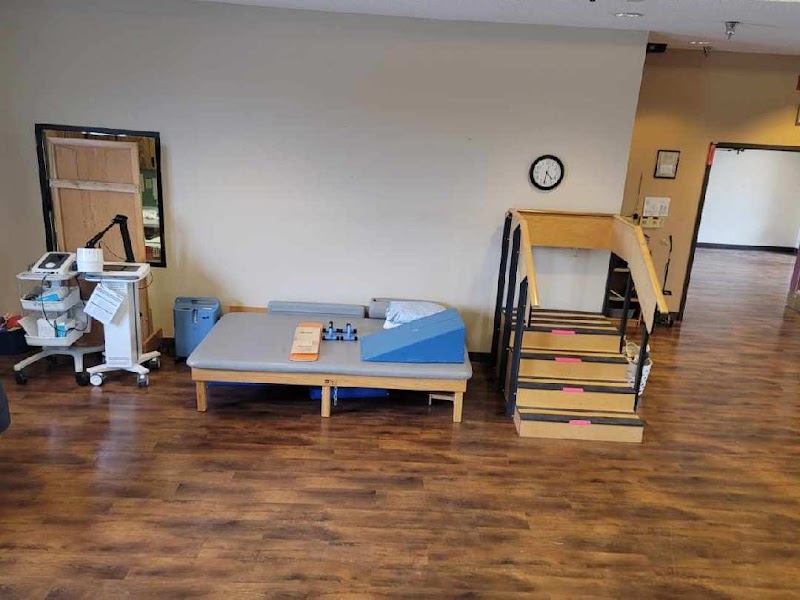
How is Belleview Staffed?

CMS rates BELLEVIEW CARE CENTER's staffing level at 1 out of 5 stars, which is much below average compared to other nursing homes. Staff turnover is 68%, which is 22 percentage points above the Missouri average of 46%. High turnover can affect care consistency as new staff learn residents' individual needs.

What Have Inspectors Found at Belleview?

State health inspectors documented 61 deficiencies at BELLEVIEW CARE CENTER during 2022 to 2025. These included: 2 that caused actual resident harm and 59 with potential for harm. Deficiencies causing actual harm indicate documented cases where residents experienced negative health consequences.
Who Owns and Operates Belleview?

BELLEVIEW CARE CENTER is owned by a for-profit company. For-profit facilities operate as businesses with obligations to shareholders or private owners. The facility is operated by VERTICAL HEALTH SERVICES, a chain that manages multiple nursing homes. With 90 certified beds and approximately 82 residents (about 91% occupancy), it is a smaller facility located in SAINT JOSEPH, Missouri.
How Does Belleview Compare to Other Missouri Nursing Homes?

Compared to the 100 nursing homes in Missouri, BELLEVIEW CARE CENTER's overall rating (1 stars) is below the state average of 2.5, staff turnover (68%) is significantly higher than the state average of 46%, and health inspection rating (2 stars) is below the national benchmark.

What Should Families Ask When Visiting Belleview?

Based on this facility's data, families visiting should ask: "What safeguards and monitoring systems are in place to protect residents from abuse or neglect?" "How do you ensure continuity of care given staff turnover, and what is your staff retention strategy?" "Can you walk me through typical staffing levels on day, evening, and night shifts?" "Can I visit during a mealtime to observe dining assistance and food quality?" These questions are particularly relevant given the substantiated abuse finding on record, the facility's high staff turnover rate, and the below-average staffing rating.

Is Belleview Safe?

Based on CMS inspection data, BELLEVIEW CARE CENTER has documented safety concerns. The facility has 1 substantiated abuse finding (meaning confirmed case of resident harm by staff or other residents). The facility has a 1-star overall rating and ranks #100 of 100 nursing homes in Missouri. Families considering this facility should ask detailed questions about what corrective actions have been taken since these incidents.

Do Nurses at Belleview Stick Around?

Staff turnover at BELLEVIEW CARE CENTER is high. At 68%, the facility is 22 percentage points above the Missouri average of 46%. High turnover means new staff may not know residents' individual needs, medications, or preferences. It can also be disorienting for residents, especially those with dementia who rely on familiar faces. Families should ask: What is causing the turnover? What retention programs are in place? How do you ensure care continuity during staff transitions?

Was Belleview Ever Fined?

BELLEVIEW CARE CENTER has been fined $22,105 across 1 penalty action. This is below the Missouri average of $33,300. While any fine indicates a compliance issue, fines under $50,000 are relatively common and typically reflect isolated problems that were subsequently corrected. Families should ask what specific issues led to these fines and confirm they've been resolved.

Is Belleview on Any Federal Watch List?

BELLEVIEW CARE CENTER is not on any federal watch list. The most significant is the Special Focus Facility (SFF) program, which identifies the bottom 1% of nursing homes nationally based on persistent, serious quality problems. Not being on this list means the facility has avoided the pattern of deficiencies that triggers enhanced federal oversight. This is a positive indicator, though families should still review the facility's inspection history directly.