CARRIAGE SQUARE REHAB AND HEALTHCARE CENTER
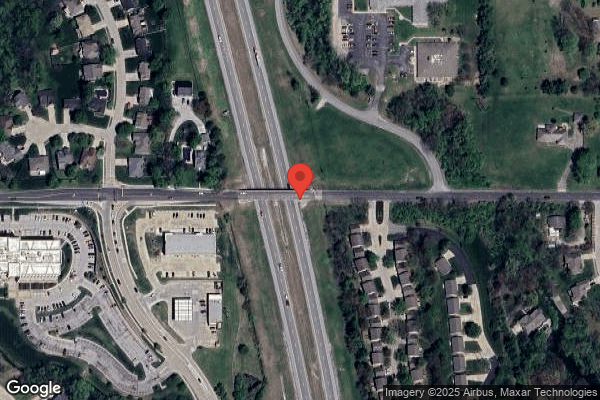
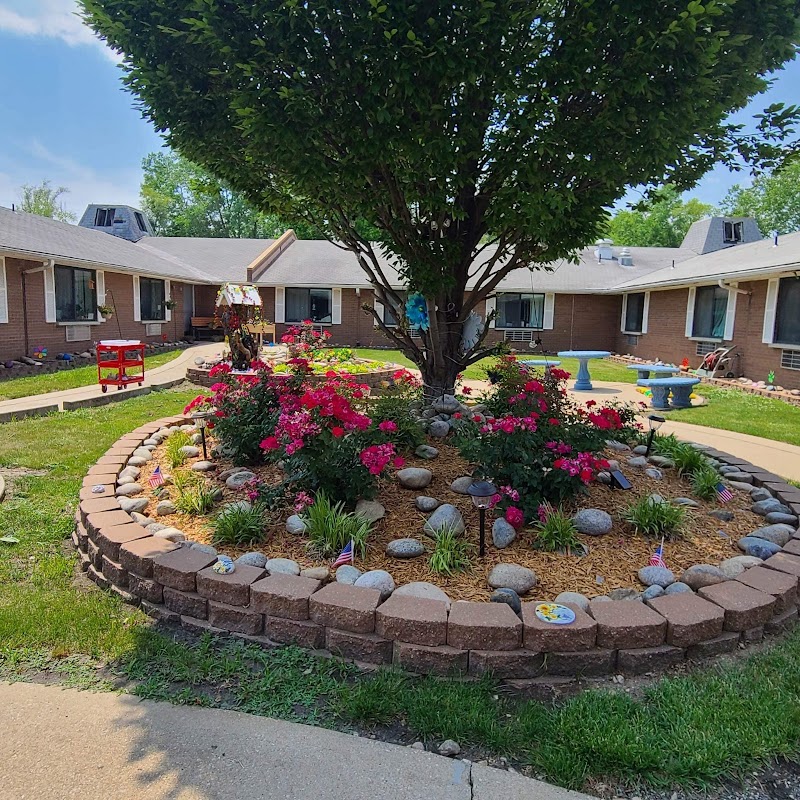
4009 GENE FIELD ROAD, SAINT JOSEPH, MO 64506 (816) 364-1526
For profit - Limited Liability company 130 Beds AMA HOLDINGS Data: November 2025 1 Immediate Jeopardy citation
Trust Grade
8/100
#358 of 479 in MO
Last Inspection: March 2025

Within standard 12-15 month inspection cycle. Federal law requires annual inspections.

Overview

Carriage Square Rehab and Healthcare Center has received a Trust Grade of F, indicating significant concerns about the facility's quality of care. It ranks #358 out of 479 facilities in Missouri, placing it in the bottom half of nursing homes in the state, and last among the six facilities in Buchanan County. The facility is worsening, with issues increasing from 3 in 2024 to 15 in 2025. Staffing is a concern here, with a low rating of 1 out of 5 stars and a turnover rate of 65%, which is above the Missouri average. Recent inspections revealed critical incidents, such as a resident being hospitalized due to sepsis after the facility failed to notify a physician of a change in condition and delays in administering pain medication, leading to severe discomfort for another resident. While the facility has average RN coverage, the overall poor ratings and numerous compliance issues raise serious red flags for families considering this option.

Trust Score
F
8/100
In Missouri
#358/479
Bottom 26%
Safety Record
High Risk
Review needed
Inspections
Getting Worse
3 → 15 violations
Staff Stability
⚠ Watch
65% turnover. Above average. Higher turnover means staff may not know residents' routines.
Penalties
✓ Good
$74,900 in fines. Lower than most Missouri facilities. Relatively clean record.
Skilled Nurses
⚠ Watch
Each resident gets only 23 minutes of Registered Nurse (RN) attention daily — below average for Missouri. Fewer RN minutes means fewer trained eyes watching for problems.
Violations
⚠ Watch
54 deficiencies on record. Higher than average. Multiple issues found across inspections.
★☆☆☆☆
1.0
Overall Rating
★☆☆☆☆
1.0
Staff Levels
★★★☆☆
3.0
Care Quality
★☆☆☆☆
1.0
Inspection Score
Stable
2024: 3 issues
2025: 15 issues

The Good

  • Full Sprinkler Coverage · Fire safety systems throughout facility
  • No fines on record

Facility shows strength in fire safety.

The Bad

1-Star Overall Rating

Below Missouri average (2.5)

Significant quality concerns identified by CMS

Staff Turnover: 65%

19pts above Missouri avg (46%)

Frequent staff changes - ask about care continuity

Federal Fines: $74,900

Well above median ($33,413)

Moderate penalties - review what triggered them

Chain: AMA HOLDINGS

Part of a multi-facility chain

Ask about local staffing decisions and management

Staff turnover is elevated (65%)

17 points above Missouri average of 48%

The Ugly 54 deficiencies on record

1 life-threatening 1 actual harm
Mar 2025 15 deficiencies 1 IJ
CRITICAL (J) 📢 Someone Reported This

A family member, employee, or ombudsman was alarmed enough to file a formal complaint

Immediate Jeopardy (IJ) - the most serious Medicare violation

Quality of Care (Tag F0684)

Someone could have died · This affected 1 resident

**NOTE- TERMS IN BRACKETS HAVE BEEN EDITED TO PROTECT CONFIDENTIALITY** Based on interview, record review, and review of the facility's policy, the facility failed to notify the physician timely when ...

Read full inspector narrative →
**NOTE- TERMS IN BRACKETS HAVE BEEN EDITED TO PROTECT CONFIDENTIALITY** Based on interview, record review, and review of the facility's policy, the facility failed to notify the physician timely when a resident had a change of condition, failed to start an antibiotic that was ordered by the resident's physician, and failed to obtain a physician ordered urinalysis (UA) timely for one resident (Resident (R) 63) of 33 sampled residents. These failures resulted in R63's hospitalization due to sepsis (a life-threatening emergency that happens when your body's response to an infection damages vital organs and, often, causes death) related to a urinary tract infection (UTI). The facility census was 93. The facility's Administrator and Director of Clinical and Reimbursement Services were informed on 03/13/25 at 3:23 P.M. of an Immediate Jeopardy, which began on 03/08/25. The Immediate Jeopardy was removed on 03/14/25, as confirmed by surveyor onsite verification. Findings include: Review of the facility's policy titled, Change of Condition Notification dated October 24, 2022, revealed To ensure residents, family, legal representatives, and physicians are informed of changes in the resident's condition in a timely manner. Definition: An acute change of condition (ACOC) is a sudden, clinically important deviation from a patient's baseline in physical, cognitive, behavioral, or functional domains. Clinically important means a deviation that, without intervention, may result in complications or death. The Facility will promptly inform the resident, consult with the resident's Attending Physician, and notify the resident's legal representative when the resident endures a significant change in their condition caused by, but not limited to: . B. A significant change in the resident's physical, cognitive, behavioral, or functional status. Procedure: III. Notifying the Attending Physician: A. The Attending Physician will be notified timely with a resident's change in condition. B. Notification to the Attending Physician will include a summary of the condition change and an assessment of the resident's vital signs and system review focusing on the condition and/or signs and symptoms for which the notification is required. Review of R63's undated admission Record located under the Profile tab of the electronic medical record (EMR) revealed R63 was admitted to the facility on [DATE] with diagnoses which included pneumonia, urinary tract infection (UTI), and retention of urine. R63 was emergently discharged from the facility to the hospital on [DATE]. Review of R63's admission Minimum Data Set (MDS) with an assessment reference date (ARD) of 02/27/25, located under the MDS tab of the EMR documented the facility assessed R63 to have a Brief Interview for Mental Status (BIMS) score of 15 out of 15 which indicated the resident was cognitively intact. The MDS indicated R63 had a diagnosis of pneumonia and UTI within the last 30 days; and had an indwelling catheter. Review of R63's Baseline Care Plan, located under the Assessments tab of the EMR and initiated on 02/25/25 revealed R63 was at risk for complications with the urinary tract. The interventions on 02/25/25 included: Observe for signs and symptoms of UTI such as burning, dysuria, increased frequency, odor, hematuria, etc.Encourage fluids. Administer medications as ordered. Notify primary physician if any changes in condition. Review of R63's Vital Signs located in the resident's EMR under the Vitals tab were as follows: 03/07/25 at 10:38 A.M. Blood Pressure (BP) 100/53, pulse 67, this was the resident's baseline. 03/07/25 at 6:54 P.M. BP 109/56. 03/07/25 at 8:17 P.M. BP 94/64, pulse 86. 03/08/25 at 9:53 A.M. BP 94/60, Pulse 89. 03/08/25 at 5:56 P.M. BP 96/48, Pulse 83. 03/08/25 at 6:38 P.M. BP 81/57. 03/09/25 at 9:11 A.M. BP 88/47, Pulse 54. 03/09/25 at 3:47 P.M. BP 70/50. 03/09/25 at 5:47 P.M. BP 85/50, Pulse 73. 03/09/25 at 8:54 P.M. BP 116/62, Pulse 90. 03/10/25 at 8:38 A.M. BP 121/63, Pulse 81. Review of R63's Physicians Orders, located under the Orders tab of the EMR revealed an order dated 03/09/25 at 12:16 AM, to replace catheter and get UA [urinary analysis]. Review of R63's Progress Notes located under the Prog [progress] Notes tab of the EMR, revealed a Nursing Note, dated 03/09/25 at 1:10 P.M., which documented .the resident's Foley was changed to obtain a urine sample to rule out infection. The resident's urine was dark amber colored. Family was in the facility and requested an order for an antibiotic. New order for cipro [antibiotic] was received. family notified. continue with plan of care . Further review of R63's Physicians Orders, located under the Orders tab of the EMR revealed an order, dated 03/09/25 at 3:49 P.M., for Cipro HCl (ciprofloxacin hydrochloride, an antibiotic) oral tablet 250 milligrams (MG) give one tablet by mouth two times a day for infection until 03/17/25. The medication was not started on 03/09/25 due to the staff not having access to the pyxis (the electronic safe for emergency medications requiring password to access), then the resident was sent to the emergency room on the morning of 03/10/25. Review of R63's Skilled Nursing Note, dated 03/09/25 at 11:10 P.M. and located under the Assessments tab of the EMR revealed under section A Vital Signs from 03/09/25 at 8:41 P.M. revealed the resident's pulse was 90, BP 116/62; she was alert and oriented. However, not to time or place. New order for cipro for UTI. Further review of R63's Skilled Nursing Note, dated 03/10/25 at 12:03 A.M. and located under the Assessments tab of the EMR revealed the resident's blood pressure was 116/62 on 03/09/25 at 8:41 P.M. and her pulse was 90. She was alert and oriented with impaired decision making and was confused. Bladder function was unchanged and Foley catheter care was provided. Review of R63's Lab Results, provided by the facility showed a UA sample was collected on 03/10/25 at 5:25 AM; over 24 hours after it was ordered by the resident's physician on 03/09/25 at 12:16 AM. The results showed the urine was yellow and clarity was turbid [cloudy], and positive for blood and leukocytes. The white blood cells (WBCs) were elevated. The results indicated a culture and sensitivity (C&S) would be completed. Review of R63's Nurse Practitioner Progress Notes, Care at Home Provider Visit provided by the facility dated 3/10/25 revealed under Assessment/Plan: History of UTIs: Dark amber urine in Foley. UA was not sent until early this morning and results not available yet . [He/She] was ordered to start Cipro 500 mg BID yesterday, but it had not been received from the pharmacy yet . Resident's family member came into facility after I had seen her and when she learned that UA results and Cipro had not been started, asked for resident to be sent to be sent to emergency room (ER), which she was. Review of R63's Progress Notes, dated 03/10/25 at 11:54 A.M. and located under the Prog Notes tab of the EMR revealed a Discharge Summary documented Resident condition declining since lab and UA obtained. [Family Member (FM) 1] here, concerned with resident's condition and wants her sent to ER [emergency room] for eval/tx [evaluation/treatment]. [Advanced Practice Registered Nurse (APRN) 1], in [the] building and received verbal order to send. EMS [emergency medical services] here at 11:15 A.M. to transport resident. [FM1] will meet resident at hospital. During an interview on 03/12/25 at 11:50 A.M., the emergency room (ER) Nurse stated when R63 arrived at the ER, she had minimal urine output and had fluid in her lungs. R63 was started on three intravenous (IV) antibiotics and IV blood pressure medication to raise her blood pressure. The ER nurse stated R63 was admitted to the hospital with a diagnosis of sepsis, pleural effusions, and UTI. During an interview on 03/12/25 at 12:37 P.M., FM1 stated R63 was alert and oriented when visited on 03/07/25. FM1 stated that on 03/08/25, R63 was disoriented when she visited and R63 had said crazy things to family members later that day. FM1 stated on 03/09/25, R63 was more lethargic, and nurses were replacing the Foley catheter when she visited the resident. FM1 also indicated the nurse stated they had not gotten any physician orders for urine lab test or for any antibiotics and they were still waiting for a call back from the physician. FM1 stated she arrived at the facility on 03/10/25 at 10:45 AM and found R63 was unresponsive, with brown, dry secretions around her mouth. FM1 stated she demanded R63 be sent to the ER. During an interview on 03/12/25 at 5:23 P.M., Licensed Practical Nurse (LPN) 2 stated on 03/08/25, R63 could not keep her eyes open, had slurred speech, increased confusion, hallucinations, and slightly dark urine. LPN2 also stated the nurse aides reported to her that R63 was not drinking fluids, so she intervened by giving her sips of water through a straw. LPN2 indicated she did not notify APRN1 of R63's condition on 03/08/25; however, she did notify APRN1 on 03/09/25 of R63's amber colored urine, and to request an antibiotic per FM1's request. LPN2 also indicated she did not inform APRN1 of R63's low blood pressure of 70/50 on 03/09/25. LPN2 stated she did not administer the antibiotic because she did not have access to the medication. During an interview on 03/12/25 at 4:57 P.M., LPN1 stated on 03/10/25, FM1 informed her she wanted R63 to be sent to the hospital due to her decline in level of consciousness (LOC). LPN1 also stated an ARNP was in the building and was notified of FM1's request. During an interview on 03/12/25 at 6:03 P.M., LPN3 stated she was assigned to R63 on the nights of 03/08/25 and 03/09/25. LPN3 stated R63's mental status was about the same, and her blood pressure was within normal range on both evenings. LPN3 indicated R63's urine was light tea colored and cloudy on 03/08/25. LPN3 also indicated she did not feel the need to contact the doctor for a change in the condition. LPN3 said there was an order for a UA on 03/09/25 which was collected on the early morning of 03/10/25 and picked up on 03/10/25. LPN3 stated she did not administer the antibiotic, because she did not have access to the medication. During an interview on 03/12/25 at 6:41 P.M., the Director of Nursing (DON) stated a drastic change in blood pressure or mental status would indicate a change of condition. The DON also stated she expected the nursing staff to inform the physician, obtain orders, and document change in condition in the progress notes. The DON further stated R63's physician should have been notified of R63's change of condition on 03/08/25. During an interview on 03/12/25 at 8:10 P.M., APRN1 confirmed she received a call on 03/08/25 at 2:38 P.M. about R63's confusion and hallucinations, but was not informed of R63's BP or urine. ARNP1 indicated she received another call FM1 requested an antibiotic for R63 on 03/09/25 at 3:03 P.M. and she ordered Cipro. APRN1 stated she was not informed of R63's low blood pressure or that a urine sample had not yet been collected. APRN1 also indicated that she should have been informed of the low BPs and decreased fluid intake, and she would have sent R63 to the hospital. APRN1 stated she was not aware R63's urine was not sent to the lab until 03/10/25. APRN1 stated she expected the ordered antibiotic to be started immediately. APRN1 also stated if she had been informed of the resident's low BP, she would have sent the resident to the hospital immediately to rule out sepsis. During an interview on 03/12/25 at 7:29 PM, Medical Doctor (MD) 1 stated he was not contacted by the nursing staff at the facility about R63; however, one of the APRN's were contacted. MD1 also stated he expected the nursing staff to inform him of a resident's change in condition which included low BPs and mental status changes, to rule out sepsis. He stated if he had been notified of the low BP, he would have sent the resident to the hospital immediately to rule out sepsis. NOTE: At the time of the survey, the violation was determined to be at the immediate and serious jeopardy level J. Based on interview and record review completed during the onsite visit, it was determined the facility had implemented corrective action to address and lower the violation at the time. At the time of exit, the severity of the deficiency was lowered to the D level. MO00250844
SERIOUS (G)

Actual Harm - a resident was hurt due to facility failures

Deficiency F0697 (Tag F0697)

A resident was harmed · This affected 1 resident

**NOTE- TERMS IN BRACKETS HAVE BEEN EDITED TO PROTECT CONFIDENTIALITY** Based on observation, interview, record review, and review of the facility's policy, the facility failed to effectively manage p...

Read full inspector narrative →
**NOTE- TERMS IN BRACKETS HAVE BEEN EDITED TO PROTECT CONFIDENTIALITY** Based on observation, interview, record review, and review of the facility's policy, the facility failed to effectively manage pain for one of one resident (Resident (R) 71) reviewed for pain out of 33 sampled residents. The facility failed to order R71's oxycodone (an opioid pain medication) in a timely manner and the physician ordered pain medication was not administered as ordered. This failure caused R71 to experience terrible pain, was unable to relax enough to sleep, and felt like he was having withdrawals. The facility census was 93. Findings include: Review of the facility's policy titled, Pain Management, dated 10/24/22, revealed, . The nursing staff will implement timely interventions to reduce the increase in severity of pain. Review of the facility's policy titled, Ordering and Receiving Controlled Medications, revised 01/2023, revealed, .Written on a medication order form or ordered by peeling the top label from the label and placing it in the appropriate area on the order form provided by the pharmacy for that purpose, and requested from the pharmacy a minimum of 3 days in advance of need to assure an adequate supply is on hand. Review of R71's quarterly significant change in status Minimum Data Set (MDS), with an Assessment Reference Date (ARD) of 02/20/25 and located in the electronic medical record (EMR) under the MDS tab, revealed R71 was admitted to the facility on [DATE]. Continued review of the MDS revealed the facility assessed R71 to have a Brief Interview for Mental Status (BIMS) score of 14 out of 15, which indicated the resident was cognitively intact. The MDS also indicated R1 had diagnoses that included spinal stenosis and unspecified inflammatory spondylopathy of the lumbar region. It was recorded that R71 had frequent pain at 07 on a numeric rating scale (00-10) and received an opioid as a pharmacological intervention for his pain. Review of R71's physician Order, dated 12/19/24 and located in the resident's EMR under the Orders tab revealed R71 was to receive Oxycodone 10mg [milligram]/325mg every 6 hours for pain management. Review of R71's Care Plan, revised 10/21/24 and located in the EMR under the Care Plan tab revealed, . The resident is at risk for or has acute/chronic pain . Pain will be minimized with the use of scheduled and/or PRN (as needed) pain meds. Review of R71's Medication Administration Note, dated 03/12/25 at 8:31 P.M. and located in the Progress Note tab, revealed, .Oxycodone 10/325mg give 1 tablet four times a day for chronic pain, Drug out. Review of R71's Medication Administration Record (MAR), dated 03/2025 and located under the Orders tab of the EMR revealed the resident missed the following five doses of the oxycodone ordered to treat the resident's pain: 03/12/25 at 8:00 P.M.; 03/13/25 at 2:00 A.M.; 03/13/25 at 8:00 A.M.; 03/13/25 at 2:00 P.M.; and 03/13/25 at 8:00 P.M. Continued review of R71's MAR revealed the only documented pain assessment for the missed doses of oxycodone was for the 2:00 PM missed dose on 03/13/25 and it was documented the resident's pain level was a 9 out of 10 (on a scale of 1-10, with 10 being the most severe pain). During an interview on 03/14/25 at 12:30 P.M., R71 approached the surveyor very upset about missing medications. The resident stated he requested to go to the hospital last night 03/13/25 after he had missed many doses of his pain medication. R71 stated he had a pain level of 10 out of 10 and had not slept the past two nights due to pain. During an interview on 03/14/25 at 1:30 P.M., when asked if she was aware R71 was out of his oxycodone pain medication, Certified Medication Technician (CMT) 2 stated the medication had been ordered a few days before it ran out and she had informed the Assistant Director of Nursing (ADON) on 03/12/25 that she had given R71 his last dose of oxycodone on hand. CMT2 also stated R71 told her he was hurting. During an interview on 03/14/25 at 2:52 P.M., the Director of Nursing (DON) was asked if she was aware R71's oxycodone ran out and R71 had missed five doses of the medication. The DON stated she was informed yesterday, 03/13/25. The DON stated the nurse called the pharmacy and determined the prescription was sent to the wrong physician. The DON stated the nurses should reorder the medication five to six days ahead of time before the last dose, and the nurse should call the physician first for an e-script (electronic prescription). The DON stated the physician then sends the e-script to the pharmacy and the nurse should follow up with the pharmacy. The DON stated her staff should not wait until the last day to start the process. During a follow up interview on 03/14/25 at 5:30 PM, R71 stated he felt terrible pain, still was unable to relax enough to sleep, and felt like he was having withdrawals. R71 also stated, It affects every part of my body. During the interview, R71 stated his current pain level was eight out of 10 at this time and stated his body aches and has stabbing pain.
CONCERN (D)

Potential for Harm - no one hurt, but risky conditions existed

Comprehensive Care Plan (Tag F0656)

Could have caused harm · This affected 1 resident

**NOTE- TERMS IN BRACKETS HAVE BEEN EDITED TO PROTECT CONFIDENTIALITY** Based on interview, record review, and review of the facility's policy, the facility failed to develop comprehensive care plans ...

Read full inspector narrative →
**NOTE- TERMS IN BRACKETS HAVE BEEN EDITED TO PROTECT CONFIDENTIALITY** Based on interview, record review, and review of the facility's policy, the facility failed to develop comprehensive care plans which reflected residents' current status for two of 33 sampled residents (Resident (R) 74 and R10). R74 was receiving hospice services; however, there was no care plan developed to reflect hospice services. Additionally, R10 had the diagnosis of and receiving treatment for diabetes mellitus; however, the resident's care plan did not reflect the diabetes mellitus treatment. These failures placed the residents at risk of having unmet care needs. The facility census was 93. Findings include: Review of the facility's policy titled Care Planning, dated 10/24/22, revealed The purpose is to ensure that a comprehensive person-centered care plan is developed for each resident based on their individual assessed needs .The care plan serves as a course of action where the resident (resident's family and/or guardian), resident's attending physician, and the facility's Interdisciplinary Team (IDT) work to help the resident move toward resident-specific goals that address the resident's medical, nursing, mental and psychosocial needs .A licensed nurse will initiate the care plan, and the plan will be updated as indicated for change in condition, onset of new problems, resolution of current problems, and as deemed appropriate by clinical assessment and judgement on an as needed basis . 1. Review of the facility's undated policy titled Hospice Program, revealed Coordinated care plans for residents receiving hospice services will include the most recent hospice plan of care as well as the care and services provided by our facility in order to maintain the resident's highest practicable physical, mental and psychosocial well-being . Review of R74's admission Record, located under the Profile tab of the Electronic Medical Record (EMR) revealed R74 was admitted to the facility on [DATE] with diagnoses which included stroke affecting the right dominant side, diabetes, and schizophrenia. Review of R74's physician Orders located under the Orders tab of the EMR revealed R74 started receiving hospice services on 11/01/24. Review of R74's Care Plan located under the Care Plan tab of the EMR revealed a care plan was not developed to reflect the resident receiving hospice services. During an interview on 03/13/25 at 8:31 A.M., the Minimum Data Set Coordinator (MDSC) stated He [R74] should have had a care plan for Hospice. I do not know why this was not completed. I was not the MDSC at the time [when the resident started receiving hospice services]. During an interview on 03/14/25 at 6:00 P.M., the Director of Nursing (DON) stated The hospice care plan should have been completed when the resident started on hospice. 2. Review of R10's undated admission Record, located in the electronic medical record (EMR) under the Profile tab revealed R10 was admitted to the facility on [DATE] with diagnoses that included diabetes mellitus. Review of R10's Medication Administration Record (MAR), dated 03/29/2024 and located under the Orders tab of the EMR revealed R10 had physician orders for finger stick blood sugars completed four times a day, before each meal and at bedtime. Review of R10's Comprehensive Care Plan, located in the resident's EMR under the Care Plan tab revealed no documented evidence a care plan was developed for the resident's diabetes mellitus diagnoses to include a focus, measurable goals, or interventions. During an interview on 03/14/25 at 3:45 PM, the Minimum Data Set Coordinator (MDSC) stated a resident with a diagnosis of diabetes, receiving blood sugar checks, and taking insulin should have diabetes on her care plan. The MDSC confirmed R10's care plan was not developed to include the resident's diabetic care.
CONCERN (D) 📢 Someone Reported This

A family member, employee, or ombudsman was alarmed enough to file a formal complaint

Potential for Harm - no one hurt, but risky conditions existed

Deficiency F0760 (Tag F0760)

Could have caused harm · This affected 1 resident

**NOTE- TERMS IN BRACKETS HAVE BEEN EDITED TO PROTECT CONFIDENTIALITY** Based on interview, record review, and policy review, the facility failed to ensure residents were free from significant medicat...

Read full inspector narrative →
**NOTE- TERMS IN BRACKETS HAVE BEEN EDITED TO PROTECT CONFIDENTIALITY** Based on interview, record review, and policy review, the facility failed to ensure residents were free from significant medication errors for one of 33 sampled residents (Resident (R) 89). R89 received metoprolol tartrate (a medication used to treat high blood pressure, chest pain, and heart failure) and metformin (a medication used to treat high blood sugar levels caused by type II diabetes) which was not ordered by the physician. This failure increased R89's risk of decreased blood pressure, heart rate, and drowsiness. The facility census was 93. On 3/14/25, the administrator was notified of the past noncompliance which occurred on 03/01/25. Immediate resident assessment completed, SBAR completed on 03/01/25, 1:1 (one to one) education provided to CMT1 on medication administration rights. Staff education/in-service medication administration rights/medication administration provided on 03/03/25 to all licensed nurses and CMTs. The deficiency was corrected on 3/3/25. Findings include: Review of the facility's policy titled Medication Administration, dated 10/24/22, revealed Medication will be administered by a Licensed Nurse per the order of an Attending Physician or licensed independent practitioner, or as consistent with state law. II. No medication will be used for any resident other than the resident for whom it was prescribed. III. Medications must be given to the resident by the Licensed Nurse preparing the medication, or as consistent with state law. IV. The licensed nurse must know the following information about any medication they are administering: A. The drug's name (generic and trade) B. The drug's route of administration C. The drug's action D. The drug's indication for use and desired outcome E. The drug's usual dosage F. The drug's side effects and adverse effects G. Any precautions and special considerations . Review of R89's undated admission Record, located in the electronic medical record (EMR) under the Profile tab, revealed R89 was admitted to the facility on [DATE] with diagnoses that included fracture of unspecified part of neck of left femur, subsequent encounter for closed fracture with routine healing, acute posthemorrhagic anemia, muscle weakness, acute cystitis with hematuria, unsteadiness on feet, and urinary incontinence. R89 had no known drug allergies. Review of R89's admission Minimum Data Set (MDS), with an Assessment Reference Date (ARD) of 02/17/25 and located in the EMR under the MDS tab, revealed a Brief Interview for Mental Status (BIMS) score of 11 out of 15, indicating R50 was moderately cognitively impaired. It was recorded that R89 received no high-risk drug class medications. Review of R89's Medication Administration Record (MAR), dated March 2025, revealed R89 was not administered any medications on 03/01/25 at 2:45 P.M. Review of R147's Physician's Orders, dated February 2025, located in the EMR under the Orders tab, revealed orders for Simvastatin 20 milligrams (MG) (a statin that lowers cholesterol), metoprolol tartrate 50 MG, gabapentin 300 MG (an anticonvulsant), glipizide 10 MG (used to treat high blood sugar levels caused by type II diabetes), and metformin 500 MG. Review of R89's Nursing Progress Note, dated 03/01/25, located in the EMR under the Prog Note tab, revealed Incident Note: Med Tech [medication technician] accidentally gave another resident's medications to this resident. Res [resident] received Gabapentin 300 MG [milligrams], Glipizide 10 mg, Metformin 500 mg, Metoprolol Tartrate 50 mg and Simvastatin 20 mg at 2:45 PM. Notified DON [director of nursing], APRN [advanced practice nurse practitioner] from [on call provider], Resident and [Family Member (FM) 1] who was present in the room. New order received to monitor resident's BP [blood pressure] and pulse Q2H x [every two hours for] 24 hours, assess for drowsiness, and check blood glucose before supper and PRN [as needed] any signs of hypoglycemia. Res and FM1 express understanding. Med Tech who made the error has written a statement about the incident and placed it in the DON's box. Review of R89's SBAR (situation, background, assessment, request), dated 03/01/25, located in the EMR under the Assessment tab, revealed a medication error occurred, resident was in the facility for post-acute care for left femur fracture with no known drug allergies, vital signs were within normal limits, resident was at baseline, and vital signs were monitored per the physician's orders. Review of R89's Medication Error Investigation, dated 03/01/25, provided by the facility, revealed on 03/01/25 at 2:45 P.M. R89 received the following five medications in error by Certified Medication Technician (CMT) 1. CMT1 notified Registered Nurse (RN) 1 that she administered R147's medications to R89. RN1 completed an assessment which revealed R89's vital signs were stable and there were no signs/symptoms (s/s) of adverse reactions to the medications at the time of the event. RN1 notified the on-call provider and received orders to monitor the residents' blood pressure and heart rate every two hours for 24 hours, and check blood glucose before supper and as needed. CMT1's statement, dated 03/01/25, revealed she administered the wrong medications to R89 accidentally, she notified RN1, and they (CMT1 and RN1) informed R89 and FM1 of the error. In conclusion, R89 was monitored for change of condition, and remained stable throughout 24-48 hours with no s/s of adverse reaction, and no harm sustained. The following interventions were initiated: Investigation initiated, resident and responsible party notified, medical doctor (MD) 1 notified and new orders obtained, immediate assessment completed, SBAR completed on 03/01/25, 1:1 (one to one) education provided to CMT1 on medication administration rights, verbal disciplinary action provided on 03/03/25 by the DON, and staff education/in-service medication administration rights/medication administration provided on 03/03/25 to all licensed nurses and CMTs. Review of R89's Physician's Orders, located in the EMR under the Orders tab, revealed the resident was not ordered by her physician any of R147's medications that were erroneously administered to her by CMT1 on 03/01/25. During an interview on 03/11/25 at 9:50 A.M., R89 stated she was told that she was administered the wrong medications by two nurses, that they may make her feel drowsy, and that they would check on her often. R89 stated she was not sent to the hospital, and staff checked her blood pressure that day and the next day. During an interview on 03/11/25 at 2:38 P.M., CMT1 stated she was at the end of the C hallway between R89's room and R147's room, she pulled up R147's medication screen on the computer, placed the medications in the cup, got distracted, turned around away from the medication cart, walked into R89's room, and then administered the medications to her. CMT1 stated R89 said it seemed like she was given a lot of medications that she normally did not take. CMT1 stated she went back to the computer, pulled up R89's physician's orders on the screen and realized she gave R89 the wrong medications, so she reported it to Registered Nurse (RN) 1. CMT1 indicated RN1 assessed R89 immediately and then informed the DON, physician, and FM1. CMT1 also indicated she and RN1 went to R89's room and informed her and FM1 that RN1 would be monitoring R89 for drowsiness, low blood sugar, decreased blood pressure, and decreased heart rate due to the medications she received. CMT1 said she apologized for the medication error. CMT1 said she received a verbal warning and training on the medication administration rights on 03/03/25 by the DON. CMT1 confirmed she had not been observed during medication administration by the DON or any other staff at the facility since the incident on 03/01/25 During an interview on 03/12/25 at 1:42 P.M., the DON stated she was informed of R89's medication error by RN1 on 03/01/25, she investigated the medication error and determined that CMT1 did not follow the medication administration rights of verifying the patient's identity with at least two identifiers such as looking at R89's picture in the EMR, and by asking R89 for her name and date of birth . The DON also stated that she had not monitored CMT1 for any medication errors since the incident on 03/01/25 but had not been informed of any errors. The DON indicated she expected CMT1 to follow the medication administration policy. During an interview on 03/13/25 at 1:32 P.M., RN1 stated she was informed by CMT1 that she administered the wrong medications to R89 on 03/01/25 at 2:45 PM. RN1 indicated CMT1 told her that she was at the end of the C hallway between R89 and R147 rooms, she pulled up R147's medication screen on the computer, placed the medications in the cup, got distracted, turned around away from the medication cart, walked into R89's room, and then administered the medications to her. RN1 also stated R89 stated it seemed like she was given a lot of medications. RN1 stated she assessed R89 immediately and then informed the DON, physician, and FM1. RN1 also indicated she completed an incident report, and both went into R89's room and apologized to the resident and explained that RN1 would be monitoring the resident for drowsiness, low blood sugar, decreased blood pressure and decreased heart rate due to the medications she received by CMT1. MO00250523
CONCERN (D)

Potential for Harm - no one hurt, but risky conditions existed

Antibiotic Stewardship (Tag F0881)

Could have caused harm · This affected 1 resident

**NOTE- TERMS IN BRACKETS HAVE BEEN EDITED TO PROTECT CONFIDENTIALITY** Based on interview, record review, document review, and policy review, the facility failed to ensure an effective antibiotic ste...

Read full inspector narrative →
**NOTE- TERMS IN BRACKETS HAVE BEEN EDITED TO PROTECT CONFIDENTIALITY** Based on interview, record review, document review, and policy review, the facility failed to ensure an effective antibiotic stewardship program when the Minimum Data Set Coordinator (MDSC) did not complete an infection screening evaluation to determine if the correct antibiotic was ordered for a urinary tract infection (UTI) in order to reduce the development of antibiotic-resistance organisms for one of four residents (Resident (R) 1) reviewed for UTIs out of 33 sampled residents. In addition, the Antibiotic Stewardship Program lacked documentation of the tracking or trending of antibiotic usage or where infections occurred in the facility. The facility census was 93. Findings include: Review of the facility's policy titled Antibiotic Stewardship Program, dated 10/24/22, provided by the facility, revealed, Purpose To limit antibiotic resistance in the post-acute care setting, improve treatment efficacy and resident safety, and reduce treatment-related costs. Policy The Antibiotic Stewardship Program (ASP) is designed to promote appropriate use of antibiotics while optimizing the treatment of infections, and simultaneously reducing the possible adverse events associated with antibiotic use. Procedure . II. Accountability . F. The IP will collect and analyze infection surveillance data and monitor the adherence to the ASP and create a report for the Consultant Pharmacist identifying the number of residents on antibiotics that did not meet criteria for active infection and suggest appropriate overall changes to make it a successful, well-rounded program . Review of R1's undated admission Record located in the electronic medical record (EMR) under the Profile tab revealed R1 was admitted to the facility on [DATE] with diagnoses which included UTI. Review of R1's Skilled Nursing Note, dated 03/03/25, located in the EMR under the Assessment tab, revealed no change in level of consciousness, orientation, or cognition, bladder function unchanged and no notes under urine, and no complaints of pain. Review of R1's Physician's Orders, dated 03/04/25, located in the EMR under the Orders tab, revealed Collect urine clean catch and send to lab for UA [urinalysis] and culture. DX [diagnosis]: pain, urinary frequency one time only for pain for 1 [one] day. Review of R1's Physician's Orders, dated 03/04/25, located in the EMR under the Orders tab, revealed Cephalexin Tablet [antibiotic used to treat bacterial infections] 500 MG give one tablet by mouth three times a day for UTI for 7 [seven] days. Review of R1's Nursing Note dated 03/04/25, located in the EMR under the Prog [Progress] Note tab, revealed, Nurse sent UA results to [on call provider]. New order for Keflex [antibiotic used to treat bacterial infections] [sic] mg tid x [three times a day for] 7 days for UTI. Continue with poc [plan of care]. The note did not indicate the dosage of the Keflex antibiotic medication. Review of R1's Laboratory Results, dated 03/04/25, provided by the facility, revealed the urine culture showed 20000 colony forming units per milliliter (cfu/ml) mixed gram negative and gram-positive organisms and yeast. Review of the Monthly Infection Log dated February 2025 and March 2025, provided by the facility, revealed infection screening evaluations had not been completed for the months of February 2025 and March 2025. During an interview on 03/14/25 at 9:04 AM, the MDSC confirmed she had not completed R1's infection screening evaluation and stated she should have completed it after the physician ordered the medication to determine if the correct medication was ordered to treat the UTI. The MDSC stated she had not completed infection screening evaluations for the residents that were ordered antibiotics since January 2025. The MDSC also stated she had not completed the infection preventionist training courses and was not certified; however, she had completed a lot of the IP responsibilities because there was no one in the role since October 2024. During an interview on 03/14/25 at 11:52 AM, the Administrator stated she was aware that some aspects of the IP's responsibilities had not been completed, specifically antibiotic stewardship. During an interview on 03/14/25 at 12:12 PM, the Regional Nurse Consultant stated she was new to the building; however, she was not aware that some aspects of the infection control program were not completed, but the facility had staffing challenges.
CONCERN (E)

Potential for Harm - no one hurt, but risky conditions existed

Respiratory Care (Tag F0695)

Could have caused harm · This affected multiple residents

**NOTE- TERMS IN BRACKETS HAVE BEEN EDITED TO PROTECT CONFIDENTIALITY** Based on observation, interview, record review, and facility policy review, the facility failed to ensure respiratory care equip...

Read full inspector narrative →
**NOTE- TERMS IN BRACKETS HAVE BEEN EDITED TO PROTECT CONFIDENTIALITY** Based on observation, interview, record review, and facility policy review, the facility failed to ensure respiratory care equipment was properly maintained; and failed to ensure respiratory care was provided per physician orders for three of four residents review for respiratory care (Resident (R) 15, R53, and R41) out of 33 sampled residents. These failures placed the residents at risk for increased risk of respiratory infections and oxygen saturations not being maintained. The facility census was 93. Findings include: Review of the facility's policy titled Oxygen Administration, dated 10/24/22, revealed A physician's order is required to initiate oxygen therapy, except in an emergency situation. The order shall include the oxygen flow rate; method of administration; continuous or prn; titration instructions; and indication for use .All oxygen tubing, humidifiers, mask, and cannulas used to deliver oxygen will be changed weekly and when visibly soiled, or as indicated by state regulation .Turn on the oxygen at the prescribed rate . 1. Review of R15's undated admission Record, located under the Profile tab of the electronic medical record (EMR) revealed R15 was admitted to the facility on [DATE] with diagnoses which included chronic obstructive pulmonary disease (COPD). Observation on 03/12/25 at 6:53 A.M., of R15's oxygen concentrator revealed the oxygen concentrator's filter was covered in a white substance that appeared to be dust. During an observation and interview on 03/13/25 at 2:57 P.M., Licensed Practical Nurse (LPN) 4 observed R15's oxygen concentrator's filter and stated, . this filter on the concentrator is dirty with dust. The filter should be cleaned at the time the oxygen tubing is changed. During an interview on 03/14/25 at 6:00 P.M., the Director of Nursing (DON) stated, Every time we change the oxygen tubing (weekly), the filter on the concentrator should be cleaned. 2. Review of R53's undated admission Record, located under the Profile tab of the electronic medical record (EMR) revealed R53 was admitted to the facility on [DATE] with diagnoses that included chronic obstructive pulmonary disease (COPD) and chronic respiratory failure. Review of R53's admission Minimum Data Set (MDS) with an assessment reference date (ARD) of 02/27/25, located under the MDS tab of the EMR documented the facility assessed R53 had a Brief Interview for Mental Status (BIMS) score of 15 out of 15 which indicated the resident was cognitively intact. Review of R53's Care Plan, initiated on 12/06/23 and located under the Care Plan tab of the EMR revealed the resident had COPD, chronic respiratory failure, and slept with the head of bed elevated related to feeling short of breath when lying flat. Interventions included oxygen via nasal cannula per doctor's orders. Review of R53's Physicians Orders, located under the Orders tab of the EMR revealed an order dated 11/21/23 to administer oxygen as needed at two liters per minute (LPM) per via nasal cannula to keep oxygen saturations greater than 91% as needed for shortness of breath. During observations on 03/11/25 at 11:50 A.M., 03/13/25 at 11:40 A.M., and 03/13/25 at 4:29 P.M., the oxygen level on R53's oxygen concentrator was set at four LPM via nasal cannula. During an observation and interview on 03/13/25 at 5:17 PM, LPN1 verified R53's flow rate level on the oxygen concentrator was set at four LPM and confirmed the concentrator should have been at set at two LPM. LPN1 adjusted the oxygen concentrator to administer oxygen at two LPM. LPN1 verified R53's physician order for oxygen to be administered at two LPM. LPN1 stated she did not know how or when the oxygen concentrator flow rate was increased. LPN1 also stated she should have checked the oxygen concentrator's flow rate setting during her shift to ensure it was being administered per the physician's order. During an interview on 03/14/25 at 5:56 PM, the Director of Nursing (DON) stated nurses were expected to follow physician orders when administering oxygen. The DON expected nurses to check the oxygen concentrator's level every time the room was entered but at least once in the morning and once in the evening. The DON also stated only a nurse with an order could change the concentrator's oxygen flow rate level and nurses were expected to routinely check oxygen levels to determine the need for oxygen. If the resident's oxygen flow rate was set lower than the physician ordered flow rate, the resident could be hypoxic leading to confusion and if it was too high, the resident could be over-oxygenated and could be just as bad as not having enough oxygen being administered. Residents with COPD could retain carbon dioxide (CO2) and become acidotic and could decrease their breathing. 3. Review of R41's undated admission Record, located under the Profile tab of the EMR, revealed R41 was admitted to the facility on [DATE] with diagnoses of congestive heart failure and shortness of breath. Review of R41's significant change MDS, with and ARD of 03/06/25 and located in the EMR under the MDS tab, revealed the resident had a BIMS of 13 out of 15, indicating R41 was cognitively intact and was always understood. The MDS also indicated the resident received supplemental oxygen during the assessment period. Review of R41's physician's Order Summary, located in the EMR under the Orders tab revealed an order dated 02/28/25 of oxygen at 3 liters via nasal cannula. During an observation on 03/11/25 at 9:47 A.M., R41's oxygen concentrator's flow rate setting was set 2.5 liters. During an observation on 03/12/25 at 7:28 A.M., R41's oxygen concentrator's flow rate setting was set at 2.5 liters. During an observation and interview on 03/12/25 at 12:48 P.M., LPN2 observed R41's oxygen concentrator flow rate setting and stated it was set at 2.5 liters. LPN2 was unsure what setting it should be on. During an observation and interview on 03/12/25 4:30 P.M., the Regional Nurse Consultant (RNC) observed R41's oxygen concentrator's flow rate setting and stated it was set at 2.5 liters. The RNC then reviewed R41's physician orders and verified the flow rate was ordered to be administered at 3 liters.
CONCERN (E)

Potential for Harm - no one hurt, but risky conditions existed

Food Safety (Tag F0812)

Could have caused harm · This affected multiple residents

Based on observation, interview, and review of the facility's policy, the facility failed to ensure the kitchen was maintained in a clean and sanitary manner. The facility also failed to ensure dishes...

Read full inspector narrative →
Based on observation, interview, and review of the facility's policy, the facility failed to ensure the kitchen was maintained in a clean and sanitary manner. The facility also failed to ensure dishes were properly dried after being washed. Additionally, the facility failed to ensure all items in the kitchen's refrigerator, freezer, and dry food storage were sealed, labeled, and dated. These failures placed all residents of the facility at risk for food borne illnesses. The facility census was 93. Findings include: Review of the facility's policy titled, Pot and Pan Cleaning, dated 10/24/22, revealed Invert the pots and pans and place them on a drying rack and allow to air dry. Do not use a towel . Observations on 03/11/25 at 9:01 A.M., with the Assistant Dietary Manager (ADM) revealed the following: -three large metal sheet pans stacked wet. -a plastic container of sugar packets with dried food particles on the container and the container was dirty with dried food particles. -the clean industrial stand mixer was not covered and had empty boxes stacked on top of it that were to go in the garbage. -13 clean metal pots and pans were stored under a table, on a shelf that was dirty with dried food particles all over it. -The walk-in refrigerator contained the following items not labeled, dated, with no use-by-dates: one container of rice, one cup of cream of wheat, one container of beef broth, ketchup not in the original ketchup bottle, soup in a cup, and cream of chicken soup. -The walk-in freezer contained one box of omelets that were not sealed shut. One bag of calzones and sausage with no use-by-dates. -The dry storage room contained one bag of spaghetti with no use-by-dates and individually wrapped slices of bread wrapped in a baggie with no dating. During an interview on 03/11/25 at 9:25 A.M., the ADM confirmed the observations and stated, I have no idea how long the bread had been in the dry storage room. When asked how staff would know if food was still usable if there were no use-by-dates, the ADM stated, We go through things fast. I do not know about use-by-dates. The staff would not know if [the] food was still good or not. During an interview on 03/14/25 at 8:02 PM, the Administrator stated, My expectation of the kitchen is to keep the kitchen clean.
CONCERN (E)

Potential for Harm - no one hurt, but risky conditions existed

Infection Control (Tag F0880)

Could have caused harm · This affected multiple residents

**NOTE- TERMS IN BRACKETS HAVE BEEN EDITED TO PROTECT CONFIDENTIALITY** Based on interview, record review, facility policy review, the facility failed to maintain an effective infection prevention and...

Read full inspector narrative →
**NOTE- TERMS IN BRACKETS HAVE BEEN EDITED TO PROTECT CONFIDENTIALITY** Based on interview, record review, facility policy review, the facility failed to maintain an effective infection prevention and control program (IPCP) as follows: 1. The facility staff were not recording incidents of infections identified through surveillance, tracking and trending, and the corrective actions taken by the facility. 2. The Maintenance Director did not have measures in place to prevent the growth of water-borne pathogens in the water fountain as identified in the assessment. 3. The facility staff failed to clean and disinfect the multi-use glucometer when performing fingerstick blood glucose testing between residents per the manufacturer's instructions. The facility census was 93. Findings include: 1. Review of the facility policy titled Infection Prevention and Control Program, dated 10/24/22, revealed Purpose To ensure the Facility establishes and maintains an Infection Control Program designed to provide a safe, sanitary and comfortable environment and to help prevent the development and transmission of disease and infection in accordance with Federal and State requirements. Policy I. The Facility must establish an Infection Prevention and Control Program under which it - 1. Identifies, investigates, controls, and prevents infections in the Facility; 2. Decides what procedures, such as isolation, should be applied to an individual resident; and 3. Maintains a record of incidents and corrective actions related to infections. II. Infection Prevention and Control Program standards apply to all Facility employees, contracted staff, consultants, volunteers, others who provide care and services to residents on behalf of the facility, and students in the facility's nurse aide training programs . During an interview on 03/14/25 at 9:04 A.M., the Minimum Data Set Coordinator (MDSC) stated she had not updated the binder, where infections were recorded, was not tracking and trending incidents of infections, and not recorded the corrective actions of the facility for several months. The MDSC stated the facility had been without an Infection Preventionist (IP) since October 2024 and she was trying to keep the infection surveillance up to date until they trained or hired an IP. During an interview on 03/14/25 at 11:52 A.M., the Administrator stated she was aware that some aspects of the IPCP were not completed due to staffing issues. The Administrator also stated the Assistant Director of Nursing (ADON) was recently trained on the IPCP binder. During an interview on 03/14/25 at 12:12 P.M., the Regional Nurse Consultant stated her role was to oversee the IPCP at the facility and was not aware that infection surveillance had not been completed for several months. The Regional Nurse Consultant also stated she in-serviced the ADON on the IPCP binder recently and Licensed Practical Nurse (LPN) 1 was overseeing the program. During an interview on 03/14/25 at 11:00 AM, LPN1 stated she was a Charge Nurse on the floor and was the IP from November 2023 to August 2024. LPN1 also stated she was not the current IP and did not oversee the program. 2. Review of the facility's policy titled Legionella, dated 10/24/22, provided by the facility, revealed Purpose To inhibit microbial growth in the facility's water systems to reduce the risk of growth and spread of legionella and other opportunistic pathogens in water . Review of the facility's Water Management Program Risk Assessment, dated June 2024, provided by the facility revealed the water fountain was listed as a risk in the assessment. Review of the facility's logbook document titled Testing and Monitoring of Water Management Plan for Legionella, dated 2024 and 2025, provided by the facility, revealed the water fountain's PH levels had not been tested. Observation on 03/14/25 at 12:32 P.M., in the front lobby with the Maintenance Director revealed a water fountain between the men and women's restrooms and the lobby adjacent to the A wing. During an interview on 03/14/25 at 11:09 A.M., the Maintenance Director stated he tested the PH of the water throughout the building weekly, but forgot to test the water fountain. The Maintenance Director stated the water fountain was not used that often. During an interview on 03/14/25 at 12:41 PM, the Regional Director of Plant Operations revealed he monitored the TELS to ensure weekly testing was completed and had not identified that the water fountain was not tested since the risk assessment was completed in June 2024. 3. Review of the facility's policy titled, Blood Glucose Monitoring, dated 10/24/22 indicated, XI If the blood glucose monitor is multi-patient use: A. Clean and disinfect the blood glucose machine according to the manufacturer's directions with an appropriate cleaning product. The disinfection solvent should be effective against HIV, Hepatitis C, and Hepatitis B virus. Note that 70% ethanol solutions are not effective against viral blood borne pathogens. B. If the manufacturer of the device in use does not specify how the device should be cleaned and disinfected, then it should not be shared or reused with a different resident. C. [NAME] (apply) gloves prior to cleaning the blood glucose monitor. D. Following the cleaning, remove gloves and wash hands. Review of the EvenCare G3 Meter glucometer booklet titled, Cleaning and Disinfecting Procedures for the Meter, not dated revealed, The meter should be cleaned and disinfected between each patient .The meter is validated to withstand a cleaning and disinfection cycle of ten times per day for an average period of three years. The following products have been approved for cleaning and disinfecting the EvenCare G3 Meter .Blood and bodily fluids must be thoroughly cleaned from the surface of the meter. Step 4. To clean the meter, use a moist (not wet) lint-free cloth dampened with a mild detergent. Wipe all external areas of the meter including both front and back surfaces until visibly clean. Avoid wetting the meter test strip port. Step 5. To disinfect your meter, clean the meter surface with one of the approved disinfecting wipes. Allow the surface of the meter to remain wet at room temperature for the contact time listed on the wipe's directions for use. Wipe all external areas of the meter including both front and back surfaces until visibly wet. Avoid wetting the meter test strip port. Review of R10's undated admission Record, located in the electronic medical record (EMR) under the Profile tab revealed R10 was admitted to the facility on [DATE] with diagnoses that included diabetes mellitus. Review of R10's Medication Administration Record (MAR), dated 03/29/2024 and located under the Orders tab of the EMR revealed R10 had physician orders for finger stick blood sugars completed four times a day, before each meal and at bedtime. Review of R25's quarterly Minimum Data Set, with an assessment reference date (ARD) of 01/01/25 and located under the ASPEN MDS Viewer revealed the resident was admitted to the facility on [DATE] and readmitted to the facility on [DATE]. The MDS revealed the resident had an active diagnosis of diabetes mellitus and was ordered and received insulin for seven out of seven days during assessment period. During an observation and interview on 03/12/25 at 12:17 P.M., Licensed Practical Nurse (LPN) 2 took one glucometer out of the medication cart with her bare hands and laid the glucometer on top of the medication cart with no barrier. LPN2 then used hand sanitizer and donned gloves. The LPN then completed a blood sugar finger stick on R10 and removed her gloves. She then laid the glucometer on the medication cart. At 12:29 PM LPN2 cleaned her hands with sanitizer, donned gloves, completed a blood sugar finger stick on R25, removed her gloves, and returned to the medication cart. When asked about cleaning the glucometer in between taking the two residents' blood sugars, LPN2 stated, Well .I just forgot to do it. She proceeded to get a Minute Wipe out of the container, wiped off the glucometer, and placed it in the drawer of the medication cart. LPN2 was asked did you clean the glucometer according to the instructions on the Minute Wipe container, she stated, Yes. After retrieving the container and reading the instructions, she stated, No. During an interview on 03/12/25 at 12:35 PM, the Regional Director of Clinical and Reimbursement Services stated, The glucometers should be cleaned with wet time between each resident. That staff are trained in glucometer use. Expectation is that they clean and disinfect the glucometer according to protocol. During an interview on 03/02/23 at 10:05 AM, the Director of Nursing (DON) stated, his/her expectation of the nursing staff was to follow infection control practices and policies. Nursing has competencies for glucometer use.
CONCERN (F)

Potential for Harm - no one hurt, but risky conditions existed

Deficiency F0847 (Tag F0847)

Could have caused harm · This affected most or all residents

Based on interview, record review, and review of the Arbitration Agreement, the facility failed to ensure that the Arbitration Agreement presented to Residents (Rs) and Resident Representatives (RR) d...

Read full inspector narrative →
Based on interview, record review, and review of the Arbitration Agreement, the facility failed to ensure that the Arbitration Agreement presented to Residents (Rs) and Resident Representatives (RR) during admission included a clause that neither the resident or his/her representative are required to sign the binding arbitration agreement as a condition of admission to, or as a requirement to continue to, receive care at the facility. This failure affected all residents who had signed the Arbitration Agreement and any future residents who might sign the agreement. The facility census was 93. Findings include: Review of the facility's policy titled Arbitration Agreement, dated 10/24/22, provided by the facility, revealed Purpose To provide a lawful opportunity for a provider of health services and residents/responsible parties to enter into an enforceable written contract to settle a dispute outside of court through an arbitration process. The federal government has expressed a policy of support of arbitration agreements because they reduce the burden on court systems to resolve disputes. Policy I. The Health Care Arbitration Agreement complies with federal and state laws. II. The Arbitration Agreement used by the Facility has been developed approved Governing Body. III. Residents or their responsible parties are not required to sign Arbitration Agreements as a condition of admission to or continued treatment at the Facility . Review of the facility's Arbitration Agreement, revised July 2022, provided by the facility, revealed the agreement did not state that neither the resident or his/her representative are required to sign the binding arbitration agreement as a condition of admission to, or as a requirement to continue to, receive care at the facility. During an interview on 03/14/25 at 10:52 A.M., the admission Coordinator confirmed the arbitration agreement did not contain the statement that neither the resident or his/her representative are required to sign the binding arbitration agreement as a condition of admission to, or as a requirement to continue to, receive care at the facility. The admission Coordinator stated the arbitration agreement was developed by the corporation, used in all of their facilities, and this agreement was revised within the last year. During an interview on 03/14/25 at 11:42 A.M., the Regional Director of Clinical and Reimbursement Services verified the agreement did not include the verbiage that neither the resident or his/her representative are required to sign the binding arbitration agreement as a condition of admission to, or as a requirement to continue to, receive care at the facility. The Regional Director of Clinical and Reimbursement Services stated she was not aware that the verbiage was not in the agreement. During an interview on 03/14/25 at 11:47 A.M., the Administrator stated she was not aware the agreement did not contain the clause, and the agreement was developed by the corporate office.
CONCERN (F)

Potential for Harm - no one hurt, but risky conditions existed

Deficiency F0882 (Tag F0882)

Could have caused harm · This affected most or all residents

Based on interview, document review, and policy review, the facility failed to ensure there was a designated Infection Preventionist (IP) that had completed specialized training in infection preventio...

Read full inspector narrative →
Based on interview, document review, and policy review, the facility failed to ensure there was a designated Infection Preventionist (IP) that had completed specialized training in infection prevention and control that had sufficient time to assess, develop, implement, monitor, and manage the facility's Infection Prevention and Control Program (IPCP). The failure placed all residents in the facility at risk for acquiring diseases and infections. The facility census was 93. Findings include: Review of the Infection Control Preventionist Job Description, provided by the facility, revealed Position Description Responsible for assuming the responsibility for the Infection Control Program of the facility in accordance with accepted standards of practice, state and federal regulations and licensing requirements. Responsible for infection control surveillance, prevention and control. Responsible for the data collection, analysis, and reporting findings to the Director and designated committees. In addition, this position is responsible for infection control education for new hires and staff . Review of the Facility Assessment, revised 08/06/24, provided by the facility, revealed the facility will have one full-time IP. During the Entrance Conference Meeting held on 03/11/25 at 9:02 A.M., the Administrator stated the Minimum Data Set Coordinator (MDSC) was the IP, and the Assistant Director of Nursing (ADON) was being trained for the position. During an interview on 03/14/25 at 9:04 A.M., the MDSC stated she performed the duties of the IP when she held the position of Director of Nursing (DON). The MDSC indicated she had not completed any infection preventionist or infection control training and did not have a certificate as proof of said training. The MDSC also stated a nurse had been hired for the position, but vacated the position within a month. The MDSC indicated the facility had been without an IP since October 2024 and she did not have time to oversee the IPCP and be the MDSC. During an interview on 03/14/25 at 11:52 A.M., the Administrator stated the ADON was recently trained on the IPCP binder and the MDSC was completing the IP duties. During an interview on 03/14/25 at 12:12 P.M., the Regional Nurse Consultant stated she was informed that Licensed Practical Nurse (LPN) 1 was overseeing the program and she had a certificate for completing IP training. During an interview on 03/14/25 at 11:00 A.M., LPN1 stated she was a Charge Nurse on the floor and was the IP from November 2023 to August 2024. LPN1 also stated she completed the infection control training, but was not the current IP and did not oversee the program.
CONCERN (F)

Potential for Harm - no one hurt, but risky conditions existed

Deficiency F0940 (Tag F0940)

Could have caused harm · This affected most or all residents

Based on interview, record review, and facility policy review, the facility failed to maintain an effective training program for all staff consistent with their expected roles annually per the facilit...

Read full inspector narrative →
Based on interview, record review, and facility policy review, the facility failed to maintain an effective training program for all staff consistent with their expected roles annually per the facility assessment. The facility failed to provide training related to cultural competency as identified by the facility assessment as a need. Additionally, the facility provided training related to abuse and neglect, infection control, and behavioral health, however, they failed to develop, implement, and maintain an effective system to monitor what training staff had or had not completed. This failure potentially allowed staff to work without the skill sets necessary to care for the resident population and placed all residents at risk for negative healthcare outcomes. The facility census was 93. Findings include: Review of the facility's Performance Improvement Plan (PIP), dated 12/13/24, revealed the facility identified the annual 12 hours of training required by regulation has not been consistently scheduled to ensure it is being offered and completed by all staff. The PIP stated the plan was for Human Resources (HR) and the Administrator to obtain the list of the required in-service trainings per regulation and schedule the in-services the second pay period each month. The PIP also stated HR will keep track of the attendance at each meeting. 1. Review of the Facility Assessment, dated 08/06/24, provided by the facility, revealed the all staff would receive education/in-services annually on the following topics: Communication, Resident Rights, Abuse, Neglect and Exploitation, Infection Control, Cultural Competency, Person Centered Care, Disaster Planning, Caring for Residents with Dementia, Alzheimer's and Cognitive Impairments, Caring for Resident with Mental and Psychosocial Disorders, Non-pharmacological Management of Responsive Behaviors, and Caring for Residents with Trauma/PTSD. Review of the In-service Calendar and In-services provided in 2024, provided by the facility, revealed the cultural competency training was not provided in 2024. Although the other training topics were provided there was no tracking system in place to determine the staff that had or had not received the training. Review of the In-service Calendar and In-services provided in 2024, provided by the facility, revealed behavior management training was provided to the staff on 01/24/24 for 15 to 30 minutes, however, did not have a tracking system in place to determine the staff that did or did not attend the in-service. 2. Review of the Facility Assessment, dated 08/06/24, provided by the facility, revealed the CNAs would receive education/in-services annually on Abuse, neglect, and exploitation - training that at a minimum educates staff on- (1) Activities that constitute abuse, neglect, exploitation, and misappropriation of resident property; (2) Procedures for reporting incidents, of abuse, neglect, exploitation, or the misappropriation of resident property; and (3) Care/management for persons with dementia and resident abuse prevention. Review of the In-service Calendar and In-services provided in 2024, provided by the facility, revealed abuse, neglect, and exploitation and reporting procedures were provided on 01/24/24 and on 12/18/24, however, there was no tracking system to determine the staff that did or did not attend the course. 3. Review of the In-service Calendar and In-services provided in 2024, provided by the facility, revealed staff were trained on enhanced barrier precautions (EBP) on 07/12/24 and on droplet precautions for COVID, hand hygiene, personal protective equipment (PPE) sequence for putting on and removing sequence in November 2024. However, there was no tracking system to determine the staff that did not receive the education. During an interview on 03/14/25 at 7:22 P.M., the Administrator stated she developed a PIP because they identified that all the training topics on the 2024 in-service calendar were not provided to staff per the facility assessment, and they did not have a tracking system in place to identify the staff that didn't receive the training. The Administrator also stated the facility did not have a staff educator and the former Director of Nursing (DON) provided some of the required education but couldn't continue to do it all.
CONCERN (F)

Potential for Harm - no one hurt, but risky conditions existed

Deficiency F0941 (Tag F0941)

Could have caused harm · This affected most or all residents

Based on interview, record review, and facility policy review, the facility failed to maintain an effective training program for all staff which included training on communication. This failure potent...

Read full inspector narrative →
Based on interview, record review, and facility policy review, the facility failed to maintain an effective training program for all staff which included training on communication. This failure potentially allowed staff to continue to work without the skills sets necessary to care for the residents. The facility census was 93. Findings include: Review of the facility's Performance Improvement Plan (PIP), dated 12/13/24, revealed the facility identified the annual 12 hours of training required by regulation has not been consistently scheduled to ensure it is being offered and completed by all staff. The PIP stated the plan was for Human Resources (HR) and the Administrator to obtain the list of the required in-service trainings per regulation and schedule the in-services the second pay period each month. The PIP also stated HR will keep track of the attendance at each meeting. Review of the Facility Assessment, dated 08/06/24, provided by the facility, revealed the CNAs would receive education/in-services annually on the following topics: Communication - effective communications for direct care staff. Review of the In-service Calendar and In-services provided in 2024, provided by the facility, revealed effective communications training was not provided to staff. During an interview on 03/14/25 at 7:22 PM, the Administrator stated she developed a PIP because they identified that all the training topics on the 2024 in-service calendar were not provided to the staff, and they did not have a tracking system in place to identify the staff that didn't receive the training. The Administrator also stated the facility did not have a staff educator and the former Director of Nursing (DON) provided some of the required education, but couldn't continue to do it all.
CONCERN (F)

Potential for Harm - no one hurt, but risky conditions existed

Deficiency F0944 (Tag F0944)

Could have caused harm · This affected most or all residents

Based on interview, record review, and facility policy review, the facility failed to maintain an effective training program for all staff which included training on the elements and goals of the faci...

Read full inspector narrative →
Based on interview, record review, and facility policy review, the facility failed to maintain an effective training program for all staff which included training on the elements and goals of the facility's Quality assurance and performance improvement (QAPI) program. This failure resulted in all staff not receiving the required training. The facility census was 93. Findings include: Review of the facility's Performance Improvement Plan (PIP), dated 12/13/24, revealed the facility identified the annual 12 hours of training required by regulation had not been consistently scheduled to ensure it is being offered and completed by all staff. The PIP stated the plan was for Human Resources (HR) and the Administrator to obtain the list of the required in-service trainings per regulation and schedule the in-services the second pay period each month. The PIP also stated HR will keep track of the attendance at each meeting. Review of the In-service Calendar and In-services provided in 2024, provided by the facility, revealed QAPI was not a training topic on the calendar and not a training that was provided to the staff. During an interview on 03/14/25 at 7:22 PM, the Administrator stated she developed a PIP because they identified that all the training topics on the 2024 in-service calendar were not provided to the staff, and they did not have a tracking system in place to identify the staff that didn't receive the training. The Administrator also stated the facility did not have a staff educator and the former Director of Nursing (DON) provided some of the required education, but couldn't continue to do it all.
CONCERN (F)

Potential for Harm - no one hurt, but risky conditions existed

Deficiency F0946 (Tag F0946)

Could have caused harm · This affected most or all residents

Based on interviews, record reviews, and facility policy review, the facility failed to maintain an effective training program for all staff which included training on compliance and ethics program an...

Read full inspector narrative →
Based on interviews, record reviews, and facility policy review, the facility failed to maintain an effective training program for all staff which included training on compliance and ethics program annually. This failure resulted in staff not receiving the required training on the compliance and ethics program standards, policies, and procedures. The facility census was 93. Findings include: Review of the facility's Performance Improvement Plan (PIP), dated 12/13/24, revealed the facility identified the annual 12 hours of training required by regulation had not been consistently scheduled to ensure it is being offered and completed by all staff. The PIP stated the plan was for Human Resources (HR) and the Administrator to obtain the list of the required in-service trainings per regulation and schedule the in-services the second pay period each month. The PIP also stated HR will keep track of the attendance at each meeting. Review of the In-service Calendar and In-services provided in 2024, provided by the facility, revealed there was a training topic on compliance on the calendar for December 2024. However, there was no documented evidence the training was provided to staff in 2024. During an interview on 03/14/25 at 7:22 PM, the Administrator stated she developed a PIP because they identified that all the training topics on the 2024 in-service calendar were not provided to the staff, and they did not have a tracking system in place to identify the staff that didn't receive the training. The Administrator also stated the facility did not have a staff educator and the former Director of Nursing (DON) provided some of the required education but couldn't continue to do it all.
CONCERN (F)

Potential for Harm - no one hurt, but risky conditions existed

Deficiency F0947 (Tag F0947)

Could have caused harm · This affected most or all residents

Based on interview, record review, and facility policy review, the facility failed to have an effective continuing education program for the Certified Nurse Aides (CNAs) to receive the required 12-hou...

Read full inspector narrative →
Based on interview, record review, and facility policy review, the facility failed to have an effective continuing education program for the Certified Nurse Aides (CNAs) to receive the required 12-hour in-service training yearly. This failure potentially allowed CNAs to work without receiving the number of hours required for continuing education and skill sets necessary to care for the resident population. The facility census was 93. Findings include: Review of the facility's policy titled Regular In-service Education for Certified Nursing Personnel, undated and provided by the facility, revealed Purpose: This facility recognizes the importance of identifying, maintaining, and elevating the competency of its certified personnel. This promotes the highest possible level of care to the residents residing in the facility Policy: All Certified nursing personnel will be required to complete at least 12 hours of in-service education annually from the date of their hire. It will be the responsibility of each individual certified employee to meet this requirement by attending in-service education as it is made available. 2. The facility will schedule regular in-service training throughout each month of the year, providing ample opportunity for staff members to meet this requirement. 3. The facility will track each certified staff member's attendance and will provide this attendance information when requested by the staff member to assist the individual in tracking hours completed and the hours required to meet the 12-hour standard. 4. Certified staff members who do not meet this requirement will be removed from the schedule. Those staff members with extenuating circumstances may be given an opportunity to complete remedial training. Each case will be handled individually based on the presenting facts. Review of the facility's Performance Improvement Plan (PIP), dated 12/13/24, revealed the facility identified the annual 12 hours of training required by regulation has not been consistently scheduled to ensure it is being offered and completed by all staff. The PIP stated the plan was for Human Resources (HR) and the Administrator to obtain the list of the required in-service trainings per regulation and schedule the in-services the second pay period each month. The PIP also stated HR will keep track of the attendance at each meeting. Review of the Facility Assessment, dated 08/06/24, provided by the facility, revealed the CNAs would receive education/in-services annually on the following topics: Communication, Resident Rights, Abuse, Neglect and Exploitation, Infection Control, Feeding Assistants, Identification of Resident Changes in Condition, Cultural Competency, Person Centered Care, Activities of Daily Living, Disaster Planning, Measurements - Vitals and Intake and Output, Caring for Residents with Dementia, Alzheimer's and Cognitive Impairments, Caring for Resident with Mental and Psychosocial Disorders, Non-pharmacological Management of Responsive Behaviors, and Caring for Residents with Trauma/PTSD. Review of the In-service Calendar and In-services provided in 2024, provided by the facility, revealed not all of the in-services were provided on the training calendar, and the facility did not track the length of the in-service or the CNAs that attended the in-service. During an interview on 03/14/25 at 7:22 PM, the Administrator stated she developed a PIP because they identified that all the training topics on the 2024 in-service calendar were not provided to the CNAs to meet their 12-hour training requirement, and they did not have a tracking system in place to identify the CNAs that didn't receive the training. The Administrator also stated the facility did not have a staff educator and the former Director of Nursing (DON) provided some of the required education but couldn't continue to do it all.
Apr 2024 3 deficiencies
CONCERN (D) 📢 Someone Reported This

A family member, employee, or ombudsman was alarmed enough to file a formal complaint

Potential for Harm - no one hurt, but risky conditions existed

Abuse Prevention Policies (Tag F0607)

Could have caused harm · This affected 1 resident

**NOTE- TERMS IN BRACKETS HAVE BEEN EDITED TO PROTECT CONFIDENTIALITY** Based on record review and interview, the facility failed to implement their abuse and neglect policy when they did not provide ...

Read full inspector narrative →
**NOTE- TERMS IN BRACKETS HAVE BEEN EDITED TO PROTECT CONFIDENTIALITY** Based on record review and interview, the facility failed to implement their abuse and neglect policy when they did not provide education to their staff after an alleged sexual assault by a staff member to a resident (Resident #1) on [DATE] and following an allegation regarding inappropriate touching by staff to a resident (Resident #2) on [DATE]. The facility census was 87. Review of facility policy, abuse prevention and prohibition program, revised [DATE], showed: -To ensure the facility establishes, operationalizes, and maintains an Abuse Prevention and Prohibition Program designed to screen and train employees, protect residents, and to ensure a standardized methodology for the prevention, identification, investigation, and reporting of abuse, neglect, mistreatment, misappropriation of property, and crime in accordance with federal and state requirements. -Covered individuals will be trained through orientation and on-going training sessions, no less than annually, on the following topics: -Who is covered individual responsible for reporting; -Abuse prevention -Identification and recognition of signs and symptoms of abuse/neglect -Protection of residents during an abuse investigation -Investigation -Reporting and documentation of abuse and neglect -Reporting requirements of staff related to allegations of abuse/neglect without fear of reprisal; -Appropriate interventions to deal with aggressive and/or catastrophic reactions of residents; -Identification and recognition of signs of burnout, frustration, and stress that may lead to abuse -Follow up from the facility -Penalties associated with failure to report. The facility provides covered individuals with training to enable the identification of the following signs and symptoms of potential resident abuse and neglect: -Physical abuse g. Sexual exploitation h. Rape 1. Review of Resident #1's, annual minimum data set (MDS), a federally mandated assessment tool completed by facility staff, dated [DATE], showed: -He/She had a Brief Interview Mental Status (BIMS) score of 8, a brief cognitive screening tool used to measure and track resident's cognitive decline or improvement in long term care, showed resident had moderately intact cognition; -He/She had clear speech and made self-understood and clear comprehension of others; -He/She had lower extremity impairment on both sides of his/her body with range of motion; -He/She required partial to moderate assistance with upper and lower body dressing, toileting, mobility to move from sit to lying position, lying to sitting on side of bed, sit to stand position, chair to bed transfers, toilet transfers. -He/She was independent with rolling left to right; -Diagnoses included sepsis, cancer, dementia (a condition characterized by impairment of at least two brain functions, such as memory loss and judgment), lack of coordination, generalized muscle weakness, unsteadiness on feet, and abnormalities of gait and mobility. Review of care plan, dated [DATE], showed: -He/She was dependent on staff for meeting emotional, intellectual, physical, and social needs. Cognitive deficits, physical; -He/She had impaired cognitive function due to dementia; -He/She had limited physical mobility due to dementia; -He/She was weight-bearing; -He/She required extensive to dependent assistance with bed mobility, transfers, toilet use, personal hygiene; -He/She was at risk for falls due to weakness, debility, and periods of confusion related to dementia. 2. Review of Resident #2's, quarterly MDS, dated [DATE], showed: -He/She had BIMS score of 15, showed resident was cognitively intact; -Behaviors showed he/she had no hallucinations or delusions; -He/She functional limitation in range of motion on one side of upper and lower extremities; -He/She was dependent on a wheelchair; -He/She required substantial/maximal assistance with lower and body dressing and rolling left to right; -He/She was dependent for toileting, mobility of sitting to lying, lying to siting, sit to stand, and chair to bed or chair transfers; -Diagnoses included renal failure (condition where the kidneys loose their ability to remove waste and balance fluids), chronic obstructive pulmonary disease (a group of lung disease that block airflow and make it difficult to breathe), depression, muscle wasting and atrophy (a decrease in size and wasting of the muscle tissue), and unspecified visual loss. Review of care plan, dated [DATE], showed: -Potential for delusion that 5 year old great grandson was shot or died while driving car or for making accusations against others; -He/She was extensive assist for bed mobility; -He/She had limited physical mobility; -He/She was non-weight bearing; -He/She had impaired cognitive function. 3. During an interview on [DATE] at 9:00 A.M., Director of Nursing (DON) said: -Facility did last abuse and neglect training via care feed to their employees on [DATE]. During an interview on [DATE] at 12:50 P.M., Administrator said: -He/She did not do any training on abuse and neglect after he/she was made aware of new allegations of abuse on [DATE] and [DATE]; -He/She did training with Physical Therapy Assistant (PTA) B on customer service regarding PTA B watching what he/she said and PTA to report if a resident expressed they were uncomfortable; MO234753
CONCERN (D) 📢 Someone Reported This

A family member, employee, or ombudsman was alarmed enough to file a formal complaint

Potential for Harm - no one hurt, but risky conditions existed

Report Alleged Abuse (Tag F0609)

Could have caused harm · This affected 1 resident

**NOTE- TERMS IN BRACKETS HAVE BEEN EDITED TO PROTECT CONFIDENTIALITY** Based on record review and interviews, the facility failed to ensure that an allegation of sexual assault was reported to law en...

Read full inspector narrative →
**NOTE- TERMS IN BRACKETS HAVE BEEN EDITED TO PROTECT CONFIDENTIALITY** Based on record review and interviews, the facility failed to ensure that an allegation of sexual assault was reported to law enforcement (LE) for one resident (Resident #1) when Physical Therapist Assistant (PTA) A was observed with his/her hand inside Resident #1's brief by Certified Nurse Aide (CNA) A on [DATE] and failed to report an allegation of sexual abuse to the Department of Health and Senior Services (DHSS) within the required two hour time frame when Resident #2 reported PTA B inappropriately touched him/her on the leg on [DATE]. The facility census was 87. Review of facility policy, Abuse Prevention and Prohibition Program, revised [DATE], showed: -Reported suspected incidents of criminal sexual abuse has been committed against a resident must immediately report this information to Administrator and Director of Nursing Services. -The facility will treat allegations as criminal sexual abuse wherein the facility determines that the resident did not have the decision-making capacity to consent to the sexual act. -The Administrator then acts to ensure the following steps are taken: -Proper authorities and individuals are notified immediately or within two hours, including but not limited to law enforcement, the attending physician, the resident's representative, the state survey agency, and adult protective services. 1. Review of Resident #1's, annual minimum data set (MDS), a federally mandated assessment tool completed by facility staff, dated [DATE], showed: -He/She had a Brief Interview Mental Status (BIMS) score of 8, a brief cognitive screening tool used to measure and track resident's cognitive decline or improvement in long term care, showed resident had moderately intact cognition; -He/She had clear speech and made self-understood and clear comprehension of others; -He/She had lower extremity impairment on both sides of his/her body with range of motion; -He/She required partial to moderate assistance with upper and lower body dressing, toileting, mobility to move from sit to lying position, lying to sitting on side of bed, sit to stand position, chair to bed transfers, toilet transfers. -He/She was independent with rolling left to right; -Diagnoses included sepsis, cancer, dementia (a condition characterized by impairment of at least two brain functions, such as memory loss and judgment), lack of coordination, generalized muscle weakness, unsteadiness on feet, and abnormalities of gait and mobility. Review of care plan, dated [DATE], showed: -He/She was dependent on staff for meeting emotional, intellectual, physical, and social needs. Cognitive deficits, physical; -He/She had impaired cognitive function due to dementia; -He/She had limited physical mobility due to dementia; -He/She was weight-bearing; -He/She required extensive to dependent assistance with bed mobility, transfers, toilet use, personal hygiene; -He/She was risk for falls due to weakness, debility, and periods of confusion related to dementia. During an interview on [DATE] at 1:10 P.M., Administrator said: -He/She did not contact LE in regards to a report of sexual assault received from the eye witness of Resident #1. -He/She did not think to report it to LE because it was not rape; -He/She did not know what he/she would have reported to LE. During an interview on [DATE] at 3:31 P.M., Director of Nursing (DON) said: -He/She did not think LE should have been contacted as alleged perpetrator was removed from building and the resident was protected; -He/She would have reported to LE if facility was able to substantiate the allegation; -Resident #1's cognition impaired his/her ability to recognize certain things that may have happened to him/her; -He/She felt the facility had a 48-hour window to report the allegation to once an alleged perpetrator was removed from the building. During interview on [DATE] at 4:45 P.M., Administrator said: -He/She had contacted the local Police Department to report the allegation of PTA A worker inappropriately touching a resident. 2. Review of Resident #2's, quarterly MDS, dated [DATE], showed: -He/She had BIMS score of 15, showed resident was cognitively intact; -Behaviors showed he/she had no hallucinations or delusions; -He/She functional limitation in range of motion on one side of upper and lower extremities; -He/She was dependent on a wheelchair; -He/She required substantial/maximal assistance with lower and body dressing and rolling left to right; -He/She was dependent for toileting, mobility of sitting to lying, lying to siting, sit to stand, and chair to bed or chair transfers; -Diagnoses included renal failure (condition where the kidneys loose their ability to remove waste and balance fluids), chronic obstructive pulmonary disease (a group of lung disease that block airflow and make it difficult to breathe), depression, muscle wasting and atrophy (a decrease in size and wasting of the muscle tissue), and unspecified visual loss. Review of care plan, dated [DATE], showed: -Potential for delusion that 5 year old great grandchild was shot or died while driving car or for making accusations against others; -He/She was extensive assist for bed mobility; -He/She had limited physical mobility; -He/She was non-weight bearing; -He/She had impaired cognitive function. During an interview on [DATE] at 12:50 P.M., Administrator said: -He/She became aware of allegation from Resident #2 at the end of the day on [DATE]; -He/She did not report Resident #2's allegation of sexual assault to DHSS because of the resident's past delusions and Physical Therapy Assistant B did not physically touch resident; -He/She just believed the allegation was untrue. -He/She did not believe it should be reported as he/she stated it happened a full year ago; MO234753
CONCERN (D) 📢 Someone Reported This

A family member, employee, or ombudsman was alarmed enough to file a formal complaint

Potential for Harm - no one hurt, but risky conditions existed

Investigate Abuse (Tag F0610)

Could have caused harm · This affected 1 resident

**NOTE- TERMS IN BRACKETS HAVE BEEN EDITED TO PROTECT CONFIDENTIALITY** Based on record review and interview, the facility failed to conduct a thorough investigation when on [DATE] Certified Nurse Aid...

Read full inspector narrative →
**NOTE- TERMS IN BRACKETS HAVE BEEN EDITED TO PROTECT CONFIDENTIALITY** Based on record review and interview, the facility failed to conduct a thorough investigation when on [DATE] Certified Nurse Aide (CNA) A reported an observation of Physical Therapy Assistant (PTA) A with his/her hand inside Resident #1's brief. The facility failed to notify the physician of the alleged sexual assault, contact law enforcement, and have the resident assessed for a medical exam. The facility also failed to have evidence the alleged violations were thoroughly investigated when Resident #2 alleged PTA B touched him/her inappropriately on [DATE] when they failed to notify the physician. The facility census was 87. Review of facility policy, abuse prevention and prohibition program, revised [DATE], showed: -Each resident has right to be free from mistreatment, neglect, abuse, involuntary seclusion and misappropriation of property. The facility has zero-tolerance for abuse, neglect, mistreatment, and/or misappropriation of resident property. Staff must not permit anyone to engage in verbal, mental, sexual, or physical abuse, neglect, mistreatment, or misappropriation of resident property. -The administrator is responsible for coordinating and implementing the facility's abuse prevention policies, procedures, training programs, and systems. -Facility promptly and thoroughly investigates reports of resident abuse, mistreatment, neglect, injuries of an unknown source, or criminal acts. -The facility ensures protection of resident during abuse investigations; -The investigator may take some or all the following steps: -Review all relevant documentation; -Review the resident's medical record to determine events preceding the alleged incident; -Interview the person(s) making the incident report; -Interview any witnesses to the alleged incident; -Interviews the resident (as medically appropriate); -Interviews the resident's Attending Physician as needed to determine the resident's current level of cognitive function and medical condition; -Interviews facility staff members who have had contact with the resident during the period of the alleged incident; -Interviews the resident's roommate, family members, and visitors; -Interview other residents to whom the accused employee provides care or services; -Reviews all events leading up to the alleged incident; -Exercise caution when handling materials that may be used for evidence of a criminal investigation. The investigator will ensure the facility did not impede on any criminal investigation (i.e., wash linens or clothing, destroy documentation, and bathing or cleaning the resident before the resident had been examined). -The facility should consult with law enforcement regarding preserving evidence. -The investigator observes the following guidelines when conducting interviews: -Each interview is conducted separately; -Each interview is conducted in a private location; -While the investigation is underway, accused individuals who are not facility staff may not have any unsupervised access to residents. -The investigator records the investigation results on facility reported incidents form. -The presence of a mental disorder or cognitive impairment does not automatically preclude a resident from engaging in deliberate or non-accidental behavior. -The Administrator will provide initial and follow-up written reports of the results of all abuse investigations and consequent actions to the appropriate agencies -The facility will report known or suspected instances of physical abuse, including sexual abuse, and criminal acts to proper authorities by telephone or through confidential Internet reporting tool as required by state and federal regulations immediately but no later than 2 hours after forming the suspicion. -The administrator will provide the state survey agency, law enforcement and the ombudsman with a copy of the investigative report within 5 days of the incident. -The resident's attending physician and responsible party, will be notified of the allegation and the outcome of the investigation. -Special considerations for reporting suspected incidents of criminal sexual abuse -The Director of Nursing or designee will immediately report this information to the attending physician. -The administrator then acts to ensure the following steps are taken: -The proper authorities and individuals are notified immediately or within 2 hours, including but not limited to law enforcement, the attending physician, the resident's representative, and the state survey agency. -A licensed nurse assesses the resident for possible injuries; -Resident is provided with medical treatment and emotional support as necessary; -The area where the alleged incident occurred is not disturbed or accessed by anyone before law enforcement arrived; -The resident's clothing is not changed to avoid disturbing or destroying evidence. -The resident is not bathed or, if female, douched, to avoid compromising potential evidence. -The resident is transported to the hospital or other destination as instructed by law enforcement. 1. Review of Resident #1's, annual minimum data set (MDS), a federally mandated assessment tool completed by facility staff, dated [DATE], showed: -He/She had a Brief Interview Mental Status (BIMS) score of 8, a brief cognitive screening tool used to measure and track resident's cognitive decline or improvement in long term care, showed resident had moderately intact cognition; -He/She had clear speech and made self-understood and clear comprehension of others; -He/She had lower extremity impairment on both sides of his/her body with range of motion; -He/She required partial to moderate assistance with upper and lower body dressing, toileting, mobility to move from sit to lying position, lying to sitting on side of bed, sit to stand position, chair to bed transfers, toilet transfers. -He/She was independent with rolling left to right; -Diagnoses included sepsis, cancer, dementia (a condition characterized by impairment of at least two brain functions, such as memory loss and judgment), lack of coordination, generalized muscle weakness, unsteadiness on feet, and abnormalities of gait and mobility. Review of care plan, dated [DATE], showed: -He/She was dependent on staff for meeting emotional, intellectual, physical, and social needs. Cognitive deficits, physical; -He/She had impaired cognitive function due to dementia; -He/She had limited physical mobility due to dementia; -He/She was weight-bearing; -He/She required extensive to dependent assistance with bed mobility, transfers, toilet use, personal hygiene; -He/She was risk for falls due to weakness, debility, and periods of confusion related to dementia. Review of facility investigation, showed: - The Director of Nursing (DON) and Social Services Director (SSD) interviewed the resident and identified the resident as confused; - The resident's interview showed the resident only said 'doing his/her therapy' when he/she was asked about his/her therapy. When asked if PTA A placed his/her hand down the resident's brief on [DATE], the resident said 'No, not that I can recall'. -Four residents were listed as having had asked PTA A no longer be his/her therapist; -Conclusion of investigation showed allegation of abuse was unsubstantiated because there was no witness other than CNA A and PTA A denied the allegation. The facility considered what CNA A saw regarding the resident and PTA A was misunderstood. Additionally, the facility investigation concluded there was no statement form any resident or other staff members that indicated inappropriateness from PTA A. -The facility asked the therapy company to transfer PTA A out of their facility. Review of PTA A's schedule from [DATE] to [DATE], showed: -He/She provided therapy to resident on 4/5, 4/8, 4/9, 4/10, 4/11, 4/12, 4/15, and 4/16. During an interview on [DATE] at 2:37 P.M., Certified Nurse Aide (CNA) A said: -On [DATE] he/she walked into resident's room because the call light was on between 10:30-11:00 A.M.; -He/She noted the privacy curtain was pulled around resident's side of bed by doorway all the way except for a 12 inch gap; -He/She looked in 12 inch gap and noted resident's gown was pulled up towards his/her midriff above the belt line; -PTA A was standing behind resident's wheelchair leaning down to where resident's wheelchair handles were rubbing his/her side; -PTA A's right hand was reached down far inside resident's brief and he/she could not see PTA A's fingers; -PTA A's skin was darker complected compared to resident's white brief and skin complexion; -PTA was barehanded; -Resident was wearing a different colored night gown, like a moomoo that zipped up the front; -He/She heard resident making groans, but could not tell if resident was sensational groans or irritable groans; -He/She walked past Resident's privacy curtain into room and turned off call light and addressed Resident's roommate; -Resident's roommate asked him/her what PTA A was doing and if he/she was massaging resident; -PTA A jumped back when he/she looked over at PTA A; -From time she entered room to turn off call light to exit room and looked again into resident's side of the room, the resident had a blanket up to his/her shoulders and PTA A had moved himself/herself from standing behind wheelchair leaning over the resident to a position of sitting on resident's bed. The resident remained in sitting in his/her wheelchair; -He/She left room and went straight to Director of Nursing (DON) office; -He/She wrote down what he/she saw in a statement for the Administrator who then typed up the statement. The DON and Administrator also had him/her role play what he/she saw.; -He/She did not think any physical exam was completed as facility policy was that they had to be able to prove it; -He/She had worked on the resident's hall for past several months. During an interview on [DATE] at 3:10 P.M., Nurse Practitioner said: -He/She was not aware of alleged sexual assault of resident; -He/She expected the facility to notify him/her or Medical Director; -He/She would have expected the resident to be sent to the emergency room for a sexual assault exam. During an interview on [DATE] at 3:31 P.M., Director of Nursing (DON) said: -He/She was made aware of allegation between 10:30 A.M.-11:00 A.M. on [DATE] by CNA A; -He/She observed Physical Therapy Assistant (PTA) A walking out of resident's room as he/she took CNA A to Administrator's office; -He/She physically assessed resident after lunch at approximately 12:30 P.M.; -He/She notified resident's son of the allegation; -He/She conducted resident interviews in collaboration with Social Services Director from a list of residents the PTA A had provided to therapy and based on the residents cognition level; During an interview on [DATE] at 1:45 P.M., Therapy Director of Operations said: -PTA A was no longer employed by their company; -PTA A's termination was unrelated to allegation but related to not following company policy; -Their company did not investigate the employee, they relied on the facility to complete their own internal investigation; -Their policy was to remove the person named in allegation and place them on administrative leave immediately. 2. Review of Resident #2's, quarterly MDS, dated [DATE], showed: -He/She had BIMS score of 15, showed resident was cognitively intact; -Behaviors showed he/she had no hallucinations or delusions; -He/She functional limitation in range of motion on one side of upper and lower extremities; -He/She was dependent on a wheelchair; -He/She required substantial/maximal assistance with lower and body dressing and rolling left to right; -He/She was dependent for toileting, mobility of sitting to lying, lying to siting, sit to stand, and chair to bed or chair transfers; -Diagnoses included renal failure (condition where the kidneys loose their ability to remove waste and balance fluids), chronic obstructive pulmonary disease (a group of lung disease that block airflow and make it difficult to breathe), depression, muscle wasting and atrophy (a decrease in size and wasting of the muscle tissue), and unspecified visual loss. Review of care plan, dated [DATE], showed: -Potential for delusion that 5 year old great grandson was shot or died while driving car or for making accusations against others; -He/She was extensive assist for bed mobility; -He/She had limited physical mobility; -He/She was non-weight bearing; -He/She had impaired cognitive function. During an interview on [DATE] at 11:05 A.M., Resident said: -There was one staff that made him/her feel afraid or humiliated from the therapy department; -He/She had him/her as therapist last year; -PTA B had stood in front of his/her bed last Saturday and rubbed his/her leg and touched him/her on his/her calf and on up his/her leg; -He/She hated every time PTA B would walk into his/her room; -Last year and this year PTA B grabbed his/her crotch in front of him/her; -Last year he/she wanted me to sit on his/her lap; -He/She did not tell anyone last year and kept it all inside because he/she had been around women who had been molested; -His/Her uncle would rub his/her legs like that; -He/She had enough training that he/she knew if he/she didn't tell someone nothing could get fixed; -He/She felt the importance of reporting when PTA B told him/her on 4/20 that he/she that he would be back working full time and he/she would be working with him/her full time; -He/She told Director of Therapy about PTA B; -Facility told him/her not to talk to any of the residents or anyone about what had happened. Review of facility documentation showed: -A concern/grievance report was received on [DATE]; -Grievance summary showed PTA B was sent home pending investigation; -No investigation forms were used. Review of electronic medical record, showed: -Skin assessment was completed [DATE] with no issues; -Trauma assessment dated [DATE] showed no physical or sexual assault had happened to him/her; Review of PTA A's schedule from [DATE] to [DATE], showed: -He/She provided therapy to resident on 4/1, 4/3, 4/5, 4/8, 4/9, 4/10, 4/11, 4/12, and 4/15 Review of PTA B's schedule from [DATE] to [DATE] showed: -He/She had provided therapy to resident on 4/20 and [DATE]; During an interview on [DATE] at 12:21 P.M., Director of Rehabilitation (DOR) said: -Resident told him/her about allegation against PTA B on [DATE], he/she did not say anything to him/her about PTA A; -Residents statement was the first time he/she had heard anything about PTA B touching the resident's leg; -He/She reported the allegation to the Social Services Director; -Resident was saying someone touched his/her legs; -Resident is cognitively aware most times and other times his/her cognition is declined; -He/She initially thought resident was referring to PTA A; -Resident was interviewed during investigation of PTA A. During an interview on [DATE] at 12:25 P.M., Social Services Director said: -DOR reported allegation from resident later in the afternoon on [DATE] but did not remember the time; -Resident reported that PTA B asked him/her to sit on his/her lap and had a hand on his/her private areas like he/she was tickling his/her privates a year ago; -He/She talked with four residents regarding PTA B interactions and all residents had excellent things to say about PTA B; -Resident did not have the ability to get up and sit on PTA B's lap; -Resident was able to describe PTA B's voice and he/she was able to clarify it was not PTA A and he/she also showed the resident a picture of PTA B and the resident confirmed he/she was referring to PTA B; -Resident had a history of delusions of stories that get in his/her head related to a grandson and the delusions would change over the course of six months to a year; -DOR took the report from resident to Administrator; -He/She believed investigation regarding PTA B was wrapped up and complete on [DATE]; -PTA B just got [NAME] reviews from facility residents as he/she was person with big heart. During an interview on [DATE] at 12:50 P.M., Administrator said: -Resident had a history of delusions saying grandson got killed in car accident; -He/She sent PTA B home; -Director of Social Services talked to resident; -Resident said PTA B was playing with his/her genitals and asked him/her to sit on his/her lap; -PTA B denied allegation; -Everyone loved PTA B; -He/She unsubstantiated the allegation; -PTA B said he/she did not even adjust his/her genitals in public; -Resident indicated allegation was a year ago; -PTA B was not going to treat resident in that way; -He/She did not report allegation due to resident's delusions and PTA B did not physically do anything to resident; -Resident did not report PTA B physically touching him/her; -Social Services Director clarified with resident that they were referring to PTA B and not PTA A; -Facility interviewed people that had worked with PTA A; -He/She did not even know if PTA A had worked with resident; -He/She believed allegation was not true. During an interview on [DATE] at 3:10 P.M., Nurse Practitioner said: -He/She was not made aware of Resident's allegation made on [DATE]; -He/She would have expected facility to notify him/her or Medical Director; -He/She would have expected them to suspend staff pending investigation; -He/She would have expected an sexual assault exam completed for the resident; During an interview on [DATE] at 3:31 P.M., Director of Nursing (DON) said: -He/She found out about resident's allegation late in afternoon on [DATE]; -He/She was not involved in investigating this resident's allegation. During an interview on [DATE] at 1:45 P.M., Therapy Director of Operations said: -He/She was made aware of allegations against PTA B on afternoon of [DATE]; -Facility administrator advised PTA B that he/she could wait onsite outside of patient care area while they completed their investigation; -He/She advised PTA B that he/she needed to leave the building and go wait outside in his/her car; -Facility unsubstantiated allegation on [DATE]; -PTA B was scheduled to be back in the building working on [DATE] During an interview on [DATE] at 2:10 P.M., Administrator said: -PTA B was in facility part time; -He/She received allegation at end of day on [DATE]; -He/She did not feel allegation needed to be reported as resident said it happened over a year ago; -Resident described PTA B patting him/her on leg and that it made him/her uncomfortable because PTA B had done it a year ago; -He/She did not know if resident had a trauma history. During an interview on [DATE] at 4:40 P.M., PTA B said: -He/She said nothing sexual out if his/her mouth; -Resident could not sit up on his/her own; -He/She may have patted resident's leg and said he/she was there to do his/her therapy; -He/She had only worked with resident one time; -He/She was made aware of investigation by Administrator and Director of Rehabilitation; -He/She left facility and came back an hour later after investigation was completed; -He/She had not had contact with Resident since the allegation was made; -He/She would never inappropriately touch resident. 3. During an interview on [DATE] at 2:10 P.M., Administrator said: -When abuse and neglect are alleged then facility will send the alleged perpetrator home; -He/She would talk to resident, talk to roommate of resident, and other like reisdent's; -He/She would talk to staff that worked that day; -He/She would write up interviews; -He/She would have staff write out their statements; -He/She may have SSD, him/herself, staffing coordinator, dietary manager, or DON involved in the investigation; -He/She would report the concerns to the regional team; -He/She types up final investigation with collaboration of DON and sends to Regional Management. MO234753
Jul 2023 18 deficiencies
CONCERN (D) 📢 Someone Reported This

A family member, employee, or ombudsman was alarmed enough to file a formal complaint

Potential for Harm - no one hurt, but risky conditions existed

Deficiency F0602 (Tag F0602)

Could have caused harm · This affected 1 resident

**NOTE- TERMS IN BRACKETS HAVE BEEN EDITED TO PROTECT CONFIDENTIALITY** Based on interviews and record review, the facility failed to prevent the misappropriation of property for one of 18 sampled res...

Read full inspector narrative →
**NOTE- TERMS IN BRACKETS HAVE BEEN EDITED TO PROTECT CONFIDENTIALITY** Based on interviews and record review, the facility failed to prevent the misappropriation of property for one of 18 sampled residents, (Resident #37) when CNA F used the resident's debit card numbers, without authorization of the resident to make transactions. The facility census was 80. Review of the facility's policy for abuse prevention and prohibition program, revised 10/24/22, showed in part: - The purpose is to ensure the facility establishes, operationalizes, and maintains an Abuse Prevention and Prohibition Program designed to screen and train employees, protect residents, and to ensure a standardized methodology for the prevention, identification, investigation, and reporting of abuse, neglect, mistreatment, misappropriation of property, and crime in accordance with federal and state requirements; - Each resident has the right to be free from mistreatment , neglect, abuse, involuntary seclusion and misappropriation of property. The facility has zero tolerance for abuse, neglect, mistreatment and/or misappropriation of resident property. Staff must not permit anyone to engage in verbal, mental, sexual, or physical abuse, neglect, mistreatment, or misappropriation of property. 1. Review of Resident #37's Commerce Bank record showed 19 transactions from 6/7/23 to 6/10/23; - Four of the transactions had CNA F's mother's name on them; - Two of the transactions occurred in [NAME], Kansas where CNA F and his/her mother lived; - The total amount of fraudulent charges was $563.76. Review of the facility's investigation, dated 6/12/23 showed: - The resident's daughter reported someone had used the resident's bank card to make various purchases per the resident's bank; - The employee was suspended pending the investigation and was terminated on 6/20/23; - The name of the employees's mother was listed on some of the charges; - Several of the charges were in [NAME] where the employee and his/her mother lived; - The employee's mother had never visited the facility and would not have had access to the resident's banking information; - A Police report was filed. Review of the resident's quarterly Minimum Data Set (MDS), a federally mandated assessment instrument completed by facility staff dated 7/4/23 showed: - Cognitive skills intact; - Diagnoses included high blood pressure, hip fracture and anxiety. During an interview on 7/5/23 at 10:04 A.M., the Administrator said; - Resident #37's daughter reported the fraudulent charges and an investigation was started; - CNA F started work at the facility on 2/20/23. His/her last day of work was 6/7/23 and then he/she started vacation; - CNA F was suspended pending the investigation then he/she was terminated; - The Administrator called CNA F and he/she said she did not know anything about any charges on Resident #37's debit card. During an interview on 7/5/23 at 3:45 P.M., Resident #37 said: - The bank contacted the resident's daughter about a $75 charge; - He/she still had her debit card in his/her billfold; - Evidently someone had either copied the information or taken a picture of it with their phone; - A Police report had been filed; - He/she had no idea who would have done it. None of the staff had asked him/her about borrowing any money or asking to use his/her debit card; - The bank is supposed to reimburse him/her for the money taken from his/her account. During a telephone interview on 7/6/23 at 4:26 P.M., CNA F said: - He/she used to work at the facility. He/she started off working the day shift then became the shower aide and worked 5:00 A.M., to 1:00 P.M. He/she would work extra shifts; - He/she worked on all the halls at one time or another, but mainly on the 300 hall; - Resident #37 did not require a lot of assistance, usually just asked for the bedpan; - He/she used to live in [NAME], Kansas but was currently homeless; - He/she did not know why his/her mom's name was on some the resident's bank charges; - He/she did not know anything about the resident's debit card being use, it was really weird. MO219855
CONCERN (D)

Potential for Harm - no one hurt, but risky conditions existed

Incontinence Care (Tag F0690)

Could have caused harm · This affected 1 resident

Based on observations, interviews, and record review, the facility failed to ensure staff provided complete catheter (a sterile tube inserted into the bladder to drain urine) care in a manner to preve...

Read full inspector narrative →
Based on observations, interviews, and record review, the facility failed to ensure staff provided complete catheter (a sterile tube inserted into the bladder to drain urine) care in a manner to prevent infection or the possibility of infection which affected one of 18 sampled residents, (Resident #50). The facility census was 80. Review of the facility's policy for care of catheter, revised 10/24/22, showed in part: - The purpose is to prevent catheter associated urinary tract infections (UTIs, an infection in any part of the urinary system), while ensuring that residents are not given indwelling catheters unless medically indicated; - Cleanse the perineum and urinary meatus (natural body opening) as part of the A.M. and P.M. care and after each bowel movement or incontinence episode; - Cleanse the perineum from front to back and cleanse the outside of the catheter wiping away from the meatus (urinary opening). 1. Review of the resident #50's quarterly Minimum Data Set (MDS), a federally mandated assessment instrument completed by facility staff, dated 7/7/23 showed: - Cognitive skills intact; - Required extensive assistance of two staff for bed mobility, transfers, and toilet use; - Upper and lower extremity impaired on one side; - Had a catheter; - Always incontinent of bowel; - Diagnoses included hemiparesis (muscular weakness on one side of the body), neurogenic bladder (a dysfunction that results from interference with the normal pathways associated with urination), and congestive heart failure (CHF, an accumulation of fluid in the lungs and other areas of the body). Review of Resident #50's urine culture ( identifies the amount and type of bacteria present and the medications appropriate to treat the infection), dated 6/2/23 showed the presence of bacteria indicative of a possible UTI. Review of the resident's physician order detail., dated 6/2/23 showed: - An order for Bactrim DS 800-160 milligrams (mg.), one by mouth twice daily for seven days for a UTI. Review of the resident's undated care plan, showed: - The resident utilized a Foley catheter related to neurogenic bladder; - The resident was incontinent of bowel. Provide per care after each incontinent episode; - The resident had activities of daily living (ADL) self-care performance deficit related to activity intolerance. - - He/she was totally dependent on the assistance of two staff for toilet use. Observation on 7/13/23 at 6:52 P.M., showed Certified Nurse Aide (CNA) C provided catheter care in the following manner: - He/she wiped down each side of the groin with a different wipe each time; - Used a new wipe and with the same area of the wipe, wiped down the front skin folds. He/she did not separate and cleanse all the skin folds; - He/she turned the resident on his/her side; - CNA C wiped three times from front to back with fecal material on each wipe and used a new wipe with each swipe; - He/she did not clean all areas of the skin; - He/she placed a clean incontinent brief on the resident; - CNA C used a new wipe and wiped the drainage tubing from where it was connected to the Foley catheter down to the drainage bag. He/she placed the graduate (a clear plastic container with markings which is used to collect and measure urine) directly on the floor. - CNA C used a new wipe and wiped he spout, unclamped it and emptied 100 milliliters of dark amber urine into the graduate, cleaned the spout with a new wipe, clamped the tubing and replaced it in the sleeve. During an interview on 7/14/23 at 5:22 P.M., the Director of Nursing (DON) and the Regional Nurse Consultant said: - Staff should separate and clean all areas of the skin folds and clean the buttocks; - Staff should not use the same area of the wipe to clean different areas of the skin; - Staff should anchor the catheter tubing at the insertion site and clean it with soap and water; - Staff should clean the drainage spout with an alcohol wipe; - Staff should place the graduate on a clean surface. During a telephone interview on 7/27/23 at 12:47 P.M., CNA C said: - He/she should have separated and cleaned all the skin folds; - He/she should not have used the same area of the wipe to clean different areas of the skin; - He/she did not know where to anchor the catheter tubing in order to clean it; - The catheter tubing and the drain spout can be cleaned with a wipe.
CONCERN (D)

Potential for Harm - no one hurt, but risky conditions existed

Respiratory Care (Tag F0695)

Could have caused harm · This affected 1 resident

**NOTE- TERMS IN BRACKETS HAVE BEEN EDITED TO PROTECT CONFIDENTIALITY** Based on observation, record review and interview, the facility failed to ensure staff provided proper respiratory care for one ...

Read full inspector narrative →
**NOTE- TERMS IN BRACKETS HAVE BEEN EDITED TO PROTECT CONFIDENTIALITY** Based on observation, record review and interview, the facility failed to ensure staff provided proper respiratory care for one of 18 sampled residents (Resident #77) when staff failed to properly date oxygen tubing and failed to ensure the oxygen concentrator filter was in place, placing the resident at risk for poor quality outcomes related to improper management of oxygen equipment. The facility census was 80. Review of the facility's undated policy titled Oxygen Administrator, included the following: - Purpose- to prevent or reverse hypoxemia (lower than normal oxygen level) and provide oxygen to the tissues; - All oxygen tubing, humidifiers, masks, and cannulas used to deliver oxygen will be changed weekly and when visibly soiled, or as indicated by state regulation. Review of Resident #77 ' s comprehensive Minimum Data Set (MDS), a federally mandated assessment tool completed by facility staff, dated 6/10/23; showed - The resident admitted on [DATE]; - Moderate cognitive impairment; - Required supplemental oxygen. Review of the resident ' s July 2023 physician orders, included the following: - Oxygen at 2 to 3 liters per minute via nasal cannula and titrate to keep saturation above 91 percent (%), two times daily. Start date 6/29/23; - Change oxygen tubing weekly and as needed on Sunday night shift when due. Date and initial the tubing. Rinse the oxygen concentrator filter with warm water and wring to dry, then replace. Observation on 7/11/23 at 3:25 PM showed the resident laying in bed with oxygen in place, the concentrator set at 3 liters per minute. The concentrator filter was not in place. Observations between 7/12/23 at 2:54 P.M. and 7/14/23 at 8:13 A.M. showed: - The filter was observed laying on the floor under the resident ' s bed. The oxygen tubing was dated 6/18 with a piece of tape wrapped around the tubing. A ziploc bag was taped to the concentrator that was dated 7/11 with no filter in it, the filter was on the floor under the bed. There was no humidification bottle attached to the concentrator. During an interview on 7/14/23 at 8:15 A.M. Nurse Aide C said he/she was not sure who checked the oxygen concentrators. During an interview on 7/14/23 at 8:19 A.M. Licensed Practical Nurse (LPN) B said night nurses changed out humidifiers, tubing and wash the filters weekly. During an interview on 7/14/23 at 5:22 P.M. the Director of Nursing said: - The filter for oxygen concentrators should be in place. Staff should date the tubing. During an interview on 7/14/23 at 5:22 P.M. the Regional Nurse Consultant said the tubing and the bag should be dated when it was changed.
CONCERN (E)

Potential for Harm - no one hurt, but risky conditions existed

Resident Rights (Tag F0550)

Could have caused harm · This affected multiple residents

**NOTE- TERMS IN BRACKETS HAVE BEEN EDITED TO PROTECT CONFIDENTIALITY** 3. Review of Resident #47's, quarterly Minimum Data Set (MDS), a federally mandated assessment instrument completed by facility ...

Read full inspector narrative →
**NOTE- TERMS IN BRACKETS HAVE BEEN EDITED TO PROTECT CONFIDENTIALITY** 3. Review of Resident #47's, quarterly Minimum Data Set (MDS), a federally mandated assessment instrument completed by facility staff, dated 5/4/23 showed: - Brief interview of metal status (BIMS) score of 4, which indicates severely impaired cognitive skills; - Supervision required for bed mobility, locomotion on unit, locomotion off unit and personal hygiene; - Limited assistance with transfers, dressing, and toilet use; - Frequently incontinent of urinary and bowel; - Resident requires one person physical assist with personal hygiene and toilet use. Review of Resident #47's current Care Plan, showed: - Resident has bladder incontinence at times; - Interventions to clean peri-area with each incontinence episode; - Resident has Activities of Daily Living (ADL) self-care performance deficit related to dementia; - Resident required supervision by 1 staff for personal hygiene; - Resident had impaired cognitive function related to impaired decision making. Observation on 7/14/23 at 8:05 A.M. showed: - Resident #47's room had a strong, foul smelling urine odor. - Resident #47's bed not made with wet soiled sheets and a dark urine stain. Observation on 7/14/23 at 8:15 A.M. showed: - Nursing Assistant (NA) C entered Resident 47's room to pick up items that had been left on the floor. - NA C removed trash and clothing off the floor. - NA C did not remove the soiled and wet linens off the bed. Observation on 7/14/23 at 9:44 A.M. showed: - Resident 47 sleeping on his/her soiled bedding; - Resident 47's family member was in room visiting; - Resident 47 was removed from soiled bed by the family member. During an interview on 7/13/23 at 11:06 A.M. CNA D said: - If a room smells of urine, staff is trained to check trash, bedding, bathroom and whole area to locate source of smell; - If the bedding is soiled, the bed should be stripped clean, sanitized and left to air dry; - If a mattress has been soaked into and smell persists, the mattress should be replaced. During an interview on 7/14/23 at 9:04 A.M. Housekeeper A said: - He/she cleans approximately half of the facility daily, including half of all resident rooms and adjoined restrooms; - He/she thought they have enough staff to keep the facility clean; - He/she said deep cleaning of resident rooms occurs when residents change rooms or leave the facility; - He/she said deep cleaning involves moving all furniture and cleaning underneath and around the furniture; - If a room smells of urine, he/she locates the source of the smell to clean and sanitize; - If the source isn't located, he/she would notify a supervisor; - There should not be bugs or spider eggs is resident rooms. During an interview on 7/14/23 at 9:33 A.M. the Housekeeping Manager said: - He/she has enough staff to keep the facility clean; - Deep cleaning of resident rooms occurs for half the facility each month and the other half the following month; - If staff smells urine, they should locate the source of the smell and remove the source, freshen the air, mop the floor if the smell persists; - If the smell comes from the mattress, it should be disinfected and removed if the smell continues; - Bugs should not be in resident rooms; - Staff should remove pests and notate the location in the pest management control book. During an interview on 7/14/23 at 9:44 A.M. family member of resident #47 said: - His/her family member's room has smelled strongly of urine for over a year; - Family has asked staff to clean the resident's room and bed more often but it has not occurred. During an interview on 7/14/23 at 11:43 A.M. the DON said: - Rooms should be cleaned daily; - Rooms should be odor and bug free; - Bed linens should be changed at least two times a week, and as needed for residents with incontinence after any incontinent episode; - Residents should never have to sleep in soiled bedding. Based on observation, interview, and record review, the facility failed to ensure staff treated residents in a manner that maintained their dignity when they allowed Resident #55 to sit in their wheelchair in the hallway with clothing pulled up exposing stomach, and failed to ensure privacy of Resident #70 who was visible from the hallway laying in bed wearing nothing but an incontinent brief. Staff failed to administer medication in a private setting for Resident #49 and #57. Additionally,the facility failed to ensure that Resident #47's room was free of pests and free from the smell of urine. The facility census was 80. Review of the facility's Privacy and Dignity policy, dated 10/24/22, showed: -The facility promotes resident care in a manner and in an environment that maintains or enhances dignity and respect, in full recognition of each resident's individuality; -Staff assists the resident in maintaining self esteem; -Residents are groomed as they wished to be groomed; -Residents are dressed appropriately; -The staff promotes dignity and indepence in dining; -Residents have the right to privacy. Review of the facility resident rooms housekeeping policy, dated 10/24/22 showed: - It is the purpose of the policy to provide clean and sanitary living spaces; - The housekeeping department is to coordinate daily cleaning of all resident rooms; - Once each day, the Nurse Assistant (or designee) must completely change the linens of each resident's bed; - If linens are not in good repair, they are not used and returned to the Laundry Department. 1. Review of the Resident #55's quarterly (MDS), a federally mandated assessment instrument completed by facility staff, dated 6/14/23, showed: - The resident has moderate cognitive impairment; - He/she requires extensive assistance of two staff for bed mobility, transferring, dressing, toileting and personal hygiene; -The resident is incontinent of bowel and bladder; -The resident's diagnoses included, stroke, respiratory failure and high blood pressure. Review of the resident's undated care plan showed: -The resident has an Activities of Daily Living (ADL) deficit due to left sided paralysis; -He/she requires extensive assistance by two staff to provide care with ADLs. Observation on 7/12/23, at 6:27 P.M., showed; -The resident setting in the hall by the nurses station in his/her wheel chair; -The resident's shirt was up above his/her navel; -Staff and visitors were walking in the hall by the resident; -The staff did not attempt to fix the resident's shirt. Observation on 7/13/23, at 6:58 P.M., showed: -The resident setting in the hall by the nurses station in his/her wheel chair; -The resident's shirt was up above his/her navel; -Staff and visitors were walking in the hall by the resident; -The staff did not attempt to fix the resident's shirt. 2. Review of the Resident #70's quarterly MDS, dated [DATE], showed: - The resident has severe cognitive impairment; - He/she requires extensive assistance of two staff for bed mobility, transferring, dressing, toileting and personal hygiene; -The resident is incontinent of bowel and bladder; -The resident's diagnoses included, Post Traumatic Stress Disorder (PTSD, a mental health condition that is triggered by a terrifying event), traumatic brain injury, and high blood pressure. Review of the resident's undated care plan showed: -He/she requires extensive assistance by staff to provide care with ADLs; -The resident has dementia. Observation on 7/11/23, at 1:27 P.M., showed: -The resident was in bed with a brief and shirt on; -The resident could be seen from the hall with hands down his/her brief; -The door to the resident's room was open and the privacy curtain was not closed; -The resident was yelling. During an interview on 7/11/23 at 4:48 P.M., the resident's family said; -The resident slaps the female staff and calls them names; -He/she would benefit from seeing a mental health professional; -He/she expects the staff to keep the resident's privacy curtain closed if he/she is in a brief. Observation on 7/13/23, at 5:58 P.M., showed: -The resident was in bed with a brief and shirt on; -The resident could be seen from the hall with hands down his/her brief; -The door to the resident's room was open and the privacy curtain was not closed. During an interview on 7/13/23, at 6:55 P.M., the resident's family said: -The resident hits and slaps the staff and calls them names and uses sexually explicit language; -He/she expects the staff to keep the resident's privacy curtain closed if he/she is in a brief. During an interview on 7/14/ 23, at 12:32 P.M., Certified Nurse Aide (CNA) A said: -Residents have the right to privacy; -The door to the Resident #70's room is not shut because the staff monitor him/her; -The resident's privacy curtain should be closed if he/she is in a brief; -Staff should make sure residents should not have their stomach or other body parts showing when they are in the hall. During an interview on 7/14/ 23, at 12:46 P.M., Certified Medication Technician (CMT) C said: -Residents have the right to privacy; -The resident's privacy curtain should be closed if he/she is in a brief; -Staff should ensure the resident's clothing fits properly before the bring them out in the hall. During an interview on 7/14/23, at 1:28 P.M., the Director of Nursing (DON) said: -Residents with trauma would benefit from seeing a mental health professional; -He/she expects the staff to keep the resident's privacy curtain closed if he/she is in a brief; -He/she expects staff did to adjust resident's clothing if it is not fitting properly. 4. Review of Resident #57's physician order sheet (POS) dated July, 2023 showed: - Order date 12/2/21: Advair Diskus aerosol powder breath activated 500-50 mcg., inhale one puff orally twice daily for shortness of air. Rinse mouth with water after use to reduce the occurrence of thrush (a yeast infection that can grow in your mouth, throat and other parts of your body); - Order date 2/14/23: Incruse Ellipta inhalation aerosol powder breath activated 62.5 mcg, inhale one puff daily for chronic obstructive pulmonary disease (COPD, obstruction of air flow that interferes with normal breathing). Review of the resident's MAR, dated July, 2023 showed; - Advair diskus aerosol powder breath activated 500-50 mcg., inhale one puff orally twice daily for shortness of air. Rinse mouth with water after use to reduce the occurrence of thrush; - Incruse Ellipta inhalation aerosol powder breath activated 62.5 mcg, inhale one puff daily for chronic obstructive pulmonary disease. Observation on 7/14/23 at 8:20 A.M., showed: - The resident sat in the dining room with three other tablemates; - Certified Medication Technician (CMT) B gave the resident the Incruse Ellipta inhaler and the resident took one inhalation, took a drink of water, swished it around in his/her mouth and swallowed the water; - CMT B gave the resident the Advair Diskus inhaler and the resident and took one inhalation; - CMT B asked the resident if he/she wanted to rinse his/her mouth again the resident declined. During an interview on 7/14/23 at 12:06 P.M., CMT B said: - He/she should not have administered the inhaler in the dining room in front of other residents. During an interview on 7/14/23 at 5:22 P.M., the DON and the Regional Nurse Consultant said: - The staff should not administer the inhalers in the dining room. 5. Review of the facility's policy for nasal inhalers, revised 10/24/22 showed: - Medication administered using a nasal inhaler delivers topical medications to the respiratory tract, producing local and systemic effects; - With the resident's head tilted back carefully insert the opening of the plastic nasal piece into one nostril and close the other nostril. Review of Resident #49's POS dated July, 2023 showed: - Order date 1/19/23: Flonase allergy relief nasal suspension, two sprays in both nostrils two times a day for stuffy nose. Review of the resident's MAR dated July, 2023 showed: - Flonase allergy relief nasal suspension, two sprays in both nostrils two times a day for stuffy nose. Observation on 7/14/23 at 8:13 A.M., showed: - CMT B had the resident stand in the hallway outside of the dining room in view of other residents and staff who passed by; - He/she handed the Flonase nasal spray to the resident, and he/she closed the left side of the nostril and gave two sprays in the right nostril; - The resident did not close the right side of his/her nostril and gave him/herself two sprays in the left nostril. During an interview on 7/14/23 at 12:06 P.M., CMT B said: - He/she should have had the resident administer the nasal spray in the resident's room. During an interview on 7/14/23 at 5:22 P.M., the DON said: - Staff should not administer inhalers in the dining room and should not administer the nasal sprays in the hallway.
CONCERN (E)

Potential for Harm - no one hurt, but risky conditions existed

Deficiency F0561 (Tag F0561)

Could have caused harm · This affected multiple residents

**NOTE- TERMS IN BRACKETS HAVE BEEN EDITED TO PROTECT CONFIDENTIALITY** Based on observation, interview and record review, the facility failed to consider and accommodate the residents' preferences fo...

Read full inspector narrative →
**NOTE- TERMS IN BRACKETS HAVE BEEN EDITED TO PROTECT CONFIDENTIALITY** Based on observation, interview and record review, the facility failed to consider and accommodate the residents' preferences for evening snacks, which affected three of 18 sampled residents, (Resident # 22, #50 and #74) as well as other residents who attended the resident group interview who stated the facility failed to provide them a shower two times a week for one Resident, #43, which hindered the resident's self determination. This effected five of 18 sampled residents (Resident #22, #50, #57, #43, and #74) . The facility's census was 80. Review of the facilities nourishment and snacks policy, dated 10/24/22 showed: - It is the purpose of the policy to ensure the facility provides nourishment and snacks in accordance with the prescribed diet and per the menu rotation; - Individual or bulk snacks are available at the nurse's station for consumption; for residents; - Additional snacks may be made available upon resident request; - Bedtime snacks of nourishing quality are offered to all residents unless medically contraindicated. Review of the facilities resident preference interview policy, dated 10/24/22 showed: - It is the purpose of the policy to ensure that residents' nutritional needs are met through an individualized nutritional care plan; - Resident preferences will be reflected on the tray card and updated in a timely manner; - The dietary department will provide residents with meals consistent with their preferences as indicated on the tray card. 1. Review of Resident #57's, quarterly Minimum Data Set (MDS), a federally mandated assessment instrument completed by facility staff, dated 6/1/23 showed: - Brief interview of metal status (BIMS) score of 10, which indicated moderately impaired cognitive skills; - Independent for bed mobility, transfers, walking in room, walking in corridor, locomotion on and off unit, dressing, eating, toilet use, and personal hygiene; -He/she is at risk for malnutrition related to impaired cognition; - He/she has an active diagnosis of hyponatremia. Review of Resident #57's undated Care Plan, showed: - Resident is dependent on staff for meeting emotional & intellectual support, and social needs; - Resident is at risk for weight loss and nutritional problems related to impaired cognition. - Staff are to monitor the resident's meal intake and monthly weights. During an interview on 7/12/23 at 8:50 A.M. Resident #57 said: - Snacks are not offered to him/her at night, after dinner. During an interview on 7/14/23 at 8:47 A.M. Resident #57 said: - He/she was not offered any snacks the previous night; - He/she would have liked to have been given a snack. During an interview on 7/14/23 at 11:18 A.M. LPN B said: - Snacks are handed out to residents after dinner; - Kitchen staff bring the snacks out around 7:30 P.M. - Snacks are labeled with the resident's name and handed out by CNA's and nursing staff. During an interview on 7/14/23 at 5:39 P.M. the Director of Nursing said: - Staff should go to each resident room and offer snacks nightly; - Denial or acceptance of snacks should be documented by the staff. 2. Review of Resident #43's MDS, dated [DATE], showed: -No cognitive impairment; -Limited assistance of one staff member for bed mobility, transfers, toileting and personal hygiene; -Frequently incontinent of bowel and bladder; -Uses a wheel chair for mobility; -Independent with eating; -Diagnoses included, Diabetes ( a condition were there is too much sugar in the blood stream), dementia and depression. Review of the resident's undated care plan showed: -Dependent on staff for meeting emotional and physical needs; -The resident has an ADL self care deficit; -Assistance of one staff member for personal hygiene and showers; -Potential for impaired skin integrity related to incontinence and mobility; -Nursing staff are to keep skin clean and dry; -He/she is incontinent of bowel and bladder. Review of the resident's shower sheets showed: -The resident received one shower per week on the following days: 4/19/23, 4/26/23, 5/3/23, 5/10/23, 5/17/23, 5/24/23, 6/28/23, 7/5/23, and 7/12/23; -The resident received one shower every two weeks on 6/7/23 and 6/21/23. Observation and interview on 7/12/23, at 8:22 A.M., showed: -The resident was setting in his/her room in a wheel chair; -The resident's hair was greasy and uncombed; -The resident had facial hair on his/her chin and under his/her lip; -The resident was wearing a blue sweat shirt with a white stain on the front; -The resident's glasses had debris on them; -The resident said when he/she first came in to the facility he/she had two showers a week; -The resident said now he/she has one shower a week. -The resident said he/she needs help with the shower and washing his/her hair; -The resident said he/she likes to be shaved once a week; -The resident said he/she likes to wear clean clothes daily. - He/she said the facility does not have enough help; -The resident said he/she preferred to take two showers a week and have hair washed. Observation on 7/14/23, at 10:59 A.M., showed: -The resident was setting in his/her room in a wheel chair; -The resident's hair was greasy and uncombed; -The resident had facial hair on his/her chin and under his/her lip; -The resident's glasses had debris on them; -The resident was wearing the same blue sweatshirt with a white stain on the front. During an interview on 7/14/23, at 11:16 P.M., CNA D said: -Grooming and shaving should be completed whenever the resident chooses; -A resident's clothing should be changed as each resident prefers; -That sometimes Resident #43 does not want to be shaved; -There were times residents did not get showers twice a week. During an interview on 7/14/23, at 11:46 P.M., CMT C said: -There are times Resident #43 does not want to be bothered; -There were times residents did not get showers twice a week; -He/she was not sure what the resident's shower and shaving preferences were; -Shaving and showers should be completed whenever the resident chooses; -Residents clothing should be changed daily. 3. Review of Resident #22's quarterly MDS, dated [DATE] showed: - Cognitive skills intact - Required extensive assistance of two staff for bed mobility, transfers, dressing, toilet use and personal hygiene; - Upper and lower extremities impaired on both sides; - Had a supra pubic catheter (a catheter which enters the bladder through the lower abdomen); - Always incontinent of bowel; - Diagnoses included Quadriplegia ( paralysis of all four limbs), anxiety and chronic obstructive pulmonary disease (COPD, obstruction of air flow that interferes with normal breathing). Review of the resident's undated care plan showed it did not address the resident's preference for a snack at bedtime. During an interview on 7/11/23 at 11:32 A.M., the resident said: - Very rarely do they ever offer a snack at bedtime; - He/she would take it if it was offered. 4. Review of the resident #50's quarterly Minimum Data Set (MDS), a federally mandated assessment instrument completed by facility staff, dated 7/7/23 showed: - Cognitive skills intact; - Required extensive assistance of two staff for bed mobility, transfers, and toilet use; - Upper and lower extremity impaired on one side; - Had a catheter; - Always incontinent of bowel; - Diagnoses included hemiparesis (muscular weakness on one side of the body), neurogenic bladder (a dysfunction that results from interference with the normal pathways associated with urination), and congestive heart failure (CHF, an accumulation of fluid in the lungs and other areas of the body). Review of the resident's undated care plan showed it did not address the resident's preference for a snack at bedtime. During an interview on 7/11/23 at 11:13 A.M., the resident said: - He/she did not offered a snack at bedtime but would take it if it was offered. 5. Review of Resident #74's quarterly MDS, dated [DATE] showed: - Cognitive skills intact; - Supervision with eating with the assistance of two staff; - Diagnoses included muscle weakness and history of falling. During an interview on 7/11/23 at 10:38 A.M., the resident said: - He/she did not get offered a snack at bedtime. He/she would take it if it was offered. During a group interview on 7/13/23 at 10:20 A.M., eight of the nine residents who attended said: - The staff do not offer them a snack at bedtime; - They would take a snack at bedtime if it was offered.
CONCERN (E)

Potential for Harm - no one hurt, but risky conditions existed

Safe Environment (Tag F0584)

Could have caused harm · This affected multiple residents

**NOTE- TERMS IN BRACKETS HAVE BEEN EDITED TO PROTECT CONFIDENTIALITY** Based on observation and interviews, the facility failed to maintain a clean and comfortable homelike environment when the staff...

Read full inspector narrative →
**NOTE- TERMS IN BRACKETS HAVE BEEN EDITED TO PROTECT CONFIDENTIALITY** Based on observation and interviews, the facility failed to maintain a clean and comfortable homelike environment when the staff failed to properly clean residents bedroom floors, prevent strong urine odor in resident rooms, remove pests in resident bathrooms, and failed to clean fecal matter on the exterior of a resident toilet. This effected two out of 18 sampled residents. The facility census was 80. Review of the facility resident rooms housekeeping policy, dated 10/24/22 showed: - It is the purpose of the policy to provide clean and sanitary living spaces; - The housekeeping department it to coordinate daily cleaning of all resident rooms; - The floor is damp mopped with a disinfectant solution. 1. Review of Resident #47's, quarterly Minimum Data Set (MDS), a federally mandated assessment instrument completed by facility staff, dated 5/4/23 showed: - Brief interview of metal status (BIMS) score of 4, which indicated severely impaired cognitive skills; - Supervision required for bed mobility, locomotion on unit, locomotion off unit and personal hygiene; - Limited assistance, using one person physical assist, with transfers, dressing, and toilet use; - Frequently incontinent of urinary and bowel, using one person physical assist. Review of Resident #47's undated Care Plan, showed: - Resident has bladder incontinence at times; - Resident has an Activities of Daily Living (ADL) self-care performance deficit related to dementia; - Requires supervision by 1 staff with personal hygine. Observation on 7/11/23 at 11:04 A.M. showed the following: - room [ROOM NUMBER] smelled strongly of urine, with discolored brown stains on the tile flooring in front of bed 1; - The wax coating on the tile floor was stained brown. Observations on 7/12/23 at 8:07 A.M. showed: - room [ROOM NUMBER] smelled strongly of urine and brown colored stains persisted in front of bed 1, with new dark stains in the middle of the floor; - Used toilet paper stuck on the floor of room [ROOM NUMBER]; - Bed 1's mattress smelled strongly of urine; - Shared restroom between room [ROOM NUMBER] and 703 is unkempt; - Shared restroom between room [ROOM NUMBER] and 703's toilet had dried fecal matter spattered on front outside of toilet; - Shared restroom between room [ROOM NUMBER] and 703 floor was dirty and had used toilet paper on floor. Observations on 7/14/23 at 8:05 A.M. showed: - room [ROOM NUMBER] continued to smell strongly of urine; - Sheets and blankets on bed 1 were soiled with dark, strong smelling urine; - Trash can overflowing with used toilet paper in the bathroom; - Wet toilet paper on the bathroom floor; 2. Review of Resident #57's, quarterly Minimum Data Set (MDS), a federally mandated assessment instrument completed by facility staff, dated 6/1/23 showed: - Brief interview of metal status (BIMS) score of 10, which indicated moderately impaired cognitive skills; - Independent for bed mobility, transfers, walking in room, walking in corridor, locomotion on and off unit, dressing, eating, toilet use, and personal hygiene; - Supervision of one staff member for bathing; - Not steady but able to stabilize without staff assistance; - Always continent of urinary and bowel. Observations on 07/14/23 at 08:50 A.M. showed: - Cobwebs in corners of shared bathroom between room [ROOM NUMBER]-708; - Spider web with spider and pea sized spider egg sacs in corner of shared bathroom between room [ROOM NUMBER]-708. During an interview on 7/14/23 at 8:52 A.M. Resident #57 said: - Housekeeping only cleans center area of room and does not clean corners; - He/she would like a better cleaning, but cannot clean corners by self in fear of falling and hurting him/herself. During an interview on 7/14/23 at 9:44 A.M. family member of resident #47 said: - His/her family member's room has smelled strongly of urine for over a year; - Family has asked staff to clean the resident's room and bed more often but it has not occurred. During an interview on 7/13/23 at 11:06 A.M. CNA D said: - If a room smells of urine, staff is trained to check trash, bedding, bathroom and whole are to locate source of smell; - If the bedding is soiled, the bed should be stripped clean, sanitized and left to air dry; - If mattress has been soaked into and smell persists, the mattress should be replaced. During an interview on 7/14/23 at 9:04 A.M. Housekeeper A said: - He/she cleans approximately half of the facility daily, including half of all resident rooms and adjoined restrooms; - He/she thought they have enough staff to keep the facility clean; - Deep cleaning of resident rooms occurs when residents change rooms or leave the facility; - Deep cleaning involves moving all furniture and cleaning underneath and around it; - If a room smells of urine, he/she locates the source of the smell to clean and sanitize; - If the source isn't located, he/she would notify a supervisor; - There should not be bugs or spider eggs is resident rooms. During an interview on 7/14/23 at 9:33 A.M. the Housekeeping Manager said: - He/she has enough staff to keep the facility clean; - Deep cleaning of resident rooms occurs for half the facility each month and the other half the following month; - If his staff smells urine, they should locate the source of the smell and remove the source, freshen the air, mop the floor if the smell persists; - If the smell comes from the mattress, it should be disinfected and removed if the smell continues; - Bugs should not be in resident rooms; - Staff should remove pests and notate the location in the pest management control book. During an interview on 7/14/23 at 11:43 A.M. the Director of Nursing said: - Rooms should be cleaned daily; - Rooms should be odor and bug free; - Rooms should be cleaned to be odor free and the example of spider nest with eggs should be cleaned by housekeeping. 3. Observation and interview on 7/11/23 beginning at 8:25 A.M. showed the following: - In the front lobby area there was two areas up to 24 inches () long areas on the ceiling where there was water damager and the seams of the ceiling were exposed, cracked and sagging; - Ceiling in the corridor outside room [ROOM NUMBER] there was a 24 seam with brown water damage on the seam. The Maintenance Director said it was caused from condensation from the air conditioning unit in the attic; - room [ROOM NUMBER] had an extremely dim lit bathroom; - room [ROOM NUMBER]- Exhaust fan was not working; - room [ROOM NUMBER]- Light was out in the bathroom. Observation on 7/13/23 beginning at 9:20 A.M. showed the following: - In the 100 hall nurse station area there was a beach ball sized water damaged area on the ceiling - Shower Room A on the 600 hall had a baseball sized damaged area on the ceiling; - Nurse station on the 600 hall had a 4 feet (') by 4' water damaged area on the ceiling - By the beverage room there was a 3' by 2' area of brown water managed area on the ceiling; - room [ROOM NUMBER]- [NAME] substance around the base of the toilet and the room smelled like urine; - Dirt, dust and debris on the floor in shower room B on the 600 hall; - Staffing coordinator's office bathroom had a dry toilet drain causing the area to have a sewer smell; Observation on 7/14/23 beginning at 9:00 A.M. showed the following: - Dime sized hole in the ceiling in the janitor closet on the 300 hall; - room [ROOM NUMBER]- Damaged corner bead by the bathroom; - room [ROOM NUMBER]- 8 inch () piece of baseboard missing; - room [ROOM NUMBER]- 8 piece of baseboard missing and a damaged cornerbead by the bathroom; - room [ROOM NUMBER]- [NAME] substance around the base of the toilet ; - room [ROOM NUMBER]- [NAME] substance around the base of the toilet; - Dusty exhaust fan in the men's restroom in the main lobby area; - Outside the building at the end of 300 hall there was soffit sagging causing a large gap exposing the attic space above; - Soffit was sagging outside the exit across from the staff break room. During an interview on 7/14/23 beginning at 4:00 P.M. the Maintenance Director said: - He had worked in the facility for about two weeks; - He was aware water damage affected the fire rating of the building. Damage should be replaced; - The facility should be maintained in good condition. Work orders were submitted by staff electronically . He had not received any complaints about the condition of the facility. He did environmental rounds daily, which included to ensure all lights were functioning; - Housekeeping was responsible for cleaning vents. During an interview on 7/14/23 beginning at 4:30 P.M. the Director of Housekeeping said: - Housekeeping was responsible for cleaning vents; - He had been gone a few months; - He agreed vents and around the bases of toilets were dirty. Observation and interview on 7/11/23 beginning at 8:25 A.M. showed the following: - In the front lobby area there was two areas up to 24 inches () long areas on the ceiling where there was water damager and the seams of the ceiling were exposed, cracked and sagging; - Ceiling in the corridor outside room [ROOM NUMBER] there was a 24 seam with brown water damage on the seam. The Maintenance Director said it was caused from condensation from the air conditioning unit in the attic; - room [ROOM NUMBER] had an extremely dim lit bathroom; - room [ROOM NUMBER]- Exhaust fan was not working; - room [ROOM NUMBER]- Light was out in the bathroom. Observation on 7/13/23 beginning at 9:20 A.M. showed the following: - In the 100 hall nurse station area there was a beach ball sized water damaged area on the ceiling - Shower Room A on the 600 hall had a baseball sized damaged area on the ceiling; - Nurse station on the 600 hall had a 4 feet (') by 4' water damaged area on the ceiling - By the beverage room there was a 3' by 2' area of brown water managed area on the ceiling; - room [ROOM NUMBER]- [NAME] substance around the base of the toilet; - Staffing coordinator's office bathroom had a dry toilet drain causing the area to have a sewer smell; Observation on 7/14/23 beginning at 9:00 A.M. showed the following: - A dime sized hole in the ceiling in the janitor closet on the 300 hall; - room [ROOM NUMBER]- Damaged corner bead by the bathroom; - room [ROOM NUMBER]- 8 inch () piece of baseboard missing; - room [ROOM NUMBER]- 8 piece of baseboard missing and a damaged cornerbead by the bathroom; - room [ROOM NUMBER]- [NAME] substance around the base of the toilet ; - room [ROOM NUMBER]- [NAME] substance around the base of the toilet; - Dusty exhaust fan in the men's restroom in the main lobby area; During an interview on 7/14/23 beginning at 4:00 P.M. the Maintenance Director said: - He had worked in the facility for about two weeks; - He was aware water damage affected the fire rating of the building. Damage should be replaced; - The facility should be maintained in good condition. Work orders were submitted by staff electronically . He had not received any complaints about the condition of the facility. He did environmental rounds daily, which included to ensure all lights were functioning; - Housekeeping was responsible for cleaning vents. During an interview on 7/14/23 beginning at 4:30 P.M. the Director of Housekeeping said: - Housekeeping was responsible for cleaning vents; - He had been gone a few months; - He agreed vents and around the bases of toilets were dirty.
CONCERN (E)

Potential for Harm - no one hurt, but risky conditions existed

Transfer Notice (Tag F0623)

Could have caused harm · This affected multiple residents

**NOTE- TERMS IN BRACKETS HAVE BEEN EDITED TO PROTECT CONFIDENTIALITY** Based on interviews and record reviews, the facility failed to ensure staff provided a written notice of transfer or discharge t...

Read full inspector narrative →
**NOTE- TERMS IN BRACKETS HAVE BEEN EDITED TO PROTECT CONFIDENTIALITY** Based on interviews and record reviews, the facility failed to ensure staff provided a written notice of transfer or discharge to residents or their responsible parties and the reasons for the transfer, in writing and in a language they understood. The notice should include the effective date of discharge or transfer; the location to which the resident is transferred or discharged ; a statement of the resident's appeal rights, including the name, address (mailing and electronic mail), telephone number of the entity which receives requests and information on how to obtain the appeal form and assistance in completing and submitting it; the name, address (mailing and electronic mail) and telephone number of the Office of the State Long-Term Care Ombudsman; and for residents with a mental disorder or related disabilities, the mailing, electronic mail (e-mail) address and telephone number of the agency for protection and advocacy for individuals with mental disorders established under the Protection and Advocacy for Mentally Ill Individuals Act. This affected three of 18 sampled residents, ( Resident #22, #24 and #50). The facility census was 80. The facility did not provide a policy for transfer/discharge of a resident. 1. Review of Resident #22's quarterly Minimum Data Set (MDS), a federally mandated assessment instrument completed by facility staff, dated 4/2/23 showed: - Cognitive skills intact; - Dependent on the assistance of two staff for bathing; - Required extensive assistance of two staff for bed mobility, transfers, dressing and toilet use; - Upper and lower extremities impaired on both sides; - Had a suprapubic catheter (a catheter which enters the bladder through the lower abdomen); - Always incontinent of bowel; - Diagnoses included Quadriplegia ( paralysis of all four limbs), anxiety and chronic obstructive pulmonary disease (COPD, obstruction of air flow that interferes with normal breathing). Review of the resident's medical record dated 4/6/23 showed: - At 6:07 A.M., while the resident was in the shower room, he/she leaned forward and started sliding out of the shower chair. Staff assisted resident to the floor and protected his/her head from hitting anything. Once the resident was on the floor, staff yelled for help. Other staff members and nurse assisted resident off of the floor with the mechanical lift and placed him/her in bed. No injury noted at this time. The resident complained of discomfort to the buttock area; - At 11:26 A.M., the resident agreed to go to the emergency room (ER) for evaluation. The nurse called report to the hospital; - At 11:33 A.M., the resident was transferred to the ER via ambulance; - At 2:50 P.M., the resident returned to the facility. Report said all tests were negative. No new orders.; - The medical record did not have a copy of any discharge letter that would have been issued to the resident. 2. Review of Resident #24's quarterly MDS, dated [DATE] showed: - Short term and long term memory problems; - Required extensive assistance of two staff for bed mobility, transfers, dressing and toilet use; - Upper and lower extremities impaired on both sides; - Always incontinent of bowel and bladder; - Diagnoses included spastic quadriplegic cerebral palsy ( a form of cerebral palsy that affects both arms and legs and often the torso and face), scoliosis (abnormal sideways curvature of the spine) and anxiety. Review of the resident's medical record, dated 6/25/23 showed: - At 5:45 P.M. the staff were providing cares on the resident. The staff turned the resident onto his/her side and the top half of his/her body rolled off the bed as they were turning him/her. The rest of his/her body followed but the Certified Nurse Aide (CNA) was unable to stop the fall to the ground. The resident had a small cut on the bridge of his/her nose with a moderate amount of bleeding noted and a small swollen area on the forehead. The resident said his/her head hurt. The resident was transferred to the ER for evaluation. - At 9:20 P.M., the resident returned from the ER; - The medical record did not have a copy of any discharge letter that would have been issued to the resident. 3. Review of Resident #50's medical record, showed: - On 5/5/23 Hospice (end of life care) wrote an order to discontinue the resident's blood thinner. The resident's blood pressure was low and the resident continued to bleed in and around his/her Foley catheter (sterile tube inserted into the bladder to drain urine). The resident requested to go to the hospital to be evaluated and was transferred to the ER. - 5/9/23- the resident returned from the hospital with a diagnosis of urinary tract infection ( an infection in any part of the urinary tract system); - The medical record did not have a copy of any discharge letter that would have been issued to the resident. Review of the resident's quarterly MDS, dated [DATE] showed: - Cognitive skills intact; - Required extensive assistance of two staff for bed mobility, transfers, dressing and toilet use; - Upper and lower extremity impaired on one side; - Had a Foley catheter; - Always incontinent of bowel; - Diagnoses included congestive heart failure, (CHF, accumulation of fluid in the lungs and other areas of the body), hemiparesis (muscle weakness on one side of the body) and COPD. During an interview on 7/12/23 at 5:17 A.M., Licensed Practical Nurse (LPN) A said: - When he/she sends a resident to the hospital, he/she only sends the resident's face sheet and the medication list; - He/she did not send any type of transfer form or bed hold notice. During an interview on 7/13/23 at 7:38 P.M., LPN C said: - When he/she sent a resident to the hospital, he/she sent the resident's code status, vital signs, face sheet, and the medication list; - He/she has not seen any transfer forms but has seen the bed hold forms but has not sent any with the resident during transfers. During an interview on 7/13/23 at 7:44 P.M., the Director of Nursing (DON) said: - She was unable to give me any transfer forms because she just realized the staff had not been using them but they are supposed to be sending the transfer form and the bed hold form with the resident when they are transferred to the hospital. During an interview on 7/14/23 at 5:22 P.M., the Regional Nurse Consultant said; - It's their expectation that there's a bed hold and a transfer form for every resident who goes out to the hospital or ER.
CONCERN (E)

Potential for Harm - no one hurt, but risky conditions existed

Deficiency F0625 (Tag F0625)

Could have caused harm · This affected multiple residents

**NOTE- TERMS IN BRACKETS HAVE BEEN EDITED TO PROTECT CONFIDENTIALITY** Based on interviews and record review, the facility failed to ensure staff provided a bed hold policy to residents or their resp...

Read full inspector narrative →
**NOTE- TERMS IN BRACKETS HAVE BEEN EDITED TO PROTECT CONFIDENTIALITY** Based on interviews and record review, the facility failed to ensure staff provided a bed hold policy to residents or their responsible party when staff transferred three of 18 sampled residents, (Resident #22, #24 and #50) to the hospital. The facility census was 80. Review of the facility's policy for bed hold, revised 10/24/22 showed, in part: - The purpose is to ensure that the resident and/or their representative is aware of the facility's bed hold policy, and that such policy complies with state and federal law and regulations; - If the resident is transferred to a general acute care hospital, as long as the resident or their representative notifies the facility within 24 hours of the transfer that they wish to have the facility hold the resident's bed; - Residents who are not eligible for Medicaid are responsible for the cost of the bed hold days not to exceed the resident's daily rate of care; - When the resident's attending physician notifies the facility in writing, that the resident's hospital stay is expected to exceed the state specified bed hold period, the facility is not required to maintain the bed hold; - In the event that the resident is in the hospital for more than the bed hold period, meets the standards for skilled nursing care, and is Medicaid eligible, the facility will readmit the resident to the first available bed in a semi-private room; - The facility notifies the resident or his/her representative, in writing, of the bed hold policy any time the resident is transferred to general acute care hospital even if the facility has not met the occupancy requirements; - Upon notice to the resident or his/her personal representative, the licensed nurse will document how the resident or his/her personal representative was notified. 1. Review of Resident #22's quarterly Minimum Data Set (MDS), a federally mandated assessment instrument completed by facility staff, dated 4/2/23 showed: - Cognitive skills intact; - Dependent on the assistance of two staff for bathing; - Required extensive assistance of two staff for bed mobility, transfers, dressing and toilet use; - Upper and lower extremities impaired on both sides; - Had a suprapubic catheter (a catheter which enters the bladder through the lower abdomen); - Always incontinent of bowel; - Diagnoses included Quadriplegia ( paralysis of all four limbs), anxiety and chronic obstructive pulmonary disease (COPD, obstruction of air flow that interferes with normal breathing). Review of the resident's medical record dated 4/6/23 showed: - At 6:07 A.M., while the resident was in the shower room, he/she leaned forward and started sliding out of the shower chair. Staff assisted resident to the floor and protected his/her head from hitting anything. Once the resident was on the floor, staff yelled for help. Other staff members and nurse assisted resident off of the floor with the mechanical lift and placed him/her in bed. No injury noted at this time. The resident complained of discomfort to the buttock area; - At 11:26 A.M., the resident agreed to go to the emergency room (ER) for evaluation. The nurse called report to the hospital; - At 11:33 A.M., the resident was transferred to the ER via ambulance; - At 2:50 P.M., the resident returned to the facility. Report said all tests were negative. No new orders. Review of the resident's medical chart showed no documentation of a bed hold policy or bed hold letter sent with the resident. 2. Review of Resident #24's quarterly MDS, dated [DATE] showed: - Short term and long term memory problems; - Required extensive assistance of two staff for bed mobility, transfers, dressing and toilet use; - Upper and lower extremities impaired on both sides; - Always incontinent of bowel and bladder; - Diagnoses included spastic quadriplegic cerebral palsy ( a form of cerebral palsy that affects both arms and legs and often the torso and face), scoliosis (abnormal sideways curvature of the spine) and anxiety. Review of the resident's medical record, dated 6/25/23 showed: - At 5:45 P.M. the staff were providing cares on the resident. The staff turned the resident onto his/her side and the top half of his/her body rolled off the bed as they were turning him/her. The rest of his/her body followed but the Certified Nurse Aide (CNA) was unable to stop the fall to the ground. The resident had a small cut on the bridge of his/her nose with a moderate amount of bleeding noted and a small swollen area on the forehead. The resident said his/her head hurt. The resident was transferred to the ER for evaluation. - At 9:20 P.M., the resident returned from the ER. Review of the resident's medical chart showed no documentation of a bed hold policy or bed hold letter sent with the resident. 3. Review of Resident #50's medical record, showed: - On 5/5/23 Hospice (end of life care) wrote an order to discontinue the resident's blood thinner. The resident's blood pressure was low and the resident continued to bleed in and around his/her Foley catheter (sterile tube inserted into the bladder to drain urine). The resident requested to go to the hospital to be evaluated and was transferred to the ER. - 5/9/23- the resident returned from the hospital with a diagnosis of urinary tract infection ( an infection in any part of the urinary tract system); - The medical record did not have a copy of any discharge letter that would have been issued to the resident. Review of the resident's medical chart showed no documentation of a bed hold policy or bed hold letter sent with the resident. Review of the resident's quarterly MDS, dated [DATE] showed: - Cognitive skills intact; - Required extensive assistance of two staff for bed mobility, transfers, dressing and toilet use; - Upper and lower extremity impaired on one side; - Had a Foley catheter; - Always incontinent of bowel; - Diagnoses included congestive heart failure, (CHF, accumulation of fluid in the lungs and other areas of the body), hemiparesis (muscle weakness on one side of the body) and COPD. During an interview on 7/12/23 at 5:17 A.M., Licensed Practical Nurse (LPN) A said: - When he/she sends a resident to the hospital, he/she only sends the resident's face sheet and the medication list; - He/she did not send any type of transfer form or bed hold notice. During an interview on 7/13/23 at 7:38 P.M., LPN C said: - When he/she sent a resident to the hospital, he/she sent the resident's code status, vital signs, face sheet, and the medication list; - He/she has not seen any transfer forms but has seen the bed hold forms but has not sent any with the resident during transfers. During an interview on 7/13/23 at 7:44 P.M., the Director of Nursing (DON) said: - She was unable to give me any transfer forms because she just realized the staff had not been using them but they are supposed to be sending the transfer form and the bed hold form with the resident when they are transferred to the hospital. During an interview on 7/14/23 at 5:22 P.M., the Regional Nurse Consultant said; - It's their expectation that there's a bed hold and a transfer form for every resident who goes out to the hospital or ER.
CONCERN (E)

Potential for Harm - no one hurt, but risky conditions existed

Comprehensive Care Plan (Tag F0656)

Could have caused harm · This affected multiple residents

**NOTE- TERMS IN BRACKETS HAVE BEEN EDITED TO PROTECT CONFIDENTIALITY** Based on observation, interview and record review, the facility failed to develop and implement a comprehensive person-centered ...

Read full inspector narrative →
**NOTE- TERMS IN BRACKETS HAVE BEEN EDITED TO PROTECT CONFIDENTIALITY** Based on observation, interview and record review, the facility failed to develop and implement a comprehensive person-centered trauma informed plan of care which included measurable objectives and timeframes for one of the18 sampled residents (Resident #70) and failed to develop and implement a comprehensive care plan that included the code status for two of 18 sampled residents (Resident #24 and Resident #46). The facility census was 80. Review of the facility's Comprehensive Care Plan Policy, dated, [DATE], showed: -The facility will develop a comprehensive, person centered care plan for each resident that will include the following: o Goals based on admission orders; o Physician's orders; o Therapy orders; o Service or treatments to be administered; o Services that are to be furnished to obtain or maintain the resident's highest practible physical, mental and psychosocial well being. Review of the facility's Social Service Assessment policy, dated, [DATE], showed: -Trauma Informed Care - The facility will: o Identify, address and support residents' feelings of self worth; o Use a mulitpronged approach to identify resident with a history of trauma; o Identify triggers (a stimulus that causes memories or reactions to severe or sustained trauma); o Collaborate with residents, family, friends and mental health professionals to develop and implement individualized interventions. 1. Review of the Resident #70's quarterly MDS, dated [DATE], showed: - The resident has severe cognitive impairment; - He/she requires extensive assistance of two staff for bed mobility, transferring, dressing, toileting and personal hygiene; -The resident is Incontinent of bowel and bladder; -The resident's diagnoses included, PTSD, traumatic brain injury, and high blood pressure. A review of the resident's medical record showed: -Nurses notes dated [DATE], showed the resident was hitting and slapping the staff; -Nurses notes dated [DATE], the resident was hitting and slapping the staff; -No records found to indicate that the resident had a psychiatric evaluation done: -No records found to indicate that the resident had received any mental health services while in the facility. Review of the resident's undated care plan showed: -He/she requires extensive assistance by staff to provide care with ADLs; -The resident has dementia; -The care plan did not address PTSD or address the staff interventions to care for a resident with PTSD. Observation on [DATE], at 1:27 P.M., showed: -The resident was in bed with a brief and shirt on; -The resident could be viewed from the hall with hands down his/her brief; -The door to the resident's room was open and the privacy curtain was not closed; -The resident was yelling. During an interview on [DATE] at 4:48 P.M., the resident's family said; -The resident's PTSD comes from a time when we he/she found him/her with another woman; -The resident thinks he/she is back at that point in time; -The family member has to remind the resident that was in the past; -The resident will slap the female staff and call them names; -They believe the resident would benefit from seeing a mental health professional; -The family member would expects the staff to keep the resident's privacy curtain closed if he/she is in a brief. During an interview on [DATE], at 6:55 P.M., the resident's family said: -The resident found his/her husband with another woman; -The resident is fine until he/she remembered the incident; -The resident hits and slaps the staff and calls them names and uses sexually explicit language; -They were told by one of the facility nurses that the facility would set up psychiatric services; -The resident was admitted on [DATE] and still has not been seen by a psychiatrist. -He/she would benefit from seeing a mental health professional; During an interview on 7/14/ 23, at 12:32 P.M., CNA A said: -He/she did not know what trauma informed care was; -He/she did not know which resident's had a diagnosis of PTSD; -He/she had not been educated by the facility on trauma informed care or PTSD; -He/she did not know specific triggers or interventions for any resident's who had a history of trauma; -He/she believes it is important to know specific triggers for the residents who have had trauma. During an interview on 7/14/ 23, at 12:46 P.M., Certified Medication Technician (CMT) C said: -He/she did not know what trauma informed care was; -He/she did not which residents had a diagnosis of PTSD; -Resident #70 slaps the staff and calls them names; -He/she had not been educated by the facility on trauma informed care or PTSD; -He/she did not know specific triggers or interventions for residents who had a history of trauma; -It would be good to know what triggers residents with trauma had so the staff wouldn't say something or do something that would upset them. During an interview on 7/14/ 23, at 1:04, P.M., LPN C said: -He/she did not know what trauma informed care was; -He/she did not know which residents had a diagnosis of PTSD; -He/she had not been educated by the facility on trauma informed care or PTSD; -He/she did not know any specific triggers or the interventions for residents who had a history of trauma; -If he/she knew what the specific trigger was, it might prevent a behavior from happening. During an interview on 7/14/ 23, at 1:18 P.M., Registered Nurse (RN) A said: -This was his/her first day working the floor: -He/she had not been educated by the facility on trauma informed care or PTSD; -He/she did not know what trauma informed care was; -He/she did not know which residents had a diagnosis of PTSD; -He/she did not know specific triggers or interventions for residents who had a history of trauma; -If he/she knew what the specific trigger was it might prevent behaviors. During an interview on [DATE]. at 2:28 P.M., the Social Service Director said: -An assessment is done at admission for trauma; -He/she makes the appointments for the mental health care; -Resident #70 has not seen a psychiatrist or a mental health care professional; -Trauma informed care should be care planned; -Specific triggers and interventions should be care planned; -The staff should know what the specific triggers are for each resident and how to handle them; -He/she had not been educated by the facility on trauma informed care or PTSD. During an interview on [DATE], at 5:32 P.M., the Director of Nursing (DON) said: -He/she would expect staff to know what trauma informed care is; -He/she would expect staff to know which resident's had a diagnosis of PTSD; -He/she would expect staff to be trained and know the specific triggers and specific interventions for residents who had a history of trauma; -He/she would expect resident's with past trauma or PTSD to receive appropriate mental health services; -Trauma informed care should be care planned. 2. Review of resident #24's quarterly MDS, dated [DATE] showed: - Short term and long term memory problems; - Required extensive assistance of two staff for bed mobility, transfers, dressing and toilet use; - Upper and lower extremities impaired on both sides; - Always incontinent of bowel and bladder; - Diagnoses included spastic quadriplegic cerebral palsy ( a form of cerebral palsy that affects both arms and legs and often the torso and face), scoliosis (abnormal sideways curvature of the spine) and anxiety. Review of the resident's physician order sheet (POS) dated July, 2023 showed; - Order dated [DATE]: DNR. Review of the resident's face showed the resident was a Do Not Resuscitate (DNR, a medical order written by a physician. It instructs health care providers not do cardiopulmonary resuscitation (CPR) if the resident's heart stops beating or the resident stops breathing). Review of the resident's undated care plan showed it did not address the resident's code status. 3. Review of Resident #46's admission MDS, dated [DATE] showed: - Cognitive skills intact; - Independent with supervision for bed mobility; - Required extensive assistance of two staff for transfers; - Dependent on the assistance of one staff for dressing; - Dependent on the assistance of two staff for toilet use; - Lower extremities impaired on both sides; - Always incontinent of bowel and bladder; - Diagnoses included fracture of the the femur (upper thigh), chronic obstructive pulmonary disease (COPD, obstruction of air flow that interferes with normal breathing). congestive heart failure (accumulation of fluid in the lungs and other parts of the body), urinary tract infection (UTI, a condition in which bacteria invade and grow in the urinary tract) in the last 30 days, anxiety and depression. Review of the resident's POS dated July, 2023 showed: - Order date [DATE]: Full code. During an interview on [DATE] at 7:44 P.M., the DON said: - The care plans should address the resident's code status; - She has been updating the care plans and trying to make them resident centered. Review of the resident's face sheet showed the resident was a full code. Review of the resident's undated care plan showed it did not address the resident's code status.
CONCERN (E) 📢 Someone Reported This

A family member, employee, or ombudsman was alarmed enough to file a formal complaint

Potential for Harm - no one hurt, but risky conditions existed

ADL Care (Tag F0677)

Could have caused harm · This affected multiple residents

**NOTE- TERMS IN BRACKETS HAVE BEEN EDITED TO PROTECT CONFIDENTIALITY** Based on observations, interviews and record review, the facility failed to ensure dependent residents who were unable to carry ...

Read full inspector narrative →
**NOTE- TERMS IN BRACKETS HAVE BEEN EDITED TO PROTECT CONFIDENTIALITY** Based on observations, interviews and record review, the facility failed to ensure dependent residents who were unable to carry out their own activities of daily living (ADLs) received the necessary services to maintain good personal hygiene when staff did not provide complete perineal care, which affected three of four sampled residents, (Resident #69, #22 and #24) and when the facilty failed to provide a shower twice a week for Resident #43 as well as failed to provide oral care, comb the hair and wash the face for Resident #24. The facility census was 80. Review of the facility's Perineal Care policy dated, 10/24/22, showed: - Perineal care is provided daily and as needed as part of the resident's hygienic program; - Perform hand hygiene and put on gloves; o For female residents, separate all skin folds and wash from front to back, on each side using separate section of wash cloth or a new disposable wipe then turn the resident to the side and cleanse buttocks and peri-anal area without contaminating the peri anal area; o For male residents, wash from the urethral opening, washing all skin folds from front to back, on each side using separate section of wash cloth or a new disposable wipe, then turn the resident to the side and cleanse buttocks and peri-anal area without contaminating the peri anal area. Review of the facility's Privacy and Dignity policy dated, 10/24/22, showed: -The facility promotes resident care in a manner that maintains dignity and respect in full recognition of each residents individuality; -Staff assists the resident in maintaining self esteem and self worth; -Residents are groomed as they wished to be groomed; -Residents are dressed appropriately to the time of day and the season. 1. Review of Resident #68's quarterly Minimum Data Set (MDS), a federally mandated assessment instrument completed by facility staff, dated 4/15/23, showed: -No cognitive impairment; -The resident had delusions; - Extensive assistance of two staff members for bed mobility, transfers, toileting and personal hygiene; -Incontinent of bowel and bladder; -Uses a wheel chair for mobility; -Independent with eating; -Diagnoses included, chronic obstructive pulmonary disease (COPD, a group of diseases that cause airflow blockage and breathing-related problems), heart failure, anxiety disorder and depression. Review of the resident's undated care plan showed: -ADL self care deficit; -Dependent on staff of two for bed mobility; -Assistance of two staff with dressing; -Assistance of two staff for personal hygiene. Observation on 7/12/23, at 7:03 A.M. showed: - Certified Nurses Aide (CNA) B and Nurses Aide (NA) D washed their hands and applied gloves; - CNA B and NA D removed the resident's pants and unfastened the wet incontinent brief; -CNA B wiped down one groin, used a new wipe and wiped down the other groin; -CNA B using a new wipe he/she wiped down the middle; - NA D turned the resident on his/her side and CNA B used a new wipe and wiped the lower back, used a new wipe and cleansed the right and left buttock and with a new wipe wiped the upper left and right thigh; -CNA B did not separate and clean all the perineal folds. During an interview on 7/12/23 at 7:49 A.M., CNA B said: -He/she should not use the same wipe to clean different areas of the skin; -A clean wipe should be used each time cleaning is done; -He/she should separate and cleanse all areas of the skin where urine or feces has touched. During an interview on 7/12/23 at 7:57 A.M., NA D said: -Should separate and cleanse all areas of the skin where urine or feces has touched; -A clean wipe should be used each time cleaning is done. 2. Review of Resident #43's MDS, dated [DATE], showed: -No cognitive impairment; -Limited assistance of one staff member for bed mobility, transfers, toileting and personal hygiene; -Frequently incontinent of bowel and bladder; -Uses a wheel chair for mobility; -Independent with eating; -Diagnoses included, Diabetes ( a condition were there is too much sugar in the blood stream), dementia and depression. Review of the resident's undated care plan showed: -Dependent on staff for meeting emotional and physical needs; -The resident has an ADL self care deficit; -Assistance of one staff member for personal hygiene and showers; -Potential for impaired skin integrity related to incontinence and mobility; -Keep skin clean and dry; -Incontinent of bowel and bladder. Review of the resident's shower sheets showed: -The resident received one shower per week on the following days: 4/19/23, 4/26/23, 5/3/23, 5/10/23, 5/17/23, 5/24/23, 6/28/23, 7/5/23, and 7/12/23; -The resident received one shower every two weeks on 6/7/23 and 6/21/23. Observation and interview on 7/12/23, at 8:22 A.M., showed: -The resident was setting in his/her room in a wheel chair; -The resident's hair was greasy and uncombed; -The resident had facial hair on his/her chin and under his/her lip; -The resident was wearing a blue sweat shirt with a white stain on the front; -The resident's glasses had debris on them; -The resident said when he/she first came he/she had two showers a week; -The resident said he/she had one shower a week if he/she was lucky; -The resident said he/she preferred to take two showers a week and wash his/her hair; -The resident said he/she needs help with the shower and washing his/her hair; -The resident said he/she likes to wear clean clothes daily but that doesn't always happen because the facility does not have enough help. Observation on 7/14/23, at 10:59 A.M., showed: -The resident was setting in his/her room in a wheel chair; -The resident's hair was greasy and uncombed; -The resident had facial hair on his/her chin and under his/her lip; -The resident's glasses had debris on them; -The resident was wearing the same blue sweatshirt with a white stain on the front. During an interview on 7/14/23, at 11:16 P.M., CNA D said: -Grooming and shaving should be completed whenever the resident chooses; -Residents' clothing should be changed as resident prefers; -Sometimes Resident #43 does not want to be shaved; -There were times residents did not get showers twice a week. During an interview on 7/14/23, at 11:46 A.M., CMT C said: -There were times Resident #43 does not want to be bothered; -There were times residents did not get showers twice a week; -He/she was not sure what the resident's shower and shaving preferences were; -Shaving and showers should be completed whenever the resident chooses; -Residents clothing should be changed daily. During an interview on 7/14/23, at 1:28 P.M., the Director of Nursing (DON) said: - Shaving and showers should be completed as desired by the resident; - Residents clothing should be clean and appropriate for the time of day. 3. Review of Resident #22's quarterly MDS, dated [DATE] showed: - Cognitive skills intact - Required extensive assistance of two staff for bed mobility, transfers, dressing, toilet use and personal hygiene; - Upper and lower extremities impaired on both sides; - Had a supra pubic catheter (a catheter which enters the bladder through the lower abdomen); - Always incontinent of bowel; - Diagnoses included Quadriplegia ( paralysis of all four limbs), anxiety and chronic obstructive pulmonary disease (COPD, obstruction of air flow that interferes with normal breathing). Review of the resident's undated care plan showed: - The resident had a supra pubic catheter; - Position catheter bag and tubing below the level of the bladder and away from entrance room door, check tubing for kinks each shift and as needed; - The resident had bowel incontinence. Check for incontinence episodes frequently and as needed, provide peri care and brief change with each incontinent episode. Observation on 7/12/23 at 5:32 A.M., showed: - CNA A used the same area of a soapy wash cloth and washed both sides of the groin and the abdominal fold; - CNA A used the same area of a new wash cloth and wiped both sides of the groin and the abdominal fold; - CNA A did not separate and cleanse all areas of the skin folds and did not turn the resident on his/her side and clean the buttocks. During an interview on 7/13/23 at 12:31 P.M., CNA A said: - He/she should have cleaned all areas of the skin, including the buttocks. 4. Review of Resident #24's quarterly MDS, dated [DATE] showed: - Short term and long term memory problems; - Required extensive assistance of two staff for bed mobility, transfers, dressing and toilet use; - Required extensive assistance of one staff for personal hygiene; - Upper and lower extremities impaired on both sides; - Always incontinent of bowel and bladder; - Diagnoses included spastic quadriplegic cerebral palsy ( a form of cerebral palsy that affects both arms and legs and often the torso and face), scoliosis (abnormal sideways curvature of the spine) and anxiety. Review of the resident's undated care plan showed: - The resident was frequently incontinent of bowel and bladder; - Clean peri area with each incontinent episode; - Check frequently and as needed for incontinence. Wash, rinse and dry; - Dependent on the assistance of one staff for personal hygiene. Observation on 7/12/23 at 6:22 A.M., showed: - CNA B wiped down each side of the groin with a different wipe each time; - CNA B did not separate cleanse all the front skin folds; - CNA A and CNA B turned the resident on his/her side; - CNA B used a different wipe each time and wiped the rectal area three times with fecal material on each wipe; - CNA B did not clean the buttocks; - CNA A and CNA B dressed the resident and used the mechanical lift and transferred him/her into his/her wheelchair; - CNA B brushed the resident's hair and took the resident to the dining room for breakfast; - CNA A and CNA B did not wash the resident's face or provide oral care. During an interview on 7/12/23 at 7:48 A.M., CNA B said: - When providing peri care he/she should have separated and cleaned all areas of the skin where urine or feces had touched; - He/she should have washed the resident's face and offered or provided oral care. During an interview on 7/13/23 at 12:31 P.M., CNA A said: - He/she should have provided oral care and washed the resident's face. During an interview on 7/14/23 at 5:22 P.M., the DON said: - If a resident had a catheter (sterile tube inserted into the bladder to drain urine) or a supra pubic catheter, they should separate and clean all areas of the skin and clean the buttocks; - Staff should clean any area of the skin where urine or feces had touched; - Staff should not fold the wash cloth, it should be one wipe per swipe; - Staff should not use the same area of the wash cloth or wipe to clean different areas of the skin; - She would expect staff to wash the resident's face, comb their hair and provide oral care. MO221011
CONCERN (E)

Potential for Harm - no one hurt, but risky conditions existed

Accident Prevention (Tag F0689)

Could have caused harm · This affected multiple residents

**NOTE- TERMS IN BRACKETS HAVE BEEN EDITED TO PROTECT CONFIDENTIALITY** 3. Review of the Resident #11's admission MDS, dated [DATE], showed: -Severe cognitive impairment; -Delusions; -Extensive assist...

Read full inspector narrative →
**NOTE- TERMS IN BRACKETS HAVE BEEN EDITED TO PROTECT CONFIDENTIALITY** 3. Review of the Resident #11's admission MDS, dated [DATE], showed: -Severe cognitive impairment; -Delusions; -Extensive assistance of two for bed mobility, toileting, transfers and personal hygiene; -Incontinent of bowel and bladder; -Oxygen therapy; -Diagnoses included, PTSD, schizophrenia (a mental health condition that causes delusions, hallucinations, unusual physical behavior, and disorganized thinking and speech), anxiety disorder, and seizure disorder. A review of the resident's undated care plan showed: -The resident has a Activities of Daily Living (ADL) deficit; -He/she has Impaired cognitive function; -He/she has experienced trauma; -He/she has episodes of delusions; -He/she yells out at times; -Staff are to provide comfort and diversions as needed; -Staff are to stop and talk with him/her while passing by; -Staff are to monitor behavior episodes and document behaviors; Observation on 7/12/23, at 1:09 P.M., showed: -The resident was sitting in his/her wheelchair in his/her room; -The call light was hanging over the bedside table, out of the resident's reach. Observation on 7/13/23, at 2:36 P.M., showed: -The resident was in his/her room sitting in his/her wheelchair; -The call light was wrapped around the bed rail out of the resident's reach. 4. Review of the Resident #55's quarterly MDS., dated 6/14/23, showed: - The resident has moderate cognitive impairment; - He/she requires extensive assistance of two staff for bed mobility, transferring, dressing, toileting and personal hygiene; -The resident is incontinent of bowel and bladder; -The resident's diagnoses included, stroke, respiratory failure and high blood pressure. Review of the resident's undated care plan showed: -The resident has an Activities of Daily Living (ADL) deficit due to left sided paralysis; -He/she requires extensive assistance by two staff to provide care with ADLs. Observation on 7/12/23, at 7:54 A.M., showed: - CNA E and NA E entered the resident's room with the resident in his/her bed and the Reliant Care 600 mechanical lift; - CNA E did not open the legs of the mechanical lift and went under the bed; - CNA E and NA E attached the sling to the mechanical lift and raised the resident out of the bed; - CNA E backed the lift away from the bed with the legs still closed on the mechanical lift and moved to the resident's wheel chair then spread the legs of the lift and lowered the resident into the wheel chair; - CNA E and NA E unhooked the sling from the mechanical lift. During an interview on 7/14/23 at 8:05 A.M., CNA E said: - When the resident is in the lift, the legs of the lift should be closed; - The rear brakes should be locked on the lift when lifting a resident; - The call lights should be within easy reach of all residents. During an interview on 7/14/23 at 8:08 A.M., NA E said: - When the resident is in the lift, the legs of the lift should be spread; - The rear brakes should be locked on the lift when lifting a resident; - Staff should ensure call lights are within reach of the residents. During an interview on 7/14/23 at 5:22 P.M., the DON said: - The legs of the mechanical lift should be opened when the resident is in the lift; - The brakes on the mechanical lift should be unlocked when raising or lowering the resident. 2. Review of the facility's policy titled Communication-Call System, dated October 24, 2022, included the following: - The facility will provide a call system to enable residents to alert the nursing staff from their beds and toileting/bathing facilities; - Call cords will be placed within the resident's reach in the resident's room. Review of Resident #15's quarterly Minimum Data Set (MDS), a federally mandated assessment tool completed by facility staff, dated 6/12/23, included the following: - Date admitted [DATE]; - Cognitively intact; - Required extensive assistance with bed mobility, transfers, moving about the facility, dressing, toileting, and personal hygiene; - Uses a wheel chair for mobility. Review of the resident's care plan dated 4/16/23 showed: - The resident was a fall risk; - Interventions included ensuring his/her call light was within reach and encourage the resident to use it for assistance as needed. During an interview and observation on 7/12/23 at 9:09 A.M. the resident said: - He/she was not feeling very well today. When asked if he/she had talked to the nurse he/she said he/she had not talked to a nurse. When asked if he/she had used his/her call light, the resident said he/she did not know where her call light was; The call light was observed on the floor at this time; - Between 9:09 A.M and 9:30 A.M. multiple nursing staff were observed going in to the room but the call light was never picked up or offered to the resident. Observation and interview on 7/12/23 at 2:50 P.M. showed: - The resident was sitting in his/her wheelchair and his/her call light was on the floor on the other side of the bed; - The resident said the aides put the call light cord in various places and he/she never knew where it was. Observation on 7/13/23 at 1:19 P.M. showed the resident was sitting in his/her wheelchair. The call light was not in reach of the resident at this time. During an interview on 7/14/23 at 3:28 P.M. Nurse Aide C said he/she: - Checked the location of the call light every time he/she was in a resident's room or when he/she is putting the resident in their room or if he/she walked by a resident's room and saw that it was incorrectly placed; - Call lights should be within a resident's reach. During an interview on 7/14/23 at 5:22 P.M. the Director of Nursing said staff should make sure the call lights are in reach of the resident when they are in their room. Based on observation, interviews, and record review the facility failed to ensure the call light button was within reach of two residents (Resident #15 and Resident #11) which could cause an increase risk of falls or delayed response in the event the resident needed assistance. Additionally, the facility failed to ensure staff used proper techniques to reduce the possibility of accidents or injuries when transferring two sampled residents (Resident #24 and #55) during the use of a mechanical lift. The facility census was 80. A review of the manufacture's instructions for the Invacare Reliant 600 mechanical lift., dated 2018, showed: - Open the legs of the lift to the maximum width; - Place the straps of the sling over hooks of the hanger bar; - Do no lock the rear casters of the patient lift when lifting an individual; - Locking the rear casters could cause the patient lift to tip. 1. Review of Resident #24's quarterly Minimum Data Set (MDS), a federally mandated assessment instrument completed by facility staff dated 5/17/23 showed: - Short term and long term memory problems; - Required extensive assistance of two staff for bed mobility, transfers, dressing and toilet use; - Required extensive assistance of one staff for personal hygiene; - Upper and lower extremities impaired on both sides; - Always incontinent of bowel and bladder; - Diagnoses included spastic quadriplegic cerebral palsy ( a form of cerebral palsy that affects both arms and legs and often the torso and face), scoliosis (abnormal sideways curvature of the spine) and anxiety. Review of the resident's undated care plan, showed: - The resident had limited physical mobility related to cerebral palsy, contractures, cognitive deficit and impaired vision; - Dependent on the assistance of two nursing staff for bed mobility, turn frequently; - Mechanical lift transfer with the assistance of two staff; - The resident is non-weight bearing. Observation on 7/12/23 at 6:22 A.M., showed: - CNA B placed the Invacare 600 lift under the resident's bed with the legs of the lift in the closed position and locked the rear casters; - CNA A and CNA B attached the sling to the lift and CNA A raised the resident up in the lift, and unlocked the rear casters; - CNA A backed away from the bed with the legs of the lift in the closed position; - CNA A opened the legs of the lift and went around the resident's broda chair ( reclining geri chair) and locked the rear casters; - CNA A lowered the resident into the broda chair and CNA B unhooked the sling from the lift, CNA A unlocked the rear casters and took the mechanical lift out of the room. During an interview on 7/12/23 at 7:48 A.M., CNA B said; - The legs of the lift should be open when the resident is in the lift; - The rear casters should be locked when raising or lowering a resident. During an interview on 7/14/23 at 2:33 P.M., CNA A said: - The legs of the lift should be open when the resident is in the lift; - The rear casters should be locked when raising or lowering the resident. During an interview on 7/14/23 at 5:22 P.M., the Director of Nursing (DON) and the Regional Nurse Consultant said: - The legs of the mechanical lift should be opened when the resident is in the lift; - The brakes on the mechanical lift should be unlocked when raising or lowering the resident.
CONCERN (E)

Potential for Harm - no one hurt, but risky conditions existed

Deficiency F0699 (Tag F0699)

Could have caused harm · This affected multiple residents

**NOTE- TERMS IN BRACKETS HAVE BEEN EDITED TO PROTECT CONFIDENTIALITY** Based on observation, record review and interview, the facility failed to provide Trauma Informed Care for residents with a hist...

Read full inspector narrative →
**NOTE- TERMS IN BRACKETS HAVE BEEN EDITED TO PROTECT CONFIDENTIALITY** Based on observation, record review and interview, the facility failed to provide Trauma Informed Care for residents with a history of trauma when the facility failed to train staff to adequately care for three of 18 sampled residents (Resident #11, #68 and #70) with a diagnosis of Post-Traumatic Stress Disorder (PTSD, a mental health condition that is triggered by a terrifying event), and when the facility failed to ensure one resident ( Resident #70) did not receive appropriate mental health services. The facility census was 80. Review of the facility's Social Service Assessment policy, dated, 10/24/22, showed: -Trauma Informed Care - The facility will: o Identify, address and support residents' feelings of self worth; o Use a mulitpronged approach to identify resident with a history of trauma; o Identify triggers (a stimulus that causes memories or reactions to severe or sustained trauma); o Collaborate with residents, family, friends and mental health professionals to develop and implement individualized interventions. 1. Review of the Resident #11's admission Minimum Data Set (MDS), a federally mandated assessment instrument completed by facility staff, dated 4/11/23, showed: -Severe cognitive impairment; -Delusions; -Extensive assistance of two for bed mobility, toileting, transfers and personal hygiene; -Incontinent of bowel and bladder; -Oxygen therapy; -Diagnoses included, PTSD, schizophrenia (a mental health condition that causes delusions, hallucinations, unusual physical behavior, and disorganized thinking and speech), anxiety disorder, and seizure disorder. A review of the resident's undated care plan showed: -The resident has a Activities of Daily Living (ADL) deficit; -He/she has Impaired cognitive function; -He/she has experienced trauma; -He/she has episodes of delusions; -He/she yells out at times; -Staff are to provide comfort and diversions as needed; -Staff are to stop and talk with him/her while passing by; -Staff are to monitor behavior episodes and document behaviors; -The resident does use oxygen at night. Review of the resident's medical record showed: -Nursing progress notes dated 5/19/23, showed the resident stated he/she was married to a music star and was having his/her baby; -Nursing progress noted dated 6/11/23, showed the resident has behaviors of yelling out; -Trauma Informed Care quarterly assessment was completed on, 6/20/23, showed the resident was a trauma survivor. Observation on 7/13/23, 1:09 P.M., showed the resident was in his/her room setting in a wheel chair with his/her eyes closed. Observation on 7/14/23, 8:22 A.M., showed: -The resident was in the dining room setting in a wheel chair with his/her eyes closed; -The resident's uneaten breakfast tray was setting on the table in front of him/her; -No staff were assisting the resident with the morning meal. During an interview on 7/14/23, 7:32, A.M., the resident's family member said: -The resident was in an abusive marriage; -The resident saw his/her father die; -The resident has a history of trauma; -He/she would expect the facility staff to know what the resident's triggers are and how to help the resident when they happen. 2. Review of the Resident #68's admission MDS, dated [DATE], showed: - He/she has no cognitive impairment; - The resident requires extensive assistance of two staff members for bed mobility, toileting, transfers, and personal hygiene; -He/she is independent with eating; -He/she is incontinent of bowel and bladder; -He/she uses a wheel chair for mobility; -Diagnoses included: PTSD, end stage kidney disease, and high blood pressure. A review of the resident's undated care plan showed: -He/she is dependent on staff for meeting emotional, intellectual, physical and social needs; -The resident has a history of PTSD; -He/she can become verbally aggressive at times; - Staff are to determine circumstances, triggers, and identify what de-escalates behaviors and document accordingly; -Staff are to guide the resident away from source of distress; -He/she has previously stated he/she may be better of dead. A review of the residents medical record showed: -Social service's note dated 5/19/23 showed the resident stated he/she was in a dark place. -A Trauma Informed Care Assessment was completed on 5/18/23 showed he/she was a trauma survivor. During an observation and interview on 7/11/23, 12:32 P.M., showed: -The resident wheeling up and down the hall; -The resident said it is so controlled around here; -He/she said no one cares about anyone around here. During an observation and interview on 7/13/23, 7:40 P.M., showed: -The resident wheeling up and down the hall in a wheelchair: -The resident said the facility cannot do anything right; -He/she said he/she wanted to be left alone. 3. Review of the Resident #70's quarterly MDS, dated [DATE], showed: - The resident has severe cognitive impairment; - He/she requires extensive assistance of two staff for bed mobility, transferring, dressing, toileting and personal hygiene; -The resident is Incontinent of bowel and bladder; -The resident's diagnoses included, PTSD, traumatic brain injury, and high blood pressure. A review of the resident's medical record showed: -Nurses notes dated 6/22/23, showed the resident was hitting and slapping the staff; -Nurses notes dated 6/25/23, the resident was hitting and slapping the staff; -No records found to indicate that the resident had a psychiatric evaluation done: -No records found to indicate that the resident had received any mental health services while in the facility. Review of the resident's undated care plan showed: -He/she requires extensive assistance by staff to provide care with ADLs; -The resident has dementia; -The care plan did not address PTSD or address the staff interventions to care for a resident with PTSD. Observation on 7/11/23, at 1:27 P.M., showed: -The resident was in bed with a brief and shirt on; -The resident could be seen from the hall with hands down his/her brief; -The door to the resident's room was open and the privacy curtain was not closed; -The resident was yelling. During an interview on 7/11/23 at 4:48 P.M., the resident's family said; -The resident's PTSD comes from a time when we he/she found him/her with another woman; -The resident thinks he/she is back at that point in time sometimes; -He/she has to remind the resident that is in the past; -The resident slaps the female staff and calls them names; -He/she would benefit from seeing a mental health professional; -He/she expects the staff to keep the resident's privacy curtain closed if he/she is in a brief. During an interview on 7/13/23, at 6:55 P.M., the resident's family said: -The resident found his/her husband with another woman; -The resident is fine until he/she remembered the incident; -The resident hits and slaps the staff and calls them names and uses sexually explicit language; -One of the facility nurses said the facility would set up psychiatric services; -The resident was admitted on [DATE] and still has not seen a psychiatric; -He/she would benefit from seeing a mental health professional; -He/she expects the staff to keep the resident's privacy curtain closed if he/she is in a brief. During an interview on 7/14/ 23, at 12:32 P.M., CNA A said: -He/she did not know what trauma informed care was; -He/she did not which resident's had a diagnosis of PTSD; -He/she had not been educated by the facility on trauma informed care or PTSD; -He/she did not know specific triggers or interventions the resident's who had a history of trauma; -He/she it is important to know specific triggers for the residents who have had trauma. During an interview on 7/14/ 23, at 12:46 P.M., Certified Medication Technician (CMT) C said: -He/she did not know what trauma informed care was; -He/she did not which residents had a diagnosis of PTSD; -Resident #70 slaps the staff and calls them names; -He/she had not been educated by the facility on trauma informed care or PTSD; -He/she did not know specific triggers or interventions for residents who had a history of trauma; -It would be good to know what triggers a resident with trauma, so the staff doesn't say something or do something that would upset them. During an interview on 7/14/ 23, at 1:04, P.M., LPN C said: -He/she did not know what trauma informed care was; -He/she did not which residents had a diagnosis of PTSD; -He/she had not been educated by the facility on trauma informed care or PTSD; -He/she did not know specific triggers or interventions for residents who had a history of trauma; -If he/she knew what the specific trigger were it might prevent a behavior. During an interview on 7/14/ 23, at 1:18 P.M., Registered Nurse (RN) A said: -This was his/her first day working the floor: -He/she had not been educated by the facility on trauma informed care or PTSD; -He/she did not know what trauma informed care was; -He/she did not which residents had a diagnosis of PTSD; -He/she did not know specific triggers or interventions for residents who had a history of trauma; -If he/she knew what the specific trigger were it might prevent a behavior. During an interview on 7/14/23. at 2:28 P.M., the Social Service Director said: -An assessment is done at admission for trauma; -He/she makes the appointments for the mental health care; -Resident #70 has not seen a psychiatrist or a mental health care professional; -Trauma informed care should be care planned; -Specific triggers and interventions should be care planned; -The staff should know what the specific triggers are for each resident and how to handle them; -He/she had not been educated by the facility on trauma informed care or PTSD. During an interview on 7/14/23, at 5:32 P.M., the Director of Nursing (DON) said: -He/she would expect staff to know what trauma informed care is; -He/she would expect staff to know which resident's had a diagnosis of PTSD; -He/she would expect staff to be trained and know the specific triggers and specific interventions for residents who had a history of trauma; -He/she would expect resident's with past trauma or PTSD to receive appropriate mental health services; -Trauma informed care should be care planned.
CONCERN (E)

Potential for Harm - no one hurt, but risky conditions existed

Deficiency F0727 (Tag F0727)

Could have caused harm · This affected multiple residents

Based on interview and record review, the facility failed to ensure they employed a Registered Nurse (RN) for eight consecutive hours per day, seven days per week. The facility census was 80. The faci...

Read full inspector narrative →
Based on interview and record review, the facility failed to ensure they employed a Registered Nurse (RN) for eight consecutive hours per day, seven days per week. The facility census was 80. The facility did not provide a policy regarding RN staffing. Review of the staffing sheets for May 2023 showed: - No RN scheduled for eight consecutive hours on 5/20/23, 5/21/23, 5/27/23 and 5/28/23. Review of the staffing sheets for June 2023 showed; - No RN scheduled for eight consecutive hours on 6/3/23, 6/4/23, 6/17/23, and 6/18/23. Review of the staffing sheets for July 2023 showed: - No RN scheduled for eight consecutive hours on 7/1/23 and 7/2/23. During an interview on 7/14/23 at 5:22 P.M., the Director of Nursing (DON) said: - She had been in her current position for about two weeks; - She was aware there were days without an RN coverage and they are working on a process improvement plan (PIP) for it.
CONCERN (E)

Potential for Harm - no one hurt, but risky conditions existed

Unnecessary Medications (Tag F0759)

Could have caused harm · This affected multiple residents

Based on observation, interview, and record review, the facility failed to ensure staff administered medications with a medication error rate of less than 5%. Facility staff made 13 medication errors ...

Read full inspector narrative →
Based on observation, interview, and record review, the facility failed to ensure staff administered medications with a medication error rate of less than 5%. Facility staff made 13 medication errors out of 26 opportunities for error, a medication error rate of 50%, which affected nine of 18 sampled residents, (Resident #12, #17, #20, #32, #36, #49, #54, #57, and #72). The facility census was 80. Review of the facility's policy for medication administration, dated 2007, showed, in part: - Medications are administered as prescribed in accordance with manufacturers' specifications, good nursing principles and practices and only by persons legally authorized to do so. Personnel authorized to administer medications do so only after they have familiarized themselves with the medication. Review of the facility's policy for eye medication administration, revised 10/24/22 showed, in part: - Eye medication can be used to anesthetize the eye, dilate the pupil, or stain the cornea to identify abrasions, scars, and other anomalies. Eye medications are also used to lubricate the eye, treat glaucoma and infections, and lubricate the eye socket for insertion of a prosthetic eye; - Remove secretions around the eye with a pad or cotton ball by wiping from inner to outer canthus (outer or inner corner of the eye); - Have the resident sit or lie in a supine position with head tilted back and toward the side of the affected eye so that excess medication can flow away from the tear duct, minimizing absorption systemically through the nasal mucosa; - Before instilling eye drops, instruct the resident to look up and away; - Retract lower lid down by pressing cheekbone with thumb; - Instill the eye drops taking care not to touch the tip of the applicator to the eye ball, eye lid, or eye lashes; - After instilling the medication instruct the resident to close his eye gently, without squeezing the lids shut, Instruct the resident to blink; - Wipe off excess medication from the eye with cotton ball or pads by wiping from inner to outer canthus. Review of the website, https://www.mayoclinic.org for Sodium Chloride 0.5% eye drops showed, in part: - To use the eye drops: tilt the head back and pull the lower eyelid away from the eye to form a pouch. Drop the medicine into the pouch and gently close the eyes. Do not blink. Keep the eyes closed for one to two minutes to allow the medicine to be absorbed. To keep the medicine as germ-free as possible, do not touch the applicator tip to any surface (including the eye). 1. Review of Resident #17's physician order sheet (POS) dated July, 2023 showed: - Order date 12/2/21: Muro 128 ointment 5% (Sodium chloride), instill one drop in both eyes two times a day for glaucoma (increased pressure within the eyeball, causing gradual loss of sight). Review of the resident's medication administration record (MAR) dated July, 2023 showed: - Muro 128 ointment 5% (Sodium Chloride), instill one drop in both eyes two times a day for glaucoma. Observation on 7/13/23 at 6:25 P.M., showed: - Certified Medication Technician (CMT) A instilled two drops in the resident's left eye and one drop in the resident's right eye; - The tip of the applicator touched the resident's eye lashes and eye lid and CMT A did not apply lacrimal pressure (place finger tip at the corner of the eye, near the nose, and apply pressure) to either eye. During an interview on 7/14/23 at 4:14 P.M., CMT A said: - He/she should have administered one drop to each eye and he/she should have administered the amount the physician had ordered; - He/she should have applied lacrimal pressure for one minute to each eye; - The tip of the eye dropper should not touch the resident's eye lashes or eye lid. 2. Review of Resident #72's POS, dated July, 2023 showed: - Order date 3/20/23: Atropine Sulfate ophthalmic solution, instill one drop in left eye twice daily for macular degeneration ( condition affecting the central part of the retina and resulting in distortion or loss of central vision); - Order date 3/20/23: Combigan ophthalmic solution 0.2-0.5%, instill one drop in left eye twice daily for red eyes. Wait five minutes between eye drops; - Order date 7/5/23: Pred Forte ophthalmic suspension 1%, instill one drop in left eye twice daily for inflammation. Review of the resident's MAR, dated July, 2023 showed: - Atropine sulfate ophthalmic solution, instill one drop in left eye twice daily for macular degeneration; - Combigan ophthalmic solution 0.2-0.5%, instill one drop in left eye twice daily for red eyes. Wait five minutes between eye drops; - Pred Forte ophthalmic suspension 1%, instill one drop in left eye twice daily for inflammation. Observation on 7/14/23 at 8:41 A.M., showed: - CMT B administered one drop of Atropine Sulfate ophthalmic solution in the resident's left eye, did not apply lacrimal pressure. - CMT waited five minutes then administered Combigan ophthalmic solution, one drop into the resident's left eye and did not apply lacrimal pressure. The tip of the eye dropper touched the resident's eye lash; - CMT B waited five minutes then administered Pred Forte ophthalmic suspension 1%, one drop in the resident's left eye. CMT B did not apply lacrimal pressure. During an interview on 7/14./23 at 12:06 P.M., CMT B said: - He/she should have applied lacrimal pressure but was not for sure for how long; - The tip of the eye dropper should not have touched the resident's eye lashes. During an interview on 7/14/23 at 5:22 P.M., the Director of Nursing (DON) and the Regional Nurse Consultant said: - The staff should administer the amount of eye drops the physician ordered; - The staff should apply lacrimal pressure for one to two minutes depending on the medication; - The tip of the applicator should not touch the resident's eye lashes or eye lid. 3. Review of the facility's policy for oral inhalations, dated 2007, showed in part: - The policy is to allow for safe, accurate, and effective administration of medication using an oral inhaler (with or without a space chamber); - Provide for privacy; - Press down on inhaler once to release medication as resident starts to breathe in slowly through the mouth over three to five seconds; - Hold breath for five to ten seconds or as long as possible to allow medication to reach deeply into the lungs; - For steroid inhalers, provide resident with a cup of water and instruct him/her to rinse mouth and spit water back into cup. Review of the webpage https://www.advair.com for Advair Diskus showed: - Rinse your mouth with water without swallowing after each dose of Advair Diskus. Review of Resident #54's POS dated July, 2023 showed: - Order date 2/24/23: Advair Diskus aerosol powder breath activated 500-50 micrograms (mcg.), inhale one puff orally two times a day for shortness of air. Rinse mouth out with water after use. Swish and spit into a cup. Do not swallow water. Review of the resident's MAR dated July, 2023 showed: - Advair Diskus aerosol powder breath activated 500-50 mcg., inhale one puff orally two times a day for shortness of air. Rinse mouth out with water after use. Swish and spit into a cup. Do not swallow water. Observation on 7/13/23 at 6:33 P.M. showed: - CMT A handed the inhaler to the resident who inhaled once, took the cup of water and swished it around in his/her mouth then swallowed the water; - CMT A did not give the resident any instructions. During an interview on 7/14/23 at 4:14 P.M., CMT A said: - He/she should have instructed the resident to rinse and spit after the inhaler and not swallow the water. 4. Review of Resident #57's POS, dated July, 2023 showed: - Order date 12/2/21: Advair Diskus aerosol powder breath activated 500-50 mcg., inhale one puff orally twice daily for shortness of air. Rinse mouth with water after use to reduce the occurrence of thrush (a yeast infection that can grow in your mouth, throat and other parts of your body); - Order date 2/14/23: Incruse Ellipta inhalation aerosol powder breath activated 62.5 mcg, inhale one puff daily for chronic obstructive pulmonary disease (COPD, obstruction of air flow that interferes with normal breathing). Review of the resident's MAR, dated July, 2023 showed; - Advair diskus aerosol powder breath activated 500-50 mcg., inhale one puff orally twice daily for shortness of air. Rinse mouth with water after use to reduce the occurrence of thrush; - Incruse Ellipta inhalation aerosol powder breath activated 62.5 mcg, inhale one puff daily for chronic obstructive pulmonary disease. Observation on 7/14/23 at 8:20 A.M., showed: - The resident sat in the dining room; - CMT B gave the resident the Incruse Ellipta inhaler and the resident took one inhalation, took a drink of water, swished it around in his/her mouth and swallowed the water; - CMT B gave the resident the Advair Diskus inhaler and the resident and took one inhalation; - CMT B asked the resident if he/she wanted to rinse his/her mouth again the resident declined. During an interview on 7/14/23 at 12:06 P.M., CMT B said: - He/she should have instructed the resident to rinse and spit the water out and not swallow the water. During an interview on 7/14/23 at 5:22 P.M., the Director of Nursing (DON) and the Regional Nurse Consultant said: - The staff should give instructions to the residents to ensure the residents rinse and spit the water out and do not swallow the water. 5. Review of the facility's policy for subcutaneous injection/insulin or heparin, revised 10/24/22 showed it did not address how soon a resident should have a meal after receiving Novolog insulin (fast acting insulin). Review of the website, https://novologpro.com showed: - Eat a meal within five to ten minutes after using Novolog, a fast-acting insulin, to avoid low blood sugar. Review of the facility's policy for nasal inhalers, revised 10/24/22 showed: - Medication administered using a nasal inhaler delivers topical medications to the respiratory tract, producing local and systemic effects; - With the resident's head tilted back carefully insert the opening of the plastic nasal piece into one nostril and close the other nostril. Review of Resident #49's POS dated July, 2023 showed: - Order date 6/19/23: Novolog Flexpen, inject 14 units with meals for diabetes mellitus; - Order date 6/19/23: Novolog Flexpen inject six units with meals for blood sugar of 151, (blood sugar 140-180, give six units) for diabetes mellitus; - Order date 1/19/23: Flonase allergy relief nasal suspension, two sprays in both nostrils two times a day for stuffy nose. Review of the resident's MAR dated July, 2023 showed: - Novolog Flexpen, inject 14 units with meals for diabetes mellitus; - Novolog Flexpen inject six units with meals for blood sugar of 151, (blood sugar 140-180, give six units) for diabetes mellitus. - Flonase allergy relief nasal suspension, two sprays in both nostrils two times a day for stuffy nose. Observation on 7/14/23 at 7:28 A.M., showed: - At 7:39 A.M., Licensed Practical Nurse (LPN) B administered 20 units of Novolog insulin; - At 8:15 A.M., the resident sat in the dining room and received his/her breakfast tray and started eating. Observation on 7/14/23 at 8:13 A.M., showed: - CMT B had the resident stand in the hallway outside of the dining room; - He/she handed the Flonase nasal spray to the resident, and he/she closed the left side of the nostril and gave two sprays in the right nostril; - The resident did not close the right side of his/her nostril and gave him/herself two sprays in the left nostril; - CMT B did not give the resident any instructions on using the Flonase nasal spray. During an interview on 7/14/23 at 12:06 P.M., CMT B said: - He/she should have had the resident administer the nasal spray in the resident's room; - He/she should have instructed the resident to close one side of his/her nostril. During an interview on 7/14/23 at 2:26 P.M., LPN B said: - The resident should have their meal within 15 minutes after they get a fast-acting insulin. 6. Review of Resident #12's POS dated July, 2023 showed: - Order date 6/17/22: Fluticasone nasal suspension 50 mcg/actuation, give two sprays in both nostrils once daily for allergies. Review of the resident's MAR dated July, 2023 showed: -Fluticasone nasal suspension 50 mcg/actuation, give two sprays in both nostrils once daily for allergies. Observation on 7/14/23, at 7:29 A.M., showed: - CMT C explained the procedure to the resident; - CMT C gave two sprays of the Flonase nasal spray in the right nostril and did not close the left nostril; - CMT C gave two sprays of the Flonase nasal spray in the left nostril and did not close the right nostril. During an interview on 7/14/23 at 7:55 A.M., CMT C said: He/she should have instructed the resident to close one side of his/her nostril when giving the nose spray in the opposite nostril. During an interview on 7/14/23 at 5:22 P.M., the Director of Nursing (DON) and the Regional Nurse Consultant said: - The resident should have their meal within 30 minutes after getting a fast-acting insulin; - Staff should follow the manufacturer's guidelines for administering the nasal spray, should close one side of the nostril during the administration. 7. Review of the facility's policy for blood glucose monitoring, revised 10/24/22 showed, in part: - The purpose is to monitor blood glucose (blood sugar) concentrations as ordered by the attending physician; - Clean the finger with an alcohol pad and allow the alcohol to dry completely before obtaining the blood sugar. Review of Resident #32's POS dated July, 2023 showed; - Order date 6/19/23: Check blood sugars before meals and at bedtime. Review of the resident's MAR dated July, 2023 showed: - Check blood sugars before meals and at bedtime. Observation on 7/1423 at 7:59 A.M., showed: - LPN B cleaned the resident's finger tip with an alcohol wipe, let it air dry for three seconds then obtained the resident's blood sugar. During an interview on 7/1423 at 2:26 P.M., LPN B said: - The finger tip should have air dried for at least ten to 15 seconds. 8. Review of Resident #36's POS dated July, 2023 showed; - Order date 5/9/23: Check blood sugar daily in the morning. Review of the resident's MAR dated July, 2023 showed: Check blood sugar daily in the morning. Observation on 7/14/23 at 8:12 A.M., showed: - LPN D cleaned the resident's finger tip with an alcohol wipe then obtained the resident's blood sugar; - LPN D did not allow the resident's finger tip to dry before obtaining the resident's blood sugar. 9. Review of Resident #20's POS dated July, 2023 showed; - Order date 4/25/23: Check blood sugar once daily. Review of the resident's MAR dated July, 2023 showed: - Check blood sugar once daily. Observation on 7/14/23 at 8:22 A.M., showed: - LPN D cleaned the resident's finger tip with an alcohol wipe then obtained the resident's blood sugar; - LPN D did not allow the resident's finger tip to dry before obtaining the resident's blood sugar. During an interview on 7/14/23 at 8:45 A.M., LPN D said: - The finger tip should have air dried for at least 16 seconds. During an interview on 7/14/23 at 5:22 P.M., the Director of Nursing (DON) and the Regional Nurse Consultant said: - The staff should make sure the finger tip is dry before they obtain the blood sugar.
CONCERN (E)

Potential for Harm - no one hurt, but risky conditions existed

Deficiency F0804 (Tag F0804)

Could have caused harm · This affected multiple residents

**NOTE- TERMS IN BRACKETS HAVE BEEN EDITED TO PROTECT CONFIDENTIALITY** Based on observation, interview, and record review, the facility failed to provide hot food at a safe and appetizing temperature...

Read full inspector narrative →
**NOTE- TERMS IN BRACKETS HAVE BEEN EDITED TO PROTECT CONFIDENTIALITY** Based on observation, interview, and record review, the facility failed to provide hot food at a safe and appetizing temperature when they failed to maintain hot foods at or close to 120 degrees Fahrenheit (°F) at the time the food was served. This affected two out of the 18 sampled residents (Residents #22 and #74). The facility census was 80. Review of the undated facility policy titled Food Temperatures, included the following: - Purpose- to provide the dietary department with guidelines for food preparation and service temperatures; - Policy- Foods prepared and served in the facility will be served at proper temperatures to ensure food safety; - Acceptable Serving Temperatures (included): Cereal, gravy, casseroles, meat, entrees, potatoes, pasta, soup, pureed foods, vegetables, eggs at a minimum of 135°F. Review of the facility's lunch menu on 7/13/23 included the following: - Seafood platter; - Macaroni and cheese; - Salad; - Fruit Cobbler; - Bread and Margarine. 1. Review of Resident #22's quarterly Minimum Data Set (MDS), a federally mandated assessment instrument completed by facility staff, dated 4/2/23 showed: - Cognitive skills intact; - Required extensive assistance of one staff for eating; - Upper and lower extremities impaired on both sides; - Diagnoses included quadriplegia ( paralysis of all four limbs) and anxiety. During an interview on 7/11/23 at 11:32 A.M., the resident said: - The food is alright; - He/she eats in his/her room; - The breakfast and lunch trays are always cold. 2. Review of Resident #74's quarterly MDS, dated [DATE] showed: - Cognitive skills intact; - Supervision with eating with the assistance of two staff; - Diagnoses included muscle weakness and history of falling. During an interview on 7/11/23 at 10:38 A.M., the resident said: - He/she preferred to eat in his/her room; - The food is warm and occasionally it's hot; - The vegetables are overcooked and not seasoned. 3. Observation on 7/13/23 at 1:33 P.M. showed the last hall tray served. Observation of the test tray at this time showed the following: - Fish sticks- 110°F; - Macaroni and cheese- 112°F; 4. During an interview on 7/13/23 at 1:40 P.M. the Dietary Manager said: - He/she wanted hot food at the time of service to be at least 120°F; - It was difficult to maintain temperatures for the fish sticks; 5. During an interview on 7/14/23 at 1:23 P.M. the Dietary Manager said she has gotten some complaints regarding hall tray food temperatures.
CONCERN (E)

Potential for Harm - no one hurt, but risky conditions existed

Food Safety (Tag F0812)

Could have caused harm · This affected multiple residents

Based on observation, record review and interview, the facility failed to store dishware in a sanitary manner and failed to maintain their ice machine in a sanitary manager, which has the potential to...

Read full inspector narrative →
Based on observation, record review and interview, the facility failed to store dishware in a sanitary manner and failed to maintain their ice machine in a sanitary manager, which has the potential to cause sickness to all residents. The facility census was 80. Review of the facility ' s undated kitchen cleaning checklist showed the following: - The Dietary Manager cleaned the ice machine on Tuesday and Friday; - The checklist did not include cleaning containers used to store dishware. Review of the facility ' s polity titled Ice Machine- Operation and Cleaning, dated October 24,2022, included the following: - Purpose- To establish guidelines for the use and cleaning of the ice machine; - The dietary staff will operate the ice machine according to the manufacturer ' s guidelines. The ice machine will be cleaned routinely; - Sanitation of Equipment (including): o Wash the exterior of the machine using detergent solution and clean cloth; o Rinse the exterior of the machine with clean water and a clean cloth; o Sanitize the exterior of the machine with sanitizing solution; o Allow the exterior to air dry; o On no less than a monthly basis, remove the ice to wash the inside of the machine; o Wash the inside of the machine using pot and pans washing solution and rinse well; o Sanitize the inside of the machine using a sanitizing solution and a clean cloth; o Allow the inside of the machine to air dry, then refill the machine with ice; o Maintenance staff will clean the ice making mechanism per manufacturer ' s guidelines. 1. Observation on 7/11/23 8:44 A.M. during the initial visit to the kitchen showed food pan lids were being stored in a solid plastic tub. There were several food particles in the bottom of the plastic tab. Observation on 7/13/23 beginning at 9:51 AM showed the following: - Bowls, plastic lids, coffee cups and list were stored in different solid plastic tubs. There were several food particles in the bottom of the tubs Observation and interview on 07/13/23 10:32 AM showed the following: - There were black particles observed on the ice machine, and in the ice machine. When the interior of the machine was wiped with a paper towel there was a slimy substance on the paper towel; - The Dietary Manager said she cleaned the ice machine once every week and a half or so and it was cleaned by a vendor about every six months. During an interview on 7/14/23 at 1:23 P.M. the DM said: - She tried to find manufacture instructions for cleaning the ice machine but could not find it. She was cleaning it once per week; - There should not be a black substance in it and there should not be a slime substance in it; - Dishware should be stored in a sanitary manor. She thought cleaning storage tubs were included on the weekly checklist.
CONCERN (F)

Potential for Harm - no one hurt, but risky conditions existed

Infection Control (Tag F0880)

Could have caused harm · This affected most or all residents

Based on record review and interview, the facility failed to screen new employees by completing the 2-step TB test, failed to monitor the transmission of communicable diseases, and failed to track and...

Read full inspector narrative →
Based on record review and interview, the facility failed to screen new employees by completing the 2-step TB test, failed to monitor the transmission of communicable diseases, and failed to track and document all staff tuberculosis (TB) testing. In addition, failed to implement their water management policy and procedures to reduce the risk of growth and spread of Legionella (bacteria that causes Legionnaires' disease, a serious type of pneumonia) when they failed to develop and implement a water management plan. This had the potential to affect every resident in the facility. The facility census was 80. 1.Review of the facilities undated standard operating procedure for 2-step TB testing showed: - Every new employee is required to be tested for TB; - Results need to be checked prior to the employee starting to work; - The skin test reaction must be read between 48 and 72 hours after administration; - A second injection must be administered between day 7-14; - All employees are to be tested annually via 1 step testing; - All tests are to be documented. Review of 12 randomly sampled new employee personnel files showed: - No documentation of completed 2 step TB testing for all 12 newly hired staff; Review of the facility's Process Improvement Plan (PIP) dated 4/27/23 showed: - Not all employees had their 2 step TB skin test completed; - A directive to obtain a copy of current TB testing at the time of new hire paperwork completion; - A directive to track TB tests and to send out reminders for annual testing. Review of three randomly sampled new employee personnel files, that were hired after 4/27/23 showed: - No newly hired employees had been tested with a TB skin test. - The facility was not following their new process improvement plan for TB skin testing of new employees. During an interview 7/14/23 at 4:35 P.M. Nursing Assistant (NA) B said: - He/she had received a 2 step TB test before employment. During an interview 7/14/23 at 1:43 P.M. the Staffing Coordinator said: - New employees are required to receive 2 step TB testing before employment; - The TB testing should be documented on TB form in new hire packet; - The TB form is placed in each new hire personnel file. During an interview 7/14/23 at 3:44 P.M. the Human Resources (HR) Director said: - The documentation for the TB tests was not being completed; - There is now a PIP in place to better track new hire TB testing. During an interview 7/14/23 at 6:00 P.M. the Regional Nurse Consultant said: - When a PIP is created, the problem noted in the PIP, and the action to fix the problem, should be enacted immediately; - Audits of the corrective action should follow. 2. Review of the facility's undated policy titled Legionella included the following: - Purpose- To inhibit microbial growth in the facility's water systems to reduce the risk of growth and spread of Legionella and other opportunistic pathogens in water; - The facility will follow guidance issued by CDC as outlined in IC-03-Form A- Developing a Water Management Program to Reduce Legionella; - The facility will follow CDC guidelines for treatment and management of Legionnaire's disease - Water Management Program o The facility will use the worksheet on page 2 of IC-03- Form A- Developing a Waste Management Program to Reduce Legionella to determine if the facility or parts of the facility are at increased risk for Legionella growth; o As indicated by the results of the risk assessment, the facility will develop a water management program in compliance with the CDC's guidelines; o The facility will consider internal and external factors that may contribute to Legionella growth; o As indicated, the facility will contract with experts to assist with the development of the water management program; o The water management program will be reviewed by the Infection Control Committee no less than annually, or when one of the following occur: - Data review shows control measures are persistently outside control limits; - A major maintenance or water service change occurs, such as new construction or changes in the municipal water supply; - One or more cases of disease are thought to be associated with you system(s); or - Changes occur in applicable laws, regulations, standards, or guidelines; o If an event triggers the facility to review and update the water management program, the facility will: - Update the process flow diagram, associated control points, control limits, and corrective actions; - Update the written description of the facility's water systems; and - Train employees responsible for implementing and monitoring the updated program. During an interview on 7/14/23 at 11:49 A.M. Administrator said: - The facility's water management plan was in the facility's emergency planning book' Review of the facility's emergency book showed the CDC Legionella toolkit but there was not a facility specific water management plan to include : - Assessments; - Water flow diagram; - Establishing a water management team; - Control measures; - How control measures are monitoring; - Ways to intervene when control limits are not met. During an interview on 7/14/23 at 1:09 P.M. Assistant Director of Nursing (ADON) B/Infection Preventionist said: - He/she had been the facility Infection Preventionist at the facility for one year; - Maintenance was in charge of managing the risk of Legionella and his/her roll was to educate nursing staff to be aware of the signs; - There had not been any cases of Legionella since he/she had worked at the facility; - There had not been any facility meetings specific to water management since he/she had worked at the facility; - Other than the facility's policy on Legionella he/she had not seen a water management plan. During an interview on 7/14/23 at 4:49 P.M. the Maintenance Director said he: - Had worked at the facility for about two weeks; - Had not received any training on water management or Legionella; - Knew legionella was a respiratory illness that grew in stagnant water; - he followed the facility's electronic system regarding water management which was weekly water temperatures - Wanted the water to be between 105 degrees Fahrenheit (F) to 120F but he liked to be be between 110F-120F; During an interview on 7/14/23 at 5:00 P.M. Regional Maintenance Director said: - The facility should have a water management plan; - Control measures included flushing lines, cleaning and/or replacing aerators, taking temperatures at mains, loops, fitures and chlorine level tests; - The facility maintained records of control measures through their electronic maintenance program.
CONCERN (F)

Potential for Harm - no one hurt, but risky conditions existed

Safe Environment (Tag F0921)

Could have caused harm · This affected most or all residents

Based on observation and interview, the facility failed to provide a safe, functional and comfortable environment for resident, staff and the public when they failed to ensure their building was maint...

Read full inspector narrative →
Based on observation and interview, the facility failed to provide a safe, functional and comfortable environment for resident, staff and the public when they failed to ensure their building was maintained in good condtion. This had the potential to affect all residents, staff, and visitors. The facility census was 80. 1. Observation on 7/14/23 beginning at 9:00 A.M. showed the following: - Outside the building at the end of 300 hall there was soffit sagging causing a large gap exposing the attic space above; - Soffit was sagging outside the exit across from the staff break room. During an interview on 7/14/23 beginning at 4:00 P.M. the Maintenance Director said: - He had worked in the facility for about two weeks; -- The facility should be maintained in good condition. Work orders were submitted by staff electronically . He had not received any complaints about the condition of the facility. He did environmental rounds daily.
Mar 2023 2 deficiencies
CONCERN (D) 📢 Someone Reported This

A family member, employee, or ombudsman was alarmed enough to file a formal complaint

Potential for Harm - no one hurt, but risky conditions existed

Deficiency F0658 (Tag F0658)

Could have caused harm · This affected 1 resident

**NOTE- TERMS IN BRACKETS HAVE BEEN EDITED TO PROTECT CONFIDENTIALITY** Based on observation, interviews and record review, the facility staff failed to meet professional standards of quality when Lic...

Read full inspector narrative →
**NOTE- TERMS IN BRACKETS HAVE BEEN EDITED TO PROTECT CONFIDENTIALITY** Based on observation, interviews and record review, the facility staff failed to meet professional standards of quality when Licensed Practical Nurse (LPN) A prepared medications for two residents, (Resident #1 and #2), placed the medications in medicine cups with the resident's last name and placed the medication cups filled with medicines on top of the cart. LPN A left the medicine on top of the cart unattended as he/she administered medications to another resident in another room. Certified Medication Technician (CMT) A poured multiple Senna Plus (a medication to treat constipation) 8.6 milligram (MG) -50 MG tablets from the medication bottle into his/her hand, removed one tablet and placed into Resident #3's medication cup and then returned the remaining tablets into the bottle. CMT A then administered a Senna Plus to Resident #4 from the same bottle. The facility census was 78. Review of the medication administration policy dated 10/24/22 showed: - The nurse and CMT will adhere to accepted professional standards and principles when administrating medications. 1. During an interview and observation on 3/10/3 at 8:32 A.M. LPN A said and did the following: - The medication cart on the B-Wing hall had two medicine cups filled with medications marked with Resident #1 and #2's names. Staff was not present at the cart. - LPN A was in a resident's room, exited the room and identified he/she was responsible for the medication cart. - LPN A said he/she prepared the medications earlier in his/her shift and sat them on top of the cart as he/she completed the medication pass. - He/she was not supposed to prepare medications in advance and was not supposed to leave medications sitting on top of the cart unattended. - He/she could not see the cart from the resident's room that he/she was in. - The medications in the cups are Resident #1's and #2's morning medications. 2. Review of Resident #1's medical record showed: - Diagnoses included: Kidney failure and kidney cancer. - He/she was dependent on one staff member to get dressed, transfer and use the toilet. - The resident's Physician Order Sheet (POS) showed the following orders: - Amlodipine Besylate 5 MG by mouth one time daily for high blood pressure. - Aspirin Chewable 81 MG, give one tablet by mouth one time daily to prevent a blood clot. - Calcium with vitamin D, give one tablet by mouth one time daily for a calcium supplement. - Lisinopril 20 MG, give one tablet by mouth one time daily for high blood pressure. - Senna 8.6 MG, give two tablets by mouth one time daily for constipation. - The Medication Administration Record (MAR) showed LPN A signed that the following was given to the resident: Amlodipine Besylate, Aspirin Chewable, Calcium with Vitamin D, Lisinopril, and Senna. During an interview on 3/10/23 at 8:37 A.M. LPN A identified these medications as prepared by him/her in the medication cup found on top of the cart. 3. Review of Resident #2's admission Minimum Data Set (MDS, a federally mandated assessment tool completed by the facility staff) dated 1/30/23 showed: - Diagnoses included: Heart failure, Diabetes Mellitus (DM, a disease that affects the way the body processes blood sugar) and pulmonary edema (swelling and around the lungs). - He/she required the assistance of two staff to transfer, get dressed, and use the toilet. - His/her POS showed the following orders: - Amiodarone 200 MG one tablet by mouth one time daily to treat an abnormal heart rhythm. - Empagliflozin 10 MG tablet, give one tablet by mouth one time daily to treat DM. - Lasix 40 MG per tablet, give one tablet by mouth one time every Friday to treat swelling. - Potassium Chloride 10 Milliequivialent (MEQ) per tablet, give one tablet by mouth one time daily for a supplement. - Spironolactone 25 MG tablet, give one tablet by mouth one time daily to treat swelling. - Vitamin C 500 MG per tablet, give one table by mouth one time daily for supplement. - Vitamin D3 2000 units per tablet, give one tablet by mouth one time daily for supplement. - Carvedilol 3.125 MG per tablet, give one tablet by mouth two times per day to treat heart failure. The MAR showed LPN A signed the following medications were given to the resident: Amiodarone, Empagliflozin, Lasix, potassium chloride, spironolactone, vitamins C and D3, and carvedilol. During an interview on 3/10/23 at 8:37 A.M. LPN A identified these medications as prepared by him/her in the medication cup found on top of the cart. During an interview on 3/10/23 at 9:30 A.M. the Assistant Director of Nursing (ADON) said: - LPN A was not supposed to prepare medications before he/she was ready to administer them. - LPN A was not supposed to leave cups of medications on top of the medication cart unattended. During an interview on 3/10/23 at 10:00 A.M. the Administrator said: - She expected LPN A to pop the pills from their packaging as he/she was preparing them to administer. It was not appropriate to prepare several resident's medications in advance. - She expected LPN A to keep all medications secure. It was not appropriate to leave cups with medications on top of the medication cart unattended. 4. Review of Resident #3's admission MDS dated [DATE] showed: - Diagnoses included: Muscle weakness and obesity. - He/she required the assistance of two staff members to transfer, get dressed and use the toilet. - An order in the resident's POS for Senna Plus 8.6 MG- 50 MG give one table by mouth two times per day. Observation on 3/10/23 at 9:02 A.M. CMT A said and did the following: - Prepared Resident #3's morning medications. - CMT A removed the Senna Plus bottle from the top drawer of the medication cart, removed the lid, held the lid in his/her bare left hand, in an upright position held next to his/her fingers and not lying in the palm of his/her hand. He/she poured several tablets from the bottle into his/her bare hand. - CMT A dumped one tablet from his/her left hand into the resident's medicine cup, and poured the remaining tablets from his/her bare hand back into the Senna Plus bottle, placed the cap back on it and placed it back in the top drawer of the cart. - CMT A administered the Senna Plus to the resident. 5. Review of Resident #4's admission MDS dated [DATE] showed: - Diagnoses included: reduced mobility, and broken upper right leg. - He/she required the assistance of two staff members to transfer, get dressed and use the toilet. - An order in the resident's POS for Senna Plus 8.6 MG- 50 MG give one table by mouth two times per day. Observation on 3/10/23 at 9:12 A.M. CMT A: - Prepared medications for Resident #4 right after he/she administered Resident #3's medications. - Removed the bottle of Senna Plus from the top drawer, removed the bottle cap poured three tablets into the cap, poured one tablet from the cap into the resident's medication cup, poured the remaining tablets into the bottle and replaced the bottle in the top drawer of the cart. - CMT A administered the medication to the resident that had been in the contaminated bottle. During an interview on 3/10/23 at 9:15 A.M. CMT A said: - There was one bottle of Senna Plus in the top drawer of the mediation cart. - He/she poured several tablets of the Senna Plus in his/her bare hand before he/she gave the medication to Resident #3 and he/she should not have done that. - He/she poured the remaining Senna Plus from his/her bare hand back into the Senna Plus bottle and contaminated the entire bottle. - He/she should not have used the contaminated Senna Plus bottle for Resident #4's dose. - He/she should have obtained a new bottle of Senna Plus once it was contaminated. During an interview on 3/10/23 at 9:30 A.M. the Assistant Director of Nursing (ADON) said: - Nurses and CMT's were not supposed to pour Senna plus in their hands and then administer the medication and were not supposed to place tablets back into the Senna Plus bottle and then use the same bottle for the next resident. - The bottle of Senna Plus was contaminated when the CMT touched the tablets with his/her bare hand and placed them back in the bottle. - He/she expected the CMT to obtain a new bottle of Senna Plus before administering the medication to the next resident. During an interview on 3/10/23 at 10:00 A.M. the Administrator said: - She expected the staff to not touch Senna Plus tablets and then administer them. - She expected the CMT to obtain a new bottle of Senna Plus and not give the medication to the residents from the contaminated bottle. MO214580
CONCERN (E) 📢 Someone Reported This

A family member, employee, or ombudsman was alarmed enough to file a formal complaint

Potential for Harm - no one hurt, but risky conditions existed

Deficiency F0761 (Tag F0761)

Could have caused harm · This affected multiple residents

Based on observation, interviews and record review, the facility staff failed to ensure the narcotics were secured on B-Wing when the medication room door was left open and the refrigerator in the med...

Read full inspector narrative →
Based on observation, interviews and record review, the facility staff failed to ensure the narcotics were secured on B-Wing when the medication room door was left open and the refrigerator in the medication room that contained narcotic medication was left unlocked with no staff at the nurses' desk. The Licensed Practical Nurse (LPN) A failed to lock the medication cart and left it in the hallway unlocked and unattended. LPN A was in a resident' room and was not able to see the cart. Certified Medication Technician (CMT) A failed to lock the medication cart when he/she parked it at the nurses' station. There was no staff at the nurses' station and there were residents at the nurses' station. Narcotics were kept on both medication carts and were not secured behind two locks. The facility census was 78. Review of the controlled medication storage policy dated 2007 showed: - Only licensed nursing staff are allowed access to controlled medications. - All controlled medications are to be kept securely in a double locked area. 1. Observation on 3/10/23 at 8:24 A.M. showed: - The medication room behind B-Wing nurses' desk was open and the pad lock was not engaged on the medication room refrigerator; leaving it unlocked. There was no staff at the nurses' desk or in the hall ways. Residents were near the nurses' desk. During an interview on 3/10/23 at 8:37 A.M. LPN A said: - He/she did not know why the medication room door was open. The door was not supposed to be left open. - He/she and CMT A only had the key to the medication room. - He/she counted the narcotic medications at 6:00 A.M. on 3/10/23 with LPN B. They unlocked the refrigerator to count the narcotics and did not lock the refrigerator back. He/she should have ensured the refrigerator was locked once the count was complete. During an interview on 3/10/23 at 12:12 P.M. LPN B said: - He/she counted the controlled medications that was stored in the refrigerator the morning of 3/10/23. - He/she was unsure if the refrigerator was locked, but did not recall locking it. - He/she should have ensured the refrigerator was locked. During an interview on 3/10/23 at 10:50 A.M. the Assistant Director of Nursing (ADON) said: - He/she expected LPN A and LPN B to ensure the refrigerator containing controlled medications in the medication supposed to be kept locked when the nurse was not preparing medications to administer. - When the refrigerator and medication room door was left unlocked, the controlled medications were not secured behind two locks per the facility policy. 2. Observation and interview on 3/10/23 at 8:32 A.M. LPN A said: - The medication cart was on B-Wing hallway. The medication cart was unlocked. LPN A was in a resident's room, he/she exited the room and locked the cart. - He/she was administering medications to the resident's and identified the medication cart as his/her responsibility. - He/she was not able to see the cart when he/she was administering medications to a resident. - He/she was not supposed to leave the cart unlocked when he/she was not at the cart preparing medications. 3. Observation on 3/10/23 at 8:53 A.M. showed: - A medication cart parked at the nurses' desk unlocked. - Staff were not present at the nurses' desk and residents were. During an interview on 3/10/23 at 9:12 A.M. CMT A said: - He/she left the medication cart at the desk unlocked earlier in the morning. - He/she should not have left the cart unlocked. - Controlled medications were stored in the cart and were not behind two locks when the cart was unlocked and unattended. - He/she did not know how the medication room door was left open. - He/she was trained to keep the medication room door and carts locked at all times when he/she was not preparing medications. 4. During an interview on 3/10/23 at 9:30 A.M. the Assistant Director of Nursing (ADON) said: - He/she expected the medication room door to be closed and locked at all times when not in use. - The door was not to be left open when the nurse or CMT was not present at the nurse's desk. - He/she expected the medication carts to be kept locked at all times when unattended by the nurse or the CMT. - The controlled medications were to be kept behind two locks when the nurse or CMT was not preparing medications to administer. During an interview on 3/10/23 at 10:00 A.M. the Administrator said: - She expected the staff to close the medication room door and lock the refrigerator door when the room and refrigerator was not in use. - She expected the nurse and CMT to lock the medication carts when they left the carts unattended and when they finished with medication preparation. - She expected the controlled medications to be kept behind two locks per the facility policy. MO214580
Jan 2023 1 deficiency
CONCERN (D) 📢 Someone Reported This

A family member, employee, or ombudsman was alarmed enough to file a formal complaint

Potential for Harm - no one hurt, but risky conditions existed

Deficiency F0658 (Tag F0658)

Could have caused harm · This affected 1 resident

**NOTE- TERMS IN BRACKETS HAVE BEEN EDITED TO PROTECT CONFIDENTIALITY** Based on interviews and record review, the facility staff failed to provide services to meet professional standards when the fac...

Read full inspector narrative →
**NOTE- TERMS IN BRACKETS HAVE BEEN EDITED TO PROTECT CONFIDENTIALITY** Based on interviews and record review, the facility staff failed to provide services to meet professional standards when the facility nurse assessed one resident (Resident #1) for admission into the facility, identified a wound to the resident's bottom and did not obtain a treatment order and did not notify the facility Director of Nursing (DON) or the facility Wound Nurse (WN). The facility nurse did not document the size of the wound or the characteristics of the wound. The resident was admitted to the facility on [DATE] and was discharged to the hospital on [DATE] where the hospital nurse identified the wound as a stage two pressure wound. The facility census was 73. Review of the pressure ulcer prevention policy dated 10/24/22 showed: - The licensed nurse is to perform a skin assessment when the resident was admitted to the facility, weekly and as needed. - Results of the skin assessment are to be documented in the resident's chart. Review of the wound management policy dated 10/24/22 showed: - When the licensed nurse identifies a pressure wound, the nurse will measure the wound, and document the wound characteristics. - Obtain a physician's order for a wound treatment. - Document the findings within the resident's record and update the care plan. 1. Review of Resident #1's record showed: - He/she was admitted to the facility 12/19/22 and discharged to the hospital 12/25/22. - The resident's diagnoses included: Cirrhosis of the liver (inflammation and thickening of the liver) and diabetes mellitus (a disorder in which the body does not process blood sugar properly). - Registered Nurse (RN) A documented on the admission assessment 12/19/22, the resident had an open area to his/her right buttock. - RN A did not document measurements or the characteristics of the wound. - RN A documented on the baseline care plan the resident was at risk for skin breakdown and a skin assessment was to be performed weekly. - RN A did not document contacting the resident's physician for an order to treat the resident's wound. - RN A did not document telling the DON or WN of the wound. - The next documentation of the resident's wound was dated 12/26/22, the WN documented the resident had a wound to the right buttock. - The WN did not document measurements or the characteristics of the wound. - Review of the physician's Order Sheet (POS) dated 12/2022 showed the facility staff did not obtain a physician's order to treat the resident's wound. Review of the hospital records showed: - The resident was sent to the Emergency Department (ED) due to increased edema in his/her lower extremities and genital area. - The resident reported his/her bottom was painful. - The resident was found to have a stage two (open, exposing the tissue under the skin), pressure ulcer that measured 2 centimeters, (CM) by 2 cm circular wound on his/her right upper buttock. The wound was red with a small amount of infected drainage. During an interview on 12/30/22 at 1:40 P.M. Certified Nurses Aide (CNA) A said: - He she gave the resident a shower on 12/22/22 and noticed a wound to the resident's bottom. - He/she documented the wound on a shower sheet and reported the open area to RN A. During an interview on 12/30/22 at 2:19 P.M. CNA B said: - He/she provided cares to the resident one day last week and the resident said his/her tail bone hurt. - CNA B saw the resident's tail bone area and saw that it was red and applied skin protectant to the resident's bottom. - He/she reported the redness to RN A. - He/she next saw the resident's bottom 12/24/22 and it was still red. During an interview on 12/30/22 at 2:40 P.M. The MDS Coordinator said: - He/she worked as the charge nurse during the night of 12/24/22. - He/she was made aware of the resident's pressure ulcer during routine checks early the morning of 12/25/22. - The resident was complaining that his/her bottom hurt and requested to sleep in his/her recliner. - MDS Coordinator and CNA C assisted the resident up and into the recliner. During an interview on 1/4/23 at 7:43 A.M. CNA C said: - The resident said his/her bottom was hurting around 1:00 A.M. 12/25/22. - He/she and MDS coordinator got the resident up and put him/her in the recliner per the resident's request. - The resident's bottom was red. - He/she reported the redness and pain to the MDS coordinator. During an interview on 1/6/23 at 11:10 A.M. RN A said: - He/she admitted the resident to the facility and documented the resident had a wound, but did not document measurements or a description of the wound. - He/she did not see the wound when the resident was admitted , instead he/she saw the resident had a white pad covering the wound. - He/she saw the wound the next day, but did not document measurements or a document a description of the wound. - He/she assumed the WN knew about the wound, but he/she did not report the wound to the WN. - He/she should have ensured the resident's physician was contacted and obtained a treatment order. - He/she should have reported the wound to the WN. During an interview on 1/6/23 at 12:11 P.M. the WN said: - RN A documented in the resident's record he/she had an open area to his/her bottom on 12/19/22, on admission. - RN A did not report the wound to the WN or obtain a treatment order from the physician - RN A should have notified the WN within 24 hours after he/she assessed there was a wound. - RN A should have obtained a treatment order from the resident's physician. During an interview on 1/6/23 at 1:54 P.M. the DON said: - RN A documented Resident #1 had a wound to his/her bottom and did not document measurements, a description of the wound, and did not obtain a treatment order form the resident's physician. - He/she expected RN A to obtain a treatment order from the resident's physician when he/she identified a wound on the resident's bottoms on 12/19/22. - He/she expected RN A to notify the WN, and/or the DON of the resident's identified wound. During an interview on 1/6/23 at 2:14 P.M. The Administrator said: - She expected RN A to obtain a treatment order from the resident's physician when he/she identified a wound on the resident's bottoms on 12/19/22. - He/she expected RN A to notify the WN, and/or the DON of the resident's identified wound. During an interview on 12/30/22 at 2:56 P.M. the resident's Primary Care Physician (PCP) said: - He/she did not recall if the facility nurse notified him/her of the resident's wound. - He/she would expect the facility to contact him/her for a worsening wound. MO211690
Aug 2021 15 deficiencies
CONCERN (D)

Potential for Harm - no one hurt, but risky conditions existed

Deficiency F0554 (Tag F0554)

Could have caused harm · This affected 1 resident

Based on interview, record review, and observation the facilty failed to obtain physician orders and assess the residents for safe administartion of medication to be kept at the bedside for two reside...

Read full inspector narrative →
Based on interview, record review, and observation the facilty failed to obtain physician orders and assess the residents for safe administartion of medication to be kept at the bedside for two residents (Resident #15 and #329) out of 18 sampled residents. The facility census was 76. The facility did not provide a policy for administration of bedside medications. 1. Review of Resident #15 quarterly Minimum Data Set (MDS), a federally mandated assessment completed by staff, dated 7/22/21 showed: - Brief Interview for Mental Status (BIMS), a test to determine the resident's cognitive function, score of 11, the resident is able to make good decisions. - Functional status: Bed Mobility extensive assistance with two or more staff, transfer with total dependence of two or more staff, locomotion on and off the unit independent with setup from staff, dressing with extensive assistance of one staff member; eating he/she is independent with setup from staff, toilet use extensive assistance with two or more staff, personal hygiene extensive assistance with one staff member, bathing he/she is total assistance with two or more staff. He/she upper extremities (arms) no impairment, low extremities (both legs) impaired. He/she is wheel chair bound. - He/ she with an indwelling suprapubic urinary catheter (a tube inserted through the abdomen into the bladder to drain urine), and a colostomy (a surgical opening through the abdomen accessing the colon and allowing stool to leave the body into a pouch that is attached to the abdomen). - He/she has a diagnosis of diabetes mellitus (a chronic condition that affects the way the body processes blood sugar). - He/ she has a diagnosis of paraplegia (paralysis of the legs and lower body). - He/she has a diagnosis of hypertension (high blood pressure). Review of resident's care plans dated 4/22/21 showed: - No plan of care to reflect the resident's ability to administer his/her own medications. Review of the electronic chart July 2021 showed: - No order on the physicians order sheet for medications at the bedside. Observation on 07/26/21 at 2:11 P.M. showed: - Gummy Hair, Skin, and Nail vitamins and Aspercreme with lidocaine at on the bedside table. Observation on 07/27/21 at 2:50 P.M. showed: -Gummy Hair, skin and nail vitamins remain on the bedside table. Observation on 07/28/21 at 10:45 A.M. showed: - Gummy Hair, Skin and Nails vitamins and saline nasal spray on the bedside table. Review of the medical record on 07/27/21 at 4:19 P.M. showed: - No physician order for Gummy Hair, Skin, and Nails vitamins, Saline Nasal Spray or Aspercreme with lidocaine at bedside. During an interview 07/29/21 at 9:22 A.M. with Licensed Practical Nurse (LPN) C said: - If there is an order we allow medications at bedside. -All medications that are kept at the residents bedside must have a physician's order. 2. Review of Resident #329 face sheet showed: - admitted to the facility 7/15/21: -Diagnosis of CHronic Obstructive Pulmonary Disease (COPD). Review of resident's physician order sheet July 2021 showed: - No order for Proair (used to prevent and treat wheezing and shortness of breath caused by breathing problems (such as asthma, chronic obstructive pulmonary disease) at bedside. Review of resident's record July 2021 showed: - No care plan for resident to keep Proair at his/her bedside. - No bedside medication assessment. Observation on 07/26/21 at 2:40 P.M. showed: - Proair at bedside. Observation on 07/27/21 at 4:37 PM showed: -Proair at bedside. Observation on 7/28/21 at 7:30 A.M. showed: - Proair at bedside During an interview 07/29/21 09:54 AM the Interim Director of Nursing said: - The current practice is to talk with the physician and assess the resident to ensure that he/she is safe to administer his/her own medications at bedside. - Obtain an order from the physician. - Develope a care plan for the resident's medications at bedside. - I expect every medication at bedside to have a physician's order.
CONCERN (D)

Potential for Harm - no one hurt, but risky conditions existed

Deficiency F0558 (Tag F0558)

Could have caused harm · This affected 1 resident

**NOTE- TERMS IN BRACKETS HAVE BEEN EDITED TO PROTECT CONFIDENTIALITY** Based on observation and interview, the facility failed to ensure call lights were in reach for eight of eighteen sampled reside...

Read full inspector narrative →
**NOTE- TERMS IN BRACKETS HAVE BEEN EDITED TO PROTECT CONFIDENTIALITY** Based on observation and interview, the facility failed to ensure call lights were in reach for eight of eighteen sampled residents (Resident #4, #12, #20, #34, #25 and #73) with limited range of motion and limited mobility. The facility also failed to ensure one additional resident ( Resident #52) had an indwelling catheter anchor when staff failed to following physician's orders for catheter securing device (a device used to stabilize the catheter tubing to decrease tension and facilitate urine flow). The facility census was 76. The facility did not provide a policy on call lights or indwelling catheter anchors. 1. Review of Resident # 34's Minimum Data Set (MDS) a federally mandated assessment instrument completed by staff dated 6/30/21 showed: - Diagnosis of low back pain, anxiety disorders, chronic pain, CVA (stroke), Hemiplegia (Paralysis of one side of the body) - admitted to hospice on 9/2/21 ; -Two person physical assist, needs extensive assistance; -Brief Interview for Mental status (BIMs) showed the resident unable to complete the test. Review of the communication, falls, and oxygen therapy care plan revised dated 9/2/2020 and 12/1/2020 showed: -Focus- he/she had a communication problem,I am at risk for falls, he/she has oxygen therapy; -Goal-He/she would be able to make basic needs known and he/she will be free from injury, I will have no symptoms of poor oxygen; -Interventions- Ensure/provide a safe environment; Ensure my call light is in reach at all times. Observation from 7/26/21 through 7/28/21 showed: -7/26/21 at 3:45 P.M., he/she was laying in bed with contracted hands, sensor call light above head hanging over the top of the bed, not with in reach; -7/27/21 at 8:25 A.M., he/she was laying in bed with contracted hands, sensor call light above head hanging over the top of the bed, not with in reach; -7/27/21 at 3:00 P.M., he/she was laying in bed with contracted hands,sensor call light above head hanging over the top of the bed, not with in reach; -7/28/21 at 11:20 A.M.,he/she was up in broda chair in room with contracted hands, call light hanging over the top of the bed, not with in reach; -7/28/21 at 1:28 P.M., he/she was laying in bed with contracted hands, call light above head hanging over the top of the bed, not with in reach. 2. Review of Resident # 52's comprehensive MDS dated [DATE] showed: - Diagnosis of heart failure, renal failure, pneumonia, respiratory failure, diabetes mellitus, and Congestive Heart Failure; -BIMs of 14, alert and oriented and able to make decisions; -Two person physical assist. During an interview on 7/27/21 at 11:21 A.M., the resident said: -His/her indwelling catheter has not been anchored for the past month; -He/she has stepped on the urine bag several times and it has pulled very hard causing so much pain; -He/she has told an unknown nurse over a week ago on more than one occasion that catheter is pulling, hurting and needs the anchor back on; -The unknown nurse told the resident the facility was out of anchors and he /she could not open a new package because medicare/medicaid would not pay for it. -The night of 7/27/21 the resident did not get any sleep because the catheter was causing so much discomfort. Observation on 7/27/21 at 8:27 A.M. showed: - Certified Nurse Aide (CNA) H assisting the resident in peri/catheter care and transfer from the bed to the chair; -The resident had white tape stuck to his pubic hair and base of the genital folds; -The resident yelled in pain during the cares as the CNA gently removed the tape from the resident; -He/she told the resident he/she would try to get a real anchor but the resident said the nurse said the facility is out of them that is why they tried to tape it; -The resident said he/she could not have the tube dangling around because it hurt too bad; -He/she put three pieces of medipore three millimeter (mm) paper tape found on bedside table on the catheter tubing and on the residents right leg with no slack. 3. Review of Resident # 12's comprehensive MDS dated [DATE] showed: - Diagnosis of heart failure, renal failure, pneumonia, respiratory failure, diabetes mellitus, and Coronary Artery disease; -BIMs of 11; -Two person physical assist, needs extensive assistance. Review of the resident's Falls care plan showed: -Focus-a risk for falls related to history of falls, vision, hearing problem, weakness balance issues, and incontinence; -Interventions include, make sure call light is in reach. Observation from 7/26/21 through 7/27/21 showed: -7/26/21 at 2:06 P.M., residents call light was hooked to the bed rail by the wall, resident in wheel chair by the door of room; -7/26/21 2:42 PM resident in recliner with call light hooked to bed by wall out of reach, the resident requested his/her shoes to be taken off and said he/she was not comfortable with the head tilting to the left off the side of the recliner; -7/26/21 at 4:14 PM his/her head hanging off left side of recliner complaining of being uncomfortable, call light hooked to bed rail by the wall and not with in reach -7/27/21 at 7:46 AM the resident sat in a recliner complaining that he/she did not feel good and was supposed to have oxygen on, lips purple in color, resident yelled; Licensed Practical Nurse (LPN) C came in and asked what the resident needed and the resident said he/she forgot but needed straightened up in this chair; LPN C straightened the resident up in the recliner, the call light still not in reach; Registered Nurse (RN) C for 300 and 400 entered the room and asked the resident why his/her oxygen was off; the resident responded staff got him/her out of bed around 5:00 A.M. and the oxygen had been off since, the resident said they forgot to put it on him/her and denied taking the oxygen off him/herself. During an interview on 7/27/21 at 2:30 P.M., the resident said: -The Call light was not in reach most of the time; -He/she had to yell when he/she needed help; -He/she did not know why staff left the call light on the bed when he/she was in the recliner because he/she cant reach it; -There have been several times he/she needed help but did not have the call light. 4. Review of Resident #20's comprehensive MDS dated [DATE] showed: - Diagnosis of renal failure, hip fracture, and dementia; -He/she was cogently impaired; -Two plus person physical assist, needs extensive assistance. Review of the residents fall care plan dated 7/2/21 showed: -Goal-Will be free of falls or injury; -Intervention-Ensure call light is within reach and encourage resident to use it as needed. Observations from 7/26/21 through 7/28/21 showed the following: -7/26/21 at 3:48 P.M., the call light was on floor at foot of bed and the resident was awake sitting up in the bed, the call light was not in reach; -7/26/21 at 4:17 P.M., the call light was on the floor at the foot of the bed and the resident was resting in bed, the call light not in reach; -7/27/21 at 1:57 P.M., the call light was on the floor at foot of the bed and the resident was resting in bed, the call light not in reach; -7/26/21 at 2:37 P.M., the call light on the floor at foot of the bed and resident was awake sitting up in the bed, call light not in reach; -7/26/21 2:39 P.M., the call light on the floor at foot of the bed and the resident was resting in bed, call light not in reach; -7/27/21 at 7:45 A.M., the call light on floor at the foot of the bed and the resident was resting in bed, call light not in reach; -7/27/21 at 11:16 A.M., the call light on the floor at the foot of the bed and the resident was awake sitting up in the bed, the call light not in reach; -7/27/21 at 9:42 A.M., the call light on the floor at the foot of the bed and the resident was resting in bed, call light not in reach; -7/27/21 at 1:58 P.M., the call light on the floor at the foot of the bed and resident was awake sitting up in bed, call light not in reach; -7/28/21 at 8:02 A.M., the call light on the floor at the foot of the bed and resident was resting in bed, call light not in reach; -7/28/21 at 11:09 A.M., the call light on the floor at the foot of the bed and resident was resting in bed, call light not in reach. 5. Review of Resident # 4's comprehensive MDS dated [DATE] showed: - Diagnosis of [NAME] Johnson's syndrome (a rare serious disorder of the skin and mucous membranes), pneumonia, respiratory failure; -BIMs showed the resident unable to complete the test; -Two plus person physical assist, needs extensive assistance. Review of the Activity of Daily Living (ADL) care plan dated 4/26/21 showed: -Focus- ADL self care performance deficit; -Intervention-Encourage him/her to use call bell, staff to ensure he/she has a call bell that he/she was able to use. Observation from 7/27/21 through 7/28/21 showed the following: -7/27/21 at 7:50 A.M., resident in reclining wheelchair in room and call light was hooked on his/her bed linen; -7/27/21 at 1:45 P.M., resident laying in bed with call light hanging off the the foot of the bed not in reach; -7/27/21 at 2:51 P.M., resident laying in bed with call light not in reach, requesting a nurse; after CNA B was informed of the resident requesting help, CNA B came in the room and asked resident what he/she needed, resident said he/she wanted out of bed and then agreed to stay in bed until dinner, CNA B left the room after readjusting resident in bed, call light not in reach and located at the bottom of the bed; -7/27/21 at 7:50 A.M. resident in reclining wheelchair in room and call light hooked on his bed to linen, not in reach; -7/28/21 at 11:00 A.M., resident up in wheelchair in room, call light at the foot of the bed, not in reach, resident demonstrated he/she was able to push the call light; -7/28/21 at 12:55 P.M. unknown staff left the room after assisting resident with lunch, resident in reclined wheelchair, call light in bed under sheet, not in reach. 6. Review of Resident #25's annual MDS, dated , 5/6/21 showed: -His/her cognitive skills were impaired; -BIMS score was 3; -Supervision needed for locomotion, eating, transferring. -Diagnosis of Fracture and other multiple trauma, Hypertension, GERD (gastroesophageal reflux disease), Arthritis, Dementia, Traumatic Brain Injury, Anxiety, Depression Observation on 7/27/21 at 3:03 P.M. showed the resident was sitting in his/her recliner and call light was at end of his/her bed, not within reach 7. Review of Resident #73's annual MDS, dated , 1/7/21 showed: -BIMS score was 14; -Needed extensive assist with bed mobility/transfers, toileting, locomotion and personal hygiene. -Diagnosis: Progressive Neurological Condition, Hypertension, Parkinson's, Anxiety, Depression Observation on 7/26/21 at 12:38 P.M. showed the resident was sitting in broda chair and call light was not within reach. During an interview on 7/28/21 at 11:40 A.M., CNA B and CNA F said: -Both were CNA's, for the 400 hall; -Call lights should always be in reach of all residents; -If a resident had a sensor call light, it should be left where the resident's arm/hand can touch it; -The facility used sensor touch pad call lights when a resident was unable grab the light and push the button down. During an interview on 7/28/21 at 2:27 P.M., RN C said: -He/she was the nurse for the 300 and 400 hundred hall; -Call lights should be in reach at all times even if we think that resident will not utilize the call light, the call light should be accessible; -Unless its contraindicate like an allergy to adhesive - every resident with a indwelling catheter should have an anchor; the facility has soft strap anchors; -He/she did not know if the facility was out of leg straps; - Tape should not be used to anchor a catheter; -He/she looked in the storage room and could not find an anchor for catheter; - The Director of Nursing (DON) and ADON order supplies' -He /she found 16 catheter securement device but the facility was out of the leg straps. During an interview on 7/29/21 at 1:27 P.M., the ADON Interim said: -Call lights should be in reach for all residents at all times even if the resident is unable to use the call light correctly due to cognitive or physical impairment; -Every time staff go into a room they should make sure call light is in reach and do rounds between shifts to ensure the call light was in reach; -Every resident with a catheter should have an anchor to keep the tube from pulling; -If a resident did not have an anchored catheter and was complaining of pain and had stepped on the catheter bag pulling on the genitals and causing pain should have been reported and the nurse should have assessed the resident and made sure they had an anchor in place; -If staff was told by resident they were out of catheter anchors staff should have looked for the anchors and talked to DON or charge nurse before putting tape on the tubing; -If staff did have to use tape, they should have given some slack on the tubing so it would not pull on the genitals or pull the catheter completely out.
CONCERN (D)

Potential for Harm - no one hurt, but risky conditions existed

Deficiency F0577 (Tag F0577)

Could have caused harm · This affected 1 resident

Based on observations and interviews, the facility failed to ensure recent survey results were available to residents. This affected all residents in the facility. The facility census was 76. The fac...

Read full inspector narrative →
Based on observations and interviews, the facility failed to ensure recent survey results were available to residents. This affected all residents in the facility. The facility census was 76. The facility did not have a policy regarding the survey book results. Observation on 7/26/21 at 12:10 P.M. showed the survey book only had results from 2019. During an interview on 7/27/21 at 5:00 P.M showed and the Administrator said: -The book only had results from 2019. -He/she thought it was updated. -2020 findings had been pulled and not placed back in the book. During an interview on 7/28/21 at 1:57 P.M the Interim Assistant Director of Nursing (ADON) and ADON said: -The survey book should be updated with all surveys, investigations, and infection control surveys.
CONCERN (D)

Potential for Harm - no one hurt, but risky conditions existed

Deficiency F0688 (Tag F0688)

Could have caused harm · This affected 1 resident

Based on record review and interviews, The facility failed to ensure restorative nursing services were maintained in accordance with therapy recommendations to maintain or improve and to prevent furth...

Read full inspector narrative →
Based on record review and interviews, The facility failed to ensure restorative nursing services were maintained in accordance with therapy recommendations to maintain or improve and to prevent further decline in mobility and/or range of motion. The facility census was 76. Review of the facility policy titled Restorative Nursing, dated 5/22/08, included the following: - Restorative/rehabilitative programs will be used for residents who have been identified through assessment to have activities of daily living (ADL) deficits that have a reasonable likelihood for improvement or maintenance functional levels; - All residents will have a completed restorative nursing assessments completed within 14 days of admission; - Task analysis worksheets will be completed for deficit areas targeted for a restorative program. This task analysis will be used to provide additional evaluation of the deficit area; - A monthly progress note will be written for each resident and the program they are participating in that will address the resident's response to the program and their progress towards the goal; - If a resident's physical, mental, and emotional condition warrants, an individualized restorative program will be developed and implemented. Programs included within this policy can include any one or combination of the following: Mobility or ambulation, eating, dressing, bathing/hygiene, occupational or physical rehabilitation, skilled physical or occupational rehab; - Direct care staff will be responsible for carrying out restorative programs. They should be knowledgeable of the programs and the techniques required to carry them out; - Maintenance programs will be implemented whenever a resident achieves a functional improvement through a restorative program but requires ongoing interventions to maintain that improvement; - Residents enrolled in maintenance programs will continue to have their functional abilities and progress assessed and documented as outlined above 1. During an interview on 7/29/21 at 8:41 A.M. Restorative Aide (RA) A said - He/she provided restorative therapy when he/she was providing cares. The Interim Director of Nursing (DON) had list of residents on the RA program. During an interview on 7/29/21 at 11:33 A.M. RA A said: - The facility did not have a RA program going on and had not since about the start of COVID-19 (coronavirus disease 2019) is an illness caused by a virus.) pandemic. He/she provided restorative therapy when providing care such as showers, changing, everyday care. He/she did range of motion exercises and help the resident's with their legs if unable to lift their legs. He/she also had them do as much as possible when they are in the shower; - He/she was not documenting about the services being provided; - The facility used to have a list of residents on the restorative program, prior to COVID-19, but they did not really have a list anymore that he/she was aware of. The Assistant DON and DON would know if anyone had orders for it. During an interview on 7/29/21 at 10:15 A.M. the Interim DON said: - The facility did not really had a restorative program right now due to COVID-19 and staffing. Therapy had not been ordering and restorative services that she was aware of. During an interview on 7/29/21 at 2:30 P.M. The interim DON said: -There was only one resident (Resident #48) that she was aware of that had orders for restorative services but she did not believe it was appropriate for the resident due to the resident being on hospice. During an interview on 7/29/21 at 2:13 P.M. the Physical Therapy Program Coordinator said: - Most residents receiving therapy had discharged and gone home; - She had not had anyone with an order for restorative services for several months; - Restorative Aides had been working the floors. - If she looked through the census list there probably would be residents that would benefit from restorative services due to the COVID quarantine to their rooms;
CONCERN (D)

Potential for Harm - no one hurt, but risky conditions existed

Deficiency F0700 (Tag F0700)

Could have caused harm · This affected 1 resident

**NOTE- TERMS IN BRACKETS HAVE BEEN EDITED TO PROTECT CONFIDENTIALITY** Based on observation, interviews, and record review, the facility failed to properly assess and receive physician orders for two...

Read full inspector narrative →
**NOTE- TERMS IN BRACKETS HAVE BEEN EDITED TO PROTECT CONFIDENTIALITY** Based on observation, interviews, and record review, the facility failed to properly assess and receive physician orders for two residents before utilizing bed rails. This affected two of 18 sampled residents (Residents #58, and #70). The facility census was 76. 1. Review of Resident #58's comprehensive Minimum Data Set (MDS), a federally mandated assessment tool completed by facility staff, dated 6/16/21, included the following: - Date admitted [DATE]; - Cognitively intact; - Required extensive assistance with bed mobility, dressing, toilet use. Review of the resident's undated care plan did not show that the use of side rails. Review of the resident's medical records on 6/27/21 showed the following: - Bed rail assessment dated [DATE] indicating the interdisciplinary team found it beneficial for the resident to have bed rails; - The July 2021 Physician Orders Sheet (POS) did not include an order for bed rails. Observation on 07/26/21 at 11:15 A.M. showed the resident had 1/3 bed rails on both sides of his/her bed. During an interview on 7/26/21 at 11:15 A.M. the resident said he/she used the rails for repositioning. 2. Review of Resident #70's comprehensive MDS, dated [DATE], included the following: - Date admitted [DATE]; - Cognitively intact; - Was independent with bed mobility. Review of the resident's undated care plan did not show the use of side rails. Review of the resident's medical records on 6/27/21 showed the following: -Side Rail assessment dated [DATE] that did not indicate the use of bed rails; -The resident's July 2021 POS did not include an order for bed rails. Observation on 7/26/21 at 3:10 P.M. the resident had 1\4 bed rails on both sides of his/her bed. During an interview on 7/26/21 at 3:10 P.M. the resident said he/she used the rails for positioning. 3. During an interview on 7/28/21 at 11:05 A.M. Licensed Practical Nurse (LPN) B said: -When a resident gets bed rails, they get an order from the physician. Resident #58 used his/hers for repositioning. 4. During an interview on 7/28/21 at 2:44 P.M. The interim Director of Nursing (DON) said: -All residents had a side rail assessment completed when they were admitted ; -They typically got a physician order and put it in the care plan; -Resident #58 not having an order was probably an oversight.
CONCERN (D)

Potential for Harm - no one hurt, but risky conditions existed

Staffing Information (Tag F0732)

Could have caused harm · This affected 1 resident

Based on observation, interview, and record review, the facility failed to ensure nurse staffing was posted daily. Facility census was 76. The facility did not have a policy for Daily Nurse Staffing....

Read full inspector narrative →
Based on observation, interview, and record review, the facility failed to ensure nurse staffing was posted daily. Facility census was 76. The facility did not have a policy for Daily Nurse Staffing. Observation on 07/26/21 at 12:10 P.M. showed the daily nurse staffing posted outside the social services door dated 7/20/21. Observation on 07/27/21 at 07:25 A.M. showed daily nurse staffing sheet still said 7/20/21. Observation and interview on 07/27/21 at 5:00 P.M. showed and the Administrator said: -Daily nurse staffing sheet still said 7/20/21. -He/she thought the daily nurse staffing was posted as required. -Nurse staffing should be posted daily. During an interview on 07/28/21 at 1:57 P.M. the Interim Assistant Director of Nursing (ADON) and ADON said: -The Business Office Manager is responsible for posting the nurse staffing every day. During an interview on 07/28/21 at 4:57 P.M. the Business Office Manager said: -He/she is responsible for posting the nurse staffing everyday. -He/she normally gets the staffing information from the Director of Nursing (DON) but he/she is off on vacation. -Nurse staffing information should be posted daily.
CONCERN (D)

Potential for Harm - no one hurt, but risky conditions existed

Deficiency F0800 (Tag F0800)

Could have caused harm · This affected 1 resident

**NOTE- TERMS IN BRACKETS HAVE BEEN EDITED TO PROTECT CONFIDENTIALITY** Based on record review and interviews, the facility failed to ensure residents knew they had a choice for an alternative meal b...

Read full inspector narrative →
**NOTE- TERMS IN BRACKETS HAVE BEEN EDITED TO PROTECT CONFIDENTIALITY** Based on record review and interviews, the facility failed to ensure residents knew they had a choice for an alternative meal before the were served the meal on the main menu. This affected two of 18 sampled resident ( Resident's #34 and #48) and two additional residents (Residents #4 and #12). The facility census was 76. 1. Review of Resident #35's quarterly Minimum Data Set (MDS), a federally mandated assessment tool completed by facility staff, dated 6/2/21, included the following: - Date admitted [DATE]; - Cognitively intact. During an interview on 7/28/21 at 12:32 P.M. the resident said: - Menus were posted at end of the hall; - He/she did not have a menu and they did not typically pass them out but if you ask, nurses can tell you what is on the menu; - If you do not like what they serve then you can get an alternate. Staff will tell them what else is available if they do not like what is being served. 2. Review of Resident #48's comprehensive MDS dated [DATE] included the following: - Date admitted [DATE]; - Cognitively intact. During an interview on 7/26/21 at 12:29 P.M. the resident said: - The facility did not off an alternative if they do not like what they are serving; - He/she would like a nice cinnamon roll rather than cream of wheat every morning. 3. Review of Resident # 4's MDS dated [DATE],1/7/21 and 4/8/21 showed: -No cognitive level score completed; -Date admitted [DATE]. During an interview on 7/27/21 the resident said: -He/she does not get to ever choose what he/she would like to eat; -He/she does not know what he/she ate for breakfast or lunch because it was pureed and nobody told him/her what the food was; -He/she would like some chicken to eat; -He/she likes hamburgers. 4. Review of Resident # 12's MDS dated [DATE] showed: -Moderate cognitive level; -Date admitted [DATE]. During an interview on 7/27/21 at 10:05 A.M. the resident said: -He/she never gets to pick what they would like to eat for any meal; -If he/she does not like what they bring him/her, he/she will just not eat; -He/she would love to get to choose from something different other than the facility thinks he/she wants; -It was always a surprise what shows up at meal times to eat. 5. During an interview on 7/29/21 at 8:31 A.M. Certified Nurse Aide (CNA) D said: -He/she will sometimes go over the menu with the residents, if they ask what was being served; -He/she thought activities sends out a menu at the beginning of the month for the entire month; -He/she thought an alternate menu was also given to the residents. 6. During an interview on 7/28/21 at 9:00 A.M. [NAME] A said residents are given the food that is on the menu for the day, then, if they want something different, they can request an alternative. 7. During an interview on 7/28/21 at 12:00 P.M. [NAME] A said: - Each resident has a meal ticket that dietary prints off that shows their preferences, diet information, and allergies; - If a resident wants something other than what is being served, then the aide will come and request an alternate which is usually after the meal is served from the regular menu has been sent to the resident; - He/she though each resident may have menus in their rooms and CNA's communicated with the residents what is being served that day. - Menus were also posted outside each dining room. 8. During an interview on 7/29/21 at 9:26 A.M. the Assistant Dietary Manager said: - Right now menus are a hard subject due to COVID-19 because there is no communal dining, every resident was being served in their room. If they were running normal operations and had communal dining, every meal will have alternate to offer residents at the time of serve; - They have an always available menu and they pretty much know what particular residents like. For example, they sometimes put hamburgers on the service line anticipating some residents asking for them; - He was not sure if resident get a menu but it would make sense that they would; - When a resident first admits to the facility, they were assessed to determine their likes and dislikes. At the time of admission, the menu and always available could be printed out and given to the resident; - He agreed that residents should have a choice for their meals.
CONCERN (E)

Potential for Harm - no one hurt, but risky conditions existed

Deficiency F0567 (Tag F0567)

Could have caused harm · This affected multiple residents

Based on record review and interview, the facility failed to ensure resident funds were placed in an account separate from the facility operating account and did not allow the residents/guardian the r...

Read full inspector narrative →
Based on record review and interview, the facility failed to ensure resident funds were placed in an account separate from the facility operating account and did not allow the residents/guardian the right to manage his/her financial affairs. The facility also did not provide residents access to their funds as soon as possible for 14 residents (Resident #1, #2, #3, #4, #5, #6, #7, #8, #9, #10, #11, #12, #13 and #14). The facility census was 76. 1. Record review of the facility's maintained Aged Accounts Receivable Report for the period 07/01/20 through 06/30/21, dated 07/28/21, showed the following residents with personal funds held in the facility operating account: Resident Amount Held in Operating Account #1 $ 3,876.00 #2 $ 132.00 #3 $11,703.14 #4 $ 210.33 #5 $ 54.00 #6 $ 165.72 #7 $ 62.53 #8 $ 7.00 #9 $ 299.74 #10 $ 7,227.00 #11 $ 9.00 #12 $ 13.00 #13 $ 123.00 #14 $ 39.66 Total $23,922.12 During an interview on 07/30/21 at 12:45 P.M., the Missouri Department of Social Services Constituent Education Representative said facilities are only allowed to keep the Resident Liability/Surplus listed on the Adult MO HealthNet Provider Notice (FA465), which shows how much the resident owes monthly for Room & Board. A facility can verify the amount of surplus at any time by calling Social Services or checking eMOMED, the MO HealthNet Portal. A facility should never keep more money than what is listed on the most recent FA465. During an interview on 07/29/21 at 10:10 A.M., the facility Controller said the facility is holding additional residents' money in the facility operating account even though the current FA465s state what the surplus amount should be for each resident. The facility thought that an updated FA465 would be sent from the state making the date retroactive and raising the surplus amount for each resident.
CONCERN (E)

Potential for Harm - no one hurt, but risky conditions existed

Safe Environment (Tag F0584)

Could have caused harm · This affected multiple residents

**NOTE- TERMS IN BRACKETS HAVE BEEN EDITED TO PROTECT CONFIDENTIALITY** 6. Review of resident #32 quarterly minimum data set (MDS) , a federally mandated assessment completed by staff, dated 5/19/21 s...

Read full inspector narrative →
**NOTE- TERMS IN BRACKETS HAVE BEEN EDITED TO PROTECT CONFIDENTIALITY** 6. Review of resident #32 quarterly minimum data set (MDS) , a federally mandated assessment completed by staff, dated 5/19/21 showed: - Resident had a Brief interview for mental status (BIMS), a screening tool used to identify the resident's cognitive status, score of 7. - Resident requires extensive assistance with bed mobility and dressing. - Resident is dependant on staff for transfers, locomotion, and bathing. - Resident is incontinent, unable to control when the resident urinates or has a bowel movement, of bowel and bladder. - Resident is at risk for developing a pressure ulcer. Review of the resident's care plan dated 5/19/21 showed: - The resident has bladder incontinence, with the goal for the resident to remain free from skin break down. - The resident has a pressure ulcer. - The resident's pressure ulcer will show signs of healing and remain free from infection. - The resident has actual impairment to skin integrity with the goal of improved skin integrity. Observation on 07/27/21 at 10:41 A.M. showed the resident is in his/her geri chair and the low air loss mattress (The mattress is composed of multiple inflatable air tubes that alternately inflate and deflate, mimicking the movement of a patient shifting in bed or being rotated by a caregiver, never leaving the patient in one position for any extended length of time.) on his/her bed is alarming, showing low pressure. The mattress is set on 350 pounds. Observation on 07/28/21 at 7:33 A.M. showed the resident is up in his/her geri chair and the air mattress is set at 350 pounds. Review of manufacturer instructions show: - A tall thin person should be set at a lighter setting than a heavier resident. - The mattress should be firm enough to support the resident yet soft enough for the resident to sink into the mattress to relieve pressure points. - Initially inflate the mattress using the maximum pressure, then adjust to fit the resident. Observation on 07/28/21 10:25 A.M. The resident was lying in the bed receiving personal care from Certified Nurse's Assistant (CNA) A and CNA B. The CNA's used the mechanical lift to lift the resident from the bed back to his/her geri chair once cares were completed. There was an indentation in the mattress where the resident was lying. The air mattress begins alarming audibly and CNA A silences the alarm. During an interview on 07/29/21at 9:04 A.M. CNA C said: - He/ she is not aware of any malfunctioning air mattresses. - The air mattresses have a box thing on the end of the bed that will keep beeping sometimes. - We have to unplug the box and plug it back in to to reset. - If that doesn't fix it we report the mattress to maintenance by filling out a slip for repair. - If the mattress breaks during the weekend or night shift, we would tell the nurse. During an interview on 07/29/21 at 9:22 A.M. LPN C said: - He/she is not aware of air mattress malfunctioning. - Nothing has been reported to him/her. - He she would notify maintenance by either filling out a repair slip or page the maintenance department because it is a lot quicker. - He/she expects the CNA's to report malfunctioning air mattresses to him/her. During an interview on 07/29/21 at 9:49 A.M. the Maintenance Director said: - The staff report repairs by filling out a slip and placing the slip with a binder clip on the maintence door. There are slips available on both sides of the building. - The slips are checked for several times per day; he/she checks for slip in the mornings. - Maintence is responsible for fixing malfunctioning air mattresses. - The mattress is replaced if it can not be fixed. - The staff can call him/her on his/her cell phone in the case of an emergency. - He/she is not aware of any malfunctioning air mattresses. During an interview on 07/29/21 at 9:54 A.M. the Interim Director of Nursing said: - He/she is not aware of any malfunctioning air mattresses. - The mattress is switched for a functioning mattress for bed bound residents during repair. - The mattress is replaced if it can not be fixed. Based on observation and interviews, the facility failed to maintain a clean and comfortable homelike environment when staff did not maintain the floors in resident rooms and hallways in clean condition which included the baseboard peeling off around a door. Additionally, the facility failed to properly monitor and maintain a low air loss (LAL) matress for one of 18 sampled residents (Resident #32). The facility census was 76. 1. Observation on 7/26/21 beginning at 10:58 A.M. showed the following: - room [ROOM NUMBER]- The floor behind the entrance door was brown and discolored that could be removed with wet paper towel; - Room#604- The floor around the entrance door frame was discolored brown; - room [ROOM NUMBER]- The floor around the entrance door frame was discolored brown. Dirt and debris was on the floor in the back corner on the other side of the bed; - room [ROOM NUMBER]- There was dirt on floor along the edges and behind the entrance door which could be removed with a wet paper towel. -room [ROOM NUMBER]- Dirt and debris was in the corners under sink and behind the entrance door. -room [ROOM NUMBER]-Scuff marks and dirt in the corners around the door. -Observation on 7/26/21 at 2:23 P.M. showed the baseboard around the door in room [ROOM NUMBER] was coming off 2. Observation on 7/29/21 beginning at 10:40 A.M. showed the following areas contained gunk, dirt and debris on the floor around the door frames that could be removed with a finger nail: - Salon; - B wing 100-400 smoke barrier wall doors; - Outside the dining room next to the kitchen. 3. During an interview on 7/29/21 10:36 at A.M. Housekeeper A said: - Resident rooms were cleaned daily, including mopping the floors. Maintenance cleaned the floors in the halls; - He/she had not received any complaints of the floors being dirty; - He/she did not have checklist, they trained him/her what to clean and he/she memorized it. 4. During an interview on 7/29/21 at 10:47 A.M. Maintenance Assistant said: - Hallways were cleaned daily; - Each wing has a maintenance request folder that is checked every morning and throughout the day. They are then addressed right away. 5. During an interview on 7/29/21 at 10:50 A.M. the Maintenance Director said: - The floors had last been stripped and waxed around December or January; - Most of the doorways that looked dirty was from build up. The doorways were cleaned and redone when residents discharge from the room and intermittently throughout the year when they strip and wax the floors; - He was down one maintenance staff who quit three weeks ago, who had been assigned to clean the floors in the hallways.
CONCERN (E)

Potential for Harm - no one hurt, but risky conditions existed

Abuse Prevention Policies (Tag F0607)

Could have caused harm · This affected multiple residents

Based on record review and interviews, the facility failed to run criminal background checks (CBC) and check the Nurse Aide (NA) Registry prior to hire. This affected six of 10 sampled staff. The faci...

Read full inspector narrative →
Based on record review and interviews, the facility failed to run criminal background checks (CBC) and check the Nurse Aide (NA) Registry prior to hire. This affected six of 10 sampled staff. The facility census was 76. Review of the facility policy titled Employment Screening, dated 7/1/14, included the following: - In accordance with State and Federal regulations this facility will not knowingly hire, contract or retain any individual that is ineligible to work in a health care facility, that has been excluded from participation in the Medicare or Medicaid programs, or has not met required licensure or certification requirements for the position being considered; - New employees: Unless otherwise stipulated by this policy a new employee may not start working until all of the following is completed or initiated: - The following checks may be initiated prior to an employment decision to hire a prospective applicant (included): o At least two days prior to scheduled resident contact check the Certified Nurse Aide, Certified Medication Technician, Insulin Administration certification site for variation of active certification work as a Nurse's Aide and/or Medication Technician. If the prospective employee also reports certification in another State then a check of those registries must also be documented. Screen prints for online sources is acceptable - At least two days prior to scheduled resident contact check the Employee Disqualification List (EDL) (A list maintained by the Department of Health and Senior Services listing of individuals who have been determined to have abused or neglected a resident, patient, client, or consumer, misappropriated funds or property belonging to a resident, patient, or consumer, or falsified documentation verifying delivery of services to an in-home services client or consumer) on any and all individuals. An employee list with disqualifying condition is not eligible for hire unless waivered by the registering agency. It is the employee's responsibility to seek the waiver to work. An employee may not work pending the issuance of a waiver. Individuals who do not actively appear on the EDL may work as long as no other disqualifying conditions exist from other database or reference checks. - Criminal Background Check: At least two working days prior to scheduled resident contact, check the Missouri Family Care Safety Registry (FCSR) for registration and any disqualifying conditions. The facility will verify with the FCSR the completion of a Missouri State Highway Patrol Criminal Background Check (CBC); - The policy did not require checking the NA register for all hired staff to determine if they had a federal indicator (an indicated that would show the employee had been determined to have abused or neglected, or misappropriated a resident's property or funds in a certified skilled nursing facility). Review of the Employee Packet Checklist provided by the facility showed the following: - EDL, Family Registry, Criminal Background, License check, but did not specify a NA registry check. 1. Review of Front Desk Screener A's employee file showed the following: - Date hired 5/26/21; - No NA Registry check was in the file. 2. Review of Licensed Practical Nurse (LPN) D's employee file showed the following: - Date hired 5/6/21; - No NA Registry check was in the file. 3. Review of LPN C's employee file showed the following: - Date hired 6/3/20; - No NA Registry check was in the file. 4. Review of Registered Nurse (RN) B's employee file showed the following: - Date hired 6/18/21; - No NA Registry check was in the file. 5. Review of Certified Nurse Aide (CNA) D's employee file showed the following: - Date hired 7/23/20; - FCSR letter dated 4/12/21 with no findings; - No other FCSR or CBC was found in the file; - No NA Registry check was in the file. During an interview on 7/29/21 at 3:00 P.M. the Administrator said she thought CNA D may have been a rehire. 6. Review of RN A's employee file showed the following: - Date hired 10/17/19; - No NA Registry check was in the file. 7. During an interview on 8/4/21 at 1:05 P.M. Human Resources said: - He started at the facility on 4/4/21; - All staff should have a FCSR and NA Registry check done prior to hire.
CONCERN (E)

Potential for Harm - no one hurt, but risky conditions existed

Transfer Notice (Tag F0623)

Could have caused harm · This affected multiple residents

**NOTE- TERMS IN BRACKETS HAVE BEEN EDITED TO PROTECT CONFIDENTIALITY** 4. Review of resident electronic medical record showed: - Resident #28 was sent to the hospital 7/10/21 due to altered mental st...

Read full inspector narrative →
**NOTE- TERMS IN BRACKETS HAVE BEEN EDITED TO PROTECT CONFIDENTIALITY** 4. Review of resident electronic medical record showed: - Resident #28 was sent to the hospital 7/10/21 due to altered mental status. - There was no record of a transfer letter for the resident During an interview on 07/28/21 at 10:52 A.M. the Interim Assistant Director of Nursing (ADON) said: -Nursing provides facesheet, physician orders, progress notes, and any other pertinent paperwork to emergency personnel upon transfer and calls the family. -Nursing does not fill out and provide a bedhold policy or written transfer letter to resident or representative. He/she thought Social Services or the Business Office might do the letters. During an interview on 7/28/21 at 11:30 A.M. the Social Services Director said: -He/she does the transfer letters and bedhold policies with residents and families upon transfer. During an interview on 07/28/21 at 3:30 P.M. the Social Services Director said: -He/she does not provide the transfer letter. He/she thought nursing may do it. -He/she documents in progress note that bed-hold policy was provided. During an interview on 07/29/21 at 9:22 A.M. Licensed Practical Nurse (LPN) C said: - When sending a resident to the hospital the nurse sends a copy of the resident's face sheet, medication list, and progress note. -Nursing does not fill out a transfer letter. During an interview on 07/29/21 09:54 A.M. the Interim Assistant Director of Nursing said: -We give a copy of the face sheet, copy of order to send with the resident, sometimes nursing notes, vital signs, and an invoked durable power of attorney if applicable. - The nurse gives that ambulance personal report. - He/she thinks written transfer letter is social services or the business office responsibility. - We typically do not provide the written transfer letter in nursing. Based on record review and interviews, the facility failed to ensure they provided residents with a written letter of the reason for discharge/transfer before transferring or as soon as practicable to four of 18 sampled residents (Resident #58, #81, #52, #28). Facility census was 76. Facility did not have a policy for transfer/discharge letters. 1. Review of Resident #58's electronic medical record on 7/27/21 at 11:09 A.M. showed: -Resident hospitalized on [DATE] due to abnormal lab levels. -No documentation of a transfer/discharge letter given. 2. Review of Resident #81's electronic medical record on 7/28/21 at 10:23 A.M. showed: -Resident sent to the hospital on 5/16 due to change in mental status. -No documentation of a transfer/discharge letter given. 3. Review of Resident #52's electronic medical record on 7/29/21 at 2:00 P.M. showed: -Resident hospitalized on [DATE] due to pneumonia (an infection that inflames the air sacs in one or both lungs) and continued shortness of breath. -No documentation of a transfer/discharge letter given.
CONCERN (E)

Potential for Harm - no one hurt, but risky conditions existed

Deficiency F0625 (Tag F0625)

Could have caused harm · This affected multiple residents

**NOTE- TERMS IN BRACKETS HAVE BEEN EDITED TO PROTECT CONFIDENTIALITY** 4. Review of Resident #28's electronic medical record showed: - Resident was sent to the hospital 7/10/21 due to altered mental ...

Read full inspector narrative →
**NOTE- TERMS IN BRACKETS HAVE BEEN EDITED TO PROTECT CONFIDENTIALITY** 4. Review of Resident #28's electronic medical record showed: - Resident was sent to the hospital 7/10/21 due to altered mental status. - There was no record of a bed hold policy for the resident. During an interview on 07/28/21 at 10:52 A.M. the Interim Assistant Director of Nursing (ADON) said: -Nursing provides facesheet, physician orders, progress notes, and ectera to emergency personnel upon transfer and calls the family. -Nursing does not fill out and provide a bedhold policy or written transfer letter to resident or representative. He/she though Social Services or the Business Office might do the letters. During an interview on 7/28/21 at 11:30 A.M. the Social Services Director said: -He/she does the bedhold policies with residents and families upon transfer. During an interview on 07/28/21 at 3:30 P.M. the Social Services Director said: -He/she documents in a progress note that the bed-hold policy was provided. During an interview on 07/29/21 at 9:22 A.M. Licensed Practical Nurse (LPN) C said: - When sending a resident to the hospital the nurse sends a copy of the resident's face sheet, medication list, and progress note. - He/She does not fill out a bed hold policy. During an interview on 07/29/21 at 9:54 A.M. the Interim Assistant Director of Nursing said: -Nursing gives a copy of the face sheet, copy of order to send with the resident, sometimes nursing notes, vital signs, and an invoked durable power of attorney if applicable. - The nurse gives that ambulance personal report. - He/she thinks the bed hold policy is social services or the business office responsibility. - We typically do not provide the bed hold policy in nursing. Based on interview and record review, the facility failed to ensure staff issued a notice of their bed-hold policy prior to/upon transferring four of eighteen sampled residents (Resident #58, #81, #52, and #28) to the hospital. Facility census was 76. Facility did not have a bed-hold with transfers policy. 1. Review of Resident #58's electronic medical record on 7/27/21 at 11:09 A.M. showed: -Resident hospitalized on [DATE] due to abnormal lab levels. -No documentation of the bed hold policy provided. 2. Review of Resident #81's electronic medical record on 7/28/21 at 10:23 A.M. showed: -Resident sent to the hospital on 5/16/21 due to change in mental status. -No documentation of the bed hold policy provided. 3. Review of Resident #52's electronic medical record on 7/29/21 at 2:00 P.M. showed: -Resident hospitalized on [DATE] due to pneumonia (an infection that inflames the air sacs in one or both lungs) and continued shortness of breath. -No documentation of the bed hold policy provided.
CONCERN (E)

Potential for Harm - no one hurt, but risky conditions existed

Deficiency F0658 (Tag F0658)

Could have caused harm · This affected multiple residents

**NOTE- TERMS IN BRACKETS HAVE BEEN EDITED TO PROTECT CONFIDENTIALITY** 2. Review of Resident # 34's comprehenvise MDS dated [DATE] showed: - Diagnosis of low back pain, anxiety disorders, chronic pai...

Read full inspector narrative →
**NOTE- TERMS IN BRACKETS HAVE BEEN EDITED TO PROTECT CONFIDENTIALITY** 2. Review of Resident # 34's comprehenvise MDS dated [DATE] showed: - Diagnosis of low back pain, anxiety disorders, chronic pain, CVA (stroke), Hemiplegia (Paralysis of one side of the body); - admitted to hospice on 9/2/21; -Two person physical assist, needs extensive assistance; -Brief Interview for Mental status(BIMs) of 99 which indicates the resident was unable to complete the interview. Review of the Pressure Ulcer /Skin care plan revised date dated 8/1/21 showed: -Focus-I am at risk for pressure ulcers/skin breakdown related to immobility; -Goal-Skin will be kept free from any breakdown or any pressure ulcer development; -Interventions last updated 9/20/20-Skin checks during daily care and report any skin color changes or open areas to nurse. Review of the Activities of Daily Living (ADL) care plan revised date of 6/15/21 showed: -Focus- I have a contracture (a condition of shortening and hardening of muscles, tendons, or other tissue, often leading to deformity and rigidity of joints.) of both hands; -Goal-Provide skin care per orders/protocol to keep clean and prevent skin breakdown; - I have splints to wear on both hands for contracture's. Review of Physician's orders (POS) dated 7/27/21 showed: -Bunny boots while in chair and in bed dated 6/10/21; -Pressure relieving cushion to wheelchair; -Ensure resident has pillow case or rag in between contracted hands to prevent any breakdown. Observations from 7/26/21 through 7/28/21 showed: -7/26/21 at 12:31 P.M., the resident was sitting in broda chair (Wheel chair that tilts) squirming, moaning randomly, had no bunny boots on feet, was not sitting on a pressure relieving cushion, both hands contracted and no splints or rags in hands; -7/26/21 at 2:22 P.M., resident was in bed with no bunny boots on feet, heals were not propped up or floating, low air loss (LAL) mattress ( a pressure relieving mattress composed of multiple inflatable air tubes that alternately inflate and deflate and are designed to never leave the resident in one position for an extended length of time) set on 185 pounds, resident laying flat on back in bed, both hands contracted and no splints or rags in hands; -7/27/21 at 8:17 A.M., resident was sitting in broda chair with a mechanical lift sling bunched up underneath his/her bottom, no pressure relieving cushion was in the chair, no bunny boots were on his/her heels, both hands contracted and no splints or rags in hands; -7/27/21 at 1:45 P.M., resident was in bed with no bunny boots on feet, heels were not propped up or floating, low air loss mattress set on 185 pound, resident laying flat on back in bed, both hands contracted and no splints or rags in hands; -7/28/21 at 12:15 P.M., resident was sitting in broda chair with no bunny boots on feet, was not sitting on a pressure relieving cushion, both hands contracted and no splints on hands; -7/28/21 at 3:18 P.M., resident was in bed with no bunny boots on feet, heals were not propped up or floating, low air loss mattress set on 185 pound, both hands contracted and no splints on hands. During interviews on 7/26/21 and 7/27/21 at vairous times the resident said: -On 7/26/21 at 12:33 P.M., his/her Bottom hurt sometimes and was currently hurting; -On 7/27/21 at 9:04 A.M., he/she told Certified Nurse Aide (CNA) F that his/her bottom hurt; -He/she did not know if staff have been putting pressure relieving cushion in his/her chair; -Staff have been putting socks only on his/her feet; -Staff had not been putting anything in either contracted hand. 3. Review of Resident # 52's comprehensive MDS dated [DATE] showed: - Diagnosis of heart failure, renal failure, pneumonia, respiratory failure, diabetes mellitus, and Congestive Heart Failure; -BIMs of 14; -Two person physical assist. Review of the skin care plan dated 6/18/21 showed: -Focus- potential/actual impaired skin integrity; -Goal- Skin breakdown will show to be improved and the residents will maintain intact skin; -Interventions- keep skin clean and dry, use lotion on dry skin, encourage good nutrition and hydration. Review of the oxygen therapy care plan dated 6/18/21 showed: -Focus- The resident has oxygen therapy; -Goal-The resident will have no signs or symptoms of poor oxygen absorption; -Interventions- Monitor for signs or symptoms (skin color, respirations, pulse oximetry, and increased heart rate) of respiratory distress and report to MD as needed. Review of the POS showed: -Order dated 5/27/21 for bunny boots to be placed when in bed two times a day; -Order dated 4/28/21 for therapeutic mattress as needed; -Orders dated 4/30/212 for oxygen at 2 liters continuous. Observations from 7/26/21 through 7/29/21 showed the following: -On 7/26/21, 7/27/21, 7/28/21, and 7/29/21, no LAL mattress; -07/27/21 at 8:04 A.M., he/she was in bed with no bunny boots on heels, heels resting flat on the mattress, and no oxygen on; -7/28/21 at 7:30 A.M., he/she was in bed with no bunny boots on heels, heels resting flat on the mattress, and no oxygen on; -7/29/21 at 7:23 A.M., he/she was in bed with no bunny boots on heels, heels resting flat on the mattress, and no oxygen on. During an interview on 7/27/21, the resident said: -He/she needed his/her oxygen due to pneumonia and other lung problems; -Sometimes he/she would forget to put his/her oxygen on; -He/she does not wear anything but socks on his/her feet while in bed during naps or at bedtime. 4. Review of Resident # 12's comprehensive MDS dated [DATE] showed: - Diagnosis of heart failure, renal failure, pneumonia, respiratory failure, diabetes mellitus, and Coronary Artery disease; -BIM of 11; -Two person physical assist, needs extensive assistance. Review of the care plan for skin dated 2/11/21 showed: -Focus- has the potential for pressure ulcers related to long periods of sitting in chairs; -Goal- will have intact skin, free of redness , blisters, or discoloration; -Interventions-educate caregivers as to causes of skin breakdown including transfers, positioning requirements, and frequent repositioning. Review of the care plan for oxygen dated 7/27/21 showed: -Focus-Resident has oxygen therapy; -Goal-The resident will have no signs or symptoms of poor oxygen absorption; -Interventions- Monitor for signs or symptoms (skin color, respirations, pulse oximetry, and increased heart rate) of respiratory distress and report to MD as needed. Review of the POS showed: -Order dated 1/8/18 for Oxygen at 2 liters NC to keep Oxygen saturation level 91% and above; -Order dated 11/14/19 for therapeutic mattress as needed: -Order dated 4/3/20 for apply vista protective ointment to coccyx/scrotum twice a day for skin protection. -Order dated 4/23/20 for bunny boots to both feet two times a day for wound to right heel; -Order dated 5/18/21 for skin prep to stable eschar (dead tissue that falls off (sheds) from healthy skin) to right buttock for healing wound. Review of nurse notes dated 7/28/21 showed: -Right buttock has some redness like abrasion and scabbed area and groin has an area of redness with sheering like abrasions, skin prep applied. Observation from 7/26/21 through 7/28/21 showed the following: -7/26/21 at 2:06 P.M., the resident in recliner laying back with feet elevated and heels pressing flat against the recliner, no bunny boots on, and socks on both feet; -7/26/21 at 2:42 P.M., the resident in recliner asking to take his/her shoes off because his/her feet hurt, resident still laying in recliner with no bunny boots and heels not floating; -7/26/21 at 4:14 P.M., the resident in recliner laying back with feet elevated and heels pressing flat against the recliner, no bunny boots on; -7/27/21 at 7:46 A.M., Residents lips purple in color, sitting up in recliner without oxygen on, complaining of not feeling good, he/she thought his/her oxygen should have been on, LPN C came into the room and straightened the resident up in his/her recliner but did not put oxygen on, Registered Nurse (RN) C entered the room and asked why the resident did not have his/her oxygen on, the resident replied and said he/she had not had it on since staff transferred him/her out of bed and into the recliner at 5:00 A.M., RN C then put the residents oxygen on, staff left the room and did not check the residents vital signs including oxygen level to ensure it was over 91%; -7/27/21 at 8:15 A.M., resident laying in bed, lying on a regular mattress, there was no therapeutic mattress, feet not floating and pressing against the mattress; no bunny boots on; -7/27/21 at 4:10 P.M., resident in recliner laying back with feet elevated and heels pressing flat against the recliner, no bunny boots on; - 7/28/21 at 2:00 P.M., resident laying in bed, lying on a regular mattress, there was no therapeutic mattress, feet not floating and pressing against the mattress; no bunny boots on. During an interview on 07/28/21 at 11:40 A.M., CNA A and CNA C said: -They were the CNA's for the 400 hall where the resident was; -Nurses tell CNA's which residents were to have the bunny boots and splints or cloth rags for contracture's on; -The resident has not been wearing splints or cloth rags in contracted hands; -The resident should have had on bunny boots while in bed or sitting in broda chair; -The bunny boots keep the pressure off the heels when the resident was in bed but he/she doesn't wear them in his/her broda chair; -The resident did not have a cushion for his/her broda chair; During an interview on 7/28/21 at 11:50 A.M., CNA G said: -He/she was a CNA for the 300 hall and was caring for resident's #12 and #52; -Resident #12 and #52 should have had bunny boots in his/her rooms; -Resident #12 and #52 are both on oxygen and should be wearing the oxygen all the time: -He/she was unsure how often the residents were supposed to wear the bunny boots; -The nurses usually tell CNA's who needs the bunny boots and when the residents should have them on. During an interview on 07/28/21 at 2:27 P.M., Registered Nurse (RN) C said: -The low air loss mattresses were used for pressure relief, skin, and comfort; - Therapeutic mattress order would mean the mattress for that particular resident for what they needed such as low air loss for skin integrity; -If a resident has a pressure ulcer they would usually get a low air loss therapeutic mattress; During an interview on 07/29/21 at 1:27 P.M. the Interim ADON said: -Therapeutic mattress as needed orders were received on all residents when they admit to the facility; -If a resident has an order for bunny boots they should be put on the resident per the order; -Pressure relieving cushions should be in place at all times even if the resident does not have wounds but has the potential to have wounds; - If a resident has an order for oxygen, staff should make sure it is on the resident per physicians orders; -If a resident did not have their oxygen on and lips were purple, vital signs should have been checked; -If a resident has a contracture's with a doctors order for splints or cloth rags, staff should make sure they have them in place per order. Based on observation, interview, and record review, the facility failed to ensure staff followed professional standards of practice on four of 18 sampled residents when staff crushed a medication on the do not crush list which affected one resident (Resident #7) and failed to follow physicians orders for splints/cloth rags for contracted hands for Resident #34; failed to follow physician's orders for oxygen and protective boots to prevent and heal pressure ulcers for resident #12 and #52. The facility census was 76. 1. Review of Resident #7's quarterly minimum data set (MDS, a federally mandated assessment completed by facility staff), dated 7/15/21 showed: -Resident is non-interviewable. -Resident has physical and verbal behavioral symptoms. -Resident requires one or two staff assistance on all activities of daily living (ADLs). -No swallowing disorder. -Diagnoses include: progressive neurological conditions and Alzheimer's disease. During an observation and record review on 7/29/21 at 7:43 A.M. showed: -Resident #7: physician order for Toviaz 8 milligrams (mg). -Certified Medication Technician (CMT) A removed the pill from the pill pack into a medication bag and crushed the pill. CMT A poured the powder into a medication cup and mixed with applesauce. CMT A administered the medication to Resident #7. According to drugs.com, Toviaz tablet extended release (ER) (Fesoterodine Fumarate ER, a medication used for bladder spasms) should not be crushed. During an observation and interview on 07/29/21 at 9:19 A.M. showed and CMT A said: -He/she did not know that Toviaz cannot be crushed. -He/she did not have a do not crush list on the medication cart. -Resident #7's physician order for Toviaz did not list as do not crush. -Resident #7's Toviaz medication label from the pharmacy on the pill pack did not say do not crush. -Resident #7 has to have his/her medication crushed. He/she cannot swallow pills. During an interview on 7/29/21 at 9:27 A.M. Pharmacist A said: -Toviaz is on the do not crush list. -He/she said manufacturer guidelines for Toviaz state do not crush. -The medication should not have been crushed. During an interview on 07/29/21 at 02:10 P.M. the Interim Assistant Director of Nursing (ADON) said: -Staff go through training for what medications can and cannot be crushed. -He/she expected staff to check the do not crush list or check the Internet. -Staff should notify the physician to get an alternate medication if needed.
CONCERN (E)

Potential for Harm - no one hurt, but risky conditions existed

Respiratory Care (Tag F0695)

Could have caused harm · This affected multiple residents

Based on observations, interviews and record review, the facility failed to ensure staff provided proper respiratory care when staff failed to date oxygen tubing, clean oxygen concentrator filters, do...

Read full inspector narrative →
Based on observations, interviews and record review, the facility failed to ensure staff provided proper respiratory care when staff failed to date oxygen tubing, clean oxygen concentrator filters, document oxygen tubing changes, and provide humidifier bottles with oxygen administration, which affected three of 18 sampled residents (Residents #35, #70, and #77). The facility census was 76. Review of facility policy, Medical Equipment Disinfection, dated 8/24/18, showed: -Dedicated medical equipment will be cleaned at least weekly and/or when they become visibly soiled. -Humidification bottles should be changed monthly, when visibly soiled, or if it malfunctions. -Oxygen tubing should be changed monthly, when visibly soiled, if contamination occurs, or if it malfunctions. 1. Observation and record review on 7/27/21 at 9:18 A.M. showed: -Resident #35's oxygen concentrator filter was fuzzy. -Physician's order showed oxygen at six liters (L) continuous. 2. Observation and record review on 7/26/21 at 3:11 P.M. showed: -Resident #70's oxygen concentrator filter was dusty. -Physician's order showed oxygen at three liters continuous to maintain oxygen saturations of ninety percent or greater. Observation and record review on 7/27/21 at 10:17 A.M. showed: -Resident #70's oxygen was not humified. -Care plan dated 6/29/21: oxygen per physician's order, see physician order sheet and/or medication administration record (MAR). -Physician order dated 6/6/21: change oxygen tubing every Sunday night for infection management. -July 2021 Medication Administration Record (MAR) showed staff did not document oxygen tubing changed on 7/25/21. 3. During an interview and observation on 7/26/21 at 1:20 P.M. showed and Resident #77 said: -Oxygen not dated, oxygen not humified. -He/she said staff once were going to get a water container to humidify the oxygen but staff never did. -He/she said the unhumidified oxygen makes his/her nose sore. Review of Resident #77's electronic medical record on 7/26/21 at 3:00 P.M. showed: -Physician order dated 7/7/21: Oxygen at two liters continuous titrate to maintain oxygen saturation of ninety-one percent or greater -MAR showed no order or documentation for oxygen tubing changes. -Care plan dated 7/7/21 showed resident is on oxygen therapy. Administer oxygen per physician orders, see physician order sheet and/or MAR. During an interview on 07/28/21 at 09:43 A.M. Certified Medication Technician (CMT) A said: -Night shift is responsible to change and date oxygen tubing. Its on a certain day that night shift does this. During an interview on 07/28/21 at 11:06 A.M. Licensed Practical Nurse (LPN) B said: - Oxygen tubing is changed weekly and dated. - Night shift changes it on Sunday nights, and as needed. - Oxygen concentrator filters are cleaned on Sunday night. During an interview on 07/28/21 at 11:07 A.M. Registered Nurse (RN) A said: - Certified Nurse Aides (CNA's) are responsible on Sunday nights to change tubing, date and initial and clean the filters. During an interview on 07/28/21 at 12:19 P.M. CMT B said: -Nurses change and date the oxygen tubing on Sunday nights. -Did not know if all oxygen should be humified but if a resident wants it for comfort then it should be humified. -Did not know who cleans the oxygen concentrator filters. During an interview on 7/28/21 at 12:20 P.M. LPN A said: -Maintenance cleans the oxygen concentrator filters but did not know how often. During an interview on 07/28/21 at 01:57 P.M. the Interim Assistant Director of Nursing (ADON) and ADON said: -Oxygen tubing is ordered to be changed out every Sunday. -Maintenance cleans the filters on the oxygen concentrators. -Usually all oxygen gets humidifier bottles. During an interview on 07/28/21 at 02:18 P.M. the Maintenance Director said: -Every two weeks maintenance cleans the oxygen concentrator filters. -Every August all filters are replaced. -The maintenance assistant quit three weeks ago and is aware that they are behind on getting filters cleaned.
CONCERN (E)

Potential for Harm - no one hurt, but risky conditions existed

Food Safety (Tag F0812)

Could have caused harm · This affected multiple residents

Based on observation, record review and interviews, the facility failed to prepare and serve food in accordance with professional standards for food service safety when staff failed to keep a clean ki...

Read full inspector narrative →
Based on observation, record review and interviews, the facility failed to prepare and serve food in accordance with professional standards for food service safety when staff failed to keep a clean kitchen, failed to label seasoning when it was received, and failed to ensure they kept food covered when they were not preparing or serving it. The facility census was 76. Review of the undated facility policy titled Three Compartment Sinks- Manual Dishwashing, included the following: - Fill the first sink with detergent and water; - Fill the second sink with clean water; - Fill the third sink with water and sanitizer to the corrected concentration. Hot water can be used as an alternative; - Wash items in the first sink- use a brush, towel, or nylon scrub pad to loosen dirty. Change the water and detergent when the suds are gone or the water is dirty; - Rinse items in the second sink. Spray the items with water or dip them in it. Make sure to remove all traces of food and detergent from the items being rinsed. If dipping items, change the water when it becomes dirty or full of suds; - Sanitize items in the third sink. Change the sanitizing solution when the temperature of the water or the sanitizer concentration falls below requirements; - Air-dry items on a clean and sanitized surface. Place the items upside down so they will drain. Never use a towel to dry items, as this could contaminate them. Review of the undated facility policy titled Flow of food: Purchasing, Receiving, and Storage, included the following: - Food should be labeled and dated prior to storage. The label should include the common name of the food. If the food is prepped in house and will be stored longer than 24 hours, it must be date marked; - Food ready for serve must be covered- either by parchment paper as in items ready for serve that are served at room temperature on serving line or by covered made for the steam table or by aluminum foil on hot serve line; - Keeping food covered protects your food from harmful bacteria and objects or chemicals from getting into the food. Review of the Kitchen Cleaning Checklist included the following: - Clean shelves where pots and bowls are; - Clean cart where lids and jelly is kept; - Clean front two ovens; - Clean small refrigerator; - Clean store room; sweep and mop; - Clean vents and ceiling; - Clean all fans, make sure you take apart, clean blades and put back together; - Clan all table legs and floor around them. 1. Observation on 7/26/21 at 10:21 A.M. of the initial brief tour the kitchen showed the following: - In the dry storage room, the floor discolored black and several dime size spots were on floor that could be removed with a wet paper towel; - A large area on floor under fryer there was a black liquid looking substance; - Several food particles and debris were on top of the electrical box under the oven; - Several food particles were on the shelf under the food preparation table where clean pots and pans were being stored; - The ice machine had a black substance on the inside, around the lid area that was removed with a paper towel; - The floor in the kitchen was discolored blackish. - The following seasonings were opened and did not contain any date on them: o 24 ounce (oz) Old Bay Seasoning; o 17oz Ground Cummin; o 125 oz Ground Ginger; o 14 oz Ground Cayenne. 2. Observation on 7/28/21 beginning at 9:00 A.M. showed the following: - The stand-up refrigerator had dust and debris and a sticky substance was caked on top. The rubber gasket on the left side was broken and was hanging down about eight inches and the gasket was damaged on the right side. The handle to the refrigerator was discolored brown and rust was on the bottom of the door on the refrigerator. - There was a black substance dirt on floor and on the piping around the garbage disposal; - The large intake vent outside the dry food storage room was dusty; - A fan in the dishwashing room had dust and was caked with a sticky substance. The fan was blowing at this time in the direction of the dishwasher which was being used at this time; - Dust and debris was hanging from the hood suppression system pipes which were over a plate cart which had several clean plates in it, right side up; - A large amount of grease build up on was on the side of the oven next to the deep fryer; - On a rack with clean cooking utensils was a large pan that contained clean lids that had several food particles in the bottom of it. 3. Observation on 7/28/21 at 9:15 A.M. showed [NAME] A: - Rinsed lettuce using a large metal strainer and put the lettuce in a container; - Took the strainer to the three compartment sink and put it in the sink with the detergent; - Put the strainer in the rinse compartment; - Submerged the strainer in the sanitizer (hot water) compartment for less than 10 seconds; - Used the strainer for macaroni being used to make macaroni salad. Observation on 7/28/21 at 9:30 A.M. showed the Dietary Manager Assistant did the following at the three compartment sink: - Put dirty blender parts in the sink with the detergent; - Put the parts in the rinse compartment; - Submerged the parts for approximately 10 seconds, then put them on the drain board. 4. Observation on 7/28/21 at 9:05 A.M. showed Dietary Aide (DA) A: - Brought in a cart from the steam table that contained uncovered containers of scrambled eggs, bacon, sausage, and cream of wheat; - A fly was observed flying around and landing on the food while it was sitting out, uncovered; - DA A completed tasks while transferring the food in to smaller containers, the other tasks included preparing toast, getting clean pans to transfer the food and spraying them with non-stick spray, cooked eggs, dumped other food from the cart in the trash; - The food sat out uncovered for approximately 20 minutes; - At 9:25 A.M. DA A transferred all the food to different containers, covered them, dated then, and put them in the walk in refrigerator. 5. During an interview on 7/29/21 at 9:26 A.M. the Assistant Dietary Manager said: - He had been at the facility for about three weeks; - At previous jobs he would date seasonings as the date they came in to the building and never had the problem with them getting outdated but he thought they would have a shelf life of about six months; - His expectations was for dietary staff to clean after they were done with the task; - He was not sure how often deep cleaning was completed; - There was a need for a deep cleaning list in all kitchens; - The kitchen should be kept in a sanitary condition at all times; - Dietary staff were responsible for cleaning the fans, they probably check them at least once a week; - Vents in the actual kitchen would be dietary's responsibility to keep clean; - In past employment it had been maintenance's responsibility to keep the ice machine clean but he was not sure here; - Cooking utensils should have been submerged in the sanitizing sink for 30 seconds, he tried to count to 30; - The food left uncovered should have been covered when staff completed other tasks; - The refrigerator was dietary's responsibility to keep clean. During an interview on 7/29/21 at 11:33 A.M. the Maintenance Director said the ice machine was maintained by an outside company. They come every three to six months and do a service on the ice machine, the Dietary Manager typically oversees the ice machine.
Understanding Severity Codes (click to expand)
Life-Threatening (Immediate Jeopardy)
J - Isolated K - Pattern L - Widespread
Actual Harm
G - Isolated H - Pattern I - Widespread
Potential for Harm
D - Isolated E - Pattern F - Widespread
No Harm (Minor)
A - Isolated B - Pattern C - Widespread

Questions to Ask on Your Visit

  • "What changes have you made since the serious inspection findings?"
  • "Why is there high staff turnover? How do you retain staff?"
  • "Can I speak with families of current residents?"
  • "What's your RN coverage like on weekends and overnight?"

Our Honest Assessment

Strengths
  • • Licensed and certified facility. Meets minimum state requirements.
Concerns
  • • Multiple safety concerns identified: 1 life-threatening violation(s), 1 harm violation(s), $74,900 in fines. Review inspection reports carefully.
  • • 54 deficiencies on record, including 1 critical (life-threatening) violation. These warrant careful review before choosing this facility.
  • • $74,900 in fines. Extremely high, among the most fined facilities in Missouri. Major compliance failures.
  • • Grade F (8/100). Below average facility with significant concerns.
Bottom line: Trust Score of 8/100 indicates significant concerns. Thoroughly evaluate alternatives.

About This Facility

What is Carriage Square Rehab And Healthcare Center's CMS Rating?

CMS assigns CARRIAGE SQUARE REHAB AND HEALTHCARE CENTER an overall rating of 1 out of 5 stars, which is considered much below average nationally. Within Missouri, this rating places the facility higher than 0% of the state's 100 nursing homes. A rating at this level reflects concerns identified through health inspections, staffing assessments, or quality measures that families should carefully consider.
How is Carriage Square Rehab And Healthcare Center Staffed?

CMS rates CARRIAGE SQUARE REHAB AND HEALTHCARE CENTER's staffing level at 1 out of 5 stars, which is much below average compared to other nursing homes. Staff turnover is 65%, which is 19 percentage points above the Missouri average of 46%. High turnover can affect care consistency as new staff learn residents' individual needs. RN turnover specifically is 79%, which is notably high. RNs provide skilled clinical oversight, so turnover in this role can affect medical care quality.

What Have Inspectors Found at Carriage Square Rehab And Healthcare Center?

State health inspectors documented 54 deficiencies at CARRIAGE SQUARE REHAB AND HEALTHCARE CENTER during 2021 to 2025. These included: 1 Immediate Jeopardy (the most serious level, indicating potential for serious harm or death), 1 that caused actual resident harm, and 52 with potential for harm. Immediate Jeopardy findings are rare and represent the most serious regulatory concerns. They require immediate corrective action.

Who Owns and Operates Carriage Square Rehab And Healthcare Center?

CARRIAGE SQUARE REHAB AND HEALTHCARE CENTER is owned by a for-profit company. For-profit facilities operate as businesses with obligations to shareholders or private owners. The facility is operated by AMA HOLDINGS, a chain that manages multiple nursing homes. With 130 certified beds and approximately 90 residents (about 69% occupancy), it is a mid-sized facility located in SAINT JOSEPH, Missouri.

How Does Carriage Square Rehab And Healthcare Center Compare to Other Missouri Nursing Homes?

Compared to the 100 nursing homes in Missouri, CARRIAGE SQUARE REHAB AND HEALTHCARE CENTER's overall rating (1 stars) is below the state average of 2.5, staff turnover (65%) is significantly higher than the state average of 46%, and health inspection rating (1 stars) is much below the national benchmark.

What Should Families Ask When Visiting Carriage Square Rehab And Healthcare Center?

Based on this facility's data, families visiting should ask: "What changes have been made since the serious inspection findings, and how are you preventing similar issues?" "How do you ensure continuity of care given staff turnover, and what is your staff retention strategy?" "Can you walk me through typical staffing levels on day, evening, and night shifts?" "Can I visit during a mealtime to observe dining assistance and food quality?" These questions are particularly relevant given the facility's Immediate Jeopardy citations, the facility's high staff turnover rate, and the below-average staffing rating.

Is Carriage Square Rehab And Healthcare Center Safe?

Based on CMS inspection data, CARRIAGE SQUARE REHAB AND HEALTHCARE CENTER has documented safety concerns. Inspectors have issued 1 Immediate Jeopardy citation (the most serious violation level indicating risk of serious injury or death). The facility has a 1-star overall rating and ranks #100 of 100 nursing homes in Missouri. Families considering this facility should ask detailed questions about what corrective actions have been taken since these incidents.

Do Nurses at Carriage Square Rehab And Healthcare Center Stick Around?

Staff turnover at CARRIAGE SQUARE REHAB AND HEALTHCARE CENTER is high. At 65%, the facility is 19 percentage points above the Missouri average of 46%. Registered Nurse turnover is particularly concerning at 79%. RNs handle complex medical decisions and coordinate care — frequent RN changes can directly impact care quality. High turnover means new staff may not know residents' individual needs, medications, or preferences. It can also be disorienting for residents, especially those with dementia who rely on familiar faces. Families should ask: What is causing the turnover? What retention programs are in place? How do you ensure care continuity during staff transitions?

Was Carriage Square Rehab And Healthcare Center Ever Fined?

CARRIAGE SQUARE REHAB AND HEALTHCARE CENTER has been fined $74,900 across 1 penalty action. This is above the Missouri average of $33,828. Fines in this range indicate compliance issues significant enough for CMS to impose meaningful financial consequences. Common causes include delayed correction of deficiencies, repeat violations, or care failures affecting resident safety. Families should ask facility leadership what changes have been made since these penalties.

Is Carriage Square Rehab And Healthcare Center on Any Federal Watch List?

CARRIAGE SQUARE REHAB AND HEALTHCARE CENTER is not on any federal watch list. The most significant is the Special Focus Facility (SFF) program, which identifies the bottom 1% of nursing homes nationally based on persistent, serious quality problems. Not being on this list means the facility has avoided the pattern of deficiencies that triggers enhanced federal oversight. This is a positive indicator, though families should still review the facility's inspection history directly.