FAIR VIEW HEALTH CARE CENTER
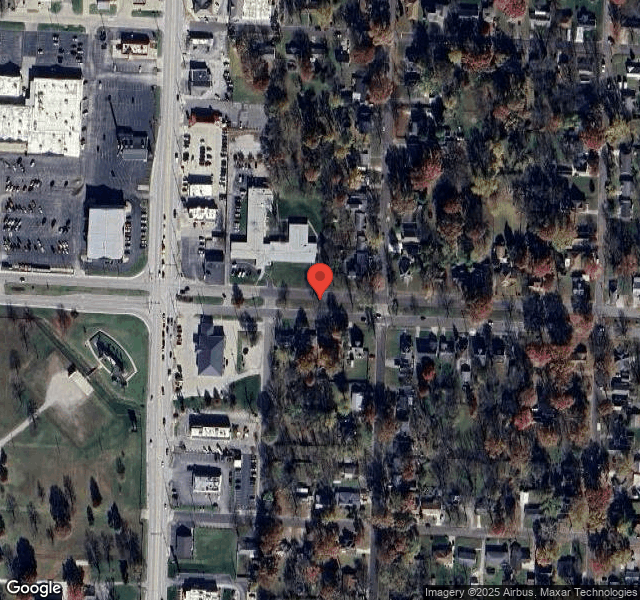

1714 W 16TH STREET, SEDALIA, MO 65301 (660) 827-1594
For profit - Corporation 75 Beds RELIANT CARE MANAGEMENT Data: November 2025
Trust Grade
40/100
#380 of 479 in MO
Last Inspection: August 2024

Within standard 12-15 month inspection cycle. Federal law requires annual inspections.

Overview

Fair View Health Care Center in Sedalia, Missouri has a Trust Grade of D, indicating below-average performance with some concerns. It ranks #380 out of 479 facilities in Missouri, placing it in the bottom half, but is #2 out of 5 in Pettis County, meaning only one local option is better. The facility is on an improving trend, reducing issues from 11 in 2024 to 5 in 2025. Staffing is a strength, with a turnover rate of 0%, significantly lower than the state average, and the center has better RN coverage than 77% of Missouri facilities. However, there are notable weaknesses. The facility received 35 total issues, with 31 categorized as potential harm, including failures to perform proper hand hygiene and inadequate training for dietary staff, which could lead to food safety concerns. While there are no fines or critical incidents reported, families should weigh these strengths and weaknesses carefully when considering this nursing home.

Trust Score
D
40/100
In Missouri
#380/479
Bottom 21%
Safety Record
Low Risk
No red flags
Inspections
Getting Better
11 → 5 violations
Staff Stability
○ Average
Turnover data not reported for this facility.
Penalties
✓ Good
No fines on record. Clean compliance history, better than most Missouri facilities.
Skilled Nurses
⚠ Watch
Each resident gets only 19 minutes of Registered Nurse (RN) attention daily — below average for Missouri. Fewer RN minutes means fewer trained eyes watching for problems.
Violations
⚠ Watch
35 deficiencies on record. Higher than average. Multiple issues found across inspections.
★☆☆☆☆
1.0
Overall Rating
★☆☆☆☆
1.0
Staff Levels
★☆☆☆☆
1.0
Care Quality
★★★☆☆
3.0
Inspection Score
Stable
2024: 11 issues
2025: 5 issues

The Good

  • Full Sprinkler Coverage · Fire safety systems throughout facility
  • No fines on record

Facility shows strength in fire safety.

The Bad

1-Star Overall Rating

Below Missouri average (2.5)

Significant quality concerns identified by CMS

Chain: RELIANT CARE MANAGEMENT

Part of a multi-facility chain

Ask about local staffing decisions and management

The Ugly 35 deficiencies on record

Aug 2025 1 deficiency
CONCERN (D) 📢 Someone Reported This

A family member, employee, or ombudsman was alarmed enough to file a formal complaint

Potential for Harm - no one hurt, but risky conditions existed

Deficiency F0727 (Tag F0727)

Could have caused harm · This affected 1 resident

Based on interview and record review, facility staff failed to have a Registered Nurse (RN) for eight consecutive hours a day that was not the Director of Nursing (DON) with a facility census over 60 ...

Read full inspector narrative →
Based on interview and record review, facility staff failed to have a Registered Nurse (RN) for eight consecutive hours a day that was not the Director of Nursing (DON) with a facility census over 60 residents. The facility was 64.1. Review of the facility's Registered Nurse Policy, revised 4/30/24, showed staff are directed the DON may serve as a charge nurse only when the facility has average daily occupancy of 60 or fewer residents. 2. Review of the facility census and staffing sheets, dated 7/15/25 to 7/31/25, showed the following: -7/20/25 showed a facility census of 61, and DON worked as a charge nurse;-7/24/25 showed a facility census of 61, and DON worked as a charge nurse;-7/29/25 showed a facility census of 61, and the DON worked as a charge nurse. 3. Review of the facility census and staffing sheets, dated 8/1/25 to 8/20/25, showed the following: -8/1/25 showed a facility census of 63, and DON worked as a charge nurse;-8/2/25 showed a facility census of 62, and DON worked as a charge nurse;-8/6/25 showed a facility census of 61, and DON worked as a charge nurse;-8/7/25 showed a facility census of 61, and DON worked as a charge nurse;-8/11/25 showed a facility census of 63, and DON worked as a charge nurse;-8/12/25 showed a facility census of 64, and DON worked as a charge nurse;-8/14/25 showed a facility census of 65, and DON worked as a charge nurse;-8/15/25 showed a facility census of 64, and DON worked as a charge nurse;-8/16/25 showed a facility census of 64, and DON worked as a charge nurse;-8/17/25 showed a facility census of 64, and DON worked as a charge nurse;-8/20/25 showed a facility census of 64, and DON worked as a charge nurse. During an interview on 8/20/25 at 9:00 A.M., the Administrator said the DON has been working as the RN charge nurse at nights for a few weeks because they do not have another RN. During an interview on 8/20/25 at 9:13 A.M., the staffing coordinator said the DON has been working the floor as the RN charge nurse because they only have one other RN on staff. During an interview on 8/20/25 9:43 A.M., the Administrator said he/she is aware that the DON can not be the floor nurse once the census is over 60, he/she said he/she only has one other RN on staff that takes turns with the DON to cover RN hours. He/She said there are add on indeed for nurses in their area. During an interview on 8/20/25 at 10:23 A.M., the DON said he/she is aware that he/she can not count as the RN and the DON but he/she does not have another RN due to staffing issues. He/She said he/she has been working as the floor RN charge nurse for about a month. Complaint # 2590461
Jun 2025 2 deficiencies
CONCERN (E) 📢 Someone Reported This

A family member, employee, or ombudsman was alarmed enough to file a formal complaint

Potential for Harm - no one hurt, but risky conditions existed

Deficiency F0658 (Tag F0658)

Could have caused harm · This affected multiple residents

**NOTE- TERMS IN BRACKETS HAVE BEEN EDITED TO PROTECT CONFIDENTIALITY** Based on observation, interview, and record review, facility staff failed to meet professional standards when staff did not comp...

Read full inspector narrative →
**NOTE- TERMS IN BRACKETS HAVE BEEN EDITED TO PROTECT CONFIDENTIALITY** Based on observation, interview, and record review, facility staff failed to meet professional standards when staff did not complete weekly skin assessments and did not document they provided physician ordered wound treatments for three residents (Residents #1, #2, and #3) out of six sampled residents. The facility census was 61. 1. Review of the facility's Skin Assessment Policy, dated 6/26/24, showed licensed or registered nurse will conduct a full body, or head to toe, skin assessment upon admission, or re-admission and weekly thereafter. The assessment may also be performed after a change of condition or after any newly identified pressure injury. 2. Review of Resident #1's Minimum Data Set (MDS), a federally mandated assessment tool, dated 4/5/25, showed staff assessed the resident as: -Cognitively intact; -Diagnosis of stroke, pressure ulcer of sacral region (region of the lower back) stage two (partial thickness skin loss), and chronic non pressure ulcer of the right calf with fat layer exposed; -At risk for pressure ulcers. Review of the resident's care plan, dated June 2025, did not contain documentation in regard to the resident's skin breakdown. Review of the resident's physicians order sheets (POS), dated June 2025, showed physician's orders directed staff as follows: -Weekly skin assessments; -Xeroform (type of special gauze used in wound care) to right lower leg and cover with ace once daily in the morning; -Zinc Oxide External Ointment 20% apply to affected areas topically every shift for skin breakdown. Cleanse with wound cleanser. Pat dry. Apply to coccyx (bottom of spine). Review of the resident's medical record, dated 4/1/25 through 4/30/25, did not contain documentation staff completed a weekly skin assessement the weeks of 4/7/25, 4/14/25, 4/21/25 or 4/28/25. Review of the resident's medical record, dated 5/1/25 through 5/31/25, did not contain documentation staff completed a weekly skin assessment the weeks of 5/5/25, 5/12/25, and 5/26/25. Review of the resident's Treatment Administration Record (TAR), dated 5/1/25 through 5/31/25, showed staff did not document they provided the resident wound care as ordered on 5/3/25, 5/10/25, 5/11/25, 5/15/25, 5/23/25, 5/27/25, 5/28/25, or 5/29/25. 3. Review of Resident #2's MDS, dated [DATE], showed staff assessed the resident as: -Cognitively intact; -Diagnosis of Parkinson's disease with dyskinesia (involuntary muscle movements); -Impairment to both sides, upper and lower extremities. Review of the resident's care plan, dated June 2025, showed staff assessed the resident with a potential for pressure ulcer development related to immobility. Staff are directed to administer treatments as ordered and monitor for effectiveness and to follow facility policies and protocols for prevention and treatment of skin breakdown. Review of the resident's POS, dated June 2025, showed physician orders directed staff as follows: -Weekly skin assessments; -Barrier cream cleanse perineal area and buttocks after each incontinence episode, then apply barrier cream every shift. Review of the resident's medical record, dated 4/1/25 through 4/30/25, did not contain documentation staff completed a weekly skin assessment for the weeks of 4/1/25, 4/21/25, or 4/28/25. Review of the resident's medical record, dated 5/1/25 through 5/31/25, did not contain documentation staff completed a weekly skin assessment for the weeks of 5/5/25 or 5/12/25. Review of the resident's TAR, dated 5/1/25 through 5/31/25, showed staff did not document they provided the resident wound care as ordered on 5/10/25, 5/11/25, 5/15/25, 5/24/25, 5/25/25, 5/27/25, and 5/28/25. Review of the resident's TAR, dated 6/1/25 through 6/9/25, showed staff did not document they provided the resident wound care as ordered on 6/2/25 and 6/3/25. 4. Review of Resident #3's MDS, dated [DATE], showed the staff assessed the resident as: -Cognitively intact; -Diagnoses of Pressure ulcer of buttocks stage three (full thickness skin loss) and nonchronic ulcer of lower leg; -Dependent for toileting and transfers; -Indwelling urinary catheter; -Incontinent of bowel; -At risk for pressure ulcers. Review of the resident's care plan, dated June 2025, showed staff assessed the resident as had a pressure ulcer of the buttock. Staff are instructed to complete weekly treatment with documentation to include measurement of each area of skin breakdown's width, length, depth, type of tissue and exudate (mass cells and fluid that has seeped out of blood vessels or an organ) and any other notable changes or observations. Review of the resident's POS, dated June 2025, showed physician orders direct staff as follows: -Cleanse open area on buttocks, apply xeroform, cover with island dressing (non-adherent wound dressing). Change every day and as needed until healed daily; -Cleanse open areas on lower right extremity and left lower extremity, apply xeroform and non adhesive dressing, wrap with kerlix (bulky gauze used for wound care) every day and as needed until healed one daily per wound nurse; -Nystatin External Ointment 100,000 unit/Gram apply to affected areas topically every morning and at bedtime for fungal treatment. Review of the resident's medical record, dated 4/1/25 through 4/30/25, did not contain documentation staff completed a weekly skin assessment for the weeks of 4/1/25, 4/7/25, 4/14/25, 4/21/25, or 4/28/25. Review of the resident's medical record, dated 5/1/25 through 5/31/25, did not contain documentation staff completed a weekly skin assessment for the weeks of 5/5/25 or 5/15/25. Review of the resident's TAR, dated 5/1/25 through 5/31/25, showed staff did not document they provided the resident wound care as ordered on 5/4, 5/8/25, 5/11/25, 5/15/25, 5/16/25, 5/19/25, 5/24/25, 5/25/25, 5/26/25, 5/27/25, 5/28/25, and 5/29/25. During an interview on 6/9/25 at 1:18 P.M., Licensed Practical Nurse (LPN) A said skin assessments are to be completed weekly by the nurse. LPN A said he/she thinks the Director of Nursing (DON) would be responsible for making sure they are completed and documented in their electronic health records. He/She said the charge nurse is responsible for wound care and treatments. LPN A said if there was a hole in the TAR it would mean the treatment was not completed. He/She said the DON and Administrator are responsible for making sure the TAR is signed off on by the nurses. During an interview on 6/9/25 at 1:35 P.M., LPN D said skin assessments are done at least once weekly and more often for residents with wounds. He/She said assessments are documented in the residents electronic health records and the nurse on duty is responsible to complete them. He/She said the DON would be responsible for making sure they are completed. He/She said the charge nurse is responsible for treatments and wound care. Staff are to sign off on the TAR after completion and if there was not a signature it would mean the treatment had not been completed. He/She believes the Regional consultant nurse is responsible for making sure this is completed. During an interview on 6/9/25 at 2:12 P.M., the DON said skin assessments should be completed weekly by the charge nurse. He/She said he/she is responsible for making sure they are completed. The DON said he/she was made aware the nurses were not doing these as they were supposed to. He/She said the charge nurses are responsible for wound care and treatments. Staff are to sign off on the TAR when the treatments are completed. If there was a hole in the TAR it would mean the treatment was not completed. He/She said he/she is responsible for making sure this is completed and was not aware there were holes in the TAR. During an interview on 6/9/25 at 2:20 P.M., the Administrator said skin assessments should be completed weekly by the charge nurse and when showers are completed. He/She said the DON is responsible for making sure this is completed. He/She said if there was a hole in the TAR it would mean a treatment wasn't completed or it was not signed off on. He/She said the DON is responsible for making sure the TAR is signed off on. MO00254921
MINOR (C) 📢 Someone Reported This

A family member, employee, or ombudsman was alarmed enough to file a formal complaint

Minor Issue - procedural, no safety impact

Deficiency F0838 (Tag F0838)

Minor procedural issue · This affected most or all residents

Based on interview and record review, facility staff failed to update their Facility-Wide Assessment, an assessment completed by facility staff to determine what resources are necessary to care for it...

Read full inspector narrative →
Based on interview and record review, facility staff failed to update their Facility-Wide Assessment, an assessment completed by facility staff to determine what resources are necessary to care for its residents competently during day-to-day operations and emergencies as necessary. The facility census was 59. 1. Review of the facility's Assessment Tool, dated 9/5/24, showed the purpose of the assessment is to evaluate the resident population and determine what resources are necessary to care for residents competently during both day-to-day operations and emergencies. Staff are directed as follows: -Use this assessment to make decisions about your direct care staff needs, as well as your capabilities to provide services to the residents in your facility, at least annually and as necessary, per the above requirement; -Use evidence-based, data driven methods that focus on ensuring that each resident is provided care that allow the resident to maintain or attain their highest practicable physical, mental and psychosocial well-being. The tool is organized in three parts: -Resident profile including numbers, diseases/conditions, physical/behavioral health needs, cognitive disabilities, acuity, and ethnic/cultural/religious factors that impact care; -Services and care offered based on resident needs; -Facility resources needed to provide competent care for residents, including staff, staffing plan, staff training/education and competencies, physical environment and building needs, and other resources, including agreements with third parties, health information technology resources and system, a facility-based and community-based risk assessment, and other information that you may choose. Review of the Facility's Assessment Tool, dated 9/13/24 showed the assessment tool did not contain: -The persons involved in completing the assessment; -The dates the facility assessment was reviewed with QAA/QAPI committee; -The resident profile section for the last quarter average number of occupied beds; -The acuity section for the accurate number of resident's acuity levels that help to understand potential implication regarding the intensity of care and services needed over the past year or during a typical month; -The Special treatments and conditions section for an accurate number, average, or range of residents; -The Assistance with activities of daily living (ADL's) section for an accurate number for residents who are independent, one to two person assistance, or dependent on staff; -The mobility section for an accurate number of residents; -The average daily facility staffing plan, based on the resident population and their needs for care and support for an accurate number of staff needed. During an interview on 6/2/25 at 1:00 P.M., the Director of Nursing (DON) said he/she thought the administrator was responsible for updating the facility census. He/She said he/she doesn't think the administrator knew how often to update the facility assessment. He/She said the administrator was responsible for making sure the staffing quota was met for the facility's acuity. During an interview on 6/2/25 at 1:16 P.M the interim administrator said the administrator is responsible for updating the facility assessment yearly and on an as needed basis. He/She does not know why this has not been done. He/She said the facility assessment should be updated if there is an change in administration, DON, staffing requirements, resident acuity, and census changes. MO00255114
Apr 2025 2 deficiencies
CONCERN (D) 📢 Someone Reported This

A family member, employee, or ombudsman was alarmed enough to file a formal complaint

Potential for Harm - no one hurt, but risky conditions existed

Deficiency F0655 (Tag F0655)

Could have caused harm · This affected 1 resident

Based on observation, interview and record review, facility staff failed to develop a comprehensive person-centered baseline care plan to meet the resident's medical, nursing, mental and psychosocial ...

Read full inspector narrative →
Based on observation, interview and record review, facility staff failed to develop a comprehensive person-centered baseline care plan to meet the resident's medical, nursing, mental and psychosocial needs for one resident (Resident #1) out of two sampled residents. The facility's census was 52. 1. Review of the facility's Baseline Care Plan Policy, dated 5/18/24, showed the baseline care plan will be developed in 48 hours of a resident's admission. It should include the minimum healthcare information necessary to properly care for a resident. The admitting nurse, or supervising nurse on duty, shall gather infoamtion form the admission physical assessment, hospital transfer information, physicain orders, and discussion with teh residnt and resident representative. A supervising nurse shall verify within 48 hours that a baseline care plan has been developed. 2. Review of Resident #1's Entry Minimum Datat Set (MDS), a federally mandated assessment tool, dated 3/27/25, showed the resident admitted to the facility 3/27/25. Review of the resident's clinical admission assessment, dated 3/28/25, showed staff assessed the resident as follows: -Severe cognitive impairment; -Diagnosis of acute respiratory failure, tracheostomy status, angelman syndrome (a genetic disorder causing developmental disabilities and nerve-related symptoms), and encounter screening for autism; -Tracheostomy; -Urinary catheter; Review showed it did not contain documentation related to gastrostomy tube. Review of the resident's baseline care plan, dated 3/27/25, did not contain staff direction in regard to resident's tracheostomy, gastrostomy tube, or urinary catheter. During an interview on 4/4/25 at 12:16 P.M., the Director of Nursing (DON) said the MDS cordinator was responsible for baseline careplans, but they do not have a MDS cordinator right now so he/she has been responsible for completing them. The DON said he/she would expect to see the resident's tracheostomy, gastrostomy tube, and urinary catheter addressed on the baseline care plan. He/she said it wasn't put on the baseline care plan because she didn't do it. The DON said he/she is trying to work on care plans as he/she can. During an interview on 4/4/25 at 12:24 P.M., Licensed Practical Nurse (LPN) D said nurses have access to care plans and can update them if needed. LPN D said he/she is unsure of who is responsible for baseline care plans or for checking them. He/She said a resident should have a baseline care plan within 48 hours and would expect a resident's tracheostomy, gastrostomy tube, and urinary catheter to be addressed on the baseline care plan. During an interview on 4/4/25 at 2:45 P.M., LPN A said he/she has access to the care plans but is not sure how to access them as he/she has only been working part time. He/She said a resident should have a baseline care plan within 48 hours of admission and would expect for the resident's tracheostomy, gastrostomy tube, and urinary catheter to be addressed in the baseline care plan. He/She does not know who is responsible for completing the baseline care plan and thinks the DON would be responsible for making sure they were completed by staff. During an interview on 4/4/25 at 2:54 P.M., the adminsitrator said baseline care plans are to be comleted within 48 hours of the residents admission and the nursing staff is responsible. The DON is responsible for making sure the baseline care plans are completed. MO00252016
CONCERN (D) 📢 Someone Reported This

A family member, employee, or ombudsman was alarmed enough to file a formal complaint

Potential for Harm - no one hurt, but risky conditions existed

Deficiency F0658 (Tag F0658)

Could have caused harm · This affected 1 resident

**NOTE- TERMS IN BRACKETS HAVE BEEN EDITED TO PROTECT CONFIDENTIALITY** Based on interview and record review, facility staff failed to meet professional standards when staff did not obtain orders for ...

Read full inspector narrative →
**NOTE- TERMS IN BRACKETS HAVE BEEN EDITED TO PROTECT CONFIDENTIALITY** Based on interview and record review, facility staff failed to meet professional standards when staff did not obtain orders for a urinary catheter (flexible tube used to drain the bladder when someone cannot urinate on their own), catheter care, for a tracheostomy (a surgical procedure that creates an opening in the neck into the windpipe), tracheosyomy care, and did not obtain orders for a Gastrostomy (a surgical procedure creating an opening through the abdominal wall into the stomach, allowing for the insertion of a gastrostomy tube for feeding) tube, Gastrostomy tube flushes, or Gastrostomy tube care for one resident (Resident #1) out of five sampled residents. The facility census was 52. 1. Review of the facility's admission process, assignment of primary diagnosis policy, dated 12/1/22, showed a licensed or registered nurse will ensure all admission paperwork including physician orders, medications, diet orders, laboratory orders are obtained and followed. Review of the facility's Medication order policy, dated 5/18/24, showed written transfer orders staff are to implement a transfer order without further validation, if it is signed and dated by the resident's current attending physician, unless the order is unclear or incomplete, or the date signed is different from the date of admission. If the order is unsigned, or signed by another physician, or the date is other than the date of admission, the receiving nurse should verify the order witht the current attending physicina before medications are adminsitered. The nurse should document verification on the admission order record by enter the time, date, and signature. 2. Review of Resident #1's Entry Minimum Data Set (MDS), a federally mandated assessment tool, date 3/27/25, showed the resident was admitted on [DATE]. Review of the resident's Clinical admission assessment, dated 3/28/25, showed staff assessed the resident as follows: -Severe cognitive impairment; -Diagnoses of acute respiratory failure, tracheostomy status, angelman syndrome (a genetic disorder causing developmental disabilities and nerve-related symptoms), and encounter screening for autism; -Tracheostomy; -Urinary catheter. Review showed it did not contain documentation related to gastrostomy tube. Review of the resident's baseline care plan, dated 3/27/25, showed staff assessed the resident at risk for impaired communication, had limited physical mobility and requires one to two assist at time, and at risk for falls. Staff were instructed to provide gentle range of motion as tolerated with daily care, provide supportive care, assistance with mobility as needed, and document assistance as needed. Review of the Physician's Order Sheet (POS), dated March 2025, showed it did not contain orders for the resident's tracheostomy, tracheostomy care, catheter, catheter care, gastrostomy tube, gastrostomy tube care, or gasttrostomy tube flushes. During an interview on 4/2/25 at 1:15 P.M., Licensed Practical Nurse (LPN) A said the resident is a new admission and has not been at the facility long. He/She said the resident has a tracheostomy, urinary catheter, and gastrostomy tube. LPN A said he/she was not aware there were not orders in the system for the resident's tracheostomy, catheter, or gastrostomy tube. LPN A said he/she knew how to care for the resident because of caring for residents with same tubes in the past and his/her nursing knowlegde. He/She said the charge nurse is responsible for entering in orders on new admissions and the Director of Nursing (DON) is resposible to make sure they are put in correctly. During an interview on 4/2/25 at 2:15 P.M., LPN D said the charge nurse is responsible to put orders in on a new admission. He/She said the nurses are receiving training on how to do this. LPN D said he/she put some of the resident's orders in but is not sure of the process from start to finish. He/She said the DON would be responsible for making sure all the information was in correctly. LPN D said he/she is not very familiar with the resident, but would expect there to be orders for the resident's tracheostomy, urinary catheter, gastrostomy tube, and cares for all of those listed on the physician's orders. LPN D said he/she was not aware the orders were not in the system and said he/she knew what care to provide through his/her nursing knowledge. During an interview on 4/2/25 at 3:50 P.M., the DON said he/she was not aware the orders were not in the system. He/She said they used to have a corporate person who helped with admissions. He/She said the charge nurses will be responsible for putting in orders for new admissions and he/she is responsible for making sure they are put in correctly. He/She said the orders were not put in due to a lack of knowledge on the nurses part. Nurses are currently in training. During an interview on 4/4/25 at 2:54 P.M., the administrator said the nursing staff are responsible for putting in orders for new admissions and the DON is responsible for making sure the nurses complete this task. MO00252016
Aug 2024 11 deficiencies
CONCERN (D)

Potential for Harm - no one hurt, but risky conditions existed

Deficiency F0625 (Tag F0625)

Could have caused harm · This affected 1 resident

**NOTE- TERMS IN BRACKETS HAVE BEEN EDITED TO PROTECT CONFIDENTIALITY** Based on interview and record review, facility staff failed to provide written information to the resident and/or the resident's...

Read full inspector narrative →
**NOTE- TERMS IN BRACKETS HAVE BEEN EDITED TO PROTECT CONFIDENTIALITY** Based on interview and record review, facility staff failed to provide written information to the resident and/or the resident's representative of the bed hold policy at the time of transfer to the hospital for three (Resident #22, #36, and #47) out of three sampled residents. The facility's census was 53. 1. Review of the facility policies showed staff did not provide a policy for bed hold notification. 2. Review of Resident #22's medical record showed the resident discharged from the facility on 07/10/24 and readmitted to the facility on [DATE]. The record did not contain written documentation staff notified the resident or the resident's responsible party of the facility's bed-hold policy. 3. Review of Resident #36's medical record showed the resident: -discharged on 08/08/24 and readmitted to the facility on [DATE]; -discharged on 06/22/24 and readmitted to the facility on [DATE]; -discharged on 06/03/24 and readmitted to the facility on [DATE]; -Did not contain written documentation staff notified the resident or the resident's responsible party of the facility's bed-hold policy. 4. Review of Resident #47's medical record showed the resident discharged from the facility on 06/09/24 and readmitted to the facility on [DATE]. The record did not contain written documentation staff notified the resident or the resident's responsible party of the facility's bed-hold policy. 5. During an interview on 08/28/24 at 9:30 A.M., the Social Services Director (SSD) said he/she is responsible for this process, but only does the bed hold information at admission and not when a resident discharges for therapeutic leave or hospital stay. The SSD said he/she was not aware he/she was supposed to do this each time a resident discharged . During an interview on 08/28/24 at 4:16 P.M., Licensed Practical Nurse (LPN) C said he/she does not know about the bed hold policy, but believes it is the SSD who takes care of that. During an interview on 08/29/24 at 5:52 P.M., the administrator said the nurse who discharges the resident should be completing the bed hold, they have been in-serviced to do this when a resident leaves. The administrator said she did not know it was not being done.
CONCERN (D)

Potential for Harm - no one hurt, but risky conditions existed

Deficiency F0645 (Tag F0645)

Could have caused harm · This affected 1 resident

**NOTE- TERMS IN BRACKETS HAVE BEEN EDITED TO PROTECT CONFIDENTIALITY** Based on interviews and record review, facility staff failed to ensure Level I Pre-admission Screening (used to evaluate for the...

Read full inspector narrative →
**NOTE- TERMS IN BRACKETS HAVE BEEN EDITED TO PROTECT CONFIDENTIALITY** Based on interviews and record review, facility staff failed to ensure Level I Pre-admission Screening (used to evaluate for the presence of psychiatric conditions to determine if a Pre-admission Screening and Resident Review (PASRR) level II screen is required) were completed for two residents (Resident #8, and #26) out of two sampled residents. The facility census was 53. 1. Review of the facility's policies showed staff did not provide a policy for PASRR. 2. Review of the Central Office Medical Review Unit (COMRU) website, https:// health.mo.gov/seniors/nursinghomes/pasrr.php, dated 09/04/24, showed the PASRR is a federally mandated screening process for individuals with serious mental illness and/or intellectual disability/developmental disability related diagnosis who apply or reside in Medicaid Certified beds in a nursing facility regardless of the source of payment. The screening assures appropriate placement of persons known or suspected of having a mental impairment(s) and also the individual needs of mentally impaired persons can be and are being met in the appropriate placement environment. 3. Review of Resident #8's annual Minimum Data Set (MDS), a federally mandated assessment tool, dated 05/30/24, showed staff assessed the resident as: -admitted [DATE]; -Unit is Medicare and/or Medicaid Certified; -Did not contain an evaluation with PASRR; -Moderate cognitive impairment; -Diagnosis of Anxiety Disorder, Depression (other than bipolar), and Schizophrenia (a serious mental illness that affects how a person thinks, feels, and behaves); -Received antipsychotic, antianxiety, and antidepressant medications in the seven day look back period (period of time used to complete assessment). Review of the resident's medical record showed the record did not contain a level I Pre-admission Screening or PASRR level II screen. 4. Review of Resident #26's annual MDS, dated [DATE], showed staff assessed the resident as: -admitted on [DATE]; -Did not contain an evaluation with PASRR; -Unit is Medicare and/ or Medicaid Certified; -Cognitively intact; -Diagnosis of Anxiety Disorder, Depression (other than bipolar), and Post-Traumatic Stress Disorder (PTSD); -Received antianxiety and antidepressant medications in the seven day look back period. Review of the resident's medical record showed the record did not contain a level I Pre-admission Screening or PASRR level II screen. 5. During an interview on 08/29/24 at 4:35 P.M., the Director of Nursing (DON) said he/she was unsure of who was responsible to complete PASRR evaluations for residents. During an interview on 08/29/24 at 4:46 P.M., the administrator said he/she was responsible for completing PASRR evaluations on residents, but he/she could not locate the completed PASRRs for Resident #8 and #26.
CONCERN (D)

Potential for Harm - no one hurt, but risky conditions existed

Deficiency F0919 (Tag F0919)

Could have caused harm · This affected 1 resident

**NOTE- TERMS IN BRACKETS HAVE BEEN EDITED TO PROTECT CONFIDENTIALITY** Based on observation, interview, and record review, facility staff failed to ensure call lights were within reach for three resi...

Read full inspector narrative →
**NOTE- TERMS IN BRACKETS HAVE BEEN EDITED TO PROTECT CONFIDENTIALITY** Based on observation, interview, and record review, facility staff failed to ensure call lights were within reach for three residents (Resident #10, #27, and #40) out of 14 sampled residents. The facility census was 53. 1. Review of the facility's policy titled, Call Light Accessibility and Timely Response, dated 4/30/24, showed all staff will be educated on the proper use of the resident call system, including how the system works and ensuring resident access to the call light. All residents will be evaluated on how to call for help by using the resident call system. Staff will ensure the call light is within reach of resident and secured, as needed. The call system will be accessible to residents while in their bed or other sleeping accommodations within the resident's room. The call system should be accessible to a resident lying on the floor. 2. Review of Resident #10 Quarterly Minimum Data Set (MDS), a federally mandated assessment tool, dated 05/28/24, showed staff assessed the resident as follows: -Severely Cognitively Impaired; -Upper extremity impairment on one side, impairment on both lower extremities; -Dependent for Activities of Daily Living (ADL's) and transfers. Review of the resident's care plan, dated 05/28/2024, showed staff is directed to make sure the resident has his/her call light at all times, remind and encourage to use call light. Observation on 08/26/24 at 12:16 P.M. and 2:38 P.M., showed the resident in his/her bed, with the call light on the floor not within reach. Observation on 08/28/24 at 9:28 A.M., showed the resident in his/her bed, the call light hung on the wall behind bed not within reach. Observation on 08/29/24 at 8:00 A.M., showed the resident in his/her bed, with the call light on the floor not within reach. Observation on 08/29/24 at 11:00 A.M., showed the resident in his/her recliner, with the call light on the floor not within reach. 3. Review of Resident #27's Quarterly MDS, dated [DATE], showed staff assessed the resident as follows: -Severely Cognitively Impaired; -Legally blind; -No impairment to upper or lower extremities; -Substantial/Maximal assist with transfers and ADLS. Review of the resident's care plan, dated 06/16/2024, showed staff is directed to make sure the resident has his/her call light when in his/her room and remind resident to use the call light and wait for help. Observation on 08/26/24 at 9:24 A.M., showed the resident in his/her wheelchair, with the call light on bed not within reach. Observation on 08/28/24 at 9:30 A.M., showed the resident in his/her wheelchair, the call light hung on wall above bed not within reach. 4. Review of Resident #40's Significant Change MDS, dated [DATE], showed staff assessed the resident as follows: -Severely Cognitively Impaired; -No impairment to upper or lower extremities; -Substantial/Maximal assist with transfers; -Dependent with ADLS. Review of the resident's care plan, dated 08/19/24, showed staff is directed to make sure resident's call light is within reach at all times when in his/her room. Observation on 08/26/24 at 9:23 A.M.,12:08 P.M. and 2:31 P.M., showed the resident in his/her bed, with the call light on the floor beside bed not within reach. Observation on 08/27/24 at 9:35 A.M. and 1:58 P.M., showed the resident in his/her bed, with the call light on the floor beside bed not within reach. Observation on 08/28/24 at 8:47 A.M., showed the resident in his/her bed, with the call light on the floor beside bed not within reach. Observation on 08/29/24 at 8:02 A.M., showed the resident in his/her bed, with the call light on the floor beside bed not within reach. 5. During an interview on 08/29/24 at 3:54 P.M., Certified Nurses Aide(CNA) N said call lights should be within reach of resident at all times. He/She said if call light is not within reach, it is a risk for them fall if they can not ask for help. During an interview on 08/29/24 at 3:50 P.M., Lisenced Practical Nurse (LPN) M said call lights should be within reach of resident. He/She said if call light is not within reach the resident can not ask for help and it is a risk for them falling. He/She said he/she is unsure why the above residents did not have their call light within reach, it should have been within reach. During an interview on 08/29/24 at 4:31 P.M., the Director of Nursing said call lights should always be within reach or clipped to the resident. He/She said that if call light is not within reach, it is a risk of the resident falling out of bed or trying to get up on their own. He/She said he/she expects the above residents to have their call light within reach even if they aren't able to use them. He/She said it is the aides or any staff in the room to ensure call lights are within reach. During an interview on 08/29/24 at 4:51 P.M., the administrator said he/she expects call lights to be within reach of residents. He/She said if call lights are not within reach, it is a risk that the residents won't be able to ask for help if they need it. He/She said he/she expects the above residents and all residents to have their call light within reach at all times. He/She said any staff can put the call light within reach.
CONCERN (E)

Potential for Harm - no one hurt, but risky conditions existed

Abuse Prevention Policies (Tag F0607)

Could have caused harm · This affected multiple residents

Based on interview and record review, facility staff failed to check the Employee Disqualification List (EDL) (a list of individuals who have been determined to have abused or neglected a resident or ...

Read full inspector narrative →
Based on interview and record review, facility staff failed to check the Employee Disqualification List (EDL) (a list of individuals who have been determined to have abused or neglected a resident or misappropriated funds or property belonging to a resident), criminal background check (CBC), and Family Care Safety Registry (FCSR) prior to hire in accordance with their facility policy for nine (Registered Nurse (RN) E, Nurse Aide (NA) D, Certified Medication Technician (CMT) F, Dietary Aide G, laundry aide H, housekeeping aide I, maintenance J, Certified Nurse Aide (CNA) K, and CNA L) out of ten sampled employees. The facility census was 53. 1. Review of the Facility's Screening- Applicant, Employee, Volunteer and Vendor (Missouri) policy, Revised May 2024, showed: -HR staff will conduct the following screens on potential employees prior to hire; -Criminal history- Using the request for Criminal Record Check, a criminal background check should be done through Missouri Highway Patrol's Missouri Automated Criminal History Site; -FCSR; -EDL list. 2. Review of RN E's personnel record showed the employee with a hire date of 11/27/23. The personnel record did not contain documentation staff completed a FCSR or CBC/ EDL check prior to his/her hire date. 3. Review of NA D's personnel record showed the employee with a hire date of 01/31/24.The personnel record did not contain documentation staff completed a FCSR or CBC/ EDL check prior to his/her hire date. 4. Review of CMT F's personnel record showed the employee with a hire date of 09/28/23. The personnel record did not contain documentation staff completed a FCSR or CBC/ EDL check prior to his/her hire date. 5. Review of Dietary aide G's personnel record showed the employee with a hire date of 11/07/23. The personnel record did not contain documentation stafff completed a FCSR or CBC/ EDL check prior to his/her hire date. 6. Review of Laundry aide H's personnel record showed the employee with a hire date of 08/18/23. The personnel record did not contain documentation staff completed a FCSR or CBC/ EDL check prior to his/her hire date. 7. Review of Housekeeping aide I's personnel record showed the employee with a hire date of 11/17/23. The personnel record did not contain documentation staff completed a FCSR or CBC/ EDL check prior to his/her hire date. 8. Review of maintenance J's personnel record showed the employee with a hire date of 01/05/24. The personnel record did not contain documentation staff completed a FCSR or CBC/ EDL check prior to his/her hire date. 9. Review of CNA K's personnel record showed the employee with a hire date of 07/26/23. The personnel record did not contain documentation staff completed a FCSR or CBC/ EDL check prior to his/her hire date. 10. Review of CNA L's personnel record showed the employee with a hire date of 06/13/23. The personnel record did not contain documentation staff completed a FCSR or CBC/ EDL check prior to his/her hire date. 11. During an interview on 08/26/24 at 3:30 P.M., Human Resources (HR) said he/she has been in this position for two weeks. He/She said he/she is responsible for doing the on-boarding of all new employees. He/She does the new employee criminal background checks and EDL's. He/She said the regional staff does all new empoyee FCSR's because he/she does not currently have access to do them yet. He/She said he/she will be responsible for doing them in the future. He/She said he/she is not sure about any employees hired prior to his/her start date. He/She said the previous business office manager (BOM) was responsible for the new employee CBC and EDL checks but he/she is no longer employed at the facility and his/her position was eliminated when the facility was bought out as of June 1, 2024. He/She knows all FCSR/EDL/CBC's should be completed before hire. He/She said he/she was not aware that any the staff previous to his/her employment did not have the CBC/ FCRS/EDLS completed prior to starting. During an interview on 08/28/24 at 1:51 P.M., the Director of Nursing (DON) said HR is responsible for ensuring all backgrounds are completed before someone is hired. He/She said he/she does the interview and then walks them over to HR to complete the paperwork if he/she decided to hire them. He/She said he/she was not aware there were staff who had not completed the required background screenings prior to hiring them. He/She said hiring staff without having the background screenings completed first, puts the residents at risk for being exposed to people who are on the disqualifying list. During an interview on 08/29/24 at 4:03 P.M., the Administrator said before new ownership in June, he/she and the BOM would collaborate on completing the EDL/CBC/FCSR checks with new hires. He/She said with new ownership it is HR's responsibility to ensure EDL/CBC/FCSR's are completed. He/She said he/she was unaware both the EDL and CBC or the FCSR had to come back prior to hire. He/She said he/she thought it was okay to hire as long as the EDL was completed. He/She was unaware the EDL/CBC/FCSR's were not being completed on time before hire.
CONCERN (E)

Potential for Harm - no one hurt, but risky conditions existed

Deficiency F0658 (Tag F0658)

Could have caused harm · This affected multiple residents

**NOTE- TERMS IN BRACKETS HAVE BEEN EDITED TO PROTECT CONFIDENTIALITY** Based on observation, interview and record review, facility staff failed to ensure acceptable standards of practice when staff f...

Read full inspector narrative →
**NOTE- TERMS IN BRACKETS HAVE BEEN EDITED TO PROTECT CONFIDENTIALITY** Based on observation, interview and record review, facility staff failed to ensure acceptable standards of practice when staff failed to complete neurological assessments (evaluation completed by staff for early detection of nervous system damage following head trauma) for two of four sampled residents (Resident #3, and #18). Ensure pressure relieving devices were in place for two out of three sampled residents (Resident #20, and #22). Staff failed to provide wound care treatment per physician orders for one out of one sampled resident (Resident #40). The census was 53. 1. Review of the facility's Head Injury policy, revised 05/18/2024, showed staff are directed as follows: -Assess resident following a known, suspected or verbalized head injury. The assessment shall include, at a minimum: a. Vital signs. b. General condition and appearance. c. Neurological evaluation for changes in: Physical functioning, Behavior, Cognition, Level of consciousness, Dizziness, Nausea, Irritability, and Slurred speech or slow to answer questions; -Preform neuro checks as indicated or as specified by the physician; -Continue monitoring for 72 hours following the incident or until the resident is asymptomatic for a period of time specified by the physician. 2. Review of Resident #3's Annual Minimum Data Set (MDS), a federally mandated assessment tool, dated 06/06/24, showed staff assessed the resident as follows: -Severe cognitive impairment; -Required maximal assistance from staff for toileting, moderate assistance with transfers and sit to stand. -Diagnosis of Dementia. Review of the resident's nurse's notes, dated 07/20/24 at 6:30 A.M., showed staff documented a fall with discolored area on forehead. Review of the resident's nurse's notes, dated 08/05/24 at 6:35 A.M., showed staff documented a fall with a hematoma on the forehead. Review of the resident's medical record showed the medical record did not contain documentation of a neurological assessment, with continuous monitoring of the resident or notification of the physician for the fall on 07/20/24 and did contain documentation of a neurological assessment, or continuous monitoring of the resident for the 8/05/24 fall. 3. Review of Resident #18's Quarterly MDS, dated [DATE], showed facility staff assessed the resident as: -Severe cognitive impairment; -Resident is dependent on staff for all Activities of Daily Living (ADL). Review of the resident's nurse's notes, showed on 07/19/24 at 3:40 P.M., staff documented the resident was found on the floor on the left side of bed. Review of the resident's medical record, showed staff did not document a neurological assessment, or continuous monitoring of the resident. During an interview on 08/29/24 at 4:15 P.M., Licensed Practical Nurse (LPN) C said nurses are responsible for assessing the resident after a fall first. The nurses are to start neurological checks when there is an unwitnessed fall, if the resident hit their head, or if they have an obvious head injury. The LPN said the neurological checks sheets are filled out and placed on the residents chart. LPN C said if they are not in the residents chart the only other place would be the Director of Nursing could have them. During an interview on 08/29/24 at 4:40 P.M., Director of Nursing (DON) said the expectation is for neurological checks to be done and on the chart. The DON said if a resident has an unwitnessed fall or if they hit their head then a neurological check should be done. The DON said if the neurological checks were not found on the chart he/she does not know where they are, he/she does not have the neurological assessments for the residents. During an interview on 08/29/24 at 5:00 P.M., the administrator said unwitnessed or falls where a resident hit their head, neurological checks should be done. She said these are a paper form and should be on the resident's chart. 4. Review of the facility's Transcription of Orders/Following Physician's Orders Policy, revised 05/18/24, showed: -The purpose of this policy is to outline procedures in accurately transcribing physician's orders and to ensure that all physicians' orders are followed. To ensure a process is in place to monitor nurses in accurately transcribing and following physicians orders; -The Nurse or Certified Medication Technician (CMT) in charge of medication administration must review all their designated Medication Administration Record (MAR) and Treatment Administration Record (TAR) prior to the end of their shift to ensure that all medications/treatments scheduled to be given on their shift were administered according to the physicians order and that all necessary interventions were taken in the event of an omission. 5. Review of Resident #20's annual MDS, dated [DATE], showed staff assessed the resident as follows: -Severe cognitive impairment; -Upper extremity impairment on both sides. Review of the resident's plan of care, updated 06/26/24, showed the resident with hand contractures and treatment for therapy carrots to be placed bilateral hands, and new order for medication to help with contractures. Review of the resident's Physician Order Sheet (POS), dated 08/01/24 thru 08/29/24 showed therapy carrots for both hands daily . Observation on 08/26/24 at 12:14 P.M., showed the resident in a broda chair (positioning wheel chair) with leftand righthand contractures, without therapy carrots in either hands. Observation on 08/27/24 9:35 A.M., showed the resident in a broda chair without therapy carrots in either hand. Observation on 08/28/24 3:19 P.M., showed the resident in his/her bed without therapy carrots in either hand. Observation on 08/29/24 at 4:05 P.M., showed the resident in his/her bed without therapy carrots in either hand. 6. Review of Resident #22's annual MDS, dated [DATE], showed staff assessed the resident as follows: -Severe cognitive impairment; -Upper extremity impairment on both sides; Review of the resident's plan of care, dated 07/30/24, showed staff are directed: -Provide treatment to bilateral hands daily as ordered; -Be gentle and explain to resident when trying to alleviate the pressure being caused by the contractures; -Ensure whatever the physician has ordered to apply between fingers and palms is being done daily. Review of the resident's POS, dated 08/01/24 - 08/28/24, showed: -Diagnosis: Contracture of unspecified hand, left forearm, left upper arm, left wrist, right wrist; -Treatment: Hand rolls bilateral daily; -Treatment: Keep pillows between arm and chest. Observation on 08/26/24 at 11:40 A.M. and 2:25 P.M., showed the resident in bed, with both hands contracted towards the chest, without hand rolls in place, and without pillows between arm and chest. Observation on 08/27/24 at 11:18 A.M., showed the resident in bed, with both hands contracted towards the chest, without hand rolls in place. Observation on 08/28/24 11:28 A.M., showed the resident in bed, with both hands contracted towards the chest, without hand rolls in place, and without pillows between arm and chest. Observation on 08/29/24 at 10:49 A.M., showed the resident in bed, with both hands contracted towards the chest, without hand rolls in place, and without pillows between arm and chest. During an interview on 08/28/24 at 11:51 A.M., Occupational Therapist (OT) V said therapy staff only performs Passive Range of Motion (PROM) exercises and hygiene to the resident's hands Monday-Friday, but the charge nurse would be responsible for the treatment (s) ordered by the physician. During an interview on 08/29/24 at 1:32 P.M., CMT U said the charge nurse is responsible to place hand rolls in the resident's hands for his/her contractures. During an interview on 08/29/24 at 4:01 P.M., LPN R said the charge nurse is responsible to put the rolls in the resident's hands daily. The LPN said he/she had not gotten the chance to do the treatment and place the hand rolls yet. During an interview on 08/29/24 at 4:41 P.M., DON said the expectation is all physician orders should be followed. The DON said he/she does not believe the resident with carrots has them for use, so the doctor should be notified and the order changed. The DON said it is his/her responsibility to follow up with physician orders, to make sure they done and are appropriate. During an interview on 08/29/24 at 5:01 P.M., the administrator said physician orders for treatments should be done per the order. The administrator said if an order is not being done for some reason, she would expect the nurse to document this, or call to have the order changed or discontinued. 7. Review of Resident #40's Significant Change MDS, dated [DATE], showed staff assessed the resident as follows: -Severely Cognitively Impaired; -No impairment to upper or lower extremities; -Dependent with ADLS; -Two unstageable pressure ulcers. Review of the resident's care plan, dated 08/19/24, showed staff were directed to administer treatments as ordered and monitor for effectiveness. Review of the resident's wound clinic order, dated 08/07/24, showed treatment to right pressure ulcer as follows: -Cleanse wound with Hypochlorous acid (a disinfectant and antimicrobial); -Apply santyl (an FDA-approved prescription medicine that removes dead tissue from wounds so they can start to heal) to wound bed; -Apply calcium alginate (a highly absorbent wound dressing made from seaweed that can help treat moderate to heavily draining wounds) to wound base; -Cover with bordered gauze. Review of the resident's Hospice orders, dated 08/07/24, showed treatment to right pressure ulcer as follows: -Clean with Dakins solution (a topical antiseptic that's used to treat and prevent infections in wounds); -Apply Santyl to wound; -Cover wound with calcium alginate; -Secure with island dressing. Review of the resident's TAR, dated 08/07/24, showed treatment to right pressure ulcer as follows: -Cleanse wound with Hypochlorous; -Apple Santyl; -Place calcium alginate in wound bed; -Cover with island dressing. Observation on 08/29/24 at 11:28 A.M., showed LPN M performed a dressing change to right pressure ulcer and used iodoform packing strips (a sterile, single-use wound dressing that is used to treat open wounds, bedsores, and infected wounds) to pack the ulcer. During an interview on 08/29/24 at 12:00 P.M., LPN M said he/she packed the ulcer because that's what the hospice nurse had done previously and that's how he/she thought it was ordered. During an interview on 08/29/24 at 4:31 P.M., the Director of Nursing (DON) said that he/she would absolutely expect the nurses to follow physician's orders. He/She said he/she was unaware that the orders were different, and the order should have been clarified. During an interview on 08/29/24 at 4:51 P.M., the Administrator said nurses should follow the physician's orders. He/She said he/she would expect the orders to be clarified to ensure the correct treatment is being done.
CONCERN (E)

Potential for Harm - no one hurt, but risky conditions existed

ADL Care (Tag F0677)

Could have caused harm · This affected multiple residents

**NOTE- TERMS IN BRACKETS HAVE BEEN EDITED TO PROTECT CONFIDENTIALITY** Based on observation, interview and record review, facility staff failed to provide adequate baths/showers to maintain proper hy...

Read full inspector narrative →
**NOTE- TERMS IN BRACKETS HAVE BEEN EDITED TO PROTECT CONFIDENTIALITY** Based on observation, interview and record review, facility staff failed to provide adequate baths/showers to maintain proper hygiene for four residents (Resident #15, #26, #37, #38) out of seven sampled residents, and one additionally sampled resident (Resident # 35), who required assistance from staff to complete their Activities of Daily Living (ADLs) (bathing, showering, dressing, transfers, toileting, etc.). The facility census was 53. 1. Review of the facility's Resident Showers Policy, revised 06/26/24, showed the purpose is to assist residents with bathing to maintain proper hygiene, and directed staff as follows: -Resident will be provided showers as per request or as per facility schedule protocols and based upon resident safety; -Partial baths may be given between regular shower schedules as per facility policy; -Assist the resident with showering as needed. 2. Review of Resident #15's annual Minimum Data Set (MDS), a federally mandated assessment tool, dated 06/04/24, showed staff assessed the resident as follows: -Cognitively intact; -Did not reject care; -Lower extremity (hip, knee, ankle, foot) impairment on one side; -Able to shower/bath self Review of the resident's plan of care, last updated 06/04/24, showed staff are directed to assist with ADLs, with transfers when needed, and with showering. Review of the facility's shower schedule showed the resident will be assisted with a bath/shower on Mondays and Thursdays by facility staff. Review of the resident's shower sheets, from 06/01/24 to 06/30/24, showed staff did not document they assisted the resident with a bath/shower on 06/06/24, 06/13/24, 6/20/24, and 06/24/24 (four of the eight scheduled days in June), and did not document the resident refused any baths/showers. Review of the resident's shower sheets, from 07/01/24 to 07/31/24, showed staff did not document they assisted the resident with a bath/shower on 07/08/24, 07/11/24, 07/15/24, 07/18/24, and 07/25/24 (five of the eight scheduled days in July), and did not document the resident refused any baths/showers. Review of the resident's shower sheets, from 08/01/24 to 08/25/24, showed staff did not document they assisted the resident with a bath/shower on 08/01/24, 08/08/24, 08/12/24, 08/15/24, 08/19/24, and 08/22/24 (six of the seven scheduled days in August), and did not document the resident refused any baths/showers. During an interview on 08/26/24 at 1:45 P.M., the resident said he/she is scheduled to have a shower twice per week but he/she had not received a bath/shower for about four weeks, and it would feel good to have one. 3. Review of Resident #26's annual MDS, dated [DATE], showed staff assessed the resident as follows: -Cognitively intact; -Occasionally rejected care; -Lower extremity impairment on both sides; -Dependent on staff to shower/bathe self -Refused to get in and out of tub/shower. Review of the resident's plan of care, updated 06/08/24, showed staff is directed to assist with ADLs, and bed baths (per the resident's request) three times per week. Review of the facility's shower schedule, showed the resident will be assisted with a bath/shower on Wednesdays (once per week) by facility staff. Review of the resident's shower sheets, from 06/01/24 to 06/30/24, showed staff did not document they assisted the resident with a bed bath on 06/05/24, 06/12/24, 06/19/24, and 06/26/24 (none of the four scheduled days in June), and did not document the resident refused any baths. Review of the resident's shower sheets, from 07/01/24 to 07/31/24, showed staff did not document they assisted the resident with a bed bath on 07/03/24, 07/10/24, 07/17/24, 07/24/24, and 07/31/24 (none of the five scheduled days in July), and did not document the resident refused any baths. Review of the resident's shower sheets, from 08/01/24 to 08/26/24, showed staff did not document they assisted the resident with a bed bath on 08/07/24, and 08/21/24 (two of the three scheduled days in August), and did not document the resident refused any baths. Observation on 08/26/24 at 1:05 P.M., showed the resident in bed with unkempt hair. During an interview on 08/26/24 at 1:13 P.M., the resident said he/she prefers to take a bed bath but often struggle to get staff to assist him/her with a bed bath at least once per week, and therefore uses a lot of air freshener to help minimize the smell of any body odor in his/her room. 4. Review of Resident #35's quarterly MDS, dated [DATE], showed staff assessed the resident as follows: -Severe cognitive impairment; -Did not reject care; -Upper (shoulder, elbow, wrist, hand) and lower extremity impairment on one side; -Dependent on staff for personal/toileting hygiene, transfers, and to shower/bathe self. Review of the resident's plan of care, dated 05/01/24, showed staff is directed to assist with all ADLs, with transfers, and provide either a bed bath or shower. Review of the facility's shower schedule, showed the resident will be assisted with a bath/shower on Tuesdays and Fridays by facility staff. Review of the resident's shower sheets, from 06/01/24 to 06/30/24, showed staff did not document they assisted the resident with a bath/shower on 06/14/24, 06/18/24, and 06/28/24 (three of the eight scheduled days in June), and did not document the resident refused any baths/showers. Review of the resident's shower sheets, from 07/01/24 to 07/31/24, showed staff did not document they assisted the resident with a bath/shower on 07/09/24, 07/12/24, 07/16/24, 07/19/24, 07/23/24, 07/26/24, and 07/30/24 (seven of the nine scheduled days in July), and did not document the resident refused any baths/showers. Review of the resident's shower sheets, from 08/01/24 to 08/26/24, showed staff did not document they assisted the resident with a bath/shower on 08/02/24, 08/06/24, 08/13/24, 08/16/24, 08/20/24, and 08/23/24 (six of the seven scheduled days in August), and did not document the resident refused any baths/showers. Observation on 08/27/24 at 11:48 A.M., showed the resident awake in bed with unkempt hair. 5. Review of Resident #37's admission MDS, dated [DATE], showed staff assessed the resident as follows: -Cognitively intact; -Did not reject care; -Partial/moderate assist with toileting hygiene, and to shower/bathe self. Review of the resident's plan of care, dated 07/12/24, showed staff is directed to assist with hygiene after incontinent episodes, and assist with showers. Review of the facility's shower schedule, showed the resident will be assisted with a bath/shower on Mondays and Thursday by facility staff. Review of the resident's shower sheets, from 07/05/24 to 07/31/24, showed staff did not document they assisted the resident with a bath/shower on 07/11/24, 07/15/24, 07/18/24, 07/25/24, and 07/29/24 (five of the seven scheduled days in July), and did not document the resident refused any baths/showers. Review of the resident's shower sheets, from 08/01/24 to 08/26/24, showed staff did not document they assisted the resident with a shower on 08/01/24, 08/05/24, 08/12/24, 08/19/24, and 08/22/24 (five of the seven scheduled days in August), and did not document the resident refused any baths/showers. Observation on 08/26/24 at 1:10 P.M., showed the resident in his/her room with greasy hair. During an interview on 08/26/24 at 1:10 P.M., the resident said he/she is occasionally incontinent, and staff does not assist him/her with a bath/shower as often as he/she would like, which makes him/her feel pretty filthy. 6. Review of Resident #38's quarterly MDS, dated [DATE], showed staff assessed the resident as follows: -Severe cognitive impairment; -Did not reject care; -Dependent with personal hygiene, toileting, shower/bathe self. Review of the resident's plan of care, dated 06/01/24, showed the resident dependent on staff for all ADLs except eating, and directed two staff to assist with transfers and showers. Review of the facility's shower schedule, showed the resident will be assisted with a bath/shower on Mondays and Thursday by facility staff. Review of the resident's shower sheets, from 06/01/24 to 06/30/24, showed staff did not document they assisted the resident with a bath/shower on 06/06/24, 06/13/24, 06/17/24, 06/24/24, and 06/27/24 (five of the eight scheduled days in June), and did not document the resident refused any baths/showers. Review of the resident's shower sheets, from 07/01/24 to 07/31/24, showed staff did not document they assisted the resident with a bath/shower on 07/04/24, 07/08/24, 07/11/24, 07/15/24, 07/18/24, and 07/29/24 (six of the nine scheduled days in July), and did not document the resident refused any baths/showers. Review of the resident's shower sheets, from 08/01/24 to 08/26/24, showed staff did not document they assisted the resident with a bath/shower on 08/01/24, 08/05/24, 08/08/24, 08/12/24, 08/15/24, 08/19/24, and 08/22/24 (none of the seven scheduled days in August), and did not document the resident refused any baths/showers. Observation on 08/29/24 at 11:20 A.M., showed the resident in his/her bed with greasy hair. Any observation of the resident up and presented unclean/unkept hair? During an interview on 08/28/24 at 3:00 P.M., Nursing Assistant (NA) P said the resident is dependent on staff for almost all ADLs. 7. During an interview on 08/28/24 at 3:25 P.M., NA Q said facility staff have a shower list/schedule located at the nurses' station, that directs staff which residents are to be assisted with a bath/shower on specific days. The NA said staff document they assist a resident with a bath/shower on the resident's shower sheet, turn in the completed shower sheet to the charge nurse, who then submits to the administrator for filing. During an interview on 08/29/24 at 4:01 P.M., Licensed Practical Nurse (LPN) R said the Certified Nursing Assistants (CNAs) and NA's are expected to document a shower sheet for each resident on their scheduled shower days, give the sheet to the charge nurse for review/action, who then submits them to the administrator. The LPN said the CNA's and NA's should document a shower sheet for a resident even if the resident refused his/her bath/shower. The LPN said if there is not a completed shower sheet for a specific resident, staff likely did not attempt/assist the resident with a bath/shower on that day. During an interview on 08/29/24 at 8:35 A.M., the adminstrator said if there was not a shower sheet for a specific resident, then staff did not assist with a shower as scheduled. During an interview on 08/29/24 at 4:35 P.M., the Director of Nursing (DON) said staff should assist residents with a bath/shower when scheduled. The DON said if staff did not document a completed shower sheet for a specific resident, staff likely did not assist the resident with a bath/shower as scheduled.
CONCERN (E)

Potential for Harm - no one hurt, but risky conditions existed

Deficiency F0679 (Tag F0679)

Could have caused harm · This affected multiple residents

Based on interview and record review, facility staff failed to provide an ongoing activity program to meet the needs, interests, and physical, mental, and psychosocial well-being for four (Resident #2...

Read full inspector narrative →
Based on interview and record review, facility staff failed to provide an ongoing activity program to meet the needs, interests, and physical, mental, and psychosocial well-being for four (Resident #23, #44, #48, and #58) out of 14 sampled residents on weekends. The facility staff failed to post an activities calendar for residents to view. The facility census was 53. 1. Review of the facility's policy titled, Activities, dated 07/23, showed the facility will provide an ongoing program of activities designed to meet, in accordance with comprehensive assessment, their interests and their physical, mental and psychosocial well-being. Review showed staff were directed to: -Activities will be designed with the intent to promote and enhance the emotion health, self-esteem, pleasure, comfort, education, creativity, success, and independence for all residents, based on interview and assessing the residents like and dislikes; -The activities calendar will be posted on each unit and will include activities that are appropriate for the general therapeutic milieu population that meets the specific needs, cognitive impairments, interests and supports the quality of life while enhancing self-esteem and dignity. 2. Review of the facility's activity calendar, dated July 2024, did not contain scheduled activities on: -Saturday, 07/20/24; -Sunday, 07/21/24; -Saturday, 07/27/24; -Sunday, 07/28/24. Review of the facility's activity calendar, dated August 2024, did not contain scheduled activities on: -Saturday, 08/03/24; -Sunday, 08/04/24; -Saturday, 08/10/24; -Saturday, 08/17/24; -Sunday, 08/18/24; -Saturday, 08/24/24; -Saturday, 08/31/24. 3. Observation on 08/26/24 at 12:00 P.M., showed staff did not post an activity calendar for residents to view. Observation on 08/27/24 at 1:00 P.M., showed staff did not post an activity calendar for residents to view. Observation on 08/28/24 at 9:56 A.M., showed staff did not post an activity calender for residents to view. Observation on 8/29/24 at 12:45 P.M., showed staff did not post an activity calender for residents to view. During an interview on 08/26/24 at 12:30 P.M., Resident #23 said there has not been any activities over the last couple months. He/She said the activitity director went on vacation and never came back. He/She would love to go to activities if they had them, he/she likes to play Bingo and Yahtzee. He/She said there has not been an activities calendar in his/her room for couple of months. During an interview on 08/27/24 at 1:35 P.M., Resident #44 said the facility does not have activities since the person who was doing activities left. He/She wishes there was activities. During an interview on 08/27/24 at 12:10 P.M., Resident #48 said there has not been activities because there is no activity person. The resident likes to go to activities and wishes there were things to do. During an interview on 08/27/24 at 1:48 P.M., Resident #58 said they don't have any activities. The facility has not done any activities since the director left. He/She wants to go to activities and wishes they had some to go to. During an interview on 08/29/24 at 3:56 P.M., Certified Nurses Aide (CNA) N said he/she is unsure who does activities currently. He/She said there are not any activities on the weekends. He/She said activities happen occasionally and at random times if there is someone here to help with them. During an interview on 08/29/24 at 2:20 P.M., Licensed Practicial Nurse (LPN) R said the facility does not have an activities person right now. He/She said if there is an activity it is at a random time. He/She said there hasn't been very many activities recently due to not having anyone to do them. During an interview on 08/29/24 at 4:31 P.M., the Director of Nursing (DON) said an activity director left and another person stepped up to do activities, but also left end of July/beginning of August. He/She said since they do not have an activity director, they have not had any activities. He/She said they have random activities if someone is able to help, but nothing consistently. He/She said she expects an activity calendar to be posted for the residents to see but has not seen an activities calendar recently. During an interview on 08/29/24 at 4:41 P.M., the administrator said one activity director was fired and they hired someone else who went on vacation and then did not come back. He/She said there has not been consistent activities since they do not have an activities director. He/She said an activity calendar should be in the resident's room to view, but he/she does not think there has been one posted this month.
CONCERN (E)

Potential for Harm - no one hurt, but risky conditions existed

Unnecessary Medications (Tag F0759)

Could have caused harm · This affected multiple residents

**NOTE- TERMS IN BRACKETS HAVE BEEN EDITED TO PROTECT CONFIDENTIALITY** Based on observation, interview, and record review, facility staff failed to maintain a medication error rate of less than 5%. O...

Read full inspector narrative →
**NOTE- TERMS IN BRACKETS HAVE BEEN EDITED TO PROTECT CONFIDENTIALITY** Based on observation, interview, and record review, facility staff failed to maintain a medication error rate of less than 5%. Out of 29 opportunities observed, six errors occurred, resulting in a 20.69% error rate, which effected four residents (Resident #23, #26, #31, #58) out of ten sampled residents. The facility census was 53. 1. Review of the Facility's Medication Errors policy, dated [DATE], showed the facility shall ensure medications will be administered as follows: -According to physician orders; -In accordance with accepted standards and principles which apply to professionals providing services; -The facility must ensure that it is free of medications error rates of 5% or greater as well as significant medication error events; -The facility will consider factors indicating error in medication administration, including, but not limited to, the following: -Medication administered not in accordance with prescriber's order. Examples include but not limited to incorrect dose, route of administration, dosage form, time of administration. Review of the Facility's Administration of Insulin policy, dated [DATE], showed: -All insulin will be administered in accordance with physician's orders; -Prepare insulin dose. Before administering insulin, perform two nurse verification of correct resident, dose, calculations, and correct route of administration; -Insulin pens must be clearly labeled with the resident name, physician name, date dispensed, type of insulin, amount to be given, frequency, and expiration date; -If the label is missing, the pen will not be used; a new pen must be ordered from pharmacy; -Insulin pens should be disposed of after 28 days or according to manufacturer's recommendation; -Check expiration date on the pen. Discard if expired. Review of the Facility's Medication Administration policy, dated [DATE], showed: -Ensure the six rights of medication administration are followed, right dose; -Identify expiration date. If expired, notify nurse manager; -Multi-dose vials will be re-labeled with beyond use date, 28 days after vial is opened or punctured (unless otherwise specified by the manufacturer). Follow the manufacturer's label to verify the beyond use date as some MDVs expire sooner than 28 days after opening. The beyond use date rule will begin on the first day the multi-use vial is opened or punctured; -Visually inspect the vial before use to double check the expiration date, beyond use date if previously opened, and ensure there is no visible contamination; -Unit manager will perform random checks of opened multi-dose vials for appropriate dating. 2. Review of Resident #23's Quarterly Minimum Data Set (MDS), a federally mandated assessment tool, dated [DATE], showed staff documented the resident diagnosis of Diabetes Mellitus and received insulin injections seven days of the seven days in the look back period. Review of the resident's physician's order sheets (POS), dated [DATE], showed an order for Lispro (Rapid-acting insulin) inject per sliding scale for a blood sugar of 151-200 inject two units (u) subcutaneously (under the skin) for a diagnosis of type 2 diabetes mellitus. Observation on [DATE] at 7:57 A.M. and 11:29 A.M., showed the resident's vial of Lispro had an open date of 06/24 and did not have a beyond use date. LPN B prepared and administered Lispro two units subcutaneously to the resident. 3. Review of Resident #26's Annual MDS, dated [DATE], showed staff documented the resident diagnosis of Diabetes Mellitus and received insulin injections seven days of the seven days in the look back period. Review of the resident's POS, dated [DATE], showed an order for Aspart (rapid-acting insulin) inject per sliding scale for a blood sugar of 151-200 inject two units (u) subcutaneously for a diagnosis of type 2 diabetes mellitus. Observation on [DATE] at 11:01 A.M., showed the resident's Aspart pen had an illegible open date and did not have a beyond use date. LPN B prepared and administered Aspart two units subcutaneously to the resident. During an interview on [DATE] at 11:08 A.M., Licensed Practical Nurse (LPN) B said he/she was not sure what the open date said. He/She said it might say 8/18, but it is smeared and hard to read. 4. Review of Resident #31's Quarterly MDS, dated [DATE], showed staff documented the resident diagnosis of Diabetes Mellitus and received insulin injections seven days of the seven days in the look back period. Review of the resident's POS, dated [DATE], showed the following orders: -Glargine-YFGN (long-acting insulin) inject seven units subcutaneously for a diagnosis of type 2 diabetes mellitus; -Fiasp (Rapid-acting insulin) inject as per sliding scale for blood sugar of 151-200 inject two units subcutaneously for a diagnosis of Type 2 diabetes mellitus. Observation on [DATE] at 7:54 A.M., showed the resident's Glargine pen did not have an open date or have a beyond use date. LPN B prepared and administered glargine seven units subcutaneously to the resident. Observation on [DATE] at 11:23 A.M., showed the resident's vial of Fiasp had an open date of [DATE] and did not have a beyond use date. LPN B prepared and administered fiasp two units subcutaneously to the resident. During an interview on [DATE] at 11:35 A.M., LPN B said he/she checked the vials expiration date before he/she gave the insulin. He/She said he/she was not aware insulin expired sooner once opened. He/She said he/she was not educated regarding open dates and use beyond dates. He/She said he/she was not aware the insulin was expired before he/she gave the insulin. He/She said he/she was not sure who oversees checking insulin expiration dates in the medication cart. During an interview on [DATE] at 3:10 P.M., LPN B said he/she is not sure what the expectation of staff is when and expired insulin is given to resident. He/She said the concern for giving expired insulin is it may be ineffective. 5. During an interview on [DATE] at 1:51 P.M., the Director of Nursing (DON) said pharmacy usually prints on the insulin vials/pens, how long the insulin is good for once opened and they also provide a cheat sheet with each individual insulin expiration date. He/She said some insulins are only good for 28 days while others last 48 days once opened. He/She said it is his/her expectation staff check the open and expiration date prior to administering the insulin. He/She said he/she would consider it a medication error because the nurse failed to implement one of the rights of medication administration. He/She said it is the responsibility of the charge nurse to ensure the medication carts are free of expired insulin daily and the responsibility of the nurse to check before administration of the insulin. During an interview on [DATE] at 4:03 P.M., the administrator said it is his/her expectation staff mark all insulin vials and pens with the open date and beyond use date. He/She said staff should not administer any insulin that is beyond the date listed on the vial or pen. He/She said insulin vials and pens expire 28 days after opening/puncturing. He/She said some insulins expire longer than the 28 days and should be checked against the insulin cheat sheet provided by pharmacy. He/She said charge nurses are responsible for maintaining medication carts and the insulin vials/pen beyond use dates. He/She said he/she also expects staff who are administering the medications/insulins to check them before the administer them. He/She said he/she considered administering expired insulin as a medication error. 5. Review of Resident #58's admission MDS, dated [DATE], showed staff documented the resident diagnosis of Diabetes Mellitus and received insulin injections seven days of the seven days in the look back period. Review of the resident's POS, dated [DATE], showed an order for Aspart insulin (a rapid acting medication used to lower blood sugar) six units per sliding scale for a blood sugar of 251-300. Observation on [DATE] at 11:12 A.M., showed LPN B prepared and administered only four units out of the six units of insulin subcutaneously to the resident, for a blood sugar of 283 as ordered. During an interview on [DATE] at 11:18 A.M., LPN B said after looking at the POS he/she should have given the resident six units of insulin instead of four units. He/She said he/she would fix his/her mistake by giving two more units of insulin. During an interview on [DATE] at 1:51 P.M., the DON said when a medication error sheet should be filled out by the nurse and the nurse initiate the physician's interventions. He/She said he/she plans to do further education regarding insulin administration. During an interview on [DATE] at 4:03 P.M., the administrator said if the wrong dose of insulin was given to a resident, he/she would the nurse to also notify the DON and fill out an incident report.
CONCERN (F)

Potential for Harm - no one hurt, but risky conditions existed

Infection Control (Tag F0880)

Could have caused harm · This affected most or all residents

**NOTE- TERMS IN BRACKETS HAVE BEEN EDITED TO PROTECT CONFIDENTIALITY** Based on observation, interview, and record review, facility staff failed to perform hand hygiene and/or wash hands to prevent t...

Read full inspector narrative →
**NOTE- TERMS IN BRACKETS HAVE BEEN EDITED TO PROTECT CONFIDENTIALITY** Based on observation, interview, and record review, facility staff failed to perform hand hygiene and/or wash hands to prevent the spread of infection during medication pass for five residents (Residents #3, #20, #29, #41, and #48) of six sampled residents, and during perineal care for two residents (Resident #22 and #38) of two sampled residents. Facility staff failed to follow infection control protocols for cleaning/disinfecting the glucometer (a device used to measure blood sugar levels) when staff tested four residents (Resident #23, #26, #31, and #58) of four sampled resident blood sugar levels. Facility failed to ensure the two-step purified protein derivative ( (PPD) skin test for Tuberculosis (TB) ) was completed in accordance with their policy and on file for six employees (Registered Nurse (RN) E, Nurse aide (NA) D, housekeeping aide I, Maintenance J, Certified nurse aide (CNA) K, and Licensed Practical Nurse (LPN) S) out of ten employee files reviewed. Facility staff failed to have and maintain transmission-based precautions for one resident (Resident #56) in order to prevent the transmission of clostridium difficile ((C-diff) a germ that causes diarrhea and an inflammation of the colon) infection and failed to post guidance on contact precaution actions for staff and visitors. Facility staff failed to implement the Enhanced Barrier Precautions (EBP) policy when they did not educate, or alert staff/other providers of residents who required EBP, and failed to place appropriate personal protective equipment (PPE) in close proximity for three (Resident #22, #35, and #38) of three sampled residents. Facility staff failed to develop and implement complete policies and procedures for the inspection, testing and maintenance of the facility's cooling tower to inhibit the growth of waterborne pathogens and reduce the risk of an outbreak of Legionnaire's Disease (LD-a serious type of pneumonia (lung infection) caused by Legionella bacteria). Failure to develop and implement complete policies and procedures for the inspection, testing and maintenance of the facility's water systems has the potential for the failure of staff to identify and mitigate the presence of waterborne pathogens, which places all residents of the facility at risk of exposure which could lead to illness. The facility census was 53. 1. Review of the Facility's Hand Hygiene policy, dated June 2024, showed: -Staff will perform hand hygiene when indicated, using proper technique consistent with accepted standards of practice; -Alcohol based hand rubs with 60-95% alcohol is the preferred method for cleaning hands in most clinical situations. Wash hands with soap and water whenever they are visibly dirty, before eating, and after using the restroom; -Soap and water: -When hands are visibly dirty; -Exposure to c. diff. is suspected or likely; -Either soap and water or alcohol-based hand rub (ABHR is preferred): -Between resident contacts; -After handling contaminated objects; -Before applying and after removing PPE, including gloves; -Before preparing or handling medications; -For conditions involving a resident, or the resident's environment, who is isolated for c diff or other infectious diarrhea, handwashing with soap and water is required. Review of the facility's Peri-Care Policy, dated 06/29/23, showed staff are directed as follows: -Ensure resident genital area is kept clean and proper techniques are used to prevent skin breakdown, infections, or any other impairments that can be caused from not using proper aseptic technique; -Peri-care prevents skin breakdown, itchning burning, odor, and infections; -Always wear gloves when giving peri-care to protect yourself and the resident; -Wash hands and put gloves on; -Remove and dispose of gloves, and wash hands. 2. Observation on 08/26/18 at 11:20 A.M., showed Certified Medication Technician (CMT) A did not perform hand hygeine after he/she prepared and administered medication to Resident #41 or before he/she adminsitered medication to Resident # 3. Observation on 08/26/18 at 11:23 A.M., showed CMT A did not perform hand hygeine after he/she prepared and administered medication to Resident #3 or before he/she adminsitered medication to Resident #20. Observation on 08/26/18 at 11:28 A.M., showed CMT A did not perform hand hygeine after he/she prepared and administered medication to Resident #20 or before he/she adminsitered medication to Resident #29. Observation on 08/26/18 at 11:35 A.M., showed CMT A did not perform hand hygeine after he/she prepared and administered medication to Resident #29 or before he/she adminsitered medication to Resident #48. Observation on 08/26/18 at 11:45 A.M., showed CMT A prepared Resident #48's medication and took the medication to the resident. CMT A did not wash his/her hands and returned to the medication cart to. CMT A did not perform hand hygiene in a manner to prevent the spread of infection while administering medication. During an interview on 08/28/23 at 10:34 A.M., CMT A said he/she knows he/she should perform hand hygiene after each resident. He/She said he/she was not sure why he/she did not use hand sanitizer after passing resident medication. He/She said he/she just forgot because of nerves. He/She said he/she typically uses hand sanitizer between residents but washes his/her hands after the second or third resident. He/She said to his/her knowledge the facility does not provide any other reeducation for medication pass other than the new employee education. During an interview on 08/28/24 at 11:01 A.M., the infection Preventionist (IP) said it is his/her expectation staff use hand sanitizer from one resident to the next during medication pass. He/She said staff should be educated on hand hygiene during new employee training and yearly. During an interview on 08/28/24 at 1:51 P.M., the Director of Nursing (DON) said it is his/her expectation that staff perform hand hygiene between each resident's medication pass to prevent the spread of infections. He/She said he/she was not aware staff were not performing hand hygiene during medication pass. He/She said staff are educated on hand hygiene and should know the policy. During an interview on 08/29/24 at 4:05 P.M., the administrator said it is his/her expectation staff perform hand hygiene before entering and exiting resident rooms and between each resident's medication pass. He/She said he/she expects staff to perform hand hygiene when removing gloves. He/She said he/She was not aware staff were not performing hand hygiene between passing resident medications. 3. Review of Resident #22's annual Minimum Data Set (MDS), a federally mandated assessment tool, dated 07/29/24, showed staff assessed the resident as severe cognitive impairment, had an indwelling catheter, dependent with personal hygiene, and toileting. Observation on 08/28/24 at 12:09 P.M., showed CNA W and CNA X entered the resident's room to provide care. CNA W and CNA X did not wash his/her hands before he/she applied gloves.CNA X cleaned the bowel movement (BM) from the resident's buttock, provided peri-care/catheter care, changed gloves, cleaned BM from the resident's hip, placed a clean disposable pad underneath the resident, and both CNAs removed gloves. The CNAs did not perform appropriate hand hygiene before or during, peri-care to prevent the spread of infection. During an interview on 08/28/24 at 12:20 P.M., CNA X said he/she should have washed his/her hands before peri-care, and after removing his/her gloves, and he/she just did not. 4. Review of Resident #38's quarterly MDS, dated [DATE], showed staff assessed the resident as severe cognitive impairment, had an indwelling catheter, dependent with personal hygiene, and toileting. Observation on 08/28/24 at 3:06 P.M., showed NA P and NA Q entered the resident's room, retrieved gloves from their pockets, put gloves on, transferred the resident via hoyer lift from chair to bed, and removed his/her brief. Observation showed the resident incontinent of BM. NA P performed incontinence care, wiped the catheter tubing and assisted NA Q to place a clean brief on the resident, both NAs removed their gloves, and transferred the resident back to his/her chair from the bed via mechanical lift. NA Q secured the resident's catheter bag to his/her chair and propelled him/her out the room. The NAs did not perform appropriate hand hygiene during, or after peri-care to prevent the spread of infection. During an interview on 08/28/24 at 3:25 P.M., NA P said he/she should have sanitized or wash his/her hands after cares. The NA said he/she should have changed gloves and at least sanitize hands after cleaning the resident's bowel movement, but he/she just forgot. The NA said he/she carried the gloves in his/her pockets because gloves are usually stored on walls outside the residents' rooms, and not always available inside a resident's room. During an interview on 08/29/24 at 4:35 P.M., the DON said it is not appropriate for staff to transport gloves in their pockets because of the risk for contamination, and he/she was not aware staff was transporting gloves in their pockets for use. The DON said staff should wash hands/sanitize after glove changes, and between clean and dirty tasks. 5. Review of the Facility's Glucometer Disinfection policy, dated April 2024, showed: -The facility will ensure blood glucometers will be cleaned and disinfected after each use and according to manufacturer's instructions for multi-resident use; -The glucometers will be disinfected with a wipe pre-saturated with an EPA registered healthcare disinfectant that is effective against Human immunodeficiency virus (HIV), Hepatitis C and Hepatitis B virus; -Procedure:Retrieve two disinfectant wipes from container,using first wipe, clean first to remove heavy soil, blood and/or other contaminants left on the surface of the glucometer,after cleaning, use second wipe to disinfect the glucometer thoroughly with the disinfectant wipe, following the manufacturer's instructions. Allow the glucometer to air dry. Review of the facility glucose monitoring system manual, undated, showed the manual directs staff as follows: -To clean meter, use a moist (not wet) lint-free cloth dampened with a mild detergent. Wipe all external areas id the meter or lancing device including both front and back surfaces until visibly clean; -To disinfect your meter, clean the meter with one of the validated disinfecting wipes listed below. Other Environmental Protection Agency (EPA) registered wipes may be used for disinfecting the system, however these other wipes have not been validated and could affect the performance of your meter; i.Dispatch hospital cleaner disinfectant towels with bleach; ii. Medline Micro-Kill+ Disinfecting, Deodorizing, Cleaning Wipes with Alcohol; iii.Clorox Healthcare Bleach Germicidal and Disinfecting Wipes; iv. Medline Micro-Kill Bleach Germicidal Bleach Wipes; -Wipe all external areas of the meter or lancing device including both front and back surfaces until visibly clean. Allow the surface of the meter or lancing device to remain wet at room temperature for the contact time on the wipe's directions for use. Review of the Super Sani-Cloth Germicidal Disposable Wipes General Guidelines for use, dated 2021, showed staff are directed to disinfect nonfood contact surfaces only: Unfold a clean wipe and thoroughly wet surface. Allow treated surface to remain wet for full two minutes. For heavily soiled surfaces, use wipe to pre-clean prior to disinfecting. Let air dry. 6. Observation on 08/27/24 at 7:57 A.M., showed LPN B entered Resident #23's room and obtain his/her blood sugar. LPN B did not clean/disinfect the glucometer before he/she placed the glucometer back in the top drawer of the medication cart. Observation on 08/27/24 at 11:01 A.M., showed LPN B did not clean the glucometer with an approved EPA registered healthcare disinfectant after he/she obtained Resident #26's blood sugar or before he/she obtained Resident #58's blood sugar. Observation on 08/27/24 at 11:23 A.M., showed LPN B did not clean the glucometer with an approved EPA registered healthcare disinfectant after he/she obtained resident #31's blood sugar or before he/she obtained resident #23's blood sugar. During an interview on 08/27/24 at 8:05 A.M., LPN B said he/she wipes down the glucometer with an alcohol wipe to clean after each resident. He/She said the facility does not provide any other wipes. He/She said he/she should have wiped it down after use and before he/she put it away. He/She said he/she just forgot. During an interview on 08/28/24 at 11:01 A.M., Infection Preventionist (IP) said the facility's policy is for staff to clean glucometers with a Sani-wipe, place it on a barrier or clean napkin and let it air dry for 5 minutes in between residents. His/She expectation is that staff follow the policy for cleaning the glucometer. He/She said he/she used to oversee new employee education, but the process has changed since the new company has taken over. He/She is not sure who is providing the new employee infection control education upon hire. During an interview on 08/28/24 at 1:51 P.M., the DON said it is his/her expectation staff are cleaning glucometers in between residents. He/She said staff should be cleaning glucometers with Sani-cloths and placing them on a clean barrier while they dry for three minutes. He/She said he/she was not aware staff were using alcohol wipes to clean the glucometers. He/She said disinfecting the glucometer is important for ensuring there is not cross contamination of blood. During an interview on 08/29/24 at 4:05 P.M., the administrator said it is his/her expectation staff clean/disinfect glucometers after each use, with a sani-wipe. He/She said staff should wipe down the glucometer thoroughly then allow it to dry for five minutes or until dry. He/She said alcohol wipes do not kill blood borne pathogens and should not be used to disinfect glucometers. He/She said he/she was not aware staff were using alcohol wipes to clean glucometers. 7. Review of the Facility's Tuberculosis Testing policy, dated June 2023, showed upon hire, a new employee will receive a 2-step purified protein derivative skin test. Review of the Center for Disease Control and Prevention's, Clinical Testing Guidance for TB: TB Skin Tests, Dated May, 14, 2024, showed: -Two-Step testing; -If the first skin test is negative, a second TB skin test should be done 1to 3 weeks later; -If the second TB skin test result is positive, it is probably a boosted reaction; -Interpreting test results; -The skin test reaction should be read between 48-72 hours after administration by a health care worker trained to read TB skin results. 8. Review of RN E's employee file showed: -Hire date of 11/27/23; -The file did not contain documentation staff administered the first step PPD and second step PPD test. Review of NA D's employee file showed: -Hire date of 01/31/24; -The file did not contain documentation staff administered the first PPD and second PPD test. Review of Housekeeping I's employee file showed: -Hire date of 11/17/23; -Staff documented the first step PPD administered on 11/17/23 and read on 11/20/23; -Staff documented the second step PPD administered on 11/28/23 five days after the 24-72 time. Review of maintenance J's employee file showed: -Hire date of 01/05/24; -Staff documented the first step PPD administered on on 01/02/24 and read on 01/04/24; -Second step PPD was administered on 01/04/24. Staff did not wait seven-21 days after the first dose, before administering the second step PPD. Review of CNA K's employee file showed: -Hire date of 07/26/23; -Staff documented the first step PPD administered on 07/26/23 and read on 07/29/23; -The file did not contain documentation a second step PPD dose administered. Review of LPN S's employee file showed: -Hire date of 06/30/23; -Staff documented the first step PPD administered on 03/03/23 and read on 03/06/23; -The file did not contain documentation a second step PPD dose administered. During an interview on 08/28/24 at 11:01 A.M., the IP said he/she oversees new employee TB's along side human resourses (HR). He/She said HR notifies him/her when they hire a new employee and he/she gives them their TB and directs them to return to have them read in two-three days. He/She said they require two step TB's upon hire. He/She said staff are directed to return to him/her in two-three weeks from the first TB, to get the second step. He/She said if staff do not return for their TB, he/she tries to reach out to the person. He/She said if he/she cannot get ahold of the staff member he/she notifies HR. He/She said he/she is not aware of any active staff members who did not receive the two step TB's. He/She said the second step should never be given the day the TB is read. He/She was not aware there were any staff who received the second step the same day the first step was read. During an interview on 08/28/24 at 1:51 P.M., the DON said the IP and HR work together to make sure all new employees have the two step TB's completed. He/She said the IP gives a list to him/her weekly of staff who need TB's read or given with deadlines. He/She tries to reach out to those staff members if he/she sees them. He/She said he/she was not aware there were staff who did not complete the two step TB's or who had them too close together. He/She said he/she is new and just started at the end out July. He/She said not having TB's completed puts their resident population at risk for TB expose due to their susceptibility. During an interview on 08/29/24 at 4:05 P.M., the administrator said when someone comes in for an interview and they have decided to hire them either the infection preventionist, DON or himself/herself perform the initial TB test. He/She said it is the responsibility of the IP to make sure staff complete the first step and the second step TB. He/She said TB's should be read between 48-72 hours and there should be 2-3 weeks in between the first and second step. He/She said he/she is not sure why the staff member was given the second step the same day as the first step was read. 9. Review of facility's Management of C-Difficile Infection Policy, dated 05/14/24, showed the purpose is to implement facility-wide strategies for the prevention and spread of Clostridioides difficile infections. Facility staff were directed as follows: -Contact precautions shall be implemented in accordance with a physician's order and facility policy for transmission-based precautions; -All staff are to wear gloves and a gown upon entry into the resident's room and while providing care for the resident with C. difficile infection; -Hand hygiene shall be performed by handwashing with soap and water; -Maintain contact precautions for the duration of illness, but no less than 48hrs after diarrhea has resolved; -A private room with a dedicated toilet is preferred. Review of facility's policy Transmission-Based Isolation Precautions, dated 06/26/24, showed: -Contact precautions refer to measures that are intended to prevent transmission of infectious agents which are spread by direct or indirect contact with the resident or the resident's environment; -Transmission based precautions refer to actions implemented in addition to standard precautions that are based upon the means of transmission (airborne, contact, and droplet) in order to prevent or control infections; -Facility staff will apply Transmission-based precautions, in addition to standard precautions, to resident who are known or suspected to be infected or colonized with certain infectious agents requiring additional controls to prevent transmission; -Signage that includes instructions for use of specific PPE will be places in a conspicuous location outside the resident's room, wing, or facility wide; -The CDC category of transmission-based precautions or instructions to see the nurse before entering will be included in the signage; -The Facility will have PPE readily available near the entrance of the resident's room and will don appropriate PPE before or upon entry into he environment of a resident on transmission-based precautions; -Healthcare professional caring for residents on contact precautions wear a gown and gloves for all interactions that may involve contact with the resident or potentially contaminated areas in the resident's environment; -Donning PPE upon entry and discarding before exiting the room is done to contain pathogens, especially those that that been implicated in transmission through environmental contamination (e.g. C. difficile). 10. Review of Resident #56's Temporary Care Plan, dated 08/20/24, showed the following: -Cognitively intact; -Diagnosis of C-Diff; -Independent with transfers and ADLS. Review of the resident's nurses admission assessment, dated 08/20/24, showed the resident is being treated for C-Diff and has seven days of antibiotic left to take. Observation on 08/26/24 at 9:27 A.M., showed the resident's room did not contain precaution signage, PPE inside or outside of the room. Observation on 08/27/24 at 8:09 A.M., showed the resident's room did not contain precaution signage, PPE inside or outside of the room. Observation on 08/27/24 at 10:34 A.M., showed LPN M did not wear a gown when he/she entered the residents' room to administer the resident's intravenous (within a vein) antibiotics. The resident room did not contain precaution signage, PPE inside or outside the room. During an interview on 08/27/24 at 10:43 A.M., LPN M said resident has red bin outside of door because resident is on C-Diff precautions. He/She said make sure and wear gloves going in and hand wash after removing gloves. He/She said no gown or goggles are needed, just gloves and handwashing. Observation on 08/28/24 at 9:19 A.M., showed CNA O did not wear a gown or gloves when he/she changed the resident's bed sheets. The resident room did not contain precaution signage, PPE inside or outside the room. During an interview on 08/29/24 at 10:50 A.M., CNA O said the resident has red bin outside of door for C-Diff precautions. He/She said to make sure and wear gloves going in room and to wash hands after removing gloves. He/She said he/she is unsure if there should be a sign outside of door due to privacy, but maybe a sign that says see charge nurse before entering resident room. He/She said he/she failed to wear gloves when changing bed sheets because, he/she was busy and honestly can't think of why he/she did not wear gloves, he/she should have worn gloves. He/She said not wearing gloves is a risk of getting sick and transferring the infection to another resident. During an interview on 08/29/24 at 8:50 A.M., CMT A said resident is on precautions for C-Diff. He/She said they were told to wear gloves when entering the room and remove gloves, put in red bin, and wash hands. He/She said he/she was not told he/she needed a gown. He/She would expect a sign on the door that says please see charge nurse before entering due to privacy. During an interview on 08/29/24 at 11:01 A.M., the Infection Preventionist said resident was admitted with C-Diff and was finishing up antibiotic here in facility. He/She said PPE for C-Diff should be gloves and hand washing or sanitizing after leaving room. He/She was not aware that gowns should be worn as a precaution for C-Diff when entering the room. He/She said there should have been a sign on the door to alert staff/visitors on precautions, but he/she just forgot. During an interview on 08/29/24 at 4:31 P.M., the DON said the resident was admitted with C-Diff from hospital. He/she said the resident should have proper PPE outside of resident's room to use when entering room. He/She said he/she expects a sign on door to ask nurse about precautions before entering the room. He/She said C-Diff precautions should be gloves and gown when caring for resident. He/She said gloves should be removed and hands should be washed and not sanitized when leaving the room. During an interview on 08/29/24 at 4:41 P.M., the administrator said he/she was not aware of resident's diagnosis upon admission that day until he/she saw the red bin outside of his/her door. He/She said he/she expects a sign outside of door to see the charge nurse before entering room. He/She expects PPE to he gloves, gown, and hand washing with soap and water. He/She said not using appropriate PPE is a risk for spreading infection to other residents. 11. Review of the facility's Enhanced Barrier Precautions Policy, dated 05/18/24, showed staff are directed as follows: -EBP uses PPE and recommends gown and glove use for certain residents during specific high-contact resident care activities associated with multidrug-resistant organisms (MDRO) transmission; -EBP (gown and gloves) must be used for high-contact resident care activities with wounds and/or indwelling medical devices even if the resident is not known to be infected or colonized with a MDRO; -High-contact resident care activities include, but are not limited to, dressing, transferring, providing hygiene, changing briefs, indwelling device care or use; -Indwelling medical devices include, but are not limited to, central lines, urinary catheters, feeding tubes, and tracheotomies; -Make gowns and gloves available immediately near or outside of the resident's room; -All staff receive training on EBP upon hire and at least annually, and are expected to comply with all designated precautions; -The Infection Preventionist (IP) will incorporate periodic monitoring and assessment of adherence to determine the need for additional training and education; -EBP are intended to be placed for the resident's entire stay in the facility or until discontinuation of the indwelling device that placed them at higher risk; -Facility should ensure all staff and other health care providers (doctors, therapy providers, etc.) know which residents require EBP; -The facility's IP is responsible for the enforcement of the policy. 12. Review of Resident #22's annual MDS, dated [DATE], showed staff assessed the resident as follows: -Severe cognitive impairment; -Upper extremity (shoulder, elbow, wrist, hand) impairment on both sides; -Uses a feeding tube for nutrition; -Has a trach (a catheter inserted into the windpipe to help a person breathe); Observation on 08/26/24 at 11:35 A.M., showed the resident's room did not contain a sign to alert staff on the use of EBP or PPE in close proximity of the room. Observation 08/27/24 at 9:22 A.M., showed the resident's room did not contain a sign to alert staff on the use of EBP or PPE in close proximity of the room. Observation on 08/27/24 at 12:21 P.M., showed LPN B did not wear a gown when he/she administered the resident's medications, water flushes, and feeding via peg tube. The LPN re-entered the resident's room and did not wear a gown or gloves when he/she administered a nebulizer treatment via the resident's trach mask. The LPN did not use appropriate PPE as an EBP during cares. Observation on 08/28/24 at 11:51 A.M., showed Occupational Therapist (OT) V did not wear a gown when he/she performed hand exercises with the resident. The OT did not use appropriate PPE as an EBP during the therapy session. During an interview on 08/28/24 at 11:51 A.M., OT V said he/she has not been notified or made aware of any extra precautions or requirements to use additional PPE/EBP during therapy sessions with the resident. 13. Review of Resident #35's quarterly MDS, dated [DATE], showed staff assessed the resident as severe cognitive impairment, and uses a feeding tube for nutrition. Observation on 08/26/24 at 11:35 A.M., showed the resident's room did not contain a sign to alert staff on the use of EBP or PPE in close proximity of the room. Observation 08/27/24 at 9:22 A.M., showed the resident's room did not contain a sign to alert staff on the use of EBP or PPE in close proximity of the room. Observation on 08/27/24 at 11:48 A.M., showed LPN B did not wear a gown when he/she administered the resident's medications, feeding, and water flushes via peg tube. The LPN did not use appropriate PPE as an EBP during care. During an interview on 08/27/24 at 2:40 P.M., LPN B said he/she was not aware of any protocol to use EBP for residents with medical devices such as a peg tube or trach. 14. Review of Resident #38's quarterly MDS, dated [DATE], showed staff assessed the resident as severe cognitive impairment, had an indwelling catheter, dependent with personal hygiene, and toileting. Observation on 08/28/24 at 3:06 P.M., showed the resident's room did not contain a sign to alert staff on the use of EBP or PPE in close proximity of the room. NA P and NA Q did not wear a gown when they transferred the resident via mechanical lift, performed incontinence care and catheter care. The NAs did not use appropriate EBP during transfers and incontinence/catheter care. During an interview on 08/28/24 at 3:25 P.M., NA P said he/she was not aware of any extra PPE such as gowns required for use with catheter care. During an interview on 08/28/24 at 12:32 P.M., the IP said he/she was not officially made aware of a CDC recommendation/guideline regarding EBP. The IP said he/she was told by a friend, and he/she consulted with the Administrator, but did not implement a policy. The IP said the facility did not currently have a protocol for EBP. During an interview on 08/29/24 at 4:35 P.M., the DON said he/she was aware of EBP required PPE for residents with wounds/devices such as peg tube, catheter, and trach from a previous job. The DON said he/she noticed there were residents in the facility that met the criteria, and he/she spoke with the IP regarding implementing a policy, but they just did not get to it yet. During an interview on 08/29/24 at 4:46 P.M., the administrator said he/she knew of EBP requirements for catheters/peg tubes but was not fully aware previously for extra PPE to be used with a trach or wound. The administrator said the facility had a policy for EBP, but staff did not implement it. The administrator said the policy should have been implemented prior to help with infection control. 15. Review of the Centers for Medicare and Medicaid Services (CMS) Survey and Certification (S&C) letter 17-30, dated 06/02/17 and revised on 06/09/17; showed: -The bacterium Legionella can cause a serious type of pneumonia called LD in persons at risk. Those at risk include persons who are at least [AGE] years old, smokers, or those with underlying medical conditions such as chronic lung disease or immunosuppression. Outbreaks have been linked to poorly maintained water systems in buildings with large or complex water systems including hospitals and long-term care facilities. Transmission can occur via aerosols from devices such as shower heads, cooking towers, hot tubs, and decorative fountains; -Facilities must develop and adhere to policies and procedures that inhibit microbial growth in building water systems that reduce the risk of growth and spread of Legionella and other opportunistic pathogens in water; -CMS expects Medicare certified healthcare facilities to have water management policies and procedures to reduce the risk of growth and spread of Legionella and other opportunistic pathogens in building water systems. An industry standard calling for the development and implementation of water management programs in large or complex building water systems to reduce the risk of legionellosis was published in 2015 by American Society of Heating, Refrigerating, and Air Conditioning Engineers (ASHRAE). In 2016, the Centers for Disease Control and Prevention (CDC) and its partners developed a toolkit to facilitate implementation of this ASHRAE Standard (https://www.cdc.gov/legionella/maintenance/wmp-toolkit.html). Environmental,
MINOR (C)

Minor Issue - procedural, no safety impact

Deficiency F0567 (Tag F0567)

Minor procedural issue · This affected most or all residents

Based on interview and record review, facility staff failed to ensure residents have appropriate access to their trust fund account to include on the weekends. The facility census was 53. 1. Review o...

Read full inspector narrative →
Based on interview and record review, facility staff failed to ensure residents have appropriate access to their trust fund account to include on the weekends. The facility census was 53. 1. Review of facility's Resident Trust Policy, dated 02/02/24, showed the facility shall allow the residents access to their personal possessions and funds during regular business hours, Monday through Friday. Review of the facility's admission Packet, undated, showed the facility shall allow the residents access to their personal possessions and funds during regular business hours, Monday through Friday. During an interview on 08/28/24 at 9:40 A.M., the Corporate Business Office Manager said the corporation policy states resident access to funds is during business hours Monday through Friday. The business office manager said, she was unsure exactly what regulation says about access to funds outside of business hours. During an interview on 08/29/24 at 5:00 P.M., the Administrator said she has never had access to money on the weekends ever arise, but if a nurse was to cover money for a resident, she would pay them back later from the petty cash kept at the facility. The administrator said she is aware of what the regulation says about residents' access to funds.
MINOR (C)

Minor Issue - procedural, no safety impact

Deficiency F0838 (Tag F0838)

Minor procedural issue · This affected most or all residents

Based on interview and record review, facility staff failed to develop a detailed facility assessment, to include the overall number of facility staff needed to ensure sufficient number of qualified s...

Read full inspector narrative →
Based on interview and record review, facility staff failed to develop a detailed facility assessment, to include the overall number of facility staff needed to ensure sufficient number of qualified staff are available to meet each resident's needs during day-to-day operations and emergencies. The facility census was 53. 1. Review of the facility policies showed staff did not provide a policy for the facility assessment. 2. Review of the Facility Assessment Tool, dated 01/20/24, showed the following: -Special Treatments and Conditions: Oxygen therapy 5; Tracheostomy Care 1; Bilevel positive airway pressure (BIPAP)/Continuous positive airway pressure (CPAP): 3; Behavioral Health care needs 12; Injections 8; Dialysis 1; Ostomy Care 1; Hospice Care 2. -Assistance with Activities of Daily Living was left blank; -Number of licensed Nurses per resident was left blank; -Direct care staff per resident was left blank; During an interview on 08/29/24 at 5:00 P.M., the Administrator said it is her responsibility to update the facility assessment. She said she did not know the facility assessment wasn't update, but the corporation that just took over has a new assessment that will be put into place.
Oct 2023 2 deficiencies
CONCERN (D) 📢 Someone Reported This

A family member, employee, or ombudsman was alarmed enough to file a formal complaint

Potential for Harm - no one hurt, but risky conditions existed

Deficiency F0727 (Tag F0727)

Could have caused harm · This affected 1 resident

Based on interview and record review the facility staff failed to provide the services of a Registered Nurse (RN) for at least eight consecutive hours a day, seven days a week. The facility census was...

Read full inspector narrative →
Based on interview and record review the facility staff failed to provide the services of a Registered Nurse (RN) for at least eight consecutive hours a day, seven days a week. The facility census was 50. 1. Review of the facility's Nursing Services Policy, revised 05/01/23, showed the facility will ensure that a registered nurse is on duty to provide RN services at least 8 consecutive hours, 7 days a week. 2. Review of RN A's payroll detail report, dated 9/24/23 - 10/8/23 showed the following hours worked: -On 10/05/23 RN A worked 12:00 A.M. and clocked out at 7:00 A.M.; -On 10/07/23 RN A did not work any hours; -On 10/08/23 RN A did not work any hours. Review of the Nurses schedule, dated 10/01/23-10/31/23, showed RN A was scheduled as follows: -On 10/05/23 RN A was scheduled to work 6:00 P.M. to 6:00 A.M.; -On 10/07/23 RN A was scheduled off; -On 10/08/23 RN A was scheduled off. Review of the payroll detail report, dated 9/24/23-10/8/23, did not show another RN clocked hours for the dates of 10/07/23 and 10/08/23. During an interview on 10/12/23 at 1:15 P.M., the Director of Nursing (DON) said an RN works 8 hours every day to include weekends and he/she expects them to work their entire 8 hours. He/She said, I was off on 10/05/23, so I did not cover any hours as the RN. The DON said if someone calls in then she will come in and work, but that he/she was never notified there was no RN to cover on 10/7/23 and 10/8/23. During an interview on 10/12/23 at 1:30 P.M., the Administrator said they are supposed to have an RN 8 hours per day every day to include weekends. He/She said if there is no one to cover however then they just don't have one. The Administrator said he/she was supposed to provide the RN coverage for 10/07/23 and 10/08/23 but was unable to do so and there was no one available to provide the coverage for those days. He/She said that he/she did not try to contact the DON or anyone else to replace him/her. MO00225193
CONCERN (E) 📢 Someone Reported This

A family member, employee, or ombudsman was alarmed enough to file a formal complaint

Potential for Harm - no one hurt, but risky conditions existed

Deficiency F0728 (Tag F0728)

Could have caused harm · This affected multiple residents

Based on interview and record review, facility staff failed to ensure ten Nurse Aides (NA) (NA A, NA B, NA C, NA D, NA E, NA F, NA G, NA H, NA I, and NA J) completed the nurse aide training program wi...

Read full inspector narrative →
Based on interview and record review, facility staff failed to ensure ten Nurse Aides (NA) (NA A, NA B, NA C, NA D, NA E, NA F, NA G, NA H, NA I, and NA J) completed the nurse aide training program within four months of their employment in the facility. The facility census was 50. 1. Review of the facility policy titled, Nurse Aide Qualifications and Training Requirements, revised August 2022, showed the following: -Policy Statement: Nurse aides must undergo a state-approved training program; -Nurse Aide is any individual providing nursing or nursing-related services to residents in a facility. This term may also include an individual who provides these services through an agency or under a contract with the facility, but is not a licensed health professional, a registered dietitian, or someone who volunteers to provide such services without pay; -The facility will not employ any individual as a nurse aide for more than four months full-time, temporary, per diem, or otherwise, unless that individual is competent to provide designated nursing care and nursing related services; and -That individual has completed a training program and competency evaluation program, or a competency evaluation program approved by the state; or -That individual has been deemed competent as provided in §483. I 50(a) and (b) of the requirements of participation; -Nursing assistants failing to successfully complete the required training program within the first four months of their date of employment may be terminated from employment or may be reassigned to non-nursing related services. 2. Review of NA A's personnel file showed a hire date of 06/28/23. Review showed the NA's file did not contain documentation the NA completed a nurse aide training program. During an interview on 10/11/23 at 3:30 P.M., NA A said he/she is not certified yet because he/she has not been enrolled in the classes yet by the facility. 3. Review of NA B's personnel file showed a hire date of 04/25/23. Review showed the NA's file did not contain documentation the NA completed a nurse aide training program. During an interview on 10/11/23 at 2:15 P.M., NA B said he/she started NA classes 05/08/23 and has completed them, but he/she has not received information on when he/she will take the exam. NA B said he/she is scheduled on the floor today to provide direct care to residents. 4. Review of NA C's personnel file showed a hire date of 04/25/23. Review showed the NA's file did not contain documentation the NA completed a nurse aide training program. During an interview on 10/11/23 at 3:45 P.M., NA C said that he/she is not certified because a test date has never been scheduled. 5. Review of NA D's personnel file showed a hire date of 07/18/22. Review showed the NA's file did not contain documentation the NA completed a nurse aide training program. During an interview on 10/11/23 at 2:30 P.M., NA D said he/she did not pass the class the first time after three attempts so now he/she is back in the class that is why he/she is not certified yet. 6. Review of NA E's personnel file showed a hire date of 05/08/23. Review showed the NA's file did not contain documentation the NA completed a nurse aide training program. 7. Review of NA F's personnel file showed a hire date of 08/17/22. Review showed the NA's file did not contain documentation the NA completed a nurse aide training program. During an interview on 10/11/23 at 2:50 P.M., NA F said that he/she is not certified because a test date has never been scheduled. 8. Review of NA G's personnel file showed a hire date of 08/01/22. Review showed the NA's file did not contain documentation the NA completed a nurse aide training program. During an interview on 10/11/23 at 3:45 P.M., NA G said he/she is not certified because he/she just received his/her test date of 10/17/23. 9. Review of NA H's personnel file showed a hire date of 04/13/23. Review showed the NA's file did not contain documentation the NA completed a nurse aide training program. During an interview on 10/11/23 at 11:45 P.M., NA G said he/she is not certified because he/she just received his/her test date of 10/14/23. 10. Review of NA I's personnel file showed a hire date of 04/17/23. Review showed the NA's file did not contain documentation the NA completed a nurse aide training program. 11. Review of NA J's personnel file showed a hire date of 02/24/20. Review showed the NA's file did not contain documentation the NA completed a nurse aide training program. During a telephone interview on 10/13/23 at 1:15 P.M., the Director of Nurses (DON) said he/she is also the NA instructor and reported NAs should complete classes and be certified within four months of their hire date but there are several who are not done and are still on the schedule. He/She said one reason they are so behind is because he/she originally did not realize he/she could teach the courses at the facility since he/she was now the DON until someone called and told him/her. During an interview on 10/13/23 at 1:30 P.M., the Administrator said they have several NAs who have not completed their NA training within the four months and are still to be scheduled to work the floor and provide direct resident care. He/She said they did not have an instructor for a while at the facility and he/she was not satisfied with the online program. He/She said they are aware many of the NAs have been on the schedule without certification for a year, but that they have to have staff to care for the residents and they are trying to get everyone certified now. MO00225193
May 2023 7 deficiencies
CONCERN (D)

Potential for Harm - no one hurt, but risky conditions existed

Deficiency F0688 (Tag F0688)

Could have caused harm · This affected 1 resident

Based observation, interview and record review, facility staff failed to ensure one resident (Resident #17) with contractures (changes to joint tissues that can lead to tightening, and immobility) rec...

Read full inspector narrative →
Based observation, interview and record review, facility staff failed to ensure one resident (Resident #17) with contractures (changes to joint tissues that can lead to tightening, and immobility) received appropriate treatment and services to prevent further decrease in range of motion (ROM) (motion of a joint). The facility census was 47. 1. Review of the facility's policy titled, Resident Mobility and Range of Motion, revised July, 2017, showed staff were directed to do the following: -Residents with limited ROM will receive treatment and services to increase and/or prevent a further decrease in ROM; -Residents with limited mobility will receive appropriate services, equipment and assistance to maintain or improve mobility unless reduction in mobility is unavoidable; -Further review showed the policy did not contain direction for staff in regard to following physician orders for the treatment of contractures. -Staff to include specific interventions, exercises and therapies to maintain, prevent avoidable decline in, and/or improve mobility and range of motion in the care plan. 2. Review of Resident #17's Quarterly Minimum Data Set (MDS), a federally mandated assessment tool, dated 04/30/23, showed staff assessed the resident as follows: -Severe cognitive impairment; -Impairment to both upper extremities (shoulder, elbow, wrist, hand). Review of the resident's Physician Order Summary (POS), dated 05/1/23 through 05/31/23, showed an order to place hand rolls in both hands daily due to contractures. Review of the resident's care plan, dated 07/29/22, showed no direction for staff in regard to the use of hand rolls. Observation on 05/16/23 at 8:55 A.M., showed the resident's hands contracted without hand rolls in place. Observation on 05/16/23 at 2:31 P.M., showed the resident's hands contracted without hand rolls in place. Observation on 05/17/23 at 8:34 A.M., showed the resident's hands contracted without hand rolls in place. Observation on 05/17/23 at 4:05 P.M., showed the resident's hands contracted without hand rolls in place. Observation on 05/18/23 at 7:09 AM., showed the resident's hands contracted without hand rolls in place. During an interview on 05/17/23 at 4:07 P.M., Certified Nurse Aide (CNA) L and Certified Medical Medication Technician (CMT) M said at one time the resident used a carrot splint for the contractures. The CNA and CMT said they know the resident was supposed to have something for the contractures but they did not know what was supposed to be used. They said the resident should have something in place to keep him/her from digging his/her nails into the palms of the hands. During an interview on 05/18/23 at 7:14 A.M., Licensed Practical Nurse (LPN) N said the resident's hands were contracted and staff had been directed to use hand rolls daily. The LPN said the staff used the hand rolls to prevent the resident's nails from digging into his/her hands. During an interview on 05/18/23 at 11:26 A.M., the Administrator said staff were expected to follow physician's orders. The Administrator said staff were required to use hand rolls in the resident's hands to prevent his/her nails from digging into his/her palms.
CONCERN (D)

Potential for Harm - no one hurt, but risky conditions existed

Deficiency F0698 (Tag F0698)

Could have caused harm · This affected 1 resident

Based on observations, interviews, and record review, facility staff failed to obtain orders for dialysis (a procedure to remove waste products and excess fluid from the blood when the kidneys stop wo...

Read full inspector narrative →
Based on observations, interviews, and record review, facility staff failed to obtain orders for dialysis (a procedure to remove waste products and excess fluid from the blood when the kidneys stop working properly), or have a system in place for ongoing communication with the dialysis clinic for one resident (Resident #10) who receives dialysis. Additionally, facility staff failed to monitor or assess the resident before and after dialysis treatments. The facility census was 47. 1. Review of the facility's policy titled, Hemodialysis Access Care, dated September 2010, showed staff were directed to do the following: -The dressing change is done in the dialysis center post-treatment; -If dressing becomes wet, dirty, or not intact, the dressing shall be changed by a licensed nurse trained in this procedure; -Mild bleeding from site (post-dialysis) can be expected. Apply pressure to insertion site and contact dialysis center for instructions; -The general medical nurse should document in the resident's medical record every shift as follows: -Location of catheter; -Condition of dressing (interventions if needed); -If dialysis was done during shift; -Any part of report from dialysis nurse post-dialysis being given; -Observations post-daily Review of the facility's policy titled, End-Stage Renal Disease,Care of a resident with, revised September 2010, showed staff were directed to do the following: -Residents with End- Stage Renal Disease (ESRD) (a medical condition in which a person's kidneys cease functioning on a permanent basis leading to the need for a regular course of long-term dialysis or a kidney transplant to maintain life) will be cared for according to currently recognized standards of care outside the facility, shall be trained in the care and special needs of these residents; -Education and training of staff includes, specifically: -The type of assessment data that is to be gathered about the residents condition on a daily or per shift basis; -Signs and symptoms worsening condition and/or complications of ESRD; -How information will be exchanged between facilities. Review of Resident #10's Quarterly Minimum Data Set (MDS), a federally mandated assessment tool, dated 2/16/23, showed the following: -Cognitively intact; -Diagnoses of high blood pressure, diabetes, and ESRD; -Did not receive dialysis. Review of the resident's Physician's Order Sheet (POS), dated 05/01/2023 through 05/31/2023, showed no order for dialysis. Review of the resident's medical record, dated 05/01/23, showed staff documented the resident went to the dialysis clinic. Further review showed the medical record did not contain documentation in regard to care before and/or after dialysis, assessment of dialysis access sites, and/or communication with the dialysis clinic. Observation on 05/17/23 at 8:59 A.M. showed the resident out of the facility at dialysis. During an interview on 05/18/2023 at 7:57 A.M., Licensed Practical Nurse (LPN) N/Charge Nurse said staff doesn't look at the resident's dialysis access site for discoloration or bleeding upon return from dialysis. He/she said staff usually checks the resident's blood sugar after he/she returns. The LPN said if there was an issue they would call the dialysis clinic for further guidance. The LPN did not say why the resident was not assessed before or after the dialysis treatments. During an interview on 05/18/23 at 9:12 A.M., the Director of Nursing (DON) said there should be orders on the POS for dialysis. The DON said the order should include how often dialysis should be performed, and what to assess for before and after treatment. The DON said he/she has only worked at the facility for three weeks and didn't know the resident did not have any orders related to dialysis. During an interview on 05/18/2023 at 10:00 A.M., LPN N said the only communication between the facility and dialysis clinic is over the phone. The LPN said there should be a a place for all dialysis information to go for easy access and better communication but there is not. During an interview on 05/18/23 at 11:18 A.M., the Administrator said he/she would expect staff to obtain physician orders for dialysis. The Administrator said the dialysis clinic staff will call if they have questions and they send a visit report card, but he/she doesn't know where those are kept. The Administrator said the charge nurse should assess a resident before and after dialysis treatment.
CONCERN (E)

Potential for Harm - no one hurt, but risky conditions existed

Deficiency F0657 (Tag F0657)

Could have caused harm · This affected multiple residents

**NOTE- TERMS IN BRACKETS HAVE BEEN EDITED TO PROTECT CONFIDENTIALITY** Based on observation, interview, and record review, facility staff failed to review and revise the plan of care for one resident...

Read full inspector narrative →
**NOTE- TERMS IN BRACKETS HAVE BEEN EDITED TO PROTECT CONFIDENTIALITY** Based on observation, interview, and record review, facility staff failed to review and revise the plan of care for one resident (Resident #5) after the completion of Quarterly Minimum Data Set (MDS), a federally mandated assessment tool. Additionally, staff failed to review and revise the plan of care with changes in the resident's needs for six residents (Resident #3, #4, #10, #23, #24 and #44). The facility census was 47. 1. Review of the facility's policy titled, Care Plans, Comprehensive Person-Centered, dated March 2022, showed staff were directed to do the following: -The care plan interventions are derived from a thorough analysis of the information gathered as part of the comprehensive assessment; -Reflects currently recognized standards of practice for problem areas and conditions; -Assessments of resident's are ongoing and care plans are revised as information about the residents and the resident's condition change; -The Interdisciplinary Team (IDT) reviews and updates the care plan when there has been a significant change in the resident's condition; when the resident has been readmitted to the facility from a hospital stay, and at least quarterly, in conjunction with the required Quarterly MDS. 2. Review of Resident #5's Quarterly MDS, dated [DATE], showed staff assessed the resident as follows: -Severe Cognitive Impairment; -Required total assistance on two or more staff members for bed mobility, transfers, locomotion on and off unit, dressing, toilet use, and personal hygiene; -Required total assistance from one or more staff members for eating and bathing; -Diagnoses of Alzheimer's disease, seizure disorder, anxiety, and Spina bifada (a birth defect in which a developing baby's spinal cord fails to develop properly). Review of the resident's physician progress note, dated November 2022, showed the resident had a new diagnosis of early onset Alzheimer's disease. Review of the resident's care plan, reviewed 11/25/22, showed staff did not address the resident's new diagnosis of Alzheimer's disease, or review and revise the resident's care plan with the recently completed Quarterly MDS. 3. Review of Resident #3's Quarterly MDS, dated [DATE], showed staff assessed the resident as follows: -Cognitively intact; -Required extensive assistance from two or more staff members for transfers and toilet use; -Required limited assist with one or more staff for locomotion on and off unit, dressing, personal hygiene, and bathing; -Daily use of bed rails; -Diagnoses of Alzheimer's disease (a progressive disease that destroys memory and other important mental functions), stroke, heart failure, anxiety, and Chronic Obstructive Pulmonary Disease (COPD) (a group of lung diseases that block airflow and make it difficult to breathe) -Received hospice services. Review of the resident's care plan, reviewed 02/08/23, showed the staff did not address the resident's bed rail and bed alarm use in the plan. Observation on 05/15/23 at 10:38 A.M. showed the resident sat on the edge of the bed with a bed rail in the upright position. Observation on 05/16/23 at 9:03 A.M. showed the resident's bed with a bedrail in the upright position. 4. Review of Resident #4's Quarterly MDS, dated [DATE], showed staff assessed the resident as follows: -Cognitively intact; -Did not contain documentation of activity preferences. Review of the resident's Physician's Order Summary (POS), dated 05/01/23 through 05/31/23, showed a Full Code (if a person's heart stopped beating and/or they stopped breathing, all resuscitation procedures will be provided to keep them alive) code status. Review of the resident's care plan, reviewed 3/1/23, showed staff did not address the resident's activity preferences. Staff documented the resident as a Do Not Resuscitate (DNR) (the person would not want cardiopulmonary resuscitation performed and would be allowed to die naturally only if their heart stops beating and/or they stop breathing) code status. Observation on 05/16/23 at 12:09 P.M., showed the resident participated in a music activity. 5. Review of Resident #10's Quarterly MDS, dated [DATE], showed staff assessed the resident as follows: -Cognitively intact; -Diagnoses of high blood pressure, diabetes, End Stage Renal Disease (ESRD- a medical condition in which a person's kidneys cease functioning on a permanent basis leading to the need for a regular course of long-term dialysis or a kidney transplant to maintain life); -Did not receive dialysis. Review of the resident's care plan, revised 02/06/2023, showed staff documented now has dialysis three times weekly. The care plan did not contain direction for staff in regard to dialysis assessment or care needed due to dialysis. Review of the resident's medical record showed the resident began hemodialysis in April 2023. 6. Review of Resident #23's Quarterly MDS, dated [DATE], showed staff assessed the resident as follows: -Cognitively intact; -No Range of Motion (ROM) impairments to upper extremities. Review of the resident's care plan, reviewed 02/16/23, showed staff did not address the resident's right hand contracture. Observation on 05/15/23 at 10:30 A.M., showed the resident's right hand contracted. During an interview on 05/17/23 at 9:56 A.M., the resident said he/she could not open his/her right hand. The resident said staff put a washcloth in his/her right hand, when he/she asked for one. During an interview on 05/18/23 at 8:18 A.M., CNA H said staff usually rolled up a washcloth to put in the resident's hand. The CNA said the resident usually refused the care. During an interview on 05/18/23 at 8:24 A.M., LPN G said staff put a hand roll in the resident's hand to help with the contracture. During an interview on 05/18/23 at 9:16 A.M., the MDS Coordinator said the resident was able to use both of his/her hands and didn't know the resident's right hand was contracted. The resident's contracture to his/her right hand had not been addressed in the care plan because he/she didn't know about it. The MDS coordinator said if something triggered on the MDS he/she wrote a note to put in the resident's chart and a copy of the note went to the administrator. The administrator then took the note and put it in the resident's care plan. During an interview on 05/18/23 at 11:50 A.M., the Administrator said staff should put a resident's contracture on the care plan. 7. Review of Resident #24's Quarterly MDS, dated [DATE], showed staff assessed the resident as follows: -Cognitively impaired; -Received antipsychotic (medications used to treat symptoms of psychosis), antianxiety and antidepressant medication seven out of seven days in the look back period (period of time used to complete the assessment); -Diagnoses of depression, heart failure and Alzheimer's disease. Review of the resident's POS, dated May 2023, showed the physician directed staff to administer: -Citalopram (antidepressant medication) 20 milligrams (mg) daily for depression; -Lorazepam (antianxiety medication) 0.5 mg every evening for anxiety & irritability. Review of the resident's care plan, dated 2/24/23, showed staff did not address the resident's antidepressant or antianxiety medication use. 8. Review of Resident #44's admission MDS, dated [DATE], showed staff assessed the resident as follows: -Cognitively intact; -It is very important for him/her to read, listen to music, be around animals, do things with groups of people, do a favorite activity, go outside, and participate in religious activities; -Diagnosis of COPD; -Used oxygen; -Used a bi-level positive airway pressure device (BiPap) (a type of ventilator device that helps with breathing). Review of the the resident's POS, dated 05/01/23 through 05/31/23, showed the physician directed staff to administer: -Eliquis (anticoagulant medication used to thin the blood) 5 mg BID; -Oxygen administered at 3 liters per minutes (LPM) continuously during the day; -BiPap at night. Review of the care plan, dated 4/17/23, showed the care plan did not contain direction for staff in regard to activity preferences, anticoagulant use, oxygen use, or BiPap use. During an interview on 05/17/23 at 8:33 A.M., the resident said he/she used oxygen and a BiPap at night and during naps. During an interview on 05/18/23 at 7:03 A.M., Certified Nurse Aide (CNA) F said the purpose of the care plan is to inform the staff of the type of care, goals, and limitations for residents. He/She said the staff should ask the nurse if information is not found in the care plan. During an interview on 05/18/23 at 7:14 A.M., Licensed Practical Nurse (LPN) N said the purpose of the care plan is to direct staff on the type of care the residents require or prefer. The LPN said the care plans are updated by the MDS Coordinator, but he/she doesn't know when they are updated. He/She said there is a weekly care plan meeting. The LPN said he/she expected the care plan to list oxygen use, advanced directives, activity preferences, use of anticoagulant medication, BiPap use, and dialysis treatment. He/She said if the care plan was not accurate then staff should look at the resident's medical record. During an interview on 05/18/23 at 11:26 A.M., the Administrator and the MDS Coordinator said the purpose of a care plan is to provide staff with direction in regard to resident care and preferences. The MDS Coordinator updated care plans when a resident had a change in condition or on a quarterly basis. They said the care plan should include a resident's activity preferences, anticoagulant medication use, code status oxygen use, dialysis treatment and care, and BiPap use.
CONCERN (E)

Potential for Harm - no one hurt, but risky conditions existed

Deficiency F0679 (Tag F0679)

Could have caused harm · This affected multiple residents

Based on observation, interview and record review, facility staff failed to provide an ongoing program of activities designed to meet the residents' interest during the weekends. The facility census w...

Read full inspector narrative →
Based on observation, interview and record review, facility staff failed to provide an ongoing program of activities designed to meet the residents' interest during the weekends. The facility census was 47. 1. Review of the facility's policy titled, Activity Programs Staffing, revised June, 2018, showed staff were directed to do the following: -Our activity programs are staffed with personnel who have appropriate training and experience to meet the needs and interests of each resident; -Sufficient activity personnel are on duty to meet the needs of the residents and functions of the activity programs; -When a qualified professional is not on premises, the day-to-day functions of the activity programs are under the supervision of an assistant activity director/coordinator or another facility staff member as designated by administration; -Sufficient activity personnel are on duty to meet the needs of the residents and the functions of the activity programs. Review of the facility's policy titled, Activity Programs, revised June 2018, showed staff were directed to do the following: -Activity programs are designed to meet the interests of and support the physical, mental and psychosocial well-being of each resident; -Activities are scheduled seven days a week and residents are given an opportunity to contribute to the planning, preparation, conducting, cleanup and critique of the programs; -Activities are offered at hours convenient to the resident, including evenings, holidays and weekends. 2. Observations on 05/15/23 at 9:15 A.M. through 5/18/23 at 1:00 P.M., showed the May activity calendar with turn on the television and radio as the Saturday and Sunday activities. During an interview on 05/15/23 at 3:55 P.M., Resident #44 said staff did not offer weekend activities, but he/she would go if they did. During an interview on 05/18/23 at 7:57 AM., Resident #40 said there were no scheduled weekend activities. The resident said he/she would participate in weekend activities. During an interview on 05/18/23 at 8:10 A.M., Resident #11 said there were no scheduled weekend activities. The resident said he/she would participate in weekend activities if he/she like what was offered. During an interview on 05/18/23 at 7:03 A.M., Certified Nurse Aide (CNA) F said staff did not offer activities every weekend. During an interview on 05/18/23 at 8:00 A.M., CNA H said staff did not offer activities on the weekend. The CNA said the residents sometimes watch movies. During an interview on 05/18/23 at 7:14 A.M., Licensed Practical Nurse (LPN) N said he/she doesn't think the facility offers weekend activities. During an interview on 05/18/23 at 7:10 A.M., Activity Director (AD) said he/she did not work weekends, and there was no activity staff at the facility on the weekends. The AD said if a holiday occurred on the weekend he/she occasionally went to the facility and held an activity. The AD said he/she did not know why there were no activity staff for the weekends, but felt the residents would benefit from weekend activities. During an interview on 05/18/23 at 11:26 A.M., the Administrator said the CNAs are expected to conduct weekend activities. The Administrator said the scheduled activities were movies and snacks.
CONCERN (E)

Potential for Harm - no one hurt, but risky conditions existed

Medication Errors (Tag F0758)

Could have caused harm · This affected multiple residents

**NOTE- TERMS IN BRACKETS HAVE BEEN EDITED TO PROTECT CONFIDENTIALITY** Based on observation, interview, and record review, facility staff failed to ensure three residents (Resident #5) had an appropr...

Read full inspector narrative →
**NOTE- TERMS IN BRACKETS HAVE BEEN EDITED TO PROTECT CONFIDENTIALITY** Based on observation, interview, and record review, facility staff failed to ensure three residents (Resident #5) had an appropriate indication for the use of antipsychotic medications. Additionally, staff failed to provide a 14-day stop date for as needed (PRN) antianxiety medication, for four residents (Residents #3, #14, #44, and #46). The facility census was 47. 1. Review of facility's policy Psychotropic Medication Use, dated July 2022, showed staff were directed to do the following: -Resident will not receive medications that are not clinically indicated to treat a specific condition; -Psychotropic medication management, includes indication for use. -PRN orders for psychotropic medications are limited to 14 days; -For psychotropic medications that are not antipsychotics, if the prescriber believes it is appropriate to extend the PRN beyond 14 days, physician will document the rationale for extending the use and include duration for the PRN order; -For psychotropic medications that are antipsychotics, the PRN orders cannot be renewed unless the attending physician or prescriber evaluates the resident and documents the appropriateness of the medication. 2. Review of Resident #5's quarterly Minimum Data Set (MDS), a federally mandated assessment tool, dated 02/25/23, showed staff assessed the resident as follows: -Severe Cognitive Impairment; -Diagnoses of Alzheimer's disease, seizure disorder, anxiety, and Spina bifada (a birth defect in which a developing baby's spinal cord fails to develop properly); -Received antipsychotics, antidepressants, and opioid medication seven out of seven days in the look back period (period of time used to complete assessment). Review of the Physician's Order Sheet (POS), dated May 2023, showed staff are directed to administer: -08/16/22: Trazodone (antidepressant) 50 milligrams (mg) take 1/2 tablet (25 mg) at bedtime (HS); -08/16/22: Citalopram (antidepressant) 20 mg every day (QD); -01/25/23: Quetiapine tablet (antipsychotic) 25 mg, take one tablet by mouth at bedtime. Review of the resident's medical record showed no indication or diagnosis for the use of antidepressant or antipsychotic medication. 3. Review of Resident #3's Quarterly MDS, dated [DATE], showed staff assessed the resident as follows: -Cognitively intact; -Diagnoses of Alzheimer's disease (a progressive disease that destroys memory and other important mental functions), stroke, heart failure, anxiety, and Chronic Obstructive Pulmonary Disease (a group of lung diseases that block airflow and make it difficult to breathe); -Received an antianxiety medication one of seven days in the look back period; -Received antidepressants and opioids seven of seven days in the look back period; -Receives hospice services. Review of the POS, dated May 2023, showed staff are directed to administer: -10/28/22: Haloperidol concentrate (antipsychotic) 2 mg/milliliter (ml) take 0.25 ml by mouth (PO) every four hours PRN for agitation, delirium, and nausea; -10/28/22: Lorazepam (antianxiety medication) 0.5 mg every four hours PRN for anxiety/restlessness. Review of the resident's medical record showed no stop date for PRN psychotropic medications. 4. Review of Resident #14's Quarterly MDS, dated [DATE], showed staff assessed the resident as follows: -Brief Interview of Mental Status (BIMS) score of 12; -Diagnoses of anxiety disorder and depression; -Received an antianxiety medication seven out seven days in the look back period. Review of the POS, dated May 2023, showed staff are directed to administer: -05/17/22: Lorazepam 0.5 mg every four hours PRN for anxiety; -05/17/22: Haloperidol concentrate 2 mg/ml 0.25 ml PO every four hours PRN. Review of the resident's medical record showed no stop date for PRN psychotropic medications. 5. Review of Resident #44 admission MDS, dated [DATE], showed staff assessed the resident as follows: -Cognitively intact; -Received an antianxiety medication five out of seven days in the look back period; -Diagnosis of COPD. Review of the POS, dated May 2023, showed staff are directed to administer Alprazolam (antianxiety medication) 0.5 mg three times a day (TID) PRN with a start date of 04/08/23. Review showed the PRN psychotropic order did not contain a 14 day stop date. 6. Review of Resident #46's admission MDS, dated [DATE], showed staff assessed the resident as follows: -BIMS score of 12; -Diagnosis of Mild Cognitive Impairment; -Did not receive antianxiety medication. Review of the resident's POS, dated May 2023, showed staff are directed to administer Lorazepam Concentrate 2 mg/ml 0.5 to 1 ml every three to four hours PRN for anxiety with a start date of 4/21/23. Review showed the PRN psychotropic order did not contain a 14 day stop date. During an interview on 05/18/23 at 7:14 A.M., Licensed Practical Nurse (LPN) N said the POS is updated by the charge nurse after an order is received by the physician. The LPN the Administrator audits the POS for accuracy. The LPN said PRN antipsychotic and psychotropic medications are required to have a 14 day stop date, and if the medication does not have a stop date, staff should contact the physician. During an interview on 05/18/23 at 11:26 A.M., the Administrator said PRN antipsychotic and psychotropic medications should not be order for greater than 14 days unless the resident receives hospice services. The Administrator said the nurses are responsible for ensuring the PRN medications have a 14-day stop date, and if a medication is found without a stop date the nurses should contact the physician.
CONCERN (E)

Potential for Harm - no one hurt, but risky conditions existed

Deficiency F0761 (Tag F0761)

Could have caused harm · This affected multiple residents

Based on observation, interview, and record review, facility staff failed to maintain a correct count of controlled medications for three residents (Resident #14, #42 and #3). The facility census was ...

Read full inspector narrative →
Based on observation, interview, and record review, facility staff failed to maintain a correct count of controlled medications for three residents (Resident #14, #42 and #3). The facility census was 47. 1. Review of facility's policy Controlled Substances, dated April 2019, showed staff were directed to do the following: -The nurse administering a controlled medication, is responsible for documenting the quantity of the medication remaining; -Controlled medications are counted at the end of each shift; -The nurse coming on duty and the nurse going off duty determine the count together; -Any discrepancies in the controlled substance count are documented and reported to the Director of Nursing (DON) immediately. 2. Review of Resident #14's Controlled medication log, dated 05/16/2023, showed staff documented the resident had 13.5 milliliters (ml) of Morphine (narcotic pain medication) available. Further review showed Licensed Practical Nurse (LPN) E signed the log as accurate. Observation on 05/16/23 at 10:39 A.M., showed the resident's Morphine bottle contained 19 ml of the liquid solution. During an interview on 05/16/23 at 10:39 A.M., LPN E said the Morphine left in the bottle is over 18 ml. The LPN said he/she counted the Morphine this morning but the count is never right and usually evens itself out. The LPN said he/she probably should not have signed the count as correct but did because the Morphine is always above or below the documented count on the controlled log. The LPN said if the controlled count log is not right staff should call the Administrator. The LPN said he/she did not call the Administrator because the counts are never right. 3. Review of Resident #42's Controlled Medication Log, dated 05/16/2023, showed staff documented the resident had 14 tablets of Hydrocodone (narcotic pain medication) available. Further review showed LPN J signed the log as accurate. Observation on 05/16/23 at 11:20 A.M., showed 12 tablets of Hydrocodone remained in the card. 4. Review of the Resident #3's Controlled Medication Log, dated 05/16/2023, showed staff documented the resident had 49 tablets of Hydrocodone available, and 21.0 ml of Morphine. Further review showed LPN J signed the log as accurate Observation on 05/16/23 at 11:24 A.M., showed 47 tablets of Hydrocodone remained in the card. Observation on 05/16/23 at 11:27 A.M., showed the resident's Morphine bottle contained 16 ml of the liquid solution. 5. During an interview on 05/16/23 at 11:29 A.M., LPN J said he/she took over control of the medications at 9:00 A.M., when he/she arrived at the facility. The LPN said he/she did not count the controlled medications with the off going staff before accepting the keys. The LPN said the DON handed him/her the keys to the controlled medications and didn't count with him/her. The LPN said staff doesn't document the narcotic count at the end of the shift. The LPN said if the controlled medications count is incorrect the staff should notify the Administrator and DON. The LPN said he/she notified the administrator or DON when he/she found out the controlled medication counts weren't correct. During an interview on 05/18/23 at 8:21 A.M., Certified Medication Technician (CMT) I said staff should count controlled medications at the beginning and end of every shift. The CMT said oncoming staff counts with off going staff. Staff should Document how many pills remain when doing the count. The CMT said if the count is incorrect, staff should notify the charge nurse, to see if someone did not sign for one of the medications, or if there is an error on the log. The CMT said staff should notify the administrator if the count is wrong. The CMT said the oncoming and off going staff sign their names on the page in front of the log if the count is correct but staff do not sign and document the count on each individual controlled medication log. During an interview on 05/18/23 at 8:24 A.M., LPN G said staff count controlled medications at shift change. The oncoming and off going nurses should count together. If everything is correct the nurses sign the front page of the book. If the count isn't correct the nurses try to figure out the issue. If unable to figure out the issue, the nurses should notify the DON and stay at the facility until it is determined what is wrong with the count. During an interview on 05/18/2023 at 8:57 A.M., the DON said staff should count controlled medications at shift changes and when the keys change hands. Staff do not document the count and sign individual controlled sheets. The oncoming and off going staff sign the front page of the control book to show they agree the medication count is correct. The DON said he/she was not on the medication cart Tuesday morning when LPN J took over so he/she did not do a controlled count with LPN J. The DON said he/she does not think he/she was on the medication cart Tuesday morning because he/she did treatments. During an interview on 05/18/23 at 11:50 A.M., the Administrator said staff is expected to count controlled medications at the end of each shift. The oncoming and off going staff is supposed to count together. Staff is expected tell the DON immediately if the count is wrong and the DON notifies him/her. .
CONCERN (F)

Potential for Harm - no one hurt, but risky conditions existed

Food Safety (Tag F0812)

Could have caused harm · This affected most or all residents

Based on observation, interview and record review, the facility staff failed to perform hand hygiene as often as necessary using approved techniques to prevent cross-contamination. The facility census...

Read full inspector narrative →
Based on observation, interview and record review, the facility staff failed to perform hand hygiene as often as necessary using approved techniques to prevent cross-contamination. The facility census was 47. 1. Review of the facility's Handwashing/Hand Hygiene policy dated August 2019, showed the policy directed: -All personnel shall follow the handwashing/hand hygiene procedures to help prevent the spread of infections to other personnel, residents and visitors; -Wash hands with soap and water when hands are visibly soiled; -Use an alcohol-based hand rub containing at least 62 percent alcohol or, alternatively, soap and water after handling contaminated equipment; after contact with objects in the immediate vicinity of the resident; before and after glove use; and before and after eating or handling food; -Hand hygiene is the final step after removing and disposing of personal protective equipment; -To wash hands: *Wet hands first with water, then apply an amount of product recommended by the manufacturer to hands; *Rub hands together vigorously for at least 15 seconds, covering all surfaces of the hands and fingers; *Rinse hands with water and dry thoroughly with a disposable towel; *Use a towel to turn off the faucet. Observation on 05/16/23 at 10:14 A.M., showed [NAME] A washed soiled dishes at the three-compartment sink, removed his/her soiled gloves and washed his/her hands at the handwashing sink. Observation showed the cook scrubbed his/her hands with soap for three seconds, rinsed and turned the faucet off with his/her wet bare hands. Observation showed the cook then donned a pair of gloves, put his/her gloved hand in his/her shirt pocket, opened the reach-in refrigerator door to obtain prepared cake and then, without removing his/her gloves and performing hand hygiene, frosted and cut the cake for service to residents at the lunch meal. Observation on 05/16/23 at 10:22 A.M., showed [NAME] A removed his/her soiled gloves and washed his/her hands at the handwashing sink. Observation showed the cook scrubbed his/her hands with soap for three seconds, rinsed and turned the faucet off with his/her wet bare hands. Observation showed the cook donned a pair of gloves and continued to prepare cake for service to residents at the lunch meal. Observation on 05/16/23 at 10:25 A.M., showed Dietary Aide (DA) C entered the kitchen and washed his/her hands at the handwashing sink. Observation showed, after he/she washed and rinsed his/her hands, the the DA turned the faucet off with his/her wet bare hands, donned a pair of gloves and then put away sanitized dishes from the clean side of the mechanical dishwashing station. Observation on 05/16/23 at 10:27 A.M., showed [NAME] A removed his/her soiled gloves and washed his/her hands at the handwashing sink. Observation showed the cook applied soap to his/her hands and then scrubbed his/her hands with the soap with his/her hands under running water and then turned the faucet off with his/her wet bare hands. Observation showed the cook dried his/her hands, donned a pair of gloves and continued to prepare cake and portion the cake into bowls for service to residents at the lunch meal. Observation on 05/16/23 at 10:45 A.M., showed [NAME] A removed his/her soiled gloves and washed his/her hands at the handwashing sink. Observation showed the cook applied soap to his/her hands and then scrubbed his/her hands with the soap with his/her hands under running water and then turned the faucet off with his/her wet bare hands. Observation showed the cook dried his/her hands, donned a pair of gloves and continued to portion cake into bowls for service to residents at the lunch meal. Observation on 05/16/23 at 10:53 A.M., showed DA D washed his/her hands at the handwashing sink. Observation showed, after he/she washed and rinsed his/her hands, the DA turned the faucet off with his/her wet bare hands, lifted the trash can lid to dispose of paper towels, donned a pair of gloves and put a trash bag into the waste can under the three compartment sink. Observation showed, without removing his/her soiled gloves and performing hand hygiene, the DA then put away sanitized dishes from the clean side of the mechanical dishwashing station. During an interview on 05/18/23 at 9:40 A.M., the Dietary Manager (DM) said staff should wash their hands between tasks and when they are dirty. The DM said, when staff wash their hands, they should scrub their hands with or 20 seconds with their hands out of the water, rinse and dry their hands, and then turn the faucet off with a towel and not with their bare hands. The DM said all staff were trained on proper hand hygiene upon hire. During an interview on 05/18/23 at 10:20 A.M., the administrator said staff should wash their hands between tasks and when they became dirty. The administrator said, when staff wash their hands, they should scrub their hands with soap about 30 seconds with their hands out of the water, rinse and dry their hands, and then turn the faucet off with a towel paper towel. The administrator said all staff are trained on hand hygiene procedures upon hire and with any issues found during random infection control audits.
Oct 2021 10 deficiencies
CONCERN (D)

Potential for Harm - no one hurt, but risky conditions existed

Deficiency F0578 (Tag F0578)

Could have caused harm · This affected 1 resident

**NOTE- TERMS IN BRACKETS HAVE BEEN EDITED TO PROTECT CONFIDENTIALITY** Based on observation, interview and record review, the facility failed to clearly identify advanced directives upon admission fo...

Read full inspector narrative →
**NOTE- TERMS IN BRACKETS HAVE BEEN EDITED TO PROTECT CONFIDENTIALITY** Based on observation, interview and record review, the facility failed to clearly identify advanced directives upon admission for 1 of 4 sampled residents (Resident #48) and failed to annually review the advanced directive of 1 of 4 sampled residents (Resident #16). The facility census was 45. 1. Review of the facility's Advance Directives (a written instruction, such as a living will or durable power of attorney for health care, recognized by state law, relating to the provisions of health care when the individual is incapacitated) policy, revised December 2016, showed: - Upon admission, the resident will be provided with written information concerning the right to refuse or accept medical or surgical treatment and to formulate an advanced directive if he or she chooses to do so; - If the resident is incapacitated and unable to receive information about his or her right to formulate an advance directive, the information may be provided to the resident's legal representative; - If the resident becomes able to receive the information later, he or she will be provided with the same written materials, even if his or her legal representative has already been given the information; - Prior to or upon admission of a resident, the social services director or designee will inquire of the resident, his/her family members and/or his or her legal representative, about the existence of any written advanced directives; - Information about whether or not the resident has executed an advanced directive shall be displayed prominently in the patient record; - The interdisciplinary team will review annually with the resident his or her advance directives to ensure that such directives are still the wishes of the resident. - The director of nursing or designee will notify the attending physician of advanced directives so that appropriate orders can be documented in the resident's medical record and plan of care. - The staff development coordinator will be responsible for scheduling advance directive training classes for newly hired staff members as well as scheduled annual advanced directive in-service training; 2. Review of Resident #48's admission Minimum Date Set (MDS), a comprehensive assessment of the resident completed by staff, dated 10/21/21, showed staff assessed the resident with a Brief Interview for Mental Status (BIMS) score of 14 indicating he/she is cognitively intact. Review of the resident's admission face sheet (a document listing resident demographics) completed by staff, printed 10/29/21, showed: -Date of admission as 10/18/21; -No data listed under Advanced Directives. Review of the resident's temporary care plan, dated 10/19/21, showed code status: Full. Review of the resident's Physician Order Sheet (POS), dated 10/18/21 through 10/31/21, showed code status: Do not Resuscitate (DNR). Review of the resident's nurses' admission assessment, dated 10/18/21, showed: -Advanced directive was not documented as yes or no; -Wishes to be resuscitated was documented as no; -DNR order was documented as no. Review of the resident's medical record showed the record did not contain a signed code status sheet. During interview on 10/29/21 at 9:29 A.M., the resident said he/she wanted to be a DNR. He/she said he did not want to have the pressure on his/her chest and be all bruised up. He/she said he/she had a living will at the Veterans Administration and does not recall the facility asking him/her about advanced directives. 3. Review of Resident #16's quarterly MDS, dated [DATE], showed staff assessed he resident as follows: -BIMS score 15 indicating he/she is cognitively intact; -Date of admission 5/23/19. Review of the resident's signed code status, dated 7/12/2019, showed code status: Full code. Review of the resident's medical record showed the record did not contain documentation the resident's code status was reviewed annually. During an interview on 10/29/21 at 9:34 A.M., the resident said staff has talked to him/her about his/her code status upon admission but doesn't remember any other time. 4. During an interview on 10/28/21 at 2:30 P.M., Certified Nurse Aide (CNA) M said if he/she was asked to find a resident's code status he/she would look in the care plan. When asked to show surveyor the care plan, he/she showed a resident's face sheet which did not indicate advanced directives. During an interview on 10/28/21 at 3:25 P.M., Licensed Practical Nurse (LPN) H said any nurse can review advanced directives on admission and residents are a Full Code until a signed purple paper is sent, signed and returned by the physician. He/she also said code status forms can be completed on an emergency 24 hour basis if the resident is experiencing a decline in condition. During an interview on 10/28/21 at 3:45 P.M. the director of nursing said if there is no purple or green sheet it is an unofficial code status and until it is returned from the physician the resident is a full code even if they wish to be a DNR. He/she said it usually takes one to two weeks to get the DNR orders signed and returned. During an interview on 10/29/21 at 9:46 A.M., the administrator said the physicians are always slow to respond in returning signed code status sheets and does not have a timeline to expect their return. In addition the administrator said, the staff are not qualified to sign off on code status sheets. During an interview on 11/3/21 at 10:24 A.M., the administrator said code status is reviewed annually, usually by the MDS Nurse who no longer works at the facility. The nurses and administrator have been doing the reviews.
CONCERN (E)

Potential for Harm - no one hurt, but risky conditions existed

Deficiency F0553 (Tag F0553)

Could have caused harm · This affected multiple residents

**NOTE- TERMS IN BRACKETS HAVE BEEN EDITED TO PROTECT CONFIDENTIALITY** Based on interview and record review, the facility staff failed to ensure eight of 13 sampled residents and/or resident represen...

Read full inspector narrative →
**NOTE- TERMS IN BRACKETS HAVE BEEN EDITED TO PROTECT CONFIDENTIALITY** Based on interview and record review, the facility staff failed to ensure eight of 13 sampled residents and/or resident representatives (Resident #13, #15, #28, #29, #33, #34, #37, and #39) were invited to participate in care plan meetings. The facility's census was 45. 1. Review of the facility's Care Planning - Interdisciplinary Team policy, dated September 2013, showed staff are responsible for encouraging the resident, the resident's family, and/or the resident's guardian to participate in the development of and revisions to the resident's care plan and every effort should be made to schedule care plan meetings at the best time of the day for the resident and family. Review of the facility's Care Plans, Comprehensive Person-Centered policy, dated December 2016, showed that each resident's comprehensive person-centered care plan will be consistent with the resident's rights to participate in the development and implementation of his or her own plan of care, including the right to: -Participate in the planning process; -Request meetings; -Request revisions to the plan of care; -See the care plan and sign it after significant changes are made; -Be informed of the right to participate in his or her treatment; -Be included in a resident's medical record if the participation of the resident and his/her resident representative for developing the resident's care plan is determined to not be practicable; -Refuse to participate in the development of his/her care plan and medical and nursing treatments and such refusals will be documented in the resident's clinical record. Review of the facility's Resident Participation - Assessment/Care Plans policy, dated February 2021, showed the care plan process facilitates the inclusion of the resident and/or representative and facility staff supports and encourages resident/representative participation in the care planning process by: -Ensuring that residents, representative and families understand the care planning process; -Holding care plan meetings at times of the day when the resident, representative and family members can attend and are functioning at their best; -Providing sufficient notice in advance of the meeting; -Planning for enough time for exchange of information and decision making; -Providing a seven day advance notice of the care planning conference is provided to the resident and his/her representative by mail or telephone. The social services director or designee is responsible for notifying the resident/representative and for maintaining records of such notices, notices include: -The date, time, and location of the conference; -The name of each person contacted and the date he/she was contacted; -The method of contact; -Input from the resident or representative if they are not able to attend; -Refusal of participation; -The date and signature of the individual making the contact. 2. Review of Resident #13's Minimum Data Sheet (MDS), a federally mandated assessment instrument completed by facility staff, dated 8/22/21, showed staff assessed the resident as cognitively intact. Review of the resident's care plan, dated 2/19/21, showed staff did not document the participation of the resident. Review of the resident's medical record showed, staff did not document the resident's refusal or inability to participate in the care planning process. During an interview on 10/26/21 at 12:45 P.M., the resident said he/she did not know anything about care plans, has not been involved in planning them, and did not know who to contact in order to do so. 3. Review of Resident #15's quarterly MDS, dated [DATE], showed staff assessed the resident as cognitively intact. Review of the resident's care plan, dated 6/1/21, showed staff did not document the participation of the resident. Review of the resident's medical record, showed staff did not document the resident's refusal or inability to participate in the care planning process. During an interview on 10/26/21 at 12:24 P.M., the resident said he/she did not know anything about a meeting for care plans. During an interview on 10/27/21 at 8:40 A.M., the resident said he/she was never told there are any goals or services that are planned personally for him/her. 4. Review of Resident #28's quarterly MDS, dated [DATE], showed staff assessed the resident has severely impaired cognition in daily decision making and that it is very important to have family or a close friend involved in discussions about care. Review of the resident's admission record showed, the resident's spouse as the responsible party and Power of Attorney (POA) for financial/care decisions. Review of the resident's care plan, dated 6/24/21, showed staff did not document the participation of the resident or the resident's representative. 5. Review of Resident #29's quarterly MDS, dated [DATE], showed staff assessed the resident has severely impaired cognition in daily decision making and that it is somewhat important to have family or a close friend involved in discussions about care. Review of the resident's face sheet, dated 10/29/21, showed the resident had a responsible party/POA in addition to two family members listed. Review of the resident's care plan, dated 6/27/21, showed staff did not document the participation of the resident or resident representative. Review of the resident's medical record showed, staff did not document they attempted to contact the POA or family members, the refusal or inability to participate in the care planning process. 6. Review of Resident #33's quarterly MDS, dated [DATE], showed staff assessed the resident as cognitively intact. Review of the resident's care plan, dated 7/22/21, showed staff did not document the participation of the resident. Review of the resident's medical record, showed staff did not document the resident's refusal or inability to participate in the care planning process. During an interview on 10/26/21 at 2:39 P.M., the resident said he/she had never heard of any kind of meeting about his/her care, and never attended any meetings since his/her admission more than a year ago. 7. Review of Resident #34's quarterly MDS, dated [DATE], showed staff assessed the resident is cognitively intact. Review of the resident's face sheet, dated 10/29/21, showed the resident's spouse as his/her responsible party. Review of the resident's care plan, dated 7/15/21, showed staff did not document the participation of the resident or his/her spouse. Review of the resident's medical record, showed staff did not document they attempted to contact the resident or spouse, or the refusal or inability to participate in the care planning process. During an interview on 10/26/21 at 2:15 P.M., the resident said there was no meeting about him/her, and his/her spouse did not attend a meeting about his/her care. 8. Review of Resident #37's MDS, dated [DATE], showed staff assessed the resident as cognitively intact. Review of the resident's face sheet, dated 10/29/21, showed the resident had a responsible party/POA listed. Review of the resident's care plan, dated 9/27/20, showed staff did not document the participation of the resident or responsible party/POA. Review of the resident's medical record, showed staff did not document the resident or responsible party/POA's refusal or inability to participate in the care planning process. During an interview on 10/27/21 at 12:31 P.M., the resident's family said he/she is not aware of any care plan meetings. He/she said he/she is only notified when something changes and had no involvement in the planning of care. He/She is also not aware of who to contact in order to do so. 9. Review of Resident #39's quarterly MDS, dated [DATE], showed staff assessed the resident as cognitively intact. Review of the resident's care plan, dated 7/26/21, showed staff did not document the participation of the resident. Review of the resident's medical record, showed staff did not document the resident's refusal or inability to participate in the care planning process. During an interview on 10/26/21 at 1:59 P.M., the resident said he/she had no knowledge about a meeting for care planning. He/She did not know anything was designed specific to him/her. He/She thought staff did their jobs and took care of people without the use of any plan. 10. During an interview on 10/27/21 at 3:53 P.M., the administrator said the care plan meetings were completed by the MDS coordinator but he/she quit recently. The Director of Nursing (DON) and Licensed Practical Nurse (LPN) I, complete them now. He/she said the care plan meetings are mostly done on the phone and does not know where or if that is recorded anywhere. During an interview on 10/28/21 at 10:25 A.M., the administrator said he/she does not know when they are completed, who with, or if it is recorded anywhere. During an interview on 10/28/21 at 10:54 A.M., LPN I said the administrator, the DON, and him/herself complete the care plan meetings depending on who is available and they are not recorded anywhere. The process includes the staff sending the public administrator a copy of the most recent care plan and speaking about it on a zoom call. He/she said since COVID, they have not included family or physicians but are aware they are required to do so. During an interview on 10/28/21 at 11:45 A.M., the DON said the care plan meeting process is completed with the latest care plan and the guardian over a zoom meeting. This is not documented anywhere. He/she said this may be recorded in the resident's MDS, but is not sure.
CONCERN (E)

Potential for Harm - no one hurt, but risky conditions existed

Deficiency F0570 (Tag F0570)

Could have caused harm · This affected multiple residents

Based on interview and record review, the facility staff failed to maintain a surety bond sufficient to ensure protection of resident funds. The facility held funds for 20 residents. The facility cens...

Read full inspector narrative →
Based on interview and record review, the facility staff failed to maintain a surety bond sufficient to ensure protection of resident funds. The facility held funds for 20 residents. The facility census was 45. 1. Review of the facility's resident's trust fund policy and procedure, revised March 2021, showed the facility has a current surety bond to assure the residents' personal funds deposited with the facility. All funds (including refundable deposits) entrusted to the facility for a resident are covered by the surety bond. Review of the facility's resident fund account bank statements for the period of September 2020 through August 2021, showed an average monthly balance of $36,000, which would require a bond of $54,000. Review of The Department of Health and Senior Services approved bond list, showed the facility has a bond for $18,069 dated 2020. During an interview on 10/27/21 at 2:49 P.M., the business office manager said she was aware the bond may not be enough due to increased stimulus money but was told not to worry about it. He/She is going to request an increase to cover the amount held by the facility. During an interview on 10/27/21 at 2:30 P.M., the administrator said when trust funds increase, the facility should increase the bond but was told the stimulus money did not count. He/She said if they need to they will increase the bond amount.
CONCERN (E)

Potential for Harm - no one hurt, but risky conditions existed

Assessment Accuracy (Tag F0641)

Could have caused harm · This affected multiple residents

**NOTE- TERMS IN BRACKETS HAVE BEEN EDITED TO PROTECT CONFIDENTIALITY** Based on observation, interview, and record review, facility staff failed to document a complete and accurate Minimum Data Set (...

Read full inspector narrative →
**NOTE- TERMS IN BRACKETS HAVE BEEN EDITED TO PROTECT CONFIDENTIALITY** Based on observation, interview, and record review, facility staff failed to document a complete and accurate Minimum Data Set (MDS) assessment, a federally mandated assessment instrument completed by the facility staff, by not accurately coding a bed alarm for one resident (Resident #29) and seven medications for three residents (Resident#29, #34, and #39) of five sampled residents. The facility census was 45. 1. Review of the facility's Comprehensive Assessment and Care Delivery Process policy, revised November, 2019 showed: Comprehensive assessments will be conducted to assist in developing person-centered care plans. Policy Interpretation and Implementation: 1. Comprehensive assessments, care planning and the care delivery process involve collecting and analyzing information, choosing and initiating interventions, and then monitoring results and adjusting interventions. 2. Assessment and information collection includes (WHAT, WHERE and WHEN?). The objective information collection (assessment) phase is to obtain, organize, and subsequently analyze information about a patient. a. Assess the individual (1) Gather the relevant information from multiple sources, including (a). Observation; (b). Physical assessment; (c). Symptom or condition-related assessments (Braden, AIMs, falls, etc.); (d). Resident and family interview; (e). Hospital discharge summaries; (f). Consultant reports; (g). Lab and diagnostic results; and (h). Evaluations from other disciplines (for example, dietary, respiratory, social services, etc.). (2) Complete the Minimum Data Set within 14 days after admission, within 14 days after it is determined that the resident has had a significant change in physical or mental condition annually. 2. Review of the facility's Resident Assessments policy, revised November, 2019, showed: A Registered Nurse (RN) shall be responsible for conducting and coordinating the development and completion of the resident assessment (MDS). Policy Interpretation and Implementation 1. A Registered Nurse (RN) shall be designated the responsibility of conducting and coordinating each resident's assessment (MDS). 2. The Assessment Coordinator must date and sign each assessment (MDS) to certify that the assessment has been completed. 3. Each individual who completes a portion of the assessment (MDS) must certify that the assessment has been completed by: a. Dating and signing the assessment (MDS); and b. Identifying each section completed. 4. Any individual who willfully and knowingly certifies (or causes another individual to certify) a material and false statement in a resident assessment is subject to disciplinary action and such incident must be promptly reported to the Administrator. 3. Review of Resident #29's significant change MDS, dated [DATE], and quarterly MDS dated [DATE], showed section P indicated the resident did not use a bed alarm. Review of the resident's care plan, dated 6/27/21, showed the plan indicated the resident had a bed alarm. Observation on 10/26/21 at 2:59 P.M., showed a bed alarm activated on the resident's bed. Observation on 10/29/21 at 10:10 A.M., showed a bed alarm activated on the resident's bed. Review of the resident's quarterly MDS, dated [DATE], showed section N indicated the resident did not receive antipsychotic or opioid medications. Review of the resident's physician orders for 09/1/21 to 10/31/221, showed the resident had an order for Divalproex, which is used as an antipsychotic medication and an order for Tramadol, which is classified as an opioid medication. 4. Review of the Resident # 34's quarterly MDS, dated [DATE], showed section N indicated the resident received 7 days of antianxiety and antidepressant medication. Review of the resident's physician orders for 9/1/21 to 10/31/21, showed the record did not contain an order for an antianxiety or antidepressant medication. Review of the resident's quarterly MDS, dated [DATE], showed section N indicated the resident did not receive antipsychotic medication. Review of the resident's physician orders for 9/1/21 to 10/31/21, showed the resident had an order for Quetiapine, which is classified as an antipsychotic medication. 5. Review of Resident #39's quarterly MDS, dated [DATE], showed section N indicated the resident received 7 days of anticoagulant and antidepressant medication. Review of the resident's physician orders for 9/1/21 to 10/31/21, showed the record did not contain an order for an anticoagulant or antidepressant medication. 6. During an interview on 11/8/21 at 1:19 P.M., the Director of Nursing (DON) said the MDS assessments were completed differently according to the resident. He/She said a nursing assessment was performed, the residents are asked the questions on the MDS, and the chart was reviewed. He/She said the charts must be reviewed to record whether the resident received any medications such as pain medication. He/She said the MDS duties were shared between him/her and Licensed Practial Nurse (LPN) I, but he/she had to sign the MDS for submission because he/she was the Registered Nurse. During an interview on 11/8/21 at 1:25 P.M., the administrator said the MDS coordinator just walked out a few months ago. LPN I had been responsible coordination of the MDS at another facility, so was appointed to fill in for the MDS position. This did not work out well, due to LPN I being needed to work as a floor nurse. Now LPN I and the DON share the responsibility as the MDS Coordinators. The DON must sign off on the document for accuracy as he/she is the RN. He/She did not know if the DON or LPN I received training, LPN I had experience and the DON said he/she knew how to do the MDS assessments. Just recently the facility interviewed for the MDS position, but this person never responded after the interview.
CONCERN (E)

Potential for Harm - no one hurt, but risky conditions existed

Deficiency F0657 (Tag F0657)

Could have caused harm · This affected multiple residents

**NOTE- TERMS IN BRACKETS HAVE BEEN EDITED TO PROTECT CONFIDENTIALITY** Based on observation, interview, and record review facility staff failed to ensure care plans were reviewed, updated, and/or rev...

Read full inspector narrative →
**NOTE- TERMS IN BRACKETS HAVE BEEN EDITED TO PROTECT CONFIDENTIALITY** Based on observation, interview, and record review facility staff failed to ensure care plans were reviewed, updated, and/or revised for 4 residents (Resident #4, #29, #34, #39) of 13 sampled. The facility census was 45. 1. Review of the facility's Resident participation - Assessment/Care Plans policy, dated February 2021, showed the care planning process includes an assessment of the resident's strengths and his or her needs and incorporates the resident's personal and cultural preferences in establishing goals for care. Review of the facility's Care Plans, Comprehensive Person-Centered policy, dated December 2016, showed a comprehensive, person centered care plan that includes measurable objectives and timetables to meet the resident's physical, psychosocial, and functional needs is developed and implemented for each resident. The comprehensive, person-centered care plan will: -Describe the services that are to be furnished to attain or maintain the resident's highest practicable physical, mental, and psychosocial well-being; -Incorporate identified problem areas; -Reflect the resident's expressed wishes regarding care and treatment goals; -Reflect currently recognized standards of practice for problem areas and conditions. Assessments of residents are ongoing and care plans are revised as information about the residents and the residents' conditions change. The interdisciplinary team must review and update the care plan when there is a significant change, the desired outcome is not met, the resident has been readmitted to the facility, and at least quarterly in conjunction with the required quarterly Minimum Data Sheet (MDS), a federally mandated assessment instrument completed by facility staff. 2. Review of Resident #4's admission MDS, dated [DATE], showed staff assessed the resident had a feeding tube. Review of the resident's care plan dated, 8/9/21, showed the resident had a feeding tube in place. Review of the resident's medical record showed the feeding tube was discontinued in September of 2021. Review of the resident's care plan showed staff did not update the resident's care plan after the resident no longer utilized a feeding tube. Observation on 10/26/21 at 2:08 P.M., showed the resident did not have a feeding tube. Observation on 10/27/21 at 8:13 A.M., showed the resident did not have a feeding tube. During interview on 10/26/21 at 2:08 P.M., the resident said he/she was not using the feeding tube and requested it be removed. 3. Review of Resident #29's MDS history, showed staff completed the following assessments: -A significant change assessment on 6/28/21; -A quarterly assessment on 9/28/21. Review of the resident's physician orders, dated 9/1/21 to 10/31/21, showed the resident had an order for Divalproex, which is used as an antipsychotic medication and Tramadol, which is classified as an opioid medication. Review of the resident's care plan, most recently updated 6/27/21, showed staff did not update the plan for use of antipsychotic and opioid medication changes. 4. Review of Resident #34's MDS history, showed staff completed the following assessments: -An admission assessment on 7/15/21; -And a quarterly assessment on 10/5/21. Review of the resident's care plan, most recenlty updated 7/15/21, showed staff did not update for antipsychotic, anti-depressant, or anti-anxiety medication changes. Review of the resident's physician orders, dated 9/1/21 to 10/31/21, showed the resident did not have orders for an antianxiety or antidepressant medication. Review of the resident's physician orders, dated 9/1/21 to 10/31/21, showed the resident had an order for Quetiapine, which is classified as an antipsychotic medication. Review of the resident's care plan on 10/28/21, showed, staff only included information regarding use of anti-anxiety and anti-depressant medications. 5. Review of Resident #39's MDS history, showed staff completed the following assessments: -An admission assessment on 7/26/21; -And a quarterly assessment on 10/5/21. Review of the resident's admission and quarterly MDS, showed the resident was administered an antidepressant medication for 7 days. Review of the resident's physician orders, dated 9/1/21 to 10/31/21, showed the resident did not have orders for antidepressant medication. Review of the resident's Patient Health Questionnaire (PHQ-9), a self-report that is used as a screening and diagnostic tool for depression, which is contained in the MDS, showed the patient scored a severity level of 0 on the Annual Assessment and a severity level of 9 on the Quarterly Assessment, which is considered a change from no depression to the upper limit score of mild depression. Review of the resident's care plan, most recently updated 7/26/21, showed staff did not address discontinuation of antidepressant medication and an increase in depression indicated by the PHQ-9 tool. 6. During an interview on 10/28/21 at 9:30 A.M., Licensed Practical Nurse (LPN) H said staff obtain the resident's care needs from the resident's chart and the care plan which is located in the conference room. He/she said the administrator updates the care plans when changes occur with the residents and that nursing staff keep her updated on these changes. During an interview on 10/28/21 at 9:45 A.M., Certified Nursing Assistant (CNA) K said the staff obtain the resident's care needs in the resident's care plan which is located in the conference room. During an interview on 10/28/21 at 9:57 A.M., Certified Medical Technician (CMT) N said the staff obtain the resident's care needs in the resident's care plan which used to be located in each of the resident's rooms but is now unsure of where they are kept because she only passes medications. During an interview on 10/28/21 at 10:25 A.M., the Administrator said he/she tries to update/review care plans but doesn't always get to all of them due to staffing issues. He/she states they are updated when changes occur with the residents and are supposed to be reviewed quarterly. He/she said the changes are recorded in hand writing in the back of the care plan and if it's not there, it was not updated. During an interview on 10/28/21 at 10:54 A.M., LPN I said the Administrator does the quarterly and annual care plan updates. During an interview on 10/28/21 at 11:45 A.M., the Director of Nursing (DON) said the Administrator is responsible for updating care plans and that is done when there is a significant change and annually.
CONCERN (E)

Potential for Harm - no one hurt, but risky conditions existed

Deficiency F0804 (Tag F0804)

Could have caused harm · This affected multiple residents

Based on observation, interview and record review, facility staff failed to prepare pureed foods in accordance with standardized recipes and in a manner that conserved nutritive value, flavor and appe...

Read full inspector narrative →
Based on observation, interview and record review, facility staff failed to prepare pureed foods in accordance with standardized recipes and in a manner that conserved nutritive value, flavor and appearance for three of three residents (Residents #19, #28 and #29) who received pureed diets. The facility census was 45. 1. Review of the facility's Standardized Recipes policy dated April 2007, showed Standardized recipes shall be developed and used in the preparation of foods. Standardized recipes will be adjusted to the number of portions required for a meal. The Food Services Manager will maintain the recipe file and make it available to Food Services staff as necessary. Review of the meal tray tickets for Residents #19, #28 and #29, showed the tickets directed staff to provide the residents with a pureed diet. Review of the facility menu dated 10/26/21 (Week 3, Tuesday) showed the food items to be served to residents at the noon meal listed as tuna noodle bake, brussel sprouts and strawberry shortcake. Review of the recipe for Pureed Tuna Noodle Casserole dated 2020, showed for five servings (the lowest amount of servings listed on the recipe), the recipe directed staff to dissolve one half teaspoon of chicken base into three quarters of a cup of hot water to make broth and then blend the broth with three and three quarters cups of prepared tuna noodle casserole in the food processor to achieve a smooth pudding or soft mashed potato consistency. Review of the recipe for Pureed Roasted Brussel Sprouts dated 2020, showed for five servings (the lowest amount of servings listed on the recipe), the recipe directed staff to blend together two and one half cups of prepared brussel sprouts (one half cup per serving) and two tablespoons of margarine solids (1.2 teaspoons per serving) in the food processor until smooth. Further review showed the recipe directed staff to thin the product by gradually adding an appropriate amount of liquid NOT WATER to achieve a smooth, pudding or soft mashed potato consistency. Observation on 10/26/21 at 11:21 A.M., showed Dietary Aide (DA) C placed one #12 (one third cup) scoop of prepared brussel sprouts into the food processor (9.4 ounces less than directed by the recipe for three servings), added an unmeasured amount of water and blended. Observation showed the DA did not add the margarine as directed by the recipe. Further observation showed the DA poured the pureed brussel sprouts into a pan on the steamtable and the consistency of the pureed brussel sprouts appeared very thin and watery. Observation showed the DA did not review the recipe before he/she prepared the pureed brussel sprouts nor did he/she have the recipe out for reference during the preparation. Observation on 10/26/21 at 11:37 A.M., showed the consistency of the pureed brussel sprouts on the steamtable remained thin and watery. Further observation showed the consistency of the pureed tuna noodle casserole on the steamtable also appeared very thin and watery. Observation showed the DA served Residents #19, #28 and #29 the watery pureed tuna noodle casserole and brussel sprouts at the noon meal. During an interview on 10/26/21 at 11:55 A.M., the DA said they were really short staffed when he/she started work at the facility in August 2021 and staff just told him/her to make the food how he/she thought it should be made. The DA said no one trained him/her on how to make pureed foods and he/she had never seen any recipes. During an interview on 10/27/21 11:05 A.M., the Dietary Manger (DM) said staff should prepare foods in accordance with recipes if they are able to find the recipes. The DM said all the recipes should be made available to the staff, but he/she did not know if all the recipes were available since he/she had not had the time to look due to staffing issues. The DM said staff had not been trained on the use of recipes since he/she started work at the facility in July 2021. The DM said some of the recipes call for the use of water, but if the recipes does not say to use water, then staff should not use it. The DM said vegetables should not be pureed with water. During an interview on 10/27/21 at 11:46 A.M., the administrator said staff should prepare foods in accordance with standardized recipes. The administrator said he/she had to let the previous dietary manager go and could not find anything after he/she left, so staff did not have anything to go by. The administrator said he/she had consulted with the facility's registered dietician about changing the menus, but not about the recipes. The administrator said he/she trained DA C on how to make pureed foods, but he/she had not trained the DM. The administrator said staff should not use only water to prepare purees and the consistency of pureed foods should be like pudding and not milk.
CONCERN (F)

Potential for Harm - no one hurt, but risky conditions existed

Deficiency F0802 (Tag F0802)

Could have caused harm · This affected most or all residents

Based on observation, interview, and record review, facility staff failed to ensure dietary staff had the appropriate competencies and skills to safely and effectively carry out the functions of food ...

Read full inspector narrative →
Based on observation, interview, and record review, facility staff failed to ensure dietary staff had the appropriate competencies and skills to safely and effectively carry out the functions of food and nutrition services. Facility staff failed to provide effective training to dietary staff related to kitchen sanitation, food preparation and food service policies and procedures. The facility census was 45. 1. Review of the facility's Preventing Foodborne Illness-Employee Hygiene and Sanitary Practices policy dated October 2017, showed All employees who handle, prepare or serve food will be trained in the practices of safe food handling and preventing foodborne illness. Employees will demonstrate knowledge and competency in these practices prior to working with food or serving food to residents. Review of the Dietary [NAME] Job Description, undated, showed: -The [NAME] functions as a member of the health care team under the supervision of Dietary Manager and/or the general supervision of charge nurse in Dept Head's absence according to the required MO State and Federal guidelines. -Must understand and know how to follow standard recipes and menus which will involve proper measuring of ingredients using spoons, cups etc. -All tasks are to be completed according to our facility policies, MO state and federal regulations as trained. Observations of the food and nutrition services department on 10/26/21 and 10/27/21, showed facility staff failed to demonstrate the knowledge and competencies related to: -proper storage of food in a manner to prevent potential contamination and outdated use; -proper storage of disposable food and beverage containers in a manner to prevent potential contamination; -proper use of garbage receptacles when not in actual use; -proper storage and use of moist cleaning cloths in sanitizing solution between uses; -proper hand hygiene to prevent cross-contamination; -proper manual kitchenware washing to prevent cross-contamination; -proper method to reheat mechanically processed foods to an internal temperature of 165 degrees Fahrenheit (° F) prior to service to prevent the growth of food-borne pathogens that can lead to food-borne illness; -proper internal temperature of hot foods placed in the steamtable at a minimum temperature of 135° F during service to the residents to prevent the growth of food-borne pathogens that can lead to food-borne illness; -proper preparation of pureed foods in accordance with standardized recipes and in a manner that conserved nutritive value, flavor and appearance; -the service of food to all residents in accordance with nutritionally calculated menus and standardized recipes; -the availability of menus and recipes for all diet types with portion sizes; -the provision of substitutes of equal nutritional value foods for residents who received pureed diets. Review of the Dietary Manager's (DM) personnel records showed a hire date for the dietary manager position listed as 07/31/21. Further review showed the records did not contain documentation of any training provided by the facility. Review of [NAME] A's personnel records showed a hire date of 03/16/19. Further review showed the records did not contain documentation of any training provided by the facility. Review of Dietary Aide (DA) B's personnel records showed a hire date of 08/16/21. Further review showed the records did not contain documentation of any training provided by the facility. Review of DA C's personnel records showed a hire date of 08/16/21. Further review showed the records did not contain documentation of any training provided by the facility. Review of DA E's personnel records showed a hire date of 09/15/20. Further review showed the records did not contain documentation of any training provided by the facility. Review of DA F's personnel records showed a hire date of 02/17/20. Further reviewed showed the records contained documentation of training related to the facility's code of conduct, the facility's social media policy, fire safety, body mechanics, Occupational Safety and Health Administration (OSHA) chemical training, infection control as it pertained to universal precautions, hand washing, gloving, and the use of alcohol based hand rubs and resident rights. Review showed the records did not contain documentation of training related to food and nutrition services. During an interview on 10/26/21 at 10:43 A.M., the DM said he/she had been the DM since July 2021 and he/she did not hold any certifications or degrees related to food services or food safety and management. The DM said the facility had a consultant registered dietician (RD), but he/she did not know who the RD was. The DM said he/she had not ever seen or contacted the RD. The RD said he/she had never been told how to contact the RD if needed and he/she just tells the administrator what the issue is and the administrator contacts the RD. The DM said changes to residents' diets are communicated through a communication form. The DM said when he/she receives a communication form, he/she updates the tray card system and then hangs up the form to alert staff. The DM said he/she did not know what exactly to do with the forms as he/she was still learning. During an interview on 10/26/21 at 11:55 A.M., DA C said they were really short staffed when he/she started work at the facility in August 2021 and he/she had not had training conducted by the facility. The DA said the staff just told him/her to make the food how he/she thought it should be made. The DA said he/she had kitchen experience from previous employment at a fast-food restaurant and just used those practices at the facility. During an interview on 10/27/21 at 11:15 A.M., the DM said his/her training consisted of a couple of days of being shown how the facility did the breakfast and lunch services. The DM said he/she came in of an evening and trained him/herself on how to provide dinner to the residents. The DM said he/she did not receive any formal training at the facility related to food and nutrition services. The DM said he/she had dietary experience from previous employment, but he/she did not have any prior experience as a dietary manager. The DM said staffing issues had made it difficult for him/her to have time to get trained and to train staff. The DM said he/she had not seen the facility's written policies and procedures related to food and nutrition services. During an interview on 10/27/21 at 9:20 A.M., the administrator said dietary staff did not get trained. The administrator said he/she would have been the one responsible to train the staff and he/she did not have time to train them as a result of staffing issues. The administrator said he/she contacts the RD for the DM since the DM made it possible for him/her not to cook.
CONCERN (F)

Potential for Harm - no one hurt, but risky conditions existed

Menu Adequacy (Tag F0803)

Could have caused harm · This affected most or all residents

Based on observation, interview and record review, facility staff failed to serve food to all residents in accordance with nutritionally calculated menus and standardized recipes. Facility staff faile...

Read full inspector narrative →
Based on observation, interview and record review, facility staff failed to serve food to all residents in accordance with nutritionally calculated menus and standardized recipes. Facility staff failed to ensure menus and recipes for all diet types with portion sizes to be served were made readily available to staff involved in food preparation and service. Facility staff also failed to ensure substitute foods for residents who received pureed diets were of equal nutritional value. The facility census was 45. 1. Review of the facility's Menus policy dated October 2017, showed: -Menus are developed and prepared to meet resident choices, including religious, cultural and ethnic needs while following established national guidelines for nutritional adequacy. -Menus meet the nutritional needs of residents in accordance with the recommended dietary allowances of the Food and Nutrition Board (National Research Council and National Academy of Sciences). -Menus for regular and therapeutic diets are written at least two (2) weeks in advance, and are dated and posted in the kitchen at least one (1) week in advance. -Deviations from the posted menus are recorded (including the reason for the substitution and/or deviation) and archived. -Menus provide a variety of foods from the basic daily food groups and indicate standard portions at each meal. Review of the facility's Standardized Recipes policy dated April 2007, showed Standardized recipes shall be developed and used in the preparation of foods. During an interview on 10/26/21 at 10:43 A.M., the Dietary Manager (DM) said the residents' diet types included regular, mechanical soft and puree. Observation on 10/26/21 at 11:24 A.M., showed the facility's Week At a Glance menus posted on the refrigerator by the stand mixer. Observation showed the menus listed the food items to be served at each meal and did not contain portions sizes or variations for mechanical soft or pureed diets. Review of the menu dated 10/26/21 (Week 3, Tuesday), showed the food items to be served at the noon meal listed as tuna noodle bake, brussel sprouts and strawberry shortcake. Review of the recipe for Tuna Noodle Casserole dated 2020, showed the recipe directed staff to serve a #6 (5.3 ounce) scoop of the prepared casserole. Review of the recipe for Brussel Sprouts dated 2020, showed the recipe directed staff to serve four ounces of the prepared brussel sprouts. Review of the recipe for Pureed Tuna Noodle Casserole dated 2020, showed the recipe directed staff to serve a #6 scoop of the pureed casserole. Review of the recipe for Pureed Roasted Brussel Sprouts dated 2020, showed the recipe directed staff to serve a #12 (2.6 ounce) scoop of the pureed brussel sprouts. Observation on 10/26/21 during the noon meal service which began at 11:31 A.M., showed Dietary Aide (DA) C served the residents on regular and mechanical soft diets a #12 scoop of the tuna noodle casserole (half the amount directed by the recipes) and a #12 scoop of brussel sprouts (1.4 ounces less than directed by the recipe). Further observation showed the DA served the residents on pureed diets a #20 (1.6 ounce) scoop of pureed tuna noodle casserole (3.7 ounces less than directed by the recipe), a #20 scoop of pureed brussel sprouts (one ounce less than directed by the recipe), and a four ounce pudding cup. Observation showed the DA did not serve the residents on pureed diets the pureed strawberry shortcake as directed. by the menus. During an interview on 10/26/21 at 11:44 A.M., the DA said the residents on pureed diets received pudding cups because they did not make enough strawberry shortcake. During an interview on 10/26/21 at 11:55 A.M., the DA said he/she began his/her employment at the facility in August 2021 and had never been shown the menus or where to find what portion sizes to use. The DA said they were really short staffed when he/she started work at the facility and staff just told him/her to make the food how he/she thought it should be made. The DA said he/she had never seen any recipes. During an interview on 10/27/21 at 11:05 A.M., the DM said he/she did not have menus with portion sizes or menus for modified or therapeutic diets. The DM said the administrator prints off a Week At a Glance menu that shows the food items to be served at each meal every week for the kitchen to use. The DM said food should be served in accordance with the menus and staff should prepare foods in accordance with recipes if they are able to find the recipes. The DM said all the recipes should be made available to the staff, but he/she did not know if all the recipes were available since he/she had not had the time to look due to staffing issues. The DM said staff had not been trained on the use of recipes or menus since he/she started work at the facility in July 2021. During an interview on 10/27/21 at 11:46 A.M., the administrator said staff should prepare foods in accordance with standardized recipes and serve food in accordance with the menus. The administrator said the facility should have menus for all diet types with portion sizes and those menus should be available to staff involved in food preparation and service. The administrator said he/she does provide the staff with a Week At a Glance menu every week. The administrator said he/she had to let the previous dietary manager go and could not find anything after he/she left, so staff did not have anything to go by and he/she did not know where the spreadsheet menus that contained the special diets and portion sizes would be. The administrator said substitute food items should be of equal nutritional value. The administrator said a pudding cup is not nutritionally equal to strawberry shortcake and something like pie would have been a more appropriate substitute for staff to serve the residents.
CONCERN (F)

Potential for Harm - no one hurt, but risky conditions existed

Food Safety (Tag F0812)

Could have caused harm · This affected most or all residents

Based on observation, interview and record review, facility staff failed to store food in a manner to prevent potential contamination and outdated use. Facility staff failed to store disposable food a...

Read full inspector narrative →
Based on observation, interview and record review, facility staff failed to store food in a manner to prevent potential contamination and outdated use. Facility staff failed to store disposable food and beverage containers in a manner to prevent potential contamination. Facility staff failed to ensure waste containers in dishwashing and food preparation areas were covered when not in actual use. Facility staff failed to store moist cleaning cloths in sanitizing solution between uses and ensure the cloths were not used for more than one purpose to prevent cross-contamination. Facility staff failed to wash their hands as often as necessary using approved techniques to prevent cross-contamination. Facility staff failed to appropriately rinse and sanitize manually washed kitchenware to prevent cross-contamination. Facility staff failed to reheat mechanically processed foods to an internal temperature of 165 degrees Fahrenheit (° F) prior to service to prevent the growth of food-borne pathogens that can lead to food-borne illness. Facility staff failed to ensure staff did not use the steamtable for the rapid reheating of potentially hazardous foods to prevent the growth of food-borne pathogens that can lead to food-borne illness. Facility staff also failed to maintain the internal temperature of hot foods placed in the steamtable at a minimum temperature of 135° F during service to the residents to prevent the growth of food-borne pathogens that can lead to food-borne illness. The facility census was 45. 1. Review of the facility's Food Receiving policy dated October 2017, showed: -Foods shall be received and stored in a manner that complies with safe food handling practices. -Non-refrigerated foods, disposable dishware and napkins will be stored in a designated dry storage unit which is temperature and humidity controlled, free of insects and rodents and kept clean -Food in designated dry storage areas shall be kept off the floor (at least 18 inches) and clear of sprinkler heads, sewage/waste disposal pipes and vents. -Dry foods that are stored in bins will be removed from original packaging, labeled and dated (use by date). -All foods stored in the refrigerator or freezer will be covered, labeled and dated (use by date). -Soaps, detergents, cleaning compounds or similar substances will be stored in separate storage areas from food storage and labeled clearly. 2. Observation on 10/26/21 at 10:05 A.M., showed a 46 ounce (oz.) can of vegetable blend juice, dated 10/26/21, opened to the air and an opened 64 oz. bottle of prune juice dated 09/20/21 in the dining room refrigerator. Further observations showed the refrigerator and freezer did not contain thermometers to monitor the internal storage temperatures of the units. Observation on 10/26/21 at 10:20 A.M., showed the spice rack in cook's preparation station contained: -a 16 oz. box cornstarch opened and undated; -a 28 oz. box of farina opened and undated; -a 42 oz. box of quick oats opened to the air and undated; -an 8 oz. can of food thickener open and undated; -a plastic squeeze bottle of soy grill oil marked with an expiration date of 3/22 opened to the air; -multiple containers of various spices, which included ground pepper, onion powder, garlic powder, ground cumin, chili powder, basil, cinnamon, opened and undated; -an 8.1 oz. can of baking powder opened and undated. Observation on 10/26/21 at 10:28 A.M., showed the bottom shelf of the cook's preparation table contained: -a one gallon bottle of white vinegar opened and undated; -a one gallon bottle of soy sauce opened and undated; -a one gallon bottle of hot sauce opened and undated; -a one gallon bottle of teriyaki sauce opened and undated; -a one gallon bottle of Worcestershire sauce opened and undated; -a bulk sugar container undated with a styrofoam bowl placed in the sugar; -a bulk container of biscuit mix dated 3-10-20 with an accumulation of food debris on top of the container. During an interview on 10/26/21 at 10:52 A.M. the Dietary Manager (DM) said staff should label and date opened food items and put them in sealed containers. The DM said ultimately he/she is responsible, but all staff are responsible to check food storage daily to make sure things are stored appropriately and not outdated. The DM said he/she checks the refrigerators daily and he/she cleans the shelves, but he/she had not checked the containers on the shelves to see if they were dated or past the dates in which they should be used. Observation on 10/26/21 at 11:01 A.M., showed the following in the reach-in refrigerator by the stand mixer contained: -a seven pound (lb.) container of coleslaw dated 10/13/21 opened to the air. Observation also showed the container was marked by the manufacturer with a use by date of 10/26/21; -a five lb. container of sour cream opened and undated; -a five lb. container of cottage cheese opened and undated; -a five lb. container of whipped vegetable spread opened and undated. -two small plastic containers of chocolate pudding dated 10/15/21. Observation on 10/26/21 at 11:10 A.M., showed plastic storage containers of fruit whirls cereal and cornflakes undated on the shelf beneath the microwave. Observation also showed a one lb. 2.4 oz. box of oat O's dated 10/22/21 opened to the air. Observation on 10/26/21 at 12:07 P.M., showed the dry goods pantrycontained: -a 50 lb. bag of russet potatoes stored on the floor; -a large bag of spiral pasta opened and undated; -a large bag of egg noodles opened and undated; -a 10 lb. bag of chocolate chips opened and undated; -an 11 lb. tub of prepared chocolate frosting opened and undated; -an 11 lb. container of prepared vanilla frosting opened and undated. Observation also showed an accumulation of dried frosting on the exterior of the container; -a 13 oz. bag of wavy potato chips in a plastic resealable bag opened and undated; -a 32 oz. bag of corn tortilla chips in a plastic resealable bag opened and undated. Observation on 10/26/21 at 12:10 P.M., showed multiple packages of bread stored on racks directly above large containers of low temp sanitizer and pot/pan detergent. Observation also showed soiled brooms hung on a rack directly beside bread. Observation on 10/27/21 at 10:42 A.M., showed the 50 lb. bag of russet potatoes remained on the floor in the dry goods pantry. During an interview on 10/27/21 at 10:46 A.M., the DM said foods should be stored off of the floor and he/she did notice the bag of potatoes on the floor and he/she did not know why he/she did not move it. During an interview on 10/27/21 at 11:25 A.M., the administrator said opened food items should be stored in closed containers and should be dated. The administrator said staff should not store food on the floor or near chemicals and cleaning supplies. The administrator said all refrigerators and freezers should have thermometers inside to monitor the temperatures. The administrator said he/she had previously seen thermometers inside the dining room freezer and refrigerator and did not know why they were not there now. The administrator said the DM is responsible to monitor the food storage daily to ensure foods are dated, labeled, and stored appropriately. The administrator also said the DM should checks for thermometers inside the refrigerators and freezers and ensure outdated food items are removed from storage. 3. Observation on 10/26/21 at 12:15 P.M., showed large cardboard boxes of styrofoam bowls and cups stored on the floor in the service hall. Observation on 10/26/21 at 10:43 A.M., showed large cardboard boxes of styrofoam bowls and cups stored on the floor in the breakroom. During an interview on 10/27/21 at 10:46 A.M., the DM said disposable items should be stored on the shelves and not on the floor. During an interview on 10/27/21 at 11:25 A.M., the administrator said he/she did not know if it is appropriate for staff to store boxes of disposable wares, such as styrofoam bowls and cups, on the floor or not. 4. Review of the facility's Food-Related Garbage and Refuse Disposal policy dated October 2017, showed All garbage and refuse containers are provided with tight-fitting lids or covers and must be kept covered when stored or not in continuous use. Observations on 10/26/21 at 10:08 A.M., 11:15 A.M., and 2:04 P.M., showed the waste container in the mechanical dishwashing station, which contained food and paper waste, uncovered and the area was unattended by staff. Observation on 10/26/21 at 10:16 A.M. and 2:13 P.M., showed the waste container by the three-compartment sink, which contained food and paper trash, uncovered and the kitchen unattended by staff. Observation on 10/26/21 at 2:04 P.M., showed the waste container by the three-compartment sink uncovered and and not in use by staff. Observation on 10/27/21 at 10:41 A.M., showed the waste container in the mechanical dishwashing station, which contained paper waste, uncovered and the area unattended by staff. During an interview on 10/27/21 at 10:49 A.M., the DM said he/she thought waste containers should have lids on them when not in use. The DM said he/she did not really know if they should or not and he/she had not thought about it. During an interview on 10/27/21 at 11:35 A.M., the administrator said lids should be on waste containers when not in use. The administrator said [NAME] A would have been trained, but he/she did not train new staff on that requirement. 5. Review of the facility's Sanitization policy dated October 2008, showed Between uses, cloths and towels used to wipe kitchen surfaces will be soaked in containers filled with approved sanitizing solution. Review of the facility's Food Preparation and Service policy dated April 2019, showed Appropriate measures are used to prevent cross-contamination. These include: c. sanitizing towels and cloths used for wiping surfaces in containers filled with approved sanitizing solution and d. cleaning and sanitizing work surfaces and food-contact equipment between uses, following food code guidelines. Observation on 10/26/21 at 10:16 A.M., showed two wet soiled cleaning cloths hung over side of three-compartment sink. Observation on 10/26/21 at 10:35 A.M., showed a wet soiled cleaning cloth on top of convection oven. Observation on 10/26/21 at 10:39 A.M., showed Dietary Aide (DA) B used one of the two wet cleaning cloths that hung over the side of the three-compartment sink to clean the counter of the three-compartment sink and then he/she used the cloth to manually wash kitchenware. Observation on 10/26/21 at 11:08 A.M., showed the DM removed a wet cloth from the sink of sanitizing solution, used to sanitize manually washed kitchenware, wrung out the cloth in the middle sink and used the cloth to clean the reach-in refrigerator. Observation on 10/26/21 at 11:49 A.M., showed two wet soiled cleaning cloths on the countertop of the three-compartment sink. Observation showed DA B picked up one of the cloths and used the cloth to clean the countertop and stove top. Further observation showed the DA then dipped the soiled cloth in the sink of soapy water, wrung the cloth out and used the cloth to clean the cook's food preparation table. Observation on 10/26/21 at 12:03 P.M., showed wet cleaning cloths on the cook's food preparation table and on top of the bulk sugar container on the shelf beneath the table. Further observation showed [NAME] A sharpened his/her knives, wiped the knives with the wet cleaning cloth from the food preparation table, and then placed the wet cloth and knives on the table. Observation on 10/26/21 at 2:06 P.M., showed two wet cleaning cloths on the cook's food preparation table. Further observation showed [NAME] A picked up one of the wet clothes, wiped a knife with the cloth and then set the cloth back down on the table. Observation also showed [NAME] A left the kitchen unattended while the wet soiled cleaning cloths remained on the table. During an interview on 10/26/21 at 2:16 P.M., [NAME] A said wet cleaning cloths should be placed in sanitizer buckets when not in use along with his/her knives. During an interview on 10/27/21 at 10:50 A.M., the DM said staff should put cleaning cloths in bleach water between uses and then put in the hamper when dirty. The DM said staff should not use the same cloth for multiple tasks and staff should not use soiled cleaning cloths on food contact equipment. During an interview on 10/27/21 at 11:36 A.M., the administrator said cleaning cloths should be stored in buckets of bleach water when not in use and not left on the countertop. The administrator said cleaning cloths should not be used for more than one task. The administrator also said staff should not use soiled cleaning clothes on the food-contact surfaces of food preparation equipment and then use the equipment to prepare food. 6. Review of the facility's Preventing Foodborne Illness-Employee Hygiene and Sanitary Practices policy dated October 2017, showed: -Employees much wash their hands: a. After personal body functions; b. After using tobacco, eating or drinking; c. Whenever entering or re-entering the kitchen; d. Before coming in contact with an food surfaces; e. After handling raw meat, poultry or fish and when switching between working with raw food and ready-to-eat food; f. After handling soiled equipment or utensils; g. During food preparation, as often as necessary to remove soil and contamination and to prevent cross contamination when changing tasks; and/or h. After engaging in other activities that contaminate hands. -Gloves are considered single-use items and must be discarded after completing the task for which they are used. The use of disposable gloves does not substitute for proper handwashing. -Personnel may not smoke or use other tobacco products, eat or dink in the food preparation area. Review of the facility's Handwashing/Hand Hygiene policy dated August 2015, showed the policy directed staff to turn the faucet off with a clean, dry paper towel after they wash and dry their hands. Observation on 10/26/21 at 10:40 A.M., showed DA C washed his/her hands at the handwashing sink and then turned the faucet off with his/her wet bare hands, donned a pair of gloves and then prepared strawberry shortcake for service to residents at the noon meal. Observation on 10/26/21 at 11:04 A.M., showed DA C washed his/her hands at the handwashing sink and then turned the faucet off with his/her wet bare hands. During an interview on 10/26/21 at 11:55 A.M., DA C said staff should wash their hands between glove changes and when they enter the kitchen. The DA said staff should turn the faucet of with paper towel after they wash their hands and he/she just forgot to use a paper towel. Observation on 10/26/21 at 12:03 P.M., showed the [NAME] A touched his/her face covering and, without washing his/her hands, sorted meal tray tickets for the evening meal. Observation on 10/26/21 at 12:29 P.M., showed DA D washed dishes in the mechanical dishwashing station. Observation showed, after the DA loaded soiled dishes into the dishwasher, he/she sprayed his/her hands off with the water sprayer from the dirty side of the station, dried his/her hands with paper towels, exited the kitchen, obtained gloves from the dining room, returned to the kitchen, donned the gloves and put away clean dishes from the clean side of the station. Observation on 10/26/21 at 2:09 P.M., showed [NAME] A answered his/her phone with his/her bare hand, touched his/her facemask, got a drink from a cup that was placed on the food preparation counter beside the stove and then, without washing his/her hands, continued to prepare food items for service to residents at the evening meal. During an interview on 10/27/21 at 10:53 A.M., the DM said staff should wash their hands when they enter the kitchen, in between glove changes, after touching their body or clothing, between touching soiled dishes and clean dishes, after eating or drinking and after touching personal items such as a cell phone. The DM said staff should turn the faucet off with a paper towel after they wash their hands. The DM said it is never appropriate for staff to turn off the faucet with their bare hands. The DM said he/she had discussed handwashing with staff in the past, but he/she had not had a formal training on handwashing. During an interview on 10/27/21 at 11:39 A.M., the administrator said staff should perform hand hygiene when they enter the kitchen, between tasks, between handling dirty and clean dishes, before and after glove use, after eating or drinking, after touching their body or clothing and after touching personal items such as cell phones. The administrator said staff should use a paper towel to turn off the faucet when done washing their hands and not use their bare hands. 7. Review of the facility's Sanitization policy dated October 2008, showed Manual washing and sanitizing will employ a three-step process for washing, rinsing and sanitizing. Further review showed the policy listed the steps for manual ware washing as: -Scrape food particles and wash using hot water and detergent; -Rinse with hot water to remove soap residue; and -Sanitize with hot water or chemical sanitizing solution. Chemical sanitizing solutions may consist of: (1) Chlorine 50 ppm for 10 seconds; (2) Iodine 12.5 ppm for 30 seconds; (3) Quaternary ammonium compound 150-200 ppm for time designated by the manufacturer. Review of the product label on the bottle of quaternary ammonium (QUAT) based sanitizer used at the three-compartment sink, showed the manufacturer's instructions for the cleaning and sanitizing of equipment and utensils directed staff to: -thoroughly preflushed or prescraped and when necessary presoaked to remove gross food particles and soil; -thoroughly wash in hot detergent solution; -rinse thoroughly with potable water -sanitize in solution of 200-400 parts per million (ppm) of active QUAT for at least two minutes. Observation on 10/26/21 at 10:55 A.M. and 11:11 A.M., showed DA C manually washed kitchenware in the three-compartment sink. Observation showed the DA washed the kitchenware in the first sink of soapy water and, without rinsing, put the kitchenware directly into the third sink of QUAT sanitizing solution. Further observation showed the DA immediately removed the kitchenware from the sanitizer and placed in a rack to dry. Observation on 10/26/21 at 11:17 A.M., DA C manually washed the food processor in the three-compartment sink. Observation showed, after the DA washed and rinsed the food processor, he/she placed it in the QUAT sanitizing solution, removed after three seconds and placed it in a rack to dry. During an interview on 10/26/21 at 11:55 A.M., the DA said dishes should be washed in the three-compartment sink first in soapy water, then rinsed with clean water and then put in the sanitizer. The DA said dishes should not be left in sanitizer. The DA said the dishes should be removed right away and then left to sit for 10 minutes in the rack. The DA said he/she had not read the instructions for use on the sanitizer product label. Observation on 10/26/21 at 12:27 P.M., showed DA C manually washed kitchenware in the three-compartment sink. Observation showed, after the DA washed and rinsed the kitchenware, he/she placed it in the QUAT sanitizing solution, removed after 30 seconds and placed it in a rack to dry. During an interview on 10/27/21 at 10:59 A.M., the DM said dishes washed in the three-compartment sink should be first washed in soapy dishwater, next rinsed in clean water and then put in the sanitizer for five minutes. The DM said he/she had told staff to leave dishes in the sanitizer in the past, but he/she never formally trained staff on how to wash dishes in the three-compartment sink or said a specific amount of time to leave the dishes in the sanitizer. The DM said he/she had not read the instructions for use on the sanitizer product label. During an interview on 10/27/21 at 11:42 A.M., the administrator said dishes washed in the three-compartment sink should be first washed in soapy dishwater, next rinsed in clean water and then put in the sanitizer. The administrator said he/she did not know how long staff should allow dishes to remain in sanitizer, but he/she guessed it would be five minutes. The administrator said he/she had not read the instructions for use on the sanitizer product label. The administrator said he/she had told staff that they needed to leave the dishes in the sanitizer. The administrator said he/she did not know if all staff knew, because if he/she is in the kitchen and sees something wrong, he/she tells the staff right then. 8. Review of the facility's Food Preparation and Service policy dated April 2019, showed: -The danger zone for food temperatures is between 41° F and 135° F. This temperature range promotes the rapid growth of pathogenic microorganisms that cause foodborne illness. -The longer foods remain in the danger zone the greater the risk for growth of harmful pathogens. Therefore, PHF (potentially hazardous foods) must be maintained below 41° F or above 135° F. -Previously cooked food is reheated to an internal temperature of 165° F for at least 15 seconds. -Mechanically altered hot foods prepared for a modified consistency diet remained above 135° F during preparation or they are reheated to 165° F for at least 15 seconds. -The temperatures of foods held in the steam tables are monitored throughout the meal by food and nutrition service staff. -Steam tables are never used to reheat foods. Observation on 10/26/21 at 11:21 A.M., showed DA C placed prepared brussel sprouts into the food processor, added an unmeasured amount of cold tap water and blended into a puree. Further observation showed the DA poured the pureed product into a pan on the steamtable and checked the internal temperature of the product with a thermometer. Observation showed the thermometer measured the internal temperature of the pureed brussel sprouts at 80° F. Observation showed the DA placed a lid on the pureed brussel sprouts in the steamtable, walked away and wrote the temperature of 80° F on the food temperature log. During an interview on 10/26/21 at 11:28 A.M., DA C said he/she did not know what the temperature of hot foods held on the steamtable were supposed to be, but hot foods are cooked to 165° F. The DA said the pureed brussel sprouts just came out of the food processor, their internal temperature on the steamtable measured 80 ° F and he/she was leaving them on the steamtable to reheat to 150° F. Observation on 10/26/21 at 11:31 A.M., showed the internal temperature of the pureed brussel sprouts reheated on the steamtable measured 140° F at the time of service to Residents #19, #28, and #29. Observation at this time also showed the internal temperature of the regular brussel sprouts on the steamtable, served to residents on regular and mechanical soft diets, measured 117° F at the time of service to the residents. During an interview on 10/26/21 at 11:55 A.M., DA C said they were really short staffed when he/she started in the kitchen and they just told him/her to make things how he/she thought it should be. The DA said facility management did not train him/her and he/she just uses the practices he/she learned from being a manager at a fast-food restaurant. The DA said no one ever said that he/she could not reheat food on the steamtable. During an interview on 10/27/21 at 11:05 A.M. the DM said the danger zone is 140° F to 170° F and food should be hotter than that on the steamtable. The DM said staff should reheat pureed foods to 145° F on the stove and they should never cook or reheat food in steamtable. The DM said he/she saw the DA reheat the pureed brussel sprouts in the steamtable the day before and he/she did not know why he/she let the aide do that. During an interview on 10/27/21 at 11:46 A.M., the administrator said staff should reheat pureed foods to 160° F in the oven or on the stove. The administrator said it is not appropriate for staff to reheat food items in the steamtable.
MINOR (C)

Minor Issue - procedural, no safety impact

Staffing Information (Tag F0732)

Minor procedural issue · This affected most or all residents

Based on observation, interview, and record review, facility staff failed to complete or post the required nurse staffing information in an area readily accessible to residents and visitors. The facil...

Read full inspector narrative →
Based on observation, interview, and record review, facility staff failed to complete or post the required nurse staffing information in an area readily accessible to residents and visitors. The facility census was 45. 1. Review of the facility's Posting Direct Care Daily Staffing Numbers policy, dated July 2016, showed staff are directed to: -Post the number of licensed and unlicensed personnel directly responsible for resident care in a prominent location (accessible to residents and visitors) in a clear/readable format; -Including the name of the facility, the 24 hour shift schedule, the shift for which the information is posted, the specific type and category of nursing staff working during that shift, the actual time worked during that shift for each type/ category, and the total number of licensed and non-licensed nursing staff working for the posted shift on the form; -Legibly printing handwriting on the form so that staffing data can be easily seen and read by residents, staff, visitors, or others who are interested in the facility's staffing information. 2. Review of the Daily Staffing sheet, dated 10/29/21, showed the sheet did not contain the following: -Include the facility's name on the form; -Specify the shift in the 24 hour shift schedule; -Include the shift in which the form was posted; -Specify the type and categories of nursing staff; -Include the actual time worked during each shift; -Include the total number of licensed and non-licensed nursing staff working on each shift; -Print the hand written staffing information in a way that is easily read by residents, staff, visitors, or others who are interested in doing so. Observation on 10/26/21 9:37 A.M., showed facility staff did not display the nurse staff posting sheet in an area that was readily accessible to residents and visitors. Observation on 10/27/21 9:30 A.M., showed facility staff did not display the nurse staff posting sheet in an area that was readily accessible to residents and visitors. Observation on 10/28/21 9:30 A.M., showed facility staff did not display the nurse staff posting sheet in an area that was readily accessible to residents and visitors. Observation on 10/29/21 9:00 A.M., showed facility staff did not display the nurse staff posting sheet in an area that was readily accessible to residents and visitors. Observation on 10/29/21 9:21 A.M., showed the 100 hall nurse's desk did not contain the nurse staff posting clipboard. Observation on 10/29/21 9:26 A.M., showed the Director of Nursing (DON) obtained the staffing sheet from Certified Nursing Assistant (CNA) J, who used it as a clipboard for charting on the 200 hall. During an interview on 10/29/21 at 9:20 A.M., Certified Medication Technician (CMT) O said that the nurse staffing sheet is kept on a clipboard on the 100 hall desk, face down and if it's not there, it's with the Administrator or the DON. During an interview on 10/29/21 9:25 A.M., the DON said the nurse staffing is posted on a clipboard at the 100 hall desk. He/she said the Administrator fills it out every morning. During an interview of 10/29/21 at 10:30 A.M., the administrator said I fill out the nurse staff posting everyday and it is posted on a clipboard visible to anyone.
Understanding Severity Codes (click to expand)
Life-Threatening (Immediate Jeopardy)
J - Isolated K - Pattern L - Widespread
Actual Harm
G - Isolated H - Pattern I - Widespread
Potential for Harm
D - Isolated E - Pattern F - Widespread
No Harm (Minor)
A - Isolated B - Pattern C - Widespread

Questions to Ask on Your Visit

  • "Can I speak with families of current residents?"
  • "What's your RN coverage like on weekends and overnight?"

Our Honest Assessment

Strengths
  • • No major safety red flags. No abuse findings, life-threatening violations, or SFF status.
  • • No fines on record. Clean compliance history, better than most Missouri facilities.
Concerns
  • • 35 deficiencies on record. Higher than average. Multiple issues found across inspections.
  • • Grade D (40/100). Below average facility with significant concerns.
Bottom line: Trust Score of 40/100 indicates significant concerns. Thoroughly evaluate alternatives.

About This Facility

What is Fair View Health's CMS Rating?

CMS assigns FAIR VIEW HEALTH CARE CENTER an overall rating of 1 out of 5 stars, which is considered much below average nationally. Within Missouri, this rating places the facility higher than 0% of the state's 100 nursing homes. A rating at this level reflects concerns identified through health inspections, staffing assessments, or quality measures that families should carefully consider.

How is Fair View Health Staffed?

CMS rates FAIR VIEW HEALTH CARE CENTER's staffing level at 1 out of 5 stars, which is much below average compared to other nursing homes.

What Have Inspectors Found at Fair View Health?

State health inspectors documented 35 deficiencies at FAIR VIEW HEALTH CARE CENTER during 2021 to 2025. These included: 31 with potential for harm and 4 minor or isolated issues.

Who Owns and Operates Fair View Health?

FAIR VIEW HEALTH CARE CENTER is owned by a for-profit company. For-profit facilities operate as businesses with obligations to shareholders or private owners. The facility is operated by RELIANT CARE MANAGEMENT, a chain that manages multiple nursing homes. With 75 certified beds and approximately 55 residents (about 73% occupancy), it is a smaller facility located in SEDALIA, Missouri.
How Does Fair View Health Compare to Other Missouri Nursing Homes?

Compared to the 100 nursing homes in Missouri, FAIR VIEW HEALTH CARE CENTER's overall rating (1 stars) is below the state average of 2.5 and health inspection rating (3 stars) is at the national benchmark.

What Should Families Ask When Visiting Fair View Health?

Based on this facility's data, families visiting should ask: "Can you walk me through typical staffing levels on day, evening, and night shifts?" "Can I visit during a mealtime to observe dining assistance and food quality?" "How do you handle medical emergencies, and what is your hospital transfer rate?" "Can I speak with family members of current residents about their experience?" These questions are particularly relevant given the below-average staffing rating.

Is Fair View Health Safe?

Based on CMS inspection data, FAIR VIEW HEALTH CARE CENTER has a clean safety record: no substantiated abuse findings (meaning no confirmed cases of resident harm), no Immediate Jeopardy citations (the most serious violation level indicating risk of serious injury or death), and is not on the Special Focus Facility watch list (a federal program monitoring the lowest-performing 1% of nursing homes). The facility has a 1-star overall rating and ranks #100 of 100 nursing homes in Missouri. While no facility is perfect, families should still ask about staff-to-resident ratios and recent inspection results during their visit.

Do Nurses at Fair View Health Stick Around?

FAIR VIEW HEALTH CARE CENTER has not reported staff turnover data to CMS. Staff turnover matters because consistent caregivers learn residents' individual needs, medications, and preferences. When staff frequently change, this institutional knowledge is lost. Families should ask the facility directly about their staff retention rates and average employee tenure.

Was Fair View Health Ever Fined?

FAIR VIEW HEALTH CARE CENTER has no federal fines on record. CMS issues fines when nursing homes fail to meet care standards or don't correct problems found during inspections. The absence of fines suggests the facility has either maintained compliance or corrected any issues before penalties were assessed. This is a positive indicator, though families should still review recent inspection reports for the full picture.

Is Fair View Health on Any Federal Watch List?

FAIR VIEW HEALTH CARE CENTER is not on any federal watch list. The most significant is the Special Focus Facility (SFF) program, which identifies the bottom 1% of nursing homes nationally based on persistent, serious quality problems. Not being on this list means the facility has avoided the pattern of deficiencies that triggers enhanced federal oversight. This is a positive indicator, though families should still review the facility's inspection history directly.