SYLVIA G THOMPSON RESIDENCE CENTER, INC
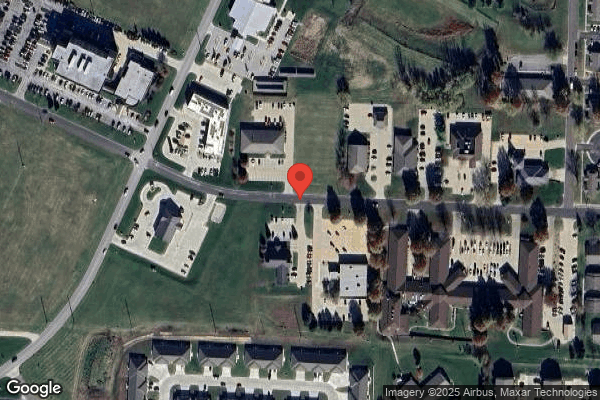
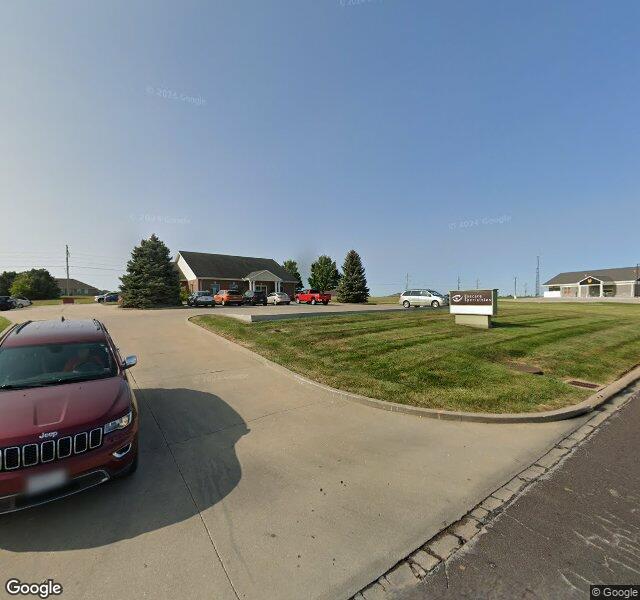
3333 W TENTH STREET, SEDALIA, MO 65301 (660) 826-2118
Non profit - Corporation 120 Beds Independent Data: November 2025 1 Immediate Jeopardy citation
Trust Grade
18/100
#469 of 479 in MO
Last Inspection: January 2025

Within standard 12-15 month inspection cycle. Federal law requires annual inspections.

Overview

Sylvia G Thompson Residence Center, Inc in Sedalia, Missouri has received a Trust Grade of F, indicating significant concerns about the quality of care provided. It ranks #469 out of 479 nursing homes in Missouri, placing it in the bottom half of facilities in the state and last in Pettis County. The facility's performance is worsening, with the number of issues identified increasing from 5 in 2024 to 9 in 2025. Staffing scores are below average at 2 out of 5 stars, but they have a notably low turnover rate of 0%, which is a positive aspect as it suggests staff stability. However, the facility has faced serious incidents, including a critical failure to protect residents from sexual abuse and serious injuries due to inadequate care, raising significant red flags for potential residents and their families.

Trust Score
F
18/100
In Missouri
#469/479
Bottom 3%
Safety Record
High Risk
Review needed
Inspections
Getting Worse
5 → 9 violations
Staff Stability
○ Average
Turnover data not reported for this facility.
Penalties
✓ Good
No fines on record. Clean compliance history, better than most Missouri facilities.
Skilled Nurses
⚠ Watch
Each resident gets only 14 minutes of Registered Nurse (RN) attention daily — below average for Missouri. Fewer RN minutes means fewer trained eyes watching for problems.
Violations
⚠ Watch
40 deficiencies on record. Higher than average. Multiple issues found across inspections.
★☆☆☆☆
1.0
Overall Rating
★★☆☆☆
2.0
Staff Levels
★☆☆☆☆
1.0
Care Quality
★★☆☆☆
2.0
Inspection Score
Stable
2024: 5 issues
2025: 9 issues

The Good

  • Full Sprinkler Coverage · Fire safety systems throughout facility
  • No fines on record

Facility shows strength in fire safety.

The Bad

1-Star Overall Rating

Below Missouri average (2.5)

Significant quality concerns identified by CMS

The Ugly 40 deficiencies on record

1 life-threatening 2 actual harm
Aug 2025 2 deficiencies 1 Harm
SERIOUS (G) 📢 Someone Reported This

A family member, employee, or ombudsman was alarmed enough to file a formal complaint

Actual Harm - a resident was hurt due to facility failures

Accident Prevention (Tag F0689)

A resident was harmed · This affected 1 resident

Based on observation, interview and record review, facility staff failed to provide appropriate care and services per facility policy to maintain the highest practicable physical and psychosocial well...

Read full inspector narrative →
Based on observation, interview and record review, facility staff failed to provide appropriate care and services per facility policy to maintain the highest practicable physical and psychosocial well-being for one resident (Resident #1) when staff failed to safely administer a warm pack for pain, which resulted in a burn injury to the resident's left arm and shoulder area. The facility census was 115.1. Review of the facility's Policy and Procedure for Using a Warm and Cool Pack, dated 08/2024, showed if a resident requests a warm or cool pack, one will be provided that will return to room temperature without intervention. This would consist of rice packs, gel packs, or warm/cool cloths that will return to room temperature on their own. Warm packs are not to be microwaved unless manufacturer recommends. Hot water may be utilized only out of facility faucets to ensure temperature is not too hot. Staff should check periodically to see if resident has relief from the issue that requires the use of the pack. 2. Review of Resident #1's Quarterly Minimum Data Set (MDS), a federally mandated assessment, dated 05/29/25, showed staff assessed the resident as cognitively intact, occasional pain, and did not receive non-medication interventions for pain.Review of the resident's care plan, revised 06/09/25, showed the care plan did not contain interventions to direct staff on how to apply a warm pack to the resident, or how to monitor the resident when a warm pack is applied.Review of the resident's progress notes, dated 08/21/25, showed staff documented the resident was observed laying on a warm moist pack during a skin assessment, redness to his/her upper arm and upper back. Family and physician were notified that resident had what appeared to be a burn, received new orders for treatment.Review of the resident's Physician's Order Sheet, dated 08/21/25, showed a physician order to apply Silvadene one percent (1%) cream (a topical antimicrobial medication used to prevent and treat infection in second and third-degree burns), one application twice per day for burn on left shoulder until healed.Observation on 08/26/25 at 11:47 A.M., showed the resident back of upper arm with a red area, pale- yellow center the size of a quarter and an oblong-shaped reddened area to his/her left shoulder blade.During an interview on 08/26/25 at 11:47 A.M., the resident said he/she asked staff for a hot pack to relive pain and stiffness to his/her left shoulder. The resident said this was not the first time staff had applied a hot pack to his/her shoulder, but this was the first time staff did it the way they did. He/She said the hot pack staff applied to him/her in the past was different and not as hot.During an interview on 08/26/25 at 12:55 P.M., Registered Nurse (RN) A said he/she was the charge nurse assigned to the resident when the incident occurred, but was never notified by the aides or the Certified Medication Technician (CMT) the resident had requested a hot pack, or that one of the aides had placed a hot pack on the resident's shoulder. The RN said he/she was notified of the burn injury during shift report the next day when he/she returned to work. The RN said Certified nursing Assistant (CNA) G also reported to him/her the resident had requested a hot pack the night before, he/she consulted with CMT E, and after CMT E gave him/her directions, he/she heated a wet towel in a plastic bag with water, which initially felt too hot, so he/she poured off some of the water, added cold water to the bag, wrapped the bag in a towel and placed the hot pack on the resident's shoulder.During an interview on 08/26/25 at 3:05 P.M, CMT E said the resident had requested a hot pack and he/she was busy with something else, so he/she asked CNA G to apply the hot pack. The CMT said he/she gave CNA G directions on how to prepare the hot pack but did not direct CNA G on how long to leave the hot pack on the resident. The CMT said he/she should have checked on the resident since he/she had directed CNA G to apply the hot pack to the resident's shoulder, but he/she forgot. The CMT said he/she could not recall if he/she had told the charge nurse that the resident had requested a hot pack for pain so the nurse could follow up with the resident.During an interview on 08/26/25 at 3:19 P.M., the Assistant Director of Nursing (ADON) said CNAs can administer warm packs to a cognitive resident, but after consulting with the nurse so the nurse can further assess the resident's need/request for the warm pack, and the CMT or nurse to follow up with the resident. The ADON said staff should monitor a resident within 15 minutes if they apply a warm/cold pack to a resident's skin. During an interview on 08/26/25 at 3:57 P.M., Nursing Assistant (NA) F said he/she was training with CNA G when the incident occurred. The NA said CNA G placed a washcloth with warm water in a plastic bag and heated the bag in the microwave for about 15 seconds. The NA said he/she mentioned to CNA G that the bag was probably too hot, and CNA G wrapped the bag into a towel and placed it on the resident's shoulder. The NA said he/she found out the next day the resident had sustained burns to his/her shoulder, and he/she has not received any in-services regarding how to use a warm pack since the incident. During an interview on 08/26/25 at 5:32 P.M., Licensed Practical nurse (LPN) C said he/she reported to work at 10:30 P.M., and the evening shift staff did not report to him/her that staff had placed a warm pack on the resident's shoulder. The LPN said when he/she went to assess the resident shortly after midnight, he/she found the resident laying on a plastic bag with a wet washcloth under his/her left arm between his/her upper back/side. The LPN said he/she removed the towel and plastic bag, assessed the resident's skin with redness and blisters, measured the areas, applied an initial treatment, administered pain meds to the resident, notified the resident's family and Primary Care Physician (PCP). The LPN said the CNAs can apply warm packs if they have been educated and directed by the nurse to do so, and the nurse is responsible to monitor the resident's skin. The LPN said he/she would prefer to apply a warm pack to the resident him/herself, particularly since the resident has decreased sensation due to his/her diagnosis and would need to be monitored more closely.During an interview on 08/27/25 at 1:07 P.M., the resident's physician said he/she would expect facility staff to be educated on the proper application of warm packs if they should use it on a resident in the future. Complaint #2596159
CONCERN (D) 📢 Someone Reported This

A family member, employee, or ombudsman was alarmed enough to file a formal complaint

Potential for Harm - no one hurt, but risky conditions existed

Deficiency F0657 (Tag F0657)

Could have caused harm · This affected 1 resident

**NOTE- TERMS IN BRACKETS HAVE BEEN EDITED TO PROTECT CONFIDENTIALITY** Based on observation, interview and record review, facility staff failed to review and revise the plan of care to address indivi...

Read full inspector narrative →
**NOTE- TERMS IN BRACKETS HAVE BEEN EDITED TO PROTECT CONFIDENTIALITY** Based on observation, interview and record review, facility staff failed to review and revise the plan of care to address individualized physical and functional care needs for three residents (Resident #1, #2, and #3) out of four sampled residents. The facility's census was 115.1. Review of the facility's Comprehensive Care Plans Policy, revised 03/2022, showed a comprehensive, person-centered care plan will include measurable objectives and timetables to meet the resident's physical, psychosocial and functional needs is developed and implemented for each resident. Assessments of residents are ongoing, and care plans are revised as information about the residents' condition change. Review showed the policy did not address timeframes for revising a resident's care plan after an injury or change in functional care needs. 2. Review of Resident #1's Quarterly Minimum Data Set (MDS), a federally mandated assessment, dated 05/29/25, showed staff assessed the resident as cognitively intact, occasional pain, and did not receive non-medication interventions for pain. Review of the resident's progress notes, dated 08/21/25, showed staff documented the resident was observed laying on a warm moist pack during a skin assessment, redness to his/her upper arm and upper back. Family and physician were notified that resident had what appeared to be a burn, received new orders for treatment. Review of the resident's care plan, dated 06/09/25, showed the care plan did not contain direction for the application of warm packs for pain relief, or interventions to address the burns to the resident's left upper arm and upper back. During an interview on 08/26/25 at 12:55 P.M., Registered Nurse (RN) A said he/she was not sure if the resident's care plan had been updated yet regarding the burn and new treatment, but he/she would expect to see new interventions added to the resident's care plan by now.During an interview on 08/26/25 at 2:33 P.M., the Care Plan Coordinator said he/she had not yet updated the resident's care plan to reflect the burn injury or application of hot/cold treatment, because he/she usually updates the care plans on Fridays. 3. Review of Resident #2's Quarterly MDS, dated [DATE], showed staff assessed the resident as severe cognitive impairment and frequently incontinent of bowel and bladder. Review of the resident's care plan, dated 07/28/25, showed the care plan did not contain direction or interventions to address the resident's bowel incontinence. During an interview on 08/26/25 at 2:33 P.M., the Care Plan Coordinator said the resident is incontinent of bowel and bladder and should have had interventions on his/her care plan to address bowel/functional incontinence, but he/she did not realize he/she had not documented those interventions. 4. Review of Resident #3's Quarterly MDS, dated [DATE], showed staff assessed the resident as cognitively intact, continent of bowel and bladder, and diagnoses to include constipation. Review of the resident's care plan, dated 07/09/25, showed the care plan did not contain direction or interventions to address the resident's constipation. Review of the resident's Physician's Order Sheet (POS), dated 08/26/25, showed physician orders as followed: -Docusate Sodium 100 milligrams (mg) capsules by mouth, give two capsules twice daily for constipation;-Milk of Magnesia 1200 mg/15 milliliters (ml) suspension, by mouth, give 30 ml daily as needed for constipation, start date 05/23/25; -Polyethylene Glycol Powder 17 grams (gm) mixed in juice or water by mouth, every other day for constipation, start date 07/31/25. During an interview on 08/26/25 at 11:37 A.M., the resident said he/she has issues with constipation and takes medications to help provide relief. The resident said he/she recently started increasing fruits in his/her diet to help provide added relief from constipation.During an interview on 08/26/25 at 2:33 P.M., the Care Plan Coordinator said he/she uses information from the resident's POS, nurses' notes, and the Interdisciplinary Team meetings to add interventions to the resident's care plan, but would have only included interventions for constipation if the resident had triggered or expressed constipation in the seven-day review period of the MDS assessment dated [DATE] 5. During an interview on 08/26/25 at 2:09 P.M., Licensed Practical Nurse (LPN) D said nurses use care plans to help guide each resident's care, and the Care Plan Coordinator is responsible to update the residents' care plans per schedule and with changes regarding specific care needs for the residents. The LPN said interventions to address pain, treatment for injuries, bowel and bladder incontinence and constipation should be included on the residents' care plans if applicable. During an interview on 08/26/25 at 2:33 P.M., the Care Plan Coordinator said he/she is responsible to update the residents care plans quarterly, after an injury/fall, and with significant changes. He/She said he/she usually updates the care plans within a week, usually on Fridays after an injury or change in condition. He/She said he/she was not sure if anyone double checks that the care plans are updated. During an interview on 08/26/25 at 3:39 P.M., the administrator said the Care Plan Coordinator is responsible to update residents' care plans quarterly, and within seven days after a fall or other injury. The administrator said the residents' medical chart is a part of the residents' care plan. Complaint #2596159 and 2599788
Jan 2025 7 deficiencies
CONCERN (E)

Potential for Harm - no one hurt, but risky conditions existed

Deficiency F0658 (Tag F0658)

Could have caused harm · This affected multiple residents

Based on observation, interview, and record review, facility staff failed to verify medications to the Medication Administrator Record (MAR) for two (Resident #90 and #50) of three sampled residents. ...

Read full inspector narrative →
Based on observation, interview, and record review, facility staff failed to verify medications to the Medication Administrator Record (MAR) for two (Resident #90 and #50) of three sampled residents. The facility census was 116. 1. Review of the facility's policy titled Administering Medications, revised April 2019, showed: -Medications are administered according to prescriber orders; -Verify the resident's identity before giving medication by checking photo attached to the medical record; -Check the medication three times to verify the right resident, right medication, right dose, right time, and right route of administration before giving the medication; -The individual administering the medication initials the MAR after giving each medication. 2. Observation on 01/21/25 at 12:00 P.M., showed Licensed Practical Nurse (LPN) C drew up Novolin Insulin (a medication used to control blood sugars) for Resident #90 and did not check the MAR to ensure he/she administered the proper dosage. Observation showed LPN C looked at a cheat sheet that hung on the medication room cabinet to know how much insulin to administer. During an interview on 01/21/25 at 12:15 P.M., LPN C said the nursing administration updates the cheat sheet for staff to use to administer insulin instead of using the MAR. LPN C said he/she then goes back later and signs the MAR. LPN C said if the orders change for a resident the administration is responsible to update the cheat sheet for the staff and post it. 3. Observation on 01/22/25 at 11:10 A.M., showed Registered Nurse (RN) R administered Humalog Insulin to Resident # 50 and did not check the MAR to ensure he/she administered the proper dosage. Observation showed RN R looked at a cheat sheet on the blood glucose carrier to know how much insulin to administer. During an interview on 01/22/25 at 11:15 A.M., RN R said staff are given cheat sheets for insulin to make it faster. RN R said he/she is responsible to update the cheat sheet with any new orders but he/she is not sure what happens if he/she is not working. 4. During an interview on 01/22/25 at 1:15 P.M., the Director of Nursing (DON) said staff are expected to compare the MAR to the medication prior to administering it. The DON said staff should not use a cheat sheet to give medications as there is a potential for a new order to be given and a medication error would be made. During an interview on 01/22/25 at 1:45 P.M., the Administrator said he/she knew staff used a cheat sheet to give certain medications but should compare medications to the MAR before administering.
CONCERN (E)

Potential for Harm - no one hurt, but risky conditions existed

Accident Prevention (Tag F0689)

Could have caused harm · This affected multiple residents

**NOTE- TERMS IN BRACKETS HAVE BEEN EDITED TO PROTECT CONFIDENTIALITY** Based on observation, interview, and record review, facility staff failed to provide safe mechanical transfers for two residents...

Read full inspector narrative →
**NOTE- TERMS IN BRACKETS HAVE BEEN EDITED TO PROTECT CONFIDENTIALITY** Based on observation, interview, and record review, facility staff failed to provide safe mechanical transfers for two residents (Resident #51, and #39). Facility staff failed to safely store hazardous materials in three shower rooms and one storage area and failed to ensure medications were safely stored. The facility census was 116. 1. Review of the facility's Using a Mechanical Lifting Machine policy, dated July 2017, showed staff were directed: -Lift design and operation vary across manufacturers. Staff must be trained and demonstrate competency using the specific machines or devices utilized in the facility; -Clear an unobstructed path for the lift machine. Review of the mechanical lift operating instructions, dated 2018, showed the legs of the lift must be opened to the widest position when transferring a resident. 2. Review of Resident #51's quarterly Minimum Data Set (MDS), a federally mandated assessment tool, dated 1127/24, showed staff assessed the resident as: -Severe Cognitive impairment; -Transfer as total dependence. Observation on 01/20/25 at 10:32 A.M., showed Certified Nurse Aid (CNA) F and Nurse Aid (NA) G transferred the resident from bed to the wheelchair. Observation showed CNA F operated the lift while NA G supported the resident. Staff lifted the resident off the bed, the CNA closed the legs of the lift, backed away from the bed, pivoted towards the wheelchair with the legs of the lift fully closed. The CNA then opened the legs to clear the wheelchair and lowered the resident into the wheelchair. During an interview on 01/20/25 at 10:41 A.M., CNA F said he/she closed the legs of the lift for balance and was trained to close them when turning. 3. Review of Resident #39's quarterly MDS, dated [DATE], showed staff assessed the resident as: - Cognitively intact; -Transfer total dependence. Observation on 01/21/25 at 10:45 A.M., showed CNA H and CNA I transferred the resident from bed to a wheelchair with a mechanical lift. CNA H operated the lift and CNA I supported the resident. CNA H lifted the resident off the bed, pulled the lift away from the bed and pivoted towards the wheelchair with the mechanical lift legs closed. During an interview on 01/21/25 at 11:00 A.M., CNA H said he/she does not open the legs of the lift during mechanical transfer because there is not enough room for the lift. He/She said it was safe not to open the lift legs. 4. During an interview on 01/22/25 at 1:18 P.M., the Director of Nursing (DON) said staff should transfer residents with the lift legs open to the widest position for stability. The DON said staff are trained to use the lift this way for resident safety. He/She said they were ultimately responsible with ensuring staff used the lift correctly. During an interview on 01/22/25 at 1:20 P.M., the administrator said the lift legs should be open to the wide position for stability. The administrator said if the legs are not open the lift is not stable and could injure a resident. 5. Review of the facility's policy's showed the facility did not provide a hazardous material storage policy. 6. Observation on 01/20/25 at 11:32 A.M., showed the 200 hall shower room door open with a unlocked cabinet contained a bottle of aftershave, and a bottle of peroxide multi-disinfectant. Observation showed residents and staff passed by the door. Observation on 01/21/25 at 12:50 P.M., showed the memory care unit shower room near room [ROOM NUMBER] unlocked and a cart contained two disposable razors. Observation on 01/21/25 at 12:53 P.M., showed the memory care unit common area lower cabinet not locked. The cabinets contained one spray bottle of disinfectant. Observation on 01/21/25 at 12:55 P.M., showed the memory care unit shower room near room [ROOM NUMBER] unlocked and contained a one gallon container of hand sanitizer gel floor. Observation on 01/21/25 at 3:30 P.M., showed the 100 hall shower room door open and a resident in a wheelchair left the room. Observation showed staff were not present. Observation showed the shower room contained an unlocked cabinet which contained a bottle of heavy duty acidic cleaner, a bottle of disinfectant cleaner, and an open pack of disposable razors. Observation showed multiple staff walked by the shower room. During an interview on 01/21/25 at 12:55 P.M., CNA K said razors should not be left in the shower rooms. CNA K said cleaning chemicals should not be stored in the common area cabinets. CNA K said all aides were responsible for ensuring hazardous items were kept away from residents. CNA K said he/she did not know the razors and cleaning materials were not secured. During an interview on 01/21/25 at 1:00 P.M., NA L said chemicals should not be left unsecured in common area cabinets. NA L said he/she did not know the chemicals were in the cabinet. NA L said the hand sanitizer gel was in the shower the day prior but he/she did not know who put it there. NA L said he/she did not think about the hand sanitizer as a safety issue since it was there already. NA L said he/she left the cart with the razors in the shower room. NA L said he/she had to leave the unit earlier and forgot to secure the cart. During an interview on 01/22/25 at 9:35 A.M., CNA Q said hazardous materials should be in a locked area. The CNA said the shower rooms have cabinets that lock. CNA G said residents could be poisoned or injured in some way with the cabinets being left unlocked. During an interview on 01/22/25 at 9:42 A.M., RN R said residents should not have access to chemicals or other hazardous materials. The RN said these hazards should be locked up to prevent injury to the residents. During an interview on 01/22/25 at 9:47 A.M., RN J said the shower room cabinets should be locked when not in use and no staff present. He/She said a resident could ingest the chemicals and be injured. During an interview on 01/22/25 at 1:18 P.M., the DON said the shower room cabinets should be locked to prevent injury to residents when not in use. During an interview on 01/22/25 at 1:22 P.M., the administrator said leaving cabinets and other hazardous materials unlocked could cause a resident to be injured. 7. Review of the facility's policy titled Administering Medications, revised 04/2019, showed: -The Director of Nursing (DON) supervises and directs all staff on administering medications and related functions; -The expiration date on the medication label is checked prior to opening or administering; -When opening a multi-dose container, the date opened is recorded on the container; -The medication cart is to be kept closed and locked when out of sight of the medication aide or nurse; -No medications are to be kept on top of the cart. 8. Observation on 01/21/25 at 7:44 A.M., showed nursing station two medication cart in the dining room with 11 bottles which contained medication on top of the cart unattended and residents nearby. Observation on 01/21/25 at 7:51 A.M., showed Certified Medication Technician (CMT) D prepared medications for a resident, walked away from nurse's station two medication cart with 11 bottles of medications on top of the cart, unlocked and unattended. Observation on 01/21/25 at 8:50 A.M., showed nurse's station two medication cart in the dining room with 11 bottles which contained medication on top of the cart unattended and residents nearby. Observation on 01/22/25 at 7:30 A.M., showed nurse's station two medication cart in the dining room with nine bottles which contained medication on top of the cart unattended and residents nearby. Observation on 01/22/25 at 8:53 A.M., showed nurse's station two medication cart in the dining room with nine bottles which contained medication on top of the cart unattended and residents nearby. During an interview on 01/22/25 at 9:30 A.M., CMT D said it is acceptable to leave over the counter medications on top of his/her medication cart. CMT D said he/she did not think about a resident potentially getting the medications and taking them. CMT D said he/she should always lock his/her cart when not working in it and he/she forgot. 9. Observation on 01/21/25 at 8:12 A.M., showed the nurse's station one medication cart in the dining room with 14 bottles which contained medication on top of the cart unattended and residents nearby. Observation on 01/21/25 at 9:50 A.M., showed the nurse's station one medication cart in the dining room with two bottles of medication on top of the cart, unattended and Resident #80 grabbed at the cart. Observation on 01/22/25 at 7:35 A.M., showed the nurse's station one medication cart in the dining room with 11 bottles of medication, four insulin pens, and two syringes of insulin on top of the cart, unattnded and residents nearby. During an interview on 01/21/25 at 9:56 A.M., CMT E said he/she is responsible for the medication cart. CMT E said medication carts should not be left unattended and medications should not be left on top of the cart. CMT E said this could result in a resident taking medications and cause potential harm. CMT E said he/she did leave medications on top of his/her cart and should not have. 10. During an interview on 01/22/25 at 1:15 P.M., the DON said staff are expected to keep medications locked up when not being administered. The DON said staff should not keep medications on top of the medication cart and walk away from it. The DON said medication or treatment carts should not be unlocked or unattended. The DON said this is done to ensure resident safety. During an interview on 01/22/25 at 1:45 P.M., the administrator said staff are expected to keep medications locked up when not being administered, and staff should not keep medications on top of their carts. The administrator said medication or treatment carts should not be unlocked or unattended. The administrator said this is to ensure resident safety.
CONCERN (E)

Potential for Harm - no one hurt, but risky conditions existed

Unnecessary Medications (Tag F0759)

Could have caused harm · This affected multiple residents

Based on observation, interview, and record review, facility staff failed to ensure a medication error rate of less than five percent (%). Out of 41 opportunities observed, three errors occurred, resu...

Read full inspector narrative →
Based on observation, interview, and record review, facility staff failed to ensure a medication error rate of less than five percent (%). Out of 41 opportunities observed, three errors occurred, resulting in a 7.32% error rate, which affected two residents (Resident #45, and #5) out of 10 sampled residents. The facility census was 116. Review of the American Academy of Allergy Asthma and Immunology recommendations titled Tips for Administering Eye Drops, dated 08/2010, showed close the eyelids and apply pressure for one to two minutes over the point where the eyelid meets the nose (nasolacrimal duct) after administering eye drops. 1. Review of the facility's policy titled Administering Medications, revised 04/2019, showed: -Medications are administered according to prescriber orders; -Medication errors are documented, reported, and reviewed by the Quality Assurance Performance Improvement (QAPI) team; -The individual administering the medications: 2. Review of Resident #45 Physician's Order Sheet (POS), dated 01/21/24, showed: -Memantine (a medication for dementia) 10 milligrams (mg) 1 tablet by mouth; -Dorzolaminde HCL/Timolol (a medication used to treat glaucoma and eye conditions that cause high pressure in the eye) 2 percent (%)-0.5% 1 drop each eye. Observation on 01/21/25 at 7:57 A.M., showed Certified Medication Technician (CMT) D prepared medications for Resident #45. Observation showed CMT D crushed the resident's medications per orders, and administered the crushed medications. Observation showed the resident spit a whole pill out on the dining room table and CMT D picked the pill up and threw it away. Observation showed CMT D did not attempt to re-administer the medication. Observation showed CMT D administered Dorzolamide HCL/Timolol 2%/0.5% (a medication used to treat glaucoma) eye drops to the resident and did not hold the lacrimal duct after administration. During an interview on 01/22/25 at 9:30 A.M., CMT D said he/she did not know he/she should have held the lacrimal duct after he/she administered eye drops. CMT D said this could be considered a medication error as the eye drops may not absorb completely. CMT D said he/she should have made a second attempt to administer the medication that Resident #45 spit out. CMT D said it would be a medication error for not attempting to give it again the proper way. 3. Review of Resident #5's POS, dated 01/21/25, showed an order for Artificial tears one drop in each eye. Observation on 01/21/25 at 8:13 A.M., showed CMT E administered Artificial tears to Resident #5 and did not hold the lacrimal duct after administration. During an interview on 01/22/25 at 9:10 A.M., CMT E said he/she should have held the lacrimal duct when administering the eye drops. CMT E said this would be considered a medication error as the eye drops may not absorb completely. 4. During an interview on 01/22/25 at 1:15 P.M., the Director of Nursing (DON) said if a resident spits a medication out that should have been crushed staff are expected to crush the medication and offer it again. She said if staff do not do this it would be considered a medication error. The DON said the proper way to administer eye drops is to hold the lacrimal duct after administration, he/she said if staff don't do this it would be considered a medication error. During an interview on 01/22/25 at 1:45 P.M., the Administrator said if a resident spits a medication out that should have been crushed staff are expected to crush the medication and offer it again. She said if staff do not do this it would be considered a medication error. The Administrator said the proper way to administer eye drops is to hold the lacrimal duct after administration, he/she said if staff don't do this it would be considered a medication error.
CONCERN (E)

Potential for Harm - no one hurt, but risky conditions existed

Deficiency F0761 (Tag F0761)

Could have caused harm · This affected multiple residents

Based on observation, interview, and record review, facility staff failed to store medications in a safe and effective manner in two of two medication rooms and failed to discard expired medications i...

Read full inspector narrative →
Based on observation, interview, and record review, facility staff failed to store medications in a safe and effective manner in two of two medication rooms and failed to discard expired medications in one two medication carts. The Facility census was 116. 1. Review of the facility's policy titled Controlled Drug Policy and Procedure, revised 08/2024, showed a separate compartment for controlled drugs is provided in a locked cabinet inside the medication room or locked medication cart. The compartment has a special lock and key, and must be kept locked at all times. 2. Observation on 01/21/25 at 10:00 A.M., showed the Nurse's station one's medication room contained an unlocked refrigerator. Observation showed two opened bottles of liquid Ativan (a controlled drug). Observation showed the unlocked narcotic cabinet contained one opened four opened bottles of liquid morphine. Observation on 01/21/25 at 11:59 A.M., showed (Licensed Practical Nurse) LPN C unlocked the nurses's station one medication room, propped the door open and walked away from the open medication room. Observation showed the unlocked refrigerator in the medication room contained two bottles of liquid Ativan. Observation showed the unlocked narcotic cabinet in the medication room contained four bottles of opened liquid morphine. Observation showed the medication room sat with the door propped open, unlocked, and unattended for 10 minutes until LPN C returned to close the door. During an interview on 01/21/25 at 12:15 P.M., LPN C said he/she should not have left the medication door propped open for resident safety and to prevent medications being taken. LPN C said all medications should be kept under lock unless staff are preparing them. LPN C said narcotics should be kept under a double lock and he/she just forgot to lock the cabinet. LPN C said the refrigerator does not have a lock on it, but it should since it contained Ativan. 3. Observation on 01/21/25 at 9:00 A.M., showed nurse's station two's medication room contained an unlocked refrigerator. Observation showed one opened and undated vial of Tuberculosis (TB) solution (a medication used to test for TB), one opened bottle of probiotic with an expiration date of 10/24, and one opened bottle of liquid Ativan. Observation on 01/22/25 at 8:47 A.M., showed nurse's station two's medication room refrigerator sat unlocked and contained one opened bottle of liquid Ativan. During an interview on 01/21/25 at 9:00 A.M., LPN B said he/she did not know the refrigerator in the medication room had a bottle of Ativan in it. The LPN said Ativan is a narcotic and it should be kept under a double lock, and the refrigerator should have a lock on it to prevent discrepancies. During an interview on 01/21/25 at 9:30 A.M., Certified Medication Technician (CMT) D said all narcotics should be kept under a double lock. CMT D said he/she knew there was not a lock on the refrigerator in the nurse's station two's medication room and that it contained Ativan. CMT D said the facility changed the refrigerator out a few months ago and he/she has not seen a lock on it since. CMT D said he/she did not know if it had been reported and he/she had not reported it. During an interview on 01/21/25 at 10:20 A.M., the Director of Nursing (DON) said he/she narcotics should be stored under a double lock and he/she did not know this had not been happening. During an interview on 01/21/25 at 10:22 A.M., the Administrator said he/she was not aware staff were not storing narcotics under double lock. The Administrator said the refrigerators and cabinets that contain narcotics should be locked inside the medication rooms. 4. Review of the facility's policy titled Administering Medications, revised 04/2019, showed: -The Director of Nursing (DON) supervises and directs all staff on administering medications and related functions; -The expiration date on the medication label is checked prior to opening or administering; -When opening a multi-dose container, the date opened is recorded on the container; 5. Observation on 01/21/25 at 9:10 A.M., showed the nurse's station two medication cart contained: -One opened bottle of Geri-lax (a medication used as a laxative) as a stock medication with an expiration date of 06/24 and an open date of 12/15/24; -One opened bottle of ear wax drops with no resident name and an expiration date of 07/24; -One opened bottle of ear ache drops with no resident name, an expiration date of 08/24 and an open date of 10/14/24; -One opened box of Benadryl 25 mg as a stock medication with an expiration date of 08/24; -One opened bottle of Geri-tussin (a medication used for cough) as a stock medication with an expiration date of 12/24. During an interview on 01/21/25 at 9:00 A.M., LPN B said licensed staff who pass medications are responsible to ensure medications are not expired and administered to residents. LPN B said expired medications should be removed from the supply and destroyed. LPN B said staff should check every medication before they open it to ensure it is not expired. During an interview on 01/21/25 at 9:30 A.M., CMT D said he/she is responsible for the nurses's station two medication cart. CMT D said it is the responsibility of the licensed staff giving medications to check for expiration dates and if a medication is expired it should be removed and destroyed. CMT D said staff should check the expiration date before they open a new medication. CMT D said he/she should do a better job at checking for expired medications but he/she gets busy and doesn't have time. During an interview on 01/21/25 at 12:15 P.M., LPN C said all staff who administer medication are responsible to check for expiration dates. LPN C said staff should remove any expired meds and destroy them, he/she said they should not be administered to a resident. LPN C said the staff person who opens a new medication is responsible to date the medication and check the expiration date. 6. During an interview on 01/22/25 at 1:15 P.M., the DON said staff should date medications when opened, and should check expiration dates. The DON said all staff who administer medications are responsible for checking expirations dates, and discarding expired medications. The DON said expired medications should not be administered to residents. The DON said he/she expects staff to keep medications locked up when not being administered. The DON said the medication room door should not be propped open, and all narcotics including Ativan and Morphine, should be stored under a double lock. The DON said this is done to ensure resident safety and to prevent discrepancies. The DON said he/she did not know there were not locks on the refrigerators in the medication rooms but there should be since they contain Ativan. During an interview on 01/22/25 at 1:45 P.M., the administrator said staff are expected to check expiration dates before administering medications, and should not be administering expired medications. The administrator said all staff who administer medications are responsible for monitoring for expired medications and discarding when appropriate. The administrator said the medication room door should not be propped open, and all narcotics such as Morphine and Ativan should be kept under a double lock. The administrator said he/she did not know there were not locks on the refrigerators in the medication rooms but there should be since they contain Ativan. The Administrator said this is to ensure resident safety and to prevent discrepancies.
CONCERN (E)

Potential for Harm - no one hurt, but risky conditions existed

Deficiency F0800 (Tag F0800)

Could have caused harm · This affected multiple residents

Based on observation, interview and record review, the facility staff failed to provide each resident with a nourishing, palatable, well-balanced diet to meet their daily nutritional and special dieta...

Read full inspector narrative →
Based on observation, interview and record review, the facility staff failed to provide each resident with a nourishing, palatable, well-balanced diet to meet their daily nutritional and special dietary needs, when staff failed to provide portions as directed in standardized recipes. This affected all residents who received their meals from the facility's kitchen. The facility census was 116. 1. Review of the facility's standardized menu for 01/20/25 (Week 4 - Day 23), showed staff were directed to serve the residents eight ounces of beef goulash and eight ounces of tossed salad. Observation on 01/20/25 at 12:52 P.M., showed [NAME] M served the residents one, #6 (5.33 ounces) scoop of goulash (2.66 ounces less than directed) and a four-ounce spoodle of salad (four ounces less than directed). Observation on 1/20/25 at 1:08 P.M., showed Dietary Aide (DA) O served a #6 scoop of goulash (2.66 ounces less than directed and pre-made salads from the kitchen which were four ounces (four ounces less than directed). During an interview on 01/20/25 at 12:52 P.M., [NAME] M said he/she was the evening cook and the day shift cook placed the serving utensils for the noon meal. [NAME] M said he/she did not check the serving utensils to ensure they matched the menu so he/she did not realize he/she was not serving the correct portions. During an interview on 01/20/25 at 1:22 P.M., [NAME] N said he/she was responsible for pulling correct utensils for the noon meal service. [NAME] N said another staff member handed him/her the salad spoodle but he/she did not check it. [NAME] N said he/she just completed training and did not check the menu for correct serving sizes. [NAME] N said he/she was not sure where to find correct portion sizes. 2. Review of the facility's standardized menu for 01/21/25 (Week 4 - Day 24), showed staff were to serve the residents four ounces of cubed potatoes with breakfast. Observation on 01/21/25 at 8:05 A.M., showed DA O served the station two residents a #12 scoop (2.66 ounces) of cubed potatoes (1.33 ounces less than directed). During an interview on 01/20/25 at 1:10 P.M., DA O said the cooks send the serving utensils to station two along with the meal cart. DA O said salads were prepared in the kitchen and delivered on a tray with the meal cart. During an interview on 01/22/25 at 10:00 A.M., [NAME] P said he/she was responsible for providing breakfast utensils for the station two dietary aide. [NAME] P said he/she pulled the scoop for the breakfast meal but he/she pulled the wrong size. [NAME] P said he/she uses the scoop chart and standardized recipes to determine which utensils to pull. During an interview on 01/20/25 at 1:05 P.M., the Dietary Manager (DM) said he/she had been working evenings and training the night cook so he/she had not been keeping up with the day shift cook's training. The DM said he/she was not aware the day shift cook did not know where to find correct portion sizes.
CONCERN (E)

Potential for Harm - no one hurt, but risky conditions existed

Infection Control (Tag F0880)

Could have caused harm · This affected multiple residents

Based on observation, interview, and record review, facility staff failed to follow infection control practices during medication administration for five (Resident #109, #45, #110, #5, & #120) out of ...

Read full inspector narrative →
Based on observation, interview, and record review, facility staff failed to follow infection control practices during medication administration for five (Resident #109, #45, #110, #5, & #120) out of 24 sampled residents. The facility census was 116. 1. Review of the facility's policy titled Administering Medications, revised 04/2019, showed staff are directed to follow facility infection control procedures (hand washing, antiseptic technique, gloves, etc.) for the administration of medications. Review of the facility's policy titled Handwashing and Hand Hygiene, revised 08/2019, showed: -All staff shall follow the handwashing/hand hygiene procedures to help prevent the spread of infections to other staff, resident, or visitors; -Use an alcohol-based had rub for the following situations; -Before and after coming in contact with a resident; -Before preparing or handling medications; -After contact with objects and/or medical equipment in the vicinity of the resident; -After removing gloves. 2. Observation on 01/21/25 at 7:45 A.M., showed Certified Medication Technician (CMT) D prepared medications for Resident #109. Observation showed CMT D dropped an Aspirin on top of the medication cart and used his/her bare hand to pick the medication up and put it in the cup. Observation showed CMT D administered the Aspirin to the resident. Observation on 01/21/25 at 7:57 A.M., showed CMT D prepared medications for Resident #45. Observation showed CMT D dropped a medication on the floor, picked it up and threw it in the trash, did not wash his/her hands or apply gloves and adminstered the residents eye drops. During an interview on 01/22/25 at 9:30 A.M., CMT D said he/she should wear gloves to administer eye drops to residents. CMT D said he/she did not realize he/she forgot to wear gloves until after administering the eye drops. CMT D said he/she should not touch a resident's medication with his/her bare hands. CMT D said he/she should have washed his/her hands after picking medication up off the floor. 3. Observation on 01/21/25 at 8:13 A.M., showed CMT E prepared medications for Resident #110. Observation showed CMT E dropped a Vitamin D 3 on the medication cart. Observation showed CMT used his/her bare hands to pick the medication up and put it in the medication cup. Observation showed CMT E administered the medication to the resident. During an interview on 01/22/25 at 9:10 A.M., CMT E said staff should wear gloves to touch resident's pills to prevent cross contamination and spreading of germs. 4. Review of the facility's policy titled Instillation of Eye Drops, revised 01/2014, showed staff are directed to put on gloves before administering eye drops. Observation on 01/21/25 at 8:13 A.M., showed CMT E administered Artificial tears (an eye lubricant) to Resident #5. Observation showed CMT E did not wear gloves to administer the medication. During an interview on 01/22/25 at 9:10 A.M., CMT E said he/she should have worn gloves to administer eye drops to a resident. 5. Observation on 01/21/25 at 9:30 A.M., showed CMT D completed a narcotic count of the nurse station two medication cart. Observation showed CMT D did not perform hand hygiene, counted a bottle of Oxycodone (pain medication) 5/325 milligrams (mg) for Resident #120, and touched the pills with his/her bare hands. Observation showed CMT D put the medication back in the bottle for resident use. During an interview on 01/22/25 at 9:30 A.M., CMT D said not washing his/her hands caused cross-contamination and spreading of germs. CMT D said he/she did not think about washing his/her hands at the time. 6. During an interview on 01/22/25 at 1:15 P.M., the Director of Nursing (DON) said staff should not pick something up off the floor and then administer medications to the resident without washing their hands. The DON said this is cross contamination and can cause infections to spread. The DON said staff are expected to wear gloves when giving eye medications as standard precautions and to prevent cross contamination or possible infection risks. The DON said staff should wear gloves to touch a resident's medication and not use their bare hands. The DON said this helps prevent the spread of germs. The DON said the glucometer should be placed on a barrier once sanitized to prevent contamination. The DON said if staff do not use a barrier after sanitizing the glucometer it could spread germs from the surface to the resident. The DON said staff should not put a dirty glucometer in the carrier as this causes contamination. During an interview on 01/22/25 at 1:45 P.M., the Administrator said staff should not pick something up off the floor and then administer medications to the resident without washing his/her hands as this causes cross contamination and can cause infection to spread. The Administrator said staff are expected to wear gloves when giving eye medications as standard precautions and to prevent cross contamination or possible infection risks. The Administrator said staff should wear gloves to touch a resident's medication and not use their bare hands. The Administrator said if staff do not use a barrier after sanitizing the glucometer it could cause a spread of germs from the surface to the resident. The Administrator said staff should not put a dirty glucometer in the carrier as this causes contamination.
CONCERN (F)

Potential for Harm - no one hurt, but risky conditions existed

Staffing Data (Tag F0851)

Could have caused harm · This affected most or all residents

Based on interview and record review, facility staff failed to electronically submit to Centers for Medicare and Medicaid Services (CMS), a complete and accurate direct care staffing information to th...

Read full inspector narrative →
Based on interview and record review, facility staff failed to electronically submit to Centers for Medicare and Medicaid Services (CMS), a complete and accurate direct care staffing information to the Payroll Based Journal (PBJ) data from July 1, 2024 through September 30, 2024. The facility census was 116. 1. Review of the facility policy titled, Reporting Direct Staffing Information (Payroll-Based Journal), Revised August 2022, showed: -Complete and accurate direct care staffing information is reported electronically to CMS through the PBJ system in a uniform format specified by CMS; -Direct care staffing information is submitted on the schedule specified by CMS, but no less frequently than quarterly; -Staffing information is collected daily and reported for each fiscal quarter no later than 45 days after the end of the reporting quarter. Dates are as follows: --Fiscal Quarter 1: Date Range October 1-December 31: submission deadline February 14; --Fiscal Quarter 2: Date Range January 1-March 31: submission deadline May 15; --Fiscal Quarter 3: Date Range April 1-June 30: submission deadline February 14; --Fiscal Quarter 4: Date Range July 1-September 30: submission deadline November 14. 2. Review of the facility's CMS PBJ Staffing Data Report, dated January 2, 2025, did not contain a report for the period of July 1, 2024 through September 30, 2024. During an interview on 01/22/24 at 8:46 A.M., Human Resources (HR) said it is his/her responsibility to ensure the PBJ report is submitted timely. He/She is aware the facility's PBJ reports were not filed timely. He/She said the facility hired a new payroll management company and they have had issues with their payroll information uploading to CMS correctly. He/She said he/she and the board members have been working with the new payroll management company each quarter to try and fix the uploading errors. During an interview on 01/22/25 at 9:00 A.M., the administrator said HR is responsible for submitting the PBJ reports. He/She said he/she did know the facility had not submitted the PBJ reports timely/accurately. He/She said HR has had issues since they switched payroll management companies. He/She said the system had not allowed them to upload to CMS with the correct data and they are working to get the errors corrected.
May 2024 3 deficiencies
CONCERN (E) 📢 Someone Reported This

A family member, employee, or ombudsman was alarmed enough to file a formal complaint

Potential for Harm - no one hurt, but risky conditions existed

Report Alleged Abuse (Tag F0609)

Could have caused harm · This affected multiple residents

**NOTE- TERMS IN BRACKETS HAVE BEEN EDITED TO PROTECT CONFIDENTIALITY** Based on interview and record review, facility staff failed to report to the Department of Health and Senior Services (DHSS) two...

Read full inspector narrative →
**NOTE- TERMS IN BRACKETS HAVE BEEN EDITED TO PROTECT CONFIDENTIALITY** Based on interview and record review, facility staff failed to report to the Department of Health and Senior Services (DHSS) two allegations of resident abuse with three residents (Resident #1, Resident #2, and Resident #4) out of four sampled residents within the required two hour timeframe. The facility census was 120. 1. Review of the facility's Abuse Prohibition Policy, dated August 4, 2023, showed it is the policy of the facility to investigate any incident or allegation of suspected abuse, injury of unknown origin, neglect or misappropriation of resident's property. The facility will not permit residents to be subjected to abuse by anyone, to include staff members, other residents, consultants, volunteers, staff of other agencies that serve the resident, family members, legal guardians, sponsors, friend, or other individuals. Review of the facility's Internal investigations policy, dated December 2021, showed staff are directed to investigate and include documentation of detailed descriptions of the suspected violation, details of the investigative process, copies of the notes and interviews, corrective actions or remedies taken and notifying law enforcement or state/federal authorities. 2. Review of Resident #1's admission Minimum Data Set (MDS), a federally mandated assessment tool, dated 4/18/24, showed staff assessed the resident with severe cognitive impairment. Review of Resident #1's nurses notes, dated 4/19/24, showed staff documented Resident #1 went to Resident #3, who was sitting on the couch, removed Resident #3 blanket off of Resident #3 and Resident #1 struck Resident #3 on the stomach with a closed fist. Review of Resident #1 nurses notes did not contain documentation staff notified DHSS of the altercation. Review of Resident #1's nurses notes, dated 5/2/24, showed staff documented at 6:12 P.M., Resident #1 kicked and hit Resident #2. Staff documented Resident #1 got a little too close to Resident #2 and Resident #1 raised his/her hand up, backhanded and pushed Resident #2. Review of Resident #1 nurses notes did not contain documentation staff notified DHSS of the altercation. Review of the facility's resident to resident investigation log did not contain documenation staff notified DHSS with the two hour timeframe for the altercations on 04/19/24 and 05/02/24. During an interview on 5/29/24 at 12:23 P.M., Certified Nursing Assistant (CNA) C said Resident #1 was easily aggravated with Resident #2, and Resident #4. The CNA said he/she tried to make sure the resident were never close to each other. He/She said the resident had a foul mouth and did not like other residents in his/her personal space and would get physical if space was intruded on. 3. Review of Resident #2's admission MDS, dated [DATE], showed staff assessed the resident with severe cognitive impairment. Review of Resident #2's nurses notes, dated 5/2/24, showed staff documented at 6:18 P.M., Resident #1 backhanded and pushed Resident #2 away. Review of Resident #2 nurses notes did not contain documentation staff notified DHSS within the required two hour timeframe. During an interview on 5/29/24 at 2:23 P.M., the administrator said no one reported an incident to him/her on 5/2/24 so he/she did not report the incident to state. During an interview on 6/13/24 at 9:09 A.M., Licensed Practical Nurse (LPN) A said he/she believes he/she reported the resident altercation but it has been over a month so he/she was not certain. 4. Review of Resident #4's Quarterly MDS, dated [DATE], showed staff assessed the resident as severely cognitively impaired. Review of Resident #4's nurses notes, dated 5/19/24 at 2:31 P.M., showed staff documented Resident #1 hand grazed Resident #4's left cheek. Review showed the nurses notes did not contain documentation staff notified DHSS within the required two hour timeframe. Review of the facilities staff written statements, dated 5/19/24, showed staff documented Resident #1 displayed agitated behaviors that morning. Resident #1 was up wondering around the memory care unit when he/she approached Resident #4, who was also wondering the unit. Resident #1 raised his/her arms and grazed the check of resident #4. The nurse did not know if the incident was purposeful, the aide reported the movement to be purposeful and stated resident #1 swung on resident #4 due to agitation. The administrator documented he/she felt Resident #1 did not intentionally hit Resident #4. The facility statement did not contain documentation staff notified DHSS within the required timeframe. 5 During an interview on 5/29/24 at 2:23 P.M., the administrator said staff are recalling incidents to the nurses that aren't all the way true in hopes to remove Resident #1 out of the facility, he/she said the nurses are documenting what the other staff say. He/She does not believe that there is falsifying of records but that it is not always reported correctly. During an interview on 5/30/24 at 3:01 P.M., the administrator said he/she wanted to provide some additional information. He/She said he/she is not sure the staff documenting the incidents didn't actually witness these things that are documented. He/She said he/she believes several incidents were very embellished because staff knew he/she would self-report. He/She said he/she did self report when he/she felt a true incident had occurred. MO00236612
CONCERN (E) 📢 Someone Reported This

A family member, employee, or ombudsman was alarmed enough to file a formal complaint

Potential for Harm - no one hurt, but risky conditions existed

Investigate Abuse (Tag F0610)

Could have caused harm · This affected multiple residents

**NOTE- TERMS IN BRACKETS HAVE BEEN EDITED TO PROTECT CONFIDENTIALITY** Based on interview and record review, facility staff failed to thoroughly investigate two allegations of resident abuse with thr...

Read full inspector narrative →
**NOTE- TERMS IN BRACKETS HAVE BEEN EDITED TO PROTECT CONFIDENTIALITY** Based on interview and record review, facility staff failed to thoroughly investigate two allegations of resident abuse with three residents (Resident #1, Resident #2, and Resident #4). The facility census was 120. 1. Review of the facility's Abuse Prohibition Policy, dated August 4, 2023, showed it is the policy of the facility to investigate any incident or allegation of suspected abuse, injury of unknown origin, neglect or misappropriation of resident's property. The facility will not permit residents to be subjected to abuse by anyone, to include staff members, other residents, consultants, volunteers, staff of other agencies that serve the resident, family members, legal guardians, sponsors, friend, or other individuals. Review of the facility's internal investigations policy, dated December 2021, showed staff are directed to investigate and include documentation of detailed descriptions of the suspected violation, details of the investigative process, copies of the notes and interviews, corrective actions or remedies taken and notifying law enforcement or state/federal authorities. 2. Review of Resident #1's admission Minimum Data Set (MDS), a federally mandated assessment tool, dated 4/18/24, showed staff assessed the resident with severe cognitive impairment. Review of Resident #1's nurses notes, dated 5/2/24, showed staff documented at 6:12 P.M., resident kicked and hit Resident #2. Staff documented Resident #1 got a little too close to Resident #2 and Resident #1 raised his/her hand up, backhanded and pushed the Resident #2 away. Review of the facility's resident to resident investigation log did not contain documentation staff investigated the altercation between Resident #1 and Resident #2. 4. During an interview on 5/29/24 at 2:23 P.M., the administrator said no one reported an incident to him/her on 5/2/24 so he/she did not investigate the incident or report to the Department of Health and Senior Services (DHSS). During an interview on 6/13/24 at 9:09 A.M., Licensed Practical Nurse (LPN) A said he/she believes he/she reported the resident altercation but it has been over a month so he/she was not certain. 5. Review of Resident #4's Quarterly MDS, dated [DATE], showed staff assessed the resident as severely cognitively impaired. Review of the residents nurses notes, dated 5/19/24, showed staff documented at 2:31 P.M., that the resident was grazed on left cheek by resident #1. Review of the facilities staff written statements, dated 5/19/24, showed staff documented Resident #1 displayed agitated behaviors in the morning. Resident #1 was up wondering around the memory care unit when approached Resident #4 who was also wondering the unit. Resident #1 raised his/her arms and grazed the check of resident #4. The nurse did not know if the incident was purposeful, the aide reported the movement to be purposeful and stated resident #1 swung on resident #4 due to agitation. The administrator documented he/she Resident #1 did not intentionally hit Resident #4. Review of the facility's investigation log showed the documents did not contain detailed descriptions of the suspected violation to include the details of the investigative process, copies of the notes and interviews, corrective actions or remedies taken, notifying law enforcement or state/federal authorities. During an interview on 5/29/24 at 2:23 P.M., the administrator said staff are recalling incidents to the nurses that aren't all the way true in hopes to remove Resident #1 out of the facility, he/she said the nurses are documenting what the other staff say. He/She does not believe that there is falsifying of records but that it is not always reported correctly and he/she does not see it the way the staff have reported it. He/She said he/she is responsible for investigating when incidents occur. During an interview on 6/13/24 at 9:09 A.M., Licensed Practical Nurse (LPN) A said all incidents are required to be reported to the Administrator to be investigated. MO00236612
CONCERN (E) 📢 Someone Reported This

A family member, employee, or ombudsman was alarmed enough to file a formal complaint

Potential for Harm - no one hurt, but risky conditions existed

Comprehensive Care Plan (Tag F0656)

Could have caused harm · This affected multiple residents

**NOTE- TERMS IN BRACKETS HAVE BEEN EDITED TO PROTECT CONFIDENTIALITY** Based on interview and record review, facility staff failed to develop interventions for comprehensive care plans for four resid...

Read full inspector narrative →
**NOTE- TERMS IN BRACKETS HAVE BEEN EDITED TO PROTECT CONFIDENTIALITY** Based on interview and record review, facility staff failed to develop interventions for comprehensive care plans for four residents (Residents #1, #2, #3 and #4) out of four sampled residents. 1. Review of the facility's Care plan policy, revised November 2019, showed staff are directed to: -Define the problems: identify the behavioral implications of the problem; -Identify the relationships between risk factors, triggers, and problems; -Distinguish between causes and consequences; -Look for common causes of multiple issues; -Determine whether the problem needs interventions, -Design interventions that address causes not symptoms; -Include specific interventions, including recommendations for monitoring and follow ups. Review of the facility's internal investigations policy, dated December 2021, showed staff are directed to include documentation of an investigation with any measures needed to prevent similar violations while remedies are underway, and follow up or monitoring that will be necessary to maintain remediation efforts. 2. Review of Resident #1's admission Minimum Data Set (MDS), a federally mandated assessment tool, dated 4/18/24, showed staff assessed the resident as follows: -Severe cognitive impairment; -Active diagnoses of Dementia Bipolar Disorder; -Physical behavior symptoms directed towards others occurred four to six days of the seven day look back period; -Verbal behavior symptoms directed towards others occurred four to six days of the seven day look back period. Review of the resident's nurses notes, dated 4/7, 4/19/ 4/21, 5/2, 5/19 and 5/23/24, showed staff documented the resident had altercations with other residents. Review of the resident's care plan, undated, showed the care plan did not contain direction or interventions related to the resident behaviors and resident-to-resident altercations. During an interview on 5/29/24 at 12:48 CNA B said Resident #1 did not like a lot of the staff and had issues with agitation with other residents. He/She said there were no interventions in place for the resident and he often got physical. He/She does not know if aides have access to care plans. 3. Review of Resident #2's admission MDS, dated [DATE], showed staff assessed the resident as follows: -Severe cognitive impairement; -Active diagnoses of Dementia and Depression; -Physical and verbal behaviors not noted in the seven day look back period. Review of the resident's nurses notes, dated 5/2/24, showed staff documented the resident involved in a resident-to-resident altercation. Review of the resident's care plan, undated, showed the care plan did not contain inteventions for the resident related to resident-to-resident altercations. 4. Review of Resident #3's Quarterly MDS, dated [DATE], showed staff assess the resident as follows: -Severe cognitive impairment; -Active diagnoses of Dementia and Depression; -Physical and verbal behaviors not noted in the 7 day look back period. Review of the resident's nurses notes, dated 4/19 and 4/21/24, showed staff documented the resident involved in a resident to resident altercation. Review of the resident's care plan, undated, showed the care plan did not contain direction for staff in regards to resident to resident-to-resident altercations. 5. Review of Resident #4's Quarterly MDS, dated [DATE], showed staff assessed the resident as follows: -Severe cognitive impairment; -Active diagnoses of Dementia. Review of the resident's nurses notes, dated 5/19/24, showed staff documented the resident involved in a resident-to-resident altercation. Review of the resident's care plan, undated, showed the care plan did not contain direction for staff in regards to resident to resident-to-resident altercations. 6. During an interview on 5/29/24 at 12:23 Certified Nursing assistant (CNA) C said he/she would typically look at care plans to see the interventions specific to each resident for behaviors and aggression but there are no care plans right now. During an interview on 5/29/24 at 12:48 CNA B said Resident #1 did not like a lot of the staff and had issues with agitation with other residents. He/She said there were no interventions in place for the resident and he often got physical. He/She does not know if aides have access to care plans. During an interview on 5/29/24 at 1:44 P.M., Licensed Practical Nurse (LPN) F and care plan coordinator said their system was hacked back in January of this year and they do not have care plans completed at this time. He/She said they have care requirement sheets for activities of daily living (ADL's) but it does not include interventions for behaviors or anything else. He/She said if a resident had a behavior that shift it would need to be passed off in report. He/She said because of the [NAME] he/she is starting care plans from scratch therefore they are not done in a timely manner or not complete at all. He/She said he/she does not know if CNA's have access to the care plans or not. During an interview on 5/29/24 at 2:23 P.M., the administrator said the facility was hacked on 1/25/24 and the facility lost all documentation, the computer systems were back up 3/1/24 but the facility is not up to date on care plans. He/She said they were using care requirement sheets for staff to know ADL's but it did not contain behaviors. He/She believes there was documentation about the resident's behaviors as well but is unsure where it is, he/she expects interventions be documented in the care plan for staff to follow. MO00236612
Mar 2024 2 deficiencies 1 IJ
CRITICAL (J) 📢 Someone Reported This

A family member, employee, or ombudsman was alarmed enough to file a formal complaint

Immediate Jeopardy (IJ) - the most serious Medicare violation

Free from Abuse/Neglect (Tag F0600)

Someone could have died · This affected 1 resident

**NOTE- TERMS IN BRACKETS HAVE BEEN EDITED TO PROTECT CONFIDENTIALITY** Based on interview and record review, facility staff failed to properly assess two residents', (Resident #1 and #2) capacity to ...

Read full inspector narrative →
**NOTE- TERMS IN BRACKETS HAVE BEEN EDITED TO PROTECT CONFIDENTIALITY** Based on interview and record review, facility staff failed to properly assess two residents', (Resident #1 and #2) capacity to consent to sexual activity and failed to ensure residents with severe cognitive impairment remained free from sexual abuse when staff found Resident #2 holding Resident #1's hand to perform a sexual act. The facility census was 117. The administrator was notified on 3/22/24 at 5:09 P.M., of an Immediate Jeopardy (IJ) which began on 3/19/24. The IJ was removed on 3/29/24 as confirmed by the surveyor's onsite verification. Review of the facility's Abuse Prohibition Policy, dated August 4, 2023, showed it is the policy of this facility to investigate any incident or allegation of suspected abuse, injury of unknown origin, neglect or misappropriation of resident's property. Our facility will not permit residents to be subjected to abuse by anyone, including staff members, other residents, consultants, volunteers, staff of other agencies serving the resident, family members, legal guardians, sponsors, friend, or other individuals. Sexual abuse is defined as, but not limited to, sexual harassment, sexual coercion, or sexual assault. 1. Review of Resident #1's Minimum Data Set (MDS), a federally mandated assessment tool used to plan care, dated 1/27/24, showed staff assessed the resident as follows: -Severe cognitive impairment; -Disorganized thinking which fluctuates; -Wanders daily; -Ambulates independently; -Behaviors were not identified; -Diagnoses of Alzheimer's disease (a progressive disease that destroys memory and other important mental functions) and dementia with other behavioral disturbance. Review of Resident #1's medical records did not contain documentation of an assessment of the resident's capacity to consent. Review of the resident's medical record did not contain documentation of the resident's sexual interaction with another resident on 2/18/24. Review the resident's plan of care, reviewed and revised 2/19/24, showed staff assessed the resident alert and oriented to himself/herself, independent for transfers and ambulation. Review showed the resident enjoys spending time with other residents, particularly a certain resident and staff are instructed to ensure resident is aware and consenting of any intimate activity. Review of the resident's mini mental state exam (a brief, structured test of mental status), dated 2/19/2024, showed the resident scored one out of a total of 30 points, indicating severe impairment of cognitive function. 2. Review of Resident #2's MDS, dated [DATE], showed staff assessed the resident as follow: -Severe cognitive impairment; -Wanders one to three days per week; -Required supervision with ambulation; -History of sexual behaviors by resident; -Diagnoses of dementia with unspecified severity with other behavioral disturbances. Review of Resident #2's medical records did not contain documentation of an assessment of the resident's capacity to consent. Review of the resident's medical record did not contain documentation of the resident's sexual interaction with another resident on 2/18/24. Review of the resident's plan of care, reviewed and revised 2/19/24, showed the resident to be alert and oriented to himself/herself, required one-person assist with a gait belt for transfers and supervision for ambulation. The plan of care stated the resident enjoys female companionship and staff are instructed to ensure resident is alert and consenting of any intimate activity. Review of the resident's mini mental state exam (a brief, structured test of mental status), dated 2/19/2024, showed the resident scored one out of a total of 30 points, indicating severe impairment of cognitive function. 3. During an interview on 3/19/24 at 1:44 P.M., Certified Medication Technician (CMT A) said he/she was doing his/her rounds and noticed Resident #2's door was shut. He/She knocked and entered to find Resident #2 standing in front of Resident #1 with his/her pants down. Resident #2 had Resident #1's hand in his/her hand and was moving the hand to perform a sexual act. He/She said neither resident looked to be in distress. He/She said he/she separated the residents immediately and brought Resident #1 to the dining area and offered him/her a snack. He/She said he/she alerted the charge nurse to what had happened. He/She said neither of the residents asked him/her to leave. He/She said this was not the first time Resident #2 has had behaviors like this. He/She said staff are expected to re-direct Resident #2 if he/she was to display behaviors of touching other residents, trying to be inappropriate, or wandering. He/She said residents are allowed to be intimate if neither appear to be in distress or asking for help to stop what is going on, regardless of their marital status. The CMT said he/she reported the incident to Licensed Practical Nurse (LPN) B. During an interview on 3/20/24 at 2:41 P.M., Licensed Practical Nurse (LPN) B said he/she did not see what happened, but it was reported to him by CMT A. Resident #1 and Resident #2 were being sexually intimate. LPN B said he/she waited to report to the one of the Social Service Directors (SSD) and LPN D at the end of his/her shift, because he/she didn't know what to do in this situation. He/She said he/she filled out a concern note and left it with SSD to give to the Director of Nursing (DON). He/She said he/she did not call the family or the physician. He/She said staff are expected to let residents engage in intimate acts, regardless of their marital status, as long as the residents do not appear in distress. He/She said they look for distress by facial expressions, verbal expression, or if the resident is trying to leave. He/She said he/she has seen the SSD fill out a scale, Mini Mental State Exam (MMSE), to assess resident's cognition level but it is not his/her responsibility to do this. He/She has not seen behaviors like this from Resident #1 before, but staff would be expected to redirect the resident. During an interview on 3/21/24 at 3:04 P.M., the SSD said LPN B reported to him/her the morning of 2/18/24, about the incident between Resident #1 and Resident #2. The SSD said he/she did not know what their policy stated regarding this issue, so the message was passed onto the Assistant DON (ADON). He/She said it is their policy if the residents are consenting in the moment, not in distress, or trying to get away, it is okay for them to be intimate. He/She does not know how it is determined if they have capacity to consent. During an interview on 3/19/24 at 11:00 A.M., the Administrator said Certified Medication Technician (CMT) A walked into Resident #2's room to find Resident #1 with his/her hand on Resident #2's sexual organ. He/She was told Resident #1 told the staff to get out and the residents did not look to be in distress and this was how they were consenting to the sexual activity. He/She said both residents were aware of what happened when they were questioned by him/her, a bit later, after he/she was made aware of the incident. He/She said staff did contact the physician but should not have and they did not contact the resident's families because they are both their own responsible parties, this was not considered sexual assault, and both are consenting adults. He/She said the residents were not trying to stop the act and told staff to leave, this is how the residents were determined to consent. The Administrator said he/she was made aware of the incident between the residents the following day. He/She said both residents are their own responsible parties and were able to voice their wants and needs During an interview on 3/21/24 at 2:38 P.M., the MDS coordinator said he/she was notified of the incident, which occurred on 2/18/24, during the morning nurses meeting on 2/19/24. He/She said resident's cognition level is determined through the Brief Interview for Mental Status (BIMS). The BIMS is on a scale of 00 to 15, with a score closer to 15 being cognitively intact and a score closer to 00 being severely cognitively impaired. He/She said Resident #1 has not ever displayed sexual behavior and Resident #2 has flirted with others but never been sexually physical towards others. He/She said Resident #2's flirtation had consisted of complementing others, winking, and occasionally other resident's straightening Resident #2's collar on his/her shirt. He/She said the DON or ADON was who contacted Resident #2's psychiatrist who asked them to complete the MMSE. He/She does not know how it was determined the residents were cognitive to consent. He/She said the state guideline interpretation he/she was given said if the resident is enjoying the act, not in distress, resisting or try to get away, they are both consenting in the moment to the intimate act. During an interview on 3/22/24 at 10:38 A.M., the ADON was made aware of the incident between Resident #1 and Resident #2 on 2/19/24 during the morning nurses meeting. He/She said staff discussed this was not sexual abuse because both residents did not seem in distress, did not try to stop the act, and were consenting to the act at the time. The ADON said to his/her knowledge the residents did not speak to CNA A when he/she entered the room. He/She said the MDS Coordinator is responsible for assessing residents' BIMS scores and both residents would be cognitively impaired going by this score. He/She said the psychiatrist was notified and he/she had them fill out a MMSE. He/She said he/she does not know how or what assessment is used to determine the residents ability to consent to intimate acts. He/She said staff are directed to redirect residents with behaviors unless they appear consenting, it is a gray area. It was interpreted if a resident is not showing any signs with their body language, voicing to stop, or trying to get away staff are to let them engage. Staff later moved Resident #2 close to nurse station to ensure they stayed separate, because their BIMS were low enough for the residents to realize it was not their spouse they were interacting with. During an interview on 3/21/24 at 3:15 P.M., the DON said he/she was notified of the incident on 2/19/24 by the ADON. He/She said they contacted the psychiatrist who recommended completing the MMSE to have on file. He/She said they were going off of the report given by the CMT who witnessed it and said the residents were not in distress, so it was not sexual assault. He/She said staff use the BIMS to determine a resident's cognition and the scores of Resident #1's and Resident #2 show they are not cognitively intact. He/She said Resident #2 has not had sexual behaviors prior, but is flirtatious by complementing other residents. He/She said their policy states if the residents are not in distress or trying to stop the act, regardless of their cognition level, they are consenting in the moment. During an interview on 3/21/24 at 2:25 P.M., CMT E said he/she was not present for the incident, but did hear about it. He/She said Resident #2, to his/her knowledge, had not seen sexual behaviors but would be flirty by asking residents to rub his/her shoulders. He/She had easily redirected Resident #2 when he/she was following residents of the other gender on the memory care unit. He/She said he/she would check with the MDS coordinator to see if a resident was cognitive to consent. He/She said it is the expectation of staff to let residents engage in intimate acts as long as the resident is not in distress, trying to get away, or verbally consents. He/She said residents on the memory care unit do not have the mental capacity to consent to such acts. During an interview on 3/22/24 at 11 :29 A.M., Resident #2's spouse said he/she had not been made aware of any intimate interactions between residents at the facility. He/She said he/she is the resident's responsible party because of his/her diagnosis of dementia. He/She said if the resident was cognitively intact, he/she would have told anyone coming on to him/her to stop and would be angry. During an interview on 3/19/24 at 2:10 P.M., the Administrator said Resident #2 was moved to ease staffs minds and remove him/her from any other situations that could occur, and his/her spouse had wanted the resident moved off of the unit. During an interview on 3/20/24 at 3:39 P.M., Resident #2's physician said the resident does not have the mental capacity to make decisions regarding sexual intimacy, due to the resident's diagnosis of Dementia. He/She said he/she expects staff to monitor the resident and redirect him/her if he/she started to display these types of behaviors. He/She said this is not the first time the resident has displayed behaviors like this. During an interview on 3/22/24 at 1: 36 P.M., the DON said it's a tricky question but based on the scores of the BIMS and MMSE alone he/she would say the residents could not consent. He/She said since he/she knows the residents and their backgrounds, he/she feels they can consent. During an interview on 3/22/24 at 12:20 P.M., the Administrator said regardless of Resident #1 and Resident #2's BIMS and MMSE scores, he/she feels both residents can consent to intimate acts. NOTE: At the time of the survey, the violation was determined to be at the immediate and serious jeopardy level J. Based on observation, interview and record review completed during the onsite visit, it was determined the facility had implemented corrective action to remove the IJ violation at the time. A final revisit will be conducted to determine if the facility is in substantial compliance with participation requirements. At the time of exit, the severity of the deficiency was lowered to the D level. This statement does not denote that the facility has complied with State law (Section 198.026.1 RSMo.) requiring that prompt remedial action to be taken to address Class I violation(s). MO00233380
CONCERN (E) 📢 Someone Reported This

A family member, employee, or ombudsman was alarmed enough to file a formal complaint

Potential for Harm - no one hurt, but risky conditions existed

Deficiency F0658 (Tag F0658)

Could have caused harm · This affected multiple residents

**NOTE- TERMS IN BRACKETS HAVE BEEN EDITED TO PROTECT CONFIDENTIALITY** Based on interview and record review, facility staff failed to complete neurological checks for 72 hours for two of four sampled...

Read full inspector narrative →
**NOTE- TERMS IN BRACKETS HAVE BEEN EDITED TO PROTECT CONFIDENTIALITY** Based on interview and record review, facility staff failed to complete neurological checks for 72 hours for two of four sampled residents (Resident #1 and #3) who had unwitnessed falls, as directed by the facility policy. The facility census was 117. 1. Review of the facility's Falls and Fall Risk, Managing Policy, undated, showed a fall defined as unintentionally coming to rest on the ground, floor, or other lower level, but not as a result of an overwhelming external force. Unless there is evidence suggesting otherwise, when a resident is found on the floor, a fall is considered to have occurred. If a resident has a fall or other accident or incident the staff are expected to assess if the resident hit their head. If so, neurological checks will be initiated at the time of the fall, every 15 minutes for one hour, every 30 minutes for one hour, and then every shift for three days. The staff will monitor and document each resident's response to interventions intended to reduce falling or the risks of falling. During an interview on 3/29/24 at 9:57 A.M., the Director of Nursing (DON) said if a resident has an unwitnessed fall, nurses are expected to assess the resident, get vital signs, and initiate neurological checks. These are supposed to be entered electronically for 72 hours. 2. Review of Resident #1's Minimum Data Set (MDS), a federally mandated assessment tool used to plan care, dated 1/27/24, showed staff assessed the resident as follows: -Severe cognitive impairment; -Ambulates independently; -Had two or more falls since last assessment. Review of the resident's care plan, revised 3/10/24, showed staff assessed the resident had a potential for trauma-falls and staff were directed to monitor for behavior changes, monitor for drug side effects, assure adequate pain management, individual toilet schedule, anticipate needs, and report pain. Review of the resident's nurses notes, dated 3/11/24 at 12:40 P.M., showed staff documented the resident found sitting on the floor near his/her bed and unable to communicate what happened. Review of the resident's fall investigation report, dated 3/11/24 at 12:40 P.M., showed staff documented the resident had an unwitnessed fall, staff were not involved, and the resident was found on the floor. Staff documented staff went into the resident's room, found him/her sitting on the floor near his/her bed. Staff documented the resident was unable to communicate what happened. Review of the resident's medical record did not contain documentation staff completed neurological checks for 72-hours after the 3/11/24 fall. 3. Review of Resident #3's MDS, dated [DATE], showed staff assessed the resident as follows: -Cognitively intact; -Ambulates independently; -Not at risk for falls; -Diagnoses of dementia with unspecified severity with other behavioral disturbances. Review of the resident's care plan, dated 3/14/24, showed staff assessed the resident had a potential for trauma-falls and staff were directed to monitor for behavior changes, monitor for drug side effects, assure adequate pain management, individual toilet schedule, anticipate needs, and report pain. Review of the resident's nurses notes, dated 3/14/24 at 3:39 P.M., showed the resident had an unwitnessed fall, was disoriented and unable to follow direction. Review of the resident's fall investigation report, dated 3/14/24 at 3:39 P.M., showed the resident had an unwitnessed fall, was unable to follow directions and not verbally responding. Review of the resident's medical record showed it did not contain documentation staff completed neurological checks for 72-hours after the 3/14/24 fall. 4. During an interview on 3/20/24 at 2:41 P.M., Licensed Practical Nurse LPN B said if a resident has an unwitnessed fall, nurses are expected to start neurological checks and continue them for 72 hours. He/She said neurological checks are entered electronically and he/she said the DON would be responsible for making sure nurses complete. During an interview on 3/29/24 at 9:57 A.M., the DON said monitoring should be conducted to make sure nurses complete neurological checks. MO00233380
Nov 2023 7 deficiencies
CONCERN (D) 📢 Someone Reported This

A family member, employee, or ombudsman was alarmed enough to file a formal complaint

Potential for Harm - no one hurt, but risky conditions existed

Free from Abuse/Neglect (Tag F0600)

Could have caused harm · This affected 1 resident

Based on interview and record review, facility staff failed to ensure one resident (Resident #103) remained free from physical abuse when Certified Nursing Assistant (CNA) CC placed his/her arms aroun...

Read full inspector narrative →
Based on interview and record review, facility staff failed to ensure one resident (Resident #103) remained free from physical abuse when Certified Nursing Assistant (CNA) CC placed his/her arms around the resident and forced the resident to walk from the common area to his/her room. The facility census was 117. The administrator was notified on 11/02/2023 of past Non-Compliance which occurred on 10/26/23. On 10/26/23 CNA CC placed his/her arms around Resident #103 and carried the resident from the common area to his/her room. Upon discovery, the Administrator watched the video, then contacted the resident's responsible party, physician and the Adult Abuse and Neglect Hotline, interviewed staff, including CNA CC, and resident's and conducted an in-service with the memory care staff members. CNA CC was terminated on 10/27/23. Staff corrected the deficient practice on 10/28/23. 1. Review of the facility's policy titled, Abuse Reporting and Investigation, undated, showed the facility will not permit residents to be subjected to abuse by anyone, including staff members, other residents, consultants, volunteers, staff of other agencies serving the resident, family members, legal guardians, sponsors, friend, or other individuals. Review showed physical abuse is defined as hitting, slapping, pinching, kicking, etc. It also includes controlling behavior through corporal punishment. 2. Review of Resident #103's Annual Minimum Data Set (MDS), a federally mandated assessment tool, dated 08/09/23, showed staff assessed the resident as follows: -Severe cognitive impairment; -Did not reject care; -Did not exhibit physical, verbal or other behavioral symptoms; -Required setup or clean-up assistance from staff for eating; -Required supervision for oral hygiene; -Required partial/moderate assistance for toileting and bathing; -Independent with dressing, transfers and toilet use. Review of the facility's investigation report, dated 10/27/23, showed the administrator documented Certified Medication Technician (CMT) MM reported he/she witnessed CNA CC carry Resident #103 in a bear hug position. The administrator and the Director of Nursing (DON) watched a video of the incident and confirmed CNA CC carried the resident with arms wrapped around the resident from one area of the unit to another. The administrator contacted the responsible party, the resident's physician, and the Department of Health and Senior Services (DHSS). The administrator assessed the resident and he/she did not sustain any injury. The administrator interviewed staff and residents who witnessed the incident. Resident #103 did not remember the incident. Reviews showed the administrator interviewed CNA CC who admitted he/she bear hugged the resident for the resident's safety and the safety of others. Review showed the administrator documented the conclusion of the investigation showed it was apparent CNA CC abused the resident whether intentional or not. The administrator terminated CNA CC on 10/27/23. During an interview on 11/06/23 at 2:44 P.M., Nurse Aide (NA) DD said he/she was working on the unit and heard the resident screaming. He/She said he/she got up from the table to see what was happening, and witnessed CNA CC carry Resident #103 to his/her room, and roughly placed the resident on the ground, and slam the door shut. The resident came out of his/her room to the common area and spoke with him/her, but he/she could not understand what the resident said. NA DD said the resident appeared frightened after the incident, but did not have any injuries. NA DD said he/she considered CNA CC had been abusive towards the resident. NA DD said CNA CC told him/her he/she carried the resident to his/her room because the resident was wandering and being disruptive to other residents. NA DD said he/she received education on abuse after the incident occurred. He/She was educated on the types of abuse, ensuring resident safety, and reporting the abuse immediately. He/She said he/she did not know how to intervene on the incident, since he/she was new to the nursing field. During an interview on 11/06/23 at 3:26 P.M., CMT MM said he/she heard Resident #103 make a loud noise, and then witnessed CNA CC carrying the resident to his/her room. CMT MM said the resident came right back out of his/her room after the incident and talked to him/her and the other residents. CMT MM said the resident did not appear fearful towards others including CNA CC, and did not mention the incident. CMT MM said he/she had never seen CNA CC be abusive towards residents before this incident. CMT MM said he/she did not believe the resident suffered any injuries. CMT MM said he/she attended an in-service the next day on abuse and de-escalating situations. CMT MM said staff were educated on the types of abuse and when and who to report the abuse to. Review of the facility's video footage, dated 10/26/23, showed CNA CC entered the Fall Pod from the Summer Pod with the resident and wrapped his/her arms around the resident's chest from behind. The CNA lifted the resident up and carried the resident a few steps. The CNA continued to have his/her arms wrapped around the resident and placed the resident's feet on the ground. The CNA continued to hold the resident from behind and forcefully walked the resident forward causing the resident to have to move his/her feet quickly as the resident leaned his/her upper back against the CNA's chest. Review showed the CNA passed several recliners, chairs and tables with chairs but did not assist the resident to sit. Review showed the Fall Pod did not have any residents. During an interview on 11/02/23 at 8:23 A.M., CNA EE said staff received education in regard to abuse and were directed to report abuse to the nurse, DON or Administrator. The CNA said he/she had not seen or heard of any employee to resident abuse incidents. During an interview on 11/02/23 at 9:27 A.M., Licensed Practical Nurse (LPN) FF said staff received education on the types of abuse and the process to follow if abuse is suspected or observed. The LPN said if staff observes employee to resident abuse, the alleged perpetrator should be removed from the facility, the resident should be assessed, and the incident should be reported to the DON and documented in the residents' medical record. LPN FF said a staff member had physically picked up a resident and the staff member had been terminated. During an interview on 11/02/23 at 10:23 A.M., the administrator and DON said staff were educated on the different types of abuse and to report suspected or observed abuse immediately. They said staff should ensure the safety of the resident, suspend the employee during the investigation, assess the resident, report the incident to DHSS, notify the physician and family, and begin an investigation. They said CMT MM reported he/she had witnessed CNA CC with his/her hands wrapped around the resident, and had carried him/her to his/her room. They said they watched the video after the CMT reported the incident to them. They said they followed the facility's abuse protocol after viewing the video and terminated the CNA. MO00226542
CONCERN (E)

Potential for Harm - no one hurt, but risky conditions existed

Abuse Prevention Policies (Tag F0607)

Could have caused harm · This affected multiple residents

Based on interview and record review, the facility staff failed to include a requirement to check the Nurse Assistant (NA) Registry in the facility ' s policy to ensure they did not have a Federal Ind...

Read full inspector narrative →
Based on interview and record review, the facility staff failed to include a requirement to check the Nurse Assistant (NA) Registry in the facility ' s policy to ensure they did not have a Federal Indicator (a marker given by the federal government to individuals who have committed abuse and/or neglect) and failed to implement their written policies and procedures to prevent abuse, neglect, exploitation and misappropriation of resident property when the staff failed to request a criminal background check (CBC) prior to contact with residents for three of 10 new hired staff (RN A, RN B and Certified Nurse Assistant (CNA) F). The facility census was 117. 1. Review of the facility's Licensure, Certification, and Registration of Personnel policy, dated April 2007, showed Our facility conducts employment background screening checks, reference checks, license verifications and criminal conviction investigation checks in accordance with federal and state laws. Review showed the policy did not direct staff to conduct a check of the NA Registry. 2. During an interview on 11/02/23 at 10:30 A.M., the Human Resources Manager (HRM) said he/she was responsible to conduct a check of the NA registry for new hired employees, but he/she only checked the NA registry for the staff who were not licensed nurses to see if they have an active NA certification. The HRM said he/she did not know he/she needed to check the registry for all staff to ensure they did not have a federal indicator for abuse and neglect. During an interview on 11/02/23 at 11:45 A.M., the administrator said the HRM was responsible to conduct NA registry checks on all new employees upon hire to ensure they were not disqualified to work in facility. The administrator said he/she did not know the HRM did not check the NA registry for licensed nurses. 3. Review of RN A's personnel records, showed a hire date listed as 08/15/22 and documentation of a CBC request dated 08/17/22 (two days after hire). 4. Review RN B's personnel records showed a hire date listed as 09/21/22 and documentation of a CBC request dated 09/27/23 (six days after hire). 5. Review of CNA F's personnel records, showed a hire date listed as 11/23/22. Further review showed the records did not contain documentation of a CBC request or results of a CBC. 6. During an interview on 11/02/23 at 10:30 A.M., the HRM said he/she is responsible to request the CBCs for all new employees. The HRM said prior to 08/01/23, under the direction of the former administrator, CBCs for new employees were not to be requested until the employee showed up for their first day of work. The HRM said staff would have contact with residents within the first two days of work and and he/she could not explain why RN A, RN B and CNA F's CBCs were not done as required. During an interview on 11/02/23 at 11:45 A.M., the administrator said the HRM is responsible to request CBCs on all new employees upon hire. The administrator said he/she did not become the facility's administrator until July 2023 and he/she did not know why the CBCs for RN A, RN B and CNA F were not done as required.
CONCERN (E) 📢 Someone Reported This

A family member, employee, or ombudsman was alarmed enough to file a formal complaint

Potential for Harm - no one hurt, but risky conditions existed

ADL Care (Tag F0677)

Could have caused harm · This affected multiple residents

**NOTE- TERMS IN BRACKETS HAVE BEEN EDITED TO PROTECT CONFIDENTIALITY** Based on observation, interview and record review, facility staff failed to ensure five residents (Residents #24, #70. #76, #89,...

Read full inspector narrative →
**NOTE- TERMS IN BRACKETS HAVE BEEN EDITED TO PROTECT CONFIDENTIALITY** Based on observation, interview and record review, facility staff failed to ensure five residents (Residents #24, #70. #76, #89, #373), who were unable to complete their own activities of daily living (ADLs) (showering/bathing, dressing, and personal hygiene), received the necessary care and services to maintain good personal hygiene. The facility census was 117. 1. Review of the policies provided by the facility showed no policy for ADLs. 2. Review of Resident #24's Quarterly Minimum Data Set (MDS), a federally mandated assessment tool, dated 08/30/23, showed staff assessed the resident as follows: -Severe cognitive impairment; -Required moderate assistance from staff for eating, toilet hygiene and bathing; -Occasionally incontinent of bowel and bladder; -Diagnoses of dementia (progressive or persistent loss of intellectual functioning, especially with impairment of memory and abstract thinking, and often with personality change, resulting from organic disease of the brain), stroke and Hemiplegia (paralysis of one side of the body). Observation on 10/30/23 at 12:25 P.M., showed the resident sat at a dining room table and ate his/her food with his/her fingers. Further observation showed the resident's fingernails long with built up black debris under the nails. Additional observation showed Nurse Aide (NA) U told the resident to lick dessert off of his/her fingers three times. Observation on 10/31/23 at 12:07 P.M., showed the resident ate potato salad with his/her fingers at the dining room table. Further observation showed the resident's fingernails long with built up black debris under the nails. Observation on 11/01/23 at 12:24 P.M., showed the resident ate fish and macaroni with his/her fingers at the dining room table. Further observation showed the resident's fingernails long with build up black debris under the nails. The resident put his/her fingers in his/her mouth. Observation on 11/02/23 at 8:02 A.M., showed the resident ate a doughnut and a banana with his/her fingers at the dining room table. Further observation showed the resident with uncombed disheveled hair and long fingernails with built up black debris under them. During an interview on 11/02/23 at 8:15 A.M., NA U said when staff get residents up in the morning they should wash the resident's face, brush their teeth, comb their hair, assist them to the bathroom, and help them get dressed. The NA said staff should check the resident's fingernails. The NA said he/she got the resident up this morning and did not comb his/her hair or check his/her fingernails because he/she was so busy. 3. Review of Resident #70 Quarterly MDS, dated [DATE], showed staff assessed the resident as follows: -Severe cognitive impairment; -Required moderate assistance from staff for bathing; -Required setup and cleanup assistance from staff for personal hygiene; -Diagnoses of hypertension, dementia, asthma, chronic obstructive pulmonary disease (COPD), anxiety, and depression. Observation on 10/31/23 at 9:09 A.M., showed the resident sat in his/her recliner with long stained fingernails. The resident said it bothered him/her to have long fingernails and they should have been cut a week ago. Observation on 11/02/23 at 4:11 P.M., showed the resident sat in the entry way to the facility with long fingernails. 4. Review of Resident #76's Annual MDS, dated [DATE], showed staff assessed the resident as follows: -Moderate cognitive impairment; -Required setup assistance from staff for eating; -Required moderate assistance from staff for toilet use; -Required supervision from staff for personal hygiene; -Occasional incontinence of bladder; -Used a manual wheelchair; -Diagnosis of stroke. Observation on 10/30/23 at 12:33 P.M., showed the resident sat at a dining room table with black debris under his/her long fingernails. Observation on 10/31/23 at 12:14 P.M., showed the resident sat at a dining room table with black debris under his/her long fingernails. Observation on 11/01/23 at 12:36 P.M., showed the resident sat at a dining room table, and at food with his/her fingers. The resident had black debris under his/her long fingernails. Observation 11/02/23 at 8:08 A.M., showed the resident ate doughnuts and a banana with his/her fingers. The resident had black debris under his/her long fingernails. 5. Review of Resident #89's Quarterly MDS, dated [DATE], showed staff assessed the resident as follows: -Severe cognitive impairment; -Required moderate assistance from staff with bathing. Review of the resident's care plan, dated 10/11/2023, showed staff documented the resident required supervision and cueing with grooming. Observation on 10/31/23 at 9:58 A.M., showed the resident had long ear hair, disheveled hair and jagged uneven fingernails. Observation on 11/01/23 at 8:44 A.M., showed the resident had long ear hair, disheveled hair and jagged uneven fingernails. Observation on 11/02/23 at 8:09 A.M., showed the resident had long ear hair, disheveled hair and jagged uneven fingernails. During an interview on 11/02/23 at 9:27 A.M., Licensed Practical Nurse (LPN) FF said the nurse is responsible for trimming Resident #89's nails and he/she had not noticed the resident's nails. 6. Review of Resident #373's Quarterly MDS, dated [DATE], showed staff assessed the resident as follows: -Severe cognitive impairment; -Required setup assistance from staff for eating; -Required maximal assistance from staff for toileting; -Occasional incontinence of bowel and bladder; -Used a manual wheelchair; -Diagnosis of dementia. Observation on 10/30/23 at 12:29 P.M., showed the resident sat at a table in the dining room with long fingernails with a build of black debris under the nails. Observation on 11/02/23 at 8:08 A.M., showed the resident showed the resident ate doughnuts and a banana with his/her fingers. The resident had black debris under his/her long fingernails. During an interview on 11/02/23 at 8:20 A.M., Certified Nurse Aide (CNA) AA said he/she assisted the resident out of bed that morning. The CNA said he/she typically checked the resident's fingernails. The CNA said he/she did not really look at the resident's fingernails. The CNA said he/she washed the resident's hands, but that was about it. The CNA said he/she should have cleaned the resident's fingernails but he/she was trying to get everyone up for breakfast. During an interview on 11/02/23 at 8:23 A.M., CNA EE said the aides on the unit are responsible for ensuring residents are clean and well groomed. The CNA said staff should comb the residents' hair when getting the resident up, offer shaving, and trim nails on shower days and as needed. During an interview on 11/02/23 at 8:27 A.M., the Assistant to the Director of Nursing (ADON) said staff should take residents to the restroom, wash their face, brush their teeth, get them dressed and brush their hair. Staff are supposed to cut and clean fingernails every time the resident gets a shower and any time the fingernails are dirty. The ADON said staff should check residents' fingernails anytime are are providing care. The ADON said there is a few residents that like to eat with their hands. The ADON said staff don't know what the substance under the residents' fingernails is and the resident touches their face, food and table. During an interview on 11/02/23 at 9:27 A.M., Licensed Practical Nurse (LPN) FF said the aides should provide personal hygiene care, including shaving and nail care. The LPN said staff should provide nail care and shaving on shower days and as needed and hair should be brushed when the resident gets up. During an interview on 11/02/23 at 10:23 A.M., the Administrator and Director of Nursing (DON) said ear hair is trimmed by the beautician. They said the aides are responsible for nail trimming on shower days and as needed. They said nails should be cleaned before meals. During an interview on 11/02/23 at 1:50 P.M., the MDS Coordinator said residents should get nail care during showers and anytime staff notice the resident's fingernails are not clean. Staff should be checking resident fingernails anytime they provide care. The MDS Coordinator said if a resident eats with his/her fingers, it would be important for staff to make sure the resident's fingernails are clean.
CONCERN (E)

Potential for Harm - no one hurt, but risky conditions existed

Accident Prevention (Tag F0689)

Could have caused harm · This affected multiple residents

**NOTE- TERMS IN BRACKETS HAVE BEEN EDITED TO PROTECT CONFIDENTIALITY** Based on observation, interview, and record review, facility staff failed to ensure the residents' environment remained free of ...

Read full inspector narrative →
**NOTE- TERMS IN BRACKETS HAVE BEEN EDITED TO PROTECT CONFIDENTIALITY** Based on observation, interview, and record review, facility staff failed to ensure the residents' environment remained free of accident hazards when they failed to properly propel two residents (Resident's #51 and #80) in wheelchairs. The facility census was 117. 1. Review of the facility's policy titled, Assistive Devices and Equipment, dated January 2020, showed staff were directed to do the following: -Certain devices and equipment that assist with resident mobility, safety and independence are provided for residents. These may include (but are no limited to) mobility devices (wheelchairs, walkers and canes); -Staff and volunteers are trained and demonstrate competency on the use of devices and equipment prior to assisting or supervising residents; -The following factors are addressed to the extent possible to decrease the risk of avoidable accidents associated with devices and equipment. Staff are required to demonstrate competency on the use of devices and equipment and are available to assist and supervise residents as needed; -The policy did not contain direction for staff in regard to the use of foot pedals when propelling a resident in a wheelchair. 2. Review of Resident #51's Quarterly Minimum Data Set (MDS), a federally mandated assessment tool, dated 09/27/23, showed staff assessed the resident as follows: -Severe cognitive impairment; -Dependent on one staff member for eating, toilet hygiene and lower body dressing; -Uses a manual wheelchair; -Diagnosis of dementia (progressive or persistent loss of intellectual functioning, especially with impairment of memory and abstract thinking, and often with personality change, resulting from organic disease of the brain. Observation on 10/30/23 at 4:25 P.M., showed Nurse Aide (NA) R propelled the resident in a wheelchair from his/her room to the dining room without the use of foot pedals. The NA had the resident hold his/her feet up as he/she propelled the resident. 3. Review of resident #80's Annual MDS, dated [DATE], showed staff assessed the resident as: -Severe cognitive impairment; -Uses a wheelchair. Observation on 10/31/23 at 11:29 A.M., showed an unidentified staff member propelled the resident in a wheelchair from the common areas to his/her room without the use of foot pedals. Observation on 10/31/23 at 11:38 A.M., showed NA DD propelled the resident in a wheelchair from his/her bedroom to the common room without the use of foot pedals. During an interview on 11/02/23 at 8:23 A.M., CNA EE said staff should always ensure foot pedals are in place before propelling a resident in a wheelchair. CNA EE said if staff does not use foot pedals, the resident could fall forward and be injured. During an interview on 11/02/23 at 9:27 A.M., Licensed Practical Nurse (LPN) FF said staff should always use foot pedals when propelling a resident in a wheelchair. LPN FF said a resident could put their feet down on the floor and fall out of the chair or staff could run over the residents' foot. During an interview on 11/02/23 at 10:23 A.M., the Administrator and the Director of Nursing (DON) said staff have been educated in regard to using foot pedals when propelling residents in their wheelchairs. They said if staff does not use foot pedals the resident could fall out of the chair and be injured.
CONCERN (E)

Potential for Harm - no one hurt, but risky conditions existed

Deficiency F0883 (Tag F0883)

Could have caused harm · This affected multiple residents

**NOTE- TERMS IN BRACKETS HAVE BEEN EDITED TO PROTECT CONFIDENTIALITY** Based on interview and record review, facility staff failed to document of the type of pneumocococcal (lung inflammation caused ...

Read full inspector narrative →
**NOTE- TERMS IN BRACKETS HAVE BEEN EDITED TO PROTECT CONFIDENTIALITY** Based on interview and record review, facility staff failed to document of the type of pneumocococcal (lung inflammation caused by bacterial or viral infection) vaccine or date the resident received the pneumococcal vaccine for one resident (Resident #28) and failed to offer two residents (Resident #67 and #84) a pneumococcal conjugate vaccine. The facility census was 117. 1. Review of the facility's policy, titled Pneumococcal Vaccine, dated March, 2022, showed staff were directed to do the following: -All residents are offered pneumococcal vaccines to aid in preventing pneumonia/pneumococcal infections; -Prior to or upon admission, residents are assessed for eligibility to receive the pneumococcal vaccine series, and when indicated, are offered the vaccine series within thirty (30) days of admission to the facility unless medically contraindicated or the resident has already been vaccinated; -Assessments of pneumococcal vaccination status are conducted within five (5) working days of the resident's admission if not conducted prior to admission. Review of the CDC's, Pneumococcal Vaccination, reviewed January 2023, showed: -Adults who have never received a pneumococcal conjugate vaccine should receive PCV15 or PCV20 if they are 65 years and older; or are 19 through [AGE] years old and have certain medical conditions or other risk factors if PCV15 is used, it should be followed by a dose of PPSV23. -Adults who received an earlier pneumococcal conjugate vaccine (PCV13 or PCV7) should talk with a vaccine provider to learn about available options to complete their pneumococcal vaccine series; -Adults 65 years or older have the option to get PCV20 if they have already received PCV13 (but not PCV15 or PCV20) at any age and PPSV23 at or after the age of [AGE] years old. These adults can talk with their doctor and decide, together, whether to get PCV20. https://www.cdc.gov/pneumococcal/vaccination.html Review of the Centers for Disease Control and Prevention (CDC), Pneumococcal Vaccine Timing for Adults, dated March 2023, showed for those that have previously received the PPSV23, but who have not received any pneumococcal conjugate vaccine, you may administer one dose of PCV 15 or PCV 20. 2. Review of Resident #28's medical record showed: -[AGE] years old; -readmitted to facility on 08/30/23; -Did not contain documentation of the type of pneumocococcal vaccine administered or date the resident received the pneumococcal vaccine or proof of the vaccination. 3. Review of Resident #67's medical record showed: -[AGE] years old; -admitted to facility on 01/16/20; -The medical record showed the resident received Pneumovax 23 on 10/29/18. Further review showed the record did not contain documentation the resident received a pneumococcal conjugate vaccines (PCV13, PCV15 or OCV20) or that staff offered or administered the additional vaccines. 4. Review of Resident #84's medical record showed: -[AGE] years old; -admitted to facility on 07/30/21; -The medical record showed the resident received Pneumovax 23 prior to admission. Further review showed the record did not contain documentation the resident received a pneumococcal conjugate vaccines (PCV13, PCV15 or OCV20) or that staff offered or administered the additional vaccines. During an interview on 11/02/23 at 4:51 P.M., the Infection Preventionist (IP) said he/she started in the position a few months ago. The IP said staff were required to get a declination or offer the pneumonia vaccine if unable to locate the information through ShowMeVax, since it's unknown if the resident is up to date on their vaccinations. The IP said he/she was unable to locate Resident #28, #67 and #84's pneumococcal vaccination status through ShowMeVax.
CONCERN (F)

Potential for Harm - no one hurt, but risky conditions existed

Food Safety (Tag F0812)

Could have caused harm · This affected most or all residents

Based on observation, interview and record review, the facility staff failed to perform hand hygiene as often as necessary using approved techniques to prevent cross-contamination. The facility census...

Read full inspector narrative →
Based on observation, interview and record review, the facility staff failed to perform hand hygiene as often as necessary using approved techniques to prevent cross-contamination. The facility census was 117. 1. Review of the facility's Dietary Services Preventing Foodborne Illness-Employee Hygiene and Sanitary Practices policy, dated November 2022, showed: -Food and nutrition services employees follow appropriate hygiene and sanitary procedures to prevent the spread of foodborne illness; -Employees must wash their hands: *after personal body functions (i.e., toileting, blowing/wiping nose, coughing, sneezing, etc.); *whenever entering or re-entering the kitchen; *before coming in contact with any food surfaces; *after handling soiled equipment or utensils; *during food preparation, as often as necessary to remove soil and contamination and to prevent cross-contamination when changing tasks; and/or *after engaging in other activities that contaminate the hands; -Antimicrobial hand get can be used per recommendation between hand washing unless handling raw meat; -Gloves are considered single-use items and must be discarded after completing the task for which they are used. Gloves are removed, hands are washed and gloves are replaced: *between handling raw meats and ready-to-eat foods; and *between handling soiled and clean dishes; -The use of disposable gloves does not substitute for proper handwashing. Review showed the policy did not direct staff on how to perform hand hygiene. Review of the handwashing instructional sign posted above the handwashing sink, showed direction for staff to wash their hands with soap for 20 seconds-sing the ABC's, rinse, dry and turn the faucet off with a paper towel. Observation on 11/01/23 from 1:18 P.M. to 1:40 P.M., showed [NAME] G washed soiled dishes in the mechanical dishwashing station with gloved hands. Observation showed the cook removed his/her soiled gloves and, without performing hand hygiene, donned new gloves and placed sanitized dishes from the clean side of the station on to a service cart. Observation showed the cook then wheeled the service cart of dishes into the kitchen, put on a facemask and, without performing hand hygiene, put away the sanitized dishes. Observation showed the cook touched his/her facemask again and, without performing hand hygiene, continued to put sanitized dishes away in the kitchen. Observation on 11/01/23 from 2:00 P.M. to 2:48 P.M., showed Dietary Aide (DA) I washed soiled dishes in the mechanical dishwashing station with gloved hands. Observation showed the DA removed his/her soiled gloves, dried his/her hands with paper towel and, without performing hand hygiene, donned new gloves, put away sanitized dishes from the clean side of the station and then returned to washing soiled dishes with his/her gloved hands. Observation showed, whiled he/she wore the same gloves, the DA then cleaned a soiled utility cart and then put sanitized dishes away from the clean side of the station and placed them on the utility cart. Observation showed the DA removed his/her soiled gloves and, without performing hand hygiene, touched his/her facemask, donned a new pair of gloves, put away sanitized dishes from the clean side of the station and then returned to washing soiled dishes. Observation showed, while wearing the same soiled gloves, the DA again put away sanitized dishes from the clean side of the station. During an interview on 11/01/23 at 02:49 P.M., the DA said he/she had worked at the facility since 10/03/23. The DA said staff trained him/her on hand hygiene upon hire and instructed him/her to just change his/her gloves between soiled and clean dishes. The DA said no one told him/her that he/she needed to do hand hygiene between glove changes. Observation on 11/02/23 at 6:27 AM showed [NAME] H washed a soiled pan in the aide's station food preparation sink and then washed his/her hands in the handwashing sink for five seconds, turned the faucet off with a paper towel and then used the soiled paper towel to dry his/her hands. Observation showed the cook then donned a pair of gloves and prepared oatmeal for service to residents at breakfast. Observation on 11/02/23 from 6:35 A.M. to 6:50 A.M., showed DA I, donned gloves, touched his/her jacket and adjusted the zipper on the jacket and, without removing his/her gloves and performing hand hygiene, prepared drinks for service to residents at breakfast. Observation showed the DA touched the inside of the empty cups as he/she placed them on the service cart to fill. Observation showed the DA opened the refrigerator multiple times with his/her gloved hands to obtain different juices, poured the juices into glasses, and then returned the juices to the refrigerator. Observation showed, with the same gloved hands, the DA turned on the preparation sink faucet, filled a pitcher with water and filled glasses with water. Observation showed the DA wiped the inside of sippy cup lids with his/her gloved hands and then placed the lids on the cups. Observation showed the DA removed his/her gloves and washed his/her hands at the handwashing sink, scrubbing his/her hands with soap for five seconds, rinsed and then turned the faucet off with his/her bare wet hand. Observation showed the DA donned new gloves, opened the kitchen door with his/her gloved hands and wheeled the cart of drinks to the 600 hall dining room and served the drinks to the residents by placing his/her gloved hands over the tops of the cups. Observation on 11/02/23 at 6:55 A.M., showed DA I returned to the kitchen using his/her gloved hands to open the door, obtained glasses of ice, turned on the preparation sink faucet, filled the glasses with water and turned the faucet off. Observation showed, while he/she wore the same soiled gloves, the DA placed the drinks on a service cart, opened the door with his/her hand, and served drinks to residents in the dining room by placing his/her hands over the top of the glasses. Observation showed the DA removed his/her soiled gloves, returned to the kitchen and washed his/her hands at the handwashing sink, scrubbing his/her hands with soap for four seconds. Observation showed the DA donned new gloves and continued to prepare drinks for service to residents at breakfast in the main dining room. Observation on 11/02/23 at 7:23 A.M., showed DA I, with gloved hands, obtained the kitchen keys from the dietary manager, opened the kitchen door by the handle, obtained drinks from the refrigerator and poured the drinks into glasses. Observation showed the DA removed his/her gloves and washed his/her hands at the handwashing sink, scrubbing his/her hands with soap for four seconds. During an interview on 11/02/23 at 7:26 A.M., the DA said staff trained him/her to remove his/her gloves and wash his/her hands after he/she was done with everything, not after each task. The DA said he/she should wash his/her hands with soap for 20 seconds, but he/she did not and he/she did not have an explanation as to why he/she did not do so. During an interview on 11/02/23 at 12:01 P.M., the administrator said staff should wash their hands all the time which would include between tasks, after they become contaminated, after they remove gloves, before they put on new gloves, and after they touch their facemasks or their clothing. The administrator said washing soiled dishes would contaminate staff's gloves and their hands and it is not appropriate for staff to remove soiled gloves and then put new gloves on without performing hand hygiene. The administrator said staff should scrub their hands with soap for at least 20 seconds when they wash their hands and turn the faucet off with a paper towel and not their bare hands. The administrator said staff should use a clean paper towel to dry their hands and not the same one used to turn off the faucet. The administrator also said staff should not place their fingers inside glasses used to serve drinks to residents and staff should not put their hands over the tops of the cups when they serve the drinks. The administrator said all staff are trained on hand hygiene upon hire and as needed.
CONCERN (F)

Potential for Harm - no one hurt, but risky conditions existed

Infection Control (Tag F0880)

Could have caused harm · This affected most or all residents

Based on interview and record review, facility staff failed to implement appropriate infection control procedures to prevent the spread of bacteria or other infectious causing contaminants when staff ...

Read full inspector narrative →
Based on interview and record review, facility staff failed to implement appropriate infection control procedures to prevent the spread of bacteria or other infectious causing contaminants when staff failed to screen six of 10 sampled newly hired staff (Registered Nurse (RN) A, RN B, Licensed Practical Nurse (LPN) C, Certified Medication Technician (CMT) D, CMT E and Certified Nurse Aide (CNA) F) for tuberculosis (TB), in accordance with the facility policy. The facility census was 117. 1. Review of the facility's policy, titled Employee Screening for Tuberculosis, dated March 2021, showed staff were directed to do the following: -All employees are screened for latent tuberculosis infection (LTBI) and active tuberculosis (TB) disease, using tuberculin skin test (TST) or interferon gamma release assay (IGRA) and symptom screening prior to beginning employment; -Each newly hired employee is screened for LTBI and active TB disease after an employment offer has been made, but prior to the employee's duty assignment; -Screening includes a baseline test for LTBI using either a TST or IGRA, individual risk assessment and symptom evaluation. If the baseline is negative and the individual risk assessment indicates no risk factors for acquiring TB, then no additional screening is indicated. If the baseline test is positive, but the individual risk assessment is negative and the individual is asymptomatic, a second test (either TST or IGRA) is conducted; -The employee health coordinator (or designee) will accept documented verification of TST or IGRA results within the preceding 12 months. If the previous TST or IGRA result was negative and the individual is at low risk of TB infection, the employee will not be retested prior to beginning employment. If the previous test was positive, but the individual is at low risk for TB infections, is asymptomatic, and is at low risk for disease progression, a second test will be conducted; -The decision to perform serial testing after baseline is based on individual risk factors of exposure both at work and outside of work; -The infection preventionist determines how to proceed with follow-up testing based on individual risk factors and baseline test results. 2. Review of RN A's personnel records, showed his/her hire date listed as 08/15/22 and documentation of a negative two-step TST with the first step not administered until 09/01/22 (17 days after hire). Review showed the records did not contain documentation of any additional TB testing, an individual risk assessment, or symptom evaluation for TB upon hire as directed by the facility's policy. 3. Review RN B's personnel records, showed his/her hire date listed as 09/21/22 and documentation of a previous negative one-step TST dated 07/11/22 from the local health department. Review showed the records did not contain documentation of any additional TB testing, an individual risk assessment or symptom evaluation for TB upon hire as directed by the facility's policy. 4. Review of LPN C's personnel records, showed his/her hire date listed as 08/20/23 and documentation of a negative two-step TST with the first step not administered until 09/27/23 (38 days after hire). Review showed the records did not contain documentation of any additional tuberculosis testing, an individual risk assessment or symptom evaluation for TB upon hire as directed by the facility's policy. 5. Review of CMT D's personnel records, showed his/her hire date listed as 08/11/22 and documentation of a negative two-step TST with the first step not administered until 08/16/22 (five days after hire). Review showed the records did not contain documentation of any additional tuberculosis testing, an individual risk assessment or symptom evaluation for TB upon hire as directed by the facility's policy. 6. Review of CMT E's personnel records, showed his/her hire date listed as 07/24/23 and documentation of a negative two-step TST with the first step not administered until 08/11/23 (18 days after hire). Review showed the records did not contain documentation of any additional tuberculosis testing, an individual risk assessment or symptom evaluation for TB upon hire as directed by the facility's policy. 7. Review of CNA F's personnel records, showed his/her hire date listed as 11/23/22 and documentation of a negative one-step TST administered on 11/23/22 and another negative TST not administered until 01/13/23 (51 days after administration of the first TST). Review showed the records did not contain documentation of any additional tuberculosis testing, an individual risk assessment or symptom evaluation for TB upon hire as directed by the facility's policy. 8. During an interview on 11/02/23 at 10:30 A.M., the Human Resources Manager (HMR) said all new employees are to be screened for TB upon hire. The HMR said unless the employee had a previous positive TST, all new hires should receive a two-step TST upon hire with the first step administered before they work the floor on their first day and the second step should be administered one week later. The HMR said prior to August 2023, under the direction of the former administrator, the charge nurse for Station 2 was responsible to administer the new hire TSTs. The HMR said the employee testing forms were put in a binder, the administrator would review the binder and place the testing form at the Station 2 nurses' station with a note for the charge nurse to administer the TST. The HMR said he/she did not know how often the former administrator reviewed the binder to ensure employees were screened for tuberculosis per the facility policy. The HMR said around late August 2023, the new administrator made the infection preventionist responsible for the new employee TB screenings and that person maintains the records and tracks their completion. The HMR said he/she could not provide any additional documentation for the employees' TB screenings and he/she did not know why the TB screenings for RN A, RN B, LPN C, CMT D, CMT E and CNA F were not completed as required other than the facility did not have a good system to monitor the completion of the screenings. During an interview on 11/02/23 at 11:53 A.M., the Administrator said all newly hired employees are to be screened for TB upon hire. The administrator said unless the employee had a previous positive TST, all new hires should receive a two-step TST upon hire with the first step administered before they work and the second step administered one week later. The administrator said he/she did not become the administrator until the end of July 2023 and he/she did not know what system the facility used to ensure the TB screenings were completed as required prior to his/her employment. The administrator said in August 2023 he/she made the infection preventionist responsible for the TB screening of employees and he/she did not know why the TB screenings for RN A, RN B, LPN C, CMT D, CMT E and CNA F were not completed as required. During an interview on 11/02/23 at 12:42 P.M., the Infection Preventionist (IP) said while he/she conducted some of the employee TB screenings in the past, he/she did not become responsible for employee TB screenings until 09/01/23. The IP said prior to 09/01/23 when the HMR would get a new hire, he/she would tell a nurse, the nurse would administer the TST and document the test on the screening form. The IP said then the nurse put the screening form at the nurses' station to remind the nurse to read the first step and administer the second step if indicated and then the form was filed in a binder. The IP said the former administrator would then periodically audit the binder to monitor the completion of the screenings, but he/she did not know how often the administrator would audit the binder. The IP said he/she could not provide any additional documentation for the employees' TB screenings and he/she did not know why the TB screenings for RN A, RN B, LPN C, CMT D, CMT E and CNA F were not completed as required.
May 2023 2 deficiencies
CONCERN (D) 📢 Someone Reported This

A family member, employee, or ombudsman was alarmed enough to file a formal complaint

Potential for Harm - no one hurt, but risky conditions existed

Accident Prevention (Tag F0689)

Could have caused harm · This affected 1 resident

Based on observation, interview, and record review, facility staff failed to ensure one resident's (Resident #1) environment remained free of accident hazards when they failed to ensure staff were edu...

Read full inspector narrative →
Based on observation, interview, and record review, facility staff failed to ensure one resident's (Resident #1) environment remained free of accident hazards when they failed to ensure staff were educated on how to secure the resident in the mechanical lift sling and failed to provide safe mechanical lift transfers for the resident which resulted in a laceration to the bridge of the resident's nose, bruises to the left and right side of the forehead, and bruises to the right eye. The facility census was 114. 1. Review of the facility's policy Lifting Machine, Using a Mechanical, dated July 2017, showed before using a lift device, assess the resident's current condition, including physical. Review of Resident #1's significant change Minimum Data Set (MDS), a federally mandated resident assessment tool, dated 4/12/23, showed staff assessed the resident as follows: -Cognitively impaired; -Dependent on two staff for transfers; -Dependent on one staff for dressing and bathing; -Required extensive assistance from two staff for bed mobility and toileting. Review of the resident's care plan, dated 4/18/23, showed staff assessed the resident as dependent on two or more staff and required a mechanical lift for transfers due to fracture of left lower leg. Review of the resident's skin assessment, dated 5/8/23, showed staff documented a laceration on the bridge of the resident's nose, bruises to the right side of the forehead, left side of forehead, and to the resident's right eye. Review of the facility's investigation packet, dated 5/11/23, showed staff documented the resident had a fall which occurred due to the resident jerking related to startle response. Review showed staff documented the resident slid out of the mechanical lift sling and the resident fell to the floor at the foot of the bed near the wheel of the lift. Observation on 5/10/23 at 2:15 P.M., showed the resident in his/her bed. Observation showed a cut across his/her nose and on his/her forehead. Observation showed a red substance in the white part of the right eye, and the skin around the eye and part of the cheek were purple. During an interview on 5/10/23 at 12:45 P.M., Certified Nurse Assistant (CNA) C said he/she and CNA D had never used the type of sling used to transfer Resident #1. CNA C said everything seemed fine up until they started to move the resident from the bed to the chair. The resident then fell out of the end of the sling on the leg end of the sling. He/She said the resident hit the floor hard, even though they tried to grab him/her. It happened too fast and the resident hit his/her nose, and eye on the wheel of the bed. CNA C said they should have gotten assistance or asked someone to show them how to use the sling correctly. He/She said, I thought maybe it was because we did not cross the straps but the DON said upon review of the manufacturers instructions you could also leave the straps straight, so I really don't know why the resident fell out of the sling During an interview on 5/10/23 at 2:45 P.M., the Director of Nurses (DON) said initially he/she thought this was an improper transfer. After he/she reviewed the sling instructions, the way the CNAs reported the sling was placed was actually an acceptable way. During an interview on 5/26/23 at 2:00 P.M., Registered Nurse (RN) B said they were not sure really what occurred. They suspect the mechanical lift sling was not placed correctly and the residents weight was not distributed correctly. During an interview on 5/26/23 at 3:30 P.M., CNA D said he/she has no idea how the resident fell out of the sling but thinks it was just one of those freak accidents that happen. CNA D confirmed he/she had not ever used the sling on the resident before that day. During an interview on 5/30/23 at 2:00 P.M., with the Administrator and DON, the Adminstrator said he/she is not sure what happened or why the resident fell out of the mechanical lift as the DON handled the investigation. The DON said her guess is the resident's weight was not distributed correctly in the mechanical lift sling prior to the transfer either by the way he/she was placed in the sling or by the way the straps were attached to the hooks. The DON said although it would be acceptable practice by the manufacturer to keep the straps of the sling straight had they crossed the straps it would have been more secure. MO00217638
CONCERN (E) 📢 Someone Reported This

A family member, employee, or ombudsman was alarmed enough to file a formal complaint

Potential for Harm - no one hurt, but risky conditions existed

Deficiency F0727 (Tag F0727)

Could have caused harm · This affected multiple residents

Based on staff interview and record review, the facility failed to ensure the Director of Nursing (DON) worked full time hours. The facility census was 114. 1. Review of the facility's Director of Nu...

Read full inspector narrative →
Based on staff interview and record review, the facility failed to ensure the Director of Nursing (DON) worked full time hours. The facility census was 114. 1. Review of the facility's Director of Nursing (DON) Services policy, revised August 2022, showed the nursing services department is managed by the Director of Nursing Services. The Director is a Registered Nurse (RN), licensed by this state, and has experience in nursing service administration, rehabilitative and geriatric nursing. The Director is employed full-time (40 hours per week). Review of the facility's DON job description, undated, showed the DON Interviews, hires, and trains employees, oversees facility in absence of higher-ranking management officials, maintains administrative authority, responsibility and accountability for the clinical team, investigate falls and allegations of abuse. Review of the facility's payroll data for the period of 3/2/23 through 5/05/23, showed RN A as being paid as the DON. Further review showed he/she worked 18 to 30 hours per week. During an interview on 5/10/23 at 1:00 P.M., the administrator said RN A was the DON and he/she tried to work full time hours. He/She typically only worked Tuesdays, Thursdays, and occasionally a weekend. He/She said the DON had clinicals outside the facility and could not be there full time. During an interview on 5/10/23 at 2:00 P.M., RN B said the DON worked every Tuesday and Thursday and tried to work some weekends. The DON was not in the building Monday through Friday or full time hours. During an interview on 5/10/23 at 2:45 P.M., the DON said that per their full time definition, he/she was full time because it stated 30 hours per week was full time. He/She said, I only work 30 hours per week right now because I am in clinicals for my Nurse Practitioner. He/She was unaware there was a regulation for the DON to work 40 hours per week. MO00217638
Apr 2023 2 deficiencies 1 Harm
SERIOUS (G) 📢 Someone Reported This

A family member, employee, or ombudsman was alarmed enough to file a formal complaint

Actual Harm - a resident was hurt due to facility failures

Free from Abuse/Neglect (Tag F0600)

A resident was harmed · This affected 1 resident

**NOTE- TERMS IN BRACKETS HAVE BEEN EDITED TO PROTECT CONFIDENTIALITY** Based on observation, interview, and record review, facility staff failed to ensure one resident (Resident #2) remained free fro...

Read full inspector narrative →
**NOTE- TERMS IN BRACKETS HAVE BEEN EDITED TO PROTECT CONFIDENTIALITY** Based on observation, interview, and record review, facility staff failed to ensure one resident (Resident #2) remained free from physical abuse, when another resident (Resident #1) pushed the resident down and caused him/her to fracture his/her hip. The facility census was 109. 1. Review of the facility's Abuse and Neglect Clinical Protocol Policy for Allegations/Incidents of Abuse, Neglect, Misappropriation of Property and Exploitation, revised March 2018, showed: -Abuse, Neglect, Misappropriation of Patient Property and Exploitation, as hereafter defined, will not be tolerated by anyone, including staff, patients, consultants, volunteers, family members or legal guardians, friends, visitor of any other individual in this center. The patient has the right to be free from abuse, neglect, misappropriation of patient property and exploitation. This includes but is not limited to freedom from corporal punishment, involuntary seclusion, and any physical or chemical restraint not required to treat the resident's medical symptoms. -Abuse: the willful infliction of injury, unreasonable confinement, intimidation, or punishment with resulting physical harm, pain or mental anguish. Includes: verbal abuse, sexual abuse, physical abuse and mental abuse. Willful, as used in this definition of abuse, means the individual must have acted deliberately, not that the individual must have intended to inflict injury or harm. -Physical abuse: includes hitting, slapping, pinching and kicking. -Mental abuse: Includes but is not limited to, humiliation, harassment, threats of punishment or deprivation. 2. Review of Resident #1's quarterly Minimum Data Set (MDS), a federally mandated assessment tool, dated, 2/15/23, showed facility staff assessed the resident as follows: -Moderate cognitive impairment; -Rejects care four to seven days out of seven; -Wanders one to three days out of seven; -Diagnoses of dementia (a group of thinking and social symptoms that interferes with daily function), hypertension (high blood pressure), and anemia (low iron level in the blood). Review of Resident #1's plan of care, dated 2/11/23, showed staff did not document the resident's behaviors in the plan of care. Review Resident #1's nurse's notes, dated 4/8/23 at 4:51 P.M., showed staff documented the resident was exhibiting signs or symptoms of distress or agitation. The resident's door was opened by another resident. The other resident pushed him/her down. Review of Resident #2's Quarterly MDS, dated [DATE], showed facility staff assessed the resident as follows: -Severely cognitively impaired; -Verbal behaviors one to three days out of seven; -Diagnoses of Dementia, hypertension, and Cerebral Vascular Accident (when blood flow to part of the brain is stopped by blockage or rupture of a blood vessel); -Independent with bed mobility, transfers, and dressing. Review of Resident #2's plan of care, dated 4/11/23, showed staff documented the resident had a diagnoses of dementia. Review showed staff are directed to encourage the resident to sit in a quiet area when upset, request pharmacy review as needed, and psychiatric evaluation as needed for behaviors. Review of Resident #2's nurses notes, dated 04/08/23, showed staff documented they assessed the resident with severe decline in mobility with complaint of pain to his/her left hip. Staff transferred the resident to the hospital. Review of Resident #2's hospital x-ray report, dated 04/08/23, showed the resident had a left hip fracture. Review of the facility's internal investigation report, dated 4/13/23, showed staff documented an allegation of resident to resident altercation between Resident #1 and Resident #2 which occurred on 04/08/23. Review showed staff reported Resident #1 pushed Resident #2 which caused Resident #2 to fall. Staff assessed Resident #2's left leg was externally rotated. Review showed staff documented Resident #2 complained of pain when rotated, and they sent Resident #2 to the hospital for evaluation. Resident #2's diagnosis at the hospital was an acute fracture of the left intertrochanteric femur. During an interview on 4/12/23 at 10:00 A.M., Certified Nurse Assistant (CNA) A said Resident #1 had constant behaviors where he/she would yell, scream, or swat and push at other residents if they tried to go into his/her room. CNA A said he/she witnessed Resident #2 try to go into Resident #1's room, Resident #1 then pushed Resident #2 and caused the resident to fall. He/She said they have reported the behaviors but no one provided direction on what they are supposed to do with the resident other than redirect him/her. During an interview on 04/12/23 at 10:35 A.M., Registered Nurse (RN) C said he/she was over the memory care unit but was not on duty the day of the incident. He/She said they did tell him/her about it in report. RN C said this was not Resident #1's first incident and there was another similar incident where Resident #1 pushed and punched another resident. RN C said he/she had reported for a while that Resident #1 had behaviors such as yelling at other residents if they tried to go into his/her room. During an interview on 04/12/23 at 11:50 A.M., the Administrator said they did not implement any new measures after Resident #1's other incidents, only after the current incident between Resident #1 and Resident #2. The administrator said they added a chain to his/her door to try and keep residents out and adjusted his/her medications. He/She said there is not enough time in the day with all the staffing issues to address every resident and everything. During an interview on 04/12/23 at 11:15 A.M., CNA E said he/she has seen Resident #1 lunge at other residents or run after them to get them out of his/her room. During an interview on 04/12/23 at 1:45 P.M., the DON said he/she was aware of other incidents of behaviors with Resident #1 but just could not remember with who or when they occured. He/She just remembers staff reported them. He/She said no interventions were put into place with previous behaviors except they just seperated them, which he/she said was their intervention, but after this altercation they added the chain to Resident #1's door and did a medication adjustment. MO00216802
CONCERN (D) 📢 Someone Reported This

A family member, employee, or ombudsman was alarmed enough to file a formal complaint

Potential for Harm - no one hurt, but risky conditions existed

Report Alleged Abuse (Tag F0609)

Could have caused harm · This affected 1 resident

Based on interviews and record review, facility staff failed to report an allegation of a resident to resident altercation that resulted in serious injury to the Department of Health and Senior Servic...

Read full inspector narrative →
Based on interviews and record review, facility staff failed to report an allegation of a resident to resident altercation that resulted in serious injury to the Department of Health and Senior Services (DHSS) within the two hour timeframe. The facility census was 109. 1. Review of the facility's Abuse, Neglect, Exploitation, and Misappropriation Prevention Program, Revised March 2018, showed the resident has the right to be free from abuse, neglect, misappropriation of resident property, and exploitation, including freedom for corporal punishment, involuntary seclusion and any physical or chemical restraint not required to treat the resident' vs medical symptoms. Protect residents from abuse, neglect, exploitation, or misappropriation of property by anyone including other residents. Ensure reporting of crimes against a resident or individual receiving care from the facility occurring in nursing homes within prescribed time frames to the appropriate entities. Ensure that all alleged violations involving abuse, neglect, exploitation or mistreatment, including injuries of unknown source and misappropriation or resident property, are reported immediately, but no later than 2 hours after the allegation is made, if the events that cause the allegations involve abuse (all abuse allegations are to be reported within two hours) or if an event results in serious bodily injury. 2. Review of the facility's investigation report, dated 4/1/23, showed staff documented an allegation of resident to resident altercation between Resident #1 and Resident #2 which occurred on 04/08/23. Review showed staff reported Resident #1 pushed Resident #2 which caused him/her to fall, his/her left leg was externally rotated, he/she complained of pain when rotated, and he/she was sent to the hospital for evaluation. Resident #2's diagnosis at the hospital was an acute fracture of the left intertrochanteric femur. Review showed staff did not document they notified DHSS within the two hour timeframe. During an interview on 4/12/23 at 10:00 A.M., Certified Nurse Assistant (CNA) A said he/she witnessed Resident #1 push Resident #2 which caused him/her to fall because Resident #2 tried to go into Resident #1's room. CNA A said when it occurred he/she immediately reported it to Licensed Practical Nurse (LPN) B. During an interview on 4/12/23 at 1:30 P.M., LPN B said CNA A had called him/her and reported Resident #1 had pushed Resident #2 and he/she was on the ground. LPN B said when he/she assessed the resident his/her leg was rotated out and when he/she called the Director of Nurses (DON) and reported Resident #1 pushed Resident #2 and reported the leg looked fractured. He/She said he/she was directed to send Resident #2 to the hospital for evaluation so he/she did. LPN B said they later found out Resident #2's hip was broken. During an interview on 4/13/23 at 2:03 P.M., the DON said the staff did report Resident #1 pushed Resident #2 to them. The DON said it would be either him/her or the Administrator who would report this to DHSS but they did not because it was not abuse. During an interview on 4/13/23 at 2:33 P.M., the Administrator said they did not report the incident because they did not feel it was abuse. MO00216802
Feb 2023 1 deficiency
CONCERN (D) 📢 Someone Reported This

A family member, employee, or ombudsman was alarmed enough to file a formal complaint

Potential for Harm - no one hurt, but risky conditions existed

Deficiency F0658 (Tag F0658)

Could have caused harm · This affected 1 resident

Based on interview and record review facility staff failed to maintain professional standards when they allowed non-certified staff to pass medications to residents and the facility failed to investig...

Read full inspector narrative →
Based on interview and record review facility staff failed to maintain professional standards when they allowed non-certified staff to pass medications to residents and the facility failed to investigate the allegations. The facility census was 114. 1. Review of the facility's Administering Medications policy, revised April 2019, showed: -Medications are administered in a safe and timely manner, and as prescribed. -Only persons licensed or permitted by this state to prepare, administer and document the administration of medications may do so. -During administration of medications, the medication cart is kept closed and locked when out of sight of the medication nurse. It may be kept in the doorway of the residents room, with open drawers facing inward and all other sides closed. No medications are to be kept on top of the cart. The cart must be clearly visible to the personnel administrating medications. During an interview on 2/8/23 at 1:21 P.M., the administrator said he/she was aware of the allegation that Nurse Aides (NA) had passed medication. He/She spoke with Registered Nurse (RN) A who said it was a joke and he/she believed him/her. During an interview on 2/8/23 at 1:33 P.M., RN A said medications are only passed by a licensed medication technician or a nurse. He/She said NAs are not allowed to pass medication and certified nurses aides (CNA) are not allowed to pass medications, under any circumstances. He/She said the day of the allegation he/she was very overwhelmed to the point of tears because of staff call-ins and he/she had to pass medications and was slow doing it. He/She said in a general comment that we gotta go pass meds. NA B freaked out and said that's illegal. RN A said, I know that it is illegal, its my license. During an interview on 2/8/23 at 1:47 P.M., CNA C said RN A asked the aides over the weekend to pass medications. He/She told the other aides to say no because they are not licensed. He/She said RN A was stressed out and he/she had never had RN A ask that before. He/She was unsure if any aides did pass medications. He/She said no one from administration has discussed the situation with him/her. During an interview on 2/8/23 at 2:01 P.M., NA D said he/she was asked by RN A to pass medications. He/She did not know he/she wasn't allowed to do that. He/She said he/she retrieved the cups of pills that RN A had pre-popped on top of the medication cart with residents' names on the cup and took them into residents' rooms without assistance of RN A and made sure the residents swallowed their pills. He/She could not remember which residents he/she gave pills to. He/She said no one but him/her passed medications that evening, but has witnessed it happening before with RN A as the nurse manager. He/She said NA B told him/her after the fact that he/she was not allowed to do that as an NA and he/she has not since. No management has talked to him/her about the situation. During an interview on 2/8//23 at 2:12 P.M., NA B said RN A was popping resident medications into cups and asked all the aides on shift to pass pills. He/She said he/she asked if it was legal for NAs to do that and RN A said no, but its my license. NA D passed at least three residents' medications while RN A was in a different room or area. He/She said RN A told them how stupid we are for not wanting to pass the medications. He/She said he/she contacted another nurse off shift who advised him/her to get proof of RN A's unprofessional behavior and to call state or the nursing board if it was not handled. NA B said he/she communicated to the Director of Nursing (DON) on 2/5/23 about aides passing medications. He/She said on 2/7/23 he/she went to the DON and was told there was no disciplinary action because RN A was stressed and was at the facility for 16 hours by himself/herself. He/She said the DON declined to hear the voice recorded proof that NA B had and had not interviewed any other staff that were there that day. During an interview on 2/8/23 at 2:58 P.M., NA E said he/she saw RN A and NA D doing medication pass and he/she knew NA D was not licensed or certified to do that. He/She saw NA D give a resident his/her medications in the common area and watched him/her go into other residents' rooms to pass medications without RN A around. He/She said he/she did not pass medications and the aides on duty did tell NA D he/she should not either. He/She said NA D did stop passing medication. He/She said the DON was notified by the aides on duty through text message but no management had talked to any of the aides. During an interview on 2/8/23 at 3:32 P.M., the DON said he/she heard something, something about someone passing meds that shouldn't have. He/She said NA B came and talked to her on 2/7/23 and sent a text previously but he/she didn't know when. He/She said ideally the investigation for this would be started with in 24 hours but no further investigation has been done as of 2/8/23 and there is no good reason why it hasn't been started. He/She said it would not be okay for aides to pass medications, but could see for example if a nurse administered the pills in a cup, with resident in sight and the aide takes the pills to the resident to help the nurse, even though the policy does say Licensed Person. During an interview on 2/8/23 at 3:52 P.M., CNA F said he/she saw NA D helped with the medication pass by taking small white cups off the medication cart with resident names and giving the medication to the residents. RN A had asked them all to help pass medications later in the day and NA B told RN A we were not comfortable with that. MO00213685
Aug 2022 14 deficiencies
CONCERN (D)

Potential for Harm - no one hurt, but risky conditions existed

Deficiency F0604 (Tag F0604)

Could have caused harm · This affected 1 resident

**NOTE- TERMS IN BRACKETS HAVE BEEN EDITED TO PROTECT CONFIDENTIALITY** Based on observation, interview, and record review, facility staff failed to assess and monitor the use of full side rails for o...

Read full inspector narrative →
**NOTE- TERMS IN BRACKETS HAVE BEEN EDITED TO PROTECT CONFIDENTIALITY** Based on observation, interview, and record review, facility staff failed to assess and monitor the use of full side rails for one resident (Resident #12), and failed to maintain documentation, assessments, and monitoring for the use of a wheelchair seat belt as a physical restraint for one resident (Resident #79). The facility census was 119. 1. Review of the facility's Use of Restraints Policy, revised April 2017, showed: -Restraints may only be used if/when the resident has a specific medical symptom that cannot be addressed by another less restrictive intervention AND a restraint is required to: a. Treat the medical symptom; b. Protect the resident's safety; and c. Help the resident attain the highest level of his/her physical or psychological well-being. -Prior to placing a resident in restraints, there shall be a pre-restraining assessment and review to determine the need for the restraints. The assessment shall be used to determine possible underlying causes of the problematic medical symptom and to determine if there are less restrictive interventions (programs, devices, referrals, etc.) that may improve the symptoms. -Restraints shall only be used upon the written order of a physician and after obtaining consent from the resident and/or representative (sponsor). The order shall include the following: a. The specific reason for the restraint (as it relates to the resident's medical symptom); b. How the restraint will be used to benefit the resident's medical symptom; and c. The type of restraint, and period of time for the use of the restraint. -Restrained individuals shall be reviewed regularly (at least quarterly) to determine whether they are candidates for restraint reduction, less restrictive methods of restraints, or total restraint elimination. -Care plans for resident restraints will reflect interventions that address not only the immediate medical symptom(s), but the underlying problems that may causing the symptoms(s). -Documentation regarding the use restraints shall include: -The type of physical restraint used; -The length of effectiveness of the restraint time; and -Observation, range of motion and repositioning flow sheets. 2. Review of Resident #12's Minimum Data Set (MDS), a federally mandated assessment tool, dated 4/7/22, showed staff assessed the resident as: -Cognitively Impaired; -Had no evidence of acute change in mental status; -Had no altered level of consciousness; -Rejected care one to three days in the assessment period; -Behaviors remained the same since previous assessment; -Required extensive assistance (resident involved in activity: staff provide weight bearing support) from one staff member for bed mobility; -Required extensive assistance from two staff members for transfers; -Required extensive assistance from one staff member for dressing; -Required human assistance to steady self from seated to standing position, moving on and off the toilet, and during surface to surface transfers (between bed and chair); -Occasionally incontinent of bowel and bladder; -Utilized wheelchair; -Utilized two bed rails as restraints; -Had diagnoses of Unspecified Dementia (loss of cognitive functioning-thinking, remembering, and reasoning-to such an extent that it interferes with a person's daily life and activities) with behavioral disturbance, Alzheimer's disease (most common type of dementia), Psychotic Disorder (severe mental disorders that cause abnormal thinking and perceptions), and Osteoporosis (causes bones to become weak and brittle), and osteoarthritis. Review of the resident's Physician Order Summary (POS) dated, July 2022, showed an order dated 3/25/22 for two full side rails. The order did not contain the length of time for restraint use and/or direction for staff in regard to resident care due to restraint use. Review of the resident's Physical Restraint Consent Form, originally dated 8/5/21, showed: -Type of Restraint to be used: Two Full Side Rails; -When and length of time to be used (per physician orders): Two full side rails used when in bed to aid in turning and repositioning related to limited mobility secondary to osteoarthritis; -I have read and reviewed this assessment and the potential negative outcomes with nursing staff and I understand that it has been determined that a physical or chemical restraint may be needed to control these behaviors. By signing below, I hereby grant permission for the facility to use the above listed restraint as specified. I understand the facility will initiate a restraint reduction plan as part of the resident care plan; -Signed by resident's Power of Attorney (POA) (a legal authorization that gives a designated person the power to act for someone else) on 8/5/21, 10/2/21, 1/10/22, and 4/18/22. Review showed it did not contain the length of time for restraint use. Review of the resident's nurses' notes, dated 7/8/2022, showed staff documented both full side rails are used but are not a restraint because the resident is immobile. Review of the care plan, revised 7/14/22, showed staff were directed as follows: -4/19/22- Transferring: Extensive assist of one to two, no gait belt, it hurts the resident's back, shoes on to prevent sliding as needed; -4/19/22- Nurse Aide-Repositioning: Limited assist, one assist; -4/19/22- Problem (Physical Restraints) two full side rails related to limited mobility secondary to osteoarthritis, displayed by two full bed rails; -4/19/22- I will have no injury related to the use of two side rails on my bed daily; -4/19/22- Nurses: Evaluate risks and benefits of using device, assess effects of restraints, including symptoms of withdrawal, depression, and reduced social contact. Review informed consent for use of restraints. Re-evaluate need for restraint according to policy and with any changes; -4/19/22- Nurse Aide- Two side rails up when in bed, release restraints and reposition hourly and as needed; Review showed it did not contain a restraint reduction plan. Observation on 7/21/22 at 12:00 P.M., showed the resident in bed with two full side rails up on both sides. During an interview on 7/28/21 at 3:24 P.M., the Certified Nurse Aide (CNA) J said the resident could transfer with assistance. He/She said the resident would bear weight and could stand holding a bar. He/She said he/she never witnessed the resident attempt to get out bed on his/her own. He/She said the resident utilized full side rails on both sides of the bed. He/She said he/she thought they were used to help the resident move around in bed. He/She said he/she would go to the care plan to find out information in regards to the resident's side rails. He/She said he/she did not put them down on an hourly basis. He/She said the resident could not put the rails down. During an interview on 7/28/22 at 3:48 P.M., Licensed Practical Nurse (LPN) I said the resident used full side rails to keep him/her from rolling and falling out of bed. He/She said the resident could get up, and would let you know what he/she needed at times. He/She said staff are directed to obtain physician orders for body alarms such as pressure alarms before full side rails are used. He/She said he/she did not know if informed consent was required for their use. He/She said he/she had been given no direction in regards to putting the rails down on an hourly basis, because they aren't a restraint. He/She said the side rails were used for the resident's safety. During an interview on 7/28/22 at 5:05 P.M., the Director of Nursing (DON) said the resident was able to move around some. He/She said the nurses should perform an assessment to determine if side rails are appropriate. If the assessment says they are appropriate the nurses should update the care plan, and obtain a physicians' order. He/She did not know the resident's care plan had side rails listed as restraint. He/She said the staff were certainly not releasing them every hour, and there would be not place for staff to document that. He/She said the nurse managers update the care plans with interventions and if they are on the care plan as restraint they should be treated as one. 3. Review of the Resident #79's Quarterly MDS, dated [DATE], showed staff assessed the resident as follows: -Cognitively intact; -Diagnosis of Cerebral Palsy; -Required extensive assistance of two staff members for transfers, toileting and bed mobility; -Impairment in range of motion on both sides of body; -No falls since admission; -No chair restraints used. Review of the resident's POS, dated July 2022, showed it did not contain an order for a seat belt to the resident's chair. Review of the resident's medical record showed it did not contain documentation staff assessed the resident for the use of a seat belt, obtained informed consent, or evaluated of the potential for a restraint. Review of the resident's care plan, revised 7/20/22, showed it did not contain direction for staff in regard to use of a seat belt for the resident. Observation on 7/18/22 at 12:30 P.M., showed the resident in his/her wheelchair in the dining room being assisted to eat with the seat belt on. Observation on 7/19/22 at 2:45 P.M., showed the resident in their room sitting in his/her wheelchair with the seat belt on. Interview with the resident showed he/she is unable to speak but understood direction. Further observations showed the resident attempted to unbuckle the seat belt, when asked but was unable to after several attempts due to their contractures or weakness. Observation on 7/20/22 at 3:12 P.M., showed the resident in their room sitting in his/her wheelchair with the seat belt on. Observation on 7/21/22 at 7:30 A.M., showed the resident in their room sitting in his/her wheelchair with the seat belt on. During an interview on 7/20/22 at 1:30 P.M., Nurses Assistant (NA) N said he/she believes the resident has the seat belt so they do not slip out of the wheelchair. The NA said he/she does not know if the resident can undo the buckle without assistance. During an interview on 7/21/22, at 2:30 P.M., LPN I said he/she does not know why the resident has the seat belt, must be personal preference. LPN I said he/she thinks the resident can probably unbuckle the belt on their own, as she can type on the computer to communicate. During an interview on 7/22/22 at 2:40 P.M., the DON said she did not know the resident had a seat belt on their wheelchair so does not know if the resident can unbuckle it himself/herself. The DON said she would expect the use of the seat belt to be care planned. During and interview on 7/26/22 at 11:00 A.M., the Administrator said restraints are something that limits motion of residents in a wheelchair or the residents bed. The resident has a seat belt in his/her chair because they lean over to grab objects and may fall. It should be in the care plan stating a seatbelt is used and the resident is able to unhook it if needed.
CONCERN (D)

Potential for Harm - no one hurt, but risky conditions existed

Tube Feeding (Tag F0693)

Could have caused harm · This affected 1 resident

Based on observation, interview, and record review, the facility staff failed to check placement and check for residual to assess for tolerance of a PEG (percutaneous endoscopic gastrostomy) feeding t...

Read full inspector narrative →
Based on observation, interview, and record review, the facility staff failed to check placement and check for residual to assess for tolerance of a PEG (percutaneous endoscopic gastrostomy) feeding tube (a tube placed directly into the stomach through an opening in the abdominal wall for administration of fluids, nutrition and medications) prior to nutrition and medication administration for one resident, (Resident #48). The facility census was 119. 1. Review of the facility's External Feedings - Safety Precautions Policy, revised November 2018, showed staff are directed as follows: -All personnel responsible for preparing, storing and administering enteral nutrition formulas will be trained, qualified and competent in his or her responsibilities. -Preventing aspiration 1. Check enteral tube placement every 4 hours and prior to feeding or administration of medication. 2. Check gastric residual volume as ordered. 2. Review of Resident #48's Quarterly Minimum Data Set (MDS), a federally mandated assessment instrument completed by facility staff, dated 6/8/22, showed: - Cognitive skills not assessed; - Upper and lower extremities impaired on both sides; - Totally dependent on staff for eating, toileting, and bathing; - Diagnosis of Huntington's disease (an inherited condition in which nerve cells in the brain break down over time). Review of the resident's Physician's Order Sheet (POS), dated 7/1/22 through 7/31/22, showed it did not contain orders to direct staff on: - Tube placement check; - Administration of Medication; - Check for gastric residual. Observation on 7/20/18 at 2:10 P.M., showed Licensed Practical Nurse (LPN) F brought the prepared medications to the resident's room in a plastic medicine cup. He/She explained the residents medications were in the cup crushed together, which included; Tramadol 50mg (for pain), Metoclopramide HCI 5mg (for nausea and vomiting), Dicyclomine HCI 20mg (for Huntington's Chorea), Tylenol 325mg (for pain), Tetrabenazine 12.5 mg (for Huntington's Chorea), Lorazepam 0.5mg (for anxiety), and Cetirizine 10mg (for pruritus). Further observation showed the LPN washed hands, gloved, and diluted the combined medicines with water from the faucet. Additional observation showed the LPN used a syringe and flushed the tube with 60 cc of water, administered the combined pills, then flushed the tube with another 60 cc of water. The LPN did not check placement of the PEG tube before administration of medication or administer the medications separately. 3. During an interview on 7/20/22 at 2:20 P.M., LPN F said that LPNs do not check placement or residual, the Registered Nurse (RN) is responsible for that. He/She said they believe placement is checked about once a week by the RN. During an interview on 7/21/22 at 8:06 A.M., the Director of Nursing (DON) said the LPN or RN whomever is charge on duty is responsible for checking placement of the tube. The DON said I don't know if others do but I always check placement and residual before an administration. The DON said RN P is probably the one who checks placement, and they only work one day during the week, so maybe only done once a week lately. When asked if placement check once a week is considered appropriate, The DON said Probably not, it should be done at least every day. The DON said he/she is unsure what the facility policy says. During an interview on 7/21/22 at 2:15 P.M., RN P said he/she would expect placement to be checked every time before staff administers medications or tube feeding. The RN said LPN can check for placement and is not sure why they did not, maybe because they were nervous because state is here. During an interview on 7/21/22 at 2:35 P.M., LPN I said the resident's medications are crushed and they are all given together at each med pass. LPN I said she would expect it to be an order to give all medication together. He/She said they check placement of tube before giving medication or feeding the resident, it's common practice, isn't it? During an interview on 7/22/22 at 2:43 P.M., the Director of Nursing (DON) said he/she believes it would have been clarified by the pharmacist if medications can be crushed and given all together, additionally the pharmacist would determine any interaction between the medications. The DON said he/she would not expect an order for medications to be crushed together and given at the same time. However, he/she would expect it to be care planned. The DON said he/she did some reading on this topic yesterday on the computer, unsure of the source, but is stated best practice is to give individually but can be given together if needed. The DON said it might be too much water if they did give one pill at a time, and could cause an overload of water. During an interview on 7/26/22 at 11:07 A.M., the Administrator said the physician should include on a resident's orders if medications should be crushed, but further instruction is not included because the medications are compatible.
CONCERN (D)

Potential for Harm - no one hurt, but risky conditions existed

Respiratory Care (Tag F0695)

Could have caused harm · This affected 1 resident

**NOTE- TERMS IN BRACKETS HAVE BEEN EDITED TO PROTECT CONFIDENTIALITY** Based on observation, interview, and record review, facility staff failed to obtain physician orders for the use a Continuous po...

Read full inspector narrative →
**NOTE- TERMS IN BRACKETS HAVE BEEN EDITED TO PROTECT CONFIDENTIALITY** Based on observation, interview, and record review, facility staff failed to obtain physician orders for the use a Continuous positive airway pressure (CPAP), a non-invasive ventilation machine that involves the administration of air usually through the nose by an external device at a predetermined level of pressure, for one resident (Resident #115). Additionally, facility staff failed to implement a comprehensive person centered care plan for the use of the resident's CPAP. The facility census was 119. 1. The facility did not provide a policy for CPAP use. 2. Review of Resident #115's admission Minimum Data Set (MDS), a federally mandated assessment tool, showed staff assessed the resident as: -admitted [DATE]; -Cognitively Intact; -Did not reject care; -Required supervision and setup help for dressing and personal hygiene; -Diagnoses of heart failure, cancer, coronary artery disease (condition where the arteries in the heart struggle to supply the heart with blood, oxygen, and nutrients), Angina Pectoris (chest pain caused by inadequate blood supply to the heart), Allergic rhinitis (allergic reaction that causes sneezing, congestion, itchy nose and sore throat), and unspecified sleep disorder; -Did not utilize a CPAP. Review of the Resident's Physician Order Summary (POS), dated July 2022, showed an order on 6/13/22 to clean the CPAP equipment, compartment and mask vinegar water (remove face ties before cleaning), Dry thoroughly, weekly on Sunday. Further review showed it did not contain an order for the use of CPAP or direction on the settings. Review of the resident's medical record showed it did not contain a Baseline Care Plan (BCP), care plan developed within 48 hours after a resident's admission and include the minimum healthcare information necessary to properly care for a resident. Review of the resident's care plan, dated 7/8/22 showed the nurse Aide (NA): Apply CPAP at bedtime (HS). Further review showed it did not contain direction for staff in regard to CPAP use for resident. Observation on 7/18/22 at 12:04 P.M., showed a CPAP sat on the resident's bedside table, with the nose pillow/cushion sitting next to it. The nose pillow had white speckled debris on it. During an interview on 7/19/22 at 3:41 A.M., the resident said he/she has to wear the CPAP when he/she sleeps due to breathing issues. During an interview on 7/28/22 at 3:28 P.M., Certified Nurse Aide (CNA) J said only Certified Medication Technicians (CMTs) can touch CPAPs. He/She said he/she had not been directed to provide CPAP care. During an interview on 7/28/22 at 3:52 P.M., Licensed Practical Nurse (LPN) I said nurses are expected to obtain orders for CPAP use. He/She said staff can not just initiate the use of a CPAP without an order. He/She said he/she did not know why the resident did not have an order for use of his/her CPAP. He/She said the order should include the CPAP settings, how long it should be used, and a flow rate. He/She said he/she would also expect to see direction for staff on the resident's care plan. He/She said he/she did not know why the resident required a CPAP. He/She said he/she has never seen the resident have any breathing issues. During an interview on 7/28/22 at 4:52 P.M., the Director of Nursing (DON) said a resident admitted with a CPAP should have an order for CPAP use, and settings. He/She said whoever the nurse was that admitted the resident should have made sure there were orders for the CPAP. He/She said he/she did not know why the resident used a CPAP, and he/she did not know if the resident had sleep apnea. He/She said he/she would also expect to the see direction for staff in regard to the CPAP on the care plan. He/She said the charge nurse or CMT should provide CPAP care. He/She said he/she would not expect a nurse aide to apply a resident's CPAP.
CONCERN (D)

Potential for Harm - no one hurt, but risky conditions existed

Deficiency F0698 (Tag F0698)

Could have caused harm · This affected 1 resident

Based on interview and record review, facility staff failed to provide orders for ongoing assessment after dialysis (the clinical purification of blood as a substitute for the normal function of the k...

Read full inspector narrative →
Based on interview and record review, facility staff failed to provide orders for ongoing assessment after dialysis (the clinical purification of blood as a substitute for the normal function of the kidney), or have a system in place for ongoing assessments or communication with the dialysis clinic for one resident (Resident #34) who received dialysis. The facility census was 119. 1. The facility did not provide a policy regarding dialysis. 2. Review of Resident #34's admission Minimum Data Set (MDS), a federally mandated assessment tool, dated 5/16/22, showed facility staff assessed the resident as: - Moderate cognitive impairment; - No behaviors; - Limited assistance with dressing, toilet use, personal hygiene; - Diagnoses included severe chronic kidney disease, heart failure, hypertension, thyroid disorder, dependence on renal dialysis, dysthymic disorder, and magnesium deficiency; - Medications included diuretics and opioids; - Dialysis while a resident and while not a resident. Review of the resident's Care Area Assessment (CAA), undated showed treatment/other Renal Dialysis // Care Plan: Will develop care plan. Review of the resident's care plan updated on 7/22/22 showed the care plan did not include direction related to dialysis. Review of Physician's Order Sheet (POS), undated showed: - May have dialysis 3 times a week. Tuesday, Thursday, Saturday; - Blood pressure one time per week, Wednesday 3 PM - 11 PM; - Blood pressure one time per week, Sunday 7 AM - 3 PM. Review of the resident's vital sign record showed staff documented the resident's blood pressure on 7/6, 7/10, 7/13, 7/17 and 7/20. Review of the resident's medical record showed staff did not document ongoing assessments after dialysis or communication with the dialysis clinic. During an interview on 7/20/22 at 8:54 A.M., the resident said they don't really do vital signs when he/she returns from dialysis. He/She said they give him/her their two o'clock medications and heat up his/her lunch but they don't really check to see how he/she is doing. He/She said there is a dressing on his/her shunt (dialysis connection) when he/she gets back from dialysis and facility staff usually do not check it. He/She said the dressing stays on for about a day and he/she can take it off. During an interview on 7/21/22 at 8:16 A.M., Licensed Practical Nurse (LPN) E said there is no protocol for vital signs or resident assessment upon return from dialysis. He/She said the resident is not routinely assessed after returning from dialysis. During an interview on 7/22/22 at 11:51 A.M., Registered Nurse (RN) G said he/she is not aware of a facility policy related to daily care of residents who receive dialysis. He/She said when a resident returns from dialysis he/she takes vital signs. He/She said he/she does not know if it is facility policy. He/She said he/she would expect other nurses to do an assessment when a resident returns from dialysis. He/She said facility nursing staff does not receive a daily report from dialysis unit. During an interview on 7/22/22 at 3:55 P.M., the Director of Nursing said he/she does not think the facility has a dialysis assessment policy. He/She said nursing staff should be monitoring weights and nursing staff should probably check the shunt and vital signs within a few hours of the resident returning from dialysis. He/She said he/she would like to have feedback from dialysis center. During an interview on 7/26/22 at 11:20 A.M., the administrator said they do not have a agreement with the dialysis clinic because there is no other choice in the community.
CONCERN (D)

Potential for Harm - no one hurt, but risky conditions existed

Deficiency F0761 (Tag F0761)

Could have caused harm · This affected 1 resident

Based on observation, interview, and record review, facility staff failed to store time scheduled controlled medications (substances that have an accepted medical use (medications which fall under Uni...

Read full inspector narrative →
Based on observation, interview, and record review, facility staff failed to store time scheduled controlled medications (substances that have an accepted medical use (medications which fall under United States (US) Drug Enforcement Agency (DEA) Schedules II-V), have a potential for abuse, ranging from low to high, and may also lead to physical or psychological dependence) in a separately locked, permanently affixed compartment. The facility census was 119. 1. Review of the facility's Controlled Substances Policy, dated April 2019, showed: -Access to controlled medications remains locked at all times and access is recorded; -Controlled substances are reconciled upon receipt, administration, disposition, and at the end of each shift; -Upon Receipt: -An individual resident controlled substance record is made for each resident who is receiving a controlled substance. The record contains: 1. Name of the resident; 2. Name and strength of the medication; 3. Quantity received; 4. Number on hand; 5. Name of physician; 6. Prescription number; 7. Name of issuing pharmacy; 8. Date and time received; -Upon Administration: -The nurse administering the medication is responsible for recording the quantity of medication remaining; -At the end of each shift: -Controlled medications are counted at the end of each shift. The nurse coming on duty and the nurse going off duty determine the count together. Observation on 7/21/22 at 7:31 A.M., showed Certified Medication Technician (CMT) C obtained Xanax (controlled substance) 0.5 milligrams (mg) from medication cart. The Xanax was not stored in a separately locked, permanently affixed compartment. CMT C administered the Xanax to a resident, and did not document the number of Xanax that remained in medication cart. During an interview on 7/21/22 at 7:33 A.M., CMT C said the medication cart has a separate drawer staff use to store as needed (PRN) Xanax, PRN Ativan (controlled substance), Oxycodone (controlled substance), Hydrocodone (controlled substance), Fentanyl (controlled substance), Morphine (controlled substance), and other controlled medications. He/She said staff does not reconcile or count the scheduled Xanax or Ativan, or document how many pills remain. He/She said they count and reconcile the PRN Xanax and Ativan. He/She said he/she did not know why the scheduled Xanax was not stored with the PRN Xanax in the separate drawer. He/She said it had always been like that and he/she had been a CMT in the facility two to three years. During an interview on 7/21/22 at 9:23 A.M., CMT O said staff do not count scheduled Ativan or Xanax. During an interview on 7/21/22 at 8:37 A.M., Graduated Practical Nurse (GPN) Q said staff lock PRN controlled medications in a separate controlled substance box, if it is scheduled it is with the particular residents daily medications in the medication cart. During an interview on 7/21/22 at 2:53 P.M., Director of Nursing (DON) said most controlled mediations should be stored in a separate drawer and under a double lock. He/She then said, it depends if the medication is scheduled or PRN. He/She said scheduled medications like Ativan and Xanax do not have to be stored in a separate medication drawer. He/She said the CMTs count the controlled medications in the separate drawer each shift and document the count. He/She said staff does not count the medications if they are not in the separate drawer, and do not document how many remain. During an interview on 7/28/22 at 4:12 P.M., Licensed Practical Nurse (LPN) I said Ativan and Xanax are kept in separate drawer and under a double lock. He/She then said, PRN Ativan and Xanax are kept under a double lock, and the scheduled doses are not. He/She said the scheduled doses are locked up, but are not double locked, and they are not counted. He/She said staff do not document how many scheduled pills remain. He/She said to know if one was missing you would have to find out the date the medication was delivered, and count back.
CONCERN (E)

Potential for Harm - no one hurt, but risky conditions existed

Deficiency F0561 (Tag F0561)

Could have caused harm · This affected multiple residents

**NOTE- TERMS IN BRACKETS HAVE BEEN EDITED TO PROTECT CONFIDENTIALITY** Based on observation, interview, and record review, the facility failed to create an environment respectful to the rights of eac...

Read full inspector narrative →
**NOTE- TERMS IN BRACKETS HAVE BEEN EDITED TO PROTECT CONFIDENTIALITY** Based on observation, interview, and record review, the facility failed to create an environment respectful to the rights of each resident to make choices about significant aspects of their lives. The facility staff failed to promote the resident's self-determination through support of the resident choices for the right to refuse a shower, where they would like to sit during meals, and when to go to the dining room at meal time for six resident (Resident #20, #24, #42, #45, #58, and #110). The facility census was 119. 1. Review of facility's admission package showed: - All residents have freedom of movement unless restricted by appropriate written orders by physician; - Residents shall not have their personal lives regulated or controlled beyond reasonable adherence to meal schedules and other written policies which may be necessary for the orderly management of the facility and the personal safety of the residents. 2. Review of Resident #20's admission Minimum Data Set (MDS), a federally mandated assessment tool, dated 5/02/22 showed facility staff assessed the resident as: - Severe cognitive impairment; - No behaviors; - Limited assistance with eating, toileting, dressing, personal hygiene. One person physical assist with bathing; - Diagnoses include high blood pressure, peripheral vascular disease, kidney disease, thyroid disorder, dementia, rheumatoid arthritis, fibromyalgia, dysthymic disorder (Chronic disorder characterized by either relatively mild depressive symptoms or loss of pleasure in usual activities), low back pain, arthritis in right knee due to bacteria, atrial fibrillation (upper chambers of the heart beat rapidly) - Medications received included antidepressants and opioids. Review of the resident's care plan dated 5/04/2022 showed: bathing, resident needs one staff member to assist. Please assess resident to see what he/she needs help with. Encourage independence. Related to dementia - allow time to respond, provide reassurance. Review of the resident's nurse's notes dated 7/07/2022 at 7:03 P.M., showed resident tried refusing to take her shower. Nursing staff informed him/her that the shower was not optional and that she will be taking one. Nursing offered that he/she could either have the nurse give him/her one or the aide. Resident proceeded to raise left hand and tried to swing in the direction of the nurse's face. Resident stopped himself/herself. During an interview on 7/22/22 at 11:51 A.M., Registered Nurse (RN) G said a resident can decline a shower and it is not acceptable for staff member to tell resident not showering is not an option. 3. Review of Resident #24's Quarterly MDS, dated [DATE], showed staff assessed the resident as: -Cognitively Intact; -Had no behaviors directed towards others; -Did not reject care; -Required no help or staff oversight at with eating; -Diagnosis of Congestive Heart Failure (Chronic condition in which the heart doesn't pump blood as well as it should), and Dementia (a chronic or persistent disorder of the mental processes caused by the brain disease or injury and marked by memory disorders, personality changes and impaired reasoning). During an interview on 7/21/22 at 3:00 P.M., the resident said he/she goes to the dining room for all meals. He/She said We aren't allowed to sit where we want in the dining room, I don't know why but staff don't like it. He/She said they have seen residents try to sit somewhere other then their usual seats and they were told to move back. He/She said they feel people should be able to sit where they want. 4. Review of Resident #42's Quarterly MDS, dated [DATE], showed staff assessed the resident as: -Cognitively Intact; -Had no behaviors directed towards others; -Did not reject care; -Required no help or staff oversight at with eating; -Diagnosis of Diabetes Mellitus (disease in which the body's ability to produce or respond to the hormone insulin is impaired), and Dysthymic Disorder (a mild but long-term form of depression). During an interview on 7/21/22 at 1:00 P.M., the resident said he/she goes to the dining room for all meals. He/She then said the food is not good, and they get no choices with during meals. He/She said they make him/her get out of their wheelchair and sit in a regular dining chair, even if they don't want to. The resident said We have to sit where we are told, we have assigned seats. The resident said when they try to talk to staff about these things they feel like they don't listen or care, resident then became tearful. 5. Review of Resident #45's Quarterly MDS, dated [DATE], showed staff assessed the resident as: -Cognitively Intact; -Had no behaviors directed towards others; -Did not reject care; -Required no help or staff oversight at with eating; -Diagnosis of Chronic obstructive pulmonary disease (a condition involving constriction of the airways and difficulty or discomfort in the breathing), Dementia (a chronic or persistent disorder of the mental processes caused by the brain disease or injury and marked by memory disorders, personality changes and impaired reasoning). During an interview on 7/20/22 at 2:00 P.M., the resident said he/she goes to the dining room for meals. He/She said in the dining room We all have are seats we have to sit in He/She said they have never tried to move seats because they know staff don't like it. The resident said this makes him/her feel bad, I think they should respect our wishes, because this is our home. 6. Review of Resident #58's Quarterly MDS, dated [DATE], showed staff assessed the resident as: -Cognitively Intact; -Had no behaviors directed towards others; -Did not reject care; -Required no help or staff oversight at any time for eating; -Diagnosis of Atrial Fibrillation (Irregular heart rhythm), and arthritis. During an interview on 7/19/22 at 4:54 P.M., the resident said he/she typically went to the dining room for meals. He/She said he/she doesn't get to choose where he/she sits in the dining room. He/She said he/she is very unhappy about. He/She said RN P came to him/her in the dining room one day, and told him/her he/she needed to move. He/She said the RN told him/her they needed his/her chair because another resident required oxygen, and his/her chair was close to a plug in. The resident said there were other plug ins in the dining room that were just as close to a chair as his/hers was, but he/she was made to move. He/She said it hurt his/her feelings quite a bit. 7. Review of Resident #110's admission MDS assessment dated [DATE] showed facility staff assessed the resident as: - Severe cognitive impairment; - Minimal depression; - No behaviors; - Very important to choose between a tub bath, shower, bed bath or sponge bath; - Limited assistance with dressing, toilet use and personal hygiene. One person physical assist with bathing; - Diagnoses include high blood pressure, arthritis, depression, asthma or chronic lung disease, dysthymic disorder, constipation, irritable bowel syndrome, osteoarthritis, atrial fibrillation ; - Medications include antidepressants, anticoagulants, and diuretics. Review of the resident's behavior note dated 6/18/22 showed staff documented the resident was exhibiting signs of distress or agitation if staff does not slow down and remember he/she hurts when being moved from chair to chair. Review of the resident's nurse's notes dated 6/20/22 showed staff documented the resident was upset that he/she was encouraged to transfer from his/her wheelchair to a dining room table chair. During an interview on 7/19/22 at 11:31 A.M., the resident said the facility is strict on meal times. He/She said they tell him/her 45 minutes before meal time that it's time to go eat. He/She said he/she does not like sitting at the table waiting for an hour to eat because he/she is not a socializer. They transfer him/her from the wheelchair to a dining room chair. He/She said he/she has been told by staff if he/she doesn't transfer or wear TED (compression hose to prevent blood clots) hose they'll fire him/her. He/she said it feels like a hammer or threat. 8. Observation on 7/19/22 at 12:05 P.M., showed Certified Medication Technician (CMT) H used a gait belt to help move an unknown resident from a wheelchair to a dining room chair. Observation showed the resident did not ask to be moved from wheelchair. Further observation showed staff left the gait belt on the resident during meal. During an interview on 7/19/22 at 12:02 P.M., the activities director said most of the time they transfer residents from their wheelchair to a dining room chair. He/She said sometimes they leave them in their wheelchairs. He/She said they try to explain to them that the chair is better than sitting in wheelchair because the wheelchair may be a choking hazard. During an interview on 7/19/22 at 12:10 P.M., CMT H said everybody is moved from wheelchairs to dining room chairs because that's the way the administrator wants it and it helps with mobility. He/She said if a resident wants to eat in their wheelchair they move them anyway, per the administrator. During an interview on 7/21/22 at 2:58 P.M., (Certified Nurse Assistant) CNA R said they have one resident who refuses to sit in the dining chair and they let them stay in the wheelchair. Other residents are used to sitting in the dining room in the chairs because the facility has always done this. During an interview on 7/21/22 at 3:15 P.M., CNA S said residents' choices should be respected an alternatives offered if needed. They take residents out of their wheelchairs and put them in table chairs for their safety. During an interview on 7/21/22 at 3:30 P.M., (Licensed Practical Nurse) LPN T said residents have the right to make choices. They should be allowed to stay in their wheelchair if they want to instead of the table chairs. During an interview on 7/26/22 at 11:00 A.M., the administrator said clinical nurse managers and the charge nurses are responsible for seating assignments. Residents who can socialize are seated together. Residents who require assistance are seated together because they can not socialize, not for staff convenience. If a resident wants to move the assignment will be reevaluated.
CONCERN (E)

Potential for Harm - no one hurt, but risky conditions existed

Deficiency F0658 (Tag F0658)

Could have caused harm · This affected multiple residents

**NOTE- TERMS IN BRACKETS HAVE BEEN EDITED TO PROTECT CONFIDENTIALITY** Based on observation, interview, and record review, facility staff failed to meet professional standards of quality when staff a...

Read full inspector narrative →
**NOTE- TERMS IN BRACKETS HAVE BEEN EDITED TO PROTECT CONFIDENTIALITY** Based on observation, interview, and record review, facility staff failed to meet professional standards of quality when staff administered the wrong dose of insulin for one resident (Resident #60), and asked another staff member to sign the medication as administered on the Medication Administration Record (MAR). Additionally, staff failed to complete a neurological assessment for one resident (Resident #105) who fell, hit their head, and had to be sent to the emergency room (ER) for treatment, and failed to have licensed nursing staff perform wound care for one resident (Resident #112), whose wound became infected. The facility census was 119. 1. Review of the facility's Administering Medications Policy, dated April 2019, showed: - Medications are administered in accordance with prescriber orders; -Medication errors are documented, reported, and reviewed by Quality Assurance Performance Improvement (QAPI) committee to inform process changes and or the need for additional staff training; -The individual administering the medication checks the label three times to verify the right resident, right medication, right dosage, right time and right method (route) of administration before giving the medication; -The individual administering the medication initials the resident's Medication Administration Record (MAR) on the appropriate line after giving each medication and before administering the next ones. 2. Review of resident #60's Quarterly Minimum Data Set (MDS), a federally mandated assessment tool, dated 5/25/22, showed staff assessed the resident as: -Cognitively Impaired; -Diagnosis of Diabetes; -Received insulin injections seven out of seven days in the look back period (period of time used to complete assessment). Review of the resident's Physician Order Summary (POS) dated, July 2022, showed: -12/15/21: NovoLog Insulin Aspart (short acting insulin) 100 unit/milliliter (ML) solution 12 units subcutaneously (Sub-Q) (given in fatty tissue) three times a day for Diabetes. Observation on 7/21/22 at 7:26 A.M., showed Licensed Practical Nurse (LPN) E administered 15 units of insulin into left arm of resident. Review of the resident's Medication Administration Record (MAR) dated July 2022, showed Certified Medication Technician (CMT) C's initials documented next to resident's insulin administration for the morning dose on 7/21/22. During an interview on 7/21/22 at 2:53 P.M., LPN E said he/she doesn't have anyone double check his/her insulin dosages before he/she administers it. He/She said he/she gets the insulin ready around 6:30 A.M. He/She said he/she did not notice he/she gave the resident 15 units instead of the ordered 12 units. He/She did not say what he/she would do if there was a medication error. He/She said sometimes those insulin syringes are hard to read. He/She said he/she asked CMT C to sign off the resident's insulin as completed because he/she got behind. He/She said he/she typically signs off his/her own medication administration but he/she was out of time. Review of the Nurses Notes', dated 7/21/22 to 7/22/22 showed staff documented the resident's blood sugar at 6:44 A.M., as 145 milligrams/deciliter (mg/dl). Review showed staff did not document information regarding the medication error. During an interview on 7/28/22 at 4:02 P.M., LPN I said no one else should document a medication was administered besides the person who administered it. He/She said if staff get behind they can always document the administration as a late entry and explain why it was documented late. He/She it is not appropriate for anyone to document for anyone else. He/She said if there is a mediation error staff are directed to double check the medication, notify the Registered Nurse (RN) or call the Director of Nursing (DON), and then notify the physician for further guidance. He/She said staff are directed to document the medication error, who they notified, physician recommendations for monitoring, and resident condition. He/She said there is no reason documentation should not be completed. During an interview on 7/28/22 at 4:33 P.M., the DON said he/she expects staff to double check insulin dosages with another staff member before it is administered, especially if the staff member can not see the insulin syringe clearly. He/She said he/she would not expect a staff member who could not see the insulin syringe to administer insulin. He/She said if staff did give the wrong amount of insulin he/she would expect them to monitor for side effects, notify the family, notify him/her or the RN and the physician. He/she said he/she would not expect a CMT to to document a medication was administered by them if they were not the one to administer it. 3. The facility did not provide a neurological assessment policy. 4. Review of resident #105's Quarterly MDS, dated [DATE], showed staff assessed the resident as: -Cognitively Impaired; -Did not reject care; -Utilizes a wheelchair; -Diagnosis of Alzheimer's disease (progressive mental deterioration). Review of the resident's nurse's notes, dated 4/18/2022, showed staff documented: -8:55 A.M., the resident fell and was sent to the ER for evaluation due to a laceration above his/her left eyebrow, bruising and possible dislocation of nose with blood from both nares (nostrils); -9:05 A.M., Left via facility van, and accompanied by staff member; -9:39 A.M., Blood Pressure- 130/68, Pulse- 66, Temperature 97.1 degrees, Respiratory rate- 18, and Oxygen Saturation (O 2 Sat)- 92%; -11:53 A.M., Returned from hospital via van in wheelchair accompanied by facility staff and family. Received no fractures from this A.M., has three sutures in laceration above left brow to be removed in six to seven days. Contusion to left shoulder. Further review of the nurse's notes showed staff did not document a neurological assessment before the resident was sent to the ER, or after the resident returned from the ER. During an interview on 7/28/22 at 3:34 P.M., CNA J said if a resident falls they are directed to call for help, and assist the nurse if they need help. He/She said he/she would obtain vital signs for the nurse. He/She said the nurse is responsible for completing assessments. He/She said if the resident falls they usually obtain vital signs for at least three days. During an interview on 7/28/22 at 3:56 P.M. LPN I said if a resident falls and hits their head the nurse is supposed to immediately complete a neurological assessment and obtain vital signs. He/She said they check the residents pupils, if the pupils are of equal size, if they are round, reactive light, and can focus. He/She said you check to see how alert the resident is, or if they know what happened, and their grips. He/She said if they have a significant injury they are supposed to call the doctor and obtain orders to send them to the hospital. He/She said neurological assessments should continue after the resident returns from the hospital. He/She said they should be completed every 15 minutes for an hour, every 30 minutes for two hours, and every hour for four hours. He/She said then you can complete them shiftly. He/She said if a resident falls and gets sent to the hospital staff should pick up neurological assessments where they left off. He/She said there is no reason neurological assessments should not be completed and documented. During an interview on 7/28/22 at 4:57 P.M., the DON said the nurses are required to complete neurological assessments after a fall if the resident hits their head. He/She said he/she expects the nurse to complete the assessments and document them. He/She said if the resident is transferred to the hospital after the fall he/she expects staff to pick up where they left off, in regards to the assessments. He/She said he/she did not know why staff did not complete the neurological assessments. 5. Review of the facility's Policies and Practices- Infection Control Policy, revised October 2018, showed, all personnel will be trained on our infection control policies and practices upon hire and periodically thereafter, including where and how to find and use pertinent procedures and equipment related to infection control. The depth of employee training shall be appropriate to the degree of direct resident contact and job responsibilities. Review of the facility's Dressings, Soiled/Contaminated Policy, dated August 2009, showed it did not contain direction for staff in regard to hand hygiene after touching a soiled dressing. Review of the facility's Handwashing/Hand Hygiene Policy, dated August 2019, showed staff were directed to: -Use an alcohol hand rub containing at least 62 percent (%) alcohol; or, alternatively, soap (antimicrobial or non-antimicrobial) and water after handling used dressings, contaminated equipment, etc.; -The use of gloves does not replace hand washing/hand hygiene. Integration of glove use along with routine hand hygiene is recognized as the best practice for preventing healthcare-associated infections. Review of the facility's Wound Protocol, dated 6/4/22, showed it did not give direction to staff in regard to who was responsible to complete wound care. 6. Review of Resident #112's admission MDS, dated [DATE], showed staff assessed the resident as: -admitted [DATE]; -Cognitively Intact; -Did not reject care; -Did not have a wound infection; -Application of ointments/medications other than to feet; -Did not receive an antibiotic. Review of the resident's POS, dated July 2022, showed the following: -6/14/22: Open area to left hip: Cleanse with normal saline (NS), hydrate hydrofera blue (a blue foam dressing with antibacterial agents to inhibit bacterial growth) with NS, apply to wound bed, and secure with hydrophillic foam (highly absorbent foam) and tape. 7:00 A.M., to 3:00 P.M., and as needed until healed. Discontinued 7/6/22; -6/21/22: May obtain wound consult; -6/27/22: Obtain wound culture (used to identify a bacterial species of an infection and help determine antibiotic therapy) for left hip wound; -6/30/22: Levaquin 500 milligrams (mg) by mouth (PO) for seven days, For: Wound Infection; -7/7/22: Open area to left hip, cleanse with NS pat dry, apply Santyl ointment (a debridement (removes dead tissue) ointment) to affected area, cover with Hydrofera blue and optifoam (highly absorbent foam dressing) secure with border dressing daily 7:00 A.M. to 3:00 P.M., and as needed; -7/7/22: Levaquin (Antibiotic) 500 milligrams (mg) 1 tablet by mouth for seven days, For: Wound Infection; Review of the resident's Nurses' Notes, showed staff documented: -6/13/2022: Resident admitted [DATE], with wound to left hip measuring 2 centimeters (cm) by 0.9 cm; -6/23/22: Late Entry for: 06/22/2022 This was residents first visit with the wound nurse, he/she agrees with the current treatment to the resident's left hip, no new orders; -6/27/22: Spoke with wound nurse regarding worsening wound, increased redness and pain with drainage, new orders received to culture wound; -6/30/22: Spoke with wound nurse regarding lab results for left hip culture. New order received and noted. Levaquin 500 mg for seven days; -7/6/22: Spoke with wound nurse who examined resident, wound assessment completed on left hip wound, new treatment ordered, also extended Levaquin order 500 mg for seven additional days. Review of the resident's Treatment Administration Record (TAR), dated June 2022, showed: -6/14/22: Open area to left hip: Cleanse with normal saline (NS), hydrate hydrofera blue (a blue foam dressing with antibacterial agents to inhibit bacterial growth) with NS, apply to wound bed, and secure with hydrophillic foam and tape. 7:00 A.M., to 3:00 P.M., and as needed until healed. Further review showed the wound treatments were completed by CMTs all days, except 6/16 and 6/17, when staff did not document the treatment was completed. Review of the Treatment Administration Record (TAR), dated July 2022, showed: -7/7/22: Treatment to: Open area to left hip, cleanse with NS, pat dry, apply Santyl ointment to affected area, cover with Hydrofera blue and secure with border dressing daily 7:00 A.M., to 3:00 P.M., and as needed; Further review showed the wound treatments were completed by CMT's all days, except 7/11/22, when staff did not document the treatment as completed. Review of the Wound Nurse Practitioner (WNP) Z's Initial Wound Report, dated 6/22/22, nine days after admission to the facility, showed: -Patient with chronic wound on left hip, present on admission to facility; -Located on Left Trochanter (bony prominence located at the proximal end of the hip); -Wound is Open; -The wound measures 2 cm length x 1.2 cm width x 0.1 cm depth; -Wound Improved?: Initial Assessment. Review of WNP Z's wound visit report, dated 6/29/22, showed: -Patient with chronic wound on left hip, present on admission to facility; -Wound is open; -Wound with odor and draining, staff has cultured; -Bacteria present-Pseudomonas (bacteria show to alter repair processes, leading to chronic wounds and infections) and Enteroccoccus (E) Faecalis (bacteria found in the gastrointestinal (GI) tract (all major organs of the digestive system) of humans; -Diagnosis of: Local infection of the skin and subcutaneous tissue, unspecified; -Antibiotic: Start oral Levaquin 500 mg PO (by mouth) daily for seven days; -The wound measures 1.2 cm length x 3 cm width x 0.1 cm depth; Further review showed WNP Z did not document if the wound had improved. Review of WNP Z's wound visit report, dated 7/6/22, showed: -Patient with chronic wound on left hip, present on admission to facility; -Wound with odor and draining, staff has cultured; -Pseudomonas and E.Faecalis. Taking oral Levaquin; -Diagnosis of: Local infection of the skin and subcutaneous tissue, unspecified; Medications: Antibiotic: Start oral Levaquin 500 mg Po daily continue for an additional seven days; -The wound measures 1 cm length x 2.3 cm width x 0.1 cm depth; -Wound Improved?: Improving. Observation on 7/19/22 at 10:48 A.M., showed CMT H entered resident's room with a treatment cart. Further observation, showed CMT H placed opti-foam on top of the cart, without a barrier, open a bottle of NS, pour some in the lid, place the lid upside down next to the opti-foam, and place a piece of hydrofera blue in it. Observation, showed CMT H lifted the resident's brief on his/her left hip, removed a soiled dressing with a moderate amount of drainage, cleansed the open wound, and place the resident's brief back over the wound. Additional observation, showed CMT H returned to the treatment cart, picked the hydrofera blue up, grabbed a tube of Santyl, returned to the resident, lifted his/her brief, and applied the clean dressing to the resident's left hip with the same soiled gloves on. During an Interview on 7/19/22 at 10: 58 A.M., CNA/CMT H said he/she has always laid the treatment supplies on top of the treatment cart. He/She said the top of the cart is supposed to be cleaned daily, but he/she said he/she was sure it did not get done. He/She said he/she was taught not to change his/her gloves until after the treatment was completed. He/She said he/she probably should have because of contamination from the dirty to clean dressing. He/she said the NS he/she used was the residents normal saline. He/She said it could be contaminated now, so he/she said he/she would throw it out. CMT H said he/she did wound treatments on a regular basis. He/She said he/she had not received any training in regard to wound care. He/She said no one every watched him/her complete a wound treatment to ensure he/she did it correctly. He/She said he/she knew what treatments to complete because they were on TAR. He/She said he/she did what the TAR told him/her to do. During an interview on 7/21/22 at 9:58 A.M., the DON said CMTs can provide treatments depending on what they consist of. He/She said CMTs can provide treatments for skin tears and fungal infections. He/She said he/she would expect a nurse to complete a wound treatment that used Santyl. He/She said he/she did not know CMTs were completing wound care. During an interview on 7/21/22 at 10:25 A.M., CMT C said he/she had received no training in regard to wound care. He/She said he/she is expected to complete wound care so he/she does. He/She said staff has not watched him/her complete it, and he/she has never completed any kind of check off or a skills competency to ensure he/she does it correctly. He/She said it is in his/her scope of practice as a medication technician to provide wound care. He/She said he/she did not know how he/she knew that. He/She said he/she has worked in the facility for three years, and he/she has completed wound care the whole time. He/She said he/she knows what treatment should be completed because it shows up on the TAR as due. He/She said there is not a place for him/her to document if the area looks different or if there has been a change. He/She said he/she would notify a nurse if he/she needed to. He/She said he/she does not assess wounds, but he/she can tell if there has been a change. During an interview on 7/21/22 at 2:53 P.M., LPN E said CMTs can provide small wound treatments like skin tears. He/She said it is within the CMT's scope of practice to complete wound treatments. He/She said he/she would expect a nurse to complete a wound dressing as significant as hydrofera blue and santyl. During an interview on 7/28/22 at 4:02 P.M., LPN I said nurses are expected to complete wound treatments. He/She said CMTs can apply creams and dry bandages. He/She said he/she would expect a nurse to complete a wound treatment with hydrofera blue and santyl. He/She said staff are directed to change their gloves and wash their hands after they remove a soiled dressings and before they apply a clean dressing. He/She said he/she remembers the resident receiving an antibiotic, but he/she could not remember why. He/She said they are expected to document dressing changes on the TAR. During an interview on 7/28/22 at 4:42 P.M., the DON said he/she expects a nurses to complete wound care such as hydrofera blue and santyl. He/She said a wound could become infected if there was poor infection control during the dressing change. He/She said staff should follow orders and change the dressings when they are due to be changed. During an interview on 7/29/22 at 12:27 P.M., WNP Z he/she does not know the facility's policy in regard to who can perform wound care. He/She said the resident did receive an antibiotic for a wound infection, but he/she could not say poor infection control caused the wound to become infected. He/She said he/she does expect the care completed as ordered.
CONCERN (E)

Potential for Harm - no one hurt, but risky conditions existed

Accident Prevention (Tag F0689)

Could have caused harm · This affected multiple residents

**NOTE- TERMS IN BRACKETS HAVE BEEN EDITED TO PROTECT CONFIDENTIALITY** Based on observation, interview, and record review, facility staff failed to propel three residents (Resident #34, #56, and one ...

Read full inspector narrative →
**NOTE- TERMS IN BRACKETS HAVE BEEN EDITED TO PROTECT CONFIDENTIALITY** Based on observation, interview, and record review, facility staff failed to propel three residents (Resident #34, #56, and one unidentified resident) in a manner to prevent accidents. The facility census was 119. 1. Review of the facility's Wheelchair, Use of Policy, undated, showed: -Purpose: To provide mobility for the non-ambulatory resident with safety and comfort; -Procedure: Do not remove foot rests unless resident uses feet on the floor to enable mobility; -Assist resident to the area of facility desired. Encourage and instruct resident in proper procedures for safely propelling the wheelchair. 2. Review of Resident #34's admission Minimum Data Set (MDS), a federally mandated assessment tool, dated 5/16/22, showed staff assessed the resident as: -Cognitively Impaired; -Did not reject care; -Required limited assistance from one staff member for location on the unit; -Utilizes a wheelchair for mobility; -Diagnoses of End Stage Renal Disease (ESRD), a longstanding disease of the kidneys leading to failure, and magnesium deficiency (can cause weakness, fatigue, and muscle spasms). Observation on 7/18/22 at 12:50 P.M., showed an unidentified staff member propelled the resident in his/her wheelchair to the bathroom. Further observation, showed the staff member did not apply foot pedals to the wheelchair before he/she propelled the resident. 3. Review of Resident #56's Quarterly MDS, dated [DATE], showed staff assessed the resident as: -Cognitively Intact; -Independent with bed mobility and transfers; -Required supervision and setup help from one staff member for locomotion on unit; -Utilized a wheelchair for mobility; -Diagnoses of Anxiety disorder, panic disorder, and Chronic Obstructive Pulmonary Disease (COPD), a condition involving constriction of the airway and difficulty or discomfort with breathing. Observation on 7/18/22 at 3:34 P.M., showed Certified Nurse Aide (CNA) Y propelled the resident in a wheelchair and push an oxygen concentrator down the hallway. Further observation showed the resident put his/her feet down on floor, and took numerous deep breaths. Additional observation showed the resident picked his/her feet back up and CNA continued to propel the resident down hallway to his/her room. 4. Observation on 7/19/22 at 4:11 P.M., showed an unidentified staff member propelled an unidentified resident down the hallway in his/her wheelchair. The Administrator stopped the staff member, and asked them about foot pedals. The unidentified staff member left the resident in the hallway. Additional observation, showed Licensed Practical Nurse (LPN) X propelled the resident in the hallway without foot pedals. During an interview on 7/28/22 at 3:17 P.M., CNA J said there is no instance where a resident should be propelled in a wheelchair without foot pedals. He/She said if a staff member did propel a resident in a wheelchair without pedals, and the resident put their feet down they should stop, and get foot pedals. During an interview on 7/28/22 at 4:12 P.M., LPN I said he/she expects staff to use foot pedals while propelling residents in wheelchairs. He/She said if foot pedals aren't used the resident could be injured. He/She said if staff is propelling a resident without foot pedals, and the resident puts their feet down, he/she would expect the staff member to immediately stop and get foot pedals. During an interview on 7/28/22 at 5:03 P.M., the Director of Nursing (DON) said he/she expects foot pedals to be on wheelchairs before residents are propelled. He/She said if the resident puts their feet on the floor, he/she would expect staff to stop, and get foot pedals before they continued to propel the resident.
CONCERN (E)

Potential for Harm - no one hurt, but risky conditions existed

Medication Errors (Tag F0758)

Could have caused harm · This affected multiple residents

**NOTE- TERMS IN BRACKETS HAVE BEEN EDITED TO PROTECT CONFIDENTIALITY** Based on record review and interview the facility staff failed to ensure medication regimens were free from unnecessary medicati...

Read full inspector narrative →
**NOTE- TERMS IN BRACKETS HAVE BEEN EDITED TO PROTECT CONFIDENTIALITY** Based on record review and interview the facility staff failed to ensure medication regimens were free from unnecessary medications when staff failed to obtain an appropriate diagnosis for the use of psychotropic medications (a chemical substance that changes brain function and results in alterations in perception, mood, consciousness or behavior) for four residents (Resident #13, #43, #110, and #415) and failed to ensure psychotropic PRN (as needed) medications were limited to 14 days for three residents (Resident #43, #110, and #415). The facility census was 119. 1. Review of American Geriatrics Society (AGS) 2019 Updated AGS Beers Criteria for Potentially Inappropriate Medication Use in Older Adults showed: - Avoid antipsychotics for behavioral problems of dementia or delirium unless nonpharmacological options (eg, behavioral interventions) have failed or are not possible and the older adult is threatening substantial harm to self or others. - Strength of recommendation - Strong 2. Review of Seroquel product monograph (a factual, scientific document on a drug product that, devoid of promotional material, describes the properties, claims, indications and conditions of use of the drug and contains any other information that may be required for optimal, safe and effective use of the drug) revised 11/29/2021 showed: - Seroquel indications for use include schizophrenia and bipolar disorder; - Seroquel is not indicated for the treatment of elderly patients with dementia-related psychosis. 3. Review of the facility policy Antipsychotic Medication Use, revised December 2016, showed the following: - Antipsychotic medications may be considered for residents with dementia but only after medical, physical, functional, psychological, emotional psychiatric, social and environmental causes of behavioral symptoms have been identified and addressed; -The Attending Physician and other staff will gather and document information to clarify a resident's behavior, mood, function, medical condition, specific symptoms, and risks to the resident and others; -Residents will not receive PRN doses of psychotropic medications unless that medication is necessary to treat a specific condition that is documented in the clinical record; - The need to continue PRN orders for psychotropic medications beyond 14 days requires that the practitioner document the rationale for the extended order. The duration of the PRN order will be indicated in the order. 4. Review of Resident #13's Quarterly Minimum Data Set (MDS), a federally mandated assessment tool, dated 07/06/22, showed staff assessed the resident as follows: -Dementia (a chronic or persistent disorder of the mental processes caused by the brain disease or injury and marked by memory disorders, personality changes and impaired reasoning); -Stroke (damage to the brain from interruption of its blood supply); -No irregularities in mood or behavior. Review of the resident's Physician's Order Sheet (POS), dated 7/1/2022 through 7/31/2022, showed an order for Seroquel (an antipsychotic) 25mg daily for Dementia. Review of the resident's medical record showed staff did not ensure the resident had an appropriate diagnosis for the use of the antipsychotic medication. 5. Review of Resident #43's Quarterly MDS, dated [DATE] showed facility staff assessed the resident as follows: - Resident is rarely / never understood - no Brief Interview for Mental Status conducted; - No behaviors; - Total dependence for dressing, toilet use, personal hygiene; - Diagnoses included mild intellectual disability, coronary artery disease, heart failure, hypertension, dementia, seizure disorder or epilepsy, depression, retention of urine; - Medications included antianxiety, antidepressants, hypnotics and diuretics; - Resident is receiving Hospice services. Review of POS dated 6/08/2022 showed an order for Lorazepam (to treat anxiety) 0.5mg tablet by mouth every 4 hours as needed for anxiety or restlessness. Further review showed the order did not contain a stop date of 14 days or less. Review of the resident's Medication Administration Record (MAR) for July 2022 showed staff documented they administered PRN Lorazepam to the resident on the following dates: 7/1, 7/2, 7/3, 7/4, 7/5, 7/6, 7/7, 7/8, 7/9, 7/10, 7/11, 7/12, 7/13, 7/15, 7/16, 7/17, 7/18, 7/19, 7/20, 7/21, and 7/22. Review of the resident's medical record showed staff did not ensure the resident had an appropriate diagnosis for the use of the psychotropic medication. During an interview on 7/21/22 at 7:11 A.M., Certified Medication Technician (CMT) C said he/she is not aware of any discussion to change or discontinue the resident's PRN Lorazepam. He/She said the charge nurse would be responsible for getting the order changed. 6. Review of Resident #110's admission MDS assessment dated [DATE] showed facility staff assessed the resident as follows: - Severely impaired cognition; - Minimal depression; - No behaviors; - Very important to choose between a tub bath, shower, bed bath or sponge bath; - Limited assistance with dressing, toilet use and personal hygiene. One person physical assist with bathing; - Diagnoses included depression, asthma or chronic lung disease, dysthymic disorder, constipation, irritable bowel syndrome, osteoarthritis, high blood pressure, atrial-fibrillation (rapid beating of the upper chambers of the heart) ; - Medications included antidepressants, anticoagulants and diuretics. Review of POS dated 6/23/2022 showed an order for Lorazepam 0.5mg by mouth twice a day as needed for anxiety. Further review showed the order did not contain a stop date of 14 days or less. Review of the resident's MAR for July 2022 showed the resident received PRN Lorazepam on the following dates: 7/8, 7/9, and 7/10. Review of the resident's medical record showed staff did not ensure the resident had an appropriate diagnosis for the use of the psychotropic medication. 7. Review of Resident #415's Entry MDS, dated [DATE] showed no assessment data. Review of the resident's Face Sheet showed diagnoses included chronic lung disease, high blood pressure, motor and sensory neuropathy, dysthymic disorder (persistent depression) and dementia with behavioral disturbance. Review of the POS dated 7/12/2022 showed an order for Lorazepam 0.5mg tablet by mouth every 6 hours as needed for anxiety. Further review showed the order did not contain a stop date of 14 days or less. Review of the resident's medical record showed staff did not ensure the resident had an appropriate diagnosis for the use of the psychotropic medication. 8. During an interview on 7/21/22 at 8:32 A.M., Licensed Practical Nurse (LPN) E said PRN psychotropic meds are only administered with LPN approval after a determination is made that a resident is distraught. He/She said the Face, Legs, Activity, Cry and Consolability (FLACC) scale is used to help determine a resident's agitation or pain levels. He/She said every PRN psychotropic administration is approved by a nurse. He/She said a PRN psychotropic order is good for two weeks and should not exceed two weeks unless extended by the physician. He/She said medical records staff would be responsible along with nurses for catching orders without a stop date. During an interview on 7/22/22 at 11:51 A.M., Registered Nurse (RN) G, said medication orders are entered by medical records staff and reviewed and signed by the physician. He/She said medication orders are reviewed monthly by the pharmacy and nursing staff. He/She said PRN psychotropic medications should have a 14 day stop date as part of the physician's order. During an interview on 7/22/22 at 3:55 P.M., the Director of Nursing said the physician's PRN psychotropic order should include the reason, dose, and route and should include a stop date. He/She said he/she did not know if the stop date is 30, 60 or 90 days. He/She said nursing staff should clarify the PRN medication stop date. He/She said the facility's nurse managers do medication evaluations monthly and they should address physician orders. During an interview on 7/26/22 at 1:15 P.M., the administrator said clinical nurse managers are responsible for checking PRN psychotropic medications on a monthly basis. PRN medications should have orders that include a stop date and that should be 14 days.
CONCERN (E)

Potential for Harm - no one hurt, but risky conditions existed

Infection Control (Tag F0880)

Could have caused harm · This affected multiple residents

**NOTE- TERMS IN BRACKETS HAVE BEEN EDITED TO PROTECT CONFIDENTIALITY** Based on observation, interview and record review, facility staff failed to transport and administer insulin in a manner to prev...

Read full inspector narrative →
**NOTE- TERMS IN BRACKETS HAVE BEEN EDITED TO PROTECT CONFIDENTIALITY** Based on observation, interview and record review, facility staff failed to transport and administer insulin in a manner to prevent infection for two residents (Resident #65 and Resident #60), failed to perform hand hygiene during the provision of care for two residents (Resident #112 and Resident #86), failed to distribute food in a manner to prevent cross contamination, and failed to wear facemasks in a manner to prevent the spread of infection due to Coronavirus Disease 2019 (COVID-19). Additionally, facility staff failed to clean and store a Continuous Positive Airway Pressure (CPAP), a non-invasive mechanical ventilation system, for one resident (Resident #112). The facility census was 119. 1. Review of the facility's Administering Medications Policy, dated April 2019, showed: -Staff follows established facility infection control procedures (e.g., handwashing, antiseptic technique, gloves, isolation precautions, etc.) for administration of medications, as applicable. Review of the facility's Injection (Subcutaneous) Policy, undated, showed staff are directed: -Wash hands before and after all procedures. Wear gloves when appropriate; -Gather equipment, maintaining sterility and cleanliness. Review of the facility's Handwashing/Hand Hygiene policy, dated revised August 2019, showed: -Use an alcohol-based hand rub containing at least 62% alcohol; or, alternatively, soap (antimicrobial or non-antimicrobial) and water for the following situations: - Before and after direct contact with residents; - Before donning sterile gloves; - After contact with blood or bodily fluids; - Before moving from a contaminated body site to a clean body site during resident care; - After removing gloves. -Hand hygiene is the final step after removing and disposing of personal protective equipment. -The use of gloves does not replace hand washing/hand hygiene. Integration of glove use along with routine hand hygiene is recognized as the best practice for preventing healthcare-associated infections. 2. Observation on 7/21/22 at 7:20 A.M., showed Licensed Practical Nurse (LPN) E entered Resident #65's room, pulled two syringes from his/her scrub jacket pocket, put one syringe back in his/her pocket, and administered insulin to the resident. He/She did not perform hand hygiene/or apply gloves before or after he/she administered insulin to the resident. Observation on 7/21/22 at 7:26 A.M., showed LPN E entered the beauty shop, pulled a syringe from his/her pocket, and administered insulin to Resident #60. He/She did not perform hand hygiene/or apply gloves before or after he/she administered insulin to the resident. During an interview on 7/21/22 at 7:41 A.M., LPN E said he/she typically draws up the residents' insulin and keeps it in the medication room until it is administered. He/She said since he/she was being watched he/she put the insulin in his/her pocket. He/She did not think there was anything wrong with putting the insulin syringes in his/her pocket. During an interview on 7/21/22 at 8:56 A.M., LPN E said before he/she administered insulin to Resident #65 he/she had taken another resident to the bathroom. He/She did not perform hand hygiene before he/she administered insulin. He/She would not use an alcohol based hand rub during insulin administration, because he/she only uses it after contact with something dirty. He/She would wash his/her hands after he/she had administered insulin to three residents. He/She was not taught to wear gloves during insulin administration. He/She does not use gloves because it's a closed system. During an interview on 7/28/22 at 4:02 P.M., LPN I said insulin should not be carried in a pocket. He/She said insulin should be transported in a manner to reduce the risk of potential contamination, medication error due to something in your pocket hitting the insulin syringe plunger, and risk of needle stick. During an interview on 7/28/22 at 4:32 P.M., the Director of Nursing (DON) said he/she would not expect staff to carry ready to administer insulin syringes in their pocket. He/She said if they have to transport multiple insulin syringes they should find something to transport them on, so they can keep them separate. 3. Review of the facility's Wound Protocol, dated 6/4/22, showed it did not contain direction for staff in regard to hand hygiene during wound care. 4. Observation on 7/19/22 at 10:48 A.M., showed Certified Medication Technician (CMT) H enter Resident #112's room with a treatment cart. CMT H placed opti-foam (a highly absorbent foam dressing) on top of the cart, without a barrier, opened a bottle of Normal Saline (NS), poured some in the lid, placed the lid upside down next to the opti-foam, and placed a piece of hydrofera blue (a blue foam dressing with antibacterial agents to inhibit bacterial growth) in it. CMT H lifted the resident's brief on his/her left hip, removed a soiled dressing with a moderate amount of drainage, cleansed the open wound, and placed the resident's brief back over the wound. CMT H returned to the treatment cart, picked the hydrofera blue up, grabbed a tube of Santyl (removes dead tissue from a wound), returned to the resident, lifted his/her brief, and applied the clean dressing to the resident's left hip with the same gloves on. During an interview on 7/19/22 at 10:58 A.M., CMT H said he/she always takes the treatment cart into resident rooms and lays her treatment supplies on it. He/She had not cleaned the top of the cart, but it should be cleaned daily. He/She probably should have changed his/her gloves because of possible contamination moving from the dirty to clean dressing. He/She was taught not to change his/her gloves until a treatment was completed. He/She would throw out the NS because it could be contaminated since he/she picked up part of the clean dressing with his/her dirty gloves on. During an interview on 7/28/22 at 4:02 P.M., LPN I said nurses are responsible for wound treatments. He/She said staff are expected to change their gloves after they remove a soiled dressing, perform hand hygiene, and apply new gloves before they apply a clean dressing. During an interview on 7/28/22 at 4:39 P.M., the DON said staff should change their gloves after removal of a soiled dressing, perform hand hygiene and reapply clean gloves before applying a clean dressing. During an interview on 7/26/22 at 1:10 P.M., the administrator said staff should perform hand hygiene as guided in the policy and procedure. 5. Review of Resident #'86's Quarterly Minimum Data Set (MDS), a federally mandated assessment tool completed by facility staff, dated 6/22/22, showed staff assessed the resident as follows: -Severe cognitive impairment; -Diagnoses included Alzheimer's disease; -Required extensive assistance from two staff members with transfers and toileting; -Total dependent on staff assistance for dressing and bathing; -Frequently incontinent of bowel and bladder. Observation on 7/20/22 at 9:15 A.M., showed Certified Nurse Aide (CNA) N and CNA W wheeled the resident's wheelchair into the shower room, both donned gloves and assisted the resident with standing. As CNA W pulled down the resident's pants, the brief slid down, where loose visible fecal matter was observed on the resident's back side. As they continued to pull down the brief the fecal matter spilled out onto the floor, the resident's pants and shoes. The staff did not have wipes or wash clothes available to use, so they partially cleaned the resident with toilet paper. They then sat the resident on the commode and took off his/her shoes, pants, and brief. CNA N removed his/her gloves and left the room to look for wipes. CNA W proceeded to wipe the fecal matter from the floor, and the commode with dry paper towels. CNA N returned placed new gloves on without washing his/her hands, and CNA W with the same gloves continued cleaning the remaining fecal matter off of the resident. They sat the resident back into his/her wheelchair, and got the resident's clean clothes and brief, and got the resident dressed. CNA W placed the resident's shoes with fecal matter still visible on them on the resident's feet. Both CNA N and CNA W removed their gloves and wheeled the resident out of the shower room. During an interview on 7/20/22 at 1:00 P.M., CNA N said he/she should have changed gloves after they cleaned the feces off of the resident and before touching clean items. CNA N said he/she would usually wash hands between glove changes. CNA N said they are expected to wash hands anytime feces is involved. 6. Review of the facility's Assistance with Meals Policy, dated July 2017, showed all employees who provide resident assistance with meals will be trained and shall demonstrate competency in the prevention of foodborne illness, including personal hygiene practices and safe food handling. 7. Observation on 7/18/22 at 11:51 A.M., showed the activities director carried a bowl of cherry tomatoes among residents in the dining room and allowed multiple residents to reach in the bowl and pick their own tomatoes. No residents sanitized their hands before they reached in the bowl. Observation on 7/18/22 at 11:58 A.M., showed the activities director adjusted his/her mask with his/her bare hand and used the same hand to reach in the bowl and hand a tomato to a resident. Observation on 7/18/22 at 12:38 P.M., showed the activities director stood behind the steam table and buttered bread for resident meal service while wearing a surgical mask below his/her nose. Observation on 7/21/22 at 7:55 A.M., showed CNA K served food to residents in the dining room. The CNA stood next to an unidentified staff member, he/she bent over to speak to them, touched his/her pants and shirt, and served two more residents food with the same gloves on. 8. During an interview on 7/21/22 at 8:01 A.M., CNA K said he/she did not realize he/she had touched his/her pants and shirt. He/She should have removed his/her gloves, washed his/her hands, and reapplied clean gloves before he/she proceeded to serve food to the residents. During an interview on 7/28/22 at 4:30 P.M., the DON said he/she expects staff to wear gloves when they serve food. He/She would expect staff to change their gloves, if they touched their uniform, before serving anyone else food. He/She said staff should perform hand hygiene after they remove their contaminated gloves and before they apply a clean pair. 9. Review of facility's Coronavirus Disease (COVID-19) Facemasks as Source Control Policy, dated September 2021, showed: -Source control refers to the use of well-fitting cloth masks, facemasks or respirators that cover the mouth and nose and prevent the spread of respiratory secretions -Everyone entering the facility is required to adhere to source control measures. Some allowances may be considered for fully vaccinated individuals when community transmission levels are low, in accordance with current Centers for Disease Control and Prevention (CDC) guidance; -Staff are required to wear face coverings when working within six feet of a resident; -Cloth face coverings and surgical facemasks for source control are permitted; -N95 (respirator) masks are required as part of appropriate Personal Protective Equipment (PPE) (protective clothing or garments such as gowns, goggle, masks, and gloves) when caring for COVID positive residents; -Staff who are not currently up-to-date (a person has received all recommended vaccines & boosters when eligible) with COVID-19 vaccinations are required to wear an N95 mask. Review of CDC web-site showed the facility's community transmission levels were high on 6/13/22, 6/27/22, 7/5/22, 7/12/22, 7/19/22 and 7/22/22. Review of facility's Coronavirus Disease (COVID-19)- Using personal Protective Equipment Policy, dated September 2021 showed: - Personnel working in facilities located in areas with moderate to substantial community transmission adhere to the following infection prevention and control strategies: - One of the following is worn for source control while in the facility and for protection during resident encounters: - An N95 respirator or; - A well-fitting facemask, for example: - selection of a facemask with a nose wire to help the facemask conform to the face; - selection of a facemask with ties rather than ear loops; - use of a facemask fitter; - tying the facemask's ear loops and tucking in the side pleats; - fastening the facemask's ear loops behind the wearer's head; or - use of a cloth mask over the facemask to help it conform to the wearer's face When caring for a resident with suspected or confirmed SARS-CoV-2 Infection, the following infection prevention and control practices are followed: - Respirator: -- An N95 respirator (or equivalent or higher-level respirator) is donned before entry into the resident room or care area, if not already wearing one as part of extended use strategies to optimize PPE supply; -- Disposable respirators are removed and discarded after exiting the resident's room or care area and closing the door unless implementing extended use or reuse. Hand hygiene is performed after removing the respirator or facemask. Review of the facility's COVID-19 Staff Vaccination Status for Providers showed the following: -CNA M is vaccinated but has not received boosters (up-to-date); -LPN L is vaccinated but has not received boosters (up-to-date). Observation on 7/18/22 at 12:42 P.M., showed the Administrator walk down a resident hallway with a cloth facemask on. Observation on 7/21/22 at 6:50 A.M., showed CNA M wore a cloth facemask in the resident care area. Observation on 7/21/22 at 6:53 A.M., showed LPN L wore a cloth facemask in the resident care area. 10. During an interview on 7/21/22 at 6:50 A.M., CNA M said vaccinated staff can wear cloth masks or surgical masks. He/She said if staff is unvaccinated they have to wear an N95 mask. He/She said it changes. During an interview on 7/21/22 at 6:53 A.M., LPN L said the type of mask staff wears depends on their vaccination status. He/She said there is a list with all staff that shows what type of facemask they are required to wear. He/She knows the CDC does not recommend staff wear a cloth mask. He/She said as far as he/she knew, he/she was up to date on his/her vaccination and he/she could wear a cloth face mask. During an interview on 7/28/22 at 3:34 P.M., CNA J said vaccinated staff wear a surgical mask and unvaccinated staff wear an N95 mask. He/She said staff can wear cloth masks if they are vaccinated. During an interview on 7/28/22 at 4:19 P.M., LPN I said vaccinated staff are supposed to wear a surgical mask and unvaccinated staff are supposed to wear an N95. He/She said no one is supposed to wear a cloth mask. During an interview on 7/21/22 at 9:28 A.M., the DON said vaccinated staff are expected to wear a surgical mask, and unvaccinated staff have to wear an N95. He/She said he/she knew some staff wore cloth face masks. He/she said the type of mask staff wore depended on their vaccination status. 11. Review of the facility's Cleaning and Disinfection of Resident-Care Items and Equipment Policy, dated 10/2018, showed staff are directed to: -Semi-Critical items consist of items that may come in contact with mucous membranes or non-intact skin (e.g., respiratory therapy equipment); -Semi-Critical items will be sterilized/disinfected in a central processing location and stored appropriately until use. Review of Resident #115's admission MDS, dated [DATE], showed staff assessed the resident as: -admitted [DATE]; -Cognitively Intact; -Did not utilize a CPAP. Review of the resident's Physician Order Summary (POS), dated July 2022, showed an order dated 6/13/22 for night shift to clean the CPAP equipment, compartment and mask with vinegar water weekly, on Sunday, and dry thoroughly. Observation on 7/18/22 at 12:04 P.M., showed a CPAP in the resident's room. The CPAP's nose pillow/cushion (a cushion that rests under the nostrils and seals around the nose) sat on the bedside table, and had white debris on it. During an interview on 7/19/22 at 3:41 P.M., the resident said staff had never mentioned cleaning his CPAP machine. He/She does not have a bag to store the CPAP mask in. He/She said it had not been cleaned since he came to the facility. He/She wears it when he/she sleeps due to breathing issues. During an interview on 7/28/22 at 3:28 P.M., CNA J said only CMT's are allowed to care for CPAP machines. He/She thought the resident applied it himself/herself. He/She said there should be a bag in the room to store the mask when not in use. During an interview on 7/28/22 at 3:52 P.M., LPN I said the night shift should clean the resident's CPAP, and there should be a bag in his room to store the mask when he/she is not using it. He/She did not know why there was not a bag in the room for the CPAP mask. During an interview on 7/28/22 at 4:54 P.M., the DON said he/she would expect the resident's CPAP mask to be in a bag when not in use. He/She did not know why there was not bag for the resident's CPAP mask in his/her room.
CONCERN (E)

Potential for Harm - no one hurt, but risky conditions existed

Deficiency F0886 (Tag F0886)

Could have caused harm · This affected multiple residents

Based on interview and record review, facility staff failed to use the correct data source to determine COVID-19 (SARS-CoV-2) staff testing frequency and failed to perform staff testing twice a week d...

Read full inspector narrative →
Based on interview and record review, facility staff failed to use the correct data source to determine COVID-19 (SARS-CoV-2) staff testing frequency and failed to perform staff testing twice a week during periods of high community transmission. The facility census was 119. 1. Review of the Centers for Medicare and Medicaid Services (CMS) Quality Safety & Oversight memoranda; (QSO)-20-38, revised 3/10/2022 showed: - Routine testing of staff, who are not up-to-date, should be based on the extent of the virus in the community. Staff, who are up-to date, do not have to be routinely tested; - Facilities should use their community transmission level as the trigger for staff testing frequency. Reports of COVID-19 level of community transmission are available on the Centers for Disease Control and Prevention (CDC) COVID-19 Integrated County View site; - Community Transmission Minimum Testing Frequency of Staff who are not up-to-date: -- High (red) Twice a week. Review of the CDC website showed: - For Healthcare Facilities: COVID-19 Community Levels do not apply in healthcare settings, such as hospitals and nursing homes. Instead, healthcare settings should continue to use community transmission rates and follow CDC's infection prevention and control recommendations for healthcare workers; - CDC also provides Transmission Levels (also known as Community Transmission) to describe the amount of COVID-19 spread within each county. Healthcare facilities use Transmission Levels to determine infection control interventions. Review of the facility's Coronavirus Disease (COVID-19) - Testing Staff policy revised September 2021 showed: - Level of community transmission refers to facility's county level of COVID-19 transmission. This metric uses two indicators for categorization: -- Total number of new cases per 100,000 persons within the last seven days; and -- Percentage of positive diagnostic and screening nucleic acid amplification tests during the last seven days, which can be found on the CDC COVID-19 Integrated County View page; - Community Transmission level is used as the trigger for staff testing frequency; - Community transmission levels are checked every other week; - Routine testing is based on the level of community transmission reported the previous week; - Minimum testing intervals are based on the following recommendations: -- High (red) - twice a week. Review of facility's tracking log titled CMS and DHSS Covid-19 Positivity Rate Tracking the first and third week showed the facility recorded Department of Health and Senior Services (DHSS) percentage as low on 6/13/22, 6/27/22, 7/5/22, 7/12/22 and medium on 7/19/22 Review of facility's county Community Transmission levels as provided on CDC website showed high transmission levels on 6/13/22, 6/27/22, 7/5/22, 7/12/22, 7/19/22 and 7/22/22. 2. During an interview on 7/21/22 at 7:16 A.M., Certified Medication Technician (CMT) C said he/she is vaccinated and is tested weekly. He/She also said everybody tests every Wednesday. During an interview on 7/21/22 at 10:45 A.M., Certified Nurse Assistant (CNA) D said he/she is not vaccinated and is tested on ce a week. He/She said he/she tested today, Thursday, at 6:00 A.M. because he/she did not work yesterday. During an interview on 7/21/22 at 8:41 A.M., Licensed Practical Nurse (LPN) E said staff that are not completely vaccinated are tested on ce a week. He/She said non-vaccinated staff are tested on ce a week and wear an N95 mask. He/She said testing is conducted by a registered nurse (RN) or the Assistant Administrator. During an interview on 7/20/22 at 11:24 A.M., the Infection Preventionist said unvaccinated staff are tested weekly and he/she was unsure of testing frequency on vaccinated staff. He/She said the Assistant Administrator is in charge of staff testing. During an interview on 7/22/22 at 11:51 A.M., RN G said the Assistant Administrator and the Infection Preventionist are responsible for ensuring staff have completed Covid-19 testing on Wednesdays. During an interview on 7/21/22 at 10:47 A.M., the Assistant Administrator said the facility is testing staff weekly. He/She said he/she uses community levels from the Department of Health and Senior Services (DHSS) web site to determine frequency of staff testing. He/She said the DHSS dashboard tells us if we are low, medium or high positivity rate and if we are at medium or high we would go to twice per week staff testing. He/She said he/she looks at the CDC website sometimes. He/She said he/she would be responsible for missed testing. During an interview on 7/26/22 at 1:00 P.M., the administrator said staff testing depends on the community level or if there is an outbreak. The community level information should be gathered from the Department of Health and Senior Services website.
CONCERN (F)

Potential for Harm - no one hurt, but risky conditions existed

Food Safety (Tag F0812)

Could have caused harm · This affected most or all residents

Based on observation, interview and record review, the facility staff failed to manually wash kitchenware in a manner to prevent cross-contamination. The facility census was 119. 1. Review of the faci...

Read full inspector narrative →
Based on observation, interview and record review, the facility staff failed to manually wash kitchenware in a manner to prevent cross-contamination. The facility census was 119. 1. Review of the facility's Utensil Washing-Manual and Mechanical policy, undated, showed, for manually washing, the policy directed staff to wash dishes with detergent and warm water, rinse the dishes in clean water, and then sanitize the dishes with an approved sanitizer. Observation on 07/19/22 at 11:15 A.M., showed [NAME] A washed food preparation and service dishes in the three-compartment sink. Observation showed the cook washed the dishes with soapy water and then immediately placed the dishes in the sanitizer. Observation showed the cook did not rinse the dishes with clean water before he/she placed the dishes in the sanitizer. Review of the product label for the quaternary ammonium sanitizer used to sanitize the dishes, showed the instructions for use of the product to sanitize food contact surfaces directed staff to thoroughly wash or flush objects with a good detergent or compatible cleaner and then follow with a potable water rinse before application of the sanitizer. Observation on 07/20/22 at 1:15 P.M., showed [NAME] B washed food preparation and service dishes in the three-compartment sink. Observation showed the cook washed the dishes with soapy water and then immediately placed the dishes in the sanitizer. Observation showed the cook did not rinse the dishes with clean water before he/she placed the dishes in the sanitizer. During an interview on 07/20/22 at 1:16 P.M., the cook said staff had always washed the dishes in the three-compartment sink that way and no one had ever told him/her to rinse the dishes with clean water in between the soapy water and sanitizer. During an interview on 07/20/22 at 1:26 P.M., the administrator said staff should wash dishes with soapy water, rinse them with clean water and then put them in the sanitizer. The administrator said all staff are trained on this requirement. During an interview on 07/20/22 at 1:52 P.M., the Dietary Manager (DM) said, when staff manually wash dishes, the staff should wash the dishes with soapy water in first sink, rinse them with clean water in the second sink and then place them in the sanitizer in the third sink. The DM said all staff should have been trained on this requirement. The DM said he/she personally trained [NAME] A, but [NAME] B was already employed in the kitchen when he/she became the DM and he/she thought the cook knew the correct procedure to manually wash dishes.
MINOR (C)

Minor Issue - procedural, no safety impact

Deficiency F0575 (Tag F0575)

Minor procedural issue · This affected most or all residents

**NOTE- TERMS IN BRACKETS HAVE BEEN EDITED TO PROTECT CONFIDENTIALITY** Based on observation and interview, the facility staff failed to post, in a form and manner accessible to the residents and resi...

Read full inspector narrative →
**NOTE- TERMS IN BRACKETS HAVE BEEN EDITED TO PROTECT CONFIDENTIALITY** Based on observation and interview, the facility staff failed to post, in a form and manner accessible to the residents and resident representatives; the required telephone number to the Department of Health and Senior Services (DHSS) hotline (to report allegations of abuse and neglect), or a list of names, addresses, and phone numbers of the State Survey Agency (SSA). The census was 119. 1. Review of the facility's admission package, Facility Grievance Procedure, showed; The residence center is licensed by the Missouri Department of Health and Senior Services (DHSS), Department of Social Services. Further review showed addresses, etc. of responsible agents included addresses and phone numbers for DHSS offices located in Sedalia and [NAME] City. Review showed both office phone numbers as (573) [PHONE NUMBER]. Review of the phone number provided in the facility's admission package showed the phone number is no longer in service. 2. Observation of the facility on 7/18/22 through 7/21/22, showed the facility did not post the name, address and toll free telephone number for the Elder Abuse Hotline, for residents or visitors to use if needed. Observation on 7/21/22 showed the facility did not have the contact information for the Department of Health and Senior Services posted in a visible area. The contact information for the Department of Health and Senior Services was kept in a closed yellow folder pinned to the bulletin boards out of reach of most residents and located at nurses stations. 3. During an interview on 7/22/22 at 2:51 P.M., Resident #14 said I don't know where the hotline number is at but we have the ombudsman phone number posted. During an interview on 7/22/22 at 2:40 P.M., the Director of Nursing (DON) said he/she thinks there is something posted in the activity room at nurse station one and another posted down by the employee time clock. The DON said the information should be posted in a place more accessible to view, and the expectation is that it be easily accessible to residents and visitors. During an interview on 7/22/22 at 2:36 P.M., the Social Service Designee (SSD) said resident rights and the hotline phone number are in a folder at the nurses desks. During an interview on 7/26/22 at 1:00 P.M., the Administrator said the Department of Health and Senior Services information is posted in a yellow folder on bulletin boards located at each nurses station. This information is included in the admission packet and revisited during resident council.
MINOR (C)

Minor Issue - procedural, no safety impact

Deficiency F0888 (Tag F0888)

Minor procedural issue · This affected most or all residents

Based on interview and record review, facility staff failed to develop and implement a system to ensure contract providers delivering direct care were fully vaccinated for COVID-19 (a highly contagiou...

Read full inspector narrative →
Based on interview and record review, facility staff failed to develop and implement a system to ensure contract providers delivering direct care were fully vaccinated for COVID-19 (a highly contagious virus that causes serious illness or death), or had been granted a qualifying exemption. The facility census was 119. 1. Review of facility's Employee Vaccination Policy, dated 11/30/2021 showed: - This COVID-19 Vaccination Policy applies to all employees, and to all contractors who may be or are required to be involved in patient care, including for example physicians and therapists; - All employees covered by this policy are required to be fully vaccinated as a term and condition of employment. Employees may request a religious exception or may request an exception from this vaccination policy if the vaccine in medically contraindicated for them or medical necessity requires a delay in vaccination. Review of undated letter from the Hospice and Palliative Care Agency provided to survey team showed information related to testing and screening procedures of their staff, however, it did not contain information related to documentation of the vaccination status of hospice staff. Record review of the facility's employee Roster, from facility on 7/19/22 showed: -133 total staff; -100% of facility staff had at least one dose of the COVID-19 vaccine or had a pending/approved exemption. Review of the facility's reported outbreak data showed, six resident infections in the previous four weeks, with zero hospitalizations. During an interview on 7/20/22 at 11:24 A.M., the Infection Preventionist said the Assistant Administrator is in charge of COVID related issues. He/She said he/she does not know how the facility knows a hospice provider's vaccination status. During an interview on 7/21/22 at 10:47 A.M., the Assistant Administrator said the administrator made a contract with outside providers to ensure their staff were vaccinated. He/She reviewed the hospice provider letter from the Hospice and Palliative Care Agency and said the letter does not address COVID vaccination status. During an interview on 7/26/22 at 12:45 P.M., the administrator said the hospice provider is responsible for having the contracted staff vaccination records. He/She asks the staff themselves if they are vaccinated.
Understanding Severity Codes (click to expand)
Life-Threatening (Immediate Jeopardy)
J - Isolated K - Pattern L - Widespread
Actual Harm
G - Isolated H - Pattern I - Widespread
Potential for Harm
D - Isolated E - Pattern F - Widespread
No Harm (Minor)
A - Isolated B - Pattern C - Widespread

Questions to Ask on Your Visit

  • "What changes have you made since the serious inspection findings?"
  • "Can I speak with families of current residents?"
  • "What's your RN coverage like on weekends and overnight?"

Our Honest Assessment

Strengths
  • • No fines on record. Clean compliance history, better than most Missouri facilities.
Concerns
  • • Multiple safety concerns identified: 1 life-threatening violation(s), 2 harm violation(s). Review inspection reports carefully.
  • • 40 deficiencies on record, including 1 critical (life-threatening) violation. These warrant careful review before choosing this facility.
  • • Grade F (18/100). Below average facility with significant concerns.
Bottom line: Trust Score of 18/100 indicates significant concerns. Thoroughly evaluate alternatives.

About This Facility

What is Sylvia G Thompson Residence Center, Inc's CMS Rating?

CMS assigns SYLVIA G THOMPSON RESIDENCE CENTER, INC an overall rating of 1 out of 5 stars, which is considered much below average nationally. Within Missouri, this rating places the facility higher than 0% of the state's 100 nursing homes. A rating at this level reflects concerns identified through health inspections, staffing assessments, or quality measures that families should carefully consider.

How is Sylvia G Thompson Residence Center, Inc Staffed?

CMS rates SYLVIA G THOMPSON RESIDENCE CENTER, INC's staffing level at 2 out of 5 stars, which is below average compared to other nursing homes.

What Have Inspectors Found at Sylvia G Thompson Residence Center, Inc?

State health inspectors documented 40 deficiencies at SYLVIA G THOMPSON RESIDENCE CENTER, INC during 2022 to 2025. These included: 1 Immediate Jeopardy (the most serious level, indicating potential for serious harm or death), 2 that caused actual resident harm, 35 with potential for harm, and 2 minor or isolated issues. Immediate Jeopardy findings are rare and represent the most serious regulatory concerns. They require immediate corrective action.

Who Owns and Operates Sylvia G Thompson Residence Center, Inc?

SYLVIA G THOMPSON RESIDENCE CENTER, INC is owned by a non-profit organization. Non-profit facilities reinvest revenue into operations rather than distributing to shareholders. The facility operates independently rather than as part of a larger chain. With 120 certified beds and approximately 117 residents (about 98% occupancy), it is a mid-sized facility located in SEDALIA, Missouri.

How Does Sylvia G Thompson Residence Center, Inc Compare to Other Missouri Nursing Homes?

Compared to the 100 nursing homes in Missouri, SYLVIA G THOMPSON RESIDENCE CENTER, INC's overall rating (1 stars) is below the state average of 2.5 and health inspection rating (2 stars) is below the national benchmark.

What Should Families Ask When Visiting Sylvia G Thompson Residence Center, Inc?

Based on this facility's data, families visiting should ask: "What changes have been made since the serious inspection findings, and how are you preventing similar issues?" "Can you walk me through typical staffing levels on day, evening, and night shifts?" "Can I visit during a mealtime to observe dining assistance and food quality?" "How do you handle medical emergencies, and what is your hospital transfer rate?" These questions are particularly relevant given the facility's Immediate Jeopardy citations and the below-average staffing rating.

Is Sylvia G Thompson Residence Center, Inc Safe?

Based on CMS inspection data, SYLVIA G THOMPSON RESIDENCE CENTER, INC has documented safety concerns. Inspectors have issued 1 Immediate Jeopardy citation (the most serious violation level indicating risk of serious injury or death). The facility has a 1-star overall rating and ranks #100 of 100 nursing homes in Missouri. Families considering this facility should ask detailed questions about what corrective actions have been taken since these incidents.

Do Nurses at Sylvia G Thompson Residence Center, Inc Stick Around?

SYLVIA G THOMPSON RESIDENCE CENTER, INC has not reported staff turnover data to CMS. Staff turnover matters because consistent caregivers learn residents' individual needs, medications, and preferences. When staff frequently change, this institutional knowledge is lost. Families should ask the facility directly about their staff retention rates and average employee tenure.

Was Sylvia G Thompson Residence Center, Inc Ever Fined?

SYLVIA G THOMPSON RESIDENCE CENTER, INC has no federal fines on record. CMS issues fines when nursing homes fail to meet care standards or don't correct problems found during inspections. The absence of fines suggests the facility has either maintained compliance or corrected any issues before penalties were assessed. This is a positive indicator, though families should still review recent inspection reports for the full picture.

Is Sylvia G Thompson Residence Center, Inc on Any Federal Watch List?

SYLVIA G THOMPSON RESIDENCE CENTER, INC is not on any federal watch list. The most significant is the Special Focus Facility (SFF) program, which identifies the bottom 1% of nursing homes nationally based on persistent, serious quality problems. Not being on this list means the facility has avoided the pattern of deficiencies that triggers enhanced federal oversight. This is a positive indicator, though families should still review the facility's inspection history directly.