ST JOHN'S LUTHERAN HOME
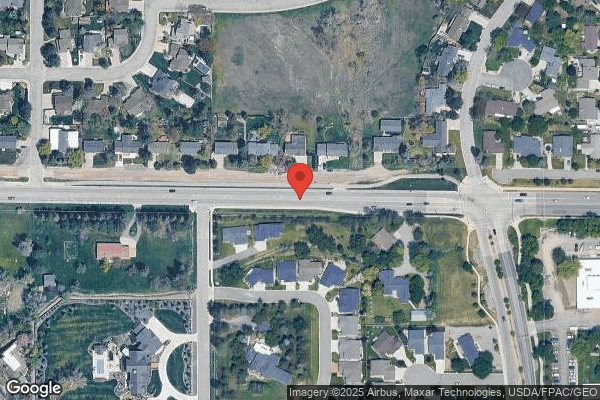

3940 RIMROCK RD, BILLINGS, MT 59102 (406) 655-5600
Non profit - Corporation 186 Beds Independent Data: November 2025
Trust Grade
70/100
#20 of 59 in MT
Last Inspection: July 2025

Inspected within the last 6 months. Data reflects current conditions.

Overview

St. John's Lutheran Home has received a Trust Grade of B, indicating it is a good choice for families considering care options. Ranked #20 out of 59 nursing homes in Montana, the facility is in the top half, and it holds the #2 position out of 6 in Yellowstone County, meaning there is only one better local option. The facility is improving, with issues decreasing from 19 in 2024 to 7 in 2025, which is a positive trend. Staffing is a strong point, rated 5 out of 5 stars, with a turnover rate of 45%, lower than the state average, showing that staff members tend to stay long-term and are familiar with the residents. However, there have been some concerning incidents, such as expired food items being served, failure to maintain proper hand hygiene after assisting residents, and not meeting residents' nutritional needs during meal service. Overall, while there are notable strengths in staffing and improvement trends, families should be aware of these specific issues when considering this facility.

Trust Score
B
70/100
In Montana
#20/59
Top 33%
Safety Record
Low Risk
No red flags
Inspections
Getting Better
19 → 7 violations
Staff Stability
○ Average
45% turnover. Near Montana's 48% average. Typical for the industry.
Penalties
✓ Good
No fines on record. Clean compliance history, better than most Montana facilities.
Skilled Nurses
✓ Good
Each resident gets 79 minutes of Registered Nurse (RN) attention daily — more than 97% of Montana nursing homes. RNs are the most trained staff who catch health problems before they become serious.
Violations
⚠ Watch
33 deficiencies on record. Higher than average. Multiple issues found across inspections.
★★★★☆
4.0
Overall Rating
★★★★★
5.0
Staff Levels
★★★★☆
4.0
Care Quality
★★★☆☆
3.0
Inspection Score
Stable
2024: 19 issues
2025: 7 issues

The Good

  • 5-Star Staffing Rating · Excellent nurse staffing levels
  • 4-Star Quality Measures · Strong clinical quality outcomes
  • Full Sprinkler Coverage · Fire safety systems throughout facility
  • No fines on record
  • Staff turnover below average (45%)

    3 points below Montana average of 48%

Facility shows strength in staffing levels, quality measures, fire safety.

The Bad

Staff Turnover: 45%

Near Montana avg (46%)

Typical for the industry

The Ugly 33 deficiencies on record

Jul 2025 7 deficiencies
CONCERN (D)

Potential for Harm - no one hurt, but risky conditions existed

Grievances (Tag F0585)

Could have caused harm · This affected 1 resident

**NOTE- TERMS IN BRACKETS HAVE BEEN EDITED TO PROTECT CONFIDENTIALITY** Based on observation, interview, and record review the facility failed to develop and implement a facility policy and procedure ...

Read full inspector narrative →
**NOTE- TERMS IN BRACKETS HAVE BEEN EDITED TO PROTECT CONFIDENTIALITY** Based on observation, interview, and record review the facility failed to develop and implement a facility policy and procedure for written grievances to be submitted anonymously; failed to provide residents with readily available grievance forms; and failed to provide a resident with the option to submit written grievances anonymously for 1 (#83) of 25 sampled residents. This deficient practice could affect all residents residing in the [NAME] cottage. Findings include:During an observation on 7/14/25 at 3:30 p.m., a walk-through of the [NAME] cottage common areas was conducted. A resident information board was located on a wall across from the entrance to the cottage. No documentation was observed on how a resident could file a grievance. No grievance forms were found readily available to residents, and no secure receptacle was identified to submit a written anonymous grievance.During an interview on 7/14/25 at 3:36 p.m., staff member K stated that if a resident had a grievance, the resident would notify a staff member. Staff member K stated that the staff member would then notify her, and she would address the issue with the resident and provide a grievance form to the resident if it was needed. Staff member K stated the resident grievance forms were stored in her office. Staff member K stated that resident grievance forms were not available to residents in the common areas of the [NAME] cottage. Staff member K stated the [NAME] cottage did not have a secure receptacle for residents to submit a written grievance anonymously.During an interview on 7/15/25 at 10:30 a.m., resident #83 stated the resident council meets monthly in the dining room. Resident #83 stated she did not know where grievance forms were located in the ([NAME]) cottage, or whether a grievance could be filed anonymously. Resident #83 stated that if she had a problem, she would let staff know, and they would take care of the issue. Resident #83 stated she was not sure how to submit a written grievance anonymously if she needed to.Review of the facility's policy titled GRIEVANCE POLICY, dated November 2016, showed: . PROCEDURE . E. A grievance or concern can be expressed orally to the Grievance Official or [facility staff] or in writing using a grievance form, which will be located adjacent to the Resident of Rights posting located throughout [facility name].F. Grievances may be given to any staff member who will forward the grievance to the Grievance Office, or they may file the grievances anonymously to the Compliance Hotline at [Phone Number]. [sic]
CONCERN (D) 📢 Someone Reported This

A family member, employee, or ombudsman was alarmed enough to file a formal complaint

Potential for Harm - no one hurt, but risky conditions existed

Report Alleged Abuse (Tag F0609)

Could have caused harm · This affected 1 resident

Based on interview and record review, the facility failed to report their investigative findings of a facility reported incident to the State Survey Agency in a timely manner for 2 (#s 23 and 72); and...

Read full inspector narrative →
Based on interview and record review, the facility failed to report their investigative findings of a facility reported incident to the State Survey Agency in a timely manner for 2 (#s 23 and 72); and failed to report allegations of resident abuse to the State Survey Agency within 24 hours of the incident for 2 (#s 24 and 95) of 25 sampled residents. This deficient practice increased the risk of unnecessary psychosocial harm to the residents involved in the incident due to the delay in reporting both the allegations of resident abuse and results of the facility investigation. Findings include: 1. Review of a facility-reported incident, dated 4/30/25, showed resident #23 and resident #72 were involved in an exchange at a cottage dining room. Resident #72 was witnessed by staff yelling at and insulting resident #23. Review of the facility reported incident findings, submitted 5/9/25, showed both residents (#23 and #72) were attended to and evaluated by staff members. Resident #72 was assessed by a provider to obtain behavioral health treatment following the incident. Staff members were educated to prevent and respond to verbal exchanges between residents. During an interview on 7/17/25 at 10:02 a.m., with staff members B and C, staff member B stated an IDT member enters incident investigation findings within five days to the State, “Usually me or [staff member C's name].” Staff member C stated, “That incident (reporting) might have been me, I might not have done it within the five days.” Staff member B stated that the staff member who was on-call covers the initial report submission. Staff member B stated the follow-up was not assigned to just one person, due to someone potentially being off or unavailable. Staff member B stated that the administrative staff rotate through scheduled on-call assignments. Staff member B stated that staff member C had not been assigned to report incident investigation findings for some of the times being looked at. The facility findings of the incident, dated 4/30/25, were due on 5/7/25. The results of the facility investigation findings were not submitted to the State Survey Agency until 5/9/25. 2. Review of a facility-reported incident, dated 11/23/24 at 12:15 p.m., showed resident #24 and resident #95 were involved in a physical altercation. Resident #24 grabbed resident #95’s left upper arm with her hand, leaving a nail imprint on resident #95. The allegation of resident-to-resident abuse was not reported to the State Survey Agency until 11/25/24, exceeding the required timeline for reporting events. During an interview on 7/17/25 at 9:37 a.m., staff member B stated he was not aware the facility failed to report allegations of resident-to-resident abuse to the State Survey Agency within 24 hours for the facility-reported incident dated 11/23/24. Staff member B stated he had a nursing administration team capable of reporting allegations to the State Survey Agency in his absence. Staff member B stated the incident, dated 11/23/24, occurred on a weekend, and it was possible he was unable to review the incident until the following Monday, 11/25/24. Review of the facility's policy titled, Abuse Policy, last revised in August 2022, showed: “ . PURPOSE To provide a mechanism by which supervisors will initiate an investigation while ensuring the safety of the resident. … 2. Notify Nursing Administration present at [Facility Name] or on call. Nursing Administration or designee will notify the [State Survey Agency] and any other necessary authorities within 24 hours of the incident. Documentation of the investigation will be provided within five business days.
CONCERN (D)

Potential for Harm - no one hurt, but risky conditions existed

Comprehensive Care Plan (Tag F0656)

Could have caused harm · This affected 1 resident

Based on observation, interview, and record review, the facility failed to develop and implement a comprehensive, person-centered care plan, for a resident who required oxygen therapy for 1 (#12) of 2...

Read full inspector narrative →
Based on observation, interview, and record review, the facility failed to develop and implement a comprehensive, person-centered care plan, for a resident who required oxygen therapy for 1 (#12) of 25 sampled residents. The facility's failure could jeopardize the resident's health resulting in a risk for low blood oxygen levels or oxygen services not being provided. Findings include:During an observation on 7/16/25 at 10:36 a.m., resident #12 was in her room sitting in a recliner with her legs elevated. Resident #12 appeared to be asleep with a nasal cannula applied to her nostrils. Resident #12's oxygen concentrator was running at 2 liters per minute. During an interview on 7/17/25 at 9:37 a.m., staff member B stated the MDS nurse and interdisciplinary team were responsible for updating a resident's care plan. Staff member B stated he was not sure why resident #12's oxygen therapy was not initiated in the resident's care plan. Staff member B stated, I don't know why it is not there. Review of resident #12's medical provider order, dated 2/20/25 at 9:30 a.m., showed, Oxygen at 2 liters/minute. Keep oxygen saturation above 90% Delivery method nasal cannula [sic]Review of resident #12's current care plan, with a revision date of 3/21/25, did not include a focus, goal, or interventions related to resident #12's oxygen therapy treatment.
CONCERN (D)

Potential for Harm - no one hurt, but risky conditions existed

Deficiency F0657 (Tag F0657)

Could have caused harm · This affected 1 resident

Based on observation, interview, and record review, the facility failed to ensure a resident-centered care plan was updated to include specific activity preferences and current participation for 2 (#s...

Read full inspector narrative →
Based on observation, interview, and record review, the facility failed to ensure a resident-centered care plan was updated to include specific activity preferences and current participation for 2 (#s 24 and 56); and include use of enhanced barrier precautions for 1 with an indwelling urinary catheter (#9) of 25 sampled residents. This deficient practice increased the risk of staff members not implementing resident-centered care plans in the specific areas of activities and infection control. Findings include: 1. During an observation and interview, on 7/14/25 at 3:45 p.m., resident #32 was sitting in her recliner with her feet elevated, watching television. When asked, resident #32 stated she did participate in activities, but she was unable to identify which activities she participated in. Resident #32 was able to answer yes or no questions regarding participation in reading activities and watching television. The resident was unable to recite or recall the names of any activities on her own. NF1 arrived at 3:50 p.m. and joined the conversation regarding resident #32's care. NF1 stated he came almost daily to visit resident #32, and she did not participate in many of the group activities in the cottage. During an interview on 7/16/25 at 9:01 a.m., staff member O stated resident #32 did not routinely participate in group activities in the cottage, except for church on Friday. Staff member O stated that resident #32's family visited daily. Staff member O stated she talked to each resident and representative quarterly. Staff member O stated that notes about changes in the resident's activity participation and preferences were documented in the care team meeting progress notes. When asked where she was documenting the specific types of preferred activities for each resident, she stated it should have been on the resident's care plan. Review of resident #32's Activity Care Plan, dated 1/21/25, showed the problem's focus was that the resident was dependent on staff and family for meeting her social needs, which was due to cognitive deficits and physical limitations. The care plan showed interventions identified by the facility included encouraging ongoing family involvement and inviting the resident's family to special events, activities, and meals. The care plan failed to show the importance of church services, the resident's preference for not attending most group activities, or the use of one-to-one visits. 2. During continuous observations on 7/14/25 from 2:00 p.m. to 3:45 p.m. and 4:10 p.m. to 4:30 p.m., resident #56 did not come out of her room. The door to the resident’s room was closed, and the resident was left undisturbed. During an observation on 7/15/25 at 11:15 a.m., resident #56 requested help with a jacket and was escorted from her room to the dining room in the common area. The resident was not wearing her hearing aids, and staff used a small whiteboard to communicate with the resident. During an interview on 7/16/25 at 11:22 a.m., staff member H stated resident #56 was very hard of hearing and often did not participate in any activities in the cottage. Staff member H stated the resident liked visiting with family and listening to music, if she was located close enough to hear the music. During an interview on 7/17/25 at 9:04 a.m., staff member O stated she had not completed the activity assessment for resident #56 because the resident resided in a different cottage. Resident #56 was moved to the [NAME] Cottage on 3/3/25, and the first care team meeting was not completed until the middle of June 2025. Staff member O was not able to explain why the care team notes for activities were not completed during the care conference, when asked. Review of resident #56’s care team meeting notes, dated 6/24/25, showed the activities section was blank. Review of resident #56’s Activity Care Plan, dated 3/31/25, showed the problem's focus was the resident was dependent on staff for meeting her social needs due to cognitive deficits. The care plan interventions were to converse with the resident during care, encourage family involvement, ensure activities were compatible with the resident’s physical and mental capabilities, and compatible with the resident’s known interests and preferences. The care plan failed to reflect the resident’s interests and preferences, or the use of one-to-one visits to meet the needs of resident #56. 3. During an observation on 7/14/25 at 8:23 a.m., resident #9 was lying in her bed, and the resident had a urinary catheter. Resident #9 had enhanced barrier precaution signage on the front of the door, visible to anyone entering the resident's room. Resident #9’s room did not have personal protective equipment supplies available inside or outside of the room for staff to access and ensure enhanced barrier precautions were followed when providing resident care. During an interview on 7/17/25 at 9:51 a.m., staff member C stated she and staff member B updated resident care plans with nursing-related needs. Staff member C stated she would update the care plans for health conditions requiring the use of precautions. Staff member C stated nursing staff providing direct care in cottages typically did not enter updates on the resident care plans. Staff member C stated CNAs and nursing staff were able to view resident care plans. Staff member C stated it would be a good idea to include enhanced barrier precautions on a resident’s care plan. Staff member C stated she did not add enhanced barrier precautions related to resident #9’s indwelling urinary catheter to the care plan. Staff member C stated she would check to see why personal protective equipment was not available outside of resident #9’s room. Review of resident #9’s care plan, showed two problems related to an indwelling urinary catheter, initiated 10/7/24: “… [Resident #9] has an ADL self-care performance deficit r/t Parkinson's disease, presence of Foley catheter, and mild cognitive impairment. … [Resident #9] has an indwelling Foley catheter r/t neurogenic bladder. She has pulled it out multiple times since admission.” The two care plan problems listed for the indwelling urinary catheter did not include goals or interventions to address the use of enhanced barrier precautions for resident #9 during care provided by staff. Review of a facility document titled, “Baseline Care Plans,” initiated 1/2019, showed: “… 3. Care Plans must be updated every three months… Look at the problem and assess if it is still appropriate, has goal been met. If goal not met, change interventions or change the goal. Review interventions to see if they need to be changed.” [sic] Review of a facility document titled, “Enhanced Barrier Precautions Policy,” revised 3/2024, showed: “… Enhanced Barrier Precautions is intended for nursing homes to prevent the spread of novel or targeted Multi-Drug-Resistant Organisms (MDROs) when residents have an infection or colonization with an MDRO or if the resident has a wound or indwelling medical device, regardless of MDRO infection or colonization. … Enhanced Barrier Precautions require gown and glove use for residents with a novel or targeted MDRO or any resident with a wound or indwelling medical device during specific high-contact resident care activities.”
CONCERN (D)

Potential for Harm - no one hurt, but risky conditions existed

Unnecessary Medications (Tag F0759)

Could have caused harm · This affected 1 resident

Based on observation, interview, and record review, the facility failed to ensure the medication error rate was less than five percent, for 2 (#s 35 and 77) of 25 sampled residents. The medication err...

Read full inspector narrative →
Based on observation, interview, and record review, the facility failed to ensure the medication error rate was less than five percent, for 2 (#s 35 and 77) of 25 sampled residents. The medication error rate was calculated as 5.41 percent, and the medication errors placed the residents at increased risk of negative outcomes. Findings include:During a medication administration observation and interview on 7/15/25, between 8:28 a.m. and 8:45 a.m., staff member N stated, “I got busy in the other cottage, and [resident #77] was already wheeled out to the dining room, so I will just wait until she finishes her breakfast and returns to her room to give her insulin. Staff member N administered resident #77's insulin dose at 8:42 a.m., after resident #77 completed her breakfast and returned to her room. Review of resident #77's physician order, dated 7/4/25, showed, “Humalog 100 unit/ml Kwikpen before meals and at bedtime .” During an observation and interview on 7/16/25 at 8:04 a.m., staff member J gave two 500 mg tablets of acetaminophen to resident #35, who had been eating breakfast. In the MAR, staff member J charted the acetaminophen as given under the medication pantoprazole (40 mg), closed the computer, and walked away from the computer. The medication, pantoprazole, was in red on the MAR, and it was scheduled to be given at 7:00 a.m. Staff member J stated they would administer the pantoprazole at that time, when asked about the incorrect documentation, and stated they would have found the error when the rest of the medications in resident #35's bin were given around 8:30 a.m. or 9:00 a.m. Staff member J stated the pantoprazole should have been given before resident #35 had eaten. Review of resident #35’s EHR showed a physician’s order: “pantoprazole … take 1 tablet by mouth every day at 0700 (indications for use: GERD).”
CONCERN (F)

Potential for Harm - no one hurt, but risky conditions existed

Food Safety (Tag F0812)

Could have caused harm · This affected most or all residents

**NOTE- TERMS IN BRACKETS HAVE BEEN EDITED TO PROTECT CONFIDENTIALITY** Based on observation, interview, and record review, the facility failed to dispose of expired foods; failed to ensure dietary st...

Read full inspector narrative →
**NOTE- TERMS IN BRACKETS HAVE BEEN EDITED TO PROTECT CONFIDENTIALITY** Based on observation, interview, and record review, the facility failed to dispose of expired foods; failed to ensure dietary staff prepared and served food in a sanitary manner; and failed to properly test dish sanitization water used to sanitize dishes in the kitchen. This deficient practice had the potential to affect all residents served food in the LTC Cottages by increasing the risk of foodborne illnesses. Findings include: 1. During an observation and interview on 7/16/25 at 7:58 a.m., several items were observed to have expired and were still in use. Staff member E stated all items should be dated with an open date, and any expired items used past their use-by date should be discarded. Staff member E stated, “We use the Montana use-by date for milk.” Items observed to be expired were: [NAME] Cottage: -salted caramel coffee creamer, expired June 2025. -sweetened original coffee creamer, expired June 2025. -sliced cheese, in a Ziploc storage bag, with a date of 6/18. -sliced ham, in a Ziploc storage bag, which was open and not dated. -one gallon of milk, half used, which had an expiration date of 7/9, but it did not have an open date. Powers Cottage: -salted caramel coffee creamer, expired January 2025 -sweetened original coffee creamer expired May 2025, and -individual prune juice cups expired November 2024. [NAME] Cottage: -sweetened original coffee creamer expired February 2025. [NAME] Cottage: -two bags of open chips, neither was labeled with an open date. -sweetened original coffee creamer, expired May 2025, with no open date. -salted caramel coffee creamer, expired January 2025, with no open date. -individually wrapped fig newtons, expired May 2025. Main storage room: -three gallons of milk, with an expiration date of 7/9. -a case of individual cups of grape juice, expired February 2025. During an interview on 7/16/25 at 8:54 a.m., staff member E stated, “I don’t have policies for food storage and handling, but I will work on creating some.” 2. During an observation and interview on 7/16/25 at 7:58 a.m., staff member E stated she did not have dietary policies; she only told her staff to follow Serve Safe guidance. The three dish sinks in the kitchen of [NAME] Cottage were observed to be full of dish water, rinse water, and sanitizer water. Staff member E stated, “Ecolab handles all sanitizer units. They (Ecolab) come and check them once a month. I was told when Ecolab took over and installed these units that we would not have to do testing on our sanitizer. We do not have test strips in any of the cottages, and we don’t test any of the water used for sanitizing dishes.” Review of a facility document titled “[Facility name]: Food Safety Policy” with an initiation date of 11/2016 and no revision date, showed: “Food Safety Requirements-Use and Storage of Food and Beverage Brought in for Residents, Food Procurement: Policy: It is the policy of [Facility name] to provide safe and sanitary storage, handling, and consumption of all foods including those brought to resident by family and other visitors. … Objective of Policy: The objective/intent of this requirement is to ensure that [Facility name]: … 2. Follows proper sanitation and food handling practices to prevent the outbreak of foodborne illness. Safe food handling for the prevention of foodborne illnesses begins when food is received from the vendor and continues throughout the facility’s food handling processes. … ii. … This education will include at a minimum: 1. Proper food handling to prevent foodborne illness. 2. Perishable food such as meat, poultry, fish, and dairy products must be frozen or refrigerated immediately after receipt. … 4. Proper labeling and dating of each item. 5. Leftover foods will be used within 3 days or discarded. …”
CONCERN (F)

Potential for Harm - no one hurt, but risky conditions existed

Infection Control (Tag F0880)

Could have caused harm · This affected most or all residents

**NOTE- TERMS IN BRACKETS HAVE BEEN EDITED TO PROTECT CONFIDENTIALITY** Based on observation, interview, and record review, the facility failed to ensure staff used appropriate hand hygiene after assi...

Read full inspector narrative →
**NOTE- TERMS IN BRACKETS HAVE BEEN EDITED TO PROTECT CONFIDENTIALITY** Based on observation, interview, and record review, the facility failed to ensure staff used appropriate hand hygiene after assisting residents; failed to ensure staff used appropriate hand hygiene while preparing ready-to-eat foods; and failed to ensure enhanced barrier precautions were followed for 1 (#4) of 25 sampled residents. This deficient practice increased the spread of bacteria and increased the risk of infections to residents in the facility. Findings include:1. During an observation on 7/15/25 at 11:04 a.m., staff member G brought a resident, via wheelchair, placed her at a dining table after rubbing her back when speaking to her, went to the kitchen and brought a cup of coffee to another resident seated at a separate table. Staff member G then went back to the kitchen and brought a cup of coffee to the first resident. This was done without performing hand hygiene between residents. During an observation on 7/16/25 at 8:30 a.m., staff member G washed her hands and then went to a dining table, seated herself between two residents, and began feeding both residents their meal. Staff member G would provide a bite of food for one resident and then provide a bite of food for the second resident. Staff member G assisted both residents throughout the meal without any hand hygiene being performed. During an observation on 7/16/25 at 8:40 a.m., staff member H, using her bare hands, rolled a sitting stool across the dining area and placed it at a table with three seated residents. Staff member H then seated herself on the stool and began assisting all three residents with their meal, rolling between residents. No hand hygiene was performed throughout the meal. During an interview on 7/16/25 at 9:55 a.m., Staff member D said the facility had a CNA, studying to be a nurse, assigned to complete hand hygiene audits. Staff member D said the facility's Resource Team was responsible for the audits on Enhanced Barrier Precautions (EBP). The facility was providing education on EBP and was working with education for staff, and the information was still a little murky for now. Staff member D said if an issue was noted by the individuals completing the audit, it was reported back to the Infection Preventionist (IP), and education would be provided. During an interview on 7/16/25 at 2:07 p.m., staff member G said she had been provided hand hygiene instruction sheets for education on hand hygiene. Staff member G said the resource team came through the cottage to observe the staff and check to see if the staff were washing their hands correctly. The staff were observed washing their hands with soap and water at the sink and monitored for the process and length of time the hands were washed. Staff member G said she was not provided specific education on when hand hygiene was to be performed when serving meals or when appropriate while wearing gloves. Review of a facility policy, Handwashing/hygiene Policy, with a revision date of 1/23, showed: .Hand hygiene is a general term that applies to handwashing, antiseptic hand wash and alcohol-based hand rub (ABHR). Process .5. Employees must wash their hands for at least twenty (20) seconds using antimicrobial or non-antimicrobial soap and water if hands are visibly soiled. .7. In most situations, the preferred method of hand hygiene is with an alcohol-based hand rub. If hands are not visibly soiled, use an alcohol-based hand rub containing 60-95% ethanol. 8. Hand hygiene is always the final step after removing and disposing of personal protective equipment. 9. The use of gloves does not replace handwashing/hand hygiene. 2. During an observation on 7/14/25 at 4:02 p.m., resident #4 was observed sitting in a wheelchair in her room. A wound dressing was observed on resident #4's left foot. During an observation on 7/15/25 at 8:43 a.m., staff member P was observed assisting resident #4 out of bed. Staff member P was not wearing an isolation gown as she transferred resident #4 to the chair and to the bathroom. During an interview on 7/15/25 at 9:25 a.m., staff member P stated there were currently no residents in [NAME] cottage who required PPE for their care. During an interview on 7/15/25 at 11:30 a.m., staff member N stated resident #4 was on hospice, but the facility nursing staff changed the wound dressings daily, or as needed. During an interview on 7/16/25 at 2:12 p.m., staff member N stated, The only person right now in the cottage that should have enhanced barrier precautions would be one (unnamed) resident with a urinary catheter. Review of the facility policy titled, Enhanced Barrier Precautions with a revision date of 3/24, showed: . The recommendations now include the use of EBP during high-contact care activities for residents with chronic wounds or indwelling medical devices, regardless of their MDRO status . High-Contact Resident Care Activities include: • Dressing• Bathing/showering• Transferring• Providing hygiene• Changing linens• Changing briefs or assisting with toileting . 3. During an observation on 7/16/25 at 7:51 a.m., staff member F was wearing a glove on the left hand and holding a pan handle, while cooking something that resembled eggs, on the stove. Staff member F used the gloved hand and reached into a container with shredded cheese. Staff member F took the cheese and sprinkled it over the food in the frying pan. Staff member F then touched the lid on the cheese and reached into the refrigerator, grabbing a package which was placed on the counter. Staff member F then grabbed a soiled bowl and rinsed it off in the sink. Staff member F then removed the soiled glove from her hand and threw it away. During an interview on 7/17/25 at 9:11 a.m., staff member E stated, “Staff should wash their hands and use gloves whenever they are preparing ready-to-eat food. If they touch something besides the food while serving, they should remove gloves and wash their hands . and It is not ok to wear a glove and then touch the handle of a pan and then use the same gloved hand to reach into shredded cheese . and would then be contaminated.” Review of a facility document titled Hand Washing and Glove Use, undated, showed: “Policy: Guidelines for hand washing and glove use to promote safe and sanitary conditions throughout department. [sic] Procedure: Hand Washing Procedure: 1. Hand washing is a priority for infection control. 2. Hands must be washed prior to . working with different food substances, i.e. raw chicken to fresh fruit, following contact with any unsanitary surface i.e . Procedure: Gloves: 1. Gloves may be used when working with food to avoid contact with hands. Gloves must be worn when touching any ready-to-eat food. 2. When gloves are used, hand washing must occur per above procedure prior to putting on gloves and whenever gloves are changed. Gloves must be changed as often as hands need to be washed, see above. Gloves may be used for one task only.
Aug 2024 18 deficiencies
CONCERN (D)

Potential for Harm - no one hurt, but risky conditions existed

Deficiency F0554 (Tag F0554)

Could have caused harm · This affected 1 resident

Based on observation, interview, and record review, the facility failed to ensure residents were assessed for the ability to self-administer medications prior to leaving a resident unattended while ta...

Read full inspector narrative →
Based on observation, interview, and record review, the facility failed to ensure residents were assessed for the ability to self-administer medications prior to leaving a resident unattended while taking medications for 2 (#s 3 and 10) for 26 sampled residents. Findings include: During an observation on 8/13/24 at 9:16 a.m., staff member C left medications for resident #3 and #10, which were placed on the table in the dining room, at breakfast. After handing the medication cups to #3 and 10, with the medications in the cups, staff member C left the dining area and went to the nursing station to take a telephone call. There were no other nursing staff in the dining area who could have observed the resident taking their medications. During an interview on 8/13/24 at 9:20 a.m., staff member C stated she had planned to stay in the dining area until resident # 3 and 10 had finished taking their medications, but received a telephone call, and left the dining area to take the call. Staff member C stated she should not have left the residents unattended until they had both taken all of their medications. During an interview on 8/15/24 at 11:01 a.m., staff member B stated there needed to be an assessment of the resident's ability to safely self-administer medications, and an order from the medical provider, showing the resident was allowed to self-administer medications. Staff member B stated staff knew they were not supposed to leave residents unattended while taking medications, unless an assessment and a physician's order, were in place. Review of resident #3's EHR, accessed on 8/14/24, failed to show a physician's order which allowed the resident to self-administer medications, or an assessment which showed the resident's ability to safely self-administer medications. Review of resident #10's EHR, accessed on 8/14/24, failed to show a physician's order which allowed the resident to self-administer medications or an assessment which showed the resident's ability to safely self-administer medications.
CONCERN (D) 📢 Someone Reported This

A family member, employee, or ombudsman was alarmed enough to file a formal complaint

Potential for Harm - no one hurt, but risky conditions existed

Report Alleged Abuse (Tag F0609)

Could have caused harm · This affected 1 resident

Based on interview and record review, the facility failed to report an allegation of resident neglect within 24 hours of the incident, for 1 (#77) of 26 sampled residents for abuse reporting. Findings...

Read full inspector narrative →
Based on interview and record review, the facility failed to report an allegation of resident neglect within 24 hours of the incident, for 1 (#77) of 26 sampled residents for abuse reporting. Findings include: Review of a Facility Reported Incident submitted to the State Survey Agency, dated 8/1/24, showed there was an allegation of resident neglect by a staff member, towards resident #77. The report showed the incident occurred between 7/27/24 and 7/29/24. The facility investigation showed the allegation was reported to staff member J and staff member K via email on 7/30/24. The initial report of the incident was not submitted until 8/1/24, which was greater than 24 hours after the incident occurred. During an interview on 8/13/24 at 4:06 p.m., staff member B stated the staff member making the allegation was disgruntled and made the complaint as she was quitting her job after three days of employment. Staff member B submitted the abuse allegations to the state reporting portal when he found out about the allegation. Staff member B said the initial report to the incident portal was not submitted within 24 hours of the incident due to the staff not informing him of the allegation. Staff member B stated he was aware of the required reporting timelines. Review of the facility's policy titled, Abuse Policy dated November 2016, showed, 2. Notify Nursing Administration present at SJU or on call. Nursing Administration or designee will notify the Department of Public Health and Human Services Certification Bureau and any other necessary authorities within 24 hours of the incident .
CONCERN (D)

Potential for Harm - no one hurt, but risky conditions existed

Assessment Accuracy (Tag F0641)

Could have caused harm · This affected 1 resident

Based on interview and record review, the facility failed to accurately complete the Quarterly resident assessment for 1 (#3) of 26 sampled residents. Findings include: During an interview on 8/14/24 ...

Read full inspector narrative →
Based on interview and record review, the facility failed to accurately complete the Quarterly resident assessment for 1 (#3) of 26 sampled residents. Findings include: During an interview on 8/14/24 at 8:40 a.m., staff member D stated resident #3 did most of her personal care and hygiene on her own and usually refused to shower. Staff member D stated she gave the resident a choice between a shower and a sponge bath. This sometimes resulted in the resident accepting assistance with a shower. Staff member D stated she was assisting resident #3 with a shower on 7/27/24 and noticed her groin was very red. Staff member D stated she notified the nurse who examined the resident and recommended the use of nystatin powder or cream. Staff member D stated the resident refused to allow them to put anything on the resident's perineum. Review of resident #3's nursing note, dated 7/27/24, showed the nurse examined the resident and recommended several treatments. The note also showed the resident refused any of the recommended treatments. Review of resident #3's Quarterly MDS, with an ARD of 7/31/24, failed to show any behaviors, specifically the rejection of care, during the assessment period from 7/25/24 to 7/31/24. During an interview on 8/15/24 at 10:05 a.m., staff member I stated she looked at the nursing notes during the assessment period and talked to direct care staff regarding any behaviors which may have occurred during the assessment period. Staff member I stated she was aware resident #3 regularly refused showers and other offers to assist with her care and could not explain why she did not code the refusal of care in the behavior section of the MDS.
CONCERN (D)

Potential for Harm - no one hurt, but risky conditions existed

Deficiency F0655 (Tag F0655)

Could have caused harm · This affected 1 resident

2. During an observation on 8/14/24 at 3:45 p.m., two CNA staff members assisted resident #143 with a transfer to a chair. Resident #143 stated her catheter had been changed that day. A urine sample w...

Read full inspector narrative →
2. During an observation on 8/14/24 at 3:45 p.m., two CNA staff members assisted resident #143 with a transfer to a chair. Resident #143 stated her catheter had been changed that day. A urine sample was taken due to a recent burning sensation when urinating. Review of resident #143's EHR showed on admission the pertinent diagnoses including: epilepsy, dysphagia (difficulty with swallowing), acute respiratory failure, multiple sclerosis, and neuromuscular dysfunction of bladder. The EHR also showed physician orders for a suprapubic catheter. During an interview on 8/12/24 at 3:59 p.m., NF3 stated the reason for resident #143's admission to the facility was for treatment related to a recent hospitalization for an infection. NF3 stated resident #143 had a primary diagnosis of multiple sclerosis. There were concerns for her swallowing ability related to recent nasogastric tube feedings used in the hospital. This affected her ability to swallow. NF3 stated he was concerned resident #143 might lose weight due to her difficulty with swallowing. NF3 stated the resident also required a suprapubic catheter. During an interview on 8/14/24 at 3:05 p.m., staff member M stated there was a standard process in how baseline care plans were created for residents of the Transitional Rehabilitation Center (TRC). The initial creation of the baseline care plan was assigned to the TRC nurses. After the TRC nurses started the baseline care plan, the MDS nurses were responsible for completing them. Staff member M stated the care plan documents for resident #143, . appear to be late. Staff member M stated, . by two weeks [#143's care plan] should have been completed. Review of resident #143's baseline care plan, initiated on 7/31/24, included a risk for falls. A focus area of nutrition was added on 8/7/24. The baseline care plan failed to show any areas of concern related to the suprapubic catheter, number of staff needed to assist with transfers, ADL assistance required, seizure precautions, and speech therapy. Review of a facility policy titled, Baseline Care Plans, initiated January 2019, showed, . 1. Baseline Care Plans must be started within 48 hours of admission by IDT staff and comprehensive completed within 21 days. Initial Care Plans must include primary reason for admission to nursing home. Based on observation, interview, and record review, the facility failed to develop and implement a baseline care plan to address resident care needs, for 2 (#s 78 and 143) of 26 sampled residents. Findings include: 1. Review of resident #78's EHR showed an admission date of 6/20/24. No baseline care plan, which was to be done within the first 48 hours, was located in the EHR for resident #78. A request was made for resident #78's baseline care plan on 8/15/24. No additional information was received by the end of the survey. During an interview on 8/15/24 at 10:00 a.m., staff member B stated a baseline care plan was not completed for resident #78. Staff member B stated the nursing staff could have forgotten to do the care plan because the resident was sent to the facility for a short end-of-life stay. The resident passed away six days after admission. Review of a facility policy, titled, Baseline Care Plan, date implemented January 2019, showed, Baseline Care Plans must be started within 48 hours of admission by IDT staff .
CONCERN (D)

Potential for Harm - no one hurt, but risky conditions existed

Quality of Care (Tag F0684)

Could have caused harm · This affected 1 resident

Based on interview and record review, the facility nursing staff failed to assess and document the condition of a resident's skin as part of preventative skin care, for 1 (#3) of 26 sampled residents....

Read full inspector narrative →
Based on interview and record review, the facility nursing staff failed to assess and document the condition of a resident's skin as part of preventative skin care, for 1 (#3) of 26 sampled residents. Findings include: During an interview on 8/14/24 at 8:40 a.m., staff member D stated resident #3 did most of her personal care and hygiene on her own. Staff member D stated she was assisting resident #3 with a shower on 7/27/24 and noticed her perineum was very red. Staff member D stated she notified the nurse who examined the resident and recommended either nystatin powder or the application of a barrier cream. Staff member D stated the resident refused any of the recommended treatments. Staff member D stated the CNAs monitor for skin problems during the resident's shower, and notify the nurse if anything abnormal is seen. Review of resident #3's EHR, dated from 1/1/24 to 8/14/24, failed to show the routine assessment of the condition of the resident's skin. Nursing progress notes, dated 1/8/24 and 1/9/24, showed the resident had a wound on the right side of her chin which was covered by a band aid. The only other note regarding the resident's skin condition was dated 7/27/24, and showed the resident had a red groin and refused any treatment. Review of the facility's document titled, Skin at Risk Program, not dated, showed, Skin Assessment is performed weekly . A request was made for all skin care documentation from 1/1/24 to 8/14/24. The three documents, as noted above, were the only ones received prior to the end of the survey.
CONCERN (D)

Potential for Harm - no one hurt, but risky conditions existed

Accident Prevention (Tag F0689)

Could have caused harm · This affected 1 resident

Based on observation, interview, and record review, the facility failed to sufficiently address repeated falls for a resident who had frequent falls, and staff failed to identify root causes for the r...

Read full inspector narrative →
Based on observation, interview, and record review, the facility failed to sufficiently address repeated falls for a resident who had frequent falls, and staff failed to identify root causes for the repeated falls so they could attempt to prevent future falls, failed to evaluate the effectiveness of current interventions utilized at the time of a fall for potential modification related to the fall cause, and failed to show the care plan was used effectively and reviewed, updated, or modified for the ongoing falls, and prevention of future falls, for 1 (#47) of 26 sampled residents. The deficient practice continually increased the risk of injury and or ongoing falls. Findings include: During an observation and interview on 8/13/24 at 9:50 a.m., resident #47 was seated in a recliner in the day room with his walker positioned adjacent to the recliner. The resident stated he did not like asking for help, but he had a series of falls which injured his back. Resident #47 stated he still had back pain from the multiple falls. During an observation and interview on 8/14/24 at 8:36 a.m., staff member F stated they (the staff) did frequent checks on resident #47 and had a camera directed at the resident's bed, so they could monitor him when he was in his room. The monitor for the camera was located on a filing cabinet in the room designated for nurses. During an observation and interview on 8/15/24 at 8:40 a.m., staff member F stated the resident had gone back to bed, and the camera was directed towards the resident's bed. There were no staff in the nurses room monitoring the camera view in the resident's room. During an interview on 8/15/24 at 8:55 a.m., staff member C stated the fall prevention strategies for resident #47 included frequent checks when he was out of bed, and a camera pointed towards his bed, when he was in his room. Staff member C stated they checked the monitor in the nurses room to see if he was getting out of bed. Review of resident #47's care plan, initiated on 7/12/24, showed he had falls which occurred in 2024, to include on: 2/21, 3/26, 5/17, 5/19, 7/7, and 7/8 and they were grouped together on the plan. The causes of the repeated falls was not shown on the care plan, and the interventions were, Continue to check frequently when in great room or in his room. Remind elder to use his call light and wait for help to transfer. The falls were not addressed separately on the resident's care plan at the time the falls occurred. Review of resident #47's post fall documentation, dated 5/19/24, showed the resident had an unwitnessed fall while attempting to transfer independently. The fall documentation failed to identify the specific root cause of the fall. Review of resident #47's care plan, last revised on 8/13/24, failed to show the facility identified the specific cause of the resident's fall which occurred on 5/19/24. The plan failed to show the evaluation of the effectiveness of the interventions in place at the time of the fall, and failed to implement any new interventions related to the root causes of the specific fall. Review of resident #47's post fall documentation, dated 6/21/24, showed the resident had a fall while ambulating with visitors. The documentation failed to identify the specific cause of the resident's fall while he was ambulating while visiting. Review of resident #47's care plan, last revised on 8/13/24, failed to show the specific root cause of the fall which occurred on 6/21/24, failed to show the evaluation of the effectiveness of interventions currently in place at the time of the fall, and failed to show any implementation of new interventions intended to reduce the risk of future falls. Review of resident #47's post fall documentation, dated 7/7/24, showed the resident had an unwitnessed fall while performing personal grooming in his room. The documentation showed the fall was caused by a loss of balance. The document failed to show interventions in place at the time of the fall were evaluated for effectiveness and the plan did not show the implementation of new interventions to be used as future fall prevention strategies. Review of resident #47's care plan, last revised on 8/13/24, failed to show interventions implemented after the fall which occurred on 7/7/24. Review of resident #47's post fall documentation, dated 7/8/24, showed the resident had an unwitnessed fall while attempting to reach for an item on the floor. The documentation showed the resident slid off the bed and ended up on the floor. The documentation failed to show the evaluation of the interventions in place at the time of the fall and failed to implement any new interventions to be attempted for him sliding off the bed. Review of resident #47's care plan, last revised on 8/13/24, failed to show interventions in place (on 7/8/24) were evaluated for effectiveness and fall prevention, and the plan failed to show any new interventions intended to reduce the risk of future falls related to the specific root cause of a any fall. Review of resident #47's paper fall log, viewed on 8/14/24, showed the resident was off of fall team (Fall Management Program). This meant the resident was not reviewed for falls by the fall IDT team. During an interview on 8/15/24 at 10:45 a.m., staff member B stated resident #47 was taken off the list for the Fall Management Program because the provider documented the resident's falls were unavoidable. Staff member B felt it was unnecessary to include the resident in the fall team discussions because he continued to have falls. Staff member B was unable to explain why attempting new fall prevention interventions were not tried. Review of the facility's policy titled, Fall Prevention and Management Policy, May 2018, showed, A root cause(s) will be determined along with interventions(s) for each fall. Nurse managers will completed [sic] the Post Fall Care Plan form to help document the root cause. The policy also showed, The Quality Assurance and Performance Improvement committee will ensure high risk residents are admitted to the Fall Management Program. The Fall Management Program will analyze, investigate, and look for the root cause(s) for the fall. New interventions to prevent future falls along with opportunities for improvement will be discussed and pursued.
CONCERN (D)

Potential for Harm - no one hurt, but risky conditions existed

Deficiency F0745 (Tag F0745)

Could have caused harm · This affected 1 resident

**NOTE- TERMS IN BRACKETS HAVE BEEN EDITED TO PROTECT CONFIDENTIALITY** Based on observation, interview, and record review, the facility failed to help obtain mental health services for a resident who...

Read full inspector narrative →
**NOTE- TERMS IN BRACKETS HAVE BEEN EDITED TO PROTECT CONFIDENTIALITY** Based on observation, interview, and record review, the facility failed to help obtain mental health services for a resident who was dealing with grief and the loss of his spouse for almost a year, for 1 (#41) of 26 sampled residents. Findings include: During an interview on [DATE] at 3:07 p.m., resident #41 said he was having problems dealing with some confusion and issues in his life. Resident #41 said his wife died in October of 2023 and he missed her. Resident #41 said his family visited, but he still missed his wife and expected to see her in her room at the cottage where they lived. He said someone may have talked to him at one time, but he was not sure. Review of resident #41's current care plan showed it was not updated, and no interventions were put in place for helping the resident deal with grief or loneliness. During an interview on [DATE] at 10:40 a.m., staff member G said she had visited with, and provided emotional support for, resident #41 following the death of his wife. Staff member G said she believed she documented the interactions made with resident #41. Staff member G said she had just placed an order for behavioral health counseling. Staff member G said the order was placed because resident #41's son said his dad was forgetting things. Review of resident #41's progress notes, dated [DATE] through [DATE], showed there were no social services notes documenting interactions where grief counseling or emotional support had been provided. The progress notes did not show resident #41 had attended his wife's funeral. A request was made on [DATE] for progress notes for social services or mental health support from [DATE] through [DATE]. No social services notes or mental health notes were provided by the end of the survey.
CONCERN (D) 📢 Someone Reported This

A family member, employee, or ombudsman was alarmed enough to file a formal complaint

Potential for Harm - no one hurt, but risky conditions existed

Pharmacy Services (Tag F0755)

Could have caused harm · This affected 1 resident

Based on observation, interview, and record review, the facility failed to provide medications in a timely manner for 1 (#41) of 26 sampled residents, and the medications were provided late. Findings ...

Read full inspector narrative →
Based on observation, interview, and record review, the facility failed to provide medications in a timely manner for 1 (#41) of 26 sampled residents, and the medications were provided late. Findings include: During an observation and interview on 8/13/24 at 10:10 a.m., staff member L had two syringes in her hand. Staff member L said she was on her way to give resident #41 his morning insulin. Staff member L said resident #41 was just going to his room, and she had not given the morning insulin yet. The medication was scheduled to be administered at 7:00 a.m., and this was three hours past the scheduled administration time. Review of resident #41's nursing progress note, dated 8/13/24 at 1:30 p.m., showed the insulin was given late this morning. The Elders BG was lower than usual, and the nurse waited for the resident to eat before giving insulin. It was after 10 a.m., before Elder got back to room, and insulin given. [sic] Review of resident #41's medication administration audit, dated 8/13/24, showed the insulin was administered at 10:11 a.m The blood sugar was 112 at 6:41 a.m. and was not re-checked prior to the insulin being administered. There was also no note showing the physician was notified about the late administration of insulin.
CONCERN (D)

Potential for Harm - no one hurt, but risky conditions existed

Medication Errors (Tag F0758)

Could have caused harm · This affected 1 resident

2. Review of resident #38's medication administration record, dated August 2023, showed the resident had a physician order for, Lorazepam Intensol 2 mg/ml take .25 to 1 ml by mouth every 6 hours as ne...

Read full inspector narrative →
2. Review of resident #38's medication administration record, dated August 2023, showed the resident had a physician order for, Lorazepam Intensol 2 mg/ml take .25 to 1 ml by mouth every 6 hours as needed for anxiety. The start date for the lorazepam was 8/21/23. The resident received the medication two times during the month of August 2023. There was no physician documentation detailing the resident's need for continued as needed dosing of this medication. There was no stop date listed for the lorazepam. Review of resident #38's pharmacy progress note, dated 9/26/23, showed, . PRN lorazepam started in August. Has not used in 30 days. Provider reviewed in 9/25/23 note and declined discontinuation and noted she would review within 60 days. [sic] During an interview on 8/15/24 at 10:45 a.m., staff member B stated the medical providers were aware as needed (PRN) medication should only be ordered for 14 days. Staff member B said there was one physician who did not always follow the policy. Review of the facility's policy titled, Psychotropic Drug Use Policy, revised October 2022, showed: - PRN orders for psychotropic drugs are to be used to address acute or intermittent symptoms, or in an emergency and must be necessary to treat a documented diagnosed specific condition and are limited to 14 days. -If the physician believes the PRN order should be extended beyond the 14 days, the physician must document rationale and duration in the medical record. Based on interview and record review, the facility failed to ensure as needed psychotropic medications were limited to 14 days or had documented rationale for extended use by the physician, for 2 (#s 38 and 131) of 26 sampled residents. Findings include: 1. Review of resident #131's pharmacy progress notes, dated 5/10/24, showed a pharmacist identified the resident's daughter requested a sleep aid/antianxiety medication for resident #131. On 5/10/24, the pharmacist recommended increasing the Tylenol or consider melatonin for sleep or lorazepam PRN (as needed) for anxiety. Review of #131's physician orders, dated 5/21/24, showed clonazepam 0.25 mg was ordered once daily as needed (PRN) for insomnia or anxiety. The physician did not order a stop date for the PRN psychotropic medication. Review of resident #131's pharmacy progress note, dated 7/16/24, showed the pharmacist documented the clonazepam 0.25 mg once daily as needed for sleep was being continued. The pharmacist note showed the resident took the PRN clonazepam 14 out of 15 nights during August 2024. The pharmacist recommended adjusting the insomnia regimen, if appropriate, and to document the timeframe for the next PRN clonazepam evaluation. No further documentation was provided showing this recommendation was followed. The resident continued on the PRN clonazepam through the survey date of 8/14/24.
CONCERN (D)

Potential for Harm - no one hurt, but risky conditions existed

Deficiency F0883 (Tag F0883)

Could have caused harm · This affected 1 resident

Based on interview and record review, the facility failed to obtain a signed consent for administration of a pneumococcal vaccine for 1 (#58) of 26 sampled residents. Findings include: Review of resid...

Read full inspector narrative →
Based on interview and record review, the facility failed to obtain a signed consent for administration of a pneumococcal vaccine for 1 (#58) of 26 sampled residents. Findings include: Review of resident #58's pneumococcal immunizations consent form, dated 7/10/24, showed resident #58 was confused and unable to consent to administration of the pneumococcal vaccine. During an interview on 8/15/24 at 9:45 a.m., staff member B stated the nurse should have followed up with resident #58's legal representative and educated them on the risks and benefits of the pneumococcal vaccination. And allowed the legal representative to decline or consent to the vaccination. Review of the facility's policy, Influenza and Pneumococcal Immunization Policy, revised December 2022, showed: - Pneumococcal immunization status of all residents will be determined on admission regardless of date. - Vaccination will be offered to all patients who cannot provide documentation of previous vaccination status. Those who are unsure of or do not know their vaccination status will be immunized. - Pneumococcal Vaccine type will be determined based on resident age and type of any previous immunizations based on current CDC recommendations and documented in the resident record and order from provider. [sic]
CONCERN (E)

Potential for Harm - no one hurt, but risky conditions existed

Deficiency F0657 (Tag F0657)

Could have caused harm · This affected multiple residents

**NOTE- TERMS IN BRACKETS HAVE BEEN EDITED TO PROTECT CONFIDENTIALITY** 2. During an observation and interview on [DATE] at 9:50 a.m., resident #47 stated he did not like asking for help and had issue...

Read full inspector narrative →
**NOTE- TERMS IN BRACKETS HAVE BEEN EDITED TO PROTECT CONFIDENTIALITY** 2. During an observation and interview on [DATE] at 9:50 a.m., resident #47 stated he did not like asking for help and had issues with his balance. Resident #47 stated he had a series of falls a while ago and injured his back. The resident stated he still had back pain. During an interview on [DATE] at 8:36 a.m., staff member F stated the fall prevention interventions for resident #47 included frequent checks, and the use of a camera, when he was in his room. Review of resident #47's care plan, dated [DATE], failed to show the use of a camera when the resident was in his room for fall prevention. During an interview on [DATE] at 10:05 a.m., staff member I stated it was everyone's responsibility to ensure care plans were updated timely. 3. During an interview on [DATE] at 8:50 a.m., staff member C stated resident #3 often refused showers and assistance with incontinence care. Staff member C stated she may be resistant because she was new to this cottage. Review of resident #3's care plan, dated [DATE], showed a problem with adjustment, which was for the move from a unit in the main building, to [NAME] Cottage. This move occurred in March of 2023. This problem should have been resolved or revised to identify a more recent move from [NAME] Cottage to [NAME] Cottage which occurred in June of 2024. Based on observation, interview and record review, the facility failed to update the comprehensive care plan for a resident who was dealing with grief, for 1 (#41); failed to update the care plan of a resident with frequent falls for 1 (#47); and failed to update the care plan of a resident who no longer had adjustment issues for a room change which occurred more than 12 months prior for 1 (#3) of 26 sampled residents. Findings include: 1. During an interview on [DATE] at 3:07 p.m., resident #41 said he was having problems dealing with some confusion and issues in his life. Resident #41 said his wife died in October of last year, and he still missed her. Resident #41 said his family visited, but he still missed his wife and expected to see her in her room at the cottage where they lived. He said someone from the facility may have talked to him at one time. Review of resident #41's current care plan failed to show a focus area related to grief due to the death of the resident's wife. No interventions were in place for helping the resident deal with grief, coping, or loneliness. During an interview on [DATE] at 10:40 a.m., staff member G said the care plan for resident #41 should have been updated. Staff member G said everyone here knew about his wife's death. Staff member G stated, I don't know if I have updated the care plan. I have to admit I'm not the best at updating care plans and would not be surprised if no update was made on the care plan.
CONCERN (E)

Potential for Harm - no one hurt, but risky conditions existed

Staffing Information (Tag F0732)

Could have caused harm · This affected multiple residents

**NOTE- TERMS IN BRACKETS HAVE BEEN EDITED TO PROTECT CONFIDENTIALITY** Based on observation and interview, the facility failed to post daily staffing in the four cottages which housed 51 longterm car...

Read full inspector narrative →
**NOTE- TERMS IN BRACKETS HAVE BEEN EDITED TO PROTECT CONFIDENTIALITY** Based on observation and interview, the facility failed to post daily staffing in the four cottages which housed 51 longterm care residents. Failing to post the daily staffing would not allow anyone wishing to view the informaton, such as residents, staff, or visitors. Findings include: During multiple observations during the survey, which occurred from 8/12/24 to 8/15/24, no nurse staff posting was found in any of the four cottages. During an interview on 8/14/24 at 8:17 a.m., staff member H was not able to identify where the nurse staffing was posted in [NAME] and [NAME] Cottages. Staff member H stated she knew there was staffing posted on the rehabilitation unit, but did not remember seeing any postings in the cottages. During an interview on 8/15/24 at 11:55 a.m., staff member B was not aware there was no staff postings in the cottages.
CONCERN (E)

Potential for Harm - no one hurt, but risky conditions existed

Deficiency F0800 (Tag F0800)

Could have caused harm · This affected multiple residents

**NOTE- TERMS IN BRACKETS HAVE BEEN EDITED TO PROTECT CONFIDENTIALITY** Based on observation, interview, and record review, the dietary department failed to provide each resident with a nourishing die...

Read full inspector narrative →
**NOTE- TERMS IN BRACKETS HAVE BEEN EDITED TO PROTECT CONFIDENTIALITY** Based on observation, interview, and record review, the dietary department failed to provide each resident with a nourishing diet and failed to follow the resident's therapeutic diet to meet the resident's daily needs. These deficient practices increased the risk of the [NAME] Cottage residents having negative nutritional or health outcomes, and affect their quality of life. Findings include: During observations on 8/13/24 at 8:39 a.m., staff member N was not reviewing diet orders and therapeutic menus to ensure proper diets and serving sizes were served when preparing residents meals. Staff member N ground some bacon in the robo coupe. With her gloved hands, she scooped out a handful of dry flakey bacon from the robo coupe bowl without measuring a portion. The practice of not measuring occurred when bacon was placed on five plates. Staff member N poured breakfast syrup on the bacon for residents who were to be served a minced and moist diet. During continued observation of breakfast service on 8/13/24 at 8:53 a.m., staff member N took unwashed berries out of a container and placed the berries on a plate with her contaminated gloved fingers and failed to follow a portion guide. During an observation on 8/14/24 at 8:57 a.m., staff member P began serving breakfast without referring to the resident diets which were posted on the refrigerator, and the menu for portion sizes. While placing food on the plates, staff member P said she did not know there were three special diets. Staff member P placed several sausage patties in the robo coupe and blended the meat. Staff member P used a spoon to place the blended meat onto plates. The residents did not receive the required portion size. After the blended meat was served, there was left over blended meat, and staff member P scooped the rest of the meat out and shared it between the five plates for service to the residents receiving a minced and moist diet. Staff member P said she did not know about the minced and moist diets and asked a certified nurse assistant if syrup could be placed on the sausage to make it moist. Staff member P began scooping watermelon out of a large container into individual bowls. Some bowls were served full to the rim and other bowls had only small portion of watermelon covering the bottom of the dish. Serving sizes were not measured or uniform. Staff member P did not look at the resident menu's and said she hoped none of the residents were allergic to watermelon. Staff member P said she has not worked in the cottages in forever. Staff member P said she ran out of hash browns and did not have enough for all the residents. No substitute was provided for the residents not receiving hashbrowns. During an interview on 8/14/24 at 11:56 a.m., staff member O said she tried to get to the cottages once a week. Staff member O said she trusted the staff to do what she asks them to, but said, You know how they are. Staff member O said the residents diet order is placed on the refrigerator, and the cooks are to take the diets down and follow it when serving meals. Staff member O said she would not be surprised the diets were not reviewed or followed during meal service. When asked how the staff ensured the residents got a nutritionally balanced diet, staff member O said the residents got what they wanted. During breakfast observations on: 8/13/24 at 8:53 a.m,. 8/14/24 at 8:57 a.m., and 8/15/24 at 8:45 a.m., in the [NAME] cottage, the residents were served the meals without being asked what they wished to eat. During an observation on 8/14/24 at 8:53 a.m., staff member R said she only had six pancakes. The census of [NAME] Cottage was thirteen on 8/14/24. The six pancakes were served, and no more pancakes were made to ensure the menu was followed and nutritive value was maintained for each individual resident. During service, staff member R failed to look at the menu and scooped eggs onto the resident plates with a regular spoon. There were not enough eggs to put on all the plates for the meals, so staff member R took eggs from the plates which had been dished and placed some of each serving of eggs onto two other empty plates. Staff member R was asked what she would do for protein for the minced and moist diets. Staff member R said she did not have time to mince the meat. Staff member R said she would just give the residents double portions of protein for lunch.
CONCERN (E)

Potential for Harm - no one hurt, but risky conditions existed

Deficiency F0802 (Tag F0802)

Could have caused harm · This affected multiple residents

**NOTE- TERMS IN BRACKETS HAVE BEEN EDITED TO PROTECT CONFIDENTIALITY** Based on observation, interview, and record review, the facility failed to ensure there were sufficient staff with the necessary...

Read full inspector narrative →
**NOTE- TERMS IN BRACKETS HAVE BEEN EDITED TO PROTECT CONFIDENTIALITY** Based on observation, interview, and record review, the facility failed to ensure there were sufficient staff with the necessary competencies and skillsets to carry out the functions of the food and nutritive services. This deficient practice increased the risk of negative outcomes, and the quality of life and health, for the residents residing in the [NAME] and [NAME] Cottages. Findings include: During interview on 8/12/24 at 1:45 p.m. during the entrance conference, staff member A and staff member B said the cooks are shared between two cottages. The cook will complete meal prep in one cottage and then take the meal to the other cottage and serve the meal at the next cottage. Staff member A and B said the cooks have a buddy to help them with me meal service. During an observation on 8/14/24 at 8:47 a.m., the cook (staff member P) entered [NAME] Cottage and began preperation for meal service. The first two meals were served at 8:53 a.m. The posted meal time in the cottage was 8:00 a.m., or upon rising. The meal was served 53 minutes late. No buddy was observed assisting staff member P with the meal service. During an interview on 8/14/24 at 9:30 a.m., staff member P said she had not been to the cottages in forever and was not aware of any potential changes. Staff member P said she was a CNA and did not usually cook. Staff member P said the cottage staff needed help, and they called her in to work. Staff member P said there were changes to diets, and she was not aware of some of the changes. Staff member P said she had not worked at the cottages in a long time. Staff member P said she was not aware of any resident allergies, but she did not go to the refrigerator to get the resident diet form which listed diet orders and allergies. During an interview on 8/14/24 at 3:30 p.m., staff member P stated the cooks were responsible for cleaning the kitchen until 5:30 p.m. Staff member P stated the facility was down on cooks, so a lot of cleaning was being missed because of not having consistent staff. During observation and interview, on 8/15/24 at 8:53 a.m., staff member R said she only had six pancakes. Staff member R did not know what to serve the residents who did not get pancakes. Staff member R did not mince the sausage which was on the menu for breakfast. Staff member R said she did not have time to put the sausage in a blender. Staff member R failed to provide a minced meat substitute for breakfast. Staff member R was not educated about diets and nutrition and stated she would just provide double portions of meat at lunch time. Breakfast was scheduled to start at 8:00 a.m., but the first breakfast tray was delivered to the resident at 8:57 a.m., the day before, as shown in prior content.
CONCERN (E)

Potential for Harm - no one hurt, but risky conditions existed

Deficiency F0806 (Tag F0806)

Could have caused harm · This affected multiple residents

**NOTE- TERMS IN BRACKETS HAVE BEEN EDITED TO PROTECT CONFIDENTIALITY** Based on interview, record review, and observations, the facility failed to provide each resident with food that accommodated th...

Read full inspector narrative →
**NOTE- TERMS IN BRACKETS HAVE BEEN EDITED TO PROTECT CONFIDENTIALITY** Based on interview, record review, and observations, the facility failed to provide each resident with food that accommodated the resident allergies and preferences for the residents in the [NAME] Cottage. Findings include: Review of the diet type report for the [NAME] Cottage showed a census of thirteen. Five of resident's/diets had physician orders to have a minced and moist texturally altered diet. Two other residents required specialized diets. One resident had a lactose restricted diet, and the other was a cardiac diet with no added salt. During observations on 8/13/24 from 8:39 to 8:58 a.m., in the [NAME] cottage, staff member N did not review the residents diet orders or the menu prior to meal service. The menu called for banana French toast. No French toast was served. The residents were not asked their preferences for meals. The minced bacon was served with syrup poured on top to make it moist. During an observation on 8/14/24 at 9:00 a.m., staff member P did not review the resident diet orders which would indicate specialized diets. Staff member P did not review the menu to identify the correct portion size for the diets. Staff member P said she did not know there were three special diets on this unit, when in fact there were 7 special diets. Staff member P said she was going to serve watermelon and said she hoped none of the residents were allergic to watermelon. The four residents setting at the dining table were not asked their preferences for breakfast. During observation and interview on 8/15/24 at 8:53 a.m., in the [NAME] Cottage, staff member R did not mince the sausage which was planned for breakfast. Staff member R said she did not have time to put the sausage in a blender. Staff member R failed to provide a minced meat substitute for breakfast. Staff member R stated she would just provide double portions of meat at lunch time. The five residents on the minced and moist diet were not asked what they would prefer for breakfast. During an interview on 8/14/24 at 11:56 a.m., staff member O said the list of residents and their diets are posted on the refrigerator. The expectation would be for the cooks to look at those to ensure diets are followed. Staff member O said there is a menu which would include serving portions. Staff member O said even with the menu's, the residents are asked and offered choices, for meals.
CONCERN (E)

Potential for Harm - no one hurt, but risky conditions existed

Food Safety (Tag F0812)

Could have caused harm · This affected multiple residents

**NOTE- TERMS IN BRACKETS HAVE BEEN EDITED TO PROTECT CONFIDENTIALITY** Based on observation, interview, and record review, the facility failed to ensure sanitary conditions were maintained in the kit...

Read full inspector narrative →
**NOTE- TERMS IN BRACKETS HAVE BEEN EDITED TO PROTECT CONFIDENTIALITY** Based on observation, interview, and record review, the facility failed to ensure sanitary conditions were maintained in the kitchens. This deficient practice had the potential to affect all residents who received food from the kitchen in the Powers, [NAME], and [NAME] Cottages. Findings include: 1. During an observation and interview on 8/12/24 starting at 2:20 p.m., in the [NAME] Cottage, the following concerns were observed: - The floor in the kitchen area had a heavy accumulation of black colored film/matter along the edges of the baseboards, the door jambs, the dishwasher, the upright freezer, and the door thresholds. The film type matter in these areas could be scraped off with the tip of a pen or a finger nail. - In the pantry, behind the kitchen, there was a towel on the floor in front of the freezer door. Water was observed leaking from the freezer door. - The bottom of the freezer, under a drawer, had a half inch buildup of ice and two areas of brown rust colored stains. - Packages of unlabeled and undated food was observed in the freezer. - The refrigerator in the pantry contained an unlabeled and undated package of sliced meat. Staff member N said the meat was sausage for supper. The pantry refrigerator was dirty with brown smears on the shelf in the door, red debris on the shelf and dry orange yellow shreds which looked like cheese. - The outside of the cupboard doors had a buildup of debris and were sticky to touch. - There was no sani-solution bucket set up for soaking kitchen towels when the towels were in between use. - The handles of the refrigerators and oven were soiled with crusty food matter. -The cabinets contained many spices, and those with open lids were Montreal steak seasoning, garlic powder, onion powder, tarragon, paprika, and ginger. In the refrigerator the following items were found: - A container of thickened water was opened, not dated, and the expiration on the container, showed it expired fourteen days after being opened. - A container of vanilla Med Plus 2.0 was opened and not dated. The container reflected it was to be discarded three days after being opened. - An open jar of salsa was not dated, and the factory expiration date was 6/24/24. - Food which had been removed from the original container was stored in squeeze bottles. One squeeze bottle contained a white substance and was not labeled or dated. Staff member N said the bottle contained ranch dressing. - An unlabeled squeeze bottle contained a brown substance and was not labeled or dated. Staff member N said the bottle contained barbeque sauce. - Squeeze bottles of French and raspberry dressing were not dated. - A gallon of milk, two containers of half and half, a jug of apple juice, ham slices, turkey deli slices, provolone cheese slices, uncooked bacon, pork soup base, and a jar of grape jelly were open and not dated. 2. During an observation on 8/12/24 starting at 3:30 p.m., in the [NAME] Cottage, the following was found: - The inside of the microwave was dirty with splattered food debris. - The kitchen cabinets were dirty with grease and debris with debris and felt sticky to the touch. - Many spice containers were sticky to touch. - Med Plus 2.0 was opened and not dated. The label indicated contents should have been discarded three days after opening. - Thickened orange juice was dated 7/29/24 and the label showed the contents should have been discarded within seven days of opening. - Thickened lemon water was opened on 7/27/24 and the label indicated the water should have been discarded seven days after opening. - A carton of thickened cranberry juice was opened on 8/4/24 and should have been discarded seven days after opening. 3. During observations made in the [NAME] Cottage on 8/14/24 at 8:47 a.m., staff member P was seen donning clean gloves. Staff member P then touched her hair, her forehead, and then touched the sticky cupboards with her gloved hands. Without washing and changing gloves, staff member P touched the microwave. Staff member P then plated the bacon, the hash browns, and the toast using her contaminated gloved hands. 4. During an observation on 8/14/24 at 9:00 a.m., staff member P scooped the sausage out of the container with her contaminated gloves. Throughout the breakfast service, staff member P's hairnet was only covering a portion of the back of her head. The staff members hair was hanging down on her forehead. Staff member P was observed to frequently push her hair off her face with her gloved hands. Staff member P reached into a bag of bread with her contaminated gloves. 5. During an observation on 8/14/24, at 9:18 a.m., a breakfast meal was delivered to a resident in their room. The food was immediately brought back due to the temperature of the eggs. Staff member P scooped the sliced bananas off the plate with her contaminated gloved hand and placed them in a bowl. The plate, which had been in a resident room, was then placed into the microwave and reheated. 6. During an interview on 8/12/24 at 3:40 p.m., staff member Q said she had only been working there for a few weeks. Staff member Q said she was concerned about sanitation and cleanliness in the kitchen. 7. During observations on 8/13/24 from 8:39 to 8:58 a.m., in the [NAME] cottage, staff member N was observed opening the sticky cupboard doors with her gloved hands. She then grabbed the bread and buttered the bread without changing her gloves or washing her hands. Staff member N continued the breakfast service wearing the same gloves. Staff member N opened and closed the oven door and then picked up slices of bacon with her contaminated gloves. The bacon was placed on several breakfast plates. Staff member N was observed wearing the same gloves when her gloved hand was used to scoop bacon out of the robo coupe. Some bacon fell off the gloves and back into the robo coupe and was then served to the next resident. Staff member N went into the pantry, opened refrigerators, drawers and grabbed cans of soda off the shelf. At 8:47 a.m., staff member N was still wearing the same pair of gloves when she again scooped bacon out of the robo coupe with her gloved hands, and then grabbed two pieces of bacon and placed them on a resident plate. At 8:52 a.m., staff member N, who was wearing the same gloves, moved the pancakes around on the resident's plates and held the pancake down with her gloved hands to cut the pancake. At 8:53 a.m., staff member N reached into a clam shell container and removed unwashed berries with her contaminated gloved fingers. 8. Review of the cleaning schedules for [NAME] Cottage showed the daily cleaning log. Review of the logs from 7/15/24 to 8/4/24 showed: - The cabinet fronts had been cleaned twice. - The spice cabinets had been cleaned twice. - The floorboards were not marked as cleaned at any time during this time period. 9. Review of the registered dietitian's monthly Cottages Culinary Audit, dated from April through July 2024, showed issues which were not resolved: - The audit completed on 5/20/24, showed the kitchen floor in the [NAME] cottage was looking pretty grimey around the edges. [sic] - The audit completed on 7/16/24 showed a towel was on the floor in front of the freezer. - Other areas of concern were the lack of hand hygiene, leftovers in the refrigerators not labeled and dated, microwaves were dirty, refrigerators needed to be cleaned. 10. During an interview on 8/13/24, at 9:12 a.m., staff member T said the vents in the dining/kitchen area were dirty. Staff member T said the vents looked like there was brown furry debris attached to the vents. Staff member T said she attempted to clean them, but was unsuccessful, as she did not have a ladder. 11. During an interview on 8/13/24 at 9:17 a.m., staff member U said the vent above the counters in the kitchen/dining room was dirty. Staff member U said the vents were cleaned about every three months. 12. During an observation and interview in [NAME] Cottage, on 8/13/24 at 10:26 a.m., staff member Q said she observed the dirty vent cover above the kitchen cabinets. The vent cover had fuzzy thread like debris hanging from the vent. Staff member Q was shown the dirty sprinkler head which had strands of thread looking material on the head. 13. During an interview on 08/14/24 at 11:56 a.m., staff member O said she tried to get to the cottages once a week. Staff member O said she trusted the staff did what she asked them to. Staff member O denied knowing there was an issue with the freezer in the [NAME] Cottage. The dietitian noted the issues with the freezer and the towel on 5/20/24 when an audit was completed. 14. During an interview on 8/14/24 at 3:30 p.m., staff member P stated the cooks were responsible for cleaning the kitchen until 5:30 p.m. Staff member P stated the facility was down on cooks, so a lot of cleaning is being missed because of not having consistent staff. 15. During an interview on 8/15/24 at 10:40 a.m., staff member A said the facility was aware the floors in the cottages were dirty. Staff member A said the facility had been trying to get someone into the cottages to look at the floors to determine what needed to be done. Staff member A said the vents had not been on a cleaning schedule, but were on a schedule to be cleaned routinely now.
CONCERN (E)

Potential for Harm - no one hurt, but risky conditions existed

Infection Control (Tag F0880)

Could have caused harm · This affected multiple residents

**NOTE- TERMS IN BRACKETS HAVE BEEN EDITED TO PROTECT CONFIDENTIALITY** 2. During an interview on 8/13/24 at 7:05 a.m., staff member B stated [NAME] Cottage was in outbreak due to a positive COVID-19 ...

Read full inspector narrative →
**NOTE- TERMS IN BRACKETS HAVE BEEN EDITED TO PROTECT CONFIDENTIALITY** 2. During an interview on 8/13/24 at 7:05 a.m., staff member B stated [NAME] Cottage was in outbreak due to a positive COVID-19 test by a staff member who worked over the weekend. During an observation and interview on 8/13/24 at 8:45 a.m., staff member E was observed changing a lightbulb in the [NAME] Cottage and was not wearing a mask. When asked, staff member E stated he did not know the cottage was in outbreak. Staff member E stated he came in through an employee entrance and did not see a sign. During an interview on 8/13/24 at 8:47 a.m., staff member C stated she was not aware there was no outbreak signage on the employee entrance to the cottage. Staff member C stated she would place appropriate signage immediately. Based on observation and interview the facility failed to ensure infection contol practices were followed and the staff used appropriate PPE when the facility was in COVID-19 outbreak status. These deficient practices affected residents in the [NAME] Cottage (sanitary conditions) and the [NAME] Cottage (appropriate PPE). Findings include. 1. During an observation on 8/13/24 at 8:51 a.m., NF4 was observed with a stack of clean towels resting against her uniform. NF4 was carrying the uncovered towels down the hall. 2. During an observation on 8/13/24 at 10:01 a.m., NF4 was observed carrying dirty linen in her hands. She carried the uncovered linens past the clean linens and the dryers in the laundry room and placed the dirty linen on the floor near the washing machine. 3. During an observation on 8/14/24 at 9:32 a.m.,, staff member R was observed entering the [NAME] Cottage. Staff member R washed her hands and then turned the water faucet off with wet hands. Staff member R then dried her hands and began breakfast service.
CONCERN (F)

Potential for Harm - no one hurt, but risky conditions existed

Menu Adequacy (Tag F0803)

Could have caused harm · This affected most or all residents

**NOTE- TERMS IN BRACKETS HAVE BEEN EDITED TO PROTECT CONFIDENTIALITY** Based on observation, record review, and interview, the facility failed to ensure residents were served meals to meet their nutr...

Read full inspector narrative →
**NOTE- TERMS IN BRACKETS HAVE BEEN EDITED TO PROTECT CONFIDENTIALITY** Based on observation, record review, and interview, the facility failed to ensure residents were served meals to meet their nutritional needs, and staff serving meals failed to use the menu's and serve the planned meal, or offer an appropriate substitute, for the residents in the [NAME] Cottage. Findings include. During observations on 8/13/24 from 8:39 to 8:58 a.m., in the [NAME] cottage, staff member N did not review the residents diet orders or the menu prior to meal service. Staff member N did not use the required scoop size when serving the protein. Staff member N did not use a scoop when serving the bacon. Staff member N used her hand to scoop bacon out of the robo coupe. Five residents had orders for minced and moist diet. Staff member N scooped a serving of bacon out of the robo coupe with her hands for all five residents. The menu stated banana french toast was to be served for breakfast. The residents were served regular toast or pancakes. The residents were not asked their preferences prior to being served their meal. During an observation on 8/14/24 at 9:00 a.m., staff member P did not review the resident diet orders or the menu which showed the required portion size for the diets. Staff member P scooped the sausage out of the container with her hands and did not follow the recommended serving portion of protein. The menu planned for breakfast was confetti eggs, cereal, hashbrowns and toast. The cook told a CNA she ran out of hashbrowns and only had six hashbrown for the meal service. The census of [NAME] cottage was 13. Staff member P did not follow the menu and served plain scrambled eggs. Staff member N was observed to serve a non-measured scoop of scrambled eggs on the resident plates. No substitute was offered in place of the hashbrowns. During observation and interview on 8/15/24 at 8:53 a.m., in the [NAME] Cottage, staff member R said she only had six pancakes. Census in the cottage was 13. Staff member R told a CNA she did not know what to serve to the residents who did not get pancakes. Staff member R did not mince the sausage which was planned for breakfast. Staff member R said she did not have time to put the sausage in a blender. Staff member R failed to provide a minced meat substitute for breakfast. Staff member R stated she would just provide double portions of meat at lunch time. Eggs sterling was on the menu for breakfast. Plain scrambled eggs were observed in the cooking dish. There were not enough eggs to put on all the plates for the meal, so staff member R took eggs from the plates which had been dished and placed some of each serving of eggs onto two other empty plates.
Apr 2024 1 deficiency
CONCERN (D) 📢 Someone Reported This

A family member, employee, or ombudsman was alarmed enough to file a formal complaint

Potential for Harm - no one hurt, but risky conditions existed

Pharmacy Services (Tag F0755)

Could have caused harm · This affected 1 resident

**NOTE- TERMS IN BRACKETS HAVE BEEN EDITED TO PROTECT CONFIDENTIALITY** Based in interview and record review, the facility failed to ensure the process for entering and confirming medication orders wa...

Read full inspector narrative →
**NOTE- TERMS IN BRACKETS HAVE BEEN EDITED TO PROTECT CONFIDENTIALITY** Based in interview and record review, the facility failed to ensure the process for entering and confirming medication orders was followed resulting in an incorrect dose being administered for 27 days for 1 (#1) of 3 sampled residents. The medication was an antiepileptic medication used for the control of behaviors. Findings include: During an interview on 4/22/24 at 1:39 p.m., NF1 stated resident #1 was admitted to the facility on [DATE], and was receiving hospice services due to his progressive dementia. NF1 stated resident #1 had been on Depakote for approximately 16 years. NF1 stated the medication was used to control behaviors. NF1 stated resident #1 had an increase in his behaviors which was initially attributed to the resident's diagnosis of Alzheimer's, and the overall decline in his condition. NF1 stated she found out about the dose change for the Depakote approximately one month after the change was initiated. Review of resident #1's MARs, dated December of 2023, January, and February of 2024, showed the initial order for Depakote was 500 mg in the morning and at bedtime, and 250 mg at noon. On 12/27/23, the order was changed to Depakote Sprinkles 500 mg in the morning and at bedtime. There was no noon dose between 12/28/23 and 1/6/24 (ten days). On 1/6/24, the twice daily dose of 500 mg was stopped, and a 250 mg dose at noon was started. The daily dose at noon continued through 1/16/24. The residents January MAR showed no Depakote was given between 1/17/24 and 1/22/24. The dose was corrected to 500 mg in the morning and at bedtime, and 250 mg at noon. During an interview on 4/22/24 at 4:06 p.m., staff members A and B stated the facility's process for entering and confirming provider medication orders occurred in the following order: - An electronic medication prescription (e-script) was sent directly to the pharmacy. - The e-script was entered into the EHR by a pharmacy staff member, either a pharmacy technician or a pharmacist. - The order was confirmed as entered into the EHR correctly by a pharmacist. - The e-script was faxed to the resident's unit and the order was then confirmed as correct by the medication nurse. - If there was any confusion, the medication nurse called the pharmacy or the provider for clarification. - Once the order was confirmed as correct, the medication would show up on the MAR for administration. Staff member A stated the error was identified on 1/23/24 by a hospice nurse. The investigation showed the medication nurse asked the pharmacy technician, not the pharmacist, to clarify the order for Depakote Sprinkles. The error occurred when the order was transmitted from the pharmacy software to the facility's EHR system. Staff member B stated the order was corrected on 1/24/24. Review of resident #1's medication error investigation documents showed the following: - Pharmacy note, dated 12/27/23, showed the pharmacy requested a change in the residents Depakote from tablets to capsules. The note showed the tablet was extended release and could not be crushed. Staff member C documented she would make the adjustments in the EHR. - E-script, dated 12/27/23, showed Depakote Sprinkles were to replace the existing Depakote order, with no change in the dose or frequency, was faxed to the wrong cottage and was not seen by the medication nurse. - Staff member D contacted the pharmacy on 12/27/23 to clarify the titration dosing on the order. Staff member D talked to an unknown pharmacy technician who told her the order was correct. - The error was found on 1/23/24 when a hospice nurse questioned why resident #1 was no longer receiving Depakote. An investigation was started. - The investigation, which was completed on 2/8/24, showed NF1 was made aware of the circumstances surrounding the error, and what was being done to prevent a reoccurrence of this type of error. - Review of the facility's QAPI notes related to medication errors, dated 4/19/24, showed both nursing and pharmacy processes were revised to require the medication nurse to visualize the faxed e-script of the original provider order and clarify any discrepancies with the provider. The pharmacist will also be required to sign off on all medication errors. Medication error investigations are reviewed and discussed during all QAPI meetings.
Aug 2023 7 deficiencies
CONCERN (D)

Potential for Harm - no one hurt, but risky conditions existed

Deficiency F0561 (Tag F0561)

Could have caused harm · This affected 1 resident

Based on interview and record review, the facility failed to address a resident's preference for female caregivers, for personal cares, for 1 (#4) of 6 sampled residents. Findings include: Review of r...

Read full inspector narrative →
Based on interview and record review, the facility failed to address a resident's preference for female caregivers, for personal cares, for 1 (#4) of 6 sampled residents. Findings include: Review of resident #4's nursing progress note, dated 6/16/23, showed resident #4 had family visiting, she was in the bathroom and needed assistance cleaning up. Family found a staff member to assist the resident, however, the only staff available was a male CNA, and she refused to have him help her in the bathroom. Review of resident #4's pharmacy note, dated 6/30/23, showed, Behaviors: . refusing cares from male CNAs. Review of resident #4's care plan, with an initiation date of 3/27/23, showed a lack of identification of the resident's preference for female caregivers with personal hygiene cares. During an interview on 8/3/23 at 8:20 a.m., NF4 stated when the CNA or nurse was a male, resident #4 just pulled up her pants without wiping since she did not want a male caregiver to help her in the bathroom. She stated resident #4 would then spend her day in those unclean clothes, unknown to staff.
CONCERN (D)

Potential for Harm - no one hurt, but risky conditions existed

Comprehensive Care Plan (Tag F0656)

Could have caused harm · This affected 1 resident

**NOTE- TERMS IN BRACKETS HAVE BEEN EDITED TO PROTECT CONFIDENTIALITY** Based on observation, interview, and record review, the facility failed to develop and implement a comprehensive resident-center...

Read full inspector narrative →
**NOTE- TERMS IN BRACKETS HAVE BEEN EDITED TO PROTECT CONFIDENTIALITY** Based on observation, interview, and record review, the facility failed to develop and implement a comprehensive resident-centered care plan for a resident with dementia with behaviors, for 1 (#1), and failed to identify, document, and utilize behavioral interventions for a resident who exhibited behaviors, and who was prescribed an antipsychotic medication to treat the behaviors, for 1 (#24) of 6 sampled residents. Findings include: 1. During an observation and attempted interview on 7/31/23 at 2:24 p.m., resident #1 was sitting in her recliner in her room. Resident #1 was awake and loudly singing a counting song. The resident did not stop singing or interact when her name was spoken several times. Resident #1 did not respond to any of the questions asked by the surveyor. During an interview on 8/2/23 at 7:45 a.m., staff member D stated resident #1 was frequently vocal, but not mean to the staff or other residents. Staff member D stated resident #1 usually slept in late and got verbally louder as the day went on. Staff member D stated the staff tried to redirect resident #1 when she got too loud or was causing problems for the other residents. During an interview on 8/2/23 at 8:10 a.m., staff member C stated resident #1 enjoyed Christian music, anything chocolate, visiting, and watching movies. Staff member C stated there was no real pattern to resident #1's vocalizing behaviors, and they (facility staff) had not been able to identify a pattern or specific triggers which may cause or increase the behavior. Review of resident #1's EMR, accessed on 8/1/23, showed the resident was admitted to the facility on [DATE] with a diagnosis of non-Alzheimer's dementia and was receiving hospice services. She received a scheduled antipsychotic medication, and an as needed antianxiety medication. Review of resident #1's admission MDS, with an ARD of 5/4/23, showed the resident had a BIMS of seven, which correlated to severe cognitive impairment. Resident #1 displayed verbal behavioral symptoms directed toward others on four to six days during the seven day lookback period, and displayed other behavioral symptoms not directed toward others (like screaming and other disruptive sounds) on one to three days during the seven day lookback period. The MDS also showed resident #1's behavior significantly interfered with the resident's care, and disrupted her participation in activities and social interactions. Resident #1's behaviors intruded on the privacy and activities of other residents, and disrupted the living environment on the unit. Review of resident #1's care plan, dated 5/11/23, failed to show a problem, goal, or interventions related to the resident's behaviors, which affected her own care, as well as the other residents who resided in the cottage. The care plan also failed to show the resident was receiving both antipsychotic and antianxiety medications. 2. During observations on 7/31/23 between 2:30 p.m. and 4:00 p.m., and an interview with resident #24, she stated, she liked to people watch. Resident #24 wheeled herself around the cottage, looking out various windows and glass doors. The resident was not observed to be kicking furniture or wandering into other resident rooms. During an interview on 8/2/23 at 8:26 a.m., staff member G stated she was not present when an incident involving resident #24 occurred. When asked about what nonpharmacological interventions were tried prior to the initiation of the antipsychotic medication, staff member G stated she was not aware of any nonpharmacological interventions tried for the resident's behavior(s) prior to starting the new medication. Staff member G stated nonpharmacological interventions should have been tried and documented prior to starting the new antipsychotic medication. Review of resident #24's behavior notes, dated between 1/27/23 and 3/31/23, showed showed the resident had three days with documented behaviors, which included: pacing, kicking out, agitation, anxiousness, and yelling. The days included: 1/27/23, 2/20/23, and 2/22/23. Review of resident #24's provider progress note, dated 2/21/23, showed the provider ordered Seroquel 12.5 mg at 2:00 p.m. daily. A review of resident #24's MDS assessments showed an Annual assessment was completed in early April of 2023. The Annual assessment was a comprehensive MDS assessment. Review of resident #24's care plan, dated 4/5/23, failed to show any problems, goals, or interventions related to the resident's hallucinations or behaviors. The care plan failed to show attempts of nonpharmacological interventions prior to the initiation of Seroquel.
CONCERN (D)

Potential for Harm - no one hurt, but risky conditions existed

Pressure Ulcer Prevention (Tag F0686)

Could have caused harm · This affected 1 resident

**NOTE- TERMS IN BRACKETS HAVE BEEN EDITED TO PROTECT CONFIDENTIALITY** Based on interview and record review, the facility failed to perform a skin assessment on a resident's sacrum for two weeks for ...

Read full inspector narrative →
**NOTE- TERMS IN BRACKETS HAVE BEEN EDITED TO PROTECT CONFIDENTIALITY** Based on interview and record review, the facility failed to perform a skin assessment on a resident's sacrum for two weeks for 1 (#34) of 2 sampled residents. This deficient practice resulted in the evolution of an existing pressure ulcer from intact skin with no open areas, to open exposed tissue. Findings include: Review of resident #34's hospital Discharge summary, dated [DATE], showed the resident had a sacral, deep tissue injury and scattered blanching red areas. No open areas or drainage. This area was covered with a border dressing during her stay in the hospital. Review of resident #34's treatment administration record, dated June 2023, failed to show a physician's order for wound care or observation of the sacrum wound, upon readmission to the facility. Review of resident #34's nursing progress notes, dated 6/23/23 - 7/6/23, failed to show assessments of the sacral area or observations of the border dressing. Review of resident #34's shower records, dated 6/22/23 - 7/6/23 showed the resident had received three showers during the period with opportunities to observe the old dressing. Review of resident #34's nursing progress note, dated 7/6/23, showed, . pt had red sores to the buttox. When pt rolled, I saw she had a border (gauze) on from 6/19. The dressing was soiled with drainage . [sic] Review of resident #34's wound care assessment and orders from [Facility Name] dated 7/11/23, showed, sacrum wound, 6.0 cm x 3.5 cm x 0.0 cm, fat layer subcutaneous tissue exposed. During an interview on 8/2/23 at 9:56 a.m., resident #34 stated she had a covering on her lower back that was changed every few days. She stated she had recently started going to the outside wound clinic for treatments. During an interview on 8/2/23 at 12: 19 p.m., staff member H stated, if the nurses had been doing their head-to-toe assessments as they were supposed to, there wouldn't have been the gap in wound documentation for the resident from 6/19/23 to 7/6/23.
CONCERN (D)

Potential for Harm - no one hurt, but risky conditions existed

Respiratory Care (Tag F0695)

Could have caused harm · This affected 1 resident

Based on observation, interview, and record review, facility staff failed to ensure 1 (#142) of 1 sampled resident was provided with durable medical equipment necessary to prevent adverse sleep events...

Read full inspector narrative →
Based on observation, interview, and record review, facility staff failed to ensure 1 (#142) of 1 sampled resident was provided with durable medical equipment necessary to prevent adverse sleep events at night. Findings include: During an observation and interview on 7/31/23 at 1:28 p.m., resident #142 was sitting in a recliner in her room. The resident was receiving oxygen via nasal cannula. Resident #142 said she had been in the facility for four or five days after spending about a week in the hospital. Resident #142 said she only used oxygen at home when she was up and active. When asked, the resident said she had a BiPAP machine at home, and she used it every night. Resident #142 said she had been using a BiPAP for at least eight years. Resident #142 said she slept much better when she was using her BiPAP. The resident did not have a BiPAP machine in her room. During an interview on 7/31/23 at 2:06 p.m., NF2 said resident #142 had a BiPAP at home, and the resident used it every night. NF2 said facility staff had not asked him about resident #142's BiPAP. NF2 said he had no problem bringing resident #142's BiPAP in from home, if facility staff wanted him to. Review of resident #142's Hospital Clinical Summary, dated 7/25/23, showed the resident had an on-going problem with the diagnosis of sleep apnea. Review of resident #142's EMR nursing progress note, dated 7/25/23, showed, Resident sleeps intermittently at night. Review of resident #142's baseline care plan, with an admission date of 7/25/23, showed section 3, A. Health Conditions/Special Treatment failed to identify the resident was using a BiPAP/CPAP machine for respiratory services. During an interview on 8/3/23 at 7:23 a.m., staff member B said, We have a team of two nurses who review all the information prior to a resident's admission. They review the past medical history, diagnoses, they review medications, and therapy needs to make sure we have the resources to care for a new admission. After admission, nursing does another assessment, therapy assesses the resident, just all the staff circle thru and visit with the resident to make sure we are addressing all the areas of concern. If a resident has a family member involved we will interview them also as part of meeting the resident's needs. If a resident has a diagnosis of sleep apnea we would be asking if they use a BiPAP or CPAP. Staff member B explained a lot of times, if the resident came from the hospital, the resident would not bring in their own personal equiment. Staff member B stated, We don't have that kind of equipment here, so if a resident was using one, we would want to see if we could get it and bring it in for them to use.
CONCERN (D) 📢 Someone Reported This

A family member, employee, or ombudsman was alarmed enough to file a formal complaint

Potential for Harm - no one hurt, but risky conditions existed

Medication Errors (Tag F0758)

Could have caused harm · This affected 1 resident

Based on observation, interview, and record review, the facility failed to attempt, document, or care plan nonpharmacological interventions for a resident's disruptive behaviors and agitation, prior t...

Read full inspector narrative →
Based on observation, interview, and record review, the facility failed to attempt, document, or care plan nonpharmacological interventions for a resident's disruptive behaviors and agitation, prior to the initiation of an antipsychotic medication, for 1 (#24) of 2 sampled residents. Findings include: Review of a Facility Reported Incident, submitted to the State Survey Agency, dated 2/20/23, showed resident #24 was involved in an altercation with another resident. The report showed resident #24 kicked another resident because the other resident was calling out repeatedly, and resident #24 wanted her to be quiet. The incident showed an increase in behaviors by resident #24, and resulted in the initiation of an antipsychotic medication. During observations on 7/31/23 between 2:30 p.m. and 4:00 p.m., and an interview with resident #24, she stated, she liked to people watch. Resident #24 wheeled herself around the cottage, looking out various windows and glass doors. The resident was not observed to be kicking furniture or wandering into other resident rooms. During an interview on 8/2/23 at 7:29 a.m., staff member E stated he had witnessed resident #24 kicking chairs, wandering into other resident rooms, and around the cottage. Staff member E stated the behaviors increased as it got later in the day. Staff member E stated the only intervention used was to redirect resident #24 to other activities. During an interview on 8/2/23 at 8:26 a.m., staff member G stated she was not present when the incident involving resident #24 occurred. When asked about what nonpharmacological interventions were tried prior to the initiation of the antipsychotic medication, staff member G stated she was not aware of any interventions tried prior to starting the new medication. Staff member G stated nonpharmacological interventions should have been tried and documented prior to starting the new antipsychotic medication. Review of resident #24's behavior notes, dated between 1/27/23 and 3/31/23, showed the following: - 1/27/23 at 6:44 a.m., . [Resident #24] was pacing around in her wheelchair self-propelling . and kicking at furniture, . - 2/20/23 at 7:43 p.m., . [Resident #24] becomes quite anxious in the late afternoon, she starts to 'pace' around the cottage via self-propelling in her wheelchair. She also goes around and kicks furniture with her feet trying to move it around as she doesn't think it belongs there. - 2/22/23 at 5:54 p.m., Elder became more agitated/anxious towards evening. Gets angry at other residents, will yell occasionally. There has been no physical aggression noted today. Prior to the incident on 2/20/23, one behavioral episode was documented on 1/27/23 which involved the resident wandering and kicking furniture, but no aggression towards other residents was documented. Review of resident #24's provider progress note, dated 2/21/23, showed nursing reported increased hallucinations, agitation, and confusion in the afternoon and the resident, . often starts going after another female resident in the cottage. The provider documented the resident appeared angry and was not interactive. The provider ordered Seroquel 12.5 mg at 2:00 p.m. daily. The note failed to show any attempts of nonpharmacological interventions prior to the initiation of Seroquel (antipsychotic medication). Review of resident #24's care plan, dated 4/5/23, failed to show any problems, goals, or interventions related to the resident's hallucinations or behaviors. The care plan failed to show attempts of nonpharmacological interventions prior to the initiation of Seroquel.
CONCERN (D)

Potential for Harm - no one hurt, but risky conditions existed

Deficiency F0760 (Tag F0760)

Could have caused harm · This affected 1 resident

Based on interview and record review, the facility failed to ensure a physician's order for antibiotics contained all necessary elements, specifically the duration of the antibiotic medication, for 1 ...

Read full inspector narrative →
Based on interview and record review, the facility failed to ensure a physician's order for antibiotics contained all necessary elements, specifically the duration of the antibiotic medication, for 1 (#59) of 3 sampled residents. The deficient practice resulted in the resident receiving five more doses than the provider ordered. Findings include: Review of resident #59's provider order, dated 5/23/23, showed an order for cephalexin (antibiotic) 500 mg two capsules three times a day for seven days. The order end date field, within the detail of the order in the EMR, showed indefinite. Review of resident #59's MARs, dated for May and June of 2023, showed doses of the antibiotic cephalexin were given three times a day from 5/24/23 through 5/30/23. The MARs, dated 5/31/23 and 6/1/23, showed two doses (8:00 a.m. and 5:00 p.m.) were given, and the 12:00 p.m. dose was documented as not available on either day. The MAR, dated 6/2/23, showed a single dose was given at 8:00 a.m. From 5/31/23 to 6/2/23, the five extra doses were given, but the medicaiton should have stopped on 5/30/23. During an interview on 8/2/23 at 3:10 p.m., staff member I contacted the pharmacy to clarify how many doses of cephalexin were dispensed to resident #59 on 5/23/23. Staff member I stated the pharmacy staff member told her seven days (21 doses) were dispensed. Staff member I also asked why the order end date was not completed. Staff member I stated she was told by the pharmacy staff member both the pharmacy and nursing missed it, meaning the order end date. Staff member I stated the nurse who documented giving the cephalexin on 5/31/23, 6/1/23, and 6/2/23 was a travel nurse, who was no longer at the facility, and was not available to be interviewed. Staff member I stated the EMR showed more doses were given than what was ordered by the provider or dispensed by the pharmacy. But because the nurse could not be interviewed, staff member I was not able to determine where the extra doses of cephalexin were obtained.
CONCERN (F)

Potential for Harm - no one hurt, but risky conditions existed

Food Safety (Tag F0812)

Could have caused harm · This affected most or all residents

Based on observation, interview, and record review, the facility failed to consistently monitor and maintain refrigerated food temperatures at safe levels, causing an elevated risk for foodborne illne...

Read full inspector narrative →
Based on observation, interview, and record review, the facility failed to consistently monitor and maintain refrigerated food temperatures at safe levels, causing an elevated risk for foodborne illness in [Cottage Name]. This failure had the potential to affect all residents in [Cottage Name]. Findings include: During an observation of the kitchen in [Cottage Name] on 7/31/23 at 3:11 p.m., refrigerator temperature logs were located on the front door of all refrigerators and freezers, and dated July 2023. The refrigerator log document included the statement, Ideal temp between 36-40 degrees F. The document contained column headings for a.m. and p.m. Under both the a.m. and p.m. headings, subheadings were noted for time, temperature, initials, and action taken. During an interview on 8/2/23 at 1:35 p.m., staff member L reported she had been in her role as a cook for eight days. She stated staff member K had been checking the temperatures. When asked if she received any training on the refrigerator temperature monitoring, she stated, (Staff member K) was starting to show me how to do all that, but I am still learning. Staff member L then asked, Can you tell me what (the refrigerator temperature) should be? During an interview on 8/2/23 at 2:01 p.m., staff member K stated she had been monitoring the refrigerator temperatures in [Cottage Name] as they just hired a new person. Staff member K reported the initials on the log for July 2023 belonged to her. Staff member K stated the CNAs in the cottages were supposed to check the temperatures on weekends and evenings when the cooks were not working. Staff member K stated, Sometimes (the refrigerator temperature) gets missed for a few days because the cooks come in and start cooking right away and don't get back to checking temperatures. When asked about the elevated temperatures noted on the log, she stated, I may have recorded the wrong temperature, and it was probably not accurate. When asked how she would troubleshoot or address temperatures over 40 degrees Fahrenheit, staff member K stated, I called maintenance for those readings. When asked if maintenance was able to evaluate or fix any issue with the refrigerator, staff member K stated, I don't know if they came or did anything. During an interview with both staff member M and staff member A, on 8/2/23 at 3:15 p.m., staff member M stated the current regulation was to check the refrigerator temperatures once daily, but the facility currently requires temp checks at 6:00 (a.m.) and 6:00 (p.m.). Staff member M also stated the refrigerators had back up thermometers, but they could be inaccurate. Staff member A stated, We wouldn't be able to show whether maintenance had been called, evaluated, or repaired any refrigerators in [Cottage Name]. Record review of the July 2023 refrigerator temperature logs for [Cottage Name] showed the following for July, which had 31 days in the month: - Four days with documented temperature readings over 40 degrees Fahrenheit on the refrigerator log marked as [Cottage Name] Main. - Five days with documented temperature readings over 40 degrees Fahrenheit on the refrigerator marked as [Cottage Name] Back, including three consecutive days with recorded temperatures of 50 degrees Fahrenheit. - Ten days without a documented temperature reading in the AM column for [Cottage Name] Main. and no temperature readings were documented in any PM column. - Eleven days without a documented temperature reading in the AM column for [Cottage Name] Back, and no temperature readings were documented in any PM column. - No temperature readings were documented on any weekend day. - No actions were listed in the Action Taken column for any date. Record review of a facility document titled, Record of Refrigeration Temperatures SOP #306, dated 5/1/19, included the following statements: - The dietary manager is to assign an employee to daily record all refrigerator and freezer temperatures on 'Record of Refrigeration Temperature'. - The refrigerator temperatures must be 41 (degrees) or below. - Temperatures above these areas are to be reported to the Dietary Manager immediately. [sic] - Note on the temperature forms the plan of action taken when temperatures are not in acceptable range. - Have work orders in writing as proof of requested work. Record review of a facility document titled, Food Storage SOP #418, dated 5/1/19, listed storage temperatures by food category, and all refrigerated foods listed were to be stored at less than 41 degrees Fahrenheit. Review of the FDA.gov article titled, Food Safety, dated 2/6/23, showed, Discard any refrigerated perishable food (such as meat, poultry, seafood, milk, eggs, or leftovers) that has been at refrigerator temperatures above 40°F for 4 hours or more. https://www.fda.gov/food/buy-store-serve-safe-food/refrigerator-thermometers-cold-facts-about-food-safety Review of the USDA Food Safety and Inspection Service article titled, Danger Zone, dated 10/19/20, showed, Bacteria grow most rapidly in the range of temperatures between 40° and 140°F, doubling in number in as little as 20 minutes. This range of temperatures is often called the 'Danger Zone'. https://www.fsis.usda.gov/food-safety/safe-food-handling-and-preparation Review of the CDC.gov/foodsafety website, accessed on 8/7/23, Foodborne diseases are a major cause of illness and death in the United States. We have estimated that each year, foodborne illnesses in the United States caused 9.4 million episodes of foodborne illness, resulting in 55,961 hospitalizations and 1,351 deaths. Nearly half of people aged 65 and older who have a lab-confirmed foodborne illness . are hospitalized . https://www.cdc.gov/foodsafety/people-at-risk-food-poisoning.html
Understanding Severity Codes (click to expand)
Life-Threatening (Immediate Jeopardy)
J - Isolated K - Pattern L - Widespread
Actual Harm
G - Isolated H - Pattern I - Widespread
Potential for Harm
D - Isolated E - Pattern F - Widespread
No Harm (Minor)
A - Isolated B - Pattern C - Widespread

Questions to Ask on Your Visit

  • "Can I speak with families of current residents?"
  • "What's your RN coverage like on weekends and overnight?"

Our Honest Assessment

Strengths
  • • No major safety red flags. No abuse findings, life-threatening violations, or SFF status.
  • • No fines on record. Clean compliance history, better than most Montana facilities.
  • • 45% turnover. Below Montana's 48% average. Good staff retention means consistent care.
Concerns
  • • 33 deficiencies on record. Higher than average. Multiple issues found across inspections.
Bottom line: Mixed indicators with Trust Score of 70/100. Visit in person and ask pointed questions.

About This Facility

What is St John'S Lutheran Home's CMS Rating?

CMS assigns ST JOHN'S LUTHERAN HOME an overall rating of 4 out of 5 stars, which is considered above average nationally. Within Montana, this rating places the facility higher than 99% of the state's 100 nursing homes. This rating reflects solid performance across the metrics CMS uses to evaluate nursing home quality.

How is St John'S Lutheran Home Staffed?

CMS rates ST JOHN'S LUTHERAN HOME's staffing level at 5 out of 5 stars, which is much above average compared to other nursing homes. Staff turnover is 45%, compared to the Montana average of 46%. This relatively stable workforce can support continuity of care.

What Have Inspectors Found at St John'S Lutheran Home?

State health inspectors documented 33 deficiencies at ST JOHN'S LUTHERAN HOME during 2023 to 2025. These included: 33 with potential for harm.

Who Owns and Operates St John'S Lutheran Home?

ST JOHN'S LUTHERAN HOME is owned by a non-profit organization. Non-profit facilities reinvest revenue into operations rather than distributing to shareholders. The facility operates independently rather than as part of a larger chain. With 186 certified beds and approximately 75 residents (about 40% occupancy), it is a mid-sized facility located in BILLINGS, Montana.

How Does St John'S Lutheran Home Compare to Other Montana Nursing Homes?

Compared to the 100 nursing homes in Montana, ST JOHN'S LUTHERAN HOME's overall rating (4 stars) is above the state average of 3.0, staff turnover (45%) is near the state average of 46%, and health inspection rating (3 stars) is at the national benchmark.

What Should Families Ask When Visiting St John'S Lutheran Home?

Based on this facility's data, families visiting should ask: "Can I visit during a mealtime to observe dining assistance and food quality?" "How do you handle medical emergencies, and what is your hospital transfer rate?" "Can I speak with family members of current residents about their experience?"

Is St John'S Lutheran Home Safe?

Based on CMS inspection data, ST JOHN'S LUTHERAN HOME has a clean safety record: no substantiated abuse findings (meaning no confirmed cases of resident harm), no Immediate Jeopardy citations (the most serious violation level indicating risk of serious injury or death), and is not on the Special Focus Facility watch list (a federal program monitoring the lowest-performing 1% of nursing homes). The facility has a 4-star overall rating and ranks #1 of 100 nursing homes in Montana. While no facility is perfect, families should still ask about staff-to-resident ratios and recent inspection results during their visit.

Do Nurses at St John'S Lutheran Home Stick Around?

ST JOHN'S LUTHERAN HOME has a staff turnover rate of 45%, which is about average for Montana nursing homes (state average: 46%). Moderate turnover is common in nursing homes, but families should still ask about staff tenure and how the facility maintains care continuity when employees leave.

Was St John'S Lutheran Home Ever Fined?

ST JOHN'S LUTHERAN HOME has no federal fines on record. CMS issues fines when nursing homes fail to meet care standards or don't correct problems found during inspections. The absence of fines suggests the facility has either maintained compliance or corrected any issues before penalties were assessed. This is a positive indicator, though families should still review recent inspection reports for the full picture.

Is St John'S Lutheran Home on Any Federal Watch List?

ST JOHN'S LUTHERAN HOME is not on any federal watch list. The most significant is the Special Focus Facility (SFF) program, which identifies the bottom 1% of nursing homes nationally based on persistent, serious quality problems. Not being on this list means the facility has avoided the pattern of deficiencies that triggers enhanced federal oversight. This is a positive indicator, though families should still review the facility's inspection history directly.