BEDFORD HILLS CENTER
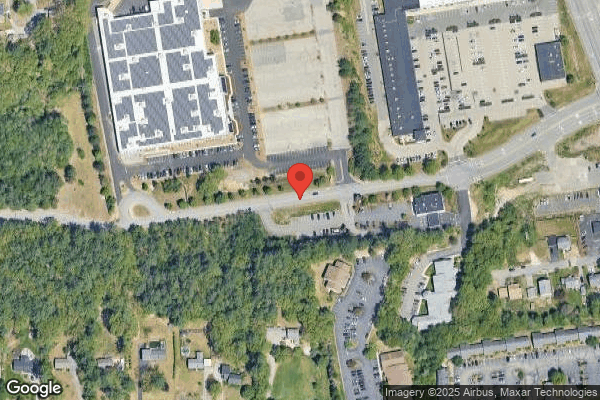

30 COLBY COURT, BEDFORD, NH 03110 (603) 625-6462
For profit - Limited Liability company 147 Beds ROBERT RAUSMAN Data: November 2025 1 Immediate Jeopardy citation
Trust Grade
56/100
#30 of 73 in NH
Last Inspection: August 2025

Inspected within the last 6 months. Data reflects current conditions.

Overview

Bedford Hills Center has a Trust Grade of C, which means it is average and sits in the middle of the pack among nursing homes. It ranks #30 out of 73 facilities in New Hampshire, placing it in the top half, and #12 out of 21 in Hillsborough County, indicating that only a few local options are better. The facility is improving, having reduced its issues from 6 in 2024 to 0 in 2025, but it has had concerning fines totaling $16,452, which is higher than 79% of New Hampshire facilities. Staffing is rated average with a turnover rate of 43%, which is lower than the state average, suggesting some stability among staff. However, there are serious concerns, including a critical incident where a resident received too much insulin, requiring hospitalization, and another case where a resident was not properly informed about the risks of antipsychotic medications. While the nursing home has some strengths, such as a decent staffing turnover rate, the presence of significant medication errors raises important questions for families considering this facility.

Trust Score
C
56/100
In New Hampshire
#30/73
Top 41%
Safety Record
High Risk
Review needed
Inspections
Getting Better
6 → 0 violations
Staff Stability
○ Average
43% turnover. Near New Hampshire's 48% average. Typical for the industry.
Penalties
✓ Good
$16,452 in fines. Lower than most New Hampshire facilities. Relatively clean record.
Skilled Nurses
✓ Good
Each resident gets 42 minutes of Registered Nurse (RN) attention daily — more than average for New Hampshire. RNs are trained to catch health problems early.
Violations
○ Average
8 deficiencies on record. Average for a facility this size. Mostly minor or procedural issues.
★★★☆☆
3.0
Overall Rating
★★★☆☆
3.0
Staff Levels
★☆☆☆☆
1.0
Care Quality
★★★★☆
4.0
Inspection Score
Stable
2024: 6 issues
2025: 0 issues

The Good

  • Full Sprinkler Coverage · Fire safety systems throughout facility
  • No fines on record
  • Staff turnover below average (43%)

    5 points below New Hampshire average of 48%

Facility shows strength in fire safety.

The Bad

3-Star Overall Rating

Near New Hampshire average (3.0)

Meets federal standards, typical of most facilities

Staff Turnover: 43%

Near New Hampshire avg (46%)

Typical for the industry

Federal Fines: $16,452

Below median ($33,413)

Minor penalties assessed

Chain: ROBERT RAUSMAN

Part of a multi-facility chain

Ask about local staffing decisions and management

The Ugly 8 deficiencies on record

1 life-threatening
Oct 2024 1 deficiency
CONCERN (D) 📢 Someone Reported This

A family member, employee, or ombudsman was alarmed enough to file a formal complaint

Potential for Harm - no one hurt, but risky conditions existed

Deficiency F0760 (Tag F0760)

Could have caused harm · This affected 1 resident

Based on interview and record review, it was determined that the facility failed to ensure that a resident was free from significant medication errors for 1 resident out of 3 residents reviewed for an...

Read full inspector narrative →
Based on interview and record review, it was determined that the facility failed to ensure that a resident was free from significant medication errors for 1 resident out of 3 residents reviewed for anticoagulant medications (Resident Identifier #3). Findings include: Review on 10/3/24 of Resident #3's Hospital Discharge Medication Record, dated 7/11/24, revealed the following: Resident #3 has a discharge diagnosis of a saddle pulmonary embolism. Review also revealed that Resident #3 had an order for Apixaban 5 mg [milligrams] oral tablet [medication used to prevent blood clots], take 2 tablets, 10 mg, by mouth twice a day for 7 days followed by 1 tablet (5 mg) twice daily. Review on 10/3/24 of Resident #3's July and August 2024 Medication Administration Record revealed that Resident #3 received 10 mg of Apixaban from 7/11/24 to 7/18/22 and received 5 mg of Apixaban from 7/18/24 to 7/22/24. Resident #3 did not received Apixaban from 7/22/24 to 8/29/24. Interview on 10/3/24 at 11:00 a.m. with Staff A (Director of Nursing) confirmed that Resident #3 did not receive anticoagulation therapy from 7/22/24 to 8/29/24. Staff A stated that they had identified the medication error on 8/28/24. Review on 10/3/24 of the facility's corrective action plan revealed the following: Provider was notified of the medication error on 8/28/24, a Quality Assurance meeting was held on 8/29/24, Facility wide audits of all medication orders were completed on 9/9/24, all nurses and medication nursing assistants were educated on medication ordering and reconciliation protocols on 8/31/24, and weekly audits of all medication orders, including anticoagulant medications, was started on 9/9/24.
Jul 2024 4 deficiencies
CONCERN (D)

Potential for Harm - no one hurt, but risky conditions existed

Deficiency F0552 (Tag F0552)

Could have caused harm · This affected 1 resident

Based on interview and record review, it was determined that the facility failed to inform the resident and/or the resident's representative of the risks and benefits of antipsychotic medication for 1...

Read full inspector narrative →
Based on interview and record review, it was determined that the facility failed to inform the resident and/or the resident's representative of the risks and benefits of antipsychotic medication for 1 of 5 residents reviewed for unnecessary medications in a final sample of 26 residents (Resident Identifier #60). Findings include: Review on 7/31/24 of Resident #60's physician orders revealed the following order: Zyprexa 2.5 milligrams (mg) by mouth every afternoon for delusions, dated 11/9/23 and Zyprexa 5 mg by mouth every evening for delusions, dated 11/9/23. Review on 7/31/24 of Resident #60's medical record revealed that there was no consent or evidence of discussion with Resident #60 or the resident representative about the risk and benefits of Zyprexa. Interview on 7/31/24 at approximately 2:20 p.m. with Staff A (Unit Manager) confirmed above findings. Review on 7/31/24 of Facility Policy 3.8 Psychotropic Medication Use with a revised date of 10/24/22, revealed: .16. Facility staff should inform the resident and/or resident representative of the initiation, reason for use, and risks associated with the use of psychotropic medications .
CONCERN (D)

Potential for Harm - no one hurt, but risky conditions existed

Deficiency F0761 (Tag F0761)

Could have caused harm · This affected 1 resident

Based on observation, interview, and policy review, it was determined that the facility failed to ensure that expired medications were removed from stock in 1 of 2 medication rooms observed. Findings ...

Read full inspector narrative →
Based on observation, interview, and policy review, it was determined that the facility failed to ensure that expired medications were removed from stock in 1 of 2 medication rooms observed. Findings include: Observation on 7/29/24 at approximately 8:15 a.m. with Staff A (Unit Manager) of the [NAME] Unit medication room revealed two opened multi dose bottles of APLISOL (Tuberculin Purified Protein Derivative, diluted) in the refrigerator, in one box labeled with an open date of 6/20/24 and a do not use after date of 7/20/24. Interview on 7/29/24 at approximately 8:20 a.m. with Staff A confirmed the above findings. Review on 7/29/24 of manufacturers instructions for APLISOL revealed: .Storage .Vials in use more than 30 days should be discarded due to possible oxidation and degradation which may affect potency . Review on 7/30/24 of facility policy titled, Disposal/Destruction of Expired or Discontinued Medication revealed: .4. Facility should place all discontinued or outdated medications in a designated, secure location which is solely for discontinued medications .
MINOR (B)

Minor Issue - procedural, no safety impact

Deficiency F0582 (Tag F0582)

Minor procedural issue · This affected multiple residents

Based on interview and record review, it was determined that the facility failed to ensure that the resident and/or resident representative was informed timely of the Skilled Nursing Facility (SNF) No...

Read full inspector narrative →
Based on interview and record review, it was determined that the facility failed to ensure that the resident and/or resident representative was informed timely of the Skilled Nursing Facility (SNF) Notice of Medicare Non-Coverage (NOMNC) or Advance Beneficiary Notice (ABN) for 2 out of 3 residents reviewed for beneficiary notices (Resident Identifiers are #110 and #131). Findings include: Resident #110 Review on 7/30/24 of Beneficiary Notice - Residents discharged Within the Last Six Months form, completed by the facility, revealed that Resident #110 was discharged from Medicare Services on 6/10/24 and remained in the facility. Review on 7/30/24 of Resident #110's SNF Beneficiary Notification Review form, completed by the facility, revealed that Resident #110's last covered day of Medicare Part A Skilled Services was 6/10/24 and that the facility/provider initiated the discharge from Medicare Part A Services when benefit days were not exhausted. Further review revealed that the SNF ABN notice was not provided to the resident. Interview on 7/30/24 at 11:21 a.m. with Staff D (Minimum Data Set Coordinator) confirmed that the SNF ABN was not provided to Resident #110. Resident #131 Review on 7/30/24 of Beneficiary Notice - Residents discharged Within the Last Six Months form revealed that Resident #131 was discharged from Medicare Services on 6/10/24 and discharged home. Review on 7/30/24 of Resident #131's SNF Beneficiary Notification Review form revealed that Resident #131's last covered day of Medicare Part A Skilled Services was 6/10/24 and that NOMNC form was not provided to Resident #131. Interview on 7/30/24 at 11:21 a.m. with Staff D confirmed that the NOMNC was not provided to Resident #131. Interview on 7/30/24 at 11:23 a.m. with Staff E (Director of Social Services) revealed that Resident #131 had reached their baseline and no longer needed skilled Medicare services. Interview on 7/30/24 at 2:48 p.m. with Staff C (Administrator) confirmed that the facility initiated the discharge from Medicare Part A for Resident #131 and should have issued a NOMNC.
MINOR (B)

Minor Issue - procedural, no safety impact

Assessment Accuracy (Tag F0641)

Minor procedural issue · This affected multiple residents

**NOTE- TERMS IN BRACKETS HAVE BEEN EDITED TO PROTECT CONFIDENTIALITY** Resident #62 Review on 7/31/2024 of Resident #62's Annual MDS assessment dated [DATE], revealed that Section O0110, Special Trea...

Read full inspector narrative →
**NOTE- TERMS IN BRACKETS HAVE BEEN EDITED TO PROTECT CONFIDENTIALITY** Resident #62 Review on 7/31/2024 of Resident #62's Annual MDS assessment dated [DATE], revealed that Section O0110, Special Treatments, Procedures, and Programs, indicated that Resident #62 was receiving Hospice services. Interview on 7/31/2024 at approximately 12:45 p.m. with Staff B confirmed that Resident #62 was not receiving Hospice services and that the MDS assessment was coded incorrectly. Resident #1 Review on 7/30/204 of Resident #1's Annual MDS assessment dated [DATE], revealed that Section O, Special Treatments, indicated that Resident #1 was receiving Hospice services. Review on 7/30/24 of Resident #1's medical record revealed no order or care plan for hospice services. Interview on 7/31/24 at approximately 12:20 p.m. with Staff B confirmed that Resident #1 was not receiving Hospice services and that the MDS assessment was coded incorrectly. Based on record review and interview, it was determined that the facility failed to ensure that the Minimum Data Set (MDS) assessment accurately reflected the residents' status for 3 of 26 residents in a final sample of 26 residents (Resident Identifiers are #1, #62, and #128). Resident #128 Review on 7/31/24 of Resident #128's Discharge - return not anticipated MDS, with an Assessment Reference Date (ARD) date of 5/1/24, revealed under section A0301G, Type of discharge: Unplanned was coded. Review on 7/31/24 of Resident #128's discharge assessment dated [DATE] revealed that Resident #42 was a planned discharge to home. Interview on 7/31/24 at 8:46 a.m. with Staff B (MDS Coordinator) revealed that the MDS dated [DATE], was coded incorrectly.
May 2024 1 deficiency 1 IJ
CRITICAL (J) 📢 Someone Reported This

A family member, employee, or ombudsman was alarmed enough to file a formal complaint

Immediate Jeopardy (IJ) - the most serious Medicare violation

Deficiency F0760 (Tag F0760)

Someone could have died · This affected 1 resident

Based on interview and record review, it was determined that the facility failed to ensure residents remain free from significant medication errors, which resulted in a resident needing interventions ...

Read full inspector narrative →
Based on interview and record review, it was determined that the facility failed to ensure residents remain free from significant medication errors, which resulted in a resident needing interventions for hypoglycemia, including hospital observation for one of three residents reviewed for insulin use. (Resident Identifier #1). Findings include: Interview on 5/22/24 at approximately 10:00 a.m. with Resident #1 revealed he/she had received too much insulin a little while ago and ended up going to the hospital as a result. Review on 5/22/24 of Resident #1's March 2024 Medication Administration Record revealed the following Humulin R U-500 (Insulin) orders: Humulin R U-500 kwik pen 12 units one time only for CBG= 507 mg/dl, with a start date and time of 3/31/24 at 12:15 p.m.; Humulin R U-500 kwik pen 12 units one time only for CBG= 487 mg/dl, Administer in addition to scheduled 45 units for a total of 57 units, with a start date and time of 3/31/24 at 4:30 p.m. Interview on 5/22/24 at approximately 11:20 a.m. with Staff B (Registered Nurse) revealed that at approximatley 12:15 p.m., they used a U-100 insulin syringe instead of a U-500 syringe to withdraw 12 units of Humulin U-500 from the resident's insulin pen (total concentration administerd was equal to 60 units, not the ordered 12 units). Staff B revealed that at approximatley 4:30 p.m., they used a U-100 insulin syringe instead of a U-500 syringe to withdraw 12 units of Humulin U-500 from the resident's insulin pen (total concentration administered equal to 60 units, not the ordered 12 units). Review on 5/22/24 of the manufacturers' instructions for Humulin R U-500 kwik pen revealed, .HUMULIN R U-500 is a concentrated insulin. Do not transfer HUMULIN R U-500 insulin from your Pen into a syringe. A severe overdose can happen, causing very low blood sugar, which may put your life in danger . Interview on 5/22/24 at approximately 11:20 a.m. with Staff B revealed that the Humlim R U-500 Kwik pen only allows administration in 5 unit increments. Staff B used a syringe in order administer be able to administer 12 units because the pen could only deliver 10 or 15 units. Interview on 5/22/24 at approximately 11:00 a.m. with Staff A (Director of Nursing) revealed that Resident #1 had received the wrong dose of Humulin R U-500 twice on 3/31/24. Staff A confirmed that Staff B used the wrong syringe to administer the above insulin and therefore the resident recieved five times the dose ordered. Review on 5/22/24 of Resident #1's medical record revealed a nurses note dated 4/1/24, entered at 9:50 p.m., Resident returned from hospital s/p [status post] accidental insulin overdose . Further review of Resident #1's medical record revealed an eInteract Transfer Form V5, dated 4/1/24, that revealed .5. Additional Relevant Information: notified by previous nurse during report that resident had several episodes of hypoglycemia overnight. Upon assessment resident had CBG [Capillary Blood Glucose] of 42 [mg/dl (milligrams per deciliter)]. Resident lethargic, only arousable with repeated stimuli, insta glucose gel administered, per orders to send to ED [Emergency Department] for eval [evaluation] and tx [treatment]. CBG rechecked and increased to 56 [mg/dl]. Transferred to [Hospital name omitted] ED via [by way of] EMS [Emergency Medical Services] @ [at] 0755 [7:55 a.m.]. Review on 5/22/24 of Resident #1's recorded blood sugars for 3/31/24-4/1/24 revealed the following: 3/31/24 at 9:36 a.m. 375 mg/dl; 3/31/24 at 11:55 a.m. 507 mg/dl; 3/31/24 at 4:21 p.m. 487 mg/dl; 3/31/24 at 7:00 p.m. 291 mg/dl; 3/31/24 8:39 p.m. 168 mg/dl; 4/1/24 at 12:51 a.m. 115 mg/dl; 4/1/24 at 3:30 a.m. 97 mg/dl; 4/1/24 at 5:33 a.m. 57 mg/dl; 4/1/24 at 6:12 a.m. 94 mg/dl; 4/1/24 at 7:38 a.m. 42 mg/dl; 4/1/24 at 7:39 a.m. 40 mg/dl. Review of glucose references rangs, retrieved from: https://emedicine.medscape.com/article/2087913-overview?form=fpf revealed the following: Normal glucose, for elderly patients: 82-115 mg/dL Review on 5/22/24 of The American Diabetes Association website article, Using U-500 Insulin, found at diabetesjournals.org/clinical/article/30/2/86/31636/Using-U-500-Insulin, updated on April 1,2012, revealed: .U-500 is 5 times more concentrated than U-100 insulin. This means that every 1 unit of U-500 is the same as 5 units of your usual insulin. This makes it a more powerful medicine. It also means that you need to be careful about giving yourself the right amount of U-500 Review on 5/22/24 of the facility's documentation of corrective action for the above insulin error revealed the facility updated the policy titled: Insulin Penson 4/2/24, completed in-service education to all nurses on the administration of insulin with an insulin pen specific to Humulin R U-500 on 4/2/24, conducted competencies with all nurses on the administration of insulin with an insulin pen from 4/4/24-4/15/24, are monitoring insulin administration through weekly audits and are reviewing these audits at quarterly Quality Assurance and Performance Improvement meetings.
Jun 2023 2 deficiencies
CONCERN (D)

Potential for Harm - no one hurt, but risky conditions existed

Deficiency F0658 (Tag F0658)

Could have caused harm · This affected 1 resident

**NOTE- TERMS IN BRACKETS HAVE BEEN EDITED TO PROTECT CONFIDENTIALITY** Based on observation, interview, and record review, it was determined that the facility failed to follow professional standards ...

Read full inspector narrative →
**NOTE- TERMS IN BRACKETS HAVE BEEN EDITED TO PROTECT CONFIDENTIALITY** Based on observation, interview, and record review, it was determined that the facility failed to follow professional standards for following physician orders and medication administration for 2 out of 4 residents observed during medication administration. (Resident identifiers are #7 and #98.) Findings include: Resident #7 Observation on 6/27/23 at 10:27 a.m. of Resident #7 during medication administration with Staff C (Registered Nurse) revealed Resident #7 had a Lidocaine External Patch located on his/her left shoulder dated 6/26/23. Review on 6/27/23 at 10:30 a.m. of Resident #7's physican orders revealed an order dated 1/23/2023 for Lidocaine External Patch apply to left shoulder topically in the morning for DJD [Degenerative Joint Disease] and remove at HS [hours of sleep] start date in January 2023 through June 2023. Interview on 6/27/23 at 10:45 a.m. with Staff C revealed that the patch should have been removed at HS on 6/26/23 and had not been. Standards: [NAME], [NAME] A., and [NAME]. Fundamentals of Nursing. 7th ed. St. Louis, Missouri: Mosby Elsevier, 2009. Page 336- Physicians' Orders: The physician is responsible for directing medical treatment. Nurses follow physician's orders unless they believe the orders are in error or harm clients. Therefore you need to assess all orders, and if you find one to be erroneous or harmful, further clarification from the physician is necessary . Resident #98 Observation on 6/28/23 at 7:50 a.m. with Staff D (Licensed Practical Nurse) on the Solona unit, Medication Cart 1, revealed that Staff D dropped a 1 milligram (mg) Anastrozole tablet on top of the cart when preparing medications for Resident #98. Staff D picked up the dropped tablet with his/her bare hands and placed it in the cup with other medications ready to be administered. Interview on 6/28/23 at 7:53 a.m. with Staff D confirmed the above findings and revealed they should have discarded the dropped tablet. Standard [NAME], [NAME] A., and [NAME]. Fundamentals of Nursing. 7th ed. St. Louis, Missouri: Mosby Elsevier, 2009. pg. 720; 'Administering Oral Medications'; Step 7; item h.Do not touch medication with fingers.Break prescored medications if needed by using a gloved hand or a clean pillating device.
CONCERN (D) 📢 Someone Reported This

A family member, employee, or ombudsman was alarmed enough to file a formal complaint

Potential for Harm - no one hurt, but risky conditions existed

ADL Care (Tag F0677)

Could have caused harm · This affected 1 resident

Based on observation, interview, and record review, it was determined that the facility failed to provide oral hygiene for 1 out of 1 resident reviewed for Activities of Daily Living (ADL) (Resident i...

Read full inspector narrative →
Based on observation, interview, and record review, it was determined that the facility failed to provide oral hygiene for 1 out of 1 resident reviewed for Activities of Daily Living (ADL) (Resident identifier is #86). Findings Include: Observation on 6/27/23 at 9:30 a.m. revealed that resident #86 had not had oral hygiene completed after breakfast. Interview on 6/27/23 at 10:15 a.m with Staff A (Licensed Nursing Assistant) revealed Staff A was assigned to Resident #98 and he/she had not provided Resident #86's with oral hygiene that morning. Interview on 6/27/23 at 9:30 a.m. with Resident #86's Durable Power of Attorney (DPOA) revealed that he/she had concerns with Resident #86's oral hygiene not being provided regularly. Review on 6/27/23 of the Licensed Nursing Assitant Task List for ADLs called Mouth Care-cleaning of teeth/dentures/mouth), dated 6/27/23, showed documentation that oral hygiene had been completed by the resident. Further review of documentation revealed that between 6/16/23 and 6/28/23 the resident completed their own oral hygiene on six of the days (6/17/23, 6/19/23, 6/20/23, 6/24/23, 6/25/23, and 6/27/23). Interview on 6/27/23 at 2:00 p.m with Staff B (Unit Manager) revealed Resident #86 is unable to complete his/her own oral hygiene and requires total assist of staff.
Understanding Severity Codes (click to expand)
Life-Threatening (Immediate Jeopardy)
J - Isolated K - Pattern L - Widespread
Actual Harm
G - Isolated H - Pattern I - Widespread
Potential for Harm
D - Isolated E - Pattern F - Widespread
No Harm (Minor)
A - Isolated B - Pattern C - Widespread

Questions to Ask on Your Visit

  • "What changes have you made since the serious inspection findings?"
  • "Can I speak with families of current residents?"
  • "What's your RN coverage like on weekends and overnight?"

Our Honest Assessment

Strengths
  • • 43% turnover. Below New Hampshire's 48% average. Good staff retention means consistent care.
Concerns
  • • Multiple safety concerns identified: 1 life-threatening violation(s). Review inspection reports carefully.
  • • 8 deficiencies on record, including 1 critical (life-threatening) violation. These warrant careful review before choosing this facility.
  • • $16,452 in fines. Above average for New Hampshire. Some compliance problems on record.
  • • Grade C (56/100). Below average facility with significant concerns.
Bottom line: Mixed indicators with Trust Score of 56/100. Visit in person and ask pointed questions.

About This Facility

What is Bedford Hills Center's CMS Rating?

CMS assigns BEDFORD HILLS CENTER an overall rating of 3 out of 5 stars, which is considered average nationally. Within New Hampshire, this rating places the facility higher than 0% of the state's 100 nursing homes. This mid-range rating indicates the facility meets federal standards but may have areas for improvement.

How is Bedford Hills Center Staffed?

CMS rates BEDFORD HILLS CENTER's staffing level at 3 out of 5 stars, which is average compared to other nursing homes. Staff turnover is 43%, compared to the New Hampshire average of 46%. This relatively stable workforce can support continuity of care.

What Have Inspectors Found at Bedford Hills Center?

State health inspectors documented 8 deficiencies at BEDFORD HILLS CENTER during 2023 to 2024. These included: 1 Immediate Jeopardy (the most serious level, indicating potential for serious harm or death), 5 with potential for harm, and 2 minor or isolated issues. Immediate Jeopardy findings are rare and represent the most serious regulatory concerns. They require immediate corrective action.

Who Owns and Operates Bedford Hills Center?

BEDFORD HILLS CENTER is owned by a for-profit company. For-profit facilities operate as businesses with obligations to shareholders or private owners. The facility is operated by ROBERT RAUSMAN, a chain that manages multiple nursing homes. With 147 certified beds and approximately 135 residents (about 92% occupancy), it is a mid-sized facility located in BEDFORD, New Hampshire.
How Does Bedford Hills Center Compare to Other New Hampshire Nursing Homes?

Compared to the 100 nursing homes in New Hampshire, BEDFORD HILLS CENTER's overall rating (3 stars) is below the state average of 3.0, staff turnover (43%) is near the state average of 46%, and health inspection rating (4 stars) is above the national benchmark.

What Should Families Ask When Visiting Bedford Hills Center?

Based on this facility's data, families visiting should ask: "What changes have been made since the serious inspection findings, and how are you preventing similar issues?" "Can I visit during a mealtime to observe dining assistance and food quality?" "How do you handle medical emergencies, and what is your hospital transfer rate?" "Can I speak with family members of current residents about their experience?" These questions are particularly relevant given the facility's Immediate Jeopardy citations.

Is Bedford Hills Center Safe?

Based on CMS inspection data, BEDFORD HILLS CENTER has documented safety concerns. Inspectors have issued 1 Immediate Jeopardy citation (the most serious violation level indicating risk of serious injury or death). The facility has a 3-star overall rating and ranks #100 of 100 nursing homes in New Hampshire. Families considering this facility should ask detailed questions about what corrective actions have been taken since these incidents.

Do Nurses at Bedford Hills Center Stick Around?

BEDFORD HILLS CENTER has a staff turnover rate of 43%, which is about average for New Hampshire nursing homes (state average: 46%). Moderate turnover is common in nursing homes, but families should still ask about staff tenure and how the facility maintains care continuity when employees leave.

Was Bedford Hills Center Ever Fined?

BEDFORD HILLS CENTER has been fined $16,452 across 1 penalty action. This is below the New Hampshire average of $33,243. While any fine indicates a compliance issue, fines under $50,000 are relatively common and typically reflect isolated problems that were subsequently corrected. Families should ask what specific issues led to these fines and confirm they've been resolved.

Is Bedford Hills Center on Any Federal Watch List?

BEDFORD HILLS CENTER is not on any federal watch list. The most significant is the Special Focus Facility (SFF) program, which identifies the bottom 1% of nursing homes nationally based on persistent, serious quality problems. Not being on this list means the facility has avoided the pattern of deficiencies that triggers enhanced federal oversight. This is a positive indicator, though families should still review the facility's inspection history directly.