VILLA CREST NURSING AND RETIREMENT CENTER
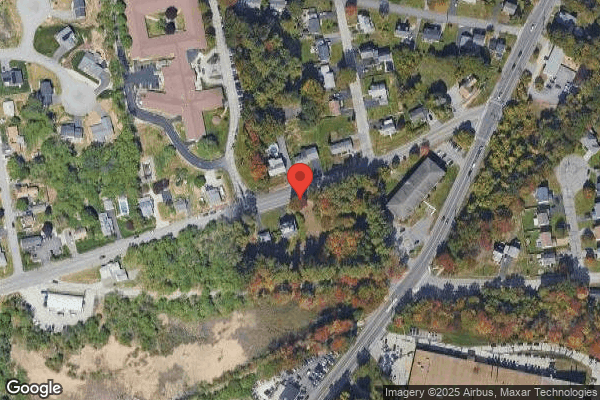
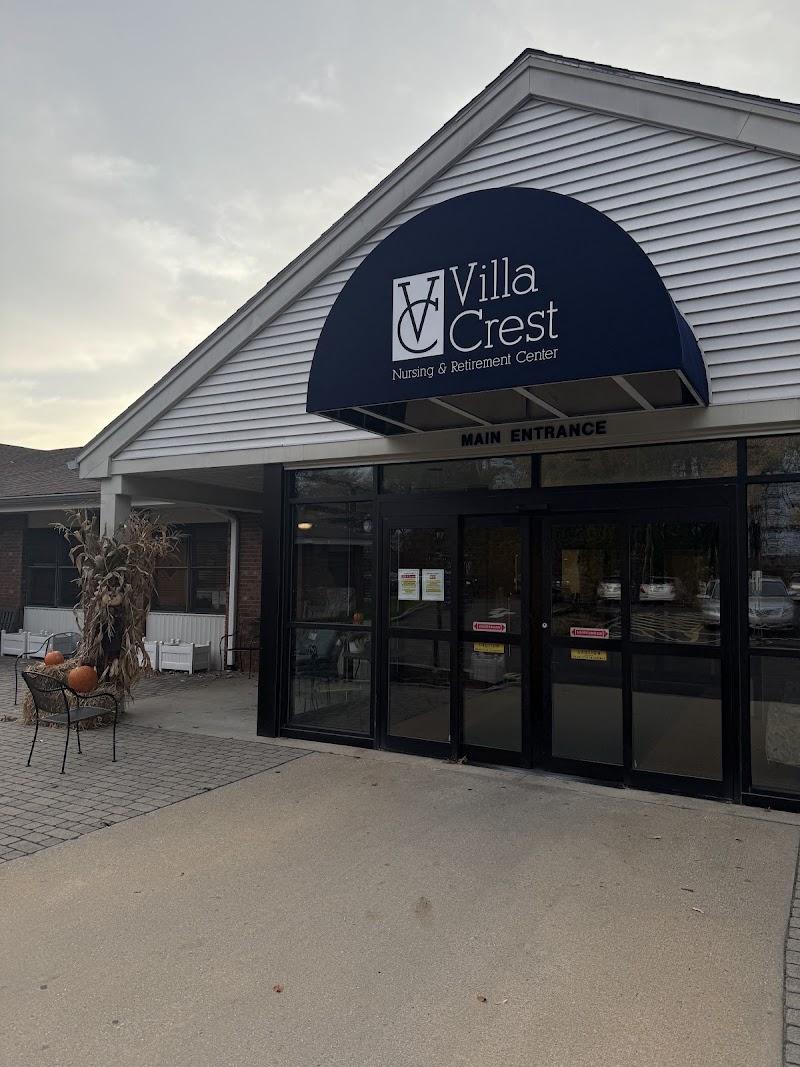
1276 HANOVER STREET, MANCHESTER, NH 03104 (603) 622-3262
For profit - Limited Liability company 126 Beds Independent Data: November 2025
Trust Grade
90/100
#14 of 73 in NH
Last Inspection: July 2025

Inspected within the last 6 months. Data reflects current conditions.

Overview

Villa Crest Nursing and Retirement Center has received an excellent Trust Grade of A, indicating they are highly recommended and perform well compared to other facilities. They rank #14 out of 73 nursing homes in New Hampshire, placing them in the top half, and #4 out of 21 in Hillsborough County, meaning there are only three local options that are better. The facility is trending positively, as the number of issues found during inspections decreased from three in 2024 to two in 2025. Staffing is considered a strength, with a 4/5 star rating and a turnover rate of 40%, which is below the state average, suggesting that staff are experienced and familiar with the residents. However, there are some concerns, including less RN coverage than 98% of state facilities, which may impact the quality of care. Specific inspection findings revealed issues such as failure to properly sanitize dishes in the kitchen, not following infection control guidelines when handling soiled laundry, and not ensuring a gradual dose reduction for a resident on psychotropic medications. Overall, while the facility has strong staffing and a good reputation, there are important areas that need attention for the safety and well-being of residents.

Trust Score
A
90/100
In New Hampshire
#14/73
Top 19%
Safety Record
Low Risk
No red flags
Inspections
Getting Better
3 → 2 violations
Staff Stability
○ Average
40% turnover. Near New Hampshire's 48% average. Typical for the industry.
Penalties
✓ Good
No fines on record. Clean compliance history, better than most New Hampshire facilities.
Skilled Nurses
⚠ Watch
Each resident gets only 24 minutes of Registered Nurse (RN) attention daily — below average for New Hampshire. Fewer RN minutes means fewer trained eyes watching for problems.
Violations
○ Average
9 deficiencies on record. Average for a facility this size. Mostly minor or procedural issues.
★★★★★
5.0
Overall Rating
★★★★☆
4.0
Staff Levels
★★★★★
5.0
Care Quality
★★★★☆
4.0
Inspection Score
Stable
2024: 3 issues
2025: 2 issues

The Good

  • 4-Star Staffing Rating · Above-average nurse staffing levels
  • 5-Star Quality Measures · Strong clinical quality outcomes
  • Full Sprinkler Coverage · Fire safety systems throughout facility
  • No fines on record
  • Staff turnover below average (40%)

    8 points below New Hampshire average of 48%

Facility shows strength in staffing levels, quality measures, fire safety.

The Bad

Staff Turnover: 40%

Near New Hampshire avg (46%)

Typical for the industry

The Ugly 9 deficiencies on record

Jul 2025 2 deficiencies
CONCERN (D)

Potential for Harm - no one hurt, but risky conditions existed

Deficiency F0605 (Tag F0605)

Could have caused harm · This affected 1 resident

**NOTE- TERMS IN BRACKETS HAVE BEEN EDITED TO PROTECT CONFIDENTIALITY** Based on record review and interview, it was determined that the facility failed to ensure that a resident receiving psychotropi...

Read full inspector narrative →
**NOTE- TERMS IN BRACKETS HAVE BEEN EDITED TO PROTECT CONFIDENTIALITY** Based on record review and interview, it was determined that the facility failed to ensure that a resident receiving psychotropic medications received a gradual dose reduction (GDR) for 1 out of 5 residents reviewed for unnecessary medications in a final sample of 24 residents. (Resident identifier is #76.)Findings include:Review on 7/31/25 of Resident #76's medical record revealed that the Resident #76 was admitted to the facility in 2014 and had a diagnosis of dementia with psychotic disturbance. Review on 7/31/25 of Resident #76's physician's orders revealed that Resident #76 had been receiving Risperdal (antipsychotic) 2 milligrams (mg) daily for Psychosis since 1/13/22.Review on 7/31/25 of Resident #76's Geriatric Psychiatry Progress Notes revealed the following entries:On 1/20/25, Resident #76 was at baseline, no acute concerns regarding mood, behaviors, appetite, sleep or safety, with no overt psychosis. Resident was due for a GDR but family will not agree;On 3/13/25, Resident #76 was stable and the Durable Power of Attorney (DPOA) continue to request that resident stays on current pharmacological treatment. No mental health issues documented; [NAME] 7/13/25, Resident #76 was at his/her baseline and had no psychiatric or behavioral concerns. Further review revealed .Patient's DPOA with long history of refusing GDR of risperdone in the past, thus will not attempt GDR of this medication unless patient develops apparent adverse effects.Review on 7/31/25 of Resident #76's nursing progress notes from June 2025 and July 2025 revealed there were no documentation of behaviors for Resident #76. Interview on 7/31/25 at 9:33 a.m. with Staff A (MDS Coordinator) confirmed that a GDR had not been attempted for Resident #76 and that there was no documentation of a clinical contraindication for a GDR.Interview on 7/31/25 at 11:17 a.m. with Staff C (RN) revealed that Resident #76 was pleasant and quiet. Staff C also revealed they had never seen Resident #76 with any psychotic or hallucination episodes. Review on 7/31/25 of the facility's policy, Tapering Medication and Gradual Dose Reduction revealed .3. The staff and practitioner will consider tapering of medications as one approach to finding an optimal dose of determining whether the continued use of a medication is benefiting the resident. 4. The staff and practitioner will consider tapering under certain circumstances, including when: a. the resident's clinical condition has improved or stabilized . 19. Residents who use psychotropic medication shall receive gradual dose reduction, unless clinically contraindicated, in an effort to discontinue the use of such drugs .
CONCERN (E)

Potential for Harm - no one hurt, but risky conditions existed

Food Safety (Tag F0812)

Could have caused harm · This affected multiple residents

Based on observation, interview and record review, it was determined that the facility failed to ensure that the dishes were sanitize according to manufacturer's instruction for 1 of 1 kitchen observe...

Read full inspector narrative →
Based on observation, interview and record review, it was determined that the facility failed to ensure that the dishes were sanitize according to manufacturer's instruction for 1 of 1 kitchen observed. Findings include:Observation on 7/29/25 at approximately 8:40 a.m. in the kitchen with Staff B (Dietary Services Director) revealed that two dietary aides were using the low temperature dishwasher. Staff B used a chlorine test strip and tested the chemical sanitizer (chlorine) of the dishwasher. The chlorine test strip did not change color indicating a lack of chlorine. Interview on 7/29/25 at approximately 8:40 a.m. with Staff B revealed that the dishwasher was a low-temperature chemical sanitizing dishwasher. Staff B stated that above tested failed because the chemical sanitizer needed to be replaced as it was low. Staff B stated that the dietary aides did not check the chemical sanitizer before washing the dishes through the dishwasher. Observation on 7/29/25 at approximately 9:00 a.m. with Staff B revealed that the dishwasher had a new chemical sanitizer bottle attached and that the dishwasher was in use. Staff B retested the chemical sanitizer with the chlorine test strip. The chlorine test strip did not change color indicating lack of chlorine.Interview on 7/29/25 at approximately 9:00 a.m. with Staff B confirmed the chemical sanitizer test failed and revealed that the dietary aides had not retested the chlorine prior to resuming dishwashing. Review on 7/30/25 of the facility's operation procedure for Machine Warewashing, undated, revealed .2. Make sure detergent and sanitizer dispensers are properly loaded 8. Check temperatures and chemical concentration for adequacy and record results. Follow manufacturers recommendations.Review on 7/31/25 of the Machine Warewashing Dishwasher manufacturer's instruction revealed a minimum temperature of 120 degrees Fahrenheit and required: 50 parts per million (ppm) available chlorine rinse.
Jun 2024 3 deficiencies
CONCERN (D)

Potential for Harm - no one hurt, but risky conditions existed

Deficiency F0658 (Tag F0658)

Could have caused harm · This affected 1 resident

Based on observation, record review,and manufacturers instructions, it was determined that the facility failed to follow professional standards when administering insulin for 1 out of 31 medications o...

Read full inspector narrative →
Based on observation, record review,and manufacturers instructions, it was determined that the facility failed to follow professional standards when administering insulin for 1 out of 31 medications observed (Resident Identifier #83). Findings include: Observation on 6/19/24 at approximately 7:45 a.m. of Staff A (Licensed Practical Nurse) administering Resident #83's insulin revealed that the Lantus Glargine insulin pen was held for 4 seconds when administering the dose. Interview on 6/19/24 at approximately 7:45 a.m. of Staff A confirmed the above findings. Review on 6/19/24 of the manufacturers instructions for Lantus insulin Glargine injection 100 Units/ml (milliliters), dated 8/2022, revealed: .Step 5. Use your thumb to press the injection button all the way down. When the number in the dose window returns to 0 as you inject slowly count to 10 before removing. (Counting to 10 will make sure you get your full insulin dose.) .
CONCERN (D)

Potential for Harm - no one hurt, but risky conditions existed

Medication Errors (Tag F0758)

Could have caused harm · This affected 1 resident

Based on record review and interview, it was determined that the facility failed to ensure that as needed (PRN) psychotropic drugs were limited to 14 days for 2 residents in a final sample of 26 resid...

Read full inspector narrative →
Based on record review and interview, it was determined that the facility failed to ensure that as needed (PRN) psychotropic drugs were limited to 14 days for 2 residents in a final sample of 26 residents (Resident Identifiers are #112 and #11). Findings include: Resident #112 Review on 6/19/2024 of Resident #112's current physician orders revealed and order for Lorazepam Intensol 0.5 mg [milligrams] by mouth every 4 hours PRN for anxiety/restlessness that was initiated on 5/28/2024. Review on 6/19/2024 of Resident #112's June Medication Administration Record (MAR) revealed that 3 doses of as needed Lorazepam Intensol had been given in the month of June. Interview on 6/20/2024 at approximately 8:30 a.m. with Staff B (Director of Nursing) confirmed that there was no 14 day stop date or evaluation for continued use for the PRN Lorazepam since its origination date of 5/28/24. Staff B further confirmed that there should have been either an evaluation of the need to continue the order or a stop date 14 days after the start date of 5/28/24. Resident #11 Review on 6/19/24 of Resident #11's current physician orders revealed an order for Lorazepam Intensol 0.5 mg -Schedule IV concentrate: 2 mg/mL [milliliter] PRN every 4 hours for restlessness/agitation that was initiated on 5/10/24. Review on 6/19/24 of Resident #11's June MAR revealed that Resident #11 had not used the medication. Interview on 6/19/24 at approximately 2:48 p.m. with Staff B confirmed that there was no 14 day stop date or evaluation for continued use for the PRN Lorazepam since its origination date of 5/10/24. Staff B further confirmed that there should have been either an evaluation of the need to continue the order or a stop date 14 days after the start date of 5/10/24. Review on 6/20/24 of facility policy titled Psychotropic Medication, dated 9/2022, revealed: 11 . (1) For psychotropic medications that are NOT antipsychotics: If the prescriber or attending physician believes it is appropriate to extend the PRN order beyond 14 days, he or she will document the rationale for extending the use and include the duration for the PRN order .
CONCERN (E)

Potential for Harm - no one hurt, but risky conditions existed

Infection Control (Tag F0880)

Could have caused harm · This affected multiple residents

Based on observation, interview, and record review, it was determined that the facility failed to follow infection control and prevention guidelines to prevent cross-contamination by not wearing gowns...

Read full inspector narrative →
Based on observation, interview, and record review, it was determined that the facility failed to follow infection control and prevention guidelines to prevent cross-contamination by not wearing gowns when handling soiled linen and clothing in the laundry. Findings include: Review on 6/20/24 of the Centers for Disease Control and Prevention (CDC) Environmental Infection Control Guidelines, Section G. Laundry and Bedding, retrieved 6/20/24 from: https://www.cdc.gov/infection-control/hcp/environmental-control/laundry-bedding.html#:~:text=Handling%20contaminated%20laundry%20with%20a,aerosols%20in%20patient%2Dcare%20areas.&text=Sorting%20or%20rinsing%20contaminated%20laundry,occurred%20is%20prohibited%20by%20OSHA. revealed: .Although contaminated textiles and fabrics in health-care facilities can be a source of substantial numbers of pathogenic microorganisms, reports of health-care associated diseases linked to contaminated fabrics are so few in number that the overall risk of disease transmission during the laundry process likely is negligible. When the incidence of such events are evaluated in the context of the volume of items laundered in health-care settings . existing control measures (e.g., standard precautions) are effective in reducing the risk of disease transmission to patients and staff. Therefore, use of current control measures should be continued to minimize the contribution of contaminated laundry to the incidence of health-care associated infections. The control measures described in this section of the guideline are based on principles of hygiene, common sense, and consensus guidance; they pertain to laundry services utilized by health-care facilities . Laundry workers should wear appropriate personal protective equipment (e.g., gloves and protective garments) while sorting soiled fabrics and textiles . Review on 6/20/24 of the facility's policy Linen Processing, updated 9/2022, revealed, .Soiled laundry/bedding shall be handled, transported and process according to best practices for infection and control . 1. All used laundry is handled as potentially contaminated using standard precautions (e.g. gloves and gowns when sorting, if necessary) . Laundry Processing 1. Hand hygiene products, as well as appropriate PPE [Personal Protective Equipment] (i.e., gloves and gowns) are available and used while sorting and handling contaminated linens . Observation on 6/20/24 at 9:50 a.m. of the main laundry room revealed that there was no gowns visible for staff to use when sorting and/or loading soiled laundry in the washing machine. Interview on 6/20/24 at 9:50 a.m. with Staff F (Laundry Aide) revealed that there were no gowns available in the laundry room. Staff F stated that he/she had worked in the laundry for about 7 months and had never used or seen gowns being used by other laundry staff when sorting and touching soiled linen and clothing. Interview on 6/20/24 at 10:05 a.m. with Staff G (Housekeeping Supervisor) revealed that it was the facility's practice that laundry staff did not need to wear Personal Protective Equipment (PPE) other than gloves when sorting and handling soiled linens. Staff G stated that a gown should be used when handling soiled linen that comes from residents that were on transmission based precautions. Interview on 6/20/24 at 10:10 a.m. with Staff H (Laundry Aide) revealed that he/she had worked at the facility approximately one month full time in the laundry department. Staff H revealed that he/she had never seen or used a gown when sorting and processing soiled laundry. Staff H revealed that he/she had not been educated that a gown was needed when dealing with soiled laundry. Observation on 6/20/24 at 11:00 a.m. of Staff F revealed him/her loading soiled laundry into the washer. Staff G was not wearing a gown. Interview on 6/20/24 at 11:04 a.m. with Staff G confirmed that no gowns were available in the laundry room. Interview on 6/20/24 at 11:19 a.m. with Staff E (Infection Preventionist) revealed that it was the facility's practice that laundry staff did not need to wear a gown when processing soiled linen/laundry unless the resident was on transmission based precautions. Interview on 6/20/24 at 11:43 a.m. with Staff B (Director of Nurses) revealed that it was the facility's expectation that laundry staff wear a gown when handling contaminated linen/clothing. Interview on 6/20/24 at 12:29 p.m. with Staff I (Corporate Director of Nurses) revealed that the facility follows CDC guidelines for infection control policy and procedures.
Jun 2023 4 deficiencies
CONCERN (D)

Potential for Harm - no one hurt, but risky conditions existed

Deficiency F0635 (Tag F0635)

Could have caused harm · This affected 1 resident

**NOTE- TERMS IN BRACKETS HAVE BEEN EDITED TO PROTECT CONFIDENTIALITY** Based on interview and record review, it was determined that the facility failed to ensure admission medications were available ...

Read full inspector narrative →
**NOTE- TERMS IN BRACKETS HAVE BEEN EDITED TO PROTECT CONFIDENTIALITY** Based on interview and record review, it was determined that the facility failed to ensure admission medications were available for 1 of 1 newly admitted resident reviewed for medications (Resident Identifier is #221). Findings include: Interview on 5/31/23 at 1:20 p.m. with Resident #221 revealed that he/she admitted to the facility on [DATE] and was not administered any medications that evening. Review on 5/31/23 of Resident #221's face sheet revealed that Resident #221 admitted to the facility on [DATE] at 3:21 p.m. Review on 5/31/23 of Resident #221's May 2023 Medication Administration Record revealed the following medications ordered: Clonazepam tablet 0.5 milligrams (mg) - due at 9:00 p.m. - not administered: drug/item unavailable - comment: New admit. Donepezil 10 mg - due at 9:00 p.m. - not administered: drug/item unavailable - comment: Busy on unit Klor-Con (potassium) 20 milliequivalent (mEq) give 60 mEq - due at 9:00 p.m. - not administered: drug/item unavailable - comment: Busy on unit. Metformin 500 mg give 1000 mg - due at 9:00 p.m. - not administered: drug/item unavailable. The above notations were documented by Staff F (Registered Nurse). Interview on 6/01/23 at 2:58 p.m. with Staff B (Unit Manager) confirmed that Resident #221 admitted [DATE] in the afternoon. Staff B revealed that he/she was aware that Resident #221 did not receive his/her Klor-Con and that he/she had received an additional dose of potassium on 6/1/23 due to his/her lab value being low. Review on 6/1/23 of the facility's Cubex/Medbank Content (an automated medication administration system) revealed that the above four medications were available in the facility. Interview on 6/1/23 at 3:05 p.m. with Staff F revealed that he/she did not have access to the Cubex/Medbank Content system. Staff F confirmed that he/she did not administer Resident #221's medications that evening and stated that it had been a busy night. Interview on 6/1/23 at 3:31 p.m. with Staff F revealed that he/she did not notify the physician that Resident #221 did not get his/her medications. Review on 6/2/23 of Resident #221's potassium lab drawn on 5/31/23 at 7:55 a.m. revealed it was 2.8 [low]. Review on 6/2/23 of Resident #221's progress note dated 5/31/23 at 9:55 a.m. revealed Resident noted to miss evening medication, provider aware and labs drawn this AM [sic], and received an extra dose of potassium . This note was recorded as a late entry note on 6/1/23 at 3:57 p.m. Interview on 6/2/23 at 9:19 a.m. with Staff D (Director of Nursing) revealed that he/she had not been aware that Resident #221 did not receive his/her medications on 5/30/23 until 6/1/23. Staff D confirmed that he/she would expect Staff F to notify the supervisor if he/she needed assistance with obtaining the medications from the Cubex/Medbank Content system. Review on 6/2/23 of the facility's policy titled Administering Mediations dated 9/22 revealed, .Medications are administered in a safe and timely manner, and as prescribed . 4. Medications are administered in accordance with prescriber orders . 17. If a medication is unavailable and licensed nurse is unable to obtain medication, the licensed nurse shall document as not administered and the reason for not administering the ordered medication. The nurse should alert the Provider for approval or for an alternative medication until the originally scheduled medication becomes available .
CONCERN (D)

Potential for Harm - no one hurt, but risky conditions existed

Deficiency F0760 (Tag F0760)

Could have caused harm · This affected 1 resident

**NOTE- TERMS IN BRACKETS HAVE BEEN EDITED TO PROTECT CONFIDENTIALITY** Based on interview and record review, it was determined that the facility failed to ensure that a newly admitted resident receiv...

Read full inspector narrative →
**NOTE- TERMS IN BRACKETS HAVE BEEN EDITED TO PROTECT CONFIDENTIALITY** Based on interview and record review, it was determined that the facility failed to ensure that a newly admitted resident received potassium medication as ordered for 1 of 1 newly admitted resident reviewed for medications (Resident Identifier is #221). Findings include: Interview on 5/31/23 at 1:20 p.m. with Resident #221 revealed that he/she admitted to the facility on [DATE] and was not administered any medications last evening. Review on 5/31/23 of Resident #221's face sheet revealed that Resident #221 admitted to the facility on [DATE] at 3:21 p.m. Review on 5/31/23 of Resident #221's May 2023 Medication Administration Record revealed a physician's order for Klor-Con (potassium) 20 milliequivalent (mEq) give 60 mEq scheduled to be administered at 9:00 p.m. Further review revealed that Staff F (Registered Nurse) documented that the Klor-Con was not administered: drug/item unavailable comment: busy on unit. Interview on 6/01/23 2:58 p.m. with Staff B (Unit Manager) revealed that Resident #221 did not receive his/her Klor-Con and that he/she had received additional dose of potassium on 6/1/23 due to his/her lab value being low. Interview on 6/1/23 at 3:05 p.m. with Staff F revealed that he/she did not administer Resident #221's medications that evening, including the Klor-Con. Interview on 6/1/23 at 3:31 p.m. with Staff F revealed that he/she did not notify the physician that Resident #221 did not get his/her Klor-Con. Review on 6/2/23 of Resident #221's potassium lab drawn on 5/31/23 at 7:55 a.m. revealed it was 2.8 [low]. Review on 6/2/23 of Resident #221's progress note dated 5/31/23 at 9:55 a.m. revealed Resident noted to miss evening medication, provider aware and labs drawn this AM [sic], and received an extra dose of potassium . This note was recorded as a late entry note on 6/1/23 at 3:57 p.m. Review on 6/2/23 of the facility's policy titled Administering Mediations dated 9/22 revealed, .Medications are administered in a safe and timely manner, and as prescribed . 4. Medications are administered in accordance with prescriber orders . 17. If a medication is unavailable and licensed nurse is unable to obtain medication, the licensed nurse shall document as not administered and the reason for not administering the ordered medication. The nurse should alert the Provider for approval or for an alternative medication until the originally scheduled medication becomes available .
CONCERN (D)

Potential for Harm - no one hurt, but risky conditions existed

Food Safety (Tag F0812)

Could have caused harm · This affected 1 resident

Based on observation, interview, and record review, it was determined that the facility failed to store thickened liquids according to manufacturer's instructions in 1 of 3 kitchenettes observed, 1 of...

Read full inspector narrative →
Based on observation, interview, and record review, it was determined that the facility failed to store thickened liquids according to manufacturer's instructions in 1 of 3 kitchenettes observed, 1 of 1 main dining room, and 1 of 1 main kitchen observed. Findings include: Observation 5/31/23 at 9:35 a.m. of the main dining room refrigerator revealed a carton of thickened apple juice and a carton of thickened water, both with no dates of opening. Further observation revealed that both cartons had manufacturer's instructions which read .After opening, may be kept up to 7 days under refrigeration . Observation on 5/31/23 at 9:40 a.m. of the North side kitchenette refrigerator revealed one carton of thickened orange juice with no date of opening. Further observation revealed the carton had manufacturer's instructions which read .After opening, may be kept up to 7 days under refrigeration . Observation on 5/31/23 at 9:45 a.m. of the main kitchen dining room refrigerator revealed a carton of thickened cranberry juice and a carton of thickened orange juice with no dates of opening. Further observation revealed the carton had manufacturer's instructions which read .After opening, may be kept up to 7 days under refrigeration . Interview on 5/31/23 at 9:45 a.m. with Staff E (Director of Food and Nutrition) confirmed that the cartons were not dated when they had been opened. Review on 5/31/23 of the facility's policy titled Safety & Sanitation Best Practice Guidelines revised in 2019, revealed, .Juices and thickened juices . Storage time . 7 days once opened .
CONCERN (D)

Potential for Harm - no one hurt, but risky conditions existed

Room Equipment (Tag F0908)

Could have caused harm · This affected 1 resident

Based on observation, interview, and review of manufacturer's instructions, it was determined that the facility failed to label opened glucometer control solution bottles with expiration dates to ensu...

Read full inspector narrative →
Based on observation, interview, and review of manufacturer's instructions, it was determined that the facility failed to label opened glucometer control solution bottles with expiration dates to ensure glucometers were in safe operating condition. Findings include: Observation on 5/31/23 at approximately 12:30 p.m. of opened high and low control solution bottles revealed no opened dates or open expiration dates in the South unit medication room. Interview on 5/31/23 at approximately 12:40 p.m. with Staff B (Licensed Practical Nurse / Nurse Manager) confirmed the above finding. Review of control solution manufacturer's instructions, dated 7/16, revealed: Discard any unused control solution 90 days after first opening or after expiration date, whichever comes first. Review of policy titled, EvenCare G3 Blood Glucose Monitoring, last revised 3/2/23, revealed: Record the date on the bottle when opening a new bottle of control solution. Discard any unused control solutions 3 months after opening date or until expiration date on on the bottle, whichever comes first.
Understanding Severity Codes (click to expand)
Life-Threatening (Immediate Jeopardy)
J - Isolated K - Pattern L - Widespread
Actual Harm
G - Isolated H - Pattern I - Widespread
Potential for Harm
D - Isolated E - Pattern F - Widespread
No Harm (Minor)
A - Isolated B - Pattern C - Widespread

Questions to Ask on Your Visit

  • "Can I speak with families of current residents?"
  • "What's your RN coverage like on weekends and overnight?"

Our Honest Assessment

Strengths
  • • Grade A (90/100). Above average facility, better than most options in New Hampshire.
  • • No major safety red flags. No abuse findings, life-threatening violations, or SFF status.
  • • No fines on record. Clean compliance history, better than most New Hampshire facilities.
  • • 40% turnover. Below New Hampshire's 48% average. Good staff retention means consistent care.
Concerns
  • • No significant concerns identified. This facility shows no red flags across CMS ratings, staff turnover, or federal penalties.
Bottom line: Generally positive indicators. Standard due diligence and a personal visit recommended.

About This Facility

What is Villa Crest Nursing And Retirement Center's CMS Rating?

CMS assigns VILLA CREST NURSING AND RETIREMENT CENTER an overall rating of 5 out of 5 stars, which is considered much above average nationally. Within New Hampshire, this rating places the facility higher than 99% of the state's 100 nursing homes. This rating reflects solid performance across the metrics CMS uses to evaluate nursing home quality.
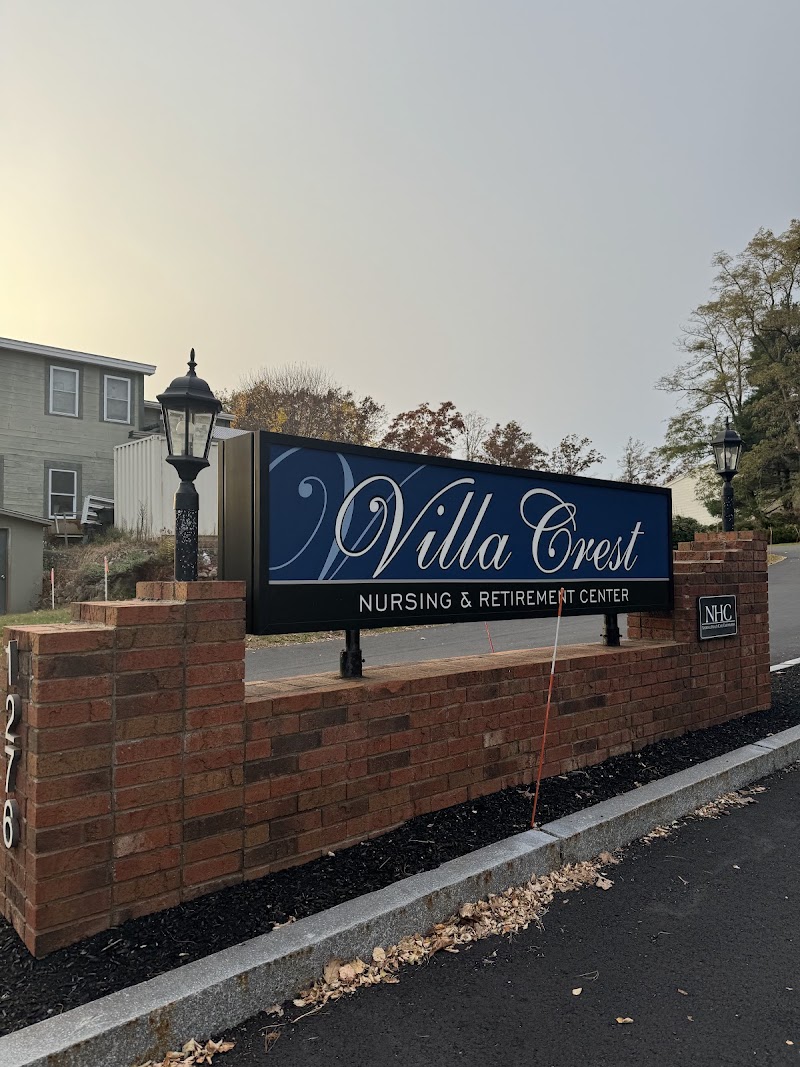
How is Villa Crest Nursing And Retirement Center Staffed?

CMS rates VILLA CREST NURSING AND RETIREMENT CENTER's staffing level at 4 out of 5 stars, which is above average compared to other nursing homes. Staff turnover is 40%, compared to the New Hampshire average of 46%. This relatively stable workforce can support continuity of care.

What Have Inspectors Found at Villa Crest Nursing And Retirement Center?

State health inspectors documented 9 deficiencies at VILLA CREST NURSING AND RETIREMENT CENTER during 2023 to 2025. These included: 9 with potential for harm.
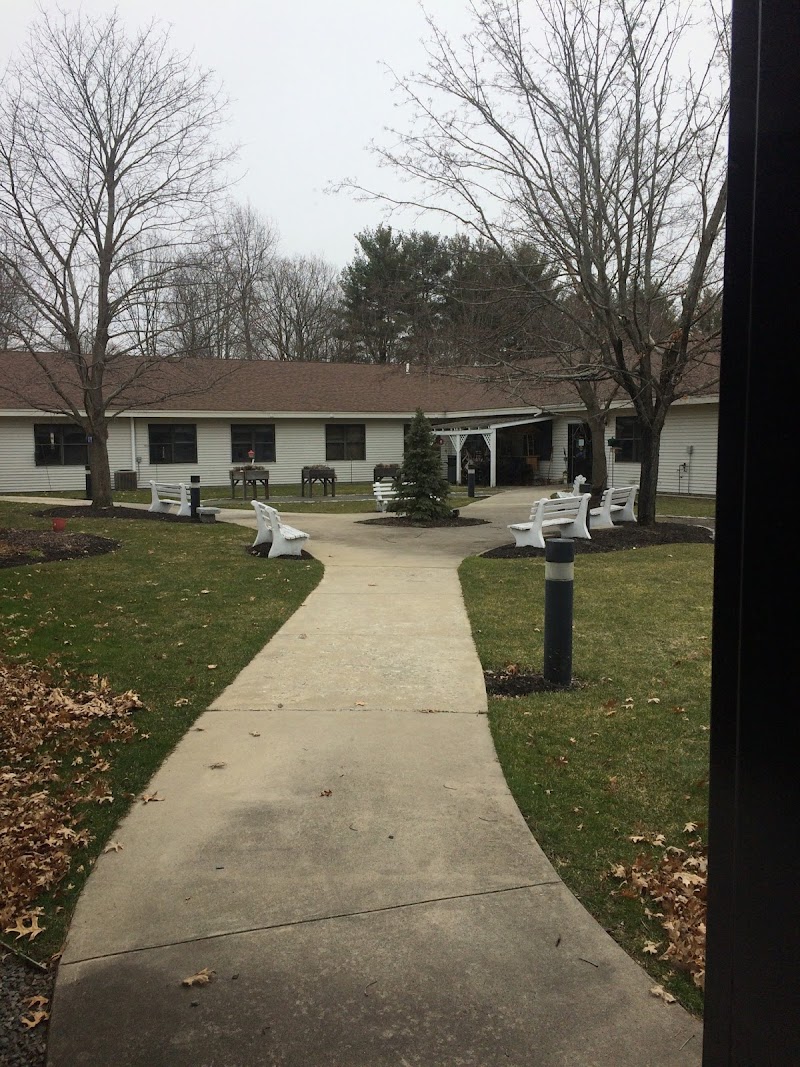
Who Owns and Operates Villa Crest Nursing And Retirement Center?

VILLA CREST NURSING AND RETIREMENT CENTER is owned by a for-profit company. For-profit facilities operate as businesses with obligations to shareholders or private owners. The facility operates independently rather than as part of a larger chain. With 126 certified beds and approximately 120 residents (about 95% occupancy), it is a mid-sized facility located in MANCHESTER, New Hampshire.
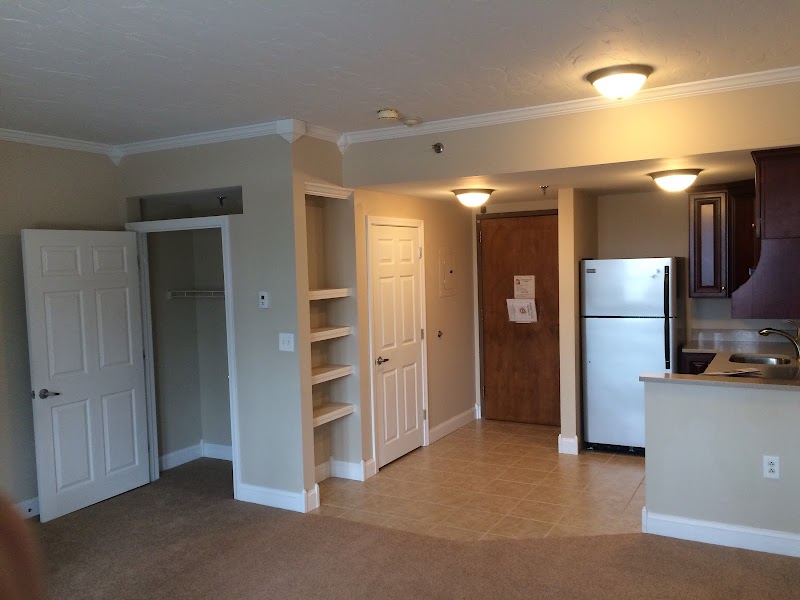
How Does Villa Crest Nursing And Retirement Center Compare to Other New Hampshire Nursing Homes?

Compared to the 100 nursing homes in New Hampshire, VILLA CREST NURSING AND RETIREMENT CENTER's overall rating (5 stars) is above the state average of 3.0, staff turnover (40%) is near the state average of 46%, and health inspection rating (4 stars) is above the national benchmark.

What Should Families Ask When Visiting Villa Crest Nursing And Retirement Center?

Based on this facility's data, families visiting should ask: "Can I visit during a mealtime to observe dining assistance and food quality?" "How do you handle medical emergencies, and what is your hospital transfer rate?" "Can I speak with family members of current residents about their experience?"

Is Villa Crest Nursing And Retirement Center Safe?

Based on CMS inspection data, VILLA CREST NURSING AND RETIREMENT CENTER has a clean safety record: no substantiated abuse findings (meaning no confirmed cases of resident harm), no Immediate Jeopardy citations (the most serious violation level indicating risk of serious injury or death), and is not on the Special Focus Facility watch list (a federal program monitoring the lowest-performing 1% of nursing homes). The facility has a 5-star overall rating and ranks #1 of 100 nursing homes in New Hampshire. While no facility is perfect, families should still ask about staff-to-resident ratios and recent inspection results during their visit.

Do Nurses at Villa Crest Nursing And Retirement Center Stick Around?

VILLA CREST NURSING AND RETIREMENT CENTER has a staff turnover rate of 40%, which is about average for New Hampshire nursing homes (state average: 46%). Moderate turnover is common in nursing homes, but families should still ask about staff tenure and how the facility maintains care continuity when employees leave.

Was Villa Crest Nursing And Retirement Center Ever Fined?

VILLA CREST NURSING AND RETIREMENT CENTER has no federal fines on record. CMS issues fines when nursing homes fail to meet care standards or don't correct problems found during inspections. The absence of fines suggests the facility has either maintained compliance or corrected any issues before penalties were assessed. This is a positive indicator, though families should still review recent inspection reports for the full picture.

Is Villa Crest Nursing And Retirement Center on Any Federal Watch List?

VILLA CREST NURSING AND RETIREMENT CENTER is not on any federal watch list. The most significant is the Special Focus Facility (SFF) program, which identifies the bottom 1% of nursing homes nationally based on persistent, serious quality problems. Not being on this list means the facility has avoided the pattern of deficiencies that triggers enhanced federal oversight. This is a positive indicator, though families should still review the facility's inspection history directly.