BEDFORD NURSING & REHABILITATION CENTER
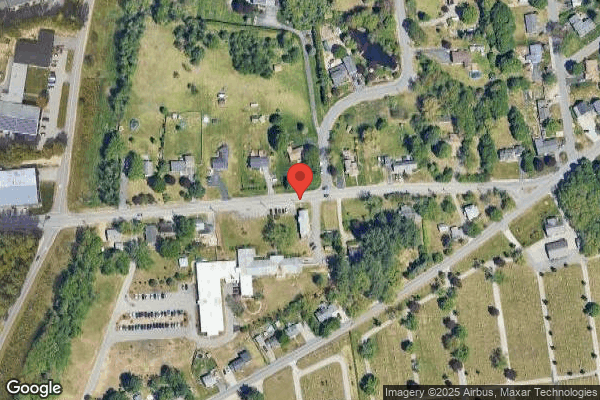

480 DONALD STREET, BEDFORD, NH 03110 (603) 627-4147
For profit - Limited Liability company 102 Beds Independent Data: November 2025
Trust Grade
85/100
#1 of 73 in NH
Last Inspection: October 2024

Within standard 12-15 month inspection cycle. Federal law requires annual inspections.

Overview

Families considering Bedford Nursing & Rehabilitation Center will find that it has a Trust Grade of B+, indicating it is above average and recommended for care. The facility ranks #1 out of 73 nursing homes in New Hampshire and #1 out of 21 in Hillsborough County, placing it at the top of the local options. It is on an improving trend, with issues decreasing from 6 in 2023 to 3 in 2024. While staffing received a lower rating of 2 out of 5 stars, the turnover rate of 43% is better than the state average, suggesting some staff stability. However, there have been specific concerns, including expired medications being used and food safety violations in the kitchen, which indicate areas where the facility needs to improve. Overall, Bedford Nursing & Rehabilitation Center has strong quality ratings but should address these issues to enhance resident care.

Trust Score
B+
85/100
In New Hampshire
#1/73
Top 1%
Safety Record
Low Risk
No red flags
Inspections
Getting Better
6 → 3 violations
Staff Stability
○ Average
43% turnover. Near New Hampshire's 48% average. Typical for the industry.
Penalties
✓ Good
No fines on record. Clean compliance history, better than most New Hampshire facilities.
Skilled Nurses
○ Average
Each resident gets 33 minutes of Registered Nurse (RN) attention daily — about average for New Hampshire. RNs are the most trained staff who monitor for health changes.
Violations
⚠ Watch
15 deficiencies on record. Higher than average. Multiple issues found across inspections.
★★★★★
5.0
Overall Rating
★★☆☆☆
2.0
Staff Levels
★★★★★
5.0
Care Quality
★★★★☆
4.0
Inspection Score
Stable
2023: 6 issues
2024: 3 issues

The Good

  • 5-Star Quality Measures · Strong clinical quality outcomes
  • Full Sprinkler Coverage · Fire safety systems throughout facility
  • No fines on record
  • Staff turnover below average (43%)

    5 points below New Hampshire average of 48%

Facility shows strength in quality measures, fire safety.

The Bad

Staff Turnover: 43%

Near New Hampshire avg (46%)

Typical for the industry

The Ugly 15 deficiencies on record

Oct 2024 3 deficiencies
CONCERN (D)

Potential for Harm - no one hurt, but risky conditions existed

Deficiency F0761 (Tag F0761)

Could have caused harm · This affected 1 resident

Based on observation, interview, and record review, it was determined that the facility failed to ensure that expired medications were removed from a medication cart in 1 of 3 medication carts observe...

Read full inspector narrative →
Based on observation, interview, and record review, it was determined that the facility failed to ensure that expired medications were removed from a medication cart in 1 of 3 medication carts observed. Findings include: Observation on 10/1/24 at approximately 8:20 a.m. revealed a bottle of Latanoprost Ophthalmic Solution 0.005% with an open date of 8/9/24. Review on 10/1/24 of manufacturers instructions on package revealed: .Opened bottle may be stored at room temperature up to 25 degrees Celsius (77 degrees Fahrenheit) for 6 weeks . Interview on 10/1/24 at approximately 8:25 a.m. with Staff B (Licensed Practical Nurse) confirmed the above findings and that the above medication was expired and currently in use. Review on 10/3/2024 of facility policy titled, Medication Storage, revised 4/16/24 revealed: . 8. Unused Medications: The pharmacy and all medication rooms are routinely inspected by the consultant pharmacist for discontinued, outdated, defective, or deteriorated medications with worn, illegible, or missing labels. These medications are destroyed in accordance with our Destruction of Unused Drugs Policy.
CONCERN (D)

Potential for Harm - no one hurt, but risky conditions existed

Food Safety (Tag F0812)

Could have caused harm · This affected 1 resident

Based on observation and interview, it was determined that the facility failed to ensure that food and dishware were stored in accordance to professional standards for food service safety for 1 of 1 k...

Read full inspector narrative →
Based on observation and interview, it was determined that the facility failed to ensure that food and dishware were stored in accordance to professional standards for food service safety for 1 of 1 kitchen observed. Findings include: Observation on 10/1/24 at approximately 8:30 a.m. with Staff H (Food Service Director) of the facility kitchen revealed a box of zucchini and yellow squash that were soft, covered with a clear slime-like substance, clusters of white fuzzy substance, and black discoloration that were stored in the kitchen walk-in refrigerator. Further observation revealed a stack of pre-sliced hard yellow cheese half covered with saran wrap with no date. Interview on 10/1/24 at approximately 8:30 a.m. with Staff H confirmed the above finding. Observation on 10/2/24 at approximately 8:40 a.m. with Staff H in the kitchen revealed a dietary aide stacked wet cups and stored them in a bin to air-dry. A few minutes later, another dietary aide took the same stack of wet cups and moved them to the main dining room for use. Interview on 10/2/24 at approximately 8:40 a.m. with Staff H confirmed the above finding and that they stacked wet cups to air dry. Staff H was unable to provide a facility policy on storage and drying of dishware. Review on 10/2/24 of the facility policy titled, Food Safety Requirements, dated 4/9/24, revealed: .Facility staff shall inspect all food, food products, and beverages for safe transport and quality .and ensure timely and proper storage .Practices to maintain safe refrigerated storage include: .labeling, dating, and monitoring refrigerated food, including, but not limited to leftovers, so it is used by its use-by-date, or frozen (where applicable)/discarded; and v. Keeping foods covered or in tight containers . Review on 10/2/24 of the FDA 2017 Food Code, retrieved from:https://www.fda.gov/media/110822/download, revealed: .Preventing Food and Ingredient Contamination 3-302.11Packaged and Unpackaged Food - Separation, Packaging, and Segregation .FOOD shall be protected from cross contamination by .storing the FOOD in packages, covered containers, or wrappings; Preventing Contamination from the Premises 3-305.11 Food Storage .(A) Except as specified in ¶¶ (B) and (C) of this section, FOOD shall be protected from contamination by storing the FOOD: (1) In a clean, dry location (2) Where it is not exposed to splash, dust, or other contamination; .Drying 4-901.11 Equipment and Utensils, Air-Drying Required. After cleaning and SANITIZING, EQUIPMENT and UTENSILS: (A) Shall be air-dried or used after adequate draining .before contact with FOOD .4-901.12 Wiping Cloths, Air-Drying Locations . shall be air-dried in a location and in a manner that prevents contamination of FOOD, EQUIPMENT, UTENSILS, LINENS, and SINGLESERVICE and SINGLE-USE ARTICLES .
MINOR (B)

Minor Issue - procedural, no safety impact

Deficiency F0882 (Tag F0882)

Minor procedural issue · This affected multiple residents

Based on interview and record review it was determined that the facility failed to employ, at least on a part time basis, an Infection Prevetionist who completed specialized training in infection prev...

Read full inspector narrative →
Based on interview and record review it was determined that the facility failed to employ, at least on a part time basis, an Infection Prevetionist who completed specialized training in infection prevention and control for a facility census of 86 residents. Findings include: Review on 10/2/24 of infection control line listing and antibiotic stewardship records indicated that Staff D (Infection Preventionist) was responsbile for the infection prevention and control program. Interview on 10/2/2024 at approximately 1:10 p.m. with Staff A (Director of Nursing) revealed that Staff D had been the full time Infection Preventionist since January 2024. Review on 10/2/24 of Staff D's training revealed that Staff D had started specialized Infection Prevention Training in September 2023 but had not completed it. Interview on 10/2/2024 at approximately 1:00 p.m. with Staff E (Registered Nurse) revealed that Staff E assisted Staff D with the infection control and prevention program. Staff E revealed that they had not completed specialized education in Infection Prevention.
Dec 2023 6 deficiencies
CONCERN (D)

Potential for Harm - no one hurt, but risky conditions existed

Resident Rights (Tag F0550)

Could have caused harm · This affected 1 resident

Based on observation, interview, and policy review, the facility failed to ensure dignity was maintained for 1 of 1 residents reviewed for dressing changes in a final sample of 18 residents (Resident ...

Read full inspector narrative →
Based on observation, interview, and policy review, the facility failed to ensure dignity was maintained for 1 of 1 residents reviewed for dressing changes in a final sample of 18 residents (Resident identifier is #37). Findings include: Observation on 12/15/23 at approximately 10:10 a.m. of Resident #37's pressure ulcer dressing changes in his/her room with Staff B (Nurse Unit Manager) revealed that during the dressing change both the door and curtain remained open. A housekeeper entered the room during the dressing change. Interview on 12/15/23 at approximately 10:15 a.m. with Staff B confirmed the above findings. Review on 12/15/23 of the facility policy titled, Promoting/Maintaining Resident Dignity, Revised on 11/23/23 revealed: Compliance Guidance 1. All staff members are involved in providing care to residents to promote and maintain resident dignity and respect resident rights 12. Maintain resident privacy
CONCERN (D)

Potential for Harm - no one hurt, but risky conditions existed

Notification of Changes (Tag F0580)

Could have caused harm · This affected 1 resident

Based on interview, record review, and policy review, it was determined that the facility failed to notify the resident's physician when medications were unavailable for 1 resident in a final sample o...

Read full inspector narrative →
Based on interview, record review, and policy review, it was determined that the facility failed to notify the resident's physician when medications were unavailable for 1 resident in a final sample of 18 residents (Resident identifier is #281). Findings include: Resident #281 Review on 12/14/2023 of Resident #281 hospital discharge medication list, dated 12/6/2023, revealed an order for Clobazam (used for the treatment of seizures) 10 milligrams (mg) 1 tablet by mouth two times per day. Further review revealed that Resident #281 received Clobazam prior to leaving the hospital at 8:46 a.m. on 12/6/2023. Review on 12/14/2023 of Resident #281's December Medication Administration Record (MAR) revealed that Resident #281 did not receive a second dose of Clobazam on 12/6/23 and received one dose on 12/7/23 at 8:00 p.m. Review on 12/14/2023 of Resident #281's progress note, dated 12/6/2023, revealed that Clobazam had not been received from the pharmacy. Interview on 12/14/2023 at approximately 12:30 p.m. with Staff D (Director of Nursing) revealed that when a medication is unavailable, it is the facility's policy to inform the provider and obtain an order to either hold that medication until it's available or obtain an order for another medication/treatment. Review on 12/14/2023 of Resident #281 medical record revealed no documentation that the provider was notified that Clobazam was unavailable and Resident #281 had not received two doses. Interview on 12/14/2023 at approximately 2:00 p.m. with Staff D confirmed there was documentation of notification to the provider for the above missed doses. Review on 12/14/2023 of facility policy titled Unavailable medications, dated 5/30/2023 revealed: .b. Notify physician of inability to obtain medication upon notification or awareness that medication is not available. Obtain alternate treatment orders and/or specific orders for monitoring resident while medication is on hold .
CONCERN (D)

Potential for Harm - no one hurt, but risky conditions existed

Deficiency F0658 (Tag F0658)

Could have caused harm · This affected 1 resident

**NOTE- TERMS IN BRACKETS HAVE BEEN EDITED TO PROTECT CONFIDENTIALITY** Based on observation, interview, and record review the facility failed to follow physicians orders for 1 of 1 residents reviewed...

Read full inspector narrative →
**NOTE- TERMS IN BRACKETS HAVE BEEN EDITED TO PROTECT CONFIDENTIALITY** Based on observation, interview, and record review the facility failed to follow physicians orders for 1 of 1 residents reviewed for general skin conditions in a final sample of 18 residents (Resident identifier is #6). Findings Include: Observation on 12/13/23 at approximately 9:30 a.m. of Resident #6's right hand revealed a mepiplex dressing dated 12/8/23. Review on 12/13/23 of Resident #6's medical record revealed the following physician's order: Skin tear top of right hand, cleanse with NS [normal saline] apply Vaseline, gauze, assure steri strips are intact then cover with Tegaderm, change QOD [every other day] and prn [as needed] every evening shift every other day, Start Date 12/3/23. Interview on 12/14/23 at approximately 1:15 p.m with Staff B (Nurse Unit Manager) confirmed the above findings. Standards: [NAME], [NAME] A., and [NAME]. Fundamentals of Nursing. 7th ed. St. Louis, Missouri: Mosby Elsevier, 2009. Page 336- Physicians' Orders The physician is responsible for directing medical treatment. Nurses follow physician's orders unless they believe the orders are in error or harm clients. Therefore you need to assess all orders, and if you find one to be erroneous or harmful, further clarification from the physician is necessary .
CONCERN (D)

Potential for Harm - no one hurt, but risky conditions existed

Deficiency F0761 (Tag F0761)

Could have caused harm · This affected 1 resident

Based on observation, interview, and record review, it was determined that the facility failed to ensure that medications were secured for 2 of 3 medication carts observed and the facility failed to e...

Read full inspector narrative →
Based on observation, interview, and record review, it was determined that the facility failed to ensure that medications were secured for 2 of 3 medication carts observed and the facility failed to ensure that medications were labeled with open expiration dates for 1 of 3 medication carts and 1 of 1 medication room observed. Findings include: Overflow Medication Cart Observation on 12/13/23 at 8:15 a.m. with Staff G (Nurse Unit Manager) revealed that the nurse's station door was open. The Overflow Medication Cart was unlocked in the nurse's station. Further observation also revealed that the Overflow Medication Cart had resident's oral prescription medications, resident's prescription inhalers and Over-The-Counter (OTC) medications. Interview on 12/13/23 at approximately 8:15 a.m. with Staff G confirmed the above finding. Staff G stated that only nurses and Medication Nursing Assistants (MNAs) should have access to medications. Staff G also stated that staff other than the nurses and MNAs, such as providers, Licensed Nursing Assistants, and therapists have access to the nurse's station. Review on 12/14/23 of the facility's policy titled, Medication Storage, review date of 5/23/23, revealed .General Guidelines . All drugs and biological will be stored in locked compartments . West Odd Medication Cart Observation 12/13/23 at 8:28 a.m. with Staff H (MNA) of the [NAME] Odd Medication Cart revealed that Resident #62's Advair Diskus 500 microgram (mcg)/50 mcg had no open expiration date. Interview on 12/13/23 at approximately 8:28 a.m. with Staff H confirmed the above finding of the [NAME] Odd Medication Cart. Review on 12/13/23 of the Advair 500/50 manufacturer's instruction revealed .How should I store Advair Diskus? .Safely throw away ADVAIR DISKUS in the trash 1 month after you open the foil pouch or when the counter reads 0, whichever comes first . Observation on 12/13/23 at approximately 3:52 p.m. of the [NAME] Odd Medication Cart revealed that the cart was unlocked and unsupervised by nursing staff and stationed at the west wing hallway. Further observation revealed that the cart had resident's prescription medications and OTC medications. Interview on 12/13/23 at approximately 3:52 p.m. with Staff I (MNA) confirmed the above observation. Staff I stated that he/she was assigned to the [NAME] Odd Medication Cart. Medication Room Observation on 12/13/23 at approximately 8:35 a.m. with Staff J (Regional Nurse) of the medication room revealed an open tuberculin vial with no open expiration date. Interview on 12/13/23 at approximately 8:35 a.m. with Staff J confirmed the above finding of the medication room. Review on 12/13/23 of the tuberculin manufacturer's instruction revealed Storage .vial in use more than 30 days should be discarded due to possible oxidation and degradation which may affect potency . Review on 12/14/23 of the facility's policy titled, Labeling of Medications and Biologicals, review date of 5/3/22, revealed .All medications and biologicals will be labeled in accordance with applicable federal and state requirement and current accepted pharmaceutical principles and practices .Any medication label that is soiled, incomplete, illegible, work, or makeshift must be returned and replaced by the issuing pharmacy, not merely covered .Labels for mutli-use vials must include: a. The date the vial was initially opened or accessed (needle-punctured) .
CONCERN (D)

Potential for Harm - no one hurt, but risky conditions existed

Food Safety (Tag F0812)

Could have caused harm · This affected 1 resident

Based on observation, interview, and policy review it was determined that the facility failed to maintain a clean environment in the dishwashing area. Findings include: Main Kitchen Observation on 12...

Read full inspector narrative →
Based on observation, interview, and policy review it was determined that the facility failed to maintain a clean environment in the dishwashing area. Findings include: Main Kitchen Observation on 12/13/23 at 8:00 a.m. in the kitchen dishwashing area with Staff L (Dietary Director) revealed two fans that were on and one ceiling vent that had accumulated gray dust and grease debris. Interview on 12/13/23 at 8:05 a.m. with Staff L confirmed the above finding. Review on 12/15/23 of the FDA [Food and Drug Administration] Food Code, dated 2022, retrieved from: https://www.fda.gov/media/164194/download, revealed . 4-602.13 Nonfood Contact Surfaces Nonfood contact surfaces or equipment shall be cleaned at a frequency necessary to preclude accumulation of soil residues . Review on 12/15/23 of facility policy titled, Sanitization, last revised November 2022, revealed: The food services area is maintained in a clean and sanitary manner.
CONCERN (D) 📢 Someone Reported This

A family member, employee, or ombudsman was alarmed enough to file a formal complaint

Potential for Harm - no one hurt, but risky conditions existed

Deficiency F0849 (Tag F0849)

Could have caused harm · This affected 1 resident

Based on interview and record review, it was determined that the facility failed to secure a communication process was implemented that ensures that the needs of the resident were addressed for hospic...

Read full inspector narrative →
Based on interview and record review, it was determined that the facility failed to secure a communication process was implemented that ensures that the needs of the resident were addressed for hospice services for 1 resident in a closed record sample of 4 residents (Resident identifier is #228). Findings include: Review on 12/14/23 of Resident #228's hospice notes, dated 10/19/23, revealed that there was a recommendation to increase the morning dose of methadone to 5 milligrams (mg) and this was reviewed with the facility unit manager. Review on 12/14/23 of Resident #228's hospice recommendation forms revealed the following: On 10/9/23, there was a hospice recommendation for Methadone [Opioid] 10 mg/ml [milligram/milliliter] to give 0.25 ml [2.5 mg] by mouth every 12 hours. Further review of the 10/9/23 hospice recommendation revealed the facility nurse and provider had signed the hospice recommendation. On 10/19/23, there was a hospice recommendation to increase Methadone 10 mg/ml to 5 mg (0.5 ml) by mouth every morning and keep same dose of 2.5 mg (0.25 ml) by mouth every evening. Further review of the 10/19/23 hospice recommendation revealed that the Durable Power of Attorney (DPOA) was in agreement of the hospice recommendation. Review also revealed that there was no signature from a provider or facility nurse in the hospice recommendation form. Review on 12/13/23 of Resident #228 revealed the following physician's orders: On 10/19/23, there was an order change for Methadone 10 mg/ml to give 0.25 ml by mouth twice a day with a start date of 10/19/23 and discontinued date of 10/25/23. There was no order for an increase morning dose of Methadone 10 mg/ml as recommended by hospice on 10/19/23. On 10/25/23, there was an order to increase the Methadone 10 mg/ml to give 0.25 ml by mouth once a day [scheduled for 8:00 p.m.] and 0.5 ml [5 mg] by mouth once a day [scheduled for 7:00 a.m.] with a start date of 10/25/23. Interview on 12/14/23 at approximately 9:56 a.m. with Staff B (Nurse Unit Manager) revealed that the hospice recommendations were communicated to the facility provider. Staff B stated that he/she worked as the unit manager on 10/19/23. Further interview with Staff B revealed that he/she was unable to recall any hospice recommendation for Resident #228 on 10/19/23. Review on 12/14/23 of Resident #228's medical record revealed that Resident #228 received hospice services from 10/7/23 to 12/1/23. Further review revealed that Resident #228's attending physician was Staff K (Medical Director). Review also revealed no documentation of the 10/19/23 hospice recommendations being addressed with Staff K or any other facility provider. Further review also revealed no documented communication between hospice and the facility regarding the physician's order for an increased dose of Methadone on 10/25/23, as mentioned in the above findings. Interview on 12/14/23 at approximately 3:30 p.m. with Staff J (Regional Nurse) confirmed the above findings. Interview on 12/15/23 at approximately 11:30 p.m. with Staff K revealed that he/she defers to hospice recommendations for residents receiving hospice services, if the DPOA is in agreement. Staff K does not recall any hospice recommendation for Resident #228. Review on 12/15/23 of the facility's policy titled, Coordination of Hospice Services, review date of 11/28/23, revealed .The facility and hospice provider will coordinator a plan of care and will implement interventions in accordance with resident's needs, goals, and recognized standards of practice in consultation with the resident's attending physician/practitioner and resident's representative, to the extent possible .The facility will communicate with hospice and identify, communicate, follow and document all interventions put into place by hospice and the facility .The facility will maintain communication with hospice as it related to the resident's plan of care, services to ensure each entity is aware of their responsibilities .
Nov 2022 6 deficiencies
CONCERN (D)

Potential for Harm - no one hurt, but risky conditions existed

Deficiency F0554 (Tag F0554)

Could have caused harm · This affected 1 resident

Based on interview, observation, and record review, it was determined that the facility failed to assess a residents ability to self-administer medications for 2 of 2 residents reviewed for self-admin...

Read full inspector narrative →
Based on interview, observation, and record review, it was determined that the facility failed to assess a residents ability to self-administer medications for 2 of 2 residents reviewed for self-administration of medication in a final sample of 21 residents. (Resident identifiers are #29 and #72.) Findings include: Resident #29 Observation on 11/1/22 at approximately 10:18 a.m. of Resident #29 revealed an unused lidocaine patch on Resident #29's side table. Further observation of Resident #29 revealed Resident #29 to remove the backing of the lidocaine patch and place the lidocaine patch on their right deltoid. Interview on 11/1/22 at approximately 10:18 a.m. with Resident #29 revealed that the nurse will leave the lidocaine patch with them to put on whichever arm they need it on that day. Review on 11/2/22 at approximately 12:18 p.m. of Resident #29's current physician's orders revealed an order for Lidocaine patch 4 percent (%), apply to left bicep daily, with a start date of 4/5/22. Review on 11/2/22 at approximately 12:18 p.m. of Resident #29's medical record revealed no current order to self-administer Lidocaine patch. Further review of Resident #29's medical record revealed no assessment for self-administration of medication. Interview on 11/3/22 at approximately 10:30 a.m. with Staff B (Director of Nursing) confirmed that Resident #29 did not have an assessment or order for self-administration of medication. Resident #72 Observation on 11/1/22 at approximately 12:55 p.m. of Resident #72 revealed an open tube of Voltaren gel on Resident #72's side table. Interview on 11/1/22 at approximately 12:55 p.m. with Resident #72 revealed that they apply the Voltaren gel to their shoulder as needed for pain. Review on 11/2/22 at approximately 1:30 p.m. of Resident #72's medical record revealed no current order to self-administer Voltaren gel. Further review of Resident #72's medical record revealed no assessment for self-administration of medication. Interview on 11/3/22 at approximately 10:30 a.m. with Staff B confirmed that Resident #72 did not have an assessment or order for self-administration of medication. Staff B stated that they were unaware that Resident #72 had the Voltaren gel at their bedside. Review on 11/3/22 of the facility policy titled Self-Administration of Medication, revised on February 2021, revealed .Residents have the right to self-administer medications if the interdisciplinary team has determined that it is clinically appropriate and safe for the residents to do so .As part of the evaluation comprehensive assessment, the interdisciplinary team (IDT) assesses each resident's cognitive an physical abilities to determine whether self-administering medications is safe and clinically appropriate for the resident .If it is deemed safe and appropriate for a resident to self-administer medications, this is documented in the medical record and the care plan .
CONCERN (D)

Potential for Harm - no one hurt, but risky conditions existed

Unnecessary Medications (Tag F0759)

Could have caused harm · This affected 1 resident

Based on observation, interview and record review, it was determined that the facility failed to ensure medication error rate was not greater than 5 percent (%) during medication administration observ...

Read full inspector narrative →
Based on observation, interview and record review, it was determined that the facility failed to ensure medication error rate was not greater than 5 percent (%) during medication administration observations with 28 medication opportunities (Resident identifier is #4). Findings include: Observation on 11/2/22 at approximately 8:50 a.m. of Resident #4's medication administration with Staff E (Licensed Practical Nurse) revealed Staff E to dispense Metoprolol Succinate 100 milligrams (mg). Review on 11/2/22 at approximately 8:50 a.m. of Resident #4's November Medication Administration Record (MAR) revealed the following order: Metoprolol Succinate 50 mg one time a day, with a start date of 10/28/22. Interview on 11/2/22 at approximately 8:50 a.m. with Staff E confirmed they had dispensed the wrong dose of Metoprolol Succinate for Resident #4. Observation on 11/2/22 at approximately 8:55 a.m. of Resident #4's medication administration with Staff E revealed a small white tablet to have fallen to the bottom of Resident #4's water cup while taking their medications. Further observation revealed the small white tablet to have dissolved in the remainder of water in Resident #4's cup. Resident #4 returned the water cup to Staff E who then disposed of the cup in the garbage. Interview on 11/2/22 at approximately 8:55 a.m. with Staff E confirmed there was a small lump of a white substance remaining Resident #4's water cup when it was disposed of. Review on 11/3/22 of facility policy titled Administering Medications, revised on April 2019, revealed . The individual administering the medication checked the label THREE (3) times to verify the right resident, right medication, right dosage, right time and right method (route) of administration before giving the medication . There were 2 medication errors out of a total 28 medication opportunities resulting in 7.14% medication error rate.
CONCERN (D)

Potential for Harm - no one hurt, but risky conditions existed

Infection Control (Tag F0880)

Could have caused harm · This affected 1 resident

North Wing Unit Observation on 11/2/22 approximately between 9:04 a.m. to 9:20 a.m. revealed that Staff F (Licensed Nursing Assistant (LNA)) was wearing a surgical mask below their nose while transpor...

Read full inspector narrative →
North Wing Unit Observation on 11/2/22 approximately between 9:04 a.m. to 9:20 a.m. revealed that Staff F (Licensed Nursing Assistant (LNA)) was wearing a surgical mask below their nose while transporting a resident from the dining room to the resident's room with approximately 4 other residents in the hallway, 2 residents did not have surgical masks on. Observation also revealed that Staff F was observed to have their surgical mask below the nose after coming out of a resident's room. Interview on 11/2/22 at approximately 9:15 a.m. with Staff F confirmed the above findings. Staff stated that their surgical mask should cover the nose. Observation on 11/2/22 approximately between 9:15 a.m. to 9:30 a.m. revealed that Staff G (LNA) was wearing their surgical mask below their nose near the elevator. Further observation revealed that Staff G was wearing their surgical mask below their nose while assisting a resident in bed. Staff G was observed to have their surgical mask below their nose while in a resident's room and exiting a resident's room. Interview on 11/2/22 at approximately 9:20 a.m. with Staff G confirmed the above finding. Staff G stated that their surgical mask does not fit appropriately and kept falling off. Staff also stated that the surgical mask should cover the nose. Review on 11/3/22 of the CDC website titled, Interim Infection Prevention and Control Recommendations for Healthcare Personnel During the Coronavirus Disease 2019 (COVID-19) Pandemic, updated date of 9/23/22, retrieved from:https://www.cdc.gov/coronavirus/2019-ncov/hcp/infection-control-recommendations.html, revealed that .Implement Source Control Measures Source control refers to use of respirators or well-fitting facemasks or cloth masks to cover a person's mouth and nose to prevent spread of respiratory secretions when they are breathing, talking, sneezing, or coughing .When SARS-CoV-2 Community Transmission levels are high, source control is recommended for everyone in a healthcare setting when they are in areas of the healthcare facility where they could encounter patients . Review on 11/3/22 of the facility's community transmission rate logs revealed that the community transmission rate dated 10/31/22 was high. Based on interview, observation, and policy review, the facility failed to maintain infection control practices according to accepted national standards during a facility COVID-19 outbreak on 2 of 2 units observed for staff infection control practices (Resident identifier is #23). West Wing Unit Observation on 11/3/22 at approximately 10:00 a.m. of medication administration for Resident #23 with Staff D (Registered Nurse) revealed a droplet precaution sign on the outside of Resident #23's room. Further observation revealed Staff D to enter Resident #23's room wearing only a gown, gloves, glasses and a surgical mask. Further observation of Staff D revealed them to not change the surgical mask after leaving Resident #23's room and proceeding to pass medications to other residents. Interview on 11/3/22 at approximately 10:05 a.m. with Staff D revealed that Resident #23 is on droplet precautions for a positive COVID-19 test. Staff D stated that the facility did not require an N95 mask to be worn when going into the room of COVID-19 positive residents. Interview on 11/3/22 at approximately 10:30 a.m. with Staff B (Director of Nursing) confirmed that the facility did not requie a N95 mask when staff enter a COVID-19 positive room. Staff D stated that N95 masks are available if they chose to wear one but a surgical mask is acceptable. Review on 11/3/22 of the facility policy titled Transmission-Based Precautions When Caring for Patients with Confirmed or Suspected COVID-19, revised on 9/36/22, revealed .When caring for patients with confirmed or suspected COVID-19, [facility name omitted] will follow guidance put forth by the Centers for Disease Control and Prevention (CDC) to prevent the transmission of the virus. Personal Protective Equipment HCP [Healthcare Personnel] who enter the room of a patient with suspected or confirmed SARS-CoV-2 infection should adhere to Standard Precautions and Transmission Based Droplet Precautions which include: Gown, Gloves, Eye protection, NIOSH-approved particulate respirator with N95 filters or higher. While N95 or higher respirators are preferred, facemasks are an acceptable alternative . Review on 11/3/22 of the Centers for Disease Control (CDC) website titled, Interim Infection Prevention and Control Recommendations for Healthcare Personnel During the Coronavirus Disease 2019 (COVID-19) Pandemic, dated 9/23/22, revealed .Implement Source Control Measures Source control refers to use of respirators or well-fitting facemasks or cloth masks to cover a person's mouth and nose to prevent spread of respiratory secretions when they are breathing, talking, sneezing, or coughing .2. Recommended infection prevention and control (IPC) practices when caring for a patient with suspected or confirmed SARS-CoV-2 infection .Personal Protective Equipment HCP who enter the room of a patient with suspected or confirmed SARS-CoV-2 infection should adhere to Standard Precautions and use a NIOSH-approved particulate respirator with N95 filters or higher, gown, gloves, and eye protection (i.e., goggles or a face shield that covers the front and sides of the face) .
MINOR (B)

Minor Issue - procedural, no safety impact

Deficiency F0582 (Tag F0582)

Minor procedural issue · This affected multiple residents

Based on interview and record review, it was determined that the facility failed to ensure that the resident (and/or the resident representative) was informed of the Notice of Medicare Non-coverage (N...

Read full inspector narrative →
Based on interview and record review, it was determined that the facility failed to ensure that the resident (and/or the resident representative) was informed of the Notice of Medicare Non-coverage (NOMNC) for 3 out of 3 residents reviewed for Beneficiary Notices (Resident identifiers are #23, #58, and #83). Findings include: Resident #23 Review on 11/1/22 of the Beneficiary Notice - Residents discharged Within the Last Six Months form, completed by the facility, revealed that Resident #23 was discharged from Medicare Part A Services on 10/22/22 and remained at the facility. Review on 11/1/22 of Resident #23's Skilled Nursing Facility (SNF) Beneficiary Protection Notification Review form, completed by the facility, revealed that Resident #23's last covered day of Medicare Part A skilled services was 10/22/22 and that the facility/provider initiated the discharge from Medicare Part A Services when benefit days were not exhausted. Further review of this form revealed under question 2 Was the NOMNC . provided to the resident? was checked No. Resident #58 Review on 11/1/22 of the Beneficiary Notice - Residents discharged Within the Last Six Months form, completed by the facility, revealed that Resident #58 was discharged from Medicare Part A on 7/8/22 and remained at the facility. Review on 11/1/22 of Resident #58's SNF Beneficiary Protection Notification Review form, completed by the facility, revealed that Resident #58's last covered day of Medicare Part A skilled services was 7/8/22 and that the facility/provider initiated the discharge from Medicare Part A services when benefit days were not exhausted. Further review of this form revealed under question 2. Was the NOMNC . provided to the resident? was checked No. Resident #83 Review on 11/1/22 of the Beneficiary Notice - Residents discharged Within the Last Six Months form, completed by the facility, revealed that Resident #83 was discharged from Medicare Part A on 8/12/22 and discharged home or to lesser care. Review on 11/1/22 of Resident #83's SNF Beneficiary Protection Notification Review form, completed by the facility, revealed that Resident #83's last covered day of Medicare Part A skilled services was 8/12/22 and that the facility/provider initiated the discharge from Medicare Part A services when benefit days were not exhausted. Further review of this form revealed under question 2. Was the NOMNC . provided to the resident? was checked No. Interview on 11/1/22 at 11:20 a.m. with Staff C (Clinical Reimbursement Coordinator) confirmed that the NOMNC form was not issued to Residents #23, #58, or #83. Staff C stated the facility did not know that they needed to complete this form when the facility initiated a discharge from Medicare Part A Services when benefit days were not exhausted. Staff C revealed that the facility had only been issuing the Skilled Nursing Facility Advance Beneficiary Notice of Non-Coverage Centers for Medicare & Medicaid Services (CMS) Form-10055. Review on 11/2/22 of the facility's policy titled Medicare Advance Beneficiary and Medicare Non-Coverage Notices, revised September 2022, revealed .Residents are informed in advance when changes will occur to their bills . Notice of Medicare Non-Coverage (CMS form 10123) 1. If the resident's Medicare covered Part A stay or when all of Part B therapies are ending, a Notice of Medicare Non-Coverage (CMS form 10123) is issued to the resident at least two calendar days before benefits end. 2. The Notice of Medicare Non-Coverage informs the resident of the pending termination of coverage and of his/her right to an expedited review by a Quality Improvement Organization .
MINOR (B)

Minor Issue - procedural, no safety impact

Deficiency F0637 (Tag F0637)

Minor procedural issue · This affected multiple residents

Resident #10 Review on 11/2/22 of Resident #10's hospice record revealed that Resident #10 hospice services start date was 7/20/22. Review on 11/1/22 of Resident #14's Hospice notes revealed that Resi...

Read full inspector narrative →
Resident #10 Review on 11/2/22 of Resident #10's hospice record revealed that Resident #10 hospice services start date was 7/20/22. Review on 11/1/22 of Resident #14's Hospice notes revealed that Resident #10 was admitted to routine hospice services with an effective date of 7/20/22. Review on 11/2/22 of Resident #10's significant change MDS record dated 7/28/22 revealed that it was completed on 8/10/22, 8 days past the 14th day required completion date of 8/3/22. Interview on 11/2//22 at approximately 1:40 p.m. with Staff A confirmed the above findings for Resident #10. Based on interview and record review, it was determined that the facility failed to ensure that a Significant Change in Status Minimum Data Set (MDS) was completed timely by the 14th calendar day of a resident being admitted to hospice services for 2 of 2 residents reviewed for hospice in a final sample of 21 residents. (Resident identifiers are #10 and #14). Findings include: Resident #14 Review on 11/1/22 of Resident #14's care plan revealed that the resident admitted to hospice services on 10/15/22. Review on 11/1/22 of Resident #14's Hospice Charts/Clinical Notes revealed that Resident #14 was admitted to routine hospice services with an effective date of 10/15/22. Review on 11/1/22 and 11/2/22 of Resident #14's MDS record in the electronic medical record revealed that there was an Significant Change MDS in progress, but it had not yet been completed. Interview on 11/2/22 at 1:39 p.m. with Staff A (MDS Coordinator) confirmed that Resident #14 admitted to hospice services on 10/15/22 and that the Significant Change MDS was not yet completed.
MINOR (B)

Minor Issue - procedural, no safety impact

Deficiency F0868 (Tag F0868)

Minor procedural issue · This affected multiple residents

Based on interview and record review, it was determined that the facility failed to ensure that the minimum required committee members attended meetings at least quarterly for 2 of the 4 quarterly mee...

Read full inspector narrative →
Based on interview and record review, it was determined that the facility failed to ensure that the minimum required committee members attended meetings at least quarterly for 2 of the 4 quarterly meetings reviewed. Findings include: Review on 11/3/22 of the last 4 quarterly Quality Assurance and Performance Improvement (QAPI) meeting attendance sheets revealed the following: January 2022 - The Medical Director or designee was not in attendance July 2022 - The Medical Director or designee was not in attendance Interview on 11/3/22 at approximately 12:10 p.m. with Staff B (Director of Nursing) confirmed the above findings.
Understanding Severity Codes (click to expand)
Life-Threatening (Immediate Jeopardy)
J - Isolated K - Pattern L - Widespread
Actual Harm
G - Isolated H - Pattern I - Widespread
Potential for Harm
D - Isolated E - Pattern F - Widespread
No Harm (Minor)
A - Isolated B - Pattern C - Widespread

Questions to Ask on Your Visit

  • "Can I speak with families of current residents?"
  • "What's your RN coverage like on weekends and overnight?"

Our Honest Assessment

Strengths
  • • Grade B+ (85/100). Above average facility, better than most options in New Hampshire.
  • • No major safety red flags. No abuse findings, life-threatening violations, or SFF status.
  • • No fines on record. Clean compliance history, better than most New Hampshire facilities.
  • • 43% turnover. Below New Hampshire's 48% average. Good staff retention means consistent care.
Concerns
  • • 15 deficiencies on record. Higher than average. Multiple issues found across inspections.
Bottom line: Generally positive indicators. Standard due diligence and a personal visit recommended.

About This Facility

What is Bedford Nursing & Rehabilitation Center's CMS Rating?

CMS assigns BEDFORD NURSING & REHABILITATION CENTER an overall rating of 5 out of 5 stars, which is considered much above average nationally. Within New Hampshire, this rating places the facility higher than 99% of the state's 100 nursing homes. This rating reflects solid performance across the metrics CMS uses to evaluate nursing home quality.

How is Bedford Nursing & Rehabilitation Center Staffed?

CMS rates BEDFORD NURSING & REHABILITATION CENTER's staffing level at 2 out of 5 stars, which is below average compared to other nursing homes. Staff turnover is 43%, compared to the New Hampshire average of 46%. This relatively stable workforce can support continuity of care.

What Have Inspectors Found at Bedford Nursing & Rehabilitation Center?

State health inspectors documented 15 deficiencies at BEDFORD NURSING & REHABILITATION CENTER during 2022 to 2024. These included: 11 with potential for harm and 4 minor or isolated issues.

Who Owns and Operates Bedford Nursing & Rehabilitation Center?

BEDFORD NURSING & REHABILITATION CENTER is owned by a for-profit company. For-profit facilities operate as businesses with obligations to shareholders or private owners. The facility operates independently rather than as part of a larger chain. With 102 certified beds and approximately 85 residents (about 83% occupancy), it is a mid-sized facility located in BEDFORD, New Hampshire.

How Does Bedford Nursing & Rehabilitation Center Compare to Other New Hampshire Nursing Homes?

Compared to the 100 nursing homes in New Hampshire, BEDFORD NURSING & REHABILITATION CENTER's overall rating (5 stars) is above the state average of 3.0, staff turnover (43%) is near the state average of 46%, and health inspection rating (4 stars) is above the national benchmark.

What Should Families Ask When Visiting Bedford Nursing & Rehabilitation Center?

Based on this facility's data, families visiting should ask: "Can you walk me through typical staffing levels on day, evening, and night shifts?" "Can I visit during a mealtime to observe dining assistance and food quality?" "How do you handle medical emergencies, and what is your hospital transfer rate?" "Can I speak with family members of current residents about their experience?" These questions are particularly relevant given the below-average staffing rating.

Is Bedford Nursing & Rehabilitation Center Safe?

Based on CMS inspection data, BEDFORD NURSING & REHABILITATION CENTER has a clean safety record: no substantiated abuse findings (meaning no confirmed cases of resident harm), no Immediate Jeopardy citations (the most serious violation level indicating risk of serious injury or death), and is not on the Special Focus Facility watch list (a federal program monitoring the lowest-performing 1% of nursing homes). The facility has a 5-star overall rating and ranks #1 of 100 nursing homes in New Hampshire. While no facility is perfect, families should still ask about staff-to-resident ratios and recent inspection results during their visit.

Do Nurses at Bedford Nursing & Rehabilitation Center Stick Around?

BEDFORD NURSING & REHABILITATION CENTER has a staff turnover rate of 43%, which is about average for New Hampshire nursing homes (state average: 46%). Moderate turnover is common in nursing homes, but families should still ask about staff tenure and how the facility maintains care continuity when employees leave.

Was Bedford Nursing & Rehabilitation Center Ever Fined?

BEDFORD NURSING & REHABILITATION CENTER has no federal fines on record. CMS issues fines when nursing homes fail to meet care standards or don't correct problems found during inspections. The absence of fines suggests the facility has either maintained compliance or corrected any issues before penalties were assessed. This is a positive indicator, though families should still review recent inspection reports for the full picture.

Is Bedford Nursing & Rehabilitation Center on Any Federal Watch List?

BEDFORD NURSING & REHABILITATION CENTER is not on any federal watch list. The most significant is the Special Focus Facility (SFF) program, which identifies the bottom 1% of nursing homes nationally based on persistent, serious quality problems. Not being on this list means the facility has avoided the pattern of deficiencies that triggers enhanced federal oversight. This is a positive indicator, though families should still review the facility's inspection history directly.