RIDGEWOOD CENTER, GENESIS HEALTHCARE
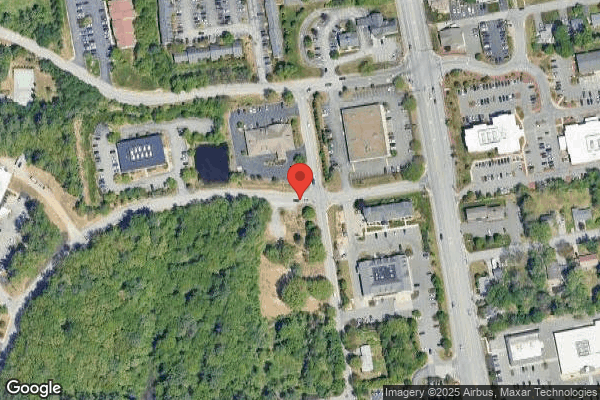
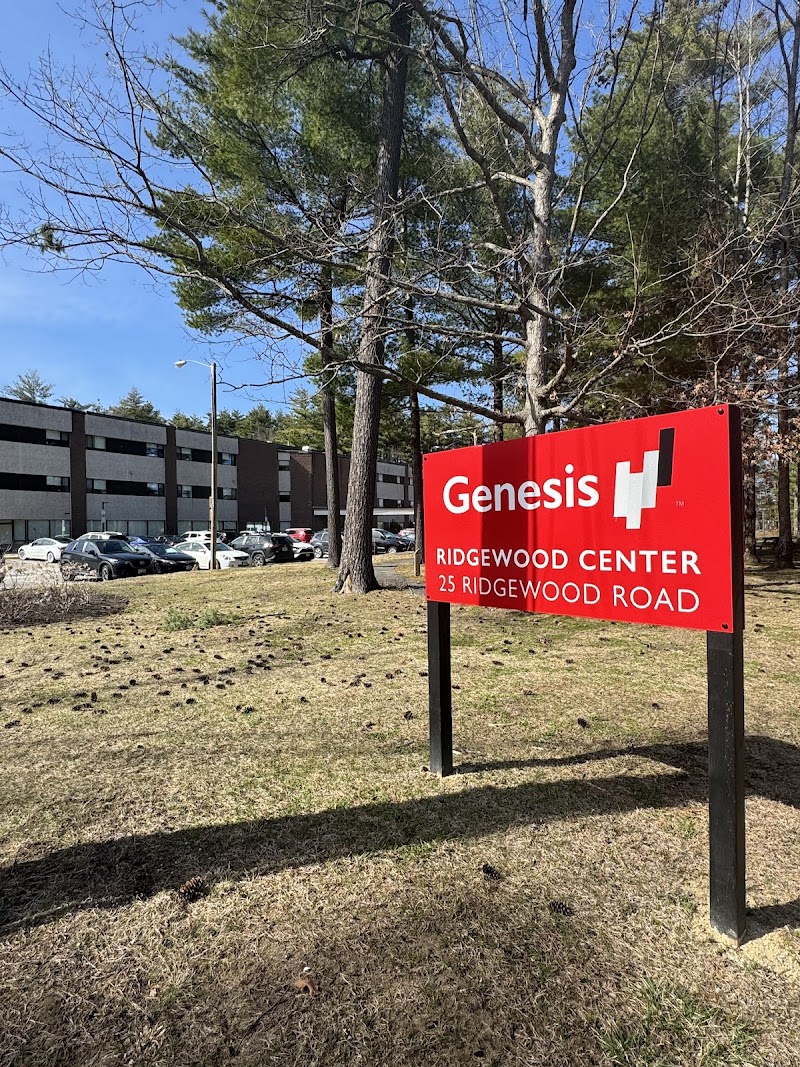
25 RIDGEWOOD ROAD, BEDFORD, NH 03110 (603) 623-8805
For profit - Corporation 150 Beds GENESIS HEALTHCARE Data: November 2025 1 Immediate Jeopardy citation
Trust Grade
46/100
#56 of 73 in NH
Last Inspection: January 2025

Within standard 12-15 month inspection cycle. Federal law requires annual inspections.

Overview

Ridgewood Center, Genesis Healthcare in Bedford, New Hampshire has received a Trust Grade of D, indicating it's below average and has some significant concerns. It ranks #56 out of 73 facilities in the state, placing it in the bottom half of nursing homes in New Hampshire, and #17 out of 21 in Hillsborough County, meaning there are only a few local options that are better. The facility’s performance is worsening, with reported issues increasing from 1 in 2024 to 5 in 2025. Staffing is a relative strength, with a rating of 4 out of 5 stars and a turnover rate of 37%, which is better than the state average, ensuring staff familiarity with residents. However, the facility has faced $15,646 in fines, which is concerning as it is higher than 78% of other facilities in New Hampshire. The nursing home does provide good RN coverage, exceeding 91% of state facilities, which is beneficial for monitoring residents’ health. However, there have been critical incidents, such as staff using the same insulin pen for multiple residents, posing a risk of infection. Additionally, residents have reported that they often wait long periods for meals and that there is inadequate staffing to assist with evening care, which raises concerns about meeting residents' needs. Furthermore, the facility has failed to ensure that residents receive timely immunizations, highlighting a gap in preventive health care. Overall, while staffing and RN coverage are strengths, the facility's critical findings and fines suggest families should proceed with caution.

Trust Score
D
46/100
In New Hampshire
#56/73
Bottom 24%
Safety Record
High Risk
Review needed
Inspections
Getting Worse
1 → 5 violations
Staff Stability
○ Average
37% turnover. Near New Hampshire's 48% average. Typical for the industry.
Penalties
✓ Good
$15,646 in fines. Lower than most New Hampshire facilities. Relatively clean record.
Skilled Nurses
✓ Good
Each resident gets 56 minutes of Registered Nurse (RN) attention daily — more than average for New Hampshire. RNs are trained to catch health problems early.
Violations
⚠ Watch
11 deficiencies on record. Higher than average. Multiple issues found across inspections.
★★☆☆☆
2.0
Overall Rating
★★★★☆
4.0
Staff Levels
★★★☆☆
3.0
Care Quality
★★☆☆☆
2.0
Inspection Score
Stable
2024: 1 issues
2025: 5 issues

The Good

  • 4-Star Staffing Rating · Above-average nurse staffing levels
  • Full Sprinkler Coverage · Fire safety systems throughout facility
  • No fines on record
  • Staff turnover below average (37%)

    11 points below New Hampshire average of 48%

Facility shows strength in staffing levels, fire safety.

The Bad

2-Star Overall Rating

Below New Hampshire average (3.0)

Below average - review inspection findings carefully

Staff Turnover: 37%

Near New Hampshire avg (46%)

Typical for the industry

Federal Fines: $15,646

Below median ($33,413)

Minor penalties assessed

Chain: GENESIS HEALTHCARE

Part of a multi-facility chain

Ask about local staffing decisions and management

The Ugly 11 deficiencies on record

1 life-threatening
Jan 2025 5 deficiencies
CONCERN (D)

Potential for Harm - no one hurt, but risky conditions existed

Comprehensive Care Plan (Tag F0656)

Could have caused harm · This affected 1 resident

Based on interview and record review, it was determined that the facility failed to develop and implement a comphrensive care plan for 1 of 4 residents reviewed for mood and behavior in a final sample...

Read full inspector narrative →
Based on interview and record review, it was determined that the facility failed to develop and implement a comphrensive care plan for 1 of 4 residents reviewed for mood and behavior in a final sample of 23 residents. (Resident identifier is #92.) Findings include:Resident #92 Review on 1/7/25 of Resident #92's medical diagnosis list revealed that Resident #92 with a diagnosis of Post Traumatic Stress Disorder (PTSD). Review on 1/7/25 of Resident #92's admission Minimum Data Set (MDS) with Assessment Reference Date (ARD) of 4/1/24, revealed that it was documented in Section I6100, Diagnosis, that Resident #92 had PTSD. Review on 1/7/25 of Resident #92's comprehensive care plan revealed that there were no focus, triggers, or interventions for Resident #92's PTSD. Interview on 1/8/25 at 9:00 a.m. with Staff I (Unit Manager) confirmed that there were no focus, triggers, or interventions for PTSD in Resident #92's comprehensive care plan.
CONCERN (D)

Potential for Harm - no one hurt, but risky conditions existed

Deficiency F0658 (Tag F0658)

Could have caused harm · This affected 1 resident

**NOTE- TERMS IN BRACKETS HAVE BEEN EDITED TO PROTECT CONFIDENTIALITY** Based on record review and policy review it was determined that the facility failed to follow the professional standards of care...

Read full inspector narrative →
**NOTE- TERMS IN BRACKETS HAVE BEEN EDITED TO PROTECT CONFIDENTIALITY** Based on record review and policy review it was determined that the facility failed to follow the professional standards of care for 3 residents in a final sample to 23 residents. (Resident identifier is #273, #101, and #73.) Findings include: Resident #101 Interview on 1/6/25 at approximately 9:15 a.m. with Resident #101 revealed that he/she was concerned that sometimes his/her medications and insulin had not been administered timely. Review on 1/7/25 of Resident #101's December 2024 and January 2025's Medication Administration Audit Report revealed the following insulin administrationswere not given within 30 minutes and other medication were not given within 60 minutes before or after the scheduled time: Insulin Glargine 100 unit/ml (milliliters) scheduled for 6:00 p.m. 12/7/24 given at 8:05 p.m. 12/8/24 given at 8:06 p.m. 12/15/24 given at 8:53 p.m. 12/27/24 given at 9:29 p.m. 12/28/24 given at 9:40 p.m. 1/1/25 given at 11:18 pm 1/2/25 given at 8:14 p.m. 1/3/25 given at 10:23 p.m. 1/6/25 given at 8:10 p.m. Humalog insulin 100 unit/ml sliding scale scheduled for 7:00 p.m. 12/11/24 given at 8:22 p.m. 12/24/24 given at 11:25 p.m. 12/26/24 given at 8:19 p.m. Metoprolol Succinate Extended Release 50 mg (milligrams) daily scheduled for 9:00 a.m. 12/8/24 given at 12:11 p.m. 12/9/24 given at 1:35 p.m. 12/11/24 given at 12:51 p.m. 12/12/24 given at 3:06 p.m. 12/17/24 given at 2:41 p.m. 12/18/24 given at 3:43 p.m. 12/19/24 given at 11:59 a.m. 12/23/24 given at 12/48 p.m. 12/24/24 given at 1:31 p.m. 12/27/24 given at 2:08 p.m. 12/29/24 given at 1:02 p.m. 12/30/24 given at 12:26 p.m. 1/1/25 given at 4:57 p.m. Gabapentin 100 mg, 3 times daily scheduled for 12:00 p.m. 12/12/24 given at 3:05 p.m. 12/15/24 given at 6:13 p.m. 12/18/24 given at 3:42 p.m. 12/21/24 given at 2:44 p.m. 1/1/25 given at 4:57 p.m. Humalog insulin 100 unit/ml sliding scale scheduled for 12:00 p.m. 12/18/24 given at 3:42 p.m. Gabapentin 100 mg, 3 times daily scheduled for 8:00 a.m. 12/19/24 given at 11:59 a.m. Humalog insulin 100 unit/ml sliding scale scheduled for 5:00 p.m. 12/27/24 given at 6:36 p.m. Gabapentin 100 mg, 3 times daily scheduled for 6:00 p.m. 12/28/24 given at 9:34 p.m. Interview on 1/8/25 at approximately 9:30 a.m with Staff D (Director of Nursing) confirmed the above findings. Standard Page 336- Physicians' Orders The physician is responsible for directing medical treatment. Nurses follow physician's orders unless they believe the orders are in error or harm clients. Therefore you need to assess all orders, and if you find one to be erroneous or harmful, further clarification from the physician is necessary . Resident #273 Observation on 1/6/25 at approximately 10:00 a.m. of Resident #273 revealed an undated dressing on his/her left knee. Interview on 1/6/25 at approximately 10:20 a.m. with Staff A (Registered Nurse) confirmed the above finding. Interview on 1/7/25 at approximately 8:30 a.m. with Staff A revealed that Resident #273 did have an order for a dressing change and there was no documentation of the dressing being done. Resident #101 Observation on 1/6/25 at approximately 9:15 a.m. of Resident #101's right leg revealed he/she had 3 undated dressings applied. (1 on right knee, 1 on right outer shin and 1 on right ankle). Interview on 1/6/25 at approximately 10:20 a.m. with Staff A confirmed the above findings. Review on 1/7/25 of Resident #101's January 2025's TAR's revealed the following order: Cleanse abrasions to right lower leg with VASHE. Leave gauze saturated with VASHE to wounds for approximately 1 minute Interview on 1/7/25 at approximately 8:30 a.m. with Staff A confirmed that the order is not clear as to how many abrasions Resident #101 had orders for a dressing to be applied to. Standard: [NAME], [NAME] A., and [NAME]. Fundamentals of Nursing. 10th ed. St. Louis, Missouri: Mosby Elsevier, 2021. Chapter 31 Medication Administration Page 595, .Medications that are time critical most likely cause harm or have subtherapeutic effects if they are not administered in time (usually 30 minutes before and after the scheduled dose). Non-time-critical medications most likely do not cause harm if they are given within 1 hour to 2 hours before or after the schedule time. Thus, you need to administer time-critical medications at a precise time, within 30 minutes before and after a scheduled time. You administer non-time-critical medications within 1 to 2 hours of their scheduled times . Resident #73 Interview on 1/6/25 at approximately 10:45 a.m. with Resident #73 revealed that he/she is given his/her insulin late frequently. Resident #73 thought in December that his/her insulin given over three hours late. Review on 1/8/25 of Resident #73's Medication Administration Audit Report for December 2024 and January 2025 revealed the following insulin administrations were not given within 30 minutes before or after the scheduled time: Humalog insulin 100 units/ml 5 units was scheduled for 11:30 a.m. 12/22/24 given at 12:41 p.m. 12/26/24 given at 1:17 p.m. 12/29/24 given at 1:00 p.m. 12/31/24 given at 12:25 p.m. Humalog insulin 100 unit/mg sliding scale scheduled for 11:30 a.m. 12/22/24 given at 12:41 p.m. 12/26/24 given at 1:17 p.m. 12/31/24 given at 12:25 p.m. Humalog insulin 100unit/ml 5 units scheduled for 7:30 a.m. 12/21/24 given at 8:54 a.m. 12/29/24 given at 9:21 a.m. 12/31/24 given at 9:55 a.m. 1/1/25 given at 9:21 a.m. 1/7/25 given at 10:19 a.m. Humalog insulin 100 unit/mg sliding scale scheduled for 7:30 a.m. 12/31/24 given at 9:55 a.m. Humalog insulin 100unit/ml 5 units scheduled for 4:30 p.m. 12/21/24 given at 7:54 p.m. Humalog insulin 100 unit/mg sliding scale scheduled for 4:30 p.m. 12/21/24 given at 7:54 p.m. Tresiba FlexaTouch 200 units/ml 82 units was scheduled for 8:00 a.m., 12/29/24 given at 10:08 a.m. 12/31/24 given at 9:55 a.m. 1/7/25 given at 10:19 a.m. Interview on 1/8/25 at approximately 11:00 a.m. with Staff D (Director of Nursing) confirmed the above findings.
CONCERN (D)

Potential for Harm - no one hurt, but risky conditions existed

Deficiency F0698 (Tag F0698)

Could have caused harm · This affected 1 resident

**NOTE- TERMS IN BRACKETS HAVE BEEN EDITED TO PROTECT CONFIDENTIALITY** Based on interview and record review, it was determined that the facility failed to ensure that a resident who attends dialysis ...

Read full inspector narrative →
**NOTE- TERMS IN BRACKETS HAVE BEEN EDITED TO PROTECT CONFIDENTIALITY** Based on interview and record review, it was determined that the facility failed to ensure that a resident who attends dialysis had interventions to care and monitor their access site and that they received physician ordered medications for 1 of 1 resident reviewed for dialysis in a final sample of 23 residents. (Resident identifier is #1.) Findings include: Interview on 1/7/25 at 1:35 p.m. with Resident #1 revealed that he/she attends dialysis 3 times a week on Monday, Wednesday, and Friday and is away from the facility from approximately 11:30 a.m. until 5:00 p.m. Review on 1/7/25 of Resident #1's January's 2025 Medication Administration Record (MAR) revealed that the medication Calcium Acetate (a phosphate binder) were documented as AW (away from center; meaning not administered) on 1/2, 1/4, and 1/6/25. Further review of Resident #1 MAR revealed that he/she has an order for Midodrine HCL (hydrochloride) Oral Tablet 5 MG (milligram) Give 2 tablets by mouth three times a day for low blood pressure 10 mg and to hold if the SBP (Systolic blood pressure) more than 160 and to be given with his/her meals. On the following dates it was documented as AW on 1/2, 1/4, and 1/6/25. Further review of the MAR revealed no orders to hold medications on dialysis days. Review on 1/7/24 of Resident #1's medical record revealed that he/she was readmitted to the facility on [DATE] and he/she goes to dialysis 3 times a week. Interview on 1/7/25 at approximately 11:00 a.m. with Staff C (Unit Manager) confirmed there were no orders in place to hold medications while at dialysis. Review on 1/7/25 or Resident #1's care plan revealed the care plan did not identify what kind of dialysis access site that Resident #1 had and there were no interventions to care of monitor thier access site. Interview on 1/7/25 with Staff C confirmed the above finding.
CONCERN (D)

Potential for Harm - no one hurt, but risky conditions existed

Food Safety (Tag F0812)

Could have caused harm · This affected 1 resident

Based on observation and interview, it was determined that the facility failed to ensure that food trays were stored dry and in sanitary condition in the main kitchen. Findings include: Standard: Rev...

Read full inspector narrative →
Based on observation and interview, it was determined that the facility failed to ensure that food trays were stored dry and in sanitary condition in the main kitchen. Findings include: Standard: Review on 1/7/25 of the U.S. FDA (Food Drug and Administration) Food Code (2017), retrieved from: https://www.fda.gov/media/110822/download, [page 151-153] revealed the following: 4-901.11 Equipment and Utensils, Air-Drying Required. After cleaning and SANITIZING, EQUIPMENT and UTENSILS: (A) Shall be air-dried or used after adequate draining as specified in the first paragraph of 40 CFR 180.940 Tolerance exemptions for active and inert ingredients for use in 151 antimicrobial formulations (food-contact surface SANITIZING solutions), before contact with FOOD; and (B) May not be cloth dried except that UTENSILS that have been air-dried may be polished with cloths that are maintained clean and dry. 4-903.11 Equipment, Utensils, Linens, and Single-Service and Single-Use Articles. (A) Except as specified in (D) of this section, cleaned EQUIPMENT and UTENSILS, laundered LINENS, and SINGLE-SERVICE and SINGLEUSE ARTICLES shall be stored: (1) In a clean, dry location; (2) Where they are not exposed to splash, dust, or other contamination . (B) Clean EQUIPMENT and UTENSILS shall be stored as specified under (A) of this section and shall be stored: (1) In a self-draining position that allows air drying; and (2) Covered or inverted . Observation on 1/7/25 at approximately 7:15 a.m. of Staff J (Dietary Aide) and Staff K (Dietary Aide) on the breakfast serving line revealed Staff J picked up trays that were stored wet in a large stack and dried each tray off with a dish towel. Interview on 1/7/25 at approximately 7:20 a.m. with Staff L (Dietary Manager) confirming the above findings and revealed they had stored the trays wet the night before.
CONCERN (D)

Potential for Harm - no one hurt, but risky conditions existed

Medical Records (Tag F0842)

Could have caused harm · This affected 1 resident

Based on record review and interview, it was determined that the facility failed to maintain complete records for 1 of 1 record reviewed for death in a final sample of 23 (Resident identifier is #11.)...

Read full inspector narrative →
Based on record review and interview, it was determined that the facility failed to maintain complete records for 1 of 1 record reviewed for death in a final sample of 23 (Resident identifier is #11.) Findings include: Review on 1/07/25 of Resident #11's nursing progress note ,dated 01/04/25 at 14:48, revealed .Resident time of death at 14:42 [2:42 p.m.], 2 RN [Registered Nurse] pronouncing death . No other information was present for this entry. Review on 1/07/25 at 3:15 p.m. of the facility's policy titled NSG104 Pronouncement of Patient Death, effective 5/01/23, revealed .Nurses will comply with all applicable laws and regulations regarding determination of death .1.5. A RN who has determined and pronounced death will document the clinical criteria for such determination and pronouncement in the patient's medical record. 1.5.1 Description of the discovery of the patient; 1.5.2 Any treatment of the patient undertaken; 1.5.3 Findings from assessment (presumptive and conclusive signs identified): 1.5.3.1 No carotid and peripheral pulse, 1.5.3.2 Pupils are fixed and nonreactive to light, 1.5.3.3 No response to tactile stimuli, 1.5.3.4 No respirations for one full minute, 1.5.3.5 No heart sounds for one full minute; 1.5.4 Date and time of death; 1.5.5 Individuals notified of the patient's status/death 1.5.6 Results of any communications . Interview on 1/8/25 at 12:30 p.m. with Staff D (Director of Nursing) confirmed the above findings and that the expectation is that the nurse would document in the medical record all clinical signs of death.
Jun 2024 1 deficiency 1 IJ
CRITICAL (J) 📢 Someone Reported This

A family member, employee, or ombudsman was alarmed enough to file a formal complaint

Immediate Jeopardy (IJ) - the most serious Medicare violation

Infection Control (Tag F0880)

Someone could have died · This affected 1 resident

Based on interview and record review, it was determined that the facility failed to ensure residents were free from exposure to bloodborne pathogen transmission when staff used one insulin pen to admi...

Read full inspector narrative →
Based on interview and record review, it was determined that the facility failed to ensure residents were free from exposure to bloodborne pathogen transmission when staff used one insulin pen to administer insulin to two residents on multiple days (Resident Identifiers are #1 and #2). Findings include: Interview on 6/21/24 at approximately 11:00 a.m. with Staff D (Licensed Practical Nurse (LPN)) revealed that on 6/15/24 and 6/16/24 he/she used Resident #1's used Lantus (insulin) pen to administer insulin to Resident #2 then put back Resident #1's used Lantus pen in the medication cart. Interview on 6/21/24 at approximately 10:00 a.m with Staff C (LPN) revealed that he/she used Resident #1's used Lantus pen to administer insulin to Resident #1 on 6/17/24, which was used to administer insulin to Resident #2 on 6/15/24 and 6/16/24. Staff C was not aware that Resident #1's used lantus pen was used to administer insulin to Resident #2 on above mentioned dates. Review on 6/21/24 of Resident #1's June 2024's Electronic Medication Administration Record (EMAR) revealed an active physician's order for Lantus SoloStar and was administered on 6/15/24, 6/16/24, and 6/17/24. Review on 6/21/24 of Resident #2's June 2024 EMAR revealed an active physician's order for Lantus once a day and was administered on 6/15/24 and 6/16/24. Interview on 6/21/24 at approximately 10:30 a.m. with Staff A (Administrator) confirmed the above findings. Further interview with Staff A revealed that there was an available Lantus vial for Resident #2 and an emergency supply of Lantus in the medication room refrigerator. Staff A stated that Resident #1's used Lantus pen was discarded. Staff A also revealed that they are doing ongoing monitoring through insulin audits, nurse education and competencies, and Quality Assurance meetings. Review on 6/21/24 of the Lantus manufacturer's instruction dated 2022, revealed: .Important Safety Information for Lantus .Do not share needles, insulin pens, or syringes with others .Lantus SoloSTAR is a disposable single-patient-use prefilled insulin pen . Review on 6/21/24 of the facility's pharmacy policy titled Appropriate Use of Prefilled Insulin Pen Devices, provided by the facility revealed: .Insulin pens include a number of manufacturer-unique administrative devices designed for accurate and simple insulin administration. These benefits are only realized if prefilled pen devices are used appropriately .To avoid serious patient harm .NEVER use an individual insulin pen for more than one patient . Review on 6/21/24 of the facility's policy titled, Insulin Pens, revision date of 2/28/21, revealed: .Insulin pens containing multiple doses of insulin are meant for single patient use only and must never be used for more than one person, even when the needle is changed . Review on 6/21/24 of the Centers for Disease Control and Prevention (CDC) handout, retrieved 6/4/24, from https://www.cdc.gov/injection-safety/media/pdfs/Insulin-Pen-Safety-Handout-P.pdf revealed: .Injection equipment (e.g., insulin pens, needles and syringes) should never be used for more than one person . It is critical to remember that insulin pens are meant for only one person . Although invisible to the eye, back flow of blood into the insulin pen can happen during an injection. This creates a risk of bloodborne and bacterial pathogen transmission to patients if the pen is used for more than one person, even when the needle is changed . Review on 6/21/24 of the facility's documentation of corrective action revealed the following: QA meeting was conducted on 6/17/24; The provider evaluated Resident #1 and Resident #2 and ordered Hepatitis panel and HIV blood tests on 6/17/24 and a retest for the hepatitis panel and HIV blood test was ordered; Facility-wide audit of all residents insulin availability was conducted on 6/17/24; Education and competencies of facility's medication availability protocol, facility's insulin pen policy, and CDC's injection safety were conducted on 6/17/24; and Insulin inventory sheet was created on 6/20/24 and initiated on 6/21/24.
Oct 2023 3 deficiencies
CONCERN (D)

Potential for Harm - no one hurt, but risky conditions existed

Deficiency F0604 (Tag F0604)

Could have caused harm · This affected 1 resident

Based on observation, interview, and record review, it was determined that the facility failed to ensure that a resident was assessed for restraints for 1 of 1 residents reviewed for restraints in a f...

Read full inspector narrative →
Based on observation, interview, and record review, it was determined that the facility failed to ensure that a resident was assessed for restraints for 1 of 1 residents reviewed for restraints in a final sample of 22 residents. (Resident identifier is #12). Findings include: Observation on 10/29/23 at approximately 2:00 p.m. of Resident #12 revealed that he/she was in a wheelchair with a fastened seatbelt. Review on 10/30/23 of Resident #12's medical record revealed that there was no assessment of the seatbelt since 6/24/21 and no physician order for seatbelt usage. Further review of the medical record revealed a care plan dated 3/5/21 with an intervention to utilize and release restraint per the physician's order. Observation on 10/31/23 at approximately 9:10 a.m. of Resident #12 revealed that he/she was in a wheelchair with a seatbelt fastened. Interview on 10/31/23 at approximately 9:10 a.m. of Resident #12 revealed that he/she was able to remove the seatbelt on command. Interview on 10/31/23 at approximately 9:30 a.m. with Staff C (Third floor Unit Manager) confirmed that the last assessment for the use of the seat belt was on 6/24/21 and that there were no orders for the use of the seatbelt. Staff C stated that the seatbelt use was Resident #12's preference. Review on 10/31/23 of the facility policy titled, NSG233 Restraints: Use of, Revision date 6/15/22 revealed .Patients will be evaluated for the use of restraints or protective devices during the nursing assessment process. If it is determined that a protective device is being used to improve the patient's ability to move without assistance, no further assessment is needed .
CONCERN (E) 📢 Someone Reported This

A family member, employee, or ombudsman was alarmed enough to file a formal complaint

Potential for Harm - no one hurt, but risky conditions existed

Deficiency F0725 (Tag F0725)

Could have caused harm · This affected multiple residents

**NOTE- TERMS IN BRACKETS HAVE BEEN EDITED TO PROTECT CONFIDENTIALITY** Resident #250 Interview on 10/29/23 at 12:30 p.m. with Resident #250's representative revealed that Resident #250 was admitted t...

Read full inspector narrative →
**NOTE- TERMS IN BRACKETS HAVE BEEN EDITED TO PROTECT CONFIDENTIALITY** Resident #250 Interview on 10/29/23 at 12:30 p.m. with Resident #250's representative revealed that Resident #250 was admitted to the facility on [DATE] and family visits daily. Resident #250's representative stated that Resident #250 liked to get into bed around 7:30 p.m. and the family would have to provide nighttime care to make sure Resident #250 was in bed prior to the family leaving the facility because the LNAs stated they were short staffed and had to finish other tasks prior to helping Resident #250 get ready for bed. Interview on 10/30/23 at 2:00 p.m. with Resident Council (Resident identifiers are #12, #13, #17, #31, #39, #47, #74, and #84) revealed that on the weekends in the main dining room residents would wait up to an hour or sometimes longer for the meal to be served. Based on observation, interview, and record review, it was determined that the facility failed to provide sufficient staff to meet residents' needs (Resident Identifiers are #12, #13, #17, #31, #38, #39, #47, #74, #84, #156 and #250). Findings include: Resident #38 Observation on 10/29/23 at approximately 11:00 a.m. of Resident #38 appeared upset, tearful, and sitting in his/her fecal matter in bed. Interview on 10/29/23 at approximately 11:00 a.m. with Resident #38 revealed he/she had been sitting in his/her fecal matter for approximately an hour, after utilizing the call bell for assistance. Interview on 10/29/23 at approximately 11:05 a.m. with Staff H (Licensed Practical Nurse (LPN)) confirmed the above finding. Staff A (Administrator) stated that a Licensed Nursing Assistant (LNA) was on break leaving them short to answer call lights. Resident #156 Interview on 10/29/23 at approximately 11:10 a.m. with Resident #156 revealed after utilizing his/her call bell last week it took staff approximately a half hour to respond on two occasions and he/she urinated himself/herself while waiting for staff assistance. Staff Interviews: Interview on 10/31/23 at approximately 9:00 a.m. with Staff I (LNA) stated, Three LNAs is not enough on the second floor for this level of acuity. Interview on 10/31/23 at approximately 9:40 a.m. with Staff G (LPN) stated, We don't have enough staff on the second floor . We have fall risk and behavioral residents and I didn't have enough LNAs on my side. Interview on 10/31/23 at 10:30 a.m. with Staff J (LPN) stated, As a licensed nurse, I don't feel that resident care needs are safely met with three LNAs on the second floor. There may be a LNA that is a Medication Aide, but their focus is on medication administration, not patient care. Review on 10/31/23 of the Facility Assessment revealed that .Function: Sufficiency/Analysis Summary .consideration .Currently, the center staffs according to residents' needs based on acuity and census . Further review of the Facility Assessment revealed the following staffing levels for direct care staff: First and Second shift - 2 Nurses (Registered Nurse or Licensed Practical Nurse)/Medication Aide/Technician TBD and Nurse Aides (LNA) 1:14. Review on 10/31/23 of the Daily Staffing Sheets from 9/29/23 to 10/31/23 revealed the following: 9/29/23 - Second floor- Day shift - 3 LNAs, 0 Medication Aide -Census - 44 10/2/23 - Second floor - Day shift - 2 LNAs, 2 Medication Aides-Census 44 10/3/23 - Second floor - Day shift - 2 LNAs, 2 Medication Aides-Census 44 10/4/23 - Second floor - Day shift - 3 LNAs, 1 Medication Aide-Census - 44 10/5/23 - Second floor - Day shift - 3 LNAs, 1 Medication Aide-Census - 44 10/9/23 - Second floor - Day shift - 2 LNAs, 2 Medication Aides-Census 41 10/23/23 -Second floor - Day shift - 2 LNAs, 1 Medication Aide-Census - 38 10/29/23- Second floor - Day shift - 3 LNAs, 0 Medication Aide-Census - 43 10/30/23- Second floor - Day shift - 2 LNAs, 1 Medication Aide-Census - 43 Interview on 10/31//23 with Staff A confirmed that the above Daily Staffing Sheets were correct. Review on 10/31/23 of Census and Condition revealed the following acuity between 9/29/23 to 10/30/23: - There were 12 falls in the second floor unit, including two falls with injuries (not major), - There were 13 resident-to-resident incidents the second floor unit, - There were 13 out of 43 residents on the second floor unit needing assistance with meals.
CONCERN (E)

Potential for Harm - no one hurt, but risky conditions existed

Deficiency F0883 (Tag F0883)

Could have caused harm · This affected multiple residents

**NOTE- TERMS IN BRACKETS HAVE BEEN EDITED TO PROTECT CONFIDENTIALITY** Based on record review and interview, it was determined that the facility failed to ensure residents were offered, educated, and...

Read full inspector narrative →
**NOTE- TERMS IN BRACKETS HAVE BEEN EDITED TO PROTECT CONFIDENTIALITY** Based on record review and interview, it was determined that the facility failed to ensure residents were offered, educated, and received the pneumococcal and/or influenza immunization 3 of 5 residents reviewed for immunizations (Resident Identifiers are #8, #55 and #67). Findings Include: Review on 10/31/23 of Summary: Prevention and Control of Seasonal Influenza with Vaccines: Recommendations of the Advisory Committee on Immunization Practices (ACIP)-United States, 2023-24, found at https://www.cdc.gov/flu/professionals/acip/summary/summary-recommendations.htm, revealed the .Timing of vaccination - For most persons who need only one dose of influenza vaccine for the season, vaccination should ideally be offered during September or October. However, vaccination should continue throughout the season as long as influenza viruses are circulating . Resident #8 Review on 10/31/23 of Resident #8's medical record revealed the last documented influenza immunization was administered on 12/3/21. Review on 10/31/23 of Resident #8's informed consent for the influenza vaccine revealed that they had consented to receive the influenza vaccine on 9/14/23. Interview on 10/31/23 at approximately 1:20 p.m. with Staff D (Infection Preventionist) confirmed that Resident #8 had consented to receive the influenza vaccine but had not yet received it. Staff D stated that the facility has had influenza vaccine since 10/5/23. Resident #67 Review on 10/31/23 of Resident #67's immunization record revealed no influenza information. Review on 10/31/23 of Resident #67's informed consent for the influenza vaccine revealed they had consented to receive the influenza vaccine on 10/4/23. Interview on 10/31/23 at approximately 1:20 p.m. with Staff D confirmed that Resident #67 had consented to receive the influenza vaccine but had not yet received it. Staff D stated that the facility had received their supply of influenza vaccinations around 10/5/23 and that they had not started the influenza vaccine administration for the second floor yet. Review on 10/31/23 of facility policy titled IC600 Influenza Immunization Program, revised on 5/1/23, revealed .Begin the process for the influenza (flu) program in early September. To achieve the highest level of immunity during peak flu season, flu vaccinations should not begin prior to September 1 of each year, unless otherwise advised by the Centers for Disease Prevention and Control (CDC) . Resident #55 Review on 10/31/23 of Resident #55's immunization record revealed their last administration of influenza was given on 3/15/23. Review on 10/31/23 of Resident #55's medical record revealed no proof that Resident #55 had been educated or offered the influenza immunization for the 2023-2024 flu season. Interview on 10/31/23 at approximately 1:20 p.m. with Staff D confirmed the above finding. Review on 10/31/23 of the facility policy titled IC600 Influenza Immunization Program, revised on 5/1/23, revealed .Begin the process for the influenza (flu) program in early September. To achieve the highest level of immunity during peak flu season, flu vaccinations should not begin prior to September 1 of each year, unless otherwise advised by the Centers for Disease Prevention and Control (CDC) .Review Center Flu Vaccine Action Plan .Stage General Preparation .Patients- Check each patient's existing medical record for consent & standing order for annual flu vaccine .send Vaccine information statement (VIS) & appropriate letter to the patient/representative .Place a copy of the letter &VIS in the patient's medical record . Resident #67 Review on 10/31/23 of Resident #67's immunization record revealed no pneumococcal information. Review on 10/31/23 of Resident #67's medical record revealed no information that the pneumococcal immunization had been offered to Resident #67 since admission on [DATE]. Interview on 10/31/23 at approximately 1:20 p.m. with Staff D confirmed the above finding. Review on 10/31/23 of the facilities policy titled IC601 Pneumococcal Vaccination, Revised on 11/15/22, revealed .1. Upon admission, obtain the Pneumococcal vaccination history of all patients. 1.1 Patient or resident representative may self-report vaccination history. 1.2 Document Pneumococcal vaccination history in PointClickCare (PCC) and on the Pneumococcal Consent form under Vaccination History .
Oct 2022 2 deficiencies
CONCERN (D)

Potential for Harm - no one hurt, but risky conditions existed

Room Equipment (Tag F0908)

Could have caused harm · This affected 1 resident

Based on observation, interview and record review, it was determined that the facility failed to follow manufacturer's instruction for obtaining temperature via infrared thermometer for 2 of 3 days ob...

Read full inspector narrative →
Based on observation, interview and record review, it was determined that the facility failed to follow manufacturer's instruction for obtaining temperature via infrared thermometer for 2 of 3 days observed and the facility also failed to ensure that glucose test strips were labeled with open date according to manufacturer's instruction for 2 of 2 medication carts observed. Findings include: Observation on 10/17/22 at approximately 8:30 a.m. during visitor screening revealed that Staff A (Receptionist) used an infrared thermometer to obtained 4 visitor temperatures. Further observation revealed that Staff A used the thermometer on 4 visitors and held it near the visitor's neck. Observation on 10/18/22 at approximately 8:00 a.m. during visitor screening revealed that Staff A used an infrared thermometer to obtained 3 visitor temperatures. Further observation revealed that Staff A used the thermometer on 3 visitors and held it near the visitor's neck. Interview on 10/18/22 at approximately 8:00 a.m. with Staff A confirmed above findings. Review on 10/18/22 of the facility's infrared thermometer manufacturer's instruction revealed .Intended Use The device is an infrared thermometer intended to measure forehead temperature of infants and adults without contacting human body . 3rd floor high side medication cart Observation on 10/17/22 at approximately 9:10 a.m. with Staff B (Registered Nurse) of the 3rd floor high side medication cart revealed that there was 1 open bottle of glucose test strips with no open date. Review on 10/17/22 of the glucose test strip manufacturer's instruction on the glucose test strip bottle revealed use within 6 months of opening. Interview on 10/17/22 at approximately 9:10 a.m. with Staff B confirmed the above findings in the 3rd floor high side medication cart. 2nd floor low side medication cart Observation on 10/17/22 at approximately 9:15 a.m. with Staff C (Licensed Practical Nurse) of the 2nd floor low side medication cart revealed that there was 2 open bottles of glucose test strips with no open dates. Review on 10/17/22 of the glucose test strip manufacturer's instruction on the glucose test strip bottle revealed use within 6 months of opening. Interview on 10/17/22 at approximately 9:15 a.m. with Staff B confirmed the above findings in the 3rd floor high side medication cart. Review on 10/18/22 of the facility's manufacturer's instruction for the blood glucose monitoring system revealed Performing Glucose Test . Step 1 Take out the [glucose test strip brand name omitted] from the test strip bottles and close the bottle immediately. Insert the test strip to turn on the meter. Important .Record the date opened on the bottle label. Discard the bottle and any remaining test strips after 6 months from date of opening .
MINOR (B)

Minor Issue - procedural, no safety impact

Assessment Accuracy (Tag F0641)

Minor procedural issue · This affected multiple residents

Based on interview and record review, it was determined that the facility failed to ensure that the Minimum Data Set (MDS) accurately reflected the status of 2 residents in a final sample of 21 reside...

Read full inspector narrative →
Based on interview and record review, it was determined that the facility failed to ensure that the Minimum Data Set (MDS) accurately reflected the status of 2 residents in a final sample of 21 residents (Resident identifiers are #38 and #68). Findings include: Resident #68 Review on 10/18/22 of Resident #68's Weight Summary revealed a weight recorded in error on 9/15/22 of 128 pounds, and a corrected weight of 192.8 pounds on 9/27/22. Review on 10/18/22 of Resident #68's MDS section K0200 Height and Weight dated 9/23/22, revealed the incorrect coded weight of 128 pounds. Interview on 10/19/22 at 11:35 a.m. with Staff E (Director of Nursing) confirmed the above MDS weight coding error. Review on 10/19/22 of Resident #68's Skin & Wound Evaluation dated 9/8/22 revealed an in-house acquired right heel pressure ulcer. Review on 10/19/22 of Resident #68's MDS section M0300 Current Number or Unhealed Pressure Ulcers/Injuries at Each Stage dated 9/23/22 revealed no coded unhealed pressure ulcer/injuries at each stage. Resident #68's MDS section M0300 was not completed with accurate coding to reflect the pressure ulcer. Interview on 10/19/22 at 9:30 a.m. with Staff E (Director of Nursing) confirmed the above MDS pressure ulcer coding error, he/she indicated the pressure ulcer healed on 10/17/22, as reflected on the Skin & Wound Evaluation dated 10/17/22. Resident #38 Review on 10/19/22 of Resident #38's Medical Records revealed a fall on 8/18/22. Review on 10/19/22 of Resident #38's MDS assessment reference date of 08/31/22 section J1800 any falls since admission/entry/re-entry or prior assessment was coded with a no. Interview on 10/19/22 at 9:45 a.m. with Staff E (Director of Nursing) confirmed the above MDS falls coding error. He/she stated that the fall on 8/18/22 should have been coded as a yes on the MDS for Assessment Reference Date (ARD) of 8/31/22.
Understanding Severity Codes (click to expand)
Life-Threatening (Immediate Jeopardy)
J - Isolated K - Pattern L - Widespread
Actual Harm
G - Isolated H - Pattern I - Widespread
Potential for Harm
D - Isolated E - Pattern F - Widespread
No Harm (Minor)
A - Isolated B - Pattern C - Widespread

Questions to Ask on Your Visit

  • "What changes have you made since the serious inspection findings?"
  • "Can I speak with families of current residents?"
  • "What's your RN coverage like on weekends and overnight?"

Our Honest Assessment

Strengths
  • • 37% turnover. Below New Hampshire's 48% average. Good staff retention means consistent care.
Concerns
  • • Multiple safety concerns identified: 1 life-threatening violation(s). Review inspection reports carefully.
  • • 11 deficiencies on record, including 1 critical (life-threatening) violation. These warrant careful review before choosing this facility.
  • • $15,646 in fines. Above average for New Hampshire. Some compliance problems on record.
  • • Grade D (46/100). Below average facility with significant concerns.
Bottom line: Trust Score of 46/100 indicates significant concerns. Thoroughly evaluate alternatives.

About This Facility

What is Ridgewood Center, Genesis Healthcare's CMS Rating?

CMS assigns RIDGEWOOD CENTER, GENESIS HEALTHCARE an overall rating of 2 out of 5 stars, which is considered below average nationally. Within New Hampshire, this rating places the facility higher than 0% of the state's 100 nursing homes. A rating at this level reflects concerns identified through health inspections, staffing assessments, or quality measures that families should carefully consider.
How is Ridgewood Center, Genesis Healthcare Staffed?

CMS rates RIDGEWOOD CENTER, GENESIS HEALTHCARE's staffing level at 4 out of 5 stars, which is above average compared to other nursing homes. Staff turnover is 37%, compared to the New Hampshire average of 46%. This relatively stable workforce can support continuity of care.

What Have Inspectors Found at Ridgewood Center, Genesis Healthcare?

State health inspectors documented 11 deficiencies at RIDGEWOOD CENTER, GENESIS HEALTHCARE during 2022 to 2025. These included: 1 Immediate Jeopardy (the most serious level, indicating potential for serious harm or death), 9 with potential for harm, and 1 minor or isolated issues. Immediate Jeopardy findings are rare and represent the most serious regulatory concerns. They require immediate corrective action.
Who Owns and Operates Ridgewood Center, Genesis Healthcare?

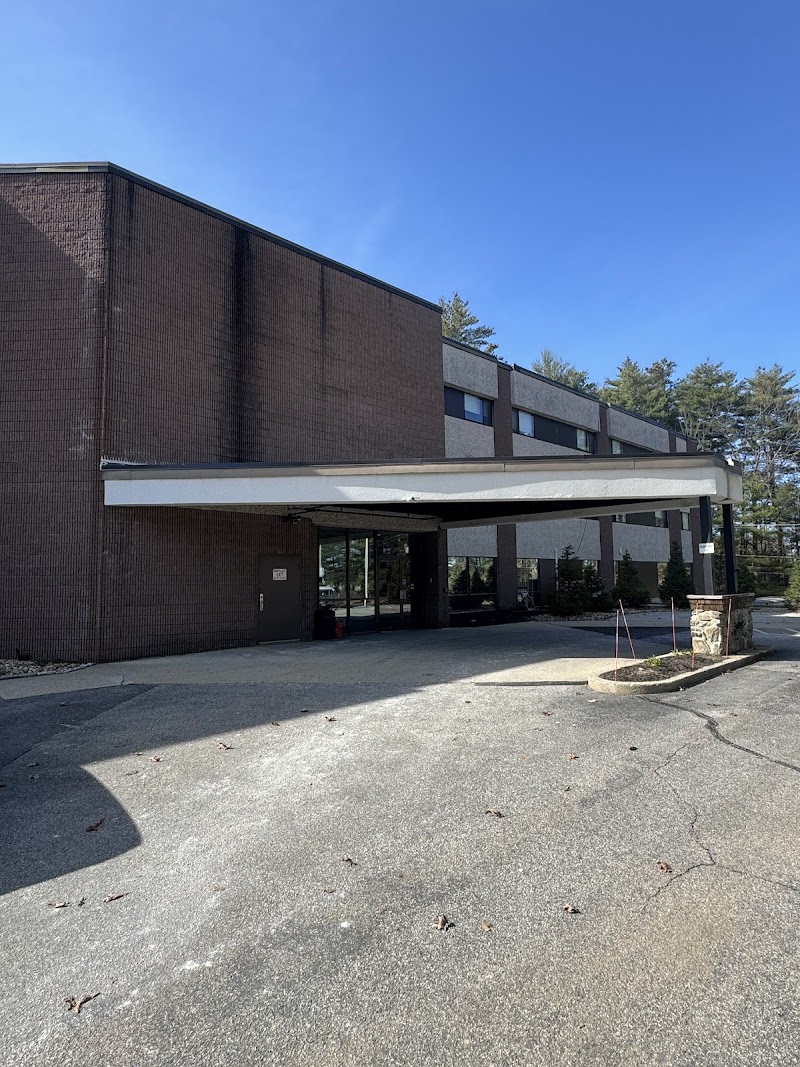
RIDGEWOOD CENTER, GENESIS HEALTHCARE is owned by a for-profit company. For-profit facilities operate as businesses with obligations to shareholders or private owners. The facility is operated by GENESIS HEALTHCARE, a chain that manages multiple nursing homes. With 150 certified beds and approximately 114 residents (about 76% occupancy), it is a mid-sized facility located in BEDFORD, New Hampshire.

How Does Ridgewood Center, Genesis Healthcare Compare to Other New Hampshire Nursing Homes?

Compared to the 100 nursing homes in New Hampshire, RIDGEWOOD CENTER, GENESIS HEALTHCARE's overall rating (2 stars) is below the state average of 3.0, staff turnover (37%) is near the state average of 46%, and health inspection rating (2 stars) is below the national benchmark.

What Should Families Ask When Visiting Ridgewood Center, Genesis Healthcare?

Based on this facility's data, families visiting should ask: "What changes have been made since the serious inspection findings, and how are you preventing similar issues?" "Can I visit during a mealtime to observe dining assistance and food quality?" "How do you handle medical emergencies, and what is your hospital transfer rate?" "Can I speak with family members of current residents about their experience?" These questions are particularly relevant given the facility's Immediate Jeopardy citations.

Is Ridgewood Center, Genesis Healthcare Safe?

Based on CMS inspection data, RIDGEWOOD CENTER, GENESIS HEALTHCARE has documented safety concerns. Inspectors have issued 1 Immediate Jeopardy citation (the most serious violation level indicating risk of serious injury or death). The facility has a 2-star overall rating and ranks #100 of 100 nursing homes in New Hampshire. Families considering this facility should ask detailed questions about what corrective actions have been taken since these incidents.

Do Nurses at Ridgewood Center, Genesis Healthcare Stick Around?

RIDGEWOOD CENTER, GENESIS HEALTHCARE has a staff turnover rate of 37%, which is about average for New Hampshire nursing homes (state average: 46%). Moderate turnover is common in nursing homes, but families should still ask about staff tenure and how the facility maintains care continuity when employees leave.

Was Ridgewood Center, Genesis Healthcare Ever Fined?

RIDGEWOOD CENTER, GENESIS HEALTHCARE has been fined $15,646 across 1 penalty action. This is below the New Hampshire average of $33,235. While any fine indicates a compliance issue, fines under $50,000 are relatively common and typically reflect isolated problems that were subsequently corrected. Families should ask what specific issues led to these fines and confirm they've been resolved.

Is Ridgewood Center, Genesis Healthcare on Any Federal Watch List?

RIDGEWOOD CENTER, GENESIS HEALTHCARE is not on any federal watch list. The most significant is the Special Focus Facility (SFF) program, which identifies the bottom 1% of nursing homes nationally based on persistent, serious quality problems. Not being on this list means the facility has avoided the pattern of deficiencies that triggers enhanced federal oversight. This is a positive indicator, though families should still review the facility's inspection history directly.