FAIRVIEW NURSING HOME
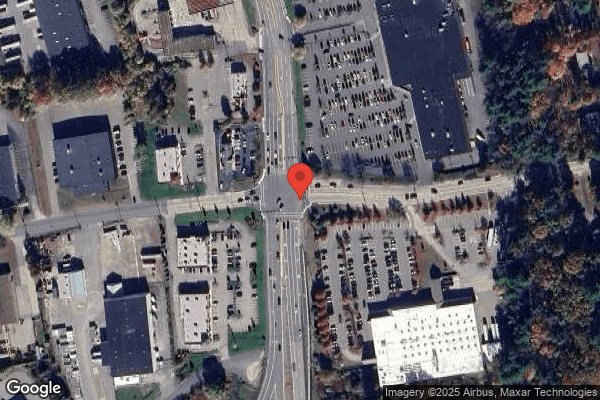
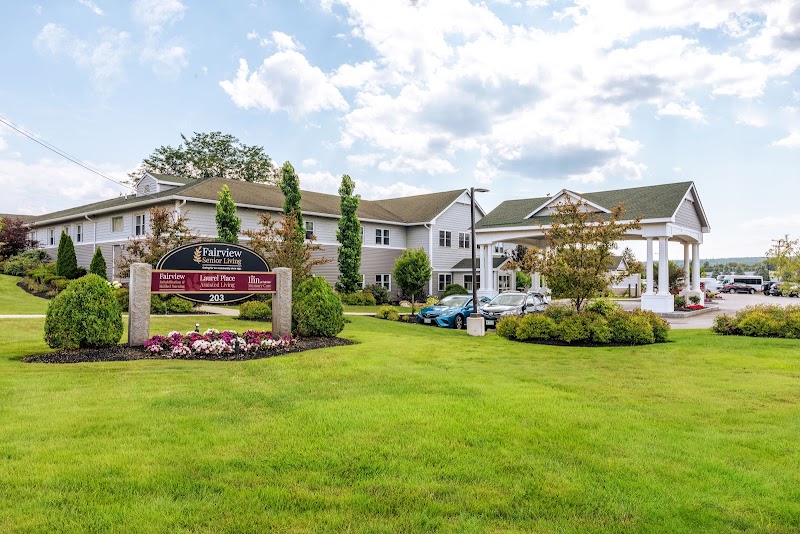
203 LOWELL ROAD, HUDSON, NH 03051 (603) 882-5261
For profit - Limited Liability company 101 Beds Independent Data: November 2025
Trust Grade
75/100
#19 of 73 in NH
Last Inspection: November 2024

Within standard 12-15 month inspection cycle. Federal law requires annual inspections.

Overview

Fairview Nursing Home in Hudson, New Hampshire has a Trust Grade of B, indicating it is a good choice for families looking for care, though it is not the highest-rated option available. It ranks #19 out of 73 nursing homes in the state, placing it in the top half, and #7 out of 21 in Hillsborough County, meaning only six local facilities are rated higher. The facility is improving, with issues decreasing from eight in 2023 to just one in 2024. Staffing has a middle-of-the-road rating of 3 out of 5 stars, with a turnover rate of 50%, which is on par with the state average. Notably, Fairview has not incurred any fines, which reflects well on its compliance, and it has average RN coverage, providing basic oversight for resident care. However, there are some areas of concern. Recent inspections found that the facility failed to follow proper infection control protocols for residents on COVID-19 precautions and did not take appropriate action after a resident fell and suffered serious injuries. Additionally, care plans for residents with pressure ulcers and nutritional needs were not updated as required. Overall, while Fairview Nursing Home has strengths in its good overall rating and absence of fines, families should be aware of the recent issues highlighted in the inspections.

Trust Score
B
75/100
In New Hampshire
#19/73
Top 26%
Safety Record
Low Risk
No red flags
Inspections
Getting Better
8 → 1 violations
Staff Stability
⚠ Watch
50% turnover. Above average. Higher turnover means staff may not know residents' routines.
Penalties
✓ Good
No fines on record. Clean compliance history, better than most New Hampshire facilities.
Skilled Nurses
✓ Good
Each resident gets 43 minutes of Registered Nurse (RN) attention daily — more than average for New Hampshire. RNs are trained to catch health problems early.
Violations
⚠ Watch
15 deficiencies on record. Higher than average. Multiple issues found across inspections.
★★★★☆
4.0
Overall Rating
★★★☆☆
3.0
Staff Levels
★★★☆☆
3.0
Care Quality
★★★★☆
4.0
Inspection Score
Stable
2023: 8 issues
2024: 1 issues

The Good

  • Full Sprinkler Coverage · Fire safety systems throughout facility
  • No fines on record

Facility shows strength in fire safety.

The Bad

Staff Turnover: 50%

Near New Hampshire avg (46%)

Higher turnover may affect care consistency

The Ugly 15 deficiencies on record

Nov 2024 1 deficiency
CONCERN (E)

Potential for Harm - no one hurt, but risky conditions existed

Infection Control (Tag F0880)

Could have caused harm · This affected multiple residents

Based on observation, interview, and record review, it was determined that the facility failed to follow Centers for Disease Control and Prevention (CDC) guidelines for the use of appropriate Personal...

Read full inspector narrative →
Based on observation, interview, and record review, it was determined that the facility failed to follow Centers for Disease Control and Prevention (CDC) guidelines for the use of appropriate Personal Protective Equipment (PPE) to prevent the spread of infection for 4 of 8 residents on Transmission Based Precautions (TBP) for COVID-19 infection (Resident identifiers are #2, #7, #73, and #84). Findings include: Review on 11/13/24 of the CDC guidance titled, Infection Control Guidance: SARS-CoV-2, dated June 24, 2004, revealed: .2. Recommended infection prevention and control (IPC) practices when caring for a patient with suspected or confirmed SARS-CoV-2 infection .HCP [Healthcare Personal] who enter the room of a patient with suspected or confirmed SARS-CoV-2 infection should adhere to Standard Precautions and use a NIOSH Approved particulate respirator with N95 filters or higher, gown, gloves, and eye protection (i.e., goggles or a face shield that covers the front and sides of the face) . Review on 11/13/24 of the CDC guidance titled, Isolation Precautions Guideline, dated 11/27/23, retrieved from: https://www.cdc.gov/infection-control/hcp/isolation-precautions/summary-recommendations.html, revealed: .IV.B. Personal protective equipment (PPE) .Before leaving the patient ' s room or cubicle, remove and discard PPE Review on 11/13/24 of the CDC guidance titled Use Personal Protective Equipment (PPE) When Caring for Patients with Confirmed or Suspected COVID-19, dated 6/3/2020, retrieved from https://www.cdc.gov/coronavirus/2019-ncov/downloads/A_FS_HCP_COVID19_PPE.pdf, revealed: .Doffing (taking off the gear): .6. Remove and discard respirator . Resident #2 Observation on 11/13/24 at approximately 12:00 p.m. revealed that Resident #2's room had a droplet precaution sign posted outside of their door and a PPE cart with eye protection, protective gowns, gloves and N95 masks. Staff A (Licensed Medication Nursing Assistant (LMNA)) was observed wearing a KN95 mask and doffing their gown. Further observation revealed that Staff A exited the room without doffing the KN95 mask and proceeded to the nurse's station. Interview on 11/13/24 at approximately 12:00 p.m. with Staff A confirmed the above finding. Staff A stated that Resident #2 was on droplet precautions for testing positive for COVID-19. Interview on 11/13/24 at approximately 12:30 p.m. with Staff B (Director of Nursing) confirmed that Resident #2 had tested positive for COVID-19 on 11/4/24 and was on droplet precautions through 11/14/24. Staff B stated that staff should be wearing an N95 mask and not a KN95 mask when going into a COVID-19 positive room and that staff should be changing their N95 mask when leaving the room as part of the doffing of PPE. Review on 11/13/24 of Resident #2's care plan with initiation date of 11/4/24 revealed that Resident #2 tested positive for COVID-19 infection and had an intervention to maintain droplet precautions from 11/4/24 through 11/14/24. Resident #73 Interview on 11/13/24 at approximately 8:30 a.m. with Staff C (Unit Manager (UM)) revealed that Resident #73 was on droplet precautions for COVID-19. Observation on 11/13/24 at approximately 12:10 p.m. revealed that Resident #73's room had a droplet precaution sign posted outside the door and a PPE cart with eye protection, protective gowns, gloves and N95 masks. Observation also revealed that Staff F (LMNA) was setting up Resident #73's meal tray while wearing a KN95 mask, gown, gloves and a face shield in Resident #73's room. Further observation revealed Staff F doffed their gown, face shield and gloves. Observation also revealed that Staff F exited the room without doffing the KN95 mask and then proceeded to the dining room area where COVID-19 negative residents were eating. Interview on 11/13/24 at approximately 12:10 p.m. with Staff F confirmed that he/she did not doff their KN95 mask when leaving Resident #73's room. Review on 11/13/24 of Resident #73's physician's orders revealed that on 11/6/24 Resident #73 was diagnosed with COVID-19 and was on droplet precautions until 11/16/24. Resident #7 Interview on 11/13/24 at approximately 8:30 a.m. with Staff C revealed that Resident #7 was on droplet precautions for COVID-19. Observation on 11/13/24 at approximately 12:25 p.m. revealed that Resident #7's room had a droplet precaution sign posted outside the door and a PPE cart with eye protection, protective gowns, gloves and N95 masks. Further observation revealed that Staff I (Licensed Nursing Assistant (LNA)) was in Resident #7's room feeding Resident #7 while wearing a KN95 mask, gown, gloves and a face shield. Further observation revealed that Staff I exited the room without doffing the KN95 mask and then proceeded to the dining room area. Interview on 11/13/24 at 12:25 p.m. with Staff I confirmed that he/she was wearing the KN95 mask and did not doff their KN95 mask when exiting Resident #7's room. Review on 11/13/24 of Resident #7's physician's orders revealed on 11/6/24 that Resident #7 was diagnosed with COVID-19 and was on droplet precautions until 11/16/24. Interview on 11/13/24 at approximately 12:31 p.m. with Staff D (Infection Preventionist) revealed that a N95 mask and not a KN95 mask should be worn while in COVID-19 positive rooms and that the N95 mask should be discarded when exiting the room. Staff D stated that they follow the CDC as a national standard for the facility's infection control program. Resident #84 Interview on 11/13/24 at approximately 9:20 a.m. with Staff E (Nurse Manager) revealed that Resident #84 was on droplet precautions for COVID-19. Observation on 11/14/24 at approximately 8:20 a.m. revealed a droplet precautions sign and a PPE cart with eye protection, protective gowns, gloves, and N95 masks outside Resident #84's door. Further observation revealed that Staff H (LNA) had on N95 mask, donned gown and gloves, and entered Resident #84's room without donning protective eyewear or a face shield, then closed Resident #84's door. Interview on 11/14/24 at approximately 8:40 a.m. with Staff H confirmed that he/she did not don protective eye wear or a face shield before entering Resident #84's room. Review 11/14/24 of Resident #84's medical record revealed that on 11/6/24 Resident #84 tested positive for COVID-19. Further review revealed an active physician order with an order date of 11/6/24 for droplet precautions for COVID-19 through 11/16/24. Interview on 11/15/24 at approximately 9:15 a.m. with Staff D confirmed that staff expectation is to don a protective gown, gloves, N95 mask, including protective eyewear or face shield before entering a COVID-19 positive room. Review on 11/15/24 of the facility's policy titled, Coronavirus Disease (COVID-19) - Identification and Management of Ill Residents, revised May 2023, revealed: .Personal Protective Equipment 13. Staff who enter the room of a resident with suspected or confirmed [COVID-19] infection will adhere to standard precautions and use a NIOSH-approved particulate respirator with N95 filters or higher, gown, gloves, and eye protection (i.e., goggles or a face shield that covers the front and sides of the face) .
Dec 2023 6 deficiencies
CONCERN (D) 📢 Someone Reported This

A family member, employee, or ombudsman was alarmed enough to file a formal complaint

Potential for Harm - no one hurt, but risky conditions existed

Investigate Abuse (Tag F0610)

Could have caused harm · This affected 1 resident

Based on interview and record review, it was determined that the facility failed to take appropriate action after an investigation for 1 of 2 residents reviewed for abuse in a final sample of 22 resid...

Read full inspector narrative →
Based on interview and record review, it was determined that the facility failed to take appropriate action after an investigation for 1 of 2 residents reviewed for abuse in a final sample of 22 residents (Resident Identifier is #22). Findings include: Interview on 12/19/23 at approximately 11:00 a.m. with Staff D (Licensed Practical Nurse (LPN)) revealed that Resident #22 had a fall in the facility on 12/12/23 that resulted in 2 pelvic fractures. Review on 12/20/23 of Resident #22's medical record revealed a progress note, dated 12/12/23, entered at 4:11 a.m., that stated I was on my break and when I came back was informed that the patient fell and hit [pronoun omitted] head. I was told the patient took [pronoun omitted] bed alarm off and it was not going off. VS [vital sign] stable. Neuro's negative. Patient has a bump and bruise top of right side of head and on forehead and cheekbone on the right side. States [pronoun omitted] head hurts. Covering MD [medical doctor] for Dr. [name omitted] paged . Further review revealed a progress note, dated 12/12/23, entered at 11:03 a.m., that stated [name omitted] from ED [emergency department] contacted writer with report CT [Computed tomography] shows right pelvic fx [fracture] as well as a sacral fx [fracture] but is non operable . Review on 12/21/23 of the facility's investigation of the above fall for Resident #22 on 12/12/23 revealed the following written statement from Staff E (Licensed Nursing Assistant (LNA)) that stated I was in room [number omitted] helping patient when I heard resident talking and when I went to the room patient was on the floor, so we proceeded to Hoyer patient to bed. Interview on 12/21/23 at approximately 9:10 a.m. with Staff F (LNA) revealed that they were one of the two LNAs that responded to Resident #22 after the fall on 12/12/23. Staff F stated that while in another resident's room, they heard Resident #22 talking and went to check on him/her. When they entered the room they found Resident #22 lying on their right side in fetal position on the floor between the two beds. They noticed a slit above his/her eye that was bleeding and were complaining of head pain. Staff F stated that at that time the nurse assigned to the unit was on a break, so with the assistance of Staff E they obtained vital signs and Hoyered Resident #22 back into bed. Once in bed Resident #22 continued to complain of only head pain. When the nurse returned from break, approximately 15 minutes later, they were notified of the fall. Staff F stated that they had not received any communication from the facility regarding the incident on 12/12/23. Review on 12/21/23 of facility policy titled Assessing Falls and Their Causes, revised March 2018, revealed .After a fall: 1. If a resident has just fallen, or is found on the floor without a witness to the event, evaluate for possible injuries to the head, neck, spine and extremities .4. If an assessment rules out significant injury, help the resident to a comfortable sitting, lying, or standing position, and then document relevant details . Interview on 12/21/23 at approximately 10:14 a.m. with Staff C (Director of Nursing) revealed they were aware that on 12/12/23 Resident #22 sustained a fall and that the LNAs transferred the resident back to bed prior to an assessment by a nurse. Staff C could not provide documentation of education or corrective action taken with Staff E or Staff F regarding post-fall procedures.
CONCERN (D) 📢 Someone Reported This

A family member, employee, or ombudsman was alarmed enough to file a formal complaint

Potential for Harm - no one hurt, but risky conditions existed

Deficiency F0657 (Tag F0657)

Could have caused harm · This affected 1 resident

Based on interview and record review, it was determined that the facility failed to update resident care plans with new or revised interventions for 1 of 2 residents reviewed for pressure ulcers and 1...

Read full inspector narrative →
Based on interview and record review, it was determined that the facility failed to update resident care plans with new or revised interventions for 1 of 2 residents reviewed for pressure ulcers and 1 of 5 residents reviewed for nutrition in a final sample of 22 residents (Resident Identifiers are #22 and #250). Findings include: Resident #22 Review on 12/20/23 of Resident #22's medical record revealed a skin/wound note, dated 12/19/23, that read wound location : (R) [right] buttocks; wound appearance: Hematoma noted to R [right] buttocks with open area. Open area wound base red with scant amount of bloody drainage. Hematoma intact with dark purple base. Entire coccyx red/inflamed. Further review of Resident #22's medical record revealed a weekly pressure wound report, dated 12/19/23, revealed the following: right buttocks wound, facility acquired, date of onset unknown, Stage 2. Review on 12/21/23 of Resident #22's weekly skin checks revealed the following: 12/06/23 - right buttocks reoccurring pressure wound - currently pink/blanchable; 12/13/23 - right buttocks reoccurring pressure wound - currently pink/blanchable cream applied prophylactically. Review on 12/21/23 of Resident #22's potential for pressure ulcer care plan initiated on 9/17/23 revealed no interventions for the pressure ulcer to the right buttocks. Interview on 12/21/23 at approximately 10:37 a.m. with Staff D (Licensed Practical Nurse (LPN)) confirmed the above information. Resident #250 Review on 12/20/23 of Resident #250's medical record revealed a significant weight loss between 11/11/23 (124.6 pounds) and 12/14/23 (109.2 pounds). Review on 12/21/23 of Resident #250's nutrition care plan, revision date was on 11/13/23, revealed no interventions for weight loss. Interview on 12/20/23 02:00 PM Staff D confirmed Resident #250's weight loss. Staff D stated they had not initiated any supplements or interventions to slow weight loss.
CONCERN (D) 📢 Someone Reported This

A family member, employee, or ombudsman was alarmed enough to file a formal complaint

Potential for Harm - no one hurt, but risky conditions existed

Deficiency F0658 (Tag F0658)

Could have caused harm · This affected 1 resident

**NOTE- TERMS IN BRACKETS HAVE BEEN EDITED TO PROTECT CONFIDENTIALITY** Based on observation, interview, and record review, it was determined that the facility failed to follow professional standards ...

Read full inspector narrative →
**NOTE- TERMS IN BRACKETS HAVE BEEN EDITED TO PROTECT CONFIDENTIALITY** Based on observation, interview, and record review, it was determined that the facility failed to follow professional standards for assessing a resident for injury (diagnosed with a fractured right pelvic and sacrum) after a fall for 1 of 2 residents reviewed for falls and for not following physician's orders when providing wound care for 1 of 2 residents reviewed for pressure ulcers in a final sample of 22 residents (Resident Identifier is #22). Findings include: Journal of Nursing; AJN, November 2007 Vol. 107, No. 11. Retrieved from https://www.nursingcenter.com/pdfjournal?AID=751198&an=00000446-200711000-00030&Journal_ID=54030&Issue_ID=751137 on 11/9/23: When a Fall Occurs Step one: assessment. When a patient falls, don't assume that no injury has occurred-this can be a devastating mistake. Before moving the patient .Observe the leg rotation, and look for hip pain, shortening of the extremity, and pelvic or spinal pain . Be aware of the following warning signs . back pain . or an externally rotated or shortened leg. These symptoms suggest spinal cord injury, leg or pelvic fracture . Follow your facility's policies and procedures for documenting a fall. Thorough documentation helps ensure that appropriate nursing care and medical attention are given . documentation for a fall should include . all observations . patient statements . assessments . notifications . interventions . evaluation Review on 12/20/23 of Resident #22's medical record revealed a progress note, dated 12/12/23, entered at 4:11 a.m., that stated I was on my break and when I came back was informed that the patient fell and hit [pronoun omitted] head . Further review of Resident #22's medical record revealed progress note, dated 12/12/23, entered at 11:03 a.m., that stated [name omitted] from ED [emergency department] contacted writer with report CT [Computed tomography] shows right pelvic fx [fracture] as well as a sacral fx [fracture] but is non operable . Review on 12/21/23 of the facility's investigation for Resident #22's above fall on 12/12/23 revealed the following written statement from Staff E (Licensed Nursing Assistant (LNA)) that stated, I was in Room [number omitted] helping patient when I heard resident talking and when I went to the room patient was on the floor, so we proceeded to Hoyer patient to bed. Interview on 12/21/23 at approximately 9:10 a.m. with Staff F (LNA) revealed that they were one of the two LNAs that responded to Resident #22 after the fall on 12/12/23. Staff F stated that at the time of Resident #22's fall, the nurse assigned to the unit was on a break, so with the assistance of Staff E they Hoyered Resident #22 back into bed. Review on 12/21/23 of facility policy titled Assessing Falls and Their Causes, revised March 2018, revealed .After a fall: 1. If a resident has just fallen, or is found on the floor without a witness to the even, evaluate for possible injuries to the head, neck, spine and extremities .4. If an assessment rules out significant injury, help the resident to a comfortable sitting, lying, or standing position, and then document relevant details . Interview on 12/21/23 at approximately 10:14 a.m. with Staff C (Director of Nursing) confirmed that Resident #22 was not assessed after a fall for injury before the LNAs mechanically transferred him/her back into bed. Standards: [NAME], [NAME] A., and [NAME]. Fundamentals of Nursing. 7th ed. St. Louis, Missouri: Mosby Elsevier, 2009. Page 336- Physicians' Orders: The physician is responsible for directing medical treatment. Nurses follow physician's orders unless they believe the orders are in error or harm clients. Therefore you need to assess all orders, and if you find one to be erroneous or harmful, further clarification from the physician is necessary . Observation on 12/20/23 at approximately 3:20 p.m. with Staff C of Resident #22's pressure ulcer to the right buttocks revealed a Duoderm dressing to the area. Review on 12/20/23 at approximately 3:30 p.m. of Resident #22's physician orders revealed no order for Duoderm to wound on the right buttocks. Further review of Resident #22's physician orders revealed an order to cover open area on the right buttocks with barrier cream. Interview on 12/20/23 at approximately 3:50 p.m. with Staff C confirmed that there was no order for a Duoderm dressing for Resident #22's right buttocks wound.
CONCERN (D)

Potential for Harm - no one hurt, but risky conditions existed

Deficiency F0679 (Tag F0679)

Could have caused harm · This affected 1 resident

Based on observation, interview, and record review, it was determined that the facility failed to ensure that facility sponsored group and individualized activities were provided to support residents ...

Read full inspector narrative →
Based on observation, interview, and record review, it was determined that the facility failed to ensure that facility sponsored group and individualized activities were provided to support residents for 1 of 1 resident reviewed for activities in a final sample of 22 residents (Resident Identifier is #22). Findings include: Observation on 12/19/23 at approximately 9:20 a.m. of Resident #22 revealed them to be in the dining room sitting at a table with a napkin in front of them, television on, and no other residents in the area. Observation on 12/19/23 at approximately 11:00 a.m. of Resident #22 revealed them to be in the dining room sitting at the same table with the television on and no other residents in the area. Observation on 12/19/23 at approximately 12:30 p.m. of Resident #22 revealed them to be in the dining room sitting at the table waiting for lunch with 2 other people in the room and the television on. Observation on 12/19/23 at approximately 1:30 p.m. of Resident #22 revealed them to be in the dining room still sitting at the table with the television on and no other residents in the area. Observation on 12/20/23 at approximately 9:00 a.m. of Resident #22 revealed them to be in the dining room sitting at a table with a straw in their hand using it as a pen and attempting to draw on the napkin in front of them, television on and no other residents in the area. Observation on 12/20/23 at approximately 10:15 a.m. of Resident #22 revealed them to be in the dining room sitting at the table with the television on and no other residents in the area. Review on 12/20/23 of Resident #22's medical record revealed no activities assessment. Further review of Resident #22's medical record revealed an Minimum Data Set (MDS) assessment with an Assessment Reference Date (ARD) of 9/12/23, coded for Section F, Preferences and Customary Routine and Activities, identified the following activities to be very important to Resident #22: listen to music; be around animals; keep up with the news; do things with groups of people; go outside to get fresh air when the weather is good. Observation on 12/21/23 at approximately 10:20 a.m. of Resident #22 revealed them to be in the dining room sitting at the table with a word search in front of them and the television on and no other residents in the area. Observation on 12/21/23 at approximately 12:08 p.m. in the dining room alone with the television on and a cup in front of them. Interview on 12/21/23 at approximately 1:00 p.m. with Staff I (Activities Director) confirmed that there was no activities assessment for Resident #22 and there was no documentation that Resident #22 had participated in or attended activities for the last 30 days. Review on 12/21/23 of the facility policy titled Activities Evaluation, revised June 2018, revealed .An activities evaluation is conducted as part of the comprehensive assessment to help develop an activities plan that reflects the choices and interests of the resident .
CONCERN (D)

Potential for Harm - no one hurt, but risky conditions existed

Pressure Ulcer Prevention (Tag F0686)

Could have caused harm · This affected 1 resident

Based on observation, interview, and record review, it was determined that the facility failed to implement measures to prevent the development of pressure ulcers in 1 of 2 residents reviewed for pres...

Read full inspector narrative →
Based on observation, interview, and record review, it was determined that the facility failed to implement measures to prevent the development of pressure ulcers in 1 of 2 residents reviewed for pressure ulcers in a final sample of 22 residents (Resident Identifier is #22). Findings include: Review on 12/20/23 of Resident #22's medical record revealed a care plan focus for the potential for developing pressure ulcers, initiated on 9/17/23, with an intervention to avoid prolonged positioning on my bony prominences. Further review of Resident #22's medical record revealed another care plan focus for risk for developing pressure related wounds, initiated on 9/17/23, revised on 11/14/23, with an intervention to turn and reposition every 2 hours as needed and to prevent shearing with position changes, utilize an air mattress for me to have improved pressure relief. Further review of Resident #22's medical record revealed a third care plan focus for potential for pressure ulcer development that identified a right boggy heel (Stage 1 pressure ulcer), initiated on 9/17/23, with an intervention to avoid prolonged positioning on my bony prominences, and a revised intervention on 12/19/23 to include elevate/float my heels in bed. Soft boots to bilateral heels on at all times when in bed. Observation on 12/19/23 at approximately 9:20 a.m. of Resident #22 revealed them to be in the dining room sitting upright in a standard wheelchair with a cushion in place. Observation on 12/19/23 at approximately 11:00 a.m. of Resident #22 revealed them to be in the dining room sitting upright in a standard wheelchair with a cushion in place. Observation on 12/19/23 at approximately 12:30 p.m. of Resident #22 revealed them to be in the dining room sitting upright in a standard wheelchair with a cushion in place. Observation on 12/19/23 at approximately 1:30 p.m. of Resident #22 revealed them to be in the dining room sitting upright in a standard wheelchair with a cushion in place. Review on 12/19/23 of Resident #22's medical record revealed a weekly skin assessment, dated 12/06/23, that identified a right buttocks reoccurring pressure wound-currently pink/blanchable. Further review of Resident #22's medical record revealed a weekly skin assessment, dated 12/13/23, that identified the right buttocks to be red and blanchable. Review on 12/20/23 at approximately 1:14 p.m. of Resident #22's medical record revealed a progress note, dated 12/19/23, that identified an open area to right buttocks and entire coccyx to be red and inflamed. Further review of Resident #22's medical record revealed a Weekly Pressure Wound Report dated 12/19/23 that identified a facility acquired Stage 2 pressure ulcer to right buttocks. Observation and interview on 12/20/23 at approximately 3:20 p.m. with Staff C (DON) and Staff D (LPN) revealed that Resident #22 was assisted by staff from chair to bed. Observation further revealed that Resident #22 had a rolled up hydrocolloid dressing on coccyx area. The left gluteal fold was pulled up to observe the right inner gluteal fold and coccyx area which had purple-red discoloration, and draining blood-like substance with red and inflamed surrounding tissue. Staff D stated that the area was open. Staff C stated that it appeared to be a stage 2 pressure ulcer. Staff C also stated that Resident #22's had not currently utilized an air mattress due to his/her risk for fall. Observation on 12/20/23 at approximately 9:00 a.m. of Resident #22 revealed them to be in the dining room sitting upright in a standard wheelchair with a cushion in place. Observation on 12/20/23 at approximately 10:15 a.m. of Resident #22 revealed them to be in the dining room sitting upright in a standard wheelchair with a cushion in place. Observation on 12/21/23 at approximately 10:20 a.m. of Resident #22 revealed them to be in the dining room sitting upright in a standard wheelchair with a cushion in place with TV on. Review on 12/21/23 of Resident #22's task revealed a task to assist Resident #22 to the toilet every 4 hours and as needed. Further review of the task revealed that there were no documentation of task completion for 12/9/23, 12/12/23, 12/14/23, and 12/16/23. Review also revealed task completion done on the following days: 12/8/23 x2 (8:59 p.m. and 9:00 p.m.), 12/10/23 x2 (both at 2:26 p.m.), 12/11/23 x2, 12/13/23 x3 (2:46 p.m., 9:18 p.m., and 9:19 p.m.), 12/15/23 x2 (both at 7:54 p.m.), 12/17/23 x2 (1:49 p.m. and 1:53 p.m.), 12/18/23 x1, 12/19/23 x1, and 12/20/23 x1 Review on 12/21/23 of Resident #22's progress notes revealed that Resident #22 had a fall with major injury on 12/12/23, where Resident #22 sustained a right sacral, right acetabulum extending into the superior ischium, and right pubic bone fractures. Further review also revealed that Resident #22's fractures were non-operable, Resident #22 initially non-weight bearing and on 12/14/23 was weight bearing as tolerated. Pain limiting ability to stand or ambulate for the next few weeks. Interview on 12/21/23 at approximately 10:25 a.m. with Staff H (Licensed Nursing Assistant (LNA)) revealed that Staff H routinely cares for Resident #22. Staff H stated that when Resident #22 gets up and dressed for the day they are brought out to the dining room for all meals and spends most of their day in the dining room area. Staff H stated that Resident #22 would sit up until after lunch and they would sometimes go back to bed around 2:00 p.m. Staff H stated that Resident #22 was not on a toileting schedule and that they will ask to use the bathroom when needed. Staff H stated they were unaware of a repositioning schedule for Resident #22. Interview on 12/21/23 at approximately 10:30 a.m. with Staff D (Licensed Practical Nurse (LPN)) confirmed that Resident #22 has a history of pressure ulcers on his/her buttocks, that there was no current repositioning schedule in place, and that he/she had developed a new facility acquired Stage 2 pressure ulcer to the right buttocks that was identified on 12/19/23.
MINOR (B)

Minor Issue - procedural, no safety impact

Deficiency F0761 (Tag F0761)

Minor procedural issue · This affected multiple residents

Based on observation, interview, and record review, it was determined that the facility failed to ensure all drugs are stored in locked compartments with only authorized personnel having access for 1 ...

Read full inspector narrative →
Based on observation, interview, and record review, it was determined that the facility failed to ensure all drugs are stored in locked compartments with only authorized personnel having access for 1 of 2 medication rooms observed. Findings include: Observation on 12/19/23 at approximately 9:00 a.m. of the East Unit medication storage room with Staff A (Licensed Practical Nurse (LPN)) revealed Staff B (Staff Development Assistant) to be in the medication storage room unsupervised. Further observation revealed Staff B to be highlighting the expiration dates on medication containers in the storage room. Interview on 12/19/23 at approximately 9:00 a.m. with Staff B confirmed that they did not pass medications and that they normally had unsupervised access to the medication storage rooms. Review of the facility's policy titled Storage of Medications, revised November 2020, revealed .Only persons authorized to prepare and administer medications have access to locked medications . Interview on 12/21/23 at approximately 10:00 a.m. with Staff C (Director of Nursing) confirmed that Staff B has unsupervised access to medication storage rooms and that Staff B is not authorized to prepare or administer medications.
Apr 2023 2 deficiencies
CONCERN (D) 📢 Someone Reported This

A family member, employee, or ombudsman was alarmed enough to file a formal complaint

Potential for Harm - no one hurt, but risky conditions existed

Report Alleged Abuse (Tag F0609)

Could have caused harm · This affected 1 resident

**NOTE- TERMS IN BRACKETS HAVE BEEN EDITED TO PROTECT CONFIDENTIALITY** Based on interview and record review, it was determined that the facility failed to ensure that alleged violations involving abu...

Read full inspector narrative →
**NOTE- TERMS IN BRACKETS HAVE BEEN EDITED TO PROTECT CONFIDENTIALITY** Based on interview and record review, it was determined that the facility failed to ensure that alleged violations involving abuse, and neglect, including injuries of unknown source, were reported immediately, but not later than 2 hours after the allegation was made, if the events that cause the allegation involve abuse or result in serious bodily injury, to the State Survey Agency (SSA) for 2 out of 3 incidents reviewed for alleged abuse (Resident identifiers are #2 and #3). Findings include: Resident #2 Review on 4/25/23 of Resident #2's Facility Reported Incident dated 3/20/23 revealed that the facility sent the initial report on 3/20/23 for an injury of unknown source and that Resident #2 had been diagnosed with a left ankle fracture on 3/17/23, three days before the initial report was sent. Further review of this report revealed that the Administrator was notified of the incident on 3/17/23 at 1:00 p.m. Review on 4/26/23 of Resident #2's progress notes revealed on 3/17/23 Resident #2 had complained of foot and ankle pain with swelling. Resident #2 was sent to a local hospital. Review on 4/26/23 of Resident #2's medical record revealed an Emergency Department note dated 3/17/23 which revealed .presenting to the [Emergency Department] for evaluation of left ankle swelling and edema in the setting of potential trauma occurring on Monday while being transferred . X-ray imaging indicating [NAME] B fracture of the fibula . Interview on 4/26/23 at 11:45 a.m. with Staff D (Director of Nursing) revealed that Staff D confirmed that the incident was reported to the SSA on 3/20/23. Resident #3 Review on 4/26/23 of Resident #3's initial report dated 4/10/23 revealed on 4/7/23 Resident #3 had an injury of unknown source, three days before the initial report was sent. Further review revealed that the Administrator was notified of the incident on 4/7/23 at 1:00 p.m. and that the initial report was submitted on 4/10/23 at 12:50 p.m. by Staff D. Review on 4/26/23 of Resident #3's final report dated 4/12/23 revealed that Resident #3 had been sent to a local hospital and diagnosed with a subcapital fracture left femoral neck on 4/7/23. Interview on 4/26/23 at 11:45 a.m. with Staff D confirmed that Resident #3's report was sent to the SSA on 4/10/23.
CONCERN (D) 📢 Someone Reported This

A family member, employee, or ombudsman was alarmed enough to file a formal complaint

Potential for Harm - no one hurt, but risky conditions existed

Deficiency F0761 (Tag F0761)

Could have caused harm · This affected 1 resident

Based on observation, interview, and policy review, it was determined that the facility failed to ensure that medications were secured on 1 out of 3 Units observed (Rehabilitation Unit). Findings incl...

Read full inspector narrative →
Based on observation, interview, and policy review, it was determined that the facility failed to ensure that medications were secured on 1 out of 3 Units observed (Rehabilitation Unit). Findings include: Observation on 4/26/23 at approximately 8:13 a.m. of the Low Medication Cart at the Rehabilitation Unit revealed Resident #1's intravenous medication, Vancomyocin [antibiotic] 500 milligrams (mg), was on top of the medication cart. Further observation of the Low Medication Cart revealed that the medication cart was unlocked and there were no staff present within eyesight of the cart. Interview on 4/26/23 at 8:15 a.m. with Staff A (Licensed Practical Nurse (LPN)) confirmed that he/she was in a resident's room while the Low Medication Cart was unlocked. Observation on 4/26/23 at approximately 8:17 a.m. of the High Medication Cart at the Rehabilitation Unit revealed the High Medication Cart was unlocked and there were no staff present within eyesight of the cart. Interview on 4/26/23 at approximately 8:20 a.m. with Staff B (LPN) confirmed the above findings. Review on 4/26/23 of the facility policy titled, Storage of Medications, Revision Date 11/2020 revealed: .1. Drugs and biologicals used in the facility are stored in locked compartments under proper temperature, light, and humidity controls. Only persons authorized to prepare and administer medications have access to locked medications .
Nov 2022 6 deficiencies
CONCERN (D)

Potential for Harm - no one hurt, but risky conditions existed

Deficiency F0658 (Tag F0658)

Could have caused harm · This affected 1 resident

**NOTE- TERMS IN BRACKETS HAVE BEEN EDITED TO PROTECT CONFIDENTIALITY** Based on interview and record review, it was determined that the facility failed to follow physician's orders for 1 of 3 residen...

Read full inspector narrative →
**NOTE- TERMS IN BRACKETS HAVE BEEN EDITED TO PROTECT CONFIDENTIALITY** Based on interview and record review, it was determined that the facility failed to follow physician's orders for 1 of 3 residents reviewed for nutrition in a final sample of 26 residents. (Resident identifier is #54). Findings include: Standards: [NAME], [NAME] A., and [NAME]. Fundamentals of Nursing. 7th ed. St. Louis, Missouri: Mosby Elsevier, 2009. Page 336 - Physician's Orders The physician is responsible for directing medical treatment. Nurses follow physician's orders unless they believe the orders are in error or harm clients. Therefore you need to assess all orders, and if you find one to be erroneous or harmful, further clarification from the physician is necessary . Review on 11/7/22 of Resident #54's medical record revealed physician's order dated 10/26/22 to weigh the resident on day shift every Tuesday and Saturday for weight gain and to notify the physician for weight gain of 3 pounds or greater in 24 hours or 5 pounds or greater in 1 week. Review on 11/9/22 of Resident #54's medical record for weights, including the TAR (Treatment Administration Record) and weight tab in the electronic record, revealed the following; -10/26/22 (Wednesday) a weight of 172 lbs (pounds); -10/29/22 (Saturday) a weight of 160.2 lbs; -11/1/22 (Tuesday) no weight documented and N/A and Away from Facility was documented on the TAR; -11/5/22 (Saturday) a weight of 161.8 lbs; -11/8/22 (Tuesday) weight was documented by Staff H (Licensed Practical Nurse) as N/A and See Progress Notes on the TAR. Review on 11/9/22 of Resident #54's progress note for 11/8/22 revealed that Staff H documented that Resident #54 was in activities. Interview on 11/9/22 at 9:18 a.m. with Staff F (Unit Manager) confirmed that there was a physician's order for Resident #54 to be weighed every Tuesday and Saturday. Staff F confirmed that Resident #54's weight was documented as not done on 11/8/22 due to being in activities. Staff F confirmed that Resident #54's weight was not done on 11/1/22 due to being at the hairdresser, which was on the first floor of the facility. Staff F was not aware that the weights were not done (on 11/1/22 and 11/8/22) and confirmed that there was no documentation that the physician was notified or for staff to follow-up to obtain Resident #54's weight. Review on 11/9/22 of the facility's undated policy titled Weight Management revealed, . 2. All residents will be weighted [sic] on a monthly basis unless otherwise ordered by the physician .7. All weights will be documented in the resident's electronic record .
CONCERN (D)

Potential for Harm - no one hurt, but risky conditions existed

Deficiency F0676 (Tag F0676)

Could have caused harm · This affected 1 resident

Based on observation, interview, and record review, it was determined that the facility failed to provide the necessary care to ensure that a resident's ability to hear was maintained with a communica...

Read full inspector narrative →
Based on observation, interview, and record review, it was determined that the facility failed to provide the necessary care to ensure that a resident's ability to hear was maintained with a communication device for 1 of 1 resident reviewed for communication in a final sample of 26 residents. (Resident identifier is #36). Findings include: Resident #36 Interview on 11/7/22 at 12:40 p.m. with Resident #36 revealed that his/her hearing was poor and that he/she had not seen or used his/her hearing right aid since the audiologist had come to check his/her hearing. Resident #36 stated he/she assumed the hearing aid was being repaired, did not know where it was, and that he/she had not worn the hearing aid for several months. Resident #36 also stated there had been complaints because his/her TV was loud at night. Observation on 11/7/22 at 12:40 p.m. revealed that Resident #36 did not have a hearing aid in either ear. Review on 11/7/22 of Resident #36's Quarterly Minimum Data Set with an assessment reference date of 9/20/22 revealed that Resident #36 had a BIMS (Brief Interview of Mental Status) of 15, meaning cognitively intact. Review on 11/7/22 of Resident #36's November 2022 TAR (Treatment Administration Record) revealed right hearing aid in in [sic] the morning - out at HS [bedtime] every day and evening shift for hearing aid. Nursing staff was checking off that Resident #36's hearing aid was in in the morning and out at bedtime every day. Review on 11/7/22 of Resident #36's medical record revealed an audiology report for a visit conducted on 9/16/22 which read that Resident #36's right (brand name omitted) hearing aid was cleaned, functioning well and that Resident #36 reported hearing better following the cleaning with the hearing aid in. Further review revealed that daily use of the hearing aid was recommended. Review on 11/8/22 of Resident #36's care plan, initiated on 3/20/22, revealed that Resident #36 had a communication deficit, had a right hearing aid and that he/she hears adequately with the right hearing aid in. Further review revealed that under interventions included Ensure hearing aids are in place and Monitor effectiveness of communication strategies and assistive devices bilateral hearing aids. Review on 11/8/22 of Resident #36's November TAR revealed that Staff E (Registered Nurse) documented on 11/8/22 at 10:34 a.m. that Resident #36's hearing aid was in. Interview on 11/8/22 at 12:51 p.m. with Staff F (Unit Manager) of Resident #36's November TAR confirmed that Staff E signed off on 11/8/22 that Resident #36's hearing aid was in. Interview on 11/8/22 at 12:51 p.m. with Staff E revealed that he/she could not remember if Resident #36's hearing aid was in (referring to 11/8/22) and that Resident #36 kept the hearing aid in his/her room. Staff E stated that Resident #36 did not store his/her hearing aid in the medication cart. Observation on 11/8/22 at 12:56 p.m. of the East Unit Medication Cart with Staff E and Staff F revealed a black (brand name omitted) hearing aid box with a hearing aid in it. Staff E brought the box to Resident #36 who confirmed that it was his/her hearing aid and placed it in his/her ear. Resident #36 stated that he/she could hear much better with it in. Interview on 11/8/22 at 3:36 p.m. with Staff G (Medication Nursing Assistant) confirmed that he/she worked the evening of 11/3/22 and did not see the hearing aid in Resident #36's ear, so documented that the hearing aid was out. Staff G stated he/she thought that the hearing aid was broken.
CONCERN (D)

Potential for Harm - no one hurt, but risky conditions existed

Food Safety (Tag F0812)

Could have caused harm · This affected 1 resident

Based on observation, interview, and policy review, it was determined that the facility failed to ensure that the ice machine was properly cleaned in 1 of 4 kitchenettes observed. Findings include: O...

Read full inspector narrative →
Based on observation, interview, and policy review, it was determined that the facility failed to ensure that the ice machine was properly cleaned in 1 of 4 kitchenettes observed. Findings include: Observation and interview on 11/6/22 at approximately 9:00 a.m. with Staff O (Cook) revealed that the ice machine in the main dining room had a black substance on the inside of the ice machine bin. The substance smudged when touched. The ice machine was filled to approximately 60% capacity at the time with loose ice without any clumping. Staff O confirmed the finding in the ice machine. Staff O stated that the ice machine needed to be cleaned. Staff O also stated that the ice machine was in use for both the East and [NAME] Nursing Units. Interview on 11/6/22 at 11:50 a.m. with Staff P (Director of Facilities) revealed that the ice machine was last cleaned on 5/11/22. Staff P stated that it is the maintenance department's responsibility to ensure that the ice machine is clean. Staff P stated that they do not clean the ice machine but contract with an outside company to do it every six months. The ice machine was filled to approximately 75% at this time with loose ice. Staff P confirmed the black substance in the ice machine. Review on 11/8/22 of the facility's policy titled, Cleaning Large Equipment, dated 11/8/22 , revealed .It is the policy of Fairview Senior Living to clean the mixer before the end of the day. The mixing bowl and attachments are to be cleaned after each use. Review of 11/8/22 of the manufacturer's instructions for the facility's ice machine titled Complete Ice Machine Cleaning Instructions revealed .Cleaning commercial ice equiptment involves more than wiping away the dirt and grime. Ice machines also must be descaled, disinfected, and santizied to be considered truley clean. Further review of the instructions further revealed that most machines generally need two to four major cleanings every year.
CONCERN (D)

Potential for Harm - no one hurt, but risky conditions existed

Deficiency F0888 (Tag F0888)

Could have caused harm · This affected 1 resident

Based on interview, record review, and policy review, it was determined that the facility failed to implement their policy on COVID-19 vaccination of facility staff in regards tracking and securely do...

Read full inspector narrative →
Based on interview, record review, and policy review, it was determined that the facility failed to implement their policy on COVID-19 vaccination of facility staff in regards tracking and securely documenting COVID-19 vaccination status of all staff, and ensuring all staff are completely vaccinated for COVID-19 except for those staff who have granted exemptions or temporarily delayed, as recommended by Centers for Disease Control and Prevention (CDC) for 3 of 147 staff (direct hire) reviewed. (Staff identifiers are Staff L, Staff M and Staff N.) Findings include: Review on 11/6/22 of the facility's COVID-19 Vaccination of Staff policy, revised date of January 2022, revealed .2. Phase 2: All staff are required no later than 60 days from the Centers for Medicare & Medicaid Services (CMS) Memorandum applicable to the state to: a. have completed a primary vaccination services; or b. have been granted exemption; or c. have been identified as having a temporary delay as recommended by CDC .6. Staff who are on-boarded after the completion of Phase 2 must be fully vaccinated before providing care, treatment or other services for the facility. 7. Staff members who are fully vaccinated must provide documentation of vaccination (i.e., a vaccine administration card or medical record indicating the type of vaccine, manufacturer, lot number, dates administered, and the clinic or provider who administered the vaccine .Vaccine Administration .When COVID-19 vaccines are administered in two (2) doses, individuals who receive the first vaccine dose are automatically scheduled for a second dose .c. Second doses of either vaccine are given no later than 6 weeks (42 days) after the first dose .Documenting and Reporting 1. The infection preventionist maintains a tracking worksheet of staff members and their vaccine status. 2. The tracking worksheet provides the most current vaccination status of all staff who provide any care, treatment, or other services for the facility and /or its residents. The worksheet includes: 1. staff name (and/or employee ID); .g. vaccination status: (1) the specific vaccine received; (2) dates of each doses; (3) date of next scheduled dose (for a multi-dose vaccine); and (4) any booster doses (date and specific type of vaccine; h. exemption status (type of exemption and documentation); and i. delays (reason for delay and date when vaccination can be safely administered) . Review on 11/6/22 of the facility's staff COVID-19 vaccination tracking worksheet revealed a total of 154 staff (direct hire) with 107 completely vaccinated staff, 39 staff that had no COVID-19 vaccination status information, 2 staff with religious exemption, 1 with exemption not indicating religious or medical, 1 staff indicated refusal of primary vaccination and 4 partially vaccinated staff. Review on 11/7/22 of the 1st updated facility's staff COVID-19 vaccination tracking worksheet revealed a total of 160 staff (direct hire) with 123 completely vaccinated staff, 28 staff that had no COVID-19 vaccination status information, 4 staff with religious exemptions, 1 staff indicated refusal of primary vaccination (no indication of temporary delay or granted exemption), and 4 partially vaccinated staff. Interview on 11/7/22 at approximately 11:00 a.m. with Staff B (Staff Development Coordinator/Infection Preventionist) confirmed the above findings on 11/7/22. Staff B was unable to provide more information for the 28 staff that had no vaccine status information, 1 staff that refused the primary vaccination (no indication of temporary delay or granted exemption), and the 4 partially vaccinated staff. Review on 11/8/22 of the 2nd updated facility's staff COVID-19 vaccination tracking worksheet revealed a total of 156 staff (direct hire) with 127 completely vaccinated staff, 19 staff with no vaccine status information, 4 staff with religious exemption, 1 staff that refused the primary vaccination (no indication of temporary delay or granted exemption), and 5 partially vaccinated staff. Interview on 11/8/22 at approximately 10:30 p.m. with Staff B confirmed the above finding on 11/8/22. Interview on 11/8/22 at approximately 12:00 p.m. with Staff B revealed the following: -3 of the 19 staff that had no vaccine status information were working remotely and were not on payroll and should not have been counted in their tracking worksheet. -5 of the 19 staff, as mentioned above, were fully vaccinated which was obtained from the 5 staff between 11/7/22 and 11/8/22. -1 staff that indicated refused had a religious exemption which was provided by Staff B. -2 of the 5 partially vaccinated staff (Staff M (housekeeper) and Staff N (Licensed Nursing Assistant))received their 1st doses of COVID-19 on 9/29/22 and 10/18/22. Staff B was unable to provide scheduled dates for their 2nd dose of the multi-dose COVID-19 vaccine. -1 of the 5 partially vaccinated staff worked at the assisted living part of the facility and not the nursing home. -1 of the 5 partially vaccinated staff was completely vaccinated. -1 of the 5 partially vaccinated staff (Staff L (Dietary Aide)) had their 1st dose of the multi-dose COVID-19 vaccine on 7/14/22. As of 11/8/22 Staff L had not received their 2nd dose of the multi-dose COVID-19 vaccine. Staff B was unable to provide any documentation of temporary delay or a granted exemption. Review on 11/9/22 of the 3rd updated facility's staff COVID-19 vaccination tracking worksheet revealed a total of 147 staff (direct hire) with 139 staff completely vaccinated, 5 staff with religious exemption, 3 partially vaccinated staff with the 2nd dose of the COVID-19 vaccine due on 11/10/22 (Staff N) and 11/29/22 (Staff M). Further review revealed that Staff L, the 3rd partially vaccinated staff, had not received a 2nd dose of multi-dose COVID-19 vaccine as of 11/9/22. Interview on 11/9/22 at approximately 12:00 p.m. with Staff B revealed that as of 11/9/22 Staff L has not receive the 2nd dose of the multi-dose COVID-19 vaccine. Staff B stated that Staff L's 2nd dose was due approximately on August of 2022. Staff B also stated that Staff L did not have a temporary delay or granted exemptions. Staff B was unable to provide Staff M and Staff N's schedule date to receive the 2nd dose of the COVID-19 vaccine. Staff B also stated that 11 of the 19 staff with no vaccine status information, as mentioned on the 11/8/22 updated staff COVID-19 vaccine tracking worksheet, were either no longer working at the facility or worked at the assisted living part of the building and not the nursing home, which should not have been counted in their tracking worksheet. Percentage of staff vaccination was 98% (Staff matrix formula).
MINOR (B)

Minor Issue - procedural, no safety impact

Staffing Information (Tag F0732)

Minor procedural issue · This affected multiple residents

Based on observation, interview, and record review, it was determined that the facility failed to post the daily nurse staffing data for 2 of 2 days observed (11/6/22 and 11/7/22), and failed to post ...

Read full inspector narrative →
Based on observation, interview, and record review, it was determined that the facility failed to post the daily nurse staffing data for 2 of 2 days observed (11/6/22 and 11/7/22), and failed to post the daily nurse staffing data at the beginning of each shift on weekend days. Findings include: Observation on 11/6/22 at 9:30 a.m. of the main lobby revealed that the daily nurse staffing data for 11/5/22 or 11/6/22 was not posted. Further observation of the front entrance, elevators, and East and [NAME] wings revealed no daily nurse staffing data posted. Review on 11/07/22 at 11:27 a.m. of the facility's staffing book, in the main lobby on a table, revealed that a daily nurse staffing sheet was not completed on 11/5/22, 11/6/22, or 11/7/22. Interview on 11/7/22 at approximately 11:30 a.m. with Staff A (Staffing Coordinator) revealed that Staff A was responsible for the daily nursing staff posting. Staff A confirmed that he/she did not post the nursing staff on the weekends until the Monday (after the weekend) and that this was his/her usual practice since the information would not be updated (during the weekend) and therefore not correct. Staff A stated that the daily postings were kept in a notebook in the main lobby and confirmed that 11/5/22, 11/6/22, and 11/7/22 had not yet been completed or posted.
MINOR (B)

Minor Issue - procedural, no safety impact

Deficiency F0885 (Tag F0885)

Minor procedural issue · This affected multiple residents

**NOTE- TERMS IN BRACKETS HAVE BEEN EDITED TO PROTECT CONFIDENTIALITY** Based on interview and record review, it was determined that the facility failed to inform residents, their representatives, and...

Read full inspector narrative →
**NOTE- TERMS IN BRACKETS HAVE BEEN EDITED TO PROTECT CONFIDENTIALITY** Based on interview and record review, it was determined that the facility failed to inform residents, their representatives, and families of those residing in the facilities, by 5 p.m. the next calendar day, following the occurrence of a single confirmed infection of COVID-19 and failed to include information on mitigating actions implemented to prevent or reduce the risk of transmission of the COVID-19 (Resident identifiers are #27 and #28). Findings include: Interview on 11/7/22 at approximately 11:24 a.m. with Staff I (Administrator) revealed that they send letters electronically for COVID-19 updates to families and also post a sign at the entrance of COVID-19 cases in the building. Review on 11/7/22 of the facility's COVID-19 line list revealed the following: 10/1/22 3 residents had COVID-19 symptoms and tested positive for COVID-19, 10/2/22 2 staff had COVID-19 symptoms and tested positive for COVID-19, 10/3/22 1 resident and 1 staff had COVID-19 symptoms and tested positive for COVID-19, 10/4/22 3 residents were asymptomatic and 1 staff had COVID-19 symptoms and all tested positive for COVID-19, 10/7/22 1 resident was asymptomatic and tested positive for COVID-19, 10/9/22 1 resident had COVID-19 symptoms and tested positive for COVID-19, 10/10/22 2 staff had COVID-19 symptoms and tested positive for COVID-19, 10/11/22 1 staff had COVID-19 symptoms and tested positive for COVID-19, 10/12/22 1 resident and 2 staff had COVID-19 symptoms and tested positive for COVID-19, 10/13/22 1 staff had COVID-19 symptoms and tested positive for COVID-19, 10/16/22 2 residents had COVID-19 symptoms and tested positive for COVID-19, 10/18/22 1 resident was asymptomatic and 1 staff had COVID-19 symptoms and both tested positive for COVID-19, 10/20/22 1 staff had COVID-19 symptoms and tested positive for COVID-19, 10/25/22 1 staff was asymptomatic and tested positive for COVID-19, 10/30/22 1 staff had COVID-19 symptoms and tested positive for COVID-19, 11/1/22 1 staff had COVID-19 symptoms and tested positive for COVID-19. Review on 11/7/22 of the facility's letters sent to families revealed that the last letter sent to families for COVID-19 updates was dated 9/27/22. Interview on 11/7/22 at approximately 11:30 a.m. with Staff I confirmed the above findings about the letters sent to families. Staff I was unable to provide any other documentation related to resident and families being updated on COVID-19 cases and any mitigating actions taken by the facility after 9/27/22. Staff I also was not able to provide any documentation whether all residents' families who came to visit residents on the above mentioned dates or the next business day on the COVID-19 line list. Interview on 11/7/22 at approximately 12:30 p.m. with Resident #27 revealed that Resident #27 was not aware of any COVID-19 cases in the facility for the month of October 2022. Review on 11/7/22 of Resident #27's BIMS (Brief Interview for Mental Status) dated 9/7/22 revealed a BIMS score of 15 indicating intact cognition. Resident #27 was admitted to the facility on [DATE] and has been a long term care resident in the facility. Interview on 11/7/22 at approximately 12:35 p.m. with Resident #28 revealed that Resident #28 was not aware of any COVID-19 cases in the facility for the month of October 2022. Resident #28 was admitted to the facility on [DATE] for skilled nursing and rehabilitation services. Review on 11/7/22 of Resident #28's BIMS dated 10/17/22 revealed a BIMS score of 15 indicating intact cognition. Interview on 11/7/22 at approximately 11:35 p.m. with Staff K (Unit Manager) revealed that he/she only notified the COVID-19 positive residents and their representatives, but not the other residents and families who did not have COVID-19. Staff K stated that there was a sign at the entrance indicating COVID-19 cases in the facility. Staff K also stated that the sign did not include how many COVID-19 cases were in the facility and if there were staff, residents (or both), nor any mitigating actions taken by the facility. Interview on 11/7/22 at approximately 11:45 p.m. with Staff J (Unit Manager) revealed that he/she only notified the COVID-19 positive residents and their representative. Staff J stated that a couple weeks prior he/she saw a family come in the building not knowing that there were COVID-19 cases in the facility and that the sign was posted at the entrance after that encounter.
Understanding Severity Codes (click to expand)
Life-Threatening (Immediate Jeopardy)
J - Isolated K - Pattern L - Widespread
Actual Harm
G - Isolated H - Pattern I - Widespread
Potential for Harm
D - Isolated E - Pattern F - Widespread
No Harm (Minor)
A - Isolated B - Pattern C - Widespread

Questions to Ask on Your Visit

  • "Can I speak with families of current residents?"
  • "What's your RN coverage like on weekends and overnight?"

Our Honest Assessment

Strengths
  • • No major safety red flags. No abuse findings, life-threatening violations, or SFF status.
  • • No fines on record. Clean compliance history, better than most New Hampshire facilities.
Concerns
  • • 15 deficiencies on record. Higher than average. Multiple issues found across inspections.
Bottom line: Generally positive indicators. Standard due diligence and a personal visit recommended.

About This Facility

What is Fairview's CMS Rating?

CMS assigns FAIRVIEW NURSING HOME an overall rating of 4 out of 5 stars, which is considered above average nationally. Within New Hampshire, this rating places the facility higher than 99% of the state's 100 nursing homes. This rating reflects solid performance across the metrics CMS uses to evaluate nursing home quality.
How is Fairview Staffed?

CMS rates FAIRVIEW NURSING HOME's staffing level at 3 out of 5 stars, which is average compared to other nursing homes. Staff turnover is 50%, compared to the New Hampshire average of 46%.

What Have Inspectors Found at Fairview?

State health inspectors documented 15 deficiencies at FAIRVIEW NURSING HOME during 2022 to 2024. These included: 12 with potential for harm and 3 minor or isolated issues.
Who Owns and Operates Fairview?

FAIRVIEW NURSING HOME is owned by a for-profit company. For-profit facilities operate as businesses with obligations to shareholders or private owners. The facility operates independently rather than as part of a larger chain. With 101 certified beds and approximately 92 residents (about 91% occupancy), it is a mid-sized facility located in HUDSON, New Hampshire.

How Does Fairview Compare to Other New Hampshire Nursing Homes?

Compared to the 100 nursing homes in New Hampshire, FAIRVIEW NURSING HOME's overall rating (4 stars) is above the state average of 3.0, staff turnover (50%) is near the state average of 46%, and health inspection rating (4 stars) is above the national benchmark.

What Should Families Ask When Visiting Fairview?

Based on this facility's data, families visiting should ask: "Can I visit during a mealtime to observe dining assistance and food quality?" "How do you handle medical emergencies, and what is your hospital transfer rate?" "Can I speak with family members of current residents about their experience?"

Is Fairview Safe?

Based on CMS inspection data, FAIRVIEW NURSING HOME has a clean safety record: no substantiated abuse findings (meaning no confirmed cases of resident harm), no Immediate Jeopardy citations (the most serious violation level indicating risk of serious injury or death), and is not on the Special Focus Facility watch list (a federal program monitoring the lowest-performing 1% of nursing homes). The facility has a 4-star overall rating and ranks #1 of 100 nursing homes in New Hampshire. While no facility is perfect, families should still ask about staff-to-resident ratios and recent inspection results during their visit.

Do Nurses at Fairview Stick Around?

FAIRVIEW NURSING HOME has a staff turnover rate of 50%, which is about average for New Hampshire nursing homes (state average: 46%). Moderate turnover is common in nursing homes, but families should still ask about staff tenure and how the facility maintains care continuity when employees leave.

Was Fairview Ever Fined?

FAIRVIEW NURSING HOME has no federal fines on record. CMS issues fines when nursing homes fail to meet care standards or don't correct problems found during inspections. The absence of fines suggests the facility has either maintained compliance or corrected any issues before penalties were assessed. This is a positive indicator, though families should still review recent inspection reports for the full picture.

Is Fairview on Any Federal Watch List?

FAIRVIEW NURSING HOME is not on any federal watch list. The most significant is the Special Focus Facility (SFF) program, which identifies the bottom 1% of nursing homes nationally based on persistent, serious quality problems. Not being on this list means the facility has avoided the pattern of deficiencies that triggers enhanced federal oversight. This is a positive indicator, though families should still review the facility's inspection history directly.