COURVILLE AT MANCHESTER
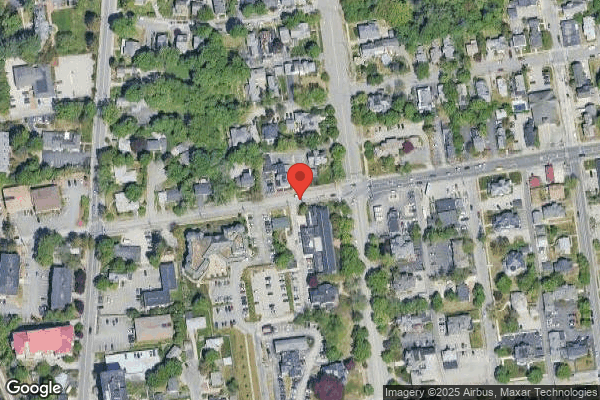

44 WEST WEBSTER STREET, MANCHESTER, NH 03104 (603) 647-5900
For profit - Limited Liability company 76 Beds Independent Data: November 2025
Trust Grade
48/100
#48 of 73 in NH
Last Inspection: January 2025

Within standard 12-15 month inspection cycle. Federal law requires annual inspections.

Overview

Courville at Manchester has received a Trust Grade of D, indicating below-average performance with some concerns about care quality. It ranks #48 out of 73 nursing homes in New Hampshire, placing it in the bottom half of facilities in the state, and #15 out of 21 in Hillsborough County, meaning only a few local options are rated better. The facility's performance is worsening, with issues increasing from 3 in 2024 to 9 in 2025. Staffing is relatively strong, with a 4 out of 5-star rating and turnover at 47%, which is slightly below the state average, suggesting that many staff members stay long-term and are familiar with the residents' needs. However, the facility has received $5,000 in fines, which is average but still indicates some compliance problems. Specific incidents of concern include failures to ensure proper food sanitation, as the dishwasher did not consistently reach the required temperatures, and expired medications were not properly separated from unexpired ones, posing risks to residents. Additionally, there were lapses in infection control practices, such as staff not wearing masks correctly near residents, which could increase the risk of infection. While there are strengths in staffing, the facility must address these critical issues to improve resident care.

Trust Score
D
48/100
In New Hampshire
#48/73
Bottom 35%
Safety Record
Low Risk
No red flags
Inspections
Getting Worse
3 → 9 violations
Staff Stability
⚠ Watch
47% turnover. Above average. Higher turnover means staff may not know residents' routines.
Penalties
✓ Good
$5,000 in fines. Lower than most New Hampshire facilities. Relatively clean record.
Skilled Nurses
✓ Good
Each resident gets 42 minutes of Registered Nurse (RN) attention daily — more than average for New Hampshire. RNs are trained to catch health problems early.
Violations
⚠ Watch
22 deficiencies on record. Higher than average. Multiple issues found across inspections.
★★☆☆☆
2.0
Overall Rating
★★★★☆
4.0
Staff Levels
★★★★☆
4.0
Care Quality
★★☆☆☆
2.0
Inspection Score
Stable
2024: 3 issues
2025: 9 issues

The Good

  • 4-Star Staffing Rating · Above-average nurse staffing levels
  • 4-Star Quality Measures · Strong clinical quality outcomes
  • Full Sprinkler Coverage · Fire safety systems throughout facility
  • No fines on record

Facility shows strength in staffing levels, quality measures, fire safety.

The Bad

2-Star Overall Rating

Below New Hampshire average (3.0)

Below average - review inspection findings carefully

Staff Turnover: 47%

Near New Hampshire avg (46%)

Higher turnover may affect care consistency

Federal Fines: $5,000

Below median ($33,413)

Minor penalties assessed

The Ugly 22 deficiencies on record

Jan 2025 9 deficiencies
CONCERN (D)

Potential for Harm - no one hurt, but risky conditions existed

Abuse Prevention Policies (Tag F0607)

Could have caused harm · This affected 1 resident

Based on interview, record review, and policy review, it was determined that the facility failed to implement the facility's abuse policy for 1 out of 1 residents reviewed for abuse in a final sample ...

Read full inspector narrative →
Based on interview, record review, and policy review, it was determined that the facility failed to implement the facility's abuse policy for 1 out of 1 residents reviewed for abuse in a final sample of 19 residents. (Resident Identifier is #21). Review on 1/17/25 of Resident #21's medical record revealed a progress note, dated 12/6/24, stating that Resident asked to use the bathroom this evening around 4:40 p.m. Resident appeared to still have the bed pan underneath of [pronoun omitted] bottom from the morning shift as LNA's [Licensed Nursing Assistant] stated. Resident appeared to have a red bottom . Interview on 1/17/25 at approximately 9:30 a.m. with Staff I (Licensed Practical Nurse) revealed that he/she had reported to Staff J (Nursing Supervisor (3-11 Shift)) on 12/6/24 that they found Resident #21 on a bedpan for an undetermined amount of time and that their bottom was red. Interview on 1/17/25 at approximately 9:30 a.m. with Staff I (Licensed Practical Nurse) revealed that he/she had reported to Staff J (Nursing Supervisor (3-11 Shift)) on 12/6/24 that they found Resident #21 on a bedpan for an undetermined amount of time and that their bottom was red. Interview on 1/17/25 at approximately 9:30 a.m. with Staff J revealed that he/she had not notified the Administrator or the Director of Nursing that Resident #21 had potentially been left on the bedpan since the morning. Review on 1/17/25 of facility policy titled Resident Abuse Prevention and Investigation Policy, reviewed on 8/28/24, revealed . If staff or resident makes an allegation of abuse, mistreatment, neglect .the administrator or DON [Director of Nursing] will be notified by the supervisor immediately and follow their recommendations .
CONCERN (D)

Potential for Harm - no one hurt, but risky conditions existed

Report Alleged Abuse (Tag F0609)

Could have caused harm · This affected 1 resident

Based on interview and record review, it was determined that the facility failed to report an allegation of neglect to the administrator for 1 of 1 resident reviewed for abuse in a final sample of 19 ...

Read full inspector narrative →
Based on interview and record review, it was determined that the facility failed to report an allegation of neglect to the administrator for 1 of 1 resident reviewed for abuse in a final sample of 19 (Resident Identifier is #21). Review on 1/17/25 of Resident #21's medical record revealed a progress note, dated 12/6/24, stating that Resident asked to use the bathroom this evening around 4:40 p.m. Resident appeared to still have the bed pan underneath of [pronoun omitted] bottom from the morning shift as LNA's [Licensed Nursing Assistant] stated. Resident appeared to have a red bottom . Interview on 1/17/25 at approximately 9:30 a.m. with Staff I (Licensed Practical Nurse) revealed that he/she had reported to Staff J (Nursing Supervisor (3-11 Shift)) on 12/6/24 that they found Resident #21 on a bedpan for an undetermined amount of time and that their bottom was red. Interview on 1/17/25 at approximately 9:30 a.m. with Staff J revealed that he/she had not reported the incident to the Administrator or the Director of Nursing that Resident #21 had potentially been left on the bedpan since the morning.
CONCERN (D)

Potential for Harm - no one hurt, but risky conditions existed

Deficiency F0658 (Tag F0658)

Could have caused harm · This affected 1 resident

**NOTE- TERMS IN BRACKETS HAVE BEEN EDITED TO PROTECT CONFIDENTIALITY** Based on observation, interview, and record review, it was determined that the facility failed to follow physicians orders for 1...

Read full inspector narrative →
**NOTE- TERMS IN BRACKETS HAVE BEEN EDITED TO PROTECT CONFIDENTIALITY** Based on observation, interview, and record review, it was determined that the facility failed to follow physicians orders for 1 out of 1 residents reviewed for bowel/bladder incontinence in a final sample of 19 residents. (Resident identifier is #31). Findings include: Standards: [NAME], [NAME] A., and [NAME]. Fundamentals of Nursing. 7th ed. St. Louis, Missouri: Mosby Elsevier, 2009. Page 336 - Physicians' Orders .The physician is responsible for directing medical treatment. Nurses follow physician's orders unless they believe the orders are in error or harm clients. Therefore you need to assess all orders, and if you find one to be erroneous or harmful, further clarification from the physician is necessary . Review on 1/16/25 of Resident #31's physician's orders revealed the following orders: Offer 120 ml (milliliters) of prune juice by mouth for 3 days without a bowel movement on 7-3 shift. As needed for no bowel movement for 3 day, Start Date 12/5/24; M.O.M. (Milk of Magnesia Concentrate Suspension) (Magnesium Hydroxide) Give 30 ml by mouth as needed for constipation for a day 3 without a bowel movement on 3-11 shift, Start Date 12/5/24. Review on 1/15/25 of Resident #31's Bowel Continence Record for December 2024 and January 2025 revealed that Resident #31 had no bowel movement recorded for the following consecutive time frames: December 15-17 (3 days); December 20-22 (3 days): January 5-7 (3 days): January 9-11(3 days). Review on 1/16/25 of Resident #31's December 2024 and January 2025's MAR (Medication Administration Record) revealed that Resident #31 did not receive as needed Prune Juice or M.O.M. per physicians orders for the above listed time periods. Interview on 1/16/25 at approximately 12:30 p.m. with Staff D (Unit Manager) confirmed the above findings. Review on 1/17/25 of the facility policy titled, Bowel Management, Effective Date 6/05, revealed: .if there is no BM [bowel movement] by the second night, give the ordered laxative or a glass of prune juice. If there is no BM by the third day, give a rectal suppository or enema (with MD [Doctor of Medicine]) orders
CONCERN (D)

Potential for Harm - no one hurt, but risky conditions existed

ADL Care (Tag F0677)

Could have caused harm · This affected 1 resident

Based on observation, interview, and record review, it was determined that the facility failed to provide supervision at meals for 1 of 1 resident reviewed for ADL's (Activities of Daily Living) in a ...

Read full inspector narrative →
Based on observation, interview, and record review, it was determined that the facility failed to provide supervision at meals for 1 of 1 resident reviewed for ADL's (Activities of Daily Living) in a final survey sample of 19 residents. (Resident identifier is #60). Findings include: Observation on 1/15/25 at approximately 9:40 a.m. revealed a sign posted above Resident #60's bed: ASPIRATION PRECAUTIONS 1:1 [One on One] ASSIST W/FEEDING [with feeding] (SLOWLY ALTERNATE BITES/SIPS). Observation on 1/15/25 at approximately 12:10 p.m. to 12:15 p.m. revealed that Resident #60 was sitting on his/her bed eating lunch with no staff present. Observation on 1/16/25 at approximately 12:10 p.m. to 12:15 p.m. revealed that Resident #60 was sitting on his/her bed eating lunch with no staff present. Review on 1/16/25 of Resident #60's Nutritional Care Plan, dated 12/30/24, revealed: . Interventions .Resident to eat all meals in supervised area. Encourage small bites; encourage frequent small sips of fluid between bites Interview on 1/16/25 at approximately 12:15 p.m. with Staff F (Licensed Practical Nurse) revealed that they were unaware that Resident #60 needed to eat in a supervised area. Review on 1/17/25 of Resident #60's Health Status Notes, dated 10/12/24 at 12:32 p.m., revealed: .Resident found choking at lunch by another resident .New order to place resident on aspiration precautions . Review on 1/17/25 of Physician order, dated 10/12/24, revealed . Resident to eat all meals in supervised area
CONCERN (D)

Potential for Harm - no one hurt, but risky conditions existed

Deficiency F0730 (Tag F0730)

Could have caused harm · This affected 1 resident

Based on interview and record review, it was determined that the facility failed to complete a performance review at least once every 12 months for 1 of 1 Licensed Nurse Assistant (LNA) reviewed. Find...

Read full inspector narrative →
Based on interview and record review, it was determined that the facility failed to complete a performance review at least once every 12 months for 1 of 1 Licensed Nurse Assistant (LNA) reviewed. Findings include: Review on 1/17/25 of the facility assessment, dated 8/2024, revealed: .Staff training/education and competencies: 3.4 . Required in-service training for nurse aides, In-service training must: Be sufficient to ensure the continuing competence of nurse aides but must be no less than 12 hours per year . Address areas of weakness as determined in nurse aides' performance reviews and facility assessment and may address the special needs of residents as determined by the facility staff . Review on 1/17/25 of Staff M's (LNA) employee records revealed an employment start date of November 2022. Further review revealed there has been no evidence of a performance evaluation completed for 2023 and 2024. Interview on 1/17/25 at 2:47 p.m. with Staff C (Administrator) confirmed that the facility had not been doing performance reviews every 12 months for LNA's.
CONCERN (D)

Potential for Harm - no one hurt, but risky conditions existed

Medication Errors (Tag F0758)

Could have caused harm · This affected 1 resident

Based on record review, it was determined that the facility failed to ensure that residents do not receive PRN (as needed) orders for psychotropic drugs that are limited to 14 days unless the physicia...

Read full inspector narrative →
Based on record review, it was determined that the facility failed to ensure that residents do not receive PRN (as needed) orders for psychotropic drugs that are limited to 14 days unless the physician or prescribing practitioner believes that it is appropriate for the PRN order to be extended beyond 14 days and indicate the duration for the PRN order for 1 of 4 residents reviewed for unnecessary medications (Resident Identifier is #71). Findings include: Review on 1/17/25 of Resident #71's medical record revealed an order, dated 12/26/24, for Lorazepam (anti-anxiety) Oral Tablet 0.5 mg (milligram) Give 1 tablet by mouth every 4 hours as needed for moderate anxiety and 2 tablets by mouth every 4 hours as needed for severe anxiety with no duration indicated. Further review of Resident #71's medical record revealed an order, dated 12/26/24, for Haloperidol lactate (anti-psychotic) Oral Concentrate 2 mg/ml (milliliter) Give 0.25 ml by mouth ever 4 hours as needed for moderate agitation, nausea, vomiting and give 0.5 ml by mouth every 4 hours as needed for severe agitation, nausea and vomiting with no duration indicated. Review on 1/17/25 or Resident #71's Medication Administration Record (MAR) for January 2025 revealed that Resident #71 received 7 doses of as needed Lorazepam and 5 doses of as needed Haloperidol after 1/8/25 (14 days after start date of 12/26/24). Review on 1/17/24 of Pharmacy Consultation report, dated 12/27/24, revealed that Resident #71 .has a PRN order for an antipsychotic without a stop date: haloperidol . A recommendation to .add a stop date that does not exceed 14 days from initiation . Recommendation was reviewed by provider and declined with the following written statement Pt [patient] is hospice-respite stable on current regime. Review on 1/17/25 of Pharmacy Consultation report dated 12/27/24 revealed that Resident #71 .has PRN orders without a stop date: lorazepam . A recommendation was present to .add a stop date that is less than 14 days from initiation . Recommendation was reviewed by provider and declined with the following written statement Pt [patient] is hospice-respite stable on current regime. Review on 1/17/25 of facility policy titled Psychotropic Medication Use, revision date 9/15/24, revealed .6. PRN order for psychotropic medications should be limited to no more than 14 days .6.1 If the physician/prescriber believes that it is appropriate for a PRN psychotropic order (excluding antipsychotics) to be extended beyond 14 days, he or she should document their rationale in the resident's medical record and indicate the duration of use .
CONCERN (D)

Potential for Harm - no one hurt, but risky conditions existed

Infection Control (Tag F0880)

Could have caused harm · This affected 1 resident

**NOTE- TERMS IN BRACKETS HAVE BEEN EDITED TO PROTECT CONFIDENTIALITY** Based on observation, interview, and record review, it was determined that the facility failed to implement policies and procedu...

Read full inspector narrative →
**NOTE- TERMS IN BRACKETS HAVE BEEN EDITED TO PROTECT CONFIDENTIALITY** Based on observation, interview, and record review, it was determined that the facility failed to implement policies and procedures for Transmission Based Precautions (TBP) to prevent the potential spread of infection for 1 of 1 residents on TBP in a final sample of 19 residents. (Resident identifier is #31). Findings include: Resident #31 Observation on 1/15/25 at approximately 9:30 a.m. revealed that Resident #31 had a sign posted on the wall, in their room stating Contact Precautions and what to wear for PPE (staff and visitors to wear gown and glove prior to entering the room). Review on 1/15/25 of Resident #31's medical record revealed that Resident #31 had a urinalysis culture with VRE (Vancomyocin-Resistant Enterococi) identified on 1/11/25. Observation on 1/15/25 at approximately 9:40 a.m. revealed Staff F (Licensed Practical Nurse) entered Resident #31's room without donning PPE. Interview on 1/15/25 at approximately 9:40 a.m. with Staff F revealed Staff F was not aware that Resident #31 was on contact precautions. Review on 1/17/25 of the facility policy, Isolation-Categories of Transmission-Based Precautions, Revision Date September 2022, revealed: .Contact Precautions .7. Staff and visitors wear gloves (clean, non-sterile) when entering the room [ROOM NUMBER]. Staff and visitors wear a disposable gown upon entering the room .
CONCERN (D)

Potential for Harm - no one hurt, but risky conditions existed

Deficiency F0947 (Tag F0947)

Could have caused harm · This affected 1 resident

Based on interview and record review, it was determined that the facility failed to ensure that required in-service training was conducted and maintained, including the required annual minimum 12 hour...

Read full inspector narrative →
Based on interview and record review, it was determined that the facility failed to ensure that required in-service training was conducted and maintained, including the required annual minimum 12 hours for nurse's aides and addressed areas of weakness as determined in nurse aides' performance reviews and the facility assessment for 1 of 1 Licensed Nursing Assistant (LNA) reviewed. Findings include: Review on 1/17/25 of the facility assessment, dated 8/2024, revealed: .Staff training/education and competencies: 3.4 . Required in-service training for nurse aides, In-service training must: Be sufficient to ensure the continuing competence of nurse aides but must be no less than 12 hours per year .Address areas of weakness as determined in nurse aides' performance reviews and facility assessment and may address the special needs of residents as determined by the facility staff . Review on 1/17/25 of Staff M's (LNA) personnel and in-service training records for revealed that Staff M had started at the facility in 2022 and had approximately 8 hours of in-service training for dementia, abuse, and facility policies on infection control practices for 2024. Interview on 1/17/25 at 11:33 a.m. with Staff G (Staff Development) confirmed the above findings. Interview on 1/17/25 at 2:47 p.m. with Staff C (Administrator) revealed that they had not been doing performance reviews for LNA's every 12 months and therefore areas for weakness determined in performance reviews were not addressed. Review on 1/17/24 of facility policy titled, Education, revised 5/2019, revealed: .Nur 403.02 Continuing Education Requirements for LNA. Each applicant for renewal, reinstatement, or endorsement of an LNA license shall complete at least 12 contact hours per year of workshops, conferences, lectures, or in-service education offerings that are designed to enhance nursing assistant knowledge, judgment, and skills. Successful completion of a state nursing assistant examination may be used to fulfill such continuing education requirements .
MINOR (B)

Minor Issue - procedural, no safety impact

Assessment Accuracy (Tag F0641)

Minor procedural issue · This affected multiple residents

**NOTE- TERMS IN BRACKETS HAVE BEEN EDITED TO PROTECT CONFIDENTIALITY** Based on record review and interview, it was determined that the facility failed to ensure that the Minimum Data Set (MDS) asses...

Read full inspector narrative →
**NOTE- TERMS IN BRACKETS HAVE BEEN EDITED TO PROTECT CONFIDENTIALITY** Based on record review and interview, it was determined that the facility failed to ensure that the Minimum Data Set (MDS) assessment accurately reflected the residents' status for 4 of 19 residents in a final sample of 19 residents (Resident Identifiers are #18, #68, #72, and #73). Findings include: Resident #18 Review on 1/16/25 of Resident #18's social service note, dated 12/27/24, revealed that Resident #18 had an unplanned transfer to the hospital and was anticipated to return to the facility. Review on 1/16/25 of Resident #18's MDS, with Assessment Reference Date (ARD) of 12/27/24, revealed under section A0310: Type of Assessment: 10: Discharge assessment - return not anticipated was coded indicating that Resident #18 was not anticipated to return to the facility. Interview on 1/16/25 at 12:29 p.m. with Staff L (Director of Social Services) confirmed that Resident #18 had planned to return to the facility after being transferred to the hospital on [DATE]. Resident #72 Review on 1/17/25 of Resident #72's Discharge - return not anticipated MDS, with an ARD of 11/22/24, revealed under section A0301G: Type of discharge: Unplanned was coded. Review on 1/17/25 of Resident #72's social service note, dated 11/22/24, revealed that Resident #72 was a planned discharge to home. Interview on 1/17/25 at 8:31 a.m. with Staff L confirmed that Resident #72 was a planned discharge to home on [DATE]. Resident #73 Review on 1/16/25 of Resident #73's progress note, dated 11/7/24, revealed that Resident #73 was being discharged to home. Review on 1/16/15 of Resident #73's Discharge - return not anticipated MDS, with an ARD date of 11/7/24, revealed under section A2105: Identification Information: Discharge Status: 04: Short-Term General Hospital was coded indicating that Resident #73 was discharged to the hospital. Interview on 1/17/25 at 8:46 a.m. with Staff K (MDS Coordinator) confirmed that Resident #73 was discharged to home and not to the hospital. Interview further revealed that the MDS was coded incorrectly for Resident #18, #72 and Resident #73.Resident #68 Review on 1/17/25 of Resident #68's Entry Record, dated 8/30/24, and the admission Assessment, dated 9/3/24, revealed that Resident #68's name in Section A-Identification Information of the MDS was spelled incorretly. Review on 1/17/25 of final validation report for Resident #68's IPA assessment, dated 9/17/24, Submission ID: 32647423 and dated 9/20/24, revealed: Message Number: -1027 Message Type: Warning Message: A new resident record was created in the iQIES System with the information submitted in this MDS record. Verify that the new information is correct. Interview on 1/17/25 at approximately 2:00 p.m. with Staff K confirmed the above findings and that because Resident #68's name had been entered incorrectly, it created a seperate record.
Feb 2024 3 deficiencies
CONCERN (D)

Potential for Harm - no one hurt, but risky conditions existed

Pressure Ulcer Prevention (Tag F0686)

Could have caused harm · This affected 1 resident

Based on observation, interview, and record review, it was determined that the facility failed to ensure that residents received treatments that were ordered for 1 out of 2 residents reviewed for pres...

Read full inspector narrative →
Based on observation, interview, and record review, it was determined that the facility failed to ensure that residents received treatments that were ordered for 1 out of 2 residents reviewed for pressure ulcers in a final sample of 22 (Resident Identifier is #41). Findings include: Review on 2/15/24 of Resident #41's offsite wound care progress notes dated 11/29/23, revealed that Resident #41 received wound care services offsite for a Stage II pressure ulcer on left buttock and a deep tissue injury on his/her right buttock. Further review of the section titled Wound Orders revealed the following order: PT [Physical Therapy] evaluation for modified chair cushion. Review on 2/15/24 of Resident #41's offsite wound care progress note, dated 12/6/23, revealed that Resident #41 was being followed for a Stage II pressure ulcer on left buttock and a deep tissue injury to right buttock. Further review revealed the section titled Wound Orders on 12/6/23 revealed the following order: PT evaluation for modified chair cushion. Observation on 2/15/24 at 12:40 p.m. revealed Resident #41 sitting up in a reclining chair in his/her room with two bed pillows under his/her buttock. Interview on 2/15/24 at 12:40 p.m. with Resident #41 revealed that he/she had not used a chair cushion since admission. Further interview revealed that Resident #41 sits and sleeps in the recliner all or most of the time and that his/her buttock was sore. Interview on 2/15/24 at 2:15 p.m. with Staff F (Licensed Practical Nurse) revealed that the pillows observed under Resident #41 were not a pressure relieving device. Staff F also stated that Resident #41 is in the reclining chair all or most of the time. Interview on 2/15/24 at 3:30 p.m. with Staff H (Director of Nursing) confirmed the above findings.
CONCERN (D)

Potential for Harm - no one hurt, but risky conditions existed

Accident Prevention (Tag F0689)

Could have caused harm · This affected 1 resident

Based on observation and interview, it was determined that the facility failed to ensure that the residents' environment remained as free of accident hazards as possible regarding the storage of chemi...

Read full inspector narrative →
Based on observation and interview, it was determined that the facility failed to ensure that the residents' environment remained as free of accident hazards as possible regarding the storage of chemical cleaning solutions on 1 of 3 units observed (First Floor Unit). Findings include: Observation on 2/13/24 at approximately 8:15 a.m. with Staff B (Cook) of the main dining serving area revealed an unlocked cabinet below the sink that contained 3 cans of Clean Force Stainless Steel Cleaner and Polish, 1 bottle of Comet Cleaner With Bleach, 1 container of ECOLAB Foam Hand Sanitizer, and 3 bottles of Surface Cleaner Sanitizer. Interview on 2/13/24 at approximately 10:30 a.m. with Staff H (Director of Nursing) revealed there are 2 residents identified at risk for wandering/elopement. Observation on 2/13/24 at approximately 11:00 a.m. with Staff E (Administrator) of the main dining serving area revealed an unlocked cabinet below the sink that contained 3 cans of Clean Force Stainless Steel Cleaner and Polish, 1 bottle of Comet Cleaner With Bleach, 1 container of ECOLAB Foam Hand Sanitizer, and 3 bottles of Surface Cleaner Sanitizer. Interview on 2/13/24 at approximately 11:00 a.m. with Staff E confirmed the above findings and revealed that residents can access the dining room at any time. Review on 2/14/24 of the facility's policy titled Policy to Ensure Safety of Residents with Regards to Poisonous Products with an effective date of 1/13/24, revealed: .Policy: Poisonous and toxic materials shall be stored in areas away from the food service area .Procedure: Each department will keep potentially hazardous materials out of direct reach of the resident and stored per the recommendation of the manufacturer .When not in use, the poisonous and toxic materials will be stored on shelves that are used for no other purpose or stored in a place outside the food storage, food preparation, and cleaned equipment and utensil storage . Review on 2/14/24 of Safety Data Sheets revealed: Clean Force Stainless Steel Cleaner and Polish - Section 11. Toxicological Information - Inhalation: Intentional misuse by deliberate inhalation may be harmful or fatal. P&G Professional Comet Cleaner with Bleach - Ready to Use - 11. Toxicological Information - Serious eye damage/eye irritation - Irritating to eyes. ECOLAB Digisan E Foam Hand Sanitizer - Section 11. Toxicological Information - Acute Inhalation toxicity: 4 h [hours] Acute toxicity estimate: > [greater than] 200 mg/l [milligrams per liter] .Acute oral toxicity: Dodecylbenzenesulfonic Acid. Clean Force Surface Cleaner Sanitizer - Section 11. Toxicological Information - Eyes: Causes eye irritation.
CONCERN (E)

Potential for Harm - no one hurt, but risky conditions existed

Food Safety (Tag F0812)

Could have caused harm · This affected multiple residents

**NOTE- TERMS IN BRACKETS HAVE BEEN EDITED TO PROTECT CONFIDENTIALITY** Based on observation, interview, and record review, it was determined that the facility failed to ensure the dishwasher was reac...

Read full inspector narrative →
**NOTE- TERMS IN BRACKETS HAVE BEEN EDITED TO PROTECT CONFIDENTIALITY** Based on observation, interview, and record review, it was determined that the facility failed to ensure the dishwasher was reaching proper temperatures and chemical sanitization in the main kitchen, failed to ensure food was served in a sanitary environment on 1 of 3 units (First Floor Unit), and failed to ensure use of facial hair restraints when serving food from the kitchen to the main dining area on 1 of 3 units observed for meal service (First Floor Unit). Findings include: Main Kitchen - Dishwasher Logs Observation on 2/13/24 at approximately 8:10 a.m. with Staff B (Cook) of the Dish Room logs for December 2023, January 2024, and February 2024 revealed the parts per million (PPM) test results were missing for the following days for the low-temperature, chemical dishwasher: 12/2/23, 12/3/23, 12/9/23, 12/21/23, 12/30/23, 12/31/23, 1/6/24, 1/13/24, 1/19/24, 1/20/24, 1/21/24, 1/25/24, 1/28/24, 2/8/24, 2/10/24, and 2/11/24. Interview on 2/13/24 at approximately 9:15 a.m. with Staff D (Food Services Director) confirmed the above findings and stated that the PPM is to be filled out for each mealtime cleaning cycle to ensure appropriate PPM is reached for sanitization. Review on 2/14/24 of the facility's policy titled [NAME] Dish Machine Policy with an effective date of 1/13/24, revealed: .Procedure: The [NAME] at [NAME] staff will adhere to the following steps to ensure that the [NAME] Dish Machine is working correctly and that the chemical agent is at the correct mixing level to sanitize all dishware that is fed through .5. Note the temperatures for both wash and rinse cycles on the log sheet hanging on the wall .7. Run the strip along the rack rail inside the machine .9. It MUST read between 50-100 PPM .11. Record the PPM reading on the log sheet hanging on the wall and note any actions required . First Floor Main Dining Room Food Service Area Observation on 2/13/24 at approximately 8:15 a.m. with Staff B of the first floor main dining room revealed the food service area had countertops with 3 areas of missing laminate approximately 6 to 12 inches in length exposing porous wood and creating an uncleanable surface, a wall that had wallpaper peeling up approximately 12 inches exposing sheet-rock with food stains on the wall, and a wooden countertop with chipped wood and paint exposing porous wood approximately 2 feet in length where napkins and silverware were stored. Interview on 2/13/24 at approximately 11:00 a.m. with Staff E (Administrator) confirmed the above findings. Review of the facility's policy titled Food Preparation and Service last revised 11/2022, revealed: .6. Prep surfaces shall be clean and surfaces shall be in good repair without breaks . Review on 2/16/24 of the U.S. Food and Drug Administration Food Code, dated 2022, retrieved from: https://www.fda.gov/media/164194/download, revealed: . 4-602.13 Nonfood Contact Surfaces Nonfood contact surfaces or equipment shall be cleaned at a frequency necessary to preclude accumulation of soil residues First Floor Unit Main Dining Room Lunch Meal Service Observation on 2/13/24 at approximately 12:00 p.m. of Staff C (Dietary Aide) revealed he/she was handling uncovered plates with food on them in the kitchen and serving the meal plates to the residents in the first floor unit main dining room with a full beard that was over an inch long and was not covered. Interview on 2/13/24 at approximately 12:20 p.m. with Staff C revealed he/she does not normally wear a covering over his/her beard in the kitchen and during meal service. Interview on 2/13/24 at approximately 12:30 p.m. with Staff D revealed that kitchen staff with beards need to wear a covering, and confirmed the finding. Review of the facility's policy titled Food Preparation and Service last revised 11/2022, revealed: .Food Distribution and Service .8. Food and nutrition services staff wear hair net restraints (hair net, hat, beard restraint, etc.) so that hair does not contact food .
Jan 2023 10 deficiencies
CONCERN (D)

Potential for Harm - no one hurt, but risky conditions existed

Deficiency F0658 (Tag F0658)

Could have caused harm · This affected 1 resident

**NOTE- TERMS IN BRACKETS HAVE BEEN EDITED TO PROTECT CONFIDENTIALITY** Based on observation, interview, and record review, it was determined that the facility failed to follow physicians' orders for ...

Read full inspector narrative →
**NOTE- TERMS IN BRACKETS HAVE BEEN EDITED TO PROTECT CONFIDENTIALITY** Based on observation, interview, and record review, it was determined that the facility failed to follow physicians' orders for 1 out of 1 residents reviewed for choices and failed to follow professional standards for 1 out of 2 residents reviewed for catheter/urinary tract infections in a final survey sample of 17 residents (Resident identifiers are #60 and #30). Findings include: [NAME] A. [NAME] and [NAME], Fundamentals of Nursing 9th ed. St. Louis, Missouri: Elsevier Inc., 2019. Chapter 5 Legal Principles in Nursing, page 70-Key Points, .Under the law, you are required to follow standards of care, which originate in Nurse Practice Acts, the guidelines of professional organizations, and documented policies and procedures of employing institutions You are obligated to follow a health care provider's order unless you believe that it is in error, violates hospital policy, or is possible harmful to a patient, in which case you make a formal report explaining the refusal. Resident #60 Review on 1/4/23 of Resident #60's December 2022 Medication Administration Record (MAR) revealed the following physicians orders: 1. Norvasc tablet 2.5 mg [milligrams] [Amlodipine Besylate], give 1 tablet by mouth two times a day for htn [hypertension]. Hold for sbp [systolic blood pressure] <120, leave note in MD [physician] book if held, start date 12/8/22. Further review of Resident #60's December 2022 MAR revealed the following: 12/17/22 Resident #60's sbp was documented as 107 and the medication was documented as administered. 12/27/22 Resident #60's sbp was documented as 111 and the medication was documented as administered. 2. Losartan Potassium tablet 50 mg, give 1 tablet by mouth two times a day for htn, hold for sbp <120 leave note in MD book if held, start date 12/8/22. Further review of Resident #60's December 2022 MAR revealed the following: 12/17/22 Resident #60's sbp was documented as 107 and the medication was documented as administered. 12/27/22 Resident #60's sbp was documented as 111 and the medication was documented as administered. Review on 1/4/23 of Resident #60's January 2023 MAR revealed the following physician's orders: 1. Norvasc tablet 2.5 mg, give 1 tablet by mouth two times a day for htn. Hold for sbp <120, leave note in MD book if held, start date 12/23/22. Further review of Resident #60's January 2023 MAR revealed the following: 1/1/23 Resident #60's sbp was documented as 112 and the medication was documented as administered. 1/4/23 Resident #60's sbp was documented as 119 and the medication was documented as administered. 2. Losartan Potassium tablet 50 mg, give 1 tablet by mouth two times a day for htn, hold for sbp <120 leave note in MD book if held, start date 12/8/22. Further review of Resident #60's January 2023 MAR revealed the following: 1/1/23 Resident #60's sbp was documented as 112 and the medication was documented as administered. 1/4/23 Resident #60's sbp was documented as 119 and the medication was documented as administered. Interview on 1/5/23 at approximately 12:00 p.m. with Staff F (Registered Nurse) confirmed that the above findings were documented as being given outside of the parameters indicated in the physician's orders. Resident #30 Review on 11/17/22 of the Healthcare Infection Control Practices Advisory Committee (HICPAC), Guideline for Prevention of Catheter Associated Urinary Tract Infections 2009 revealed: .III. Proper Techniques for Urinary Catheter Maintenance .B.2. Do not rest the bag on the floor. Observation on 1/4/23 at approximately 10:21 a.m. revealed Resident #30 had a catheter drainage bag laying on the floor next to the resident's bed. The catheter bag was not connected to the bed frame. Interview on 1/4/23 at approximately 10:28 a.m. with Staff A (Licensed Practical Nurse) confirmed that the catheter drainage bag should not be laying on the floor. Observation on 1/6/23 at approximately 9:30 a.m. revealed Resident #30 had his/her catheter drainage bag connected by the head of the bed. Interview on 1/6/23 at approximately 9:34 a.m. with Staff K (Licensed Nursing Assistant) confirmed that the catheter drainage bag should be placed below the resident's bladder for it to drain correctly. Review on 1/6/23 of the facility policy titled, Catheter Care, revised September 2014, revealed: .Maintaining obstructed urine flow .3. The urinary drainage bag must be held or positioned lower than the bladder at all times .b. Be sure the catheter tubing and drainage bag are kept off the floor .
CONCERN (D)

Potential for Harm - no one hurt, but risky conditions existed

Food Safety (Tag F0812)

Could have caused harm · This affected 1 resident

Based on record review and interview it was determined that the facility failed to ensure proper final internal cooking temperatures of food before serving during 15 meals in December 2022. Findings i...

Read full inspector narrative →
Based on record review and interview it was determined that the facility failed to ensure proper final internal cooking temperatures of food before serving during 15 meals in December 2022. Findings include: Record review on 1/4/23 of the document titled Food Temperature Record for December 2022 revealed no breakfast temperatures documented on: 12/1 12/2 12/3 12/6 - 12/8 12/13 12/14 12/18 12/25 - 12/29 12/31 Further review revealed no dinner temperatures on: 12/1 12/3 12/4 12/6 - 12/8 12/13 12/14 12/18 12/19 12/25 - 12/29 12/31 Interview on 1/4/23 at approximately 8:46 a.m. with Staff J (Dietary Manager) confirmed the above temperatures were missing and that temperatures should be done at every meal. Staff J was unable to provide a facility policy in regards to recording temperatures of cooked foods.
CONCERN (D)

Potential for Harm - no one hurt, but risky conditions existed

Deficiency F0813 (Tag F0813)

Could have caused harm · This affected 1 resident

Based on observation, interview, and record review, it was determined that the facility failed to follow professional standards for labeling and storage of food items for 2 of 3 kitchenettes reviewed....

Read full inspector narrative →
Based on observation, interview, and record review, it was determined that the facility failed to follow professional standards for labeling and storage of food items for 2 of 3 kitchenettes reviewed. Findings include: Review on 1/4/23 at approximately 9:07 a.m. of the first floor kitchenette freezer revealed two small individual pizzas and an unopened bag of mixed vegetables that were not labeled with a date or resident's name. Interview on 1/4/23 at approximately 9:10 a.m. with Staff J (Dietary Manager) confirmed the above findings. Staff J stated that the food should have dates and resident information written on them. Review on 1/4/23 at approximately 9:27 a.m. of the second floor kitchenette refrigerator revealed a chocolate pie and pasta dish that contained chicken and broccoli that was not labeled with a date or resident's name. Interview on 1/4/23 at approximately 9:31 a.m. with Staff J confirmed the above findings and that the food should have dates and resident information written on them. Review on 1/5/23 of the policy titled Family member bringing in food for residents renewed 1/5/23, revealed .1. All foods brought in for resident consumption will need to be covered, labeled with the resident's name and room number as well as the date the product was brought into the facility .
CONCERN (D)

Potential for Harm - no one hurt, but risky conditions existed

Deficiency F0868 (Tag F0868)

Could have caused harm · This affected 1 resident

Based on interview and record review, it was determined that the facility failed to ensure that the minimum required committee members attended meetings at least quarterly for 3 of the 4 quarterly mee...

Read full inspector narrative →
Based on interview and record review, it was determined that the facility failed to ensure that the minimum required committee members attended meetings at least quarterly for 3 of the 4 quarterly meetings reviewed. Findings include: Review on 1/5/23 of the last 4 quarterly Quality Assurance and Performance Improvement (QAPI) meeting attendance sheets revealed the following: March 2022 - The medical director or designee was not in attendance May 2022 - The medical director or designee was not in attendance October 2022 - The medical director or designee was not in attendance Interview on 1/5/23 at approximately 9:46 a.m. with Staff L (Administrator) confirmed the above findings.
CONCERN (D)

Potential for Harm - no one hurt, but risky conditions existed

Deficiency F0883 (Tag F0883)

Could have caused harm · This affected 1 resident

**NOTE- TERMS IN BRACKETS HAVE BEEN EDITED TO PROTECT CONFIDENTIALITY** Based on interview and record review the facility failed to offer vaccines for 1 out of 5 residents reviewed for Influenza and P...

Read full inspector narrative →
**NOTE- TERMS IN BRACKETS HAVE BEEN EDITED TO PROTECT CONFIDENTIALITY** Based on interview and record review the facility failed to offer vaccines for 1 out of 5 residents reviewed for Influenza and Pneumococcal vaccinations (Resident identifier is #43). Findings include: Review on 1/6/23 of Resident #43's medical record revealed that he/she was admitted to the facility on [DATE]. Further review of Resident #43's medical record revealed that Resident #43 consented to the administration of the Pneumococcal vaccine on 10/20/22. Review on 1/6/23 of Resident #43's immunization record revealed no documented evidence that the Pneumococcal vaccination was administered to Resident #43. Interview on 1/6/23 at approximately 1:45 p.m. with Staff C (Licensed Practical Nurse) confirmed that there was no documented evidence that the Pneumococcal vaccination was administered to Resident #43. Staff C did confirm that the Pneumococcal vaccination should have been given. Review on 1/6/23 of the facility's policy and procedure titled, Pneumococcal Immunizations [Effective date blank], revealed .Goal: Identification of each residents immunization status, including assessment for potential medical contraindications and record vaccination Documentation: A consent form (which includes the risks and benefits of the immunization) will be provided upon admission where resident/or resident representative will document whether they wish to receive or refuse the pneumococcal vaccine witnessed by facility staff Process of Immunization: .Each resident will be offered a pneumococcal immunization, unless the immunization is medically contraindicated or the resident has already been immunized.
CONCERN (D)

Potential for Harm - no one hurt, but risky conditions existed

Deficiency F0885 (Tag F0885)

Could have caused harm · This affected 1 resident

Based on interview and record review, it was determined the facility failed to notify residents, resident representatives, and families of those residing in the facility by 5 p.m. the next calendar da...

Read full inspector narrative →
Based on interview and record review, it was determined the facility failed to notify residents, resident representatives, and families of those residing in the facility by 5 p.m. the next calendar day following the subsequent occurrence each time a COVID-19 infection is identified for 5 of 6 days reviewed in the month of December 2022. Findings include: Review on 1/5/23 of the facility's COVID-19 line list revealed that the facility had positive COVID-19 antigen test results on 12/1/22 (3 residents, 3 staff), 12/2/22 (2 residents), 12/3/22 (2 residents), 12/5/22 (2 residents) 12/6/22 (4 residents, 1 staff), 12/7/22 (1 resident). Interview on 1/5/23 at approximately 8:14 a.m. with Staff L (Administrator) revealed that Staff L was the staff responsible for notifying resident, representatives and families of confirmed or suspected COVID-19 cases in the facility. Staff L stated that email was the primary mechanism used to inform residents, their representatives, and families and that those that did not have email received phone call communication. Interview on 1/6/23 at approximately 10:15 a.m. with Staff N (Infection Preventionist) confirmed that the facility received positive COVID-19 antigen test results on 12/1/22, 12/2/22, 12/3/22, 12/5/22, 12/6/22 and 12/7/22. Review on 1/6/23 of the facility notifications sent from 12/1/22 - 12/7/22 revealed one notification was sent to residents, representatives and families on 12/5/22. Further review of the notification sent on 12/5/22 at 10:34 a.m. from Staff L regarding COVID-19 positive test results revealed, All, this is the latest update. I apologize for not sending out an update on Friday. Currently we have 18 COVID positive residents and 3 staff. The facility was unable to provide notifications for the COVID-19 positive test results on 12/1/22, 12/2/22, 12/3/22, 12/6/22 and 12/7/22. Review on 1/6/23 of the facility's policy titled Coronavirus Disease (COVID-19) - Reporting Facility Data to Residents and Families, dated May 2020 revealed, .1. Residents and their representatives and families are notified when there is a single confirmed case of COVID-19, or three or more residents or staff with new onset of respiratory symptoms that occur within 72 hours of each other
CONCERN (E)

Potential for Harm - no one hurt, but risky conditions existed

Deficiency F0761 (Tag F0761)

Could have caused harm · This affected multiple residents

Based on interview, observation, and record review, it was determined that the facility failed to ensure that medications were labeled with resident identifiers, open or use by dates, and failed to se...

Read full inspector narrative →
Based on interview, observation, and record review, it was determined that the facility failed to ensure that medications were labeled with resident identifiers, open or use by dates, and failed to separate expired medications from unexpired medications for 2 out of 2 medication rooms observed and 3 out of 3 medication carts observed (Resident identifiers are #7, #8, #12). Findings include: Observation on 1/4/23 at approximately 8:52 a.m. of the second floor medication cart High Cart with Staff A (Licensed Practical Nurse) revealed: 24 tablets of Resident #12's Ibuprofen 400 milligrams (mg), expiration date 10/31/22 1 Bisacodyl suppository Interview on 1/4/23 at approximately 8:55 a.m. with Staff A confirmed the above findings. Observation on 1/4/23 at approximately 9:10 a.m. of the second floor medication room with Staff B (Licensed Practical Nurse) revealed: 13 vials of Prevnar expiration date 2/22 1 opened vial of Tuberculin solution with no open/expiration date indicated 1 opened Humalog multi-dose vial with no open/expiration date indicated Interview on 1/4/23 at approximately 9:15 a.m. with Staff B confirmed the above findings. Observation on 1/4/23 at approximately 9:20 a.m. of the third floor medication room revealed with Staff C (Licensed Practical Nurse) revealed: 7 vials of Fluzone expiration date 6/30/22 2 tablets of Resident #7's Trexail 15 mg, expiration date 12/31/22 Interview on 1/4/23 at approximately 9:20 a.m. with Staff C confirmed the above findings. Observation on 1/4/23 at approximately 9:30 a.m. third floor medication cart Low Cart with Staff D (Licensed Practical Nurse) revealed: 24 tablets of Resident #8's Furosemide 20 mg, expiration date 11/30/22 Interview on 1/4/23 at approximately 9:30 a.m. with Staff D confirmed the above findings. Observation on 1/4/23 at approximately 9:40 a.m. of the first floor medication cart with Staff E (Registered Nurse) revealed: 1 bottle of Dairy Aide, expiration date 12/22 Interview on 1/4/23 at approximately 9:40 a.m. with Staff E confirmed the above findings. Review on 1/4/23 of the facility policy titled, 5.3 Storage and Expiration Dating of Medications, Biological's, Syringes and Needles, Revision Date 10/28/19 revealed: .5. Once any medication or biological package is opened, Facility should follow manufacturer/supplier guidelines with respect to expiration dates for opened medications. Facility staff should record the date opened on the primary medication container (vial, bottle, inhaler) when the medication has a shortened expiration date once opened or opened. .5.3 If a multi-dose vial of an injectable medication has been opened or accessed (e.g., needle-punctured), the vial should be dated and discarded within 28 days unless the manufacturer specifies a different (shorter or longer) date for that opened vial . Review on 1/4/23 of the facility policy titled, Storage of Medications, Revision date November 2020 revealed: .4. Drug containers that have missing, incomplete, improper, or incorrect labels are returned to the pharmacy for proper labeling before storing. Discontinued, outdated, or deteriorated drugs or biological's are returned to the dispensing pharmacy or destroyed. Review on 1/5/23 of manufacturer's instructions for Humalog, Revision Date 3/2013 revealed: .16.2 Storage and Handling . In use Humalog vials, cartridges, pens and Humalog Kwikpen should be stored at room temperature, below 86 degrees Fahrenheit (30 Celsius) and must be used within 28 days or be discarded, even if they still contain Humalog. Review on 1/5/23 of the manufacturer's instruction for Fluzone, Revised 2015 revealed: 16. How Supplied/Storage and Handling .17. Do not use after the expiration date shown on the label Review on 1/5/23 of the manufacturer's instructions for Tuberculin Purified Protein Derivative (Mantoux), undated revealed: .A vial of Tubersol which has been entered and in use for 30 days should be discarded.
CONCERN (E)

Potential for Harm - no one hurt, but risky conditions existed

Infection Control (Tag F0880)

Could have caused harm · This affected multiple residents

Findings include: Observation on 1/4/23 at approximately 9:00 a.m. on the third floor common area revealed 2 residents present and 1 staff member with their surgical mask noted below their nostrils wi...

Read full inspector narrative →
Findings include: Observation on 1/4/23 at approximately 9:00 a.m. on the third floor common area revealed 2 residents present and 1 staff member with their surgical mask noted below their nostrils within 2 feet of the 2 residents. Observation on 1/4/23 at approximately 9:45 a.m. on the second floor revealed 2 staff members exiting a residents room with their surgical masks noted to be below their nostrils. Observation on 1/4/23 at approximately 8:00 a.m. at the front entrance revealed Staff I (Receptionist) behind the desk assisting visitors. Staff I's surgical mask was noted to be below his/her nostrils. Interview on 1/5/23 at approximately 2:00 p.m. with Staff M (Director of Nursing) revealed that the facility's current community transmission rate was high. Staff M stated that all staff in the facility was required to wear a surgical mask. Based on observation, interview, and policy review, it was determined that the facility failed to adhere to infection control practices for universal masking recommended by the Centers for Disease Control (CDC) and Prevention during multiple observations in resident areas of the facility with a census of 67 residents. Findings include: Review on 1/4/23 of the CDC website titled, Interim Infection Prevention and Control Recommendations for Healthcare Personnel During the Coronavirus Disease 2019 (COVID-19) Pandemic, dated 9/23/22, revealed .Implement Source Control Measures Source control refers to use of respirators or well-fitting facemasks or cloth masks to cover a person's mouth and nose to prevent spread of respiratory secretions when they are breathing, talking, sneezing, or coughing .2. Recommended Infection Prevention and Control (IPC) practices when caring for a patient with suspected or confirmed SARS-CoV-2 infection .PPE [Personal Protective Equipment] . (HCP) [Health Care Provider] who enter the room of a patient with suspected or confirmed SARS-CoV-2 infection should adhere to Standard Precautions and use a NIOSH [National Institute for Occupational Safety & Health] approved particulate respirator with N95 filters or higher, gown, gloves, and eye protection (i.e., goggles or a face shield that covers the front and sides of the face) . Observation on 1/4/23 at approximately 9:30 a.m. on the second floor resident common area revealed 4 residents present and 2 staff members with their surgical masks noted below their nostrils within 1 foot of the 4 residents. Observation on 1/4/23 at approximately 10:30 a.m. on the second floor revealed Staff G (Student Instructor) in the resident hallway with his/her surgical mask noted to be below his/her nostrils, while residents were in the hallway. Observation on 1/4/23 at approximately 12:00 p.m. in the first floor resident hallway revealed Staff I (Receptionist) in the hallway with residents present. Staff I's surgical mask was noted to be below his/her nostrils. Observation on 1/5/23 at approximately 1:30 p.m. in the first floor hallway revealed Staff H (Therapist) assisting a resident with a gait belt and ambulation. Staff H's surgical mask was noted to be below his/her nostrils within 1 foot of the resident. Review on 1/4/23 of the facility policy titled, Coronavirus Disease (COVID-19) - Facemasks as Source Control, Dated September 2021 revealed: .5. Staff are required to wear face coverings upon entering the facility and prior to leaving the building.
CONCERN (E)

Potential for Harm - no one hurt, but risky conditions existed

Antibiotic Stewardship (Tag F0881)

Could have caused harm · This affected multiple residents

Based on interview, record review, and policy review, it was determined that the facility failed to implement an antibiotic stewardship program which included a system to track and monitor antibiotic ...

Read full inspector narrative →
Based on interview, record review, and policy review, it was determined that the facility failed to implement an antibiotic stewardship program which included a system to track and monitor antibiotic use for 2 out of 2 months reviewed for antibiotic use. Findings include: Review on 1/5/23 of the facility's Antibiotic/Infection Line Listing for October and November 2022 revealed tracking for the use of antibiotics (10 residents in October and 2 residents in November). The line listings did not indicate clinical signs and symptoms or laboratory results to determine if any of the residents met or did not meet the McGreer criteria for the use of antibiotics. Review on 1/6/23 of the facility's Anti-infective Utilization pharmacy report, dated 9/1/22 - 12/31/22 revealed the following: For the month of October 2022 there were at least 11 additional residents who received antibiotics (5-urinary tract infection (UTI), 2-Pneumonia, 1-Clostridium Difficile Colitis). Further review revealed 3 residents received an antibiotic for infection (infection type unidentified) and 1 resident received an antibiotic with no indication for use. For the month of November 2022 there were at least 10 additional residents who received antibiotics (4-UTI, 3-Pneumonia, 1-Broncitis). Further review revealed that 2 residents received antibiotics for infection (infection type unidentified). Interview on 1/6/23 at approximately 10:20 a.m. with Staff M (Director of Nursing) confirmed that the antibiotic line lists for October and November 2022 did not include all residents who received antibiotics for the months of October and November 2022. Review on 1/6/23 of the facility's Statement of Leadership Commitment for Antibiotic Stewardship, dated 11/7/22 revealed the following.6.a.We will require practitioners to document in the medical record or during order entry an indication for all antibiotics, in addition to other required elements such as dose and duration d. We will work with our prescribers, nurses, and our consultant pharmacist to create a system that monitors and shares reports regarding antibiotic use (consumption) in the facility. (Tracking and reporting core element).
CONCERN (E)

Potential for Harm - no one hurt, but risky conditions existed

Deficiency F0882 (Tag F0882)

Could have caused harm · This affected multiple residents

Based on record review and interview, it was determined that the facility failed to employ, at least on a part time basis, an Infection Preventionist that completed specialized training in infection p...

Read full inspector narrative →
Based on record review and interview, it was determined that the facility failed to employ, at least on a part time basis, an Infection Preventionist that completed specialized training in infection prevention and control. Findings include: Interview on 1/4/23 at approximately 8:20 a.m. with Staff M (Director of Nursing) revealed that the facility staff responsible for the Infection Prevention and Control Program was Staff N (Infection Preventionist). Review on 1/5/23 of the Centers for Disease Control and Prevention (CDC) Infection Preventionist training certificate for Staff N revealed that he/she had completed 15 out of 15 modules (module 15 completed on 10/28/22). Staff N was not able to provide record of completion of the competency test for the Infection Preventionist training. Review on 1/6/23 of the CDC Learner Support email sent to Staff N dated 1/6/23 at 7:01 a.m. revealed that Staff N completed the competency posttest on 10/28/22 and did not meet the passing score. Interview on 1/6/23 at approximately 9:15 a.m. with Staff M confirmed that Staff N did not pass the competency examination and was required to retake the competency posttest. Interview on 1/6/23 at approximately 9:15 a.m. with Staff N confirmed that he/she had did not pass the competency examination and did not retake the competency posttest. Refer to F880: Infection Prevention & Control; F881: Antibiotic Stewardship Program; F883: Influenza and Pneumococcal Immunizations; F885 Reporting-Residents, Represenatives & Families.
Understanding Severity Codes (click to expand)
Life-Threatening (Immediate Jeopardy)
J - Isolated K - Pattern L - Widespread
Actual Harm
G - Isolated H - Pattern I - Widespread
Potential for Harm
D - Isolated E - Pattern F - Widespread
No Harm (Minor)
A - Isolated B - Pattern C - Widespread

Questions to Ask on Your Visit

  • "Can I speak with families of current residents?"
  • "What's your RN coverage like on weekends and overnight?"

Our Honest Assessment

Strengths
  • • $5,000 in fines. Lower than most New Hampshire facilities. Relatively clean record.
Concerns
  • • 22 deficiencies on record. Higher than average. Multiple issues found across inspections.
  • • Grade D (48/100). Below average facility with significant concerns.
Bottom line: Trust Score of 48/100 indicates significant concerns. Thoroughly evaluate alternatives.

About This Facility

What is Courville At Manchester's CMS Rating?

CMS assigns COURVILLE AT MANCHESTER an overall rating of 2 out of 5 stars, which is considered below average nationally. Within New Hampshire, this rating places the facility higher than 0% of the state's 100 nursing homes. A rating at this level reflects concerns identified through health inspections, staffing assessments, or quality measures that families should carefully consider.

How is Courville At Manchester Staffed?

CMS rates COURVILLE AT MANCHESTER's staffing level at 4 out of 5 stars, which is above average compared to other nursing homes. Staff turnover is 47%, compared to the New Hampshire average of 46%.

What Have Inspectors Found at Courville At Manchester?

State health inspectors documented 22 deficiencies at COURVILLE AT MANCHESTER during 2023 to 2025. These included: 21 with potential for harm and 1 minor or isolated issues.

Who Owns and Operates Courville At Manchester?

COURVILLE AT MANCHESTER is owned by a for-profit company. For-profit facilities operate as businesses with obligations to shareholders or private owners. The facility operates independently rather than as part of a larger chain. With 76 certified beds and approximately 67 residents (about 88% occupancy), it is a smaller facility located in MANCHESTER, New Hampshire.
How Does Courville At Manchester Compare to Other New Hampshire Nursing Homes?

Compared to the 100 nursing homes in New Hampshire, COURVILLE AT MANCHESTER's overall rating (2 stars) is below the state average of 3.0, staff turnover (47%) is near the state average of 46%, and health inspection rating (2 stars) is below the national benchmark.

What Should Families Ask When Visiting Courville At Manchester?

Based on this facility's data, families visiting should ask: "Can I visit during a mealtime to observe dining assistance and food quality?" "How do you handle medical emergencies, and what is your hospital transfer rate?" "Can I speak with family members of current residents about their experience?"

Is Courville At Manchester Safe?

Based on CMS inspection data, COURVILLE AT MANCHESTER has a clean safety record: no substantiated abuse findings (meaning no confirmed cases of resident harm), no Immediate Jeopardy citations (the most serious violation level indicating risk of serious injury or death), and is not on the Special Focus Facility watch list (a federal program monitoring the lowest-performing 1% of nursing homes). The facility has a 2-star overall rating and ranks #100 of 100 nursing homes in New Hampshire. While no facility is perfect, families should still ask about staff-to-resident ratios and recent inspection results during their visit.

Do Nurses at Courville At Manchester Stick Around?

COURVILLE AT MANCHESTER has a staff turnover rate of 47%, which is about average for New Hampshire nursing homes (state average: 46%). Moderate turnover is common in nursing homes, but families should still ask about staff tenure and how the facility maintains care continuity when employees leave.

Was Courville At Manchester Ever Fined?

COURVILLE AT MANCHESTER has been fined $5,000 across 1 penalty action. This is below the New Hampshire average of $33,129. While any fine indicates a compliance issue, fines under $50,000 are relatively common and typically reflect isolated problems that were subsequently corrected. Families should ask what specific issues led to these fines and confirm they've been resolved.

Is Courville At Manchester on Any Federal Watch List?

COURVILLE AT MANCHESTER is not on any federal watch list. The most significant is the Special Focus Facility (SFF) program, which identifies the bottom 1% of nursing homes nationally based on persistent, serious quality problems. Not being on this list means the facility has avoided the pattern of deficiencies that triggers enhanced federal oversight. This is a positive indicator, though families should still review the facility's inspection history directly.