HANOVER HILL HEALTH CARE CENTER
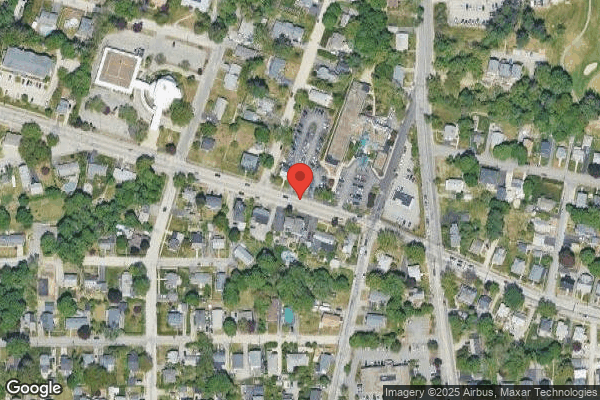

700 HANOVER STREET, MANCHESTER, NH 03104 (603) 627-3826
For profit - Corporation 124 Beds Independent Data: November 2025
Trust Grade
43/100
#63 of 73 in NH
Last Inspection: December 2024

Within standard 12-15 month inspection cycle. Federal law requires annual inspections.

Overview

Hanover Hill Health Care Center has a Trust Grade of D, which indicates below-average performance and some significant concerns for families considering this facility. It ranks #63 out of 73 nursing homes in New Hampshire, placing it in the bottom half of facilities in the state, and #19 out of 21 in Hillsborough County, meaning only a couple of local options are rated worse. The facility is worsening, with the number of reported issues increasing from 1 in 2023 to 6 in 2024. Staffing is a mixed bag; while they have a turnover rate of 46%, which is slightly better than the state average, their RN coverage is concerning and lower than 90% of facilities in New Hampshire. Specific incidents include a serious medication error leading to hospitalization for one resident due to a medication overdose and failures in sanitizing food service areas, highlighting both dangerous lapses in care and procedural shortcomings.

Trust Score
D
43/100
In New Hampshire
#63/73
Bottom 14%
Safety Record
Moderate
Needs review
Inspections
Getting Worse
1 → 6 violations
Staff Stability
⚠ Watch
46% turnover. Above average. Higher turnover means staff may not know residents' routines.
Penalties
✓ Good
$8,512 in fines. Lower than most New Hampshire facilities. Relatively clean record.
Skilled Nurses
○ Average
Each resident gets 30 minutes of Registered Nurse (RN) attention daily — about average for New Hampshire. RNs are the most trained staff who monitor for health changes.
Violations
○ Average
10 deficiencies on record. Average for a facility this size. Mostly minor or procedural issues.
★☆☆☆☆
1.0
Overall Rating
★★☆☆☆
2.0
Staff Levels
★★★★☆
4.0
Care Quality
★☆☆☆☆
1.0
Inspection Score
Stable
2023: 1 issues
2024: 6 issues

The Good

  • 4-Star Quality Measures · Strong clinical quality outcomes
  • Full Sprinkler Coverage · Fire safety systems throughout facility
  • No fines on record

Facility shows strength in quality measures, fire safety.

The Bad

1-Star Overall Rating

Below New Hampshire average (3.0)

Significant quality concerns identified by CMS

Staff Turnover: 46%

Near New Hampshire avg (46%)

Higher turnover may affect care consistency

Federal Fines: $8,512

Below median ($33,413)

Minor penalties assessed

The Ugly 10 deficiencies on record

1 actual harm
Dec 2024 6 deficiencies 1 Harm
SERIOUS (G)

Actual Harm - a resident was hurt due to facility failures

Deficiency F0760 (Tag F0760)

A resident was harmed · This affected 1 resident

**NOTE- TERMS IN BRACKETS HAVE BEEN EDITED TO PROTECT CONFIDENTIALITY** Based on interview and record review, it was determined that the facility failed to ensure residents remained free from signific...

Read full inspector narrative →
**NOTE- TERMS IN BRACKETS HAVE BEEN EDITED TO PROTECT CONFIDENTIALITY** Based on interview and record review, it was determined that the facility failed to ensure residents remained free from significant medication errors, which resulted in a resident needing interventions for hypotension, including hospitalization for multiple nights for one of three residents reviewed for hospitalizations (Resident Identifier #39). Findings include: Review on 12/9/24 of Resident #39's medical record revealed a nursing note, dated 11/8/24, that stated Resident #39 had received Metoprolol (antihypertensive) 150 milligrams (mg) and that Resident #39 was sent to the emergency room due to experiencing dizziness and low blood pressure. Review on 12/11/24 of Resident #39's hospital Discharge summary, dated [DATE], revealed that on 11/8/24 Resident #39 was admitted to the hospital with a final diagnosis of hypotension with toprol (Metoprolol) overdose. Further review revealed the reason for hospitalization was adverse effects of a beta-blocker. Resident #39 was discharged back to the facility on [DATE] after a 6 day hospital stay. Review on 12/11/24 of Resident #39's November 2024 Medications Administration Record (MAR) revealed an order for Metoprolol Succinate ER (Extended Release), 12.5 mg once a day for hypertension, with a start date of 5/22/24. Further review of Resident #39's November 2024 MAR revealed no orders for Metoprolol 150 mg. Interview on 12/11/24 at approximately 3:00 p.m. with Staff B (Administrator) stated that on 11/8/24 Resident #39 had received another residents medications, which included Metoprolol 150 mg. The incident was immediately identified and reported to Administration and the Nurse Practitioner. The resident was transported to the hospital. Staff B stated that the incident was investigated and corrective action was initiated. Review on 12/12/24 of the facility's corrective action plan revealed the following: All nurses and medication nursing assistants were educated on medication administration on 11/8/24 through 11/13/24, medication administration observations were initiated on 11/13/24, and a quarterly Quality Assurance meeting was held on 12/4/24, where a review of the incident was conducted.
CONCERN (D)

Potential for Harm - no one hurt, but risky conditions existed

Deficiency F0645 (Tag F0645)

Could have caused harm · This affected 1 resident

Based on record review and interview, it was determined that the facility failed to ensure that a resident had an accurate Preadmission Screening and Resident Review (PASARR) screening for an individu...

Read full inspector narrative →
Based on record review and interview, it was determined that the facility failed to ensure that a resident had an accurate Preadmission Screening and Resident Review (PASARR) screening for an individual with a mental health disorder for 1 of 2 residents reviewed for PASARR in a final sample of 25 residents (Resident Identifier is #30). Findings include: Review on 12/11/24 of Resident #30's medical record revealed that Resident #30 was admitted to the facility in May 2024 with known diagnoses of post-traumatic stress disorder and obsessive-compulsive disorder. Review of Resident #30's initial PASARR, dated 5/14/24, revealed that in Section II titled PASARR Level I Screening for Mental Illness (MI), NO was answered to indicate that Resident #30 did not have a diagnosis of mental illness. Since the PASARR Level I did not include post-traumatic stress disorder and obsessive-compulsive disorder as a diagnosis of mental illness, the facility failed to refer the resident to the appropriate state-designated authority for evaluation and determination for appropriate placement and services. Interview on 12/11/24 at 1:42 p.m. with Staff A (Director of Social Services) confirmed that Resident #30 had a diagnosis of post-traumatic stress disorder and obsessive-compulsive disorder upon admission and the facility did not refer the resident to the appropriate state-designated authority for evaluation and determination.
CONCERN (D)

Potential for Harm - no one hurt, but risky conditions existed

Deficiency F0761 (Tag F0761)

Could have caused harm · This affected 1 resident

Based on observation and interview, it was determined that the facility failed to ensure that medications were appropriately stored for 1 of 4 medication carts observed. Findings include: Observation ...

Read full inspector narrative →
Based on observation and interview, it was determined that the facility failed to ensure that medications were appropriately stored for 1 of 4 medication carts observed. Findings include: Observation on 12/9/24 at approximately 8:30 a.m. in the First Floor Evens cart revealed two clear plastic medication cups containing medications. One medication cup was on top of the other medication cup. Further observation revealed the two medicine cups were not labeled with resident identifiers. Interview on 12/9/24 at approximately 8:30 a.m. with Staff E (Registered Nurse) confirmed that the medication cups were unlabeled with resident identifiers and revealed the cups contained medications for 2 different residents. Review on 12/9/24 of the facility's policy titled, Storage and Expiration Dating of Medications and Biologicals, revision date of 8/1/24, revealed .Facility should ensure that the medications and biologicals for each resident are stored in the containers in which there were originally received .
CONCERN (E)

Potential for Harm - no one hurt, but risky conditions existed

Food Safety (Tag F0812)

Could have caused harm · This affected multiple residents

Based on observation, interview, and policy review, it was determined that the facility failed to ensure that dishes were handled and sanitized according to professional standard for food services saf...

Read full inspector narrative →
Based on observation, interview, and policy review, it was determined that the facility failed to ensure that dishes were handled and sanitized according to professional standard for food services safety in 1 of 1 main kitchen observed. Findings include: Interview on 12/9/24 at approximately 8:30 a.m. with Staff F (Food Service Supervisor) revealed that the facility utilized a low temperature dishwasher (chemical sanitization). Observation on 12/9/24 at approximately 8:30 a.m. in the kitchen with Staff F revealed a chlorine test strip for chemical sanitizer solution testing with an expiration date of 12/23. Interview on 12/9/24 at approximately 8:31 a.m. with Staff F confirmed that the chlorine test strip was expired and that they were using them to determine that the concentration of chlorine used during dishwashing was appropriate for sanitizing the dishes. Review on 12/11/24 of the facility policy titled, Dish Machine Sanitation, with no date, revealed: .Test water using Ecolab Chlorine Test Paper and record results on a test sheet log located in the dish room . Review on 12/11/24 of the FDA Food Code 2022 revealed .2-103 Duties 2-103.11 Person in Charge. The PERSON IN CHARGE shall ensure that: .EMPLOYEES are properly SANITIZING cleaned multiuse EQUIPMENT and UTENSILS before they are reused, through routine monitoring of solution temperature and exposure time for hot water SANITIZING, and chemical concentration, pH, temperature, and exposure time for chemical SANITIZING; .4-501.116 Warewashing Equipment, Determining Chemical Sanitizer Concentration. Concentration of the SANITIZING solution shall be accurately determined by using a test kit or other device . Observation on 12/9/24 at approximately 8:31 a.m. of Staff H (Dietary Aide) in the dishwashing room revealed Staff H rinsed food off of dirty dishes and placed them on a dish tray. Staff H then unloaded clean dishes and placed them on racks to air dry. Staff H did not perform hand hygiene between contact with dirty dishes and clean dishes. Interview on 12/9/24 at approximately 8:30 a.m. in the kitchen with Staff H confirmed the he/she did not perform hand hygiene between contact with dirty dishes and clean dishes. Review on 12/11/24 of the FDA 2022 Food Code, retrieved from: (https://www.fda.gov/media/110822/download), revealed: .2-3 PERSONAL CLEANLINESS .2-301.11 Clean Condition. FOOD EMPLOYEES shall keep their hands and exposed portions of their arms clean .2-301.14 When to Wash. FOOD EMPLOYEES shall clean /their hands and exposed portions of their arms as specified under § 2-301.12 immediately before engaging in FOOD preparation including working with exposed FOOD, clean EQUIPMENT and UTENSILS, and unwrapped SINGLE-SERVICE and SINGLE-USE ARTICLES and: .(E) After handling soiled EQUIPMENT or UTENSILS; .
CONCERN (E)

Potential for Harm - no one hurt, but risky conditions existed

Infection Control (Tag F0880)

Could have caused harm · This affected multiple residents

**NOTE- TERMS IN BRACKETS HAVE BEEN EDITED TO PROTECT CONFIDENTIALITY** Based on interview and record review, it was determined that the facility failed to maintain a system of surveillance to identif...

Read full inspector narrative →
**NOTE- TERMS IN BRACKETS HAVE BEEN EDITED TO PROTECT CONFIDENTIALITY** Based on interview and record review, it was determined that the facility failed to maintain a system of surveillance to identify and manage infections to prevent the potential spread in the facility for 22 residents with gastrointestinal (GI)infections in a facility census of 116 residents (Resident identifiers are #2, #3, #6, #11, #18, #21, #23, #24, #30, #33, #36, #41, #42, #44, #58, #61, #68, #70, #93, #97, #263, and #267). Findings include: Review on [DATE] of the facility's acute gastroenteritis line list with no date revealed 5 residents (Resident #6, #33, #61, #68, and #93) on the second floor with GI symptoms (i.e. nausea, vomiting, and/or diarrhea) with an onset date of [DATE]. Review also revealed that Resident #68 and Resident #61 experienced diarrhea, Resident #33 experienced vomiting, and Resident #6 and Resident #93 experienced diarrhea and vomiting. Further review of the acute gastroenteritis line list with no date revealed that there was no documentation of outcome (i.e. symptom resolution date, hospitalized , and expired) for the 5 residents. Interview on [DATE] at approximately 1:00 p.m. with Staff I (Infection Preventionist) confirmed the above findings. Further interview with Staff I revealed that he/she did not investigate when the 5 residents were identified to have GI symptoms of nausea, vomiting, and/or diarrhea on [DATE]. Interview with Staff I also revealed that the 5 residents with GI symptoms were put on contact precautions. The on-call provider was notified that the 5 residents were symptomatic and the provider did not order contact precautions because it was a quick bug that is viral. Review on [DATE] of the facility's acute gastroenteritis line list dated [DATE] revealed the following additional residents became ill with GI symptoms: 1. 8 residents on the first floor with GI symptoms with an onset date of [DATE] and symptom resolution date of [DATE] (Resident #11, #18, #21, #24, #41, #44, #58, and #97). 2. 3 residents on first floor with GI symptoms with an onset date of [DATE] and symptom resolution date of [DATE] (Resident #2, #3, and #23). 3. 1 resident on first floor with GI symptoms with an onset date of [DATE] and symptom resolution date of [DATE] (Resident #70). 4. 1 resident on second floor with with GI symptoms with an onset date of [DATE] (Resident #267). 5. 2 residents on second floor with with GI symptoms with an onset date of [DATE] (Resident #30 and #263). Interview on [DATE] at approximately 1:05 p.m. with Staff I confirmed the above acute gastroenteritis line list dated [DATE]. Interview with Staff I revealed that when they identified 8 residents with GI symptoms on the first floor last week, symptomatic residents were put on precautions until symptom resolution, the provider was notified, and on [DATE] public health was notified. Review on [DATE] of Staff I's email correspondence to public health, dated [DATE], revealed: .I wanted to update you on GI sx [symptoms] in the facility. As of yesterday [[DATE]] there has been sporadic nausea/vomiting/diarrhea symptoms. Symptoms have mostly been resolving after the initial episode. I do have a line listing I can fax over for you to review. Currently 9 residents on same unit, and one staff member. No fevers noted. Provider does not feel it is necessary to do further testing at this time, as patients are stable and feeling well. We are having the first floor patients refrain from main dining room for 48 hours for precautionary reasons. Contact precautions in place for symptomatic patients as well . Review on [DATE] of the facility's policy titled, Outbreak Investigation, with no date, revealed: It is the policy of [NAME] Hill Health Care Center that outbreak measures will be institutes whenever there is an incidence of infections above what would normally be expected, considering seasonal variations. Procedures: The Infection Preventionist Nurse will conduct the outbreak investigation .Appropriate notifications will be completed within the facility to the Medical Director, Administrator, all departments, attending physician and designated responsible party at minimum and to appropriate state and local agencies. Outbreak monitoring and reporting will continue until resolution. At that time, narrative reports will be completed and forwarded to appropriate state and local agencies. The Infection Preventionist Nurse will have the authority to implement control measures as appropriate, in coordination with facility administration and medical staff as well as state and local agencies. For example, these control measures may include simple resident or unit isolation or quarantine measures for the entire facility . Review on [DATE] of the facility's policy titled, Isolation - Initiating Transmission Based Precautions, revision date of [DATE], revealed: .Policy Statement Transmission-Based precautions are initiated when a resident develops signs and symptoms of a transmissible infection .and is at risk of transmitting the infections to other residents .Transmission-Based Precautions remain in effect until the Attending Physician or Infection Preventionist discontinues them, which occurs after criteria for discontinuation are met. a) In an emergency (for example, an outbreak), the Infection Preventionist, Administrator and/or medical Director have the administrative authority, accountability, and responsibility to implement measures to control or prevent infections within the facility . Review on [DATE] of the facility's policy titled, Norovirus Prevention and Control, revised date of [DATE], revealed: .Policy Interpretation and Implementation 1. Avoid exposure to vomitus or diarrhea. Place residents on Contact precautions in a single room, if possible, when symptoms are consistent with norovirus gastroenteritis .During outbreaks, residents with norovirus gastroenteritis will be placed on Contact Precautions for a minimum of 48 hours after the resolution of symptoms .The following may be considered in an effort to prevent or control norovirus transmission during outbreaks: a) minimize resident movements within the unit; b) restricting symptomatic and recovering residents from leaving the resident-care area unless it is for essential care of treatment; and c) suspending group activities (e.g., dining events) for the duration of an outbreak . Review on [DATE] of the facility infection control meeting related to GI symptoms, dated [DATE], revealed that in attendance were Staff I, the medical director, Staff J (Advanced Practical Registered Nurse (APRN)), Administrator, Director of Nursing, and other staff members. Further review revealed that the sporadic GI symptoms appeared to be viral gastroenteritis that affected residents on 3 of 4 units and no known testing appropriate for short acting gastroenteritis. Reviewed interventions included contact precautions and discontinuation of precautions after 24 hours without symptoms and continued standing order for GI protocol. Review on [DATE] of the acute gastroenteritis line lists for Resident #2, #11, #21, #33, #41, #44, #93, and #267 revealed that onset and resoulution dates for GI symptoms were inconsistant with the medical record: Resident #33 Review on [DATE] of Resident #33's medical record revealed that on [DATE] Resident #33 had two episodes of small emesis overnight and the on call provider was notified. Further review of Resident #33's medical record revealed that on [DATE] Resident #33 had a one time episode of vomiting, which is inconsistent from the above mentioned acute gastroenteritis line list dated [DATE] that Resident #33's symptom resolution date was [DATE]. Resident #93 Review on [DATE] of Resident #93's medical record revealed that on [DATE] Resident #93 had 2 episodes of vomiting and received as needed TUMS (treats indigestion, heartburn and upset stomach) at 5:08 p.m Further review of Resident #93's medical record revealed that on [DATE], Resident #93 had multiple episodes of emesis and diarrhea overnight. Review also revealed that on [DATE] Resident #93 declined dinner related to nausea and he/she had one episode of loose stool in the evening shift which is inconsistent from the above mentioned acute gastroenteritis line list dated [DATE] that Resident #93's symptom onset date and resolution date of [DATE]. Resident #11 Review on [DATE] of Resident #11's medical record revealed that on [DATE] Resident #11 had vomited seven times. On [DATE], Resident #11 received Zofran (anti-emetic) at 3:41 a.m., 12:31 p.m., and 7:10 p.m. for nausea and vomiting. On [DATE], Resident #11 received Cal-Gest (treats indigestion, heartburn and upset stomach) as needed for GI upset at 8:12 a.m. which is inconsistent from the above mentioned acute gastroenteritis line list dated [DATE] that Resident #11's symptom resolution date was [DATE]. Resident #44 Review on [DATE] of Resident #44's medical record revealed that on [DATE] Resident #44 had 2 episodes of vomiting before supper. On [DATE], Resident #14 had 4 loose stools documented at 12:57 a.m., 6:33 a.m., 1:26 p.m. and 8:41 p.m., which is inconsistent from the above mentioned acute gastroenteritis line list dated [DATE] that Resident #14's symptom onset date was [DATE]. Resident #21 Review on [DATE] of Resident #21's medical record revealed that on [DATE], Resident #21 had nausea and diarrhea, the on call provider was notified, and an order of Zofran medication was obtained. On [DATE] at 7:42 a.m. a note revealed that Resident #21 had nausea and vomiting the previous shift and continued with nausea and not feeling well which is inconsistent from the above mentioned acute gastroenteritis line list dated [DATE] that Resident #11's symptom onset date was [DATE]. Resident #41 Review on [DATE] of Resident #41's medical record revealed that on [DATE] Resident #41 vomited two times and had 4 documented loose stools which is inconsistent from the above mentioned acute gastroenteritis line list dated [DATE] that Resident #11's symptom onset date was [DATE] and symptom resolution date of [DATE]. Resident #2 Review on [DATE] of Resident #2's medical record revealed that on [DATE] Resident #2 had an extra large and large amount of vomit (vomited twice), and GI protocol put in place. On [DATE], Resident #2 had vomited four times and had a large loose stool. Resident #2 was given as needed Promethazine (treats nausea and vomiting) at 6:38 a.m. and 6:08 p.m. which is inconsistent from the above mentioned acute gastroenteritis line list dated [DATE] that Resident #2's symptom onset date was [DATE]. Resident #267 Observation on [DATE] at approximately 8:30 a.m. revealed that Resident #267 was not on contact precautions for acute gastroenteritis Observation on [DATE] at approximately 12:30 p.m. revealed that Resident #267 was on contact precautions for acute gastroenteritis. Review on [DATE] of Resident #267's medical record revealed that on [DATE] Resident #267 was sent to the emergency department (ED) at approximately 7:15 p.m. as Resident #267 was pallor, vomiting, had Milk of Magnesia [DATE] and blockage passed and continued to have the runs, and yellow sclera. At 10:53 p.m. resident returned from the ED after receiving fluids, Zofran, immodium, liver function test were not far off baseline and that symptoms attributed to GI virus. Review on [DATE] of Resident #267's ED note, dated [DATE], revealed: .ED Course .much improved after IV [intravenous] fluids. After IV ondansteron [anti-emetic] (pronoun omitted) was tolerable oral liquids now. No further episodes of diarrhea after imodium 4 mg [milligram] p.o other LFTs [Liver Function Test] were stable from prior. Patient was [sic] appears stable for discharge. Given the GI bug going around the nursing home this seems likely to be what (pronoun omitted) has . Interview on [DATE] at approximately 10:30 a.m. with Staff I confirmed the above findings including policies in regards to outbreak investigation and viral GI symptom protocol (Norovirus Prevention and Control policy was provided). Staff I also confirmed that the acute gastroenteritis line list dated [DATE] was inconsistent with the above mentioned resident's medical records and that he/she relied only on nurse's report of GI symptoms. Staff I stated that symptom resolution date was the date when 24 hours had passed since the resident's last GI symptoms. Interview on [DATE] at approximately 1:00 p.m. with Staff J revealed that viral acute gastroenteritis is highly contagious and protocol is that symptomatic residents are placed on contact precautions. Review on [DATE] of the acute gastroenteritis line list dated [DATE], updated on [DATE], revealed 3 residents on first floor were added to the line list with GI symptom onset of [DATE] (Resident #23, Resident #36, and Resident #42).
MINOR (C)

Minor Issue - procedural, no safety impact

Deficiency F0838 (Tag F0838)

Minor procedural issue · This affected most or all residents

**NOTE- TERMS IN BRACKETS HAVE BEEN EDITED TO PROTECT CONFIDENTIALITY** Based on interview and record review, it was determined that the facility failed to ensure that the facility assessment included...

Read full inspector narrative →
**NOTE- TERMS IN BRACKETS HAVE BEEN EDITED TO PROTECT CONFIDENTIALITY** Based on interview and record review, it was determined that the facility failed to ensure that the facility assessment included specific staffing needs for each resident unit in the facility, specific staffing needs for each shift such as day, evening, night, and was adjusted as necessary based on changes to its resident population. Findings include: Review on 12/12/24 of the Facility Assessment (FA) revealed that the assessment did not include specific staffing needs for each resident unit in the facility and/or identify specific staffing needs by shift. Review on 12/12/24 of CMS (Centers for Medicaid and Medicare Services) form 671, provided and signed by Staff B (Administrator), revealed that the facility had a 24 bed Alzheimer's Unit ([NAME] unit). Review on 12/12/24 of facility Daily Nursing Schedule, dated 12/11/24, revealed the facility had a skilled unit, two long term care units, and the [NAME] unit. Interview on 12/12/24 with Staff B confirmed the above findings.
Aug 2023 1 deficiency
CONCERN (F)

Potential for Harm - no one hurt, but risky conditions existed

Infection Control (Tag F0880)

Could have caused harm · This affected most or all residents

Based on interviews and record review, it was determined that the facility failed to follow the Center for Disease Control (CDC) return to work guidelines for healthcare personnel who were positive fo...

Read full inspector narrative →
Based on interviews and record review, it was determined that the facility failed to follow the Center for Disease Control (CDC) return to work guidelines for healthcare personnel who were positive for COVID-19 for 3 of 3 healthcare personnel reviewed for COVID-19 infection. Findings Include: Review on 8/30/23 of the CDC Interim Guidance for Managing Healthcare Personnel with SARS-CoV-2 Infection or Exposure to SARS-CoV-2, updated September 23, 2022, revealed, . Return to Work Criteria for HCP [Health Care Personnel] with SARS-CoV-2 Infection. HCPs with mild to moderate illness who are not moderately to severely immunocompromised could return to work after the following criteria have been met: At least 7 days have passed since symptoms first appeared if a negative viral test* is obtained within 48 hours prior to returning to work (or 10 days if testing is not performed, or if a positive test at day 5-7), and at least 24 hours have passed since last fever without the use of fever-reducing medications, and symptoms (e.g. [for example], cough, shortness of breath) have improved. *Either a NAAT (molecular) or antigen test may be used. If using an antigen test, HCP should have a negative test obtained on day 5 and again 48 hours later. HCPs who were asymptomatic throughout their infection and are not moderately to severely immunocompromised could return to work after the following criteria have been met: At least 7 days have passed since the date of their first positive viral test if a negative viral test* is obtained within 48 hours prior to returning to work (or 10 days if testing is not performed or if a positive test at day 5-7). *Either a NAAT (molecular) or antigen test may be used. If using an antigen test, HCP should have a negative test obtained on day 5 and again 48 hours later . Review on 8/30/23 at 10:30 a.m. of the facility's COVID-19 Outbreak Line List revealed the following: Staff A (Licensed Nursing Assistance (LNA)) tested positive for the COVID-19 virus on 8/23/23 Staff B (LNA) tested positive for the COVID-19 virus on 8/21/23 Staff C (Activities/Social Service) tested positive for the COVID-19 virus on 8/24/23 Further review of the facility's COVID-19 Outbreak Line List revealed no information regarding symptom onset dates, negative test dates, and no return to work dates. Interview on 8/30/23 at approximately 12:55 p.m. with Staff B revealed that he/she tested positive for COVID-19 on 8/21/23 and returned to work on 8/26/23 (Day 5). Staff B stated that he/she had one negative COVID-19 test that was completed at home on 8/26/23. Interview on 8/30/23 at approximately 1:30 p.m. with Staff C revealed that he/she started with a cough, headache, and sore throat and tested positive for COVID-19 on 8/23/23. Staff C stated that they returned to work on 8/29/23 (Day 6). Staff C stated that they completed one negative COVID-19 test at home on 8/28/23 (Day 5). Interview on 8/30/23 at approximately 2:45 p.m. with Staff E (Administrator) confirmed the above information. Staff E stated that Staff C had an onset of COVID-19 symptoms on 8/23/23 and tested positive for COVID-19 on 8/24/23. Staff E confirmed that Staff C completed one negative COVID-19 home test on 8/28/23 and returned to work on 8/29/23 (Day 5) and Staff A had symptoms of COVID-19 on 8/21/23, one self-test at home was positive on 8/23/23 and returned to work on 8/28/23 (Day 7). Review on 8/30/23 of Employee Punch Reports for August 20, 2023 through August 30, 2023, revealed the following: Staff A's first shift worked after testing positive for COVID-19 was on 8/28/23 (Day 7) Staff B's first shift worked after testing positive for COVID-19 was on 8/26/23 (Day 5) Staff C's first shift working after testing positive for COVID-19 was on 8/29/23 (Day 6) Review on 8/30/23 at 3:00 p.m. of the facility's policy dated 05/12/23 titled COVID-19 - Comprehensive . page 3 Entry of Healthcare Personnel and Other Providers of Service section B. Staff returning to work following a positive COVID-19 viral test shall follow the CDC Return To Work Criteria for HCP (healthcare providers) with SARS-CoV-2 infections guidance which includes criteria based on severity of symptoms and presence immunocompromising conditions. Interview on 8/30/23 at approximately 2:45 p.m. with Staff E confirmed that there was not a second negative test done per the CDC guidelines.
Nov 2022 3 deficiencies
CONCERN (D) 📢 Someone Reported This

A family member, employee, or ombudsman was alarmed enough to file a formal complaint

Potential for Harm - no one hurt, but risky conditions existed

Deficiency F0554 (Tag F0554)

Could have caused harm · This affected 1 resident

Resident #80 Observation on 11/8/22 at approximately 10:17 a.m. in Resident #80's room revealed a medicine cup with multiple pills, one tube of hydrocortisone cream, and two insulin pens on Resident #...

Read full inspector narrative →
Resident #80 Observation on 11/8/22 at approximately 10:17 a.m. in Resident #80's room revealed a medicine cup with multiple pills, one tube of hydrocortisone cream, and two insulin pens on Resident #80's bedside table. Interview on 11/8/22 at approximately 10:19 a.m. with Resident #80 revealed that some nurses leave his/her morning medications and insulin on the bedside table for them to self-administer. Review on 11/8/22 at approximately 2:15 p.m. of Resident #80's medical record revealed no self-administration order or self-administration assessment. Interview on 11/8/22 at approximately 2:28 p.m. with Staff F (Licensed Practical Nurse) confirmed that Staff F had left the medications for Resident #80 to self-administers his/her medication. Review on 11/9/22 at approximately 10:00 a.m. of Resident #80's November MAR (Medication Administration Record) revealed the following medications were signed as administered on 11/8/22 in the morning: 1 Asprin 81 milligran (mg) tablet 2 Acetaminophen 325mg tablet 1 Amlodipine Besylate 5mg tablet 1 Cerovite 18mg-0.4mg tablet 1 Duloxetine Hydrochloric Acid (HCL) 30mg capsule 1 Duloxetine HCL 60mg capsule 1 Metorolol Tartrate 100mg tablet 1 Valsartan 160-25mg tablet 1 Bupropion HCL 75mg tablet 1 Metformin HCL 1000mg tablet 1 Zyrtec 10mg Hydrocortisone Cream 40 units Lantus Solostar 100 unit/1 milliliters (ML) insulin Pen Interview on 11/9/22 at approximately 12:50 p.m. with Staff A (Director of Nursing) confirmed that Resident #80 did not have an order for self-administration nor a self-administration assessment. Based on observations, interviews, and record review, it was determined that the facility failed to assess residents' ability to self-administer medications for 4 of 4 residents reviewed for self-administration of medication in a final survey sample of 25 residents. (Resident identifiers are #3, #27, #50, and #80.) Findings include: Resident #3 Observation on 11/8/22 at 11:00 a.m. of Resident #3 in their room revealed 2 bottles of antifungal powder on Resident #3's side table. Observation on 11/9/22 at 12:50 p.m. of Resident #3 in their room revealed 2 bottles of antifungal powder on Resident #3's side table. Review on 11/9/22 of Resident #3's medical record revealed no active order to self-administer medication. Interview on 11/9/22 at 12:50 p.m. with Staff A (Director of Nursing) who confirmed Resident #3 did not have an order for self-administration of antifungal powder. Observation and interview on 11/9/22 at 1:15 p.m. with Staff A revealed 2 bottles of antifungal powder on Resident #3's side table and confirmed the finding. Resident #27 Observation on 11/8/22 at 11:10 a.m. of Resident #27 in their room revealed a tube of muscle rub on Resident #27's side table. Interview on 11/8/22 at 11:10 a.m. with Resident #27 revealed nurses routinely leave the tube of muscle rub on Resident #27's side table for self-administration. Review on 11/9/22 of Resident #27's medical record revealed no active order to self-administer medication. Interview on 11/9/22 at 12:50 p.m. with Staff A confirmed Resident #27 did not have an order for self-administration of muscle rub. Resident #50 Observation on 11/8/22 at 10:10 a.m. of Resident #50 in their room revealed a tube of muscle rub and a container of vapor rub on his/her window sill. Observation on 11/9/22 at 12:45 p.m. of Resident #50 in their room revealed a tube of muscle rub and a container of vapor rub on his/her window sill. Interview on 11/9/22 at 12:45 p.m. with Resident #50 confirmed the tube of muscle rub and a container of vapor rub are his/hers available for self-administration. Interview on 11/9/22 at 12:50 p.m. with Staff A confirmed Resident #50 did not have an order for self-administration of muscle and vapor rub.
CONCERN (D)

Potential for Harm - no one hurt, but risky conditions existed

Deficiency F0658 (Tag F0658)

Could have caused harm · This affected 1 resident

**NOTE- TERMS IN BRACKETS HAVE BEEN EDITED TO PROTECT CONFIDENTIALITY** Based on observation, interview, and record review, it was determined that the facility failed to follow physician orders for 1 ...

Read full inspector narrative →
**NOTE- TERMS IN BRACKETS HAVE BEEN EDITED TO PROTECT CONFIDENTIALITY** Based on observation, interview, and record review, it was determined that the facility failed to follow physician orders for 1 out of 2 residents reviewed for hemodialysis in a final survey sample of 25 residents. (Resident identifier is #61.) Findings include: Standards: [NAME], [NAME] A., and [NAME]. Fundamentals of Nursing. 7th ed. St. Louis, Missouri: Mosby Elsevier, 2009. Page 336- Physicians' Orders The physician is responsible for directing medical treatment. Nurses follow physician's orders unless they believe the orders are in error or harm clients. Therefore you need to assess all orders, and if you find one to be erroneous or harmful, further clarification from the physician is necessary . Interview on 11/9/22 at approximately 8:15 a.m. with Resident #61 revealed that they leave for dialysis around 9:30 a.m. and return to the facility around 2:30 p.m. on Tuesday, Thursday, and Saturday. Review on 11/9/22 at approximately 8:36 a.m. of Resident #61's November 2022 MAR (Medication Administration Record) revealed an order for sevlamer (hypophosphatemic) with meals with a start date of 10/14/22. Scheduled times are 6:30 a.m., 12:00 p.m., and 4:30 p.m Further review of November 2022 MAR revealed that the sevlamer was circled off as not given on the following dates: 11/1/22, 11/3/22, 11/5/22, and 11/8/22. Review on 11/9/22 at approximately 8:36 a.m. of Resident #61's current physician's orders revealed no order to hold medications while Resident #61 was at hemodialysis on Tuesday, Thursday, and Saturday. Interview on 11/9/22 at approximately 2:19 p.m. interview with Staff E (Licensed Practical Nurse) revealed that the 12:00 p.m. dose of sevlamer is held when Resident #61 is at dialysis. Staff E confirmed there is no order to hold the sevlamer when at dialysis. Review on 11/10/22 of facility policy on Medications, with no initiation or revision date, revealed: .drugs administered in accordance with the written orders of the attending physician .
CONCERN (D)

Potential for Harm - no one hurt, but risky conditions existed

Deficiency F0761 (Tag F0761)

Could have caused harm · This affected 1 resident

Based on observation and interview, it was determined that the facility failed to ensure that expired medications were removed from inventory in 1 of 1 medication rooms and two of two medication carts...

Read full inspector narrative →
Based on observation and interview, it was determined that the facility failed to ensure that expired medications were removed from inventory in 1 of 1 medication rooms and two of two medication carts observed. (Resident Identifier is #28) Findings include: Second Floor Medication Room: Observation on 11/8/22 at approximately 8:50 a.m. of the second floor medication room refrigerator with Staff F (Licensed Practical Nurse) revealed the following expired medications: 1 bottle of Acidophilus Probiotic, expiration date 5/22; 7 Acetaminophen suppositories 650 milligram (mg), expiration date 5/22; 1 Acetaminophen suppository 650mg, expiration date 7/21; 1 Acetaminophen suppository 650mg, expiration date 2/21; 3 Acetaminophen suppositories 650mg, expiration date 6/20. Interview on 11/8/22 at approximately 8:58 a.m. with Staff F confirmed the above findings. Second Floor Low Cart: Observation on 11/8/22 at approximately 9:00 a.m. of the second floor low cart with Staff F revealed the following expired medication: 3 Acetaminophen suppositories 650mg, expiration date 5/22. Interview on 11/8/22 at approximately 9:10 a.m. with Staff F confirmed the above findings. First Floor Odd Cart: Observation on 11/9/22 at approximately 9:00 a.m. of the first floor odd cart with Staff E (Licensed Practical Nurse) revealed the following expired medication: Resident #28's Losartan Potassium 100mg, 5 tablets with a pharmacy expiration date of 10/31/22. Review on 11/9/22 at approximately 9:05 a.m. of Resident #28's November 2022 MAR (Medication Administration Record) revealed the following order: Losartan Potassium F/C 100mg tablet, 1 tab by mouth every day with a start date of 8/16/18. Interview on 11/9/22 with Staff E confirmed the above finding. Staff E revealed that Resident #28 did not recieve his/her morning dose on 11/9/22. Staff E revealed that he/she gave the expired Losartan the day prior (11/8/22). Review on 11/9/22 of the facility policy titled, Storage and Expiration dating of Medications, Biologicals, Syringes and Needles, May 2010 revealed: .4. Facility should ensure that medications and biologicals that: (1) have an expired date on the label; . are stored separate from other medications until destroyed or returned to the supplier.
Understanding Severity Codes (click to expand)
Life-Threatening (Immediate Jeopardy)
J - Isolated K - Pattern L - Widespread
Actual Harm
G - Isolated H - Pattern I - Widespread
Potential for Harm
D - Isolated E - Pattern F - Widespread
No Harm (Minor)
A - Isolated B - Pattern C - Widespread

Questions to Ask on Your Visit

  • "Can I speak with families of current residents?"
  • "What's your RN coverage like on weekends and overnight?"

Our Honest Assessment

Strengths
  • • Licensed and certified facility. Meets minimum state requirements.
Concerns
  • • 10 deficiencies on record, including 1 serious (caused harm) violation. Ask about corrective actions taken.
  • • Grade D (43/100). Below average facility with significant concerns.
Bottom line: Trust Score of 43/100 indicates significant concerns. Thoroughly evaluate alternatives.

About This Facility

What is Hanover Hill Health's CMS Rating?

CMS assigns HANOVER HILL HEALTH CARE CENTER an overall rating of 1 out of 5 stars, which is considered much below average nationally. Within New Hampshire, this rating places the facility higher than 0% of the state's 100 nursing homes. A rating at this level reflects concerns identified through health inspections, staffing assessments, or quality measures that families should carefully consider.

How is Hanover Hill Health Staffed?

CMS rates HANOVER HILL HEALTH CARE CENTER's staffing level at 2 out of 5 stars, which is below average compared to other nursing homes. Staff turnover is 46%, compared to the New Hampshire average of 46%. This relatively stable workforce can support continuity of care.

What Have Inspectors Found at Hanover Hill Health?

State health inspectors documented 10 deficiencies at HANOVER HILL HEALTH CARE CENTER during 2022 to 2024. These included: 1 that caused actual resident harm, 8 with potential for harm, and 1 minor or isolated issues. Deficiencies causing actual harm indicate documented cases where residents experienced negative health consequences.

Who Owns and Operates Hanover Hill Health?

HANOVER HILL HEALTH CARE CENTER is owned by a for-profit company. For-profit facilities operate as businesses with obligations to shareholders or private owners. The facility operates independently rather than as part of a larger chain. With 124 certified beds and approximately 113 residents (about 91% occupancy), it is a mid-sized facility located in MANCHESTER, New Hampshire.
How Does Hanover Hill Health Compare to Other New Hampshire Nursing Homes?

Compared to the 100 nursing homes in New Hampshire, HANOVER HILL HEALTH CARE CENTER's overall rating (1 stars) is below the state average of 3.0, staff turnover (46%) is near the state average of 46%, and health inspection rating (1 stars) is much below the national benchmark.

What Should Families Ask When Visiting Hanover Hill Health?

Based on this facility's data, families visiting should ask: "Can you walk me through typical staffing levels on day, evening, and night shifts?" "Can I visit during a mealtime to observe dining assistance and food quality?" "How do you handle medical emergencies, and what is your hospital transfer rate?" "Can I speak with family members of current residents about their experience?" These questions are particularly relevant given the below-average staffing rating.

Is Hanover Hill Health Safe?

Based on CMS inspection data, HANOVER HILL HEALTH CARE CENTER has a clean safety record: no substantiated abuse findings (meaning no confirmed cases of resident harm), no Immediate Jeopardy citations (the most serious violation level indicating risk of serious injury or death), and is not on the Special Focus Facility watch list (a federal program monitoring the lowest-performing 1% of nursing homes). The facility has a 1-star overall rating and ranks #100 of 100 nursing homes in New Hampshire. While no facility is perfect, families should still ask about staff-to-resident ratios and recent inspection results during their visit.

Do Nurses at Hanover Hill Health Stick Around?

HANOVER HILL HEALTH CARE CENTER has a staff turnover rate of 46%, which is about average for New Hampshire nursing homes (state average: 46%). Moderate turnover is common in nursing homes, but families should still ask about staff tenure and how the facility maintains care continuity when employees leave.

Was Hanover Hill Health Ever Fined?

HANOVER HILL HEALTH CARE CENTER has been fined $8,512 across 1 penalty action. This is below the New Hampshire average of $33,164. While any fine indicates a compliance issue, fines under $50,000 are relatively common and typically reflect isolated problems that were subsequently corrected. Families should ask what specific issues led to these fines and confirm they've been resolved.

Is Hanover Hill Health on Any Federal Watch List?

HANOVER HILL HEALTH CARE CENTER is not on any federal watch list. The most significant is the Special Focus Facility (SFF) program, which identifies the bottom 1% of nursing homes nationally based on persistent, serious quality problems. Not being on this list means the facility has avoided the pattern of deficiencies that triggers enhanced federal oversight. This is a positive indicator, though families should still review the facility's inspection history directly.