MAPLE LEAF HEALTH CARE CENTER
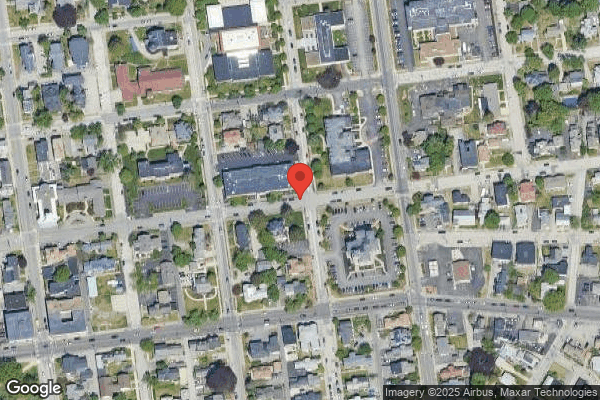
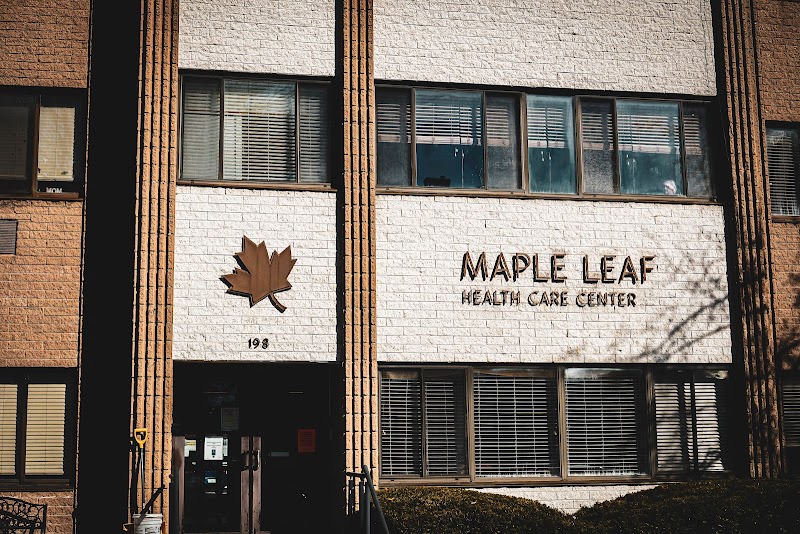
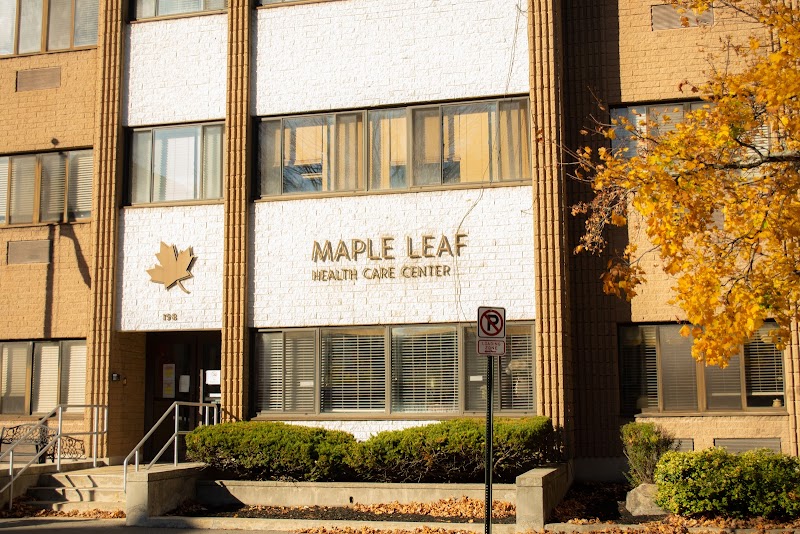
198 PEARL STREET, MANCHESTER, NH 03104 (603) 669-1660
For profit - Limited Liability company 114 Beds Independent Data: November 2025
Trust Grade
75/100
#21 of 73 in NH
Last Inspection: January 2025

Within standard 12-15 month inspection cycle. Federal law requires annual inspections.

Overview

Maple Leaf Health Care Center in Manchester, New Hampshire has a Trust Grade of B, indicating it is a good choice for families seeking care. It ranks #21 out of 73 facilities statewide, placing it in the top half, and #8 out of 21 in Hillsborough County, meaning only a few local options are better. Unfortunately, the facility is showing a worsening trend, with issues increasing from 1 in 2024 to 4 in 2025. While staffing is a weakness, rated only 2 out of 5 stars and experiencing a 60% turnover rate, the absence of fines indicates a good track record in terms of compliance. Specific incidents include concerns about inadequate hand hygiene practices and failing to ensure residents received necessary personal hygiene assistance, which raises significant concerns about overall care quality.

Trust Score
B
75/100
In New Hampshire
#21/73
Top 28%
Safety Record
Low Risk
No red flags
Inspections
Getting Worse
1 → 4 violations
Staff Stability
⚠ Watch
60% turnover. Above average. Higher turnover means staff may not know residents' routines.
Penalties
✓ Good
No fines on record. Clean compliance history, better than most New Hampshire facilities.
Skilled Nurses
○ Average
Each resident gets 33 minutes of Registered Nurse (RN) attention daily — about average for New Hampshire. RNs are the most trained staff who monitor for health changes.
Violations
○ Average
6 deficiencies on record. Average for a facility this size. Mostly minor or procedural issues.
★★★★☆
4.0
Overall Rating
★★☆☆☆
2.0
Staff Levels
★★★☆☆
3.0
Care Quality
★★★★☆
4.0
Inspection Score
Stable
2024: 1 issues
2025: 4 issues

The Good

  • Full Sprinkler Coverage · Fire safety systems throughout facility
  • No fines on record

Facility shows strength in fire safety.

The Bad

Staff Turnover: 60%

13pts above New Hampshire avg (46%)

Frequent staff changes - ask about care continuity

Staff turnover is elevated (60%)

12 points above New Hampshire average of 48%

The Ugly 6 deficiencies on record

Jan 2025 4 deficiencies
CONCERN (D)

Potential for Harm - no one hurt, but risky conditions existed

ADL Care (Tag F0677)

Could have caused harm · This affected 1 resident

Based on observation and interview, it was determined that the facility failed to ensure that residents who were unable to carry out activities of daily living (ADL) received the necessary services to...

Read full inspector narrative →
Based on observation and interview, it was determined that the facility failed to ensure that residents who were unable to carry out activities of daily living (ADL) received the necessary services to maintain good personal hygiene for 2 of 2 residents reviewed for ADL in a final sample of 22 residents (Resident Identifiers are #54 and #73). Findings include: Resident #54 Interview on 1/22/25 at 9:10 a.m. with Resident #54 revealed that he/she did not get showers on a regular basis and he/she would like to have showers weekly as scheduled. Observation on 1/22/25 at approximately 9:10 a.m. of Resident #54 revealed him/her lying in bed. His/her hair was uncombed and appeared greasy. Observation on 1/23/25 at approximately 9:45 a.m. of Resident #54 revealed him/her lying in bed. His/her hair was uncombed and appeared greasy. Review on 1/24/25 of shower schedule for Resident #54 revealed that Resident #54 is scheduled for showers on Mondays, 7-3 shift. Review on 1/24/25 of Resident #54's shower documentation for baths and showers from 11/18/24 through 1/18/25 (9 weeks) revealed that Resident #54 received one shower on 1/4/25. Further review revealed no documentation that Resident #54 had refused any showers. Interview on 1/24/25 at 12:15 p.m. with Staff B (Director of Nursing) confirmed the above findings for Resident #54. Resident #73 Observation on 1/22/25 at 10:30 a.m. of Resident #73 revealed he/she was in their room in bed and sitting upright in pajamas. Resident #73's hair was unkept, messy, and matted. Interview on 1/22/25 at 10:31 a.m. with Resident #73 revealed that he/she did not consistently receive weekly baths or showers and he/she would like to shower weekly. Observation 1/23/25 at 8:15 a.m. of Resident #73 revealed he/she was in their room lying in bed in pajamas. Resident #73's hair was unkept, messy, and matted. Observation on 1/24/25 at 10:30 a.m. of Resident #73 revealed he/she was in their room lying in bed in pajamas. Resident #73's hair was unkept, messy, and matted. Review on 1/24/25 of Resident #73's shower schedule revealed they were scheduled to receive a shower on Fridays in the morning. Review on 1/24/25 of Resident #73's shower documentation for baths and showers from 11/18/24 to 1/23/25 (9 weeks) revealed showers were marked as competed on 11/23/24, 12/9/24, 12/13/24, and 1/18/25 (4 times). Further review revealed that there was no documentation that Resident #73 had refused showers any time during the period reviewed. Review on 1/24/25 of Resident #73's care plan for ADL care, dated 10/21/24 revealed that Resident #73 required minimum to moderate assist with washing, dressing, grooming, and assistance with bath/showers. Interview on 1/24/25 at approximately 2:31 p.m. with Staff B confirmed the above findings for Resident #73. Review on 1/24/25 of the facility's policy Activities of Daily Living - Bathing Residents, revised 9/2022, revealed: .General Guidelines: 6. Bathing of choice will be offered at least weekly, on a schedule of their choice .Documentation: 1. The date and time the shower/tub was performed .Reporting . 1. Notify the supervisor if the resident refuses the shower/tub bath for further intervention . 3 . Report other information in accordance with facility policy and professional standards of practice .
CONCERN (D)

Potential for Harm - no one hurt, but risky conditions existed

Deficiency F0761 (Tag F0761)

Could have caused harm · This affected 1 resident

Based on observation, interview and record review, it was determined that the facility failed to ensure that medications and biologicals were stored in locked compartments in 1 of 2 medication rooms o...

Read full inspector narrative →
Based on observation, interview and record review, it was determined that the facility failed to ensure that medications and biologicals were stored in locked compartments in 1 of 2 medication rooms observed. (Second Floor Medication Room.) Findings include: Observation on 1/22/25 at 10:32 a.m. of the Second Floor Medication Room revealed the door was unlocked and there was no staff in the medication room. Further observation of the Second Floor Medication Room revealed that there were resident's and house stock medications stored in open shelves. There was no staff outside the room or visible in the area. Additionally, there were several residents sitting right outside the medication room. Interview on 1/22/25 at approximately 10:33 a.m. with Staff B (Director of Nursing) confirmed that the medication room was unlocked. Review on 1/23/25 of the facility's policy Medication Storage dated 9/1/22 revealed, .The facility stores all drugs and biologicals in a safe, secure, and orderly manner . 1. Drugs and biologicals used in the facility are stored in locked compartments . 6. Compartments (including . rooms .) containing drugs and biologicals are locked when not in use .
CONCERN (D)

Potential for Harm - no one hurt, but risky conditions existed

Infection Control (Tag F0880)

Could have caused harm · This affected 1 resident

Based on observation, interview, and record review, it was determined that the facility failed to implement infection control policies and procedures for 1 of 3 residents reviewed for Transmission Bas...

Read full inspector narrative →
Based on observation, interview, and record review, it was determined that the facility failed to implement infection control policies and procedures for 1 of 3 residents reviewed for Transmission Based Precautions (TBP) (Resident identifier #63) and for 1 of 2 residents observed for wound care (Resident identifier #10) in a final sample of 22 residents. Findings include: Resident #63 Observation on 1/22/25 at approximately 8:40 a.m. revealed a sign posted outside resident's room for Isolation Droplet/Contact Precautions. The sign identified the Personal Protective Equipment (PPE) to use for Droplet/Contact Precautions was an isolation gown, N95 respirator, eye protection, and gloves. Observation 1/22/25 at approximately 8:45 a.m. of Staff C (Licensed Nurses Assistant) revealed that he/she entered Resident #63's room while wearing an isolation gown, an N95 respirator, and gloves. Staff C was not wearing eye protection. Staff C proceeded to remove the isolation gown and gloves when exiting the resident's room but did not remove his/her N95 respirator. Staff C proceeded across the hallway into the dining area where multiple residents and staff were located. Interview on 1/22/25 at approximately 8:50 a.m. with Staff C confirmed the above findings. Interview on 1/22/25 at approximately 2:00 p.m. with Resident #63 revealed that not all staff wear eye protection while providing care. Interview 1/23/25 at approximately 1:15 p.m. with Staff E (Infection Preventionist) confirmed it is the facility policy that staff entering a resident's room with droplet precautions would wear an isolation gown, N95 respirator, eye protection, and gloves. Staff E further revealed it is facility policy that staff would remove all PPE when exiting a resident's room with droplet precautions. Review on 1/24/25 of Resident #63's Preventive Health Care Report dated 1/17/25 revealed that Resident #63 tested positive for COVID-19 on 1/17/25. Review 1/24/25 of Resident #63's physician orders revealed an order for Droplet Precautions-COVID positive dated 1/17/25 at 10:50 p.m. Review on 1/24/25 of the facility's policy; Transmission Based Precautions dated 9/1/2022 revealed, .3. When transmission- based precautions are implemented, the infection Preventionist (or designees): a. clearly identifies the type of precautions, .and the personal protective equipment(PPE) that must be used .d. determines the appropriate notifications on the room entrance door .(1) The signage informs the staff of the type of CDC precaution(s), instructions for use of PPE . (https://www.cdc.gov/infection-control/hcp/basics/transmission-based-precautions.html) Resident #10 Review on 1/23/25 of Resident #10's physician's order dated 12/30/24 revealed a treatment order for a Stage 3 pressure injury to the coccyx, clean with normal saline, lightly pack with collagen powder and cover with a border foam dressing daily. Observation on 1/23/25 at 1:47 p.m. of Staff F (Licensed Practical Nurse) providing wound care to Resident #10 revealed Staff F placed the wound care dressing supplies directly on the Resident's bedside table without cleaning the area or placing a clean field [covering the table with a clean disposable cloth to place the wound care items on to reduce the risk of of transmission of microorganisms]. Staff F removed the dirty dressing, removed their gloves and donned new gloves without sanitizing their hands. Staff F proceeded to clean the wound with normal saline, apply the collagen powder and apply the clean dressing. Interview on 1/23/25 at 2:28 p.m. with Staff F confirmed that he/she did not clean the bedside table or place a clean field on the bedside table for the dressing supplies during wound care. Staff F confirmed that he/she did not wash or sanitize their hands between glove change. Interview on 1/24/25 at 1:30 p.m. with Staff B (Director of Nursing) revealed that it is facility policy that staff would sanitize their hands between the dirty and clean parts of wound care and would use a clean field to place the dressing supplies on as per their policy. Review on 1/24/25 of the facility's policy titled Wound Care dated 9/1/22 revealed, .1. Use disposable cloth (paper towel is adequate) to establish clean field on resident's overbed table. Place all items to be used during procedure on the clean field . 4 remove dressing. 5. Pull glove over dressing and discard into appropriate receptacle. Wash and dry your hands thoroughly. 6. Put on gloves . Review on 1/24/25 of the facility's policy Hand Hygiene dated 9/1/22 revealed, .7. Use and alcohol-based hand rub .or .soap . and water for the following situations . h. Before moving from a contaminated body site to a clean body site during resident care .k. After handling used dressings . m. After removing gloves .
MINOR (B)

Minor Issue - procedural, no safety impact

Assessment Accuracy (Tag F0641)

Minor procedural issue · This affected multiple residents

**NOTE- TERMS IN BRACKETS HAVE BEEN EDITED TO PROTECT CONFIDENTIALITY** Based on record review and interview, it was determined that the facility failed to ensure that the Minimum Data Set (MDS) asses...

Read full inspector narrative →
**NOTE- TERMS IN BRACKETS HAVE BEEN EDITED TO PROTECT CONFIDENTIALITY** Based on record review and interview, it was determined that the facility failed to ensure that the Minimum Data Set (MDS) assessment accurately reflected the residents' status for 2 of 2 residents in a final sample of 22 residents (Resident Identifiers are #38 and #107). Findings include: Resident #38 Review on 1/23/25 of Resident #38's medical record revealed a smoking assessment dated [DATE], which indicated that the resident was a smoker. Review on 1/23/25 of Resident #38's comprehensive assessment, dated 6/19/24, section J1300, did not indicate tobacco use. Interview on 1/24/25 at 9:50 a.m. with Staff A (MDS Coordinator) confirmed that Resident #38 was an active smoker and section J1300 of the comprehensive assessment should have indicated tobacco use. Resident #107 Review on 1/24/25 of Resident #107's medical record revealed that Resident #107 had a planned discharge home on 1/6/2025. Review on 1/24/25 of Resident #107's Discharge MDS, dated [DATE], section A2105, revealed that resident #107 had discharged to a short-term general hospital. Interview on 1/24/25 at 10:15 a.m. with Staff A confirmed that Resident #107 discharged home as planned and did not discharge to a short-term general hospital.
Jan 2024 1 deficiency
CONCERN (D)

Potential for Harm - no one hurt, but risky conditions existed

Deficiency F0761 (Tag F0761)

Could have caused harm · This affected 1 resident

**NOTE- TERMS IN BRACKETS HAVE BEEN EDITED TO PROTECT CONFIDENTIALITY** Based on observation, interview, and record review, it was determined that the facility failed to properly labeled medications i...

Read full inspector narrative →
**NOTE- TERMS IN BRACKETS HAVE BEEN EDITED TO PROTECT CONFIDENTIALITY** Based on observation, interview, and record review, it was determined that the facility failed to properly labeled medications in 1 of 4 carts observed (Third Floor Medication Cart #5). Findings include: Observation on 1/23/24 at approximately 9:15 a.m. of the third floor medication cart #5 revealed an open Levemir insulin flex pen without a patient identifier and a liquid suspension in a bottle with a label that had peeled off making it illegible. Interview on 1/23/24 with Staff A (Licensed Practical Nurse) confrmed the above findings. Staff A was working on the cart and he/she stated they had not used the above medications that day. Review on 1/24/24 of the facility's policy titled Storage of Medications, revised 7/15/23, revealed .Patient medications are stored with identifying factors such as name and/or room number . Review of [NAME], [NAME] A., and [NAME]. Fundamentals of Nursing. 7th edition. St. Louis, Missouri: Mosby Elsevier, 2009. Chapter 35 Page 707, revealed .Never prepare medications from unmarked containers or containers with illegible labels .
Jan 2023 1 deficiency
CONCERN (E)

Potential for Harm - no one hurt, but risky conditions existed

Infection Control (Tag F0880)

Could have caused harm · This affected multiple residents

**NOTE- TERMS IN BRACKETS HAVE BEEN EDITED TO PROTECT CONFIDENTIALITY** Based on observation, interview, and record review, it was determined that the facility failed to ensure that hand hygiene and r...

Read full inspector narrative →
**NOTE- TERMS IN BRACKETS HAVE BEEN EDITED TO PROTECT CONFIDENTIALITY** Based on observation, interview, and record review, it was determined that the facility failed to ensure that hand hygiene and recommendations for Transmission Based Precautions (TBP) were followed per Center for Disease Control and Prevention (CDC) guidelines for 3 of 5 residents observed for TBP (Resident identifiers are #16, #457 and #459). Findings include: Standard: Review on 1/25/23 of the CDC's website titled, Isolation Precautions, review date of 7/22/19, retrieved from: https://www.cdc.gov/infectioncontrol/guidelines/isolation/index.html, revealed .Summary of Recommendations .Hand Hygiene .Perform hand hygiene in the following clinical situations: .After contact with a patient's intact skin (e.g., when taking a pulse or blood pressure or lifting a patient) .After contact with inanimate objects (including medical equipment) in the immediate vicinity of the patient .After removing gloves .Wash hands with non-antimicrobial soap and water or with antimicrobial soap and water if contact with spores (e.g., C. difficile [Clostridioides difficile] or Bacillus anthracis) is likely to have occurred. The physical action of washing and rinsing hands under such circumstances is recommended because alcohols, chlorhexidine, iodophors, and other antiseptic agents have poor activity against spores .Contact precautions .Change protective attire and perform hand hygiene between contact with patients in the same room, regardless of whether one or both patients are on Contact Precautions .Use of personal protective equipment .Gloves . Wear gloves whenever touching the patient's intact skin or surfaces and articles in close proximity to the patient (e.g., medical equipment, bed rails). [NAME] gloves upon entry into the room or cubicle .Wear a gown whenever anticipating that clothing will have direct contact with the patient or potentially contaminated environmental surfaces or equipment in close proximity to the patient. [NAME] gown upon entry into the room or cubicle. Remove gown and observe hand hygiene before leaving the patient-care environment .After gown removal, ensure that clothing and skin do not contact potentially contaminated environmental surfaces that could result in possible transfer of microorganism to other patients or environmental surfaces . Resident #16 Review on 1/26/23 of Resident #16's active physician orders revealed an order for contact precautions for diagnoses of Methicillin-Resistant Staphylococcus Aureus (MRSA) wounds with a start date of 12/31/22. Review on 1/26/23 of Resident's electronic medical record revealed that the MRSA is on Resident #16's right lower extremity. Observation on 1/26/23 at approximately 8:00 a.m. at Resident #16's room revealed a contact precautions sign and Personal Protective Equipment (PPE) precaution cart outside of the resident room, next to the door. Staff A (Licensed Practical Nurse (LPN)) was wearing a surgical mask, goggles, and donned PPE (gown and gloves) then entered Resident #16's room to administer Resident #16's medications. Further observation revealed that Staff A doffed the gown and gloves and proceeded to the medication cart and prepped another resident's medication without performing hand hygiene. Interview on 1/26/23 at approximately 8:20 a.m. with Staff A confirmed above observation. Resident #457 Review on 1/25/23 of Resident #457's electronic medical record revealed that Resident #457 was admitted to the facility on [DATE] with a diagnoses of Clostridioides difficile (C-diff). Resident #457 was receiving Vancomycin (antibiotic) medication and was placed on contact precautions. Review on 1/25/23 of Resident #457's active physician orders revealed an order for contact precautions for a diagnoses of C-diff with a start date of 1/21/23. Observation on 1/25/23 at approximately 10:00 a.m. at Resident #457's room revealed a contact precautions sign and a PPE precaution cart outside Resident #457's room. Further observation revealed that Resident #457's male visitor had a surgical mask and no other PPE sitting within less than 3 feet of Resident #457. Observation on 1/25/23 at between 11:58 a.m. to 12:15 p.m. at Resident #457's room revealed that Resident #457's female visitor was in Resident #457's room with no gloves and gown. Resident #457's female visitor was observed sitting in a chair next to Resident #457. Resident #457's female visitor was also observed fixing Resident #457's bed. Resident #457's female visitor closed Resident #457's door then a couple minutes later opened the door. Further observation revealed that Resident #457's commode had no lid with a white plastic bag over the commode with soft brown and liquid substance, stool-like. Further observation revealed Staff D (LPN) going into Resident #457's room with no gown and gloves, administered medications to Resident #457. Staff D touched Resident #457's side table, throwing away the medication cup and empty cup that Resident #457's touched and went out of Resident #457's room without performing hand hygiene. Interview on 1/25/23 at approximately 12:00 p.m. with Resident #457 and Resident #457's female visitor confirmed the above observation in Resident #457's room. Resident #457 stated that they had closed the door as he/she was using the commode to have a bowel movement. Resident #457's female visitor stated that he/she wanted to fix Resident #457's bed and that he/she did not need to wear a gown and glove as he/she was just visiting Resident #457. Resident #459 Observation on 1/25/23 at approximately 11:35 a.m. at Resident #459's room revealed that Resident #459 had a contact precautions sign and a PPE precaution cart outside Resident #459's room, next to the door. Observation also revealed that Staff B (Housekeeper) was in Resident #459's room wearing goggles, mask, gloves and no gown. Staff B was cleaning resident's room and side table, Staff B was within 3 feet of Resident #459. Further observation revealed that Staff B proceeded to go outside of Resident #459's room without performing hand hygiene then touching the housekeeper's cart and then went to the housekeeper room. Interview on 1/25/23 at approximately 11:36 a.m. with Resident #459 confirmed the above observation in Resident #459's room. Review on 1/25/23 of Resident #459's active physician's order revealed an order for contact precautions for the diagnoses of C-diff with start date of 1/14/23. Interview on 1/27/23 at 8:15 a.m. with Staff C (Director of Nursing) revealed that staff should perform hand washing with soap and water for hand hygiene for resident's with contact precautions related to C-diff. Interview on 1/27/23 at approximately 8:27 a.m. with Staff B revealed that he/she would use hand sanitizer after doffing PPE and going out a resident room with a contact precautions sign for C-diff.
Understanding Severity Codes (click to expand)
Life-Threatening (Immediate Jeopardy)
J - Isolated K - Pattern L - Widespread
Actual Harm
G - Isolated H - Pattern I - Widespread
Potential for Harm
D - Isolated E - Pattern F - Widespread
No Harm (Minor)
A - Isolated B - Pattern C - Widespread

Questions to Ask on Your Visit

  • "Why is there high staff turnover? How do you retain staff?"
  • "Can I speak with families of current residents?"
  • "What's your RN coverage like on weekends and overnight?"

Our Honest Assessment

Strengths
  • • No major safety red flags. No abuse findings, life-threatening violations, or SFF status.
  • • No fines on record. Clean compliance history, better than most New Hampshire facilities.
Concerns
  • • 60% turnover. Above average. Higher turnover means staff may not know residents' routines.
Bottom line: Generally positive indicators. Standard due diligence and a personal visit recommended.

About This Facility

What is Maple Leaf Health's CMS Rating?

CMS assigns MAPLE LEAF HEALTH CARE CENTER an overall rating of 4 out of 5 stars, which is considered above average nationally. Within New Hampshire, this rating places the facility higher than 99% of the state's 100 nursing homes. This rating reflects solid performance across the metrics CMS uses to evaluate nursing home quality.
How is Maple Leaf Health Staffed?

CMS rates MAPLE LEAF HEALTH CARE CENTER's staffing level at 2 out of 5 stars, which is below average compared to other nursing homes. Staff turnover is 60%, which is 13 percentage points above the New Hampshire average of 46%. High turnover can affect care consistency as new staff learn residents' individual needs.

What Have Inspectors Found at Maple Leaf Health?

State health inspectors documented 6 deficiencies at MAPLE LEAF HEALTH CARE CENTER during 2023 to 2025. These included: 5 with potential for harm and 1 minor or isolated issues.
Who Owns and Operates Maple Leaf Health?

MAPLE LEAF HEALTH CARE CENTER is owned by a for-profit company. For-profit facilities operate as businesses with obligations to shareholders or private owners. The facility operates independently rather than as part of a larger chain. With 114 certified beds and approximately 107 residents (about 94% occupancy), it is a mid-sized facility located in MANCHESTER, New Hampshire.
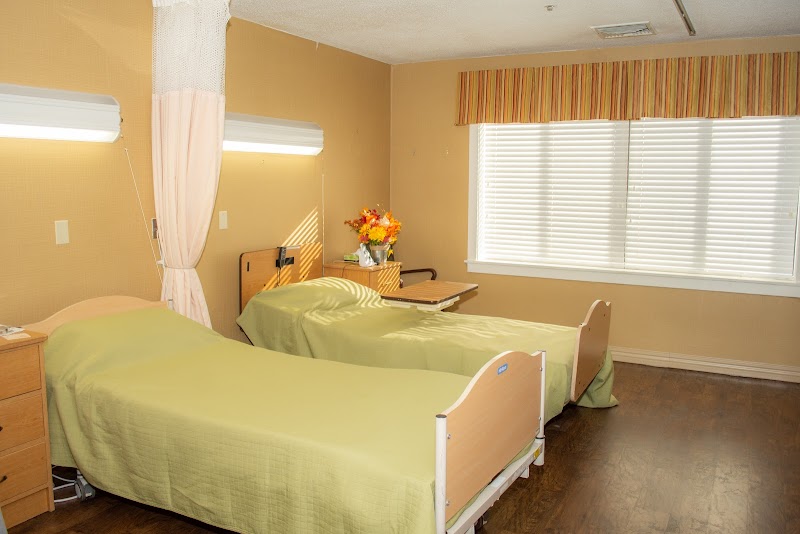
How Does Maple Leaf Health Compare to Other New Hampshire Nursing Homes?

Compared to the 100 nursing homes in New Hampshire, MAPLE LEAF HEALTH CARE CENTER's overall rating (4 stars) is above the state average of 3.0, staff turnover (60%) is significantly higher than the state average of 46%, and health inspection rating (4 stars) is above the national benchmark.

What Should Families Ask When Visiting Maple Leaf Health?

Based on this facility's data, families visiting should ask: "How do you ensure continuity of care given staff turnover, and what is your staff retention strategy?" "Can you walk me through typical staffing levels on day, evening, and night shifts?" "Can I visit during a mealtime to observe dining assistance and food quality?" "How do you handle medical emergencies, and what is your hospital transfer rate?" These questions are particularly relevant given the facility's high staff turnover rate and the below-average staffing rating.

Is Maple Leaf Health Safe?

Based on CMS inspection data, MAPLE LEAF HEALTH CARE CENTER has a clean safety record: no substantiated abuse findings (meaning no confirmed cases of resident harm), no Immediate Jeopardy citations (the most serious violation level indicating risk of serious injury or death), and is not on the Special Focus Facility watch list (a federal program monitoring the lowest-performing 1% of nursing homes). The facility has a 4-star overall rating and ranks #1 of 100 nursing homes in New Hampshire. While no facility is perfect, families should still ask about staff-to-resident ratios and recent inspection results during their visit.

Do Nurses at Maple Leaf Health Stick Around?

Staff turnover at MAPLE LEAF HEALTH CARE CENTER is high. At 60%, the facility is 13 percentage points above the New Hampshire average of 46%. High turnover means new staff may not know residents' individual needs, medications, or preferences. It can also be disorienting for residents, especially those with dementia who rely on familiar faces. Families should ask: What is causing the turnover? What retention programs are in place? How do you ensure care continuity during staff transitions?

Was Maple Leaf Health Ever Fined?

MAPLE LEAF HEALTH CARE CENTER has no federal fines on record. CMS issues fines when nursing homes fail to meet care standards or don't correct problems found during inspections. The absence of fines suggests the facility has either maintained compliance or corrected any issues before penalties were assessed. This is a positive indicator, though families should still review recent inspection reports for the full picture.

Is Maple Leaf Health on Any Federal Watch List?

MAPLE LEAF HEALTH CARE CENTER is not on any federal watch list. The most significant is the Special Focus Facility (SFF) program, which identifies the bottom 1% of nursing homes nationally based on persistent, serious quality problems. Not being on this list means the facility has avoided the pattern of deficiencies that triggers enhanced federal oversight. This is a positive indicator, though families should still review the facility's inspection history directly.