
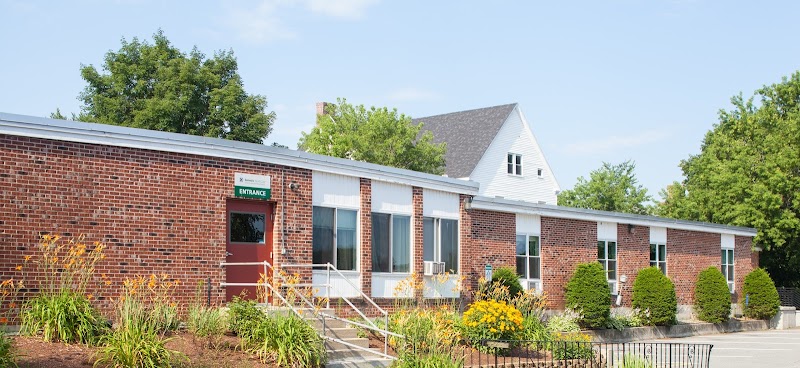


THE ELMS CENTER

71 ELM STREET, MILFORD, NH 03055 (603) 673-2907
For profit - Limited Liability company 52 Beds ROBERT RAUSMAN Data: November 2025
Trust Grade
28/100
#72 of 73 in NH
Last Inspection: January 2025

Within standard 12-15 month inspection cycle. Federal law requires annual inspections.

Overview

The Elms Center has a Trust Grade of F, indicating significant concerns about the quality of care provided. Ranking #72 out of 73 facilities in New Hampshire places it in the bottom half, and it ranks last in Hillsborough County. The facility's performance is worsening, with issues increasing from 7 in 2024 to 10 in 2025. Staffing is rated below average with a turnover rate of 56%, which is concerning as it suggests that staff do not stay long enough to build relationships with residents. Additionally, the center has incurred $13,020 in fines, indicating compliance issues more severe than 86% of New Hampshire facilities. Specific incidents raise further concerns: a resident experienced a serious fall after being provided a new wheelchair without a safety belt, and the facility failed to properly implement its water management plan, which could impact residents' health. Moreover, inadequate staffing levels have led to delays in responding to residents' needs and administering treatments. While the facility does have average RN coverage, these issues highlight a troubling environment for potential residents and their families.

Trust Score
F
28/100
In New Hampshire
#72/73
Bottom 2%
Safety Record
Moderate
Needs review
Inspections
Getting Worse
7 → 10 violations
Staff Stability
⚠ Watch
56% turnover. Above average. Higher turnover means staff may not know residents' routines.
Penalties
○ Average
$13,020 in fines. Higher than 53% of New Hampshire facilities. Some compliance issues.
Skilled Nurses
○ Average
Each resident gets 32 minutes of Registered Nurse (RN) attention daily — about average for New Hampshire. RNs are the most trained staff who monitor for health changes.
Violations
⚠ Watch
21 deficiencies on record. Higher than average. Multiple issues found across inspections.
★☆☆☆☆
1.0
Overall Rating
★★☆☆☆
2.0
Staff Levels
★★☆☆☆
2.0
Care Quality
★☆☆☆☆
1.0
Inspection Score
Stable
2024: 7 issues
2025: 10 issues

The Good

  • Full Sprinkler Coverage · Fire safety systems throughout facility
  • No fines on record

Facility shows strength in fire safety.

The Bad

1-Star Overall Rating

Below New Hampshire average (3.0)

Significant quality concerns identified by CMS

Staff Turnover: 56%

10pts above New Hampshire avg (46%)

Frequent staff changes - ask about care continuity

Federal Fines: $13,020

Below median ($33,413)

Minor penalties assessed

Chain: ROBERT RAUSMAN

Part of a multi-facility chain

Ask about local staffing decisions and management

Staff turnover is elevated (56%)

8 points above New Hampshire average of 48%

The Ugly 21 deficiencies on record

1 actual harm
Jan 2025 10 deficiencies
CONCERN (D)

Potential for Harm - no one hurt, but risky conditions existed

Deficiency F0552 (Tag F0552)

Could have caused harm · This affected 1 resident

Based on interview and record review, it was determined that the facility failed to ensure that a resident is fully informed of their care and treatment in a language that he/she understands for 1 of ...

Read full inspector narrative →
Based on interview and record review, it was determined that the facility failed to ensure that a resident is fully informed of their care and treatment in a language that he/she understands for 1 of 2 residents reviewed for communication in a final sample of 16 residents. (Resident identifier is #44.) Findings include: Interview on 1/8/25 at approximately 10:20 a.m. with Resident #44 revealed his/her primary language was Spanish. Interview on 1/8/25 at approximately 10:25 a.m. with Staff A (Social Services) revealed he/she utilize their personal translator application on their phone to communicate with Resident #44. Interview on 1/9/25 at approximately 12:00 p.m. with Staff B (Licensed Nursing Assistant (LNA)) revealed Resident #44 understands most English. The resident will initiate communication using his/her personal translator application on their phone. Review on 1/10/25 of Resident #44's admission Minimum Data Set (MDS) assessment with an Assessment Reference Date (ARD) of 5/17/24 revealed Section A coded Spanish as primary language and he/she wants an interpreter. Review on 1/10/25 of Resident #44's medical record revealed that there were no signed consents for treatments in Resident #44's language. Interview on 1/10/25 at approximately 1:00 p.m. with Staff C (Director of Nursing) confirmed that the facility has no language interpreter services available for communicating in a language that Resident #44 understands.
CONCERN (D)

Potential for Harm - no one hurt, but risky conditions existed

Deficiency F0578 (Tag F0578)

Could have caused harm · This affected 1 resident

Based on interview and medical record review, it was determined that the facility failed to ensure the resident's right to formulate advance directives for 1 out of 2 residents reviewed for advance di...

Read full inspector narrative →
Based on interview and medical record review, it was determined that the facility failed to ensure the resident's right to formulate advance directives for 1 out of 2 residents reviewed for advance directives (Resident Identifier is #35). Findings include: Review on 1/10/25 of Resident #35's medical record revealed a physician's order dated 1/8/25 for Do Not Recusitate (DNR). Further review revealed that their care plan reflected Full Code status. Interview on 1/10/25 at approximately 9:20 a.m. with Staff N (Advanced Practice Nurse) revealed that he/she had not given an order to change Resident #35's code status to DNR. Interview on 1/10/25 at approximately 10:15 a.m. with Staff C (Director of Nursing) revealed that code status had been changed without discussion with Resident #35, Resident #35's representative or the Nurse Practioner.
CONCERN (D)

Potential for Harm - no one hurt, but risky conditions existed

Deficiency F0657 (Tag F0657)

Could have caused harm · This affected 1 resident

Based on record review and interview, it was determined that the facility failed to hold routine interdisciplinary care plan meetings for 2 of 16 residents reviewed for care planning in a final sample...

Read full inspector narrative →
Based on record review and interview, it was determined that the facility failed to hold routine interdisciplinary care plan meetings for 2 of 16 residents reviewed for care planning in a final sample of 16 residents (Resident identifiers are #24 and #44). Findings include: Resident #24 Interview on 1/8/25 at approximately 12:00 p.m. with Resident #24's Representative (Durable Power of Attorney) revealed they did not think there had been a care plan meetings for about a year. Review on 1/9/25 of Resident #24's medical record revealed the most recent interdisciplinary care plan meeting minutes were on 5/1/24. Interview on 1/9/25 at approximately 1:30 p.m. with Staff C (Director of Nursing) confirmed the above findings. Resident #44 Review on 1/9/25 of Resident #44's medical record revealed that he/she had been admitted in May 2024. Review on 1/9/25 of Resident #44's medical record revealed no interdisciplinary care plan meetings between May and November 2024. Interview on 1/9/25 at approximately 1:30 p.m. with Staff C confirmed the only care plan meeting conducted for Resident #44 since admission was on 11/27/24. Review on 1/10/25 of facility policy titled Care Planning - Resident reviewed/revised 12/1/24 revealed .Policy Explanation and Compliance Guidelines: .10. The facility will discuss the plan of care with the resident and/or representative at regularly scheduled care plan conferences .initially, at routine intervals, and after significant change .
CONCERN (D)

Potential for Harm - no one hurt, but risky conditions existed

Deficiency F0761 (Tag F0761)

Could have caused harm · This affected 1 resident

Based on observation, interview, and record review, it was determined that the facility failed to ensure that multidose medications were labeled with opened/expiration dates appropriately in 1of 1 med...

Read full inspector narrative →
Based on observation, interview, and record review, it was determined that the facility failed to ensure that multidose medications were labeled with opened/expiration dates appropriately in 1of 1 medication cart reviewed and expired medications were removed from use in 1 out of 1 medication room observed. Findings include: Observation on 1/8/25 at approximately 8:20 a.m. of the medication room refrigerator revealed an Aplisol TB (Tuberculin Purified Protein Derivative, Diluted [Stabilized Solution]) vial, with an open date of 11/22/24 (to expire on 12/22/24, 30 days from opening). Review on 1/8/25 of manufacturers instructions for Aplisol TB revealed .Vials in use more than 30 days should be discarded due to possible oxidation and degridation which may affect potency . Interview on 1/8/25 at approximatley 8:20 a.m. with Staff G (Unit Manager) confirmed the above findings. Staff G confirmed that the Aplisol TB would expire 30 days from opening. Observation on 1/8/25 at approximately 8:40 a.m. of the [NAME] Medication Cart revealed 1 bottle of Timolol Maleate Opthalmic Solution 0.5% with no open date indicated. Review on 1/8/25 of manufacturers instructions for Timolol Maleate Opthalmic Solution revealed: .Opened bottles containing preservatives should be discarded after 28 days . Interview on 1/8/25 at approximately 8:40 a.m. with Staff I (Registered Nurse) confirmed that the Timolol Maleate was an active medication that was in use.
CONCERN (D)

Potential for Harm - no one hurt, but risky conditions existed

Food Safety (Tag F0812)

Could have caused harm · This affected 1 resident

Based on observation, interview and policy review, it was determined that the facility failed to ensure that food was labeled and failed to maintain a clean environment in the food preparation area fo...

Read full inspector narrative →
Based on observation, interview and policy review, it was determined that the facility failed to ensure that food was labeled and failed to maintain a clean environment in the food preparation area for the main kitchen observed. Findings include: Observation on 1/8/25 at approximately 8:30 a.m. in the main kitchen revealed individual plastic containers containing white liquid with no labeled identifiers and dates in the milk refrigerator. Interview on 1/8/25 at approximately 8:30 a.m. Staff F (Food Service Director) confirmed the above findings. Staff F stated that the white liquid was coffee creamer that they individually poured in the plastic containers. Review on 1/10/25 of the facility policy titled Food Storage: Cold foods, created date of 2017, revealed .5. All foods will be .labeled and dated . Observation on 1/8/25 at approximately 8:30 a.m. in the main kitchen revealed a fan with accumulation of dust on the blades and cage of the circulation fans which was pointing directly towards the food preparation area. Interview on 1/8/25 at approximately 8:30 a.m. with Staff K (cook) confirmed the above finding related to the fan. Staff K stated that they utilized the fan during meal preparation in the food preparation area. Review on 1/10/25 of facility policy titled, Environment, revised date of 9/2017, revealed .1. The Dining services Director will ensure that the kitchen is maintained in a clean and sanitary manner including floors, walls, ceilings, lighting, and ventilation .
CONCERN (D)

Potential for Harm - no one hurt, but risky conditions existed

Deficiency F0868 (Tag F0868)

Could have caused harm · This affected 1 resident

Based on interview and record review, it was determined that the facility failed to ensure that the required committee members attended Quality Assurance Performance Improvement (QAPI) meetings at lea...

Read full inspector narrative →
Based on interview and record review, it was determined that the facility failed to ensure that the required committee members attended Quality Assurance Performance Improvement (QAPI) meetings at least quarterly for 2 of the 4 quarterly meetings reviewed for 2024. Findings include: Review on 1/10/25 of the second quarter QAPI meeting attendance sheet, dated July 2024, revealed that the Infection Preventionist (required member) was not in attendance. Review on 1/10/25 of the third quarter QAPI meeting attendance sheet, dated October 2024, revealed that the Infection Preventionist (required member) was not in attendance. Interview on 1/10/25 at approximately 2:30 p.m. with Staff C (Director of Nursing) confirmed the above findings. Staff C (Director of Nursing) further indicated that there was an Infection Preventionist in October but he/she did not attend the QAPI meeting.
CONCERN (F)

Potential for Harm - no one hurt, but risky conditions existed

Infection Control (Tag F0880)

Could have caused harm · This affected most or all residents

Based on interview and record review, it was determined that the facility failed to implement and review, at least annually, the facility's water management plan that has the potential to effect the f...

Read full inspector narrative →
Based on interview and record review, it was determined that the facility failed to implement and review, at least annually, the facility's water management plan that has the potential to effect the facility census of 46 residents who resided at the facility. Findings include: Review on 1/8/25 of the facility's water management plan revealed the following: 1. The last review date was dated June 2023, which is 18 months of when the plan was last reviewed. 2. The water management plan committee consisted of the Maintenance Supervisor, Director of Nursing, and the Administrator. There was no Infection Preventionist included in the committee. Further review of the water management plan revealed that the water management committee was responsible for the oversight and implementation of the water management plan, which included but not limited to, development, annual reviews, management, and maintenance activities where needed. 3. The water management plan revealed control measures and monitoring of the following: - dead legs (a section of potable water pipe which contains water that has no flow or does not circulate) and to flush dead legs. The water management plan does not mentioned a frequency to flush dead legs. -less frequently used areas which include soiled linen rooms, medications rooms, shower stalls, private rooms showers, and empty resident rooms- run both hot and cold water for 8 minutes weekly. Interview on 1/9/25 at approximately 12:30 p.m. with Staff J (Maintenance Director) confirmed the above findings. Staff J stated that he/she flushed dead legs monthly. Staff J also stated that he/she ran the water in infrequently used areas monthly and not weekly as mentioned in the above water management plan. Staff J was unable to provide documentation of an updated water management plan reviewed in 2024. Interview on 1/9/25 at approximately 3:00 p.m. with Staff L (Infection Preventionist) revealed that he/she started working at the facility in November of 2024 and had not reviewed the facility's water management plan. Interview on 1/10/25 at approximately 8:20 a.m. with Staff J revealed that he/she developed that water management plan and that he/she does not recall what nationally recognized standards he/she used to develop the water management plan. Interview on 1/10/25 at approximately 8:48 a.m. with Staff C (Director of Nursing) revealed that he/she does not remember reviewing the water management plan and is not familiar with the facility's water management plan. Review on 1/10/25 of the facility's water management plan, review date of June 2023, revealed that the facility utilized the Center for Disease Control and Prevention (CDC) to established protocols for acceptable ranges for control measures. Review on 1/10/25 of the CDC website titled, Controlling Legionella in Potable Water Systems, dated 1/3/25, retrieved from: https://www.cdc.gov/control-legionella/php/toolkit/potable-water-systems-module.html, revealed .Operation, maintenance, and control limits Guidance .Flushing: Flush low-flow piping runs and dead legs at least weekly. Flush infrequently used fixtures (e.g., eye wash stations, emergency showers) regularly as needed to maintain water quality parameters within control limits .
MINOR (B)

Minor Issue - procedural, no safety impact

Deficiency F0637 (Tag F0637)

Minor procedural issue · This affected multiple residents

Based on record review and interview, it was determined that the facility failed to conduct a comprehensive Minimum Data Set (MDS) assessment within 14 days after a significant change was determined f...

Read full inspector narrative →
Based on record review and interview, it was determined that the facility failed to conduct a comprehensive Minimum Data Set (MDS) assessment within 14 days after a significant change was determined for 1 of 1 resident reviewed for hospice and 1 of 2 residents closed records reviewed in a final sample of 16 residents (Resident identifiers are #47 and #24). Findings include: Resident #47 Review on 1/10/25 of Resident #47's medical record revealed that Resident #47 was admitted to hospice on 11/1/24. Review on 1/10/25 of Resident #47's MDS assessments revealed no completed significant change MDS for Resident #47's admission to hospice. Interview on 1/10/25 at approximately 11:00 a.m. with Staff D (Regional MDS) confirmed the above findings. Resident #24 Review on 1/9/25 of Resident #24's hospice certification revealed that Resident #24 was admitted to hospice on 4/18/24. Review on 1/9/25 of Resident #24's Significant Change MDS Assessment with Assessment Reference Date (ARD) 4/23/24 revealed the completion date 5/7/24 (5 days late). Interview on 1/10/25 at approximately 11:00 a.m. with Staff D confirmed the MDS Resident Assessment Instrument Manual requires completion within 14 days of identification of significant change and the above assessments were not completed timely.
MINOR (C)

Minor Issue - procedural, no safety impact

Staffing Information (Tag F0732)

Minor procedural issue · This affected most or all residents

Based on observation and interview, it was determined that the facility failed to post daily the nurse staffing information. Findings include: Observation on 1/9/25 at approximately 9:45 a.m. of all f...

Read full inspector narrative →
Based on observation and interview, it was determined that the facility failed to post daily the nurse staffing information. Findings include: Observation on 1/9/25 at approximately 9:45 a.m. of all facility entrances revealed that there was no nurse staffing information posted. Interview on 1/9/25 at approximately 9:45 a.m. of Staff G (Unit Manager) confirmed above findings. Interview on 1/9/25 at approximately 2:00 p.m. with Staff H (Nursing Scheduler) revealed that he/she has not been posting daily the nurse staffing information since he/she took over the position in October 2024.
MINOR (C)

Minor Issue - procedural, no safety impact

Deficiency F0838 (Tag F0838)

Minor procedural issue · This affected most or all residents

**NOTE- TERMS IN BRACKETS HAVE BEEN EDITED TO PROTECT CONFIDENTIALITY** Based on record review and interview, it was determined that the facility failed to ensure that the facility assessment included...

Read full inspector narrative →
**NOTE- TERMS IN BRACKETS HAVE BEEN EDITED TO PROTECT CONFIDENTIALITY** Based on record review and interview, it was determined that the facility failed to ensure that the facility assessment included specific staffing needs for each shift such as day, evening, and night. Findings include: Review on 1/9/25 of the Facility assessment dated [DATE] revealed that the facility assessment did not include information on the staffing levels needed for specific shifts such as day, evening, and night. Interview on 1/9/25 at approximately 8:15 a.m. with Staff E (Administrator) confirmed the above findings.
Jan 2024 7 deficiencies 1 Harm
SERIOUS (G) 📢 Someone Reported This

A family member, employee, or ombudsman was alarmed enough to file a formal complaint

Actual Harm - a resident was hurt due to facility failures

Accident Prevention (Tag F0689)

A resident was harmed · This affected 1 resident

**NOTE- TERMS IN BRACKETS HAVE BEEN EDITED TO PROTECT CONFIDENTIALITY** Based on observation, interview, and record review, it was determined that the facility failed to assess a resident after implem...

Read full inspector narrative →
**NOTE- TERMS IN BRACKETS HAVE BEEN EDITED TO PROTECT CONFIDENTIALITY** Based on observation, interview, and record review, it was determined that the facility failed to assess a resident after implementing a new device for safety resulting in a fall with serious injury for 1 out of 4 residents reviewed for accidents in a final sample of 20 residents (Resident Identifier is #26). Findings include: Review on 1/24/24 of Resident #26's progress notes revealed the following: Resident received [pronoun omitted] new wheelchair on 11/1/23 from [company name omitted]. this new wheelchair does not have a seatbelt connected and therapy stated that [company name omitted] will be back 1-2 weeks . (dated 11/2/23 at 9:56 a.m.) Resident noted to be sliding down or slouching down in wheelchair seat frequently throughout the shift. Resident required repositioning multiple times throughout the shift to maintain proper body alignment. Resident was fit for and recently received this new wheelchair from [company name omitted]. This new wheelchair does not have the safety belt in place at present. Per therapy, [company name omitted] will return to assess resident in wheelchair in a couple of weeks. Resident states loving [pronoun omitted] new wheelchair with a big smile when asked. Communicated this finding to a therapy. (dated 11/4/23 at 2:35 p.m.) Res [Resident] slipped from [pronoun omitted] W/C [wheelchair] and fell on the floor. Was heard screaming and found lying on the floor next to bed. Was helped up using the Hoyer and was put in bed (dated 11/4/23 at 10:31 p.m.) Interview on 1/24/24 at approximately 12:30 p.m. with Staff I (Director of Therapy) revealed that there was no documentation of an assessment for Resident #26 after changing to the new wheelchair without a seat belt on 11/1/23. Review on 1/24/24 of Resident #26's care plan for being at risk for falls, revision date 12/19/23, revealed the following interventions: Seat belt in wheelchair for safety r/t [related to] poor trunk control/stability and decreased mobility, date initiated 9/21/23. Review of the Situation, Background, Assessment, Recommendation (SBAR) summary for providers dated 11/4/23 at 10:35 p.m. revealed the following: Situation: the change of condition was Falls. Nursing observations, evaluations, and recommendations are: The res [resident] slipped off the W/C [wheelchair] and fell on the floor. Was helped up using the Hoyer and put in bed. The res will need a belt on the W/C to prevent future falls. Review on 1/25/24 of the discharge summary from the hospitalization of Resident #26, dated 11/13/24 revealed: .the resident was admitted to the hospital on [DATE] .CT [Computed Tomography] abdomen and pelvis with contrast notes right-sided pubic rami fractures, non-displaced right scaral [NAME] fractures, right greater trochanter fracture .X Ray of right hips notes new right pubic ring fracture .The greater trochanter fracture was seen previously. The right hemipelvis fracture is new. There is slight increased displacement of the greater trochanter fracture when compared to the prior study .
CONCERN (D)

Potential for Harm - no one hurt, but risky conditions existed

Deficiency F0658 (Tag F0658)

Could have caused harm · This affected 1 resident

**NOTE- TERMS IN BRACKETS HAVE BEEN EDITED TO PROTECT CONFIDENTIALITY** Based on observation, interview, and record review, it was determined that the facility failed to follow physician orders for 5 ...

Read full inspector narrative →
**NOTE- TERMS IN BRACKETS HAVE BEEN EDITED TO PROTECT CONFIDENTIALITY** Based on observation, interview, and record review, it was determined that the facility failed to follow physician orders for 5 residents in a final sample of 20 residents (Resident Identifiers are #5, #21, #31, #40, and #47). Findings include: Standards: [NAME], [NAME] A., and [NAME]. Fundamentals of Nursing. 7th ed. St. Louis, Missouri: Mosby Elsevier, 2009. Page 336 - Physicians' Orders The physician is responsible for directing medical treatment. Nurses follow physician's orders unless they believe the orders are in error or harm clients. Therefore you need to assess all orders, and if you find one to be erroneous or harmful, further clarification from the physician is necessary . Review on 1/25/24 of the facility's policy titled Medication: Administration: General, revised 6/1/21 revealed: . Practice Standards: .5. Doses will be administered within one hour of the prescribed time unless otherwise indicated by the prescriber . Resident #40 Interview on 1/23/24 at 12:57 p.m. with Resident #40 revealed that his/her medications are often given late. Review on 1/25/24 of Resident #40's quarterly Minimum Data Set (MDS) with an assessment reference date of 11/14/23 revealed Resident #40 had a Basic Interview for Mental Status (BIMS) score of 15 out of 15 indicating cognitively intact. Review on 1/25/24 of Resident #40's Medication Administration Audit Report for January 2024 revealed the following medications were given past the scheduled time: On 1/2/24 Tylenol Extra Strength Oral Tablet 500 milligram (mg). Give 2 tablets by mouth three times a day for chronic pain, scheduled for 8:00 a.m., given at 9:26 a.m. On 1/3/24 Tylenol Extra Strength Oral Tablet 500 mg. Give 2 tablets by mouth three times a day for chronic pain, scheduled for 8:00 p.m., given at 9:37 p.m. D-Mannose Oral capsule 500 mg. Give 1 capsule by mouth two times a day for neurogenic bladder, scheduled for 9:00 p.m., given at 12:44 a.m. On 1/7/24 Tylenol Extra Strength Oral Tablet 500 mg. Give 2 tablets by mouth three times a day for chronic pain, scheduled for 8:00 a.m., given at 10:29 a.m. Paxil Oral Tablet 30 mg. Give 30 mg by mouth one time a day for depression, scheduled for 9:00 a.m., given at 10:32 a.m. Baclofen Tablet 20 mg. Give 1 tablet by mouth three times a day, scheduled for 9:00 a.m., given at 10:32 a.m. Baclofen Tablet 5 mg. Give 1 tablet by mouth three times a day, scheduled for 9:00 a.m., given at 10:32 a.m. Levetiracetam Tablet 500 mg. Give 1 tablet by mouth two times a day for seizure prevention, scheduled for 9:00 a.m., given at 10:32 a.m. D-Mannose Oral capsule 500 mg. Give 1 capsule by mouth two times a day for neurogenic bladder, scheduled for 9:00 a.m., given at 10:32 a.m. On 1/10/24 Tylenol Extra Strength Oral Tablet 500 mg. Give 2 tablets by mouth three times a day for chronic pain, scheduled for 8:00 a.m., given at 9:30 a.m. On 1/11/24 Tylenol Extra Strength Oral Tablet 500 mg. Give 2 tablets by mouth three times a day for chronic pain, scheduled for 8:00 a.m., given at 11:16 a.m. Baclofen Tablet 20 mg. Give 1 tablet by mouth three times a day, scheduled for 8:00 a.m., given at 11:16 a.m. Baclofen Tablet 5 mg. Give 1 tablet by mouth three times a day, scheduled for 8:00 a.m., given at 11:16 a.m. Levetiracetam Tablet 500 mg. Give 1 tablet by mouth two times a day for seizure prevention, scheduled for 8:00 a.m., given at 11:16 a.m. D-Mannose Oral capsule 500 mg. Give 1 capsule by mouth two times a day for neurogenic bladder, scheduled for 8:00 a.m., given at 11:16 a.m. Paxil Oral Tablet 30 mg. Give 30 mg by mouth one time a day for depression, scheduled for 8:00 a.m., given at 11:16 a.m. On 1/25/24 Baclofen Tablet 20 mg. Give 1 tablet by mouth three times a day, scheduled for 9:00 a.m., given at 10:24 a.m. Baclofen Tablet 5 mg. Give 1 tablet by mouth three times a day, scheduled for 9:00 a.m., given at 10:24 a.m. Levetiracetam Tablet 500 mg. Give 1 tablet by mouth two times a day for seizure prevention, scheduled for 9:00 a.m., given at 10:24 a.m. D-Mannose Oral capsule 500 mg. Give 1 capsule by mouth two times a day for neurogenic bladder, scheduled for 9:00 a.m., given at 10:24 a.m. Paxil Oral Tablet 30 mg. Give 30 mg by mouth one time a day for depression, scheduled for 9:00 a.m., given at 10:24 a.m. Interview on 1/25/24 at 1:06 p.m. with Staff H (Director of Nursing) confirmed that the above medications were administered more than an hour after the scheduled time. Resident #31 Interview on 1/24/24 with Resident #31's family member revealed that Resident #31 often received their medication late. Review on 1/24/24 of Resident #31's Medication Administration Audit Report for January 2024 revealed the following medications were given past the scheduled time: On 1/3/24 Ropinirole HCL (Hydrochloride) oral tablet 2 mg. Give 2 mg by mouth two times a day for Parkinson's disease, scheduled for 4:00 p.m., given at 9:05 p.m. On 1/4/24 Ropinirole HCL oral tablet 2 mg. Give 2 mg by mouth two times a day for Parkinson's disease, scheduled for 4:00 p.m., given at 9:01 p.m. On 1/6/24 Ropinirole HCL oral tablet 2 mg. Give 2 mg by mouth two times a day for Parkinson's disease, scheduled for 4:00 p.m., given at 7:18 p.m. Ropinirole HCL oral tablet 4 mg. Give 4 mg by mouth at bedtime for Parkinson's disease, scheduled for 9:00 p.m., given at 9:38 p.m. On 1/7/24 Ropinirole HCL oral tablet 2 mg. Give 2 mg by mouth two times a day for Parkinson's disease scheduled for 4:00 p.m., given at 8:12 p.m. Ropinirole HCL oral tablet 4 mg. Give 4 mg by mouth at bedtime for Parkinson's disease, scheduled for 9:00 p.m. given at 8:17 p.m. (administered 5 minutes after the 4:00 p.m. dose). On 1/8/24 Ropinirole HCL oral tablet 2 mg. Give 2 mg by mouth two times a day for Parkinson's disease, scheduled for 4:00 p.m., given at 6:30 p.m. On 1/11/24: Omeprazole Oral Capsule Delayed Release 20 mg. Give 1 capsule by mouth a day for GERD [Gastroesophageal reflux disease], give before breakfast, scheduled for 8:00 a.m., given at 11:37 a.m. Myrbetriq Oral tablet Extended Release 24 hour 50 mg. Give 50 mg by mouth one time a day for overactive bladder, scheduled for 9:00 a.m., given at 11:35 a.m. Amantadine HCL Oral Tablet tablet 100 mg. Give 1 tablet by mouth two times a day for Parkinson's Disease, scheduled for 9:00 a.m., given at 11:35 a.m. Carbidopa-Levodopa ER [Extended release] Oral Tablet 50-200 mg. Give 1 tablet by mouth three times a day for Parkinson's disease, scheduled for 9:00 a.m., given at 11:35 a.m. Polyethylene-Glycol 3350 Powder, give 17 grams by mouth one time a day for constipation. Give in 4-8 oz liquid, scheduled for 9:00 a.m., given at 11:36 a.m. Azelastine HCL nasal spray Solution 0.1% [percent], spray in both nostrils 2 times a day for allergies, scheduled for 9:00 a.m., given 11:37 a.m. Ropinirole HCL oral tablet, 2 mg. Give 2 mg by mouth two times a day for Parkinson's disease, scheduled for 9:00 a.m., given at 11:36 am. On 1/12/24 Ropinirole HCL oral tablet 2 mg. Give 2 mg by mouth two times a day for Parkinson's disease, scheduled for 4:00 p.m., given at 8:16 p.m. Ropinirole HCL oral tablet 4 mg. Give 4 mg by mouth at bedtime for Parkinson's disease, scheduled for 9:00 p.m., given at 8:19 p.m. (administered 3 minutes after 4:00 p.m. dose). On 1/20/24 Ropinirole HCL oral tablet 2 mg. Give 2 mg by mouth two times a day for Parkinson's disease, scheduled for 4:00 p.m., given at 8:31 p.m. Ropinirole HCL oral tablet 4 mg. Give 4 mg by mouth at bedtime for Parkinson's disease, scheduled for 9:00 p.m., given at 8:31 p.m. (administered at the same time as the 4:00 p.m. dose). Interview on 1/24/24 at approximately 3:52 p.m. with Staff H confirmed the above findings. Resident #5 Review on 1/24/24 of Resident #5's January 2024 Treatment Administration Record (TAR) revealed the following treatment order: Perform Indwelling Catheter Care every day and evening shift, start date: 11/13/23. Further review of the TAR revealed that on 1/3, 1/4, 1/6, 1/7, 1/9, and 1/16, the day shift was not signed off as completed. Interview on 1/25/24 at approximately 10:30 a.m. with Staff A (Infection Preventionist) confirmed the above findings. Further review of Resident #5's January 2024 TAR revealed the following physician's orders: Right Hip: Cleanse wound with wound cleanser and pat dry. Apply Medihoney gel to the wound bed and cover with an Optifoam dressing every day shift every Monday, Wednesday, and Friday. Start date 11/10/23. On 1/3 and 1/15 the day shift was not signed off as completed. Further review of the TAR revealed the following treatment order: Right Lateral Chest: Cleanse with wound cleanser and pat dry. Apply Medihoney gel to the wound bed and cover with an Optifoam dressing every day shift every Monday, Wednesday, and Friday. Start date 11/10/23. On 1/3 and 1/15, the day shift was not signed off as completed. Resident #47 Review on 1/24/24 of Resident #47's January 2024 TAR revealed the following treatment order: Right Elbow: Cleanse with wound cleanser and pat dry. Apply Optifoam dressing, every day shift every 4 days(s), Start Date 12/21/23. On 1/2, the day shift was not signed off as being completed. Further review of the TAR reviewed the following treatment order: Right Lateral Below Knee: Cleanse with wound cleanser and pat dry. Apply an Optifoam dressing, every day shift every 4 days, start date 12/21/23. On 1/2, the day shift was not signed off as being completed. Further review of the TAR revealed the following treatment order: Right Lateral Thigh: Cleanse with wound cleanser and pat dry. Apply an Optifoam dressing, every day shift every 4 days, start date 12/21/23. On 1/2, the day shift was not signed off as being completed. Further review of the TAR revealed the following treatment order: Clotrimazole-Betamethasone External Cream 1% / 0.05%. Apply to right upper scapula topically two times a day for ecchymosis to right scapula, start date 12/19/23. On 1/3, 1/4, 1/6, 1/9, and 1/18, the 8:00 a.m. treatments were not signed off as completed. Resident #21 Review on 1/24/24 of Resident #21's January 2024 TAR revealed the following physician's order: Left Buttock- Cleanse area with wound cleanser and pat dry. Apply a dime thickness layer of Triad to open areas on left buttock q [every] shift and PRN [as needed] with incontinent episodes, start date 5/24/23. On 1/2, 1/3, 1/4, 1/6, 1/7, 1/9, 1/16, and 1/18, the day shift was not signed off as completed. On 1/17, the night shift was not signed off as completed. Interview on 1/25/24 at approximately 9:15 a.m. with Staff H confirmed the above findings.
CONCERN (D)

Potential for Harm - no one hurt, but risky conditions existed

Deficiency F0761 (Tag F0761)

Could have caused harm · This affected 1 resident

Based on observation, interview, and record review, it was determined that the facility failed to store medication and therapeutic nutrition according to manufacturer instructions in 1 of 1 medication...

Read full inspector narrative →
Based on observation, interview, and record review, it was determined that the facility failed to store medication and therapeutic nutrition according to manufacturer instructions in 1 of 1 medication carts observed and 1 of 1 resident reviewed from tube feeding in a final sample of 20 residents (Resident Identifier is #152). Findings include: Observation on 1/23/24 at approximately 8:00 a.m. of the [NAME] Side Medication Cart revealed one opened bottle of Acidophilus with probiotics with directions stating to refrigerate after opening. Interview on 1/23/24 at approximately 8:00 a.m. with Staff B (Registered Nurse) confirmed the above finding. Observation on 1/23/24 at approximately 12:30 p.m. in Resident #152's room revealed half of a bottle of Osmolite Tube Feeding with an open date of 1/19/24 on their bedside table. Interview on 1/23/24 at approximately 12:30 p.m. with Staff C (Licensed Practical Nurse) confirmed the above finding. Review on 1/23/24 of the manufacturer's instructions for Osmolite, dated 12/18/23 revealed: .Precautions. Unless a shorter hang time is specified by the set manufacturer, hang product for up to 48 hours after initial connection when clean technique and only one new set are used, otherwise hang for no more than 24 hours . Review on 1/23/24 of the facility's policy titled 5.3 Storage and Expiration Dating of Medications, Biological's revision date 8/7/23, revealed: .5. Once any medication or biological package is opened, Facility should follow manufacturer/supplier guidelines with respect to expiration dates for opened medications
CONCERN (D)

Potential for Harm - no one hurt, but risky conditions existed

Deficiency F0811 (Tag F0811)

Could have caused harm · This affected 1 resident

**NOTE- TERMS IN BRACKETS HAVE BEEN EDITED TO PROTECT CONFIDENTIALITY** Based on observation, interview, and record review, it was determined that the facility failed to ensure that a resident with co...

Read full inspector narrative →
**NOTE- TERMS IN BRACKETS HAVE BEEN EDITED TO PROTECT CONFIDENTIALITY** Based on observation, interview, and record review, it was determined that the facility failed to ensure that a resident with complicated feeding problems was not assisted by feeding assistants, failed to supervise paid feeding assistants during dining, and failed to select residents who could be fed by feeding assistants based on an interdisciplinary team's assessment for 1 of 1 residents observed being fed during a dining observation (Resident Identifier is #12). Findings include: Observation on 1/23/24 at approximately 11:54 a.m. revealed Staff D (Activity Aide) was asked to finish feeding Resident #12 his/her lunch. Further observation revealed that a registered nurse or licensed practical nurse was not supervising Staff D in the dining area. Staff D was in the dining area with one licensed nursing aide present. There was no call bell located in the dining area. Review on 1/24/24 of the facility's list of residents who require assistance for food/liquid intake, not dated, revealed that Resident #12 was listed as a resident with swallowing concerns and was not eligible to receive assistance from paid feeding assistants/non-licensed staff. Interview on 1/25/24 at approximately 12:45 p.m. with Staff E (Administrator) confirmed that no interdisciplinary team was involved in choosing who was fed by the paid feeding assistants. Staff E confirmed that Resident #12 was on the list of residents that could be fed by Staff D even though Resident #12 was on a dysphasia/puree diet. Review on 1/25/24 of the facility's policy titled, Dining Assistant Training Manual A Guide to Dining; not dated revealed on page 11, Assisting a dysphasia resident requires more training than the feeding Assistant position allows. You will not be assigned to a resident with known dysphasia disorder, It is important however that the Feeding Assistant knows the signs of dysphasia so if a resident develops these symptoms you will report them immediately to your supervising nurse. Some residents who are having difficulty swallowing but cannot express this verbally may compensate by turning their head away when being fed, or not opening their mouth when food or fluid are offered. This could be misinterpreted by the caregiver as a sign that the resident is not hungry or is refusing to eat. Review on 1/25/24 of Resident #12's medical record revealed his/her diagnoses are anoxic brain damage, aphasia, and dysphasia oropharyngeal phase. Further review of Resident #12 medical record revealed his/her diet is regular thick nectar liquids consistency, puree. Review on 1/25/24 of the Speech Language Pathologist's Discharge summary dated [DATE] revealed a swallowing evaluation that stated Resident #12's diet should be necktar thick puree. General swallow techniques/cautions and Rate modification, along with the following maneuvers: .Dining/Swallowing Program Established/Trained: Patient currently swallows with difficulty, [pronoun omitted] is functional and with Restorative Nursing Program, patient will be able to tolerate puree consistency of food and nectar thiliquis [sic] with noseycup, reduce rate and alternate solids/liquids.
CONCERN (D)

Potential for Harm - no one hurt, but risky conditions existed

Infection Control (Tag F0880)

Could have caused harm · This affected 1 resident

Based on record review, observation, interview, and policy review it was determined that the facility failed to follow Transmission Based Precautions (TBP) for 1 of 3 residents reviewed for infection ...

Read full inspector narrative →
Based on record review, observation, interview, and policy review it was determined that the facility failed to follow Transmission Based Precautions (TBP) for 1 of 3 residents reviewed for infection control (Resident Identifier is #200). Findings include: Resident #200 Interview on 1/23/24 at 9:26 a.m. with Resident #200 revealed that he/she was admitted to the facility in mid-January to help build his/her strength up after being hospitalized for C-Diff [Clostridium difficile]. Observation on 1/23/24 at 9:28 a.m. of Resident #200 revealed that there was no contact precaution signage or Personal Protective Equipment (PPE) cart outside of Resident #200's room. Interview on 1/23/24 at 10:00 a.m. with Staff A (Infection Preventionist) confirmed the above findings. Staff A revealed that Resident #200 was still being treated for C-Diff and should be on contact precautions. Review on 1/25/24 of the facility's policy titled, Clostridioides Difficile Infection (CDI), revised 11/15/21, revealed .Procedure: . 2. Maintain Contact Precautions . for C-diff. Review on 1/25/24 of the facility's policy titled Contact Precautions, revised on 10/24/22, revealed .Process: 2. Place a STOP. Please see nurse before entering room sign on door. 2.1 Print precaution sign in color . 3. Instruct staff, patient, their representative, and visitors regarding precautions and the use of personal protective equipment . 4. Staff must use barrier precautions before or upon entering the room. PPE must be worn before contact with the patient or the patient's environment .
CONCERN (F)

Potential for Harm - no one hurt, but risky conditions existed

Deficiency F0725 (Tag F0725)

Could have caused harm · This affected most or all residents

Based on interview, observation, and record review, it was determined that the facility failed to ensure sufficient staffing to ensure that each resident attained or maintained the highest practicable...

Read full inspector narrative →
Based on interview, observation, and record review, it was determined that the facility failed to ensure sufficient staffing to ensure that each resident attained or maintained the highest practicable physical, mental, and psychosocial well-being. Facility census of 52 residents (Resident Identifier #153). Findings include: Interview on 1/23/24 at approximately 9:00 a.m. with Staff C (Licensed Practical Nurse) revealed that the facility had 2 LNAs (Licensed Nursing Assistants) on for the day shift a few times over the last few weeks and most days there were 3 to 4 LNAs on the day shift. The interview further revealed that treatments were not being provided to wounds as ordered by physicians, call lights were taking up to 30 minutes at a time to answer, and medications were often given late because there was not enough staff Interview on 1/23/24 at approximately 9:05 a.m. with Resident #153 revealed that sometimes it takes up to an hour for staff to assist him/her with dressing. Interview on 1/23/24 at approximately 11:00 a.m. with Staff K (Medication Nursing Assistant (MNA)) revealed that medications are often given late to the residents, sometimes medications are scheduled for the morning and are given in the afternoon. Review on 1/24/24 of a document titled LNA Scheduled on the floor, undated, revealed: Day Shift - 4 to 5 LNAs are scheduled, depending on the census Evening Shift - 4 to 5 LNAs are scheduled, depending on the census Overnight Shift - 2 LNAs Review on 1/24/24 of the last 30 days of Daily Staffing Sheets, that the facility used as a schedule revealed the following dates, LNA staffing, and census: On 12/22/23: day shift 3.5 LNAs, census 50 On 12/23/23: evening shift 3 and 3.75 LNAs, census 50 On 12/26/23: day shift 3.5 LNAs, census 49 On 12/28/23 evening shift 3 LNAs, census 48 On 12/29/23: day shift 3.5 LNAs, census 50 On 1/1/24: day shift 3 LNAs, census 49 On 1/2/24: day shift 3 LNAs, evening shift 3 LNAs, census 49 On 1/3/24: day shift 3 LNAs, evening shift 3 LNAs. census 49 On 1/4/24: day shift 3 LNAs, evening shift 3 LNAs, census 49 On 1/6/24: day shift 2.5 LNAs, evening shift 3.5 LNAs, census 49 On 1/7/24: day shift 3 LNAs, evening shift 3.5 LNAs, census 49 On 1/8/24: day shift 3 LNAs, census 49 Interview on 1/24/24 at approximately 10:30 a.m. with Staff G (Unit Manager), Staff F (Social Services (previously the Scheduler)), and Staff H (Director of Nursing) confirmed that the normal staffing depended on acuity and census and was 4 LNAs, not 5 LNAs, even when the facility is at the full capacity of 52 residents.Interview on 1/24/24 at 10:30 a.m. with the Resident Council revealed concerns with staff not answering call bells timely. A Resident Council member stated they have had bathroom accidents because of long wait times. Interview further revealed that meal trays would take over an hour to be passed because many times, especially in December, only 2 LNAs were working and they were the only ones passing out trays.
MINOR (C)

Minor Issue - procedural, no safety impact

Deficiency F0553 (Tag F0553)

Minor procedural issue · This affected most or all residents

Based on interview and record review, it was determined that the facility failed to notify the resident and/or resident's representative of care plan meetings for 1 resident in a final sample of 20 re...

Read full inspector narrative →
Based on interview and record review, it was determined that the facility failed to notify the resident and/or resident's representative of care plan meetings for 1 resident in a final sample of 20 residents (Resident Identifier is #31). Findings include: Resident #31 Interview on 1/23/24 at approximately 12:45 p.m. with Resident #31's Durable Power of Attorney (DPOA), revealed that he/she did not get invited to care plan meetings. The DPOA revealed that he/she did not know what a care plan meeting was or when then had been scheduled. The DPOA would be able to attend as he/she is at the facility almost every day visiting Resident #31. The DPOA would like to be in attendance to share thoughts about the care of Resident #31. Review on 1/24/24 at approximately 12:30 p.m. of Resident #31's Electronic Medical Record (EMR) revealed no documentation of care plan meeting notifications to Resident #31's DPOA. Further review of the medical record revealed a progress note with an effective date of 7/12/23 for a care plan meeting that indicated the family declined to attend. Interview on 1/25/24 at approximately 12:30 p.m. with Staff E (Administrator) confirmed that no other updated care plan could be found for Resident#31. Interview on 1/25/24 at approximately 1:30 p.m. with Staff F (admission Director/Social Worker) revealed that he/she did not send out invitations or set up care plan meetings for any resident since his/her arrival at the beginning of December 2023. Staff F revealed that he/she was not aware they needed to invite the resident and/or resident's representative to care plan meetings.
Jan 2023 4 deficiencies
CONCERN (D)

Potential for Harm - no one hurt, but risky conditions existed

Deficiency F0645 (Tag F0645)

Could have caused harm · This affected 1 resident

**NOTE- TERMS IN BRACKETS HAVE BEEN EDITED TO PROTECT CONFIDENTIALITY** Based on interview and record review, it was determined that the facility failed to obtain a Preadmission Screening and Resident...

Read full inspector narrative →
**NOTE- TERMS IN BRACKETS HAVE BEEN EDITED TO PROTECT CONFIDENTIALITY** Based on interview and record review, it was determined that the facility failed to obtain a Preadmission Screening and Resident Review (PASRR), for mental illness (MI) and/or intellectual disability (ID), for 1 out of 1 resident reviewed for PASRR in a final survey sample of 22 residents (Resident identifier is #13). Findings include: Review on 1/19/23 of Resident #13's medical record revealed that Resident #13 was admitted to the facility on [DATE] from an acute care hospital. Review on 1/19/23 of Resident #13's PASRR form (completed on 11/7/22) revealed under Section 6 Exemption/Exclusion, Hospital discharge was checked and dated 11/7/22, which indicated that the physician certified that Resident #13 required less than 30 days of nursing facility (NF) services. Under the date read Note: If the NF stay is 30 days or longer, a new PASRR screen and resident review must be performed within 40 calendar days of admission. Review on 1/19/23 of Resident #13's medical record revealed no additional PASRR forms were completed. Further review of Resident #13's medical record revealed that Resident #13 was admitted to the facility on [DATE] and a PASRR screen should have been completed on or before 12/16/22. Resident#13's had anxiety disorder and manic depression listed under diagnosis at admission. Interview on 1/19/23 at 3:10 p.m. with Staff A (Administrator) confirmed that an additional PASRR screen was not performed for Resident #13 within 40 calendar days of admission. Further interview with Staff A confirmed a new PASRR should have been completed for Resident #13.
CONCERN (D)

Potential for Harm - no one hurt, but risky conditions existed

Quality of Care (Tag F0684)

Could have caused harm · This affected 1 resident

Based on record review and interview, it was determined that the facility failed to provide care in regards to a residents' bowel management by failing to follow a residents' bowel regimen for 1 of 1 ...

Read full inspector narrative →
Based on record review and interview, it was determined that the facility failed to provide care in regards to a residents' bowel management by failing to follow a residents' bowel regimen for 1 of 1 resident reviewed for bowel and bladder incontinence in a final sample of 43 residents (Resident identifier is #9). Findings include: Review on 1/20/23 of Resident #9's medical record revealed the following physician's note, dated 1/16/23: . Nurse reports [pronoun omitted] is day 6 without having a bowel movement . Review on 1/20/23 of Resident #9's January 2023 Bowel Record revealed that Resident #9 did not have a bowel movement from 1/10/23 until 1/16/23. Review on 1/20/23 of Resident #9's January 2023 Medication Administration Record (MAR) revealed the following as needed (PRN) bowel medications available: 1. Sennosides-Docusate Sodium Tablet 8.6-50 mg [milligrams]. Give 2 tablets by mouth every 24 hours as needed for constipation, start date 7/14/21 (No doses administered in January 2023). 2. Milk of Magnesia Suspension 400 mg/5 ml [milliliters] [Magnesium Hydroxide] Give 30 ml by mouth as needed for constipation, give at bedtime if no BM [bowel movement] in 3 days, start date 7/14/21 (No doses administered in January 2023). 3. Miralax Packet 17 GM [grams] [Polyethylene Glycol 3350] Give 1 packet by mouth every 12 hours as needed for constipation, give in 4-8 ounces of fluids, start date 3/22/22 (No doses administered in January 2023). 4. Dulcolax Suppository 10 mg [Bisacodyl] Insert 1 suppository rectally as needed for constipation, if no result from MOM [Milk of Magnesia] by next shift, start date 7/14/21 (No doses administered in January 2023) 5. Fleet Enema 7-19 GM/118 ml [Sodium Phosphates] Insert 1 dose rectally as needed for constipation if no result from Dulcolax within 2 hours. If no results from Fleets enema, call MD [Doctor of Medicine]/APP [Advanced Practice Provider] for further orders, start date 7/14/21. Further review of Resident #9's MAR revealed that there were no doses administered of the above mentioned medication in January 2023. Interview on 1/20/23 at approximately 11:45 a.m. with Staff B (Director of Nurses) confirmed that there was no evidence of the above orders being administered to Resident #9.
CONCERN (D)

Potential for Harm - no one hurt, but risky conditions existed

Infection Control (Tag F0880)

Could have caused harm · This affected 1 resident

Observation on 1/18/23 at approximately 8:15 a.m. in the doorway to the kitchen revealed Staff D (Unit Aid) had pulled his/her mask down below his/her chin to speak with another employee. Interview on...

Read full inspector narrative →
Observation on 1/18/23 at approximately 8:15 a.m. in the doorway to the kitchen revealed Staff D (Unit Aid) had pulled his/her mask down below his/her chin to speak with another employee. Interview on 1/18/23 at approximately 8:17 a.m. with Staff D confirmed that he/she should not have pulled his/her mask down while in the kitchen. Observation on 1/18/23 at approximately 12:05 a.m. in the facility kitchen revealed two staff members preparing food with their surgical masks below their chins. Interview on 1/18/23 at approximately 12:08 a.m. with both staff confirmed that they were not wearing their surgical masks properly. Observation on 1/18/23 at approximately 11:45 a.m. of Staff C revealed Staff C was at the central nurses' station talking to a resident. Staff C's surgical mask was positioned with the top rim of the mask sitting under his/her nose with nares visible.Based on observation, interview, and policy review, it was determined that the facility failed to adhere to infection control practices for universal masking recommended by the Centers for Disease Contrl and Prevention (CDC) during multiple observations in resident areas of the facility with a census of 50 residents. Findings include: Review on 1/4/23 of the CDC website titled, Interim Infection Prevention and Control Recommendations for Healthcare Personnel During the Coronavirus Disease 2019 (COVID-19) Pandemic, dated 9/23/22, revealed .Implement Source Control Measures Source control refers to use of respirators or well-fitting facemasks or cloth masks to cover a person's mouth and nose to prevent spread of respiratory secretions when they are breathing, talking, sneezing, or coughing .2. Recommended Infection Prevention and Control (IPC) practices when caring for a patient with suspected or confirmed SARS-CoV-2 infection .PPE [Personal Protective Equipment] . (HCP) [Health Care Provider] who enter the room of a patient with suspected or confirmed SARS-CoV-2 infection should adhere to Standard Precautions and use a NIOSH [National Institute for Occupational Safety & Health] approved particulate respirator with N95 filters or higher, gown, gloves, and eye protection (i.e., goggles or a face shield that covers the front and sides of the face) . Observation on 1/18/23 at approximately 8:10 a.m. in the resident hallway revealed Staff C (Licensed Nursing Assistant) walking in and out of resident rooms with his/her surgical mask below his/her chin. Interview on 1/18/23 at approximately 9:45 a.m. with Resident #28 revealed that he/she had concerns with a staff member who works on the weekends who doesn't always wear a surgical mask. Interview on 1/18/23 at approximately 10:00 a.m. with Resident #45 revealed that he/she had concerns with a staff member who works on the weekends who doesn't always wear a surgical mask. Observation on 1/20/23 at approximately 8:00 a.m. of Staff C was in Resident #14's room at his/her bedside eating a cinnamon roll with Staff C's surgical mask below his/her chin. Interview on 1/20/23 at approximately 8:00 a.m. with Staff C confirmed that he/she was not wearing their surgical mask properly. Review on 1/20/23 of the facility policy titled, Personal Protective Equipment (PPE) Guide for Healthcare Personnel, dated December 19, 2022 revealed: . Implement Source Control Measures Source control refers to use of respirators or well fitting facemasks or cloth masks to cover a person's mouth and nose to prevent spread of respiratory secretions . .
MINOR (C)

Minor Issue - procedural, no safety impact

Deficiency F0885 (Tag F0885)

Minor procedural issue · This affected most or all residents

Based on interview and record review, it was determined the facility failed to notify residents, resident representatives, and families of those residing in the facility by 5:00 p.m. the next calendar...

Read full inspector narrative →
Based on interview and record review, it was determined the facility failed to notify residents, resident representatives, and families of those residing in the facility by 5:00 p.m. the next calendar day following the subsequent occurrence each time a COVID-19 infection is identified for 7 of 10 days reviewed in the months of November and December 2022. Findings include: Review on 1/19/23 of the facility's COVID-19 line list revealed that the facility had positive COVID-19 antigen test results on: 11/19/22 (10 residents, 2 employees) 11/20/22 (3 residents) 11/21/22 (4 residents, 6 staff) 11/22/22 (11 residents, 2 staff) 11/23/22 (2 residents) 11/24/22 (1 resident) 11/25/22 (4 residents, 3 staff) 11/27/22 (2 staff) 12/1/22 (1 staff) 12/2/22 (1 resident) Interview on 1/18/23 at approximately 8:30 a.m. with Staff B (Director of Nursing) revealed that Staff A (Administrator) was the staff responsible for notifying residents, representatives, and families of confirmed or suspected COVID-19 cases in the facility. Staff B stated that email was the primary mechanism used to inform residents, their representatives, and families and that weekly Zoom meetings are held. Further interview revealed that all residents, representatives, and families have an email contact. Interview on 1/19/23 at approximately 10:15 a.m. with Staff B confirmed that the facility received positive COVID-19 antigen test results on 11/19/22, 11/20/22, 11/21/22, 11/22/22, 11/23/22, 11/24/22, 11/25/22, 11/27/22, 12/1/22 and 12/2/22. Review on 1/20/23 of the facility notifications sent from 11/20/22 - 12/2/22 revealed two notifications were sent to residents, representatives, and families on 11/19/22 and 11/22/22. The facility was unable to provide notifications for the COVID-19 positive test results on 11/20/22, 11/23/22, 11/24/22, 11/25/22, 11/27/22, 12/1/22, 12/2/22. Review on 1/20/23 of the facility's policy titled COVID-19, dated 3/27/20, revised 12/7/22 revealed, .Practice Standards .COVID-19 Reporting: .32.1 Centers must inform patients, their representatives, and families of those residing in the center by 5:00 p.m. the next calendar day following the occurrence of either a single confirmed infection of COVID-19 or three or more patients or HCP [Health Care Provider] with new onset of respiratory symptoms occurring within 72 hours of each other .
Understanding Severity Codes (click to expand)
Life-Threatening (Immediate Jeopardy)
J - Isolated K - Pattern L - Widespread
Actual Harm
G - Isolated H - Pattern I - Widespread
Potential for Harm
D - Isolated E - Pattern F - Widespread
No Harm (Minor)
A - Isolated B - Pattern C - Widespread

Questions to Ask on Your Visit

  • "Why is there high staff turnover? How do you retain staff?"
  • "Can I speak with families of current residents?"
  • "What's your RN coverage like on weekends and overnight?"

Our Honest Assessment

Strengths
  • • Licensed and certified facility. Meets minimum state requirements.
Concerns
  • • 21 deficiencies on record, including 1 serious (caused harm) violation. Ask about corrective actions taken.
  • • $13,020 in fines. Above average for New Hampshire. Some compliance problems on record.
  • • Grade F (28/100). Below average facility with significant concerns.
  • • 56% turnover. Above average. Higher turnover means staff may not know residents' routines.
Bottom line: Trust Score of 28/100 indicates significant concerns. Thoroughly evaluate alternatives.

About This Facility

What is The Elms Center's CMS Rating?

CMS assigns THE ELMS CENTER an overall rating of 1 out of 5 stars, which is considered much below average nationally. Within New Hampshire, this rating places the facility higher than 0% of the state's 100 nursing homes. A rating at this level reflects concerns identified through health inspections, staffing assessments, or quality measures that families should carefully consider.

How is The Elms Center Staffed?

CMS rates THE ELMS CENTER's staffing level at 2 out of 5 stars, which is below average compared to other nursing homes. Staff turnover is 56%, which is 10 percentage points above the New Hampshire average of 46%. High turnover can affect care consistency as new staff learn residents' individual needs. RN turnover specifically is 67%, which is notably high. RNs provide skilled clinical oversight, so turnover in this role can affect medical care quality.

What Have Inspectors Found at The Elms Center?

State health inspectors documented 21 deficiencies at THE ELMS CENTER during 2023 to 2025. These included: 1 that caused actual resident harm, 15 with potential for harm, and 5 minor or isolated issues. Deficiencies causing actual harm indicate documented cases where residents experienced negative health consequences.

Who Owns and Operates The Elms Center?

THE ELMS CENTER is owned by a for-profit company. For-profit facilities operate as businesses with obligations to shareholders or private owners. The facility is operated by ROBERT RAUSMAN, a chain that manages multiple nursing homes. With 52 certified beds and approximately 44 residents (about 85% occupancy), it is a smaller facility located in MILFORD, New Hampshire.

How Does The Elms Center Compare to Other New Hampshire Nursing Homes?

Compared to the 100 nursing homes in New Hampshire, THE ELMS CENTER's overall rating (1 stars) is below the state average of 3.0, staff turnover (56%) is significantly higher than the state average of 46%, and health inspection rating (1 stars) is much below the national benchmark.

What Should Families Ask When Visiting The Elms Center?

Based on this facility's data, families visiting should ask: "How do you ensure continuity of care given staff turnover, and what is your staff retention strategy?" "Can you walk me through typical staffing levels on day, evening, and night shifts?" "Can I visit during a mealtime to observe dining assistance and food quality?" "How do you handle medical emergencies, and what is your hospital transfer rate?" These questions are particularly relevant given the facility's high staff turnover rate and the below-average staffing rating.

Is The Elms Center Safe?

Based on CMS inspection data, THE ELMS CENTER has a clean safety record: no substantiated abuse findings (meaning no confirmed cases of resident harm), no Immediate Jeopardy citations (the most serious violation level indicating risk of serious injury or death), and is not on the Special Focus Facility watch list (a federal program monitoring the lowest-performing 1% of nursing homes). The facility has a 1-star overall rating and ranks #100 of 100 nursing homes in New Hampshire. While no facility is perfect, families should still ask about staff-to-resident ratios and recent inspection results during their visit.

Do Nurses at The Elms Center Stick Around?

Staff turnover at THE ELMS CENTER is high. At 56%, the facility is 10 percentage points above the New Hampshire average of 46%. Registered Nurse turnover is particularly concerning at 67%. RNs handle complex medical decisions and coordinate care — frequent RN changes can directly impact care quality. High turnover means new staff may not know residents' individual needs, medications, or preferences. It can also be disorienting for residents, especially those with dementia who rely on familiar faces. Families should ask: What is causing the turnover? What retention programs are in place? How do you ensure care continuity during staff transitions?

Was The Elms Center Ever Fined?

THE ELMS CENTER has been fined $13,020 across 2 penalty actions. This is below the New Hampshire average of $33,209. While any fine indicates a compliance issue, fines under $50,000 are relatively common and typically reflect isolated problems that were subsequently corrected. Families should ask what specific issues led to these fines and confirm they've been resolved.

Is The Elms Center on Any Federal Watch List?

THE ELMS CENTER is not on any federal watch list. The most significant is the Special Focus Facility (SFF) program, which identifies the bottom 1% of nursing homes nationally based on persistent, serious quality problems. Not being on this list means the facility has avoided the pattern of deficiencies that triggers enhanced federal oversight. This is a positive indicator, though families should still review the facility's inspection history directly.